
Diverticular Disease and Diverticulitis
|
|
|
- Randolf Owen
- 9 years ago
- Views:
Transcription
1 American Journal of Gastroenterology ISSN C 2008 by Am. Coll. of Gastroenterology doi: /j x Published by Blackwell Publishing Diverticular Disease and Diverticulitis Anish A. Sheth, M.D., 1 Walter Longo, M.D., 2 and Martin H. Floch, M.D. 1 1 Section of Digestive Diseases, and 2 Department of Surgery, Yale University School of Medicine, New Haven, CT Diverticular disease is one of the most prevalent medical conditions to affect Western populations. Symptomatic diverticular disease can range from mild, low-level symptomatology similar to that seen in irritable bowel syndrome to acute bouts of diverticulitis complicated by abscess or frank perforation. This review discusses the epidemiology, pathophysiology, clinical presentation, and management of the spectrum of diverticular disease, including mention of recent advances in the treatment of chronic diverticular disease with aminosalicyclates and probiotics. (Am J Gastroenterol 2008;103: ) INTRODUCTION Despite its prevalence, there remains a shroud of mystery surrounding the various aspects of diverticular disease. While epidemiologic studies have identified dietary factors as a cause for the western predominance of diverticulosis, there is much to be learned about the pathophysiology and treatment of diverticular inflammation (1, 2). Diverticulitis is a wide-ranging disease that runs the spectrum from isolated, mild, acute attacks to severe, recurrent disease (3) (see Table 1). Even asymptomatic patients may have low-grade inflammation associated with colonic diverticula (4). Once thought to be a distinct clinical entity, emerging data suggest a possible overlap between chronic diverticular inflammation and inflammatory bowel disease (IBD) (5). This association has gathered more support with greater understanding of the entity known as segmental colitis associated with diverticula (SCAD) and the recent reports of therapeutic success with aminosalicylates (6, 7). While the mainstays of diverticulitis treatment remain antibiotics and surgery, important questions remain with regard to the indications and timing of surgery both in the acute setting and for recurrent disease. Newer therapeutic strategies, including the use of oral aminosalicylates and probiotics, are making their way into the diverticulitis treatment algorithm (6, 8, 9). This review will focus on the emerging evidence regarding the pathophysiology, diagnosis, and management of diverticulitis. EPIDEMIOLOGY 1550 Diverticulosis is one of the most common conditions in western countries, but only a fraction of patients will ever experience an episode of diverticulitis (10). The prevalence of diverticular disease varies by study, with some quoting rates as high as 60% in those patients over the age of 70 (1). It is thought that approximately 20% of patients with diverticulosis will experience an inflammatory complication of the disease, ranging in severity from a single, mild, acute attack of diverticulitis to more severe attacks characterized by perforation and abscess formation, occasionally resulting in chronic complications such as obstruction and fistula formation. Bleeding is another known complication of diverticular disease, but will not be addressed in this review. There is a profound geographic variation between Asian and western countries with regard to the prevalence and pathophysiology of diverticular disease (11). Diverticulosis is much less common in Asian patients and is more likely to be found in the proximal colon when compared to their western counterparts, in whom the sigmoid colon is the most commonly affected segment. Several factors have been proposed to account for this difference, but observations that Asians who adopt a western-style diet have increased rates of diverticulosis lend support to the role of dietary fiber in diverticular formation. PATHOPHYSIOLOGY In western populations, colonic diverticula are pseudodiverticula because herniation involves only the mucosal and submucosal layers (12). Observations by Burkitt and Painter lead to the theory that low-fiber diets played a role in the pathogenesis of diverticulosis (13). Subsequent epidemiologic studies of Asian populations and vegetarian diets have confirmed this association (14). Diverticula form at weak points in the bowel wall, typically at sites where the vasa recta penetrate the colonic smooth muscle (15). Although not the focus of this review, it warrants mention that proximal colonic diverticula, most commonly seen in Asians, are true diverticula involving all layers of the colonic wall. Some have explained the colon s propensity for diverticular formation by its less muscular wall (12). In contrast to the two layers of smooth muscle (inner circular and outer muscular) found in other portions of the gastrointestinal tract, the colonic wall contains only a single complete layer of inner circular muscle; the outer longitudinal layer being divided into three bands, the taenia coli.

2 Diverticular Disease and Diverticulitis 1551 Table 1. Stages of Diverticular Disease Stage 0 Stage I Stage II Stage III Development of diverticular disease Asymptomatic disease Symptomatic disease a. Single episode b. Recurrent c. Chronic (pain, diarrhea, IBD overlap/scad) Complicated Abscess Phlegmon Obstruction Fistulization Bleeding Sepsis Stricture The most widely accepted theory of dietary fiber s role in diverticular formation states that smaller-volume stool results in alterations in colonic motility that produce increased intraluminal pressures (16). High intraluminal pressures are generated when the sigmoid colon undergoes segmentation, a process during which smooth muscle contraction separates the colon into functionally distinct compartments (17). This normal physiologic process becomes exaggerated in those with low-volume stools, thereby generating markedly elevated intrasegmental colonic pressures that are then transmitted to the colonic wall. The law of LaPlace (P [pressure] = kt [wall tension]/r[radius]), which states that intraluminal pressure is inversely related to lumen diameter, has been used to explain the role of low-volume stools in the generation of increased luminal pressures and development of diverticula (12). Examination of surgical and postmortem specimens has offered insight into the structural changes found in patients with diverticular disease. The term mychosis has been used to describe the contracted, thickened appearance of the colon folds (18). Originally thought to be secondary to circular muscle hypertrophy, the colon s corrugated appearance is now known to be a secondary effect of bowel shortening and increased elastin deposition (19). The exact reason for elastin deposition in patients with diverticular disease is unknown, although some have implicated increased uptake of proline from Western diets (12). Further support for the role of connective tissue changes in the pathophysiology of diverticulosis comes from the finding that patients with Marfan and Ehlers Danlos syndromes develop diverticula at an early age. Although much has been learned about the development of diverticula, much less is known about the pathogenesis of diverticular inflammation. As discussed earlier, only a minority of patients with diverticulosis will develop symptomatic disease. Initial theories of diverticulitis focused on diverticular obstruction by a fecalith or food particle followed by increased intradiverticular pressure and perforation. Interest has been generated in the role of altered peridiverticular colonic flora and low-grade chronic inflammation leading to periods of symptomatic disease, similar to periods of exacerbation and remission in IBD (20).While altered colonic flora and lowgrade inflammation may account for mild, chronic diverticular disease such as SCAD, the true triggers of an acute episode of diverticulitis remain unknown. CLINICAL FEATURES Acute diverticulitis has long been classified as uncomplicated or complicated based on the severity of clinical presentation and radiologic findings. On the other hand, the manifestations of chronic diverticular inflammation can be quite varied, ranging from asymptomatic disease to mild, intermittent abdominal pain mistakenly attributed to irritable bowel syndrome (IBS) to a clinical picture similar to that of IBD with chronic abdominal pain and hematochezia. Further complicating the picture of chronic diverticular inflammation is the clinical entity termed SCAD. Acute Diverticulitis Acute diverticulitis typically presents with fever, left lower quadrant abdominal pain, and leukocytosis. While the diagnosis of acute diverticulitis is often easily established, especially in those with a prior history of similar episodes, determining the severity of an attack is significantly more Table 2. EAES Clinical Classification Grade I symptomatic, uncomplicated disease Grade II recurrent, symptomatic disease Grade III complicated disease Clinical Description Fever, crampy abdominal pain Recurrence of above Abscess Hemorrhage Stricture Fistula Phelgmon Purulent and fecal peritonitis Perforation Obstruction Recommended Diagnostic Testing Colonoscopy vs barium enema to rule out malignancy, colitis CT scan vs barium enema CT scan

3 1552 Sheth et al. Table 3. Buckley Classification Mild Moderate Severe CT Findings Bowel wall thickening, fat stranding Bowel wall thickening >3 mm, phlegmon or small abscess Bowel wall thickening >5 mm, frank perforation with subdiaphragmatic free air, abscess >5 cm difficult. This assessment carries great importance as some patients can be easily treated with oral antibiotics in the outpatient setting, while others require hospitalization, intravenous (IV) antibiotics, and close observation for complications. The European Association for Endoscopic Surgeons (EAES) has devised a clinical classification scheme to stratify patients with acute diverticulitis (21) (see Table 2). This classification based on clinical presentation can help guide subsequent steps in diagnostic testing. The addition of computed tomography (CT) findings to the clinical presentation allows clinicians to accurately determine the need for hospitalization and surgical intervention. Although not relevant to acute bouts of diverticultis, several recent studies have utilized symptom scores in patients with chronic diverticular disease to assess responses to therapy (6, 7). Questionnaires assigned quantitative scores with regard to symptoms such as pain, bloating, fever, diarrhea/constipation, and general well-being. There are two radiologic classifications that attempt to assess the severity of acute diverticulitis. Both the Buckley and Hinchey systems use CT scanning to stage disease (see Tables 3 and 4). While neither scoring system has been prospectively validated against clinical outcomes, a single retrospective study found good correlation between the Hinchey CT classification and intraoperative findings in cases of perforated diverticulitis requiring surgery (22). Another retrospective study assessed the role of CT in predicting the need for surgery and found that patients with CT evidence of abscess more often failed conservative treatment and were more likely to develop recurrent disease. The authors suggest that CT can be used to stratify patients who should be referred to early surgical intervention (23). Complicated Diverticulitis Acute diverticulitis can result in both immediate and longterm complications. Immediate complications include abscess formation, peritonitis, obstruction, fistula formation, and, rarely, hemorrhage. Infection can spread locally to involve nearby structures such as the ovary and hip joint, or travel via the portal vein to cause hepatic abscesses. Rarely, Table 4. Hinchey Classification (Perforated Diverticulitis) Stage I Stage II Stage III Stage IV CT Findings Pericolic abscess or phlegmon Pelvic, intra-abdominal or retroperitoneal abscess Generalized purulent peritonitis Generalized fecal peritonitis recurrent infection of the hip joint with enteric bacteria can be the presenting sign of otherwise asymptomatic chronic diverticular disease (24). Fistulas occur in 12% of patients with diverticulitis, most commonly involving the bladder (25). Other common fistulas include colovaginal, colocutaneous, and enterocolic fistulas. Some authors have attributed the increasing incidence of the fistulizing disease to the overall lower rates of surgical intervention in diverticulitis (26). Recurrent attacks of diverticulitis can also result in colonic stricture formation requiring periodic dilatation or surgical resection. Immunocompromised Patients It is not clear that immunocompromised patients have a higher rate of diverticulitis, but studies do support that their episodes are more likely to be complicated (27). Patients who have received organ transplants, or are receiving chemotherapy or taking chronic immunosuppressive medications, are at higher risk for perforation and abscess formation. The clinical presentation of these patients is further complicated by the often indolent, smoldering nature of acute episodes of diverticulitis and the lack of usual signs of the disease such as fever and elevated white blood cell count. Some authors have advocated surgical intervention after the first episode of diverticulitis, but caution should be used as immunocompromised patients have increased perioperative mortality (28). Chronic Pain Many patients with diverticulosis suffer from chronic abdominal pain, typically located in the left lower quadrant. Many of these patients are labeled as having IBS. A review by Horgan et al. suggests that a subset of patients has marked improvement in symptoms with sigmoid resection. In this series, three-fourths of resected specimens contained acute and chronic inflammatory changes (29). Visceral hypersensitivity may account for symptoms in patients with chronic pain and diverticular disease (30). Animal studies have shown that chronic colonic inflammation can result in altered nerve regeneration and neurotransmitter release, resulting in increased sensitivity to stimuli (31). Altered colonic motility plays a role in the pathogenesis of chronic diverticular pain. Several studies have demonstrated an increase in sigmoid intraluminal pressure in patients with symptomatic diverticular disease, especially after administration of provocative agents (32). However, in a study by Bassotti et al., there was no difference in the amplitude or frequency of colonic contractions between symptomatic patients and controls (33). Interestingly, despite this lack of difference, there was a marked increase in the reported symptomatic contractions in patients with diverticular disease as compared to controls. This may further support the role of visceral hypersensitivity in the pathophysiology of chronic pain in diverticular disease. Finally, low-level mucosal inflammation may cause chronic diverticular symptoms such as abdominal pain and diarrhea (3, 5, 7). Increase in the relative levels of

4 Diverticular Disease and Diverticulitis 1553 proinflammatory cytokines (IL [interleukin]-1, TNF [tumor necrosis factor]), triggered, in part, by altered peridiverticular microflora, can give rise to mucosal inflammation and result in symptoms such as lower abdominal pain/discomfort, bloating, tenesmus, and diarrhea (34). Further evidence for this association comes from the recent studies demonstrating the efficacy of 5-ASA (aminosalicyclate) compounds in achieving symptom relief (discussed under Management ) (6 8). SCAD and IBD SCAD is a unique form of chronic colitis limited to areas of the colon with diverticular formation (4, 35). Gore et al. first reported on the presence of an entity they termed diverticular colitis in 1.5% of colonoscopies/flexible sigmoidoscopies (36). Often mistakenly diagnosed as either ulcerative colitis or Crohn s disease, patients typically present with pain and intermittent rectal bleeding. Colonoscopic evaluation reveals friable mucosa in the region of diverticular disease, with a notable absence of the aphthous ulcerations typically found in Crohn s disease. The inflammatory reaction is characterized pathologically by a focal chronic colitis without granulomas and characteristically involves the interdiverticular colonic mucosa, sparing the diverticula themselves (37). Rectal sparing, when present, can help distinguish SCAD from ulcerative colitis. Small studies have shown benefit to both medical therapy with antibiotics and 5-ASA compounds as well as surgical resection (38). It is generally accepted that SCAD is a distinct clinicopathologic entity that has much in common with the idiopathic IBDs, Crohn s disease, and ulcerative colitis (4, 39, 40). Not only do these entities share similar histologic changes, but also numerous case reports have described patients initially diagnosed with SCAD who go on to develop either ulcerative colitis or Crohn s disease months to years after resection of the affected segment (41). Indeed, an overlap hypothesis has been proposed to explain the similarity in clinical features between diverticular disease-associated colitis and IBD (5, 12, 42). The pathophysiology is unknown, but some have theorized that a blind pouch effect may play a role in the development of both IBD and SCAD (43). This hypothesis states that chronic inflammation develops in areas such as the appendix, surgically-created J pouches, and segments with diverticular disease because of fecal stasis and resultant alteration in bacterial microflora. This, in turn, causes dysregulation of inflammatory mediators and increased levels of proinflammatory cytokines. MANAGEMENT Acute Diverticulitis Several society guidelines have been published regarding the management of diverticulitis (44,45). The mainstay of treatment of acute uncomplicated diverticulitis is antibiotic therapy, usually consisting of agents that broadly cover aerobic and anaerobic Gram-negative organisms. The decision on whether to hospitalize patients is based on clinical criteria such as the severity of the episode as assessed by physical examination and laboratory testing, the ability to tolerate oral antibiotics and hydration, and the presence or absence of significant comorbid conditions. The diagnosis of complicated diverticular disease is based on clinically evident generalized peritonitis or CT evidence of abscess, phlegmon, perforation, fistula, obstruction, or hemorrhage. Treatment in these situations is initiated with IV antibiotics, bowel rest, and pain control, but definitive management usually requires more invasive techniques such as percutaneous drainage or surgery (46). Percutaneous drainage has been advocated for peridiverticular abscesses measuring greater than 4 cm in diameter (Hinchey stage 2) (47). The timing and type of surgery for acute complicated diverticulitis is controversial (21, 46, 48). The major dilemma is whether or not primary colonic anastomosis can be safely performed in the acute setting (49). Traditionally, double- or triple-staged procedures were performed for complicated diverticulitis. Diverting or end colostomies were created over concern that primary anastomoses would break down and that operative complications would be greater (50, 51). The 2006 American Society of Colon and Rectal Surgeons practice guidelines reflect the ongoing uncertainty regarding the optimal surgical procedure in complicated diverticulitis; the precise role and safety of primary anastomosis, especially without proximal diversion, remain unsettled (44). While some patients especially those with frank fecal peritonitis and sepsis (Hinchey stage 4) still receive sigmoid resection with the Hartmann s pouch and end colostomy, recent studies have called into question this strategy for patients with less fulminant presentations (52, 53). The ability to perform CT-guided drainage of diverticular abscesses allows for delay in surgical resection, thereby increasing the chances of a single-stage procedure. Several studies have demonstrated the safety of single-stage operations in the setting of pericolonic abscesses and even in selected cases of frank peritonitis (49, 54). Another study highlighted the feasibility in performing laparoscopic resection and anastomosis when undertaken in the inflammation-free period after treatment with antibiotics (55). Chronic Symptoms It is now appreciated that the spectrum of diverticular disease includes patients with chronic, low-level symptoms. Patients with chronic symptomatology have favorable long-term outcomes, but impaired quality of life (56). As discussed above, chronic inflammation, similar to that occurring in the chronic idiopathic IBDs, can give rise to low-level symptomatology in patients with diverticular disease, and this suggests that some patients may benefit from treatment with anti-inflammatory medications (3, 5, 7). Uncontrolled studies have examined the potential benefit of 5-ASA compounds in the treatment and prevention of symptomatic diverticular disease. Three Italian studies examined the role of mesalamine (+/ rifaximin) in

5 1554 Sheth et al. the treatment of uncomplicated diverticular disease (7, 8, 57). These studies assessed patient symptoms during and following attacks of diverticular disease, finding that mesalamine significantly improved patients symptoms and global sense of well-being. These studies also demonstrated a decrease in recurrent episodes of diverticulitis, suggesting that low-level chronic inflammation does play a role in the development of acute diverticulits. Given the possible role of altered peridiverticular microflora in the development of chronic mucosal inflammation, two studies have been performed to evaluate the role of probiotic therapy in symptomatic, uncomplicated diverticular disease (6, 58). The first study of 15 patients with recurrent, symptomatic diverticular disease found that patients treated with Escherichia coli Nissle 1917 had a longer period of remission than those receiving standard therapy (14.10 months vs 2.43 months, P < 0.001) (58). A second study by Tursi et al. found that patients who received a combination of meslamaine and Lactobacillus casei were more likely to remain in remission (based on the Global Symptom Score) after 1 yr when compared to patients who received either treatment alone (6). While these results appear promising, it should be noted that both studies were small in sample size and neither included a placebo arm. SPECIAL SCENARIOS Recurrent Diverticulitis Approximately 25% of patients will suffer more than one attack of acute diverticulitis (59). A landmark study by Parks et al., published in 1969, showed that recurrent diverticulitis was a more virulent disease, with subsequent attacks being more likely to fail medical therapy and require emergency surgery (60). This study had formed the basis for the major surgical societies recommendations to perform sigmoid resection after the second episode of uncomplicated acute diverticulitis in patients over the age of 50 and after the initial episode in patients under the age of 50. More recent data suggest that patients with recurrent diverticulitis (>two episodes) do not have higher morbidity and mortality when compared to patients with less than two attacks (61). There is a lack of randomized data on the optimal timing for colectomy and this has resulted in reliance on observational data, as summarized in expert opinion pieces and various professional society practice guidelines (20). While some authors recommend elective sigmoid resection after two episodes of diverticulitis, others favor a more conservative approach (62 64). The American Society of Colon and Rectal Surgeons amended their previous guidelines by commenting in their 2006 report that The decision to recommend elective colectomy after recovery from acute diverticulitis should be made on a case-by-case basis (44). A decision analysis suggests that surgical resection should be postponed until after the fourth attack of uncomplicated diverticulits (53). When compared to colectomy after the second episode, this strategy would result in 0.5% less deaths and 0.7% less colostomies. Young Patients Previously thought to be uncommon, there is now an increasing incidence of diverticular disease in patients under 40 yr of age (65). Rising rates of obesity in this population may be a contributing factor to the earlier development of diverticular complications (66). Similar to recurrent diverticulitis, diverticulitis in the young (age <40 yr) has historically been thought of as a more virulent disease and, therefore, has been more aggressively managed by surgical resection (67). Recent data suggest that rates of frank perforation and surgical resection during the initial attack of diverticulitis are lower in younger patients (68). The optimal management of young patients with diverticular disease, particularly those presenting without frank perforation, remains unclear. A retrospective review of patients with diverticular disease who were less than 50 yr of age found that only 1 of the 196 medically managed patients presented with frank perforation during a median 5 yr of follow-up (69). The higher lifetime rate of surgery in young patients with diverticulitis may by due to their longer life expectancy and, therefore, the statistically greater risk of recurrence (70). CONCLUSIONS Our understanding of diverticular disease has greatly increased in the past five decades since Parks initial characterization of the disease. This increasingly common affliction now encompasses mild, chronic symptomatology often attributed to IBS and overlap syndromes similar to the idiopathic IBDs. The mainstays in management still include age-old medical and surgical therapies, but ever-evolving guidelines with regard to the optimal timing of surgical intervention and newer medical treatments including aminosalicylates and probiotics will hopefully continue to improve the management of this most challenging clinical condition. Reprint requests and correspondence: Martin H. Floch, M.D., M.A.C.G., Digestive Disease Center, Yale University School of Medicine, 40 Temple Street-1A, New Haven, CT Received December 5, 2007; accepted January 16, REFERENCES 1. Parra-Blanco A. Colonic diverticular disease: Pathophysiology and clinical picture. Digestion 2006;73(Suppl 1): Tursi A. New physiopathological and therapeutic approaches to diverticular disease of the colon. Expert Opin Pharmacother 2007;8: Floch MH. A hypothesis: Is diverticulitis a type of inflammatory bowel disease? J Clin Gastroenterol 2006;40(Suppl 3):S Lamps LW, Knapple WL. Diverticular disease-associated segmental colitis. Clin Gastroenterol Hepatol 2007;5: Peppercorn MA. The overlap of inflammatory bowel disease and diverticular disease. J Clin Gastroenterol 2004;38(5 Suppl):S8 10.

6 Diverticular Disease and Diverticulitis Tursi A, Brandimarte G, Giorgetti GM, et al. Mesalazine and/or lactobacillus casei in preventing recurrence of symptomatic uncomplicated diverticular disease of the colon: A prospective, randomized, open-label study. J Clin Gastroenterol 2006;40: Di Mario F, Comparato G, Fanigliulo L, et al. Use of mesalazine in diverticular disease. J Clin Gastroenterol 2006;40(Suppl 3):S Brandimarte G, Tursi A. Rifaximin plus mesalazine followed by mesalazine alone is highly effective in obtaining remission of symptomatic uncomplicated diverticular disease. Med Sci Monit 2004;10:PI Floch MH, White JA. Management of diverticular disease is changing. World J Gastroenterol 2006;12: Bogardus ST Jr. What do we know about diverticular disease? A brief overview. J Clin Gastroenterol 2006;40(Suppl 3):S Painter NS, Burkitt DP. Diverticular disease of the colon: A deficiency disease of western civilization. BMJ 1971;2: West AB, Losada M. The pathology of diverticulosis coli. J Clin Gastroenterol 2004;38(5 Suppl):S Burkitt D. Diverticular disease of the colon epidemiological evidence relating it to fibre-depleted diets. Trans Med Soc Lond 1973;89: Gear JS, Ware A, Fursdon P, et al. Symptomless diverticular disease and intake of dietary fibre. Lancet 1979;1: Ferzoco LB, Raptopoulos V, Silen W. Acute diverticulitis. N Engl J Med 1998;338: Painter NS, Burkitt DP. Diverticular disease of the colon: A 20th century problem. Clin Gastroenterol 1975;4: Painter NS, Truelove SC, Ardran GM, et al. Segmentation and the localization of intraluminal pressure in the human colon, with special reference to the pathogenesis of colonic diverticula. Gastroenterology 1968;54(4 Suppl): Kelly JK. Polypoid prolapsing mucosal folds in diverticular disease. Am J Surg Pathol 1991;15: Whiteway J, Morson BC. Elastosis in diverticular disease of the sigmoid colon. Gut 1985;26: Floch CL. Diagnosis and management of acute diverticulitis. J Clin Gastroenterol 2006;40(Suppl 3):S Kohler L, Sauerland S, Neugebauer E. Diagnosis and treatment of diverticular disease: Results of a consensus development conference. The Scientific Committee of the European Association for Endoscopic Surgery. Surg Endosc 1999;13: Lohrmann C, Ghanem N, Pache G, et al. CT in acute perforated sigmoid diverticulitis. Eur J Radiol 2005;56: Kaiser AM, Jiang JK, Lake JP, et al. The management of complicated diverticulitis and the role of computed tomography. Am J Gastroenterol 2005;100: Ravo B, Khan SA, Ger R, et al. Unusual extraperitoneal presentations of diverticulitis. Am J Gastroenterol 1985; 80: Woods RJ, Lavery IC, Fazio VW, et al. Internal fistulas in diverticular disease. Dis Colon Rectum 1988;31: Bordeianou L, Hodin R. Controversies in the surgical management of sigmoid diverticulitis. J Gastrointest Surg 2007;11: Tyau ES, Prystowsky JB, Joehl RJ, et al. Acute diverticulitis. A complicated problem in the immunocompromised patient. Arch Surg 1991;126:855 8; discussion Frattini J, Longo WE. Diagnosis and treatment of chronic and recurrent diverticulitis. J Clin Gastroenterol 2006;40(Suppl 3):S Horgan AF, McConnell EJ, Wolff BG, et al. Atypical diverticular disease: Surgical results. Dis Colon Rectum 2001;44: Spiller R. How inflammation changes neuromuscular function and its relevance to symptoms in diverticular disease. J Clin Gastroenterol 2006;40(Suppl 3):S Mayer EA, Collins SM. Evolving pathophysiologic models of functional gastrointestinal disorders. Gastroenterology 2002;122: Attisha RP, Smith AN. Pressure activity of the colon and rectum in diverticular disease before and after sigmoid myotomy. Br J Surg 1969;56: Bassotti G, Battaglia E, De Roberto G, et al. Alterations in colonic motility and relationship to pain in colonic diverticulosis. Clin Gastroenterol Hepatol 2005;3: Rogler G, Andus T. Cytokines in inflammatory bowel disease. World J Surg 1998;22: Peppercorn MA. Drug-responsive chronic segmental colitis associated with diverticula: A clinical syndrome in the elderly. Am J Gastroenterol 1992;87: Gore S, Shepherd NA, Wilkinson SP. Endoscopic crescentic fold disease of the sigmoid colon: The clinical and histopathological spectrum of a distinctive endoscopic appearance. Int J Colorectal Dis 1992;7: Jani N, Finkelstein S, Blumberg D, et al. Segmental colitis associated with diverticulosis. Dig Dis Sci 2002;47: Sultan K, Fields S, Panagopoulos G, et al. The nature of inflammatory bowel disease in patients with coexistent colonic diverticulosis. J Clin Gastroenterol 2006;40: Makapugay LM, Dean PJ. Diverticular disease-associated chronic colitis. Am J Surg Pathol 1996;20: Shepherd NA. Diverticular disease and chronic idiopathic inflammatory bowel disease: Associations and masquerades. Gut 1996;38: Pereira MC. Diverticular disease-associated colitis: Progression to severe chronic ulcerative colitis after sigmoid surgery. Gastrointest Endosc 1998;48: Harpaz N, Sachar DB. Segmental colitis associated with diverticular disease and other IBD look-alikes. J Clin Gastroenterol 2006;40(Suppl 3):S Goldblum JR, Appelman HD. Appendiceal involvement in ulcerative colitis. Mod Pathol 1992;5: Rafferty J, Shellito P, Hyman NH, et al. Practice parameters for sigmoid diverticulitis. Dis Colon Rectum 2006;49: Stollman NH, Raskin JB. Diagnosis and management of diverticular disease of the colon in adults. Ad Hoc Practice Parameters Committee of the American College of Gastroenterology. Am J Gastroenterol 1999;94: Wolff BG, Devine RM. Surgical management of diverticulitis. Am Surg 2000;66: Ambrosetti P, Robert J, Witzig JA, et al. Incidence, outcome, and proposed management of isolated abscesses complicating acute left-sided colonic diverticulitis. A prospective study of 140 patients. Dis Colon Rectum 1992;35: Wong WD, Wexner SD, Lowry A, et al. Practice parameters for the treatment of sigmoid diverticulitis supporting documentation. The Standards Task Force. The American Society of Colon and Rectal Surgeons. Dis Colon Rectum 2000;43: Wasvary H, Turfah F, Kadro O, et al. Same hospitalization resection for acute diverticulitis. Am Surg 1999;65:632 5; discussion Auguste LJ, Wise L. Surgical management of perforated diverticulitis. Am J Surg 1981;141:122 7.

7 1556 Sheth et al. 51. Graves HA Jr, Franklin RM, Robbins LB 2nd, et al. Surgical management of perforated diverticulitis of the colon. Am Surg 1973;39: Bahadursingh AM, Virgo KS, Kaminski DL, et al. Spectrum of disease and outcome of complicated diverticular disease. Am J Surg 2003;186: Salem L, Veenstra DL, Sullivan SD, et al. The timing of elective colectomy in diverticulitis: A decision analysis. J Am Coll Surg 2004;199: Constantinides VA, Tekkis PP, Athanasiou T, et al. Primary resection with anastomosis versus Hartmann s procedure in nonelective surgery for acute colonic diverticulitis: A systematic review. Dis Colon Rectum 2006;49: Reissfelder C, Buhr HJ, Ritz JP. What is the optimal time of surgical intervention after an acute attack of sigmoid diverticulitis: Early or late elective laparoscopic resection? Dis Colon Rectum 2006;49: Salem TA, Molloy RG, O Dwyer PJ. Prospective, fiveyear follow-up study of patients with symptomatic uncomplicated diverticular disease. Dis Colon Rectum 2007;50: Tursi A, Brandimarte G, Daffina R. Long-term treatment with mesalazine and rifaximin versus rifaximin alone for patients with recurrent attacks of acute diverticulitis of colon. Dig Liver Dis 2002;34: Fric P, Zavoral M. The effect of non-pathogenic Escherichia coli in symptomatic uncomplicated diverticular disease of the colon. Eur J Gastroenterol Hepatol 2003;15: Janes S, Meagher A, Frizelle FA. Elective surgery after acute diverticulitis. Br J Surg 2005;92: Parks TG. Natural history of diverticular disease of the colon. A review of 521 cases. BMJ 1969;4: Chapman JR, Dozois EJ, Wolff BG, et al. Diverticulitis: A progressive disease? Do multiple recurrences predict less favorable outcomes? Ann Surg 2006;243: Bordeianou L, Hodin R. Controversies in the surgical management of sigmoid diverticulitis. J Gastrointest Surg 2007;11: Ibele A, Heise CP. Diverticular disease: Update. Curr Treat Options Gastroenterol 2007;10: Makela JT, Kiviniemi HO, Laitinen ST. Elective surgery for recurrent diverticulitis. Hepatogastroenterology 2007;54: Konvolinka CW. Acute diverticulitis under age forty. Am J Surg 1994;167: Schauer PR, Ramos R, Ghiatas AA, et al. Virulent diverticular disease in young obese men. Am J Surg 1992;164:443 6; discussion Cunningham MA, Davis JW, Kaups KL. Medical versus surgical management of diverticulitis in patients under age 40. Am J Surg 1997;174:733 5; discussion Ambrosetti P, Robert JH, Witzig JA, et al. Acute left colonic diverticulitis in young patients. J Am Coll Surg 1994;179: Guzzo J, Hyman N. Diverticulitis in young patients: Is resection after a single attack always warranted? Dis Colon Rectum 2004;47: ; discussion Peppas G, Bliziotis IA, Oikonomaki D, et al. Outcomes after medical and surgical treatment of diverticulitis: A systematic review of the available evidence. J Gastroenterol Hepatol 2007;22: CONFLICT OF INTEREST Guarantor of the article: Martin H. Floch, M.D. Specific author contributions: Anish A. Sheth was the primary preparer of the manuscript; Walter Longo was involved in the manuscript review and editing of surgical topics; and Martin H. Floch was involved in the manuscript organization, editing, and review. Financial support: None. Potential competing interests: None.

Definition(s) of Diverticular Disease
 Falk-Symposium 148 "Divertikelkrankheit: Neue Erkenntnisse einer Volkskrankheit" München; 17.-18. Juni 2005; Session II 11:15-12:20 Definition(s) of Diverticular Disease Prof. Edmund Neugebauer, Dr. J.
Colocutaneous Fistula. Disclosures
 Colocutaneous Fistula Madhulika G. Varma MD Associate Professor Chief, Colorectal Surgery University of California, San Francisco Honoraria Applied Medical Covidien Disclosures 1 Colocutaneous Fistula
Laparoscopic Surgery of the Colon and Rectum (Large Intestine) A Simple Guide to Help Answer Your Questions
 Laparoscopic Surgery of the Colon and Rectum (Large Intestine) A Simple Guide to Help Answer Your Questions What are the Colon and Rectum? The colon and rectum together make up the large intestine. After
Early Colonoscopy in Patients with Acute Diverticulitis Simon Bar-Meir, M.D.
 Early Colonoscopy in Patients with Acute Diverticulitis Simon Bar-Meir, M.D. Professor of Medicine Germanis Kaufman Chair of Gastroenterology Director, Dept. of Gastroenterology Chaim Sheba Medical Center,
EVIDENCE BASED TREATMENT OF CROHN S DISEASE. Dr E Ndabaneze
 EVIDENCE BASED TREATMENT OF CROHN S DISEASE Dr E Ndabaneze PLAN 1. Case presentation 2. Topic on Evidence based Treatment of Crohn s disease - Introduction pathology aetiology - Treatment - concept of
Abdominal CT scan findings in Acute Appendicitis
 Abdominal CT scan findings in Acute Appendicitis Pathophysiology of acute appendicitis. Acute appendicitis occurs when the lumen is obstructed, leading to fluid accumulation, luminal distention, inflammation
Understanding Laparoscopic Colorectal Surgery
 Understanding Laparoscopic Colorectal Surgery University Colon & Rectal Surgery A Problem with Your Colon Your doctor has told you that you have a colon problem. Now you ve learned that surgery is needed
Evidence of Crohn s Disease. Case Presentation
 Witt Wait to Treat tutiled Until Endoscopic Evidence of Crohn s Disease Raymond Cross, MD, MS, AGAF Associate Professor of Medicine Director, IBD Program University of Maryland School of Medicine Co-Director,
How common is bowel cancer?
 information Primary Care Society for Gastroenterology Bowel Cancer (1 of 6) How common is bowel cancer? Each year 35,000 people in Britain are diagnosed with cancer of the bowel, that is to say cancer
AORTOENTERIC FISTULA. Mark H. Tseng MD Brooklyn VA Hospital February 11, 2005
 AORTOENTERIC FISTULA Mark H. Tseng MD Brooklyn VA Hospital February 11, 2005 AORTOENTERIC FISTULA diagnosis and management Mark H. Tseng MD Brooklyn VA Hospital February 11, 2005 AORTOENTERIC FISTULA Aortoenteric
PREPARING FOR YOUR STOMA REVERSAL
 PREPARING FOR YOUR STOMA REVERSAL Information Leaflet Your Health. Our Priority. Page 2 of 6 Introduction- What you need to know As part of your bowel operation you may have had a temporary stoma formed.
Clostridium Difficile Colitis. Presented by Mark Skains August 2003
 Clostridium Difficile Colitis Presented by Mark Skains August 2003 What is Clostridium Difficile Gram positive rod Produces spores (hang out in diverticula) Forms Endotoxin A + B which cause diarrhea.
Probiotics for the Treatment of Adult Gastrointestinal Disorders
 Probiotics for the Treatment of Adult Gastrointestinal Disorders Darren M. Brenner, M.D. Division of Gastroenterology Northwestern University, Feinberg School of Medicine Chicago, Illinois What are Probiotics?
Laparoscopic Colectomy. What do I need to know about my laparoscopic colorectal surgery?
 Laparoscopic Colectomy What do I need to know about my laparoscopic colorectal surgery? Traditionally, colon & rectal surgery requires a large, abdominal and/or pelvic incision, which often requires a
Guide to Abdominal or Gastroenterological Surgery Claims
 What are the steps towards abdominal surgery? Investigation and Diagnosis It is very important that all necessary tests are undertaken to investigate the patient s symptoms appropriately and an accurate
Bowel Preparation for Colon Resection. Eric Klein, M.D. SUNY Downstate Department of Surgery
 Bowel Preparation for Colon Resection Eric Klein, M.D. SUNY Downstate Department of Surgery Historical Perspective During World War II, failure to treat penetrating colon injuries with diversion could
Gallstone Ileus. Audrey C. Durrant,, M.D. SUNY Downstate Medical Center May 20, 2005
 Gallstone Ileus Audrey C. Durrant,, M.D. SUNY Downstate Medical Center May 20, 2005 Gallstone Ileus Diagnosis and Management Background Misnomer coined by Bartolin in 1654 Not a true ileus True mechanical
COLORECTAL CANCER SCREENING
 COLORECTAL CANCER SCREENING By Douglas K. Rex, M.D., FACG & Suthat Liangpunsakul, M.D. Division of Gastroenterology and Hepatology, Department of Medicine Indiana University School of Medicine Indianapolis,
NHS. Percutaneous endoscopic colostomy. National Institute for Health and Clinical Excellence. Issue date: March 2006
 NHS National Institute for Health and Clinical Excellence Issue date: March 2006 Percutaneous endoscopic colostomy Understanding NICE guidance information for people considering the procedure, and for
Colorectal Cancer Care A Cancer Care Map for Patients
 Colorectal Cancer Care A Cancer Care Map for Patients Understanding the process of care that a patient goes through in the diagnosis and treatment of colorectal cancer in BC. Colorectal Cancer Care Map
Gastrointestinal Bleeding
 Gastrointestinal Bleeding Introduction Gastrointestinal bleeding is a symptom of many diseases rather than a disease itself. A number of different conditions can cause gastrointestinal bleeding. Some causes
Antibiotic-Associated Diarrhea, Clostridium difficile- Associated Diarrhea and Colitis
 Antibiotic-Associated Diarrhea, Clostridium difficile- Associated Diarrhea and Colitis ANTIBIOTIC-ASSOCIATED DIARRHEA Disturbance of the normal colonic microflora Leading to alterations in bacterial degradation
LOWER GASTROINTESTINAL BLEEDING GED/05/08
 LOWER GASTROINTESTINAL BLEEDING GED/05/08 LOWER GI-BLEEDING SEARCH FOR SOURCES Epidemiological prerequisites and differential diagnosis Techniques for detection of bleeding sources Practical approach GED/05/44
Chapter 6 Gastrointestinal Impairment
 Chapter 6 Gastrointestinal This chapter consists of 2 parts: Part 6.1 Diseases of the digestive system Part 6.2 Abdominal wall hernias and obesity PART 6.1: DISEASES OF THE DIGESTIVE SYSTEM Diseases of
WHAT S WRONG WITH MY GALL BLADDER? GALL BLADDER POLYPS
 WHAT S WRONG WITH MY GALL BLADDER? GALL BLADDER POLYPS This is a patient information booklet providing specific practical information about gall bladder polyps in brief. Its aim is to provide the patient
Colorectal Cancer Treatment
 Scan for mobile link. Colorectal Cancer Treatment Colorectal cancer overview Colorectal cancer, also called large bowel cancer, is the term used to describe malignant tumors found in the colon and rectum.
Patient information regarding care and surgery associated with ULCERATIVE COLITIS
 Patient information regarding care and surgery associated with ULCERATIVE COLITIS by: Robert K. Cleary, M.D., John C. Eggenberger, M.D., Amalia J. Stefanou, M.D. location: Michigan Heart & Vascular Institute,
Understanding Colitis and Crohn s Disease
 Improving life for people affected by Colitis and Crohn s Disease Understanding Colitis and Crohn s Disease 1 Understanding Colitis and Crohn s Disease Understanding Ulcerative Colitis and Crohn s Disease...
Omega-3 fatty acids improve the diagnosis-related clinical outcome. Critical Care Medicine April 2006;34(4):972-9
 Omega-3 fatty acids improve the diagnosis-related clinical outcome 1 Critical Care Medicine April 2006;34(4):972-9 Volume 34(4), April 2006, pp 972-979 Heller, Axel R. MD, PhD; Rössler, Susann; Litz, Rainer
Acute abdominal conditions Key Points
 7 Acute abdominal conditions Key Points 7.1 ASSESSMENT AND DIAGNOSIS Referred abdominal pain Fore gut pain (stomach, duodenum, gall bladder) is referred to the upper abdomen Mid gut pain (small intestine,
By Anne C. Travis, M.D., M.Sc. and John R. Saltzman, M.D., FACG Brigham and Women's Hospital Harvard Medical School Boston, MA
 SMALL BOWEL BLEEDING: CAUSES, DIAGNOSIS AND TREATMENT By Anne C. Travis, M.D., M.Sc. and John R. Saltzman, M.D., FACG Brigham and Women's Hospital Harvard Medical School Boston, MA 1. What is the small
Billing Guideline. Subject: Colorectal Cancer Screening Exams (Invasive Procedures) Effective Date: 1/1/2012 Last Update Effective: 4/16
 Subject: Colorectal Cancer Screening Exams (Invasive Procedures) Effective Date: 1/1/2012 Last Update Effective: 4/16 Billing Guideline Background Health First administers benefit packages with full coverage
Open Ventral Hernia Repair
 Ventral Hernias Open Ventral Hernia Repair UCSF Postgraduate Course in General Surgery Maui, HI March 21, 2011 Hobart W. Harris, MD, MPH Ventral Hernias: National Experience Occur following 11-23% of laparotomies,
Acute Abdominal Pain following Bariatric Surgery. Disclosure. Objectives 8/17/2015. I have nothing to disclose
 Acute Abdominal Pain following Bariatric Surgery Kathy J. Morris, DNP, APRN, FNP C, FAANP University of Nebraska Medical Center College of Nursing Disclosure I have nothing to disclose Objectives Pathophysiology
Diverticulosis and Diverticulitis
 Diverticulosis and Diverticulitis National Digestive Diseases Information Clearinghouse U.S. Department of Health and Human Services NATIONAL INSTITUTES OF HEALTH What are diverticulosis and diverticulitis?
PSA Screening for Prostate Cancer Information for Care Providers
 All men should know they are having a PSA test and be informed of the implications prior to testing. This booklet was created to help primary care providers offer men information about the risks and benefits
Colorectal cancer. A guide for journalists on colorectal cancer and its treatment
 Colorectal cancer A guide for journalists on colorectal cancer and its treatment Contents Contents 2 3 Section 1: Colorectal cancer 4 i. What is colorectal cancer? 4 ii. Causes and risk factors 4 iii.
Proposal to Establish the Crohn s and Colitis Center at the University of Miami Miller School of Medicine
 Proposal to Establish the Crohn s and Colitis Center at the University of Miami Miller School of Medicine Contents Mission... 1 Background... 2 Services and Programs... 2 Clinical Care... 2 IBD Specialists...
Clinical question: what is the role of colonoscopy in the diagnosis of ischemic colitis?
 Clinical question: what is the role of colonoscopy in the diagnosis of ischemic colitis? Filtered resources,, which appraise the quality of studies and often make recommendations for practice, include
Millions of Americans suffer from abdominal pain, bloating, constipation and diarrhea. Now new treatments can relieve your pain and discomfort.
 3888-IBS Consumer Bro 5/8/03 10:38 AM Page 1 TAKE THE IBS TEST Do you have recurrent abdominal pain or discomfort? YES NO UNDERSTANDING IRRITABLE BOWEL SYNDROME A Consumer Education Brochure Do you often
The digestive system. Medicine and technology. Normal structure and function Diagnostic methods Example diseases and therapies
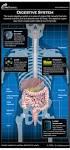 The digestive system Medicine and technology Normal structure and function Diagnostic methods Example diseases and therapies The digestive system An overview (1) Oesophagus Liver (hepar) Biliary system
Prevention and Recognition of Obstetric Fistula Training Package. Module 8: Pre-repair Care and Referral for Women with Obstetric Fistula
 Prevention and Recognition of Obstetric Fistula Training Package Module 8: Pre-repair Care and Referral for Women with Obstetric Fistula Early detection and treatment If a woman has recently survived a
TREATING INFLAMMATORY BOWEL DISEASE (IBD) BACKGROUNDER
 Press information for journalists only TREATING INFLAMMATORY BOWEL DISEASE (IBD) BACKGROUNDER Why treat IBD? IBD describes a range of chronic diseases of the gastrointestinal system, encompassing Ulcerative
GI Bleeding. Thomas S.Foster,Pharm.D. PHR 961 Integrated Therapeutics
 GI Bleeding Thomas S.Foster,Pharm.D. PHR 961 Integrated Therapeutics Overview Because GI bleeding is internal, it is possible for a person to have GI bleeding without symptoms. Important to recognize
KIDNEY FUNCTION RELATION TO SIZE OF THE TUMOR IN RENAL CELL CANCINOMA
 KIDNEY FUNCTION RELATION TO SIZE OF THE TUMOR IN RENAL CELL CANCINOMA O.E. Stakhvoskyi, E.O. Stakhovsky, Y.V. Vitruk, O.A. Voylenko, P.S. Vukalovich, V.A. Kotov, O.M. Gavriluk National Canсer Institute,
Appendicitis National Digestive Diseases Information Clearinghouse
 Appendicitis National Digestive Diseases Information Clearinghouse National Institute of Diabetes and Digestive and Kidney Diseases NATIONAL INSTITUTES OF HEALTH The appendix is a small, tube-like structure
GUIDELINE Sinusitis. David M. Poetker MD, MA Associate Professor. Division of Rhinology and Sinus Surgery
 GUIDELINE Sinusitis David M. Poetker MD, MA Associate Professor Division of Rhinology and Sinus Surgery Guideline Fokkens et al. The European Position Paper on Rhinosinusitis and Nasal Polyps 2012. Rhinology.
Dept. of Medical Imaging University of Ottawa
 ED Visits Related to Bariatric Surgery: Review of Normal Post-Surgical Anatomy as Well as Complications Dept. of Medical Imaging University of Ottawa Disclosures Background Roux-en-Y Gastric Bypass Surgery
Risk stratification for colorectal cancer especially: the difference between sporadic disease and polyposis syndromes. Dr. med. Henrik Csaba Horváth
 Risk stratification for colorectal cancer especially: the difference between sporadic disease and polyposis syndromes Dr. med. Henrik Csaba Horváth Why is risk stratification for colorectal cancer (CRC)
Evolution of Barrett s esophagus
 Endoscopic Treatment and Surveillance of Esophageal Cancer: GI Perspective Charles J. Lightdale, MD Columbia University New York, NY Evolution of Barrett s esophagus Squamous esophagus Chronic inflammation
Colonoscopy Data Collection Form
 Identifier: Sociodemographic Information Type: Zip Code: Gender: Height: (inches) Race: Ethnicity Inpatient Outpatient Male Female Birth Date: Weight: (pounds) American Indian (Native American) or Alaska
Practice Parameters for the Treatment of Sigmoid Diverticulitis
 PRACTICE PARAMETERS Practice Parameters for the Treatment of Sigmoid Diverticulitis Daniel Feingold, M.D. Scott R. Steele, M.D. Sang Lee, M.D. Andreas Kaiser, M.D. Robin Boushey, M.D. W. Donald Buie, M.D.
10 Common Questions Answers SBO
 10 Common Questions Answers SBO 1 What is Small Bowel Obstruction (SBO)? After food passes through our stomach, it soon arrives in our intestines, starting at the small bowel. This tube-like organ meanders
Lenox Hill Hospital Department of Surgery General Surgery Goals and Objectives
 Lenox Hill Hospital Department of Surgery General Surgery Goals and Objectives Medical Knowledge and Patient Care: Residents must demonstrate knowledge and application of the pathophysiology and epidemiology
Emergencies in Post- Bariatric Surgery Patients
 Emergencies in Post- Patients Disclosures Dr. Birnbaumer has no financial disclosures Diane M. Birnbaumer, M.D., FACEP Professor of Medicine University of California, Los Angeles Senior Clinical Educator
Understanding Your Diagnosis of Endometrial Cancer A STEP-BY-STEP GUIDE
 Understanding Your Diagnosis of Endometrial Cancer A STEP-BY-STEP GUIDE Introduction This guide is designed to help you clarify and understand the decisions that need to be made about your care for the
11/10/2014. I have nothing to Disclose. Covered Stents discussed are NOT FDA approved for the indications covered in my presentation
 I have nothing to Disclose Ramsey Dallal, MD, FACS Vice Chair Department of Surgery Chief Bariatric i and Minimally i Invasive Surgery Einstein Healthcare Network Nemacolin, PA 2014 Covered Stents discussed
Crohn s Disease. What I need to know about. U.S. Department of Health and Human Services
 What I need to know about Crohn s Disease NATIONAL INSTITUTES OF HEALTH National Digestive Diseases Information Clearinghouse U.S. Department of Health and Human Services What I need to know about Crohn
FAQ About Prostate Cancer Treatment and SpaceOAR System
 FAQ About Prostate Cancer Treatment and SpaceOAR System P. 4 Prostate Cancer Background SpaceOAR Frequently Asked Questions (FAQ) 1. What is prostate cancer? The vast majority of prostate cancers develop
Colorectal Cancer: Preventable, Beatable, Treatable. American Cancer Society
 Colorectal Cancer: Preventable, Beatable, Treatable American Cancer Society Reviewed January 2016 What we ll be talking about How common is colorectal cancer? What is colorectal cancer? What causes it?
Bile Duct Diseases and Problems
 Bile Duct Diseases and Problems Introduction A bile duct is a tube that carries bile between the liver and gallbladder and the intestine. Bile is a substance made by the liver that helps with digestion.
In caring for the patient, Defendant Doctor breached the standard of care [committed medical malpractice] in the following respects:
![In caring for the patient, Defendant Doctor breached the standard of care [committed medical malpractice] in the following respects:](/thumbs/32/15557631.jpg "In caring for the patient, Defendant Doctor breached the standard of care [committed medical malpractice] in the following respects:") The law firm of Hixson & Brown filed suit on behalf of a client who had her colon unnecessarily removed for suspected diverticulitis or suspected widespread diverticulosis. After removal of the colon,
The law firm of Hixson & Brown filed suit on behalf of a client who had her colon unnecessarily removed for suspected diverticulitis or suspected widespread diverticulosis. After removal of the colon,
Early Prostate Cancer: Questions and Answers. Key Points
 CANCER FACTS N a t i o n a l C a n c e r I n s t i t u t e N a t i o n a l I n s t i t u t e s o f H e a l t h D e p a r t m e n t o f H e a l t h a n d H u m a n S e r v i c e s Early Prostate Cancer:
Ulcerative Colitis & Proctitis. About Ulcerative Colitis & Proctitis
 Ulcerative Colitis & Proctitis About Ulcerative Colitis & Proctitis When you first learn that you have ulcerative colitis, you will probably feel overwhelmed. You may not even have heard of ulcerative
What Is Clostridium Difficile (C. Diff)? CLOSTRIDIUM DIFFICILE (C. DIFF)
 What Is Clostridium Difficile (C. Diff)? Clostridium difficile, or C. diff for short, is an infection from a bacterium, or bug, that can grow in your intestines and cause bad GI symptoms. The main risk
Microscopic Colitis: Collagenous Colitis and Lymphocytic Colitis
 Microscopic Colitis: Collagenous Colitis and Lymphocytic Colitis National Digestive Diseases Information Clearinghouse U.S. Department of Health and Human Services NATIONAL INSTITUTES OF HEALTH What is
Safe and Effective Surgery for Endometriosis Including Detection and Intervention for Ovarian Cancer
 Safe and Effective Surgery for Endometriosis Including Detection and Intervention for Ovarian Cancer Camran Nezhat,, MD, FACOG, FACS Stanford University Medical Center Center for Special Minimally Invasive
Crohn s Disease. What is Crohn s Disease? ho gets Crohn s Disease? hat are the symptoms? What causes Crohn s Disease?
 In association with: Primary Care Society for Gastroenterology INFORMATION ABOUT Crohn s Disease What is Crohn s Disease? ho gets Crohn s Disease? What causes Crohn s Disease? hat does it do to the intestine?
LIVER CANCER AND TUMOURS
 LIVER CANCER AND TUMOURS LIVER CANCER AND TUMOURS Healthy Liver Cirrhotic Liver Tumour What causes liver cancer? Many factors may play a role in the development of cancer. Because the liver filters blood
These rare variants often act aggressively and may respond differently to therapy than the more common prostate adenocarcinoma.
 Prostate Cancer OVERVIEW Prostate cancer is the second most common cancer diagnosed among American men, accounting for nearly 200,000 new cancer cases in the United States each year. Greater than 65% of
Endoscopy and infection: Prevention of infection during endoscopy Treatment of infection by endoscopy. M. Arvanitakis SRBG June 2009
 Endoscopy and infection: Prevention of infection during endoscopy Treatment of infection by endoscopy M. Arvanitakis SRBG June 2009 Outline Antibiotic prophylaxis during endoscopy Upper GI endoscopy Lower
BOWEL CANCER. The doctor has explained that you have a growth or tumour, in your bowel or rectum and could be cancer.
 Patient and Carer Information BOWEL CANCER Please read this leaflet carefully. It is important that you take note of any instructions or advice given. If you have any questions or problems that are not
BACKGROUND MEDIA INFORMATION Fast facts about liver disease
 BACKGROUND MEDIA INFORMATION Fast facts about liver disease Liver, or hepatic, disease comprises a wide range of complex conditions that affect the liver. Liver diseases are extremely costly in terms of
Perianal Abscess and Fistula-in-ano. Background
 Perianal Abscess and Fistula-in-ano Background Anorectal abscesses are some of the more common anorectal conditions encountered, and they are potentially debilitating conditions. The current theory as
Non-surgical treatment of severe varicose veins
 Non-surgical treatment of severe varicose veins Yasu Harasaki UCHSC Department of Surgery General Surgery Grand Rounds March 19, 2007 Definition Dilated, palpable, subcutaneous veins generally >3mm in
Colorectal Cancer: Preventable, Beatable, Treatable. American Cancer Society
 Colorectal Cancer: Preventable, Beatable, Treatable American Cancer Society Reviewed January 2013 What we ll be talking about How common is colorectal cancer? What is colorectal cancer? What causes it?
Acute abdominal pain in the elderly patient: Impact of early MDCT examination on diagnosis and management
 Acute abdominal pain in the elderly patient: Impact of early MDCT examination on diagnosis and management Poster No.: C-1464 Congress: ECR 2010 Type: Topic: Scientific Exhibit GI Tract Authors: A. Pinto,
What tests will I need? What should I eat? How do diverticula form? What is Diverticular Disease? What symptoms might I get? Can I prevent it?
 Information about Diverticular Disease www.corecharity.org.uk How common is it? Can I prevent it? What is Diverticular Disease? What tests will I need? What symptoms might I get? What should I eat? How
Acute pelvic inflammatory disease: tests and treatment
 Acute pelvic inflammatory disease: tests and treatment Information for you Information for you Published August 2010 Published in August 2010 (next review date: 2014) Acute What is pelvic inflammatory
Laparoscopic Repair of Incisional Hernia. Maria B. ALBUJA-CRUZ, MD University of Colorado Department of Surgery-Grand Rounds
 Laparoscopic Repair of Incisional Hernia Maria B. ALBUJA-CRUZ, MD University of Colorado Department of Surgery-Grand Rounds Overview Definition Advantages of Laparoscopic Repair Disadvantages of Open Repair
Measuring severity of disease and defining treatment benefit using the Simple Endoscopic Activity Score (SES-CD)
 Measuring severity of disease and defining treatment benefit using the Simple Endoscopic Activity Score (SES-CD) Jean-Frederic COLOMBEL Icahn Medical School at Mount Sinai, New York J-F Colombel has served
NATIONAL INSTITUTE FOR HEALTH AND CARE EXCELLENCE. Multiple Technology Appraisal
 NATIONAL INSTITUTE FOR HEALTH AND CARE EXCELLENCE Multiple Technology Appraisal Infliximab, adalimumab and golimumab for treating moderately to severely active ulcerative colitis after the failure of conventional
Migrene og mikroflora. Linda Mulder, MSc. Vårseminaret 2014
 Migrene og mikroflora Linda Mulder, MSc. Vårseminaret 2014 Contents Introduction to migraine Introduction to intestinal barrier The role of the intestine & microbiota in migraine Finding the best probiotic
Develop an understanding of the differential diagnosis of pseudomembranous colitis
 Update on Clostridium difficile Colitis Clostridium difficile infection has recently emerged in populations without any known risk factors. This presentation will focus on the historical background, diagnosis,
Colon and Rectal Cancer
 Colon and Rectal Cancer What is colon or rectal cancer? Colon or rectal cancer is the growth of abnormal cells in your large intestine, which is also called the large bowel. The colon is the last 5 feet
Epi procolon The Blood Test for Colorectal Cancer Screening
 Epi procolon The Blood Test for Colorectal Cancer Screening Epi procolon is an approved blood test for colorectal cancer screening. The US Preventive Services Task Force, the American Cancer Society and
Endoscopic therapy for obesity and complications of bariatric surgery
 Endoscopic therapy for obesity and complications of bariatric surgery Jacques Devière, MD, PhD Erasme University Hospital Brussels Belgium [email protected] Obesity Affects 300 millions