
Annual Review of Board Position Statements: Position Statements Without Changes
|
|
|
- Preston Kennedy
- 9 years ago
- Views:
Transcription
1 Annual Review of Board Position Statements: Position Statements Without Changes Agenda Item Board Meeting: January 23-24, 2014 Prepared by: D. Benbow Summary of Request: Board Position Statements are reviewed on an annual basis. This report contains the existing position statements that have no recommended changes. Historical Perspective: Board position statements do not have the force of law, but are a means of providing direction for nurses on issues of concern to the Board relevant to protection of the public. Board position statements are reviewed annually for relevance and accuracy to current practice, the Nursing Practice Act and Board rules. Current Position Statements with No Changes 15.1, Nurses Carrying out Orders from Physician's Assistants 15.4, Educational Mobility 15.13, Role of LVNs and RNs in School Health 15.16, Development of Nursing Education Programs 15.17, Texas Board of Nursing/Board of Pharmacy, Joint Position Statement, Medication Error 15.21, [Deleted 01/2005] 15.23, The Use of Complementary Modalities by the LVN or RN 15.24, Nurses Engaging In Reinsertion of Permanently Placed Feeding Tubes 15.25, Administration of Medication & Treatments by LVNs 15.27, The Licensed Vocational Nurse Scope of Practice 15.28, The Registered Nurse Scope of Practice Pros and Cons Pros: Adoption of the position statements will provide guidance to nurses based on current practice standards, and will offer clarification on frequently asked questions. Cons: None noted. Recommendations: Move to adopt the position statements without changes with allowance for non-substantive word editing for purposes of clarity as may be deemed necessary by Board staff.

2 15.1 Nurses Carrying out Orders from Physician's Assistants The Nursing Practice Act includes the "administration of medications or treatments ordered by a physician, podiatrist or dentist" as part of the practice of nursing. There are no other health care professionals listed. The Board recognizes that in some practice settings nurses work in collegial relationships with physician assistants (PAs) who may relay a physician's order for a client being cared for by a nurse. A nurse may carry out a physician's order for the administration of treatments or medications relayed by a physician assistant (PA) when that order originates with the PA's supervising physician. Supervision must be continuous but does not require the physical presence of a supervising physician at the place where the PA services are performed provided a supervising physician is readily available by telecommunications. The supervising physician should have given notice to the facility that he/she is registered with the Texas Medical Board (TMB) as the supervising physician for the PA and that he/she has authorized the PA to relay orders. The PA must be licensed or registered by the TMB. A list of physician assistants credentialed by the medical staff and policies directing their practice should be available to the nursing staff. The order relayed by the PA may originate from a protocol; if the order originates from a protocol, the PA may select specific tasks or functions required to implement the protocol, provided they are within the scope of the protocol. The protocol must be signed by the supervising physician and should be made available as necessary to verify authority to provide medical aspects of care. If the tasks or functions ordered fall outside the scope of the protocol, the PA must consult with the physician to obtain a verbal order before the nurse may carry out the order. As with any order, the nurse must seek clarification if he/she believes the order or treatment is inaccurate, non-efficacious or contraindicated by consulting with the PA and physician as appropriate. The nurse may request to review the PA s protocol as one mechanism for clarification of orders and treatments. (Board Action, 01/1994; Revised 01/2005; 01/2006; 01/2010; 01/2012) (Reviewed - 01/2007; 01/2008; 01/2009; 1/2011; 01/2013; 01/2014)

3 15.4 Educational Mobility The Board of Nursing supports educational mobility for nurses prepared at the VN, ADN, Diploma and BSN levels and encourages the elimination of needless repetition of experiences or time penalties. Furthermore, the Board encourages existing nursing education programs approved by the Texas Board of Nursing to develop articulation arrangements that specify their policies regarding transfer of academic credits to facilitate educational mobility, especially in underserved areas of the state. (Board Action 01/1989; Revised 01/1992; 01/2005; 01/2008) (Reviewed - 01/2006; 01/2007; 01/2009; 01/2010; 01/2011; 01/2012; 01/2013; 01/2014)

4 15.13 Role of LVNs and RNs in School Health The Board of Nursing (BON) recognizes that the youth of Texas are our most valuable natural resource. The BON acknowledges that although students come to school with complex and diverse health care needs, they should be provided an education in the least restrictive environment. The BON recognizes that the school children of Texas have the right to receive safe, appropriate, specialized health services that may be required to assure the child's inclusion in the school environment. Registered Nurses in the School Setting The Texas Education Agency defines a school nurse in 19 Texas Administrative Code (TAC) (a) (1) (D) as an educator employed to provide full-time nursing and health care services and who meets all the requirements to practice as a registered nurse (RN) pursuant to the Nursing Practice Act and rules and regulations relating to professional nurse education, licensure, and practice and has been issued a license to practice professional nursing in Texas. The Board of Nursing (BON) believes that school nursing is a professional registered nursing (RN) specialty. School nursing involves the identification, prevention and intervention to remedy or modify students' health needs. The RN has the educational preparation and critical thinking skills as well as clinical expertise which are essential to nursing in the school setting. These activities involve the comprehensive assessment of the nursing/health care needs of the student, the development of a plan of care, implementation of the plan, and evaluation of the outcomes. The provision of these services by the RN contributes directly to the students' education and to the successful outcome of the educational process. These essential components of professional nursing practice are the responsibility of the RN in compliance with Rule (3)(A). Vocational Nurses in the School Setting The vocational nurse has a directed scope of practice under supervision of a registered nurse, 1 advanced practice registered nurse, physician, physician assistant, podiatrist, or dentist. The provision of nursing care when provided by a Licensed Vocational Nurse (LVN) in a school setting should be under the supervision of the RN. The RN, in compliance with the BON's Standards of Nursing Practice [22 TAC ], assigns those aspects and activities to the LVN that are within the LVN's educational preparation and demonstrated competency to provide. The RN monitors, coordinates, and evaluates the provision of health services necessary to meet individual student health needs essential in achieving educational objectives. When LVNs are utilized in the school setting and are supervised by the RN, the RN needs to consider how closely they can supervise the LVN and how the RN will direct, guide, and influence 2 the outcome of the LVN s performance and respond to any situations where the LVN needs onsite supervision. 1 Tex. Occ. Code, Section and 22 Tex. Admin. Code (2) 2 22 Tex. Admin. Code (2)

5 RN Delegation to Unlicensed Personnel Due to the growing number of students entering the school system with special health care needs, the BON recognizes that not all health-related services can be provided by a RN or LVN. Therefore, the RN may delegate tasks in the school setting in compliance with the BON's Delegation Rules 224 and 225. School is considered an independent living environment as defined in Rule 225; however, acute or emergency situations in the school setting may be delegated in accordance with the rules in both Chapter 224 and Chapter 225. For example, the RN may decide to delegate to an unlicensed person, the emergency administration of Epi-pens, Glucagon, Diastat, oxygen, metered dose inhalers, or nebulizer treatments for the relief of acute respiratory symptoms and the use of a hand held magnet to activate a vagus nerve stimulator to prevent or control seizure activity under 22 TAC 224.6(4) in order to stabilize the child and prevent complications from delaying treatment. The decision to delegate a specific task is always at the discretion of the RN in accordance with 22 TAC 224.8(b)(1)(C) or 22 TAC 225.9(c). Other Laws Impacting School Health Care In a school setting, the administration of medication may be assigned to an unlicensed person by the public school official in accordance with the rules of the Texas Education Code. The RN's obligation under 22 TAC is to (1) verify the training of the unlicensed person, and (2) verify the competency of the unlicensed person to perform the task safely. If the RN is unable to assure (1) and (2) have been met, the RN must (b) notify the public school official of the situation. Summary Given the complexity, the current number, and the future projections of increasing numbers of children entering the school system with complex nursing and health-related needs, the BON believes that the RN must establish an individualized nursing care plan for each child as applicable. The RN may be assisted by LVNs and unlicensed assistive personnel in the delivery of services to ensure the delivery of safe, effective health care to the school children of Texas. (Adopted 11/1996; Revised 11/1997; 01/2003; 01/2005; 01/2008; 01/2009; 01/2011; 01/2013; 07/2013) (Reviewed - 01/2006; 01/2007; 01/2010; 01/2012; 01/2014)

6 15.16 Development of Nursing Education Programs Approval of nursing education programs is one of the primary functions of the Texas Board of Nursing (BON) in order to fulfill its mission to protect and promote the welfare of the people of Texas. The Texas BON has the responsibility and legal authority to decide whether a proposed new nursing education program meets the Board's established minimum standards for education programs. These standards require adequate human, fiscal, and physical resources, including qualified nursing faculty and clinical learning facilities, to initiate and sustain a program that prepares graduates to practice competently and safely as nurses. The Texas BON recognizes that when health care facilities experience difficulties in recruiting and retaining sufficient numbers of nurses, education institutions and facilities within the affected geographical region frequently respond to this workforce need by proposing new nursing education programs. Guidelines for Establishing a New Vocational or Professional Nursing Education Program Entities desiring to start a nursing education program that are not approved as a school/college, must establish a school/college identity and be approved by the Texas Workforce Commission (TWC) as a career school or college (proprietary school) prior to seeking approval for the proposed nursing education program. All new prelicensure vocational and professional nursing education programs in Texas must be approved/licensed by either the TWC or the Texas Higher Education Coordinating Board (THECB), as applicable, unless deemed exempt from approval/licensing by the TWC or the THECB; and must also be approved by the Texas BON before enrolling students in the program. A new nursing education program that is deemed exempt from approval/licensing by the TWC or THECB, must still be approved by the Texas BON before enrolling students in the program. Proposed diploma programs must submit to the Texas BON a written plan addressing the legislative mandate that all nursing diploma programs in Texas have a process in place by 2015 to ensure that graduates of the program are entitled to receive a degree from a public or private institution of higher education accredited by an agency recognized by the THECB and at a minimum, entitle a graduate of the diploma program to receive an associate degree in nursing as required by 215.3(a)(2)(G) and 215.4(a)(6), adopted on February 19, Process for Proposal Approval/Denial A proposal to establish a new vocational nursing education program or a new professional nursing education program must follow Texas BON Rules & Regulations in Chapter 214 for Vocational Nursing Education or Chapter 215 for Professional Nursing Education. The entity seeking to establish the new program must have the appropriate accreditation/approval and the proposal must be prepared by a registered nurse with educational credentials and experience as outlined in the above mentioned rules. The proposal should include, but not be limited to, extensive rationale which supports establishing the new program with demographic and community data, employment needs for nurses in the area, evidence of support from stakeholders, established agreements with clinical affiliating agencies, adequate qualified nursing administrator and faculty to begin the program, and an acceptable curriculum as identified in the guidelines. The Texas BON Education Guidelines for developing a proposal to establish a new program are available on the Texas BON web site under

7 the Nursing Education link. An initial approval fee shall be submitted with the proposal [Rule 223.1(a)(9)]. The process for proposal approval/denial begins when the board staff receives a letter of intent or an initial proposal from the entity. The total process from this point may take up to one year or more before the proposal is ready to be presented to the Board. The length of time until Board approval depends upon the completeness of the proposal and compliance with Board standards. The usual process entails a number of revisions of the proposal. The expertise of the proposal s author, and the involvement of the proposed program director impact the success of the proposal. A New Proposal Resource Packet to assist in the proposal development is available on the Board s web site under the Nursing Education link. The packet lists the documents on the web site necessary for the proposal development. The author of the proposal and proposed director should attend at least one Informal Information Session for Proposal Development. The Informal Information Session is provided by board staff several times each year. Representatives from the institution should also attend at least one regularly scheduled Board meeting in order to gain familiarity with Board proceedings. After the proposal is determined to be ready to be presented to the Board, a preliminary survey visit will be conducted by board staff. The equipment and educational spaces in the physical facility should be ready for the program to begin at this time. A public hearing will be held at the Board meeting prior to the Board's discussion of the proposal and the Board's decision. The Board may approve the proposal and grant initial approval to the new program, may defer action on the proposal, or may deny further consideration of the proposal. (Board Action 07/2000; Revised 01/2004; 01/2005; 01/2006; 01/2008; 10/2008; 01/2011; 01/2013) (Reviewed - 01/2007; 01/2009; 01/2010; 01/2012; 01/2014)

8 15.17 Texas Board of Nursing/Board of Pharmacy, Joint Position Statement, Medication Error Medication errors occur when a drug has been inappropriately prescribed, dispensed, or administered. Medication errors are a multifaceted problem which may occur in any health care setting. Consistent with their common mission to promote and protect the welfare of the people of Texas, the Board of Nursing and the Board of Pharmacy issued this joint statement for the purpose of increasing awareness of some of the factors which contribute to medication errors. The Boards note that there are numerous publications available which examine the many facets of this problem, and agree that all elements must be examined in order to identify and successfully correct the problem. This position paper has been jointly developed because the Boards acknowledge the interdisciplinary nature of medication errors and the variety of settings in which these errors may occur. These settings may include hospitals, community pharmacies, doctors' offices/clinics, longterm care facilities, clients' homes, and other locations. Traditionally, medication errors have been attributed to the individual practitioner. However, reports such as the recently published Institute of Medicine's "To Err Is Human: Building a Safer Health System," suggest the majority of medical errors do not result from individual recklessness, but from basic flaws in the way the health system is organized. It is the joint position of the Boards that a comprehensive and varied approach is necessary to reduce the occurrence of errors. The Boards agree that the comprehensive approach includes three major elements: (1) the individual professional's knowledge of practice; (2) resources available to the professional; and (3) systems designs, problems and failures. Each of these three elements of this comprehensive approach are discussed below. Professional competence has long been targeted as a source of health care professional errors. To reduce the probability of errors, all professionals must accept only those assignments for which they have the appropriate education and which they can safely perform. Professionals must continually expand their knowledge and remain current in their specialty, as well as be alerted to new medications, technologies and procedures in their work settings. Professionals must be able to identify when they need assistance, and then seek appropriate instruction and clarification. Professionals should evaluate strengths and weaknesses in their practice and strive to improve performance. This ultimate accountability on the part of individual practitioners is a critical element in reducing the incidence of medication errors. The second element (resources available to all professionals) centers on the concept of team work and the work environment. The team should be defined as all health care personnel within any setting. Health care professionals must not be reluctant to seek out and utilize each other as resources. This is especially important for the new professional and/or the professional in transition. Taking the time to learn about the resources available in any practice setting is the individual professional's responsibility, and can help decrease the occurrence of medication errors. Adequate staffing and availability of experienced professionals are key factors in the delivery of safe effective medication therapy. In addition, health care organizations have the responsibility to develop complete and thorough orientation for all employees, maintain adequate and updated policies and procedures as guidelines for practice, and offer relevant opportunities for continuing staff development. Analysis of the third element (systems designs, problems and failures) may demand creative and/or innovative thinking specific to each setting as well as a commitment to guarantee client safety.

9 Systems which may have been in place for a long period of time may need to be re-examined for effectiveness. New information and technological advances must always be taken into account, and input should be solicited from all professionals. In addition, the system should contain a comprehensive quality program for the purpose of detecting and preventing problems and failures. The quality program must encourage all health care professionals to be alert for problems encountered in their daily tasks and to advocate for changes when necessary. In addition, the quality program should include a method of reporting all errors and problems within the system, a system for tracking and analysis of the errors, and an interdisciplinary review of the incident(s). Eliminating systems problems is vital in promoting optimal performance. The table on the following page, while not an exhaustive list, specifies areas which can be reviewed when medication errors occur. These areas encompass all three of the aforementioned contributing elements to the problem of medication errors and can be applied to individuals or systems. Communication is a common thread basic to all of these factors. Effective verbal or written communication is fundamental to successfully resolving breakdowns, either individual or system wide, that frequently contribute to medication errors. The Boards agree that health care regulatory entities must remain focused on public safety. It is imperative that laws and rules are relevant to today's practice environment and that appropriate mechanisms are in place to address medication errors. The complex nature of the problem requires that there be a comprehensive approach to reducing these errors. It is vital to the public welfare that medication errors be identified, addressed, and reduced. (Board Action 10/2000) (Reviewed - 01/2005; 01/2006; 01/2007; 01/2008; 01/2009; 01/2010; 01/2011; 01/2012; 01/2013; 01/2014) References Institute of Medicine. (1999). To err is human: Building a safer health system. Washington, D.C.: National Academy Press. Joint Commission on Accreditation of Healthcare Organizations. (1999). High-alert medications and p a t i e n t s a f e t y. S e n t i n e l E v e n t A l e r t, [ O n - l i n e ]. A v a i l a b l e : jcaho.org/edu_pub/sealert/sea11.html. Leape, L. L. (1994). Error in medicine. Journal of the American Medical Association, 272(23), Nursing Practice Act, Texas Occupations Code, Chapters 301 and 303. Texas Pharmacy Act, Texas Occupations Code, Chapters

10

11 15.21 Deleted 01/2005

12 15.23 The Use of Complementary Modalities by the LVN or RN Nursing is a dynamic profession. The scope of practice for one nurse may differ from the scope of practice for another nurse; therefore, it is impractical to create an exhaustive list of tasks that may or may not be performed by a nurse in any setting. A number of complementary therapeutic modalities have long been incorporated into standard nursing practice to assist patients in meeting identified health needs and goals. Educational preparation to practice complementary modalities may be acquired through formal academic programs or continuing education. Differentiating the Roles of the LVN and RN The Licensed Vocational Nurse (LVN) and the professional or Registered Nurse (RN) have different roles within the nursing process. The nursing practice of an LVN requires supervision with oversight from a registered nurse, advanced practice registered nurse, physician, physician assistant, podiatrist or dentist. The LVN performs focused assessments and contributes to care planning, interventions, and evaluations. The RN is responsible for the overall coordination of care and performs comprehensive assessments, initiates the nursing care plan, implements and evaluates care of the client or patient. Additional references related to the topics of supervision, assessment, and the nursing process may be found in the following resources on the BON web site: 1. Nursing Practice Act (NPA): a , Definitions, and b , Supervision of Vocational Nurse 2. Board Rule , Standards of Nursing Practice 3. Position Statement 15.27, The Licensed Vocational Nurse Scope of Practice 4. Frequently Asked Question: LVN's "Supervision of Practice" 5. Frequently Asked Question: LVN's Performing Initial Assessments Complementary Modalities Depending upon the practice setting and modality considered, complementary modalities may be used alone or in conjunction with conventional modalities. Regardless of practice setting, the LVN or RN who wishes to incorporate the use of complementary modalities into his/her nursing practice is accountable and responsible to adhere to the Nursing Practice Act (NPA), Board Rules and Regulations Relating to Nursing Education, Licensure and Practice. Rules that are particularly relevant to LVNs or RNs who integrate complementary therapies into nursing practice include rule , Restrictions to Use of Designations for Licensed Vocational or Registered Nurse, which requires a nurse who uses the title, either LVN or "RN" whether expressed or implied, to comply with the NPA and Board Rules. In addition, rule , Standards of Nursing Practice, forms the foundation for safe nursing practice and establishes the LVN s or RN s duty to his/her clients. While all standards apply when engaging in the practice of nursing, those standards most applicable to the nurse who engages in complementary modalities include 22 TAC (1) (A)-(D), (1) (F), (1) (G), (1) (R), and (1) (T). Additional standards may apply depending upon the specific practice situation. In order to show accountability when providing

13 integrated or complementary modalities as nursing interventions, the LVN or RN should be able to articulate and provide evidence of: 1. Educational activities used to gain or maintain the knowledge and skills needed for the safe and effective use of such modalities; 2. Knowledge of the anticipated effects of the complementary therapy and its interactions with other modalities, including its physiological and/or emotional/spiritual impact; 3. Selection of appropriate interventions, whether complementary, conventional, or in combination, to meet the client s needs. The interventions and rationale for selection should be documented in the client s nursing care plan. The demonstrated ability of the LVN or RN to properly perform the chosen intervention(s) should be maintained by the LVN or RN and/or his/her employer; 4. Instruction/education provided regarding the purpose of the selected intervention, e.g., how it is performed, and its potential outcomes; 5. Collaboration with other health care professionals and applicable referrals when necessary; 6. Documentation of interventions and client responses in a client s record; 7. Development and/or maintenance of policies and procedures relative to complementary modalities when used in organized health care settings; 8. Abstinence from making unsubstantiated claims about the therapy used; and 9. Acknowledgment that, as with conventional modalities, each person s response to the therapy will be unique. While some complementary therapies, such as massage, have long been within the realm of nursing, there is a much broader connotation applied when an LVN or RN holds himself/herself out as a registered or certified practitioner of such a therapy. "Registered" or "certified" titles, in relation to a complementary modality, imply a degree of mastery above those basic skills acquired through a pre-licensure nursing program. The LVN or RN is accountable to hold the proper credentials (e.g., license, registration, certificate, etc.) to safely engage in the specific practice. The Six-Step Decision-Making Model (accessible on the Texas Board of Nursing (BON) web page) may be a useful tool for the LVN or RN who is uncertain whether a given modality is within his/her scope of practice. The nurse who wishes to integrate complementary modalities when engaging in the practice of nursing should be familiar with not only the NPA, BON rules, and any applicable Federal or State regulations, but also any prevailing standards published by national associations, credentialing bodies, and nursing organizations related to the LVN s or RN s area of practice. (Board Action 01/2004; Revised 01/2005; 01/2009; 04/2010; 01/2012; 01/2013) (Reviewed 01/2006; 01/2007; 01/2008; 01/2011; 01/2014)

14 15.24 Nurses Engaging In Reinsertion of Permanently Placed Feeding Tubes The Board approved curriculum for both vocational nurses and registered nurses does not provide graduates with sufficient instruction to ascertain that a nurse has the necessary knowledge, skills and ability to re-insert and determine correct placement of a permanently placed feeding tube (such as gastrostomy or jejunostomy tubes). The Board does allow LVNs and RNs to expand their practice beyond the basic educational preparation through post-licensure continuing education and training for certain tasks and procedures. One of the main considerations in determining whether or not a nurse should consider re-insertion of a gastrostomy, jejunostomy or similar feeding tube is how long the original tube was in place before becoming dislodged. Though sources vary, most give a range of 8-12 weeks for maturation/healing of the fistulous tract and stoma formation. The method of initial insertion (surgical, endoscopy, or radiographic guidance) may impact the length of healing. Orders should be obtained from the patient s physician regarding re-insertion guidelines. It is the opinion of the Board that LVNs and RNs should not engage in the reinsertion of a permanently placed feeding tube through an established tract until the LVN or RN successfully completes a competency validation course congruent with prevailing nursing practice standards. Training should provide instruction on the nursing knowledge and skills applicable to tube replacement and verification of correct and incorrect placement. The Board of Nursing (BON) does not define nor set qualifications for competency validation courses; however, inclusion of the following factors is encouraged: 1. The nurse should complete training designed specifically for the type or types of permanent feeding tubes the nurse may need to replace, including overall patient assessment, verification of proper tube placement, and assessment of the tube insertion site. 2. A registered nurse or a physician who has the necessary expertise with regard to the specific feeding tube provides supervision during the training process. 3. The nurse demonstrates competency in all appropriate aspects (knowledge, decisionmaking, and psycho-motor skills) of performing the procedure. 4. The patient has an established tract. The established tract is not determined by the nurse. 5. The facility has resources available to develop an educational program for initial instruction of LVNs and/or RNs, as well as for ongoing competency validation. 6. Documentation of each nurse s initial education and ongoing competency validation should be maintained by the nurse and/or the employer in accordance with facility policies. 7. Regardless of training, policies and procedures of the facility must also permit the nurse to engage in the procedure. The nurse who accepts an assignment to engage in care and/or replacement of permanently placed feeding tubes is responsible to adhere to the NPA and Board rules, particularly 22 TAC , Standards of Nursing Practice, as well as any other standards or rules applicable to the nurse s practice setting. Two standards applicable in all practice scenarios include:

15 22 TAC (1)(B) implement measures to promote a safe environment for clients and others; and 22 TAC (1)(T) accept only those assignments that take into consideration client safety and that are commensurate with the nurse s educational preparation, experience, knowledge, and physical and emotional ability. Additional standards in 22 TAC that may be applicable when a nurse chooses to engage in replacement of a permanently placed feeding tube include (but are not limited to): (1)(D) Accurately and completely report and document: (i)...client status...(ii) nursing care rendered; (iii) physician, dentist or podiatrist orders; (iv) administration of medications and treatments; (v) client response(s)..., (1)(G) Obtain instruction and supervision as necessary when implementing nursing procedures or practices, (1)(H) Make a reasonable effort to obtain orientation/training for competency when encountering new equipment and technology or unfamiliar care situations, (1)(R) Be responsible for one s own continuing competence in nursing practice and individual professional growth. Standards specific to LVNs may be found in 22 TAC (2); standards specific to RNs may be found in 22 TAC (3). Regardless of facility policy or physicians orders, the nurse always has a duty to maintain the safety of the patient [Reference 22 TAC (1)(B) above]; this standard has previously been upheld in a landmark case [Lunsford vs. Board of Nurse Examiners, 648 S.W. 2d 391 (Tex. App. -- Austin 1983)]. (Adopted 01/2005; Revised 01/2008; 01/2009; 01/2011; 01/2013) (Reviewed - 01/2006; 01/2007; 01/2010; 01/2012; 01/2014)

16 15.25 Administration of Medication & Treatments by LVNs The definition of Vocational Nursing as amended in the Texas Occupations Code by SB1000 (79 th Regular Session, 2005) states: (5): Vocational Nursing means a directed scope of nursing practice, including the performance of an act that requires specialized judgment and skill, the proper performance of which is based on knowledge and application of the principles of biological, physical, and social science as acquired by a completed course in an approved school of vocational nursing. The term does not include acts of medical diagnosis or the prescription of therapeutic or corrective measures. Vocational nursing involves: (A) (B) (C) (D) (E) (F) collecting data and performing focused nursing assessments of the health status of an individual; participating in the planning of the nursing care needs of an individual; participating in the development and modification of the nursing care plan; participating in health teaching and counseling to promote, attain, and maintain the optimum health level of an individual; assisting in the evaluation of an individual s response to a nursing intervention and the identification of an individual s needs; and engaging in other acts that require education and training, as prescribed by board rules and policies, commensurate with the nurse s experience, continuing education, and demonstrated competency. Educational preparation leading to initial licensure as a nurse in Texas is described in the Differentiated Essential Competencies (DECs) Of Graduates of Texas Nursing Programs Evidenced by Knowledge, Clinical Judgements, and Behaviors (Oct 2010). This document lists the minimum competency expectations for graduates of Vocational (VN), Diploma/Associate Degree (Diploma/ADN), and Baccalaureate (BSN) nursing programs. According to DECs, educational preparation for Vocational Nurses includes the following related to administration of medications: Knowledge: Common medical diagnoses, drug and other therapies and treatments. Clinical Behavior/Judgments: Administer medications and treatments and perform procedures safely, and Monitor, document, and report responses to medications, treatments, and procedures and communicate the same to other health care professionals clearly and accurately. The Standards of Nursing Practice (22 TAC ) applicable to LVNs (as well as RNs) includes the following standards that specifically relate to medication administration: (1)(C) Know the rationale for and effects of medications and treatments, and shall correctly administer the same; (1) (D) Accurately and completely report and document:..(iv) administration of medications and treatments;

17 (1) (N) Clarify any order or treatment regimen that the nurse has reason to believe is inaccurate, non-efficacious or contraindicated by consulting with the appropriate licensed practitioner and notifying the ordering practitioner when the nurse makes the decision not to administer the medication or treatment. [Note that other standards may apply to administration of medications within a given practice circumstance.] The Board s position, therefore, is that LVNs are educationally prepared to administer medications and treatments as ordered by a physician, podiatrist, dentist, or any other practitioner legally authorized to prescribe the ordered medication. LVNs may also administer medications and treatments ordered by PAs and APRNs as established under Position Statements 15.1 and 15.18, relating to nurses accepting orders from Physician Assistants (PAs) and Advanced Practice Registered Nurses (APRNs), respectively. As with other practice tasks, the Board cannot provide a list of medications, routes of administration, or other specific information that may be relevant to determining whether or not a task is within the scope of practice for a LVN. What is within the scope of practice for one LVN may not be within the scope of practice for another LVN. The following documents on the Board s web page may be helpful for a LVN concerned about his/her scope of practice for administration of medications or other nursing practices: Six-Step Decision-Making Model for Determining Nursing Scope of Practice: R u l e , S t a n d a r d s o f N u r s i n g P r a c t i c e : loc=&p_tloc=&p_ploc=&pg=1&p_tac=&ti=22&pt=11&ch=217&rl=11 Lists of Tasks a Nurse Can/Cannot Perform: Position Statements: Position Statement 15.3, LVNS Engaging in Intravenous Therapy, Venipuncture, or PICC Lines: Position Statement 15.8, Role of the Nurse in Moderate Sedation: Position Statement 15.27, The Licensed Vocational Nurse Scope of Practice: (Adopted 10/2005; Revised 01/2009; 01/2011; 01/2012; 01/2013) (Reviewed - 01/2007; 01/2008; 01/2010; 01/2014)

18 15.27 The Licensed Vocational Nurse Scope of Practice The BON recommends that all nurses utilize the Six-Step Decision-Making Model 1 for Determining Nursing Scope of Practice when deciding if an employer s assignment is safe and legally within the nurse s scope of practice. The Texas Board of Nursing (BON) is authorized by the Texas Legislature to regulate the nursing profession to ensure that every licensee is competent to practice safely. The Texas Nursing Practice Act (NPA) and the Board s Rules and Regulations define the legal scope of practice for licensed vocational nurses (LVN). The LVN scope of practice is a directed scope of practice and requires appropriate supervision. The LVN, with a focus on patient safety, is required to function within the parameters of the legal scope of practice and in accordance with the federal, state, and local laws, rules, regulations, and policies, procedures and guidelines of the employing health care institution or practice setting. The LVN is responsible for providing safe, compassionate and focused nursing care to assigned patients with predictable health care needs. The purpose of this position statement is to provide direction and recommendations for nurses and their employers regarding the safe and legal scope of practice for licensed vocational nurses and to promote an understanding of the differences between the LVN and RN levels of licensure. The RN scope of practice is interpreted in Position Statement Every nursing education program in the state of Texas is required to ensure that their graduates exhibit competencies outlined in the Board s Differentiated Essential Competencies (DECs) of 2 Graduates of Texas Nursing Programs. These competencies are included in the program of study so that every graduate has the knowledge, clinical behaviors and judgment necessary for LVN entry into safe, competent and compassionate nursing care. The DECs serve as a guideline for employers to assist LVNs as they transition from the educational environment into nursing practice. As LVNs enter the workplace, the DECs serve as the foundation for the development of the LVN scope of practice. Completion of on-going, informal continuing nursing education offerings and on-the-job trainings in a LVN s area of practice serves to develop, maintain, and expand the level of competency. Because the LVN scope of practice is based upon the educational preparation in the LVN program of study, there are limits to LVN scope of practice expansion parameters. The Board believes that for a nurse to successfully make a transition from one level of nursing practice to the next requires the completion of a formal program of education. 3 The LVN Scope of Practice The LVN is an advocate for the patient and the patient s family and promotes safety by practicing within the NPA and the BON Rules and Regulations. LVN scope of practice does not include acts 4 of medical diagnosis or the prescription of therapeutic or corrective measures. The practice of vocational nursing must be performed under the supervision of a RN, APRN, physician, physician 5 assistant, podiatrist or dentist. Supervision is defined as the active process of directing, guiding, and 6 influencing the outcome of an individual s performance of an activity. The LVN is precluded from practicing in a completely independent manner; however, direct and on-site supervision may not be required in all settings or patient care situations. Determining the proximity of an appropriate clinical supervisor, whether available by phone or physical presence, should be made by the LVN and the LVN s clinical supervisor by evaluating the specific situation, taking into consideration patient conditions and the level of skill, training and competence of the LVN. An appropriate clinical supervisor may need to be physically available to assist the LVN should emergent situations arise.

19 The setting in which the LVN provides nursing care should have well defined policies, procedures, and guidelines, in which assistance and support are available from an appropriate clinical supervisor. The Board recommends that newly licensed LVNs work in structured settings for a period of months, such as nursing homes, hospitals, rehabilitation centers, skilled nursing facilities, clinics or 7 private physician offices. This allows the new nurse sufficient practice experience in more structured settings in order to assimilate knowledge from their education. As competencies are demonstrated, if the LVN transitions to unstructured settings where the clinical supervisor may not be on-site, it is the LVN s responsibility to ensure he or she has access to an appropriate clinical supervisor and that the policies, procedures and guidelines for that particular setting are established to guide the LVN practice. The LVN uses a systematic problem-solving process in the care of multiple patients with predictable health care needs to provide individualized, goal-directed nursing care. LVNs may contribute to the plan of care by collaborating with interdisciplinary team members, the patient and the patient s family. The essential components of the nursing process are described in a side by side comparison of the different levels of education and licensure (see Table). Assessment The LVN assists in determining the physical and mental health status, needs, and preferences of culturally, ethnically, and socially diverse patients and their families based on interpretation of health-related data. The LVN collects data and information, recognizes changes in conditions and reports this to the RN supervisor or another appropriate clinical supervisor to assist in the identification of problems and formulation of goals, outcomes and patient-centered plans of care that are developed in collaboration with patients, their families, and the interdisciplinary health care team. The LVN cannot perform independent assessments as the LVN has a directed scope of practice under supervision. The LVN participates in the nursing process by appraising the individual patient s status or situation at hand. Also known as a focused assessment, this appraisal may be considered a component of a more comprehensive assessment performed by a RN or another appropriate clinical supervisor. For example, a RN may utilize the data and information collected and reported by the LVN in the formation of the nursing process; however, the RN s comprehensive assessment lays the foundation for the nursing process. The LVN reports the data and information collected either verbally or in writing. Written documentation must be accurate and complete, and according to policies, procedures and guidelines for the employment setting. 8 Planning The second step in which the LVN participates and contributes to the nursing process is planning. After the focused assessment, the LVN reports data and other information such as changes in patient conditions to the appropriate clinical supervisor, such as a RN. This information may be considered in planning, problem identification, nursing diagnoses, and formulation of goals, teaching plans and outcomes by the RN supervisor or another appropriate clinical supervisor. A nursing plan of care for patients is developed by the RN and thus the RN has the overall responsibility to coordinate nursing care for patients. Implementation Implementing the plan of care is the third step in the nursing process. The LVN is responsible for providing safe, compassionate and focused nursing care to assigned patients with predictable health care needs. The LVN may implement aspects of the plan of care within legal, ethical, and regulatory parameters and in consideration of patient factors. The LVN organizes aspects of patient care based on identified priorities. Delegating tasks to unlicensed assistive personnel (UAPs) is beyond the scope of practice for LVNs; however, LVNs may make appropriate assignments to other LVNs and

20 6 UAPs according to Rule (2). The RN is generally responsible and accountable for supervising not only the LVN's practice but the UAP s performance of tasks as well. For example, the RN may have trained, verified competency and delegated the tasks to a UAP and the LVN may then proceed to assign those tasks that need to be accomplished for that day. Teaching and counseling are interwoven throughout the implementation phase of the nursing process and LVNs can participate in implementing established teaching plans for patients and their families with common health problems and well defined health learning needs. Evaluation A critical and fourth step in the nursing process is evaluation. The LVN participates in the evaluation process identifying and reporting any alterations in patient responses to therapeutic interventions in comparison to expected outcomes. The LVN may contribute to the evaluation phase by suggesting any modifications to the plan of care that may be necessary and making appropriate referrals to facilitate continuity of care. Essential Skills Use in the Nursing Process Communication Communication is a fundamental component in the nursing process. The LVN must communicate verbally, in writing, or electronically with members of the healthcare team, patients and their families on all aspects of the nursing care provided to patients. Communications must be appropriately documented in the patient record or nursing care plan. Because LVNs are members of the healthcare team, provide nursing care, and contribute to the nursing process, collaboration is a quality that is crucial to the communication process. When patient conditions or situations have changed or exceeded the LVN s level of competency and scope of practice, the LVN must be prepared to seek out his or her clinical supervisor and actively cooperate to develop solutions that ensure patient safety. Clinical Reasoning Clinical reasoning is another integral component in the nursing process. LVNs must use clinical reasoning and established evidence-based policies, procedures or guidelines as the basis for decision making in nursing practice. LVNs are accountable and responsible for the quality of nursing care provided and must exercise prudent nursing judgment to ensure the standards of nursing practice are met at all times. 9 Employment Setting When an employer hires a nurse to perform a job, the nurse must assure that it is safe and legal. For instance, the LVN must have a clinical supervisor who is knowledgeable and aware of his or her role. Caution must be exercised not to overstep the legal parameters of nursing practice when an employer may not understand the limits of the LVN scope of practice and makes an assignment that is not prudent or safe. The LVN must determine before he or she engages in an activity or assignment whether he or she has the education, training, skill, competency and the physical and emotional 10 ability to safely carry out the activity or assignment. The LVN s duty is to always provide safe, compassionate, and focused nursing care to patients. Making Assignments The LVN s duty to patient safety when making assignments to others is to take into consideration the education, training, skill, competence and physical and emotional ability of the persons to whom the assignments are made. If the LVN makes assignments to another LVN or UAP, he or she is responsible for reasonable and prudent decisions regarding those assignments. It is not appropriate and is beyond the scope of practice for a LVN to supervise the nursing practice of a RN. However,

21 in certain settings, i.e.: nursing homes, LVNs may expand their scope of practice through experience, skill and continuing education to include supervising the practice of other LVNs, under the oversight of a RN or another appropriate clinical supervisor. The supervising LVN may have to directly observe and evaluate the nursing care provided depending on the LVN s skills and competence, patient conditions and emergent situations. Timely and readily available communication between the supervising LVN and the clinical supervisor is essential to provide safe and effective nursing care. Summary The LVN, with a focus on patient safety, is required to function within the parameters of the legal scope of practice and in accordance with the federal, state, and local laws, rules, regulations, and policies, procedures and guidelines of the employing health care institution or practice setting. The LVN functions under his or her own license and assumes accountability and responsibility for quality 9 of care provided to patients and their families according to the standards of nursing practice. The LVN demonstrates responsibility for continued competence in nursing practice, and develops insight through reflection, self-analysis, self-care, and lifelong learning. The table below offers a brief synopsis of how the scope of practice for nurses differs based on educational preparation and level of licensure. These are minimum competencies, but also set limits on what the LVN or RN can do at his or her given level of licensure, regardless of experience. 1 Texas Board of Nursing (2010). Six-step decision-making model for determining nursing scope of practice 2 Texas Board of Nursing (2010). Differentiated essential competencies (DECs) of graduates of Texas Nursing Programs. 3 Texas Board of Nursing (2011). Position statement Continuing education: Limitations for expanding scope of practice. 4 Texas Nursing Practice Act, TOC (5). 5 Texas Nursing Practice Act, TOC Texas Administrative Code, 22 TAC (2). 7 Texas Board of Nursing (2011). Rules and guidelines governing the graduate vocational and registered nurse candidates or newly licensed vocational or registered nurse. 8 Texas Administrative Code, 22 TAC (1)(D). 9 Texas Administrative Code, 22 TAC Texas Administrative Code, 22 TAC (1)(T). 11 Texas Administrative Code, 22 TAC (1)(S). 12 Texas Administrative Code, 22 TAC (2)(B). Additional Resources Idaho Board of Nursing (2010). Position on safety to practice.
22 Kentucky Board of Nursing. (2005). Components of licensed practical nursing practice (AOS #27 LPN Practice). National Council of State Boards of Nursing. (2009). Changes in healthcare professions scope of practice: Legislative considerations. North Carolina Board of Nursing. (2010). LPN scope of practice: Clarification: Position statement for LPN practice. North Carolina Board of Nursing. (2010). RN and LPN scope of practice components of nursing comparison chart. North Carolina Board of Nursing. (2010). RN scope of practice: Clarification: Position statement for RN practice. Texas Administrative Code, 22 TAC 224. Texas Administrative Code, 22 TAC 225. (Adopted 07/2011) (Revised: 01/2013) (Reviewed: 01/2012; 01/2014)
23 Synopsis Of Differences in Scope Of Practice for Licensed Vocational, Associate, Diploma and Baccalaureate Degree Nurses Nursing Practice LVN Scope of Practice Directed/Supervised Role ADN or Diploma RN Scope of Practice Independent Role BSN RN Scope of Practice Independent Role Education The curriculum for the VN education is in a clinically intensive certificate program of approximately one year in length. The Texas BON rules mandate a minimum of 558 theory and 840 clinical hours in the VN program of study. The VN curriculum includes instruction in five basic areas of nursing care: adults; mothers and newborns; children; elderly; and individuals with mental health problems. Clinical experience in a unit or a facility specifically designed for psychiatric care is optional. Required support courses should provide instruction in biological, physical, social, behavioral, and nursing sciences, including body structure and function, microbiology, pharmacology, nutrition, signs of emotional health, human growth and development, vocational adjustments, and nursing skills. ADN programs require a minimum of two full years of study, integrating a balance between courses in liberal arts; natural, social, and behavioral sciences; and nursing. Academic associate degrees consist of credit hours with approximately half the program requirements in nursing courses. The Texas BON approved curriculum includes requirements for didactic instruction and clinical experiences in four contents areas: medical-surgical, maternal/child health, pediatrics, and mental health nursing. Diploma programs are hospital-based, single purpose schools of nursing that consist of two-three years of general education and support courses. The BSN program of study integrates approximately 60 hours from liberal arts and natural, social, and behavioral science courses and approximately hours of nursing courses. In addition to the ADN/Diploma education requirements, BSN education includes instruction in community health, public health, research, nursing leadership, and nursing management with preparation and skills to practice evidence based nursing. Supervision Supervision is required for the LVN scope of practice. LVNs are not licensed for independent nursing practice. A LVN must ensure that he or she has an appropriate clinical supervisor, i.e. RN, APRN, Physician, PA, Dentist or Podiatrist. The proximity of a clinical supervisor depends on skills and competency of the LVN, patient conditions and practice setting. Direct, on-site supervision may not always be necessary depending on the LVN's skill and competence and should be determined on a case-by-case situation taking into consideration the practice setting laws. Provides supervision to other RNs, LVNs and UAPs. Supervision of LVN staff is defined as the process of directing, guiding, and influencing the outcome of an individual's performance and activity. Provides supervision to other RNs, LVNs and UAPs. Supervision of LVN staff is defined as the process of directing, guiding, and influencing the outcome of an individual's performance and activity.
24 However, clinical supervisors must provide timely and readily available supervision and may have to be physically present to assist LVNs should emergent situations occur. Provides focused nursing care to individual patients with predictable health care needs under the direction of an appropriate clinical supervisor. Setting The setting may include areas with well defined policies, procedures and guidelines with assistance and support from appropriate clinical supervisors, i.e. nursing home, hospital, rehabilitation center, skilled nursing facility, clinic, or a private physician office. As competencies are demonstrated, if the LVN transitions to other settings, it is the LVN's responsibility to ensure he or she has an appropriate clinical supervisor and that the policies, procedures and guidelines for that particular setting are available to guide the LVN practice. Provides independent, direct care to patients and their families who may be experiencing complex health care needs that may be related to multiple conditions. Provides healthcare to patients with predictable and unpredictable outcomes in various settings. Provides independent, direct care to patients, families, populations, and communities experiencing complex health care needs that may be related to multiple conditions. Provides healthcare to patients with predictable and unpredictable outcomes in various settings. Assessment Assists, contributes and participates in the nursing process by performing a focused assessment on individual patients to collect data and gather information. A focused assessment is an appraisal of the situation at hand for an individual patient and may be performed prior to the RN's initial and comprehensive assessment. Independently performs an initial or ongoing comprehensive assessment (Extensive data collection). Anticipates changes in patient conditions to include emergent situations. Reports and documents information and changes in patient conditions to a health care practitioner and or a responsible party. Independently performs an initial or ongoing comprehensive assessment (Extensive data collection). Anticipates changes in patient conditions to include emergent situations. Reports and documents information and changes in patient conditions to a health care practitioner and or a responsible party. The LVN reports and documents the assessment information and changes in patient conditions to an appropriate clinical supervisor. Determines the physical and mental health status, needs, and preferences of culturally diverse patients and their families. Determines the physical and mental health status, needs, and preferences of culturally diverse patients, families, populations and communities. Planning Uses clinical reasoning based on established evidence-based policies, procedures and guidelines Uses clinical reasoning based on established evidence-based policies, procedures and guidelines Uses clinical reasoning based on established evidence-based practice outcomes and research for
25 for decision-making. May assign specific daily tasks and supervise nursing care to other LVNs or UAPs. for decision-making. Analyzes assessment data to identify problems, formulate goals and outcomes, and develops nursing plans of care for patients and their families. May assign tasks and activities to other nurses. May delegate tasks to UAPs. decision-making and comprehensive care. Synthesizes comprehensive data to identify problems, formulate goals and outcomes, and develop nursing plans of care for patients, families, populations, and communities. May assign tasks and activities to other nurses. May delegate tasks to UAPs. Implementation Provides safe, compassionate and focused nursing care to patients with predictable health care needs. Implements aspects of the nursing care plan, including emergency interventions under the direction of the RN or another appropriate clinical supervisor. Contributes to the development and implementation of teaching plans for patients and their families with common health problems and well-defined health needs. Provides safe, compassionate, comprehensive nursing care to patients, and their families through a broad array of health care services. Implements the plan of care for patients and their families within legal, ethical, and regulatory parameters and in consideration of disease prevention, wellness, and promotion of healthy lifestyles. Develops and implements teaching plans to address health promotion, maintenance, and restoration. Provides safe, compassionate, comprehensive nursing care to patients, families, populations, and communities through a broad array of health care services. Implements the plan of care for patients, families, populations, and communities within legal, ethical, and regulatory parameters and in consideration of disease prevention, wellness, and promotion of healthy lifestyles. Develops and implements teaching plans to address health promotion, maintenance, restoration, and population risk reduction. Evaluation Participates in evaluating effectiveness of nursing interventions. Participates in making referrals to resources to facilitate continuity of care. Evaluates and reports patient outcomes and responses to therapeutic interventions in comparison to benchmarks from evidence-based practice, and plans follow-up nursing care to include referrals for continuity of care. Evaluates and reports patient, family, population, and community outcomes and responses to therapeutic interventions in comparison to benchmarks from evidence-based practice and research, and plans follow-up nursing care to include referrals for continuity of care.
26 15.28 The Registered Nurse Scope of Practice The BON recommends that all nurses utilize the Six-Step Decision-Making Model for 1 Determining Nursing Scope of Practice when deciding if an employer s assignment is safe and legally within the nurse s scope of practice. The Texas Board of Nursing (BON) is authorized by the Texas Legislature to regulate the nursing profession to ensure that every licensee is competent to practice safely. The Texas Nursing Practice Act 2 (NPA) defines the legal scope of practice for professional registered nurses (RN). The RN takes responsibility and accepts accountability for practicing within the legal scope of practice and is prepared to work in all health care settings, and may engage in independent nursing practice without supervision by another health care provider. The RN, with a focus on patient safety, is required to function within the parameters of the legal scope of practice and in accordance with the federal, state, and local laws; rules and regulations; and policies, procedures and guidelines of the employing health care institution or practice setting. The RN is responsible for providing safe, compassionate, and comprehensive nursing care to patients and their families with complex healthcare needs. The purpose of this position statement is to provide direction and recommendations for nurses and their employers regarding the safe and legal scope of practice for RNs and to promote an understanding of the differences in the RN education programs of study and between the RN and LVN levels of licensure. The LVN scope of practice is interpreted in Position Statement Every nursing educational program in the state of Texas is required to ensure that their graduates exhibit competencies outlined in the Board s Differentiated Essential Competencies (DECs) of Graduates of 3 Texas Nursing Programs. These competencies are included in the program of study so that every graduate has the knowledge, clinical behaviors and judgment necessary for RN entry into safe, competent and compassionate nursing care. The DECs serve as a guideline for employers to assist RNs as they transition from the educational environment into nursing practice. As RNs enter the workplace, the DECs serve as the foundation for the development of the RN scope of practice. Completion of on-going, informal continuing nursing education offerings and on-the-job trainings in a RN s area of practice serves to develop, maintain, and expand competency. Because the RN scope of practice is based upon the educational preparation in the RN program of study, there are limits to the expansion of the scope. The Board believes that for a nurse to successfully make a transition from one level of nursing practice to the next requires the completion of a formal program of education. 4 The RN Scope of Practice The professional registered nurse is an advocate for the patient and the patient s family, and promotes safety by practicing within the NPA and the BON Rules and Regulations. The RN provides nursing services that require substantial specialized judgment and skill. The planning and delivery of professional nursing care is based on knowledge and application of the principles of biological, physical and social science as acquired by a completed course of study in an approved school of professional nursing. Unless licensed as an advanced practice registered nurse, the RN scope of practice does not 2 include acts of medical diagnosis or the prescription of therapeutic or corrective measures. RNs utilize the nursing process to establish the plan of care in which nursing services are delivered to patients. The level and impact of the nursing process differs between the RN and LVN as well as between the different levels of RN education (see Table).
27 Assessment The comprehensive assessment is the first step, and lays the foundation for the nursing process. The comprehensive assessment is the initial and ongoing, extensive collection, analysis and interpretation of data. Nursing judgment is based on the assessment process. The RN uses clinical reasoning and knowledge, evidence-based outcomes, and research as the basis for decision-making and comprehensive care. Based upon the comprehensive assessment the RN determines the physical and mental health status, needs, and preferences of culturally, ethnically, and socially diverse patients and their families using evidence-based health data and a synthesis of knowledge. Surveillance is an essential step in the comprehensive assessment process. The RN must anticipate and recognize changes in patient conditions and determines when reassessments are needed. Planning The second step in the nursing process is planning. The RN synthesizes the data collected during the comprehensive assessment to identify problems, make nursing diagnoses, and to formulate goals, teaching plans and outcomes. A nursing plan of care for patients is developed by the RN, who has the overall responsibility to coordinate nursing care for patients. Teaching plans address health promotion, maintenance, restoration, and prevention of risk factors. The RN utilizes evidence-based practice, published research, and information from patients and the interdisciplinary health care team during the planning process. Implementation Implementing the plan of care is the third step in the nursing process. The RN may begin, deliver, assign or delegate certain interventions within the plan of care for patients within legal, ethical, and regulatory parameters and in consideration of health restoration, disease prevention, wellness, and promotion of healthy lifestyles. The RN s duty to patient safety when making assignments to other nurses or when delegating tasks to unlicensed staff is to consider the education, training, skill, competence, and physical and emotional abilities of those to whom the assignments or delegation is made. The RN is responsible for reasonable and prudent decisions regarding assignments and delegation. The RN scope of practice may include the supervision of LVNs. Supervision of LVN staff is defined as the process of directing, 5 guiding, and influencing the outcome of an individual s performance and activity. The RN may have to directly observe and evaluate the nursing care provided depending on the LVN s skills and competence, patient conditions, and emergent situations. The RN may determine when it is appropriate to delegate tasks to unlicensed personnel and maintains accountability for how the unlicensed personnel perform the tasks. The RN is responsible for supervising the unlicensed personnel when tasks are delegated. The proximity of supervision is dependent upon patient conditions and skill level of the unlicensed personnel. In addition, teaching and counseling are interwoven throughout the implementation phase of the nursing process. Evaluation and Re-assessment A critical and fourth step in the nursing process is evaluation. The RN evaluates and reports patient outcomes and responses to therapeutic interventions in comparison to benchmarks from evidence-based practice and research findings, and plans any follow-up care and referrals to appropriate resources that may be needed. The evaluation phase is one of the times when the RN reassesses patient conditions and determines if interventions were effective and if any modifications to the plan of care are necessary.
28 Essential Skills Used in the Nursing Process Communication Communication is an essential and fundamental component used during the nursing process. The RN must communicate verbally, in writing, or electronically with members of the healthcare team, patients and their families in all aspects of the nursing care provided to patients. These communications must be appropriately documented in the patient record or nursing care plan. Because RNs plan, coordinate, initiate and implement a multidisciplinary team s approach to patient care, collaboration is a quality crucial to the communication process. When patient conditions or situations exceed the RN s level of competency, the RN must be prepared to seek out other RNs with greater competency or other health care providers with differing knowledge and skill sets and actively cooperate to ensure patient safety. Clinical Reasoning Clinical reasoning is another integral component in the nursing process. RNs use critical thinking skills to problem-solve and make decisions in response to patients, their families and the healthcare environment. RNs are accountable and responsible for the quality of nursing care provided and must exercise prudent and professional nursing judgment to ensure the standards of nursing practice are met at all times. Employment Setting When an employer hires a RN to perform a job, the RN must assure that it is safe and legal. Caution must be exercised not to overstep the legal parameters of nursing practice when an employer may not understand the limits of the RN scope of practice and makes an assignment that is not safe. The RN must determine before he or she engages in an activity or assignment whether he or she has the education, training, skill, competency and the physical and emotional ability to safely carry out the activity or 6 assignment. The RN s duty is to always provide safe, compassionate, and comprehensive nursing care to patients. Summary The RN, with a focus on patient safety, is required to function within the parameters of the legal scope of practice and in accordance with the federal, state, and local laws; rules and regulations; and policies, procedures and guidelines of the employing health care institution or practice setting. The RN functions under his or her own license and assumes accountability and responsibility for quality of care provided 7 to patients and their families according to the standards of nursing practice. The RN demonstrates responsibility for continued competence in nursing practice, and develops insight through reflection, self-analysis, self-care, and lifelong learning. The table below offers a brief synopsis of how the scope of practice for nurses differs based on educational preparation and level of licensure. These are minimum competencies, but also set limits on what the LVN or RN can do at his or her given level of licensure, regardless of experience Texas Board of Nursing (2010). Six-step decision-making model for determining nursing scope of practice. Texas Nursing Practice Act, TOC (2) Texas Board of Nursing (2010). Differentiated essential competencies (DECs) of graduates of
29 Texas Nursing Programs Texas Board of Nursing (2011). Position statement Continuing education: Limitations for expanding scope of practice. Texas Administrative Code, 22 TAC (2) Texas Administrative Code, 22 TAC (1)(T) Texas Administrative Code, 22 TAC Additional Resources Idaho Board of Nursing (2010). Position on safety to practice. Kentucky Board of Nursing. (2005). Components of licensed practical nursing practice (AOS #27 LPN Practice). National Council of State Boards of Nursing. (2009). Changes in healthcare professions scope of practice: Legislative consideration. North Carolina Board of Nursing. (2010). LPN scope of practice: Clarification: Position statement for LPN practice. North Carolina Board of Nursing. (2010). RN and LPN scope of practice components of nursing comparison chart. North Carolina Board of Nursing. (2010). RN scope of practice: Clarification: Position statement for RN practice. Texas Administrative Code, 22 TAC 224 (2011). Texas Administrative Code, 22 TAC 225 (2011). Texas Board of Nursing (2011). Rules and guidelines governing the graduate vocational and registered nurse candidates or newly licensed vocational or registered nurse. (Adopted 07/2011) (Revised: 01/2013) (Reviewed: 01/2012; 01/2014)
30 Synopsis Of Differences in Scope Of Practice for Licensed Vocational, Associate, Diploma and Baccalaureate Degree Nurses Nursing Practice LVN Scope of Practice Directed/Supervised Role ADN or Diploma RN Scope of Practice Independent Role BSN RN Scope of Practice Independent Role Education The curriculum for the VN education is in a clinically intensive certificate program of approximately one year in length. The Texas BON rules mandate a minimum of 558 theory and 840 clinical hours in the VN program of study. The VN curriculum includes instruction in five basic areas of nursing care: adults; mothers and newborns; children; elderly; and individuals with mental health problems. Clinical experience in a unit or a facility specifically designed for psychiatric care is optional. Required support courses should provide instruction in biological, physical, social, behavioral, and nursing sciences, including body structure and function, microbiology, pharmacology, nutrition, signs of emotional health, human growth and development, vocational adjustments, and nursing skills. ADN programs require a minimum of two full years of study, integrating a balance between courses in liberal arts; natural, social, and behavioral sciences; and nursing. Academic associate degrees consist of credit hours with approximately half the program requirements in nursing courses. The Texas BON approved curriculum includes requirements for didactic instruction and clinical experiences in four contents areas: medical-surgical, maternal/child health, pediatrics, and mental health nursing. Diploma programs are hospital-based, single purpose schools of nursing that consist of two-three years of general education and support courses. The BSN program of study integrates approximately 60 hours from liberal arts and natural, social, and behavioral science courses and approximately hours of nursing courses. In addition to the ADN/Diploma education requirements, BSN education includes instruction in community health, public health, research, nursing leadership, and nursing management with preparation and skills to practice evidence based nursing. Supervision Supervision is required for the LVN scope of practice. LVNs are not licensed for independent nursing practice. A LVN must ensure that he or she has an appropriate clinical supervisor, i.e. RN, APRN, Physician, PA, Dentist or Podiatrist. The proximity of a clinical supervisor depends on skills and competency of the LVN, patient conditions and practice setting. Direct, on-site supervision may not always be necessary depending on the LVN's skill and competence and should be determined on a case-by-case situation taking into consideration the practice setting laws. Provides supervision to other RNs, LVNs and UAPs. Supervision of LVN staff is defined as the process of directing, guiding, and influencing the outcome of an individual's performance and activity. Provides supervision to other RNs, LVNs and UAPs. Supervision of LVN staff is defined as the process of directing, guiding, and influencing the outcome of an individual's performance and activity. However, clinical supervisors must provide timely and readily available supervision and may have to be physically present to assist LVNs should emergent
31 situations occur. Provides focused nursing care to individual patients with predictable health care needs under the direction of an appropriate clinical supervisor. Setting The setting may include areas with well defined policies, procedures and guidelines with assistance and support from appropriate clinical supervisors, i.e. nursing home, hospital, rehabilitation center, skilled nursing facility, clinic, or a private physician office. As competencies are demonstrated, if the LVN transitions to other settings, it is the LVN's responsibility to ensure he or she has an appropriate clinical supervisor and that the policies, procedures and guidelines for that particular setting are available to guide the LVN practice. Provides independent, direct care to patients and their families who may be experiencing complex health care needs that may be related to multiple conditions. Provides healthcare to patients with predictable and unpredictable outcomes in various settings. Provides independent, direct care to patients, families, populations, and communities experiencing complex health care needs that may be related to multiple conditions. Provides healthcare to patients with predictable and unpredictable outcomes in various settings. Assessment Assists, contributes and participates in the nursing process by performing a focused assessment on individual patients to collect data and gather information. A focused assessment is an appraisal of the situation at hand for an individual patient and may be performed prior to the RN's initial and comprehensive assessment. Independently performs an initial or ongoing comprehensive assessment (Extensive data collection). Anticipates changes in patient conditions to include emergent situations. Reports and documents information and changes in patient conditions to a health care practitioner and or a responsible party. Independently performs an initial or ongoing comprehensive assessment (Extensive data collection). Anticipates changes in patient conditions to include emergent situations. Reports and documents information and changes in patient conditions to a health care practitioner and or a responsible party. The LVN reports and documents the assessment information and changes in patient conditions to an appropriate clinical supervisor. Determines the physical and mental health status, needs, and preferences of culturally diverse patients and their families. Determines the physical and mental health status, needs, and preferences of culturally diverse patients, families, populations and communities. Planning Uses clinical reasoning based on established evidence-based policies, procedures and guidelines for decision-making. May assign specific daily tasks and supervise nursing care to other LVNs or UAPs. Uses clinical reasoning based on established evidence-based policies, procedures and guidelines for decision-making. Analyzes assessment data to identify problems, formulate goals and outcomes, and develops nursing plans of care for patients and their families. May assign tasks and activities to other nurses. May delegate tasks to UAPs. Uses clinical reasoning based on established evidence-based practice outcomes and research for decision-making and comprehensive care. Synthesizes comprehensive data to identify problems, formulate goals and outcomes, and develop nursing plans of care for patients, families, populations, and communities. May assign tasks and
32 activities to other nurses. May delegate tasks to UAPs. Implementation Provides safe, compassionate and focused nursing care to patients with predictable health care needs. Implements aspects of the nursing care plan, including emergency interventions under the direction of the RN or another appropriate clinical supervisor. Contributes to the development and implementation of teaching plans for patients and their families with common health problems and well-defined health needs. Provides safe, compassionate, comprehensive nursing care to patients, and their families through a broad array of health care services. Implements the plan of care for patients and their families within legal, ethical, and regulatory parameters and in consideration of disease prevention, wellness, and promotion of healthy lifestyles. Develops and implements teaching plans to address health promotion, maintenance, and restoration. Provides safe, compassionate, comprehensive nursing care to patients, families, populations, and communities through a broad array of health care services. Implements the plan of care for patients, families, populations, and communities within legal, ethical, and regulatory parameters and in consideration of disease prevention, wellness, and promotion of healthy lifestyles. Develops and implements teaching plans to address health promotion, maintenance, restoration, and population risk reduction. Evaluation Participates in evaluating effectiveness of nursing interventions. Participates in making referrals to resources to facilitate continuity of care. Evaluates and reports patient outcomes and responses to therapeutic interventions in comparison to benchmarks from evidence-based practice, and plans follow-up nursing care to include referrals for continuity of care. Evaluates and reports patient, family, population, and community outcomes and responses to therapeutic interventions in comparison to benchmarks from evidence-based practice and research, and plans follow-up nursing care to include referrals for continuity of care.
Nursing Jurisprudence and Ethics for Texas Nurses
 COPYRIGHT 2014, WILD IRIS MEDICAL EDUCATION, INC. ALL RIGHTS RESERVED. Contact Hours: 2 This is a complimentary PDF copy of a continuing education (CE) course from Wild Iris Medical Education. Read and
Differentiated Essential Competencies (DECs) Of Graduates of Texas Nursing Programs Evidenced by Knowledge, Clinical Judgments, and Behaviors
 Differentiated Essential Competencies (DECs) Of Graduates of Texas Nursing Programs Evidenced by Knowledge, Clinical Judgments, and Behaviors Vocational (VN) Diploma/Associate Degree (Diploma/ADN) Baccalaureate
Texas Nursing Jurisprudence and Ethics
 Texas Nursing Jurisprudence and Ethics Course ID: 1041 - Credit Hours: 2 Author(s) Kevin Arnold, RN, BSN is a clinical specialist in the vascular access industry specializing in educational programs, policy
Board of Registered Nursing P.O. Box 944210 Sacramento, CA 94244-2100. Main Phone: (916) 322-3350. Nursing Practice Act
 Board of Registered Nursing P.O. Box 944210 Sacramento, CA 94244-2100 Main Phone: (916) 322-3350 Nursing Practice Act The Nursing Practice Act (NPA) is the body of California law that mandates the Board
Appendix A: Questions and Answers
 Appendix A: Questions and Answers Roles and responsibilities for nursing procedures and health-related activities in school and during all school-sponsored activities is complex and, at times, difficult
ALABAMA BOARD OF NURSING ADMINISTRATIVE CODE CHAPTER 610-X-5 ADVANCED PRACTICE NURSING COLLABORATIVE PRACTICE TABLE OF CONTENTS
 ALABAMA BOARD OF NURSING ADMINISTRATIVE CODE CHAPTER 610-X-5 ADVANCED PRACTICE NURSING COLLABORATIVE PRACTICE TABLE OF CONTENTS 610-X-5-.01 610-X-5-.02 610-X-5-.03 610-X-5-.04 610-X-5-.05 610-X-5-.06 610-X-5-.07
Minnesota Board of Nursing Nursing Practice Committee. Proposed Changes to the Minnesota Nurse Practice Act
 Minnesota Board of Nursing Nursing Practice Committee Proposed Changes to the Minnesota Nurse Practice Act The Minnesota Nurse Practice Act is the law that includes definitions of professional and practical
Preface to Practice Standards
 0 0 0 0 Preface to Practice Standards A profession s practice standards serve as a guide for appropriate practice. The practice standards define the practice and establish general criteria to determine
ALABAMA BOARD OF MEDICAL EXAMINERS ADMINISTRATIVE CODE CHAPTER 540-X-8 ADVANCED PRACTICE NURSES: COLLABORATIVE PRACTICE TABLE OF CONTENTS
 Medical Examiners Chapter 540-X-8 ALABAMA BOARD OF MEDICAL EXAMINERS ADMINISTRATIVE CODE CHAPTER 540-X-8 ADVANCED PRACTICE NURSES: COLLABORATIVE PRACTICE TABLE OF CONTENTS 540-X-8-.01 540-X-8-.02 540-X-8-.03
Sec. 20-90 page 1 (11-04)
 Department of Public Health Sec. 20-90 page 1 (11-04) TABLE OF CONTENTS The Board of Examiners for Nursing and Requirements for Registration of Professional Nurses and Certification of Licensed Practical
APPROVAL PROCESS FOR NURSE PRACTITIONER EDUCATION PROGRAMS
 APPROVAL PROCESS FOR NURSE PRACTITIONER EDUCATION PROGRAMS 2015 This Regulatory Document was approved by ARNNL Council in 2015. Approval Process for Nurse Practitioner Education Programs Table of Contents
ARIZONA STATE SENATE Fifty-Second Legislature, Second Regular Session
 Assigned to HHS FOR COMMITTEE ARIZONA STATE SENATE Fifty-Second Legislature, Second Regular Session FACT SHEET FOR registered nurses; advanced practice Purpose Modifies statutes related to the licensing
Nursing Education Programs and Licensure Requirements General
 Nursing Education Programs and Licensure Requirements General Nursing Education Programs and Licensure Requirements General General 20-90-45. Definition of terms As used in sections 20-90-45 to sections
Texas Board of Nursing 333 Guadalupe Suite 3-460 Austin, TX 78701 APRN Office: 512-305-6843
 Texas Board of Nursing 333 Guadalupe Suite 3-460 Austin, TX 78701 APRN Office: 512-305-6843 Requirements for Refresher Course/Extensive Orientation for Advanced Practice Registered Nurses Returning to
Who s Your Supervisor or Manager? Nursing Practice: The Management and Supervision of Nursing Services.
 By Carol Walker, RN,MS,FRE Who s Your Supervisor or Manager? Nursing Practice: The Management and Supervision of Nursing Services. Purpose, Objectives, Required Reading and References Purpose: To assist
LICENSED VOCATIONAL NURSE ON CALL PILOT PROGRAM FINAL REPORT. As required by SB 1857, 82 nd Legislature, Regular Session, 2011
 LICENSED VOCATIONAL NURSE ON CALL PILOT PROGRAM FINAL REPORT As required by SB 1857, 82 nd Legislature, Regular Session, 2011 Center for Policy and Innovation December 2015 1 DECEMBER 2015 TABLE OF CONTENTS
Collaborative Practice Agreement for Nurse Practitioner Management of Patients in the Specialty of Pediatric Critical Care
 Collaborative Practice Agreement for Nurse Practitioner Management of Patients in the Specialty of Pediatric Critical Care Purpose Section I Introduction/Overview This document authorizes the nurse practitioner
KENTUCKY BOARD OF NURSING 312 Whittington Parkway, Suite 300 Louisville, Kentucky 40222-5172 http://kbn.ky.gov ADVISORY OPINION STATEMENT
 AOS # 30 School Nursing (Revised 6/2014) KENTUCKY BOARD OF NURSING 312 Whittington Parkway, Suite 300 Louisville, Kentucky 40222-5172 http://kbn.ky.gov ADVISORY OPINION STATEMENT SCHOOL NURSING PRACTICE
SUMMARY REPORT OF KENTUCKY BOARD OF NURSING ADVISORY OPINIONS ON NURSING PRACTICE ISSUES
 KENTUCKY BOARD OF NURSING 312 WHITTINGTON PARKWAY, SUITE 300 LOUISVILLE, KY 40222-5172 SUMMARY REPORT OF KENTUCKY BOARD OF NURSING ADVISORY OPINIONS ON NURSING PRACTICE ISSUES INDEX: Insertion of a Bravo
The Practice Standards for Medical Imaging and Radiation Therapy. Quality Management Practice Standards
 The Practice Standards for Medical Imaging and Radiation Therapy Quality Management Practice Standards 2015 American Society of Radiologic Technologists. All rights reserved. Reprinting all or part of
2013 -- S 0197 S T A T E O F R H O D E I S L A N D
 ======= LC00 ======= 01 -- S 01 S T A T E O F R H O D E I S L A N D IN GENERAL ASSEMBLY JANUARY SESSION, A.D. 01 A N A C T RELATING TO BUSINESSES AND PROFESSIONS - NURSES AND NURSE ANESTHETISTS Introduced
Develop students abilities to serve as Christian leaders in professional nursing roles and to be contributing members of the profession of nursing.
 Mission, Goals and Outcomes for BSN Online Nursing Program Concordia University, Texas 2015 Mission of the School of Nursing Programs (BSN and MSN) The mission of the Concordia Nursing program is to develop
Guide to Delegation for Colorado School Nurses
 School district s responsibility for the student with special health needs All students attending public schools must have access to health care during the school day and for extra curricular school activities,
CALIFORNIA NURSING PRACTICE ACT. Scope of Regulation Excerpt from Business and Professions Code Division 2, Chapter 6. Article 2
 BUSINESS, CONSUMER SERVICES, AND HOUSING AGENCY GOVERNOR EDMUND G. BROWN JR. BOARD OF REGISTERED NURSING PO Box 944210, Sacramento, CA 94244-2100 P (916) 322-3350 F (916) 574-8637 www.rn.ca.gov Louise
DELEGATION OF NURSING
 DELEGATION OF NURSING FUNCTIONS TO UNLICENSED DIRECT CARE PROVIDERS IN A SCHOOL SETTING MARYLAND STATE SCHOOL HEALTH SERVICES GUIDELINE JANUARY 2006 Maryland State Department of Education Maryland Department
Ohio Nurse Practice Act
 Continuing Education (CEU) course for healthcare professionals. View the course online at wildirismedicaleducation.com for accreditation/approval information, course availability and other details, and
Legal Regulation of Nursing Practice in Ohio
 Legal Regulation of Nursing Practice in Ohio Presented by: Carol Roe JD, MSN, RN Disclaimers While this presentation was prepared by a professional with expertise in the content area, nothing written nor
Legal Regulation of Nursing Practice in Ohio
 Legal Regulation of Nursing Practice in Ohio Presented by: Carol Roe JD, MSN, RN Disclaimers While this presentation was prepared by a professional with expertise in the content area, nothing written nor
Licensure & Scope of Practice: The Nurse Practice Act
 Nursing Care Delivery: Current Challenges, Future Opportunities Leading Age 2015 Senior Living Conference September 29, 2015 9:00 am Polsinelli PC. In California, Polsinelli LLP Licensure & Scope of Practice:
LPN Scope of Practice - Clarification Position Statement for LPN Practice INTRODUCTION
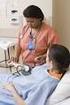 P.O. BOX 2129 Raleigh, NC 27602 (919) 782-3211 FAX (919) 781-9461 Nurse Aide II Registry (919) 782-7499 www.ncbon.com LPN Scope of Practice - Clarification Position Statement for LPN Practice INTRODUCTION
Post-Professional Athletic Training Residency Accreditation Standards & Guidelines. Version 1.2 August, 2010
 Post-Professional Athletic Training Residency Accreditation Standards & Guidelines Version 1.2 August, 2010 POST-PROFESSIONAL ATHLETIC TRAINING RESIDENCY STANDARDS & GUIDELINES Post-Professional Athletic
02- DEPARTMENT OF PROFESSIONAL AND FINANCIAL REGULATION. Chapter 8 REGULATIONS RELATING TO ADVANCED PRACTICE REGISTERED NURSING
 02- DEPARTMENT OF PROFESSIONAL AND FINANCIAL REGULATION 380 BOARD OF NURSING Chapter 8 REGULATIONS RELATING TO ADVANCED PRACTICE REGISTERED NURSING SUMMARY: This chapter identifies the role of a registered
Purpose. Admission Requirements NURSING EDUCATION STUDENT LEARNING OUTCOMES RESIDENCY REQUIREMENTS. Clinical Requirements
 NURSING EDUCATION Purpose This program is designed for professional nurses who have earned a Master s or Doctoral Degree in Nursing and seek further education in advanced nursing practice. Concentrations
STATE OF WISCONSIN BOARD OF NURSING
 STATE OF WISCONSIN BOARD OF NURSING --------------------------------------------------------------------------------------------------------------------- IN THE MATTER OF RULE-MAKING : PROPOSED ORDER OF
Scope and Standards of Practice for The Acute Care Nurse Practitioner. American Association of Critical-Care Nurses
 Scope and Standards of Practice for The Acute Care Nurse Practitioner American Association of Critical-Care Nurses Editor: Linda Bell, RN MSN Copy Editor: Anne Bernard Designer: Derek Bennett An AACN Critical
International Academy of Life Care Planners Standards of Practice
 International Academy of Life Care Planners Standards of Practice 2009 by International Association of Rehabilitation Professionals All rights reserved No part may be reproduced in any form or by any means
Dental Hygiene Diagnosis: An American Dental Hygienists Association Position Paper
 Dental Hygiene Diagnosis: An American Dental Hygienists Association Position Paper Position of the Association: Dental Hygiene Diagnosis and the Dental Hygiene Process of Care Dental hygiene diagnosis
Community Center Readiness Guide Additional Resource #17 Protocol for Physician Assistants and Advanced Practice Nurses
 Community Center Readiness Guide Additional Resource #17 Protocol for Physician Assistants and Advanced Practice Nurses PROTOCOL FOR PHYSICIAN ASSISTANTS AND ADVANCED PRACTICE NURSES 1. POLICY Advanced
Post Graduate/APRN Certificate Programs
 POST-GRADUATE CERTIFICATE Post Graduate/APRN Certificate Programs Purpose This distance education program is designed for the experienced registered nurse who has earned a master s or doctoral degree in
School Nurse Section - Introduction
 School Nurse Section - Introduction The Role of the Credentialed School Nurse Role of the Credentialed School Nurse The California School Nurses Organization (CSNO) position statement: The California School
1.00 REGULATORY AUTHORITY
 ARKANSAS DEPARTMENT OF EDUCATION AND ARKANSAS STATE BOARD OF NURSING RULES GOVERNING THE ADMINISTRATION OF INSULIN AND GLUCAGON TO ARKANSAS PUBLIC SCHOOL STUDENTS SUFFERING FROM DIAGNOSED WITH DIABETES
CHAPTER 3 SCOPE AND STANDARDS OF NURSING PRACTICE AND CNA ROLE
 CHAPTER 3 SCOPE AND STANDARDS OF NURSING PRACTICE AND CNA ROLE Section 1. Statement of Purpose. These Board Rules are adopted to implement the Board's authority to regulate the scope and practice of nursing
OCCUPATIONAL GROUP: Health Services. CLASS FAMILY: Nursing CLASS FAMILY DESCRIPTION:
 OCCUPATIONAL GROUP: Health Services CLASS FAMILY: Nursing CLASS FAMILY DESCRIPTION: This family of positions includes those whose purpose is to perform professional nursing services that directly and/or
Standards of Practice for Pharmacists and Pharmacy Technicians
 Standards of Practice for Pharmacists and Pharmacy Technicians Introduction These standards are made under the authority of Section 133 of the Health Professions Act. They are one component of the law
Human Resources. Pharmacy Management: Human Resources Positions 447
 Pharmacy Management: Human Resources Positions 447 Human Resources Credentialing, Privileging, and Competency Assessment (1415) To support the use of post-licensure credentialing, privileging, and competency
Exhibit 9 ADEA Competencies for Entry into the Allied Dental Professions (As approved by the 2010 ADEA House of Delegates)
 Exhibit 9 ADEA Competencies for Entry into the Allied Dental Professions (As approved by the 2010 ADEA House of Delegates) Introduction In 1998 99, the Section on Dental Hygiene of the American Association
CHAPTER 9 DELEGATION AND ASSIGNMENT. The purpose of the board in adopting rules and regulations in this chapter is:
 CHAPTER 9 DELEGATION AND ASSIGNMENT Section 1. Statement of Purpose (a) The purpose of the board in adopting rules and regulations in this chapter is: (i) To establish acceptable standards of safe delegation
Standards of Practice for Primary Health Care Nurse Practitioners
 Standards of Practice for Primary Health Care Nurse Practitioners June 2010 (1/14) MANDATE The Nurses Association of New Brunswick is a professional organization that exists to protect the public and to
Navarro College Associate Degree Nursing Program Excerpt from ADN Student Handbook
 Navarro College Associate Degree Nursing Program Excerpt from ADN Student Handbook I. INTRODUCTION The following policies, guidelines, and statements are subject to on-going review and may change due to
SALT LAKE COMMUNITY COLLEGE PHILOSOPHY OF THE NURSING PROGRAM
 SALT LAKE COMMUNITY COLLEGE PHILOSOPHY OF THE NURSING PROGRAM The philosophy of the nursing program is consistent with the mission statement and values of Salt Lake Community College. The mission of the
TEXAS ~ STATUTE Continued
 TEXAS ~ STATUTE STATUTE DATE Enacted 1981 REGULATORY BODY Texas Rev. Civ. Stat., Occupations Code, Chapter 204: Physician Assistant Licensing Act; Occupations Code Chapter 157; Authority of Physician to
WWCC NURSING STUDENT HANDBOOK 2015-16 ADDENDUM: SECOND-YEAR STUDENTS DURING 2015-16 ACADEMIC YEAR ONLY (Revised 9.16.15) PROGRAM OF LEARNING
 WWCC NURSING STUDENT HANDBOOK 2015-16 ADDENDUM: SECOND-YEAR STUDENTS DURING 2015-16 ACADEMIC YEAR ONLY (Revised 9.16.15) Second-year nursing students during the 2015-16 academic year will be completing
OCCUPATIONAL GROUP: Health Services. CLASS FAMILY: Allied Health CLASS FAMILY DESCRIPTION:
 OCCUPATIONAL GROUP: Health Services CLASS FAMILY: Allied Health CLASS FAMILY DESCRIPTION: This family of positions is comprised of health care practitioners with formal education and clinical training
AN ACT IN THE COUNCIL OF THE DISTRICT OF COLUMBIA
 AN ACT IN THE COUNCIL OF THE DISTRICT OF COLUMBIA Codification District of Columbia Official Code 2001 Edition 2009 Summer Supp. West Group Publisher To amend the District of Columbia Health Occupations
ADMINISTRATION OF MEDICATION
 ADMINISTRATION OF MEDICATION IN SCHOOLS MARYLAND STATE SCHOOL HEALTH SERVICES GUIDELINE JANUARY 2006 (Reference Updated March 2015) Maryland State Department of Education Maryland Department of Health
Defining Scope of Practice for Nurse Practitioners: A Regulatory Perspective
 Defining Scope of Practice for Nurse Practitioners: A Regulatory Perspective Tracy Klein, MS, WHCNP,FNP Advanced Practice Consultant Oregon State Board of Nursing September 2006 Who determines your scope
STATE OF NEBRASKA STATUTES RELATING TO AUDIOLOGY AND SPEECH-LANGUAGE PATHOLOGY PRACTICE ACT
 2009 STATE OF NEBRASKA STATUTES RELATING TO AUDIOLOGY AND SPEECH-LANGUAGE PATHOLOGY PRACTICE ACT Department of Health and Human Services Division of Public Health Licensure Unit 301 Centennial Mall South,
Nursing Student Handbook 2014-2015
 Revised 08/2005 Revised 01/27/06 Revised 02/03/09 Revised 08/11/09 Revised 10/08/09 Revised & Reviewed 04/07/10 Revised & Reviewed 05/20/10 Revised & Reviewed 01/16/12 Revised & Reviewed 06/04/12 Revised
LPN Scope of Practice - Clarification Position Statement for LPN Practice INTRODUCTION
 LPN Scope of Practice - Clarification Position Statement for LPN Practice P.O. BOX 2129 Raleigh, NC 27602 (919) 782-3211 FAX (919) 781-9461 Nurse Aide II Registry (919) 782-7499 www.ncbon.com INTRODUCTION
UNDER DEVELOPMENT CLASS TITLE: Social Work Support Technician (currently Youth Residential Worker 1)
 OCCUPATIONAL GROUP: Social Services CLASS FAMILY: Social Work CLASS FAMILY DESCRIPTION: This family of positions includes those whose purpose is to provide social services to various populations, including
BEACON HEALTH STRATEGIES, LLC TELEHEALTH PROGRAM SPECIFICATION
 BEACON HEALTH STRATEGIES, LLC TELEHEALTH PROGRAM SPECIFICATION Providers contracted for the telehealth service will be expected to comply with all requirements of the performance specifications. Additionally,
SECTION.0300 - APPROVAL OF NURSING PROGRAMS
 (d) A licensee shall retain supporting documentation to provide proof of completion of the option chosen in Paragraph (b) of this Rule throughout the renewal cycle. (e) Effective July 1, 2008, at the time
5141.21(a) Policy. Students. Draft Revised Policy. Administering Medication
 5141.21(a) Policy Draft Revised Policy Administering Medication The purpose of this policy is for the Board of Education (Board) to determine who shall administer medications in a school and the circumstances
ASSOCIATE OF SCIENCE IN NURSING PROGRAM
 A LEADING AMERICAN UNIVERSITY WITH INTERNATIONAL REACH ASSOCIATE OF SCIENCE IN NURSING PROGRAM Dear Preceptor, The faculty members of the Associate of Science in Nursing Program of Western Kentucky University
Guidelines for State Regulation of Physician Assistants (Adopted 1988, amended 1993, 1998, 2001, 2005, 2006, 2009, and 2011)
 (Adopted 1988, amended 1993, 1998, 2001, 2005, 2006, 2009, and 2011) Executive Summary of Policy Contained in this Paper Summaries will lack rationale and background information, and may lose nuance of
Nurse Practitioner Student Learning Outcomes
 ADULT-GERONTOLOGY PRIMARY CARE NURSE PRACTITIONER Nurse Practitioner Student Learning Outcomes Students in the Nurse Practitioner Program at Wilkes University will: 1. Synthesize theoretical, scientific,
AACN SCOPE AND STANDARDS
 AACN SCOPE AND STANDARDS FOR ACUTE AND CRITICAL CARE NURSING PRACTICE AMERICAN ASSOCIATION of CRITICAL-CARE NURSES AACN SCOPE AND STANDARDS FOR ACUTE AND CRITICAL CARE NURSING PRACTICE Editor: Linda Bell,
OKLAHOMA BOARD OF NURSING ( Board ) 2915 North Classen Blvd., Suite 524 Oklahoma City, OK 73106 (405) 962-1800 FREQUENTLY ASKED PRACTICE QUESTIONS
 OKLAHOMA BOARD OF NURSING ( Board ) 2915 North Classen Blvd., Suite 524 Oklahoma City, OK 73106 (405) 962-1800 FREQUENTLY ASKED PRACTICE QUESTIONS These Frequently Asked Questions and answers are included
Standards for an Accredited Educational Program in Radiologic Sciences
 Standards for an Accredited Educational Program in Radiologic Sciences EFFECTIVE JANUARY 1, 2002 Adopted by: The Joint Review Committee on Education in Radiologic Technology: January 1996; Revised 2001
CHAPTER ONE GENERAL PROVISIONS
 CHAPTER ONE GENERAL PROVISIONS SECTION I PURPOSE AND AUTHORITY A. PURPOSE 1. ARKANSAS NURSE PRACTICE ACT - Requires that any person who practices or offers to practice professional nursing, advanced practice
02 DEPARTMENT OF PROFESSIONAL AND FINANCIAL REGULATION STANDARDS FOR EDUCATIONAL PROGRAMS IN NURSING TABLE OF CONTENTS INTRODUCTION...
 02 DEPARTMENT OF PROFESSIONAL AND FINANCIAL REGULATION 380 STATE BOARD OF NURSING Chapter 7: STANDARDS FOR EDUCATIONAL PROGRAMS IN NURSING TABLE OF CONTENTS Page INTRODUCTION... 1 1. PHILOSOPHY OF THE
Report to the General Assembly
 Report to the General Assembly An Act Concerning the Department of Public Health s Oversight Responsibilities relating to Scope of Practice Determinations: Scope of Practice Review Committee Report on
Nursing Education Program Requirements in Arkansas
 CHAPTER SIX STANDARDS FOR NURSING EDUCATION PROGRAMS SECTION I APPROVAL OF PROGRAMS This chapter presents the Standards established by the Arkansas State Board of Nursing for nursing education programs
244 CMR: BOARD OF REGISTRATION IN NURSING 244 CMR 6.00: APPROVAL OF NURSING EDUCATION PROGRAMS AND THE GENERAL CONDUCT THEREOF
 244 CMR 6.00: APPROVAL OF NURSING EDUCATION PROGRAMS AND THE GENERAL CONDUCT THEREOF Section 6.01: Definitions 6.02: Public Notice of Nursing Education Program Approval Status 6.03: Nursing Education Programs
Rule 5.2 Definitions. For the purpose of Chapter 5 only, the following terms have the meanings indicated:
 Part 2635 Chapter 5: Practice of Telemedicine Rule 5.1 Preamble. These regulations are intended to authorize M.D. and D.O. licensees of the Mississippi State Board of Medical Licensure to practice telemedicine
49 18.402 DEPARTMENT OF STATE Pt. I
 49 18.402 DEPARTMENT OF STATE Pt. I (3) The medical doctor has knowledge that the delegatee has education, training, experience and continued competency to safely perform the medical service being delegated.
REGISTERED NURSE PRACTITIONER (RNP) PRACTICING IN AN ACUTE CARE SETTING October 2009 Adopted by the Board 11/19/09 Background
 Janice Brewer Governor Joey Ridenour Executive Director Arizona State Board of Nursing 4747 N. 7 th Street Phoenix, AZ 85014-3653 Phone (602) 771-7888 Fax (602) 771-7800 E-Mail: [email protected] Home
CODE OF ETHICS FOR COGNITIVE REHABILITATION THERAPISTS
 The Society for Cognitive Rehabilitation, Inc. PO BOX 928 St. Augustine, FL 32085 www.societyforcognitiverehab.org CODE OF ETHICS FOR COGNITIVE REHABILITATION THERAPISTS 1. Preamble 2. Definition of Terms
IAC 7/2/08 Nursing Board[655] Ch 2, p.1. CHAPTER 2 NURSING EDUCATION PROGRAMS [Prior to 8/26/87, Nursing Board[590] Ch 2]
![IAC 7/2/08 Nursing Board[655] Ch 2, p.1. CHAPTER 2 NURSING EDUCATION PROGRAMS [Prior to 8/26/87, Nursing Board[590] Ch 2]](/thumbs/26/9126685.jpg "IAC 7/2/08 Nursing Board[655] Ch 2, p.1. CHAPTER 2 NURSING EDUCATION PROGRAMS [Prior to 8/26/87, Nursing Board[590] Ch 2]") IAC 7/2/08 Nursing Board[655] Ch 2, p.1 CHAPTER 2 NURSING EDUCATION PROGRAMS [Prior to 8/26/87, Nursing Board[590] Ch 2] 655 2.1(152) Definitions. Approval means recognition status given to nursing education
IAC 7/2/08 Nursing Board[655] Ch 2, p.1 CHAPTER 2 NURSING EDUCATION PROGRAMS [Prior to 8/26/87, Nursing Board[590] Ch 2] 655 2.1(152) Definitions. Approval means recognition status given to nursing education
The Practice Standards for Medical Imaging and Radiation Therapy. Radiography Practice Standards
 The Practice Standards for Medical Imaging and Radiation Therapy Radiography Practice Standards 2015 American Society of Radiologic Technologists. All rights reserved. Reprinting all or part of this document
Supporting the Professional Registered Nurse as the School Nurse
 Supporting the Professional Registered Nurse as the School Nurse Laurie G. Combe, MN, RN TSNO School Health Issues Chair Objectives Recognize Texas Board of Nursing definitions of the Vocational Nurse
RN-MS Program. Purpose. Admission Requirements. State Requirements for Online/Distance Education. Degree Requirements
 RN-MS PROGRAM RN-MS Program Purpose This accelerated program is designed for the experienced, practicing registered nurse who plans to continue nursing studies through the master's level and does not hold
Advanced Practice Registered Nurse Legislation
 Minnesota Nurses Association Advanced Practice Registered Nurse Legislation Minnesota Nurses Association Revised September, 2005 1625 Energy Park Drive, Suite 200 St. Paul, MN 55108 Phone: (651) 646-4807
Nurse Practitioner Mentor Guideline NPAC-NZ
 Nurse Practitioner Mentor Guideline NPAC-NZ Purpose To provide a framework for the mentorship of registered nurses to prepare for Nurse Practitioner (NP) registration from the Nursing Council of New Zealand.
Advanced Practice Registered Nurses in Texas
 Advanced Practice Registered Nurses in Texas Lynda Woolbert, MSN, RN, PNP Executive Director Coalition for Nurses in Advanced Practice www.cnaptexas.org 1 What is an APRN? RN with advanced education, national
263 CMR: BOARD OF REGISTRATION OF PHYSICIAN ASSISTANTS 263 CMR 5.00: SCOPE OF PRACTICE AND EMPLOYMENT OF PHYSICIAN ASSISTANTS
 263 CMR 5.00: SCOPE OF PRACTICE AND EMPLOYMENT OF PHYSICIAN ASSISTANTS Section 5.01: Purpose 5.02: Authority 5.03: Permissible Work Settings 5.04: Scope of Services Which May be Performed 5.05: Scope of
5141.21(a) Students. Administering Medication
 5141.21(a) Administering Medication The purpose of this policy is for the Board of Education (Board) to determine who shall administer medications in a school and the circumstances under which self-administration
(128th General Assembly) (Amended Substitute Senate Bill Number 89) AN ACT
 (128th General Assembly) (Amended Substitute Senate Bill Number 89) AN ACT To amend sections 4723.01, 4723.06, 4723.48, 4723.482, and 4723.50; to amend, for the purpose of adopting new section numbers
Job Descriptions. All jobs with Heart to Heart Hospice require reliable transportation as well as valid and current auto liability insurance.
 Job Descriptions All jobs with Heart to Heart Hospice require reliable transportation as well as valid and current auto liability insurance. Administrator Primary function is to assume overall responsibility
Title 10 DEPARTMENT OF HEALTH AND MENTAL HYGIENE
 Title 10 DEPARTMENT OF HEALTH AND MENTAL HYGIENE Subtitle 21 MENTAL HYGIENE REGULATIONS Chapter 26 Community Mental Health Programs Residential Crisis Services Authority: Health-General Article, 10-901
Stephen F. Austin State University
 Stephen F. Austin State University Department of Human Services School Counselor Education Program Information Packet Revised January 2016 1 THE DEPARTMENT OF HUMAN SERVICES Stephen F. Austin State University,
Policy on the Appropriate Use of Telemedicine Technologies in the Practice of Medicine
 Background and Introduction The Vermont Board of Medical Practice (the Board) is committed to protecting the public and to assisting its licensees to meet their professional obligations by providing quality
The Practice Standards for Medical Imaging and Radiation Therapy. Sonography Practice Standards
 The Practice Standards for Medical Imaging and Radiation Therapy Sonography Practice Standards 2015 American Society of Radiologic Technologists. All rights reserved. Reprinting all or part of this document
NURSE PRACTITIONER STANDARDS FOR PRACTICE
 NURSE PRACTITIONER STANDARDS FOR PRACTICE February 2012 Acknowledgement The Association of Registered Nurses of Prince Edward Island gratefully acknowledges permission granted by the Nurses Association
*HB0262* H.B. 262 1 RESPIRATORY CARE AMENDMENTS. LEGISLATIVE GENERAL COUNSEL 6 Approved for Filing: C.J. Dupont 6 6 01-12-06 3:18 PM 6
 LEGISLATIVE GENERAL COUNSEL 6 Approved for Filing: C.J. Dupont 6 6 01-12-06 3:18 PM 6 H.B. 262 1 RESPIRATORY CARE AMENDMENTS 2 2006 GENERAL SESSION 3 STATE OF UTAH 4 Chief Sponsor: Bradley G. Last 5 Senate