
Vesselplasty: A New Technical Approach to Treat Symptomatic Vertebral Compression Fractures
|
|
|
- Clifton Randall
- 9 years ago
- Views:
Transcription
1 Vascular and Interventional Radiology Original Research Flors et al. Vesselplasty to Treat Symptomatic VCFs Vascular and Interventional Radiology Original Research Vesselplasty: A New Technical Approach to Treat Symptomatic Vertebral Compression Fractures Lucía Flors 1,2 Elena Lonjedo 1 Carlos Leiva-Salinas 1 Luís Martí-Bonmatí 1 José J. Martínez-Rodrigo 1 Estela López-Pérez 1 Guillermo Figueres 1 Ilan Raoli 3 Flors L, Lonjedo E, Leiva-Salinas C, et al. OBJECTIVE. The objective of our study was to evaluate the effectiveness and safety of vesselplasty to treat symptomatic vertebral compression fractures (VCFs). SUBJECTS AND METHODS. Twenty-nine patients undergoing vesselplasty at our institution between April 2006 and February 2008 were enrolled in the study. All patients had been undergoing medical therapy for one or more painful VCFs. Pain, mobility, and analgesic use scores were obtained, and restoration of vertebral body height was evaluated. A twotailed paired Student s t test was used to compare differences in the mean scores for levels of pain, mobility, and analgesic use before and after the procedure and to evaluate changes in vertebral body height. We analyzed the influence of the age of the fracture and its cause in the variations in the pain, mobility, and analgesic use scores. RESULTS. Seven of the 29 patients had fractures in more than one level, for a total of 37 procedures. The cause of the vertebral collapse was osteoporosis in 27 (73%), high-impact trauma in five (13.5%), myeloma in three (8%), and metastatic fracture in two (5.4%). The average pain score before treatment was 8.72 ± 1.25 (SD), whereas the average pain score after treatment was 3.38 ± The average mobility score before treatment was 2.31 ± 1.94, whereas the average mobility score after treatment was 0.59 ± 1.05 (p < 0.001). The average analgesic use score before treatment was 3.07 ± 1.46, whereas it was 1.86 ± 1.90 after treatment (p < 0.001). There was no evidence of clinical complications. CONCLUSION. Vesselplasty offers statistically significant benefits in improvements of pain, mobility, and the need for analgesia in patients with symptomatic VCFs, thus providing a safe alternative in the treatment of these fractures. Keywords: balloon kyphoplasty, osteoporosis, spine fracture, vesselplasty, vertebral compression fracture, vertebroplasty DOI: /AJR Received July 7, 2008; accepted after revision December 22, Department of Radiology, Hospital Universitario Doctor Peset, Avd. Gaspar Aguilar 90, Valencia 46017, Spain. Address correspondence to L. Flors ([email protected]). 2 Department of Medicine, Universidad Autónoma de Barcelona, Barcelona, Spain. 3 Department of Radiology, Maimonides Medical Center, Brooklyn, NY. AJR 2009; 193: X/09/ American Roentgen Ray Society V ertebral compression fractures (VCFs) are a major health care burden because of their high incidence, deleterious effects on quality of life, and high cost [1]. VCFs are caused by a combination of axial and bending loads on the spine that exceed the strength of the vertebral body. Fracture occurs as a result of either high-impact trauma on normal bone or minor trauma on a vertebral body that has been weakened by osteoporosis or an infiltrative process [2]. Osteoporosis is the most common cause of VCFs and can be primary (age-related or postmenopausal) or secondary (due to numerous diseases and medications) [3]. It is characterized by fragility fractures that most commonly occur as a result of a fall from standing height or less [4]. Tumor infiltration, primarily by metastasis or myeloma, is another important cause of VCF [5]. The increase in overall surviv- al of oncologic patients has subsequently increased the incidence of pathologic vertebral collapse. Furthermore, because the treatment of oncologic patients requires the use of corticosteroids, secondary osteoporosis may develop and result in additional VCFs [2]. The sequelae of VCFs are diverse yet uniformly onerous: They can result in severe and prolonged pain, kyphotic angulation of the spine that can diminish forced vital capacity [6 8], and multiple comorbidities such as weight loss due to early satiety and poor psychologic well being [9 12]. The 5-year survival of a patient who sustains a VCF is lower than that of a similar patient who sustains a hip fracture [4, 10]. The conventional management of symptomatic VCFs is medical therapy, which includes analgesics, bed rest, external bracing, and rehabilitation [13, 14]. These treatments are only partially effective and do not prevent kyphotic deformity [14]. Moreover, bed 218 AJR:193, July 2009

2 Vesselplasty to Treat Symptomatic VCFs rest accelerates bone resorption and leads to an increased risk of future fractures. Surgery is generally limited to cases of spinal instability or neurologic deficit [15 17]. However, surgical fixation often fails because of the poor quality of osteoporotic bone [15]. For these reasons, physicians have become interested in new methods for pain relief and functional restoration with the goal that patients may return to their activities of daily living [4]. Vertebroplasty and balloon kyphoplasty are two minimally invasive percutaneous approaches developed for the treatment of symptomatic VCFs. Percutaneous vertebroplasty was first performed in 1984 [18]. It is an imaging-guided procedure in which polymethylmethacrylate (PMMA) is percutaneously injected into the vertebral body with the fracture. Although not well established, the most likely mechanism for pain relief after vertebroplasty treatment appears to be mechanical stabilization of the vertebral body. In most ex vivo studies, injection of cement into the vertebral body restored its stiffness and increased its strength [2]. The main risk of this technique is leakage of PMMA into the venous system, with the possibility of pulmonary embolism, and into the spinal canal or neural foramina, precipitating neurologic disorders. Percutaneous balloon kyphoplasty, a modification of vertebroplasty, involves inflation of a high-pressure balloon (KyphX Inflatable Bone Tamps, Kyphon) within the collapsed vertebral body followed by percutaneous injection of bone cement into the cavity created by the balloon [19]. This procedure was devised and first performed in 1998 [20, 21]. The risk of cement extravasation is reduced with balloon kyphoplasty because of the lower-pressure injection of high-viscosity cement into a previously formed cavity [22], with new bone margins created by the compressed trabeculae. Vesselplasty is a new intriguing alternative to vertebroplasty and kyphoplasty. It was devised to obtain control of the volume of void created in the vertebral body, prevent the leakage of bone filler material, and restore vertebral body height. Designed by Jerry Lin, the chairman of A-Spine Holding Group Corporation (Taipei, Taiwan), vesselplasty was first performed in 2004 by Darwono (Darwono B, presented at the 2004 Triennial Asia Pacific Orthopedic meeting, Kuala Lumpur, Malaysia). Instead of using a balloon to create a cavity, vesselplasty uses a polyethylene terephthalate (PET) balloon container (Vessel-X, A-Spine Holding Group Corporation) to restore the height of the vertebral body. This receptacle serves as both a vertebral body expander and a bone cement container. It is introduced into the vertebra in its reduced configuration and, once positioned within the vertebra, is expanded by the injection of PMMA. Then, owing to the porous structure comprising the fibers of the PET vessel, a small amount of bone cement permeates through its wall and interdigitates within the vertebral body to increase its stability. Theoretically, this technique solves the problem of leakage of cement from the vertebral body because most of the cement is contained by the expandable artificial vessel, providing a safe method to treat VCFs. This study was designed to evaluate the effectiveness and safety of vesselplasty to treat symptomatic VCFs. Subjects and Methods Patient Selection All patients undergoing vesselplasty at our institution between April 2006 and February 2008 were enrolled in the study after informed consent from patients and approval from the institutional review board were obtained. All patients had one or more painful VCFs currently being treated with medical therapy that is, bed rest, analgesics and muscle relaxant medication, external braces, or a combination of these therapies. Our disqualifying criteria were the following: pain thought to be due to a herniated disk or disks, spinal stenosis, or other spine abnormality not associated with the Fig. 1 Photograph shows Vessel-X Bone Filling Container System (A-Spine Holding Group Corporation). From right to left: stylet, cannula tube, precision drill, and Vessel-X bone filling container; Vessel-X introducer and pushing rod are inside bone filling container. Controllable cement delivery device is on top. fracture; fractures responsive to medical therapy; VCF with a retropulsed bone fragment resulting in myelopathy; existence of an uncorrectable coagulopathy; and the presence of any systemic or spinal infection. None of our patients presented with a condition excluding them from treatment. The following causes of VCFs were included in our study cohort: osteoporosis (primary or secondary), multiple myeloma, metastatic disease, and high-impact trauma. All the patients with osteoporosis had a positive diagnosis based on standard criteria with dual-energy x-ray absorptio metry. All patients had imaging evidence of a VCF or VCFs on radiography, CT, or MRI and pain localized to the fracture level or levels. The time from fracture to vesselplasty was categorized as acute, 0 15 days; subacute, days; or chronic, 61 days or more. The procedure was performed in acute fractures and in only those subacute and chronic fractures exhibiting edema on MRI, as assessed on sagittal spin-echo T1 and STIR images. Procedure Vesselplasty procedures were performed at our institution using the Vessel-X Bone Filling Container System (A-Spine Holding Group Cor poration) with CE mark (certifying product has met European Union consumer requirements) and current good manu facturing practice approval. The system consists of the following items (Fig. 1): bone access needle (10-gauge), composed of a cannula tube and stylet, used for initial access into the vertebra; precision drill, used to create a working channel; controllable cement delivery system with an extension tube, available to AJR:193, July
![For these reasons, physicians have become interested in new methods for pain relief and functional restoration with the goal that patients may return to their activities of daily living [4].](/docs-images/47/20564809/images/page_2.jpg "Vertebroplasty and balloon kyphoplasty are two minimally invasive percutaneous approaches developed for the treatment of symptomatic VCFs. Percutaneous vertebroplasty was first performed in 1984 [18].")
3 Flors et al. Fig. 2 Photographs show vesselplasty procedure using Vessel-X Bone Filling Container System (A-Spine Holding Group Corporation). (Courtesy of A-Spine Holding Group Corporation) A, Bone access needle is introduced through pedicle, retaining it 2 3 mm anterior to posterior wall of vertebra body. B, Precision drill is introduced through cannula tube until tip of drill is positioned 2 3 mm posterior to anterior wall of vertebra. C, Precision drill is removed, and Vessel-X bone filling container (balloon catheter) is inserted into cannula tube. D, Controlled cement extrusion. E, Process is repeated through contralateral pedicle. A deliver the high-viscosity cement; and Vessel-X bone filling container. The last item comprised a Vessel-X introducer (with a bone filling container, the PET container) and a pushing rod. The Vessel-X introducer, available in two diameters (20 or 25 mm) depending on vertebral body size, is used for the injection and contain ment of bone cement within the created void. The pushing rod serves as a fluoroscopic reference of the tip of the vessel and gives stability to the PET container during introduction in the vertebral body; it also avoids the leakage through the cannula and introducer throughout the cement injection. The bone cement used was Opacity Plus (Teknimed), which is PMMA mixed with barium sulfate to increase its imaging opacity. The procedures were performed in a consistent manner (Fig. 2). Each patient was placed in the prone position on an angiography table (Allura Xper, Philips Healthcare) for the procedure, which we describe in eight steps. First, the fractured vertebral body was localized under fluoroscopic control in both the anteroposterior and lateral planes. The pedicle was isolated on the lateral plane for positioning in the craniocaudal plane and anteroposterior oblique plane for a lateral to medial approach. Second, conscious sedation (IV fentanyl and midazolam) and local anesthetic in the skin over the pedicle (0.25% bupivacaine) were administered to the patient. A small skin incision was made, and the bone access needle (10-gauge needle with an inner stylet) was advanced into the fractured vertebral body creating a path through the pedicle (Fig. 2A). The bone access needle was halted 2 3 mm anterior to the posterior wall of the vertebral body. This transpedicular approach, which was either uni- or bipedicular, was empirically chosen to avoid the risk of leakage outside the vertebral body throughout the needle tract. Although a unipedicular approach does require a more oblique route, it was used because correct expansion of the vertebral body can be achieved with the placement of the needle tip in a middle position. Due to technical characteristics of the equipment used, a left transpedicular approach was selected (Fig. 3). An alternative approach is the parapedicular route, which is most often used to access the thoracic spine. The parapedicular route involves inserting the needle between the lateral margin of the pedicle and the head of the rib. Third, the stylet was then removed, leaving the cannula tube in the vertebral body. Fourth, the precision drill was introduced into the vertebral body through the cannula tube forging a path through the pedicle until the tip of the drill was 2 3 mm posterior to the anterior wall of the vertebra (Fig. 2B). Fifth, the precision drill was removed. B D Sixth, the Vessel-X bone filling container was next inserted into the cannula tube and the introducer sheath was firmly pushed, lodging it 2 3 mm posterior to the anterior wall (Fig. 2C). Seventh, the cement delivery system was connected, and the bone cement was progressively filled in (Figs. 2D and 4). Injection of PMMA was performed under fluoroscopic guidance and continued until maximal expansion of the PET vessel (20 or 25 mm) was achieved, no more material could be injected, or extravasation was noted. Eighth, the Vessel-X introducer and the pushing rod were then removed, followed by the cannula tube. Once these elements had been removed, the posterior opening of the PET container was mostly sealed because of the cement s short solidification time. At the end of the procedure, IV methyl pre d- nisolone (1 mg/kg) was administered empir ically to all patients to reduce the local inflammatory response associated with the procedure. After a 24- hour hospital stay, all patients were examined by an interventional radiologist before discharge from the hospital. Data Collection Between April 2006 and February 2008, 37 vesselplasty procedures were performed in the 29 patients included in the study. Before the procedure, institutional review board approval and patient informed consent were obtained. C E 220 AJR:193, July 2009

4 Vesselplasty to Treat Symptomatic VCFs A Fig year-old woman with traumatic vertebral compression fracture. A and B, Coronal (A) and sagittal (B) images obtained after 180 C-arm rotation show vesselplasty being performed transpedicularly with left unilateral approach. The clinical characteristics of each patient (age, sex, cause of VCF or VCFs, and level and age of the fracture or fractures) and key technical details of the procedure (transpedicular vs parapedic ular approach, unipedicular or bipedicular route) were collected. Complications of the procedure including pulmonary embolism, spinal or neural compres sion by cement, infection, bleeding, and rib fractures were collected through patient interviews. Pain, mobility, and analgesic use scores were obtained during telephone calls and clinic visits; visits were the day of the procedure and 3 months after treatment. Pain was characterized using a scale, a verbal version of the visual analog scale, from 0 to 10: 0, none; and 10, the worst pain that the patient could consider in his or her life. Mobility was described using a scale from 0 to 5: 0, full activity; 1, walking with assistance; 2, walking with assistance for only short periods; 3, walking with assistance for activities of daily living; 4, wheelchair-bound; and 5, bedridden. Analgesic use was characterized on a scale from 0 to 5: 0, none; 1, nonsteroidal antiinflammatory drugs; 2, prescription nonnarcotics; 3, oral narcotic as needed; 4, scheduled oral narcotic; and 5, parenteral narcotics. Fracture reduction was evaluated according to the change in the vertical height of the treated vertebral body. Digital images obtained by the same diagnostic technique (radiography, fluoroscopic spot, CT, or MRI) before and after the procedure were selected. The radiographs and fluoroscopic images obtained before and after the procedure were used for measurements. Digital calipers were used to measure vertical height (in millimeters) in the anterior, mid, and posterior portions of the vertebral body. Differences within 1 mm were considered unchanged. Statistical Analysis Descriptive statistics were calculated for each questionnaire item: scales of pain, mobility, and analgesic use. B Fig. 4 Photograph shows bone cement being injected into vertebral body of patient with vertebral compression fracture. Precision drill has been removed and is being held in operator s left hand. Cement delivery system is connected to Vessel-X Bone Filler Container (A-Spine Holding Group Corporation). Normal distribution of the quantitative data were assessed by the Kolmogorov-Smirnov test. All variables showed a normal distribution. Differences in the mean levels of pain, mobility, and analgesic use before and after the procedure were compared with a two-tailed paired Student s t test. The paired Student s t test was also used to evaluate changes in vertebral body height. Subgroups according to the age and cause of the fracture were analyzed. The one-way analysis of variance test was used to analyze the influence of the age of the fracture in variations in the pain, mobility, and analgesic use scores, expressed as [(final value initial value) / initial value] and formulated as a percentage. To analyze the influence of the cause of the fracture, two groups were constructed: those with benign (osteoporotic and traumatic) versus malignant (metastatic and myeloma) causes; and the unpaired Student s t test was again used. A p value of < 0.05 was considered significant. Results All patients met the established criteria for suitability for vesselplasty. Of the 29 patients enrolled in the study, seven patients had fractures in more than one level, necessitating a total of 37 procedures. The average age of the patients was 69 ± 12 years (range, years); 65.5% (19/29) were women and 34.5% (10/29) were men. The cause of vertebral collapse was osteoporosis in 27 (73%) of the treated vertebrae: It was primary osteoporosis in 20 cases (74%) and secondary to steroid use in seven (26%). Other causes of VCF were high-impact trauma in five VCFs (13.5%), myeloma in three (8%), and metastatic fracture in two (5.4%). The time between the fracture and vesselplasty ranged between 2 and 240 days, with a mean of 75 ± 64 days (Table 1). The VCFs treated in our study extended from T6 to L5 (Fig. 5). L1 (n = 8), T12 (n = 7), L2 (n = 5), and L3 (n = 5) were the most commonly fractured vertebral levels (67.6%). Of the 29 patients, 22 (76%) were treated for one vertebral fracture, whereas six (21%) underwent treatment of fractures of two vertebral levels, four (14%) simultaneously at the same session and two (7%) on different days. In the one remaining patient (2.7%), three fractures were treated at the same session. The transpedicular approach was used in 35 (94.6%) of the cases and the parapedicular in two (5.4%). The route was unipedicular in 26 (70%) (left, n = 23; right, n = 3) and bipedicular in 11 (30%). There was no evidence of clinical complications and only one technical complication AJR:193, July

5 Flors et al. TABLE 1: Clinical Characteristics of the 29 Patients With a Vertebral Compression Fracture or Fractures in the Study Cohort Age (y) (n = 29 patients) (2.7%), a small intradiskal leakage in a case of vertebral endplate comminuted fracture with marked vertebral height loss, without clinical repercussion. The pretreatment pain score was 8.72 ± 1.25 (mean ± SD), whereas the posttreatment pain score was 3.38 ± These differences are statistically significant (p < 0.001). The postprocedure pain score was less than the pretreatment pain score in all patients, with a decrease of 5.3 ± 2.4 points (range, 2 10 points). The pretreatment mobility score was 2.31 ± 1.94, whereas the posttreatment score was 0.59 ± 1.05 (p < 0.001). Ninety-three percent (27/29) of patients had an improved mobility score, with a decrease of 1.7 ± 1.6 points (range, 0 4 points). The pretreatment analgesic use score was 3.07 ± 1.46; the posttreatment score decreased to 1.86 ± 1.90 (p < 0.001). Sixty-two percent (18/29) of patients had an improved analgesic Characteristic No. (%) (6.9) (10.3) (6.9) (41.4) (34.5) Sex (n = 29 patients) Male 10 (34.5) Female 19 (65.5) No. of fractures (n = 29 patients) 1 22 (76) 2 or 3 7 (24) Cause of fracture (n = 37 fractures) Primary osteoporosis 20 (54.1) Secondary osteoporosis 7 (18.9) High-impact trauma 5 (13.5) Myeloma 3 (8.1) Metastasis 2 (5.4) Time from fracture to vesselplasty (n = 23 patients) a Acute (0 15 days) 2 (8.7) Subacute (16 60 days) 9 (39.1) Early chronic ( days) 12 (52.2) Late chronic (> 365 days) 0 (0) Note Data are expressed as number of patients with the only exception of cause of fracture which refer to treated vertebrae. a The age of the fracture or fractures was unknown in six patients. score, with a decrease of 1.2 ± 1.3 points (range, 0 4 points) (Table 2 and Fig. 6). The benefit of vesselplasty was analyzed according to the age of the fracture (time from fracture to vesselplasty) and the cause of the fracture (benign vs malignant) (Table 3). The differences in the improvement of each of the scales among the fracture age subgroups were not statistically significant (p > 0.05). Patients with a malignant cause of VCF (myeloma or metastasis) experienced worse clinical outcome with less improvement in pain score and no improvement in mobility and medication requirement than patients with a benign cause of VCF (p < 0.05). Vertebral body height increased in six of the 37 treated VCFs: Four experienced a minimal height gain (1 3 mm), whereas two increased more than 3 mm. The average increase in the vertebral body was 0.47 mm (range, 0 8 mm). The average pretreatment anterior vertebral body height was 24.2 ± 5.8 mm (mean ± SD) and increased to 24.6 ± 6.0 mm after the procedure (p = 0.03). The average central vertebral body height before the procedure was 24.6 ± 5.4 mm and rose to 25.2 ± 5.8 mm after the procedure (p = 0.042). The average posterior vertebral body height was 29.0 ± 4.7 mm before the procedure and enlarged to 29.5 ± 4.8 mm after the procedure (p = 0.044). The average increase in the anterior vertebral body height was 0.44 ± 1.2 mm (range, 0 6 mm); in central body height, 0.53 ± 1.5 mm (0 8 mm); and in posterior portion height, 0.44 ± 1.2 mm (0 5 mm). There was no significant difference in the height increase of each portion of the vertebral body. There was no difference in the percentage height increase between the anterior and central portions of the vertebral body (p = 0.249), between the anterior and posterior portions (p = 0.77), or the central and posterior sections (p = 0.5). The anterior portion increased in six of the 37 treated VCFs, with an increase of 10.74% ± 8.2% (mean ± SD) (range, %). The central portion also increased in six of the 37 treated VCFs, with an increase of 12.62% ± 11.7% ( %). The posterior portion increased in five of the 37 treated VCFs, with an increase of 11.54% ± 5.8% ( %) (Fig. 7). Discussion VCFs often cause severe, disabling pain and progressive deformity of the spine. Vesselplasty is a new, appealing treatment technique and an alternative to conventional medical treatment. Two other minimally invasive percutaneous approaches have been developed for the management of symptomatic VCFs: classic percutaneous vertebroplasty % of Vertebral Compression Fractures T6 T7 T8 T9 T11 T12 L1 L2 L3 L4 L5 Level Fig. 5 Bar graph shows distribution of vertebral compression fractures by treatment level. 222 AJR:193, July 2009

6 Vesselplasty to Treat Symptomatic VCFs TABLE 2: Functional Status and Quality of Life Before and After Vesselplasty in 29 Patients With a Vertebral Compression Fracture or Fractures Pain Functional Status and Quality-of-Life Indicators No. (%) of Patients (n = 29) Before Vesselplasty After Vesselplasty None 0 (0) 5 (17.2) (0) 5 (17.2) (0) 10 (34.5) (3.4) 5 (17.2) (37.9) 4 (13.8) (58.6) 0 (0) Mean score ± SD 8.72 ± ± 2.35 a Mobility Full activity = 0 6 (20.7) 21 (72.4) Walking with assistance = 1 9 (31.0) 2 (6.9) Walking with assistance for short periods = 2 0 (0) 3 (10.3) Walking with assistance for activities of daily living = 3 5 (17.2) 3 (10.3) Wheelchair = 4 2 (6.9) 0 (0) Bedridden = 5 7 (24.1) 0 (0) Mean score ± SD 2.31 ± ± 1.05 a Analgesic use None = 0 0 (0) 10 (34.5) Nonsteroidal antiinflammatory drugs = 1 7 (24.1) 6 (20.7) Prescription nonnarcotics = 2 4 (13.8) 4 (13.8) Oral narcotic as needed = 3 2 (6.9) 0 (0) Oral narcotic scheduled = 4 12 (41.4) 5 (17.2) Parenteral narcotics = 5 4 (13.8) 4 (13.8) Mean score ± SD 3.07 ± ± 1.90 a a p < compared with before vesselplasty. and balloon kyphoplasty. Our study evaluated the effectiveness of vesselplasty for treating patients with symptomatic VCFs. To our knowledge, this study is the first of its kind about this procedure. Because primary osteoporosis was the dominant cause of the treated VCFs in our study group, 70% of the patients in our study were older than 65 years and 65.5% were women. Because of concern about its risk benefit ratio, vertebroplasty has traditionally been reserved for treatment of patients in whom a course of conservative treatment has failed [23] and is generally performed 6 12 weeks after the onset of pain. This time frame has been used because the natural history of osteoporotic compression fractures has been described to result in spontaneous resolution of pain within 4 6 weeks in a substantial percentage of patients [24, 25]. Recently, clinicians have begun to offer early minimally invasive treatment of VCF. This change in practice is due to greater experience with these procedures, generally positive patient outcomes, and the attempt to avoid the use of potent analgesics and immobilization in elderly patients. Also of note, patients with chronic fractures may develop a chemical dependency, which could explain the continued requirement of medication after the procedure [26]. Acute, subacute, and early chronic fractures were treated in our study. Although we did not find a statistically significant relationship between early treatment and improved patient outcomes as measured by Pain Score 6 4 Mobility Score Analgesic Use Score Before After Before After Before After A Fig. 6 outcomes for 29 patients in study cohort. A C, Box plots compare pain (A), mobility (B), and analgesic use (C) scores before and after vesselplasty. Whiskers indicate smallest and largest non-outlier observations; thin black lines, lower and upper quartiles; thick black line, median; and circle in B, outlier value in patient 27. B C AJR:193, July

7 Flors et al. TABLE 3: Improvement in Pain, Mobility, and Analgesic Use After Vesselplasty Among Subgroups With a Vertebral Compression Fracture (VCF) or Fractures Subgroup Time from fracture to vesselplasty b No. of Patients pain relief, mobility, and need for analgesia, the results of our study do reveal greater improvements in pain and analgesic use in patients with acute fractures. These findings support the trend to offer early intervention to these patients. Improvement in Scores a Pain Mobility Analgesic Use Acute (0 15 days) ± ± Subacute (16 60 days) ± ± ± 41.6 Early chronic ( days) ± ± ± 42.8 p Cause of VCF Benign c ± ± ± 0.4 Malignant d ± p a Improvement in the scores is expressed as follows: [(final value initial value) / initial value] (%). Values are given as mean ± SD. b The age of the fracture or fractures was unknown in six patients. c Osteoporotic and traumatic VCF. d Metastasis and myeloma. Our study found that T12, L1, L2, and L3 were the most commonly fractured levels. This observation is consistent with previous epidemiologic studies that have evaluated the incidence and clinical profile of osteoporotic VCFs [25]. In most of the procedures reported in this work, the transpedicular with left unipedicular approach was used. The transpedicular approach is intended to avoid the risk related to leakage of cement along the needle because of the relative safety of positioning the needle within the bone specifically, in the pedicle throughout the procedure and during removal. Only for the treatment of one thoracic vertebra was the parapedicular approach used; in fact, even several lower thoracic vertebrae (T11 T12) were treated with the transpedicular approach. In most cases, vertebral bodies were adequately treated with the unipedicular approach without the need for a second needle placement, reducing the total procedure time. The absence of symptomatic complications in our study population attests to the safety of the vesselplasty procedure. Only one case (1/37, 2.7%) of intradiskal leakage occurred, without clinical repercussion. To our knowledge, this new technique has not been reported in the literature, so there are no studies with which to compare our results. The reported rate of symptomatic complications for vertebroplasty as a treatment of osteoporotic compression fractures is less C A B D E F Fig year-old man with corticoid-induced osteoporosis and lower back pain. Vesselplasty with transpedicular and bilateral approach was performed. A, Lateral radiograph of lumbar spine shows L4 vertebral compression fracture. B, Schematic drawing of preoperative measurements of anterior (A), medial (M), and posterior (P) vertebral body heights. C and D, Vesselplasty was performed using right transpedicular approach (C) and left transpedicular approach (D). E, Lateral radiograph shows final result. F, Schematic drawing of postoperative measurements of anterior (A), medial (M), and posterior (P) vertebral body heights. Increments of 2 mm in A, 3 mm in M, and 5 mm in P were observed. 224 AJR:193, July 2009

8 Vesselplasty to Treat Symptomatic VCFs than 6% [27, 28], consisting mostly of minor complications such as rib fractures and temporary radicular pain. Major complications such as permanent neurologic injury or serious pulmonary embolism occur in fewer than 1% of cases [28, 29]. Little has been published regarding the complications of kyphoplasty: Majd et al. [30] described 13 complications in 254 (5.1%) procedures. Extravasation of cement outside the vertebral body as a consequence of vertebroplasty or kyphoplasty has, however, received great attention. It is reported in 3 70% of vertebroplasties, but in only 3 27% of patients who underwent vertebroplasty for treatment of osteoporotic VCFs [28]. The incidence of cement extrusion with kyphoplasty is % [28, 31]. The rate of cement extrusion with kyphoplasty has been postulated to have decreased because of the greater viscosity of the cement and the use of a preformed cavity that necessitates a lower-pressure injection [28]. Vesselplasty adds to this advantage by controlling cement extrusion through the utilization of the PET artificial vessel. Pain, mobility, and analgesic use scores improved significantly after vesselplasty (p < 0.001). The pain score improved in all patients, the mobility score in 93%, and the analgesic use score in 62%. A beneficial effect was observed for acute, subacute, and chronic fractures. Patients with malignant (from myeloma or metastatic disease) VCFs experienced less pain relief and worse clinical outcomes, showing no improvement in mobility or medication requirement. Because of the low number of recruited patients in this neoplastic subgroup, the clinical guidelines in cases of malignant VCF need further investigation to clearly show whether vesselplasty has a clinical therapeutic role in the treatment of these patients. Radiologically, vertebral height restoration was observed in six of the 37 treated vertebrae, remaining unchanged in the others. In the cases in which an increase was achieved, the change was noted throughout the whole vertebral body. Minimal augmentation in height was achieved in our study (mean, 0.47 mm), and height in most of the vertebral bodies remained unchanged. Nevertheless, the clinical significance of increasing vertebral body height is unknown, and pain relief can certainly be achieved with procedures such as vertebroplasty [32] and kyphoplasty [33] in the absence of significant height restoration. McKiernan et al. [34] found no association between pain relief and height restoration. These findings could be extrapolated to vesselplasty. The main limitations of our study were the low number of patients and the short followup period. Therefore, this study is intended to be a preliminary trial of this new technique. Without a comparison group, we are unable to quantify the relative benefit of vesselplasty compared with that which might be expected with medical treatment alone or with vertebroplasty or kyphoplasty. Our study results indicate the need for a prospective, treatment-randomized, controlled study with a larger number of patients and longterm follow-up. In conclusion, the results of our study prove that vesselplasty offers statistically significant benefits in the improvement of pain, mobility, and analgesic use in patients with symptomatic VCFs. Vesselplasty provides a safe alternative in the treatment of these fractures. This improvement is independent of the age of the fracture. However, patients with malignant (from myeloma or metastatic disease) VCFs had no significant improvement in mobility and analgesic use; they had a decrease in only the pain score. In general, a minimal increase in vertebral body height was obtained in our study, although most cases remained unchanged. References 1. Old JL, Calvert M. Vertebral compression fractures in the elderly. Am Fam Physician 2004; 69: Mathis JM, Barr JD, Belkoff SM, et al. Percutaneous vertebroplasty: a developing standard of care for vertebral compressions fractures. Am J Neuroradiol 2001; 22: Riggs BL, Melton LJ 3rd. The worldwide problem of osteoporosis: insights afforded by epidemiology. Bone 1995; 17[suppl 5]:505S 511S 4. Lavelle W, Carl A, Lavelle ED, Khaleel MA. Vertebroplasty and kyphoplasty. Med Clin North Am 2007; 91: Alleyne CH Jr, Rodts GE Jr, Haid RW. Corpectomy and stabilization with methylmethacrylate in patients with metastatic disease of the spine: a technical note. J Spinal Disord 1995; 8: Pradhan BB, Bae HW, Kropf MA, et al. Kyphoplasty reduction of osteoporotic vertebral compression fractures: correction of local kyphosis versus overall sagittal alignment. Spine 2006; 31: Schlaich C, Minne HW, Bruckner T, et al. Reduced pulmonary function in patients with spinal osteoporotic fractures. Osteoporos Int 1998; 8: Leech JA, Dulberg C, Kellie S, Pattee L, Gay J. Relationship of lung function to severity of osteoporosis in women. Am Rev Respir Dis 1990; 141: Leidig-Bruckner G, Minne HW, Schlaich C, et al. Clinical grading of spinal osteoporosis: quality of life components and spinal deformity in women with chronic low back pain and women with vertebral osteoporosis. J Bone Miner Res 1997; 12: Kado DM, Duong T, Stone KL, et al. Incident vertebral fractures and mortality in older women: a prospective study. Osteoporos Int 2003; 14: Jalava T, Sarna S, Pylkkanen L, et al. Association between vertebral fracture and increased mortality in osteoporotic patients. J Bone Miner Res 2003; 18: Silverman SL, Delmas PD, Kulkarni PM, et al. Comparison of fracture, cardiovascular event, and breast cancer rates at 3 years in postmenopausal women with osteoporosis. J Am Geriatr Soc 2004; 52: Rapado A. General management of vertebral fractures. Bone 1996; 18[suppl 3]:191S 196S 14. Reginster J, Minne HW, Sorensen OH, et al. Randomized controlled trial of risedronate on vertebral fractures in women with established postmenopausal osteoporosis. Osteoporos Int 2000; 11: Dickman CA, Fessler RG, MacMillan M, Haid RW. Transpedicular screw-rod fixation of the lumbar spine: operative technique and outcome in 104 cases. J Neurosurg 1992; 77: Esses SI, Sachs BL, Dreyzin V. Complications associated with the technique of pedicle screw fixation: a selected survey of ABC members. Spine 1993; 18: Taylor RS, Taylor RJ, Fritzell P. Balloon kyphoplasty and vertebroplasty for vertebral compression fractures: a comparative systematic review of efficacy and safety. Spine 2006; 31: Galibert P, Deramond H, Rosat P, Le Gars D. Preliminary note on the treatment of vertebral angioma by percutaneous acrylic vertebroplasty [in French]. Neurochirurgie 1987; 33: Counmans JVC, Reinhardt MK, Lieberman IH. Kyphoplasty for vertebral compression fracture: 1-year clinical outcomes from a prospective study. J Neurosurg Spine 2003; 99: Garfin SR, Yuan HA, Reiley MA. New technologies in spine: kyphoplasty and vertebroplasty for the treatment of painful osteoporotic compression fractures. Spine 2001; 26: Armsen N, Boszczyk B. Vertebro-/kyphoplasty history, development, results. Eur J Trauma 2005; 31: Lieberman I, Reinhardt MK. Vertebroplasty and AJR:193, July
![Little has been published regarding the complications of kyphoplasty: Majd et al. [30] described 13 complications in 254 (5.1%) procedures.](/docs-images/47/20564809/images/page_8.jpg "Extravasation of cement outside the vertebral body as a consequence of vertebroplasty or kyphoplasty has, however, received great attention.")
9 Flors et al. kyphoplasty for osteolytic vertebral collapse. Clin Orthop Relat Res 2003; 415:S176 S Jensen ME, Dion JE. Percutaneous vertebroplasty in the treatment of osteoporotic compression fractures. Neuroimaging Clin N Am 2000; 10: Silverman SL. The clinical consequences of vertebral compression fracture. Bone 1992; 13[suppl 2]:S27 S Patel U, Skingle S, Campbell GA, Crisp AJ, Boyle IT. Clinical profile of acute vertebral compression fractures in osteoporosis. Br J Rheumatol 1991; 30: Kallmes DF, Jensen ME. Percutaneous vertebroplasty. Radiology 2003; 229: Evans AJ, Jensen ME, Kip KE, et al. Vertebral compression fractures: pain reduction and improvement in functional mobility alter percutaneous polymethylmethacrylate vertebroplasty retrospective report of 245 cases. Radiology 2003; 226: Cloft HJ, Jensen ME. Kyphoplasty: an assessment of a new technology. Am J Neuroradiol 2007; 28: McGraw JK, Cardella J, Barr JD, et al.; Society of Interventional Radiology Standards of Practice Committee. Society of Interventional Radiology quality improvement guidelines for percutaneous vertebroplasty. J Vasc Interv Radiol 2003; 14(9 Pt 2):S311 S Majd ME, Farley S, Holt RT. Preliminary outcomes and efficacy of the first 360 consecutive kyphoplasties for the treatment of painful osteoporotic vertebral compression fractures. Spine J 2005; 5: Lieberman IH, Dudeney S, Reinhardt MK, et al. Initial outcome and efficacy of kyphoplasty in the treatment of painful osteoporotic vertebral compression fractures. Spine 2001; 26: O Brien JP, Sims JT, Evans AJ. Vertebroplasty in patients with severe vertebral compression fractures: a technical report. Am J Neuroradiol 2000; 21: Feltes C, Fountas KN, Machinis T, et al. Immediate and early postoperative pain relief after kyphoplasty without significant restoration of vertebral body height in acute osteoporotic vertebral fractures. Neurosurg Focus 2005; 18:e5 34. McKiernan F, Faciszewski T, Jensen R. Does vertebral height restoration achieved at vertebroplasty matter? J Vasc Interv Radiol 2005; 16: FOR YOUR INFORMATION The American Roentgen Ray Society now provides instant Web exclusive access to its annual meeting abstracts. The abstracts, featured as a supplement to the American Journal of Roentgenology, summarize the latest comprehensive and clinically important information presented at ARRS s annual meetings. The abstracts can be viewed online by visiting AJR:193, July 2009
![The clinical consequences of vertebral compression fracture. Bone 1992; 13[suppl 2]:S27 S31 25. Patel U, Skingle S, Campbell GA, Crisp AJ, Boyle IT.](/docs-images/47/20564809/images/page_9.jpg "Clinical profile of acute vertebral compression fractures in osteoporosis. Br J Rheumatol 1991; 30:418 421 26. Kallmes DF, Jensen ME. Percutaneous vertebroplasty. Radiology 2003; 229:27 36 27.")
Increase in Vertebral Body Height after Vertebroplasty
 AJNR Am J Neuroradiol 23:185 189, February 2003 Increase in Vertebral Body Height after Vertebroplasty Akio Hiwatashi, Toshio Moritani, Yuji Numaguchi, and Per-Lennart Westesson BACKGROUND AND PURPOSE:
Kyphoplasty and Vertebroplasty
 Kyphoplasty and Vertebroplasty Policy Number: Original Effective Date: MM.06.007 01/11/2005 Line(s) of Business: Current Effective Date: HMO; PPO; QUEST 10/26/2012 Section: Surgery Place(s) of Service:
Osteoporosis and Vertebral Compression (Spinal) Fractures Fact Sheet
 Osteoporosis and Vertebral Compression (Spinal) Fractures Fact Sheet About Osteoporosis Osteoporosis is estimated to affect 200 million women worldwide. 1 Worldwide, osteoporosis causes more than nine
New Technologies in Spine
 New Technologies in Spine Kyphoplasty and Vertebroplasty for the Treatment of Painful Osteoporotic Compression Fractures Steven R. Garfin, MD,* Hansen A. Yuan, MD, and Mark A. Reiley, MD SPINE Volume 26,
Percutaneous balloon kyphoplasty for the correction of spinal deformity in painful vertebral body compression fractures
 Journal of Clinical Imaging 26 (2002) 1 5 Percutaneous balloon kyphoplasty for the correction of spinal deformity in painful vertebral body compression fractures Daphne J. Theodorou a, Stavroula J. Theodorou
Percutaneous Treatment of Vertebral Compression Fractures
 Percutaneous Treatment of Vertebral Compression Fractures A Meta-analysis of Complications Michael J. Lee, MD, Mark Dumonski, MD, Patrick Cahill, MD, Tom Stanley, MD, Daniel Park, MD, and Kern Singh, MD
Osteoporotic Verterbal Compression Fractures
 Osteoporotic Verterbal Compression Fractures Kook Jin Chung Department of Orthopaedic Surgery, Kangnam Sacred Heart Hospital, College of Medicine, Hallym University Korea 2 1. Introduction As the number
Advances In Spine Care. James D. Bruffey M.D. Scripps Clinic Division of Orthopaedic Surgery Section of Spinal Surgery
 Advances In Spine Care James D. Bruffey M.D. Scripps Clinic Division of Orthopaedic Surgery Section of Spinal Surgery Introduction The Spine - A common source of problems Back pain is the #2 presenting
Percutaneous balloon kyphoplasty for the treatment of vertebral compression fractures
 Yu et al. BMC Surgery 2014, 14:3 RESEARCH ARTICLE Open Access Percutaneous balloon kyphoplasty for the treatment of vertebral compression fractures Chia-Wei Yu, Ming-Kai Hsieh, Lih-Huei Chen *, Chi-Chien
SPINAL FRACTURES OUR TREATMENT GUIDE
 SPINAL FRACTURES OUR TREATMENT GUIDE 7 Cervical Spinal fractures are common around the world and can have a major impact on your quality of life. If not treated soon enough, they can even make carrying
Spinal Compression Fractures A Patient's Guide to Spinal Compression Fractures
 Arcata Chiropractic Office Larry J. Kleefeld D.C. Spinal Compression Fractures A Patient's Guide to Spinal Compression Fractures Introduction Compression fractures are the most common type of fracture
The goals of modern spinal surgery are to maximize
 SPRING 2013 Robot-Guided Spine Surgery Christopher R. Good, M.D., F.A.C.S. and Blair K. Snyder, P.A.-C. The goals of modern spinal surgery are to maximize patient function and accelerate a return to a
Compression Fractures
 September 2006 Compression Fractures Eleanor Adams Harvard Medical School Year IV Overview Spine Anatomy Thoracolumbar Fractures Cases Compression Fractures, Ddx Radiologic Tests of Choice Treatment Options
Minimally Invasive Spine Surgery For Your Patients
 Minimally Invasive Spine Surgery For Your Patients Lukas P. Zebala, M.D. Assistant Professor Orthopaedic and Neurological Spine Surgery Department of Orthopaedic Surgery Washington University School of
Spinal Compression Fractures
 A Patient s Guide to Spinal Compression Fractures 228 West Main, Suite C Missoula, MT 59802 Phone: [email protected] DISCLAIMER: The information in this booklet is compiled from a variety of sources.
Despite recent advances in medical
 RADIOLOGIC DECISION-MAKING Percutaneous Vertebroplasty: New Treatment for Vertebral Compression Fractures THOMAS A. PREDEY, M.D., LUKE E. SEWALL, M.D., and STEVEN J. SMITH, M.D. La Grange Memorial Hospital,
Metastatic Bone Disease and Multiple Myeloma 16000122-01
 Metastatic Bone Disease and Multiple Myeloma 16000122-01 1 Southwest Spine Institute Douglas S. Won, MD Spine Surgery Specialist Director of Southwest Spine Institute Clinical Asst. Professor, UT Southwestern
X-Plain Vertebral Compression Fractures Reference Summary
 X-Plain Vertebral Compression Fractures Reference Summary Introduction Back pain caused by a vertebral compression fracture, or VCF, is a common condition that affects thousands of people every year. A
GUIDELINES FOR ASSESSMENT OF SPINAL STABILITY THE CHRISTIE, GREATER MANCHESTER & CHESHIRE. CP57 Version: V3
 GUIDELINES FOR ASSESSMENT OF SPINAL STABILITY THE CHRISTIE, GREATER MANCHESTER & CHESHIRE Procedure Reference: Document Owner: CP57 Version: V3 Dr V. Misra Accountable Committee: Acute Oncology Group Network
visualized. The correct level is then identified again. With the use of a microscope and
 SURGERY FOR SPINAL STENOSIS Laminectomy A one inch (or longer for extensive stenosis) incision is made in the middle of the back over the effected region of the spine. The muscles over the bone are moved
Balloon Kyphoplasty. Balloon Kyphoplasty is a minimally invasive procedure to treat vertebral body compression fractures.
 Balloon Kyphoplasty Overview Balloon Kyphoplasty is a minimally invasive procedure to treat vertebral body compression fractures. The technique is designed to: Reduce and stabilise the fracture in a controlled
Complications in Adult Deformity Surgery
 Complications in Adult Deformity Surgery Proximal Junctional Kyphosis: Thoracolumbar and Cervicothoracic Sigurd Berven, MD Professor in Residence UC San Francisco Disclosures Research/Institutional Support:
OVCF of the thoracic and lumbar spine can be a source of
 Published August 26, 2010 as 10.3174/ajnr.A2223 ORIGINAL RESEARCH A.O. Ortiz R. Bordia Injury to the Vertebral Endplate-Disk Complex Associated with Osteoporotic Vertebral Compression Fractures BACKGROUND
Bone Disease in Myeloma
 Bone Disease in Myeloma Washington, DC August 8, 2009 Brian G.M. Durie, M.D. Bone Disease in Myeloma Lytic Lesions Spike Bone Marrow Plasma Cells Collapse of Vertebrae Biology of Myeloma Vascular Cytokines
.org. Fractures of the Thoracic and Lumbar Spine. Cause. Description
 Fractures of the Thoracic and Lumbar Spine Page ( 1 ) Spinal fractures can vary widely in severity. While some fractures are very serious injuries that require emergency treatment, other fractures can
Measure Title X RAY PRIOR TO MRI OR CAT SCAN IN THE EVAULATION OF LOWER BACK PAIN Disease State Back pain Indicator Classification Utilization
 Client HMSA: PQSR 2009 Measure Title X RAY PRIOR TO MRI OR CAT SCAN IN THE EVAULATION OF LOWER BACK PAIN Disease State Back pain Indicator Classification Utilization Strength of Recommendation Organizations
Treating Bulging Discs & Sciatica. Alexander Ching, MD
 Treating Bulging Discs & Sciatica Alexander Ching, MD Disclosures Depuy Spine Teaching and courses K2 Spine Complex Spine Study Group Disclosures Take 2 I am a spine surgeon I like spine surgery I believe
Spine University s Guide to Vertebral Osteonecrosis (Kummel's Disease)
 Spine University s Guide to Vertebral Osteonecrosis (Kummel's Disease) 2 Introduction Kummel's disease is a collapse of the vertebrae (the bones that make up the spine). It is also called vertebral osteonecrosis.
Cervical Spondylotic Myelopathy Associated with Kyphosis or Sagittal Sigmoid Alignment: Outcome after Anterior or Posterior Decompression
 Cervical Spondylotic Myelopathy Associated with Kyphosis or Sagittal Sigmoid Alignment: Outcome after Anterior or Posterior Decompression 1 Journal of Neurosurgery: Spine November 2009, Volume 11, pp.
Objectives. Spinal Fractures: Classification Diagnosis and Treatment. Level of Fracture. Neuro exam Muscle Grading
 Objectives Spinal Fractures: Classification Diagnosis and Treatment Johannes Bernbeck,, MD Review and apply the understanding of incidence and etiology of VCF. Examine conservative and operative management
White Paper: Reducing Utilization Concerns Regarding Spinal Fusion and Artificial Disc Implants
 White Paper: Reducing Utilization Concerns Regarding Spinal Fusion and Artificial Disc Implants For Health Plans, Medical Management Organizations and TPAs Executive Summary Back pain is one of the most
6/3/2011. High Prevalence and Incidence. Low back pain is 5 th most common reason for all physician office visits in the U.S.
 High Prevalence and Incidence Prevalence 85% of Americans will experience low back pain at some time in their life. Incidence 5% annual Timothy C. Shen, M.D. Physical Medicine and Rehabilitation Sub-specialty
Cement augmentation for vertebral fractures in patients with multiple myeloma
 Acta Orthop. Belg., 2014, 80, 551-557 ORIGINAL STUDY Cement augmentation for vertebral fractures in patients with multiple myeloma Haroon Majeed, Rajendranath Bommireddy, Zdenek Klezl From Royal Derby
Back & Neck Pain Survival Guide
 Back & Neck Pain Survival Guide www.kleinpeterpt.com Zachary - 225-658-7751 Baton Rouge - 225-768-7676 Kleinpeter Physical Therapy - Spine Care Program Finally! A Proven Assessment & Treatment Program
Management of spinal cord compression
 Management of spinal cord compression (SUMMARY) Main points a) On diagnosis, all patients should receive dexamethasone 10mg IV one dose, then 4mg every 6h. then switched to oral dose and tapered as tolerated
Spinal Surgery Functional Status and Quality of Life Outcome Specifications 2015 (01/01/2013 to 12/31/2013 Dates of Procedure) September 2014
 Description Methodology For patients ages 18 years and older who undergo a lumbar discectomy/laminotomy or lumbar spinal fusion procedure during the measurement year, the following measures will be calculated:
Nonoperative Management of Herniated Cervical Intervertebral Disc With Radiculopathy. Spine Volume 21(16) August 15, 1996, pp 1877-1883
 Nonoperative Management of Herniated Cervical Intervertebral Disc With Radiculopathy 1 Spine Volume 21(16) August 15, 1996, pp 1877-1883 Saal, Joel S. MD; Saal, Jeffrey A. MD; Yurth, Elizabeth F. MD FROM
Open Discectomy. North American Spine Society Public Education Series
 Open Discectomy North American Spine Society Public Education Series What Is Open Discectomy? Open discectomy is the most common surgical treatment for ruptured or herniated discs of the lumbar spine.
Case Series on Chronic Whiplash Related Neck Pain Treated with Intraarticular Zygapophysial Joint Regeneration Injection Therapy
 Pain Physician 2007; 10:313-318 ISSN 1533-3159 Case Series Case Series on Chronic Whiplash Related Neck Pain Treated with Intraarticular Zygapophysial Joint Regeneration Injection Therapy R. Allen Hooper
Title: Interspinous Process Decompression with the X-Stop Device for Lumbar Spinal Stenosis: A Retrospective Review. Authors: Jennifer R.
 Title: Interspinous Process Decompression with the X-Stop Device for Lumbar Spinal Stenosis: A Retrospective Review. Authors: Jennifer R. Madonia-Barr, MS, PA-C and David L. Kramer, MD Institution: Connecticut
Discover a new approach to vertebral augmentation
 Discover a new approach to vertebral augmentation AVAmax Advanced Vertebral Augmentation system The AVAmax vertebral balloon and AVAflex curved needle allowed a uniform cement fill during this pictured
Evaluation and Treatment of Spine Fractures. Lara C. Portmann, MSN, ACNP-BC
 Evaluation and Treatment of Spine Fractures Lara C. Portmann, MSN, ACNP-BC Nurse Practitioner, Neurosurgery, Trauma Services, Intermountain Medical Center; Salt Lake City, Utah Objectives: Identify the
SPINE ANATOMY AND PROCEDURES. Tulsa Spine & Specialty Hospital 6901 S. Olympia Avenue Tulsa, Oklahoma 74132
 SPINE ANATOMY AND PROCEDURES Tulsa Spine & Specialty Hospital 6901 S. Olympia Avenue Tulsa, Oklahoma 74132 SPINE ANATOMY The spine consists of 33 bones called vertebrae. The top 7 are cervical, or neck
.org. Metastatic Bone Disease. Description
 Metastatic Bone Disease Page ( 1 ) Cancer that begins in an organ, such as the lungs, breast, or prostate, and then spreads to bone is called metastatic bone disease (MBD). More than 1.2 million new cancer
MINIMAL ACCESS SPINE SURGERY
 MINIMAL ACCESS SPINE SURGERY Spinal ailments are amongst the most common ailments that afflict mankind. Back pain, for example, has achieved epidemic proportions worldwide in the last two decades and is
National Medical Policy
 National Medical Policy Subject: Policy Number: Kyphoplasty NMP62 Effective Date*: October 2003 Updated: August 2015 This National Medical Policy is subject to the terms in the IMPORTANT NOTICE at the
DUKE ORTHOPAEDIC SURGERY GOALS AND OBJECTIVES SPINE SERVICE
 GOALS AND OBJECTIVES PATIENT CARE Able to perform a complete musculoskeletal and neurologic examination on the patient including cervical spine, thoracic spine, and lumbar spine. The neurologic examination
APSS YANGON OPERATIVE SPINE COURSE. Local Organizing Chairman: Prof Myint Thaung. Venue: Yangon Orthopaedic Hospital
 5 th - 8 th Feb 2015 Pls insert Hospital Logo here Local Organizing Chairman: Prof Myint Thaung Venue: Yangon Orthopaedic Hospital Invited International and Local Faculties Arvind Jayaswal (India) Chung-Chek
Sample Treatment Protocol
 Sample Treatment Protocol 1 Adults with acute episode of LBP Definition: Acute episode Back pain lasting
James A. Sanfilippo, M.D. CONSENT FOR SPINAL SURGERY PATIENT: DATE:
 James A. Sanfilippo, M.D. CONSENT FOR SPINAL SURGERY PATIENT: DATE: 1. I have been strongly advised to carefully read and consider this operative permit. I realize that it is important that I understand
Contents. Introduction 1. Anatomy of the Spine 1. 2. Spinal Imaging 7. 3. Spinal Biomechanics 23. 4. History and Physical Examination of the Spine 33
 Contents Introduction 1. Anatomy of the Spine 1 Vertebrae 1 Ligaments 3 Intervertebral Disk 4 Intervertebral Foramen 5 2. Spinal Imaging 7 Imaging Modalities 7 Conventional Radiographs 7 Myelography 9
Adult Spine Rotation Specific Evaluation Orthopaedic Surgery Training Program School of Medicine, Queen s University
 Adult Spine Rotation Specific Evaluation Orthopaedic Surgery Training Program School of Medicine, Queen s University CanMEDS Roles / Competencies Name: PGY Rotation Dates: s s Exceeds N/A Attending Staff:
MN Community Measurement Low Back Pain Measure Impact and Recommendation Document June 2010
 MN Community Measurement Low Back Pain Measure Impact and Recommendation Document June 2010 Impact Relevance to Consumers, Employers and Payers Improvability Inclusiveness Mechanical low back pain (LBP)
Herniated Cervical Disc
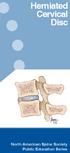 Herniated Cervical Disc North American Spine Society Public Education Series What Is a Herniated Disc? The backbone, or spine, is composed of a series of connected bones called vertebrae. The vertebrae
MRI and Bone Scan Imaging in the Preoperative Evaluation of Painful Vertebral Fractures Treated with Vertebroplasty and Kyphoplasty
 MRI and Bone Scan Imaging in the Preoperative Evaluation of Painful Vertebral Fractures Treated with Vertebroplasty and Kyphoplasty SALVATORE MASALA 1, ORAZIO SCHILLACI 2, FRANCESCO MASSARI 1, ROBERTA
Catheter Embolization and YOU
 Catheter Embolization and YOU What is catheter embolization? Embolization therapy is a minimally invasive (non-surgical) treatment that occludes or blocks one or more blood vessels or vascular channels
Image-guided Spine Procedures for Relief of Severe Lower Back Pain:
 Image-guided Spine Procedures for Relief of Severe Lower Back Pain: A Guide to Epidural Steroid Injection, Facet Joint Injection, and Selective Nerve Root Block. PETER H TAKEYAMA MD HENRY WANG MD PhD SVEN
Information for the Patient About Surgical
 Information for the Patient About Surgical Decompression and Stabilization of the Spine Aging and the Spine Daily wear and tear, along with disc degeneration due to aging and injury, are common causes
Radiologic Diagnosis of Spinal Metastases
 September 2002 Radiologic Diagnosis of Spinal Metastases Natalie J. M. Dailey, Harvard Medical Student Year III Our Patient s Presenting Story 70 year old male Presents to the hospital for laparascopic
Care pathways for vertebral compression fractures
 Care pathways for vertebral compression fractures SYDNEY MEDICAL SCHOOL Associate Professor Manuela L Ferreira, PhD Sydney Medical Foundation Fellow Institute of Bone and Joint Research and The George
Lumbar Spinal Stenosis
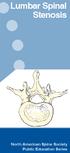 Lumbar Spinal Stenosis North American Spine Society Public Education Series What Is Lumbar Spinal Stenosis? The vertebrae are the bones that make up the lumbar spine (low back). The spinal canal runs through
X Stop Spinal Stenosis Decompression
 X Stop Spinal Stenosis Decompression Am I a candidate for X Stop spinal surgery? You may be a candidate for the X Stop spinal surgery if you have primarily leg pain rather than mostly back pain and your
Jonathan R. Gottlieb, MD 7220 SW 127 Street Pinecrest, FL 33156 [email protected]
 Jonathan R. Gottlieb, MD 7220 SW 127 Street Pinecrest, FL 33156 [email protected] CURRENT PRACTICE September 2009-present University of Miami School of Medicine Assistant Professor, Department of
Treatment of Myeloma Bone Disease
 Treatment of Myeloma Bone Disease James R. Berenson, MD Medical & Scientific Director Institute for Bone Cancer & Myeloma Research West Hollywood, CA Clinical Consequences of Myeloma Bone Disease Pathological
SPINAL STENOSIS Information for Patients WHAT IS SPINAL STENOSIS?
 SPINAL STENOSIS Information for Patients WHAT IS SPINAL STENOSIS? The spinal canal is best imagined as a bony tube through which nerve fibres pass. The tube is interrupted between each pair of adjacent
www.backandspinefl.com Back and Spine Center 509 Riverside Dr., Suite 203 Stuart, FL 34994 Phone: (772) 288-5862
 Non-Profit ORG. U.S. Postage PAID West Palm BCH. FL. PERMIT NO. 4709 www.backandspinefl.com Back and Spine Center 509 Riverside Dr., Suite 203 Stuart, FL 34994 Phone: (772) 288-5862 The evolution of neurosurgery
SPINAL FUSION. North American Spine Society Public Education Series
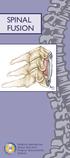 SPINAL FUSION North American Spine Society Public Education Series WHAT IS SPINAL FUSION? The spine is made up of a series of bones called vertebrae ; between each vertebra are strong connective tissues
SPINE SERVICE ROTATION ROTATION SPECIFIC OBJECTIVES (RSO) DEPT. OF ORTHOPEDICS AND PHYSICAL REHABILITATION UNIVERSITY OF MASSACHUSETTS
 SPINE SERVICE ROTATION ROTATION SPECIFIC OBJECTIVES (RSO) DEPT. OF ORTHOPEDICS AND PHYSICAL REHABILITATION UNIVERSITY OF MASSACHUSETTS The purpose of this RSO is to outline and clarify the objectives of
Low Back Injury in the Industrial Athlete: An Anatomic Approach
 Low Back Injury in the Industrial Athlete: An Anatomic Approach Earl J. Craig, M.D. Assistant Professor Indiana University School of Medicine Department of Physical Medicine and Rehabilitation Epidemiology
CLINICAL PRACTICE GUIDELINES FOR MANAGEMENT OF LOW BACK PAIN
 CLINICAL PRACTICE GUIDELINES FOR MANAGEMENT OF LOW BACK PAIN Low back pain is very common, up to 90+% of people are affected by back pain at some time in their lives. Most often back pain is benign and
FEMORAL NECK FRACTURE FOLLOWING TOTAL KNEE REPLACEMENT
 1 FEMORAL NECK FRACTURE FOLLOWING TOTAL KNEE REPLACEMENT László Sólyom ( ), András Vajda & József Lakatos Orthopaedic Department, Semmelweis University, Medical Faculty, Budapest, Hungary Correspondence:
Uterine Fibroid Symptoms, Diagnosis and Treatment
 Fibroids and IR Uterine Fibroid Symptoms, Diagnosis and Treatment Interventional radiologists use MRIs to determine if fibroids can be embolised, detect alternate causes for the symptoms and rule out misdiagnosis,
Osteoporosis has been identified by the US Surgeon General
 New Guidelines for the Prevention and Treatment of Osteoporosis E. Michael Lewiecki, MD, and Nelson B. Watts, MD Abstract: The World Health Organization Fracture Risk Assessment Tool (FRAX ) and the National
Hospital-based SNF Coding Tip Sheet: Top 25 codes and ICD-10 Chapter Overview
 Hospital-based SNF Coding Tip Sheet: Top 25 codes and Chapter Overview Chapter 5 - Mental, Behavioral and Neurodevelopmental Disorders (F00-F99) Classification improvements (different categories) expansions:
1 REVISOR 5223.0070. (4) Pain associated with rigidity (loss of motion or postural abnormality) or
 1 REVISOR 5223.0070 5223.0070 MUSCULOSKELETAL SCHEDULE; BACK. Subpart 1. Lumbar spine. The spine rating is inclusive of leg symptoms except for gross motor weakness, bladder or bowel dysfunction, or sexual
Vertebral body stenting / stentoplasty
 Published 6 August 2012, doi:10.4414/smw.2012.13658 Cite this as: Vertebral body stenting / stentoplasty Paul F. Heini, Regula Teuscher Spine Service, Orthopaedic Hospital Sonnenhof, Bern, Switzerland
In Practice Whole Body MR for Visualizing Metastatic Prostate Cancer
 In Practice Whole Body MR for Visualizing Metastatic Prostate Cancer Prostate cancer is the second most common cancer in men worldwide, accounting for 15% of all new cancer cases. 1 Great strides have
Spine conditionsnew treatments. Ben Okafor FRCS FRCS.orth Consultant Orthopaedic Surgeon
 Spine conditionsnew treatments Ben Okafor FRCS FRCS.orth Consultant Orthopaedic Surgeon Certainties of life Death Taxes Back pain New Advances Minimal access surgery Indirect Lumbar decompression Dynamic
Temple Physical Therapy
 Temple Physical Therapy A General Overview of Common Neck Injuries For current information on Temple Physical Therapy related news and for a healthy and safe return to work, sport and recreation Like Us
Minimally Invasive Spine Surgery
 Chapter 1 Minimally Invasive Spine Surgery 1 H.M. Mayer Primum non nocere First do no harm In the long history of surgery it always has been a basic principle to restrict the iatrogenic trauma done to
A new score predicting the survival of patients with spinal cord compression from myeloma
 A new score predicting the survival of patients with spinal cord compression from myeloma (1) Sarah Douglas, Department of Radiation Oncology, University of Lubeck, Germany; [email protected] (2) Steven
Radiologist Assistant Role Delineation
 Radiologist Assistant Role Delineation January 2005 Background The American Registry of Radiologic Technologists (ARRT) is developing a certification program for a new level of imaging technologist called
enspire Interventional, Novel approach in Percutaneous Discectomy in Percutaneous Discectomy Samyadev Datta, MD, FRCA Center for Pain Management
 enspire Interventional, Novel approach in Percutaneous Discectomy in Percutaneous Discectomy Samyadev Datta, MD, FRCA Center for Pain Management Anatomy Intervertebral Disc: Fibrocartilaginous joint Makes
Fast Facts on Osteoporosis
 Fast Facts on Osteoporosis Definition Prevalence Osteoporosis, or porous bone, is a disease characterized by low bone mass and structural deterioration of bone tissue, leading to bone fragility and an
The Effects of Cox Decompression Technic in the Treatment of Low Back Pain and Sciatica in a Golf Professional
 Cox Technic Email Case Report 72, June 2009, James Schantz DC 1 The Effects of Cox Decompression Technic in the Treatment of Low Back Pain and Sciatica in a Golf Professional James E. Schantz, D.C. Leading
.org. Cervical Spondylosis (Arthritis of the Neck) Anatomy. Cause
 Cervical Spondylosis (Arthritis of the Neck) Page ( 1 ) Neck pain can be caused by many things but is most often related to getting older. Like the rest of the body, the disks and joints in the neck (cervical
DIFFERENTIAL DIAGNOSIS OF LOW BACK PAIN. Arnold J. Weil, M.D., M.B.A. Non-Surgical Orthopaedics, P.C. Atlanta, GA
 DIFFERENTIAL DIAGNOSIS OF LOW BACK PAIN Arnold J. Weil, M.D., M.B.A. Non-Surgical Orthopaedics, P.C. Atlanta, GA MEDICAL ALGORITHM OF REALITY LOWER BACK PAIN Yes Patient will never get better until case