
Nurse Practitioner CLINICAL PRACTICE GUIDELINE Open Injury
|
|
|
- Anthony Matthews
- 9 years ago
- Views:
Transcription
1 Nurse Practitioner Medical Practitioner +/- Nurse Practitioner Scope All open wound injuries Identify patients suitable for NP CPG Wound requiring specialist suture technique Identify patients not suitable Uncontrolled haemorrhage for NP CPG and redirect to Compensable status MVIT/WC (all assessment and GP +/- NP in team documentation must be completed by a GP) Initial Assessment and Interventions Primary Survey Airway Breathing Circulation History MIST: Mechanism: Injuries sustained; Signs vitals Treatment given/pre hospital management/time Range of movement/ability to weight bear Deformity Past medical history/medications Allergies/immunisations/tetanus status Focussed Clinical Assessment Neurovascular Assessment Last food/fluids Assess size and location of wound Classify by: - Severity Superficial/Penetrating Degree of Contamination clean/contaminated/infected Tidy/untidy straight edges vs. jagged edges Depth epidermis/dermis/subcutaneous/muscle fascia/bone Cause intentional/unintentional NB: Clenched fist/animal or human bite preference is wound healing by secondary intention Description cut/laceration/abrasion/contusion/ incision/puncture Consider referral for: o Facial wounds o Wounds overlying a joint o Wounds in young children o Injuries involving tendons o Nerve damage o Contaminated wounds o Untidy wounds (see acute referrals) After anesthetising wound: Thoroughly explore wound for any underlying structures i.e. tendon injury If bony tenderness or suspicion of foreign body see appropriate CPG Colour Warmth Movement Abnormal primary survey identified exit CPG Identify patients not suitable for NP CPG exit CPG Determine method of closure and additional management required D/W GP re need for referral for specialist consult/management (as appropriate). Identify patients not suitable for NP CPG exit CPG 1

2 Pain Assessment Analgesia / First Aid Management Sensation complete sensory loss partial sensory loss/hypoesthesia Capillary refill Peripheral pulse Nerves/tendons (a thorough understanding of colour, anatomy and function of the injured limb is essential for proper management) Pain score Determine need for and type of analgesia First Aid Reduction/relief of pain. o Rest o Ice/immobilisation o Compression o Elevation Administration of analgesia (see medications) Consider early application of Local Anaesthetic after thorough assessment and documentation of neurovascular function Working diagnosis and Investigations Imaging No imaging required where there is no suspicion of bony injury or foreign body X-ray required if: Pathology o Pain and localised tenderness suggestive of bony injury o Suspicion of foreign body Ultrasound in addition to X-ray may be required if non radio opaque foreign body is suspected Not routinely indicated but consider: Wound swab if moderate or severe infection, especially where there is: Cellulitis Signs and symptoms of systemic infection Delayed presentation Insert cannula if required If surgical repair required, pre operative investigations may include FBP, U&E, Group & Hold, and INR as discussed with admitting medical officer / specialist Minimise or prevention of complications Detect foreign body or determine joint involvement Ongoing assessment of need for intravenous access Referral to acute care facility identifies need for preoperative investigations performed as requested Diagnosis Clean wound appears clean, no evidence of contamination, healthy tissue present, good opposition of wound edges evident Tidy/untidy straight edges vs. jagged edges see acute referral Contaminated wound see acute referral Nerve damage see acute referral Patient identified as suitable for NP CPG and discharged safely Correct diagnosis made and patient management carried out and/or referred to acute 2

3 Tendon damage see acute referral Other Need for antibiotics and or tetanus immunoprophylaxis will depend on patient MIST, wound examination findings and whether delayed presentation as per therapeutics guidelines. Interpretation of results (diagnostic features) & Management decisions Cleaning of Wounds Management Associated Care Acute Referral Wound irrigation: A 30ml syringe attached to 19g cannula without the stylet should be used to vigorously irrigate with 0.9% NaCl Wound cleansing Chlorhexidine solution soaked gauze used to topically clean wound Contaminated wounds 1% Povidine Iodine applied for 3 5 minutes then washed off a. Tissue Adhesive Simple wounds <3cm in length ensure good wound edge approximation Consider for wounds in children b. Steri-strip May be adequate in simple wounds in areas with little skin tension i.e. not over joints requires patient compliance, keep dry for 72hrs, minimal movement etc. c. Suture Select appropriate suture material absorbable/nonabsorbable Wound usually requires infiltration with local anaesthetic which allows for thorough wound examination/cleaning d. Dressing Dressing will be required for closure of wounds. Select appropriate dressing according to need. Consider: - Absorption of blood/ exudate Wound immobilisation/pain relief Application of pressure Occlusion from dirt, bacteria and inquisitive fingers Aesthetic covering Consider: ECG for patients > 65yrs who require surgical intervention Consider need for acute referral for: Facial wounds requiring Plastics/Surgical specialty review Wounds overlying a joint requiring Surgical/Orthopaedic specialty review Wounds in young children Tendon damage evidence of peripheral tendon damage after focussed clinical examination and direct visualisation of wound may require specialty unit review (dependant on injury sustained and location) care facility / specialist consult for management +/- admission (see acute referral) Selection of appropriate closure material will ensure good wound healing and cosmesis Correct diagnosis made D/W GP to identify +/- need for referral to acute care facility or specialist consult for management +/- admission 3

4 Contaminated wounds evidence of contamination and presence of debris in wound, devitalisation of wound edges o Extent of contamination of the wound will determine whether referral to Plastics unit is required as the wound may require surgical debridement in an operating theatre if extensive. Jagged edges may require debridement or specialist suture technique Patient discharge education When to return Verbal/written instructions from NP Written patient education information Follow up appointment Medication instructions POP care (where appropriate) Safety Assessment i.e. crutches Ensure patient understands problem, treatment, follow up Verbal/written instructions from NP Ensure patient understands Verbal/written instructions from NP/GP Ensure patient understands Verbal/written instructions from NP Written patient education Refer patient for crutches as appropriate Patients > 60 yrs of age consider referrals Other Referrals Consider referrals for specific patient problems as required: Social Work Physiotherapy SW Community Drug Service Team Aboriginal Liaison Officer SW 24 / SW Mental Health Service Interpreter Silver Chain Home Certificates Absence from work certificates Certificate of attendance Ensure patient understands Ensure patient understands Ensure patient understands Ensure appropriate documentation completed Refer to GP for relevant WC and MVIT documentation Letter Copy of notes to specialist or acute care facility Ensure continuity of care and referral to health care team GP to complete BDH Patient Admission Pack 4

5 Medications All medications will be stored, labelled and dispensed in accordance with hospital policy and relevant legislation MILD PAIN S2 S4 Simple analgesia On initial assessment of mild pain: ADULTS: Paracetamol: 500mg 1g 4-6 hourly PO/PR, not to exceed 4g in 24hr Paracetamol 500mg/Codeine 8mg per tablet: 1 or 2 tablets PO 4 6 hourly, not to exceed 8 tablets in 24hrs. CHILDREN Paracetamol: 15mg/kg/dose 4 hourly PO/PR up to 4 times/day. Not to exceed 4 doses in 24hrs Painstop Day: ml/kg PO 4 6 hourly. Not to exceed 4 doses in 24hrs. Painstop Night: 6 8 hourly PO: Max 3 doses in 24hrs Age: 2yrs: 4-5ml; 3-4yrs: 6-7ml; 5-6yrs: 7-8ml; 7-8yrs: 9-10ml Total daily maximum of paracetamol 60mg/kg/24hrs for the first 48hrs, thereafter 60mg/kg/24hrs. CAUTION: PAINSTOP NIGHT When dosing at maximum level of paracetamol: dose will deliver a larger than recommended promethazine dose and may give a higher than necessary codeine dose leading to an increase in sedation. Patients given analgesia appropriate to allergies, current medications and past medical history Analgesia requirements are determined by ongoing assessment of pain and the provision of adequate analgesia Patients with excessive pain or pain unrelieved by analgesia review by GP MODERATE PAIN S2 S4 On initial assessment of moderate pain or failure to relieve mild pain: ADULTS: Paracetamol 500mg/Codeine 30mg per tablet: 1 or 2 tablets PO 4 6 hourly, not to exceed 8 tablets in 24hrs AND/ Naproxen: 500mg PO initially then 250mg 6 8 hourly Ibuprofen:400mg PO 3 4 times daily CHILDREN Ibuprofen: 10mg/kg PO 3 4 times daily to maximum of 600mg in 24hrs Failure to control moderate pain Discuss further management with GP If NSAIDS contraindicated: Tramadol (adults and children>12yrs) o Oral: mg QID, maximum 400mg over 5

6 SEVERE reassess Narcotic Analgesia S8 Anti-emetic S4 PRN Local Analgesia (LA) S4 Antibiotics S4 24hrs o IM: mg QID, maximum 600mg over 24hrs Special Note: TRAMADOL: Contraindicated in epilepsy and SSRI use. Caution must be used in the elderly maximum dose 300mg daily NOTE: Currently NP s require medical prescription for S8 medications ADULTS (only) Morphine: IM: 5 10mg single dose CHILDREN Morphine: IM: 0.2mg/kg single dose Consider need for: Metoclopramide hydrochloride: PO/IM/IV o Adult > 60kg: 10mg 3 times per day o 30-59kg: 5mg 3 times per day o 20-29kg: 2.5mg 3 times per day o 15-19kg: 2mg 2-3 times per day o 10-14kg: 1mg 2-3 times per day o <10kg: 0.1mg/kg (maximum 1mg) twice daily Total daily dose should not normally exceed 0.5mg/kg, especially in children and young adults. Procholperazine: ADULT Oral - Initially 20mg, then 10mg 2 hours later; if still needed, 5-10mg 3 times daily IM/IV 12.5mg 8 hourly as needed Rectal 25mg followed by oral medication (if possible) 6 hours later CHILDREN > 2YRS Oral 250micrograms/kg 2-3 times daily Lignocaine 1% (plain) Lignocaine 1% with adrenaline 1:100,000 *Administration via infiltration techniques: Lignocaine (plain): MAX dose 3mg/kg Lignocaine (with adrenaline): MAX 7mg/kg *Consider need for digital nerve block **Preparations containing ADRENALINE are not to be used on digits, nose, ears, penis or contaminated wounds. - The use and appropriateness of antibiotic therapy in the treatment of potentially infected/infected wounds depends on the cause, condition, and likely microbial organisms to be treated. - Refer to the Antibiotic Therapeutic Guidelines for appropriate antibiotic drug administration. Initial assessment of severe pain discuss further management with GP CLEAN WOUNDS 6

7 LOW RISK: Not Routinely used for clean wounds not involving tendons or joints that can be adequately debrided and irrigate and are seen within 8 hours HIGH RISK/ESTABLISHED INFECTION including delayed presentation or difficult debridement Di/flucloxacillin: 500mg (child: 12.5mg/kg up to 500mg) PO 6 hourly for 5 days Metronidazole: 400mg (child:10mg/kg up to 400mg) PO 12 hourly for 5 days Alternatively use: Amoxycillin + clavulanate: mg (child: mg/kg up to mg) PO 12 hourly for 5 days *Patients with penicillin hypersensitivity: Cephalexin: 500mg (child: 12.5mg/kg up to 500mg) 6 hourly for 5 days Metronidazole: 400mg (child: 10mg/kg up to 400mg) PO 12 hourly 5 days CONTAMINATED WOUNDS Di/flucloxacillin: 2g (child: 50mg/kg up to 2g) IV 6 hourly Gentamicin: 4-6mg/kg (child: <10yrs 7.5mg/kg; > 10 years: 6mg/kg) IV daily (adjust dose for renal function) Metronidazole: 500mg (child: 12.5mg/kg up to 500mg) IV 12 hourly *Patients with penicillin hypersensitivity: Metronidazole: 500mg (child: 12.5mg/kg up to 500mg) IV 12 hourly Cephazolin:2g (child: 50mg/kg up to 2g) IV 8 hourly Cephalothin: 2g (child: 50mg/kg up to 2g) IV 6 hourly NOTE: Duration of treatment should be at least 5 days. Correct diagnosis made D/W GP to identify +/- need for referral to acute care facility or specialist consult for management +/- admission CLENCHED FIST/ANIMAL and HUMAN BITES HIGH RISK: o Delayed presentation o Puncture/difficult debridement o Wounds on hands/feet/face o Involving underlying structures eg joints/tendons Amoxycillin + Clavulanate: mg (child: mg/kg up to mg) PO 12 hourly for 5 days 7

8 Vaccine/ Immunisation S4 Unexpected representation NP Clinical Practice NP Nurse Practitioner GP General Practitioner S1 S4; S8 Schedule of the drug administration act Procaine penicillin: 1.5g (child 50mg/kg up to 1.5g) IM single dose (if commencement of above delayed) followed by above. ESTABLISHMENT INFECTION &/ SEVERE PRENETRATING INJURY Metronidazole: 400mg (child: 10mg/kg up to 400mg) PO 12 hourly (consider initial IV dose) Cefotaxime: 1g (child 25mg/kg up to 1g) IV 8 hourly Ceftriaxone: 1g (child: 25mg/kg up to 1g) IV daily Alternatively use: Ticarcillin + Clavulanate (Timentin): g (child: mg/kg up to g) IV 6 hourly *Patients with penicillin hypersensitivity: Metronidazole:400mg (child: 10mg/kg up to 400mg) PO 12 hourly EITHER Doxycycline: 200mg (child >8yrs 5mg/kg up to 200mg) PO for 1 st dose, then 100mg (child 2.5mg.kg up to 100mg) PO daily Trimethoprim + sulfamethoxazole: mg (child mg/kg up to mg) PO 12 hourly Ciprofloxacin: (authority prescription) 500mg (child:10mg/kg up to 500mg) PO 12 hourly days NOTE: A low threshold should exist for discussing these patients with a Specialist Consultant/Infectious Disease for appropriate therapy and management regimes *Consider tetanus immuno-prophylaxis in tetanus prone wounds Refer to Australian Immunisation Handbook 9 th Edition section on Immunisation for tetanus prone wounds for dosage regimen (dependent upon previous immunisation status and type of exposure) Evaluative strategies Review Patient Notes NP Clinical Practice/Medical Report Audit Correct diagnosis made and D/W GP to identify +/- need for referral to acute care facility or specialist consult for management +/- admission Key Terms CPG Clinical Practice Guideline WC Worker s Compensation MVIT Motor Vehicle Insurance Trust 8

9 References and existing CPG s Naturaliste Medical Group Nurse Practitioner Clinical Practice Guideline: Authorship and Endorsement This guideline was written by: Lisa Scholes - Nurse Practitioner Broadwater Medical Practice & Dunsborough Medical Practice Reviewed and authorised by: Dr Andrew Lill - General Practitioner Broadwater Medical Practice & Dunsborough Medical Practice Dr Mostyn Hamdorf -General Practitioner Broadwater Medical Practice & Dunsborough Medical Practice GP Down South: Chair Dr Scott McGregor - General Practitioner Broadwater Medical Practice & Dunsborough Medical Practice Jarred Smith - Pharmacist West Busselton Pharmacy Date written: June 2010 Review Date: June

Nurse Practitioner Emergency Services CLINICAL PRACTICE GUIDELINE
 Scope Nurse Practitioner Wrist/forearm injury, pain, swelling or deformity Identify patients (Emergency) CPG Medical Practitioner +/-Nurse Practitioner Compound # / obvious fracture dislocation/ dislocation
Suturing Policy for Nurses in Emergency Departments
 This is an official Northern Trust policy and should not be edited in any way Suturing Policy for Nurses in Emergency Departments Reference Number: NHSCT/12/545 Target audience: Registered Nurses Sources
POAC CLINICAL GUIDELINE
 POAC CLINICAL GUIDELINE Acute Pylonephritis DIAGNOSIS COMPLICATED PYELONEPHRITIS EXCLUSION CRITERIA: Male Known or suspected renal impairment (egfr < 60) Abnormality of renal tract Known or suspected renal
Chapter 11. Everting skin edges
 Chapter 11 PRIMARY WOUND CLOSURE KEY FIGURE: Everting skin edges In primary wound closure, the skin edges of the wound are sutured together to close the defect. Whenever possible and practical, primary
SCOPE: Western Australia CLINICAL PROTOCOL - MINOR SURGICAL PROCEDURES. Introduction
 SCOPE: Western Australia CLINICAL PROTOCOL - MINOR SURGICAL PROCEDURES Introduction To provide appropriate management of wounds, there are occasions where either wound biopsy or sharp debridement procedures
Health (Drugs and Poisons) Regulation 1996. Drug Therapy Protocol Rural and Isolated Practice Area Endorsed Nurse
 Health (Drugs and Poisons) Regulation 1996 Drug Therapy Protocol Rural and Isolated Practice Area Endorsed Nurse Health Protection Unit Medicines Regulation and Quality PO Box 21 Fortitude Valley BC QLD
Antibiotic Guidelines: Ear Nose and Throat (ENT) Infections. Contents
 Antibiotic Guidelines: Ear Nose and Throat (ENT) Infections. Classification: Clinical Guideline Lead Author: Antibiotic Steering Committee Additional author(s): Authors Division: DCSS & Tertiary Medicine
The Pharmacological Management of Cancer Pain in Adults. Clinical Audit Tool
 The Pharmacological Management of Cancer Pain in Adults Clinical Audit Tool 2015 This clinical audit tool accompanies the Pharmacological Management of Cancer Pain in Adults NCEC National Clinical Guideline
Resource Document 6: Tetanus Immunization. I. Introduction
 Resource Document 6: Tetanus Immunization I. Introduction Attention must be directed to adequate tetanus prophylaxis in the multiply injured patient, particularly if open-extremity trauma is present. The
Drugs & Everything Else
 Pain Relief, Common Drugs & Everything Else Henrik Jörnvall MD, PhD MKAIC November 11 2011 Lidocaine Noradrenaline Isoflurane Morphine Ropivacaine Platelets l t Pethidine Dobutamine Propofol Normal Saline
Collaborative Care Plan for PAIN
 1. Pain Assessment *Patient s own description of pain is the most reliable indicator for pain assessment. Pain intensity to be assessed using the ESAS (Edmonton Symptom Assessment Scale) Use 5 th Vital
RGN JOY LAUDE WATFORD GENERAL HOSPITAL, ENGLAND
 RGN JOY LAUDE WATFORD GENERAL HOSPITAL, ENGLAND Monitor patient on the ward to detect trends in vital signs and to manage accordingly To recognise deteriorating trends and request relevant medical/out
Epidural Continuous Infusion. Patient information Leaflet
 Epidural Continuous Infusion Patient information Leaflet April 2015 Introduction You may already know that epidural s are often used to treat pain during childbirth. This same technique can also used as
Title: Antibiotic Guideline for Acute Pelvic Inflammatory Disease
 Title: Antibiotic Guideline for Acute Pelvic Inflammatory Disease Version 3 Date ratified December 2007 Review date December 2009 Ratified by NUH Antimicrobial Guidelines Committee Gynaecology Directorate
TREATMENT 1. Control bleeding by applying pressure over wound with Gauze Pads (Surgical Supply-4). 2. Contact Surgeon for laceration repair options.
 Page 1 of 8 pages NOTE Contact Surgeon before giving any medication marked with an asterisk. In an emergency or during Loss of Signal, begin appropriate treatment; then call Surgeon as soon as possible.
Beaumont Hospital Department of Nephrology and Renal Nursing. Guideline for administering Ferinject
 Beaumont Hospital Department of Nephrology and Renal Nursing Guideline Name: Guideline for administering Ferinject Guideline Number: 18 Guideline Version: a Developed By: Louise Kelly CNM 1 Renal Day Care
Health (Drugs and Poisons) Regulation 1996. Drug Therapy Protocol Midwives
 Health (Drugs and Poisons) Regulation 1996 Drug Therapy Protocol Midwives Health Protection Unit Medicines Regulation and Quality PO Box 21 Fortitude Valley BC QLD 4006 Telephone (07) 3328 9808 Facsimile
Arthroscopic rotator cuff repair
 Arthroscopic rotator cuff repair The aim of this leaflet is to help answer some of the questions you may have about having an arthroscopic rotator cuff repair. It explains the benefits, risks and alternatives
The Horton General Hospital, Day Case Unit After a laparoscopic cholecystectomy Information for patients
 The Horton General Hospital, Day Case Unit After a laparoscopic cholecystectomy Information for patients Today you have had a procedure called laparoscopic cholecystectomy. This means that your gall bladder
STANDARD OPERATING PROCEDURE. Administration of High Dose Muscular Vitamin Supplements for Undergoing Alcohol
 STANDARD OPERATING PROCEDURE Administration of High Dose Muscular Vitamin Supplements for Undergoing Alcohol DOCUMENT CONTROL: Version: 2 Ratified by: Clinical Effectiveness Committee Date ratified: 03
Horton Day Case Unit. Information and advice after a surgical procedure under a general anaesthetic
 Horton Day Case Unit Information and advice after a surgical procedure under a general anaesthetic Information for patients 2 Driving Anaesthetic drugs remain the body for up to 48 hours and gradually
Introduction to Wound Management
 EWMA Educational Development Programme Curriculum Development Project Education Module: Introduction to Wound Management Latest revision: October 2012 ABOUT THE EWMA EDUCATIONAL DEVELOPMENT PROGRAMME The
Total knee replacement: The enhanced recovery programme
 INFORMATION FOR PATIENTS Total knee replacement: The enhanced recovery programme Aim This leaflet aims to explain the enhanced recovery programme after total knee replacement surgery, and outline what
Day Case Unit, Horton General Hospital Information and advice following a surgical procedure under spinal anaesthetic
 Oxford University Hospitals NHS Trust Day Case Unit, Horton General Hospital Information and advice following a surgical procedure under spinal anaesthetic What is a spinal anaesthetic? Spinal anaesthesia
APPENDIX 1: INTERDISCIPLINARY APPROACH TO PREVENTION AND MANAGEMENT OF DIABETIC FOOT COMPLICATIONS
 APPENDIX 1: INTERDISCIPLINARY APPROACH TO PREVENTION AND MANAGEMENT OF DIABETIC FOOT COMPLICATIONS Template: Regional Foot Programs should develop a list of available health professionals in the following
Nurse Initiated Medications Procedure
 1. Purpose This Procedure is performed as a means of ensuring the safe administration of therapeutic medication to patients in accordance with all legislative and regulatory requirements. 2. Application
Nurse Practitioner. CLINICAL PROTOCOL Chest Pain
 Nurse INTRODUCTION: Patients presenting with chest pain require rapid evaluation. Myocardial ischaemia should be considered in all patients presenting with chest pain. Assessment of pain type and referral,
Wrist Fracture. Please stick addressograph here
 ORTHOPAEDIC UNIT: 01-293 8687 /01-293 6602 UPMC BEACON CENTRE FOR ORTHOPAEDICS: 01-2937575 PHYSIOTHERAPY DEPARTMENT: 01-2936692 GUIDELINES FOR PATIENTS FOLLOWING WRIST FRACTURE Please stick addressograph
Fingernail/Nailbed Wounds Animal Bites
 Fingernail/Nailbed Wounds Animal Bites Fingernail & Nailbed Injury Kent Benedict, MD, FACEP Clinical Associate Professor of Medicine Stanford University Crush Injury to Finger Crushed Finger X-Ray Anatomy
Excision or Open Biopsy of a Breast Lump Your Operation Explained
 Excision or Open Biopsy of a Breast Lump Your Operation Explained Patient Information Introduction This leaflet tells you about the procedure known as excision or open biopsy of a breast lump. It explains
Following minor gynaecological surgery
 Following minor gynaecological surgery Exceptional healthcare, personally delivered n Following your operation you should have an adult to take you home and remain with you overnight. Transport home should
Support to Primary Care from Derbyshire Substance Misuse Service for prescribed / OTC drug dependence
 Support to Primary Care from Derbyshire Substance Misuse Service for prescribed / OTC drug dependence SUMMARY 1) Derbyshire Substance misuse service provides Psycho-social treatment interventions for ALL
Triage Documentation. Keeping Yourself Out Of Court. Joy McCarron RN BScN
 Triage Documentation Keeping Yourself Out Of Court Joy McCarron RN BScN Objectives Review of documentation standards CNO NENA CTAS Complexities that Challenge Documentation Triage Documentation Downfalls
STANDARDIZED PROCEDURE BONE MARROW ASPIRATION
 I. Definition: This protocol covers the task of bone marrow aspiration by an Allied Health Professional. The purpose of this standardized procedure is to allow the Allied Health Professional to safely
GREEN LABEL SERVICES LIMITED ENVIRONMENT HEALTH AND SAFETY INCIDENT INJURY ILLNESS CLASSIFICATION GUIDE
 GREEN LABEL SERVICES LIMITED ENVIRONMENT HEALTH AND SAFETY INCIDENT INJURY ILLNESS CLASSIFICATION GUIDE Document No. GLSL-EHS-IIICG-01 Green Label Services Limited. Document Name Incident Injury Illness
Arthroscopic subacromial decompression and rotator cuff repair
 Further sources of information http://www.patient.co.uk/showdoc/553/ http://www.shoulderdoc.co.uk/article.asp?section=11 http://www.medic8.com/healthguide/articles/painfulshoulder.html http://www.cks.nhs.uk/patientinformationleaflet/shoulderpainarc/st
Diabetic Foot Ulcers and Pressure Ulcers. Laurie Duckett D.O. Plastic and Reconstructive Surgeon Oklahoma State University Center for Health Sciences
 Diabetic Foot Ulcers and Pressure Ulcers Laurie Duckett D.O. Plastic and Reconstructive Surgeon Oklahoma State University Center for Health Sciences Lecture Objectives Identify risk factors Initiate appropriate
Peripherally Inserted Central Catheter (PICC) for Outpatient
 Peripherally Inserted Central Catheter (PICC) for Outpatient Introduction A Peripherally Inserted Central Catheter, or PICC line, is a thin, long, soft plastic tube inserted into a vein of the arm. It
TAKING CARE OF WOUNDS KEY FIGURE:
 Chapter 9 TAKING CARE OF WOUNDS KEY FIGURE: Gauze Wound care represents a major area of concern for the rural health provider. This chapter discusses the treatment of open wounds, with emphasis on dressing
Meatoplasty/Canalplasty
 Meatoplasty/Canalplasty What is a meatoplasty/canalplasty and why do I need this operation? This operation is performed to widen your ear canals so that they do not get blocked with wax and debris. It
Use of Packing for Surgical Wounds. Maggie Benson Clinical Problem Solving II
 Use of Packing for Surgical Wounds Maggie Benson Clinical Problem Solving II Purpose Present patient management s/p Incision and Drainage in an outpatient setting Examine evidence for the use of wound
Acute Pain Management in the Opioid Dependent Patient. Maripat Welz-Bosna MSN, CRNP-BC
 Acute Pain Management in the Opioid Dependent Patient Maripat Welz-Bosna MSN, CRNP-BC Relieving Pain in America (IOM) More then 116 Million Americans have pain the persists for weeks to years $560-635
Elective Laparoscopic Cholecystectomy
 General Surgery Elective Laparoscopic Cholecystectomy This information aims to explain what will happen before, during and after your surgery to remove your gallbladder. It includes information about the
Quality standard Published: 11 June 2015 nice.org.uk/guidance/qs89
 Pressure ulcers Quality standard Published: 11 June 2015 nice.org.uk/guidance/qs89 NICE 2015. All rights reserved. Contents Introduction... 6 Why this quality standard is needed... 6 How this quality standard
Treatment of Fever and Infection in Children with Transfusion Dependent Thalassaemia
 Treatment of Fever and Infection in Children with Transfusion Dependent Thalassaemia Document Information Version: 2 Date: June 2014 Authors (incl. job title): Professor David Rees, Sue Height (consultant
SHOULDER ACROMIOPLASTY/ SHOULDER DECOMPRESSION
 ORTHOPAEDIC WARD: 01-293 8687 /01-293 6602 BEACON CENTRE FOR ORTHOPAEDICS: 01-2937575 PHYSIOTHERAPY DEPARTMENT: 01-2936692 GUIDELINES FOR PATIENTS HAVING A SHOULDER ACROMIOPLASTY/ SHOULDER DECOMPRESSION
ANTIBIOTICS IN SEPSIS
 ANTIBIOTICS IN SEPSIS Jennifer Curello, PharmD, BCPS Clinical Pharmacist, Infectious Diseases Antimicrobial Stewardship Program Ronald Reagan UCLA Medical Center October 27, 2014 The power of antibiotics
Treatment of sexually transmitted and other genital infections
 www.bpac.org.nz keyword: sti Treatment of sexually transmitted and other genital infections Key reviewer: Dr Murray Reid, Sexual Health Physician, Auckland Sexual Health Service General points: If one
Melbourne Children s Eye Clinic. Strabismus Surgery for Children
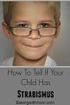 Melbourne Children s Eye Clinic Strabismus Surgery for Children Why operate on turned eyes? Surgery for turned eyes aims to improve the alignment of the eyes, that is, to make the eyes look straight. The
.org. Distal Radius Fracture (Broken Wrist) Description. Cause
 Distal Radius Fracture (Broken Wrist) Page ( 1 ) The radius is the larger of the two bones of the forearm. The end toward the wrist is called the distal end. A fracture of the distal radius occurs when
Collaboration Anesthesia
 HPC hpcconnection.ca Nursing Neuro - axial Analgesia cross sector Pharmacists Intractable patient centered Opioids Interventional Consensus Collaboration Anesthesia Physicians epidural evidence based Intraspinal
Pain Relief & Common Drugs. Henrik Jörnvall MD, PhD
 Pain Relief & Common Drugs Henrik Jörnvall MD, PhD MKAIC May 5 2010 Pain Definition An unpleasant sensory and emotional experience assocated with actual or potential tissue damage or described in terms
Individualized Care Plans Fully Developed
 Appendix Individualized Care Plans Fully Developed A Refer to Chapter 1 The Nursing Process: A Synopsis, p. 32: Two Individualized Care Plans Fully Developed; Care Plan 1 for Mr. John Walters, Care Plan
Guy s, King s and St Thomas Cancer Centre The Cancer Outpatient Clinic Central venous catheter: Peripherally inserted central catheter
 Guy s, King s and St Thomas Cancer Centre The Cancer Outpatient Clinic Central venous catheter: Peripherally inserted central catheter This information leaflet aims to help answer some of the questions
Total Hip Replacement Surgery Home Care Instructions
 Total Hip Replacement Surgery Home Care Instructions Surgery: Date: Doctor: This handout will review the care you need to follow once you are home. If you have any questions or concerns, please ask your
A Patient s guide to. pin site care. (Upper and lower limb external fixation) Limb Reconstruction Unit [email protected].
 A Patient s guide to pin site care (Upper and lower limb external fixation) Limb Reconstruction Unit [email protected] Introduction Before you leave hospital you will have been taught how
All Wales Prescription Writing Standards
 All Wales Prescription Writing Standards These standards should be read in conjunction with completing the All Wales Medication Chart e- learning package, available on the Learning@NHSWales internet site
Care Pathway for the Administration of Intravenous Iron Sucrose (Venofer )
 Departments of Haematology, Nephrology and Pharmacy Care Pathway for the Administration of Intravenous Iron Sucrose (Venofer ) [Care Pathway Review Date] Guidance for use This Care Pathway is intended
Clinical Guideline. Low Back Pain Orthopaedics. Princess Alexandra Hospital Emergency Department. 1 Purpose. 2 Background
 Princess Alexandra Hospital Emergency Department Clinical Guideline Orthopaedics Review Officer: Katherine Isoardi Version no: 1 Approval date: 18/03/2015 Review date: 18/03/2017 Approving Officer Dr James
Regulatory Impact Statement. Drugs, Poisons and Controlled Substances (Nurse Practitioner and Miscellaneous Amendments 2004)
 Regulatory Impact Statement Drugs, Poisons and Controlled Substances (Nurse Practitioner and Miscellaneous Amendments 2004) Regulatory Impact Statement Drugs, Poisons and Controlled Substances (Nurse Practitioner
HAWAII BOARD OF MEDICAL EXAMINERS PAIN MANAGEMENT GUIDELINES
 Pursuant to section 453-1.5, Hawaii Revised Statutes, the Board of Medical Examiners ("Board") has established guidelines for physicians with respect to the care and treatment of patients with severe acute
Stowe School Medications Policy
 INTRODUCTION Most pupils will need medication at some stage of their school life. Although this will mainly be for short periods there are a few pupils with chronic conditions who may require regular medication
Introduction. Procedure
 Page 1 of 8 Training Guide Clinical Evaluation Criteria for Technical Services TRAINING GUIDE FOR USE OF CLINIC EVALUATION & MANAGEMENT (E&M) CRITERIA FOR TECHNICAL CHARGES Introduction The following guidelines
After your gastric banding
 After your gastric banding Exceptional healthcare, personally delivered 2 Please call J Ward at Southmead Hospital on 0117 323 5132 if you have any questions or concerns soon after discharge. You may be
Intraosseous Vascular Access and Lidocaine
 Intraosseous Vascular Access and Lidocaine Intraosseous (IO) needles provide access to the medullary cavity of a bone. It is a technique primarily used in emergency situations to administer fluid and medication
California Correctional Health Care Services
 RN Protocol: I. POLICY A. Function: To facilitate and guide the Registered Nurse (RN) in the assessment and treatment of patients presenting with burns. B. Circumstances under which the RN may perform
TENDON INJURIES OF THE HAND KEY FIGURES:
 Chapter 32 TENDON INJURIES OF THE HAND KEY FIGURES: Extensor surface of hand Mallet finger Mallet splints Injured finger in stack splint Repair of open mallet Most hand specialists believe that the earlier
CLINICAL GUIDELINE FOR MANAGEMENT OF NEUTROPENIC SEPSIS IN CANCER PATIENTS 1. Aim/Purpose of this Guideline
 CLINICAL GUIDELINE FOR MANAGEMENT OF NEUTROPENIC SEPSIS IN CANCER PATIENTS 1. Aim/Purpose of this Guideline 1.1. Systemic cancer treatments and immunological therapies can suppress the ability of the bone
Objectives. Pain Management Knowing How To Help Yourself. Patients and Family Requirements. Your Rights As A Consumer
 Objectives Pain Management Knowing How To Help Yourself Jackie Carter, RN MSN CNS Become familiar with the definitions of pain Be aware of your rights to have your pain treated Become familiar with the
PROCEDURE- SPECIFIC INFORMATION FOR PATIENTS
 The British Association of Urological Surgeons 35-43 Lincoln s Inn Fields London WC2A 3PE Phone: Fax: Website: E- mail: +44 (0)20 7869 6950 +44 (0)20 7404 5048 www.baus.org.uk [email protected] PROCEDURE-
Registered Nurse Series Final Classification Standards December 2007
 Final Classification Standards December 2007 Series Overview This series is comprised of three classifications with progressive responsibility for nursing care and services and administrative duties within
Cal/OSHA Recordkeeping Requirements. Presented by: Meg McCormick Loss Prevention Specialist ALPHA Fund
 Cal/OSHA Recordkeeping Requirements Presented by: Meg McCormick Loss Prevention Specialist ALPHA Fund Objectives O Explain what constitutes a recordable injury and/or illness O Discuss how to fill out
Chapter 3. Ulnar nerve infiltration
 Chapter 3 LOCAL ANESTHESIA KEY FIGURES: Digital block/anatomy Sensation to hand Median nerve infiltration Ulnar nerve infiltration Facial block: skeleton Full surgical evaluation of a wound and suture
Musculoskeletal Infection Care Process Model
 Musculoskeletal Infection Care Process Model Musculoskeletal infections are serious and potentially life-threatening. Musculoskeletal infections include necrotizing fasciitis, septic arthritis, osteomyelitis,
Chapter 7. Expose the Injured Area
 Chapter 7 GUNSHOT WOUNDS KEY FIGURES: Entrance/exit wounds This chapter describes how to treat the external, surface wounds caused by a bullet. The evaluation for underlying injury related to gunshot wounds
Management of Burns. The burns patient has the same priorities as all other trauma patients.
 Management of Burns The burns patient has the same priorities as all other trauma patients. Assess: - Airway - Breathing: beware of inhalation and rapid airway compromise - Circulation: fluid replacement
Clinical Practice Guidelines: Nurse Practitioner, Palliative Care Service
 Clinical Practice Guidelines: Nurse Practitioner, Palliative Care Service Purpose of Role The Nurse Practitioner (NP) will provide comprehensive palliative care management and advanced nursing care in
Pain Management after Surgery Patient Information Booklet
 Pain Management after Surgery Patient Information Booklet PATS 509-15-05 Your Health Care Be Involved Be involved in your healthcare. Speak up if you have questions or concerns about your care. Tell a
Australian and New Zealand College of Anaesthetists and Faculty of Pain Medicine. Managing Acute Pain. A Guide for Patients.
 Australian and New Zealand College of Anaesthetists and Faculty of Pain Medicine Managing Acute Pain A Guide for Patients Approved by MANAGING ACUTE PAIN AGUIDE FOR PATIENTS Australian and New Zealand
Other Causes of Fever
 T e c h n i c a l S e m i n a r s Other Causes of Fever Febrile Illness Causes Fever After Seven Days Referral Relapsing Fever - Borreliosis Overview JHR Adaptation Sore Throat Overview Prevention Management
Medical/Clinical Assistant CIP 51.0801 Task Grid
 1 Secondary Task List 100 PHARMACOLOGY 101 Measure drug dosages using droppers, medicine cups, syringes, and other specialized devices. 102 Utilize correct technique to administer medications using the
Tibial Intramedullary Nailing
 Tibial Intramedullary Nailing Turnberg Building Orthopaedics 0161 206 4898 All Rights Reserved 2015. Document for issue as handout. Procedure The tibia is the long shin bone in the lower leg. It is a weight
m y f o u n d a t i o n i n f o s h e e t
 Pain and Myeloma m y f o u n d a t i o n i n f o s h e e t Pain is the most common symptom of myeloma and can greatly affect all areas of your life, especially if it is untreated or poorly managed. This
Femoral artery bypass graft (Including femoral crossover graft)
 Femoral artery bypass graft (Including femoral crossover graft) Why do I need the operation? You have a blockage or narrowing of the arteries supplying blood to your leg. This reduces the blood flow to
Patient Sticker Multiple Sclerosis Ambulatory Emergency Care Pathway
 Multiple Sclerosis Ambulatory Emergency Care Pathway 1 Consultant: Dr M Oldfield Consultant: Dr D Harris Lead Nurse: Catie Paterson Ambulatory Emergency Care (AEC) Unit Patient From ED (Emergency Department)
Pharmacy Policy (General)
 WORKSAFE VICTORIA Pharmacy Policy (General) WorkSafe can pay the reasonable costs of medications and other pharmacy items required as a result of a work-related injury or illness in accordance with Victorian
MODERATE SEDATION RECORD (formerly termed Conscious Sedation)
 (POLICY #DOC-051) Page 1 of 6 WELLSPAN HEALTH - YORK HOSPITAL NURSING POLICY AND PROCEDURE Dates: Original Issue: September 1998 Annual Review: March 2012 Revised: March 2010 Submitted by: Brenda Artz
Post-surgical V.A.C. VeraFlo Therapy with Prontosan Instillation on Inpatient Infected Wounds * COLLECTION OF CASE STUDIES
 COLLECTION OF CASE STUDIES Post-surgical V.A.C. VeraFlo Therapy with Prontosan Instillation on Inpatient Infected Wounds * *All patients were treated with systemic antibiotics Post-surgical V.A.C. VeraFlo
.org. Posterior Tibial Tendon Dysfunction. Anatomy. Cause. Symptoms
 Posterior Tibial Tendon Dysfunction Page ( 1 ) Posterior tibial tendon dysfunction is one of the most common problems of the foot and ankle. It occurs when the posterior tibial tendon becomes inflamed
Yes This controlled document shall not be copied in part or whole without the express permission of the author or the author s representative.
 Title: Patient Group Direction for the administration of lidocaine hydrochloride 1% injection as infiltration anaesthesia for insertion/removal of central venous catheters by nurses/radiographers working
Ultrasound-guided steroid injections in joints and soft tissues. Rheumatology Patient Information Leaflet
 Ultrasound-guided steroid injections in joints and soft tissues Rheumatology Patient Information Leaflet Welcome to The Dudley Group Rheumatology department. This leaflet will provide you with information
Adjunctive psychosocial intervention. Conditions requiring dose reduction. Immediate, peak plasma concentration is reached within 1 hour.
 Shared Care Guideline for Prescription and monitoring of Naltrexone Hydrochloride in alcohol dependence Author(s)/Originator(s): (please state author name and department) Dr Daly - Consultant Psychiatrist,
CHAPTER V CONCLUSION AND RECOMMENDATIONS. findings are presented, implications for nursing practice and education are discussed,
 CHAPTER V CONCLUSION AND RECOMMENDATIONS In this chapter, a summary of the findings and conclusion drawn from the findings are presented, implications for nursing practice and education are discussed,
Pre-operative M.R.S.A. Screening Information for Patients
 Infection Prevention and Control Pre-operative M.R.S.A. Screening Information for Patients This information is designed for patients undergoing MRSA screening before coming into hospital for a planned
SECTION 6 THERAPEUTIC DRUG MONITORING
 SECTION 6 THERAPEUTIC DRUG MONITORING Kieran Hand Consultant Pharmacist Anti-infectives The objectives of this section are: To test your ability to monitor serum levels for drugs with a narrow therapeutic
Hyperosmolar Non-Ketotic Diabetic State (HONK)
 Hyperosmolar Non-Ketotic Diabetic State (HONK) University Hospitals of Leicester NHS Trust Guidelines for Management of Acute Medical Emergencies Management is largely the same as for diabetic ketoacidosis
.org. Rotator Cuff Tears. Anatomy. Description
 Rotator Cuff Tears Page ( 1 ) A rotator cuff tear is a common cause of pain and disability among adults. In 2008, close to 2 million people in the United States went to their doctors because of a rotator
JOB DESCRIPTION Nurse Practitioner
 JOB DESCRIPTION JOB TITLE: Nurse Practitioner NAME: SALARY: LOCATION: REPORTING TO: JOB SUMMARY Salary will be dependent upon qualifications and experience Pelham Medical Group Humberview Surgery Church