
The Prince of Wales Hospital Acute Burns Unit Protocol
|
|
|
- Geraldine McCoy
- 9 years ago
- Views:
Transcription
1 The Prince of Wales Hospital Acute Burns Unit Protocol Prof. Tor-wo Chiu MA, BM BCh, FRCS Dr. Shun-yuen Ying MBChB, FRCS, FHKAM(Surgery) Dr. Stephanie CK Lam MBChB, MRCS Prof. Andrew Burd MD, FRCS, FHKAM(Surgery) Division of Plastic, Reconstructive and Aesthetic Surgery, Department of Surgery, The Chinese University of Hong Kong, Prince of Wales Hospital, Shatin, Hong Kong SAR. The Burns Unit at the Prince of Wales Hospital is the largest and busiest in the territory and receives patients from its own direct catchment area and from referring hospitals which includes a significant number of patients injured in the Mainland. Burns management can be complex and lengthy but the priority in acute burns management is simple and is to reduce mortality and morbidity by adherence to basic principles of trauma care with some modifications. Much depends on speedy first aid, accurate assessment of the severity of the burns injury and timely referral to a specialised burns unit where definitive treatment can be given. This article aims to provide an overview of the acute management of the burns patient First aid Initial Assessment at the local hospital Transferring the patient to Burns facilities/ units Overview of specialist care in our Burns Unit including fluid resuscitation Recommendations for dressing minor and moderate burns First aid The aim of first aid is to minimise the extent of the injury particularly in terms of contact time. Whilst using caution to ensure your own safety, stop the burning process. If the patient is on fire, then get him to 'stop, drop and to put out the fire or else smother the fire with a thick blanket or towel. Remove burnt clothes and cool the burnt areas with water for up to half an hour. Remove the patient from electrical contact. For chemical burns, remove soiled clothing and flush affected areas with running water for as long as tolerated. Ensure that the patient is kept warm for transfer to the emergency department. Initial assessment The assessment of the patient in the emergency department is essentially the same as for any trauma patient with treatment priorities based on the stability of the vital signs. The primary survey aims to detect life- threatening injuries particularly inhalational injury. It is important to realise that burns are not simply skin injuries, there may be other injuries related to the event e.g. explosions or the sequelae from running away, jumping out of windows to escape the fire. Airway: evaluate the stability of the cervical spine and immobilise as necessary. Consider endotracheal tube intubation and ventilation if indicated. Inhalational injuries can be rapidly lethal. A high index of suspicion is required - history of fire in an enclosed space, singed nasal hairs, burns or soot in the upper airway, change of voice etc. Prophylatic intubation is preferable to an emergency airway. Breathing: 100% oxygen for all burns >20% TBSA or involving a flame/flash mechanism. Circulation: check peripheral circulation and insert 2 large-bore peripheral lines. Commence IV resuscitation with Hartmann's solution for adults TBSA >15% or children TBSA > 10% (see later for comprehensive regime) Disability: neurological evaluation using the AVPU method or GCS, which provides an indicator of the adequacy of cerebral oxygenation and perfusion. Secondary Survey The secondary survey aims to detect severe injuries requiring a thorough head-to-toe examination of the patient. A history should be elicited - the minimum is an 'AMPLE' history which includes allergy history, medications, medical problems, last meal time and the event i.e. the mechanism of injury, time of injury, time of extrication and fluids or other treatment given during transport. Assessment of the burn The effect of a burn injury on an individual patient depends on: Area and depth of burn Presence of inhalational injury. Viewing the upper airway with a flexible endoscope is useful. Age of patient and the presence of concomitant medical problems Special areas (eyes, hand / genitalia) as well as circumferential burns of the limbs, neck and chest have added significance. The size of the burn is important as it is related to the magnitude of the inflammatory process which causes fluid shifts from the vascular compartment, thus directly affects the acute fluid resuscitation required. Various 21

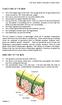
2 VOL.12 NO.12 DECEMBER 2007 methods to estimate the percentage of the body surface which is burnt have been described. The simplest method is the "Rule of Nines" which divides the body surface into areas of nine percent (9%) or multiples of 9% (Figure 1). An alternative way assumes that the closed palm of the patient is equal to approximately 1% of the body surface and is most useful for assessing scattered burns. The most accurate assessment is made using the Lund and Browder chart particularly in children as it takes into account the relative changes in proportions of head and legs in the growing child (Figure 2); charts also allow an easy way to chart and record the distribution and depth of the burns. Whichever method is used, it is very important not to include simple erythema in the estimation of the burn injury - erythema is a reversible hyperaemia which is not associated with tissue damage and as such it will not give rise to pathophysiological changes. The depth of the burn determines the likely course of healing. The depth of the burn is best described in descriptive terms, simply classified as being full or partial -thickness burns with the latter further subdivided into superficial partial thickness and deep partial thickness (Figure 3). It is possible to make an estimate of the depth of the burn from the clinical appearance (Table 1) but burns evolve particularly over the first 24 hours and are often heterogeneous in nature. The assessment of burn depth can be difficult and affects subsequent decisions regarding surgical management of the burn and choice of dressing but accurate assessment in the emergency setting is not a priority beyond recognising that full thickness injuries require referral for specialist treatment. General measures for the burns patient include: Decompression: remove all rings, watches and jewellery and tight clothing. Check the circulation of the limbs with circumferential burns; if there are elevated compartmental pressures, escharotomy or fasciotomy may be needed (though rarely required in the emergency department). Foley catheter insertion is useful for monitoring of hourly urine output, detection of haemoglobinuria or myoglobinuria in major burns. Nasogastric tube should be inserted in burns patients > 20% TBSA for early enteral feeding. Pain relief and anxiolytics should be adequate: intravenous morphine is preferable to intramuscular injection Adult: 1-4 mg intravenously every 2-4 hours Children: 0.2mg/kg for the first dose and titrate the dose subsequently Immediate wound care: as a temporary measure wrap the wound in clean and dry/moist dressings. Continued cooling is not recommended after the first half hour. Avoid any antimicrobial cream / lotion as this may affect the assessment by the burns physician Other general measures include tetanus toxoid / immunoglobulin as required. Transferring patients to Burns facilities/ units The timely transfer of a burns patient is a vital step in the management. There is a set of agreed criteria for the transfer of patients to specialised units that should be adhered to. Admission criteria for Specialised Hospital Burns Care Facilities (RHTSK, TMH, KWH, QEH) Burns>5%BSA Burns that involve and threaten functional / cosmetic impairment of the face, hands, feet, genitalia, perineum and major joints Full thickness burns Electrical / chemical burns Burns associated with inhalational injury Circumferential burns of limbs / chest Burns at the extremes of age (children and elderly) Burn injury in patients with pre-existing medical disorders which could complicate management, prolonged recovery, or affect mortality Any burns patient with concomitant trauma Referral criteria for Transfer to Burns Unit (PWH/QMH) Burns > 20% BSA Burns associated with inhalational injury requiring ICU admission Burns which have major cosmetic and/or functional implications Burn injury in patients with SIGNIFICANT preexisting medical disorders which could complicate management, prolonged, or affect mortality The decision to transfer a patient can become more difficult when there are serious associated injuries. The treatment of these may require precedence over the treatment of the burn, e.g. an intra-abdominal injury, major long bone fracture, open chest injury or intracranial bleeding. A decision should be made jointly with a senior clinician in the referring hospital and a senior specialist in the burns unit. Once a decision has been made to transfer a patient to the burns unit it is essential that the patient has been properly stabilised before transfer particularly with regards to the airway. It is essential to include all available information about the nature of the injury as well as the physical findings and extent of the burns. In addition there should be a clear set of notes documenting resuscitation measures, drugs given and blood results. Doctor-to-doctor contact is essential to ensure the safe transfer of the patient. This is particularly the case where a patient has been intubated in the referring hospital. It must be recognised that the communication should be a two-way process and the burns unit should inform the referring hospital of the outcome of treatment of the burns patient not only as a matter of professional courtesy but also from the point of view of continuing medical education. Management at the specialist units At the Burns facility/unit, the wound is assessed by the burns surgeon and should be re-assessed after it has been cleansed with either normal saline or antiseptics 22

3 such as Betadine or Hibiscrub solution before the definitive dressings; loose skin/tissues should be trimmed and big blisters de-roofed. Clinical photos for documentation are taken on admission and regularly during the patient's stay. Partial thickness burns tend to be exudative for the first 48 hours and the dressing regime reflects this: Face - paraffin oil for superficial/mid-dermal burns, whilst for deeper burns Bactigras (chlorhexidineinfiltrated tulle) and saline-soaked gauze secured with crepe bandage are used for the first 48 hours. An ophthalmological consultation is advisable. The hair is shaved if the scalp is involved for proper assessment and for toileting. Perineum - silver sulphadiazine (SSD) or variant Trunk & limbs - the 'standard; dressing is Bactigras saline-soaked gauze for the first 48 hours. Hand - for more superficial burns, the hand can be placed inside a sterile/ clean plastic bag with either SSD or other antimicrobial such as mupirocin whilst for deeper burns the fingers are individually dressed and splinted in position of safely. Elevation is essential. Foot- elevation and ankle splint as necessary. Fluid Resuscitation Fluid is given to compensate for expected losses (redistribution from intravascular volume to tissue space as well as true excretory/ exudative losses) and as a general rule, the threshold for IV fluid therapy for adults is a burn surface area > 15% whilst for children it is > 10%. In our unit, the Parklands formula is used as a guide. First 24 hours Adult 2-4 ml Hartmann's /%burn/kg Children 3-4 ml Hartmann's / % burn / kg Maintenance fluids are needed in children (but not adults): 100 ml per kg up to 10kg body weight 50 ml per kg from 10kg to 20kg 20 ml per kg for every kg over 20kg One half of the estimated amount of the resuscitation part should be given in the first 8 hours, and the rest in the remaining sixteen hours whilst maintenance is given evenly throughout the 24 hours. The resuscitation period starts from the time of the burn and any deficit due to delay should be calculated and given along with the first two hours of fluid if practical. Second 24 hours a) Adult 0.5 ml albumin /%burn/kg D5 solution for maintenance b) Children 0.5 ml albumin /%burn/kg Half D5 / NS solution for maintenance Monitoring of resuscitation The adequacy of resuscitation needs to be continuously monitored by a combination of measures in order to be able to adjust treatment accordingly - the Parklands formula (or other formulas) is simply a guide, a starting point. Myoglobinuria or haemoglobinuria requires IV mannitol (1gm/kg iv, 20% solution) and urinary alkalinisation with NaHCO3 to keep urine rate of ml/hour and to maintain urinary ph>6.5 without the plasma ph exceeding The urine ph should be monitored 4 hourly and acid-base balance / serum electrolytes 6-hourly. Invasive measures such as CVP or pulmonary artery wedge pressure can be used if indicated but are generally used in the intensive care setting: 1) 2) 3) 4) 5) General condition of the patient Blood pressure, pulse rate, pulse oximetry, temperature Hourly urine output is the most important indicator Adult ml/kg/hour Children or <30kg ml/kg/hour Modify IV rate if 2 consecutive hours too much or too little urine Dressing Guidelines for Minor and Moderate Burns The following should be adhered to when choosing the appropriate dressing for a burns patient: Use the most appropriate dressing for the particular burn and ensure that the patient is not allergic to any dressing you use. Use a dressing that both the patient and staff find acceptable and with which both will comply. Use a dressing that is cost effective, i.e. do not use expensive dressings if the burn requires frequent dressing changes. Try to aim for a dressing that will need minimum change, i.e. 2-5 days (unless infected). Consider changing the type of dressing as the burn character changes in particular exudates control. Decrease the dressing bulk as soon as the wound will allow. This allows for greater freedom of movement as well as reducing the 'sick role' effect of bulky dressings on patients. There are a large number of wound dressings available on the market today and new products will be developed. Existing products will be used in different ways and knowledge of burns and wound healing will continue to expand. Our dressing practices must remain open to change. Dressing guidelines when no surgery required or in the pre surgery stage Superficial (and intermediate) partial thickness burns Superficial burns are often very painful and usually highly exudative in the initial stage. They also change characteristically rapidly, e.g. from being highly to minimally exudative. Intermediate burns can also be painful and exudative initially and may also go through stages of sloughing; some of these burns will require surgery. The 'Ideal dressing' (which does not exist) will be a comfortable, moderately to highly absorptive dressing that will require minimal dressing changes as each 23

4 VOL.12 NO.12 DECEMBER 2007 dressing change is painful. Dressings for deeper injuries should also help to debride the wound. Changing the type of dressing may be necessary, as the burn wound heals/progresses. There are a wide variety of different dressings with little to choose between them in uncomplicated partial thickness burns: Alginates, foams, hydrogels Biological dressings such as porcine skin Silver based dressings such as Aquacel, Acticoat or other antimicrobials e.g. mupirocin to treat or prevent infection Bactigras and other tulle products with or without adjuncts e.g. sofratulle Hydrocolloids (not for when there is infection) Polyurethane films (when almost healed) NB: silver sulphadiazine (SSD) cream should be avoided as an acute burns dressing particularly without a specialist assessment of the injury - SSD and other similar topical cream form an eschar which can hinder the accurate assessment of the depth of a burn. Deep Partial Thickness and Full Thickness Burns These burns will require surgical debridement and skin grafting to reestablish the surface layer. Dressings aim to keep the wound clean and free of infection and avoid excessive build up of slough (which prevents accurate wound depth assessment as well as increasing the risks of infection). Fig 1. The Rule of Nines is simple but modifications are required if it is used in children. Common dressing choices include: Antimicrobials (preferably specific to any cultivated microbes) Hydrogels or hydrocolloids (for de-sloughing small burns only) The Prince of Wales Hospital Burns unit is extremely active in its burns prevention programmes as well as in research. It works closely with the Hong Kong Burns Association (HKBA) formed in 2003 to help patients resume a normal productive life; in 2005 the unit together with the HKBA, setup a website ( that aims to educate the public to help reduce the number of incidents involving the more vulnerable patients at both ends of the age spectrum. Table 1 Features of burns of various depths. Descriptive Features: Anatomical Colour, blisters, capillary refill, sensation Very superficial Superficial partial thickness Deep partial thickness Full thickness Very deep Pink May blister Capillary refill present Painful Red/pale May blister Poor refill May have pain White/Charred No refill No sensation Epidermis only. Rapid healing with no scar Epidermis and superficial dermis destroyed. Good potential for healing. Some dermal remnants spared from which reepithelialisation can occur. Entire thickness of skin destroyed with no prospect of healing other than contraction. Deep structures such as muscle, tendon or bone involved. Fig. 2. The Lund and Browder chart is more accurate and allows a permanent record of the burn to be kept in the notes. 24

5 Recent publications include: Wong P, Choy VY, Ng JS, Yau TT, Yip KW, Burd A. Elderly burn prevention: A novel epidemiological approach. Burns Aug 10; [Epub ahead of print] Burd A. Evaluating the use of hydrogel sheet dressings in comprehensive burn wound care. Ostomy Wound Manage Mar;53(3): Burd A, Ahmed K, Lam S, Ayyappan T, Huang L. Stem cell strategies in burns care. Burns May;33(3): Chiu TW, Ng DC, Burd A. Properties of matter matter in assessment of scald injuries. Burns Mar;33(2): Burd A, Ahmed K. Mosquito-net burns and the prevention hexagon. Burns Mar;33(2): Burd A, Pang PC, Ying SY, Ayyappan T. Microsurgical reconstruction in children's burns. J Plast Reconstr Aesthet Surg. 2006;59(7): Wong P, Burd A. Meta or better: analysis of early excision. Burns Aug;32(5):662. Epub 2006 Jun 15. Fig. 3. A schematic diagram of the structure of the skin demonstrating the various depths of burns. 25

RUSSELLS HALL HOSPITAL EMERGENCY DEPARTMENT
 RUSSELLS HALL HOSPITAL EMERGENCY DEPARTMENT CLINICAL GUIDELINE BURN INJURY This guideline describes the management of burn injuries in the Emergency Department (ED) at Russells Hall Hospital. A detailed
Management of Burns. The burns patient has the same priorities as all other trauma patients.
 Management of Burns The burns patient has the same priorities as all other trauma patients. Assess: - Airway - Breathing: beware of inhalation and rapid airway compromise - Circulation: fluid replacement
Electrical Burns 新 光 急 診 張 志 華
 Electrical Burns 新 光 急 診 張 志 華 Electrical Burns Definition Cellular damage due to electrical current High vs. low tension injuries 1,000 Volts dividing line Electrical Burns - Pathophysiology Joule Effect:
2002 burns responsible for 322,000 deaths world wide. aboriginal community in NA Most burns occur in the urban environment
 Burn Injuries: The Problem 2002 burns responsible for 322,000 deaths world wide 4 th as cause of unintentional child injury death in the USA 3 rd leading cause of unintentional death in aboriginal community
California Correctional Health Care Services
 RN Protocol: I. POLICY A. Function: To facilitate and guide the Registered Nurse (RN) in the assessment and treatment of patients presenting with burns. B. Circumstances under which the RN may perform
Clinical Practice Guidelines Escharotomy for Burn Patients NSW Statewide Burn Injury Service
 Clinical Practice Guidelines Escharotomy for Burn Patients NSW Statewide Burn Injury Service Date: August 2011 Version: Release Status: Release Date: Author: Owner: 1.0 Final Aug 2011 Anne Darton Agency
FUNCTIONS OF THE SKIN
 FUNCTIONS OF THE SKIN Skin is the largest organ of the body. The average adult has 18 square feet of skin which account for 16% of the total body weight. Skin acts as a physical barrier for you to the
Objectives. Burn Assessment and Management. Questions Regarding the Case Study. Case Study. Patient Assessment. Patient Assessment
 Objectives Burn Assessment and Management Discuss the mechanisms and complications of a thermal burn, electrical burn and an inhalation burn Explain the factors to consider when determining the severity
Types of electrical injuries
 Types of electrical injuries Electrical injury is a term for all injuries caused by contact with electrical energy. Electrical contact can cause a wide variety of injuries involving most organ systems.
Specialised Services. National Network for Burn Care (NNBC) National Burn Care Referral Guidance
 Specialised Services National Network for Burn Care (NNBC) National Burn Care Referral Guidance 1. Introduction This guidance describes the most clinically appropriate level of Specialised Burn Service
17_Burn and Inhalation Injury
 1 2 The objectives for this presentation include: Identify the different types of burn injury including mechanism of injury and the varying degrees of burn depth. Describe the assessment priorities of
Guidelines for the Operation of Burn Centers
 C h a p t e r 1 4 Guidelines for the Operation of Burn Centers............................................................. Each year in the United States, burn injuries result in more than 500,000 hospital
APPLICATION OF DRY DRESSING
 G-100 APPLICATION OF DRY DRESSING PURPOSE To aid in the management of a wound with minimal drainage. To protect the wound from injury, prevent introduction of bacteria, reduce discomfort, and assist with
WOUND MANAGEMENT PROTOCOLS WOUND CLEANSING: REMOVING WOUND DEBRIS FROM WOUND BASE
 WOUND MANAGEMENT PROTOCOLS PURPOSE: Provide nursing personnel with simple guidance regarding appropriate dressing selection in the absence of wound specialist expertise Identify appropriate interventions
Injury Law Center OTHER INJURIES
 Injury Law Center Note: This information is provided to give you a basic understanding of the injury. It is not intended as medical advice. You should consult a qualified medical provider. OTHER INJURIES
Obstetrical Emergencies
 Date: July 18, 2014 Page 1 of 5 Obstetrical Emergencies Purpose: To provide the process for the assessment and management of the patient with an obstetrical related emergency. Pre-Medical Control 1. Follow
Pressure Ulcers Assessing and Staging. Anne Pirzadeh RN CWOCN University of Colorado Hospital June 2010
 Pressure Ulcers Assessing and Staging Anne Pirzadeh RN CWOCN University of Colorado Hospital June 2010 Never Events: Pressure Ulcers Pressure Ulcer Codes: MD documentation of pressure ulcers determines
How To Treat A Heart Attack
 13 Resuscitation and preparation for anaesthesia and surgery Key Points 13.1 MANAGEMENT OF EMERGENCIES AND CARDIOPULMONARY RESUSCITATION ESSENTIAL HEALTH TECHNOLOGIES The emergency measures that are familiar
ARTHROSCOPIC HIP SURGERY
 ARTHROSCOPIC HIP SURGERY Hip Arthroscopy is a relatively simple procedure whereby common disorders of the hip can be diagnosed and treated using keyhole surgery. Some conditions, which previously were
Chapter 34. Neglected hand Escharotomy
 Chapter 34 HAND BURNS KEY FIGURES: Neglected hand Escharotomy Severe hand burns are especially problematic injuries because of their propensity for causing long-term disability. Proper treatment of the
404 Section 5 Shock and Resuscitation. Scene Size-up. Primary Assessment. History Taking
 404 Section 5 and Resuscitation Scene Size-up Scene Safety Mechanism of Injury (MOI)/ Nature of Illness (NOI) Ensure scene safety and address hazards. Standard precautions should include a minimum of gloves
Patient Information for Lumbar Spinal Fusion. What is a lumbar spinal fusion? Page 1 of 5
 Patient Information for Lumbar Spinal Fusion What is a lumbar spinal fusion? You have been offered surgery to the lumbar region of your spine, your lower back. The operation is called a lumbar spinal fusion.
How To Recover From A Surgical Wound From A Cast
 Care of Your Wounds After Amputation Surgery by Paddy Rossbach, RN Depending on the reason for your amputation and the state of your limb at the time of surgery, definitive closure of the wound may take
Enables MDA Medical Teams to categorize victims in mass casualty scenarios, in order to be able to triage and treat casualties
 MDA Disposable ALS + BLS Medical Ambulance Equipment Prices shown in CDN. Funds Items Description Picture Mass Casualty ID tag 1000 units = $350 Enables MDA Medical Teams to categorize victims in mass
COMPLIANCE WITH THIS DOCUMENT IS MANDATORY
 COVER SHEET NAME OF DOCUMENT Wound Wound Assessment and Management TYPE OF DOCUMENT Procedure DOCUMENT NUMBER SESLHDPR/297 DATE OF PUBLICATION April 2014 RISK RATING Medium LEVEL OF EVIDENCE N/A REVIEW
RGN JOY LAUDE WATFORD GENERAL HOSPITAL, ENGLAND
 RGN JOY LAUDE WATFORD GENERAL HOSPITAL, ENGLAND Monitor patient on the ward to detect trends in vital signs and to manage accordingly To recognise deteriorating trends and request relevant medical/out
Chapter 6. Hemorrhage Control UNDER FIRE KEEP YOUR HEAD DOWN
 Hemorrhage Control Chapter 6 Hemorrhage Control The hemorrhage that take[s] place when a main artery is divided is usually so rapid and so copious that the wounded man dies before help can reach him. Colonel
Caring for the Client with Burns
 7 CHAPTER SEVEN Caring for the Client with Burns Terms you ll need to understand: Allograft Autograft Biosynthetic graft Burn shock Consensus formula Contracture Debridement Donor site Emergent phase of
X-Plain Hip Replacement Surgery - Preventing Post Op Complications Reference Summary
 X-Plain Hip Replacement Surgery - Preventing Post Op Complications Reference Summary Introduction Severe arthritis in the hip can lead to severe pain and inability to walk. To relieve the pain and improve
Level 1, 131-135 Summer Street ORANGE NSW 2800 Ph: 02 63631688 Fax: 02 63631865
 Write questions or notes here: Level 1, 131-135 Summer Street ORANGE NSW 2800 Ph: 02 63631688 Fax: 02 63631865 Document Title: Revision Total Hip Replacement Further Information and Feedback: Tell us how
National Registry of Emergency Medical Technicians Emergency Medical Technician Psychomotor Examination BLEEDING CONTROL/SHOCK MANAGEMENT
 BLEEDING CONTROL/SHOCK MANAGEMENT Candidate: Examiner: Date: Signature: Possible Applies direct pressure to the wound 1 NOTE: The examiner must now inform the candidate that the wound continues to bleed.
Managing cavity wounds Journal of Community Nursing March 1998 Author: Rosemary Pudner
 Managing cavity wounds Journal of Community Nursing March 1998 Author: Rosemary Pudner It has been seen in recent years, that an increasing number of patients are being discharged early into the community,
Diabetic Foot Ulcers and Pressure Ulcers. Laurie Duckett D.O. Plastic and Reconstructive Surgeon Oklahoma State University Center for Health Sciences
 Diabetic Foot Ulcers and Pressure Ulcers Laurie Duckett D.O. Plastic and Reconstructive Surgeon Oklahoma State University Center for Health Sciences Lecture Objectives Identify risk factors Initiate appropriate
ICD-10-CM Official Guidelines for Coding and Reporting
 2013 Narrative changes appear in bold text Items underlined have been moved within the guidelines since the 2012 version Italics are used to indicate revisions to heading changes The Centers for Medicare
Southern Stone County Fire Protection District Emergency Medical Protocols
 TITLE Pediatric Medical Assessment PM 2.4 Confirm scene safety Appropriate body substance isolation procedures Number of patients Nature of illness Evaluate the need for assistance B.L.S ABC s & LOC Focused
Suturing Policy for Nurses in Emergency Departments
 This is an official Northern Trust policy and should not be edited in any way Suturing Policy for Nurses in Emergency Departments Reference Number: NHSCT/12/545 Target audience: Registered Nurses Sources
Orthopaedic Spine Center. Anterior Cervical Discectomy and Fusion (ACDF) Normal Discs
 Orthopaedic Spine Center Graham Calvert MD James Woodall MD PhD Anterior Cervical Discectomy and Fusion (ACDF) Normal Discs The cervical spine consists of the bony vertebrae, discs, nerves and other structures.
Wound Care: The Basics
 Wound Care: The Basics Suzann Williams-Rosenthal, RN, MSN, WOC, GNP Norma Branham, RN, MSN, WOC, GNP University of Virginia May, 2010 What Type of Wound is it? How long has it been there? Acute-generally
Patient Information. Lumbar Spine Segmental Decompression. Royal Devon and Exeter NHS Foundation Trust
 Lumbar Spine Segmental Decompression Royal Devon and Exeter NHS Foundation Trust Patient Information Lumbar Spine Segmental Decompression Reference Number: TO 05 004 004 (version date: June 2015) Introduction
Certified Athletic trainers should follow a 10-step process of evaluation for orthopedic injuries, which includes but is not limited to:
 Acute Care Policy Acute Care Policy and Procedures Athletic training students within Winona State University s Athletic Training Education Program have the opportunity to evaluate acute athletic injuries
PATIENT HANDBOOK AND JOURNAL DAY OF SURGERY
 PATIENT HANDBOOK AND JOURNAL DAY OF SURGERY PREPARING YOUR SKIN BEFORE SURGERY PRE-OP HIBICLENS BATHING INSTRUCTIONS: General Information: Because the skin is not sterile, it is important to make sure
Inferior Vena Cava filter and removal
 Inferior Vena Cava filter and removal What is Inferior Vena Cava Filter Placement and Removal? An inferior vena cava filter placement procedure involves an interventional radiologist (a specialist doctor)
West Penn Burn Center. First Class Burn Care for Adults and Children. West Penn Burn Center
 Allegheny Health Network West Penn Burn Center First Class Burn Care for Adults and Children West Penn Burn Center 4800 Friendship Avenue Pittsburgh, PA 15224 412.578.5273 www.westpennburncenter.com AHN.org
OPERATION:... Proximal tibial osteotomy Distal femoral osteotomy
 AFFIX PATIENT DETAIL STICKER HERE Forename.. Surname NHS Organisation. Responsible surgeon. Job Title Hospital Number... D.O.B.././ No special requirements OPERATION:..... Proximal tibial osteotomy Distal
Wound Classification Name That Wound Sheridan, WY June 8 th 2013
 Initial Wound Care Consult Sheridan, WY June 8 th, 2013 History Physical Examination Detailed examination of the wound Photographs Cultures Procedures TCOM ABI Debridement Management Decisions A Detailed
Nurse Practitioner Emergency Services CLINICAL PRACTICE GUIDELINE
 Scope Nurse Practitioner Wrist/forearm injury, pain, swelling or deformity Identify patients (Emergency) CPG Medical Practitioner +/-Nurse Practitioner Compound # / obvious fracture dislocation/ dislocation
A Patient s Guide to Post-Operative Physiotherapy. Following Anterior Cruciate Ligament Reconstruction of the Knee
 A Patient s Guide to Post-Operative Physiotherapy Following Anterior Cruciate Ligament Reconstruction of the Knee Introduction The anterior cruciate ligament (ACL) is one of the main supporting ligaments
Levels of Critical Care for Adult Patients
 LEVELS OF CARE 1 Levels of Critical Care for Adult Patients STANDARDS AND GUIDELINES LEVELS OF CARE 2 Intensive Care Society 2009 All rights reserved. No reproduction, copy or transmission of this publication
Cost of Burn Care in a State Hospital Burn s Unit. A burn injury sets in motion a cycle of pain, disfigurement and a search for survival
 Cost of Burn Care in a State Hospital Burn s Unit A burn injury sets in motion a cycle of pain, disfigurement and a search for survival From a fiscal point of view Maximizing resource utilization means
Vacuum mattress, Bariatric Transfer, Monitoring Documents Lisa Curatolo / Pete Davis Reviewer Stephen Hearns / Alistair Kennedy
 Emergency Medical Retrieval Service (EMRS) www.emrs.scot.nhs.uk Standard Operating Procedure Public Distribution Title Packaging Version 9 Related Vacuum mattress, Bariatric Transfer, Monitoring Documents
Oxford Centre for Respiratory Medicine Bronchial-Artery Embolisation Information for patients
 Oxford Centre for Respiratory Medicine Bronchial-Artery Embolisation Information for patients This leaflet tells you about the bronchial-artery embolisation procedure. It explains what is involved and
Procedure -8. Intraosseous Infusion Adult and Pediatric EZIO. Page 1 of 7 APPROVED:
 Page 1 of 7 Intraosseous Infusion Adult and Pediatric APPROVED: EMS Medical Director EMS Administrator 1. Goals/Introduction: 1.1 Intraosseous (IO) infusion provides an effective alternative means of providing
ACCIDENT/INCIDENT INVESTIGATION RIDDOR
 1.0 INTRODUCTION ACCIDENT/INCIDENT INVESTIGATION RIDDOR In the event of an employee, contractor, visitor or member of the public suffering an injury from a work related incident, certain procedures must
Tibial Intramedullary Nailing
 Tibial Intramedullary Nailing Turnberg Building Orthopaedics 0161 206 4898 All Rights Reserved 2015. Document for issue as handout. Procedure The tibia is the long shin bone in the lower leg. It is a weight
State of New Hampshire Department of Safety Division of Fire Standards and Training & Emergency Medical Services
 State of New Hampshire Department of Safety Division of Fire Standards and Training & Emergency Medical Services September 2013 PATIENT ASSESSMENT / MANAGEMENT - TRAUMA Time allowed: 10 minutes SCENARIO
X-Plain Subclavian Inserted Central Catheter (SICC Line) Reference Summary
 X-Plain Subclavian Inserted Central Catheter (SICC Line) Reference Summary Introduction A Subclavian Inserted Central Catheter, or subclavian line, is a long thin hollow tube inserted in a vein under the
Extremity Trauma. William Schecter, MD
 Extremity Trauma William Schecter, MD Approach to the Evaluation of the Patient with an Extremity Injury Blood Supply Skeleton Neurologic Function Risk for Compartment Syndrome? Coverage (Skin and Soft
INTRAPERITONEAL HYPERTHERMIC CHEMOTHERAPY (IPHC) FOR PERITONEAL CARCINOMATOSIS AND MALIGNANT ASCITES. INFORMATION FOR PATIENTS AND FAMILY MEMBERS
 INTRAPERITONEAL HYPERTHERMIC CHEMOTHERAPY (IPHC) FOR PERITONEAL CARCINOMATOSIS AND MALIGNANT ASCITES. INFORMATION FOR PATIENTS AND FAMILY MEMBERS Description of Treatment A major difficulty in treating
INR: RUPTURED ANEURYSM: POST EMBOLIZATION Patient Identification Page 1 of 5. Allergies: Weight: kg Diagnosis:
 Page 1 of 5 Allergies: Weight: kg Diagnosis: Service: Admission Admit to Inpatient Admit to Daypatient Place on Outpatient Observation Status Hospital Attending: Attending Physician Attending Provider:
It is appropriate to highlight the functions of the skin as they underpin the management of the burn wound:
 CARE OF BURN PATIENTS IN THE HOSPITAL Sheila Kavanagh OAM, RN, RM, Bnurs, Royal Adelaide Hospital, Adelaide, Australia; Alette de Jong RN, MSc, Rode Kruis Ziekenhuis, Beverwijk, The Netherlands; Nursing
The compatibility of INTRASITE Gel and ACTICOAT : An In-Vivo and In-Vitro assessment
 *smith&nephew The compatibility of INTRASITE Gel and ACTICOAT : An In-Vivo and In-Vitro assessment 1 Trade Marks of Smith & Nephew An In-Vivo and In-Vitro assessment of the compatibility of ACTICOAT and
Lumbar Spine Surgery What to Expect
 Lumbar Spine Surgery What to Expect You have been scheduled for lumbar spine surgery and are probably wondering what to expect with your surgical journey. We will discuss pre- operative tasks, the day
Level 1, 131-135 Summer Street ORANGE NSW 2800 Ph: 02 63631688 Fax: 02 63631865
 Write questions or notes here: Level 1, 131-135 Summer Street ORANGE NSW 2800 Ph: 02 63631688 Fax: 02 63631865 Document Title: Total Knee Replacement Further Information and Feedback: Tell us how useful
Canine Tactical Combat Casualty Care
 Canine Tactical Combat Casualty Care The following C-TCC guidelines are based on human C-TCCC guidelines and the limited data available on combat injuries and field treatment of working dogs. These guideline
Patient Information and Daily Programme for Patients Having Whipple s Surgery (Pancreatico duodenectomy)
 Patient Information and Daily Programme for Patients Having Whipple s Surgery (Pancreatico duodenectomy) Date of admission Date of surgery Expected Length of Stay in hospital We will aim to discharge you
First Responder (FR) and Emergency Medical Responder (EMR) Progress Log
 First Responder (FR) and Emergency Medical Responder (EMR) Progress Log Note: Those competencies that are for EMR only are denoted by boldface type. For further details on the National Occupational Competencies
CASAID THE AIMS OF FIRST AID, INCIDENT ACTION PLAN, INITIAL ASSESSMENT AND THE RECOVERY POSITION. Airway must be open so oxygen can enter the body.
 CASAID THE AIMS OF FIRST AID, INCIDENT ACTION PLAN, INITIAL ASSESSMENT AND THE RECOVERY POSITION The Aims of First Aid The aims of first aid (the three Ps) are to: Preserve the casualty s life. Prevent
Policies & Procedures. ID Number: 1118
 Policies & Procedures Title: INTRAVENOUS AND/OR PERIPHERAL SALINE LOCK INSERTION AND MAINTENANCE ID Number: 1118 Authorization [X] SHR Nursing Practice Committee Source: Nursing Date Revised: September
Chapter 33. Nerve Physiology
 Chapter 33 NERVE AND VASCULAR INJURIES OF THE HAND KEY FIGURES: Digital nerve location on finger Epineurial repair Nerves and blood vessels of the hand and fingers usually are quite delicate, and some
APPENDIX 1: INTERDISCIPLINARY APPROACH TO PREVENTION AND MANAGEMENT OF DIABETIC FOOT COMPLICATIONS
 APPENDIX 1: INTERDISCIPLINARY APPROACH TO PREVENTION AND MANAGEMENT OF DIABETIC FOOT COMPLICATIONS Template: Regional Foot Programs should develop a list of available health professionals in the following
PATIENT TEACHING GUIDE: Wound Care Handbook
 PATIENT TEACHING GUIDE: Wound Care Handbook PATIENT TEACHING GUIDE: WOUND CARE Design by Mariscal Design, Illustrations by Lysa Hawke. The Wound Care Self Care Guide was written and prepared by: Barbara
BLS TREATMENT GUIDELINES - CARDIAC
 BLS TREATMENT GUIDELINES - CARDIAC CARDIOPULMONARY ARREST - NON-TRAUMATIC (SJ-B101) effective 07/01/99 Defibrillation CPR Apply S-AED and assess rhythm as trained. Defib as indicated Simultaneous OXYGEN:
Total Hip Replacement
 Please contactmethroughthegoldcoasthospitaswityouhaveanyproblemsafteryoursurgery. Dr. Benjamin Hewitt Orthopaedic Surgeon Total Hip Replacement The hip joint is a ball and socket joint that connects the
Meditec.com Free Trial Offer Medical Coding Mini Course. Notice to user:
 Meditec.com Free Trial Offer Medical Coding Mini Course Notice to user: The materials contained in this mini course are copyrighted and may not be reproduced or distributed by any means, or used for any
Spinal Cord Injury Education. An Overview for Patients, Families, and Caregivers
 Spinal Cord Injury Education An Overview for Patients, Families, and Caregivers Spinal Cord Anatomy A major component of the Central Nervous System (CNS) It is 15 to 16 inches long, and weighs 1 to 2 ounces
Michael A. Boss, M.D. FMH Plastic, Reconstructive und Aesthetic Surgery
 Michael A. Boss, M.D. FMH Plastic, Reconstructive und Aesthetic Surgery Boss Aesthetic Center Schauplatzgasse 23 CH-3011 Bern Switzerland +41 31 311 7691 www.aesthetic-center.com B r e a s t A u g m e
Wound and Skin Assessment. Mary Carvalho RN, BSN, MBA Clinical Coordinator Johnson Creek Wound and Edema Center
 Wound and Skin Assessment Mary Carvalho RN, BSN, MBA Clinical Coordinator Johnson Creek Wound and Edema Center Skin The largest Organ Weighs between 6 and 8 pounds Covers over 20 square feet Thickness
Surgery for oesophageal cancer
 Surgery for oesophageal cancer This information is an extract from the booklet Understanding oesophageal cancer (cancer of the gullet). You may find the full booklet helpful. We can send you a free copy
Chapter 4 Physiological Therapeutics. 1 Cryotherapy
 Chapter 4 Physiological Therapeutics 1 Cryotherapy CRYOTHERAPY PHYSIOLOGIC EFFECTS OF ICE APPLICATION 1. Decreased circulation 5. Increased tissue stiffness 2. Local vasoconstriction 6. Decreased muscle
SAFETY, HEALTH & ENVIRONMENT PROCEDURE FLUID INJECTION PROTOCOL
 SAFETY, HEALTH & ENVIRONMENT PROCEDURE FLUID INJECTION PROTOCOL Document No.: Issue: 001 Number of Pages: Date Printed: File Name: Approved by: WARNING: Failure to act appropriately may result in death
Procedure Information Guide
 Procedure Information Guide Total hip replacement Brought to you in association with EIDO and endorsed by the The Royal College of Surgeons of England Discovery has made every effort to ensure that the
Wrist Fracture. Please stick addressograph here
 ORTHOPAEDIC UNIT: 01-293 8687 /01-293 6602 UPMC BEACON CENTRE FOR ORTHOPAEDICS: 01-2937575 PHYSIOTHERAPY DEPARTMENT: 01-2936692 GUIDELINES FOR PATIENTS FOLLOWING WRIST FRACTURE Please stick addressograph
Understand nurse aide skills needed to promote skin integrity.
 Unit B Resident Care Skills Essential Standard NA5.00 Understand nurse aide s role in providing residents hygiene, grooming, and skin care. Indicator Understand nurse aide skills needed to promote skin
PLASTIC SURGERY RESIDENTS HANDBOOK
 PLASTIC SURGERY RESIDENTS HANDBOOK I. PLASTIC SURGERY REQUIREMENTS a. AACPS Post Interview Communication Guidelines b. General Competencies c. Plastic Surgery Goals & Objectives d. ACGME Required Index
Evaluating muscle injuries and residuals of shell fragment and gunshot wounds
 Evaluating muscle injuries and residuals of shell fragment and gunshot wounds Training conducted by: Michael Fishman and Sandrine Fisher 1 Objectives To become familiar with the application of the rating
Health Authority Abu Dhabi
 Health Authority Abu Dhabi Document Title: HAAD Standard for Provision of Long-Term Care in healthcare facilities in the Emirate of Abu Dhabi Document Ref. Number: HAAD/LTHC/SD/1.3 Version 1.3 Approval
Lumbar Laminectomy and Interspinous Process Fusion
 Lumbar Laminectomy and Interspinous Process Fusion Introduction Low back and leg pain caused by pinched nerves in the back is a common condition that limits your ability to move, walk, and work. This condition
Dressing and bandage
 Dressing and bandage Mihajlo Lojpur, M.D., Ph.D. INTRODUCTION The terms dressing and bandage are often used synonymously. In fact, the term dressing refers more correctly to the primary layer in contact
.org. Distal Radius Fracture (Broken Wrist) Description. Cause
 Distal Radius Fracture (Broken Wrist) Page ( 1 ) The radius is the larger of the two bones of the forearm. The end toward the wrist is called the distal end. A fracture of the distal radius occurs when
Anterior Hip Replacement
 Disclaimer This movie is an educational resource only and should not be used to manage Orthopaedic health. All decisions about the management of hip replacement and arthritis management must be made in
Human Capital Development & Education Program Proposal
 Human Capital Development & Education Program Proposal Cardiology & Cardiovascular Surgery Emergency Medicine Respiratory Medicine Infection Control HMIS 1 (15 Courses) Module 1/2 1/15 Course Title : Management
PERFORMANCE MEASURE TECHNICAL SPECIFICATIONS
 PERFORMANCE MEASURE TECHNICAL SPECIFICATIONS 1. Rate of Emergency Department Visits The number of visits experienced by PACE participants to acute care hospital Emergency Departments, urgent care clinics,
X-Plain Preparing For Surgery Reference Summary
 X-Plain Preparing For Surgery Reference Summary Introduction More than 25 million surgical procedures are performed each year in the US. This reference summary will help you prepare for surgery. By understanding