
NON-SPECIFIC NECK PAIN AND EVIDENCE-BASED PRACTICE
|
|
|
- Jayson Wiggins
- 9 years ago
- Views:
Transcription
1 NON-SPECIFIC NECK PAIN AND EVIDENCE-BASED PRACTICE Giannoula Tsakitzidis, PT Roy Remmen, MD, PhD Faculty of Medicine and Health Care Sciences, Department of Primary and Interdisciplinary Care, General Practice, University of Antwerp, Antwerp, Belgium Wim Dankaerts, PT,MT, PhD Musculoskeletal Unit, Department of Rehabilitation Sciences, Faculty of Kinesiology and Rehabilitation Sciences K.U.Leuven, Leuven, Belgium Paul Van Royen, MD, PhD Faculty of Medicine and Health Care Sciences, Department of Primary and Interdisciplinary Care, General Practice, University of Antwerp, Antwerp, Belgium Abstract Background Non-specific neck pain (NS-NP) is a common reason for adults to consult health care providers. Therefore one should always seek the most effective intervention(s) within the wide spectrum of treatments available. Equally important is to optimize evidence-based treatment decisions. Methods The first aim of this paper was to review (identify, critically appraise, and synthesize) the literature published on interventions for NS-NP. The second aim was to further provide advice for health care providers to make evidence-based treatment decisions and to optimize their delivery of carefor diagnosing, treating and managing adults with NS-NP. Literature was systematically searched in PubMed, Cochrane, Embase and Pedro. Results Data could not be statistically pooled. History taking, excluding red flags and radicular pain/radiculopathy and assessing self-rated disability was deemed crucially important prior to selecting management and treatment modalities for NS-NP. Strong evidence of benefit was only found for multimodal care (manipulation/mobilization and supervised exercises) for chronic NS-NP. Consensus on proposed management was achieved by an expert panel. In contempory practice there is a tendency to base the intervention on the underlying 1

2 mechanism of the disorder and to direct specific treatment. For this reason also we screened for targeted management based on the underlying mechanism. Conclusions A clinician should always exclude red flag pathology and also conduct precise history taking, and if needed also communicate with other health care providers. The diagnostic label NS- NP suggests that this entity is in fact a heterogenic condition. For the treatment of the diagnostic label NS-NP strong evidence of efficacy was only found for multimodal care (manipulation/mobilization and supervised exercises). Unfortunately there is a lack of evidence on accurate and reproducible characterization of subgroups of patients with a NS-NP label to facilitate treatment to be tailored. For future research we suggest to focus on fine tuning the diagnosis and management beyond NS-NP, with specific attention for the underlying mechanisms driving the neck pain disorder subtype and the collaboration needed to accomplish this. Keywords: Neck pain, non-specific, treatment, management, primary care, general practice Introduction Neck pain is one of the most common and painful musculoskeletal conditions. Point prevalence ranges from 6% to 22% and up to 38% of the elderly population, while lifetime prevalence ranges from 14,2% to 71% (Fejer et al. 2006). For the majority of the neck disorders there is an absence of an identifiable underlying disease or abnormal anatomical structure. As a consequence they are classified as non-specific ( ; Williams et al. 2004; Binder 2007; Binder 2007; de Jongh et al. 2007). This creates a lack of a gold standard assessment for NS-NP. From this perspective NS-NP is mainly diagnosed on the basis of clinical grounds, provided there are no features to suggest a specific or more serious condition (Binder 2007). The symptoms of NS-NP are similar to those of whiplash associated disorders (WAD) grade I and II (Haldeman et al. 2008), but there is no traumatic event involved. The natural course of NS-NP remains unclear. While it is often self-limiting within a few weeks of onset, it can severely limit daily functioning, induce substantial medical consumption and result in prolonged sick leave and disability. As a consequence it places a heavy burden on individuals, employers and health care services (Borghouts et al. 1999; Guez et al. 2002; Côté et al. 2003; Binder 2007). 2

3 Literature reveals many and diverse treatment approaches for NS-NP. Since for most patients with NS-NP definitive pathology cannot be identified this medical model fails to direct treatment. Most patients receive conservative treatment from a general practitioner or a physiotherapist. But question remains as to what have been the (diagnostic) indicators to direct the intervention? A shift can be observed in the international literature, with an increasing amount of clinical research into neck disorders being directed towards understanding the pathophysiology of neck pain (Jull et al. 2007; Jull et al. 2009). This fits well with the clinical reasoning model used by physiotherapists in their physical examination of patients with neck pain. In an effort to reduce the individual and societal burden of neck pain and its associated disorders and given the recent explosive growth of the neck pain literature, it is time to critically examine the evidence from a clinical perspective. The first aim of this paper was to review the literature published on interventions for NS-NP. Based on the provided best evidence synthesis, the second aim was to provide an answer by an expert panel to the question: can health providers make evidence-based treatment decisions to optimize their delivery of carefor diagnosing, treating and managing adults who suffer from NS-NP? Finally suggestions for clinical practice and future research into NS-NP are formulated. Methodology Selection criteria An interdisciplinary research team (2 musculoskeletal physiotherapists, 3 general practitioners, 1 neurologist, 1 rehabilitation specialist, 1 anaesthesiologist/pain specialist, 1 specialist neurosurgeon, 1 radiologist) formulated inclusion criteria for the selection of literature using the PICO question framework (Participants, Interventions, Comparators and Outcome) (Schlosser et al. 2007). Inclusion criteria Adult participants (18 years and over) with NS-NP were included. The area of neck pain was defined to the cervical region, possibly with referred or radiating pain into the occiput, nuchal muscles, shoulders and upper limbs. Trials on following conditions were excluded : neurological disorders (i.e. irradiated pain) and headache as a consequence of specific headache diagnosis ; malignancy and infection; trauma (i.e. fractures); cerebrovascular insufficiency; chronic disease of the musculoskeletal system (e.g. polyarthritis, muscular disease); clinical features indicating Red Flag pathology (table 1) ( 3

4 All interventions related to diagnosis, prognosis, treatment and management were included. Comparators in the trials could be either the natural progress of symptoms or alternative procedures. All outcomes of management and treatment were included. Studies using data on patient satisfaction were excluded if no validated instrument for assessment was used. A serious underlying cause is more likely in people presenting with: New symptoms before the age of 20 years or after the age of 55 years Weakness involving more than one myotome or loss of sensation involving more than one dermatome Intractable or increasing pain Red flags that suggest compression of the spinal cord (myelopathy): Insidious progression Neurological symptoms: gait disturbance, clumsy or weak hands, or loss of sexual, bladder, or bowel function Neurological signs: Lhermitte s sign: flexion of the neck causes an electric shock-type sensation that radiates down the spine and into the limbs. Upper motor neuron signs in the lower limbs (Babinski s sign-up-going plantar reflex, hyperreflexia, clonus, spasticity) Lower motor neuron signs in the upper limbs (atrophy, hyporeflexia) Variable sensory changes, with loss of vibration and joint position sense more evident in the hands than in the feet Red flags that suggest cancer, infection, or inflammation: Malaise, fever, unexplained weight loss Pain that is increasing, is unremitting, or disturbs sleep History of inflammatory arthritis, cancer, tuberculosis, immunosuppression, drug abuse, AIDS, or other infection Lymphadenopathy Exquisite localized tenderness over a vertebral body Red flags that suggest severe trauma or skeletal injury: A history of violent trauma (e.g. a road traffic accident) or a fall from a height. However, minor trauma may fracture the spine in people with osteoporosis A history of neck surgery Risk factors for osteoporosis: premature menopause, use of systemic steroids Red flags that suggest vascular insufficiency: Dizziness and blackouts (restriction of vertebral artery) on movement, especially extension of the neck when gazing upwards Drop attacks Table 1: Red flags (Binder 2009) 4

5 Search strategy and quality assessment The medical subject heading (MeSH) keyword used was Neck Pain ( The electronic search covered the period from 1998 to Meta-analyses, SRs and RCTs were searched. The search engines were PubMed, Cochrane Database of SRs, Embase and Pedro search database. The search for guidelines was executed in Guidelines International Network, National Library of Guidelines, National Guideline Clearinghouse, New Zealand Guidelines, National Institute for Health and Clinical Excellence and Scottish Intercollegiate Guidelines Network. In order to evaluate the quality of the publications seven reviewers were trained during a workshop and consensus was defined for appreciation based upon inclusion and exclusion criteria for studies. In the initial phase SRs and meta-analyses published in the last ten years were screened on full text by two reviewers and assessed with an instrument for evaluation of SRs ( In the next phase, only RCTs published after the most recent SR included were screened on full text and critical appraised by two reviewers using an instrument for evaluation of RCTs ( In the final phase all conclusions were compared with published guidelines on diagnosis and treatment for adults with NS-NP. Guidelines were included after critical appraisal with the AGREE instrument (AGREE). Data extraction Two researchers independently extracted the data from the included publications using pre-piloted forms. Data could not be statistically pooled because of the heterogeneity in the data outcomes. To provide health care providers with a tool to support evidence based-practice for NS-NP, the final conclusions were labeled with the Grade system (table 2), expressing the quality of evidence in terms of grade A, B or C. Based upon this available evidence and the decision of the expert panel the strength of the recommendations were finally expressed in terms of strong, weak in favour or against (Guyatt et al. 2006). Quality of evidence: Grade A, highest level of evidence: RCTs without important limitations or overwhelming evidence from observational studies, Grade B, moderate level of evidence: RCTs with important limitations (inconsistent results, methodological flaws, indirect, or imprecise) or exceptionally strong evidence from observational studies, Grade C, lowest level of evidence: studies with lower level of evidence than above. Table 2: Grade system (Guyatt, Gutterman et al. 2006) 5

6 Results From the 1133 papers identified, 24 SRs and 13 RCTs on management and treatment were included (figure 1). We included 11 publications on diagnosis and prognosis from a possible 135 (figure 2) and two from six identified guidelines. Proposed interventions for NS-NP from the literature with the level of evidence and strength of recommendation for practice are listed in table 3. Where possible, we also reported whether the researched intervention was applied to acute or chronic NS-NP. Proposed management from the literature 1 Best available graded evidence 2 Conclusions for practice based on consensus by expert panel in terms of strong or weak combined with recommendations in terms of in favour or against 3 Diagnosis, assessing self-rated pain and prognosis History taking No evidence from the literature Strong - in favour Excluding red flags Best available evidence from Strong - in favour the literature Diagnostic imaging No evidence from the literature Weak - against Level of evidence not Strong - in favour applicable. Valid instrument The Neck Disability Index as instrument for self-rated disability Confirm radiculopathy: spurling s testtraction/neck distraction-shoulder abductionvasalva s manoeuvre Rule out radiculopathy: negative Upper Limb Tension test Diagnose facet joint spinal pain: local anesthetic block when no clinical diagnosis Unfavourable prognostic elements: severity of pain; previous attacks; old age or concomitant low back pain Pathologic radiological findings (e.g. degenerative changes) are not associated with worse prognosis Chronic NS-NP: multimodal approach: mobilizations/manipulations combined with supervised exercises C C C C C Treatment of NS-NP Manual therapy Joint Therapy A - Effect on pain /function in short and long term Weak - in favour Weak - in favour Weak - in favour Weak - in favour Weak - against Strong - in favour Acute and chronic NS-NP: B - No effect Weak - against manipulation/mobilization alone Chronic NS-NP: traction C - No effect Weak - against Soft tissue therapy Acute and chronic NS-NP: massage C - No conclusion Weak - against Exercises Chronic NS-NP: supervised exercise: e.g. stretching and strengthening programs focusing on the cervical region, specific cranio-cervical flexion-exercises B - Effect on pain/function in the long term Weak - in favour 6

7 Chronic NS-NP: stretching and strengthening C No effect Weak - against exercises alone Chronic NS-NP: supervised exercise: stretching C - Effect on function in the Weak - in favour and strengthening of the shoulder region with exercises improving general condition short term Chronic NS-NP: supervised exercise: eyefixation B - Effect on pain /function in Weak - in favour and proprioceptive exercises the short term Chronic NS-NP: isolated home exercises, C - No effect Weak - against isolated group exercises, neck schools Electrotherapy Chronic NS-NP: transcutaneous electrical nerve C - No effect Weak - against stimulation (TENS) or electrical muscle stimulation (EMS) on trigger points Acute and chronic NS-NP: low level laser C - Effect in the short term on Weak - in favour therapy (LLLT); pulsed electromagnetic fields (PEMF) pain/function (LLLT); on pain (PEMF) Chronic NS-NP: thermal and ultrasonic agents C - No effect Weak - against Subacute /Chronic NS-NP: supervised exercises in combination with passive treatment (mobilisation and/or manipulation) and forms of education Chronic NS-NP: manipulation/mobilization combined with electrotherapy or medication or Multimodal treatment A - Effect on pain /function in the long term C - No effect Strong - in favour Weak - against other non-invasive modalities Multidisciplinary treatment Chronic NS-NP: multidisciplinary approach C - No conclusion Weak - in favour Medication Chronic NS-NP: local anaesthetic injection with C - Effect on pain in the short Weak - in favour lidocain into myofascial trigger points term Acute and chronic NS-NP-paracetamol, C - Effect on pain in the short Weak - in favour NSAID s, opioids analgesics term Chronic NS-NP: botulinium toxin A B - No effect Weak - against Acute NS-NP: subcutaneous carbon dioxide insufflations C - No effect Weak - against Acupuncture Chronic NS-NP: acupuncture (e.g. trigger B - Effect on pain in the short Weak - in favour points) term Other therapies Chronic NS-NP: pillows in combination with C - Effect on pain in the short Weak - in favour exercises and long term Chronic NS-NP: use of collars or oral splints B - No effect Weak - against Acute and chronic NS-NP: isolated educational programs B - No effect on pain or function in the short and long Weak - against Chronic NS-NP: counseling programs for specific groups eg (female) computer workers term B - pain intensity and disability on short and medium term Weak in favour 1.All different management approaches (reflect to diagnosis, assessment of self-rated pain, prognosis and treatment) found in literature and extracted as relevant by the SR-team. 2.Best available evidence was defined following the GRADE system, based on the methodological quality of the included studies following three categories: grade A, B and C (Guyatt, Gutterman et al. 2006) 3. Conclusions to administer or not administer proposed management was made by an expert panel, on the basis of tradeoffs between benefits on the one hand, and risk, burdens and costs on the other (Guyatt, Gutterman et al. 2006) Summary of conclusions and recommendation for clinical practice 7

8 Fig. 1: Flow chart: final results of the screening of the literature first search results of the second search fordiagno Fig 2: Flow chart: final Diagnosis, assessing self- rated pain and prognosis Four publications (Rubinstein et al. 2007; Sehgal et al. 2007; Rubinstein et al. 2008; Van Zundert et al. 2009) investigated procedures to diagnose NS-NP. In order to make the diagnosis of NS-NP, serious spinal pathology or nerve root pain and red flags have to be excluded. Based on four publications investigating pain and disability assessment, the Neck Disability Index is considered as the most strongly validated instrument for self-rated disability (Bjorksten et al. 1999; Vos et al. 2006; De Hertogh et al. 2007; Vernon 2008). A few indicators of a less favourable prognosis of neck pain were identified, whereas radiological findings and diagnostic imaging were not associated with a less favourable prognosis (Borghouts et al. 1998; Hoving et al. 2004). None of the included studies for diagnosis and assessing self-rated pain and prognosis delivered evidence for indicators that could direct to a specific intervention. Manual therapy Joint therapy involves manipulation, mobilisation and traction. Manipulation involves a high-velocity thrust that is exerted through either a long or short lever-arm (di Fabio 1999). Mobilisation involves low-velocity (no thrust) passive motion. Manual and mechanical 8

9 traction is a technique applied with a traction force to the neck to separate two joint partners (Mink et al. 1990; Boyling et al. 2004; Graham et al. 2008). Ten SRs analysed manipulation or mobilization as a possible non-invasive intervention. Manipulation and mobilisation combined with exercises were investigated within a multimodal approach and appear effective for chronic NS-NP (decreasing pain as well as improving function) in short- and long-term follow up (Gross et al. 2004; Kay Theresa et al. 2005; Sarigiovannis et al. 2005; Gross et al. 2007; Macaulay et al. 2007; Hurwitz et al. 2008). In contrast, results show that the effectiveness of manipulation and/or mobilization in isolation for acute or chronic NS-NP remains inconclusive (Gross et al. 2002; Gross et al. 2004; Sarigiovannis et al. 2005; Vernon et al. 2005; Gemmell et al. 2006; Cleland et al. 2007; Macaulay et al. 2007; Vernon et al. 2007; Vernon et al. 2007; Hurwitz et al. 2008). The existing evidence on cervical traction is limited and the evidence of possible benefits remains unclear (Gross et al. 2007; Graham et al. 2008). None of the studies used an underlying mechanism approach towards direct specific treatment strategies. Soft tissue therapy involves massage, as a manipulation of the soft tissues with the hand, foot, arm or elbow on soft tissue structures (Haraldsson et al. 2006). Four SRs assessed the effect of massage on pain and function (Haraldsson et al. 2006; Ezzo et al. 2007; Gross et al. 2007; Vernon et al. 2007). All reviews identified major methodological weaknesses of the individual studies, e.g. often a lack of uniform definition of the technique, dosage, the mode of performance and indication for the management. Exercises involve bodily activities related to the neck region. There is moderate evidence of short- and long-term benefit on pain and function in chronic mechanical neck disorders for supervised exercises, e.g. stretching and strengthening programs focussing on the cervical and/or shoulder/thoracic region (Kay Theresa et al. 2005; Gross et al. 2007; O'Leary et al. 2007; Ylinen et al. 2007; Hurwitz et al. 2008). Nevertheless these treatments in isolation are not effective on neck muscle strengthening (Hakkinen et al. 2007; Haldeman et al. 2008). Other supervised exercises such as eye-fixation and neck proprioceptive exercises were found to be effective in the short-term for pain relief, function and general perceived effect (GPE) and in the long-term only for GPE (Sarig-Bahat 2003; Kay Theresa et al. 2005; Gross et al. 2007; Ylinen et al. 2007). Home exercises (not supervised ), group exercises, neck school or single session of extension-retraction exercises cannot be supported by evidence (Kay Theresa et al. 2005; Gross et al. 2007; Hakkinen et al. 2008; Hurwitz et al. 2008)(Sarig-Bahat 2003). Targeted training for specific muscle groups assuming an underlying mechanism for the impairment was in most studies insufficiently described. Based 9

10 on these results, it is not possible to draw firm conclusions for selecting appropriate evidence-based exercises for the management of NS-NP. Electrotherapeutic modalities For electromagnetic therapy, pulsed electromagnetic field therapy and repetitive magnetic stimulation limited evidence was found for beneficial effects on neck pain (Hurwitz et al. 2008)(Kroeling et al. 2005; Gross et al. 2007; Hurwitz et al. 2008). Studies on low-level laser therapy demonstrated short term pain relief and positive functional changes for acute and chronic neck pain (Chow et al. 2005; Gross et al. 2007; Hurwitz et al. 2008). No benefit was found for other types of laser therapy for the treatment of neck pain. There is limited evidence of no benefit for thermal and ultrasonic agents in the treatment of NS-NP (Gross et al. 2007; Hurwitz et al. 2008). Multimodal treatment Multimodal treatment is the combination of at least 2 different therapy modalities, for example exercises combined with mobilisation and medication. For subacute/chronic mechanical neck disorders, multimodal approaches including stretching/strengthening exercise and mobilisation/manipulation reduced pain, improved function and resulted in favourable GPE in the long term (Gross et al. 2007). It was concluded that a multimodal approach should consider (supervised) exercises in combination with passive treatment (mobilisation and/or manipulation) and forms of education (Gross et al. 2002; Kay Theresa et al. 2005; Gross et al. 2007; Hurwitz et al. 2008). However, there is lack of information on the specific contribution of the individual modalities to the overall effect. No evidence was identified as to the most suitable combination of exercise type or intensity of training for each subgroup of patients among all adults with NS-NP. Multidisciplinary approaches, methods or treatments Multidisciplinary approaches, methods or treatments require a team of therapists from different disciplines working with the same patient together or alone and without a common discussed purpose (Tsakitzidis G and Van Royen P 2008). The main difference between a multimodal and multidisciplinary intervention are the therapists involved. While one therapist can give multimodal therapy, multidisciplinary treatment requires different therapists from different disciplinary background. Two SRs investigated the effect of multidisciplinary approaches for the treatment of patients with neck pain (Karjalainen et al. 2003; Hurwitz et al. 2008). Within a multidimensional framework for NS-NP, the hypothesis remains that several disciplines working towards all underlying factors of the disorder, should be more effective. 10

11 Nevertheless the effect of the multidisciplinary and interprofessional collaboration approaches has not been investigated as an intervention for adults with NS-NP. Medication There is lack of specific studies on any medicinal treatment for NS-NP to allow strong recommendation for treatment by medication. Possible relevant medication treatments for NS-NP with their level of evidence are listed in table 3 (Gross et al. 2007; Peloso PM et al. 2007; Brockow et al. 2008; Hurwitz et al. 2008). Based on this current evidence from the literature a health care provider still does not know when and why medication should be given or for what indications medication therapy should be combined with other modalities. Acupuncture Acupuncture is the insertion of needlesinto the body to reduce pain or induce anaesthesia. The most thoroughly studied mechanism of stimulation of acupuncture points employs penetration of the skin by thin, solid, metallic needles, which are manipulated manually or by electrical stimulation ( There is strong to moderate evidence that acupuncture is effective for pain relief compared with inactive treatments either immediately post-treatment or in short- and intermediate follow-up for NS-NP (Trinh et al. 2006; Vas et al. 2006; Gross et al. 2007). There is heterogeneity in acupuncture interventions (trigger point acupuncture, classical, and others) and their results. Trigger point acupuncture seems more effective than some other types of acupuncture for pain relief, measured immediately after the treatment session and at short-term follow-up (Itoh et al. 2007). While evidence for effect of acupuncture was found, one does not get the important clinical information of frequency orthe exact points to be acupunctured. Other interventions For the use of pillows alone some studies in two SRs showed positive effects on pain reduction. No evidence for the use of pillows in isolation were found (Shields et al. 2006; Gross et al. 2007). One RCT showed a significant effect for the use of a neck support during sleeping in combination with exercises (Helewa et al. 2007). There is moderate evidence of no benefit from one SR for the use soft collars for patient with NS-NP (Gross et al. 2007). This SR demonstrated moderate evidence of no benefit for the effect of oral splints. Education programs and providing advice are methods which intend to influence the learning experience, illness beliefs and behaviour of the patient with NS-NP (Haines et al. 2008). There is evidence of no benefit for education programs as treatment for NS-NP when 11

12 compared with no treatment or to other treatments (Gross et al. 2007; Haines et al. 2008; Hurwitz et al. 2008). A group-based work style intervention or ergonomic counselling in computer workers seems to be effective (Voerman et al. 2007; Bernaards et al. 2008). Non-specific neck pain: Can we practice evidence-based? The first objectiveof this study was to identify, critically appraise, and synthesize the literature published on interventions for NS-NP. From 1133 hits from the search only 48 publications met the criteria for this SR. It has to be acknowledged that due to the strict methodology, only including publications on NS-NP, relevant interventions could have been missed. Researchers should report more specifically which interventions are indicated for NS-NP populations seen as a subgroup within a population of patients with neck pain. The second objective of this study was to evaluate the possibility of recommending diagnosis and management approaches based on the available evidence from the literature and the opinion of the expert panel. From these results it appears that receiving the diagnostic label NS-NP does not provide strong evidence based directions for treatment. Nevertheless the individual and societal burden of neck pain and its associated disorders is not be underestimated (Borghouts et al. 1999; Guez et al. 2002; Côté et al. 2003; Binder 2007). While there was no evidence found in the literature regarding history taking for NS- NP (Rubinstein et al. 2008) our expert panel strongly advises to exclude red flag pathology and also to conduct a thorough history taking process. This is crucially important prior to selecting management and treatment modalities for NS-NP. The panel was also strongly in favour for assessing self-rated disability. Therefore communication and collaboration between care providers and the patient can be an essential hypotheses? Nevertheless regarding management approaches strong evidence of benefit (grade A) was only found for multimodal care (manipulation/mobilization and supervised exercises) but not for multidisciplinary approaches. Combining at least these two different therapy modalities, seems the most effective management approach for chronic NS-NP. This was also confirmed by the expert panel (strongly in favour). For other intervention approaches lower graded evidence was found for NS-NP patients (table 3). Despite the limited evidence for specific intervention for NS-NP, the conclusions of this SR can still be applied as a guide to clinical decision making for NS-NP. While limited evidence exists on pharmaceutical therapy for NS-NP conclusions of this report on pain management for NS-NP patients should also be complemented with other evidence or guidelines on pain management. 12

13 Why is there limited evidence for ns-np? While NS-NP has been described by several authors, the term remains a rather broad and vague concept. Although there is little current evidence to support its validity,among clinicians there is a strong belief that NS-NP is a heterogenic condition, and patients should be treated based on this heterogeneity. Indeed, it is considered that the heterogeneous group of NS-NP consists of several smaller homogenous subsets, with each subset being more likely to respond to a type of treatment. This implies that particular conservative treatments may be more efficacious with certain subsets of patients than for the whole heterogeneous group of NS-NP sufferers. There has been a strong recommendation from the panel to establish methods of classification that will distinguish one subset of NS- NP from another. This implies more collaboration between professional care providers. An important finding from reviewing the literature was also that to our best knowledge no studies were found targeting hypothesized underlying mechanisms for the impairments in the individual NS-NP patient. Only evidence on excluding radiculopathy (with description of the techniques) and assessing self-rated pain disability were found in the literature (Vos et al. 2006; De Hertogh et al. 2007; Rubinstein et al. 2007; Sehgal et al. 2007; Rubinstein et al. 2008; Vernon 2008; Van Zundert et al. 2009). It also seems important to select management strategies based on targeting the underlying mechanisms for NS-NP versus choosing a one size fits all management approach for a heterogenic group of patients with neck pain. The identification of subgroups of NS-NP patients based on diagnostic procedures and targeted treatments might result in a better outcome. Conclusion: Where Do We Go From Here? A clinician should always exclude red flag pathology and also conduct precise history taking, and if needed also communicate with other health care providers. The diagnostic label NS-NP suggests that this entity is in fact a heterogenic condition. For the treatment of the diagnostic label NS-NP strong evidence of efficacy was only found for multimodal care (manipulation/mobilization and supervised exercises). For future research we suggest to focus on fine tuning the diagnosis and management beyond NS-NP, with specific attention for the underlying mechanisms driving the neck pain disorder subtype and the collaboration needed to accomplish this. These sub-classification strategies should operate within a bio psychosocial framework and be integrated into future RCT s investigating specific interventions for NS-NP. 13

14 These interventions should also target the underlying physiological and pathological mechanisms. Attempts should be made to characterize the responders to the various therapeutic interventions. To allow this an additional feature in the design of future trials on NS-NP should require to return to the underlying mechanism of the neck disorder subtype and the collaboration needed to accomplish this. Otherwise evidence-based research into NS- NP will be unlikely to provide useful insight into more effective management for this complex disorder. Acknowledgement The authors acknowledge the Belgian Health Care Knowledge Centre (KCE) for funding the original systematic review in order to provide an overview of the currently available evidence. We are grateful for the support and comments of all collaborators, reviewers, experts and especially the co-authors of the KCE report 119A: Non-specific Neck pain : diagnosis and treatment. References: AGREE " Bernaards, C. M., G. A. Ariens, et al. (2008). "Improving work style behavior in computer workers with neck and upper limb symptoms." J Occup Rehabil18(1): Binder, A. (2007). "The diagnosis and treatment of nonspecific neck pain and whiplash." Eura Medicophys43(1): Binder, A. I. (2007). "Cervical spondylosis and neck pain." BMJ334(7592): Bjorksten, M. G., B. Boquist, et al. (1999). "The validity of reported musculoskeletal problems. A study of questionnaire answers in relation to diagnosed disorders and perception of pain." Applied Ergonomics30(4): Borghouts, J. A., B. W. Koes, et al. (1998). "The clinical course and prognostic factors of non-specific neck pain: a systematic review." Pain77(1): Borghouts, J. A., B. W. Koes, et al. (1999). "Cost-of-illness of neck pain in The Netherlands in 1996." Pain80(3): Boyling, J. and G. Jull (2004). "Grieve s Modern Manual Therapy, the vertebral colum. Chapter 33: A contemporary approach to manual therapy.(elvey, RL and O'Sullivan, PB) ":

15 Brockow, T., T. Heissner, et al. (2008). "Evaluation of the efficacy of subcutaneous carbon dioxide insufflations for treating acute non specific neck pain in general practice: A sham controlled randomized trial." Eur J Pain12(1): Chow, R. T. and L. Barnsley (2005). "Systematic review of the literature of low-level laser therapy (LLLT) in the management of neck pain." Lasers in Surgery and Medicine37(1): Cleland, J. A., P. Glynn, et al. (2007). "Short-term effects of thrust versus nonthrust mobilization/manipulation directed at the thoracic spine in patients with neck pain: a randomized clinical trial." Phys Ther87(4): Côté, P., J. Cassidy, et al. (2003). "The epidemiology of neck pain: what we have learned from our population-based studies." J Can Chiropr Assoc47(4): De Hertogh, W. J., P. H. Vaes, et al. (2007). "The clinical examination of neck pain patients: The validity of a group of tests." Manual Therapy12(1): de Jongh, T., H. de Vries, et al. (2007). "Diagnostiek van de alledaagse klachten. bouwstenen voor rationeel probleemoplossen." Bohn Satfleu van Loghum. di Fabio, R. P. (1999). "Manipulation of the cervical spine: risks and benefits." Physical Therapy79(1): Ezzo, J., B. G. Haraldsson, et al. (2007). "Massage for mechanical neck disorders: a systematic review [with consumer summary]." Spine32(3): Fejer, R., K. O. Kyvik, et al. (2006). "The prevalence of neck pain in the world population: a systematic critical review of the literature." Eur Spine J15(6): Gemmell, H. and P. Miller (2006). "Comparative effectiveness of manipulation, mobilisation and the activator instrument in treatment of non-specific neck pain: a systematic review." Graham, N., A. Gross, et al. (2008). "Mechanical traction for neck pain with or without radiculopathy." Cochrane Database Syst Rev(3): CD Gross, A. R., C. Goldsmith, et al. (2007). "Conservative management of mechanical neck disorders: a systematic review." The Journal of Rheumatology34(5): Gross, A. R., J. L. Hoving, et al. (2004). "Manipulation and mobilisation for mechanical neck disorders." Cochrane Database Syst Rev(1): CD

16 Gross, A. R., T. Kay, et al. (2002). "Manual therapy for mechanical neck disorders: a systematic review." Man Ther7(3): Guez, M., C. Hildingsson, et al. (2002). "The prevalence of neck pain: a population-based study from northern Sweden." Acta Orthop Scand73(4): Guyatt, G., D. Gutterman, et al. (2006). "Grading strength of recommendations and quality of evidence in clinical guidelines: report from an american college of chest physicians task force." Chest129(1): Haines, T., A. Gross, et al. (2008). "Patient education for neck pain with or without radiculopathy (Cochrane review) [with consumer summary]." Hakkinen, A., H. Kautiainen, et al. (2008). "Strength training and stretching versus stretching only in the treatment of patients with chronic neck pain: a randomized one-year follow-up study." Clin Rehabil22(7): Hakkinen, A., P. Salo, et al. (2007). "Effect of manual therapy and stretching on neck muscle strength and mobility in chronic neck pain." J Rehabil Med39(7): Haldeman, S., L. Carroll, et al. (2008). "The Bone and Joint Decade Task Force on Neck Pain and Its Associated Disorders: executive summary." Spine (Phila Pa 1976)33(4 Suppl): S5-7. Haraldsson, B., A. Gross, et al. (2006) "Massage for mechanical neck disorders." Cochrane Database of Systematic Reviews DOI: / CD pub3. Helewa, A., C. H. Goldsmith, et al. (2007). "Effect of therapeutic exercise and sleeping neck support on patients with chronic neck pain: a randomized clinical trial." J Rheumatol34(1): Hoving, J. L., H. C. de Vet, et al. (2004). "Prognostic factors for neck pain in general practice." Pain110(3):

17 Hurwitz, E. L., E. J. Carragee, et al. (2008). "Treatment of neck pain: noninvasive interventions. Results of the Bone and Joint Decade 2000 to 2010 Task Force on Neck Pain and its Associated Disorders [with consumer summary]." Spine33(4 Suppl): S123-S152. Itoh, K., Y. Katsumi, et al. (2007). "Randomised trial of trigger point acupuncture compared with other acupuncture for treatment of chronic neck pain." Complement Ther Med15(3): Jull, G., D. Falla, et al. (2007). "Retraining cervical joint position sense: the effect of two exercise regimes." J Orthop Res25(3): Jull, G. A., D. Falla, et al. (2009). "The effect of therapeutic exercise on activation of the deep cervical flexor muscles in people with chronic neck pain." Man Ther14(6): Karjalainen, K., A. Malmivaara, et al. (2003). "Multidisciplinary biopsychosocial rehabilitation for neck and shoulder pain among working age adults." Cochrane Database Syst Rev(2): CD Kay Theresa, M., A. Gross, et al. (2005) "Exercises for mechanical neck disorders." Cochrane Database of Systematic Reviews DOI: / CD pub3. Kroeling, P., A. R. Gross, et al. (2005). "A Cochrane review of electrotherapy for mechanical neck disorders." Spine30(21): E Macaulay, J., M. Cameron, et al. (2007). "The effectiveness of manual therapy for neck pain: a systematic review of the literature." Physical Therapy Reviews12(3): Mink, ter Veer, et al. (1990). Extremiteiten. functieonderzoek en manuele therapie. O'Leary, S., G. Jull, et al. (2007). "Specificity in retraining craniocervical flexor muscle performance." Journal of Orthopaedic and Sports Physical Therapy37(1): 3-9. Peloso PM, J., A. Gross, et al. (2007) "Medicinal and injection therapies for mechanical neck disorders." Cochrane Database of Systematic Reviews DOI: / CD pub4. Rubinstein, S. M., J. J. M. Pool, et al. (2007). "A systematic review of the diagnostic accuracy of provocative tests of the neck for diagnosing cervical radiculopathy." European Spine Journal16(3):

18 Rubinstein, S. M. and M. van Tulder (2008). "A best-evidence review of diagnostic procedures for neck and low-back pain." Best Practice and Research: Clinical Rheumatology22(3): Sarig-Bahat, H. (2003). "Evidence for exercise therapy in mechanical neck disorders." Man Ther8(1): Sarigiovannis, P. and B. Hollins (2005). "Effectiveness of manual therapy in the treatment of non-specific neck pain: a review." Physical Therapy Reviews10(1): Schlosser, R., R. Koul, et al. (2007). "Asking well-built questions for evidence-based practice in augmentative and alternative communication." Journal of Communication Disorders40: Sehgal, N., E. E. Dunbar, et al. (2007). "Systematic review of diagnostic utility of facet (Zygapophysial) joint injections in chronic spinal pain: An update." Pain Physician10(1): Shields, N., J. Capper, et al. (2006). "Are cervical pillows effective in reducing neck pain? [with consumer summary]." New Zealand Journal of Physiotherapy34(1): 3-9. Trinh, K., N. Graham, et al. (2006) "Acupuncture for neck disorders." Cochrane Database of Systematic Reviews DOI: / CD pub3. Tsakitzidis G and Van Royen P (2008). "Learning interprofessional collaboration in Health Care " Standaard uitgeverij: 133. Van Zundert, J., f. Huygen, et al. (2009). "Praktische richtlijnen anesthesiologische pijnbestrijding. gebaseerd op klinische diagnosen.": 440. Vas, J., E. Perea-Milla, et al. (2006). "Efficacy and safety of acupuncture for chronic uncomplicated neck pain: a randomised controlled study." Pain126(1-3): Vernon, H. (2008). "The Neck Disability Index: state-of-the-art, " J Manipulative Physiol Ther31(7): Vernon, H. and B. K. Humphreys (2007). "Manual therapy for neck pain: an overview of randomized clinical trials and systematic reviews." Europa MedicoPhysica [Mediterraneal Journal of Physical and Rehabilitation Medicine]43(1):

19 Vernon, H., K. Humphreys, et al. (2007). "Chronic mechanical neck pain in adults treated by manual therapy: a systematic review of change scores in randomized clinical trials." Journal of Manipulative and Physiological Therapeutics30(3): Vernon, H. T., B. K. Humphreys, et al. (2005). "A systematic review of conservative treatments for acute neck pain not due to whiplash." Journal of Manipulative and Physiological Therapeutics28(6): Voerman, G. E., L. Sandsjo, et al. (2007). "Effects of ambulant myofeedback training and ergonomic counselling in female computer workers with work-related neck-shoulder complaints: a randomized controlled trial." J Occup Rehabil17(1): Vos, C. J., A. P. Verhagen, et al. (2006). "Reliability and responsiveness of the Dutch version of the Neck Disability Index in patients with acute neck pain in general practice." Eur Spine J15(11): Williams, N. and J. Hoving (2004). "Neck Pain." Jones R, Britten N, culpepper L et al. Oxford textbook of primary medical care. Oxford: Oxford University Press: Ylinen, J., A. Hakkinen, et al. (2007). "Neck muscle training in the treatment of chronic neck pain: a three-year follow-up study." Eura Medicophys43(2):

Document Author: Frances Hunt Date 03/03/2008. 1. Purpose of this document To standardise the treatment of whiplash associated disorder.
 Guideline Title: WHIPLASH ASSOCIATED DISORDER Document Author: Frances Hunt Date 03/03/2008 Ratified by: Frances Hunt, Head of Physiotherapy Date: 16.09.15 Review date: 16.09.17 Links to policies: All
Neck Pain & Cervicogenic Headache Integrating Research into Practice: San Luis Sports Therapy s Approach to Evidence-Based Practice
 Neck Pain & Cervicogenic Headache Integrating Research into Practice: San Luis Sports Therapy s Approach to Evidence-Based Practice PROBLEM: Neck Pain and Cervicogenic Headache 66% Proportion of individuals
Is manual physical therapy more effective than other physical therapy approaches in reducing pain and disability in adults post whiplash injury?
 Is manual physical therapy more effective than other physical therapy approaches in reducing pain and disability in adults post whiplash injury? Clinical Bottom Line Manual therapy may have a role in the
6/3/2011. High Prevalence and Incidence. Low back pain is 5 th most common reason for all physician office visits in the U.S.
 High Prevalence and Incidence Prevalence 85% of Americans will experience low back pain at some time in their life. Incidence 5% annual Timothy C. Shen, M.D. Physical Medicine and Rehabilitation Sub-specialty
33 % of whiplash patients develop. headaches originating from the upper. cervical spine
 33 % of whiplash patients develop headaches originating from the upper cervical spine - Dr Nikolai Bogduk Spine, 1995 1 Physical Treatments for Headache: A Structured Review Headache: The Journal of Head
Whiplash and Cervical Spine Disorders: Evaluation and Management
 Whiplash and Cervical Spine Disorders: Evaluation and Management Dr. Corrie Graboski Definition by Quebec Task Force Pain Generators an acceleration-deceleration mechanism of energy transfer to the neck
Alberta s chiropractors: Spine care experts Patient satisfaction and research synopsis
 www.albertachiro.com 11203 70 Street NW Edmonton, AB T5B 1T1 Telephone: 780.420.0932 Fax: 780.425.6583 Alberta s chiropractors: Spine care experts Patient satisfaction and research synopsis Chiropractic
LOW BACK INJURIES PROGRAM OF CARE PROGRAM OF CARE 4TH EDITION 2014
 LOW BACK INJURIES PROGRAM OF CARE PROGRAM OF CARE 4TH EDITION 2014 GUIDE Acknowledgements Acknowledgements The WSIB would like to acknowledge the significant contributions of the following regulated Health
Standard of Care: Cervical Radiculopathy
 Department of Rehabilitation Services Physical Therapy Diagnosis: Cervical radiculopathy, injury to one or more nerve roots, has multiple presentations. Symptoms may include pain in the cervical spine
1st Edition 2015. Quick reference guide for the management of acute whiplash. associated disorders
 1 1st Edition 2015 Quick reference guide for the management of acute whiplash associated disorders 2 Quick reference guide for the management of acute whiplash associated disorders, 2015. This quick reference
Whiplash Associated Disorder
 Whiplash Associated Disorder Bourassa & Associates Rehabilitation Centre What is Whiplash? Whiplash is a non-medical term used to describe neck pain following hyperflexion or hyperextension of the tissues
Nonoperative Management of Herniated Cervical Intervertebral Disc With Radiculopathy. Spine Volume 21(16) August 15, 1996, pp 1877-1883
 Nonoperative Management of Herniated Cervical Intervertebral Disc With Radiculopathy 1 Spine Volume 21(16) August 15, 1996, pp 1877-1883 Saal, Joel S. MD; Saal, Jeffrey A. MD; Yurth, Elizabeth F. MD FROM
Physiotherapy fees and utilization guidelines for auto insurance accident claimants
 No. A-12/97 Property & Casualty ) Auto Physiotherapy fees and utilization guidelines for auto insurance accident claimants To the attention of all insurance companies licensed to transact automobile insurance
Management pathway: whiplash-associated disorders (WAD)
 Management pathway: whiplash-associated disorders (WAD) This management tool is a guide intended to assist general practitioners and health professionals delivering primary care to adults with acute or
How To Help The Government With A Whiplash Injury
 Reducing the number and costs of whiplash claims Chartered Society of Physiotherapy Consultation response To: By email: Scott Tubbritt Ministry of Justice 102 Petty France London SW1H 9AJ [email protected]
Handicap after acute whiplash injury A 1-year prospective study of risk factors
 1 Handicap after acute whiplash injury A 1-year prospective study of risk factors Neurology 2001;56:1637-1643 (June 26, 2001) Helge Kasch, MD, PhD; Flemming W Bach, MD, PhD; Troels S Jensen, MD, PhD From
Cervical Spondylosis (Arthritis of the Neck)
 Copyright 2009 American Academy of Orthopaedic Surgeons Cervical Spondylosis (Arthritis of the Neck) Neck pain is extremely common. It can be caused by many things, and is most often related to getting
Temple Physical Therapy
 Temple Physical Therapy A General Overview of Common Neck Injuries For current information on Temple Physical Therapy related news and for a healthy and safe return to work, sport and recreation Like Us
CLINICAL PRACTICE GUIDELINES FOR MANAGEMENT OF LOW BACK PAIN
 CLINICAL PRACTICE GUIDELINES FOR MANAGEMENT OF LOW BACK PAIN Low back pain is very common, up to 90+% of people are affected by back pain at some time in their lives. Most often back pain is benign and
Manual treatment for neck pain; how strong is the evidence?
 Manual treatment for neck pain; how strong is the evidence? 1 SIMON DAGENAIS, DC, PHD ASSISTANT PROFESSOR, DEPARTMENT OF EPIDEMIOLOGY AND COMMUNITY MEDICINE, DIVISION OF ORTHOPEDIC SURGERY UNIVERSITY OF
Tension Type Headaches
 Tension Type Headaches Research Review by : Dr. Ian MacIntyre Physiotherapy for tension-type Headache: A Controlled Study P. Torelli, R. Jenson, J. Olsen: Cephalalgia, 2004, 24, 29-36 Tension-type headache
Neck Injuries and Disorders
 Neck Injuries and Disorders Introduction Any part of your neck can be affected by neck problems. These affect the muscles, bones, joints, tendons, ligaments or nerves in the neck. There are many common
Clinical guidance for MRI referral
 MRI for cervical radiculopathy Referral by a medical practitioner (excluding a specialist or consultant physician) for a scan of spine for a patient 16 years or older for suspected: cervical radiculopathy
Whiplash Associated Disorder
 Whiplash Associated Disorder The pathology Whiplash is a mechanism of injury, consisting of acceleration-deceleration forces to the neck. Mechanism: Hyperflexion/extension injury Stationary vehicle hit
Whiplash Associated Disorder Integrating Research into Practice: San Luis Sports Therapy s Approach to Evidence-Based Practice
 Whiplash Associated Disorder Integrating Research into Practice: San Luis Sports Therapy s Approach to Evidence-Based Practice PROBLEM: WHIPLASH ASSOCIATED DISORDER (WAD) Injury Impact may result in bony
Sample Treatment Protocol
 Sample Treatment Protocol 1 Adults with acute episode of LBP Definition: Acute episode Back pain lasting
Low Back Injury in the Industrial Athlete: An Anatomic Approach
 Low Back Injury in the Industrial Athlete: An Anatomic Approach Earl J. Craig, M.D. Assistant Professor Indiana University School of Medicine Department of Physical Medicine and Rehabilitation Epidemiology
WHIPLASH. Risk Factors - Prognostic Factors - Therapy. D. Verhulst,W. Jak Geneeskundige Dagen Antwerpen 11 september 2015
 WHIPLASH Risk Factors - Prognostic Factors - Therapy D. Verhulst,W. Jak Geneeskundige Dagen Antwerpen 11 september 2015 Definition 1995 Quebec Task Force on Whiplash Associated Disorders (WAD): Whiplash
DIFFERENTIAL DIAGNOSIS OF LOW BACK PAIN. Arnold J. Weil, M.D., M.B.A. Non-Surgical Orthopaedics, P.C. Atlanta, GA
 DIFFERENTIAL DIAGNOSIS OF LOW BACK PAIN Arnold J. Weil, M.D., M.B.A. Non-Surgical Orthopaedics, P.C. Atlanta, GA MEDICAL ALGORITHM OF REALITY LOWER BACK PAIN Yes Patient will never get better until case
BACK PAIN PATHWAY DEFINTIONS
 BACK PAIN PATHWAY DEFINTIONS Cauda Equina Syndrome (CES) Current or imminent compression of the sacral nerve roots resulting in neurogenic bladder and bowel dysfunction. Symptoms typically include: severe
Is electrotherapy more effective than other physical therapy approaches in reducing pain and disability in adults with supraspinatus tendonitis?
 Is electrotherapy more effective than other physical therapy approaches in reducing pain and disability in adults with supraspinatus tendonitis? Is one modality of electrotherapy more effective than another?
Spine Vol. 30 No. 16; August 15, 2005, pp 1799-1807
 A Randomized Controlled Trial of an Educational Intervention to Prevent the Chronic Pain of Whiplash Associated Disorders Following Rear-End Motor Vehicle Collisions 1 Spine Vol. 30 No. 16; August 15,
.org. Cervical Spondylosis (Arthritis of the Neck) Anatomy. Cause
 Cervical Spondylosis (Arthritis of the Neck) Page ( 1 ) Neck pain can be caused by many things but is most often related to getting older. Like the rest of the body, the disks and joints in the neck (cervical
Quick reference guide Moore A, Jackson A, Jordan J, Hammersley S, Hill J, Mercer C, Smith C, Thompson J, Woby S, Hudson A (2005).
 linical guidelines for the physiotherapy management of Whiplash Associated Disorder Quick reference guide Moore A, Jackson A, Jordan J, Hammersley S, Hill J, Mercer, Smith, Thompson J, Woby S, Hudson A
CERVICAL DISC HERNIATION
 CERVICAL DISC HERNIATION Most frequent at C 5/6 level but also occur at C 6 7 & to a lesser extent at C4 5 & other levels In relatively younger persons soft disk protrusion is more common than hard disk
Cervical Conditions: Diagnosis and Treatments
 Cervical Conditions: Diagnosis and Treatments Mark R Mikles, M.D. Cervical Conditions: Diagnosis and Treatment Cervical conditions Neck Pain Radiculopathy Myelopathy 1 Cervical Conditions: Diagnosis and
Introduction: Anatomy of the spine and lower back:
 Castleknock GAA club member and Chartered Physiotherapist, James Sherry MISCP, has prepared an informative article on the common causes of back pain and how best it can be treated. To book a physiotherapy
Low back pain. Quick reference guide. Issue date: May 2009. Early management of persistent non-specific low back pain
 Issue date: May 2009 Low back pain Early management of persistent non-specific low back pain Developed by the National Collaborating Centre for Primary Care About this booklet This is a quick reference
THE COMMONWEALTH OF MASSACHUSETTS Department of Industrial Accidents
 THE COMMONWEALTH OF MASSACHUSETTS Department of Industrial Accidents 1 Congress Street, Suite 100 Boston, Massachusetts 02114-2017 DEVAL L. PATRICK Governor PHILIP L. HILLMAN Director TIMOTHY P. MURRAY
Neck Pain Frequently Asked Questions. Moe R. Lim, MD UNC Orthopaedics (919-96B-ONES) UNC Spine Center (919-957-6789)
 Neck Pain Frequently Asked Questions Moe R. Lim, MD UNC Orthopaedics (919-96B-ONES) UNC Spine Center (919-957-6789) Neck Pain Human Spine 25 bones Cervical (7) Thoracic (12) Lumbar (5) Sacrum Human Spine
Low Back Pain Protocols
 Low Back Pain Protocols Introduction: Diagnostic Triage And 1. Patient Group Adults aged 18 years and over with routine low back problems. Patients who have had recent surgery should be referred directly
Adult Spine Rotation Specific Evaluation Orthopaedic Surgery Training Program School of Medicine, Queen s University
 Adult Spine Rotation Specific Evaluation Orthopaedic Surgery Training Program School of Medicine, Queen s University CanMEDS Roles / Competencies Name: PGY Rotation Dates: s s Exceeds N/A Attending Staff:
International Postprofessional Doctoral of Physical Therapy (DPT) in Musculoskeletal Management Program (non US/Canada) Curriculum
 International Postprofessional Doctoral of Physical Therapy (DPT) in Musculoskeletal Management Program (non US/Canada) Curriculum Effective: July 2015 INTERNATIONAL POSTPROFESSIONAL DOCTORAL OF PHYSICAL
Neck Pain Overview Causes, Diagnosis and Treatment Options
 Neck Pain Overview Causes, Diagnosis and Treatment Options Neck pain is one of the most common forms of pain for which people seek treatment. Most individuals experience neck pain at some point during
July 2003. Pre-approved Framework Guideline for Whiplash Associated Disorder Grade I Injuries With or Without Complaint of Back Symptoms
 Financial Services Commission of Ontario Commission des services financiers de l Ontario July 2003 Pre-approved Framework Guideline for Whiplash Associated Disorder Grade I Injuries With or Without Complaint
Case Series on Chronic Whiplash Related Neck Pain Treated with Intraarticular Zygapophysial Joint Regeneration Injection Therapy
 Pain Physician 2007; 10:313-318 ISSN 1533-3159 Case Series Case Series on Chronic Whiplash Related Neck Pain Treated with Intraarticular Zygapophysial Joint Regeneration Injection Therapy R. Allen Hooper
Acute Low Back Pain. North American Spine Society Public Education Series
 Acute Low Back Pain North American Spine Society Public Education Series What Is Acute Low Back Pain? Acute low back pain (LBP) is defined as low back pain present for up to six weeks. It may be experienced
SUMMARY Guidelines for the Management of Whiplash-Associated Disorders. January 2001
 SUMMARY Guidelines for the Management of Whiplash-Associated Disorders January 2001 contents Preface 3 Flow Chart 4 Notes to accompany flow chart 5 Purpose, scope and methodology 6 Summary of Recommendations
First Year. PT7040- Clinical Skills and Examination II
 First Year Summer PT7010 Anatomical Dissection for Physical Therapists This is a dissection-based, radiographic anatomical study of the spine, lower extremity, and upper extremity as related to physical
BACK PAIN MEASURES GROUP OVERVIEW
 2014 PQRS OPTIONS F MEASURES GROUPS: BACK PAIN MEASURES GROUP OVERVIEW 2014 PQRS MEASURES IN BACK PAIN MEASURES GROUP: #148. Back Pain: Initial Visit #149. Back Pain: Physical Exam #150. Back Pain: Advice
Compulsory Third Party Claims Guide. for the Management of Acute Whiplash-Associated Disorders An Insurer s Guide
 Compulsory Third Party Claims Guide for the Management of Acute Whiplash-Associated Disorders An Insurer s Guide 2nd Edition 2007 Contents Introduction...........................................................................1
The Royal College of. Chiropractors. Chiropractic Quality Standard. Acute Neck Pain
 The Royal College of Chiropractors Chiropractic Quality Standard Acute Neck Pain About The Royal College of Chiropractors Quality Standards Quality Standards are tools designed to help deliver the best
Clinical Guideline. Low Back Pain Orthopaedics. Princess Alexandra Hospital Emergency Department. 1 Purpose. 2 Background
 Princess Alexandra Hospital Emergency Department Clinical Guideline Orthopaedics Review Officer: Katherine Isoardi Version no: 1 Approval date: 18/03/2015 Review date: 18/03/2017 Approving Officer Dr James
How To Cover Occupational Therapy
 Guidelines for Medical Necessity Determination for Occupational Therapy These Guidelines for Medical Necessity Determination (Guidelines) identify the clinical information MassHealth needs to determine
Pain Management. Practical Applications in Electrotherapy
 Pain Management Practical Applications in Electrotherapy The TENS Advantage Deliver Immediate Pain Relief using a unique waveform designed to help prevent nerve accommodation. Manage Dynamic Pain by adjusting
Chronic Low Back Pain
 Chronic Low Back Pain North American Spine Society Public Education Series What is Chronic Pain? Low back pain is considered to be chronic if it has been present for longer than three months. Chronic low
Prognostic factors of whiplash-associated disorders: A systematic review of prospective cohort studies. Pain July 2003, Vol. 104, pp.
 Prognostic factors of whiplash-associated disorders: A systematic review of prospective cohort studies 1 Pain July 2003, Vol. 104, pp. 303 322 Gwendolijne G.M. Scholten-Peeters, Arianne P. Verhagen, Geertruida
Symptoms and Signs of Irritation of the Brachial Plexus in Whiplash Injuries
 1 Symptoms and Signs of Irritation of the Brachial Plexus in Whiplash Injuries J Bone Joint Surg (Br) 2001 Mar;83(2):226-9 Ide M, Ide J, Yamaga M, Takagi K Department of Orthopaedic Surgery, Kumamoto University
Practice Guidelines For Low Back Pain
 Consumers Guide Practice Guidelines For Low Back Pain Copyright 2008 American Chronic Pain Association Page 1 Written by: Penney Cowan Founder Executive Director American Chronic Pain Association Editors:
Care and Prevention of Sedentary Workplace Injuries. By: Colin Beattie, BKIN, mpt, cafci Registered physical therapist & medical acupuncturist
 Care and Prevention of Sedentary Workplace Injuries By: Colin Beattie, BKIN, mpt, cafci Registered physical therapist & medical acupuncturist Learning Objectives By the end of this presentation you should
Herniated Cervical Disc
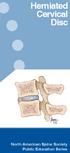 Herniated Cervical Disc North American Spine Society Public Education Series What Is a Herniated Disc? The backbone, or spine, is composed of a series of connected bones called vertebrae. The vertebrae
How To Become A Physio And Rehabilitation Medicine Specialist
 EUROPEAN BOARD OF PHYSICAL AND REHABILITATION MEDICINE LOGBOOK EUROPEAN UNION OF MEDICAL SPECIALISTS UEMS IDENTIFICATION... 2 INSTRUCTIONS FOR USE... 3 THE TRAINING COURSE... 3 TRAINING PROGRAMME... 4
A chiropractic approach to managing migraine
 A chiropractic approach to managing migraine What is chiropractic? Chiropractic is a primary healthcare profession that specialises in the diagnosis, treatment and overall management of conditions that
Cervical Whiplash: Considerations in the Rehabilitation of Cervical Myofascial Injury. Canadian Family Physician
 Cervical Whiplash: Considerations in the Rehabilitation of Cervical Myofascial Injury 1 Canadian Family Physician Volume 32, September 1986 Arthur Ameis, MD Dr. Ames practices physical medicine and rehabilitation,
Transmittal 55 Date: MAY 5, 2006. SUBJECT: Changes Conforming to CR3648 for Therapy Services
 CMS Manual System Pub 100-03 Medicare National Coverage Determinations Department of Health & Human Services (DHHS) Centers for Medicare & Medicaid Services (CMS) Transmittal 55 Date: MAY 5, 2006 Change
University of Evansville Doctor of Physical Therapy Program
 Year 1 Summer University of Evansville Doctor of Physical Therapy Program PT 441 Clinical & Professional Issues I: Introduction First in series of clinical and professional issues courses. Provides introduction
Corporate Medical Policy Spinal Manipulation under Anesthesia
 Corporate Medical Policy Spinal Manipulation under Anesthesia File Name: Origination: Last CAP Review: Next CAP Review: Last Review: spinal_manipulation_under_anesthesia 5/1998 1/2015 1/2016 1/2015 Description
Whiplash: a review of a commonly misunderstood injury
 1 Whiplash: a review of a commonly misunderstood injury The American Journal of Medicine; Volume 110; 651-656; June 1, 2001 Jason C. Eck, Scott D. Hodges, S. Craig Humphreys This review article has 64
Lumbar Disc Herniation/Bulge Protocol
 Lumbar Disc Herniation/Bulge Protocol Anatomy and Biomechanics The lumbar spine is made up of 5 load transferring bones called vertebrae. They are stacked in a column with an intervertebral disc sandwiched
1 REVISOR 5223.0070. (4) Pain associated with rigidity (loss of motion or postural abnormality) or
 1 REVISOR 5223.0070 5223.0070 MUSCULOSKELETAL SCHEDULE; BACK. Subpart 1. Lumbar spine. The spine rating is inclusive of leg symptoms except for gross motor weakness, bladder or bowel dysfunction, or sexual
PT and Physician Perspectives
 PT and Physician Perspectives Specialists in evaluating and treating movement disorders Restore, maintain, and promote optimal physical function, as well as, optimal wellness and fitness and optimal quality
Behavioral and Physical Treatments for Tension-type and Cervicogenic Headache
 Evidence Report: Behavioral and Physical Treatments for Tension-type and Cervicogenic Headache Douglas C. McCrory, MD, MHSc Donald B. Penzien, PhD Vic Hasselblad, PhD Rebecca N. Gray, DPhil Duke University
Doctor of Physical Therapy Degree Curriculum:
 Doctor of Physical Therapy Degree Curriculum: SUMMER SEMESTER 1 st YEAR (BOTH SESSIONS) DPT 744 Gross Human Anatomy I 2 credits DPT 744L Gross Human Anatomy I Lab 1 credit DPT 745 Gross Human Anatomy II
Advanced Practice Provider Academy
 (+)Dean T. Harrison, MPAS,PA C,DFAAPA Director of Mid Level Practitioners; Assistant Medical Director Clinical Evaluation Unit, Division of Emergency Medicine, Department of Surgery, Duke University Medical
Rotator Cuff Pathophysiology. treatment program that will effectively treat it. The tricky part about the shoulder is that it is a ball and
 Rotator Cuff Pathophysiology Shoulder injuries occur to most people at least once in their life. This highly mobile and versatile joint is one of the most common reasons people visit their health care
Therapeutic Canine Massage
 Meet our Certified Canine Massage Therapist, Stevi Quick After years of competitive grooming and handling several breeds in conformation, I became interested in training and competing with my dogs in the
OVERVIEW. NEUROSURGICAL ASSESSMENT CERVICAL PROBLEMS Dirk G. Franzen, M.D. WHAT IS THE MOST IMPORTANT PART OF THE PHYSICAL EXAM?
 NEUROSURGICAL ASSESSMENT CERVICAL PROBLEMS Dirk G. Franzen, M.D. Neurological Surgery Bluegrass Orthopaedics and Hand Care OVERVIEW SCOPE OF THE PROBLEM PREVALENCE PATHOLOGY ANATOMIC CONSIDERATIONS ASSESSMENT
Diagnosis and Management for Chronic Back Pain: Critical for your Recovery
 Diagnosis and Management for Chronic Back Pain: Critical for your Recovery Dr. Connie D Astolfo, DC, PhD (candidate) In past articles I have stressed that the causes of back pain can be very complex. This
Clinical guidelines for best practice management of acute and chronic whiplash-associated disorders. Clinical resource guide
 Clinical guidelines for best practice management of acute and chronic whiplash-associated disorders Clinical resource guide TRACsa was integrated into the Motor Accident Commission (MAC) in November 2008.
Cervical Spine Radiculopathy: Convervative Treatment. Christos K. Yiannakopoulos, MD Orthopaedic Surgeon
 Cervical Spine Radiculopathy: Convervative Treatment Christos K. Yiannakopoulos, MD Orthopaedic Surgeon Laboratory for the Research of the Musculoskeletal System, University of Athens & IASO General Hospital,
.org. Cervical Radiculopathy (Pinched Nerve) Anatomy. Cause
 Cervical Radiculopathy (Pinched Nerve) Page ( 1 ) Cervical radiculopathy, commonly called a pinched nerve occurs when a nerve in the neck is compressed or irritated where it branches away from the spinal
Clinical Reasoning The patient presents with no red flags and no indications of maladaptive behaviour in regard to fear avoidance.
 The McKenzie Institute International 2014 Vol. 3, No. 3 CASE REVIEW: A CLINICIAN S PERSPECTIVE Case Review: 35-Year-Old Male with History of Low Back Pain Brian Østergaard Sørensen, PT, Dip.MDT Introduction
THE LUMBAR SPINE (BACK)
 THE LUMBAR SPINE (BACK) At a glance Chronic back pain, especially in the area of the lumbar spine (lower back), is a widespread condition. It can be assumed that 75 % of all people have it sometimes or
Non-specific neck pain: diagnosis and treatment. KCE reports 119C
 Non-specific neck pain: diagnosis and treatment KCE reports 119C Federaal Kenniscentrum voor de Gezondheidszorg Centre fédéral d expertise des soins de santé Belgian Health Care Knowledge Centre 2009 The
The Chiropractic Profession s Role in Helping to Meet Vermont's Health Care Reform Goals. Better care Better health Lower costs
 The Chiropractic Profession s Role in Helping to Meet Vermont's Health Care Reform Goals Better care Better health Lower costs Chiropractic Abstract: Chiropractic is now more than a century old, and it
Cervicogenic Headache: A Review of Diagnostic and Treatment Strategies
 Cervicogenic Headache: A Review of Diagnostic and Treatment Strategies 1 Journal of the American Osteopathic Association April 2005, Vol. 105, No. 4 supplement, pp. 16-22 David M. Biondi, DO FROM ABSTRACT:
Musculoskeletal: Acute Lower Back Pain
 Musculoskeletal: Acute Lower Back Pain Acute Lower Back Pain Back Pain only Sciatica / Radiculopathy Possible Cord or Cauda Equina Compression Possible Spinal Canal Stenosis Red Flags Initial conservative
Whiplash and Whiplash- Associated Disorders
 Whiplash and Whiplash- Associated Disorders North American Spine Society Public Education Series What Is Whiplash? The term whiplash might be confusing because it describes both a mechanism of injury and
Pathoanatomical Changes of the Brachial Plexus and of C5-C6 Following Whiplash-Type Injury: A Case Report
 Pathoanatomical Changes of the Brachial Plexus and of C5-C6 Following Whiplash-Type Injury: A Case Report 1 Journal Of Whiplash & Related Disorders Vol. 1, No, 1, 2002 Gunilla Bring, Halldor Jonsson Jr.,
Cervical Spondylosis. Understanding the neck
 Page 1 of 5 Cervical Spondylosis This leaflet is aimed at people who have been told they have cervical spondylosis as a cause of their neck symptoms. Cervical spondylosis is a 'wear and tear' of the vertebrae
Get Back to the Life You Love! The MedStar Spine Center in Chevy Chase
 Get Back to the Life You Love! The MedStar Spine Center in Chevy Chase The MedStar Spine Center in Chevy Chase Relief from Pain, Restoration of Function Non-surgical, Minimally Invasive and Complex Surgical