
ORIGINAL ARTICLE. Ernesto Cesar Pinto Leal-Junior & Douglas Scott Johnson & Anita Saltmarche & Timothy Demchak
|
|
|
- Oscar Oliver
- 9 years ago
- Views:
Transcription
1 DOI /s ORIGINAL ARTICLE Adjunctive use of combination of super-pulsed laser and light-emitting diodes phototherapy on nonspecific knee pain: double-blinded randomized placebo-controlled trial Ernesto Cesar Pinto Leal-Junior & Douglas Scott Johnson & Anita Saltmarche & Timothy Demchak Received: 23 March 2014 /Accepted: 6 May 2014 # Springer-Verlag London 2014 Abstract Phototherapy with low-level laser therapy (LLLT) and light-emitting diode therapy (LEDT) has arisen as an interesting alternative to drugs in treatments of musculoskeletal disorders. However, there is a lack of studies investigating the effects of combined use of different wavelengths from different light sources like lasers and light-emitting diodes (LEDs) in skeletal muscle disorders. With this perspective in mind, this study aimed to investigate the effects of phototherapy with combination of different light sources on nonspecific knee pain. It was performed a randomized, placebo-controlled, doubleblinded clinical trial. Eighty-six patients rated 30 or greater on the pain visual analogue scale (VAS) were recruited and included in study. Patients of LLLT group received 12 treatments with active phototherapy (with 905 nm super-pulsed laser and 875 and 640 nm LEDs, Manufactured by Multi Radiance Medical, Solon, OH, USA) and conventional treatment (physical therapy or chiropractic care), and patients of placebo group were treated at same way but with placebo phototherapy device. Pain assessments (VAS) were performed at baseline, 4th, 7th, and 10th E. C. P. Leal-Junior Postgraduate Program in Rehabilitation Sciences, Universidade Nove de Julho (UNINOVE), Rua Vergueiro 235, São Paulo, SP, Brazil E. C. P. Leal-Junior (*) Postgraduate Program in Biophotonics Applied to Health Sciences, Universidade Nove de Julho (UNINOVE), São Paulo, SP, Brazil [email protected] D. S. Johnson Multi Radiance Medical, Solon, OH, USA A. Saltmarche Laser Therapy U, Atlanta, GA, USA T. Demchak Department Applied Medicine and Rehabilitation, Indiana State University, Terre Haute, IN, USA treatments, after the completion of treatments and at 1-month follow-up visit. Quality of life assessments (SF-36 ) were performed at baseline, after the completion of treatments and at 1-month follow-up visit. Our results demonstrate that phototherapy significantly decreased pain (p<0.05) from 10th treatment to follow-up assessments and significantly improved (p <0.05) SF-36 physical component summary at posttreatments and follow-up assessments compared to placebo. We conclude that combination of super-pulsed laser, red and infrared LEDs is effective to decrease pain and improve quality of life in patients with knee pain. Keywords Knee pain. Super-pulsed laser. Light-emitting diodes. Musculoskeletal disorders Introduction Analgesic drugs and nonsteroidal anti-inflammatory drugs (NSAIDs) are widely prescribed and used to treat the pain associated with musculoskeletal disorders [1]. However, these drugs treat only the symptoms and not the disease cause [2, 3]. They have been linked to a vast array of side effects related to long-term use [4, 5]. Phototherapy with low-level laser therapy (LLLT) and light-emitting diode therapy (LEDT) has arisen as an interesting alternative to pharmacological pain management. Recently, a systematic review provided evidence that visible and infrared light irradiation cause neural impairment, in particular in small diameter Aδ and C fibers that conduct nociceptive stimuli, which leads to analgesic effects [6]. The light-tissue interaction leads to modulation of release of inflammatory markers including PGE 2, TNF-α, IL-1β, and plasminogen activator. Phototherapy also modulates several aspects of the inflammatory process including edema and

2 hemorrhagic formation, necrosis, neutrophil cell influx, and the activity of macrophages, lymphocytes, and neutrophils. Phototherapy has been shown to inhibit the NF Kappa signaling pathway and to modulate expression of inducible nitric oxide synthase (inos) [7]. These mechanisms can also lead to analgesic effects promoted by phototherapy. Evidence continues to supports the use of LLLT for osteoarthritis [8] tendinopathies [9, 10], back pain [11, 12], neck pain [13, 14], and more recently, skeletal muscle fatigue [15 22]. Additionally, LLLT or LEDT has virtually no side effects. Phototherapy effects have been demonstrated in both LLLT and LEDT. The use of multiple light sources could represent a therapeutic advantage by providing concurrent energy delivery to multiple depths of penetration determined by the selected wavelengths. Cleary, there is a lack of studies, mainly clinical trials investigating the combined use of different wavelengths and those from different light sources. Therefore, the aim of this study was to investigate the effects of phototherapy with combination of different light sources on nonspecific knee pain. Materials and methods Subjects A total of 86 patients were recruited for a double-blinded randomized placebo-controlled trial from five clinical sites (three chiropractic, one physical therapy, and one combined) across the Midwest, USA. All patients complained of acute or chronic knee pain, rated 30 or greater on the pain visual analogue scale. Patients were excluded if unable to understand and sign an informed consent, had active infection, pregnant or planning a pregnancy during the study period, or injections to the knee (steroids or NSAIDs) over the past month. The study was approved by the RCRC Independent Review Board s ethics review committee. CONSORT flowchart summarizing experimental procedures and subjects is shown in Fig. 1. Randomization and blinding processes Each research site had two research consoles (A and B) that were randomized to either active or placebo by the manufacturer and programed with a preset research protocol. Both active and placebo emitters radiated visible red light, and opaque glasses were worn by the subjects, which further assisted with the blinding process. The research monitor and sites were blinded to the designation. Subject randomization was achieved by a simple drawing of lots (A or B). Once subject randomization was determined, the blinded clinician was notified which console system to use Fig. 1 CONSORT flowchart and instructed not to discuss any treatment insights with the subjects. Study design and protocol The study consisted of 12 treatment visits and one followup visit 1-month posttreatment. The initial assessment determined if the inclusion/exclusion criteria were met, then randomization to either the LLLT or placebo groups occurred. Procedures The visual analogue scale (VAS) was used as a self-rating of their knee pain intensity. Subjects completed a VAS at six time points: baseline, prior to treatments 4, 7, 20, 12 (conclusion), and 30 days post follow-up. The SF-36 Health Survey was completed by subjects to measure their overall health pretreatment, end of treatments, and at follow-up. The survey includes eight domains: physical functioning, role limitations due to physical health, bodily pain, general health perceptions, vitality, social functioning, role limitations due to emotional problems, and mental health. Scale scores for each of these eight health domains and two summary measures of physical and mental health, namely, the physical component summary and mental component summary were analyzed using the SF36

3 scoring software [23]. The higher the score, the less disability, i.e., a score zero is equivalent to maximum disability and a score of 100 is equivalent to no disability. A blinded assessor performed all assessments. LLLT and placebo treatment protocols The protocol was divided into two phases (treatment and follow-up) each containing 4 weeks. Treatment phase began on the first day of treatment and included the recording of all baseline measurements. All subjects received 12 treatments over 4 weeks, three treatments per week, at least 2 days but no more than 3 days apart. Patients with pain in both knees were treated bilaterally. LLLT and placebo applications were performed with the Multi Radiance Medical (Solon, OH, USA) MR4 Super Pulsed Laser Console system using the LaserShower and SE25 emitters. Treatment protocol was 13 min per knee and includes both local and systemic targets on the affected side with the LaserShower emitter. Sites included scanning of the L2-4 nerve root for 2 min with 1,000 Hz, static overpressure of the inguinal canal lymph nodes with the same setting, and direct contact of the popliteal fossa at 50 Hz for 3 min, additionally, 1 min at 1,000 Hz to five sites around the knee (medial, lateral, two superior and inferior knee joint) with the SE25 emitter. After treatment 5, the setting on the SE25 changed to 250 Hz; however, the locations were the same. This phototherapy treatment protocol was performed based in feasibility study we have performed previously to start this clinical trial, Fig. 2 illustrates the active treatment or sham protocol. Phototherapy parameters were checked and provided by light-source manufacturer, Table 1 summarizes phototherapy parameters employed in this study. At the conclusion of the treatment phase, patients entered the follow-up phase where baseline measures were taken and repeated 30 days after the last treatment. Statistical analysis The intention-to-treat analysis was followed. The primary outcome is pain measured by VAS scale at different timepoints. Secondary outcomes are aspects assessed trough SF- 36. The researcher that performed statistical analysis was blinded to randomization and allocation of volunteers in experimental groups. Fig. 2 Treatment protocol employed in study

4 Lasers Med Sci Table 1 Phototherapy parameters Data were expressed as mean and standard deviation and were firstly tested regarding normal distribution using Shapiro Wilk test. ANOVA test with repeated measurements for the time factor was performed to test between-groups differences (followed by Bonferroni post hoc test). The significance level was set at p<0.05.

5 Results Eighty-six subjects assessed at baseline and randomly allocated in two different groups (LLLT group=43 and placebo group=43) were eligible to take part in study. None was excluded and 69 patients completed both phases. Table 2 summarizes demographic characteristics of participants that completed treatments in both groups. No significant difference in pain at baseline between groups (LLLT group SD±16.97, placebo group SD±15.94; p>0.05). Pain decreased at the fourth and seventh treatment; however, no significant differences were observed between groups as well (fourth treatment LLLT group SD±22.55, placebo group SD±22.01 p>0.05; seventh treatment LLLT group SD±21.92, placebo group SD±24.48 p>0.05). In the 10th treatment, a significant decrease in pain (p<0.05) was observed in LLLT group (30.06 SD±20.62) compared to placebo group (46.05 SD±22.01). A significant decrease in pain (p<0.05) was also observed in LLLT group compared to placebo group in posttreatments (LLLT group SD±22.86; placebo group SD± 24.08) and follow-up assessments (LLLT group SD± 20.06; placebo group SD±22.24). Results regarding pain assessments are summarized in Fig. 3. Figure 4 summarizes results regarding physical functioning, role physical, body pain, general health, and physical component summary assessed using SF-36. Results regarding mental health, social functioning, role emotional, vitality, and mental component summary are shown in Fig. 5. Discussion Phototherapy research has shown both red and infrared wavelengths as well as the use of laser and LEDs have been effective for treating a variety of clinical conditions [24 27]. Presently, only a few studies have evaluated the effects of concurrent use of multiple wavelengths delivered by both lasers and LEDs [28]. Friedman et al. [29] found that combining multiple pulsing wavelengths improved electron transfer, enhancing ATP and neutralizing the ROS that accelerated the replacement of damaged cells. Since knee pain can have multiple etiologies occurring concurrently, resulting in a wide array of clinical Table 2 Demographic data LLLT group Placebo group Male Female Total Male Female Total Number Mean age Fig. 3 Pain assessment using VAS score. Values are mean and error bars are standard error of the mean (SEM). *p<0.05 indicates statistically significant difference between LLLT and placebo groups findings and symptoms, this study sought to investigate if a combination of simultaneously delivered super-pulsed infrared laser and pulsed visible red and infrared light-emitting (diode) LED energy would be effective in reducing nonspecific knee pain. Prior to initiating the study, clinical feasibility data were collected from three clinical sites. In order to treat a wide array of knee pain, their suggested feedback of including both local targets and systemic targets were incorporated into the study protocol. This segmental approach was considered since in clinical practice, it is common to have multiple symptoms present in knee pathologies in patients from various populations and clinical practice settings. Dosage was determined upon recommendations by the World Association of Laser Therapy (WALT) [30] and clinical practice guidelines. According to Bjordal et al. [31], for acute pain, there is strong evidence from 19 out of 22 controlled laboratory studies that low level laser therapy (LLLT) can modulate inflammatory pain by reducing level of biochemical parkers, neutrophil cell influx, oxidative stress and formation of edema and hemorrhage in a dose-dependent manner (median dose 7.5 J/cm2, range J/cm2). Initially, a slightly higher dose was delivered both locally and systemically to inhibit pain via photobioinhibition. de Almeida et al. [32, 33] noted a single dose can have varying effects on the tissue when the energy rate delivery is varied. Therefore, beginning with treatment 5 until the conclusion, the local dose was decreased by 1 J per site to stimulate tissue repair. This small variation in the rate of the energy delivery appears to have an impact (beginning with treatment 4) on the VAS score. The treatment protocol began with the most proximal targets at the spine providing stimulation of cutaneous spinal

6 Fig. 4 Physical aspects (physical functioning, role physical, body pain, general health, and physical component summary) assessed using SF-36. Values are mean and error bars are standard error of the mean (SEM). *p<0.05 indicates statistically significant difference between LLLT and placebo groups nerves [34] and where altering excitation and nerve conduction in peripheral nerves is possible [35]. Treatment proceeded to the groin to encourage lymphatic drainage and reducing potential edema and remove metabolites from the inflammatory processes [36, 37]. Stimulation of the posterior knee improves localized oxygen concentrations [38], improvement of microcirculation [39], and improved nitric oxide upregulation [40], and then anterior knee where LLLT modulates inflammatory processes [7]. By stimulating multiple treatment targets, it is suggested that clinical outcomes may be further enhanced. Approximately 40 % of the total energy was delivered directly to the knee while the remaining 60 % was divided between three other selected systemic targets including edema, circulation, and pain since these are common clinical symptoms seen across various nonspecific chronic pain [41]. While patients were randomized into either an active or placebo group, both groups also received standard care associated with their specific knee pain. Patients received either chiropractic or physical therapy treatments in addition to the phototherapy. The results demonstrated a decreasing trend in reported visual analog scale (VAS) pain scores in the active treatment group after treatment 7. This reached statistical significance at treatments 10 and 12. This outcome was maintained in the follow-up phase when repeated VAS reporting was collected. The placebo group also improved, and there was a clinically significant drop in VAS pain reported of 35 %; however, statistical significance was not reached. It has been suggested that a 33 % decrease in pain represents a reasonable standard for determining that a change in pain is meaningful from the patient s perspective [42]. The active group resulted in a 50 % improvement (15 % greater than the placebo group) or one standard deviation improvement over the placebo group. VAS is one of the most commonly used measures of pain intensity in research and clinical practice; however, it does not address the patient s perception of improvement, functional status, or quality of life. The multi-purpose SF-36 was used as a secondary measure to yield a profile of functional health and well-being scores as well as psychometrically based physical and mental health summary. The analyses of the SF-36 data demonstrated an increasing trend in physical component score
![05 indicates statistically significant difference between LLLT and placebo groups nerves [34] and where altering excitation and nerve conduction in peripheral nerves is possible [35].](/docs-images/44/18706345/images/page_6.jpg "Treatment proceeded to the groin to encourage lymphatic drainage and reducing potential edema and remove metabolites from the inflammatory processes [36, 37].")
7 Fig. 5 Mental aspects (mental health, social functioning, role emotional, vitality, and mental component summary) assessed using SF-36. Values are mean and error bars are standard error of the mean (SEM) (PCS), which also demonstrated a statistically significant improvement in physical functioning at the conclusion of both treatment and follow-up phases. The mental components score (MSC) did not show a significant improvement from pretreatment to 1-month follow-up. Reported analgesic effects after only one treatment have been noted in the literature [43]. Within the study population, we found no clinical difference between groups until week 2, with significant differences being achieved after 10 visits. This is consistent with clinical practice and when treating older more chronic conditions. It is suggested that for more chronic conditions, more treatments provided for longer durations (lower energy delivery over longer time) done consistently might be necessary to significantly reduce pain. The sustained results at 1-month follow-up suggest that a minimum number is needed for longer-term pain control and improved function to be maintained. This may mean educating and encouraging patients to complete their entire course of treatment and not discharge themselves too quickly. These results demonstrate that treatments outcomes for knee pain can be improved when phototherapy is added as an adjunctive modality. The combination of super-pulsed laser and visible red and infrared LED therapy can significantly improve pain ratings and enhance physical functioning of those who experience knee pain. The lack of improvement in SF-36 MCS, while both statistical and clinical significant results were demonstrated in VAS and PCS, does raise other clinical questions on the management of both acute and chronic pain. A limitation of the study is the inclusion of both acute and chronic knee pain. While this represents typical clinical practice, future studies could focus on the differentiation between acute and chronic knee pain to evaluate if the outcomes are more pronounced in one group more than the other. Finally, the present study and others [44, 45] suggest that although other therapies (i.e., physical therapy or chiropractic therapy) are effective in treating knee pain, the addition of phototherapy enhances clinical outcomes. Conclusion Our findings lead us to conclude that combination of superpulsed laser (905 nm) and light-emitting diodes with red (640 nm) and infrared (875 nm) wavelengths is effective to decrease pain and improve physical component in patients

8 with nonspecific knee pain. Furthermore, the combination of different wavelengths and light sources seems to be an interesting therapeutic alternative in phototherapy field. Competing interests Professor Ernesto Cesar Pinto Leal-Junior receives research support from Multi Radiance Medical (Solon, OH, USA), a laser device manufacturer. Douglas Scott Johnson is an employee and shareholder of Multi Radiance Medical (Solon, OH, USA). Anita Saltmarche and Dr. Timothy Demchak are educational consultants for Multi Radiance Medical (Solon, OH, USA). References 1. Tsai WC, Hsu CC, Chang HN, Lin YC, Lin MS, Pang JH (2010) Ibuprofen upregulates expressions of matrix metalloproteinase-1, -8, -9, and -13 without affecting expressions of types I and III collagen in tendon cells. J Orthop Res 28: Thampatty BP, Li H, Im HJ, Wang JH (2007) EP4 receptor regulates collagen type-i, MMP-1, and MMP-3 gene expression in human tendon fibroblasts in response to IL-1 beta treatment. Gene 386: Wang JH, Iosifidis MI, Fu FH (2006) Biomechanical basis for tendinopathy. Clin Orthop Relat Res 446: Smith AS, Kosygan K, Williams H, Newman RJ (1999) Common extensor tendon rupture following corticosteroid injection for lateral tendinosis of the elbow. Br J Sports Med 33: Sendzik J, Lode H, Stahlmann R (2008) Quinolone-induced arthropathy: an update focusing on new mechanistic and clinical data. Int J Antimicrob Agents 33: Chow R, Armati P, Laakso EL, Bjordal JM, Baxter GD (2011) Inhibitory effects of laser irradiation on peripheral mammalian nerves and relevance to analgesic effects: a systematic review. Photomed Laser Surg 29: Bjordal JM, Johnson MI, Iversen V, Aimbire F, Lopes-Martins RA (2006) Low-level laser therapy in acute pain: a systematic review of possible mechanisms of action and clinical effects in randomized placebo-controlled trials. Photomed Laser Surg 24: Hegedus B, Viharos L, Gervain M, Gálfi M (2009) The effect of lowlevel laser in knee osteoarthritis: a double-blind, randomized, placebo-controlled trial. Photomed Laser Surg 27: Bjordal JM, Lopes-Martins RA, Iversen VV (2006) A randomised, placebo controlled trial of low level laser therapy for activated achilles tendinitis with microdialysis measurement of peritendinous prostaglandin E2 concentrations. Br J Sports Med 40: Stergioulas A, Stergioula M, Aarskog R, Lopes-Martins RA, Bjordal JM (2008) Effects of low-level laser therapy and eccentric exercises in the treatment of recreational athletes with chronic achilles tendinopathy. Am J Sports Med 36: Basford JR, Sheffield CG, Harmsen WS (1999) Laser therapy: a randomized, controlled trial of the effects of low-intensity Nd:YAG laser irradiation on musculoskeletal back pain. Arch Phys Med Rehabil 80: Konstantinovic LM, Kanjuh ZM, Milovanovic AN, Cutovic MR, Djurovic AG, Savic VG, Dragin AS, Milovanovic ND (2010) Acute low back pain with radiculopathy: a double-blind, randomized, placebo-controlled study. Photomed Laser Surg 28: Gur A, Sarac AJ, Cevik R, Altindag O, Sarac S (2004) Efficacy of 904 nm gallium arsenide low level laser therapy in the management of chronic myofascial pain in the neck: a double-blind and randomize-controlled trial. Lasers Surg Med 35: Chow RT, Johnson MI, Lopes-Martins RA, Bjordal JM (2009) Efficacy of low-level laser therapy in the management of neck pain: a systematic review and meta-analysis of randomised placebo or active-treatment controlled trials. Lancet 374: Leal Junior EC, Lopes-Martins RA, Dalan F, Ferrari M, Sbabo FM, Generosi RA, Baroni BM, Penna SC, Iversen VV, Bjordal JM (2008) Effect of 655-nm low-level laser therapy on exercise-induced skeletal muscle fatigue in humans. Photomed Laser Surg 26: Leal Junior EC, Lopes-Martins RA, Vanin AA, Baroni BM, Grosselli D, De Marchi T, Iversen VV, Bjordal JM (2009) Effect of 830 nm low-level laser therapy in exercise-induced skeletal muscle fatigue in humans. Lasers Med Sci 24: Leal Junior EC, Lopes-Martins RA, Baroni BM, De Marchi T, Rossi RP, Grosselli D, Generosi RA, de Godoi V, Basso M, Mancalossi JL, Bjordal JM (2009) Comparison between single-diode low-level laser therapy (LLLT) and LED multi-diode (cluster) therapy (LEDT) applications before high-intensity exercise. Photomed Laser Surg 27: Leal Junior EC, Lopes-Martins RA, Rossi RP, De Marchi T, Baroni BM, de Godoi V, Marcos RL, Ramos L, Bjordal JM (2009) Effect of cluster multi-diode light emitting diode therapy (LEDT) on exerciseinduced skeletal muscle fatigue and skeletal muscle recovery in humans. Lasers Surg Med 41: Leal Junior EC, Lopes-Martins RA, Frigo L, De Marchi T, Rossi RP, de Godoi V, Tomazoni SS, da Silva DP, Basso M, Lotti Filho P, Corsetti FV, Iversen VV, Bjordal JM (2010) Effects of low-level laser therapy (LLLT) in the development of exercise-induced skeletal muscle fatigue and changes in biochemical markers related to postexercise recovery. J Orthop Sports Phys Ther 40: de Almeida P, Lopes-Martins RA, De Marchi T, Tomazoni SS, Albertini R, Corrêa JC, Rossi RP, Machado GP, da Silva DP, Bjordal JM, Leal Junior EC (2012) Red (660 nm) and infrared (830 nm) low-level laser therapy in skeletal muscle fatigue in humans: what is better? Lasers Med Sci 27: De Marchi T, Leal Junior EC, Bortoli C, Tomazoni SS, Lopes- Martins RA, Salvador M (2012) Low-level laser therapy (LLLT) in human progressive-intensity running: effects on exercise performance, skeletal muscle status, and oxidative stress. Lasers Med Sci 27: Leal-Junior EC, Vanin AA, Miranda EF, de Carvalho PdeT, Dal Corso S, Bjordal JM (2013) Effect of phototherapy (low-level laser therapy and light-emitting diode therapy) on exercise performance and markers of exercise recovery: a systematic review with metaanalysis. Lasers Med Sci [Epub ahead of print]. 23. Ware JE Jr, Gandek B (1998) Overview of the SF-36 health survey and the international quality of life assessment (IQOLA) project. J Clin Epidemiol 51: Bjordal JM, Couppé C, Chow RT, Tunér J, Ljunggren EA (2003) A systematic review of low level laser therapy with location-specific doses for pain from chronic joint disorders. The Australian J Physiother 49: Vernon H, Schneider M (2009) Chiropractic management of myofascial trigger points and myofascial pain syndrome: a systematic review of the literature. J Manip Physiol Ther 32: Bjordal JM, Lopes-Martins RA, Joensen J, Couppe C, Ljunggren AE, Stergioulas A, Johnson MI (2008) A systematic review with procedural assessments and meta-analysis of low level laser therapy in lateral elbow tendinopathy (tennis elbow). BMC Musculoskelet Disord 29: Rodrigo SM, Cunha A, Pozza DH, Blaya DS, Moraes JF, Weber JB, de Oliveira MG (2009) Analysis of the systemic effect of red and infrared laser therapy on wound repair. Photomed Laser Surg 27: Mendez TM, Pinheiro AL, Pacheco MT, Nascimento PM, Ramalho LM (2004) Dose and wavelength of laser light have influence on the repair of cutaneous wounds. J Clin Laser Med Surg 22:19 25

9 29. Friedmann H, Lipovsky A, Nitzan Y, Lubart R (2009) Combined magnetic and pulsed laser field produce synergistic acceleration of cellular electron transfer. Laser Ther 18: Bjordal JM (2012) Low level laser therapy (LLLT) and World Association for Laser Therapy (WALT) dosage recommendations. Photomed Laser Surg 30: Bjordal JM, Johnson MI, Iversen V, Aimbire F, Lopes-Martins RA (2006) Low-level laser therapy in acute pain: a systematic review of possible mechanisms of action and clinical effects in randomized placebo-controlled trials. Photomed Laser Surg 24: de Almeida P, Lopes-Martins RÁ, Tomazoni SS, Albuquerque-Pontes GM, Santos LA, Vanin AA, Frigo L, Vieira RP, Albertini R, de Carvalho PT, Leal-Junior EC (2013) Low-level laser therapy and sodium diclofenac in acute inflammatory response induced by skeletal muscle trauma: effects in muscle morphology and mrna gene expression of inflammatory markers. Photochem Photobiol 89: de Almeida P, Tomazoni SS, Frigo L, de Carvalho PD, Vanin AA, Santos LA, Albuquerque-Pontes GM, De Marchi T, Tairova O, Marcos RL, Lopes-Martins RA, Leal-Junior EC (2014) What is the best treatment to decrease pro-inflammatory cytokine release in acute skeletal muscle injury induced by trauma in rats: low-level laser therapy, diclofenac, or cryotherapy? Lasers Med Sci 29: Ohshiro T (2005) The proximal priority technique: how to maximize the efficacy of laser therapy. Laser Ther 14: Basford JR, Hallman HO, Matsumoto JY, Moyer SK, Buss JM, Baxter GD (1993) Effects of 830 nm continuous wave laser diode irradiation on median nerve function in normal subjects. Lasers Surg Med 13: Lievens PC (1991) The effect of combined HeNe and IR laser treatment on the regeneration of the lymphatic system during the process of wound healing. Lasers Med Sci 6: Lievens PC (1985) The influence of laser-irradiation on the motoricity of the lymphatic system and on the wound healing process. In: Proceedings from the International Congress on Laser in Medicine and Surgery, Asimov A, Asimov R, Rubinov A, Gisbrecht A (2012) The physics of biomedical effect of blood oxyhemoglobin photodissociation. JBAP 1: Mak MC, Cheing GL (2012) Immediate effects of monochromatic infrared energy on microcirculation in healthy subjects. Photomed Laser Surg 30: Moriyama Y, Nguyen J, Akens M, Moriyama EH, Lilge L (2009) In vivo effects of low level laser therapy on inducible nitric oxide synthase. Lasers Surg Med 41: Mester A (2013) Laser biostimulation. Photomed Laser Surg 31: Jensen MP, Chen C, Brugger AM (2003) Interpretation of visual analog scale ratings and change scores: a reanalysis of two clinical trials of postoperative pain. The J Pain 4: England S, Farrell AJ, Coppock JS, Struthers G, Bacon PA (1989) Low power laser therapy of shoulder tendonitis. Scand J Rheumatol 18: Gur A, Cosut A, Sarac AJ, Cevik R, Nas K, Uyar A (2003) Efficacy of different therapy regimes of low-power laser in painful osteoarthritis of the knee: a double-blind and randomized-controlled trial. Lasers Surg Med 33: Alfredo PP, Bjordal JM, Dreyer SH, Meneses SR, Zaguetti G, Ovanessian V, Fukuda TY, Junior WS, Lopes Martins RÁ, Casarotto RA, Marques AP (2012) Efficacy of low level laser therapy associated with exercises in knee osteoarthritis: a randomized doubleblind study. Clin Rehabil 26:

Introduction to Low Level Light Therapy (LLLT) for pain relief. James D Carroll. THOR Photomedicine Ltd (UK) www.thorlaser.com
 C M Y CM MY CY CMY K THOR logo 450 WIDE.pdf 26/9/07 22:55:23 Introduction to Low Level Light Therapy (LLLT) for pain relief James D Carroll THOR Photomedicine Ltd (UK) www.thorlaser.com Low Level Laser
Benefits of Cold Laser Therapy in Pain Management CURE SOME, COMFORT ALL. Disclaimer, Conflict of Interest. Objectives
 Benefits of Cold Laser Therapy in Pain Management Disclaimer, Conflict of Interest A Guide for Health Care Professionals Jason Reed, MD, Medical Director 2010 Partly Adapted/Revised from Meditech-Bioflex
Clinical Scenario. Focused Clinical Question. Summary of Search, Best Evidence Appraised, and Key Findings
 Journal of Sport Rehabilitation, 2013, 22, 72-78 2013 Human Kinetics, Inc. www.jsr-journal.com CRITICALLY APPRAISED TOPIC Effectiveness of Low-Level Laser Therapy Combined With an Exercise Program to Reduce
Clinical bottom line. For more detailed evidence on the effectiveness of injections for tennis elbow, please see the CAT on:
 Short Question: Specific Question: In patients presenting with acute or chronic tendinopathies, what is the incidence of harm for those receiving steroid injections compared to those receiving usual care?
PROVEN NON-INVASIVE TREATMENT FOR RHEUMATOID ARTHRITIS
 PROVEN NON-INVASIVE TREATMENT FOR RHEUMATOID ARTHRITIS BIONICARE HAND SYSTEM Non-drug, non-invasive Adjunctive therapy For patients symptomatic despite current therapy For patients intolerant to drug
Tara Stevermuer (MAppStat), Centre for Health Service Development, University of Wollongong.
 ENAR - PAIN RELIEF THAT S FAST AND LASTS Tara Stevermuer (MAppStat), Centre for Health Service Development, University of Wollongong. Introducing ENAR The ENAR (Electro-Neuro-Adaptive-Regulator) is a Russian
Laser therapy for the treatment of arthritic knees: a clinical study F. Kahn a, R. Liboro a and F. Saraga* a
 Laser therapy for the treatment of arthritic knees: a clinical study F. Kahn a, R. Liboro a and F. Saraga* a a Meditech Laser Rehabilitation Centre, 415 Horner Ave, Toronto, ON, Canada, M8W4W3 ABSTRACT
HIGH INTENSITY LASER A REVOLUTION IN THERAPEUTIC LASER TECHNOLOGY
 HIGH INTENSITY LASER A REVOLUTION IN THERAPEUTIC LASER TECHNOLOGY [email protected] www.btlnet.com All rights reserved. Although every care has been taken to provide accurate and up-to-date information,
The use of laser therapy in small animal patients has
 PEER REVIEWED RecoVeRy & Rehab What It Is, How It Works, & When It Benefits Patients David Dycus, DVM, MS, Diplomate ACVS (Small Animal) Regional Institute for Veterinary Emergencies and Referrals (RIVER),
BIOPHYSICAL AND PHYSIOLOGICAL MECHANISMS OF LOW ENERGY LASERS INTERACTIONS WITH LIVING CELLS AND THEIR IMPLICATIONS IN PAIN TREATMENT
 ANALELE ŞTIINŢIFICE ALE UNIVERSITĂŢII AL. I. CUZA IAŞI Tomul I, s. Biofizică, Fizică medicală şi Fizica mediului 2005 BIOPHYSICAL AND PHYSIOLOGICAL MECHANISMS OF LOW ENERGY LASERS INTERACTIONS WITH LIVING
Healing your pain changing your life.
 Healing your pain changing your life. About K-Laser What is Laser Therapy? Laser Therapy, or photobiomodulation, is the use of specific wavelengths of light (red and nearinfrared) to create therapeutic
Introduction to Low Level Laser / Light Therapy (LLLT) for Veterinarians
 Introduction to Low Level Laser / Light Therapy (LLLT) for Veterinarians Copyright THOR Photomedicine Ltd 2013 Authors Ronald E Hirschberg, DVM College of Veterinary Medicine Ohio State University Columbus,
High Dose Laser Therapy Revolutionizing Pain Management
 High Dose Laser Therapy Revolutionizing Pain Management The Best New Profit Center In Physical Medicine & Rehabilitation TECHNOLOGICAL MEDICAL ADVANCEMENTS, LLC High Dosage Laser Therapy (HDLT) Common
Plantar fasciitis: p. 1/6. E.M.S. Electro Medical Systems S.A. Ch. de la Vuarpillière 31 CH-1260 Nyon Switzerland
 Clinical trials published in the international peer-reviewed literature 1 demonstrating efficacy and safety of treatment with the EMS Swiss Dolorclast according to Evidence Based Medicine criteria 2 :
Scientific fraud in laser therapy
 Scientific fraud in laser therapy By Lars Hode & Jan Tunér Swedish Laser Medical Society A number of reports on scientific fraud have recently been highlighted in the international press. The main stories
PowerLight LED Light Therapy. The FUTURE of corrective skin
 PowerLight LED Light Therapy The FUTURE of corrective skin care TODAY LED facial treatments Effective when used with correct protocols Non thermal stimulation of collagen Increases circulation and lymphatic
Low Level Laser Therapy (LLLT) for Orofacial Pain
 Review Article Low Level Laser Therapy (LLLT) for Orofacial Pain Seyyed Amir Seyyedi 1, Pooya Olyaee 2, Zohreh Dalirsani 3, Farnaz Falaki 3 1Department of Oral Medicine, Faculty of Dentistry, Urmia University
TEMPOROMANDIBULAR DISORDER (TMD) is the communal
 Photomedicine and Laser Surgery Volume 24, Number 1, 06 Mary Ann Liebert, Inc. Pp. 45 49 Management of Mouth Opening in Patients with Temporomandibular Disorders through Low-Level Laser Therapy and Transcutaneous
Imagine LIFE WITHOUT PAIN
 Imagine LIFE WITHOUT PAIN High Dosage Laser Therapy (HDLT) What does it do? High Dosage Laser Therapy (HDLT) from Diowave offers a powerful new solution for numerous painful conditions previously refractive
Mark Silverman DVM, MS. Sporthorse Veterinary Services
 Mark Silverman DVM, MS Sporthorse Veterinary Services Light has long been recognized as being crucial to normal human function and health. Our ability to remain alert and active, along with some of the
Audit on treatment and recovery of ankle sprain
 Hong Kong Journal of Emergency Medicine Audit on treatment and recovery of ankle sprain WY Lee Study Objectives: The object of this study is to audit the care of ankle sprain of different severity and
Name of Policy: Low Level Laser and High Power Laser Therapies
 Name of Policy: Low Level Laser and High Power Laser Therapies Policy #: 270 Latest Review Date: November 2014 Category: Therapy Policy Grade: B Background/Definitions: As a general rule, benefits are
Low Level Laser Therapy (LLLT) Scientific Studies Overview
 Low Level Laser Therapy (LLLT) Scientific Studies Overview 0 Evidence based indications Temporomandibular Disorder Neck Pain Herpes Simplex Peripheral Nerve Injury Rotator cuff tendinitis / Impingement
Pain Management. Practical Applications in Electrotherapy
 Pain Management Practical Applications in Electrotherapy The TENS Advantage Deliver Immediate Pain Relief using a unique waveform designed to help prevent nerve accommodation. Manage Dynamic Pain by adjusting
Is electrotherapy more effective than other physical therapy approaches in reducing pain and disability in adults with supraspinatus tendonitis?
 Is electrotherapy more effective than other physical therapy approaches in reducing pain and disability in adults with supraspinatus tendonitis? Is one modality of electrotherapy more effective than another?
Dry Needling Corporate Medical Policy
 Dry Needling Corporate Medical Policy File name: Dry Needling File code: UM.REHAB.09 Origination: 04/2015 Last Review: New policy Next Review: 04/2016 Effective Date: 9/1/2015 Description Myofascial pain
MLS Laser Therapy: demonstrated scientifically.
 MLS Laser Therapy: demonstrated scientifically. ASAlaser: valid innovation. We have increased our experience day after day since 1983, successfully dedicating ourselves to therapy solutions in Pain Management
Disclosures. Consultant and Speaker for Biogen Idec, TEVA Neuroscience, EMD Serrono, Mallinckrodt, Novartis, Genzyme, Accorda Therapeutics
 Mitzi Joi Williams, MD Neurologist MS Center of Atlanta, Atlanta, GA Disclosures Consultant and Speaker for Biogen Idec, TEVA Neuroscience, EMD Serrono, Mallinckrodt, Novartis, Genzyme, Accorda Therapeutics
WHAT YOU SHOULD KNOW BEFORE YOU BUY A THERAPEUTIC LASER
 WHAT YOU SHOULD KNOW BEFORE YOU BUY A THERAPEUTIC LASER Laurie Edge- Hughes, BScPT, MAnimSt(Animal Physio), CAFCI, CCRT Faculty, Canine Rehab Institute, Wellington, FL Co- Owner, The Canine Fitness Centre
Lasers and Pain Treatment
 Oficiální orgán Společnosti pro využití laseru v medicíně ČLS JEP of the Czech Society for Official paper the Use of Laser in Medicine Vydáváno s oficiální odbornou podporou EMLA Edited under official
adj., departing from the norm, not concentric, utilizing negative resistance for better client outcomes
 Why Eccentrics? What is it? Eccentric adj., departing from the norm, not concentric, utilizing negative resistance for better client outcomes Eccentrics is a type of muscle contraction that occurs as the
Appointment Types First outpatient. Clinic Types CATS Spine CATS Hip and Knee CATS General Orthopaedic Injection Clinic Podiatry/Foot and Ankle
 Clinic Types CATS Spine CATS Hip and Knee CATS General Orthopaedic Injection Clinic Podiatry/Foot and Ankle Conditions Treated Ankle & foot pain & stiffness Back pain & stiffness Carpal Tunnel/ Nerve impingement/entrapment
Medical Policy An independent licensee of the Blue Cross Blue Shield Association
 Low-Level Laser Therapy Page 1 of 23 Medical Policy An independent licensee of the Blue Cross Blue Shield Association Title: Low-Level Laser Therapy Professional Institutional Original Effective Date:
Spinal Decompression: Measurement of Treatment Outcomes. William D. Grant, EdD. Catherine E. Saxton, BS
 1 Spinal Decompression: Measurement of Treatment Outcomes. William D. Grant, EdD Catherine E. Saxton, BS Correspondence to: William D. Grant, EdD SUNY Upstate Medical University IHP 3302 750 E. Adams St.
Dose Thresholds and Effect Mechanisms for Pain Management with LASER Phototherapy
 Dose Thresholds and Effect Mechanisms for Pain Management with LASER Phototherapy E.-L. Laakso School of Physiotherapy and Exercise Science, Griffith University, Gold Coast, 4222, Australia Summary Arguably,
New Therapies for Hair Loss: What works and what doesn t?
 New Therapies for Hair Loss: What works and what doesn t? Dr. Adel Alsantali Consultant Dermatologist, Subspecialty: Hair Diseases and Hair Transplant King Fahd Armed Forces Hospital Jeddah, Saudi Arabia
Low Level Laser Therapy (LLLT) for Chronic Low Back Pain (LBP)
 European Journal of Scientific Research ISSN 1450-216X Vol.29 No.1 (2009), pp.76-81 EuroJournals Publishing, Inc. 2009 http://www.eurojournals.com/ejsr.htm Low Level Laser Therapy (LLLT) for Chronic Low
SEE HOW VALID OUR WORK IS AT ASACAMPUS
 SEE HOW VALID OUR WORK IS AT ASACAMPUS Working closely with an international network of researchers, ASAcampus has allowed us to demonstrate the validity of our work by: u extensively studying the photochemical,
RELAPSE MANAGEMENT. Pauline Shaw MS Nurse Specialist 25 th June 2010
 RELAPSE MANAGEMENT Pauline Shaw MS Nurse Specialist 25 th June 2010 AIMS OF SESSION Relapsing/Remitting MS Definition of relapse/relapse rate Relapse Management NICE Guidelines Regional Clinical Guidelines
Platelet-Rich Plasma Rehabilitation Guidelines
 UW Health Sports Rehabilitation Platelet-Rich Plasma Rehabilitation Guidelines What is Tendinopathy? Tendons are strong bands of connective tissue comprised primarily of a substance called collagen. Mechanically,
Articles Presented. Journal Presentation. Dr Albert Lo. Dr Albert Lo
 * This presentation is prepared by the author in one s personal capacity for the purpose of academic exchange and does not represent the views of his/her organisations on the topic discussed. Journal Presentation
Class IV Laser Therapy Interventional and case reports confirm positive therapeutic outcomes in multiple clinical indications
 Published by: LiteCure, LLC. 2009 Class IV Laser Therapy Interventional and case reports confirm positive therapeutic outcomes in multiple clinical indications Brian A. Pryor, PhD ABSTRACT Tissue that
Lasers and Pain Treatment Dr. Kevin Moore Department of Anaesthesia The Royal Oldham Hospital, UK
 Used by permission of the Czech Society for the Use of Laser in Medicine, www.laserpartner.org Lasers and Pain Treatment Dr. Kevin Moore Department of Anaesthesia The Royal Oldham Hospital, UK Summary
Low Level Laser Therapy (LLLT) for Musculoskeletal Pain
 Evidence Based Review Low Level Laser Therapy (LLLT) for Musculoskeletal Pain Reviewer Dr Liang Huang Data Report Completed 25/9/2014 Important note: The purpose of this brief report is to summarise the
Case Series on Chronic Whiplash Related Neck Pain Treated with Intraarticular Zygapophysial Joint Regeneration Injection Therapy
 Pain Physician 2007; 10:313-318 ISSN 1533-3159 Case Series Case Series on Chronic Whiplash Related Neck Pain Treated with Intraarticular Zygapophysial Joint Regeneration Injection Therapy R. Allen Hooper
LOW LEVEL LASER THERAPY (LLLT) Technology Assessment May 3, 2004. Grace Wang Office of the Medical Director Department of Labor and Industries
 LOW LEVEL LASER THERAPY (LLLT) Technology Assessment May 3, 2004 Grace Wang Office of the Medical Director Department of Labor and Industries TABLE OF CONTENTS Topic Page Introduction 1 FDA Status 2 Carpal
DIVISION OF RHEUMATOLOGY DEPARTMENT OF MEDICINE UNIVERSITY OF WESTERN ONTARIO POSTGRADUATE EDUCTION ORTHOPAEDIC OFF-SERVICE GOALS & OBJECTIVES
 DIVISION OF RHEUMATOLOGY DEPARTMENT OF MEDICINE UNIVERSITY OF WESTERN ONTARIO POSTGRADUATE EDUCTION ORTHOPAEDIC OFF-SERVICE GOALS & OBJECTIVES GOAL #1 develop the ability to order and understand interpretation
Knowledgable Doctors & Caring Staff
 Knowledgable Doctors & Caring Staff Better Technology = Better Results = Patient Satisfaction Hello and thank you for visiting our website. We hope you find the information here helpful. We REGULARLY travel,
Impact of adhesive capsulitis on quality of life in elderly subjects with diabetes: A cross sectional study
 Original Article Impact of adhesive capsulitis on quality of life in elderly subjects with diabetes: A cross sectional study Saumen Gupta, Kavitha Raja, Manikandan N Department of Physical Therapy, Manipal
Tension Type Headaches
 Tension Type Headaches Research Review by : Dr. Ian MacIntyre Physiotherapy for tension-type Headache: A Controlled Study P. Torelli, R. Jenson, J. Olsen: Cephalalgia, 2004, 24, 29-36 Tension-type headache
Technological platforms
 Advitech Advitech is a life sciences & technology company Its mission is to discover and commercialize proprietary and evidence-based natural health products Focus on milk, whey and bovine colostrum R&D,
CLASS IV THERAPY LASERS
 CLASS IV THERAPY LASERS 80% More than 80% of your patients can benefit from K-Laser therapy. 970 - - - - - - - - - - - - - - - - - - - - - - - - - - - - - PEAK OF WATER 905 - - - - - - - - - - - - - -
New York State Workers' Comp Board. Mid and Lower Back Treatment Guidelines. Summary From 1st Edition, June 30, 2010. Effective December 1, 2010
 New York State Workers' Comp Board Mid and Lower Back Treatment Guidelines Summary From 1st Edition, June 30, 2010 Effective December 1, 2010 General Principles Treatment should be focused on restoring
Perché IgEV nella Neuropatia Diabetica?
 Immunoglobuline, Neuropatia Diabetica e a Piccole Fibre Il Ruolo delle Immunoglobuline nella Patologia Neurologica,Milano 6.3.2015 Jann Stefano, MD Department of Neuroscience A.O. Ospedale Niguarda Ca
HEADACHES AND THE THIRD OCCIPITAL NERVE
 HEADACHES AND THE THIRD OCCIPITAL NERVE Edward Babigumira M.D. FAAPMR. Interventional Pain Management, Lincoln. B. Pain Clinic, Ltd. Diplomate ABPMR. Board Certified Pain Medicine No disclosures Disclosure
ELECTROMYOGRAPHY (EMG), NEEDLE, NERVE CONDUCTION STUDIES (NCS) AND QUANTITATIVE SENSORY TESTING (QST)
 AND QUANTITATIVE SENSORY TESTING (QST) Coverage for services, procedures, medical devices and drugs are dependent upon benefit eligibility as outlined in the member's specific benefit plan. This Medical
6/3/2011. High Prevalence and Incidence. Low back pain is 5 th most common reason for all physician office visits in the U.S.
 High Prevalence and Incidence Prevalence 85% of Americans will experience low back pain at some time in their life. Incidence 5% annual Timothy C. Shen, M.D. Physical Medicine and Rehabilitation Sub-specialty
Plantar fasciitis is a common foot problem that occurs in 10%
 Review Article Plantar Fasciitis Heel Pain: Part 1 a Practical Management Plantar fasciitis is a common foot problem that occurs in 10% of the population. 1,2 The most involved age group is 40-50 3,4 Actually,
Human Clinical Study for Free Testosterone & Muscle Mass Boosting
 Human Clinical Study for Free Testosterone & Muscle Mass Boosting GE Nutrients, Inc. 920 E. Orangethorpe Avenue, Suite B Anaheim, California 92801, USA Phone: +1-714-870-8723 Fax: +1-732-875-0306 Contact
Evidence based on EMF Medical Therapeutics Cindy Sage, MA Sage Associates Santa Barbara, California
 SECTION 17 Evidence based on EMF Medical Therapeutics Cindy Sage, MA Sage Associates Santa Barbara, California Prepared for the BioInitiative Working Group July 2007 Table of Contents I. Introduction II.
APOSTOLOS STERGIOULAS, P.T., Ph.D. ABSTRACT
 Photomedicine and Laser Surgery Volume 26, Number 2, 2008 Mary Ann Liebert, Inc. Pp. 99 105 DOI: 10.1089/pho.2007.2138 Low-Power Laser Treatment in Patients with Frozen Shoulder: Preliminary Results APOSTOLOS
Temple Physical Therapy
 Temple Physical Therapy A General Overview of Common Neck Injuries For current information on Temple Physical Therapy related news and for a healthy and safe return to work, sport and recreation Like Us
Articles. Funding None.
 Efficacy of low-level laser therapy in the management of neck pain: a systematic review and meta-analysis of randomised placebo or active-treatment controlled trials Roberta T Chow, Mark I Johnson, Rodrigo
Making our pets comfortable. A modern approach to pain and analgesia.
 Making our pets comfortable. A modern approach to pain and analgesia. What is pain? Pain is an unpleasant sensory and emotional experience with awareness by an animal to damage or potential damage to its
Corporate Medical Policy
 Corporate Medical Policy Electrical Stimulation for the Treatment of Arthritis File Name: Origination: Last CAP Review: Next CAP Review: Last Review: electrical_stimulation_for_the_treatment_of_arthritis
Evaluation Of Clinical Data and Literature Review Low Level Laser Therapy for. B-CURE LASER LLLT808 0f GOOD ENERGIES
 Low Level Therapy for Prepared by: Arnon D. Cohen, MD, MPH, PhD 17/2 Yehoshua Bin-Nun St. Hod Hasharon 45236 ISRAEL e-mail: [email protected] Tel: +972-50-6263848 Fax: +972-3-7608612 For B-Cure - LLLT
Acupuncture in Back Pain Management. Victoria Chan Harrison M.D. Assistant Professor of Rehabilitation Medicine Weill Cornell Medical College
 Acupuncture in Back Pain Management Victoria Chan Harrison M.D. Assistant Professor of Rehabilitation Medicine Weill Cornell Medical College Objective Review the roots of acupuncture theory and basic Traditional
A BRIEF SYNOPSIS OF THE RESEARCH ON COLD LASER THERAPY (LOW LEVEL LASER THERAPY)
 A BRIEF SYNOPSIS OF THE RESEARCH ON COLD LASER THERAPY (LOW LEVEL LASER THERAPY) This information was provided by Brian L. Seymore, DC, PT, DIBE, CCCN, R.NCS.T. Ryan J. Cappelletti, DC, CCSP 730 Baltimore
2nd MuscleTech Network Workshop. From translational Research to translational Medicine. CONCLUSIONS AND CLOSING REMARKS Dr.
 2nd MuscleTech Network Workshop. From translational Research to translational Medicine. CONCLUSIONS AND CLOSING REMARKS Dr. Carles Pedret MUSCLE AND TENDON WORKSHOP HEALTH AND GENERAL POPULATION SPORTS
Disease Therapy Management (DTM) Enhances Rheumatoid Arthritis Treatment
 A WHITE PAPER BY Disease Therapy Management (DTM) Enhances Rheumatoid Arthritis Treatment Increased adherence rates deliver improved outcomes for patients FALL 2010 The Benefits of DTM for Rheumatoid Arthritis
Managing canine osteoarthritis: What has proven benefits?
 Managing canine osteoarthritis: What has proven benefits? B. Duncan X. Lascelles and Denis J. Marcellin-Little North Carolina State University Student Chapter of the IVAPM, Durham, NC 10.10.2006 Osteoarthritis:
Shock Wave Treatment for Achilles Tendinopathy
 Shock Wave Treatment for Achilles Tendinopathy Jan D. Rompe,, MD Professor of Orthopaedics Center Mainz, Germany ESWT Summer Meeting August 24-26, 2007 Treatment options for AT Orthotic Treatment Rest
Herniated Cervical Disc
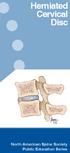 Herniated Cervical Disc North American Spine Society Public Education Series What Is a Herniated Disc? The backbone, or spine, is composed of a series of connected bones called vertebrae. The vertebrae
Victims Compensation Claim Status of All Pending Claims and Claims Decided Within the Last Three Years
 Claim#:021914-174 Initials: J.T. Last4SSN: 6996 DOB: 5/3/1970 Crime Date: 4/30/2013 Status: Claim is currently under review. Decision expected within 7 days Claim#:041715-334 Initials: M.S. Last4SSN: 2957
HANDY-CURE Dr Rémy Guibert low level pulse laser infrared visible red light static magnetic fields Safety
 HANDY--CURE Summaarry off sscci ieent tiffi icc eevi ideenccee Information in this article was taken from a document prepared by Dr Rémy Guibert, MD MSc about TerraQuant, another device manufactured by
Pain and tissue-interface pressures during spineboard immobilization.
 Ann Emerg Med. 1995 Jul;26(1):31-6. Links Pain and tissue-interface pressures during spineboard immobilization. Cordell WH, Hollingsworth JC, Olinger ML, Stroman SJ, elson DR. Emergency Medicine and Trauma
Updates into Therapeutic Exercise Programs for Patients with LBP. Maximizing Patient Motivation and Outcomes Alice M.
 Updates into Therapeutic Exercise Programs for Patients with LBP Maximizing Patient Motivation and Outcomes Alice M. Davis, PT, DPT Objectives Review Statistics on LBP Discuss current research findings
1 of 6 1/22/2015 10:06 AM
 1 of 6 1/22/2015 10:06 AM 2 of 6 1/22/2015 10:06 AM This cross-section view of the shoulder socket shows a typical SLAP tear. Injuries to the superior labrum can be caused by acute trauma or by repetitive
CIGNA MEDICAL COVERAGE POLICY
 CIGNA MEDICAL COVERAGE POLICY CIGNA The following Coverage Policy applies to all health benefit plans administered by CIGNA Companies including plans formerly administered by Great-West Healthcare, which
Nonoperative Management of Herniated Cervical Intervertebral Disc With Radiculopathy. Spine Volume 21(16) August 15, 1996, pp 1877-1883
 Nonoperative Management of Herniated Cervical Intervertebral Disc With Radiculopathy 1 Spine Volume 21(16) August 15, 1996, pp 1877-1883 Saal, Joel S. MD; Saal, Jeffrey A. MD; Yurth, Elizabeth F. MD FROM
Tai Chi: : A Mind-body Exercise for Pain Relief and Well-being
 Tai Chi: : A Mind-body Exercise for Pain Relief and Well-being Chenchen Wang, MD, MSc Associate Professor of Medicine Director, Center for Integrative Medicine Tufts Medical Center/Tufts University School
33 % of whiplash patients develop. headaches originating from the upper. cervical spine
 33 % of whiplash patients develop headaches originating from the upper cervical spine - Dr Nikolai Bogduk Spine, 1995 1 Physical Treatments for Headache: A Structured Review Headache: The Journal of Head
SYNOPSIS. 2-Year (0.5 DB + 1.5 OL) Addendum to Clinical Study Report
 Name of Sponsor/Company: Bristol-Myers Squibb Name of Finished Product: Abatacept () Name of Active Ingredient: Abatacept () Individual Study Table Referring to the Dossier (For National Authority Use
NIMULID MD. 1. Introduction. 2. Nimulid MD Drug delivery system
 NIMULID MD 1. Introduction Nimulid MD is a flavoured dispersible Nimesulide tablet with fast mouth dissolving characteristics thereby providing immediate relief. Nimesulide is a non-steroidal antiinflammatory
Update to the Treatment of Degenerative Cervical Disc Disease
 Update to the Treatment of Degenerative Cervical Disc Disease Michael Lynn, MD Neurosurgeon, Southeastern Neurosurgical & Spine Institute Adjunct Assistant Clinical Professor of Bioengineering, Clemson
The exploration of low intensity laser therapy
 Article Utilization of laser therapy in dermal ulceration secondary to diabetes mellitus: A case profile Fred Kahn, Christal Sookram, Fernanda Saraga Citation: Kahn F, Sookram C, Saraga F (2015) Utilization
Neutral Superoxidized solution vs. benzoyl peroxide gel 5% in the treatment of. Superoxidized solution (SOS) is an electrochemically processed aqueous
 Neutral Superoxidized solution vs. benzoyl peroxide gel 5% in the treatment of acne vulgaris: a randomized open-label clinical trial. Summary. Superoxidized solution (SOS) is an electrochemically processed
Sponsor Novartis. Generic Drug Name Secukinumab. Therapeutic Area of Trial Psoriasis. Approved Indication investigational
 Clinical Trial Results Database Page 2 Sponsor Novartis Generic Drug Name Secukinumab Therapeutic Area of Trial Psoriasis Approved Indication investigational Clinical Trial Results Database Page 3 Study
Elbow Injuries and Disorders
 Elbow Injuries and Disorders Introduction Your elbow joint is made up of bone, cartilage, ligaments and fluid. Muscles and tendons help the elbow joint move. There are many injuries and disorders that