
CIGNA MEDICAL COVERAGE POLICY
|
|
|
- Godwin Ramsey
- 10 years ago
- Views:
Transcription
1 CIGNA MEDICAL COVERAGE POLICY CIGNA The following Coverage Policy applies to all health benefit plans administered by CIGNA Companies including plans formerly administered by Great-West Healthcare, which is now a part of CIGNA. Subject Low-Level Laser Therapy Effective Date 7/15/2011 Next Review Date 7/15/2012 Coverage Policy Number 0115 Table of Contents Coverage Policy 1 General Background 1 Coding/Billing Information 5 References 5 Policy History 8 Hyperlink to Related Coverage Policies Acupuncture Chiropractic Care Occupational Therapy Physical Therapy Plantar Fasciitis Treatments INSTRUCTIONS FOR USE Coverage Policies are intended to provide guidance in interpreting certain standard CIGNA HealthCare benefit plans. Please note, the terms of a customer's particular benefit plan document [Group Service Agreement (GSA), Evidence of Coverage, Certificate of Coverage, Summary Plan Description (SPD) or similar plan document] may differ significantly from the standard benefit plans upon which these Coverage Policies are based. For example, a customer's benefit plan document may contain a specific exclusion related to a topic addressed in a Coverage Policy. In the event of a conflict, a customer's benefit plan document always supercedes the information in the Coverage Policies. In the absence of a controlling federal or state coverage mandate, benefits are ultimately determined by the terms of the applicable benefit plan document. Coverage determinations in each specific instance require consideration of 1) the terms of the applicable benefit plan document in effect on the date of service; 2) any applicable laws/regulations; 3) any relevant collateral source materials including Coverage Policies and; 4) the specific facts of the particular situation. Coverage Policies relate exclusively to the administration of health benefit plans. Coverage Policies are not recommendations for treatment and should never be used as treatment guidelines. In certain markets, delegated vendor guidelines may be used to support medical necessity and other coverage determinations. Proprietary information of CIGNA. Copyright 2011 CIGNA Coverage Policy CIGNA does not cover low-level laser therapy (LLLT) for any indication because it is considered experimental, investigational or unproven. General Background Low-level laser therapy (LLLT) refers to the use of red-beam or near-infrared lasers with a wave-length between 600 and 1000nm power from milliwatts. In contrast, lasers used in surgery typically use 300 watts. These lasers are nonthermal. While the exact mechanism of its effect is unknown, it is theorized that due to the low absorption by human skin the laser light can penetrate deeply into the tissues where it may have a photobiostimulation effect. These types of lasers have been advocated for use in a wide range of medical conditions encompassing: wound healing; smoking cessation; tuberculosis; temporomandibular joint (TMJ) disorders; and a variety of musculoskeletal conditions that includes carpal tunnel syndrome, fibromyalgia, osteoarthritis, and rheumatoid arthritis. LLLT may be administered by several different types of providers, including physicians, chiropractors, physical therapists, or occupational therapists. It is generally provided in an office or other outpatient setting with no anesthesia or sedation needed. Page 1 of 9

2 LLLT is also referred to as cold laser therapy, low-power laser therapy (LPLT), low-intensity laser and lowenergy laser therapy. When LLLT is administered to the acupuncture pressure points, it may be referred to as laser acupuncture. LLLT includes an extensive variety of procedures involving several laser types and treatment methods. There does not appear to be standards regarding the laser dose, number of treatments or the length of treatment. This results in difficulties with the consistency of the literature. Several randomized controlled trials involving patients with venous ulcers, rheumatoid arthritis, and other musculoskeletal disorders have failed to demonstrate any significant benefits of LLLT when compared to standard treatment methods or placebos for these conditions. Literature Review Musculoskeletal Conditions Blue Cross Blue Shield Technology Assessment Center (TEC) conducted a review of the evidence to determine if low-level laser therapy is effective treatment for carpal tunnel syndrome and chronic neck pain. For the indication of carpal tunnel syndrome, four randomized, sham-controlled clinical trials of low-level laser therapy with 151 patients were included. The studies had serious limitations. Two of the four studies demonstrated statistically significant differences in pain assessed on a visual analog scale (VAS) scale showing benefit of lowlevel laser therapy. One of the studies that indicated benefit had a small sample size of 19 and enrolled patients with rheumatoid arthritis. The other study had limited follow-up of two weeks beyond the period of treatment. For the indication of chronic neck pain, six trials enrolling with a 285 patients were included. There were variable results. Two studies showed statistically significant findings for the principal outcome of change in VAS pain score. Two studies showed magnitudes of change in VAS pain score consistent with benefit, but were not statistically significant One of these studies had a small sample size and the other may have had a flawed analysis. Two studies showed similar improvements in pain scores in both laser- and sham-treated control groups which resulted in no difference between the treatments. The review concluded that for both clinical indications of carpal tunnel syndrome and chronic neck pain, the existing randomized clinical trials are insufficient to make conclusions regarding the effect of low-level laser therapy. Several studies have been published regarding LLLT for musculoskeletal conditions. Limitations of the studies included small study size, short follow-up time periods, and heterogeneity in terms of laser, dose, duration and frequency of treatments. A double-blind, randomized, placebo-controlled study to investigate clinical effects of low-level laser therapy (LLLT) in patients with acute neck pain with radiculopathy was conducted by Konstantinovic et al (2010). Sixty subjects received a course of 15 treatments over 3 weeks with active or an inactivated laser as a placebo procedure. Statistically significant differences between groups were found for intensity of arm pain (p=0.003, with high effect size d=0.92) and for neck extension (p=0.003 with high effect size d=0.94). While there was improvement seen in the LLLT group, there were limitations of the study that included that it considered only short-term effects, and there was potential for selection bias. A randomized, double-blind, placebo-controlled study of 40 patients found no significant differences between four treatment groups with respect to all outcome parameters (p>0.05) and there were no differences between laser and placebo laser treatments on pain severity and functional capacity in patients with acute and chronic low back pain caused by lumbar disk herniation (Ay, et al., 2010). In 2008, Oken et al. reported on a randomized, controlled, single-blind trial of 59 patients that evaluate the efficacy of LLT compare to effects of brace or ultrasound (US) in lateral epicondylitis. No significant difference was noted between the groups in terms of visual analog scale (VAS), grip strength and global assessment at baseline and at follow-up assessments (p>.05). Limitations of the study included the relatively small study size, lack of long-term follow-up and that activities of daily living were not evaluated. Djavid et al. (2007) conducted a randomized, controlled trial of 61 patients to evaluate LLLT for chronic low back pain. There was no between-group difference for any outcome measure immediately after the six-week intervention. At 12 weeks, there was no difference in the LLLT plus exercise compared with exercise group, while there was improvement noted that in the LLLT plus exercise group when compared to the placebo laser therapy plus exercise group pain was reduced by 1.8 cm (95% CI 0.1 to 3.3, p=0.03), lumbar range of movement increased by 0.9 cm (95% CI, 0.2 to 1.8, p<0.01) on the Shober Test and by 15 degrees (95% C15 to 25, p<0.01) of active flexion and disability reduced by 9.4 points (95% CI 2.7 to 16.0, p=0.03) on the Oswestry Disability Index. There are several systematic and technical reviews published regarding the use of LLLT for musculoskeletal conditions. Bjordal et al. conducted a systematic review with meta-analysis of LLLT in lateral elbow tendinopathy, with primary outcome measures of pain relief and/or global improvement and subgroup analyses of methodological quality, wavelengths and treatment procedures. The review included 13 randomized controlled trials (730 patients). The weighted mean difference for pain relief was 10.2 mm (95% CI: 3.0 to 17.5). Trials which targeted acupuncture points reported negative results, as did trials with wavelengths 820, 830 and Page 2 of 9

3 1064 nm. In a subgroup of five trials with 904 nm lasers and one trial with 632 nm wavelength where the lateral elbow tendon insertions were directly irradiated, the weighted mean difference for pain relief was 17.2 mm (95% CI: 8.5 to 25.9) and 14.0 mm (95% CI: 7.4 to 20.6) respectively. The LLLT doses in this subgroup ranged between 0.5 and 7.2 Joules. In the secondary outcome measures of pain free grip strength, pain pressure threshold, sick leave, the follow-up data from 3 to 8 weeks after the end of treatment showed consistently significant results in favor of the same LLLT subgroup (p < 0.02). Yousefi-Nooraie et al. (2008) conducted a Cochrane review that included seven studies and examined LLLT for nonspecific low-back pain. The authors concluded that based on the heterogeneity of the populations, interventions and comparison groups, "that there are insufficient data to draw firm conclusion on the clinical effect of LLLT for low-back pain." In addition the authors note that there is a need for further methodologically rigorous randomized, controlled trials to evaluate the effects of LLLT compared to other treatments, different lengths of treatment, wavelengths and dosage. A review of evidence was conducted for the development of an American Pain Society /American College of Physicians clinical practice guideline for diagnosis and treatment of low back pain (Chou and Huffman, 2007). The review examined nonpharmacologic therapies for acute and chronic low back pain and included only systematic reviews and randomized trials, with seven trials that included LLLT, Four trials found laser therapy superior to sham for pain or functional status up to one year after treatment, but another higher-quality trial found no differences between laser and sham in patients receiving exercise. One lower-quality study reported found similar results for laser, exercise and the combination of laser plus exercise for pain and back-specific functional status. It was noted that optimal treatment parameters, wavelength, dosage, dose intensity are uncertain. A Cochrane systematic review (Brosseau, et al., 2005) was performed for the purpose of reviewing literature regarding the use of LLLT as treatment for rheumatoid arthritis (RA). Six studies with 220 patients with rheumatoid arthritis were included in the review. The main limitation with the studies is the heterogeneity of clinical application. In addition, the results are subject to publication bias, if negative trials have not been published. It was concluded in this review that "this meta-analysis found that pooled data gave some evidence of a clinical effect, but the outcomes were in conflict, and it must therefore be concluded that firm documentation of the application of LLLT in RA is not possible. Conversely, a possible clinical benefit in certain subgroups cannot be ruled out from the present meta-analysis and further large scaled studies are recommended with special attention to the findings in this meta-analysis (e.g., low versus high dose wavelength, nerve versus joint application, and treatment duration)." Literature Review Wound Healing There are several systematic technical reviews published regarding the use of low level laser for wound healing. The Agency for Healthcare Research and Quality (AHRQ) published an evidence report technology assessment (Samson, 2004) and found that regarding LLLT, it was noted that 11 studies met selection criteria, of which nine were rated poor in quality; one was rated good, and one was rated fair. It was concluded by the reviewers that the "available data suggest that the addition of laser therapy does not improve wound healing, as the vast majority of comparisons in these studies do not report any group differences in the relevant outcomes." A Cochrane systematic review (Flemming, et al., 2004) was performed for the purpose of assessing the effectiveness of LLLT in the treatment of venous leg ulcers. The reviewers concluded that "there is insufficient evidence in this review to give a clear direction for practice. There is no evidence of a benefit of lasers on leg ulcer healing." It was noted that the trials were small and of poor quality. The Alberta Heritage Foundation for Medical Research (AHFMR) (Simon, 2004) published a technology assessment regarding LLLT in treatment of chronic wounds, specifically leg ulcers and pressure sores. It was noted in this review that "systematic reviews of the literature indicate that the efficacy of LLLT in this application is not established, although it poses little or no safety risk to patients. There is no good scientific evidence to support its use and mounting evidence to indicate it does not benefit wound healing." Literature Review Oral Mucositis Clarkson et al. (2010) reported on a Cochrane to assess the effectiveness of interventions for treating oral mucositis or its associated pain in patients with cancer receiving chemotherapy or radiotherapy or both. The review found that there is limited evidence from two small trials that low level laser treatment reduces the severity of the mucositis. The authors concluded that there is weak and unreliable evidence that low level laser treatment reduces the severity of the mucositis with a need for further, well designed, placebo or no treatment controlled trials assessing the effectiveness of interventions for mucositis. Page 3 of 9

4 Kuhn et al. (2009) conducted a placebo-controlled randomized trial using LLT or placebo (sham treatment). The study involved 21 children with cancer who developed oral mucositis as a complication of chemotherapy. Nine patients were randomized in the laser group and 12 in the placebo group. Both groups of patients had daily oral mucositis grading assessments before treatment and thereafter until there was healing of the lesions. At day seven after the oral mucositis diagnosis, there were one of nine patients that remained with lesions in the laser group and in the placebo group there was nine of the 12 patients (p=0.029). The mean of oral mucositis duration was 5.8 ± 2 days in the laser group and in placebo group it was 8.9. ± 2.4 days (p=0.004). In 2008, Arora et al. reported on a prospective, controlled study that evaluated the efficacy of LLLT for the prevention and treatment of radiotherapy-induced oral mucositis in oral cancer patients. The study included 24 patients who were assigned to either group treated with laser daily before radiotherapy (n=11) or Group 2, the control group (n=13). Pain increased gradually and was the greatest at the end of seven weeks with the difference between the laser and control groups noted to statistically significant (p=.033). The authors noted that additional studies using different laser energies and application schedules are needed to define optimal treatment variables along with cellular and molecular studies to define mechanisms of laser effect. Literature Review Various Medical Conditions Systematic and Technical Reviews: There are several Cochrane reviews that are not specifically focused on LLLT, but rather examine a range of interventions, including LLLT, for various medical conditions. These reviews include White et al. (2011) who conducted a review of effectiveness of various interventions for smoking cessation including laser treatment. It was found that the evidence on acupressure and laser stimulation was insufficient and could not be combined and the evidence suggest that electrostimulation is not superior to sham electrostimulation. McNeely et al. (2006), who conducted a systematic review that assessed the evidence concerning the effectiveness of physical therapy interventions, including LLLT in the management of TMD. Of the six studies in the review, there was one that compared LLLT to sham laser. No significant difference was found in pain reduction between these two groups. No evidence was found to support the use of any of the electrophysical modalities to reduce pain. The authors concluded that there is a clear need for well-designed, randomized controlled clinical trials to examine physical therapy interventions for TMD. McLauchlan et al. (2003) conducted a Cochrane review to assess the interventions for treating acute and chronic Achilles tendinitis. The review included nine trials, with one study comparing low-energy laser with sham laser in 98 patients. It was noted that no data could be extracted from six charts showing stiffness, mean pain, reddening, swelling, mean soreness and crepitation presented in the trial report. U.S. Food and Drug Administration (FDA) Since 2002, the U.S. Food and Drug Administration (FDA) granted 510(k) approval to several companies to market lasers that provide LLLT. The LLLT lasers are classified as class II devices under the physical medicine devices section as "Lamp, Non-heating, for Adjunctive Use in Pain Therapy." Several devices that provide LLLT have been approved under the 501(k) approval process for various indications. These devices include but are not limited to: MicroLight (MicroLight Corporation of America, Missouri City, TX) Thor Laser System (Thor International Ltd, Amersham, UK) Luminex LL Laser System (Medical Laser Systems, Inc, Branford CT) Vectra Genisys Laser System (Chattanooga Group, Hixson, TN) In the data submitted to the FDA as part of the FDA 510(k) approval process in 2002, the manufacturer of the MicroLight device conducted a double-blind, placebo-controlled study of 135 patients with moderate to severe symptoms of carpal tunnel syndrome who had failed conservative therapy for at least a month. However, the results of this study have not been published in the peer-reviewed literature, and only a short summary is available in the FDA Summary of Safety and Effectiveness, which does not permit scientific conclusions. Professional Societies/Organizations The evidence-based guidelines published by the American Pain Society /American College of Physicians found that there is insufficient evidence to recommend LLLT for treatment of low back pain (Chou, et al., 2007). The American Academy of Orthopaedic Surgeons (AAOS) published clinical practice guidelines on the treatment of carpal tunnel syndrome (AAOS, 2008). In the guidelines, laser treatment was included in Page 4 of 9

5 treatments that carry no recommendation for or against their use and notes that there is insufficient evidence to recommend the use of the treatment. It was noted that the modality requires further investigation in appropriately designed studies to determine the efficacy in treatment of carpal tunnel syndrome. Summary Low-level laser therapy (LLLT) has been proposed for a wide variety of uses, including wound healing, tuberculosis, and musculoskeletal conditions such as osteoarthritis, rheumatoid arthritis, fibromyalgia and carpal tunnel syndrome. There is insufficient evidence in the published, peer-reviewed scientific literature to demonstrate that LLLT is effective for these conditions or other medical conditions. Large, well-designed clinical trials are needed to demonstrate the effectiveness of LLLT for the proposed conditions. Coding/Billing Information Note: This list of codes may not be all-inclusive. Experimental/Investigational/Unproven/Not Covered: HCPCS Codes S8948 Description Application of a modality (requiring constant provider attendance) to one or more areas, low-level laser, each 15 minutes ICD-9-CM Description Diagnosis Codes Displacement of lumbar intervertebral disc without myelopathy Brachial neuritis or radiculitis NOS Nonallopathic lesions, not elsewhere classified, Lumbar region Symptoms involving head and neck, Headache Sprains and strains of knee and leg, Cruciate ligament of knee All other codes *Current Procedural Terminology (CPT ) 2010 American Medical Association: Chicago, IL. References 1. American Academy of Orthopaedic Surgeons Clinical Practice Guideline on Treatment of Carpal Tunnel Syndrome. Rosemont (IL): American Academy of Orthopaedic Surgeons (AAOS); Ay S, Dogan SK, Evcik D. Is low-level laser therapy effective in acute or chronic low back pain? Clin Rheumatol Apr Arora H, Pai KM, Maiya A, Vidyasagar MS, Rajeev A. Efficacy of He-Ne Laser in the prevention and treatment of radiotherapy-induced oral mucositis in oral cancer patients. Oral Surg Oral Med Oral Pathol Oral Radiol Endod Feb;105(2): Bingol U, Altan L, Yurtkuran M. Low-power laser treatment for shoulder pain. Photomed Laser Surg Oct;23(5): Bjordal JM, Lopes-Martins RA, Joensen J, Couppe C, Ljunggren AE, Stergioulas A, Johnson MI. A systematic review with procedural assessments and meta-analysis of low level laser therapy in lateral elbow tendinopathy (tennis elbow). BMC Musculoskelet Disord May 29;9:75. Page 5 of 9

6 6. Bjordal JM, Lopes-Martins RA, Iversen VV. A randomised, placebo controlled trial of low level laser therapy for activated Achilles tendinitis with microdialysis measurement of peritendinous prostaglandin E2 concentrations. Br J Sports Med Jan;40(1): Bjordal JM, Couppe C, Chow RT, Tuner J, Ljunggren EA. A systematic review of low level laser therapy with location-specific doses for pain from chronic joint disorders. Aust J Physiother. 2003;49(2): Bjordal JM, Johnson MI, Lopes-Martins RA, Bogen B, Chow R, Ljunggren AE. Short-term efficacy of physical interventions in osteoarthritic knee pain. A systematic review and meta-analysis of randomised placebo-controlled trials. BMC Musculoskelet Disord Jun 22;8: Blue Cross Blue Shield Technology evaluation center (TEC). Low-Level Laser Therapy for Carpal Tunnel Syndrome and Chronic Neck Pain. Vol 25, no.4, November Accessed June 7, Available at URL address: Brosseau L, Robinson V, Wells G, Debie R, Gam A, Harman K, et al. Low level laser therapy (Classes I, II and III) for treating rheumatoid arthritis. Cochrane Database Syst Rev Oct 19;(4):CD Brosseau L, Wells G, Marchand S, Gaboury I, Stokes B, Morin M, et al. Randomized controlled trial on low level laser therapy (LLLT) in the treatment of osteoarthritis (OA) of the hand. Lasers Surg Med Mar;36(3): California Technology Assessment Forum (CTAF). Low-energy laser therapy for the treatment of carpal tunnel syndrome. Technology Assessment. San Francisco, CA: CTAF; February 15, Accessed June 7, Available at URL address: Chou R, Huffman LH; American Pain Society; American College of Physicians. Nonpharmacologic therapies for acute and chronic low back pain: a review of the evidence for an American Pain Society/American College of Physicians clinical practice guideline. Ann Intern Med Oct 2;147(7): Chou R, Qaseem A, Snow V, Casey D, Cross JT Jr, Shekelle P, Owens DK; Clinical Efficacy Assessment Subcommittee of the American College of Physicians; American College of Physicians; American Pain Society Low Back Pain Guidelines Panel. Diagnosis and treatment of low back pain: a joint clinical practice guideline from the American College of Physicians and the American Pain Society. Ann Intern Med Oct 2;147(7): Chow RT, Johnson MI, Lopes-Martins RA, Bjordal JM. Efficacy of low-level laser therapy in the management of neck pain: a systematic review and meta-analysis of randomised placebo or activetreatment controlled trials. Lancet Dec 5;374(9705): Clarkson JE, Worthington HV, Furness S, McCabe M, Khalid T, Meyer S. Interventions for treating oral mucositis for patients with cancer receiving treatment. Cochrane Database Syst Rev Aug 4;(8):CD Crossley K, Bennell K, Green S, McConnell J. A systematic review of physical interventions for patellofemoral pain syndrome. Clin J Sport Med Apr;11(2): Cullum N, Nelson EA, Flemming K, Sheldon T. Systematic reviews of wound care management: (5) beds; (6) compression; (7) laser therapy, therapeutic ultrasound, electrotherapy and electromagnetic therapy. Health Technol Assess. 2001;5(9): Djavid GE, Mehrdad R, Ghasemi M, Hasan-Zadeh H, Sotoodeh-Manesh A, Pouryaghoub G. In chronic low back pain, low level laser therapy combined with exercise is more beneficial than exercise alone in the long term: a randomised trial. Aust J Physiother. 2007;53(3): Ekim A, Armagan 0, Tascioglu F, Oner C, Colak M. Effect of low level laser therapy in rheumatoid arthritis patients with carpal tunnel syndrome. Swiss Med Wkly Jun 16;137(23-24): Page 6 of 9

7 21. Emshoff R, Bosch R, Pumpel E, Schoning H, Strobl H. Low-level laser therapy for treatment of temporomandibular joint pain: a double-blind and placebo-controlled trial. Oral Surg Oral Med Oral Pathol Oral Radiol Endod Apr;105(4): Fikackova H, Dostalova T, Navratil L, Klaschka J. Effectiveness of low-level laser therapy in temporomandibular joint disorders: a placebo-controlled study. Photomed Laser Surg Aug;25(4): Flemming K, Cullum N. Laser therapy for venous leg ulcers (Cochrane Review). In: The Cochrane Library, Issue 3, Genot MT, Klastersky J. Low-level laser for prevention and therapy of oral mucositis induced by chemotherapy or radiotherapy. Curr Opin Oncol May;17(3): Gerritsen AA, de Krom MC, Struijs MA, Scholten RJ, de Vet HC, Bouter LM. Conservative treatment options for carpal tunnel syndrome: a systematic review of randomised controlled trials. J Neurol Mar;249(3): Gur A, Karakoc M, Nas K, Cevik R, Sarac J, Demir E. Efficacy of low power laser therapy in fibromyalgia: a single-blind, placebo-controlled trial. Lasers Med Sci. 2002;17(1): Gur A, Sarac AJ, Cevik R, Altindag 0, Sarac S. Efficacy of 904 nm gallium arsenide low level laser therapy in the management of chronic myofascial pain in the neck: a double-blind and randomizecontrolled trial. Lasers Surg Med. 2004;35(3): Hurwitz EL, Carragee EJ, van der Velde G, Carroll LJ, Nordin M, Guzman J, et al.; Bone and Joint Decade Task Force on Neck Pain and Its Associated Disorders. Treatment of neck pain: noninvasive interventions: results of the Bone and Joint Decade Task Force on Neck Pain and Its Associated Disorders. Spine (Phila Pa 1976) Feb 15;33(4 Suppl):S Kaskutas V, Snodgrass J. Occupational therapy practice guidelines for individuals with work-related injuries and illnesses. Bethesda (MD): American Occupational Therapy Association (AOTA); Kiritsi 0, Tsitas K, Malliaropoulos N, Mikroulis G. Ultrasonographic evaluation of plantar fasciitis after low-level laser therapy: results of a double-blind, randomized, placebo-controlled trial. Lasers Med Sci Mar;25(2): Konstantinovic LM, Cutovic MR, Milovanovic AN, Jovic SJ, Dragin AS, Letic MDj, Miler VM. Low-level laser therapy for acute neck pain with radiculopathy: a double-blind placebo-controlled randomized study. Pain Med Aug;11(8): Low Level Laser Therapy (LLLT) Technology Assessment. Washington State Department of Labor and Industries. May 3, Accessed June 7, Available at URL address: Lucas C, van Gernert MJ, de Haan RJ. Efficacy of low-level laser therapy in the management of stage III decubitus ulcers: a prospective, observer-blinded multicentre randomised clinical trial. Lasers Med Sci. 2003;18(2): Mazzetto MO, Carrasco TG, Bidinelo EF, de Andrade Pizzo RC, Mazzetto RG. Low intensity laser application in temporomandibular disorders: a phase I double-blind study. Cranio Jul;25(3): McLauchlan GJ, Handoll HH. Interventions for treating acute and chronic Achilles tendinitis. Cochrane Database Syst Rev. 2001;(2):CD Page 7 of 9

8 36. McNeely ML, Armijo Olivo S, Magee DJ. A systematic review of the effectiveness of physical therapy interventions for temporomandibular disorders. Phys Ther May;86(5): O'Connor D, Marshall S, Massy-Westropp N. Non-surgical treatment (other than steroid injection) for carpal tunnel syndrome. Cochrane Database Syst Rev. 2003;(1):CD Oken 0, Kahraman Y, Ayhan F, Canpolat S, Yorgancioglu ZR, Oken OF. The short-term efficacy of laser, brace, and ultrasound treatment in lateral epicondylitis: a prospective, randomized, controlled trial. J Hand Ther Jan-Mar;21(1): Ottawa Panel. Ottawa Panel Evidence-Based Clinical Practice Guidelines for Electrotherapy and Thermotherapy Interventions in the Management of Rheumatoid Arthritis in Adults. Phys Ther Nov; 84(11): Samson DJ, Lefevre F, Aronson N. Wound-Healing Technologies: Low-Level Laser and Vacuum- Assisted Closure. Evidence Report/Technology Assessment No AHRQ Publication No. 05-E Rockville, MD: Agency for Healthcare Research and Quality. December Accessed June 7, Available at URL address: Simon A. Technology Assessment. Low level laser therapy for wound healing: an update. Alberta Heritage Foundation for Medical Research, Accessed June 7, Available at URL address: Vernon H, Schneider M. Chiropractic management of myofascial trigger points and myofascial pain syndrome: a systematic review of the literature. J Manipulative Physiol Ther Jan;32(1): Vlassov VV, MacLehose HG. Low level laser therapy for treating tuberculosis. Cochrane Database Syst Rev Apr 19;(2):CD White AR, Rampes H, Liu JP, Stead LF, Campbell J. Acupuncture and related interventions for smoking cessation. Cochrane Database Syst Rev Jan 19;(1):CD WorkSafeBC Evidence-Based Practice Group. Martin CW. Effectiveness of low level laser therapy in treating various conditions. [review] Nov. Accessed June 7, Available at URL address: ult.asp 46. Yousefi-Nooraie R, Schonstein E, Heidari K, Rashidian A, Pennick V, Akbari-Kamrani M, et al. Low level laser therapy for nonspecific low-back pain. Cochrane Database Syst Rev Apr 16;(2):CD Policy History Pre-Merger Last Review Policy Title Organizations Date Number CIGNA HealthCare 7/15/ Low-Level Laser Therapy "CIGNA", "CIGNA HealthCare" and the "Tree of Life" logo are registered service marks of CIGNA Intellectual Property, Inc., licensed for use by CIGNA Corporation and its operating subsidiaries. All products and services are provided by such operating subsidiaries and not by CIGNA Corporation. Such operating subsidiaries include Connecticut General Life Insurance Company, CIGNA Health and Life Insurance Company, CIGNA Behavioral Health, Inc., CIGNA Health Management, Inc., and HMO or service company subsidiaries of CIGNA Health Corporation and Page 8 of 9

9 Low Level Laser Treatment of Neuromuscular Pain Disorders and Other Miscellaneous C... Page 1 of 7 Regence Q Regence Search: Medical Policy o Medication Policy o Dental Policy * Behavioral Health Policy Clinical Position Statements ConsumerTx Poli Introduction I Table of Contents i Recent Updates i Contact Medical Policy Staff Medicine Section - Low Level Laser Treatment of Neuromuscular Pain Disorders and Other Miscellaneous Conditions Topic: Low Level Laser Treatment of Neuromuscular Date of Origin: 01/2003 Pain Disorders and Other Miscellaneous Conditions Section: Medicine Policy No: 105 Effective Date: 08/01/2009 IMPORTANT REMINDER Regence Medical Policies are developed to provide guidance for members and providers regarding coverage in accordance with contract terms. Benefit determinations are based in all cases on the applicable contract language. To the extent there may be any conflict between the Medical Policy and contract language, the contract language takes precedence. PLEASE NOTE: Contracts exclude from coverage, among other things, services or procedures that are considered investigational or cosmetic. Providers may bill members for services or procedures that are considered investigational or cosmetic. Providers are encouraged to inform members before rendering such services that the members are likely to be financially responsible for the cost of these services. DESCRIPTION Low level laser therapy (LLLT), also called photobiomodulation, refers to the use of redbeam or near-infrared lasers with a wavelength between 600 and 1000 nm and Watts from 5 to 500 milliwatts. This is in contrast to surgical lasers that typically use 300 Watts. Low-level laser energy that is applied to acupuncture points on the body may be referred to as "laser acupuncture." When applied to the skin, low level lasers produce no sensation and do not burn the skin. Because of the low absorption by human skin, it is hypothesized that the laser light can penetrate deeply into the tissues where it has a photobiostimulative effect. The exact mechanism of its effect is unknown; hypotheses have included improved cellular repair and stimulation of the immune, lymphatic, and vascular systems. LLLT has been proposed as a treatment of carpal tunnel syndrome, painful musculoskeletal disorders such as temporomandibular joint disfunction and low back pain, soft tissue injuries, tendinopathies, and osteoarthritis. LLLT has been used outside the US to treat oral mucositis associated with radiation and chemotherapy, stimulate healing of chronic wounds, treat nerve injuries, and as an adjunct to antituberculosis drug treatment. A number of low level lasers have received US Food and Drug Administration (FDA) 510 (k) approval, including: MicroLight ML8300 GRT LightStream."" Low Level Laser TouchOner" (OTC) POLICY/CRITERIA Low level laser treatment and laser acupuncture are considered investigational for all 9/6/2011

10 Low Level Laser Treatment of Neuromuscular Pain Disorders and Other Miscellaneous C... Page 2 of 7 indications, including but not limited to the following: 1. Acute or chronic headache 2. Acute pain (e.g., postoperative pain, strains and sparins, labor pain) 3. Arthritis 4. Back, neck or shoulder pain 5. Carpal tunnel syndrome 6. Chemotherapy-induced mucositis 7. Fibromyalgia 8. Lateral or medial epicondylitis 9. Orthodontic pain 10. Other pain disorders 11. Temporomandibular joint (TM3) pain 12. Tendonitis 13. Tinnitus 14. Wound healing SCIENTIFIC BACKGROUND 01 The principal outcomes associated with treatment of carpel tunnel syndrome and musculoskeletal conditions are relief of pain, return to work, and improved functional level. Relief of pain is a subjective outcome that is typically associated with a placebo effect. Therefore, data from adequately powered, blinded, randomized controlled trials (RCT) are required to control for the placebo effect, determine its magnitude, and determine whether any treatment effect provides a significant advantage over the placebo. The technology must also be evaluated in general groups of patients against existing treatments. In patients with mild to moderate symptoms, LLLT or laser acupuncture may be compared to other forms of conservative therapy such as splinting, rest, non-steroidal anti-inflammatory medications, or steroid injection. In patients who have exhausted conservative therapy, LLLT or laser acupuncture must be compared to surgical treatment, if any. Low-level laser treatment Carpal Tunnel Syndrome (CTS). The largest body of evidence for LLLT describes its use in the treatment of CTS. This evidence was evaluated in a 2010 BlueCross BlueShield Association Technology Evaluation Center (TEC) Assessment, which concluded that the existing randomized clinical trials were insufficient to determine the effect of low-level laser therapy on CTS. [21 For inclusion in the assessment, studies had to meet the following criteria: Published in a peer-reviewed journal Randomized Sham-controlled If adjunctive therapies were used, they had to be applied to both groups of patients Outcomes had to be measured at least 2 weeks beyond the end of the treatment period Only four studies met the above inclusion criteria, and findings from these studies were inconsistent. No one study was so methodologically sound that its results were considered definitive. Overall, the available studies were small and most did not follow patients for sufficient periods of time beyond the treatment period to determine the durability of any treatment effects. Chemotherapy-induced Mucositis Treatment of malignant diseases with cytotoxic chemotherapy or radiotherapy is associated with severe ulceration of the oral mucosa. A 2010 Cochrane review concluded 9/6/2011

11 Low Level Laser Treatment of Neuromuscular Pain Disorders and Other Miscellaneous C... Page 3 of 7 there was weak and unreliable evidence that LLLT reduced the severity of mucositis. [33 Chronic Neck Pain The 2010 TEC Assessment also determined that the evidence was insufficient to allow conclusions regarding the effect of LLLT on chronic neck pain. [2] The 6 trials that met the assessment inclusion criteria reported variable results, and no single study was methodologically sound. It was not possible to explain the differences in results due to the numerous differences in patient selection, treatment regimens, and trial cointerventions. Low Back Pain An update of the Cochrane Database systematic review of LLLT for nonspecific low back pain was conducted in [4] The authors stated that "based on the heterogeneity of the populations, interventions, and comparison groups, we conclude that there are insufficient data to draw firm conclusions on the clinical effect of LLLT groups for low-back pain." A systematic review by Chou and colleagues assessed benefits and harms of nonpharmacological therapies including LLLT for acute and chronic low back pain. [5I The reviewers did not find good evidence of efficacy for LLLT for either indication. Since publication of the Cochrane Review, two additional randomized trials, reporting conflicting results were published. o In a large double-blind placebo-controlled study, Konstantinovic et al. randomized 546 patients with acute low back pain to 3 groups of 182 patients. [6] All patients received nimesulide 200 mg; patients in group A received active LLLT, patients in group B received only nimesulide, and patients in group C received placebo LLLT. Treatments were given 5 times per week for 15 weeks. Statistically significant differences after treatment were found on all outcomes (p<0.001) but were larger in group A than in B (p<0.005) and C (p<0.0005). Results in group C were better than in group B (p<0.0005). The authors conclude that improvement is better in acute low back pain with LLLT as additional therapy. However, duration of these outcomes was not measured. o Ay and colleagues randomized 80 patients with acute and chronic low back pain attributed to lumbar disc herniation (LDH) into 4 groups of 20. [7] All patients received hot-packs and group 1 (acute LDH) received laser therapy; group 2 (chronic LDH) received laser therapy, group 3 (acute LDH) received placebo laser therapy; and group 4 (chronic LDH) received placebo laser therapy for 15 sessions over 3 weeks. After treatment all groups had statistically significant improvements in pain severity, patients' and physician's global assessment, range of motion, Roland Disability Questionnaire, and Modified Oswestry Disability Questionnaire (p<0.05). There were no significant differences between treatment groups on any outcomes (p<0.05). Durability of treatment effect was not reported. Rheumatoid Arthritis (RA) A 2005 Cochrane Review included 5 placebo-controlled randomized trials and found that relative to a separate control group, LLLT reduced pain and morning stiffness, and increased tip-to-palm flexibility. [81 Other outcomes did not differ between groups, including functional assessment, range of motion, and local swelling. For RA, relative to a control group using the opposite hand (1 study), there was no difference observed between the control and treatment hand for morning stiffness duration and no significant improvement in pain relief. The authors noted that "despite some positive findings, this meta-analysis lacked data on how LLLT effectiveness. is affected by four important factors: wavelength, treatment duration of LLLT, dosage and site application over nerves instead of joints." A randomized double-blind placebo-controlled trial comparing outcomes of pain reduction and improvement in hand function in 82 patients with RA treated with low-level laser or placebo laser was reported by Meireles et al. [91 There were no statistically significant differences between groups in most of the outcome measurements, including the primary variables, though a few measures significantly favoring either the active or placebo treatment were found. The authors concluded that low-level laser at the dosage used in the study was not effective for the treatment of hands among patients with rheumatoid arthritis. 9/6/2011
![[2] The 6 trials that met the assessment inclusion criteria reported variable results, and no single study was methodologically sound.](/docs-images/54/10448491/images/page_11.jpg "It was not possible to explain the differences in results due to the numerous differences in patient selection, treatment regimens, and trial cointerventions.")
12 Low Level Laser Treatment of Neuromuscular Pain Disorders and Other Miscellaneous C... Page 4 of 7 Shoulder Pain Three randomized trials report conflicting results: In a study designed to assess the effectiveness of LLLT in patients with subacromial impingement syndrome, 44 patients were randomized in equal numbers to receive a 12-week home exercise program with or without LLLT. (103 No distinct advantage was demonstrated by LLLT over exercise alone. Another randomized controlled trial compared outcomes of a 3-week program of exercise with either LLLT or sham therapy for treatment of subacromial impingement. (Ill Both groups improved significantly, and there were no significant between-group differences on measures of pain, function, disability, and muscle strength. Seventy-four patients with frozen shoulder were included in a randomized, controlled, double-blind trial comparing an 8-week program of LLLT (n=31) or placebo (n=32). (123 Compared to the sham group, the active laser group had a significant decrease in overall, night, and activity pain scores after 4 weeks and 8 weeks of treatment, and at the end of 8 more weeks of follow-up. At the same time intervals, a significant decrease in shoulder pain, disability index (SPADI) scores, and Croft shoulder disability questionnaire scores was observed, while a significant decrease in disability of arm, shoulder, and hand questionnaire (DASH) scores was observed at 8 weeks of treatment and at 16 weeks' postrandomization; and a significant decrease in health assessment questionnaire scores was observed at 4 weeks and 8 weeks of treatment. Results from this study are not reliable because 11 patients included in the original randomization were excluded from analysis after leaving the study to seek other treatments. It is not known how this loss might have biased the final outcomes of the study. Temporomandibular Joint (TINJ) Pain Two randomized trials of LLLT for TMJ pain are reported no significant differences between sham and active treatment groups. [13,14] Wound Healing A 2004 evidence report on vacuum-assisted and low-level laser wound therapies for treatment of chronic non-healing wounds prepared for the Agency for Healthcare Research and Quality was based on 11 studies of LLLT. [153 It stated that "The best available trial [of low level laser wound therapy] did not show a higher probability of complete healing at 6 weeks with the addition of low-level laser compared to sham laser treatment added to standard care. Study weaknesses were unlikely to have concealed existing effects. Future studies may determine whether different dosing parameters or other laser types may lead to different results". Laser acupuncture The randomized clinical trial data related to laser acupuncture is limited to four small, short-term studies, each focused on a different pain condition. The conditions included chronic tension headache, migraine and tension headaches in children, whiplash injury, and osteoarthritis of the knee. The available clinical trial data did not permit scientific conclusions concerning the impact of laser acupuncture on health outcomes for any of these conditions. Ebneshahidi and colleagues in a single-blind, randomized, placebo-controlled trial of 50 patients with chronic tension headache reported that laser acupuncture using a LLLT device may provide benefit over placebo. (161 The study was small and the acupuncturists administering the true or sham treatments as well as the assessors were aware of the allocation and thus could have positively influenced the laser acupuncture group. In addition, the baseline measures were different from the subsequent measurements performed in follow-up. The results from this small study need to be validated in a larger, randomized, double-blind clinical trial. A second trial of laser acupuncture on 43 children with both migraine and tension headaches provided highly individualized treatment and additional therapies which do not permit conclusions regarding the independent effects of laser treatment. (17] Two studies reported no significant difference between patients treated with active vs. sham laser acupuncture for the treatment of whiplash injury (183 and knee 9/6/2011

13 Low Level Laser Treatment of Neuromuscular Pain Disorders and Other Miscellaneous C... Page 5 of 7 osteoarthritis [191. Clinical Practice Guidelines The American Academy of Orthopaedic Surgeons 2008 clinical practice guideline on the treatment of carpal tunnel syndrome included laser treatment among treatments that carry no recommendation for or against their use because there is insufficient evidence to recommend their use. [20) The 2007 American Pain Society guideline states that there is insufficient evidence to recommend LLLT for treatment of low back pain and LLLT is not mentioned in the 2009 guideline. [211 The British NHS National Institute for Health and Clinical Excellence (NICE) 2009 Guideline on early management of persistent non-specific low back pain does not recommend laser treatment citing limited evidence and a systematic review. [223 Summary The available literature has not shown LLLT to be as effective as established treatments for a variety of indications, including carpal tunnel syndrome, various musculoskeletal conditions, chemotherapy-induced mucositis, and wound healing, Outcomes of studies comparing LLLT with sham laser therapy for treatment of pain and other conditions are inconsistent and generally involve small numbers of participants. Most studies found no statistically significant difference in symptom relief or functional status between the active LLLT group and the control group. This was true whether the control group received sham LLLT, surgical treatment, or other conservative treatment modalities. The bulk of the clinical trials included small numbers of patients with short follow-up periods that did not permit assessment of the durability of any benefit received from treatment. Data from adequately powered, blinded RCTs that report longer follow up and consistent dosing parameters are needed to determine efficacy and safety for each indication. There is no evidence-based clinical practice guideline that recommends LLLT as a treatment for any condition. REFERENCES 1. BlueCross BlueShield Association Medical Policy Reference Manual "Low-Level Laser Therapy." Policy No TEC Assessment "Low-Level Laser Therapy for Carpal Tunnel Syndrome and Chronic Neck Pain." BlueCross BlueShield Association Technology Evaluation Center, Vol. 25, Tab Clarkson, 3E, Worthington, HV, Furness, S, McCabe, M, Khalid, T, Meyer, S. Interventions for treating oral mucositis for patients with cancer receiving treatment. Cochrane Database Syst Rev. 2010;8:CD PMID: Yousefi-Nooraie, R, Schonstein, E, Heidari, K, et al. Low level laser therapy for nonspecific low-back pain. Cochrane Database Syst Rev. 2008(2):CD PMID: Chou, R, Huffman, LH. Nonpharmacologic therapies for acute and chronic low back pain: a review of the evidence for an American Pain Society/American College of Physicians clinical practice guideline. Ann Intern Med Oct 2;147(7): PMID: Konstantinovic, LM, Kanjuh, ZM, Milovanovic, AN, et al. Acute low back pain with radiculopathy: a double-blind, randomized, placebo-controlled study. Photomed Laser Surg Aug;28(4): PMID: Ay, S, Dogan, 5K, Evcik, D. Is low-level laser therapy effective in acute or chronic low back pain? C/in Rheumatol Aug;29(8): PMID: Brosseau, L, Robinson, V, Wells, G. Low level laser therapy (Classes I, II and III) for treating rheumatoid arthritis. Cochrane Database of Systematic Reviews (4):CD PMID: No PMID Entry 9. Meireles, SM, Jones, A, Jennings, F, Suda, AL, Parizotto, NA, Natour, J. Assessment of the effectiveness of low-level laser therapy on the hands of patients with rheumatoid arthritis: a randomized double-blind controlled trial. C/in Rheumatol May;29(5): PMID: Bal, A, Eksioglu, E, Gurcay, E, Gulec, B, Karaahmet, 0, Cakci, A. Low-level laser therapy in subacromial impingement syndrome. Photomed Laser Surg, 2009 Feb;27 (1):31-6. PMID: Yeldan, I, Cetin, E, Ozdincler, AR. The effectiveness of low-level laser therapy on shoulder function in subacromial impingement syndrome. Disabil Rehabil. 2009;31 9/6/2011

14 Low Level Laser Treatment of Neuromuscular Pain Disorders and Other Miscellaneous C... Page 6 of 7 (11): PMID: Stergioulas, A. Low-power laser treatment in patients with frozen shoulder: preliminary results. Photomed Laser Surg Apr;26(2): PMID: da Cunha, LA, Firoozmand, LM, da Silva, AP, Camargo, SE, Oliveira, W. Efficacy of low-level laser therapy in the treatment of temporomandibular disorder. Int Dent J Aug;58(4): PMID: , Emshoff, R, Bosch, R, Pumpel, E, Schoning, H, Strobl, H. Low-level laser therapy for treatment of temporomandibular joint pain: a double-blind and placebo-controlled trial. Oral Surg Oral Med Oral Pathol Oral Radial Endod Apr;105(4): PMID: Samson, D, Lefevre, F, Aronson, N. Wound-healing technologies: low-level laser and vacuum-assisted closure. Evid Rep Technol Assess (Summ) Dec(111):1-6. PMID: Ebneshahidi, NS, Heshmatipour, M, Moghaddami, A, Eghtesadi-Araghi, P. The effects of laser acupuncture on chronic tension headache--a randomised controlled trial. Acupunct Med Mar;23(1):13-8. PMID: Gottschling, 5, Meyer, 5, Gribova, I, et al. Laser acupuncture in children with headache: a double-blind, randomized, bicenter, placebo-controlled trial. Pain Jul 15; 137(2): PMID: Aigner, N, Fialka, C, Radda, C, Vecsei, V. Adjuvant laser acupuncture in the treatment of whiplash injuries: a prospective, randomized placebo-controlled trial. Wien Klin Wachenschr Mar;118(3-4):95-9. PMID: , Yurtkuran, M, Alp, A, Konur, S, Ozcakir, S, Bingo!, U. Laser acupuncture in knee osteoarthritis: a double-blind, randomized controlled study. Photomed Laser Surg Feb;25(1): PMID: Keith, MW, Masear, V, Chung, KC, et al. American Academy of Orthopaedic Surgeons clinical practice guideline on the treatment of carpal tunnel syndrome. J Bone Joint Surg Am Jan;92(1): PMID: Chou, R, Qaseem, Al Snow, V, et al. Diagnosis and treatment of low back pain: a joint clinical practice guideline from the American College of Physicians and the American Pain Society. Ann Intern Med Oct 2;147(7): PMID: Savigny P, Kuntze 5, Watson P et al. Low back pain: early management of persistent non-specific low back pain. National Collaborating Centre for Primary Care and Royal College of General Practitioners. [cited 12/10/2009]; Available from: Cross References Regence ConsumerTx: Low Level Laser Therapy Codes "Number 'Description There is no specific CPT code identifying low level laser therapy. HCPCS code specifically identifies LLLT. Since the service is used by a variety of practitioners who may be required to bill using specific codes related to their specialty, the following are documented: When LLLT is administered in the office or clinic setting CPT codes 97026, 97039, for physical medicine modalities, for acupuncture or for chiropractic services may be used. These CPT codes are not specific for LLLT and cannot be distinguished by CPT code alone from other types of modalities, acupuncture or chiropractic services. CPT None HCPCS Application of a modality (requiring constant provider attendance) to one or more areas; low level laser, each 15 minutes Medicine Section Table of Contents Printer Frier, Ey 9/6/2011

Low-Level Laser Therapy
 Protocol Low-Level Laser Therapy (20156) Medical Benefit Effective Date: 10/01/11 Next Review Date: 07/16 Preauthorization No Review Dates: 04/07, 05/08, 05/09, 01/10, 01/11, 07/11, 07/12, 07/13, 07/14,
Name of Policy: Low Level Laser and High Power Laser Therapies
 Name of Policy: Low Level Laser and High Power Laser Therapies Policy #: 270 Latest Review Date: November 2014 Category: Therapy Policy Grade: B Background/Definitions: As a general rule, benefits are
Medical Policy An independent licensee of the Blue Cross Blue Shield Association
 Low-Level Laser Therapy Page 1 of 23 Medical Policy An independent licensee of the Blue Cross Blue Shield Association Title: Low-Level Laser Therapy Professional Institutional Original Effective Date:
33 % of whiplash patients develop. headaches originating from the upper. cervical spine
 33 % of whiplash patients develop headaches originating from the upper cervical spine - Dr Nikolai Bogduk Spine, 1995 1 Physical Treatments for Headache: A Structured Review Headache: The Journal of Head
Healing your pain changing your life.
 Healing your pain changing your life. About K-Laser What is Laser Therapy? Laser Therapy, or photobiomodulation, is the use of specific wavelengths of light (red and nearinfrared) to create therapeutic
Corporate Medical Policy
 Corporate Medical Policy Electrical Stimulation for the Treatment of Arthritis File Name: Origination: Last CAP Review: Next CAP Review: Last Review: electrical_stimulation_for_the_treatment_of_arthritis
Clinical Scenario. Focused Clinical Question. Summary of Search, Best Evidence Appraised, and Key Findings
 Journal of Sport Rehabilitation, 2013, 22, 72-78 2013 Human Kinetics, Inc. www.jsr-journal.com CRITICALLY APPRAISED TOPIC Effectiveness of Low-Level Laser Therapy Combined With an Exercise Program to Reduce
Benefits of Cold Laser Therapy in Pain Management CURE SOME, COMFORT ALL. Disclaimer, Conflict of Interest. Objectives
 Benefits of Cold Laser Therapy in Pain Management Disclaimer, Conflict of Interest A Guide for Health Care Professionals Jason Reed, MD, Medical Director 2010 Partly Adapted/Revised from Meditech-Bioflex
Pain Management. Practical Applications in Electrotherapy
 Pain Management Practical Applications in Electrotherapy The TENS Advantage Deliver Immediate Pain Relief using a unique waveform designed to help prevent nerve accommodation. Manage Dynamic Pain by adjusting
Low-Level Laser Therapy for Carpal Tunnel Syndrome and Chronic Neck Pain
 Low-Level Laser Therapy for Carpal Tunnel Syndrome and Chronic Neck Pain Assessment Program Volume 25, No. 4 November 2010 Executive Summary Background Low-level laser, defined as red-beam or near-infrared
Dry Needling Corporate Medical Policy
 Dry Needling Corporate Medical Policy File name: Dry Needling File code: UM.REHAB.09 Origination: 04/2015 Last Review: New policy Next Review: 04/2016 Effective Date: 9/1/2015 Description Myofascial pain
Class IV Laser Therapy Interventional and case reports confirm positive therapeutic outcomes in multiple clinical indications
 Published by: LiteCure, LLC. 2009 Class IV Laser Therapy Interventional and case reports confirm positive therapeutic outcomes in multiple clinical indications Brian A. Pryor, PhD ABSTRACT Tissue that
Low Level Laser Therapy (LLLT) for Musculoskeletal Pain
 Evidence Based Review Low Level Laser Therapy (LLLT) for Musculoskeletal Pain Reviewer Dr Liang Huang Data Report Completed 25/9/2014 Important note: The purpose of this brief report is to summarise the
Neck Pain & Cervicogenic Headache Integrating Research into Practice: San Luis Sports Therapy s Approach to Evidence-Based Practice
 Neck Pain & Cervicogenic Headache Integrating Research into Practice: San Luis Sports Therapy s Approach to Evidence-Based Practice PROBLEM: Neck Pain and Cervicogenic Headache 66% Proportion of individuals
Name of Policy: Medical Criteria for Physical/Occupational Therapy and Osteopathic/Chiropractic Manipulative Treatment
 Name of Policy: Medical Criteria for Physical/Occupational Therapy and Osteopathic/Chiropractic Manipulative Treatment Policy #: 132 Latest Review Date: January 2015 Category: Administrative Policy Grade:
Cervical Spondylosis (Arthritis of the Neck)
 Copyright 2009 American Academy of Orthopaedic Surgeons Cervical Spondylosis (Arthritis of the Neck) Neck pain is extremely common. It can be caused by many things, and is most often related to getting
Clinical bottom line. For more detailed evidence on the effectiveness of injections for tennis elbow, please see the CAT on:
 Short Question: Specific Question: In patients presenting with acute or chronic tendinopathies, what is the incidence of harm for those receiving steroid injections compared to those receiving usual care?
Is electrotherapy more effective than other physical therapy approaches in reducing pain and disability in adults with supraspinatus tendonitis?
 Is electrotherapy more effective than other physical therapy approaches in reducing pain and disability in adults with supraspinatus tendonitis? Is one modality of electrotherapy more effective than another?
LOW LEVEL LASER THERAPY (LLLT) Technology Assessment May 3, 2004. Grace Wang Office of the Medical Director Department of Labor and Industries
 LOW LEVEL LASER THERAPY (LLLT) Technology Assessment May 3, 2004 Grace Wang Office of the Medical Director Department of Labor and Industries TABLE OF CONTENTS Topic Page Introduction 1 FDA Status 2 Carpal
A BRIEF SYNOPSIS OF THE RESEARCH ON COLD LASER THERAPY (LOW LEVEL LASER THERAPY)
 A BRIEF SYNOPSIS OF THE RESEARCH ON COLD LASER THERAPY (LOW LEVEL LASER THERAPY) This information was provided by Brian L. Seymore, DC, PT, DIBE, CCCN, R.NCS.T. Ryan J. Cappelletti, DC, CCSP 730 Baltimore
.org. Tennis Elbow (Lateral Epicondylitis) Anatomy. Cause
 Tennis Elbow (Lateral Epicondylitis) Page ( 1 ) Tennis elbow, or lateral epicondylitis, is a painful condition of the elbow caused by overuse. Not surprisingly, playing tennis or other racquet sports can
MEDICAL POLICY SUBJECT: COGNITIVE REHABILITATION. POLICY NUMBER: 8.01.19 CATEGORY: Therapy/Rehabilitation
 MEDICAL POLICY SUBJECT: COGNITIVE REHABILITATION PAGE: 1 OF: 5 If the member's subscriber contract excludes coverage for a specific service it is not covered under that contract. In such cases, medical
LOW BACK PAIN; MECHANICAL
 1 ORTHO 16 LOW BACK PAIN; MECHANICAL Background This case definition was developed by the Armed Forces Health Surveillance Center (AFHSC) for the purpose of epidemiological surveillance of a condition
Imagine LIFE WITHOUT PAIN
 Imagine LIFE WITHOUT PAIN High Dosage Laser Therapy (HDLT) What does it do? High Dosage Laser Therapy (HDLT) from Diowave offers a powerful new solution for numerous painful conditions previously refractive
Knowledgable Doctors & Caring Staff
 Knowledgable Doctors & Caring Staff Better Technology = Better Results = Patient Satisfaction Hello and thank you for visiting our website. We hope you find the information here helpful. We REGULARLY travel,
Regence. Section: Mental Health Last Reviewed Date: January 2013. Policy No: 18 Effective Date: March 1, 2013
 Regence Medical Policy Manual Topic: Applied Behavior Analysis for the Treatment of Autism Spectrum Disorders Date of Origin: January 2012 Section: Mental Health Last Reviewed Date: January 2013 Policy
 Full version is >>> HERE
 DIFFERENTIAL DIAGNOSIS OF LOW BACK PAIN. Arnold J. Weil, M.D., M.B.A. Non-Surgical Orthopaedics, P.C. Atlanta, GA
 DIFFERENTIAL DIAGNOSIS OF LOW BACK PAIN Arnold J. Weil, M.D., M.B.A. Non-Surgical Orthopaedics, P.C. Atlanta, GA MEDICAL ALGORITHM OF REALITY LOWER BACK PAIN Yes Patient will never get better until case
UTILIZING STRAPPING AND TAPING CODES FOR HEALTH CARE REIMBURSEMENT:
 UTILIZING STRAPPING AND TAPING CODES FOR HEALTH CARE REIMBURSEMENT: A GUIDE TO BILLING FOR SPIDERTECH PRE-CUT APPLICATIONS AND TAPE Billing and coding taping and strapping services can be a complex issue.
Manual treatment for neck pain; how strong is the evidence?
 Manual treatment for neck pain; how strong is the evidence? 1 SIMON DAGENAIS, DC, PHD ASSISTANT PROFESSOR, DEPARTMENT OF EPIDEMIOLOGY AND COMMUNITY MEDICINE, DIVISION OF ORTHOPEDIC SURGERY UNIVERSITY OF
Neck Injuries and Disorders
 Neck Injuries and Disorders Introduction Any part of your neck can be affected by neck problems. These affect the muscles, bones, joints, tendons, ligaments or nerves in the neck. There are many common
Appointment Types First outpatient. Clinic Types CATS Spine CATS Hip and Knee CATS General Orthopaedic Injection Clinic Podiatry/Foot and Ankle
 Clinic Types CATS Spine CATS Hip and Knee CATS General Orthopaedic Injection Clinic Podiatry/Foot and Ankle Conditions Treated Ankle & foot pain & stiffness Back pain & stiffness Carpal Tunnel/ Nerve impingement/entrapment
Neck Pain Overview Causes, Diagnosis and Treatment Options
 Neck Pain Overview Causes, Diagnosis and Treatment Options Neck pain is one of the most common forms of pain for which people seek treatment. Most individuals experience neck pain at some point during
A chiropractic approach to managing migraine
 A chiropractic approach to managing migraine What is chiropractic? Chiropractic is a primary healthcare profession that specialises in the diagnosis, treatment and overall management of conditions that
High Dose Laser Therapy Revolutionizing Pain Management
 High Dose Laser Therapy Revolutionizing Pain Management The Best New Profit Center In Physical Medicine & Rehabilitation TECHNOLOGICAL MEDICAL ADVANCEMENTS, LLC High Dosage Laser Therapy (HDLT) Common
CONSTRUCTION WORK and CUMULATIVE TRAUMA DISORDERS
 Connecticut Department of Public Health Environmental and Occupational Health Assessment Program 410 Capitol Avenue MS # 11OSP, PO Box 340308 Hartford, CT 06134-0308 (860) 509-7740 http://www.ct.gov/dph
Informed Patient Tutorial Copyright 2012 by the American Academy of Orthopaedic Surgeons
 Informed Patient Tutorial Copyright 2012 by the American Academy of Orthopaedic Surgeons Informed Patient - Carpal Tunnel Release Surgery Introduction Welcome to the American Academy of Orthopaedic Surgeons'
Shoulder Impingement/Rotator Cuff Tendinitis
 Copyright 2011 American Academy of Orthopaedic Surgeons Shoulder Impingement/Rotator Cuff Tendinitis One of the most common physical complaints is shoulder pain. Your shoulder is made up of several joints
Do Chiropractic Physician Services for Treatment of Low Back and Neck Pain Improve the Value of Health Benefit Plans?
 Do Chiropractic Physician Services for Treatment of Low Back and Neck Pain Improve the Value of Health Benefit Plans? An Evidence-Based Assessment of Incremental Impact on Population Health and Total Health
OUTPATIENT PHYSICAL AND OCCUPATIONAL THERAPY PROTOCOL GUIDELINES
 OUTPATIENT PHYSICAL AND OCCUPATIONAL THERAPY PROTOCOL GUIDELINES General Therapy Guidelines 1. Therapy evaluations must be provided by licensed physical and/or occupational therapists. Therapy evaluations
Is manual physical therapy more effective than other physical therapy approaches in reducing pain and disability in adults post whiplash injury?
 Is manual physical therapy more effective than other physical therapy approaches in reducing pain and disability in adults post whiplash injury? Clinical Bottom Line Manual therapy may have a role in the
Temple Physical Therapy
 Temple Physical Therapy A General Overview of Common Neck Injuries For current information on Temple Physical Therapy related news and for a healthy and safe return to work, sport and recreation Like Us
Treating Bulging Discs & Sciatica. Alexander Ching, MD
 Treating Bulging Discs & Sciatica Alexander Ching, MD Disclosures Depuy Spine Teaching and courses K2 Spine Complex Spine Study Group Disclosures Take 2 I am a spine surgeon I like spine surgery I believe
Offering Solutions for The Management of Pain
 Integrative Pain Treatment Center Integrative Pain Treatment Center Offering Solutions for The Management of Pain ADACHES BACK AND NECK PAIN FIBROMYALGIA MYOFASCIAL PAIN ARTHRITIS SPINAL STENOSIS JOINT
Closed Automobile Insurance Third Party Liability Bodily Injury Claim Study in Ontario
 Page 1 Closed Automobile Insurance Third Party Liability Bodily Injury Claim Study in Ontario Injury Descriptions Developed from Newfoundland claim study injury definitions No injury Death Psychological
.org. Plantar Fasciitis and Bone Spurs. Anatomy. Cause
 Plantar Fasciitis and Bone Spurs Page ( 1 ) Plantar fasciitis (fashee-eye-tiss) is the most common cause of pain on the bottom of the heel. Approximately 2 million patients are treated for this condition
Issued and entered this _6th_ day of October 2010 by Ken Ross Commissioner ORDER I PROCEDURAL BACKGROUND
 STATE OF MICHIGAN DEPARTMENT OF ENERGY, LABOR & ECONOMIC GROWTH OFFICE OF FINANCIAL AND INSURANCE REGULATION Before the Commissioner of Financial and Insurance Regulation In the matter of XXXXX Petitioner
 Full version is >>> HERE
 BOTOX Injection (Onabotulinumtoxin A) for Migraine Headaches [Preauthorization Required]
![BOTOX Injection (Onabotulinumtoxin A) for Migraine Headaches [Preauthorization Required]](/thumbs/29/13417512.jpg "BOTOX Injection (Onabotulinumtoxin A) for Migraine Headaches [Preauthorization Required]") BOTOX Injection (Onabotulinumtoxin A) for Migraine Headaches [Preauthorization Required] Medical Policy: MP-RX-01-11 Original Effective Date: March 24, 2011 Reviewed: Revised: This policy applies to products
BOTOX Injection (Onabotulinumtoxin A) for Migraine Headaches [Preauthorization Required] Medical Policy: MP-RX-01-11 Original Effective Date: March 24, 2011 Reviewed: Revised: This policy applies to products
1 of 6 1/22/2015 10:06 AM
 1 of 6 1/22/2015 10:06 AM 2 of 6 1/22/2015 10:06 AM This cross-section view of the shoulder socket shows a typical SLAP tear. Injuries to the superior labrum can be caused by acute trauma or by repetitive
.org. Cervical Spondylosis (Arthritis of the Neck) Anatomy. Cause
 Cervical Spondylosis (Arthritis of the Neck) Page ( 1 ) Neck pain can be caused by many things but is most often related to getting older. Like the rest of the body, the disks and joints in the neck (cervical
.org. Rotator Cuff Tears. Anatomy. Description
 Rotator Cuff Tears Page ( 1 ) A rotator cuff tear is a common cause of pain and disability among adults. In 2008, close to 2 million people in the United States went to their doctors because of a rotator
Pain and tissue-interface pressures during spineboard immobilization.
 Ann Emerg Med. 1995 Jul;26(1):31-6. Links Pain and tissue-interface pressures during spineboard immobilization. Cordell WH, Hollingsworth JC, Olinger ML, Stroman SJ, elson DR. Emergency Medicine and Trauma
Effects of Acupuncture on Chronic Lower Back Pain. Audience: Upper Division IPHY Majors
 1 Effects of Acupuncture on Chronic Lower Back Pain Audience: Upper Division IPHY Majors Introduction: Lower back pain is the leading cause of limited physical activity and the second most frequent reason
Introduction to Low Level Light Therapy (LLLT) for pain relief. James D Carroll. THOR Photomedicine Ltd (UK) www.thorlaser.com
 C M Y CM MY CY CMY K THOR logo 450 WIDE.pdf 26/9/07 22:55:23 Introduction to Low Level Light Therapy (LLLT) for pain relief James D Carroll THOR Photomedicine Ltd (UK) www.thorlaser.com Low Level Laser
Neck Pain Frequently Asked Questions. Moe R. Lim, MD UNC Orthopaedics (919-96B-ONES) UNC Spine Center (919-957-6789)
 Neck Pain Frequently Asked Questions Moe R. Lim, MD UNC Orthopaedics (919-96B-ONES) UNC Spine Center (919-957-6789) Neck Pain Human Spine 25 bones Cervical (7) Thoracic (12) Lumbar (5) Sacrum Human Spine
CIGNA HEALTHCARE COVERAGE POSITION
 CIGNA HEALTHCARE COVERAGE POSITION Subject Umbilical Cord Blood Banking Table of Contents Coverage Position... 1 General Background... 1 Coding/Billing Information... 3 References... 3 Revised Date...
6/3/2011. High Prevalence and Incidence. Low back pain is 5 th most common reason for all physician office visits in the U.S.
 High Prevalence and Incidence Prevalence 85% of Americans will experience low back pain at some time in their life. Incidence 5% annual Timothy C. Shen, M.D. Physical Medicine and Rehabilitation Sub-specialty
Notice of Independent Review Decision DESCRIPTION OF THE SERVICE OR SERVICES IN DISPUTE:
 Notice of Independent Review Decision DATE OF REVIEW: 08/15/08 IRO CASE #: NAME: DESCRIPTION OF THE SERVICE OR SERVICES IN DISPUTE: Determine the appropriateness of the previously denied request for physical
Sample Treatment Protocol
 Sample Treatment Protocol 1 Adults with acute episode of LBP Definition: Acute episode Back pain lasting
Herniated Cervical Disc
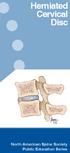 Herniated Cervical Disc North American Spine Society Public Education Series What Is a Herniated Disc? The backbone, or spine, is composed of a series of connected bones called vertebrae. The vertebrae
Arthritis of the Shoulder
 Arthritis of the Shoulder In 2011, more than 50 million people in the United States reported that they had been diagnosed with some form of arthritis, according to the National Health Interview Survey.
HIGH INTENSITY LASER A REVOLUTION IN THERAPEUTIC LASER TECHNOLOGY
 HIGH INTENSITY LASER A REVOLUTION IN THERAPEUTIC LASER TECHNOLOGY [email protected] www.btlnet.com All rights reserved. Although every care has been taken to provide accurate and up-to-date information,
Drugs for MS.Drug fact box cannabis extract (Sativex) Version 1.0 Author
 Version History Policy Title Drugs for MS.Drug fact box cannabis extract (Sativex) Version 1.0 Author West Midlands Commissioning Support Unit Publication Date Jan 2013 Review Date Supersedes/New (Further
.org. Herniated Disk in the Lower Back. Anatomy. Description
 Herniated Disk in the Lower Back Page ( 1 ) Sometimes called a slipped or ruptured disk, a herniated disk most often occurs in your lower back. It is one of the most common causes of low back pain, as
Herniated Lumbar Disc
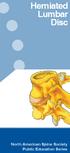 Herniated Lumbar Disc North American Spine Society Public Education Series What Is a Herniated Disc? The spine is made up of a series of connected bones called vertebrae. The disc is a combination of strong
Back & Neck Pain Survival Guide
 Back & Neck Pain Survival Guide www.kleinpeterpt.com Zachary - 225-658-7751 Baton Rouge - 225-768-7676 Kleinpeter Physical Therapy - Spine Care Program Finally! A Proven Assessment & Treatment Program
Options for Cervical Disc Degeneration A Guide to the Fusion Arm of the M6 -C Artificial Disc Study
 Options for Cervical Disc Degeneration A Guide to the Fusion Arm of the M6 -C Artificial Disc Study Each year, hundreds of thousands of adults are diagnosed with Cervical Disc Degeneration, an upper spine
Tension Type Headaches
 Tension Type Headaches Research Review by : Dr. Ian MacIntyre Physiotherapy for tension-type Headache: A Controlled Study P. Torelli, R. Jenson, J. Olsen: Cephalalgia, 2004, 24, 29-36 Tension-type headache
Pain Management Top Diagnosis Codes (Crosswalk)
 Pain Management Top s (Crosswalk) 274.00 Gout arthropathy, M1000 Idiopathic gout, unspecified site unspecified M10011 Idiopathic gout, right shoulder M10012 Idiopathic gout, left shoulder M10019 Idiopathic
Evaluation Of Clinical Data and Literature Review Low Level Laser Therapy for. B-CURE LASER LLLT808 0f GOOD ENERGIES
 Low Level Therapy for Prepared by: Arnon D. Cohen, MD, MPH, PhD 17/2 Yehoshua Bin-Nun St. Hod Hasharon 45236 ISRAEL e-mail: [email protected] Tel: +972-50-6263848 Fax: +972-3-7608612 For B-Cure - LLLT
Plantar fasciitis: p. 1/6. E.M.S. Electro Medical Systems S.A. Ch. de la Vuarpillière 31 CH-1260 Nyon Switzerland
 Clinical trials published in the international peer-reviewed literature 1 demonstrating efficacy and safety of treatment with the EMS Swiss Dolorclast according to Evidence Based Medicine criteria 2 :
Low back pain. Quick reference guide. Issue date: May 2009. Early management of persistent non-specific low back pain
 Issue date: May 2009 Low back pain Early management of persistent non-specific low back pain Developed by the National Collaborating Centre for Primary Care About this booklet This is a quick reference
.org. Cervical Radiculopathy (Pinched Nerve) Anatomy. Cause
 Cervical Radiculopathy (Pinched Nerve) Page ( 1 ) Cervical radiculopathy, commonly called a pinched nerve occurs when a nerve in the neck is compressed or irritated where it branches away from the spinal
Handicap after acute whiplash injury A 1-year prospective study of risk factors
 1 Handicap after acute whiplash injury A 1-year prospective study of risk factors Neurology 2001;56:1637-1643 (June 26, 2001) Helge Kasch, MD, PhD; Flemming W Bach, MD, PhD; Troels S Jensen, MD, PhD From
Medication Policy Manual. Topic: Aubagio, teriflunomide Date of Origin: November 9, 2012
 Medication Policy Manual Policy No: dru283 Topic: Aubagio, teriflunomide Date of Origin: November 9, 2012 Committee Approval Date: December 12, 2014 Next Review Date: December 2015 Effective Date: January
ELECTROMYOGRAPHY (EMG), NEEDLE, NERVE CONDUCTION STUDIES (NCS) AND QUANTITATIVE SENSORY TESTING (QST)
 AND QUANTITATIVE SENSORY TESTING (QST) Coverage for services, procedures, medical devices and drugs are dependent upon benefit eligibility as outlined in the member's specific benefit plan. This Medical
Spinal Cord Stimulation (SCS) Therapy: Fact Sheet
 Spinal Cord Stimulation (SCS) Therapy: Fact Sheet What is SCS Therapy? Spinal cord stimulation (SCS) may be a life-changing 1 surgical option for patients to control their chronic neuropathic pain and
DIVISION OF RHEUMATOLOGY DEPARTMENT OF MEDICINE UNIVERSITY OF WESTERN ONTARIO POSTGRADUATE EDUCTION ORTHOPAEDIC OFF-SERVICE GOALS & OBJECTIVES
 DIVISION OF RHEUMATOLOGY DEPARTMENT OF MEDICINE UNIVERSITY OF WESTERN ONTARIO POSTGRADUATE EDUCTION ORTHOPAEDIC OFF-SERVICE GOALS & OBJECTIVES GOAL #1 develop the ability to order and understand interpretation
world-class orthopedic care right in your own backyard.
 world-class orthopedic care right in your own backyard. Patient Promise: At Adventist Hinsdale Hospital, our Patient Promise means we strive for continued excellence in everything we do. This means you
Treatment Guide Understanding Elbow Pain. Using this Guide. Choosing Your Care. Table of Contents:
 Treatment Guide Understanding Elbow Pain Elbow pain is extremely common whether due to aging, overuse, trauma or a sports injury. When elbow pain interferes with carrying the groceries, participating in
W40 Total prosthetic replacement of knee joint using cement
 Bedfordshire and Hertfordshire Priorities Forum statement Number: 33 Subject: Referral criteria for patients from primary care presenting with knee pain due to ostoarthritis, and clinical threshold for
TENS, Electroacupuncture and Ice Massage: Comparison of Treatment for Osteoarthritis of the Knee
 TENS, Electroacupuncture and Ice Massage: Comparison of Treatment for Osteoarthritis of the Knee Merih Yurtkuran, Tuncer Kocagil Uludag University Medical Faculty Department of Physical Therapy and Rehabilitation,
Measure Title X RAY PRIOR TO MRI OR CAT SCAN IN THE EVAULATION OF LOWER BACK PAIN Disease State Back pain Indicator Classification Utilization
 Client HMSA: PQSR 2009 Measure Title X RAY PRIOR TO MRI OR CAT SCAN IN THE EVAULATION OF LOWER BACK PAIN Disease State Back pain Indicator Classification Utilization Strength of Recommendation Organizations
Corporate Medical Policy Continuous Passive Motion in the Home Setting
 Corporate Medical Policy Continuous Passive Motion in the Home Setting File Name: Origination: Last CAP Review: Next CAP Review: Last Review: continuous_passive_motion_in_the_home_setting 9/1993 6/2016
American Gastroenterological Association Institute Guideline on the Use of Pharmacological Therapies in the Treatment of Irritable Bowel Syndrome
 1 2 3 4 5 6 7 8 9 10 11 12 13 14 15 16 17 18 19 20 21 22 23 24 25 26 27 28 29 American Gastroenterological Association Institute Guideline on the Use of Pharmacological Therapies in the Treatment of Irritable
Hand and Upper Extremity Injuries in Outdoor Activities. John A. Schneider, M.D.
 Hand and Upper Extremity Injuries in Outdoor Activities John A. Schneider, M.D. Biographical Sketch Dr. Schneider is an orthopedic surgeon that specializes in the treatment of hand and upper extremity
LOW BACK INJURIES PROGRAM OF CARE PROGRAM OF CARE 4TH EDITION 2014
 LOW BACK INJURIES PROGRAM OF CARE PROGRAM OF CARE 4TH EDITION 2014 GUIDE Acknowledgements Acknowledgements The WSIB would like to acknowledge the significant contributions of the following regulated Health
THE WRIST. At a glance. 1. Introduction
 THE WRIST At a glance The wrist is possibly the most important of all joints in everyday and professional life. It is under strain not only in many blue collar trades, but also in sports and is therefore
Massage Therapy Helps Back Pain By Susan Jackson Grubb, NCMT, CNMT
 1 By Susan Jackson Grubb, NCMT, CNMT Absenteeism, lost wages and reduced productivity due to low back pain are costly to people, companies, and corporations. It is estimated that eighty percent of Americans
Standard of Care: Cervical Radiculopathy
 Department of Rehabilitation Services Physical Therapy Diagnosis: Cervical radiculopathy, injury to one or more nerve roots, has multiple presentations. Symptoms may include pain in the cervical spine