
Tanzania Private Health Sector Assessment
|
|
|
- Asher Boyd
- 9 years ago
- Views:
Transcription

1 Tanzania Private Health Sector Assessment BRIEF 1

2 Summary: This brief is a summary of the Tanzania private health sector assessment, conducted by the SHOPS project and the IFC-World Bank Health in Africa Initiative in Sean Callahan prepared this brief, which presents the assessment methods, findings, and key recommendations for engaging the private sector. Given the relatively organized state of Tanzania s private health sector and the Tanzanian government s focus on building strong public-private partnerships, the overall goal of these recommendations is to present actionable steps for the public and private sectors to fully leverage private sector resources and achieve national health goals in HIV/ AIDS, reproductive and child health, malaria, and tuberculosis. Keywords: HIV/AIDS, malaria, maternal and child health, policy, private sector assessment, private sector health, public-private dialogue, public-private partnerships, reproductive health, Tanzania, tuberculosis Recommended Citation: SHOPS Project Tanzania Private Health Sector Assessment. Brief. Bethesda, MD: Strengthening Health Outcomes through the Private Sector Project, Abt Associates. Cover photo: Carol J. Pierce Colfer/CIFOR Project Description: The Strengthening Health Outcomes through the Private Sector (SHOPS) project is USAID s flagship initiative in private sector health. SHOPS focuses on increasing availability, improving quality, and expanding coverage of essential health products and services in family planning and reproductive health, maternal and child health, HIV/AIDS, and other health areas through the private sector. Abt Associates leads the SHOPS team, which includes five partners: Banyan Global, Jhpiego, Marie Stopes International, Monitor Group, and O Hanlon Health Consulting. Disclaimer: The views expressed in this material do not necessarily reflect the views of USAID or the United States government. Cooperative Agreement: No. GPO-A Download: To download a copy of this publication, go to the resource center at Abt Associates Inc. February 2013

3 Tanzania Private Health Sector Assessment The United States Agency for International Development (USAID)/Tanzania commissioned the SHOPS project and the IFC-World Bank Health in Africa Initiative to conduct a private sector assessment of mainland Tanzania, in response to a request from the Public-Private Partnership Technical Working Group (PPP-TWG) in Tanzania. With funding from the Health in Africa Initiative and the USAID Office of HIV/AIDS, SHOPS assembled a nine-person team comprising health system experts from IFC, SHOPS, USAID, and local stakeholder organizations. The assessment is intended to assist the Ministry of Health and Social Welfare (MOHSW), the PPP- TWG, and other Tanzanian health sector stakeholders to develop a prioritized agenda for more effectively engaging the private health sector and building public-private partnerships (PPPs) focused on the country s key health challenges: HIV/AIDS, reproductive and child health, malaria, and tuberculosis. This brief is a summary of the methods, findings, and key recommendations of the assessment. 1 1 White, James, Barbara O Hanlon, Grace Chee, Emmanuel Malangalila, Adeline Kimambo, Jorge Coarasa, Sean Callahan, Ilana Ron Levey, and Kim McKeon. September Tanzania Private Sector Assessment. Bethesda, MD: Strengthening Health Outcomes through the Private Sector Project, Abt Associates Inc. Background Located in east Africa, mainland Tanzania exemplifies the developing world s struggle to achieve middleincome status while confronting widespread poverty and substantial health challenges. Three-quarters of the 41.9 million residents live in rural areas where they are mainly employed in agricultural work. Although real gross domestic product has grown rapidly over the past five years, at an average rate of 6.9 percent between 2006 and 2011, Tanzania still has one of the lowest per capita incomes in Africa ($456) and approximately one-third of its population lives below the country s poverty line (World Bank, 2011). This widespread poverty provides an additional obstacle that the Tanzanian government needs to overcome to achieve better health outcomes. Similar to Tanzania s recent economic history, its struggles with HIV/AIDS, reproductive and child health, malaria, and tuberculosis are characterized by both positive recent trends and persistent challenges. Between 2000 and 2009, HIV prevention efforts have reduced prevalence from 7.3 percent to 5.6 percent of adults aged 15 to 49. Even with this decline, 1.4 million people live with HIV/AIDS and there are 105,000 new infections and 85,900 AIDS-related deaths each year in Tanzania (Joint United Nations Program on HIV/AIDS, 2009). TMJ Hospital in Dar es Salaam is home to some of the most advanced medical equipment in Tanzania. Sean Callahan 1

4 According to the Tanzania Demographic and Health Survey (TDHS), 96 percent of women had at least one antenatal care visit with a trained health professional during their last pregnancy. High rates of infant and maternal mortality (50/1,000 and 454/100,000 live births, respectively) and low rates of postnatal care (approximately 30 percent) suggest substantial barriers to health (National Bureau of Statistics and ICF Macro, 2011). Malaria remains a leading cause of morbidity and mortality, costing an estimated $240 million every year in lost gross domestic product, but a strong multi-pronged malaria prevention and treatment strategy has significantly improved access to first-line malaria therapy throughout the country. Mainland Tanzania has relatively high tuberculosis incidence and prevalence rates of 177 and 183 cases per 100,000 people, respectively (World Health Organization, 2011). The MOHSW explicitly calls for building PPPs since the health sector will benefit from more delegation and partnerships, which will decrease duplication and unhealthy competition. A high disease burden coupled with finite public sector resources has led the government of Tanzania to increasingly seek innovative tools to protect the health and wellbeing of its citizens. Previous reform efforts have included decentralizing decisionmaking authority to local governments to improve the responsiveness of public sector programs and partnering with faith-based health facilities to expand the government s reach into rural areas. In recent years, the government has increasingly tried to leverage the private health sector s capacity to strengthen the Tanzanian health system first by removing the ban on private practice in 1991 and then by emphasizing PPPs in its national health policies and strategic plans. In response, the private health sector has grown and organized into several umbrella organizations, such as the Christian Social Services Commission (CSSC), the Association of Private Health Facilities in Tanzania (APHFTA), and the National Muslim Council of Tanzania (BAKWATA). Together, the public and private sectors have laid the policy groundwork for improved collaboration. Engaging the private sector beyond dialogue and operationalizing PPPs has proven more difficult due to lingering distrust and a lack of communication between the sectors at lower levels. Currently, the private health sector is actively involved in the delivery of key health services, especially related to family planning, child health, and malaria. However, there are numerous private health sector providers and other actors that the Tanzanian government can better leverage to relieve the burden on public sector resources and produce better health outcomes for all Tanzanians. This assessment makes several recommendations to eliminate current obstacles, especially around the areas of the policy and governance, health financing, service delivery, pharmaceutical procurement, and human resources for health. Across the entire health system, the MOHSW has recognized the opportunities that arise from partnering with the private health sector. Currently implementing its Health Sector Strategic Plan III, , with the aim of achieving the Millennium Development Goals by 2015, the MOHSW explicitly calls for building PPPs since the health sector will benefit from more delegation and partnerships, which will decrease duplication and unhealthy competition. Disease-specific vertical health programs like 2

5 the National AIDS Control Programme and the National Malaria Control Programme also call for increased involvement of the private health sector in their national strategies (see Table 1). Table 1. The Evolving Private Sector Role in National Health Strategies and Policies National Policy National Health Policy (2003) Health Sector Strategic Plan III ( ) The Second National Multi- Sectoral Strategic Framework on HIV and AIDS ( ) Medium Term Malaria Strategic Plan ( ) The National Road Map Strategic Plan to Accelerate Reduction of Maternal, Newborn, and Child Deaths in Tanzania ( ) Reference to the Private Sector Mutually beneficial cooperation of PPPs Purpose: identification and prioritization of health needs of the population PPPS are important for achieving health goals PPP forums will be installed at national, regional, and district levels All local government authorities will use service level agreements to contract private providers for service delivery Private training institutions will be increasingly involved in human resources for health Provide financial, human, and technical resources for the implementation of the HIV national response Combined, coordinated, and sustained efforts by the Tanzanian government, the private sector, and donors Promote and sustain PPPs in the delivery of health services Foster partnership to implement promising interventions among the government (as lead), development partners, the private sector, and other stakeholders engaged in joint programming and co-funding of activities and technical reviews Sources: MOHSW, 2003; Prime Minister s Office, 2007; MOHSW, 2008a; MOHSW, 2008b; MOHSW, 2009 In addition to the Health Sector Strategic Plan III, the Tanzanian government recognized the importance of fully understanding and using the private health sector in many other key policy documents. Specifically, the National PPP Policy and Health Sector Strategic Plan II called for a private health sector assessment that would identify opportunities to better leverage the private health sector. 3

6 Scope of the Assessment The assessment included the following elements: Assessing the policy environment and existing dialogue processes for greater private sector engagement. Clarifying existing PPP interactions at different levels of the health system. Identifying and evaluating opportunities for PPPs to strengthen health service provision. Assessing the private health sector capacity to self-regulate. Identifying opportunities for the operationalization and tracking of PPP implementation. The assessment team viewed these elements through key health areas (HIV/AIDS, reproductive and child health, malaria, and tuberculosis) and health system building blocks (policy and governance, health financing, service delivery, supply chain, and human resources). METHODS The assessment team collected data in two stages. First, it reviewed published and gray literature and conducted a secondary analysis of available TDHS data. Second, the team traveled to Tanzania in May 2012 to interview key stakeholders that it had identified with guidance from the PPP-TWG. The team members interviewed representatives from the public and private sectors, as well as development partners, to understand the prevailing attitudes toward private sector engagement and identify opportunities, challenges, and potential solutions for building health PPPs in mainland Tanzania. FINDINGS Health Sector Landscape There are two main components of the Tanzanian health system: the public sector and the private sector; both sectors work closely with development partners. The public sector is the largest and, at the national level, the MOHSW dominates. It is responsible for developing key health policies, monitoring and regulating the different health sectors, overseeing medical research, managing level-three hospitals, coordinating with the Ministry of Finance and Economic Affairs for financing, and working with the Ministry of Science, Technology, and Higher Education to train and educate the various health cadres. Following the 1998 Policy Paper on Local Government Reform, which emphasizes devolution and decentralization, local government authorities (LGAs) gained greater autonomy over finances and policy implementation. Overseen by the Prime Minister s Office of Regional Administration and Local Government, council health management teams manage health facilities at the district, town, and municipal level; implement health policies and strategies; allocate funding and resources; and report health and service data back to the MOHSW. At 4

7 the regional level, regional health management teams supervise regional hospitals and advise the regional secretariats (see Figure 1). Figure 1. The Tanzanian Health System Referral Pyramid Private CSSC and APHFTA treatment coordination networks Private pharmaceutical wholesalers Voluntary agency referral hospitals (Aga Khan, Bugando, CCBRT, KCMC) FBO referral hospitals at regional level National Level (Level 4 Facilities) Zonal Level (Level 3 Facilities) Regional Level (Level 2 Facilities) Public National hospitals (e.g., Muhimbili, MOI, ORCI, Mirembe, and Kibong oto) Mbeya referral hospitals Regional referral hospitals FBO district-designated hospitals and for-profit hospitals District Level District/council hospitals Private/CSCC-affiliated health centers Private retail pharmacies Ward Level Rural health centers Private/CSSC-affiliated dispensaries, maternity homes, RCH facilities, and accredited drug dispensing outlets Village Level Dispensaries NGO outreach activities Household/Community Level Community-based health care Notes: CCBRT Comprehensive Community Based Rehabilitation in Tanzania, FBO faith-based organization, KCMC Kilimanjaro Christian Medical Centre, MOI Muhimbili Orthopaedic Institute, ORCI Ocean Road Cancer Institute, RCH reproductive and child health As Figure 1 shows, the public and private health sectors are present at all levels of the health system. In total, there are an estimated 6,342 health facilities across mainland Tanzania. The public sector currently operates close to 70 percent of them (see Table 2). The vast majority of government facilities are lower-level health centers and dispensaries that are managed by LGAs. At the higher levels of the health system, the private health sector is more prevalent, with the for-profit, nonprofit and parastatal organizations operating 60 percent of all hospitals. The public-private mix varies from region to region throughout mainland Tanzania. 5

8 Table 2. Number of Health Facilities in Tanzania Facility Type Government Parastatal Nonprofit For-profit Total Hospitals Health Centers Dispensaries 3, ,469 Total 4, ,342 Percent of Total 70% 3% 14% 14% 100% Source: Health Management Information System, 2012 Note: Numbers are rounded to the nearest whole percent. The private health sector in mainland Tanzania is diverse and complex, comprising a wide range of actors engaged in a number of health activities, especially service delivery, pharmaceutical dispensing, and laboratory diagnostics. The size of the private health sector has increased relatively quickly over the past 20 years in response to government policy changes, primarily the removal of the ban on private practice in The private health sector comprises nonprofit and for-profit entities. Public, nonprofit, and for-profit facilities are located throughout the mainland. Nonprofit organizations: Consist of faith-based organizations, charitable nonprofits, and community-based organizations. Key nonprofit umbrella organizations include CSSC, BAKWATA, and the Private Nurses and Midwives Association of Tanzania. Nonprofits are primarily engaged in service delivery and supportive care across the country, with a more pronounced role in rural areas where the MOHSW has routinely partnered with these organizations especially with CSSC to train health workers and deliver services to hard-to-reach populations. For-profit organizations: Consist of a wide range of organizations that are involved in delivering health services, wholesaling and distributing medical products and technology, training the various health cadres, and providing private health financing. APHFTA is the principal umbrella organization, representing nearly 880 forprofit facilities across the country. Although they can also be found in rural areas, for-profit facilities are heavily concentrated in urban areas, especially in Dar es Salaam. 6

9 Two other types of actors civil society organizations and development partners operate mainly at the national level. Civil society organizations are largely focused on advocating on behalf of the patient in the policy dialogue process. The main donors working with the private health sector in Tanzania are USAID, GIZ (German Society for International Cooperation), and Danida (Danish International Development Agency). These three donors primarily play a funding and technical support role, channeling their efforts through a sector-wide approach. This approach, with its multiple technical working groups (including the PPP-TWG), allows for increased donor coordination across the health sector. The PPP-TWG is particularly effective at convening actors from all sectors, as it coordinates donorfunded activities that work with the private sector. Currently chaired by the MOHSW, the PPP-TWG includes representatives from CSSC, APHFTA, Danida, USAID, GIZ, and BAKWATA. Policy and Governance Engaging the private health sector requires a policy and operating environment that enables strong public-private dialogue, interaction, cooperation, and partnership. Since the Tanzanian government lifted the ban on private medical practice, the country has emerged as a regional leader in pioneering a comprehensive policy framework for supporting the private health sector. This shift is due in large part to strong political commitment at all levels of the Tanzanian government, especially at the national level. Leadership at the MOHSW, the Ministry of Finance and Economic Affairs, and the Prime Minister s Office of Regional Administration and Local Government have expressed their support for engaging the private health sector. For these institutions, it is no longer an issue of whether it should work with the private health sector; it is a question of how. For the Tanzanian government, it is no longer an issue of whether it should work with the private health sector; it is a question of how. This political commitment has translated into a strong, comprehensive policy and regulatory framework for engaging the private sector. In the past several years, the MOHSW has built a PPP unit and developed a PPP health policy, strategic plan, and guidelines (currently in draft form). Because of the work of the PPP-TWG, there is increased trust between the public and private sectors. The PPP-TWG provides a forum for increased coordination and information sharing between the sectors. It also provides an opportunity for the private sector to have a voice in the policy and planning process at the national level. As a result of these developments, national health strategic plans for both the health system building blocks and vertical health programs routinely acknowledge and provide avenues for partnering with the private health sector. 7

10 Although the PPP-TWG has had success with bringing the public and private health sectors together, its effectiveness is limited by its relatively narrow scope. However, there are still opportunities for improvement. At the MOHSW, the PPP unit is under-resourced for its mandate and scope. Although the PPP-TWG has had success with bringing the two health sectors together, its effectiveness is limited by its relatively narrow scope. It is not focused on system-wide health issues, and private providers who do not receive donor funds are generally not included in the health sector-wide approach. Additionally, there is some hesitation within the MOHSW and LGAs to collaborate with private providers due to concerns over the profit-making aspect of the for-profit sector. At the local level, there is a lack of a clear understanding of what constitutes a PPP, partially because the Prime Minister s Office of Regional Administration and Local Government lacked the necessary staff to work closely with the MOHSW until recently. As a result, some district and regional staff incorrectly believe that PPPs are limited to only the nonprofit sector, or that they can only take the form of service level agreements and contracting of health services. Similarly, the LGAs do not always include the private sector in policy and planning discussions. Since LGAs are responsible for actually implementing and financing health services as a result of the devolution by decentralization reforms, private sector facilities are not always able to partner with the public sector on the ground. There are also significant market barriers limiting private health services. The current tax structure creates disincentives for for-profit providers to expand services since taxes increase as the volume and size of the facility increases. Moreover, for-profit providers do not qualify for tax exemptions or receive donated inputs as nonprofit providers do, even when they deliver an essential health package. Private facilities often face difficulties in accessing finance and when they do, the terms of the loan often create additional barriers. Finally, many private providers, particularly those in solo practice, do not have the business and financial skills needed to manage their private practice or to qualify for a bank loan. The Role of the Private Sector in Health Financing Adequate financing, as well as appropriate use, pooling, and allocation of funding are critical components to ensuring accessibility to highquality health care. Between 2002 and 2010, total health expenditures in Tanzania increased over 200 percent, from Tsh billion ($480 million) to Tsh 2,322.9 billion ($1.4 billion). During this growth period, donors replaced households as the largest health financing source in Tanzania with contributions provided through general budget support, a health sector basket fund, and direct program financing (including off-budget financing) (see Figure 2). While similar trends occurred over the same time period in the source of total health expenditure for key health areas like HIV/AIDS and malaria, households remained the main source of funds for reproductive health services. Recent studies (Sulzbach, 2011) have suggested that this increase in donor funds might be crowding out the for-profit sector in Tanzania, highlighting the need for better coordination between donors and local stakeholders. 8

11 Figure 2. Trends in Source of Total Health Expenditures (% of Total) 50% 45% 40% 35% 30% 25% 20% 15% Households Donors Ministry of Finance Other Private 10% 5% 0% 2002/ / /2010 Source: MOHSW, 2012 Consistent with the policy of devolution by decentralization, management of health expenditures has increasingly shifted from the MOHSW to LGAs and NGOs at the local level. Funds are transferred to LGAs in two main ways: block grants from the Tanzanian government that are not targeted specifically to health and basket funds that pool health-specific funding from various donors. LGAs then decide how to spend these funds through their annual Comprehensive Council Health Plan (CCHP). Although the guidelines for these plans support PPPs and advocate using service level agreements to contract private providers, they are somewhat ambiguous in defining what types of facilities are eligible. As a result, service level agreements are not fully utilized, even though they could potentially direct LGA funding to facilities that extend high-quality, priority services. Additionally, even with government efforts to increase universal coverage through schemes like the National Health Insurance Fund, Social Insurance Fund, Community Health Fund, and private insurers, these financing agents have not significantly grown over the past decade. The 2009/2010 TDHS and National Health Accounts (NHA) analysis revealed that 93 percent of Tanzanians had no insurance coverage and that insurers only managed three percent of total health expenditure. The Community Health Fund in particular, which seeks to expand insurance coverage in 9

12 rural areas, is not achieving its intended purpose. This lack of enrollment is due in part to a lack of coordination between the various schemes to ensure progress toward the goal of universal coverage. Forty-one percent of household out-of-pocket expenditures are spent at nonprofit and for-profit facilities, suggesting that Tanzanians are actively seeking health care in the private sector. Increasing enrollment in these health insurance schemes, as well as use of contracting and purchasing arrangements like service level agreements, may help to reduce donor dependency and promote the sustainability of Tanzanian health system. NHA data show that 41 percent of household out-of-pocket expenditures are spent at nonprofit and for-profit facilities, suggesting that Tanzanians are actively seeking health care in the private sector. Supporting these facilities through service level agreements would support consumer choices. Additionally, with the exception of the Community Health Fund, most insurance programs support both public and private providers. Since increased insurance coverage can decrease inequities in health spending, using appropriate purchasing and payment policies within insurance schemes could significantly expand opportunities for private sector contributions to public health goals. Service Delivery in the Private Health Sector In a strong health system, patients can consistently access high-quality and reliable health services at all levels and in all regions. In Tanzania, both forprofit and nonprofit facilities make significant contributions toward this goal by enhancing the coverage and quality of both basic and specialist health services. Historically, nonprofit organizations especially faith-based organizations have partnered with the Tanzanian government to extend critical health service provision into rural or hard-to-reach areas. Across mainland Tanzania, private facilities receive nearly one-third of total health expenditures made at health facilities, with for-profit and nonprofit sectors accounting for 11.2 and 19.9 percent, respectively (MOHSW, 2012). Private facilities are important partners for the delivery of HIV/AIDS, tuberculosis, malaria, and reproductive and child health services in both urban and rural settings. An analysis of data from the 2010 TDHS reveals that the public sector currently dominates the delivery of health services (see Figure 3). The use of private health facilities varies by health area but never rises above 34 percent of services provided. Generally, patients are more likely to access the private sector for health issues that can be resolved through medical commodities or a trip to a low-level facility (e.g., contraceptives, diarrhea treatment, and fever or cough treatment). In many other health areas, a lack of understanding and communication between the public and private sectors inhibits greater use of the private sector. The Health Sector Strategic Plan III acknowledges that there is inadequate recognition and understanding of PPPs at all levels, the capacity of private providers is not exhaustively used, and national health programs are not often implemented in private facilities. Therefore, clients do not always have access to life-saving medicines or supplies. (MOHSW, 2009: 33). 10

13 Figure 3. Public-Private Mix in Key Health Areas (%) Public Facilities Nonprofit Facilities For-profit Facilities Other/None Last HIV test (women, 15 49) PMTCT (received HIV test as part of ANC) Contraceptives (all women) ANC for last pregnancy* Delivery for last pregnancy** Diarrhea treatment for children <5 Fever/cough treatment for children <5 Source: TDHS 2010 Notes: PMTCT Prevention of mother-to-child transmission, ANC antenatal care * Even though more than 90% of women had at least one ANC visit during their last pregnancy, 57% of women did not complete the WHOrecommended four-plus ANC visits. ** Other/none includes home births; 49% of women delivered at home during their last pregnancy. More importantly, these private facilities are serving patients from all income quintiles, and the top two income quintiles generally make up the bulk of patients for both nonprofit and for-profit facilities (see Figure 4). However, there is a notable percentage of patients from the bottom three wealth quintiles accessing services in the private sector, especially for diarrhea, fever, and cough treatments. 11

14 Figure 4. Wealth Distribution of Private Sector Patients for Key Health Services (%) Nonprofit For-profit Nonprofit For-profit Nonprofit For-profit Nonprofit For-profit Richest Rich Middle Poor Poorest HIV Testing ANC Diarrhea treatment Fever/cough treatment Source: TDHS 2010 Note: Totals may not equal 100 due to rounding. There is a notable percentage of patients from the bottom three wealth quintiles accessing services in the private sector, especially for diarrhea, fever, and cough treatments. Opportunities exist to further strengthen the private sector s contributions to delivering health services, especially with regard to collaborative planning, service delivery coordination, information exchange, and effective continuity of referral between the sectors. As previously mentioned, challenges in these areas are generally more acute at the district and facility level. As a result, LGAs are often unaware of the resources and equipment available in the private health sector. More consistent integration of the private health sector into planning at the local level could lead to better leveraging of private health facility infrastructure and capacity. One example of this would be to harmonize the use of diagnostic equipment across the health system, cutting redundancies and leading to better patient care. This tenuous relationship between the sectors at the local level also limits the scope and reach of vertical disease programs. Weak reporting of service delivery statistics by private providers and of disease surveillance trends by the public sector leaves both sides feeling frustrated and creates more distrust. Many private providers, especially in for-profit organizations, expressed frustration at how difficult it is for them to access continuing professional development opportunities like in-service trainings and attending morbidity and mortality meetings in the public sector. The monetary and time costs of attending such trainings prevent many private providers from going, even when they are invited. Private provider skills are therefore not always up-to-date, limiting their ability to participate in vertical health programs even though they generally want to do so. When private providers do participate in HIV/AIDS, reproductive and child health, or malaria programs, they are required by law to provide their services free-of-charge. Although they are able to access subsidized medical 12

15 commodities, they often have no way of recovering the associated costs, like staff and facility overhead costs. Without more training opportunities and a formal contracting or reimbursement mechanism, these private providers have little capacity or incentive to scale up their involvement in addressing national health priorities like HIV/AIDS, reproductive and child health, malaria, and tuberculosis. The fact that so many of them still choose to participate alludes to their willingness and desire to become more involved. Private Sector Human Resources for Health The quality of a country s health sector is largely dependent on the caliber of the medical professionals providing health services. Unfortunately, mainland Tanzania faces a well-documented severe human resources for health crisis with significant deficits in terms of quantity and quality in public and private sectors and among almost all professional health cadres. This is particularly true in rural areas and in the private health sector. Private health facilities, which are largely responsible for their own human resources plans and management, are disconnected from the MOHSW s human resources for health strategic plans and coordination efforts, often to their detriment. In 2006, the MOHSW increased the salaries of employees in the public health sector. This raise made it harder for private providers to recruit and retain qualified personnel, leading to a brain drain that exacerbated the private sector personnel shortage as many highly qualified employees transferred to the public sector (see Table 3). These shortages have made many LGAs concerned about the quality of care at private facilities and more hesitant to engage in PPPs. Including private providers in public sector labor planning, both at the national and LGA level, could help the public and private sectors better coordinate their labor needs and address some of the factors that cause them to compete for staff. This increased coordination, along with more opportunities for private providers to access public sector trainings, could help both nonprofit and for-profit facilities retain highly qualified staff. Table 3. Personnel Shortages in Private Health Facilities, 2006 Facility Level Number of Facilities Required Staff per Facility (2005) Required Staff for All Facilities (2005) Available Staff (2006) Staff Shortage (2006) Percent Staff Shortage (2006) Hospitals ,004 3,251 22, % Health Centers , , % Dispensaries 1, ,487 1,842 9, % Total 1, ,891 5,851 37, % Source: Health Systems 20/20,

16 The private sector could contribute to solving the human resources crisis through private medical training institutions (PMTIs). Currently, the 11 of these accredited institutions that engaged in pre-service training in Tanzania enroll six percent of medical students across the country. Although the policy environment supports the growth of private medical training, these institutions face numerous constraints that limit their ability to enroll more students. For example, many students rely on public student loans to pay their tuition. However, these loans are often delayed and are not large enough to meet the cost of enrollment, meaning that students face serious financial challenges in paying for their education and are sometimes forced to drop out. Since PMTIs largely rely on tuition fees for revenue, they face acute difficulties in meeting their financial obligations when that happens. Other challenges facing PMTIs include saturated enrollment capacity, infrastructure challenges, and a limited number of qualified medical instructors. Additionally, new PMTIs face significant barriers to entry, specifically in the form of difficult accreditation standards that (laudably) are designed to ensure a high-quality education. Overcoming these challenges is essential to solving the human resources for health shortages. Potential solutions include diversifying the revenue base of PMTIs, developing new loan products, and creating new partnerships with private and public sector organizations to increase the PMTI presence in the policymaking process. Access to Essential Pharmaceutical and Medical Commodities Ensuring that health service providers have consistent access to highquality medical products and pharmaceutical commodities is a necessary component of any functional and effective health system. In Tanzania, the Medical Stores Department (MSD) is an independent parastatal organization tasked with ensuring consistent access to high-quality, safe, and affordable medicines and medical supplies for all public and approved nonprofit (largely CSSC) facilities. For-profit facilities are largely unable to use MSD for procurement purposes, with the exception of pharmaceuticals and medical commodities for vertical programs for HIV/AIDS, reproductive and child health, malaria, and tuberculosis. As part of these programs, nonprofit and for-profit facilities can access some medicines and medical supplies (e.g., vaccines, antiretroviral drugs, tuberculosis medication, and some reproductive health commodities) from MSD via the district medical officer. Three alternative supply chains have emerged as complements to MSD to supply the private health sector with drugs and commodities not provided by the MOHSW s vertical programs: For over 40 years, Action Medeor International Health Care has procured and distributed over 300 essential medicines and medical supplies, almost exclusively for nonprofit health organizations, on a cash-and-carry basis. Mission for Essential Medical Supply, established in 2001 and launched in 2004 as a complement to MSD, is an initiative of the Evangelical Lutheran Church in Tanzania. Organized on a prime 14

17 vendor model, the Mission pools the procurement of a number of medical commodities for faith-based organization facilities at negotiated lower rates from a prime for-profit wholesaler. Mission for Essential Medical Supply will soon be incorporated as a nonprofit organization under the oversight of CSSC. Over 185 commercial wholesalers, importers, and pharmaceutical retailers approved by the Tanzania Food and Drug Authority supply the for-profit sector (including private pharmacies and private medicine retailers) with medicines and medical commodities. Concentrated in and around Dar es Salaam, many of these companies also serve as an alternative source of supplies for nonprofit facilities. Although they are perceived to have a more reliable supply chain, they are often more expensive than the alternatives. Reported challenges at MSD, such as overly bureaucratic tendering and procurement systems and facility-level disruptions to the supply chain, limit the dependable provision of safe and affordable medicines. Frequent stockouts at MSD can disrupt the supply chain and lead to rationing. Weak post-market surveillance has led to questions about the quality of some pharmaceuticals in the private sector. Supply chain efficiencies throughout the health system could be improved by strengthening MSD s capacity to provide reliable procurement options to government-affiliated nonprofit facilities, and by providing safe and more affordable procurement channels to for-profit facilities. One potential opportunity to explore is pooling nonprofit and for-profit procurement via the newly registered Mission for Essential Medical Supply/CSSC nonprofit business entity. Beyond the procurement phase, accredited drug dispensing outlets (ADDOs) have the potential to positively affect the distribution of drugs, especially for the poor in peri-urban and rural areas. When public facilities are out of stock in these areas, Tanzanians typically rely on duka la dawa baridi, private drug shops that can only sell non-prescription medicines. The Tanzanian government is currently in the process of converting all duka la dawa baridi to ADDOs, which together account for 47.4 percent of pharmaceutical dispensaries in mainland Tanzania. Since ADDO staff are trained and licensed to A nurse, Michaela K. Msellemu, at Upendo Dispensary in Kilimanjaro, Tanzania Sean Callahan 15

18 sell both over-the-counter and some specific prescription drugs, ADDOs have become an important source of treatment for illnesses like malaria, tuberculosis, upper respiratory infections, hypertension, and for maternal health, child health, and family planning. Strengthening ADDOs to improve their quality and financial sustainability could help increase access to necessary medicines and medical commodities for Tanzania s rural and urban poor populations. RECOMMENDATIONS Although the private health sector in Tanzania is smaller than in some east African countries such as Kenya, it is sizable, diverse, and actively engaged throughout the health system. As noted throughout this brief, the private sector is an important partner in several key health system areas. Data from recent TDHS and NHA analyses reveal that Tanzanians from all income groups access services at nonprofit and for-profit facilities. Furthermore, the private sector has the capacity and willingness to bring its resources, including infrastructure, equipment, and personnel, together with the public sector in a larger, more coordinated effort to combat Tanzania s health challenges. To accomplish this, the public and private sectors need to build on the existing supportive policy environment and political commitment to create an atmosphere of trust and a culture of shared responsibility. Key stakeholders in both sectors, as well as in the development community, have expressed their willingness to do just this. Creating strong and lasting PPPs that strengthen the Tanzanian health system and lessen its dependence on donors will require solving several difficult challenges, especially in governance, health financing, and the delivery of health services and products. The following are short- and longterm recommendations to provide strategic direction in addressing these challenges (see Figure 5). 16

19 Figure 5. Short- and Long-term Strategic Priorities Short-term 6 to 12 month Long-term 1 to 3 years Governance Invest in MOHSW capacity to engage the private health sector. Establish multi-sector forum. Governance Deepen government capacity to partner with the private health sector. Organize the private health sector into effective representative bodies. Health Financing Include the private sector in CCHP planning and budgeting processes. Health Financing Establish contracting capacity at district and council levels. Expand private sector access to finance, particularly to upgrade facilities. Health Services and Products Manage and scale up short-term PPPs in the health sector. Expand APHFTA HIV/AIDS programs. Expand the use of service level agreements with the private health sector. Harmonize diagnostic use and referrals. Advance private sector training opportunities. Health Services and Products Involve and coordinate with PMTIs to expand the health workforce. Manage and scale up long-term PPPs in the health sector. Explore pooled procurement strategies through the Mission for Essential Medical Supply. Improve the viability and sustainability of ADDOs. 17

20 Governance Short-term Recommendations Invest in MOHSW capacity to engage the private health sector. The MOHSW needs to invest in the PPP unit and strengthen its capacity to enable the initial mobilization of new PPPs for health, while laying the groundwork for necessary long-term investments in building operating systems and new expertise. Specific activities include formalizing the mandate of the unit, building the technical and human capacity of the PPP unit and the Department of Policy and Planning, and implementing a new communication strategy to engage the private health sector. Establish a multi-sectoral forum. As discussed, the narrow scope of the PPP-TWG limits its effectiveness. To create a space for all private health sector groups to discuss health system issues that directly impact their constituencies, the Tanzanian government should formally establish a national PPP steering committee as a system-wide forum. This can motivate key sub-sectors to organize themselves and enable the private health sector to participate in other national forums. Long-term Recommendations Deepen government capacity to partner with the private health sector. The Tanzanian government should build on the short-term investments in the PPP unit to create formal operating systems and greater capacity within the MOHSW to broker and manage PPPs. Specific activities include developing a formal operations manual that outlines the PPP unit s policies and procedures and building knowledge throughout the health system on PPPs. Organize the private health sector into effective representative bodies. Success of the multi-sector forum relies on getting an organized private sector with strong representative member organizations to participate. Consolidating the private sector will include (1) assisting private health sub-sectors in forming umbrella organizations, and (2) strengthening developing associations in the private health sector, such as the Private Nurses and Midwives Association of Tanzania and BAKWATA. Health Financing Short-term Recommendation Include the private sector in CCHP planning and budgeting processes. The MOHSW should further invest in the PPP unit s efforts to orient LGAs toward the private sector. Equipping regional, district, and council management teams to involve all stakeholders in planning 18

21 and budgeting through the CCHP process and in quarterly monitoring meetings will create an annual strategy that leverages all available health resources and highlights opportunities for increased PPPs to meet key health challenges. Long-term Recommendations Establish contracting capacity at district and council levels. The PPP unit can further strengthen LGA purchasing of services through private facilities as a way to both strengthen the national service delivery network and provide enhanced health consumer choice. Wider dissemination of trainings is needed to enhance the knowledge of purchasing agreements among councils and private sector stakeholders. Expand private sector access to finance, particularly to upgrade facilities. Private sector facilities seeking to expand service offerings often fail initial facility and infrastructure inspections, requiring financial investments in facility upgrades that most are not able to afford. By assisting organizations like APHFTA to develop private health sector financial management capacity, and by working with financial lenders to better understand private health sector lending, there will be opportunities to provide private providers with enhanced access to finance opportunities for improving and expanding service delivery. Health Services and Products Short-term Recommendation Manage and scale up short-term PPPs in the health sector. There are several short-term PPP objectives that the MOHSW can pursue that will support concurrent PPP dialogue, coordination, and strengthening efforts. These short-term steps include: expanding APHFTA s HIV/AIDS programs, expanding the use of service level agreements with the private health sector, harmonizing multisectoral diagnostic use and referral, and advancing private sector training opportunities. Long-term Recommendations Involve and coordinate with PMTIs to expand the health workforce. PMTIs have the potential to serve a crucial role in solving Tanzania s human resources for health shortages. However, they have several unique challenges that need to be addressed. Development partners and the Tanzanian government should provide PMTIs with technical assistance on business management, support financial institutions in conducting market research for potential medical loan expansion, and assist PMTIs in partnering with public facilities to expand private student practicum opportunities. 19
22 Manage and scale up long-term PPPs in the health sector. There are several other opportunities that the PPP unit and the PPP-TWG should pursue to strengthen the delivery of health services and products. These include pooling private sector procurement strategies through the Mission for Essential Medical Supply or other secondary supply channels, and improving the viability and sustainability of ADDOs. CONCLUSION The intent of this assessment is to support the government of Tanzania, the PPP-TWG, and other key stakeholders in enhancing public-private engagement at all levels of the health system in mainland Tanzania. Although Tanzania has already accomplished much in this area, with a strong existing policy environment and political will from all sectors, there are still numerous challenges in building sustainable and enduring partnerships. The recommendations in this brief are intended to provide direction in optimizing private sector contributions to the overall health system by enhancing multi-sectoral dialogue, strengthening collaborative planning efforts, and ultimately facilitating partnerships that lead to increased efficiencies and improved health services. By seizing existing partnership opportunities and fostering a health system that leverages the skills, resources, and talents of all health actors, the goal of delivering accessible and high-quality health care to all Tanzanians, while difficult, will be achievable. 20
23 REFERENCES Dalberg Global Development Advisors Improving Access to Finance for the Private Health Sector in Tanzania. Geneva: Dalberg. Haazen, D Health Financing Policy Note: Tanzania. Washington, DC: The World Bank. Health Management Information System Number of Health Facilities in Tanzania. Dar es Salaam: MOHSW. Accessed from database June 14, Health Research for Action Technical Review 2005: Public Private Partnership for Equitable Provision of Quality Health Services. Belgium: HERA. Health Systems 20/ Tanzania Health System Assessment Report. Bethesda, MD: Abt Associates Inc. Joint United Nations Program on HIV/AIDS Tanzania: Country Situation Geneva: UNAIDS. Ministry of Health and Social Welfare National Health Policy. Dar es Salaam: MOHSW a. Medium Term Malaria Strategic Plan Dar es Salaam: MOHSW b. The National Road Map Strategic Plan to Accelerate Reduction of Maternal, Newborn, and Child Deaths in Tanzania Dar es Salaam: MOHSW Health Sector Strategic Plan III July 2009 June Dar es Salaam: MOHSW Tanzania National Health Accounts Year 2010 with Sub- Accounts for HIV and AIDS, Malaria, Reproductive, and Child Health. Dar es Salaam: MOHSW. National Bureau of Statistics and ICF Macro Tanzania Demographic and Health Survey Dar es Salaam: NBS and ICF Macro. Prime Minister s Office The Second National Multi-Sectoral Strategic Framework on HIV and AIDS. Dar es Salaam: PMO. Sulzbach, S The private sector role in HIV/AIDS in the context of an expanded global response: expenditure trends in five sub-saharan African countries. Health Policy and Planning. (26): i72 i84. World Bank Tanzania World Development Indicators. Accessed December 21, 2011, World Health Organization United Republic of Tanzania: Health Profile. Geneva: WHO.
24 BRIEF Tanzania Private Health Sector Assessment For more information about the SHOPS project, visit: Abt Associates Inc Montgomery Avenue, Suite 800 North Bethesda, MD USA Telephone: Fax:
TANZANIA PRIVATE HEALTH SECTOR ASSESSMENT
 TANZANIA PRIVATE HEALTH SECTOR ASSESSMENT January 2013 This publication was produced for review by the United States Agency for International Development. It was written by James White, Barbara O Hanlon,
Brief PROSPECTS FOR SUSTAINABLE HEALTH FINANCING IN TANZANIA. Overview. Levels and Sources of Financing for Health
 PROSPECTS FOR SUSTAINABLE HEALTH FINANCING IN TANZANIA Brief Katie West-Slevin and Arin Dutta Health Policy Project, Futures Group Overview While Tanzania has made significant progress on priority health
TOWARDS UNIVERSAL HEALTH COVERAGE IN RWANDA
 TOWARDS UNIVERSAL HEALTH COVERAGE IN RWANDA Summary Notes from Briefing by Caroline Kayonga * Permanent Secretary, Ministry of Health, Rwanda 10/22/2007 10/23/2007 OUTLINE 1. A brief history of health
What is the Public-Private Partnership Laboratory and Diagnostic Directory?
 What is the Public-Private Partnership Laboratory and Diagnostic Directory? The Public-Private Partnership Laboratory and Diagnostic Directory is a joint publication between the Medical Laboratory Scientists
cambodia Maternal, Newborn AND Child Health and Nutrition
 cambodia Maternal, Newborn AND Child Health and Nutrition situation Between 2000 and 2010, Cambodia has made significant progress in improving the health of its children. The infant mortality rate has
Assessment findings of the functionality of Community Health Funds in Misenyi, Musoma Rural, and Sengerema districts
 DISSEMINATION WORKSHOP REPORT Assessment findings of the functionality of Community Health Funds in Misenyi, Musoma Rural, and Sengerema districts SEPTEMBER 2014 This technical report was prepared by University
Electronic Patient Management System epms Zimbabwe
 Electronic Patient Management System epms Zimbabwe Collecting and Managing Data at the Patient Level for Better Treatment and Care Having access to patient health information enables medical professionals
A Comparative Analysis of Health Markets and Private For Profit, Pro-Poor Interventions in East Africa
 A Comparative Analysis of Health Markets and Private For-Profit, Pr A Comparative Analysis of Health Markets and Private For Profit, Pro-Poor Interventions in East Africa Salome Wawire Presentation Outline
How To Help The Ghanian Hiv Recipe Cards
 UN AID S PROGRAM M E COORDIN AT ING BO ARD UNAIDS/PCB (32)/13.CRP 3 Issue date: 07 June 2013 THIRTY-SECOND MEETING Date: 25-27 June 2013 Venue: Executive Board Room, WHO, Geneva Agenda item 4 Joint United
Access to affordable essential medicines 1
 35 Access to affordable essential medicines 1 Target 8e In cooperation with pharmaceutical companies, provide access to affordable essential drugs in developing countries. Target 8e of the Millennium Development
The Healthy Asia Pacific 2020 Roadmap INTRODUCTION: THE HEALTHY ASIA PACIFIC 2020 INITIATIVE
 The Healthy Asia Pacific 2020 Roadmap INTRODUCTION: THE HEALTHY ASIA PACIFIC 2020 INITIATIVE In the 2014 APEC Leader s Declaration and Joint Ministerial Statement, it is recognized that the prospect of
Islamic Republic of Afghanistan Ministry of Public Health. Contents. Health Financing Policy 2012 2020
 Islamic Republic of Afghanistan Ministry of Public Health Contents Health Financing Policy 2012 2020 Table of Content 1. Introduction 1 1.1 Brief County Profile 1 1.2 Health Status Data 1 1.3 Sources
NATIONAL HEALTH ACCOUNTS:
 THE REPUBLIC OF UGANDA MINISTRY OF HEALTH NATIONAL HEALTH ACCOUNTS: KEY MESSAGES (FY2010/11 & 2011/12) NATIIONAL HEALTH ACCOUNTS: KEY MESSAGES Introduction The overall purpose of the National Health Accounts
PHARMACY SERVICES IN TANZANIA 2012. Carl Sherman, Laura Brown, Jill Strykowski
 PHARMACY SERVICES IN TANZANIA 2012 Carl Sherman, Laura Brown, Jill Strykowski Pharmacy in TZ: From Top to Bottom Infrastructure Regulatory Bodies National Formulary Manufacturing Distribution Education
AFRICAN UNION ROADMAP: PROGRESS IN THE FIRST YEAR
 AFRICAN UNION ROADMAP: PROGRESS IN THE FIRST YEAR Update on progress to implement the African Union Roadmap on Shared Responsibility and Global Solidarity for AIDS, TB and Malaria Response in Africa (2012
Policy Brief Public-Private-Partnerships in the Health Sector
 Policy Brief Public-Private-Partnerships in the Health Sector Exploring Opportunities for CHAG (Final Version) Christian Health Association Ghana July 2013 1 Content Introduction... 3 1. Understanding
Country Case Study E T H I O P I A S H U M A N R E S O U R C E S F O R H E A L T H P R O G R A M M E
 Country Case Study E T H I O P I A S H U M A N R E S O U R C E S F O R H E A L T H P R O G R A M M E GHWA Task Force on Scaling Up Education and Training for Health Workers S U M M A R Y Ethiopia suffers
National Health Research Policy
 National Health Research Policy The establishment of a Department of Health Research (DHR) in the Ministry of Health is recognition by the GOI of the key role that health research should play in the nation.
Swiss Contributions to Human Resources for Health Development in Low- and Middle- Income Countries
 Swiss Contributions to Human Resources for Health Development in Low- and Middle- Income Countries Swiss TPH / SCIH Swiss Contributions to HRH Development in Low- and Middle- Income Countries Editorial
Building the Capacity of BMOs: Guiding Principles for Project Managers
 Paris, 1-2 February 2006 www.publicprivatedialogue.org RESOURCE BUILDING AND MAINTAINING BUSINESS MEMBERSHIP ORGANIZATIONS Building the Capacity of BMOs: Guiding Principles for Project Managers Andrei
Content. Introduction: Health in Zimbabwe. PSM Zimbabwe. Pag 3. Pag 4. Zimbabwe s Response: Key Achievements. Pag 5
 Content Introduction: Health in Zimbabwe Zimbabwe s Response: Key Achievements Strengthening the Procurement and Supply Chain in Zimbabwe Identification of Needs Central Storage and Distribution: The National
Content Introduction. Pag 3. Introduction. Pag 4. The Global Fund in Zimbabwe. Pag 5. The Global Fund Grant Portfolio in Zimbabwe.
 Content Introduction The Global Fund in Zimbabwe The Global Fund Grant Portfolio in Zimbabwe Capacity Development 2009-2014 Capacity Development and Transition Planning 2014 Overview of the Capacity Development
Accredited Drug Dispensing Outlets in Tanzania Strategies for Enhancing Access to Medicines Program Final Report
 Accredited Drug Dispensing Outlets in Tanzania Strategies for Enhancing Access to Medicines Program Final Report Strategies for Enhancing Access to Medicines Program Center for Pharmaceutical Management
THE UNITED REPUBLIC OF TANZANIA MINISTRY OF HEALTH AND SOCIAL SERVICES
 THE UNITED REPUBLIC OF TANZANIA MINISTRY OF HEALTH AND SOCIAL SERVICES REPORT ON MEDICINES COVERAGE AND HEALTH INSURANCE PROGRAMS SURVEY IN TANZANIA 2008 0 Acknowledgements/Disclaimer This document has
Challenges & opportunities
 SCALING UP FAMILY PLANNING SERVICES IN AFRICA THROUGH CHRISTIAN HEALTH SYSTEMS Challenges & opportunities Samuel Mwenda MD Africa Christian Health Associations Platform/CHAK Presentation outline Introduction
NATIONAL HEALTH POLICY
 THE UNITED REPUBLIC OF TANZANIA MINISTRY OF HEALTH NATIONAL HEALTH POLICY MINISTRY OF HEALTH OCTOBER, 2003 LIST OF CONTENTS PAGE. Foreword. iii Acknowledgement. iv 1.0 INTRODUCTION 1 1.1. Health Sector
UGANDA HEALTH CARE SYSTEM
 UGANDA HEALTH CARE SYSTEM Community and Home based Rehabilitation Course Julius Kamwesiga KI May 2011 Objectives 1. Define a Health System 2. Describe how Ugandan Health care System is organized 3. Outline
By Prof. Peter Msolla Ministry of Higher Education, Science and Technology
 ISSUES OF HIGHER EDUCAITON IN TANZANIA By Prof. Peter Msolla Ministry of Higher Education, Science and Technology 1. INTRODUCTION: Having realised that human capital, more so one which is educated and
1. Bank Group Support to Health Financing
 1. Bank Group Support to Health Financing Highlights The way that health services are financed affects human welfare because it influences how health systems perform in improving health outcomes, and more
Technical guidance note for Global Fund HIV proposals in Round 11
 Technical guidance note for Global Fund HIV proposals in Round 11 UNAIDS I World Health Organization I August 2011 Rationale for including the development of a system in the proposal With the global momentum
U.S. President s Malaria Initiative (PMI) Approach and Steps to Counter Theft and Diversion of Medicines
 U.S. President s Malaria Initiative (PMI) Approach and Steps to Counter Theft and Diversion of Medicines We are working with national governments, medical stores and local institutions to strengthen oversight
August 2012. Action for Global Health call for International Development Select Committee Inquiry into health systems strengthening
 August 2012 Action for Global Health call for International Development Select Committee Inquiry into health systems strengthening Introduction In recent years DFID has prioritised health and nutrition
PROJECT INFORMATION DOCUMENT (PID) ADDITIONAL FINANCING Report No.: PIDA26027. Project Name Parent Project Name. Region Country
 PROJECT INFORMATION DOCUMENT (PID) ADDITIONAL FINANCING Report No.: PIDA26027 Project Name Parent Project Name Region Country Africa Medicine Regulatory Harmonization Project (P155163) AFCC2/RI-African
International Service Program 2010-2012
 International Service Program 2010-2012 Prevention of Mother-to-Child Transmission of HIV and Gender-Based Violence in Rwanda UNICEF USA$500,000 Project Description THE GOAL To prevent mother-to-child
THE PROCESS OF PLANNING AND INSTITUTIONAL FRAMEWORK FOR POVERTY REDUCTION STRATEGY: THE CASE OF UGANDA.
 THE PROCESS OF PLANNING AND INSTITUTIONAL FRAMEWORK FOR POVERTY REDUCTION STRATEGY: THE CASE OF UGANDA. By Margaret Kakande Poverty Analyst Ministry of Finance, Planning and Economic Development, Government
Dublin Declaration. on Partnership to fight HIV/AIDS in Europe and Central Asia
 Dublin Declaration on Partnership to fight HIV/AIDS in Europe and Central Asia Against the background of the global emergency of the HIV/AIDS epidemic with 40 million people worldwide living with HIV/AIDS,
Managing Health Supply Chains in Africa
 Managing Health Supply Chains in Africa Despite increased donor funding and an array of new products, weak links in the health supply chain continue to greatly restrict access to essential health products,
Health Insurance Systems in Five Sub-Saharan African Countries: Medicines Benefits and Data for Decision-Making
 Health Insurance Systems in Five Sub-Saharan African Countries: Medicines Benefits and Data for Decision-Making Carapinha, Joao (1); Ross-Degnan, Dennis (2); Tamer Desta, Abayneh (3); Wagner, Anita (2)
Contents. The Tanzania Private Health Sector Assessment Report: we will achieve more if we take PPP seriously TANZANIA. Africa Health Tanzania 1
 Contents 02 Current Initiatives in health certification and accreditation Dr Edgar Lusaya, Head,Quality Improvement Programme, APHFTA 03 Shifting the health-seeking behaviour: from traditional care and
Governing Body 313th Session, Geneva, 15 30 March 2012
 INTERNATIONAL LABOUR OFFICE Governing Body 313th Session, Geneva, 15 30 March 2012 Policy Development Section Employment and Social Protection Segment GB.313/POL/2 POL Date: 15 February 2012 Original:
SIXTY-SEVENTH WORLD HEALTH ASSEMBLY. Agenda item 12.3 24 May 2014. Hepatitis
 SIXTY-SEVENTH WORLD HEALTH ASSEMBLY WHA67.6 Agenda item 12.3 24 May 2014 Hepatitis The Sixty-seventh World Health Assembly, Having considered the report on hepatitis; 1 Reaffirming resolution WHA63.18,
To provide access for all who need reproductive health services by 2015 (p.14).
 1 EXECUTIVE SUMMARY The availability of appropriately trained, well-deployed and motivated human resources is critical for an efficiently functioning, sustainable health system. Health workers with the
Promoting Public Access to Health information: Experience of the Association for Health Information and Library in Africa, AHILA- Tanzania Chapter
 Submitted on: 15.06.2015 Promoting Public Access to Health information: Experience of the Association for Health Information and Library in Africa, AHILA- Tanzania Chapter Monica S. Chipungahelo Tanzania
U.S. President s Malaria Initiative (PMI) Approach to Health Systems Strengthening
 U.S. President s Malaria Initiative (PMI) Approach to Health Systems Strengthening What is Health System Strengthening? Strengthening health systems means supporting equitable and efficient delivery of
HEALTH POLICY PROJECT/ KENYA
 HEALTH POLICY PROJECT/ KENYA Building capacity for improved health policy, advocacy, governance, and finance Overview Evidence guides planning and monitoring for improved maternal health In Kenya, HPP
Strengthening Policies on the Harmful Use of Alcohol, Gender-Based Violence and Infectious Disease
 Strengthening Policies on the Harmful Use of Alcohol, Gender-Based Violence and Infectious Disease A joint UNDP, WHO, IOGT, & FORUT initiative Dudley Tarlton [email protected] SVRI Forum, September
Snapshot Report on Russia s Healthcare Infrastructure Industry
 Snapshot Report on Russia s Healthcare Infrastructure Industry According to UK Trade & Investment report, Russia will spend US$ 15bn in next 2 years to modernize its healthcare system. (Source: UK Trade
PROPOSED MECHANISMS FOR FINANCING HEALTHCARE FOR THE POOR.
 PROPOSED MECHANISMS FOR FINANCING HEALTHCARE FOR THE POOR. Concept Summary Aug 2014 Insight Health Advisors Dr. Gitonga N.R, Prof. G. Mwabu, C. Otieno. PURPOSE OF CONCEPT Propose a mechanism for mobilizing
Health Insurance for low-income groups in Africa
 Health Insurance for low-income groups in Africa The money we would have spent on hospital bills can now be spent on our children s education and our business. Rufiat Balogun, market shop owner, Lagos
A proposal for measures under Norwegian foreign and international development policy to combat the global health workforce crisis
 A proposal for measures under Norwegian foreign and international development policy to combat the global health workforce crisis Report by the workgroup headed by the Ministry of Foreign Affairs, with
NO HEALTH WITHOUT A WORKFORCE
 EXECUTIVE SUMMARY A UNIVERSAL TRUTH: NO HEALTH WITHOUT A WORKFORCE + EXECUTIVE SUMMARY Purpose This report is intended to inform proceedings at the Third Global Forum on Human Resources for Health and
SECTOR ASSESSMENT (SUMMARY): EDUCATION. 1. Sector Performance, Problems, and Opportunities
 Higher Education Reform Project (RRP PRC 43007) SECTOR ASSESSMENT (SUMMARY): EDUCATION Sector Road Map 1. Sector Performance, Problems, and Opportunities a. Vision and Strategy 1. The Government of Mongolia
ORGANIZATIONS. Organization Programmatic Areas of Focus Notes Interviewed? Yes. Averting Maternal Death and Disability (AMDD)
 Averting Maternal Death and Disability (AMDD) Bixby Center for Global Reproductive Health (UCSF) Global advocacy, human rights, strengthening health systems (conducting needs assessments for EmOC, strengthening
C-IMCI Program Guidance. Community-based Integrated Management of Childhood Illness
 C-IMCI Program Guidance Community-based Integrated Management of Childhood Illness January 2009 Summary This document provides an overview of the Community-based Integrated Management of Childhood Illnesses
Pioneering Social Health Insurance in Tanzania: The case of the National Health Insurance Fund. (NHIF)
 IMPROVING ACCESS THROUGH EFFECTIVE HEALTH FINANCING Pioneering Social Health Insurance in Tanzania: The case of the National Health Insurance Fund. (NHIF) Presented by the Director General of NHIF Mr.
IFMSA Policy Statement Human Resources for Health
 IFMSA Policy Statement Human Resources for Health Location: Taipei, Taiwan. Date of Adoption: August 9 th 2014. Date of Expiry: August 9 th 2017. Summary We, the International Federation of Medical Students
Applying the Value Chain Framework to the Health Sector. Concept Note
 Applying the Value Chain Framework to the Health Sector Concept Note I) Definition of value chain analysis Value chain analysis is an economic development strategy to reduce poverty by better integrating
HRIS in the USAID Tanzania Human Resources Project:
 HRIS in the USAID Tanzania Human Resources Project: many perspectives, one vision Jennifer Macias, Country Director, THRP Bakari Ally Bakari, HRIS Specialist, THRP Dykki Settle, Health Workforce Informatics,
8% of Rwanda s family planning facilities with contraceptive stockouts in 2006, down from 37 percent in 2004.
 Contraceptive Security: A Toolkit for Policy Audiences POPULATION REFERENCE BUREAU APRIL 2010 BY JAMES GRIBBLE AND DONNA CLIFTON SUPPLY CHAIN: GETTING CONTRACEPTIVES TO USERS Contraceptive security exists
COUNTRY REPORT: CAMBODIA Sophal Oum, MD, MTH, DrPH, Deputy Director-General for Health
 COUNTRY REPORT: CAMBODIA Sophal Oum, MD, MTH, DrPH, Deputy Director-General for Health I. ESTABLISHED PROFESSIONAL QUALIFICATIONS IN HEALTH, 2003 Sector Medical Service, Nursing, First Aid Medical Service
The Public Health Crisis in Kenya: and Economic Challenges
 The Public Health Crisis in Kenya: An Inside Perspective on the Medical and Economic Challenges Mark Weisburst, MD, MBA, FACC, FACP Stanford Medical School Hartford Hospital University of Hartford Business
Scaling Up Nutrition (SUN) Movement Strategy [2012-2015]
![Scaling Up Nutrition (SUN) Movement Strategy [2012-2015]](/thumbs/27/12344538.jpg "Scaling Up Nutrition (SUN) Movement Strategy [2012-2015]") Scaling Up Nutrition (SUN) Movement Strategy [2012-2015] September 2012 Table of Contents Synopsis... 3 A: SUN Movement Vision and Goals... 4 B: Strategic Approaches and Objectives... 4 C: Principles of
Scaling Up Nutrition (SUN) Movement Strategy [2012-2015] September 2012 Table of Contents Synopsis... 3 A: SUN Movement Vision and Goals... 4 B: Strategic Approaches and Objectives... 4 C: Principles of
Goal 1: Eradicate extreme poverty and hunger. 1. Proportion of population below $1 (PPP) per day a
 Annex II Revised Millennium Development Goal monitoring framework, including new targets and indicators, as recommended by the Inter-Agency and Expert Group on Millennium Development Goal Indicators At
DRUG SAFETY AND HUMAN RESOURCES SUBSECTORS ANALYSIS
 Additional Financing of Fourth Health Sector Development Project (RRP MON 41243) DRUG SAFETY AND HUMAN RESOURCES SUBSECTORS ANALYSIS I. Drug Safety Subsector A. Drug Safety Issues 1. Lack of coordination.
Continuing Medical Education in Eritrea : Need for a System
 Original Articles Continuing Medical Education in Eritrea : Need for a System Abdullahi M. Ahmed 1, Besrat Hagos 2 1. International Centre for Health Management, Istituto Superiore di Sanita, ` Rome, Italy
PROMOTING ACCESS AND MEDICAL INNOVATION: INTERSECTIONS BETWEEN PUBLIC HEALTH, INTELLECTUAL PROPERTY AND TRADE
 PROMOTING ACCESS AND MEDICAL INNOVATION: INTERSECTIONS BETWEEN PUBLIC HEALTH, INTELLECTUAL PROPERTY AND TRADE Joint study by the WHO, WIPO and WTO Secretariats Outline and overview The WHO, WIPO and the
Public and Private Roles in Providing and Financing Reproductive Health Care
 Public and Private Roles in Providing and Financing Reproductive Health Care David E. Bloom Harvard Institute for International Development Harvard University September 1998 Introduction Health care systems
Water, Sanitation and Hygiene
 Water, Sanitation and Hygiene UNICEF/Giacomo Pirozzi for children unite for children UNICEF/Julie Pudlowski Fast facts Tanzanians that lack access to improved drinking water sources 46% Tanzanians with
MALARIA STATUS IN TANZANIA MAINLAND: AN OVERVIEW NATIONAL MALARIA FORUM- 25 TH APRIL 2014.
 MALARIA STATUS IN TANZANIA MAINLAND: AN OVERVIEW NATIONAL MALARIA FORUM- 25 TH APRIL 2014. 1 Presentation Outline: Overview Intervention scale up/achievements Current malaria epidemiologic profile and
Overview of the Health System in Egypt
 Chapter 2 Overview of the Health System in Egypt The Egyptian health care system faces multiple challenges in improving and ensuring the health and wellbeing of the Egyptian people. The system faces not
Building Partnerships for Aid Effectiveness. 1. Introduction
 Building Partnerships for Aid Effectiveness 1. Introduction I would like to begin by expressing my gratitude to the Ugandan National Academy of Sciences for according me the honour of addressing this important
Promoting the Sexual and Reproductive Rights and Health of Adolescents and Youth:
 August 2011 About the Youth Health and Rights Coalition The Youth Health and Rights Coalition (YHRC) is comprised of advocates and implementers who, in collaboration with young people and adult allies,
Developing Securities Markets in East Africa: Challenging, but Well Worth the Effort
 NOVEMBER 2010 ABOUT THE AUTHORS GRACE KIBUTHU ([email protected]) is an Associate Operations Officer for Global Capital Markets Development, based in Nairobi, Kenya. Prior to joining IFC, she worked for
UNAIDS ISSUES BRIEF 2011 A NEW INVESTMENT FRAMEWORK FOR THE GLOBAL HIV RESPONSE
 UNAIDS ISSUES BRIEF 2011 A NEW INVESTMENT FRAMEWORK FOR THE GLOBAL HIV RESPONSE Copyright 2011 Joint United Nations Programme on HIV/AIDS (UNAIDS) All rights reserved The designations employed and the
SADC PHARMACEUTICAL PROGRAMME SADC PHARMACEUTICAL BUSINESS PLAN 2007-2013
 SADC PHARMACEUTICAL PROGRAMME SADC PHARMACEUTICAL BUSINESS PLAN 2007-2013 SADC SECRETARIAT 27 TH JUNE 2007 ACRONYMS AIDS : Acquired Immunodeficiency Syndrome Antiretroviral ARV : Antiretroviral cgmp :
Health Care Challenges for the 21 st Century
 Health Care Challenges for the 21 st Century Between 1992 and 2002, overall health care spending rose from $827 billion to about $1.6 trillion; it is projected to nearly double to $3.1 trillion in the
Social Protection and Healthcare Financing: Ghana s NHIS Experience by Danaa Nantogmah, FES Ghana
 Social Protection and Healthcare Financing: Ghana s NHIS Experience by Danaa Nantogmah, FES Ghana Introduction and Background The 2010 provisional census results estimated Ghana s population at 24,233,431
READINESS ASSESSMENT MOVING TOWARDS A COUNTRY-LED AND -FINANCED HIV RESPONSE FOR KEY POPULATIONS HEALTH POLICY P R O J E C T
 READINESS ASSESSMENT MOVING TOWARDS A COUNTRY-LED AND -FINANCED HIV RESPONSE FOR KEY POPULATIONS HEALTH POLICY P R O J E C T This guide was developed by the USAID- and PEPFAR-funded Health Policy Project
Issues paper: The EU role in global health Comments from the Institute for Global Health, University College London 9 December 2009
 Issues paper: The EU role in global health Comments from the Institute for Global Health, 9 December 2009 IGH is submitting answers to 14 of the questions posed in the consultation document. Question 3:
Post-Conflict Health System Assessment: The Case of Libya
 Post-Conflict Health System Assessment: The Case of Libya Department of Primary Care & Public Health School of Public Health, Faculty of Medicine Imperial College London, Charing Cross Campus 25 th September
WORLD HEALTH ORGANIZATION
 WORLD HEALTH ORGANIZATION FIFTY-SIXTH WORLD HEALTH ASSEMBLY A56/27 Provisional agenda item 14.18 24 April 2003 International Conference on Primary Health Care, Alma-Ata: twenty-fifth anniversary Report
Tanzania: Population, Reproductive Health & Development. Photo credits: IFAD / Christine Nesbitt and Robert Grossman and USAID.
 Tanzania: Population, Reproductive Health & Development Photo credits: IFAD / Christine Nesbitt and Robert Grossman and USAID. Hosted by the Government Population Planning Section President s s Office,
Brief description, overall objective and project objectives with indicators
 H Indonesia: Improving Health in Nusa Tenggara Timur Ex post evaluation report OECD sector 12230 / Basic health infrastructure BMZ project ID 1998 65 049, 1998 70 122, 2001 253 Project executing agency
XVIIth International Aids Conference, Mexico City
 XVIIth International Aids Conference, Mexico City 5 August 2008 Parliamentary Briefing on HIV/AIDS: parliamentarians as partners in the fight against HIV. Prof. Dr. Marleen Temmerman, Senator, Belgian
China s 12th Five-Year Plan: Healthcare sector
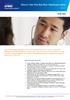 China s 12th Five-Year Plan: Healthcare sector May 2011 KPMG CHINA One of the guiding principles of the 12th Five-Year Plan (5YP) is inclusive growth : helping ensure that the benefits of the country s
Improving Clinical Management of Newborns at Hospitals to Reduce Neonatal Deaths
 Improving Clinical Management of Newborns at Hospitals to Reduce Neonatal Deaths Bridging the Research-Policy Divide Australian National University (ANU) Canberra BUN Sreng Department of Communicable Disease
Translating System Thinking for Health Systems Strengthening and Development. 1. The journey from real world practice to systems thinking
 Translating System Thinking for Health Systems Strengthening and Development 1. The journey from real world practice to systems thinking Marcel Tanner & Don de Savigny Swiss Tropical & Public Health Institute