
Co-Existing with Coyotes P.A.C. Kit. Photo by Martin Passchier
|
|
|
- Mervin Perry
- 9 years ago
- Views:
Transcription

1 Co-Existing with Coyotes P.A.C. Kit Photo by Martin Passchier
2 Co-Existing with Coyotes Parent Advisory Councils Kit 2012 Although incidents between coyotes and children are extremely rare, it s important that parents, school staff, and children alike understand and are prepared for encounters with coyotes. This kit has been developed to provide Parent Advisory Councils with a better understanding of Vancouver s urban coyote population, advice on how to reduce the potential of conflict between people and coyotes, and information on how to prepare children in case of a coyote encounter. The kit contains: Natural history information and common questions and answers on coyotes, Coyote encounter advice, Back yard attractants and blueprints for home-made coyote deterrents, Schoolyard coyote attractants to avoid, and preparation plan in the event of an encounter. The information in the kit allows parents and teachers to provide practical advice to students and school staff regarding coyote encounters and deterrents. It also helps to develop a clear understanding of what coyotes are, and how urban environments support these adaptable creatures. A summary of Coyotes 101, a 30 minute school-wide multimedia auditorium presentation delivered by Co-Existing with Coyotes staff, is included in the PAC Kit as well. For further information or to arrange a presentation at your school, please contact the Stanley Park Ecology Society at Sincerely, Dan Straker Co-Existing with Coyotes Stanley Park Ecology Society Tel: WILD (9453) [email protected] web site:
3 Coyotes 101 has been created to provide important coyote information to a large audience of children in a short time period. The presentation aims to enable students to identify a coyote, recognize urban coyote attractants and learn what to do if a coyote is encountered. The main messages are reinforced by classroom activities provided by CWC prior to and following the presentation. Theme Coyotes are intelligent mammals that are well adapted to living in close proximity to people in urban areas. Children and adults alike should be aware that coyotes live in their neighbourhoods and be prepared for a coyote encounter. Learning Outcomes Knowledge: Skills: Attitude: Awareness of effective coyote encounter behaviour Coyotes have adapted to human environments throughout North America Coyotes are highly social wild animals Identifying a coyote Being prepared for a coyote encounter, use of coyote deterrents Recognizing and mitigating coyote attractants in cities Coyotes live in the city because the habitat supports them Coyotes are wild animals and part of our natural world Coyotes and people can coexist without conflict Maximum audience: 350 students Length: 30 minute presentation Cost: $225 Register Your School: Call or [email protected] Auditorium Presentation PLO Learning Outcomes Primary Describe the appearance and behaviour of a variety of animals. Determine the requirements of healthy animals. Identify similarities and differences among animal species. Describe structures that enable animals to survive in different environments. Demonstrate knowledge of what animals need to survive. Intermediate Relate the structure and behaviour of local organisms to their survival in local environments. Compare and contrast the sensory systems of humans with those of animals. Classify animals according to their internal and external features. Describe ways in which species interact with each other.
4 Coyotes can be identified by their big ears pointing up, bushy tail pointing down, slim muzzle, white chin strap, and slender build (see photo below). Coyote fur can be many colours from grey, brown, red, black, and tan. Urban coyotes in Vancouver weigh 9 to 16 kg (20 35 lbs). Coyotes can reach speeds of 65 km/hr and trot comfortably at 30 km/hr. Urban coyotes are opportunistic omnivores, feeding mainly on rodents (75%) including rats, mice and squirrels but also garbage, fruits, compost, berries, fish, insects and more. Coyotes are native to the grasslands and deserts of southwestern parts of the United States and began to spread throughout North America following European settlement. There are 19 subspecies of coyotes ranging from Panama to Alaska. Coyotes from Eastern North America tend to be larger than western coyotes as they are said to have bred with wolves historically. Urban environments satisfy most criteria for ideal coyote habitat. Coyotes are not naturally nocturnal, but have adapted to come out mainly at night in cities to avoid people. Coyotes only use a den during the pup rearing season in the spring (April July) Coyotes were first spotted in Vancouver in the late 1980 s. For more coyote facts please visit our website at Photo by Martin Passchier
5 What should I do if a coyote approaches me? Children and adults alike should be BIG, BRAVE and LOUD BIG: Stand up tall, put arms over your head BRAVE: Stand your ground, don t run away and be confident and assertive, throw rocks, sticks or objects towards the coyote LOUD: Shout Go Away Coyote in a deep, loud voice What should I do if the coyote keeps approaching me? Do not turn away or run. Continue to exaggerate the above actions, be more aggressive Do not corner it, or chase it if you suspect pups are nearby Keep constant eye contact with the coyote and continue to move towards other people, a building or an area of activity. I ve seen coyotes moving through my yard a lot recently. Why? Regular coyote presence in your backyard is a result of a nearby food source. The coyote may be finding a meal in your yard, your neighbour s, or at a house down or across the street from you. Whether intentional or not, someone in your neighbourhood is providing a food source for coyotes. Talking with your neighbours about recognizing and removing the following coyote attractants will reduce the potential of having coyotes in your backyard: Pet food stored or pets being fed outside. Accessible garbage bins and compost. Fruit and berries fallen from trees or on ground. Rodent habitat: Neglected sheds, garages, and yards (eg. maintaining bird feeders and fallen seed regularly). How can I discourage coyotes from visiting my backyard? Feeding Coyotes is Against the Law Feeding coyotes is a criminal offence in British Columbia. According to section 33.1 of the BC Wildlife Act, people feeding coyotes can encounter penalties ranging from a $345 ticket to a maximum $50,000 fine. React if you spot a coyote in your backyard. Coyotes respond to authoritative behaviour and are frightened by aggressive gestures, loud noises and large forms. Choose a deterrent you are comfortable with: wave hockey sticks or brooms at them, throw stones, balls or tins beside them, clang pots and pans in their direction, use a powerful garden water hose or Super Soakers (high volume and range water guns), or use bear or dog spray. Eliminate any potential food sources; if there is a regular coyote food source in one yard on your block, there will be coyotes active throughout the neighbourhood.
6 Work with your neighbours, don t stop at your property line! An indifferent attitude towards a coyote in your yard has a similar effect as feeding. Acts of indifference towards coyotes in your backyard teach them that they are accepted and welcome there. Build high fences (> 2 meters) which must be flush to the ground. How can I prepare my child for potential coyote encounters? Teach them to identify a coyote by key features (big ears point up, bushy tail points down, no collar or leash) Tell them to be BIG, BRAVE and Leading Causes of Child Hospitalization in British Columbia Cause of Injury Age Group Number per LOUD in coyote encounters Year Have deterrents in several places Hot Substances 4 and under 104 around your yard. Make a portable deterrent for your child if there are regular coyote sightings in your area. Give them confidence by keeping the risk that coyotes pose in an accurate perspective (see chart). Accidental Poisoning 4 and under 205 How can I keep my cat safe? Keep your cat indoors permanently. Construct an outdoor pet run. The more time your cat is outdoors the greater the risk it faces, not only from coyotes, but also from raccoons, cars, domestic dogs, parasites and diseases. How can I keep my dog safe? Falls 14 and under 2125 Struck by Object 14 and under 392 Statistics from British Columbia Ministry of Health: "Leading Causes of Hospitalization due to Unintentional Injuries." Project No.: Dog Bites All Ages 88 Statistics are an annual average from 1985/86 to 1992/93 from British Columbia Ministry of Health: Hospitalization due to dog bites (overnight stay minimum). Project E906.0 Coyote ( July 2001) All Ages 0.14 In each of the three cases prior to July 4 th, 2001 in which coyotes were destroyed after biting a human, each coyote had been deliberately fed by people. Medium and large dogs aren t typically at risk from coyote attacks; however, coyotes are curious and may want to play or lure your dog away. Small dogs on the other hand, coyotes see as a food item. To keep your dog safe: Supervise it at all times if it is outside. Make sure your pet is off leash in enclosed areas only. Walk your dog (on leash) with a friend, in high pedestrian traffic areas and times. Avoid long stretches of bushy paths and roads along abandoned properties. If you notice a coyote approaching you when walking your small dog, gather it in your arms or keep it as close to you as possible and move towards an active area. If your dog (of any size) is off leash, ensure your dog has immediate recall response. Never encourage or allow your dog to interact or play with coyotes. Prepare and take a deterrent (coyote shaker, stick, rocks, dog spray, etc.) with you on your walk.
7 Human-made urban areas are as ideal as a coyote s native habitat - the rodent filled grasslands of the South and Mid-west United States. Coyotes live in our neighbourhoods because our environment is as convenient and suitable for coyotes as it is for people. For this reason coyotes often visit parks, playgrounds and schoolyards within our communities. Some coyote attractants can be minimized by simple preventative measures. Others can only be dealt with by informing school staff and students about the reasons why coyotes are in the neighbourhood, and preparing them for coyote encounters. Why do coyotes visit schoolyards? Litter: Half eaten sandwiches, apple cores and junk food are commonly visible near and around schools and playgrounds. These not only provide a direct meal for the omnivorous coyotes, but encourage and support the rodent population, which is the main component of the urban coyote diet. Action: Initiate a school garbage patrol. A small group of responsible older students spend the first 10 minutes after lunch, with an adult lunch supervisor or teacher, collecting food and rubbish left on the school ground. Outdoor Garbage: If the schoolyard (or neighbouring) garbage bins are open topped or if large dumpsters are left open overnight, a whole ecosystem is being attracted to the school. Small rodents like mice and rats attract larger predators like raccoons and coyotes. Action: Empty all outdoor garbage bins before nightfall daily. Consider requesting the school invest in sealed garbage cans, or at least with hinged lids. Ensure large dumpsters are kept closed overnight. Rat Habitat: Urban areas encourage and support immense rat and mouse populations by providing inexhaustible rubbish supplies for food and innumerable nesting sites in dilapidated or abandoned properties, warehouses, factories, sheds and carports. Rats nest year round and will make homes in locations they find warm, close to a food source, and safe. These can be in basements, boiler rooms, crawl spaces, storage spaces or under porches, stairways and portables at schools. Action: Monitor and react to areas of rat and mouse activity. Avoid the use of poisons to control rodents as they often find their way into pets and other animals.
8 Neighbours: Urban schools have a wide variety of neighbours. Some schools back on to green spaces like regional parks, golf courses or ravines. Others have housing complexes, shopping facilities or industrial or commercial ventures as neighbours. Action: Contact your neighbours (business operators, Park Board, house owners) regarding the importance of a neighbourhood effort in deterring coyotes and the sharing of information. Private residences and housing complexes can help by not feeding pets outside, having secure composts and garbage bins, maintaining their entire property and collecting any fallen fruit from yard trees. Commercial and industrial neighbours can help by the proper disposal and storage of their garbage, and rodent population monitoring. Extended periods of quiet: Despite the initial perception of schoolyards as noisy and very active places, for long periods of time they are quiet and almost devoid of activity. Schoolyards are full of bustle and voices immediately before and after the school day as well as during lunch hours and recess. After the school day ends, the number of people active on school grounds diminishes sharply to a small group on the playground and perhaps another group on a field or basketball court. Once dusk sets in, the grounds are usually deserted and tend to be filled with food scraps. Schoolyards are far less active on weekends and school holidays as well. These consistent periods of relative quiet are perfect for coyotes to visit a regular and generous food source. Action: There is no real direct action to this problem. Crime deterring motion lights may have some effect on coyotes nocturnal visits. School engineering and maintenance staff on site during non-school hours should be adept and comfortable using coyote deterrents to frighten coyotes off the property. General Action The best method of reducing the potential for conflict between children and coyotes is through education. Provide schoolchildren with an understanding of coyotes, what they are, how the urban lifestyle supports them, and what to do if they encounter a coyote, not only at or en route to school, but under all circumstances.
9 The most effective method of reducing potential conflicts between coyotes and children is preparation. The schoolyard should be prepared by removing or limiting coyote attractants and students and staff should be prepared for encounters with coyotes. If there are regular coyote sightings near or on school property, children need to know: 1. Encounter behaviour: ways to safely end encounters with a coyote 2. The urban coyote lifestyle: how coyotes live and are supported by habitat in the city 3. Coyote natural history: how to identify a coyote and respect their wild nature One of the greatest threats to a child when in the presence of danger is their own panic. A child s fear of the unknown is far greater than their fear of the understood. Similarly, a child s fear of what they perceive or imagine urban coyotes to be diminishes when they understand coyotes better and are prepared to behave in an effective manner. MAKING THE PLAN: 1. Sketch a layout of the school property. 2. Mark coyote attractants and access points on the map. 3. Select and mark specific areas on school grounds to serve as coyote encounter destinations. Target destinations would serve as an area which children could move towards in the event they encounter a coyote or if a signal (distinct bell ring) were given during periods of outdoor school activity. The areas should be active, have high public visibility and multiple paths leading towards them. Destinations should be clearly visible and accessible from areas in which coyote encounters are most likely to occur. They would also allow for instant access to a school building (main, portable, etc.) during school hours and could have a number of accessible coyote deterrents (broom, sticks, old tennis balls) on site. 4. Ensure children, teachers and other school staff and volunteers are familiar with the following coyote encounter behaviour for situations both on and off school property. Appear as aggressive as possible. Throw any available objects towards the coyote. Shout at the coyote in a loud deep voice. Maintain eye contact with the coyote. Move towards an active area. Report any aggressive coyotes to the Ministry of Environment at
10 The following home-made deterrents are simple ideas that have proven effective in frightening coyotes. Coyotes have also been scared off properties by: shouting in a deep and loud voice while displaying aggressive behaviour. waving brooms and hockey sticks. throwing basket and tennis balls and other objects. clanging pots, pans and metal garbage lids. spraying vinegar in a super soaker. using dog and bear spray. The two following deterrents have worked well by older children. By having a physical object on which to focus their energy and fear, children are less likely to panic and more likely to act in an effective manner. The main reason these objects have frightened coyotes is the aggressive behaviour in which they are used. Remember that individual coyotes have had different experiences. A coyote which has been regularly eating apples in a backyard for a month will react differently than a coyote in a yard for the first time. If a coyote does not respond to the deterrents, the actions should be continued and exaggerated. Do not run from coyotes. The Can Clanger Materials: Five or six empty tins or cans A piece of strong string or rope A can opener Instructions: Remove the labels from all the tins. Make a small hole in each tin with the can opener. Thread the tins on the piece of rope. Tie the two ends of the string or rope together. Using the Can Clanger If a coyote is on your property, lounging underneath a tree, or feeding upon your compost, it is important the coyote realizes it is not welcome there. Walk towards the coyote and appear as aggressive as possible. Shake or throw the can clanger at the coyote while shouting at it in a deep, loud voice. Don t stop at your property line. A coyote in your neighbour s yard is the same as one in your own.
11 The Coyote Shaker Materials: Pop can 5 pennies or small bolts Aluminium foil Duct tape Instructions: 1) Place the pennies in the can. 2) Cover the opening with tape. 3) Cut a piece of foil and tape it around the can. Using the Shaker: Shake the tin aggressively at the coyote using your arm s full motion while shouting in a deep, loud voice. The shaker scares the approaching coyote in three ways: The aggressive hand motion. Loud noise. Reflective light. It is important for children to be comfortable using the deterrent. If there are regular coyote sightings around the schoolyard, rehearse encounter behaviour with role play in pairs, small groups and as a class until each child is prepared to use a deterrent and behave in an effective manner. Different children and adults are comfortable using different deterrents. Encourage the use of the deterrent most comfortable for each person.
12 1) What mediums do you consider most effective in educating children about coyotes? classroom presentations web site / phone line other - please list community environmental fairs discussions with parents 2) What mediums do you consider most effective in educating adults about coyotes? community environmental fairs brochures / newspaper articles organization/club/group presentations website / phone line public forums other - please list 3) Prioritize the following education themes and messages: how to react when face to face with a coyote don t feed wildlife pet manners / habits methods of deterring coyotes from backyards recognizing coyotes / understanding coyote natural history 4) Prioritize the following audiences in order you believe deserving of program emphasis: elementary and secondary schools community organizations and groups open public forums other - please list 5) What are your measures of success for Co-Existing with Coyotes? reduction in number of coyote and human conflicts number of people informed by contact with Co- Existing with Coyotes reduction in number of coyote complaints to frontline organizations other - please be specific 6) What limitations / challenges do you see with Co-Existing with Coyotes? 7) Please add any additional comments, suggestions or critiques by or on the reverse of this page. Please your input to [email protected]
A guide to living with Urban Coyotes
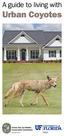 A guide to living with Urban Coyotes Living with coyotes ThinkStock Coyotes are found throughout Florida. This adaptable animal belongs to the dog family and resembles a small German shepherd. In Florida,
Living with Foxes and Skunks Goose Hunting: CWS
 Ministry of Natural Resources and Forestry Living with Foxes and Skunks Goose Hunting: CWS November 19 th, 2015 Town of Tecumseh Kathryn Markham, A/Management Biologist Steven Rowswell, A/Wildlife Technician
What to Do About Rats or Mice in Your Home or Business
 Janel Heinrich, MPH, MA, Director City-County Building, Room 507 608 266-4821 210 Martin Luther King, Jr. Boulevard 608 266-4858 fax Madison, WI 53703 www.publichealthmdc.com What to Do About Rats or Mice
Questions & Answers on Rabies
 BUCKS COUNTY DEPARTMENT OF HEALTH Neshaminy Manor Center, Health Building 1282 Almshouse Road Doylestown, PA 18901 215-345-3318 Questions & Answers on Rabies Q: What is rabies? A: Rabies is a deadly disease
Grassland Food Webs: Teacher Notes
 Grassland Food Webs: Teacher Notes Alan Henderson ecosystem Objectives After completing this activity students will be able to: Create a food web and identify producers and consumers. Assign organisms
Tree House Humane Society
 Tree House Cats at Work Project For the cats -- for the community Humane, Effective, Long-term Solutions The Tree House Cats at Work Project is a green humane program that removes sterilized and vaccinated
Controlling rats and mice. A guide to preventing infestations and getting rid of them
 Controlling rats and mice A guide to preventing infestations and getting rid of them General information about rats and mice The house mouse and the brown rat are common rodent pests. We all have a responsibility
Follow the steps listed on the following pages to help eliminate the conditions that encourage rats.
 CONTROLLING RATS Responsibilities It takes a community-wide effort to manage the rodent population. What Does the Evanston Health and Human Services Department Do? Working with residents, the Evanston
Put Rubbish Away for Good!
 Put Rubbish Away for Good! Lesson aims Students will become rubbish detectives and investigate areas of unsightly rubbish in their school or community. Students will need to take photographs or draw the
The Solar System in Your Neighbourhood
 CLASSROOM ACTIVITY The Solar System in Your Neighbourhood General Information Level: All cycles of elementary; secondary 1 to 5. Students per group: Three to four. Duration: Two 50-minute periods. Where:
CATS and WILDLIFE HOW YOU CAN PROTECT BOTH
 CATS and WILDLIFE HOW YOU CAN PROTECT BOTH Where is your cat right now? Could it be harming native wildlife? Is it roaming in your neighbour s yard? Is it crossing a busy road? Could it be returned to
Many dogs love to play and to be petted. But not all dogs are friendly or want to play all the time.
 Dear Parents: Many children are bitten and injured by dogs each year. Bites can result from family dogs, neighbor dogs, as well as strange dogs. These injuries often occur because children do not understand
KNOW THE BEAR FACTS FOR KIDS
 KNOW THE BEAR FACTS FOR KIDS New Jersey Department of Environmental Protection Black Bears in New Jersey Activity Guide Black bears live in New Jersey. They were here long before people were. About 100
Integrated Pest Management
 Integrated Pest Management Many people do not mind encountering bugs outdoors. However, bugs indoors are usually considered pests. Even one insect may be considered too many. People use pesticides to control
Lesson 1. Objectives: ocus: Subjects:
 Lesson 1 The Web of Life Objectives: 1. Understand the concept of an ecosystem. 2. Understand the interdependence of members of an ecosystem. Subjects: 1. Ecology 2. Language 3. Art MATERIALS: Copies of
LOS ANGELES UNIFIED SCHOOL DISTRICT. Integrated Pest Management Training Program
 LOS ANGELES UNIFIED SCHOOL DISTRICT Integrated Pest Management Training Program In March 1999, the Board of Education of the Los Angeles Unified School District adopted an integrated pest management policy
BROOKFIELD LAGRANGE PARK SCHOOL DISTRICT #95 INTEGRATED PEST MANAGEMENT PLAN
 BROOKFIELD LAGRANGE PARK SCHOOL DISTRICT #95 INTEGRATED PEST MANAGEMENT PLAN Established 1/30/12 Revised 4/17/12 Revised 8/20/13 Revised 3/13/14 School District 95 believes the best way to control pest
EAST MIDLANDS IN BLOOM! Best School Garden Special Award and supplementary awards for schools:
 2015 EAST MIDLANDS IN BLOOM Best School Garden Special Award and supplementary awards for schools: Best Fruit and Vegetable Gardening Best Gardening for Wildlife Best Ornamental Gardening Information pack
Integrated Pest Management for Rat, Mice, and other Rodents at Thurston County s Waste and Recovery Center
 Integrated Pest Management for Rat, Mice, and other Rodents at Thurston County s Waste and Recovery Center When you think of garbage you automatically think of rats and rodents because they are very opportunistic
Bites, Bats, and being safe a a quiz about RABIES. Dr. Emily Beeler, DVM Los Angeles County Public Health Veterinary Public Health and Rabies Control
 Bites, Bats, and being safe a a quiz about RABIES Dr. Emily Beeler, DVM Los Angeles County Public Health Veterinary Public Health and Rabies Control Overview What is rabies? What animals transmit rabies?
Landfills-T27 20810 Vector & Bird Control
 These materials were developed under the auspices of CalRecycle for specific technical training presentations and are posted as reference documents for the local government and CalRecycle staff who attended
Treasure the Silence! Using Non-Verbal Cues to Manage Behaviors
 Treasure the Silence! Using Non-Verbal Cues to Manage Behaviors Would you like to. Be able to deter negative behaviors without speaking a word? Be able to change behaviors without stopping your instruction?
STRING TELEPHONES. Education Development Center, Inc. DESIGN IT! ENGINEERING IN AFTER SCHOOL PROGRAMS. KELVIN Stock #651817
 STRING TELEPHONES KELVIN Stock #6587 DESIGN IT! ENGINEERING IN AFTER SCHOOL PROGRAMS Education Development Center, Inc. DESIGN IT! Engineering in After School Programs Table of Contents Overview...3...
Check Your Home Security
 Check Your Home Security The following guidelines are for you to check your own home security. To complete the exercise properly should take about 30 minutes. You may want to make notes as you go along
FINAL DRAFT Enforcement and Good Neighbor Policy Recommendations Supporting the Dog Policy
 FINAL DRAFT Enforcement and Good Neighbor Policy Recommendations Supporting the Dog Policy Background Many parks with or without Dog Play Areas (DPAs) are experiencing a lack of compliance with the existing
Food Chains (and webs) Flow of energy through an ecosystem Grade 5 Austin Carter, Dale Rucker, Allison Hursey
 Food Chains (and webs) Flow of energy through an ecosystem Grade 5 Austin Carter, Dale Rucker, Allison Hursey References: Columbus Public Schools Curriculum Guide- Grade 5 GK-12 Biological Science Lesson
Rat and Mouse Prevention and Control
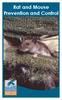 Rat and Mouse Prevention and Control General Information Rats and mice have been associated with people for hundreds of years. They live on our food and waste products and inhabit our buildings. Rodents
Helping your child with Non-verbal Learning Disability
 Helping your child with Non-verbal Learning Disability What is non-verbal learning disability? Non-verbal learning disability (NVLD) is a term used to describe a pattern of strengths and weaknesses in
8 secrets. Your Burglar Won't Tell You
 8 secrets Your Burglar Won't Tell You In the United States alone, a home burglary occurs every 14 seconds. These kinds of statistics can be alarming, and the best thing you can do as a homeowner is educate
Wor k Ne t P i n ella s, I n c. d. b. a. explaining our world SCIENCE TO GO
 Wor k Ne t P i n ella s, I n c. d. b. a. explaining our world SCIENCE TO GO WELCOME TO THE SCIENCE CENTER EDUCATIONAL OVERLAY PROGRAMS. Our programs focus on students in grades 4th through 8th and range
Question Specifications for the Cognitive Test Protocol
 Question Specifications for the Cognitive Test Protocol Core Questions These are the 6 disability questions to be tested in the interview. All of the other questions in the cognitive test protocol are
ACTIVITY. pbsparents.com/catinthehat/
 Overview The Cat in the Hat Knows a Lot About That! Have you ever noticed how your child explores the world by using all of his senses? You can help him think more about how he sees, hears, smells, feels,
PERTH & KINROSS COUNCIL HOUSING & COMMUNITY CARE POLICY ON THE KEEPING OF PETS
 PERTH & KINROSS COUNCIL HOUSING & COMMUNITY CARE POLICY ON THE KEEPING OF PETS 1. AIM Perth & Kinross Council aims as part of the Estate Management Service to deal effectively with both requests for permission
for Apartments and Condos
 FOOD SCRAPS RECYCLING How-To Guide for Apartments and Condos FOR PROPERTY MANAGERS AND STRATAS Dear Property Managers: The Organics Disposal Ban is a new rule that came into effect January 1, 2015, and
Findon PS Sustainability Leaders / CSI
 Findon PS Sustainability Leaders / CSI Zebras: No Smoking, No Violence, Less Factories, No Graffiti, Look after the Envrionment, No Poaching Animals, Less Cutting down Trees, Every one getting along. The
Welcome to New Columbia!
 Welcome to New Columbia! Dear Homeowner: What an exciting time for you! You recently purchased a home in New Columbia and have recently moved in. The anticipation you re feeling of an enjoyable, diverse
DOMAIN Ill: Cognitive Development
 Purpose: To develop new skills, knowledge and the ability to acquire and process new information through play and interaction with others and the environment. The cognitive development domain includes
Dear Internship Candidate,
 Dear Internship Candidate, Thanks for your interest in becoming a part of the team here at the WNC Nature Center, a part of the City of Asheville's Parks, Recreation and Cultural Arts Department. With
Facts About Hantaviruses
 Facts About Hantaviruses What You Need To Know To Prevent the Disease Hantavirus Pulmonary Syndrome (HPS) DEPARTMENT OF HEALTH AND HUMAN SERVICES Centers for Disease Control and Prevention Facts About
Sentinel Chicken Screening Here are the mosquito larvae! Ground Application Aerial Larvicide Applications
 County of San Diego Vector Control Program Mosquitoes, Rats, Ticks and More! What is a Vector? Any organism capable of carrying and transferring a disease Common vectors: Mosquitoes Ticks Rats Flies Mosquito
Who is Hector Hernandez
 517-712-5012 Who is Hector Hernandez Hector L. Hernandez is an author, former law enforcement officer, speaker and trainer. Located in U.S.A. He has over 20 years of experience and is recognized as the
The Fly. Quality Pest Management. Live Cleaner. Live Healthier. Cluster Fly. The weather is warming up and as if from no where the flies appear.
 The Fly The weather is warming up and as if from no where the flies appear. House Fly Flies will pitch and feed on just about anything including faeces to your lunch! They spread disease and are a generally
How to make a Solitary Bee Box
 How to make a Solitary Bee Box **Note: The following instructions include the use of tools that may be dangerous. Ensure there is adult supervision with children. Time: 1 hour People: 1-2+ Materials: Wood
ZOOS GO BLUE. Your Trip to Zoo Atlanta! Sunday, April 6
 ZOOS GO BLUE Your Trip to Zoo Atlanta! Sunday, April 6 Autism Awareness Day at Zoo Atlanta! Going to the Zoo can be a lot of fun. Here are some things you can do to prepare for your exciting trip and make
MINIMUM HOME SECURITY
 MINIMUM HOME SECURITY The 3 H's of a Secure Home: Hardware, Habits and Humans INSTALL HOME SECURITY HARDWARE Install & maintain deadbolt locks on all exterior doors, including garage service doors. Locks
We have put together the following guidance on the different kinds of pests that we treat.
 Pest Control Guidance Document: We have put together the following guidance on the different kinds of pests that we treat. If you need advice or help with pests, please contact us on 01942 404364. Contents
How To Plan A Buffer Zone
 Backyard Buffers Protecting Habitat and Water Quality What is a buffer? A buffer (also called a riparian buffer area or zone) is the strip of natural vegetation along the bank of a stream, lake or other
Physical Activity in the School Environment and the Community
 Chapter 5 Physical Activity in the School Environment and the Community Chapter objectives: To briefly describe how our changing society is influencing the effect of schools on the behaviour of modern
-The Three Little Elephants-
 -The Three Little Elephants- (based on The Three Little Pigs ) Narrator Big Bad Mouse First Little Elephant Characters Second Little Elephant Third Little Elephant James the Butler Narrator: Once upon
NOTICE. If you have any additional questions please contact Four Seasons Pet Services at (573) 424-5614. Thank you.
 NOTICE Please complete the following service contract, sign and date. You may leave it for your Pet Sitter to pick up at the first scheduled pet-sitting visit, or you may mail it to Four Seasons Pet Services,
CHILTERN DISTRICT COUNCIL PEST CONTROL POLICY. April 2015
 CHILTERN DISTRICT COUNCIL PEST CONTROL POLICY April 2015 CHILTERN DISTRICT COUNCIL CUSTOMER SERVICE SPECIFICATION General Policy Chiltern District Council takes note that it has a statutory duty to ensure
Grade 5 Standard 5 Unit Test Heredity. 1. In what way will a kitten always be like its parents? The kitten will...
 Grade 5 Standard 5 Unit Test Heredity Multiple Choice 1. In what way will a kitten always be like its parents? The kitten will... A. be the same color. B. learn the same things. C. have the same body structures.
Reversing OutMigration Michelle Rathman Batschke Impact! Communications
 Energy, Momentum, Motion Changing Community Perception Strategies for Reversing Outmigration Copyright 2012 by, Inc No part of this presentation can be reproduced or distributed without written consent.
How To Inspect For Rodents on Your Property
 How To Inspect For Rodents on Your Property Building Question Yes No Necessary Correction if "Yes" 1. Does my home (or other structure) have gaps or holes bigger than 1/4 inch: a. In the foundation? Seal
Automated Garbage and Recycling Collection Frequently Asked Questions
 What is automated residential collection service? Automated residential collection service consists of two specially designed 95-gallon roll carts: one is for garbage and one is for recycling. These large
Animals all around. Lesson 1. What s Alfie got? He s got a stick insect. 1 Say. $ CD2. 3 Read and match. 1 What s Liam got?
 Lesson 1 Animals all around Lesson 1 1 Say. $ CD2 21 2 Listen and say the number. $ CD2 22 3 tortoise 1 2 hamster iguana 5 6 8 guinea pig 7 spider canary 3 Read and match. 1 What s Liam got? a She s got
STREETSENSE. Gym Cards
 Teachers Notes The Scottish Road Safety Campaign have developed a series of Gym Cards to support activities at Level A in Streetsense. The Gym Cards can either be used in conjunction with specific Level
-* -* -* -* reflecting. A~fion ~ynop i. Gl) ~ linking to real world
 Afion ynop i Students make food webs of their study site, then trace how a change in one population could affect other populations within the web. Session 1 1. Show a food web made by a team of ecologists.
Title: Create A New Animal. Grade Level: 3 rd -5 th. Subject: Biology. Time: 60-90 minutes
 Title: Create A New Animal Grade Level: 3 rd -5 th Subject: Biology Time: 60-90 minutes Objective: Students will better understand physical adaptations of certain animals, and how those adaptations increase
GET READY FOR A BUSH FIRE FOUR SIMPLE STEPS TO MAKING YOUR BUSH FIRE SURVIVAL PLAN
 DISCUSS PREPARE KNOW KEEP GET READY FOR A BUSH FIRE FOUR SIMPLE STEPS TO MAKING YOUR BUSH FIRE SURVIVAL PLAN Getting ready for a bush fire is easier than you think. By taking 20 minutes with your family
Join Result Unknown Word Problems
 Join Result Unknown Word Problems There were pencils in your desk. You put more pencil (s) in your desk. How many pencils are in your desk now? I had crayons. My teacher gave me more crayons. How many
50p. Winter. Ightham Mote adventure Mote Road, Ivy Hatch, Sevenoaks, Kent TN15 0NT www.nationaltrust.org.uk/ightham-mote www.50things.org.
 50p Winter Ightham Mote adventure Mote Road, Ivy Hatch, Sevenoaks, Kent TN15 0NT www.nationaltrust.org.uk/ightham-mote www.50things.org.uk Where to begin This pack has ideas of things to do outside as
One basic need of living things is energy. Living things use food and water to get energy. The bird is living. It eats fish for energy.
 reflect If you are cold, what can you do to get warm? You could put on a coat and hat. You can jump in place. These are ways you might react to the cold. Now think about a rock. What if a rock is somewhere
ENDANGERED AND THREATENED
 ENDANGERED AND THREATENED Understand how species in the Sonoran Desert Region may become endangered or threatened and what is being done to protect them. ARIZONA SCIENCE STANDARDS SC03-S4C3-03&04, SC08-S1C3-07,
Predators and how they may affect aviary design
 Chapter 2 Predators and how they may affect aviary design Predators can come in many forms, but any list might include foxes, rats, weasels, stoats, martens, owls, birds of prey, mice, snakes and insects
POLICY ON THE RELOCATION OF WILDLIFE
 State of New Jersey Department of Environmental Protection Mail Code 501-03 Division of Fish and Wildlife PO Box 420 / 501 East State Street Trenton, NJ 08625-0420 POLICY ON THE RELOCATION OF WILDLIFE
Non-consumptive use of wildlife. Non-consumptive Use. Non-consumptive Use
 Non-consumptive use of wildlife Non-consumptive Use Any non-hunting or non-extractive use Examples: wildlife feeding & photography, bird watching, whale watching Non-consumptive Use Sources of information
In 2 Hockey Leadership Course Planning and Delivery Guidance
 In 2 Hockey Leadership Course Planning and Delivery Guidance This guidance aims to assist with delivery of the In 2 Hockey Leadership Course giving young leaders the basic skills to lead an In 2 Hockey
Applying to keep a pet. Please note you are responsible for your pets at all times. Our policy for pet-keeping
 Westward s policy on pet ownership: The Group recognises the benefits that responsible pet ownership can bring. However, controls must be in place to prevent irresponsible pet ownership which can cause
Car Security Begins at Home
 Please print out and complete this form to reduce the risk of car theft happening to you. In Australia, seven in 10 late model vehicles are stolen by the thief gaining access to the vehicles keys or transponder.
CATS HAVE KITTENS. Are You My Mother?, P.D. Eastman. (New York: Beginner Books, Inc. 1960).
 Alabama Department of Public Health Mother s Milk Education Package for Grades K-12 Level K Adapted from New York Department of Health Level K CATS HAVE KITTENS LEARNING OBJECTIVE FOR LEVEL K: Students
Responsible Pet Owners, Wildlife and Traps
 Responsible Pet Owners, Wildlife and Traps Keeping Your Dog Safe is Your Responsibility If you allow your dog to run at large in wildlife habitat (1) at any time of year, you are breaking the law as defined
Preventing Rats on Your Property
 Preventing Rats on Your Property A Guide for Property Owners and Tenants A Healthy Homes Guide Contents How to Use This Guide 1 How the Health Department 1 Inspects for Rats How to Control Rats 2 Step
SAFETY GUIDANCE MATERIAL
 SAFETY GUIDANCE MATERIAL SAFETY MANAGEMENT MONDAY MARCH 23,GUIDANCE 2015 This safety resource was written for the scrap industry by the scrap industry and was developed to assist you in making your scrap
Wild About... Frogs and Frogspawn
 a Wild About... Rutland County Council Nature notes Frogs belong to a group of animals called amphibians, which also includes newts and toads. Amphibians live both on land and in water. Water is needed
POLICY REGARDING PEST MANAGEMENT ON CITY PROPERTY
 POLICY REGARDING PEST MANAGEMENT ON CITY PROPERTY 1. The purpose of this policy is to eliminate or reduce pesticide use to the greatest possible extent. The City of Madison agrees with the US EPA that
Lesson Plan Two - Ecosystems
 Lesson Plan Two - Ecosystems Summary Students discuss what living things need to survive. They identify the abiotic and biotic components of an ecosystem and describe the roles and interactions of producers
When students do not meet your behavioral expectations but are not exactly breaking the rules and may not deserve an official consequence.
 E-4 Diversify responses to various degrees of misbehavior When you re in the middle of instruction, you may encounter an assortment of misbehavior that varies in degrees of severity and warrants different
Icebreakers and Name Games
 1 Icebreakers and Name Games Be Healthy Stay Safe Enjoy and Achieve Make a Positive Contribution Achieve Economic Wellbeing 2 Ice breaker Act Out Your Name No equipment needed 10-15 minutes 4+ Get the
STREET DOGS. Issued in Public Interest
 STREET DOGS Issued in Public Interest Stated below is information that you will find relevant. Firstly, please remember, harming animals, or treating them with cruelty, is a punishable offence, under the
ADAPTATION: A WAY OF LIFE
 PLANT AND ANIMAL DESERT ADAPTATIONS Activities that show how desert plants and animals are welladapted to life in the desert and thrive with little moisture and high temperatures. ARIZONA SCIENCE STANDARDS
Warmups and Energizers
 Warmups and Energizers Warmups or energizers are activities the trainer uses throughout the course to encourage participant involvement and interaction. These activities may be used at the beginning of
UC HASTINGS POLICY # : Dogs on Campus
 UC HASTINGS POLICY # : Dogs on Campus Issuing Officer: Chancellor and Dean Frank H. Wu Responsible Department: Human Resources, Department of Public Safety Effective Date 7/1/2014 Supersedes: Campus Policy
ANGUS COUNCIL COMMUNITIES COMMITTEE 12 APRIL 2016 COUNCIL TENANTS PET POLICY REPORT BY HEAD OF PLANNING AND PLACE
 AGENDA ITEM NO 10 REPORT NO 149/16 ANGUS COUNCIL COMMUNITIES COMMITTEE 12 APRIL 2016 COUNCIL TENANTS PET POLICY REPORT BY HEAD OF PLANNING AND PLACE ABSTRACT This report seeks approval for the creation
Repelling effect on mice and rats
 Ultrasound and Extremely Low Frequency Magnetic Field on mice and rats -.U/ELMF-_M www.silverline.se Pest Control gardensystem The complete indoor guard system Poison Free Pest Control Repelling system
Palm Beach County Sheriff s Office
 Palm Beach County Sheriff s Office Home Security Self Survey Since 1909, the deputies of Palm Beach County have provided a safe environment for thousands of people who live, work and visit Palm Beach County.
Pest Control Methods and Tips
 Waterway Technote Pest animals Contents Benefits of animal pest control 1 Common pest animal species found in riparian areas and control methods 2 Protecting plants from animal pests 3 Regional pest specific
Most schools and early years settings have a multi-faceted resource for learning outside the classroom on their doorstep their own site or grounds.
 Most schools and early years settings have a multi-faceted resource for learning outside the classroom on their doorstep their own site or grounds. The immediate surroundings of a school or early years
Living with Possums in South Australia
 Living with Possums in South Australia Attachment.1 With a reduction in natural habitats due to urbanisation, native animals are often forced to live in close quarters with humans. The opportunity to observe
Activities CAMP KAUFMANN
 Activities CAMP KAUFMANN In the following pages you will see activities available to enhance your camping experience FROG POND Girls learn about the delicate eco-system of the frog pond. They also discover
Storytelling + young learners + limited vocabulary?
 Storytelling + young learners + limited vocabulary? Why not? Warm-up: March bunny (bunny - eek, hunter - bang, vegetarian - yea, wood God father - ohm! ) In a dark, dark wood (story 7) In a dark, dark
Conquer Pest Control Ltd. Mammal Control
 Mammal Control Effective Rodent Control to minimise risks and avoidable costs Rodents are the largest group of mammals with over 1500 representative species worldwide, but just 15 are known to reside in
Caring for guinea pigs
 Caring for guinea pigs YOUR GUIDE TO KEEPING GUINEA PIGS HEALTHY AND HAPPY Animal Welfare Foundation www.bva-awf.org.uk AWF is the charity led by the veterinary profession Registered Charity No. 287118
How to Deploy the Survey Below are some ideas and elements to consider when deploying this survey.
 SECURITY AWARENESS SURVEY Is a survey necessary A survey will give you insight into information security awareness within your company. The industry has increasingly realized that people are at least as