
Great uncertainty regarding treatment of varicose vein recurrence
|
|
|
- Caitlin Wright
- 9 years ago
- Views:
Transcription
1 Review 13 Great uncertainty regarding treatment of varicose vein recurrence O. Nelzén Dept. Surgical Sciences, Uppsala University & Dept. of Vascular Surgery, Skaraborg Hospital Skövde, Sweden Keywords Varicosis, recurrence, endovenous treatment, vein surgery Summary Introduction: Although varicose vein recurrence is common and % of all varicose vein surgery is done for recurrence of some sort, there are very few studies that can guide us to the best re-treatment option. With the introduction of minimal invasive endovenous treatments there is a variety of possible options besides traditional open surgical techniques. Method: The Scandinavian Venous Forum held a symposium at the GSP meeting in Lübeck 2012 and this review article is based on data from the presentations at that symposium. Further data has been added regarding new knowledge that was not available a year ago, from PubMed search and article references. Results: The most common reasons for recurrence are discussed and also the discrepancy between neovascularization (NV) and recurrence due to technical failures. It is likely that NV is the most commonly duplex detected type of recurrence following open groin surgery, less common early after endovascular techniques. However, technical or tactical failures are the most common reasons for redo surgery because of symptomatic recurrence. NV seldom leads to symptomatic recurrences and thus a need for re- treatment. There is a risk that the stumps left following endovenous treatments will become a source for symptomatic recurrence after 5 10 years Correspondence to: Dr. Olle Nelzén Associate Professor of Vascular Surgery Dept. Surgical Sciences, Uppsala University & Head of the Dept. of Vascular Surgery, Skaraborg Hospital Skövde, Skövde, Sweden Tel [email protected] and indications of that have been reported in the few available 5 year RCT-reports following laser treatments. Treatment of recurrence due to stumps in the groin can be done safely within a reasonable operating time through a medial approach and the stump itself can generally not be treated with any of the endovenous alternative methods. Foam treatment can be used for most other recurrent veins but the durability is unknown. Endovascular thermal ablation can only be used for reopened or remaining saphenous veins and accessory saphenous veins while tributaries have to be treated by stab excisions or foam. Conclusion: Long term reports of results of redo surgery are limited but suggest reasonably good results from open surgical intervention and are non-existent for the endovenous techniques. So far groin recurrence seems best treated surgically by an indirect approach, preferably medial. More studies are needed to find the best treatment regime for varicose vein recurrence in general and hybrid procedures might be the way forward by combinations of different techniques. Schlüsselwörter Varikose, Rezidivvarikose, endovenöse Behandlung, Venenchirurgie Zusammenfassung Einleitung: Obwohl die Rezidivvarikose häufig ist und 10 bis 30 % aller chirurgischer Eingriffe darauf entfallen, gibt es sehr wenige Studien, die dabei zur besten Behandlungsoption raten Die große Unsicherheit im Umgang mit wiederkehrender Varikose Phlebologie 2014; 43: DOI: /phleb Received: September 27, 2013 Accepted: November 19, 2013 könnten. Mit der Einführung der minimal-invasiven endovenösen Behandlung gibt es eine Vielzahl möglicher Optionen neben den klassischen offenen chirurgischen Eingriffen. Methoden: Das Skandinavische Venenforum hielt auf der Tagung der Deutschen Gesellschaft für Phlebologie e.v in Lübeck ein Symposium ab. Diese Überblicksarbeit basiert auf Daten der Präsentation, die dort gehalten wurde. Weitere Daten neueren Wissens wurden hinzugefügt, außerdem Informationen aus einer Literaturrecherche bei PubMed und anderen Artikeln. Ergebnisse: Die häufigsten Ursachen für die Rezidivvarikose werden diskutiert und auch die Diskrepanz zwischen Neovaskularisation (NV) und Rezidivierung infolge technischer Fehler. Es ist wahrscheinlich, dass NV die häufigste durch Duplexsonographie entdeckte Form des Rückfalls ist nach offener Leistenoperation, weniger häufig ist es kurz nach endovenösen Eingriffen. Aber technische oder taktische Fehler sind die häufigsten Gründe für nochmalige Operation wegen eines symptomatischen Rezidivs. NV führt selten zu symptomatischem Wiederauftreten und Bedarf für erneute Behandlung. Es besteht ein Risiko dafür, dass die Stümpfe, die man bei endovenöser Behandlung belässt, Ursache für ein symptomatisches Rezidiv nach 5 bis 10 Jahren werden. Hinweise darauf gibt es in den wenigen 5-Jahres-RCT- Studien bezüglich Laserbehandlung. Behandlungen wiederkehrender Varikosen aufgrund von Stümpfen in der Leiste können sicher innerhalb einer überschaubaren Operationszeit vorgenommen werden durch einen medialen Ansatz. Der Stumpf selber kann normalerweise nicht behandelt werden mit einer der alternativen endovenösen Verfahren. Schaumbehandlung kann bei den meisten anderen Rezidivvarikosen eingesetzt werden, aber die Nachhaltigkeit ist hier unbekannt. Die endovaskuläre Thermoablation kann nur für wiedereröffnete oder verblei- Schattauer 2014 Phlebologie 1/2014

2 14 O. Nelzén: Treatment of varicose vein recurrence bende Saphena-Venen und accessorische Saphena-Venen genutzt werden, während Nebengefäße mit Exzision oder Schaum behandelt werden müssen. Schlussfolgerung: Berichte zu Langzeitergebnissen von erneuten Behandlungen sind selten, aber sie deuten auf recht gute Resultate aus der offenen chirurgischen Intervention hin. Keine Daten hierzu gibt es bislang für endovenöse Techniken. Bislang ist eine Rezidivvarikose in der Leiste am besten operativ zu behandeln durch einen indirekten Ansatz, vorzugsweise medial. Mehr Studien sind notwendig, um die beste Behandlungsoption für Rezidivvarikose zu finden. Hybrid- Techniken könnten ein zukünftiger Weg sein durch Kombination verschiedener Ansätze. Varicose veins have been considered as an ongoing disease and recurrence has more or less been considered as inevitable. Whether that is perfectly true can however be questioned since a lot of recurrences in the past was undoubtedly caused by bad or incomplete surgery. Real long term duplex detected recurrence of some form can be observed in 40 60% of all patients (1 3), but far from all are visible or symptomatic. For the patients a recurrence leads to a worse quality of life compared to primary varicose veins (4, 5) and it is very difficult to completely correct previously performed surgical mistakes leading to a recurrence. There are various causes of recurrences, technical or tactical failures, neovascularization (NV) and disease progression. But which type is the dominating cause for symptomatic recurrence leading to the need for retreatment? With the introduction of the minimal invasive endovenous techniques there was hope for better treatments leaving fewer recurrences a thought that has turned out not to be true (6). The need for redo procedures has unfortunately not gone down and might become even greater following increased use of endovenous treatments. If you need to do a redo procedure, which treatment option or combinations should you choose? All of these issues were discussed at the Scandinavian Venous Forum symposium at the GSP meeting in Lübeck This article is based on what was presented at that symposium and recent publications in the literature. Types of recurrence There are various types of recurrences and these are listed in table 1. The most common groin recurrences seem to be NV or recurrence due to improper primary surgery. There has been some disagreement regarding whether NV or bad primary surgery is the most common cause of recurrent varicose veins. In fact, booth views seem to be correct depending on how you are looking at the problem. Promoters of NV as the major cause base their view on case series that were followed with repeated duplex assessments and there most series following open primary great saphenous vein (GSV) surgery show that NV is the dominating finding (7, 8). The relative contribution of NV is of course depending on how accurate the prior primary surgery was, and NV is greatly dominating in series where good primary surgery had been undertaken. The opposite, with a lower relative contribution of NV, is noted in series where primary surgery was less accurately performed. Although according to the literature duplex detected NV seldom leads to symptomatic recurrences requiring a redo procedure (1, 3, 9). A recent report has shown very low early recurrence following modern high ligation and stripping (10), leaving doubts regarding the quality of the open surgery performed in some RCTs reporting much higher recurrence rates at one year for open surgery. The promoters of bad primary surgery as the principal cause have looked at the problem from a different angle. In those studies they looked at patients presenting Tab. 1 Different types of varicose vein recurrence to consider. Technical/tactical errors Neovascularisation Residual varicose veins Disease progression with a symptomatic recurrence requiring a redo procedure (11 14). In these series around % is then caused by incomplete primary surgery, by technical or tactical errors. Remaining sapheno-femoral junctions (SFJs) causing stump formation seems to be the major reason following GSV surgery. So both ways of looking at the problem seems correct although they look at the problem from different angles. As it seems today NV is more of an innocent bystander whilst bad primary surgery seems to be the big villain when symptomatic recurrence is concerned (11, 14). When endovascular techniques are concerned technical errors or insufficient technique seem to be dominating since NV appears less common at least after up to a median term follow-up (6). That it may appear later even after thermal techniques has, however, recently been reported (15). Following this it is questionable to equate recurrence from technical/tactical errors with NV since the former seems to be the major cause for symptomatic recurrence requiring a repeat intervention (11 14). Symptomatic recurrence from NV alone is much less frequent (1, 3, 9). Prevention of recurrence It is very difficult and today not possible to prevent recurrence completely since there are many types of recurrences. Disease progression is difficult to prevent, NV can be minimized by certain techniques but technical mistakes are probably, in most cases, preventable and the most important thing to minimize. When open GSV surgery is concerned the most common reasons for a recurrence are remaining stumps and remaining segments of saphenous veins or even sometimes intact entire saphenous veins. To avoid this it seems important to stick to the old concept of performing a true high ligation at the level of the common femoral vein following a preoperative mapping with duplex. This requires good exposure and knowledge of the anatomy. Failure to do this seems to increase the risk of a symptomatic recurrence although it may take a decade to develop. It is also mandatory today to use duplex as a roadmap for Phlebologie 1/2014 Schattauer 2014

3 O. Nelzén: Treatment of varicose vein recurrence 15 the surgery planned to avoid mistakes (9) and duplex intra-operatively is also necessary for the endovenous procedures. NV has been reduced in some series by patch techniques to cover the opening of the fascia (16) and over sewing the stump endothelium is another technique that has been claimed as effective (17, 18). A silicone patch technique was also shown effective although that lead to a few serious infectious complications limiting its general usability (19). It seems that a correctly performed primary intervention is the most effective way of avoiding a symptomatic recurrence and thus the surgeon seems to be the major risk factor for recurrence (3). This is probably true for all the primary treatment techniques. The stump problem When GSV surgery is concerned stumps formed by an intact SFJ seem to be the major reason for redo procedures. The difference between a stump recurrence and pure NV is shown in figure 1. Probably most such recurrences are caused by failure to ligate high enough, often leaving the anterior accessory vein or other tributaries in connection with the stump allowing substantial reflux down through these veins. A stump is generally considered present if the stump length is 5 mm or more on duplex. On rare occasions a stump may probably be able to develop despite a flush high ligation by weakness in the vein wall in the area of the SFJ and might thus not always be possible to prevent. The problem of remaining stumps has largely been neglected and has been minimalized, without any real evidence, by proponents of endovascular techniques (13). The controversy of what is considered a successful duplex result following surgical treatment contrary to endovenous ablation is shown in figure 2. This ought to be a matter of more concern when more and more primary saphenous interventions are performed with endovenous techniques. It seems that the lesson learned from open GSV surgery has been disregarded completely despite overwhelming facts regarding stumps causing most of the recurrences requiring re-interventions (11 14). Fig. 1 The difference between recurrence due to a remaining stump (a) and neovascularization (b) in the groin CFV Normal groin SFJ AASV aa GSV stripped Correct high ligation/stripping Basically all endovenous techniques, laser, RF and foam are performed with the intention of leaving a stump in the groin, mainly because of fear of endovenous heat induced thrombosis (EHIT) and/or deep venous thrombosis (DVT). Short term this appears not to cause any problems although we know that it may take much longer for serious problems to appear. There are only a few reports from RCTs followed long term (5 years) comparing laser with open surgery, showing overall equal recurrence rates (20 23). However the majority of recurrences in the surgical arms were caused by NV whilst laser showed more incompetent SFJs and anterior accessory veins, which are more likely to become symptomatic. Interestingly, a low frequency of NV in the surgical arm was reported from the Danish study (22). It is necessary to follow this closely because it may develop into a huge problem and actually an increased demand for redo procedures in the future. From open surgery we have learned that it might take a decade or more to develop symptoms so we will probably be able to detect this during the next decade (13, 24). How to deal with a recurrence? There are surprisingly little data to guide us and there are merely case series, leaving some but insufficient knowledge. The options today include many more techniques than before when open surgery or liquid sclerotherapy were the main options. The strategy to treat is largely based on what kind of recurrence we are dealing with. Combinations of treatment techniques are a possibility today that may help to improve the outcomes. Physiologic stump Fibrotic Correct result GSV ablation Fig. 2 The difference between the normal SFJ and the results following correctly performed high ligation/stripping and endovenous GSV ablation. (CFV=Common femoral vein, AASV=Anterior accessory saphenous vein, GSV=Great saphenous vein) bc AASV Schattauer 2014 Phlebologie 1/2014

4 16 O. Nelzén: Treatment of varicose vein recurrence Type of intervention Duplex intraop Anaesthesia Treating stem/ tributary Versatility Costs Documentation Open surgery No / () Laser /No Radiofrequency /No () Foam No / Various techniques have their benefits and shortcomings and this is summarized in table 2. The endovenous thermal techniques can be used for dealing with mainly fairly large and straight veins, such as re-canalized saphenous veins or new incompetence in accessory saphenous veins (25). Also perforating vein treatments are possible. Endo-thermal treatment of a remaining stump or serpentine tributaries is currently not advisable. Ultrasound guided sclerosing foam treatment appears as a more versatile choice that could be used for almost any type of recurrence apart from eradication of the actual stump, because the risk of DVT (26). Open surgery is most commonly used for stab phlebectomies also in combination with thermal ablation but can be used for most other types of recurrences apart from clusters of neovascularization. It is not ideal for redo perforator surgery where a SEPS technique appears a more safe choice (3). Redo groin surgery has got a reputation of being difficult, time consuming and with a high risk of wound complications. It is however the only way of eradicating a stump completely, why it appears as the method of choice for most symptomatic groin recurrences. There are several techniques to operate a groin recurrence, where the direct approach through the scar tissue should be avoided because the risk of bleeding and lymphatic damage. There is also a lateral approach by first visualizing the artery and the femoral vein but the risk of lymphatic leakage has been reported high (27). Another way is to make the incision high above the groin crease and locating the femoral vein and then following the vein down to the SFJ. Hach described access to the stump through a superior approach from the inguinal ligament ( präfe- morale Saphena magna Stumpfligatur ). Lastly there is the medial approach that has been reported to be fairly easily done with a low risk of complication (28). I have recently reported good one year results from a modified standardized medial approach with low risk of complications (29). That operation can be done in around 70 min, including stab phlebectomies and eventual stripping of remaining stem vein segments. You do not have to be an expert to use this technique. Figure 3 shows an isolated stump through a medial approach. Results from redo interventions The literature is limited regarding the results of redo interventions and there are no comparative randomized studies that can guide us. Regarding redo groin surgery there are a few reports giving favourable results from using a medial approach (28, 29) whereas the lateral approach appears more difficult and risky (27). Foam has also been reported as a good short term treatment of GSV recurrence, although it appears to Fig. 3 A saphenous stump isolated in the right groin through a medial approach procedure. Tab. 2 Benefits and shortcomings regarding treatment alternatives for varicose vein recurrence. mostly have been used for remaining saphenous veins and accessory veins, probably without being able to occlude stumps (26). Regarding foam, its durability is being questioned. Laser has been used for treating saphenous vein recurrence, apparently mostly for ablation of re-canalized or remaining saphenous veins (25). Two retrospective case series from the Netherlands showed that surgery was still used for the majority of saphenous vein recurrences (30, 31). The groups and treatments were obviously selected and the results therefore not comparable. The reports might indicate the usability of laser and surgery respectively in regard to recurrences. In a report from the UK (25) it was mostly used for retreatment of re-canalized GSVs, maybe indicating a high frequency of re-canalization from laser treatment in their area and a tradition of not performing stripping of the GSV. We have a long term follow-up a median of 12 years following varicose vein surgery, where 28 % were redo procedures (3). The redo procedures required more repeat procedures during follow-up but at the last follow-up the duplex detected recurrence rate was not significantly worse than following primary surgery, indicating a fairly good long term prognosis even after open redo procedures. Regarding groin recurrences a medial approach to deal with a remaining stump seems to be a safe and fairly uncomplicated way of dealing with the problem. This combined with foam treatment distally to occlude incompetent accessory veins or remaining stem veins and associated tributaries looks like a promising combination. To test such a combination against foam treatment alone in a randomized trial would be of great interest for the future. Endothermal techniques seem to be of Phlebologie 1/2014 Schattauer 2014

5 O. Nelzén: Treatment of varicose vein recurrence 17 more limited value in the recurrence situation since they are more costly and can be used mainly for remaining stem veins or accessory veins that are fairly straight and need to be combined with stab excisions or foam to deal with tributaries. Perforator treatment Incompetent perforators (IPs) are commonly encountered in patients with varicose vein recurrence and the value of treating IPs is under debate. The need for treatment is likely to increase with the number of IPs encountered and with the severity of venous disease. Open surgical treatment leads to more incisional wound complications and has been reported to produce quite high recurrence figures (32). SEPS has been proven to be safe and is the most documented technique although true evidence based results supporting the use of this technique are lacking (33, 34). Newly emerged endovenous techniques such as foam, radiofrequency and laser, have shown high rates of immediate treatment failures with a substantial need for early re-treatments (35 37). The endovenous techniques seem to show recurrence rates around 20 % already after one year. All techniques are technically demanding and this goes especially for the endovenous techniques, which makes it difficult to get sufficient training and experience since these patients are not so common. There are case reports of foam treatment causing gangrene by accidental intra-arterial injection so it is not done without risk of major complications. If you have more than one IP SEPS appears to be maybe the best treatment alternative so far, with a documented low long term risk of recurrence (3). For the future Since new endovenous techniques are no better than average open surgery when recurrences are concerned we must improve our knowledge regarding treatment of recurrence. With the rapid spread of the popular endovenous techniques to deal with primary varicose veins it is mandatory to watch the long term outcomes following these treatments. Mainly this goes for what happens with the often called physiological stumps left (38). If we are lucky they will not render as much symptomatic recurrence as stumps caused by inadequate surgery although available 5-year results from laser treatments tend to indicate the opposite (20 23). It will probably take another 5 years or more before we know for sure and it is crucial that we monitor and report treatment results correctly (39). If stumps from endovenous treatments act as stumps left from surgery we are likely to face a steadily increased demand for retreatments. But how should we best treat such recurrences? Today we really do not know the best treatment for recurrence and this is a virtually an untouched field for future research. If we do not start studying this problem we will not cope with the problem of recurrence in the future, which might become an even bigger problem than it is today. The treatment options have never been greater, which opens for a wider use of combined treatments, since the various techniques have their own strengths and weaknesses. Hybrid procedures to deal with not least varicose vein recurrence, tailored by each patient s particular problems, might be the way forward. If we introduce endovenous techniques widely without knowing the long term results we need to be prepared to deal with the recurrences that appear with the most appropriate technique. We owe our patients to provide scientifically proven treatments also when recurrences are concerned. References 1. Fischer R, Linde N, Duff C, Jeanneret C, Chandler JG, Seeber P. Late recurrent saphenofemoral junction reflux after ligation and stripping of the greater saphenous vein. J Vasc Surg 2001; 34: Winterborn RJ, Foy C, Earnshaw JJ. Causes of varicose vein recurrence: Late results of a randomized trial of stripping the long saphenous vein. J Vasc Surg 2004; 40: Nelzén O, Fransson I. Varicose vein recurrence and patient satisfaction years following combined superficial and perforator vein surgery: a prospective case study. Eur J Vasc Endovasc Surg 2013; 46: MacKenzie RK, Lee AJ, Paisley A, Burns P, Allan PL, Ruckley CV, Bradbury AW. Patient, operative, and surgeon factors that influence the effect of superficial venous surgery on disease-specific quality of life. J Vasc Surg 2002; 36: Beresford T, Smith JJ, Brown L, Greenhalgh, Davies AH. A comparison of health-related quality of life of patients with primary and recurrent varicose veins. Phlebology 2003; 18: Nesbitt C, Eifell RK, Coyne P, Badri H, Bhattacharya V, Stansby G. Endovenous ablation (radiofrquency and laser) and foam sclerotherapy versus conventional surgery for great saphenous vein varices. Cochrane Database Syst Rev 2011 Oct 5; (10): CD van Rij AM, Jiang P, Solomon C, Christie RA, Hill GB. Recurrence after varicose vein surgery: a prospective long-term clinical study with duplex ultrasound scanning and air plethysmograpy. J Vasc Surg 2003; 38: van Rij AM, Jones GT, Hill GB, Jiang P. Neovascularization and recurrent varicose veins: more histologic and ultrasound evidence. J Vasc Surg 2004; 40: Blomgren L, Johansson G, Emanuelsson L, Dahlberg-Åkerman A, Thermaenius P, Bergqvist D. Late follow-up of a randomized trial of routine duplex imaging before varicose vein surgery. Br J Surg 2011; 98: Papapostolou G, Altenkämper H, Bernheim C, Broermann M,Dresler C, Frings N et al. The LaVaCro study: long-term results after saphenofemoral ligation and stripping of the great saphenous vein. First year results. (German) Phlebologie 2013; 42(5): Egan B, Donnely M, Bresnihan M, Tierney S, Feeley M. Neovascularisation: an innocent bystander in recurrent varicose veins. J Vasc Surg 2006; 44: Geier B, Stücker M, Hummel T, Burger P, Frings N, Hartmann M, Stenger D, Schwahn-Schreiber C, Schonath M, Mumme A. Residual stumps associated with inguinal varicose vein recurrences: a multicenter study. Eur J Vasc Endovasc Surg 2008; 36: Mumme A, Burger P, Hummel T, Frings N, Hartmann M, Schonath M et al. Der lang belassene Saphenatumpf: Implikationen für die endovenöse Therapie der Varikosis. Phlebologie 2007; 36: Mumme A, Hummel T, Burger P, Frings N, Hartmann M, Broermann M et al. High ligation of the saphenofemoral junction is necessary. Results of the German Groin Recurrence Study. Phlebologie 2009; 38: Spreafico G, Piccioli A, Bernardi E, Giraldi E, Pavei P, Borgoni R, Baccaglini U. Six-year followup of endovenous laser ablation for great saphenous vein incompetence. J Vasc Surg: Venous and Lym Dis 2013; 1: De Maeseneer M. Surgery for recurrent varicose veins: towards a less-invasive approach. Perspect Vasc Endovasc Ther 2011; 23: Frings N, Nelle A, Tran P, Fischer R, Krug W. Reduction of neoreflux after correctly performed ligation of the saphenofemoral junction: a randomized trial. Eur J Vasc Endovasc Surg 2004; 28(3): Rass K, Frings N, Glowacki P, Hamsch C, Grãber S, Vogt T, Tilgen W. Comparable effectiveness of endovenous laser ablation and high ligation with Schattauer 2014 Phlebologie 1/2014

6 18 O. Nelzén: Treatment of varicose vein recurrence stripping of the great saphenous vein. Arch Dermatol 2012; 148(1): De Maesener MG, Vandenbroeck CP, Van Schil PE. Silicone patch saphenoplasty to prevent redo recurrence after surgery to treat recurrent saphenofemoral incompetence: long term follow-up study. J Vasc Surg 2004; 40: Disselhoff BCVM, der Kinderen DJ, Kelder JC, Moll FL. Five-year results of a randomised clinical trial of endovenous laser ablation of the great saphenous vein with and without ligation of the saphenofemoral junction. Eur J Vasc Endovasc Surg 2011; 41: Disselhoff BCVM, der Kinderen DJ, Kelder JC, Moll FL. Five-year results of a randomized clinical trial comparing endovenous laser ablation with cryostripping for great saphenous varicose veins. Br J Surg 2011; 98: Rasmussen L, Lawaetz M, Bjoern L, Blemings A, Eklof B. Randomized clinical trial comparing endovenous laser ablation and stripping of the great saphenous vein with clinical and duplex outcome after 5 years. J Vasc Surg 2013; 58: Rass K, Frings N, Glowacki P, Hamsch C, Gräber S, Tilgen W Vogt T. Endovenöse Lasertherapie versus Crossectomi und Stripping der V.saphena magna: 5-Jahres-Ergebnisse der RELACS-Studie. Phlebologie 2012; 41(5): A7-A Fischer R, Chandler JG, Stenger D, Puhan MA, DeMaeseneer MG, Schimmelpfennig L. Patient characteristics and physician-determined variables affecting saphenofemoral reflux recurrence after ligation and stripping of the great saphenous vein. J Vasc Surg 2006; 43: Theivacumar NS, Gough MJ. Endovenous laser ablation (EVLA) to treat recurrent varicose veins. Eur J Vasc Endovasc Surg 2011; 41: Darvall KA, Bate GR, Adam DJ, Silverman SH, Bradbury AW. Duplex ultrasound outcomes following ultrasound-guided foam sclerotherapy of symptomatic recurrent great saphenous varicose veins. Eur J Vasc Endovasc Surg. 2011; 42: Hayden A, Holdsworth J. Complications following re-exploration of the groin for recurrent varicose veins. Ann R Coll Surg Engl 2001; 83: Greaney MG, Makin GS. Operation for recurrent saphenofemoral incompetence using a medial approach to the saphenofemoral junction. Br J Surg 1985; 72: Nelzén O. A medial approach for open redo groin surgery for varicose vein recurrence: safe and effective. Phlebologie 2013; 42: van Groenendael L, van der Vliet A, Flinkenflögel L, Roovers EA, van Sterkenburg SMM. Treatment of recurrent varicose veins of the great saphenous vein by conventional surgery and endovenous laser ablation. J Vasc Surg 2009; 50: van Groenendael L, Flinkenflögel L, van der Vliet A, Roovers EA, van Sterkenburg SMM, Reijnen MMPJ. Conventional surgery and endovenous laser ablation of recurrent varicose veins of the small saphenous vein: a retrospective clinical comparison and assessment of patient satisfaction. Phlebology 2010; 25: van Rij AM, Hill G, Gray C, Christie R, MacFarlane J, Thomson I. A prospective study of the fate of venous leg perforators after varicose vein surgery. J Vasc Surg 2005; 42: Kianifard B, Holdstock J, Allen C, Smith C, Price B, Whiteley MS. Randomized clinical trial of the effect of adding subfascial endoscopic perforator surgery to standard great saphenous vein stripping. Br J Surg 2007; 94: Nelzén O, Fransson I for the Swedish SEPS Study Group. Early results from a randomized trial of saphenous surgery with or without subfascial endoscopic perforator surgery in patients with a venous ulcer. Br J Surg 2011; 98: Masuda EM, Kessler DM, Lurie F, Puggioni A Kistner RL, Eklöf B. The effect of ultrasoundguided sclerotherapy of incompetent perforator veins on venous clinical severity and disability scores. J Vasc Surg 2006; 43: Hissink RJ, Bruins RMG, Erkens R, Castellanos Nuijts ML, van den Berg M. Innovative treatments in chronic venous insufficiency: endovenous laser ablation of perforating veins: a prospective shortterm analysis of 58 cases. Eur J Vasc Endovasc Surg 2010; 40: Marsh P, Price BA, Holdstock JM, Whiteley MS. One-year outcomes of radiofrequency ablation of incompetent perforator veins using the radiofrequency stylet device. Phlebology 2010; 25: Proebstle TM, Alm J, Göckeritz O, Wenzel C, Noppeney T, Lebard C, Pichot O, Sessa C, Creton D, for the European Closure Fast Clinical Study Group. Three-year European follow-up of endovenous radiofrequency-powered segmental thermal ablation of the great saphenous vein with or without treatment of calf varicosities. J Vasc Surg 2011; 54: De Maeseneer M, Pichot O, Cavezzi A, Earnshaw J, van Rij A, Lurie F, Smith PC. Duplex ultrasound investigation of the lower limbs after treatment for varicose veins UIP consensus document. Eur J Vasc Endovasc Surg 2011; 42: Jede Ausgabe mit Volltext im Internet auch in Englisch! Phlebologie 1/2014 Schattauer 2014

RANDOMIZED CONTROL TRIALS (RCT s) on VARICOSE VEIN ENDOVENOUS TREATMENT
 RANDOMIZED CONTROL TRIALS (RCT s) on VARICOSE VEIN ENDOVENOUS TREATMENT M. PERRIN Lyon - France CONTROVERSIES AND UPDATES IN VASCULAR SURGERY JANUARY 19-21, 2012 Paris B. Eklof Helsingborg, Sweden Thirty
LONG TERM FOLLOW-UP AFTER ENDOVENOUS LASER ABLATION
 LONG TERM FOLLOW-UP AFTER ENDOVENOUS LASER ABLATION Giorgio Spreafico Centro Multidisciplinare Day Surgery Azienda Ospedaliera Università Padova - Italy Faculty Disclosure I have no financial relationships
Recurrent Varicose Veins. Vineet Mishra, MD Director of Mohs Surgery and Procedural Dermatology University of Texas Health Science Center San Antonio
 Recurrent Varicose Veins Vineet Mishra, MD Director of Mohs Surgery and Procedural Dermatology University of Texas Health Science Center San Antonio Disclosures None Possible Causes of Recurrence DNA:
DEBATE ON Management of primary Varicose Veins SURGERY. Adel Husseiny, Kamhawy Vascular Surgery Unit Tanta University
 DEBATE ON Management of primary Varicose Veins SURGERY Adel Husseiny, Kamhawy Vascular Surgery Unit Tanta University Efficacy of treatment alternatives Durability of results Cosmetically acceptable results
Effective Date: March 2, 2016
 Medical Review Criteria Varicose Vein Procedures Effective Date: March 2, 2016 Treatmetn Subject: Varicose Vein Procedures VeinTreatment of Varicose Policy: Veins HPHC covers specific non-experimental
Non-surgical treatment of severe varicose veins
 Non-surgical treatment of severe varicose veins Yasu Harasaki UCHSC Department of Surgery General Surgery Grand Rounds March 19, 2007 Definition Dilated, palpable, subcutaneous veins generally >3mm in
Randomized clinical trial comparing endovenous laser ablation and stripping of the great saphenous vein with clinical and duplex outcome after 5 years
 Randomized clinical trial comparing endovenous laser ablation and stripping of the great saphenous vein with clinical and duplex outcome after 5 years Lars Rasmussen, MD, Martin Lawaetz, MB, Lars Bjoern,
MEDICAL COVERAGE POLICY. SERVICE: Varicose Veins of the Lower Extremities. PRIOR AUTHORIZATION: Required.
 Page 1 of 5 MEDICAL COVERAGE POLICY Important note Even though this policy may indicate that a particular service or supply may be considered covered, this conclusion is not based upon the terms of your
Medicare C/D Medical Coverage Policy
 Varicose Vein Treatment Medicare C/D Medical Coverage Policy Origination Date: June 1, 1993 Review Date: September 16, 2015 Next Review: September, 2017 DESCRIPTION OF PROCEDURE OR SERVICE Varicose veins
Surgical Options for Venous Disease. Sandra C Carr MD Vascular Surgery Meriter Wisconsin Heart
 Surgical Options for Venous Disease Sandra C Carr MD Vascular Surgery Meriter Wisconsin Heart Chronic Venous Disease Approximately 23% of adults in the US have varicose veins Estimated 22 million women
Clinical Medical Policy Varicose Vein Treatment
 Benefit Coverage Covered Benefit for lines of business including: Health Benefits Exchange (HBE), Rite Care (MED), Children with Special Needs (CSN), Substitute Care (SUB), Rhody Health Partners (RHP),
Yes when meets criteria below
 Vein Disease Treatment MP9241 Covered Service: Prior Authorization Required: Additional Information: Medicare Policy: BadgerCare Plus Policy: Yes when meets criteria below Yes None Dean Health Plan covers
Medicare C/D Medical Coverage Policy
 Varicose Vein Treatment Origination Date: June 1, 1993 Review Date: July 20, 2016 Next Review: July, 2018 Medicare C/D Medical Coverage Policy DESCRIPTION OF PROCEDURE OR SERVICE Varicose veins of the
Venous Reflux Disease and Current Treatments VN20-87-A 01/06
 Venous Reflux Disease and Current Treatments Leg Vein Anatomy Your legs are made up of a network of veins and vessels that carry blood back to the heart The venous system is comprised of: Deep veins Veins
Medical Coverage Policy Treatment for Varicose Veins-PREAUTH
 Medical Coverage Policy Treatment for Varicose Veins-PREAUTH Device/Equipment Drug Medical Surgery Test Other Effective Date: 9/1/2001 Policy Last Updated: 12/20/2011 Prospective review is recommended/required.
Pathogenesis and etiology of recurrent varicose veins
 Pathogenesis and etiology of recurrent varicose veins Maresa Brake, MBBS, BSc, Chung S. Lim, MRCS, PhD, Amanda C. Shepherd, MRCS, MD, Joseph Shalhoub, MRCS, PhD, and Alun H. Davies, DM, FRCS, London, United
PROVIDER POLICIES & PROCEDURES
 PROVIDER POLICIES & PROCEDURES SCLEROTHERAPY TREATMENT OF SUPERFICIAL VARICOSE VEINS OF THE LEGS The purpose of this document is to provide guidance to providers enrolled in the Connecticut Medical Assistance
LOWER EXTREMITY VENOUS DUPLEX ULTRASOUND:
 LOWER EXTREMITY VENOUS DUPLEX ULTRASOUND: Chronic Venous Insufficiency Phillip J Bendick, PhD William Beaumont Hospital Royal Oak, Michigan Prevalence: Carotid ASO ~ 3M Peripheral Arterial Dz ~ 5M + CAD
TREATMENT OF VARICOSE VEINS: CAN IT BE IMPROVED BY MECHANOCHEMICAL ABLATION USING THE CLARIVEIN DEVICE?
 TREATMENT OF VARICOSE VEINS: CAN IT BE IMPROVED BY MECHANOCHEMICAL ABLATION USING THE CLARIVEIN DEVICE? Michel MJP Reijnen Rijnstate Hospital, Arnhem The Netherlands [email protected] Disclosures
Modern Management of Varicose Veins
 Modern Management of Varicose Veins GPCME 2008 David Ferrar Vascular and Endovascular Surgeon Vascular Ultrasound Specialist Multimodality treatment Compression stockings Sclerotherapy Ultrasound guided
Prevalence and surgical outcomes of varicose veins at Regional Institute of Medical Sciences, Imphal
 ORIGINAL ARTICLE JIACM 2013; 14(3-4): 209-13 Prevalence and surgical outcomes of varicose veins at Regional Institute of Medical Sciences, Imphal Ksh Kala Singh*, A Surjyalal Sharma**, L Sunil Singh***,
PRIMARY VARICOSE VEIN management has undergone a
 Treatment of Primary Varicose Veins Has Changed with the Introduction of New Techniques Eric Mowatt-Larssen* and Cynthia K. Shortell* New technologies have produced a revolution in primary varicose vein
Varicose Vein Therapy: An Introduction to Surgical and Endovascular Treatment
 Varicose Vein Therapy: An Introduction to Surgical and Endovascular Treatment Lower Extremity Venous Anatomy Deep, Superficial, Perforating, Reticular veins Located in two separate compartments (deep and
Clinical Review Criteria
 Clinical Review Criteria Treatment of Varicose Veins Radiofrequency Catheter Closure Sclerotherapy Surgical Stripping Trivex System for Outpatient Varicose Vein Surgery VenaSeal Closure System VNUS Closure
Local Coverage Determination (LCD): Varicose Veins of the Lower Extremities (L31796)
 Local Coverage Determination (LCD): Varicose Veins of the Lower Extremities (L31796) Contractor Information Contractor Name Palmetto GBA LCD Information Document Information LCD ID L31796 LCD Title Varicose
Corporate Medical Policy Treatment of Varicose Veins/Venous Insufficiency. Medical Policy
 Corporate Medical Policy Treatment of Varicose Veins/Venous Insufficiency File name: Treatment of Varicose Veins/ Venous Insufficiency File code: UM.SURG.03 Origination: 9/01/2010 Last Review: 07/15/2010,
Emory Healthcare s model for a PA based vein clinic
 Emory Healthcare s model for a PA based vein clinic Stephen Konigsberg PA-C No relationships to disclose Society for Vascular Surgery 2011 Vascular Annual Meeting Chicago, IL June 17, 2011 Division of
Medical Affairs Policy
 Service: Varicose Vein Treatments PUM 250-0032 Medical Affairs Policy Implemented 04/04/14, 04/01/15, 4/1/16 Reviewed 12/12/14 Revised 12/12/14, 12/11/15 Developed Arise/WPS Policy 12/12/14, 12/11/15 Committee
Varicose Veins: Causes, Symptoms and Management. Andrew C. Stanley MD Section of Vascular Surgery
 Varicose Veins: Causes, Symptoms and Management Andrew C. Stanley MD Section of Vascular Surgery Circulation Heart (Pump)-MI, Sudden Death Arteries (Stroke, Aneurysms, Walking dysfunction, Limb loss) Veins
Varicose veins: Surgery can still be considered as an option in the treatment
 IOSR Journal of Dental and Medical Sciences (IOSR-JDMS) e-issn: 2279-0853, p-issn: 2279-0861.Volume 13, Issue 12 Ver. I (Dec. 2014), PP 72-77 Varicose veins: Surgery can still be considered as an option
Medical Coverage Policy Varicose Vein Treatment sad
 Medical Coverage Policy Varicose Vein Treatment sad EFFECTIVE DATE: 10 28 2001 POLICY LAST UPDATED: 05 07 2013 OVERVIEW Varicose veins are large superficial veins that have become swollen. These veins
Suffering from varicose veins? Patient Information. ELVeS Radial Minimally invasive laser therapy of venous insufficiency
 Suffering from varicose veins? Patient Information ELVeS Radial Minimally invasive laser therapy of venous insufficiency Do you suffer from heavy legs or visible veins? This makes diseases of the veins
Recurrent Varicose Veins
 Information for patients Recurrent Varicose Veins Sheffield Vascular Institute Northern General Hospital You have been diagnosed as having Varicose Veins that have recurred (come back). This leaflet explains
MEDICAL COVERAGE POLICY SERVICE: Varicose Veins of the Lower Extremities. SERVICE: Treatment of Varicose Veins of the Lower Extremities
 Important note Even though this policy may indicate that a particular service or supply may be considered covered, this conclusion is not based upon the terms of your particular benefit plan. Each benefit
Provided by the American Venous Forum: veinforum.org
 CHAPTER 17 SURGICAL THERAPY FOR DEEP VALVE INCOMPETENCE Original author: Seshadri Raju Abstracted by Gary W. Lemmon Introduction Deep vein valvular incompetence happens when the valves in the veins (tubes
THE RELATIONSHIP BETWEEN PATIENT STATUS AND RECURRENCY RATE FOLLOWING LASER SURGERY OF VARICOSE VEINS
 THE RELATIONSHIP BETWEEN PATIENT STATUS AND RECURRENCY RATE FOLLOWING LASER SURGERY OF VARICOSE VEINS Dr Imre Bihari PhD Budapest, Hungary What can influence laser surgery results? Instrument and method
Spotlight Series: Interventional Radiology. Varicose Veins and Venous Insufficiency
 Spotlight Series: Interventional Radiology Varicose Veins and Venous Insufficiency What is venous insufficiency? Spectrum of Disease Spider veins and telangiectasias Small reddish and purple veins near
SURGICAL AND ABLATIVE PROCEDURES FOR VENOUS INSUFFICIENCY AND VARICOSE VEINS
 COVERAGE POLICY SURGICAL AND ABLATIVE PROCEDURES FOR VENOUS INSUFFICIENCY AND VARICOSE VEINS Policy Number: 237.E Effective Date: March 1, 2015 Table of Contents BENEFIT CONSIDERATIONS. COVERAGE RATIONALE...
Microfoam Ultrasound-Guided Sclerotherapy of Varicose Veins in 100 Legs
 Microfoam Ultrasound-Guided Sclerotherapy of Varicose Veins in 1 Legs JOHN M. BARRETT, FRNZCGP, n BRUCE ALLEN, FRACR, n ANNE OCKELFORD, FRNZCGP, n AND MITCHEL P. GOLDMAN, MD w n Palm Clinic, Auckland,
SURGICAL AND ABLATIVE PROCEDURES FOR VENOUS INSUFFICIENCY AND VARICOSE VEINS
 MEDICAL POLICY SURGICAL AND ABLATIVE PROCEDURES FOR VENOUS INSUFFICIENCY AND VARICOSE VEINS Policy Number: 2015T0447O Effective Date: March 1, 2015 Table of Contents BENEFIT CONSIDERATIONS COVERAGE RATIONALE
Duplication of the Great Saphenous Vein: A Definition Problem and Implications for Therapy
 Duplication of the Great Saphenous Vein: A Definition Problem and Implications for Therapy MICHAEL KOCKAERT, MD, * KEES-PETER DE ROOS, PHD, MD, LUCAS VAN DIJK, PHD, MD, TAMAR NIJSTEN, PHD, MD, * AND MARTINO
SURGICAL AND ABLATIVE PROCEDURES FOR VENOUS INSUFFICIENCY AND VARICOSE VEINS
 CLINICAL POLICY SURGICAL AND ABLATIVE PROCEDURES FOR VENOUS INSUFFICIENCY AND VARICOSE VEINS Policy Number: OUTPATIENT 013.24 T2 Effective Date: July 1, 2014 Table of Contents CONDITIONS OF COVERAGE...
Endoskopische Venenentnahme der V. saphena in der koronaren Bypasschirurgie - Aktuelle Datenlage - Dr. med. Stefanie Reutter
 Endoskopische Venenentnahme der V. saphena in der koronaren Bypasschirurgie - Aktuelle Datenlage - Dr. med. Stefanie Reutter Endoskopische Venenentnahme (EVH) - Einführung 1979 Tevaearai und Kollegen haben
Varicose Veins Operation. Patient information Leaflet
 Varicose Veins Operation Patient information Leaflet 22 nd August 2014 WHAT IS VARICOSE VEIN SURGERY (HIGH LIGATION AND MULTIPLE AVULSIONS) The operation varies from case to case, depending on where the
Dr. Linde is an international beauty expert and an acclaimed keynote speaker at conferences all over the world. He is specialized in the treatment of
 VEINS Dr. Linde is an international beauty expert and an acclaimed keynote speaker at conferences all over the world. He is specialized in the treatment of fat pads, wrinkles and transformations of the
this period, elimination of saphenous vein reflux was accomplished surgically (ie, with ligation and stripping)
 Radiofrequency Endovenous ClosureFAST versus Laser Ablation for the Treatment of Great Saphenous Reflux: A Multicenter, Single-blinded, Randomized Study (RECOVERY Study) Jose I. Almeida, MD, RVT, John
Impact of radiofrequency ablation for patients with varicose veins on the budget of the German statutory health insurance system
 Kuhlmann et al. Health Economics Review 2013, 3:9 RESEARCH Open Access Impact of radiofrequency ablation for patients with varicose veins on the budget of the German statutory health insurance system Alexander
Patient Information Understanding Varicose Veins
 Patient Information Understanding Varicose Veins The Circulatory System Arteries carry oxygenated blood to your legs and the veins carry de-oxygenated blood away from your legs. The blood returns to the
VARICOSE VEINS AND VENOUS INSUFFICIENCY
 VARICOSE VEINS AND VENOUS INSUFFICIENCY SURGICAL AND ABLATION TREATMENTS Policy Number: 2014M0064A Effective Date: September 1, 2014 Table of Contents: Page: Cross Reference Policy: POLICY DESCRIPTION
treatment of varicose and spider veins patient information SAMPLE a publication by advancing vein care
 treatment of varicose and spider veins patient information a publication by advancing vein care Since most veins lie deep to the skin s surface, vein disorders are not always visible to the naked eye.
Endovenous Treatment of Varicose Veins
 Supplement to Produced under an unrestricted educational grant from Diomed, Inc. November/December 2004 Endovenous A comprehensive guide to the techniques and technology necessary to establish and maintain
VARICOSE VEINS. Information Leaflet. Your Health. Our Priority. VTE Ambulatory Clinic Stepping Hill Hospital
 VARICOSE VEINS Information Leaflet Your Health. Our Priority. Page 2 of 7 Varicose Veins There are no accurate figures for the number of people with varicose veins. Some studies suggest that 3 in 100 people
Veins. Zapping Varicose. Venous diseases affect many people and represent a major cost to the health-care system.
 Zapping Varicose Veins Improving the Quality of Life for Sufferers By Jeannette Soriano, MD Venous diseases affect many people and represent a major cost to the health-care system. Hippocrates used compression
SURGICAL AND ABLATIVE PROCEDURES FOR VENOUS INSUFFICIENCY AND VARICOSE VEINS
 SURGICAL AND ABLATIVE PROCEDURES FOR VENOUS INSUFFICIENCY AND VARICOSE VEINS Protocol: SUR037 Effective Date: 5/1/2015 Table of Contents COMMERCIAL INDICATIONS FOR COVERAGE DEFINITIONS MEDICARE AND MEDICAID
Modern Varicose Vein Treatments: What Every Patient Should Know
 The Skin and Vein Center Oneonta Laser Derm & Day Spa Natural Good Looks and Leg Veins Our Specialty Dr Eric Dohner, MD 41-45 Dietz St Oneonta, NY 13820 607/431-2525 www.oneontalaserderm.com Modern Varicose
THE VEIN CENTER. State-of-the-Art Treatment for Varicose Veins and Spider Veins
 THE VEIN CENTER State-of-the-Art Treatment for Varicose Veins and Spider Veins Vein Disorders Nearly 50 percent of the adult population suffers from undesirable, sometimes painful vein disease. The most
Endovenous Laser Therapy
 Information for patients Endovenous Laser Therapy Northern General Hospital You have been given this leaflet because you will be having Endovenous Laser Therapy (EVLT). This leaflet explains more about
Treatment of Varicose Veins
 Varicose Vein Treatment of Varicose Veins JMAJ 47(3): 146 151, 2004 Osamu SATO Associate Professor, Department of Surgery, Saitama Medical Center Abstract: Varicose vein is a condition that was first described
Lower extremity venous insufficiency is a very common medical
 Diagn Interv Radiol 2012; 18:417 422 Turkish Society of Radiology 2012 INTERVENTIONAL RADIOLOGY REVIEW Endovenous laser ablation for the treatment of varicose veins Levent Oğuzkurt ABSTRACT Lower extremity
Treatment of Varicose Veins/Venous Insufficiency
 MEDICAL POLICY POLICY RELATED POLICIES POLICY GUIDELINES DESCRIPTION SCOPE BENEFIT APPLICATION RATIONALE REFERENCES CODING APPENDIX HISTORY Treatment of Varicose Veins/Venous Insufficiency Number 7.01.519
Endovenous Laser: A New Minimally Invasive Method of Treatment for Varicose Veins - Preliminary Observations Using an 810 nm Diode Laser
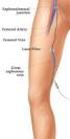 Endovenous Laser: A New Minimally Invasive Method of Treatment for Varicose Veins - Preliminary Observations Using an 810 nm Diode Laser Luis NAVARRO, MD,* ROBERT J. MIN, MD, AND CARLOS BONE, MD *Vein
Successful Endovenous Ablation
 Successful Endovenous Ablation Is it the technology or the technique? PANEL Moderator: Steve Elias, MD, is Director, Center for Vein Disease, Englewood Hospital and Medical Center, New Jersey; and Assistant
V03 Varicose Veins Surgery
 V03 Varicose Veins Surgery What are varicose veins? Varicose veins are enlarged and twisted veins in the leg. They are common and affect up to 3 in 10 people. More women than men ask for treatment, with
Peninsula Commissioning Priorities Group. Commissioning Policy Varicose Vein Referral
 NHS Devon NHS Plymouth Torbay Care Trust Peninsula Commissioning Priorities Group Commissioning Policy Varicose Vein Referral Varicose Vein Referral Guidelines 1. Description of service/treatment Most
Subfascial Endoscopic Perforator Surgery in Perforator Vein Insufficiency
 10.5005/jp-journals-10007-1127 REVIEW RTICLE WJOLS Subfascial Endoscopic Perforator Surgery in Perforator Vein Insufficiency Subfascial Endoscopic Perforator Surgery in Perforator Vein Insufficiency Ravikumar
Treatment by LASER. Understanding Varicose veins and. Dr. Rajesh Mundhada (MD. DNB) Dr. Atul Rewatkar (MD)
 Understanding Varicose veins and Treatment by LASER Dr. Rajesh Mundhada (MD. DNB) Dr. Atul Rewatkar (MD) Orange city Hospital & Research Institute 19, Pandey Lay out, Veer Sawarkar Square, Nagpur 440015
CHAPTER 15 SCLEROTHERAPY FOR VENOUS DISEASE
 Introduction CHAPTER 15 SCLEROTHERAPY FOR VENOUS DISEASE Original authors: Niren Angle, John J. Bergan, Joshua I. Greenberg, and J. Leonel Villavicencio Abstracted by Teresa L. Carman New technology has
Durability of Reflux-elimination by a Minimal Invasive CHIVA Procedure on Patients with Varicose Veins. A 3-year Prospective Case Study
 Eur J Vasc Endovasc Surg 25, 159±163 (2003) doi:10.1053/ejvs.2002.1825, available online at http://www.sciencedirect.com on Durability of Reflux-elimination by a Minimal Invasive CHIVA Procedure on Patients
Varicose veins - 1 -
 Varicose veins - 1 - Varicose Veins About 3 in 10 adults develop varicose veins at some time in their life. Most people with varicose veins do not have an underlying disease and they usually occur for
TREATMENT OF VARICOSE AND SPIDER VEINS Patient Info
 TREATMENT OF VARICOSE AND SPIDER VEINS Patient Info www.heartofthevillages.com TIRED & ACHING LEGS? If you suffer from varicose and spider veins, you are not alone. It is estimated that there are more
POLICY PRODUCT VARIATIONS DESCRIPTION/BACKGROUND RATIONALE DEFINITIONS BENEFIT VARIATIONS DISCLAIMER CODING INFORMATION REFERENCES POLICY HISTORY
 Original Issue Date (Created): 7/12/2003 Most Recent Review Date (Revised): 3/29/2016 Effective Date: 8/1/2016 I. POLICY Great or Small Saphenous Veins Treatment of the greater small saphenous veins by
The Treatment of Varicose Veins and Spider Veins
 The Treatment of Varicose Veins and Spider Veins St. Joseph Vein Center Surgical Specialists of St. Joseph, P.C. Glen H. Hastings, M.D., F.A.C.S. 820 Lester Ave., Suite 105 St. Joseph, MI 49085 (269) 983-3368
Dr Marc Vuylsteke Sint-Andriesziekenhuis Tielt Belgium
 Endovenous Laser Treatment of non-gsv truncs Dr Marc Vuylsteke Sint-Andriesziekenhuis Tielt Belgium Superficial venous insufficiency Very common Evolution to chronic venous insufficiency Varicose Disease
Australian Safety and Efficacy Register of New Interventional Procedures Surgical. Rapid review ASERNIP-S REPORT NO. 66
 ASERNIP S Australian Safety and Efficacy Register of New Interventional Procedures Surgical Rapid review Treatments for varicose veins ASERNIP-S REPORT NO. 66 Australian Safety & Efficacy Register of New
Information for patients who require Foam Sclerotherapy for Varicose Veins.
 Information for patients who require Foam Sclerotherapy for Varicose Veins. Why do I need this procedure? Everybody has two sets of veins in the legs. These include the superficial and deep veins. Their
Beaumont Hospital. Varicose Veins. and their TREATMENT. Professor Austin Leahy, MCh, FRCS, FRCSI WWW.VEINCLINICSOFIRELAND.COM
 Beaumont Hospital Varicose Veins and their TREATMENT Professor Austin Leahy, MCh, FRCS, FRCSI WWW.VEINCLINICSOFIRELAND.COM Department of Surgery Beaumont Hospital and Royal College of Surgeons in Ireland
New approaches for the treatment of varicose veins
 Surg Clin N Am 84 (2004) 1397 1417 New approaches for the treatment of varicose veins Theodore H. Teruya, MD, FACS a, Jeffrey L. Ballard, MD, FACS b,c, * a Division of Vascular Surgery, Loma Linda University,
X-Plain Varicose Veins Reference Summary
 X-Plain Varicose Veins Reference Summary Introduction Varicose veins are very common, in both women and men. Varicose veins can be painful and unattractive. Vein doctors use non-invasive ultrasound imaging
SEDICO Newsletter Issue 8. Varicose veins
 SEDICO Newsletter Issue 8 Definition: Varicose veins Varicose veins are veins that have become enlarged and twisted. The term commonly refers to the veins on the leg, although varicose veins occur elsewhere.