
Organic Pig Production in Europe
|
|
|
- Sibyl Austin
- 10 years ago
- Views:
Transcription
1 GUIDE Organic Pig Production in Europe Health Management in Common Organic Pig Farming 2011 European Edition TECHNICAL Organic farmers in Europe have developed different housing systems for pigs based on the availability of land, soil characteristics, climate, tradition and national organic certification schemes. This guide gives an overview of the typical housing systems used for pigs in organic farming. It lists advantages and disadvantages of the different systems and provides relevant recommendations to farmers for health managment. This publication results from the COREPIG project funded by the CORE Organic program.
2 Based on national histories of organic pig production, diverse climatic conditions and national organic farming regulations, different housing systems are used for keeping pregnant and lactating sows in organic farms in European countries. In some countries sows are at pasture throughout all stages of pregnancy and lactation. In other countries most lactating sows are housed indoors during this time. Mixed indoor and outdoor housing sytems can also be found. Consumers and farmers expect organic farming to ensure high standards of animal health and welfare. Consumers expect pigs to be kept in natural surroundings, such as provided by outdoor systems. Related to the housing systems and management routines in the herds, organic farmers face a number of challenges in prevention of diseases and maintance of animal welfare. This booklet describes the main housing systems used in organic farms in Europe and the main challenges that are related to them, and lists measures to reduce risks related to these challenges. Organic standards EU-Regulation Private national regulations Farming traditions Animals Expression of natural behaviour Health Farmer Economy Work schedule Investment costs Environment Risk of nutrient leaching Housing system Climate Precipitations Snow (Cold) Winter temperatures Consumer expectations Meat quality Taste Animal welfare Soil and land Available land surface Soil properties (soil structure) Prevalent housing systems in organic pig production In contrast to conventional systems, organic standards require that animals are kept with outdoor access. According to national rules and based on national interpretation of the EU-regulations for organic farming (Council Directives 2007/834/ EC and 2008/889/EC), outdoor runs in European countries vary from concrete and slatted floors to deep litter and from open to fully covered by a roof. Some private schemes define even stricter rules. For example, Soil Association requires all organic pigs in UK to be kept on pasture, whilst the Swedish certifyer KRAV requires access to pasture during summertime for all pigs. Organic pig husbandry systems can basically be divided into three major categories: indoor housing, outdoor housing and mixed housing. Indoor housing systems in organic farming must provide an outdoor run, so the pigs can experience climatic influences of sun, rain and wind. Outdoor housing systems allow pigs to express their natural behaviour at comparatevely low investment costs. 2 Organic Pig Production in Europe 2011 FiBL
3 Indoor Housing In the indoor system pigs are housed mainly indoors with access to a concrete outside run (e.g. Austria, Germany or Switzerland). Barn types range from heated buildings with artificial ventilation to uninsulated barns with an open front. The main challenge related to this housing system is to provide a pen that allows sows and piglets to express natural behaviour. The separation of the lying, defecation and activity areas is the prerequisite to avoid health problems, economic losses and extra work. Another challenge concerns provision of the individual temperature for sows, piglets, weaners and fatteners depending on their individual requirements. Pregnant sows Fattening pigs Mating Weaning Weaner pigs Outdoor Indoor Farrowing Lactating sows & piglets Advantages: Suited for harsh climatic areas with snow and long, frosty winters. Moderate land needs. Efficient examination of the animals. Little negative impact from manure on the environment, if manure is distributed appropriately. Disadvantages: High building and energy costs. Does not satisfy consumer expectations of organic pig production. Restricts the expression of natural behaviour. The higher animal density increases the risk of disease infections. Limited flexibility in the production concerning the amount of sows and fatteners that can be kept. Requires more technical equipment. Higher requirements on hygiene management due to the housing of pigs of different ages. Sows kept in conditions of artificial and controlled light regime. Requires oral iron preparations or injections for piglets shortly after birth to prevent anaemia in the piglets. Farrowing pens with the piglets nests in the middle (design: SCHMID). If the concrete outdoor run is covered with deep straw litter, it can be used for lying and rooting. FiBL Organic Pig Production in Europe
4 Pregnant sows Fattening pigs In summertime the water from the trough is used to make a wallow. Outdoor Housing In this system pigs are housed outdoors all year round with huts or natural shelter. This housing system is mainly practiced in Denmark, Italy and UK. Mating Weaning Weaner pigs Farrowing Lactating sows & piglets The main challenges related to this system are the organisation of a pasture rotation to maintain vegetation cover, ensure biosecurity and identify and treat health problems. Another challenge is to organise in a way to keep the amount of work low. In Denmark all farrowing sows and piglets are kept outdoors all year round. Pregnant sows have to be on pasture for a minimum of 150 days. Most weaning and fattening pigs are kept indoors with concrete outdoor runs. However, in order to prevent diarrhoea, some farmers keep the pigs on pasture for a certain period after weaning and then they take them indoors when they reach a weight of 30 kg. In Italy, farrowing and weaning take place outdoors mainly (about 95 %). Fatteners are kept either outdoors (about 60 %) or indoors with an outdoor run. Advantages: Little or no building costs. Meets consumer expectations. Outdoor Indoor More space and environmental diversity permitting better expression of natural animal behaviour with a positive influence on health and welfare. Low animal density and good air quality positively contribute to health. Access to natural light. Efficient use of the manure, if pig husbandry is integrated into the farm s crop rotation and the huts and feed area are moved regularly, as this provides nutrients for the following crops and prevents major losses through nutrient leaching. Vegetation and soil provide significant quantities of vitamins and minerals to the animals at pasture. Anaemia is unlikely to occur since piglets can find enough iron from the soil. Disadvantages: An excessive stocking density of 15 sows per ha per year on outdoor areas results in a large net input of nutrients and an increased risk of nitrogen leaching. The management logistics can be laborious during the cold and wet climates. Rigorous parasite control is necessary. Reduced biosecurity. Contact with wildlife disease reservoirs and soil may be a risk for health due to infection with a range of parasites. Greater difficulty in identifying and treating sick animals. Supervision around birth is more challenging when lactating sows are outdoors. Young piglets may be subject to predation by ravens, foxes or even badgers. The performance of conventional indoor and outdoor breeding herds in the UK (BPEX, 2008) Outdoor Indoor Sow mortality (%) Replacement rate (%) Conception rate (%) Litters per sow and year Liveborn piglets per litter Stillborn piglets per litter Mortality of piglets born alive (%) Pigs weaned per sow and year Outdoor rearing in forests as practiced here with Cinta Senese in Italy, offers high animal welfare in a diverse, natural environment and allows a wide range of behaviour. The results indicate that outdoor management may result in slightly better health, as reflected by mortality and replacement rates, but in poorer reproductive performance, as reflected by litters per sow per year and litter size, but not conception rate. Farrowing problems and post farrowing disorders might be slightly reduced, as reflected by stillborn piglets and piglet survival to weaning, although this might also reflect the difference in initial litter size. 4 Organic Pig Production in Europe 2011 FiBL
5 Mixed Housing System In some countries (e.g. France or Sweden) different combinations of the indoor and the outdoor housing systems are used. These systems allow to combine the advantages of both housing systems. The practicability of these systems depends on climatic conditions or/and historic or farm specific development. Mixed housing systems enable sows to be kept on pasture during different stages of their life, e.g. during pregnancy or during group suckling. In some farms, sows are kept indoors in individual pens for farrowing and within 10 days are moved to a group pen in a barn or to a group on pasture with huts. Weaners and fatteners are usually kept in a barn in large group pens with concrete outdoor run. During summer weaners and fatteners are given access to a pasture or are moved to huts on pasture. In Sweden, most lactating sows are kept indoors with concrete outrun during winter and outdoors during the warmer seasons. Less than 10 % of organic piglets are born in outdoor systems. In France, about 80 % of the farrowing happens outdoor and 20 % indoor. 70 % of the sows are kept outdoors after weaning on pasture or in huts with an outdoor area covered by deep straw. 95 % of fatteners are kept indoors with one side of the building often being closed by a net only. Pregnant sows Fattening pigs Mating Weaning Weaner pigs Outdoor Indoor Farrowing Lactating sows & piglets Advantages: Indoor farrowing facilitates the supervision of the newborn piglets and the sow around farrowing. When the sows and the piglets are moved to a group pen (e.g. outdoor) within 10 days, the sow receives a more stimulating and cooler environment, which stimulates her feed intake at a time when her milk production is increasing. Keeping the pigs in huts during summer has hygienic advantages, as it makes it easier to clean the barn and keep the pens empty for some weeks. Pregnant sows are well suited for outdoor housing. Disadvantages: Moving pregnant sows from the outdoor climate to an indoor farrowing pen may create climatic stress for the sow. When lactating sows are kept in groups, mobile facilities are required to feed them individually. How keep the vegetation high and parasite pressure low, when sows are on pasture? The impact of outdoor housing on sow health and welfare depends mainly on soil conditions. Influencing factors are soil type, rainfall, stocking density and paddock rotation management. The rooting activities of sows make it difficult to maintain vegetation cover. This means that wet and muddy ground can predominate in winter. In rotational grazing systems higher stocking densities may result in severe damage of pasture and prevent subsequent recovery. Lower stocking densities of sows with less frequent moving avoids this problem, but might have adverse implications for parasite build-up. The impacts of pasture management on parasites are complex because of micro-environmental factors. High herbage, for example, which may only be found at very low stocking densities, strongly favours the survival of infective larvae of different parasites, e.g. nodular worm (Oesophagostomum spp.); red stomach worm (Hyostrongylus rubidus). A good rotation and a low animal densitiy allow the vegetation to remain high. FiBL Organic Pig Production in Europe
6 Challenges and recommendations Proven issues of particular importance in organic pig production are (i) control of the microclimate surrounding neonatal piglets, (ii) management strategies to decrease the risks of infectious and parasitic diseases, (iii) selection of genotypes with high robustness and appropriate litter size. Sows and piglets are highly exposed to fluctuations of the environment, parasites and infectious diseases. Organic regulations do not allow general preventive use of allopathic medicines to avoid health problems. Organic farmers must thus rely on other preventive measures to ensure health of their animals. Management in organic animal husbandry depends on careful observation of the animals to be able to adapt management according to the animals' needs. Lactating sows Housing and Management According to the EU-Regulation, the area per lactating sow with her litter should be at least 10 m 2, including at least 2.5 m 2 outdoors. Lactating sows must be kept in free farrowing systems. However, in some indoor systems, movements of sows may be restricted in crates around farrowing. In outdoor systems, sows are usually penned in individual paddocks, but suckling piglets can circulate between paddocks. In some farms (in both indoor and outdoor systems) lactating sows are kept in groups, a few days or weeks after parturition. During farrowing and the first week of lactation, one of the highest risk periods for health problems in sows can be observed, e.g. vulval discharge or MMA (mastitis-metritis-agalactia). How to prevent health problems: Check the housing temperature: The lower and upper critical temperatures under conditions of housing on straw in extensive conditions with typical feed intakes are approx. 7 C and 26 C degrees for lactating sows and 12 C and 31 C for dry sows. Ensure sufficient water supply with a flow rate for sows of 2 3 l per minute. Adapt the feeding regime to the needs of farrowing sows. Examine the sow during and after farrowing and check her rectal temperature and immediately treat the animals in case of farrowing sickness/ MMA with signs of a hard udder, hollow and/or agitated piglets, the sow not exposing her udder to the piglets, injured faces of piglets, the sow refusing to stand up, the sow stopping to eat or the sow having hard/solid faeces. Offer the sow separate lying and defecation areas, enough exercise and roughage. Piglet mortality appears to be relatively high in organic farms, but high variability between farms suggests that improvement is feasible. Similarly, management and housing conditions seem to differ greatly between farms. This makes it evident that a better knowledge of the relationships between farm characteristics and piglet mortality should help reduce the problems. Have and use an animal health plan including a description of the situation, a farm specific prevention strategy and treatment plans such as vaccination schedule and control of intestinal parasites. Farmer supervision and intervention around farrowing allow: Removal of placental membranes around the piglet snout to prevent suffocation. Drying of the newborn pigs and positioning under a heater lamp to avoid chilling. Extracting pigs from the uterus to avoid prolonged farrowing. Ensuring sufficient colostrum. Shortly after farrowing, supervision of the litters and of the sows allows a more rapid treatment of sows displaying MMA. But human intervention during farrowing can result in the interruption of the farrowing process. Pulling out piglets of the uterus can furthermore cause infections resulting in MMA and conception problems. How to ensure good farrowing: Make sure that an intervention during farrowing does not happen too early. Thoroughly clean hands and arms before intervening or use long disposable gloves. Provide the possibility to the sow to move during gestation. Provide a quiet and undisturbed farrowing environment to the sow with sufficient straw and roughage for nestbuilding. 6 Organic Pig Production in Europe 2011 FiBL
7 Heat and cold stress The majority of organic sows are kept in naturally ventilated housing. The nature of the sow housing system will thus affect the extent of climatic challenge as a hazard to sow health and welfare. Depending on the geographical location, sows may experience both heat stress and cold stress at different times of the year. Heat stress is more likely to be a problem for lactating sows, with high feed intake and metabolic activity for milk production, while dry sows will be more susceptible to cold stress because of their restricted feed level. How to prevent heat and cold stress: Provide shade, wallows or water sprinkling systems to alleviate heat stress. Provide huts or covered kennels and plentiful dry straw bedding to alleviate cold stress. Feeding Organic sows are expected to support a longer lactation (EU-Regulation: minimum 40 days). This requires provision of diets with a high nutrient quality, and a high energy and protein digestibility based on organic feedstuffs. This is a challenging task. Organic feedstuffs must be produced according to organic standards. Animal welfare legislation and organic regulations require, that occupational material/roughage must be provided to all pigs. Providing roughage can give significant health and welfare benefits and reduce costs. How to optimise feeding: Condition score sows before and after lactation. BCS should never be below 2 or above 4 on a scale from 1 to 5. Make feed analysis of home grown feedstuffs to ensure optimum formulation of the feed ration. Calculate feed rations regularly. Hygiene Cleaning and disinfection can help control the most frequently occurring helminths in sows, the nodular worm (Oesophagostomum spp.) and the red stomach worm (Hyostrongylus rubidus), which are transmitted as free-living larvae. Disinfection has though very little effect on infective helminth larvae, e.g. large round worm (Ascaris suum), which are protected by egg shells. Batch systems with an all-in, all-out (AIAO) use of housing allow efficient cleaning, drying and disinfection between batches of pigs. In organic pig husbandry though, smaller size of organic herds limits the ability to operate such a system. Outdoor access furthermore makes it more difficult to protect the animals against pathogens from wildlife and visitors. A water sprinkling system in the outdoor run is an efficient possibility to enable the fatteners to prevent heat stress. How to ensure good hygiene: Wash carefully between litters: When the pen is empty after the sows and piglets have moved out, remove faeces and rough dirt, also in corners, narrow openings and under troughs. Repair worn rough floors. Soak the pens with water for several hours before cleaning with a high pressure cleaner. Clean until the water comes down clear from the surfaces. Warm water (40 C) helps to dissolve dirt and faeces. Stalls must be dry before disinfection and before entry of new animals. Drying of the pen is essential in reducing the number of parasite eggs and larvae. UV light is helpful. Ideally the clean pens are left empty for five days. Wash sows with warm water and a brush before moving them into the farrowing house. Moving of huts provides a cleaner environment for the next farrowing and appears to reduce transmission of the coccidia Isospora suis to piglets. Some farms with the indoor housing system offer a natural outdoor run with a wallow. Using the same area for a longer time increases the parasite pressure. FiBL Organic Pig Production in Europe
8 Suckling piglets Organic standards define longer lactation periods (at least 40 days, and in some countries 8 weeks) than are normally used in conventional production systems (3 5 weeks). Weaning after 7 weeks can improve piglet health and can save barn space (weaning pen) but can also reduce reproductive performance if sows have low body condition at weaning. Milk production varies during lactation: maximum level is reached around the 3 rd and 4 th weeks of lactation. Thereafter, milk production is probably not sufficient to cover the nutrient needs for maintenance and growth of piglets. Therefore, suckling piglets should have access to creep feeding adapted to their nutritional needs and digestive abilities from first week of age. It can be calculated that creep feeding can supply between less than 1 % to more than 50 % of the metabolic energy intake of piglets between 21 and 40 days of age. The sow diet is probably not adapted to their digestive abilities and to their nutritional needs. The creep area for the piglet feed must be setup in such a way that the sow cannot reach it, but it is beneficial for the learning process to feed piglets next to the sow. Water supply for suckling piglets is necessary from the beginning of life and should be offered in troughs or bowls so that normal drinking behaviour is possible. Especially under warm conditions, when episodes of diarrhoea occur or when the end of lactation is near (above 4 weeks) when milk production starts to decrease whereas piglet needs increase sufficient flow rates and water quality are vital. Piglet mortality Piglet mortality is related mainly to crushing by the mother and to weakness/starvation. Mortality increases when piglets become chilled and lie close to the sow because of a cold environment, when there is insufficient colostrum intake or milk production or a large litter size, with a lack of protection of the piglets against sow crushing (lack of piglets nest, lack of anti-crushing systems); and with heavy and lame sows. A high litter size is a major hazard for piglet mortality. Numerous factors can explain this phenomenon: longer farrowing duration, lower birth weight of piglets, reduced colostrum/milk intake per piglet, piglets closer to the sow, lower number of functional teats than litter size. How to keep the piglet mortality low: Provide good farrowing accommodation with sufficient space (lying area min. 2,2 x 2,2 m), design features to minimise crushing, bedding and a creep area. Monitor farrowings, but don`t disturb your sows constantly. Practice split suckling of large litters by shutting the stronger early born piglets, which have already suckled in a warm creep area for an hour to allow the weaker piglets to suckle without competition. Adjust the litter size by crossfostering to match the number of functional teats on the sow. Use sows with appropiate litter size for replacement. If cross fostering is necessary use piglets with higher birth weight. Cold environment Provide supplementary heat by use of a heat lamp or floor heating. This is unlikely to be possible in outdoor systems when other solutions must be exploited. If floors are not insulated, ensure that a good layer of dry bedding is present in all places where piglets might lie. Make a creep area which is warm and draught free and attract piglets to it by lighting. Train piglets to use this area at a young age by shutting them into it for short periods (about 1 hour, but ensure adequate ventilation). Piglets should start eating in the lactation period. Therefore they need a separate feeding area and high quality and good tasting feedstuff. The water supply for sow and piglets must be offered in different bowls. In the pen they are normally next to each other to teach the piglets to drink and to cause only one wet area. 8 Organic Pig Production in Europe 2011 FiBL
9 Muddy environment In outdoor production, poor drainage of soil may favour health disorders and mortality since animals are more likely to be wet and dirty. Moreover, bacteria and parasites are more likely to survive and/or develop in damp environments. How to keep health risks low: Use well drained land for farrowing paddocks. Use land with a good vegetation cover. If paddocks become muddy, make a straw doormat outside the hut to dry animals as they enter. Predation Larger raptors may carry off piglets. Corvids may peck at piglets, especially when newborn or weak, causing injury and even death. They are known to enter farrowing huts for this purpose. Foxes will kill and eat suckling piglets of all ages. They may carry them away, leaving no trace, or leave some partly eaten corpses around the site. Their presence around the farrowing area also disturbs the sows, making them more restless and likely to crush piglets. To maintain a clean and dry environment requires a good vegetation cover in outdoor housing. Straw at the entrance to the hut helps to keep the indoor space clean. How to keep losses from predation low: Farrowing huts can be protected by using bird proof plastic curtains. Put food in lidded hoppers to reduce attraction to birds. Improve fencing around the farrowing area to ensure that foxes are excluded (this can be quite difficult to achieve). Implement a fox control policy for the farm if possible, for example use herd dogs. Weaner pigs Organic weaners must be housed with bedding and with outdoor access. Recently weaned piglets are experiencing stress because of the separation from the mother, meaning lack of maternal milk and care, a new environment and often mixing with other piglets. Diarrhoea after weaning is frequent and causes health problems. Housing How to provide appropriate housing: House weaners in separate building, if possible. The number and design of the pens should allow an all-in-all-out system. Offer a warm, insulated area for the weaners. The more space the weaners have, the less aggressive encounters and stress will be. Generous space promotes exercise and general health and reduces risk of infectious diseases. Offer a bedded and draught-free nest, which is as far away from the defecating area as possible. Leave the piglets in the suckling area for 48 hours after weaning. Staying in the suckling area after weaning reduces stress caused by a new environment. Group piglets of comparable size or keep litters together, if possible. Place very small piglets into a separate pen. Smaller piglets have reduced access to feed, water and nest space, if there is competition. This increases their susceptibility to disease. Management How to prevent disease by good management: Close monitoring of piglets increases chances for early recognition and timely intervention in case of problems. Early intervention reduces severity of illness, and thus the number of animals to be treated. Also in huts it is necessary to offer a warm insulated area for weaners. FiBL Organic Pig Production in Europe
10 Check weaners at least twice a day after weaning. Pay close attention to early signs of disease such as hanging tails, hollow flanks, soft faeces, or muted general demeanour. Interfere or treat as soon as possible. Separate sick individuals in a sick pen until they are fit enough to claim resources in a larger group (but do not reintroduce them individually or they will experience high aggression). Always empty weaner pens completely and only restock after thorough cleaning and drying to re- duce parasite infections (mainly large round worm Ascaris suum, which causes liver white spots, and whip worm Trichuris suis) during the fattening period. If outdoors, the use of clean pastures is important as some endoparasite eggs (Ascaris suum and Trichuris suis) can survive for several years in the soil. Have and use an animal health plan including a description of the situation (e.g. results from faecal and blood samples), a farm specific prevention strategy and treatment plans such as vaccination schedule and endoparasite and ectoparasite control plans. Ectoparasites can be effectively eradicated but only if there is no direct contact to wild boars. Feed and Water supply Sufficient water supply is very important for weaners. Water increases appetite and helps in case of diarrhoea. To keep a high hygienic standard it is helpful to offer several bowls instead of a trough for the piglets. How to ensure good feeding and drinking: Make sure that there are no more than 10 piglets per drinker. Piglets drink easier from cup drinkers and troughs than from nipple drinkers. Keep drinkers clean. Make sure, piglets eat well already before weaning by starting early enough with attractive food. Sudden changes in ration cause consumption depressions: pigs will hesitate to eat unknown feed. In addition, sudden changes impact the digestive system. Change rations slowly. Mix old ration step by step with new ration to facilitate adaptation. Weaned and pregnant sows are well suited for outdoor systems that have positive effects on health and fertility. Breeds used in organic farms Austria, Switzerland Denmark Germany, France Italy Sweden United Kingdom Mostly conventional breeds used; sow: Large White x Landrace; boar: Pietrain (in Austria), Large White (in Switzerland); few exceptions using Duroc, Schwäbisch Hällisch or crosses of both Mostly conventional breeds; sow: Danish Landrace x Yorkshire, boar: Duroc Mostly conventional breeds; Germany: sow: German Landrace x German Large White; boar: Pietrain or Hampshire x Duroc France: sow: Large White x Landrace, boar: Pietrain 50 % conventional breeds; sow: Large White, Landrace and Duroc (and hybrids), 50 % local breeds like Mora Romagnola and Cinta Senese Mostly conventional breeds; sow: Swedish Landrace x Yorkshire, boar: Duroc or Hampshire Small farms often use traditional breeds. Large farms generally use special outdoor lines that were developed for the conventional outdoor sector. Organic standards recommend the use of traditional breeds that are adapted to the local environment. However, such breeds are often less productive and give progeny with poorer feed efficiency and accumulate more fat in the carcass (lower percentage of lean meat). This gives an incentive to use higher selected breeds as in conventional systems. The dark-skinned italian local breed Mora Romagnola is very suited for outdoor rearing. 10 Organic Pig Production in Europe 2011 FiBL
11 HACCP management tools Deliverables of the COREPIG project are management tools based on the HACCP principle (Hazard Analysis Critical Control Points). These tools help farmers (in a farm specific way) to solve and prevent problems with endoparasites, reproduction and farrowing problems, weaning diarrhoea and suckling piglet mortality. They are available as Microsoft Excel files. We recommend that the tools be used by the farmer together with the farm's advisor or veterinarian. Each tool contains instructions for use and consists of three parts: i) a questionnaire for the farmer, ii) a check list to be used in the barn and iii) the farm specific report. 2) List of preventive measures already implemented on the farm (with explanation of their causal relationship) Current situation Do you confine the sows during farrowing? no Is related to dying from born dead Reasoning/ causation Restriction of movement can impair nest building in the pre-farrowing period. This stresses the sow and can prolong farrowing because stress hormones antagonise the effects of oxytocin (> contractions). 3) List of high impact hazards which should be changed (plus recommendations for improvement) Description of the HACCP tool The questionnaire collects information on the farm conditions and farm management that are relevant to suckling piglet mortality. The checklist serves to record the situation in the barn. Environment Insulated foors Draughty pen Creep area Nest Are farrowing pen floors insulated (construction or bedding)? Is the pen draughty? Is here a heated piglet creep area (unless farrowing outdoors)? Does the farrowing nest have effective fenders? Piglet Mortality HACCP The report consists of four parts: 1) Summary Summary of the of potential death causes death causes of suckling piglets on the farm Suckling Sums piglet of risk death values causes (>0) for different death causes for chart born dead 380 congenital defect 0 predation 0 savaging born dead 13% 0 20% starvation / hypothermia / crushing 1995 congenital defect 0% infection 595 predation 0% savaging 0% yes no yes yes farm: Corepig-farm date: observer: Dippel Are piglets small at birth (many <1 kg)? yes small piglets Current situation Keyword Contributes Reasoning/causation to dying from crushing, hypothermia Piglets of low birthweight lose heat rapidly because of their high surface area to volume ratio. They also suckle less well because of competition with bigger littermates. This makes them lethargic and prone to remain in high risk areas close to the sow. Solutions Ensure that sows have adequate body condition at farrowing. Consult a nutritionist to check that the gestation diet is correctly formulated. If possible provide supplementary heat at the site of birth until piglets are dry. 4) Overview of the farm's strengths and weaknesses regarding suckling piglet mortality big piglets small piglets lethargic piglets weak piglets huddle hungry piglets fight wounds diarrhoea wounded knees swollen joints sudden deathtot crushing savaging predation Bars to the left indicate preventive measures already being implemented, while bars to the right point out criteria, which indicate an increased suckling piglet mortality on the farm. The longer the bar, the stronger the impact. 67% starvation / hypothermia / crushing infection The graph depicts the risks of dying of a certain death cause for your suckling piglets. Please bear in mind that problems are interrelated. A cold environment, for example, might lead to death from hypothermia or to being crushed, as cold piglets will huddle close to the sow and be less mobile. 11
12 Advisory service is helpful Advisory expertise and diagnosis by a veterinarian is needed in a proper management system. It can supplemet the farmers expertise by offering an outside view and specific knowledge for certain issues. Farmers groups can also be a useful way of finding solutions for problems. This guide is one of the deliverables of the CORE- PIG project financed by the CORE Organic program. The aim of the COREPIG project is to increase the knowledge about the prevention of selected diseases and parasites in organic pig herds by means of a HACCP (Hazard Analysis Critical Control Points) based a management and surveillance programme. Project partners Organic Agricultural Sciences Department of Animal Environment and Health, Swedish University of Agricultural Sciences SLU, Sweden Bo Algers and Stefan Gunnarsson, [email protected] Department of Animal Health and Bioscience, Faculty of Agricultural Sciences, University of Aarhus Marianne Bonde, [email protected] Inter Bio Bretagne, France Gerald Cartaud and Stanislas Lubac [email protected] Institut National de Recherche Agronomique, France Armelle Prunier, [email protected] Agricultural Research Council, Italy, Swine husbandry research unit Davide Bochicchio and Giacinto Della Casa, Davide. [email protected] School of Agriculture, Food & Rural Development University of Newcastle, UK Sandra Edwards, [email protected] Research Institute of Organic Agriculture FiBL, Switzerland Barbara Früh, [email protected] Swedish Institute of Agricultural and Environmental Engineering JTI, Kristina Lindgren, [email protected] Danish Centre of Experimental Parasitology, University of Copenhagen, Allan Roepstorff and Helena Mejer, [email protected] Department of Animal Nutrition and Animal Health, University of Kassel, Germany Albert Sundrum, [email protected] Imprint Publisher: Research Institute of Organic Agriculture (FiBL) Ackerstrasse, P.O. Box, CH-5070 Frick, Phone +41 (0) , Fax -273 [email protected], Author: Barbara Früh (FiBL) Review and contribution: Davide Bochicchio (CRA), Sabine Dippel (FLI), Sandra Edwards (NCL), Stefan Gunnarsson (SLU), Christine Leeb (BOKU), Kristina Lindgren (JTI), Helena Mejer (LIFE), Armelle Prunier (INRA) Editor: Jacqueline Forster, Gilles Weidmann (FiBL) Layout: Claudia Kirchgraber (FiBL) Picture credits: Ralf Bussemas: P. 8 (1, 2); 10 (1); 7 (1,2); 9 (1); Barbara Früh: P. 1 (1, 4); 2 (2); 3 (1); 4 (1); Davide Bochicchio: P. 1 (2); 4 (2); 10 (3); Christine Leeb: P. 1 (3); 2 (1); 11; Stanislav Lubac: P. 5 (1, 2); Armelle Prunier: P. 9 (2); 10 (2); Christel Simantke: P. 3 (2) ISBN FiBL-Order Nr FiBL, First edition, 2011 This publication is available free of charge in the internet under and Other languages under Department of Sustainable Agricultural Systems, University of Natural Resources and Applied Life Sciences, Austria Sabine Dippel, Christine Leeb and Christoph Winckler, [email protected] 12 Organic Pig Production in Europe 2011 FiBL
Four more traditional breed systems
 Animal Welfare Aspects of Good Agricultural Practice: pig production - ciwf.org/gap 135 Pig Case Study Hungary 2 Four more traditional breed systems Extensive rare breed Mangalica systems (see also Pig
Herd health management in organic pig production using a quality assurance system based on Hazard Analysis and Critical Control Points
 Herd health management in organic pig production using a quality assurance system based on Hazard Analysis and Critical Control Points M. Bonde* & J.T. Sørensen Department of Animal Health and Welfare,
BIOSECURITY PROCEDURES IN POULTRY PRODUCTION
 1 Annex VII CHAPTER 6.4. BIOSECURITY PROCEDURES IN POULTRY PRODUCTION Article 6.4.1. Introduction This chapter provides recommended biosecurity procedures in poultry production and is not specifically
TEMPERATURE REQUIREMENTS FOR PIGS
 TEMPERATURE REQUIREMENTS FOR PIGS DEFINITIONS OF AMBIENT TEMPERATURE REQUIREMENTS FOR PIGS: A REVIEW Mark L. Lorschy SUMMARY Pigs, like all animals, have an ability to live in a variety of thermal environments.
COLD STRESS IN COWS. Brian Tarr, Ruminant Nutritionist Shur Gain, Nutreco Canada Inc.
 COLD STRESS IN COWS Brian Tarr, Ruminant Nutritionist Shur Gain, Nutreco Canada Inc. Cold Stress in Cows Brian Tarr, Ruminant Nutritionist Shur Gain, Nutreco Canada Inc. Getting cows through the winter
How Pigs are. Raised
 How Pigs are Raised This little piggy went to market. Pig farmers care for their animals 365 days a year. Farmers know that responsible and humane care is important to the well-being of pigs. They know
Optimizing Herd Health in Niche Production. Ines Rodriguez, V.M.D., M.S. New Bolton Center University of Pennsylvania School of Veterinary Medicine
 Optimizing Herd Health in Niche Production Ines Rodriguez, V.M.D., M.S. New Bolton Center University of Pennsylvania School of Veterinary Medicine My goals Encourage a relationship with a veterinarian
A diet fit for a pig: seven basic rules
 A diet fit for a pig: seven basic rules June 2013 Primefact 1292 1 st edition Jayce Morgan, Livestock Officer Pigs, Tamworth NSW Introduction When a pig is fed a proper diet there are benefits to the pig
PIG WELFARE REQUIREMENTS. On Farm and In Transit
 PIG WELFARE REQUIREMENTS On Farm and In Transit European Communities (Welfare of Calves and Pigs) Regulations, 2003. (S.I. No. 48 of 2003). European Communities (Protection of Animals kept for Farming
Leaving Certificate Higher Level Sheep Production Questions
 Leaving Certificate Higher Level Sheep Production Questions 2010 5. (a) Discuss the role of the following in sheep production: (i) a raddling harness (ii) footrot 8. (a) In the context of fat lamb production,
C H A P T E R 7. 1 0.
 1 C H A P T E R 7. 1 0. A N I M A L W E L F A R E A N D B R O I L E R C H I C K E N P R O D U C T I O N S Y S T E M S [Article 7.10.1.] [Article 7.10.2.] [Article 7.10.3.] Article 7.10.4. Recommendations
SKIN CONDITIONS IN PIGS
 DEPARTMENT: AGRICULTURE SKIN CONDITIONS IN PIGS Jenny Turton 2001 Compiled by Directorate Communication, Department of Agriculture in cooperation with the ARC-Onderstepoort Veterinary Institute Printed
This Little Piggy Math in the Pig Barn
 Area This Little Piggy Math in the Pig Barn Math Background Math is very important in agriculture when determining weights of animals. It is neded for marketing; administration of vacines, determining
Faculteit Diergeneeskunde. Prof. dr. G. Opsomer Faculty of Veterinary Medicine Ghent University.
 Faculteit Diergeneeskunde Integrated veterinary herd health management as the basis for sustainable animal production (dairy herd health as an example) Prof. dr. G. Opsomer Faculty of Veterinary Medicine
SWINE QUIZ BOWL QUESTIONS
 SWINE QUIZ BOWL QUESTIONS Swine 1 Questions 1. Name this black bodied pig that has six white points, including their nose, tail and feet. They have erect ears and dished snouts. a. Berkshire 2. Name this
RAISING LAMBS ON MILK REPLACER
 RAISING LAMBS ON MILK REPLACER Yves M. Berger and Richard A. Schlapper Spooner Agricultural Research Station University of Wisconsin-Madison Introduction It is well known that the number of lambs born
MINISTRY OF LIVESTOCK DEVELOPMENT SMALLHOLDER DAIRY COMMERCIALIZATION PROGRAMME. Artificial Insemination (AI) Service
 MINISTRY OF LIVESTOCK DEVELOPMENT SMALLHOLDER DAIRY COMMERCIALIZATION PROGRAMME Artificial Insemination (AI) Service 1 1.0 Introduction The fertility of a dairy cattle is very important for a dairy farmer
HUMANE CHOICE True Free Range STANDARDS - PIGS
 HUMANE CHOICE True Free Range STANDARDS - PIGS 2011 Version 1.1 The purpose of the Humane Choice True Free Range (Humane C hoice) program is to provide a credible, monitored and verified for the humane
How. are. raised. A guide offering clarity on the facts of pork production
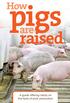 pigs How are raised A guide offering clarity on the facts of pork production Page 4 Page 6 Page 8 Page 10 Page 12 How Pigs Were Raised Until the 1950s, most farmers produced a little of everything, including
The evaluation of Stalosan F in farrowing accommodation 07B010C
 The evaluation of Stalosan F in farrowing accommodation 07B010C A report on a research project conducted by QAF Meat Industries Pty Ltd Rebecca Morrison 10 December 2007 Page 1 Summary Stalosan F is a
Swine Health. Beth Ferry MSU Extension Pork Educator
 Swine Health Beth Ferry MSU Extension Pork Educator What Affects Pig Health? Resources Environment Nutrition Management Animal Care What is your job? Good Observation Key to managing health, production
Overview of the Cattle Immune System 1
 Oregon State University BEEF043 Beef Cattle Library Beef Cattle Sciences Overview of the Cattle Immune System 1 Reinaldo F. Cooke 2 Introduction On average, the U.S. cattle industry loses more than $1
1. About dairy cows. Breed of dairy cows
 1. About dairy cows Breed of dairy cows Holstein Holstein is a typical dairy cow, and 99% of dairy cows in Japan are Holsteins. They are originally from the Netherlands and Holstein region of Germany.
SUPPLIER APPLICATION TO POOLED PRODUCT OPERATOR: FOR PIG OPERATIONS
 TO BE COMPLETED IN FULL SUPPLIER/FARM NAME: ON-FARM CONTACT SUPPLIER APPLICATION TO POOLED PRODUCT OPERATOR: FOR PIG OPERATIONS FARM ADDRESS MAILING ADDRESS (IF DIFFERENT) ORGANIZATIONAL STRUCTURE (ISO
Increasing Profitability Through an Accelerated Heifer Replacement Program
 Increasing Profitability Through an Accelerated Heifer Replacement Program Robert B. Corbett, D.V.M Dairy Health Consultation Accelerating heifer growth has been a very controversial subject in recent
Science of Life Explorations
 Science of Life Explorations Celebrate the Growing Year: The Farmer s Year A Farmer s Year While you are in school or on a vacation, farmers are working hard to provide us with the foods we eat and the
Small-scale poultry keeping housing layers
 NOVEMBER 2007 PRIMEFACT 603 (REPLACES AGFACT A5.7.9) Small-scale poultry keeping housing layers Intensive Livestock Industries Development Introduction Poultry of all types require housing that will protect
Biosecurity - keep health high and diseases out. Rikke Skrubel and Kirsten Pihl SPF, Health control and Diagnostics - Veterinarians
 Biosecurity - keep health high and diseases out Rikke Skrubel and Kirsten Pihl SPF, Health control and Diagnostics - Veterinarians Disposition PED and ASF - serious diseases a threat to DK Export Delivery
Swine production has long been a
 A3858-03 R A I S I N G A N I M A L S E Guide to Raising Healthy Pigs E N R I C H I N G R U L R A Livestock Team L F I For more information contact: Steve Huntzicker Extension agriculture agent 608-785-9593
Colostral Management: Enhancing Dairy Calf Health Franklyn B Garry, DVM, ILM
 Colostral Management: Enhancing Dairy Calf Health Franklyn B Garry, DVM, ILM For our Colorado Dairy News readership, focusing a Standard Operating Procedures (SOP) protocol on colostral management seemed
How to Raise and Show Pigs
 How to Raise and Show Pigs Producing a champion show pig requires a lot of hard work, careful selection, a good home and feeding program, and effective fitting and showing. All six steps must be followed
USER GUIDE ON PIG HUS- BANDRY
 Ministry of Agriculture, Animal Industry and Fisheries August 2011 USER GUIDE ON PIG HUS- BANDRY National Agricultural Advisory Services Pig Husbandry NAADS - July 2011 PIG HUSBANDRY Pigs are kept for
A STUDY OF FACTORS INFLUENCING PRODUCTIVITY, AND ECONOMICS OF INTERVENTIONS IN SMALLHOLDER PIG FARMS IN KIKUYU DIVISION, KIAMBU
 ( \ A STUDY OF FACTORS INFLUENCING PIG HEALTH, PRODUCTIVITY, AND ECONOMICS OF INTERVENTIONS IN SMALLHOLDER PIG FARMS IN KIKUYU DIVISION, KIAMBU DISTRICT, KENYA JAMES KIHANG'A WABACHA I' BVM (University
Organic Pork Production: A Two-litter Pasture Farrow-to-Finish Budget
 Organic Pork Production: A Two-litter Pasture Farrow-to-Finish Budget Jude M. Becker, undergraduate student, Department of Agricultural Studies, M.S. Honeyman, associate professor, Department of Animal
Danish Pig Production
 2010 Danish Pig Production By Henrik Boholm Area manager DanBred International Axelborg, Axeltorv 3, Copenhagen V, Denmark Phone+ 4533394429, Fax+ 4533916015 E-mail: [email protected] Web: www.danbredint.dk
CHICKENS 101 INTRODUCTORY COURSE HOUSING AND PREDATOR CONTROL
 CHICKENS 101 INTRODUCTORY COURSE HOUSING AND PREDATOR CONTROL THE BASICS: HOUSING 1 3 THE BASICS: HOUSING 1 Protect from rain and cold when first outside. After about three weeks, chickens can tolerate
THE BACKYARD PIG DPIPWE s guide for hobby farmers
 Biosecurity fact sheet Current as at December 2010 THE BACKYARD PIG DPIPWE s guide for hobby farmers Before you get your pig Check whether your local council has any restrictions on having a pig on your
Hygiene Standards for all Food Businesses
 Hygiene Standards for all Food Businesses Food hygiene laws are not simply a list of rules. They are intended to let food business operators assess the risks to food safety in their business and apply
Animal Health Management on Organic Farms
 Animal Health Management on Organic Farms September 2011 Pat Barry Teagasc Organic Specialist Advisor Moorepark Advisory Office Fermoy Co Cork. [email protected] Animal Health Management on Organic
Feline Coronavirus (FCoV) and Feline Infectious Peritonitis (FIP)
 Feline Coronavirus (FCoV) and Feline Infectious Peritonitis (FIP) VETERINARY GUIDE 10 What is Feline Coronavirus or FCoV? FCoV is a common and contagious virus which is passed in the faeces of cats. It
Replacement Policy and Management Michael McHugh Chief Sheep Specialist, Teagasc, Ballyhaise, Co. Cavan
 Replacement Policy and Management Michael McHugh Chief Sheep Specialist, Teagasc, Ballyhaise, Co. Cavan On average 20% of the ewe flock is replaced annually.replacement cost is a substantial cost in sheep
Breeding and feeding for sustainable pig production
 Breeding and feeding for sustainable pig production Anna Wallenbeck Department for Animal Breeding and Genetics Department for Animal Environment and Health Photos: Linda Engblom and Maria Alarik Breeding
Health and welfare of Finnish pigs. Mari Heinonen Professor in swine medicine Department of Production Animal Medicine University of Helsinki
 Health and welfare of Finnish pigs Mari Heinonen Professor in swine medicine Department of Production Animal Medicine University of Helsinki FINLAND 60-70 latitude 338 000 sq.km 69 % forest 10 % water
What to do if your property is flooded with sewage
 What to do if your property is flooded with sewage Is there a health risk associated with sewage flooding? If you adopt basic hygiene procedures, and follow the instructions provided, you're unlikely to
Level II Agricultural Business Operations - Assessment Booklet
 Level II Agricultural Business Operations - Assessment Booklet Sector Unit Level 2 Unit No Credit Value 5 Sheep Livestock Production Name: Student No Tutor: Centre I certify that all the work in this booklet
ORGANIC PIG FARMING. Guidelines no. 22: Rules for organic pig production in accordance with EU Regulations (EC) no. 834/2007 and (EC) no.
 TS22(EC)V02en_Pig farming 06/07/2012 ORGANIC PIG FARMING Guidelines no. 22: Rules for organic pig production in accordance with EU Regulations (EC) no. 834/2007 and (EC) no. 889/2008 1 I. Scope Organic
Fran Fr k Aherne Alberta Pig Company Canada
 Frank Aherne Alberta Pig Company Canada Maximize milk production to ensure maximum litter growth rate. Limit sow weight loss to ensure optimum postweaning reproductive performance. Keep feed wastage and
POULTRY MANAGEMENT Manage poultry rearing operations
 1 of 6 level: 4 credit: 32 planned review date: December 2008 sub-field: purpose: entry information: accreditation option: moderation option: Poultry Production People credited with this unit standard
Selecting 4-H pigs. By: Ryan Harrell
 By: Ryan Harrell Selecting 4-H pigs There are several things to consider when selecting a 4-H pig project. You need to consider the health of the pig, the breed you want to show, your housing and feeding
Urban CalfMom PAULA. Calf feeding? That s Mom s job! FEEDING TECHNOLOGY specialized in calves
 Urban CalfMom PAULA Calf feeding? That s Mom s job! FEEDING TECHNOLOGY specialized in calves FEEDING TECHNOLOGY specialized in calves Stress-free calf feeding! The Urban CalfMom enables the fully automatic
How To Make Money From Farming
 Limited Versus Intensive Management of Sheep & Goats Jodie Pennington and Helen Swartz Lincoln University, Neosho and Jefferson City, MO Husbandry defined--- varies with management level The cultivation
Consequences of 100% organic diets for pigs and poultry
 Consequences of 100% organic diets for pigs and poultry Albert Sundrum Tier-EG Department of Animal Nutrition and Animal Health / University Kassel Outline! Problems concerning 100% organic diets! High
Sponsors. w. Christopher Scruton Stephen Claas. Editors. Layout David Brown
 Sponsors University of Minnesota College of Veterinary Medicine College of Agricultural, Food and Environmental Sciences Extension Service Swine Center Editors w. Christopher Scruton Stephen Claas Layout
Pig Farming 1. Introduction
 Pig Farming 1. Introduction The challenges faced by our country in securing the food as well as nutritional security to fast growing population need an integrated approach in livestock farming. Among the
Pigs RSPCA APPROVED FARMING SCHEME STANDARDS
 Pigs RSPCA APPROVED FARMING SCHEME STANDARDS AUGUST 2011 RSPCA Australia Inc 2011 RSPCA Australia PO Box 265 Deakin West ACT 2600 P: 02 6282 8300 F: 02 6282 8311 E: [email protected] W: rspca.org.au
Swine EPD Terminology
 Swine EPD Terminology EPD- Expected Progeny Difference is the best estimate or indicator of a sire or dam s genetic potential. It is the actual differences in production a pork producer could expect from
The Moredun Foundation. News Sheet Vol. 4, No.10. Toxoplasmosis in Sheep
 The Moredun Foundation News Sheet Vol. 4, No.10 Toxoplasmosis in Sheep (Published February 2006) Susan Rodger BVMS (Hons), PhD, MRCVS David Buxton BVMS, PhD, FRCPath, FRCVS Moredun Research Institute Pentlands
Ewe efficiency the driver of profitable sheep systems. Dr. John Vipond 5th Nov 2011 Sheep Breeders Round Table
 Ewe efficiency the driver of profitable sheep systems Dr. John Vipond 5th Nov 2011 Sheep Breeders Round Table 11 Efficient sheep Efficient sheep are the starting point for an efficient and profitable farm
Key Idea 2: Ecosystems
 Key Idea 2: Ecosystems Ecosystems An ecosystem is a living community of plants and animals sharing an environment with non-living elements such as climate and soil. An example of a small scale ecosystem
POULTRY MANAGEMENT Manage poultry layer unit operations
 1 of 6 level: 4 credit: 32 planned review date: December 2008 sub-field: purpose: entry information: accreditation option: moderation option: Poultry Production People credited with this unit standard
Appendix II (Concerning the Article 21): Biosecurity Standards 1. Pigs and wild boar
 Appendix II (Concerning the Article 21): Biosecurity Standards 1. Pigs and wild boar I. Gaining the latest information regarding livestock epidemic control, etc. 1. Always confirm the information provided
DRYSTOCK BIOSECURITY GUIDELINES SEVEN INTERVENTION POINTS FOR ON-FARM BIOSECURITY
 JUNE 2013 DRYSTOCK BIOSECURITY GUIDELINES SEVEN INTERVENTION POINTS FOR ON-FARM BIOSECURITY PREPARED BY BEEF + LAMB NEW ZEALAND AND DEER INDUSTRY NEW ZEALAND DRYSTOCK BIOSECURITY GUIDELINES SEVEN INTERVENTION
Preface SWINE CARE HANDBOOK
 Preface Animal husbandry is traditionally understood as a blend of the producer s self-interest and duties of humane treatment for the animals on which we depend. A livestock operation cannot prosper without
Welcome IFB. Danske Svineproducenter Mod til at mene Vilje til at handle
 Welcome IFB Danish Pigproduction Towards 2020 Hans Aarestrup Director, Association of Danish Pigproducers Pig production in Denmark Millions pr. year 30.0 29.0 28.0 27.0 26.0 25.0 24.0 23.0 22.0 2004
Best Practices for Managing Heat Stress in Feedyard Cattle
 Best Practices for Managing Heat Stress in Feedyard Cattle Prepared for Certified Angus Beef LLC by Dr. Terry L. Mader, Mader Consulting LLC, Gretna, Nebraska These guidelines have been developed based
Facts about the production of Poultry Meat in Denmark 4. July 2014
 Facts about the production of Poultry Meat in Denmark 4. July 2014 Birthe Steenberg Manager Danish Poultry Meat Association Tlf. 24631673; E-mail: [email protected] Poultry Meat from stable to table Breeding animals
DANISH PRODUCT STANDARD JANUARY 2015 VERSION 2. Pig Research Centre
 DANISH PRODUCT STANDARD JANUARY 2015 VERSION 2 Pig Research Centre Introduction This Product Standard, including appendix regarding Self-audit programme (Appendix 1), defines the requirements for the production
What Is Holistic Planned Grazing?
 What Is Holistic Planned Grazing? Holistic Planned Grazing is a planning process for dealing simply with the great complexity livestock managers face daily in integrating livestock production with crop,
Vaccination Programs for the Cow/Calf Operation
 Vaccination Programs for the Cow/Calf Operation Disease prevention is of utmost importance in a cow-calf operation because it is a low profit margin enterprise. Adequate nutrition, strategic deworming,
Organic SOP-Grazing describes the procedures that ensure the organic requirements are met with regard to cattle grazing.
 Organic SOP-Grazing Organic SOP-Grazing describes the procedures that ensure the organic requirements are met with regard to cattle grazing. The description includes: Specific requirements for grazing
A quick guide to our floodcare scheme
 A quick guide to our floodcare scheme What to do in case of sewer flooding We re here to help We appreciate that dealing with the results of sewage flooding is always unpleasant and we know how upsetting
Incubating Eggs. Percent Hatchability is the percentage of fertile eggs which actually hatch out as live young.
 Incubating Eggs Phillip J. Clauer, Poultry Extension Specialist, Animal and Poultry Sciences Introduction Many domestic bird owners incubate eggs to help sustain their flock over time. This fact sheet
Introduction. Introduction Nutritional Requirements. Six Major Classes of Nutrients. Water 12/1/2011. Regional Hay School -- Bolivar, MO 1
 Cattle and Horse Nutrition Dona Goede Livestock Specialist Introduction Many health, reproductive and production problems can be prevented with good nutrition. Poor nutrition results in: Poor conception
Farm Animal Welfare Advisory Council. Code of Practice for the Welfare of. Pigs
 Farm Animal Welfare Advisory Council Code of Practice for the Welfare of Pigs Farm Animal Welfare Advisory Council Code of Practice for the Welfare of Pigs Contents Page Page Introduction 2 The Five Freedoms
Lesson Title: Beef Cattle-Animal Care is Everywhere Grade Level: K-4 Time: 1 hour Content Area: Science, Language Arts Objectives:
 Lesson Title: Beef Cattle-Animal Care is Everywhere Grade Level: K-4 Time: 1 hour Content Area: Science, Language Arts Objectives: Identify the needs of beef animals Compare the needs of beef animals to
Goat Program at Langston University Web site www2.luresext.edu Research Nutrient Requirements Vegetative Mgt Internal Parasites Quarterly newsletter F
 Build a Comprehensive Management Plan Steve Hart Langston University Goat Program at Langston University Web site www2.luresext.edu Research Nutrient Requirements Vegetative Mgt Internal Parasites Quarterly
Strategic Use of Straw at Farrowing
 Strategic Use of Straw at Farrowing Effects on Behaviour, Health and Production in Sows and Piglets Rebecka Westin Faculty of Veterinary Medicine and Animal Science Department of Animal Environment and
Medicine Record Book
 Medicine Record Book Medicine Administration and Purchase Record Book (and Beef/Lamb Stock Health Plan) Name:.. Address:........ Assurance Number:. CONTENTS Foreword Animal Health Plan (Beef& Lamb only)
Show Pig Care. Drill holes in the back of the feeder to wire to fence so they can t bump.
 Show Pig Care Supplies you need to properly care for your show pig: Feed and feeder/pan Clip on plastic feeders hung on the fence work the best Make sure they are hung at the right height where it is not
Management of goats at pasture. Barry W Norton School of Land and Food, University of Queensland, Australia
 Management of goats at pasture Barry W Norton School of Land and Food, University of Queensland, Australia Introduction In Australian and most Asian production systems, goats are held continuously at pasture
MANUAL ON HOUSING FOR PIGS
 MANUAL ON HOUSING FOR PIGS Hentie Breedt INSTITUTE FOR AGRICULTURAL ENGINEERING INSTITUUT VIR LANDBOU-INGENIEURSWESE Private Bag / Privaatsak X519, Silverton 0127, South Africa / South Africa Tel: 012
R E S T R I C T E D B R E E D I N G A N D R O T A T I O N A L G R A Z I N G
 R E S T R I C T E D B R E E D I N G A N D R O T A T I O N A L G R A Z I N G J O R G E L U I S S A N C H E Z B R I C E Ñ O H E R M O S I L L O S O N O R A M E X I C O The problem that is always faced in
Selecting for Robustness in Pigs
 Selecting for Robustness in Pigs Pramod Mathur, Saskia Bloemhof, Hamed Rashidi, Egbert Knol NSIF: Nov 2012 Why robustness? Globalization of pork production Global warming Easier spread of diseases and
Managing your watering system to improve feed conversion
 Managing your watering system to improve feed conversion By the Technical Team, Ziggity Systems, Inc., 101 Industrial Parkway East, Middlebury, Indiana 46540, USA Feed conversion rate is one of the more
Reducing methane emissions through improved lamb production
 Reducing methane emissions through improved lamb production www.hccmpw.org.uk Hybu Cig Cymru / Meat Promotion Wales Tŷ Rheidol, Parc Merlin, Aberystwyth SY23 3FF Tel: 01970 625050 Fax: 01970 615148 Email:
Water Quality For Poultry
 Water Quality For Poultry Amy E. Halls, M.Sc. Monogastric Nutritionist Shur-Gain, Nutreco Canada Inc. January 2008 Water Quality For Poultry Amy E. Halls, M.Sc. Monogastric Nutritionist Shur-Gain, Nutreco
Caring for guinea pigs
 Caring for guinea pigs YOUR GUIDE TO KEEPING GUINEA PIGS HEALTHY AND HAPPY Animal Welfare Foundation www.bva-awf.org.uk AWF is the charity led by the veterinary profession Registered Charity No. 287118
Feline Immunodeficiency Virus (FIV) and Feline Leukaemia Virus (FeLV)
 Feline Immunodeficiency Virus (FIV) and Feline Leukaemia Virus (FeLV) VETERINARY GUIDE 9 FIV and FeLV are both viruses within the same family of retroviruses, but are in different groups within that family.
Business Planning and Economics of Sheep Farm Establishment and Cost of Production in Nova Scotia
 Business Planning and Economics of Sheep Farm Establishment and Cost of Production in Nova Scotia Prepared by: Christina Jones, Economist, Nova Scotia Department of Agriculture Although care has been taken
Proper Handling of Eggs: From Hen to Consumption
 Proper Handling of Eggs: From Hen to Consumption Phillip J. Clauer, Poultry Extension Specialist, Animal and Poultry Sciences To insure egg quality in small flocks, egg producers must learn to properly
Managing Heat Stress in Poultry
 Managing Heat Stress in Poultry Amy E. Halls, Monogastric Nutritionist Shur-Gain, Nutreco Canada Inc. Heat stress has several serious and economical effects on poultry. In broilers and turkeys, it can