
Pigs RSPCA APPROVED FARMING SCHEME STANDARDS
|
|
|
- Samson Andrews
- 9 years ago
- Views:
Transcription
1 Pigs RSPCA APPROVED FARMING SCHEME STANDARDS AUGUST 2011
2 RSPCA Australia Inc 2011 RSPCA Australia PO Box 265 Deakin West ACT 2600 P: F: E: W: rspca.org.au
3 Table of contents Overview... 3 Introduction... 3 Principles underpinning the RSPCA Approved Farming Scheme Standards... 3 Scope... 4 Eligibility... 4 Application... 5 Requirements of the RSPCA Approved Farming Scheme Supply of pigs Food and water... 7 Feed and feeding... 7 Water and drinking Environment, housing and accommodation... 8 Environment... 8 Temperature and humidity... 8 Ventilation... 8 Lighting... 9 Accommodation (pens and shelters)... 9 Litter/bedding... 9 Farrowing accommodation... 9 Environmental enrichment...10 Outdoor systems Outdoor farrowing huts Stocking density Indoor systems Outdoor systems Husbandry and surgical procedures Castration Hoof management Nose ringing Tail docking Teeth clipping Tusk trimming Management procedures Management of piglets Management of growing and adult pigs Breeding management Health STANDARDS - PIGS 1
4 8 Cleaning and hygiene On-farm euthanasia Handling and transport Loading Transport Slaughter and processing Unloading and handling Slaughter RSPCA APPROVED FARMING SCHEME 2
5 Overview Overview Introduction RSPCA Australia seeks to ensure high animal welfare standards on farm, during transport and at slaughter through its RSPCA Approved Farming Scheme. The RSPCA Approved Farming Scheme s animal welfare standards for pigs (the Standards) are designed to assist the pig industry to continually improve and demonstrate high animal welfare outcomes for pig production. RSPCA Australia believes that the adoption of these Standards will improve the welfare of pigs through the application of production practices that will meet their behavioural and physiological needs. RSPCA Australia recognises that industry already addresses issues associated with food safety, livestock traceability, occupational health and safety, and environment through a variety of quality assurance (QA) programs, thus these Standards are expected to be integrated with existing industry and/or retail QA programs and practices. These Standards are based upon RSPCA policy, available scientific research, current legislation applied in Australia, codes of practice and standards and guidelines for animal welfare, veterinary and technical advice and current industry good practice. Principles underpinning the RSPCA Approved Farming Scheme Standards The Standards are based on the Five Freedoms : Freedom from hunger and thirst: by ready access to fresh water and a diet to maintain full health and vigour. Freedom from discomfort: by providing an appropriate environment including shelter and a comfortable resting area. Freedom from pain, injury or disease: by prevention, rapid diagnosis and treatment. Freedom to express normal behaviour: by providing sufficient space, proper facilities and company of the animal s own kind. Freedom from fear and distress: by ensuring conditions and treatment which avoid mental suffering. Although these freedoms define ideal states, they provide a comprehensive framework for the assessment of animal welfare on farm, during transport and for slaughter. These freedoms provide the framework for the standards in this scheme, presented as follows: food and water environment, housing and accommodation animal health and husbandry (including surgical procedures) management transport slaughter. RSPCA Australia considers that the welfare of pigs will be further improved where provisions and management activities ensure that: Housing provides for both the physical and psychological/behavioural needs of the pigs. The management, including herd health programs and housing provisions at the enterprise, minimises the potential for injury or disease. STANDARDS - PIGS 3
6 Overview Physical handling systems allow easy movement and management (permanent or portable yarding and races and holding pens). Management of group size and compatibility enables pigs to exhibit normal behaviours. Environmental enrichment and stimulation are provided (e.g. rooting areas, toys, foraging substrate, novel food delivery, wallows) to meet the pig s behavioural needs and thereby positively affect physical and mental well being. Adequate, wholesome and nutritionally balanced feed and water are available and easily accessible to all pigs. Sufficient bedding is provided for all pigs to avoid discomfort. RSPCA Australia considers that these freedoms will be better provided for if those responsible for the care of pigs provide: caring and responsible planning and management skilled, knowledgeable and conscientious husbandry staff appropriate environmental design considerate handling and transport humane slaughter. Scope These Standards apply to pigs kept for meat production in eligible systems in Australia from birth to slaughter. Note: RSPCA Australia is investigating the feasibility of formally approving transporters and processors that have arrangements or contracts with Approved Producers. Eligibility Products that are eligible for approval under the RSPCA Approved Farming Scheme must be derived from pigs bred, reared, housed, transported and slaughtered in accordance with these Standards. Eligible housing systems under the scheme include: Indoor systems where all pigs are kept in a fully covered environment (e.g. large sheds or shelters) which meet the specifications of these Standards. Outdoor systems where all pigs have access to a range or outdoor area that meet the specifications of these Standards. Combination systems where, for example, breeding pigs (sows and boars) have access to a range or outdoor area and growing pigs are kept in indoor systems. Enterprises not eligible for the RSPCA Approved Farming Scheme include those systems where: Pigs are managed within intensive confinement (defined as systems that include pigs housed in single stalls and/or conventional farrowing crates). Other systems where the provisions specified in the RSPCA Standards (including bedding and space requirements) cannot be met. In addition to meeting the RSPCA Standards, producers/licensees are responsible for ensuring that the housing system meets the labelling (production descriptor) requirements of the industry and/or retailer (whichever is appropriate). RSPCA Australia has discretion to determine the suitability or eligibility of the housing system as applicable within the context of the Scheme. RSPCA APPROVED FARMING SCHEME 4
7 Overview Application The documentation that supports the RSPCA Approved Farming Scheme consists of: Operations Manual details the operation of the Scheme for both Approved Producers and Licensees, including the application process and the Assessment procedures. Standards (specific to each species) provide the requirements for the rearing, handling, transport and/or slaughter of the species. Templates for assessment and reporting. It is expected that producers are aware of and comply with animal welfare and other requirements in all State/Territory legislation relevant to the farming enterprise including but not limited to transportation, processing, land use, environmental sustainability, food safety and consumer labelling. These Standards do not necessarily repeat all the animal welfare provisions in the relevant model codes or standards for animal welfare. At the very minimum, compliance is expected with the latest edition of the: Australian Model Code of Practice for the Welfare of Animals Pigs (or equivalent Australian Standard or State code where one exists). Australian Animal Welfare Standards and Guidelines for the Land Transport of Livestock (or equivalent Code of Practice where one exists). Australian Model Code of Practice for the Welfare of Animals Livestock at Slaughtering Establishments (or equivalent Australian Standard or State code where one exists). Australian Standard for the Hygienic Production and Transportation of Meat and Meat Products for Human Consumption. RSPCA Australia has discretion to request a producer to provide proof of compliance with legislative and regulatory requirements through the provision of documentation from the relevant local council, state/territory government, quality assurance program or other appropriate body. Requirements of the RSPCA Approved Farming Scheme Specific requirements of the Scheme are detailed in the Operations Manual. It is a requirement of the RSPCA Approved Farming Scheme that the following are completed in full: The Pre-approval Self Assessment Report. The Animal Care Statement, the Veterinary Health Plan, and other documents as relevant that specify management and standard operating procedures. Records to support production activities as indicated in the Operations Manual. Note: Existing QA manuals for other programs or accreditation schemes and/or existing standard operating procedures, HACCP tables or records may be utilised to meet the requirements of these Standards, provided the specific provisions and targets in these Standards are demonstrated. Equivalence, on this basis, is determined by RSPCA Australia. It is a requirement of the RSPCA Approved Farming Scheme that each enterprise nominate a dedicated person who has: Responsibility and accountability for the operation of the unit. Responsibility for overseeing the management and application of the requirements of the Scheme. STANDARDS - PIGS 5
8 Supply of pigs The Standards 1 Supply of pigs Note: RSPCA Australia is concerned about routine husbandry procedures carried out on breeding stock at replacement breeder farms, including tail docking and teeth clipping. Every effort should be made to source breeding stock that have not been tail docked or teeth clipped. 1.1 Information must be sought about sourced breeding stock to ensure that pigs will be able to effectively adapt to the housing environment provided. 1.2* Where sourced breeding stock have been subjected to tail docking and teeth clipping, RSPCA Australia must be notified. 1.3 Where weaner pigs are brought onto a growing site from another source, this source must also be approved by RSPCA Australia. 1.4 All pigs sourced from another property must be quarantined in a separate area from the main herd for a minimum period of 4 weeks to protect the health of the existing herd, unless it can be demonstrated that the herd health status of source pigs is equivalent. RSPCA APPROVED FARMING SCHEME 6
9 Food and water 2 Food and water 2.1 Feeding and watering equipment design, position and height must allow all pigs to access feed and water with minimal effort and using normal posture. 2.2 All feeding and watering systems and equipment must be checked for efficient operation at least once each day to ensure all pigs have access to feed and water. Feed and feeding 2.3 Feed must provide nutrients that meet the pig s requirements at each stage of production. Should any pig feed on farm require testing, results must be made available to RSPCA Australia upon request. 2.4 Feed provided must be fresh and palatable and free from contaminants and pests. 2.5 Feed distribution must ensure that a uniform feed supply is available to all pigs and that bullying or aggressive encounters are minimised. 2.6 The body condition score of any animal should not fall below 2. Note: RSPCA Australia is concerned about the reliance on in-feed antibiotics to maintain pig health and reduce overall mortality. Producers should be monitoring the potential for alternative strategies to replace antibiotic use in the near future. The preferred strategy for preventing disease is a combination of good shed hygiene and farm biosecurity, vaccination (where available), diet composition, and the use of antibiotic alternatives (e.g. prebiotics, probiotics, organic acids, and essential oils). 2.7* Antibiotics must only be administered under veterinary advice. Where it is considered necessary to use antibiotics for prophylactic purposes, producers must seek prior approval from RSPCA Australia. Water and drinking 2.8 Clean, potable water, in sufficient quantity, must always be available to pigs. 2.9 Each pig must be able to easily access watering points without undue competition Pigs must be observed to be drinking. If drinking is insufficient, excessive or otherwise, action must be taken to investigate the cause(s). Observations of the shed will assist in determining if excessive water consumption is occurring or there is competition for drinkers resulting in water splash and wet areas). Observation of the watering line will assist in determining if excessive water usage is due to leakage. If there are adequate watering points and pigs are not drinking, water quality may be suspect. Testing of water supply/source must be carried out accordingly. Investigations to determine other possible causes must also be carried out Should water supply on the farm require testing, results must be made available to RSPCA Australia upon request. STANDARDS - PIGS 7
10 Environment, housing and accommodation 3 Environment, housing and accommodation 3.1 All floors, surfaces, fittings and equipment in and around sheds must be designed, constructed and maintained to minimise the risk of injury or disease in pigs. 3.2 Housing design and stocking density must allow sufficient space for exercise, exploration and social behaviour (see section 4). 3.3 Any items or objects that could injure pigs or that could be harmful when ingested by pigs must not be present in any indoor facility. 3.4 Facilities (sick pens/paddocks) to isolate pigs or piglets for special treatment and attention must be available. 3.5 Floors in all indoor areas, pens, loading ramps and major traffic areas (for entry/exit of sheds) must have non-slip surfaces. 3.6 Overall shed conditions, including temperature, ventilation, and facilities must be observed daily and, where possible, adjusted to optimise pig welfare. A record of maintenance and repairs must be maintained. 3.7 Where present, alarms and other controls for ventilation, heating and cooling must be fully operational and maintained as required. Alarms must be checked regularly to ensure they are working. Personnel should be available to respond to alarms at all times. 3.8 There must be contingencies in place in the event of mechanical failure (e.g. sprinklers), extreme temperatures, breakdown (e.g. feeding equipment), fire, or delays in delivery of farm inputs. Contingency planning should also include fires, floods and other natural disasters. 3.9 Buildings must be constructed and maintained to restrict the entry of wild birds, rodents, predators and other pests that could cause distress or transmit diseases to pigs. Pest control programs must use the most humane effective techniques available. Environment Temperature and humidity 3.10* Daily records of on-farm minimum and maximum temperature should be maintained. It is recommended that daily records of relative humidity also be kept Where extremes of temperature and/or humidity are experienced, action must be taken to minimise impact of heat or cold stress on pigs. Ventilation 3.12 Natural or mechanical systems 1 must be operational and effective to provide adequate air exchange for the age and number of pigs. Adequate air exchange is essential for managing heat, moisture, dust, and harmful gases. If ammonia exceeds 15ppm, corrective action must be taken (ammonia can normally be smelled at 10-15ppm by humans). 1 Natural ventilation systems rely on natural airflow to manage air exchange. Mechanical ventilation systems rely on extraction fans to manage air exchange. Stirring fans may be used in each system to assist with air movement within the shed. * Indicates an amendment to the May 2009 version of these standards. RSPCA APPROVED FARMING SCHEME 8
11 Environment, housing and accommodation Lighting 3.13 All pig housing areas must provide either full natural light, or artificial lighting for a minimum period of 8 hours per day with a minimum period of 6 hours continuous darkness in every 24-hour period Light levels must be sufficient to inspect pigs. A portable light source must be available for inspecting pigs at night where artificial lighting is not available. Accommodation (pens and shelters) 3.15 Pens and shelters must be designed and constructed to provide protection from wind, sun and rain. Sufficient space must be provided to allow all pigs to move around freely, lie down at the same time on clean, dry bedding, and allow access to feed, water and a separate dunging area. Litter/bedding 3.16 All pigs must have access to litter/bedding of an appropriate material (e.g. straw, rice hulls, wood shavings) placed in their pens or shelters Litter/bedding must be of good quality and added as frequently as required to maintain it in a fresh and dry condition to ensure that all pigs can access a dry lying/sleeping area and separate dunging area Litter/bedding must be maintained to a minimum average depth of 100mm for piglets up to 10 weeks of age, increasing to 200mm for pigs over 10 weeks of age. Additional requirements for farrowing sows are set out in section Note: For growing pigs, additional litter can be provided in the form of straw bales which can be placed to provide refuge areas within group pens/shelters Litter management must ensure that dust levels do not cause harm to pigs Appropriate methods of litter/bedding removal and disposal must be in place to safeguard pigs from biosecurity risks. Farrowing accommodation 3.21 Farrowing accommodation must provide the sow with a clean comfortable environment away from other adult pigs. The accommodation must allow the sow to be able to lie down in a fully outstretched position, turn around, and access areas for dunging, feeding and watering (see section 4.7) Farrowing accommodation must provide sufficient and suitable bedding material. This includes an appropriate material (e.g. dry straw) to enable nest building behaviour. Sawdust or sand, on their own, are not acceptable bedding materials for farrowing sows. Prior to farrowing, bedding must be provided to an average minimum depth of 200mm. Following farrowing, bedding must be maintained to a depth of at least 100mm to assist piglets in regulating their body temperature. Bedding in farrowing huts must be inspected daily Farrowing accommodation must provide some form of protection from crushing/ smothering of newborn piglets (e.g. using bedding material or escape zones formed by horizontal rails or sloping walls). STANDARDS - PIGS 9
12 Environment, housing and accommodation Environmental enrichment* 3.24 Environmental enrichment and stimulation should be provided to meet the pig s behavioural needs and avoid stereotypical behaviours and aggression. Enrichment may include rooting areas, toys, foraging substrate, novel food delivery, and wallows (see section 4.12). Outdoor systems Note: RSPCA Standards do not require pigs to have access to an outdoor or range area. However, where they do, the following additional standards must be met Pigs sourced for an outdoor system should be of a breed suited to the outdoor environment in which they will be kept All pigs must have access to a shelter that provides protection from wind, sun and rain and provides sufficient space to allow all pigs to lie down comfortably at the same time (see section 4). Additional shade may be provided through the use of trees, shade cloth or other structures. 3.27* Outdoor or range areas must be situated and managed to control disease, avoid continuous muddy areas and other conditions that may impact on pig welfare Maintenance and management of the outdoor or range area must ensure that pigs are provided with continuous access and are able to forage or root on all areas throughout the year. Mechanised feed delivery systems that distribute food across the outdoor or range area can be used to encourage its use and to encourage foraging behaviour. 3.29* All pigs with access to outdoor or range areas must be protected to minimise the risk of sunburn and heat stress. This may include the provision of wallows (see section 4.12), shaded areas, and/or misters in outdoor or range areas Regular inspection of the outdoor or range area must be undertaken to ensure that any foreign bodies that could cause injury to pigs are removed and to check that there are no poisonous plants or chemicals accessible to pigs. 3.31* Fences must be constructed and maintained to contain pigs as well as limit the entry of predators. Regular inspection of fences must occur to ensure they remain effective Effective pest and predator control measures must be in place The outdoor and adjoining areas must be maintained in order to minimise the risk of fire. Outdoor farrowing huts 3.34 Outdoor farrowing huts must be designed and constructed to reduce the impact of extreme weather on the sow and piglets (e.g. through the use of insulating materials and adjustable openings) Outdoor farrowing huts must be spaced sufficiently apart within the range area to minimise aggressive encounters between sows Feeding troughs and waterers should be placed so they are easily accessible to all sows within the range area. RSPCA APPROVED FARMING SCHEME 10
13 Stocking density 4 Stocking density 4.1 Space requirements of pigs can depend on liveweight, stage of production, age, and sex of the pigs in addition to behaviour. Stocking density will also depend on shed or paddock conditions (i.e. flooring/terrain, temperature, ventilation, litter condition). Stocking density should allow sufficient space for exercise, exploration and social behaviour. 4.2 All pigs must be group housed, with the exception of farrowing sows, boars, and pigs temporarily isolated for veterinary reasons. Once stable groups have been formed, the mixing of unfamiliar pigs should be minimised wherever possible. 4.3 When determining the appropriate stocking density, the following must be considered: ventilation, temperature, humidity and the general pig environment class of pig (age, size, sex) and stage of production group size weather conditions (ambient temperature) for outdoor or naturally ventilated systems quality and management of the outdoor area bedding management. 4.4 Upon occurrence of disease, injury, tail biting, aggression, or other indication of poor welfare, stocking density must be reviewed and, if necessary, adjusted accordingly to ensure the welfare of the pigs. Indoor systems 4.5 Stocking density for indoor housing is calculated on the basis of the usable floor area available for pigs to lie down (see section 3.17) and does not include the area taken up by feeding, watering or other equipment. 4.6 For dry/gestating gilts/sows, a minimum lying area of 1.5m² and minimum total area of 3.5m² must be provided per sow. 4.7 For farrowing or lactating sows, a minimum of 7m² must be provided per sow. 4.8 For boars, a minimum lying area of 7.5m² and a minimum total area of 10.5m² must be provided per boar. 4.9 For growing pigs housed in groups, the maximum stocking density 2 based on pig weight is: Pig liveweight (kg) Floor area per pig (m 2 ) Pig liveweight (kg) Floor area per pig (m 2 ) Based on the formula x liveweight 0.67 which allows sufficient lying/sleeping space for all pigs to simultaneously lie stretched out on their sides (lateral recumbency). STANDARDS - PIGS 11
14 Stocking Density Outdoor systems Note: RSPCA Standards do not require pigs to have access to an outdoor or range area. However, where they do, the following additional standards must be met. Distinction is made here between systems where pigs are kept on range areas (e.g. in paddocks) with continuous access to shelters, and systems where pigs are principally housed indoors (e.g. in large, fixed sheds or shelters) with continuous access to an outdoor area. In addition to meeting these Standards, producers/licensees are responsible for ensuring that the system meets the labelling (production descriptor) requirements of industry and/or retailer (whichever is appropriate). Where pigs are kept on range areas with continuous access to shelters: 4.10* Breeding pigs (boars, lactating sows and gestating gilts/sows) kept on range areas must be provided with a range area that does not exceed an average stocking density of 30 adult pigs/ha. This stocking density is calculated on the basis of the total area currently available to the breeding herd and the number of breeding animals in that area Growing pigs kept on range areas must be provided with a range area of sufficient size to allow for exercise, exploration and social behaviour The range area must be managed and maintained as required under standards In addition, wallows must be provided for all breeding pigs from at least spring through to autumn. RSPCA Australia must be notified if breeding pigs are not provided with wallows during winter; and wallows must be maintained so that they do not completely dry out or become overly muddy (causing pigs to become entrapped) Total minimum floor areas for shelters/huts on range areas must meet the following requirements: For dry/gestating gilts/sows, a minimum floor area of 1.5m² per sow. For farrowing and lactating sows, a minimum floor area of 4.3m² per sow. For boars, a minimum floor area of 1.5m² per boar. For growing pigs, the equivalent floor area per pig as specified in section 4.9. Where pigs are housed in sheds or shelters with continuous access to an outdoor area: 4.14 Breeding pigs (boars, lactating sows and gestating gilts/sows) and growing pigs housed indoors in sheds (which meet the minimum stocking density as per sections ) and that have continuous access to an outdoor area must be provided with an area: that allows for exercise, exploration and social behaviour; and is managed and maintained as required under standards ; and is at least 1.5 times the size of the total shed floor area; or is at least 1 times the size of the total shed floor area for existing sheds only where the available outdoor area is limited by the available land. RSPCA APPROVED FARMING SCHEME 12
15 5 Husbandry and surgical procedures Husbandry and surgical procedures 5.1 Surgical procedures not specified in these Standards must not be performed unless prior approval has been obtained from RSPCA Australia. Castration 5.2 Physical (surgical) castration is not permitted. 5.3 Where the risk of boar taint is high, immunological castration 3 is permitted. Hoof management 5.4 Hooves of all adult pigs in outdoor systems should be checked regularly for signs of damage or disease that may result in lameness. Hoof trimming, if necessary, should be carried out by a trained and competent operator. Nose ringing 5.5 Nose ringing of pigs is not permitted. Tail docking 5.6 Tail docking of pigs is not permitted. Teeth clipping 5.7* Routine teeth clipping of pigs is not permitted. Tusk trimming 5.8 Tusk trimming in boars, for the purposes of protecting other animals and stock-keepers from injury, may only be undertaken under heavy sedation, by a veterinary surgeon. STANDARDS - PIGS 13
16 Management procedures 6 Management procedures 6.1 Persons responsible for the management and/or handling of pigs must be competent in their required tasks, including: handling of pigs inspection of pigs, facilities and shed environment the identification of normal and abnormal pig behaviour and deviations in production targets pig management, care and the treatment of injury or distress euthanasia. 6.2 Dogs, electric goads, or other harmful implements must not be used to move pigs. The use of flappers, backing boards, rattlers or other gentle handling aids may be used in order to encourage pigs to move. 6.3 Pigs must be inspected at least once daily to ensure they appear sound and behave normally and have no signs of illness, injury, abnormal behaviour, distress, loss of body condition/growth/size, locomotion disorders, disease, foot problems/lameness, signs of aggression, or other disorder. Inspections should be increased during farrowing and lactation and during hot weather or disease outbreak. 6.4 Any weak, ill or injured pigs must be identified and promptly treated or euthanased (see section 9) without delay. Dead pigs must be removed and disposed of promptly and hygienically. The cause of injury/death must be investigated and recorded and corrective action taken where possible. 6.5 Records must be kept of mortalities and rates per shed per month calculated. Targets for mortalities must be identified and, if exceeded, appropriate action promptly taken. An increase in any of the mortality targets that persists over two consecutive months must trigger diagnostic and corrective action. 6.6 If managers are unable to identify the cause of ill health or disease and the appropriate treatment, veterinary advice must be sought and followed accordingly. Management of piglets 6.7 Piglets must not be removed (weaned) from sows at less than 21 days of age, unless under veterinary advice. 6.8 Care must be taken when removing piglets from the sows to conduct routine husbandry procedures, to ensure that piglets return to their sow and are kept with their litter mates. 6.9 Fostering piglets is permitted in the event that their existing litter size is too large and they cannot access sufficient feed. Fostering should occur within 24 hours of birth Weaned piglets must be carefully observed for the first week to ensure they are eating and drinking, otherwise action must be taken to separate the pig(s) and/or provide alternate space/feeding arrangements. 3 Immuno-castration involves two vaccinations of Improvac or similar, using a gas-powered safety vaccinator. RSPCA APPROVED FARMING SCHEME 14
17 Management procedures Management of growing and adult pigs 6.11 Pigs must be kept in stable groups of familiar pigs throughout the growing period. Postweaning separation by sex is an acceptable practice Aggressive behaviour should be minimised through management of group size and dynamics and providing environmental enrichment. Note: Provision of environmental enrichment may help to reduce aggressive behaviour and consequent injury. Enrichment may include provision of straw bales (which also provide refuge), toys, suspended ropes, and the scattering of feed pellets to encourage foraging behaviour. Breeding management 6.13 Where used, service pens must allow sufficient space for the sow and boar to turn around, as well as for the sow to avoid the boar s advances. The minimum service pen size must be 10.5m² All matings conducted in service pens must be supervised Artificial insemination must be conducted by a trained and competent operator and recorded Sows should be moved to the farrowing area approximately 1 week prior to the due date Gilts must be a minimum of 30 weeks of age prior to mating to allow adequate skeletal development to occur before they experience gestation and parturition Sows should be fed so that their body condition is adequate at various stages of their reproductive cycle. A body condition score of 3 is required in sows by the 70th day of pregnancy. STANDARDS - PIGS 15
18 Health 7 Health 7.1 * A Veterinary Health Plan must be in place to maintain the health and welfare of the pigs. It should contain details of the following: Procedures for the identification and treatment of weak, ill or injured pigs, including separation/treatment and euthanasia. A vaccination schedule (where applicable). Any prophylactic or corrective medicines administered, their withholding periods, dose rates and when pigs should be treated. Antibiotic, hormone and/or other additive use. Husbandry/surgical procedures Quarantine and biosecurity procedures. Cleaning and sanitation procedures as required. 7.2 Health records must be kept for each group of pigs, including details of: Disease, injuries and treatments (including vaccinations) administered to pigs. Foot health issues and associated treatments. Husbandry procedures conducted to maintain pig health and well being. All mortalities and culls and the reason(s) for culling/death. Note: This information can indicate whether there is any overall management problem. If culling or mortalities are high, action should be taken to identify the cause(s) e.g. poor immunology, poor production, poor shed/paddock conditions, stress, and aggression. 7.3 Records must be kept of fertility/production parameters including parity, farrowing rate, litter size, birth weights, pre-weaning mortality (target and actual values), birthing problems, weaning age, weaning weight and mastitis indicators. 7.4 Medication must only be used in accordance with the manufacturer s instructions unless veterinary advice has been given to vary the directions. 7.5 The breeding herd must undergo a health check by the attending veterinarian on an annual basis. 7.6 The Veterinary Health Plan must be updated on an annual basis in consultation with the attending veterinarian. RSPCA Australia must be notified of any changes to the Veterinary Health Plan. RSPCA APPROVED FARMING SCHEME 16
19 Cleaning and hygiene 8 Cleaning and hygiene 8.1 Sheds, shelters, pens and equipment must be cleaned thoroughly between batches to prevent disease carry-over to incoming pigs. 8.2 Internal surfaces of sheds, shelters and pens must be made of a material that is easily cleaned and disinfected. STANDARDS - PIGS 17
20 On-farm euthanasia 9 On-farm euthanasia 9.1 All persons involved in the euthanasia (humane killing on farm) of individual pigs must be appropriately trained and competent in the approved killing methods (see section 9.3) to ensure that pigs are humanely killed in the first attempt. 9.2 Pigs must be handled in a manner that ensures that distress or discomfort to pigs is minimised. 9.3 The approved methods for humane killing of individual pigs on farm are: Captive bolt gun in the frontal position followed by effective bleeding out. Firearm in the temporal or frontal position. Blunt trauma to the head is only acceptable for piglets under 7.5kg and must ensure instant death. 9.4 Pigs must be monitored immediately following killing to ensure that they are dead, that is, there should be no vocalisation, corneal reflex, rhythmic breathing or deliberate movement. RSPCA APPROVED FARMING SCHEME 18
21 Handling and transport 10 Handling and transport Note: RSPCA Australia is investigating the feasibility of formally approving transporters used by Approved Producers. It is strongly recommended to use transporters that comply with a livestock transport quality assurance scheme All persons involved in the handling, loading, transport and unloading of pigs must be appropriately trained and competent to ensure pig welfare is not compromised Dogs, electric goads, or other harmful implements must not be used. The use of flappers, backing boards, rattlers or other gentle handling aids may be used in order to encourage pigs to move Access roads and loading areas must be well maintained and kept clear to ensure access at loading for transport An assessment of pigs must be made before assembly for transport to confirm that pigs are fit for the intended journey Any pigs rejected from transport must be promptly treated or humanely killed Mixing of unfamiliar pigs should be avoided at all stages of assembly, loading and unloading. Where mixing is unavoidable, precautions must be taken to minimise aggression The timing of transport must be co-ordinated between the producer, transporter and processor in order to ensure that pigs are not off feed and water for more than 20 hours (see section 11.4) Clean, potable water must be freely available up until the point of loading RSPCA-Approved pigs destined for slaughter must be clearly identified prior to leaving the premises of the Approved Producer. Loading Loading ramps, raceways and holding areas must be free from protrusions, enable easy movement of pigs, provide non-slip flooring, and reduce the incidence of noise. Ramps must be of a suitable slope ( 20 degrees) for pigs Action must be taken to minimise the risk of heat or cold stress to pigs during transport. Pigs should not be loaded at temperatures over 34 C or where it is likely that the temperature will exceed 34 C during transport Where ambient temperatures are high (above 25 C), steps must be taken to reduce risk of heat stress to pigs, e.g.: loading of pigs on hot days to take place during the cooler part of the day; provision of cooling facilities (i.e. sprays, fans or misters, shade cloth to cool pigs before or after loading onto the truck) Records of the time pigs are loaded and the time they are removed from feed must be maintained (these records may form part of the normal consignment documents). STANDARDS - PIGS 19
22 Handling and transport Transport Pigs must be monitored for travel sickness where this is identified to be a risk. If travel sickness is likely or has been observed in pigs, the removal of pigs from feed prior to loading should be managed accordingly Transport times, handling and time off food and water must be kept to a minimum (see section 11.4). RSPCA APPROVED FARMING SCHEME 20
23 11 Slaughter and processing Slaughter and Processing 11.1 Only abattoirs that have previously been assessed and shown to comply with RSPCA standards by an RSPCA Approved Farming Assessor may be used to slaughter RSPCA- Approved pigs Pigs must not be sold for slaughter through a saleyard. All pigs must go directly from the farm to the abattoir Pigs must be slaughtered at the closest available abattoir unless prior approval has been obtained from RSPCA Australia The time period from removal from feed to slaughter must not exceed 20 hours Pigs must be handled and humanely slaughtered in a manner that ensures that any distress or discomfort to pigs is minimised All persons involved in the handling and slaughter of pigs must be appropriately trained and competent. Unloading and handling 11.7 Dogs, electric goads, or other harmful implements must not be used. The use of flappers, backing boards, rattlers or other gentle handling aids may be used in order to encourage pigs to move On arrival at the abattoir, pigs must be unloaded immediately and rested for a minimum of 2 hours prior to slaughter. Downer pigs must be humanely killed on the transport vehicle Pigs must be provided with sheltered holding areas with access to water at all times RSPCA-Approved pigs must be separated from pigs from other sources at all times at lairage and during and after slaughter. Slaughter All slaughter equipment must be designed, manufactured and maintained to ensure humane and effective stunning and killing The following methods of stunning are permitted: electric stunning, captive bolt stunning or gas stunning. The method must ensure that the pig is unconscious until death supervenes In the case of gas stunning systems: The gas used to induce unconsciousness must not cause undue discomfort. All pigs must be rendered rapidly unconscious in the gas. There must be adequate monitoring of the system and efficient evacuation in the event of any system failure A back-up slaughter method must be available immediately should the system fail All carcasses from RSPCA-Approved pigs must be checked for source identification and clearly marked as RSPCA-Approved before leaving the abattoir floor. END OF STANDARDS STANDARDS - PIGS 21
24 RSPCA Australia PO Box 265 Deakin West ACT 2600 P F E [email protected] W rspca.org.au
C H A P T E R 7. 1 0.
 1 C H A P T E R 7. 1 0. A N I M A L W E L F A R E A N D B R O I L E R C H I C K E N P R O D U C T I O N S Y S T E M S [Article 7.10.1.] [Article 7.10.2.] [Article 7.10.3.] Article 7.10.4. Recommendations
PIG WELFARE REQUIREMENTS. On Farm and In Transit
 PIG WELFARE REQUIREMENTS On Farm and In Transit European Communities (Welfare of Calves and Pigs) Regulations, 2003. (S.I. No. 48 of 2003). European Communities (Protection of Animals kept for Farming
MEAT CHICKENS RSPCA APPROVED FARMING SCHEME STANDARDS
 MEAT CHICKENS RSPCA APPROVED FARMING SCHEME STANDARDS MAY 2013 MEAT CHICKENS RSPCA APPROVED FARMING SCHEME STANDARDS MAY 2013 RSPCA Australia PO Box 265 Deakin West ACT 2600 Tel 02 6282 8300 Fax 02 6282
BIOSECURITY PROCEDURES IN POULTRY PRODUCTION
 1 Annex VII CHAPTER 6.4. BIOSECURITY PROCEDURES IN POULTRY PRODUCTION Article 6.4.1. Introduction This chapter provides recommended biosecurity procedures in poultry production and is not specifically
HUMANE CHOICE True Free Range STANDARDS - PIGS
 HUMANE CHOICE True Free Range STANDARDS - PIGS 2011 Version 1.1 The purpose of the Humane Choice True Free Range (Humane C hoice) program is to provide a credible, monitored and verified for the humane
12.7.2007 Official Journal of the European Union L 182/19 DIRECTIVES
 12.7.2007 Official Journal of the European Union L 182/19 DIRECTIVES COUNCIL DIRECTIVE 2007/43/EC of 28 June 2007 laying down minimum rules for the protection of chickens kept for meat production (Text
SUPPLIER APPLICATION TO POOLED PRODUCT OPERATOR: FOR PIG OPERATIONS
 TO BE COMPLETED IN FULL SUPPLIER/FARM NAME: ON-FARM CONTACT SUPPLIER APPLICATION TO POOLED PRODUCT OPERATOR: FOR PIG OPERATIONS FARM ADDRESS MAILING ADDRESS (IF DIFFERENT) ORGANIZATIONAL STRUCTURE (ISO
Four more traditional breed systems
 Animal Welfare Aspects of Good Agricultural Practice: pig production - ciwf.org/gap 135 Pig Case Study Hungary 2 Four more traditional breed systems Extensive rare breed Mangalica systems (see also Pig
TEMPERATURE REQUIREMENTS FOR PIGS
 TEMPERATURE REQUIREMENTS FOR PIGS DEFINITIONS OF AMBIENT TEMPERATURE REQUIREMENTS FOR PIGS: A REVIEW Mark L. Lorschy SUMMARY Pigs, like all animals, have an ability to live in a variety of thermal environments.
Level 2 Award / Certificate in Proficiency in Protecting the Welfare of Animals at Time of Killing
 Level 2 Award / Certificate in Proficiency in Protecting the Welfare of Animals at Time of Killing August 2013 6-14 Guided Learning Hours (Award) 51-90 Guided Learning Hours (Certificate) Credit Value
How Pigs are. Raised
 How Pigs are Raised This little piggy went to market. Pig farmers care for their animals 365 days a year. Farmers know that responsible and humane care is important to the well-being of pigs. They know
Pigs. Code of Recommendations for the Welfare of Livestock
 Code of Recommendations for the Welfare of Livestock Pigs Printed on Recycled Paper containing 75% post consumer waste and 25% Elemental Chlorine Free virgin pulp. Defra Publications, Admail 6000 London,
LEVEL 2 CERTIFICATE OF COMPETENCE IN THE LONG DISTANCE TRANSPORT OF ANIMALS BY ROAD ASSESSMENT SCHEDULE
 Stoneleigh Park Warwickshire CV8 2LG Tel: 024 7685 7300 Fax: 024 7669 6128 Email: [email protected] Website: www.nptc.org.uk LEVEL 2 CERTIFICATE OF COMPETENCE IN THE LONG DISTANCE TRANSPORT OF ANIMALS
A diet fit for a pig: seven basic rules
 A diet fit for a pig: seven basic rules June 2013 Primefact 1292 1 st edition Jayce Morgan, Livestock Officer Pigs, Tamworth NSW Introduction When a pig is fed a proper diet there are benefits to the pig
The Animal Welfare Act Regulations for the Transportation of Wildlife
 The Animal Welfare Act Regulations for the Transportation of Wildlife The following sections of the Code of Federal Regulations Title 9 are the most relevant to the transportation of animals by UIUC researchers,
Small-scale poultry keeping housing layers
 NOVEMBER 2007 PRIMEFACT 603 (REPLACES AGFACT A5.7.9) Small-scale poultry keeping housing layers Intensive Livestock Industries Development Introduction Poultry of all types require housing that will protect
Farm Animal Welfare Advisory Council. Code of Practice for the Welfare of. Pigs
 Farm Animal Welfare Advisory Council Code of Practice for the Welfare of Pigs Farm Animal Welfare Advisory Council Code of Practice for the Welfare of Pigs Contents Page Page Introduction 2 The Five Freedoms
POULTRY MANAGEMENT Manage poultry rearing operations
 1 of 6 level: 4 credit: 32 planned review date: December 2008 sub-field: purpose: entry information: accreditation option: moderation option: Poultry Production People credited with this unit standard
Faculteit Diergeneeskunde. Prof. dr. G. Opsomer Faculty of Veterinary Medicine Ghent University.
 Faculteit Diergeneeskunde Integrated veterinary herd health management as the basis for sustainable animal production (dairy herd health as an example) Prof. dr. G. Opsomer Faculty of Veterinary Medicine
DANISH PRODUCT STANDARD JANUARY 2015 VERSION 2. Pig Research Centre
 DANISH PRODUCT STANDARD JANUARY 2015 VERSION 2 Pig Research Centre Introduction This Product Standard, including appendix regarding Self-audit programme (Appendix 1), defines the requirements for the production
POULTRY MANAGEMENT Manage poultry layer unit operations
 1 of 6 level: 4 credit: 32 planned review date: December 2008 sub-field: purpose: entry information: accreditation option: moderation option: Poultry Production People credited with this unit standard
Hygiene Standards for all Food Businesses
 Hygiene Standards for all Food Businesses Food hygiene laws are not simply a list of rules. They are intended to let food business operators assess the risks to food safety in their business and apply
Medicine Record Book
 Medicine Record Book Medicine Administration and Purchase Record Book (and Beef/Lamb Stock Health Plan) Name:.. Address:........ Assurance Number:. CONTENTS Foreword Animal Health Plan (Beef& Lamb only)
Thinking of having a litter?
 Thinking of having a litter? Cat and dog breeders in Volusia County are required to obtain a Hobby Breeder Permit from Volusia County Animal Services to ensure the protection of the animals and the consumer.
Appendix II (Concerning the Article 21): Biosecurity Standards 1. Pigs and wild boar
 Appendix II (Concerning the Article 21): Biosecurity Standards 1. Pigs and wild boar I. Gaining the latest information regarding livestock epidemic control, etc. 1. Always confirm the information provided
Animal Welfare Farm Certification system in Korea
 Animal Welfare Farm Certification system in Korea Concept of animal welfare Table of Contents Five freedoms for animal welfare Need for animal welfare Animal welfare certification system in Korea Animal
Note: a separate sheep supplement is available. If the plan is used for Dairy, beef and sheep, the plans below must cover beef and sheep cattle.
 FARM NAME: Farm Name Veterinary Practice Details Type and number of Livestock covered by the plan Names of persons who administer medicines Cows Heifers Youngstock/ calves Stock bulls Store cattle Finished
Optimizing Broiler Feed Conversion Ratio
 Optimizing Broiler Feed Conversion Ratio July 2011 This article has been written specifically for poultry producers in Latin America. However, the recommendations given are expected to be useful and informative
Swine Health. Beth Ferry MSU Extension Pork Educator
 Swine Health Beth Ferry MSU Extension Pork Educator What Affects Pig Health? Resources Environment Nutrition Management Animal Care What is your job? Good Observation Key to managing health, production
GUIDELINES FOR IMPLEMTING GMP IN FOOD PROCESSING
 GUIDELINES FOR IMPLEMTING GMP IN FOOD PROCESSING 2.Storage Facilities 2.1 Use of off site facilities - are they controlled 2.1.1 Where the manufacturer commissions the services of (or contracts to) off
DRYSTOCK BIOSECURITY GUIDELINES SEVEN INTERVENTION POINTS FOR ON-FARM BIOSECURITY
 JUNE 2013 DRYSTOCK BIOSECURITY GUIDELINES SEVEN INTERVENTION POINTS FOR ON-FARM BIOSECURITY PREPARED BY BEEF + LAMB NEW ZEALAND AND DEER INDUSTRY NEW ZEALAND DRYSTOCK BIOSECURITY GUIDELINES SEVEN INTERVENTION
The evaluation of Stalosan F in farrowing accommodation 07B010C
 The evaluation of Stalosan F in farrowing accommodation 07B010C A report on a research project conducted by QAF Meat Industries Pty Ltd Rebecca Morrison 10 December 2007 Page 1 Summary Stalosan F is a
No. Name of Legislation Applicable Issues and Requirements Demonstration of Compliance 1. Health and Safety at Work Act 1974
 The Police Treatment Centres Health and Safety Legal Compliance Register No. Name of Legislation Applicable Issues and Requirements Demonstration of Compliance 1. Health and Safety at Work Act 1974 2.
SWINE QUIZ BOWL QUESTIONS
 SWINE QUIZ BOWL QUESTIONS Swine 1 Questions 1. Name this black bodied pig that has six white points, including their nose, tail and feet. They have erect ears and dished snouts. a. Berkshire 2. Name this
Code of Practice Aviculture
 Code of Practice Wildlife management Code of Practice Nature Conservation Act 1992 Page 1 of 13 121220 www.ehp.qld.gov.au ABN 46 640 294 485 Table of Content 1. About this code... 3 2. Birds of Queensland...
STUDY GUIDE: POULTRY MEAT EXAMINATION
 STUDY GUIDE: POULTRY MEAT EXAMINATION In Collaboration with the Directorate Veterinary Services National Department of Agriculture January 2007 Study guide Poultry meat examination January 2007 Studiegids
STUDY GUIDE: ABATTOIR HYGIENE
 STUDY GUIDE: ABATTOIR HYGIENE In Collaboration with the Directorate Veterinary Services National Department of Agriculture January 2007 Study guide Abattoir Hygiene January 2007 1 CONTENTS MODULES ABATTOIR
Optimizing Herd Health in Niche Production. Ines Rodriguez, V.M.D., M.S. New Bolton Center University of Pennsylvania School of Veterinary Medicine
 Optimizing Herd Health in Niche Production Ines Rodriguez, V.M.D., M.S. New Bolton Center University of Pennsylvania School of Veterinary Medicine My goals Encourage a relationship with a veterinarian
THE BACKYARD PIG DPIPWE s guide for hobby farmers
 Biosecurity fact sheet Current as at December 2010 THE BACKYARD PIG DPIPWE s guide for hobby farmers Before you get your pig Check whether your local council has any restrictions on having a pig on your
Herd health management in organic pig production using a quality assurance system based on Hazard Analysis and Critical Control Points
 Herd health management in organic pig production using a quality assurance system based on Hazard Analysis and Critical Control Points M. Bonde* & J.T. Sørensen Department of Animal Health and Welfare,
Health and welfare of Finnish pigs. Mari Heinonen Professor in swine medicine Department of Production Animal Medicine University of Helsinki
 Health and welfare of Finnish pigs Mari Heinonen Professor in swine medicine Department of Production Animal Medicine University of Helsinki FINLAND 60-70 latitude 338 000 sq.km 69 % forest 10 % water
NATIONAL PARKS AND WILDLIFE SERVICE
 NATIONAL PARKS AND WILDLIFE SERVICE TITLE: REHABILITATION OF FAUNA POLICY AUTHOR Mngr, Strategic Policy Division DATE OF ORIGINAL ENDORSEMENT Oct 2001 DATE OF EFFECT Oct 2001 DATE LAST MODIFIED July 2002
Preface SWINE CARE HANDBOOK
 Preface Animal husbandry is traditionally understood as a blend of the producer s self-interest and duties of humane treatment for the animals on which we depend. A livestock operation cannot prosper without
Activity risk assessment Assessment title: New Generic Office environment
 Activity risk assessment Assessment title: New Generic Office environment Assessment N o Location: CASS (Generic Assessments) 159838 Local Rules & Procedures for completing Risk Assessments I Confirm I
Managing Heat Stress in Poultry
 Managing Heat Stress in Poultry Amy E. Halls, Monogastric Nutritionist Shur-Gain, Nutreco Canada Inc. Heat stress has several serious and economical effects on poultry. In broilers and turkeys, it can
Sponsors. w. Christopher Scruton Stephen Claas. Editors. Layout David Brown
 Sponsors University of Minnesota College of Veterinary Medicine College of Agricultural, Food and Environmental Sciences Extension Service Swine Center Editors w. Christopher Scruton Stephen Claas Layout
Records Retention and Disposal Schedule. Property Management
 Records Retention and Disposal Schedule Property Management Version control Version Author Policy Approved By Approval Date Publication Date Review Due V 1.0 Information Governance Unit Philip Jones, Head
Plan for Success has been a principle guiding many
 Husbandry Hints by Bill and Sherri Duey Well-planned barns and pastures, and innovative use of high- and low-tech gadgets can make life on the farm much easier. If you have any helpful husbandry hints,
CONWY COUNTY BOROUGH COUNCIL REGULATORY AND HOUSING SERVICES LICENCE CONDITIONS FOR PET SHOPS
 CONWY COUNTY BOROUGH COUNCIL REGULATORY AND HOUSING SERVICES LICENCE CONDITIONS FOR PET SHOPS Pet Shops Licence conditions and guidance (May 2012) 1 Contents 1. GENERAL CONDITIONS 1.1 Licence Display 1.2
ASOS Ethical Code of Conduct
 ASOS Ethical Code of Conduct The ASOS Ethical Code of Conduct below sets out the minimum standards that ASOS requires from all suppliers who manufacture or procure goods for ASOS. They are based on the
http://www.who.int/csr/disease/avian_influenza/phase/en 4 http://new.paho.org/hq/index.php?option=com_content&task=view&id=1283&itemid=569
 Food and Agriculture Organization of the United Nations International Food Safety Authorities Network (INFOSAN) (Update) 30 April 2009 INFOSAN Information Note No. 2/2009 Human-animal interface aspects
VETERINARY TECHNICIAN
 MICHIGAN CIVIL SERVICE COMMISSION JOB SPECIFICATION VETERINARY TECHNICIAN JOB DESCRIPTION Employees in this job perform various tasks to facilitate and support the work and research of professional veterinarians,
How. are. raised. A guide offering clarity on the facts of pork production
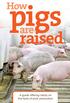 pigs How are raised A guide offering clarity on the facts of pork production Page 4 Page 6 Page 8 Page 10 Page 12 How Pigs Were Raised Until the 1950s, most farmers produced a little of everything, including
Pig Farming 1. Introduction
 Pig Farming 1. Introduction The challenges faced by our country in securing the food as well as nutritional security to fast growing population need an integrated approach in livestock farming. Among the
Best Practices for Managing Heat Stress in Feedyard Cattle
 Best Practices for Managing Heat Stress in Feedyard Cattle Prepared for Certified Angus Beef LLC by Dr. Terry L. Mader, Mader Consulting LLC, Gretna, Nebraska These guidelines have been developed based
Healthy puppies come from breeders who:
 If you re looking for a new dog, check your local RSPCA or other animal rescue group first. There are many wonderful puppies and dogs out there looking for new homes. But if you can t find the right dog
Facts about the production of Poultry Meat in Denmark 4. July 2014
 Facts about the production of Poultry Meat in Denmark 4. July 2014 Birthe Steenberg Manager Danish Poultry Meat Association Tlf. 24631673; E-mail: [email protected] Poultry Meat from stable to table Breeding animals
ANIMAL WELFARE AND BEEF CATTLE PRODUCTION SYSTEMS
 CHAPTER 7.9. ANIMAL WELFARE AND BEEF CATTLE PRODUCTION SYSTEMS Definitions Article 7.9.1. Beef cattle production systems are defined as all commercial cattle production systems where the purpose of the
Meat Goats. January 2005. Kent Orrell Extension Educator, Kiowa Co. Okla.
 Meat Goats 4-H livestock projects January 2005 Kent Orrell Extension Educator, Kiowa Co. Okla. Oklahoma State University, U.S. Department of Agriculture, State and local governments cooperating. The Oklahoma
LIVERY YARD AGREEMENT
 LIVERY YARD AGREEMENT YARD AGREEMENT The British Horse Society, sponsored by SEIB, Intervet and Merial Animal Health and supported by BEVA, the ILPH, the RSPCA and SSPCA emphasises the importance of a
Best Management Practices for Animal Shelter and Rescue in the Province of Alberta
 Best Management Practices for Animal Shelter and Rescue in the Province of Alberta AB.VMA Alberta Ve terinary Medical Association Best Management Practices for Animal Shelter and Rescue in the Province
Code of Practice on the responsible use of animal medicines on the farm
 Code of Practice on the responsible use of animal medicines on the farm Updated: December 2014 Supported by the following organisations: Table of Contents Table of Contents... 2 Introduction... 3 Animal
Guidelines for Animal Disease Control
 Guidelines for Animal Disease Control 1. Introduction and objectives The guidelines are intended to help countries identify priorities, objectives and the desired goal of disease control programmes. Disease
AviagenBrief. Post-Brooding Management. Summary. Aviagen Brief - Optimizing Broiler FCR, June 2011. September 2011
 Aviagen Brief - Optimizing Broiler FCR, June 2011 AviagenBrief Post-Brooding Management Turkey, Middle East & Africa Technical Team Summary Introduction Improvements in post-brooding management that produce
ADVICE FOR OWNERS OF PET PIGS AND MICRO PIGS
 ADVICE FOR OWNERS OF PET PIGS AND MICRO PIGS Guidance on the legal obligations of pig keepers ADVICE AND GUIDANCE This leaflet is designed for people who keep, or are considering keeping, pigs or micro
Controlling rats and mice. A guide to preventing infestations and getting rid of them
 Controlling rats and mice A guide to preventing infestations and getting rid of them General information about rats and mice The house mouse and the brown rat are common rodent pests. We all have a responsibility
NOTIFICATION New Delhi, the 24 th December, 2001. And whereas copies of the said Gazette were made available to the public on November 2, 2001;
 NOTIFICATION New Delhi, the 24 th December, 2001 S.O. 1256 (E) - Whereas the draft Animal Birth Control (Dogs) Rules, 2001 were published, as required under the sub-section (1) of section 38 of the Prevention
CCAC guidelines on: the care and use of farm animals in research, teaching and testing
 Canadian Council on Animal Care in science CCAC guidelines on: the care and use of farm animals in research, teaching and testing This document, the, has been developed by the ad hoc subcommittee on farm
Requirements for Operators of Abattoirs, Rendering Plants and Dead Stock Collection Centres
 Canadian Food Inspection Agency Agence canadienne d inspection des aliments Requirements for Operators of Abattoirs, Rendering Plants and Dead Stock Collection Centres Livestock Identification and Traceability
Keeping Show Pigs Healthy
 L-5392 10-02 Keeping Show Pigs Healthy Bruce Lawhorn Associate Professor and Extension Swine Veterinarian The Texas A&M University System Show pigs can bring many disease organisms into a farm and spread
Health and Safety Management in Healthcare
 Health and Safety Management in Healthcare Information Sheet Nov 2010 This information sheet gives guidance on the key elements of health and safety management in healthcare. It is intended for small employers
National Quality Standard Assessment and Rating Instrument
 National Quality Assessment and Rating Instrument April 2012 Copyright The details of the relevant licence conditions are available on the Creative Commons website (accessible using the links provided)
Hatching Eggs, Breeders, Chickens, and Turkeys
 CODE OF PRACTICE FOR THE CARE AND HANDLING OF Hatching Eggs, Breeders, Chickens, and Turkeys Draft for Public Comment Period Table of Contents Introduction... i Glossary... ii 1. Personnel Knowledge and
Proposed amendment to Part XV of the Health of Animals Regulations. July 2012. Presentation during comment period
 Proposed amendment to Part XV of the Health of Animals Regulations July 2012 Presentation during comment period 2011 Her Majesty the Queen in Right of Canada (Canadian Food Inspection Agency), all rights
Code of Accepted Farming Practice for the Welfare of Sheep (Victoria)
 DEPARTMENT OF PRIMARY INDUSTRIES Code of Accepted Farming Practice for the Welfare of Sheep (Victoria) (Revision Number 2) DEPARTMENT OF PRIMARY INDUSTRIES Code of Accepted Farming Practice for the Welfare
Primary Industries Certificate III in Rural Operations (AHC32810)
 Primary Industries (AHC32810) based on the Agriculture, Horticulture and Conservation and Land Management Training Package () version 8 Effective from 2012 Date published October 2011 Updated February
Heat Illness Prevention Program
 Heat Illness Prevention Program I. Policy Employees working in outdoor places of employment or in other areas at times when the environmental risk factors for heat illness are present, are at risk for
DOCUMENT OUTLINE WAZA ANIMAL WELFARE STRATEGY
 DOCUMENT OUTLINE WAZA ANIMAL WELFARE STRATEGY This is the outline of the WAZA Animal Welfare Strategy. It covers proposed chapter outlines; a broadly worded WAZA member commitment in each section; key
Fran Fr k Aherne Alberta Pig Company Canada
 Frank Aherne Alberta Pig Company Canada Maximize milk production to ensure maximum litter growth rate. Limit sow weight loss to ensure optimum postweaning reproductive performance. Keep feed wastage and
Name of Business. Record 1- Approved Food Suppliers List
 Record 1- Approved Food Suppliers List Supplier No. Details of Supplier (Name, address, contact details) Product Description Approved Supplier Date approved Corrective Action Reject suppliers that do not
There may be an additional section covering health and safety concerns which fall outside the scope of the national food hygiene rating scheme.
 Public Protection (food & safety) Food Premises Inspection Report Name of Business: The Merchants of Spice Address of food business: 30-32 Colegate, Norwich, NR3 1BG Date of Inspection: 5 November 2015
Records and record keeping on sheep and goat farms
 MoARD TECHNICAL BULLETIN No.30 Records and record keeping on sheep and goat farms Further information: Ethiopia Sheep and Goat Productivity Improvement Program (ESGPIP) Tel. +251 011 416 6962/3 Fax: +251
ORGANIC PIG FARMING. Guidelines no. 22: Rules for organic pig production in accordance with EU Regulations (EC) no. 834/2007 and (EC) no.
 TS22(EC)V02en_Pig farming 06/07/2012 ORGANIC PIG FARMING Guidelines no. 22: Rules for organic pig production in accordance with EU Regulations (EC) no. 834/2007 and (EC) no. 889/2008 1 I. Scope Organic
Caring for guinea pigs
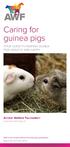 Caring for guinea pigs YOUR GUIDE TO KEEPING GUINEA PIGS HEALTHY AND HAPPY Animal Welfare Foundation www.bva-awf.org.uk AWF is the charity led by the veterinary profession Registered Charity No. 287118
Excavation & Trenching Procedure
 Excavation & Trenching 1. Overview The will ensure, as far as is reasonably practicable, that the conduct of work relating to excavation and trenching will not be harmful to the health and safety of employees
FARMERS INFORMATION SERIES DAIRY BEEF. Scheme. blade-farming.com
 FARMERS INFORMATION SERIES DAIRY BEEF Scheme blade-farming.com INTRODUCTION to Blade Farming The Blade Farming business was established in 2001 as an integrated supply chain which is dedicated to supplying
NUTRIENT SPECIFICATIONS OF TURKEY WASTE MATERIAL
 UTILIZATION OF TURKEY WASTE MATERIAL IN BEEF CATTLE DIETS Dale R. ZoBell, PhD, Beef Cattle Specialist Gary Anderson, Sanpete County Agent Clell Bagley, DVM, Extension Veterinarian July 1999 AG504 INTRODUCTION
Good Hygiene Practices for Catering at Outdoor Events
 Good Hygiene Practices for Catering at Outdoor Events The following pages of advice are based on the requirements of Regulation (EC) 852/2004 on the Hygiene of Foodstuffs The Food Hygiene (England) Regulations