
Foreclosure Fairness Program Annual Report on Program Performance (RCW )
|
|
|
- Barnard Flynn
- 10 years ago
- Views:
Transcription
1 Foreclosure Fairness Program Annual Report on Program Performance (RCW ) October 2014 Report to the Legislature Brian Bonlender, Director

2 Acknowledgements Washington State Department of Commerce Diane Klontz, Assistant Director, Community Services and Housing Division Tony Hanson, Managing Director, Community Economic Opportunities Unit Corina Grigoras, Program Manager, Foreclosure Fairness Program Washington State Housing Finance Commission Kim Herman, Executive Director Washington State Department of Financial Institutions Scott Jarvis, Director Washington State Office of the Attorney General Bob Ferguson, Attorney General Office of Civil Legal Aid James Bamberger, Director Special thanks to the Dispute Resolution Centers, Northwest Justice Project, mediators, attorneys, and housing counselors that partnered with Commerce to implement and deliver the Foreclosure Fairness Program. Corina Grigoras, Washington State Department of Commerce Foreclosure Fairness Program 1011 Plum Street SE P.O. Box Olympia, WA For people with disabilities, this report is available on request in other formats. To submit a request, please call (TTY ). Foreclosure Fairness Program Legislative Report 2014

3 Table of Contents Executive Summary... 1 Background... 3 Program Performance... 8 Results of the Mediation Program Outcomes of Housing Counseling Legislative Improvements Attachment A Foreclosure Fairness Program Home-Retention Survey Foreclosure Fairness Program Legislative Report 2014

4 Foreclosure Fairness Program Legislative Report 2014

5 Executive Summary Overview The Foreclosure Fairness Act (RCW ), initially passed by the Legislature in April 2011, reshapes the non-judicial foreclosure process in Washington State to help protect homeowners from unnecessary foreclosures. The Act assigns the primary responsibility for developing and managing the Foreclosure Fairness Program to the Department of Commerce (Commerce). This work is done in collaboration with the Washington State Housing Finance Commission, Department of Financial Institutions, Office of the Attorney General, Office of Civil Legal Aid, and with Dispute Resolution Centers, 1 mediators, attorneys (private and legal aid), and housing professionals. The legislation calls for the development of the Foreclosure Fairness Fund and the Foreclosure Mediation Program. The Mediation Program, developed and managed by Commerce, assists homeowners ( borrowers ) in navigating through the foreclosure process and avoiding foreclosure when possible. The program is funded through fees paid by mortgage lenders ( beneficiaries ). Beneficiaries are required to pay a $250 fee into the Foreclosure Fairness Fund for each Notice of Default issued to owner-occupied residential real properties. Some beneficiaries are exempt from this fee. Money deposited in the fund is expended on homeowner counseling, development and operation of the Mediation Program, Act enforcement, foreclosure prevention outreach and education, and legal assistance for low- and moderate-income homeowners. Housing professionals agree that keeping people in their homes is not the only possible positive outcome of the Mediation Program. The intent of the program is to ensure that, even when foreclosure is unavoidable, the process is fair and transparent, and gives both the borrower and the beneficiary the opportunity to meet and make well-informed decisions. Mediation gives borrowers the chance to understand their options and requires beneficiaries to explain why some options may not be available. This report fulfills the requirement of RCW (18) for Commerce to report annually on the results of the Foreclosure Fairness Act and the Mediation Program. 1 Dispute Resolution Centers (DRCs) are a statewide network of organizations that provide alternatives to legal remedies. The state has provided funding for these organizations for several years to reduce court caseloads by providing affordable mediation to resolve several types of disputes, including parenting plans, divorce, landlordtenant issues, and most recently, foreclosure. Foreclosure Fairness Program Legislative Report

6 Key Program Outcomes The data presented in this report is cumulative, covering the first three fiscal years of the program, from its enactment on July 22, 2011, through June 30, 2014, unless otherwise indicated. Key outcomes include: In partnership with several Dispute Resolution Centers and other key stakeholders, Commerce trained more than 300 potential foreclosure mediators; 228 were approved to conduct foreclosure mediations in Washington State. There are currently 126 active mediators. There are currently 77 housing counselors (including legal aid attorneys) experienced in foreclosure counseling in the state. Housing counselors and attorneys referred 6,319 borrowers to Commerce for mediation. Of the 6,319 referrals, 4,059 cases have been closed and/or certified by the mediators. The rest are either pending, were certified after June 30, 2014, or have been found to be ineligible for mediation. Legislative Improvements The success of the Foreclosure Fairness Program is directly connected to the relationships established with all of the program stakeholders. Each time the Act has been amended, Commerce has worked with stakeholders to achieve consensus on implementation of the new guidance. During the past fiscal year, Commerce convened several stakeholder meetings, during which program improvements were discussed and debated, and eventually agreed upon. These meetings resulted in legislative improvements made to the Act, which were passed unanimously by both the 2014 House and Senate and signed into law by Governor Jay Inslee on March 31, A summary of these important program improvements are included later in this report, in the Legislative Improvements section. Foreclosure Fairness Program Legislative Report

7 Background Program Creation and Amendments to the Statute The Foreclosure Fairness Program originated in the Foreclosure Fairness Act, a bipartisan effort in the 2011 legislative session to reduce the impact of foreclosures in our state. The program s purpose is to reduce unnecessary foreclosures by providing homeowner counseling and foreclosure mediation. After its original enactment, the Legislature made significant changes to the Act (SSB 5988 during the special session of 2011, SHB 2614 during the 2012 session, and HB 2723 during the 2014 session to improve the productivity of foreclosure mediations and to make the overall process more efficient and transparent. Representatives of the beneficiaries (mortgage lenders), housing advocates, trustees, counselors, and mediators supported these changes. Commerce hosted several meetings with these stakeholders to discuss changes to make the program more effective. The changes included shifting the order of documents exchanged, lengthening the period for mediation, providing civil immunity to mediators, and clarifying and expanding the borrowers eligibility criteria for the program. The most recent changes to the Act (HB 2723, 2014 session) improved the beneficiary notification process to the borrower (prior to the Notice of Default), broadened the mediation eligibility criteria by expanding the borrower and the residential real property definitions, introduced voluntary mediation (when the borrower failed to elect mediation within the statutory timeline), clarified the locations of the mediation session and the meet and confer meeting, and modified the distribution of the funds to ensure the continuous operation of the program given that revenues are decreasing. Description of the Foreclosure Fairness Program Roles and Responsibilities The Foreclosure Fairness Program authorizing legislation spells out some roles and responsibilities for various partners. Other roles were identified through a program development phase, initiated and directed by Commerce, and involving all of the partners. Following are the various agencies involved with the program, what they are responsible for, and what is being reported in this report. Washington State Department of Commerce: Commerce is charged with the overall development and management of the Foreclosure Fairness Program, including the Mediation Program, and the administration of the Foreclosure Fairness Fund. Commerce is also responsible for training, approving, and maintaining a list of approved foreclosure mediators, and assigning them to mediation cases. Foreclosure Fairness Program Legislative Report

8 Washington State Housing Finance Commission: The Washington State Housing Finance Commission (the Commission) administers a homeowner-counseling program, as required by the Foreclosure Fairness Act. The Commission oversees a toll-free Homeownership Resource Hotline where homeowners in need of foreclosure prevention assistance can call and receive free foreclosure prevention counseling. Washington State Department of Financial Institutions: The Washington State Department of Financial Institutions is responsible for conducting homeowner prepurchase and post-purchase outreach and education programs, and raising public awareness of the services provided under the Foreclosure Fairness Program. Washington State Office of the Attorney General: The Consumer Protection Division of the Washington State Attorney General s Office created the Foreclosure Compliance Program to enforce the Deed of Trust Act, as required by that Act, and investigate consumer protection complaints. Office of Civil Legal Aid: The Office of Civil Legal Aid contracts with qualified legal aid programs to provide free legal assistance to low- and moderate-income homeowners in matters related to foreclosure. Funding The Foreclosure Fairness Program is exclusively supported by private funds. Beneficiaries pay a $250 fee into the Foreclosure Fairness Fund for each Notice of Default issued to owneroccupied residential real properties in Washington. Federally insured financial institutions that issue fewer than 250 Notices of Default in a year may apply for an exemption to these fees during the following calendar year. The Fund pays for free homeowner foreclosure counseling, consumer protection and act enforcement, development and operation of the Mediation Program, foreclosure prevention outreach and education, and free legal assistance for low-and moderate-income borrowers. Figures 1 and 2 below illustrate the revenue received into the Fund and its allocation as of June 30, Foreclosure Fairness Program Legislative Report

9 Figure 1: Foreclosure Fairness Fund Revenue, as of June 30, 2014 $2,500,000 $2,000,000 $1,500,000 $1,000,000 $500,000 $0 $1,935,250 Quarterly Receipts $15,908,275 Million Received through June 30, 2014 $692,000 $1,720,200 $510,250 $1,464,126 $560,000 $1,616,124 $1,199,825 $2,097,750 $1,425,000 $861,585 $909,665 $916,500 Note: Funds received by Commerce in a quarter are fees for Notices of Default issued by beneficiaries in the previous quarter. Beneficiary reports and payments are due to Commerce 45 days after the end of each quarter (RCW ). Figure 2: Foreclosure Fairness Fund Allocation, as of June 30, 2014 $477,248, 3% $318,166, 2% $954,497, 6% $2,863,490, 18% $11,294,875, 71% 71% Homeowner Counseling - Housing Finance Commission 18% Program Implementation & Adminstration - Department of Commerce 6% Consumer Protection - Office of Attorney General 3% Education & Outreach - Department of Financial Institutions 2% Homeowner Legal Representation - Office of Civil Legal Aid Foreclosure Fairness Program Legislative Report

10 Meet and Confer Period The meet and confer period, prescribed in the Deed of Trust Act, identifies clear steps of notification prior to foreclosure. Beneficiaries must issue a Notice of Pre-Foreclosure Options at least 30 days before issuing a Notice of Default. The Notice of Pre-Foreclosure Options explains to the borrower that they are in danger of losing their home, that free counseling is available to help them understand their options, and the potential for mediation. It also informs the borrower of the opportunity to meet with the beneficiary to try to resolve the issue (known as the meet and confer meeting). If the borrower responds to the Notice of Pre-Foreclosure Options and requests a meet and confer, a Notice of Default may not be issued for an additional 60 days. After the Notice of Default is issued, beneficiaries must wait at least 30 days before recording a Notice of Trustee Sale. Referral to Mediation Following the meet and confer period, beneficiaries and borrowers may meet for mediation. Borrowers become eligible for mediation once a Notice of Default is issued and remain eligible until 20 days after the recording of the Notice of Trustee Sale, and if their beneficiary is not exempt from mediation. 2 Borrowers must be referred for mediation to Commerce by an attorney or a housing counselor. The services of the housing counselors are free to borrowers. Commerce has 10 days to assign a mediator and notify all of the parties that mediation was requested. The assigned mediator has 70 days to complete the mediation (longer if both parties agree to the extension). The participants in the mediation must address the issues of foreclosure that may enable the parties to come to an agreed resolution. To do this, the mediator will ask the participants to consider the borrower s economic position, the Net Present Value 3 of receiving payments from a modified mortgage compared to the recovered costs following foreclosure, affordable modifications, and any applicable loss mitigation guidelines for loans insured by the Federal Housing Administration, the Veterans Administration, or the Rural Housing Service. 2 Federally insured depository institutions that were not a beneficiary in more than 250 trustee sales in a year may certify to Commerce their exemption from mediation status during the following calendar year. 3 In the context of foreclosures, Net Present Value is an accounting calculation that the beneficiary performs in order to assist them in comparing the costs of a loan modification to the costs of a foreclosure. Foreclosure Fairness Program Legislative Report

11 Mediation Certification Since Foreclosure Fairness Program inception, Commerce has developed standards, coordinated and conducted training, and approved 228 foreclosure mediators. In addition, Commerce developed guidelines for the mediation and certification process. Within seven business days of the completion of the mediation, the mediator must certify the outcome of the mediation to Commerce and send copies to all parties involved. This certification must indicate if a resolution was reached, a description of the resolution, and whether the parties participated in good faith. If no agreement was reached, they must also include a description of the Net Present Value analysis used and its results. A finding that the beneficiary did not act in good faith constitutes a defense to the nonjudicial foreclosure action. A borrower may use this finding in court to stop the foreclosure. A finding that the borrower failed to mediate in good faith authorizes the beneficiary to proceed with the foreclosure. Foreclosure Fairness Program Legislative Report

12 Program Performance Statewide Counselors Housing counseling and mediation services are available to borrowers across the state. Borrowers seeking housing counseling contact the Homeownership Resource Hotline where their call is prioritized and referred to a free-of-charge local housing counselor. Since the passage of the Foreclosure Fairness Act, the number of housing counselors contracted has increased from 44 to 77 counselors (including some legal aid attorneys who provide housing counseling-like services). These counselors, as well as private attorneys, refer mediation-eligible cases to Commerce. Commerce then assigns mediators to these cases based on the borrower s county of residence and the mediators capacity and availability. Approved Foreclosure Mediators In addition to receiving referrals and assigning mediators, Commerce is responsible for maintaining a list of approved foreclosure mediators. The Foreclosure Fairness Act identifies attorneys, retired judges, U.S. Department of Housing and Urban Development-approved housing counselors, and employees and volunteers of Dispute Resolution Centers as eligible to become foreclosure mediators. Commerce requires participating mediators to take foreclosure mediation training and have additional documented mediator training and experience. Commerce trained more than 300 mediators on the requirements of the Foreclosure Fairness Act, federal loan programs, and foreclosure laws during two series of two-day trainings in June 2011 and May The second day of each training series included a full day of hands-on mediation skills and practice hosted by regional Dispute Resolution Centers around the state. Commerce approved 228 mediators to conduct foreclosure mediations in Washington. Currently, there are 126 active mediators conducting foreclosure mediations in our state. Referrals to Mediation From July 2011, when the program began, through June 2014, Commerce received 6,319 referrals to mediation: Housing counselors made 2,459 (or 39 percent) of these referrals, and attorneys (private and legal aid) made 3,860 (or 61 percent). 5,578 (or 88 percent) of the referrals were deemed eligible and assigned to the Commerce-approved mediators. 741 (or 12 percent) of the referrals were deemed to be ineligible. 4,059 (or 73 percent) of the 5,578 assigned/eligible cases were closed and/or certified by the mediators as of June 30, Foreclosure Fairness Program Legislative Report

13 More details about the mediation outcomes are presented later in this report, in the Results of the Mediation Program section. Fiscal Year Program Administration Accomplishments Commerce continues to improve and streamline the administration of the Foreclosure Fairness Program, in order to more effectively serve the public and all of the program s stakeholders. The following list includes just a few highlights of the accomplishments made in the last fiscal year (July 1, 2013, to June 30, 2014): Received and processed almost 2,000 new referrals to mediation. Continued streamlining the administrative process, from referral intake to assigning mediators and notifying the parties, and assisting mediators throughout the process. Approved 25 new foreclosure mediators. Convened six large stakeholders meetings to discuss program improvements and streamlining, which resulted in the unanimous passage of House Bill 2723 by both House and Senate, and enacted into law by Governor Jay Inslee on March 31, Revised and continuously improved the Foreclosure Fairness Program Guidelines manual for mediators, referrers, beneficiaries, and other interested stakeholders. Redeveloped and improved the Commerce s Foreclosure Fairness Program website with a focus on homeowners and other stakeholders. Revised old forms (such as the Notice of Pre-foreclosure Options) and created new forms, notices, instructions, and guidelines for mediators, referrers, and beneficiaries. In partnership with the Washington State Housing Finance Commission and all counseling agencies, revamped and improved the reporting format for counselling services provided under to the Foreclosure Fairness Program. The new reporting format will be used by the counseling agencies during the fiscal year and will be presented in the next annual legislative report. In partnership with the Department of Financial Institutions, planned and launched a large marketing campaign to educate the public and raise awareness of the foreclosure prevention services provided under the Foreclosure Fairness Program. Finished redesigning and translating the Foreclosure Fairness Program brochure in 10 languages, also in partnership with the Department of Financial Institutions. Housing Finance Commission s Performance Commerce partners with the Washington State Housing Finance Commission (the Commission) to administer a homeowner-counseling program, as required by the Foreclosure Fairness Act. Detailed housing counseling data and outcomes reported by the Commission are included later in this report, in the Outcomes of Housing Counseling section. Foreclosure Fairness Program Legislative Report

14 The Commission has executed contracts with Commerce to do all things necessary to operate and maintain a statewide foreclosure counseling program. In this role, the Commission agrees to such things as: Subcontract with a statewide network of housing counselors who provide default and foreclosure counseling and provide payment for their services using Foreclosure Fairness Act funds from Commerce. Make efforts to align practices, policies, and quality of service of the counseling agencies in a consistent manner on a statewide basis. Collect and provide data to Commerce regarding the performance of the counseling agencies and the outcomes of services provided to their clients. Monitor complaints against housing counselors and take corrective action when necessary. Department of Financial Institutions Performance The Washington State Department of Financial Institutions (DFI) is responsible for conducting homeowner pre-purchase and post-purchase outreach and education programs. From the Act s enactment in 2011, DFI and Commerce worked closely together to raise public awareness about the services provided under the Foreclosure Fairness Program. From the beginning of the program through June 30, 2013, DFI reported: Printed 60,000 Foreclosure Fairness Program brochures and distributed 40,000 to the public. Printed and distributed 20,000 Foreclosure Fairness Program business card-style handouts. Direct-mailed 5,646 postcards to homeowners identified to be in foreclosure. Distributed 24,274 Guide to Home Loans workbooks. Shared Foreclosure Fairness Act, homeownership, and financial education information at 130 conferences and workshops, and provided information at six Realtor events. Provided funding and support for Seattle University Law School and Northwest Justice Project direct-mail campaign in Seattle. Produced video public service announcements that ran 835 times on statewide television channels. Revised the brochure and translated it in the top 10 non-english speaking languages in Washington (Spanish, Vietnamese, Russian, Chinese, Korean, Somali, Cambodian, Arabic, Tagalog, and Samoan). Provided program outreach on multiple Hispanic Affairs Commission-coordinated radio shows (in Spanish) with a statewide audience. Maintained relations with Asset Building Coalitions and other organizations working on foreclosure prevention. Foreclosure Fairness Program Legislative Report

15 From July 1, 2013, to June 30, 2014, DFI reported: Conducted a 22-week media campaign focusing on the I-5 corridor and Spokane County; the campaign included 11 print and online publications; Google, Yahoo, Facebook, and Bing online ads; and nine radio stations running an estimated 3,600 spots. Updated the Washington Homeownership Information website ( including the Foreclosure Fairness Act page and links. Updated and printed 30,000 new English Foreclosure Fairness Program brochures and distributed approximately 23,000 to the public. Printed 35,000 copies of the translated brochures for distribution in direct mail packages and online orders from foreclosure prevention organizations. Distributed more than 17,000 Guide to Home Loans workbooks. Direct-mailed 1,384 letters (with brochures, translated brochures, and business cards) to a variety of organizations, non-profits, churches, local government offices, chambers of commerce, and school districts. Provided program brochures and business cards at approximately 70 state-wide events. Provided program outreach on multiple Hispanic Affairs Commission-coordinated radio shows (in Spanish) with a statewide audience. At the time of this report, DFI is expanding radio public service announcements in targeted counties and communities; increasing Facebook, Pandora, Yahoo, and Google program presence; placing screen ads in movie theaters in targeted counties; sending direct to 100,000 priority recipients; working with Commerce and City of Seattle to target at-risk communities in the Seattle area; updating and distributing more than 30,000 copies of the Guide to Home Loans workbook; and continuing to send program materials to community organizations. Office of the Attorney General s Performance The Consumer Protection Division of the Attorney General s Office (AGO) created the Foreclosure Compliance Program to enforce the Deed of Trust Act, as required by that Act. During the last fiscal year (July 1, 2013, to June 30, 2014), the Foreclosure Compliance Program received 538 complaints and inquiries as follows direct consumer complaints 73 housing counselor complaints 91 private attorney inquiries regarding clients with mortgage servicing and foreclosure problems. The Foreclosure Compliance Program regularly receives case-specific and issue-related input from Commerce, including requests to respond to homeowners and counselors. The 4 All numbers are approximate because some inquiries do not always immediately present themselves as complaints and not all telephone calls made directly to attorneys or investigators are counted. Foreclosure Fairness Program Legislative Report

16 Foreclosure Compliance Program and Commerce work collaboratively to solve common issues. The Foreclosure Compliance Program participates in mediator training and gives presentations throughout the region. As a part of the 2012 National Mortgage Settlement, the AGO distributed $43.8 million in grants to governmental agencies and non-profit organizations throughout the state. The agencies and organizations are using the grant funds to provide consumer access to housing counselors and legal services that help provide consumers with protections afforded under the Foreclosure Fairness Act. Overall, the grant recipients reported that as of the end of June of 2014, more than $15 million has been expended through their programs throughout the state. Since July 1, 2013, the AGO has brought the following actions to enforce the Deed of Trust Act: On February 26, 2014, the AGO sued Quality Loan Service Corporation (QLS) of Washington for failing to maintain a physical presence in the state. As a result of the lawsuit, QLS paid $250,000 to Washington borrowers whose homes were foreclosed upon between January 1 and February 27, The AGO accepted an Assurance of Discontinuance from UTLS Default Services-WA, Inc., in which UTLS agreed that if it wishes to act as a foreclosing trustee in Washington, it will maintain a physical presence in Washington and otherwise comply with the Deed of Trust Act. On May 15, 2014, the AGO sued Cal-Western of Washington, Inc., for violations of the Deed of Trust Act and Consumer Protection Act for failure to provide consumers with a working phone number in its foreclosure notices. Cal-Western immediately agreed to discontinue all pending foreclosure sales until the defective notices could be replaced. This case remains in litigation at the time of this report, and has not yet been fully resolved. The AGO also was party to two national lawsuits that resulted in significant relief for Washington borrowers: On December 19, 2013, the AGO, along with 48 other states and the federal government, filed a consent judgment against Ocwen Financial Corporation and its subsidiary Ocwen Loan Servicing to resolve claims that Ocwen engaged in unfair and deceptive practices that led to premature and unauthorized foreclosures. Ocwen will provide over $2 billion in nationwide relief to homeowners; Washington borrowers will benefit from about $49 million in first-lien mortgage principal reductions, and about 3,637 Washington borrowers who lost their homes to foreclosure while serviced by Ocwen will each receive a cash payment of about $1,000. On June 17, 2014, the AGO, along with other states and the federal government, filed a consent judgment against SunTrust Mortgage, Inc., to resolve allegations that SunTrust Foreclosure Fairness Program Legislative Report

17 engaged in unfair and deceptive practices regarding mortgage origination, servicing, and foreclosure. Under the terms of the consent judgment, SunTrust will pay $3 million to benefit 744 Washington borrowers, in the form of direct payments, loan modifications, or other relief. The AGO participated in the stakeholders group that amended the Foreclosure Fairness Act in the 2014 legislative session. Office of Civil Legal Aid s Performance Commerce partners with the Office of Civil Legal Aid (OCLA) to provide free legal assistance to low- and moderate-income homeowners in matters related to foreclosure. OCLA grants the entire Foreclosure Fairness Act funds it received to the statewide Northwest Justice Project (NJP) for the provision of civil legal aid services. From the beginning of the program through June 2013, OCLA reported 2,948 calls were received from individual homeowners seeking legal assistance. Of those calls, 445 calls were rejected as ineligible and 2,503 were accepted for representation. During the last fiscal year (July 1, 2013, to June 30, 2014), OCLA received 814 calls from homeowners seeking legal assistance. Of those calls, 76 were rejected as ineligible and 738 were accepted for representation. The majority of these calls were from residents along the I-5 corridor, with King County residents making 22 percent of the calls, followed by Pierce County (16 percent), Snohomish County (12 percent), and Clark County (8 percent). Spokane County residents made the majority of calls from east of the Cascades (5 percent). NJP s foreclosure prevention work during July 2013-June 2014 was influenced by a combination of the on-the-ground reality of the mediation process and the resultant need to engage in increased litigation. Also during this time, NJP participated in civil appellate litigation in which its attorneys, often working with other homeowner attorneys, sought to defend and preserve key homeowner protections. NJP attorneys were invited to appear as amicus curiae ( friend of the court ) in several Washington Supreme Court cases to address important issues pending before the court or to raise issues of critical importance to NJP s client community. Examples include cases related to the question of whether there can be damages in a wrongful foreclosure absent a completed trustee s sale, the nature and scope of a trustee s statutory duty of good faith owed to the homeowner under current law, the policy and practical reasons behind the payment of attorney fees to a defendant in a debt collection action in which the plaintiff voluntarily dismisses, and public interest support for the resolution of legal issues pertaining to the definition and applicability of beneficiary as it pertains to Washington s Deed of Trust Act (RCW 61.24). Foreclosure Fairness Program Legislative Report

18 NJP created a Foreclosure Prevention Unit (FPU) to help organize and participate in a number of Continuing Legal Education trainings, community education events, and legal clinics. These included the 21st Annual Dispute Resolution Conference, King County Dispute Resolution Center's In-Service Training on Foreclosure Mediation Ethics, Consumer Financial Protection Bureau's New Mortgage Servicing Guidelines and Foreclosure Fairness Act Amendments, and a free legal clinic for victims of the recent SR 530 landslide and other similar events. FPU staff attorneys also chair the King County Financial Empowerment Network's Foreclosure Prevention Team, which consists of local housing counselors, other legal service providers, and federal, state and city officials who meet once a month to collaborate on foreclosure prevention efforts in the Seattle-King County metropolitan area. Additionally, FPU staff attorneys lend their foreclosure expertise to their local Housing Justice Project (Seattle, Snohomish, and Tacoma), Consumer Debt and Bankruptcy Clinics (Seattle and Spokane), Volunteer Lawyer Programs (Whatcom, Vancouver, and Jefferson-Clallam Counties), and Yakima social services providers. It is important to note that NJP s legal aid attorneys also provide direct legal aid services to borrowers before, during, and after mediation. These services, akin to those provided by housing counselors, are funded by the Washington State Housing Finance Commission. Performance measure data for these services is included in the Outcomes of Housing Counseling section later in this report. Foreclosure Fairness Program Legislative Report

19 Results of the Mediation Program The data presented in this section is cumulative, covering the first three fiscal years of the program, from its enactment on July 22, 2011, through June 30, The Mediation Program was developed and is administered by Commerce. Referrals to Mediation Mediation cases are referred to Commerce by either housing counselors (approximately 39 percent) or attorneys (approximately 61 percent). Of the 6,319 referrals received through June 30, 2014, Commerce assigned 5,578 to approved mediators; and 741 were deemed ineligible. 4,059 of the assigned cases have been mediated and/or completed. The remaining assigned cases were pending mediation/completion on June 30, Figure 3 below tallies the mediation referrals that Commerce received through the end of this reporting period and their outcomes. Figure 4 identifies the 10 counties with the highest numbers of referrals received by Commerce. Figure 5 illustrates the number of referrals received each quarter. Figure 3: Mediation Referrals from Beginning of Program through June 30, 2014 Category Description Cases Mediation Referrals Received Through June 30, ,319 Referred by housing counselors 2,459 (39%) Referred by attorneys (private and legal aid) 3,860 (61%) Cases assigned to mediators * 5,578 Cases completed/closed through June 30, ,059 Cases pending mediations/certifications as of June 30, 2014 ** 1,519 Cases ineligible for mediation *** 741 * Includes cases that have been mediated or closed, as well as cases that are currently pending an outcome. **Cases that have been assigned to mediators, and as of June 30, 2014, for which Commerce has not received the certification from the mediator indicating if the mediation has occurred and describing the result of the mediation. *** Cases that have been referred to Commerce but upon further review have been found to be ineligible, most typically because the beneficiary was exempt, or the timing of the referral missed the window of eligibility specified in the Foreclosure Fairness Act. Foreclosure Fairness Program Legislative Report

20 Figure 4: Counties with the Highest Numbers of Referrals Received through June 30, 2014 Top 10 Counties Referrals Received King 2,580 Snohomish 1,107 Pierce 994 Spokane 393 Clark 280 Kitsap 159 Thurston 148 Yakima 88 Whatcom 86 Skagit 70 Figure 5: Referrals Received per Quarter through June 30, Jul-Sep 2011 Oct-Dec 2011 Jan-Mar 2012 Apr-Jun 2012 Jul-Sep 2012 Oct-Dec 2012 Jan-Mar 2013 Apr-Jun 2013 Jul-Sep 2013 Oct-Dec 2013 Jan-Mar 2014 Apr-Jun 2014 Note: Some of the numbers in Figure 5 have been slightly adjusted from the numbers reported in previous legislative reports. Commerce has undertaken a large database maintenance and data integrity project during the past fiscal year, resulting in some necessary corrections to previously reported data. Mediation Results Figure 6 below analyzes the 4,059 cases that have been mediated and completed. The data presented is based on the mediator certifications received by Commerce. Foreclosure Fairness Program Legislative Report

21 Some cases do not reach a mediation session due to a variety of factors, such as the borrower s withdrawal from the mediation process, agreements between borrower and beneficiary reached prior to session, or one or both parties being unresponsive to the mediator (i.e., lack of good faith on either the borrower s or the beneficiary s part). For the cases with one or more mediation sessions, mediators submitted to Commerce certifications that indicated whether an agreement was reached in session. Reaching an agreement does not necessarily mean the borrower was able to stay in the house. In some cases, it is not possible because of the borrower s financial situation. It is important to note that staying in the home is not the only possible positive outcome. The purpose of the Mediation Program is fulfilled if both the borrower and the beneficiary are able to communicate openly and in good faith, understand all the available options or why they are not available, and as a result make well-informed decisions. Some subcategories listed below are not mutually exclusive. For example, the subcategories listed under Borrower Stayed in Home (under Mediation Session(s) Occurred Agreement Reached ) are not mutually exclusive because borrowers may receive a loan amortization extension, have the principal reduced, and also have the interest rate reduced. In a case like this, that same favorable result would be counted in all three subcategories. In instances when an agreement was not reached or when a session failed to occur, the mediators are required by statute to make a good faith determination, which is reported to Commerce on the mediator s certification. Typically, reported reasons for lack of good faith for either or both the borrower and the beneficiary include: Lack of timely or accurate provision of documents to the mediator and the other party. Failure to pay their share of the mediation fee. Failure to timely appear at, or participate in, mediation. Beneficiary s representative not being authorized to make binding decisions. Figure 6: Mediations/Cases Completed from Beginning of Program through June 30, 2014 Category Description (based on mediators certifications) Cases Cases Certified/Closed 4,059 Referred by housing counselors 1,598 Referred by attorneys (private and legal aid) 2,461 Mediation Session(s) Occurred Agreement Reached 1,131 Borrower Stayed in Home (subcategories below are not mutually exclusive) 883 Reinstatements 57 Repayments 17 Extensions 83 Foreclosure Fairness Program Legislative Report
22 Adjusted rate to fixed rates 85 Amortizations extended 163 Interest rate reductions 377 Principal reductions 65 Monthly principal payments reduced 181 Monthly interest payments reduced 121 Refinances 23 Other loan restructures/modifications 316 Principal forbearances 80 Other forbearances/interest write-offs 17 Other forbearances/fees and penalties write-offs 21 Other forbearances 35 Borrower Did Not Stay in Home (subcategories below are not mutually exclusive) 248 Deeds in lieu 19 Short sales 121 Voluntary surrenders 20 Cash for keys 14 Other non-retention agreements 92 Mediation Session(s) Occurred No Agreement Reached 1,359 Parties mediated in good faith but unable to reach agreement 1,102 Borrower not in good faith* 107 Beneficiary not in good faith* 163 No Mediation Session Occurred 1,569 Agreement reached prior to session** 698 Borrower withdrew from mediation** 452 Borrower unresponsive, mediation cancelled by mediator per RCW (11) 126 Borrower not in good faith* 255 Beneficiary not in good faith* 36 Other than above 127 * Some of these cases are reported as both borrower and beneficiary having not acted in good faith. ** Some of these cases are reported as both agreement reached prior to session and borrower withdrew from mediation. Foreclosure Fairness Program Legislative Report
23 Borrowers in Default Within a Year of Loan Restructuring/Modification In the statute establishing the Foreclosure Mediation Program, Commerce is asked to annually report performance and data about the program, including, to the extent practical, the number of borrowers who report a default within a year of restructuring or modification (RCW (18)(b)). The Foreclosure Fairness Program worked with Commerce s Research Services staff to develop a pilot survey for borrowers who completed the mediation process with their beneficiaries and reached home-retention agreements, allowing them to stay in their homes. A survey was conducted consisting of telephone interviews with homeowners who had completed mediation through the Mediation Program and reached home-retention agreements approximately one year prior to the survey being conducted. The survey description and results are included at the end of this report as Attachment A Foreclosure Fairness Program Home-Retention Survey. Foreclosure Fairness Program Legislative Report
24 Outcomes of Housing Counseling The data presented in this section was provided by the Washington State Housing Finance Commission (the Commission) as required by RCW (6). It covers the last fiscal year of the program, from July 1, 2013, through June 30, Commerce partners with the Commission to administer a homeowner-counseling program, as required by the Foreclosure Fairness Act. Counseling is available at no cost to Washington homeowners in need of assistance. From the beginning of the Foreclosure Fairness Program, the Commission partnered with 18 housing counseling agencies around the state (including a legal aid agency, Northwest Justice Project) that had at least two years of experience in providing foreclosure prevention counseling. The Foreclosure Fairness Act allowed for these agencies to hire new counselors and legal aid attorneys, which resulted in increasing the number of foreclosure-prevention counselors from 44 to 77 at the time this report was prepared. Figure 7 shows a breakdown by category of the total number of clients assisted by the Commission s counselors and legal aid attorneys and the outcomes of counseling. The Commission reports that between July 1, 2013, and June 30, 2014, their counselors and legal aid attorneys assisted 6,198 borrowers in need of assistance. Counselors and legal aid attorneys attended 2,269 meet and confer meetings between borrowers and their beneficiaries, and 739 mediation cases. The Commission also reports that 518 borrowers were referred to other types of assistance, such as legal and financial. Before, during, and after mediation outcomes reported by the Commission include (more details in Figure 7 below): 1,774 participating borrowers were able to reach agreement (home-retention or nonhome-retention) 1,076 before mediation was requested, 243 after mediation was requested but before a session was convened, 197 during/in mediation, and 258 postmediation as a result of further negotiation with their beneficiaries. 1,152 borrowers were reported as not reaching agreement and/or having their house foreclosed by the beneficiary. It is important to note that although some borrowers do not reach an agreement with the beneficiary in mediation, the opportunity to meet and mediate opens the door for further, open communication with their beneficiaries. As a result, counselors report numerous agreements reached after the conclusion of the mediation process (see Appeals/Other Post- Mediation Actions category in Figure 7 below). Foreclosure Fairness Program Legislative Report
25 Figure 7: Outcomes of Housing Counseling, July 1, 2013, to June 30, 2014 Category Description Cases Before Meet & Confer Outputs: Counseling Sessions 6,198 Referrals to Other Services 448 Outcomes: Home-Retention Agreements 687 Non-Retention Agreements 85 No Agreements 226 Foreclosures 59 Withdrawals from Counseling 488 Pending Outcomes 3,757 During & After Meet & Confer Outputs: Meet & Confer Sessions Attended 2,269 Referrals to Other Services 59 Outcomes: Home-Retention Agreements 265 Non-Retention Agreements 39 No Agreements 422 Foreclosures 3 Withdrawals from Counseling 26 Pending Outcomes 1,496 Mediation Referrals to Commerce Outputs: Mediation Cases Attended 739 Outcomes: Agreements Prior to Mediation 243 Borrower Withdrawals from Mediation 80 Loan Modifications Reached in Mediation 115 Foreclosure Fairness Program Legislative Report
26 Other Home-Retention Agreements Reached in Mediation 26 Non-Retention Agreements Reached in Mediation 56 No Agreements Reached in Mediation 284 Appeals/Other Post-Mediation Actions Outputs: Referrals to Legal Services 11 Outcomes: Loan Modifications after Appeal 242 Other Home-Retention Agreements after Appeal 9 Non-Retention Agreements after Appeal 7 No Agreements after Appeal 158 Final Outcome Pending 216 Foreclosure Fairness Program Legislative Report
27 Legislative Improvements The success of the Foreclosure Fairness Program is directly related to the relationships established with all stakeholders involved. The main stakeholders include homeowner advocates, the banking industry, trustees, mediators, housing counselors, and all the program partners identified in this report. It is important to note that each time the Foreclosure Fairness Act was amended, Commerce worked with these stakeholders to achieve consensus. As a good example, the most recent amendment to the Act, HB 2723, was passed unanimously by both the 2014 House and Senate, and signed into law by Governor Jay Inslee on March 31, Commerce convened six stakeholder meetings to discuss these amendments and reach consensus before HB 2723 was written. The amendments in HB 2723 provided great improvements to the Act as follows: Required registered/certified mail with return receipt, in addition to first-class mail, for the Notice of Pre-foreclosure Options. Modified the foreclosure loss mitigation form to include more specific information about what transpired with respect to any meet and confer process that occurred. Expanded the definition of borrower to include a person who is a successor in interest of a deceased borrower who occupies the property as their primary residence, and placed the responsibility on the referrer to determine and indicate the grounds for eligibility on the referral submitted to Commerce. Expanded the definition of borrower to include a person awarded title to the property in a proceeding for dissolution of legal separation, and placed the responsibility on the referrer to determine and indicate the grounds for eligibility on the referral submitted to Commerce. Expanded the residential real property definition to allow four-unit properties to be eligible for mediation. Allowed the borrower and beneficiary to voluntarily participate in the foreclosure mediation program if the borrower is not referred to mediation within the statutory period of eligibility (voluntary participation must be agreed to in writing by both parties). Required the beneficiary to provide documentation for mediation purposes relative to any investor restriction that prohibits the beneficiary from implementing a loan modification. Clarified that the location of the pre-foreclosure meeting (also known as meet and confer ) and the location of mediation session is in the county where the property is located (rather than where the borrower resides). Permitted Commerce to authorize mediation fees. Modified the allocation of the funds to ensure the continuous operation of the program given that the revenue levels are decreasing. Foreclosure Fairness Program Legislative Report
28 Earlier amendments to the Foreclosure Fairness Act (SHB 2614 and SSB 5988, ) have also improved the ability for mediators to conduct productive mediations and made the process more efficient and transparent. In particular, these amendments improved the timing and order of the documents exchange to make it work more effectively for both the borrower and the beneficiary. The modified process allowed the beneficiary to use the information provided by the borrower to complete their review prior to the mediation. In addition, the 2012 amendments provided civil immunity to mediators to prevent them from withdrawing from the program. Changing the borrowers eligibility requirements has also proven to be beneficial. Prior to this change, many borrowers were missing the opportunity to meet and confer with their beneficiary and going straight to mediation. Now borrowers are waiting until they receive a Notice of Default to be referred to mediation. This is more in line with the design of the Deed of Trust Act legislation (RCW 61.24). Foreclosure Fairness Program Legislative Report
29 Attachment A Foreclosure Fairness Program Home-Retention Survey In the statute establishing the Foreclosure Mediation Program (RCW (18)(b)), Commerce is asked to annually report performance and data about the program, including to the extent practical, the number of borrowers who report a default within a year of restructuring or modification. In March/April 2014, Commerce conducted a pilot survey, which resulted in 50 telephone interviews with homeowners who had completed mediation through the Mediation Program. 108 homeowners were initially selected for this survey, based on the following criteria: They reached a home-retention agreement with the beneficiary as certified by the mediators (all mediators send Commerce a copy of the certification). The agreement had been reached at least one year prior to the date on which they were interviewed (certification dates ranged from September 2012 to April 2013). The homeowners had a phone number on record with Commerce. Each of the 108 homeowners was called up to five times to attempt to interview them for the survey. The target was to complete at least 50 surveys, which was achieved. Of the remaining 58 homeowners: 33 could not be reached after several attempts (30.5 percent). 20 had disconnected numbers or the number was incorrect, indicating it may have been reassigned (18.5 percent of the total). 3 declined to take the survey (2.8 percent). 2 did not accept incoming calls (1.9 percent). Out of the 50 homeowners interviewed, three indicated that they did not reach an agreement with their beneficiaries (in contrast with the mediator s certification). 47 confirmed that they reached a home-retention agreement. 4.3 percent of these 47 had defaulted on their loan within one year of reaching the agreement. This percentage represents just two respondents out of the 47 respondents who indicated that they had reached an agreement as certified by the mediator. Therefore, 95.7 percent indicated that they had not defaulted on their loan within a year of the certification agreement being finalized. The following report details the survey questions and the responses received. Each call began with an introduction, a brief explanation of the survey, and an assurance that the homeowner s name and address would be kept confidential when reporting the survey results. Foreclosure Fairness Program Legislative Report
30 Question 1. According to the mediation records, you and your lender reached an agreement to stay in your home on [date according to mediator s certification]. Is that correct? The majority (47 respondents) indicated that this was correct. Three respondents indicated that it was not correct. No, 3, 6% Yes, 47, 94% Question 2. If it is not correct, did you and your lender reach an agreement to stay in your home, and if so, when? The three respondents who indicated they did not reach an agreement provided the following answers: We didn t reach an agreement until September We had mediation, but the bank decided to continue with the foreclosure. No agreement was reached. Question 3. Are you still in the home? The 47 respondents who confirmed reaching a home-retention agreement were next asked if they were still in the home. The majority (94 percent) indicated that they were. Three respondents indicated that they were no longer in the home. No, 3, 6% Yes, 44, 94% Foreclosure Fairness Program Legislative Report
31 Question 4. Have the terms of the agreement you reached in mediation remained the same? Of the 44 respondents who were still in their homes, the majority (95 percent) indicated that the terms of the agreement had remained the same. Two respondents indicated that the terms had changed. No, 2, 5% Yes, 42, 95% Question 5. If the terms have not remained the same, what has changed? The two respondents, whose agreements had not remained the same, reported the following explanations about what had changed: After the mediation, it was agreed that if the homeowner had additional income they would be eligible for a loan modification. After numerous attempts, they still never qualified. The lender started foreclosure and offered the homeowner the option of a short-sale. The property is currently in foreclosure. The lender did not adhere to the agreement. The homeowner and the lender are currently in litigation. Question 6. If you are no longer in the home, may I ask why not? The three homeowners, who were no longer in the home, were provided the following choices for their responses to this question: Sold home Defaulted on loan (new foreclosure started) Renting out home Marital/family issues Temporary payment plan did not become permanent Other (please specify) Two respondents indicated that they had defaulted on their loan in the year following their certification agreement. One respondent chose other. This homeowner indicated: Filed bankruptcy; we were able to make payments to stay in the home until it sold at a loss. Foreclosure Fairness Program Legislative Report
32 No one selected sold home, renting out home, marital/family issues, and temporary payment plan did not become permanent. Question 7. If you defaulted on your loan after reaching an agreement with your lender, can you tell me when the default took place? The two homeowners, who had defaulted on their loans, provided the following responses about when the defaults took place: May of The default took place shortly after the agreement, approximately May Both defaults took place less than six months after the agreement was reached and certified by the mediator. Question 8. The primary goal of the Foreclosure Mediation Program is to help homeowners avoid foreclosure. On a scale of one to five, how do you rate your overall experience with the program? One is very dissatisfied, two is somewhat dissatisfied, three is neutral, four is satisfied, and five is very satisfied. 36% 30% 20% 8% 6% Very dissatisfied Somewhat dissatisfied Neutral Satisfied Very satisfied All survey respondents were asked about their experience with the mediation program. Twothirds (66 percent) reported that they were satisfied or very satisfied with the program. 20 percent indicated a neutral level of satisfaction with the program. 14 percent indicated that they were somewhat dissatisfied or very dissatisfied. There was only a slight correlation between a homeowner s outcome (staying in their home, agreement terms remaining the same, etc.) and their satisfaction level with the program. Of the two homeowners who reported that they had defaulted on their loan within a year of reaching Foreclosure Fairness Program Legislative Report
33 the agreement, one reported being satisfied with the program and the other indicated a neutral level of satisfaction. However, among the set of homeowners who were still in their homes and whose agreement terms had remained the same, there was a slightly higher level of satisfaction with the program. 69 percent indicated being satisfied or very satisfied, while three (9.5 percent) reported being dissatisfied or very dissatisfied. Question 9. Do you have any additional comments about your experience with the program? The majority of homeowners (74 percent) did choose to share additional comments. If the homeowner voiced concerns with their current loan agreement they were offered the toll-free phone number for the Homeownership Resource Hotline, and were encouraged to solicit the services of a free counselor. The comments shared by respondents are as follows (in no particular order): I tried to contact the lender directly before using the program and were told no. It felt like an impossible task and we almost gave up. And then we heard about the mediation program, and [the mediator] was awesome. She held the lender s feet to the fire. I wish everyone knew about this opportunity. They were great, very nice people. Two weeks ago the homeowner initiated a new round of negotiation, working with his lawyer. He has contacted the mediator again to get their assistance. The terms of the initial agreement are not feasible for him. Grateful that I had the opportunity to use the program and keep my home. The agreement may have been reached earlier, in late 2012, instead of what the records indicate, which is Feb. 13, I m glad the program was there. It was pretty awful in highlighting the fact that there s a real push to sell you on dreams and only treat you as a number. I didn t feel like any of my hardships were looked at all. The mediator did their job effectively. I had gone through other attempts to work out an agreement with the bank before, and I think the process now has definitely put the homeowner on a more even footing with the bank, and in some cases protected homeowners. I didn t appreciate that our lender did not have a voice in the room, they were just a voice on the speaker phone, and I resented that. Well handled, they were nice and considerate. The housing counselor was very nice and helpful. It took about three years altogether, and the ball got dropped so many times by the lender. I got the Attorney General s Office involved three times over those years. Foreclosure Fairness Program Legislative Report
34 The process was excellent. The mediator explained what the bank was expecting. Without the program I would be lost. I felt overwhelmed. The mediator seemed to be more on the bank s side than my side. Frustrating and disheartening. No one seemed to have bad intentions. Very glad it was there. If it wasn t there, I wouldn t be in my home. There s no way I could have reached an agreement with my lender on my own. The Seattle Urban League helped connect the homeowner with the mediator. The homeowners only recently found out that they are being billed for the mortgage company attorney s fees. They have paid for the mediation, and feel like it was not documented or disclosed to them that they would have to pay attorney fees. The attorney for the lender did not have leeway to negotiate. The homeowner was not sure who played what part in the mediation between her attorney and the mediator. The lender did not have their paperwork ready for the first mediation, so nothing could be accomplished. There wasn t another mediation, but there was a satisfactory outcome that her attorney (and possibly the mediator) was able to broker with the lender. The terms of the agreement were not workable for the homeowner. The terms were not what the homeowner expected and did not result in much of a reduction. They had trouble finding out who owned the loan, and thus the servicing agency participated in the mediation but not the actual loan holder. There were back taxes I owed, and I did not know that was going to be an issue until I paid my attorney and went forward. I sat through two mediation sessions. The homeowners had strong reservations about the terms of the agreement. It didn t seem like there was a lot of negotiation on my behalf. There could have been a better job done at negotiating terms with the lender. The mediator was very helpful, they helped things go much more smoothly, and it would not have gone as well without them there. The lender did not comply with the laws, and sent a lawyer who did not have discretionary power, so he was on the phone with the lender. The lender did not negotiate. However the mediator did everything he could, although he was very limited in what he could do. The mediation took 6.5 hours with no break. It was a rigorous negotiation, but the bank was on a conference call and not in the room. The mediators did the job, but I had to drive to a different city and take time off work, and I waited a long time for the meeting. During the meeting one of the participants was yelling at the other participants. The mediator did an awesome job. However, after the agreement was reached the loan was sold. The new lender has been trying to collect on a line of credit on the loan that was resolved in the mediation. I ended up having to file for bankruptcy. They don t fully understand the terms of the agreement. It doesn t work the way it says. Our mediator of two years got sick and we got a new one. The person was not as informed as they should have been. Foreclosure Fairness Program Legislative Report
35 There were acronyms and things that we did not understand at first, so it would be helpful to have more meetings with the mediator before we sat down to the actual mediation. The lender was not easy to work with. The modification was successful - our payment is now half of what it was. The lender could have done more. The lender did an automatic add-on of escrow charges, but the agreement remained the same. There was discrepancy with tax forms and the homeowner s anticipation of what should be listed. No negotiation with the lender. Lender was not at all forthcoming. We had two mediation sessions, at the first one they had no one present who could negotiate. Lender would not negotiate, and the homeowner did not have input into the agreement. Bank negotiated in very bad faith. They have not done anything on time. The mediator had limited ability to do much, limited authority, don t know if she brought much to the table. Program did its job. The lender (Bank of America) presented the modification and gave the homeowner no opportunity to craft the terms. The homeowner was expecting there to be some negotiation. The bank did not show up to the mediation discussions. The bank provided the mediator with new agreement terms outside of the mediation process, and the homeowner had no option but to accept. The program did what it was designed to do. I could not have stayed in the home without the program. We experienced some problems in the first round of mediation, but when the HAMP program came out, the second round of mediation went smoothly. The lender would not adhere to the agreement, based on the homeowner s understanding. She kept encountering additional hoops to jump through. The mediator and attorney assisted her as best they could under the circumstances. It should not have been necessary to have a lawyer get involved if the lender was following the rules. There should be more government oversight of the lender. Banks are stalling and making it as difficult as possible for homeowners to deal directly with them. A Note about the Practibility of Surveying Borrowers One Year After Mediation Certification This pilot survey required a substantial amount of resources. It took approximately 25 hours to reach the homeowners and complete 50 surveys, due to the multiple tries required to reach many of them. This does not include the time and effort to research and compile mediators certification data, prepare the survey questions and format, and analyze and report the results of the survey. Given that there is not a way to reach homeowners without phone numbers, or whose numbers changed, it may not be possible to adjust the methodology to compensate for this factor without expending considerable resources, should Commerce consider future surveying of borrowers one year after their mediations concluded. Foreclosure Fairness Program Legislative Report
The Washington Foreclosure Fairness Act-the Basics
 The Washington Foreclosure Fairness Act-the Basics The effective date of the Washington Foreclosure Fairness Act (FFA) was July 22, 2011. The passage of this Act marks a seminal moment in the struggle
Joint Federal-State Mortgage Servicing Settlement EXECUTIVE SUMMARY
 Joint Federal-State Mortgage Servicing Settlement EXECUTIVE SUMMARY The settlement between the state attorneys general and the five leading bank mortgage servicers will result in approximately $25 billion
I m behind in my mortgage payments, what should I do?
 FORECLOSURES This handout was prepared by Legal Services of Greater Miami, Inc.(LSGMI) with support from the Institute for Foreclosure Legal Assistance. LSGMI represents homeowners in foreclosure and homeowners
To help you better understand the foreclosure process, these definitions are presented in a logical order, rather than alphabetical order.
 FORECLOSURE GLOSSARY NOTICE: This glossary of legal words and phrases related to foreclosure is provided to you by the Clermont County Common Pleas Court to help you better understand your legal problem
FORECLOSURE DIVERSION PROGRAM
 STATE OF MAINE JUDICIAL BRANCH FORECLOSURE DIVERSION PROGRAM Report to the Joint Standing Committee on Insurance and Financial Affairs and the Joint Standing Committee on Judiciary 126 th Legislature February
Update on Changes to Washington s Financial Services Law
 A Mortgage and Consumer Finance Law Update 06/12/09 Update on Changes to Washington s Financial Services Law Although they may not have received as much press as their federal counterparts in Washington,
Homeownership Preservation Toolkit
 Homeownership Preservation Toolkit A guide to understanding and avoiding foreclosure Sponsored and Endorsed by Loveland Berthoud Association of REALTORS CONSUMER CREDIT COUNSELING SERVICE OF NORTHERN COLORADO
National Mortgage Settlement
 National Mortgage Settlement Housing and Land Use Policy Program University of Iowa Public Policy Center Sally Scott, Ph.D. and Jerry Anthony, Ph.D. October 2012 Overview On February 9 of 2012, a bipartisan
PATHS OF A FORECLOSURE IN NEW YORK STATE
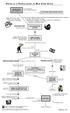 PATHS OF A FORECLOSURE IN NEW YORK STATE BORROWER DELINQUENT 2-3 months late with mortgage payments 90-DAY PRE-FORECLOSURE NOTICE Lender sends notices, bills, letters to borrower stating that he/she is
I. RETURN INTEGRITY & ACCURACY TO FORECLOSURE AND BANKRUPTCY PROCEEDINGS
 I. RETURN INTEGRITY & ACCURACY TO FORECLOSURE AND BANKRUPTCY PROCEEDINGS A. Put an end to robosigning - signing affidavits filed with the court without personal knowledge. Affidavits/sworn statements utilized
2015 -- S 0581 SUBSTITUTE A ======== LC001375/SUB A ======== S T A T E O F R H O D E I S L A N D
 0 -- S 01 SUBSTITUTE A LC00/SUB A S T A T E O F R H O D E I S L A N D IN GENERAL ASSEMBLY JANUARY SESSION, A.D. 0 A N A C T RELATING TO PROPERTY -- MORTGAGE FORECLOSURE AND SALE Introduced By: Senators
FTC FACTS for Consumers
 ftc.gov FEDERAL TRADE COMMISSION FOR THE CONSUMER 1-877-FTC-HELP FTC FACTS for Consumers Mortgage Payments Sending You Reeling? Here s What to Do T he possibility of losing your home because you can t
v. VERIFIED ANSWER TO FORECLOSURE COMPLAINT
 SUPREME COURT OF THE STATE OF NEW YORK COUNTY OF v. Plaintiff, Index No. VERIFIED ANSWER TO FORECLOSURE COMPLAINT Defendant(s). Defendant answers as follows: I generally deny each allegation of the Complaint,
Short Sale Seller Advisory
 Short Sale Seller Advisory Short Sale Seller Advisory Recent economic challenges have resulted in many homeowners needing to sell their home but owing more on their home than the home is worth. This advisory
PATHS OF A FORECLOSURE IN NEW YORK STATE
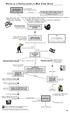 PATHS OF A FORECLOSURE IN NEW YORK STATE BORROWER DELINQUENT 2-3 months late with mortgage payments if S/P or N/T 90-DAY PRE-FORECLOSURE NOTICE* for all subprime and non-traditional loans (as defined by
Glossary of Foreclosure Fairness Mediation Terminology
 Glossary of Foreclosure Fairness Mediation Terminology Adjustable-Rate Mortgage (ARM) Mortgage repaid at the rate of interest that increases or decreases over the life of the loan based on market conditions.
FORECLOSURE. I don t think I can make my mortgage payments but I don t want to go through a foreclosure. What are some of my options?
 FORECLOSURE When you borrow money to buy a house or land, the creditor usually takes a security interest in the property you buy. This means that if you don t pay, the creditor can foreclose upon (or take
FTC FACTS for Consumers
 ftc.gov FEDERAL TRADE COMMISSION FOR THE CONSUMER 1-877-FTC-HELP FTC FACTS for Consumers Mortgage Payments Sending You Reeling? Here s What to Do T he possibility of losing your home because you can t
TEN LOOPHOLES THAT CAN STOP FORCLOSURE FAST
 TEN LOOPHOLES THAT CAN STOP FORCLOSURE FAST Copyright Notice All rights reserved. No part of this publication may be reproduced or transmitted in any form or by any means electronic or mechanical. Any
Compliance & Foreclosure
 Compliance & Foreclosure June 19th, 2015 Hilton Hotel, Dedham, MA Erika J. Hoover, Esq. Compliance Counsel Life of a foreclosure default to post sale Pre-foreclosure compliance issues Obsolete mortgages
SETTLEMENT AGREEMENT AND CONSENT ORDER OCWEN FINANCIAL CORPORATION AND OCWEN LOAN SERVICING, LLC
 SETTLEMENT AGREEMENT AND CONSENT ORDER OCWEN FINANCIAL CORPORATION AND OCWEN LOAN SERVICING, LLC WHEREAS, Ocwen Financial Corporation is a publicly traded Florida corporation headquartered in Atlanta,
PATHS OF A FORECLOSURE IN NEW YORK STATE
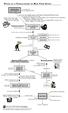 PATHS OF A FORECLOSURE IN NEW YORK STATE BORROWER DELINQUENT 2-3 months late with mortgage payments Lender sends notices, bills, letters to borrower stating that he/she is delinquent Borrower has multiple
How To Avoid Foreclosure
 For most families, a home is a place to live and raise children; it s a plan for the future, and also a source of pride. The Town of Davie promotes home preservation. Your home is not only a significant
Bill Description Category Notes/Status
 OLTA Legislative Committee 2013 Bills Enacted - Sorted by Bill Number As of 01-Sep-13 Asterisk () - See Addendum - Summary of Bills Affecting Real Property Foreclosures Status: SG:Signed by Governor Bill
How a District should respond to Bank and Mechanics Lien Foreclosures and Bankruptcy Filings
 DISCLAIMER This presentation is intended to provide information about the law and is designed to help Board members of Colorado Special Districts gain a general understanding of relevant legal issues.
Bylaws of the Lawyer-Client Fee Dispute Resolution Committee of the Cleveland Metropolitan Bar Association. Enacted November 18, 2015
 Bylaws of the Lawyer-Client Fee Dispute Resolution Committee of the Cleveland Metropolitan Bar Association Enacted November 18, 2015 Preamble and Purpose 1.) Background. Under Rule V, Section 5 of the
How To Help A Homeowner Who Is At Risk Of Foreclosure
 1 PRINCIPAL REDUCTION AND FORECLOSURE PREVENTION Preliminary Report, Findings and Recommendations from the IDT Seattle City Council March 26, 2014 IDT Scope of Work 2 Resolution 31495 directed IDT to explore
Steps you can take to protect your home and your credit
 Steps you can take to protect your home and your credit Oregon Division of Finance and Corporate Securities Our mission To encourage a wide range of financial services, products, and information for Oregonians,
Effective Foreclosure Time Line Management Reference Guide
 Effective Foreclosure Time Line Management Reference Guide A foreclosure time line is the number of days it takes to process a foreclosure, from the due date of the last paid installment (DDLPI) to the
NINTH JUDICIAL CIRCUIT, IN AND FOR ORANGE COUNTY, FLORIDA
 ADMINISTRATIVE ORDER NO. 2009-02 IN THE CIRCUIT COURT OF THE NINTH JUDICIAL CIRCUIT, IN AND FOR ORANGE COUNTY, FLORIDA ADMINISTRATIVE ORDER GOVERNING MANDATORY CIRCUIT COURT MEDIATION FOR OWNER-OCCUPIED
New CFPB Mortgage Servicing Rules Part 2: Loss Mitigation Procedures
 New CFPB Mortgage Servicing Rules Part 2: Loss Mitigation Procedures John Rao, staff attorney Tara Twomey, of counsel National Consumer Law Center Jessica Hiemenz National Consumer Law Center January 23,
THE ELEVENTH JUDICIAL CIRCUIT MIAMI-DADE COUNTY, FLORIDA. CASE NO. 10-1 (Court Administration)
 THE ELEVENTH JUDICIAL CIRCUIT MIAMI-DADE COUNTY, FLORIDA CASE NO. 10-1 (Court Administration) ADMINISTRATIVE ORDER NO. 10-03 A1 (Amending and Superseding Administrative Order No. 10-03) IN RE: CASE MANAGEMENT
AN ACT RELATING TO PROPERTY; ENACTING THE MORTGAGE FORECLOSURE CONSULTANT FRAUD PREVENTION ACT; IMPOSING PENALTIES.
 AN ACT RELATING TO PROPERTY; ENACTING THE MORTGAGE FORECLOSURE CONSULTANT FRAUD PREVENTION ACT; IMPOSING PENALTIES. BE IT ENACTED BY THE LEGISLATURE OF THE STATE OF NEW MEXICO: Section 1. SHORT TITLE.--This
Florida Foreclosure/Real Estate Law. E-Book. A Simple Guide to Florida Foreclosure/Real Estate Law. by: Florida Law Advisers, P.A.
 Florida Foreclosure/Real Estate Law E-Book A Simple Guide to Florida Foreclosure/Real Estate Law by: Florida Law Advisers, P.A. 1 Call: 800-990-7763 Web: www.floridalegaladvice.com TABLE OF CONTENTS INTRODUCTION...
The Coordinated Plan. to Address Foreclosures in Minnesota
 The Coordinated Plan to Address Foreclosures in Minnesota A review of and as summarized by the Minnesota Foreclosure Partners Council March 2009 The Problem The number of mortgage foreclosures in Minnesota
Countrywide Settlement FAQ s
 Countrywide Settlement FAQ s 1. Does the settlement impact my Countrywide loan? The Attorney General s settlement with Countrywide provides for loan modifications for eligible borrowers who are 60 days
INDIVIDUALS WITH DISABILITIES EDUCATION ACT NOTICE OF PROCEDURAL SAFEGUARDS
 INDIVIDUALS WITH DISABILITIES EDUCATION ACT NOTICE OF PROCEDURAL SAFEGUARDS Tennessee Department of Education Division of Special Education Department of Education February 11, 2008; Publication Authorization
Reports on Philadelphia Mortgage Foreclosure Diversion Program
 Reports on Philadelphia Mortgage Foreclosure Diversion Program Executive Summary Philadelphia Residential Mortgage Foreclosure Diversion Program: Initial Report of Findings June 2011 The bursting of the
Foreclosure Prevention Handbook
 The New York Mortgage Coalition Foreclosure Prevention Handbook We re worried we ll lose our home. We need help... but we re not sure where to start. Let s check out nymc.org New York Mortgage Coalition
California s Homeowner Bill of Rights
 Legal Counsel to the Financial Services Industry California s Homeowner Bill of Rights Donna L. Wilson Jay S. Laifman John W. McGuinness Introduction Since 2008, more than 1.2 million California homes
Debtors Rights: Dealing with Collection Agencies
 Debtors Rights: Dealing with Collection Agencies Are you being contacted by debt collection agencies? This publication should help you understand debt collection practices and your rights when dealing
;-:-CV cj-0 I~ No.- 2013- PJ
 IN THE COURT OF COMMON PLEAS OF MONROE COUNTY, PENNSYLVANIA ADMINISTRATIVE DOCKET IN RE: RESIDENTIAL MORTGAGE FORECLOSURE PROGRAM ;-:-CV cj-0 I~ No.- 2013- PJ ~ ORDER d AND NOW, this day of March, 2013,
CHAPTER 454M MORTGAGE SERVICERS
 CHAPTER 454M MORTGAGE SERVICERS SECTION 454M-1 Definitions 454M-2 License required 454M-2.5 Unlicensed foreclosure actions voided 454M-3 Exemptions 454M-4 License; fees; renewals; voluntary surrender of
MARYLAND RULES OF PROCEDURE TITLE 1 GENERAL PROVISIONS CHAPTER 100 APPLICABILITY AND CITATION
 TITLE 1 GENERAL PROVISIONS CHAPTER 100 APPLICABILITY AND CITATION AMEND Rule 1-101 (q) to add collaborative law processes to the applicability of Title 17, as follows: Rule 1-101. APPLICABILITY... (q)
INFORMATION FOR LANDLORDS
 NEW JERSEY JUDICIARY INFORMATION FOR LANDLORDS Superior Court of New Jersey Law Division Special Civil Part Landlord/Tenant Section Information for Landlords page 1 Most disputes between landlords and
Legislative Response to the Residential Mortgage Crisis
 Property Group December 2008 Legislative Response to the Residential Mortgage Crisis The current mortgage crisis has sparked legislative action in several states to modify foreclosure remedies and to provide
U.S. Government Receivables and Debt Collection Activities of Federal Agencies
 FISCAL YEAR 2011 REPORT TO THE CONGRESS U.S. Government Receivables and Debt Collection Activities of Federal Agencies Department of the Treasury June 2012 department of the treasury washington, dc office
GENERAL ASSEMBLY OF NORTH CAROLINA 1991 SESSION CHAPTER 546 HOUSE BILL 22
 GENERAL ASSEMBLY OF NORTH CAROLINA 1991 SESSION CHAPTER 546 HOUSE BILL 22 AN ACT TO REGULATE REVERSE MORTGAGES. The General Assembly of North Carolina enacts: Section 1. Chapter 53 of the General Statutes
Home Mortgage Foreclosures in Maine
 Home Mortgage Foreclosures in Maine Find more easy-to-read legal information at www.ptla.org Important Note: This is very general information about home mortgage and foreclosure rules in Maine. It is not
MORTGAGE FORECLOSURE MEDIATION PROGRAM FORUM
 INDEPENDENT VOTERS OF ILLINOIS INDEPENDENT PRECINCT ORGANIZATIONS FAR NORTH CHAPTER PRESENTS COOK COUNTY CIRCUIT COURT MORTGAGE FORECLOSURE MEDIATION PROGRAM FORUM AUGUST 18, 2011 WELCOME Sandra Verthein
CLIENT AUTHORIZATIONS, DISCLOSURES, RELEASES & PRIVACY STATEMENT 1
 CLIENT AUTHORIZATIONS, DISCLOSURES, RELEASES & PRIVACY STATEMENT 1 In order to participate in NACA s counseling programs, receive any type of assistance with your existing mortgage, obtain a mortgage to
To: Counsel, Agents, and Readers From: Michael J. Berey Dated: September 5, 2008 Re: Mortgages: Chapter 472, Laws of 2008
 To: Counsel, Agents, and Readers From: Michael J. Berey Dated: September 5, 2008 Re: Mortgages: Chapter 472, Laws of 2008 Chapter 472 of the Laws of 2008 was signed into law on August 5, 2008. According
Whistleblower Program
 AUDITOR OF STATE WA S H I N G T O N NOV 11, 1889 Washington State Auditor s Office Whistleblower Program Frequently Asked Questions 1. What is the Whistleblower Program? Independence Respect Integrity
Barbara W. Griest Trident Land Transfer Company
 Barbara W. Griest Trident Land Transfer Company 1 Why learn about Short Sales & Foreclosures? Excellent opportunity to grow your real estate business! Changes in the Real Estate Market Declining Markets
Homeowners and Foreclosure
 Foreclosure Homeowners and Foreclosure MLA :: 1-color logo :: PMS 1807c Advancing Human Rights and Justice for All in Maryland since 1911 Maryland Legal Aid: Who We Are Maryland Legal Aid is a private,
Chapter 13 Bankruptcy Reorganization/Debt Discharge - A Guide to the Distressed Florida Homeowner Facing Foreclosure
 Chapter 13 Bankruptcy Reorganization/Debt Discharge - A Guide to the Distressed Florida Homeowner Facing Foreclosure (as of March 13, 2009) By: Jordan E. Bublick, Attorney at Law, Miami, Florida Practice
Sub. H.B. 9 * 126th General Assembly (As Reported by H. Civil and Commercial Law)
 Aida S. Montano Bill Analysis Legislative Service Commission Sub. H.B. 9 * 126th General Assembly (As Reported by H. Civil and Commercial Law) Reps. Oelslager, Flowers, Buehrer, White, Trakas BILL SUMMARY
Office of the Arizona Attorney General. Civil Rights Consumer Protection and Advocacy
 Office of the Arizona Attorney General Civil Rights Consumer Protection and Advocacy Civil Rights and Fair Housing Enforcement Consumer Fraud Enforcement and the Housing Industry AGO Complaint Process
1$0675 ORDINANCE NO. _. An ordinance adding Article 7.2 to Chapter IV of the Los Angeles Municipal Code to regulate mortgage modification consultants.
 1$0675 ORDINANCE NO. _ An ordinance adding Article 7.2 to Chapter IV of the Los Angeles Municipal Code to regulate mortgage modification consultants. THE PEOPLE OF THE CITY OF LOS ANGELES DO ORDAIN AS
Case 1:14-cv-01028-RMC Document 65-8 Filed 09/30/14 Page 1 of 10 EXHIBIT G
 Case 1:14-cv-01028-RMC Document 65-8 Filed 09/30/14 Page 1 of 10 EXHIBIT G Case 1:14-cv-01028-RMC Document 65-8 Filed 09/30/14 Page 2 of 10 STATE RELEASE I. Covered Conduct For purposes of this Release,
ESCROW REQUIREMENTS UNDER TILA
 Overview Escrow Requirements Reg. Z High Cost Mortgage and Counseling - Reg. Z & X Ability to Repay & Qualified Mortgages Reg. Z & X Mortgage Servicing Reg. Z & X Loan Originator Compensation Reg. Z Copies
Texas Security Freeze Law
 Texas Security Freeze Law BUSINESS & COMMERCE CODE CHAPTER 20. REGULATION OF CONSUMER CREDIT REPORTING AGENCIES 20.01. DEFINITIONS. In this chapter: (1) "Adverse action" includes: (A) the denial of, increase
Debtors Rights: Dealing with Collection Agencies
 0200EN Rev. 10/2014 Debtors Rights: Dealing with Collection Agencies Collection agencies are calling me nonstop. What can I do? This publication should help you understand debt collection practices and
State by State Foreclosure Laws
 State by State Foreclosure Laws Alabama Foreclosure Laws 49-74 21 365 Trustee Comments: Judicial Foreclosures are not common Alabama foreclosures occur both in court and out-of-court. The typical foreclosure
Request for Proposals
 GEORGIA BAR FOUNDATION, INC. Request for Proposals In April of 2015, the Georgia Bar Foundation, Inc. ( GBF or the Bar Foundation) received a check in the amount of $878,787.40 as a result of a settlement
The 8 Fastest Ways to STOP FORECLOSURE in 48 Hours or Less
 The 8 Fastest Ways to STOP FORECLOSURE in 48 Hours or Less Copyright Notice All rights reserved. No part of this publication may be reproduced or transmitted in any form or by any means electronic or mechanical.
FY2010 Summary of Performance and Financial Information
 FY2010 Summary of Performance and Financial Information U.S. OFFICE OF SPECIAL COUNSEL 1730 M Street, N.W., Suite 300 Washington, D.C. 20036-4505 (www.osc.gov) About This Report This Report summarizes
A Guide. Representing Yourself in Foreclosure: for Connecticut Homeowners
 Representing Yourself in Foreclosure: A Guide for Connecticut Homeowners Eighth Edition, written and edited by the staff of the Connecticut Fair Housing Center who are solely responsible for its content.
Notice of Special Education Procedural Safeguards for Students and Their Families
 Special Education A service, not a place. Notice of Special Education Procedural Safeguards for Students and Their Families Requirements under Part B of the Individuals with Disabilities Education Act,
Frequently Asked Questions about the Ocwen Settlement
 Frequently Asked Questions about the Ocwen Settlement Contents Q: What is a mortgage servicer and how do I know if Ocwen services my loan?... 2 Q: How will I know whether this settlement affects me?...
MORTGAGE TERMS. Assignment of Mortgage A document used to transfer ownership of a mortgage from one party to another.
 MORTGAGE TERMS Acceleration Clause This is a clause used in a mortgage that can be enforced to make the entire amount of the loan and any interest due immediately. This is usually stipulated if you default
Special Education Procedural Safeguards
 Special Education Procedural Safeguards Rights for Parents and Children School District of For more information or questions regarding your child s special education services contact: Director of Special
LEARN ABOUT YOUR RIGHTS AND OPTIONS IN A FORECLOSURE
 Helpful Agencies Here are some agencies which may lead you to lawyers who can help you: Lake County Bar Association 7 North County Street Waukegan, IL 60085 847-244-3140 www.lakebar.org Prairie State Legal
A CONSUMER GUIDE TO FAIR LENDING
 FAIR HOUSING LEGAL SUPPORT CENTER A CONSUMER GUIDE TO FAIR LENDING AND HOME OWNERSHIP PRESERVATION A CONSUMER GUIDE TO FAIR LENDING AND HOME OWNERSHIP PRESERVATION OVERVIEW This guide explains your right