
Reports on Philadelphia Mortgage Foreclosure Diversion Program
|
|
|
- Magnus Sparks
- 10 years ago
- Views:
Transcription
1 Reports on Philadelphia Mortgage Foreclosure Diversion Program

2 Executive Summary Philadelphia Residential Mortgage Foreclosure Diversion Program: Initial Report of Findings June 2011 The bursting of the housing bubble led to a massive spike in home foreclosures across the country, deepening the recession and slowing the economic recovery. A number of federal, state and local programs have been launched in an effort to help homeowners avoid foreclosure and remain in their homes. Most of the programs have been slow and ineffective when it comes to offering homeowners some relief. Philadelphia s response to the problems of homeowners facing foreclosure came on April 16, 2008, when Common Pleas Court President Judge C. Darnell Jones and Trial Division Administrative Judge D. Webster Keogh issued an Order delaying Sheriff Sales (i.e., the official auction of collateral properties in satisfaction of mortgage debt) of owner occupied residential premises on the April and May 2008 Sheriff Sale list. That Order required a Conciliation Conference to be scheduled between owners and the lenders/servicers that are party to the action. Initially, the Philadelphia Residential Mortgage Foreclosure Diversion Program (Diversion Program) was set to expire on December 31, 2009 although by Order dated December 17, 2009, the Diversion Program was made a permanent fixture of the Court. The Diversion Program mandates a face-to-face Conciliation Conference for all new foreclosure actions. During the conference, eligible homeowners (with counselors and/or legal representatives) meet with the lenders/servicers to explore alternatives to Sheriff Sale. Eligible homeowners are sent information about the Diversion Program, including the date of their Conciliation Conference, when they are served with the mortgage foreclosure complaint. Several nonprofit agencies, funded by the City, conduct doorto-door outreach to homeowners; the purpose of that outreach is to educate homeowners about the Diversion Program and encourage them to participate in the process. Homeowners are instructed to first call the SaveYourHomePhilly Hotline, staffed by Philadelphia Legal Assistance, to schedule an appointment for the homeowner to meet with a housing counselor to discuss workout options. (This effort is supported by both private philanthropy and the City of Philadelphia.) Homeowners are able to freely access housing counseling services as well as legal assistance from Community Legal Services, Inc., Philadelphia Legal Assistance or Philadelphia VIP (Volunteers for the Indigent Program). Once in Court, if the collective efforts of the homeowner (with their counselor or attorney) and the plaintiff do not progress, either party can access one of the Judges Pro Tem (JPT) to facilitate the process. JPTs are attorneys who perform this function on a pro bono basis. Philadelphia s goals for the Diversion Program are to: Keep homeowners facing foreclosure in their homes; Preserve and protect neighborhoods from the ravages of foreclosed properties; Intervene early in the processing of foreclosure cases in order to achieve a measure of judicial efficiency; and As a case management tool, to transform a docket that is unique because of the over 90% pro se nature, and provide a support mechanism for homeowners so that they can have a substantive discussion with Plaintiff s counsel about resolution long before a case progresses to trial (that is, if a default judgment is not entered). Along with those goals are an inherent set of questions, the answers to which allow us to understand progress toward those goals. These questions are: 1. What is the magnitude of the mortgage foreclosure problem in Philadelphia? What part of that problem is being addressed by the Diversion Program? 2. Once a case is deemed eligible (i.e., residential owner-occupied properties) for

3 Executive Summary: Philadelphia Residential Mortgage Foreclosure Diversion Program; Initial Report of Findings this intervention, what results are achieved? 3. Does the Diversion Program facilitate the case processing efficiency of the Court? 4. Has the Diversion Program made a difference in how foreclosure cases progress from foreclosure filing to Sheriff Sale? 5. Assuming the result is a saved home, how sustainable is the resolution - and are there patterns (e.g., demographic, economic, spatial) reflecting that some homeowners are more likely to remain in their home than others? 6. Has the Diversion Program improved overall access to the judicial process for Philadelphia homeowners facing foreclosure? Are the outcomes equal? With grants from the Open Society Institute and the William Penn Foundation, TRF answered this set of basic questions about the outcomes and impacts of the Diversion Program. After gathering Court Orders on nearly 16,000 cases handled by the Diversion Program from inception through March of 2011, conducting interviews with homeowners and ground-truthing our results with experts, we conclude the following: 1. What is the magnitude of the foreclosure problem in Philadelphia and what part of that problem will the Diversion Program address? During the pendency of the program, there were in excess of 8,000 foreclosure filings per year and the Diversion Program addressed between 60% and 70% of that caseload in each year of its existence. 2. Once a case is deemed eligible, what results are achieved? Approximately 70% of all eligible homeowners in foreclosure avail themselves of the Diversion Program (i.e., approximately 30% fail to appear). Of those who are eligible and participate, approximately 35% end up with an Agreement between the plaintiff and the homeowner. Sheriff sales are ordered in approximately 16% of the cases and those are, more frequently, among the oldest cases at the time of entry into the Diversion Program. 3. Does the Diversion Program facilitate the case processing efficiency of the Court? Evidence suggests that participants in the Diversion Program touch the court, on average, fewer than two times. The average (mean) case spends 54 days in the Diversion Program. Given what we know about the typical time for a case to move from foreclosure filing to final resolution not counting when active litigation is involved the average is well within the range of what was previously typical for residential foreclosure cases. 4. Has the Diversion Program made a difference in how foreclosure cases progress from foreclosure filing to Sheriff Sale? Although this analysis is complex and the data are incomplete, it appears that the trajectory of a case from foreclosure filing to Sheriff Deed filing is substantially impacted. There is an inflection point in that trajectory that corresponds to the inception of the Diversion Program showing that for the year prior to the Diversion Program 27% of eligible cases ended up with Sheriff Deeds filed meaning that 27% of homeowners were losing their homes. The inception of the Diversion Program immediately dropped that percentage to 14.5% after the first six months and then to 5.7% thereafter. Confidence in this finding must be tempered somewhat by the fact that there were several changes in the housing market environment and business practice of the Court and Sheriff of Philadelphia that could produce a reduction. Yet, the temporal correspondence with the inception of the Diversion Program is suggestive that it - not just business practices - did have a positive impact on the likelihood that a homeowner in foreclosure would keep their home. Page 2
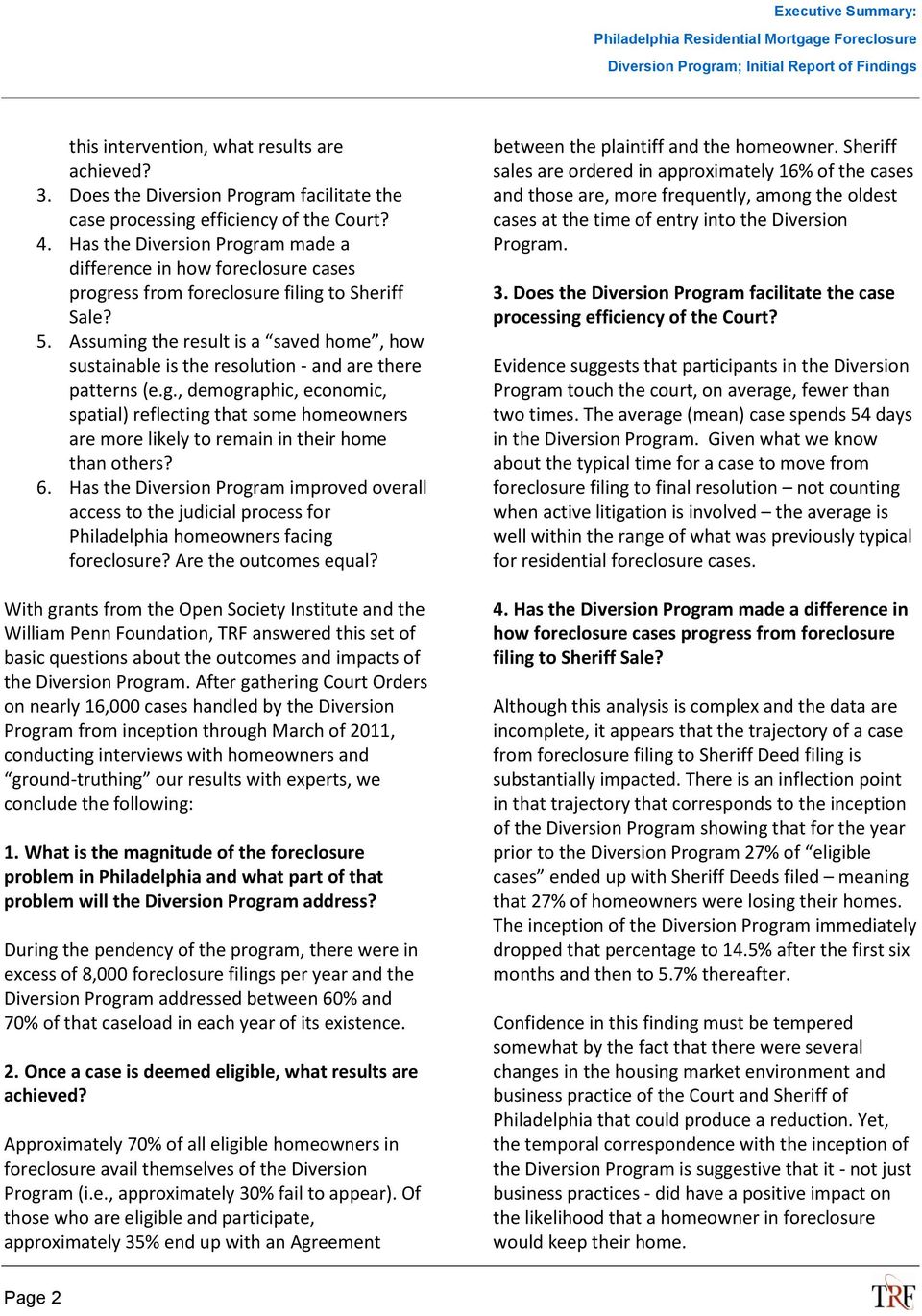
4 Executive Summary: Philadelphia Residential Mortgage Foreclosure Diversion Program; Initial Report of Findings 5. Assuming the result is a saved home, how sustainable is the resolution and are there patterns (e.g., demographic, economic, spatial) reflecting that some homeowners are more likely to remain in their home than others? Using data representing the first year s worth of Agreements giving these Agreements time to age we observe that 85% of those homeowners are still in their home more than 18 months later. Approximately 30% of all homeowners with Agreements have had subsequent foreclosure activity, but those have not yet forced people from their homes. Is the 85% remaining in the home unusual? Among those who did not avail themselves of the benefits of the Diversion Program (i.e., failed to appear), 50% of them are no longer in their homes. 6. Has the Diversion Program improved overall access to the judicial process for Philadelphia homeowners facing foreclosure? Are the outcomes equal? Our best, albeit indirect, evidence is that it has improved access. Foreclosures in Philadelphia are clustered in lower income and minority areas; that spatial pattern has weakened somewhat in the last few years. Nevertheless, a spatial analysis of participation in the Diversion program reveals that aside from a small effect of the percent White not Hispanic in a Census tract (showing that areas with higher percentages White not Hispanic have slightly higher percentages failure to appear outcomes) there is no discernable pattern suggestive that lower income communities or communities of color are unable to access the system. Moreover, assuming homeowners participate, low income and minority communities are achieving agreements at similar rates as higher income and majority communities. This suggests that the Diversion Program is offering its benefits to Philadelphia homeowners on an even-handed basis. This report provides data that show that the Diversion Program has made progress in meeting its initial goals and has done so in an equitable manner. Location of Agreements Reached through Diversion Program (inception through June, 2009) and Racial Composition of Area Page 3
5 NO PLACE LIKE PHILADELPHIA S APPROACH TO FORECLOSURE PREVENTION
6 No Place Like Home Philadelphia s Approach to Foreclosure Prevention Executive Summary Philadelphia s Current Home Foreclosure-Prevention Process (graphic) Philadelphia s Pre-2008 Home Foreclosure-Prevention Process (graphic) Philadelphia s Foreclosure-Prevention Approach: How it Works 11 Eight Priority Foreclosure-Prevention Recommendations for Philadelphia 20 Approach Presents a Model for Other Cities 56 Conclusion 59 Glossary Inside back cover
7 1 Executive Summary Since 2008, cities and states across the nation have worked to create new laws and programs to address the mortgage-foreclosure crisis and to help homeowners to keep their homes. The two primary program types adopted by state and local governments are designed to serve two goals: (1) to facilitate mediation or negotiation between homeowners and lenders/servicers to reach mortgage loan-modification agreements; and (2) to provide homeowners with loans to help eliminate delinquency and/or to temporarily fund monthly mortgage payments. Philadelphia s foreclosure-prevention efforts utilize both types of programs: a local mediation program that mandates court-supervised negotiations between the parties and a state bridge-loan program that provides loans to households temporarily unable to pay their mortgages due to unemployment, sickness, or other reasons beyond their control. The city increased the positive impact of these programs by funding effective outreach, a paralegal-staffed telephone hotline, housing counselors, volunteer and legal services attorneys, and other important supports. This 2011 study, conducted by Regional Housing Legal Services with funding from the William Penn Foundation, details how Philadelphia s foreclosure-prevention model has worked, how it can be replicated in other cities, and how it can be improved to better serve at-risk homeowners. In concert with this qualitative study based on interviews with over 60 stakeholders, The Reinvestment Fund (TRF), a national leader in the financing of neighborhood revitalization, has completed a quantitative study of one program explored in depth in this report, the Philadelphia Residential Mortgage Foreclosure Diversion Program (Diversion Program). Key findings of The Reinvestment Fund s 2011 study titled Philadelphia Residential Mortgage Foreclosure Diversion Program: Initial Report of Findings are incorporated within this report. Philadelphia s leaders quickly crafted and implemented a foreclosure system utilizing existing resources and filling holes where needed. In just seven weeks, stakeholders including the courts, city government, lenders / servicers attorneys, and city-funded nonprofits partnered to create the Diversion Program. The Diversion Program mandates face-to-face negotiations between the at-risk homeowner and the lender/servicer to determine whether modifications to mortgage loan terms can prevent foreclosure. In addition, Philadelphians had access to a state-run bridge-loan program, Homeowners Emergency Mortgage
8 No Place Like Home 2 Assistance Program (HEMAP), founded in 1983 to help homeowners who can not pay their mortgage through no fault of their own. Pennsylvania Housing Finance Agency s HEMAP program has a two-decade-long track record of preventing foreclosure. Two additional federal tools were added to Philadelphia s arsenal in 2009 and 2011, although their impact on foreclosure outcomes is not fully known: Home Affordable Modification Program (HAMP) and Emergency Homeowners Loan Program (EHLP). HAMP, a federal loan-modification program, significantly impacted local negotiation standards and the housing counselors workload but does not appear to result in many final loan modifications, based upon interviews with housing counselors. EHLP was introduced in Pennsylvania in Spring 2011, with $105 million available to loan to Pennsylvania homeowners with difficulty paying their mortgages. There is a September 30, 2011 deadline for all funds to be committed. As of July 15, 2011, $8.8 million of this money has been committed for loans to 270 Philadelphia at-risk homeowners. EHLP loan commitments up to July 15, 2011 for all of Pennsylvania total $28.6 million. Regional Housing Legal Services will continue to monitor EHLP s impact. Philadelphia Prevention Works Data on the Diversion Program from The Reinvestment Fund with Analysis from Regional Housing Legal Services* (April 2008 to May 2011) Participation Rate: 70% of homeowners in foreclosure (Approximately 11,200 out of 16,000 homeowners participated in the Diversion Court program.) Estimated Average Cost to Help Each Household: $750 households who complete process and reach agreements: 35% (Approximately 3,900 homeowners; agreements may not allow them to keep their homes.) homeowners represented by a lawyer who made a formal appearance in court: 4.5% (50% private/50% legal services) homeowners who reached an agreement in the first year of the program and are still in their homes in 2011: 85% (Approximately 850 out of 1,000 homeowners; 30% have subsequent foreclosure filings.) Homes sold at Sheriff s Sale: 16% of households who participated in the Diversion Program (approximately 1,825 homeowners) Estimated Average Cost to Save a Home: $3,310 *RHLS analysis, based upon data from The Reinvestment Fund, is discussed on pages 13 to 15 and 52 to 55.

9 3 Executive Summary Philadelphia Prevention Works Data from the Pennsylvania HEMAP Program (April 2008 to July 2010) number of Philadelphians who applied for hemap: 4,756 philadelphia applications approved for hemap: 1,025 approval rate: 22% philadelphia hemap loans closed: 623 average cost to help each household statewide: $1,600 loans repaid statewide: 85% hemap recipients who lose their homes statewide: <15% average loan size statewide: $11,000 impact on state credit rating: positive (Moody s, an independent credit-rating agency, found that it strengthened PHFA s loan portfolio and bond program.) Philadelphia provided foreclosure-prevention services to at least 11,200 homeowners in its first three years. The Diversion Program s 70% participation rate was achieved through extensive outreach that included targeted door-knocking at homes of delinquent homeowners, a telephone hotline, public-service announcements, and mandatory negotiations. Compare the 70% participation rate, for instance, with a 30% rate for the opt-in mediation foreclosure-prevention program in Cleveland (Cuyahoga County, Ohio). Thirty-five percent of those who completed the Diversion Program obtained an agreement with the lender/servicer. There is limited data on the nature of the agreements, but the majority of the early agreements appear to have allowed the owners to remain in their homes because 85% of homeowners who reached an agreement in the first year are still in their homes in 2011, according to The Reinvestment Fund s study. In addition, 623 Philadelphia homeowners received HEMAP loans during this period. We do not know how many of these homeowners also participated in the Diversion Program. Approximately 80% received a one-time payment to eliminate their delinquency, while 20% received ongoing payments for up to three years to make their mortgage payments while they recovered financially. Data on HEMAP default rates for Philadelphia during this period are not available, but default rates over the 18-year life of the HEMAP program average 15%. While 16% of total at-risk homeowners and 2.1% of homeowners whose foreclosure suits were filed after April 2008 lost their homes to sheriff s sale, the majority have not resolved their foreclosures and continue to participate in one or more of the available programs.

Philadelphia Residential Mortgage Foreclosure Diversion Program: Initial Report of Findings
 A study by The Reinvestment Fund of the Philadelphia Residential Mortgage Foreclosure Diversion Program June 2011 Philadelphia Residential Mortgage Foreclosure Diversion Program: Initial Report of Findings
PENNSYLVANIA LEGAL AID NETWORK
 PENNSYLVANIA LEGAL AID NETWORK Presents an Update on Avoiding Mortgage Foreclosure A training session for housing counselors legal aid attorneys & pro bono attorneys Harrisburg Hilton Hotel 1 North Second
To help you better understand the foreclosure process, these definitions are presented in a logical order, rather than alphabetical order.
 FORECLOSURE GLOSSARY NOTICE: This glossary of legal words and phrases related to foreclosure is provided to you by the Clermont County Common Pleas Court to help you better understand your legal problem
;-:-CV cj-0 I~ No.- 2013- PJ
 IN THE COURT OF COMMON PLEAS OF MONROE COUNTY, PENNSYLVANIA ADMINISTRATIVE DOCKET IN RE: RESIDENTIAL MORTGAGE FORECLOSURE PROGRAM ;-:-CV cj-0 I~ No.- 2013- PJ ~ ORDER d AND NOW, this day of March, 2013,
FORECLOSURE DIVERSION PROGRAM
 STATE OF MAINE JUDICIAL BRANCH FORECLOSURE DIVERSION PROGRAM Report to the Joint Standing Committee on Insurance and Financial Affairs and the Joint Standing Committee on Judiciary 126 th Legislature February
The Cumberland County Residential Mortgage Foreclosure Diversion Program
 The Cumberland County Residential Mortgage Foreclosure Diversion Program March 9, 2012 Training Materials THE CUMBERLAND COUNTY RESIDENTIAL MORTGAGE FORECLOSURE DIVERSION PROGRAM 8:30 a.m. Welcome: President
I m behind in my mortgage payments, what should I do?
 FORECLOSURES This handout was prepared by Legal Services of Greater Miami, Inc.(LSGMI) with support from the Institute for Foreclosure Legal Assistance. LSGMI represents homeowners in foreclosure and homeowners
Homeownership Preservation Toolkit
 Homeownership Preservation Toolkit A guide to understanding and avoiding foreclosure Sponsored and Endorsed by Loveland Berthoud Association of REALTORS CONSUMER CREDIT COUNSELING SERVICE OF NORTHERN COLORADO
PATHS OF A FORECLOSURE IN NEW YORK STATE
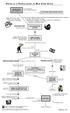 PATHS OF A FORECLOSURE IN NEW YORK STATE BORROWER DELINQUENT 2-3 months late with mortgage payments 90-DAY PRE-FORECLOSURE NOTICE Lender sends notices, bills, letters to borrower stating that he/she is
THE ELEVENTH JUDICIAL CIRCUIT MIAMI-DADE COUNTY, FLORIDA. CASE NO. 10-1 (Court Administration)
 THE ELEVENTH JUDICIAL CIRCUIT MIAMI-DADE COUNTY, FLORIDA CASE NO. 10-1 (Court Administration) ADMINISTRATIVE ORDER NO. 10-03 A1 (Amending and Superseding Administrative Order No. 10-03) IN RE: CASE MANAGEMENT
Home Mortgage Foreclosures in Maine
 Home Mortgage Foreclosures in Maine Find more easy-to-read legal information at www.ptla.org Important Note: This is very general information about home mortgage and foreclosure rules in Maine. It is not
NINTH JUDICIAL CIRCUIT, IN AND FOR ORANGE COUNTY, FLORIDA
 ADMINISTRATIVE ORDER NO. 2009-02 IN THE CIRCUIT COURT OF THE NINTH JUDICIAL CIRCUIT, IN AND FOR ORANGE COUNTY, FLORIDA ADMINISTRATIVE ORDER GOVERNING MANDATORY CIRCUIT COURT MEDIATION FOR OWNER-OCCUPIED
Spotlight on the Housing Market in the Orlando-Kissimmee-Sanford, FL MSA
 Spotlight on in Orlando-Kissimmee-Sanford, FL MSA The Orlando-Kissimmee-Sanford, FL Metropolitan Statistical Area (Orlando MSA) is located in central Florida and includes four counties: Lake, Orange, Osceola,
How To Avoid Foreclosure
 For most families, a home is a place to live and raise children; it s a plan for the future, and also a source of pride. The Town of Davie promotes home preservation. Your home is not only a significant
PHILADELPHIA RESIDENTIAL MORTGAGE FORECLOSURE DIVERSION PROGRAM
 PHILADELPHIA RESIDENTIAL MORTGAGE FORECLOSURE DIVERSION PROGRAM Mortgage Foreclosure Negotiation Training Manuel for Pro Bono Counsel Friday, September 27, 2013 Philadelphia VIP With many thanks to our
Common Mortgage and Foreclosure Terms
 H ELP FOR N EW Y ORK S TATE H OMEOWNERS C ONCERNED A BOUT F ORECLOSURE Common Mortgage and Foreclosure Terms Talking about mortgages can feel like speaking a foreign language and is even more confusing
TESTIMONY OF IRWIN TRAUSS, ESQUIRE SUPERVISING ATTORNEY CONSUMER HOUSING UNIT PHILADELPHIA LEGAL ASSISTANCE
 TESTIMONY OF IRWIN TRAUSS, ESQUIRE SUPERVISING ATTORNEY CONSUMER HOUSING UNIT PHILADELPHIA LEGAL ASSISTANCE HOME FORECLOSURES: WILL VOLUNTARY MORTGAGE MODIFICATION HELP FAMILIES SAVE THEIR HOMES? BEFORE
Chapter 13 Bankruptcy Reorganization/Debt Discharge - A Guide to the Distressed Florida Homeowner Facing Foreclosure
 Chapter 13 Bankruptcy Reorganization/Debt Discharge - A Guide to the Distressed Florida Homeowner Facing Foreclosure (as of March 13, 2009) By: Jordan E. Bublick, Attorney at Law, Miami, Florida Practice
Illinois Housing Development Authority
 Illinois Housing Development Authority Amber Lockwood Assistant Director of Community Affairs [email protected] October 3, 2014 The Illinois Housing Development Authority (IHDA) was created as a self-supporting
Homeownership Preservation Policy for Residential Mortgage Assets. Section 110 of the Emergency Economic Stabilization Act (EESA)
 Homeownership Preservation Policy for Residential Mortgage Assets Section 110 of the Emergency Economic Stabilization Act (EESA) requires that each Federal property manager that holds, owns, or controls
First Judicial District of Pennsylvania. Court of Common Pleas of Philadelphia County Trial Division - Civil
 First Judicial District of Pennsylvania Court of Common Pleas of Philadelphia County Trial Division - Civil Residential Mortgage Foreclosure Diversion Program MAACM 2008 Neufeld Award Winner Joint General
Testimony of. Alan Jones Operations Manager Wells Fargo Home Mortgage Servicing. Before the
 Testimony of Alan Jones Operations Manager Wells Fargo Home Mortgage Servicing Before the Subcommittee on Housing and Community Opportunity House Financial Services Committee U.S. House of Representatives
PATHS OF A FORECLOSURE IN NEW YORK STATE
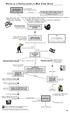 PATHS OF A FORECLOSURE IN NEW YORK STATE BORROWER DELINQUENT 2-3 months late with mortgage payments if S/P or N/T 90-DAY PRE-FORECLOSURE NOTICE* for all subprime and non-traditional loans (as defined by
PATHS OF A FORECLOSURE IN NEW YORK STATE
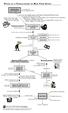 PATHS OF A FORECLOSURE IN NEW YORK STATE BORROWER DELINQUENT 2-3 months late with mortgage payments Lender sends notices, bills, letters to borrower stating that he/she is delinquent Borrower has multiple
Legislative Response to the Residential Mortgage Crisis
 Property Group December 2008 Legislative Response to the Residential Mortgage Crisis The current mortgage crisis has sparked legislative action in several states to modify foreclosure remedies and to provide
DETAILS REGARDING USE OF MORTGAGE FUNDS
 DETAILS REGARDING USE OF MORTGAGE FUNDS Attorney General Tom Horne has announced a comprehensive multi-year program for the allocation of the $57 million in mortgage settlement funds aimed at keeping people
v. VERIFIED ANSWER TO FORECLOSURE COMPLAINT
 SUPREME COURT OF THE STATE OF NEW YORK COUNTY OF v. Plaintiff, Index No. VERIFIED ANSWER TO FORECLOSURE COMPLAINT Defendant(s). Defendant answers as follows: I generally deny each allegation of the Complaint,
Homeowners Emergency Mortgage Assistance Program (HEMAP)
 Homeowners Emergency Mortgage Assistance Program (HEMAP) A Foreclosure Prevention Resource in Pennsylvania Presented by: Holly Chase, CFP Financial Education Officer Pennsylvania Housing Finance Agency
Handling Default and Foreclosure
 Handling Default and Foreclosure Delinquency Vs. Default Delinquency = less than 3 payments behind. A collections account. Only late fees accrue Default= more than 3 payments behind. Mortgage automatically
Guide to Foreclosure Settlement Conference Process. New York City
 NOTE: This material is not intended for nor is it to be used as a substitute for legal advice. You should not rely on it as a source of legal advice. Guide to Foreclosure Settlement Conference Process
Frequently Asked Questions Foreclosure
 Frequently Asked Questions Foreclosure What is a Foreclosure? How Can I Avoid A Foreclosure Once a Complaint Has Been Filed Against Me? Where is a Foreclosure Complaint Filed? What Should You Do if Served
FORECLOSURE. I don t think I can make my mortgage payments but I don t want to go through a foreclosure. What are some of my options?
 FORECLOSURE When you borrow money to buy a house or land, the creditor usually takes a security interest in the property you buy. This means that if you don t pay, the creditor can foreclose upon (or take
Short Sale Seller Advisory
 Short Sale Seller Advisory Short Sale Seller Advisory Recent economic challenges have resulted in many homeowners needing to sell their home but owing more on their home than the home is worth. This advisory
How To Help A Homeowner Who Is At Risk Of Foreclosure
 1 PRINCIPAL REDUCTION AND FORECLOSURE PREVENTION Preliminary Report, Findings and Recommendations from the IDT Seattle City Council March 26, 2014 IDT Scope of Work 2 Resolution 31495 directed IDT to explore
FOR SALE. Sheeley Moving Co. AVOIDING FORECLOSURE & FORECLOSURE SCAMS
 FAIR HOUSING UNIVERSITY FOR SALE Sheeley Moving Co. AVOIDING FORECLOSURE & FORECLOSURE SCAMS WHAT IS FORECLOSURE When a lender takes possession of a house from a homeowner who has not met the mortgage
Statement of Edward L. Golding Senior Vice President Economics and Policy Freddie Mac
 Statement of Edward L. Golding Senior Vice President Economics and Policy Freddie Mac Hearing of the Philadelphia, PA Chair Warren and members of the, thank you for inviting me to speak today. I am Edward
TESTIMONY OVERSIGHT: THE ECONOMIC IMPACT OF THE CITY S FORECLOSURE CRISIS
 TESTIMONY ON OVERSIGHT: THE ECONOMIC IMPACT OF THE CITY S FORECLOSURE CRISIS PRESENTED BEFORE: CITY OF NEW YORK, COMMITTEES ON ECONOMIC DEVELOPMENT AND COMMUNITY DEVELOPMENT PRESENTED BY: LINDA JUN MFY
A Guide To Understanding The Community Association Collection And Foreclosure Process
 A Guide To Understanding The Community Association Collection And Foreclosure Process What is the initial demand letter? What is a Claim of Lien? What is a thirty (30) day letter? How do you foreclose
Compliance & Foreclosure
 Compliance & Foreclosure June 19th, 2015 Hilton Hotel, Dedham, MA Erika J. Hoover, Esq. Compliance Counsel Life of a foreclosure default to post sale Pre-foreclosure compliance issues Obsolete mortgages
OPTIONS IN FORECLOSURE
 Section II: KEEPING YOUR HOME OPTIONS IN FORECLOSURE Deciding whether or not to keep your home is something that only you, the homeowner, can determine. The best housing counselors will ask what you d
Effective Foreclosure Time Line Management Reference Guide
 Effective Foreclosure Time Line Management Reference Guide A foreclosure time line is the number of days it takes to process a foreclosure, from the due date of the last paid installment (DDLPI) to the
Steps you can take to protect your home and your credit
 Steps you can take to protect your home and your credit Oregon Division of Finance and Corporate Securities Our mission To encourage a wide range of financial services, products, and information for Oregonians,
AVOID FORECLOSURE HOW TO A CONSUMER GUIDE. Open mail from your mortgage company. Can you afford your home? Contact your mortgage company
 HOW TO AVOID FORECLOSURE A CONSUMER GUIDE Open mail from your mortgage company Can you afford your home? Contact your mortgage company Keeping or not keeping your home What happens if you do not contact
What are the HHF program eligibility criteria?
 FREQUENTLY ASKED QUESTIONS What is the Hardest Hit Fund Program (HHF)? What are the HHF program eligibility criteria? What property types are eligible for HHF assistance? I or my spouse is in the U.S.
Countrywide Settlement FAQ s
 Countrywide Settlement FAQ s 1. Does the settlement impact my Countrywide loan? The Attorney General s settlement with Countrywide provides for loan modifications for eligible borrowers who are 60 days
Barbara W. Griest Trident Land Transfer Company
 Barbara W. Griest Trident Land Transfer Company 1 Why learn about Short Sales & Foreclosures? Excellent opportunity to grow your real estate business! Changes in the Real Estate Market Declining Markets
A Guide. Representing Yourself in Foreclosure: for Connecticut Homeowners
 Representing Yourself in Foreclosure: A Guide for Connecticut Homeowners Eighth Edition, written and edited by the staff of the Connecticut Fair Housing Center who are solely responsible for its content.
TEN LOOPHOLES THAT CAN STOP FORCLOSURE FAST
 TEN LOOPHOLES THAT CAN STOP FORCLOSURE FAST Copyright Notice All rights reserved. No part of this publication may be reproduced or transmitted in any form or by any means electronic or mechanical. Any
A CONSUMER GUIDE TO FAIR LENDING
 FAIR HOUSING LEGAL SUPPORT CENTER A CONSUMER GUIDE TO FAIR LENDING AND HOME OWNERSHIP PRESERVATION A CONSUMER GUIDE TO FAIR LENDING AND HOME OWNERSHIP PRESERVATION OVERVIEW This guide explains your right
Central Mortgage Company
 Central Mortgage Company Dear Borrower Are you struggling with your mortgage payment? We are concerned about your missed or potentially missed mortgage payment and want you to be aware of assistance available
Glossary of Foreclosure Fairness Mediation Terminology
 Glossary of Foreclosure Fairness Mediation Terminology Adjustable-Rate Mortgage (ARM) Mortgage repaid at the rate of interest that increases or decreases over the life of the loan based on market conditions.
Questions and Answers for Borrowers about the. Homeowner Affordability and Stability Plan
 Questions and Answers for Borrowers about the Homeowner Affordability and Stability Plan Borrowers Who Are Current on Their Mortgage Are Asking: 1. What help is available for borrowers who stay current
SUPREME COURT County of : State of New York VERIFIED ANSWER TO FORECLOSURE COMPLAINT. Defendant(s). Defendant answers as follows: General Denial.
 SUPREME COURT County of : State of New York v. Plaintiff, Defendant(s). Index No.: VERIFIED ANSWER TO FORECLOSURE COMPLAINT Defendant answers as follows: General Denial. Plaintiff, upon information and
National Mortgage Settlement
 National Mortgage Settlement Housing and Land Use Policy Program University of Iowa Public Policy Center Sally Scott, Ph.D. and Jerry Anthony, Ph.D. October 2012 Overview On February 9 of 2012, a bipartisan
Principal Reduction Program
 1. Overview The Principal Reduction ( PRP ) is one of CalHFA MAC s federally-funded programs developed with a goal to provide capital to homeowners who have suffered an eligible hardship in order to reduce
The Obama Administration s Efforts To Stabilize the Housing Market and Help American Homeowners
 The Obama Administration s Efforts To Stabilize the Housing Market and Help American Homeowners February 2015 U.S. Department of Housing and Urban Development Office of Policy Development and Research
Making Home Affordable Updated Detailed Program Description
 Making Home Affordable Updated Detailed Program Description The deep contraction in the economy and in the housing market has created devastating consequences for homeowners and communities throughout
California s Homeowner Bill of Rights
 Legal Counsel to the Financial Services Industry California s Homeowner Bill of Rights Donna L. Wilson Jay S. Laifman John W. McGuinness Introduction Since 2008, more than 1.2 million California homes
General Program Questions
 General Program Questions What is Save the Dream Ohio (Ohio s Hardest-Hit Fund)? The Housing Finance Agency Innovation Fund for the Hardest-Hit Housing Markets gave 18 states including Ohio, via Save the
Foreclosure Prevention Handbook
 The New York Mortgage Coalition Foreclosure Prevention Handbook We re worried we ll lose our home. We need help... but we re not sure where to start. Let s check out nymc.org New York Mortgage Coalition
FTC FACTS for Consumers
 ftc.gov FEDERAL TRADE COMMISSION FOR THE CONSUMER 1-877-FTC-HELP FTC FACTS for Consumers Mortgage Payments Sending You Reeling? Here s What to Do T he possibility of losing your home because you can t
Foreclosure Process Timeline
 Foreclosure A legal process spanning 150-415+ days, by which a creditor (bank, mortgage company, etc..) takes ownership of a property to satisfy a debt (mortgage, second mortgage or home equity loan).
CHAPTER 702 FORECLOSURE OF MORTGAGES, AGREEMENTS FOR DEEDS, AND STATUTORY LIENS. 702.06 Deficiency decree; common-law suit to recover deficiency.
 Florida Foreclosure is Judicial. Notice of Foreclosure Florida foreclosure begins when the lender files a lawsuit (Lis Pendens) against the homeowner. The homeowners must be notified of the legal action