
A Guide. Representing Yourself in Foreclosure: for Connecticut Homeowners
|
|
|
- Victor McDowell
- 10 years ago
- Views:
Transcription
1 Representing Yourself in Foreclosure: A Guide for Connecticut Homeowners Eighth Edition, written and edited by the staff of the Connecticut Fair Housing Center who are solely responsible for its content.

2 Table of Contents Introduction... 1 Chapter 1 How to Use This Guide... 3 Chapter 2 Understand the Process and the Legal Terminology... 5 STAGE 1: The Demand Letter/ Notice of Intent to Accelerate... 7 STAGE 2: Complaint and Foreclosure Mediation... 8 STAGE 3: Court Proceedings and Mediation STAGE 4: Successful Mediation or Judgment STAGE 5: Post-Judgment Chapter 3 Be Effective in Mediation Chapter 4 If Mediation Does Not Resolve Your Case: Documents to Prepare That Explain Your Situation to the Judge Chapter 5 Going to Court Find Out When You Need to Go to Court Give a Clear Explanation of Your Situation to the Judge Chapter 6 Understand the Final Decisions and Deadlines In Your Case Chapter 7 Evaluate Your Options and Make a Plan Chapter 8 Where to Get More Information and Help Glossary Appendix Sample Forms... 45

3 Introduction If you are reading this, you are probably a homeowner facing foreclosure and looking for legal help. Unfortunately, there is a shortage of free or affordable legal services for homeowners in your situation. This guide is not a substitute for the assistance of an experienced Connecticut foreclosure lawyer and is not intended to provide legal advice for each individual situation. If you cannot afford your own lawyer, this booklet is designed to explain enough about the foreclosure process to help you represent yourself. Even if you are not working with a lawyer, as you go through the foreclosure process, you may want to obtain the assistance of a HUD/CHFA-approved housing counselor 1. Also, see the section at the end of this Guide entitled Where to Get More Information and Help, pg. 37. Many Connecticut homeowners facing foreclosure are representing themselves in Court, and many of them succeed in keeping their homes. If this is your goal, it is important not to become discouraged when you receive Court papers starting the foreclosure case. This is only the beginning of the Court process and it does not necessarily mean that you will lose your home. While the process can be intimidating, it can be managed successfully if you understand how it works. The information contained in this guide is designed to help people who live in and own a one- to four-family home who are behind on their mortgage payments or who have already received papers from a court because a foreclosure action has been filed against them. If you are NOT an owner of a one- to four-family home or you do not live in the home that is being foreclosed upon, please go to the end of this Guide to the Chapter entitled Where to Get More Information and Help, pg. 37. This booklet gives you basic information to help you: Understand the foreclosure process and timeline. Ensure you receive all relevant Court papers and notices. Participate in the Foreclosure Mediation Program, which may help you reach an agreement with your lender that avoids foreclosure. 1 All of the words in bold are defined in the Glossary pg

4 Present your side of the story so the judge may consider it before deciding whether to foreclose on your house. Understand when you may need to move out of your house if the Court decides to order foreclosure. You can also get answers to some of your questions from housing counselors, Court clerks, and librarians at the courthouse where your case is filed. The Court staff cannot give you legal advice, but they can answer procedural questions, give you the proper forms, and help you understand the legal process. The staff at the Court Service Centers in some of the courthouses can help you fill out forms and look up information about your case. You can also look up information about your case on the Judicial Branch website, through its case look-up section. See pg. 28. Contact a HUD/CHFAapproved housing counselor early in the process to help you through it. A list of counselors starts on pg

5 Chapter 1 How to Use This Guide Foreclosure involves many steps, both in and out of Court. A foreclosure case may move quickly and there are a lot of legal words and proceedings involved that can be confusing to people not familiar with the process. One aim of this Guide is to provide a clear understanding of the foreclosure process and some of your options if you are facing foreclosure. Review the Sections of this Guide that explain how you should plan to deal with your situation, what options and rights you have, and where you can go to get more information and assistance. This Guide adds colorcodes and symbols to the documents, as follows: red = action by the mortgage company or loan servicer green = action by You (the homeowner) blue = action by or on behalf of the Court including Court forms 3

6 4

7 Chapter 2 Understand the Process and the Legal Terminology The Stages of a Foreclosure Case STAGE 1: The Demand Letter/ Notice of Intent to Accelerate Pre-Foreclosure, the mortgage company or loan servicer typically sends a letter demanding payment within 30 days or it will start a foreclosure. See pg. 7 for more information. STAGE 2: The Complaint, Appearance & Request for Mediation This is the start of the case in Court. These documents will be the first notice that a foreclosure case has been started. See pg. 8 for more information. STAGE 3: Court Proceedings & Mediation These are the two major parts of a foreclosure case. See pg. 10 for more information. STAGE 4: Successful Mediation or Judgment If Mediation does not resolve the case, it will go to Judgment. See pg. 14 for more information. STAGE 5: Post-Judgment These are the events that occur after Judgment has been entered. See pg. 16 for more information. TIP: KEEP A DIARY AND KEEP COPIES! Keep a diary or log of all the people you speak to at your mortgage company or loan servicer, their names, and the dates you speak with them. Also keep track of when you submit information to the mortgage company or loan servicer, keep copies of all papers given to them, note what phone and fax numbers you are instructed to use, and keep copies of all fax confirmation sheets. Within Stage 3, two different things happen, and after an initial Litigation Hold, can happen at the same time: 1. Motions and Court Proceedings, which involve the mortgage company or loan servicer and the homeowner filing various documents with the Court and possibly appearing before a judge; and 2. Mediation, which involves trying to resolve your case by talking directly to a mortgage company or loan servicer representative with the help of a Court employee called a mediator. Be sure to monitor what is happening with each of them, at all times. 5

8 The Process Foreclosure in Connecticut is a judicial process that is, in order to foreclose, the bank has to go through the Court. Because it is a legal proceeding, the bank, as the Plaintiff (the mortgage company or loan servicer bringing the lawsuit), will give the Court (or file ) several legal motions in the case, in its effort to foreclose. A motion is a written request filed with the Court that includes information that is important for the judge to have. The motions, and how they affect you and what you can do in response to each of them are defined in detail in this Guide. The homeowner or person being foreclosed upon is the Defendant. In addition to the Motions part of a case, Connecticut homeowners can also attempt to negotiate the outcome of their case by participating in Court-run Mediation. (There is more information on the Foreclosure Mediation Program starting on pg. 19.) The Foreclosure Mediation Program provides for an up to 7-month period from the start of the case for a homeowner to negotiate with the mortgage company or loan servicer. If your Return Date is October 1, 2013 or later, you will initially meet just with the Mediator, beginning 7 weeks after the Return Date, for up to 5 weeks. Typically, you will prepare financial documents to submit to the Lender under the supervision of the Mediator. A Mediation Session will then be scheduled with the mortgage company or loan servicer. If your Return Date is before October 1, 2013, you will begin the mediation process with this meeting with the mortgage company or loan servicer. Two additional mediation sessions may NOTE: A high percentage of homeowners be scheduled by the mediator. The judge can also order further mediations. Ideally, you will reach an agreement with the bank through Mediation. who participate in Even if you do not succeed in Mediation, you still have a chance to foreclosure mediation give a judge reasons that the foreclosure should not proceed. Under are able to keep their Connecticut law, foreclosure is an equitable action, which means the homes. Participate in judge must consider any reasons it would be unfair for the foreclosure to mediation, even if you proceed. Understand the Motions and what you can file to fully explain just want more time your situation. to move out. An Important Note: If you are in Mediation, the mortgage company or loan servicer cannot move forward with the Motions part of the case until mediation ends or 8 months has passed since the return date (or if you decide to file a motion, request, or demand other than a motion to dismiss or a motion relating to mediation). This period is called the Litigation Hold. After the Litigation Hold the mortgage company or loan servicer can file Motions even though you are in mediation. But, the mortgage company or loan servicer can not get a foreclosure judgment (the final decision in the case ordered by a judge) entered until the Mediation ends. That is why it is so important to monitor what is happening in the case at all Stages. Progress with the mortgage company in Mediation does not necessarily mean the case itself stops you must monitor what is happening with the Motions and where the case stands, to be sure you do not miss any important dates. 6

9 The Timeline of a Foreclosure Case A common question from homeowners is how much time they have before they lose their house in a foreclosure case. The timeline depends on whether you participate in the court case. If you ignore the court papers you receive, a state marshal could arrive to evict you within a few months of the first court papers beginning the foreclosure case. On the other hand, if you participate in the foreclosure case by filing the necessary papers, attending foreclosure mediation sessions, and keeping the court informed of your efforts to save your home, you could have significant time to address the situation and even end up avoiding foreclosure altogether. Even if you are unable to keep the home, your participation in the case can give you an opportunity to ask the court for the time you need to find another place to live and move your family and belongings in an orderly manner. Foreclosure cases follow a series of predictable steps that give you opportunities to explain your situation and ask for the time you need. Review this Guide so you know what the papers that you receive mean and what you can expect to happen next in the process. 1 The Flow of a Foreclosure Case STAGE 1: The Demand Letter/ Notice of Intent to Accelerate A Demand Letter is a letter sent by the mortgage company or loan servicer to a homeowner who it believes has failed to make all their mortgage payments. It is also known as an acceleration letter or a Notice of Intent to Accelerate. The Demand Letter typically states that the loan is in default and that the homeowner has thirty (30) days to bring the loan current or pay it off. If a homeowner does not bring the loan current or pay it off within that time, the loan gets accelerated that is, the entire amount is declared due and the mortgage company or loan servicer begins a foreclosure. The receipt of a Demand Letter is the first Stage of a foreclosure case. If you receive a Demand Letter, you need to begin to put together your plan for dealing with the foreclosure (see Chapter 7 of this Guide, Evaluate Your Options and Make a Plan, pg. 35). In addition to putting together your plan, you should: Contact the mortgage company or loan servicer that sent you the Demand Letter to see what options you may have to prevent your loan from going into foreclosure. Contact a HUD/CHFA-approved housing counselor to help you prepare for the foreclosure, (see Chapter 8 of this Guide, Where to Get More Information and Help, pg. 37). Review options for assistance (see Chapter 8 of this Guide, Where to Get More Information and Help, pg. 37). 7

10 SUMMONS - CIVIL JD-CV-1 Rev C.G.S , , , , 52-45a, 52-48, , P.B. Secs. 3-1 through 3-21, 8-1 STATE OF CONNECTICUT SUPERIOR COURT "X" if amount, legal interest or property in demand, not including interest and costs is less than $2,500. "X" if amount, legal interest or property in demand, not including interest and costs is $2,500 or more. "X" if claiming other relief in addition to or in lieu of money or damages. See page 2 for instructions TO: Any proper officer; BY AUTHORITY OF THE STATE OF CONNECTICUT, you are hereby commanded to make due and legal service of this Summons and attached Complaint. 2 Start looking for the Summons and Complaint a marshal will serve you directly or leave a copy at a door of your home. The marshal does not have to hand you the papers. The marshal may use a door you seldom use. STAGE 2: Complaint/Summons and Foreclosure Mediation Summons and Complaint The Summons tells you that a lawsuit has been started against you. You will be referred to as the Defendant. The Summons is created by the Plaintiff (the mortgage company or loan servicer) who is suing you and will include information Address of court clerk where writ and other papers shall be filed (Number, street, town and zip code) (C.G.S , ) Commissioner of the Superior Court Assistant Clerk (Page 1 of 2) Telephone number of clerk (with area code) ( ) Judicial District At (Town in which writ is returnable) (C.G.S , ) G.A. Housing Session Number: For the Plaintiff(s) please enter the appearance of: Name and address of attorney, law firm or plaintiff if self-represented (Number, street, town and zip code) Telephone number (with area code) ( ), 2 Month Day Year Case type code (See list on page 2) Number of Plaintiffs: Number of Defendants: Form JD-CV-2 attached for additional parties Parties Name (Last, First, Middle Initial) and Address of Each party (Number; Street; P.O. Box; Town; State; Zip; Country, if not USA) Name: P-01 First Address: Plaintiff Name: P-02 Additional Address: Plaintiff Name: D-50 First Address: Defendant Name: D-51 Additional Address: Defendant Name: D-52 Additional Address: Defendant Name: Additional D-53 Address: Defendant Notice to Each Defendant 1. YOU ARE BEING SUED. This paper is a Summons in a lawsuit. The complaint attached to these papers states the claims that each plaintiff is making against you in this lawsuit. 2. To be notified of further proceedings, you or your attorney must file a form called an "Appearance" with the clerk of the above-named Court at the above Court address on or before the second day after the above Return Date. The Return Date is not a hearing date. You do not have to come to court on the Return Date unless you receive a separate notice telling you to come to court. 3. If you or your attorney do not file a written "Appearance" form on time, a judgment may be entered against you by default. The "Appearance" form may be obtained at the Court address above or at under "Court Forms." 4. If you believe that you have insurance that may cover the claim that is being made against you in this lawsuit, you should immediately contact your insurance representative. Other action you may have to take is described in the Connecticut Practice Book which may be found in a superior court law library or on-line at under "Court Rules." 5. If you have questions about the Summons and Complaint, you should talk to an attorney quickly. The Clerk of Court is not allowed to give advice on legal questions. Signed (Sign and "X" proper box) If this Summons is signed by a Clerk: a. The signing has been done so that the Plaintiff(s) will not be denied access to the courts. b. It is the responsibility of the Plaintiff(s) to see that service is made in the manner provided by law. c. The Clerk is not permitted to give any legal advice in connection with any lawsuit. d. The Clerk signing this Summons at the request of the Plaintiff(s) is not responsible in any way for any errors or omissions in the Summons, any allegations contained in the Complaint, or the service of the Summons or Complaint. I certify I have read and Signed (Self-Represented Plaintiff) Date understand the above: Name and address of person recognized to prosecute in the amount of $250 Signed (Official taking recognizance; "X" proper box) Signature of Plaintiff (If self-represented) Commissioner of the Superior Court Name of Person Signing at Left about whether there are any other Defendants (usually second mortgages or anyone else who has an interest in, or judgment against, your property). The Summons shows a Return Date, which is merely a date when the Motions/Proceedings part of Stage 3 can begin. You do not have to go to court on the Return Date. You will not lose your house on the Return Date. The Return Date is only an official start date for the court s records. The Complaint explains the reasons the mortgage company or loan servicer is suing you and what the mortgage company or loan servicer is asking the Court to do. In a foreclosure case, the reason the mortgage company or loan servicer is suing is because it claims that you owe money on a loan and you have not paid as required. The mortgage company or loan servicer is asking to take your house to pay off the loan because in your mortgage you put up the house as collateral in case you did not pay back the loan. The Summons and Complaint are the first notice to you that a foreclosure case has officially been started in court. Foreclosure Mediation Certificate The Foreclosure Mediation Certificate (Form JD-CV-108, Form 2 in the back) is delivered to you with the Summons and Complaint and also sent to you by the Court shortly after you receive the Summons and Complaint. Follow the instructions on the form to fill it out accurately and completely and file it with the Court. If you can truthfully answer yes to the questions asked, your case is eligible for mediation. The form must be filed with the Court within 15 days of the Return Date along with an Appearance (described on the next page) and you must send a copy to the lawyer Assistant Clerk Date Return Date (Must be a Tuesday) Major: Juris number (to be entered by attorney only) For Court Use Only File Date Docket Number Minor: Date signed 8

11 for the mortgage company or servicer. If for any reason you do not file the Foreclosure Mediation Certificate within 15 days of the Return Date, you may file the Motion to Request Mediation Later than 15 Days After the Return Date (Form JD-CV-96, Form 3 in the back). On this form, you must list the reasons you did not file the Foreclosure Mediation Certificate on time. File a copy with the court and then all the other parties that have filed an Appearance in the case (including the lawyer for the mortgage company or loan servicer). If this Motion is granted, you will still be able to get into mediation. Appearance in the Appendix to The Appearance (Form JD-CL-12, Form 1 in the back) is a form you fill out to this Guide. give your name and your address. You do not need to have a lawyer to file an Appearance. The deadline for the Appearance is 15 days after the Return Date that means, file your Appearance within 15 days of the Return Date. 2 File both a Foreclosure Mediation Certificate and an Appearance. Mediation Information Form You will receive a Mediation Information Form with the Summons and Complaint package. Read the Mediation Information Form carefully. The instructions will differ depending on your Return Date. If your case has a Return Date before October 1, 2013, the Mediation Information will include forms for you to complete. Follow the instructions in the form and send the completed forms plus the documentation to the attorney for the mortgage company or loan servicer. Do not file the Mediation Information Form with the court. You have until fifteen business days prior to the initial mediation session to send the form and related forms in other words, about three weeks before your first mediation. In turn, at least fifteen business days prior to the initial mediation session, the mortgage company or loan servicer must send you (1) contact information for a representative at the mortgage company or loan servicer with whom you can discuss your account and (2) a twelve-month history for your mortgage that shows the payments you made and the charges imposed by the mortgage company or loan servicer. If your case has a Return Date of October 1, 2013 or later, the Mediation Information Form will instruct you to begin gathering financial documentation commonly used in mediation. It will also explain the pre-mediation process, FORECLOSURE MEDIATION CERTIFICATE JD-CV-108 New 7-09 P.A Instructions to Homeowner Applicant Use this form if return date in your case is on or after July 1, Fill out this Certificate form and an Appearance form, JD-CL-12 (available at the courthouse or online at and file them with the court not more than 15 days after the return date on the Summons. Type or Print Legibly Name of case (Plaintiff on Summons vs. Defendant on Summons) Return date (On upper right portion of Summons) Signed Homeowner(s) Information Your name(s) Address (Number, street, town, state, zip code) Name (Of each party (plaintiff's attorney, or the plaintiff if the plaintiff is not represented by an attorney) copy was mailed or delivered to) NOTE: You can find many of the forms listed here at the court clerk s office or on the Judicial Branch website, If there is a standard form, the form number is written in parentheses in this guide. In addition, many of the forms referred to here are contained Judicial District of (On upper left portion of Summons) Telephone number Business phone Cell phone ( ) ( ( ) ) Is this property your primary residence? Yes Do you occupy the property? Yes Is it a 1, 2, 3 or 4 family residential property located in Connecticut? Yes Are you the borrower? Yes Is this a mortgage foreclosure? Yes Print name of person signing STATE OF CONNECTICUT SUPERIOR COURT JUDICIAL BRANCH FMREQ You must mail or deliver a copy of this completed Certificate form to the plaintiff's attorney, or to the plaintiff if the plaintiff is not represented by an attorney. Name and address of each party (plaintiff's attorney, or the plaintiff if the plaintiff is not represented by an attorney) this Certificate was mailed or delivered to:* Address (At which copy was mailed or delivered ) *If necessary, attach an additional sheet or sheets with the name of each party (plaintiff's attorney, or the plaintiff if the plaintiff is not represented by an attorney) and the address at which the copy was mailed or delivered to. I certify that a copy of this Certificate was mailed or delivered to the plaintiff's attorney, or to the plaintiff if the plaintiff is not represented by an attorney, on (Date mailed or delivered): Signed (Attorney or self-represented party completing form) Address (Number, street, town, state, zip code) 3. Print name of person signing Docket number (To be filled in by court staff) No No No No No Date signed Telephone number 2 All Forms and Pleadings may be filed with the court by mailing them to the Court Clerk s office, faxing them to the Court s designated fax number (be sure to keep a copy of the fax confirmation sheet) or delivering them in person to the Court Clerk (the best way to file). You must also mail a copy of anything you file with the Court to the lawyers for each represented party. Keep a copy of everything you give to the Court or the mortgage company or loan servicer. 9

12 3 which will include meeting one-on-one with a mediator to prepare a financial package to submit to the lender. Bring these documents to your first pre-mediation meeting. You do not need to send them to the mortgage company or loan servicer beforehand. After you submit your Foreclosure Mediation Certificate, the mortgage company or loan servicer must send you documents in the mail, no later than 5 weeks after your Return Date. The documents you will receive include (1) forms for you to complete, (2) a list of supporting documentation you will need to gather to apply for a foreclosure alternative, like a loan modification, (3) contact information for a representative at the mortgage company or loan servicer with whom you can discuss your account, (4) a twelve-month account history, and (5) a copy of your note and mortgage. Begin gathering the requested documents right away. STAGE 3: Court Proceedings and Mediation In Stage 3, two things happen: 1. Motions and Court Proceedings, which involve the mortgage company or loan servicer and the homeowner filing various documents with the Court and possibly appearing before a judge, and 2. Mediation, which involves trying to settle your case by talking directly with the mortgage company or loan servicer with the help of a court employee called a mediator. Motions are legal documents filed in connection with a case. They are requests to the Court to move a case towards judgment. Copies of motions filed with the Court must be mailed by the person filing them to everyone who has filed an Appearance in the case. The Connecticut Practice Book contains the Rules of the Superior Court that govern motions and court proceedings. You may review the Practice Book at or any courthouse. While you are in Mediation, and for up to eight months from the Return Date, the mortgage company or loan servicer is not allowed to move forward with the Motions against you. This period is called the Litigation Hold. (The mortgage company or loan servicer may move forward against other parties to the foreclosure, like lenders who have your second mortgage or other lienholders.) During this period, you will be able to focus on Mediation. If Mediation ends before the eight-month period is over, however, the Litigation Hold will end and the mortgage company will be allowed to file Motions. You ll have 15 days to file an Answer. If eight months has gone by and Mediation is still happening, the Litigation Hold will end and the mortgage company will be allowed to file motions. The mortgage company will still be prohibited from ending the case and obtaining a Judgment of Strict Foreclosure or a Judgment of Foreclosure by Sale against you so long as you remain in Mediation (see Stage 4, beginning on page 14 for more information). The judge must also first hear your request to extend mediation. The Litigation Hold will also end if you decide to file a motion, request, or demand other than a Motion to Dismiss or a motion relating to Mediation. You may 10

13 also wait to file an Answer and Special Defenses until the Litigation Hold has ended, or you may do so beforehand. You may wish to consult with a lawyer before filing an Answer Federal Loss Mitigation Programs Affidavit and Special Defenses. Review this affidavit carefully. It usually is filed when a case starts. The See pg. 37 for legal lender will use it to explain why it wants to go forward with foreclosure, resources. and why you don t qualify for government modification programs like Making Home Affordable or, if you have a loan insured by a government agency (such as the FHA), why you don t qualify for the agency s loss mitigation programs. It s similar to a denial letter you may receive from your servicer. You should be ready to explain why it s wrong or outdated in Mediation. You may need help from a HUD/CHFA-approved housing counselor to explain why you qualify for assistance under a federal loss mitigation program. MOTIONS AND COURT PROCEEDINGS Motion for Default for Failure to Appear If you have not filed an Appearance, the first Motion you will typically see in a case is a Motion for Default for Failure to Appear. The mortgage company or loan servicer will file this Motion against all parties who have not filed an Appearance form on time. This Motion is the request for the case to go forward without giving further notice to anyone who has not filed an Appearance. You may still file an Appearance (JD-CV-12, Form 1 in the back), a Foreclosure Mediation Certificate (JD-CV-108, Form 2 in the back), and Motion For Permission To Request Mediation Later Than 15 Days After Return Date (Form JD-CV-96, Form 3 in the back) after you get this Motion. Answer and Special Defenses The Answer and Special Defenses (JD-CV-106, Form 5 in the back) is your formal written response to the Complaint (see also Chapter 4: Prepare and File Documents to Explain Your Situation to the Judge, pg. 23). The first section the Answer gives a paragraph-by-paragraph response to the Complaint by stating Agree (meaning you know all the facts stated in that paragraph are true), Disagree (meaning you know the facts stated in that paragraph are not all true), or Do not know (meaning you do not know if the facts stated in that paragraph are true or false) for each numbered paragraph of the Complaint. The Court form for the Answer and Special Defenses only has spaces to respond to 8 paragraphs of the Complaint. Be sure to fill in additional numbers and responses on a separate sheet if the Complaint has more than 8 paragraphs. The second section the Special Defenses states any information you want the Court to consider before deciding whether to foreclose. If you are in Mediation, you do not have to file an Answer until the earlier of (1) 15 days after Mediation ends or (2) the Litigation Hold ends. See Chapter 4 for more information about filing an Answer and Special Defenses. Motion for Default for Failure to Plead The mortgage company or loan servicer can file a Motion for Default for Failure 11

14 to Plead against any party who has not filed an Answer. If the Litigation Hold is over, and if you have not filed them earlier, you could file an Answer and Special Defenses after you receive this Motion. Motion for Summary Judgment A Motion for Summary Judgment is the mortgage company or loan servicer s request for the Court to decide that you owe money on the mortgage. The mortgage company or loan servicer will typically file this Motion if a homeowner files an Answer and Special Defenses. The Motion for Summary Judgment usually explains why the mortgage company or loan servicer believes that the homeowner should eventually lose the house in spite of the reasons a homeowner has stated in their Answer and Special Defenses. See Chapter 4 for more information about the Motion for Summary Judgment. Objection to Motion for Summary Judgment An Objection to Motion for Summary Judgment is a homeowner s response to the Motion for Summary Judgment (see also Preparing Your Objection to Motion for Summary Judgment, pg. 25). It must include an Affidavit, a sworn statement by the homeowner, giving a more detailed explanation of the reasons stated in their Answer and Special Defenses. It may also include any further explanations that would help the Court understand the homeowner s position in light of what the mortgage company or loan servicer has said in the Motion for Summary Judgment. Decision by the Court The Court issues a decision after reviewing the papers submitted by both parties. This Decision may order that the foreclosure can go forward. In this case, the next step will be for the mortgage company or loan servicer to file a Motion for Judgment. On the other hand, the Decision may order that there has to be a trial because the relevant facts are in dispute and the Court cannot decide what is true without hearing testimony from witnesses. If the Court orders a trial, the homeowner should try to consult with an attorney because it can be difficult to navigate all the rules governing a trial without an attorney. Some, but not all, Motions will require a court hearing. Review the Section in this Guide entitled Find Out When You Need to Go To Court, pg. 27, for more information on hearings and calendar markings. Call the Court Clerk or Court Service Center if you are unsure about how much time you have to respond to each Motion that involves you. Court Proceedings Against Other Parties The attorneys for the mortgage company or loan servicer may continue to file motions relating to the other defendants in the case. If you live in a condominium, have a second mortgage, and/or other creditors (such as the IRS, hospitals, or credit card companies) have judgments on your property, they will be named as defendants in the foreclosure case. Read these papers carefully often, papers targeting other defendants in the case will not affect your situation. For instance, these parties may 12

15 receive default motions that do not affect your rights. These motions can be confusing, however, so be sure to pay attention to them. NOTE: Many cases settle in mediation. If your case settles in mediation, you won t need to go through the rest of the process. See the chapter Discovery entitled Be Effective Throughout the motions and court proceedings period there is a procedure called discovery that you and the mortgage company or loan In Mediation. servicer can use to request necessary documents from each other. This can be a complicated procedure which you may not want to pursue, but it can be a way to get information from the other side about the case. For more information on discovery, see Form 7 at the back of this book and the explanation on pg MEDIATION Foreclosure Mediation The Foreclosure Mediation Program is a process where a Court-employed mediator helps the parties try to negotiate a settlement of the foreclosure, often through a loan modification that allows the homeowner to keep their home (see also Chapter 3: Be Effective in Mediation, pg. 19). A homeowner who does not wish to keep their home can also negotiate other outcomes, such as time to move out, a graceful exit like a short sale or deed-in-lieu of foreclosure and/or financial help with moving expenses. If your Return Date is October 1, 2013 or later, the Foreclosure Mediation Program will consist of two stages. During Pre-Mediation, you will meet one-on-one with the Mediator at the courthouse to gather documentation and complete paperwork to submit a financial package to the lender. Mediation sessions with the mortgage company or loan servicer will usually follow. If your Return Date is before October 1, 2013, you will skip the Pre-Mediation stage and begin with Mediation sessions with the mortgage company or loan servicer. Mediation sessions will be attended by the Mediator, the homeowner, and the lender s attorney (who must be in contact with a representative of the lender who has knowledge about your account). A lender representative usually participates by speakerphone. The pre-mediation stage lasts no more than 12 weeks. The Pre-Mediation meeting will be scheduled about 7 weeks after the Return Date, and you will have about 5 weeks to submit your financial package to the lender. As many as three Mediation sessions with the lender may follow, depending on the recommendation of the Mediator. An additional Mediation session may be scheduled by agreement of the parties. If the mortgage company or loan servicer does not agree to extend Mediation, or if you have already had four Mediation sessions, you may need to file a Motion for Modification of Mediation Period (JD-CV-96, Form 3 in the back). The reasons for the request may include that the mortgage company or loan servicer has not made a decision yet on a request to modify your loan, or that you need more time for something to occur that will improve your chances in Mediation, and the Mediation period should not end. You should explain why it is highly probable you will reach an agreement with your lender if Mediation continues. You may need 13

16 to appear in front of the judge to explain your request (see also Chapter 5: Going to Court). If you miss the deadline to file the Foreclosure Mediation Certificate (JD-CV-108, Form 2 in the back), you may still request Mediation by filing a Motion for Permission to File a Foreclosure Mediation Certificate later than 15 days after the return date (JD-CV-96, Form 3 in the back). If your case ends up being removed from Mediation and at any point in the court process you believe there is a good reason for your case to return to Mediation, such as changed circumstances, you can file a Motion for Inclusion (see Form 10 in the back) and explain your situation to the judge. Participate in Mediation if you want to stay in your home or need time to find another place to live. There are many loan modification programs and options available to homeowners and the Mediators can direct you to other sources of assistance. Prepare for Mediation by reviewing the Sections of this Guide involving making a Plan, and explore all possible options while you are in Mediation. REMEMBER, after the Litigation Hold, the Motions can be filed by the mortgage company or loan servicer, and they may try to move the case to judgment while Mediation Sessions are taking place. You must monitor the Motions part of the case even though you are participating in Mediation. 4STAGE 4: Judgment (or Successful Mediation) If you successfully negotiate with the mortgage company or loan servicer in Mediation, the case will be withdrawn. That is, it will be dismissed and the foreclosure case is over. If you do not successfully negotiate an end to the foreclosure case, it will eventually go to Judgment. When the Motion for Judgment is granted, the Court will set either a Law Day or sale date. In connection with the Motion for Judgment, the mortgage company or loan servicer will submit an appraisal and an affidavit of the total debt owed as of the date of Judgment. You should review these documents for any obvious errors and tell the Court if you find any. Motion for Judgment of Strict Foreclosure The mortgage company or loan servicer s Motion for Judgment will typically be a Motion for Judgment of Strict Foreclosure which is their request for the Court to make a final decision to foreclose. A Strict Foreclosure is a foreclosure without an auction sale. Prior to a court hearing on the Motion for Judgment of Strict Foreclosure, the mortgage company will file a statement of the total debt the mortgage company or loan servicer claims is owed by the homeowner and an appraisal stating what the mortgage company or loan servicer contends is the current market value of the home. (To find out what your house is worth, call a real estate agent, a real estate appraiser, or, to get a general estimate, go online to a website like Your house may be worth more or less than the amount the mortgage company or loan servicer says it is worth, which could affect whether a 14

17 judgment of Strict Foreclosure or Foreclosure By Sale is ordered.) The Motion will ask the Court to enter a Judgment a final decision ordering that you will lose title to the property on the day after a date set by the Court, called the Law Day (see pg. 16). If you want to request a later Law Day or Sale Date, you should attend court on the date your case is scheduled to go to judgment and make this request directly to the judge. Motion for Foreclosure by Sale A homeowner may file a Motion for Foreclosure by Sale (Form 11 in the back) in response to the Motion for Judgment of Strict Foreclosure. The Motion for Foreclosure by Sale is a request for an auction at which the home will be sold to the highest bidder. The purpose is to give a homeowner with equity in the property (that is, the amount your house is worth minus any mortgages or liens on the property and the costs of the foreclosure and sale) a chance to recover some of the value of the equity. If the auction results in a winning bid that is greater than the amount of the total debt, plus the expenses of the foreclosure and sale, then any remaining amount will be paid to the homeowner. Often, after all of the fees and expenses are added to the amount the homeowner owes on the mortgage, there is no equity left in the property. This means that any money paid to buy the property will be given to the mortgage company and the homeowner gets nothing. As a result, a Foreclosure by Sale often does not help a homeowner recover any equity or money. If the Court finds that there is sufficient equity above what the mortgage company or loan servicer is owed, it should enter a Foreclosure by Sale, not a Strict Foreclosure but there is no guarantee that the Court will do this without being asked, so if you think a sale would be better than a Strict Foreclosure you should file a Motion for Foreclosure by Sale along with any information you have about the value of your home. You should also strongly consider selling your home with the help of a realtor rather than rely on the foreclosure sale if you want to recover your equity. The court will order a Foreclosure Sale if the IRS has a lien on your property, even if there is no equity. Judgment of Strict Foreclosure A Judgment of Strict Foreclosure is the final decision by the Court ordering that the homeowner will lose ownership of the property the day after the Law Day. The Law Day can be set as soon as 21 days after the judge enters the Judgment of Strict Foreclosure into the court record, but it is usually 45 to 90 days. You should call the Court Clerk for information about when your Law Day is if you are unsure. The Law Day is the deadline set for a homeowner to pay all of the money owed on the mortgage plus any fees, costs, and interest. For example, a December 1 Law Day means that if the homeowner does not pay all of the money owed on the mortgage plus any fees, costs, and interest, or modify their loan by that date, then the homeowner loses all of their right to the property and will lose ownership of the property the next day, December 2, without a sale occurring. Until the Law Day has passed, the homeowner remains the owner of the property. The homeowner can ask for the Law Day to be extended, as long as this request is made and addressed by the Court on or 15

18 before the Law Day see Motion to Open Judgment (JD-CV-107, Form 9 in the back). NOTE: Once the Law Day has passed, you can only open the judgment or get your property back if the mortgage company or loan servicer agrees to it or under extremely limited circumstances. Do not let a Law Day pass if you are still trying to work something out with the mortgage company or loan servicer. Instead, file a Motion to Open Judgment (see pgs and JD-CV-107, Form 9 in the back). Judgment of Foreclosure by Sale A Judgment of Foreclosure by Sale is a final decision of the Court ordering an auction of the property to the highest bidder. A Judgment of Foreclosure by Sale does the following: (1) sets a Sale Date, on which the auction will be held; (2) appoints a Committee an attorney assigned by the Court to conduct the sale of any foreclosured property and transfer the property to the highest bidder; and (3) sets a bar date on which the Committee may begin to incur the expenses for the auction, including advertising in the newspaper and having a sign made to post on the property. These expenses will be added to the amount of the debt owed by the homeowner. At the judgment hearing, you can ask for the Sale Date to be extended in order to continue to attempt to work something out with the mortgage company or loan servicer, sell the house privately, stay through the end of a school year, etc. After judgment has already been entered, you may request the Sale Date to be extended for any of the same reasons see Motion to Open Judgment (JD-CV-107, Form 9 in the back and pgs ). A Sale Date will usually be days after Judgment has been entered by the Court and the sale will usually be held on a Saturday at noon. You do not have to let people into the house if you do not want to and they do not have the right to walk on your property. The Sale must be approved by the Court after it is held, so the Sale Date is not the end of your case and you do not lose the house on that date you may still technically negotiate a resolution with the mortgage company or loan servicer and/or sell the house after the Sale Date so long as the Sale has not been approved. Sales are typically approved about 2 or 3 weeks after they occur. 5STAGE 5: Post-Judgment If your case has gone to judgment, you must WATCH THE CALENDAR, to avoid losing your home if you are still trying to save it. One of your first steps should be to determine what additional help is available. Contact a HUD/CHFA-approved housing 16

19 counselor, the Court Clerk, or Public Resources (see Where to Get More Information and Help, pg. 37). The rest of this Section discusses ways through the court which may allow you to save your house. For each of these options, it is important to know your Law Day or Sale Date. Motion to Open Judgment A Motion to Open Judgment (Form JD-CV-107, Form 9 in the back) can be filed after a Judgment of Strict Foreclosure or Judgment of Foreclosure by Sale to ask the Court to move or eliminate, known as vacate, the Law Day or Sale Date. The Motion to Open Judgment must include an explanation of the reason for the requested extension of time, such as continuing negotiations with the mortgage company or loan servicer, a change in financial circumstances that improve the prospects of keeping the home, a need for additional time to complete a Short Sale, a need for additional time to move out, or any new information you may have discovered since the last time you were in court. There is a filing fee of $ to file a Motion to Open Judgment. (Homeowners can ask the Court to waive the fee by filing fee waiver forms obtained at the clerk s office but if you re asking to stay in your home on the basis that you can afford a modified mortgage payment, asking for a fee waiver at the same time is not a good idea.) If you have received a Judgment of Strict Foreclosure and wish to extend the date, the Court must make a decision on your Motion to Open Judgment on or before the Law Day. This means, the Motion should be filed as soon as possible and in person at the court before the Law Day, to ensure that the Motion is scheduled to be heard by the Court on or before the Law Day. If you have received a Judgment of Foreclosure by Sale and wish to extend the Sale Date, a Motion to Open Judgment must be decided by the Court before the Sale Date. This means the Motion should be filed as soon as possible and in person at court before the Sale Date, to ensure that the Motion is scheduled to be heard by the Court on or before the Sale Date. Homeowners can avoid being charged for unnecessary expenses of a cancelled Sale Date by filing the Motion to Open Judgment early enough to be heard and decided by the Court before the bar date, the date on which the Committee may begin to incur expenses. Along with a Motion to Open Judgment you may want to file a Motion for Inclusion (see Form 10 in the back) to have the case returned to Mediation. Motion for Approval of Committee Sale A Motion for Approval of Committee Sale is a request by the Committee for the Court to approve the auction of your house that occurred on the Sale Date. If you believe that you have good reasons that the Court should not approve the sale, you should file a written Objection, request oral argument with the court, and appear in Court on the date of the hearing on the Motion for Approval of Committee Sale to explain to the judge why you do not believe that the sale should be approved. If the sale proceeds are enough to satisfy all of the outstanding debts secured by your 17

20 house, plus the costs of the foreclosure and sale, you will be entitled to receive any excess proceeds at a later date. Execution of Ejectment If you do not resolve your case before your Law Day or Approval of the Sale, the mortgage company, loan servicer or winning bidder will seek to evict you or eject you. An Execution of Ejectment is a Court order instructing a state marshal to remove you and your belongings from the home because you are no longer the owner and therefore not entitled to remain. The Execution of Ejectment will state a date and time for you to leave the house, which may be as soon as 24 hours after the marshal delivers the Execution of Ejectment. If the Court has entered a Judgment of Strict Foreclosure, you can receive an Execution of Ejectment as soon as your Law Day passes. If the Court has entered a Judgment of Foreclosure by Sale, you can receive an Execution of Ejectment as soon as 21 days after the Court enters an order approving the Sale. You may request more time to move by filing a Motion for Stay of Ejectment (see Form 12 in the back). Motion for Deficiency Judgment If the mortgage company or loan servicer obtained a foreclosure judgment, and either the net proceeds from the auction or the fair market value of the home is less than the debt, the mortgage company or loan servicer may file a Motion for Deficiency Judgment to collect the shortage from the now-former homeowner. The mortgage company or loan servicer, however, may not necessarily move forward with the Motion. But if the Court hears the Motion and issues an order granting the Motion, allowing the mortgage company or loan servicer to pursue you for the deficiency, you should seek the advice of a consumer bankruptcy attorney. 18

21 Chapter 3 Be Effective in Mediation The Foreclosure Mediation Program provides an opportunity for homeowners in foreclosure to attempt to reach an agreement with their mortgage company or loan servicer under the supervision of a neutral mediator employed by the Court. If your Return Date is October 1, 2013 or later, the Foreclosure Mediation Program will consist of two stages. During pre-mediation, you will meet one-on-one with the mediator to gather documentation and discuss your options. The pre-mediation stage lasts no more than 12 weeks. Mediation sessions with the mortgage company or loan servicer will usually follow. If your Return Date is before October 1, 2013, you will begin mediation with these sessions with the lender. The Court rules require that a representative of the mortgage company or loan servicer who is knowledgeable about the case be available at all mediation sessions by phone. This may be the first time many homeowners receive a real response to their proposals for loan modifications or payment plans that can avoid foreclosure. Mediation is a process of negotiation. This is the homeowner s opportunity to make sure that all factors involved in their mortgage are considered, including the circumstances under which the loan was made, any unfair terms, misapplied payments, failure of the lender to respond to inquiries, or any potential defenses to the foreclosure. The resolution of the matter may take all of these factors and others into consideration. Being proactive is a good approach to Mediation. This means completing all of the forms, to the best of your ability, before your first pre-mediation meeting and bringing all of the requested documents with you. Promptly gather whatever followup documentation is necessary, and contact the agencies the mediator refers you to. You must successfully complete the pre-mediation stage in order to get a mediation session with the mortgage company or loan servicer. The mediator will consider your attendance at pre-mediation meetings and diligence in providing documentation in deciding whether to schedule mediation sessions. At the mediation sessions, you should have a plan to propose to the lender, rather than just responding to what the lender proposes to you, which may be unworkable. The plan is most likely to be accepted if it is realistic in terms of what you can afford going forward, would be more profitable for the loan owner than foreclosure, and gives the mortgage company or loan servicer reason to believe that you will be successful in carrying out the plan. You may find it helpful to meet with a HUD/CHFA-approved housing counselor prior to the mediation to work on your plan. You should make every effort to know the history of your mortgage and payments in advance of mediation: when did you last pay, and how much were you paying? 19
22 You should also bring the following documents to the pre-mediation meeting and mediation session: Documents the Mediation Information Form or the separate package from the mortgage company or loan servicer requests from you Any forms you were asked to fill out, completed to the best of your ability. Forms may be included with your Mediation Information Form or received in a separate package from the mortgage company or loan servicer; Copies of financial documents like tax returns or recent paystubs showing your income and assets; Correspondence with your lender; Fax transmittal sheets proving that you have submitted documents to your lender; A diary of contacts you have had with your lender; and Confirmation of any other information you have provided to your lender in an effort to obtain a loan modification or other alternatives to foreclosure. If you aren t sure whether to bring documents, bring them. If for some reason you cannot attend your scheduled pre-mediation meeting or mediation session, contact the Court s mediation caseflow coordinator for your Judicial District to find out how to reschedule the mediation session. Your Judicial District and the clerk s telephone number will be on your summons. If you are not able to attend in person because you have a disability or a significant hardship, you can ask to participate via telephone. KEEP A JOURNAL. Keep a journal of all people you speak to at your mortgage company or loan servicer their names and the dates you speak with them. Also keep track of when you submit information to the mortgage company or loan servicer, keep copies of all papers given to them or their attorneys, and note what phone and fax numbers you are instructed to use at the mortgage company or loan servicer. It is common for the bank to request the same information several times. If you are able, just keep submitting it every time they ask. You may be able to fax documents for free from a Court Service Center (call the clerk for more information), and you may find that it makes more sense to buy your own fax machine rather than pay to fax from a store. If you keep a journal, you may need it to show the mortgage company or loan servicer the dates you submitted information to the mortgage company or loan servicer. If possible, try to determine if the mortgage company or loan servicer has reviewed your information prior to your next scheduled mediation date by calling your mortgage company or loan servicer. If it has not, you may want ask the Mediation Group at the mortgage company or loan servicer s attorney to file a continuance motion. If the Motion is granted, you ll be given a new date for mediation. 20
23 Be sure to review the report the mediator sends you and files with the court after each mediation session. The report will summarize what happened at mediation and explain the general expectations for the next session. You have the right to submit additional information to the court. You must do so within five business days of receiving the mediator s report. 21
24 22
25 Chapter 4 If Mediation Does Not Resolve Your Case: Documents to Prepare and File That Explain Your Situation to the Judge Preparing Your Answer and Special Defenses The Answer and Special Defenses is your formal written response to the Complaint. The Complaint gives the lender s version of the facts about the terms of your mortgage and your alleged failure to pay as required by the mortgage. The statements in the Complaint are not necessarily accurate. The Answer and Special Defenses give you a chance to tell the judge your side of the story and give the reasons you believe the judge should not order foreclosure. The judge will read your Answer and Special Defenses carefully to decide whether foreclosure should proceed. You should be sure that everything you say is accurate because at a later stage of the case, the judge may ask you to prove the statements in the Answer and Special Defenses with testimony under oath and other evidence, such as supporting documents. You do not have to file an Answer and should not unless you think you have good defenses to the mortgage company or loan servicer s claims or some other good reason(s) why you think the case should not be in foreclosure or go to judgment. See Step Two below for more information on possible defenses. You can use Mediation to work on saving your home. Step One: Answer For each numbered paragraph in the Complaint, write: Agree (this means you agree that every single part of the statement is true) or Disagree (this means you disagree with some part of the statement) or Do not know (this means you don t have enough information to know if the statement is true or false and you leave it to the mortgage company or loan servicer to prove it) When preparing your Answer, review each paragraph of the Complaint carefully and if you believe the lender s claims are untrue or inaccurate, then you should check the disagree box. This may mean that you also have a defense to the foreclosure that you should write out in the Special Defense space on the Answer. Step Two: Special Defenses Write out any reasons that you believe it would be unfair for the Court to order foreclosure such as claims that the mortgage company or loan servicer failed to credit your account with the payments you made, NOTE: The bad economy, the mortgage crisis, or other general statements are NOT special defenses. 23
26 changed the documents you signed, or failed to follow an agreement it made with you. Include a brief but clear and specific explanation of the facts that support each of your reasons. Attach copies of documents that support your facts. Step Three: File Your Answer and Special Defenses with the Court At the end of the Answer, complete the certification confirming that, prior to filing, you mailed a copy of your Answer to the mortgage company or loan servicer s attorney and any other attorney or party that has filed an Appearance. File your Answer and Special Defenses with the Court by delivering it personally or by fax (and keep the confirmation sheet). Be sure you keep a copy of your Answer and Special Defenses for yourself. For each numbered paragraph in the Complaint, state whether you Agree that it is true, Disagree or Do Not Know. THE ANSWER SHOULD HAVE THE SAME NUM- BER OF PARAGRAPHS AS THE COMPLAINT. Add responses if you need to respond to additional paragraphs. Write out any defenses you have to the complaint. Every document you file in Court has to show that you mailed a copy to the other parties and include the attorney s name and address. ALWAYS KEEP A COPY FOR YOUR RECORDS. 24
27 Preparing Your Objection to Motion for Summary Judgment The Objection to Motion for Summary Judgment is your written response to the Plaintiff s Motion for Summary Judgment. In the Motion for Summary Judgment, the mortgage company or loan servicer generally will argue that the reasons given in your Answer and Special Defenses are not legally sufficient to stop the foreclosure from going forward. You must file a written Objection responding to these arguments. You must also file an Affidavit a written statement under oath and signed by a notary giving further details about your circumstances. Your Objection and Affidavit should focus on any factual disputes you have with the information the mortgage company or loan servicer wrote in the Complaint, such as whether you paid on time, you paid all the money owed on your mortgage, or the company bringing the foreclosure does not own your loan. The Court will not grant a Motion for Summary Judgment or order foreclosure if it finds that there are disputed facts that are relevant to the final decision. There are no Court forms for these documents, but you can create your own by simply typing or writing by hand what you want to say or by using the sample Objection to Motion for Summary Judgment form in the Appendix (Form 8). Then you simply need to put the names of the parties and the Docket Number at the top of the document, sign your name at the end and add a statement indicating that you have mailed copies to all parties (listing the parties attorneys addresses). You can get help with the format and find someone who can notarize your signature on the Affidavit at the clerk s office or the Court Service Center in your courthouse. Preparing Your Motion to Open Judgment A Motion to Open Judgment (JD-CV-107, Form 9 in the back) is the document you need to file if you want to ask the Court for more time after the Court has made a final foreclosure decision. The Court has made a final decision if you have received either of the following: Judgment of Strict Foreclosure with a Law Day, the day before you will lose title to your house automatically by law. Judgment of Foreclosure by Sale with a Sale Date, when your house will be sold by auction to the highest bidder. with an earlier date on which the expenses of the sale may begin to be incurred. The Motion to Open Judgment is your request to the Court to eliminate ( vacate ) or reschedule ( extend ) the Law Day or Sale Date. There is a filing fee of $ for this motion. (Homeowners can ask the Court to waive the fee by filing fee waiver forms obtained at the clerk s office but if you re asking to stay in your home on the basis that you can afford a modified mortgage payment, asking for a fee waiver at the same time is not a good idea.) The Motion to Open Judgment includes a section for you to fill in the reasons you are asking for the extension of time. These reasons might include: 25
28 You are continuing to work with your lender on an alternative to foreclosure. Even though the Court has made a final decision, many lenders continue to work with homeowners on loan modifications or short sales. Unfortunately, the lender may not take the steps necessary to keep the foreclosure case open while these efforts continue. You must keep track of your Law Day or Sale Date so you know whether you will need to ask for the date to be extended. Your financial circumstances have changed since the Judgment of Strict Foreclosure or Judgment of Foreclosure by Sale so you now have the ability to pay the mortgage or enter into a loan modification. Many lenders will work with homeowners on alternatives to foreclosure, even if there is a final judgment, if the homeowner has a new source of income. The new income might be due to a new job, new rental income, or a disability benefit decision. You do not have the ability to avoid foreclosure but you need more time to find a new place to live and/or move out of your house. The Court might be willing to give you more time for good reasons, such as allowing your child to finish the school year, the need to find suitable housing for an elderly or disabled household member, or other particular reasons. You must be prepared to give a clear explanation of why it is difficult for you to move before the Law Day or Sale Date previously set by the Court. The Motion to Open Judgment must be heard by the Court before the Law Day or before the sale is approved by the Court, which means you should file the Motion as soon as you can, and at least a week before the Law Day or before the Motion for Approval of Committee Sale is heard. If you have a Sale Date, you can avoid the expenses of the sale, including the sign in front of your house, if you file the Motion to Open Judgment soon enough so that it is heard by the Court before the date on which the expenses of the sale begin to be incurred (the bar date ). When you file the Motion to Open Judgment, the Court clerk will give you a date when the judge will hear the Motion. You should be prepared to come to Court that day and give a clear explanation of the reasons you need more time. You should also bring any documents you may have that support your motion. 26
29 Chapter 5 Going to Court Find Out When You Need to Go to Court If you have appeared in your case (by filing the Foreclosure Mediation Certificate and an Appearance form), you will receive notice from the Court when you have an upcoming date to appear at the courthouse. Pre-mediation meetings and mediation sessions are held at the courthouse, but not in court and not before a judge. Many Motions are heard in court, before a judge. It is important for you to recognize and understand these documents so that you don t miss any important court dates. If a Motion for Judgment of Strict Foreclosure or Motion for Judgment of Foreclosure by Sale is scheduled in your case, it is particularly important for you to go to court on the date it will be heard. This will appear on the Short Calendar, which is discussed below. Pre-Mediation and Mediation Sessions Once you file your Foreclosure Mediation Certificate, and, if your Return Date is on or after October 1, 2013, you will receive documents from your lender and a notice giving you your appointment for the first pre-mediation meeting in the mail. Appointments for subsequent pre-mediation meetings and mediation sessions will also arrive in the mail. If you cannot attend at the scheduled time, contact the Mediators or caseflow coordinator in your Judicial District as soon as possible. The caseflow coordinator can help you file the necessary forms to change the date. You can also check the date of your mediation session on the Court s website, through its Case Look-Up section. If you cannot attend in person because of a disability or a significant hardship, you can ask to participate by telephone. Short Calendar Motions that require a hearing, including motions for summary judgment, motions for judgment, motions to open judgment, and some motions to extend mediation after the third or sometimes fourth mediation session (but not Motions for Default), will be scheduled to be heard in court at Short Calendar. You will receive notice of the hearing in connection with these motions in the form of a list of case names, mailed to you shortly before the hearing date. (Motions to Open that are filed shortly before a Law Day or sale date may be scheduled for hearing immediately, in which case no calendar would be mailed to you; instead your motion will be written onto Short Calendar). A Short Calendar is a schedule that lists cases with motions to be heard by a judge on a particular date. The date appears at the top of the Short Calendar, usually the upcoming Monday (or, occassionally, two Mondays from the time you receive it). 27
30 It is a multipage computer printout. There is a number on the outside of the envelope containing the Short Calendar that corresponds to the position number for your case. Your case will state the title of the motion to be heard. Call the Court clerk after 4:00 pm on Thursday or anytime Friday the week before the Short Calendar date. Be ready to tell the clerk the position number on the calendar to speed up the call. If the clerk says the case has been marked READY, ask if you need to go to Court. If the clerk tells you the case has been marked OFF, you do not need to go to Court. You will likely receive another Short Calendar in the future and then you should follow the same procedure. If the motion listed is a motion you have filed (such as a motion for inclusion in mediation, a motion to open judgment or a motion to extend mediation), then you need to call the clerk before 4:00 pm on the Thursday before the Short Calendar date to say whether you want to mark the motion READY to be heard by the judge on the Short Calendar date. If you mark the motion READY, you must promptly tell the lender s attorney (via fax or telephone) and any other party or attorney who has appeared in the case that you marked the motion as READY. Ask the clerk if you have any questions about whether the motion can be heard in court. Judicial Website The courts in Connecticut are administered by the State of Connecticut Judicial Branch, which maintains a website at The Judicial Branch website provides a Case Look-Up option, where you can review the status of your case by entering your name or your case number into the appropriate sections. If you have access to a computer, you can use this site to monitor the progress of your case although you must still carefully read any Short Calendars you receive from the Court. The Judicial Branch website also has links to related resources, Court addresses, and official forms. This site contains the names and addresses of all people who have filed an Appearance in your case. Because you must send copies of anything you file with the Court to all other appearing parties, use this site to find their names and addresses. If You Go to Court, Give A Clear Explanation of Your Situation to the Judge You may have to appear before a judge one or more times in the course of your foreclosure action. Usually you will be asking the judge to delay ordering a final judgment of foreclosure to give you time to work on alternatives. The judge may be hearing many foreclosure cases on the day you appear, so it s important to be brief and clear when it s your turn to talk to the judge. The judge will be most interested in what you are asking him or her to do and the reasons you can give to support your position. Understand what is happening and be clear about what you want. It may be helpful to write out beforehand a few points that you want to remember. The topics you most likely will want to talk about are: 28
31 What you are doing to save your home (your plan). How much time you need to carry out your plan. Reasons the mortgage company or loan servicer should not be allowed to foreclose at this point in time (for example to allow your children to complete the school year or because you are actively negotiating with your mortgage company). Anything the mortgage company or loan servicer is doing that is interfering with your ability to carry out your plan to save your home. Be specific but short. Being prepared and respectful of the judge will go a long way. If English is not your primary language, the Court will provide an interpreter for you at no cost. Call the court clerk to request an interpreter as soon as you know your court date. If you have a disability, you can request a reasonable accommodation to enable you to equally and fully access the Court. Call the court clerk, or call or the ADA contact person at the courthouse, available on the Judicial Branch website. Sample Short Calendar Calendared Matters - July 09, 2012 (HHD SC 02) 001 HHD-CV S CITY NATIONAL BANK v. SMITH, JOHN Et Al 9:30 AM - NA MOT ORDER OF NOTICE Plaintiffs: Defendants: BROWN & WELSH P.C. MONICA ANN MURRAY, LOBO & ASSOCIATES 002 HHD-CV S HSBC BANK USA, N.A., AS TRUSTEE FOR THE REGISTERED v. GONZALEZ, JOSE 9:30 AM - NA MOT OPEN/VACATE JUDGMENT Plaintiffs: Defendants: HUNT LEIBERT JACOBSON PC MANUEL ANTONIO SUAREZ 003 HHD-CV S THE COMMON AT SINNOTT FARM, INC. v. JONES, JAMES 9:30 AM - Arg MOT STRICT FORECLOSURE Plaintiffs: LEVY & DRONEY PC Defendants: BENDETT & MCHUGH PC, MICHALIK BAUER SILVIA & CICCARILLO LLP, REVELEY WILLIAM G. & ASSOCIATES LLC, Self Rep Position Number 004 HHD-CV S GMAC MORTGAGE, LLC v. DOE, JANE 9:30 AM - NA MOT OPEN/VACATE JUDGMENT Plaintiffs: Defendants: HUNT LEIBERT JACOBSON PC Self Rep Docket No. Plaintiff/Servicer or Lender Homeowner Names of law firms or, if the party does not have a lawyer, an indication they are self-represented 29
32 30
33 Chapter 6 Understand the Final Decisions and Deadlines In Your Case You do not have to move out of your house just because you have received foreclosure Court papers. Instead, the Court must first make a final decision of foreclosure, which is called a Judgment. You will receive the Judgment in the mail, and hear it when it is decided in Court. It will give you the important dates that determine when you have to move out of your house. There are two kinds of Judgments in foreclosure cases. It is important to understand which kind you have received because each has a different kind of deadline. Judgment Of Strict Foreclosure Law Day The Judgment of Strict Foreclosure will provide you with your Law Day. The day after the Law Day, you will lose your legal right to own your house AUTOMATI- CALLY without any further action by the mortgage company or loan servicer or the Court. If you believe you have good reasons that the Court should stop the foreclosure from going forward, you can file a Motion to Open Judgment (JD-CV-107) and request that the Judgment of Strict Foreclosure be vacated (eliminated) or that the Law Day be extended to a later date. See Chapter 2, Understand the Process and Legal Terminology, pg. 6, and Preparing Your Motion to Open Judgment, pgs Judgment Of Foreclosure By Sale Sale Date The Judgment of Foreclosure by Sale will provide you with the Sale Date, which is the date an auction will be held. The Judgment of Foreclosure by Sale will also give a date prior to the Sale Date on which the Committee the lawyer appointed by the Court to conduct the auction can begin to incur expenses in connection with the sale (the bar date ). The Committee will pay to advertise the auction date, including putting a sign in front of your house, and these expenses will be added to the amount you owe. If you believe you have good reasons that the Court should stop the foreclosure sale from going forward, you can file a Motion to Open Judgment and request that the Judgment of Foreclosure by Sale be vacated or that the Sale Date and/or the date for the Committee to begin incurring expenses be extended to a later date. See Chapter 2, Understand the Process and Legal Terminology, pg. 6, and Preparing Your Motion to Open Judgment, pgs
34 After the auction, the Committee will file a Motion for Approval of Sale, which asks the Court to approve the result of the auction. You will no longer own your home once the Sale is approved. If you believe that you have good reasons that the Court should not approve the sale, you can file a written Objection, call the Committee to discuss your Objection, file a request for oral argument (Form 6 in the back), and appear in Court on the date of the hearing on the Motion for Approval of Committee Sale to explain to the judge why you do not believe that the sale should be approved. Your Objection will be more likely to succeed if you do not oppose the Committee s desire to be paid for its work. If the sale proceeds are enough to satisfy all the outstanding debts secured by your house, plus the costs of the foreclosure and sale, you will be entitled to receive any excess proceeds at a later date. Getting More Time If You Are Negotiating With Your Lender Lenders are increasingly willing to negotiate with homeowners at every stage of the process if the homeowner has some possibility of paying the mortgage with a reasonable loan modification. Even if you have received a Judgment of Strict Foreclosure or Judgment of Foreclosure by Sale, your lender may still be working with you on a loan modification. You may think that the lender is taking steps to postpone the foreclosure, and you may even be told by your lender s call center employee not to worry about the upcoming Law Day or Sale Date. Keep in mind that these call centers handle calls from homeowners in all 50 states and they are not familiar with the foreclosure process in Connecticut. To protect yourself, you must take responsibility for filing a Motion to Open Judgment to extend the Law Day or Sale Date to allow enough time to complete the loan modification. It is also a good idea to file a Motion for Inclusion (Form 10 in the back) if you want the judge to send the case back to mediation so that you can get more time to move or more time to modify your mortgage. Understanding When You Will Need to Move Out and Getting More Time If You Need It If you have exhausted the possibilities for remaining in your home, your attention should be focused on finding a new place to live and arranging to move. Even if you have not been able to prevent foreclosure, you can still ask for the time you need to leave and find a new place to live. The best point at which to ask for the time you need to move is BEFORE the judge enters a final Judgment. If it is clear that the judge intends to order foreclosure, you can still ask that the Law Day or Sale Date be set sufficiently in the future for you to make the necessary arrangements. You can do this by going to Court on the date that appears on the Short Calendar for the mortgage company or loan servicer s Motion for Judgment of Strict Foreclosure. (See the section of this booklet entitled Find Out When You Need to Go to Court, pg. 27, to find out when the 32
35 Motion will be decided.) The judge may have selected a Law Day and Sale Date that applies to all the cases heard that day, but you can ask for a different day in your case. You should be prepared to explain your reasons to the judge, such as difficulty in finding a new place to live, family with special needs, allowing your children to finish the school year, or other personal or health issues. If your case ends with a Judgment of Strict Foreclosure, you could be required to move anytime after the Law Day. If your case ends with a Judgment of Foreclosure by Sale, you could be required to move anytime beginning 21 days after the Court approves the sale. (The Sale Date is not the last day you may be in the home.) Execution Of Ejectment/Summary Process If you do not resolve your case before your Law Day or Approval of the Sale, the mortgage company or loan servicer will seek to evict you or eject you. An Execution of Ejectment is a Court order instructing a state marshal to forcibly remove you and your belongings from the home because you are no longer the owner and therefore not allowed to remain. The Execution of Ejectment will state a date and time for you to leave the house, which may be as soon as 24 hours after the marshal delivers the Execution of Ejectment. If the Court has entered a Judgment of Strict Foreclosure, you can receive an Execution of Ejectment as soon as your Law Day passes. If the Court has entered a Judgment of Foreclosure by Sale, you can receive an Execution of Ejectment as soon as 21 days after the Court enters an order approving the Sale. You may request more time to move by filing a Motion for a Stay of Ejectment (Form 12 in the back). The mortgage company or loan servicer may also decide to wait and instead start a Summary Process action, a similar but longer process that leads to eviction, through a proceeding in a part of court called the Housing Session. A marshal will serve you with a Notice to Quit in order to start that process, followed by papers which will direct you to court. For assistance with the Housing Session portion, see Legal Resources on p
36 34
37 Chapter 7 Evaluate Your Options and Make a Plan Homeowners face foreclosure because they are unable to make their monthly mortgage payments. There may be several reasons why a homeowner is unable to make their monthly mortgage payments, such as increased mortgage payments, reduced income, medical hardships, or a combination of reasons. To get out of foreclosure and keep your home, you need to have a plan to address the financial circumstances that led to the foreclosure. If you have a plan, it has a reasonable chance of success, and you do what is necessary to keep the Court informed of your efforts, you have a good chance of avoiding foreclosure. What Are Your Options? PARTICIPATE IN MEDIATION. Take advantage of the Mediation Program offered by the Court. Many homeowners in foreclosure have had successful outcomes by participating in Mediation. Learn about the stages of foreclosure and the parts of a foreclosure case. Consult this Guide for detailed information on the steps involved and your options. There are many resources available to homeowners trying to prevent foreclosure. The Connecticut Department of Banking publishes and continually updates a booklet explaining all the resources available to Connecticut homeowners. This information can be obtained by calling the Department of Banking Mortgage Foreclosure Assistance Hotline at or online at It can be confusing and frustrating to try to sort out the various government programs and options offered by your particular lender. You can get free help from HUD/CHFA-approved housing counseling agencies located throughout Connecticut. A list of these counseling agencies appears in the section of this booklet entitled Where to Get More Information and Help. What Is Your Plan? Once you have determined which resources apply to your situation, you can make a plan to do what is required to pursue all of them. Avoiding foreclosure is most likely if you pursue a variety of options at the same time. Your best option may be an affordable loan modification agreement with your lender. You can get help from a HUD/CHFA-approved housing counselor in submitting the necessary paperwork and you can also pursue this option through the Foreclosure Mediation Program described in this Guide. Even if you are unemployed, your lender may be willing to agree to defer payment for some period of time while you find a new job, 35
38 or you may be eligible for the State s Emergency Mortgage Assistance Program. MAKE A PLAN THAT WILL WORK FOR YOU. As you pursue your plan, you should keep a journal of all contacts with your lender and keep copies of all paperwork you submit as well as fax confirmations. Try not to get discouraged if you are being asked to submit the same paperwork repeatedly. If you can show that you have been trying your best to reach a reasonable agreement with your lender, the Court may be willing to consider your efforts and give you additional time to reach an agreement before ordering a foreclosure on your home. Be careful not to make agreements that will be unaffordable or ultimately will not allow you to keep the home. It may take considerable time and effort, and the help of a HUD/CHFA-approved housing counselor and/or the Foreclosure Mediation Program, but many Connecticut homeowners facing foreclosure end up with affordable loan modifications that allow them to keep their homes. Be persistent with your mortgage company. Submit all of the paperwork they ask for. Ask what modification programs are available. If the mortgage company or loan servicer tells you that you are not eligible for a modification, push them to give you specific reasons, in writing, for their decision. How Foreclosure Rescue Scams Work Foreclosures are public filings and some companies and out-of-state attorneys have made a business of using this public information to prey on the fear and despair of homeowners in foreclosure. If you are facing foreclosure, you may receive calls or letters from people who offer to help you with your foreclosure for a fee. Scammers frequently present themselves as professionals, using titles like foreclosure specialists or loan modification experts, and promise results that only they can deliver. But beware: IF IT SOUNDS TOO GOOD TO BE TRUE, IT IS! Watch out for these common signs of scams: Someone contacts you asking for money to help you with your foreclosure. Someone who is an attorney who is not licensed to practice in Connecticut asks for up-front fees to negotiate with your lender. Someone tells you to sign over title to your house. Someone offers to perform a forensic examination of your loan documents. Someone guarantees you a loan modification. No one can guarantee you a loan modification. State and federal government agencies are working to try to shut down many of these scams. If you have been contacted by a scammer, please report it at You can also make complaints directly to the Federal Trade Commission, the State Attorney General, or the State Department of Banking. 36
39 Chapter 8 Where to Get More Information and Help Legal Assistance Foreclosure Clinics The Connecticut Fair Housing Center runs free legal clinics for homeowners. As of June 2013, the Center holds a clinic in Hartford every third Tuesday evening of the month, and in Fairfield County every third Wednesday evening of the month. Call the Center or visit for more information. The Connecticut Fair Housing Center s website, contains up-to-date information on these resources. Statewide Legal Services (SLS) SLS is a legal telephone hotline program that assists low-income individuals with noncriminal legal matters, including foreclosure. When you contact SLS, a screener will ask you questions about you, your family and your total household income to determine whether you are eligible for their services. Foreclosure Advice Tables The Judicial Branch offers free advice tables with volunteer attorneys for homeowners facing foreclosure on a weekly basis. You may call the Court Service Center to learn where and when the tables will be available. Lawyer Referral Service These county bar services will set up an appointment with a local attorney who specializes in real estate and foreclosure. They charge $25 35 for an initial half-hour consultation. After the consultation, the attorney will tell you what the charges would be for additional assistance. Fairfield County Hartford, Litchfield, Middlesex, Tolland, Windham Counties New Haven County New London County HUD/CHFA-Approved Counseling Agencies Catholic Charities & Family Services Norwich and New London ext. 271 Community Renewal Team (CRT) Hartford
40 Greater New Haven Community Loan Fund New Haven Housing Development Fund Bridgeport, Danbury, and Stamford ext. 0 Housing Education Resource Center Hartford ext. 107 Mission of Peace Bridgeport ext Neighborhood Housing Services of New Britain ext 112 Neighborhood Housing Services of New Haven ext. 26 Neighborhood Housing Services of Waterbury (covers Danbury and Torrington) ext. 9 Urban League of Greater Hartford ext. 168 Urban League of Southern Connecticut Stamford ext. 108 HUD-Approved Counseling Agencies Financial Counselors of America East Hartford Other Foreclosure Information Sources Connecticut Department of Banking Mortgage Foreclosure Assistance Hotline at Connecticut Housing Finance Authority s Customer Call Center at or Toll Free at CHFA [2432]. Information About the Law You can get more information about the law governing foreclosure by reading the relevant sections of the Connecticut General Statutes and the Connecticut Practice Book, which contains the rules of court. The General Statutes and Practice Book are available on the Judicial Branch website located at and in the Superior Court Law Libraries. 38
41 Glossary Accelerated or loan acceleration If you are behind on your mortgage, the lender or loan servicer can decide that the entire amount you owe on your loan is due and then begin foreclosure. This is called loan acceleration. Answer This is a formal written response to the complaint filed by the mortgage company or loan servicer. A copy of the official Court Answer form JD-CV-106 is contained in the Appendix at Form 5. Appearance When a case is filed in Court, anyone who is named as a party must file an appearance (JD-CL-12, Form 1) to let the Court know they received the complaint and intend to participate in the case, and they must mail a copy to all the other parties (or their lawyers) who have appeared in the case. You do not need to have a lawyer to file an Appearance. You should file your Appearance within 15 days of the Return Date, along with a Foreclosure Mediation Certificate. Auction A sale of property in which the property is sold to the person or company that bids the highest amount. Bank This Guide uses the terms bank, lender, mortgage company, and loan servicer to mean the company that owns your mortgage loan and may have the right to foreclose on your property. Caseflow coordinator A Court employee who keeps track of the cases filed in his or her court and manages the scheduling of hearings and trials. Some caseflow coordinators are dedicated to the Foreclosure Mediation Program. Claims A legal demand or request for a court to take action. Collateral Property which the owner promises to a mortgage company or loan servicer in exchange for a mortgage or other loan. Committee An attorney appointed by the Court to conduct the sale of any property in foreclosure. Complaint The original or initial pleading which begins a lawsuit. Court Clerk A Judicial Branch employee who maintains the official court record of the cases filed in his or her court. The clerk s office receives all court papers and may assign hearing dates. Decision A judge s determination as to what should happen in a case. 39
42 Defendant The person who has been sued in a case. Homeowners in foreclosure are defendants. Defenses A legal reason or reasons why the mortgage company or loan servicer cannot foreclose. Demand Letter A letter sent by mortgage company or loan servicer to a homeowner who has failed to make all of their mortgage payments. It is also known as an acceleration letter or a notice of intent to accelerate. The Demand Letter typically states that the loan has been deemed to be in default and that the homeowner has thirty (30) days to bring the loan current or pay it off. If a homeowner does not bring the loan current or pay it off within that time, the loan gets accelerated that is, the entire amount is declared due and the mortgage company or loan servicer begins a foreclosure. Discovery A process by which parties to a lawsuit are permitted to obtain from each other information that is relevant to the case. Written discovery is conducted by sending Interrogatories and Requests for Production to the opposing party (with copies sent to all parties). For more about written discovery, see Form 7 and the accompanying Note in Appendix. Starting written discovery will end the Litigation Hold. Docket Number The number the court assigns to your case. It s usually located on the upper right side of documents from the court or filed with the court. Equitable action A lawsuit or case in which one of the parties asks the court to award him or her something other than money. A foreclosure is an equitable action. In a foreclosure case, a mortgage company or loan servicer is asking the court to take the title to the property away from the homeowners. Equity A legal term that represents the amount your house is worth minus any mortgages or liens on the property. Execution of Ejectment A court order instructing a state marshal to forcibly remove you and your belongings from the home because you are no longer the owner and therefore not allowed to remain. Federal Loss Mitigation Program Affidavit A form filed by a Lender that describes its attempts to resolve your mortgage situation. See page 13 for more information. File To fax, mail or deliver something to court and to the people on the other side of a legal case. Foreclosure Mediation Certificate (JD-CV-108, Form 2) A form that is sent to homeowners along with the Summons and Complaint. A homeowner must fill it out and return it within 15 days of the return date. A copy of a Foreclosure Mediation Certificate is contained in the Appendix. 40
43 Foreclosure Mediation Program A program designed to resolve foreclosure issues run by the Connecticut Judicial Branch. More information on this program is found on pages HUD/CHFA-approved housing counselor A free counselor who assists borrowers in foreclosure that is trained and certified by the U.S. Department of Housing and Urban Development. The Connecticut Fair Housing Center recommends that borrowers only go to the HUD/CHFA-approved housing counselors listed on pages HUD/CHFA-approved housing counselors can assist with budgeting, contacting a mortgage loan servicer, applying for any of federal or state programs, and reviewing homeowners options to refinance their loans or work out a payment plan with their lender. For a list of HUD/CHFA-approved housing counselors, go to pages 37 and 38. Judgment A decision by a judge as to what should happen to end a lawsuit. Judgment of Foreclosure by Sale A final decision of the Court ordering an auction of the property to the highest bidder. A Judgment of Foreclosure by Sale does the following: (1) sets a Sale Date, on which the auction will be held; (2) appoints a Committee an attorney assigned by the Court to conduct the sale of any foreclosure property; and (3) sets a date on which the Committee may begin to incur the expenses for the auction, including advertising in the newspaper and having a sign made to post on the property. These expenses will be added to the amount of the debt owed by the homeowner. Judgment of Strict Foreclosure The final decision by the Court ordering that the homeowner will lose ownership of the property the day after the Law Day. The Law Day can be set as soon as 30 days after the judge enters the Judgment of Strict Foreclosure into the court record. Judicial Branch The branch of the Connecticut government which administers the courts. Judicial District Connecticut is divided into thirteen judicial districts which serve all of the cities and towns in the state. The Judicial District where your foreclosure case has been filed is written on the top of the foreclosure complaint. Law Day In Connecticut, after a judgment is entered in a foreclosure case, the Court sets a Law Day. The day after the Law Day, the homeowner loses the legal right to the property. Lien A claim on property for payment of a debt. Litigation Hold For as long as eight months from the Return Date, so long as a case is in Mediation, a mortgage company may not file a motion, request, or demand against a homeowner. Once mediation or the eight-month period ends, or once the homeowner files a motion, request, or demand that is not a motion to dismiss or a motion relating to Mediation, the mortgage company can file those papers. The 41
44 Litigation Hold does not stop a mortgage company from filing papers against a homeowner that has failed to appear or a defendant that is not the homeowner. Loan Servicer The company that collects the mortgage payment. This is often not the same company that gave the homeowners the mortgage to buy the house. Mediator In the foreclosure process, a mediator is a Court employee who is trained to help the homeowner and the mortgage company or loan servicer come to an agreement about what should happen with the foreclosure case. Mediation The process of sitting down with a mediator, the homeowner, and the mortgage company or loan servicer. Mediation includes one meeting or many meetings. Motion A formal request for a court to take action. Motion for Approval of Committee Sale A request by the Committee for the Court to approve the auction of a house that occurred on the Sale Date. Motion for Default for Failure to Appear A motion filed by the mortgage company or loan servicer against all parties who have not filed an Appearance form on time. This Motion is the request for the case to go forward without giving full notice to anyone who has not filed an Appearance. Motion for Default for Failure to Plead A motion filed by the mortgage company or loan servicer against all parties who have not filed an Answer on time. This Motion is the request for the case to move directly to a Motion for Judgment. Motion for Foreclosure by Sale (JD-CV-46) A homeowner can file this in response to the Motion for Judgment of Strict Foreclosure. The Motion for Foreclosure by Sale is a request for an auction at which the home will be sold to the highest bidder. Motion to Open Judgment (JD-CV-107, Form 9) Even after a judgment has entered, a homeowner can ask a judge to open up that judgment or reconsider the case. The Motion must include an explanation of the reason the case should be reopened, for example to provide additional time to complete a short sale, allow for an orderly transition to a new residence, or to continue negotiations with the mortgage company or loan servicer. A case may also be reopened due to a change in financial circumstances that improve the prospects of keeping the home or because of the discovery of new information that might affect the case. There is a filing fee of $ to file a Motion to Open Judgment. Homeowners who cannot afford this fee can ask the Court to waive the fee by filing fee waiver forms obtained at the clerk s office, but homeowners who will tell the court that they can afford a mortgage payment should not also ask for a fee waiver. Motion For Permission To File a Foreclosure Mediation Certificate Later Than 15 Days After The Return Date (JD-CV-96, Form 3) A form used to request Mediation after the customary deadline has passed or to request reinclusion in Mediation. You do not need to complete Part II of this form. 42
45 Motion for Judgment of Strict Foreclosure A request by the mortgage company or loan servicer that the Court make a final decision to foreclose. A Strict Foreclosure is a foreclosure without an auction sale. The Motion for Strict Foreclosure will include a statement of the total debt the mortgage company or loan servicer claims is owed by the homeowner. It will also include an appraisal giving what the mortgage company or loan servicer contends is the current market value of the home. The Motion will ask the Court to enter a Judgment or final decision ordering that the homeowner loses title to the property on a date set by the Court, and the last day the homeowner has title is called the Law Day. Motion for a Stay of Ejectment A request to the Court that the homeowner or renter be allowed to stay in his or her house. A stay of ejectment is usually given for a limited period of time until some specific event happens such as the school year ends. If you are asking for more time, it may help to have a specific date to ask the judge for. Motion for Summary Judgment The mortgage company or loan servicer s request for the Court to decide that the homeowner owes money on the mortgage and that he or she no longer has the right own the house. The Motion for Summary Judgment usually explains why the mortgage company or loan servicer believes that the homeowner should eventually lose the house in spite of the reasons a homeowner has stated in their Answer and Special Defenses. Summary Judgment is not the last stage in a foreclosure. Objection to Motion for Judgment A homeowner s response to the Motion for Judgment of Strict Foreclosure or the Motion for Foreclosure by Sale. It may include explanations of the homeowner s reason for opposing the lender s motion. Objection to Motion for Summary Judgment A homeowner s response to the Motion for Summary Judgment (see also Preparing Your Objection to Summary Judgment, pg. 25). It must include an Affidavit a sworn statement by the homeowner giving a more detailed explanation of the reasons stated in their Answer and Special Defenses. It may also include any further explanations that would help the Court understand the homeowner s position in light of what the mortgage company or loan servicer has said in the Motion for Summary Judgment. Plaintiff The person or company who brings a lawsuit. In a foreclosure case, the mortgage company or loan servicer will be the plaintiff. Pleadings Papers that are filed with a court at the beginning of the foreclosure process. Some of the pleadings you may receive or file include a complaint, an answer, and many others. For more information, go to pg. 10. Post-judgment The time after a court has made a decision in a case and issued a judgment. Even though the case has gone to judgment, you may still have options for saving your home. Contact a HUD/CHFA-approved housing counselor, the Court 43
46 Clerk or public resources (see Where to Get More Information and Help Chapter of this Guide, pg. 37) for more information. Pre-Mediation One-on-one meetings between the homeowner and a mediator at the courthouse prior to mediation sessions with the mortgage company or loan servicer. Usually the homeowner will prepare a financial package and submit it to the lender to request a foreclosure alternative. Pre-Mediation only occurs if the return date is October 1, 2013, or later. Redeem To pay all of the money, costs, interest and fees owed to a mortgage company or loan servicer. If all of the money is paid, the plaintiff or company bringing the foreclosure should withdraw the case and the homeowners will keep their home. Return Date The date that sets time periods for filing various documents in a case. It is not a day to go to court. Sale Date The date a property is scheduled to be sold at auction, usually a Saturday at noon. Short Calendar A Short Calendar is a schedule that lists cases with motions to be heard by a judge on a particular date. In foreclosure cases, that date is usually a Monday, starting at 9:30 a.m. Short Sale A sale of a property by the owner for less than is owed on the mortgage. The lender must agree to the sale, and may not necessarily agree that this reduced payment erases the debt owed. Special Defenses Any legal reasons that would be wrong for the Court to order foreclosure. Summons Notice to a homeowner that he or she has been sued and has had a foreclosure case brought against him or her. The Summons is delivered by a marshal. It can be simply left at the house of the person being sued, can be handed to the person who is being sued, or can be left with anyone over the age of 16 who lives at the house of the person being sued. Withdraw To tell the Court that the case has been settled and/or that no further court action is needed. 44
47 Appendix Forms Many of the Forms referenced in this Guide are Official Forms and may be found on the Judicial Branch website: The Forms attached here are a sample of some of the more common Forms you may need in your attempts to prevent foreclosure. Be sure in all instances to mail a copy of any form you file to all the attorneys and self-represented parties who have filed Appearances in your case. The Forms contained here (either samples or with references to the Judicial Branch s Official Form Number) are: 1. Appearance Form (JD-CL-12) 2. Foreclosure Mediation Certificate (JD-CV-108) 3. Foreclosure Mediation Motion for Permission to Request Mediation Later than 15 Days After the Return Date or Motion for Modification of Mediation Period (JD-CV-96) (If you need to file this, and you haven t yet been to mediation, you should also file a Foreclosure Mediation Certificate (JD-CV-108), above.) 4. Motion for Continuance (JD-CV-21) 5. Answer and Special Defenses (JD-CV-106) 6. Request for Argument (Sample) 7. Interrogatories and Request for Production (Sample) 8. Objection to Motion for Summary Judgment (Sample) 9. Motion to Open Judgment (Form JD-CV-107) 10. Motion for Inclusion (Sample) 11. Motion for Foreclosure by Sale (Sample) 12. Motion for Stay of Ejectment (Sample) A Note about FORM # 7 Interrogatories and Request for Production The Connecticut rules of court practice (Chapter 13 of the Connecticut Practice Book) provide that parties in a lawsuit are permitted to obtain information from their opposing party that is relevant to the case. The process is called discovery. 45
48 46 Discovery is conducted by filing items like Interrogatories and Requests for Production on the opposing party (with copies sent to all parties). These requests and interrogatories are not filed with the Court, just mailed to the attorneys for the Plaintiff. The opposing party has thirty days to respond and may request further time to respond by filing a Motion for Extension of Time with the Court. (They may object to certain requests if so, and you deem the information essential to your case, you would have to file a motion with the court to resolve their objection(s).) If you think you need more information from the Plaintiff in order to prevent the foreclosure from going to judgment, you may serve Discovery requests. Some of the more common issues in foreclosure cases are whether the Plaintiff owns the loan and whether payments made by the homeowner were properly credited. You may ask about that and request the Plaintiff provide proof that they own the loan, and provide proof of any other facts they have alleged in their complaint. If you have sent Discovery to the Plaintiff and are waiting for its response, you may consider filing a Motion for Extension of Time to Plead to the complaint until you receive the response it may determine whether you file an Answer and Special Defenses or not. Discovery and the information sought by discovery can be rather technical and specific. If you don t know what to ask for or how exactly to ask for it, you should seek the advice of an attorney for more information. Form #7 may be used as an example if you seek to conduct Discovery.
49 Form 1
50
51 Form 2 FORECLOSURE MEDIATION CERTIFICATE JD-CV-108 Rev C.G.S k, 49-31l; P.A STATE OF CONNECTICUT SUPERIOR COURT JUDICIAL BRANCH FMREQ *FMREQ* Instructions to Homeowner Applicant 1. Use this form if return date in your case is on or after July 1, Fill out this Certificate form and an Appearance form, JD-CL-12 (available at the courthouse or online at and file them with the court not more than 15 days after the return date on the Summons. 3. You must mail or deliver a copy of this completed Certificate form to the plaintiff's attorney, or to the plaintiff if the plaintiff is not represented by an attorney. ADA NOTICE The Judicial Branch of the State of Connecticut complies with the Americans with Disabilities Act (ADA). If you need a reasonable accommodation in accordance with the ADA, contact a court clerk or an ADA contact person listed at Type or Print Legibly Name of case (Plaintiff on Summons vs. Defendant on Summons) Docket number (To be filled in by court staff) Return date (On upper right portion of Summons) Judicial District of (On upper left portion of Summons) Homeowner(s) Information Your name(s) Address (Number, street, town, state, zip code) Telephone number Business phone Cell phone ( ) ( ) ( ) Is this property your primary residence? Do you occupy the property? Is it a 1, 2, 3 or 4 family residential property located in Connecticut? Are you the borrower? Is this a mortgage foreclosure? Yes Yes Yes Yes Yes No No No No No OR Is this property owned by a religious organization? Is the property located in Connecticut? Is the religious organization the borrower? Is the the return date in the case on or after October 1, 2011? Yes Yes Yes Yes No No No No Signed Print name of person signing Date signed Certification I certify that a copy of this document was mailed or delivered electronically or non-electronically on (date) to all attorneys and self-represented parties of record and that written consent for electronic delivery was received from all attorneys and self-represented parties receiving electronic delivery. Name and address of each party and attorney that copy was mailed or delivered to* *If necessary, attach additional sheet or sheets with name and address which the copy was mailed or delivered to. Signed (Signature of filer) Print or type name of person signing Mailing address (Number, street, town, state and zip code) Date signed Telephone number
52
53 Form 3 FORECLOSURE MEDIATION MOTION FOR PERMISSION TO REQUEST MEDIATION LATER THAN 15 DAYS AFTER RETURN DATE OR TO CHANGE MEDIATION PERIOD JD-CV-96 Rev C.G.S k-n, P.A Name of Case (Plaintiff v. Defendant) Instructions to person filing this form 1. Type or print legibly. 2. Fill out section I or II of this form and file it with the court. 3. An appearance form (JD-CL-12) must be filed with this form if an appearance has not already been filed with the court. STATE OF CONNECTICUT SUPERIOR COURT ADA NOTICE The Judicial Branch of the State of Connecticut complies with the Americans with Disabilities Act (ADA). If you need a reasonable accommodation in accordance with the ADA, contact a court clerk or an ADA contact person listed at Docket Number Judicial District of Return Date I. Motion for Permission to file a Foreclosure Mediation Certificate or Request later than 15 days after the return date: I request permission to file the attached Foreclosure Mediation Certificate (JD-CV-108) or Foreclosure Mediation Request (JD-CV-93) for the following reason: PPMP *PPMP* II. Motion for Modification of Mediation Period: I request that the mediation period be modified, as follows: Extend the mediation period to Shorten the mediation period to (Date) (Date) for the following reason: for the following reason: or, FMMOD *FMMOD* FMSHORT *FMSHORT* Signature of Person Submitting Motion Print Name of Person Signing Date Signed Address (Number, street, town, state, zip code) Telephone Number (with area code) Certification I certify that a copy of this document was mailed or delivered electronically or non-electronically on (date) to all attorneys and self-represented parties of record and that written consent for electronic delivery was received from all attorneys and self-represented parties receiving electronic delivery. Name and address of each party and attorney that copy was mailed or delivered to* *If necessary, attach additional sheet or sheets with name and address which the copy was mailed or delivered to. Signed (Signature of filer) Print or type name of person signing Mailing address (Number, street, town, state and zip code) Date signed Telephone number Order (For Court Use Only) For Court Use Only File date Granted until: Denied By the Court (Judge/Clerk) Date
54
55 Form 4
56
57 Form 5 ANSWER TO COMPLAINT CIVIL CASES ONLY JD-CV-106 Rev STATE OF CONNECTICUT SUPERIOR COURT Return date Docket number Name of case (Full name of Plaintiff v. Full name of Defendant) Judicial District Answer 1. Housing Session Geographical Area Number at: In response to each paragraph of the Complaint, please "X" whether you agree, disagree or do not know. Agree Disagree Do Not Know 5. Address of Court (Number, street, town and zip code) Agree Disagree Do Not Know 2. Agree Disagree Do Not Know 6. Agree Disagree Do Not Know 3. Agree Disagree Do Not Know 7. Agree Disagree Do Not Know 4. Agree Disagree Do Not Know 8. Agree Disagree Do Not Know Special Defenses* (Facts that you must prove (show) to the court that show that the plaintiff has no legal right to what he or she has requested in this case.) *If you need more space, continue on another sheet or sheets of paper and attach them to this Answer. Defendant's Certifications I certify that this answer is true to the best of my knowledge. Signed (Defendant's signature) Date signed I also certify that a copy of this document was mailed or delivered electronically or non-electronically on (date) to all attorneys and self-represented parties of record and that written consent for electronic delivery was received from all attorneys and selfrepresented parties receiving electronic delivery. Name and address of each party and attorney that copy was mailed or delivered to* *If necessary, attach additional sheet or sheets with name and address which the copy was mailed or delivered to. Signed (Individual attorney or self-represented party) Print or type name of person signing Mailing address Telephone number For Court Use Only File Date The Judicial Branch of the State of Connecticut complies with the Americans with Disabilities Act (ADA). If you need a reasonable accommodation in accordance with the ADA, contact a court clerk or an ADA contact person listed at
58
59 Form 6 DOCKET NO. [PLAINTIFF] vs. [DEFENDANT] : SUPERIOR COURT : J.D. of : AT :, 20 REQUEST FOR ARGUMENT Pursuant to the rules of the Superior Court, the undersigned hereby requests that the Court hear argument for the (Name of Motion) filed with this Court on (Date). Such Motion is on the short calendar for (date) at 9:30 a.m. in (Location) Superior Court and has been marked TAKE PAPERS. Notice of such marking has been provided to all appearing parties under separate cover. By Name: Address: Address: Phone: CERTIFICATION This is to certify that a copy of the foregoing has been sent via first-class mail on (date): Name: Address: Address: Name: Address: Address: By Name:
60
61 Form 7 DOCKET NO. : SUPERIOR COURT (Plaintiff) : JUDICIAL DISTRICT OF VS. : (Defendant) : AT : (Date) INTERROGATORIES AND REQUEST FOR PRODUCTION The Defendant,, pursuant to the applicable provisions of the Connecticut Practice Book, hereby serves these Interrogatories and Request for Production on the Plaintiff and requests that the Plaintiff answer the Interrogatories and produce the documents requested within thirty (30) days of the date of this request. INTERROGATORIES 1. Please identify the name of the person answering these Interrogatories and their relation to the Plaintiff. Answer: 2. Answer.
62 Form 7 (continued) Answer. Answer. Answer. Answer REQUEST FOR PRODUCTION 1. Please produce the following documents:
63 Form 7 (continued) THE DEFENDANT Signature I hereby certify that I have reviewed the Interrogatories and Request for Production and the replies above are true and accurate to the best of my knowledge and belief. THE PLAINTIFF Subscribed and sworn to before me this day of, 20.
64 Form 7 (continued) CERTIFICATION I hereby certify that I mailed a copy of the foregoing Interrogatories and Request for Production to all counsel and parties of record this day of, 20, to the following: (List names and addresses of all persons to whom you mailed this document) Defendant (Signature) This blank form was prepared by the Connecticut Fair Housing Center as part of the Appendix to Representing Yourself in Foreclosure: A Guide for Homeowners. It is a general form and may need to be adjusted to reflect the circumstances of individual litigants.
65 Form 8 DOCKET NO. : SUPERIOR COURT : J.D. OF VS. : AT : DATE: OBJECTION TO MOTION FOR SUMMARY JUDGMENT The Defendant, Judgment for the following reason(s):, hereby objects to the Motion for Summary THE DEFENDANT Signature Name: Address:
66 Form 8 (continued) CERTIFICATION I hereby certify that I mailed a copy of the foregoing Objection to all counsel and parties of record this day of, 20, to the following: Signature Name:
67 Form 9 MOTION TO OPEN JUDGMENT (CIVIL MATTERS OTHER THAN SMALL CLAIMS AND HOUSING MATTERS) JD-CV-107 Rev C.G.S , a, c P.B. 17-4, NOTICE: This motion must be filed with the correct fee required by section c(a) of the Connecticut General Statutes. Name of case (Plaintiff vs. Defendant) STATE OF CONNECTICUT SUPERIOR COURT ADA NOTICE The Judicial Branch of the State of Connecticut complies with the Americans with Disabilities Act (ADA). If you need a reasonable accommodation in accordance with the ADA, contact a court clerk or an ADA contact person listed at Docket number Court Use Only GW *GW* Judicial District of At (Town) Motion To Open Judgment I request that the judgment in the case named above be opened because: NOTE: If this is a motion to open a judgment entered because of a default or nonsuit, the motion must be sworn to by the person filing this motion or that person's attorney. Signed (Plaintiff/Defendant or Attorney) Date signed Subscribed and sworn to before me on (Date) (See note above) Signed (Assistant Clerk, Comm. of Superior Court) (See note above) Certification I certify that a copy of this document was mailed or delivered electronically or non-electronically on (date) to all attorneys and self-represented parties of record and that written consent for electronic delivery was received from all attorneys and self-represented parties receiving electronic delivery. Name and address of each party and attorney that copy was mailed or delivered to* *If necessary, attach additional sheet or sheets with name and address which the copy was mailed or delivered to. Signed (Signature of filer) Print or type name of person signing Mailing address (Number, street, town, state and zip code) Date signed Telephone number Order For Hearing And Notice (To be completed by clerk, if applicable) The Court orders that a hearing on this motion be held at the time and place shown below. The Court also orders the plaintiff defendant to give notice to the other party of the Motion and of the time and place where the court will hear it, by having a true and attested copy of the Motion and this Order served on the other party by any proper officer at least 12 days before the date of the hearing. Proof that delivery was made must be shown to this Court at least 6 days before the date of hearing. Hearing To Be Held At Superior Court, Judicial District of Court address Room number Time Date To any proper officer: By the Authority of the State of Connecticut, you must serve a true and attested copy of the above Motion and Order for Hearing on the below named person in one of the ways required by law at least 12 days before the date of the hearing, and file proof of service with this Court at least 6 days before the hearing. Person to be served Address By the Court Judge, Assistant Clerk Date signed (Continued on back/page 2)
68 Form 9 (continued) Name of case (Plaintiff vs. Defendant) Docket number Order This motion to open judgment is ordered: Granted. Denied. By the Court Judge, Assistant Clerk Date signed For Court Use Only Fee for motion to open: JD-CV-107 Rev (Back/Page 2) Paid Waived
69 Form 10 DOCKET NO. [PLAINTIFF] vs. [DEFENDANT] : SUPERIOR COURT : J.D. of : AT :, 20 MOTION FOR INCLUSION IN THE FORECLOSURE MEDIATION PROGRAM To all counsel and pro se parties of record: The defendant(s) in the above-entitled matter respectfully represent(s): 1. I/we have filed an Appearance form and a Foreclosure Mediation Certificate with the Court. 2. The return date on this matter was. (From upper right of Summons.) 3. I/we would like to participate in the Foreclosure Mediation Program, and we have good cause for this motion. (List the reasons you ll benefit from mediation, and, if applicable (1) the reasons you were late in filing in this motion or (2) what has changed since you were last in mediation.) By Name: Address: Address: Phone:
70 Form 10 (continued) CERTIFICATION This is to certify that a copy of the foregoing has been sent via first-class mail on (date): Name: Address: Address: Name: Address: Address: By Name:
71 Form 11 DOCKET NO. : SUPERIOR COURT (Plaintiff) : JUDICIAL DISTRICT OF VS. : (Defendant) : AT : (Date) MOTION FOR FORECLOSURE BY SALE The Defendant,, hereby moves that a judgment of foreclosure by sale be entered in the above matter, for the following reason(s): ORAL ARGUMENT IS REQUESTED TESTIMONY MAY BE NECESSARY THE DEFENDANT
72 Form 11 (continued) ORDER The foregoing Motion for Foreclosure By Sale, having been duly considered by the Court, it is hereby ORDERED: GRANTED / DENIED. BY THE COURT Judge of the Superior Court / Clerk CERTIFICATION I hereby certify that I mailed a copy of the foregoing Motion to all counsel and parties of record this day of, 20, to the following: (List names and addresses of all persons to whom you mailed this document) Defendant This blank form was prepared by the Connecticut Fair Housing Center as part of the Appendix to Representing Yourself in Foreclosure: A Guide for Homeowners. It is a general form and may need to be adjusted to reflect the circumstances of individual litigants.
73 Form 12 Docket No. Plaintiff vs. Defendant : SUPERIOR COURT : JUDICIAL DISTRICT OF : AT : TODAY'S DATE To all counsel and pro se parties of record: MOTION FOR STAY OF EJECTMENT The defendant in the above entitled matter respectfully represent(s): 1. My/our address is: 2. This property is my/our primary residence 3. I/we are the borrower(s) 4. My/our law day or sale date was (Month) (Day), I was/we were served with an Execution for Ejectment Mortgage Foreclosure, JD-CV-30, including a directive to move my/our possessions and personal effects and move out of the premises by: (located lower right corner of Execution for Ejectment Mortgage Foreclosure, JD-CV-30) Date Time (a.m./p.m.) 6. This is the first/second/third (circle one) time I/we have requested an extension of the above referenced Execution of Ejectment. 7. I/we would like additional time of (days) OR (weeks) before moving out. 8. I/we have tried to find other premises for me/us and my/our family somewhere else in town or in a nearby place in a neighborhood like my/our neighborhood and have not been able to find one yet.
74 Form 12 (continued) 9. (You may list additional facts and reasons to support your request to extend the move out date, including why your individual situation makes it difficult to quickly find and move to a new place to live.) Respectfully Submitted, THE DEFENDANT(S) Name: Address: Signature Phone: CERTIFICATION This is to certify that a copy of the foregoing motion has mailed on this day of, 20 to all parties and counsel of record. List names and addresses of all persons to whom you mailed this motion. (Signature) Print Name: This blank form was prepared by the Connecticut Fair Housing Center as part of the Appendix to Representing Yourself: A Guide for Connecticut Homeowners. It is a general form and may need to be adjusted to reflect the circumstances of individual litigants.
75 Acknowledgements This document was written and edited by staff of the Connecticut Fair Housing Center. The Center would like to thank the many individuals and organizations who have assisted with this Guide including (but not limited to): Ann Parrent who created the first draft of this Guide, Attorney Keith K. Fuller, Deborah Buckley of the Connecticut Department of Banking, Rafie Podolsky of the Legal Assistance Resource Center of Connecticut, Regina Dowling of the University of Hartford, Andrew Pizor of the National Consumer Law Center, and Kathy Flaherty of Connecticut Statewide Legal Services. We would also like to acknowledge the superb layout and graphic design work of Karin Krochmal Graphic Design. And thanks, especially, to our hard working staff members and our tireless Board of Directors, for their many contributions to all aspects of this project. An electronic version of this Guide can be found at The information in this document is based on laws in Connecticut as of July We hope that the information is helpful. It is not intended as legal advice for an individual situation. If you need further help and have not done so already, please consult Chapter 8: Where to Get More Information and Help or contact a lawyer. The printing of this manual was made possible by a generous donation from the Beatrice Fox Auerbach Fund at the Hartford Foundation for Public Giving. 8th Edition. Copyright by the Connnecticut Fair Housing Center.
76 Connecticut Fair Housing Center 221 Main Street Hartford, CT Foreclosure Clinic Information Line
I m behind in my mortgage payments, what should I do?
 FORECLOSURES This handout was prepared by Legal Services of Greater Miami, Inc.(LSGMI) with support from the Institute for Foreclosure Legal Assistance. LSGMI represents homeowners in foreclosure and homeowners
Home Mortgage Foreclosures in Maine
 Home Mortgage Foreclosures in Maine Find more easy-to-read legal information at www.ptla.org Important Note: This is very general information about home mortgage and foreclosure rules in Maine. It is not
PATHS OF A FORECLOSURE IN NEW YORK STATE
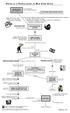 PATHS OF A FORECLOSURE IN NEW YORK STATE BORROWER DELINQUENT 2-3 months late with mortgage payments 90-DAY PRE-FORECLOSURE NOTICE Lender sends notices, bills, letters to borrower stating that he/she is
PATHS OF A FORECLOSURE IN NEW YORK STATE
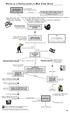 PATHS OF A FORECLOSURE IN NEW YORK STATE BORROWER DELINQUENT 2-3 months late with mortgage payments if S/P or N/T 90-DAY PRE-FORECLOSURE NOTICE* for all subprime and non-traditional loans (as defined by
PATHS OF A FORECLOSURE IN NEW YORK STATE
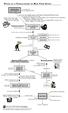 PATHS OF A FORECLOSURE IN NEW YORK STATE BORROWER DELINQUENT 2-3 months late with mortgage payments Lender sends notices, bills, letters to borrower stating that he/she is delinquent Borrower has multiple
To help you better understand the foreclosure process, these definitions are presented in a logical order, rather than alphabetical order.
 FORECLOSURE GLOSSARY NOTICE: This glossary of legal words and phrases related to foreclosure is provided to you by the Clermont County Common Pleas Court to help you better understand your legal problem
Creditor Lawsuits Handbook
 Creditor Lawsuits Handbook In Magisterial District Court A Handbook for people dealing with creditor lawsuits, including information on such suits and common defenses. Revised July 2009 Introduction This
Missouri Small Claims Court Handbook. The Missouri Bar Young Lawyers' Section
 Missouri Small Claims Court Handbook The Missouri Bar Young Lawyers' Section TABLE OF CONTENTS I. INTRODUCTION TO THE SMALL CLAIMS COURT...1 Page II. THINGS TO CONSIDER BEFORE BRINGING A CLAIM...1 A. WHO
Common Mortgage and Foreclosure Terms
 H ELP FOR N EW Y ORK S TATE H OMEOWNERS C ONCERNED A BOUT F ORECLOSURE Common Mortgage and Foreclosure Terms Talking about mortgages can feel like speaking a foreign language and is even more confusing
EARLY CARE & EDUCATION LAW UNIT WHAT YOU NEED TO KNOW ABOUT SMALL CLAIMS COURT
 EARLY CARE & EDUCATION LAW UNIT Publication Date: November 2013 WHAT YOU NEED TO KNOW ABOUT SMALL CLAIMS COURT In the operation of your child care business you may encounter problems which force you to
SMALL CLAIMS COURT IN ARKANSAS
 SMALL CLAIMS COURT IN ARKANSAS Note: The information contained in this publication is designed as a useful guide to remind you of your rights as a citizen of this state. You should not rely totally on
ALL SMALL CLAIMS SERVICE
 ALL SMALL CLAIMS SERVICE Once you have decided to file small claims, you will need the following: 1. TOTAL AMOUNT OWED - rent due, property damage, stolen items, cleaning fees, etc. (Total amount cannotexceed
Frequently Asked Questions Foreclosure
 Frequently Asked Questions Foreclosure What is a Foreclosure? How Can I Avoid A Foreclosure Once a Complaint Has Been Filed Against Me? Where is a Foreclosure Complaint Filed? What Should You Do if Served
State by State Foreclosure Laws
 State by State Foreclosure Laws Alabama Foreclosure Laws 49-74 21 365 Trustee Comments: Judicial Foreclosures are not common Alabama foreclosures occur both in court and out-of-court. The typical foreclosure
How To Avoid Foreclosure
 For most families, a home is a place to live and raise children; it s a plan for the future, and also a source of pride. The Town of Davie promotes home preservation. Your home is not only a significant
Frequently Asked Questions (FAQs) in South Carolina Master-in-Equity Court
 Frequently Asked Questions (FAQs) in South Carolina Master-in-Equity Court WARNING: You are strongly encouraged to seek the advice of an attorney in any legal matter. If you move forward without an attorney,
January 9, 2006. The Self Help Legal Center. Southern Illinois University School Of Law Carbondale, IL 62901 (618) 453-3217
 January 9, 2006 The Self Help Legal Center Southern Illinois University School Of Law Carbondale, IL 62901 (618) 453-3217 2 TABLE OF CONTENTS Table of Contents 2 Disclaimer 3 Warning to all readers 4 Who
Connecticut Judicial Branch Self-Represented Parties Information Series
 Connecticut Judicial Branch Self-Represented Parties Information Series Starting a Lawsuit in Connecticut Slide 1 Welcome to the Connecticut Judicial Branch Law Libraries Self-Represented Parties Information
CHAPTER 702 FORECLOSURE OF MORTGAGES, AGREEMENTS FOR DEEDS, AND STATUTORY LIENS. 702.06 Deficiency decree; common-law suit to recover deficiency.
 Florida Foreclosure is Judicial. Notice of Foreclosure Florida foreclosure begins when the lender files a lawsuit (Lis Pendens) against the homeowner. The homeowners must be notified of the legal action
Saving Your Home from Foreclosure
 NEW YORK STATE BAR ASSOCIATION Saving Your Home from Foreclosure (For quick guide on where to go for help, see back cover) New York State Bar Association 1 Introduction In 2008, New York State made some
HOW TO FILE AN ANSWER TO A CIVIL COMPLAINT FOR BREACH OF AN AGREEMENT (CONTRACT)
 SUPERIOR COURT OF STANISLAUS COUNTY SELF HELP CENTER HOW TO FILE AN ANSWER TO A CIVIL COMPLAINT FOR BREACH OF AN AGREEMENT (CONTRACT) (THIS GUIDE ONLY APPLIES TO LAWSUITS INVOLVING $25,000.00 OR LESS)
Section 1: The Eviction Process. Section 2: Eviction Answer Packet. Section 3: Eviction Answer and Counterclaim Packet
 Section 1: The Eviction Process Section 2: Eviction Answer Packet Section 3: Eviction Answer and Counterclaim Packet Section 4: Possession Bond Hearing Request Packet!! "#!! "$%&%"'! (!(!!!!!!") $# (!(!!((
A Guide To Understanding The Community Association Collection And Foreclosure Process
 A Guide To Understanding The Community Association Collection And Foreclosure Process What is the initial demand letter? What is a Claim of Lien? What is a thirty (30) day letter? How do you foreclose
FORECLOSURE. I don t think I can make my mortgage payments but I don t want to go through a foreclosure. What are some of my options?
 FORECLOSURE When you borrow money to buy a house or land, the creditor usually takes a security interest in the property you buy. This means that if you don t pay, the creditor can foreclose upon (or take
What Is Small Claims Court? What Types Of Cases Can Be Filed In Small Claims Court? Should I Sue? Do I Have the Defendant s Address?
 SMALL CLAIMS COURT What Is Small Claims Court? Nebraska law requires that every county court in the state have a division known as Small Claims Court (Nebraska Revised Statute 25-2801). Small Claims Court
EARLY CARE & EDUCATION LAW PROJECT WHAT YOU NEED TO KNOW ABOUT SMALL CLAIMS COURT
 EARLY CARE & EDUCATION LAW PROJECT Publication Date: May 2010 WHAT YOU NEED TO KNOW ABOUT SMALL CLAIMS COURT In the operation of your child care business you may encounter problems which force you to go
YOUR RIGHTS AS A TENANT
 YOUR RIGHTS AS A TENANT Under Virginia Law, tenants have certain rights when they move in, while they are renting, and before they can be evicted. The specific rights you have depend on whether or not
LANDLORD S GUIDE TO NONPAYMENT SUMMARY PROCEEDINGS
 LANDLORD S GUIDE TO NONPAYMENT SUMMARY PROCEEDINGS For Courts Outside New York City New York State Unified Court System DIVISION OF COURT OPERATIONS OFFICE OF TRIAL COURT OPERATIONS SEPTEMBER 2007 LANDLORD
UNDERSTANDING THE COLLECTION PROCESS FOR COMMUNITY ASSOCIATIONS
 UNDERSTANDING THE COLLECTION PROCESS FOR COMMUNITY ASSOCIATIONS 1. PRE-LITIGATION BY: MULCAHY LAW FIRM, P.C. Almost every community association has problems in collecting unpaid assessments. Most associations
Small Claims Court Information provided by Oregon State Bar http://www.osbar.org/public/legalinfo/1061_smallclaims.htm
 Community Alliance of Tenants Tenant Education Information is for general information purposes only, and is not a substitute for the advice of an attorney Small Claims Court Information provided by Oregon
UNITED STATES DISTRICT COURT EASTERN DISTRICT OF VIRGINIA Richmond Division
 UNITED STATES DISTRICT COURT EASTERN DISTRICT OF VIRGINIA Richmond Division INFORMATION ON REPRESENTING YOURSELF (PRO SE) IN A CIVIL ACTION INTRODUCTION The following instructions have been compiled to
An Overview of Foreclosure
 An Overview of Foreclosure While the rising number of foreclosures is an alarming national trend, the real hardship is for any individual or family who knows the threat of foreclosure firsthand. Unfortunately,
PROSECUTING AND DEFENDING A SMALL CLAIMS CASE. Instructions Sample Forms Rules Statutes. Effective June 7, 2005
 PROSECUTING AND DEFENDING A SMALL CLAIMS CASE Instructions Sample Forms Rules Statutes Effective June 7, 2005 1 SMALL CLAIMS INFORMATION AND INSTRUCTIONS Please read carefully. Definitions follow the instructions.
TEN LOOPHOLES THAT CAN STOP FORCLOSURE FAST
 TEN LOOPHOLES THAT CAN STOP FORCLOSURE FAST Copyright Notice All rights reserved. No part of this publication may be reproduced or transmitted in any form or by any means electronic or mechanical. Any
SMALL CLAIMS COURT INFORMATION
 Clark County District Court SMALL CLAIMS COURT INFORMATION INTRODUCTION The Small Claims Department of District Court allows a person or business with a legal dispute to sue without hiring an attorney.
INTRODUCTION TO SMALL CLAIMS COURT TABLE OF CONTENTS
 INTRODUCTION TO SMALL CLAIMS COURT TABLE OF CONTENTS INTRODUCTION TO SUE OR NOT TO SUE? HOW TO FILE A SMALL CLAIMS CASE WHERE TO FILE FILING FEE NOTICE TO THE DEFENDANT COUNTERCLAIMS PREPARING FOR TRIAL
Foreclosure. in Alberta. Financial Series. Property foreclosure can be a complicated and confusing experience for
 sd Financial Series Foreclosure in Alberta Property foreclosure can be a complicated and confusing experience for You should not rely on this booklet for legal advice. It provides general information on
JUSTICE COURT # 2 GRAHAM COUNTY STATE OF ARIZONA P.O. BOX 1159, 136 WEST CENTER STREET, PIMA AZ 85543 PHONE (928) 485-2771 FAX (928) 485-9961
 JUSTICE COURT # 2 GRAHAM COUNTY STATE OF ARIZONA P.O. BOX 1159, 136 WEST CENTER STREET, PIMA AZ 85543 PHONE (928) 485-2771 FAX (928) 485-9961 SMALL CLAIMS INSTRUCTIONS FOR FILING ***EFFECTIVE JANUARY 1,
Small Claims Court LEGAL SERVICES. Consumer Law Project for Elders CONSUMER. We offer free legal help in many areas including:
 Are you 60 or over? If yes, free legal assistance is available. If you have a debt collection or other consumer problem, please call: Consumer Law Project for Elders 1-800-296-1467 CONSUMER LEGAL SERVICES
Responding to a Breach of Contract Lawsuit
 ANSWER-CONTRACT Sacramento County Public Law Library & Civil Self-Help Center 609 9th Street Sacramento, CA 95814 (916) 874-6012 saclaw.org/ Responding to a Breach of Contract Lawsuit Disclaimer: This
CODING: Words stricken are deletions; words underlined are additions. hb0087-00
 1 2 3 4 5 6 7 8 9 10 11 12 13 14 15 16 17 18 19 20 21 22 23 24 25 26 27 28 A bill to be entitled An act relating to mortgage foreclosures; amending s. 95.11, F.S.; revising the limitations period for commencing
Recent years have brought tremendous challenges in the foreclosure case type to the
 NOTICE TO THE BAR COMMON FORECLOSURE FILING ISSUES AND DEFICIENCIES Recent years have brought tremendous challenges in the foreclosure case type to the bench and bar alike. As part of the Judiciary's continuing
LEARN ABOUT YOUR RIGHTS AND OPTIONS IN A FORECLOSURE
 Helpful Agencies Here are some agencies which may lead you to lawyers who can help you: Lake County Bar Association 7 North County Street Waukegan, IL 60085 847-244-3140 www.lakebar.org Prairie State Legal
Homeownership Preservation Toolkit
 Homeownership Preservation Toolkit A guide to understanding and avoiding foreclosure Sponsored and Endorsed by Loveland Berthoud Association of REALTORS CONSUMER CREDIT COUNSELING SERVICE OF NORTHERN COLORADO
Steps you can take to protect your home and your credit
 Steps you can take to protect your home and your credit Oregon Division of Finance and Corporate Securities Our mission To encourage a wide range of financial services, products, and information for Oregonians,
Sangamon County Circuit Clerk Anthony P. Libri. Small Claims Court Manual
 Sangamon County Circuit Clerk Anthony P. Libri Small Claims Court Manual The purpose of this guide is to explain, in simple language, workings of Small Claims Court in Sangamon County. Because procedures
Does your child need a lawyer?
 This information can help you if a divorce, custody or visitation case is pending in a Connecticut court and you and the other parent disagree about custody or visitation rights. If your child is involved
Short Sale Seller Advisory
 Short Sale Seller Advisory Short Sale Seller Advisory Recent economic challenges have resulted in many homeowners needing to sell their home but owing more on their home than the home is worth. This advisory
H O W T O A V O I D F O R E C L O S U R E F O R E C L O S U R E
 U.S. Department of Housing and Urban Development H O W T O A V O I D F O R E C L O S U R E F O R E C L O S U R E This booklet explains how property owners can avoid losing their homes because of delinquent
WELCOME TO THE MASCIA LAW FIRM NEW CLIENT PACKAGE
 In these trying times you need a law firm that believes in you, A firm that will make the impossible, POSSIBLE. WELCOME TO THE MASCIA LAW FIRM NEW CLIENT PACKAGE A WELCOME LETTER FROM MASCIA LAW FIRM On
NINTH JUDICIAL CIRCUIT, IN AND FOR ORANGE COUNTY, FLORIDA
 ADMINISTRATIVE ORDER NO. 2009-02 IN THE CIRCUIT COURT OF THE NINTH JUDICIAL CIRCUIT, IN AND FOR ORANGE COUNTY, FLORIDA ADMINISTRATIVE ORDER GOVERNING MANDATORY CIRCUIT COURT MEDIATION FOR OWNER-OCCUPIED
SPECIAL CIVIL A GUIDE TO THE COURT
 NEW JERSEY JUDICIARY SPECIAL CIVIL A GUIDE TO THE COURT Superior Court of New Jersey Law Division Special Civil Part Special Civil A Guide to the Court page 1 Special Civil is a court of limited jurisdiction
HOW TO REPRESENT YOURSELF IN CIVIL CASES IN JUSTICE COURT
 HOW TO REPRESENT YOURSELF IN CIVIL CASES IN JUSTICE COURT If you are reading this you have either been sued in Justice Court, or you are thinking about suing someone in Justice Court. Following are the
January 9, 2006. The Self Help Legal Center. Southern Illinois University School Of Law Carbondale, IL 62901 (618) 453-3217
 January 9, 2006 The Self Help Legal Center Southern Illinois University School Of Law Carbondale, IL 62901 (618) 453-3217 2 TABLE OF CONTENTS Table of Contents 2 Disclaimer 3 Warning to all readers 4 Who
SHORT SALES Frequently Asked Questions
 SHORT SALES Frequently Asked Questions This factsheet is provided for information purposes only. It is not a substitute for advice from legal, accounting, housing, or real estate professionals. Please
Sangamon County Circuit Clerk s Office. Small Claims Court Manual. Updated March 2008
 Sangamon County Circuit Clerk s Office Small Claims Court Manual Small Claims Court Manual 1 The purpose of this guide is to explain, in simple language, the workings of the Small Claims Court in Sangamon
UNITED STATES DISTRICT COURT EASTERN DISTRICT OF VIRGINIA Norfolk/Newport News Division
 UNITED STATES DISTRICT COURT EASTERN DISTRICT OF VIRGINIA Norfolk/Newport News Division INFORMATION ON REPRESENTING YOURSELF (PRO SE) IN A CIVIL ACTION INTRODUCTION The following instructions have been
Florida Foreclosure/Real Estate Law. E-Book. A Simple Guide to Florida Foreclosure/Real Estate Law. by: Florida Law Advisers, P.A.
 Florida Foreclosure/Real Estate Law E-Book A Simple Guide to Florida Foreclosure/Real Estate Law by: Florida Law Advisers, P.A. 1 Call: 800-990-7763 Web: www.floridalegaladvice.com TABLE OF CONTENTS INTRODUCTION...
South Carolina. The information below applies only to South Carolina. 1. How can I find out if I have a IV-D child support case in this state?
 South Carolina Office of Child Support Enforcement Administration for Children & Families U.S. Department of Health and Human Services Changing a Child Support Order in Your State The information below
GLOSSARY OF COLLECTION LAW TERMINOLOGY
 GLOSSARY OF COLLECTION LAW TERMINOLOGY The purpose of this glossary is to assist community association board members and property managers in better understanding legal terms and procedures that are frequently
DELINQUENT ASSESSMENT COLLECTION
 Salvatori, Wood, & Buckel ATTORNEYS AT LAW 9132 Strada Place, Fourth Floor, Naples, FL 34108-2683 John D. Humphreville Tel: 239.552.4100 Direct Dial: 239.552.4107 Fax: 239.649.1706 [email protected] Web:
Credit Repair Made Easy
 Credit Repair Made Easy A simple self help guide to credit repair By Don Troiano Introduction My name is Don Troiano and I spent over 15 years in the mortgage industry. Knowing how to guide customers in
OPTIONS IN FORECLOSURE
 Section II: KEEPING YOUR HOME OPTIONS IN FORECLOSURE Deciding whether or not to keep your home is something that only you, the homeowner, can determine. The best housing counselors will ask what you d
v. VERIFIED ANSWER TO FORECLOSURE COMPLAINT
 SUPREME COURT OF THE STATE OF NEW YORK COUNTY OF v. Plaintiff, Index No. VERIFIED ANSWER TO FORECLOSURE COMPLAINT Defendant(s). Defendant answers as follows: I generally deny each allegation of the Complaint,
WHEN THE CREDITOR SUES, WHAT ARE MY RIGHTS?
 LEGAL AID CONSUMER FACT SHEET # 2 -------------------------------------------------------------------------------------------- WHEN THE CREDITOR SUES, WHAT ARE MY RIGHTS? Important Note: The following
;-:-CV cj-0 I~ No.- 2013- PJ
 IN THE COURT OF COMMON PLEAS OF MONROE COUNTY, PENNSYLVANIA ADMINISTRATIVE DOCKET IN RE: RESIDENTIAL MORTGAGE FORECLOSURE PROGRAM ;-:-CV cj-0 I~ No.- 2013- PJ ~ ORDER d AND NOW, this day of March, 2013,
DOMESTIC VIOLENCE AND THE NEW MEXICO FAMILY VIOLENCE PROTECTION ACT
 DOMESTIC VIOLENCE AND THE NEW MEXICO FAMILY VIOLENCE PROTECTION ACT This information guide is general in nature and is not designed to give legal advice. The court does not guarantee the legal sufficiency
WHAT IS SMALL CLAIMS COURT?
 WHAT IS SMALL CLAIMS COURT? Information Provided by the Office of MARYANNE MORSE CLERK OF THE COURTS SEMINOLE COUNTY, FLORIDA ATTENTION WHEN FILING A SUIT IN COUNTY COURT, IT IS MANDATORY THAT YOU PROVIDE
HOME MORTGAGE MODIFICATION
 HOME MORTGAGE MODIFICATION Individuals in bankruptcy cases assigned to Judge Waites, including joint debtors, may seek court approval of consensual modifications of home mortgage loans in one or more of
Presenting Property Tax Appeals. Minnesota Tax Court
 Presenting Property Tax Appeals to the Minnesota Tax Court Minnesota Tax Court 245 Minnesota Judicial Center 25 Rev. Dr. Martin Luther King Jr. Blvd. St. Paul, MN 55155 (651) 296-2806 www.taxcourt.state.mn.us
Submit a Valid Claim Form Deadline: February 12, 2016 Ask to be excluded Deadline: November 24, 2015. Object Deadline: November 24, 2015
 NOTICE OF CLASS ACTION SETTLEMENT California Superior Court, County of Los Angeles IF FIRE INSURANCE EXCHANGE APPLIED DEPRECIATION WHEN CALCULATING A PAYMENT MADE TO YOU ON A PROPERTY LOSS INSURANCE CLAIM,
14 Options Every Home Owner Must Know When Faced With Foreclosure. By: Scott MacDonald
 14 Options Every Home Owner Must Know When Faced With Foreclosure By: Scott MacDonald Foreclosure is affecting millions of Americans today. It can be a very frightening time for many families who do not
INSTRUCTIONS FOR FILING A SMALL CLAIMS CASE
 INSTRUCTIONS FOR FILING A SMALL CLAIMS CASE These standard instructions are for informational purposes only and do not constitute legal advice about your case. GENERAL INFORMATION The Small Claims Court
A Guide to. Small Claims Court
 A Guide to Small Claims Court Legal Aid of North Carolina, Inc. November 2013 Anyone 18 or over has the right to start a lawsuit in the North Carolina court system. If the lawsuit is for a claim of $10,000
Small Claims Handbook A citizen s guide to handling small claims complaints in Kentucky
 Small Claims Handbook A citizen s guide to handling small claims complaints in Kentucky Provided by the Kentucky Administrative Office of the Courts and the Kentucky Office of Attorney General Small Claims
IN THE CIRCUIT COURT OF THE THIRTEENTH JUDICIAL CIRCUIT IN AND FOR HILLSBOROUGH COUNTY, FLORIDA GENERAL CIVIL DIVISION
 IN THE CIRCUIT COURT OF THE THIRTEENTH JUDICIAL CIRCUIT IN AND FOR HILLSBOROUGH COUNTY, FLORIDA GENERAL CIVIL DIVISION Plaintiff(s), v. Defendant(s). / CASE NO.: GENERAL CIVIL DIVISION: UNIFORM FINAL JUDGMENT
THE ELEVENTH JUDICIAL CIRCUIT MIAMI-DADE COUNTY, FLORIDA. CASE NO. 10-1 (Court Administration)
 THE ELEVENTH JUDICIAL CIRCUIT MIAMI-DADE COUNTY, FLORIDA CASE NO. 10-1 (Court Administration) ADMINISTRATIVE ORDER NO. 10-03 A1 (Amending and Superseding Administrative Order No. 10-03) IN RE: CASE MANAGEMENT
The Uncontested Divorce Process in Texas
 The Uncontested Divorce Process in Texas This guide is intended to help you use the divorce forms provided by www.texaslawhelp.org for an uncontested divorce. Is your divorce contested? -Or- Is your divorce
AVOID FORECLOSURE HOW TO A CONSUMER GUIDE. Open mail from your mortgage company. Can you afford your home? Contact your mortgage company
 HOW TO AVOID FORECLOSURE A CONSUMER GUIDE Open mail from your mortgage company Can you afford your home? Contact your mortgage company Keeping or not keeping your home What happens if you do not contact
CHAPTER 2013-137. Committee Substitute for Committee Substitute for House Bill No. 87
 CHAPTER 2013-137 Committee Substitute for Committee Substitute for House Bill No. 87 An act relating to mortgage foreclosures; amending s. 95.11, F.S.; revising the limitations period for commencing an
Glossary of Foreclosure Fairness Mediation Terminology
 Glossary of Foreclosure Fairness Mediation Terminology Adjustable-Rate Mortgage (ARM) Mortgage repaid at the rate of interest that increases or decreases over the life of the loan based on market conditions.
A class action settlement involving Progressive automobile, motorcycle and recreational vehicle insurance may provide payments to those who qualify.
 IN THE DISTRICT COURT OF CREEK COUNTY, BRISTOW DIVISION, STATE OF OKLAHOMA A class action settlement involving Progressive automobile, motorcycle and recreational vehicle insurance may provide payments
IN THE SUPREME COURT OF THE STATE OF ILLINOIS
 M.R. 3140 IN THE SUPREME COURT OF THE STATE OF ILLINOIS Order entered February 28, 2013. The effective dates of Supreme Court Rules 113 and 114, as adopted February 22, 2013, are revised from March 1,
Early Delinquency Intervention: Saving Your Home From Foreclosure
 Early Delinquency Intervention: Saving Your Home From Foreclosure There are many circumstances in a homeowner s life that could result in missed mortgage payments: unexpected expenses, loss of overtime,
What Are My Options When My Home Is. Scheduled For A Sheriff Sale
 What Are My Options When My Home Is Scheduled For A Sheriff Sale 1. What is a sheriff sale? Once the lender has a judgment in its foreclosure case against you, it can then order your home to be sold at
 EXHIBIT A Proposed Notice UNITED STATES DISTRICT COURT FOR THE WESTERN DISTRICT OF MICHIGAN You have been identified as a member of a class which has been the subject of a settlement. This settlement may
ADMINISTRATING AND ACCOUNTING BEFORE CLOSING THE ESTATE
 ADMINISTRATING AND ACCOUNTING BEFORE CLOSING THE ESTATE PINAL COUNTY PROCEDURES TO FILE A PETITION FOR APPROVAL OF FINAL ACCOUNTING OF AN ESTATE INSTRUCTIONS AND FORMS Provided as a Public Service by Amanda
Foreclosure Prevention Guide
 Foreclosure Prevention Guide 8 Ways to Stop Your Foreclosure in Today s Challenging Economy About Foreclosure Foreclosure begins when a Homeowner is unable to make their mortgage payments on the scheduled
James H. Greene and Mennie Johnson sued Cash America and other Defendants alleging that they made improper and unlawful payday loans.
 THE STATE COURT OF COBB COUNTY, GEORGIA THIS IS A COURT ORDERED LEGAL NOTICE You may be affected by a class action lawsuit if you received a payday loan from or had a loan serviced by Georgia Cash America,
JUDICIAL BRANCH MEMORANDUM. Re: New Hampshire Superior Court Civil Rules Effective October 1, 2013
 JUDICIAL BRANCH MEMORANDUM To: Attorneys; Legal Assistants; Litigants From: Patricia A. Lenz, Superior Court Administrator Julie W. Howard, Strafford Superior Court Clerk Date: Updated December 16, 2013
CLAIMS AGAINST TELEPHONE ANSWERING SERVICES: THE TRILOGY OF PREVENTION, HANDLING AND RESOLUTION PART TWO: WHAT TO DO WHEN A CLAIM HAPPENS
 CLAIMS AGAINST TELEPHONE ANSWERING SERVICES: THE TRILOGY OF PREVENTION, HANDLING AND RESOLUTION PART TWO: WHAT TO DO WHEN A CLAIM HAPPENS Martin M. Ween, Esq. Partner Wilson, Elser, Moskowitz, Edelman
FARM LEGAL SERIES June 2015 Mortgage Foreclosures
 Agricultural Business Management FARM LEGAL SERIES June 2015 Mortgage Foreclosures Phillip L. Kunkel, Jeffrey A. Peterson, Jason Thibodeaux Attorneys, Gray Plant Mooty INTRODUCTION If a farm debtor is
NOTICE: ON FEBRUARY 27, 2012, THE NEW JERSEY SUPREME COURT ISSUED AN OPINION THAT MAY CHANGE SOME OF THE INFORMATION IN THIS GUIDE. THAT OPINION, U.
 Foreclosure: A Self-Help Guide to Saving Your Home 2009 Legal Services of New Jersey Legal Services of New Jersey makes this publication available for use by people who cannot afford legal advice or representation.