
Miami Science Museum DoE Modelling Grant. Light Planning. 19 December 2008 Concept Design
|
|
|
- Allison Campbell
- 10 years ago
- Views:
Transcription
1 DoE Modelling Grant 19 December 2008 Concept Design 155 Avenue of the Americas, New York NY Tel Fax Job Number au
2 Introduction Table of Contents Introduction 1 Daylight Design Objectives 2 Visible, Iconic, Sustainable 4 Outdoor Program 5 Internal Program 9 Daylight Rules-of-Thumb 12 Background This document presents the light planning studies undertaken as part of the DoE modelling grant for the Miami Science Museum. This work has informed the architectural concept design, and provides information useful to the ongoing design process. Objectives The DoE modelling grant was provided to ensure that the museum considers the energy savings that can be achieved through effective daylight design. The work presented in this report was performed to achieve the following objectives: To understand the museum s planning and to identify a daylight strategy for each of daylit areas To review the proposed outdoor and indoor design concepts with regard to daylight performance and likely lighting energy savings To provide feedback to the design team in order to best utilize the available daylight resource, optimizing energy savings while ensuring visual comfort To provide daylight design guidance for the museum building s ongoing design process Report Outline The following section of this report summarizes the museum building s daylight design objectives and relates these to each of the building s daylit areas. The museum s sustainability objectives are then discussed and a range of sustainable design options are presented. The outdoor program of the museum is discussed by characterizing the various identified outdoor space and identifying appropriate locations for each program element. A study of the indoor program is presented, demonstrating daylight design improvements and estimating likely lighting energy savings. A series of daylight design rules-of-thumb are also provided, assisting the design team in further development of the museum building s design. Page 1
3 Daylight Design Objectives Visible, Iconic, Sustainable The MiaSci building aspires to be a prominent and iconic landmark poised at the City s waterfront gateway, representing a striking balance [of] aesthetics and energy efficient design (Pre-design Report, October 2008). Key amongst the building s design objectives is a high level of energy efficiency. This is evident in the provision of a modelling grant from the Department of Energy (DoE) to optimize the building s daylight design for maximum lighting energy savings. Whilst daylight can provide important lighting energy savings, it is imperative that this is not provided at the expense of comfort and ambience. Daylight must be controlled for both maximum lighting energy savings and the creation of pleasing, visually interesting, comfortable internal and external lighting conditions. The chart to the left shows the proposed comfort control requirements for the museum s various program elements, as defined by Grimshaw Architects. The following sections relate these control requirements to the different daylit elements of the museum s program. Daylight Design Response Recommendations for the daylight design of daylit spaces in the museum s outdoor and indoor program elements are provided below. Entrance atrium: Largely glazed Some protection provided by surrounding structure Localized shading of work spaces Deliberate orientation of work spaces to minimize risk of glare Cafe / dining: Largely outdoor experience Local protection to tables, counters Queuing areas: Largely outdoor experience Some protection provided by surrounding structure Localized protection for ticket booths Outdoor exhibits: More sensitive objects protected locally and/or by surrounding structure Vitrines oriented to avoid reflections that obscure view of exhibits Page 2
4 Daylight Design Objectives Playground: Largely outdoor experience Some protection provided by surrounding structure Terraces: Largely outdoor experience Some local cover Entertainment suite / learning center: View windows Rooflights Black-out capability Patio cover to adjacent outdoor spaces Living core: Some zones have greater daylight access than others Arrange on level and position by particular requirements Exhibitions, history museum: High windows and/or rooflights Some view windows for external connection Protect from direct sunlight penetration Set window area / transmittance considering annual light exposure limits Consider adjacencies to outdoor spaces and risk of adaptation glare (temporary vision difficulty in moving from bright to dark spaces) Windows and rooflights arranged to avoid veiling glare (light reflected in vitrines that make encased exhibits difficult to see) Offices: View windows Occupant operated glare control Orientation of office spaces and workplaces to reduce sun exposure and maximize access to view Rest rooms, lockers, quiet rooms: Smaller windows Arrange and treat windows for privacy Lower daylight priority Page 3
5 Visible, Iconic, Sustainable Sustainability Objectives The project aspires to be highly sustainable, with its sustainable design clearly visible both within the museum building and from a distance. Several elements of sustainable design are briefly listed below. Externally Visible Elements Daylight collection and transport elements: Heliostats - a system of mirrors that track and capture sunlight and redirect it into the building Light pipes - transporting daylight from roof or facade mounted daylight capturing elements to deep within the building Solid state light transport - thin glass and plastic elements, such as fibre optics, used to transport daylight deep within the building Solar energy collectors: Photovoltaics - capture sunlight and convert it into electricity that can be used immediately, stored for use later or exported to the power grid Solar thermal - convert sunlight into heat, used for hot water or building heating or cooling requirements Wind and water: Natural / mixed-mode ventilation - use natural air flow for cooling, reducing the need for artificial space cooling Forced ventilation - fans, jets and similar to increase air movement for physiological cooling, without the need for artificial space cooling Evaporative cooling - air flow across water reduces air temperature and assists physiological cooling Wind turbines - generate electricity from air movement Rainwater collection - store rainwater for use in irrigation and other uses, reducing mains water consumption Internal Demonstration Ambient lighting dimmed in response to available daylight - demonstrate the dimming level and lighting energy saved External lighting switched by sensors and/or time clock - demonstrate lighting energy saved Active shading systems to reduce solar load - demonstrate reduced solar loads, link to cooling energy savings Building integrated photovoltaics - display current power output and energy stored for re-use Page 4
6 Outdoor Program Daylight Assessment Approach Darker in corner Daylight through roof aperture Darker, more protected The investigation of the outdoor program space commenced by reviewing a generic building design and characterizing the daylight conditions in various parts of the outdoor program space. The more difficult outdoor space areas were identified and design responses to these areas were recommended. Following the proposed mitigations, space planning recommendations were provided, matching identified daylight conditions with outdoor program elements. The majority of this discussion is based on a model provided by Grimshaw Architects on 24 October This assessment was used to understand daylight and glare issues prior to investigation of the internal floor plates. Comments on the current concept design are presented at the end of this section. Daylight Characterization Daylight Penetration to Outdoor Program Space - Proportion of Hours Receiving 100-2,000 lux Daylight Heavily shaded Mostly shaded Exposed Sunny Bright, > 2,000 lux through almost all opening hours Daylight Penetration to Outdoor Program Space - Proportion of Hours Receiving >2,000 lux Daylight Risks of glare Low daylight contrasts Daylight conditions in the outdoor program space are characterized by generic descriptors of brightness, sunniness and risk of glare. Different daylight metrics are referred to for each of these generic descriptors. The three metrics are then combined to a more complete understanding of daylight conditions in each region. The result of this assessment are descriptors of the following forms: Bright and sunny - high daylight autonomy, high sunlight hours Bright and shaded - high daylight autonomy, low sunlight hours Darker and sunny - low daylight autonomy, high sunlight hours Darker and shaded - low daylight autonomy, low sunlight hours Useful Daylight Illuminance (aka UDI) UDI is an indicator of general daylight brightness. The assessment is performed by predicting through what proportion of museum opening hours is useful daylight, or too much daylight, received. Daylight illuminance distributions are calculated throughout the outdoor program space for every 10 minutes through opening hours throughout the year. The predicted daylight illuminance levels are compared with useful daylight targets. The proportion of hours through the year that each position receives useful daylight are then predicted. Sunlight Penetration to Outdoor Program Space - Sunlight Hours Risk of Daylight Glare - Proportion of Hours Receiving Strong Visual Contrasts Page 5
7 Outdoor Program Darker, shaded, risk of glare Daylight & sunlight from above Darker, shaded Bright, more shaded Bright, more shaded The useful daylight illuminance benchmark is based on an extrapolation of internal conditions for the outdoor environment. This suggests that daylight illuminances up to 2,000 lux (~200 fc) are considered useful, and higher daylight illuminances are brighter. However, it should be considered that this is an outdoor environment, and so higher daylight levels are acceptable. The two upper charts shown on the previous page show useful and bright UDI conditions throughout the outdoor program space. Regions are identified by the degree of daylight brightness expected in the region. Sunlight Hours Bright, shaded, risk of glare Bright, partially shaded Bright, partially shaded Bright, partially shaded Sunlight hours is an indicator of visual and thermal discomfort and outdoorness. The assessment is performed by predicting how many hours of sunlight are received over the course of the year through museum opening hours. Seasonal cloudiness is considered, using regional climatic data and average monthly sunshine probability. Bright, sunny, exposed Bright, sunny, protected by overcroft The maximum possible sunlight hours for Miami, from 10am to 6pm, is around 2,070 sunshine hours in a fully exposed position. The lower left chart on the previous page shows the sunlight hour distribution over the outdoor program space. Regions are identified by the degree of sunniness or shade provided to the region. Daylight Characterization of Outdoor Program Space Daylight Contrast Daylight contrast is an indicator of the risk of visual discomfort. The assessment is performed by predicting brightness contrast ratios for viewers in the same position looking in different directions. Daylight illuminances are calculated for four cardinal directions for every 10 minutes through opening hours throughout the year. For each position at each time step, maximum / minimum illuminance ratios are calculated and compared with the contrast benchmark. The proportion of hours through the year that each position may experience excessive visual contrasts are then predicted. It should be noted that this initial assessment is based on a simplified material palette of medium reflectance, grey, matte finish surfaces. This assessment relates only to brightness contrasts, and does not consider sun reflections of shiny surfaces. For the outdoor environment, visual contrasts up to 20:1 are considered acceptable. Localized Shades to Reduce Solar Exposure at Southern Edge of Outdoor Space The lower right chart on the previous page shows the probability of daylight glare due to brightness contrasts throughout the outdoor program space. In general there is little to no occurrence of excessive visual contrasts. Only in two regions were strong visual contrasts predicted for generally small proportions of opening hours. Page 6
8 Outdoor Program Unchanged at rear Unchanged at rear Outdoor Space Characterization The three daylight metrics are combined to form an overall impression of the daylight character of the outdoor program space, as shown on the previous page. The color coding shown on the diagram corresponds roughly to degree of daylight exposure. Red areas are bright and sunny, while blue areas are darker and shaded. Difficult Outdoor Areas Of all the identified outdoor areas, the two red areas were the most exposed to sunlight. Visitors in these spaces would experience little protection from sun and rain and are most likely to experience thermal and visual discomfort. Reduced exposure at front Sunlight Penetration to Outdoor Program Space with Localized Shading - Sun Hours Little change at front Daylight Penetration to Outdoor Program Space with Localized Shading - Proportion of Hours Receiving >2,000 lux Daylight Localized shading systems of some form are recommended for these areas. These shading systems can take various forms, and can vary according to season and/or time of day. They could also be integrated with light and/or solar collectors. The expected impact of such localized shading systems was investigated in terms of sunlight hours and UDI. The modelled shading system and the revised sunlight and daylight penetration results are shown to the left. It should be noted that the modelled system is illustrative only. Details of this system have developed further following these studies. Exhibition, terrace Exhibition Exhibition These results have shown that localized shading systems can be very effective in reducing unwanted solar exposure while still maintaining excellent daylight access. Cafe, picnic Cafe Outdoor Program For the modelled configuration of the outdoor program area, the diagram to the left presents a suggested layout of the outdoor program elements. Exhibition, terrace Cafe, picnic Queue, picnic Queue Terrace Queue, playground Proposed Outdoor Program Layout Page 7
9 Outdoor Program Outdoor Program - Concept Design The diagrams shown to the left illustrate the concept design for the outdoor program space. The daylit outdoor program areas are highlighted and comments provided for the design team. These comments are based on the work presented on the preceding pages: Terrace - varying daylight conditions, visually interesting Amphitheater - set back from edge, more protected Queuing - protected environment Plaza - semi-external environment, visually interesting Playground - some protection provided, local shading recommended Picnic - local shading recommended The outdoor program has been spread over all levels, and generally greater solar protection has been provided. The level 1 outdoor space is now generally more protected for improved comfort. A range of daylight conditions, from more to less covered, is provided in various areas, creating lively and visually interesting spaces. The proposed ETFE roof over the living core provides the ability to vary daylight conditions over the different areas using different degrees of frit coverage or similar. Some localized shading is recommended for the cafe seating, picnic area, energy playground and terraces. Cafe seating - local shading recommended Energy Savings Concept Design Outdoor Program - Level 1 Concept Design Outdoor Program - Level 2 Substantial lighting energy savings can be provided by placing much of the museum s program outdoors. This adds to the visitor s experience while reducing the museum s energy consumption. Lighting of the outdoor spaces should be linked to available daylight through either daylight sensors or timeclocks, ensuring that the outdoor lighting is only on when required. Gallery terrace - some local cover recommended, arrange vitrines to avoid reflections Living core - variable daylight conditions provided by fritted ETFE roof above Terrace - some local cover recommended Those areas requiring greater light levels, including the cafe seating, gallery terrace and living core, have all been placed in positions with high potential for daylight, and therefore high potential for lighting energy savings. Areas requiring lower light levels or greater control over illumination, including the amphitheater and exterior circulation, are more enclosed, improving daylight control while still providing access to daylight for lighting energy savings. Terrace - protection provided by brise-soleil above Concept Design Outdoor Program - Level 3 Concept Design Outdoor Program - Level 4 Page 8
10 Internal Program Daylight Assessment Approach Level 3 gallery Level 4 entertainment suite Level 4 gallery Level 4 administration Four internal spaces within the museum building were selected for daylight assessment. These spaces were modelled for potential lighting energy savings and visual comfort. A base case assessment considered the design proposed by Grimshaw Architects on 3 December The initial assessment provided a series of design recommendations for improved daylight performance. A second assessment of the same spaces following implementation of the design recommendations displayed the improvements made as a result of the initial assessment. Modelled Spaces Four representative spaces were selected for daylight assessment. These spaces cover various program uses and different levels of the building. Level 3 Base Case Daylight Autonomy - Ability to Switch off Ambient Lighting above 200 lux Daylight Level 3 Base Case UDI > 2,000 lux - Likelihood of Visual Discomfort Level 4 Base Case Daylight Autonomy - Ability to Switch off Ambient Lighting above 200 lux Daylight Level 4 Base Case UDI > 2,000 lux - Likelihood of Visual Discomfort The four modelled spaces, shown to the left, include the following: Level 4 administration Level 4 entertainment suite Level 4 gallery Level 3 gallery The base case model was based on a model provided by Grimshaw Architects on 3 December Key material assumptions used with this model are listed below. 60% glass light transmittance 67% ETFE light transmittance (as clear ETFE with 40% dot frit coverage) Floor, wall, ceiling have 15%, 50%, 70% reflectance respectively Changes made to the model for the second assessment are described in that section. Performance Criteria Internal daylight performance was assessed in terms of potential for lighting energy savings and the likelihood of visual discomfort. Potential for lighting energy savings is assessed using daylight autonomy. This daylight metric presents the proportion of opening hours through which daylight provides more than a set level of illuminance. The target illuminance level was set at 200 lux - this is considered sufficient for ambient illumination of all the space types under assessment. High daylight autonomies indicate high potential for turning off electric lighting in response to available daylight. Page 9
11 Internal Program Daylight Design Recommendations - Level 4 Administration Daylight Design Recommendations - Level 4 Gallery Daylight Design Recommendations - Level 4 Entertainment Suite Daylight Design Recommendations - Level 3 Gallery Page 10 Visual comfort was assessed using the UDI metric discussed previously. Where daylight provides more than 2,000 lux it is likely that occupants will lower internal blinds for visual comfort control. This metric presents the proportion of opening hours through which 2,000 lux of daylight illumination is exceeded. Lower occurrences of more than 2,000 lux daylight illumination indicates lower chance of visual discomfort. Base Case Findings The base case assessment results are presented on the previous page. All of the investigated spaces have high levels of daylight access, with all areas receiving daylight autonomies greater than 75%. This indicates that ambient electric lighting can be switched off for more than 75% of opening hours between 10am and 6pm. The results also reveal high levels of excessive daylight illumination. This implies frequent occurrence of visual discomfort, particularly on level 4. Areas near the facades of the administration and entertainment suite spaces receive more than 2,000 lux daylight illumination through more than 75% of opening hours. The base case design provides plenty of daylight due to large glazed areas and tall spaces. However, this daylight illumination is generally asymmetric and there is a high probability of daylight glare in regions near to the facade. Design Recommendations The base case findings indicated a need for improved control of daylight penetration and distribution. However, it is also desired to maintain the high levels of potential lighting energy savings. A series of design recommendations were provided to the design team to improve the daylight performance of the four selected spaces. These design recommendations are illustrated to the left. It should be noted that these designs are indicative at present, and are used to demonstrate achievable improvements in daylight performance. The precise forms of these elements are to be further developed through the Schematic Design phase. Care must be taken to balance the additional daylight input provided by the recommended rooflights and the potential for increased thermal loads. This can be addressed through appropriate glass selection and shading systems. Developed Design The design recommendations discussed above were all implemented and the daylight modelling completed for the developed design. The findings for this design should be contrasted with those from the base case, demonstrating improvements in the building s daylight design.
12 Internal Program The findings for the developed design are presented to the left. Light shaft to rear of gallery Rooflights over center of entertainment suite Rooflights over rear of gallery Rooflights over center of administration The applied design changes, particularly the much reduced glass light transmittance, provided some reduction in daylight autonomy, and therefore potential lighting energy savings. However, lighting energy savings greater than 50% are still possible in all areas, with many areas still achieving greater than 75% energy savings. The table below provides estimates of potential lighting energy savings. This is based on the daylight autonomies presented to the left and a series of assumptions regarding lighting power densities, room areas and occupancy hours. The assumptions made are noted therewith. For the four investigated spaces, lighting energy savings up to 80% are available. This amounts to 40,600 kwh savings per year just for these four spaces. Significant improvements in visual comfort conditions were provided by the design recommendations. Only small parts of the spaces close to the facade receive more than 2,000 lux daylight, generally for less than 25% of museum hours. Level 3 Developed Design Daylight Autonomy - Ability to Switch off Ambient Lighting above 200 lux Daylight Level 4 Developed Design Daylight Autonomy - Ability to Switch off Ambient Lighting above 200 lux Daylight These results indicate significant improvements in internal daylight conditions whilst maintaining excellent potential for lighting energy savings. There is room for further improvement in these results. The design elements described above will be further developed in the Schematic Design phase. Reduced glass transmittance, external shading Reduced glass area and transmittance, internal light shelf Space Area (ft 2 ) Installed load density (W/ft 2 ) Annual load 1 (kwh) Daylight autonomy (%) Energy savings (kwh) Reduced glass transmittance Extended overhang Reduced glass transmittance Level 4 administration Level 4 entertainment suite 6, , ,700 8, , ,000 Level 4 gallery 2, , ,900 Level 3 gallery 2, , ,000 Total 20, , ,600 Note 1: Assumes 8 hours occupancy, 5 days a week Level 3 Base Case UDI > 2,000 lux - Likelihood of Visual Discomfort Level 4 Base Case UDI > 2,000 lux - Likelihood of Visual Discomfort Estimated Lighting Energy Savings due to Available Daylight Page 11
Adaptive strategies for office spaces in the UK climate
 International Conference Passive and Low Energy Cooling 631 Adaptive strategies for office spaces in the UK climate I. Gallou Environment & Energy Studies Programme, Architectural Association Graduate
Case Study 13 Schools of Architecture and Design, Wellington tertiary education institute, New Zealand
 Case Study Schools of Architecture and Design, Wellington tertiary education institute, New Zealand Winter Summer daylight intermediate, intermediate, climate temperate, oceanic altitude m heating degree
THE EFFECT OF WINDOW POSITION AND WINDOW SIZE ON THE ENERGY DEMAND FOR HEATING, COOLING AND ELECTRIC LIGHTING. R.M.J. Bokel
 THE EFFECT OF WINDOW POSITION AND WINDOW SIZE ON THE ENERGY DEMAND FOR HEATING, COOLING AND ELECTRIC LIGHTING R.M.J. Bokel Department of Architecture, Delft Technical University, Delft, The Netherlands,
Energy Efficient Hospital Patient Room Design: Effect of Room Shape on Windowto-Wall Ratio in a Desert Climate
 Energy Efficient Hospital Patient Room Design: Effect of Room Shape on Windowto-Wall Ratio in a Desert Climate Ahmed Sherif Hanan Sabry Rasha Arafa Ayman Wagdy [Department of Construction and Architectural
User operations and preferences in a test room equipped with advanced natural and artificial light sources
 User operations and preferences in a test room equipped with advanced natural and artificial light sources Michele Zinzi, Gaetano Fasano ENEA-UDA Italian Agency for Energy, Environment and New Technologies,
Opening the Bonnet. Prof Darren Woolf WYSINWYG 1
 Opening the Bonnet Prof Darren Woolf WYSINWYG 1 WYSINWYG What You See Is NOT What You Get: Looking inside the Pandora s Box Prof Darren Woolf WYSINWYG 2 WYSIWYG implies a user interface that allows the
EFA PSBP. Natural Ventilation Strategy. Introduction. 1.1 Relevant legislation. 1.1.1 The Building Regulations 2010
 EFA PSBP Natural Ventilation Strategy Introduction The Baseline Designs Project will provide scheme design details for a number of Primary and Secondary School Exemplars. For the purposes of setting a
The Industry s Most Advanced Sun-Sensing, Adaptive-Tinting Technology For Dynamic Windows
 by The Industry s Most Advanced Sun-Sensing, Adaptive-Tinting Technology For Dynamic Windows In Alliance with OCCUPANT COMFORT All of the windows above have the same exterior tint of glass. Why such a
3-D Modeller Rendered Visualisations
 Recognised energy Dynamic Simulation Modelling (DSM) software DesignBuilder is a user interface to the EnergyPlus DSM. EnergyPlus builds on the most popular features and capabilities of BLAST and DOE-2
DEPLOSUN REFLECTORS. Carrer dels Vergós, 11 08017 Barcelona Spain Tel: (+34) 934.090.359 Fx: (+34) 934.090.358 info@espaciosolar.
 DEPLOSUN REFLECTORS DEPLOSUN REFLECTORS DEPLOSUN REFLECTORS is an innovative reflector system which captures the sun rays in the upper part of the atria and redirects them downwards, increasing daylight
Each icon on this map represents the physical location of a station.
 ABBOTSFORD SCHOOL DISTRICT: GREEN TOUR TOMORROW S SUSTAINABLE SOLUTIONS TODAY Welcome to the Abbotsford School District: Green Tour. Our goal is to create an interactive learning experience for visitors
Klosterenga, Oslo, Norway, 1998-2000 page - 1
 Klosterenga, Oslo, Norway, 1998-2000 page - 1 Introduction Klosterenga is an urban revitalisation project close to the city centre of Oslo. The 3 apartments were built with a focus on energy saving. Next
Daylight in Building Design 2.
 Daylight in Building Design 2. For centuries, daylight was the only efficient source of light available. Architecture was dominated by the goal of spanning wide spaces and creating openings large enough
Green House, Hungary
 Further information Skanska AB www.skanska.com Contact Noel Morrin, SVP Sustainability & Green Support [email protected] Green House, Hungary Case Study 109 Aspects of Sustainability This project
Optimum Solar Orientation: Miami, Florida
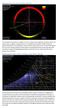 Optimum Solar Orientation: Miami, Florida The orientation of architecture in relation to the sun is likely the most significant connection that we can make to place in regards to energy efficiency. In
Eco Pelmet Modelling and Assessment. CFD Based Study. Report Number 610.14351-R1D1. 13 January 2015
 EcoPelmet Pty Ltd c/- Geoff Hesford Engineering 45 Market Street FREMANTLE WA 6160 Version: Page 2 PREPARED BY: ABN 29 001 584 612 2 Lincoln Street Lane Cove NSW 2066 Australia (PO Box 176 Lane Cove NSW
Efficient building technology for retirement and nursing homes
 The worldwide standard for home and building control Efficient building technology for retirement and nursing homes Simply safe: Higher energy efficiency and more flexibility thanks to Synco HVAC controllers
Executive Order amending the Executive Order on the Publication of the Danish Building Regulations 2010 (BR10) 1)
 Full text Executive Order amending the Executive Order on the Publication of the Danish Building Regulations 2010 (BR10) 1) 1. The following amendments shall be made to Executive Order no. 810 of 28 June
Green BIM/ Early BIM/
 Green BIM/ Early BIM/ Agenda/ Introduction to Sustainability Process Environmental Analysis Tools Environmental Analysis Relation to LOD Conclusion Disclaimer/ This seminar is looking at Building Performance
Holistic Approach in Delivering Government Buildings The Low Carbon Concept
 International Conference on Planning for Low Carbon Cities 22 May 2009 Holistic Approach in Delivering Government Buildings The Low Carbon Concept Ir. HO Sai-king, Assistant Director (Building Services),
High Performance School Buildings Resource and Strategy Guide
 High Performance School Buildings Resource and Strategy Guide Published by: Sustainable Buildings Industry Council With support from: California Energy Commission National Concrete Masonry Association
Air Conditioning, Comfort and Energy in India s Commercial Building Sector
 Air Conditioning, Comfort and Energy in India s Commercial Building Sector THINK.CHANGE.DO Leena Thomas Richard dedear Rajan Rawal Ashok Lall PC Thomas University of Technology, Sydney Sydney University
Energy efficient home design
 Energy efficient home design GUIDELINES How an energy efficient home can help you live in comfort and save money An energy efficient home is designed to provide shade and allow cooling breezes to enter
PDF Created with deskpdf PDF Writer - Trial :: http://www.docudesk.com
 CCTV Lens Calculator For a quick 1/3" CCD Camera you can work out the lens required using this simple method: Distance from object multiplied by 4.8, divided by horizontal or vertical area equals the lens
Selecting Energy Efficient New Windows in Georgia
 Selecting Energy Efficient New Windows in Georgia www.efficientwindows.org January 016 ENERGY STAR Zones 1. Meet the Energy Code & Look for the ENERGY STAR Windows must comply with your local energy code.
FACTSHEET Assessing the Feasibility of Using Solar-Thermal Systems for Your Agricultural or Agri-Food Operation
 FACTSHEET Assessing the Feasibility of Using Solar-Thermal Systems for Your Agricultural or Agri-Food Operation Solar-thermal systems collect the sun's energy and convert it into heat. This energy can
Selecting Energy Efficient New Windows in Arizona
 Selecting Energy Efficient New Windows in Arizona www.efficientwindows.org January 016 ENERGY STAR Zones 1. Meet the Energy Code & Look for the ENERGY STAR Windows must comply with your local energy code.
DISCOVERY HALL, UNIVERSITY OF WASHINGTON BOTHELL Bothell, Washington 78,200 sf
 DISCOVERY HALL, UNIVERSITY OF WASHINGTON BOTHELL Bothell, Washington 78,200 sf Discovery Hall reflects its dynamic program and dramatic site, as well as the collaborative and student-centered spirit of
The Reunion experience
 Barcelona Workshop Experience on Net Zero Energy Buildings October 3rd 2012 1 The challenge of designing Net Zero Energy Buildings in Tropical Climates The Reunion experience Prof. François GARDE, PhD,
Why is lighting in the workplace important?
 OSH Brief No. 3c Why is lighting in the workplace important? From the workers perspective, poor lighting at work can lead to eye strain, fatigue, headaches, stress and accidents. On the other hand, too
Window Thermal Performance Optimization in Governmental Emirati Housing Prototype in Abu Dhabi, UAE
 Window Thermal Performance Optimization in Governmental Emirati Housing Prototype in Abu Dhabi, UAE Abuimara, Tareq A 1 ; Tabet Aoul, Kheira A. 1 1 Department of Architectural Engineering, United Arab
Climate and Energy Responsive Housing in Continental Climates. The Suitability of Passive Houses for Iran's Dry and Cold Climate. Farshad Nasrollahi
 Climate and Energy Responsive Housing in Continental Climates The Suitability of Passive Houses for Iran's Dry and Cold Climate Farshad Nasrollahi Table of Contents Abstract German Abstract Introduction
Solar Energy Utilisation in Buildings
 Solar Energy Utilisation in Buildings P. Karava, PhD Assistant professor Department of Civil and Environmental Engineering University of Western Ontario 2 Modern Buildings Change in architectural style
CHAPTER 11: PASSIVE SOLAR HOMES
 Chapter 11: Passive Solar Homes 159 CHAPTER 11: PASSIVE SOLAR HOMES Passive solar homes capture both the beauty of the outside world and the heat coming in from the sun. They are designed with the local
Diego Ibarra Christoph Reinhart Harvard Graduate School of Design
 Building Performance Simulation for Designers - Energy DesignBuilder // EnergyPlus Tutorial #3 Construction Assemblies, Load Reduction & Shading GEOMETRY LOADS RESULTS Diego Ibarra Christoph Reinhart Harvard
LIGHTING IN THE WORKPLACE
 LIGHTING IN THE WORKPLACE Too little: eye strain; fatigue; headaches; stress; accidents. Too much: glare headaches; stress. Lower quality lower productivity Increased absenteeism increased ill health SOME
Cool Spaces. earth-wise guide to. green strategies: light strategies: Keep Austin Cool
 earth-wise guide to Cool Spaces green strategies: 1. Trees and leafy plants 2. Green roofs 3. Green walls light strategies: 4. Reflective roofs 5. Permeable pavement 6. Shade structures Keep Austin Cool
Selecting Energy Efficient Replacement Windows in Nevada
 Selecting Energy Efficient Replacement Windows in Nevada www.efficientwindows.org January 06 STAR Zones. Meet the Energy Code & Look for the STAR Windows must comply with your local energy code. Windows
Full credit for this chapter to Prof. Leonard Bachman of the University of Houston
 Chapter 6: SOLAR GEOMETRY Full credit for this chapter to Prof. Leonard Bachman of the University of Houston SOLAR GEOMETRY AS A DETERMINING FACTOR OF HEAT GAIN, SHADING AND THE POTENTIAL OF DAYLIGHT PENETRATION...
Energy savings in the residential area are essential in
 Overheating and insufficient heating problems in low energy houses up to now call for improvements in future Requirements for improved energy performance have shifted major focus on energy calculations
Enjoy the comfort and security of rolling shutters. www.rollac.com
 Enjoy the comfort and security of rolling shutters Benefits that extend beyond the exterior Storm Protection Building Security Energy Savings U.V. Protection Light Control Noise Reduction Privacy Automated
Solar Heating Basics. 2007 Page 1. a lot on the shape, colour, and texture of the surrounding
 2007 Page 1 Solar Heating Basics Reflected radiation is solar energy received by collectorsfrom adjacent surfaces of the building or ground. It depends a lot on the shape, colour, and texture of the surrounding
KNX for building and room automation simple and efficient
 The worldwide standard for home and building control KNX for building and room automation simple and efficient Save energy and effort with a comprehensive portfolio for electrical and HVAC applications.
Energy Savings in High-Rise Buildings Using High-Reflective Coatings
 Energy Savings in High-Rise Buildings Using High-Reflective Coatings Executive Summary: Nevertheless, the simulation analyses showed that when designing a building for low energy consumption, even in cold
PERFORMANCE EVALUATION OF WATER-FLOW WINDOW GLAZING
 PERFORMANCE EVALUATION OF WATER-FLOW WINDOW GLAZING LI CHUNYING DOCTOR OF PHILOSOPHY CITY UNIVERSITY OF HONG KONG FEBRUARY 2012 CITY UNIVERSITY OF HONG KONG 香 港 城 市 大 學 Performance Evaluation of Water-flow
Residential Windows, 3 rd edition Corrected index 1
 Residential Windows, 3 rd edition Corrected index 1 A absorptance definition, 78 determinants of, 78 79 energy performance and, 78 tinted glass, 84 acoustical properties of windows, 60 61 acrylic glazing
Selecting Energy Efficient New Windows in Texas
 Selecting Energy Efficient New Windows in Texas www.efficientwindows.org January 06 Zones. Meet the Energy Code & Look for the Windows must comply with your local energy code. Windows that are certified
Riverside Community College District / Renaissance Block
 Riverside Community College District / Renaissance Block Site Location Parking Structure Four levels 224 parking spaces Access Street Coil School of the Arts Two levels 36,420 sf Plaza of the Arts Culinary
Dienstleistung. Certification as "Quality Approved Passive House" Criteria for Residential-Use Passive Houses
 Passiv Haus Institut Passivhaus Dienstleistung GmbH Dr. Wolfgang Feist Rheinstr. 44/46 Rheinstr. 44/46 D-64283 Darmstadt D-64283 Darmstadt www.passiv.de www.passivhaus-info.de Certification as "Quality
ENERGY SAVING WINDOW FILMS S LAR CONTROL
 ENERGY SAVING WINDOW FILMS S LAR CONTROL Overview Managing Solar Heat Gain - Solar Control Window Film With an ever increasing need to achieve outstanding energy efficiency within buildings without compromising
SECURITY LIGHT. motion-activated. Assembly & operating instructions Solar Motion-Activated Security Light - 80 LED Lights
 motion-activated SECURITY LIGHT Model #: 40225, 40226 Assembly & operating instructions Solar Motion-Activated Security Light - 80 LED Lights Important: Read all instructions carefully before use About
Dynamic Solar Shading and Glare Control for Human Comfort and Energy Efficiency at UCSD: Integrated Design and Simulation Strategies
 Dynamic Solar Shading and Glare Control for Human Comfort and Energy Efficiency at UCSD: Integrated Design and Simulation Strategies Christopher Meek Department of Architecture University of Washington
What is Solar Control?
 A better environment inside and out. Solar, Safety and Security Window Films: Tech Bulletin Understanding Solar Performance Solar Gard solar control window films use advanced technology to benefit consumers
A Roof Integrated Solar Heating System Without Storage
 M. and W. Saman Sustainable Energy Centre University of South Australia Mawson Lakes Boulevard, Mawson Lakes, SA 5095, Australia E-mail: [email protected] Abstract A prototype of a roof integrated
Display/Exhibit/Museum
 Display/Exhibit/Museum Museums and art galleries collect, preserve, analyze, and display natural artifacts and examples of human achievement and their impact on us. Effective exhibit lighting must balance
Characteristics of Daylight 2.1.
 Designing Lighting with and Skylights Design 2. This chapter covers the more conceptual and qualitative aspects of skylights and daylighting controls that need to be understood by the architect and engineer
G R O U N D E D A R C H I T E C T U R E
 Sustainable monument Driebergen Title client Extern project manager project team Zecc period special Energy neutral monument Direbergen Particulier Construction, Liesbeth Wassenberg, www.bouwvrouw.com
DESIGN OF NATURAL VENTILATION WITH CFD CHAPTER SEVEN. Qingyan Chen. difficult to understand and model, even for simple
 CHAPTER SEVEN L. Glicksman and J. Lin (eds), Sustainable Urban Housing in China, 116-123 2006 Springer. Printed in the Netherlands. DESIGN OF NATURAL VENTILATION WITH CFD Qingyan Chen INTRODUCTION As the
Molds and mildew are fungi that grow
 Appendix C: Moisture, Mold and Mildew Molds and mildew are fungi that grow on the surfaces of objects, within pores, and in deteriorated materials. They can cause discoloration and odor problems, deteriorate
General Lighting Recommendations
 Design Guidelines for Energy Efficient Lighting Systems Thank you for your interest in energy efficiency! According to the US Department of Energy, 51% of the energy used in commercial buildings is consumed
The Integrated Design Process
 The Integrated Design Process The Integrated Design Process (IDP) has been developed on the basis of experience gained from a small Canadian demonstration program for high-performance buildings, the C2000
SYSTEMS INTEGRATION SYSTEMS INTEGRATION. Air handler uses heat recovery on exhaust air to temper incoming ventilation air Oxbow skylight
 100% outside air intake Air handler uses heat recovery on exhaust air to temper incoming ventilation air Oxbow skylight Smoke evacuation Natural convection exhaust Atrium skylight Phase change material
CHOLERA TREATMENT CENTER
 DAYLIGHTING STUDIES 1 STUDY OBJECTIVES STUDY OBJECTIVES Light Levels Glare/Uniformity Heat Gain SIMULATION Daylight Autonomy (annual) & Illuminance (point-in-time) Illuminance and Glare Irradiation/Radiation
Passive & Active Design
 Passive & Active Design CIBSE Building Simulations Group Peter A. Brown CEng, MBA October 2010 Introduction Passive & Active Design Introduction What are the interactions between passive and active design?
Green Building Handbook for South Africa Chapter: Lighting Luke Osburn CSIR Built Environment
 Green Building Handbook for South Africa Chapter: Lighting Luke Osburn CSIR Built Environment Lighting consumes between about 29-35% of the energy used within commercial office space while lighting only
28.0 Development Permit Area #2 (Neighbourhood District)
 28.0 Development Permit Area #2 (Neighbourhood District) Goals and Objectives To provide a guide for infill and new development in the Neighbourhood District. To outline the nature, form and character
Pilkington Activ. The forecast will always be clear and cool. Pilkington Activ Range Self-cleaning and solar control glass for conservatories.
 Pilkington Activ The forecast will always be clear and cool. Pilkington Activ Range Self-cleaning and solar control glass for conservatories. Thermal insulation. When it comes to conservatories, we think
Department for Communities and Local Government
 Department for Communities and Local Government Permitted development for householders Technical Guidance April 2014 Department for Communities and Local Government Please note: This technical guidance
ENERGY STAR Data Verification Checklist
 ENERGY STAR Data Verification Checklist 86 ENERGY STAR Score 1 Sample Property Primary Function: Office Gross Floor Area (ft²): 200,000 Built: 1980 For Year Ending: 04/30/2013 Date Generated: 06/28/2013
ANSI/ASHRAE Standard 140-2004 Building Thermal Envelope and Fabric Load Tests
 ANSI/ASHRAE Standard 140-2004 Building Thermal Envelope and Fabric Load Tests DesignBuilder Version 1.2.0 (incorporating EnergyPlus version 1.3.0) - June 2006 1.0 Purpose The ANSI/ASHRAE Standard 140-2004
Access onto roof from Center Block
 2 2 Tap 4 Tank 3 3 4 5 5 6 4 1 Services PV panels Forth floor structure (later additions) Rooflights Access / Walkways Access onto roof from Center Block muf architecture/art LLP 4.3 Roof alterations and
GUIDELINES FOR REHABILITATION OF TRADITIONAL COMMERCIAL BUILDINGS DESIGN GUIDELINES
 GUIDELINES FOR REHABILITATION OF TRADITIONAL COMMERCIAL BUILDINGS DESIGN GUIDELINES PAGE 13 DESIGN GUIDELINES The following design guidelines have been developed to guide appropriate design in the Downtown
Tech Bulletin. Understanding Solar Performance
 Tech Bulletin Understanding Solar Performance Bekaert solar control window films use advanced technology to benefit consumers with quality solutions that enhance comfort and decrease energy use. By understanding
CHAPTER 3. BUILDING THERMAL LOAD ESTIMATION
 CHAPTER 3. BUILDING THERMAL LOAD ESTIMATION 3.1 Purpose of Thermal Load Estimation 3.2 Heating Load versus Cooling Load 3.3 Critical Conditions for Design 3.4 Manual versus Computer Calculations 3.5 Heating
Open Office Plan. Function and Orientation. Space Characteristics. Material Properties. - 37 - Gregory Wolfe 2004 Senior Thesis Lighting / Electrical
 Open Office Plan Function and Orientation The open office plan on the top floor of the Westwood Community church holds 14 cubicles and doubles as the circulation space for the entire top floor. The area
SPECIAL ISSUE: NATIONAL SCIENCE FOUNDATION WORKSHOP
 research journal 2013 / VOL 05.01 www.perkinswill.com SPECIAL ISSUE: NATIONAL SCIENCE FOUNDATION WORKSHOP ARCHITECTURE AND ENGINEERING OF SUSTAINABLE BUILDINGS Current Trends in Low-Energy HVAC Design
Directorate for the Built Environment Building Standards Division
 Directorate for the Built Environment Building Standards Division Energy Management Solutions Ltd Investigation of measures to improve the energy performance of a existing building: Retail JUNE 2009 Report
CONSERVATION AND LIGHTING
 CONSERVATION AND LIGHTING Light is essential for the examination and enjoyment of collection items. But in a museum light also means damage: dyes and pigments fade or change appearance and the materials
Energy Efficiency in Buildings
 Energy Efficiency in Buildings Supplemental Guide to SANS 10400-XA & SANS 204 V. 3.0 Registered to: The Drawing Studio Image: digitalart / FreeDigitalPhotos.net Report Date: 26 August 2014 Practice Name:
Energy Efficiency HOSPITALITY. www.energia.ie
 Energy Efficiency HOSPITALITY www.energia.ie Your chance to reduce your business energy usage by as much as 20%! 20% is a significant figure and reducing your energy bill by this amount could make a real
Decision-making Methodology & Selection Tools for High-performance Window Systems in U.S. Climates Kerry L. Haglund 1
 ABSTRACT Decision-making Methodology & Selection Tools for High-performance Window Systems in U.S. Climates Kerry L. Haglund 1 Selecting a glazing system requires an understanding of a series of variables
Unbeatable energy efficient glass curtain wall system
 Unbeatable energy efficient glass curtain wall system CONTENT Introduction 1 System 2 World Class Engineering 4 Unit Selection 5 Energy Efficiency & Comfort 10 Maximised Installation Efficiency 12 Aesthetics
Solar One and Solar Two
 Solar One and Solar Two Solar One generated electricity between 1982 and 1988. (178-182) Solar One generated steam directly from water in its receiver, but its direct steam system had low efficiency in
ADVANCES IN DAYLIGHT SIMULATION. Why is Daylight design the Cinderella of Building Modelling. David Mooney Regional Associate PB
 ADVANCES IN DAYLIGHT SIMULATION A joint event by the CIBSE Building Simulation Group and the CIBSE Daylight Group Why is Daylight design the Cinderella of Building Modelling David Mooney Regional Associate
Selecting Energy Efficient New Windows in Florida
 Selecting Energy Efficient New Windows in Florida www.efficientwindows.org January 06 Zones. Meet the Energy Code & Look for the Windows must comply with your local energy code. Windows that are certified
Lutron Energy Savings Claims
 Lutron Energy Savings Claims Commercial Claims page 2 Residential Claims page 11 Commercial Claims Commercial Claims These are claims currently utilized by Lutron for commercial product marketing. The
Station #1 Interpreting Infographs
 Energy Resources Stations Activity Page # 1 Station #1 Interpreting Infographs 1. Identify and explain each of the energy sources (5) illustrated in the infograph. 2. What do the white and black circles
Lab 10. Solar and Wind Power
 1 Name Lab 10. Solar and Wind Power INTRODUCTION Sunlight can be used to create heat or generate electrical power. This is referred to as solar energy. It is a clean form of energy production, which doesn't
3. Pre-design applications
 3. Pre-design applications 7S9X0 Environmental Performance of Buildings TU/e Dept. of the Built Environment Building Performance group Environmental Performance of Buildings 7S9X0 TU/e TU/e Building Building
LOW-E PHOTOVOLTAIC GLASS TECHNICAL GUIDE
 LOW-E GLASS TECHNICAL GUIDE SELECTIVE INFRARED RADIATION FILTER Infrared radiation coming from natural sun light can cause a heat build-up inside building; This situation leads to thermal imbalance during
Arcola Community School Educational Design for the Creative Age
 Arcola Community School Educational Design for the Creative Age Entry & Identity School Identity & Community Connection: Students were actively involved in the process and were asked what Arcola meant
2.2 REFLECTIVE ROOFING (ADOPTED 19 DECEMBER 2006) 1. INTRODUCTION
 2.2 REFLECTIVE ROOFING (ADOPTED 19 DECEMBER 2006) 1. INTRODUCTION There has been increasing awareness of the need for energy efficiency in housing in recent years, with the Residential Design Codes now
Commerzbank Head Office. Frankfurt am Main
 Commerzbank Head Office Frankfurt am Main 2 Commerzbank Head Office Conception The Commerzbank head-office building not only adds an impressive feature to Frankfurt s skyline. Viewed from close quarters