
Prehospital management of burns
|
|
|
- Mildred Hampton
- 10 years ago
- Views:
Transcription
1 Continuing Education Prehospital management of burns By Kenneth Navarro, LP Illustration photo by Christopher J. Chomel Introduction Burns affect approximately one million Americans each year (LaBorde 2004), half of whom receive medical treatment (American Burn Association 2007). Unfortunately, about 4,000 of these patients die as the result of their injuries (American Burn Association 2007). Many of the hospitalized patients who survive are severely disfigured or disabled. By providing proper care, prehospital personnel can reduce the morbidity and mortality associated with burn injuries. Anatomy and physiology review The organ most often affected by thermal injury is the skin. Human skin consists of two broad divisions, the outermost epidermis and the innermost dermis. The epidermis includes the outer five layers of the skin and does not include a capillary bed (Marieb 1989). Because of this lack of capillaries, cells in the epidermis must receive nutrients through diffusion from the underlying dermal blood supply. The outermost layer of the epidermis is made up of dead cells that flake away as the result of daily activity. The deeper layers of the epidermis then replace those cells. The dermal layer contains nerve endings, blood vessels, lymph vessels and various glands for sweat and oil (Marieb 1989). The dermis provides the blood supply to the overlaying epidermis. The dermal layer is analogous to the layer of animal skin used to make leather. The skin primarily serves as an organ of protection by preventing harmful bacteria from invading internal structures and by restricting fluid loss (Marieb 1989). In addition, the skin has many other functions, including maintaining temperature, synthesizing and storing certain nutrients, and providing a support matrix for hair follicles, sweat glands, oil glands and the sensory nerve endings that allow the brain to receive information about the world around us. Pathophysiology of burns Burns damage the skin by one of three general mechanisms: thermal (or heat) exposure, chemical exposure or electrical exposure. Thermal burns According to data from the National Burn Repository, about three-fourths of all burns are thermal in nature and are often caused by exposure to heat from fires, superheated gases or hot water (Latenser et al. 2007). Exposure to a temperature of 55 C (131 F) for as little as 30 seconds will produce a burn injury similar to a mild scald (Bull and Jackson 1952). Exposure to a 60 C (140 F) temperature for the same amount of time usually results in a deeper injury that produces blistering. Finally, exposure to temperatures of at least 65 C (149 F) for 30 seconds results in complete 34 Texas EMS Magazine July/August 2010

2 destruction of the epidermal layers. The body responds to cellular injury by activating a protective mechanism called inflammation. The chemicals, or mediators, released during the inflammatory process attempt to minimize and then repair tissue damage. One important feature of this process is that the mediator release is graduated, meaning that minor damage results in the release of a small amount of mediator while more severe injury results in the release of a larger amount. Once the burn reaches about 30 percent of body surface area, the mediators produce systemic effects (Hettiaratchy and Dziewulski 2004). Some produce an increase in capillary permeability, resulting in leakage of plasma and circulating proteins out of the vasculature (Hettiaratchy and Dziewulski 2004). The leaking fluid then collects in the interstitial spaces of the body and organs. The original burn source also damages the ion pumps found on cellular membranes. Sodium moves into the injured cells from the interstitial space (the space between the cells), which pulls even more fluid from the leaking capillaries. If the burn is small, the fluid shift from the blood vessels to the tissues produces few systemic effects. However, if the burn area is large, the loss of intravascular fluid reduces myocardial contractility (strength of contraction). All of these changes plus the evaporative fluid loss from the burn itself result in hypotension and organ hypoperfusion. Clinicians refer to this hypoperfusion as burn shock. Burns covering an area larger than 15 percent of the body surface area of an adult or more than 10 percent of the body surface area of a child will produce burn shock unless the patient receives adequate fluid replacement (Bull and Jackson 1952). However, burn shock does not develop as quickly as hemorrhagic shock. Intravascular and interstitial fluid shifts continue for 24 to 36 hours depending upon the extent of the burns. The greatest fluid shift occurs within the first eight to 12 hours after the burn. If the prehospital assessment reveals the presence of hypovolemia in a burn patient, EMS personnel should evaluate the patient for other injuries that may be contributing to the fluid loss. Children have a proportionately larger body surface area than adults. This anatomical difference allows children to loose fluids faster than adults, which places them at a greater risk for developing burn shock more quickly. Blood pressure readings are not an effective method of determining the presence of hypovolemia and the risk of burn shock. Adults may lose approximately 25 percent of their circulating volume before the blood pressure falls (Jackson 1959). Chemical burns Another mechanism that produces burn injuries is dermal contact with certain chemicals. Although most often associated with industrial environments, chemical burns may also occur in the home. In many cases, chemical burns are more serious than thermal burns because the offending chemical clings to the skin surface and will continue to cause damage until rescuers decontaminate the area completely. In general, alkaline substances tend to penetrate deeper into the tissues and therefore produce burns that are more serious (Hettiaratchy and Dziewulski 2004). Electrical burns Electricity can also produce burn injuries in a variety of ways (Hettiaratchy and Dziewulski 2004). An electrical current can produce damage at the entry point, the exit point and all of the tissues and organs in between. Injury occurs as the potential energy within the current transforms into thermal energy as the current encounters the body s natural resistance to an electrical pathway. Voltage is the greatest determinant of the degree of tissue damage. Therefore, it is reasonable to categorize electrical burn injuries into those caused by low voltage exposure and those caused by high voltage exposure. An example of a low voltage source is the common household electrical outlet. Burns from a low voltage source are often small but deep and are concentrated at the entry and exit points (Hettiaratchy and Dziewulski 2004). The alternating nature of an outlet s current may also interfere with normal electrical conduction through the heart and produce arrhythmias, including ventricular fibrillation. Clinicians may subdivide high voltage injuries into high-tension injuries or flash burns. Hightension injuries occur when the electrical current travels through the patient s tissues in a manner similar to that in low voltage injuries (Hettiaratchy and Dziewulski 2004). However, the voltage is usually about 1000 volts or greater, which therefore produces a greater degree of damage. The extensive bone and muscle necrosis produced with this type of injury often results in loss of limbs. If the electrical pathway is close to but not through the patient s body, the heat from the conducted electricity may produce a flash burn (Hettiaratchy and Dziewulski 2004). These burns most often appear on exposed skin that is facing the electrical pathway. If the heat is high enough, Continuing Education July/August 2010 Texas EMS Magazine 35

3 Continuing Education the flash may ignite the patient s clothing or the surrounding materials resulting in a more extensive thermal injury. Jackson s Thermal Wound Theory Jackson s Thermal Wound Theory describes three distinct zones in fresh burns: the coagulation zone, the zone of stasis and the zone of hyperemia (Jackson 1959). In general, the most severe cellular damage occurs at the center of the burn as the result of longer or more intense contact with the burn source. The cells in this area die and coagulate. Within this coagulation zone, the tissue is non-viable. EMS personnel can only manage the consequences of this zone; they cannot bring these cells back to life. The zone of stasis surrounds this core of dead cells. In this zone, the initial exposure does not result in immediate cellular death. However, within a matter of minutes to a period of several hours, the injury causes localized circulation to slow and finally stop. The cells become increasingly hypoxic and are extremely vulnerable to the effects of decreased perfusion. Cells within this zone will die within 24 to 48 hours if they are not cared for properly. Finally, the outermost damage zone is the zone of hyperemia. Blood flow is actually increased within this area as the result of the normal inflammatory response. Unless overwhelmed by infection or shock, this zone should recover in seven to 10 days. Morbidity and mortality Some people are at greater risk for burn injury. Cognitive or physical impairment such as drug and alcohol dependence, psychiatric illness, neurologic illness and physical disability increase the risk of serious burns (LaBorde 2004). Patients at the extremes of age are also at an increased risk of burn injury. A variety of factors increase the risk of serious injury in the elderly (Anous and Heimbach 1986; Hunt and Purdue 1992). Skin layers become thinner with increasing age, thereby allowing the thermal source to penetrate deeper into the tissues. Mobility impairment and slower reaction time may prolong contact time with the thermal source. Elderly patients living alone may not have assistance when burns occur, and a delay in treatment is possible. Mortality rates are three times higher than the national average for burn patients over the age of 70 years. Individuals at the opposite end of the age spectrum are also at an increased risk for serious burns. Fires are responsible for more deaths in the pediatric age group than motor-vehicle collisions or drowning (Parker et al. 2003; Rodriguez 1990). Burn injury is more common in African-American children than those of any other race (LaBorde 2004). Children also are at risk of intentional burns from caregivers. These most often involve liquid splash burns, hot water immersion, or burns with solid metal objects. Burn experts have identified three factors that increase the odds of death from burns: increasing age, increasing body surface area of injury and the presence of inhalation injury (Hettiaratchy and Dziewulski 2004). For example, 90 percent of patients over the age of 60 years with 40 percent of body surface area burn and an inhalation injury will die (Hettiaratchy and Dziewulski 2004). Burn categories Health care providers often categorize burns by the depth of damage created. First-degree burns are usually the least dangerous. First-degree burns damage only the outer epidermal layer of skin. This produces an intense and painful inflammatory response with swelling and redness. There are usually no blisters associated with the first-degree burn. These patients do not require complicated medical care, as their injuries will heal on their own in a few days. Pain management is a major prehospital concern, especially if the area of burn is large. Sunburn is an example of a first-degree burn. Second-degree burns extend through the epidermal layer and into the dermis. Burns at this depth can still heal on their own because some of the regenerating skin cells survive exposure to the thermal source. The skin appears mottled (blotchy) and red. Blisters appear in the area of a seconddegree burn. Some of the blisters may remain intact while others rupture. These burns are usually painful and the patients will require analgesia as early as possible. Infection is a major concern and therefore these patients require evaluation at an appropriate medical facility. These burns should heal within two to four weeks, depending upon the area involved. Exposure to direct flame or hot liquids will produce this type of burn. Third-degree burns extend through the epidermal and dermal layers. These burns occur more rapidly in children and in the elderly because their skin is thinner. The burn damages all of the regeneration cells, thereby impairing healing except in cases where the area of the burn is small and scar tissue can fill in from the sides. The skin in third-degree burns appears pearly white or charred and is often dry. Deep third-degree burns can alter tissue proteins to produce a hard leather-like covering known as eschar. Burns of this magnitude extend through all the skin layers and destroy nerve endings. Therefore, despite their severity, third-degree burns often are not painful, although the surrounding area of less severe burn will likely produce a pain sensation requiring analgesia. This type of burn will not heal without skin grafting. 36 Texas EMS Magazine July/August 2010

4 Chemicals, electricity and prolonged exposure to thermal sources will produce third-degree burns. Sometimes burns are categorized as either partial or full thickness. Partial thickness would include the first- and second-degree burns while a full thickness injury refers to a third degree burn. Burn area Medics should triage burn victims to an appropriate treatment facility by determining the percentage of the body surface area that is burned. The Rule of Nines is a tool to determine the extent of the damage. Usually, EMS providers include only second- and third-degree burns when calculating the percent of body surface area involved. Experts divide the body into sections representing multiples of nine percent of the body surface area. For example, the complete adult head, the entire right arm, the entire left arm, the front of the chest and the front of the abdomen each represent nine percent of the total body surface area. The entire right leg, the entire left leg and the entire back represent 18 percent each. The genital region represents the remaining one percent of the body. Because of the anatomical differences between children and adults, EMS providers must modify the rule of nines for that age group. The head is proportionally larger in infants and toddlers and actually represents 18 percent of their total body surface area. Each of the child s legs represents 13.5 percent and all other body areas remain the same as for an adult. Burns generally considered serious are: Those that cover more than 15 percent of the body surface area regardless of the degree. Burns of the hands, feet or genitalia (with the potential loss of function and inability to care for self). Electrical, chemical or inhalation burns. Burns with other associated injuries (such as fractures). Burns in patients with pre-existing medical conditions (such as elderly, diabetic, cardiac, etc). Initial assessment and management The mechanism and history of the injury may provide important clues about the possibility of complicating factors (Hettiaratchy and Papini 2004). The likelihood of respiratory involvement increases if the thermal burn occurred while the patient was in an enclosed space. Multi-system trauma is more likely if an explosion occurred. Assessment and management of burned patients begin with the same security considerations required of every field situation. Rescuers must protect their personal safety as well as ensure a safe environment for their teammates. After ensuring the safety of the team, provide for the safety of the patient. If the patient s clothing is still burning or saturated with chemicals, separate the patient from the source of the injury. While maintaining personal safety, remove the clothing or extinguish the burning process. If the mechanism of injury involves chemicals, flush the patient s skin with copious amounts of water. After halting the burning process, proceed to an initial assessment and correct any life-threatening conditions as soon as possible. Evaluate the patient s airway status. Pay special attention to any respiratory noise such as stridor, which indicates a narrowing of the patient s upper airway. Additionally, the patient may have a harsh cough. Look for evidence of respiratory involvement, such as burns around the mouth or nose, burns around the neck, soot inside the mouth or nostril, singed facial hair or swelling in the lips and tongue. If there is any evidence of respiratory involvement, monitor the airway very closely and rapidly transport the patient to a burn center. Because the pediatric patient has a smaller trachea, airway obstruction from edema is a constant concern in a child or infant with respiratory burns. Be prepared to perform early nasotracheal intubation, even if the patient is conscious. Swelling caused by upper airway burns results in progressive hypoxia and a deteriorating mental status. Waiting for enough of a reduction in the level of consciousness to permit acceptance of an orotracheal tube may result in a degree of airway swelling that will not permit passage of an endotracheal tube. Evaluate the quality of the respiratory effort. A pulse oximeter used during the respiratory assessment may give misleading information in a burned patient. Often, combustion produces carbon monoxide. Hemoglobin in the red blood cells binds easier to carbon monoxide than to oxygen, thus creating both intracellular and extracellular hypoxia (Hettiaratchy and Papini 2004). The pulse oximeter cannot differentiate between hemoglobin bound to carbon monoxide and hemoglobin bound to oxygen. Therefore, the pulse oximeter will give a falsely high reading if the patient inhaled any carbon monoxide. Patients with carboxyhemoglobin levels of 20 to 30 percent or higher will likely need assisted ventilation. Hyperbaric therapy is usually not immediately available and there is little evidence to supports its use (Hettiaratchy and Papini 2004). Mortality increases dramatically if the burn injury also involves respiratory structures. Respiratory burns are present in 60 to 70 percent of burn patients who die. These complicating injuries most often occur as the result of smoke Continuing Education July/August 2010 Texas EMS Magazine 37

5 Continuing Education 38 Texas EMS Magazine July/August 2010 inhalation or the inhalation of superheated gases in confined spaces. Smoke inhalation is defined as the inhalation of the products of combustion below the level of the glottis (Dries 2009). Medics should provide high-flow oxygen to all patients with major burns, carbon monoxide exposures and burns involving the respiratory tract. Evaluate the circulatory status. Fluid loss significant enough to produce burn shock occurs eight to 12 hours after the burn occurs. Therefore, medics who discover a hypotensive burn patient should search for other explanations for the fluid loss. Perform a neurological examination using the AVPU scale. Do not automatically assume that the burn is responsible for any altered mental status discovered during the assessment. An associated head injury or medical condition may be complicating the burn. Take all necessary precautions to protect the spine if indicated. Physical examination Move quickly to the physical examination. Obtain a complete set of vital signs. Medics can obtain a blood pressure even if both arms are circumferentially burned, although they should protect the tissues by placing sterile gauze between the cuff and the patient s arm. Advanced providers who performed tracheal intubation should monitor tube placement using waveform capnography while en route to the hospital. Monitoring also includes the patient s electrocardiogram (ECG). In the case of thoracic burns, medics may need to modify the placement of the ECG leads. After identifying and correcting all lifethreatening problems, focus attention on the burn itself. Remove any jewelry, belts, shoes, or other constricting objects from the burned areas. Remove burned or singed clothing that is not stuck to the skin. Assess the depth of the burn (first, second or third degree) as well as the total area of the burn using the Rule of Nines. Cooling the burn helps reduce the seriousness of the injury, but medics should not cool the burn for longer than one minute. Cooling for longer periods may induce hypothermia, which can complicate the care of the patient. The use of ice to cool a burn is contraindicated since ice causes vasoconstriction, which reduces blood flow to the damaged area. After cooling the burn, cover the injury with a clean, dry dressing. Sterile sheets are not necessary, unless they are immediately available. Do not soak the sheets with water or saline unless it is a small area of minor burns. If the burn area is large, the patient may have difficulty regulating body temperature and is at risk for hypothermia. Medics should attempt IV insertion, preferably through unburned tissue. Fluid resuscitation is rarely indicated for isolated burn injuries, since burn shock takes hours to develop. The presence of hypotension suggests other injuries. There is no universal consensus on the type of fluid or rate of administration for burn patients (Dries 2009). In general, administer just enough fluid to maintain a systolic blood pressure of 90 mm Hg in the adult or 70 mm Hg in the pediatric patient. Attempts at IV access should be made en route to the hospital. First- and second-degree burns can be extremely painful. Medics should administer a narcotic analgesic, such as morphine or fentanyl as soon as possible. A common prehospital intravenous dose of fentanyl for both adult and pediatric patients is 1 to 2 micrograms per kilogram (mcg). Medics may also administer fentanyl through the nasal passages with a mucosal atomizer. The standard prehospital dose of intravenous morphine is 2 to 4 milligrams for the adult patients and 0.1 mg/kg for the pediatric patient, with a warning not to exceed the adult dose. Some patients will require higher doses of analgesics. Medics must weight the benefits of increased analgesia against the risk of complications, including respiratory depression. Summary Burn injuries represent a danger to EMS providers and to the patient. For this reason, medics must protect themselves from injury before being of any value to the patient. Inhalation burns are present in over half of all burn deaths. Airway assessment and management is the highest priority and requires frequent reassessment to detect problems before they become too big to handle in the field. Burn shock generally takes hours to develop. If medics discover hypotension in the field, additional injuries are likely present. It is appropriate to cool burns, although medics should not cool for longer than one minute. Cover burns with a clean, dry dressing. However, if the burn resulted from a chemical exposure, medics should irrigate the burn with copious amounts of water for at least 15 minutes. Pain control is another high priority treatment in the prehospital environment. Begin with small doses of an intravenous or intranasal narcotic and re-administer as needed to achieve adequate analgesia. References American Burn Association Burn incidence and treatment in the US: 2007 fact sheet. Retrieved on April 21, 2010, from factsheet.php. Anous, M. M. and D. M. Heimbach Causes of death and predictors in burned patients more than 60 years of age. Journal of Trauma, 26:

6 Bull, J. P. and D. M. Jackson Treatment of burns I. British Medical Journal, 1: Dries, D. J Management of burn injuries recent developments in resuscitation, infection control and outcomes research [Commentary]. Scandinavian Journal of Trauma, Resuscitation and Emergency Medicine. Retrieved April 28, 2010, from com/content/17/1/14. Hettiaratchy, S. and P. Dziewulski ABC of burns: Pathophysiology and types of burns. British Medical Journal, 328: Hettiaratchy, S. and P. Papini ABC of burns: Initial management of a major burn: I overview. British Medical Journal, 328: Hunt, J. L. and G. F. Purdue The elderly burn patient. American Journal of Surgery, 164: Jackson, D. M Diagnosis in the management of burns. British Medical Journal, 1: ). LaBorde, P Burn epidemiology: the patient, the nation, the statistics, and the data resources. Critical Care Nursing Clinics of North America, 16: Latenser, B. A., S. F. Miller, P. Q. Bessey, S. M. Browning, D. M. Caruso, M. Gomez, J. C. Jeng, J. A. Krichbaum, C. W. Lentz, J. R. Saffle, M. J. Schurr, D. G. Greenhalgh, and R. J. Kagan National Burn Repository 2006: a ten-year review. Journal of Burn Care and Research, 28: Marieb, E. N Human Anatomy and Physiology. Redwood City, CA: Benjamin/Cummings. Parker, D. J., D. P. Skylar, D. Tandberg, M. Hauswald, and R. E. Zumwalt Fire fatalities among New Mexico children. Annals of Emergency Medicine, 22: Rodriguez, J. G Childhood injuries in the United States: A priority issue. American Journal of Diseases of Children, 144: Continuing Education July/August 2010 Texas EMS Magazine 39

Objectives. Burn Assessment and Management. Questions Regarding the Case Study. Case Study. Patient Assessment. Patient Assessment
 Objectives Burn Assessment and Management Discuss the mechanisms and complications of a thermal burn, electrical burn and an inhalation burn Explain the factors to consider when determining the severity
Types of electrical injuries
 Types of electrical injuries Electrical injury is a term for all injuries caused by contact with electrical energy. Electrical contact can cause a wide variety of injuries involving most organ systems.
Management of Burns. The burns patient has the same priorities as all other trauma patients.
 Management of Burns The burns patient has the same priorities as all other trauma patients. Assess: - Airway - Breathing: beware of inhalation and rapid airway compromise - Circulation: fluid replacement
California Correctional Health Care Services
 RN Protocol: I. POLICY A. Function: To facilitate and guide the Registered Nurse (RN) in the assessment and treatment of patients presenting with burns. B. Circumstances under which the RN may perform
FUNCTIONS OF THE SKIN
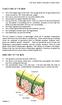 FUNCTIONS OF THE SKIN Skin is the largest organ of the body. The average adult has 18 square feet of skin which account for 16% of the total body weight. Skin acts as a physical barrier for you to the
Inflammation and Healing. Review of Normal Defenses. Review of Normal Capillary Exchange. BIO 375 Pathophysiology
 Inflammation and Healing BIO 375 Pathophysiology Review of Normal Defenses Review of Normal Capillary Exchange 1 Inflammation Inflammation is a biochemical and cellular process that occurs in vascularized
How To Manage A Catastrophic Injury
 Report #14 CATASTROPHIC INJURIES: Paralysis, Amputation, Burns Overview: A catastrophic injury or illness usually occurs suddenly and without warning. Injuries may be considered catastrophic when they
Electrical Burns 新 光 急 診 張 志 華
 Electrical Burns 新 光 急 診 張 志 華 Electrical Burns Definition Cellular damage due to electrical current High vs. low tension injuries 1,000 Volts dividing line Electrical Burns - Pathophysiology Joule Effect:
Injury Law Center OTHER INJURIES
 Injury Law Center Note: This information is provided to give you a basic understanding of the injury. It is not intended as medical advice. You should consult a qualified medical provider. OTHER INJURIES
X-Plain Subclavian Inserted Central Catheter (SICC Line) Reference Summary
 X-Plain Subclavian Inserted Central Catheter (SICC Line) Reference Summary Introduction A Subclavian Inserted Central Catheter, or subclavian line, is a long thin hollow tube inserted in a vein under the
Nursing college, Second stage Microbiology Dr.Nada Khazal K. Hendi L14: Hospital acquired infection, nosocomial infection
 L14: Hospital acquired infection, nosocomial infection Definition A hospital acquired infection, also called a nosocomial infection, is an infection that first appears between 48 hours and four days after
Chapter 39. Learning Objectives 9/11/2012. Burns
 1 Chapter 39 Burns 2 Learning Objectives Describe the incidence, patterns, and sources of burn injury. Describe the pathophysiology of local and systemic responses to burn injury. Classify burn injury
Update on Small Animal Cardiopulmonary Resuscitation (CPR)- is anything new?
 Update on Small Animal Cardiopulmonary Resuscitation (CPR)- is anything new? DVM, DACVA Objective: Update on the new Small animal guidelines for CPR and a discussion of the 2012 Reassessment Campaign on
Two main classes: Epithelial Connective (synovial) Epithelial. Cutaneous Mucous Serous
 Two main classes: Epithelial Connective (synovial) Epithelial Cutaneous Mucous Serous Epithelial Membranes = sheet of epithelia + connective tissue base 1. Cutaneous membrane: outer skin layer (stratified
404 Section 5 Shock and Resuscitation. Scene Size-up. Primary Assessment. History Taking
 404 Section 5 and Resuscitation Scene Size-up Scene Safety Mechanism of Injury (MOI)/ Nature of Illness (NOI) Ensure scene safety and address hazards. Standard precautions should include a minimum of gloves
CHAPTER 21 QUIZ. Handout 21-1. Write the letter of the best answer in the space provided.
 Handout 21-1 QUIZ Write the letter of the best answer in the space provided. 1. A severe form of allergic reaction is called A. an allergen. C. epinephrine. B. anaphylaxis. D. an immune reaction. 2. Harmless
Chetek-Weyerhaeuser High School
 Chetek-Weyerhaeuser High School Anatomy and Physiology Units and Anatomy and Physiology A Unit 1 Introduction to Human Anatomy and Physiology (6 days) Essential Question: How do the systems of the human
Oxygenation. Chapter 21. Anatomy and Physiology of Breathing. Anatomy and Physiology of Breathing*
 Oxygenation Chapter 21 Anatomy and Physiology of Breathing Inspiration ~ breathing in Expiration ~ breathing out Ventilation ~ Movement of air in & out of the lungs Respiration ~ exchange of O2 & carbon
HEALTH EFFECTS. Inhalation
 Health Effects HEALTH EFFECTS Asbestos can kill you. You must take extra precautions when you work with asbestos. Just because you do not notice any problems while you are working with asbestos, it still
EMR EMERGENCY MEDICAL RESPONDER Course Syllabus
 6111 E. Skelly Drive P. O. Box 477200 Tulsa, OK 74147-7200 EMR EMERGENCY MEDICAL RESPONDER Course Syllabus Course Number: HLTH-0009 OHLAP Credit: No OCAS Code: 9373 Course Length: 66 Hours Career Cluster:
RUSSELLS HALL HOSPITAL EMERGENCY DEPARTMENT
 RUSSELLS HALL HOSPITAL EMERGENCY DEPARTMENT CLINICAL GUIDELINE BURN INJURY This guideline describes the management of burn injuries in the Emergency Department (ED) at Russells Hall Hospital. A detailed
THERAPEUTIC USE OF HEAT AND COLD
 THERAPEUTIC USE OF HEAT AND COLD INTRODUCTION Heat and cold are simple and very effective therapeutic tools. They can be used locally or over the whole body, and the proper application of heat and cold
ACCIDENT/INCIDENT INVESTIGATION RIDDOR
 1.0 INTRODUCTION ACCIDENT/INCIDENT INVESTIGATION RIDDOR In the event of an employee, contractor, visitor or member of the public suffering an injury from a work related incident, certain procedures must
ACLS Provider Manual Comparison Sheet Based on 2010 AHA Guidelines for CPR and ECC. BLS Changes
 ACLS Provider Manual Comparison Sheet Based on 2010 AHA Guidelines for CPR and ECC CPR Chest compressions, Airway, Breathing (C-A-B) BLS Changes New Old Rationale New science indicates the following order:
ITLS & PHTLS: A Comparison
 ITLS & PHTLS: A Comparison International Trauma Life Support (ITLS) is a global organization dedicated to preventing death and disability from trauma through education and emergency care. ITLS educates
2002 burns responsible for 322,000 deaths world wide. aboriginal community in NA Most burns occur in the urban environment
 Burn Injuries: The Problem 2002 burns responsible for 322,000 deaths world wide 4 th as cause of unintentional child injury death in the USA 3 rd leading cause of unintentional death in aboriginal community
Pediatric Airway Management
 Pediatric Airway Management Dec 2003 Dr. Shapiro I., PICU Adult Chain of Survival EMS CPR ALS Early Defibrillation Pediatric Chain of Survival Prevention CPR EMS ALS Out-of-Hospital Cardiac Arrest SIDS
Pesticide Harmful Effects And Emergency Response
 Pesticide Harmful Effects And Emergency Response Most pesticides are designed to harm or kill pests. Because some pests have systems similar to the human system, some pesticides also can harm or kill humans.
Oxygen - update April 2009 OXG
 PRESENTATION Oxygen (O 2 ) is a gas provided in compressed form in a cylinder. It is also available in liquid form, in a system adapted for ambulance use. It is fed via a regulator and flow meter to the
Heat Illnesses. Common Heat Rash Sites
 Heat Illnesses Introduction Heat illnesses happen when the body becomes too hot and cannot cool itself. There are several different types of heat-related illnesses. This includes heat cramps, heat exhaustion,
Understand nurse aide skills needed to promote skin integrity.
 Unit B Resident Care Skills Essential Standard NA5.00 Understand nurse aide s role in providing residents hygiene, grooming, and skin care. Indicator Understand nurse aide skills needed to promote skin
First Responder (FR) and Emergency Medical Responder (EMR) Progress Log
 First Responder (FR) and Emergency Medical Responder (EMR) Progress Log Note: Those competencies that are for EMR only are denoted by boldface type. For further details on the National Occupational Competencies
Lung Cancer. This reference summary will help you better understand lung cancer and the treatment options that are available.
 Lung Cancer Introduction Lung cancer is the number one cancer killer of men and women. Over 165,000 people die of lung cancer every year in the United States. Most cases of lung cancer are related to cigarette
ADMINISTERING EMERGENCY OXYGEN
 FACT SHEET ADMINISTERING EMERGENCY OXYGEN Emergency oxygen can be given for many breathing and cardiac emergencies. It can help improve hypoxia (insufficient oxygen reaching the cells) and reduce pain
ICD-10-CM Official Guidelines for Coding and Reporting
 2013 Narrative changes appear in bold text Items underlined have been moved within the guidelines since the 2012 version Italics are used to indicate revisions to heading changes The Centers for Medicare
How To Treat A Heart Attack
 13 Resuscitation and preparation for anaesthesia and surgery Key Points 13.1 MANAGEMENT OF EMERGENCIES AND CARDIOPULMONARY RESUSCITATION ESSENTIAL HEALTH TECHNOLOGIES The emergency measures that are familiar
Enables MDA Medical Teams to categorize victims in mass casualty scenarios, in order to be able to triage and treat casualties
 MDA Disposable ALS + BLS Medical Ambulance Equipment Prices shown in CDN. Funds Items Description Picture Mass Casualty ID tag 1000 units = $350 Enables MDA Medical Teams to categorize victims in mass
EMERGENCY MEDICAL RESPONDER (EMR) PRACTICAL SKILLS EXAMINATION REPORT State Form 54407 (R / 5-13)
 EMERGENCY MEDICAL RESPONDER (EMR) PRACTICAL SKILLS EXAMINATION REPT State Form 54407 (R / 5-3) INDIANA DEPARTMENT OF HOMELAND SECURITY EMERGENCY MEDICAL SERVICES CERTIFICATION 302 West Washington Street,
Medical Direction and Practices Board WHITE PAPER
 Medical Direction and Practices Board WHITE PAPER Use of Pressors in Pre-Hospital Medicine: Proper Indication and State of the Science Regarding Proper Choice of Pressor BACKGROUND Shock is caused by a
Intravenous Fluid Selection
 BENNMC03_0131186116.qxd 3/9/05 18:24 Page 20 seema Seema-3:Desktop Folder:PQ731: CHAPTER 3 Intravenous Fluid Selection LEARNING OBJECTIVES By the end of this chapter, you should be able to: Describe and
Chapter 12. Temperature Regulation. Temperature Regulation. Heat Balance. An Overview of Heat Balance. Temperature Regulation. Temperature Regulation
 Chapter 12 Body core temperature regulation Critical for: Cellular structures Metabolic pathways Too high Protein structure of cells destroyed Too low Slowed metabolism Cardiac arrhythmias Homeothermic
National Registry of Emergency Medical Technicians Emergency Medical Technician Psychomotor Examination BLEEDING CONTROL/SHOCK MANAGEMENT
 BLEEDING CONTROL/SHOCK MANAGEMENT Candidate: Examiner: Date: Signature: Possible Applies direct pressure to the wound 1 NOTE: The examiner must now inform the candidate that the wound continues to bleed.
Pregnancy and Substance Abuse
 Pregnancy and Substance Abuse Introduction When you are pregnant, you are not just "eating for two." You also breathe and drink for two, so it is important to carefully consider what you put into your
Southern Stone County Fire Protection District Emergency Medical Protocols
 TITLE Pediatric Medical Assessment PM 2.4 Confirm scene safety Appropriate body substance isolation procedures Number of patients Nature of illness Evaluate the need for assistance B.L.S ABC s & LOC Focused
Multiple Myeloma. This reference summary will help you understand multiple myeloma and its treatment options.
 Multiple Myeloma Introduction Multiple myeloma is a type of cancer that affects white blood cells. Each year, thousands of people find out that they have multiple myeloma. This reference summary will help
THE SPINAL CORD AND THE INFLUENCE OF ITS DAMAGE ON THE HUMAN BODY
 THE SPINAL CORD AND THE INFLUENCE OF ITS DAMAGE ON THE HUMAN BODY THE SPINAL CORD. A part of the Central Nervous System The nervous system is a vast network of cells, which carry information in the form
Orthopaedic Spine Center. Anterior Cervical Discectomy and Fusion (ACDF) Normal Discs
 Orthopaedic Spine Center Graham Calvert MD James Woodall MD PhD Anterior Cervical Discectomy and Fusion (ACDF) Normal Discs The cervical spine consists of the bony vertebrae, discs, nerves and other structures.
Chapter 6. Hemorrhage Control UNDER FIRE KEEP YOUR HEAD DOWN
 Hemorrhage Control Chapter 6 Hemorrhage Control The hemorrhage that take[s] place when a main artery is divided is usually so rapid and so copious that the wounded man dies before help can reach him. Colonel
STAGES OF SHOCK. IRREVERSIBLE SHOCK Heart deteriorates until it can no longer pump and death occurs.
 STAGES OF SHOCK SHOCK : A profound disturbance of circulation and metabolism, which leads to inadequate perfusion of all organs which are needed to maintain life. COMPENSATED NONPROGRESSIVE SHOCK 30 sec
Hyperbaric Oxygen Therapy WWW.RN.ORG
 Hyperbaric Oxygen Therapy WWW.RN.ORG Reviewed September, 2015, Expires September, 2017 Provider Information and Specifics available on our Website Unauthorized Distribution Prohibited 2015 RN.ORG, S.A.,
Objectives. Fractures 2013-11-19. Identifying and interpreting fractures, burns and head injuries suspicious for abuse. Fractures Red Flags
 Identifying and interpreting fractures, burns and head injuries suspicious for abuse Hosanna Au, MD, FRCPC Paul Kadar, MD, FRCPC Sarah B. Schwartz, MD, MEd, FRCPC Objectives At the end of this session,
Oxygen Therapy. Oxygen therapy quick guide V3 July 2012.
 PRESENTATION Oxygen (O 2 ) is a gas provided in a compressed form in a cylinder. It is also available in a liquid form. It is fed via a regulator and flow meter to the patient by means of plastic tubing
Lesson 7: Respiratory and Skeletal Systems and Tuberculosis
 Glossary 1. asthma: when the airways of the lungs narrow, making breathing difficult 2. bacteria: tiny living creatures that can only be seen with a microscope; some bacteria help the human body, and other
X-Plain Pediatric Tuberculosis Reference Summary
 X-Plain Pediatric Tuberculosis Reference Summary Introduction Tuberculosis, or TB, is a bacterial infection that causes more deaths in the world than any other infectious disease. When a child gets TB,
Emergency Fluid Therapy in Companion Animals
 Emergency Fluid Therapy in Companion Animals Paul Pitney BVSc [email protected] The administration of appropriate types and quantities of intravenous fluids is the cornerstone of emergency therapy
Target groups: Paramedics, nurses, respiratory therapists, physicians, and others who manage respiratory emergencies.
 Overview Estimated scenario time: 10 15 minutes Estimated debriefing time: 10 minutes Target groups: Paramedics, nurses, respiratory therapists, physicians, and others who manage respiratory emergencies.
The Integumentary System Dr. Ali Ebneshahidi
 The Integumentary System Dr. Ali Ebneshahidi The Skin The integument system consists of the skin (cutaneous membrane) and its accessory organs. The skin is composed of three layers of tissue: the outer
Mesothelioma. 1995-2013, The Patient Education Institute, Inc. www.x-plain.com ocft0101 Last reviewed: 03/21/2013 1
 Mesothelioma Introduction Mesothelioma is a type of cancer. It starts in the tissue that lines your lungs, stomach, heart, and other organs. This tissue is called mesothelium. Most people who get this
Anatomy and Physiology: Understanding the Importance of CPR
 Anatomy and Physiology: Understanding the Importance of CPR Overview This document gives you more information about the body s structure (anatomy) and function (physiology). This information will help
CENTRAL TEXAS COLLEGE EMSP 1305 EMERGENCY CARE ATTENDANT. Semester Hours Credit: 3
 CENTRAL TEXAS COLLEGE EMERGENCY CARE ATTENDANT INSTRUCTOR: Semester Hours Credit: 3 OFFICE HOURS: I. INTRODUCTION Course Description: First responder course in emergency medical care. Emphasis on requirements
Reading Assignment: Tasks for the Veterinary Assistant, pages 467-473, Appendix L, O and P
 Patient Monitoring Reading Assignment: Tasks for the Veterinary Assistant, pages 467-473, Appendix L, O and P Patient monitoring during surgery is an extremely important task that is commonly the responsibility
Acne (Acne Vulgaris) A common type of bacteria that lives on the skin, known as Propionibacterium acnes, sometimes
 Acne (Acne Vulgaris) Acne, clinically known as acne vulgaris, is the most common skin disease. It affects 85% of teenagers, some as young as 12, and often continues into adulthood. It is also called pimples,
Spinal Cord Injury Education. An Overview for Patients, Families, and Caregivers
 Spinal Cord Injury Education An Overview for Patients, Families, and Caregivers Spinal Cord Anatomy A major component of the Central Nervous System (CNS) It is 15 to 16 inches long, and weighs 1 to 2 ounces
What Medical Emergencies Should a Dental Office be Prepared to Handle?
 What Medical Emergencies Should a Dental Office be Prepared to Handle? Gary Cuttrell, DDS, JD, University of NM Division of Dental Services Santiago Macias, MD, First Choice Community Healthcare Dentists
Paramedic Program Anatomy and Physiology Study Guide
 Paramedic Program Anatomy and Physiology Study Guide Define the terms anatomy and physiology. List and discuss in order of increasing complexity, the body from the cell to the whole organism. Define the
CPR/AED for Professional Rescuers and Health Care Providers HANDBOOK
 CPR/AED for Professional Rescuers and Health Care Providers HANDBOOK TABLE OF CONTENTS SECTION 1: THE PROFESSIONAL RESCUER The Duty to Respond 2 Preventing the Spread of Bloodborne Pathogens 3 Taking Action
Patient Information and Consent for Medical/Laser/Intense Pulsed Light Treatment. VASClinic PROCEDURES
 This consent form includes general descriptions of various dermatological treatments, including possible benefits and risks that may occur as a result of these treatments. Your doctor or nurse will describe
The Phoenix Document An Evolution from National Standard Curriculum to the Virginia EMS Education Standards
 The Phoenix Document An Evolution from National Standard Curriculum to the Virginia EMS Education Standards Training Levels Included: Emergency Medical Responder (EMR) Last Revised: January 19, 2011 Page
Provided by the American Venous Forum: veinforum.org
 CHAPTER 1 NORMAL VENOUS CIRCULATION Original author: Frank Padberg Abstracted by Teresa L.Carman Introduction The circulatory system is responsible for circulating (moving) blood throughout the body. The
Chapter 16: Circulation
 Section 1 (The Body s Transport System) Chapter 16: Circulation 7 th Grade Cardiovascular system (the circulatory system) includes the heart, blood vessels, and blood carries needed substances to the cells
WET, COUGHING AND COLD NEAR RIVER BANK STUNG BY BEE CAUSING ANAPHYLACTIC SHOCK TO WRIST
 GRIT IN EYE BROKEN LEG BONE WET, COUGHING AND COLD NEAR RIVER BANK STUNG BY BEE CAUSING ANAPHYLACTIC SHOCK HEART ATTACK SUFFERING FROM SHOCK CHOKING SEVERE BLEEDING TO WRIST HYPOTHERMIA ANGINA Localised
X-Plain Diabetes - Introduction Reference Summary
 X-Plain Diabetes - Introduction Reference Summary Introduction Diabetes is a disease that affects millions of Americans every year. Your doctor may have informed you that you have diabetes. Although there
OPTIONAL LESSON Anaphylaxis and Epinephrine Auto-Injector
 OPTIONAL LESSON Anaphylaxis and Epinephrine Auto-Injector Lesson Length: 54 minutes GUIDANCE FOR THE INSTRUCTOR To complete this lesson and meet the lesson objectives, you must: Discuss all points in the
Chapter 24: Soft-Tissue Injuries
 Chapter 24 Soft-Tissue Injuries Unit Summary After students complete this chapter and the related course work, they will have an understanding of types of open and closed soft-tissue injuries, how to care
Eye Injuries. The Eyes The eyes are sophisticated organs. They collect light and focus it on the back of the eye, allowing us to see.
 Eye Injuries Introduction The design of your face helps protect your eyes from injury. But injuries can still damage your eyes. Sometimes injuries are severe enough that you could lose your vision. Most
BLS TREATMENT GUIDELINES - CARDIAC
 BLS TREATMENT GUIDELINES - CARDIAC CARDIOPULMONARY ARREST - NON-TRAUMATIC (SJ-B101) effective 07/01/99 Defibrillation CPR Apply S-AED and assess rhythm as trained. Defib as indicated Simultaneous OXYGEN:
Chapter 16. Learning Objectives. Learning Objectives 9/11/2012. Shock. Explain difference between compensated and uncompensated shock
 Chapter 16 Shock Learning Objectives Explain difference between compensated and uncompensated shock Differentiate among 5 causes and types of shock: Hypovolemic Cardiogenic Neurogenic Septic Anaphylactic
Obstetrical Emergencies
 Date: July 18, 2014 Page 1 of 5 Obstetrical Emergencies Purpose: To provide the process for the assessment and management of the patient with an obstetrical related emergency. Pre-Medical Control 1. Follow
FIRE SAFETY FOR OFFICE WORKERS
 FIRE SAFETY FOR OFFICE WORKERS This easy-to-use Leader s Guide is provided to assist in conducting a successful presentation. Featured are: INTRODUCTION: A brief description of the program and the subject
Heat Stress/Flag Condition Training
 Heat Stress/Flag Condition Training Heat stress Heat stress is the buildup of heat to the point where the body s thermostat has difficulty maintaining normal internal body temperature. When the body is
Fall Arrest System: A series of equipment components designed to stop the fall of individuals working at heights should they fall.
 Blog Back to Blog Listings Suspension Trauma 101 March 18, 2016 @ 10:37am Why are rescue at height plans so important? Why do we talk so much about knowing what to do when sh!t hits the fan? One of the
1st Responder to Emergency Medical Responder Transition Course
 1st Responder to Emergency Medical Responder Transition Course Mandatory Training July 5, 2011 Authored by: Eddie Manley, Education Coordinator OSDH - EMS 1 st Responder to EMR Recommended Transition Course
Medications or therapeutic solutions may be injected directly into the bloodstream
 Intravenous Therapy Medications or therapeutic solutions may be injected directly into the bloodstream for immediate circulation and use by the body. State practice acts designate which health care professionals
Intermedix Inc. EMR 2006 Data Element Name. Compliant. Data Number. Elements
 D01_01 EMS Agency X D01_02 EMS Agency D01_03 EMS Agency State X D01_04 EMS Agency County X D01_05 Primary Type of Service D01_06 Other Types of Service D01_07 Level of Service X D01_08 Organizational Type
Clinical Practice Guidelines Escharotomy for Burn Patients NSW Statewide Burn Injury Service
 Clinical Practice Guidelines Escharotomy for Burn Patients NSW Statewide Burn Injury Service Date: August 2011 Version: Release Status: Release Date: Author: Owner: 1.0 Final Aug 2011 Anne Darton Agency
State of New Hampshire Department of Safety Division of Fire Standards and Training & Emergency Medical Services
 State of New Hampshire Department of Safety Division of Fire Standards and Training & Emergency Medical Services September 2013 PATIENT ASSESSMENT / MANAGEMENT - TRAUMA Time allowed: 10 minutes SCENARIO
Human Capital Development & Education Program Proposal
 Human Capital Development & Education Program Proposal Cardiology & Cardiovascular Surgery Emergency Medicine Respiratory Medicine Infection Control HMIS 1 (15 Courses) Module 1/2 1/15 Course Title : Management
Critical Illness Insurance
 You ve protected your family s financial future by purchasing life and health insurance. Critical Illness Insurance It s cash when you need it. You choose how to spend it. So you can focus on getting well.
2161-1 - Page 1. Name: 1) Choose the disease that is most closely related to the given phrase. Questions 10 and 11 refer to the following:
 Name: 2161-1 - Page 1 1) Choose the disease that is most closely related to the given phrase. a disease of the bone marrow characterized by uncontrolled production of white blood cells A) meningitis B)
PARAMEDIC TRAINING CLINICAL OBJECTIVES
 Page 1 of 21 GENERAL PATIENT UNIT When assigned to the General Patient unit paramedic student should gain knowledge and experience in the following: 1. Appropriate communication with patients and members
Informed Consent For Laser Hair Removal
 Informed Consent For Laser Hair Removal INSTRUCTIONS This informed-consent document has been prepared to help inform you about laser procedures, its risks, as well as alternative treatment(s). It is important
Evaluating MSDS First Aid Advice
 Evaluating MSDS First Aid Advice Senior Technical Specialist Evidence-Based Approach Identify specific questions Search for relevant literature Critically evaluate quality of evidence Determine best answer
Section Two: Arterial Pressure Monitoring
 Section Two: Arterial Pressure Monitoring Indications An arterial line is indicated for blood pressure monitoring for the patient with any medical or surgical condition that compromises cardiac output,
West Penn Burn Center. First Class Burn Care for Adults and Children. West Penn Burn Center
 Allegheny Health Network West Penn Burn Center First Class Burn Care for Adults and Children West Penn Burn Center 4800 Friendship Avenue Pittsburgh, PA 15224 412.578.5273 www.westpennburncenter.com AHN.org
Heat Production and Loss. Environmental Emergencies. Heat Regulation. Body Temperature Ranges. Focused Assessment: Your Patient: Heat Production
 Heat Production and Loss Environmental Emergencies Messing with Mother Nature Heat Production Basal Metabolism processes in the body that generate heat through nominal functions Activity, fever, metabolic