
Transplantable hematopoietic stem cells in human fetal liver have a CD34 + side population (SP) phenotype
|
|
|
- Brendan Moris Sherman
- 10 years ago
- Views:
Transcription
1 Transplantable hematopoietic stem cells in human fetal liver have a CD34 + side population (SP) phenotype Naoyuki Uchida, Tomoaki Fujisaki, Allen C. Eaves, and Connie J. Eaves Terry Fox Laboratory, British Columbia Cancer Agency and Department of Medical Genetics, Medicine and Pathology and Laboratory Medicine, University of British Columbia, Vancouver, British Columbia, Canada Address correspondence to: Connie J. Eaves, Terry Fox Laboratory, 601 West 10th Avenue, Vancouver, British Columbia, Canada V5Z 1L3. Phone: (604) ext. 3146; Fax: (604) ; [email protected]. Received for publication May 17, 2001, and accepted in revised form August 21, Cells with a verapamil-sensitive ability to efflux Hoechst (termed side population [SP] cells) have been identified in adult marrow from several species including humans and in several tissues from adult mice. In mice, the SP phenotype appears to be a common feature of stem cells, but human SP cells have been less well characterized. We show here, for the first time to our knowledge, that SP cells are present in the second-trimester human fetal liver. They include all of the transplantable human hematopoietic stem cell activity detectable in NOD/SCID mice and also certain other, more differentiated hematopoietic cell types. Notably, the stem cell activity was confined to the CD34 + CD38 SP + population, and isolation of these cells gave an approximately tenfold enrichment of transplantable stem cells. This subset was not, however, coenriched in hematopoietic progenitors detectable by either short- or long-term in vitro assays, indicating most of these to be distinct from transplantable stem cells. These findings suggest that the SP phenotype is an important and distinguishing property of human hematopoietic stem cells and that early in ontogeny they express CD34. J. Clin. Invest. 108: (2001). DOI: /JCI Introduction Identification of molecular markers that characterize transplantable human cells with stem cell potential and that allow their selective purification remains an important prerequisite for many applied as well as basic studies. This has been recently underscored by reports that hematopoietic stem cells (HSCs) can generate other types of tissue progeny to correct damage to organs including the liver, skeletal muscle, and heart (1 3). The first and still most widely used marker for purifying human HSCs is the CD34 sialomucin antigen (4). Highly enriched populations of human cells expressing CD34 + reconstitute multilineage hematopoiesis not only in sublethally irradiated immunodeficient mice (5, 6), but also in human recipients (7 10). Initially, it was assumed that in humans, only cells expressing CD34 would display HSC activity, as most types of primitive hematopoietic cells appeared to be exclusively CD34 + (11, 12), and the frequency of CD34 + cells is now commonly used to anticipate the adequacy of clinical hematopoietic cell transplants. Recently, however, several groups including ours have provided evidence of various types of primitive human hematopoietic progenitors that do not express detectable levels of CD34 (13 17). On the other hand, studies in mice indicate that CD34 expression may be subject to modulation on HSCs, as it is expressed on murine HSCs during development (18, 19) but not in the adult (20), unless homeostasis is perturbed (21). In 1996, Goodell et al. reported a new method of obtaining enriched populations of HSCs from adult mouse bone marrow in a single step (22). This procedure exploits the ability of HSCs to efflux the fluorescent dye Hoechst 33342, which, like the activity of P-glycoprotein (encoded by the MDR gene), is verapamil-sensitive (23). The Hoechst lo cells thus isolated were called side population (SP) cells (22) and, not surprisingly, were found to have the same CD34 Sca-1 + lineage markernegative (lin ) phenotype independently established for HSCs in adult mouse bone marrow (20, 24, 25). SP cells have since been identified in adult bone marrow from several species (including humans) (26). To date, a description of the functional activities of human SP cells in normal individuals has been limited to a single in vitro study of cord blood cells that showed a partitioning of the myeloid and NK (lymphoid) progenitor activities in the CD34 + and CD34 subsets of the SP cells (27). We now demonstrate that SP cells are already present in the second-trimester human fetal liver. There they constitute a phenotypically and functionally heterogeneous population but, importantly, contain all of the cells able to repopulate nonobese diabetic/ltsz-scid/scid (NOD/SCID) mice and only a minor subset of progenitors detectable by available in vitro assays. The present studies also provide the first evidence to our knowledge that transplantable HSCs in human fetal liver, like those present in the early mouse embryo (18), are exclusively CD34 +, suggesting a possible parallelism in the regulation of this surface marker on human HSCs. The Journal of Clinical Investigation October 2001 Volume 108 Number

2 Table 1 Comparison of antigens expressed on the CD34 + and CD34 subsets of SP cells present in the low-density fraction of human fetal liver cells Antigen Percent of antigen + cells in each SP fraction analyzed CD34 + CD34 (23% ± 10% of all SP cells) (78% ± 10% of all SP cells) CD2 4 ± 3 13 ± 4 CD3 0 ± 0 0 ± 0 CD7 0 ± 0 36 ± 14 CD14 0 ± 0 0 ± 0 CD16 0 ± 0 0 ± 0 CD19 0 ± 0 0 ± 0 CD33 64 ± 27 6 ± 2 CD36 12 ± 3 37 ± 19 CD38 22 ± 4 40 ± 15 CD45 77 ± ± 16 CD56 4 ± 3 1 ± 1 CD66b 0 ± 0 0 ± 0 CD71 31 ± 9 43 ± 16 CD ± 18 9 ± 3 Glycophorin A 5 ± 2 43 ± 16 Values represent the mean ± SEM from three experiments. Methods Human cells. Human fetal livers were obtained from 14- to 21-week-old aborted fetuses according to approved institutional procedures. Single-cell suspensions were prepared using dispase (Sigma Chemical Co., St. Louis, Missouri, USA) (28), and the cells were then usually cryopreserved at 135 C. For initial studies of lineage (lin) marker expression on fetal liver SP cells, low-density (<1.077 g/ml) cells were first isolated by centrifugation on Ficoll-Hypaque (Pharmacia Biotech A/B, Uppsala, Sweden). However, for later progenitor assays, this first step was omitted, which enabled higher yields of SP cells to be obtained after the removal of lin + cells (data not shown). Animals. NOD/SCID mice (29) were bred and maintained under defined sterile conditions in our animal facility. At 6 8 weeks of age, they were irradiated with 350 cgy of 137 Cs γ-rays and then injected intravenously the next day with human test cells (as indicated) plus 10 6 irradiated (1,500 cgy) human bone marrow carrier cells. Cell purification. Human fetal liver cells were thawed and depleted of lin + cells using a StemSep column (StemCell Technologies, Vancouver, British Columbia, Canada) according to the supplier s directions after staining the cells with the following cocktail of mab s: CD2, CD3, CD14, CD16, CD19, CD24, CD56, CD66b, and glycophorin A. The lin cells collected after passage of the cells through the column were kept overnight at 4 C in Iscove s medium supplemented with a serum substitute (BIT 9500; StemCell Technologies) plus 40 µg/ml of human low-density lipoprotein (Sigma Chemical Co.) and were then incubated with 5 µg/ml Hoechst (Sigma Chemical Co.) at 37 C for 90 minutes at 10 6 cells/ml. A parallel aliquot was stained with the Hoechst dye in the presence of 50 µm verapamil (Sigma Chemical Co.). Cells were then washed, resuspended in ice-cold HBSS containing 2% FBS (HF; StemCell Technologies) plus 5% pooled normal human serum (Sigma Chemical Co.) (HF/5% HS) at 10 7 cells/ml, and then stained for 30 minutes on ice with various mab s: FITC-conjugated CD34 (8G12; kindly provided by P.M. Lansdorp, Terry Fox Laboratory, Vancouver, British Columbia, Canada; ref. 30), CD3 (Leu-4), CD7 (Leu-9), CD14 (MφP9), CD16 (NKP15), and CD66b (G10F5), and PE-conjugated CD2 (Leu-5b), CD19 (Leu-12), CD33 (P67.6), CD34 (anti HPCA-2), CD36 (CB38), CD38 (HB7), CD45 (HI30), CD56 (Leu-19), all from Becton Dickinson Immunocytometry Systems (San Jose, California, USA), and CD71 and glycophorin A (OKT9 and 10F7, respectively, kindly provided by P.M. Lansdorp) either for analysis or sorting. Stained cells were washed once in HF and then again in HF with 2 µg/ml propidium iodide (PI; Sigma Chemical Co.). Cells were analyzed on a FACSort using CellQuest software and were sorted on a dual laser FACStar + (all, Becton Dickinson Immunocytometry Systems). Hoechst was excited at 360 nm, and fluorescence emission was detected using 424/BP44 and 660/BP20 optical filters (Omega Optical Inc., Brattleboro, Vermont, USA) and a 640-nm short-pass dichroic mirror (Omega Optical Inc.) to separate emission wavelengths. Progenitor assays. Cells were plated in methylcellulose medium (MethoCult H4230; StemCell Technologies) with 3 U/ml human erythropoietin (StemCell Technologies), 50 ng/ml of recombinant human Steel factor (SF; prepared in the Terry Fox Laboratory), and 20 ng/ml each of human IL-3 (Novartis, Basel, Switzerland), human IL-6 (Cangene, Mississauga, Ontario, Canada.), human G-CSF (StemCell Technologies), and human GM-CSF (Novartis) to assess their direct granulopoietic, erythropoietic, and multilineage colonyforming cell (CFC) content, as described elsewhere (31). For long-term culture-initiating cell (LTC-IC) assays, test cells were first cocultured for 6 weeks at 37 C with preestablished, irradiated feeder layers of mouse fibroblasts engineered to produce human IL-3, G-CSF, and SF (31). At the end of 6 weeks, a single-cell suspension was prepared from the whole culture and assayed for its CFC content. Measurements of human cells able to repopulate NOD/SCID mice (competitive repopulating units or CRUs). Bone marrow cells were harvested from the femurs of primary and secondary mice at the times indicated. The bone marrow cells were suspended in HF/5% HS and then first incubated for 10 minutes at 4 C with HF/5% HS supplemented with 3 mg/ml of an antimouse Fc receptor antibody (2.4G2) to block Fc receptors and prevent subsequent nonspecific antibody binding (32). The cells were then stained for 30 minutes at 4 C with antihuman CD34-FITC, CD19-PE, and CD20-PE (Becton Dickinson Immunocytometry Systems) or antihuman CD71-PE, CD45-PE, CD15-FITC, and CD66b- FITC as described previously (33, 34). Various phenotypes within the viable (PI ) fraction were then determined. A mouse was considered positive for a given population if, and only if, more than five of 1072 The Journal of Clinical Investigation October 2001 Volume 108 Number 7

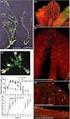
3 Figure 1 Representative FACS dot plot showing the presence and phenotypes of SP cells in the lin fraction of human fetal liver cells. Cells were depleted of lin + cells and stained with Hoechst and antibodies to CD34 and CD38 as described in Methods. (a) Small gated cell population identifies the SP cells (2.5% ± 1.2% of the total lin fetal liver population; n = 9) that disappear in the presence of verapamil (b). The distribution of cells according to their expression of CD34 and CD38 in the SP (c) and total (d) fractions of the lin fetal liver population analyzed here is also shown. 20,000 events analyzed had a fluorescence greater than that exhibited by at least 99.99% of the cells stained with an irrelevant isotype-matched control antibody labeled with the corresponding fluorochrome. A mouse was considered positive for human CRU engraftment if, and only if, it was positive for both human lymphoid and human myeloid cells (33, 35). CRU frequencies were calculated with the L-calc software program (StemCell Technologies) that uses Poisson statistics and the method of maximum likelihood. Statistical analysis. Significant differences (P < 0.05) were established using the Student s t test. Results SP cells in human fetal liver are phenotypically heterogeneous. Initial Hoechst staining of low-density human fetal liver cells showed the SP fraction to be small (0.14% ± 0.07%; n = 3), but readily detectable. Further analyses revealed these fetal liver SP cells to contain a heterogeneous mixture of phenotypes (Table 1). About 80% were CD34, most of which expressed at least one of the various lin markers evaluated. The most prominent of these appeared to be members of the erythroid and lymphoid lineages based on their expression of glycophorin A (a marker of relatively mature erythroid precursors) or CD7 (a marker typical of some lymphoid precursors). The high numbers of SP cells found to express CD36 and CD71 (markers also expressed at elevated levels on early erythroid cells) and CD38 (present on many early lymphoid cells) are consistent with the data for glycophorin A and CD7. Within the remaining approximately 20% of low-density SP fetal liver cells that were CD34 +, the most prominent lin + subset expressed the granulopoietic marker CD33. However, 5% of the CD34 + SP cells were glycophorin A +, indicating the presence of erythroid precursors within this subset also. CD45, a marker expressed on all hematopoietic cells except for terminally differentiating erythroblasts, was found on 77% and 44% of the CD34 + and CD34 subsets, respectively, of the low-density SP fetal liver cells (Table 1). The higher numbers of CD45 cells in the CD34 fraction of SP cells are consistent with these being late erythroid cells, as also indicated by removal of many of the CD45 cells in the lin + cell depletion step (data not shown). Initial studies indicated that centrifugation on Ficoll- Hypaque reduced the yield of SP cells approximately twofold (data not shown). Therefore, subsequent studies to determine which progenitors express an SP phenotype were undertaken with lin fetal liver cells (cells not expressing CD2, 3, 14, 16, 19, 24, 56, 66b, or glycophorin A) that had not been subjected to a density centrifugation procedure. Removal of these lin + cells increased the proportion of SP cells in the population thus obtained to 2.5% ± 1.2% (n = 9; Figure 1, a and b), as expected from the phenotyping analyses (Table 1). The proportion of lin cells that expressed CD34 was also markedly and selectively increased to 78% ± 6% (vs. 23% ± 13%; Table 1) as was the subset of lin SP cells that possessed the CD34 + CD38 phenotype associated with transplantable stem cell activity in cord blood (5, 33) (from 18% ± 11% [Table 1] to 62% ± 6% [n = 9; see also Figure 1, c and d]). Very few progenitors in human fetal liver that are detected by in vitro assays have a lin CD34 + CD38 SP phenotype. Table 2 shows the numbers of progenitors detectable by both short-term clonogenic and long-term stromalbased coculture assays detected per hundred total or SP + CD34 + CD38 lin fetal liver cells. Interestingly, both the frequency of clonogenic progenitors (CFCs) in the SP fraction of the CD34 + CD38 lin fetal liver cells and Table 2 Frequencies of total and different types of CFCs and of LTC-ICs in the total and SP fraction of CD34 + CD38 and CD34 CD38 lin human fetal liver cells Phenotype A CFC per 100 cells B LTC-IC per 100 cells B,C Total CFU-GM BFU-E CFU-GEMM CD34 + CD38 -SP 17 ± 6 16 ± 7 0 ± 0 2 ± ± 330 CD34 + CD38 -total 16 ± 7 14 ± 8 0 ± 0 2 ± ± 390 CD34 CD38 -SP 2.4 ± ± ± ± CD34 CD38 -total 5.8 ± ± ± ± A All cells were exposed to Hoechst B Values shown are the mean ± SEM from three experiments. C Data shown represent the total number of CFCs measured in the cells harvested from 6-week LTC assay cultures initiated with 400 cells of each population tested. The Journal of Clinical Investigation October 2001 Volume 108 Number

4 Table 3 NOD/SCID engraftment data for the total and SP subset of CD34 + CD38 and CD34 CD38 lin human fetal liver cells Phenotype A Prior Cells per mouse C Positive mice/ Percent human cells in positive mice CRU frequency E culture B ( 10 3 ) total D Total F Myeloid F Lymphoid F ( 10 3 ) CD34 + CD38 -SP No / / /2 <0.025 (1/2.2 1/5.4) 1.0 3/ / / CD34 + CD38 -total No 200 1,400 5/ / / (1/32 1/49) / / CD34 CD38 -SP No /4 <0.025 <1/25 H Yes /2 <0.025 (1/9.4 1/67) Yes G /3 <0.025 CD34 CD38 -total No /3 <0.025 <1/1,100 H Yes /2 <0.025 (1/420 1/2,900) Yes G /3 <0.025 A All cells were exposed to Hoechst B Cells were cultured for 3 4 days in serum-free media with human flt-3 ligand (100 ng/ml; Immunex Corp., Seattle, Washington, USA), SF (100 ng/ml), IL-3 (20 ng/ml), hyper IL-6 (10 ng/ml; kindly provided by S. Rose-John, University of Kiel, Kiel, Germany), and thrombopoietin (TPO, 50 ng/ml; Genentech Inc., South San Francisco, California, USA), or with HUVEC feeders (obtained from the American Type Culture Collection, Rockville, Maryland, USA) as described elsewhere (13). C Cell number expressed in preculture starting equivalents. D Positive mice were defined as those whose bone marrow cells contained more than five human lymphoid and more than five human myeloid cells in 20,000 cells analyzed as described in Methods. E Values shown in parentheses are the upper and lower limits of the range defined by ± SEM. F Total, myeloid, and lymphoid are defined as CD45/71 + cells, CD45/71 + CD15/66b + cells, and CD34 CD19/20 + cells, respectively. G Cells were initially depleted of CD19 + and glycophorin A + cells only. H These upper estimates were calculated assuming one mouse given the maximum number of cells tested had been positive and serve to indicate the sensitivity of the assay in this instance. the types of colonies they produced were indistinguishable (P > 0.05) from those generated by the total CD34 + CD38 lin cell population (> 80% granulopoietic, with the remainder being multilineage). The frequency of the more primitive LTC-ICs in the total and SP subset of CD34 + CD38 lin fetal liver cells was also similar ( 7% and 10%, respectively, assuming both will have produced, on average, 72 clonogenic progenitors per LTC-IC at the 6-week time point when their CFC output activity was assessed; ref. 36). Thus, isolation of the SP subset within the CD34 + CD38 lin population did not enrich further for LTC-ICs. Nevertheless, the frequency of LTC-ICs obtained here for the CD34 + CD38 lin cells was seven to tenfold higher than the values that we have previously reported for the total (low-density) lin fetal liver cell population (36). All of the transplantable human hematopoietic stem cells present in human fetal liver have a lin SP + CD34 + CD38 phenotype. We next compared the frequency of human cells in the SP versus the total lin CD34 + CD38 fraction that were able to regenerate both lymphoid and myeloid progeny in transplanted NOD/SCID mice. Varying numbers of total CD34 + CD38 lin fetal liver cells and the SP subset of these were injected into sublethally irradiated NOD/SCID mice in a total of 13 and four experiments, respectively. Six to 24 weeks later, the mice were assessed for the presence of human lymphoid (B-lineage markers) and human myeloid (granulopoietic) cells in their bone marrow as described in Methods. The results are shown in Table 3. In contrast to the results for the progenitors measured by both short- and long-term in vitro assays, the CRU activity was exclusively associated with the SP subset of the CD34 + CD38 lin population. Most of the positive mice were highly repopulated with both lymphoid and myeloid human cells; however, some mice were not. Accordingly, Poisson statistics could be used to calculate the frequencies of transplantable human stem cells (CRUs) in the original populations transplanted, and these showed an approximately tenfold enrichment in the frequency of CRU in the SP subset of the CD34 + CD38 population. However, the absolute value obtained here for the frequency of CRU in the CD34 + CD38 lin fetal liver cell population is somewhat lower than what we anticipated based on our previous data for lin fetal liver cells (35). This was found in separate studies to be due in part to an approximately threefold loss of CRU from the toxic effect of exposing the cells to Hoechst 33342, and in part to the lack of removal in the present study of cells with a density >1.077 g/ml (which increased CRU yields but also decreased their final frequency in the lin CD34 + CD38 SP cells another twofold; data not shown). Transplantation of NOD/SCID mice with cells from the non-sp fraction of the CD34 + CD38 lin population failed to detect CRUs in this fraction at a frequency that could not be explained by contamination by SP cells, i.e., in a total of six experiments, in which six mice were injected with to non-sp CD34 + CD38 lin fetal liver cells, only a single positive mouse was detected when these were analyzed 12 weeks later, and this was the mouse that received the largest number of non-sp cells. To assess the in vivo self-renewal activity of the CRUs isolated in the SP fraction of the CD34 + CD38 lin fetal liver cells, bone marrow cells from both femurs and tibias of three highly engrafted primary recipients (containing >30% human cells) from two different experiments were harvested 7 8 weeks after transplant and 1074 The Journal of Clinical Investigation October 2001 Volume 108 Number 7

5 injected individually into three secondary NOD/SCID mice. In each of these secondary mice, a large number of human lymphoid and myeloid progeny was detected 6 8 weeks after transplant (CD45/71 + : 86%, 90%, 76%; CD45/71 + CD15/66b + : 5%, 6%, 7%; and CD34 CD19/20 + : 42%, 68%, 59%). Results for one of these is shown in Figure 2. These findings are similar to what we have seen previously in secondary recipients of cells from mice originally transplanted with unseparated lin human fetal liver cells (35). Human fetal liver contains some primitive progenitors that do not express CD34, but these are not detectable in long-term culture assays and do not engraft NOD/SCID mice. As illustrated in Figure 1, only a small proportion of the SP lin cells were CD34 CD38 (6.4% ± 1.4%; n = 9), and these comprised only 0.8% ± 0.4% (n = 9) of the total CD34 CD38 lin population. The results of assays for CFCs and LTC-ICs in the total and SP subset of the CD34 CD38 lin population are given in Table 2, and for CRUs in Table 3. The frequency of CFCs in the total CD34 CD38 lin population was two- to threefold lower than in the total CD34 + CD38 lin population. The CD34 CD38 CFCs were also made up of a significantly different (P < 0.05) spectrum of CFC types; i.e. they contained a much higher proportion of multilineage CFCs and many fewer granulopoietic CFCs. Moreover, although isolation of the SP subset of CD34 CD38 cells resulted in a two to threefold reduction in CFC frequency, the distribution of progenitor subtypes in the SP fraction of the CD34 CD38 population did not change. Neither LTC-ICs nor CRUs could be detected in either the total or the SP subset of CD34 CD38 lin fetal liver cells in any of three to four experiments, even when these were assayed at the same or much larger numbers than were sufficient to detect such activities in the corresponding subsets of CD34 + cells. Failure to detect CRU activity in any of the CD34 CD38 cells also included experiments in which these were first cultured for 3 4 days with human growth factors or on top of human umbilical vein endothelial cell (HUVEC) feeders under conditions reported to stimulate the generation of NOD/SCID repopulating cells from CD34 cord blood cells (13). Discussion We show here that cells able to efflux Hoechst and thus designated as SP cells are readily detectable in human fetal liver and comprise a heterogeneous mixture of cell types as indicated by their surface marker profile, as previously established for cells in other hematopoietic tissues of human or nonhuman origin (26, 27). That the SP phenotype has been reported to be broadly associated with in vivo HSC activity (22, 26) and with stem cell activity for other tissues (2, 37) prompted us to investigate its association with human HSC properties. For this, we measured the ability of the various fractions of human fetal liver cells isolated to engraft sublethally irradiated NOD/SCID mice with both lymphoid and myeloid progeny when assayed at limiting doses (i.e., doses of cells that give no human cell engraftment of some mice). We also examined their in vivo self-renewal activity using secondary transplants (6, 34, 35). Our results show that all of the transplantable HSCs present in the CD34 + CD38 lin population of the second-trimester human fetal liver are contained within the SP fraction. This provides the first evidence of a human stem cell population that shares this phenotype and predicts the future extension of these observations to other human tissues both during development and in the adult. We focused here on the CD34 + CD38 lin subset because previous studies had indicated most of the human HSCs able to engraft NOD/SCID mice have this phenotype (5, 33). We found that only about 10% of the CD34 + CD38 lin cells in human fetal liver have an SP phenotype, and isolation of these SP cells resulted in a corresponding enrichment in the transplantable HSC content of this subset. Accordingly, it would be expected that this additional purification step would allow a more highly enriched population of transplantable HSCs to be isolated than has been previously attainable, which would constitute a major advance for future biologic and molecular analyses. Unfortunately this expectation was not realized here because of the inherent toxicity of exposing the cells to Hoechst and the elimination of an initial low-density centrifugation step in order to improve the final yield of SP cells. Recently, it was reported that the SP phenotype is due to the selective expression on stem cells of ABC-G2/BCRP (38, 39), which, like the MDR/P-glycoprotein (23), is a verapamil-sensitive member of the ABC transporter family (40 42) and is likewise expressed on the cell surface (43, 44). Thus, in the future it may be possible for SP cells to be isolated using nontoxic, specific antibody-based procedures. Figure 2 Representative FACS dot plot showing human multilineage engraftment in a secondary NOD/SCID recipient of initially transplanted SP fetal liver cells. The bone marrow cells were removed from both femurs and both tibias of a first NOD/SCID mouse transplanted 7 weeks previously with 22,000 SP CD34 + CD38 lin human fetal liver cells, and all of these cells ( 25% of the total bone marrow of that mouse [ref. 48], of which 76% were human) were then transplanted into a second NOD/SCID mouse. The analysis shown is for the bone marrow cells removed from the secondary mouse another 6 weeks later. The Journal of Clinical Investigation October 2001 Volume 108 Number

6 Our findings with CD34 + CD38 lin SP fetal liver cells provide new evidence that cells detected using in vitro stromal-based cultures, even after prolonged periods in the presence of increased level of human growth factors (31, 45), cannot necessarily be equated with cells able to serially engraft NOD/SCID mice or fetal sheep (35, 46). This was demonstrated in the present studies by the nonselective partitioning of LTC-ICs seen between the SP and non-sp subsets of the CD34 + CD38 lin cells that contrasted with the complete segregation of the transplantable HSC activity in the SP fraction. Such findings suggest that less than 10% of the LTC-ICs identified in human fetal liver with the 6-week assay used here (31) would have transplantable HSC activity. These findings underscore the need for similar comparative studies of SP and non-sp subsets from other sources of human cells with in vitro and in vivo hematopoietic activity. In marked contrast to the results for CD34 + CD38 lin fetal liver cells, we did not detect any in vivo reconstituting activity in the corresponding CD34 population of human fetal liver cells. Although this finding appears to contrast with previously reported results for adult and neonatal sources of transplantable human hematopoietic cells (13, 14, 16, 17), this apparent discrepancy may be due to the different ontological status of the cells being compared, as CD34 expression on transplantable murine HSCs has been found to change during development (19). In addition, our findings do not exclude the possibility that CD34 progenitors restricted to the T cell and/or NK lineages may exist in human fetal liver since differentiation of human cells along these lineages has not been seen in NOD/SCID mice. The observation that all transplantable cells in human fetal liver that have B-lineage and myelopoietic potential are CD34 + is thus consistent with the concept that CD34 expression may be altered in HSCs according to their activation status, as first indicated by the finding that CD34 expression in CD34 lin hematopoietic cells can be upregulated by exposure to certain feeders or growth factors in vitro, or after their stimulation in vivo (13, 15, 17, 21, 26). We have recently demonstrated differences in the level of expression of several other genes in freshly isolated CD34 + CD38 lin cells from human fetal liver compared with cord blood or adult bone marrow (47). Moreover, some of these changes in gene expression are also triggered by growth factor activation of adult human bone marrow CD34 + CD38 lin cells even before their exit from G 0. Taken together, our present findings predict that the SP phenotype will be an important marker of human cells with stem cell potential and may be more consistent than expression of CD34. Acknowledgments We thank G. Thornbury and R. Zapf for assistance in cell sorting; members of the Stem Cell Assay Service for performing some of the cell separations; A. Ahamed for help in preparing the manuscript; and P. Lansdorp, S. Rose-John, Cangene, Genentech, Immunex, Novartis, and StemCell for valuable gifts of reagents. This work was supported by an NIH grant (NHLBI PO ) and by the National Cancer Institute of Canada (NCIC) with funds from the Terry Fox Run and the Canadian Cancer Society. N. Uchida was supported by funds from Kirin Brewery Inc. and a Canadian Institutes of Health Research Postdoctoral Fellowship. C. Eaves was a Terry Fox Cancer Research Scientist of the NCIC. 1. Lagasse, E., et al Purified hematopoietic stem cells can differentiate into hepatocytes in vivo. Nat. Med. 6: Gussoni, E., et al Dystrophin expression in the mdx mouse restored by stem cell transplantation. Nature. 401: Orlic, D., et al Bone marrow cells regenerate infarcted myocardium. Nature. 410: Krause, D.S., et al Characterization of murine CD34, a marker for hematopoietic progenitor and stem cells. Blood. 84: Bhatia, M., Wang, J.C.Y., Kapp, U., Bonnet, D., and Dick, J.E Purification of primitive human hematopoietic cells capable of repopulating immune-deficient mice. Proc. Natl. Acad. Sci. USA. 94: Hogan, C.J., et al Engraftment and development of human CD enriched cells from umbilical cord blood in NOD/LtSz-scid/scid mice. Blood. 90: Bensinger, W.I., et al Transplantation of allogeneic CD34 + peripheral blood stem cells in patients with advanced hematologic malignancy. Blood. 88: Dunbar, C.E., et al Retrovirally marked CD34-enriched peripheral blood and bone marrow cells contribute to long-term engraftment after autologous transplantation. Blood. 85: Negrin, R.S., et al Transplantation of highly purified CD34 + Thy- 1 + hematopoietic stem cells in patients with metastatic breast cancer. Biol. Blood Marrow Transplant. 6: Michallet, M., et al Transplantation with selected autologous peripheral blood CD34 + Thy1 + hematopoietic stem cells (HSCs) in multiple myeloma: impact of HSC dose on engraftment, safety, and immune reconstitution. Exp. Hematol. 28: Terstappen, L.W.M.M., Huang, S., Safford, M., Lansdorp, P.M., and Loken, M.R Sequential generations of hematopoietic colonies derived from single nonlineage-committed CD34 + CD38 - progenitor cells. Blood. 77: Sutherland, H.J., Lansdorp, P.M., Henkelman, D.H., Eaves, A.C., and Eaves, C.J Functional characterization of individual human hematopoietic stem cells cultured at limiting dilution on supportive marrow stromal layers. Proc. Natl. Acad. Sci. USA. 87: Bhatia, M., Bonnet, D., Murdoch, B., Gan, O.I., and Dick, J A newly discovered class of human hematopoietic cells with SCID-repopulating activity. Nat. Med. 4: Zanjani, E.D., Almeida-Porada, G., Livingston, A.G., Flake, A.W., and Ogawa, M Human bone marrow CD34 - cells engraft in vivo and undergo multilineage expression that includes giving rise to CD34 + cells. Exp. Hematol. 26: Fujisaki, T., Berger, M.G., Rose-John, S., and Eaves, C.J Rapid differentiation of a rare subset of adult human lin - CD34 - CD38 - cells stimulated by multiple growth factors in vitro. Blood. 94: Gallacher, L., et al Isolation and characterization of human CD34 - Lin - and CD34 + Lin - hematopoietic stem cells using cell surface markers AC133 and CD7. Blood. 95: Nakamura, Y., et al Ex vivo generation of CD34 + cells from CD34 - hematopoietic cells. Blood. 94: Yoder, M.C., et al Characterization of definitive lymphohematopoietic stem cells in the day 9 murine yolk sac. Immunity. 7: Ito, T., Tajima, F., and Ogawa, M Developmental changes of CD34 expression by murine hematopoietic stem cells. Exp. Hematol. 28: Osawa, M., Hanada, K., Hamada, H., and Nakauchi, H Long-term lymphohematopoietic reconstitution by a single CD34-low/negative hematopoietic stem cell. Science. 273: Sato, T., Laver, J.H., and Ogawa, M Reversible expression of CD34 by murine hematopoietic stem cells. Blood. 94: Goodell, M.A., Brose, K., Paradis, G., Conner, A.S., and Mulligan, R.C Isolation and functional properties of murine hematopoietic stem cells that are replicating in vivo. J. Exp. Med. 183: Yusa, K., and Tsuruo, T Reversal mechanism of multidrug resistance by verapamil: direct binding of verapamil to P-glycoprotein on specific sites and transport of verapamil outward across the plasma membrane of K562/ADM cells. Cancer Res. 49: The Journal of Clinical Investigation October 2001 Volume 108 Number 7

7 24. Spangrude, G.J., et al Mouse hematopoietic stem cells. Blood. 78: Miller, C.L., and Eaves, C.J Expansion in vitro of adult murine hematopoietic stem cells with transplantable lympho-myeloid reconstituting ability. Proc. Natl. Acad. Sci. USA. 94: Goodell, M.A., et al Dye efflux studies suggest that hematopoietic stem cells expressing low or undetectable levels of CD34 antigen exist in multiple species. Nat. Med. 3: Storms, R.W., Goodell, M.A., Fisher, A., Mulligan, R.C., and Smith, C Hoechst dye efflux reveals a novel CD7 + CD34 - lymphoid progenitor in human unbilical cord blood. Blood. 96: Nishikawa, S.-I., et al In vitro generation of lymphohematopoietic cells from endothelial cells purified from murine embryos. Immunity. 8: Shultz, L.D., et al Multiple defects in innate and adaptive immunologic function in NOD/LtSz-scid mice. J. Immunol. 154: Schmitt, C., Eaves, C.J., and Lansdorp, P.M Expression of CD34 on human B cell precursors. Clin. Exp. Immunol. 85: Hogge, D.E., Lansdorp, P.M., Reid, D., Gerhard, B., and Eaves, C.J Enhanced detection, maintenance and differentiation of primitive human hematopoietic cells in cultures containing murine fibroblasts engineered to produce human Steel factor, interleukin-3 and granulocyte colony-stimulating factor. Blood. 88: Unkeless, J.C Characterization of a monoclonal antibody directed against mouse macrophage and lymphocyte Fc receptors. J. Exp. Med. 150: Conneally, E., Cashman, J., Petzer, A., and Eaves, C Expansion in vitro of transplantable human cord blood stem cells demonstrated using a quantitative assay of their lympho-myeloid repopulating activity in nonobese diabetic-scid/scid mice. Proc. Natl. Acad. Sci. USA. 94: Cashman, J., Bockhold, K., Hogge, D.E., Eaves, A.C., and Eaves, C.J Sustained proliferation, multi-lineage differentiation and maintenance of primitive human haematopoietic cells in NOD/SCID mice transplanted with human cord blood. Br. J. Haematol. 97: Holyoake, T.L., Nicolini, F.E., and Eaves, C.J Functional differences between transplantable human hematopoietic stem cells from fetal liver, cord blood, and adult marrow. Exp. Hematol. 27: Nicolini, F.E., et al Unique differentiation programs of human fetal liver stem cells revealed both in vitro and in vivo in NOD/SCID mice. Blood. 94: Jackson, K.A., Mi, T., and Goodell, M.A Hematopoietic potential of stem cells isolated from murine skeletal muscle. Proc. Natl. Acad. Sci. USA. 96: Zhou, S., et al Expression of the breast cancer resistance protein (BCRP) in side population (SP) stem cells, natural killer (NK) lymphocytes, and erythroid progenitor cells. Blood. 96:820a. (Abstr.) 39. Scharenberg, C.W., Harkey, M.A., and Torok-Storb, B.J The transporter ABCG2 effluxes hoechst and its expression is restricted to the most primitive human hematopoietic cells. Blood. 96:666a. (Abstr.) 40. Allikmets, R., Schriml, L.M., Hutchinson, A., Romano-Spica, V., and Dean, M A human placenta-specific ATP-binding cassette gene (ABCP) on chromosome 4q22 that is involved in multidrug resistance. Cancer Res. 58: Doyle, L.A., et al A multidrug resistance transporter from human MCF-7 breast cancer cells. Proc. Natl. Acad. Sci. USA. 95: Miyake, K., et al Molecular cloning of cdnas which are highly overexpressed in mitoxantrone-resistant cells: demonstration of homology to ABC transport genes. Cancer Res. 59: Scheffer, G.L., et al Breast cancer resistance protein is localized at the plasma membrane in mitoxantrone- and topotecan-resistant cell lines. Cancer Res. 60: Rocchi, E., et al The product of the ABC half-transporter gene ABCG2 (BCRP/MXR/ABCP) is expressed in the plasma membrane. Biochem. Biophys. Res. Commun. 271: Hao, Q.L., Thiemann, F.T., Petersen, D., Smogorzewska, E.M., and Crooks, G.M Extended long-term culture reveals a highly quiescent and primitive human hematopoietic progenitor population. Blood. 88: Civin, C.I., et al Sustained, retransplantable, multilineage engraftment of highly purified adult human bone marrow stem cells in vivo. Blood. 88: Oh, I.-H., Lau, A., and Eaves, C.J During ontogeny primitive (CD34 + CD38 - ) hematopoietic cells show altered expression of a subset of genes associated with early cytokine and differentiation responses of their adult counterparts. Blood. 96: Boggs, D.R The total marrow mass of the mouse: a simplified method of measurement. Am. J. Hematol. 16: The Journal of Clinical Investigation October 2001 Volume 108 Number

How To Expand Hematopoietic Stem Cells
 Purification and Expansion of Hematopoietic Stem Cells Based on Proteins Expressed by a Novel Stromal Cell Population Our bodies are constantly killing old, nonfunctional, and unneeded cells and making
Basic Science in Medicine
 Medical Journal of th e Islamic Republic of Iran Volume 18 Number 3 Fall 1383 November 2004 Basic Science in Medicine ] EXPANSION OF HUMAN CORD BLOOD PRIMITIVE PROGENITORS IN SERUM-FREE MEDIA USING HUMAN
Proliferation/Potency Assays: Is there more to CD34 and CFU?
 Proliferation/Potency Assays: Is there more to CD34 and CFU? CBMTG 2012 Laboratory Committee Meeting April 11, 2012 Toronto, ON, Canada Leah Marquez-Curtis CBS-Edmonton OUTLINE I. Rationale and Definitions
Improved Ex Vivo Expansion of Functional CD34 + Cells Using Stemline II Hematopoietic Stem Cell Expansion Medium
 Improved Ex Vivo Expansion of Functional CD34 + Cells Using Stemline II Hematopoietic Stem Cell Expansion Medium Daniel W. Allison, 1 Stacy L. Leugers, 1 Barry J. Pronold, 2 Gary Van Zant, 2 Jenny A. Harrington,
AUTOMATION OF THE COLONY-FORMING CELL ASSAY FOR MEASURING HEMATOPOIETIC PROGENITORS IN CORD BLOOD
 AUTOMATION OF THE COLONY-FORMING CELL ASSAY FOR MEASURING HEMATOPOIETIC PROGENITORS IN CORD BLOOD Bert Wognum Oliver Egeler Caren Grande Ning Yuan Steven Woodside Terry Thomas Allen Eaves STEMCELL Technologies
Hoechst 33342 HSC Staining and Stem Cell Purification Protocol (see Goodell, M., et al. (1996) J Exp Med 183, 1797-806)
 Hoechst 33342 HSC Staining and Stem Cell Purification Protocol (see Goodell, M., et al. (1996) J Exp Med 183, 1797-86) The Hoechst purification was established for murine hematopoietic stem cells (HSC)
STEMCELL Quality Control Kits
 STEMCELL Quality Control Kits i Table of Contents 1.0 Introduction...1 2.0 Thawing Cells, Plating and Colony Enumeration...2 2.1 Supplies and reagents included in the QC kit...2 2.2 Additional reagents
Xiubo Fan 1,FlorencePHGay 2,FrancescaWILim 3,JustinaMLAng 2,PatPYChu 3,SudiptoBari 3 and William YK Hwang 2,3*
 Fan et al. Stem Cell Research & Therapy 2014, 5:71 RESEARCH Open Access Low-dose insulin-like growth factor binding proteins 1 and 2 and angiopoietin-like protein 3 coordinately stimulate ex vivo expansion
Uses of Flow Cytometry
 Uses of Flow Cytometry 1. Multicolour analysis... 2 2. Cell Cycle and Proliferation... 3 a. Analysis of Cellular DNA Content... 4 b. Cell Proliferation Assays... 5 3. Immunology... 6 4. Apoptosis... 7
T E C H N I C A L B U L L E T I N
 TECHNICAL BULLETIN CULTURE OF HEMATOPOIETIC STEM AND PROGENITOR CELLS 1. Background Mature hematopoietic cells of both the lymphoid and myeloid lineages are continuously generated from a small self-renewing
Review. Cord blood as an alternative source of haemopoietic stem cells. J. Hows, A. Nicol, P. Denning-Kendall, C. Donaldson, M. Nieda & B.
 Annals of Oncology 7 (Suppi 2): 47-51, 1996. O 1996 Kluwer Academic Publishers. Printed in the Netherlands. Review Cord blood as an alternative source of haemopoietic stem cells J. Hows, A. Nicol, P. Denning-Kendall,
Hematopoietic Stem and Progenitor Cells
 MINI-REVIEW Hematopoietic Stem and Progenitor Cells Albertus W. Wognum, PhD Principal Scientist Stephen J. Szilvassy, PhD Director, Hematopoietic Products R&D Introduction Mature blood cells have a finite
Automated and Standardized Counting of CFU Assays of Human Hematopoietic Cells
 Automated and Standardized Counting of CFU Assays of Human Hematopoietic Cells 2 Automated and Standardized Colony Counting Table of Contents 4 Standardized Counting of Colony-Forming Unit Assays (CFU)
Prostaglandin E2 Enhances Human Cord Blood Stem. Cell Xenotransplants and Shows Long-Term Safety. in Preclinical Nonhuman Primate Transplant Models
 Cell Stem Cell, Volume 8 Supplemental Information Prostaglandin E2 Enhances Human Cord Blood Stem Cell Xenotransplants and Shows Long-Term Safety in Preclinical Nonhuman Primate Transplant Models Wolfram
specific B cells Humoral immunity lymphocytes antibodies B cells bone marrow Cell-mediated immunity: T cells antibodies proteins
 Adaptive Immunity Chapter 17: Adaptive (specific) Immunity Bio 139 Dr. Amy Rogers Host defenses that are specific to a particular infectious agent Can be innate or genetic for humans as a group: most microbes
Disclosure. Gene Therapy. Transfer of genes into cells Expression of transferred genes
 Disclosure Equity interest in Genetix Pharm. Inc. Exclusive license of retroviral cell lines from Columbia No direct participation in MDR clinical trials Columbia U. annual reporting FDA Gene Therapy Transfer
A. FSC and SSC gating of total BM cells. B. Gating strategy used to identify the Lin -
 Supplementary Figure legends Figure S1. Multiparametric analysis of HSC Populations. A. FSC and SSC gating of total BM cells. B. Gating strategy used to identify the Lin - cell population. BM cells were
Overview. Transcriptional cascades. Amazing aspects of lineage plasticity. Conventional (B2) B cell development
 Overview B cell development Transcriptional cascades Amazing aspects of lineage plasticity Conventional (B2) B cell development What happens to an autoreactive B cell? B1 vs B2 cells Key anatomical sites
International Beryllium Conference, Montreal, Canada March 10, 2005
 Alternative Lymphocyte Proliferation Tests: BrdU and Flow Cytometry Based Tests International Beryllium Conference, Montreal, Canada March 10, 2005 Tim K. Takaro Department of Environmental and Occupational
Chapter 18: Applications of Immunology
 Chapter 18: Applications of Immunology 1. Vaccinations 2. Monoclonal vs Polyclonal Ab 3. Diagnostic Immunology 1. Vaccinations What is Vaccination? A method of inducing artificial immunity by exposing
Application Note 10. Measurement of Cell Recovery. After Sorting with a Catcher-Tube-Based. Cell Sorter. Introduction
 Application Note 10 Measurement of Cell Recovery After Sorting with a Catcher-Tube-Based Cell Sorter Introduction In many experiments using sorted cells, it is important to be able to count the number
BioResearch. Hematopoietic and Immune Cell Products Essential Tools for Hematopoietic Research
 BioResearch Hematopoietic and Immune Cell Products Essential Tools for Hematopoietic Research BioResearch Hematopoietic and Immune Cell Products Essential Tools for Hematopoietic Research Working with
低 剂 量 辐 射 对 脐 血 T 淋 巴 细 胞 膜 分 子 表 达 的 影 响 EFFECT OF LOW DOSE IRRADIATION ON EXPRESSION OF MEMBRANE MOLECULES OF T LYMPHOCYTES IN CORD BLOOD
 CNIC-01513 PUTH-0001 低 剂 量 辐 射 对 脐 血 T 淋 巴 细 胞 膜 分 子 表 达 的 影 响 EFFECT OF LOW DOSE IRRADIATION ON EXPRESSION OF MEMBRANE MOLECULES OF T LYMPHOCYTES IN CORD BLOOD 中 国 核 情 报 中 心 China Nuclear Information
Introduction to flow cytometry
 Introduction to flow cytometry Flow cytometry is a popular laser-based technology. Discover more with our introduction to flow cytometry. Flow cytometry is now a widely used method for analyzing the expression
Introduction to Flow Cytometry
 Introduction to Flow Cytometry presented by: Flow Cytometry y Core Facility Biomedical Instrumentation Center Uniformed Services University Topics Covered in this Lecture What is flow cytometry? Flow cytometer
TISSUE-SPECIFIC STEM CELLS
 TISSUE-SPECIFIC STEM CELLS Expression of Integrin a2 Receptor in Human Cord Blood CD341CD382CD901 Stem Cells Engrafting Long-Term in NOD/SCID-IL2Rc c null Mice WAN MAN WONG, a MIKAEL SIGVARDSSON, b INGBRITT
Processing & Utilization of Cord Blood for Transplant
 Processing & Utilization of Cord Blood for Transplant 2010-Jan Jan-15 Nicole L. Prokopishyn, PhD HPC Processing Laboratory Director Calgary Laboratory Services Overview Cord Blood Processing Pre-Freeze
Enhance Sensitivity of FISH Analysis with Highly Purified Multiple Myeloma Cells Using RoboSep, the Fully Automated Cell Separator
 Enhance Sensitivity of FISH Analysis with Highly Purified Multiple Myeloma Cells Using RoboSep, the Fully Automated Cell Separator Benoit Guilbault, PhD Field Applications Scientist t STEMCELL Technologies,
2. BONE MARROW (HEMATOPOIETIC) STEM CELLS
 2. BONE MARROW (HEMATOPOIETIC) STEM CELLS by Jos Domen*, Amy Wagers** and Irving L. Weissman*** CONTENTS INTRODUCTION.......................................................................................
Microbiology AN INTRODUCTION EIGHTH EDITION
 TORTORA FUNKE CASE Microbiology AN INTRODUCTION EIGHTH EDITION Differentiate between innate and acquired immunity. Chapter 17 Specific Defenses of the Host: The Immune Response B.E Pruitt & Jane J. Stein
Automated and Standardized Counting of CFU Assays for Cord Blood Banks
 Automated and Standardized Counting of CFU Assays for Cord Blood Banks 2 Automated and Standardized Colony Counting Table of Contents 4 The Colony-Forming Unit (CFU) Assay for Cord Blood Banks 5 The CFU
Stem Cell Research: Adult or Somatic Stem Cells
 Chiang 1 Stem Cell Research: Adult or Somatic Stem Cells Abstract Kelly Chiang Cluster 7 Dr. LeFebvre 07/26/10 Over the past few decades, stem cells have been a controversial topic in the scientific field.
Stem cells possess 2 main characteristics: Sources of pluripotent stem cells: -Long-term self renewal. -The inner cell mass of the blastocyst.
 Stem cells possess 2 main characteristics: -Long-term self renewal. - They give rise to all types of differentiate cells. Sources of pluripotent stem cells: -The inner cell mass of the blastocyst. - Fetal
Human Umbilical Cord Blood CD34 + Progenitor Cell Care Manual
 Human Umbilical Cord Blood CD34 + Progenitor Cell Care Manual INSTRUCTION MANUAL ZBM0065.03 SHIPPING CONDITIONS Human Umbilical Cord Blood CD34+ Progenitor Cells, cryopreserved Cryopreserved human umbilical
Hematopoietic Stem Cells, Stem Cell Processing, and Transplantation
 Hematopoietic Stem Cells, Stem Cell Processing, and Joseph (Yossi) Schwartz, MD Director, Hemotherapy and Stem Cell Processing Facility E-mail: [email protected] A 40-year old man with acute myelogenous
Stem Cells in Umbilical Cord Blood: A Review
 Stem Cells in Umbilical Cord Blood: A Review December 13, 2006 Cellular and Molecular Biotechnology of Mammalian Systems Undergraduate Students: Andrew Fu Allen Fung Graduate Student: Aizhan Tastanova
Stem Cell Transplantation
 Harmony Behavioral Health, Inc. Harmony Behavioral Health of Florida, Inc. Harmony Health Plan of Illinois, Inc. HealthEase of Florida, Inc. Ohana Health Plan, a plan offered by WellCare Health Insurance
STEM CELL LEUCOCYTE BIOLOGY. Setting up of an Umbilical cord blood stem cell bank at Institute of Immunohaematology
 STEM CELL LEUCOCYTE BIOLOGY Setting up of an Umbilical cord blood stem cell bank at Institute of Immunohaematology Objectives: 1. To establish umbilical cord blood stem cell bank, which can be used as
Chapter 16 Reproductive Technology, Gene Therapy, and Stem Cells (modified)
 Chapter 16 Reproductive Technology, Gene Therapy, and Stem Cells (modified) Assisted Reproductive Technologies (ART) Artificial insemination (AI) In vitro fertilization (IVF) Gamete intrafallopian transfer
CD34+ CD45- Cells Isolated from Human Blood Have Molecular and Functional Characteristics of Vascular Endothelial Progenitors
 CD34+ CD45- Cells Isolated from Human Blood Have Molecular and Functional Characteristics of Vascular Endothelial Progenitors Yajuan Jiang 1, Alexander M. Tsankov 2, Alexander Meissner 2 and David W. O
Fetal Maternal Immunity and Antileukemia Activity in Cord Blood Transplant. Recipients
 Fetal Maternal Immunity and Antileukemia Activity in Cord Blood Transplant Recipients Filippo Milano, 1 J. Lee Nelson, 1, 2 Colleen Delaney 1,3 1 Clinical Research Division, Fred Hutchinson Cancer Research
Drug Development Services
 Drug Development Services USING BLOOD AND BONE MARROW PRIMARY CELL SYSTEMS Clinically Relevant In Vitro Assays Broad Spectrum of Drug Classes Multi-Species Platforms Enhancing Drug Development through
guides BIOLOGY OF AGING STEM CELLS An introduction to aging science brought to you by the American Federation for Aging Research
 infoaging guides BIOLOGY OF AGING STEM CELLS An introduction to aging science brought to you by the American Federation for Aging Research WHAT ARE STEM CELLS? Stem cells are cells that, in cell cultures
Detecting primitive hematopoietic stem cells in total nucleated and mononuclear cell fractions from umbilical cord blood segments and units
 Patterson et al. Journal of Translational Medicine (2015) 13:94 DOI 10.1186/s12967-015-0434-z RESEARCH Open Access Detecting primitive hematopoietic stem cells in total nucleated and mononuclear cell fractions
Cord Blood Re-imagined The use of cord blood stem cells for clinical applications and medical innovations
 GE Healthcare Proceedings of the Symposium Cord Blood Re-imagined The use of cord blood stem cells for clinical applications and medical innovations 12 th Annual Meeting of the International Society for
Enumeration and Viability of Nucleated Cells from Bone Marrow, Cord Blood, and Mobilized Peripheral Blood
 Application Note Primary Cell Analysis Enumeration and Viability of Nucleated Cells from Bone Marrow, Cord Blood, and Mobilized Peripheral Blood Cell Viability Introduction: Bone Marrow, Cord Blood, Stem
CFSE Cell Division Assay Kit
 CFSE Cell Division Assay Kit Item No. 10009853 Customer Service 800.364.9897 * Technical Support 888.526.5351 www.caymanchem.com TABLE OF CONTENTS GENERAL INFORMATION 3 Materials Supplied 4 Precautions
Current Issues in Stem Cell Technologies. Lance D. Trainor, MD OneBlood, Inc.
 Current Issues in Stem Cell Technologies Lance D. Trainor, MD OneBlood, Inc. Objective: The big picture of stem cell therapy Outline: Relevant definitions History of Stem Cell Therapy Hematopoietic Stem
No-wash, no-lyse detection of leukocytes in human whole blood on the Attune NxT Flow Cytometer
 APPLICATION NOTE Attune NxT Flow Cytometer No-wash, no-lyse detection of leukocytes in human whole blood on the Attune NxT Flow Cytometer Introduction Standard methods for isolating and detecting leukocytes
Human Umbilical Cord-derived Multipotent Mesenchymal Stromal Cells (huc-msc) Handling Instructions
 Human Umbilical Cord-derived Multipotent Mesenchymal Stromal Cells (huc-msc) Order No.: 19401-005, 19401-010 Handling Instructions For preclinical ex vivo use. Not intended for therapeutic use. Table of
Optimal timing for processing and cryopreservation of umbilical cord haematopoietic stem cells for clinical transplantation
 Bone Marrow Transplantation, (1999) 23, 131 136 1999 Stockton Press All rights reserved 268 3369/99 $12. http://www.stockton-press.co.uk/bmt Optimal timing for processing and cryopreservation of umbilical
Stem Cell Quick Guide: Stem Cell Basics
 Stem Cell Quick Guide: Stem Cell Basics What is a Stem Cell? Stem cells are the starting point from which the rest of the body grows. The adult human body is made up of hundreds of millions of different
The immune system. Bone marrow. Thymus. Spleen. Bone marrow. NK cell. B-cell. T-cell. Basophil Neutrophil. Eosinophil. Myeloid progenitor
 The immune system Basophil Neutrophil Bone marrow Eosinophil Myeloid progenitor Dendritic cell Pluripotent Stem cell Lymphoid progenitor Platelets Bone marrow Thymus NK cell T-cell B-cell Spleen Cancer
Saving your baby s s cord blood: Is this good insurance?
 Saving your baby s s cord blood: Is this good insurance? 32 th SEMINAR ON PERINATAL MEDICINE CONTROVERSIES IN PERINATAL MEDICINE: EVIDENCE FOR CURRENT PRACTICE Sante Fe, New Mexico Mervin C. Yoder, MD
Bottle-neck Problems of Current Human Cancer Therapy
 International Conference on Human Cell, Tissue-based Products and Tissue Banks, Oct. 13-14,Taipei, Taiwan Autologous Dendritic Cell-based Immunotherapy of Glioblastoma Multiforme: Post-Phase-I Clinical
Haematopoietic Chimerism Analysis after Allogeneic Stem Cell Transplantation
 Haematopoietic Chimerism Analysis after Allogeneic Stem Cell Transplantation Dr Ros Ganderton, Ms Kate Parratt, Dr Debbie Richardson, Dr Kim Orchard and Dr Liz Hodges Departments of Molecular Pathology
CHAPTER 1 BACKGROUND AND CORD BLOOD BANK (CBB) ORGANIZATION
 CHAPTER 1 BACKGROUND AND CORD BLOOD BANK (CBB) ORGANIZATION Chapter 1 BACKGROUND AND CORD BLOOD BANK (CBB) ORGANIZATION 1.1 OVERVIEW OF THE CORD BLOOD TRANSPLANTATION STUDY Bone marrow transplantation
Flow Cytometry Protocols
 METHODS IN MOLECULAR BIOLOGY TM TM Volume 263 Flow Cytometry Protocols SECOND EDITION Edited by Teresa S. Hawley Robert G. Hawley 9 Detection and Enrichment of Hematopoietic Stem Cells by Side Population
Cell Cycle Phase Determination Kit
 Cell Cycle Phase Determination Kit Item No. 10009349 Customer Service 800.364.9897 * Technical Support 888.526.5351 www.caymanchem.com TABLE OF CONTENTS GENERAL INFORMATION 3 Materials Supplied 3 Safety
Amaxa Mouse T Cell Nucleofector Kit
 Amaxa Mouse T Cell Nucleofector Kit For T cells isolated from C57BL/6 & BALB/c mice Evaluated for murine T cells isolated from C57BL/6 & BALB/c mice This protocol is designed for murine lymphocytes or
Adult Stem Cell Plasticity Defined
 Article cytology Adult Stem Cell Plasticity Defined Jonathan C. Howell,* Mervin C. Yoder Objectives After completing this article, readers should be able to: 1. Define stem cell characteristics and the
tem ells /background /information Stem cell research Copyright 2007 MRC Centre for Regenerative Medicine, Institute for Stem Cell Research
 tem ells /background /information Stem cell research Copyright 2007 MRC Centre for Regenerative Medicine, Institute for Stem Cell Research /02 /information Table of contents Page 01. What are stem cells?
A high performance system in which cells are immunomagnetically labeled & bound to a magnetic column all species all cell types positive or negative
 A high performance system in which cells are immunomagnetically labeled & bound to a magnetic column all species all cell types positive or negative selection TM Immunomagnetic or Positive Cell ALL SPECIES
Standard Operating Procedure
 1.0 Purpose: 1.1 The characterisation of of main leukocyte subsets in peripheral blood cells from mice by flow cytometry. Reliable values of frequencies of leukocyte clusters are very much dependent on
A simple and reliable procedure for cord blood banking, processing, and freezing: St Louis and Ohio Cord Blood Bank experiences
 Cytotherapy (2001) Vol. 3, No. 6, 429 433 A simple and reliable procedure for cord blood banking, processing, and freezing: St Louis and Ohio Cord Blood Bank experiences JM Alonso III 1, DM Regan 1, CE
Custom Antibody Services
 prosci-inc.com Custom Antibody Services High Performance Antibodies and More Broad Antibody Catalog Extensive Antibody Services CUSTOM ANTIBODY SERVICES Established in 1998, ProSci Incorporated is a leading
Corporate Medical Policy
 Corporate Medical Policy Hematopoietic Stem-Cell Transplantation for CLL and SLL File Name: Origination: Last CAP Review: Next CAP Review: Last Review: hematopoietic_stem-cell_transplantation_for_cll_and_sll
STEM CELL FACTS. The ISSCR is an independent, nonproft organization providing a global forum for stem cell research and regenerative medicine.
 STEM CELL FACTS The ISSCR is an independent, nonproft organization providing a global forum for stem cell research and regenerative medicine. WHAT ARE STEM CELLS? Stem cells are the foundation cells for
3D Cell Culture mimsys G
 3D Cell Culture mimsys G xeno-free & nutrient permeable hydrogel for 3D cell culture mimsys G is a xeno-free and non-immunogenic, easy to handle hydrogel for cell encapsulation in 3D experiments in vitro
PROTOCOL. Immunostaining for Flow Cytometry. Background. Materials and equipment required.
 PROTOCOL Immunostaining for Flow Cytometry 1850 Millrace Drive, Suite 3A Eugene, Oregon 97403 Rev.0 Background The combination of single cell analysis using flow cytometry and the specificity of antibody-based
Minimal residual disease detection in Acute Myeloid Leukaemia on a Becton Dickinson flow cytometer
 Minimal residual disease detection in Acute Myeloid Leukaemia on a Becton Dickinson flow cytometer Purpose This procedure gives instruction on minimal residual disease (MRD) detection in patients with
The Therapeutic Potential of Human Umbilical Cord Blood Transplantation for Neonatal Hypoxic-Ischemic Brain Injury and Ischemic Stroke
 The Therapeutic Potential of Human Umbilical Cord Blood Transplantation for Neonatal Hypoxic-Ischemic Brain Injury and Ischemic Stroke a,b* b,c a a b b b b a b a b c 430 Wang et al. Acta Med. Okayama Vol.
STANDARD OPERATING PROCEDURE
 STANDARD OPERATING PROCEDURE Title: Antibody Production at Strategic Diagnostics Inc. SOP#: M-119 Version #: 1 Date Approved: August 6, 2009 Author: Strategic Diagnostic Inc. Date Modified: 1. PURPOSE
HuCAL Custom Monoclonal Antibodies
 HuCAL Custom Monoclonal HuCAL Custom Monoclonal Antibodies Highly Specific, Recombinant Antibodies in 8 Weeks Highly Specific Monoclonal Antibodies in Just 8 Weeks HuCAL PLATINUM (Human Combinatorial Antibody
Flow Cytometry for Everyone Else Susan McQuiston, J.D., MLS(ASCP), C.Cy.
 Flow Cytometry for Everyone Else Susan McQuiston, J.D., MLS(ASCP), C.Cy. At the end of this session, the participant will be able to: 1. Describe the components of a flow cytometer 2. Describe the gating
Custom Antibody Services
 Custom Antibody Services Custom service offerings DNA sequence Plasmid Peptide Structure Protein Peptide Small molecule Cells Spleen Lymphocytes Antigen Preparation Immunization Fusion & Subcloning Expansion
PROTOCOL. Immunocytochemistry (ICC) MATERIALS AND EQUIPMENT REQUIRED
 PROTOCOL Immunocytochemistry (ICC) 1850 Millrace Drive, Suite 3A Eugene, Oregon 97403 11-07 MATERIALS AND EQUIPMENT REQUIRED Materials: MitoSciences primary monoclonal antibody/antibodies Fluorophore-conjugated
Fresh PBSC harvests, but not BM, show temperature-related loss of CD34 viability during storage and transport
 Cytotherapy (2006) Vol. 8, No. 2, 158/165 Fresh PBSC harvests, but not BM, show temperature-related loss of CD34 viability during storage and transport V Antonenas 1, F Garvin 1, M Webb 1, M Sartor 2,
Essentials in Immunology Prof. R. Manjunath Department of Biochemistry Indian Institute of Science, Bangalore
 Essentials in Immunology Prof. R. Manjunath Department of Biochemistry Indian Institute of Science, Bangalore Lecture No. # 02 Cells and Organs of the immune system Part 1 (Refer Slide Time: 00:27) Hello
Human CD4+T Cell Care Manual
 Human CD4+T Cell Care Manual INSTRUCTION MANUAL ZBM0067.02 SHIPPING CONDITIONS Human CD4+T Cells, cryopreserved Cryopreserved human CD4+T cells are shipped on dry ice and should be stored in liquid nitrogen
CHARACTERISTIC FEATURES OF STEM CELLS. CLONING TECHNOLOGIES
 CHARACTERISTIC FEATURES OF STEM CELLS. CLONING TECHNOLOGIES 1 Science is discovering the unknown Stem cell field is still in its infancy Human embryonic stem cell research is a decade old, adult stem cell
Stem Cells Market Trends based on Primary Industry Analysis
 GENReports: Market & Tech Analysis Stem Cells Market Trends based on Primary Industry Analysis > Enal Razvi, Ph.D. Biotechnology Analyst, Managing Director SELECTBIO US [email protected] > Gary Oosta,
Multiple Myeloma Patient s Booklet
 1E Kent Ridge Road NUHS Tower Block, Level 7 Singapore 119228 Email : [email protected] Website : www.ncis.com.sg LIKE US ON FACEBOOK www.facebook.com/ nationaluniversitycancerinstitutesingapore Multiple