
ENVIRONMENTAL GUIDELINES
|
|
|
- George Higgins
- 10 years ago
- Views:
Transcription
1 ENVIRONMENTAL GUIDELINES Welcome to the Environmental Guidelines (EGs) link! We hope that this will provide you with appropriate guidance for the various activities and aspects related to your daily work at DIA. You can easily navigate to the EGs listed below by clicking on this icon located to the left of your screen. This will open the bookmark viewing pane that you can use to scroll down to the EG of your interest. It is possible that the bookmark pane opens up automatically when you have opened this link (in that case you would already see the below EGs to the left of your screen). Simply click on the EG of interest (in the navigation pane to the left), and the computer will scroll down to that document. If you are not quite sure which EGs apply to your operation, the table on the next page has been included to assist you. The row across the top of the table lists many common activities. If your operation includes one or more of these activities, then follow the column down to identify the corresponding EGs marked with Xs. You ll notice some EGs are recommended to all for review; these EGs have been checked for you. As always, don t hesitate to contact us for any questions: DIA Environmental Services (Main (303) ES Fueling Aircraft, Vehicles, and Auxiliary Equipment ES Cleaning/Washing Aircraft, Vehicles and Equipment ES Cargo Loading and Offloading ES Management of Aircraft Lavatory Water and Waste ES Maintenance of Aircraft, Vehicles and Equipment ES Aircraft Deicing ES Storage of Vehicles and Equipment Containing Chemicals ES Incinerator Operations ES A Ozone Depleting Compound Management Guidelines ES B Heating, Venting, and Air Conditioning (HVAC) Operations ES Power Generation ES Painting and Paint Removal ES Cleaning/Washing - Indoor Industrial Surfaces ES Maintenance - Janitorial ES Maintenance of Pretreatment Devices ES Metal Finishing, Coating, Machining, and Cooling ES Parts Washing ES Construction ES Planning and Design ES Procurement ES Tenant Operating Guidance ES Tenant Relocation or Closeout ES Management of Pesticides and Herbicides ES Petroleum Exploration and Production Activities ES Cleaning/Washing - Outdoor Areas and Structures ES Management of Fire Control Agents ES Remediation of Contaminated Soils ES Pavement Deicing ES Potable Water-Using Municipal Activities ES Inspection and Maintenance of MS4 Structural Controls ES Management of Petroleum Storage Tanks and Containers (SPCC Plan) ES Cathodic Protection Corrosion Prevention on Buried Tanks and Piping ES Storage, Handling and Management of Hazardous Materials ES Abandoned Material Response ES Spill Response ES General Waste Management ES Management of Recycle and Reusable Materials ES Management of Hazardous Waste ES Management of Universal Waste ES Management of Special Waste
2 ENVIRONMENTAL GUIDELINES Welcome to the Environmental Guidelines (EGs) link! We hope that this will provide you with appropriate guidance for the various activities and aspects related to your daily work at DIA. You can easily navigate to the EGs listed below by clicking on this icon located to the left of your screen. This will open the bookmark viewing pane that you can use to scroll down to the EG of your interest. It is possible that the bookmark pane opens up automatically when you have opened this link (in that case you would already see the below EGs to the left of your screen). Simply click on the EG of interest (in the navigation pane to the left), and the computer will scroll down to that document. If you are not quite sure which EGs apply to your operation, the table on the next page has been included to assist you. The row across the top of the table lists many common activities. If your operation includes one or more of these activities, then follow the column down to identify the corresponding EGs marked with Xs. You ll notice some EGs are recommended to all for review; these EGs have been checked for you. As always, don t hesitate to contact us for any questions: DIA Environmental Services (Main (303) ES Fueling Aircraft, Vehicles, and Auxiliary Equipment ES Cleaning/Washing Aircraft, Vehicles and Equipment ES Cargo Loading and Offloading ES Management of Aircraft Lavatory Water and Waste ES Maintenance of Aircraft, Vehicles and Equipment ES Aircraft Deicing ES Storage of Vehicles and Equipment Containing Chemicals ES Incinerator Operations ES A Ozone Depleting Compound Management Guidelines ES B Heating, Venting, and Air Conditioning (HVAC) Operations ES Power Generation ES Painting and Paint Removal ES Cleaning/Washing - Indoor Industrial Surfaces ES Maintenance - Janitorial ES Maintenance of Pretreatment Devices ES Metal Finishing, Coating, Machining, and Cooling ES Parts Washing ES Construction ES Planning and Design ES Procurement ES Tenant Operating Guidance ES Tenant Relocation or Closeout ES Management of Pesticides and Herbicides ES Petroleum Exploration and Production Activities ES Cleaning/Washing - Outdoor Areas and Structures ES Management of Fire Control Agents ES Remediation of Contaminated Soils ES Pavement Deicing ES Potable Water-Using Municipal Activities ES Inspection and Maintenance of MS4 Structural Controls ES Management of Petroleum Storage Tanks and Containers (SPCC Plan) ES Cathodic Protection Corrosion Prevention on Buried Tanks and Piping ES Storage, Handling and Management of Hazardous Materials ES Abandoned Material Response ES Spill Response ES General Waste Management ES Management of Recycle and Reusable Materials ES Management of Hazardous Waste ES Management of Universal Waste ES Management of Special Waste
3 Recommended EGs: Look across the row of potential activities to the right. If the activity is performed at your facility, then go down that column to the Xs and check the box in that row next to the EGs below for review. You'll notice some EGs are recommended to all for review. These boxes have been checked for you. Table B-1: Targeted Activities and Corresponding Environmental Guidelines (EGs) Matrix Aircraft Deicing/Anti-icing Aircraft Fueling Aircraft Maintenance Aircraft Painting/Striping Aircraft Lavatory Service Aircraft Washing Building & Grounds Maintenance Buried Tanks & Pipes Cargo Handling Cleaning Indoor Industrial Surfaces Chemical Storage Construction Contaminated Soil Remediation Equipment Fueling Equipment Degreasing/Washing Equipment Maintenance Equipment Storage Fire Fighting Equipment Testing Fuel Storage Garbage Collection Potential Activities HVAC Maintenance & Operations Incinerator Operations Janitorial Activities Materials Storage Outdoor Ramp Washdown Ozone Depleting Compound Use Pavement Deicing Pesticide/Herbicide Storage/Usage Petroleum Exploration/Production Potable Water Municipal Activities Power Generation Pretreatment/Oil-Water Separation Procurement Relocation or Closeout Steam Cleaning Vehicle Fueling Vehicle Maintenance Vehicle Painting/Striping Vehicle Storage Vehicle Washing Waste Storage ES Fueling Aircraft, Vehicles, and Auxiliary Equipment X X X X ES Cleaning/Washing - Aircraft, Vehicles and Equipment X X X X X ES Cargo Loading and Offloading X X X X X ES Management of Aircraft Lavatory Water and Waste X X ES Maintenance of Aircraft, Vehicles and Equipment X X X X X X X X X X X ES Aircraft Deicing X ES Storage of Vehicles and Equipment Containing Chemicals X X X X X X X X X X X X X X ES Incinerator Operations X ES A Ozone Depleting Compound Management Guidelines X X X ES B Heating, Venting, and Air Conditioning (HVAC) Operations X X X X X X X X ES Power Generation X ES Painting and Paint Removal X X X X X X ES Cleaning/Washing - Indoor Industrial Surfaces X X X X X ES Maintenance - Janitorial X X X X X X X ES Maintenance of Pretreatment Devices X X X X X X X X X ES Metal Finishing, Coating, Machining, and Cooling X X X X X X X X X ES Parts Washing X X X X X ES Construction X X X ES Planning and Design X X X ES Procurement X X X X X X X X X X X X X X X X X X X X X X X X X X X X X X X X X X X X X X X X X ES Tenant Operating Guidance X X X X X X X X X X X X X X X X X X X X X X X X X X X X X X X X X X X X X X X X X ES Tenant Relocation or Closeout X X X X X X X X X X X X X X X X X X X X X X X X X X X X X X X X X X X X X X X X X ES Management of Pesticides and Herbicides X X X X ES Petroleum Exploration and Production Activities X X X ES Cleaning/Washing - Outdoor Areas and Structures X X X ES Management of Fire Control Agents X X X ES Remediation of Contaminated Soils X ES Pavement Deicing X X ES Potable Water-Using Municipal Activities X ES Inspection and Maintenance of MS4 Structural Controls X X ES Management of Petroleum Storage Tanks and Containers X X X X X X X X X X X X X ES Cathodic Protection Corrosion Prevention (Tanks and Piping) X X X X X X ES Storage, Handling, and Management of Hazardous Materials X X X X X X X X X X X X X X X X X X X X X X X X X X X X X X X X X X X X X X X X X ES Abandoned Material Response X X X X X X X X X X X X X X X X X X X X X X X X X X X X X X X X X X X X X X X X X ES Spill Response X X X X X X X X X X X X X X X X X X X X X X X X X X X X X X X X X X X X X X X X X ES General Waste Management X X X X X X X X X X X X X X X X X X X X X X X X X X X X X X X X X X X X X X X X X ES Management of Recycle and Reusable Materials X X X X X X X X X X X X X X X X X X X X X X X X X X X X X X X X X X X X X X X X X ES Management of Hazardous Wastes X X X X X X X X X X X X X X X X X X X X ES Management of Universal Wastes X X X X X X X X X ES Management of Special Wastes X X X X X X X X X X X X X X X X X
4 ES Fueling Aircraft, Vehicles, and Auxiliary Equipment Document Identification Number ES Version: 3.00 Date: August 29, 2012 Document Owner: John Hambright 1) Activity Description: Fueling Aircraft, Vehicles, and Auxiliary Equipment The Department of Aviation dispenses fuel to aircraft, using the hydrant fueling system or a fueling truck. Vehicles and equipment are fueled from the stationary fueling system or from mobile sources, including fueling from fuel trucks and portable fuel cans. Auxiliary power generation equipment is fueled from mobile sources. In addition, fuel is sometimes removed from vehicles ( defueling ) for transport or maintenance purposes. 2) Potential Environmental Risks A. The following environmental concerns are associated with these activities: i) Fuel spills ii) Fire and health hazards iii) Air pollution and odors iv) Disposal of contaminated spill response media v) Contamination of soils vi) Contamination of groundwater vii) Contamination of surface water viii) Contamination of stormwater runoff B. Potential consequences from performing the activity incorrectly: i) Property damage, personal injury, damage to the environment, and potentially expensive site remediation ii) Regulatory and judicial enforcement actions and related [financial & non-financial] penalties 3) Critical Operating Requirements A. Prohibited Activities i) Operating fueling systems without applicable regulatory permits, plans, and required training. ii) Disconnection or faulting of deadman switches or other spill control or countermeasure equipment for convenience. iii) Spills of any kind shall not be washed into any sewer system or waterway, or onto any soils. iv) Fueling of aircraft, vehicles, or equipment outside of designated fueling areas. v) Filling portable containers in or on a vehicle. vi) Dispensing fuel into vehicles or equipment whose engine is running. Environmental Guideline: Fueling Aircraft, Vehicles, and Auxiliary Equipment Document Owner: John Hambright Document: ES Version of 7 August 29, 2012
5 B. General Considerations i) Each airport tenant, contractor, and operator conducting fueling activities is responsible for understanding the applicable regulations and managing their activities accordingly; this Environmental Guideline is meant as guidance and does not supersede any regulations. ii) Fueling and defueling operations are typically associated with a petroleum storage system; therefore, refer to Environmental Guideline ES Management of Petroleum Storage Tanks and Containers. iii) Fueling and defueling must occur in designated areas. The areas are specific for each type of fueling; remote vehicles, permanent vehicle locations, aircraft at gates and/or hangars, auxiliary generators, etc. iv) Follow fueling procedures focused on prevention of fire, overfills, and spills, and use appropriate spill prevention and containment equipment during fueling activities, including fueling from the hydrant system. v) Be aware of posted warning signs and follow all posted instructions in fuel dispensing areas. vi) Applicable emissions control equipment will be installed, inspected, and maintained. vii) Follow proper operational procedures, including company policies, for: o Fueling aircraft, o Filling fuel trucks from fuel storage and then transporting fuel to remote locations and dispensing fuel to vehicles and equipment, o Fueling vehicles at fueling stations, o Fueling auxiliary power generation equipment to prevent spills and other releases, and o Transferring fuels between any container system(s). viii) Stay with the vehicle or equipment while fuel is being dispensed or the equipment is being defueled; never leave a dispensing pump unattended. ix) Know the location of all automatic shut-off devices or controls, fire extinguishers, and spill response materials in the vicinity of the fuel dispensing/defueling area. x) Contaminated spill response material must be disposed of in accordance with Environmental Guideline ES Management of Special Wastes (e.g., for diesel or Jet A spills). Spill response materials from gasoline spills are considered hazardous because gasoline contains benzene, and must, therefore, be disposed of in accordance with Environmental Guideline ES Management of Hazardous Wastes. C. Training Requirements i) All operators of aircraft fueling equipment must be adequately trained in proper fueling procedures (DIA Rules and Regulations Part 150 Aircraft Fueling and Defueling Regulations). ii) Training on Spill Prevention, Control, and Countermeasure (SPCC) Plan requirements will be provided to all oil-handling personnel if they conduct operations with SPCCregulated containers and activities. iii) Employee training programs shall inform personnel at all levels of responsibility who are involved in industrial activities that may impact stormwater runoff. Stormwater pollution prevention (SWPP) training shall address topics such as spill response, good housekeeping, and material management practices. Environmental Guideline: Fueling Aircraft, Vehicles, and Auxiliary Equipment Document Owner: John Hambright Document: ES Version of 7 August 29, 2012
6 iv) Contractor or temporary personnel shall be informed of plant operation and design features in order to prevent discharges or spills from occurring. D. Storage and Materials Management Requirements i) Maintain legible labels and markings on, and required signage around, all containers and tanks as well as at fuel dispensing system locations. ii) Ensure that secondary containment and other fuel-related equipment are adequate and in good operating condition. This includes storage units, receiving units, dispensing units, and ancillary monitoring and safety equipment. o Refer to the appropriate SPCC Plan for guidance on specific requirements. iii) Ensure that mobile storage tanks (such as fueling trucks) are operated and stored in compliance with the applicable Spill Prevention, Control, and Countermeasure (SPCC) Plan. iv) Ensure that spill response equipment is adequately stocked and maintained. 4) Planning Requirements A. As applicable, prepare an SPCC Plan. See Environmental Guideline ES Management of Petroleum Storage Tanks and Containers. Submit SPCC Plan to DIA Environmental Services (ES) for review. B. Review air permit requirements associated with fueling, HAPs, and APENs Contact CDPHE AQCD for permitting information. File any required Air Pollutant Emission Notices (APENs) or other required permits prior to conducting any fueling activities. C. Review equipment and devices for spill control and countermeasures (e.g., deadman switches, valves, overfill alarms). D. Complete the Stormwater Management Plan (SWMP) survey/matrix to assist in determining the Environmental Guideline(s) applicable to the activity. o This document is available in Appendix B of the SWMP and also at DIA Environmental Services. o If applicable, the operator will need to decide whether to operate under the DIA SWMP or generate their own SWMP for review by DIA ES. E. Prepare and maintain a training program and a preventative maintenance plan for all fueling and related equipment, including tanks, support facilities, buried piping, and mobile fueling equipment. o All personnel should be trained in appropriate spill prevention and response procedures in accordance with workplace safety and emergency response plans, whether or not an SPCC Plan is required. o Operating procedures should be written, communicated, and available. o Maintain adequate supplies of spill response equipment and materials in locations where spills are likely to occur. o Maintain a spill response equipment inventory. Environmental Guideline: Fueling Aircraft, Vehicles, and Auxiliary Equipment Document Owner: John Hambright Document: ES Version of 7 August 29, 2012
7 5) Critical Tasks A. Conduct training for all staff involved in fueling activities prior to conducting fueling activities, in accordance with plans and procedures for spill prevention and response requirements. This training is required for SPCC-regulated containers. B. Demonstrate compliance with the on-site SPCC Plan prior to conducting any fueling activities. C. Demonstrate compliance with applicable air permitting requirements. D. Demonstrate compliance with the SWMP (e.g., stormwater pollution prevention training) prior to conducting any fueling activities. Maintain a copy of the SWMP on site. E. Visually inspect fueling hoses, valves, and piping for leaks and tears. Notify facility operations personnel immediately of spills, leaks, broken/damaged equipment, or any other hazardous condition. 6) Emergency Response A. If a spill occurs, refer to Environmental Guideline ES Spill Response. i) Call DIA Communications Center immediately at for all spills. B. Use absorbent materials to manage spills. Contain used materials in an appropriate container and dispose off site at an approved and permitted facility. C. Use barriers or blocking devices to prevent petroleum contamination from entering any sewer, drainage, waterway, or soils. D. Control spills to eliminate risk to human health and the environment and to minimize property damage. 7) Inspection and Maintenance Requirements A. Monitor and maintain all spill and release control systems, including vapor collection systems, leak detection systems, overfill and release prevention systems, and secondary containment systems. B. Document all maintenance activities, especially on spill and release control and containment systems. C. During every use, visually inspect fueling hoses, valves, and piping for leaks and tears. Notify facility operations personnel immediately of spills, leaks, broken/damaged equipment, or any other hazardous condition. Environmental Guideline: Fueling Aircraft, Vehicles, and Auxiliary Equipment Document Owner: John Hambright Document: ES Version of 7 August 29, 2012
8 D. Conduct documented inspections on SPCC-regulated containers (as required by the applicable SPCC Plan). 8) Expected Records and Outputs A. Plans and procedures for fueling operations, spill prevention and control, and training i) In accordance with operator requirements B. Spill and release records for any spills i) Responsible party (for the spill) notifies DIA Communications Center. ii) Verbal or written reporting to regulatory agencies as required by their specific guidance is the responsibility of the operator. C. Operator records of fuel farm and aircraft fueling operations relating to equipment operation, preventative maintenance, and repair i) Operator must maintain these records at their facility. D. DIA Stormwater Management Plan (SWMP) survey/matrix. i) Obtain a copy of this document from DIA Environmental Services (ES) or Appendix B of the SWMP. ii) Complete form and return to DIA ES for evaluation. iii) Maintain survey/matrix on file after review by DIA ES. E. Evidence of training on SWMP, SPCC Plan, and operator SOPs. i) While formal certifications are not always necessary, some form of proof of training (such as sign-in sheets and handouts) is expected and should be maintained on file by the operator. F. SPCC Plan and compliance records, as applicable (e.g., monthly inspections, fueling and defueling operations, witnessing). i) Operator must maintain SPCC Plan-related inspection and compliance records at their facility. G. Waste management records (profiles, manifests, sample results, etc.). i) Based on the disposal profile, manifests and related forms may be required. Manifests and profile forms can be obtained from the disposal facility for off-site disposal activities (manifests are required for hazardous wastes). ii) Operator must maintain waste management records at their facility for a minimum of 3 years. H. Air permits, notifications, compliance data, reports, and certifications. i) Notification forms can be obtained from the Colorado Department of Public Health and Environment (CDPHE). ii) Operator must maintain these records at their facility. Environmental Guideline: Fueling Aircraft, Vehicles, and Auxiliary Equipment Document Owner: John Hambright Document: ES Version of 7 August 29, 2012
9 9) References A. Phone Numbers i) DIA Communications Center (for spill reporting) (303) ii) DIA Environmental Services (Main Line) (303) iii) John Hambright (DIA Environmental Services) (303) B. Guidance Materials (list is not limited to the following) i) DOT Labeling and Placarding Guidance ii) Metro Wastewater Contribution Permit iii) CDPS Industrial Stormwater Permit / Stormwater Management Plan iv) Leak Detection System Design and Operation Information v) DIA Cathodic Protection Specification Section (Buried Piping) vi) DIA Manager s Bulletins vii) Ramp drainage design (as-builts) viii) Colorado Water Quality Control Division Guidance for Reporting Spills under the Colorado Water Quality Control Act and Colorado Discharge Permits ix) NFPA requirements C. Training Materials (list is not limited to the following) i) Operational procedures training (on-the-job) ii) Operator standard operating procedures for fueling activities (if available) D. Related Environmental Documents (list is not limited to the following) i) ES Remediation of Contaminated Soils ii) ES Management of Petroleum Storage Tanks and Containers iii) ES Abandoned Material Response iv) ES Spill Response v) ES General Waste Management vi) ES Management of Hazardous Waste vii) ES Management of Special Wastes viii) ES-306 Notification Handbook for Spills and Releases to the Environment E. Applicable Regulations (list is not limited to the following) i) 40 CFR Clean Air Act Regulations ii) 40 CFR Discharge of Oil iii) 40 CFR 112 Oil Pollution Prevention (SPCC/FR Plans) iv) 40 CFR RCRA hazardous waste regulations v) 49 CFR DOT Regulations vi) 6 CCR 1007 Colorado hazardous waste regulations vii) 7 CCR Colorado storage tank regulations viii) NFPA 30, Flammable and Combustible Liquids Code ix) Denver Fire Department Codes x) DIA Rules and Regulations Part Aircraft Fueling and Defueling Regulations Environmental Guideline: Fueling Aircraft, Vehicles, and Auxiliary Equipment Document Owner: John Hambright Document: ES Version of 7 August 29, 2012
10 F. Other Documents (list is not limited to the following) i) Air permit applications ii) Air Pollutant Emission Notice (APEN) forms iii) SPCC Plan iv) UST registration/upgrade/closure documentation v) Land Disposal Restrictions (LDRs) for waste materials vi) Shipping manifests/papers vii) Any Incident Report forms utilized by the operator viii) Operator standard operating procedures for equipment operations, aircraft servicing, and spill prevention, control, and countermeasure activities Environmental Guideline: Fueling Aircraft, Vehicles, and Auxiliary Equipment Document Owner: John Hambright Document: ES Version of 7 August 29, 2012
11 ES Cleaning/Washing - Aircraft, Vehicles and Equipment Document Identification Number ES Version: 3.00 Date: August 29, 2012 Document Owner: 1) Activity Description: Keith Pass The following guideline outlines aircraft, ground access vehicle (e.g., car, pickup truck, van, bus, shuttle) and ground service equipment (e.g., baggage tug, pushback tractor, belt loader, fire truck, deicer truck, catering truck, sweeper, power units) washing requirements and management of materials associated with washing and cleaning (e.g., detergents, wash water). 2) Potential Environmental Risks A. The following environmental concerns are associated with these activities: 1. Release of contaminants in wash fluids to sewer, waterways, or soils, such as: i) Oil and Grease ii) Fuels iii) Solvents iv) Soaps and Detergents v) Propylene Glycol/Aircraft Deicing Fluid vi) Ethylene Glycol/Radiator Coolant (Antifreeze) vii) Pavement Deicers viii) Sediments ix) Hydraulic Fluids or other maintenance materials B. Potential consequences from performing the activity incorrectly: i) Property damage, personal injury or damage to the environment ii) Regulatory non-compliance, Notices of Violation, and related [financial & non-financial] penalties 3) Critical Operating Requirements A. Prohibited Activities i) Outdoor washing of aircraft, vehicles, and equipment is prohibited at DIA, except as outlined in this document. ii) Discharge of wash water from aircraft, vehicle, and equipment washing to the storm sewer, waterways, or soil is prohibited at DIA. iii) Discharge of any chemical into the sanitary sewer without DIA ES approval is prohibited at DIA. B. General Considerations i) Each tenant/operator or employee conducting cleaning/washing activities is responsible for understanding the applicable regulations and managing their activities accordingly; Environmental Guideline: Cleaning/Washing - Aircraft, Vehicles and Equipment Document Owner: Keith Pass Document: ES Version of 5 August 29, 2012
12 this Environmental Guideline is meant as guidance only and does not supersede any regulations. ii) Use dry washing techniques as feasible, such as sweeping, vacuuming, wiping, air blasting, or using dry absorbents or cleaners. iii) Use only cleaning solutions that comply with Metro Wastewater Reclamation District and Denver Wastewater requirements. Contact DIA ES for product approval. iv) Minimize mixing of wash water with stormwater through the use of berms, sloping, overhead cover, and other appropriate means. v) Practice good housekeeping procedures to keep the wash area clean and free of waste. vi) Truck and car wash units are exempt from Air Pollutant Emission Notice requirements (APENs) and Operating Permit requirements under Colorado air quality regulations (5 CCR ). Indoor Washing Requirements Use designated wash facility indoors. The wash facility should: Filter and recycle water where practical. For wash water that cannot be recycled, utilize appropriate pretreatment device(s) for separation of oils and grease and the settling of solids (e.g., oil/water separator, sand trap) prior to discharge to the sanitary sewer. Outdoor Washing Requirements Outdoor washing is prohibited unless approved in writing by DIA Environmental Services OR one of the following requirements is met: A dry washing method is employed. Washing is performed on a relatively impervious surface (e.g., concrete, plastic) and wash water is collected. Collected wash water must be profiled, manifested, and transported off site for appropriate disposal at a permitted facility, or appropriately pretreated prior to discharge to the sanitary sewer. Washing of aircraft, vehicles, and equipment is performed within a DIA dirty water (DIW) collection area with prior approval by DIA Environmental Services. C. Training Requirements i) Employees should be trained in company aircraft, vehicle, and/or equipment washing/cleaning procedures as well as in spill response, which may include on-the-job training. ii) Employee training programs shall inform personnel at all levels of responsibility who are involved in industrial activities that may impact stormwater runoff. Stormwater training shall address topics such as spill response, good housekeeping, and material management practices. Contractor or temporary personnel shall be informed of plant operation and design features in order to prevent discharges or spills from occurring. D. Storage and Materials Management Requirements i) Preferably, cleaning solutions should be stored indoors utilizing secondary containment if there is a drain in the vicinity. If cleaning solutions must be stored outdoors, secondary containment and cover must be used. Environmental Guideline: Cleaning/Washing - Aircraft, Vehicles and Equipment Document Owner: Keith Pass Document: ES Version of 5 August 29, 2012
13 ii) Maintain legible labels and markings on all containers and tanks; labels on all containers must have the name of the owner of the container, an associated contact telephone number, an appropriate hazard warning, and must clearly indicate the contents. In addition, the name on the label must match the name on the corresponding MSDS. More complete labeling instructions are in ES ) Planning Requirements A. Complete the DIA Stormwater Management Plan (SWMP) Industrial Activities Survey/Matrix in Appendix B of the plan to assist in determining other potentially relevant environmental guidelines and whether coverage under a SWMP is required. This document is available at If applicable, the operator will need to decide whether to use the DIA SWMP or generate their own SWMP for review by DIA Environmental Services. B. Prior to use, obtain approval from DIA Environmental Services for cleaning solutions used in wet washing methods in which wash water will be discharged to the sanitary sewer. C. Maintain adequate supplies of spill response equipment and materials near areas where cleaning/washing occurs and cleaning/washing solutions are stored, and where spills are likely to occur. 5) Critical Tasks A. All aircraft, vehicle, and equipment washing activities utilizing wet methods must capture and contain wash fluids prior to disposal unless prior arrangements have been made with DIA Environmental Services. B. Check with Environmental Services for any questions. 6) Emergency Response A. Call DIA Communications Center immediately at for all spills regardless of whether any media was impacted.. See Environmental Guideline ES : Spill Response B. Spills/releases should be contained and cleaned up as soon as possible using either manual (e.g., absorbents, shovel) or mechanical (e.g., vacuum, sweeper) means to minimize potential stormwater impacts. Containerized wastes should be properly labeled, stored, and disposed. C. Spills of any kind shall not be washed into any storm sewer or waterway, or onto any soils. 7) Inspection and Maintenance Requirements A. Pretreatment devices and sumps utilized in the collection of wash fluids should be included in a routine inspection and maintenance program. See Environmental Guideline ES : Maintenance of Pretreatment Devices Environmental Guideline: Cleaning/Washing - Aircraft, Vehicles and Equipment Document Owner: Keith Pass Document: ES Version of 5 August 29, 2012
14 8) Expected Records and Outputs A. Completed SWMP Industrial Activities Survey/Matrix (Appendix B of SWMP) Obtain a copy of this document at Complete and return to ES for evaluation. B. Spill and release records for any spills Responsible party (for the spill) notifies DIA Communications Center. Verbal or written reporting to regulatory agencies as required by their specific guidance is the responsibility of the operator. C. Evidence of training While formal certifications are not always necessary, some form of proof of training (such as sign-in sheets and handouts) is expected and should be maintained on file by the operator. D. MSDSs for cleaning solutions/products Manufacturers of cleaning products will supply these documents on demand. MSDSs for cleaning products should be made available to employees engaged in cleaning/washing activities and maintained on file by the Operator at the facility. E. Evidence of approval of any cleaning solutions used for wet methods Metro Wastewater or DIA ES will issue a letter of approval for cleaning products on request, after review of product information provided by the Operator. F. Disposal profile, manifests and shipping forms If off-site disposal of wash water occurs, a profile will be required by the disposal facility prior to shipping. Based on the disposal profile, manifests and related forms (e.g., invoice) may be required. Manifests and profile forms can be obtained from the disposal facility for off-site disposal activities (manifests are required for hazardous waste). All documents should be maintained on file by the Operator for at least three years. 9) References A. Phone Numbers i) DIA Communications Center (for spill reporting) (303) ii) Keith Pass (DIA Environmental Services) (303) iii) John Surette (DIA Environmental Services) (303) iv) DIA Environmental Services (Main Line) (303) B. Guidance Materials (list is not limited to the following) i) Metro Wastewater Contribution Permit ii) City and County of Denver Municipal Separate Storm Sewer System (MS4) Permit iii) DIA Industrial Stormwater Permit Environmental Guideline: Cleaning/Washing - Aircraft, Vehicles and Equipment Document Owner: Keith Pass Document: ES Version of 5 August 29, 2012
15 iv) DIA Stormwater Management Plan (SWMP), including SWMP Industrial Activities Survey/Matrix and Instructions (Appendix B) C. Training Materials (list is not limited to the following) i) Company Standard Operating Procedures and/or On-the-Job Training materials ii) Stormwater Pollution Prevention Training (DIA SWMP) D. Related Environmental Documents (list is not limited to the following) i) ES Maintenance of Pretreatment Devices ii) ES Potable Water-Using Municipal Activities iii) ES Spill Response E. Applicable Regulations (list is not limited to the following) i) Metro Wastewater Reclamation District Rules and Regulations, Sections ii) Denver Wastewater Management Division Rules and Regulations, Chapter 7 iii) Denver Revised Municipal Code, Section iv) State Water Quality Regulations (Regulations 38, 61, and 65) v) 40 CFR Discharge of Oil vi) 40 CFR Determination of Reportable Quantities for a Hazardous Substance vii) 40 CFR NPDES Regulations for Stormwater Discharges viii) DIA Rules and Regulations, Section 180 ix) State Air Quality Control Commission Regulation No. 3 (5 CCR ) F. Other Documents (list is not limited to the following) i) Sewer system as-built diagrams Environmental Guideline: Cleaning/Washing - Aircraft, Vehicles and Equipment Document Owner: Keith Pass Document: ES Version of 5 August 29, 2012
16 ES Cargo Loading and Offloading Document Identification Number ES Version: 3.00 Date: August 29, 2012 Document Owner: John Surette 1) Activity Description: Cargo Loading and Offloading The following guideline outlines the general operating requirements involved in cargo loading and offloading. 2) Potential Environmental Risks A. The following environmental concerns are associated with these activities: i) Air emissions ii) Hazardous materials spills iii) Oil & Grease spills iv) Hydraulic fluid spills B. Potential consequences from performing the activity incorrectly: i) Property damage, personal injury or damage to the environment ii) Regulatory and judicial enforcement actions and related [financial & non-financial] penalties 3) Critical Operating Requirements A. Prohibited Activities i) Spills of any kind shall not be washed into any sewer system or waterway, or onto any soils. B. General Considerations i) Each operator and tenant conducting cargo loading and offloading activities is responsible for understanding the applicable regulations and managing their activities accordingly; this Environmental Guideline is meant as guidance only and does not supersede any regulations. ii) Turn off diesel or gasoline powered equipment if uncertain of expected idle time. iii) Do not block or otherwise restrict the flow of air through any ventilation equipment within the baggage/cargo handling areas, especially in the tunnel. C. Training Requirements i) Ensure employees are trained in spill reporting procedures (call DIA Communications Center immediately at for all spills). ii) Employee training programs shall inform personnel at all levels of responsibility who are involved in industrial activities that may impact Stormwater runoff. Training shall address topics such as spill response, good housekeeping, and material management Environmental Guideline: Cargo Loading & Offloading Document Owner: John Surette Document: ES Version of 3 August 29, 2012
17 practices. Contractor or temporary personnel shall be informed of plant operation and design features in order to prevent discharges or spills from occurring. 4) Planning Requirements A. Maintain adequate supplies of spill response equipment and materials in accessible locations where spills are likely to occur. B. Complete the Stormwater Management Plan (SWMP) survey/matrix to assist in determining if a SWMP is required for the activity. i) This document is available at ii) If applicable, the operator will need to decide whether to use the DIA SWMP or generate their own SWMP for review by DIA ES. 5) Critical Tasks None 6) Emergency Response A. If a spill occurs, refer to Environmental Guideline ES Spill Response. i) Call DIA Communications Center immediately at for all spills. ii) Control spills to minimize property damage and eliminate imminent risk to human health and the environment. iii) Spills of any kind shall not be washed into any sewer or waterway, or onto any soils. iv) Containerize all collected wastes and evaluate for labeling, storage and disposal. 7) Inspection and Maintenance Requirements A. Follow all applicable cargo company requirements. 8) Expected Records and Outputs A. Spill and release records for any spills i) Responsible party (for the spill) notifies DIA Communications Center and completes spill report. ii) Verbal or written reporting to regulatory agencies as required by their specific guidance is the responsibility of the operator. B. Waste management records (profiles, manifests, sample results, etc.) i) Based on the disposal profile, manifests and related forms may be required. Manifests & profile forms can be obtained from the disposal facility for off-site disposal activities (manifests are required for hazardous, special and universal waste). ii) Operator must maintain waste management records at the facility for a minimum of 3 years. C. Evidence of training on SWMP, SPCC Plan, and Operator SOPs, as applicable Environmental Guideline: Cargo Loading & Offloading Document Owner: John Surette Document: ES Version of 3 August 29, 2012
18 i) While formal certifications are not always necessary, some form of proof of training (such as sign-in sheets and handouts) is expected and should be maintained on file by the operator. D. DIA Stormwater Management Plan (SWMP) survey/matrix. i) Obtain a copy of this document at ii) Complete form and return to DIA ES for evaluation iii) Maintain survey/matrix on file after review by DIA ES. 9) References A. Phone Numbers i) DIA Communications Center (for spill reporting) (303) ii) DIA Environmental Services (Main Line) (303) iii) John Surette (DIA Environmental Services) (303) B. Related Environmental Documents (list is not limited to the following) i) ES Spill Response C. Applicable Regulations (list is not limited to the following) i) 49 CFR DOT ii) 29 CFR Permit Required Confined Space Entry iii) DIA rules and regulations D. Guidance Materials (list is not limited to the following) i) CDPS Permit / Stormwater Management Plan Environmental Guideline: Cargo Loading & Offloading Document Owner: John Surette Document: ES Version of 3 August 29, 2012
19 ES Management of Aircraft Lavatory Water and Waste Document Identification Number ES Version: 3.00 Date: August 29, 2012 Document Owner: 1) Activity Description: Craig Schillinger The following guideline outlines the management of blue water and blue water waste from aircraft lavatory servicing activities (i.e.. sanitary sewage collection/disposal and associated rinse water produced during servicing). 2) Potential Environmental Risks A. The following environmental concerns are associated with these activities: i) Odors ii) Sanitary System Spills iii) Improper or inappropriate disposal of aircraft lavatory wastes B. Potential consequences from performing the activity incorrectly: i) Property damage, personal injury or damage to the environment ii) Regulatory noncompliance, notices of violation, and related [financial & non-financial] penalties 3) Critical Operating Requirements A. Prohibited Activities i) Do not discharge lavatory waste to sanitary sewer connections other than at triturator (pulverizing) facilities. ii) Do not perform lavatory truck clean out/backflushing at any location other than at triturator facilities. iii) Do not wash lavatory waste into the trench drains. (See Emergency Response Section below.) iv) Do not dispose of used absorbent in the triturator facilities. (See Emergency Response Section below.) B. General Considerations i) Each airport tenant, contractor, and operator conducting incineration operations is responsible for understanding the applicable regulations and managing their activities accordingly; this Environmental Guideline is meant as guidance and does not supersede any regulations. ii) Practice good housekeeping techniques and follow company lavatory service and triturator use procedures. iii) Keep the equipment in good working order through preventative maintenance; replace worn equipment before leaks develop. Environmental Guideline: Management of Aircraft Lavatory Water and Waste Document Owner: Craig Schillinger Document: ES Version of 4 August 29, 2012
20 iv) Each operator or tenant conducting aircraft lavatory servicing must have spill response equipment readily available in proximity of the activity. v) MSDSs for surfactant/disinfectant solutions shall be available for all personnel conducting these activities. C. Training Requirements i) Employee training programs shall inform personnel at all levels of responsibility who are involved in industrial activities that may impact stormwater runoff. Stormwater training shall address topics such as spill response, good housekeeping, and material management practices. Contractor or temporary personnel shall be informed of plant operation and design features in order to prevent discharges or spills from occurring. ii) Employees should be trained in company lavatory service and triturator use procedures as well as in spill response, which may include on-the-job training. D. Storage and Materials Management Requirements i) Lavatory service equipment should be emptied of waste prior to parking for any extended period of time. ii) Use of drip pans is encouraged in case leaks develop while equipment is parked for an extended period of time. iii) Perform surfactant/disinfectant mixing and transfers in the triturator area. This will allow the residues generated from such activities to enter the sanitary sewer system. 4) Planning Requirements A. Complete the DIA Stormwater Management Plan (SWMP) Industrial Activities Survey/Matrix to assist in determining other potentially relevant environmental guidelines and whether a SWMP is required. i) This document is available at on line at ii) If applicable, the operator will need to decide whether to use the DIA SWMP or generate their own for approval by DIA ES. B. Maintain absorbent, drip pans, and other spill response equipment with the lavatory service equipment. 5) Critical Tasks A. Follow company lavatory service and triturator use procedures. B. Drain the aircraft connecting hose as completely as possible into the storage tank after servicing an aircraft. Properly secure all hoses, valves, and equipment when transporting or transferring wastes to eliminate leakage or spills. 6) Emergency Response A. If a spill occurs, call DIA Communications Center immediately at regardless of whether a drain is reached or any media (e.g., soil, water) was impacted. i) See Environmental Guideline ES Spill Response Environmental Guideline: Management of Aircraft Lavatory Water and Waste Document Owner: Craig Schillinger Document: ES Version of 4 August 29, 2012
21 B. Lavatory spills should be contained and cleaned up as soon as possible using either manual (e.g, absorbents, shovel) or mechanical (e.g., vacuum, sweeper) means to minimize potential stormwater impacts and biological hazards. C. Care must be taken to prevent wastes from reaching any drains at any location other than triturator facilities. D. Solids and liquids, to the extent possible, should be collected, returned to the lavatory truck, and transported to the DIA trituators for disposal. Small amounts of absorbent materials (approximately 5 gallons or less) used for containment and cleanup of any residual liquids can be placed in the commercial compactor or dumpsters for disposal at the municipal solid waste landfill. Large volumes of lavatory waste spill cleanup materials (greater than approximately 5 gallons) are classified as special waste and must be segregated, profiled, and manifested for disposal. The generator of the waste is responsible for completing this paperwork and arranging for the disposal. E. Disinfectants can be used to treat the affected pavement/worker work area. If disinfectants are used, the MSDS must be provided to DIA ES for review and approval for compliance with Metro Wastewater Rules and Regulations. In addition, the residual materials should be cleaned up with a sweeper and the disposed in the triturator rooms or other interior sanitary sewer drain. 7) Inspection and Maintenance Requirements A. Perform routine preventative maintenance of equipment, including hoses and fittings used for transferring lavatory waste, as necessary. B. Lavatory service equipment should be inspected daily for evidence of leaking fluids. Where evidence of a leak is observed, use a drip pan, report to supervisor, and repair the equipment as soon as practical. 8) Expected Records and Outputs A. Spill and release records for any spills i) Responsible party (for the spill) notifies DIA Communications Center. B. Evidence of training i) While formal certifications are not always necessary, some proof of training (such as sign-in sheets and handouts) is expected and should be maintained on file by the operator. C. Completed SWMP Survey/Matrix i) Obtain a copy of this document on line at D. MSDSs i) Manufacturers of products will supply these documents on demand. MSDSs for products should be made available to employees engaged in lavatory servicing activities and maintained on file by the Operator at the facility. Environmental Guideline: Management of Aircraft Lavatory Water and Waste Document Owner: Craig Schillinger Document: ES Version of 4 August 29, 2012
22 9) References A. Phone Numbers i) DIA Communications Center (for spill reporting) (303) ii) Craig Schillinger (DIA Environmental Services) (303) iii) John Surette (DIA Environmental Services) (303) iv) DIA Environmental Services (Main Line) (303) B. Guidance Materials (list is not limited to the following) i) Metro Wastewater Contribution Permit ii) DIA Industrial Stormwater Permit iii) DIA Stormwater Management Plan (SWMP), including SWMP Industrial Activities Survey/Matrix and Instructions iv) DIA Materials Management Plan (Addendum Number 5) C. Training Materials (list is not limited to the following) i) Company Standard Operating Procedures and/or On-the-Job Training materials ii) Stormwater Pollution Prevention Training (DIA SWMP) D. Related Environmental Documents (list is not limited to the following) i) ES Spill Response ii) ES Management of Special Wastes E. Applicable Regulations (list is not limited to the following) i) Metro Wastewater Reclamation District Rules and Regulations, Sections ii) Denver Wastewater Management Division Rules and Regulations, Chapter 7 iii) Denver Revised Municipal Code, Section iv) State Water Quality Regulations (Regulations 38, 61, and 65) v) DIA Rules and Regulations, Section 180 vi) State Solid Waste Regulations (6 CCR ) F. Other Documents (list is not limited to the following) i) N/A Environmental Guideline: Management of Aircraft Lavatory Water and Waste Document Owner: Craig Schillinger Document: ES Version of 4 August 29, 2012
23 ES Maintenance of Aircraft, Vehicles, and Equipment Document Identification Number ES Version: 3.00 Date: August 29, 2012 Document Owner: John Surette 1) Activity Description: Maintenance of Aircraft, Vehicles, and Equipement The action of draining, changing, or adding maintenance fluids such as oil, hydraulic fluid, or antifreeze in the course of routine maintenance of airplanes, vehicles, and equipment. Includes the use of grease guns, pressurized gases (such as CFCs), and miscellaneous maintenance equipment such as air conditioning recharge equipment and wheel-balancing dynamometers. 2) Potential Environmental Risks A. The following environmental concerns are associated with these activities: i) Fuel spills ii) Fire hazard iii) Air pollution and odors iv) Inappropriate disposal of maintenance fluids into storm or sanitary sewer system drains v) Inappropriate disposal of waste materials B. Potential consequences from performing the activity incorrectly: i) Property damage, personal injury or damage to the environment ii) Regulatory and judicial enforcement actions and related [financial & non-financial] penalties 3) Critical Operating Requirements A. Prohibited Activities i) Performing this activity in areas not designed and/or authorized for this activity. ii) Spills of any kind shall not be washed into any storm sewer system or waterway, or onto any soils. iii) Any discharge to the sanitary sewer that violates Metro Wastewater Rules and Regulations. B. General Considerations i) Each operator and tenant conducting maintenance activities is responsible for understanding the applicable regulations and managing their activities accordingly; this Environmental Guideline is meant as guidance only and does not supersede any regulations. ii) Drain and properly dispose of all spent fluids such as greases, oils, antifreezes, brake fluids, solvents or cleaning solutions, blast media, paints, hydraulic fluids, battery electrolyte, transmission fluids, and filters. Environmental Guideline: Maintenance of Aircraft, Vehicles, and Equipment Document Owner: John Surette Document: ES Version of 4 August 29, 2012
24 iii) Perform maintenance activities indoors or under covered areas whenever possible. When performing maintenance in an uncovered area, block storm drains from leaks or spills. iv) Activities such as painting, stripping, battery charging, and welding may require air permitting. C. Training Requirements i) Employee training programs shall inform personnel at all levels of responsibility who are involved in industrial activities that may impact Stormwater runoff. Training shall address topics such as spill response, good housekeeping, and material management practices. Contractor or temporary personnel shall be informed of plant operation and design features in order to prevent discharges or spills from occurring. 4) Planning Requirements A. Maintain adequate supplies of spill response equipment and materials in accessible locations where spills are likely to occur. B. Complete the Stormwater Management Plan (SWMP) survey/matrix to assist in determining if a SWMP is required for the activity. i) This document is available at ii) If applicable, the operator will need to decide whether to use the DIA SWMP or generate their own SWMP for review by DIA ES. iii) Plan space within maintenance areas accordingly; notify Environmental Services if significant maintenance activities will be performed outside. 5) Critical Tasks A. Do not hose down work areas to any sewer system or drain. As an alternative, use mops or dry sweeping compound. Dispose of wastewater from mops and dispose of dry sweeping compounds appropriately. B. Maintain clean equipment by eliminating excessive amounts of external oil and grease buildup. Dispose of rags properly. C. Maintain legible labels and markings on all containers and tanks. D. Store chemicals and waste generated from maintenance activities in containers that are in good condition. E. Store chemicals in a manner that will minimize impact to stormwater (e.g. indoors). F. Oil (as defined in 40 CFR Part 112) stored in containers of the capacity of 55 gallons or more, must be managed in accordance with an SPCC plan prepared by the container owner (e.g. secondary containment). Storage requirements must be included in the plan. Environmental Guideline: Maintenance of Aircraft, Vehicles, and Equipment Document Owner: John Surette Document: ES Version of 4 August 29, 2012
25 6) Emergency Response A. If a spill occurs, refer to Environmental Guideline ES Spill Response. i) Call DIA Communications Center immediately at for all spills. ii) Control spills to minimize property damage and eliminate imminent risk to human health and the environment. iii) Utilize drip pans and absorbent materials at maintenance areas where incidental spillage is possible. iv) Spills of any kind shall not be washed into any sewer or waterway, or onto any soils. v) Containerize all collected wastes and evaluate for proper labeling, storage, and disposal. Refer to ES through 6.06 for guidance on waste management. 7) Inspection and Maintenance Requirements A. Routinely inspect pavement in maintenance areas for the presence of spills and leaks. Immediately clean up any spills. B. Routinely inspect sumps, pretreatment devices, and other collection/treatment systems in the maintenance area. Clean and maintain as necessary as per ES Maintenance of Pretreatment Devices. C. Conduct inspections in accordance with SPCC (if an SPCC plan is required). 8) Expected Records and Outputs A. Waste management records (profiles, manifests, sample results, etc.) i) Based on the disposal profile, manifests and related forms may be required. Manifests & profile forms can be obtained from the disposal facility for off-site disposal activities (manifests are required for hazardous, special and universal waste). ii) Operator must maintain waste management records at the facility for a minimum of 3 years. iii) Operator must maintain appropriate documentation for disposed wastes at the facility. iv) See ES for additional guidance on waste classification and disposal requirements. B. Evidence of training on SWMP, SPCC Plan, and Operator SOPs, as applicable i) While formal certifications are not always necessary, some form of proof of training (such as sign-in sheets and handouts) is expected and should be maintained on file by the operator. C. DIA Stormwater Management Plan (SWMP) survey/matrix. i) Obtain a copy of this document at ii) Complete form and return to DIA ES for evaluation iii) Maintain survey/matrix on file after review by DIA ES. Environmental Guideline: Maintenance of Aircraft, Vehicles, and Equipment Document Owner: John Surette Document: ES Version of 4 August 29, 2012
26 D. Maintenance Log i) Operator/tenant should maintain maintenance records at the facility documenting maintenance and waste management activities. 9) References A. Phone Numbers i) DIA Communications Center (for spill reporting) (303) ii) DIA Environmental Services (Main Line) (303) iii) John Surette (DIA Environmental Services) (303) B. Related Environmental Documents (list is not limited to the following) i) ES Painting and Paint Removal ii) ES Metal Finishing, Coating, Machining, and Cooling iii) ES Spill Response iv) ES General Waste Management v) ES Cleaning/Washing Outdoor Areas and Structures vi) ES Cleaning/Washing Aircraft, Vehicles and Equipment C. Other Documents (list is not limited to the following) i) DIA Rules and Regulations ii) DIA Stormwater Management Plan D. Training Materials (list is not limited to the following) i) Operational procedures training (On-the-Job) ii) Operator/Tenant Standard Operating Procedures Environmental Guideline: Maintenance of Aircraft, Vehicles, and Equipment Document Owner: John Surette Document: ES Version of 4 August 29, 2012
27 ES Aircraft Deicing Document Identification Number ES Version: 3.00 Date: August 29, 2012 Document Owner: 1) Activity Description: Keith Pass Aircraft deicing is the application of aircraft deicing fluid (ADF) to an aircraft for the purpose of ground movement or flight. The following guideline outlines environmental requirements of aircraft deicing and of the associated activities listed below. Management of Virgin ADF Product o Delivery/distribution o Storage o Application Management of Spent ADF o Collection o Conveyance o Storage o Disposal/Recycling There are several parties to which this document is applicable, including City and County of Denver Department of Aviation (Airport), Airlines (i.e., self-deicers), Recycling Contractor (RC) and Deicing Companies (DC). Unless otherwise specified, ALL of these parties are responsible for compliance with the entire document. 2) Potential Environmental Risks A. The following environmental concerns are associated with these activities: i) Unpermitted, improper, or inappropriate discharge of ADF B. Potential consequences from performing the activity incorrectly: ii) Property damage, personal injury or damage to the environment iii) Regulatory non-compliance, notices of violation and related [financial & non-financial] penalties 3) Critical Operating Requirements A. Prohibited Activities i) The application of ADF in an unauthorized manner or location. For approved deicing locations and application methods, see DIA Rules and Regulations, Part 190: Aircraft Deicing Regulations. ii) The use of unauthorized ADF. For approved aircraft deicing fluids, see DIA Rules and Regulations, Part 190: Aircraft Deicing Regulations or current year s DIA Snow and Ice Control Plan. iii) Unauthorized discharge of ADF to the clean or Deicing Waste (DIW) sewer system without prior notification of and approval from DIA Operations Division, DIA Environmental Services (ES), and the RC. Environmental Guideline: Aircraft Deicing Document Owner: Keith Pass Document: ES Version of 7 August 29, 2012
28 iv) Spills of any kind shall not be washed into any sewer system or waterway, or onto any soils. B. General Considerations i) The Airport, Airlines, DCs and RC are responsible for understanding the applicable regulations and managing their activities accordingly; this Environmental Guideline is meant as guidance only and does not supersede any regulations. ii) Airlines and DCs will not waste ADF. Care will be taken to ensure that the amount of the deicing agent applied is appropriate to the need. For safety reasons, the actual quantity of ADF applied is at the discretion of the Airline. iii) The Airport, Airlines, DCs and RC will comply with the most current versions of documents listed in the References section below. C. Training Requirements i) Employee training programs shall inform personnel at all levels of responsibility who are involved in industrial activities that may impact stormwater runoff. Stormwater training shall address topics such as spill response, good housekeeping, and material management practices. Contractor or temporary personnel shall be informed of plant operation and design features in order to prevent discharges or spills from occurring. ii) DIA s Industrial Stormwater Permit (COS ), Part I.A.2.b(4) specifically Require[s] annual training for personnel that conduct aircraft deicing and defrosting. The training must include a description of the actions required by those applying ADF (e.g., notifications, proper disposal of spent and out-of-spec fluids). iii) See DIA Rules and Regulations, Part 190: Aircraft Deicing Regulations for other applicable training requirements. D. Storage and Materials Management Requirements i) Operators of bulk storage structures shall have adequate protection so as to be able to contain spills and prevent any spilled material from entering State waters. ii) Loading/transfer of ADF will occur in areas with containment and the operator will be in control of transfer nozzle and have access to shut off valves during the entire operation. 4) Planning Requirements A. Airlines, DCs and RC will complete the Stormwater Management Plan (SWMP) Industrial Activities Survey/Matrix (Appendix B) to assist in identifying the Environmental Guidelines applicable to the industrial activities being conducted. The SWMP (including Appendix B) is available at If applicable, the operator must decide whether to operate under the DIA SWMP or generate their own SWMP for review by DIA Environmental Services. B. An Aircraft Deicing Authorization (ADA) application must be submitted on an annual basis by each deicer (Self-deicing Airline or DC) prior to performing any aircraft deicing. The ADA application is obtained from and approved by the Operations Division. Environmental Guideline: Aircraft Deicing Document Owner: Keith Pass Document: ES Version of 7 August 29, 2012
29 C. Airlines, DCs and RC will maintain adequate supplies of spill response equipment and materials, and are responsible for clean up as needed. D. Airlines and/or DCs will develop and implement an effective inspection and preventative maintenance (PM) program to minimize leakage of or spillage from deicing equipment. E. The Airport will follow design standards for development of new deicing areas to ensure proper collection, conveyance, storage and treatment of spent ADF. F. The Airport has implemented best management practices (BMPs) regarding management of the spent ADF management system as required by Part I.A.2.b of DIA s Industrial Stormwater Permit. The BMPs are found in Section 5 below. 5) Critical Tasks A. The Airline and/or DC will coordinate with the DIA Ramp Tower Supervisor (RTS) and follow proper operating procedures, as required in DIA Rules and Regulations, Part 190: Aircraft Deicing Regulations. Specifically, but not limited to, the notification to and approval from the RTS prior to conducting any aircraft deicing operation at any time of year is required. The following information must be provided: date, time, location, and type of deicing to be performed (limited vs. full). B. Per DIA Rules and Regulations, Part 190: Aircraft Deicing Regulations, the Airline and/or DC shall ensure aircraft is properly positioned on pad and at gates such that it is within trench drain collection in all runoff directions. C. The Airline and/or DC will dispose of unused or off-specification ADF appropriately as outlined in DIA Rules and Regulations, Part 190: Aircraft Deicing Regulations. D. The Airport and RC, where appropriate, will follow these BMPs for operation of the spent ADF management system. i) Capture stormwater containing spent ADF generated within deicing areas when aircraft deicing occurs. Ensure that valves controlling runoff from deicing areas are positioned in deice capture mode before aircraft deicing is authorized. See ES : Spent ADF Management System Valve Positioning Work Instruction for guidelines on how valve positioning decisions are made. Operational procedures for ensuring that valves are properly positioned prior to authorizing deicing are contained in Ramp Tower Operating Instruction #60-4: Deice Operations. ii) Optimize use of spent ADF management system infrastructure for capture of stormwater containing spent ADF by following these guidelines: a. Recycle spent ADF to the extent practicable to reduce the load to the sanitary sewer system. Criteria for determining what fluids can be sent to storage ponds for discharge to the sanitary sewer system, in lieu of being recycled, are contained in City Contract No. CE b. Actively discharge captured fluids to the sanitary sewer system to free up available storage. Discharges to the sanitary sewer system should be consistent Environmental Guideline: Aircraft Deicing Document Owner: Keith Pass Document: ES Version of 7 August 29, 2012
30 iii) with DIA s Wastewater Contribution Permit and agreements with the Metro Wastewater Reclamation District (Metro). Decisions regarding which pond or ponds to discharge from, and at what rates, are made based on professional judgment, in consideration of factors such as the BOD limits contained in the Metro permit, operational procedures attached to the permit, the capacity of the discharge pumps and/or conveyance lines, volumes and concentrations of spent fluid, total storage capacity, and climatic conditions. c. As appropriate and feasible, divert stormwater generated during non-deicing events to the clean stormwater system if spent ADF is not expected to be present in significant quantities. See ES : Spent ADF Management System Valve Positioning Work Instruction for guidelines on how valve positioning decisions are made. d. Protect infrastructure from damage by preventing pond overflows. See ES : Spent ADF Management System Valve Positioning Work Instruction for guidelines on how decisions are made to avoid pond overflows. Collect stormwater from non-deicing areas (fugitive areas) when ADF is likely to be present in significant quantities within the spent ADF collection system. See ES : Spent ADF Management System Valve Positioning Work Instruction for guidelines on how to position valves within the West Airfield Diversion System (WADS) and Runway 16R/34L collection system. E. Check with Environmental Services for any questions. 6) Emergency Response A. Call DIA Communications Center immediately at for all spills regardless of whether any media was impacted.. See Environmental Guideline ES : Spill Response B. Spills/releases should be contained and cleaned up as soon as possible using either manual (e.g., absorbents, shovel) or mechanical (e.g., vacuum, sweeper) means to minimize potential stormwater impacts. Containerized wastes should be properly labeled, stored, and disposed. C. Spills of any kind shall not be washed into any storm sewer or waterway, or onto any soils. 7) Inspection and Maintenance Requirements A. Airlines and/or DCs will develop and implement inspection and PM programs to minimize leakage of or spillage from deicing equipment and storage. B. The Airport will follow ES : Operations Manual: Deicer Contaminated Stormwater System for the operation and maintenance of the spent ADF system. C. Operators of bulk storage structures will inspect implemented protective measures, as necessary. Environmental Guideline: Aircraft Deicing Document Owner: Keith Pass Document: ES Version of 7 August 29, 2012
31 D. The Airport will follow ES : Maintenance of Sewer System Work Instruction. DIA Environmental Services will conduct annual inspections of the trench drains and ponds associated with the spent aircraft deicing fluid collection system (i.e., DIW system) in order to determine what, if any, maintenance activities are required. 8) Expected Records and Outputs A. Aircraft Deicing Authorization (ADA) An ADA must be obtained by each deicer prior to performing aircraft deicing, and must be renewed annually. ADAs are issued by the Operations Division, with copies of approved ADA applications sent to DIA ES. B. Evidence of training While formal certifications are not necessary, some form of proof of training (such as sign-in sheets and handouts) is expected and should be maintained on file. C. ADF usage reports These reports are generated by the DIA Operations Division, Airlines and/or DC. D. ADF recycling reports These reports are generated by the RC. E. Completed SWMP Industrial Activities Survey/Matrix (Appendix B) The SWMP (including Appendix B) is available at Complete and return to ES for evaluation. Retain a copy in user s SWMP-related files. F. Disposal profile and manifests for old, used or off-spec ADF that cannot be accepted by the Recycling Contractor A disposal profile will be required by the disposal facility prior to shipping. Profile and Manifest forms can be obtained from the disposal facility. All disposal documents should be maintained on file by the Airline and/or DC for at least three years. G. Pond level and volumes Inventories of pond contents will be maintained per the Metro permit. These inventories are also used for management of the spent ADF management system and to support valve positioning. H. Valve positions Records of all influent valve positions must be maintained to document various capture and non-capture modes (e.g., deice mode, non-deice mode, diversion mode). Environmental Guideline: Aircraft Deicing Document Owner: Keith Pass Document: ES Version of 7 August 29, 2012
32 I. CDPS permit reports Reporting requirements include upsets, bypass, diversion mode sampling, wet weather monitoring, mass balance of ADF used annually, and annual report. J. Inspection and General Maintenance records for the DIW system Inspections are recorded on the Pond Inspection Checklist form. The form template is located on the EMS portal; ES Data Files; Recordkeeping Forms folder. 9) References A. Phone Numbers i) DIA Communications Center (for spill reporting) (303) ii) Keith Pass (DIA Environmental Services) (303) iii) DIA Environmental Services (Main Line) (303) B. Guidance Materials (list is not limited to the following) i) Metro Wastewater Contribution Permit ii) City and County of Denver Municipal Separate Storm Sewer System (MS4) Permit iii) DIA Industrial Stormwater Permit iv) ES : DIA Stormwater Management Plan v) ES : Spent ADF Management System Valve Positioning Work Instruction vi) ES : Operations Manual: Deicer Contaminated Stormwater System vii) ES Maintenance of Sewer Systems Work Instruction viii) DIA Snow and Ice Control Plan, Section 6: Airport Deice Program (developed by Operations Division) ix) Ramp Tower Operating Instruction #60-4: Deice Operations (developed by Operations Division) x) Deicing Standard Operating Procedures per Airline and/or DC xi) SAE (Society of Automotive Engineers) glycol specifications C. Training Materials (list is not limited to the following) i) Stormwater Pollution Prevention Training (To include discussion of pertinent portions of applicable Guidance Materials and all appropriate infrastructure, equipment and practices.) D. Related Environmental Documents (list is not limited to the following) i) ES Storage of Vehicles and Equipment Containing Chemicals ii) ES Spill Response E. Applicable Regulations (list is not limited to the following) i) 40 CFR NPDES Regulations for Storm Water Discharges ii) DIA Rules and Regulations, Part 190: Aircraft Deicing Regulations Environmental Guideline: Aircraft Deicing Document Owner: Keith Pass Document: ES Version of 7 August 29, 2012
33 F. Other Documents (list is not limited to the following) i) Map Example (used in preparation of site-specific map for SWMP) ii) Aircraft Deicing Fluid (ADF) Material Safety Data Sheets (MSDSs) iii) City Contract No. CE45008: Aircraft Deicing System Maintenance, Operation and Management Services Agreement iv) Disposal Manifest v) Communications Center SOP HAZMAT, Fuel, Glycol Spills/Failure Environmental Guideline: Aircraft Deicing Document Owner: Keith Pass Document: ES Version of 7 August 29, 2012
34 ES Storage of Vehicles and Equipment Containing Chemicals Document Identification Number ES Version: 3.00 Date: August 29, 2012 Document Owner: John Surette 1) Activity Description: Storage of Vehicles and Equipment Containing Chemicals The activity of storing vehicles and equipment containing chemicals, such as deicing fluids and fuels. 2) Potential Environmental Risks A. The following environmental concerns are associated with these activities: i) Leaking fuels ii) Leaking oil Air pollution and odors iii) Leaking chemicals iv) Leaking pressurized gasses (such as Freon) B. Potential consequences from performing the activity incorrectly: i) Property damage, personal injury or damage to the environment ii) Regulatory and judicial enforcement actions and related [financial & non-financial] penalties 3) Critical Operating Requirements A. Prohibited Activities i) Disposal of any chemicals contained in vehicles or equipment, or that may have leaked or spilled onto surfaces within a storage area, into any sort of drain is prohibited. This includes wash water that may have been generated during any cleaning of the storage area. These liquids must be collected and disposed of appropriately. Prohibited discharges include, but are not limited to, the following: a) Any oils and greases b) Pesticides, insecticides, and herbicides c) Solvents and fuels ii) Disposal of any solid chemicals or residues contained in vehicles or equipment, or that may have leaked or spilled onto surfaces in the storage area, must be disposed of offsite unless alternate disposal practices are approved by DIA ES. iii) Disposal of out-of-spec Aircraft Deicing Fluid (ADF) through the airport s glycol recycling facility is permitted, but only when coordinated with the recycling facility s operator. B. General Considerations i) Each operator and tenant conducting chemical storage activities is responsible for understanding the applicable regulations and managing their activities accordingly; this Environmental Guideline is meant as guidance only and does not supersede any regulations. Environmental Guideline: Storage of Vehicles and Equipment Containing Chemicals Document Owner: John Surette Document: ES Version of 4 August 29, 2012
35 ii) Perform routine preventative maintenance on equipment in an effort to reduce the probability of leaks. iii) Do not allow equipment to leak onto outdoor pavements. Such leaks should be contained in drip pans or onto absorbent materials and disposed of appropriately. iv) Dispose of materials used for clean-up of spills or leaks in accordance with all regulations and requirements. C. Training Requirements i) Employee training programs shall inform personnel at all levels of responsibility who are involved in industrial activities that may impact Stormwater runoff. Training shall address topics such as spill response, good housekeeping, and material management practices. Contractor or temporary personnel shall be informed of plant operation and design features in order to prevent discharges or spills from occurring. ii) All applicable personnel should complete general environmental awareness training, either in the new employee orientation training, from the Environmental Focal Point, or from their appropriate company representative. Training should cover the following items: a) All applicable MSDSs b) Waste management practices c) Spill response for chemicals handled in this activity D. Storage and Materials Management Requirements i) Locate storage areas away from storm drains. Do not allow any waste materials or contaminated water to enter storm drains. ii) Dispose of any used spill response materials in accordance with all regulations and requirements. 4) Planning Requirements A. Maintain adequate supplies of spill response equipment and materials in accessible locations where spills are likely to occur. B. Review Environmental Guideline ES Maintenance of Aircraft, Vehicles and Equipment prior to performing any maintenance on equipment within the storage areas. C. Complete the Stormwater Management Plan (SWMP) survey/matrix to assist in determining if a SWMP is required for the activity. i) This document is available at ii) If applicable, the operator will need to decide whether to use the DIA SWMP or generate their own SWMP for review by DIA ES 5) Critical Tasks None Environmental Guideline: Storage of Vehicles and Equipment Containing Chemicals Document Owner: John Surette Document: ES Version of 4 August 29, 2012
36 6) Emergency Response A. If a spill occurs, refer to Environmental Guideline ES Spill Response. i) Call DIA Communications Center immediately at for all spills. ii) Control spills to minimize property damage and eliminate imminent risk to human health and the environment. iii) Spills of any kind shall not be washed into any sewer or waterway, or onto any soils. iv) Containerize all collected wastes and evaluate for proper labeling, storage, and disposal. Refer to ES through 6.06 for guidance on waste management. 7) Inspection and Maintenance Requirements A. Routinely inspect pavement in maintenance areas for the presence of spills and leaks. Immediately clean up any spills. B. Routinely inspect sumps, pretreatment devices, and other collection/treatment systems in the maintenance area. Clean and maintain as necessary as per ES Maintenance of Pretreatment Devices. C. Conduct inspections in accordance with SPCC (if an SPCC plan is required). 8) Expected Records and Outputs A. Waste management records (profiles, manifests, sample results, etc.) i) Based on the disposal profile, manifests and related forms may be required. Manifests & profile forms can be obtained from the disposal facility for off-site disposal activities (manifests are required for hazardous, special and universal waste). ii) Operator must maintain waste management records at the facility for a minimum of 3 years. iii) Operator must maintain appropriate documentation for disposed wastes at the facility. iv) See ES for additional guidance on waste classification and disposal requirements. B. Evidence of training on SWMP, SPCC Plan, and Operator SOPs, as applicable i) While formal certifications are not always necessary, some form of proof of training (such as sign-in sheets and handouts) is expected and should be maintained on file by the operator. C. DIA Stormwater Management Plan (SWMP) survey/matrix. i) Obtain a copy of this document at ii) Complete form and return to DIA ES for evaluation. iii) Maintain survey/matrix on file after review by DIA ES. D. Spill and release records for any spills i) Responsible party (for the spill) notifies DIA Communications Center. Environmental Guideline: Storage of Vehicles and Equipment Containing Chemicals Document Owner: John Surette Document: ES Version of 4 August 29, 2012
37 9) References A. Phone Numbers i) DIA Communications Center (for spill reporting) (303) ii) DIA Environmental Services (Main Line) (303) iii) John Surette (DIA Environmental Services) (303) B. Related Environmental Documents (list is not limited to the following) i) ES Maintenance of Aircraft, Vehicles and Equipment ii) ES Maintenance of Pretreatment Devices iii) ES Spill Response iv) ES General Waste Management C. Guidance Materials (list is not limited to the following) i) Industrial Wastewater Discharge Permit ii) CDPS Permit / Stormwater Management Plan iii) DIA Managers Bulletins D. Training Materials (list is not limited to the following) i) Operational procedures training (On-the-Job) E. Applicable Regulations (list is not limited to the following) ii) 40 CFR Discharge of Oil iii) 40 CFR Federal RCRA Regulations iv) 40 CFR 401 Effluent Limitation Guidelines v) 6 CCR , Part 261 State RCRA Regulations vi) DIA Rules and Regulations Environmental Guideline: Storage of Vehicles and Equipment Containing Chemicals Document Owner: John Surette Document: ES Version of 4 August 29, 2012
38 ES Incinerator Operations Document Identification Number ES Version: 3.00 Date: August 29, 2012 Document Owner: 1) Activity Description: Incinerator Operations Manager of Facility Compliance The Department of Aviation operates two natural gas-fired, batch incinerators in Building B of the airport s Maintenance Support Center, located at E. 80 th Avenue. The incinerators are located in a locked room commonly known as the burnhouse. The incinerators are operated by the airport s Facilities Maintenance HVAC staff. 2) Potential Environmental Risks A. The following environmental concerns are associated with these activities: i) Air pollution ii) Incineration of unapproved wastes iii) Improper management of incinerator wastes iv) Improper operation of the incineration facility B. Potential consequences from performing the activity incorrectly: i) Property damage, personal injury or damage to the environment ii) Regulatory and judicial enforcement actions and related [financial & non-financial] penalties 3) Critical Operating Requirements A. Prohibited Activities i) The airport s environmental permits prohibit incineration of any materials except international flight waste and contraband or prohibited goods. ii) Conducting activities that are not in compliance with the DIA Air Permit or the Certificate of Designation for the facility. iii) Delivering waste to the burnhouse without first making an appointment is prohibited. Waste materials should never be abandoned at or near the incineration facility. B. General Considerations i) Each airport tenant, contractor, and operator conducting incineration operations is responsible for understanding the applicable regulations and managing their activities accordingly; this Environmental Guideline is meant as guidance and does not supersede any regulations. ii) All incinerators in the State of Colorado must have an air quality permit. iii) All incinerators owned by a local government must have a solid waste certificate of designation. iv) The Department of Aviation is authorized to burn two kinds of waste in the incinerators: international flight waste and contraband or prohibited goods. Federal Environmental Guideline: Incinerator Operations Document Owner: Manager of Facility Compliance Document: ES Version of 4 August 29, 2012
39 pest control regulations require that waste deplaned from international flights arriving in the United States be sent to an approved facility for incineration, sterilization, or grinding into an approved sewage system. The Department of Aviation chooses to comply with these regulations by offering incineration services to airport tenants, which are the primary source of international flight waste. Law enforcement agencies are the source of contraband drugs. In this document, airport tenants and law enforcement agencies are collectively referred to as incinerator users. v) All companies utilizing the DIA incinerators for destruction of international flight waste must obtain a permit from the USDA Incinerator Compliance Agreement. C. Training Requirements i) Environmental Services and Facilities Maintenance personnel will conduct annual incinerator training in accordance with the state air quality Operating and Maintenance (O&M) Plan, the solid waste certificate of designation (CD), and the compliance agreement with USDA. D. Storage and Materials Management Requirements i) Facilities Maintenance will manage incinerator ash in accordance with the state air quality O&M Plan and the solid waste CD. 4) Planning Requirements A. Prior to delivering waste to the burnhouse for incineration, an incinerator user must make an appointment through the DIA Maintenance Control Center (MCC) at ) Critical Tasks A. Facilities Maintenance will conduct waste receiving (delivery and manifesting), incinerator operations, and incinerator monitoring and recordkeeping in accordance with the state air quality O&M Plan and the solid waste CD. 6) Emergency Response A. In the event of a malfunction of the incinerators, the incinerator thermocouples, the incinerator Honeywell controllers, the incinerator Yokogawa recorders, or the incinerator strip charts, the HVAC operator must: i) Call the HVAC Supervisor and the MCC immediately. MCC will then notify the Director of Environmental Programs. ii) Lock out the incinerator from use until the malfunction is corrected. 7) Inspection and Maintenance Requirements A. Facilities Maintenance will conduct incinerator inspections and maintenance in accordance with the state air quality O&M Plan and the solid waste CD. 8) Expected Records and Outputs Environmental Guideline: Incinerator Operations Document Owner: Manager of Facility Compliance Document: ES Version of 4 August 29, 2012
40 A. Incinerator Waste Manifest (Revised Dec. 2002) i) This form is required to burn any wastes at the incinerator facility and is available at the burnhouse. Completed forms are retained at the burnhouse. B. Burnhouse Maintenance Records i) These records are maintained by Facilities Maintenance. C. Incinerator Waste Tracking Sheet i) Completed forms are submitted to Finance, with a copy submitted to Environmental Services and a second copy retained by Facilities Maintenance. D. Training records i) These records are maintained by Environmental Services. E. Temperature strip charts i) These records are maintained by Environmental Services. F. Incinerator user invoices i) These records are maintained by Finance. G. Incinerator user payment records i) These records are maintained by Finance. H. Ash profiles i) These records are maintained by Environmental Services. I. Calculation of CDPHE Annual User Fees [for the CD facility (incinerator)] based on waste disposed in calendar year i) User fees are calculated by DIA ES and reported and paid to CDPHE SWD on Divisionsupplied forms. Copies of the submittals are maintained in ES file Waste calculations are in the ES Data Files under Waste /DIA Incinerator Annual Solid Waste User Fees in the EMS portal. J. Emissions calculations i) These records are maintained by Environmental Services (ES data files in the EMS portal) 9) References A. Phone Numbers i) DIA Communications Center (for spill reporting) (303) ii) DIA Maintenance Control Center (for appointments and malfunctions)(303) iii) DIA Environmental Services (Main Line) (303) iv) Craig Schillinger (DIA Environmental Services) (303) Environmental Guideline: Incinerator Operations Document Owner: Manager of Facility Compliance Document: ES Version of 4 August 29, 2012
41 B. Guidance Materials (list is not limited to the following) i) Manufacturer s operating and maintenance (O&M) manual for the incinerators ii) Manufacturer s operating and maintenance (O&M) manual for the Honeywell controllers iii) Manufacturer s operating and maintenance (O&M) manual for the Yokogawa recorders C. Training Materials (list is not limited to the following) i) ES : Microsoft PowerPoint presentation provided by Environmental Services EMS Data Files Training Presentations International Incinerator Operator Training Module - DVD D. Related Environmental Documents (list is not limited to the following) i) ES Spill Response ii) ES General Waste Management iii) ES : Incinerator Invoicing and Rates Work Instruction iv) ES Data Files/Waste USDA Incinerator Compliance Agreement E. Applicable Regulations (list is not limited to the following) i) State air quality regulations (5 CCR , -3, -5, and -8) ii) State air quality permit (Permit No. 99DE0142) iii) State air quality Operating and Maintenance (O&M) Plan iv) Local air quality regulations (D.R.M.C. Title II, Chapter 4, Article III) v) State solid waste use fee statute (C.R.S ) vi) State solid waste regulations (6 CCR ) vii) State solid waste regulations (6 CCR ) viii) Local solid waste regulations (D.R.M.C. Title II, Chapter 48, Article VII) ix) Local solid waste Certificate of Designation (City and County of Denver Ordinance No. 696, Series of 2000) x) Local solid waste Facility Operating Plan xi) Local solid waste Facility Screening and Ash Sampling Plan xii) Federal pest control regulations APHIS USDA (7 CFR and 9 CFR 94.5) F. Other Documents (list is not limited to the following) i) DIA Drug Burning Procedures ii) Forms required by the state air quality O&M Plan o Incinerator Waste Manifest (Revised Dec. 2002) o Burnhouse Record o Incinerator Waste Tracking Sheet Environmental Guideline: Incinerator Operations Document Owner: Manager of Facility Compliance Document: ES Version of 4 August 29, 2012
42 ES A Ozone-depleting Compounds Management Document Identification Number ES A Version: 3.00 Date: August 29, 2012 Document Owner: John Hambright 1) Activity Description: Ozone-depleting Compounds Management The storage, use, release, and disposal of ozone-depleting compounds (ODCs), including chlorofluorocarbons (CFCs) and hydrochlorofluorocarbons (HCFCs or HFCs), associated with: Centralized and point-of-use heating, ventilation, and air conditioning (HVAC) systems and equipment; Commercial refrigeration equipment; Motor vehicle air conditioning (MVAC) equipment; and Halon-based fire suppression systems. Section 608 of the Clean Air Act (CAA) prohibits the intentional release into the atmosphere of CFC-12 (a/k/a R-12) or HCFCs such as R-22 (a/k/a HCFC-22), R-142b, and R-124. R-12 is a Class I controlled substance per 40 CFR Part 82 Subpart A. R-22 is a Class II controlled substance per 40 CFR Part 82 Subpart A Appendix B. Section 609 of the CAA and Colorado Air Quality Regulation No. 15 establish standards for recovering and recycling CFC-12 refrigerant from MVACs, training and certification requirements for technicians handling this equipment, and recordkeeping and notification requirements for service facilities. Units with 100 compressor horsepower or more are required to be registered with the CDPHE. Units that have a greater than 50-pound refrigerant charge are regulated by EPA and CDPHE such that a leak rate calculation must be performed and a record kept whenever refrigerant is added to the regulated equipment. Whenever the calculated leak rate exceeds EPA s acceptable leak rate threshold, maintenance must be performed within 30 days to restore an operational condition that complies with the acceptable leak rate. 2) Potential Environmental Risks A. The following environmental concerns are associated with these activities: i) Air pollution ii) Improper management of refrigerant B. Potential consequences from performing the activity incorrectly: i) Intentional and unintentional releases of ODCs to the environment ii) Property damage, personal injury, or damage to the environment iii) Regulatory and judicial enforcement actions and related [financial and non-financial] penalties 3) Critical Operating Requirements A. Prohibited Activities Environmental Guideline: Ozone-depleting Compounds Management Document Owner: John Hambright Document: ES A Version of 6 August 29, 2012
43 i) Intentional venting of ODC-containing refrigerants or other ODCs to the atmosphere. ii) Failure to comply with technician training requirements. iii) Failure to comply with ODC leak-rate calculation and recordkeeping requirements. iv) Operation of unregistered stationary equipment over 100 compressor horsepower or stationary commercial food refrigeration units containing over 300 pounds of CFCs or HCFCs. v) Failure to perform and record a leak rate calculation for equipment with over a 50- pound ODC charge. vi) Improper disposal of appliances containing regulated ODC refrigerants. B. General Considerations i) Each airport tenant, contractor, and operator that owns, maintains, services, or repairs stationary or mobile equipment containing regulated charges of ODC refrigerants is responsible for understanding the applicable regulations and managing their activities accordingly; this Environmental Guideline is meant as guidance and does not supersede any regulations. ii) Technicians that install or remove refrigerants, or that maintain or repair stationary or mobile air conditioning or refrigeration equipment must have the proper training certification from an EPA-approved training provider. iii) Records must be kept for maintenance activities on regulated equipment and ODC refrigerant consumption. Records must be kept on site at the facility for a minimum of 3 years. iv) For any equipment with more than 50 pounds of ODC capacity, leak rate calculations must be performed for regulated stationary equipment each time ODCs are added to the equipment charge. Leak rate records must be kept and used as a maintenance decision point. v) Equipment losses of ODCs above regulatory thresholds trigger leak repairs that must be performed within the applicable regulatory timetable - 30 days - or the equipment must be drained of ODCs and mothballed until repair is completed. Additional time for repairs may be available under certain circumstances. See Compliance Guidance For Industrial Process Refrigeration Leak Repair Regulations Under Section 608 Of The Clean Air Act, CMA/EPA October, 1995; available at: C. Training Requirements i) Technicians who repair or service ODCs (CFC-12 and HFC 134a) on HVAC and MVACs must be trained and certified by an EPA-approved organization. Training programs must include information on the proper use of equipment, the regulatory requirements, the importance of refrigerant recovery, and the effects of ozone depletion. A test is required. D. Storage and Materials Management Requirements i) HVAC owners and operators should evaluate their system s emissions for regulation under the Clean Air Act. ii) HVAC refrigerants should be stored so as to prevent releases and emissions. Environmental Guideline: Ozone-depleting Compounds Management Document Owner: John Hambright Document: ES A Version of 6 August 29, 2012
44 iii) HVAC owners and operators should manage used oil in accordance with federal and state used oil regulations. iv) HVAC operators should manage new and used refrigerant in accordance with federal and state ODC regulations. 4) Planning Requirements A. Properly select equipment and systems that will utilize lower impact HCFCs and that will reduce leakage by design. Equipment and systems should allow addition and removal of refrigerant while minimizing loss. B. Emphasize the recovery, recycling, and reuse of CFC/HCFC refrigerants. The operator should institute management systems that will emphasize recovery of refrigeration fluids that become contaminated. This includes using agents who in turn use self-certified equipment for refrigerant recovery that complies with USEPA standards pursuant to 40 CFR Part 82. C. Provide capability to measure CFC/HCFC refrigerant weights as added and removed from refrigeration systems. Perform leak rate calculations as required. D. Record EPA certificates for each technician and institute measures to ensure that these are the only personnel who work on applicable systems (i.e., stationary and MVAC and MVAClike systems). E. A recordkeeping system should be instituted to organize and maintain applicable records. F. Currently, there is no halon-based fire extinguishing equipment owned by DIA. If halonbased equipment is contemplated, DIA Life Safety and DIA Environmental Services should be contacted. 5) Critical Tasks A. Registration with CDPHE of stationary equipment over 100 horsepower or stationary commercial food refrigeration units containing over 300 pounds of CFCs or HCFCs is required. Go to for registration form. Facilities that service mobile and stationary air conditioning and refrigeration equipment are also required to notify CDPHE of their ODC activities. The facility notification form can be obtained at B. Demonstrate compliance with technician certification requirements prior to conducting maintenance or repair activities on stationary or mobile equipment containing regulated ODC charges. C. Demonstrate compliance with leak rate calculation requirements each time ODCs are added to regulated stationary equipment or systems with over a 50-pound refrigerant capacity. Environmental Guideline: Ozone-depleting Compounds Management Document Owner: John Hambright Document: ES A Version of 6 August 29, 2012
45 D. Demonstrate compliance with leak repair timetable when leak rate thresholds are exceeded for regulated stationary equipment. E. Demonstrate compliance with pre-disposal ODC removal/recovery and related documentation requirements prior to disposal of regulated ODC-containing equipment. F. Store refrigeration fluid containers in such a manner so as to prevent or minimize the possibility of leaks (e.g., cylinders should have plugs in their outlets to back up valves). 6) Emergency Response A. There are no specific emergency response requirements associated with the release of ODCs. However, there is a requirement to repair systems with more than 50 pounds of ODC refrigerant capacity that have lost a significant percentage of their charge (15% for comfort cooling and 35% for industrial applications) prorated per one-year period since the last addition of ODC to the equipment OR one year, whichever is shorter. Leaking equipment should be shut down for repairs or maintenance to reduce the leakage rate below the applicable threshold level. If the leak rate cannot be repaired within the 30-day time frame, the equipment should be removed until the equipment can be replaced. B. There is the possibility that the release of ODC materials in a closed area can reduce oxygen levels. This is a safety issue and would need to be reported to the DIA Communications Center. C. An R-12 (CAS No ) release at or above certain thresholds (RQ 5,000 pounds) are reportable pursuant to the EPA List of Lists. There are no reportable quantities for R-22, R-414 or R-134a. 7) Inspection and Maintenance Requirements A. Weigh and record amounts of ODCs added to systems or equipment during maintenance or as trim charges. Perform leak rate calculations every time ODCs are added to systems or equipment. B. Monitor and inspect regulated equipment performance problems that could lead to releases. The use of automated release detection equipment may assist in identifying releases during periods between leak rate calculations. C. Document all maintenance activities including leak rate calculations and weights of ODCs sent for disposal, recycle, or reclamation. 8) Expected Records and Outputs A. Registration of applicable systems i) Complete registration form and submit to CDPHE. Operator to maintain records. Environmental Guideline: Ozone-depleting Compounds Management Document Owner: John Hambright Document: ES A Version of 6 August 29, 2012
46 B. Maintenance records with leak rate calculations for equipment with over 50 pounds ODC refrigerant capacity i) Operator to maintain records minimum of 3 years. C. Technician Training Records Stationary Systems Type I Servicing small appliances Type II Servicing and disposal of high or very high pressure systems other than small appliances and MVAC (motor vehicle air conditioning) systems Type III Servicing or disposing of low-pressure appliances Universal Servicing all types of equipment i) Operator to maintain records minimum of 3 years. MVAC or MVAC-like Systems Training by USEPA-certified program per 40 CFR Part ii) Operator to maintain records minimum of 3 years. D. Refrigerant purchasing, recovery, recycle, and disposal records i) Operator to maintain records minimum of 3 years E. Disposal records for discarded appliances using ODCs i) Operator to maintain records minimum of 3 years. 9) References A. Phone Numbers i) DIA Communications Center (for spill reporting) (303) ii) DIA Environmental Services (Main Line) (303) iii) John Hambright (DIA Environmental Services) (303) B. Guidance Materials (list is not limited to the following) i) CMA/EPA Compliance Guidance For Industrial Process Refrigeration Leak Repair Regulations Under Section 608 of the Clean Air Act, October, 1995; available at ii) U.S. EPA Fact Sheets on Stationary Air Conditioning: iii) U.S. EPA Fact Sheets on Motor Vehicle Air Conditioning: C. Training Materials (list is not limited to the following) i) For Motor Vehicle Air Conditioning Service technicians ii) For Stationary ODC-containing Refrigeration and Air Conditioning Equipment Technicians D. Related Environmental Documents (list is not limited to the following) i) ES-306 Notification Handbook for Spills and Releases to the Environment Environmental Guideline: Ozone-depleting Compounds Management Document Owner: John Hambright Document: ES A Version of 6 August 29, 2012
47 ii) ES Heating, Ventilation, and Air Conditioning (HVAC) Operations iii) ES Management of Recyclable and Reusable Materials iv) ES A HVAC Work Instruction for Ozone-depleting Compounds v) ES B Fleet Maintenance Work Instruction for Ozone-depleting Compounds E. Applicable Regulations (list is not limited to the following) i) Federal air quality regulations for refrigerants in mobile and stationary equipment Sections 608 and 609 of the Clean Air Act (40 CFR Part 82) ii) State air quality regulations (5 CCR , -3, -5, -8, -9, and -19). The program was authorized by the state legislature in 1992 and the working statute can be found at (11)(a-h), C.R.S. iii) CDPHE Air Quality Control Regulation Number 15 Regulation to Control Emissions of Ozone Depleting Chemicals iv) Local air quality regulations (D.R.M.C. Title II, Chapter 4, Article III) F. Other Documents (list is not limited to the following) i) Air Conditioning and Refrigeration Institute, ARI or most recent issue ii) ARI or most recent issue Environmental Guideline: Ozone-depleting Compounds Management Document Owner: John Hambright Document: ES A Version of 6 August 29, 2012
48 ES B Heating, Ventilation, and Air Conditioning (HVAC) Operations Document Identification Number ES B Version: 3.00 Date: August 29, 2012 Document Owner: John Hambright 1) Activity Description: Heating, Ventilation, and Air Conditioning (HVAC) Operations The Department of Aviation operates a large HVAC system from the airport s Central Plant, located at E. 86 th Avenue. The purpose of the Central Plant is to provide the terminal building and concourses with hot and cold water and heated and air-conditioned air. The Central Plant includes one Bryan boiler, three IBW boilers, an HCFC-based chilled water system, and a cooling tower. The four boilers can burn either natural gas or Jet A fuel. The Central Plant is operated by the airport s Facilities Maintenance HVAC staff. There are several refrigeration and air conditioning systems within the City and County of Denver s DIA operations that contain regulated refrigerant charges and require registration and/or maintenance recordkeeping, such as leak rate calculations. See A Ozone Depleting Compound (ODC) Management. Various DIA tenants also operate HVAC systems whose ODC emissions may be regulated by the federal Clean Air Act regulations. 2) Potential Environmental Risks A. The following environmental concerns are associated with these activities: i) Air pollution ODC emissions ii) Improper management of used refrigerant B. Potential consequences from performing the activity incorrectly: i) Damage to the environment ii) Regulatory and judicial enforcement actions and related [financial and non-financial] penalties 3) Critical Operating Requirements A. Prohibited Activities i) Operating equipment without applicable permits. ii) Intentional venting of refrigerants is illegal under federal and state law. B. General Considerations i) Each airport tenant, contractor, and operator conducting HVAC operations is responsible for understanding the applicable regulations and managing their activities accordingly; this Environmental Guideline is meant as guidance and does not supersede any regulations. Environmental Guideline: Heating, Ventilation, and Air Conditioning (HVAC) Operations Document Owner: John Hambright Document: ES B version of 5 August 29, 2012
49 ii) Technicians who install or remove refrigerants, or maintain or repair stationary or mobile air conditioning or refrigeration equipment, must have the proper training certification. iii) HVAC equipment must be considered for CDPHE registration if over 100 compressor horsepower, and leak rate calculations and maintenance records must be kept for units with more than 50 pounds of ODC refrigerant capacity. iv) Records must be kept on site for three years for maintenance activities on regulated equipment and ODC refrigerant consumption. v) Leak rate calculations must be performed for regulated stationary equipment each time ODCs are added to the equipment charge. vi) Equipment losses of ODCs above regulatory thresholds trigger leak repairs that must be performed within the applicable regulatory timetable. C. Training Requirements i) Technicians who repair or service ODCs on HVAC equipment (CFC-12 and HFC 134a) must be trained and certified (referred to as Section 608 technician certification) by an EPA-approved organization. Training programs must include information on the proper use of equipment, the regulatory requirements, the importance of refrigerant recovery, and the effects of ozone depletion. A test is required. D. Storage and Materials Management Requirements i) HVAC owners and operators should evaluate their system s emissions for possible regulation under the Clean Air Act. ii) HVAC chemicals should be stored so as to prevent releases and emissions. iii) HVAC operators should manage new and used refrigerant in accordance with federal and state ODC regulations. iv) Used oils should be evaluated for halogenated contaminants and handled according to appropriate federal and state regulations. Process knowledge is recognized as a potential basis for this determination. 4) Planning Requirements A. Properly select equipment and systems that will utilize lower impact HCFCs and that will reduce leakage by design. Equipment and systems should allow addition and removal of refrigerant while minimizing loss. B. Emphasize the recovery, recycling, and reuse of CFC/HCFC refrigerants. The operator should institute management systems that will emphasize recovery of refrigeration fluids that become contaminated. This includes using agents who in turn use self-certified equipment for refrigerant recovery that comply with USEPA standards pursuant to 40 CFR Part 82. C. Provide capability to measure CFC/HCFC refrigerant weights as added and removed from refrigeration systems. Perform leak rate calculations as required. Environmental Guideline: Heating, Ventilation, and Air Conditioning (HVAC) Operations Document Owner: John Hambright Document: ES B version of 5 August 29, 2012
50 D. Record training completion certificates for each technician and institute measures to ensure these are the only personnel who work on applicable systems (i.e., stationary and MVAC and MVAC-like systems). E. A recordkeeping system should be instituted to organize and maintain applicable records. 5) Critical Tasks A. The operator will conduct HVAC operations, monitoring, and recordkeeping in accordance with the state Air Quality O&M Plan and federal and state ODC regulations. B. The operator will operate and maintain the equipment to assure compliance with any applicable CAA laws, regulations, guidance, and permits. C. Registration with CDPHE of equipment over 100 horsepower. Facilities that service mobile and stationary air conditioning and refrigeration equipment are also required to notify CDPHE of their ODC activities. The facility notification form can be obtained at D. Demonstrate compliance with technician training and certification requirements prior to conducting maintenance or repair activities on stationary or mobile equipment containing regulated ODC charges. E. Demonstrate compliance with leak rate calculation requirements each time ODCs are added to regulated stationary equipment or systems. F. Demonstrate compliance with leak repair timetable when leak rate thresholds are exceeded for regulated stationary equipment. G. Demonstrate compliance with pre-disposal ODC removal/recovery and related documentation requirements prior to disposal of regulated ODC-containing equipment. H. Store refrigeration fluid containers in such a manner as to prevent or minimize the possibility of leaks (e.g., cylinders should have plugs in their outlets to back up valves). 6) Emergency Response A. If a spill occurs, refer to Environmental Guideline ES Spill Response. Call DIA Communications Center immediately at for all spills. B. There are no specific emergency response requirements associated with the release of ODCs. However, there is a requirement to repair systems with more than 50 pounds of CFC and HCFC refrigerant capacity and that are determined to have lost a significant percentage of their charge (15% for comfort cooling and 35% for industrial applications) over a prorated annual rate since the last refrigerant addition or one year, whichever is shorter. Leaking equipment should be shut down for repairs or maintenance as soon as Environmental Guideline: Heating, Ventilation, and Air Conditioning (HVAC) Operations Document Owner: John Hambright Document: ES B version of 5 August 29, 2012
51 possible to reduce the leakage rate below the applicable threshold level. If the leak cannot be repaired within 30 days of discovery, the equipment should be permanently taken out of service until it can be either repaired or replaced. C. There is the possibility that the release of ODC materials in a closed area can reduce oxygen levels. This is a safety issue and should be reported to the DIA Communications Center. D. An R-12 (CAS No ) release at or above certain thresholds (RQ 5,000 pounds) is reportable pursuant to the EPA List of Lists. There are no reportable quantities for R-22, R-414, or R-134a. 7) Inspection and Maintenance Requirements A. Owner/operator will conduct HVAC inspections and maintenance in accordance with the state Air Quality O&M Plan, and federal and state ODC regulations. 8) Expected Records and Outputs A. Air permit records i) Operator files B. ODC training, management and maintenance records i) Operator files C. Any records for used oil generation i) Operator files D. POTW discharge records i) Operator files E. Training records for all operators/technicians i) Operator files 9) References A. Phone Numbers i) DIA Communications Center (for spill reporting) (303) ii) DIA Maintenance Control Center (for malfunctions) (303) iii) DIA Environmental Services (Main Line) (303) iv) John Hambright (DIA Environmental Services) (303) B. Guidance Materials (list is not limited to the following) i) Owner/Operator operating and maintenance (O&M) manual for all boilers. ii) Manufacturer s operating and maintenance (O&M) manual for all refrigeration systems and associated cooling water systems. Environmental Guideline: Heating, Ventilation, and Air Conditioning (HVAC) Operations Document Owner: John Hambright Document: ES B version of 5 August 29, 2012
52 C. Training Materials (list is not limited to the following) i) Plans and records for operators to comply with all applicable constraints. D. Related Environmental Documents (list is not limited to the following) i) ES Management of Petroleum Storage Tanks and Containers ii) ES Storage, Handling and Management of Hazardous Materials iii) ES A Ozone-depleting Compounds Management iv) ES A HVAC Work Instruction for Ozone-depleting Compounds v) ES B Fleet Maintenance Work Instruction for Ozone-depleting Compounds E. Applicable Regulations (list is not limited to the following) i) Federal air quality regulations for boilers (40 CFR Part 60, Subpart Dc) ii) Federal air quality regulations for refrigerants in stationary equipment (40 CFR Part 82, Subpart F) iii) State air quality regulations (5 CCR , -3, -5, -8, -9, and -19) iv) State air quality Operating and Maintenance (O&M) Plan as applicable v) Local air quality ordinances (D.R.M.C. Title II, Chapter 4, Article III) vi) Federal used oil regulations (40 CFR Part 279, Subpart C) vii) State used oil regulations (6 CCR , Part 279, Subpart C) viii) DIA rules and regulations F. Other Documents (list is not limited to the following) i) None Environmental Guideline: Heating, Ventilation, and Air Conditioning (HVAC) Operations Document Owner: John Hambright Document: ES B version of 5 August 29, 2012
53 ES Power Generation Document Identification Number ES Version: 3.00 Date: August 29, 2012 Document Owner: 1) Activity Description: Power Generation John Hambright The Department of Aviation operates a number of emergency power generators and auxiliary fire pump power units at the airport. These generators can be fixed (i.e., bolted to the ground) or portable (i.e., on wheels or a trailer). The generators are tested on a regular basis by DIA Technical Maintenance staff in order to ensure their proper operation in the event of a power failure. The Department of Aviation owns and operates fixed generators at the following locations: West Airfield Electrical Vault (8529 Irvington Way); East Airfield Electrical Vault (8732 Allium Street); Taxiway WC Electrical Vault (9775 Kewaunee Street); Maintenance Support Center, Building A (27500 E. 80 th Avenue, Building A); Vehicle Maintenance Building; A Concourse North and West External; All ARFF Stations Two diesel and two natural gas (NG); Paint Vehicle Storage Building (NG); Lift Station #1; Airport Office Building (AOB) (8500 Peña Boulevard), outside the loading dock on the west side; Antenna Farm, Tower No. 1 (8713 Quincy Street); Antenna Farm, Tower No. 2 (8877 Shawnee Street); Pikes Peak Parking Lot (3 units); and Fire pump auxiliary power units in AOB, Terminal, and at each Concourse In addition, portable generators are present throughout DIA but are not assigned an address, because they can be relocated at any time. Each of the diesel-powered fixed and portable generators has fuel storage associated with the generator. Airport operators, tenants, and contractors may also operate generators such as emergency power generators or auxiliary power units (APUs). 2) Potential Environmental Risks A. The following environmental concerns are associated with these activities: i) Air pollution ii) Fuel spills iii) Contamination of soils iv) Contamination of surface water v) Contamination of groundwater vi) Contamination of sanitary sewer system Environmental Guideline: Power Generation Document Owner: John Hambright Document: ES Version of 4 August 29, 2012
54 B. Potential consequences from performing the activity incorrectly: i) Property damage, personal injury, or damage to the environment ii) Regulatory and judicial enforcement actions and related [financial & non-financial] penalties 3) Critical Operating Requirements A. Prohibited Activities i) For the City-operated generators at the East Airfield Electrical Vault and West Airfield Electrical Vault, do not burn more than 20,000 gallons of diesel total per rolling twelve months. This limit is set by the City s air quality emissions permit from the State of Colorado. This limit can be changed, but a 6-month lead time is required. ii) For the City-operated generator outside the AOB loading dock, do not burn more than 28,000 gallons of diesel fuel per rolling twelve months. This limit is set by the City s air quality emissions permit from the State of Colorado. This limit can be changed, but a 6-month lead time is required. iii) Spills of any kind shall not be washed into any sewer system or waterway, or onto any soils. B. General Considerations i) Each airport tenant, contractor, and operator conducting power generation operations is responsible for understanding the applicable regulations and managing their activities accordingly; this Environmental Guideline is meant as guidance and does not supersede any regulations. ii) Under State of Colorado air quality regulations, the following types of generators are exempt from reporting and permitting requirements: o Emergency power generators that have a rated horsepower less than 260; o Emergency power generators that have a rated horsepower less than 737 and operate less than 250 hours per year; or o Emergency power generators that have a rated horsepower less than 1840 and operate less than 100 hours per year. For any generator that does not meet the criteria above, the generator s operator should contact DIA Environmental Services and may be required to prepare and submit an Air Pollutant Emissions Notice (APEN) to the state Air Pollution Control Division. iii) Each generator operator must submit a tank registration to the State Division of Oil and Public Safety for each generator fuel tank that has a capacity between 660 gallons and 39,999 gallons (see EG ES Management of Petroleum Storage Tanks & Containers). iv) Each generator operator must prepare a Spill Prevention, Control, and Countermeasure (SPCC) Plan if total petroleum aboveground storage capacity (including generator fuel tanks) exceeds 1,320 gallons. A copy of any such SPCC Plan must be submitted to DIA Environmental Services for review (see EG ES Management of Petroleum Storage Tanks & Containers). Environmental Guideline: Power Generation Document Owner: John Hambright Document: ES Version of 4 August 29, 2012
55 C. Training Requirements i) Employee training programs shall inform personnel at all levels of responsibility who are involved in industrial activities that may impact stormwater runoff. Training shall address topics such as spill response, good housekeeping, and material management practices. Contractor or temporary personnel shall be informed of plant operation and design features in order to prevent discharges or spills from occurring. D. Storage and Materials Management Requirements i) For City-operated generators, the Department of Aviation stores generator fuel according to its SPCC Plan (see EG ES Management of Petroleum Storage Tanks & Containers). 4) Planning Requirements A. None. 5) Critical Tasks A. For City-operated generators, the Department of Aviation will conduct generator monitoring and recordkeeping according to Section 4.3 of the state air quality Operating and Maintenance (O&M) Plan. B. For City-operated generator tanks, the Department of Aviation will conduct generator monitoring, inspections, and recordkeeping according to the SPCC Plan. 6) Emergency Response A. If a spill occurs, refer to Environmental Guideline ES Spill Response. i) Call DIA Communications Center immediately at for all spills. 7) Inspection and Maintenance Requirements A. For City-operated generators, the Department of Aviation will conduct generator inspection and maintenance according to Section 4.4 (Maintenance and Operational Testing) of the state air quality O&M Plan. 8) Expected Records and Outputs A. APEN i) The form covers City-operated generators that are regulated under the City s air quality emissions permit. Each airport operator, tenant, and contractor with a regulated generator should develop its own APEN. B. Monthly Rolling Annual Emissions for (current month) Environmental Guideline: Power Generation Document Owner: John Hambright Document: ES Version of 4 August 29, 2012
56 i) Generator operations (duration of operation and quantity of fuel used) are tracked using this spreadsheet to ensure compliance with state air permit. The spreadsheet is located in the EMS Documents Portal: ES Data Files/Air folder. C. Spill and release records for any spills i) Responsible party (for the spill) notifies DIA Communications Center and completes spill report. ii) Spill reporting forms are available through the DIA Communications Center. 9) References A. Phone Numbers i) DIA Communications Center (for spill reporting) (303) ii) DIA Environmental Services (Main Line) (303) iii) John Hambright (DIA Environmental Services) (303) B. Guidance Materials (list is not limited to the following) i) Manufacturer s operating and maintenance (O&M) manuals C. Related Environmental Documents (list is not limited to the following) i) ES Management of Petroleum Storage Tanks & Containers ii) ES Spill Response D. Applicable Regulations (list is not limited to the following) i) State air quality permit (Permit No. 99DE0142) ii) State air quality regulations (5 CCR , -3, and -5) iii) State air quality Operating and Maintenance (O&M) Plan, Section 4 (Emergency Generators) iv) Local air quality regulations (D.R.M.C. Title II, Chapter 4 (Air Pollution Control), Article III) v) DIA rules and regulations E. Other Documents (list is not limited to the following) i) DIA Electrical Vault Fuel Calculator and AOB Emergency Generator Worksheets (contained within the workbook titled Monthly Rolling Annual Emissions for (current month) located in the EMS Documents Portal/ES Data Files/Air folder) Environmental Guideline: Power Generation Document Owner: John Hambright Document: ES Version of 4 August 29, 2012
57 ES Painting and Paint Removal Document Identification Number ES Version: 3.00 Date: August 29, 2012 Document Owner: 1) Activity Description: Manager of Facility Compliance The management of any materials generated during painting or paint removal and cleanup activities, including hazardous and non-hazardous wastes, solvents, pigments, and debris. 2) Potential Environmental Risks A. The following environmental concerns are associated with these activities: i) Air pollution and odors ii) Releases to sanitary sewer and the environment iii) Improper or inappropriate disposal of waste pain iv) Improper or inappropriate disposal of paint thinners and solvents v) Improper or inappropriate disposal of used paint materials (filters, brushes, etc.) B. Potential consequences from performing the activity incorrectly: i) Property damage, personal injury or damage to the environment ii) Possible regulatory non-compliance, Notice of Violation and related [financial & nonfinancial] penalties 3) Critical Operating Requirements A. Prohibited Activities i) Disposal of hazardous paint waste is prohibited without the following: o EPA Generator Identification Number o Completed Land Disposal Restrictions (LDR) form o Hazardous Waste Profile and receiving facility acceptance forms o Hazardous Waste Manifest ii) Disposal of used paint booth filters and paint rags and other paint activity related wastes in the trash is restricted or prohibited. These materials may be considered hazardous waste and must be handled and disposed of with all proper considerations. If non-hazardous, the materials may still require evaluation as a special waste. iii) Do not dispose of paint wastes or solvents into any drain. iv) Use of VOC or solvent-based paints at DIA is discouraged. Use of non-volatile or aqueous (water-based) coatings wherever possible is expected. VOC or solventbased paints are acceptable only where technical substitution is not available or practicable. v) Vehicle Painting Vehicle painting is prohibited except in DIA-approved vehicle painting facilities. B. General Considerations Environmental Guideline: Painting and Paint Removal Document Owner: Manager of Facility Compliance Document: ES Version of 5 August 29, 2012
58 i) Every entity conducting any painting activities is responsible for understanding the applicable regulations and managing their activities accordingly; this Environmental Guideline is meant as guideline only and does not supersede any regulations. ii) Reasonable efforts should be made to continually increase the utility and efficiency of paint container systems and reduce waste generation volumes and toxicity. o Research available paint container systems to increase ease of handling and management of painting materials o Use recyclable or returnable paint containers whenever possible o Research available coating products for reduced waste and air emission characteristics o Reuse grit blast material whenever practical; when it is no longer usable, dispose of properly iii) When removing paint, collect and dispose of all removed paint, grit, and any other related wastes properly o When removing paint outdoors, use protective barriers to control overspray from unnecessarily contaminating the air and/or stormwater collection system. Specify the use of non-solvent paint removal practices iv) When cleaning painting equipment, containerize and control all generated wastes for proper disposal o Strategize to segregate waste materials for cost-efficient disposal o Avoid contaminating sanitary and stormwater drainages with cleanup debris, solvents, and other waste materials v) Properly characterize and dispose of paint-related wastes, such as paint rags and paint booth filters. See ES General Waste Management for additional guidance. C. Training Requirements i) Formal training and certification may be required depending on generator status ii) Employee training programs shall inform personnel at all levels of responbility who are involved in industrial activities that may impact stormwater runoff. Stormwater training shall address topics such as spill response, good housekeeping, and material management practices. Contractor or temporary personnel shall be informed of plant operation and design features in order to prevent discharges or spill from occurring. D. Storage and Materials Management Requirements i) Properly label all paint and paint removal supplies and store in areas with secondary containment and proper signage and support systems. 4) Planning Requirements A. Purchase and use paints without lead, chromium, and other heavy metals, as well as paints with low volatile organic compound (VOC) content whenever possible. Continually investigate low VOC and lower toxicity replacement coating materials. B. Confirm that an MSDS for any new paint and/or painting materials has been received and made available to employees. Periodically review and update MSDSs for all products in use. The formulations for specific products may change over time. Send any new or updated MSDSs to DIA Environmental Services (ES). Environmental Guideline: Painting and Paint Removal Document Owner: Manager of Facility Compliance Document: ES Version of 5 August 29, 2012
59 C. Review air permitting regulations before beginning any painting operations to determine if an Air Pollutant Emission Notice (APEN) is required. D. Maintain adequate supplies of spill response equipment and materials in locations where spills of paint and solvent materials are likely to occur. Use good painting and coating spill prevention and control practices. E. Painting personnel shall be trained in all environmental impacts resulting from their operations, including waste minimization and management, materials selection, and materials cleanup procedures. F. Any entity conducting work at DIA must obtain prior written approval from DIA ES for the use of any non-aqueous paint and associated solvents or additives to be used in airfield markings or any other application. The entity shall provide in its request for use: the MSDS for the proposed product, its plan for the management of all wastes to be generated from the activity, and proposed disposal sites for the waste. 5) Critical Tasks A. Review painting operations for environmental regulatory processes with an emphasis on air permitting, waste characterization, and subsequent compliance management. B. Review material handling to minimize hazardous waste generation and to determine recordkeeping requirements. C. A waste profile must be completed and accepted by the disposal facility before any hazardous waste materials can be shipped. 6) Emergency Response A. If a spill occurs, refer to Environmental Guideline ES Spill Response. o Call DIA Communications Center immediately at for all spills 7) Inspection and Maintenance Requirements A. Hazardous paint waste storage areas must conform to regulatory requirements per ES Management of Hazardous Wastes B. Operators are expected to inspect their procedures, operations, and records for inventory quality, efficient and safe work practices, materials handling, storage and disposal to assure knowledge of compliance results. C. Properly maintain equipment 8) Expected Records and Outputs A. Waste generation inspection reports i) Inspections should be documented and maintained on file by the operator. This pertains to locations where product is converted into wastes. This includes product storage, preparation, application, and cleanup areas. B. Waste accumulation and storage area inspection reports i) Pertains to waste accumulation and storage areas Environmental Guideline: Painting and Paint Removal Document Owner: Manager of Facility Compliance Document: ES Version of 5 August 29, 2012
60 ii) Generators are responsible for adequate inspection reports. Inspection forms should be maintained on site by the generator C. MSDSs i) Manufacturers of coating products will supply these documents on demand. MSDSs for coating products should be made available to all employees engaged in painting activities and maintained on file by the Operator at the facility. D. Air permits (as required) i) An APEN may be required for paint booth operations ii) Operators are responsible for acquiring and maintaining applicable air permits and maintaining records E. Air emissions reporting data (paint usage volumes) i) Paint usage data from the DIA Paint Booth is generated on site and submitted to DIA ES monthly. ii) Operators are responsible for maintaining applicable records on air permitting requirements F. Disposal Manifest(s), LDR and Shipping documentation i) Based on the disposal profile, manifests and related forms may be required. Manifests, LDR and profile forms can be obtained from the disposal facility for offsite disposal activities (manifests are required for hazardous, special and universal waste). ii) The Operator should maintain all disposal documents on file for at least 3 years. G. Evidence of training i) While formal certifications are not always necessary, depending on generator status, some form of proof of training (such as sign-in sheets and handouts) is expected and should be maintained on file by the operator H. Waste Management Plan i) DIA policy requires for the use of any non-aqueous paints or products. Plan must be approved by DIA ES prior to its use. 9) References A. Phone Numbers i) DIA Communications Center (for spill reporting) (303) ii) DIA Environmental Services (Main Line) (303) iii) Craig Schillinger (DIA Environmental Services) (303) B. Training Materials (list is not limited to the following) Environmental Guideline: Painting and Paint Removal Document Owner: Manager of Facility Compliance Document: ES Version of 5 August 29, 2012
61 i) RCRA Waste Management Training ii) Stormwater Management Plan iii) Manufacturer s MSDS information and Equipment Specifications C. Related Environmental Documents (list is not limited to the following) i) ES Spill Response ii) ES General Waste Management iii) ES Management of Hazardous Wastes iv) ES Management of Universal Wastes D. Applicable Regulations (list is not limited to the following) 40 CFR , RCRA Hazardous Waste Regulations 6 CCR , Colorado Hazardous Waste Regulations 5 CCR ,-3, and -5, Colorado Air Quality Regulations Colorado State Air Permit, 99DE0142 (City Facilities only) (DIA) Air Permit Compliance Plan, EMS Work Instruction ES (DIA Facilities only) D.R.M.C Title II, Chapter 4, Air Pollution Control, Article III 29 CFR Part 1910 OSHA 49 CFR DOT Regulations 40 CFR Determination of Reportable Quantities for a Hazardous Substance 40 CFR , NPDES Regulations for Storm Water Discharges 40 CFR 401 Effluent Limitation Guidelines Denver Wastewater Management Division Rules and Regulations Metro Wastewater Reclamation District Rules and Regulations DIA Rules and Regulations E. Other Documents (list is not limited to the following) DIA Tenant Policy on Aircraft Parking Position Painting Materials of Selection MSDS sheets and other manufacturer specification information APEN Forms Purchase Orders and Inventory reports Inventory distribution reports and daily painting logs DIA Materials Management Plan DIA Manager s Bulletins Environmental Guideline: Painting and Paint Removal Document Owner: Manager of Facility Compliance Document: ES Version of 5 August 29, 2012
62 ES Cleaning/Washing Indoor Industrial Surfaces Document Identification Number ES Version: 3.00 Date: August 29, 2012 Document Owner: 1) Activity Description: Craig Schillinger The cleaning and washing of indoor industrial surfaces (e.g., floors, walls) in places such as maintenance areas, etc., and management of materials associated with the activity, including proper storage, handling, and disposal. Wastewater pretreatment regulations prohibit discharges from Heating, Ventilation, and Air-conditioning systems that contain molybdenum. In addition, these regulations limit discharges containing ph of less than 5 or greater than 9. 2) Potential Environmental Risks A. The following environmental concerns are associated with these activities: i) Improper or inappropriate disposal of cleaning/washing fluids. ii) Odors iii) Improper or inappropriate discharge of contaminants in washing/cleaning fluids. B. Potential consequences from performing the activity incorrectly: i) Property damage, personal injury or damage to the environment ii) Noncompliance, Notices of Violation from Regulators, and related [financial & nonfinancial] penalties 3) Critical Operating Requirements A. Prohibited Activities i) Discharge of cleaning/washing water from indoor industrial surfaces to the stormwater system is prohibited. These discharges must go to the sanitary sewer, after going through a pretreatment device whenever possible. ii) Do not wash any solids/greases/oils/etc. into any drain Cleanup all spills before discharging any wash water into the sanitary. The floor and sink drains typically discharge to a wastewater pretreatment device, avoid discharges of chemicals and excessive solids, oils, and grease, etc. to this system. (Not all pretreatment systems are intended to collect these types of contaminants; they may bypass or pass through the pretreatment systems.) iii) Disposal of hazardous waste or special waste in the municipal solid waste dumpsters, see ES Management of Hazardous Waste or ES Management of Special Waste. B. General Considerations i) Each operator and tenant conducting cleaning/washing activities is responsible for understanding the applicable regulations and managing their activities accordingly; this Environmental Guideline: Cleaning/Washing Indoor Industrial Surfaces Document Owner: Craig Schillinger Document: ES Version of 4 August 29, 2012
63 ii) Environmental Guideline is meant as guidance only and does not supersede any regulations. Ensure proper disposal of materials generated. C. Training Requirements i) All employees engaged in cleaning activities must be aware of the proper techniques, requirements, and pollution prevention aspects of washing/cleaning of indoor industrial areas. D. Storage and Materials Management Requirements i) Store chemicals and other cleaning products in appropriate containers in good condition (i.e. original containers that are labeled and don t pose risk to leakage) and utilize secondary containment when appropriate. o For proper storage techniques of petroleum products, refer to ES Storage of Vehicles and Equipment Containing Chemicals 4) Planning Requirements A. Use only cleaning solutions that comply with Metro Wastewater Reclamation District and Denver Wastewater regulations. Contact DIA Environmental Services for confirmation. If practicable, environmentally friendly cleaning products are encouraged. See ES Maintenance- Janitorial Request For Change or Addition of Chemical B. Maintain adequate supplies of spill response equipment and materials in locations where spills are likely to occur. C. A dry method of cleaning floors is preferred (e.g., vacuuming or sweeping) and should always be used prior to any wet methods. D. Confirm that the drains connect to the sanitary sewer system prior to allowing the discharge. E. Fluids generated in the cleaning and washing of indoor industrial surfaces should drain into a pretreatment device (such as an oil/water separator and/or sand filter), or be collected for transfer to a pretreatment device, prior to discharge to the sanitary sewer system. F. Good housekeeping procedures should be followed to keep the washing area clean and free of debris. 5) Critical Tasks A. In the event that granular absorbent is used to remove bulk liquid materials from floor prior to cleaning. Remove all other residue using vacuum or sweeping methods before cleaning with liquids. Dispose of granular absorbents, based on what liquid is being absorbed, in accordance with all federal, state and local regulations. Environmental Guideline: Cleaning/Washing Indoor Industrial Surfaces Document Owner: Craig Schillinger Document: ES Version of 4 August 29, 2012
64 6) Emergency Response i) Reference ES and ES Management of Hazardous Waste and Special Waste respectively, if applicable. A. If a spill occurs, refer to Environmental Guideline ES Spill Response. i) Call DIA Communications Center immediately at for all spills. B. Control spills to minimize property damage and eliminate imminent risk to human health and the environment. C. Spills of any kind shall not be washed into any sewer or waterway, or onto any soils. D. Containerize all collected wastes and evaluate for labeling, storage, and disposal. It is the generators responsibility to characterize the waste, and then dispose in accordance with all federal, state and local regulations. 7) Inspection and Maintenance Requirements A. Pretreatment devices and sumps should be included in a routine inspection and maintenance program. i) Reference ES Maintenance of Pretreatment Devices 8) Expected Records and Outputs A. Waste management records (profiles, manifests, sample results, etc.) i) Based on the disposal profile, manifests and related forms may be required. Manifests & profile forms can be obtained from the disposal facility for off-site disposal activities (manifests are required for hazardous, special and universal waste). ii) Operator must maintain waste management records at the facility for a minimum of 3 years. B. Evidence of training i) While formal certifications are not always necessary, some proof of training (such as sign-in sheets and handouts) is expected and should be maintained on file by the operator. 9) References A. Phone Numbers i) DIA Communications Center (for spill reporting) (303) ii) Craig Schillinger (DIA Environmental Services) (303) iii) Keith Pass (DIA Environmental Services) (303) iv) DIA Environmental Services (Main Line) (303) B. Guidance Materials (list is not limited to the following) Environmental Guideline: Cleaning/Washing Indoor Industrial Surfaces Document Owner: Craig Schillinger Document: ES Version of 4 August 29, 2012
65 i) Metro Wastewater Contribution Permit ii) Building and site drainage design [as-built drawings] C. Training Materials (list is not limited to the following) i) Operational procedures training (including On-the-Job) D. Related Environmental Documents (list is not limited to the following) i) ES Storage of Vehicles and Equipment Containing Chemicals ii) ES Spill Response iii) ES General Waste Management iv) ES Maintenance - Janitorial E. Applicable Regulations (list is not limited to the following) i) 40 CFR Discharge of Oil ii) 40 CFR Determination of Reportable Quantities for a Hazardous Substance iii) 40 CFR NPDES Regulations for Storm Water Discharges iv) 40 CFR 401 Effluent Limitation Guidelines v) Denver Wastewater Management Division rules & Regulations vi) Metro Wastewater Reclamation District Rules and Regulations vii) DIA Rules and Regulations F. Other Documents (list is not limited to the following) i) N/A Environmental Guideline: Cleaning/Washing Indoor Industrial Surfaces Document Owner: Craig Schillinger Document: ES Version of 4 August 29, 2012
66 ES Maintenance - Janitorial Document Identification Number ES Version: 3.00 Date: August 29, 2012 Document Owner: 1) Activity Description: Craig Schillinger The activity of cleaning non-industrial interiors of buildings, including the use of cleaning chemicals, waste collection, and disposal/recycling. 2) Potential Environmental Risks A. The following environmental concerns are associated with these activities: i) Air pollution and odors ii) Improper or inappropriate disposal of cleaning and other janitorial wastes iii) Spills of cleaning solutions B. Potential consequences from performing the activity incorrectly: i) Property damage, personal injury or damage to the environment ii) Noncompliance, Notices of Violation from Regulators, and related [financial & nonfinancial] penalties 3) Critical Operating Requirements A. Prohibited Activities i) Discharge of the following materials down any drain is prohibited: o Any oils or grease o Pesticides, insecticides, or herbicides o Solvents o Generally prohibited discharges as specified by Metro Wastewater and the City and County of Denver Wastewater Management Division ii) Disposal of aerosol cans requires special management procedures. These items should not be disposed of in the trash. See Environmental Guidelines ES General Waste Management and ES Management of Universal Wastes. B. General Considerations i) Each operator and tenant conducting janitorial activities is responsible for understanding the applicable regulations and managing their activities accordingly; this Environmental Guideline is meant as guidance only and does not supersede any regulations. ii) Ensure that Material Safety Data Sheets (MSDSs) are available for all chemicals used during janitorial activities. MSDSs for materials no longer in use should be routinely removed from active notebooks and placed in an archive. Environmental Guideline: Maintenance Janitorial Document Owner: Craig Schillinger Document: ES Version of 5 August 29, 2012
67 C. Training Requirements i) All employees engaged in janitorial activities must be aware of the proper techniques, requirements, and pollution prevention aspects associated with their activities. D. Storage and Materials Management Requirements i) See the following environmental guidelines: o ES General Waste Management 4) Planning Requirements A. Ensure that janitorial carts and/or closets are stocked with appropriate spill response materials at all times. B. Properly segregate material for recycling where appropriate. 5) Critical Tasks A. None 6) Emergency Response A. If a spill occurs, refer to Environmental Guideline ES Spill Response. i) Call DIA Communications Center immediately at for all spills. B. Control spills to minimize property damage and eliminate imminent risk to human health and the environment. C. Spills of any kind shall not be washed into any sewer or waterway, or onto any soils. D. Containerize all collected wastes and evaluate for labeling, storage, and disposal. 7) Inspection and Maintenance Requirements A. None 8) Expected Records and Outputs A. Waste management records (profiles, manifests, sample results, etc.) i) Based on the disposal profile, manifests and related forms may be required. Manifests & profile forms can be obtained from the disposal facility for off-site disposal activities (manifests are required for hazardous, special and universal waste). ii) Operator must maintain waste management records at the facility for a minimum of 3 years. B. Evidence of training Environmental Guideline: Maintenance Janitorial Document Owner: Craig Schillinger Document: ES Version of 5 August 29, 2012
68 i) While formal certifications are not always necessary, some proof of training (such as sign-in sheets and handouts) is expected and should be maintained on file by the operator. C. MSDSs for janitorial products i) Manufacturers of products will supply these documents on request. MSDSs for all products should be made available to all employees engaged in janitorial activities and maintained on file by the Operator at the facility. D. Request for product substitution i) In the event that a vendor wishes to change a cleaning product they shall make a request to Contract Maintenance and submit a MSDS sheet for the requested product. Contract Maintenance shall fill out the Request for Change or Addition of Chemical form and route through Environmental Services and Risk and Safety for approval. A copy of the Request for Change or Addition of Chemical form is attached to this guidance. 9) References A. Phone Numbers i) DIA Communications Center (for spill reporting) (303) ii) Craig Schillinger (DIA Environmental Services) (303) iii) Keith Pass (DIA Environmental Services) (303) iv) DIA Environmental Services (Main Line) (303) v) Ron Patterson (DIA Contract Maintenance Manager) (303) B. Guidance Materials (list is not limited to the following) i) Metro Wastewater Contribution Permit ii) MSDSs C. Training Materials (list is not limited to the following) i) Operational procedures training (including On-the-Job) D. Related Environmental Documents (list is not limited to the following) i) ES Cleaning/Washing - Aircraft, Vehicles and Equipment ii) ES Cleaning/Washing Outdoor Areas and Structures iii) ES Cleaning/Washing- Indoor Industrial Surfaces iv) ES Spill Response v) ES General Waste Management vi) ES Management of Universal Wastes E. Applicable Regulations (list is not limited to the following) i) Metro Wastewater Reclamation District Rules and Regulations ii) Denver Wastewater Management Division Rules and Regulations F. Other Documents (list is not limited to the following) i) N/A Environmental Guideline: Maintenance Janitorial Document Owner: Craig Schillinger Document: ES Version of 5 August 29, 2012
69 REQUEST FOR CHANGE OR ADDITION OF CHEMICAL This form is needed when: A request for a change or addition of a chemical is requested by a Contractor doing business at Denver International Airport with the Contract Maintenance Department in accordance with their contract. Material Safety Data Sheets (MSDS) shall be provided to the DIA on-site designee prior to the application of chemicals. Further, MSDS sheets shall be provided whenever a new batch or revised formulation of chemicals is utilized. No application of said chemical will occur until the attached form is completed and signed by Risk Safety, Environmental and the Contract Administrator. The contractor is aware that they are not allowed to use, test, or store any proposed chemicals on Denver International Airport property until the chemicals are approved. Upon approval: The product shall be used, handled and disposed of according to manufacturer s recommendations and all federal, state and local regulations. Personnel must wear proper personal protective equipment and protect the public from exposure. All services and chemicals must comply with appropriate OSHA, Colorado Department of Agriculture regulations (for use of Pesticides). All chemicals must be EPA registered and used in accordance with approved applications and label directions. Chemical and non-chemical treatments must be within Federal, State, and Municipal guidelines. All services and chemicals must be environmentally compliant consistent with DIA S Environmental guidelines that can be found at Environmental Guideline: Maintenance Janitorial Document Owner: Craig Schillinger Document: ES Version of 5 August 29, 2012
70 REQUEST FOR CHANGE OR ADDITION OF CHEMICAL DATE: REQUESTING CONTRACTOR S NAME: PRODUCT NAME: PRODUCT USE: MANUFACTURER S NAME: ADDRESS: CITY, STATE AND ZIP CODE Or This chemical will replace for the following reason(s): This chemical will be added to the list for the following reason(s): I,, certify that our company and our constituents will comply with the product standards and prohibitions cited in our contract. I,, certify that this product is Green Seal certified. (If applicable) Signature of Requesting Contractor Date: Attachments: Product Brochure Product MSDS Technical Data Sheet Chemical Container/Sample Approval or Denial This request is approved and is an authorized product per the contract. This request is approved with the following exception(s): This request is denied for the following reason(s): COMMENTS: Product shall be used, handled and disposed of according to manufacturer s recommendations and all Federal, state and local regulations. Personnel must wear proper personal protective equipment and protect the public from exposure. Environmental Signature Date: Risk & Safety Signature Date: Contract Administrator Signature Date: Environmental Guideline: Maintenance Janitorial Document Owner: Craig Schillinger Document: ES Version of 5 August 29, 2012
71 ES Maintenance of Pretreatment Devices Document Identification Number ES Version: 3.00 Date: August 29, 2012 Document Owner: Tom Somers 1) Activity Description: Maintenance of Pretreatment Devices Maintenance of pretreatment devices - includes all devices used to alter the characteristics of water prior to discharge to either the sanitary or storm sewer systems. These devices include oil water separators, sand traps, grease traps, grit chambers, and sand filters. DIA tenants are responsible for providing maintenance and documenting maintenance activities for devices treating water connected with their operations. DIA is responsible for providing maintenance and documentation for City owned devices treating common use areas (e.g., main terminal and parking structures, concourses) and non-common use areas (e.g., Maintenance Center). * This EG is one of several specifically identified procedures for activities/facilities that are required by the Pollution Prevention/Good Housekeeping section of CCD s MS4 permit. Related procedures not specially addressed in this EG include, but not limited to, those identified in the Reference section of this document. 2) Potential Environmental Risks A. The following environmental concerns are associated with these activities: Fuel spills Disposal of contaminated spill response media Air pollution & odors Contamination of soils Improper or inappropriate disposal of Contamination of surface water Wastes Contamination of ground water Sanitary sewer overflow Collection of wash water B. Potential consequences from performing the activity incorrectly: Personal injury, property damage, or long-term damage to the environment Possible regulatory noncompliance, Notices of Violation, and related [financial & non-financial] penalties 3) Critical Requirements and Tasks A. Prohibited Activities i) Sand/oil/grease and other waste material removed from the trap/interceptor should not be introduced into any drain, sewer, storm drain or natural body of water. ii) Do not decant water back into the trap/interceptor after removing the waste material. iii) Do not use hot water, acids, caustics, solvents, or emulsifying agents when cleaning grease traps and interceptors. iv) Do not utilize biological agents for grease remediation. B. General Considerations i) The frequency of cleaning of is determined based on inspection. Environmental Guideline: Maintenance of Pretreatment Devices Document Owner: Tom Somers Document: ES Version of 8 August 29, 2012
72 ii) The cleaning and waste removal frequency is dependent upon the capacity of the trap/interceptor and the loading rate of sand, oil or grease in the effluent. iii) Schedule cleanout of pretreatment devices using contractors approved by the City and County of Denver (CCOD) Department of Public Works Wastewater Management Division (WMD) in order to comply with the agreed-on device maintenance schedule. ES Obtaining Department of Public Works Wastewater Management Approval of Pretreatment Device Maintenance Contractors provides guidance for obtaining WMD approval for vendors/service companies. iv) Protect storm drain inlets and drains with curb socks, rock berms, inlet protection, or drain covers/mats prior to any activity. v) Leaking material containers should be properly discarded and replaced. vi) Monitor equipment for leaks and use drip pans as necessary. vii) If necessary, sweep or vacuum area once activities are complete. B. Employee Training i) Training will be conducted as necessary to conduct the Activity as described herein and to inform employees of impacts associated with illegal discharges and improper disposal of waste from municipal operations. ii) Records of on-the-job training are not required. Records of formal employee training, if provided, shall be retained. iii) If maintenance activities are preformed under DIA s Industrial Stormwater Management Plan, evidence of stormwater training is expected. While formal certifications are not necessary, some form of proof of training (such as sign-in sheets and handouts) is expected and should be maintained on file. C. Storage & Material Handling Requirements i) Maintain legible labels and markings on all containers and tanks. ii) Ensure adequate secondary containment for all bulk storage containers, and that all containers and containment are in good operating condition. iii) Tenants, operators, and contractors must dispose of all wastes collected from pretreatment devices according to all applicable local, state and federal regulations. D. Emergency Response i) Call DIA Communications Center immediately at for all spills. ii) If a spill occurs, refer to Environmental Guideline ES Spill Response. iii) Control spills to minimize property damage and eliminate imminent risk to human health and the environment. iv) Containerize all collected wastes and evaluate for labeling, storage and disposal. 4) Inspection and Maintenance Requirements for Tenant Owned and Operated Devices A tenant, operator, or owner representative should be present when any pumping is being performed so that proper cleanout procedures by the contractor are ensured and the device is Environmental Guideline: Maintenance of Pretreatment Devices Document Owner: Tom Somers Document: ES Version of 8 August 29, 2012
73 not damaged. Pumping companies are not allowed to decant water back into the device after removing the solids without approval from DIA Environmental Services (ES). These fluids must be disposed of appropriately with the collected wastes and disposed off-site at an appropriately permitted facility. Visually inspect pretreatment devices on a routine basis and do not allow the equipment to overflow. Arrange for device cleanout as per the agreed schedule with DIA ES or when the device meets the following criteria: Pump out the grease/oil cap when it reaches 12 cap and/or 9 of solids on the bottom of the trap. Pump out the sand trap when 9 + of solids accumulate on the bottom of the trap or 4 or more of oil is observed in the trap. Review the attached Pretreatment Device Inspection Checklist for further instruction. Visually inspect pretreatment devices after cleanout for any damage to the system. If any damage is noted, notify the DIA Director of Environmental Programs immediately. Expected Records / Outputs: If the facility is not on a regular cleaning schedule, the Tenant Pretreatment Device Measurement Record (or other similar record of inspections) should be completed at least once a month to demonstrate that the device does not need cleaning. For tenant and operator facilities, invoices should be maintained on file at the tenant / operator site and available for review by DIA ES. If maintenance activities are preformed under DIA s Industrial Stormwater Management Plan, complete the SWMP Industrial Activities Survey/Matrix (Appendix B). o Obtain a copy of this document from DIA ES or from Appendix B of the SWMP. o Complete and return to ES for evaluation. Retain a copy with user s SWMP. 5) Inspection and Maintenance Requirements for DIA Owned and Operated Devices The DIA Contract Maintenance Section provides maintenance and documentation for City owned pretreatment devices treating common use areas and non-common use areas. These include pretreatment devices located in following areas; A, B, and C concourses, ARFF stations, CRON East and West, terminal parking structures, terminal baggage tunnels, DIA facilities including the Fleet Maintenance Center, Paint Shop, and Building Maintenance Shop. Due to the potential of spills entering the clean water system, DIA ES will conduct additional inspections of pretreatment devices located at the following areas; monthly inspections at the DIA Maintenance Center fuel island and the 78 th Ave Bus Facility fuel island, and annual inspections of the terminal parking structure (sand traps only) and DS RON east and west (oil water separators). These inspections are in addition to the DIA Contract Maintenance scheduled inspections of these devices. Contract Maintenance will be notified and is responsible for providing maintenance activities if required. Environmental Guideline: Maintenance of Pretreatment Devices Document Owner: Tom Somers Document: ES Version of 8 August 29, 2012
74 Results of these inspections are kept electronically in the EMS Portal/ES Data Files/Water/Pretreatment Device/ES Pretreatment Device Inspections. The form template is stored at ES Data Files/Recordkeeping Forms/ES Pretreatment Device Inspection Form. Expected Records / Outputs: Records for devices maintained by DIA are maintained by DIA Contract Maintenance Section. Annual yellow grease collection totals shall be submitted to DIA ES for inclusion into the DIA Environmental Annual Report. 6) References A. Phone Numbers DIA Communications Center (for Spill Reporting).. (303) Tom Somers (DIA Environmental Services) (303) DIA Environmental Services (Main Line) (303) B. Guidance Materials (list not limited to the following) MSDSs DIA Stormwater Management Plan (SWMP) DOT Labeling and Placarding Guidance SPCC Plan C. Related Environmental Guidelines (list not limited to the following): Note: The following list identifies procedures related to MS4 Operations and Maintenance Procedures but may not be all-inclusive. The following procedures are considered primary documents for purposes of compliance with the MS4 permit. ES Cleaning/Washing Aircraft, Vehicles, and Equipment ES Storage of Vehicles and Equipment Containing Chemicals ES Cleaning/Washing Indoor Industrial Surfaces ES Construction ES Planning and Design ES Management of Pesticides and Herbicides ES Cleaning/Washing Outdoor Areas and Structures ES Pavement Deicing ES Inspection and Maintenance of MS4 Structural Controls ES Spill Response ES General Waste Management D. Applicable Regulations (list not limited to the following) Environmental Guideline: Maintenance of Pretreatment Devices Document Owner: Tom Somers Document: ES Version of 8 August 29, 2012
75 40 CFR Determination of Reportable Quantities for a Hazardous Substance 40 CFR NPDES Regulations for Storm Water Discharges 40 CFR Federal RCRA Regulations 40 CFR Federal Insecticide, Fungicide and Rodenticide Act Regulations 6 CCR , Part 261 State RCRA Regulations City and County of Denver Municipal Separate Storm Sewer System (MS4) Permit City and County of Denver Pesticide Discharge Management Plan CCoD Ordinances Denver Wastewater Management Division Rules and Regulations Metro Wastewater Reclamation District Rules and Regulations DIA Rules and Regulations City and County of Denver Mayor s Executive Orders E. Other Documents DIA Managers Bulletins CCoD Executive Orders Environmental Guideline: Maintenance of Pretreatment Devices Document Owner: Tom Somers Document: ES Version of 8 August 29, 2012
76 TENANT PRETREATMENT DEVICE UPDATE FORM Note: To be completed when changes occur with pumping schedule or device status. Submit completed forms to DIA Environmental Services using the fax number provided above or to: Business Information Name of Business Address of Business (Street Address) (City, State & Zip) Manager Name Phone Number Address Device Information Capacity and type of pretreatment device(s): NOTE: OWS are connected the clean water system. SOG s and sand traps are connected to the sanitary sewer system. Continue on back if necessary. #1 #2 #3 #4 #5 #6 Include updated location drawings to DIA Environmental Services with this form. Service Information Name of company who cleans your pretreatment devices: How often do you clean your pretreatment devices? Date last cleaned: (Fax or mail invoice to Environmental Services after each cleaning) Your Name Signature Date Denver International Airport Environmental Services - AOB 8500 Pena Blvd. Denver CO Tom Somers DIA Environmental Services 303/ Fax 303/ (Printed) File Code for DIA maintained devices: Environmental Guideline: Maintenance of Pretreatment Devices Document Owner: Tom Somers Document: ES Version of 8 August 29, 2012
77 Denver International Airport Environmental Services - AOB 8500 Pena Blvd. Denver CO Tom Somers DIA Environmental Services 303/ Fax 303/ TENANT PRETREATMENT DEVICE MEASUREMENT RECORD Note: to be completed monthly for each device not on a set pumping schedule. Name of business: Contact Name: Address: Phone Number: Pretreatment Location 3 Date Device Type 1,2 Checked Thickness of Sediment 4,5,6,7 Oil Thickness 1 SOG sand, oil, or grease trap (to sanitary) 2 O/W oil/water separator (to storm sewer) 3 For example NE/C of building (northeast corner) 4 Describe method of measurement Pump out the grease/oil cap when it reaches 12 and/or 9 of solids on the bottom of the trap. 5 Describe method of measurement Pump out the sand trap when 9 + of solids accumulate on the bottom of the trap or 4 or more of oil is observed in the trap. 6 Grease traps should be pumped at least annually. 7 All traps to be inspected at least annually. Environmental Guideline: Maintenance of Pretreatment Devices Document Owner: Tom Somers Document: ES Version of 8 August 29, 2012
78 PRETREATMENT DEVICE INSPECTION CHECKLIST Materials and Supplies: 1) Gloves 2) 3 4 wooden sticks 3) Kolor Kut (water finding paste) 4) Mirror/flashlight 5) Manhole hook w/pry bar 6) Duct or masking tape Inspection: 1) Remove manhole cover. 2) Inspect interceptor: Make sure sweeps are intact, clean-out caps in place, and check for any irregularities. 3) Check oil and grease concentration either visually or with color paste. 4) Measure solids with wooden sticks (oil and grease will stain the paint job on a vehicle dispose of properly). 5) If needed, schedule pumping of interceptor. NOTE: Keep accurate records of who cleans the interceptors and when the interceptors are pumped. Tenants should submit cleaning records to DIA Environmental Services after each cleaning. Maintain monthly monitoring form and file at facility - must be readily available for investigator review. Definitely be present when any pumping is being performed. You want to verify that the pumping company is doing their job correctly. Some pumping companies might decant the water back into your interceptor after removing the solids. This activity is not permitted on DIA without prior approval from DIA Environmental Services. This activity increases the potential for spills to occur and could also break a sweep in the interceptor. Also, when the interceptor is empty you can visually inspect the interceptor without any debris obstructing your view. If you have any questions, please do not hesitate to call. Zeke Zarco, Chief Inspector (WMD) 303/ Frances Wisner, Water Quality Investigator (WMD) 303/ Environmental Services (DIA) 303/ Denver International Airport Environmental Services - AOB 8500 Pena Blvd. Denver CO Tom Somers, Environmental Services (DIA) 303/ Environmental Guideline: Maintenance of Pretreatment Devices Document Owner: Tom Somers Document: ES Version of 8 August 29, 2012
79 ES Metal Finishing, Coating, Machining, and Cooling Document Identification Number ES Version: 3.00 Date: August 29, 2012 Document Owner: 1) Activity Description: Tracy Schilz Metal Finishing processes are used to prepare the surface of a part for better adhesion, improved surface hardness, and improved corrosion resistance. Typical metal finishing operations include chemical conversion coating, anodizing, electroplating, and any operation that chemically affects the surface layer of a part. Coating Applications involves a material being applied to the surface of a part to form a decorative or functional solid film. The most common coatings are primers and topcoats. Facilities can apply coatings to aircraft components using several methods of application, which include spraying, brushing, brushing rolling, and dipping. Nearly all coatings used contain a mixture of organic solvents. Metal Machining and Parts Cooling involve the use of cutting oils, lubricating oils, greases, machine coolants, and degreasing solvents to build or modify parts. 2) Potential Environmental Risks A. The following environmental concerns are associated with these activities: Air pollution and odors Contamination of the sewer system Improper or inappropriate disposal of metal Contamination of soil scraps from cutting operations. Solvent and oil spills Improper or inappropriate disposal of wastes B. Potential consequences from performing the activity incorrectly: Personal injury, property damage, or long-term damage to the environment Possible regulatory noncompliance, Notices of Violation, and related [financial & non-financial] penalties 3) Critical Requirements and Tasks A. Prohibited Activities i) Conducting metal finishing, coating, machining, and cooling application activities outdoors is prohibited unless DIA Environmental Services is contacted (see contact information) and a Stormwater Management Plan (SWMP) Industrial Activities Survey/Matrix Questionnaire is completed and submitted for approval. It is recommended that these activities be conducted in a booth whenever possible. ii) Discharge to any floor drain, sewer drain, or storm water drain. iii) Controlled or uncontrolled release of any kind to outside air, water or soil. iv) Improper disposal of hazardous wastes generated in metal finishing, coating, machining, and cooling activities is strictly prohibited. Environmental Guideline: Metal Finishing, Coating, Machining, and Cooling Document Owner: Tracy Schilz Document: ES Version of 5 August 29, 2012
80 B. General Considerations i) Each operator and tenant conducting metal finishing, coating, machining, and cooling activities is responsible for understanding the applicable regulations and managing their activities accordingly; this Environmental Guideline is meant as guidance and does not supersede any regulations. ii) To avoid dangerous accidents, fire, or explosions, special care must be taken in handling ignitable, reactive, or incompatible materials and wastes. iii) Owner/operator/tenants handling ignitable and reactive wastes must be able to demonstrate that these wastes are protected from ignition sources. Such protection includes NO SMOKING signs placed where ignitable and reactive wastes are stored, designation of separate smoking areas, and additional handling requirements. iv) Owner/operator/tenants must take precautions against the combined storage of materials and/or wastes that might react dangerously with one another, or with the unit in which they are stored. Such a reaction might cause a fire or explosion, or the release of toxic gases or fumes. v) To determine if particular wastes or storage units are compatible, the RCRA regulations list some common potentially incompatible wastes (40 CFR 264, Appendix V). For compatibility of wastes not listed in the regulations, the owner/operator/tenant may need to test the waste and/or the storage unit for compatibility. vi) Develop procedures for the various recordkeeping requirements that apply to airports as a part of your hazardous waste management programs. A filing system must be in place for the uniform hazardous waste manifest forms as well as training and inspection information. These records must be kept for at least 3 years. C. Employee Training i) Train all employees in the proper handling of hazardous materials, hazardous wastes, and spill response procedures. ii) Make all MSDSs and chemical hygiene plans available to all employees. iii) Conduct additional site-specific training as required. iv) Employee training programs shall inform personnel at all levels of responsibility who are involved in industrial activities that may impact Stormwater runoff. Training shall address topics such as spill response, good housekeeping, and material management practices. Contractor or temporary personnel shall be informed of plant operation and design features in order to prevent discharges or spills from occurring. v) Employee training programs shall inform personnel at all levels of responsibility who are involved in industrial activities that may impact stormwater runoff. Stormwater training shall address topics such as spill response, good housekeeping, and material management practices. Contractor or temporary personnel shall be informed of plant operation and design features in order to prevent discharges or spills from occurring. D. Storage & Material Handling Requirements i) Employees handling hazardous wastes must receive site-specific training. Environmental Guideline: Metal Finishing, Coating, Machining, and Cooling Document Owner: Tracy Schilz Document: ES Version of 5 August 29, 2012
81 ii) Provide employees with the proper equipment to store and label hazardous wastes. iii) Maintain legible labels and markings on all containers and tanks. iv) Ensure adequate secondary containment for all bulk storage containers, and that all containers and containment are in good operating condition. v) Use ES General Waste Management to facilitate waste classification. E. Emergency Response i) Call DIA Communications Center immediately at for all spills. ii) If a spill occurs, refer to Environmental Guideline ES Spill Response. iii) Control spills to minimize property damage and eliminate imminent risk to human health and the environment. iv) Control spills to minimize property damage and eliminate imminent risk to human health and the environment. v) Containerize all collected wastes and evaluate for labeling, storage and disposal. 4) Inspection and Maintenance Requirements: To make sure the facility is operating properly, the owner/operator must visually inspect the facility for malfunction, deterioration, operator errors, and leaks. i) Inspections should follow a written inspection schedule developed and followed by the owner/operator / tenant. ii) The schedule identifies the types of issues to be inspected and frequency inspections should be conducted. iii) Unit-specific inspections or requirements also must be included in the schedule. The owner/operator must record inspections in a log or summary and must remedy any problems identified during inspections. Areas where spills are more likely to occur, such as loading and unloading areas should be inspected daily when in use. Expected Records / Outputs: Equipment inspection reports o The inspections should follow a written inspection schedule developed and followed by the owner/operator/tenant. o These inspections will ensure the proper maintenance and operation of critical equipment used for these activities. Equipment maintenance records o Will be maintained by tenant. o The owner/operator/tenant must record equipment inspections in a log or summary and must remedy any problems identified during inspections. Waste Management Plan (including generation locations and waste determinations). Environmental Guideline: Metal Finishing, Coating, Machining, and Cooling Document Owner: Tracy Schilz Document: ES Version of 5 August 29, 2012
82 o While this plan is not required, it is highly recommended to predetermine the generation, control, and storage of industrial and potentially hazardous wastes. Waste Analysis and Profiles- MSDSs and Generator Knowledge o All non-municipal wastes must be profiled by the landfill for disposal. This frequently requires chemical analysis be performed by an EPA-certified analytical laboratory. Disposal manifest(s), LDR & shipping forms o Originating shipping and disposal forms must be developed and kept on site. o Manifests and LDR forms must be obtained from the disposal facility in a timely fashion or notifications to USEPA must be made. (Manifest forms can be obtained from the Colorado Department of Public Health & Environment) o All manifests should be maintained on file by the generator for at least three years. Inspection records o Waste storage area inspection records must be maintained on site by the operator for a minimum of 3 years. Evidence of training o Employees involved in the handling of hazardous wastes may need to receive sitespecific training per RCRA guidance. o Site-specific hazardous waste training records for employees may need to be maintained on site by the generator for a minimum of three years. o While formal certifications are not always necessary, some form of proof of training (such as sign-in sheets and handouts) is expected and should be maintained on file by the operator. MSDSs o Manufacturers will supply these documents on demand. MSDSs should be made available to all employees and maintained on file by the Generator at the facility. Generator knowledge documentation must be kept on site. 5) References A. Phone Numbers DIA Communications Center (for Spill Reporting).. (303) DIA Environmental Services (Main Line) (303) Keith Pass (DIA Environmental Services).. (303) Craig Schillinger (DIA Environmental Services). (303) B. Guidance Materials (list not limited to the following) Operator site-specific training materials for handling hazardous wastes MSDSs DIA Stormwater Management Plan (SWMP) Environmental Guideline: Metal Finishing, Coating, Machining, and Cooling Document Owner: Tracy Schilz Document: ES Version of 5 August 29, 2012
83 DOT Labeling and Placarding Guidance SPCC Plan C. Related Environmental Guidelines (list not limited to the following): ES Spill Response ES General Waste Management ES Management of Hazardous Wastes ES Management of Special Wastes D. Applicable Regulations (list not limited to the following) 40 CFR 50, 51, 53 and 58 National Ambient Air Quality Standards 40 CFR 63 NESHAP for Aerospace Manufacturing and Rework Facilities 40 CFR Determination of Reportable Quantities for a Hazardous Substance 40 CFR Federal RCRA Regulations 40 CFR 401 Effluent Limitation Guidelines 40 CFR 433 Effluent Guidelines and Standards for Metal Finishing C.R.S through 703 Colorado Wastewater Quality Control Act 5 CCR Colorado Discharge Permit System (CDPS) Regulations Metro Wastewater Rules and Regulations Denver Wastewater Management Division Rules and Regulations DIA Rules and Regulations Section through Article II Section 56-16, 56-17, of the City and County of Denver Municipal Code. E. Other Documents DIA Managers Bulletins City and County of Denver Executive Orders Environmental Guideline: Metal Finishing, Coating, Machining, and Cooling Document Owner: Tracy Schilz Document: ES Version of 5 August 29, 2012
84 ES Parts Washing Document Identification Number ES Version: 3.00 Date: August 29, 2012 Document Owner: 1) Activity Description: Manger of Facility Compliance The washing of machine parts to remove grease and oils using closed system equipment provided by a contractor, which includes fluid replacement. DIA uses a closed system for parts washing which contains all the parts washing fluids. A contractor then collects the fluid for recycling. If other systems are in use, compliance with regulations must still be met. 2) Potential Environmental Risks A. The following environmental concerns are associated with these activities: i) Improper or inappropriate handling of hazardous chemicals or materials ii) Employee exposure to hazardous chemicals or materials. iii) Spills of hazardous chemicals & materials iv) Contamination of wastewater discharged to the municipal sewer system. B. Potential consequences from performing the activity incorrectly: i) Property damage, personal injury or damage to the environment ii) Regulatory non-compliance, Notices of Violation from Regulators, and related [financial & non-financial] penalties 3) Critical Operating Requirements A. Prohibited Activities i) Removal or discharge of the fluids contained in the self-contained parts washing equipment is prohibited; these fluids are routinely replaced by the contractor and should never be removed from the closed parts washing system for any reason B. General Considerations i) Each operator and tenant conducting activities utilizing parts washing equipment and fluids is responsible for understanding the applicable regulations and managing their activities accordingly; this Environmental Guideline is meant as guidance only and does not supersede any regulations. As noted, DIA facilities use a closed system in which the contracted vendor warrants to process and reuse the contaminated solvent. This type of process is just one choice available to DIA tenants. ii) Wear proper personal protective equipment (PPE) when utilizing parts washing equipment, per OSHA regulations. iii) The contractor is generally responsible for maintenance of the parts washing equipment and changing the parts washing fluid regularly. Environmental Guideline: Parts Washing Document Owner: Manager of Facility Compliance Document: ES Version of 3 August 29, 2012
85 C. Training Requirements i) Train all staff [on-the-job] on general awareness regarding the proper operation of parts washers and the appropriate PPE to use. ii) Employee training programs shall inform personnel at all levels of responsibility who are involved in industrial activities that may impact stormwater runoff. Stormwater training shall address topics such as spill response, good housekeeping, and material management practices. Contractor or temporary personnel shall be informed of plant operation and design features in order to prevent discharges or spills from occurring. 4) Planning Requirements A. Maintain adequate supplies of spill response equipment and materials in locations where spills are likely to occur. B. The contractor is responsible for maintaining parts washing equipment and replacing the parts washing fluid regularly. If an increased frequency is required to change the parts washing fluid, the contractor must be contacted. 5) Critical Tasks A. Maintain a receipt fluid change-out log to document contractor visits and the replacement of parts washing fluids. B. Check with Environmental Services for any questions. 6) Emergency Response A. Call DIA Communications Center immediately at for all spills regardless of whether any media was impacted.. See Environmental Guideline ES : Spill Response B. Control spills to minimize property damage and eliminate imminent risk to human health and the environment. C. Spills/releases should be contained and cleaned up as soon as possible using the appropriate method(s) and material(s) for the media spilled/released. Containerized wastes should be properly labeled, stored, and disposed. D. Spills of any kind shall not be washed into any sanitary sewer, storm sewer or waterway, or onto any soils. 7) Inspection and Maintenance Requirements A. Inspect part washing areas regularly, paying attention to drum/container integrity. Plug any leaks and clean up spills immediately. Notify the contractor if equipment is damaged. Environmental Guideline: Parts Washing Document Owner: Manager of Facility Compliance Document: ES Version of 3 August 29, 2012
86 8) Expected Records and Outputs A. Certification of Reuse and Recycle i) Obtain a letter from the equipment service contractor certifying that they recover, reuse, and recycle the cleaning fluids. Otherwise the shipping weight of the contaminated fluids must be counted against the hazardous waste generation by the user/shipper if the fluids qualify as hazardous listed or characteristic wastes. B. Maintenance and fluid change-out log i) A log of parts washing equipment contractor visits should be maintained on site by the Owner, Tenant, or Operator contracting the equipment use. ii) Receipts of contractor visits should also be maintained on site, documenting the removal and replacement of parts washing fluids. C. MSDSs i) Manufacturers of products will supply these documents on demand. MSDSs for all products in use should be made available to all employees engaged in handling and management activities and maintained on file by the Tenant, Operator, or Owner at the facility. 9) References A. Phone Numbers i) DIA Communications Center (for spill reporting) (303) ii) DIA Environmental Services (Main Line) (303) B. Guidance Materials (list is not limited to the following) i) MSDSs C. Related Environmental Documents (list is not limited to the following) i) ES Spill Response ii) ES General Waste Management D. Applicable Regulations (list is not limited to the following) i) 40 CFR 260 to 263 for hazardous waste generation and management ii) 6 CCR 1007 iii) DIA rules and regulations Environmental Guideline: Parts Washing Document Owner: Manager of Facility Compliance Document: ES Version of 3 August 29, 2012
87 ES Construction* Document Identification Number ES Version: 3.00 Date: August 29, 2012 Document Owner: Tom Somers 1) Activity Description: MS4 Maintenance and Operations Procedures for DIA This guideline addresses environmental concerns associated with construction activities taking place on DIA property. Planning and design requirements for construction projects are located in Environmental Guideline ES Planning and Design. Each airport tenant, contractor, or operator conducting construction activities is responsible for understanding the applicable regulations and managing their activities accordingly; this Environmental Guideline is meant as guidance only and does not supersede any regulations. * This EG is one of several specifically identified procedures for activities/facilities that are required by the Pollution Prevention/Good Housekeeping section of CCD s MS4 permit. Related procedures not specially addressed in this EG include, but not limited to, those identified in the Reference section of this document. 2) Potential Environmental Risks A. The following environmental concerns are associated with these activities: Fuel spills Disposal of contaminated spill response media Air pollution & odors Sediment & erosion Improper or inappropriate disposal of Contamination of soils Wastes Contamination of surface water Sanitary sewer overflow Adverse impacts to Wildlife/Protected Contamination of ground water Species Collection of wash water Adverse impacts to non-target organisms Improper or inappropriate disposal of pesticides and herbicides Adverse impacts to wetlands B. Potential consequences from performing the activity incorrectly: Personal injury, property damage, or damage to the environment Possible regulatory noncompliance, Notices of Violation, and related [financial & non-financial] penalties Inability to obtain federal funding Bad press for the airport Delays to project schedule and increased project cost 3) General Critical Requirements and Tasks A. Prohibited Activities i) Construction activities shall not commence on any project until all FAA approvals have been received, applicable permits have been issued to and signed by the permitee, and all inspection requirements have been satisfied in accordance with State and local permitting requirements. Environmental Guideline: Construction Document Owner: Tom Somers Document: ES Version of 9 August 29, 2012
88 ii) Abandonment or disposal of construction debris, spoils, and/or waste on municipal airport property is strictly prohibited by State and local law. Placement of concrete spoils and asphalt spoils is permitted at designated areas ONLY with the prior approval of the DIA Project Manager (PM). iii) Concrete washout activities are prohibited anywhere on DIA property unless: a) the activity is specifically authorized under a CDPS permit and included in the SWMP, or b) the washwater is collected and hauled off site for disposal at an appropriately permitted facility. iv) Concrete washout activities, authorized by permit, are only allowed at a designated concrete washout area as indicated in the approved Construction Activities Stormwater Management Plan (CASMP) and include the washing of the chute and tools ONLY. Concrete washout spoils are eligible for recycling once the washout has been segregated and allowed to dry and harden in accordance with permitted methods. v) Spills of any kind shall not be washed into any sewer system or waterway, or onto any soils. B. General Considerations i) Obtain all applicable federal, state, and local permits for construction projects (1) Either one or both the Colorado Stormwater Construction General permit and/or the Denver Construction Activities Stormwater Discharge Permit apply to construction sites meet one or more of the following criteria: (a) Disturbing one acre or more, or less than one acre but part of a larger common plan of development, (b) Are part of a larger common plan of development is defined as a contiguous area where multiple separate and distinct construction activities may be taking place at different times on different schedules under one plan, (c) The site has been identified as having a significant potential for erosion, based on site characteristics including steep topography, (d) The site is not known to contain contaminated soils or pre-existing environmental impairment, and (e) The site is not directly adjacent to receiving waters (i.e. creek, stream, river, pond, lake, etc.). (2) A dewatering permit may be required if construction activities require the removal and discharge of groundwater offsite. (3) A U.S. Army Corp of Engineers (USACE) Section 404 Permit may be needed if the work will be conducted in or impact waters of the United States, including wetlands, washes, drainages, ditches, creeks, streams, and rivers. ii) In most cases, the contractor is responsible for applying for and obtaining all environmental permits at the direction of the DIA PM. Actual permit needs are identified through the planning and design process (see Environmental Guideline ES Planning and Design). iii) Environmental permitting requirements are identified in the planning and design phases of a project so that permits can be secured in a timely and cost-effective manner. Some environmental permits and approvals can be secured in a matter of days, while others can take months to obtain. Environmental Guideline: Construction Document Owner: Tom Somers Document: ES Version of 9 August 29, 2012
89 iv) All contractor waste must be sent to the Denver Arapahoe Disposal Site (DADS) per Mayor s Executive Order 115. v) All airport tenants shall comply with the airport s Tenant Development Guidelines (TDGs). vi) Applicable sediment and erosion controls shall be installed to prevent illegal discharges to the storm sewer or waterways, such as inlet protection, silt fence, sediment traps, erosion control logs, check dams, and vehicle tracking control. Sediment and erosion controls will be installed and maintained in accordance with approved design criteria and/or industry standards. vii) Where practicable, non-structural controls will be used, such as phased construction, dust control, good housekeeping practices (daily sweeping), and spill prevention and response procedures. viii) Protect storm drain inlets and drains with curb socks, rock berms, inlet protection, or drain covers/mats prior to any activity. ix) Where feasible, schedule maintenance activities during dry weather. x) Obtain any required waste profile acceptance for each waste stream at proper disposal sites prior to initiating work. Refer to ES General Waste Management. xi) Leaking material containers should be properly discarded and replaced. xii) Store materials in containers under cover when not in use and away from any storm drain inlet. xiii) Monitor equipment for leaks and use drip pans as necessary. C. Employee Training i) Develop training programs to inform personnel, at all levels of responsibility, who are involved in construction activities that may impact stormwater runoff. Training should include topics such as permit requirements, inspection procedures, spill response, good housekeeping, and material management practices. ii) DIA Field Maintenance Staff receive waste management training from DIA Environmental Services (ES) on an annual basis. DIA Construction Engineering is responsible for ensuring that Contractors comply with Technical Specification D. Storage & Material Handling Requirements i) Soil stockpiles are allowed with prior approval by the DIA PM. Soil stockpiles must contain only clean soils, i.e. stockpile cannot contain mixed materials such as concrete, trash, rebar, or other construction debris. Soil stockpiles are considered a potential pollutant source and must be managed in accordance with State and City permit requirements. ii) Store materials per RCRA-approved methods. iii) Maintain legible labels and markings on all containers and tanks. Label all cans and containers with product information, 24/7/365 contact information (name and number), put in a fire department-approved cabinet, and locked. Environmental Guideline: Construction Document Owner: Tom Somers Document: ES Version of 9 August 29, 2012
90 Label all drums; label empty drums with the words EMPTY. Place all drums under cover. Replace damaged drums. Use containers that are compatible with the material stored in them. iv) Cover and routinely empty waste containers (e.g., roll-off dumpsters). v) Ensure adequate secondary containment for all bulk storage containers, and that all containers and containment are in good operating condition. vi) Whenever possible, recycle concrete and asphalt rubble; otherwise, dispose of it as solid waste E. Emergency Response i) Call DIA Communications Center immediately at for all spills. ii) If a spill occurs, refer to Environmental Guideline ES Spill Response. iii) Control spills to minimize property damage and eliminate imminent risk to human health and the environment. iv) Containerize all collected wastes and evaluate for labeling, storage and disposal. 4) Planning Critical Requirements and Tasks: i) The DIA PM should obtain a copy of the Facility Development/Redevelopment Environmental Checklist for the project from DIA ES. Normally, this checklist is completed during design; however, the checklist details environmental requirements during both the design and construction phases of each project. 5) Construction Activities Critical Requirements and Tasks: i) For all construction sites requiring a City construction permit, prior to any earth disturbance operations, conduct an Initial Inspection when the first level of temporary erosion and sediment control BMPs have been installed. The contractor shall schedule the Initial Inspection with the assigned City and County of Denver Public Works Wastewater Department (DPW) National Pollutant Discharge Elimination System (NPDES) Inspector once initial BMPs have been installed. The DIA PM or a designated representative should be present during the Initial Inspection. ii) For construction projects conducted by DIA Field Maintenance, the Director of Field Maintenance shall assign an acting Project Manager. This individual is responsible for compliance with all applicable permit and program requirements. Responsibilities include all duties assigned to the contractor and the DIA PM as stated herein. Perform work in accordance with contract documents and permits obtained for the project. Stabilize all areas of disturbance including but not limited to, staging areas, laydown area, and contractor yards in accordance with State and local permit requirements, airport rules and regulations, and or restore the site to the condition that the City initially provided the site. Environmental Guideline: Construction Document Owner: Tom Somers Document: ES Version of 9 August 29, 2012
91 In accordance with Technical Specification 01500, a final inspection of all temporary contractor facilities shall be conducted by the DIA PM or representative. These areas include, but are not limited to, staging areas, laydown areas, borrow areas, and contractor yards and offices. The DIA PM will ensure these areas have been properly stabilized in accordance with DIA contract agreements and restored to the condition in which the City initially provided them to the contractor. A DIA representative should be present during the final walk through. In accordance with Airport Rule and Regulation 180, restore any area on DIA property that becomes contaminated as a result of contractor operations. Restoration shall be in accordance with federal and state regulations, as well as applicable standards or to such other levels as may be required by the Manager of Aviation, at the Manager s sole discretion. If questionable materials are encountered during construction activities, immediately notify the DIA Communications Center at (303) and the DIA PM. Submit final as-built drawings to the DIA PM and DPW, if required. BMP Inspection and Maintenance For construction projects conducted by contractors, the contractor is responsible for performance of all Self-Monitoring Inspections pursuant to State and City issued permits. For a construction project conducted by DIA Field Maintenance, the Director of Field Maintenance or designee will assign a site inspector to the project. The inspector s duties include performance of all Self-Monitoring Inspections pursuant to State and City issued permits. Conduct inspections in accordance with State CDPS permit requirements and the City and County of Denver Public Works Construction Sites Program (pursuant to the MS4 permit and the Denver Revised Municipal Code). The assigned DPW NPDES Inspector is responsible for performance of all MS4 Compliance Inspections in accordance with the City and County of Denver s Construction Sites Program. Schedule a Final Inspection with the DPW NPDES Inspector when final stabilization has been achieved. After site stabilization has been inspected and accepted by the DPW NPDES Inspector, close all applicable environmental permits. Expected Records / Outputs: Document all inspections in accordance with applicable permit requirements. A copy of these inspections should be submitted to the PM assigned to the project. All inspection documentation shall be readily available for State, City, and DIA ES inspectors. Environmental Guideline: Construction Document Owner: Tom Somers Document: ES Version of 9 August 29, 2012
92 Contractors must submit all permit inactivation and/or termination documentation to the DIA PM. Facility Development/Redevelopment Environmental Checklist should be on file with DIA ES and DIA PM for the project design and construction. The DIA PM will send copies of all environmental related submittals (permit applications, final permits, plans, etc.) to DIA ES for review and comment. Keep the DIA PM files in PM s own project file. DIA ES files in File ) Concrete and Asphalt Recycling Yards: North Recycle Yard located at 110 th Ave. and Queensburg St. South Recycle Yard located at 71 st Ave and Jacksons Gap St. DIA maintains two dry concrete and asphalt recycling yards used for the accumulation and crushing/recycling of these materials. The use of these yards is only allowed with the DIA PM s approval. The only allowable materials at the recycle yards are dry concrete and asphalt materials generated from construction activities occurring on DIA property. The following are NOT permitted at the recycle yards: Rejected concrete and asphalt loads o Rejected loads shall be returned to point of origin. Unused portions of delivered loads o Return to point of origin. Concrete washout from chutes, tools, and drums o Washing of equipment, chutes, and tools must be conducted within a designated concrete washout area. Trash, wood, or other construction-related debris o Dispose of offsite per at DADS Expected Records / Outputs: A Recycle Materials Manifest is required for each load of concrete or asphalt placed in these areas. Submit completed manifests weekly to the responsible DIA PM (see Technical Specification for details). A copy of the Recycled Materials Manifest form is available from the DIA PM. A copy of all manifests must be turned in on a weekly basis to the Director of Construction (Michael Steffens). 7) Soil Stockpile Areas: North Soil Stockpile Area located at 110 th Ave. and Queensburg St. South Soil Stockpile Area located at 73 rd Ave. and Gun Club Road (south of Pikes Peak Parking) Environmental Guideline: Construction Document Owner: Tom Somers Document: ES Version of 9 August 29, 2012
93 With permission from the DIA PM, the north and south soil stockpile areas may be utilized for stockpiling clean soil materials only. Acceptable clean soil materials include non-contaminated excavated soils and native rock generated during construction activities occurring on DIA property. Unacceptable materials include soils contaminated with the following: Trash/debris/incidental construction materials (formwork, construction fencing, etc.) o Dispose of offsite per at DADS Oil or other regulated/hazardous material contaminant spills o Dispose of offsite per in accordance with applicable State & Federal regulations Erosion and sediment control materials (silt fence, ECBs, ECLs, VTC rock, etc.) o Dispose of offsite per at DADS Metals (pipe/flashing/rebar/etc.) o Recycle per and metal salvage requirements Concrete in any form (rejected loads, truck rinse, demo d material, recycled crushed concrete, etc.) o Rejected loads shall be returned to point of origin. o Washing of equipment, chutes, and tools must be conducted within a designated concrete washout area. Concrete with rebar o Dispose of offsite per at DADS. o Concrete without rebar shall be recycled at the north or south concrete and asphalt recycle yards. Asphalt/rotomillings/bituminous materials o Liquid bitumen shall be returned to point of origin. o Collect equipment rinse from asphalt paving operations and dispose of at properly permitted facility. o Demo d asphaltic materials shall be recycled at the north or south concrete and asphalt recycle yards. Free-flowing liquids including excessive water (no slurries) o Unless otherwise approved in writing by DIA ES, oversaturated soils that emit free-flowing water (cannot pass paint filter test per SW-846) shall be contained and disposed of offsite at a facility permitted to accept liquid wastes. 8) References A. Phone Numbers DIA Communications Center (for Spill Reporting).. (303) Tom Somers (DIA Environmental Services) (303) Aimee Fenlon (DIA Environmental Services.(303) DIA Environmental Services (Main Line) (303) Environmental Guideline: Construction Document Owner: Tom Somers Document: ES Version of 9 August 29, 2012
94 B. Guidance Materials (list not limited to the following) Facility Development/Redevelopment Environmental Checklist City and County of Denver Construction Sites Program City and County of Denver Construction Activities Stormwater Management Plans Information Guide Urban Storm Drainage Criteria Manual Vol. 3 MSDSs SPCC Plan C. Related Environmental Guidelines (list not limited to the following): ES Storage of Vehicles and Equipment Containing Chemicals ES Planning and Design ES Cleaning/Washing Outdoor Areas and Structures ES Inspection and Maintenance of MS4 Structural Controls ES Management of Petroleum Storage Tanks & Containers ES Storage, Handling, and Management of Hazardous Materials ES Spill Response ES General Waste Management ES Management of Recyclable and Reusable Materials ES Management of Hazardous Wastes ES Management of Special Wastes D. Applicable Regulations (list not limited to the following) 40 CFR NPDES Regulations for Storm Water Discharges 6 CCR , Part 261 State RCRA Regulations Federal hazardous waste regulations (40 CFR Parts ) State hazardous waste regulations (6 CCR , Parts ) For DIA projects on Denver land, Denver illegal dumping ordinances (D.R.M.C. Title II, Chapter 48, Articles IV and VI) For DIA projects on Aurora land, Aurora illegal dumping ordinances (Aurora Code of Ordinances, Chapter 114, Article II) Mayor s Executive Order 115 Required Use of Denver Arapahoe Disposal Site (Landfill) Municipal separate storm sewer system (MS4) permit for the City and County of Denver (Permit No. COS ) Project Stormwater Management Plan DIA Tenant Development Guidelines DIA Technical Specifications Section DIA Technical Specifications Section City and County of Denver Ordinances DIA Rules and Regulations City and County of Denver Mayor s Executive Orders Environmental Guideline: Construction Document Owner: Tom Somers Document: ES Version of 9 August 29, 2012
95 E. Other Documents Construction-related inspection records Project permits and plans Environmental Guideline: Construction Document Owner: Tom Somers Document: ES Version of 9 August 29, 2012
96 ES Planning and Design Document Identification Number ES Version: 3.00 Date: August 29, 2012 Document Owner: Aimee Fenlon 1) Activity Description: New Development, Redevelopment, and Expansion New development, redevelopment, and expansion projects at DIA can include Capital Improvement Program (CIP) projects, tenant projects, and maintenance projects. For each of these types of projects, it is important to consider environmental issues during the planning and design phases in order to minimize potential environmental impact, minimize potential regulatory liabilities, obtain federal funding, prevent increases to project cost, and prevent delays to project schedule. The DIA Environmental Services staff will review the project and will compile environmental requirements into a Facility Development/Redevelopment Environmental Checklist for the DIA Project Manager if warranted by the Project Scope 2) Potential Environmental Risks A. The following environmental concerns are associated with these activities: i) Non-compliance with new development design requirements ii) Increased operation and/or maintenance costs B. Potential consequences from performing the activity incorrectly: i) Damage to airport property, persons, and/or the environment ii) Legal action from environmental regulators, including Cease and Desist Orders, Notices of Violation, and/or fines iii) Legal action from outside parties iv) Bad press for the airport v) Delays to project schedule vi) Increases to project cost vii) Inability to obtain federal funding viii) Increases to lifetime maintenance costs 3) Critical Operating Requirements A. Prohibited Activities i) Failure to comply with the New Development Planning and permitting requirements in the City and County of Denver Municipal Separate Storm Sewer System (MS4) permit. B. General Considerations i) Each airport tenant, contractor, and operator conducting incineration operations is responsible for understanding the applicable regulations and managing their activities Environmental Guideline: Planning and Design Document Owner: Aimee Fenlon Document: ES Version of 6 August 29, 2012
97 accordingly; this Environmental Guideline is meant as guidance and does not supersede any regulations. ii) Each airport tenant, contractor, or operator conducting planning and design activities is responsible for understanding the applicable regulations and managing their activities accordingly; this Environmental Guideline is meant as guidance only and does not supersede any regulations. iii) All airport tenants must comply with the airport s Tenant Development Guidelines (TDG). iv) Environmental permitting requirements are identified in the planning and design phases of a project so that permits can be secured in a timely and cost-effective manner. Some environmental permits and approvals can be secured in a matter of days, while others can take months to obtain. v) For many projects, the FAA must approve the environmental review (and associated environmental analyses) before the FAA can disburse federal funding. vi) It is the responsibility of the DIA Project Manager for any given project to request an environmental review from DIA Environmental Services. During the environmental review, DIA Environmental Services considers requirements relating to air quality; water issues for stormwater, groundwater, and process wastewater, including drainage, flood control, water quality control, wetlands, and spill control; wildlife impacts and threatened and endangered species; historical properties; storage containers for fuels and chemicals; waste management; and corrosion prevention of tank and pipeline systems. vii) Upon completing the environmental review, DIA Environmental Services generates a Facility Development/Redevelopment Environmental Checklist, which summarizes all of the anticipated environmental requirements for the project. The actual checklist is located on the EMS portal under ES Data Files within the Facility Development folder. viii) Once an environmental review is completed, it is the responsibility of the DIA Project Manager to ensure that the airport tenant, contractor, or operator obtains all environmental permits and approvals. These permits and approvals should be incorporated into contracts as required submittals. For permits which are highly specialized, DIA Environmental Services may file the permit application on behalf of the DIA Project Manager. ix) The Colorado Department of Public Health and Environment (CDPHE) issued a Municipal Separate Storm Sewer System (MS4) permit to the entire City and County of Denver. To ensure permit compliance, the Department of Aviation follows the New Development Planning process managed by the Department of Public Works. x) The Department of Public Works requires a sewer use and drainage (SUD) permit for each new building. SUD permits cover new hookups to the sanitary sewer and storm sewer, water quality pretreatment devices (e.g., sand traps, grit chambers, sand/oil interceptors, oil/water separators, and grease traps), sewer abandonment, and individual sewage disposal systems (e.g., privy vaults or septic systems). xi) The Department of Public Works can require stormwater detention (for flood control purposes) for each development or redevelopment over 0.5 acres. For these projects, Public Works will require a drainage report (or drainage study for larger projects). The drainage report may include a simple grading plan, while a drainage study may include discussion of grading, sheet flow and proposed corrections to areas with standing water, roof drains for buildings and canopies, and hydraulics. Environmental Guideline: Planning and Design Document Owner: Aimee Fenlon Document: ES Version of 6 August 29, 2012
98 xii) xiii) xiv) xv) xvi) xvii) xviii) xix) The Department of Public Works can require water quality control for each development or redevelopment over 1.0 acre. The Department of Public Works requires a Construction Activities Stormwater Discharge Permit (CASDP) for each development or redevelopment over 1.0 acre. The CASDP was formerly called an erosion and sediment control permit. CDPHE requires a stormwater permit for construction activities for each development or redevelopment over 1.0 acre. CDPHE requires a dewatering permit for construction activities where groundwater has seeped up into an excavation and the project team proposes to put the groundwater in a surface water drainage (e.g., dewater the groundwater and place it in a stormwater drain, swale, or pond) they must have prior approval from the MS4 permit manager. CDPHE requires a dust control permit for projects where the disturbed acreage will exceed 25 acres or for projects where earthmoving activities will exceed 6 months in duration. For air quality purposes, earthmoving includes excavation (including topsoil removal), backfill, embankment work, grading, trenching, drilling, and boring. The Denver Fire Department Fire Prevention Bureau requires a permit for the installation of new petroleum storage tanks and a separate permit for the removal of petroleum storage tanks. The state Division of Oil and Public Safety (OPS) requires an application and registration for the installation of new petroleum underground storage tanks above 110 gallons and above ground storage tanks with capacities between 660 and 39,999 gallons. The OPS also requires an application and registration for the installation of new LPG tanks above a certain capacity. Piece-mealing of projects (the division of a larger project into tasks, phases, or miniprojects ) should be avoided with regard to environmental planning. This practice is not lawful for federally funded projects and is not recommended for other projects. Piecemealing can lead to delays and errors in the environmental permitting process, which can lead to schedule delays and cost increases. C. Training Requirements i) All DIA Project Managers should review this document. 4) Planning Requirements A. Identify projects or activities that need an environmental review. B. Assemble relevant project information, including: i) Project purpose and need; ii) Project description/scope of work iii) Project location iv) Project schedule v) Project sponsor vi) Arial extent of scraping/grading for the project and asphalt paving for the project vii) Basic project drawings or sketches. C. DIA Environmental Services will: Environmental Guideline: Planning and Design Document Owner: Aimee Fenlon Document: ES Version of 6 August 29, 2012
99 i) Review the current list of significant environmental aspects at DIA, determine if the project will introduce any new significant aspects, and revise the aspects list as necessary. ii) Review the project and generate a Facility Development/Redevelopment Environmental Checklist, which summarizes all known environmental requirements for the project. iii) Transmit the Facility Development/Redevelopment Environmental Checklist to the DIA Project Manager and provide assistance as requested. D. Conduct an MS4 pre-application meeting. The meeting should take place at the beginning of the design phase. i) Meeting attendees should include representatives from the DIA Planning and Development Section, the project sponsor, the designer of record, and Public Works. ii) In addition to discussing the items listed in B2 above, other discussion items may include: o Stormwater drainage o Flood control and water quality control o Best Management Practices o Sewer upgrades o Water quality pretreatment devices o Stormwater quality control plan requirements o Sewer use and drainage permit requirements. 5) Critical Tasks A. Request an environmental review from DIA Environmental Services. B. Set up an MS4 pre-application meeting to discuss the project. C. Obtain all environmental permits and approvals. Engage the airport tenant, contractor, or operator to support this effort. 6) Emergency Response A. If a spill occurs, refer to Environmental Guideline ES Spill Response. i) Call DIA Communications Center immediately at for all spills. 7) Inspection and Maintenance Requirements A. DIA inspectors and/or tenant inspectors may be required to perform inspections for Public Works and CDPHE. 8) Expected Records and Outputs A. Project information (purpose and need, description/scope of work, drawings, etc.) i) Send to DIA Environmental Services. Environmental Guideline: Planning and Design Document Owner: Aimee Fenlon Document: ES Version of 6 August 29, 2012
100 ii) DIA Project Manager files in own project file; DIA Environmental Services files in File B. Facility Development/Redevelopment Environmental Checklist i) DIA Environmental Services sends this to the DIA Project Manager. ii) DIA Project Manager files in own project file; DIA Environmental Services files in C. Required submittals (such as copies of applications and permits) as discussed in the Facility Development/Redevelopment Environmental Checklist i) DIA Project Manager will send hard copies of all submittals (including correspondence) to DIA Environmental Services. ii) DIA Project Manager files in own project file; DIA Environmental Services files in (or other files if cross-referenced in the files). 9) References A. Phone Numbers i) DIA Communications Center (for spill reporting) (303) ii) DIA Environmental Services (Main Line) (303) iii) Aimee Fenlon (DIA Environmental Services) (303) iv) Jeff Arneson (DIA Environmental Services) (303) B. Guidance Materials (list is not limited to the following) i) FAA Advisory Circular No. 150/ B (pertains to wildlife attractants) ii) City and County of Denver Department of Public Works MS4 Permit Program documents C. Training Materials i) None D. Related Environmental Documents (list is not limited to the following) i) ES Construction ii) ES General Waste Management E. Applicable Regulations (list is not limited to the following) i) Federal environmental planning regulations (40 CFR ) ii) FAA Order E iii) FAA Order B ( Airport Environmental Handbook ) iv) State MS4 permit (Permit No. COS , Part I.B.1.a.2) v) City and County of Denver Sanitary Sewer Design Technical Manual vi) City and County of Denver Storm Drainage Design & Technical Criteria vii) UDFCD Urban Storm Drainage Criteria Manual Volume 3 (pertains to drainage) viii) DIA Technical Specifications Sections and ix) DIA Tenant Development Guidelines Environmental Guideline: Planning and Design Document Owner: Aimee Fenlon Document: ES Version of 6 August 29, 2012
101 F. Other Documents (list is not limited to the following) i) FAA Northwest Mountain Region Categorical Exclusion Form (a.k.a. CATEX Form). Environmental Guideline: Planning and Design Document Owner: Aimee Fenlon Document: ES Version of 6 August 29, 2012
102 ES Procurement Document Identification Number ES Version: 3.00 Date: August 29, 2012 Document Owner: 1) Activity Description Sue Davidson Procurement (information gathering, supplier contact, background review, negotiation, fulfillment, consumption, maintenance, disposal, and renewal) of goods and services that meet environmentally preferable purchasing criteria by tenants, operators, contractors, and City and County of Denver employees at DIA. Environmentally Preferable Purchasing Criteria: Product or service a lesser that minimizes the impact on human health and the environment when compared with competing products or services that serve the same purpose. Buyer and/or agency conducts research on environmentally preferable alternatives, includes required environmental attributes in bid documents, and includes in award criteria and/or master purchase order or one time purchase. Examples include but are not limited to: goods and services that are energy efficient or durable, can be recycled or reused, contain recycled materials, are free of toxic substances, pose minimal chemical hazard, pollution potential, or regulatory liability and save natural resources. See lists below which specify for procurement products and services that are: 1) Environmentally preferable attributes 2) Favored 3) Discouraged 4) Prohibited The purchasing guidelines contained in this Environmental Guideline (EG) are strongly encouraged for all entities making purchases on behalf of DIA. 2) Potential Environmental Risks The following environmental concerns are associated with this activity: Impact to the environment from the use of products that contain hazardous constituents. Use of non-renewable resources. Generation of hazardous wastes. Generation of solid waste. Impacts to natural resources Potential consequences from performing the activity incorrectly: Property damage, personal injury, damage to the environment. Possible regulatory non-compliance, Notice of Violation and related [financial & non-financial] penalties. Environmental Guideline: Procurement Document Owner: Sue Davidson Document: ES Version of 10 August 29, 2012
103 3) Critical Operating Requirements A. Prohibited Activities i) Purchase of products or services that contain chemicals or compounds listed in the Prohibited Chemicals and Compounds list (see Table 1) B. General Considerations i) Each person conducting procurement for goods and services is responsible for understanding the applicable regulations and managing their activities accordingly. This Environmental Guideline is meant as guidance only and does not supersede any regulations. ii) Any person(s) performing centralized or delegated procurement for DIA or on its behalf that have the potential to cause any environmental impact and must be aware of the City s Environmental Preferable Purchasing Policy, know which significant environmental aspects are related to the products, goods, and/or services they are purchasing. iii) City purchasers of products and services should always utilize existing City bids and contracts whenever possible. The City bids and contracts have already been screened by City Purchasing for environmentally preferable purchasing criteria. C. Training Requirements i) Procurement Card (PCard) Training conducted by Purchasing for all individuals authorized to perform delegated purchasing with a PCard. ii) Environmental Awareness Training D. Storage and Materials Management Requirements i) None. 4) Planning Requirements A. Sufficient and reasonable time should be allocated within the procurement process to allow for the identification of cost-competitive procurement options that provide the highest probability of achieving the City s environmental and other goals. 5) Critical Tasks A. Consider the environmental impacts and benefits (reduced toxicity, composition of recycled materials, reduced packaging, disposal requirements, future liability, etc.) of each product being evaluated as heavily as other value added factors, such as cost and performance. B. Include suitable environmental provisions for constituents of concern and desired attributes in procurement and contract documents where appropriate. Reference Greenprint Denver, Greenprint EMS, or other environmental requirement where necessary. 6) Emergency Response A. None. Environmental Guideline: Procurement Document Owner: Sue Davidson Document: ES Version of 10 August 29, 2012
104 7) Inspection and Maintenance Requirements A. None. 8) Expected Records and Outputs A. GS Purchasing Report Card for EPP (Jim McIntyre, downtown Purchasing) B. Training records for pcard training/refresher (DIA pcard Administrator) C. Training records for Environmental Awareness Training 9) References A. Phone Numbers i) DIA Environmental Services Main Line (303) ii) Glenn Dupper (DIA Purchasing Administrator) (303) iii) Jim McIntyre (CCoD Director of Purchasing) (720) iv) Liz Treviño (DIA PCard Administrator) (303) B. Guidance Materials (list is not limited to the following) i) Greenprint Denver Action Agenda ii) General Guidance for Environmentally Preferable Purchasing C. Training Materials (list is not limited to the following) i) pcard training/refresher conducted by the DIA pcard Administrator D. Related Environmental Documents (list is not limited to the following) i) None E. Applicable Regulations (list is not limited to the following) i) Purchasing Policies and Procedures ii) Fiscal Rule Procurement iii) Mayor s Executive order No. 123 (XO 123) Greenprint Denver Office and Sustainability Policy iv) Denver Revised Municipal Code (D.R.M.C.) v) DIA Rules and Regulations vi) DIA Policies and Procedures F. Other Documents (list is not limited to the following) i) City of Denver Environmental Public Health Policy ii) DIA s Environmental Policy Favored Products and Services Green Seal approved products and services Energy Star certified equipment EPEAT Registry for Greener Electronics Environmental Guideline: Procurement Document Owner: Sue Davidson Document: ES Version of 10 August 29, 2012
105 Specific Conformance to Green Seal GS-11 and GS-37 standards Conformance with California Code of Regulations for maximum allowable VOC content Conformance with emission limits in SCAQMD Rule #1168, or BAAQMD Regulation 8, Rule 51 Conformance with Carpet and Rug Institute Green Label/Green Label Plus Programs Product listing with the Western Regional Pollution Prevention Network Product listed with the Center for the New American Dream Disposable janitorial products conformance with USEPA Comprehensive Procurement Guidelines Products supplied in concentrate Products dispensed through automatic metering and mixing equipment Products with high recycled material and post-consumer waste content Products with minimal petrochemical content Highly durable / long-lasting products and applicators Products shipped in bulk Neutral ph products Non-flammable products Fragrance and dyes free products Proven rapid bio-, photo-, or chemical degradation Non-aerosol products Locally reusable / locally recyclable packaging Other characteristics that can be shown to: o Minimize waste o Minimize consumption of energy and resources o Minimize release of toxic compounds o Minimize exposure of workers and the public to pollutants Discouraged Products and Services Combination cleaner-disinfectants Products which liberate ammonia (CAS ) Products containing the following substances, except in trace amounts (< 0.1%): o alkylphenol ethoxylates o 1,4-dioxane (CAS ) o Nitrilotriacetic acid (CAS ) o Sodium ethylenediamine tetraacetic acid (CAS ) o 2-butoxyethanol or 2-butoxyethanol acetate (CAS , and CAS ) o ethanolamine (CAS ) Products containing phosphates or phosphonates in excess of 0.5% phosphorous by weight Products with a Flashpoint of less than 140 F Products with a ph of less than 2.0 or greater or than 12.5 at their least dilute working strength Products containing more than 20% VOCs by weight Products having RCRA Hazardous waste characteristics in their least dilute working strength Practices resulting in the air-borne dispersal of dusts and soils Practices which rely on volatilization of organic solvents or result in the significant generation of chemical fumes or vapors. Environmental Guideline: Procurement Document Owner: Sue Davidson Document: ES Version of 10 August 29, 2012
106 Practices which prevent the capture and collection of wastewater and water-borne pollutants. Products whose principal ingredients are readily absorbed through skin, or cause dermal irritation or sensitization on contact, or rapidly destroy skin tissue or the mucous membranes. Products supplied without clearly readable labels that describe product hazards, precautions, and instructions on use and disposal. Products for the safe use of which workers must don specialized respiratory protection or general splash protection equipment. Prohibited Products and Services Products containing persistent bio-accumulative toxics Products containing Asbestos Products containing known carcinogens, mutagens and teratogens USDOT Inhalation Hazard rated materials Halogenated compounds with an Ozone Depletion Potential greater than 0.01 Products which have a high risk of causing spontaneous combustion Strong chemical oxidizers Products containing the chemical elements or compounds listed in Table 1 Products containing chemical compounds deemed by the Denver Department of Environmental Health to present an undue of risk to human health or the environment in their use or disposal. Upon request, the vendor must submit documentation proving that all procured products and services meet the prohibitions listed above. Table 1 : Prohibited Chemicals and Compounds Chemical Name CAS Number Comments 1 Arsenic Arsenic, compounds of various 3 Barium, compounds of various not including alloys 4 Cadmium, compounds of various not including alloys 5 Carbon tetrachloride Chlorobenzene Chloroform Chromium, compounds of various not including alloys 9 1,2-Dichlorobenzene ,4-Dichlorobenzene ,2-Dichloroethane ,1-Dichloroethylene Hexachlorobenzene Hexachloroethane Hydrofluoric Acid Lead, compounds of various not including alloys Environmental Guideline: Procurement Document Owner: Sue Davidson Document: ES Version of 10 August 29, 2012
107 17 Mercury, elemental not including amalgams 18 Mercury, compounds of various 19 Methylene chloride Nitrobenzene Pentachlorophenol Selenium, compounds of various 23 Silver, compounds of various not including alloys 24 Tetrachloroethylene ,1,1-Trichoroethane ,1,2-Trichloroethane Trichloroethylene ,4,5-Trichlorophenol ,4,6-Trichlorophenol Vinyl chloride Environmental Guideline: Procurement Document Owner: Sue Davidson Document: ES Version of 10 August 29, 2012
108 Environmental Guideline: Procurement Document Owner: Sue Davidson Document: ES Version of 10 August 29, 2012
109 Environmental Guideline: Procurement Document Owner: Sue Davidson Document: ES Version of 10 August 29, 2012
110 Environmental Guideline: Procurement Document Owner: Sue Davidson Document: ES Version of 10 August 29, 2012
111 Environmental Guideline: Procurement Document Owner: Sue Davidson Document: ES Version of 10 August 29, 2012
112 ES Tenant Operating Guidance Document Identification Number ES Version: 3.00 Date: August 29, 2012 Document Owner: 1) Activity Description: Manager of Facility Compliance This Environmental Guideline outlines the fundamental environmental requirements for tenant operations at DIA. 2) Potential Environmental Risks A. The following environmental concerns are associated with these activities: i) Air pollution and odors ii) Improper or inappropriate disposal of wastes iii) Sanitary Sewer overflow iv) Release of maintenance fluids to sewer v) Sediment and erosion control vi) Contamination of soil vii) Contamination of surface water viii) Contamination of groundwater B. Potential consequences from performing the activity incorrectly: i) Property damage, personal injury or damage to the environment ii) Possible regulatory non-compliance, Notices of Violation, and related [financial & nonfinancial] penalties 3) Critical Operating Requirements A. Prohibited Activities i) Discharge Spills of any kind shall not be washed into any sewer system or waterway, or onto any soils without Environmental Services approval. ii) Discharge to State Waters without a permit iii) Discharge of any of the following materials down any sanitary sewer system is prohibited: o Any oils or grease o Pesticides, insecticides or herbicides o Solvents o Sediments/solids o Generally prohibited discharges as specified by Metro Wastewater & Denver Wastewater Management Division iv) Improper disposal of solid waste (includes hazardous, special, and municipal wastes). See Environmental Guideline ES General Waste Management. B. General Considerations Environmental Guideline: Tenant Operating Guidance Document Owner: Manager of Facility Compliance Document: ES Version of 6 August 29, 2012
113 i) Each tenant operating at DIA is responsible for understanding the applicable regulations and managing their activities accordingly; this Environmental Guideline is meant as guidance only and does not supersede any regulations nor is it encompassing of all regulatory requirements. ii) Ensure that Material Safety Data Sheets (MSDSs) are available for all chemicals used by employees. MSDSs for materials no longer in use should be routinely removed and placed in an archive. iii) Properly characterize and dispose of all wastes. See ES General Waste Management for additional guidance. iv) Welding for maintenance purposes, parking lot striping, battery recharging areas, and truck and carwash units are exempt from reporting and permitting under Colorado Air Quality Regulations (5 CCR ) v) Properly maintain all pretreatment devices (e.g., oil/water separators; grease traps; sand, oil and grease traps; grit chambers). vi) Painting activities may require air permitting. Tenant shall contact CDPHE APCD if any indoor painting is being contemplated. Outdoor painting of vehicles is prohibited. Any other outdoor painting activities shall be approved by DIA. vii) Do not block or otherwise restrict the flow of air through any ventilation equipment. viii) All tenant operations must be conducted in strict accordance with the environmental provisions and requirements set forth in their lease agreement(s) with DIA. ix) Each tenant shall comply with Metro Wastewater Reclamation District Rules and Regulations. This includes the completion of the Industrial Waste Questionnaire upon request by Metro and/or DIA Environmental Services (ES). x) Tenants are responsible for all hazardous chemical inventory tracking and reporting as required by SARA Title III for tenant-operated facilities. xi) Tenants conducting industrial activities at DIA that are regulated under DIA s Industrial Stormwater Permit must comply with DIA s Stormwater Management Plan (SWMP). Alternatively, tenants that conduct industrial activities can opt to prepare their own SWMP. These plans must be submitted to DIA ES and must be at least as stringent as DIA s Plan. xii) Tenants that have onsite petroleum storage are responsible for demonstrating compliance with Spill Prevention Control and Countermeasure (SPCC) Plan regulations pursuant to 40 CFR Part 112. xiii) Tenants shall comply with all CDPHE APCD regulations with respect to Air Permitting, CFCs, APENs, etc. xiv) DIA implements an extensive recycling program. Tenants are encouraged to participate in this program to reduce the wastes disposed in landfills and to reduce overall airport operating costs. DIA can assess charges pursuant to Rule and Regulation 40 for waste services if recycling is not performed. xv) Any person(s) performing tasks for DIA or on its behalf that have the potential to cause an environmental impact must be aware of DIA s Environmental Policy and know what, if any, significant environmental aspects are related to the products, goods, and/or services they will be providing. xvi) Persons performing maintenance on Motor Vehicle Air Conditioning Systems or HVAC systems must do so in accordance with Colorado APCD regulatory requirements. Environmental Guideline: Tenant Operating Guidance Document Owner: Manager of Facility Compliance Document: ES Version of 6 August 29, 2012
114 xvii) All tenant activities shall be conducted in compliance with DIA Rules and Regulations and federal, state, and local laws and regulations. C. Training Requirements i) All operators of fueling equipment must be adequately trained in the proper fueling procedures and their SPCC Plan. ii) Individuals that handle or manage hazardous wastes should receive site-specific training in accordance with all applicable state and federal requirements. iii) Employee training programs shall inform personnel at all levels of responsibility who are involved in industrial activities that may impact stormwater runoff. Stormwater training shall address topics such as spill response, good housekeeping, and material management practices. Contractor or temporary personnel shall be informed of plant operation and design features in order to prevent discharges or spills from occurring. D. Storage and Materials Management Requirements i) Maintain legible labels and markings on al containers and tanks. ii) Ensure adequate secondary containment for all bulk storage containers, and that all containers and containment are in good operating condition. o Refer to the appropriate SPCC Plan for guidance on specific requirements 4) Planning Requirements A. All development of DIA properties requires review by DIA ES prior to being initiated. Refer to ES Planning and Design for additional guidance. In addition, all new development or alterations to existing facilities shall comply with DIA s Tenant Development Guidelines (TDGs). B. Tenants that generate hazardous wastes in excess of certain monthly limits are required to obtain an EPA Hazardous Waste Activity Identification Number and prepare a contingency plan in accordance with RCRA Generator Requirements. Tenants must track hazardous waste generation quantities in order to determine generator status. C. Tenant relocation and closeout is subject to the requirements of ES Tenant Relocation or Closeout. Refer to that Environmental Guideline for further guidance. D. All DIA tenants are required to complete a SWMP Survey/Matrix prior to commencing operations. Contact DIA ES if this has not been completed. E. DIA tenants are required to acquire all required permits from local or state regulatory agencies in support of their activities prior to operating the regulated units or conducting the permittable activities (e.g., stationary air sources, construction stormwater permits). F. All DIA tenants are required to submit a Pretreatment Device Maintenance Plan, if required. Refer to ES Maintenance of Pretreatment Devices for additional guidance. Environmental Guideline: Tenant Operating Guidance Document Owner: Manager of Facility Compliance Document: ES Version of 6 August 29, 2012
115 5) Critical Tasks A. Comply with all federal, state, and local environmental laws, regulations, and guidance. B. Comply with all lease requirements. C. Comply with the TDGs for any alteration to the facility. 6) Emergency Response A. If a spill occurs, refer to Environmental Guideline ES Spill Response. i) Call DIA Communications Center immediately at for all spills. 7) Inspection and Maintenance Requirements A. Tenant is responsible for ensuring compliance with all permits and plans prepared for the facility. The tenant is responsible for conducting the inspections defined in the SWMP, hazardous waste generator requirements, Sewer Use and Drainage Permits, Construction SWMPs and permits, and/or SPCC plan for the site. 8) Expected Records and Outputs A. Completed SWMP survey/matrix i) Obtain a copy of this document on line at ii) Maintain survey/matrix on file after review by DIA Environmental Services B. Waste management records (profiles, LDR forms, manifests, sample results, etc.) i) Manifests, LDRs & profile forms can be obtained from the disposal facility. ii) Operator must maintain waste management records at the facility for a minimum of 3 years. C. Evidence of training i) While formal certifications are not always necessary, some proof of training (such as sign-in sheets and handouts) is expected and should be maintained on file by the operator. D. Pretreatment Device Maintenance Records i) Tenants must complete a Pretreatment Device Update Form detailing monitoring and maintenance requirements. The Pretreatment Device Measurement Record Form can be used to record measurement results. These forms are included in EG ES Completed forms shall be submitted to DIA ES. ii) Copies of all maintenance records for each device must be submitted to DIA ES in accordance with the approved schedule provided in the monitoring form. E. Motor Vehicle Air Conditioning System Repair Records i) Records for air conditioning system repair must be kept on site and made available to DIA inspectors upon request. Environmental Guideline: Tenant Operating Guidance Document Owner: Manager of Facility Compliance Document: ES Version of 6 August 29, 2012
116 F. Hazardous waste documents i) Tenants that generate sufficient hazardous waste to be classified as a Small Quantity Generator (220 pounds in a month) are required to obtain an EPA Hazardous Waste Identification Number. The EPA designation must be submitted to DIA ES. ii) All manifests and supporting documentation for the generation, storage, and disposal of hazardous waste must be kept onsite at the facility and made available to DIA inspectors upon request. G. Inspections i) SPCC inspections must be performed in accordance with the requirements and frequency identified in the individual SPCC Plan for the site. The records must be kept on file at the local facility and must be made available to DIA inspectors upon request. H. Industrial Waste Questionnaire i) Must be completed at the request of Metro Wastewater Reclamation District or DIA ES. A copy of the completed document must be submitted to DIA ES and a copy shall remain onsite at the facility. I. Hazardous Materials i) Current copies of hazardous chemical inventories must be kept onsite at all times. In the event that the tenant exceeds threshold planning quantities or reportable quantities for any chemical, the tenant shall make the required notifications to the LEPC, SERC, EPA, DFD, and DIA ES. 9) References A. Phone Numbers i) DIA Communications Center (for spill reporting) (303) ii) John Hambright (DIA Environmental Services) (303) iii) Keith Pass (DIA Environmental Services) (303) iv) DIA Environmental Services (Main Line) (303) B. Guidance Materials (list is not limited to the following) i) MSDSs ii) DIA Stormwater Management Plan (SWMP) iii) SPCC Plan for the facility C. Training Materials (list is not limited to the following) i) Operating procedures training (On-the-Job) ii) Operator site-specific training materials for handling hazardous wastes iii) Operator site-specific training materials for SPCC Plan iv) SWMP training materials Environmental Guideline: Tenant Operating Guidance Document Owner: Manager of Facility Compliance Document: ES Version of 6 August 29, 2012
117 D. Related Environmental Documents (list is not limited to the following) i) Environmental Guidelines (EGs) apply to DIA tenants, if the tenant is conducting the activities described in the Guideline. Tenants can access the EGs at E. Applicable Regulations (list is not limited to the following) i) 40 CFR Determination of Reportable Quantities for a Hazardous Substance ii) 40 CFR NPDES Regulations for Storm Water Discharges iii) 40 CFR Part 112 Oil Pollution Prevention (SPCC OPA/Plans) iv) 6 CCR , Parts , 273, 279 State RCRA Regulations v) 5 CCR through 19, State Air Pollution Control Regulations o Particles, Smokes, Carbon Monoxide and Sulfur Oxides, Regulation No.1 o Odor Control, Regulation No.2 o Air Pollution Emission Notices-Permits, Regulation No.3 o Woodburning Controls, Regulation No.4 o Emissions Trading Program, Regulation No.5 o New Source Performance Standards, Regulation No.6 o Volatile Organic Compounds Control, Regulation No.7 o Hazardous Air Pollutants Control, Regulation No.8 o Open Burning, Prescribed Fire and Permitting, Regulation No.9 o Transportation Conformity, Regulation No. 10 o Motor Vehicle Inspection Program, Regulation No. 11 o Diesel Vehicle Inspection Program, Regulation No. 12 o Oxygenated Fuels Program, Regulating No. 13 o Reduction of Motor Vehicle Air Pollution from Alternative Fueled Vehicles, Regulation No.14 o Chlorofluorocarbons, Regulation No.15 o Street Sanding and Sweeping, Regulation No.16 o Clean Fuels Fleet Program, Regulation No.17 o Acid Rain Control, Regulation No.18 o Lead Based Paint, Regulation No.19 vi) CCoD Ordinances vii) Denver Wastewater Management Division Rules & Regulations viii) Metro Wastewater Reclamation District Rules & Regulations ix) DIA Rules and Regulations x) Denver Fire Department Regulations (International Fire Code) F. Other Documents (list is not limited to the following) i) SWMP Industrial Activities Survey/Matrix & instructions ii) Air Pollution Emission Notification (APEN) forms iii) DIA Managers Bulletins iv) CCoD Executive Orders Environmental Guideline: Tenant Operating Guidance Document Owner: Manager of Facility Compliance Document: ES Version of 6 August 29, 2012
118 ES Tenant Relocation or Closeout Document Identification Number ES Version: 3.00 Date: August 29, 2012 Document Owner: 1) Activity Description Craig Schillinger The closure of tenant activities at any DIA tenant site, for either of the following reasons: i) Relocation to another tenant site within the DIA property boundary, or ii) Cessation of activities within the DIA property boundary. 2) Potential Environmental Risks A. The following environmental concerns are associated with these activities: i) Improper closure of above- or below-ground tanks ii) Incomplete removal of hazardous materials and/or hazardous or universal wastes iii) Release of maintenance or other fluids to sewer iv) Improper maintenance or closure of pretreatment device v) Contamination of site (soil, surface water, ground water) from tank operations or other facility activities B. Potential consequences from performing the activity incorrectly: i) Property damage, personal injury or damage to the environment ii) Possible regulatory non-compliance, Notice of Violation, and related [financial & nonfinancial] penalties iii) Costly remediation of site iv) Continued responsibility for lease payments & utilities until all environmental closeout requirements are met. 3) Critical Operating Requirements A. General Considerations i) Each operator and tenant conducting facility closeout or relocation activities is responsible for understanding the applicable regulations and managing their activities accordingly; this Environmental Guideline is meant only as guidance and does not supersede any regulations. ii) Based on the type of activities performed at the tenant site, DIA reserves the right to require that an environmental assessment be performed on the property by a thirdparty consultant prior to final closeout. DIA may also require more extensive assessment(s) and/or remedial activities as warranted. iii) Prior to final closeout of any DIA lease, the tenant must provide sufficient information/data to DIA Property Management Section indicating that all environmental issues have been addressed and that there are no outstanding concerns. The tenant must arrange for the removal and disposal of all waste including trash, empty containers, drums, stained soil, etc. at their expense. Environmental Guideline: Tenant Relocation or Closeout Document Owner: Craig Schillinger Document: ES Version of 6 August 29, 2012
119 4) Planning Requirements A. DIA will require the following information to evaluate the petroleum storage system and fuel distribution systems (if any) prior to final closeout: All approved permit applications Most recent storage tank registration systems All change in service forms SPCC Plan (if not previously provided to DIA) As-built diagrams for the petroleum storage and distribution systems Any release reports Leak detection monitoring data Any onsite sampling results, and Correspondence with OPS and/or CDPHE including any confirmation of site closure (if applicable) B. Parties interested in leasing properties at DIA will have access to any site assessment data or reports for consideration prior to leasing. Those parties may collect additional information as deemed necessary to accept responsibility for future environmental concerns. If an interested party opts to conduct additional investigation activities, a Work Plan must be prepared and submitted to DIA Environmental Services (ES) Section for review and approval. C. Tenants are responsible for notifying all applicable local, state and federal agencies of the intent to vacate a DIA leasehold site and closing or (in the case of relocations) revising any permits or other agreements with those agencies. A list of commonly encountered permits/agreements includes [but is not limited to] the following: Denver Fire Department Permits Tank Registrations Air Pollutant Emission Notices (APENs)/Permits Wastewater permits Stormwater permits Universal and Hazardous waste identification numbers D. Tenants are responsible for all closeout requirements contained in the DIA lease, including a share of pond rehabilitation/maintenance costs. E. Tenants may be responsible for upgrading site infrastructure to meet current regulatory requirements prior to finalizing closeout or relocation to a new site. F. Industrial tenants vacating DIA must return their DIA Stormwater Management Plan(s) (SWMP) to ES. If relinquishing only a portion of DIA leasehold area or relocating to a new area on DIA property, tenant must revise and submit the SWMP survey/matrix, business activities narration and site-specific SWMP map to ES, as applicable. G. Tenants relocating to a new site on DIA property must prepare a Spill Prevention, Control, and Countermeasure (SPCC) Plan if any petroleum products or fuels will be stored on site, Environmental Guideline: Tenant Relocation or Closeout Document Owner: Craig Schillinger Document: ES Version of 6 August 29, 2012
120 per Environmental Guideline ES management of Petroleum Storage Tanks & Containers. 5) Critical Tasks DENVER INTERNATIONAL AIRPORT AIRPORT PROPERTY OFFICE TENANT FACILITIES CLOSE-OUT PROCESS NOTIFICATION FROM PROJECT MANAGER THAT TENANT WILL VACATE REVIEW LEASE FOR CLOSE-OUT REQUIREMENTS. CHECK IF BONDS AND INSURANCE ARE IN PLACE. ASSEMBLE CLOSE-OUT TEAM NECESSARY FOR LEASEHOLD; E.G., MAINTENANCE (HVAC, BOILER, BUILDING), ENGINEERING. PRELIMINARY WALK-THROUGH WITH CLOSE-OUT TEAM AND TENANT; VIDEOTAPE LEASEHOLD PROPERTY PRIOR TO MOVE-OUT. SEND LETTER AND CLOSE-OUT FORM TO TENANT STATING SPECIFIC REQUIREMENTS TENANT AND CITY AGREE ON DATE THAT WORK WILL BE COMPLETE AND FINAL INSPECTION WILL TAKE PLACE. NOTIFY ENGINEERING TO CHANGE DIRECTIONAL SIGNAGE, IF APPLICABLE. TENANT MOVES OUT AND PREPARES FOR FINAL INSPECTION. FINAL INSPECTION OF PREMISES WITH CLOSE-OUT TEAM; VIDEOTAPE IF PREMISES PASS INSPECTION ACCEPT KEYS; COMPLETE CLOSE-OUT DOCUMENTS AND SEND TO FORMER TENANT. ASK MAINTENANCE TO CHANGE LOCKS; OTHER SERVICES AS NEEDED. NOTIFY OPERATIONS AND SECURITY. NOTIFY PROJECT MANAGER TO INFORM FINANCE TO STOP BILLING. NOTIFY CONTRACT COMPLI- ANCE TO RELEASE BOND, UNLESS THERE ARE ENVIRONMENTAL OR OTHER OUTSTANDING ISSUES. PREMISES ACCEPTED AND TURNED OVER TO PROPERTY OFFICE PROJECT MANAGER FOR MARKETING. IF PREMISES DO NOT PASS INSPECTION; CITY DOES NOT ACCEPT THE PROPERTY. NOTIFY TENANT, IN WRITING, OF REPAIRS/CLEAN-UP REQUIRED AND DEADLINE FOR WORK TO BE DONE. TENANT CONTINUES TO BE RESPONSIBLE FOR LEASE PAYMENT; UTILITIES. BONDS & INSURANCE MUST REMAIN IN PLACE UNTIL PROPERTY IS ACCEPTED CLOSE-OUT TEAM PERFORMS FINAL INSPECTION. IF TENANT DOES NOT COMPLY - NOTIFY CITY ATTORNEYS. NOTIFY ENVIRONMENTAL SERVIICES (ES) OF TENANT S NOTICE TO VACATE LEASEHOLD SPACE. ES PREPARES PRELIMINARY LIST OF POTENTIAL ENVIRONMENTAL ISSUES. AS PART OF CLOSE-OUT TEAM, ES PARTICIPATES IN LEASEHOLD SPACE INITIAL INSPECTION & IDENTIFIES ANY ADDITIONAL OUTSTANDING ENVIRONMENTAL ISSUES & REQUIREMENTS. ES REVIEWS TENANT WORK PLAN & MONITORS DESCRIBED WORK. ES REVIEWS CLOSE-OUT DOCUMENTATION RELATED TO TENANT ACTIVITIES.. ES PARTICIPATES IN FINAL INSPECTION CONDUCTED BY CLOSE-OUT TEAM TO ENSURE ALL ENVIRONMENTAL ISSUES HAVE BEEN ADDRESSED. ES DETERMINES IF STATE CLOSURE IS REQUIRED TO TRANSFER PROPERTY. IF SO, DIRECTS TENANT. IF NO FURTHER ACTION FROM THE STATE IS WARRANTED, TENANT SUBMITS COPY TO ES. TENANT INACTIVATES ALL PERMITS.. TENANT CONDUCTS FINAL CLEANING OF PRETREATMENT DEVICES. Environmental Guideline: Tenant Relocation or Closeout Document Owner: Craig Schillinger Document: ES Version of 6 August 29, 2012
121 6) Emergency Response A. If a spill occurs, refer to Environmental guideline ES Spill Response. i) Call DIA Communications Center immediately at for all spills. 7) Inspection and Maintenance Requirements A. Perform and document all DIA, EPA, OPS, and CDPHE required inspections. 8) Expected Records and Outputs A. DIA SWMP(s) returned or revised SWMP Survey/Matrix, business activities narration and site-specific SWMP map, as applicable i) Return DIA SWMP(s) if vacating DIA ii) If relocating or relinquishing only a portion of leasehold area at DIA iii) Obtain a blank copy of SWMP Survey/matrix from DIA Environmental Services (ES), or in Appendix B of the SWMP iv) Complete form and return to ES along with revised business activities narration and site-specific SWMP map v) Maintain all site-specific SWMP information on file after review by DIA Environmental Services B. Pretreatment Device Maintenance Plan and Records i) Only required if there is a Pretreatment Device on the property to be vacated ii) Consult with DIA Environmental Services for guidance on how to develop this plan iii) Refer to Environmental Guideline ES Maintenance of Pretreatment Devices for additional guidance C. Spill Prevention, Control, and Countermeasure (SPCC) Plan i) Only required if the facility stores petroleum products above thresholds on lease properties or in containers greater than 55 gallons outside of leased area ii) Contact DIA ES for guidance on SPCC planning iii) Maintain all inspection, testing, monitoring data pursuant to the facility s SPCC plan iv) Refer to Environmental Guideline ES Management of Petroleum Storage Tanks and Containers for additional guidance D. Closeout documentation for APENs (if required) i) Submit cancellation or transfer of ownership to APCD and DIA ES E. Closeout documentation for Tanks (if required) i) Submit storage tank closure documentation to OPS and DIA ES F. Waste disposal records (profiles, LDR forms, manifests, sample results, etc.) i) Manifests, LDRs and profile forms can be obtained from the disposal facility Environmental Guideline: Tenant Relocation or Closeout Document Owner: Craig Schillinger Document: ES Version of 6 August 29, 2012
122 ii) Operator must maintain waste management records at the facility for a minimum of 3 years G. Site Assessment Data/Reports, including No Further Action notification (if required) i) Request site access from Airport Legal Services and DIA ES to conduct assessment ii) Submit all data/reports to DIA ES upon completion of site assessment iii) If any contamination is encountered, tenant/operator must obtain a NFA from OPS and provide a copy to DIA ES 9) References A. Phone Numbers i) DIA Communications Center (for spill reporting) (303) ii) DIA Environmental Services (main line) (303) iii) Keith Pass (DIA Environmental Services) (303) iv) John Hambright (DIA Environmental Services) (303) B. Guidance Materials (list is not limited to the following) i) DIA Stormwater Management Plan (SWMP) ii) DOT Labeling and Placarding Guidance iii) SPCC Plan C. Training Materials (list is not limited to the following) i) Not applicable D. Related Environmental Documents (list is not limited to the following) i) ES Spill Response ii) ES General Waste Management iii) ES Maintenance of Pretreatment Devices iv) ES Construction v) ES Planning and Design vi) ES Management of Petroleum Storage Tanks & Containers E. Applicable Regulations (list is not limited to the following) i) 40 CFR Part 112 Oil Pollution Prevention (SPCC OPA/Plans) ii) 40 CFR Determination of Reportable Quantities for a Hazardous Substance iii) 40 CFR NPDES Regulations for Storm Water Discharges iv) 6 CCR , Parts State RCRA Regulations v) 7 CCR State Storage Tank Regulation vi) 5 CCR through -23 State Air Pollution Regulations vii) Denver Wastewater Management Division Rules & Regulations viii) Metro Wastewater Reclamation District Rules & Regulations ix) DIA Rules & Regulations x) Denver Fire Department Regulations (International Fire Code) F. Other Documents (list is not limited to the following) Environmental Guideline: Tenant Relocation or Closeout Document Owner: Craig Schillinger Document: ES Version of 6 August 29, 2012
123 i) SWMP Industrial Activities Survey/Matrix & Instructions ii) Air Pollutant Emission Notice (APEN) forms iii) DIA Manager s Bulletins Environmental Guideline: Tenant Relocation or Closeout Document Owner: Craig Schillinger Document: ES Version of 6 August 29, 2012
124 ES Management of Pesticides and Herbicides* Document Identification Number ES Version: 3.00 Date: August 29, 2012 Document Owner: Tom Somers 1) Activity Description: Management of Pesticides and Herbicides This activity covers the proper storage, handling, transportation, and disposal of all pesticides, herbicides, rodenticides, insecticides, and larvicides (hereinafter referred to pesticides). For application instruction, read labeling instructions on the container and/or speak to a supervisor. * This EG is one of several specifically identified procedures for activities/facilities that are required by the Pollution Prevention/Good Housekeeping section of CCD s MS4 permit. Related procedures not specially addressed in this EG include, but not limited to, those identified in the Reference section of this document. 2) Potential Environmental Risks A. The following environmental concerns are associated with these activities: Improper or inappropriate use of pesticides Destruction of wildlife/protected species and herbicides Destruction of wetlands Contamination of soils Improper or inappropriate disposal of Contamination of surface water pesticides and herbicides Contamination of groundwater B. Potential consequences from performing the activity incorrectly: Personal injury, property damage, or long-term damage to the environment Possible regulatory noncompliance, Notices of Violation, and related [financial & non-financial] penalties 3) Critical Requirements and Tasks A. Prohibited Activities i) Disposal of any unused pesticides in the storm sewer system or anywhere on DIA property is prohibited. o Unused, recalled, or waste pesticides may require special handling as hazardous (universal) waste. ii) Disposal of pesticide containers without triple rinsing to remove residues is prohibited. o Triple rinse all pesticide containers prior to sending them off for disposal. Rinse water shall be applied to an area for treatment. iii) Application of pesticides classified as "restricted use" by an unlicensed applicator is prohibited. o These activities must employ an applicator licensed with the Colorado Department of Agriculture. iv) Washing spills into the stormwater sewer system is prohibited. v) Discharges to surface waters of the State without a permit are prohibited. o See CDPS General Permit Discharges from Applications of Pesticides for specific eligibility requirements. Environmental Guideline: Management of Pesticides and Herbicides Document Owner: Tom Somers Document: ES Version of 5 August 29, 2012
125 B. General Considerations i) Each operator and tenant conducting activities utilizing a pesticide or herbicide is responsible for understanding the applicable regulations and managing their activities accordingly; this Environmental Guideline is meant as guidance only and does not supersede any regulations. ii) Follow application instructions exactly as described on the container label. iii) Take care not to breathe chemicals. Wear appropriate personal protection equipment (PPE) during application and handling of materials. Prior to usage, read the container labeling for PPE requirements. iv) Pesticide MSDSs and product information must be made available at the facility to all employees that utilize the chemicals. v) Minimize use of pesticides. Seek less harmful/toxic pesticides to replace ones currently in use. vi) Have adequate first aid materials near application area in case of emergency. Read container label for first aid requirements. vii) Maintain adequate supplies of spill response equipment and materials in locations where spills are likely to occur. viii) If waste materials are handled as universal waste, the material can only be stored on site for one year. For more information see ES Management of Universal Wastes. ix) Maintain inventories of pesticide materials stored on site. When possible, pesticide inventory should be minimized to amounts required for intended use. C. Employee Training i) Contractors engaged in the application of restricted use pesticides must be qualified and licensed as Commercial Pesticide Applicators by the Colorado Department of Agriculture. ii) Employees using pesticides shall be trained by their Supervisor on proper use, handling, and disposal. Training will be conducted as necessary to conduct the Activity as described herein and to inform employees of impacts associated with illegal discharges and improper disposal of waste from municipal operations. Records of on-the-job training are not required. Records of formal employee training, if provided, shall be retained. D. Storage & Material Handling Requirements i) Store materials per FIFRA-approved methods. ii) Maintain legible labels and markings on all containers and tanks. iii) Ensure adequate secondary containment for all bulk storage containers, and that all containers and containment are in good operating condition. E. Emergency Response Environmental Guideline: Management of Pesticides and Herbicides Document Owner: Tom Somers Document: ES Version of 5 August 29, 2012
126 i) Call DIA Communications Center immediately at for all spills. ii) If a spill occurs, refer to Environmental Guideline ES Spill Response. iii) Control spills to minimize property damage and eliminate imminent risk to human health and the environment. iv) Containerize all collected wastes and evaluate for labeling, storage and disposal. Expected Records / Outputs: Usage Records o For DIA applications, pursuant to XO 127A, the CCoD Department/Agency applying mosquito control larvicides shall record the location and frequency of application as well as the amount applied. This information shall be submitted to the CCoD Animal Control Division on a monthly basis during the application season. Copies are kept in ES files ( ). o o, the department responsible for the deployment of mosquito control larvicides must complete the attached Larvicide Usage Report or similar document when lavicide is applied. Completed reports shall be submitted to DIA Environmental Services (ES). DIA ES will submit the report to the CCoD Animal Control Division (Diane Milholin) on a monthly basis during the application season. Tenants should utilize the Pond Inspection Checklist (provided at end of this EG) or similar document to record inspection and maintenance activities. Contractors applying pesticides, including larvicides, on DIA are responsible for maintaining usage records. Waste management records (profiles, manifests, sample results, etc.). o Based on the disposal profile, manifests and related forms may be required. Manifests & profile forms can be obtained from the disposal facility for off-site disposal activities (manifests are required for hazardous, special and universal waste). o Operator must maintain waste management records at the facility for a minimum of 3 years. MSDSs for pesticides and herbicides o Manufacturers of these products will supply MSDS documents on demand. MSDSs for all pesticides/ herbicides/larvicides should be made available to all employees engaged in application activities. MSDSs should be maintained on file at the maintenance center facility. o Contractors that apply herbicides and pesticides are responsible for making MSDSs available to employees and for training on proper use. 4) Inspection Requirements: Environmental Guideline: Management of Pesticides and Herbicides Document Owner: Tom Somers Document: ES Version of 5 August 29, 2012
127 Chemical storage areas should be reviewed for proper storage and general housekeeping. Inspections of chemical storage areas are recommended weekly for correct materials management, containment, security, cleanliness, access, correct labeling, storage duration, spills, and leaks. Expected Records / Outputs: 5) References MS4 related maintenance activities conducted by DIA Field Maintenance shall be recorded in the DIA Maximo system. Recorded information should include costs incurred and total hours for the activity. This information will be incorporated into the CCD MS4 Annual Report. A. Phone Numbers DIA Communications Center (for Spill Reporting).. (303) Tom Somers (DIA Environmental Services) (303) DIA Environmental Services (Main Line) (303) B. Guidance Materials (list not limited to the following) Product label City and County of Denver Noxious and Invasive Weeds Management Guidelines MSDSs C. Related Environmental Guidelines (list not limited to the following) ES Spill Response ES General Waste Management ES Management of Universal Waste ES Storage of Vehicles and Equipment Containing Chemicals ES Management of Pesticides and Herbicides ES Spill Response ES General Waste Management ES Management of Universal Waste D. Applicable Regulations (list not limited to the following) 40 CFR Determination of Reportable Quantities for a Hazardous Substance 40 CFR NPDES Regulations for Storm Water Discharges 40 CFR Federal RCRA Regulations 6 CCR , Part 261 State RCRA Regulations CCD MS4 Permit CCD Ordinances Environmental Guideline: Management of Pesticides and Herbicides Document Owner: Tom Somers Document: ES Version of 5 August 29, 2012
128 Denver Wastewater Management Division Rules and Regulations Metro Wastewater Reclamation District Rules and Regulations DIA Rules and Regulations CCD Mayor s Executive Orders E. Other Documents DIA Managers Bulletins Environmental Guideline: Management of Pesticides and Herbicides Document Owner: Tom Somers Document: ES Version of 5 August 29, 2012
129 ES Petroleum Exploration & Production Activities Document Identification Number ES Version: 3.00 Date: August 29, 2012 Document Owner: 1) Activity Description: 2) Potential Environmental Risks Jerry Williams A. The following environmental concerns are associated with this activity: i) Disposal of spent spill absorbents ii) Air pollution and odors iii) Improper or inappropriate disposal of petroleum-contaminated wastes iv) Contamination of soils v) Contamination of surface water vi) Contamination of groundwater vii) Remediation of contaminated media B. Potential consequences from performing the activity incorrectly: i) Property damage, personal injury, or long-term damage to the environment ii) Regulatory non-compliance, Notices of Violation, and related [financial and nonfinancial] penalties 3) Critical Requirements A. General Considerations i) Each operator and/or tenant conducting petroleum exploration and/or production activities is responsible for understanding the applicable regulations and managing their activities accordingly; this Environmental Guideline is meant as guidance only and does not supersede any regulations. B. Training Requirements i) Spill Prevention, Control, and Countermeasure (SPCC) Plan training may be required for employees engaged in petroleum production and storage activities. ii) Employee training programs shall inform personnel at all levels of responsibility who are involved in industrial activities that may impact Storm-water runoff. Training shall address topics such as spill response, good housekeeping, and material management practices. Contractor or temporary personnel shall be informed of plant operation and design features in order to prevent discharges or spills from occurring. C. Storage & Material Handling Requirements i) Maintain an inventory of production, storage, and transmission of crude oil, condensate, and natural gas. ii) Implement an SPCC Plan for the site, per Oil Pollution Act (OPA) requirements. Environmental Guideline: Petroleum Exploration & Production Document Owner: Jerry Williams Document: ES Version of 3 August 29, 2012
130 4) Planning Requirements i) Review the Colorado Oil and Gas Conservation Commission (COGCC) Rules and Regulations with regard to petroleum exploration and production prior to initiating exploration or production activities. ii) Complete the Stormwater Management Plan (SWMP) Survey/Matrix to assist in determining if a SWMP is required. o This document is available at DIA Environmental Services. iii) Conduct environmental review (refer to ES Planning and Design) iv) Prepare and implement an SPCC Plan prior to initiating petroleum storage activities. v) Inventory materials in storage vi) For any new well drilling/development, refer to ES Planning and Design and ES Construction. 5) Critical Tasks i) Maintain an inventory of all petroleum storage. ii) Site closure must be performed in accordance with the 1000 Series Reclamation Regulations set forth by Colorado Oil and Gas Conservation Commission (COGCC). 6) Emergency Response A. If a spill occurs, refer to Environmental Guideline ES Spill Response. i) For all reportable spills, call DIA Communications Center immediately at B. If a spill/release occurs, follow COGCC Rules and Regulations, specifically Exploration and Production Waste Management (900 Series) and Reclamation Regulations (1100 Series). 7) Inspection & Maintenance Requirements A. Inspect production and storage systems regularly and maintain as necessary, per COGCC and SPCC Plan requirements. 8) Expected Records and Outputs A. MSDS i) Manufacturers of products are required to supply these documents on demand. MSDSs for all products should be made available to employees engaged in petroleum exploration and/or production and maintained on file by the operator at the facility. B. Inventory throughput and storage inspection reports i) These records are required by the COGCC and must be maintained by the operator on site. C. SPCC Plan and Compliance Records i) The operator must maintain this plan on site (if attended 4 hours per day); otherwise, at the nearest field office. Environmental Guideline: Petroleum Exploration & Production Document Owner: Jerry Williams Document: ES Version of 3 August 29, 2012
131 D. Completed SWMP Industrial Activities Survey/Matrix i) Obtain a copy of this document business.flydenver.com/environmental. Complete and return to ES for evaluation. E. Air Pollutant Emission Notice (APEN) forms (if required) and compliance records i) APEN forms are required by CDPHE if certain production requirements are met. Production thresholds should be evaluated on a per well basis. ii) The operator must maintain these forms on site. F. Completed COGCC Forms and Reports (including lab analysis, disposal manifests, inspections, etc.) i) The COGCC requires the operator to maintain these documents on site. G. Permits and Plans i) Copies of all permits and plans must be submitted to DIA ES for filing. H. Waste and Wastewater Disposal Compliance Records i) Disposal manifests are required for disposal of fluids from vaults and Exploration & Production (E&P) wastes. ii) These records must be maintained on site by the operator. 9) References A. Phone Numbers i) DIA Communications Center (for Spill Reporting)...(303) ii) DIA Environmental Services (Main Line)... (303) iii) Neil Maxfield (DIA Property Management)...(303) iv) Jerry Williams (DIA Environmental Services)...(303) v) Keith Pass (DIA Industrial Stormwater Permit Manager. (303) B. Guidance Materials (list not limited to the following) i) Stormwater Management Plans (SWMP) ii) SPCC Plan for DIA Oil and Gas Properties iii) Tenant/operator SPCC plans for oil and gas production facilities (e.g. Petro Canada) a. DIA Manager s Bulletins C. Training Materials (list not limited to the following) i) SPCC Plan D. Related Environmental Guidelines (list not limited to the following): i) ES Planning and Design ii) ES Construction iii) ES Spill Response iv) ES Management of Petroleum Storage Tanks & Containers (SPCC Plan) E. Applicable Regulations (list not limited to the following) i) 40 CFR Part 112 Oil Pollution Prevention Regulations ii) Federal water quality permitting regulations (40 CFR ) iii) State water quality statutes (CRS et seq) iv) State water quality permitting regulations (5 CCR and -65) v) DIA MS4 Permit, No. COS vi) Colorado Oil and Gas Conservation Act Title 34 - Article 60 Rules and Regulations vii) Colorado Oil and Gas Conservation Commission Regulations, 2 CCR viii) DIA Rules and Regulations Environmental Guideline: Petroleum Exploration & Production Document Owner: Jerry Williams Document: ES Version of 3 August 29, 2012
132 ES Cleaning/Washing - Outdoor Areas and Structures Document Identification Number ES Version: 3.00 Date: August 29, 2012 Document Owner: 1) Activity Description: Keith Pass Routine maintenance and cleaning of outdoor pavement, structures, buildings, and facilities to ensure efficient operation of this public facility as well as to ensure public safety. This activity includes sweeping, scrubbing, power washing, etc. of building exteriors including roof tops, windows, and walls, parking lots and structures, parking kiosks/enclosures, runways/taxiways and other pavement areas, concrete islands, signs, ramp areas, sidewalks, etc. both landside and on the airside. These areas are delineated by a security fence. Discharges to the stormwater sewer system without a permit are prohibited by State regulation (Regulation 65). However, it is allowable for washwaters from power washing activities to migrate onto landscaping with vegetated cover without having to obtain a permit provided the chemicals used are not harmful to the vegetation, the material being removed is not harmful to vegetation, there is no ponding, and there is no runoff from the site into a Storm Water Conveyance or Waters of the State ( This is allowable at DIA only in compliance with the above guidance and upon review and approval of the proposed chemicals by DIA Environmental Services. Discharges to the industrial stormwater (DIW) sewer system from cleaning operations on the airside are conditionally allowable (permitted) discharges under the Department of Aviation s Wastewater Contribution Permit following review and approval of MSDSs for proposed products by DIA Environmental Services. This guideline serves as the BMP document that will be followed for discharges from outdoor washing of buildings and structures on CCoD Department of Aviation property. 2) Potential Environmental Risks A. The following environmental concerns are associated with these activities: 1. Release of contaminants in wash fluids to sewer, waterways, or soils, such as: i) Oil and Grease ii) Fuels iii) Solvents, Soaps, and Detergents iv) Propylene Glycol/Aircraft Deicing Fluid v) Ethylene Glycol/Radiator Coolant (Antifreeze) vi) Hydraulic Fluids or other maintenance materials vii) Pavement Deicers viii) Animal Droppings ix) Sediments Environmental Guideline: Cleaning Washing Outdoor Areas and Structures Document Owner: Keith Pass Document: ES Version of 5 August 29, 2012
133 B. Potential consequences from performing the activity incorrectly: i) Property damage, personal injury, or long-term damage to the environment ii) Regulatory non-compliance, Notices of Violation, and related [financial & non-financial] penalties 3) Critical Operating Requirements A. Prohibited Activities i) Transporting waste liquids and solids contained in equipment and originating off site onto DIA property is strictly prohibited (e.g., fluids in scrubbers). ii) Washing spills of any kind into the stormwater collection system or is prohibited. iii) Washing spills of any kind into the industrial stormwater (DIW) sewer system is not allowed without prior approval by DIA Environmental Services. iv) Washing spills of any kind into the sanitary sewer collection system is not allowed without prior approval by DIA Environmental Services. v) Disposal of solid waste materials into any drain is prohibited. vi) Discharge/disposal of liquid wastes into any sewer system is prohibited without a permit. vii) The discharge must not: contain floating or solid materials, have a visible sheen, be harmful to vegetation, or cause erosion of a land surface. B. General Considerations i) Each operator, tenant, and/or vendor conducting outdoor maintenance and/or cleaning activities for the City and County of Denver at DIA is responsible for understanding the applicable regulations and managing their activities accordingly; this Environmental Guideline is meant as guidance only and does not supersede any regulations. ii) Consolidate solid waste materials into appropriate containers (i.e., dumpsters, trash cans, tanks, drums, etc.). Refer to ES General Waste Management for guidance on waste handling & disposal. iii) For all cleaning/maintenance activities for outdoor areas and structures, the following options exist for disposal/discharge of the effluent under the following requirements/conditions: If chemicals are used for outdoor washing or maintenance activities, MSDSs must be submitted and approved by DIA Environmental Services. If environmentally friendly (contains no toxic or hazardous constituents), the effluent from power washing activities can be land applied onto grassy or unpaved areas at a rate that it will not cause erosion or discharge to a storm water conveyance (refer to the policy identified in the Activity Description above), including roads with drainage systems, municipal streets, catch basins, curbs, gutters, ditches, man-made channels, or storm drains designed or used for collecting or conveying stormwater. No CDPS permit is required for this approach. Collect the fluid and discharge to the sanitary sewer system through a pretreatment device. This approach requires approval by DIA Environmental Environmental Guideline: Cleaning Washing Outdoor Areas and Structures Document Owner: Keith Pass Document: ES Version of 5 August 29, 2012
134 Services and may require additional approvals from Department of Public Works and/or Metro Wastewater Reclamation District. Utilize drain covers, straw bales, etc. to protect the storm sewer system from discharges due to washing activities. Offsite disposal in an appropriately permitted facility. No CDPS permit required for this approach; however, approval from the permitted facility is required. Conduct the work in an area that will allow for complete evaporation of the wash water (zero discharge). No CDPS permit is required for this activity; however, prior approval by DIA Environmental Services is required. If cleaning an area with visible animal droppings/waste, apply Best Management Practices (BMPs) to prevent or control the presence of solids in the discharge through sweeping, berming, filtering, etc. C. Training Requirements i) Staff performing such outdoor cleaning/washing activities must be trained in appropriate disposal/discharge procedures for the wastes generated. ii) Employee training programs shall inform personnel at all levels of responsibility who are involved in industrial activities that may impact stormwater runoff. Stormwater training shall address topics such as spill response, good housekeeping, and material management practices. Contractor or temporary personnel shall be informed of plant operation and design features in order to prevent discharges or spills from occurring. D. Storage and Materials Management Requirements i) Store chemicals used for washing in containers in good condition and utilize secondary containment when appropriate (e.g., if stored indoors and in close proximity to a drain; if stored outdoors, containers must be in/on secondary containment and covered). 4) Planning Requirements A. All detergents used must be pre-approved in advance by the airport s Contract Administrator and Environmental Services Section. If any additives are to be used for outdoor cleaning activities, DIA Environmental Services must be contacted immediately to determine permit coverage, and the sampling and reporting requirements. Additional approval and/or permitting by CDPHE may be required depending on the scope of the activity and chemical usage. B. The following BMPs should be followed for discharging power washing wastewater to land with vegetated cover: i) All BMPs must be selected, installed, implemented and maintained according to good engineering, hydrologic and pollution control practices. The BMPs must be adequately designed to provide control for all potential pollutant sources associated with the discharge. ii) Solids and any pooled liquids other than stormwater should be removed from the area prior to power washing. Environmental Guideline: Cleaning Washing Outdoor Areas and Structures Document Owner: Keith Pass Document: ES Version of 5 August 29, 2012
135 iii) A filter bag or similar filtration device should be used to remove suspended solids. This device should be used and maintained in accordance with the manufacturer s specifications. iv) An absorbent oil pad, boom or similar device should be used to eliminate any oil from the discharge water. v) The discharge should be applied at a rate to minimize ponding so there is no potential for the water to flow to a storm sewer or other conveyance to surface waters. 5) Critical Tasks A. Contact DIA Environmental Services prior to conducting outdoor cleaning operations to ensure compliance for the proposed activity, that proper disposal will occur, and if collection of discharge data are required. B. Check with Environmental Services for any questions. 6) Emergency Response A. Call DIA Communications Center immediately at for all spills regardless of whether any media was impacted.. See Environmental Guideline ES : Spill Response B. Spills/releases should be contained and cleaned up as soon as possible using either manual (e.g., absorbents, shovel) or mechanical (e.g., vacuum, sweeper) means to minimize potential stormwater impacts. Use absorbent materials for spot cleaning of small spills. Place used materials in an appropriate labeled container and dispose off-site in an approved, permitted facility. Contact DIA Environmental Services for assistance. C. Spills of any kind shall not be washed into any storm sewer or waterway, or onto any soils. 7) Inspection and Maintenance Requirements A. Inspect pretreatment devices and sumps regularly and maintain as necessary. Refer to Environmental Guideline- ES Maintenance of Pretreatment Devices 8) Expected Records and Outputs A. Waste management records (profiles, manifests, sample results, etc.). Based on the disposal profile, manifests and related forms may be required. Manifests & profile forms can be obtained from the disposal facility for off-site disposal activities (manifests are required for hazardous, special and universal waste). Operator must maintain waste management records at the facility for a minimum of 3 years. Environmental Guideline: Cleaning Washing Outdoor Areas and Structures Document Owner: Keith Pass Document: ES Version of 5 August 29, 2012
136 B. Evidence of training While formal certifications are not necessary, some form of proof of training (such as sign-in logs and handouts) is expected & should be maintained on file by the Operator. C. Discharge Monitoring Reports Required for discharges of wash water under CDPS permit(s). Reports are prepared by DIA Environmental Services (ES) and copies are maintained in the DIA ES central files. Provide discharge data to DIA ES. 9) References A. Phone Numbers i) DIA Communications Center (for spill reporting) (303) ii) Keith Pass (DIA Environmental Services) (303) iii) John Surette (DIA Environmental Services) (303) iv) DIA Environmental Services (Main Line) (303) B. Guidance Materials (list is not limited to the following) i) DIA Stormwater Management Plan ii) CDPHE Power Washing Guidance iii) CDPHE WQCD permit fact sheets, rationales, and general permits C. Training Materials (list is not limited to the following) i) ES Stormwater Pollution Prevention Training D. Related Environmental Documents (list is not limited to the following) i) ES Maintenance of Pretreatment Devices ii) ES Spill Response iii) ES General Waste Management E. Applicable Regulations (list is not limited to the following) i) 40 CFR Discharge of Oil ii) 40 CFR 112 Oil Pollution Prevention (SPCC Plans) iii) 40 CFR Determination of Reportable Quantities for a Hazardous Substance iv) 40 CFR NPDES Regulations for Storm Water Discharges v) 40 CFR 401 Effluent Limitation Guidelines vi) Denver Wastewater Management Division Rules and Regulations vii) Metro Wastewater Reclamation District Rules and Regulations viii) City and County of Denver Mayor s Executive Order No. 115 ix) DIA Industrial Stormwater Permit x) DIA Metro Wastewater Contribution Permit xi) CDPHE Regulation 65 xii) CDPHE Regulation 61 xiii) Colorado Water Quality Control Act xiv) DIA rules and regulations Environmental Guideline: Cleaning Washing Outdoor Areas and Structures Document Owner: Keith Pass Document: ES Version of 5 August 29, 2012
137 ES Management of Fire Control Agents Document Identification Number ES Version: 3.00 Date: August 29, 2012 Document Owner: 1) Activity Description: Craig Schillinger The activity of properly storing, handling, transporting, dispensing, and disposing of fire control agents such as Aqueous Film Forming Foam (AFFF) and dry chemicals. Includes fire truck testing and training activities. 2) Potential Environmental Risks A. The following environmental concerns are associated with these activities: i) Contamination of surface water ii) Contamination of sanitary sewer iii) Improper or inappropriate disposal of fire control agents B. Potential consequences from performing the activity incorrectly: i) Property damage, personal injury or damage to the environment ii) Noncompliance, Notices of Violation from Regulators, and related [financial & nonfinancial] penalties 3) Critical Operating Requirements A. Prohibited Activities i) Except with events associated with a firefighting event, discharge of fire control agents into State Waters (i.e. stormwater system or waterway) is prohibited. ii) DIA DFD will perform Best Management Practices (BMPs) during any training exercises utilizing AFFF to minimize the potential for impacts to surface water quality. B. General Considerations i) Each operator and tenant conducting activities with fire control agents is responsible for understanding the applicable regulations and managing their activities accordingly; this Environmental Guideline is meant as guidance only and does not supersede any regulations. C. Training Requirements i) All applicable employees should be trained in appropriate procedures for use of fire control agents. D. Storage and Materials Management Requirements i) Store chemicals and other cleaning products in appropriate containers in good condition (i.e. original containers that are labeled and don t pose risk to leakage) and utilize secondary containment when appropriate. Environmental Guideline: Management of Fire Control Agents Document Owner: Craig Schillinger Document: ES Version of 3 August 29, 2012
138 4) Planning Requirements o For proper storage techniques of petroleum products, refer to ES Storage of Vehicles and Equipment Containing Chemicals A. Train all responsible personnel in the use, calibration, testing, and disposal of fire control agents. 5) Critical Tasks A. When AFFF is used for training or calibration of equipment, it must be managed properly. Training for the use of AFFF must be conducted in accordance with the following: i) DIA DFD will conduct training exercises in an area on DIA property that is not in close proximity or directly connected to DIA s receiving waters and/or tributaries. ii) Care will be taken to ensure that the quantities of AFFF utilized and the manner in which they are sprayed minimize the threat of AFFF entering DIA s receiving waters or tributaries. iii) Care will be taken to ensure that the AFFF does not enter any storm drains, inlets, or culverts. iv) Material usage will be monitored. v) Disposal of AFFF into one of the lined retention ponds is allowed subject to Metro Wastewater Reclamation District (Metro) approval. At any time, Metro has the right to require DIA to cease discharge if they believe there is a potential for the discharge to disrupt treatment processes. Any introduction of AFFF into the lined retention ponds must be coordinated with DIA Environmental Services. 6) Emergency Response A. If a spill occurs, refer to Environmental Guideline ES Spill Response. i) Call DIA Communications Center immediately at for all spills. B. Disposal of Spill cleanup materials generated from cleanup of spills of AFFF or Purple K (dry chemical) must be handled in accordance with ES Small amounts (less than 5 gallons) can be placed in a municipal solid waste dumpster or commercial compactor. Larger volumes of spill cleanup material must be handled as Special Waste (see ES ) 7) Inspection and Maintenance Requirements A. Inspect the local area for impacts after AFFF use; notify DIA Environmental Services if significant erosion is noted or fire control agents have been released to a storm sewer or a waterway. Environmental Guideline: Management of Fire Control Agents Document Owner: Craig Schillinger Document: ES Version of 3 August 29, 2012
139 8) Expected Records and Outputs A. Waste management records (profiles, manifests, sample results, etc.) i) Based on the disposal profile, manifests and related forms may be required. Manifests & profile forms can be obtained from the disposal facility for off-site disposal activities (manifests are required for hazardous, special and universal waste). ii) Operator must maintain waste management records at the facility for a minimum of 3 years. 9) References A. Phone Numbers i) DIA Communications Center (for spill reporting) (303) ii) Craig Schillinger (DIA Environmental Services) (303) iii) DIA Environmental Services (Main Line) (303) B. Guidance Materials (list is not limited to the following) i) DIA Stormwater Management Plan ii) MSDSs C. Training Materials (list is not limited to the following) i) DIA DFD Standard Operational Procedures (SOPs) D. Related Environmental Documents (list is not limited to the following) i) ES Spill Response ii) ES General Waste Management E. Applicable Regulations (list is not limited to the following) i) 40 CFR Federal RCRA Regulations ii) 40 CFR 401 Effluent Limitation Guidelines iii) 6 CCR , Parts State RCRA Regulations iv) CDPHE WQCC Regulation No. 61: Colorado Discharge Permit System Regulations v) Metro Wastewater Reclamation District Rules and Regulations vi) DIA Rules and Regulations F. Other Documents (list is not limited to the following) i) N/A Environmental Guideline: Management of Fire Control Agents Document Owner: Craig Schillinger Document: ES Version of 3 August 29, 2012
140 ES Remediation of Contaminated Soils Document Identification Number ES Version: 3.00 Date: August 29, 2012 Document Owner: John Hambright 1) Activity Description: Remediation of Contaminated Soils This environmental guideline addresses activities to be considered prior to, during, and at the conclusion of the remediation of contaminated media generated by activities or otherwise encountered on DIA property. 2) Potential Environmental Risks A. The following environmental concerns are associated with these activities: i) Contamination of clean soils ii) Contamination of surface water iii) Contamination of groundwater iv) Air pollution and odors v) Improper or inappropriate disposal of contaminated media B. Potential consequences from performing the activity incorrectly: i) Property damage, personal injury, or damage to the environment ii) Regulatory and judicial enforcement actions and related [financial and non-financial] penalties 3) Critical Operating Requirements A. Prohibited Activities i) Disposing of contaminated soils on DIA property. ii) Washing any soils into any drain. B. General Considerations i) Each airport tenant, contractor, and operator conducting remediation activities is responsible for understanding the applicable regulations and managing their activities accordingly; this Environmental Guideline is meant as guidance and does not supersede any regulations. ii) As possible, separate clean from contaminated materials to minimize the volume of material requiring remediation and/or disposal. Cover staged contaminated materials to prevent off-site transport by wind or runoff. iii) Ensure that the site is remediated in accordance with applicable regulations. The regulatory authority/jurisdiction is based on the source of the contamination (e.g., clean up of contamination resulting from state-regulated underground or aboveground storage tanks is regulated by CDLE/OPS; clean up of sites with contamination caused by oil and gas exploration activities is regulated by COGCC). It is the responsibility of Environmental Guideline: Remediation of Contaminated Soils Document Owner: John Hambright Document: ES Version of 4 August 29, 2012
141 the operator of the site or regulated unit to ensure that the remediation is completed in accordance with applicable regulations. C. Training Requirements i) Employee training programs shall inform personnel at all levels of responsibility who are involved in industrial activities that may impact stormwater runoff. Stormwater pollution prevention (SWPP) training shall address topics such as spill response, good housekeeping, and material management practices. ii) Contractor or temporary personnel shall be informed of plant operation and design features in order to prevent discharges or spills from occurring. D. Storage and Materials Management Requirements i) None. 4) Planning Requirements A. Develop a plan for identifying materials needing remediation, remediation approach to take regarding the contaminated materials, and method(s) of confirmation of remediation results prior to conducting any remediation activities. B. Ensure that all required permits, regulatory approvals, utility clearances, access agreements, and FAA approval (if required) are obtained prior to conducting any remediation activities. C. A DIA Access Permit and Work Plan are required for any intrusive work (other than construction projects) performed by tenants, contractors, or their representatives on DIA property. See Environmental Guideline ES Construction for construction-related planning requirements. 5) Critical Tasks A. All proposed remediation systems and plans should be reviewed by DIA Environmental Services (ES) prior to initiation. This includes work plans, designs, and permit applications. Plans and permits approved by regulatory authorities should be copied to DIA ES. 6) Emergency Response A. If a spill occurs, refer to Environmental Guideline ES Spill Response. i) Call DIA Communications Center immediately at for all spills. 7) Inspection and Maintenance Requirements A. DIA Access Permits contain provisions for notifying DIA ES prior to initiating field work. DIA ES may perform site inspections and oversight during remediation activities at their discretion. Environmental Guideline: Remediation of Contaminated Soils Document Owner: John Hambright Document: ES Version of 4 August 29, 2012
142 8) Expected Records and Outputs A. Remediation plan reviewed by DIA ES and approved by appropriate regulatory agency i) These plans should be submitted to DIA ES for review before submittal to the appropriate agency. ii) Finalized plans should be copied to DIA ES following approval by the appropriate agency. B. A DIA Access Permit and Work Plan for use of DIA property and instructions from Airport Legal Services i) Access Permits and Work Plans are required of tenants, contractors, or their representatives prior to performing intrusive work on DIA property. ii) Additional instructions on specific site use will be prepared on a case-by-case basis by Airport Legal Services. C. Waste management records (profiles, manifests, sample results, etc.) i) A waste profile will be required by the disposal facility prior to shipping to them. ii) Based on the disposal profile, manifests and related forms may be required. Manifests and profile forms can be obtained from the disposal facility for off-site disposal activities (manifests are required for hazardous waste). iii) Operator must maintain certain waste management records at the facility for a minimum of 3 years. D. Analytical results and monitoring reports i) Copies of final laboratory analyses must be provided to DIA ES. E. Clean closure certification documents i) These documents may be required by the applicable regulatory agency. ii) These documents may be required in the DIA Access Permit. iii) These documents should be copied to DIA ES upon receipt. 9) References A. Phone Numbers i) DIA Communications Center (for spill reporting) (303) ii) DIA Environmental Services (Main Line) (303) iii) John Hambright (DIA Environmental Services) (303) B. Guidance Materials (list is not limited to the following) i) Colorado Division of Oil and Public Safety (OPS) Petroleum Storage Tank Owner/Operator Guidance Document ii) DIA Manager s Bulletins iii) USEPA and CDPHE guidance on remediation criteria and solid waste handling Environmental Guideline: Remediation of Contaminated Soils Document Owner: John Hambright Document: ES Version of 4 August 29, 2012
143 C. Training Materials (list is not limited to the following) i) None D. Related Environmental Documents (list is not limited to the following) i) ES Spill Response ii) ES General Waste Management E. Applicable Regulations (list is not limited to the following) i) Colorado OPS Storage Tank Regulations 7 CCR ii) Colorado Oil and Gas Conservation Commission (COGCC) Regulations, 2 CCR (900 and 1100 Series) iii) DIA Rules and Regulations iv) CDPHE Soil Remediation Objectives Policy Document, 12/31/1997 (Note: the table values in this document [Table 1 Soil Cleanup Table Value Standards] were replaced with table values in the December 2007 document [Table 1 - Colorado Soil Evaluation Values (CSEV)] cited below) v) CDPHE/HMWMD Table 1 - Colorado Soil Evaluation Values (CSEV), December 2007 (Note: the table values presented in this document replace the outdated table values presented in the 12/31/97 Soil Remediation Objectives [SRO] policy document cited above) vi) CDPHE/HMWMD Booklet titled Information Regarding the Management of Petroleumcontaminated Soil October 2003 F. Other Documents (list is not limited to the following) i) None Environmental Guideline: Remediation of Contaminated Soils Document Owner: John Hambright Document: ES Version of 4 August 29, 2012
144 ES Pavement Deicing Document Identification Number ES Version: 3.00 Date: August 29, 2012 Document Owner: 1) Activity Description: Pavement Deicing John Surette Application of deicing and anti-icing materials to pavements. 2) Potential Environmental Risks A. The following environmental concerns are associated with these activities: i) Overuse and/or inappropriate application of deicing fluids ii) Improper or inappropriate disposal of off-specification or waste deicing fluids iii) Odors iv) Contamination of soil v) Contamination of surface water vi) Contamination of groundwater vii) Air pollution (from sand) B. Potential consequences from performing the activity incorrectly: i) Property damage, personal injury or damage to the environment ii) Regulatory and judicial enforcement actions and related [financial & non-financial] penalties 3) Critical Operating Requirements A. Prohibited Activities i) Improper disposal of deicing or anti-icing fluids. ii) Overuse or improper use of deicing chemicals. iii) Noncompliance with the Stormwater Management Plan (SWMP). iv) Use of organic-based fluids on landside. v) Use of chloride-based fluids on airside. vi) Use of urea. B. Approved Products i) The only approved products for application on airside surfaces at DIA are potassium acetate and sodium acetate. ii) The only approved products for application on landside surfaces at DIA are chloride based products. C. General Considerations i) Each operator and tenant conducting chemical storage activities is responsible for understanding the applicable regulations and managing their activities accordingly; this Environmental Guideline: Pavement Deicing Document Owner: John Surette Document: ES Version of 4 August 29, 2012
145 Environmental Guideline is meant as guidance only and does not supersede any regulations. ii) Use appropriate deicing and anti-icing products for the application and understand the specifications for choosing an appropriate deicing product. iii) Stormwater contaminated with pavement deicers used on landside are covered under the City s MS4 permit. Stormwater contaminated with pavement deicers used on airside (for industrial activities) are regulated under DIA s Industrial Stormwater Permit. Neither permit allows the discharge of pavement deicers to the MS4 or State Waters unless it is associated with a precipitation event. D. Training Requirements i) Employee training programs shall inform personnel at all levels of responsibility who are involved in industrial activities that may impact Stormwater runoff. Training shall address topics such as spill response, good housekeeping, and material management practices. Contractor or temporary personnel shall be informed of plant operation and design features in order to prevent discharges or spills from occurring. E. Storage and Materials Management Requirements i) Utilize appropriate spill prevention equipment for containers, vessels, hoses, transfer areas, etc. Store all deicing and anti-icing fluids in containers in good condition, and indoors if possible. When stored outdoors, storage areas should be managed to minimize the potential for spills/leaks or exposure to precipitation resulting in a discharge to State waters. ii) Do not waste fluid: a) The amount of the deicing agent applied should be appropriate to the need and not excessive. The actual quantity and mix of deicing agent applied is at the discretion of the operator. 4) Planning Requirements A. Develop and implement a training program to train deicing staff in the proper use and application of deicing and anti-icing materials. B. Maintain adequate supplies of spill response equipment and materials in accessible locations where spills are likely to occur. C. All airside deicing staff should be trained on the requirements of the Stormwater Management Plan (SWMP) prior to conducting any airside anti-icing or deicing activities. D. Complete the Stormwater Management Plan (SWMP) survey/matrix to assist in determining if a SWMP is required for the activity. i) This document is available at ii) If applicable, the operator will need to decide whether to use the DIA SWMP or generate their own SWMP for review by DIA ES Environmental Guideline: Pavement Deicing Document Owner: John Surette Document: ES Version of 4 August 29, 2012
146 5) Critical Tasks A. Tenants shall comply with pavement deice material requirements in DIA Rules and Regulations, Part 40. 6) Emergency Response A. If a spill occurs, refer to Environmental Guideline ES Spill Response. i) Call DIA Communications Center immediately at for all spills. ii) Control spills to minimize property damage and eliminate imminent risk to human health and the environment. iii) Spills of any kind shall not be washed into any sewer or waterway, or onto any soils. iv) Containerize all collected wastes and evaluate for proper labeling, storage, and disposal. Refer to ES through 6.06 for guidance on waste management. 7) Inspection and Maintenance Requirements A. Maintain equipment according to the manufacturer s recommended maintenance schedule. B. Routinely inspect sumps, catchment basins, trench drains, and pretreatment devices that potentially receive fluids from pavement deicing; clean/maintain as necessary. 8) Expected Records and Outputs A. MSDSs and Chemical Use Records i) Purchase and use records for deicing fluids should be maintained at Field Maintenance. ii) Purchase and use records for deicing fluids should be maintained at each tenant facility. B. Evidence of training on SWMP, SPCC Plan, and Operator SOPs, as applicable i) While formal certifications are not always necessary, some form of proof of training (such as sign-in sheets and handouts) is expected and should be maintained on file by the operator. C. DIA Stormwater Management Plan (SWMP) survey/matrix. i) Obtain a copy of this document at ii) Complete form and return to DIA ES for evaluation. iii) Maintain survey/matrix on file after review by DIA ES. D. Spill and release records for any spills i) Responsible party (for the spill) notifies DIA Communications Center. 9) References A. Phone Numbers i) DIA Communications Center (for spill reporting) (303) ii) DIA Environmental Services (Main Line) (303) Environmental Guideline: Pavement Deicing Document Owner: John Surette Document: ES Version of 4 August 29, 2012
147 iii) John Surette (DIA Environmental Services) (303) iv) Keith Pass (DIA Environmental Services) (303) v) Craig Schillinger (DIA Environmental Services) (303) vi) FAA Weather Contractors (B-Tower) (303) B. Related Environmental Documents (list is not limited to the following) i) ES Spill Response ii) ES General Waste Management C. Guidance Materials (list is not limited to the following) i) DIA Stormwater Management Plan ii) Deicing fluid and application equipment manufacturers specs iii) FAA Advisory Circular No. AC 150/ A Airport Winter Safety and Operations iv) DIA Operations Snow Plan v) DIA Manager s Bulletins D. Training Materials (list is not limited to the following) i) ES Stormwater Pollution Prevention Training E. Applicable Regulations (list is not limited to the following) ii) DIA Rules and Regulations, Part 40 Conduct of Tenants Using the Airport iii) 40 CFR NPDES Regulations for Stormwater Discharges Environmental Guideline: Pavement Deicing Document Owner: John Surette Document: ES Version of 4 August 29, 2012
148 ES Potable Water- Using Municipal Activities Document Identification Number ES Version: 3.00 Date: August 29, 2012 Document Owner: 1) Activity Description: Craig Schillinger Discharges of potable water are a type of industrial activity with short term infrequent discharges that with proper management are not expected to contain pollutants in concentrations that are toxic or in concentrations that would cause or contribute to a violation of a water quality standard. Discharges of potable water to State Waters may require a permit; however, the Colorado Department of Public Health and Environment (CDPHE) Water Quality Control Division (WQCD) has determined these types of discharges to be low risk discharges that may be addressed through policy rather than permit. In accordance with the Water Quality Control Division s (WQCD) Low Risk Discharges policy WQP-27: Discharges Of Potable Water revised August 2009), DIA has developed this Best Management Practice (Environmental Guideline (EG)) to describe the procedures to be followed when discharging potable water to the ground surface, stormwater sewer system, or to surface waters on DIA property. The types of activities conducted at DIA that may be allowed under this guidance include fire hose nozzle testing, water arches, testing of fire protection and life safety system, and other training or safety testing using only potable stored in containers that have only stored potable water. For example, water used for equipment testing that is stored in a tank that once held anything OTHER than potable water would not be an allowable discharge under this guidance and guideline. In addition, this guideline does not cover the commercial washing of buildings or other outdoor structures, washing of heat transfer equipment, deicing training activities (unless the water used is potable water from a potable water source stored only in potable water storage equipment), or the discharge of water generated during any other process. 2) Potential Environmental Risks A. The following environmental concerns are associated with these activities: i) Sediment & erosion ii) Total Residual Chlorine iii) Discharging potable water to State Waters without a permit or not in compliance with WQCD s Low Risk Discharges policy leading to a violation iv) Land disposal of potable water without a permit or not in compliance with WQCD s Low Risk Discharges policy B. Potential consequences from performing the activity incorrectly: i) Property damage, personal injury or damage to the environment ii) Possible regulatory non-compliance, Notices of Violation, and related [financial & nonfinancial] penalties Environmental Guideline: Potable Water-Using Municipal Activities Document Owner: Craig Schillinger Document: ES Version of 4 August 29, 2012
149 3) Critical Operating Requirements A. Prohibited Activities i) The discharge of cleaning materials or chemicals, including dyes, is strictly prohibited, and should be sent to the sanitary sewer, with the permission of DIA Environmental Services, or otherwise collected and disposed of. ii) The discharge shall not cause erosion of the land surface. iii) Discharge of potable water from a non-potable water storage or distribution system. iv) Discharge of potable water used in an additional process such as washing, heat exchange, manufacturing, and hydrostatic testing of pipelines not associated with treated water distribution systems. v) The discharge shall not contain solid materials in concentrations that can settle to form bottom deposits detrimental to the beneficial uses of the state water or form floating debris, scum, or other surface materials sufficient to harm existing beneficial uses. vi) Discharges of potable water directly to a State surface water (any stream, creek, gully, whether dry or flowing), must not contain residual chlorine. vii) Discharges to the ground must not cause any toxicity to vegetation. B. General Considerations i) Each operator and tenant using potable water in its activities is responsible for understanding the applicable regulations and managing their activities accordingly; this Environmental Guideline is meant as guidance only and does not supersede any regulations. ii) There is no discharge if the water is directed to an impervious surface and allowed to evaporate. iii) For discharges to land, route the discharge to landscaped areas and allow infiltration. Control the rate of potable water discharge to allow for effective infiltration and to control erosion. iv) For discharges to any drainage, utilize appropriate erosion BMPs or control the rate of the discharge to reduce sedimentation or erosion. v) For discharges to the MS4, select discharge locations upstream of pretreatment devices or water quality ponds if possible. vi) Discharges of potable water to the sanitary sewer are allowed with the approval of DIA Environmental Services. vii) The discharge must be diverted from building foundations or other areas that may be damaged from ground settling or swelling. viii) The discharge must be visibly clear and not contain floating or solid materials. ix) A visible sheen must not be evident in the discharge. When possible, an absorbent oil pad or boom or similar device should be used to eliminate oil from the discharge. x) If the discharge is directly to a State surface water (any stream, creek, gully, whether dry or flowing), it must not contain any residual chlorine. If the discharge is to a storm sewer, which has adequate travel time to allow for any chlorine to dissipate (generally ½ mile), dechlorination may not be necessary. If the discharge is to a ditch, chlorine content may be limited by the owner of the ditch. However, if the ditch returns flow to state water, it must not contain any residual chlorine, unless travel time will be sufficient for removal of the chlorine. Environmental Guideline: Potable Water-Using Municipal Activities Document Owner: Craig Schillinger Document: ES Version of 4 August 29, 2012
150 4) Planning Requirements A. Plan activities such that excessive volumes of potable water will not cause significant erosion and carry sediments in runoff. B. Coordinate with DIA Environmental Services on the discharge locations to ensure that the assumptions about the infrastructure are correct. 5) Critical Tasks A. Notify Environmental Services before conducting activities involving the discharge of potable water. B. Notify Environmental Services if any significant erosion takes place during these activities. This is particularly important when stormwater structures are located in the immediate area. C. Ensure that ponding of the water does not occur as it can interfere with aircraft and equipment movement areas. 6) Emergency Response A. If a spill occurs, refer to Environmental Guideline ES Spill Response. i) Call DIA Communications Center immediately at for all spills. 7) Inspection and Maintenance Requirements A. Operator should visually inspect the area prior to and during water-generating activities to ensure BMP s are correctly installed and are functioning as required. B. Operator should visually inspect the area after water-generating activities to ensure that significant erosion damage has not occurred. C. Pretreatment devices and structural controls are to be inspected and maintained to ensure proper operation. Refer to ES ) Expected Records and Outputs A. None; there are no expected records for this activity. 9) References A. Phone Numbers i) DIA Communications Center (for spill reporting) (303) ii) Craig Schillinger (DIA Environmental Services) (303) Environmental Guideline: Potable Water-Using Municipal Activities Document Owner: Craig Schillinger Document: ES Version of 4 August 29, 2012
151 iii) Keith Pass (DIA Environmental Services) (303) iv) DIA Environmental Services (Main Line) (303) B. Guidance Materials (list is not limited to the following) i) DIA Municipal Separate Storm Sewer System (MS4) Permit ii) CDPHE WQCD WQP-27 Low Risk Discharges policy iii) CDPHE Low Risk Discharge Guidance: Discharges of Potable Water (revised August 2009 or most current version) iv) CDPHE Industrial Stormwater Permit # COS C. Related Environmental Documents (list is not limited to the following) i) ES Spill Response ii) ES Maintenance of Pretreatment Devices iii) ES Maintenance of Ponds and Channels D. Applicable Regulations (list is not limited to the following) i) 40 CFR 123 State Program Requirements ii) 5 CCR : Colorado Discharge Permit System Regulations iii) 5 CCR : Regulation Controlling Discharges to Storm Sewers iv) Denver International Airport Rules and Regulations v) 2006 International Fire Code (Section Testing and maintenance of fire pumps) vi) 2008 National Fire Protection Association (section Annual Tests of fire pumps) vii) 2008 Denver Building Code and Amendments E. Other Documents (list is not limited to the following) i) N/A Environmental Guideline: Potable Water-Using Municipal Activities Document Owner: Craig Schillinger Document: ES Version of 4 August 29, 2012
152 ES Inspection and Maintenance of MS4 Structural Controls* Document Identification Number ES Version: 3.00 Date: August 29, 2012 Document Owner: Tom Somers 1) Activity Description: MS4 Maintenance and Operations Procedures for DIA Stormwater control structures in the City and County of Denver (CCD) are maintained pursuant to the requirements of Colorado Discharge Permit System (CDPS) Permit No. COS for stormwater discharges from CCD s Municipal Separate Storm Sewer System (MS4). At DIA, structural controls are maintained under two separate sets of requirements. Ponds and conveyances associated with the stormwater system are managed pursuant to the requirements in the CCD MS4 permit. Ponds and conveyances associated with industrial systems [such as the spent ADF collection system] are managed in accordance with ES Maintenance of Sewer System Work Instruction. This document applies to MS4 structures used in the conveyance of stormwater flows through DIA to receiving waters of the State. These structures include, but are not limited to, storm sewer inlets, detention ponds, improved and unimproved channels, the storm sewer collection system, catch basins, and siphons. Each operator and tenant conducting the inspection and maintenance of MS4 structural controls is responsible for understanding the applicable regulations and managing their activities accordingly; this Environmental Guideline is meant as guidance only and does not supersede any regulations. Municipally owned structural controls should be inspected on a periodic basis to reduce pollutants in discharges from the MS4, ensure protection of the City s MS4 system and State receiving waters, and ensure proper functioning of the MS4 system. Improper operation as a result of lack of inspection and maintenance can lead to storm sewer overflows (flooding) and excessive debris build up, which leads to other environmental concerns. Regional drainage ways at DIA are maintained by the Urban Drainage and Flood Control District (UDFCD). Pond T-239 is maintained by UDFCD. In addition, the Peña Boulevard Ponds will be inspected and maintained as detailed in the MOU between the City and County of Denver Department of Public Works and the developers. Maintenance of structural controls shall, at a minimum, meet or exceed recommendations outlined in the most recent version of the Urban Drainage and Flood Control District s Urban Storm Drainage Criteria Manual s Volume 3 Best Management Practices. * This EG is one of several specifically identified procedures for activities/facilities that are required by the Pollution Prevention/Good Housekeeping section of CCD s MS4 permit. Related procedures not specially addressed in this EG include, but not limited to, those identified in the Reference section of this document. Environmental Guideline: Inspection and Maintenance of MS4 Structural Controls Document Owner: Tom Somers Document: ES Version of 7 August 29, 2012
153 2) Potential Environmental Risks A. The following environmental concerns are associated with these activities: Uncontrolled releases Contamination of surface water Storm sewer overflow Aesthetics (trash, mowing) Plugging of outlet structures Illegal dumping & discharge Contamination of soil and/or groundwater Sediment & erosion control Flooding Nuisance control (pests, odor) Odors B. Potential consequences from performing the activity incorrectly: Personal injury, property damage, or long-term damage to the environment Possible regulatory noncompliance, Notices of Violation, and related [financial & non-financial] penalties 3) Critical Requirements and Tasks A. Prohibited Activities i) Washing spills into the sewer system is prohibited. ii) Discharges to State Waters without a permit. iii) Discharge of the following materials down any drain is prohibited: o Any oils or grease o Pesticides, insecticides, or herbicides o Solvents o Solids of any kind, including soils o Generally prohibited discharges as specified by Metro Wastewater and Denver Wastewater rules and regulations iv) Disposal/discharge of wastewater into any storm drain, inlet, etc. or waterway is prohibited. v) Transporting waste liquids and solids contained in equipment and originating from offsite onto DIA property is prohibited without prior approval from DIA Environmental Services (ES). vi) Disposal of materials into the deicing waste (DIW) system (e.g., slot drains, ponds) without prior approval from DIA ES is prohibited. B. General Considerations i) Obtain all applicable federal, state, and local permits for construction projects o Either one or both the Colorado Stormwater Construction General permit and/or the Denver Construction Activities Stormwater Discharge Permit apply to construction sites meet one or more of the following criteria: Disturbing one acre or more, or less than one acre but part of a larger common plan of development, Are part of a larger common plan of development is defined as a contiguous area where multiple separate and distinct construction activities may be taking place at different times on different schedules under one plan, The site has been identified as having a significant potential for erosion, based on site characteristics including steep topography, Environmental Guideline: Inspection and Maintenance of MS4 Structural Controls Document Owner: Tom Somers Document: ES Version of 7 August 29, 2012
154 The site is not known to contain contaminated soils or pre-existing environmental impairment, and The site is not directly adjacent to receiving waters (i.e. creek, stream, river, pond, lake, etc.). o A dewatering permit may be required if construction activities require the removal and discharge of groundwater offsite. o A U.S. Army Corp of Engineers (USACE) Section 404 Permit may be needed if the work will be conducted in or impact waters of the United States, including wetlands, washes, drainages, ditches, creeks, streams, and rivers. ii) Applicable sediment and erosion controls shall be installed to prevent illegal discharges to the storm sewer or waterways, such as inlet protection, silt fence, sediment traps, erosion control logs, check dams, and vehicle tracking control. Sediment and erosion controls will be installed and maintained in accordance with approved design criteria and/or industry standards. iii) Protect storm drain inlets and drains with curb socks, rock berms, inlet protection, or drain covers/mats prior to any activity. iv) Sediment, debris, and litter removed from structures will be disposed of in accordance with regulatory requirements. Disposal of solid waste on DIA property is prohibited without prior DIA ES approval. Manage wastes generated during maintenance activities in accordance with ES : General Waste Management. v) Where feasible, schedule maintenance activities during dry weather. vi) Stay alert for any signs of illicit discharges. This includes dry weather flows or pipes or hoses emptying directly into waterways or the storm sewer system. vii) Leaking material containers should be properly discarded and replaced. viii) Store materials in containers under cover when not in use and away from any storm drain inlet. ix) Sweep roadways once activities are complete. C. Employee Training i) Training will be conducted as necessary to conduct the Activity as described herein and to inform employees of impacts associated with illegal discharges and improper disposal of waste from municipal operations. ii) Records of on-the-job training are not required. Records of formal employee training, if provided, shall be retained. D. Storage & Material Handling Requirements i) Store materials per RCRA-approved methods. ii) Maintain legible labels and markings on all containers and tanks. iii) Ensure adequate secondary containment for all bulk storage containers, and that all containers and containment are in good operating condition. E. Emergency Response i) Call DIA Communications Center immediately at for all spills. Environmental Guideline: Inspection and Maintenance of MS4 Structural Controls Document Owner: Tom Somers Document: ES Version of 7 August 29, 2012
155 ii) iii) iv) If a spill occurs, refer to Environmental Guideline ES Spill Response. Control spills to minimize property damage and eliminate imminent risk to human health and the environment. Containerize all collected wastes and evaluate for labeling, storage and disposal. 4) Tenant Inspection and Maintenance Requirements: Private tenants are responsible for the maintenance of structural controls on or that service leased property pursuant to agreements signed with DIA. Tenants should periodically inspect structural controls and remove sediment, trash, and debris when observed. DIA ES performs periodic inspections of tenant-operated structural controls. The Pond Inspection Checklist located in ES Data Files/Recordkeeping Forms can be utilized to document the DIA ES inspections; however, there is no required field documentation necessary for the field inspection. The inspector makes visual observations and compiles a report summarizing these observations. If proper maintenance activities are not occurring as required, a report will be compiled submitted to the DIA Properties Department for evaluation and compliance with applicable agreements signed with DIA. Expected Records / Outputs: Tenants should utilize the Pond Inspection Checklist (provided at end of this EG) or similar document to record inspection and maintenance activities. Results DIA ES inspections will be recorded on the Maintenance of Structural Controls Reporting Form (ES Data Files/Recordkeeping Forms) for incorporation into the CCD MS4 Annual Report. 5) DIA Inspection and Maintenance Requirements: Maintenance activities are initiated by FAA requirements, field observations made during normal daily activities, or based on the results of the DIA ES inspection. Depending on the level of maintenance required, DIA Field Maintenance or a contractor will provide maintenance activities for the municipally owned and operated MS4 system. These activities include but are not limited to, mowing operations to limit unwanted vegetation and to improve aesthetics, removal of debris and litter to minimize inlet/outlet clogging, repair and re-vegetation of eroded areas, and remove accumulated sediment near culverts, in channels, and pond bottoms to maintain flow capacity. DIA ES performs an annual inspection of municipally owned and operated structural controls to identify issues and ensure that proper maintenance activities are occurring. The Pond Inspection Checklist located in ES Data Files/Recordkeeping Forms can be utilized to document the DIA ES inspections; however, there is no required field documentation necessary for the field inspection. The inspector makes visual observations and compiles a report summarizing these observations. If maintenance is required a report will be submitted to the Director of Field Maintenance for evaluation to determine the level of maintenance required. Environmental Guideline: Inspection and Maintenance of MS4 Structural Controls Document Owner: Tom Somers Document: ES Version of 7 August 29, 2012
156 Detention Facilities A detention facility is a sedimentation basin designed to totally drain dry sometime, usually within 40 hours, after stormwater runoff ends. The ponds are considered to be dry because they are designed not to have a significant permanent pool of water remaining between storm runoff events. Therefore, standing or pooling water during dry periods is an indication that maintenance may be required. Debris and litter removal will be conducted based on visual inspection. Mowing operations will be conducted on an as needed basis. Non-irrigated native grasses should be 4 to 6 inches tall. Erosion and sediment control issues will be addressed as necessary based on visual inspection. Sediment removal from the fore bay, micro-pool, and the pond bottom will take place based on visual inspection. Repair and revegetation of eroded areas of basins and channels will take place on an as needed basis. Improved and Unimproved Drainage Ways and Storm Sewer System Improved channels consist of engineered channels that are lined with riprap, concrete, or other materials that afford protection and / or improve flows. Unimproved channels are vegetated or un-vegetated drainage ways with low pitched side slopes that collect and slowly convey runoff. The Storm Sewer System includes inlets, catch basins, siphon sets, mainline pipe and associated fittings. Standing or ponding water during dry periods is an indication that maintenance may be required. Improved channels require periodic maintenance including debris and sediment removal, patching, joint repair, riprap adjustment, and other such activities. Mowing operations will be conducted on an as needed basis. Debris, litter, and sediment removal will be conducted as needed based on visual inspection. Erosion and sediment control issues will be addressed as necessary based on visual inspection. Sediment in the channel should not reach a depth of 6 inches or impede the intended flow. Expected Records / Outputs: MS4 related maintenance activities conducted by DIA Field Maintenance shall be recorded in the DIA Maximo system. Recorded information should include costs incurred and total hours for the activity. This information will be incorporated into the CCD MS4 Annual Report. Results of the annual DIA ES inspection will be recorded on the Maintenance of Structural Controls Reporting Form (ES Data Files/Recordkeeping Forms) for incorporation into the CCD MS4 Annual Report. Environmental Guideline: Inspection and Maintenance of MS4 Structural Controls Document Owner: Tom Somers Document: ES Version of 7 August 29, 2012
157 6) References A. Phone Numbers DIA Communications Center (for Spill Reporting).. (303) Tom Somers (DIA Environmental Services) (303) DIA Environmental Services (Main Line) (303) B. Guidance Materials (list not limited to the following) MSDSs DIA Stormwater Management Plan (SWMP) DOT Labeling and Placarding Guidance SPCC Plan Urban Drainage and Flood Control District s Urban Storm Drainage Criteria Manual Volume 3 Best Management Practices C. Related Environmental Guidelines (list not limited to the following) Note: The following list identifies procedures related to MS4 Operations and Maintenance Procedures but may not be all-inclusive. The following procedures are considered primary documents for purposes of compliance with the MS4 permit. ES Cleaning/Washing Aircraft, Vehicles, and Equipment ES Storage of Vehicles and Equipment Containing Chemicals ES Cleaning/Washing Indoor Industrial Surfaces ES Maintenance of Pretreatment Devices ES Construction ES Planning and Design ES Management of Pesticides and Herbicides ES Cleaning/Washing Outdoor Areas and Structures ES Pavement Deicing ES Spill Response ES General Waste Management D. Applicable Regulations (list not limited to the following) 40 CFR Determination of Reportable Quantities for a Hazardous Substance 40 CFR NPDES Regulations for Storm Water Discharges 40 CFR Federal RCRA Regulations 6 CCR , Part 261 State RCRA Regulations CCD MS4 Permit CCD Ordinances Denver Wastewater Management Division Rules and Regulations Metro Wastewater Reclamation District Rules and Regulations Environmental Guideline: Inspection and Maintenance of MS4 Structural Controls Document Owner: Tom Somers Document: ES Version of 7 August 29, 2012
158 DIA Rules and Regulations CCD Mayor s Executive Orders E. Other Documents DIA Managers Bulletins Environmental Guideline: Inspection and Maintenance of MS4 Structural Controls Document Owner: Tom Somers Document: ES Version of 7 August 29, 2012
159 ES Management of Petroleum Storage Tanks and Containers Document Identification Number ES Version: 3.00 Date: August 29, 2012 Document Owner: John Hambright 1) Activity Description: Management of Petroleum Storage Tanks and Containers This environmental guideline describes the management of underground and aboveground petroleum storage tanks and containers. Both underground storage tanks (USTs) and aboveground storage tanks (ASTs) are utilized at DIA for the storage of petroleum products related to vehicle and equipment fueling and maintenance, as well as for product storage associated with oil and gas production wells. In addition, numerous smaller and portable containers are used to store petroleum products in support of fueling and maintenance activities for vehicles and other equipment. This guideline addresses compliance with federal regulations at 40 CFR 112 (SPCC regulation) and 40 CFR 280/281 (UST regulation), as well as relevant or counterpart state requirements located in Colorado Oil & Gas Conservation Commission regulations, Colorado Division of Oil and Public Safety (OPS) regulations, and locally applicable International Fire Code (IFC) requirements. 2) Potential Environmental Risks A. The following environmental concerns are associated with these activities: i) Oil and petroleum product spills, leaks, and other accidental discharges ii) Contamination of groundwater, surface water, and soil iii) Air emissions iv) Fire B. Potential consequences from performing the activity incorrectly: i) Property damage, personal injury, or damage to the environment ii) Remediation costs iii) Regulatory and judicial enforcement actions and related [financial & non-financial] penalties 3) Critical Operating Requirements A. Prohibited Activities (dependent on tank/container size and use) i) Installing and operating an UST/AST without a state application and state registration. ii) Operating an UST/AST not in accordance with regulatory requirements. iii) Removal of an UST/AST without taking proper closure-related actions. iv) Installing, changing the use of, or removing a tank system at DIA without notifying the state Division of Oil and Public Safety (OPS) and DIA Environmental Services. B. General Considerations i) Each airport tenant, contractor, and operator conducting petroleum storage operations is responsible for understanding the applicable regulations and managing their activities Environmental Guideline: Management of Petroleum Storage Tanks and Containers Document Owner: John Hambright Document: ES Version of 6 August 29, 2012
160 accordingly; this Environmental Guideline is meant as guidance and does not supersede any regulations. ii) Every potentially applicable facility must be evaluated for compliance requirements. iii) Petroleum storage facilities with containers 55 gallons and larger should be evaluated for 40 CFR 112 requirements and the need to prepare a Spill Prevention, Control, and Countermeasure (SPCC) Plan or a Facility Response Plan. iv) Owners/operators of regulated UST systems are subject to additional requirements, effective January 1, 2010, that mandate certification of UST operations personnel, monthly inspections of UST systems, and annual compliance verification. (see below) C. Training Requirements i) Training on SPCC Plan requirements is required for all oil-handling personnel at SPCCqualifying facilities if they conduct operations with SPCC-regulated containers and activities. See ES DIA Spill Prevention, Control, and Countermeasure (SPCC) Plan Training for DIA-owned and -operated SPCC-regulated facilities. ii) Employee training programs shall inform personnel at all levels of responsibility who are involved in industrial activities that may impact stormwater runoff. Stormwater pollution prevention (SWPP) training shall address topics such as spill response, good housekeeping, and material management practices. iii) Certification as either a Class A, Class B, or Class C operator is required for UST operations personnel. Certification must occur through a state-approved provider (for Class A and B) and, for Class C, can be provided by a certified A or B operator. Certification is due by January 1, 2010, or within 30 days of an employee assuming responsibilities related to UST operations. D. Storage and Materials Management Requirements (Indoor/Outdoor) i) Transfer petroleum products in paved areas where feasible; areas paved in concrete should be utilized if the liquid is asphalt reactive. ii) Avoid entirely or minimize the transfer of petroleum products in areas near drain inlets; use temporary covers on storm drains when handling petroleum products outside to prevent spills from reaching the stormwater system. iii) Store drums/containers on pallets or within berms or secondary containment devices to prevent leaks and spills from entering stormwater runoff and to enable easier inspection and detection of leaks. iv) Utilize methods to contain and absorb petroleum products from leaks, spills, and hose disconnects that occur during transfers; dispose of spill cleanup residue properly. v) Ensure adequate spill cleanup supplies are stocked in the areas where petroleum product transfers take place. vi) Ensure MSDSs are readily available to employees who handle, transfer, or are otherwise involved in the management of petroleum products. vii) Protect petroleum products stored outside from exposure that could compromise containers; use overhead cover, storage cabinets, etc. viii) Provide safeguards against accidental or intentional releases by restricting access to storage areas, implementing an inspection and maintenance program, practicing good housekeeping procedures, and using covered bins or dumpsters specifically dedicated Environmental Guideline: Management of Petroleum Storage Tanks and Containers Document Owner: John Hambright Document: ES Version of 6 August 29, 2012
161 for petroleum product spill residue. Note: for gasoline spills, cleanup residues must be handled as hazardous waste (see EG Management of Hazardous Waste). ix) Maintain legible labels and markings on all containers and tanks; labels on all containers must have the name of the owner of the container, an associated contact telephone number, an appropriate hazard warning, and must clearly indicate the contents. In addition, the name on the label must match the name on the corresponding MSDS. x) Ensure that there is adequate secondary containment for all bulk storage containers, and that all containers, secondary containment, and berms are in good operating condition. o Refer to the appropriate SPCC Plan for guidance on specific requirements, if applicable. xi) Outdoor storage and handling of hazardous materials shall be in accordance with procedures established in any stormwater permit and stormwater management plan that is applicable to the facility 4) Planning Requirements A. Construct and operate tank systems pursuant to applicable regulatory requirements and industry standards (e.g., OPS and IFC requirements, Steel Tank Institute standards). Ensure that Professional Engineer (PE)-required systems and controls required in SPCC Plans are in place. B. Maintain adequate supplies of spill response equipment and materials in locations where spills or accidental releases are likely to occur. C. Install and maintain adequate secondary containment around all bulk oil storage containers. Secondary containment design must consider precipitation impacts. Locations where tanks store fuel and where fuel is transferred to or from other equipment (such as generators or vehicles) are considered loading areas and may require general secondary containment during the fueling transfer to and from these tanks. (Note: A vehicle defueling operational area, where fuel is removed from a vehicle and often returned to an on-site AST or UST, is also considered a loading area and would be subject to the general secondary containment requirements of 40 CFR 112.7(c) if the facility is an SPCC-qualifying facility.) D. Fueling and fuel storage areas should be designed and operated to prevent the uncontrolled accumulation and runoff of precipitation and associated contamination (e.g., berms, overhead covers). Process or procedural controls are required to prevent uncontrolled discharges to stormwater or to any sewer. E. Provide protection against physical damage and vandalism (e.g., traffic bollards, adequate lighting, and fencing) to petroleum transfer or storage areas. F. Petroleum storage areas should be designed and have mechanisms or procedures in place to determine whether a spill or release from a petroleum storage tank has occurred and to prevent loss of spilled or released materials. Environmental Guideline: Management of Petroleum Storage Tanks and Containers Document Owner: John Hambright Document: ES Version of 6 August 29, 2012
162 G. Cathodic protection of coated and bare steel systems in contact with soils must be addressed. This pertains to buried tanks, AST bottoms in contact with soils, and buried piping. (see ES Cathodic Protection Corrosion Prevention on Buried Tanks and Piping). H. Evaluate container vents and dispensers for air permit requirements per Colorado Department of Public Health and Environment - Air Quality Control Division - Air Pollutant Emission Notice (APEN) submission program. 5) Storage Tank Requirements Aboveground A. Use absorbent materials and spot cleaning for small spills; collect and properly dispose of all material used to clean up a spill or leak. o Refer to ES Spill Response B. Maintain records of inventories of the types of substances and quantities stored and used, and leak or spill reports per federal, state, and local regulations. C. Notify DIA Environmental Services of any petroleum storage containers/tanks installed with volumes over 50 gallons. Maintain an inventory of applicable petroleum containers on site, categorized by petroleum type, capacity, and location. 6) Storage Tank Requirements Underground A. Maintain active underground storage tanks in compliance with all applicable regulations. Removal/closure shall be conducted in compliance with applicable regulations. Refer to 7 CCR B. Maintain records of inventories of the types of substances and quantities stored and used, leak testing results, and spill reports. 7) Emergency Response A. If a spill occurs, refer to Environmental Guideline ES Spill Response. i) Call DIA Communications Center immediately at for all spills. 8) Inspection and Maintenance Requirements A. Periodically inspect storage tanks, connecting piping, valves, and associated pumping equipment in accordance with manufacturer s specifications and other requirements that are codified in regulation, site plans, or guidance documents. For example, monthly inspections and ullage recording are required for OPS-regulated ASTs, monthly inspections are required for all SPCC-regulated ASTs, and buried lines associated with ASTs are required to be tightness-tested annually. For USTs, monthly and annual inspections by a certified operator are required (effective January 1, 2010), annual testing is required for Environmental Guideline: Management of Petroleum Storage Tanks and Containers Document Owner: John Hambright Document: ES Version of 6 August 29, 2012
163 underground pipelines associated with certain USTs, and cathodic protection systems must be in proper operation. B. Prior to releasing accumulated precipitation from a secondary containment area, the water must be inspected for signs of oil contamination (e.g., sheen). If none exists, the water can be removed from the secondary containment area and allowed to discharge to the ground surface. For SPCC-regulated bulk storage AST systems, written records documenting this inspection and discharge procedure must be maintained at the facility. 9) Expected Records and Outputs A. Petroleum Storage Tank Installation Plans i) Installation applications are prepared, submitted, and maintained by the installation contractor. Submit copies of plans and drawings to DIA Environmental Services. B. UST and AST registration records and permits i) Operators are required to maintain applicable registrations on site for the life of the tank(s). C. APEN submittals and required air permit(s) i) Operators to maintain all air permit records on site (may require data gathering and management). D. Inspection records i) Inspect storage tanks in accordance with manufacturer, regulatory, and plan requirements. ii) Operators are required to maintain inspection records for three years (under SPCC Plan requirement). E. Tank inventory records i) Operators should maintain records on tank inventories at all times. F. SPCC Plan i) As applicable, operator must maintain the SPCC Plan on site. ii) SPCC Plans must be reviewed and updated every five years, or sooner, if a change in operations or equipment materially affects spill potential. G. SPCC Plan records i) Operators should maintain records as described in their site-specific SPCC Plan. H. Evidence of training on SPCC Plan, SWPP Plan, and Operator SOPs, as applicable i) While formal certifications are not always necessary, some form of proof of training (such as sign-in sheets and handouts) is expected and should be maintained on file by the operator. I. Cathodic protection records Environmental Guideline: Management of Petroleum Storage Tanks and Containers Document Owner: John Hambright Document: ES Version of 6 August 29, 2012
164 i) Operator should maintain records for the life of protected systems. ii) Installation design reports iii) Annual test reports J. Facility Response Plan i) Facilities with over one million gallons of petroleum storage and with the potential to contaminate navigable waterways. 10) References A. Phone Numbers i) DIA Communications Center (for spill reporting) (303) ii) DIA Environmental Services (Main Line) (303) iii) John Hambright (DIA Environmental Services) (303) B. Guidance Materials (list is not limited to the following) i) USEPA SPCC Guidance documents ii) DIA Stormwater Management Plan C. Training Materials (list is not limited to the following) i) None D. Related Environmental Documents (list is not limited to the following) i) ES Spill Response ii) ES DIA Spill Prevention, Control, and Countermeasure (SPCC) Plan Training iii) ES Stormwater Management Plan iv) ES DIA Spill Prevention, Control, and Countermeasure Plan v) ES DIA SPCC Compliance Work Instruction vi) ES Spill Prevention, Control, and Countermeasure Plan Oil and Gas Operations vii) ES Storage Tank Monitoring E. Applicable Regulations (list is not limited to the following) i) 40 CFR Discharge of Oil ii) 40 CFR 112 Oil Pollution Prevention (SPCC OPA/Plans) iii) 40 CFR Determination of Reportable Quantities for a Hazardous Substance iv) 40 CFR 280/281 RCRA Underground Storage Tank Regulations v) 40 CFR NPDES Regulations for Storm Water Discharge vi) 5 CCR and State Air Quality Regulations vii) 7 CCR State storage tanks regulations (AST and UST) viii) 40 CFR 401 Effluent Limitation Guidelines ix) Denver International Airport Rules and Regulations x) Denver Wastewater Management Division Rules and Regulations F. Other Documents (list is not limited to the following) i) None Environmental Guideline: Management of Petroleum Storage Tanks and Containers Document Owner: John Hambright Document: ES Version of 6 August 29, 2012
165 ES Cathodic Protection Corrosion Prevention on Buried Tanks and Piping Document Identification Number ES Version: 3.00 Date: August 29, 2012 Document Owner: Manager of Facility Compliance 1) Activity Description: Maintaining the programmatic corrosion protection for buried steel piping and USTs as well as protection of AST systems in contact with corrosive surfaces. This includes use of coatings and cathodic protection according to National Association of Corrosion Engineers standards 2) Potential Environmental Risks A. The following environmental concerns are associated with these activities: i) Release of regulated materials to surface soils or State waters ii) Fuel or other releases iii) Loss of materials iv) Air emissions B. Potential consequences from performing the activity incorrectly: i) Property damage, personal injury or damage to the environment ii) Regulatory non-compliance, Notices of Violation and related [financial & non-financial] penalties 3) Critical Operating Requirements A. Prohibited Activities i) Steel piping, tanks, and other steel devices will not be buried without engineering considerations for protection from corrosion pursuant to referenced industrial and DIA specifications and standards. ii) Steel equipment and piping in contact with corrosive soils will not be allowed to operate out of parameters dictated by specifications. iii) Galvanic corrosion protection systems are the preferred method of providing electrochemical protection to buried or soil contact steel tank and piping systems. iv) Impressed current cathodic protection systems will not be preferred; they will be installed only upon approval by the DIA Cathodic Protection Program Manager. v) Water supply piping shall be protected by cathodic protection up to the first flange inside the building. Thereafter the water piping shall be continuous with the building electrical ground. B. General Considerations i) Buried steel systems will be designed with applicable corrosion protection systems including coatings and cathodic protection. Environmental Guideline: Cathodic Protection Corrosion Prevention Document Owner: Manager of Facility Compliance on Buried Tanks and Piping August 29, 2012 Document: ES Version of 4
166 ii) Except in extenuating circumstances, galvanic corrosion protection methods will be used in place of impressed current systems. iii) Systems with cathodic protection will be supplied with appropriate test stations that will allow frequent testing of system voltage potentials relative to reference electrodes. iv) The system operators will test cathodic protection for proper protection according to appropriate National Association of Corrosion Engineers standards on a minimum annual basis. v) The reports will be forwarded to the DIA Director of Environmental Programs. vi) Systems that fail test standards will be immediately repaired and brought up to standards. vii) Cathodic protection system designers shall be professional engineers with a corrosion engineering specialization. viii) System owners and operators will maintain records on cathodic protection system design. C. Training Requirements i) System operators shall use NACE-trained and -qualified personnel to test the systems on an annual basis. 4) Planning Requirements A. All new construction should be reviewed for applicable systems by the DIA project manager and the DIA ES planning coordinator. The project manager should route applicable design information to the cathodic protection program manager as designated by the DIA Director of Environmental Programs. Refer to DIA Design Standard 16642, Cathodic Protection. B. Systems shall be installed and tested by personnel expert and knowledgeable, whether a construction contracted installation or a maintenance function. 5) Critical Tasks A. Ensure that the systems are properly designed and installed with careful review early in design and field inspected by vendors and DIA-designated Cathodic Protection Manager twice annually. B. Operators shall have their cathodic systems tested at least annually or whenever the system appears to be malfunctioning. C. Check with Environmental Services for any questions. 6) Response to Loss of Protection A. Should a system fail a test for corrosion protection, a plan must be immediately formulated to identify the problem and re-establish protection. Environmental Guideline: Cathodic Protection Corrosion Prevention Document Owner: Manager of Facility Compliance on Buried Tanks and Piping August 29, 2012 Document: ES Version of 4
167 7) Inspection and Maintenance Requirements A. Cathodic Protection systems should be a part of every visual inspection of the systems such as SPCC inspections, B. All cathodic protection systems should be inspected for compliance with applicable NACE standards for system-to-soil voltage relative to reference electrodes. The inspections should be, at a minimum, on an annual frequency. Depending on the system characteristics or sensitivity, the frequency of the surveys may be needed be more frequently. In the case of tank bottoms over containment systems with impressed current, the test may be for an adequate current density. C. Equipment associated with generating impressed direct current voltage should be monitored quarterly, at a minimum, or as needed to assure adequate voltage and current. D. Records should be kept of all inspections and monitoring. Records of non-compliant measurements and system malfunctions and repairs should be kept by the operator for the life of the system concerned. 8) Expected Records and Outputs A. Original system review i) Copy of submission to DIA ES of review and recommendations by same ii) Maintain survey/matrix on file after review by DIA ES B. Construction Records i) Vendor data on all coatings and cathodic protection components one set to DIA ES ii) Completion and startup testing records one set provided to DIA ES C. Inspection and Maintenance Records i) Maintained for life of the system ii) Vendor information as installed iii) Installation Startup records iv) Inspection records v) Outage and repair records vi) Updated drawings and sketches after improvements and alterations 9) References A. Phone Numbers i) DIA Communications Center (for spill reporting) (303) ii) DIA Environmental Services (Main Line) (303) B. Guidance Materials (list is not limited to the following) i) National Association of Corrosion Engineers (NACE) Standards Environmental Guideline: Cathodic Protection Corrosion Prevention Document Owner: Manager of Facility Compliance on Buried Tanks and Piping August 29, 2012 Document: ES Version of 4
168 ii) iii) o RP or latest Recommended Practice of External Corrosion Protection on Underground Metallic Piping Systems o RP or latest Recommended Practice External Cathodic Protection of On-Grade Metallic Storage Tank Bottoms o RP or latest - Recommended Practice Corrosion Control of Underground Storage Tank Systems by Cathodic Protection o RP or latest Design, Installation, Operation and Maintenance of Impressed Current Deep Ground Beds o RP or latest The Electrical Isolation of Cathodically Protected Structures DIA Construction Standard Cathodic Protection DIA Construction Standard Electrical Grounding C. Training Materials (list is not limited to the following) i) NACE Basic Corrosion Technician Training ii) Previous inspection reports and as-built drawings D. Related Environmental Documents (list is not limited to the following) i) ES Construction ii) ES Planning and Design iii) ES Management of Petroleum Storage Tanks and Containers E. Applicable Regulations (list is not limited to the following) i) 40 CFR Part 112 Spill Prevention, Control, and Countermeasure Plans ii) 6 CCR , Part 280/281 State RCRA Regulations iii) Colorado Petroleum Storage Tank Regulations 7 CCR iv) DIA Rules and Regulations Environmental Guideline: Cathodic Protection Corrosion Prevention Document Owner: Manager of Facility Compliance on Buried Tanks and Piping August 29, 2012 Document: ES Version of 4
169 ES Storage, Handling, and Management of Hazardous Materials Document Identification Number ES Version: 3.00 Date: August 29, 2012 Document Owner: John Hambright 1) Activity Description: Storage, Handling, and Management of Hazardous Materials A hazardous material is any gas, liquid, or solid the exposure to which may cause harm to people, other living organisms, property, or the environment. A hazardous material may be flammable, explosive, toxic, reactive, corrosive, radioactive, biohazardous, asphyxiating (causes suffocation), pathogenic, allergic, or may have other characteristics that render it hazardous in specific circumstances. The handling and storage of hazardous chemicals/materials used on a regular basis must be done in a way that prevents the release and discharge of pollutants from indoor or outdoor storage areas to stormwater or other media. Examples of activities that are covered by this guideline include: cargo handling; fueling; chemical storage and handling of painting or cleaning supplies.; storage of materials, equipment, and vehicles; and pesticide/herbicide storage and use. In addition, inventories of hazardous chemicals should be kept by each facility and may need to be reported to the local fire department and other emergency planning entities, depending on the quantities and hazardous nature of the materials being stored. See Emergency Planning and Community Right-to-Know Act (EPCRA) Threshold Planning Quantities. This Environmental Guideline addresses procedures related to usable hazardous chemicals and materials. Reference ES General Waste Management for proper waste handling procedures for materials that can no longer be used for their intended purpose. 2) Potential Environmental Risks A. The following environmental concerns are associated with these activities: i) Fuel or chemical spills reaching the stormwater system ii) Air pollution and odors, both indoors and outdoors iii) Improper or inappropriate disposal of hazardous materials or their derived wastes iv) Improper disposal of contaminated spill response media v) Contamination of soils vi) Contamination of surface water vii) Contamination of ground water B. Potential consequences from performing the activity incorrectly: i) Personal injury to workers handling or exposed to the hazardous materials, damage to property, damage to the environment ii) Regulatory and judicial enforcement actions and related [financial & non-financial] penalties Environmental Guideline: Storage, Handling, and Management of Hazardous Materials Document Owner: John Hambright Document: ES Version of 6 August 29, 2012
170 3) Critical Operating Requirements A. Prohibited Activities i) Spills of any kind shall not be washed into any sewer system or waterway, or onto any soils. ii) Discharge of any material down a storm drain, inlet, etc. or to a waterway without a CDPS permit is prohibited iii) Discharge of the following materials down sanitary sewer drains is prohibited: o Any fuels, oils or grease, or other maintenance/cleaning fluids o Pesticides, insecticides, or herbicides o Solvents o Paints o Battery acids o Deicing/Anti-icing fluids o Fire-fighting chemicals (except during fire-fighting activities) iv) Use and disposal of aerosol cans may require certain management procedures specific to universal waste. These items should not be disposed of in the trash. See Environmental Guideline ES General Waste Management. v) Disposal of any hazardous materials that are expired or that have been spilled, leaked, or otherwise handled improperly must be done in accordance with the appropriate Waste guideline(s). See ES General Waste Management for further direction. B. General Considerations i) Each airport tenant, contractor, and operator conducting hazardous material handling/storage activities is responsible for understanding the applicable regulations and managing their activities accordingly; this Environmental Guideline is meant as guidance and does not supersede any regulations. ii) It is recommended that each facility that handles and stores hazardous materials (in any quantity) develop a management plan that identifies each hazardous material, its storage location, and its proper handling during use. The plan should identify procedures to respond to any spill, leak, or other release that could reach any drains, harm employees, or contaminate any environmental media such as water, soil, or air. iii) Ensure that Material Safety Data Sheets (MSDSs) are readily available to all employees for all chemicals and products used. MSDSs for materials no longer in use should be removed from active notebooks and placed in an archive. iv) Do not block or otherwise restrict the flow of air through any ventilation equipment within storage or work areas. C. Training Requirements i) Each employee who is involved with the handling, storage, or use of hazardous materials should receive site-specific training in accordance with all applicable regulations. This includes: o Discussion of the materials that are considered hazardous in each work area o Discussion of methods of containment and safe storage Environmental Guideline: Storage, Handling, and Management of Hazardous Materials Document Owner: John Hambright Document: ES Version of 6 August 29, 2012
171 o Discussion of prohibited activities o Discussion of appropriate or required personal protective equipment (PPE) o Storage and handling requirements o Response procedures for any spills or leaks ii) Employee training programs shall inform personnel at all levels of responsibility who are involved in industrial activities that may impact stormwater runoff. Stormwater training shall address topics such as spill response, good housekeeping, and material management practices. Contractor or temporary personnel shall be informed of facility operation and design features in order to prevent discharges or spills from occurring. iii) Appropriate OSHA training is required for non-city employees who handle hazardous chemicals in the course of their jobs. iv) City employees who handle hazardous chemicals in the course of their jobs must complete the City-required hazard communication training program, as directed by DIA s Risk and Safety Services Unit. D. Storage and Materials Management Requirements i) Store materials indoors or protect materials stored outside from exposure that could compromise containers or allow contact with stormwater; use overhead cover, storage cabinets, etc. ii) Transfer liquids at paved areas where possible; areas paved in concrete should be utilized if the material is asphalt reactive. iii) Avoid entirely or minimize the transfer of materials in areas near drain inlets; use temporary covers on storm drains when handling materials outside to prevent spills from reaching the stormwater system. iv) Store hazardous material drums and containers on pallets or within berms or secondary containment systems to prevent leaks and spills from entering stormwater runoff and to enable easier inspection and detection of leaks. v) Utilize methods to contain and absorb materials from leaks, spills, and hose disconnects that occur during material transfers; dispose of spill cleanup residue properly. vi) Ensure adequate spill cleanup supplies are stocked in the areas where material transfers take place. vii) Ensure that MSDSs are readily available to employees who handle, transfer, or are otherwise involved in the management of hazardous materials. viii) Provide safeguards against accidental or intentional releases by restricting access to storage areas, implementing an inspection and maintenance program, practicing good housekeeping procedures, and using covered bins or dumpsters specifically dedicated to hazardous materials disposal. ix) Maintain legible labels and markings on all containers and tanks; labels on all containers must have the name of the owner of the container, an associated contact telephone number, an appropriate hazard warning, and must clearly indicate the contents. In addition, the name on the label must match the name on the corresponding MSDS. x) Ensure adequate secondary containment for all bulk storage containers, and ensure that all containers, secondary containment, and berms are in good operating condition. o Refer to the appropriate SPCC Plan for guidance on specific requirements, if applicable. Environmental Guideline: Storage, Handling, and Management of Hazardous Materials Document Owner: John Hambright Document: ES Version of 6 August 29, 2012
172 xi) Outdoor storage and handling of hazardous materials shall be in accordance with procedures established in any stormwater permit and stormwater management plan that is applicable to the facility. 4) Planning Requirements A. Ensure that all storage and handling areas are stocked with appropriate spill response materials at all times. B. Obtain appropriate hazardous materials storage permit(s) from the Denver Fire Department. C. An inventory of all hazardous chemicals/materials, or products containing hazardous chemicals, must be kept by the facility in accordance with the Emergency Planning and Community Right-to-Know Act (EPCRA). This inventory must be kept in such a way that notification can be made to the Colorado Emergency Planning Commission (CEPC) and Local Emergency Planning Committee (LEPC) within 60 days of exceeding Threshold Planning Quantities (TPQs) established in the EPA s List of Lists or Denver s LEPC threshold quantities. D. The Denver Fire Department (DFD) requires that an inventory of hazardous chemicals/materials, or products containing hazardous chemicals be kept and reported under the DFD s Hazardous Materials Inventory System (HMIS) and submitted annually to the DFD by March 31. E. Facilities that store chemicals in certain quantities are to provide specific information about the chemicals on site to the CEPC, LEPC, and local FD in the form of what is referred to as a Tier II report. This report is due annually by March 1, covering the preceding calendar year. The report should contain information on every chemical for which an EPCRA Section 302 threshold planning quantity (TPQ) is exceeded or for any hazardous substance present on site in excess of 10,000 pounds at one time. (Note: This requirement is applicable to facilities that must comply with OSHA s Hazard Communication Standard to have MSDSs available on site; City facilities are exempt from OSHA requirements.} F. Complete the Stormwater Management Plan (SWMP) survey/matrix to assist in determining the Environmental Guideline(s) applicable to the activity. o This document is available at o If applicable, the operator will need to decide whether to operate under the DIA SWMP or generate their own SWMP for review by DIA ES. 5) Critical Tasks A. Ensure that materials are stored and handled on containment pallets, paving, or other impervious surface in areas away from stormwater inlets, trench drains, or any other drains that route to the stormwater system. Environmental Guideline: Storage, Handling, and Management of Hazardous Materials Document Owner: John Hambright Document: ES Version of 6 August 29, 2012
173 B. Properly secure all hoses, valves, and equipment when transporting materials, to eliminate leakage or spills. 6) Emergency Response A. If a spill occurs, refer to Environmental Guideline ES Spill Response. i) Call DIA Communications Center immediately at for all spills. 7) Inspection and Maintenance Requirements A. Perform and document all inspections of storage areas or materials handling events. B. Inspections of hazardous materials storage areas are recommended weekly for correct materials management, containment, security, cleanliness, access, correct labeling, storage duration, spills, and leaks. 8) Expected Records and Outputs A. Completed SWMP survey/matrix i) Obtain a blank copy of this document from B. EPCRA and Hazardous Materials Inventory records/reports i) City facility records of quantities of hazardous materials and copies of Reports to Denver s LEPC, the Colorado Emergency Planning Commission, and the DFD shall be kept in the DIA Environmental Services file under ES C. Hazardous materials storage and handling records (weekly inspections of storage areas and containers, etc.) i) Operator should maintain inspection records at the facility for a minimum of 3 years. D. Waste management records (profiles, manifests, sample results, etc.) i) Based on the disposal profile, manifests and related forms may be required. Manifests and profile forms can be obtained from the disposal facility for off-site disposal activities (manifests are required for hazardous waste). ii) Operator must maintain waste management records at the facility for a minimum of 3 years E. Evidence of training i) While formal certifications are not always necessary, some form of proof of training (such as sign-in sheets and handouts) is expected and should be maintained on file by the operator. Environmental Guideline: Storage, Handling, and Management of Hazardous Materials Document Owner: John Hambright Document: ES Version of 6 August 29, 2012
174 9) References A. Phone Numbers i) DIA Communications Center (for spill reporting) (303) ii) DIA Environmental Services (Main Line) (303) iii) John Hambright (DIA Environmental Services) (303) iv) Keith Williams (DIA Safety Manager) (303) B. Guidance Materials (list is not limited to the following) i) DIA Stormwater Management Plan (SWMP) ii) MSDSs iii) DOT Labeling and Placarding Guidance C. Training Materials (list is not limited to the following) i) Operating procedures training (on-the-job) ii) Operator site-specific training materials for handling hazardous materials iii) Annual Industrial Stormwater Pollution Prevention training D. Related Environmental Documents (list is not limited to the following) i) ES Storage of Vehicles and Equipment Containing Chemicals ii) ES Spill Response iii) ES General Waste Management E. Applicable Regulations (list is not limited to the following) i) 40 CFR 355 Emergency Planning and Notification ii) 40 CFR 370 Hazardous Chemical Reporting: Right to Know iii) 40 CFR Discharge of Oil iv) 40 CFR 112 Oil Pollution Prevention (SPCC/FR Plans) v) 40 CFR Determination of Reportable Quantities for a Hazardous Substance vi) 40 CFR NPDES Regulations for Stormwater Discharges vii) 40 CFR 401 Effluent Limitation Guidelines viii) 6 CCR , Part 261 State RCRA Regulations ix) RCRA Subtitle D Storage Requirements x) State Air Quality Regulations (5 CCR ) xi) Denver Fire Department Hazardous Materials requirements xii) DIA Rules & Regulations F. Other Documents (list is not limited to the following) i) SWMP Industrial Activities Survey/Matrix & Instructions Environmental Guideline: Storage, Handling, and Management of Hazardous Materials Document Owner: John Hambright Document: ES Version of 6 August 29, 2012
175 ES Abandoned Material Response Document Identification Number ES Version: 3.00 Date: August 29, 2012 Document Owner: Manager of Facility Compliance 1) Activity Description: Maintenance of Pretreatment Devices The following outlines response guidelines for abandoned materials located at DIA, including notification, identification, collection, disposal, and reporting/recordkeeping. 2) Potential Environmental Risks A. The following environmental concerns are associated with these activities: i) Abandoned material response ii) Improper or inappropriate disposal of hazardous materials iii) Hazardous material spills/releases iv) Environmental compliance risk B. Potential consequences from performing the activity incorrectly: i) Personal injury, property damage, or long-term damage to the environment ii) Possible regulatory noncompliance, Notices of Violation, and related [financial & nonfinancial] penalties 3) General Considerations A. Prohibited Activities i) Abandonment of material on DIA property is prohibited. ii) Opening of unknown or suspicious containers and packages to inspect or determine the contents without appropriate response training is prohibited. B. General Considerations A. Report abandoned materials to the Airport Communications Center at immediately. B. The Airport Communications Center will coordinate response resources and notification requirements. C. Each owner and operator is responsible for understanding applicable regulations and managing their materials accordingly; this Environmental Guideline is meant as guidance only and does not supersede any regulations. See ES General Waste Management for more information. Environmental Guideline: Maintenance of Pretreatment Devices Document Owner: Manager of Facility Compliance Document: ES Version of 8 August 29, 2012
176 4) Critical Tasks A. Report abandoned materials to the Airport Communications Center at immediately. B. Airport Security Considerations If you suspect there may be a security threat from the abandoned material, immediately notify the Airport Communications Center at Personnel safety is of primary importance in dealing with an unknown or abandoned material. Consider the possible linkage to terrorism in approaching and dealing with an abandoned material. C. If feasible and safe to do so, identify and assess material(s) and ownership. D. Inspect external markings or labeling on the material/package E. Note the location relative to potential waste generators in the area (i.e. tenants/contractors) F. Interview nearby personnel G. Note signage in the immediate vicinity H. Use the Abandoned Materials Incident Report (Appendix A) as a guide I. If the material is suspected to be dangerous or can t be identified, notify Emergency Response Teams (i.e., Fire department) via the Airport Communications Center. J. Properly contain, manage and dispose of the material (if possible). K. Control spills or releases of materials, limit access and maintain security in the area. If a spill occurs see Environmental Guideline ES Spill Response L. Handle material properly; assume a conservative approach in managing the material until it is positively identified M. Owner, if identified, shall submit an Abandoned Materials Incident Report (See Appendix A) to DIA Environmental Services (ES) ([email protected]), as well as DIA Operations and be responsible for disposal of materials. N. If the material owner is not identified, DIA (ES) will arrange for the proper disposal of the abandoned materials using one of the cities approved HAZMAT contractors. Call ES for additional information at O. Completed shipping and disposal papers/records shall be maintained by material owner, and be available for DIA upon request. Environmental Guideline: Maintenance of Pretreatment Devices Document Owner: Manager of Facility Compliance Document: ES Version of 8 August 29, 2012
177 P. Place all collected wastes in appropriately labeled containers for proper storage and disposal. The Maintenance Stockroom and Grainger have 55 gallon steel drums. Materials can be stored in the locked 180 day storage locker at the Maintenance Center Paint Building (Appendix B). Key is available in the Maintenance Control Center. 5) Denver Fire Department/DIA Emergency Response Plan A. If object is verified as no hazard, turn over to Incident Commander (IC)/Ops. B. If substance in question is in a sealed container which poses no hazard in its current condition, DFD will turn over to I.C./Ops after it is no longer deemed to be a hazard. (I.C. should decide and document disposition of product, ie. disposal, send to law enforcement, send to lab for identification, turn over to airline for disposal, etc ) C. If there is an identified hazard, DFD will mitigate the immediate life-safety hazard, then turn over to I.C./Ops for oversight or delegation of investigation and clean-up. 6) Training Requirements A. Personnel involved in actual handling of unknown materials must be properly trained for hazardous material response. See OSHA regulation 29 CFR B. Employee training programs shall inform personnel at all levels of responsibility who are involved in abandoned material response activities that may impact the environment. This training shall address topics such as spill response, housekeeping, and material management practices. Contractor or temporary personnel shall be informed of plant operation and design features in order to prevent discharges or spills from occurring. 7) Inspection and Maintenance Requirements A. Once stored, abandoned materials will be inspected and maintained by ES to prevent release and assure compliance with environmental, health and safety regulations.containers must have legible labels and markings with the name of the owner, contact telephone number, and container contents. Containers will be labeled by DIA ES and labels can be found in the 180 day storage locker (Appendix C). 8) Expected Records and Outputs A. Incident Report i) The Incident Report for (Appendix A) will be completed by owner/custodian and maintained on file by DIA Environmental Services. B. Waste management records (profiles, manifests, LDRs, analytical results, etc.). i) Based on the disposal profile, manifests and related forms may be required. Manifests & profile forms can be obtained from the disposal facility for off-site disposal activities (manifests are required for hazardous, special and universal waste). Environmental Guideline: Maintenance of Pretreatment Devices Document Owner: Manager of Facility Compliance Document: ES Version of 8 August 29, 2012
178 9) References ii) DIA ES will maintain waste management records at the facility for a minimum of 3 years. iii) See DIA EMS Guidance ES A. Phone Numbers i) Airport Communications Center (spill reporting & emergency response) (303) ii) DIA Environmental Services (303) iii) Craig Schillinger (DIA Environmental Services) (303) B. Guidance Materials (list not limited to the following) i) MSDSs ii) NIOSH Pocket Guide to Chemical Hazards (NPG) iii) DOT Emergency Response Guidebook iv) EPA Office of Solid Waste and Emergency Response v) OSHA Emergency Preparedness and Response guidance C. Related Environmental Guidelines (list not limited to the following): i) ES Spill Response ii) ES General Waste Management iii) For a complete list of DIA Environmental Guidelines. D. Other Documents (list not limited to the following) i) Abandoned Materials Incident Report ii) Spill Notification Document iii) Disposal Manifests iv) DIA Environmental Services and Operations Closure Documents v) DIA Operations Reports vi) DIA Rules and Regulations Environmental Guideline: Maintenance of Pretreatment Devices Document Owner: Manager of Facility Compliance Document: ES Version of 8 August 29, 2012
179 Appendix A: Abandoned Materials Incident Report: Date Reported By Date/Time Material Discovered Suspected Responsible Party Suspected Responsible Party Contact Number Location of Material Description of Material: 1. Liquid/Solid/Gas 2. Color 3. Other Amount of Material Abandoned Materials Incident Report Time Phone Number Container Description (drum, aerosol can, steel drum, plastic drum, size, etc.) How was material discovered? Was material spilled? If spilled, medium Affected Pavement Soil Water/Groundwater Air How Cleaned Up Who Cleaned Up Injuries/Fatalities/Property Damage Date/Time Incident Secured Comments Environmental Guideline: Maintenance of Pretreatment Devices Document Owner: Manager of Facility Compliance Document: ES Version of 8 August 29, 2012
180 Appendix B: Abandoned Materials Storage Locker Maintenance Center Paint Building C E. 80 th Ave. Environmental Guideline: Maintenance of Pretreatment Devices Document Owner: Manager of Facility Compliance Document: ES Version of 8 August 29, 2012
181 Appendix C: Hazardous Waste Labels Write item description here. Fill out Name/Address/City/State/Zip and Accumulation Start Date in appropriate fields (to be filled out by DIA ES). Environmental Guideline: Maintenance of Pretreatment Devices Document Owner: Manager of Facility Compliance Document: ES Version of 8 August 29, 2012
182 Appendix D: Map of Abandoned Materials Storage Locker (180-Day Storage Area) 1. PaintShop - Maintenance Center Paint Building C E. 80 th Ave Day Storage Area - Maintenance Center Paint Building C E. 80 th Ave. 3. Fleet Maintenance Center A E. 80 th Ave Day Storage Area 1. Paint Shop 3. Fleet Maintenance Center Environmental Guideline: Maintenance of Pretreatment Devices Document Owner: Manager of Facility Compliance Document: ES Version of 8 August 29, 2012
183 ES Spill Response Document Identification Number ES Version: 3.00 Date: August 29, 2012 Document Owner: 1) Activity Description: Director of Environmental Programs The activity of making correct notifications and the application of resources to detect, contain, control, and manage spilled material. Eliminate or minimize the discharge of pollutants to sewers and stormwater drainages resulting from material spills. Mitigate potential impacts by responding quickly with trained personnel and appropriate materials. 2) Potential Environmental Risks A. The following environmental concerns are associated with these activities: i) Improper or inappropriate disposal of used spill response media ii) Air emissions iii) Odors iv) Contamination of soil v) Contamination of surface water vi) Contamination of groundwater B. Potential consequences from performing the activity incorrectly: i) Property damage, personal injury or damage to the environment ii) Noncompliance, Notices of Violation from regulators, and related [financial & nonfinancial] penalties 3) Critical Operating Requirements A. General Considerations i) Immediately notify the DIA Communications Center ( ) of any spill City Maintenance Employees call ii) Each operator (City employee, tenant, contractor, vendor, etc.) conducting any activity that could result in a spill or discharge of pollutants is responsible for understanding the applicable regulations and managing their activities accordingly; this Environmental Guideline is meant as guidance only and does not supersede any regulations. iii) Each operator is responsible for implementing engineering controls and practices for preventing, containing, and controlling spills and releases. iv) Each operator is responsible for detecting, initial notification (DIA Communications Center), and responding to spills and leaks as rapidly and safely as possible. v) Each operator is responsible for determining the appropriate notifications to regulatory agencies and for making these notifications. The ES section is available to assist the operator in evaluating the need to make notifications; however, it is the responsibility of the operator to make all appropriate notifications. Environmental Guideline: Spill Response Document Owner: Director of Environmental Programs Document: ES Version of 5 August 29, 2012
184 vi) Assist site for safety; protect personnel if material is unknown or known to be dangerous. As personnel safety allows, contain and control spill as soon as it is deemed safe to do so. B. Training Requirements i) Personnel involved in activities that have a reasonable potential to result in a spill or release should be trained in proper management and spill reporting procedures. ii) Personnel that respond to spills and/or releases must be trained in proper management and spill reporting procedures. iii) Annual stormwater pollution prevention training shall inform personnel at all levels of responsibility who are involved in industrial activities that may impact stormwater runoff. Stormwater training shall address topics such as spill response, good housekeeping, and material management practices. Contractor or temporary personnel shall be informed of plant operation and design features in order to prevent discharges or spills from occurring. iv) Personnel involved with fueling activities for systems regulated under 40 CFR Part 112 shall be trained pursuant to the requirements identified in the site s Spill Prevention Control and Countermeasures (SPCC) Plan prior to conducting any fueling activities. See Environmental Guideline ES Fueling Aircraft, Vehicles, and Auxiliary Equipment. C. Storage and Materials Management Requirements i) Spill response materials should be stored in areas where spills are probable, such as product or waste storage, or fueling or maintenance areas ii) Spill response materials should be stored in accessible containers with proper signage iii) Ensure that spill kits contain appropriate resource materials (e.g., containment booms, granular absorbent, disposal bags, drain cover mats, brooms, shovels, and personal protective equipment) iv) Containment for spill cleanup debris should be made available to all employees that would assist in a response action 4) Planning Requirements A. Develop site-specific spill response procedures or plans to address the prevention, control, and countermeasures for spills, leaks, or discharges of substances that can impact the environment i) Train all employees on basic knowledge of spill control procedures ii) Key personnel should receive formal training in plan execution with additional training to first responder level (29 CFR ) as required iii) For SPCC regulated facilities/activities, provide training to all appropriate employees pursuant to 40 CFR Part 112 Environmental Guideline: Spill Response Document Owner: Director of Environmental Programs Document: ES Version of 5 August 29, 2012
185 B. Facilities should also evaluate the need for signage on a case by case basis for identifying response procedures, spill notification phone numbers, locations of spill cleanup materials, etc. 5) Critical Tasks A. Identify the spill material and potential media impacts. In a safe manner, take appropriate actions to mitigate, stop, and/or control the spill to prevent impacts to soil or water (e.g. drains, inlets, waterways, sewers, etc.). B. Notify DIA Communications Center immediately at Provide the following information: i) Material and amount spilled ii) Location and threat to drains and/or soils iii) Containment or response needs and cleanup progress C. Control and collect spilled materials using appropriate materials from the spill kit. Spills of any kind and spill cleanup materials shall not be washed into any sewer system or waterway, or onto any soils. D. Properly contain and dispose of used spill containment and cleanup materials. Refer to ES through 6.06 for guidance on waste management. E. Spill cleanup materials must be collected immediately in order to avoid any potential stormwater contamination issues. F. Provide proper spill notifications to regulators in coordination with DIA Environmental Services. 6) Emergency Response A. Notify DIA Communications Center immediately at B. This is the emergency response guideline. In the event of a catastrophic event, make the required notification to DIA Communications Center and act to minimize imminent danger to human health and the environment 7) Inspection and Maintenance Requirements A. Facilities Maintenance will conduct incinerator inspections and maintenance in accordance with the state air quality O&M Plan and the solid waste CD. 8) Expected Records and Outputs A. Operations Incident Electronic Log Entry i) These forms will be completed and maintained on file by DIA Operations B. Disposal profile, LDR, manifests & shipping forms i) Manifests and other forms can be obtained from the disposal facility or disposal contractor/broker Environmental Guideline: Spill Response Document Owner: Director of Environmental Programs Document: ES Version of 5 August 29, 2012
186 ii) All manifests should be maintained on file by the operator for at least three years C. Operations Spill/Release Report Form 812 i) Original forms can be acquired from the DIA Communications Center and resubmitted to the same ii) Send copies to DIA ES with file number ES D. Evidence of training i) While formal certifications are not always necessary, some form of proof of training (such as sign-in sheets and handouts) is expected and should be maintained on file by the operator 9) References A. Phone Numbers i) DIA Communications Center (for spill reporting) (303) (or for CITY MAINTENANCE PERSONNEL ONLY) ii) DIA Environmental Services (Main Line) (303) iii) Craig Schillinger (DIA Environmental Services) (303) iv) Keith Pass (DIA Industrial Stormwater Permit Manager) (303) B. Guidance Materials (list is not limited to the following) i) NIOSH Pocket Guide to Chemical Hazards (NPG) ii) DOT Emergency Response Guidebook iii) EPA Office of Solid Waste and Emergency Response guidance iv) OSHA Emergency Preparedness and Response guidance v) DIAA Stormwater Management Plan (SWMP) vi) Operator SWMP vii) DIA SPCC Plan viii) CDPS permits (DIA s and Operator s) ix) APCD permits x) Operator s SPCC Plan xi) DIA Manager s Bulletins xii) Colorado Water Quality Control Division Guidance for Reporting Spills under the Colorado Water Quality Control Act and Colorado Discharge Permits C. Training Materials (list is not limited to the following) i) 29 CFR (OSHA requirements) ii) 40 CFR Part 112 (SPCC requirements) D. Related Environmental Documents (list is not limited to the following) i) ES Notification Handbook for Spills and Releases to the Environment ii) ES General Waste Management E. Applicable Regulations (list is not limited to the following) i) 40 CFR Discharge of Oil Environmental Guideline: Spill Response Document Owner: Director of Environmental Programs Document: ES Version of 5 August 29, 2012
187 ii) 40 CFR 112 Oil Pollution Prevention (SPCC/FR Plan) iii) 40 CFR Determination of Reportable Quantities for a Hazardous Substance iv) 40 CFR NPDES Regulations for Storm Water Discharges v) 40 CFR Federal RCRA Regulations vi) 5 CCR through -23 State Air Pollution Regulations vii) 6 CCR , Part 261 State RCRA Regulations viii) Colorado Water Quality Control Act ix) CDPHE Water quality Control Commission Regulation No. 61, Colorado Discharge Permit System Regulations x) Denver Wastewater Management Division Rules and Regulations xi) Metro Wastewater Reclamation District Rules and Regulations xii) DIA Rules and Regulations F. Other Documents (list is not limited to the following) i) Disposal Manifest ii) Maintenance Control Center Standard Operating Procedure HAZMAT and Non- HAZMAT Spills and Releases iii) Communications Center Standard Operating Procedure HAZMAT and Non- HAZMAT Spills and Releases Environmental Guideline: Spill Response Document Owner: Director of Environmental Programs Document: ES Version of 5 August 29, 2012
188 ES General Waste Management Document Identification Number ES Version: 3.00 Date: August 29, 2012 Document Owner: 1) Activity Description: Manager of Facility Compliance This guideline describes the general classification process to direct the reader to more specific guidelines for the type of waste generated. It is critical to understand the various types of wastes and the associated management practices required to prevent environmental impact, regulatory violations, and unnecessary costs. NOTE: This Environmental Guideline serves primarily to direct the reader to the appropriate guidelines for the waste types generated. 2) Potential Environmental Risks A. The following environmental concerns are associated with these activities: i) Illegal handling and disposal of waste materials. ii) Improper or inappropriate management and disposal of wastes. B. Potential consequences from performing the activity incorrectly: i) Property damage, personal injury or damage to the environment ii) Noncompliance, Notices of Violations from Regulators, and related [financial and non-financial] penalties 3) Critical Operating Requirements A. Prohibited Activities i) Disposal of waste on DIA property is prohibited. ii) Casual disposal or recycle, or offering for disposal or recycle, of wastes without identification of classification, material handling, recordkeeping, and final disposal requirements is prohibited. B. General Considerations i) Each generator of waste is responsible for understanding waste management regulations and managing their waste accordingly; this Environmental Guideline is meant as guidance only and does not supersede any regulations. ii) Small amounts of spill cleanup materials (less than approximately 5 gallons) for diesel, jet fuel, lavatory waste, oils, antifreeze, deicers, fire fighting agents, etc. can be placed in the MSW compactor or commercial dumpster. THIS IS NOT TRUE of gasoline or AvGas spill cleanup or any other potentially hazardous material cleanup. Spill cleanup material in excess of approximately 5 gallons must be handled as Special Waste (see ES ). Environmental Guideline: General Waste Management Document Owner: Manager of Facility Compliance Document: ES Version of 5 August 29, 2012
189 iii) Occasional small animals can also be placed in the commercial waste dumpster or MSW compactors unless there is evidence of disease. The proper disposal of large or diseased animals should be coordinated with the US Department of Agriculture, Wildlife Services representative at DIA. 4) Critical Operating Requirements A. Training Requirements i) Employee training programs shall inform personnel at all levels of responsibility who are involved in industrial activities that may impact stormwater runoff. Stormwater training shall address topics such as spill response, good housekeeping, and material management practices. Contractor or temporary personnel shall be informed of plant operation and design features in order to prevent discharges or spills from occurring. B. Storage & Materials Management Requirements i) Maintain legible labels and markings on all containers and tanks; labels on all containers must have the name of the owner of the container and an associated contact telephone number, and must clearly indicate the contents. 5) Planning Requirements (Responsible: Generator) A. Prior to generation of waste, use process knowledge to classify the waste and determine proper handling and disposal requirements. The classification scheme shown in the following section provides direction to relevant Environmental Guidelines for each waste type. Upon request, DIA Environmental Services will assist generators with determination of waste types. B. Consider the preparation of a Waste Management Plan this document is not required but highly recommended for fully understanding and controlling the waste generation and disposal implications for wastes generated by the operator s activities. The plan should cover the wastes being generated, process knowledge, waste characterization and classification, waste management practices, and disposal selection process and plans. It is recommended that wastes be identified and segregated as early in the process as possible to avoid problems associated with co-mingling and additional waste generation. 6) Critical Tasks (Responsible: Generator) *Flow Chart located on next page Environmental Guideline: General Waste Management Document Owner: Manager of Facility Compliance Document: ES Version of 5 August 29, 2012
190 Environmental Guideline: General Waste Management Document Owner: Manager of Facility Compliance Document: ES Version of 5 August 29, 2012
191 7) Emergency Response ( Responsible: Generator) A. If a spill occurs, refer to Environmental Guidance ES Spill Response. Call DIA Communications Center immediately at for all spills. B. Control spills to minimize property damage and eliminate imminent risk to human health and the environment. C. Spills of any kind shall not be washed into any sewer or waterway, or onto any soils. If a spill reaches any of these, the situation should be immediately communicated to the DIA Communications Center. 8) Inspection and Maintenance Requirements (Responsible: Generator) A. Maintain good recordkeeping of inspection and maintenance activities. 9) Expected Records and Outputs A. Waste Management Plan (Recommended by DIA Environmental Services) i) This guidance document serves to direct the reader to more specific guidelines oriented towards the waste type addressed therein. B. Waste management records (profiles, manifests, sample results, etc.). i) Based on the disposal profile, manifests and related forms may be required. Manifests & profile forms can be obtained from the disposal facility for off-site disposal activities (manifests are required for hazardous waste). ii) Operator must maintain waste management records at the facility for a minimum of 3 years. 10) References A. Phone Numbers i) DIA Communications Center (for spill reporting) (303) ii) DIA Environmental Services (Main Line) (303) iii) Craig Schillinger (DIA Environmental Services) (303) B. Guidance Materials (list is not limited to the following) i) MSDSs ii) DIA Manager s Bulletins C. Training Materials (list is not limited to the following) i) DIA Waste Management training materials D. Related Environmental Documents (list is not limited to the following) i) ES Incinerator Operations ii) ES Spill Response iii) ES Management of Recyclable and Reusable Materials iv) ES Management of Hazardous Wastes Environmental Guideline: General Waste Management Document Owner: Manager of Facility Compliance Document: ES Version of 5 August 29, 2012
192 v) ES Management of Universal Wastes vi) ES Management of Special Wastes vii) ES Hazardous, Universal, and Special Waste Work Instruction viii) ES Municipal and Special Solid Waste Administrative Management Work Instruction E. Applicable Regulations (list is not limited to the following) i) DIA rules and regulations ii) State of Colorado CDPHE Solid Waste Division regulations and guidance. Environmental Guideline: General Waste Management Document Owner: Manager of Facility Compliance Document: ES Version of 5 August 29, 2012
193 ES Management of Recyclable and Reusable Materials Document Identification Number ES Version: 3.00 Date: August 29, 2012 Document Owner: Jerry Williams 1) Activity Description: The activity of properly identifying, collecting, segregating, storing, handling, transporting, reusing, and recovering reusable and recyclable materials. Reusable and recyclable materials include, but are not limited to: o Aluminum cans o Aircraft deicing fluid o Antifreeze o Batteries o Cardboard boxes o Packaging Peanuts o CD/DVDs o Computers and other electronic waste o Construction debris (concrete and asphalt spoils) o Fluorescent lamps and high-intensity discharge lamps o Glass bottles o Magazines o Newspaper o Office paper o Organics o Plastic bottles and cups (#1 through #7) o Restaurant cooking oil o Scrap metal o Solvents o Telephone books o Tires o Toner cartridges o Used oil JetA/Diesel/hydraulic fluids and minimal amounts of unleaded gasoline o Unbroken Wood pallets o Other yard wastes and untreated wood as well as broken pallets 2) Potential Environmental Risks A. The following environmental concerns are associated with this activity: i) Improper or inappropriate handling and/or disposal of recyclable or reusable materials. B. Potential consequences from performing the activity incorrectly: i) Excessive waste generation ii) Loss of useful materials, or their recycling revenues, that are beneficial to DIA iii) Property damage, personal injury, or damage to the environment Environmental Guideline: Management of Recyclable and Reusable Material Document Owner: Jerry Williams Document: ES Version of 4 August 29, 2012
194 iv) 3) Critical Requirements Noncompliance, Notices of Violation from regulators, and related [financial & nonfinancial] penalties A. General Requirements i) Prohibited Activities o Stockpiling of construction/demolition materials for reuse purposes at any location without approval from the DIA Project Manager is prohibited. B. General Considerations i) Each operator or tenant conducting recycling and reuse activities is responsible for understanding the applicable regulations and managing their activities accordingly; this Environmental Guideline is meant as guidance only and does not supersede any regulations. ii) Properly identify and characterize recyclable or reusable wastes using generator process knowledge or analytical information. iii) Segregate and track the inventory of recyclable or reusable wastes, and reuse and recycle these materials as appropriate. C. Training Requirements i) Employee training programs shall inform personnel at all levels of responsibility who are involved in industrial activities that may impact Storm-water runoff. Training shall address topics such as spill response, good housekeeping, and material management practices. Contractor or temporary personnel shall be informed of plant operation and design features in order to prevent discharges or spills from occurring. D. Storage & Materials Management Requirements i) Maintain appropriate storage location(s) for recyclable or reusable materials, including considerations for access, segregation, control, and removal of materials for processing. 4) Planning Requirements A. Ensure the quality of the recyclable or reusable materials stream by segregating materials and storing them in a location where they will not be mixed with other, unacceptable materials. B. If possible, identify recyclable or reusable materials before generation (as in construction/ demolition projects) and determine how they will be segregated and where they will be stored. Materials placed in one of the DIA recycle yards MUST be manifested through the construction DIA Project Manager. C. Consider preparing a Waste Management Plan this document is not required but is highly recommended in order to fully understand the generation, control, and storage implications for reusable or recyclable wastes generated as part of the operator s activities. In Tech Environmental Guideline: Management of Recyclable and Reusable Material Document Owner: Jerry Williams Document: ES Version of 4 August 29, 2012
195 Spec it states that this is initially waived but DIA ES may require the plan after consultation with the PM. 5) Critical Tasks A. None 6) Emergency Response A. If a spill occurs, refer to Environmental Guideline ES Spill Response. i) For all spills, call DIA Communications Center immediately at B. Control spills to minimize property damage and eliminate imminent risk to human health and the environment C. Spills of any kind shall not be washed into any sewer, waterway, or storm drains, or onto any soils. D. Containerize all collected wastes and evaluate for proper labeling, storage, and disposal 7) Inspection & Maintenance Requirements A. Maintain good housekeeping practices in waste collection areas. 8) Expected Records and Outputs A. Waste Management Plan i) While this plan is not required, it is highly recommended in order to fully understand the generation, control, and storage of recyclable or reusable materials. B. DIA Reuse Yard Manifest i) These forms are available from DIA Construction. ii) All materials placed in the DIA Reuse Yard MUST be manifested through DIA Construction. iii) The operator should maintain these documents on file as long as the materials remain in the DIA Reuse Yard. C. Recycle or Reuse Documentation i) It is recommended that operators maintain any documents generated in the recycling or reuse of materials (such as invoices or bills of lading). D. Evidence of training i) While formal certifications are not necessary, some form of proof of training (such as attendee sign-in sheets) is recommended and should be maintained on file by the operator. E. Material Safety Data Sheets (MSDSs) i) Manufacturers will supply these documents on demand. MSDSs should be made available to all employees and maintained on file by the operator at the facility. Environmental Guideline: Management of Recyclable and Reusable Material Document Owner: Jerry Williams Document: ES Version of 4 August 29, 2012
196 9) References A. Phone Numbers (DIA) i) DIA Communications Center (for Spill Reporting)...(303) ii) DIA Environmental Services (Main Line)...(303) iii) Jerry Williams (DIA Environmental Services)...(303) B. Guidance Materials (list is not limited to the following) i) CDPHE Compliance Bulletins ii) MSDSs C. Training Materials (list is not limited to the following) i) DIA waste management training materials ii) Site-specific waste management materials (if any) D. Related Environmental Guidelines (list is not limited to the following) i) ES Spill Response ii) ES General Waste Management iii) ES Management of Hazardous Wastes iv) ES Management of Universal Wastes v) ES Management of Special Wastes E. Applicable Regulations (list is not limited to the following) i) USEPA 40 CFR, Parts 239 through 259 ii) CDPHE 6 CCR , Part 1 iii) DIA Rules and Regulations Environmental Guideline: Management of Recyclable and Reusable Material Document Owner: Jerry Williams Document: ES Version of 4 August 29, 2012
197 ES Management of Hazardous Wastes Document Identification Number ES Version: 3.00 Date: August 29, 2012 Document Owner: 1) Activity Description: Manager of Facility Compliance The activity of properly identifying, storing, handling and offering for transportation, and disposing of hazardous waste. 2) Potential Environmental Risks A. The following environmental concerns are associated with these activities: i) Legal management of hazardous waste ii) Improper handling and disposal of hazardous waste, both listed and characteristic iii) Improper identification, handling and disposal of unknown potential hazardous wastes iv) Protection of Airport property B. Potential consequences from performing the activity incorrectly: i) Property damage, personal injury or damage to the environment ii) Noncompliance, Notices of Violations from Regulators, and related financial penalties NOTE: The following guidance applies only to Hazardous Waste. Use ES (General Waste Management) to facilitate waste classification. 3) Critical Operating Requirements A. Prohibited Activities i) Individuals are not allowed to handle or manage hazardous waste unless they have appropriate training and personal protective equipment. ii) Hazardous waste cannot be left unidentified, unclassified, and inadequately managed due to lack of knowledge of regulatory requirements. B. General Considerations i) Hazardous waste must be properly managed according to all legal requirements. ii) In general, wastes generated from the cleanup of spills at DIA are considered nonhazardous (diesel, jet fuel, deicers, lavatory wastes). However, cleanup materials from spills of gasoline or aviation gas must be handled as hazardous waste until such time as they are determined to be non-hazardous (e.g., sampled for toxicity and/or exempt from regulation as a hazardous waste due to regulated UST release source). iii) The generator must be aware of their generator status, i.e. large, small or conditionally exempt. Environmental Guideline: Management of Hazardous Waste Document Owner: Manager of Facility Compliance Document: ES Version of 6 August 29, 2012
198 iv) The generator must know the hazardous waste codes and amounts of all generated hazardous wastes. v) Each generator of waste is specifically responsible for understanding waste management regulations and managing their waste accordingly; this Environmental Guideline is meant as guidance only and does not supersede any regulations. vi) All generators shall properly identify and characterize hazardous wastes using generator process knowledge or analytical testing, and available regulatory guidance. vii) Segregate, handle, store, and track inventory of hazardous wastes as per regulatory guidance. viii) Containerize, label, and transport hazardous waste according to DOT, RCRA, and State regulations. ix) Generate and maintain a profile with the disposal facility for all hazardous wastes. 4) Critical Operating Requirements A. Registration Requirements i) Mangers of facilities who manage hazardous wastes shall submit the Colorado Department of Public Health and the Environment equivalent to the EPA Identification Number using form USEPA (i.e., the Colorado Notification of Regulatory Waste Activity Form) and pay stipulated management fees to the same (6 CCR ), if required by regulation. ii) The USEPA has delegated responsibility for implementing RCRA regulations to the State of Colorado, Department of Public Health and Environmental Hazardous Materials and Waste Management Division. iii) Note that in 2007, F waste code waste generation triggered more rigorous notification requirements for CDPHE (6CCR ). Refer to the CDPHE website for access to a Fact Sheet summarizing the requirements. B. Training Requirements i) HAZWOPER OSHA training for companies/employees subject to OSHA regulations. ii) Personal who handle or manage hazardous wastes are required to receive sitespecific training in accordance with all applicable State and Federal requirements. This includes the following. Discussion of waste characteristics and safe handling practices Describing methods of containment, and Generation and storage requirements and their safety and spill response C. Storage & Materials Management Requirements i) Store the hazardous waste according to all RCRA and CDPHE HMWMD requirements. ii) Maintain legible labels and markings on all containers and tanks; labels on all containers must have the name of the owner of the container and an associated contact telephone number, and must clearly indicate the contents. iii) Per OSHA, DOT, RCRA, Local, and State and Federal requirements: Environmental Guideline: Management of Hazardous Waste Document Owner: Manager of Facility Compliance Document: ES Version of 6 August 29, 2012
199 o o o o o Inspect and maintain hazardous waste generation (suggested), satellite accumulation, and waste storage areas; Provide appropriate secondary containment and spill control; Label hazardous waste appropriately. The labeling shall conform to CDPHE HMWMD requirements including the owner, the owner USEPA ID Code, RCRA description of waste and applicable codes, facility address, and for storage in a satellite accumulation area, the start date for when the container is first used for accumulation. Place appropriate signage in generation and satellite accumulation areas; and Record amounts of materials along with dates and locations. 5) Planning Requirements (Responsible: Generator) i) Maintain adequate resources to assure correct management, storage, and disposal of hazardous wastes, including physical resources, and management and training resources. This includes but is not limited to containers, transfers equipment, personal protective equipment, and emergency response equipment. ii) When appropriate, implement hazardous waste source control programs that divert applicable materials to recycle or universal waste streams while demonstrating full compliance with hazardous waste regulations. iii) Comply with all emergency response requirements of applicable hazardous waste requirements including maintaining a communication and response plan to protect human health and the environment during emergencies. iv) Consider the preparation of a Waste Management Plan this document is not required but highly recommended for fully understanding the generation, control, and storage implications for hazardous wastes generated in the operator s activities. Use the plan to avoid commingling wastes and to develop generator knowledge for waste determinations. 6) Critical Tasks (Responsible: Generator) i) Records must be kept on waste identification and determinations. This includes analytical results. Material Safety Data Sheets (MSDSs), and any other records used in waste characterization. Any process knowledge determinations to include or exclude a waste as hazardous should be kept as long as the waste is being generated or managed. ii) Hazardous waste generators are required to maintain all records related to hazardous waste storage area inspections and waste shipping and disposal for a minimum of three years. This requirement can be extended if the records are under investigation. iii) Storage locations require rigorous supervision for compliance with general housekeeping, access, emergency response, inspection and recordkeeping, secondary containment, and spill control, as well as time limitation for storage. Environmental Guideline: Management of Hazardous Waste Document Owner: Manager of Facility Compliance Document: ES Version of 6 August 29, 2012
200 iv) Generators of hazardous waste must label all hazardous wastes appropriately (per DOT guidance) before shipping. Waste must be offered for shipping and disposal in compliance with RCRA and state regulations. Special care should be taken in preparation of manifests, Land Disposal Regulations (LDRs), and disposal site notification of receipt. 7) Emergency Response ( Responsible: Generator) i) If a spill occurs, refer to Environmental Guidance ES Spill Response. Call DIA Communications Center immediately at for all spills. ii) Control spills to minimize property damage and eliminate imminent risk to human health and the environment. iii) Spills of any kind shall not be washed into any sewer or waterway, or onto any soils. iv) Containerize all collected spillage and cross contaminated wastes and evaluate for proper labeling, storage, and disposal. 8) Inspection and Maintenance Requirements (Responsible: Generator) i) Hazardous waste satellite and storage areas must be inspected every week for RCRAcomplaint containment, emergency response items, labeling, and waste hold times. ii) Maintain good housekeeping practices in waste collection areas. 9) Expected Records and Outputs A. Waste Management Plan (including generation locations and waste determinations) i) While this plan is not required, it is highly recommended to fully understand the generation, control, and storage of hazardous wastes. B. Waste Analysis and Profiles- MSDSs and Generator Knowledge i) All hazardous wastes must be profiled by the landfill for disposal. This frequently requires chemical analyses be performed by an EPA-certified analytical laboratory, or equivalent. ii) MSDSs should be made available to all employees and maintained on file by the Generator at the facility. Manufacturers will supply these documents on demand. Generator knowledge documentation must be kept on site. C. Colorado Notification of Regulated Waste Activity Form i) All hazardous waste generators must complete and submit this form to the Colorado Department of Public Health and Environment prior to operation. Environmental Guideline: Management of Hazardous Waste Document Owner: Manager of Facility Compliance Document: ES Version of 6 August 29, 2012
201 ii) In 2007, CDPHE required additional notification requirements for specific F code waste generation. This information must be provided on the Hazardous Waste Notification Form. iii) At this point, the impact of managing hazardous wastes as universal wastes or recycle options should be considered. D. Disposal manifest(s), LDR & shipping forms i) Originating shipping and disposal forms must be developed and kept on site. ii) Manifests and LDR forms must be obtained from the disposal facility in a timely fashion or notifications to USEPA must be made. iii) All manifests must be maintained on file by the generator for at least three years. iv) MSDSs should be made available to all employees and maintained on file by the Generator at the facility. Manufacturers will supply these documents on demand. Generator knowledge documentation must be kept on site. E. Inspection records i) Waste storage area inspection records must be maintained on site by the operator for a minimum of 3 years. F. Evidence of training i) Employees involved in the handling of hazardous wastes must receive site-specific training per RCRA guidance. ii) Site-specific hazardous waste training records for employees must be maintained on site by the generator for a minimum of three years. 10) References A. Phone Numbers i) DIA Communications Center (for spill reporting) (303) ii) DIA Environmental Services (Main Line) (303) iii) Craig Schillinger (DIA Environmental Services) (303) B. Guidance Materials (list is not limited to the following) i) MSDSs (for raw material) ii) Waste Management Plan (if prepared) iii) CDPHE Compliance Bulletins C. Training Materials (list is not limited to the following) i) DIA hazardous waste management training materials ii) Site specific hazardous waste generation, management, and shipping information. Environmental Guideline: Management of Hazardous Waste Document Owner: Manager of Facility Compliance Document: ES Version of 6 August 29, 2012
202 iii) OSHA HAZWOPER training materials, if subject to OSHA. D. Related Environmental Documents (list is not limited to the following) i) ES Spill Response ii) ES General Waste Management iii) ES Universal Waste Management E. Applicable Regulations (list is not limited to the following) i) 40 CFR Determination of Reportable Quantities for a Hazardous Substance ii) 40 CFR Federal RCRA Regulations iii) 40 CFR DOT Regulations iv) 6 CCR , Part State RCRA Regulations v) DIA rules and regulations vi) Denver Wastewater Management Division Rules and Regulations vii) Metro Wastewater Reclamation District Rules and Regulations Environmental Guideline: Management of Hazardous Waste Document Owner: Manager of Facility Compliance Document: ES Version of 6 August 29, 2012
203 ES Management of Universal Waste Document Identification Number ES Version: 3.00 Date: August 29, 2012 Document Owner: 1) Activity Description: Incinerator Operations Debe Loya The activity of properly identifying, storing, handling, transporting, and disposing of universal waste. Although universal waste is a subset of hazardous waste, universal waste consists mainly of everyday items in widespread use. Universal waste includes: Batteries; Aerosol cans; Pesticides; Mercury-containing devices (such as mercury thermostats); Mercury-containing lighting (such as fluorescent bulbs); and Electronic devices and components (such as computers and monitors). In order to be classified as a universal waste, a waste must first be classified as a hazardous waste. The Department of Aviation assumes all of the above waste streams meet definitions of hazardous waste and chooses to manage those waste streams under the less-stringent universal waste regulations, instead of the more-stringent hazardous waste regulations, as allowed by federal and state law. The Department of Aviation believes it does not purchase new mercury-containing devices, and therefore does not generate waste mercury-containing devices. Classifying and managing the above waste streams as universal wastes is intended to encourage their recycling. Economical recycling options exist for most of these wastes. In addition, classifying material as universal waste means that they are subject to less stringent management requirements than those for hazardous waste. 2) Potential Environmental Risks A. The following environmental concerns are associated with these activities: i) Improper storage, handling, or disposal of universal waste B. Potential consequences from performing the activity incorrectly: i) Property damages, personal injury, or damage to the environment ii) Noncompliance, Notices of Violation from the regulators, and related (financial and non-financial) penalties. NOTE: The following guidance applies only to Universal Waste. Use ES (General Waste Management) to facilitate waste classification. 3) Critical Operating Requirements A. Prohibited Activities Environmental Guideline: Management of Universal Waste Document Owner: Debe Loya Document: ES Version of 4 August 29, 2012
204 i) Do not dispose of waste batteries, waste aerosol cans, waste pesticides, waste lamps, or waste electronic devices and components in a trash can or trash dumpster unless generator knowledge or other information confirms that the waste is not a hazardous or universal waste. B. General Considerations i) Each airport operator, tenant, or contractor conducting universal waste management activities is responsible for understanding the applicable regulations and managing their activities accordingly; this Environmental Guideline is meant as guidance only and does not supersede any regulations. ii) A generator of universal waste is called either a large quantity handler (LQH) or a small quantity handler (SQH) of universal waste. This document will use LQH and SQH when referring to those who generate or accumulate universal waste. iii) Identify materials requiring universal waste management. iv) Characterize and properly manage universal waste. v) Segregate universal waste as appropriate. vi) Generate and maintain a profile with the recycling/disposal facility for all universal waste. C. Training Requirements i) Employee training programs shall inform personnel at all levels of responsibility who are involved in industrial activities that may impact storm water runoff. Storm water training shall address topics such as spill response, good housekeeping, and material management practices. Contractor or temporary personnel shall be informed of plant operation and design features in order to prevent discharges or spills from occurring. D. Storage and Materials Management Requirements i) Maintain legible labels and markings on all containers and tanks; labels on all containers must have the name of the owner of the container and an associated contact telephone number, and must clearly indicate the contents; The labeling shall conform to CDPHE HMWMD requirements including the owner, the owner USEPA ID Code, RCRA description of waste and applicable codes, facility address, the start date for when the container is first used for accumulation. ii) Waste accumulation manage to prevent releases; one-year accumulation time limit; iii) Waste shipment no manifest required; other evidence of shipping recommended; iv) Notification SQH not required to notify the Colorado Department of Public Health and Environment (CDPHE); LQH must notify CDPHE and obtain an EPA Id. Number; v) Training SQH employees must be informed of proper handling and emergency procedures; LQH employees must be thoroughly familiar with universal waste management requirements and emergency response appropriate to their level; vi) Spills immediately containerize and appropriately manage any spills, residues, or releases of universal wastes; be aware of the need to determine if a hazardous waste has been newly generated; vii) Records SQH not required to maintain records, but should document waste management activities to evidence SQH status; LQH must keep written records of Environmental Guideline: Management of Universal Waste Document Owner: Debe Loya Document: ES Version of 4 August 29, 2012
205 4) Planning Requirements types and quantities of universal waste shipped and received for 3 years; no training records are required. A. Maintain adequate resources to ensure correct management of universal waste. 5) Critical Tasks A. None 6) Emergency Response A. If a spill occurs, refer to Environmental Guideline ES Spill Response. i) For all spills, call DIA Communications Center immediately at B. Spills of any kind shall not be washed into any sewer, storm drains, or water way, or onto any soil. 7) Inspection and Maintenance Requirements A. Maintain good housekeeping practices in universal waste storage areas. B. Arrange for immediate recycling/disposal when universal waste storage areas/containers become nearly full. 8) Expected Records and Outputs Record/Output Evidence of training Instruction While formal certifications are not necessary, some form of proof of training (such as sign-in sheets and handouts) is recommended and should be maintained on file by the operator. Record/Output Waste profiles and land disposal restriction profiles Instruction Obtain waste profiles and land disposal restriction profiles prior to recycling/disposal of universal waste. Try to recycle universal waste whenever possible. Record/Output Shipping documentation Instruction Records of shipments, such as invoices or bills of lading, are required for LQHs (recommended for SQHs). All LQH shipping records must be maintained on file for at least three years. Environmental Guideline: Management of Universal Waste Document Owner: Debe Loya Document: ES Version of 4 August 29, 2012
206 References A. Phone Numbers i) DIA Communications Center (for spill reporting) (303) ii) DIA Environmental Services (Main Line) (303) iii) Debe Loya (DIA Environmental Services) (303) B. Guidance Materials (list is not limited to the following) i) CDPHE Compliance Bulletins on Universal Waste Universal Waste Rule Aerosol cans Batteries Electronics (computers, etc.) Lighting Waste Mercury containing Devices ii) ES Universal Waste Work Instruction iii) Material Safety Data Sheets (MSDS) iv) E-waste recycling procedure (fix name and sat where to find) C. Training Materials (list is not limited to the following) i) DIA hazardous and universal waste management training ii) Site specific waste management materials (if any) D. Related Environmental Documents (list is not limited to the following) i) ES Management of Pesticides and Herbicides ii) ES Spill Response iii) ES General Waste Management iv) ES Management of Recyclable and Reusable Materials v) ES Management of Hazardous Waste vi) ES Management of Special Waste E. Applicable Regulations (list is not limited to the following) i) USEPA 40 CFR 273 ( Federal universal waste regulations) ii) US DOT 49 CFR ( Battery Shipping Instructions iii) CDPHE 6 CCR , Part 273 (State universal waste regulations) iv) DIA Rules and Regulations v) State solid waste use fee statute (C.R.S ) Environmental Guideline: Management of Universal Waste Document Owner: Debe Loya Document: ES Version of 4 August 29, 2012
207 ES Management of Special Wastes Document Identification Number ES Version: 3.00 Date: August 29, 2012 Document Owner: 1) Activity Description: Manager of Facility Compliance The activity of properly identifying, storing, handling, transporting, and disposing of Special Wastes. Special Waste consists of Construction, Industrial and Remedial rubbish and debris which can require special handling. Specific Special Wastes are wastes for which the receiving non-hazardous landfill may require a waste profile and manifests prior to acceptance. Its actual specification is driven by directive from the disposal site. Special Wastes include, but are not limited to: Construction debris- does not need to be manifested o Non-hazardous contaminated spill response media and/or soils and other agglomerations of atypical solids for which receiving landfill acceptance does not exist and the receiving landfill requires one. o Sand/oil trap wastes o Asbestos-containing materials o Non-hazardous cleanout wastes from drums, vaults, containments, tanks, and other containers o Any other material upon which a receiving landfill sets receiving quality control standards o Generally, any waste that is different from normal landfill trash o For DIA specifically: DIA Petroleum Exploration and Production (E&P) Waste WMI Profile # ; Expires 7/17/2012. DIA International Incinerator Ash - WMI Profile # ; Expires 7/18/2012. DIA Absorbent Waste - WMI Profile # ; Expires 10/6/2014. DIA Central Plant Chilled Water Sand Media - WMI Profile# ; Expires 8/12/2014. DIA Sanitary Sewer Spills WMI Profile #110128CO; Expires 9/22/2012 Glycol Spills /cleanup in soil WMI Profile #102958CO; Expires 1/05/2014 Glycol Spills/cleanup in soil 2 nd WMI Profile #106066; Expires 10/20/2015 2) Potential Environmental Risks A. The following environmental concerns are associated with these activities: i) Segregation, inventory, and profiling of specific special wastes for disposal Environmental Guideline: Management of Special Waste Document Owner: Manager of Facility Compliance Document: ES Version of 5 August 29, 2012
208 ii) Improper or inappropriate management and disposal of non-hazardous special wastes. B. Potential consequences from performing the activity incorrectly: i) Property damage, personal injury or damage to the environment ii) Noncompliance, Notices of Violations from Regulators, and related [financial and non-financial] penalties NOTE: The following guidance applies only to Special Wastes. Use ES (General Waste Management) to facilitate waste classification. 3) Critical Operating Requirements A. Prohibited Activities i) Special wastes, per RCRA Subtitle C Landfill permit requirements, must be managed according to requirements set by the receiving landfills and may require special recordkeeping, analysis, characterization, handling, control and disposal. They should not be managed and disposed in non-compliance with these requirements. B. General Considerations i) Each generator of waste is responsible for understanding waste management regulations and managing their waste accordingly; this Environmental Guideline is meant as guidance only and does not supersede any regulations. ii) All waste generators must properly identify and characterize all special wastes using generator process knowledge. iii) Segregate and track inventory of recyclable or reusable wastes, and reuse and recycle these materials as appropriate. iv) Each generator of special waste must maintain an approved profile with the disposal facility for all special wastes. v) Small amounts of spill cleanup materials (less than approximately 5 gallons) for diesel, jet fuel, lavatory waste, oils, antifreeze, deicers, fire fighting agents, etc. can be placed in the MSW compactor or commercial dumpster. THIS IS NOT TRUE of gasoline or AvGas spill cleanup or any other potentially hazardous material cleanup. Spill cleanup material in excess of approximately 5 gallons must be handled as Special Waste." vi) Occasional small animals can also be placed in the commercial waste dumpster or MSW compactors unless there is evidence of disease. The proper disposal of large or diseased animals should be coordinated with the US Fish and Wildlife representative at DIA. vii) Control of manifest distribution. Manifests are ordered by WM Contract Manager and signed by same or Project Manager. Project Manager is responsible for control and inventory of manifests. PM provides contractor with signed manifests. Any unused manifests shall be returned to WM Contract Manager. Environmental Guideline: Management of Special Waste Document Owner: Manager of Facility Compliance Document: ES Version of 5 August 29, 2012
209 4) Critical Operating Requirements A. Training Requirements i) All employees involved in handling and shipping special waste should receive training to a basic level of awareness regarding the origin, handling, and disposal of special wastes. ii) Employee training programs shall inform personnel at all levels of responsibility who are involved in industrial activities that may impact stormwater runoff. Stormwater training shall address topics such as spill response, good housekeeping, and material management practices. Contractor or temporary personnel shall be informed of plant operation and design features in order to prevent discharges or spills from occurring. B. Storage & Materials Management Requirements i) Maintain appropriate storage area(s) for special wastes, including considerations for access, segregation, control, and pickup for disposal. ii) Maintain legible labels and markings on all containers and tanks; labels on all containers must have the name of the owner of the container and an associated contact telephone number, and must clearly indicate the contents. 5) Planning Requirements (Responsible: Operator) A. Consider the preparation of a Waste Management Plan this document is not required but highly recommended for fully understand the generation, control, storage and disposal implications for special wastes generated in the operators activities. In Tech Spec it states that this is initially waived but DIA ES may require the plan after consultation with the PM. 6) Critical Tasks (Responsible: Operator) A. Retain all records related to special waste collection and disposal. These records should be maintained on file (not required) by the operator for three years and commonly consist of: i) Waste profiles and disposal facility acceptance forms or letters, including analytical data ii) Waste manifests iii) Invoices from the disposal facility 7) Emergency Response ( Responsible: Operator) A. If a spill occurs, refer to Environmental Guidance ES Spill Response. Call DIA Communications Center immediately at for all spills. Environmental Guideline: Management of Special Waste Document Owner: Manager of Facility Compliance Document: ES Version of 5 August 29, 2012
210 B. Control spills to minimize property damage and eliminate imminent risk to human health and the environment. C. Spills of any kind shall not be washed into any sewer or waterway, or onto any soils. D. Containerize all collected wastes and evaluate for proper labeling, storage, and disposal. 8) Inspection and Maintenance Requirements (Responsible: Operator) A. Maintain good housekeeping practices in waste collection areas. Area supervision should inspect containments for proper materials. 9) Expected Records and Outputs A. Waste management records (profiles, manifests, sample results, etc.). i) Based on the disposal profile, manifests and related forms may be required. Manifests & profile forms can be obtained from the disposal facility for off-site disposal activities (manifests are required for hazardous waste). ii) Operator must maintain waste management records at the facility for a minimum of 3 years. B. Evidence of Training i) While formal certifications are not necessary, some form of proof of training (such as attendee sign-in sheets) is expected & should be maintained on file by the Operator. C. MSDSs i) Manufacturers will supply these documents on demand. MSDSs should be made available to all employees and maintained on file by the Operator at the facility. 10) References A. Phone Numbers i) DIA Communications Center (for spill reporting) (303) ii) DIA Environmental Services (Main Line) (303) iii) Craig Schillinger (DIA Environmental Services) (303) B. Guidance Materials (list is not limited to the following) i) MSDSs on raw materials ii) 40 CFR Subtitle C and D iii) Disposal Site limitations and conditional acceptances C. Training Materials (list is not limited to the following) i) DIA Waste Management training materials D. Related Environmental Documents (list is not limited to the following) i) ES Spill Response Environmental Guideline: Management of Special Waste Document Owner: Manager of Facility Compliance Document: ES Version of 5 August 29, 2012
211 ii) ES General Waste Management E. Applicable Regulations (list is not limited to the following) i) DIA 40 CFR Subtitle C and D Landfill Regulations ii) 49 CFR DOT Regulations iii) 6 CCR , Part State RCRA Regulations iv) DIA Rules and Regulations Environmental Guideline: Management of Special Waste Document Owner: Manager of Facility Compliance Document: ES Version of 5 August 29, 2012
212 ES MS4 Operations and Maintenance Procedures for DIA* Document Identification Number ES Version: 3.00 Date: August 29, 2012 Document Owner: Tom Somers 1) Activity Description: MS4 Maintenance and Operations Procedures for DIA This Environmental Guideline (EG) applies to MS4 related operations and maintenance activities as described in the City and County of Denver s MS4 Permit (Part I.B.1.e) conducted by DIA employees. This EG describes the Best Management Practices (BMPs) developed, adopted, and implemented by DIA to primarily prevent or reduce pollutants in runoff from the following activities; New Municipal Building and Facility Construction Street Maintenance, Replacement, Construction Snow Removal Street Sweeping Large Outdoor Festivals and Events Parks and Open Space Maintenance * This EG is one of several specifically identified procedures for activities/facilities that are required by the Pollution Prevention/Good Housekeeping section of CCD s MS4 permit. Related procedures not specially addressed in this EG include, but not limited to, those identified in the Reference section of this document. 2) Potential Environmental Risks A. The following environmental concerns are associated with these activities: Fuel spills Disposal of contaminated spill response media Air pollution & odors Sediment & erosion Improper or inappropriate disposal of Contamination of soils Wastes Contamination of surface water Sanitary sewer overflow Adverse impacts to Wildlife/Protected Contamination of ground water Species Collection of wash water Adverse impacts to non-target organisms Improper or inappropriate disposal of pesticides and herbicides Adverse impacts to wetlands B. Potential consequences from performing the activity incorrectly: Personal injury, property damage, or long-term damage to the environment Possible regulatory noncompliance, Notices of Violation, and related [financial & non-financial] penalties 3) Activity Descriptions: New Municipal Building and Facility Construction: New construction includes, but is not limited to buildings, structures, capital improvements, roadways, and recreational components such as trails, restrooms, and other structures. Procedures provided are general in nature and may apply to any scale or type of municipal construction. Environmental Guideline: MS4 Operations and Maintenance Procedures for DIA Document Owner: Tom Somers Document: ES Version of 9 August 29, 2012
213 Street Maintenance, Replacement, Construction: Street, curb, and gutter activities include concrete and asphalt installation, maintenance, repair, replacement, and construction; bridge maintenance; and painting and striping. All of these activities have the potential to impact stormwater quality. Snow Removal: Deicers are commonly used during snow removal activities. Improper handling of deicers can contribute pollutants to waterways. Deicers can contaminate surface and ground water and damage vegetation adjacent to roadways. Deicers will change the chemical balance of local waterways and can be picked up by stormwater resulting in higher dissolved and suspended sediment loads in waterways. Deicers also present an air quality concern. Snow may have to be stored during major winter storms to increase accessibility. It is possible for pollutants such as sediment, organics, oil, and grease to be concentrated at snow storage locations and to impact stormwater quality. Street Sweeping: Street sweeping can prevent pollutants such as sediment particles, organics, oil, grease, trash, road salt, and trace metals from entering and plugging the storm sewer system. The operation and maintenance of street sweepers, if not conducted properly, can contribute to stormwater pollution. Large Outdoor Festivals and Events: Although these activities are not typically held at DIA, large outdoor festivals have the potential to impact stormwater quality. A large event is generally defined as having all of the following: portable toilets, trash receptacles, prepared food and beverage vendors, and street closures. Parks and Open Space Maintenance: These maintenance activities are conducted by various agencies at DIA and involve the operation of equipment such as mowers and tractors; disposal of waste from mowing, planting, weeding, raking, pruning and trash collection; and application of pesticides, herbicides and fertilizers. 4) Critical Requirements and Tasks for MS4 Operations and Maintenance Procedures A. General Considerations i) Obtain all applicable federal, state, and local permits for construction projects (1) Either one or both the Colorado Stormwater Construction General permit and/or the Denver Construction Activities Stormwater Discharge Permit apply to construction sites meet one or more of the following criteria: (a) Disturbing one acre or more, or less than one acre but part of a larger common plan of development, Environmental Guideline: MS4 Operations and Maintenance Procedures for DIA Document Owner: Tom Somers Document: ES Version of 9 August 29, 2012
214 (b) Are part of a larger common plan of development is defined as a contiguous area where multiple separate and distinct construction activities may be taking place at different times on different schedules under one plan, (c) The site has been identified as having a significant potential for erosion, based on site characteristics including steep topography, (d) The site is not known to contain contaminated soils or pre-existing environmental impairment, and (e) The site is not directly adjacent to receiving waters (i.e. creek, stream, river, pond, lake, etc.). (2) A dewatering permit may be required if construction activities require the removal and discharge of groundwater offsite. (3) A U.S. Army Corp of Engineers (USACE) Section 404 Permit may be needed if the work will be conducted in or impact waters of the United States, including wetlands, washes, drainages, ditches, creeks, streams, and rivers. ii) Applicable sediment and erosion controls shall be installed to prevent illegal discharges to the storm sewer or waterways, such as inlet protection, silt fence, sediment traps, erosion control logs, check dams, and vehicle tracking control. Sediment and erosion controls will be installed and maintained in accordance with approved design criteria and/or industry standards. iii) Where practicable, non-structural controls will be used, such as phased construction, dust control, good housekeeping practices (daily sweeping), and spill prevention and response procedures. iv) Protect storm drain inlets and drains with curb socks, rock berms, inlet protection, or drain covers/mats prior to any activity. v) Where feasible, schedule maintenance activities during dry weather. vi) Stay alert for any signs of illicit discharges. This includes dry weather flows or pipes or hoses emptying directly into waterways or the storm sewer system. vii) Leaking material containers should be properly discarded and replaced. viii) Store materials in containers under cover when not in use and away from any storm drain inlet. ix) Monitor equipment for leaks and use drip pans as necessary. x) Sweep or vacuum the roadway once activities are complete. B. Employee Training i) Training will be conducted as necessary to conduct the Activity as described herein and to inform employees of impacts associated with illegal discharges and improper disposal of waste from municipal operations. ii) Records of on-the-job training are not required. Records of formal employee training, if provided, shall be retained. C. Storage & Material Handling Requirements i) Store materials per RCRA-approved methods. ii) Maintain legible labels and markings on all containers and tanks. Environmental Guideline: MS4 Operations and Maintenance Procedures for DIA Document Owner: Tom Somers Document: ES Version of 9 August 29, 2012
215 iii) Ensure adequate secondary containment for all bulk storage containers, and that all containers and containment are in good operating condition. D. Emergency Response i) Call DIA Communications Center immediately at for all spills. ii) If a spill occurs, refer to Environmental Guideline ES Spill Response. iii) Control spills to minimize property damage and eliminate imminent risk to human health and the environment. iv) Containerize all collected wastes and evaluate for labeling, storage and disposal. 5) Specific Operating Requirements for: New Municipal Building and Facility Construction Street Maintenance, Replacement, Construction Expected Records / Outputs: None. Concrete and Asphalt Work Minimize the drift of chemical cure on windy days by using the curing compound sparingly and applying it close to the concrete surface. Ensure there is a concrete truck washout area available. Wash out mixers, delivery trucks, or other equipment in the designated concrete washout area only. Whenever possible, recycle concrete and asphalt rubble; otherwise, dispose of it as solid waste. When saw cutting concrete, ensure that no slurry enters the storm drain. Vacuum wet materials and allow too dry in a separate container, which can then be disposed of properly as solid waste. Alternatively, let the slurry dry on the surface, sweep it up, and properly dispose of the sweepings as solid waste. Whenever possible recycle concrete and asphalt. If impossible, dispose of as solid waste. Roadway Milling and Overlay Sweep to minimize sand and gravel from new asphalt from getting into storm drains, streets, and creeks. Do not allow asphaltic concrete grindings, pieces, or chunks used in embankments or shoulder backing to enter any storm drain or watercourses. Apply temporary perimeter controls. Install silt fence until the structure is stabilized or permanent controls are in place. Whenever possible recycle concrete and asphalt. If impossible, dispose of as solid waste. Drainage inlet structures should be covered with inlet protection during application of seal coat, tack coat, slurry seal, and/or fog seal. Control the placement of road base or asphalt used in embankments or shoulder backing; do not allow these materials to fall into any storm drain or watercourses. Bridge Work Environmental Guideline: MS4 Operations and Maintenance Procedures for DIA Document Owner: Tom Somers Document: ES Version of 9 August 29, 2012
216 Do not transfer or load any materials directly over waterways. Secure lids and caps on all containers when on bridges. Suspend drop cloths or nets below any bridgework where wastes, scraps, or drips might be spilled into a waterway. Painting and Striping If possible, schedule painting and striping projects during dry weather. Use thermoplastic or epoxy markings in place of paint whenever feasible. The pre-heater for thermoplastic striping and the melting tanks used during pavement marking should be filled carefully to prevent splashing or spilling of materials. When feasible leave 6 inches at the top of pre-heater and the melting tanks to allow room for material to move and splash when vehicles are deadheaded. 6) Specific Operating Requirements for: Snow Removal Expected Records / Outputs: The following shall be reported to DIA ES annually for inclusion into the MS4 Annual Report per Reg. 16 street sanding data. o Number of full deployments o Number of line miles treated o Tons of Squeegee and salt used o Tons of Meltdown 20 TM used o Gallons of Apex liquid pavement deicer used Plowing Inspect plowing equipment for leaks prior to use and respond these and other spills per the Spill Response procedures listed in References section below. Take care when connecting or releasing plow shovels and clean up any hydraulic fluid that may leak onto the pavement. Wash snow removal equipment only at approved washing stations. Do not pile snow in front of storm sewer inlets to allow inflow of snowmelt runoff. Deicer Application Apply only the recommended amount of deicer to roadways. Spreaders should be calibrated at the beginning of each season and inspections for maintenance or repair should be conducted after each storm. As soon as weather conditions allow, follow-up with street sweeping to remove remaining deicer from roadways. Ice Cutting Gutters and storm sewer inlets should be cleared of ice to allow drainage of snowmelt or ice-melt. Solid Deicer Storage Environmental Guideline: MS4 Operations and Maintenance Procedures for DIA Document Owner: Tom Somers Document: ES Version of 9 August 29, 2012
217 Deicers should be stored under cover, such as inside a covered structure or under a tarp. Containment barriers should be placed to prevent transport of the material beyond the storage area unless stored inside a structure. Any temporary salt and sand storage areas should be protected from erosive forces of wind and rain. Do not overload material spreaders. Sweep the area outside of the material storage area after loading and unloading. Liquid Deicer Storage Utilize liquid deicer inventory controls to minimize the amount of deicer used and stored. Store tanks/containers in a location where they will not be accidentally damaged by equipment or vehicles. Periodically inspect storage tanks/containers to ensure that all materials are being stored properly when not in use. Clean the storage tank/container area when necessary using dry cleanup methods. Follow all State and Federal storage tank requirements When receiving bulk deliveries or when loading liquid deicers into truck mounted tanks, minimize leaks and clean up spills as soon as they occur. Snow Storage Snow should be stored away from storm sewer inlets and waterways. When possible, snow should be stored on a pervious surface to allow infiltration. Snowmelt runoff should be routed through a best management practice (e.g., stormceptor, extended detention basin, oil/water separator, vegetated buffer) prior to reaching a waterbody. Sweep or vacuum impervious snow storage areas once snow has melted. 7) Specific Operating Requirements for: Street Sweeping Expected Records/Outputs: The following records could be used to document activities performed: o Log of the number of curb-miles swept each year. Use of Wash Bay Facilities Whenever possible, equipment shall be cleaned in an approved wash facility with appropriate drains and runoff protection. This should include the daily cleaning of street sweepers, post-snow event cleaning of plows and spreaders, and cleaning of light vehicles. Field Flushing of Sweepers Operation of most types of street sweepers requires flushing of the belt during the day. Environmental Guideline: MS4 Operations and Maintenance Procedures for DIA Document Owner: Tom Somers Document: ES Version of 9 August 29, 2012
218 Flushing in the field may be performed only when appropriate curb inlet protection is provided to keep sediment from entering the storm drainage system. Operators should have approved inlet protection devices and clean up residual sediment. Heavy Equipment Cleanup in the Field. Equipment cleanup practices include the following measures Use of approved cleaners on all equipment; Daily cleaning of equipment will be done in as protected a location as is practical on-site, and appropriate monitoring and containment measures will be implemented to protect water sources. The standard practice will be to clean equipment on the prepared site for the following day s work, using limited cleaning materials so that not runoff occurs. Sweeper Debris Disposal Do not empty sweeper hoppers, even temporarily, onto areas near storm drains or surface water bodies or where wind or rain could wash the debris into the storm sewer system or scatter the debris. Temporary storage areas for debris need to be protected from wind, rain, and surface runoff (when applicable). Dispose of sweeper debris at a designated dump site or at the designated area at the municipal facility. If unusual sweeping materials are identified, bring the issue to the attention of a supervisor for evaluation and proper disposal. If dirt or traffic accident debris is swept up, it must be disposed of properly. 8) Specific Operating Requirements for: Large Outdoor Festivals & Events Expected Records / Outputs: None. Storm Sewer System Control spills to minimize property damage and eliminate imminent risk to human health and the environment. Provide and adequately maintain trash receptacles for vendors and guests. Store waste containers under cover or on grassy areas, if possible. Do not wash out trash receptacles unless wash water will be discharged to the sanitary sewer. Walk the outdoor festival and event area during and after every large event to pick up loose trash and debris. Properly dispose of this material. Sweep the roadway and parking lots after the large festival or event. Follow the Power Washing procedure for clean-up procedures, see References below. Follow the Spill Response procedures, see References below. Have spill kits available and ensure that vendors understand that it is prohibited to dump any pollutants into the storm sewer system. Environmental Guideline: MS4 Operations and Maintenance Procedures for DIA Document Owner: Tom Somers Document: ES Version of 9 August 29, 2012
219 Portable Toilet Service Portable toilets are required at most large outdoor festivals and events. All portable toilet waste is classified as septage. Units should be removed as soon as the festival or event is completed so that they do not become a nuisance or vandalized. Food and Beverage Vendor Waste Waste generated by food and beverage vendors is regulated by the Colorado Retail Food Rules and Regulations. 9) Specific Operating Requirements for: Parks and Open Space Maintenance Expected Records / Outputs: None. Pesticide and Herbicide Application Apply pesticide and herbicides in accordance with the manufactures instruction and applicable rules and regulations, including FIFRA, Colorado Department of Agriculture, and the City and County of Denver s Pesticides Discharge Management Plan. Equipment Clean and store equipment at approved areas only. Waste from mowing, planting, weeding, raking, pruning and trash collection Wastes (trash) generated from these activities should be disposed of an acceptable waste receptacle. Wood materials can be disposed of at one of the following wood recycling containers: o Two containers located at Joint Use Cargo o One contain located at 88 th Ave near the sand shed 10) References A. Phone Numbers DIA Communications Center (for Spill Reporting).. (303) Tom Somers (DIA Environmental Services) (303) DIA Environmental Services (Main Line) (303) B. Guidance Materials (list not limited to the following) MSDSs DIA Stormwater Management Plan (SWMP) DOT Labeling and Placarding Guidance SPCC Plan Environmental Guideline: MS4 Operations and Maintenance Procedures for DIA Document Owner: Tom Somers Document: ES Version of 9 August 29, 2012
220 C. Related Environmental Guidelines (list not limited to the following): Note: The following list identifies procedures related to MS4 Operations and Maintenance Procedures but may not be all-inclusive. The following procedures are considered primary documents for purposes of compliance with the MS4 permit. ES Cleaning/Washing Aircraft, Vehicles, and Equipment ES Storage of Vehicles and Equipment Containing Chemicals ES Cleaning/Washing Indoor Industrial Surfaces ES Maintenance of Pretreatment Devices ES Construction ES Planning and Design ES Management of Pesticides and Herbicides ES Cleaning/Washing Outdoor Areas and Structures ES Pavement Deicing ES Inspection and Maintenance of MS4 Structural Controls ES Spill Response ES General Waste Management D. Applicable Regulations (list not limited to the following) 40 CFR Determination of Reportable Quantities for a Hazardous Substance 40 CFR NPDES Regulations for Storm Water Discharges 40 CFR Federal RCRA Regulations 40 CFR Federal Insecticide, Fungicide and Rodenticide Act Regulations 6 CCR , Part 261 State RCRA Regulations City and County of Denver Municipal Separate Storm Sewer System (MS4) Permit City and County of Denver Pesticide Discharge Management Plan CCoD Ordinances Denver Wastewater Management Division Rules and Regulations Metro Wastewater Reclamation District Rules and Regulations DIA Rules and Regulations City and County of Denver Mayor s Executive Orders E. Other Documents DIA Managers Bulletins CCoD Executive Orders Environmental Guideline: MS4 Operations and Maintenance Procedures for DIA Document Owner: Tom Somers Document: ES Version of 9 August 29, 2012
221 ES Fueling Aircraft, Vehicles, and Auxiliary Equipment Document Identification Number ES Version: 3.00 Date: August 29, 2012 Document Owner: John Hambright 1) Activity Description: Fueling Aircraft, Vehicles, and Auxiliary Equipment The Department of Aviation dispenses fuel to aircraft, using the hydrant fueling system or a fueling truck. Vehicles and equipment are fueled from the stationary fueling system or from mobile sources, including fueling from fuel trucks and portable fuel cans. Auxiliary power generation equipment is fueled from mobile sources. In addition, fuel is sometimes removed from vehicles ( defueling ) for transport or maintenance purposes. 2) Potential Environmental Risks A. The following environmental concerns are associated with these activities: i) Fuel spills ii) Fire and health hazards iii) Air pollution and odors iv) Disposal of contaminated spill response media v) Contamination of soils vi) Contamination of groundwater vii) Contamination of surface water viii) Contamination of stormwater runoff B. Potential consequences from performing the activity incorrectly: i) Property damage, personal injury, damage to the environment, and potentially expensive site remediation ii) Regulatory and judicial enforcement actions and related [financial & non-financial] penalties 3) Critical Operating Requirements A. Prohibited Activities i) Operating fueling systems without applicable regulatory permits, plans, and required training. ii) Disconnection or faulting of deadman switches or other spill control or countermeasure equipment for convenience. iii) Spills of any kind shall not be washed into any sewer system or waterway, or onto any soils. iv) Fueling of aircraft, vehicles, or equipment outside of designated fueling areas. v) Filling portable containers in or on a vehicle. vi) Dispensing fuel into vehicles or equipment whose engine is running. Environmental Guideline: Fueling Aircraft, Vehicles, and Auxiliary Equipment Document Owner: John Hambright Document: ES Version of 7 August 29, 2012
222 B. General Considerations i) Each airport tenant, contractor, and operator conducting fueling activities is responsible for understanding the applicable regulations and managing their activities accordingly; this Environmental Guideline is meant as guidance and does not supersede any regulations. ii) Fueling and defueling operations are typically associated with a petroleum storage system; therefore, refer to Environmental Guideline ES Management of Petroleum Storage Tanks and Containers. iii) Fueling and defueling must occur in designated areas. The areas are specific for each type of fueling; remote vehicles, permanent vehicle locations, aircraft at gates and/or hangars, auxiliary generators, etc. iv) Follow fueling procedures focused on prevention of fire, overfills, and spills, and use appropriate spill prevention and containment equipment during fueling activities, including fueling from the hydrant system. v) Be aware of posted warning signs and follow all posted instructions in fuel dispensing areas. vi) Applicable emissions control equipment will be installed, inspected, and maintained. vii) Follow proper operational procedures, including company policies, for: o Fueling aircraft, o Filling fuel trucks from fuel storage and then transporting fuel to remote locations and dispensing fuel to vehicles and equipment, o Fueling vehicles at fueling stations, o Fueling auxiliary power generation equipment to prevent spills and other releases, and o Transferring fuels between any container system(s). viii) Stay with the vehicle or equipment while fuel is being dispensed or the equipment is being defueled; never leave a dispensing pump unattended. ix) Know the location of all automatic shut-off devices or controls, fire extinguishers, and spill response materials in the vicinity of the fuel dispensing/defueling area. x) Contaminated spill response material must be disposed of in accordance with Environmental Guideline ES Management of Special Wastes (e.g., for diesel or Jet A spills). Spill response materials from gasoline spills are considered hazardous because gasoline contains benzene, and must, therefore, be disposed of in accordance with Environmental Guideline ES Management of Hazardous Wastes. C. Training Requirements i) All operators of aircraft fueling equipment must be adequately trained in proper fueling procedures (DIA Rules and Regulations Part 150 Aircraft Fueling and Defueling Regulations). ii) Training on Spill Prevention, Control, and Countermeasure (SPCC) Plan requirements will be provided to all oil-handling personnel if they conduct operations with SPCCregulated containers and activities. iii) Employee training programs shall inform personnel at all levels of responsibility who are involved in industrial activities that may impact stormwater runoff. Stormwater pollution prevention (SWPP) training shall address topics such as spill response, good housekeeping, and material management practices. Environmental Guideline: Fueling Aircraft, Vehicles, and Auxiliary Equipment Document Owner: John Hambright Document: ES Version of 7 August 29, 2012
223 iv) Contractor or temporary personnel shall be informed of plant operation and design features in order to prevent discharges or spills from occurring. D. Storage and Materials Management Requirements i) Maintain legible labels and markings on, and required signage around, all containers and tanks as well as at fuel dispensing system locations. ii) Ensure that secondary containment and other fuel-related equipment are adequate and in good operating condition. This includes storage units, receiving units, dispensing units, and ancillary monitoring and safety equipment. o Refer to the appropriate SPCC Plan for guidance on specific requirements. iii) Ensure that mobile storage tanks (such as fueling trucks) are operated and stored in compliance with the applicable Spill Prevention, Control, and Countermeasure (SPCC) Plan. iv) Ensure that spill response equipment is adequately stocked and maintained. 4) Planning Requirements A. As applicable, prepare an SPCC Plan. See Environmental Guideline ES Management of Petroleum Storage Tanks and Containers. Submit SPCC Plan to DIA Environmental Services (ES) for review. B. Review air permit requirements associated with fueling, HAPs, and APENs Contact CDPHE AQCD for permitting information. File any required Air Pollutant Emission Notices (APENs) or other required permits prior to conducting any fueling activities. C. Review equipment and devices for spill control and countermeasures (e.g., deadman switches, valves, overfill alarms). D. Complete the Stormwater Management Plan (SWMP) survey/matrix to assist in determining the Environmental Guideline(s) applicable to the activity. o This document is available in Appendix B of the SWMP and also at DIA Environmental Services. o If applicable, the operator will need to decide whether to operate under the DIA SWMP or generate their own SWMP for review by DIA ES. E. Prepare and maintain a training program and a preventative maintenance plan for all fueling and related equipment, including tanks, support facilities, buried piping, and mobile fueling equipment. o All personnel should be trained in appropriate spill prevention and response procedures in accordance with workplace safety and emergency response plans, whether or not an SPCC Plan is required. o Operating procedures should be written, communicated, and available. o Maintain adequate supplies of spill response equipment and materials in locations where spills are likely to occur. o Maintain a spill response equipment inventory. Environmental Guideline: Fueling Aircraft, Vehicles, and Auxiliary Equipment Document Owner: John Hambright Document: ES Version of 7 August 29, 2012
224 5) Critical Tasks A. Conduct training for all staff involved in fueling activities prior to conducting fueling activities, in accordance with plans and procedures for spill prevention and response requirements. This training is required for SPCC-regulated containers. B. Demonstrate compliance with the on-site SPCC Plan prior to conducting any fueling activities. C. Demonstrate compliance with applicable air permitting requirements. D. Demonstrate compliance with the SWMP (e.g., stormwater pollution prevention training) prior to conducting any fueling activities. Maintain a copy of the SWMP on site. E. Visually inspect fueling hoses, valves, and piping for leaks and tears. Notify facility operations personnel immediately of spills, leaks, broken/damaged equipment, or any other hazardous condition. 6) Emergency Response A. If a spill occurs, refer to Environmental Guideline ES Spill Response. i) Call DIA Communications Center immediately at for all spills. B. Use absorbent materials to manage spills. Contain used materials in an appropriate container and dispose off site at an approved and permitted facility. C. Use barriers or blocking devices to prevent petroleum contamination from entering any sewer, drainage, waterway, or soils. D. Control spills to eliminate risk to human health and the environment and to minimize property damage. 7) Inspection and Maintenance Requirements A. Monitor and maintain all spill and release control systems, including vapor collection systems, leak detection systems, overfill and release prevention systems, and secondary containment systems. B. Document all maintenance activities, especially on spill and release control and containment systems. C. During every use, visually inspect fueling hoses, valves, and piping for leaks and tears. Notify facility operations personnel immediately of spills, leaks, broken/damaged equipment, or any other hazardous condition. Environmental Guideline: Fueling Aircraft, Vehicles, and Auxiliary Equipment Document Owner: John Hambright Document: ES Version of 7 August 29, 2012
225 D. Conduct documented inspections on SPCC-regulated containers (as required by the applicable SPCC Plan). 8) Expected Records and Outputs A. Plans and procedures for fueling operations, spill prevention and control, and training i) In accordance with operator requirements B. Spill and release records for any spills i) Responsible party (for the spill) notifies DIA Communications Center. ii) Verbal or written reporting to regulatory agencies as required by their specific guidance is the responsibility of the operator. C. Operator records of fuel farm and aircraft fueling operations relating to equipment operation, preventative maintenance, and repair i) Operator must maintain these records at their facility. D. DIA Stormwater Management Plan (SWMP) survey/matrix. i) Obtain a copy of this document from DIA Environmental Services (ES) or Appendix B of the SWMP. ii) Complete form and return to DIA ES for evaluation. iii) Maintain survey/matrix on file after review by DIA ES. E. Evidence of training on SWMP, SPCC Plan, and operator SOPs. i) While formal certifications are not always necessary, some form of proof of training (such as sign-in sheets and handouts) is expected and should be maintained on file by the operator. F. SPCC Plan and compliance records, as applicable (e.g., monthly inspections, fueling and defueling operations, witnessing). i) Operator must maintain SPCC Plan-related inspection and compliance records at their facility. G. Waste management records (profiles, manifests, sample results, etc.). i) Based on the disposal profile, manifests and related forms may be required. Manifests and profile forms can be obtained from the disposal facility for off-site disposal activities (manifests are required for hazardous wastes). ii) Operator must maintain waste management records at their facility for a minimum of 3 years. H. Air permits, notifications, compliance data, reports, and certifications. i) Notification forms can be obtained from the Colorado Department of Public Health and Environment (CDPHE). ii) Operator must maintain these records at their facility. Environmental Guideline: Fueling Aircraft, Vehicles, and Auxiliary Equipment Document Owner: John Hambright Document: ES Version of 7 August 29, 2012
226 9) References A. Phone Numbers i) DIA Communications Center (for spill reporting) (303) ii) DIA Environmental Services (Main Line) (303) iii) John Hambright (DIA Environmental Services) (303) B. Guidance Materials (list is not limited to the following) i) DOT Labeling and Placarding Guidance ii) Metro Wastewater Contribution Permit iii) CDPS Industrial Stormwater Permit / Stormwater Management Plan iv) Leak Detection System Design and Operation Information v) DIA Cathodic Protection Specification Section (Buried Piping) vi) DIA Manager s Bulletins vii) Ramp drainage design (as-builts) viii) Colorado Water Quality Control Division Guidance for Reporting Spills under the Colorado Water Quality Control Act and Colorado Discharge Permits ix) NFPA requirements C. Training Materials (list is not limited to the following) i) Operational procedures training (on-the-job) ii) Operator standard operating procedures for fueling activities (if available) D. Related Environmental Documents (list is not limited to the following) i) ES Remediation of Contaminated Soils ii) ES Management of Petroleum Storage Tanks and Containers iii) ES Abandoned Material Response iv) ES Spill Response v) ES General Waste Management vi) ES Management of Hazardous Waste vii) ES Management of Special Wastes viii) ES-306 Notification Handbook for Spills and Releases to the Environment E. Applicable Regulations (list is not limited to the following) i) 40 CFR Clean Air Act Regulations ii) 40 CFR Discharge of Oil iii) 40 CFR 112 Oil Pollution Prevention (SPCC/FR Plans) iv) 40 CFR RCRA hazardous waste regulations v) 49 CFR DOT Regulations vi) 6 CCR 1007 Colorado hazardous waste regulations vii) 7 CCR Colorado storage tank regulations viii) NFPA 30, Flammable and Combustible Liquids Code ix) Denver Fire Department Codes x) DIA Rules and Regulations Part Aircraft Fueling and Defueling Regulations Environmental Guideline: Fueling Aircraft, Vehicles, and Auxiliary Equipment Document Owner: John Hambright Document: ES Version of 7 August 29, 2012
227 F. Other Documents (list is not limited to the following) i) Air permit applications ii) Air Pollutant Emission Notice (APEN) forms iii) SPCC Plan iv) UST registration/upgrade/closure documentation v) Land Disposal Restrictions (LDRs) for waste materials vi) Shipping manifests/papers vii) Any Incident Report forms utilized by the operator viii) Operator standard operating procedures for equipment operations, aircraft servicing, and spill prevention, control, and countermeasure activities Environmental Guideline: Fueling Aircraft, Vehicles, and Auxiliary Equipment Document Owner: John Hambright Document: ES Version of 7 August 29, 2012
228 ES Cleaning/Washing - Aircraft, Vehicles and Equipment Document Identification Number ES Version: 3.00 Date: August 29, 2012 Document Owner: Keith Pass 1) Activity Description: The following guideline outlines aircraft, ground access vehicle (e.g., car, pickup truck, van, bus, shuttle) and ground service equipment (e.g., baggage tug, pushback tractor, belt loader, fire truck, deicer truck, catering truck, sweeper, power units) washing requirements and management of materials associated with washing and cleaning (e.g., detergents, wash water). 2) Potential Environmental Risks A. The following environmental concerns are associated with these activities: 1. Release of contaminants in wash fluids to sewer, waterways, or soils, such as: i) Oil and Grease ii) Fuels iii) Solvents iv) Soaps and Detergents v) Propylene Glycol/Aircraft Deicing Fluid vi) Ethylene Glycol/Radiator Coolant (Antifreeze) vii) Pavement Deicers viii) Sediments ix) Hydraulic Fluids or other maintenance materials B. Potential consequences from performing the activity incorrectly: i) Property damage, personal injury or damage to the environment ii) Regulatory non-compliance, Notices of Violation, and related [financial & non-financial] penalties 3) Critical Operating Requirements A. Prohibited Activities i) Outdoor washing of aircraft, vehicles, and equipment is prohibited at DIA, except as outlined in this document. ii) Discharge of wash water from aircraft, vehicle, and equipment washing to the storm sewer, waterways, or soil is prohibited at DIA. iii) Discharge of any chemical into the sanitary sewer without DIA ES approval is prohibited at DIA. B. General Considerations i) Each tenant/operator or employee conducting cleaning/washing activities is responsible for understanding the applicable regulations and managing their activities accordingly; Environmental Guideline: Cleaning/Washing - Aircraft, Vehicles and Equipment Document Owner: Keith Pass Document: ES Version of 5 August 29, 2012
229 this Environmental Guideline is meant as guidance only and does not supersede any regulations. ii) Use dry washing techniques as feasible, such as sweeping, vacuuming, wiping, air blasting, or using dry absorbents or cleaners. iii) Use only cleaning solutions that comply with Metro Wastewater Reclamation District and Denver Wastewater requirements. Contact DIA ES for product approval. iv) Minimize mixing of wash water with stormwater through the use of berms, sloping, overhead cover, and other appropriate means. v) Practice good housekeeping procedures to keep the wash area clean and free of waste. vi) Truck and car wash units are exempt from Air Pollutant Emission Notice requirements (APENs) and Operating Permit requirements under Colorado air quality regulations (5 CCR ). Indoor Washing Requirements Use designated wash facility indoors. The wash facility should: Filter and recycle water where practical. For wash water that cannot be recycled, utilize appropriate pretreatment device(s) for separation of oils and grease and the settling of solids (e.g., oil/water separator, sand trap) prior to discharge to the sanitary sewer. Outdoor Washing Requirements Outdoor washing is prohibited unless approved in writing by DIA Environmental Services OR one of the following requirements is met: A dry washing method is employed. Washing is performed on a relatively impervious surface (e.g., concrete, plastic) and wash water is collected. Collected wash water must be profiled, manifested, and transported off site for appropriate disposal at a permitted facility, or appropriately pretreated prior to discharge to the sanitary sewer. Washing of aircraft, vehicles, and equipment is performed within a DIA dirty water (DIW) collection area with prior approval by DIA Environmental Services. C. Training Requirements i) Employees should be trained in company aircraft, vehicle, and/or equipment washing/cleaning procedures as well as in spill response, which may include on-the-job training. ii) Employee training programs shall inform personnel at all levels of responsibility who are involved in industrial activities that may impact stormwater runoff. Stormwater training shall address topics such as spill response, good housekeeping, and material management practices. Contractor or temporary personnel shall be informed of plant operation and design features in order to prevent discharges or spills from occurring. D. Storage and Materials Management Requirements i) Preferably, cleaning solutions should be stored indoors utilizing secondary containment if there is a drain in the vicinity. If cleaning solutions must be stored outdoors, secondary containment and cover must be used. Environmental Guideline: Cleaning/Washing - Aircraft, Vehicles and Equipment Document Owner: Keith Pass Document: ES Version of 5 August 29, 2012
230 ii) Maintain legible labels and markings on all containers and tanks; labels on all containers must have the name of the owner of the container, an associated contact telephone number, an appropriate hazard warning, and must clearly indicate the contents. In addition, the name on the label must match the name on the corresponding MSDS. More complete labeling instructions are in ES ) Planning Requirements A. Complete the DIA Stormwater Management Plan (SWMP) Industrial Activities Survey/Matrix in Appendix B of the plan to assist in determining other potentially relevant environmental guidelines and whether coverage under a SWMP is required. This document is available at If applicable, the operator will need to decide whether to use the DIA SWMP or generate their own SWMP for review by DIA Environmental Services. B. Prior to use, obtain approval from DIA Environmental Services for cleaning solutions used in wet washing methods in which wash water will be discharged to the sanitary sewer. C. Maintain adequate supplies of spill response equipment and materials near areas where cleaning/washing occurs and cleaning/washing solutions are stored, and where spills are likely to occur. 5) Critical Tasks A. All aircraft, vehicle, and equipment washing activities utilizing wet methods must capture and contain wash fluids prior to disposal unless prior arrangements have been made with DIA Environmental Services. B. Check with Environmental Services for any questions. 6) Emergency Response A. Call DIA Communications Center immediately at for all spills regardless of whether any media was impacted.. See Environmental Guideline ES : Spill Response B. Spills/releases should be contained and cleaned up as soon as possible using either manual (e.g., absorbents, shovel) or mechanical (e.g., vacuum, sweeper) means to minimize potential stormwater impacts. Containerized wastes should be properly labeled, stored, and disposed. C. Spills of any kind shall not be washed into any storm sewer or waterway, or onto any soils. 7) Inspection and Maintenance Requirements A. Pretreatment devices and sumps utilized in the collection of wash fluids should be included in a routine inspection and maintenance program. See Environmental Guideline ES : Maintenance of Pretreatment Devices Environmental Guideline: Cleaning/Washing - Aircraft, Vehicles and Equipment Document Owner: Keith Pass Document: ES Version of 5 August 29, 2012
231 8) Expected Records and Outputs A. Completed SWMP Industrial Activities Survey/Matrix (Appendix B of SWMP) Obtain a copy of this document at Complete and return to ES for evaluation. B. Spill and release records for any spills Responsible party (for the spill) notifies DIA Communications Center. Verbal or written reporting to regulatory agencies as required by their specific guidance is the responsibility of the operator. C. Evidence of training While formal certifications are not always necessary, some form of proof of training (such as sign-in sheets and handouts) is expected and should be maintained on file by the operator. D. MSDSs for cleaning solutions/products Manufacturers of cleaning products will supply these documents on demand. MSDSs for cleaning products should be made available to employees engaged in cleaning/washing activities and maintained on file by the Operator at the facility. E. Evidence of approval of any cleaning solutions used for wet methods Metro Wastewater or DIA ES will issue a letter of approval for cleaning products on request, after review of product information provided by the Operator. F. Disposal profile, manifests and shipping forms If off-site disposal of wash water occurs, a profile will be required by the disposal facility prior to shipping. Based on the disposal profile, manifests and related forms (e.g., invoice) may be required. Manifests and profile forms can be obtained from the disposal facility for off-site disposal activities (manifests are required for hazardous waste). All documents should be maintained on file by the Operator for at least three years. 9) References A. Phone Numbers i) DIA Communications Center (for spill reporting) (303) ii) Keith Pass (DIA Environmental Services) (303) iii) John Surette (DIA Environmental Services) (303) iv) DIA Environmental Services (Main Line) (303) B. Guidance Materials (list is not limited to the following) i) Metro Wastewater Contribution Permit ii) City and County of Denver Municipal Separate Storm Sewer System (MS4) Permit iii) DIA Industrial Stormwater Permit Environmental Guideline: Cleaning/Washing - Aircraft, Vehicles and Equipment Document Owner: Keith Pass Document: ES Version of 5 August 29, 2012
232 iv) DIA Stormwater Management Plan (SWMP), including SWMP Industrial Activities Survey/Matrix and Instructions (Appendix B) C. Training Materials (list is not limited to the following) i) Company Standard Operating Procedures and/or On-the-Job Training materials ii) Stormwater Pollution Prevention Training (DIA SWMP) D. Related Environmental Documents (list is not limited to the following) i) ES Maintenance of Pretreatment Devices ii) ES Potable Water-Using Municipal Activities iii) ES Spill Response E. Applicable Regulations (list is not limited to the following) i) Metro Wastewater Reclamation District Rules and Regulations, Sections ii) Denver Wastewater Management Division Rules and Regulations, Chapter 7 iii) Denver Revised Municipal Code, Section iv) State Water Quality Regulations (Regulations 38, 61, and 65) v) 40 CFR Discharge of Oil vi) 40 CFR Determination of Reportable Quantities for a Hazardous Substance vii) 40 CFR NPDES Regulations for Stormwater Discharges viii) DIA Rules and Regulations, Section 180 ix) State Air Quality Control Commission Regulation No. 3 (5 CCR ) F. Other Documents (list is not limited to the following) i) Sewer system as-built diagrams Environmental Guideline: Cleaning/Washing - Aircraft, Vehicles and Equipment Document Owner: Keith Pass Document: ES Version of 5 August 29, 2012
233 ES Cargo Loading and Offloading Document Identification Number ES Version: 3.00 Date: August 29, 2012 Document Owner: John Surette 1) Activity Description: Cargo Loading and Offloading The following guideline outlines the general operating requirements involved in cargo loading and offloading. 2) Potential Environmental Risks A. The following environmental concerns are associated with these activities: i) Air emissions ii) Hazardous materials spills iii) Oil & Grease spills iv) Hydraulic fluid spills B. Potential consequences from performing the activity incorrectly: i) Property damage, personal injury or damage to the environment ii) Regulatory and judicial enforcement actions and related [financial & non-financial] penalties 3) Critical Operating Requirements A. Prohibited Activities i) Spills of any kind shall not be washed into any sewer system or waterway, or onto any soils. B. General Considerations i) Each operator and tenant conducting cargo loading and offloading activities is responsible for understanding the applicable regulations and managing their activities accordingly; this Environmental Guideline is meant as guidance only and does not supersede any regulations. ii) Turn off diesel or gasoline powered equipment if uncertain of expected idle time. iii) Do not block or otherwise restrict the flow of air through any ventilation equipment within the baggage/cargo handling areas, especially in the tunnel. C. Training Requirements i) Ensure employees are trained in spill reporting procedures (call DIA Communications Center immediately at for all spills). ii) Employee training programs shall inform personnel at all levels of responsibility who are involved in industrial activities that may impact Stormwater runoff. Training shall address topics such as spill response, good housekeeping, and material management Environmental Guideline: Cargo Loading & Offloading Document Owner: John Surette Document: ES Version of 3 August 29, 2012
234 practices. Contractor or temporary personnel shall be informed of plant operation and design features in order to prevent discharges or spills from occurring. 4) Planning Requirements A. Maintain adequate supplies of spill response equipment and materials in accessible locations where spills are likely to occur. B. Complete the Stormwater Management Plan (SWMP) survey/matrix to assist in determining if a SWMP is required for the activity. i) This document is available at ii) If applicable, the operator will need to decide whether to use the DIA SWMP or generate their own SWMP for review by DIA ES. 5) Critical Tasks None 6) Emergency Response A. If a spill occurs, refer to Environmental Guideline ES Spill Response. i) Call DIA Communications Center immediately at for all spills. ii) Control spills to minimize property damage and eliminate imminent risk to human health and the environment. iii) Spills of any kind shall not be washed into any sewer or waterway, or onto any soils. iv) Containerize all collected wastes and evaluate for labeling, storage and disposal. 7) Inspection and Maintenance Requirements A. Follow all applicable cargo company requirements. 8) Expected Records and Outputs A. Spill and release records for any spills i) Responsible party (for the spill) notifies DIA Communications Center and completes spill report. ii) Verbal or written reporting to regulatory agencies as required by their specific guidance is the responsibility of the operator. B. Waste management records (profiles, manifests, sample results, etc.) i) Based on the disposal profile, manifests and related forms may be required. Manifests & profile forms can be obtained from the disposal facility for off-site disposal activities (manifests are required for hazardous, special and universal waste). ii) Operator must maintain waste management records at the facility for a minimum of 3 years. C. Evidence of training on SWMP, SPCC Plan, and Operator SOPs, as applicable Environmental Guideline: Cargo Loading & Offloading Document Owner: John Surette Document: ES Version of 3 August 29, 2012
235 i) While formal certifications are not always necessary, some form of proof of training (such as sign-in sheets and handouts) is expected and should be maintained on file by the operator. D. DIA Stormwater Management Plan (SWMP) survey/matrix. i) Obtain a copy of this document at ii) Complete form and return to DIA ES for evaluation iii) Maintain survey/matrix on file after review by DIA ES. 9) References A. Phone Numbers i) DIA Communications Center (for spill reporting) (303) ii) DIA Environmental Services (Main Line) (303) iii) John Surette (DIA Environmental Services) (303) B. Related Environmental Documents (list is not limited to the following) i) ES Spill Response C. Applicable Regulations (list is not limited to the following) i) 49 CFR DOT ii) 29 CFR Permit Required Confined Space Entry iii) DIA rules and regulations D. Guidance Materials (list is not limited to the following) i) CDPS Permit / Stormwater Management Plan Environmental Guideline: Cargo Loading & Offloading Document Owner: John Surette Document: ES Version of 3 August 29, 2012
236 ES Management of Aircraft Lavatory Water and Waste Document Identification Number ES Version: 3.00 Date: August 29, 2012 Document Owner: Craig Schillinger 1) Activity Description: The following guideline outlines the management of blue water and blue water waste from aircraft lavatory servicing activities (i.e.. sanitary sewage collection/disposal and associated rinse water produced during servicing). 2) Potential Environmental Risks A. The following environmental concerns are associated with these activities: i) Odors ii) Sanitary System Spills iii) Improper or inappropriate disposal of aircraft lavatory wastes B. Potential consequences from performing the activity incorrectly: i) Property damage, personal injury or damage to the environment ii) Regulatory noncompliance, notices of violation, and related [financial & non-financial] penalties 3) Critical Operating Requirements A. Prohibited Activities i) Do not discharge lavatory waste to sanitary sewer connections other than at triturator (pulverizing) facilities. ii) Do not perform lavatory truck clean out/backflushing at any location other than at triturator facilities. iii) Do not wash lavatory waste into the trench drains. (See Emergency Response Section below.) iv) Do not dispose of used absorbent in the triturator facilities. (See Emergency Response Section below.) B. General Considerations i) Each airport tenant, contractor, and operator conducting incineration operations is responsible for understanding the applicable regulations and managing their activities accordingly; this Environmental Guideline is meant as guidance and does not supersede any regulations. ii) Practice good housekeeping techniques and follow company lavatory service and triturator use procedures. iii) Keep the equipment in good working order through preventative maintenance; replace worn equipment before leaks develop. Environmental Guideline: Management of Aircraft Lavatory Water and Waste Document Owner: Craig Schillinger Document: ES Version of 4 August 29, 2012
237 iv) Each operator or tenant conducting aircraft lavatory servicing must have spill response equipment readily available in proximity of the activity. v) MSDSs for surfactant/disinfectant solutions shall be available for all personnel conducting these activities. C. Training Requirements i) Employee training programs shall inform personnel at all levels of responsibility who are involved in industrial activities that may impact stormwater runoff. Stormwater training shall address topics such as spill response, good housekeeping, and material management practices. Contractor or temporary personnel shall be informed of plant operation and design features in order to prevent discharges or spills from occurring. ii) Employees should be trained in company lavatory service and triturator use procedures as well as in spill response, which may include on-the-job training. D. Storage and Materials Management Requirements i) Lavatory service equipment should be emptied of waste prior to parking for any extended period of time. ii) Use of drip pans is encouraged in case leaks develop while equipment is parked for an extended period of time. iii) Perform surfactant/disinfectant mixing and transfers in the triturator area. This will allow the residues generated from such activities to enter the sanitary sewer system. 4) Planning Requirements A. Complete the DIA Stormwater Management Plan (SWMP) Industrial Activities Survey/Matrix to assist in determining other potentially relevant environmental guidelines and whether a SWMP is required. i) This document is available at on line at ii) If applicable, the operator will need to decide whether to use the DIA SWMP or generate their own for approval by DIA ES. B. Maintain absorbent, drip pans, and other spill response equipment with the lavatory service equipment. 5) Critical Tasks A. Follow company lavatory service and triturator use procedures. B. Drain the aircraft connecting hose as completely as possible into the storage tank after servicing an aircraft. Properly secure all hoses, valves, and equipment when transporting or transferring wastes to eliminate leakage or spills. 6) Emergency Response A. If a spill occurs, call DIA Communications Center immediately at regardless of whether a drain is reached or any media (e.g., soil, water) was impacted. i) See Environmental Guideline ES Spill Response Environmental Guideline: Management of Aircraft Lavatory Water and Waste Document Owner: Craig Schillinger Document: ES Version of 4 August 29, 2012
238 B. Lavatory spills should be contained and cleaned up as soon as possible using either manual (e.g, absorbents, shovel) or mechanical (e.g., vacuum, sweeper) means to minimize potential stormwater impacts and biological hazards. C. Care must be taken to prevent wastes from reaching any drains at any location other than triturator facilities. D. Solids and liquids, to the extent possible, should be collected, returned to the lavatory truck, and transported to the DIA trituators for disposal. Small amounts of absorbent materials (approximately 5 gallons or less) used for containment and cleanup of any residual liquids can be placed in the commercial compactor or dumpsters for disposal at the municipal solid waste landfill. Large volumes of lavatory waste spill cleanup materials (greater than approximately 5 gallons) are classified as special waste and must be segregated, profiled, and manifested for disposal. The generator of the waste is responsible for completing this paperwork and arranging for the disposal. E. Disinfectants can be used to treat the affected pavement/worker work area. If disinfectants are used, the MSDS must be provided to DIA ES for review and approval for compliance with Metro Wastewater Rules and Regulations. In addition, the residual materials should be cleaned up with a sweeper and the disposed in the triturator rooms or other interior sanitary sewer drain. 7) Inspection and Maintenance Requirements A. Perform routine preventative maintenance of equipment, including hoses and fittings used for transferring lavatory waste, as necessary. B. Lavatory service equipment should be inspected daily for evidence of leaking fluids. Where evidence of a leak is observed, use a drip pan, report to supervisor, and repair the equipment as soon as practical. 8) Expected Records and Outputs A. Spill and release records for any spills i) Responsible party (for the spill) notifies DIA Communications Center. B. Evidence of training i) While formal certifications are not always necessary, some proof of training (such as sign-in sheets and handouts) is expected and should be maintained on file by the operator. C. Completed SWMP Survey/Matrix i) Obtain a copy of this document on line at D. MSDSs i) Manufacturers of products will supply these documents on demand. MSDSs for products should be made available to employees engaged in lavatory servicing activities and maintained on file by the Operator at the facility. Environmental Guideline: Management of Aircraft Lavatory Water and Waste Document Owner: Craig Schillinger Document: ES Version of 4 August 29, 2012
239 9) References A. Phone Numbers i) DIA Communications Center (for spill reporting) (303) ii) Craig Schillinger (DIA Environmental Services) (303) iii) John Surette (DIA Environmental Services) (303) iv) DIA Environmental Services (Main Line) (303) B. Guidance Materials (list is not limited to the following) i) Metro Wastewater Contribution Permit ii) DIA Industrial Stormwater Permit iii) DIA Stormwater Management Plan (SWMP), including SWMP Industrial Activities Survey/Matrix and Instructions iv) DIA Materials Management Plan (Addendum Number 5) C. Training Materials (list is not limited to the following) i) Company Standard Operating Procedures and/or On-the-Job Training materials ii) Stormwater Pollution Prevention Training (DIA SWMP) D. Related Environmental Documents (list is not limited to the following) i) ES Spill Response ii) ES Management of Special Wastes E. Applicable Regulations (list is not limited to the following) i) Metro Wastewater Reclamation District Rules and Regulations, Sections ii) Denver Wastewater Management Division Rules and Regulations, Chapter 7 iii) Denver Revised Municipal Code, Section iv) State Water Quality Regulations (Regulations 38, 61, and 65) v) DIA Rules and Regulations, Section 180 vi) State Solid Waste Regulations (6 CCR ) F. Other Documents (list is not limited to the following) i) N/A Environmental Guideline: Management of Aircraft Lavatory Water and Waste Document Owner: Craig Schillinger Document: ES Version of 4 August 29, 2012
240 ES Maintenance of Aircraft, Vehicles, and Equipment Document Identification Number ES Version: 3.00 Date: August 29, 2012 Document Owner: John Surette 1) Activity Description: Maintenance of Aircraft, Vehicles, and Equipement The action of draining, changing, or adding maintenance fluids such as oil, hydraulic fluid, or antifreeze in the course of routine maintenance of airplanes, vehicles, and equipment. Includes the use of grease guns, pressurized gases (such as CFCs), and miscellaneous maintenance equipment such as air conditioning recharge equipment and wheel-balancing dynamometers. 2) Potential Environmental Risks A. The following environmental concerns are associated with these activities: i) Fuel spills ii) Fire hazard iii) Air pollution and odors iv) Inappropriate disposal of maintenance fluids into storm or sanitary sewer system drains v) Inappropriate disposal of waste materials B. Potential consequences from performing the activity incorrectly: i) Property damage, personal injury or damage to the environment ii) Regulatory and judicial enforcement actions and related [financial & non-financial] penalties 3) Critical Operating Requirements A. Prohibited Activities i) Performing this activity in areas not designed and/or authorized for this activity. ii) Spills of any kind shall not be washed into any storm sewer system or waterway, or onto any soils. iii) Any discharge to the sanitary sewer that violates Metro Wastewater Rules and Regulations. B. General Considerations i) Each operator and tenant conducting maintenance activities is responsible for understanding the applicable regulations and managing their activities accordingly; this Environmental Guideline is meant as guidance only and does not supersede any regulations. ii) Drain and properly dispose of all spent fluids such as greases, oils, antifreezes, brake fluids, solvents or cleaning solutions, blast media, paints, hydraulic fluids, battery electrolyte, transmission fluids, and filters. Environmental Guideline: Maintenance of Aircraft, Vehicles, and Equipment Document Owner: John Surette Document: ES Version of 4 August 29, 2012
241 iii) iv) Perform maintenance activities indoors or under covered areas whenever possible. When performing maintenance in an uncovered area, block storm drains from leaks or spills. Activities such as painting, stripping, battery charging, and welding may require air permitting. C. Training Requirements i) Employee training programs shall inform personnel at all levels of responsibility who are involved in industrial activities that may impact Stormwater runoff. Training shall address topics such as spill response, good housekeeping, and material management practices. Contractor or temporary personnel shall be informed of plant operation and design features in order to prevent discharges or spills from occurring. 4) Planning Requirements A. Maintain adequate supplies of spill response equipment and materials in accessible locations where spills are likely to occur. B. Complete the Stormwater Management Plan (SWMP) survey/matrix to assist in determining if a SWMP is required for the activity. i) This document is available at ii) If applicable, the operator will need to decide whether to use the DIA SWMP or generate their own SWMP for review by DIA ES. iii) Plan space within maintenance areas accordingly; notify Environmental Services if significant maintenance activities will be performed outside. 5) Critical Tasks A. Do not hose down work areas to any sewer system or drain. As an alternative, use mops or dry sweeping compound. Dispose of wastewater from mops and dispose of dry sweeping compounds appropriately. B. Maintain clean equipment by eliminating excessive amounts of external oil and grease buildup. Dispose of rags properly. C. Maintain legible labels and markings on all containers and tanks. D. Store chemicals and waste generated from maintenance activities in containers that are in good condition. E. Store chemicals in a manner that will minimize impact to stormwater (e.g. indoors). F. Oil (as defined in 40 CFR Part 112) stored in containers of the capacity of 55 gallons or more, must be managed in accordance with an SPCC plan prepared by the container owner (e.g. secondary containment). Storage requirements must be included in the plan. Environmental Guideline: Maintenance of Aircraft, Vehicles, and Equipment Document Owner: John Surette Document: ES Version of 4 August 29, 2012
242 6) Emergency Response A. If a spill occurs, refer to Environmental Guideline ES Spill Response. i) Call DIA Communications Center immediately at for all spills. ii) Control spills to minimize property damage and eliminate imminent risk to human health and the environment. iii) Utilize drip pans and absorbent materials at maintenance areas where incidental spillage is possible. iv) Spills of any kind shall not be washed into any sewer or waterway, or onto any soils. v) Containerize all collected wastes and evaluate for proper labeling, storage, and disposal. Refer to ES through 6.06 for guidance on waste management. 7) Inspection and Maintenance Requirements A. Routinely inspect pavement in maintenance areas for the presence of spills and leaks. Immediately clean up any spills. B. Routinely inspect sumps, pretreatment devices, and other collection/treatment systems in the maintenance area. Clean and maintain as necessary as per ES Maintenance of Pretreatment Devices. C. Conduct inspections in accordance with SPCC (if an SPCC plan is required). 8) Expected Records and Outputs A. Waste management records (profiles, manifests, sample results, etc.) i) Based on the disposal profile, manifests and related forms may be required. Manifests & profile forms can be obtained from the disposal facility for off-site disposal activities (manifests are required for hazardous, special and universal waste). ii) Operator must maintain waste management records at the facility for a minimum of 3 years. iii) Operator must maintain appropriate documentation for disposed wastes at the facility. iv) See ES for additional guidance on waste classification and disposal requirements. B. Evidence of training on SWMP, SPCC Plan, and Operator SOPs, as applicable i) While formal certifications are not always necessary, some form of proof of training (such as sign-in sheets and handouts) is expected and should be maintained on file by the operator. C. DIA Stormwater Management Plan (SWMP) survey/matrix. i) Obtain a copy of this document at ii) Complete form and return to DIA ES for evaluation iii) Maintain survey/matrix on file after review by DIA ES. Environmental Guideline: Maintenance of Aircraft, Vehicles, and Equipment Document Owner: John Surette Document: ES Version of 4 August 29, 2012
243 D. Maintenance Log i) Operator/tenant should maintain maintenance records at the facility documenting maintenance and waste management activities. 9) References A. Phone Numbers i) DIA Communications Center (for spill reporting) (303) ii) DIA Environmental Services (Main Line) (303) iii) John Surette (DIA Environmental Services) (303) B. Related Environmental Documents (list is not limited to the following) i) ES Painting and Paint Removal ii) ES Metal Finishing, Coating, Machining, and Cooling iii) ES Spill Response iv) ES General Waste Management v) ES Cleaning/Washing Outdoor Areas and Structures vi) ES Cleaning/Washing Aircraft, Vehicles and Equipment C. Other Documents (list is not limited to the following) i) DIA Rules and Regulations ii) DIA Stormwater Management Plan D. Training Materials (list is not limited to the following) i) Operational procedures training (On-the-Job) ii) Operator/Tenant Standard Operating Procedures Environmental Guideline: Maintenance of Aircraft, Vehicles, and Equipment Document Owner: John Surette Document: ES Version of 4 August 29, 2012
244 ES Aircraft Deicing Document Identification Number ES Version: 3.00 Date: August 29, 2012 Document Owner: 1) Activity Description: Keith Pass Aircraft deicing is the application of aircraft deicing fluid (ADF) to an aircraft for the purpose of ground movement or flight. The following guideline outlines environmental requirements of aircraft deicing and of the associated activities listed below. Management of Virgin ADF Product o Delivery/distribution o Storage o Application Management of Spent ADF o Collection o Conveyance o Storage o Disposal/Recycling There are several parties to which this document is applicable, including City and County of Denver Department of Aviation (Airport), Airlines (i.e., self-deicers), Recycling Contractor (RC) and Deicing Companies (DC). Unless otherwise specified, ALL of these parties are responsible for compliance with the entire document. 2) Potential Environmental Risks A. The following environmental concerns are associated with these activities: i) Unpermitted, improper, or inappropriate discharge of ADF B. Potential consequences from performing the activity incorrectly: ii) Property damage, personal injury or damage to the environment iii) Regulatory non-compliance, notices of violation and related [financial & non-financial] penalties 3) Critical Operating Requirements A. Prohibited Activities i) The application of ADF in an unauthorized manner or location. For approved deicing locations and application methods, see DIA Rules and Regulations, Part 190: Aircraft Deicing Regulations. ii) The use of unauthorized ADF. For approved aircraft deicing fluids, see DIA Rules and Regulations, Part 190: Aircraft Deicing Regulations or current year s DIA Snow and Ice Control Plan. iii) Unauthorized discharge of ADF to the clean or Deicing Waste (DIW) sewer system without prior notification of and approval from DIA Operations Division, DIA Environmental Services (ES), and the RC. Environmental Guideline: Aircraft Deicing Document Owner: Keith Pass Document: ES Version of 7 August 29, 2012
245 iv) Spills of any kind shall not be washed into any sewer system or waterway, or onto any soils. B. General Considerations i) The Airport, Airlines, DCs and RC are responsible for understanding the applicable regulations and managing their activities accordingly; this Environmental Guideline is meant as guidance only and does not supersede any regulations. ii) Airlines and DCs will not waste ADF. Care will be taken to ensure that the amount of the deicing agent applied is appropriate to the need. For safety reasons, the actual quantity of ADF applied is at the discretion of the Airline. iii) The Airport, Airlines, DCs and RC will comply with the most current versions of documents listed in the References section below. C. Training Requirements i) Employee training programs shall inform personnel at all levels of responsibility who are involved in industrial activities that may impact stormwater runoff. Stormwater training shall address topics such as spill response, good housekeeping, and material management practices. Contractor or temporary personnel shall be informed of plant operation and design features in order to prevent discharges or spills from occurring. ii) DIA s Industrial Stormwater Permit (COS ), Part I.A.2.b(4) specifically Require[s] annual training for personnel that conduct aircraft deicing and defrosting. The training must include a description of the actions required by those applying ADF (e.g., notifications, proper disposal of spent and out-of-spec fluids). iii) See DIA Rules and Regulations, Part 190: Aircraft Deicing Regulations for other applicable training requirements. D. Storage and Materials Management Requirements i) Operators of bulk storage structures shall have adequate protection so as to be able to contain spills and prevent any spilled material from entering State waters. ii) Loading/transfer of ADF will occur in areas with containment and the operator will be in control of transfer nozzle and have access to shut off valves during the entire operation. 4) Planning Requirements A. Airlines, DCs and RC will complete the Stormwater Management Plan (SWMP) Industrial Activities Survey/Matrix (Appendix B) to assist in identifying the Environmental Guidelines applicable to the industrial activities being conducted. The SWMP (including Appendix B) is available at If applicable, the operator must decide whether to operate under the DIA SWMP or generate their own SWMP for review by DIA Environmental Services. B. An Aircraft Deicing Authorization (ADA) application must be submitted on an annual basis by each deicer (Self-deicing Airline or DC) prior to performing any aircraft deicing. The ADA application is obtained from and approved by the Operations Division. Environmental Guideline: Aircraft Deicing Document Owner: Keith Pass Document: ES Version of 7 August 29, 2012
246 C. Airlines, DCs and RC will maintain adequate supplies of spill response equipment and materials, and are responsible for clean up as needed. D. Airlines and/or DCs will develop and implement an effective inspection and preventative maintenance (PM) program to minimize leakage of or spillage from deicing equipment. E. The Airport will follow design standards for development of new deicing areas to ensure proper collection, conveyance, storage and treatment of spent ADF. F. The Airport has implemented best management practices (BMPs) regarding management of the spent ADF management system as required by Part I.A.2.b of DIA s Industrial Stormwater Permit. The BMPs are found in Section 5 below. 5) Critical Tasks A. The Airline and/or DC will coordinate with the DIA Ramp Tower Supervisor (RTS) and follow proper operating procedures, as required in DIA Rules and Regulations, Part 190: Aircraft Deicing Regulations. Specifically, but not limited to, the notification to and approval from the RTS prior to conducting any aircraft deicing operation at any time of year is required. The following information must be provided: date, time, location, and type of deicing to be performed (limited vs. full). B. Per DIA Rules and Regulations, Part 190: Aircraft Deicing Regulations, the Airline and/or DC shall ensure aircraft is properly positioned on pad and at gates such that it is within trench drain collection in all runoff directions. C. The Airline and/or DC will dispose of unused or off-specification ADF appropriately as outlined in DIA Rules and Regulations, Part 190: Aircraft Deicing Regulations. D. The Airport and RC, where appropriate, will follow these BMPs for operation of the spent ADF management system. i) Capture stormwater containing spent ADF generated within deicing areas when aircraft deicing occurs. Ensure that valves controlling runoff from deicing areas are positioned in deice capture mode before aircraft deicing is authorized. See ES : Spent ADF Management System Valve Positioning Work Instruction for guidelines on how valve positioning decisions are made. Operational procedures for ensuring that valves are properly positioned prior to authorizing deicing are contained in Ramp Tower Operating Instruction #60-4: Deice Operations. ii) Optimize use of spent ADF management system infrastructure for capture of stormwater containing spent ADF by following these guidelines: a. Recycle spent ADF to the extent practicable to reduce the load to the sanitary sewer system. Criteria for determining what fluids can be sent to storage ponds for discharge to the sanitary sewer system, in lieu of being recycled, are contained in City Contract No. CE b. Actively discharge captured fluids to the sanitary sewer system to free up available storage. Discharges to the sanitary sewer system should be consistent Environmental Guideline: Aircraft Deicing Document Owner: Keith Pass Document: ES Version of 7 August 29, 2012
247 iii) with DIA s Wastewater Contribution Permit and agreements with the Metro Wastewater Reclamation District (Metro). Decisions regarding which pond or ponds to discharge from, and at what rates, are made based on professional judgment, in consideration of factors such as the BOD limits contained in the Metro permit, operational procedures attached to the permit, the capacity of the discharge pumps and/or conveyance lines, volumes and concentrations of spent fluid, total storage capacity, and climatic conditions. c. As appropriate and feasible, divert stormwater generated during non-deicing events to the clean stormwater system if spent ADF is not expected to be present in significant quantities. See ES : Spent ADF Management System Valve Positioning Work Instruction for guidelines on how valve positioning decisions are made. d. Protect infrastructure from damage by preventing pond overflows. See ES : Spent ADF Management System Valve Positioning Work Instruction for guidelines on how decisions are made to avoid pond overflows. Collect stormwater from non-deicing areas (fugitive areas) when ADF is likely to be present in significant quantities within the spent ADF collection system. See ES : Spent ADF Management System Valve Positioning Work Instruction for guidelines on how to position valves within the West Airfield Diversion System (WADS) and Runway 16R/34L collection system. E. Check with Environmental Services for any questions. 6) Emergency Response A. Call DIA Communications Center immediately at for all spills regardless of whether any media was impacted.. See Environmental Guideline ES : Spill Response B. Spills/releases should be contained and cleaned up as soon as possible using either manual (e.g., absorbents, shovel) or mechanical (e.g., vacuum, sweeper) means to minimize potential stormwater impacts. Containerized wastes should be properly labeled, stored, and disposed. C. Spills of any kind shall not be washed into any storm sewer or waterway, or onto any soils. 7) Inspection and Maintenance Requirements A. Airlines and/or DCs will develop and implement inspection and PM programs to minimize leakage of or spillage from deicing equipment and storage. B. The Airport will follow ES : Operations Manual: Deicer Contaminated Stormwater System for the operation and maintenance of the spent ADF system. C. Operators of bulk storage structures will inspect implemented protective measures, as necessary. Environmental Guideline: Aircraft Deicing Document Owner: Keith Pass Document: ES Version of 7 August 29, 2012
248 D. The Airport will follow ES : Maintenance of Sewer System Work Instruction. DIA Environmental Services will conduct annual inspections of the trench drains and ponds associated with the spent aircraft deicing fluid collection system (i.e., DIW system) in order to determine what, if any, maintenance activities are required. 8) Expected Records and Outputs A. Aircraft Deicing Authorization (ADA) An ADA must be obtained by each deicer prior to performing aircraft deicing, and must be renewed annually. ADAs are issued by the Operations Division, with copies of approved ADA applications sent to DIA ES. B. Evidence of training While formal certifications are not necessary, some form of proof of training (such as sign-in sheets and handouts) is expected and should be maintained on file. C. ADF usage reports These reports are generated by the DIA Operations Division, Airlines and/or DC. D. ADF recycling reports These reports are generated by the RC. E. Completed SWMP Industrial Activities Survey/Matrix (Appendix B) The SWMP (including Appendix B) is available at Complete and return to ES for evaluation. Retain a copy in user s SWMP-related files. F. Disposal profile and manifests for old, used or off-spec ADF that cannot be accepted by the Recycling Contractor A disposal profile will be required by the disposal facility prior to shipping. Profile and Manifest forms can be obtained from the disposal facility. All disposal documents should be maintained on file by the Airline and/or DC for at least three years. G. Pond level and volumes Inventories of pond contents will be maintained per the Metro permit. These inventories are also used for management of the spent ADF management system and to support valve positioning. H. Valve positions Records of all influent valve positions must be maintained to document various capture and non-capture modes (e.g., deice mode, non-deice mode, diversion mode). Environmental Guideline: Aircraft Deicing Document Owner: Keith Pass Document: ES Version of 7 August 29, 2012
249 I. CDPS permit reports Reporting requirements include upsets, bypass, diversion mode sampling, wet weather monitoring, mass balance of ADF used annually, and annual report. J. Inspection and General Maintenance records for the DIW system Inspections are recorded on the Pond Inspection Checklist form. The form template is located on the EMS portal; ES Data Files; Recordkeeping Forms folder. 9) References A. Phone Numbers i) DIA Communications Center (for spill reporting) (303) ii) Keith Pass (DIA Environmental Services) (303) iii) DIA Environmental Services (Main Line) (303) B. Guidance Materials (list is not limited to the following) i) Metro Wastewater Contribution Permit ii) City and County of Denver Municipal Separate Storm Sewer System (MS4) Permit iii) DIA Industrial Stormwater Permit iv) ES : DIA Stormwater Management Plan v) ES : Spent ADF Management System Valve Positioning Work Instruction vi) ES : Operations Manual: Deicer Contaminated Stormwater System vii) ES Maintenance of Sewer Systems Work Instruction viii) DIA Snow and Ice Control Plan, Section 6: Airport Deice Program (developed by Operations Division) ix) Ramp Tower Operating Instruction #60-4: Deice Operations (developed by Operations Division) x) Deicing Standard Operating Procedures per Airline and/or DC xi) SAE (Society of Automotive Engineers) glycol specifications C. Training Materials (list is not limited to the following) i) Stormwater Pollution Prevention Training (To include discussion of pertinent portions of applicable Guidance Materials and all appropriate infrastructure, equipment and practices.) D. Related Environmental Documents (list is not limited to the following) i) ES Storage of Vehicles and Equipment Containing Chemicals ii) ES Spill Response E. Applicable Regulations (list is not limited to the following) i) 40 CFR NPDES Regulations for Storm Water Discharges ii) DIA Rules and Regulations, Part 190: Aircraft Deicing Regulations Environmental Guideline: Aircraft Deicing Document Owner: Keith Pass Document: ES Version of 7 August 29, 2012
250 F. Other Documents (list is not limited to the following) i) Map Example (used in preparation of site-specific map for SWMP) ii) Aircraft Deicing Fluid (ADF) Material Safety Data Sheets (MSDSs) iii) City Contract No. CE45008: Aircraft Deicing System Maintenance, Operation and Management Services Agreement iv) Disposal Manifest v) Communications Center SOP HAZMAT, Fuel, Glycol Spills/Failure Environmental Guideline: Aircraft Deicing Document Owner: Keith Pass Document: ES Version of 7 August 29, 2012
251 ES Storage of Vehicles and Equipment Containing Chemicals Document Identification Number ES Version: 3.00 Date: August 29, 2012 Document Owner: John Surette 1) Activity Description: Storage of Vehicles and Equipment Containing Chemicals The activity of storing vehicles and equipment containing chemicals, such as deicing fluids and fuels. 2) Potential Environmental Risks A. The following environmental concerns are associated with these activities: i) Leaking fuels ii) Leaking oil Air pollution and odors iii) Leaking chemicals iv) Leaking pressurized gasses (such as Freon) B. Potential consequences from performing the activity incorrectly: i) Property damage, personal injury or damage to the environment ii) Regulatory and judicial enforcement actions and related [financial & non-financial] penalties 3) Critical Operating Requirements A. Prohibited Activities i) Disposal of any chemicals contained in vehicles or equipment, or that may have leaked or spilled onto surfaces within a storage area, into any sort of drain is prohibited. This includes wash water that may have been generated during any cleaning of the storage area. These liquids must be collected and disposed of appropriately. Prohibited discharges include, but are not limited to, the following: a) Any oils and greases b) Pesticides, insecticides, and herbicides c) Solvents and fuels ii) Disposal of any solid chemicals or residues contained in vehicles or equipment, or that may have leaked or spilled onto surfaces in the storage area, must be disposed of offsite unless alternate disposal practices are approved by DIA ES. iii) Disposal of out-of-spec Aircraft Deicing Fluid (ADF) through the airport s glycol recycling facility is permitted, but only when coordinated with the recycling facility s operator. B. General Considerations i) Each operator and tenant conducting chemical storage activities is responsible for understanding the applicable regulations and managing their activities accordingly; this Environmental Guideline is meant as guidance only and does not supersede any regulations. Environmental Guideline: Storage of Vehicles and Equipment Containing Chemicals Document Owner: John Surette Document: ES Version of 4 August 29, 2012
252 ii) iii) iv) Perform routine preventative maintenance on equipment in an effort to reduce the probability of leaks. Do not allow equipment to leak onto outdoor pavements. Such leaks should be contained in drip pans or onto absorbent materials and disposed of appropriately. Dispose of materials used for clean-up of spills or leaks in accordance with all regulations and requirements. C. Training Requirements i) Employee training programs shall inform personnel at all levels of responsibility who are involved in industrial activities that may impact Stormwater runoff. Training shall address topics such as spill response, good housekeeping, and material management practices. Contractor or temporary personnel shall be informed of plant operation and design features in order to prevent discharges or spills from occurring. ii) All applicable personnel should complete general environmental awareness training, either in the new employee orientation training, from the Environmental Focal Point, or from their appropriate company representative. Training should cover the following items: a) All applicable MSDSs b) Waste management practices c) Spill response for chemicals handled in this activity D. Storage and Materials Management Requirements i) Locate storage areas away from storm drains. Do not allow any waste materials or contaminated water to enter storm drains. ii) Dispose of any used spill response materials in accordance with all regulations and requirements. 4) Planning Requirements A. Maintain adequate supplies of spill response equipment and materials in accessible locations where spills are likely to occur. B. Review Environmental Guideline ES Maintenance of Aircraft, Vehicles and Equipment prior to performing any maintenance on equipment within the storage areas. C. Complete the Stormwater Management Plan (SWMP) survey/matrix to assist in determining if a SWMP is required for the activity. i) This document is available at ii) If applicable, the operator will need to decide whether to use the DIA SWMP or generate their own SWMP for review by DIA ES 5) Critical Tasks None Environmental Guideline: Storage of Vehicles and Equipment Containing Chemicals Document Owner: John Surette Document: ES Version of 4 August 29, 2012
253 6) Emergency Response A. If a spill occurs, refer to Environmental Guideline ES Spill Response. i) Call DIA Communications Center immediately at for all spills. ii) Control spills to minimize property damage and eliminate imminent risk to human health and the environment. iii) Spills of any kind shall not be washed into any sewer or waterway, or onto any soils. iv) Containerize all collected wastes and evaluate for proper labeling, storage, and disposal. Refer to ES through 6.06 for guidance on waste management. 7) Inspection and Maintenance Requirements A. Routinely inspect pavement in maintenance areas for the presence of spills and leaks. Immediately clean up any spills. B. Routinely inspect sumps, pretreatment devices, and other collection/treatment systems in the maintenance area. Clean and maintain as necessary as per ES Maintenance of Pretreatment Devices. C. Conduct inspections in accordance with SPCC (if an SPCC plan is required). 8) Expected Records and Outputs A. Waste management records (profiles, manifests, sample results, etc.) i) Based on the disposal profile, manifests and related forms may be required. Manifests & profile forms can be obtained from the disposal facility for off-site disposal activities (manifests are required for hazardous, special and universal waste). ii) Operator must maintain waste management records at the facility for a minimum of 3 years. iii) Operator must maintain appropriate documentation for disposed wastes at the facility. iv) See ES for additional guidance on waste classification and disposal requirements. B. Evidence of training on SWMP, SPCC Plan, and Operator SOPs, as applicable i) While formal certifications are not always necessary, some form of proof of training (such as sign-in sheets and handouts) is expected and should be maintained on file by the operator. C. DIA Stormwater Management Plan (SWMP) survey/matrix. i) Obtain a copy of this document at ii) Complete form and return to DIA ES for evaluation. iii) Maintain survey/matrix on file after review by DIA ES. D. Spill and release records for any spills i) Responsible party (for the spill) notifies DIA Communications Center. Environmental Guideline: Storage of Vehicles and Equipment Containing Chemicals Document Owner: John Surette Document: ES Version of 4 August 29, 2012
254 9) References A. Phone Numbers i) DIA Communications Center (for spill reporting) (303) ii) DIA Environmental Services (Main Line) (303) iii) John Surette (DIA Environmental Services) (303) B. Related Environmental Documents (list is not limited to the following) i) ES Maintenance of Aircraft, Vehicles and Equipment ii) ES Maintenance of Pretreatment Devices iii) ES Spill Response iv) ES General Waste Management C. Guidance Materials (list is not limited to the following) i) Industrial Wastewater Discharge Permit ii) CDPS Permit / Stormwater Management Plan iii) DIA Managers Bulletins D. Training Materials (list is not limited to the following) i) Operational procedures training (On-the-Job) E. Applicable Regulations (list is not limited to the following) ii) 40 CFR Discharge of Oil iii) 40 CFR Federal RCRA Regulations iv) 40 CFR 401 Effluent Limitation Guidelines v) 6 CCR , Part 261 State RCRA Regulations vi) DIA Rules and Regulations Environmental Guideline: Storage of Vehicles and Equipment Containing Chemicals Document Owner: John Surette Document: ES Version of 4 August 29, 2012
255 ES Incinerator Operations Document Identification Number ES Version: 3.00 Date: August 29, 2012 Document Owner: Manager of Facility Compliance 1) Activity Description: Incinerator Operations The Department of Aviation operates two natural gas-fired, batch incinerators in Building B of the airport s Maintenance Support Center, located at E. 80 th Avenue. The incinerators are located in a locked room commonly known as the burnhouse. The incinerators are operated by the airport s Facilities Maintenance HVAC staff. 2) Potential Environmental Risks A. The following environmental concerns are associated with these activities: i) Air pollution ii) Incineration of unapproved wastes iii) Improper management of incinerator wastes iv) Improper operation of the incineration facility B. Potential consequences from performing the activity incorrectly: i) Property damage, personal injury or damage to the environment ii) Regulatory and judicial enforcement actions and related [financial & non-financial] penalties 3) Critical Operating Requirements A. Prohibited Activities i) The airport s environmental permits prohibit incineration of any materials except international flight waste and contraband or prohibited goods. ii) Conducting activities that are not in compliance with the DIA Air Permit or the Certificate of Designation for the facility. iii) Delivering waste to the burnhouse without first making an appointment is prohibited. Waste materials should never be abandoned at or near the incineration facility. B. General Considerations i) Each airport tenant, contractor, and operator conducting incineration operations is responsible for understanding the applicable regulations and managing their activities accordingly; this Environmental Guideline is meant as guidance and does not supersede any regulations. ii) All incinerators in the State of Colorado must have an air quality permit. iii) All incinerators owned by a local government must have a solid waste certificate of designation. iv) The Department of Aviation is authorized to burn two kinds of waste in the incinerators: international flight waste and contraband or prohibited goods. Federal Environmental Guideline: Incinerator Operations Document Owner: Manager of Facility Compliance Document: ES Version of 4 August 29, 2012
256 pest control regulations require that waste deplaned from international flights arriving in the United States be sent to an approved facility for incineration, sterilization, or grinding into an approved sewage system. The Department of Aviation chooses to comply with these regulations by offering incineration services to airport tenants, which are the primary source of international flight waste. Law enforcement agencies are the source of contraband drugs. In this document, airport tenants and law enforcement agencies are collectively referred to as incinerator users. v) All companies utilizing the DIA incinerators for destruction of international flight waste must obtain a permit from the USDA Incinerator Compliance Agreement. C. Training Requirements i) Environmental Services and Facilities Maintenance personnel will conduct annual incinerator training in accordance with the state air quality Operating and Maintenance (O&M) Plan, the solid waste certificate of designation (CD), and the compliance agreement with USDA. D. Storage and Materials Management Requirements i) Facilities Maintenance will manage incinerator ash in accordance with the state air quality O&M Plan and the solid waste CD. 4) Planning Requirements A. Prior to delivering waste to the burnhouse for incineration, an incinerator user must make an appointment through the DIA Maintenance Control Center (MCC) at ) Critical Tasks A. Facilities Maintenance will conduct waste receiving (delivery and manifesting), incinerator operations, and incinerator monitoring and recordkeeping in accordance with the state air quality O&M Plan and the solid waste CD. 6) Emergency Response A. In the event of a malfunction of the incinerators, the incinerator thermocouples, the incinerator Honeywell controllers, the incinerator Yokogawa recorders, or the incinerator strip charts, the HVAC operator must: i) Call the HVAC Supervisor and the MCC immediately. MCC will then notify the Director of Environmental Programs. ii) Lock out the incinerator from use until the malfunction is corrected. 7) Inspection and Maintenance Requirements A. Facilities Maintenance will conduct incinerator inspections and maintenance in accordance with the state air quality O&M Plan and the solid waste CD. 8) Expected Records and Outputs Environmental Guideline: Incinerator Operations Document Owner: Manager of Facility Compliance Document: ES Version of 4 August 29, 2012
257 A. Incinerator Waste Manifest (Revised Dec. 2002) i) This form is required to burn any wastes at the incinerator facility and is available at the burnhouse. Completed forms are retained at the burnhouse. B. Burnhouse Maintenance Records i) These records are maintained by Facilities Maintenance. C. Incinerator Waste Tracking Sheet i) Completed forms are submitted to Finance, with a copy submitted to Environmental Services and a second copy retained by Facilities Maintenance. D. Training records i) These records are maintained by Environmental Services. E. Temperature strip charts i) These records are maintained by Environmental Services. F. Incinerator user invoices i) These records are maintained by Finance. G. Incinerator user payment records i) These records are maintained by Finance. H. Ash profiles i) These records are maintained by Environmental Services. I. Calculation of CDPHE Annual User Fees [for the CD facility (incinerator)] based on waste disposed in calendar year i) User fees are calculated by DIA ES and reported and paid to CDPHE SWD on Divisionsupplied forms. Copies of the submittals are maintained in ES file Waste calculations are in the ES Data Files under Waste /DIA Incinerator Annual Solid Waste User Fees in the EMS portal. J. Emissions calculations i) These records are maintained by Environmental Services (ES data files in the EMS portal) 9) References A. Phone Numbers i) DIA Communications Center (for spill reporting) (303) ii) DIA Maintenance Control Center (for appointments and malfunctions)(303) iii) DIA Environmental Services (Main Line) (303) iv) Craig Schillinger (DIA Environmental Services) (303) Environmental Guideline: Incinerator Operations Document Owner: Manager of Facility Compliance Document: ES Version of 4 August 29, 2012
258 B. Guidance Materials (list is not limited to the following) i) Manufacturer s operating and maintenance (O&M) manual for the incinerators ii) Manufacturer s operating and maintenance (O&M) manual for the Honeywell controllers iii) Manufacturer s operating and maintenance (O&M) manual for the Yokogawa recorders C. Training Materials (list is not limited to the following) i) ES : Microsoft PowerPoint presentation provided by Environmental Services EMS Data Files Training Presentations International Incinerator Operator Training Module - DVD D. Related Environmental Documents (list is not limited to the following) i) ES Spill Response ii) ES General Waste Management iii) ES : Incinerator Invoicing and Rates Work Instruction iv) ES Data Files/Waste USDA Incinerator Compliance Agreement E. Applicable Regulations (list is not limited to the following) i) State air quality regulations (5 CCR , -3, -5, and -8) ii) State air quality permit (Permit No. 99DE0142) iii) State air quality Operating and Maintenance (O&M) Plan iv) Local air quality regulations (D.R.M.C. Title II, Chapter 4, Article III) v) State solid waste use fee statute (C.R.S ) vi) State solid waste regulations (6 CCR ) vii) State solid waste regulations (6 CCR ) viii) Local solid waste regulations (D.R.M.C. Title II, Chapter 48, Article VII) ix) Local solid waste Certificate of Designation (City and County of Denver Ordinance No. 696, Series of 2000) x) Local solid waste Facility Operating Plan xi) Local solid waste Facility Screening and Ash Sampling Plan xii) Federal pest control regulations APHIS USDA (7 CFR and 9 CFR 94.5) F. Other Documents (list is not limited to the following) i) DIA Drug Burning Procedures ii) Forms required by the state air quality O&M Plan o Incinerator Waste Manifest (Revised Dec. 2002) o Burnhouse Record o Incinerator Waste Tracking Sheet Environmental Guideline: Incinerator Operations Document Owner: Manager of Facility Compliance Document: ES Version of 4 August 29, 2012
259 ES A Ozone-depleting Compounds Management Document Identification Number ES A Version: 3.00 Date: August 29, 2012 Document Owner: John Hambright 1) Activity Description: Ozone-depleting Compounds Management The storage, use, release, and disposal of ozone-depleting compounds (ODCs), including chlorofluorocarbons (CFCs) and hydrochlorofluorocarbons (HCFCs or HFCs), associated with: Centralized and point-of-use heating, ventilation, and air conditioning (HVAC) systems and equipment; Commercial refrigeration equipment; Motor vehicle air conditioning (MVAC) equipment; and Halon-based fire suppression systems. Section 608 of the Clean Air Act (CAA) prohibits the intentional release into the atmosphere of CFC-12 (a/k/a R-12) or HCFCs such as R-22 (a/k/a HCFC-22), R-142b, and R-124. R-12 is a Class I controlled substance per 40 CFR Part 82 Subpart A. R-22 is a Class II controlled substance per 40 CFR Part 82 Subpart A Appendix B. Section 609 of the CAA and Colorado Air Quality Regulation No. 15 establish standards for recovering and recycling CFC-12 refrigerant from MVACs, training and certification requirements for technicians handling this equipment, and recordkeeping and notification requirements for service facilities. Units with 100 compressor horsepower or more are required to be registered with the CDPHE. Units that have a greater than 50-pound refrigerant charge are regulated by EPA and CDPHE such that a leak rate calculation must be performed and a record kept whenever refrigerant is added to the regulated equipment. Whenever the calculated leak rate exceeds EPA s acceptable leak rate threshold, maintenance must be performed within 30 days to restore an operational condition that complies with the acceptable leak rate. 2) Potential Environmental Risks A. The following environmental concerns are associated with these activities: i) Air pollution ii) Improper management of refrigerant B. Potential consequences from performing the activity incorrectly: i) Intentional and unintentional releases of ODCs to the environment ii) Property damage, personal injury, or damage to the environment iii) Regulatory and judicial enforcement actions and related [financial and non-financial] penalties 3) Critical Operating Requirements A. Prohibited Activities Environmental Guideline: Ozone-depleting Compounds Management Document Owner: John Hambright Document: ES A Version of 6 August 29, 2012
260 i) Intentional venting of ODC-containing refrigerants or other ODCs to the atmosphere. ii) Failure to comply with technician training requirements. iii) Failure to comply with ODC leak-rate calculation and recordkeeping requirements. iv) Operation of unregistered stationary equipment over 100 compressor horsepower or stationary commercial food refrigeration units containing over 300 pounds of CFCs or HCFCs. v) Failure to perform and record a leak rate calculation for equipment with over a 50- pound ODC charge. vi) Improper disposal of appliances containing regulated ODC refrigerants. B. General Considerations i) Each airport tenant, contractor, and operator that owns, maintains, services, or repairs stationary or mobile equipment containing regulated charges of ODC refrigerants is responsible for understanding the applicable regulations and managing their activities accordingly; this Environmental Guideline is meant as guidance and does not supersede any regulations. ii) Technicians that install or remove refrigerants, or that maintain or repair stationary or mobile air conditioning or refrigeration equipment must have the proper training certification from an EPA-approved training provider. iii) Records must be kept for maintenance activities on regulated equipment and ODC refrigerant consumption. Records must be kept on site at the facility for a minimum of 3 years. iv) For any equipment with more than 50 pounds of ODC capacity, leak rate calculations must be performed for regulated stationary equipment each time ODCs are added to the equipment charge. Leak rate records must be kept and used as a maintenance decision point. v) Equipment losses of ODCs above regulatory thresholds trigger leak repairs that must be performed within the applicable regulatory timetable - 30 days - or the equipment must be drained of ODCs and mothballed until repair is completed. Additional time for repairs may be available under certain circumstances. See Compliance Guidance For Industrial Process Refrigeration Leak Repair Regulations Under Section 608 Of The Clean Air Act, CMA/EPA October, 1995; available at: C. Training Requirements i) Technicians who repair or service ODCs (CFC-12 and HFC 134a) on HVAC and MVACs must be trained and certified by an EPA-approved organization. Training programs must include information on the proper use of equipment, the regulatory requirements, the importance of refrigerant recovery, and the effects of ozone depletion. A test is required. D. Storage and Materials Management Requirements i) HVAC owners and operators should evaluate their system s emissions for regulation under the Clean Air Act. ii) HVAC refrigerants should be stored so as to prevent releases and emissions. Environmental Guideline: Ozone-depleting Compounds Management Document Owner: John Hambright Document: ES A Version of 6 August 29, 2012
261 iii) iv) HVAC owners and operators should manage used oil in accordance with federal and state used oil regulations. HVAC operators should manage new and used refrigerant in accordance with federal and state ODC regulations. 4) Planning Requirements A. Properly select equipment and systems that will utilize lower impact HCFCs and that will reduce leakage by design. Equipment and systems should allow addition and removal of refrigerant while minimizing loss. B. Emphasize the recovery, recycling, and reuse of CFC/HCFC refrigerants. The operator should institute management systems that will emphasize recovery of refrigeration fluids that become contaminated. This includes using agents who in turn use self-certified equipment for refrigerant recovery that complies with USEPA standards pursuant to 40 CFR Part 82. C. Provide capability to measure CFC/HCFC refrigerant weights as added and removed from refrigeration systems. Perform leak rate calculations as required. D. Record EPA certificates for each technician and institute measures to ensure that these are the only personnel who work on applicable systems (i.e., stationary and MVAC and MVAClike systems). E. A recordkeeping system should be instituted to organize and maintain applicable records. F. Currently, there is no halon-based fire extinguishing equipment owned by DIA. If halonbased equipment is contemplated, DIA Life Safety and DIA Environmental Services should be contacted. 5) Critical Tasks A. Registration with CDPHE of stationary equipment over 100 horsepower or stationary commercial food refrigeration units containing over 300 pounds of CFCs or HCFCs is required. Go to for registration form. Facilities that service mobile and stationary air conditioning and refrigeration equipment are also required to notify CDPHE of their ODC activities. The facility notification form can be obtained at B. Demonstrate compliance with technician certification requirements prior to conducting maintenance or repair activities on stationary or mobile equipment containing regulated ODC charges. C. Demonstrate compliance with leak rate calculation requirements each time ODCs are added to regulated stationary equipment or systems with over a 50-pound refrigerant capacity. Environmental Guideline: Ozone-depleting Compounds Management Document Owner: John Hambright Document: ES A Version of 6 August 29, 2012
262 D. Demonstrate compliance with leak repair timetable when leak rate thresholds are exceeded for regulated stationary equipment. E. Demonstrate compliance with pre-disposal ODC removal/recovery and related documentation requirements prior to disposal of regulated ODC-containing equipment. F. Store refrigeration fluid containers in such a manner so as to prevent or minimize the possibility of leaks (e.g., cylinders should have plugs in their outlets to back up valves). 6) Emergency Response A. There are no specific emergency response requirements associated with the release of ODCs. However, there is a requirement to repair systems with more than 50 pounds of ODC refrigerant capacity that have lost a significant percentage of their charge (15% for comfort cooling and 35% for industrial applications) prorated per one-year period since the last addition of ODC to the equipment OR one year, whichever is shorter. Leaking equipment should be shut down for repairs or maintenance to reduce the leakage rate below the applicable threshold level. If the leak rate cannot be repaired within the 30-day time frame, the equipment should be removed until the equipment can be replaced. B. There is the possibility that the release of ODC materials in a closed area can reduce oxygen levels. This is a safety issue and would need to be reported to the DIA Communications Center. C. An R-12 (CAS No ) release at or above certain thresholds (RQ 5,000 pounds) are reportable pursuant to the EPA List of Lists. There are no reportable quantities for R-22, R-414 or R-134a. 7) Inspection and Maintenance Requirements A. Weigh and record amounts of ODCs added to systems or equipment during maintenance or as trim charges. Perform leak rate calculations every time ODCs are added to systems or equipment. B. Monitor and inspect regulated equipment performance problems that could lead to releases. The use of automated release detection equipment may assist in identifying releases during periods between leak rate calculations. C. Document all maintenance activities including leak rate calculations and weights of ODCs sent for disposal, recycle, or reclamation. 8) Expected Records and Outputs A. Registration of applicable systems i) Complete registration form and submit to CDPHE. Operator to maintain records. Environmental Guideline: Ozone-depleting Compounds Management Document Owner: John Hambright Document: ES A Version of 6 August 29, 2012
263 B. Maintenance records with leak rate calculations for equipment with over 50 pounds ODC refrigerant capacity i) Operator to maintain records minimum of 3 years. C. Technician Training Records Stationary Systems Type I Servicing small appliances Type II Servicing and disposal of high or very high pressure systems other than small appliances and MVAC (motor vehicle air conditioning) systems Type III Servicing or disposing of low-pressure appliances Universal Servicing all types of equipment i) Operator to maintain records minimum of 3 years. MVAC or MVAC-like Systems Training by USEPA-certified program per 40 CFR Part ii) Operator to maintain records minimum of 3 years. D. Refrigerant purchasing, recovery, recycle, and disposal records i) Operator to maintain records minimum of 3 years E. Disposal records for discarded appliances using ODCs i) Operator to maintain records minimum of 3 years. 9) References A. Phone Numbers i) DIA Communications Center (for spill reporting) (303) ii) DIA Environmental Services (Main Line) (303) iii) John Hambright (DIA Environmental Services) (303) B. Guidance Materials (list is not limited to the following) i) CMA/EPA Compliance Guidance For Industrial Process Refrigeration Leak Repair Regulations Under Section 608 of the Clean Air Act, October, 1995; available at ii) U.S. EPA Fact Sheets on Stationary Air Conditioning: iii) U.S. EPA Fact Sheets on Motor Vehicle Air Conditioning: C. Training Materials (list is not limited to the following) i) For Motor Vehicle Air Conditioning Service technicians ii) For Stationary ODC-containing Refrigeration and Air Conditioning Equipment Technicians D. Related Environmental Documents (list is not limited to the following) i) ES-306 Notification Handbook for Spills and Releases to the Environment Environmental Guideline: Ozone-depleting Compounds Management Document Owner: John Hambright Document: ES A Version of 6 August 29, 2012
264 ii) ES Heating, Ventilation, and Air Conditioning (HVAC) Operations iii) ES Management of Recyclable and Reusable Materials iv) ES A HVAC Work Instruction for Ozone-depleting Compounds v) ES B Fleet Maintenance Work Instruction for Ozone-depleting Compounds E. Applicable Regulations (list is not limited to the following) i) Federal air quality regulations for refrigerants in mobile and stationary equipment Sections 608 and 609 of the Clean Air Act (40 CFR Part 82) ii) State air quality regulations (5 CCR , -3, -5, -8, -9, and -19). The program was authorized by the state legislature in 1992 and the working statute can be found at (11)(a-h), C.R.S. iii) CDPHE Air Quality Control Regulation Number 15 Regulation to Control Emissions of Ozone Depleting Chemicals iv) Local air quality regulations (D.R.M.C. Title II, Chapter 4, Article III) F. Other Documents (list is not limited to the following) i) Air Conditioning and Refrigeration Institute, ARI or most recent issue ii) ARI or most recent issue Environmental Guideline: Ozone-depleting Compounds Management Document Owner: John Hambright Document: ES A Version of 6 August 29, 2012
265 ES B Heating, Ventilation, and Air Conditioning (HVAC) Operations Document Identification Number ES B Version: 3.00 Date: August 29, 2012 Document Owner: John Hambright 1) Activity Description: Heating, Ventilation, and Air Conditioning (HVAC) Operations The Department of Aviation operates a large HVAC system from the airport s Central Plant, located at E. 86 th Avenue. The purpose of the Central Plant is to provide the terminal building and concourses with hot and cold water and heated and air-conditioned air. The Central Plant includes one Bryan boiler, three IBW boilers, an HCFC-based chilled water system, and a cooling tower. The four boilers can burn either natural gas or Jet A fuel. The Central Plant is operated by the airport s Facilities Maintenance HVAC staff. There are several refrigeration and air conditioning systems within the City and County of Denver s DIA operations that contain regulated refrigerant charges and require registration and/or maintenance recordkeeping, such as leak rate calculations. See A Ozone Depleting Compound (ODC) Management. Various DIA tenants also operate HVAC systems whose ODC emissions may be regulated by the federal Clean Air Act regulations. 2) Potential Environmental Risks A. The following environmental concerns are associated with these activities: i) Air pollution ODC emissions ii) Improper management of used refrigerant B. Potential consequences from performing the activity incorrectly: i) Damage to the environment ii) Regulatory and judicial enforcement actions and related [financial and non-financial] penalties 3) Critical Operating Requirements A. Prohibited Activities i) Operating equipment without applicable permits. ii) Intentional venting of refrigerants is illegal under federal and state law. B. General Considerations i) Each airport tenant, contractor, and operator conducting HVAC operations is responsible for understanding the applicable regulations and managing their activities accordingly; this Environmental Guideline is meant as guidance and does not supersede any regulations. Environmental Guideline: Heating, Ventilation, and Air Conditioning (HVAC) Operations Document Owner: John Hambright Document: ES B version of 5 August 29, 2012
266 ii) Technicians who install or remove refrigerants, or maintain or repair stationary or mobile air conditioning or refrigeration equipment, must have the proper training certification. iii) HVAC equipment must be considered for CDPHE registration if over 100 compressor horsepower, and leak rate calculations and maintenance records must be kept for units with more than 50 pounds of ODC refrigerant capacity. iv) Records must be kept on site for three years for maintenance activities on regulated equipment and ODC refrigerant consumption. v) Leak rate calculations must be performed for regulated stationary equipment each time ODCs are added to the equipment charge. vi) Equipment losses of ODCs above regulatory thresholds trigger leak repairs that must be performed within the applicable regulatory timetable. C. Training Requirements i) Technicians who repair or service ODCs on HVAC equipment (CFC-12 and HFC 134a) must be trained and certified (referred to as Section 608 technician certification) by an EPA-approved organization. Training programs must include information on the proper use of equipment, the regulatory requirements, the importance of refrigerant recovery, and the effects of ozone depletion. A test is required. D. Storage and Materials Management Requirements i) HVAC owners and operators should evaluate their system s emissions for possible regulation under the Clean Air Act. ii) HVAC chemicals should be stored so as to prevent releases and emissions. iii) HVAC operators should manage new and used refrigerant in accordance with federal and state ODC regulations. iv) Used oils should be evaluated for halogenated contaminants and handled according to appropriate federal and state regulations. Process knowledge is recognized as a potential basis for this determination. 4) Planning Requirements A. Properly select equipment and systems that will utilize lower impact HCFCs and that will reduce leakage by design. Equipment and systems should allow addition and removal of refrigerant while minimizing loss. B. Emphasize the recovery, recycling, and reuse of CFC/HCFC refrigerants. The operator should institute management systems that will emphasize recovery of refrigeration fluids that become contaminated. This includes using agents who in turn use self-certified equipment for refrigerant recovery that comply with USEPA standards pursuant to 40 CFR Part 82. C. Provide capability to measure CFC/HCFC refrigerant weights as added and removed from refrigeration systems. Perform leak rate calculations as required. Environmental Guideline: Heating, Ventilation, and Air Conditioning (HVAC) Operations Document Owner: John Hambright Document: ES B version of 5 August 29, 2012
267 D. Record training completion certificates for each technician and institute measures to ensure these are the only personnel who work on applicable systems (i.e., stationary and MVAC and MVAC-like systems). E. A recordkeeping system should be instituted to organize and maintain applicable records. 5) Critical Tasks A. The operator will conduct HVAC operations, monitoring, and recordkeeping in accordance with the state Air Quality O&M Plan and federal and state ODC regulations. B. The operator will operate and maintain the equipment to assure compliance with any applicable CAA laws, regulations, guidance, and permits. C. Registration with CDPHE of equipment over 100 horsepower. Facilities that service mobile and stationary air conditioning and refrigeration equipment are also required to notify CDPHE of their ODC activities. The facility notification form can be obtained at D. Demonstrate compliance with technician training and certification requirements prior to conducting maintenance or repair activities on stationary or mobile equipment containing regulated ODC charges. E. Demonstrate compliance with leak rate calculation requirements each time ODCs are added to regulated stationary equipment or systems. F. Demonstrate compliance with leak repair timetable when leak rate thresholds are exceeded for regulated stationary equipment. G. Demonstrate compliance with pre-disposal ODC removal/recovery and related documentation requirements prior to disposal of regulated ODC-containing equipment. H. Store refrigeration fluid containers in such a manner as to prevent or minimize the possibility of leaks (e.g., cylinders should have plugs in their outlets to back up valves). 6) Emergency Response A. If a spill occurs, refer to Environmental Guideline ES Spill Response. Call DIA Communications Center immediately at for all spills. B. There are no specific emergency response requirements associated with the release of ODCs. However, there is a requirement to repair systems with more than 50 pounds of CFC and HCFC refrigerant capacity and that are determined to have lost a significant percentage of their charge (15% for comfort cooling and 35% for industrial applications) over a prorated annual rate since the last refrigerant addition or one year, whichever is shorter. Leaking equipment should be shut down for repairs or maintenance as soon as Environmental Guideline: Heating, Ventilation, and Air Conditioning (HVAC) Operations Document Owner: John Hambright Document: ES B version of 5 August 29, 2012
268 possible to reduce the leakage rate below the applicable threshold level. If the leak cannot be repaired within 30 days of discovery, the equipment should be permanently taken out of service until it can be either repaired or replaced. C. There is the possibility that the release of ODC materials in a closed area can reduce oxygen levels. This is a safety issue and should be reported to the DIA Communications Center. D. An R-12 (CAS No ) release at or above certain thresholds (RQ 5,000 pounds) is reportable pursuant to the EPA List of Lists. There are no reportable quantities for R-22, R-414, or R-134a. 7) Inspection and Maintenance Requirements A. Owner/operator will conduct HVAC inspections and maintenance in accordance with the state Air Quality O&M Plan, and federal and state ODC regulations. 8) Expected Records and Outputs A. Air permit records i) Operator files B. ODC training, management and maintenance records i) Operator files C. Any records for used oil generation i) Operator files D. POTW discharge records i) Operator files E. Training records for all operators/technicians i) Operator files 9) References A. Phone Numbers i) DIA Communications Center (for spill reporting) (303) ii) DIA Maintenance Control Center (for malfunctions) (303) iii) DIA Environmental Services (Main Line) (303) iv) John Hambright (DIA Environmental Services) (303) B. Guidance Materials (list is not limited to the following) i) Owner/Operator operating and maintenance (O&M) manual for all boilers. ii) Manufacturer s operating and maintenance (O&M) manual for all refrigeration systems and associated cooling water systems. Environmental Guideline: Heating, Ventilation, and Air Conditioning (HVAC) Operations Document Owner: John Hambright Document: ES B version of 5 August 29, 2012
269 C. Training Materials (list is not limited to the following) i) Plans and records for operators to comply with all applicable constraints. D. Related Environmental Documents (list is not limited to the following) i) ES Management of Petroleum Storage Tanks and Containers ii) ES Storage, Handling and Management of Hazardous Materials iii) ES A Ozone-depleting Compounds Management iv) ES A HVAC Work Instruction for Ozone-depleting Compounds v) ES B Fleet Maintenance Work Instruction for Ozone-depleting Compounds E. Applicable Regulations (list is not limited to the following) i) Federal air quality regulations for boilers (40 CFR Part 60, Subpart Dc) ii) Federal air quality regulations for refrigerants in stationary equipment (40 CFR Part 82, Subpart F) iii) State air quality regulations (5 CCR , -3, -5, -8, -9, and -19) iv) State air quality Operating and Maintenance (O&M) Plan as applicable v) Local air quality ordinances (D.R.M.C. Title II, Chapter 4, Article III) vi) Federal used oil regulations (40 CFR Part 279, Subpart C) vii) State used oil regulations (6 CCR , Part 279, Subpart C) viii) DIA rules and regulations F. Other Documents (list is not limited to the following) i) None Environmental Guideline: Heating, Ventilation, and Air Conditioning (HVAC) Operations Document Owner: John Hambright Document: ES B version of 5 August 29, 2012
270 ES Power Generation Document Identification Number ES Version: 3.00 Date: August 29, 2012 Document Owner: John Hambright 1) Activity Description: Power Generation The Department of Aviation operates a number of emergency power generators and auxiliary fire pump power units at the airport. These generators can be fixed (i.e., bolted to the ground) or portable (i.e., on wheels or a trailer). The generators are tested on a regular basis by DIA Technical Maintenance staff in order to ensure their proper operation in the event of a power failure. The Department of Aviation owns and operates fixed generators at the following locations: West Airfield Electrical Vault (8529 Irvington Way); East Airfield Electrical Vault (8732 Allium Street); Taxiway WC Electrical Vault (9775 Kewaunee Street); Maintenance Support Center, Building A (27500 E. 80 th Avenue, Building A); Vehicle Maintenance Building; A Concourse North and West External; All ARFF Stations Two diesel and two natural gas (NG); Paint Vehicle Storage Building (NG); Lift Station #1; Airport Office Building (AOB) (8500 Peña Boulevard), outside the loading dock on the west side; Antenna Farm, Tower No. 1 (8713 Quincy Street); Antenna Farm, Tower No. 2 (8877 Shawnee Street); Pikes Peak Parking Lot (3 units); and Fire pump auxiliary power units in AOB, Terminal, and at each Concourse In addition, portable generators are present throughout DIA but are not assigned an address, because they can be relocated at any time. Each of the diesel-powered fixed and portable generators has fuel storage associated with the generator. Airport operators, tenants, and contractors may also operate generators such as emergency power generators or auxiliary power units (APUs). 2) Potential Environmental Risks A. The following environmental concerns are associated with these activities: i) Air pollution ii) Fuel spills iii) Contamination of soils iv) Contamination of surface water v) Contamination of groundwater vi) Contamination of sanitary sewer system Environmental Guideline: Power Generation Document Owner: John Hambright Document: ES Version of 4 August 29, 2012
271 B. Potential consequences from performing the activity incorrectly: i) Property damage, personal injury, or damage to the environment ii) Regulatory and judicial enforcement actions and related [financial & non-financial] penalties 3) Critical Operating Requirements A. Prohibited Activities i) For the City-operated generators at the East Airfield Electrical Vault and West Airfield Electrical Vault, do not burn more than 20,000 gallons of diesel total per rolling twelve months. This limit is set by the City s air quality emissions permit from the State of Colorado. This limit can be changed, but a 6-month lead time is required. ii) For the City-operated generator outside the AOB loading dock, do not burn more than 28,000 gallons of diesel fuel per rolling twelve months. This limit is set by the City s air quality emissions permit from the State of Colorado. This limit can be changed, but a 6-month lead time is required. iii) Spills of any kind shall not be washed into any sewer system or waterway, or onto any soils. B. General Considerations i) Each airport tenant, contractor, and operator conducting power generation operations is responsible for understanding the applicable regulations and managing their activities accordingly; this Environmental Guideline is meant as guidance and does not supersede any regulations. ii) Under State of Colorado air quality regulations, the following types of generators are exempt from reporting and permitting requirements: o Emergency power generators that have a rated horsepower less than 260; o Emergency power generators that have a rated horsepower less than 737 and operate less than 250 hours per year; or o Emergency power generators that have a rated horsepower less than 1840 and operate less than 100 hours per year. For any generator that does not meet the criteria above, the generator s operator should contact DIA Environmental Services and may be required to prepare and submit an Air Pollutant Emissions Notice (APEN) to the state Air Pollution Control Division. iii) Each generator operator must submit a tank registration to the State Division of Oil and Public Safety for each generator fuel tank that has a capacity between 660 gallons and 39,999 gallons (see EG ES Management of Petroleum Storage Tanks & Containers). iv) Each generator operator must prepare a Spill Prevention, Control, and Countermeasure (SPCC) Plan if total petroleum aboveground storage capacity (including generator fuel tanks) exceeds 1,320 gallons. A copy of any such SPCC Plan must be submitted to DIA Environmental Services for review (see EG ES Management of Petroleum Storage Tanks & Containers). Environmental Guideline: Power Generation Document Owner: John Hambright Document: ES Version of 4 August 29, 2012
272 C. Training Requirements i) Employee training programs shall inform personnel at all levels of responsibility who are involved in industrial activities that may impact stormwater runoff. Training shall address topics such as spill response, good housekeeping, and material management practices. Contractor or temporary personnel shall be informed of plant operation and design features in order to prevent discharges or spills from occurring. D. Storage and Materials Management Requirements i) For City-operated generators, the Department of Aviation stores generator fuel according to its SPCC Plan (see EG ES Management of Petroleum Storage Tanks & Containers). 4) Planning Requirements A. None. 5) Critical Tasks A. For City-operated generators, the Department of Aviation will conduct generator monitoring and recordkeeping according to Section 4.3 of the state air quality Operating and Maintenance (O&M) Plan. B. For City-operated generator tanks, the Department of Aviation will conduct generator monitoring, inspections, and recordkeeping according to the SPCC Plan. 6) Emergency Response A. If a spill occurs, refer to Environmental Guideline ES Spill Response. i) Call DIA Communications Center immediately at for all spills. 7) Inspection and Maintenance Requirements A. For City-operated generators, the Department of Aviation will conduct generator inspection and maintenance according to Section 4.4 (Maintenance and Operational Testing) of the state air quality O&M Plan. 8) Expected Records and Outputs A. APEN i) The form covers City-operated generators that are regulated under the City s air quality emissions permit. Each airport operator, tenant, and contractor with a regulated generator should develop its own APEN. B. Monthly Rolling Annual Emissions for (current month) Environmental Guideline: Power Generation Document Owner: John Hambright Document: ES Version of 4 August 29, 2012
273 i) Generator operations (duration of operation and quantity of fuel used) are tracked using this spreadsheet to ensure compliance with state air permit. The spreadsheet is located in the EMS Documents Portal: ES Data Files/Air folder. C. Spill and release records for any spills i) Responsible party (for the spill) notifies DIA Communications Center and completes spill report. ii) Spill reporting forms are available through the DIA Communications Center. 9) References A. Phone Numbers i) DIA Communications Center (for spill reporting) (303) ii) DIA Environmental Services (Main Line) (303) iii) John Hambright (DIA Environmental Services) (303) B. Guidance Materials (list is not limited to the following) i) Manufacturer s operating and maintenance (O&M) manuals C. Related Environmental Documents (list is not limited to the following) i) ES Management of Petroleum Storage Tanks & Containers ii) ES Spill Response D. Applicable Regulations (list is not limited to the following) i) State air quality permit (Permit No. 99DE0142) ii) State air quality regulations (5 CCR , -3, and -5) iii) State air quality Operating and Maintenance (O&M) Plan, Section 4 (Emergency Generators) iv) Local air quality regulations (D.R.M.C. Title II, Chapter 4 (Air Pollution Control), Article III) v) DIA rules and regulations E. Other Documents (list is not limited to the following) i) DIA Electrical Vault Fuel Calculator and AOB Emergency Generator Worksheets (contained within the workbook titled Monthly Rolling Annual Emissions for (current month) located in the EMS Documents Portal/ES Data Files/Air folder) Environmental Guideline: Power Generation Document Owner: John Hambright Document: ES Version of 4 August 29, 2012
274 ES Painting and Paint Removal Document Identification Number ES Version: 3.00 Date: August 29, 2012 Document Owner: Manager of Facility Compliance 1) Activity Description: The management of any materials generated during painting or paint removal and cleanup activities, including hazardous and non-hazardous wastes, solvents, pigments, and debris. 2) Potential Environmental Risks A. The following environmental concerns are associated with these activities: i) Air pollution and odors ii) Releases to sanitary sewer and the environment iii) Improper or inappropriate disposal of waste pain iv) Improper or inappropriate disposal of paint thinners and solvents v) Improper or inappropriate disposal of used paint materials (filters, brushes, etc.) B. Potential consequences from performing the activity incorrectly: i) Property damage, personal injury or damage to the environment ii) Possible regulatory non-compliance, Notice of Violation and related [financial & nonfinancial] penalties 3) Critical Operating Requirements A. Prohibited Activities i) Disposal of hazardous paint waste is prohibited without the following: o EPA Generator Identification Number o Completed Land Disposal Restrictions (LDR) form o Hazardous Waste Profile and receiving facility acceptance forms o Hazardous Waste Manifest ii) Disposal of used paint booth filters and paint rags and other paint activity related wastes in the trash is restricted or prohibited. These materials may be considered hazardous waste and must be handled and disposed of with all proper considerations. If non-hazardous, the materials may still require evaluation as a special waste. iii) Do not dispose of paint wastes or solvents into any drain. iv) Use of VOC or solvent-based paints at DIA is discouraged. Use of non-volatile or aqueous (water-based) coatings wherever possible is expected. VOC or solventbased paints are acceptable only where technical substitution is not available or practicable. v) Vehicle Painting Vehicle painting is prohibited except in DIA-approved vehicle painting facilities. B. General Considerations Environmental Guideline: Painting and Paint Removal Document Owner: Manager of Facility Compliance Document: ES Version of 5 August 29, 2012
275 i) Every entity conducting any painting activities is responsible for understanding the applicable regulations and managing their activities accordingly; this Environmental Guideline is meant as guideline only and does not supersede any regulations. ii) Reasonable efforts should be made to continually increase the utility and efficiency of paint container systems and reduce waste generation volumes and toxicity. o Research available paint container systems to increase ease of handling and management of painting materials o Use recyclable or returnable paint containers whenever possible o Research available coating products for reduced waste and air emission characteristics o Reuse grit blast material whenever practical; when it is no longer usable, dispose of properly iii) When removing paint, collect and dispose of all removed paint, grit, and any other related wastes properly o When removing paint outdoors, use protective barriers to control overspray from unnecessarily contaminating the air and/or stormwater collection system. Specify the use of non-solvent paint removal practices iv) When cleaning painting equipment, containerize and control all generated wastes for proper disposal o Strategize to segregate waste materials for cost-efficient disposal o Avoid contaminating sanitary and stormwater drainages with cleanup debris, solvents, and other waste materials v) Properly characterize and dispose of paint-related wastes, such as paint rags and paint booth filters. See ES General Waste Management for additional guidance. C. Training Requirements i) Formal training and certification may be required depending on generator status ii) Employee training programs shall inform personnel at all levels of responbility who are involved in industrial activities that may impact stormwater runoff. Stormwater training shall address topics such as spill response, good housekeeping, and material management practices. Contractor or temporary personnel shall be informed of plant operation and design features in order to prevent discharges or spill from occurring. D. Storage and Materials Management Requirements i) Properly label all paint and paint removal supplies and store in areas with secondary containment and proper signage and support systems. 4) Planning Requirements A. Purchase and use paints without lead, chromium, and other heavy metals, as well as paints with low volatile organic compound (VOC) content whenever possible. Continually investigate low VOC and lower toxicity replacement coating materials. B. Confirm that an MSDS for any new paint and/or painting materials has been received and made available to employees. Periodically review and update MSDSs for all products in use. The formulations for specific products may change over time. Send any new or updated MSDSs to DIA Environmental Services (ES). Environmental Guideline: Painting and Paint Removal Document Owner: Manager of Facility Compliance Document: ES Version of 5 August 29, 2012
276 C. Review air permitting regulations before beginning any painting operations to determine if an Air Pollutant Emission Notice (APEN) is required. D. Maintain adequate supplies of spill response equipment and materials in locations where spills of paint and solvent materials are likely to occur. Use good painting and coating spill prevention and control practices. E. Painting personnel shall be trained in all environmental impacts resulting from their operations, including waste minimization and management, materials selection, and materials cleanup procedures. F. Any entity conducting work at DIA must obtain prior written approval from DIA ES for the use of any non-aqueous paint and associated solvents or additives to be used in airfield markings or any other application. The entity shall provide in its request for use: the MSDS for the proposed product, its plan for the management of all wastes to be generated from the activity, and proposed disposal sites for the waste. 5) Critical Tasks A. Review painting operations for environmental regulatory processes with an emphasis on air permitting, waste characterization, and subsequent compliance management. B. Review material handling to minimize hazardous waste generation and to determine recordkeeping requirements. C. A waste profile must be completed and accepted by the disposal facility before any hazardous waste materials can be shipped. 6) Emergency Response A. If a spill occurs, refer to Environmental Guideline ES Spill Response. o Call DIA Communications Center immediately at for all spills 7) Inspection and Maintenance Requirements A. Hazardous paint waste storage areas must conform to regulatory requirements per ES Management of Hazardous Wastes B. Operators are expected to inspect their procedures, operations, and records for inventory quality, efficient and safe work practices, materials handling, storage and disposal to assure knowledge of compliance results. C. Properly maintain equipment 8) Expected Records and Outputs A. Waste generation inspection reports i) Inspections should be documented and maintained on file by the operator. This pertains to locations where product is converted into wastes. This includes product storage, preparation, application, and cleanup areas. B. Waste accumulation and storage area inspection reports i) Pertains to waste accumulation and storage areas Environmental Guideline: Painting and Paint Removal Document Owner: Manager of Facility Compliance Document: ES Version of 5 August 29, 2012
277 ii) Generators are responsible for adequate inspection reports. Inspection forms should be maintained on site by the generator C. MSDSs i) Manufacturers of coating products will supply these documents on demand. MSDSs for coating products should be made available to all employees engaged in painting activities and maintained on file by the Operator at the facility. D. Air permits (as required) i) An APEN may be required for paint booth operations ii) Operators are responsible for acquiring and maintaining applicable air permits and maintaining records E. Air emissions reporting data (paint usage volumes) i) Paint usage data from the DIA Paint Booth is generated on site and submitted to DIA ES monthly. ii) Operators are responsible for maintaining applicable records on air permitting requirements F. Disposal Manifest(s), LDR and Shipping documentation i) Based on the disposal profile, manifests and related forms may be required. Manifests, LDR and profile forms can be obtained from the disposal facility for offsite disposal activities (manifests are required for hazardous, special and universal waste). ii) The Operator should maintain all disposal documents on file for at least 3 years. G. Evidence of training i) While formal certifications are not always necessary, depending on generator status, some form of proof of training (such as sign-in sheets and handouts) is expected and should be maintained on file by the operator H. Waste Management Plan i) DIA policy requires for the use of any non-aqueous paints or products. Plan must be approved by DIA ES prior to its use. 9) References A. Phone Numbers i) DIA Communications Center (for spill reporting) (303) ii) DIA Environmental Services (Main Line) (303) iii) Craig Schillinger (DIA Environmental Services) (303) B. Training Materials (list is not limited to the following) Environmental Guideline: Painting and Paint Removal Document Owner: Manager of Facility Compliance Document: ES Version of 5 August 29, 2012
278 i) RCRA Waste Management Training ii) Stormwater Management Plan iii) Manufacturer s MSDS information and Equipment Specifications C. Related Environmental Documents (list is not limited to the following) i) ES Spill Response ii) ES General Waste Management iii) ES Management of Hazardous Wastes iv) ES Management of Universal Wastes D. Applicable Regulations (list is not limited to the following) 40 CFR , RCRA Hazardous Waste Regulations 6 CCR , Colorado Hazardous Waste Regulations 5 CCR ,-3, and -5, Colorado Air Quality Regulations Colorado State Air Permit, 99DE0142 (City Facilities only) (DIA) Air Permit Compliance Plan, EMS Work Instruction ES (DIA Facilities only) D.R.M.C Title II, Chapter 4, Air Pollution Control, Article III 29 CFR Part 1910 OSHA 49 CFR DOT Regulations 40 CFR Determination of Reportable Quantities for a Hazardous Substance 40 CFR , NPDES Regulations for Storm Water Discharges 40 CFR 401 Effluent Limitation Guidelines Denver Wastewater Management Division Rules and Regulations Metro Wastewater Reclamation District Rules and Regulations DIA Rules and Regulations E. Other Documents (list is not limited to the following) DIA Tenant Policy on Aircraft Parking Position Painting Materials of Selection MSDS sheets and other manufacturer specification information APEN Forms Purchase Orders and Inventory reports Inventory distribution reports and daily painting logs DIA Materials Management Plan DIA Manager s Bulletins Environmental Guideline: Painting and Paint Removal Document Owner: Manager of Facility Compliance Document: ES Version of 5 August 29, 2012
279 ES Cleaning/Washing Indoor Industrial Surfaces Document Identification Number ES Version: 3.00 Date: August 29, 2012 Document Owner: Craig Schillinger 1) Activity Description: The cleaning and washing of indoor industrial surfaces (e.g., floors, walls) in places such as maintenance areas, etc., and management of materials associated with the activity, including proper storage, handling, and disposal. Wastewater pretreatment regulations prohibit discharges from Heating, Ventilation, and Air-conditioning systems that contain molybdenum. In addition, these regulations limit discharges containing ph of less than 5 or greater than 9. 2) Potential Environmental Risks A. The following environmental concerns are associated with these activities: i) Improper or inappropriate disposal of cleaning/washing fluids. ii) Odors iii) Improper or inappropriate discharge of contaminants in washing/cleaning fluids. B. Potential consequences from performing the activity incorrectly: i) Property damage, personal injury or damage to the environment ii) Noncompliance, Notices of Violation from Regulators, and related [financial & nonfinancial] penalties 3) Critical Operating Requirements A. Prohibited Activities i) Discharge of cleaning/washing water from indoor industrial surfaces to the stormwater system is prohibited. These discharges must go to the sanitary sewer, after going through a pretreatment device whenever possible. ii) Do not wash any solids/greases/oils/etc. into any drain Cleanup all spills before discharging any wash water into the sanitary. The floor and sink drains typically discharge to a wastewater pretreatment device, avoid discharges of chemicals and excessive solids, oils, and grease, etc. to this system. (Not all pretreatment systems are intended to collect these types of contaminants; they may bypass or pass through the pretreatment systems.) iii) Disposal of hazardous waste or special waste in the municipal solid waste dumpsters, see ES Management of Hazardous Waste or ES Management of Special Waste. B. General Considerations i) Each operator and tenant conducting cleaning/washing activities is responsible for understanding the applicable regulations and managing their activities accordingly; this Environmental Guideline: Cleaning/Washing Indoor Industrial Surfaces Document Owner: Craig Schillinger Document: ES Version of 4 August 29, 2012
280 ii) Environmental Guideline is meant as guidance only and does not supersede any regulations. Ensure proper disposal of materials generated. C. Training Requirements i) All employees engaged in cleaning activities must be aware of the proper techniques, requirements, and pollution prevention aspects of washing/cleaning of indoor industrial areas. D. Storage and Materials Management Requirements i) Store chemicals and other cleaning products in appropriate containers in good condition (i.e. original containers that are labeled and don t pose risk to leakage) and utilize secondary containment when appropriate. o For proper storage techniques of petroleum products, refer to ES Storage of Vehicles and Equipment Containing Chemicals 4) Planning Requirements A. Use only cleaning solutions that comply with Metro Wastewater Reclamation District and Denver Wastewater regulations. Contact DIA Environmental Services for confirmation. If practicable, environmentally friendly cleaning products are encouraged. See ES Maintenance- Janitorial Request For Change or Addition of Chemical B. Maintain adequate supplies of spill response equipment and materials in locations where spills are likely to occur. C. A dry method of cleaning floors is preferred (e.g., vacuuming or sweeping) and should always be used prior to any wet methods. D. Confirm that the drains connect to the sanitary sewer system prior to allowing the discharge. E. Fluids generated in the cleaning and washing of indoor industrial surfaces should drain into a pretreatment device (such as an oil/water separator and/or sand filter), or be collected for transfer to a pretreatment device, prior to discharge to the sanitary sewer system. F. Good housekeeping procedures should be followed to keep the washing area clean and free of debris. 5) Critical Tasks A. In the event that granular absorbent is used to remove bulk liquid materials from floor prior to cleaning. Remove all other residue using vacuum or sweeping methods before cleaning with liquids. Dispose of granular absorbents, based on what liquid is being absorbed, in accordance with all federal, state and local regulations. Environmental Guideline: Cleaning/Washing Indoor Industrial Surfaces Document Owner: Craig Schillinger Document: ES Version of 4 August 29, 2012
281 6) Emergency Response i) Reference ES and ES Management of Hazardous Waste and Special Waste respectively, if applicable. A. If a spill occurs, refer to Environmental Guideline ES Spill Response. i) Call DIA Communications Center immediately at for all spills. B. Control spills to minimize property damage and eliminate imminent risk to human health and the environment. C. Spills of any kind shall not be washed into any sewer or waterway, or onto any soils. D. Containerize all collected wastes and evaluate for labeling, storage, and disposal. It is the generators responsibility to characterize the waste, and then dispose in accordance with all federal, state and local regulations. 7) Inspection and Maintenance Requirements A. Pretreatment devices and sumps should be included in a routine inspection and maintenance program. i) Reference ES Maintenance of Pretreatment Devices 8) Expected Records and Outputs A. Waste management records (profiles, manifests, sample results, etc.) i) Based on the disposal profile, manifests and related forms may be required. Manifests & profile forms can be obtained from the disposal facility for off-site disposal activities (manifests are required for hazardous, special and universal waste). ii) Operator must maintain waste management records at the facility for a minimum of 3 years. B. Evidence of training i) While formal certifications are not always necessary, some proof of training (such as sign-in sheets and handouts) is expected and should be maintained on file by the operator. 9) References A. Phone Numbers i) DIA Communications Center (for spill reporting) (303) ii) Craig Schillinger (DIA Environmental Services) (303) iii) Keith Pass (DIA Environmental Services) (303) iv) DIA Environmental Services (Main Line) (303) B. Guidance Materials (list is not limited to the following) Environmental Guideline: Cleaning/Washing Indoor Industrial Surfaces Document Owner: Craig Schillinger Document: ES Version of 4 August 29, 2012
282 i) Metro Wastewater Contribution Permit ii) Building and site drainage design [as-built drawings] C. Training Materials (list is not limited to the following) i) Operational procedures training (including On-the-Job) D. Related Environmental Documents (list is not limited to the following) i) ES Storage of Vehicles and Equipment Containing Chemicals ii) ES Spill Response iii) ES General Waste Management iv) ES Maintenance - Janitorial E. Applicable Regulations (list is not limited to the following) i) 40 CFR Discharge of Oil ii) 40 CFR Determination of Reportable Quantities for a Hazardous Substance iii) 40 CFR NPDES Regulations for Storm Water Discharges iv) 40 CFR 401 Effluent Limitation Guidelines v) Denver Wastewater Management Division rules & Regulations vi) Metro Wastewater Reclamation District Rules and Regulations vii) DIA Rules and Regulations F. Other Documents (list is not limited to the following) i) N/A Environmental Guideline: Cleaning/Washing Indoor Industrial Surfaces Document Owner: Craig Schillinger Document: ES Version of 4 August 29, 2012
283 ES Maintenance - Janitorial Document Identification Number ES Version: 3.00 Date: August 29, 2012 Document Owner: Craig Schillinger 1) Activity Description: The activity of cleaning non-industrial interiors of buildings, including the use of cleaning chemicals, waste collection, and disposal/recycling. 2) Potential Environmental Risks A. The following environmental concerns are associated with these activities: i) Air pollution and odors ii) Improper or inappropriate disposal of cleaning and other janitorial wastes iii) Spills of cleaning solutions B. Potential consequences from performing the activity incorrectly: i) Property damage, personal injury or damage to the environment ii) Noncompliance, Notices of Violation from Regulators, and related [financial & nonfinancial] penalties 3) Critical Operating Requirements A. Prohibited Activities i) Discharge of the following materials down any drain is prohibited: o Any oils or grease o Pesticides, insecticides, or herbicides o Solvents o Generally prohibited discharges as specified by Metro Wastewater and the City and County of Denver Wastewater Management Division ii) Disposal of aerosol cans requires special management procedures. These items should not be disposed of in the trash. See Environmental Guidelines ES General Waste Management and ES Management of Universal Wastes. B. General Considerations i) Each operator and tenant conducting janitorial activities is responsible for understanding the applicable regulations and managing their activities accordingly; this Environmental Guideline is meant as guidance only and does not supersede any regulations. ii) Ensure that Material Safety Data Sheets (MSDSs) are available for all chemicals used during janitorial activities. MSDSs for materials no longer in use should be routinely removed from active notebooks and placed in an archive. Environmental Guideline: Maintenance Janitorial Document Owner: Craig Schillinger Document: ES Version of 5 August 29, 2012
284 C. Training Requirements i) All employees engaged in janitorial activities must be aware of the proper techniques, requirements, and pollution prevention aspects associated with their activities. D. Storage and Materials Management Requirements i) See the following environmental guidelines: o ES General Waste Management 4) Planning Requirements A. Ensure that janitorial carts and/or closets are stocked with appropriate spill response materials at all times. B. Properly segregate material for recycling where appropriate. 5) Critical Tasks A. None 6) Emergency Response A. If a spill occurs, refer to Environmental Guideline ES Spill Response. i) Call DIA Communications Center immediately at for all spills. B. Control spills to minimize property damage and eliminate imminent risk to human health and the environment. C. Spills of any kind shall not be washed into any sewer or waterway, or onto any soils. D. Containerize all collected wastes and evaluate for labeling, storage, and disposal. 7) Inspection and Maintenance Requirements A. None 8) Expected Records and Outputs A. Waste management records (profiles, manifests, sample results, etc.) i) Based on the disposal profile, manifests and related forms may be required. Manifests & profile forms can be obtained from the disposal facility for off-site disposal activities (manifests are required for hazardous, special and universal waste). ii) Operator must maintain waste management records at the facility for a minimum of 3 years. B. Evidence of training Environmental Guideline: Maintenance Janitorial Document Owner: Craig Schillinger Document: ES Version of 5 August 29, 2012
285 i) While formal certifications are not always necessary, some proof of training (such as sign-in sheets and handouts) is expected and should be maintained on file by the operator. C. MSDSs for janitorial products i) Manufacturers of products will supply these documents on request. MSDSs for all products should be made available to all employees engaged in janitorial activities and maintained on file by the Operator at the facility. D. Request for product substitution i) In the event that a vendor wishes to change a cleaning product they shall make a request to Contract Maintenance and submit a MSDS sheet for the requested product. Contract Maintenance shall fill out the Request for Change or Addition of Chemical form and route through Environmental Services and Risk and Safety for approval. A copy of the Request for Change or Addition of Chemical form is attached to this guidance. 9) References A. Phone Numbers i) DIA Communications Center (for spill reporting) (303) ii) Craig Schillinger (DIA Environmental Services) (303) iii) Keith Pass (DIA Environmental Services) (303) iv) DIA Environmental Services (Main Line) (303) v) Ron Patterson (DIA Contract Maintenance Manager) (303) B. Guidance Materials (list is not limited to the following) i) Metro Wastewater Contribution Permit ii) MSDSs C. Training Materials (list is not limited to the following) i) Operational procedures training (including On-the-Job) D. Related Environmental Documents (list is not limited to the following) i) ES Cleaning/Washing - Aircraft, Vehicles and Equipment ii) ES Cleaning/Washing Outdoor Areas and Structures iii) ES Cleaning/Washing- Indoor Industrial Surfaces iv) ES Spill Response v) ES General Waste Management vi) ES Management of Universal Wastes E. Applicable Regulations (list is not limited to the following) i) Metro Wastewater Reclamation District Rules and Regulations ii) Denver Wastewater Management Division Rules and Regulations F. Other Documents (list is not limited to the following) i) N/A Environmental Guideline: Maintenance Janitorial Document Owner: Craig Schillinger Document: ES Version of 5 August 29, 2012
286 REQUEST FOR CHANGE OR ADDITION OF CHEMICAL This form is needed when: A request for a change or addition of a chemical is requested by a Contractor doing business at Denver International Airport with the Contract Maintenance Department in accordance with their contract. Material Safety Data Sheets (MSDS) shall be provided to the DIA on-site designee prior to the application of chemicals. Further, MSDS sheets shall be provided whenever a new batch or revised formulation of chemicals is utilized. No application of said chemical will occur until the attached form is completed and signed by Risk Safety, Environmental and the Contract Administrator. The contractor is aware that they are not allowed to use, test, or store any proposed chemicals on Denver International Airport property until the chemicals are approved. Upon approval: The product shall be used, handled and disposed of according to manufacturer s recommendations and all federal, state and local regulations. Personnel must wear proper personal protective equipment and protect the public from exposure. All services and chemicals must comply with appropriate OSHA, Colorado Department of Agriculture regulations (for use of Pesticides). All chemicals must be EPA registered and used in accordance with approved applications and label directions. Chemical and non-chemical treatments must be within Federal, State, and Municipal guidelines. All services and chemicals must be environmentally compliant consistent with DIA S Environmental guidelines that can be found at Environmental Guideline: Maintenance Janitorial Document Owner: Craig Schillinger Document: ES Version of 5 August 29, 2012
287 REQUEST FOR CHANGE OR ADDITION OF CHEMICAL DATE: REQUESTING CONTRACTOR S NAME: PRODUCT NAME: PRODUCT USE: MANUFACTURER S NAME: ADDRESS: CITY, STATE AND ZIP CODE Or This chemical will replace for the following reason(s): This chemical will be added to the list for the following reason(s): I,, certify that our company and our constituents will comply with the product standards and prohibitions cited in our contract. I,, certify that this product is Green Seal certified. (If applicable) Signature of Requesting Contractor Date: Attachments: Product Brochure Product MSDS Technical Data Sheet Chemical Container/Sample Approval or Denial This request is approved and is an authorized product per the contract. This request is approved with the following exception(s): This request is denied for the following reason(s): COMMENTS: Product shall be used, handled and disposed of according to manufacturer s recommendations and all Federal, state and local regulations. Personnel must wear proper personal protective equipment and protect the public from exposure. Environmental Signature Date: Risk & Safety Signature Date: Contract Administrator Signature Date: Environmental Guideline: Maintenance Janitorial Document Owner: Craig Schillinger Document: ES Version of 5 August 29, 2012
288 ES Maintenance of Pretreatment Devices Document Identification Number ES Version: 3.00 Date: August 29, 2012 Document Owner: Tom Somers 1) Activity Description: Maintenance of Pretreatment Devices Maintenance of pretreatment devices - includes all devices used to alter the characteristics of water prior to discharge to either the sanitary or storm sewer systems. These devices include oil water separators, sand traps, grease traps, grit chambers, and sand filters. DIA tenants are responsible for providing maintenance and documenting maintenance activities for devices treating water connected with their operations. DIA is responsible for providing maintenance and documentation for City owned devices treating common use areas (e.g., main terminal and parking structures, concourses) and non-common use areas (e.g., Maintenance Center). * This EG is one of several specifically identified procedures for activities/facilities that are required by the Pollution Prevention/Good Housekeeping section of CCD s MS4 permit. Related procedures not specially addressed in this EG include, but not limited to, those identified in the Reference section of this document. 2) Potential Environmental Risks A. The following environmental concerns are associated with these activities: Fuel spills Disposal of contaminated spill response media Air pollution & odors Contamination of soils Improper or inappropriate disposal of Contamination of surface water Wastes Contamination of ground water Sanitary sewer overflow Collection of wash water B. Potential consequences from performing the activity incorrectly: Personal injury, property damage, or long-term damage to the environment Possible regulatory noncompliance, Notices of Violation, and related [financial & non-financial] penalties 3) Critical Requirements and Tasks A. Prohibited Activities i) Sand/oil/grease and other waste material removed from the trap/interceptor should not be introduced into any drain, sewer, storm drain or natural body of water. ii) Do not decant water back into the trap/interceptor after removing the waste material. iii) Do not use hot water, acids, caustics, solvents, or emulsifying agents when cleaning grease traps and interceptors. iv) Do not utilize biological agents for grease remediation. B. General Considerations i) The frequency of cleaning of is determined based on inspection. Environmental Guideline: Maintenance of Pretreatment Devices Document Owner: Tom Somers Document: ES Version of 8 August 29, 2012
289 ii) The cleaning and waste removal frequency is dependent upon the capacity of the trap/interceptor and the loading rate of sand, oil or grease in the effluent. iii) Schedule cleanout of pretreatment devices using contractors approved by the City and County of Denver (CCOD) Department of Public Works Wastewater Management Division (WMD) in order to comply with the agreed-on device maintenance schedule. ES Obtaining Department of Public Works Wastewater Management Approval of Pretreatment Device Maintenance Contractors provides guidance for obtaining WMD approval for vendors/service companies. iv) Protect storm drain inlets and drains with curb socks, rock berms, inlet protection, or drain covers/mats prior to any activity. v) Leaking material containers should be properly discarded and replaced. vi) Monitor equipment for leaks and use drip pans as necessary. vii) If necessary, sweep or vacuum area once activities are complete. B. Employee Training i) Training will be conducted as necessary to conduct the Activity as described herein and to inform employees of impacts associated with illegal discharges and improper disposal of waste from municipal operations. ii) Records of on-the-job training are not required. Records of formal employee training, if provided, shall be retained. iii) If maintenance activities are preformed under DIA s Industrial Stormwater Management Plan, evidence of stormwater training is expected. While formal certifications are not necessary, some form of proof of training (such as sign-in sheets and handouts) is expected and should be maintained on file. C. Storage & Material Handling Requirements i) Maintain legible labels and markings on all containers and tanks. ii) Ensure adequate secondary containment for all bulk storage containers, and that all containers and containment are in good operating condition. iii) Tenants, operators, and contractors must dispose of all wastes collected from pretreatment devices according to all applicable local, state and federal regulations. D. Emergency Response i) Call DIA Communications Center immediately at for all spills. ii) If a spill occurs, refer to Environmental Guideline ES Spill Response. iii) Control spills to minimize property damage and eliminate imminent risk to human health and the environment. iv) Containerize all collected wastes and evaluate for labeling, storage and disposal. 4) Inspection and Maintenance Requirements for Tenant Owned and Operated Devices A tenant, operator, or owner representative should be present when any pumping is being performed so that proper cleanout procedures by the contractor are ensured and the device is Environmental Guideline: Maintenance of Pretreatment Devices Document Owner: Tom Somers Document: ES Version of 8 August 29, 2012
290 not damaged. Pumping companies are not allowed to decant water back into the device after removing the solids without approval from DIA Environmental Services (ES). These fluids must be disposed of appropriately with the collected wastes and disposed off-site at an appropriately permitted facility. Visually inspect pretreatment devices on a routine basis and do not allow the equipment to overflow. Arrange for device cleanout as per the agreed schedule with DIA ES or when the device meets the following criteria: Pump out the grease/oil cap when it reaches 12 cap and/or 9 of solids on the bottom of the trap. Pump out the sand trap when 9 + of solids accumulate on the bottom of the trap or 4 or more of oil is observed in the trap. Review the attached Pretreatment Device Inspection Checklist for further instruction. Visually inspect pretreatment devices after cleanout for any damage to the system. If any damage is noted, notify the DIA Director of Environmental Programs immediately. Expected Records / Outputs: If the facility is not on a regular cleaning schedule, the Tenant Pretreatment Device Measurement Record (or other similar record of inspections) should be completed at least once a month to demonstrate that the device does not need cleaning. For tenant and operator facilities, invoices should be maintained on file at the tenant / operator site and available for review by DIA ES. If maintenance activities are preformed under DIA s Industrial Stormwater Management Plan, complete the SWMP Industrial Activities Survey/Matrix (Appendix B). o Obtain a copy of this document from DIA ES or from Appendix B of the SWMP. o Complete and return to ES for evaluation. Retain a copy with user s SWMP. 5) Inspection and Maintenance Requirements for DIA Owned and Operated Devices The DIA Contract Maintenance Section provides maintenance and documentation for City owned pretreatment devices treating common use areas and non-common use areas. These include pretreatment devices located in following areas; A, B, and C concourses, ARFF stations, CRON East and West, terminal parking structures, terminal baggage tunnels, DIA facilities including the Fleet Maintenance Center, Paint Shop, and Building Maintenance Shop. Due to the potential of spills entering the clean water system, DIA ES will conduct additional inspections of pretreatment devices located at the following areas; monthly inspections at the DIA Maintenance Center fuel island and the 78 th Ave Bus Facility fuel island, and annual inspections of the terminal parking structure (sand traps only) and DS RON east and west (oil water separators). These inspections are in addition to the DIA Contract Maintenance scheduled inspections of these devices. Contract Maintenance will be notified and is responsible for providing maintenance activities if required. Environmental Guideline: Maintenance of Pretreatment Devices Document Owner: Tom Somers Document: ES Version of 8 August 29, 2012
291 Results of these inspections are kept electronically in the EMS Portal/ES Data Files/Water/Pretreatment Device/ES Pretreatment Device Inspections. The form template is stored at ES Data Files/Recordkeeping Forms/ES Pretreatment Device Inspection Form. Expected Records / Outputs: Records for devices maintained by DIA are maintained by DIA Contract Maintenance Section. Annual yellow grease collection totals shall be submitted to DIA ES for inclusion into the DIA Environmental Annual Report. 6) References A. Phone Numbers DIA Communications Center (for Spill Reporting).. (303) Tom Somers (DIA Environmental Services) (303) DIA Environmental Services (Main Line) (303) B. Guidance Materials (list not limited to the following) MSDSs DIA Stormwater Management Plan (SWMP) DOT Labeling and Placarding Guidance SPCC Plan C. Related Environmental Guidelines (list not limited to the following): Note: The following list identifies procedures related to MS4 Operations and Maintenance Procedures but may not be all-inclusive. The following procedures are considered primary documents for purposes of compliance with the MS4 permit. ES Cleaning/Washing Aircraft, Vehicles, and Equipment ES Storage of Vehicles and Equipment Containing Chemicals ES Cleaning/Washing Indoor Industrial Surfaces ES Construction ES Planning and Design ES Management of Pesticides and Herbicides ES Cleaning/Washing Outdoor Areas and Structures ES Pavement Deicing ES Inspection and Maintenance of MS4 Structural Controls ES Spill Response ES General Waste Management D. Applicable Regulations (list not limited to the following) Environmental Guideline: Maintenance of Pretreatment Devices Document Owner: Tom Somers Document: ES Version of 8 August 29, 2012
292 40 CFR Determination of Reportable Quantities for a Hazardous Substance 40 CFR NPDES Regulations for Storm Water Discharges 40 CFR Federal RCRA Regulations 40 CFR Federal Insecticide, Fungicide and Rodenticide Act Regulations 6 CCR , Part 261 State RCRA Regulations City and County of Denver Municipal Separate Storm Sewer System (MS4) Permit City and County of Denver Pesticide Discharge Management Plan CCoD Ordinances Denver Wastewater Management Division Rules and Regulations Metro Wastewater Reclamation District Rules and Regulations DIA Rules and Regulations City and County of Denver Mayor s Executive Orders E. Other Documents DIA Managers Bulletins CCoD Executive Orders Environmental Guideline: Maintenance of Pretreatment Devices Document Owner: Tom Somers Document: ES Version of 8 August 29, 2012
293 TENANT PRETREATMENT DEVICE UPDATE FORM Note: To be completed when changes occur with pumping schedule or device status. Submit completed forms to DIA Environmental Services using the fax number provided above or to: Business Information Name of Business Address of Business (Street Address) (City, State & Zip) Manager Name Phone Number Address Device Information Capacity and type of pretreatment device(s): NOTE: OWS are connected the clean water system. SOG s and sand traps are connected to the sanitary sewer system. Continue on back if necessary. #1 #2 #3 #4 #5 #6 Include updated location drawings to DIA Environmental Services with this form. Service Information Name of company who cleans your pretreatment devices: How often do you clean your pretreatment devices? Date last cleaned: (Fax or mail invoice to Environmental Services after each cleaning) Your Name Signature Date Denver International Airport Environmental Services - AOB 8500 Pena Blvd. Denver CO Tom Somers DIA Environmental Services 303/ Fax 303/ (Printed) File Code for DIA maintained devices: Environmental Guideline: Maintenance of Pretreatment Devices Document Owner: Tom Somers Document: ES Version of 8 August 29, 2012
294 Denver International Airport Environmental Services - AOB 8500 Pena Blvd. Denver CO Tom Somers DIA Environmental Services 303/ Fax 303/ TENANT PRETREATMENT DEVICE MEASUREMENT RECORD Note: to be completed monthly for each device not on a set pumping schedule. Name of business: Contact Name: Address: Phone Number: Pretreatment Location 3 Date Device Type 1,2 Checked Thickness of Sediment 4,5,6,7 Oil Thickness 1 SOG sand, oil, or grease trap (to sanitary) 2 O/W oil/water separator (to storm sewer) 3 For example NE/C of building (northeast corner) 4 Describe method of measurement Pump out the grease/oil cap when it reaches 12 and/or 9 of solids on the bottom of the trap. 5 Describe method of measurement Pump out the sand trap when 9 + of solids accumulate on the bottom of the trap or 4 or more of oil is observed in the trap. 6 Grease traps should be pumped at least annually. 7 All traps to be inspected at least annually. Environmental Guideline: Maintenance of Pretreatment Devices Document Owner: Tom Somers Document: ES Version of 8 August 29, 2012
295 PRETREATMENT DEVICE INSPECTION CHECKLIST Materials and Supplies: 1) Gloves 2) 3 4 wooden sticks 3) Kolor Kut (water finding paste) 4) Mirror/flashlight 5) Manhole hook w/pry bar 6) Duct or masking tape Inspection: 1) Remove manhole cover. 2) Inspect interceptor: Make sure sweeps are intact, clean-out caps in place, and check for any irregularities. 3) Check oil and grease concentration either visually or with color paste. 4) Measure solids with wooden sticks (oil and grease will stain the paint job on a vehicle dispose of properly). 5) If needed, schedule pumping of interceptor. NOTE: Keep accurate records of who cleans the interceptors and when the interceptors are pumped. Tenants should submit cleaning records to DIA Environmental Services after each cleaning. Maintain monthly monitoring form and file at facility - must be readily available for investigator review. Definitely be present when any pumping is being performed. You want to verify that the pumping company is doing their job correctly. Some pumping companies might decant the water back into your interceptor after removing the solids. This activity is not permitted on DIA without prior approval from DIA Environmental Services. This activity increases the potential for spills to occur and could also break a sweep in the interceptor. Also, when the interceptor is empty you can visually inspect the interceptor without any debris obstructing your view. If you have any questions, please do not hesitate to call. Zeke Zarco, Chief Inspector (WMD) 303/ Frances Wisner, Water Quality Investigator (WMD) 303/ Environmental Services (DIA) 303/ Denver International Airport Environmental Services - AOB 8500 Pena Blvd. Denver CO Tom Somers, Environmental Services (DIA) 303/ Environmental Guideline: Maintenance of Pretreatment Devices Document Owner: Tom Somers Document: ES Version of 8 August 29, 2012
296 ES Metal Finishing, Coating, Machining, and Cooling Document Identification Number ES Version: 3.00 Date: August 29, 2012 Document Owner: Tracy Schilz 1) Activity Description: Metal Finishing processes are used to prepare the surface of a part for better adhesion, improved surface hardness, and improved corrosion resistance. Typical metal finishing operations include chemical conversion coating, anodizing, electroplating, and any operation that chemically affects the surface layer of a part. Coating Applications involves a material being applied to the surface of a part to form a decorative or functional solid film. The most common coatings are primers and topcoats. Facilities can apply coatings to aircraft components using several methods of application, which include spraying, brushing, brushing rolling, and dipping. Nearly all coatings used contain a mixture of organic solvents. Metal Machining and Parts Cooling involve the use of cutting oils, lubricating oils, greases, machine coolants, and degreasing solvents to build or modify parts. 2) Potential Environmental Risks A. The following environmental concerns are associated with these activities: Air pollution and odors Contamination of the sewer system Improper or inappropriate disposal of metal Contamination of soil scraps from cutting operations. Solvent and oil spills Improper or inappropriate disposal of wastes B. Potential consequences from performing the activity incorrectly: Personal injury, property damage, or long-term damage to the environment Possible regulatory noncompliance, Notices of Violation, and related [financial & non-financial] penalties 3) Critical Requirements and Tasks A. Prohibited Activities i) Conducting metal finishing, coating, machining, and cooling application activities outdoors is prohibited unless DIA Environmental Services is contacted (see contact information) and a Stormwater Management Plan (SWMP) Industrial Activities Survey/Matrix Questionnaire is completed and submitted for approval. It is recommended that these activities be conducted in a booth whenever possible. ii) Discharge to any floor drain, sewer drain, or storm water drain. iii) Controlled or uncontrolled release of any kind to outside air, water or soil. iv) Improper disposal of hazardous wastes generated in metal finishing, coating, machining, and cooling activities is strictly prohibited. Environmental Guideline: Metal Finishing, Coating, Machining, and Cooling Document Owner: Tracy Schilz Document: ES Version of 5 August 29, 2012
297 B. General Considerations i) Each operator and tenant conducting metal finishing, coating, machining, and cooling activities is responsible for understanding the applicable regulations and managing their activities accordingly; this Environmental Guideline is meant as guidance and does not supersede any regulations. ii) To avoid dangerous accidents, fire, or explosions, special care must be taken in handling ignitable, reactive, or incompatible materials and wastes. iii) Owner/operator/tenants handling ignitable and reactive wastes must be able to demonstrate that these wastes are protected from ignition sources. Such protection includes NO SMOKING signs placed where ignitable and reactive wastes are stored, designation of separate smoking areas, and additional handling requirements. iv) Owner/operator/tenants must take precautions against the combined storage of materials and/or wastes that might react dangerously with one another, or with the unit in which they are stored. Such a reaction might cause a fire or explosion, or the release of toxic gases or fumes. v) To determine if particular wastes or storage units are compatible, the RCRA regulations list some common potentially incompatible wastes (40 CFR 264, Appendix V). For compatibility of wastes not listed in the regulations, the owner/operator/tenant may need to test the waste and/or the storage unit for compatibility. vi) Develop procedures for the various recordkeeping requirements that apply to airports as a part of your hazardous waste management programs. A filing system must be in place for the uniform hazardous waste manifest forms as well as training and inspection information. These records must be kept for at least 3 years. C. Employee Training i) Train all employees in the proper handling of hazardous materials, hazardous wastes, and spill response procedures. ii) Make all MSDSs and chemical hygiene plans available to all employees. iii) Conduct additional site-specific training as required. iv) Employee training programs shall inform personnel at all levels of responsibility who are involved in industrial activities that may impact Stormwater runoff. Training shall address topics such as spill response, good housekeeping, and material management practices. Contractor or temporary personnel shall be informed of plant operation and design features in order to prevent discharges or spills from occurring. v) Employee training programs shall inform personnel at all levels of responsibility who are involved in industrial activities that may impact stormwater runoff. Stormwater training shall address topics such as spill response, good housekeeping, and material management practices. Contractor or temporary personnel shall be informed of plant operation and design features in order to prevent discharges or spills from occurring. D. Storage & Material Handling Requirements i) Employees handling hazardous wastes must receive site-specific training. Environmental Guideline: Metal Finishing, Coating, Machining, and Cooling Document Owner: Tracy Schilz Document: ES Version of 5 August 29, 2012
298 ii) Provide employees with the proper equipment to store and label hazardous wastes. iii) Maintain legible labels and markings on all containers and tanks. iv) Ensure adequate secondary containment for all bulk storage containers, and that all containers and containment are in good operating condition. v) Use ES General Waste Management to facilitate waste classification. E. Emergency Response i) Call DIA Communications Center immediately at for all spills. ii) If a spill occurs, refer to Environmental Guideline ES Spill Response. iii) Control spills to minimize property damage and eliminate imminent risk to human health and the environment. iv) Control spills to minimize property damage and eliminate imminent risk to human health and the environment. v) Containerize all collected wastes and evaluate for labeling, storage and disposal. 4) Inspection and Maintenance Requirements: To make sure the facility is operating properly, the owner/operator must visually inspect the facility for malfunction, deterioration, operator errors, and leaks. i) Inspections should follow a written inspection schedule developed and followed by the owner/operator / tenant. ii) The schedule identifies the types of issues to be inspected and frequency inspections should be conducted. iii) Unit-specific inspections or requirements also must be included in the schedule. The owner/operator must record inspections in a log or summary and must remedy any problems identified during inspections. Areas where spills are more likely to occur, such as loading and unloading areas should be inspected daily when in use. Expected Records / Outputs: Equipment inspection reports o The inspections should follow a written inspection schedule developed and followed by the owner/operator/tenant. o These inspections will ensure the proper maintenance and operation of critical equipment used for these activities. Equipment maintenance records o Will be maintained by tenant. o The owner/operator/tenant must record equipment inspections in a log or summary and must remedy any problems identified during inspections. Waste Management Plan (including generation locations and waste determinations). Environmental Guideline: Metal Finishing, Coating, Machining, and Cooling Document Owner: Tracy Schilz Document: ES Version of 5 August 29, 2012
299 o While this plan is not required, it is highly recommended to predetermine the generation, control, and storage of industrial and potentially hazardous wastes. Waste Analysis and Profiles- MSDSs and Generator Knowledge o All non-municipal wastes must be profiled by the landfill for disposal. This frequently requires chemical analysis be performed by an EPA-certified analytical laboratory. Disposal manifest(s), LDR & shipping forms o Originating shipping and disposal forms must be developed and kept on site. o Manifests and LDR forms must be obtained from the disposal facility in a timely fashion or notifications to USEPA must be made. (Manifest forms can be obtained from the Colorado Department of Public Health & Environment) o All manifests should be maintained on file by the generator for at least three years. Inspection records o Waste storage area inspection records must be maintained on site by the operator for a minimum of 3 years. Evidence of training o Employees involved in the handling of hazardous wastes may need to receive sitespecific training per RCRA guidance. o Site-specific hazardous waste training records for employees may need to be maintained on site by the generator for a minimum of three years. o While formal certifications are not always necessary, some form of proof of training (such as sign-in sheets and handouts) is expected and should be maintained on file by the operator. MSDSs o Manufacturers will supply these documents on demand. MSDSs should be made available to all employees and maintained on file by the Generator at the facility. Generator knowledge documentation must be kept on site. 5) References A. Phone Numbers DIA Communications Center (for Spill Reporting).. (303) DIA Environmental Services (Main Line) (303) Keith Pass (DIA Environmental Services).. (303) Craig Schillinger (DIA Environmental Services). (303) B. Guidance Materials (list not limited to the following) Operator site-specific training materials for handling hazardous wastes MSDSs DIA Stormwater Management Plan (SWMP) Environmental Guideline: Metal Finishing, Coating, Machining, and Cooling Document Owner: Tracy Schilz Document: ES Version of 5 August 29, 2012
300 DOT Labeling and Placarding Guidance SPCC Plan C. Related Environmental Guidelines (list not limited to the following): ES Spill Response ES General Waste Management ES Management of Hazardous Wastes ES Management of Special Wastes D. Applicable Regulations (list not limited to the following) 40 CFR 50, 51, 53 and 58 National Ambient Air Quality Standards 40 CFR 63 NESHAP for Aerospace Manufacturing and Rework Facilities 40 CFR Determination of Reportable Quantities for a Hazardous Substance 40 CFR Federal RCRA Regulations 40 CFR 401 Effluent Limitation Guidelines 40 CFR 433 Effluent Guidelines and Standards for Metal Finishing C.R.S through 703 Colorado Wastewater Quality Control Act 5 CCR Colorado Discharge Permit System (CDPS) Regulations Metro Wastewater Rules and Regulations Denver Wastewater Management Division Rules and Regulations DIA Rules and Regulations Section through Article II Section 56-16, 56-17, of the City and County of Denver Municipal Code. E. Other Documents DIA Managers Bulletins City and County of Denver Executive Orders Environmental Guideline: Metal Finishing, Coating, Machining, and Cooling Document Owner: Tracy Schilz Document: ES Version of 5 August 29, 2012
301 ES Parts Washing Document Identification Number ES Version: 3.00 Date: August 29, 2012 Document Owner: Manger of Facility Compliance 1) Activity Description: The washing of machine parts to remove grease and oils using closed system equipment provided by a contractor, which includes fluid replacement. DIA uses a closed system for parts washing which contains all the parts washing fluids. A contractor then collects the fluid for recycling. If other systems are in use, compliance with regulations must still be met. 2) Potential Environmental Risks A. The following environmental concerns are associated with these activities: i) Improper or inappropriate handling of hazardous chemicals or materials ii) Employee exposure to hazardous chemicals or materials. iii) Spills of hazardous chemicals & materials iv) Contamination of wastewater discharged to the municipal sewer system. B. Potential consequences from performing the activity incorrectly: i) Property damage, personal injury or damage to the environment ii) Regulatory non-compliance, Notices of Violation from Regulators, and related [financial & non-financial] penalties 3) Critical Operating Requirements A. Prohibited Activities i) Removal or discharge of the fluids contained in the self-contained parts washing equipment is prohibited; these fluids are routinely replaced by the contractor and should never be removed from the closed parts washing system for any reason B. General Considerations i) Each operator and tenant conducting activities utilizing parts washing equipment and fluids is responsible for understanding the applicable regulations and managing their activities accordingly; this Environmental Guideline is meant as guidance only and does not supersede any regulations. As noted, DIA facilities use a closed system in which the contracted vendor warrants to process and reuse the contaminated solvent. This type of process is just one choice available to DIA tenants. ii) Wear proper personal protective equipment (PPE) when utilizing parts washing equipment, per OSHA regulations. iii) The contractor is generally responsible for maintenance of the parts washing equipment and changing the parts washing fluid regularly. Environmental Guideline: Parts Washing Document Owner: Manager of Facility Compliance Document: ES Version of 3 August 29, 2012
302 C. Training Requirements i) Train all staff [on-the-job] on general awareness regarding the proper operation of parts washers and the appropriate PPE to use. ii) Employee training programs shall inform personnel at all levels of responsibility who are involved in industrial activities that may impact stormwater runoff. Stormwater training shall address topics such as spill response, good housekeeping, and material management practices. Contractor or temporary personnel shall be informed of plant operation and design features in order to prevent discharges or spills from occurring. 4) Planning Requirements A. Maintain adequate supplies of spill response equipment and materials in locations where spills are likely to occur. B. The contractor is responsible for maintaining parts washing equipment and replacing the parts washing fluid regularly. If an increased frequency is required to change the parts washing fluid, the contractor must be contacted. 5) Critical Tasks A. Maintain a receipt fluid change-out log to document contractor visits and the replacement of parts washing fluids. B. Check with Environmental Services for any questions. 6) Emergency Response A. Call DIA Communications Center immediately at for all spills regardless of whether any media was impacted.. See Environmental Guideline ES : Spill Response B. Control spills to minimize property damage and eliminate imminent risk to human health and the environment. C. Spills/releases should be contained and cleaned up as soon as possible using the appropriate method(s) and material(s) for the media spilled/released. Containerized wastes should be properly labeled, stored, and disposed. D. Spills of any kind shall not be washed into any sanitary sewer, storm sewer or waterway, or onto any soils. 7) Inspection and Maintenance Requirements A. Inspect part washing areas regularly, paying attention to drum/container integrity. Plug any leaks and clean up spills immediately. Notify the contractor if equipment is damaged. Environmental Guideline: Parts Washing Document Owner: Manager of Facility Compliance Document: ES Version of 3 August 29, 2012
303 8) Expected Records and Outputs A. Certification of Reuse and Recycle i) Obtain a letter from the equipment service contractor certifying that they recover, reuse, and recycle the cleaning fluids. Otherwise the shipping weight of the contaminated fluids must be counted against the hazardous waste generation by the user/shipper if the fluids qualify as hazardous listed or characteristic wastes. B. Maintenance and fluid change-out log i) A log of parts washing equipment contractor visits should be maintained on site by the Owner, Tenant, or Operator contracting the equipment use. ii) Receipts of contractor visits should also be maintained on site, documenting the removal and replacement of parts washing fluids. C. MSDSs i) Manufacturers of products will supply these documents on demand. MSDSs for all products in use should be made available to all employees engaged in handling and management activities and maintained on file by the Tenant, Operator, or Owner at the facility. 9) References A. Phone Numbers i) DIA Communications Center (for spill reporting) (303) ii) DIA Environmental Services (Main Line) (303) B. Guidance Materials (list is not limited to the following) i) MSDSs C. Related Environmental Documents (list is not limited to the following) i) ES Spill Response ii) ES General Waste Management D. Applicable Regulations (list is not limited to the following) i) 40 CFR 260 to 263 for hazardous waste generation and management ii) 6 CCR 1007 iii) DIA rules and regulations Environmental Guideline: Parts Washing Document Owner: Manager of Facility Compliance Document: ES Version of 3 August 29, 2012
304 ES Construction* Document Identification Number ES Version: 3.00 Date: August 29, 2012 Document Owner: Tom Somers 1) Activity Description: MS4 Maintenance and Operations Procedures for DIA This guideline addresses environmental concerns associated with construction activities taking place on DIA property. Planning and design requirements for construction projects are located in Environmental Guideline ES Planning and Design. Each airport tenant, contractor, or operator conducting construction activities is responsible for understanding the applicable regulations and managing their activities accordingly; this Environmental Guideline is meant as guidance only and does not supersede any regulations. * This EG is one of several specifically identified procedures for activities/facilities that are required by the Pollution Prevention/Good Housekeeping section of CCD s MS4 permit. Related procedures not specially addressed in this EG include, but not limited to, those identified in the Reference section of this document. 2) Potential Environmental Risks A. The following environmental concerns are associated with these activities: Fuel spills Disposal of contaminated spill response media Air pollution & odors Sediment & erosion Improper or inappropriate disposal of Contamination of soils Wastes Contamination of surface water Sanitary sewer overflow Adverse impacts to Wildlife/Protected Contamination of ground water Species Collection of wash water Adverse impacts to non-target organisms Improper or inappropriate disposal of pesticides and herbicides Adverse impacts to wetlands B. Potential consequences from performing the activity incorrectly: Personal injury, property damage, or damage to the environment Possible regulatory noncompliance, Notices of Violation, and related [financial & non-financial] penalties Inability to obtain federal funding Bad press for the airport Delays to project schedule and increased project cost 3) General Critical Requirements and Tasks A. Prohibited Activities i) Construction activities shall not commence on any project until all FAA approvals have been received, applicable permits have been issued to and signed by the permitee, and all inspection requirements have been satisfied in accordance with State and local permitting requirements. Environmental Guideline: Construction Document Owner: Tom Somers Document: ES Version of 9 August 29, 2012
305 ii) Abandonment or disposal of construction debris, spoils, and/or waste on municipal airport property is strictly prohibited by State and local law. Placement of concrete spoils and asphalt spoils is permitted at designated areas ONLY with the prior approval of the DIA Project Manager (PM). iii) Concrete washout activities are prohibited anywhere on DIA property unless: a) the activity is specifically authorized under a CDPS permit and included in the SWMP, or b) the washwater is collected and hauled off site for disposal at an appropriately permitted facility. iv) Concrete washout activities, authorized by permit, are only allowed at a designated concrete washout area as indicated in the approved Construction Activities Stormwater Management Plan (CASMP) and include the washing of the chute and tools ONLY. Concrete washout spoils are eligible for recycling once the washout has been segregated and allowed to dry and harden in accordance with permitted methods. v) Spills of any kind shall not be washed into any sewer system or waterway, or onto any soils. B. General Considerations i) Obtain all applicable federal, state, and local permits for construction projects (1) Either one or both the Colorado Stormwater Construction General permit and/or the Denver Construction Activities Stormwater Discharge Permit apply to construction sites meet one or more of the following criteria: (a) Disturbing one acre or more, or less than one acre but part of a larger common plan of development, (b) Are part of a larger common plan of development is defined as a contiguous area where multiple separate and distinct construction activities may be taking place at different times on different schedules under one plan, (c) The site has been identified as having a significant potential for erosion, based on site characteristics including steep topography, (d) The site is not known to contain contaminated soils or pre-existing environmental impairment, and (e) The site is not directly adjacent to receiving waters (i.e. creek, stream, river, pond, lake, etc.). (2) A dewatering permit may be required if construction activities require the removal and discharge of groundwater offsite. (3) A U.S. Army Corp of Engineers (USACE) Section 404 Permit may be needed if the work will be conducted in or impact waters of the United States, including wetlands, washes, drainages, ditches, creeks, streams, and rivers. ii) In most cases, the contractor is responsible for applying for and obtaining all environmental permits at the direction of the DIA PM. Actual permit needs are identified through the planning and design process (see Environmental Guideline ES Planning and Design). iii) Environmental permitting requirements are identified in the planning and design phases of a project so that permits can be secured in a timely and cost-effective manner. Some environmental permits and approvals can be secured in a matter of days, while others can take months to obtain. Environmental Guideline: Construction Document Owner: Tom Somers Document: ES Version of 9 August 29, 2012
306 iv) All contractor waste must be sent to the Denver Arapahoe Disposal Site (DADS) per Mayor s Executive Order 115. v) All airport tenants shall comply with the airport s Tenant Development Guidelines (TDGs). vi) Applicable sediment and erosion controls shall be installed to prevent illegal discharges to the storm sewer or waterways, such as inlet protection, silt fence, sediment traps, erosion control logs, check dams, and vehicle tracking control. Sediment and erosion controls will be installed and maintained in accordance with approved design criteria and/or industry standards. vii) Where practicable, non-structural controls will be used, such as phased construction, dust control, good housekeeping practices (daily sweeping), and spill prevention and response procedures. viii) Protect storm drain inlets and drains with curb socks, rock berms, inlet protection, or drain covers/mats prior to any activity. ix) Where feasible, schedule maintenance activities during dry weather. x) Obtain any required waste profile acceptance for each waste stream at proper disposal sites prior to initiating work. Refer to ES General Waste Management. xi) Leaking material containers should be properly discarded and replaced. xii) Store materials in containers under cover when not in use and away from any storm drain inlet. xiii) Monitor equipment for leaks and use drip pans as necessary. C. Employee Training i) Develop training programs to inform personnel, at all levels of responsibility, who are involved in construction activities that may impact stormwater runoff. Training should include topics such as permit requirements, inspection procedures, spill response, good housekeeping, and material management practices. ii) DIA Field Maintenance Staff receive waste management training from DIA Environmental Services (ES) on an annual basis. DIA Construction Engineering is responsible for ensuring that Contractors comply with Technical Specification D. Storage & Material Handling Requirements i) Soil stockpiles are allowed with prior approval by the DIA PM. Soil stockpiles must contain only clean soils, i.e. stockpile cannot contain mixed materials such as concrete, trash, rebar, or other construction debris. Soil stockpiles are considered a potential pollutant source and must be managed in accordance with State and City permit requirements. ii) Store materials per RCRA-approved methods. iii) Maintain legible labels and markings on all containers and tanks. Label all cans and containers with product information, 24/7/365 contact information (name and number), put in a fire department-approved cabinet, and locked. Environmental Guideline: Construction Document Owner: Tom Somers Document: ES Version of 9 August 29, 2012
307 Label all drums; label empty drums with the words EMPTY. Place all drums under cover. Replace damaged drums. Use containers that are compatible with the material stored in them. iv) Cover and routinely empty waste containers (e.g., roll-off dumpsters). v) Ensure adequate secondary containment for all bulk storage containers, and that all containers and containment are in good operating condition. vi) Whenever possible, recycle concrete and asphalt rubble; otherwise, dispose of it as solid waste E. Emergency Response i) Call DIA Communications Center immediately at for all spills. ii) If a spill occurs, refer to Environmental Guideline ES Spill Response. iii) Control spills to minimize property damage and eliminate imminent risk to human health and the environment. iv) Containerize all collected wastes and evaluate for labeling, storage and disposal. 4) Planning Critical Requirements and Tasks: i) The DIA PM should obtain a copy of the Facility Development/Redevelopment Environmental Checklist for the project from DIA ES. Normally, this checklist is completed during design; however, the checklist details environmental requirements during both the design and construction phases of each project. 5) Construction Activities Critical Requirements and Tasks: i) For all construction sites requiring a City construction permit, prior to any earth disturbance operations, conduct an Initial Inspection when the first level of temporary erosion and sediment control BMPs have been installed. The contractor shall schedule the Initial Inspection with the assigned City and County of Denver Public Works Wastewater Department (DPW) National Pollutant Discharge Elimination System (NPDES) Inspector once initial BMPs have been installed. The DIA PM or a designated representative should be present during the Initial Inspection. ii) For construction projects conducted by DIA Field Maintenance, the Director of Field Maintenance shall assign an acting Project Manager. This individual is responsible for compliance with all applicable permit and program requirements. Responsibilities include all duties assigned to the contractor and the DIA PM as stated herein. Perform work in accordance with contract documents and permits obtained for the project. Stabilize all areas of disturbance including but not limited to, staging areas, laydown area, and contractor yards in accordance with State and local permit requirements, airport rules and regulations, and or restore the site to the condition that the City initially provided the site. Environmental Guideline: Construction Document Owner: Tom Somers Document: ES Version of 9 August 29, 2012
308 In accordance with Technical Specification 01500, a final inspection of all temporary contractor facilities shall be conducted by the DIA PM or representative. These areas include, but are not limited to, staging areas, laydown areas, borrow areas, and contractor yards and offices. The DIA PM will ensure these areas have been properly stabilized in accordance with DIA contract agreements and restored to the condition in which the City initially provided them to the contractor. A DIA representative should be present during the final walk through. In accordance with Airport Rule and Regulation 180, restore any area on DIA property that becomes contaminated as a result of contractor operations. Restoration shall be in accordance with federal and state regulations, as well as applicable standards or to such other levels as may be required by the Manager of Aviation, at the Manager s sole discretion. If questionable materials are encountered during construction activities, immediately notify the DIA Communications Center at (303) and the DIA PM. Submit final as-built drawings to the DIA PM and DPW, if required. BMP Inspection and Maintenance For construction projects conducted by contractors, the contractor is responsible for performance of all Self-Monitoring Inspections pursuant to State and City issued permits. For a construction project conducted by DIA Field Maintenance, the Director of Field Maintenance or designee will assign a site inspector to the project. The inspector s duties include performance of all Self-Monitoring Inspections pursuant to State and City issued permits. Conduct inspections in accordance with State CDPS permit requirements and the City and County of Denver Public Works Construction Sites Program (pursuant to the MS4 permit and the Denver Revised Municipal Code). The assigned DPW NPDES Inspector is responsible for performance of all MS4 Compliance Inspections in accordance with the City and County of Denver s Construction Sites Program. Schedule a Final Inspection with the DPW NPDES Inspector when final stabilization has been achieved. After site stabilization has been inspected and accepted by the DPW NPDES Inspector, close all applicable environmental permits. Expected Records / Outputs: Document all inspections in accordance with applicable permit requirements. A copy of these inspections should be submitted to the PM assigned to the project. All inspection documentation shall be readily available for State, City, and DIA ES inspectors. Environmental Guideline: Construction Document Owner: Tom Somers Document: ES Version of 9 August 29, 2012
309 Contractors must submit all permit inactivation and/or termination documentation to the DIA PM. Facility Development/Redevelopment Environmental Checklist should be on file with DIA ES and DIA PM for the project design and construction. The DIA PM will send copies of all environmental related submittals (permit applications, final permits, plans, etc.) to DIA ES for review and comment. Keep the DIA PM files in PM s own project file. DIA ES files in File ) Concrete and Asphalt Recycling Yards: North Recycle Yard located at 110 th Ave. and Queensburg St. South Recycle Yard located at 71 st Ave and Jacksons Gap St. DIA maintains two dry concrete and asphalt recycling yards used for the accumulation and crushing/recycling of these materials. The use of these yards is only allowed with the DIA PM s approval. The only allowable materials at the recycle yards are dry concrete and asphalt materials generated from construction activities occurring on DIA property. The following are NOT permitted at the recycle yards: Rejected concrete and asphalt loads o Rejected loads shall be returned to point of origin. Unused portions of delivered loads o Return to point of origin. Concrete washout from chutes, tools, and drums o Washing of equipment, chutes, and tools must be conducted within a designated concrete washout area. Trash, wood, or other construction-related debris o Dispose of offsite per at DADS Expected Records / Outputs: A Recycle Materials Manifest is required for each load of concrete or asphalt placed in these areas. Submit completed manifests weekly to the responsible DIA PM (see Technical Specification for details). A copy of the Recycled Materials Manifest form is available from the DIA PM. A copy of all manifests must be turned in on a weekly basis to the Director of Construction (Michael Steffens). 7) Soil Stockpile Areas: North Soil Stockpile Area located at 110 th Ave. and Queensburg St. South Soil Stockpile Area located at 73 rd Ave. and Gun Club Road (south of Pikes Peak Parking) Environmental Guideline: Construction Document Owner: Tom Somers Document: ES Version of 9 August 29, 2012
310 With permission from the DIA PM, the north and south soil stockpile areas may be utilized for stockpiling clean soil materials only. Acceptable clean soil materials include non-contaminated excavated soils and native rock generated during construction activities occurring on DIA property. Unacceptable materials include soils contaminated with the following: Trash/debris/incidental construction materials (formwork, construction fencing, etc.) o Dispose of offsite per at DADS Oil or other regulated/hazardous material contaminant spills o Dispose of offsite per in accordance with applicable State & Federal regulations Erosion and sediment control materials (silt fence, ECBs, ECLs, VTC rock, etc.) o Dispose of offsite per at DADS Metals (pipe/flashing/rebar/etc.) o Recycle per and metal salvage requirements Concrete in any form (rejected loads, truck rinse, demo d material, recycled crushed concrete, etc.) o Rejected loads shall be returned to point of origin. o Washing of equipment, chutes, and tools must be conducted within a designated concrete washout area. Concrete with rebar o Dispose of offsite per at DADS. o Concrete without rebar shall be recycled at the north or south concrete and asphalt recycle yards. Asphalt/rotomillings/bituminous materials o Liquid bitumen shall be returned to point of origin. o Collect equipment rinse from asphalt paving operations and dispose of at properly permitted facility. o Demo d asphaltic materials shall be recycled at the north or south concrete and asphalt recycle yards. Free-flowing liquids including excessive water (no slurries) o Unless otherwise approved in writing by DIA ES, oversaturated soils that emit free-flowing water (cannot pass paint filter test per SW-846) shall be contained and disposed of offsite at a facility permitted to accept liquid wastes. 8) References A. Phone Numbers DIA Communications Center (for Spill Reporting).. (303) Tom Somers (DIA Environmental Services) (303) Aimee Fenlon (DIA Environmental Services.(303) DIA Environmental Services (Main Line) (303) Environmental Guideline: Construction Document Owner: Tom Somers Document: ES Version of 9 August 29, 2012
311 B. Guidance Materials (list not limited to the following) Facility Development/Redevelopment Environmental Checklist City and County of Denver Construction Sites Program City and County of Denver Construction Activities Stormwater Management Plans Information Guide Urban Storm Drainage Criteria Manual Vol. 3 MSDSs SPCC Plan C. Related Environmental Guidelines (list not limited to the following): ES Storage of Vehicles and Equipment Containing Chemicals ES Planning and Design ES Cleaning/Washing Outdoor Areas and Structures ES Inspection and Maintenance of MS4 Structural Controls ES Management of Petroleum Storage Tanks & Containers ES Storage, Handling, and Management of Hazardous Materials ES Spill Response ES General Waste Management ES Management of Recyclable and Reusable Materials ES Management of Hazardous Wastes ES Management of Special Wastes D. Applicable Regulations (list not limited to the following) 40 CFR NPDES Regulations for Storm Water Discharges 6 CCR , Part 261 State RCRA Regulations Federal hazardous waste regulations (40 CFR Parts ) State hazardous waste regulations (6 CCR , Parts ) For DIA projects on Denver land, Denver illegal dumping ordinances (D.R.M.C. Title II, Chapter 48, Articles IV and VI) For DIA projects on Aurora land, Aurora illegal dumping ordinances (Aurora Code of Ordinances, Chapter 114, Article II) Mayor s Executive Order 115 Required Use of Denver Arapahoe Disposal Site (Landfill) Municipal separate storm sewer system (MS4) permit for the City and County of Denver (Permit No. COS ) Project Stormwater Management Plan DIA Tenant Development Guidelines DIA Technical Specifications Section DIA Technical Specifications Section City and County of Denver Ordinances DIA Rules and Regulations City and County of Denver Mayor s Executive Orders Environmental Guideline: Construction Document Owner: Tom Somers Document: ES Version of 9 August 29, 2012
312 E. Other Documents Construction-related inspection records Project permits and plans Environmental Guideline: Construction Document Owner: Tom Somers Document: ES Version of 9 August 29, 2012
313 ES Planning and Design Document Identification Number ES Version: 3.00 Date: August 29, 2012 Document Owner: Aimee Fenlon 1) Activity Description: New Development, Redevelopment, and Expansion New development, redevelopment, and expansion projects at DIA can include Capital Improvement Program (CIP) projects, tenant projects, and maintenance projects. For each of these types of projects, it is important to consider environmental issues during the planning and design phases in order to minimize potential environmental impact, minimize potential regulatory liabilities, obtain federal funding, prevent increases to project cost, and prevent delays to project schedule. The DIA Environmental Services staff will review the project and will compile environmental requirements into a Facility Development/Redevelopment Environmental Checklist for the DIA Project Manager if warranted by the Project Scope 2) Potential Environmental Risks A. The following environmental concerns are associated with these activities: i) Non-compliance with new development design requirements ii) Increased operation and/or maintenance costs B. Potential consequences from performing the activity incorrectly: i) Damage to airport property, persons, and/or the environment ii) Legal action from environmental regulators, including Cease and Desist Orders, Notices of Violation, and/or fines iii) Legal action from outside parties iv) Bad press for the airport v) Delays to project schedule vi) Increases to project cost vii) Inability to obtain federal funding viii) Increases to lifetime maintenance costs 3) Critical Operating Requirements A. Prohibited Activities i) Failure to comply with the New Development Planning and permitting requirements in the City and County of Denver Municipal Separate Storm Sewer System (MS4) permit. B. General Considerations i) Each airport tenant, contractor, and operator conducting incineration operations is responsible for understanding the applicable regulations and managing their activities Environmental Guideline: Planning and Design Document Owner: Aimee Fenlon Document: ES Version of 6 August 29, 2012
314 accordingly; this Environmental Guideline is meant as guidance and does not supersede any regulations. ii) Each airport tenant, contractor, or operator conducting planning and design activities is responsible for understanding the applicable regulations and managing their activities accordingly; this Environmental Guideline is meant as guidance only and does not supersede any regulations. iii) All airport tenants must comply with the airport s Tenant Development Guidelines (TDG). iv) Environmental permitting requirements are identified in the planning and design phases of a project so that permits can be secured in a timely and cost-effective manner. Some environmental permits and approvals can be secured in a matter of days, while others can take months to obtain. v) For many projects, the FAA must approve the environmental review (and associated environmental analyses) before the FAA can disburse federal funding. vi) It is the responsibility of the DIA Project Manager for any given project to request an environmental review from DIA Environmental Services. During the environmental review, DIA Environmental Services considers requirements relating to air quality; water issues for stormwater, groundwater, and process wastewater, including drainage, flood control, water quality control, wetlands, and spill control; wildlife impacts and threatened and endangered species; historical properties; storage containers for fuels and chemicals; waste management; and corrosion prevention of tank and pipeline systems. vii) Upon completing the environmental review, DIA Environmental Services generates a Facility Development/Redevelopment Environmental Checklist, which summarizes all of the anticipated environmental requirements for the project. The actual checklist is located on the EMS portal under ES Data Files within the Facility Development folder. viii) Once an environmental review is completed, it is the responsibility of the DIA Project Manager to ensure that the airport tenant, contractor, or operator obtains all environmental permits and approvals. These permits and approvals should be incorporated into contracts as required submittals. For permits which are highly specialized, DIA Environmental Services may file the permit application on behalf of the DIA Project Manager. ix) The Colorado Department of Public Health and Environment (CDPHE) issued a Municipal Separate Storm Sewer System (MS4) permit to the entire City and County of Denver. To ensure permit compliance, the Department of Aviation follows the New Development Planning process managed by the Department of Public Works. x) The Department of Public Works requires a sewer use and drainage (SUD) permit for each new building. SUD permits cover new hookups to the sanitary sewer and storm sewer, water quality pretreatment devices (e.g., sand traps, grit chambers, sand/oil interceptors, oil/water separators, and grease traps), sewer abandonment, and individual sewage disposal systems (e.g., privy vaults or septic systems). xi) The Department of Public Works can require stormwater detention (for flood control purposes) for each development or redevelopment over 0.5 acres. For these projects, Public Works will require a drainage report (or drainage study for larger projects). The drainage report may include a simple grading plan, while a drainage study may include discussion of grading, sheet flow and proposed corrections to areas with standing water, roof drains for buildings and canopies, and hydraulics. Environmental Guideline: Planning and Design Document Owner: Aimee Fenlon Document: ES Version of 6 August 29, 2012
315 xii) xiii) xiv) xv) xvi) xvii) xviii) xix) The Department of Public Works can require water quality control for each development or redevelopment over 1.0 acre. The Department of Public Works requires a Construction Activities Stormwater Discharge Permit (CASDP) for each development or redevelopment over 1.0 acre. The CASDP was formerly called an erosion and sediment control permit. CDPHE requires a stormwater permit for construction activities for each development or redevelopment over 1.0 acre. CDPHE requires a dewatering permit for construction activities where groundwater has seeped up into an excavation and the project team proposes to put the groundwater in a surface water drainage (e.g., dewater the groundwater and place it in a stormwater drain, swale, or pond) they must have prior approval from the MS4 permit manager. CDPHE requires a dust control permit for projects where the disturbed acreage will exceed 25 acres or for projects where earthmoving activities will exceed 6 months in duration. For air quality purposes, earthmoving includes excavation (including topsoil removal), backfill, embankment work, grading, trenching, drilling, and boring. The Denver Fire Department Fire Prevention Bureau requires a permit for the installation of new petroleum storage tanks and a separate permit for the removal of petroleum storage tanks. The state Division of Oil and Public Safety (OPS) requires an application and registration for the installation of new petroleum underground storage tanks above 110 gallons and above ground storage tanks with capacities between 660 and 39,999 gallons. The OPS also requires an application and registration for the installation of new LPG tanks above a certain capacity. Piece-mealing of projects (the division of a larger project into tasks, phases, or miniprojects ) should be avoided with regard to environmental planning. This practice is not lawful for federally funded projects and is not recommended for other projects. Piecemealing can lead to delays and errors in the environmental permitting process, which can lead to schedule delays and cost increases. C. Training Requirements i) All DIA Project Managers should review this document. 4) Planning Requirements A. Identify projects or activities that need an environmental review. B. Assemble relevant project information, including: i) Project purpose and need; ii) Project description/scope of work iii) Project location iv) Project schedule v) Project sponsor vi) Arial extent of scraping/grading for the project and asphalt paving for the project vii) Basic project drawings or sketches. C. DIA Environmental Services will: Environmental Guideline: Planning and Design Document Owner: Aimee Fenlon Document: ES Version of 6 August 29, 2012
316 i) Review the current list of significant environmental aspects at DIA, determine if the project will introduce any new significant aspects, and revise the aspects list as necessary. ii) Review the project and generate a Facility Development/Redevelopment Environmental Checklist, which summarizes all known environmental requirements for the project. iii) Transmit the Facility Development/Redevelopment Environmental Checklist to the DIA Project Manager and provide assistance as requested. D. Conduct an MS4 pre-application meeting. The meeting should take place at the beginning of the design phase. i) Meeting attendees should include representatives from the DIA Planning and Development Section, the project sponsor, the designer of record, and Public Works. ii) In addition to discussing the items listed in B2 above, other discussion items may include: o Stormwater drainage o Flood control and water quality control o Best Management Practices o Sewer upgrades o Water quality pretreatment devices o Stormwater quality control plan requirements o Sewer use and drainage permit requirements. 5) Critical Tasks A. Request an environmental review from DIA Environmental Services. B. Set up an MS4 pre-application meeting to discuss the project. C. Obtain all environmental permits and approvals. Engage the airport tenant, contractor, or operator to support this effort. 6) Emergency Response A. If a spill occurs, refer to Environmental Guideline ES Spill Response. i) Call DIA Communications Center immediately at for all spills. 7) Inspection and Maintenance Requirements A. DIA inspectors and/or tenant inspectors may be required to perform inspections for Public Works and CDPHE. 8) Expected Records and Outputs A. Project information (purpose and need, description/scope of work, drawings, etc.) i) Send to DIA Environmental Services. Environmental Guideline: Planning and Design Document Owner: Aimee Fenlon Document: ES Version of 6 August 29, 2012
317 ii) DIA Project Manager files in own project file; DIA Environmental Services files in File B. Facility Development/Redevelopment Environmental Checklist i) DIA Environmental Services sends this to the DIA Project Manager. ii) DIA Project Manager files in own project file; DIA Environmental Services files in C. Required submittals (such as copies of applications and permits) as discussed in the Facility Development/Redevelopment Environmental Checklist i) DIA Project Manager will send hard copies of all submittals (including correspondence) to DIA Environmental Services. ii) DIA Project Manager files in own project file; DIA Environmental Services files in (or other files if cross-referenced in the files). 9) References A. Phone Numbers i) DIA Communications Center (for spill reporting) (303) ii) DIA Environmental Services (Main Line) (303) iii) Aimee Fenlon (DIA Environmental Services) (303) iv) Jeff Arneson (DIA Environmental Services) (303) B. Guidance Materials (list is not limited to the following) i) FAA Advisory Circular No. 150/ B (pertains to wildlife attractants) ii) City and County of Denver Department of Public Works MS4 Permit Program documents C. Training Materials i) None D. Related Environmental Documents (list is not limited to the following) i) ES Construction ii) ES General Waste Management E. Applicable Regulations (list is not limited to the following) i) Federal environmental planning regulations (40 CFR ) ii) FAA Order E iii) FAA Order B ( Airport Environmental Handbook ) iv) State MS4 permit (Permit No. COS , Part I.B.1.a.2) v) City and County of Denver Sanitary Sewer Design Technical Manual vi) City and County of Denver Storm Drainage Design & Technical Criteria vii) UDFCD Urban Storm Drainage Criteria Manual Volume 3 (pertains to drainage) viii) DIA Technical Specifications Sections and ix) DIA Tenant Development Guidelines Environmental Guideline: Planning and Design Document Owner: Aimee Fenlon Document: ES Version of 6 August 29, 2012
318 F. Other Documents (list is not limited to the following) i) FAA Northwest Mountain Region Categorical Exclusion Form (a.k.a. CATEX Form). Environmental Guideline: Planning and Design Document Owner: Aimee Fenlon Document: ES Version of 6 August 29, 2012
319 ES Procurement Document Identification Number ES Version: 3.00 Date: August 29, 2012 Document Owner: Sue Davidson 1) Activity Description Procurement (information gathering, supplier contact, background review, negotiation, fulfillment, consumption, maintenance, disposal, and renewal) of goods and services that meet environmentally preferable purchasing criteria by tenants, operators, contractors, and City and County of Denver employees at DIA. Environmentally Preferable Purchasing Criteria: Product or service a lesser that minimizes the impact on human health and the environment when compared with competing products or services that serve the same purpose. Buyer and/or agency conducts research on environmentally preferable alternatives, includes required environmental attributes in bid documents, and includes in award criteria and/or master purchase order or one time purchase. Examples include but are not limited to: goods and services that are energy efficient or durable, can be recycled or reused, contain recycled materials, are free of toxic substances, pose minimal chemical hazard, pollution potential, or regulatory liability and save natural resources. See lists below which specify for procurement products and services that are: 1) Environmentally preferable attributes 2) Favored 3) Discouraged 4) Prohibited The purchasing guidelines contained in this Environmental Guideline (EG) are strongly encouraged for all entities making purchases on behalf of DIA. 2) Potential Environmental Risks The following environmental concerns are associated with this activity: Impact to the environment from the use of products that contain hazardous constituents. Use of non-renewable resources. Generation of hazardous wastes. Generation of solid waste. Impacts to natural resources Potential consequences from performing the activity incorrectly: Property damage, personal injury, damage to the environment. Possible regulatory non-compliance, Notice of Violation and related [financial & non-financial] penalties. Environmental Guideline: Procurement Document Owner: Sue Davidson Document: ES Version of 10 August 29, 2012
320 3) Critical Operating Requirements A. Prohibited Activities i) Purchase of products or services that contain chemicals or compounds listed in the Prohibited Chemicals and Compounds list (see Table 1) B. General Considerations i) Each person conducting procurement for goods and services is responsible for understanding the applicable regulations and managing their activities accordingly. This Environmental Guideline is meant as guidance only and does not supersede any regulations. ii) Any person(s) performing centralized or delegated procurement for DIA or on its behalf that have the potential to cause any environmental impact and must be aware of the City s Environmental Preferable Purchasing Policy, know which significant environmental aspects are related to the products, goods, and/or services they are purchasing. iii) City purchasers of products and services should always utilize existing City bids and contracts whenever possible. The City bids and contracts have already been screened by City Purchasing for environmentally preferable purchasing criteria. C. Training Requirements i) Procurement Card (PCard) Training conducted by Purchasing for all individuals authorized to perform delegated purchasing with a PCard. ii) Environmental Awareness Training D. Storage and Materials Management Requirements i) None. 4) Planning Requirements A. Sufficient and reasonable time should be allocated within the procurement process to allow for the identification of cost-competitive procurement options that provide the highest probability of achieving the City s environmental and other goals. 5) Critical Tasks A. Consider the environmental impacts and benefits (reduced toxicity, composition of recycled materials, reduced packaging, disposal requirements, future liability, etc.) of each product being evaluated as heavily as other value added factors, such as cost and performance. B. Include suitable environmental provisions for constituents of concern and desired attributes in procurement and contract documents where appropriate. Reference Greenprint Denver, Greenprint EMS, or other environmental requirement where necessary. 6) Emergency Response A. None. Environmental Guideline: Procurement Document Owner: Sue Davidson Document: ES Version of 10 August 29, 2012
321 7) Inspection and Maintenance Requirements A. None. 8) Expected Records and Outputs A. GS Purchasing Report Card for EPP (Jim McIntyre, downtown Purchasing) B. Training records for pcard training/refresher (DIA pcard Administrator) C. Training records for Environmental Awareness Training 9) References A. Phone Numbers i) DIA Environmental Services Main Line (303) ii) Glenn Dupper (DIA Purchasing Administrator) (303) iii) Jim McIntyre (CCoD Director of Purchasing) (720) iv) Liz Treviño (DIA PCard Administrator) (303) B. Guidance Materials (list is not limited to the following) i) Greenprint Denver Action Agenda ii) General Guidance for Environmentally Preferable Purchasing C. Training Materials (list is not limited to the following) i) pcard training/refresher conducted by the DIA pcard Administrator D. Related Environmental Documents (list is not limited to the following) i) None E. Applicable Regulations (list is not limited to the following) i) Purchasing Policies and Procedures ii) Fiscal Rule Procurement iii) Mayor s Executive order No. 123 (XO 123) Greenprint Denver Office and Sustainability Policy iv) Denver Revised Municipal Code (D.R.M.C.) v) DIA Rules and Regulations vi) DIA Policies and Procedures F. Other Documents (list is not limited to the following) i) City of Denver Environmental Public Health Policy ii) DIA s Environmental Policy Favored Products and Services Green Seal approved products and services Energy Star certified equipment EPEAT Registry for Greener Electronics Environmental Guideline: Procurement Document Owner: Sue Davidson Document: ES Version of 10 August 29, 2012
322 Specific Conformance to Green Seal GS-11 and GS-37 standards Conformance with California Code of Regulations for maximum allowable VOC content Conformance with emission limits in SCAQMD Rule #1168, or BAAQMD Regulation 8, Rule 51 Conformance with Carpet and Rug Institute Green Label/Green Label Plus Programs Product listing with the Western Regional Pollution Prevention Network Product listed with the Center for the New American Dream Disposable janitorial products conformance with USEPA Comprehensive Procurement Guidelines Products supplied in concentrate Products dispensed through automatic metering and mixing equipment Products with high recycled material and post-consumer waste content Products with minimal petrochemical content Highly durable / long-lasting products and applicators Products shipped in bulk Neutral ph products Non-flammable products Fragrance and dyes free products Proven rapid bio-, photo-, or chemical degradation Non-aerosol products Locally reusable / locally recyclable packaging Other characteristics that can be shown to: o Minimize waste o Minimize consumption of energy and resources o Minimize release of toxic compounds o Minimize exposure of workers and the public to pollutants Discouraged Products and Services Combination cleaner-disinfectants Products which liberate ammonia (CAS ) Products containing the following substances, except in trace amounts (< 0.1%): o alkylphenol ethoxylates o 1,4-dioxane (CAS ) o Nitrilotriacetic acid (CAS ) o Sodium ethylenediamine tetraacetic acid (CAS ) o 2-butoxyethanol or 2-butoxyethanol acetate (CAS , and CAS ) o ethanolamine (CAS ) Products containing phosphates or phosphonates in excess of 0.5% phosphorous by weight Products with a Flashpoint of less than 140 F Products with a ph of less than 2.0 or greater or than 12.5 at their least dilute working strength Products containing more than 20% VOCs by weight Products having RCRA Hazardous waste characteristics in their least dilute working strength Practices resulting in the air-borne dispersal of dusts and soils Practices which rely on volatilization of organic solvents or result in the significant generation of chemical fumes or vapors. Environmental Guideline: Procurement Document Owner: Sue Davidson Document: ES Version of 10 August 29, 2012
323 Practices which prevent the capture and collection of wastewater and water-borne pollutants. Products whose principal ingredients are readily absorbed through skin, or cause dermal irritation or sensitization on contact, or rapidly destroy skin tissue or the mucous membranes. Products supplied without clearly readable labels that describe product hazards, precautions, and instructions on use and disposal. Products for the safe use of which workers must don specialized respiratory protection or general splash protection equipment. Prohibited Products and Services Products containing persistent bio-accumulative toxics Products containing Asbestos Products containing known carcinogens, mutagens and teratogens USDOT Inhalation Hazard rated materials Halogenated compounds with an Ozone Depletion Potential greater than 0.01 Products which have a high risk of causing spontaneous combustion Strong chemical oxidizers Products containing the chemical elements or compounds listed in Table 1 Products containing chemical compounds deemed by the Denver Department of Environmental Health to present an undue of risk to human health or the environment in their use or disposal. Upon request, the vendor must submit documentation proving that all procured products and services meet the prohibitions listed above. Table 1 : Prohibited Chemicals and Compounds Chemical Name CAS Number Comments 1 Arsenic Arsenic, compounds of various 3 Barium, compounds of various not including alloys 4 Cadmium, compounds of various not including alloys 5 Carbon tetrachloride Chlorobenzene Chloroform Chromium, compounds of various not including alloys 9 1,2-Dichlorobenzene ,4-Dichlorobenzene ,2-Dichloroethane ,1-Dichloroethylene Hexachlorobenzene Hexachloroethane Hydrofluoric Acid Lead, compounds of various not including alloys Environmental Guideline: Procurement Document Owner: Sue Davidson Document: ES Version of 10 August 29, 2012
324 17 Mercury, elemental not including amalgams 18 Mercury, compounds of various 19 Methylene chloride Nitrobenzene Pentachlorophenol Selenium, compounds of various 23 Silver, compounds of various not including alloys 24 Tetrachloroethylene ,1,1-Trichoroethane ,1,2-Trichloroethane Trichloroethylene ,4,5-Trichlorophenol ,4,6-Trichlorophenol Vinyl chloride Environmental Guideline: Procurement Document Owner: Sue Davidson Document: ES Version of 10 August 29, 2012
325 Environmental Guideline: Procurement Document Owner: Sue Davidson Document: ES Version of 10 August 29, 2012
326 Environmental Guideline: Procurement Document Owner: Sue Davidson Document: ES Version of 10 August 29, 2012
327 Environmental Guideline: Procurement Document Owner: Sue Davidson Document: ES Version of 10 August 29, 2012
328 Environmental Guideline: Procurement Document Owner: Sue Davidson Document: ES Version of 10 August 29, 2012
329 ES Tenant Operating Guidance Document Identification Number ES Version: 3.00 Date: August 29, 2012 Document Owner: Manager of Facility Compliance 1) Activity Description: This Environmental Guideline outlines the fundamental environmental requirements for tenant operations at DIA. 2) Potential Environmental Risks A. The following environmental concerns are associated with these activities: i) Air pollution and odors ii) Improper or inappropriate disposal of wastes iii) Sanitary Sewer overflow iv) Release of maintenance fluids to sewer v) Sediment and erosion control vi) Contamination of soil vii) Contamination of surface water viii) Contamination of groundwater B. Potential consequences from performing the activity incorrectly: i) Property damage, personal injury or damage to the environment ii) Possible regulatory non-compliance, Notices of Violation, and related [financial & nonfinancial] penalties 3) Critical Operating Requirements A. Prohibited Activities i) Discharge Spills of any kind shall not be washed into any sewer system or waterway, or onto any soils without Environmental Services approval. ii) Discharge to State Waters without a permit iii) Discharge of any of the following materials down any sanitary sewer system is prohibited: o Any oils or grease o Pesticides, insecticides or herbicides o Solvents o Sediments/solids o Generally prohibited discharges as specified by Metro Wastewater & Denver Wastewater Management Division iv) Improper disposal of solid waste (includes hazardous, special, and municipal wastes). See Environmental Guideline ES General Waste Management. B. General Considerations Environmental Guideline: Tenant Operating Guidance Document Owner: Manager of Facility Compliance Document: ES Version of 6 August 29, 2012
330 i) Each tenant operating at DIA is responsible for understanding the applicable regulations and managing their activities accordingly; this Environmental Guideline is meant as guidance only and does not supersede any regulations nor is it encompassing of all regulatory requirements. ii) Ensure that Material Safety Data Sheets (MSDSs) are available for all chemicals used by employees. MSDSs for materials no longer in use should be routinely removed and placed in an archive. iii) Properly characterize and dispose of all wastes. See ES General Waste Management for additional guidance. iv) Welding for maintenance purposes, parking lot striping, battery recharging areas, and truck and carwash units are exempt from reporting and permitting under Colorado Air Quality Regulations (5 CCR ) v) Properly maintain all pretreatment devices (e.g., oil/water separators; grease traps; sand, oil and grease traps; grit chambers). vi) Painting activities may require air permitting. Tenant shall contact CDPHE APCD if any indoor painting is being contemplated. Outdoor painting of vehicles is prohibited. Any other outdoor painting activities shall be approved by DIA. vii) Do not block or otherwise restrict the flow of air through any ventilation equipment. viii) All tenant operations must be conducted in strict accordance with the environmental provisions and requirements set forth in their lease agreement(s) with DIA. ix) Each tenant shall comply with Metro Wastewater Reclamation District Rules and Regulations. This includes the completion of the Industrial Waste Questionnaire upon request by Metro and/or DIA Environmental Services (ES). x) Tenants are responsible for all hazardous chemical inventory tracking and reporting as required by SARA Title III for tenant-operated facilities. xi) Tenants conducting industrial activities at DIA that are regulated under DIA s Industrial Stormwater Permit must comply with DIA s Stormwater Management Plan (SWMP). Alternatively, tenants that conduct industrial activities can opt to prepare their own SWMP. These plans must be submitted to DIA ES and must be at least as stringent as DIA s Plan. xii) Tenants that have onsite petroleum storage are responsible for demonstrating compliance with Spill Prevention Control and Countermeasure (SPCC) Plan regulations pursuant to 40 CFR Part 112. xiii) Tenants shall comply with all CDPHE APCD regulations with respect to Air Permitting, CFCs, APENs, etc. xiv) DIA implements an extensive recycling program. Tenants are encouraged to participate in this program to reduce the wastes disposed in landfills and to reduce overall airport operating costs. DIA can assess charges pursuant to Rule and Regulation 40 for waste services if recycling is not performed. xv) Any person(s) performing tasks for DIA or on its behalf that have the potential to cause an environmental impact must be aware of DIA s Environmental Policy and know what, if any, significant environmental aspects are related to the products, goods, and/or services they will be providing. xvi) Persons performing maintenance on Motor Vehicle Air Conditioning Systems or HVAC systems must do so in accordance with Colorado APCD regulatory requirements. Environmental Guideline: Tenant Operating Guidance Document Owner: Manager of Facility Compliance Document: ES Version of 6 August 29, 2012
331 xvii) All tenant activities shall be conducted in compliance with DIA Rules and Regulations and federal, state, and local laws and regulations. C. Training Requirements i) All operators of fueling equipment must be adequately trained in the proper fueling procedures and their SPCC Plan. ii) Individuals that handle or manage hazardous wastes should receive site-specific training in accordance with all applicable state and federal requirements. iii) Employee training programs shall inform personnel at all levels of responsibility who are involved in industrial activities that may impact stormwater runoff. Stormwater training shall address topics such as spill response, good housekeeping, and material management practices. Contractor or temporary personnel shall be informed of plant operation and design features in order to prevent discharges or spills from occurring. D. Storage and Materials Management Requirements i) Maintain legible labels and markings on al containers and tanks. ii) Ensure adequate secondary containment for all bulk storage containers, and that all containers and containment are in good operating condition. o Refer to the appropriate SPCC Plan for guidance on specific requirements 4) Planning Requirements A. All development of DIA properties requires review by DIA ES prior to being initiated. Refer to ES Planning and Design for additional guidance. In addition, all new development or alterations to existing facilities shall comply with DIA s Tenant Development Guidelines (TDGs). B. Tenants that generate hazardous wastes in excess of certain monthly limits are required to obtain an EPA Hazardous Waste Activity Identification Number and prepare a contingency plan in accordance with RCRA Generator Requirements. Tenants must track hazardous waste generation quantities in order to determine generator status. C. Tenant relocation and closeout is subject to the requirements of ES Tenant Relocation or Closeout. Refer to that Environmental Guideline for further guidance. D. All DIA tenants are required to complete a SWMP Survey/Matrix prior to commencing operations. Contact DIA ES if this has not been completed. E. DIA tenants are required to acquire all required permits from local or state regulatory agencies in support of their activities prior to operating the regulated units or conducting the permittable activities (e.g., stationary air sources, construction stormwater permits). F. All DIA tenants are required to submit a Pretreatment Device Maintenance Plan, if required. Refer to ES Maintenance of Pretreatment Devices for additional guidance. Environmental Guideline: Tenant Operating Guidance Document Owner: Manager of Facility Compliance Document: ES Version of 6 August 29, 2012
332 5) Critical Tasks A. Comply with all federal, state, and local environmental laws, regulations, and guidance. B. Comply with all lease requirements. C. Comply with the TDGs for any alteration to the facility. 6) Emergency Response A. If a spill occurs, refer to Environmental Guideline ES Spill Response. i) Call DIA Communications Center immediately at for all spills. 7) Inspection and Maintenance Requirements A. Tenant is responsible for ensuring compliance with all permits and plans prepared for the facility. The tenant is responsible for conducting the inspections defined in the SWMP, hazardous waste generator requirements, Sewer Use and Drainage Permits, Construction SWMPs and permits, and/or SPCC plan for the site. 8) Expected Records and Outputs A. Completed SWMP survey/matrix i) Obtain a copy of this document on line at ii) Maintain survey/matrix on file after review by DIA Environmental Services B. Waste management records (profiles, LDR forms, manifests, sample results, etc.) i) Manifests, LDRs & profile forms can be obtained from the disposal facility. ii) Operator must maintain waste management records at the facility for a minimum of 3 years. C. Evidence of training i) While formal certifications are not always necessary, some proof of training (such as sign-in sheets and handouts) is expected and should be maintained on file by the operator. D. Pretreatment Device Maintenance Records i) Tenants must complete a Pretreatment Device Update Form detailing monitoring and maintenance requirements. The Pretreatment Device Measurement Record Form can be used to record measurement results. These forms are included in EG ES Completed forms shall be submitted to DIA ES. ii) Copies of all maintenance records for each device must be submitted to DIA ES in accordance with the approved schedule provided in the monitoring form. E. Motor Vehicle Air Conditioning System Repair Records i) Records for air conditioning system repair must be kept on site and made available to DIA inspectors upon request. Environmental Guideline: Tenant Operating Guidance Document Owner: Manager of Facility Compliance Document: ES Version of 6 August 29, 2012
333 F. Hazardous waste documents i) Tenants that generate sufficient hazardous waste to be classified as a Small Quantity Generator (220 pounds in a month) are required to obtain an EPA Hazardous Waste Identification Number. The EPA designation must be submitted to DIA ES. ii) All manifests and supporting documentation for the generation, storage, and disposal of hazardous waste must be kept onsite at the facility and made available to DIA inspectors upon request. G. Inspections i) SPCC inspections must be performed in accordance with the requirements and frequency identified in the individual SPCC Plan for the site. The records must be kept on file at the local facility and must be made available to DIA inspectors upon request. H. Industrial Waste Questionnaire i) Must be completed at the request of Metro Wastewater Reclamation District or DIA ES. A copy of the completed document must be submitted to DIA ES and a copy shall remain onsite at the facility. I. Hazardous Materials i) Current copies of hazardous chemical inventories must be kept onsite at all times. In the event that the tenant exceeds threshold planning quantities or reportable quantities for any chemical, the tenant shall make the required notifications to the LEPC, SERC, EPA, DFD, and DIA ES. 9) References A. Phone Numbers i) DIA Communications Center (for spill reporting) (303) ii) John Hambright (DIA Environmental Services) (303) iii) Keith Pass (DIA Environmental Services) (303) iv) DIA Environmental Services (Main Line) (303) B. Guidance Materials (list is not limited to the following) i) MSDSs ii) DIA Stormwater Management Plan (SWMP) iii) SPCC Plan for the facility C. Training Materials (list is not limited to the following) i) Operating procedures training (On-the-Job) ii) Operator site-specific training materials for handling hazardous wastes iii) Operator site-specific training materials for SPCC Plan iv) SWMP training materials Environmental Guideline: Tenant Operating Guidance Document Owner: Manager of Facility Compliance Document: ES Version of 6 August 29, 2012
334 D. Related Environmental Documents (list is not limited to the following) i) Environmental Guidelines (EGs) apply to DIA tenants, if the tenant is conducting the activities described in the Guideline. Tenants can access the EGs at E. Applicable Regulations (list is not limited to the following) i) 40 CFR Determination of Reportable Quantities for a Hazardous Substance ii) 40 CFR NPDES Regulations for Storm Water Discharges iii) 40 CFR Part 112 Oil Pollution Prevention (SPCC OPA/Plans) iv) 6 CCR , Parts , 273, 279 State RCRA Regulations v) 5 CCR through 19, State Air Pollution Control Regulations o Particles, Smokes, Carbon Monoxide and Sulfur Oxides, Regulation No.1 o Odor Control, Regulation No.2 o Air Pollution Emission Notices-Permits, Regulation No.3 o Woodburning Controls, Regulation No.4 o Emissions Trading Program, Regulation No.5 o New Source Performance Standards, Regulation No.6 o Volatile Organic Compounds Control, Regulation No.7 o Hazardous Air Pollutants Control, Regulation No.8 o Open Burning, Prescribed Fire and Permitting, Regulation No.9 o Transportation Conformity, Regulation No. 10 o Motor Vehicle Inspection Program, Regulation No. 11 o Diesel Vehicle Inspection Program, Regulation No. 12 o Oxygenated Fuels Program, Regulating No. 13 o Reduction of Motor Vehicle Air Pollution from Alternative Fueled Vehicles, Regulation No.14 o Chlorofluorocarbons, Regulation No.15 o Street Sanding and Sweeping, Regulation No.16 o Clean Fuels Fleet Program, Regulation No.17 o Acid Rain Control, Regulation No.18 o Lead Based Paint, Regulation No.19 vi) CCoD Ordinances vii) Denver Wastewater Management Division Rules & Regulations viii) Metro Wastewater Reclamation District Rules & Regulations ix) DIA Rules and Regulations x) Denver Fire Department Regulations (International Fire Code) F. Other Documents (list is not limited to the following) i) SWMP Industrial Activities Survey/Matrix & instructions ii) Air Pollution Emission Notification (APEN) forms iii) DIA Managers Bulletins iv) CCoD Executive Orders Environmental Guideline: Tenant Operating Guidance Document Owner: Manager of Facility Compliance Document: ES Version of 6 August 29, 2012
335 ES Tenant Relocation or Closeout Document Identification Number ES Version: 3.00 Date: August 29, 2012 Document Owner: Craig Schillinger 1) Activity Description The closure of tenant activities at any DIA tenant site, for either of the following reasons: i) Relocation to another tenant site within the DIA property boundary, or ii) Cessation of activities within the DIA property boundary. 2) Potential Environmental Risks A. The following environmental concerns are associated with these activities: i) Improper closure of above- or below-ground tanks ii) Incomplete removal of hazardous materials and/or hazardous or universal wastes iii) Release of maintenance or other fluids to sewer iv) Improper maintenance or closure of pretreatment device v) Contamination of site (soil, surface water, ground water) from tank operations or other facility activities B. Potential consequences from performing the activity incorrectly: i) Property damage, personal injury or damage to the environment ii) Possible regulatory non-compliance, Notice of Violation, and related [financial & nonfinancial] penalties iii) Costly remediation of site iv) Continued responsibility for lease payments & utilities until all environmental closeout requirements are met. 3) Critical Operating Requirements A. General Considerations i) Each operator and tenant conducting facility closeout or relocation activities is responsible for understanding the applicable regulations and managing their activities accordingly; this Environmental Guideline is meant only as guidance and does not supersede any regulations. ii) Based on the type of activities performed at the tenant site, DIA reserves the right to require that an environmental assessment be performed on the property by a thirdparty consultant prior to final closeout. DIA may also require more extensive assessment(s) and/or remedial activities as warranted. iii) Prior to final closeout of any DIA lease, the tenant must provide sufficient information/data to DIA Property Management Section indicating that all environmental issues have been addressed and that there are no outstanding concerns. The tenant must arrange for the removal and disposal of all waste including trash, empty containers, drums, stained soil, etc. at their expense. Environmental Guideline: Tenant Relocation or Closeout Document Owner: Craig Schillinger Document: ES Version of 6 August 29, 2012
336 4) Planning Requirements A. DIA will require the following information to evaluate the petroleum storage system and fuel distribution systems (if any) prior to final closeout: All approved permit applications Most recent storage tank registration systems All change in service forms SPCC Plan (if not previously provided to DIA) As-built diagrams for the petroleum storage and distribution systems Any release reports Leak detection monitoring data Any onsite sampling results, and Correspondence with OPS and/or CDPHE including any confirmation of site closure (if applicable) B. Parties interested in leasing properties at DIA will have access to any site assessment data or reports for consideration prior to leasing. Those parties may collect additional information as deemed necessary to accept responsibility for future environmental concerns. If an interested party opts to conduct additional investigation activities, a Work Plan must be prepared and submitted to DIA Environmental Services (ES) Section for review and approval. C. Tenants are responsible for notifying all applicable local, state and federal agencies of the intent to vacate a DIA leasehold site and closing or (in the case of relocations) revising any permits or other agreements with those agencies. A list of commonly encountered permits/agreements includes [but is not limited to] the following: Denver Fire Department Permits Tank Registrations Air Pollutant Emission Notices (APENs)/Permits Wastewater permits Stormwater permits Universal and Hazardous waste identification numbers D. Tenants are responsible for all closeout requirements contained in the DIA lease, including a share of pond rehabilitation/maintenance costs. E. Tenants may be responsible for upgrading site infrastructure to meet current regulatory requirements prior to finalizing closeout or relocation to a new site. F. Industrial tenants vacating DIA must return their DIA Stormwater Management Plan(s) (SWMP) to ES. If relinquishing only a portion of DIA leasehold area or relocating to a new area on DIA property, tenant must revise and submit the SWMP survey/matrix, business activities narration and site-specific SWMP map to ES, as applicable. G. Tenants relocating to a new site on DIA property must prepare a Spill Prevention, Control, and Countermeasure (SPCC) Plan if any petroleum products or fuels will be stored on site, Environmental Guideline: Tenant Relocation or Closeout Document Owner: Craig Schillinger Document: ES Version of 6 August 29, 2012
337 per Environmental Guideline ES management of Petroleum Storage Tanks & Containers. 5) Critical Tasks DENVER INTERNATIONAL AIRPORT AIRPORT PROPERTY OFFICE TENANT FACILITIES CLOSE-OUT PROCESS NOTIFICATION FROM PROJECT MANAGER THAT TENANT WILL VACATE REVIEW LEASE FOR CLOSE-OUT REQUIREMENTS. CHECK IF BONDS AND INSURANCE ARE IN PLACE. ASSEMBLE CLOSE-OUT TEAM NECESSARY FOR LEASEHOLD; E.G., MAINTENANCE (HVAC, BOILER, BUILDING), ENGINEERING. PRELIMINARY WALK-THROUGH WITH CLOSE-OUT TEAM AND TENANT; VIDEOTAPE LEASEHOLD PROPERTY PRIOR TO MOVE-OUT. SEND LETTER AND CLOSE-OUT FORM TO TENANT STATING SPECIFIC REQUIREMENTS TENANT AND CITY AGREE ON DATE THAT WORK WILL BE COMPLETE AND FINAL INSPECTION WILL TAKE PLACE. NOTIFY ENGINEERING TO CHANGE DIRECTIONAL SIGNAGE, IF APPLICABLE. TENANT MOVES OUT AND PREPARES FOR FINAL INSPECTION. FINAL INSPECTION OF PREMISES WITH CLOSE-OUT TEAM; VIDEOTAPE IF PREMISES PASS INSPECTION ACCEPT KEYS; COMPLETE CLOSE-OUT DOCUMENTS AND SEND TO FORMER TENANT. ASK MAINTENANCE TO CHANGE LOCKS; OTHER SERVICES AS NEEDED. NOTIFY OPERATIONS AND SECURITY. NOTIFY PROJECT MANAGER TO INFORM FINANCE TO STOP BILLING. NOTIFY CONTRACT COMPLI- ANCE TO RELEASE BOND, UNLESS THERE ARE ENVIRONMENTAL OR OTHER OUTSTANDING ISSUES. PREMISES ACCEPTED AND TURNED OVER TO PROPERTY OFFICE PROJECT MANAGER FOR MARKETING. IF PREMISES DO NOT PASS INSPECTION; CITY DOES NOT ACCEPT THE PROPERTY. NOTIFY TENANT, IN WRITING, OF REPAIRS/CLEAN-UP REQUIRED AND DEADLINE FOR WORK TO BE DONE. TENANT CONTINUES TO BE RESPONSIBLE FOR LEASE PAYMENT; UTILITIES. BONDS & INSURANCE MUST REMAIN IN PLACE UNTIL PROPERTY IS ACCEPTED CLOSE-OUT TEAM PERFORMS FINAL INSPECTION. IF TENANT DOES NOT COMPLY - NOTIFY CITY ATTORNEYS. NOTIFY ENVIRONMENTAL SERVIICES (ES) OF TENANT S NOTICE TO VACATE LEASEHOLD SPACE. ES PREPARES PRELIMINARY LIST OF POTENTIAL ENVIRONMENTAL ISSUES. AS PART OF CLOSE-OUT TEAM, ES PARTICIPATES IN LEASEHOLD SPACE INITIAL INSPECTION & IDENTIFIES ANY ADDITIONAL OUTSTANDING ENVIRONMENTAL ISSUES & REQUIREMENTS. ES REVIEWS TENANT WORK PLAN & MONITORS DESCRIBED WORK. ES REVIEWS CLOSE-OUT DOCUMENTATION RELATED TO TENANT ACTIVITIES.. ES PARTICIPATES IN FINAL INSPECTION CONDUCTED BY CLOSE-OUT TEAM TO ENSURE ALL ENVIRONMENTAL ISSUES HAVE BEEN ADDRESSED. ES DETERMINES IF STATE CLOSURE IS REQUIRED TO TRANSFER PROPERTY. IF SO, DIRECTS TENANT. IF NO FURTHER ACTION FROM THE STATE IS WARRANTED, TENANT SUBMITS COPY TO ES. TENANT INACTIVATES ALL PERMITS.. TENANT CONDUCTS FINAL CLEANING OF PRETREATMENT DEVICES. Environmental Guideline: Tenant Relocation or Closeout Document Owner: Craig Schillinger Document: ES Version of 6 August 29, 2012
338 6) Emergency Response A. If a spill occurs, refer to Environmental guideline ES Spill Response. i) Call DIA Communications Center immediately at for all spills. 7) Inspection and Maintenance Requirements A. Perform and document all DIA, EPA, OPS, and CDPHE required inspections. 8) Expected Records and Outputs A. DIA SWMP(s) returned or revised SWMP Survey/Matrix, business activities narration and site-specific SWMP map, as applicable i) Return DIA SWMP(s) if vacating DIA ii) If relocating or relinquishing only a portion of leasehold area at DIA iii) Obtain a blank copy of SWMP Survey/matrix from DIA Environmental Services (ES), or in Appendix B of the SWMP iv) Complete form and return to ES along with revised business activities narration and site-specific SWMP map v) Maintain all site-specific SWMP information on file after review by DIA Environmental Services B. Pretreatment Device Maintenance Plan and Records i) Only required if there is a Pretreatment Device on the property to be vacated ii) Consult with DIA Environmental Services for guidance on how to develop this plan iii) Refer to Environmental Guideline ES Maintenance of Pretreatment Devices for additional guidance C. Spill Prevention, Control, and Countermeasure (SPCC) Plan i) Only required if the facility stores petroleum products above thresholds on lease properties or in containers greater than 55 gallons outside of leased area ii) Contact DIA ES for guidance on SPCC planning iii) Maintain all inspection, testing, monitoring data pursuant to the facility s SPCC plan iv) Refer to Environmental Guideline ES Management of Petroleum Storage Tanks and Containers for additional guidance D. Closeout documentation for APENs (if required) i) Submit cancellation or transfer of ownership to APCD and DIA ES E. Closeout documentation for Tanks (if required) i) Submit storage tank closure documentation to OPS and DIA ES F. Waste disposal records (profiles, LDR forms, manifests, sample results, etc.) i) Manifests, LDRs and profile forms can be obtained from the disposal facility Environmental Guideline: Tenant Relocation or Closeout Document Owner: Craig Schillinger Document: ES Version of 6 August 29, 2012
339 ii) Operator must maintain waste management records at the facility for a minimum of 3 years G. Site Assessment Data/Reports, including No Further Action notification (if required) i) Request site access from Airport Legal Services and DIA ES to conduct assessment ii) Submit all data/reports to DIA ES upon completion of site assessment iii) If any contamination is encountered, tenant/operator must obtain a NFA from OPS and provide a copy to DIA ES 9) References A. Phone Numbers i) DIA Communications Center (for spill reporting) (303) ii) DIA Environmental Services (main line) (303) iii) Keith Pass (DIA Environmental Services) (303) iv) John Hambright (DIA Environmental Services) (303) B. Guidance Materials (list is not limited to the following) i) DIA Stormwater Management Plan (SWMP) ii) DOT Labeling and Placarding Guidance iii) SPCC Plan C. Training Materials (list is not limited to the following) i) Not applicable D. Related Environmental Documents (list is not limited to the following) i) ES Spill Response ii) ES General Waste Management iii) ES Maintenance of Pretreatment Devices iv) ES Construction v) ES Planning and Design vi) ES Management of Petroleum Storage Tanks & Containers E. Applicable Regulations (list is not limited to the following) i) 40 CFR Part 112 Oil Pollution Prevention (SPCC OPA/Plans) ii) 40 CFR Determination of Reportable Quantities for a Hazardous Substance iii) 40 CFR NPDES Regulations for Storm Water Discharges iv) 6 CCR , Parts State RCRA Regulations v) 7 CCR State Storage Tank Regulation vi) 5 CCR through -23 State Air Pollution Regulations vii) Denver Wastewater Management Division Rules & Regulations viii) Metro Wastewater Reclamation District Rules & Regulations ix) DIA Rules & Regulations x) Denver Fire Department Regulations (International Fire Code) F. Other Documents (list is not limited to the following) Environmental Guideline: Tenant Relocation or Closeout Document Owner: Craig Schillinger Document: ES Version of 6 August 29, 2012
340 i) SWMP Industrial Activities Survey/Matrix & Instructions ii) Air Pollutant Emission Notice (APEN) forms iii) DIA Manager s Bulletins Environmental Guideline: Tenant Relocation or Closeout Document Owner: Craig Schillinger Document: ES Version of 6 August 29, 2012
341 ES Management of Pesticides and Herbicides* Document Identification Number ES Version: 3.00 Date: August 29, 2012 Document Owner: Tom Somers 1) Activity Description: Management of Pesticides and Herbicides This activity covers the proper storage, handling, transportation, and disposal of all pesticides, herbicides, rodenticides, insecticides, and larvicides (hereinafter referred to pesticides). For application instruction, read labeling instructions on the container and/or speak to a supervisor. * This EG is one of several specifically identified procedures for activities/facilities that are required by the Pollution Prevention/Good Housekeeping section of CCD s MS4 permit. Related procedures not specially addressed in this EG include, but not limited to, those identified in the Reference section of this document. 2) Potential Environmental Risks A. The following environmental concerns are associated with these activities: Improper or inappropriate use of pesticides Destruction of wildlife/protected species and herbicides Destruction of wetlands Contamination of soils Improper or inappropriate disposal of Contamination of surface water pesticides and herbicides Contamination of groundwater B. Potential consequences from performing the activity incorrectly: Personal injury, property damage, or long-term damage to the environment Possible regulatory noncompliance, Notices of Violation, and related [financial & non-financial] penalties 3) Critical Requirements and Tasks A. Prohibited Activities i) Disposal of any unused pesticides in the storm sewer system or anywhere on DIA property is prohibited. o Unused, recalled, or waste pesticides may require special handling as hazardous (universal) waste. ii) Disposal of pesticide containers without triple rinsing to remove residues is prohibited. o Triple rinse all pesticide containers prior to sending them off for disposal. Rinse water shall be applied to an area for treatment. iii) Application of pesticides classified as "restricted use" by an unlicensed applicator is prohibited. o These activities must employ an applicator licensed with the Colorado Department of Agriculture. iv) Washing spills into the stormwater sewer system is prohibited. v) Discharges to surface waters of the State without a permit are prohibited. o See CDPS General Permit Discharges from Applications of Pesticides for specific eligibility requirements. Environmental Guideline: Management of Pesticides and Herbicides Document Owner: Tom Somers Document: ES Version of 5 August 29, 2012
342 B. General Considerations i) Each operator and tenant conducting activities utilizing a pesticide or herbicide is responsible for understanding the applicable regulations and managing their activities accordingly; this Environmental Guideline is meant as guidance only and does not supersede any regulations. ii) Follow application instructions exactly as described on the container label. iii) Take care not to breathe chemicals. Wear appropriate personal protection equipment (PPE) during application and handling of materials. Prior to usage, read the container labeling for PPE requirements. iv) Pesticide MSDSs and product information must be made available at the facility to all employees that utilize the chemicals. v) Minimize use of pesticides. Seek less harmful/toxic pesticides to replace ones currently in use. vi) Have adequate first aid materials near application area in case of emergency. Read container label for first aid requirements. vii) Maintain adequate supplies of spill response equipment and materials in locations where spills are likely to occur. viii) If waste materials are handled as universal waste, the material can only be stored on site for one year. For more information see ES Management of Universal Wastes. ix) Maintain inventories of pesticide materials stored on site. When possible, pesticide inventory should be minimized to amounts required for intended use. C. Employee Training i) Contractors engaged in the application of restricted use pesticides must be qualified and licensed as Commercial Pesticide Applicators by the Colorado Department of Agriculture. ii) Employees using pesticides shall be trained by their Supervisor on proper use, handling, and disposal. Training will be conducted as necessary to conduct the Activity as described herein and to inform employees of impacts associated with illegal discharges and improper disposal of waste from municipal operations. Records of on-the-job training are not required. Records of formal employee training, if provided, shall be retained. D. Storage & Material Handling Requirements i) Store materials per FIFRA-approved methods. ii) Maintain legible labels and markings on all containers and tanks. iii) Ensure adequate secondary containment for all bulk storage containers, and that all containers and containment are in good operating condition. E. Emergency Response Environmental Guideline: Management of Pesticides and Herbicides Document Owner: Tom Somers Document: ES Version of 5 August 29, 2012
343 i) Call DIA Communications Center immediately at for all spills. ii) If a spill occurs, refer to Environmental Guideline ES Spill Response. iii) Control spills to minimize property damage and eliminate imminent risk to human health and the environment. iv) Containerize all collected wastes and evaluate for labeling, storage and disposal. Expected Records / Outputs: Usage Records o For DIA applications, pursuant to XO 127A, the CCoD Department/Agency applying mosquito control larvicides shall record the location and frequency of application as well as the amount applied. This information shall be submitted to the CCoD Animal Control Division on a monthly basis during the application season. Copies are kept in ES files ( ). o o, the department responsible for the deployment of mosquito control larvicides must complete the attached Larvicide Usage Report or similar document when lavicide is applied. Completed reports shall be submitted to DIA Environmental Services (ES). DIA ES will submit the report to the CCoD Animal Control Division (Diane Milholin) on a monthly basis during the application season. Tenants should utilize the Pond Inspection Checklist (provided at end of this EG) or similar document to record inspection and maintenance activities. Contractors applying pesticides, including larvicides, on DIA are responsible for maintaining usage records. Waste management records (profiles, manifests, sample results, etc.). o Based on the disposal profile, manifests and related forms may be required. Manifests & profile forms can be obtained from the disposal facility for off-site disposal activities (manifests are required for hazardous, special and universal waste). o Operator must maintain waste management records at the facility for a minimum of 3 years. MSDSs for pesticides and herbicides o Manufacturers of these products will supply MSDS documents on demand. MSDSs for all pesticides/ herbicides/larvicides should be made available to all employees engaged in application activities. MSDSs should be maintained on file at the maintenance center facility. o Contractors that apply herbicides and pesticides are responsible for making MSDSs available to employees and for training on proper use. 4) Inspection Requirements: Environmental Guideline: Management of Pesticides and Herbicides Document Owner: Tom Somers Document: ES Version of 5 August 29, 2012
344 Chemical storage areas should be reviewed for proper storage and general housekeeping. Inspections of chemical storage areas are recommended weekly for correct materials management, containment, security, cleanliness, access, correct labeling, storage duration, spills, and leaks. Expected Records / Outputs: 5) References MS4 related maintenance activities conducted by DIA Field Maintenance shall be recorded in the DIA Maximo system. Recorded information should include costs incurred and total hours for the activity. This information will be incorporated into the CCD MS4 Annual Report. A. Phone Numbers DIA Communications Center (for Spill Reporting).. (303) Tom Somers (DIA Environmental Services) (303) DIA Environmental Services (Main Line) (303) B. Guidance Materials (list not limited to the following) Product label City and County of Denver Noxious and Invasive Weeds Management Guidelines MSDSs C. Related Environmental Guidelines (list not limited to the following) ES Spill Response ES General Waste Management ES Management of Universal Waste ES Storage of Vehicles and Equipment Containing Chemicals ES Management of Pesticides and Herbicides ES Spill Response ES General Waste Management ES Management of Universal Waste D. Applicable Regulations (list not limited to the following) 40 CFR Determination of Reportable Quantities for a Hazardous Substance 40 CFR NPDES Regulations for Storm Water Discharges 40 CFR Federal RCRA Regulations 6 CCR , Part 261 State RCRA Regulations CCD MS4 Permit CCD Ordinances Environmental Guideline: Management of Pesticides and Herbicides Document Owner: Tom Somers Document: ES Version of 5 August 29, 2012
345 Denver Wastewater Management Division Rules and Regulations Metro Wastewater Reclamation District Rules and Regulations DIA Rules and Regulations CCD Mayor s Executive Orders E. Other Documents DIA Managers Bulletins Environmental Guideline: Management of Pesticides and Herbicides Document Owner: Tom Somers Document: ES Version of 5 August 29, 2012
346 ES Petroleum Exploration & Production Activities Document Identification Number ES Version: 3.00 Date: August 29, 2012 Document Owner: Jerry Williams 1) Activity Description: 2) Potential Environmental Risks A. The following environmental concerns are associated with this activity: i) Disposal of spent spill absorbents ii) Air pollution and odors iii) Improper or inappropriate disposal of petroleum-contaminated wastes iv) Contamination of soils v) Contamination of surface water vi) Contamination of groundwater vii) Remediation of contaminated media B. Potential consequences from performing the activity incorrectly: i) Property damage, personal injury, or long-term damage to the environment ii) Regulatory non-compliance, Notices of Violation, and related [financial and nonfinancial] penalties 3) Critical Requirements A. General Considerations i) Each operator and/or tenant conducting petroleum exploration and/or production activities is responsible for understanding the applicable regulations and managing their activities accordingly; this Environmental Guideline is meant as guidance only and does not supersede any regulations. B. Training Requirements i) Spill Prevention, Control, and Countermeasure (SPCC) Plan training may be required for employees engaged in petroleum production and storage activities. ii) Employee training programs shall inform personnel at all levels of responsibility who are involved in industrial activities that may impact Storm-water runoff. Training shall address topics such as spill response, good housekeeping, and material management practices. Contractor or temporary personnel shall be informed of plant operation and design features in order to prevent discharges or spills from occurring. C. Storage & Material Handling Requirements i) Maintain an inventory of production, storage, and transmission of crude oil, condensate, and natural gas. ii) Implement an SPCC Plan for the site, per Oil Pollution Act (OPA) requirements. Environmental Guideline: Petroleum Exploration & Production Document Owner: Jerry Williams Document: ES Version of 3 August 29, 2012
347 4) Planning Requirements i) Review the Colorado Oil and Gas Conservation Commission (COGCC) Rules and Regulations with regard to petroleum exploration and production prior to initiating exploration or production activities. ii) Complete the Stormwater Management Plan (SWMP) Survey/Matrix to assist in determining if a SWMP is required. o This document is available at DIA Environmental Services. iii) Conduct environmental review (refer to ES Planning and Design) iv) Prepare and implement an SPCC Plan prior to initiating petroleum storage activities. v) Inventory materials in storage vi) For any new well drilling/development, refer to ES Planning and Design and ES Construction. 5) Critical Tasks i) Maintain an inventory of all petroleum storage. ii) Site closure must be performed in accordance with the 1000 Series Reclamation Regulations set forth by Colorado Oil and Gas Conservation Commission (COGCC). 6) Emergency Response A. If a spill occurs, refer to Environmental Guideline ES Spill Response. i) For all reportable spills, call DIA Communications Center immediately at B. If a spill/release occurs, follow COGCC Rules and Regulations, specifically Exploration and Production Waste Management (900 Series) and Reclamation Regulations (1100 Series). 7) Inspection & Maintenance Requirements A. Inspect production and storage systems regularly and maintain as necessary, per COGCC and SPCC Plan requirements. 8) Expected Records and Outputs A. MSDS i) Manufacturers of products are required to supply these documents on demand. MSDSs for all products should be made available to employees engaged in petroleum exploration and/or production and maintained on file by the operator at the facility. B. Inventory throughput and storage inspection reports i) These records are required by the COGCC and must be maintained by the operator on site. C. SPCC Plan and Compliance Records i) The operator must maintain this plan on site (if attended 4 hours per day); otherwise, at the nearest field office. Environmental Guideline: Petroleum Exploration & Production Document Owner: Jerry Williams Document: ES Version of 3 August 29, 2012
348 D. Completed SWMP Industrial Activities Survey/Matrix i) Obtain a copy of this document business.flydenver.com/environmental. Complete and return to ES for evaluation. E. Air Pollutant Emission Notice (APEN) forms (if required) and compliance records i) APEN forms are required by CDPHE if certain production requirements are met. Production thresholds should be evaluated on a per well basis. ii) The operator must maintain these forms on site. F. Completed COGCC Forms and Reports (including lab analysis, disposal manifests, inspections, etc.) i) The COGCC requires the operator to maintain these documents on site. G. Permits and Plans i) Copies of all permits and plans must be submitted to DIA ES for filing. H. Waste and Wastewater Disposal Compliance Records i) Disposal manifests are required for disposal of fluids from vaults and Exploration & Production (E&P) wastes. ii) These records must be maintained on site by the operator. 9) References A. Phone Numbers i) DIA Communications Center (for Spill Reporting)...(303) ii) DIA Environmental Services (Main Line)... (303) iii) Neil Maxfield (DIA Property Management)...(303) iv) Jerry Williams (DIA Environmental Services)...(303) v) Keith Pass (DIA Industrial Stormwater Permit Manager. (303) B. Guidance Materials (list not limited to the following) i) Stormwater Management Plans (SWMP) ii) SPCC Plan for DIA Oil and Gas Properties iii) Tenant/operator SPCC plans for oil and gas production facilities (e.g. Petro Canada) a. DIA Manager s Bulletins C. Training Materials (list not limited to the following) i) SPCC Plan D. Related Environmental Guidelines (list not limited to the following): i) ES Planning and Design ii) ES Construction iii) ES Spill Response iv) ES Management of Petroleum Storage Tanks & Containers (SPCC Plan) E. Applicable Regulations (list not limited to the following) i) 40 CFR Part 112 Oil Pollution Prevention Regulations ii) Federal water quality permitting regulations (40 CFR ) iii) State water quality statutes (CRS et seq) iv) State water quality permitting regulations (5 CCR and -65) v) DIA MS4 Permit, No. COS vi) Colorado Oil and Gas Conservation Act Title 34 - Article 60 Rules and Regulations vii) Colorado Oil and Gas Conservation Commission Regulations, 2 CCR viii) DIA Rules and Regulations Environmental Guideline: Petroleum Exploration & Production Document Owner: Jerry Williams Document: ES Version of 3 August 29, 2012
349 ES Cleaning/Washing - Outdoor Areas and Structures Document Identification Number ES Version: 3.00 Date: August 29, 2012 Document Owner: Keith Pass 1) Activity Description: Routine maintenance and cleaning of outdoor pavement, structures, buildings, and facilities to ensure efficient operation of this public facility as well as to ensure public safety. This activity includes sweeping, scrubbing, power washing, etc. of building exteriors including roof tops, windows, and walls, parking lots and structures, parking kiosks/enclosures, runways/taxiways and other pavement areas, concrete islands, signs, ramp areas, sidewalks, etc. both landside and on the airside. These areas are delineated by a security fence. Discharges to the stormwater sewer system without a permit are prohibited by State regulation (Regulation 65). However, it is allowable for washwaters from power washing activities to migrate onto landscaping with vegetated cover without having to obtain a permit provided the chemicals used are not harmful to the vegetation, the material being removed is not harmful to vegetation, there is no ponding, and there is no runoff from the site into a Storm Water Conveyance or Waters of the State ( This is allowable at DIA only in compliance with the above guidance and upon review and approval of the proposed chemicals by DIA Environmental Services. Discharges to the industrial stormwater (DIW) sewer system from cleaning operations on the airside are conditionally allowable (permitted) discharges under the Department of Aviation s Wastewater Contribution Permit following review and approval of MSDSs for proposed products by DIA Environmental Services. This guideline serves as the BMP document that will be followed for discharges from outdoor washing of buildings and structures on CCoD Department of Aviation property. 2) Potential Environmental Risks A. The following environmental concerns are associated with these activities: 1. Release of contaminants in wash fluids to sewer, waterways, or soils, such as: i) Oil and Grease ii) Fuels iii) Solvents, Soaps, and Detergents iv) Propylene Glycol/Aircraft Deicing Fluid v) Ethylene Glycol/Radiator Coolant (Antifreeze) vi) Hydraulic Fluids or other maintenance materials vii) Pavement Deicers viii) Animal Droppings ix) Sediments Environmental Guideline: Cleaning Washing Outdoor Areas and Structures Document Owner: Keith Pass Document: ES Version of 5 August 29, 2012
350 B. Potential consequences from performing the activity incorrectly: i) Property damage, personal injury, or long-term damage to the environment ii) Regulatory non-compliance, Notices of Violation, and related [financial & non-financial] penalties 3) Critical Operating Requirements A. Prohibited Activities i) Transporting waste liquids and solids contained in equipment and originating off site onto DIA property is strictly prohibited (e.g., fluids in scrubbers). ii) Washing spills of any kind into the stormwater collection system or is prohibited. iii) Washing spills of any kind into the industrial stormwater (DIW) sewer system is not allowed without prior approval by DIA Environmental Services. iv) Washing spills of any kind into the sanitary sewer collection system is not allowed without prior approval by DIA Environmental Services. v) Disposal of solid waste materials into any drain is prohibited. vi) Discharge/disposal of liquid wastes into any sewer system is prohibited without a permit. vii) The discharge must not: contain floating or solid materials, have a visible sheen, be harmful to vegetation, or cause erosion of a land surface. B. General Considerations i) Each operator, tenant, and/or vendor conducting outdoor maintenance and/or cleaning activities for the City and County of Denver at DIA is responsible for understanding the applicable regulations and managing their activities accordingly; this Environmental Guideline is meant as guidance only and does not supersede any regulations. ii) Consolidate solid waste materials into appropriate containers (i.e., dumpsters, trash cans, tanks, drums, etc.). Refer to ES General Waste Management for guidance on waste handling & disposal. iii) For all cleaning/maintenance activities for outdoor areas and structures, the following options exist for disposal/discharge of the effluent under the following requirements/conditions: If chemicals are used for outdoor washing or maintenance activities, MSDSs must be submitted and approved by DIA Environmental Services. If environmentally friendly (contains no toxic or hazardous constituents), the effluent from power washing activities can be land applied onto grassy or unpaved areas at a rate that it will not cause erosion or discharge to a storm water conveyance (refer to the policy identified in the Activity Description above), including roads with drainage systems, municipal streets, catch basins, curbs, gutters, ditches, man-made channels, or storm drains designed or used for collecting or conveying stormwater. No CDPS permit is required for this approach. Collect the fluid and discharge to the sanitary sewer system through a pretreatment device. This approach requires approval by DIA Environmental Environmental Guideline: Cleaning Washing Outdoor Areas and Structures Document Owner: Keith Pass Document: ES Version of 5 August 29, 2012
351 Services and may require additional approvals from Department of Public Works and/or Metro Wastewater Reclamation District. Utilize drain covers, straw bales, etc. to protect the storm sewer system from discharges due to washing activities. Offsite disposal in an appropriately permitted facility. No CDPS permit required for this approach; however, approval from the permitted facility is required. Conduct the work in an area that will allow for complete evaporation of the wash water (zero discharge). No CDPS permit is required for this activity; however, prior approval by DIA Environmental Services is required. If cleaning an area with visible animal droppings/waste, apply Best Management Practices (BMPs) to prevent or control the presence of solids in the discharge through sweeping, berming, filtering, etc. C. Training Requirements i) Staff performing such outdoor cleaning/washing activities must be trained in appropriate disposal/discharge procedures for the wastes generated. ii) Employee training programs shall inform personnel at all levels of responsibility who are involved in industrial activities that may impact stormwater runoff. Stormwater training shall address topics such as spill response, good housekeeping, and material management practices. Contractor or temporary personnel shall be informed of plant operation and design features in order to prevent discharges or spills from occurring. D. Storage and Materials Management Requirements i) Store chemicals used for washing in containers in good condition and utilize secondary containment when appropriate (e.g., if stored indoors and in close proximity to a drain; if stored outdoors, containers must be in/on secondary containment and covered). 4) Planning Requirements A. All detergents used must be pre-approved in advance by the airport s Contract Administrator and Environmental Services Section. If any additives are to be used for outdoor cleaning activities, DIA Environmental Services must be contacted immediately to determine permit coverage, and the sampling and reporting requirements. Additional approval and/or permitting by CDPHE may be required depending on the scope of the activity and chemical usage. B. The following BMPs should be followed for discharging power washing wastewater to land with vegetated cover: i) All BMPs must be selected, installed, implemented and maintained according to good engineering, hydrologic and pollution control practices. The BMPs must be adequately designed to provide control for all potential pollutant sources associated with the discharge. ii) Solids and any pooled liquids other than stormwater should be removed from the area prior to power washing. Environmental Guideline: Cleaning Washing Outdoor Areas and Structures Document Owner: Keith Pass Document: ES Version of 5 August 29, 2012
352 iii) A filter bag or similar filtration device should be used to remove suspended solids. This device should be used and maintained in accordance with the manufacturer s specifications. iv) An absorbent oil pad, boom or similar device should be used to eliminate any oil from the discharge water. v) The discharge should be applied at a rate to minimize ponding so there is no potential for the water to flow to a storm sewer or other conveyance to surface waters. 5) Critical Tasks A. Contact DIA Environmental Services prior to conducting outdoor cleaning operations to ensure compliance for the proposed activity, that proper disposal will occur, and if collection of discharge data are required. B. Check with Environmental Services for any questions. 6) Emergency Response A. Call DIA Communications Center immediately at for all spills regardless of whether any media was impacted.. See Environmental Guideline ES : Spill Response B. Spills/releases should be contained and cleaned up as soon as possible using either manual (e.g., absorbents, shovel) or mechanical (e.g., vacuum, sweeper) means to minimize potential stormwater impacts. Use absorbent materials for spot cleaning of small spills. Place used materials in an appropriate labeled container and dispose off-site in an approved, permitted facility. Contact DIA Environmental Services for assistance. C. Spills of any kind shall not be washed into any storm sewer or waterway, or onto any soils. 7) Inspection and Maintenance Requirements A. Inspect pretreatment devices and sumps regularly and maintain as necessary. Refer to Environmental Guideline- ES Maintenance of Pretreatment Devices 8) Expected Records and Outputs A. Waste management records (profiles, manifests, sample results, etc.). Based on the disposal profile, manifests and related forms may be required. Manifests & profile forms can be obtained from the disposal facility for off-site disposal activities (manifests are required for hazardous, special and universal waste). Operator must maintain waste management records at the facility for a minimum of 3 years. Environmental Guideline: Cleaning Washing Outdoor Areas and Structures Document Owner: Keith Pass Document: ES Version of 5 August 29, 2012
353 B. Evidence of training While formal certifications are not necessary, some form of proof of training (such as sign-in logs and handouts) is expected & should be maintained on file by the Operator. C. Discharge Monitoring Reports Required for discharges of wash water under CDPS permit(s). Reports are prepared by DIA Environmental Services (ES) and copies are maintained in the DIA ES central files. Provide discharge data to DIA ES. 9) References A. Phone Numbers i) DIA Communications Center (for spill reporting) (303) ii) Keith Pass (DIA Environmental Services) (303) iii) John Surette (DIA Environmental Services) (303) iv) DIA Environmental Services (Main Line) (303) B. Guidance Materials (list is not limited to the following) i) DIA Stormwater Management Plan ii) CDPHE Power Washing Guidance iii) CDPHE WQCD permit fact sheets, rationales, and general permits C. Training Materials (list is not limited to the following) i) ES Stormwater Pollution Prevention Training D. Related Environmental Documents (list is not limited to the following) i) ES Maintenance of Pretreatment Devices ii) ES Spill Response iii) ES General Waste Management E. Applicable Regulations (list is not limited to the following) i) 40 CFR Discharge of Oil ii) 40 CFR 112 Oil Pollution Prevention (SPCC Plans) iii) 40 CFR Determination of Reportable Quantities for a Hazardous Substance iv) 40 CFR NPDES Regulations for Storm Water Discharges v) 40 CFR 401 Effluent Limitation Guidelines vi) Denver Wastewater Management Division Rules and Regulations vii) Metro Wastewater Reclamation District Rules and Regulations viii) City and County of Denver Mayor s Executive Order No. 115 ix) DIA Industrial Stormwater Permit x) DIA Metro Wastewater Contribution Permit xi) CDPHE Regulation 65 xii) CDPHE Regulation 61 xiii) Colorado Water Quality Control Act xiv) DIA rules and regulations Environmental Guideline: Cleaning Washing Outdoor Areas and Structures Document Owner: Keith Pass Document: ES Version of 5 August 29, 2012
354 ES Management of Fire Control Agents Document Identification Number ES Version: 3.00 Date: August 29, 2012 Document Owner: Craig Schillinger 1) Activity Description: The activity of properly storing, handling, transporting, dispensing, and disposing of fire control agents such as Aqueous Film Forming Foam (AFFF) and dry chemicals. Includes fire truck testing and training activities. 2) Potential Environmental Risks A. The following environmental concerns are associated with these activities: i) Contamination of surface water ii) Contamination of sanitary sewer iii) Improper or inappropriate disposal of fire control agents B. Potential consequences from performing the activity incorrectly: i) Property damage, personal injury or damage to the environment ii) Noncompliance, Notices of Violation from Regulators, and related [financial & nonfinancial] penalties 3) Critical Operating Requirements A. Prohibited Activities i) Except with events associated with a firefighting event, discharge of fire control agents into State Waters (i.e. stormwater system or waterway) is prohibited. ii) DIA DFD will perform Best Management Practices (BMPs) during any training exercises utilizing AFFF to minimize the potential for impacts to surface water quality. B. General Considerations i) Each operator and tenant conducting activities with fire control agents is responsible for understanding the applicable regulations and managing their activities accordingly; this Environmental Guideline is meant as guidance only and does not supersede any regulations. C. Training Requirements i) All applicable employees should be trained in appropriate procedures for use of fire control agents. D. Storage and Materials Management Requirements i) Store chemicals and other cleaning products in appropriate containers in good condition (i.e. original containers that are labeled and don t pose risk to leakage) and utilize secondary containment when appropriate. Environmental Guideline: Management of Fire Control Agents Document Owner: Craig Schillinger Document: ES Version of 3 August 29, 2012
355 4) Planning Requirements o For proper storage techniques of petroleum products, refer to ES Storage of Vehicles and Equipment Containing Chemicals A. Train all responsible personnel in the use, calibration, testing, and disposal of fire control agents. 5) Critical Tasks A. When AFFF is used for training or calibration of equipment, it must be managed properly. Training for the use of AFFF must be conducted in accordance with the following: i) DIA DFD will conduct training exercises in an area on DIA property that is not in close proximity or directly connected to DIA s receiving waters and/or tributaries. ii) Care will be taken to ensure that the quantities of AFFF utilized and the manner in which they are sprayed minimize the threat of AFFF entering DIA s receiving waters or tributaries. iii) Care will be taken to ensure that the AFFF does not enter any storm drains, inlets, or culverts. iv) Material usage will be monitored. v) Disposal of AFFF into one of the lined retention ponds is allowed subject to Metro Wastewater Reclamation District (Metro) approval. At any time, Metro has the right to require DIA to cease discharge if they believe there is a potential for the discharge to disrupt treatment processes. Any introduction of AFFF into the lined retention ponds must be coordinated with DIA Environmental Services. 6) Emergency Response A. If a spill occurs, refer to Environmental Guideline ES Spill Response. i) Call DIA Communications Center immediately at for all spills. B. Disposal of Spill cleanup materials generated from cleanup of spills of AFFF or Purple K (dry chemical) must be handled in accordance with ES Small amounts (less than 5 gallons) can be placed in a municipal solid waste dumpster or commercial compactor. Larger volumes of spill cleanup material must be handled as Special Waste (see ES ) 7) Inspection and Maintenance Requirements A. Inspect the local area for impacts after AFFF use; notify DIA Environmental Services if significant erosion is noted or fire control agents have been released to a storm sewer or a waterway. Environmental Guideline: Management of Fire Control Agents Document Owner: Craig Schillinger Document: ES Version of 3 August 29, 2012
356 8) Expected Records and Outputs A. Waste management records (profiles, manifests, sample results, etc.) i) Based on the disposal profile, manifests and related forms may be required. Manifests & profile forms can be obtained from the disposal facility for off-site disposal activities (manifests are required for hazardous, special and universal waste). ii) Operator must maintain waste management records at the facility for a minimum of 3 years. 9) References A. Phone Numbers i) DIA Communications Center (for spill reporting) (303) ii) Craig Schillinger (DIA Environmental Services) (303) iii) DIA Environmental Services (Main Line) (303) B. Guidance Materials (list is not limited to the following) i) DIA Stormwater Management Plan ii) MSDSs C. Training Materials (list is not limited to the following) i) DIA DFD Standard Operational Procedures (SOPs) D. Related Environmental Documents (list is not limited to the following) i) ES Spill Response ii) ES General Waste Management E. Applicable Regulations (list is not limited to the following) i) 40 CFR Federal RCRA Regulations ii) 40 CFR 401 Effluent Limitation Guidelines iii) 6 CCR , Parts State RCRA Regulations iv) CDPHE WQCC Regulation No. 61: Colorado Discharge Permit System Regulations v) Metro Wastewater Reclamation District Rules and Regulations vi) DIA Rules and Regulations F. Other Documents (list is not limited to the following) i) N/A Environmental Guideline: Management of Fire Control Agents Document Owner: Craig Schillinger Document: ES Version of 3 August 29, 2012
357 ES Remediation of Contaminated Soils Document Identification Number ES Version: 3.00 Date: August 29, 2012 Document Owner: John Hambright 1) Activity Description: Remediation of Contaminated Soils This environmental guideline addresses activities to be considered prior to, during, and at the conclusion of the remediation of contaminated media generated by activities or otherwise encountered on DIA property. 2) Potential Environmental Risks A. The following environmental concerns are associated with these activities: i) Contamination of clean soils ii) Contamination of surface water iii) Contamination of groundwater iv) Air pollution and odors v) Improper or inappropriate disposal of contaminated media B. Potential consequences from performing the activity incorrectly: i) Property damage, personal injury, or damage to the environment ii) Regulatory and judicial enforcement actions and related [financial and non-financial] penalties 3) Critical Operating Requirements A. Prohibited Activities i) Disposing of contaminated soils on DIA property. ii) Washing any soils into any drain. B. General Considerations i) Each airport tenant, contractor, and operator conducting remediation activities is responsible for understanding the applicable regulations and managing their activities accordingly; this Environmental Guideline is meant as guidance and does not supersede any regulations. ii) As possible, separate clean from contaminated materials to minimize the volume of material requiring remediation and/or disposal. Cover staged contaminated materials to prevent off-site transport by wind or runoff. iii) Ensure that the site is remediated in accordance with applicable regulations. The regulatory authority/jurisdiction is based on the source of the contamination (e.g., clean up of contamination resulting from state-regulated underground or aboveground storage tanks is regulated by CDLE/OPS; clean up of sites with contamination caused by oil and gas exploration activities is regulated by COGCC). It is the responsibility of Environmental Guideline: Remediation of Contaminated Soils Document Owner: John Hambright Document: ES Version of 4 August 29, 2012
358 the operator of the site or regulated unit to ensure that the remediation is completed in accordance with applicable regulations. C. Training Requirements i) Employee training programs shall inform personnel at all levels of responsibility who are involved in industrial activities that may impact stormwater runoff. Stormwater pollution prevention (SWPP) training shall address topics such as spill response, good housekeeping, and material management practices. ii) Contractor or temporary personnel shall be informed of plant operation and design features in order to prevent discharges or spills from occurring. D. Storage and Materials Management Requirements i) None. 4) Planning Requirements A. Develop a plan for identifying materials needing remediation, remediation approach to take regarding the contaminated materials, and method(s) of confirmation of remediation results prior to conducting any remediation activities. B. Ensure that all required permits, regulatory approvals, utility clearances, access agreements, and FAA approval (if required) are obtained prior to conducting any remediation activities. C. A DIA Access Permit and Work Plan are required for any intrusive work (other than construction projects) performed by tenants, contractors, or their representatives on DIA property. See Environmental Guideline ES Construction for construction-related planning requirements. 5) Critical Tasks A. All proposed remediation systems and plans should be reviewed by DIA Environmental Services (ES) prior to initiation. This includes work plans, designs, and permit applications. Plans and permits approved by regulatory authorities should be copied to DIA ES. 6) Emergency Response A. If a spill occurs, refer to Environmental Guideline ES Spill Response. i) Call DIA Communications Center immediately at for all spills. 7) Inspection and Maintenance Requirements A. DIA Access Permits contain provisions for notifying DIA ES prior to initiating field work. DIA ES may perform site inspections and oversight during remediation activities at their discretion. Environmental Guideline: Remediation of Contaminated Soils Document Owner: John Hambright Document: ES Version of 4 August 29, 2012
359 8) Expected Records and Outputs A. Remediation plan reviewed by DIA ES and approved by appropriate regulatory agency i) These plans should be submitted to DIA ES for review before submittal to the appropriate agency. ii) Finalized plans should be copied to DIA ES following approval by the appropriate agency. B. A DIA Access Permit and Work Plan for use of DIA property and instructions from Airport Legal Services i) Access Permits and Work Plans are required of tenants, contractors, or their representatives prior to performing intrusive work on DIA property. ii) Additional instructions on specific site use will be prepared on a case-by-case basis by Airport Legal Services. C. Waste management records (profiles, manifests, sample results, etc.) i) A waste profile will be required by the disposal facility prior to shipping to them. ii) Based on the disposal profile, manifests and related forms may be required. Manifests and profile forms can be obtained from the disposal facility for off-site disposal activities (manifests are required for hazardous waste). iii) Operator must maintain certain waste management records at the facility for a minimum of 3 years. D. Analytical results and monitoring reports i) Copies of final laboratory analyses must be provided to DIA ES. E. Clean closure certification documents i) These documents may be required by the applicable regulatory agency. ii) These documents may be required in the DIA Access Permit. iii) These documents should be copied to DIA ES upon receipt. 9) References A. Phone Numbers i) DIA Communications Center (for spill reporting) (303) ii) DIA Environmental Services (Main Line) (303) iii) John Hambright (DIA Environmental Services) (303) B. Guidance Materials (list is not limited to the following) i) Colorado Division of Oil and Public Safety (OPS) Petroleum Storage Tank Owner/Operator Guidance Document ii) DIA Manager s Bulletins iii) USEPA and CDPHE guidance on remediation criteria and solid waste handling Environmental Guideline: Remediation of Contaminated Soils Document Owner: John Hambright Document: ES Version of 4 August 29, 2012
360 C. Training Materials (list is not limited to the following) i) None D. Related Environmental Documents (list is not limited to the following) i) ES Spill Response ii) ES General Waste Management E. Applicable Regulations (list is not limited to the following) i) Colorado OPS Storage Tank Regulations 7 CCR ii) Colorado Oil and Gas Conservation Commission (COGCC) Regulations, 2 CCR (900 and 1100 Series) iii) DIA Rules and Regulations iv) CDPHE Soil Remediation Objectives Policy Document, 12/31/1997 (Note: the table values in this document [Table 1 Soil Cleanup Table Value Standards] were replaced with table values in the December 2007 document [Table 1 - Colorado Soil Evaluation Values (CSEV)] cited below) v) CDPHE/HMWMD Table 1 - Colorado Soil Evaluation Values (CSEV), December 2007 (Note: the table values presented in this document replace the outdated table values presented in the 12/31/97 Soil Remediation Objectives [SRO] policy document cited above) vi) CDPHE/HMWMD Booklet titled Information Regarding the Management of Petroleumcontaminated Soil October 2003 F. Other Documents (list is not limited to the following) i) None Environmental Guideline: Remediation of Contaminated Soils Document Owner: John Hambright Document: ES Version of 4 August 29, 2012
361 ES Pavement Deicing Document Identification Number ES Version: 3.00 Date: August 29, 2012 Document Owner: John Surette 1) Activity Description: Pavement Deicing Application of deicing and anti-icing materials to pavements. 2) Potential Environmental Risks A. The following environmental concerns are associated with these activities: i) Overuse and/or inappropriate application of deicing fluids ii) Improper or inappropriate disposal of off-specification or waste deicing fluids iii) Odors iv) Contamination of soil v) Contamination of surface water vi) Contamination of groundwater vii) Air pollution (from sand) B. Potential consequences from performing the activity incorrectly: i) Property damage, personal injury or damage to the environment ii) Regulatory and judicial enforcement actions and related [financial & non-financial] penalties 3) Critical Operating Requirements A. Prohibited Activities i) Improper disposal of deicing or anti-icing fluids. ii) Overuse or improper use of deicing chemicals. iii) Noncompliance with the Stormwater Management Plan (SWMP). iv) Use of organic-based fluids on landside. v) Use of chloride-based fluids on airside. vi) Use of urea. B. Approved Products i) The only approved products for application on airside surfaces at DIA are potassium acetate and sodium acetate. ii) The only approved products for application on landside surfaces at DIA are chloride based products. C. General Considerations i) Each operator and tenant conducting chemical storage activities is responsible for understanding the applicable regulations and managing their activities accordingly; this Environmental Guideline: Pavement Deicing Document Owner: John Surette Document: ES Version of 4 August 29, 2012
362 ii) iii) Environmental Guideline is meant as guidance only and does not supersede any regulations. Use appropriate deicing and anti-icing products for the application and understand the specifications for choosing an appropriate deicing product. Stormwater contaminated with pavement deicers used on landside are covered under the City s MS4 permit. Stormwater contaminated with pavement deicers used on airside (for industrial activities) are regulated under DIA s Industrial Stormwater Permit. Neither permit allows the discharge of pavement deicers to the MS4 or State Waters unless it is associated with a precipitation event. D. Training Requirements i) Employee training programs shall inform personnel at all levels of responsibility who are involved in industrial activities that may impact Stormwater runoff. Training shall address topics such as spill response, good housekeeping, and material management practices. Contractor or temporary personnel shall be informed of plant operation and design features in order to prevent discharges or spills from occurring. E. Storage and Materials Management Requirements i) Utilize appropriate spill prevention equipment for containers, vessels, hoses, transfer areas, etc. Store all deicing and anti-icing fluids in containers in good condition, and indoors if possible. When stored outdoors, storage areas should be managed to minimize the potential for spills/leaks or exposure to precipitation resulting in a discharge to State waters. ii) Do not waste fluid: a) The amount of the deicing agent applied should be appropriate to the need and not excessive. The actual quantity and mix of deicing agent applied is at the discretion of the operator. 4) Planning Requirements A. Develop and implement a training program to train deicing staff in the proper use and application of deicing and anti-icing materials. B. Maintain adequate supplies of spill response equipment and materials in accessible locations where spills are likely to occur. C. All airside deicing staff should be trained on the requirements of the Stormwater Management Plan (SWMP) prior to conducting any airside anti-icing or deicing activities. D. Complete the Stormwater Management Plan (SWMP) survey/matrix to assist in determining if a SWMP is required for the activity. i) This document is available at ii) If applicable, the operator will need to decide whether to use the DIA SWMP or generate their own SWMP for review by DIA ES Environmental Guideline: Pavement Deicing Document Owner: John Surette Document: ES Version of 4 August 29, 2012
363 5) Critical Tasks A. Tenants shall comply with pavement deice material requirements in DIA Rules and Regulations, Part 40. 6) Emergency Response A. If a spill occurs, refer to Environmental Guideline ES Spill Response. i) Call DIA Communications Center immediately at for all spills. ii) Control spills to minimize property damage and eliminate imminent risk to human health and the environment. iii) Spills of any kind shall not be washed into any sewer or waterway, or onto any soils. iv) Containerize all collected wastes and evaluate for proper labeling, storage, and disposal. Refer to ES through 6.06 for guidance on waste management. 7) Inspection and Maintenance Requirements A. Maintain equipment according to the manufacturer s recommended maintenance schedule. B. Routinely inspect sumps, catchment basins, trench drains, and pretreatment devices that potentially receive fluids from pavement deicing; clean/maintain as necessary. 8) Expected Records and Outputs A. MSDSs and Chemical Use Records i) Purchase and use records for deicing fluids should be maintained at Field Maintenance. ii) Purchase and use records for deicing fluids should be maintained at each tenant facility. B. Evidence of training on SWMP, SPCC Plan, and Operator SOPs, as applicable i) While formal certifications are not always necessary, some form of proof of training (such as sign-in sheets and handouts) is expected and should be maintained on file by the operator. C. DIA Stormwater Management Plan (SWMP) survey/matrix. i) Obtain a copy of this document at ii) Complete form and return to DIA ES for evaluation. iii) Maintain survey/matrix on file after review by DIA ES. D. Spill and release records for any spills i) Responsible party (for the spill) notifies DIA Communications Center. 9) References A. Phone Numbers i) DIA Communications Center (for spill reporting) (303) ii) DIA Environmental Services (Main Line) (303) Environmental Guideline: Pavement Deicing Document Owner: John Surette Document: ES Version of 4 August 29, 2012
364 iii) John Surette (DIA Environmental Services) (303) iv) Keith Pass (DIA Environmental Services) (303) v) Craig Schillinger (DIA Environmental Services) (303) vi) FAA Weather Contractors (B-Tower) (303) B. Related Environmental Documents (list is not limited to the following) i) ES Spill Response ii) ES General Waste Management C. Guidance Materials (list is not limited to the following) i) DIA Stormwater Management Plan ii) Deicing fluid and application equipment manufacturers specs iii) FAA Advisory Circular No. AC 150/ A Airport Winter Safety and Operations iv) DIA Operations Snow Plan v) DIA Manager s Bulletins D. Training Materials (list is not limited to the following) i) ES Stormwater Pollution Prevention Training E. Applicable Regulations (list is not limited to the following) ii) DIA Rules and Regulations, Part 40 Conduct of Tenants Using the Airport iii) 40 CFR NPDES Regulations for Stormwater Discharges Environmental Guideline: Pavement Deicing Document Owner: John Surette Document: ES Version of 4 August 29, 2012
365 ES Potable Water- Using Municipal Activities Document Identification Number ES Version: 3.00 Date: August 29, 2012 Document Owner: Craig Schillinger 1) Activity Description: Discharges of potable water are a type of industrial activity with short term infrequent discharges that with proper management are not expected to contain pollutants in concentrations that are toxic or in concentrations that would cause or contribute to a violation of a water quality standard. Discharges of potable water to State Waters may require a permit; however, the Colorado Department of Public Health and Environment (CDPHE) Water Quality Control Division (WQCD) has determined these types of discharges to be low risk discharges that may be addressed through policy rather than permit. In accordance with the Water Quality Control Division s (WQCD) Low Risk Discharges policy WQP-27: Discharges Of Potable Water revised August 2009), DIA has developed this Best Management Practice (Environmental Guideline (EG)) to describe the procedures to be followed when discharging potable water to the ground surface, stormwater sewer system, or to surface waters on DIA property. The types of activities conducted at DIA that may be allowed under this guidance include fire hose nozzle testing, water arches, testing of fire protection and life safety system, and other training or safety testing using only potable stored in containers that have only stored potable water. For example, water used for equipment testing that is stored in a tank that once held anything OTHER than potable water would not be an allowable discharge under this guidance and guideline. In addition, this guideline does not cover the commercial washing of buildings or other outdoor structures, washing of heat transfer equipment, deicing training activities (unless the water used is potable water from a potable water source stored only in potable water storage equipment), or the discharge of water generated during any other process. 2) Potential Environmental Risks A. The following environmental concerns are associated with these activities: i) Sediment & erosion ii) Total Residual Chlorine iii) Discharging potable water to State Waters without a permit or not in compliance with WQCD s Low Risk Discharges policy leading to a violation iv) Land disposal of potable water without a permit or not in compliance with WQCD s Low Risk Discharges policy B. Potential consequences from performing the activity incorrectly: i) Property damage, personal injury or damage to the environment ii) Possible regulatory non-compliance, Notices of Violation, and related [financial & nonfinancial] penalties Environmental Guideline: Potable Water-Using Municipal Activities Document Owner: Craig Schillinger Document: ES Version of 4 August 29, 2012
366 3) Critical Operating Requirements A. Prohibited Activities i) The discharge of cleaning materials or chemicals, including dyes, is strictly prohibited, and should be sent to the sanitary sewer, with the permission of DIA Environmental Services, or otherwise collected and disposed of. ii) The discharge shall not cause erosion of the land surface. iii) Discharge of potable water from a non-potable water storage or distribution system. iv) Discharge of potable water used in an additional process such as washing, heat exchange, manufacturing, and hydrostatic testing of pipelines not associated with treated water distribution systems. v) The discharge shall not contain solid materials in concentrations that can settle to form bottom deposits detrimental to the beneficial uses of the state water or form floating debris, scum, or other surface materials sufficient to harm existing beneficial uses. vi) Discharges of potable water directly to a State surface water (any stream, creek, gully, whether dry or flowing), must not contain residual chlorine. vii) Discharges to the ground must not cause any toxicity to vegetation. B. General Considerations i) Each operator and tenant using potable water in its activities is responsible for understanding the applicable regulations and managing their activities accordingly; this Environmental Guideline is meant as guidance only and does not supersede any regulations. ii) There is no discharge if the water is directed to an impervious surface and allowed to evaporate. iii) For discharges to land, route the discharge to landscaped areas and allow infiltration. Control the rate of potable water discharge to allow for effective infiltration and to control erosion. iv) For discharges to any drainage, utilize appropriate erosion BMPs or control the rate of the discharge to reduce sedimentation or erosion. v) For discharges to the MS4, select discharge locations upstream of pretreatment devices or water quality ponds if possible. vi) Discharges of potable water to the sanitary sewer are allowed with the approval of DIA Environmental Services. vii) The discharge must be diverted from building foundations or other areas that may be damaged from ground settling or swelling. viii) The discharge must be visibly clear and not contain floating or solid materials. ix) A visible sheen must not be evident in the discharge. When possible, an absorbent oil pad or boom or similar device should be used to eliminate oil from the discharge. x) If the discharge is directly to a State surface water (any stream, creek, gully, whether dry or flowing), it must not contain any residual chlorine. If the discharge is to a storm sewer, which has adequate travel time to allow for any chlorine to dissipate (generally ½ mile), dechlorination may not be necessary. If the discharge is to a ditch, chlorine content may be limited by the owner of the ditch. However, if the ditch returns flow to state water, it must not contain any residual chlorine, unless travel time will be sufficient for removal of the chlorine. Environmental Guideline: Potable Water-Using Municipal Activities Document Owner: Craig Schillinger Document: ES Version of 4 August 29, 2012
367 4) Planning Requirements A. Plan activities such that excessive volumes of potable water will not cause significant erosion and carry sediments in runoff. B. Coordinate with DIA Environmental Services on the discharge locations to ensure that the assumptions about the infrastructure are correct. 5) Critical Tasks A. Notify Environmental Services before conducting activities involving the discharge of potable water. B. Notify Environmental Services if any significant erosion takes place during these activities. This is particularly important when stormwater structures are located in the immediate area. C. Ensure that ponding of the water does not occur as it can interfere with aircraft and equipment movement areas. 6) Emergency Response A. If a spill occurs, refer to Environmental Guideline ES Spill Response. i) Call DIA Communications Center immediately at for all spills. 7) Inspection and Maintenance Requirements A. Operator should visually inspect the area prior to and during water-generating activities to ensure BMP s are correctly installed and are functioning as required. B. Operator should visually inspect the area after water-generating activities to ensure that significant erosion damage has not occurred. C. Pretreatment devices and structural controls are to be inspected and maintained to ensure proper operation. Refer to ES ) Expected Records and Outputs A. None; there are no expected records for this activity. 9) References A. Phone Numbers i) DIA Communications Center (for spill reporting) (303) ii) Craig Schillinger (DIA Environmental Services) (303) Environmental Guideline: Potable Water-Using Municipal Activities Document Owner: Craig Schillinger Document: ES Version of 4 August 29, 2012
368 iii) Keith Pass (DIA Environmental Services) (303) iv) DIA Environmental Services (Main Line) (303) B. Guidance Materials (list is not limited to the following) i) DIA Municipal Separate Storm Sewer System (MS4) Permit ii) CDPHE WQCD WQP-27 Low Risk Discharges policy iii) CDPHE Low Risk Discharge Guidance: Discharges of Potable Water (revised August 2009 or most current version) iv) CDPHE Industrial Stormwater Permit # COS C. Related Environmental Documents (list is not limited to the following) i) ES Spill Response ii) ES Maintenance of Pretreatment Devices iii) ES Maintenance of Ponds and Channels D. Applicable Regulations (list is not limited to the following) i) 40 CFR 123 State Program Requirements ii) 5 CCR : Colorado Discharge Permit System Regulations iii) 5 CCR : Regulation Controlling Discharges to Storm Sewers iv) Denver International Airport Rules and Regulations v) 2006 International Fire Code (Section Testing and maintenance of fire pumps) vi) 2008 National Fire Protection Association (section Annual Tests of fire pumps) vii) 2008 Denver Building Code and Amendments E. Other Documents (list is not limited to the following) i) N/A Environmental Guideline: Potable Water-Using Municipal Activities Document Owner: Craig Schillinger Document: ES Version of 4 August 29, 2012
369 ES Inspection and Maintenance of MS4 Structural Controls* Document Identification Number ES Version: 3.00 Date: August 29, 2012 Document Owner: Tom Somers 1) Activity Description: MS4 Maintenance and Operations Procedures for DIA Stormwater control structures in the City and County of Denver (CCD) are maintained pursuant to the requirements of Colorado Discharge Permit System (CDPS) Permit No. COS for stormwater discharges from CCD s Municipal Separate Storm Sewer System (MS4). At DIA, structural controls are maintained under two separate sets of requirements. Ponds and conveyances associated with the stormwater system are managed pursuant to the requirements in the CCD MS4 permit. Ponds and conveyances associated with industrial systems [such as the spent ADF collection system] are managed in accordance with ES Maintenance of Sewer System Work Instruction. This document applies to MS4 structures used in the conveyance of stormwater flows through DIA to receiving waters of the State. These structures include, but are not limited to, storm sewer inlets, detention ponds, improved and unimproved channels, the storm sewer collection system, catch basins, and siphons. Each operator and tenant conducting the inspection and maintenance of MS4 structural controls is responsible for understanding the applicable regulations and managing their activities accordingly; this Environmental Guideline is meant as guidance only and does not supersede any regulations. Municipally owned structural controls should be inspected on a periodic basis to reduce pollutants in discharges from the MS4, ensure protection of the City s MS4 system and State receiving waters, and ensure proper functioning of the MS4 system. Improper operation as a result of lack of inspection and maintenance can lead to storm sewer overflows (flooding) and excessive debris build up, which leads to other environmental concerns. Regional drainage ways at DIA are maintained by the Urban Drainage and Flood Control District (UDFCD). Pond T-239 is maintained by UDFCD. In addition, the Peña Boulevard Ponds will be inspected and maintained as detailed in the MOU between the City and County of Denver Department of Public Works and the developers. Maintenance of structural controls shall, at a minimum, meet or exceed recommendations outlined in the most recent version of the Urban Drainage and Flood Control District s Urban Storm Drainage Criteria Manual s Volume 3 Best Management Practices. * This EG is one of several specifically identified procedures for activities/facilities that are required by the Pollution Prevention/Good Housekeeping section of CCD s MS4 permit. Related procedures not specially addressed in this EG include, but not limited to, those identified in the Reference section of this document. Environmental Guideline: Inspection and Maintenance of MS4 Structural Controls Document Owner: Tom Somers Document: ES Version of 7 August 29, 2012
370 2) Potential Environmental Risks A. The following environmental concerns are associated with these activities: Uncontrolled releases Contamination of surface water Storm sewer overflow Aesthetics (trash, mowing) Plugging of outlet structures Illegal dumping & discharge Contamination of soil and/or groundwater Sediment & erosion control Flooding Nuisance control (pests, odor) Odors B. Potential consequences from performing the activity incorrectly: Personal injury, property damage, or long-term damage to the environment Possible regulatory noncompliance, Notices of Violation, and related [financial & non-financial] penalties 3) Critical Requirements and Tasks A. Prohibited Activities i) Washing spills into the sewer system is prohibited. ii) Discharges to State Waters without a permit. iii) Discharge of the following materials down any drain is prohibited: o Any oils or grease o Pesticides, insecticides, or herbicides o Solvents o Solids of any kind, including soils o Generally prohibited discharges as specified by Metro Wastewater and Denver Wastewater rules and regulations iv) Disposal/discharge of wastewater into any storm drain, inlet, etc. or waterway is prohibited. v) Transporting waste liquids and solids contained in equipment and originating from offsite onto DIA property is prohibited without prior approval from DIA Environmental Services (ES). vi) Disposal of materials into the deicing waste (DIW) system (e.g., slot drains, ponds) without prior approval from DIA ES is prohibited. B. General Considerations i) Obtain all applicable federal, state, and local permits for construction projects o Either one or both the Colorado Stormwater Construction General permit and/or the Denver Construction Activities Stormwater Discharge Permit apply to construction sites meet one or more of the following criteria: Disturbing one acre or more, or less than one acre but part of a larger common plan of development, Are part of a larger common plan of development is defined as a contiguous area where multiple separate and distinct construction activities may be taking place at different times on different schedules under one plan, The site has been identified as having a significant potential for erosion, based on site characteristics including steep topography, Environmental Guideline: Inspection and Maintenance of MS4 Structural Controls Document Owner: Tom Somers Document: ES Version of 7 August 29, 2012
371 The site is not known to contain contaminated soils or pre-existing environmental impairment, and The site is not directly adjacent to receiving waters (i.e. creek, stream, river, pond, lake, etc.). o A dewatering permit may be required if construction activities require the removal and discharge of groundwater offsite. o A U.S. Army Corp of Engineers (USACE) Section 404 Permit may be needed if the work will be conducted in or impact waters of the United States, including wetlands, washes, drainages, ditches, creeks, streams, and rivers. ii) Applicable sediment and erosion controls shall be installed to prevent illegal discharges to the storm sewer or waterways, such as inlet protection, silt fence, sediment traps, erosion control logs, check dams, and vehicle tracking control. Sediment and erosion controls will be installed and maintained in accordance with approved design criteria and/or industry standards. iii) Protect storm drain inlets and drains with curb socks, rock berms, inlet protection, or drain covers/mats prior to any activity. iv) Sediment, debris, and litter removed from structures will be disposed of in accordance with regulatory requirements. Disposal of solid waste on DIA property is prohibited without prior DIA ES approval. Manage wastes generated during maintenance activities in accordance with ES : General Waste Management. v) Where feasible, schedule maintenance activities during dry weather. vi) Stay alert for any signs of illicit discharges. This includes dry weather flows or pipes or hoses emptying directly into waterways or the storm sewer system. vii) Leaking material containers should be properly discarded and replaced. viii) Store materials in containers under cover when not in use and away from any storm drain inlet. ix) Sweep roadways once activities are complete. C. Employee Training i) Training will be conducted as necessary to conduct the Activity as described herein and to inform employees of impacts associated with illegal discharges and improper disposal of waste from municipal operations. ii) Records of on-the-job training are not required. Records of formal employee training, if provided, shall be retained. D. Storage & Material Handling Requirements i) Store materials per RCRA-approved methods. ii) Maintain legible labels and markings on all containers and tanks. iii) Ensure adequate secondary containment for all bulk storage containers, and that all containers and containment are in good operating condition. E. Emergency Response i) Call DIA Communications Center immediately at for all spills. Environmental Guideline: Inspection and Maintenance of MS4 Structural Controls Document Owner: Tom Somers Document: ES Version of 7 August 29, 2012
372 ii) iii) iv) If a spill occurs, refer to Environmental Guideline ES Spill Response. Control spills to minimize property damage and eliminate imminent risk to human health and the environment. Containerize all collected wastes and evaluate for labeling, storage and disposal. 4) Tenant Inspection and Maintenance Requirements: Private tenants are responsible for the maintenance of structural controls on or that service leased property pursuant to agreements signed with DIA. Tenants should periodically inspect structural controls and remove sediment, trash, and debris when observed. DIA ES performs periodic inspections of tenant-operated structural controls. The Pond Inspection Checklist located in ES Data Files/Recordkeeping Forms can be utilized to document the DIA ES inspections; however, there is no required field documentation necessary for the field inspection. The inspector makes visual observations and compiles a report summarizing these observations. If proper maintenance activities are not occurring as required, a report will be compiled submitted to the DIA Properties Department for evaluation and compliance with applicable agreements signed with DIA. Expected Records / Outputs: Tenants should utilize the Pond Inspection Checklist (provided at end of this EG) or similar document to record inspection and maintenance activities. Results DIA ES inspections will be recorded on the Maintenance of Structural Controls Reporting Form (ES Data Files/Recordkeeping Forms) for incorporation into the CCD MS4 Annual Report. 5) DIA Inspection and Maintenance Requirements: Maintenance activities are initiated by FAA requirements, field observations made during normal daily activities, or based on the results of the DIA ES inspection. Depending on the level of maintenance required, DIA Field Maintenance or a contractor will provide maintenance activities for the municipally owned and operated MS4 system. These activities include but are not limited to, mowing operations to limit unwanted vegetation and to improve aesthetics, removal of debris and litter to minimize inlet/outlet clogging, repair and re-vegetation of eroded areas, and remove accumulated sediment near culverts, in channels, and pond bottoms to maintain flow capacity. DIA ES performs an annual inspection of municipally owned and operated structural controls to identify issues and ensure that proper maintenance activities are occurring. The Pond Inspection Checklist located in ES Data Files/Recordkeeping Forms can be utilized to document the DIA ES inspections; however, there is no required field documentation necessary for the field inspection. The inspector makes visual observations and compiles a report summarizing these observations. If maintenance is required a report will be submitted to the Director of Field Maintenance for evaluation to determine the level of maintenance required. Environmental Guideline: Inspection and Maintenance of MS4 Structural Controls Document Owner: Tom Somers Document: ES Version of 7 August 29, 2012
373 Detention Facilities A detention facility is a sedimentation basin designed to totally drain dry sometime, usually within 40 hours, after stormwater runoff ends. The ponds are considered to be dry because they are designed not to have a significant permanent pool of water remaining between storm runoff events. Therefore, standing or pooling water during dry periods is an indication that maintenance may be required. Debris and litter removal will be conducted based on visual inspection. Mowing operations will be conducted on an as needed basis. Non-irrigated native grasses should be 4 to 6 inches tall. Erosion and sediment control issues will be addressed as necessary based on visual inspection. Sediment removal from the fore bay, micro-pool, and the pond bottom will take place based on visual inspection. Repair and revegetation of eroded areas of basins and channels will take place on an as needed basis. Improved and Unimproved Drainage Ways and Storm Sewer System Improved channels consist of engineered channels that are lined with riprap, concrete, or other materials that afford protection and / or improve flows. Unimproved channels are vegetated or un-vegetated drainage ways with low pitched side slopes that collect and slowly convey runoff. The Storm Sewer System includes inlets, catch basins, siphon sets, mainline pipe and associated fittings. Standing or ponding water during dry periods is an indication that maintenance may be required. Improved channels require periodic maintenance including debris and sediment removal, patching, joint repair, riprap adjustment, and other such activities. Mowing operations will be conducted on an as needed basis. Debris, litter, and sediment removal will be conducted as needed based on visual inspection. Erosion and sediment control issues will be addressed as necessary based on visual inspection. Sediment in the channel should not reach a depth of 6 inches or impede the intended flow. Expected Records / Outputs: MS4 related maintenance activities conducted by DIA Field Maintenance shall be recorded in the DIA Maximo system. Recorded information should include costs incurred and total hours for the activity. This information will be incorporated into the CCD MS4 Annual Report. Results of the annual DIA ES inspection will be recorded on the Maintenance of Structural Controls Reporting Form (ES Data Files/Recordkeeping Forms) for incorporation into the CCD MS4 Annual Report. Environmental Guideline: Inspection and Maintenance of MS4 Structural Controls Document Owner: Tom Somers Document: ES Version of 7 August 29, 2012
374 6) References A. Phone Numbers DIA Communications Center (for Spill Reporting).. (303) Tom Somers (DIA Environmental Services) (303) DIA Environmental Services (Main Line) (303) B. Guidance Materials (list not limited to the following) MSDSs DIA Stormwater Management Plan (SWMP) DOT Labeling and Placarding Guidance SPCC Plan Urban Drainage and Flood Control District s Urban Storm Drainage Criteria Manual Volume 3 Best Management Practices C. Related Environmental Guidelines (list not limited to the following) Note: The following list identifies procedures related to MS4 Operations and Maintenance Procedures but may not be all-inclusive. The following procedures are considered primary documents for purposes of compliance with the MS4 permit. ES Cleaning/Washing Aircraft, Vehicles, and Equipment ES Storage of Vehicles and Equipment Containing Chemicals ES Cleaning/Washing Indoor Industrial Surfaces ES Maintenance of Pretreatment Devices ES Construction ES Planning and Design ES Management of Pesticides and Herbicides ES Cleaning/Washing Outdoor Areas and Structures ES Pavement Deicing ES Spill Response ES General Waste Management D. Applicable Regulations (list not limited to the following) 40 CFR Determination of Reportable Quantities for a Hazardous Substance 40 CFR NPDES Regulations for Storm Water Discharges 40 CFR Federal RCRA Regulations 6 CCR , Part 261 State RCRA Regulations CCD MS4 Permit CCD Ordinances Denver Wastewater Management Division Rules and Regulations Metro Wastewater Reclamation District Rules and Regulations Environmental Guideline: Inspection and Maintenance of MS4 Structural Controls Document Owner: Tom Somers Document: ES Version of 7 August 29, 2012
375 DIA Rules and Regulations CCD Mayor s Executive Orders E. Other Documents DIA Managers Bulletins Environmental Guideline: Inspection and Maintenance of MS4 Structural Controls Document Owner: Tom Somers Document: ES Version of 7 August 29, 2012
376 ES Management of Petroleum Storage Tanks and Containers Document Identification Number ES Version: 3.00 Date: August 29, 2012 Document Owner: John Hambright 1) Activity Description: Management of Petroleum Storage Tanks and Containers This environmental guideline describes the management of underground and aboveground petroleum storage tanks and containers. Both underground storage tanks (USTs) and aboveground storage tanks (ASTs) are utilized at DIA for the storage of petroleum products related to vehicle and equipment fueling and maintenance, as well as for product storage associated with oil and gas production wells. In addition, numerous smaller and portable containers are used to store petroleum products in support of fueling and maintenance activities for vehicles and other equipment. This guideline addresses compliance with federal regulations at 40 CFR 112 (SPCC regulation) and 40 CFR 280/281 (UST regulation), as well as relevant or counterpart state requirements located in Colorado Oil & Gas Conservation Commission regulations, Colorado Division of Oil and Public Safety (OPS) regulations, and locally applicable International Fire Code (IFC) requirements. 2) Potential Environmental Risks A. The following environmental concerns are associated with these activities: i) Oil and petroleum product spills, leaks, and other accidental discharges ii) Contamination of groundwater, surface water, and soil iii) Air emissions iv) Fire B. Potential consequences from performing the activity incorrectly: i) Property damage, personal injury, or damage to the environment ii) Remediation costs iii) Regulatory and judicial enforcement actions and related [financial & non-financial] penalties 3) Critical Operating Requirements A. Prohibited Activities (dependent on tank/container size and use) i) Installing and operating an UST/AST without a state application and state registration. ii) Operating an UST/AST not in accordance with regulatory requirements. iii) Removal of an UST/AST without taking proper closure-related actions. iv) Installing, changing the use of, or removing a tank system at DIA without notifying the state Division of Oil and Public Safety (OPS) and DIA Environmental Services. B. General Considerations i) Each airport tenant, contractor, and operator conducting petroleum storage operations is responsible for understanding the applicable regulations and managing their activities Environmental Guideline: Management of Petroleum Storage Tanks and Containers Document Owner: John Hambright Document: ES Version of 6 August 29, 2012
377 ii) iii) iv) accordingly; this Environmental Guideline is meant as guidance and does not supersede any regulations. Every potentially applicable facility must be evaluated for compliance requirements. Petroleum storage facilities with containers 55 gallons and larger should be evaluated for 40 CFR 112 requirements and the need to prepare a Spill Prevention, Control, and Countermeasure (SPCC) Plan or a Facility Response Plan. Owners/operators of regulated UST systems are subject to additional requirements, effective January 1, 2010, that mandate certification of UST operations personnel, monthly inspections of UST systems, and annual compliance verification. (see below) C. Training Requirements i) Training on SPCC Plan requirements is required for all oil-handling personnel at SPCCqualifying facilities if they conduct operations with SPCC-regulated containers and activities. See ES DIA Spill Prevention, Control, and Countermeasure (SPCC) Plan Training for DIA-owned and -operated SPCC-regulated facilities. ii) Employee training programs shall inform personnel at all levels of responsibility who are involved in industrial activities that may impact stormwater runoff. Stormwater pollution prevention (SWPP) training shall address topics such as spill response, good housekeeping, and material management practices. iii) Certification as either a Class A, Class B, or Class C operator is required for UST operations personnel. Certification must occur through a state-approved provider (for Class A and B) and, for Class C, can be provided by a certified A or B operator. Certification is due by January 1, 2010, or within 30 days of an employee assuming responsibilities related to UST operations. D. Storage and Materials Management Requirements (Indoor/Outdoor) i) Transfer petroleum products in paved areas where feasible; areas paved in concrete should be utilized if the liquid is asphalt reactive. ii) Avoid entirely or minimize the transfer of petroleum products in areas near drain inlets; use temporary covers on storm drains when handling petroleum products outside to prevent spills from reaching the stormwater system. iii) Store drums/containers on pallets or within berms or secondary containment devices to prevent leaks and spills from entering stormwater runoff and to enable easier inspection and detection of leaks. iv) Utilize methods to contain and absorb petroleum products from leaks, spills, and hose disconnects that occur during transfers; dispose of spill cleanup residue properly. v) Ensure adequate spill cleanup supplies are stocked in the areas where petroleum product transfers take place. vi) Ensure MSDSs are readily available to employees who handle, transfer, or are otherwise involved in the management of petroleum products. vii) Protect petroleum products stored outside from exposure that could compromise containers; use overhead cover, storage cabinets, etc. viii) Provide safeguards against accidental or intentional releases by restricting access to storage areas, implementing an inspection and maintenance program, practicing good housekeeping procedures, and using covered bins or dumpsters specifically dedicated Environmental Guideline: Management of Petroleum Storage Tanks and Containers Document Owner: John Hambright Document: ES Version of 6 August 29, 2012
378 for petroleum product spill residue. Note: for gasoline spills, cleanup residues must be handled as hazardous waste (see EG Management of Hazardous Waste). ix) Maintain legible labels and markings on all containers and tanks; labels on all containers must have the name of the owner of the container, an associated contact telephone number, an appropriate hazard warning, and must clearly indicate the contents. In addition, the name on the label must match the name on the corresponding MSDS. x) Ensure that there is adequate secondary containment for all bulk storage containers, and that all containers, secondary containment, and berms are in good operating condition. o Refer to the appropriate SPCC Plan for guidance on specific requirements, if applicable. xi) Outdoor storage and handling of hazardous materials shall be in accordance with procedures established in any stormwater permit and stormwater management plan that is applicable to the facility 4) Planning Requirements A. Construct and operate tank systems pursuant to applicable regulatory requirements and industry standards (e.g., OPS and IFC requirements, Steel Tank Institute standards). Ensure that Professional Engineer (PE)-required systems and controls required in SPCC Plans are in place. B. Maintain adequate supplies of spill response equipment and materials in locations where spills or accidental releases are likely to occur. C. Install and maintain adequate secondary containment around all bulk oil storage containers. Secondary containment design must consider precipitation impacts. Locations where tanks store fuel and where fuel is transferred to or from other equipment (such as generators or vehicles) are considered loading areas and may require general secondary containment during the fueling transfer to and from these tanks. (Note: A vehicle defueling operational area, where fuel is removed from a vehicle and often returned to an on-site AST or UST, is also considered a loading area and would be subject to the general secondary containment requirements of 40 CFR 112.7(c) if the facility is an SPCC-qualifying facility.) D. Fueling and fuel storage areas should be designed and operated to prevent the uncontrolled accumulation and runoff of precipitation and associated contamination (e.g., berms, overhead covers). Process or procedural controls are required to prevent uncontrolled discharges to stormwater or to any sewer. E. Provide protection against physical damage and vandalism (e.g., traffic bollards, adequate lighting, and fencing) to petroleum transfer or storage areas. F. Petroleum storage areas should be designed and have mechanisms or procedures in place to determine whether a spill or release from a petroleum storage tank has occurred and to prevent loss of spilled or released materials. Environmental Guideline: Management of Petroleum Storage Tanks and Containers Document Owner: John Hambright Document: ES Version of 6 August 29, 2012
379 G. Cathodic protection of coated and bare steel systems in contact with soils must be addressed. This pertains to buried tanks, AST bottoms in contact with soils, and buried piping. (see ES Cathodic Protection Corrosion Prevention on Buried Tanks and Piping). H. Evaluate container vents and dispensers for air permit requirements per Colorado Department of Public Health and Environment - Air Quality Control Division - Air Pollutant Emission Notice (APEN) submission program. 5) Storage Tank Requirements Aboveground A. Use absorbent materials and spot cleaning for small spills; collect and properly dispose of all material used to clean up a spill or leak. o Refer to ES Spill Response B. Maintain records of inventories of the types of substances and quantities stored and used, and leak or spill reports per federal, state, and local regulations. C. Notify DIA Environmental Services of any petroleum storage containers/tanks installed with volumes over 50 gallons. Maintain an inventory of applicable petroleum containers on site, categorized by petroleum type, capacity, and location. 6) Storage Tank Requirements Underground A. Maintain active underground storage tanks in compliance with all applicable regulations. Removal/closure shall be conducted in compliance with applicable regulations. Refer to 7 CCR B. Maintain records of inventories of the types of substances and quantities stored and used, leak testing results, and spill reports. 7) Emergency Response A. If a spill occurs, refer to Environmental Guideline ES Spill Response. i) Call DIA Communications Center immediately at for all spills. 8) Inspection and Maintenance Requirements A. Periodically inspect storage tanks, connecting piping, valves, and associated pumping equipment in accordance with manufacturer s specifications and other requirements that are codified in regulation, site plans, or guidance documents. For example, monthly inspections and ullage recording are required for OPS-regulated ASTs, monthly inspections are required for all SPCC-regulated ASTs, and buried lines associated with ASTs are required to be tightness-tested annually. For USTs, monthly and annual inspections by a certified operator are required (effective January 1, 2010), annual testing is required for Environmental Guideline: Management of Petroleum Storage Tanks and Containers Document Owner: John Hambright Document: ES Version of 6 August 29, 2012
380 underground pipelines associated with certain USTs, and cathodic protection systems must be in proper operation. B. Prior to releasing accumulated precipitation from a secondary containment area, the water must be inspected for signs of oil contamination (e.g., sheen). If none exists, the water can be removed from the secondary containment area and allowed to discharge to the ground surface. For SPCC-regulated bulk storage AST systems, written records documenting this inspection and discharge procedure must be maintained at the facility. 9) Expected Records and Outputs A. Petroleum Storage Tank Installation Plans i) Installation applications are prepared, submitted, and maintained by the installation contractor. Submit copies of plans and drawings to DIA Environmental Services. B. UST and AST registration records and permits i) Operators are required to maintain applicable registrations on site for the life of the tank(s). C. APEN submittals and required air permit(s) i) Operators to maintain all air permit records on site (may require data gathering and management). D. Inspection records i) Inspect storage tanks in accordance with manufacturer, regulatory, and plan requirements. ii) Operators are required to maintain inspection records for three years (under SPCC Plan requirement). E. Tank inventory records i) Operators should maintain records on tank inventories at all times. F. SPCC Plan i) As applicable, operator must maintain the SPCC Plan on site. ii) SPCC Plans must be reviewed and updated every five years, or sooner, if a change in operations or equipment materially affects spill potential. G. SPCC Plan records i) Operators should maintain records as described in their site-specific SPCC Plan. H. Evidence of training on SPCC Plan, SWPP Plan, and Operator SOPs, as applicable i) While formal certifications are not always necessary, some form of proof of training (such as sign-in sheets and handouts) is expected and should be maintained on file by the operator. I. Cathodic protection records Environmental Guideline: Management of Petroleum Storage Tanks and Containers Document Owner: John Hambright Document: ES Version of 6 August 29, 2012
381 i) Operator should maintain records for the life of protected systems. ii) Installation design reports iii) Annual test reports J. Facility Response Plan i) Facilities with over one million gallons of petroleum storage and with the potential to contaminate navigable waterways. 10) References A. Phone Numbers i) DIA Communications Center (for spill reporting) (303) ii) DIA Environmental Services (Main Line) (303) iii) John Hambright (DIA Environmental Services) (303) B. Guidance Materials (list is not limited to the following) i) USEPA SPCC Guidance documents ii) DIA Stormwater Management Plan C. Training Materials (list is not limited to the following) i) None D. Related Environmental Documents (list is not limited to the following) i) ES Spill Response ii) ES DIA Spill Prevention, Control, and Countermeasure (SPCC) Plan Training iii) ES Stormwater Management Plan iv) ES DIA Spill Prevention, Control, and Countermeasure Plan v) ES DIA SPCC Compliance Work Instruction vi) ES Spill Prevention, Control, and Countermeasure Plan Oil and Gas Operations vii) ES Storage Tank Monitoring E. Applicable Regulations (list is not limited to the following) i) 40 CFR Discharge of Oil ii) 40 CFR 112 Oil Pollution Prevention (SPCC OPA/Plans) iii) 40 CFR Determination of Reportable Quantities for a Hazardous Substance iv) 40 CFR 280/281 RCRA Underground Storage Tank Regulations v) 40 CFR NPDES Regulations for Storm Water Discharge vi) 5 CCR and State Air Quality Regulations vii) 7 CCR State storage tanks regulations (AST and UST) viii) 40 CFR 401 Effluent Limitation Guidelines ix) Denver International Airport Rules and Regulations x) Denver Wastewater Management Division Rules and Regulations F. Other Documents (list is not limited to the following) i) None Environmental Guideline: Management of Petroleum Storage Tanks and Containers Document Owner: John Hambright Document: ES Version of 6 August 29, 2012
382 ES Cathodic Protection Corrosion Prevention on Buried Tanks and Piping Document Identification Number ES Version: 3.00 Date: August 29, 2012 Document Owner: Manager of Facility Compliance 1) Activity Description: Maintaining the programmatic corrosion protection for buried steel piping and USTs as well as protection of AST systems in contact with corrosive surfaces. This includes use of coatings and cathodic protection according to National Association of Corrosion Engineers standards 2) Potential Environmental Risks A. The following environmental concerns are associated with these activities: i) Release of regulated materials to surface soils or State waters ii) Fuel or other releases iii) Loss of materials iv) Air emissions B. Potential consequences from performing the activity incorrectly: i) Property damage, personal injury or damage to the environment ii) Regulatory non-compliance, Notices of Violation and related [financial & non-financial] penalties 3) Critical Operating Requirements A. Prohibited Activities i) Steel piping, tanks, and other steel devices will not be buried without engineering considerations for protection from corrosion pursuant to referenced industrial and DIA specifications and standards. ii) Steel equipment and piping in contact with corrosive soils will not be allowed to operate out of parameters dictated by specifications. iii) Galvanic corrosion protection systems are the preferred method of providing electrochemical protection to buried or soil contact steel tank and piping systems. iv) Impressed current cathodic protection systems will not be preferred; they will be installed only upon approval by the DIA Cathodic Protection Program Manager. v) Water supply piping shall be protected by cathodic protection up to the first flange inside the building. Thereafter the water piping shall be continuous with the building electrical ground. B. General Considerations i) Buried steel systems will be designed with applicable corrosion protection systems including coatings and cathodic protection. Environmental Guideline: Cathodic Protection Corrosion Prevention Document Owner: Manager of Facility Compliance on Buried Tanks and Piping August 29, 2012 Document: ES Version of 4
383 ii) Except in extenuating circumstances, galvanic corrosion protection methods will be used in place of impressed current systems. iii) Systems with cathodic protection will be supplied with appropriate test stations that will allow frequent testing of system voltage potentials relative to reference electrodes. iv) The system operators will test cathodic protection for proper protection according to appropriate National Association of Corrosion Engineers standards on a minimum annual basis. v) The reports will be forwarded to the DIA Director of Environmental Programs. vi) Systems that fail test standards will be immediately repaired and brought up to standards. vii) Cathodic protection system designers shall be professional engineers with a corrosion engineering specialization. viii) System owners and operators will maintain records on cathodic protection system design. C. Training Requirements i) System operators shall use NACE-trained and -qualified personnel to test the systems on an annual basis. 4) Planning Requirements A. All new construction should be reviewed for applicable systems by the DIA project manager and the DIA ES planning coordinator. The project manager should route applicable design information to the cathodic protection program manager as designated by the DIA Director of Environmental Programs. Refer to DIA Design Standard 16642, Cathodic Protection. B. Systems shall be installed and tested by personnel expert and knowledgeable, whether a construction contracted installation or a maintenance function. 5) Critical Tasks A. Ensure that the systems are properly designed and installed with careful review early in design and field inspected by vendors and DIA-designated Cathodic Protection Manager twice annually. B. Operators shall have their cathodic systems tested at least annually or whenever the system appears to be malfunctioning. C. Check with Environmental Services for any questions. 6) Response to Loss of Protection A. Should a system fail a test for corrosion protection, a plan must be immediately formulated to identify the problem and re-establish protection. Environmental Guideline: Cathodic Protection Corrosion Prevention Document Owner: Manager of Facility Compliance on Buried Tanks and Piping August 29, 2012 Document: ES Version of 4
384 7) Inspection and Maintenance Requirements A. Cathodic Protection systems should be a part of every visual inspection of the systems such as SPCC inspections, B. All cathodic protection systems should be inspected for compliance with applicable NACE standards for system-to-soil voltage relative to reference electrodes. The inspections should be, at a minimum, on an annual frequency. Depending on the system characteristics or sensitivity, the frequency of the surveys may be needed be more frequently. In the case of tank bottoms over containment systems with impressed current, the test may be for an adequate current density. C. Equipment associated with generating impressed direct current voltage should be monitored quarterly, at a minimum, or as needed to assure adequate voltage and current. D. Records should be kept of all inspections and monitoring. Records of non-compliant measurements and system malfunctions and repairs should be kept by the operator for the life of the system concerned. 8) Expected Records and Outputs A. Original system review i) Copy of submission to DIA ES of review and recommendations by same ii) Maintain survey/matrix on file after review by DIA ES B. Construction Records i) Vendor data on all coatings and cathodic protection components one set to DIA ES ii) Completion and startup testing records one set provided to DIA ES C. Inspection and Maintenance Records i) Maintained for life of the system ii) Vendor information as installed iii) Installation Startup records iv) Inspection records v) Outage and repair records vi) Updated drawings and sketches after improvements and alterations 9) References A. Phone Numbers i) DIA Communications Center (for spill reporting) (303) ii) DIA Environmental Services (Main Line) (303) B. Guidance Materials (list is not limited to the following) i) National Association of Corrosion Engineers (NACE) Standards Environmental Guideline: Cathodic Protection Corrosion Prevention Document Owner: Manager of Facility Compliance on Buried Tanks and Piping August 29, 2012 Document: ES Version of 4
385 ii) iii) o RP or latest Recommended Practice of External Corrosion Protection on Underground Metallic Piping Systems o RP or latest Recommended Practice External Cathodic Protection of On-Grade Metallic Storage Tank Bottoms o RP or latest - Recommended Practice Corrosion Control of Underground Storage Tank Systems by Cathodic Protection o RP or latest Design, Installation, Operation and Maintenance of Impressed Current Deep Ground Beds o RP or latest The Electrical Isolation of Cathodically Protected Structures DIA Construction Standard Cathodic Protection DIA Construction Standard Electrical Grounding C. Training Materials (list is not limited to the following) i) NACE Basic Corrosion Technician Training ii) Previous inspection reports and as-built drawings D. Related Environmental Documents (list is not limited to the following) i) ES Construction ii) ES Planning and Design iii) ES Management of Petroleum Storage Tanks and Containers E. Applicable Regulations (list is not limited to the following) i) 40 CFR Part 112 Spill Prevention, Control, and Countermeasure Plans ii) 6 CCR , Part 280/281 State RCRA Regulations iii) Colorado Petroleum Storage Tank Regulations 7 CCR iv) DIA Rules and Regulations Environmental Guideline: Cathodic Protection Corrosion Prevention Document Owner: Manager of Facility Compliance on Buried Tanks and Piping August 29, 2012 Document: ES Version of 4
386 ES Storage, Handling, and Management of Hazardous Materials Document Identification Number ES Version: 3.00 Date: August 29, 2012 Document Owner: John Hambright 1) Activity Description: Storage, Handling, and Management of Hazardous Materials A hazardous material is any gas, liquid, or solid the exposure to which may cause harm to people, other living organisms, property, or the environment. A hazardous material may be flammable, explosive, toxic, reactive, corrosive, radioactive, biohazardous, asphyxiating (causes suffocation), pathogenic, allergic, or may have other characteristics that render it hazardous in specific circumstances. The handling and storage of hazardous chemicals/materials used on a regular basis must be done in a way that prevents the release and discharge of pollutants from indoor or outdoor storage areas to stormwater or other media. Examples of activities that are covered by this guideline include: cargo handling; fueling; chemical storage and handling of painting or cleaning supplies.; storage of materials, equipment, and vehicles; and pesticide/herbicide storage and use. In addition, inventories of hazardous chemicals should be kept by each facility and may need to be reported to the local fire department and other emergency planning entities, depending on the quantities and hazardous nature of the materials being stored. See Emergency Planning and Community Right-to-Know Act (EPCRA) Threshold Planning Quantities. This Environmental Guideline addresses procedures related to usable hazardous chemicals and materials. Reference ES General Waste Management for proper waste handling procedures for materials that can no longer be used for their intended purpose. 2) Potential Environmental Risks A. The following environmental concerns are associated with these activities: i) Fuel or chemical spills reaching the stormwater system ii) Air pollution and odors, both indoors and outdoors iii) Improper or inappropriate disposal of hazardous materials or their derived wastes iv) Improper disposal of contaminated spill response media v) Contamination of soils vi) Contamination of surface water vii) Contamination of ground water B. Potential consequences from performing the activity incorrectly: i) Personal injury to workers handling or exposed to the hazardous materials, damage to property, damage to the environment ii) Regulatory and judicial enforcement actions and related [financial & non-financial] penalties Environmental Guideline: Storage, Handling, and Management of Hazardous Materials Document Owner: John Hambright Document: ES Version of 6 August 29, 2012
387 3) Critical Operating Requirements A. Prohibited Activities i) Spills of any kind shall not be washed into any sewer system or waterway, or onto any soils. ii) Discharge of any material down a storm drain, inlet, etc. or to a waterway without a CDPS permit is prohibited iii) Discharge of the following materials down sanitary sewer drains is prohibited: o Any fuels, oils or grease, or other maintenance/cleaning fluids o Pesticides, insecticides, or herbicides o Solvents o Paints o Battery acids o Deicing/Anti-icing fluids o Fire-fighting chemicals (except during fire-fighting activities) iv) Use and disposal of aerosol cans may require certain management procedures specific to universal waste. These items should not be disposed of in the trash. See Environmental Guideline ES General Waste Management. v) Disposal of any hazardous materials that are expired or that have been spilled, leaked, or otherwise handled improperly must be done in accordance with the appropriate Waste guideline(s). See ES General Waste Management for further direction. B. General Considerations i) Each airport tenant, contractor, and operator conducting hazardous material handling/storage activities is responsible for understanding the applicable regulations and managing their activities accordingly; this Environmental Guideline is meant as guidance and does not supersede any regulations. ii) It is recommended that each facility that handles and stores hazardous materials (in any quantity) develop a management plan that identifies each hazardous material, its storage location, and its proper handling during use. The plan should identify procedures to respond to any spill, leak, or other release that could reach any drains, harm employees, or contaminate any environmental media such as water, soil, or air. iii) Ensure that Material Safety Data Sheets (MSDSs) are readily available to all employees for all chemicals and products used. MSDSs for materials no longer in use should be removed from active notebooks and placed in an archive. iv) Do not block or otherwise restrict the flow of air through any ventilation equipment within storage or work areas. C. Training Requirements i) Each employee who is involved with the handling, storage, or use of hazardous materials should receive site-specific training in accordance with all applicable regulations. This includes: o Discussion of the materials that are considered hazardous in each work area o Discussion of methods of containment and safe storage Environmental Guideline: Storage, Handling, and Management of Hazardous Materials Document Owner: John Hambright Document: ES Version of 6 August 29, 2012
388 ii) iii) iv) o Discussion of prohibited activities o Discussion of appropriate or required personal protective equipment (PPE) o Storage and handling requirements o Response procedures for any spills or leaks Employee training programs shall inform personnel at all levels of responsibility who are involved in industrial activities that may impact stormwater runoff. Stormwater training shall address topics such as spill response, good housekeeping, and material management practices. Contractor or temporary personnel shall be informed of facility operation and design features in order to prevent discharges or spills from occurring. Appropriate OSHA training is required for non-city employees who handle hazardous chemicals in the course of their jobs. City employees who handle hazardous chemicals in the course of their jobs must complete the City-required hazard communication training program, as directed by DIA s Risk and Safety Services Unit. D. Storage and Materials Management Requirements i) Store materials indoors or protect materials stored outside from exposure that could compromise containers or allow contact with stormwater; use overhead cover, storage cabinets, etc. ii) Transfer liquids at paved areas where possible; areas paved in concrete should be utilized if the material is asphalt reactive. iii) Avoid entirely or minimize the transfer of materials in areas near drain inlets; use temporary covers on storm drains when handling materials outside to prevent spills from reaching the stormwater system. iv) Store hazardous material drums and containers on pallets or within berms or secondary containment systems to prevent leaks and spills from entering stormwater runoff and to enable easier inspection and detection of leaks. v) Utilize methods to contain and absorb materials from leaks, spills, and hose disconnects that occur during material transfers; dispose of spill cleanup residue properly. vi) Ensure adequate spill cleanup supplies are stocked in the areas where material transfers take place. vii) Ensure that MSDSs are readily available to employees who handle, transfer, or are otherwise involved in the management of hazardous materials. viii) Provide safeguards against accidental or intentional releases by restricting access to storage areas, implementing an inspection and maintenance program, practicing good housekeeping procedures, and using covered bins or dumpsters specifically dedicated to hazardous materials disposal. ix) Maintain legible labels and markings on all containers and tanks; labels on all containers must have the name of the owner of the container, an associated contact telephone number, an appropriate hazard warning, and must clearly indicate the contents. In addition, the name on the label must match the name on the corresponding MSDS. x) Ensure adequate secondary containment for all bulk storage containers, and ensure that all containers, secondary containment, and berms are in good operating condition. o Refer to the appropriate SPCC Plan for guidance on specific requirements, if applicable. Environmental Guideline: Storage, Handling, and Management of Hazardous Materials Document Owner: John Hambright Document: ES Version of 6 August 29, 2012
389 xi) Outdoor storage and handling of hazardous materials shall be in accordance with procedures established in any stormwater permit and stormwater management plan that is applicable to the facility. 4) Planning Requirements A. Ensure that all storage and handling areas are stocked with appropriate spill response materials at all times. B. Obtain appropriate hazardous materials storage permit(s) from the Denver Fire Department. C. An inventory of all hazardous chemicals/materials, or products containing hazardous chemicals, must be kept by the facility in accordance with the Emergency Planning and Community Right-to-Know Act (EPCRA). This inventory must be kept in such a way that notification can be made to the Colorado Emergency Planning Commission (CEPC) and Local Emergency Planning Committee (LEPC) within 60 days of exceeding Threshold Planning Quantities (TPQs) established in the EPA s List of Lists or Denver s LEPC threshold quantities. D. The Denver Fire Department (DFD) requires that an inventory of hazardous chemicals/materials, or products containing hazardous chemicals be kept and reported under the DFD s Hazardous Materials Inventory System (HMIS) and submitted annually to the DFD by March 31. E. Facilities that store chemicals in certain quantities are to provide specific information about the chemicals on site to the CEPC, LEPC, and local FD in the form of what is referred to as a Tier II report. This report is due annually by March 1, covering the preceding calendar year. The report should contain information on every chemical for which an EPCRA Section 302 threshold planning quantity (TPQ) is exceeded or for any hazardous substance present on site in excess of 10,000 pounds at one time. (Note: This requirement is applicable to facilities that must comply with OSHA s Hazard Communication Standard to have MSDSs available on site; City facilities are exempt from OSHA requirements.} F. Complete the Stormwater Management Plan (SWMP) survey/matrix to assist in determining the Environmental Guideline(s) applicable to the activity. o This document is available at o If applicable, the operator will need to decide whether to operate under the DIA SWMP or generate their own SWMP for review by DIA ES. 5) Critical Tasks A. Ensure that materials are stored and handled on containment pallets, paving, or other impervious surface in areas away from stormwater inlets, trench drains, or any other drains that route to the stormwater system. Environmental Guideline: Storage, Handling, and Management of Hazardous Materials Document Owner: John Hambright Document: ES Version of 6 August 29, 2012
390 B. Properly secure all hoses, valves, and equipment when transporting materials, to eliminate leakage or spills. 6) Emergency Response A. If a spill occurs, refer to Environmental Guideline ES Spill Response. i) Call DIA Communications Center immediately at for all spills. 7) Inspection and Maintenance Requirements A. Perform and document all inspections of storage areas or materials handling events. B. Inspections of hazardous materials storage areas are recommended weekly for correct materials management, containment, security, cleanliness, access, correct labeling, storage duration, spills, and leaks. 8) Expected Records and Outputs A. Completed SWMP survey/matrix i) Obtain a blank copy of this document from B. EPCRA and Hazardous Materials Inventory records/reports i) City facility records of quantities of hazardous materials and copies of Reports to Denver s LEPC, the Colorado Emergency Planning Commission, and the DFD shall be kept in the DIA Environmental Services file under ES C. Hazardous materials storage and handling records (weekly inspections of storage areas and containers, etc.) i) Operator should maintain inspection records at the facility for a minimum of 3 years. D. Waste management records (profiles, manifests, sample results, etc.) i) Based on the disposal profile, manifests and related forms may be required. Manifests and profile forms can be obtained from the disposal facility for off-site disposal activities (manifests are required for hazardous waste). ii) Operator must maintain waste management records at the facility for a minimum of 3 years E. Evidence of training i) While formal certifications are not always necessary, some form of proof of training (such as sign-in sheets and handouts) is expected and should be maintained on file by the operator. Environmental Guideline: Storage, Handling, and Management of Hazardous Materials Document Owner: John Hambright Document: ES Version of 6 August 29, 2012
391 9) References A. Phone Numbers i) DIA Communications Center (for spill reporting) (303) ii) DIA Environmental Services (Main Line) (303) iii) John Hambright (DIA Environmental Services) (303) iv) Keith Williams (DIA Safety Manager) (303) B. Guidance Materials (list is not limited to the following) i) DIA Stormwater Management Plan (SWMP) ii) MSDSs iii) DOT Labeling and Placarding Guidance C. Training Materials (list is not limited to the following) i) Operating procedures training (on-the-job) ii) Operator site-specific training materials for handling hazardous materials iii) Annual Industrial Stormwater Pollution Prevention training D. Related Environmental Documents (list is not limited to the following) i) ES Storage of Vehicles and Equipment Containing Chemicals ii) ES Spill Response iii) ES General Waste Management E. Applicable Regulations (list is not limited to the following) i) 40 CFR 355 Emergency Planning and Notification ii) 40 CFR 370 Hazardous Chemical Reporting: Right to Know iii) 40 CFR Discharge of Oil iv) 40 CFR 112 Oil Pollution Prevention (SPCC/FR Plans) v) 40 CFR Determination of Reportable Quantities for a Hazardous Substance vi) 40 CFR NPDES Regulations for Stormwater Discharges vii) 40 CFR 401 Effluent Limitation Guidelines viii) 6 CCR , Part 261 State RCRA Regulations ix) RCRA Subtitle D Storage Requirements x) State Air Quality Regulations (5 CCR ) xi) Denver Fire Department Hazardous Materials requirements xii) DIA Rules & Regulations F. Other Documents (list is not limited to the following) i) SWMP Industrial Activities Survey/Matrix & Instructions Environmental Guideline: Storage, Handling, and Management of Hazardous Materials Document Owner: John Hambright Document: ES Version of 6 August 29, 2012
392 ES Abandoned Material Response Document Identification Number ES Version: 3.00 Date: August 29, 2012 Document Owner: Manager of Facility Compliance 1) Activity Description: Maintenance of Pretreatment Devices The following outlines response guidelines for abandoned materials located at DIA, including notification, identification, collection, disposal, and reporting/recordkeeping. 2) Potential Environmental Risks A. The following environmental concerns are associated with these activities: i) Abandoned material response ii) Improper or inappropriate disposal of hazardous materials iii) Hazardous material spills/releases iv) Environmental compliance risk B. Potential consequences from performing the activity incorrectly: i) Personal injury, property damage, or long-term damage to the environment ii) Possible regulatory noncompliance, Notices of Violation, and related [financial & nonfinancial] penalties 3) General Considerations A. Prohibited Activities i) Abandonment of material on DIA property is prohibited. ii) Opening of unknown or suspicious containers and packages to inspect or determine the contents without appropriate response training is prohibited. B. General Considerations A. Report abandoned materials to the Airport Communications Center at immediately. B. The Airport Communications Center will coordinate response resources and notification requirements. C. Each owner and operator is responsible for understanding applicable regulations and managing their materials accordingly; this Environmental Guideline is meant as guidance only and does not supersede any regulations. See ES General Waste Management for more information. Environmental Guideline: Maintenance of Pretreatment Devices Document Owner: Manager of Facility Compliance Document: ES Version of 8 August 29, 2012
393 4) Critical Tasks A. Report abandoned materials to the Airport Communications Center at immediately. B. Airport Security Considerations If you suspect there may be a security threat from the abandoned material, immediately notify the Airport Communications Center at Personnel safety is of primary importance in dealing with an unknown or abandoned material. Consider the possible linkage to terrorism in approaching and dealing with an abandoned material. C. If feasible and safe to do so, identify and assess material(s) and ownership. D. Inspect external markings or labeling on the material/package E. Note the location relative to potential waste generators in the area (i.e. tenants/contractors) F. Interview nearby personnel G. Note signage in the immediate vicinity H. Use the Abandoned Materials Incident Report (Appendix A) as a guide I. If the material is suspected to be dangerous or can t be identified, notify Emergency Response Teams (i.e., Fire department) via the Airport Communications Center. J. Properly contain, manage and dispose of the material (if possible). K. Control spills or releases of materials, limit access and maintain security in the area. If a spill occurs see Environmental Guideline ES Spill Response L. Handle material properly; assume a conservative approach in managing the material until it is positively identified M. Owner, if identified, shall submit an Abandoned Materials Incident Report (See Appendix A) to DIA Environmental Services (ES) ([email protected]), as well as DIA Operations and be responsible for disposal of materials. N. If the material owner is not identified, DIA (ES) will arrange for the proper disposal of the abandoned materials using one of the cities approved HAZMAT contractors. Call ES for additional information at O. Completed shipping and disposal papers/records shall be maintained by material owner, and be available for DIA upon request. Environmental Guideline: Maintenance of Pretreatment Devices Document Owner: Manager of Facility Compliance Document: ES Version of 8 August 29, 2012
394 P. Place all collected wastes in appropriately labeled containers for proper storage and disposal. The Maintenance Stockroom and Grainger have 55 gallon steel drums. Materials can be stored in the locked 180 day storage locker at the Maintenance Center Paint Building (Appendix B). Key is available in the Maintenance Control Center. 5) Denver Fire Department/DIA Emergency Response Plan A. If object is verified as no hazard, turn over to Incident Commander (IC)/Ops. B. If substance in question is in a sealed container which poses no hazard in its current condition, DFD will turn over to I.C./Ops after it is no longer deemed to be a hazard. (I.C. should decide and document disposition of product, ie. disposal, send to law enforcement, send to lab for identification, turn over to airline for disposal, etc ) C. If there is an identified hazard, DFD will mitigate the immediate life-safety hazard, then turn over to I.C./Ops for oversight or delegation of investigation and clean-up. 6) Training Requirements A. Personnel involved in actual handling of unknown materials must be properly trained for hazardous material response. See OSHA regulation 29 CFR B. Employee training programs shall inform personnel at all levels of responsibility who are involved in abandoned material response activities that may impact the environment. This training shall address topics such as spill response, housekeeping, and material management practices. Contractor or temporary personnel shall be informed of plant operation and design features in order to prevent discharges or spills from occurring. 7) Inspection and Maintenance Requirements A. Once stored, abandoned materials will be inspected and maintained by ES to prevent release and assure compliance with environmental, health and safety regulations.containers must have legible labels and markings with the name of the owner, contact telephone number, and container contents. Containers will be labeled by DIA ES and labels can be found in the 180 day storage locker (Appendix C). 8) Expected Records and Outputs A. Incident Report i) The Incident Report for (Appendix A) will be completed by owner/custodian and maintained on file by DIA Environmental Services. B. Waste management records (profiles, manifests, LDRs, analytical results, etc.). i) Based on the disposal profile, manifests and related forms may be required. Manifests & profile forms can be obtained from the disposal facility for off-site disposal activities (manifests are required for hazardous, special and universal waste). Environmental Guideline: Maintenance of Pretreatment Devices Document Owner: Manager of Facility Compliance Document: ES Version of 8 August 29, 2012
395 9) References ii) DIA ES will maintain waste management records at the facility for a minimum of 3 years. iii) See DIA EMS Guidance ES A. Phone Numbers i) Airport Communications Center (spill reporting & emergency response) (303) ii) DIA Environmental Services (303) iii) Craig Schillinger (DIA Environmental Services) (303) B. Guidance Materials (list not limited to the following) i) MSDSs ii) NIOSH Pocket Guide to Chemical Hazards (NPG) iii) DOT Emergency Response Guidebook iv) EPA Office of Solid Waste and Emergency Response v) OSHA Emergency Preparedness and Response guidance C. Related Environmental Guidelines (list not limited to the following): i) ES Spill Response ii) ES General Waste Management iii) For a complete list of DIA Environmental Guidelines. D. Other Documents (list not limited to the following) i) Abandoned Materials Incident Report ii) Spill Notification Document iii) Disposal Manifests iv) DIA Environmental Services and Operations Closure Documents v) DIA Operations Reports vi) DIA Rules and Regulations Environmental Guideline: Maintenance of Pretreatment Devices Document Owner: Manager of Facility Compliance Document: ES Version of 8 August 29, 2012
396 Appendix A: Abandoned Materials Incident Report: Date Reported By Date/Time Material Discovered Suspected Responsible Party Suspected Responsible Party Contact Number Abandoned Materials Incident Report Time Phone Number Location of Material Description of Material: 1. Liquid/Solid/Gas 2. Color 3. Other Amount of Material Container Description (drum, aerosol can, steel drum, plastic drum, size, etc.) How was material discovered? Was material spilled? If spilled, medium Affected Pavement Soil Water/Groundwater Air How Cleaned Up Who Cleaned Up Injuries/Fatalities/Property Damage Date/Time Incident Secured Comments Environmental Guideline: Maintenance of Pretreatment Devices Document Owner: Manager of Facility Compliance Document: ES Version of 8 August 29, 2012
397 Appendix B: Abandoned Materials Storage Locker Maintenance Center Paint Building C E. 80 th Ave. Environmental Guideline: Maintenance of Pretreatment Devices Document Owner: Manager of Facility Compliance Document: ES Version of 8 August 29, 2012
398 Appendix C: Hazardous Waste Labels Write item description here. Fill out Name/Address/City/State/Zip and Accumulation Start Date in appropriate fields (to be filled out by DIA ES). Environmental Guideline: Maintenance of Pretreatment Devices Document Owner: Manager of Facility Compliance Document: ES Version of 8 August 29, 2012
399 Appendix D: Map of Abandoned Materials Storage Locker (180-Day Storage Area) 1. PaintShop - Maintenance Center Paint Building C E. 80 th Ave Day Storage Area - Maintenance Center Paint Building C E. 80 th Ave. 3. Fleet Maintenance Center A E. 80 th Ave Day Storage Area 1. Paint Shop 3. Fleet Maintenance Center Environmental Guideline: Maintenance of Pretreatment Devices Document Owner: Manager of Facility Compliance Document: ES Version of 8 August 29, 2012
400 ES Spill Response Document Identification Number ES Version: 3.00 Date: August 29, 2012 Document Owner: 1) Activity Description: Director of Environmental Programs The activity of making correct notifications and the application of resources to detect, contain, control, and manage spilled material. Eliminate or minimize the discharge of pollutants to sewers and stormwater drainages resulting from material spills. Mitigate potential impacts by responding quickly with trained personnel and appropriate materials. 2) Potential Environmental Risks A. The following environmental concerns are associated with these activities: i) Improper or inappropriate disposal of used spill response media ii) Air emissions iii) Odors iv) Contamination of soil v) Contamination of surface water vi) Contamination of groundwater B. Potential consequences from performing the activity incorrectly: i) Property damage, personal injury or damage to the environment ii) Noncompliance, Notices of Violation from regulators, and related [financial & nonfinancial] penalties 3) Critical Operating Requirements A. General Considerations i) Immediately notify the DIA Communications Center ( ) of any spill City Maintenance Employees call ii) Each operator (City employee, tenant, contractor, vendor, etc.) conducting any activity that could result in a spill or discharge of pollutants is responsible for understanding the applicable regulations and managing their activities accordingly; this Environmental Guideline is meant as guidance only and does not supersede any regulations. iii) Each operator is responsible for implementing engineering controls and practices for preventing, containing, and controlling spills and releases. iv) Each operator is responsible for detecting, initial notification (DIA Communications Center), and responding to spills and leaks as rapidly and safely as possible. v) Each operator is responsible for determining the appropriate notifications to regulatory agencies and for making these notifications. The ES section is available to assist the operator in evaluating the need to make notifications; however, it is the responsibility of the operator to make all appropriate notifications. Environmental Guideline: Spill Response Document Owner: Director of Environmental Programs Document: ES Version of 5 August 29, 2012
401 vi) Assist site for safety; protect personnel if material is unknown or known to be dangerous. As personnel safety allows, contain and control spill as soon as it is deemed safe to do so. B. Training Requirements i) Personnel involved in activities that have a reasonable potential to result in a spill or release should be trained in proper management and spill reporting procedures. ii) Personnel that respond to spills and/or releases must be trained in proper management and spill reporting procedures. iii) Annual stormwater pollution prevention training shall inform personnel at all levels of responsibility who are involved in industrial activities that may impact stormwater runoff. Stormwater training shall address topics such as spill response, good housekeeping, and material management practices. Contractor or temporary personnel shall be informed of plant operation and design features in order to prevent discharges or spills from occurring. iv) Personnel involved with fueling activities for systems regulated under 40 CFR Part 112 shall be trained pursuant to the requirements identified in the site s Spill Prevention Control and Countermeasures (SPCC) Plan prior to conducting any fueling activities. See Environmental Guideline ES Fueling Aircraft, Vehicles, and Auxiliary Equipment. C. Storage and Materials Management Requirements i) Spill response materials should be stored in areas where spills are probable, such as product or waste storage, or fueling or maintenance areas ii) Spill response materials should be stored in accessible containers with proper signage iii) Ensure that spill kits contain appropriate resource materials (e.g., containment booms, granular absorbent, disposal bags, drain cover mats, brooms, shovels, and personal protective equipment) iv) Containment for spill cleanup debris should be made available to all employees that would assist in a response action 4) Planning Requirements A. Develop site-specific spill response procedures or plans to address the prevention, control, and countermeasures for spills, leaks, or discharges of substances that can impact the environment i) Train all employees on basic knowledge of spill control procedures ii) Key personnel should receive formal training in plan execution with additional training to first responder level (29 CFR ) as required iii) For SPCC regulated facilities/activities, provide training to all appropriate employees pursuant to 40 CFR Part 112 Environmental Guideline: Spill Response Document Owner: Director of Environmental Programs Document: ES Version of 5 August 29, 2012
402 B. Facilities should also evaluate the need for signage on a case by case basis for identifying response procedures, spill notification phone numbers, locations of spill cleanup materials, etc. 5) Critical Tasks A. Identify the spill material and potential media impacts. In a safe manner, take appropriate actions to mitigate, stop, and/or control the spill to prevent impacts to soil or water (e.g. drains, inlets, waterways, sewers, etc.). B. Notify DIA Communications Center immediately at Provide the following information: i) Material and amount spilled ii) Location and threat to drains and/or soils iii) Containment or response needs and cleanup progress C. Control and collect spilled materials using appropriate materials from the spill kit. Spills of any kind and spill cleanup materials shall not be washed into any sewer system or waterway, or onto any soils. D. Properly contain and dispose of used spill containment and cleanup materials. Refer to ES through 6.06 for guidance on waste management. E. Spill cleanup materials must be collected immediately in order to avoid any potential stormwater contamination issues. F. Provide proper spill notifications to regulators in coordination with DIA Environmental Services. 6) Emergency Response A. Notify DIA Communications Center immediately at B. This is the emergency response guideline. In the event of a catastrophic event, make the required notification to DIA Communications Center and act to minimize imminent danger to human health and the environment 7) Inspection and Maintenance Requirements A. Facilities Maintenance will conduct incinerator inspections and maintenance in accordance with the state air quality O&M Plan and the solid waste CD. 8) Expected Records and Outputs A. Operations Incident Electronic Log Entry i) These forms will be completed and maintained on file by DIA Operations B. Disposal profile, LDR, manifests & shipping forms i) Manifests and other forms can be obtained from the disposal facility or disposal contractor/broker Environmental Guideline: Spill Response Document Owner: Director of Environmental Programs Document: ES Version of 5 August 29, 2012
403 ii) All manifests should be maintained on file by the operator for at least three years C. Operations Spill/Release Report Form 812 i) Original forms can be acquired from the DIA Communications Center and resubmitted to the same ii) Send copies to DIA ES with file number ES D. Evidence of training i) While formal certifications are not always necessary, some form of proof of training (such as sign-in sheets and handouts) is expected and should be maintained on file by the operator 9) References A. Phone Numbers i) DIA Communications Center (for spill reporting) (303) (or for CITY MAINTENANCE PERSONNEL ONLY) ii) DIA Environmental Services (Main Line) (303) iii) Craig Schillinger (DIA Environmental Services) (303) iv) Keith Pass (DIA Industrial Stormwater Permit Manager) (303) B. Guidance Materials (list is not limited to the following) i) NIOSH Pocket Guide to Chemical Hazards (NPG) ii) DOT Emergency Response Guidebook iii) EPA Office of Solid Waste and Emergency Response guidance iv) OSHA Emergency Preparedness and Response guidance v) DIAA Stormwater Management Plan (SWMP) vi) Operator SWMP vii) DIA SPCC Plan viii) CDPS permits (DIA s and Operator s) ix) APCD permits x) Operator s SPCC Plan xi) DIA Manager s Bulletins xii) Colorado Water Quality Control Division Guidance for Reporting Spills under the Colorado Water Quality Control Act and Colorado Discharge Permits C. Training Materials (list is not limited to the following) i) 29 CFR (OSHA requirements) ii) 40 CFR Part 112 (SPCC requirements) D. Related Environmental Documents (list is not limited to the following) i) ES Notification Handbook for Spills and Releases to the Environment ii) ES General Waste Management E. Applicable Regulations (list is not limited to the following) i) 40 CFR Discharge of Oil Environmental Guideline: Spill Response Document Owner: Director of Environmental Programs Document: ES Version of 5 August 29, 2012
404 ii) 40 CFR 112 Oil Pollution Prevention (SPCC/FR Plan) iii) 40 CFR Determination of Reportable Quantities for a Hazardous Substance iv) 40 CFR NPDES Regulations for Storm Water Discharges v) 40 CFR Federal RCRA Regulations vi) 5 CCR through -23 State Air Pollution Regulations vii) 6 CCR , Part 261 State RCRA Regulations viii) Colorado Water Quality Control Act ix) CDPHE Water quality Control Commission Regulation No. 61, Colorado Discharge Permit System Regulations x) Denver Wastewater Management Division Rules and Regulations xi) Metro Wastewater Reclamation District Rules and Regulations xii) DIA Rules and Regulations F. Other Documents (list is not limited to the following) i) Disposal Manifest ii) Maintenance Control Center Standard Operating Procedure HAZMAT and Non- HAZMAT Spills and Releases iii) Communications Center Standard Operating Procedure HAZMAT and Non- HAZMAT Spills and Releases Environmental Guideline: Spill Response Document Owner: Director of Environmental Programs Document: ES Version of 5 August 29, 2012
405 ES General Waste Management Document Identification Number ES Version: 3.00 Date: August 29, 2012 Document Owner: Manager of Facility Compliance 1) Activity Description: This guideline describes the general classification process to direct the reader to more specific guidelines for the type of waste generated. It is critical to understand the various types of wastes and the associated management practices required to prevent environmental impact, regulatory violations, and unnecessary costs. NOTE: This Environmental Guideline serves primarily to direct the reader to the appropriate guidelines for the waste types generated. 2) Potential Environmental Risks A. The following environmental concerns are associated with these activities: i) Illegal handling and disposal of waste materials. ii) Improper or inappropriate management and disposal of wastes. B. Potential consequences from performing the activity incorrectly: i) Property damage, personal injury or damage to the environment ii) Noncompliance, Notices of Violations from Regulators, and related [financial and non-financial] penalties 3) Critical Operating Requirements A. Prohibited Activities i) Disposal of waste on DIA property is prohibited. ii) Casual disposal or recycle, or offering for disposal or recycle, of wastes without identification of classification, material handling, recordkeeping, and final disposal requirements is prohibited. B. General Considerations i) Each generator of waste is responsible for understanding waste management regulations and managing their waste accordingly; this Environmental Guideline is meant as guidance only and does not supersede any regulations. ii) Small amounts of spill cleanup materials (less than approximately 5 gallons) for diesel, jet fuel, lavatory waste, oils, antifreeze, deicers, fire fighting agents, etc. can be placed in the MSW compactor or commercial dumpster. THIS IS NOT TRUE of gasoline or AvGas spill cleanup or any other potentially hazardous material cleanup. Spill cleanup material in excess of approximately 5 gallons must be handled as Special Waste (see ES ). Environmental Guideline: General Waste Management Document Owner: Manager of Facility Compliance Document: ES Version of 5 August 29, 2012
406 iii) Occasional small animals can also be placed in the commercial waste dumpster or MSW compactors unless there is evidence of disease. The proper disposal of large or diseased animals should be coordinated with the US Department of Agriculture, Wildlife Services representative at DIA. 4) Critical Operating Requirements A. Training Requirements i) Employee training programs shall inform personnel at all levels of responsibility who are involved in industrial activities that may impact stormwater runoff. Stormwater training shall address topics such as spill response, good housekeeping, and material management practices. Contractor or temporary personnel shall be informed of plant operation and design features in order to prevent discharges or spills from occurring. B. Storage & Materials Management Requirements i) Maintain legible labels and markings on all containers and tanks; labels on all containers must have the name of the owner of the container and an associated contact telephone number, and must clearly indicate the contents. 5) Planning Requirements (Responsible: Generator) A. Prior to generation of waste, use process knowledge to classify the waste and determine proper handling and disposal requirements. The classification scheme shown in the following section provides direction to relevant Environmental Guidelines for each waste type. Upon request, DIA Environmental Services will assist generators with determination of waste types. B. Consider the preparation of a Waste Management Plan this document is not required but highly recommended for fully understanding and controlling the waste generation and disposal implications for wastes generated by the operator s activities. The plan should cover the wastes being generated, process knowledge, waste characterization and classification, waste management practices, and disposal selection process and plans. It is recommended that wastes be identified and segregated as early in the process as possible to avoid problems associated with co-mingling and additional waste generation. 6) Critical Tasks (Responsible: Generator) *Flow Chart located on next page Environmental Guideline: General Waste Management Document Owner: Manager of Facility Compliance Document: ES Version of 5 August 29, 2012
407 Environmental Guideline: General Waste Management Document Owner: Manager of Facility Compliance Document: ES Version of 5 August 29, 2012
408 7) Emergency Response ( Responsible: Generator) A. If a spill occurs, refer to Environmental Guidance ES Spill Response. Call DIA Communications Center immediately at for all spills. B. Control spills to minimize property damage and eliminate imminent risk to human health and the environment. C. Spills of any kind shall not be washed into any sewer or waterway, or onto any soils. If a spill reaches any of these, the situation should be immediately communicated to the DIA Communications Center. 8) Inspection and Maintenance Requirements (Responsible: Generator) A. Maintain good recordkeeping of inspection and maintenance activities. 9) Expected Records and Outputs A. Waste Management Plan (Recommended by DIA Environmental Services) i) This guidance document serves to direct the reader to more specific guidelines oriented towards the waste type addressed therein. B. Waste management records (profiles, manifests, sample results, etc.). i) Based on the disposal profile, manifests and related forms may be required. Manifests & profile forms can be obtained from the disposal facility for off-site disposal activities (manifests are required for hazardous waste). ii) Operator must maintain waste management records at the facility for a minimum of 3 years. 10) References A. Phone Numbers i) DIA Communications Center (for spill reporting) (303) ii) DIA Environmental Services (Main Line) (303) iii) Craig Schillinger (DIA Environmental Services) (303) B. Guidance Materials (list is not limited to the following) i) MSDSs ii) DIA Manager s Bulletins C. Training Materials (list is not limited to the following) i) DIA Waste Management training materials D. Related Environmental Documents (list is not limited to the following) i) ES Incinerator Operations ii) ES Spill Response iii) ES Management of Recyclable and Reusable Materials iv) ES Management of Hazardous Wastes Environmental Guideline: General Waste Management Document Owner: Manager of Facility Compliance Document: ES Version of 5 August 29, 2012
409 v) ES Management of Universal Wastes vi) ES Management of Special Wastes vii) ES Hazardous, Universal, and Special Waste Work Instruction viii) ES Municipal and Special Solid Waste Administrative Management Work Instruction E. Applicable Regulations (list is not limited to the following) i) DIA rules and regulations ii) State of Colorado CDPHE Solid Waste Division regulations and guidance. Environmental Guideline: General Waste Management Document Owner: Manager of Facility Compliance Document: ES Version of 5 August 29, 2012
410 ES Management of Recyclable and Reusable Materials Document Identification Number ES Version: 3.00 Date: August 29, 2012 Document Owner: Jerry Williams 1) Activity Description: The activity of properly identifying, collecting, segregating, storing, handling, transporting, reusing, and recovering reusable and recyclable materials. Reusable and recyclable materials include, but are not limited to: o Aluminum cans o Aircraft deicing fluid o Antifreeze o Batteries o Cardboard boxes o Packaging Peanuts o CD/DVDs o Computers and other electronic waste o Construction debris (concrete and asphalt spoils) o Fluorescent lamps and high-intensity discharge lamps o Glass bottles o Magazines o Newspaper o Office paper o Organics o Plastic bottles and cups (#1 through #7) o Restaurant cooking oil o Scrap metal o Solvents o Telephone books o Tires o Toner cartridges o Used oil JetA/Diesel/hydraulic fluids and minimal amounts of unleaded gasoline o Unbroken Wood pallets o Other yard wastes and untreated wood as well as broken pallets 2) Potential Environmental Risks A. The following environmental concerns are associated with this activity: i) Improper or inappropriate handling and/or disposal of recyclable or reusable materials. B. Potential consequences from performing the activity incorrectly: i) Excessive waste generation ii) Loss of useful materials, or their recycling revenues, that are beneficial to DIA iii) Property damage, personal injury, or damage to the environment Environmental Guideline: Management of Recyclable and Reusable Material Document Owner: Jerry Williams Document: ES Version of 4 August 29, 2012
411 iv) 3) Critical Requirements Noncompliance, Notices of Violation from regulators, and related [financial & nonfinancial] penalties A. General Requirements i) Prohibited Activities o Stockpiling of construction/demolition materials for reuse purposes at any location without approval from the DIA Project Manager is prohibited. B. General Considerations i) Each operator or tenant conducting recycling and reuse activities is responsible for understanding the applicable regulations and managing their activities accordingly; this Environmental Guideline is meant as guidance only and does not supersede any regulations. ii) Properly identify and characterize recyclable or reusable wastes using generator process knowledge or analytical information. iii) Segregate and track the inventory of recyclable or reusable wastes, and reuse and recycle these materials as appropriate. C. Training Requirements i) Employee training programs shall inform personnel at all levels of responsibility who are involved in industrial activities that may impact Storm-water runoff. Training shall address topics such as spill response, good housekeeping, and material management practices. Contractor or temporary personnel shall be informed of plant operation and design features in order to prevent discharges or spills from occurring. D. Storage & Materials Management Requirements i) Maintain appropriate storage location(s) for recyclable or reusable materials, including considerations for access, segregation, control, and removal of materials for processing. 4) Planning Requirements A. Ensure the quality of the recyclable or reusable materials stream by segregating materials and storing them in a location where they will not be mixed with other, unacceptable materials. B. If possible, identify recyclable or reusable materials before generation (as in construction/ demolition projects) and determine how they will be segregated and where they will be stored. Materials placed in one of the DIA recycle yards MUST be manifested through the construction DIA Project Manager. C. Consider preparing a Waste Management Plan this document is not required but is highly recommended in order to fully understand the generation, control, and storage implications for reusable or recyclable wastes generated as part of the operator s activities. In Tech Environmental Guideline: Management of Recyclable and Reusable Material Document Owner: Jerry Williams Document: ES Version of 4 August 29, 2012
412 Spec it states that this is initially waived but DIA ES may require the plan after consultation with the PM. 5) Critical Tasks A. None 6) Emergency Response A. If a spill occurs, refer to Environmental Guideline ES Spill Response. i) For all spills, call DIA Communications Center immediately at B. Control spills to minimize property damage and eliminate imminent risk to human health and the environment C. Spills of any kind shall not be washed into any sewer, waterway, or storm drains, or onto any soils. D. Containerize all collected wastes and evaluate for proper labeling, storage, and disposal 7) Inspection & Maintenance Requirements A. Maintain good housekeeping practices in waste collection areas. 8) Expected Records and Outputs A. Waste Management Plan i) While this plan is not required, it is highly recommended in order to fully understand the generation, control, and storage of recyclable or reusable materials. B. DIA Reuse Yard Manifest i) These forms are available from DIA Construction. ii) All materials placed in the DIA Reuse Yard MUST be manifested through DIA Construction. iii) The operator should maintain these documents on file as long as the materials remain in the DIA Reuse Yard. C. Recycle or Reuse Documentation i) It is recommended that operators maintain any documents generated in the recycling or reuse of materials (such as invoices or bills of lading). D. Evidence of training i) While formal certifications are not necessary, some form of proof of training (such as attendee sign-in sheets) is recommended and should be maintained on file by the operator. E. Material Safety Data Sheets (MSDSs) i) Manufacturers will supply these documents on demand. MSDSs should be made available to all employees and maintained on file by the operator at the facility. Environmental Guideline: Management of Recyclable and Reusable Material Document Owner: Jerry Williams Document: ES Version of 4 August 29, 2012
413 9) References A. Phone Numbers (DIA) i) DIA Communications Center (for Spill Reporting)...(303) ii) DIA Environmental Services (Main Line)...(303) iii) Jerry Williams (DIA Environmental Services)...(303) B. Guidance Materials (list is not limited to the following) i) CDPHE Compliance Bulletins ii) MSDSs C. Training Materials (list is not limited to the following) i) DIA waste management training materials ii) Site-specific waste management materials (if any) D. Related Environmental Guidelines (list is not limited to the following) i) ES Spill Response ii) ES General Waste Management iii) ES Management of Hazardous Wastes iv) ES Management of Universal Wastes v) ES Management of Special Wastes E. Applicable Regulations (list is not limited to the following) i) USEPA 40 CFR, Parts 239 through 259 ii) CDPHE 6 CCR , Part 1 iii) DIA Rules and Regulations Environmental Guideline: Management of Recyclable and Reusable Material Document Owner: Jerry Williams Document: ES Version of 4 August 29, 2012
414 ES Management of Hazardous Wastes Document Identification Number ES Version: 3.00 Date: August 29, 2012 Document Owner: Manager of Facility Compliance 1) Activity Description: The activity of properly identifying, storing, handling and offering for transportation, and disposing of hazardous waste. 2) Potential Environmental Risks A. The following environmental concerns are associated with these activities: i) Legal management of hazardous waste ii) Improper handling and disposal of hazardous waste, both listed and characteristic iii) Improper identification, handling and disposal of unknown potential hazardous wastes iv) Protection of Airport property B. Potential consequences from performing the activity incorrectly: i) Property damage, personal injury or damage to the environment ii) Noncompliance, Notices of Violations from Regulators, and related financial penalties NOTE: The following guidance applies only to Hazardous Waste. Use ES (General Waste Management) to facilitate waste classification. 3) Critical Operating Requirements A. Prohibited Activities i) Individuals are not allowed to handle or manage hazardous waste unless they have appropriate training and personal protective equipment. ii) Hazardous waste cannot be left unidentified, unclassified, and inadequately managed due to lack of knowledge of regulatory requirements. B. General Considerations i) Hazardous waste must be properly managed according to all legal requirements. ii) In general, wastes generated from the cleanup of spills at DIA are considered nonhazardous (diesel, jet fuel, deicers, lavatory wastes). However, cleanup materials from spills of gasoline or aviation gas must be handled as hazardous waste until such time as they are determined to be non-hazardous (e.g., sampled for toxicity and/or exempt from regulation as a hazardous waste due to regulated UST release source). iii) The generator must be aware of their generator status, i.e. large, small or conditionally exempt. Environmental Guideline: Management of Hazardous Waste Document Owner: Manager of Facility Compliance Document: ES Version of 6 August 29, 2012
415 iv) The generator must know the hazardous waste codes and amounts of all generated hazardous wastes. v) Each generator of waste is specifically responsible for understanding waste management regulations and managing their waste accordingly; this Environmental Guideline is meant as guidance only and does not supersede any regulations. vi) All generators shall properly identify and characterize hazardous wastes using generator process knowledge or analytical testing, and available regulatory guidance. vii) Segregate, handle, store, and track inventory of hazardous wastes as per regulatory guidance. viii) Containerize, label, and transport hazardous waste according to DOT, RCRA, and State regulations. ix) Generate and maintain a profile with the disposal facility for all hazardous wastes. 4) Critical Operating Requirements A. Registration Requirements i) Mangers of facilities who manage hazardous wastes shall submit the Colorado Department of Public Health and the Environment equivalent to the EPA Identification Number using form USEPA (i.e., the Colorado Notification of Regulatory Waste Activity Form) and pay stipulated management fees to the same (6 CCR ), if required by regulation. ii) The USEPA has delegated responsibility for implementing RCRA regulations to the State of Colorado, Department of Public Health and Environmental Hazardous Materials and Waste Management Division. iii) Note that in 2007, F waste code waste generation triggered more rigorous notification requirements for CDPHE (6CCR ). Refer to the CDPHE website for access to a Fact Sheet summarizing the requirements. B. Training Requirements i) HAZWOPER OSHA training for companies/employees subject to OSHA regulations. ii) Personal who handle or manage hazardous wastes are required to receive sitespecific training in accordance with all applicable State and Federal requirements. This includes the following. Discussion of waste characteristics and safe handling practices Describing methods of containment, and Generation and storage requirements and their safety and spill response C. Storage & Materials Management Requirements i) Store the hazardous waste according to all RCRA and CDPHE HMWMD requirements. ii) Maintain legible labels and markings on all containers and tanks; labels on all containers must have the name of the owner of the container and an associated contact telephone number, and must clearly indicate the contents. iii) Per OSHA, DOT, RCRA, Local, and State and Federal requirements: Environmental Guideline: Management of Hazardous Waste Document Owner: Manager of Facility Compliance Document: ES Version of 6 August 29, 2012
416 o o o o o Inspect and maintain hazardous waste generation (suggested), satellite accumulation, and waste storage areas; Provide appropriate secondary containment and spill control; Label hazardous waste appropriately. The labeling shall conform to CDPHE HMWMD requirements including the owner, the owner USEPA ID Code, RCRA description of waste and applicable codes, facility address, and for storage in a satellite accumulation area, the start date for when the container is first used for accumulation. Place appropriate signage in generation and satellite accumulation areas; and Record amounts of materials along with dates and locations. 5) Planning Requirements (Responsible: Generator) i) Maintain adequate resources to assure correct management, storage, and disposal of hazardous wastes, including physical resources, and management and training resources. This includes but is not limited to containers, transfers equipment, personal protective equipment, and emergency response equipment. ii) When appropriate, implement hazardous waste source control programs that divert applicable materials to recycle or universal waste streams while demonstrating full compliance with hazardous waste regulations. iii) Comply with all emergency response requirements of applicable hazardous waste requirements including maintaining a communication and response plan to protect human health and the environment during emergencies. iv) Consider the preparation of a Waste Management Plan this document is not required but highly recommended for fully understanding the generation, control, and storage implications for hazardous wastes generated in the operator s activities. Use the plan to avoid commingling wastes and to develop generator knowledge for waste determinations. 6) Critical Tasks (Responsible: Generator) i) Records must be kept on waste identification and determinations. This includes analytical results. Material Safety Data Sheets (MSDSs), and any other records used in waste characterization. Any process knowledge determinations to include or exclude a waste as hazardous should be kept as long as the waste is being generated or managed. ii) Hazardous waste generators are required to maintain all records related to hazardous waste storage area inspections and waste shipping and disposal for a minimum of three years. This requirement can be extended if the records are under investigation. iii) Storage locations require rigorous supervision for compliance with general housekeeping, access, emergency response, inspection and recordkeeping, secondary containment, and spill control, as well as time limitation for storage. Environmental Guideline: Management of Hazardous Waste Document Owner: Manager of Facility Compliance Document: ES Version of 6 August 29, 2012
417 iv) Generators of hazardous waste must label all hazardous wastes appropriately (per DOT guidance) before shipping. Waste must be offered for shipping and disposal in compliance with RCRA and state regulations. Special care should be taken in preparation of manifests, Land Disposal Regulations (LDRs), and disposal site notification of receipt. 7) Emergency Response ( Responsible: Generator) i) If a spill occurs, refer to Environmental Guidance ES Spill Response. Call DIA Communications Center immediately at for all spills. ii) Control spills to minimize property damage and eliminate imminent risk to human health and the environment. iii) Spills of any kind shall not be washed into any sewer or waterway, or onto any soils. iv) Containerize all collected spillage and cross contaminated wastes and evaluate for proper labeling, storage, and disposal. 8) Inspection and Maintenance Requirements (Responsible: Generator) i) Hazardous waste satellite and storage areas must be inspected every week for RCRAcomplaint containment, emergency response items, labeling, and waste hold times. ii) Maintain good housekeeping practices in waste collection areas. 9) Expected Records and Outputs A. Waste Management Plan (including generation locations and waste determinations) i) While this plan is not required, it is highly recommended to fully understand the generation, control, and storage of hazardous wastes. B. Waste Analysis and Profiles- MSDSs and Generator Knowledge i) All hazardous wastes must be profiled by the landfill for disposal. This frequently requires chemical analyses be performed by an EPA-certified analytical laboratory, or equivalent. ii) MSDSs should be made available to all employees and maintained on file by the Generator at the facility. Manufacturers will supply these documents on demand. Generator knowledge documentation must be kept on site. C. Colorado Notification of Regulated Waste Activity Form i) All hazardous waste generators must complete and submit this form to the Colorado Department of Public Health and Environment prior to operation. Environmental Guideline: Management of Hazardous Waste Document Owner: Manager of Facility Compliance Document: ES Version of 6 August 29, 2012
418 ii) In 2007, CDPHE required additional notification requirements for specific F code waste generation. This information must be provided on the Hazardous Waste Notification Form. iii) At this point, the impact of managing hazardous wastes as universal wastes or recycle options should be considered. D. Disposal manifest(s), LDR & shipping forms i) Originating shipping and disposal forms must be developed and kept on site. ii) Manifests and LDR forms must be obtained from the disposal facility in a timely fashion or notifications to USEPA must be made. iii) All manifests must be maintained on file by the generator for at least three years. iv) MSDSs should be made available to all employees and maintained on file by the Generator at the facility. Manufacturers will supply these documents on demand. Generator knowledge documentation must be kept on site. E. Inspection records i) Waste storage area inspection records must be maintained on site by the operator for a minimum of 3 years. F. Evidence of training i) Employees involved in the handling of hazardous wastes must receive site-specific training per RCRA guidance. ii) Site-specific hazardous waste training records for employees must be maintained on site by the generator for a minimum of three years. 10) References A. Phone Numbers i) DIA Communications Center (for spill reporting) (303) ii) DIA Environmental Services (Main Line) (303) iii) Craig Schillinger (DIA Environmental Services) (303) B. Guidance Materials (list is not limited to the following) i) MSDSs (for raw material) ii) Waste Management Plan (if prepared) iii) CDPHE Compliance Bulletins C. Training Materials (list is not limited to the following) i) DIA hazardous waste management training materials ii) Site specific hazardous waste generation, management, and shipping information. Environmental Guideline: Management of Hazardous Waste Document Owner: Manager of Facility Compliance Document: ES Version of 6 August 29, 2012
419 iii) OSHA HAZWOPER training materials, if subject to OSHA. D. Related Environmental Documents (list is not limited to the following) i) ES Spill Response ii) ES General Waste Management iii) ES Universal Waste Management E. Applicable Regulations (list is not limited to the following) i) 40 CFR Determination of Reportable Quantities for a Hazardous Substance ii) 40 CFR Federal RCRA Regulations iii) 40 CFR DOT Regulations iv) 6 CCR , Part State RCRA Regulations v) DIA rules and regulations vi) Denver Wastewater Management Division Rules and Regulations vii) Metro Wastewater Reclamation District Rules and Regulations Environmental Guideline: Management of Hazardous Waste Document Owner: Manager of Facility Compliance Document: ES Version of 6 August 29, 2012
420 ES Management of Universal Waste Document Identification Number ES Version: 3.00 Date: August 29, 2012 Document Owner: Debe Loya 1) Activity Description: Incinerator Operations The activity of properly identifying, storing, handling, transporting, and disposing of universal waste. Although universal waste is a subset of hazardous waste, universal waste consists mainly of everyday items in widespread use. Universal waste includes: Batteries; Aerosol cans; Pesticides; Mercury-containing devices (such as mercury thermostats); Mercury-containing lighting (such as fluorescent bulbs); and Electronic devices and components (such as computers and monitors). In order to be classified as a universal waste, a waste must first be classified as a hazardous waste. The Department of Aviation assumes all of the above waste streams meet definitions of hazardous waste and chooses to manage those waste streams under the less-stringent universal waste regulations, instead of the more-stringent hazardous waste regulations, as allowed by federal and state law. The Department of Aviation believes it does not purchase new mercury-containing devices, and therefore does not generate waste mercury-containing devices. Classifying and managing the above waste streams as universal wastes is intended to encourage their recycling. Economical recycling options exist for most of these wastes. In addition, classifying material as universal waste means that they are subject to less stringent management requirements than those for hazardous waste. 2) Potential Environmental Risks A. The following environmental concerns are associated with these activities: i) Improper storage, handling, or disposal of universal waste B. Potential consequences from performing the activity incorrectly: i) Property damages, personal injury, or damage to the environment ii) Noncompliance, Notices of Violation from the regulators, and related (financial and non-financial) penalties. NOTE: The following guidance applies only to Universal Waste. Use ES (General Waste Management) to facilitate waste classification. 3) Critical Operating Requirements A. Prohibited Activities Environmental Guideline: Management of Universal Waste Document Owner: Debe Loya Document: ES Version of 4 August 29, 2012
421 i) Do not dispose of waste batteries, waste aerosol cans, waste pesticides, waste lamps, or waste electronic devices and components in a trash can or trash dumpster unless generator knowledge or other information confirms that the waste is not a hazardous or universal waste. B. General Considerations i) Each airport operator, tenant, or contractor conducting universal waste management activities is responsible for understanding the applicable regulations and managing their activities accordingly; this Environmental Guideline is meant as guidance only and does not supersede any regulations. ii) A generator of universal waste is called either a large quantity handler (LQH) or a small quantity handler (SQH) of universal waste. This document will use LQH and SQH when referring to those who generate or accumulate universal waste. iii) Identify materials requiring universal waste management. iv) Characterize and properly manage universal waste. v) Segregate universal waste as appropriate. vi) Generate and maintain a profile with the recycling/disposal facility for all universal waste. C. Training Requirements i) Employee training programs shall inform personnel at all levels of responsibility who are involved in industrial activities that may impact storm water runoff. Storm water training shall address topics such as spill response, good housekeeping, and material management practices. Contractor or temporary personnel shall be informed of plant operation and design features in order to prevent discharges or spills from occurring. D. Storage and Materials Management Requirements i) Maintain legible labels and markings on all containers and tanks; labels on all containers must have the name of the owner of the container and an associated contact telephone number, and must clearly indicate the contents; The labeling shall conform to CDPHE HMWMD requirements including the owner, the owner USEPA ID Code, RCRA description of waste and applicable codes, facility address, the start date for when the container is first used for accumulation. ii) Waste accumulation manage to prevent releases; one-year accumulation time limit; iii) Waste shipment no manifest required; other evidence of shipping recommended; iv) Notification SQH not required to notify the Colorado Department of Public Health and Environment (CDPHE); LQH must notify CDPHE and obtain an EPA Id. Number; v) Training SQH employees must be informed of proper handling and emergency procedures; LQH employees must be thoroughly familiar with universal waste management requirements and emergency response appropriate to their level; vi) Spills immediately containerize and appropriately manage any spills, residues, or releases of universal wastes; be aware of the need to determine if a hazardous waste has been newly generated; vii) Records SQH not required to maintain records, but should document waste management activities to evidence SQH status; LQH must keep written records of Environmental Guideline: Management of Universal Waste Document Owner: Debe Loya Document: ES Version of 4 August 29, 2012
422 4) Planning Requirements types and quantities of universal waste shipped and received for 3 years; no training records are required. A. Maintain adequate resources to ensure correct management of universal waste. 5) Critical Tasks A. None 6) Emergency Response A. If a spill occurs, refer to Environmental Guideline ES Spill Response. i) For all spills, call DIA Communications Center immediately at B. Spills of any kind shall not be washed into any sewer, storm drains, or water way, or onto any soil. 7) Inspection and Maintenance Requirements A. Maintain good housekeeping practices in universal waste storage areas. B. Arrange for immediate recycling/disposal when universal waste storage areas/containers become nearly full. 8) Expected Records and Outputs Record/Output Evidence of training Instruction While formal certifications are not necessary, some form of proof of training (such as sign-in sheets and handouts) is recommended and should be maintained on file by the operator. Record/Output Waste profiles and land disposal restriction profiles Instruction Obtain waste profiles and land disposal restriction profiles prior to recycling/disposal of universal waste. Try to recycle universal waste whenever possible. Record/Output Shipping documentation Instruction Records of shipments, such as invoices or bills of lading, are required for LQHs (recommended for SQHs). All LQH shipping records must be maintained on file for at least three years. Environmental Guideline: Management of Universal Waste Document Owner: Debe Loya Document: ES Version of 4 August 29, 2012
423 References A. Phone Numbers i) DIA Communications Center (for spill reporting) (303) ii) DIA Environmental Services (Main Line) (303) iii) Debe Loya (DIA Environmental Services) (303) B. Guidance Materials (list is not limited to the following) i) CDPHE Compliance Bulletins on Universal Waste Universal Waste Rule Aerosol cans Batteries Electronics (computers, etc.) Lighting Waste Mercury containing Devices ii) ES Universal Waste Work Instruction iii) Material Safety Data Sheets (MSDS) iv) E-waste recycling procedure (fix name and sat where to find) C. Training Materials (list is not limited to the following) i) DIA hazardous and universal waste management training ii) Site specific waste management materials (if any) D. Related Environmental Documents (list is not limited to the following) i) ES Management of Pesticides and Herbicides ii) ES Spill Response iii) ES General Waste Management iv) ES Management of Recyclable and Reusable Materials v) ES Management of Hazardous Waste vi) ES Management of Special Waste E. Applicable Regulations (list is not limited to the following) i) USEPA 40 CFR 273 ( Federal universal waste regulations) ii) US DOT 49 CFR ( Battery Shipping Instructions iii) CDPHE 6 CCR , Part 273 (State universal waste regulations) iv) DIA Rules and Regulations v) State solid waste use fee statute (C.R.S ) Environmental Guideline: Management of Universal Waste Document Owner: Debe Loya Document: ES Version of 4 August 29, 2012
424 ES Management of Special Wastes Document Identification Number ES Version: 3.00 Date: August 29, 2012 Document Owner: Manager of Facility Compliance 1) Activity Description: The activity of properly identifying, storing, handling, transporting, and disposing of Special Wastes. Special Waste consists of Construction, Industrial and Remedial rubbish and debris which can require special handling. Specific Special Wastes are wastes for which the receiving non-hazardous landfill may require a waste profile and manifests prior to acceptance. Its actual specification is driven by directive from the disposal site. Special Wastes include, but are not limited to: Construction debris- does not need to be manifested o Non-hazardous contaminated spill response media and/or soils and other agglomerations of atypical solids for which receiving landfill acceptance does not exist and the receiving landfill requires one. o Sand/oil trap wastes o Asbestos-containing materials o Non-hazardous cleanout wastes from drums, vaults, containments, tanks, and other containers o Any other material upon which a receiving landfill sets receiving quality control standards o Generally, any waste that is different from normal landfill trash o For DIA specifically: DIA Petroleum Exploration and Production (E&P) Waste WMI Profile # ; Expires 7/17/2012. DIA International Incinerator Ash - WMI Profile # ; Expires 7/18/2012. DIA Absorbent Waste - WMI Profile # ; Expires 10/6/2014. DIA Central Plant Chilled Water Sand Media - WMI Profile# ; Expires 8/12/2014. DIA Sanitary Sewer Spills WMI Profile #110128CO; Expires 9/22/2012 Glycol Spills /cleanup in soil WMI Profile #102958CO; Expires 1/05/2014 Glycol Spills/cleanup in soil 2 nd WMI Profile #106066; Expires 10/20/2015 2) Potential Environmental Risks A. The following environmental concerns are associated with these activities: i) Segregation, inventory, and profiling of specific special wastes for disposal Environmental Guideline: Management of Special Waste Document Owner: Manager of Facility Compliance Document: ES Version of 5 August 29, 2012
425 ii) Improper or inappropriate management and disposal of non-hazardous special wastes. B. Potential consequences from performing the activity incorrectly: i) Property damage, personal injury or damage to the environment ii) Noncompliance, Notices of Violations from Regulators, and related [financial and non-financial] penalties NOTE: The following guidance applies only to Special Wastes. Use ES (General Waste Management) to facilitate waste classification. 3) Critical Operating Requirements A. Prohibited Activities i) Special wastes, per RCRA Subtitle C Landfill permit requirements, must be managed according to requirements set by the receiving landfills and may require special recordkeeping, analysis, characterization, handling, control and disposal. They should not be managed and disposed in non-compliance with these requirements. B. General Considerations i) Each generator of waste is responsible for understanding waste management regulations and managing their waste accordingly; this Environmental Guideline is meant as guidance only and does not supersede any regulations. ii) All waste generators must properly identify and characterize all special wastes using generator process knowledge. iii) Segregate and track inventory of recyclable or reusable wastes, and reuse and recycle these materials as appropriate. iv) Each generator of special waste must maintain an approved profile with the disposal facility for all special wastes. v) Small amounts of spill cleanup materials (less than approximately 5 gallons) for diesel, jet fuel, lavatory waste, oils, antifreeze, deicers, fire fighting agents, etc. can be placed in the MSW compactor or commercial dumpster. THIS IS NOT TRUE of gasoline or AvGas spill cleanup or any other potentially hazardous material cleanup. Spill cleanup material in excess of approximately 5 gallons must be handled as Special Waste." vi) Occasional small animals can also be placed in the commercial waste dumpster or MSW compactors unless there is evidence of disease. The proper disposal of large or diseased animals should be coordinated with the US Fish and Wildlife representative at DIA. vii) Control of manifest distribution. Manifests are ordered by WM Contract Manager and signed by same or Project Manager. Project Manager is responsible for control and inventory of manifests. PM provides contractor with signed manifests. Any unused manifests shall be returned to WM Contract Manager. Environmental Guideline: Management of Special Waste Document Owner: Manager of Facility Compliance Document: ES Version of 5 August 29, 2012
426 4) Critical Operating Requirements A. Training Requirements i) All employees involved in handling and shipping special waste should receive training to a basic level of awareness regarding the origin, handling, and disposal of special wastes. ii) Employee training programs shall inform personnel at all levels of responsibility who are involved in industrial activities that may impact stormwater runoff. Stormwater training shall address topics such as spill response, good housekeeping, and material management practices. Contractor or temporary personnel shall be informed of plant operation and design features in order to prevent discharges or spills from occurring. B. Storage & Materials Management Requirements i) Maintain appropriate storage area(s) for special wastes, including considerations for access, segregation, control, and pickup for disposal. ii) Maintain legible labels and markings on all containers and tanks; labels on all containers must have the name of the owner of the container and an associated contact telephone number, and must clearly indicate the contents. 5) Planning Requirements (Responsible: Operator) A. Consider the preparation of a Waste Management Plan this document is not required but highly recommended for fully understand the generation, control, storage and disposal implications for special wastes generated in the operators activities. In Tech Spec it states that this is initially waived but DIA ES may require the plan after consultation with the PM. 6) Critical Tasks (Responsible: Operator) A. Retain all records related to special waste collection and disposal. These records should be maintained on file (not required) by the operator for three years and commonly consist of: i) Waste profiles and disposal facility acceptance forms or letters, including analytical data ii) Waste manifests iii) Invoices from the disposal facility 7) Emergency Response ( Responsible: Operator) A. If a spill occurs, refer to Environmental Guidance ES Spill Response. Call DIA Communications Center immediately at for all spills. Environmental Guideline: Management of Special Waste Document Owner: Manager of Facility Compliance Document: ES Version of 5 August 29, 2012
427 B. Control spills to minimize property damage and eliminate imminent risk to human health and the environment. C. Spills of any kind shall not be washed into any sewer or waterway, or onto any soils. D. Containerize all collected wastes and evaluate for proper labeling, storage, and disposal. 8) Inspection and Maintenance Requirements (Responsible: Operator) A. Maintain good housekeeping practices in waste collection areas. Area supervision should inspect containments for proper materials. 9) Expected Records and Outputs A. Waste management records (profiles, manifests, sample results, etc.). i) Based on the disposal profile, manifests and related forms may be required. Manifests & profile forms can be obtained from the disposal facility for off-site disposal activities (manifests are required for hazardous waste). ii) Operator must maintain waste management records at the facility for a minimum of 3 years. B. Evidence of Training i) While formal certifications are not necessary, some form of proof of training (such as attendee sign-in sheets) is expected & should be maintained on file by the Operator. C. MSDSs i) Manufacturers will supply these documents on demand. MSDSs should be made available to all employees and maintained on file by the Operator at the facility. 10) References A. Phone Numbers i) DIA Communications Center (for spill reporting) (303) ii) DIA Environmental Services (Main Line) (303) iii) Craig Schillinger (DIA Environmental Services) (303) B. Guidance Materials (list is not limited to the following) i) MSDSs on raw materials ii) 40 CFR Subtitle C and D iii) Disposal Site limitations and conditional acceptances C. Training Materials (list is not limited to the following) i) DIA Waste Management training materials D. Related Environmental Documents (list is not limited to the following) i) ES Spill Response Environmental Guideline: Management of Special Waste Document Owner: Manager of Facility Compliance Document: ES Version of 5 August 29, 2012
428 ii) ES General Waste Management E. Applicable Regulations (list is not limited to the following) i) DIA 40 CFR Subtitle C and D Landfill Regulations ii) 49 CFR DOT Regulations iii) 6 CCR , Part State RCRA Regulations iv) DIA Rules and Regulations Environmental Guideline: Management of Special Waste Document Owner: Manager of Facility Compliance Document: ES Version of 5 August 29, 2012
429 ES MS4 Operations and Maintenance Procedures for DIA* Document Identification Number ES Version: 3.00 Date: August 29, 2012 Document Owner: Tom Somers 1) Activity Description: MS4 Maintenance and Operations Procedures for DIA This Environmental Guideline (EG) applies to MS4 related operations and maintenance activities as described in the City and County of Denver s MS4 Permit (Part I.B.1.e) conducted by DIA employees. This EG describes the Best Management Practices (BMPs) developed, adopted, and implemented by DIA to primarily prevent or reduce pollutants in runoff from the following activities; New Municipal Building and Facility Construction Street Maintenance, Replacement, Construction Snow Removal Street Sweeping Large Outdoor Festivals and Events Parks and Open Space Maintenance * This EG is one of several specifically identified procedures for activities/facilities that are required by the Pollution Prevention/Good Housekeeping section of CCD s MS4 permit. Related procedures not specially addressed in this EG include, but not limited to, those identified in the Reference section of this document. 2) Potential Environmental Risks A. The following environmental concerns are associated with these activities: Fuel spills Disposal of contaminated spill response media Air pollution & odors Sediment & erosion Improper or inappropriate disposal of Contamination of soils Wastes Contamination of surface water Sanitary sewer overflow Adverse impacts to Wildlife/Protected Contamination of ground water Species Collection of wash water Adverse impacts to non-target organisms Improper or inappropriate disposal of pesticides and herbicides Adverse impacts to wetlands B. Potential consequences from performing the activity incorrectly: Personal injury, property damage, or long-term damage to the environment Possible regulatory noncompliance, Notices of Violation, and related [financial & non-financial] penalties 3) Activity Descriptions: New Municipal Building and Facility Construction: New construction includes, but is not limited to buildings, structures, capital improvements, roadways, and recreational components such as trails, restrooms, and other structures. Procedures provided are general in nature and may apply to any scale or type of municipal construction. Environmental Guideline: MS4 Operations and Maintenance Procedures for DIA Document Owner: Tom Somers Document: ES Version of 9 August 29, 2012
430 Street Maintenance, Replacement, Construction: Street, curb, and gutter activities include concrete and asphalt installation, maintenance, repair, replacement, and construction; bridge maintenance; and painting and striping. All of these activities have the potential to impact stormwater quality. Snow Removal: Deicers are commonly used during snow removal activities. Improper handling of deicers can contribute pollutants to waterways. Deicers can contaminate surface and ground water and damage vegetation adjacent to roadways. Deicers will change the chemical balance of local waterways and can be picked up by stormwater resulting in higher dissolved and suspended sediment loads in waterways. Deicers also present an air quality concern. Snow may have to be stored during major winter storms to increase accessibility. It is possible for pollutants such as sediment, organics, oil, and grease to be concentrated at snow storage locations and to impact stormwater quality. Street Sweeping: Street sweeping can prevent pollutants such as sediment particles, organics, oil, grease, trash, road salt, and trace metals from entering and plugging the storm sewer system. The operation and maintenance of street sweepers, if not conducted properly, can contribute to stormwater pollution. Large Outdoor Festivals and Events: Although these activities are not typically held at DIA, large outdoor festivals have the potential to impact stormwater quality. A large event is generally defined as having all of the following: portable toilets, trash receptacles, prepared food and beverage vendors, and street closures. Parks and Open Space Maintenance: These maintenance activities are conducted by various agencies at DIA and involve the operation of equipment such as mowers and tractors; disposal of waste from mowing, planting, weeding, raking, pruning and trash collection; and application of pesticides, herbicides and fertilizers. 4) Critical Requirements and Tasks for MS4 Operations and Maintenance Procedures A. General Considerations i) Obtain all applicable federal, state, and local permits for construction projects (1) Either one or both the Colorado Stormwater Construction General permit and/or the Denver Construction Activities Stormwater Discharge Permit apply to construction sites meet one or more of the following criteria: (a) Disturbing one acre or more, or less than one acre but part of a larger common plan of development, Environmental Guideline: MS4 Operations and Maintenance Procedures for DIA Document Owner: Tom Somers Document: ES Version of 9 August 29, 2012
431 (b) Are part of a larger common plan of development is defined as a contiguous area where multiple separate and distinct construction activities may be taking place at different times on different schedules under one plan, (c) The site has been identified as having a significant potential for erosion, based on site characteristics including steep topography, (d) The site is not known to contain contaminated soils or pre-existing environmental impairment, and (e) The site is not directly adjacent to receiving waters (i.e. creek, stream, river, pond, lake, etc.). (2) A dewatering permit may be required if construction activities require the removal and discharge of groundwater offsite. (3) A U.S. Army Corp of Engineers (USACE) Section 404 Permit may be needed if the work will be conducted in or impact waters of the United States, including wetlands, washes, drainages, ditches, creeks, streams, and rivers. ii) Applicable sediment and erosion controls shall be installed to prevent illegal discharges to the storm sewer or waterways, such as inlet protection, silt fence, sediment traps, erosion control logs, check dams, and vehicle tracking control. Sediment and erosion controls will be installed and maintained in accordance with approved design criteria and/or industry standards. iii) Where practicable, non-structural controls will be used, such as phased construction, dust control, good housekeeping practices (daily sweeping), and spill prevention and response procedures. iv) Protect storm drain inlets and drains with curb socks, rock berms, inlet protection, or drain covers/mats prior to any activity. v) Where feasible, schedule maintenance activities during dry weather. vi) Stay alert for any signs of illicit discharges. This includes dry weather flows or pipes or hoses emptying directly into waterways or the storm sewer system. vii) Leaking material containers should be properly discarded and replaced. viii) Store materials in containers under cover when not in use and away from any storm drain inlet. ix) Monitor equipment for leaks and use drip pans as necessary. x) Sweep or vacuum the roadway once activities are complete. B. Employee Training i) Training will be conducted as necessary to conduct the Activity as described herein and to inform employees of impacts associated with illegal discharges and improper disposal of waste from municipal operations. ii) Records of on-the-job training are not required. Records of formal employee training, if provided, shall be retained. C. Storage & Material Handling Requirements i) Store materials per RCRA-approved methods. ii) Maintain legible labels and markings on all containers and tanks. Environmental Guideline: MS4 Operations and Maintenance Procedures for DIA Document Owner: Tom Somers Document: ES Version of 9 August 29, 2012
432 iii) Ensure adequate secondary containment for all bulk storage containers, and that all containers and containment are in good operating condition. D. Emergency Response i) Call DIA Communications Center immediately at for all spills. ii) If a spill occurs, refer to Environmental Guideline ES Spill Response. iii) Control spills to minimize property damage and eliminate imminent risk to human health and the environment. iv) Containerize all collected wastes and evaluate for labeling, storage and disposal. 5) Specific Operating Requirements for: New Municipal Building and Facility Construction Street Maintenance, Replacement, Construction Expected Records / Outputs: None. Concrete and Asphalt Work Minimize the drift of chemical cure on windy days by using the curing compound sparingly and applying it close to the concrete surface. Ensure there is a concrete truck washout area available. Wash out mixers, delivery trucks, or other equipment in the designated concrete washout area only. Whenever possible, recycle concrete and asphalt rubble; otherwise, dispose of it as solid waste. When saw cutting concrete, ensure that no slurry enters the storm drain. Vacuum wet materials and allow too dry in a separate container, which can then be disposed of properly as solid waste. Alternatively, let the slurry dry on the surface, sweep it up, and properly dispose of the sweepings as solid waste. Whenever possible recycle concrete and asphalt. If impossible, dispose of as solid waste. Roadway Milling and Overlay Sweep to minimize sand and gravel from new asphalt from getting into storm drains, streets, and creeks. Do not allow asphaltic concrete grindings, pieces, or chunks used in embankments or shoulder backing to enter any storm drain or watercourses. Apply temporary perimeter controls. Install silt fence until the structure is stabilized or permanent controls are in place. Whenever possible recycle concrete and asphalt. If impossible, dispose of as solid waste. Drainage inlet structures should be covered with inlet protection during application of seal coat, tack coat, slurry seal, and/or fog seal. Control the placement of road base or asphalt used in embankments or shoulder backing; do not allow these materials to fall into any storm drain or watercourses. Bridge Work Environmental Guideline: MS4 Operations and Maintenance Procedures for DIA Document Owner: Tom Somers Document: ES Version of 9 August 29, 2012
433 Do not transfer or load any materials directly over waterways. Secure lids and caps on all containers when on bridges. Suspend drop cloths or nets below any bridgework where wastes, scraps, or drips might be spilled into a waterway. Painting and Striping If possible, schedule painting and striping projects during dry weather. Use thermoplastic or epoxy markings in place of paint whenever feasible. The pre-heater for thermoplastic striping and the melting tanks used during pavement marking should be filled carefully to prevent splashing or spilling of materials. When feasible leave 6 inches at the top of pre-heater and the melting tanks to allow room for material to move and splash when vehicles are deadheaded. 6) Specific Operating Requirements for: Snow Removal Expected Records / Outputs: The following shall be reported to DIA ES annually for inclusion into the MS4 Annual Report per Reg. 16 street sanding data. o Number of full deployments o Number of line miles treated o Tons of Squeegee and salt used o Tons of Meltdown 20 TM used o Gallons of Apex liquid pavement deicer used Plowing Inspect plowing equipment for leaks prior to use and respond these and other spills per the Spill Response procedures listed in References section below. Take care when connecting or releasing plow shovels and clean up any hydraulic fluid that may leak onto the pavement. Wash snow removal equipment only at approved washing stations. Do not pile snow in front of storm sewer inlets to allow inflow of snowmelt runoff. Deicer Application Apply only the recommended amount of deicer to roadways. Spreaders should be calibrated at the beginning of each season and inspections for maintenance or repair should be conducted after each storm. As soon as weather conditions allow, follow-up with street sweeping to remove remaining deicer from roadways. Ice Cutting Gutters and storm sewer inlets should be cleared of ice to allow drainage of snowmelt or ice-melt. Solid Deicer Storage Environmental Guideline: MS4 Operations and Maintenance Procedures for DIA Document Owner: Tom Somers Document: ES Version of 9 August 29, 2012
434 Deicers should be stored under cover, such as inside a covered structure or under a tarp. Containment barriers should be placed to prevent transport of the material beyond the storage area unless stored inside a structure. Any temporary salt and sand storage areas should be protected from erosive forces of wind and rain. Do not overload material spreaders. Sweep the area outside of the material storage area after loading and unloading. Liquid Deicer Storage Utilize liquid deicer inventory controls to minimize the amount of deicer used and stored. Store tanks/containers in a location where they will not be accidentally damaged by equipment or vehicles. Periodically inspect storage tanks/containers to ensure that all materials are being stored properly when not in use. Clean the storage tank/container area when necessary using dry cleanup methods. Follow all State and Federal storage tank requirements When receiving bulk deliveries or when loading liquid deicers into truck mounted tanks, minimize leaks and clean up spills as soon as they occur. Snow Storage Snow should be stored away from storm sewer inlets and waterways. When possible, snow should be stored on a pervious surface to allow infiltration. Snowmelt runoff should be routed through a best management practice (e.g., stormceptor, extended detention basin, oil/water separator, vegetated buffer) prior to reaching a waterbody. Sweep or vacuum impervious snow storage areas once snow has melted. 7) Specific Operating Requirements for: Street Sweeping Expected Records/Outputs: The following records could be used to document activities performed: o Log of the number of curb-miles swept each year. Use of Wash Bay Facilities Whenever possible, equipment shall be cleaned in an approved wash facility with appropriate drains and runoff protection. This should include the daily cleaning of street sweepers, post-snow event cleaning of plows and spreaders, and cleaning of light vehicles. Field Flushing of Sweepers Operation of most types of street sweepers requires flushing of the belt during the day. Environmental Guideline: MS4 Operations and Maintenance Procedures for DIA Document Owner: Tom Somers Document: ES Version of 9 August 29, 2012
435 Flushing in the field may be performed only when appropriate curb inlet protection is provided to keep sediment from entering the storm drainage system. Operators should have approved inlet protection devices and clean up residual sediment. Heavy Equipment Cleanup in the Field. Equipment cleanup practices include the following measures Use of approved cleaners on all equipment; Daily cleaning of equipment will be done in as protected a location as is practical on-site, and appropriate monitoring and containment measures will be implemented to protect water sources. The standard practice will be to clean equipment on the prepared site for the following day s work, using limited cleaning materials so that not runoff occurs. Sweeper Debris Disposal Do not empty sweeper hoppers, even temporarily, onto areas near storm drains or surface water bodies or where wind or rain could wash the debris into the storm sewer system or scatter the debris. Temporary storage areas for debris need to be protected from wind, rain, and surface runoff (when applicable). Dispose of sweeper debris at a designated dump site or at the designated area at the municipal facility. If unusual sweeping materials are identified, bring the issue to the attention of a supervisor for evaluation and proper disposal. If dirt or traffic accident debris is swept up, it must be disposed of properly. 8) Specific Operating Requirements for: Large Outdoor Festivals & Events Expected Records / Outputs: None. Storm Sewer System Control spills to minimize property damage and eliminate imminent risk to human health and the environment. Provide and adequately maintain trash receptacles for vendors and guests. Store waste containers under cover or on grassy areas, if possible. Do not wash out trash receptacles unless wash water will be discharged to the sanitary sewer. Walk the outdoor festival and event area during and after every large event to pick up loose trash and debris. Properly dispose of this material. Sweep the roadway and parking lots after the large festival or event. Follow the Power Washing procedure for clean-up procedures, see References below. Follow the Spill Response procedures, see References below. Have spill kits available and ensure that vendors understand that it is prohibited to dump any pollutants into the storm sewer system. Environmental Guideline: MS4 Operations and Maintenance Procedures for DIA Document Owner: Tom Somers Document: ES Version of 9 August 29, 2012
436 Portable Toilet Service Portable toilets are required at most large outdoor festivals and events. All portable toilet waste is classified as septage. Units should be removed as soon as the festival or event is completed so that they do not become a nuisance or vandalized. Food and Beverage Vendor Waste Waste generated by food and beverage vendors is regulated by the Colorado Retail Food Rules and Regulations. 9) Specific Operating Requirements for: Parks and Open Space Maintenance Expected Records / Outputs: None. Pesticide and Herbicide Application Apply pesticide and herbicides in accordance with the manufactures instruction and applicable rules and regulations, including FIFRA, Colorado Department of Agriculture, and the City and County of Denver s Pesticides Discharge Management Plan. Equipment Clean and store equipment at approved areas only. Waste from mowing, planting, weeding, raking, pruning and trash collection Wastes (trash) generated from these activities should be disposed of an acceptable waste receptacle. Wood materials can be disposed of at one of the following wood recycling containers: o Two containers located at Joint Use Cargo o One contain located at 88 th Ave near the sand shed 10) References A. Phone Numbers DIA Communications Center (for Spill Reporting).. (303) Tom Somers (DIA Environmental Services) (303) DIA Environmental Services (Main Line) (303) B. Guidance Materials (list not limited to the following) MSDSs DIA Stormwater Management Plan (SWMP) DOT Labeling and Placarding Guidance SPCC Plan Environmental Guideline: MS4 Operations and Maintenance Procedures for DIA Document Owner: Tom Somers Document: ES Version of 9 August 29, 2012
437 C. Related Environmental Guidelines (list not limited to the following): Note: The following list identifies procedures related to MS4 Operations and Maintenance Procedures but may not be all-inclusive. The following procedures are considered primary documents for purposes of compliance with the MS4 permit. ES Cleaning/Washing Aircraft, Vehicles, and Equipment ES Storage of Vehicles and Equipment Containing Chemicals ES Cleaning/Washing Indoor Industrial Surfaces ES Maintenance of Pretreatment Devices ES Construction ES Planning and Design ES Management of Pesticides and Herbicides ES Cleaning/Washing Outdoor Areas and Structures ES Pavement Deicing ES Inspection and Maintenance of MS4 Structural Controls ES Spill Response ES General Waste Management D. Applicable Regulations (list not limited to the following) 40 CFR Determination of Reportable Quantities for a Hazardous Substance 40 CFR NPDES Regulations for Storm Water Discharges 40 CFR Federal RCRA Regulations 40 CFR Federal Insecticide, Fungicide and Rodenticide Act Regulations 6 CCR , Part 261 State RCRA Regulations City and County of Denver Municipal Separate Storm Sewer System (MS4) Permit City and County of Denver Pesticide Discharge Management Plan CCoD Ordinances Denver Wastewater Management Division Rules and Regulations Metro Wastewater Reclamation District Rules and Regulations DIA Rules and Regulations City and County of Denver Mayor s Executive Orders E. Other Documents DIA Managers Bulletins CCoD Executive Orders Environmental Guideline: MS4 Operations and Maintenance Procedures for DIA Document Owner: Tom Somers Document: ES Version of 9 August 29, 2012
Waste Handling & Disposal
 Objectives Cover Contain Educate Reduce/Minimize Product Substitution Description Improper storage and handling of solid wastes can allow toxic compounds, oils and greases, heavy metals, nutrients, suspended
Best Management Practice (BMP) Guidance Document
 Best Management Practice (BMP) Guidance Document 2010 Best Management Practice Guidance Document Table of Contents Elimination of Non-Allowable Storm Water Discharges... BMP 1 Allowable Non-Storm Water
Florida Department of Environmental Protection
 Florida Department of Environmental Protection Background Mobile vehicle and equipment washing involves washing at a location where vehicles are based (such as a trucking company, warehouse, bus station,
New York State Department of Environmental Conservation 625 Broadway, Albany, NY 12233 www.dec.ny.gov. Environmental Self Audit For Small Businesses
 New York State Department of Environmental Conservation 625 Broadway, Albany, NY 12233 www.dec.ny.gov Environmental Self Audit For Small Businesses Disclaimer The materials in this document are intended
APPENDIX 2. Environmental Rules
 APPENDIX 2 Environmental Rules SC-1 SC-2 SC-3 SC-4 SC-5 SC-6 SC-7 SC-8 SC-9 SC-10 SC-11 SC-12 SC-13 SC-14 SC-15 TC-1 SR-1 Discharge of Non-Storm Water Discharges to Storm Drains Aircraft, Ground Vehicle
SOP 4: Spill Response and Cleanup Procedures SOP 4: SPILL RESPONSE AND CLEANUP PROCEDURES
 SOP 4: SPILL RESPONSE AND CLEANUP PROCEDURES Municipalities are responsible for any contaminant spill or release that occurs on property they own or operate. Particular areas of concern include any facilities
Spill Prevention, Control & Cleanup SC-11
 Objectives Cover Contain Educate Reduce/Minimize Product Substitution Description Spills and leaks, if not properly controlled, can adversely impact the storm drain system and receiving waters. Due to
APPENDIX G Materials Storage and Handling Guidelines
 APPENDIX G Materials Storage and Handling Guidelines 1.0 INTRODUCTION Operations at Austin-Bergstrom International Airport (ABIA) comprise several different industrial activities including aircraft, ground
UDOT SPILL PREVENTION and RESPONSE PLAN for CONSTRUCTION SITES
 UDOT SPILL PREVENTION and RESPONSE PLAN for CONSTRUCTION SITES February 2014 The plan contained in the following pages was developed in part from UDOT Construction Division s Safety and Health Manual,
Outdoor Storage of Raw Materials SC-33
 Objectives Cover Contain Educate Reduce/Minimize Description Raw materials, by-products, finished products, containers, and material storage areas exposed to rain and/or runoff can pollute stormwater.
Good Housekeeping Practices for DPW/Fleet Maintenance Facilities
 Good Housekeeping Practices for DPW/Fleet Maintenance Facilities Kevin P. Walker C&S Engineers, Inc. Best Management Practices Best Management Practices (BMPs) are measures and/or controls used to prevent
Improper storage of fuel on construction sites will increase the risk of water pollution that may occur as a result of leaks or spills.
 WQ-10 Best Management Practice (BMP) Water Quality Protection Guideline Secondary Containment Design Standards Fuel Storage on Construction Sites According to the EPA, the majority of water pollution in
Spill Control Prevention Plan (SCPP)
 Spill Control Prevention Plan (SCPP) FACILITY INFORMATION PLEASE PRINT Facility Name: Mailing Address: Physical address if different: Owner Name: Owner Address: Primary Contact Name: Work Phone Number:
Pollution Prevention And Best Management Practices For Dry Cleaners Operating In Broward County
 FORWARD In 1991, the Broward County Environmental Protection and Growth Management Department, who was then known as the Department of Natural Resource Protection (DNRP), initiated the development of Pollution
POLLUTION PREVENTION FACT SHEET: AUTOMOBILE MAINTENANCE
 POLLUTION PREVENTION FACT SHEET: AUTOMOBILE MAINTENANCE Description This pollution prevention measure involves creating a program of targeted outreach and training for businesses involved in automobile
ACTIVITY NAME. Training Requirements for Spill Prevention Control and Countermeasures (SPCC) 40 CFR Part 112 Naval Air Station Corpus Christi Texas
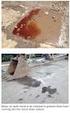 ACTIVITY NAME Training Requirements for Spill Prevention Control and Countermeasures (SPCC) 40 CFR Part 112 Naval Air Station Corpus Christi Texas CY 2014 BOTTOM LINE UP FRONT To prevent oil discharges
Chapter 2 Stormwater Pollution Prevention Plan (SWPPP) for Park Operations
 SWPPP for Park Operations 2 Chapter 2 Stormwater Pollution Prevention Plan (SWPPP) for Park Operations Bordered by Lake Washington & Lake Sammamish, the City of Bellevue has more than 60 miles of streams,
 800l:-l00i!: :dddms UOIsiA10 S8311\.18S jeiu8wuoj!au3 - s!jodj!\, P~oM S8186u\, sol Jtlo,uaAul sa:>!':>ejd,uawa6euew,sag paj!nbal;l XV1 8 x!puadd" LOS ANGELES WORLD AIRPORTS SC1 ELIMINATION OF NON STORM
Extraction Oil and Gas, LLC. Diamond Valley Central Oil Terminal Waste Management Plan
 Extraction Oil and Gas, LLC. Diamond Valley Central Oil Terminal Waste Management Plan Scope: This Extraction Oil and Gas Waste Management Plan has been prepared to provide operations personnel at the
ALLEGANY WIND POWER PROJECT CONSTRUCTION SPILL PREVENTION PLAN
 ALLEGANY WIND POWER PROJECT CONSTRUCTION SPILL PREVENTION PLAN Best Management Practices (BMPs) will be implemented during construction of the Allegany Wind Power Project to prevent and contain spills.
FUELING AND FUEL STORAGE
 FUELING AND FUEL STORAGE BENCHMARK Implement spill prevention measures whenever fuel is handled or stored. Report, minimize, contain and clean up spills that do occur. FUELING BMPS Spills of diesel, oil,
Managing Floor Drains and Flammable Traps
 Managing Floor Drains and Flammable Traps Contents: Problem... 1 Solution... 2 Maintenance... 2 Waste Management Options... 2 For More Information... 4 BMP Chart... 5 This fact sheet discusses recommended
 Section A SPCC Plan Implementation Checklist This section of the report addresses compliance with certain requirements of Federal Regulations 40 CFR 112. I. STATUS OF SPCC PLAN (40 CFR 112.3) YES NO A.
Good Housekeeping BMP
 E.1. Good Housekeeping BMP Sweep or vacuum shops floor frequently. Use mopping as an alternative to hosing down work areas. Spot clean any spilled oil or fluids using absorbents or rags. Use dry cleanup
Spill Prevention, Control and Countermeasure (SPCC) Rule
 Spill Prevention, Control and Countermeasure (SPCC) Rule Code of Federal Regulations Title 40 CFR Part 112 Training Guide for Oil and Fuel handlers on Farms 1 Purpose of SPCC Rule To prevent oil discharges
Critical Regulations SUMMARY OF. Stormwater Management Regulations (National Pollutant Discharge Elimination System or "NPDES ) 40 CFR 122.
 SUMMARY OF Critical Regulations Stormwater Management Regulations (National Pollutant Discharge Elimination System or "NPDES ) 40 CFR 122.26 Spill Prevention, Control, and Countermeasures Rule (SPCC) 40
FOOD SERVICE FACILITIES Best Management Practices Stormwater Management Program City of Bluff City P.O. Box 70, Bluff City, TN 37618 423-538-7144
 FOOD SERVICE FACILITIES Best Management Practices Stormwater Management Program City of Bluff City P.O. Box 70, Bluff City, TN 37618 423-538-7144 This document may be printed and used for reference by
DRAFT Guidelines for Manually Diverting Outdoor Wastewater to the Sanitary Sewer
 Only RAIN down the Storm Drain... DRAFT Guidelines for Manually Diverting Outdoor Wastewater to the Sanitary Sewer This publication applies to you if: You generate wastewater outdoors, and The wastewater
Best Management Practices
 for The City of Paso Robles is required to implement a Phase II Municipal Water Program in order to reduce or eliminate the pollutants that enter our waterways from both storm water and non-storm water
VEHICLE SERVICE FACILITIES. Best Management Practices
 VEHICLE SERVICE FACILITIES Best Management Practices Chapter 1 of the Best Management Practices Manual for the City s Storm Water Management Program Public Works Department 809 Center Street, Santa Cruz,
Outdoor Liquid Container Storage
 Outdoor Liquid Container Storage SC-31 Objectives Cover Contain Educate Reduce/Minimize Description Accidental releases of materials from above ground liquid storage tanks, drums, and dumpsters present
FACILITY ENVIRONMENTAL COMPLIANCE
 FACILITY ENVIRONMENTAL COMPLIANCE 2014 TxDOT Environmental Conference 2014 TxDOT Environmental Conference 2014 TxDOT Environmental Conference Table of Contents 1 Introduction 1 2 Facility Environmental
Appendix N Framework Spill Prevention, Containment, and Countermeasures Plan Prepared by: Idaho Power Company 1221 W Idaho Street Boise, ID 83702
 Appendix N Framework Spill Prevention, Containment, and Countermeasures Plan Prepared by: Idaho Power Company 1221 W Idaho Street Boise, ID 83702 November 2011 TABLE OF CONTENTS 1.0 PURPOSE... 1 2.0 RESPONSIBILITY
UNIVERSITY OF WISCONSIN MADISON
 UNIVERSITY OF WISCONSIN MADISON Contractor Spill Contingency Plan (while working on campus) Departments of: Environment, Health & Safety Physical Plant Table of Contents Spill Contingency Plan Most Common
Safety Manual Title: Spill Prevention & Response Review Date: 6/1/2014
 Operation s Purpose The purpose of this plan is to document spill prevention and response requirements. Each Elkhorn Construction, Inc. jobsite will develop a spill prevention and response plan based on
SPILL PREVENTION AND RESPONSE PLAN TEMPLATE FOR BUSINESSES IN DAYTON S SOURCE WATER PROTECTION AREA
 SPILL PREVENTION AND RESPONSE PLAN TEMPLATE FOR BUSINESSES IN DAYTON S SOURCE WATER PROTECTION AREA Regulated Substance Management: All Regulated Substances, including chemical wastes, are to be managed
History of the SPCC Rule
 2010 SPCC Training SPCC Rule History of the SPCC Rule The SPCC plan is a document required under the clean water act (CWA) It became effective in 1972 and has changed little in 32 years. The rule was formally
Annual Storm Water Pollution Prevention Plan and Spill Prevention, Control and Countermeasures Plan Compliance Inspection
 Annual Storm Water Pollution Prevention Plan and Spill Prevention, Control and Countermeasures Plan Compliance Inspection September 22, 2014 Prepared By: Facilities Management Environmental Resources University
How To Safely Handle A Spill
 WD DWGB 22 6 2010 Best Management Practices for Fueling and Maintenance of Excavation and Earthmoving Equipment Env Wq 401, Best Management Practices for Groundwater Protection, applies to a variety of
How Your Business Can Prevent Stormwater Pollution
 Tips for a Cleaner Bay How Your Business Can Prevent Stormwater Pollution alameda county You Can Prevent Water Pollution! Storm drains flow directly into creeks and the Bay without any treatment. Because
How Your Vehicle Service Facility Can Prevent Stormwater Pollution
 TIPS FOR A CLEANER BAY How Your Vehicle Service Facility Can Prevent Stormwater Pollution alameda county YOU CAN PREVENT WATER POLLUTION! Storm drains flow directly into creeks and the Bay without any
SILICON VALLEY CLEAN WATER. May 2015
 SILICON VALLEY CLEAN WATER May 2015 Slug Discharge Control and Spill Containment Guidelines This document was revised and used with the permission of the Los Angeles County Sanitation District, Industrial
GUIDANCE FOR DEVELOPMENT OF SPILL AND SLUG PREVENTION CONTROL PLANS AND FACILITIES FOR THE CITY OF ATTLEBORO SEWER USERS
 Company Name: Address: The City of Attleboro s Rules and Regulations for the use of Wastewater Facilities require each user to provide protection from accidental discharge of prohibited materials and substances
Cleaning. Wash vehicles over an indoor drain leading to an oil/water separator that flows to the sanitary sewer system.
 Underground Oil/Water Separator Cleaning Wash water from cleaning often contains solvents, detergents, and metals. Wash water should never be discharged to a street, gutter, or storm drain. Contact your
THE CORPORATION OF THE CITY OF COURTENAY BYLAW NO. 2182. A bylaw to amend Storm Sewer Bylaw No. 1402, 1986
 THE CORPORATION OF THE CITY OF COURTENAY BYLAW NO. 2182 A bylaw to amend Storm Sewer Bylaw No. 1402, 1986 The Council of the Corporation of the City of Courtenay in open meeting assembled enacts as follows:
Stormwater BMPs: Secondary Containment and Spill Control. September 2012
 Stormwater BMPs: Secondary Containment and Spill Control September 2012 Secondary Containment Secondary Containment Helps to minimize the potential for pollution by: Keeping spills in a confined area Preventing
APPENDIX 7-B. Hazardous Materials Management Plan
 S TAR-ORION S OUTH D IAMOND P ROJECT E NVIRONMENTAL I MPACT A SSESSMENT APPENDIX 7-B Hazardous Materials Management Plan SX03733 Section 6.0 1.1.1 Hazardous Materials Management Plan 1.1.1.1 Introduction
Environmental Standard Operating Procedure Originating Office: MCAS Miramar Environmental Management Department
 Environmental Standard Operating Procedure Originating Office: MCAS Miramar Environmental Management Department Revision: Original Prepared By: Environmental Management Department Approved By: William
DRAFT Public Outreach Document for What s an SSMP?
 DRAFT Public Outreach Document for What s an SSMP? This easy to read document is developed and provided to interested parties to assist in educating cities, agencies, their management, elected officials
City of San Diego Urban Runoff Management Program. Appendix XI. Minimum BMPs for Mobile Businesses
 City of San Diego Urban Runoff Management Program This Page Left Intentionally Blank. Minimum Best Management Practices (BMPs) for Mobile Businesses No. BMP Title Description and Examples Justification
How To Prevent Over Water Activities
 Objectives Cover Contain Educate Reduce/Minimize Product Substitution Description Over-water activities occur at boat and ship repair yards, marinas, and yacht clubs. The discharge of pollutants to receiving
IC24. DISPOSAL OF WASTEWATER GENERATED BY MOBILE BUSINESSES AND OUTDOOR ACTIVITIES
 IC24. DISPOSAL OF WASTEWATER GENERATED BY MOBILE BUSINESSES AND OUTDOOR ACTIVITIES BEST MANAGEMENT PRACTICES (BMP) A BMP is a technique, measure, or structural control that is used for a given set of conditions
APPENDIX O. Spill Prevention and Emergency Response Plan. G3 Terminal Vancouver Port Metro Vancouver Project Permit Application APPENDIX O
 APPENDIX O Spill Prevention and Emergency Response Plan APPENDIX O G3 Terminal Vancouver Port Metro Vancouver Project Permit Application G3 TERMINAL VANCOUVER: PORT METRO VANCOUVER SPILL PREVENTION AND
How To Get A Stormwater Discharge Permit In A City Of Scottsdale
 Environmental Regulations Guide Section 4 Pollution Prevention 4. 0 Pollution Prevention The Pollution Prevention Act (PPA) focuses on source reduction, i.e. on reducing the amount of pollution through
MBJ Environmental Programmes
 MBJ Airports Limited Environmental Policy The following is MBJ Airports Limited s (MBJ) Environmental Policy for Sangster International Airport (SIA): Integrate environmental management measures with planning,
SPILL RESPONSE PLAN. What is the Issue? Regulatory Requirements. General Information
 An equal opportunity university SPILL RESPONSE PLAN What is the Issue? Accidental spills of petroleum products, common household cleaning products, hazardous materials or hazardous waste, can have negative
Stormwater Ponds. c ıty of a bı le ne st or m wat e r utı lıty dıv ısı on
 CLEAN WATER FACT SHEET Stormwater Ponds c ıty of a bı le ne st or m wat e r utı lıty dıv ısı on Rapid growth in the City of Abil ene and consequent development, as well as construction of culverts, drains,
Spill Prevention Control and Countermeasure (SPCC) Regulations Fact Sheet
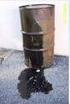 Spill Prevention Control and Countermeasure (SPCC) Regulations Fact Sheet REGULATORY SUMMARY The Spill Prevention Control and Countermeasure (SPCC) regulations strive to prevent oil from entering navigable
BP WIND ENERGY POLICIES AND PROCEDURES
 BP WIND ENERGY POLICIES AND PROCEDURES Document Control Details 1.0 Purpose/Scope 1.1 This procedure provides the minimum requirements to be followed for the storage of flammable or combustible materials
Temporary Batch Plants
 Categories EC SE TC WE NS WM Erosion Control Sediment Control Tracking Control Wind Erosion Control Non-Stormwater Management Control Waste Management and Materials Pollution Control Legend: Primary Category
Appendix VIII: Spill Prevention, Control and Countermeasure (SPCC) Plans
 Appendix VIII: Spill Prevention, Control and Countermeasure (SPCC) Plans Background What is a Spill Prevention, Control and Countermeasure (SPCC) Plan? An SPCC plan is a written document that describes
OIL STORAGE REQUIREMENTS OF THE SPCC REGULATIONS. Christopher J. Ecsedy, P.E. Fuss & O'Neill, Inc. 146 Hartford Road Manchester, CT 06040
 ABSTRACT OIL STORAGE REQUIREMENTS OF THE SPCC REGULATIONS Christopher J. Ecsedy, P.E. Fuss & O'Neill, Inc. 146 Hartford Road Manchester, CT 06040 The SPCC regulations entail numerous requirements for the
SPILL CONTAINMENT AND CONTROL PLAN
 SPILL CONTAINMENT AND CONTROL PLAN PUD NO. 1 TREATMENT PLANT 1257 GLASS ROAD PORT ANGELES, WASHINGTON PUD No. 1 Treatment Plant 2431 East Highway 101 P.O. Box 1090 Port Angeles, WA 98362 Facility Description:
TRAINING SPCC/SWPP Training UGA. Automotive Center. Campus Transit
 SPILL PREVENTION, CONTROL, AND COUNTERMEASURE TRAINING SPCC/SWPP Training UGA STORM WATER Automotive Center POLLUTION Campus Transit PREVENTION PLAN PLAN Goals of SPCC/SWPP Training Introduce facility
UTILITIES DEPARTMENT
 UTILITIES DEPARTMENT Dear Business Owner, As a Business owner or manager you know how important it is to provide a safe and reliable service or product. Similarly, the City of Brighton Utilities Department
CHAPTER 62-740 PETROLEUM CONTACT WATER
 CHAPTER 62-740 PETROLEUM CONTACT WATER 62-740.010 Declaration of Intent (Repealed) 62-740.020 Applicability 62-740.030 Definitions 62-740.040 General 62-740.100 Management Practices for Producers of PCW
YOUR GUIDE TO PRACTICAL METHODS THAT PROTECT
 POLLUTION PREVENTION PRACTICES FOR SURFACE CLEANING YOUR GUIDE TO PRACTICAL METHODS THAT PROTECT OUR LOCAL CREEKS, RIVERS, LAKES, AND THE SAN FRANCISCO BAY. DECEMBER 2004 CREATED BY THE NAPA-SOLANO-SONOMA
ABOVE-GROUND STORAGE TANKS
 ABOVE-GROUND STORAGE TANKS Above-ground storage tanks in Georgia are regulated by the State Fire Marshall and by the EPA. Above-ground tanks containing 1,100 gallons or less do not require any secondary
Spill Prevention, Control, and Countermeasures (SPCC) Course Material
 Introduction Welcome to the Spill Prevention, Control, and Countermeasures (SPCC) Training course. The ultimate goal of this course is to help you recognize the ways you can avoid pollution of the local
The following definitions apply with regard to requirements specified in this document:
 GUIDELINES FOR INSTALLATION OF TEMPORARY AND PERMANENT ABOVEGROUND DIESEL FUEL TANKS FOR EMERGENCY AND STANDBY POWER SYSTEMS LOCATED OUTSIDE OF BUILDINGS For Use by Unidocs Member Agencies or where approved
SMDC/ARSTRAT ENVIRONMENTAL COMPLIANCE TRAINING
 SMDC/ARSTRAT ENVIRONMENTAL COMPLIANCE TRAINING Updated 24 February 2011 ENVIRONMENTAL COMPLIANCE Protecting the Environment is not Just a Good Idea It s the Law Numerous and Increasingly gystringent Local,
Pollution Incident Response Management Plan
 Pollution Incident Response Management Plan POLLUTION INCIDENT RESPONSE MANAGEMENT PLAN 1. Introduction This Pollution Incident Response Management Plan (PIRMP) has been prepared to describe the processes
CITY OF WASHINGTON SPILL PREVENTION, CONTROL AND COUNTERMEASURE PLAN
 CITY OF WASHINGTON SPILL PREVENTION, CONTROL AND COUNTERMEASURE PLAN Adopted October 5, 2009 Table of Contents Chapter Description Page 1 Facility Descriptions... 3 1.1 Municipal Power Plant, 1001 Park
Title: Aircraft Parking
 Environmental Standard Operating Procedure Originating Office: Revision: Prepared By: Approved By: MCAS Miramar Environmental Original Environmental Management Department William Moog Management Department
CHAPTER 10 POLLUTION PREVENTION PLAN
 CHAPTER 10 10.1 INTRODUCTION Virginia Stormwater Management Program (VSMP) land-disturbing activities covered under the General Construction Permit (GCP) are required to develop a Stormwater Pollution
Environmental Management Plan
 Environmental Management Plan This environmental management plan outlines Red Bus Services objectives and strategies for protecting the environment. This plan sets out how Red Bus Services intends to comply
MAINE DEPARTMENT OF ENVIRONMENTAL PROTECTION
 Oxford Hills Bus Garage 36 Brown St, Norway, ME Oil Storage Inspection 2/20/14 CONDITIONS OBSERVED Underground Oil Storage: 12,000 gallon underground oil storage tank (split 10,000 gallon diesel/2,000
BUSINESS INSPECTION PROGRAM
 RESOURCES FOR ENVIRONMENTAL HELP BUSINESS INSPECTION PROGRAM How can I help keep our waters clean and healthy? Educate your staff about common surface water pollution sources (spills, leaky containers
Pollution Liability Exposure: Adjustments your automotive business should consider to maintain compliance
 : Adjustments your automotive business should consider to maintain compliance Pollution sounds like such a dirty word. And as an automotive service business owner, employee or operator, you might be producing
Kurt Wilson Louisiana Dept. of Environmental Quality Business & Community Outreach Division Small Business/Small Community Assistance Program
 Kurt Wilson Louisiana Dept. of Environmental Quality Business & Community Outreach Division Small Business/Small Community Assistance Program LDEQ Water Regulations Spill Prevention and Control (SPC) Authorized
City of Paso Robles Community Development Department Construction Site Storm Water Quality Requirements
 City of Paso Robles Community Development Department Construction Site Storm Water Quality Requirements Overview of the City s Construction Storm Water Program The City of Paso Robles is committed to protecting
Spill Prevention, Control and Countermeasure (SPCC) Training
 Spill Prevention, Control and Countermeasure (SPCC) Training Fort Jackson 2015 Origins of SPCC Regulatory History 1972 Clean Water Act Oil Pollution Act of 1990 Spill Prevention Control and Countermeasures
2013 CONSTRUCTION CONTRACTOR CATALOGUE ECATTS. Copyright ECATTS. All Rights Reserved.
 2013 CONSTRUCTION CONTRACTOR CATALOGUE ECATTS Copyright ECATTS. All Rights Reserved. TABLE OF CONTENTS Introduction Course Descriptions Construction Contractors... 5 Air/Emissions Asbestos Drinking Water
Compliance Guidance for Motor Vehicle Waste Disposal Wells in Oregon September 2015
 Compliance Guidance for Motor Vehicle Waste Disposal Wells in Oregon September 2015 Underground Injection Control Program 700 NE Multnomah Street Suite 600 Portland, OR 97232 Phone: 503-229-6371 800-452-4011
SUBJECT: Effective Date: Procedure Number: Contractor Environmental Management. 09/03/13 emp11 Procedures
 SUBJECT: Effective Date: Procedure Number: Contractor Environmental Management 09/03/13 emp11 Procedures APPLICABILITY/ACCOUNTABILITY: Supersedes: Page Of EMS Procedure-011 1 11 Responsible Authority:
BEST MANAGEMENT PRACTICES (BMPs)... What are They? GOOD HOUSEKEEPING PRACTICES Your Business Should Employ
 BEST MANAGEMENT PRACTICES (BMPs)... What are They? CLEAN STREETS MEAN CLEAN STREAMS Inexpensive to implement and easy to use, BMPs help you to do your share to protect the environment. The term Best Management
ENVIRONMENTAL HEALTH AND SAFETY HAZARDOUS MATERIALS MANAGEMENT PLAN
 ENVIRONMENTAL HEALTH AND SAFETY HAZARDOUS MATERIALS MANAGEMENT PLAN November 2011 University of Northern Colorado Hazardous Materials Management Plan I. General II. III. IV. Responsibilities Definition
Improper storage of potential pollutants will increase the risk of water pollution that may occur because of spills.
 WQ-3 Best Management Practice (BMP) Water Quality Protection Guideline Secondary Containment Design and Operation Standards Section 1. Introduction According to the EPA, the majority of water pollution
4X BMPs for Food Service Facilities
 4X BMPs for Food Service Facilities APPENDIX 4X BEST MANAGEMENT PRACTICES 4X-1 Food Service Facilities Focus of Document This guidance presents BMPs to address the discharge of pollutants to the storm
COLORADO DEPARTMENT OF TRANSPORTATION STORMWATER FIELD INSPECTION REPORT - ACTIVE CONSTRUCTION
 COLORADO DEPARTMENT OF TRANSPORTATION STORMWATER FIELD INSPECTION REPORT - ACTIVE CONSTRUCTION (1) Project Name: (2) Project Contractor: (3) Erosion Control Supervisor/SWMP Administrator: (4) CDOT Project
BEST MANAGEMENT PRACTICES FOR LEAK AND SPILL CONTROL
 BEST MANAGEMENT PRACTICES FOR LEAK AND SPILL CONTROL Summary Keeping a facility clean helps improve productivity and employee morale. In addition, it presents a positive image to customers, stakeholders