
EMA Case Study Series
|
|
|
- Stewart Kennedy
- 10 years ago
- Views:
Transcription
1 EMA Case Study Series A National Baseline Survey On Blood Lead Levels [BLLs] Establishing a geometric mean BLL for Trinidad & Tobago for primary school children ages 5-7 1

2 In keeping with the global trend to eliminate lead in gasoline the Government of the Republic of Trinidad and Tobago [GORTT] took a decision effective April 1 st 2004 to stop the sale of leaded fuel on the local market. In light of this initiative and the fact that there had never been any large scale Blood Lead Level [BLL] survey for Trinidad and Tobago, the Environmental Management Authority [EMA] in collaboration with the Ministry of Health [MOH] embarked on a study to carry out a national baseline survey on BLLs by collecting and analyzing blood from a representative sample of primary schoolchildren between the ages of 5 to 7 years old. Why the concern about lead? Lead is dangerous because it is widely used, it never breaks down into a harmless substance, and it lasts forever in the environment. It is especially dangerous to children, and reducing their exposure is vital to their health. A weighty yet soft material, it has numerous uses in modern life, from coins, fine crystal, ceramics, printer's ink, solder, water pipes, shields against radioactivity, ammunition, and even fishing gear. At one time lead was commonly used in additives for gasoline and paint. This is still a concern but less frequently so. Some household items, such as older, vinyl miniblinds, even contain minor amounts of lead. History in the making BLL testing was conducted during the period April 19 to June , which coincided with the final term of the 2003/04 school academic year. Prior to the survey, a package was sent to each participating school, which included the following: A letter to the Principal explaining the purpose of the study and seeking his or her consent to have the school participate in the study; Letters to parents/guardians of the children of the selected age group informing them about the survey; A consent form to be completed by the parents/guardians; and A personal risk assessment survey questionnaire along with instructions for the parents/guardians. Once consent was granted, the parent/guardian of the selected child was required to complete the personal questionnaire, which included six risk assessment questions as identified by the Centers for Disease Control [CDC], A child was considered to be high risk for lead exposure if a parent/guardian answered, yes to one or more of the risk assessment questions. In schools where the number of volunteers exceeded 50, students were randomly selected prior to BLL testing. 2
![In light of this initiative and the fact that there had never been any large scale Blood Lead Level [BLL] survey for Trinidad and Tobago, the Environmental Management Authority [EMA] in collaboration](/docs-images/52/13037544/images/page_2.jpg "with the Ministry of Health [MOH] embarked on a study to carry out a national baseline survey on BLLs by collecting and analyzing blood from a representative sample of primary schoolchildren between")
3 The 6 risk assessment questions as identified by CDC, Does your child have a brother/sister or playmate that has or did have lead poisoning? 2. Did your child already have his or her blood lead tested? 3. Does your child live with an adult whose job or hobby involves lead? Examples include welding, soldering, pottery, stained glass, making bullets or fishing weights or recycling car batteries. 4. At any time have you lived near a factory where lead is used, for example a lead smelter or a paint factory? 5. Do you give your child any home or folk remedies that contain lead? Examples include kajal, teething powder, calcium supplements from bone meal. 6. Does your child eat soil, paint chips or other non-food substances? In all, 1761 students from 42 primary schools in Trinidad and 19 primary schools in Tobago were screened for BLLs with a socio-demographic makeup of 53% female, 47% male, 38% African and Indian, and 23% of mixed race. Only 82% of the respondents completed the question on monthly economic income, which corresponded to 35% low, 36% middle and 11% upper. Participating s Arima Hindu Primary Arouca Anglican Primary Belle Gardens Anglican Primary Bethesda Government Primary Bien Venue Presbyterian Primary Bon Accord Government Primary Brazil Roman Catholic Primary Caroni Hindu Primary Castara Government Primary Chaguanas Roman Catholic Primary Charlotteville Seventh Day Adventist Primary Clarke Road Hindu Primary Cumana Roman Catholic Primary Cunupia Government Primary Curepe Presbyterian Primary Diamond Vale Government Primary El Dorado North Hindu Primary Enterprise Government Primary Erin Roman Catholic Primary Freeport Presbyterian Primary Fyzabad Presbyterian Primary Goodwood Methodist Primary Grant Memorial Presbyterian Primary Guayaguayare Roman Catholic Primary La Brea Roman Catholic Primary Lambeau Anglican Primary Las Cuevas Government Primary Las Lomas Roman Catholic Primary Lower Cumuto Government Primary Manzanilla Government Primary 3

4 Participating s [Cont d] Matelot Roman Catholic Primary Matura Government Primary Mayaro Government Primary Montrose Vedic APS Primary Moriah Government Primary Moulton Hall Methodist Primary Mount St. George Primary Munroe Road Hindu Primary Palatuvier Anglican Primary Patience Hill Government Primary Penal Presbyterian Primary Princes Town ASJA Primary Rochard Douglas Presbyterian Primary Roxborough Anglican Primary San Fernando TML Primary San Juan Presbyterian Primary San Rafael Roman Catholic Primary Scarborough Methodist Primary Scarborough Roman Catholic Primary Scarborough Seventh Day Adventist Primary Signal Hill Government Primary Speyside Anglican Primary St. Andrews Anglican Primary St. Christopher s Anglican Primary St. Joseph TML Primary St. Patrick Anglican Primary St. Theresa Roman Catholic Primary Talparo Roman Catholic Primary Tunapuna Presbyterian Primary Valencia Government Roman Catholic Primary Woodbrook Presbyterian Primary 4

5 The actual analysis Capillary blood samples were taken on site from the subjects by qualified nurses and the samples were analyzed by technicians certified in using the LeadCare Blood Lead Testing System [LCBLTS]. The LCBLTS portable technology quantifies lead levels in minutes on fresh whole blood samples via fingerstick using reagents and an electrochemical sensor based on the principle of anodic stripping voltammetry (ESA, 1996). Blood samples from participants were collected in a clean, air-conditioned room at each school (in cases where this was not available, a mobile laboratory equipped with clean room conditions was used) operating in a temperature range o C and relative humidity of 70-85% during testing. Before collecting blood samples, the student s hands were thoroughly washed with liquid soap, under adult supervision. Great care was taken to ensure no physical contact with the surroundings once the hands were washed. The collected sample (approximately 50µL) was transferred into a treatment reagent, mixed and then placed onto the sensor strip for lead analysis. The instruments were calibrated daily in the field and quality control materials (low and high level reference standards) were analyzed before each analytical run. In cases where BLL was 10µg/dL, the child was immediately retested, with the nurse paying particular attention to all the preparatory steps involved. Results were accepted when a similar result was obtained after two consecutive tests. To validate the LCBLTS as well as confirm elevated cases, subjects with BLLs 5µg/dL were identified for venipuncture (venous blood sample) during the course of the study. The 5µg/dL criterion was used because not enough cases were obtained at BLL 10µg/dL. A lead free alcohol swab was used to wipe the finger, before blood was drawn from the finger. After sticking, the first two drops of blood were discarded and the next two drops were collected, using a blood capillary tube. 5

6 Test results Figure 4a. High Level Control Chart BLL (ug/dl) Control Std. lower limit upper limit Daily Observations Figure 4b. Low Level Control Chart BLL (ug/dl) Control Std. lower limit upper limit Daily Observations BLLs for the 5-7 year olds ranged from micrograms/deciliter [μg/dl] Among the children tested, BLLs were generally low with 94% of the sample population 6µg/dL. The overall geometric mean BLLs for the 5-7 age group was 2.8µg/dL and compared favorably with results from the more developed countries of the world. These results suggested that lead may not be a major public health concern except in localized populations in Trinidad and Tobago. While other countries have demonstrated (through monitoring programmes) that lead reduction measures - especially the removal of lead in gasoline - have resulted in a decline in BLLs over the years (Langlois, et al., 1996; Stromberg et 6

7 al., 1995; Schumacher, et al., 1996; Delves, et al., 1996), very little data is available locally to substantiate the results from this study. A 1985 study done by the Ministry of Health [MOH] on 166 children aged 5-11 years from urban and rural communities in Trinidad reported a higher range (8-78µg/dL) than this study (GORTT, 1993) A study done on 280 primary school children aged 9-10 years reported a mean BLL 8.0 µg/dl and a range of 2-26µg/dL (UWI, Department of Child Health unpublished). The amount of lead found in a child s blood is called a blood lead level. Blood lead tests tell how many micrograms (millionth of a gram) of lead are in each deciliter (tenth of a liter) of a child s blood (μg/dl). While these two studies do provide some empirical data to show a reduction in BLLs in children, over the years there has also been some anecdotal information that may support this trend and the results of this study as follows: Lead in gasoline has been reduced over the years and stood at 0.1g/L prior to phase out in April 2004 (personal communication PETROTRIN, 2004); Consumption of leaded gasoline was reduced in 1997 with the introduction of unleaded fuel; Decommissioning of the secondary lead smelter in early 1990s and subsequent recycling of expired/used/defective lead acid batteries external to Trinidad and Tobago (personal communication Automotive Company Limited, 2004); Removal of lead in residential paints 2-5 years ago (personal communication various paint companies, 2004); Cessation in the manufacture of lead-soldered food cans 13 years ago (GORTT, 1992) and The use of unleaded coated steel pipes and polyvinyl chloride (PVC) pipes in the water supply and distribution network has been instituted for over 25 years (personal communication Water and Sewerage Authority, 2004). Are there any differences in BLL levels between Trinidad and Tobago? An analysis of variance was conducted on the BLLs data to look for differences between the island of Trinidad and the island of Tobago as well as within the two islands. Slightly higher BLL (p<0.05) was found in 6 and 7 year-olds in Trinidad (mean 3.3µg/dL and 3.2µg/dL, respectively) when compared to Tobago (mean 2.8µg/dL and 2.5µg/dL, respectively) but no difference was seen for the 5 year-olds. Male and female students in Trinidad (mean 3.5µg/dL and 3.1µg/dL, respectively) had higher BLLs than their Tobago counterparts (mean 2.9µg/dL and 2.6µg/dL, respectively). 7

8 Africans in Trinidad had higher BLLs (mean 3.6µg/dL) than in Tobago (mean 2.8µg/dL) but no difference was observed for students of Indian decent and mixed race. Higher BLLs were observed for the upper and lower groups in Trinidad (mean 3.3µg/dL and 3.4µg/dL, respectively) than for those in Tobago (mean 2.4 µg/dl and 2.8µg/dL, respectively), but no difference for the middle class. Although the differences in certain demographic variables were minor between the islands, the consistently higher BLLs for Trinidad might be due to the higher level of economic and urban development in Trinidad compared to Tobago. An attempt was made to calculate a motorization index (i.e. number of vehicles per 1,000 persons) for Trinidad and Tobago; unfortunately statistics on vehicle registrations were not disaggregated at the time. It has been reported that for a given concentration of lead in gasoline, higher BLLs are to be found in regions that are more populated and use more gasoline (Brody, et al., 1994; Valerie, et al., 1999). Within Trinidad, males had slightly higher BLLs (mean 3.5µg/dL) than females (mean 3.1µg/dL) but no differences were observed between the sexes in Tobago. Differences within the 5-7 age group were only observed in Tobago where there were slightly higher BLLs for the 5 year olds (mean 3.0µg/dL) compared with the 7 year olds (mean 2.5µg/dL) as well as for the 6 year olds (mean 2.8µg/dL) compared with 7 year olds (mean 2.5µg/dL). No statistical differences were observed between ethnicities and economic groups except in Trinidad where higher BLLs were seen in Africans (mean 3.6µg/dL) when compared to Indians (mean 3.1µg/dL) and higher BLLs for the low-income class (mean 3.5µg/dL) compared to the middle-income class (mean 3.1µg/dL). Higher BLLs in males than females as well as higher BLLs in the lower income class have been reported in the literature (Mahaffey et al., 1982; Brody et al., 1994; Rubin et al. 2002; Pirkle, et al. 1994; CDC, 1997a; Lalor, et al. 2001). LEAD FACTS: FACT: Lead exposure can harm young children and babies even before they are born. FACT: Even children who seem healthy can have high levels of lead in their bodies. FACT: You can get lead in your body by breathing or swallowing lead dust, or by eating soil or paint chips containing lead. 8

9 Applying Centers of Disease Control [CDC] classification Applying CDC classification to the diagnostic BLLs results (n=111), 74% of the cases fell within the normal range (<10µg/dL) that would require no further action. Lead and its effect on our lives People of all ages are susceptible to lead poisoning. However, children are at greater risk for lead poisoning than adults, and are more susceptible to its harmful effects. Young children are at greatest risk for lead poisoning because they absorb lead more easily and have a lot of hand-to-mouth contact. effects of lead poisoning usually cannot be reversed. Final words The results from this study form an important reference point for future studies and can be used to guide and inform a realistic national standard for blood lead levels. Future surveillance studies would provide useful data to validate the findings from this study, as well as assess the impact of lead removal in gasoline and other management strategies aimed at eliminating lead exposure. For more information on Lead hazards, abatement or permanent hazard elimination please contact the EMA Growth patterns, development, and increased metabolism make children more sensitive to the harmful effects of lead. Lead can have wide-ranging effects in humans, depending upon the level. Even very low lead levels can affect children's developing nervous systems, causing delayed development, lowered IQ scores, reading and learning problems, hyperactivity, and discipline problems. Larger doses of lead can affect adults as well as children and can cause problems such as high blood pressure, anemia, kidney trouble, and reproductive disorders. During substantial lead removal from the home, children and pregnant or nursing women should live elsewhere until the site has been declared safe from lead residue. Lead tends to accumulate in the body, and the 9

10 EMA Green Tips If you suspect that your house has lead hazards, you can take some immediate steps to reduce your family's risk: If you rent, notify your landlord of peeling or chipping paint. Clean up paint chips immediately. Clean floors, window frames, window sills, and other surfaces weekly. Use a mop, sponge, or paper towel with warm water and a general all-purpose cleaner or a cleaner made specifically for lead. REMEMBER: NEVER MIX AMMONIA AND BLEACH PRODUCTS TOGETHER SINCE THEY CAN FORM A DANGEROUS GAS. Thoroughly rinse sponges and mop heads after cleaning dirty or dusty areas. Wash children's hands often, especially before they eat and before nap time and bed time. Keep play areas clean. Wash bottles, pacifiers, toys, and stuffed animals regularly. Keep children from chewing window sills or other painted surfaces. Clean or remove shoes before entering your home to avoid tracking in lead from soil. Make sure children eat nutritious, low-fat meals high in iron and calcium, such as spinach and dairy products. Children with good diets absorb less lead. Environmental Management Agency [EMA] 8 Elizabeth Street St. Clair P.O. Box 5071 Port of Spain, Trinidad W.I. Telephone: Fax: [email protected] 10

Atlantic County Division of Public Health
 Q: Why is exposure to lead harmful to young children? A: Scientists have found that lead can disrupt the normal growth and development of a child's brain and central nervous system. If this exposure happens
Understanding Lead Poisoning
 Understanding Lead Poisoning A guide for parents of children with high lead levels FOR MORE INFORMATION, CONTACT: Childhood Lead Poisoning Prevention Program (CLPPP) Massachusetts Department of Public
THE NEBRASKA BLOOD LEAD TESTING PLAN
 THE NEBRASKA BLOOD LEAD TESTING PLAN Recommendations for Health Care Professionals Lead Poisoning in Nebraska Children are most vulnerable All children under age 6 are at risk due to: Hand-to-mouth activity
*Elevated Blood Lead Level 10 µg/dl. Objectives. Why Is Lead Poisoning Still An Issue? Childhood Lead Poisoning Prevention Program
 A Full Picture Of Lead Case Management Efforts In Los Angeles County Los Angeles County Department of Public Health Maternal, Child & Adolescent Health Programs Childhood Lead Poisoning Prevention Program
KEEP YOUR CHILD SAFE from lead poisoning
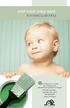 KEEP YOUR CHILD SAFE from lead poisoning HOW LEAD POISONS your child Most children get poisoned in their homes. A small amount of lead dust can poison your child. Children under age 3 are at the greatest
What is it and who is affected? Where is it found?
 Lead Poisoning What is it and who is affected? Lead is a highly toxic substance, exposure to which can produce a wide range of adverse health effects. Both adults and children can suffer from the effects
Protect Your Family From Lead in Your Home
 Protect Your Family From Lead in Your Home United States Environmental Protection Agency United States Consumer Product Safety Commission U.S. EPA Washington DC 20460 EPA747-K-94-001 U.S. CPSC Washington
Glenview School District 34 - Lead in Drinking Water FAQ
 Glenview School District 34 - Lead in Drinking Water FAQ Why did the district conduct testing? Following recent national news, Glenview District 34 engaged an environmental engineering firm to conduct
Protect Your Family From Lead In Your Home
 Protect Your Family From Lead In Your Home United States Environmental Protection Agency United States Consumer Product Safety Commission United States Department of Housing and Urban Development U.S.
15 USC 2686 - Sec. 2686. Lead hazard information pamphlet
 SNHD Regulations Governing Lead Paint Hazard Prevention and Control Appendix B, Part 1: 15 USC 2686 Lead Hazard Information Pamphlet 15 USC 2686 - Sec. 2686. Lead hazard information pamphlet 15 USC 2686
Environment, Health & Safety Services Policy
 1.0 Purpose: The purpose of this document is to outline the management of lead containing materials at UB. The information presented in this document represents minimum safety requirements. 2.0 Scope:
IOWA DEPARTMENT OF PUBLIC HEALTH CHILDHOOD LEAD POISONING RISK QUESTIONNAIRE
 IOWA DEPARTMENT OF PUBLIC HEALTH CHILDHOOD LEAD POISONING RISK QUESTIONNAIRE Name: Date of Birth: Date: Address: You may use this questionnaire to decide whether to use the high risk or low risk blood
Protect Your Family From Lead In Your Home
 Protect Your Family From Lead In Your Home United States Environmental Protection Agency United States Consumer Product Safety Commission United States Department of Housing and Urban Development U.S.
Childhood Lead Poisoning Prevention Program Community Awareness Pilot
 Childhood Lead Poisoning Prevention Program Community Awareness Pilot THE GOOD NEWS- Exposure to Lead is Preventable Lead Poisoning Is a REAL Problem; Did You Know? Lead is a highly toxic substance, and
Simple Steps To Protect Your Family From Lead Hazards
 Simple Steps To Protect Your Family From Lead Hazards If you think your home has high levels of lead: Get your young children tested for lead, even if they seem healthy. Wash children s hands, bottles,
MARYLAND DEPARTMENT OF THE ENVIRONMENT
 MARYLAND DEPARTMENT OF THE ENVIRONMENT Lead Poisoning Prevention Program Childhood Blood Lead Surveillance in Maryland Annual Report 2013 July, 2014 1 MARYLAND CHILDHOOD LEAD REGISTRY ANNUAL SURVEILLANCE
Protect Your Family From Lead in Your Home
 IMPORTANT! Lead From Paint, Dust, and Soil in and Around Your Home Can Be Dangerous if Not Managed Properly Children under 6 years old are most at risk for lead poisoning in your home. Lead exposure can
Protect Your Family From Lead in Your Home
 Protect Your Family From Lead in Your Home United States Environmental Protection Agency United States Consumer Product Safety Commission United States Department of Housing and Urban Development September
CHICAGO ASSOCIATION OF REALTORS LEAD-BASED PAINT AND LEAD-BASED PAINT HAZARDS DISCLOSURE (For Apartment Leases)
 LEAD WARNING STATEMENT CHICAGO ASSOCIATION OF REALTORS LEAD-BASED PAINT AND LEAD-BASED PAINT HAZARDS DISCLOSURE (For Apartment Leases) Every purchaser of any interest in or tenant planning to lease any
Health Consultation. COLLEGE GROVE RESIDENTIAL LEAD CONTAMINATION (a/k/a COLLEGE GROVE BATTERY CHIP SITE) COLLEGE GROVE, WILLIAMSON COUNTY, TENNESSEE
 Health Consultation COLLEGE GROVE RESIDENTIAL LEAD CONTAMINATION (a/k/a COLLEGE GROVE BATTERY CHIP SITE) COLLEGE GROVE, WILLIAMSON COUNTY, TENNESSEE EPA FACILITY ID: TNSFN0406979 JANUARY 8, 2004 U.S. DEPARTMENT
Department of the Environment. Annual Report 2011. Lead Poisoning Prevention Program
 Department of the Environment Childhood Blood Lead Surveillance in Maryland Annual Report 2011 Lead Poisoning Prevention Program MARYLAND DEPARTMENT OF THE ENVIRONMENT 1800 Washington Boulevard Baltimore,
LEAD WARNING AND DISCLOSURE STATEMENT & GUIDE
 LEAD WARNING AND DISCLOSURE STATEMENT & GUIDE Included: Overview Dos and Don ts Checklist Sample Lead Warning and Disclosure Statement Protect Your Family From Lead in Your Home LEGALZOOM.COM, INC. 2008
Bunker Hill Superfund Site 2014 Blood Lead Levels
 Bunker Hill Superfund Site 2014 Blood Lead Levels Panhandle Health District Idaho Department of Environmental Quality United States Environmental Protection Agency 2014 Lead Health Intervention Program
Toxic Matters. Protecting Our Families from Toxic Substances. To view this brochure online, go to: www.prhe.ucsf.edu/prhe/toxicmatters.
 Toxic Matters Protecting Our Families from Toxic Substances To view this brochure online, go to: www.prhe.ucsf.edu/prhe/toxicmatters.html A Publication of the University of California, San Francisco Program
Dukes of Hazard Activity Time:
 Dukes of Hazard Activity Time: TEACHERS: Read Populution and Water Source Protection on page 80 of Peel Water Story book. Objectives: Students will: Identify household hazardous waste (HHW) materials around
Florida s Childhood Lead Poisoning Prevention Program. Lead Poisoning Screening & Case Management Field Guide
 Florida s Childhood Lead Poisoning Prevention Program Lead Poisoning Screening & Case Management Field Guide Guidance for County Health Departments Serving Children and Families Affected by Lead Poisoning
Lead in Paint: U.S. Legal Framework Case Study
 Lead in Paint: U.S. Legal Framework Case Study Erik Winchester U.S. Environmental Protection Agency Office of Chemical Safety and Pollution Prevention September 2014 Background In 1971, Former U.S. Surgeon
Don t Spread Lead. A Do-It-Yourself Guide to Lead-Safe Painting, Repair, and Home Improvement
 Don t Spread Lead A Do-It-Yourself Guide to Lead-Safe Painting, Repair, and Home Improvement Are you working on an older house? If you are working on a house built before 1978, read this booklet before
Don t Spread Lead. A Do-It-Yourself Guide to Lead-Safe Painting, Repair, and Home Improvement
 Don t Spread Lead A Do-It-Yourself Guide to Lead-Safe Painting, Repair, and Home Improvement Are you working on an older house? If you are working on a house built before 1978, read this booklet before
How to Reduce Your Exposure to Chemicals at Home, Work, and Play
 How to Reduce Your Exposure to Chemicals at Home, Work, and Play You come into contact with chemicals every day. This is called chemical exposure. Although some chemical exposures are safe, others are
Coping with Your Child s Diagnosis. of Lead Poisoning
 Coping with Your Child s Diagnosis John Engler, Governor James K. Haveman, Jr., Director MDCH is an Equal Opportunity Employer, Services and Programs Provider. 10,000 printed at.53cents each with a total
Lead and you. Working safely with lead. When are you most at risk? How does lead get into your body?
 Working safely with lead Working with lead can affect your health. This leaflet tells you about: health problems that can occur if you absorb too much lead; what your employer should do to protect your
Guidelines for Follow-up of Children with Elevated Blood Lead Levels for Local Health Department Lead Poisoning Prevention Programs
 Guidelines for Follow-up of Children with Elevated Blood Lead Levels for Local Health Department Lead Poisoning Prevention Programs New York State Department of Health Lead Poisoning Prevention Program
Inorganic mercury/ elemental mercury General information
 Inorganic mercury/ elemental mercury General information Key Points Fire Does not easily burn under normal conditions Reacts with nitric acid and hot concentrated sulphuric acid. May react explosively
Sanitary Food Preparation & Safe Food Handling
 70 Feeding Infants 10 Sanitary Food Preparation & Safe Food Handling Babies are more susceptible to bacteria than older children, and unsanitary food conditions can cause serious infections. General cleanliness,
Blood Lead Level Testing
 Blood Lead Level Testing May 14, 2010 Dear Provider: Blood Lead Level (BLL) screening is a required component of a Health Check screen. Since 1989, Federal law has required that children enrolled in Medicaid
MEMBERS OF THE HOUSE OF REPRESENTATIVES Tenth Parliament CONSTITUENCY OFFICE
 PARLIAMENT OF THE REPUBLIC OF TRINIDAD AND TOBAGO MEMBERS OF THE HOUSE OF REPRESENTATIVES Tenth Parliament CONSTITUENCY OFFICE Name and Portfolio Address Contact /Email Hon. Dr. Roodal Moonilal, MP Minister
Is Your Home Lead-Safe For Your Child?
 Is Your Home Lead-Safe For Your Child? Do you live in an old home and have old windows or peeling paint? If so, we can help! You qualify for help if you meet ALL of the following: You have a child under
RIGHT RENOVATE THE LEAD-SAFE CERTIFIED GUIDE TO. 1-800-424-LEAD (5323) epa.gov/getleadsafe EPA-740-K-10-001 Revised September 2011
 THE LEAD-SAFE CERTIFIED GUIDE TO RENOVATE RIGHT 1-800-424-LEAD (5323) epa.gov/getleadsafe EPA-740-K-10-001 Revised September 2011 Important lead hazard information for families, child care providers and
Blood Lead Levels Among Oregon American Indian and Alaska Native Children
 Blood Lead Levels Among Oregon American Indian and Alaska Native Children Northwest Portland Area Indian Health Board Indian Leadership for Indian Health Prepared by: Megan Hoopes, Jenine Dankovchik, Erik
AP ENVIRONMENTAL SCIENCE 2010 SCORING GUIDELINES
 AP ENVIRONMENTAL SCIENCE 2010 SCORING GUIDELINES Question 1 (a) Choose any ONE of the three pollutants mentioned above and respond to each of the following. (i) Describe one specific source, other than
Is Your Home Lead-Safe. For Your Child?
 Is Your Home Lead-Safe Do you live in an old home and have old windows or peeling paint? If so, we can help! You qualify for help if you meet ALL of the following: You have a child under 6 years old or
Lead Screening and Case Follow-up Guidelines for Local Health Departments
 State of Illinois Illinois Department of Public Health Lead Screening and Case Follow-up Guidelines for Local Health Departments March 2011 Table of Contents Definition of Terms... 1 Federal Standards
Renovate Right. Important Lead Hazard Information for Families, Child Care Providers and Schools
 Renovate Right Important Lead Hazard Information for Families, Child Care Providers and Schools It s the Law! Federal law requires that individuals receive certain information before renovating six square
Is Lead Poisoning Still a Problem?
 Is Lead Poisoning Still a Problem? Lisa Menillo MD St. Francis Hospital and Medical Center Co-Director Hartford Regional Lead Treatment Center Assistant Professor Pediatrics University of Connecticut Medical
A Parent s Guide to Understanding Congenital Hypothyroidism. Children s of Alabama Department of Pediatric Endocrinology
 A Parent s Guide to Understanding Congenital Hypothyroidism Children s of Alabama Department of Pediatric Endocrinology How did you get here? Every baby born in the state of Alabama is required by law
A fully quantitative research method for the analysis of lead in whole blood using the Thermo Scientific icap Q ICP-MS
 A fully quantitative research method for the analysis of lead in whole blood using the Thermo Scientific icap Q ICP-MS Kent W. Warnken, Thermo Fisher Scientific, USA Patrick Messina, Quest Diagnostics,
Guide to Care and Maintenance
 Village of Mount Prospect Guide to Care and Maintenance of Your Apartment Sponsored ed by: y: Village of Mount Prospect Envir nvironmental Health Division with the assistance of The Concerened ened Owners
How Your Vehicle Service Facility Can Prevent Stormwater Pollution
 TIPS FOR A CLEANER BAY How Your Vehicle Service Facility Can Prevent Stormwater Pollution alameda county YOU CAN PREVENT WATER POLLUTION! Storm drains flow directly into creeks and the Bay without any
2014 Surveillance Report
 Indiana State Department of Health Lead & Healthy Homes Program The Indiana Lead Poisoning Prevention Program and Healthy Homes Program are pleased to present the 2014 annual surveillance report. The Healthy
Preliminary Analysis of Blood Lead Levels in Saline County. and other Selected Areas in Kansas
 Preliminary Analysis of Blood Lead Levels in Saline County and other Selected Areas in Kansas Background Lead is found throughout our environment. It is a naturally occurring bluish-gray metal found in
Cholera Prevention and Control: Introduction and Community Engagement. Module 1
 Cholera Prevention and Control: Introduction and Community Engagement Module 1 Introduction This guide instructs how to prevent cholera illnesses and deaths in your communities. These slides and modules
High Dose Radioactive Iodine (I-131) Therapy for Treatment of Thyroid Cancer
 12 High Dose Radioactive Iodine (I-131) Therapy for Treatment of Thyroid Cancer Please arrive 15 minutes early to allow for parking and registration. If you have questions or need to cancel your appointment
Cleaning up after sewage backup
 Be prepared Being prepared before an emergency strikes will benefit you greatly in: Reducing your stress and protecting your health. Minimizing possible exposure to health hazards. Minimizing loss to personal
Biosafety Spill Response Guide
 Yale University Office of Environmental Health & Safety Biosafety Spill Response Guide Office of Environmental Health & Safety 135 College Street, 1 st Floor, New Haven, CT 06510 Telephone: 203-785-3550
How To Care For A Sick Person
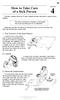 39 How to Take Care of a Sick Person Sickness weakens the body. To gain strength and get well quickly, special care is needed. Medicines are often not necessary. But good care is always important. The
Facts about Asbestos. Council policy
 Facts about Asbestos Winchester City Council has produced this leaflet to give its tenants advice and information about the possible presence of asbestos in and around their homes. Its content gives general
CARITAS MANAGEMENT CORPORATION CALIFORNIA ADDENDUM GENERAL
 This TO THE RESIDENTIAL LEASE AGREEMENT (the "CA Addendum") modifies the ial Lease Agreement ("Lease") dated the same date as this CA Addendum for the rental unit # located at ("Premises") and is made
Department of Veterans Affairs VHA DIRECTIVE 7710. Washington, DC 20420 November 4, 2015
 Department of Veterans Affairs VHA DIRECTIVE 7710 Veterans Health Administration Transmittal Sheet Washington, DC 20420 November 4, 2015 MANAGEMENT OF LEAD-BASED PAINT IN VHA HOUSING AND CHILD- OCCUPIED
Alcohol Screening and Brief Interventions of Women
 Alcohol Screening and Brief Interventions of Women Competency #2 Midwest Regional Fetal Alcohol Syndrome Training Center Competency 2: Screening and Brief Interventions This competency addresses preventing
SOIL TEST NOTES. NOTE 17: Managing Lead Contaminated Soils
 University of Delaware Soil Testing Laboratory Newark, DE 19717-1303 SOIL TEST NOTES NOTE 17: Managing Lead Contaminated Soils Lead in Soils Lead is naturally present in all soils at low levels. Some soils,
San Antonio s Green and Healthy Homes (SAGHH)
 San Antonio s Green and Healthy Homes (SAGHH) The City of San Antonio s Green and Healthy Homes (SAGHH) provides assistance to owners and landlords of residential properties (up to a four-plex) in creating
HOW TO CARE FOR A PATIENT WITH DIABETES
 HOW TO CARE FOR A PATIENT WITH DIABETES INTRODUCTION Diabetes is one of the most common diseases in the United States, and diabetes is a disease that affects the way the body handles blood sugar. Approximately
Your guide. to the new recycling and waste service. What s new What you need to do What s changing What you can recycle
 Your guide to the new recycling and waste service What s new What you need to do What s changing What you can recycle Your improved recycling and waste service We re making it easier for you to recycle
Lead Management Program
 Lead Management Program Central Michigan University Updated: February 2011 SUMMARY: Lead may be a component of building material in many University buildings. This Guideline has been developed to inform
Lead Management. Presented by: Gary Chinn (815) 254 9554 President, Best Technology Systems
 Lead Management Presented by: Gary Chinn (815) 254 9554 President, Best Technology Systems Gary Chinn, President Introduction I started in the Asbestos and lead remediation business in 1987 as a worker
POSSIBLE SOURCES OF LEAD EXPOSURE
 POSSIBLE SOURCES OF LEAD EXPOSURE Lead-based paint and lead contaminated dust are the most common sources of lead exposure for children. Paint Lead was added to house paint until 1978 when the Consumer
CITY OF SAN DIEGO. Lead-Based Paint Hazard Awareness Seminar for Landlords, Property Owners, and Property Managers
 CITY OF SAN DIEGO Lead-Based Paint Hazard Awareness Seminar for Landlords, Property Owners, and Property Managers ENVIRONMENTAL SERVICES DEPARTMENT ENVIRONMENTAL PROTECTION DIVISION ALAN J. JOHANNS Asbestos
7. Chemical Waste Disposal Procedures
 7. Chemical Waste Disposal Procedures Substances that Can and Cannot be Disposed of via Sink Drains or in Regular Solid Refuse Containers 1. It is prohibited to pour down a sink or floor drain, or place
Operating and Installation Instructions
 Operating and Installation Instructions System Drawer ESS 2062 To prevent accidents and en - US, CA appliance damage, read these instructions before installation or use. M.-Nr. 07 342 360 Contents IMPORTANT
AXIRON (AXE-e-RON) CIII
 Medication Guide 1 AXIRON (AXE-e-RON) CIII (testosterone) topical solution Read this Medication Guide before you start using AXIRON and each time you get a refill. There may be new information. This information
Bathroom Installation Guide
 Bathroom Installation Guide Step-by-step installation of your cabinets We do a lot of groundwork to make it as simple as possible for you to assemble and install your new bathroom furniture yourself. We
Textbook: Chapter 12 pages 351-353, Chapter 13 pages 385-388
 EXERCISE 11: BEDSIDE GLUCOSE TESTING Textbook: Chapter 12 pages 351-353, Chapter 13 pages 385-388 Skills: Objectives: 15 points 1. List the limitations of the bedside glucose test procedure. 2. State the
Child Care Provider Listing Form Parent: Please give this form to your child care provider immediately.
 Child Care Provider Listing Form Parent: Please give this form to your child care provider immediately. Instructions to provider Keep this page for your records. 1. Please answer completely and sign the
ph Measurements of Common Substances
 Chem 100 Section Experiment 10 Name Partner s Name Introduction ph Measurements of Common Substances The concentration of an acid or base is frequently expressed as ph. Historically, ph stands for the
Stone Developments. Caring for Irish Blue Limestone Products. Irish Blue Limestone Maintenance Guide
 Stone Developments Irish Blue Limestone Maintenance Guide Caring for Irish Blue Limestone Products As an naturally occurring material, blue limestone is ideally suited to withstand environmental stresses,
Underground Storage Tanks
 Underground Storage Tanks An Informational and Guidance Document for the University Community. Please contact Yale Environmental Health and Safety for latest Regulatory Requirements. A typical UST installation
Steps for Cleaning Mold
 Michigan Department of Community Health Steps for Cleaning Mold Before getting started, get to know MOLD: Mend There are many places you can find mold in your home. However, mold always needs a damp or