
Lead-Contaminated House Dust and
|
|
|
- Janis Fletcher
- 10 years ago
- Views:
Transcription
1 Lead-Contaminated House Dust and Urban Children's Blood Lead Levels Bruce P. Lanphear, MD, MPH, Michael Weitzman, MD, Nancy L. Winter, MPA, Shirley Eberly, MS, Benjamin Yakir, PhD, Martin Tanner, PhD, Mary Emond, PhD, and Thomas D. Matte, MD Introduction Lead, a confirmed toxin, is ubiquitous in the urban environment.' Although blood lead levels have declined dramatically among children in the United States, a large number of children continue to be exposed to unacceptable amounts of lead in their environment.12 For the majority of children who have elevated blood lead, the levels fall within the range of 10,ug/dL to 20,ug/dL.3 For these children, an estimated 2- to 3-point decline in IQ has been associated with each 10-,ug/dL increase in blood lead.4,5 Although it is difficult to quantify the relative contributions of various environmental sources of lead to children's intake, lead-contaminated dust appears to be a major source for urban children.k2 In 1992, the US Congress passed the Residential Lead-Based Paint Hazard Reduction Act, which requires the Environmental Protection Agency (EPA) to promulgate a health-based dust lead standard for residential dwellings based on exposures that are considered dangerous for children. Recently, the EPA adopted the US Department of Housing and Urban Development (HUD) postabatement clearance standards (using a wipe method)-100.g/sq ft for floors, 500,ug/sq ft for interior window sills, and 800 p.g/sq ft for window wells-for use as interim health-based guidance levels. Nevertheless, the level of lead-contaminated dust that is considered dangerous for children remains unclear. Previous studies often used small numbers of children or children who had higher blood lead levels and did not attempt to exclude children who may have had exposure at a separate residence. Furthermore, many of these studies did not use a standardized dust sampling protocol. This paper presents a quantitative analysis of the association between lead-contaminated house dust and urban children's blood lead levels, controlling for other potential exposures. Methods Subjects A cross-sectional design was used to investigate the relationship between leadcontaminated house dust and urban children's blood lead levels. To maximize the relationship between children's blood lead levels and settled, lead-contaminated house dust, children were deemed eligible if they were 12 to 31 months of age, had resided in the same house since 6 months of age, lived in the city of Rochester, and spent a limited duration of time (<20 hours per week) away from their primary residence. Children were excluded if they had a history of medical treatment or an environmental intervention for an elevated blood lead level, a prescribed iron supplement in the past 2 months, a major renovation of their residence during the Bruce P. Lanphear, Michael Weitzman, and Nancy L. Winter are with the Department of Pediatrics, Dr Lanphear is also with the Department of Community and Preventive Medicine, and Shirley Eberly, Benjamin Yakir, and Martin Tanner are with the Department of Biostatistics, all at the University of Rochester School of Medicine and Dentistry, Rochester, NY. Mary Emond is with the Department of Biostatistics, University of Washington, Seattle. Thomas D. Matte is with the Centers for Disease Control and Prevention, Atlanta, Ga. Requests for reprints should be sent to Bruce P. Lanphear, MD, MPH, Department of Pediatrics, Rochester General Hospital, 1425 Portland Ave, Rochester, NY This paper was accepted July 2, 1996.

2 past 12 months, or an adult living in the household who was employed in an industry or engaged in a hobby involving lead exposure. Potentially eligible subjects were identified and recruited with the use of sequential lists of live births from three urban hospitals. After the combined list was checked for errors, the order of the entries on the list was randomly permuted, and current addresses and phone numbers were obtained with information from three hospitals, four inner-city clinics, and the Monroe County Health Department and Department of Social Services.13 To determine eligibility, interviewers dialed each telephone number until the family was contacted or until at least six calls were made. Once a family was deemed eligible and agreed to participate, an environmental team visited the home, obtained a blood sample, conducted an interview, and collected environmental samples. Samples Venous samples for children's blood lead and ferritin levels were obtained with techniques designed to ensure minimal extraneous lead contamination. Blood lead was determined with electrothermal atomization atomic absorption spectrometry. All results are the means of six separate analyses (two aliquots measured on each of 3 consecutive days), with a precision of ±0.5,ug/dL and a detection limit of 1 ug/idl. During the home visit, when environmental samples were collected, a survey was taken to verify inclusion criteria and to assess factors that might bear on the child's contact with various sources of lead.'4 Each parent or guardian was interviewed to identify demographic characteristics, children's behaviors, cleaning practices, any minor renovation or painting in the dwelling, and the use of ceramic pottery or folk medicines. Environmental sampling protocols have been described extensively elsewhere.13 Briefly, dust sampling was conducted to characterize the potential exposure of children to lead from dust in their environment. In each house, a total of 11 interior dust wipe samples (using K-Mart "Little Ones" baby wipes) was collected from those surfaces that were most accessible to the child (floors and interior window sills) and those known to be heavily contaminated with lead (window wells or troughs). Dust samples were collected from the participant child's bedroom, the child's principal play area, the kitchen, the living room, and the entryway floor. The midpoint or largest area in the room was selected for floor sampling unless the child had a specific play area in the room, in which case the play area was sampled. Using a portable x-ray fluorescence analyzer (Microlead I, Warrington), the environmental team took 10 to 15 measurements of the lead content of interior painted surfaces in each housing unit. For each house, at least one measurement was obtained from the kitchen, the child's bedroom, the principal play area of the child, and the entryway of the housing unit. At each location, three readings were made and then averaged for each building component. Using a ½2-inch coring device where bare soil was present, the team also took three samples of soil on each side of the house around the perimeter ofthe foundation. These samples were combined for a single composite foundation sample. All soil samples consisted of the top 1/2 inch of soil, which investigators homogenized and sieved to obtain a coarse fraction by using a 2-mm sieve and a fine fraction by using a 250-,um sieve. Two 1-L water samples were collected by the parent: one was a first-draw sample; the other was collected after a 1-minute flush. LaboratoryAnalyses Laboratory analyses have been described extensively elsewhere.15 Briefly, dust samples were analyzed first by flame atomic absorption and then, if levels were below detection limits for this method, by graphite furnace. The detection limit with flame atomic absorption was less than 10,ug per sample; for graphite furnace, the detection limit for the wipe was less than 0.25,ug per sample. Each soil fraction was analyzed separately with the use of flame atomic absorption spectroscopy. The detection limit for lead in soil samples was 10,ug/g. Drinking water was analyzed with the use of atomic absorption; for the purpose of statistical analyses, water lead measurements below the detection limit ( < mg/l) were set to mg/l. StatisticalAnalyses Descriptive statistics were calculated for all variables to examine their distributions and to determine whether particular variables should be log transformed. For all statistical analyses, children's blood lead and serum ferritin levels and all environmental lead measurements were log transformed (base 10). All significance tests are two sided. Lead-Contaminated Dust TABLE 1-Blood Lead Levels, Serum Ferritin, and Sociodemographic and Housing Characteristics of 205 Children Enrolled in the Lead-in-Dust Study Characteristic Blood lead level,a p.g/dl, mean ± SD Ferritin level,a ng/dl, mean ± SD Months lived at address, mean ± SD Hours spent away from home per week, mean ± SD Age, mo, % Ethnic/racial group, % Black White Hispanic/Puerto Rican Other Sex, % Male Female Household arrangements, % Single-parent household Married/living together Income, % Below $ Above $ Parent's education, % College education or higher High school education or less Housing, % Rents housing Owns housing ageometric mean values reported. 7.7 ± ± ± ± Dust lead loading (p.g/ft2) measurements were standardized to 1 sq ft and log transformed. Averages of the log-transformed dust lead measurements for each of the four surfaces (i.e., carpeted and noncarpeted floors, interior window sills, and window wells) were calculated; these four values were then averaged to obtain an overall lead exposure measure for each house. To ensure comparability from house to house, this overall lead exposure measure was created for a given house only if there were dust lead measurements American Journal of Public Health 1417

3 Lanphear et al. TABLE 2-Geometric Mean Lead Levels of Environmental Samples and Correlations of Log (BPb) with Logs of Lead Variables for Children in the Lead-in-Dust Study Type and Location Geometric Correlation of Sample No. Mean ±2 SD Coefficient Dust lead loading, Fg/sq ft Average overall surfaces , ** Noncarpeted floors ,140.32** Carpeted floors , 75.26** Interior window sill , ** Window well , ** Foundation coarse soil,,ug/g , ** Foundation fine soil,,ug/g , ** Interior paint lead, mg/cm , * 1-minute water, mg/l , Note. X, X - 2 SD, X + 2 SD were calculated on the logl0 scale and then exponentiated to convert to raw scale. BPb = blood lead level. *P <.05; **P <.01. TABLE 3-A Bivariate Comparison of Ferritin Levels, Sociodemographic and Housing Characteristics, and Children's Behaviors, by Blood Lead Levels from at least three surface types, including window wells. The relationship between blood lead levels and potentially significant covariates was examined with Pearson correlation coefficients, t tests, and analysis of variance (ANOVA). Characteristics of children who had elevated blood lead levels (i.e., > 10,ug/dL) vs those who did not have elevated blood lead levels (i.e., <10,g/dL.l10pg/dL (n = 157) (n = 48) p Blood lead,,ug/dl, mean + SD 5.5 t ± Ferritin level, ng/dl, mean ± SD 26.7 ± ± a Age, mean ± SD 20.3 ± t 5.5 NS Age began to crawl, months, mean ± SD 7.2 ± ± 1.7 NS Hours play outdoors/week, mean ± SD 15.6 ± ± 18.9 NS Hours away from house/week, mean t SD ± 6.7 NS Child behaviors, no. (%) Sucks thumb or finger 51(32) 12 (25) NS Puts paint chips in mouth 11(7) 9 (19).02 Puts mouth on window sill 35 (22) 17 (35).07 Eats soil/dirt 37 (24) 17 (36).09 Hands always washed 35 (22) 18 (38).04 Plays often on floor 144 (92) 43 (90) NS Ethnic/racial group, no. (%) <.001 Black 53 (34) 33 (69) White 80 (51) 6 (13) Hispanic/Puerto Rican 12 (8) 4 (8) Other 12 (8) 5 (10) Lives in rental property, no. (%) 87 (55) 44 (92) <.001 Single-parent household, no. (%) 63 (40) 34 (71) <.001 Parental high school education or less, no. (%) 81 (52) 41 (85) <.001 Household income less than $15 500, no. (%) 72 (48) 35 (78) <.001 Note. NS = not signhicant. anonparametric test. <10 tg/dl) were tabulated and compared with the use of t tests, the Wilcoxon test, ANOVA, chi-square tests, or Fisher's Exact Test. The overall lead exposure measure for each house, other sources of lead, and other potential covariates were included in a multiple regression model to predict children's blood lead. A backward selection process was used to identify significant sources of lead and other significant covariates. Diagnostic statistics, including Dffit, Dbeta, studentized residuals, and variance inflation factors, as well as residual plots, were used to check the final model for influential data points, outliers, multicollinearity, and lack of fit. A backward selection process to identify significant covariates was used to construct a logistic regression model to predict the probability of a blood lead level of 10,ug/dL or greater. To find a common set of adjustment variables for the four surface types, measurements for each surface type were forced into the model during the selection process. Then, in a separate regression analysis for each surface, an adjusted estimate of the probability of a blood lead level at or above 10 ug/dl, given a specified dust lead standard, was obtained by averaging the logistic regression-predicted values for those children in our sample whose dust lead levels on that surface did not exceed the specified standard. For each surface, the process was repeated for each possible dust lead value. Results Of the 5359 children in the sampling frame, 1536 (29%) families were contacted and interviewed. Of the families who were contacted, 376 (25%) were eligible and 215 of them (57%) chose to participate. Those refusing to participate either gave no reason for doing so (n = 66) or said that they were not worried about lead (n = 39), they were afraid of blood draw (n = 15), they were changing residence (n = 14), their child had already had a blood test (n = 13), there was too much time involved (n = 10), or they were afraid of their landlords (n = 4). Of the 215 children enrolled between August 29 and November 20, 1993, 10 (5%) were excluded for the following reasons: a major renovation was identified (3); an inadequate blood sample was obtained (2); they were not in the sampling frame (2); an inadequate environmental sample was obtained (1); they lived outside the city limits (1); and they had lived at the same street address since 6 months of age but had changed apartments (1). The geometric mean blood lead level for the remaining 205 children was 7.7,g/dL (Table 1). Forty-eight (23%) of these children had a blood lead level of at least 10,ug/dL; 16 (8%) had a blood lead level of at least 15,ug/dL; and 6 (3%) had 1418 American Journal of Public Health

4 Lead-Contaminated Dust TABLE 4-Muftivariate Regression: The Association of Children's Blood Lead Levels with Environmental Lead Exposures, Sociodemographic Characteristics, and Children's Behaviors Parameter Standard % Variationa Variable Estimate Error P Explained Dust lead levels,,ug/sq ft < Black race < Paint lead levels and condition Paint lead content Paint condition Paint lead contenta and paint condition Eats dirt/soil Educational level of parent Soil lead levels,,ug/g Soil lead content Soil present Water lead levels, mg/l apercentage of variation explained is the independent contribution for each variable. The entire model explains 44% of the variation in children's blood lead levels. Blood lead and all environmental lead sources have been log transformed. Paint lead levels and condition also includes the interaction of these two variables. a blood lead level of at least 20 ug/idl. There were no significant differences in blood lead levels by age or sex. In 170 (83%) of the cases, blood lead levels were obtained from children at the time of the environmental sampling; in the remaining 35 (17%) of cases, levels were obtained a median of 8 days after the home visit (range = 1 to 95 days). None of the three children whose blood samples were obtained 30 days after environmental sampling was an outlier for blood lead or dust lead levels; all three were included in the analyses. Geometric mean lead exposure levels are shown in Table 2. Dust lead loading was highest in the window wells, lower on the interior window sills, and lowest on the floors. Only 6 (3%) of floors exceeded the 100-,ug/sq ft HUD postabatement clearance standard and EPA guidance level, whereas 34 (17%) of interior window sills and 129 (63%) window wells exceeded these "unacceptable" levels. In general, coarse-sieved foundation soil had a higher lead concentration than fine-sieved soil. Water lead levels generally were low, with a geometric mean of mg/l. Correlations between blood lead levels and dust lead loading averaged across the houses and for all four surfaces were significant (Table 2). Lead-contaminated soil also was significantly associated with children's blood lead, and the correlation coefficients for the coarse soil fraction and the fine soil fraction were similar. The maximum concentration of interior paint lead was significantly correlated with children's blood lead levels, but water lead levels were not significantly correlated with children's blood lead levels in a bivariate analysis. In bivariate analyses, children with elevated blood lead levels were more likely to be reported to put paint chips or soil in their mouths, to put their mouths on the window sill, and to wash their hands more frequently than children with lower blood lead levels (Table 3). They also were more likely to be Black, to live in rental housing, and to have a singleparent household, a parent with lower education, and a household income of less than $ In a multiple regression model, paint lead levels and condition, soil lead levels, and water lead levels, as well as dust lead loading, were significant environmental sources of lead exposure (Table 4). Black race, children putting soil in their mouths, and a lower educational level of the parent also were associated with higher blood lead levels (Table 4). The independent contribution of dust lead loading to the variation in children's blood lead levels was 5.3%. After correction for sampling variability of lead-contaminated dust, the independent contribution of dust lead loading to the variation in children's blood lead levels was estimated to be 26% (Emond M et al., unpublished data) Ḃased on the diagnostic statistics, three outliers were identified: one had a large influence on the dust lead coeffi- TABLE 5-Estimated Percentage of Children with Blood Lead Levels at or above 10,ug/dL for a Range of Dust Lead Standards (Lg/sq ft) for Various Surfaces, Adjusted for Other Covariates Dust Lead % with BPb Standard.10 Fg/dL 95% Cl Carpeted floors , , , , , , , , 25.0 Noncarpeted floors , , , , , , , , 24.9 Interior window sill , , , , , , , , Window well , , , , , , , , 25.9 Note. BPb = blood lead level; Cl = confidence interval. cient, and two had a major influence on all three paint coefficients (paint lead content, paint condition, and the interaction between these two variables). Exclusion of these outliers resulted in the dust lead coefficient increasing 11%, from.16 to.18, and reduced the significance of the three paint variables. Even after this exclusion, however, the three paint variables remained jointly significant (P =.03), indicating that all three should be re- American Journal of Public Health 1419

5 Lanphear et al. tained in the model for proper fit and control of confounding. In the logistic regression model designed to predict the probability of a blood lead level at or above 10 p.g/dl, the significant covariates included dust lead loading, ingestion of soil, soil lead levels, and the parents' level of education. Data were tabulated at specific cutoff values to illustrate the percentage of children estimated to have blood lead levels of at least 10 [ig/dl for the four surfaces measured (Table 5). For example, if dust lead levels on noncarpeted floors were 10 p.g/sq ft, 10.2% of children would be estimated to have blood lead levels of 10 pg/dl or greater. Discussion This study demonstrates that settled, lead-contaminated house dust is an important contributor of lead to children who have low-level elevation of blood lead (i.e., 2 10 p.g/dl) and indicates that a substantial proportion of children have blood lead levels in excess of 10 p.g/dl at dust lead levels considerably lower than current HUD postabatement clearance standards and EPA guidance levels. Therefore, these data suggest that the dust lead standards for floors and interior window sills should be lowered to adequately protect children. In this analysis, logistic regression was used to model the relationship between various cutoff values for specific dust lead standards and the proportion of children who have blood lead levels at or above 10 p.g/dl, adjusting for significant covariates. The estimated proportion of children with such blood lead levels in the US population may be different from the estimates shown here following the promulgation of a dust lead standard. This is because the setting of a dust lead standard may or may not reduce the distribution of dust lead levels in housing units. Similarly, an intervention directed at reducing interior dust lead levels may not affect the distribution of associated exposures (such as lead in soil). A wide range of estimates have been reported for the relationship between children's blood lead levels and leadcontaminated house dust.6 1}l2'5'6 There are several reasons for this wide range. First, the estimated relationship between blood lead and dust lead levels depends on the dust sampling method used and on the surface measured,'3 and many of these studies used different dust sampling methods and sampled different surfaces. Second, children were often of different ages and socioeconomic groups.15 Third, earlier studies often did not adjust for the contribution of lead from other potential sources such as soil and water.15 Finally, studies conducted near an industrial source may be quite different from those conducted in the urban setting.'7 There are limitations that should be acknowledged before these data are used in the development of a health-based dust lead standard. First, there was a limited range of dust lead levels and children's blood lead levels. Thus, we are not able to estimate precisely the levels of dust lead associated with children's blood lead levels above 20,ug/dL, for example. Second, despite the use of strict criteria, it was not possible to eliminate children's lead exposure from other unmeasured sources. Third, other potential modifiers of blood lead levels were not measured; for example, dietary calcium intake may affect lead absorption, but we did not measure calcium intake. Fourth, we measured children's environmental and blood lead levels during only one season. Blood lead levels peak during the summer months,'8 and the blood lead and dust lead relationship may possibly vary by season. A fifth limitation is that because of strict criteria, the sample used in this study may not be representative of children in the United States or even in Rochester, so we cannot infer that the observed blood lead and dust lead relationship is valid for other populations unless we make certain assumptions. Nevertheless, we were more interested in measuring the relationship of settled, leadcontaminated house dust and children's blood lead levels than in having a representative sample of children. The estimated proportion of children with elevated blood lead levels at dust lead levels considerably lower than current postabatement clearance standards explains the observed increase in children's blood lead levels following paint hazard stabilization. For children with blood lead levels below 20,ug/dL, a significant increase in blood lead levels following abatement (paint stabilization) was reported.'9 In a separate study, dust lead levels on floors increased from 34,ug/sq ft to 77.8,ug/sq ft after a modified form of abatement.20 Collectively, these studies provide evidence that current postabatement clearance standards and guidance levels are inadequate. Soil lead levels were significantly associated with children's blood lead levels, a finding that has been observed in other studies.6'1114'17 We found that 26% of children were reported to put soil in their mouths and that this behavior is associated with having an elevated blood lead level. Moreover, soil ingestion was highest at 18 to 24 months of age, the age at which children's blood lead levels peak.21'22 Thus, lead-contaminated soil clearly is a potential source of lead for urban children, and soil ingestion may account for seasonal variation in blood lead levels. It remains unclear, however, whether it contributes through direct ingestion, via its contributions to interior house dust, or both. In conclusion, this study confirms that lead-contaminated house dust is a significant source of lead exposure for urban children with low-level elevations in blood lead, and it indicates that a substantial proportion of children have elevated blood lead levels at dust lead levels considerably lower than current HUD clearance standards and EPA guidance levels. Dust lead sampling of older housing is therefore essential following renovation or abatement and prior to occupancy if we are to shift our efforts toward primary prevention of childhood lead exposure. The percentage of housing units that would fail a specific dust lead standard is unknown, however, and promulgation of a standard that would drastically reduce available housing for urban families and children would be detrimental. It is therefore essential to determine the levels of lead-contaminated dust in a representative sample of houses in the United States. O Acknowledgments This work was funded by the US Dept of Housing and Urban Development, grant #MLDP TOOO1-93; the National Center for Lead-Safe Housing, Columbia, Md, and Institutional National Research Service Award #2T-32 PE from the Bureau of Health Professions, Health Resources and Services Administration, Public Health Service, Department of Health and Human Services. This paper was presented, in part, at the Society for Pediatric Research Annual Meeting, May 1994, Seattle, Wash. The authors acknowledge the contributions of Leslie Apetz, MHA, health project coordinator; David Jacobs, CIH, Warren Galke, PhD, and Thomas Clarkson, PhD, science advisors; Valerie Brown and Carol Beal, research assistants; and the field staff of the Lead-in-Dust Study. Barbara Thompson and Valerie Cooper assisted in the preparation of the manuscript. References 1. Agency for Toxic Substances and Disease Registry. The Nature and Exctent of Lead 1420 American Journal of Public Health

6 Lead-Contaminated Dust Poisoning in Children in the United States:A Report to Congress, Atlanta, Ga: US Dept of Health and Human Services, Public Health Service; Pirkle JL, Brody DJ, Gunter EW, et al. The decline in blood lead levels in the United States: the National Health and Nutrition Examination Surveys (NHANES). JAMA ;272: Brody DJ, Pirkle JL, Kramer RA, et al. Blood lead levels in the US population: phase 1 of the Third National Health Examination Survey (NHANES III, 1988 to 1991).JAMA ;272: Needleman HL, Gatsonis CA. Low-level lead exposure and the IQ of children. JAM ;263: Schwartz J. Low-level exposure and children's IQ: a meta-analysis and search for a threshold. Environ Res. 1994;65: Rabinowitz M, Leviton A, Needleman H, Bellinger D, Waternaux C. Environmental correlates of infant blood lead levels in Boston. Environ Res. 1985;38: Clark CS, Bomschein RL, Succop P, Que Hee SS, Hammond PB, Peace B. Condition and type of housing as an indicator of potential environmental lead exposure and pediatric blood lead levels. Environ Res. 1985;38: Bornschein RL, Succop PA, Kraft KM, Clark CS, Peace B, Hammond PB. Exterior surface dust lead, interior house dust lead and childhood lead exposure in an urban environment. In: Hemphill DD, ed. Trace Substances in Environmental Health- AX: Proceedings of University of Missoun's 20th Annual Conference, June Columbia, Mo: University of Missouri; 1987: Bellinger D, Leviton A, Rabinowitz M, Needleman H, Waternaux C. Correlates of low-level lead exposure in urban children at 2 years of age. Pediatrics. 1986;77: Sayre JW, Chamey E, Vostl J, et al. House and hand dust as a potential source of childhood lead exposure. Am J Dis Child. 1974;127: Charney E, Sayre JW, Coulter M. Increased lead absorption in inner city children: where does the lead come from? Pediatrics. 1980;65: Chamey E, Kessler B, Farfel M, Jackson D. Childhood lead poisoning: a controlled trial of the effect of dust-control measures on blood lead levels. N Engl J Med. 1983;309: Lanphear BP, Emond M, Jacobs DE, et al. A side-by-side comparison of dust collection methods for sampling lead-contaminated house dust. Environ Res. 1995;68: Weitzman M, Aschengrau A, Bellinger D, Jones R, Hamlin JS, Beiser A. Leadcontaminated soil abatement and urban children's blood lead levels. JAMA. 1993; 269: Duggan MJ, Inskip MJ. Childhood exposure to lead in surface dust and soil: a community health problem. Public Health Rev. 1985;13: Davies DJA, Thorton IJ, Watt JM, et al. Lead intake and blood lead in two-year-old UK urban children. Sci Total Environ. 1990;90: Cook M, Chappell WR, Hoffman RE, Mangione EJ. Assessment of blood lead levels in children living in a historic mining and smelting community. Am J Epidemiol. 1993;137: Hunter JM. The summer disease: an integrative model of the seasonality aspects of childhood lead poisoning. Soc Sci Med. 1977;11: Swindell SL, Chamey E, Brown MJ, Delaney J. Home abatement and blood lead changes in children with class III lead poisoning. Clin Pediatr. 1994: Farfel MR, Chisolm JJ. Health and environmental outcomes of traditional and modified practices for abatement of residential lead-based paint. Am J Public Health. 1990;80: Baghurst PA, McMichael AJ, Wigg NR, et al. Environmental exposure to lead and children's intelligence at the age of seven years. NEnglJMed. 1992;327: Clark S, Bornschein R, Succop P, Roda S, Peace B. Urban lead exposures of children in Cincinnati, Ohio. Chem Speciation Bioavailability. 1991;3: American Journal of Public Health 1421

Lead-Based Paint Health Risk Assessment in Dependent Children Living in Military Housing
 Research Articles Lead-Based Paint Health Risk Assessment in Dependent Children Living in Military Housing Davis M. Stroop, MS a,b Kim N. Dietrich, PhD a Allen N. Hunt, PhD c Lawrence R. Suddendorf, EdD
Department of the Environment. Annual Report 2011. Lead Poisoning Prevention Program
 Department of the Environment Childhood Blood Lead Surveillance in Maryland Annual Report 2011 Lead Poisoning Prevention Program MARYLAND DEPARTMENT OF THE ENVIRONMENT 1800 Washington Boulevard Baltimore,
MARYLAND DEPARTMENT OF THE ENVIRONMENT
 MARYLAND DEPARTMENT OF THE ENVIRONMENT Lead Poisoning Prevention Program Childhood Blood Lead Surveillance in Maryland Annual Report 2013 July, 2014 1 MARYLAND CHILDHOOD LEAD REGISTRY ANNUAL SURVEILLANCE
Prevention Paradox. Why a Little Lead is Too Much
 Prevention Paradox Why a Little Lead is Too Much Bruce Lanphear, MD, MPH Child & Family Research Institute, BC Children s Hospital Faculty of Health Sciences Simon Fraser University Binder S, Falk H. Strategic
Appendix G STATISTICAL METHODS INFECTIOUS METHODS STATISTICAL ROADMAP. Prepared in Support of: CDC/NCEH Cross Sectional Assessment Study.
 Appendix G STATISTICAL METHODS INFECTIOUS METHODS STATISTICAL ROADMAP Prepared in Support of: CDC/NCEH Cross Sectional Assessment Study Prepared by: Centers for Disease Control and Prevention National
Glenview School District 34 - Lead in Drinking Water FAQ
 Glenview School District 34 - Lead in Drinking Water FAQ Why did the district conduct testing? Following recent national news, Glenview District 34 engaged an environmental engineering firm to conduct
Is Your Home Lead-Safe. For Your Child?
 Is Your Home Lead-Safe Do you live in an old home and have old windows or peeling paint? If so, we can help! You qualify for help if you meet ALL of the following: You have a child under 6 years old or
Is Your Home Lead-Safe For Your Child?
 Is Your Home Lead-Safe For Your Child? Do you live in an old home and have old windows or peeling paint? If so, we can help! You qualify for help if you meet ALL of the following: You have a child under
Organizing Your Approach to a Data Analysis
 Biost/Stat 578 B: Data Analysis Emerson, September 29, 2003 Handout #1 Organizing Your Approach to a Data Analysis The general theme should be to maximize thinking about the data analysis and to minimize
Department of Veterans Affairs VHA DIRECTIVE 7710. Washington, DC 20420 November 4, 2015
 Department of Veterans Affairs VHA DIRECTIVE 7710 Veterans Health Administration Transmittal Sheet Washington, DC 20420 November 4, 2015 MANAGEMENT OF LEAD-BASED PAINT IN VHA HOUSING AND CHILD- OCCUPIED
CITY OF SAN DIEGO. Lead-Based Paint Hazard Awareness Seminar for Landlords, Property Owners, and Property Managers
 CITY OF SAN DIEGO Lead-Based Paint Hazard Awareness Seminar for Landlords, Property Owners, and Property Managers ENVIRONMENTAL SERVICES DEPARTMENT ENVIRONMENTAL PROTECTION DIVISION ALAN J. JOHANNS Asbestos
City of Fort Worth Lead-Safe Program
 City of Fort Worth Lead-Safe Program (Lead Hazard Reduction Demonstration Grant Program) TNLHD0246-11 Policy & Procedures I. Introduction..3 II. Definitions...3 III. Program Qualifications..4 IV. Preliminary
Vitamin D Status: United States, 2001 2006
 Vitamin D Status: United States, 2001 2006 Anne C. Looker, Ph.D.; Clifford L. Johnson, M.P.H.; David A. Lacher, M.D.; Christine M. Pfeiffer, Ph.D.; Rosemary L. Schleicher, Ph.D.; and Christopher T. Sempos,
Preliminary Analysis of Blood Lead Levels in Saline County. and other Selected Areas in Kansas
 Preliminary Analysis of Blood Lead Levels in Saline County and other Selected Areas in Kansas Background Lead is found throughout our environment. It is a naturally occurring bluish-gray metal found in
were not withheld from matched control
 Effect of Interventions on Children's Blood Lead Levels Steven R. Hilts,1 Susan E. Bock,1 Terry L. Oke,7 Cheryl L. Yates, and RaymondA. Cope9 'Trail Lead Program Office, Trail, British Columbia, Canada;
What is it and who is affected? Where is it found?
 Lead Poisoning What is it and who is affected? Lead is a highly toxic substance, exposure to which can produce a wide range of adverse health effects. Both adults and children can suffer from the effects
Additional sources Compilation of sources: http://lrs.ed.uiuc.edu/tseportal/datacollectionmethodologies/jin-tselink/tselink.htm
 Mgt 540 Research Methods Data Analysis 1 Additional sources Compilation of sources: http://lrs.ed.uiuc.edu/tseportal/datacollectionmethodologies/jin-tselink/tselink.htm http://web.utk.edu/~dap/random/order/start.htm
Blood Lead Levels in Chicago Day Laborers. Susan Buchanan, MD, MPH Anne Evens, MS Cile Buckley, MPH Lee Friedman, PhD
 Blood Lead Levels in Chicago Day Laborers Susan Buchanan, MD, MPH Anne Evens, MS Cile Buckley, MPH Lee Friedman, PhD Valenzuela A et al. On the Corner: Day Labor in the United States. UCLA Center for Study
KEEP YOUR CHILD SAFE from lead poisoning
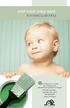 KEEP YOUR CHILD SAFE from lead poisoning HOW LEAD POISONS your child Most children get poisoned in their homes. A small amount of lead dust can poison your child. Children under age 3 are at the greatest
Childhood Lead Poisoning Prevention Program Community Awareness Pilot
 Childhood Lead Poisoning Prevention Program Community Awareness Pilot THE GOOD NEWS- Exposure to Lead is Preventable Lead Poisoning Is a REAL Problem; Did You Know? Lead is a highly toxic substance, and
Data Analysis, Research Study Design and the IRB
 Minding the p-values p and Quartiles: Data Analysis, Research Study Design and the IRB Don Allensworth-Davies, MSc Research Manager, Data Coordinating Center Boston University School of Public Health IRB
Florida s Childhood Lead Poisoning Prevention Program. Lead Poisoning Screening & Case Management Field Guide
 Florida s Childhood Lead Poisoning Prevention Program Lead Poisoning Screening & Case Management Field Guide Guidance for County Health Departments Serving Children and Families Affected by Lead Poisoning
Atlantic County Division of Public Health
 Q: Why is exposure to lead harmful to young children? A: Scientists have found that lead can disrupt the normal growth and development of a child's brain and central nervous system. If this exposure happens
RIGHT RENOVATE THE LEAD-SAFE CERTIFIED GUIDE TO. 1-800-424-LEAD (5323) epa.gov/getleadsafe EPA-740-K-10-001 Revised September 2011
 THE LEAD-SAFE CERTIFIED GUIDE TO RENOVATE RIGHT 1-800-424-LEAD (5323) epa.gov/getleadsafe EPA-740-K-10-001 Revised September 2011 Important lead hazard information for families, child care providers and
Chapter 13: LEAD-BASED PAINT
 Chapter 13: LEAD-BASED PAINT CHAPTER PURPOSE & CONTENTS Whenever Federal funds, such as CDBG, are used to assist housing built before 1978, steps must be taken to address lead hazards. These rules must
Lead in Paint: U.S. Legal Framework Case Study
 Lead in Paint: U.S. Legal Framework Case Study Erik Winchester U.S. Environmental Protection Agency Office of Chemical Safety and Pollution Prevention September 2014 Background In 1971, Former U.S. Surgeon
Age at First Measles-Mumps. Mumps-Rubella Vaccination in Children with Autism and School-Matched Control Subjects. Frank DeStefano, MD, MPH
 Age at First Measles-Mumps Mumps-Rubella Vaccination in Children with Autism and School-Matched Control Subjects Frank DeStefano, MD, MPH Presented to the Institute of Medicine National Academy of Sciences
Blood Lead Levels Among Oregon American Indian and Alaska Native Children
 Blood Lead Levels Among Oregon American Indian and Alaska Native Children Northwest Portland Area Indian Health Board Indian Leadership for Indian Health Prepared by: Megan Hoopes, Jenine Dankovchik, Erik
Cognitive Changes in Blood Lead Levels After Chelation
 Do Children With Falling Blood Lead Levels Have Improved Cognition? Xianchen Liu, MD, PhD*; Kim N. Dietrich, PhD ; Jerilynn Radcliffe, PhD ; N. Beth Ragan*; George G. Rhoads, MD ; and Walter J. Rogan,
LEAD MANAGEMENT PROGRAM
 Page: 1 of 7 1.0 Purpose and Applicability 1.1 It is the policy of the University of Pennsylvania in coordination with the Office of Environmental Health and Radiation Safety to provide the University
City of Chicago Department of Public Health Control and Mitigation of Lead Bearing Substances
 City of Chicago Department of Public Health Control and Mitigation of Lead Bearing Substances The Commissioner of the Chicago Department of Public Health hereby promulgates the following rules and regulations
Renovate Right. Important Lead Hazard Information for Families, Child Care Providers and Schools
 Renovate Right Important Lead Hazard Information for Families, Child Care Providers and Schools It s the Law! Federal law requires that individuals receive certain information before renovating six square
PEDIATRIC LEAD EXPOSURE IN FLINT, MI: CONCERNS FROM THE MEDICAL COMMUNITY
 PEDIATRIC LEAD EXPOSURE IN FLINT, MI: CONCERNS FROM THE MEDICAL COMMUNITY THANK YOU S Introducing Makayla* 12 month old girl (DOB 8/15/2014) presented last week for her 1 year old check up. No concerns.
Simple Predictive Analytics Curtis Seare
 Using Excel to Solve Business Problems: Simple Predictive Analytics Curtis Seare Copyright: Vault Analytics July 2010 Contents Section I: Background Information Why use Predictive Analytics? How to use
CHILDHOOD LEAD POISONING PREVENTION PROGRAM (CLPPP) PROPERTY TRANSFER LEAD PAINT NOTIFICATION
 MITT ROMNEY GOVERNOR KERRY HEALEY LIEUTENANT GOVERNOR RONALD PRESTON SECRETARY CHRISTINE C. FERGUSON COMMISSIONER The Commonwealth of Massachusetts Executive Office of Health and Human Services Department
Lead in Drinking Water An Investigation of Arizona Schools
 Lead in Drinking Water An Investigation of Arizona Schools ARIZONA DEPARTMENT OF HEALTH SERVICES Bureau of Epidemiology and Disease Control Services Office of Environmental Health 150 N. 18 th Avenue Phoenix,
Does referral from an emergency department to an. alcohol treatment center reduce subsequent. emergency room visits in patients with alcohol
 Does referral from an emergency department to an alcohol treatment center reduce subsequent emergency room visits in patients with alcohol intoxication? Robert Sapien, MD Department of Emergency Medicine
INSTRUCTIONS FOR LEAD DISCLOSURE IN THE DISTRICT OF COLUMBIA
 GOVERNMENT OF THE DISTRICT OF COLUMBIA INSTRUCTIONS FOR LEAD DISCLOSURE IN THE DISTRICT OF COLUMBIA This disclosure form is intended to satisfy Federal disclosure requirements under 42 U.S.C. 4852d, as
Understanding Lead Poisoning
 Understanding Lead Poisoning A guide for parents of children with high lead levels FOR MORE INFORMATION, CONTACT: Childhood Lead Poisoning Prevention Program (CLPPP) Massachusetts Department of Public
Beware that Low Urine Creatinine! by Vera F. Dolan MSPH FALU, Michael Fulks MD, Robert L. Stout PhD
 1 Beware that Low Urine Creatinine! by Vera F. Dolan MSPH FALU, Michael Fulks MD, Robert L. Stout PhD Executive Summary: The presence of low urine creatinine at insurance testing is associated with increased
LEAD ABSORPTION IN CHILDREN OF EMPLOYEES IN A LEAD-RELATED INDUSTRY
 AMERICAN JOURNAL OF EPIDEMIOLOGY Vol 1, No 4 Copyright 82 by The Johns Hopkins University School of Hygiene and Public Health Printed in USA All rights reserved LEAD ABSORPTION IN CHILDREN OF EMPLOYEES
Is Lead Poisoning Still a Problem?
 Is Lead Poisoning Still a Problem? Lisa Menillo MD St. Francis Hospital and Medical Center Co-Director Hartford Regional Lead Treatment Center Assistant Professor Pediatrics University of Connecticut Medical
AMERICAN ACADEMY OF PEDIATRICS
 AMERICAN ACADEMY OF PEDIATRICS Committee on Environmental Health Screening for Elevated Blood Lead Levels ABSTRACT. Although recent data continue to demonstrate a decline in the prevalence of elevated
Childhood Lead Poisoning
 7 Childhood Lead Poisoning in Wisconsin The Scope of the Problem The WCLPPP began systematically collecting information on all blood lead tests conducted in Wisconsin since 994. Under the requirements
*Elevated Blood Lead Level 10 µg/dl. Objectives. Why Is Lead Poisoning Still An Issue? Childhood Lead Poisoning Prevention Program
 A Full Picture Of Lead Case Management Efforts In Los Angeles County Los Angeles County Department of Public Health Maternal, Child & Adolescent Health Programs Childhood Lead Poisoning Prevention Program
THE NEBRASKA BLOOD LEAD TESTING PLAN
 THE NEBRASKA BLOOD LEAD TESTING PLAN Recommendations for Health Care Professionals Lead Poisoning in Nebraska Children are most vulnerable All children under age 6 are at risk due to: Hand-to-mouth activity
Albumin and All-Cause Mortality Risk in Insurance Applicants
 Copyright E 2010 Journal of Insurance Medicine J Insur Med 2010;42:11 17 MORTALITY Albumin and All-Cause Mortality Risk in Insurance Applicants Michael Fulks, MD; Robert L. Stout, PhD; Vera F. Dolan, MSPH
Epi Research Report New York City Department of Health and Mental Hygiene May 2010
 Epi Research Report New York City Department of Health and Mental Hygiene May 2010 Including New Yorkers Who Can Be Reached Only by Cell Phone in the Community Health Survey: Results from the 2008 Cell
Understanding the Lead Based Paint Requirements: Guidance for HPRP Grantees
 Understanding the Lead Based Paint Requirements: Guidance for HPRP Grantees About this Resource Childhood lead poisoning is a major environmental health problem in the United States, especially for low
Guidelines for Follow-up of Children with Elevated Blood Lead Levels for Local Health Department Lead Poisoning Prevention Programs
 Guidelines for Follow-up of Children with Elevated Blood Lead Levels for Local Health Department Lead Poisoning Prevention Programs New York State Department of Health Lead Poisoning Prevention Program
DPH 77 ILLINOIS ADMINISTRATIVE CODE 845 SUBCHAPTER p
 DPH 77 ILLINOIS ADMINISTRATIVE CODE 845 TITLE 77: PUBLIC HEALTH CHAPTER I: DEPARTMENT OF PUBLIC HEALTH : HAZARDOUS AND POISONOUS SUBSTANCES PART 845 LEAD POISONING PREVENTION CODE SUBPART A: GENERAL PROVISIONS
Australian Standard. Guide to lead paint management. Part 2: Residential and commercial buildings AS 4361.2 1998
 AS 4361.2 1998 Australian Standard Guide to lead paint management Part 2: Residential and commercial buildings This Australian Standard was prepared by Committee CH/3, Paint and Related Materials. It was
Renovation, Repair and Painting Rule
 Disclaimer Renovation, Repair and Painting Rule Mardi Klevs U..S. EPA, Region 5 Ohio Lead and Healthy Homes Conference Cleveland, Ohio April 27, 2015 The views and opinions expressed in this presentation
City of Philadelphia
 (Bill No. 100011-A) AN ORDINANCE Amending Chapter 6-800 of The Philadelphia Code, entitled Lead Paint Disclosure, to require a certification that a property is lead free or lead safe before it may be rented
CONNECTICUT STATUTES : (4)
 CONNECTICUT STATUTES : (4) TITLE 20 PROFESSIONAL AND OCCUPATIONAL LICENSING, CERTIFICATION, TITLE PROTECTION AND REGISTRATION. EXAMINING BOARDS CHAPTER 400K INDUSTRIAL HYGIENE AND SAFETY INSPECTOR TITLE
A Primer on the Basic Allowance for Housing (BAH)
 DEFENSE TRAVEL MANAGEMENT OFFICE A Primer on the Basic Allowance for Housing (BAH) For the Uniformed Services The purpose of this Basic Allowance for Housing (BAH) primer is to explain to members how their
Strategies for Identifying Students at Risk for USMLE Step 1 Failure
 Vol. 42, No. 2 105 Medical Student Education Strategies for Identifying Students at Risk for USMLE Step 1 Failure Jira Coumarbatch, MD; Leah Robinson, EdS; Ronald Thomas, PhD; Patrick D. Bridge, PhD Background
LEAD-BASED PAINT RESOURCES
 LEAD-BASED PAINT RESOURCES FEDERAL GOVERNMENT RESOURCES JOINT AGENCY EFFORT: The Lead Clearinghouse and Hotline, (800) 424-LEAD HUD, EPA and CDC jointly created and funded The National Lead Information
Study Design and Statistical Analysis
 Study Design and Statistical Analysis Anny H Xiang, PhD Department of Preventive Medicine University of Southern California Outline Designing Clinical Research Studies Statistical Data Analysis Designing
Traditional View of Diabetes. Are children with type 1 diabetes obese: What can we do? 8/9/2012. Change in Traditional View of Diabetes
 Are children with type 1 diabetes obese: What can we do? Traditional View of Diabetes Type 1 Diabetes ( T1DM) Onset Juvenile Lean Type 2 Diabetes ( T2DM) Onset Adult Obese QI Project Indrajit Majumdar
Risk Assessment for Lead Exposure in Northwest Portion of Bernhart Park Reading, PA
 Risk Assessment for Lead Exposure in Northwest Portion of Bernhart Park Reading, PA Prepared for Exide Technologies 3000 Montrose Ave Reading, PA 19605 Prepared by Gradient Corporation 20 University Road
Davis Community Housing Authority Down Payment Assistance Program Summary
 Davis Community Housing Authority Down Payment Assistance Program Summary The Davis Community Housing Authority (DCHA) will be administering American Dream Down Payment Assistance Initiative (ADDI) funds.