
The TeleHealth Model
|
|
|
- Gloria Williams
- 10 years ago
- Views:
Transcription

1 The Model
2 CareCycle Solutions The Solution Calendar Year 2011 Company Overview CareCycle Solutions (CCS) specializes in managing the needs of chronically ill patients through the use of Interventional 1 combined with targeted healthcare services. Based in Dallas, Texas, and founded in 2003, the CCS footprint includes 33 2 throughout Louisiana and Texas. The company began its specialty in April 2006 in order to provide superior care to chronically ill patients. This service now provides daily care to more than 2200 patients, making it one of the largest telehealth services in the United States. Unique Combination Interventional Critical Care Health Coaches Remote monitoring of key health metrics including: o Oxygen Saturation o Systolic and Diastolic Blood Pressure o Heart Rate o Weight o Blood Glucose o Peak Expiratory Flow and FEV-1 In Depth Clinical Telephonic Assessment and Education Hospitalization Risk Factors Disease Specific Subjective Questions Fall Risk Analysis Targeted Home Therapy and Nursing CCS developed proprietary software systems to generate detailed patient hospitalization information and assist in directing needed care to its patients. Management believes this system is unique within the healthcare industry in that it contributes to significant reductions in rehospitalization rates for patients while also reducing operating expenses. Since all CCS patients receive home healthcare services, it is likely that such patients are more seriously ill than the average Medicare patient discharged from a hospital, only 8.9% of whom are diagnosed by a physician as needing homecare services. Nevertheless, the company s 30 day hospitalization rate for patients (shown below) is 7.3% or about 63% lower than the average readmission rate for all Medicare beneficiaries discharged from a hospital. Important note: the 14.3% rate of CCS non- patient rehospitalizations is an estimated 40% to 50% lower than those of the home healthcare industry because CCS patients having the greatest need are admitted to the service. In fact, the Case Mix Weight (measure of acuity) of patients at 1.9 is 17% higher than that of the non-telehealth patients Case Mix Weight of There is an inherent difference between as a general concept and as we define our specific model. The differences in spelling are purposeful with the intent to aid in clarity and understanding of the topic. 2 As of May 2, 2012 THE TELEHEALTH MODEL 2
3 30 Day Hospitalization Rates Medicare Beneficiaries US Average 19.6 % Texas Medicare Beneficiaries 19.4 % Louisiana Medicare Beneficiaries 21.3 % Home Healthcare Partners Non % VitalPartners % More than 43,000 sixty day episodes of care have been completed since program inception. Because this service is provided every day of the year including weekends and holidays, CCS tracks patient days of service, which now exceed 2,000,000. CCS is using this rich reservoir of data to develop a system that will predict the likelihood of a patient s return to a hospital with a high degree of precision. The system is being engineered to assist Vital Station clinicians to provide more efficient and cost effective service. This Risk Stratified Care Model, named CareCycle Navigator, is being developed with the support and assistance of the University of North Texas Health Science Center faculty. Navigator field testing is scheduled to begin during the summer of Building a personal relationship with each patient is a very important part of the process. Frequent calls during the first two weeks following the patient s admission are designed to accomplish this result while also gaining important information about the patient s medications, diet and health profile. Psychosocial matters are accorded a high level of focus by health coaches. Only after gaining the patient s trust is the coach able to be of greatest service. Attention is given to helping patients better understand their health issues, manage their medications and regulate their diet. Most patients who are thought to be non-compliant are simply not well informed about their health. As patients become better educated about their health needs, it becomes possible to coach them toward accomplishing significantly positive behavior modification. Coupled with targeted care, patients become far better managers of their own health care, the ultimate objective of Care Cycle Solutions. THE TELEHEALTH MODEL 3
4 Proprietary Systems Key to the company s success is its Data Warehouse (CUBE) which collects data hourly from CCS s clinical, and accounting systems. The CUBE is designed specifically and exclusively for rapid, accurate data analysis rather than for managing transactions. Reports, designed in three to five minutes and automatically updated hourly, are available at all times to all management. The CUBE provides information used by management to follow and understand the myriad of CCS operations relationships and to generate what if scenarios as changes in operations are being considered. The efficient delivery and installation of monitoring hardware, coupled with instructing patients in its use, are important components of any service. A team of Field Coaches provide these services. CCS developed a training DVD to assure that all Field Coaches use the same techniques for equipment set up and patient training. A Routing, Mapping and Standardized Mileage system, also developed by CCS, interfaces with Google Maps to generate optimal driving routes. In addition, it calculates mileage for each route, providing an accurate basis for mileage reimbursement. Key Components of a Successful Service The success of a telehealth service depends primarily on the effectiveness of its Clinical Care Management component. While there are a number of monitors available, they all serve as devices for data transmission. What differentiates such systems is cost and the level of operating efficiency achieved. Capturing all important information in a system that provides rapid, accurate analysis is essential to effective management of telehealth patients. The ability of seasoned nurses and therapists who have had extensive critical care experience to coach patients regarding their health issues, medications and nutrition management is the heart of a successful telehealth program. Developing a team of such nurses, therapists and program support systems is time consuming and expensive. The reasons that CCS requires case managers to have had critical care experience include those characteristics listed below: Confident assessment skills--if a clinician is not confident in their assessment, they cannot be confident in their intervention. Confident in medication knowledge and drug interactions. Calm under pressure. Patient Advocates with all members of the patient s healthcare team. Experience in handling life threatening emergencies. Nurses and therapists having these skills seek to prevent patient hospitalizations without the intervention of field-based clinicians whenever possible. However, they must also be confident enough in their judgments to call upon the help of healthcare team members when necessary, and to direct patients to the hospital when warranted by their condition. The skill set of home healthcare clinicians, physician and hospital floor nurses do not match up well with the skills needed by successful team leaders. Therefore clinicians with these types of backgrounds are not eligible to become CCS team leaders and at this time, only clinicians with extensive critical care experience are candidates for this position. THE TELEHEALTH MODEL 4

5 Traditional as a Home Healthcare Service Component--In traditional home care models, telehealth is a spoke in the agency s patient care system. It is seen as another service, not a standard of care or core service. services are generally made available when requested by patient care givers. This model might be viewed as follows: Therapy Disease Mgmt HHA Nurses This model continues the pattern of relying on scheduled rather than targeted visits. It neutralizes the value of daily vital signs information and frequent telephonic patient contacts. In order to provide the best and also the most cost effective care, on-site patient visits should be scheduled based on need, not a prearranged schedule. If the patient will not be benefited by a hands on clinician visit, their daily routine should not be interrupted in order to make time for an unnecessary visit and the patient s provider should not utilize valuable resources in this way. However, changing the traditional system to a more efficient and cost effective strategy requires reinventing the business model; and major changes of any kind do not occur quickly or easily. Managing patient populations remotely is not achieved by adding a service to the present business model. This approach will often result in adding, not reducing, operating expenses. Fundamental changes in existing models must take place before telehealth services can be fully effective. The health care industry has long relied on HIGH TOUCH skills. It must now develop the skills of HIGH HEAR. THE TELEHEALTH MODEL 5

6 as Intervention Center the CCS model establishes a Clinical Care Center (Vital Station) which case manages each patient s care. Because these patients are being tracked on a daily basis, Vital Station nurses and therapists are positioned to recognize the patient s need for specific types of care. Nursing and therapy visits are TARGETED according to the patient s need; not simply scheduled based on an assessment of the patient s needs upon their admission. With, the patient s health needs assessment is dynamic and therefore subject to being changed daily and sometimes several times in a single day. The frequent flow of information and patient contact positions the Vital Station to coordinate its patients care as shown in the following diagram. HIGH HEAR skills are essential for a telehealth-based service to be fully successful. Nursing Visits Hospice Therapy Fall Prevention Mobile Lab and Imaging CCS Skilled Nursing Facilities Physician Housecalls Telemedicne Pharmacy Consulting DME and Ostomy CCS benchmarks patient outcomes so that any organization with patients being served by CCS can compare outcomes of its patients to those of CCS patients receiving the same type of services. Reporting metrics may be customized but will likely include patient age, gender, race, income level, discharging hospital, reason for hospitalization, disease category, urban or rural location, and patient satisfaction. Over time, best practices for each type of patient are developed so that continual reductions in healthcare costs may be achieved while patient outcomes are improved. CCS believes in the statement, if you don t measure it, you can t manage it. Without the ability to gather and quickly analyze the millions of patient data points generated by CCS systems, currently reported patient outcomes would not be attainable. Nor would information required to develop the Navigator be available. Examples of the company s patient outcomes will be seen later in this paper. THE TELEHEALTH MODEL 6
7 Internal Benchmarking CCS has developed a procedure to objectively compare hospitalization rates of patients to those of its patients who do not participate in this program. In order to do this, certain rules were established: Patients are admitted to the program based on risk of hospitalization rather than diagnosis. All hospitalizations of patients are counted even if the patient had been monitored for only one day when hospitalized and/or the hospitalization was due to an accident or a scheduled procedure. patient sixty day episodes are ranked by Case Mix Weight (CMW), highest to lowest. CMW (acuity levels) is developed from a coding system created by Medicare to measure patient health and environmental conditions. Higher scores indicate that a patient s condition requires more intense care than patients with lower scores. o These episodes are divided into four groups that are equal by number of patients, and the average CMW of each group is calculated. o Non- patient episodes are placed into four groups having exactly the same average CMW as comparison groups without regard to the number of episodes that fall into any single group. o and non- episodes having the same average CMW are compared. Contraindications for are level four heart failure patients, hospice candidates, patients who cannot manage the telehealth equipment by themselves and have no caregiver at home to help them, and those who suffer from severe psychiatric disorders. Important to the consistency of patient care management is the influence on visit frequencies provided by the team leaders. Because these clinicians have had no traditional home healthcare experience, their decisions are influenced only by each patient s condition. Vital Station clinicians, not influenced by visit scheduling patterns historically used by the home healthcare industry, have proven that superior patient outcomes can be achieved with many fewer nursing visits than previously thought possible. This knowledge opens the door to patient care models that are more cost efficient and clinically effective than any in place today. Unless otherwise indicated, the following schedules compare only patients first 60 days of care following admission to CCS s service. It is important to note that all patients admitted to any CCS service are subject to the same admissions and episode coding procedures which develop their CMW. These functions are managed by the company s centralized coding department. THE TELEHEALTH MODEL 7
8 Data shown below was developed from episodes completed during the twelve months ending December Schedule 1-- Case Mix Weight Comparison This analysis was expected to show that fewer patients with low CMWs would benefit from services than those with higher scores. The analysis proved this not to be the case for reasons that have since been identified. It is clear that more patients will benefit from services than first assumed by CCS management. Also note the counterintuitive fact that patients with the lowest CMW have highest rates of hospital readmissions. It was found that fewer of these patients received Falls Prevention Therapy. Recent analysis indicates that this form of physical therapy is responsible for about 20% of the improvement in patient rehospitalization reductions. Reminders: the average CMW of patients in each non- group are identical to those of comparison groups, and rehospitalization rates of non- patients are well below industry averages. Case Mix Category Non - Episodes Hosp. % Non- 1 st 60 Day Episode Episodes Hosp. % Difference Case Mix Cat % % - 29% Case Mix Cat % % - 32% Case Mix Cat % % - 26% Case Mix Cat % % - 46% % % - 38% Schedule 2 Comparison of Patients by Disease Category Diabetic patients realize the greatest benefit from of all chronic disease categories (except for the small Alzheimer s group) but all benefit materially. The Other category includes patients with a wide array of health issues which the company periodically reviews to determine if separate categories should be established. Chronic Disease Non - Episodes Hospitalization Rate for 1 st 60 Day Episodes Hosp. % Non- Episodes Hosp. % Difference Alzheimer s % % -70% Cardiac % % -39% CHF % % -42% Diabetes % % -57% Hypertension % % -30% Pulmonary % % -47% Other % % -51% % % -38% THE TELEHEALTH MODEL 8
9 Schedule 3 Urban/Rural comparison The hospitalization rate of non- rural patients is 43% higher than that of rural patients. services positively impact both groups significantly but rural patients, who generally have more limited access to healthcare services then those in urban areas, respond best. Non- (Rural and Urban) Case Mix Rural Urban Category Case Mix Cat % 16.7% 15.5% Case Mix Cat % 20.8% 19.1% Case Mix Cat % 18.4% 18.6% Case Mix Cat % 21.1% 24.0% 21.1% 20.0% 20.3% (Rural and Urban) Case Mix Rural Urban Category Case Mix Cat 1 7.3% 12.0% 11.0% Case Mix Cat % 12.7% 12.9% Case Mix Cat % 13.8% 13.7% Case Mix Cat % 13.0% 12.9% 12.1% 12.8% 12.6% Schedule 4 Age Group Comparison There is much more to learn about this analysis, but generally, older and non- patients return to the hospital less often that those less old. Among older patients, some seem to make a conscious decision not to return to a hospital. Within the 146 patient 95+ category, there were 14 and 33 non- patients who were 100 or more years old. Within this small group of oldest of the very old patients return to a hospital more often than non- patients because health deteriorations are seen which otherwise go unnoticed. This suggests that at some age, services should not be offered to the oldest. However, a rationing decision of this time is one that CCS management is unwilling and ill-equipped to make. 1 st 60 Day Episode Non- (Age Groups) Case Mix Category Case Mix Cat % 23.9% 15.0% 14.4% 4.3% 15.5% Case Mix Cat % 24.3% 15.3% 14.9% 32.0% 19.1% Case Mix Cat % 26.8% 20.8% 19.0% 3.4% 18.6% Case Mix Cat % 21.3% 24.4% 18.2% 25.0% 24.0% 21.8% 23.6% 20.0% 17.0% 17.1% 20.3% 1 st 60 Day Episode - (Age Groups) Case Mix Category Case Mix Cat % 5.7% 6.5% 13.4% 18.2% 11.0% Case Mix Cat % 12.2% 13.9% 14.2% 5.3% 12.9% Case Mix Cat % 15.8% 9.4% 11.8% 15.8% 13.7% Case Mix Cat % 14.3% 14.1% 9.9% 6.3% 12.9% 14.5% 11.9% 10.8% 12.5% 11.8% 12.6% THE TELEHEALTH MODEL 9
10 Schedule 5 Male/Female Comparison Males return to the hospital more often than females, though services have a significant impact on both. Males are notorious for the reluctance to ask for directions. If this is so, they may also be reluctant to follow directions which may account for the differences when comparing outcomes by gender. Maybe men have more deferred maintenance upon becoming elderly. Or maybe the fact that there are twice as many women as men in the sample may skew the comparisons. But then, why are there so many more women than men in these age groups? We don t know. Non- (Gender) Case Mix Female Male Category Case Mix Cat % 15.4% 15.5% Case Mix Cat % 23.8% 19.1% Case Mix Cat % 21.1% 18.6% Case Mix Cat % 25.5% 24.0% 18.9% 22.7% 20.3% (Gender) Case Mix Female Male Category Case Mix Cat % 9.4% 11.0% Case Mix Cat % 15.0% 12.9% Case Mix Cat % 16.6% 13.7% Case Mix Cat % 15.9% 12.9% 11.6% 14.4% 12.6% Schedule 6 Income Level Comparisons All Episodes Patients are assigned income levels based on zip code income information obtained from census data. All episode data, rather than first episode data, was used so that the under $35,000 category would be large enough to be relevant. This income level group is generally more disadvantaged in terms of education and access to healthcare services than the higher income groups. Of all groups, many have thought the lower income group to be the least likely to respond to a telehealth program which places heavy emphasis on behavior modification. However, this group responds about as well to the service as do higher income groups. Income Brackets All Episodes Income Level Non- Episodes Hosp. Rate Episodes Hosp. Rate Reduction Less than $35, % % -29% $35,000 49, % % -33% $50,000 74, % % -23% $75,000 and up % % -29% % % -30% The above schedules make it apparent that far more is to be learned through in depth data mining. We care for individual patients, not groups. Developing predictive models should lead to more effective and targeted care. When this objective has been realized, developing models that adjust for regional differences is CCS s next goal. THE TELEHEALTH MODEL 10
Home Health Care Today: Higher Acuity Level of Patients Highly skilled Professionals Costeffective Uses of Technology Innovative Care Techniques
 Comprehensive EHR Infrastructure Across the Health Care System The goal of the Administration and the Department of Health and Human Services to achieve an infrastructure for interoperable electronic health
Innovations@Home. Home Health Initiatives Reduce Avoidable Readmissions by Leveraging Innovation
 How Does CMS Measure the Rate of Acute Care Hospitalization (ACH)? Until January 2013, CMS measured Acute Care Hospitalization (ACH) through the Outcomes Assessment and Information Set (OASIS) reporting
How To Reduce Hospital Readmission
 Reducing Hospital Readmissions & The Affordable Care Act The Game Has Changed Drastically Reducing MSPB Measures Chuck Bongiovanni, MSW, MBA, NCRP, CSA, CFE Chuck Bongiovanni, MSW, MBA, NCRP, CSA, CFE
A Population Health Management Approach in the Home and Community-based Settings
 A Population Health Management Approach in the Home and Community-based Settings Mark Emery Linda Schertzer Kyle Vice Charles Lagor Philips Home Monitoring Philips Healthcare 2 Executive Summary Philips
1900 K St. NW Washington, DC 20006 c/o McKenna Long
 1900 K St. NW Washington, DC 20006 c/o McKenna Long Centers for Medicare & Medicaid Services U. S. Department of Health and Human Services Attention CMS 1345 P P.O. Box 8013, Baltimore, MD 21244 8013 Re:
The Role of Telemedicine in Home Monitoring and Long Term Care June 7, 2012. Penny S. Milanovich President UPMC Visiting Nurses Association
 The Role of Telemedicine in Home Monitoring and Long Term Care June 7, 2012 Penny S. Milanovich President UPMC Visiting Nurses Association Cost of Chronic Conditions An average of 40-50% of healthcare
caresy caresync Chronic Care Management
 caresy Chronic Care Management THE PROBLEM Chronic diseases and conditions, including heart disease, diabetes, COPD and obesity, are among the most common, expensive, and preventable health problems in
Home Health Care: A More Cost-Effective Approach to Medicaid in Illinois Illinois HomeCare & Hospice Council December 2010
 Home Health Care: A More Cost-Effective Approach to Medicaid in Illinois Illinois HomeCare & Hospice Council December 2010 As the Illinois Legislature prepares to act on the future of Medicaid, it is important
CMS Innovation Center Improving Care for Complex Patients
 CMS Innovation Center Improving Care for Complex Patients ECRI Institute Dr. Patrick Conway, M.D., MSc CMS Chief Medical Officer and Deputy Administrator for Innovation and Quality Director, Center for
Managing Patients with Multiple Chronic Conditions
 Best Practices Managing Patients with Multiple Chronic Conditions Advocate Medical Group Case Study Organization Profile Advocate Medical Group is part of Advocate Health Care, a large, integrated, not-for-profit
October 2013 Family Choice: Best Practices in Care for Nursing Home Residents
 SNP Alliance Best Practices October 2013 Family Choice: Best Practices in Care for Nursing Home Residents Overview of Family Choice of New York I-SNP Independent Health s Medicare Advantage Family Choice
Telehealth and the Homebound Heart Failure Patient
 Telehealth and the Homebound Heart Failure Patient By Karen Malin Garfield, RN, BSN 104 HEART 2010 The Official Guide to a Strong Heart and Healthy Lifestyle PTS Article Heart2010_Suncrest.indd 1 Health
Disease Management Identifications and Stratification Health Risk Assessment Level 1: Level 2: Level 3: Stratification
 Disease Management UnitedHealthcare Disease Management (DM) programs are part of our innovative Care Management Program. Our Disease Management (DM) program is guided by the principles of the UnitedHealthcare
THE ROLE OF CLINICAL DECISION SUPPORT AND ANALYTICS IN IMPROVING LONG-TERM CARE OUTCOMES
 THE ROLE OF CLINICAL DECISION SUPPORT AND ANALYTICS IN IMPROVING LONG-TERM CARE OUTCOMES Long-term and post-acute care (LTPAC) organizations face unique challenges for remaining compliant and delivering
Statement on the Redirection of Nursing Education Medicare Funds to Graduate Nurse Education
 Statement on the Redirection of Nursing Education Medicare Funds to Graduate Nurse Education To the National Bipartisan Commission on the Future of Medicare Graduate Medical Education Study Group (January
Telehealth Solutions Enhance Health Outcomes and Reduce Healthcare Costs
 Text for a pull out can go heretext for a pull out can go heretext for a pull out can go Text for a pull out can go here Text for a pull out can go here Telehealth Solutions Enhance Health Outcomes and
Frequently Asked Questions Regarding At Home and Inpatient Hospice Care
 Frequently Asked Questions Regarding At Home and Inpatient Hospice Care Contents Page: Topic Overview Assistance in Consideration Process Locations in Which VNA Provides Hospice Care Determination of Type
5/6/2014. Physiologic Monitoring Tools & Use with Patients with Chronic Health Conditions. Objectives. The Issue at Hand
 Physiologic Monitoring Tools & Use with Patients with Chronic Health Conditions Kelly Brittain, PhD, RN Assistant Professor MCRH-Nursing Grand Rounds May 8, 2014 Objectives 1. Summarize previous research
Implementing Chronic Care Management (CCM) - CPT 99490
 Implementing Chronic Care Management (CCM) - CPT 99490 Dulcian, Inc. May 2015 The Need Population-based statistics published by the Centers for Medicare and Medicaid Services (CMS) tell the story. Most
Population Health Management Program
 Population Health Management Program Program (formerly Disease Management) is dedicated to improving our members health and quality of life. Our Population Health Management Programs aim to improve care
Risk Tools in Predicting Rehospitalization from Home Care. VNAA Best Practice for Home Health
 Risk Tools in Predicting Rehospitalization from Home Care VNAA Best Practice for Home Health Learning objectives The participant will be able to: Discuss the need for risk assessment for home health patients
Comprehensive Cardiac Care Program
 PrograM Comprehensive Cardiac Care Program Empowering you to strengthen your heart. Trust In Our Care. Trust in Our Care The Comprehensive Cardiac Care Program is physician directed and focused on assisting
WHITE PAPER. 9 Steps to Better Patient Flow and Decreased Readmissions in Your Emergency Department
 Communication Solutions WHITE PAPER 9 Steps to Better Patient Flow and Decreased Readmissions in Your Emergency Department Increase patient satisfaction and reduce readmissions all while building loyalty,
CMS-1461-P Medicare Program; Medicare Shared Savings Program: Accountable Care Organizations
 February 6, 2015 Ms. Marilyn Tavenner Administrator Centers for Medicare & Medicaid Services Department of Health and Human Services 7500 Security Boulevard Baltimore, Maryland 21244 RE: CMS-1461-P Medicare
BCBSKS Billing Guidelines. For. Home Health Agencies
 BCBSKS Billing Guidelines For Home Health Agencies BCBSKS IPM BCBSKS Home Health Agency Manual -1 TABLE OF CONTENTS I. Overview II. General Guidelines III. Case Management IV. Home Care Benefits V. Covered
Hospitals and Health Systems:
 Hospitals and Health Systems: An Inside Look at Employee Health Plan Strategies To Control Costs and Provide Access to Healthcare August 2010 Highlights Because of their dual role as benefit plan sponsor
Using Care Management to avoid unnecessary hospitalizations and Emergency Room visits
 Using Care Management to avoid unnecessary hospitalizations and Emergency Room visits an overview of the Humana Care Manager program Wednesday, June 25, 2014 Disclaimer This presentation has been prepared
Medicare Beneficiaries Out-of-Pocket Spending for Health Care
 Insight on the Issues OCTOBER 2015 Beneficiaries Out-of-Pocket Spending for Health Care Claire Noel-Miller, MPA, PhD AARP Public Policy Institute Half of all beneficiaries in the fee-for-service program
OFFICE OF GROUP BENEFITS 2014 OFFICE OF GROUP BENEFITS CDHP PLAN FOR STATE OF LOUISIANA EMPLOYEES AND RETIREES PLAN AMENDMENT
 OFFICE OF GROUP BENEFITS 2014 OFFICE OF GROUP BENEFITS CDHP PLAN FOR STATE OF LOUISIANA EMPLOYEES AND RETIREES PLAN AMENDMENT This Amendment is issued by the Plan Administrator for the Plan documents listed
The ADOPT Toolkit: Planning and Building Best-in-Class Remote Patient Monitoring Programs
 The ADOPT Toolkit: Planning and Building Best-in-Class Remote Patient Monitoring Programs November 15, 2012 AgeTech Conference www.techandaging.org 1 Agenda Background and Goals Using the ADOPT Toolkit
Joan Carroll RN, CDMS, CCM Director of Care Transitions Lee Memorial Health System
 Joan Carroll RN, CDMS, CCM Director of Care Transitions Lee Memorial Health System 1 Explain how patients experience transitions of care Identify variables that affect transitions due to lack of patient
ZEPHYRLIFE REMOTE PATIENT MONITORING REIMBURSEMENT REFERENCE GUIDE
 ZEPHYRLIFE REMOTE PATIENT MONITORING REIMBURSEMENT REFERENCE GUIDE Overview This guide includes an overview of Medicare reimbursement methodologies and potential coding options for the use of select remote
MaineCare Value Based Purchasing Initiative
 MaineCare Value Based Purchasing Initiative The Accountable Communities Strategy Jim Leonard, Deputy Director, MaineCare Peter Kraut, Acting Accountable Communities Program Manager Why Value-Based Purchasing
Person-Centered Nurse Care Management in Home Based Care: Impact on Well-Being and Cost Containment
 Person-Centered Nurse Care Management in Home Based Care: Impact on Well-Being and Cost Containment Donna Zazworsky, RN, MS, CCM, FAAN Vice President: Community Health and Continuum Care Carondelet Health
Medical Management. G.2 At a Glance. G.3 Procedures Requiring Prior Authorization. G.5 How to Contact or Notify Medical Management
 Page1 G.2 At a Glance G.3 Procedures Requiring Prior Authorization G.5 How to Contact or Notify G.6 When to Notify G.11 Case Management Services G.14 Special Needs Services G.16 Health Management Programs
Health Care Leader Action Guide to Reduce Avoidable Readmissions
 Health Care Leader Action Guide to Reduce Avoidable Readmissions January 2010 TRANSFORMING HEALTH CARE THROUGH RESEARCH AND EDUCATION Osei-Anto A, Joshi M, Audet AM, Berman A, Jencks S. Health Care Leader
Measure #130 (NQF 0419): Documentation of Current Medications in the Medical Record National Quality Strategy Domain: Patient Safety
 Measure #130 (NQF 0419): Documentation of Current Medications in the Medical Record National Quality Strategy Domain: Patient Safety 2016 PQRS OPTIONS FOR INDIVIDUAL MEASURES: CLAIMS, REGISTRY DESCRIPTION:
Chronic Care Management. WPS Chronic Care Management Next Generation Disease Management
 Chronic Care Management WPS Chronic Care Management Next Generation Disease Management Taking on Chronic Illness and Winning. People with chronic illnesses make up only 20 percent of your employee population,
Care Coordination. The Embedded Care Manager. Presented by Thomas Decker, MD Mary Finnegan, BSN, M.Ed
 Care Coordination The Embedded Care Manager Presented by Thomas Decker, MD Mary Finnegan, BSN, M.Ed Goals of Care Management The goals of care Management are consistent with the Triple Aim: Improve population
RE: CMS-3819-P; Medicare and Medicaid Programs; Conditions of Participation for Home Health Agencies
 January 6, 2015 Marilyn Tavenner Administrator Centers for Medicare & Medicaid Services Department of Health and Human Services Room 445 G Attention: CMS-3819-P Hubert H. Humphrey Building, 200 Independence
High Desert Medical Group Connections for Life Program Description
 High Desert Medical Group Connections for Life Program Description POLICY: High Desert Medical Group ("HDMG") promotes patient health and wellbeing by actively coordinating services for members with multiple
The Cost-Effectiveness of Homecare
 The Cost-Effectiveness of Homecare Homecare Reduces Costs by 37 Percent for Heart Failure Patients The May 2004 Journal of the American Geriatrics Society reports a study conducted at six Philadelphia
FY 2016 Hospice Wage Index and Payment Rate Update and Hospice Quality Reporting Requirements Proposed Rule
 June 24, 2015 Andrew Slavitt Centers for Medicare & Medicaid Services U.S. Department of Health and Human Services Attention: CMS- 1629-P, Mail Stop C4-26-05 7500 Security Boulevard Baltimore, MD 21244-1850
Specialty Drug Care: Case management services in Quebec
 Specialty Drug Care: Case management services in Quebec QUEBEC SUPPORTING HEALTHIER OUTCOMES Your health benefit plan is designed to provide you and your family with financial protection for a variety
Technician Learning Objectives 3/25/2014. Pharmacy Practice Changes in ACA Accountable Care Organizations
 Pharmacy Practice Changes in ACA Accountable Care Organizations Avani S. Desai, PharmD & Emory S. Martin PharmD Sunday, April 12, 2014 9:05 10:05 am Pharmacist Learning Objectives At the conclusion of
PIONEER ACO A REVIEW OF THE GRAND EXPERIMENT. Norris Vivatrat, MD Associate Medical Director Monarch HealthCare
 PIONEER ACO A REVIEW OF THE GRAND EXPERIMENT Norris Vivatrat, MD Associate Medical Director Monarch HealthCare 2 Agenda Pioneer ACO basics, performance and challenges Monarch HealthCare Post-acute network
HealthCare Partners of Nevada. Heart Failure
 HealthCare Partners of Nevada Heart Failure Disease Management Program 2010 HF DISEASE MANAGEMENT PROGRAM The HealthCare Partners of Nevada (HCPNV) offers a Disease Management program for members with
Leveraging EHR to Improve Patient Safety: A Davies Story
 Leveraging EHR to Improve Patient Safety: A Davies Story Claudia Colgan, Vice President of Quality Initiatives Bruce Darrow, MD, PhD, Interim Chief Medical Information Officer Jill Kalman, MD, Director
Frequently Asked Questions about Fee-for-Service Medicare For People with Alzheimer s Disease
 Frequently Asked Questions about Fee-for-Service Medicare For People with Alzheimer s Disease This brochure answers questions Medicare beneficiaries with Alzheimer s disease, and their families, may have
Provider Manual. Section 18.0 - Case Management and Disease Management
 Section 18.0 - Case Management and Disease Management 18.1.1 Introduction 18.2.1 Scope 18.3.1 Objectives 18.4.1 Procedures Case Management 18.4.1-A. Referrals 18.4.1-B. Case Management Mercy Maricopa Acute
A predictive analytics platform powered by non-medical staff reduces cost of care among high-utilizing Medicare fee-for-service beneficiaries
 A predictive analytics platform powered by non-medical staff reduces cost of care among high-utilizing Medicare fee-for-service beneficiaries Munevar D 1, Drozd E 1, & Ostrovsky A 2 1 Avalere Health, Inc.
Safian, Fundamentals of Health Care Administration, 1e, 0133062783
 Chapter 2: Types of Facilities and Services 1. A proprietary health care facility is typically owned and operated by: a. A public entity. b. A corporation with shareholders. c. The federal government.
Population Health Solutions for Employers MEDIA RESOURCES
 Population Health Solutions for Employers MEDIA RESOURCES ABOUT MISSIONPOINT MissionPoint s mission is to make healthcare more affordable, accessible and improve the quality of care for our members. MissionPoint
VNS CHOICE: Managing Complex Care Needs for the Frail Elderly of New York City. Roberta Brill Vice President, VNS Health Plans
 VNS CHOICE: Managing Complex Care Needs for the Frail Elderly of New York City Roberta Brill Vice President, VNS Health Plans VNS CHOICE Organization Subsidiary of the Visiting Nurse Service of New York
Response to Serving the Medi Cal SPD Population in Alameda County
 Expanding Health Coverage and Increasing Access to High Quality Care Response to Serving the Medi Cal SPD Population in Alameda County As the State has acknowledged in the 1115 waiver concept paper, the
Atrius Health Pioneer ACO: First Year Accomplishments, Results and Insights
 Atrius Health Pioneer ACO: First Year Accomplishments, Results and Insights Emily Brower Executive Director Accountable Care Programs [email protected] November 2013 1 Contents Overview of
Bryant T. Aldridge Rehabilitation Center Unit Specific Inclusive Diversity Analysis: CULTURAL COMPETENCY AND DIVERSITY PLAN February 2015
 Bryant T. Aldridge Rehabilitation Center Unit Specific Inclusive Diversity Analysis: CULTURAL COMPETENCY AND DIVERSITY PLAN February 2015 Prepared by Brian Agan A Cultural Competency and Inclusive Diversity
Itemization of Rehabilitation Centers from Marketing Point of View -- Current Analysis and Future Challenges
 Itemization of Rehabilitation Centers from Marketing Point of View -- Current Analysis and Future Challenges Ashish Chandra, Marshall University Graduate College William B. Stroube, University of Evansville
Summary Evaluation of the Medicare Lifestyle Modification Program Demonstration and the Medicare Cardiac Rehabilitation Benefit
 The Centers for Medicare & Medicaid Services' Office of Research, Development, and Information (ORDI) strives to make information available to all. Nevertheless, portions of our files including charts,
Patient to Person. Transitions of Care. Colby Bearch, MA-SF, MA-M, BA, RN, CDONA Sharyn King, RN, BSN, CCM
 Patient to Person Transitions of Care Colby Bearch, MA-SF, MA-M, BA, RN, CDONA Sharyn King, RN, BSN, CCM Transitions of Care Transitioning from school to adult services (vocational, medical day, etc.)
2015 Orange County HICAP Medicare Advantage Special Needs Plans Comparison Chart
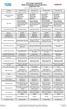 Brand New Day Brand New Day Brand New Day Brand New Day Bridges Drug Savings Bridges Extra Care Harmony Healthy Heart Drug Savings dementia. dementia. chronic and disabling mental health conditions. chronic
Congestive Heart Failure Management Program
 Congestive Heart Failure Management Program The Congestive Heart Failure Program is the third statewide disease management program developed by CCNC. The clinical directors reviewed prevalence and outcome
MEDICAL POLICY No. 91608-R1 MENTAL HEALTH RESIDENTIAL TREATMENT: ADULT
 MENTAL HEALTH RESIDENTIAL TREATMENT: ADULT Effective Date: June 4, 2015 Review Dates: 5/14, 5/15 Date Of Origin: May 12, 2014 Status: Current Summary of Changes Clarifications: Pg 4, Description, updated
Coventry Health Care of Florida, Inc. Coventry Health Plan of Florida, Inc. Coventry Health and Life Insurance Company Commercial Lines of Business
 Coventry Health Care of Florida, Inc. Coventry Health Plan of Florida, Inc. Coventry Health and Life Insurance Company Commercial Lines of Business Quality Management Program 2012 Overview Quality Improvement
3/11/15. COPD Disease Management Tackling the Transition. Objectives. Describe the multidisciplinary approach to inpatient care for COPD patients
 Faculty Disclosures COPD Disease Management Tackling the Transition Dr. Cappelluti has no actual or potential conflicts of interest associated with this presentation. Jane Reardon has no actual or potential
Explanation of care coordination payments as described in Section 223.000 of the PCMH provider manual
 Explanation of care coordination payments as described in Section 223.000 of the PCMH provider manual Determination of beneficiary risk Per beneficiary amounts Per beneficiary amounts 1 For the first year
Policy and Procedure Manual
 Policy and Procedure Manual Resident Assessment (RA) Table of Contents RA-01 RA-02 RA-03 RA-04 RA-05 RA-06 RA-07 RA-08 RA-09 RA-10 RA-11 RA-12 RA-13 Admission. History, Physicals and Routine Health Care
HEALTH CARE DESIGNED AROUND You.
 HEALTH CARE DESIGNED AROUND You. Health care designed around you means... Access to the best care {where you live and work. What does health care designed around you really mean? In a time when health
Coventry Health Care of Florida, Inc. Coventry Health Plan of Florida, Inc. Summit Health Plan of Florida
 Coventry Health Care of Florida, Inc. Coventry Health Plan of Florida, Inc. Summit Health Plan of Florida Medicare Quality Management Program Overview Quality Improvement (QI) Overview At Coventry, we
Licensed Healthcare Providers Guidelines for Telemedicine Using the MyDocNow Platform
 Contents 1. Scope of These Guidelines... 2 2. What is Telemedicine?... 2 3. Introduction... 3 4. What Are the Benefits of Telemedicine?... 3 5. Frequently Asked Questions Physician Care and Treatment...
kaiser medicaid commission on and the uninsured May 2009 Community Care of North Carolina: Putting Health Reform Ideas into Practice in Medicaid
 P O L I C Y B R I E F kaiser commission on medicaid SUMMARY and the uninsured Community Care of North Carolina: Putting Health Reform Ideas into Practice in Medicaid May 2009 Why is Community Care of North
Dr. Anna M. Acee, EdD, ANP-BC, PMHNP-BC Long Island University, Heilbrunn School of Nursing
 Dr. Anna M. Acee, EdD, ANP-BC, PMHNP-BC Long Island University, Heilbrunn School of Nursing Overview Depression is significantly higher among elderly adults receiving home healthcare, particularly among
PREDICTIVE ANALYTICS FOR THE HEALTHCARE INDUSTRY
 PREDICTIVE ANALYTICS FOR THE HEALTHCARE INDUSTRY By Andrew Pearson Qualex Asia Today, healthcare companies are drowning in data. According to IBM, most healthcare organizations have terabytes and terabytes
Optum s Role in Mycare Ohio
 Optum s Role in Mycare Ohio What is MyCare Ohio? New opportunities generated by the Affordable Care Act have allowed Ohio to implement the MyCare Ohio program. MyCare Ohio is a demonstration project that
Proposed Rule: Medicare Program; Medicare Shared Savings Program; Accountable Care Organizations (CMS-1461-P)
 Via online submission to http://www.regulations.gov February 6, 2015 Sylvia M. Burwell Administrator Centers for Medicare & Medicaid Services Department of Health and Human Services Attention: CMS 1461
Empowering Value-Based Healthcare
 Empowering Value-Based Healthcare Episode Connect, Remedy s proprietary suite of software applications, is a powerful platform for managing value-based payment programs. Delivered via the web or mobile
Seniors Health Services
 Leading the way in care for seniors Seniors Health Services Capital Health offers a variety of services to support seniors in communities across the region. The following list highlights programs and services
Reducing Readmissions with Predictive Analytics
 Reducing Readmissions with Predictive Analytics Conway Regional Health System uses analytics and the LACE Index from Medisolv s RAPID business intelligence software to identify patients poised for early
Scaling Telehealth Programs: Lessons from Early Adopters
 Case Studies in Telehealth Adoption January 2013 Scaling Telehealth Programs: Lessons from Early Adopters Andrew Broderick and David Lindeman The mission of The Commonwealth Fund is to promote a high performance