
Table of Contents. Wireless Installation Considerations... 10
|
|
|
- Sherman Campbell
- 10 years ago
- Views:
Transcription
1
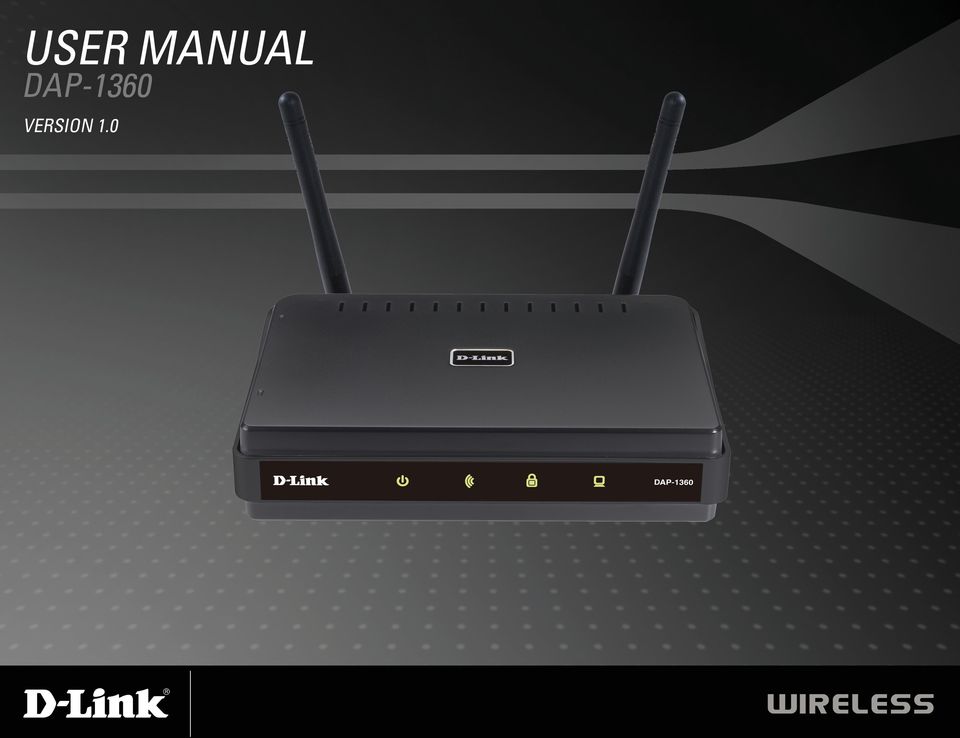
2 Table of Contents Table of Contents Product Overview...4 Package Contents...4 System Requirements... 4 Introduction...5 Features... 6 Hardware Overview...7 Connections... 7 LEDs... 8 Wireless Installation Considerations Seven Configuration Operation Modes Access Point Mode...11 Wireless Client Mode Repeater Mode...13 Bridge Mode...14 Bridge with AP Mode WISP Client Router mode WISP Repeater mode Configuration...18 Web-based Configuration Utility Setup Wizard...19 Setup Wizard for AP Mode Setup Wizard for Repeater Mode Setup Wizard for Wireless Client Mode Add Wireless Device With WPS Wireless Setup...45 Access Point Repeater...47 Wireless Client Bridge...49 Bridge with AP WISP Client Router and WISP Repeater WAN Settings...52 Dynamic IP (DHCP) Static IP...53 PPPoE...54 PPTP...55 LAN Setup LAN Settings...57 Advanced...58 Advanced Wireless Access Control User Limit...60 Port Forwarding Port Filter DMZ...63 Parental Control Advanced Network Maintenance...66 Device Administration Save and Restore

3 Table of Contents Firmware Watchdog (Ping of Life) Time...69 Schedules Status Device Info Log...72 Statistics Wireless Networking Basics...95 Technical Specifications...97 Help...74 Wireless Security...75 What is WEP?...75 Configure WEP...76 What is WPA?...77 Configure WPA-PSK, WPA2-PSK, and WPA2-Auto- PSK (Personal)...78 Configure WPA-EAP, WPA2-EAP, and WPA2-Auto- EAP (Enterprise)...79 Connect to a Wireless Network...80 Using Windows XP Using Windows Vista (Secured Network) Using Windows Vista (Unsecured Network) Troubleshooting...88 Wireless Basics...90 Wireless Modes

4 Section 1 - Product Overview Product Package Overview Contents Your DAP-1360 package should contain the following items. If any of the items are missing, please contact your reseller. D-Link DAP-1360 Wireless N Access Point Power Supply Manual on CD Quick Installation Guide Ethernet Cable WARNING: Using a power supply with a different voltage rating than the one included with the DAP-1360 will cause damage and void the warranty for this product. System Requirements To configure this device, you will need the following: A computer equipped with an Ethernet interface and operating under Windows Vista, XP or 2000, Mac OS 10.X or above, or Linux Internet Explorer or Netscape Navigator version 6.0 or above, with JavaScript enabled 4

5 Section 1 - Product Overview Introduction D-Link, an industry leader in networking, introduces the new D-Link Wireless N Access Point(DAP-1360). With the ability to transfer files with a maximum wireless signal rate of up to 300Mbps 1, the DAP-1360 gives you high-speed wireless network access for your home or office. The DAP-1360 is Wi-Fi IEEE n compliant, meaning that it can connect and interoperate with other n compatible wireless client devices. The DAP-1360 is also backwards compatible with b/g. It can be flexibly configured to operate in 7 different modes Access Point, Wireless Client, Bridge, Bridge with AP, Repeater, WISP Client Router or WISP Repeater.With its Setup Wizard, the DAP-1360 Access Point ensures that you will be up and running on a wireless network in just a matter of minutes. The DAP-1360 Access Point features Wi-Fi Protected Access (WPA-PSK/WPA2-PSK) and 64/128-bit WEP Encryption to provide an enhanced level of security for wireless data communications. The DAP-1360 also includes additional security features to keep your wireless connection safe from unauthorized access. The DAP-1360 supports WPS on the AP, repeater and wireless client operation modes,with each capable of being conveniently set up by using the PIN method or Push Button. 1 Actual data throughput will vary. Network conditions and environmental factors, including volume of network traffic, building materials and construction, and network overhead, lower actual data throughput rate. 5

6 Section 1 - Product Overview Features Connects homes and small offices to a high-speed wireless network - This AP provides better wireless signals for your computers than earlier generation wireless g technology. Adding this wireless AP to your home and office provides an excellent solution for doing everyday activities such as transferring files, browsing the Internet, and downloading music. This AP uses Intelligent Antenna technology to transmit multiple streams of data, which enable you to receive wireless signals in the farthest corners of your home or office. Not only does it extend your wireless range, it also works with your existing g devices. Multiple operation modes The AP can be flexibly configured to operate as an Access Point, Wireless Client, Bridge, Bridge with AP, Repeater, WISP Client Router or WISP Repeater. Total security Complete set of security features including WEP encryption and WPA/WPA2 to protect network against outside intruders. WPS (Wi-Fi Protected Setup) - This AP supports WPS in the AP, Repeater and Wireless Client operation modes. Protect wireless network and data The DAP-1360 provides 64/128-bit WEP encryption and WPA/WPA2 security to protect your network and wireless data. In addition, it also provides MAC address filtering and the Disable SSID Broadcast function to limit outsiders access to your home and office network. Easy to install and use With D-Link's Setup Wizard, you can set up your wireless network in minutes. It configures your DAP-1360's operation mode, makes it easy to add new wireless devices onto the network, and helps you create a simple wireless network for your home and office. * Maximum wireless signal rate based on IEEE Standard n specifications. Actual data throughput will vary. Network conditions and environmental factors, including volume of network traffic, building materials and construction, and network overhead lower actual data throughput rate. 6

7 Section 1 - Product Overview Hardware Overview Connections LAN Port: Connects to an Ethernet-enabled device such as a computer, switch or router. Power Socket: Connects to the power adapter. RESET: Restores the access point s configuration to its original factory default settings. 7

8 Section 1 - Product Overview Hardware Overview LEDs Power: A solid green condition indicates the device has been successfully connected to a power source. LAN: A blinking green condition indicates data is being transferred through the LAN port; a solid green condition indicates the LAN port connection is OK. WLAN: A blinking green condition indicates wireless activity is taking place; a solid green condition indicates wireless connections are OK. Security: A solid green c o n d i t i o n i n d i c a t e s wireless security has been enabled. 8

9 Section 1 - Product Overview LEDs WPS LED: A solid light indicates a successful WPS connection. A blinking light indicates the device is trying to establish a connection. 9

10 Section 2 - Wireless Installation Wireless Installation Considerations The D-Link wireless access point lets you access your network using a wireless connection from virtually anywhere within the operating range of your wireless network. Keep in mind, however, that the number, thickness and location of walls, ceilings, or other objects that the wireless signals must pass through, may limit the range. Typical ranges vary depending on the types of materials and background RF (radio frequency) noise in your home or business. The key to maximizing wireless range is to follow these basic guidelines: 1. Keep the number of walls and ceilings between the D-Link access point and other network devices to a minimum - each wall or ceiling can reduce your adapter s range from 3-90 feet (1-30 meters.) Position your devices so that the number of walls or ceilings is minimized. 2. Be aware of the direct line between network devices. A wall that is 1.5 feet thick (.5 meters), at a 45-degree angle appears to be almost 3 feet (1 meter) thick. At a 2-degree angle it looks over 42 feet (14 meters) thick! Position devices so that the signal will travel straight through a wall or ceiling (instead of at an angle) for better reception. 3. Building Materials make a difference. A solid metal door or aluminum studs may have a negative effect on range. Try to position access points, wireless access points, and computers so that the signal passes through drywall or open doorways. Materials and objects such as glass, steel, metal, walls with insulation, water (fish tanks), mirrors, file cabinets, brick, and concrete will degrade your wireless signal. 4. Keep your product away (at least 3-6 feet or 1-2 meters) from electrical devices or appliances that generate RF noise. 5. If you are using 2.4GHz cordless phones or X-10 (wireless products such as ceiling fans, lights, and home security systems), your wireless connection may degrade dramatically or drop completely. Make sure your 2.4GHz phone base is as far away from your wireless devices as possible. The base transmits a signal even if the phone in not in use. 10

11 Section 2 - Wireless Installation Seven Configuration Operation Modes How your AP will operate depends on which operation mode you select. This section will help you figure out which setting works for different requirements. Access Point Mode In the Access Point mode, the DAP-1360 acts as a central connection point for any computer (client) that has a n or backward-compatible b/g wireless network interface and is within range of the AP. Clients must use the same SSID (wireless network name) and channel as the AP in order to connect. If wireless security is enabled on the AP, the client will need to enter a password to connect to the AP. In the Access Point mode, multiple clients can connect to the AP at the same time. Wireless PCs Using the DAP-1360 as a Central Connection Point 11

12 Section 2 - Wireless Installation Wireless Client Mode In the Wireless Client mode, the DAP-1360 acts as a wireless network adapter for your Ethernet-enabled device (such as a game console or a TV set-top box). Connect your Ethernet-enabled device to the AP using an Ethernet cable. The AP Client mode can support multiple wired clients. If you are going to connect several Ethernet-enabled devices to your DAP-1360, connect the LAN port of the DAP-1360 to an Ethernet switch, then connect your devices to this switch. Ethernet-enabled Gaming Console Using the DAP-1360 as a Wireless Interface to Access the Internet 12

13 Section 2 - Wireless Installation Repeater Mode In the Repeater mode, the DAP-1360 increases the range of your wireless network by extending the wireless coverage of another AP or wireless router. The APs and wireless router (if used) must be within range of each other. Make sure that all clients, APs, and the wireless router all use the same SSID (wireless network name) and channel. Extending the Wireless Coverage of a Wireless Router Using the DAP

14 Section 2 - Wireless Installation Bridge Mode In the Bridge mode, the DAP-1360 wirelessly connects seperate LANs that can t easily be connected together with a cable. For example, if there are two wired LANs separated by a small courtyard, it would be expensive to bury cables to connect between the two sides together. A better solution is to use two DAP-1360 units to wirelessly connect the two LANs. In the Bridge mode, both DAP-1360 units do not act as APs. Note: The Bridge mode is not specified in the Wi-Fi or IEEE standards. This mode will only work using two DAP-1360 units. Communication with other APs (even other D-Link APs) is not guaranteed. LAN 1 LAN 2 Connecting Two Separate LANs Together Through Two DAP-1360 Units (Wireless PCs Cannot Access the DAP-1360 Units) 14

15 Section 2 - Wireless Installation Bridge with AP Mode The Bridge with AP mode is the same as the Bridge mode, but in this case, the DAP-1360 also acts as an AP. Clients with wireless interfaces can wirelessly connect to the DAP-1360 and then connect to the other LAN that the DAP-1360 bridges to. Note: The Bridge with AP mode is not specified in the Wi-Fi or IEEE standards. This mode will only work using two DAP-1360 units. Communication with other APs (even other D-Link APs) is not guaranteed. LAN 1 LAN 2 Connecting Two Separate LANs Together Through Two DAP-1360 Units (Wireless PCs Can Access the DAP-1360 Units) 15

16 Section 2 - Wireless Installation WISP Client Router Mode In the WISP Client Router mode, the DAP-1360 wirelessly connects to a WISP (Wireless Internet Service Provider) AP. In this mode, the DAP-1360 also acts as a router for wired clients on your LAN and provides NAT (Network Address Translation) and a DHCP server to generate IP addresses for wired clients only. NAT and the DHCP server allow many computers to share the same wireless Internet connection. If you are a WISP subscriber and want to access your WISP account using wired computers, connect your computers to the DAP-1360 to get NAT, and then connect them to the WISP AP. Connecting Wired PCs to the Internet Using the DAP

17 Section 2 - Wireless Installation WISP Repeater Mode In the WISP Repeater mode, the DAP-1360 wirelessly connects to a WISP (Wireless Internet Service Provider) AP. In this mode, the DAP-1360 also acts as a router for both wireless and wired clients on your LAN. The WISP Repeater mode provides NAT (Network Address Translation) and a DHCP server to generate IP addresses for both wireless and wired clients. NAT and the DHCP server allow many computers to share the same wireless Internet connection. If you are a WISP subscriber and want to use your WISP account in your house, but the signals from the outdoor WISP AP are not strong enough to reach all of the areas in the house, use the DAP-1360 to can extend the signals from the outdoor WISP AP and provide access to wireless clients in your house. Using this mode, wireless as well as wired clients can connect to the outdoor WISP AP through the DAP Connecting Wired and Wireless PCs to the Internet Using the DAP

18 Configuration Web-based Configuration Utility If you wish to change the default settings or optimize the performance of the DAP-1360, you may use the configuration utility that D-Link has included a configuration utility for this purpose. After you have completed the initial installation, you can access the configuration menu, at any time, by opening the web-browser and typing in the device name of the DAP The DAP-1360 s default device name is shown below: 1. Open the web browser 2. Type in the device name (dlinkap) or ip address ( ) of the DAP Note: If you have changed the default device name assigned to the DAP-1360, make sure to enter the correct device name. 3. Type admin in the User Name field 4. Leave the Password blank 5. Click OK 18

19 Click Launch Wireless Setup Wizard to quickly configure your access point. To setup your wireless network using WPS, you can click Add Wireless Device With WPS and skip to page 43. Setup Wizard 19

20 Setup Wizard for AP Mode This Wizard is designed to assist you in connecting you wireless device to your access point. It will guide you through step-by-step instructions on how to get your wireless device connected. Click Launch Wireless Setup Wizard to begin. Click Launch Wireless Setup Wizard Select the wireless mode Access Point. 20

21 Enter the Device Name of the AP and click Next to continue. It is recommended to change the Device Name if there is more than one D-Link device within the subnet. If you want to change the admin account password, enter a new password and click Next. Select Auto as the configuration method only if your wireless device supports Wi-Fi Protected Setup. Skip to next page for Manual configuration. Click Next to continue. 21
22 Click Save to save your network settings. In order for your network settings to take effect AP will reboot automatically. When the device has finished rebooting the main screen will display. Select Manual as the configuration method to setup your network manually. Click Next to continue. 22
23 Enter a network name and choose Automatically assign a network key. To Manually assign a network key, skip this step. Click Next to continue. If you choose WPA-PSK encryption, the following screen will show you your Network Key to enter on your wireless clients. Click Save to finish the Setup Wizard. 23
24 If you choose WEP encryption, the following screen will show you your Network Key to enter on your wireless clients. Click Save to finish the Setup Wizard. Choose Manually assign a network key to create your own key. Click Next to continue. 24
25 For WPA encryption, enter a Network Key between 8 and 63 characters long or enter exactly 64 characters using 0-9 and A-F. Click Next to continue. If you select WPA encryption, the following screen will show you your network key to enter on your wireless clients. Click Save to finish the Setup Wizard. 25
26 For WEP encryption, enter a Network Key exactly 5 or 13 characters long or exactly 10 or 26 characters using 0-9 and A-F. Click Next to continue. If you select WEP encryption, the following screen will show you your network key to enter on your wireless clients. Click Save to finish the Setup Wizard. 26
27 Setup Wizard for Repeater Mode This wizard is designed to assist you in configuring the wireless settings for your DAP-1360 with repeater mode. It will guide you through step-by-step instructions on how to setup your wireless network. You can click launch wireless setup wizard to quickly configure your access point. If DAP-1360 successfully connect to the AP or Wireless router with repeater mode, you can also click add wireless device with WPS to setup your wireless network using WPS. Click Launch Wireless Setup Wizard to begin. Click Launch Wireless Setup Wizard Select the wireless mode Repeater. 27
28 Enter the Device Name of the AP and click Next to continue. It is recommended to change the Device Name if there is more than one D-Link device within the subnet. If you want to change the admin account password, enter a new password and click Next. 28
29 Select Auto configuration if you want to use Wi-Fi Protected Setup. If you want to setup your network manually, skip this step. Click Next to continue. Select PIN to connect your wireless device with WPS. For PBC configuration, skip to next page. Enter the PIN number used into your access point and click Connect. 29
30 Start WPS on the wireless device you are adding to your wireless network to complete the setup. Select PBC to use the Push Button Configuration to connect to your network. Click Connect to continue. 30
31 Press down the Push Button on the wireless device you are adding to your network to complete the setup. Select Manual configuration to setup your network manually. Click Next to continue. 31
32 If you clicked on Site Survey to following screen will be displayed. Find your access point from the list and click Connect to complete the Setup Wizard. Choose which Security Mode you want to use and click Next to continue. 32
33 If you choose WEP, enter the wireless security password and click Next to complete the Setup Wizard. If you choose WPA, enter the WPA Personal Passphrase and click Next to complete the Setup Wizard. 33
34 If you choose WPA2, enter the WPA2 Personal Passphrase and click Next to complete the Setup Wizard. The Wireless Setup Wizard is complete. Click Finish to reboot the device. 34
35 Setup Wizard for Wireless Client Mode To configure the wireless client mode, follow these instructions. Click Launch Wireless Setup Wizard to begin. Click Launch Wireless Setup Wizard Select the wireless mode Wireless Client. 35
36 Enter the Device Name of the AP and click Next to continue. It is recommended to change the Device Name if there is more than one D-Link device within the subnet. If you want to change the admin account password, enter a new password and click Next. 36
37 Select Auto Configuration if you want to use Wi-Fi Protected Setup. If you want to setup your network manually, skip this step. Click Next to continue. Select PIN to connect your wireless device with WPS. For PBC configuration, skip to next page. Enter the PIN number used into you access point and click Connect. 37
38 Start WPS on the wireless device you are adding to you wireless network to complete the setup. Select PBC to use the Push Button Configuration to connect to your network. Click Connect to continue. 38
39 Press down the Push Button on the wireless device you are adding to your network to complete the setup. Select Manual configuration to setup your network manually. Click Next to continue. 39
40 Enter the Wireless Network Name of the AP or use site survey to find the AP. Click Next to continue. If you clicked on Site Survey, the following screen will be displayed. Find your access point from the list and click Connect to complete the Setup Wizard. 40
41 Choose which Security Mode you want to use and click Next to continue. If you choose WEP, enter the wireless security password and click Next to complete the Setup Wizard. 41
42 If you choose WPA, enter the WPA Personal Passphrase and click Next to complete the Setup Wizard. If you choose WPA2, enter the WPA2 Personal Passphrase and click Next to complete the Setup Wizard. The Wireless Setup Wizard is complete. Click Finish to reboot the device. 42
43 To add a windows device to your network using the Push Button Configuration Wi-Fi Protected Setup(WPS), follow these instructions: Select PIN to use your PIN number from your wireless device to connect to your network. For PBC configuration, skip to next page. Click Connect to continue. Add Wireless Devices With WPS Start WPS on the wireless device you are adding to you wireless network to complete the setup. 43
44 Select PBC to use the Push Button Configuration to connect to your network. Click Connect to continue. Press down the Push Button on the wireless device you are adding to your network to complete the setup. 44
45 Wireless Setup Access Point In the AP mode, the DAP-1360 acts as a central connection point for any computer (client) that has an n or backward-compatible b/g wireless network adapter and is within range of the AP. Enable Wireless: Select this to turn Wi-Fi on and off. Use the dropdown box to select if you want to use a schedule. Click Add New to add or change a schedule. Wireless Mode: Wireless Network Name (also called the SSID): Select the wireless mode from Access Point, Wireless Client, Repeater, Bridge, Bridge with AP mode, WISP Client Router and WISP Repeater. The Wireless Network Name is a unique name that identifies a network. All devices on a network must share the same wireless network name in order to communicate on the network. If you decide to change the wireless network name from the default setting, enter your new wireless network name in this field. Enable Auto Channel Scan: Wireless Channel: Check the box to enable Auto Channel Scan. Enable this feature to auto-select the channel for the best wireless performance. Auto channel selection is the default setting. First disable Auto Channel Scan (see below) and you will be able to select a wireless channel Mode: Select the appropriate mode based on the wireless clients in your network. The drop-down menu options are g Only, Mixed b/g, b Only, n Only, or Mixed b/g/n. 45
46 Channel Width: Select the appropriate channel width between 20MHz or Auto 20/40MHz from the pull-down menu. Transmission Rate: Select the transmission rate. It is strongly suggested to use the Auto setting for optimal performance. Enable Hidden Wireless: Wireless Security Mode: Wi-Fi Protected Setup: Lock Wireless Security: Check the box if you do not want the SSID to be broadcast by the DAP This prevents the SSID from being seen by site survey utilities, so any wireless clients will have to be pre-configured with the SSID of the DAP-1360 in order to connect to it. Select a wireless security setting. Options are None, WEP, WPA, WPA2, or WPA2-Auto. See P.75, Wireless Security, of this manual for a detailed explanation of the wireless security options. Enable or disable the Wi-Fi protected setup feature. Locking the wireless security prevents the settings from being changed by any new external registar using its PIN. Devices can still be added to the wireless network using Wi-Fi Protected Setup. It is still possible to change wireless network settings with Manual Wireless Network Setup, Wireless Network Setup Wizard, or an existing external WLAN Manager Registar. Current PIN: Shows the current value of the access point s PIN. Generate New PIN: Reset PIN to Default: Reset to Unconfigured: Create a random number that is a valid PIN. This becomes the access point s PIN. You can then copy this PIN to the user interface of the registrar. Restore the default PIN of the access point. Resets the Wi-Fi Protected Status to Not Configured. Vista WPS icon will only be displayed when the Wi-Fi Protected Status is Not Configured. 46
47 Repeater The Wireless Repeater mode extends the wireless coverage of another wireless AP or wireless router. Enable Wireless: Site Survey: Wireless Network Name (also called the SSID): Wireless Channel: Mode: Channel Width: Transmission Rate: Enable Hidden Wireless: Wireless Security Mode: Wi-Fi Protected Setup: Select this to turn the Wi-Fi module on and off. Use the drop-down box to select if you want to use a schedule. Click Add New to add or change a schedule. Click this button to choose the root AP from an available connection list. The Wireless Network Name is a unique name that identifies a network. All devices on a network must share the same wireless network name in order to communicate on the network. If you decide to change the wireless network name from the default setting, enter your new wireless network name in this field. The channel will follow the root AP. The channel used will be displayed. Select the appropriate mode based on the wireless clients in your network. The dropdown menu options are g Only, Mixed b/g, b Only, n Only, or Mixed b/g/n. Select the appropriate channel width between 20MHz or Auto 20/40MHz from the pull-down menu. Select the transmission rate. It is strongly suggested to use the Auto setting for optimal performance. Check the box if you do not want the SSID to be broadcast by the DAP This prevents the SSID from being seen by site survey utilities, so any wireless clients will have to be pre-configured with the SSID of the DAP-1360 in order to connect to it. Select a wireless security setting. Options are None, WEP, WPA, or WPA2. See P.75, Wireless Security, of this manual for a detailed explanation of the wireless security options. Select enable if you want to configure 1360 with WPS. 47
48 Wireless Client In the Wireless Client mode, the DAP-1360 acts as a wireless network adapter for your Ethernet-enabled device (such as a game console or a TV set-top box). Enable Wireless: Wireless Type: Wireless Network Name (also called the SSID): Site Survey: Wireless Channel: Mode: Channel Width: Transmission Rate: Wireless MAC Clone : Wireless Security Mode: Wi-Fi Protected Setup: Select this to turn the Wi-Fi module on and off. Use the drop-down box to select if you want to use a schedule. Click Add New to add or change a schedule. Select Infrastructure if you only connect your DAP-1360 to other wireless clients (as such wireless PCs). Select Ad-Hoc if you connect your DAP-1360 to another DAP-1360 operating in the Ad- Hoc mode. You can input the wireless network name of the root AP or click the Site Survey button to find the root AP. Click this button to choose the root AP from an available connection list. The channel used will be displayed. The channel will follow the root AP. Select the appropriate mode based on the wireless clients in your network. The drop-down menu options are g Only, Mixed b/g, b Only, n Only, or Mixed b/g/n. Select the appropriate channel width between 20MHz or Auto 20/40MHz from the pull-down menu. Select the transmission rate. It is strongly suggested to use the Auto setting for optimal performance. If you disable this option, your DAP-1360 will fill the source MAC address field of all packets that it forwards with its own MAC address. If you enable this option, manually type in a different scource MAC address for the DAP-1360 to use in all packets that it forwards. Select a wireless security setting. Options are None, WEP, WPA, or WPA2. See P.75, Wireless Security, of this manual for a detailed explanation of the wireless security options. Select enable if you want to configure 1360 with WPS. 48
49 The Bridge mode connects 2 LANs together. Enable Wireless: Select this to turn the Wi-Fi module on and off. Use the drop-down box to select if you want to use a schedule. Click Add New to add or change a schedule. Wireless Network The Wireless Network Name is a unique name that Name (also called identifies a network. All devices on a network must the SSID): share the same wireless network name in order to communicate on the network. If you decide to change the wireless network name from the default setting, enter your new wireless network name in this field. Wireless Channel: Mode: Channel Width: All devices on the network must share the same channel. Select the appropriate mode based on the wireless clients in your network. The dropdown menu options are g Only, Mixed b/g, b Only, n Only, or Mixed b/g/n. Select the appropriate channel width between 20MHz or Auto 20/40MHz from the pull-down menu. Bridge Transmission Rate: Select the transmission rate. It is strongly suggested to use the Auto setting for optimal performance. Remote AP MAC: Enter the MAC addresses of the APs in your network that will serve as bridges to wirelessly connect multiple networks. Bridge Security: Select None to disable encryption to across the network. Select WEP 64bits or WEP 128bits to limit communication to only those devices that share the same WEP settings. Select WPA-PSK or WPA2-PSK to secure your network using a password and dynamic key changes (No RADIUS server required). Note: The Bridge mode is not completely specified in the Wi-Fi or IEEE standards. This mode can work with other DAP-1360 units. Communication with other APs (even other D-Link APs) is not guaranteed. 49
50 Bridge with AP The Bridge with AP mode connects 2 LANs, while still functioning as a wireless AP for local wireless clients. Enable Wireless: Wireless Network Name (also called the SSID): Wireless Channel: Mode: Channel Width: Transmission Rate: Enable Hidden Wireless: Wireless Security Mode: Remote AP MAC: Bridge Security: Select this to turn the Wi-Fi module on and off. Use the drop-down box to select if you want to use a schedule. Click Add New to add or change a schedule. The Wireless Network Name is a unique name that identifies a network. All devices on a network must share the same wireless network name in order to communicate on the network. If you decide to change the wireless network name from the default setting, enter your new wireless network name in this field. Input a new number if you want to change the default setting. All devices on the network must be set to the same channel to communicate on the network. Select the appropriate mode based on the wireless clients in your network. The drop-down menu options are g Only, Mixed b/g, b Only, n Only, or Mixed b/g/n. Select the appropriate channel width between 20MHz or Auto 20/40MHz from the pull-down menu. Select the transmission rate. It is strongly suggested to use the Auto setting for optimal performance. Check the box if you do not want the SSID to be broadcast by the DAP This prevents the SSID from being seen by Site Survey utilities, so any wireless clients will have to be pre-configured with the SSID of the DAP-1360 in order to connect to it. Select a wireless security setting. Options are None, WEP, WPA, WPA2, or WPA2-Auto. See p.34 of this manual for a detailed explanation of the wireless security options. Enter the MAC addresses of the APs in your network that will serve as bridges to wirelessly connect multiple networks. Select None to disable encryption to across the network. Select WEP 64bits or WEP 128bits to limit communication to only those devices that share the same WEP settings. Select WPA-PSK or WPA2-PSK to secure your network using a password and dynamic key changes (no RADIUS server required). Note: The Bridge with AP mode is not completely specified in the Wi-Fi or IEEE standards. This mode can work with other DAP-1360 units. Communication with other APs (even other D-Link APs) is not guaranteed. 50
51 Enable Wireless: Wireless Network Name: Site Survey: Wireless Channel: Mode: Channel Width: Transmission Rate: Enable Hidden Wireless: WISP Client Router and WISP Repeater In the WISP Router Client mode, the DAP-1360 wirelessly connects to a WISP (Wireless Internet Service Provider) AP. In this mode, the DAP-1360 also acts as a router for wired clients on your LAN and provides NAT (Network Address Translation) and a DHCP server to generate IP addresses for wired clients. NAT and the DHCP server allow many computers to share the same wireless Internet connection. WISP Repeater wireless mode acts the same as WISP Client Router wireless mode, with the addition of a wireless signal for any wireless clients on the LAN. Select this to turn the Wi-Fi module on and off. Use the drop-down box to select if you want to use a schedule. Click Add New to add or change a schedule. You can input the wireless network name of the root AP or click the Site Survey button to find the root AP. Click this button to choose the root AP from an available connection list. If the root AP has wireless encryption, you have to use the same wireless security mode to connect the root AP. The channel used will be displayed. The channel will follow the root AP. Select the appropriate mode based on the wireless clients in your network. The drop-down menu options are g Only, Mixed b/g, b Only, n Only, or Mixed b/g/n. Select the appropriate channel width between 20MHz or Auto 20/40MHz from the pull-down menu. Select the transmission rate. It is strongly suggested to use the Auto setting for optimal performance. This option is unavailable in WISP Client Router and available in the WISP Repeater mode. Wireless Security Select a wireless security setting. Options are None, Mode: WEP, WPA, or WPA2. See P.75, Wireless Security, of this manual for a detailed explanation of the wireless security options. 51
52 WAN Settings Dynamic IP (DHCP) WAN settings are only used in the WISP Client Router wireless mode and the WISP Repeater wireless mode. Choose Dynamic IP(DHCP) to obtain IP Address information automatically from your ISP. Select this option if your ISP does not give you any IP number to use. This option is commonly used for Cable modem services. Host Name: MTU Size: Attain DNS automatically: Set DNS manually: Primary/ Secondary DNS Server: Clone MAC address: The Host Name is optional but may be required by some ISPs. Y o u m a y n e e d t o c h a n g e t h e M T U (Maximum Transmission Unit) for optimal performance with your specific ISP. The default MTU size is Select this option if you want the DAP-1360 to get the DNS (Domain Name System) server IP address automatically. Select this option if you want to manually enter the DNS Server IP address(es). The fields to enter the Primary and Secondary DNS server IP addresses will appear after you have selected this option. Enter the Primary and Secondary DNS server IP address assigned by your ISP. The default MAC address is set to the Ethernet MAC address your DAP You can click the Clone Your PC's MAC Address button to replace the AP's MAC address with the MAC address of the PC that you used to register with your ISP. It is not recommended that you change the default MAC address unless required by your ISP. 52
53 Static IP Select Static IP if all WAN IP information is provided to you by your ISP. You will need to enter in the IP address, subnet mask, gateway address, and DNS address(es) provided to you by your ISP. IP Address: Subnet Mask: Default Gateway: MTU Size: Primary/ Secondary DNS Server: Secondary DNS Server: Clone MAC address: is the default WAN IP Address of the DAP is the default subnet mask. All devices on the network must have the same subnet mask to communicate on the network. Enter the IP Address of the gateway in your network. The default setting is Y o u m a y n e e d t o c h a n g e t h e M T U (Maximum Transmission Unit) for optimal performance with your specific ISP. The default MTU size is Enter the Primary and Secondary DNS (Domain Name System) server IP address assigned by your ISP. This is optional. The default MAC address is set to the MAC address on the AP (Access Point). You can click the Clone Your PC's MAC Address button to replace the AP's MAC address with the MAC address of your Ethernet card. It is not recommended that you change the default MAC address unless required by your ISP. 53
54 PPPoE Choose PPPoE (Point-to-Point Protocol over Ethernet) if your ISP uses a PPPoE connection. Your ISP will provide you with a username and password. This option is typically used for DSL services. Make sure to remove your PPPoE software from your computer. The software is no longer needed and will not work through the DAP User Name: Password: Service Name: Enter your PPPoE user name. Enter your PPPoE password and then retype the password in the next box. Enter the ISP Service Name (optional). Reconnection Type: Select Always on, On demand, or Manual. Maximum Idle time: MTU Size: Attain DNS Automatically: Set DNS Manually: Primary/ Secondary DNS Server: Enter a maximum idle time during which the Internet connection is maintained during inactivity. Y o u m a y n e e d t o c h a n g e t h e M T U (Maximum Transmission Unit) for optimal performance with your specific ISP. The default MTU size is Select this option if you want the DAP-1360 to get the DNS (Domain Name System) server IP address automatically. Select this option if you want to manually enter the DNS Server IP address(es). Fields to enter the Primary and Secondary DNS server IP addresses will appear after you select this option. Enter the Primary and Secondary DNS server IP address assigned by your ISP. Clone MAC Address: The default MAC address is set to the MAC address on the AP (Access Point). You can click the Clone Your PC's MAC Address button to replace the AP's MAC address with the MAC address of your Ethernet card. It is not recommended that you change the default MAC address unless required by your ISP. 54
55 PPTP Choose PPTP (Point-to-Point Tunneling Protocol) if your ISP uses a PPTP connection. Your ISP will provide you with a username and password. This option is typically used for DSL services. PPTP IP Address: Enter the IP address (Static PPTP only). PPTP Subnet Mask: Enter the subnet mask. PPTP Server IP Address: Enter the Server IP Address provided by your ISP. Username: Enter your PPTP account name. Password: Enter your PPTP password and then retype the password in the next box. MTU Size: Y o u m a y n e e d t o c h a n g e t h e M T U (Maximum Transmission Unit) for optimal performance with your specific ISP. The default MTU size is Attain DNS automatically: Set DNS Manually: Select this option if you want the DAP-1360 get DNS server IP address automatically. Select this option if you want to manually enter the DNS Server IP address(es). Fields to enter the Primary and Secondary DNS server IP addresses will appear after you select this option. Primary/ Secondary DNS Server: Enter the Primary and Secondary DNS (Domain Name System) server IP address assigned by your ISP. Clone MAC address: The default MAC address is set to the MAC address on the AP (Access Point). You can click the Clone Your PC's MAC Address button to replace the AP's MAC address with the MAC address of your Ethernet card. It is not recommended that you change the default MAC address unless required by your ISP. 55
56 LAN Setup The LAN (Local Area Network) is your private, internal network. This page allows you to configure the IP settings of the LAN interface for the DAP The IP address can be changed to your current network IP range. This IP address cannot be seen from the Internet. 56
57 LAN Settings My LAN Connection is: Static IP: Dynamic IP: IP Address: The DAP-1360 is set to Static IP by default. Select this option if you do not have a DHCP server on your network, or if you wish to assign a static IP address to the DAP Select this option if you are manually assigning an IP Address. Select this option if you would like to have an IP Address automatically assigned to the DAP by a DHCP server in your network. Enter the IP address of the access point. Subnet Mask: Enter the subnet mask of your access point. Gateway address: Device Name(NetBIOS Name): Enable DHCP Server: DHCP IP Address Range Lease Time: Enter the IP Address of the router in your network. This allows you to configure this device more easily when your network using TCP/IP protocol. You can enter the device name of the AP into your web browser to access the instead of ip address for configuration.if you are using the device name to connect, ensure that your PC and your DAP-1360 are on the same network. Select this to enable the DHCP server if static IP address is selected. Enter the starting and ending IP addresses for the DHCP server s IP assignment. Enter the length of time for the IP address lease. 57
58 Transmit Power: Choose 100%, 50%(-3dB), 25% (-6dB), or 12.5% (-9dB). Advanced Advanced Wireless Beacon Period: RTS Threshold: Fragmentation Threshold: DTIM Interval (Beacon Rate): Preamble Type: WMM: Enable Multicast Streams: Beacons are packets sent by an access point to synchronize a wireless network. Specify a beacon interval value. The default value 100 is recommended. This value should remain at its default setting of 2,432. If you encounter inconsistent data flow, only minor modifications to the value range between 256 and 2,432 are recommended. This value should remain at its default setting of 2,346. If you experience a high packet error rate, you may slightly decrease your fragmentation threshold within the value range of 256 to 2,346. Setting the fragmentation threshold too low may result in poor performance. A DTIM (Delivery Traffic Indication Message) is a countdown informing clients of the next window for listening to broadcast and multicast messages. The default vaule is 3 and the possible range of vaules is between 1 and 255. Select Short or Long Preamble. The default setting in Long Preamble. The Preamble defines the length of the CRC block (Cyclic Redundancy Check is a common technique for detecting data transmission errors) for communication between the access point and roaming wireless network adapters. Note: High network traffic areas should use the short preamble type. WMM (Wi-Fi Multimedia) is only available in the Access Point and Wireless Client Mode. WMM provides basic QoS (Quality of Service) functions for wireless networks. WMM prioritizes traffic based on 4 AC (Access Categories) : voice, video, best effort, and background. However, WMM does not provide guaranteed throughput.the QoS (WMM) is mandatory in 11n mode, you can disable this feature when select 11g or 11b mode. Use this function to enable IGMP Snooping for your wireless connection. This function will enhance your network performance when you use multicast services such as video conferencing and video/audio streaming. This setting is enabled by default and cannot be changed in the DAP-1360 s current fimware version. 58
59 Access Control Use MAC Filters to allow or deny wireless clients, by their MAC addresses, from accessing the DAP You can manually add a MAC address or select the MAC address from the list of clients that are currently connected to the AP (Connected PCs). The default setting is Disable MAC Filters. Access Control: MAC Address: Connected PCs: Access control is set to Disable by default. Select Reject to deny access to the AP. Select Accept to allow access to the AP. Enter the MAC address of the client that you want to allow or deny access to the AP. Select the MAC address of a computer from the drop-down menu and click Clone to fill in the MAC Address field with that computer. MAC Filter List: This list will display the MAC addresses that are in the selected filter. 59
60 User Limit The D-Link DAP-1360 can set a limit upon the number of wireless clients. Using user limit, you can prevent scenarios where the DAP-1360 in your network shows performance degradation because it is handling heavy wireless traffic. Enable User Limit: Click this to enable the User Limit options on this page. User Limit (1-32): Type the maximum number of wireless connections that can be made to the AP. 60
61 Port Forwarding This function is available if your DAP-1360 is in the WISP Client Router or WISP Repeater mode. This feature allows you to open a single port or a range of ports. Click Save Settings and the port forwarding rule will be put into the Port Forwarding List. Port Forwarding Rules: Check the box to configure a port forwarding rule. Name: IP Address: Start Port/End Port: Traffic Type: Enter a name for the rule. You can select an application name from the Application Name drop-down menu. Click the << button to fill in the Name field with the application name that you selected. Enter the IP address of the computer on your local network that you want to allow the incoming service to. Enter the port or ports that you want to open. If you want to open one port, enter the same port in both boxes. Select TCP, UDP, or Both. 61
62 Port Filter This function is available if the DAP-1360 is in WISP Client Router or WISP Repeater mode. This feature is used to secure or restrict your local network. It will deny the ports that you enter from the local network to the Internet. Click Save Settings and the port filter rule will be put into the Port Filter List. Port Filter Rules: Check the box to configure a port filter rule. Name: Start Port/End Port: Traffic Type: Enter a name for the rule. You can select an application name from the Application Name drop-down menu. Click the << button to fill in the Name field with the application name that you selected. Enter the port or ports that you want to open. If you want to open one port, enter the same port in both boxes. Select TCP, UDP, or Both. 62
63 DMZ This function is available only if the DAP-1360 is in the WISP Client Router or WISP Repeater mode. This feature allows you to set up a DMZ (Demilitarized Zone) host. If you have a client PC that cannot run Internet applications properly from behind the DAP-1360, then you can set the client up for unrestricted Internet access. The DMZ allows a computer to be exposed to the Internet. This feature is useful for gaming purposes. Enter the IP address of the computer that will be the DMZ host. Adding a client to the DMZ may expose your local network to a variety of security risks, so only use this option as a last resort. Enable DMZ: Check this box to enable DMZ. DMZ Host IP Address: Enter the IP address of the computer you would like to open all ports to. You can select a computer from the Computer Name dropdown menu and click << to enter the computer name into the DMZ Host IP Address field. 63
64 Parental Control This function is available only if the DAP-1360 is in the WISP Client Router or WISP Repeater mode. This feature allows you to create a list of websites that you want to deny users access. Configure Website Filtering below: Website URL Address: Select Turn Website Filtering OFF or Turn Website Filtering ON and DENY computers access to ONLY these sites. Enter a keyword or URL that you want to block and click Save Settings. Any URL that contains the keyword will be blocked. 64
65 Advanced Network This function is available if the DAP-1360 is in WISP Client Router or WISP Repeater mode. This feature allows you to change the LAN settings. Please be aware that any changes to the factory default settings may affect the behavior of your network. Enable UPnP: Enable WAN Ping Respond: Remote Management: Check this box to use the Universal Plug and Play (UPnP ) feature. UPnP provides compatibility with networking equipment, software and peripherals. Check this box to allow the WAN port of the DAP-1360 to be pinged. Unchecking the box will not allow the DAP-1360 to respond to pings. Blocking ping response may provide some extra security from intruders. Remote management allows the DAP-1360 to be configured from the Internet by a web browser. A username and password are still required to access the Web-Management interface. In general, only a member of your network can browse the built-in web pages to perform Administrator tasks. This feature enables you to perform Administrator tasks from the remote (Internet) host. 65
66 Maintenance Device Administration New Password: Enter a new password. Confirm Password: Re-enter the password to confirm it. Save and Restore Save Settings To Local Hard Drive: Load Settings From Local Hard Drive: Restore To Factory Default Settings: Click Save to save the current system settings as a file onto your local hard drive. To load a system settings file, click on Browse to browse the local hard drive and locate the system settings file to be used. Click Upload Settings when you have selected the file to be loaded back onto the access point. You can reset the DAP-1360 back to the factory default settings by clicking on Restore Device. Make sure to save the current system settings before clicking on Restore Device. You will lose your current system settings after you click Restore Device. 66
67 Firmware This feature is used to update the firmware of the DAP The current firmware version and firmware date are displayed here. Please check the D-Link support site for firmware or language package updates at Click here to check for an update on our support site: Current Firmware Info: Language Package Information: Click this link and you will be connected to D-Link s support website where you can download the latest firmware version to your local hard drive. To update the firmware, click on Browse to browse the local hard drive and locate the updated firmware file. Click the Upload button after you have selected the updated firmware file. To change the web configurator language, click on Browse to browse locate the language package upgrade file and click the Upload button. 67
68 Watchdog (Ping of Life) The Watchdog feature pings a specified IP address. If the IP address stops responding to pings, your AP will be rebooted. You can also select an option to have the DAP-1360 send an alert if the specified IP address stops responding to pings. Enable Watchdog (Ping of Life): Update Time Interval: Watchdog Response IP: Enable Mail Alert: SMTP Server: Sender Receiver Enable Authentication: Account Name: Password: Check this box to enable the Watchdog (Ping of Life) to check some host IP. Enter the time interval of how often you would like the Watchdog to ping the response IP address. Enter the IP address that the Watchdog will ping. Check this box to enable notification for the Watchdog. Enter the SMTP server IP address. Enter the address from which the notification will be sent. Enter the address which the notification will be sent to. Check the box to enable authentication that is used with the SMTP server. Enter your account name that is used with the SMTP server. Enter your password that is used with the SMTP server and re-enter it in the next box. 68
69 Time The Time Configuration option allows you to configure, update, and maintain the correct time on the internal system clock. From this section you can set the time zone that you are in and set the Time Server. Daylight Saving can also be configured to automatically adjust the time when needed. Time Zone: Select the Time Zone from the drop-down menu. Daylight Saving: Enable NTP Server: NTP Server Used: Manual: To select Daylight Saving time manually, select enabled or disabled, and enter a start date and an end date for daylight saving time. NTP is short for Network Time Protocol. NTP synchronizes computer clock times in a network of computers. Check this box to use a NTP server. This will only connect to a server on the Internet, not a local server. Enter the NTP server or select one from the drop-down menu. To manually input the time, enter the values in these fields for the Year, Month, Day, Hour, Minute, and Second and then click Save Settings. You can also click Copy Your Computer s Time Settings. 69
70 Schedules Schedules can be created for use with enforcing rules. For example, if you want to restrict web access to Mon-Fri from 3pm to 8pm, you could create a schedule selecting Mon, Tue, Wed, Thu, and Fri and enter a Start Time of 3pm and End Time of 8pm. Name: Days: Time: Save: Enter a name for your new schedule. Select a day, a range of days, or All Week to include every day. Check All Day - 24hrs or enter a start and end time for your schedule. Click Save to save your schedule. You must click Save Settings at the top for your schedules to go into effect. Schedule Rules List: The list of schedules will be listed here. Click the Edit icon to make changes or click the Delete icon to remove the schedule. 70
71 Status Device Info This screen displays the current firmware version and the current LAN, and Wireless LAN settings on your access point. 71
72 Log The DAP-1360 keeps a running log of events and activities occurring on the AP. If the AP is rebooted, the logs are automatically cleared. You can save the log files under Log Setting. First Page: Last Page: Previous Page: Next Page: This button directs you to the first page of the log. This button directs you to the last page of the log. This button directs you to the previous page of the log. This button directs you to the next page of the log. Clear Log: This button clears all current log content. Log Settings: This button opens a new menu where you can configure the log settings. Refresh: This button refreshes the log. 72
73 Statistics The DAP-1360 keeps statistics of the traffic that passes through it. You can view the amount of packets that pass through the LAN and wireless portions of the network. The traffic counter will reset if the access point is rebooted. Wireless This list displays the MAC addresses of connected wireless clients and the length of time that they have been connected. 73
74 Help The Help menu contains an index of links to help topics for each feature of the DAP
75 Section 4 - Security Wireless Security This section will show you the different levels of security you can use to protect your data from intruders. The DAP-1360 offers the following types of security: WPA-Personal (Pre-Shared Key) WPA-Enterprise (Extensible Authentication Protocol) WPA2-Personal (Pre-Shared Key 2) WPA2-Enterprise (Extensible Authentication Protocol 2) WPA2-Auto-Personal WPA2-Auto-Enterprise (Extensible Authentication Protocol 2 Auto) WEP (Wired Equivalent Privacy) What is WEP? WEP stands for Wired Equivalent Privacy. It is based on the IEEE standard and uses the RC4 encryption algorithm. WEP provides security by encrypting data over your wireless network so that it is protected as it is transmitted from one wireless device to another. To gain access to a WEP network, you must know the key. The key is a string of characters that you create. When using WEP, you must determine the level of encryption. The type of encryption determines the key length. 128-bit encryption requires a longer key than 64-bit encryption. Keys are defined by entering in a string in HEX (hexadecimal - using characters 0-9, A-F) or ASCII (American Standard Code for Information Interchange alphanumeric characters) format. ASCII format is provided so you can enter a string that is easier to remember. The ASCII string is converted to HEX for use over the network. Four keys can be defined so that you can change keys easily. 75
76 Section 4 - Security Configure WEP It is recommended to enable encryption on your wireless access point before your wireless network adapters. Please establish wireless connectivity before enabling encryption. Your wireless signal may degrade when enabling encryption due to the added overhead. 1. Log into the web-based configuration utility by opening a web browser and entering the device name of the access point (dlinkap). Click on Wireless Setup on the left side. 2. Next to Security Mode, select Enable WEP Wireless Security (Basic). 3. Next to Authentication, select Shared Key or Open. 4. Next to WEP Encryption, select 64-bit or 128-bit encryption. 5. Next to Key Type, select either Hex or ASCII.Hex (recommended) - Letters A-F and numbers 0-9 are valid. ASCII - All numbers and letters are valid. 6. Next to Key 1, enter a WEP key that you create. Make sure you enter this key exactly on all your wireless devices. You may enter up to 4 different keys. 7. Click Save Settings to save your settings. If you are configuring the access point with a wireless adapter, you will lose connectivity until you enable WEP on your adapter and enter the same WEP key as you did on the access point. 76
77 Section 4 - Security What is WPA? WPA, or Wi-Fi Protected Access, is a Wi-Fi standard that was designed to improve the security features of WEP (Wired Equivalent Privacy). There are 2 major improvements over WEP: Improved data encryption through the Temporal Key Integrity Protocol (TKIP). TKIP scrambles the keys using a hashing algorithm and by adding an integrity-checking feature ensures that the keys haven t been tampered with. User authentication, which is generally missing in WEP, is done through the Extensible Authentication Protocol (EAP). WEP regulates access to a wireless network based on a computer s hardware-specific MAC address, which is relatively simple to be sniffed out and stolen. EAP is built on a more secure publickey encryption system to ensure that only authorized network users can access the network. WPA-PSK/WPA2-PSK uses a passphrase or key to authenticate your wireless connection. The key is an alpha-numeric password between 8 and 63 characters long. The password can include symbols (!?*&_) and spaces. This key must be the exact same key entered on your wireless router or access point. WPA-EAP/WPA2-EAP incorporates user authentication through the Extensible Authentication Protocol (EAP). EAP is built on a more secure public key encryption system to ensure that only authorized network users can access the network. WPA2-Auto-PSK/WPA2-Auto-EAP accepts wireless clients that use WPA or WPA2. Authentication is sill necessary. 77
78 Section 4 - Security Configure WPA-PSK, WPA2-PSK, and WPA2-Auto-PSK (Personal) It is recommended to enable encryption on your wireless access point before your wireless network adapters. Please establish wireless connectivity before enabling encryption. Your wireless signal may degrade when enabling encryption due to the added overhead. 1. Log into the web-based configuration utility by opening a web browser and entering the device name of the access point (dlinkap). Click on Wireless Setup on the left side. 2. Next to Security Mode, select Enable WPA Wireless Security, Enable WPA2 Wireless Security, or Enable WPA2-Auto Wireless Security. 3. Next to Cipher Mode, select TKIP, AES, or Auto. 4. Next to PSK / EAP, select Personal. 5. Next to Passphrase, enter a key (passphrase). The key is an alpha-numeric password between 8 and 63 characters long. The password can include symbols (!?*&_) and spaces. Make sure you enter this key exactly the same on all other wireless clients. Enter the passphrase again next to Confirmed Passphrase. 7. Click Save Settings to save your settings. If you are configuring the access point with a wireless adapter, you will lose connectivity until you enable WPA-Personal, WPA2-Personal, or WPA2-Auto- Personal on your adapter and enter the same passphrase as you did on the access point. 78
79 Section 4 - Security It is recommended to enable encryption on your wireless access point before your wireless network adapters. Please establish wireless connectivity before enabling encryption. Your wireless signal may degrade when enabling encryption due to the added overhead. 1. Log into the web-based configuration utility by opening a web browser and entering the device name of the access point (dlinkap). Click on Wireless Setup on the left side. 2. Next to Security Mode, select Enable WPA Wireless Security, Enable WPA2 Wireless Security, or Enable WPA2-Auto Wireless Security. 3. Next to Cipher Mode, select TKIP, AES, or Auto. 4. Next to Personal / Enterprise, select Enterprise. Configure WPA-EAP, WPA2-EAP, and WPA2-Auto-EAP (Enterprise) 5. Next to RADIUS Server enter the IP Address of your RADIUS server. 6. Next to Port, enter the port you are using with your RADIUS server is the default port. 7. Next to Shared Secret, enter the security key. 8. Click Save Settings to save your settings. 79
80 Section 5 - Connecting to a Wireless Network Connect to a Wireless Network Using Windows XP Windows XP users can use the built-in wireless utility (Zero Configuration Utility) to connect to a wireless network. The following instructions are for Service Pack 2 users. If you are using another company s utility or Windows 2000, please refer to the user manual of your wireless adapter for help with connecting to a wireless network. Most utilities will have a site survey option similar to the Windows XP utility as shown below. If you receive the Wireless Networks Detected bubble, click on the center of the bubble to access the utility. or Right-click on the wireless computer icon in your system tray (lower-right corner next to the time). Select View Available Wireless Networks. The utility will display all available wireless networks in your area. Click on a network (displayed using the SSID) and click the Connect button. If you get a good signal but cannot access the Internet, check the TCP/IP settings for your wireless adapter. Refer to the Networking Basics section in this manual for more information. 80
81 Section 5 - Connecting to a Wireless Network Configure WEP/WPA-PSK It is recommended to enable WEP or WPA-PSK on your wireless access point before configuring your wireless adapter. If you are joining an existing network, you will need to know the WEP or WPA-PSK key being used. Follow the steps on the previous page to connect to a wireless network using Windows XP. After you highlight a network and click Connect, the Wireless Network Connection box will appear if the network requires authentication. Enter the same WEP or WPA-PSK key that is on your access point and click Connect. It may take seconds to connect to the wireless network. If the connection fails, please verify that the WEP or WPA-PSK settings are correct. The WEP or WPA-PSK key must be exactly the same as on the wireless access point. 81
82 Section 5 - Connecting to a Wireless Network Using Windows Vista (Secured Network) The following are step-by-step directions to connect to a secured wireless network using Windows Vista. 1. Right-click on Network and click on Properties. 2. Click the Manage network connections link in the Network and Sharing Center window. 82
83 Section 5 - Connecting to a Wireless Network 3. Right-click the Wireless Network Connection entry and then select Connect/Disconnect from the drop-down menu. 4. Select a network to connect to in the Select a network to connect to window and then click the Connect button. 5. The following window displays connection progress. 83
84 Section 5 - Connecting to a Wireless Network 6. Enter the network security key or passphrase for the AP in the textbox provided in the Type the network security key or passphrase for [SSID name] window. When you are finished, click the Connect button. 7. The following Successfully connected to [SSID name] window is displayed. Choose to save this network and/or start this new connection automatically. When you are finished, click the Close button. 84
85 Section 5 - Connecting to a Wireless Network Using Windows Vista (Unsecured Network) The following are step-by-step directions to set up a wireless connection on an unsecured network using Windows Vista. 1. Right-click on Network and click on Properties. 2. Go to the Network and Sharing Center window and click the Manage Network Connections link. 85
86 Section 5 - Connecting to a Wireless Network 3. Right-click the Wireless Network Connection entry and then select Connect/Disconnect from the drop-down menu. 4. Select a network to connect to in the Select a network to connect to window and then click the Connect button. 5. Confirm that you still want to connect on the following Network Connection Status window by clicking on Connect Anyway. 86
87 Section 5 - Connecting to a Wireless Network 6. The following Connect to a network wizard window displays the connection progress. 7. The following Successfully connected to [SSID name] window is displayed. Choose to save this network and/or start this new connection automatically. When you are finished, click the Close button. 87
88 Section 6 - Troubleshooting Troubleshooting This chapter provides solutions to problems that can occur during the installation and operation of the DAP Read the following descriptions if you are having problems. The examples below use Windows XP. If you have a different operating system, the troubleshooting steps may be different from the following examples. 1. Why can t I access the web-based configuration utility? When entering the IP address of the D-Link access point (for example, dlinkap), you are not connecting to a website on the Internet or have to be connected to the Internet. The device has the utility built-in to a ROM chip in the device itself. Your computer must be on the same IP subnet to connect to the web-based utility. Make sure you have an updated Java-enabled web browser. We recommend the following: Internet Explorer 6.0 or higher Firefox 1.5 or higher Verify physical connectivity by checking for solid link lights on the device. If you do not get a solid link light, try using a different cable or connect to a different port on the device if possible. If the computer is turned off, the link light may not be on. Disable any internet security software running on the computer. Software firewalls such as Zone Alarm, Black Ice, Sygate, Norton Personal Firewall, and Windows XP firewall may block access to the configuration pages. Check the help files included with your firewall software for more information on disabling or configuring it. 88
89 Section 6 - Troubleshooting Configure your Internet settings: Go to Start > Settings > Control Panel. Double-click the Internet Options Icon. From the Security tab, click the button to restore the settings to their defaults. Click the Connection tab and set the dial-up option to Never Dial a Connection. Click the LAN Settings button. Make sure nothing is checked. Click OK. Go to the Advanced tab and click the button to restore these settings to their defaults. Click OK three times. Close your web browser (if open) and open it. Access the web-based configuration utility. Open your web browser and enter the IP address of your D-Link access point in the address bar. This should open the login page for your the web-based configuration utility. If you still cannot access the web-based configuration utility, unplug the power to the access point for 10 seconds and plug back in. Wait about 30 seconds and try accessing the web-based configuration utility. If you have multiple computers, try connecting using a different computer. 2. What can I do if I forgot my password? If you forgot your password, you must reset your access point. Unfortunately this process will change all your settings back to the factory defaults. To reset the access point, locate the reset button (hole) on the rear panel of the unit. With the access point powered on, use a paperclip to hold the button down for 10 seconds. Release the button and the access point will go through its reboot process. Wait about 30 seconds to access the access point. The default IP address is dlinkap. When logging in, the username is admin and leave the password box empty. 89
90 Appendix B - Wireless Basics Wireless Basics D-Link wireless products are based on the latest industry standards to provide easy-to-use and compatible high-speed wireless connectivity within your home, business, or public wireless networks. Strictly adhering to IEEE standards, the D-Link wireless family of products allows you to securely access the data you want, when and where you want it. You will be able to enjoy the freedom that wireless networking delivers. A wireless local area network (WLAN) is a cellular computer network that transmits and receives data with radio signals instead of wires. Wireless LANs are used increasingly in both home and office environments, and public areas such as airports, coffee shops, and universities. Innovative ways to utilize WLAN technology are helping people to work and communicate more efficiently. Increased mobility and the absence of cabling and other fixed infrastructure have proven to be beneficial for many users. Wireless users can use the same applications they use on a wired network. Wireless adapter cards used on laptop and desktop systems support the same protocols as Ethernet adapter cards. Under many circumstances, it may be desirable for mobile network devices to link to a conventional Ethernet LAN in order to use servers, printers or an Internet connection supplied through the wired LAN. A Wireless Router is a device used to provide this link. 90
91 Appendix B - Wireless Basics What is Wireless? Wireless or Wi-Fi technology is another way of connecting your computer to the network without using wires. Wi-Fi uses radio waves to connect wirelessly, so you have the freedom to connect computers anywhere in your home or office network. Why D-Link Wireless? D-Link is a worldwide leader and an award winning designer, developer, and manufacturer of networking products. D-Link delivers the performance you need at a price you can afford. D-Link has all the products you need to build your network. How does wireless work? Wireless works similar to how a cordless phone works- using radio signals to transmit data from one point to another. However, wireless technology has restrictions as to how you can access the network. You must be within the wireless network range area to be able to connect your computer. There are two different types of wireless networks: a Wireless Local Area Network (WLAN) and a Wireless Personal Area Network (WPAN). Wireless Local Area Network (WLAN) In a WLAN, a device called an Access Point (AP) connects computers to the network. The access point has a small antenna attached to it, which allows it to transmit data back and forth over radio signals. With an indoor AP, the signal can travel up to 300 feet. With an outdoor AP the signal can reach out up to 30 miles to serve places like manufacturing plants, industrial locations, college and high school campuses, airports, golf courses, and many other outdoor venues. 91
92 Appendix B - Wireless Basics Wireless Personal Area Network (WPAN) Bluetooth is the industry standard wireless technology used for WPANs. Bluetooth devices in WPANs operate in a range up to 30 feet away. The speed and wireless operation range of a WPAN is less than of a WLAN, but it excels in its efficient consumption of power. WPANs are ideal for personal devices, such as mobile phones, PDAs, headphones, laptops, speakers, and other devices that operate on batteries. Who uses wireless? Wireless technology has become so popular in recent years that almost everyone is using it, at home and in the office. Home Gives everyone at home broadband access Surf the web, check , get instant messages, etc. Gets rid of the cables around the house Simple and easy to use Small Office and Home Office (SOHO) Stay on top of everything at home as you would at the office Remotely access your office network from home Share an Internet connection and printer with multiple computers No need to dedicate office space 92
93 Appendix B - Wireless Basics Where is wireless used? Wireless technology is quickly expanding beyond home and office use. The freedom of mobility it offers is becoming so popular that more and more public facilities are now providing wireless access to attract people. Public places that offer wireless access is usually called a hotspot. Using a D-Link Cardbus Adapter with your laptop, you can access the hotspot to connect to Internet from remote locations like airports, hotels, coffee shops, libraries, restaurants, and convention centers. A wireless network is relatively easy to setup, but if you re installing it for the first time it could be quite a task not knowing where to start. That s why we ve put together a few setup steps and tips to help you through the process of setting up a wireless network. Tips Here are a few things to keep in mind, when you install a wireless network. Centralize your Access Point Make sure you place the router/access point in a central location within your network for the best performance. Try to place the router/access point as high as possible in the room, so the signal gets dispersed throughout your home. If you have a two-story home, you may need a repeater to boost the signal and extend the range. Eliminate Interference Place home appliances such as cordless telephones, microwaves, and televisions as far away as possible from the router/access point. This will significantly reduce any interference that the appliances might cause if operating on the same frequency. 93
94 Appendix B - Wireless Basics Security Don t let your next-door neighbors or unwanted intruders connect to your wireless network. Secure your wireless network by turning on the WEP or WPA security feature on the access point. Refer to the section Wireless Security in this manual for detailed information on how to set it up. There are basically two modes of networking: Wireless Modes Infrastructure All wireless clients will connect to an access point or wireless router. Ad-Hoc Directly connecting to another computer, for peer-to-peer communication, using wireless network adapters on each computer. An Infrastructure network contains an AP or a wireless router. All the wireless devices, or clients, will connect to the wireless router or the AP. An Ad-Hoc network contains only clients, such as laptops with wireless cardbus adapters. All the adapters must be in Ad-Hoc mode to communicate. 94
95 Appendix C - Networking Basics Check your IP address Networking Basics After you install your network adapter, by default, the TCP/IP settings should be set to obtain an IP address from a DHCP server (i.e. wireless router) automatically. To verify your IP address, please follow the steps below. Click on Start > Run. In the run box type cmd and click OK. At the prompt, type ipconfig and press Enter. This will display the IP address, subnet mask, and the default gateway of your adapter. If the address is , check your adapter installation, security settings, and the settings on your router. Some firewall software programs may block a DHCP request on newly installed adapters. If you are connecting to a wireless network at a hotspot in a hotel, coffee shop, airport, or another public place, please contact an employee or administrator to verify their wireless network settings. 95
96 Appendix C - Networking Basics Statically Assign an IP address If you are not using a DHCP capable gateway/router, or you need to assign a static IP address, please follow the steps below: Step 1 Windows XP - Click on Start > Control Panel > Network Connections. Windows From the desktop, right-click My Network Places > Properties. Step 2 Right-click on the Local Area Connection which represents your network adapter and select Properties. Step 3 Highlight Internet Protocol (TCP/IP) and click Properties. Step 4 Click Use the following IP address and enter an IP address that is on the same subnet as your network or the LAN IP address on your router. Example: If the router s LAN IP address is , make your IP address X where X is a number between 2 and 99. Make sure that the number you choose is not in use on the network. Set Default Gateway the same as the LAN IP address of your router ( ). Set Primary DNS the same as the LAN IP address of your router ( ). The Secondary DNS is not needed or you may enter a DNS server from your ISP. Step 5 Click OK twice to save your settings. 96
97 Appendix D - Technical Specifications Technical Specifications NETWORK STANDARDS n wireless LAN g wireless LAN b wireless LAN /802.3u 10BASE-T/100BASE-TX Ethernet - ANSI/IEEE NWay auto-negotiation DEVICE INTERFACES n wireless LAN - One 10/100BASE-TX Ethernet LAN port OPERATING FREQUENCY 2.4 to GHz OPERATING CHANNELS - FCC: 11 - ETSI: 13 RADIO & MODULATION SCHEMES DQPSK, DBPSK, CCK, OFDM OPERATION MODES - Access Point - Repeater - Wireless Client - Bridge - Bridge with AP - WISP Client Router - WISP Repeater ANTENNA Two 2dBi Gain detachable omni-directional antennas with RP-SMA connector SECURITY - 64/128-bit WEP data encryption - WPA-PSK, WPA2-PSK - WPA-EAP, WPA2-EAP - TKIP, AES - MAC address filtering - SSID broadcast disable function QUALITY OF SERVICE (QoS) Wi-Fi Multimedia (WMM) DEVICE MANAGEMENT - Web-based management through Internet Explorer v.6 or later, Netscape Navigator v.6 or later or other Java-enabled browser Diagnostic LED - Power - WLAN - LAN POWER INPUT 5VDC 2.5A External power adapter 97
98 Appendix D - Technical Specifications DIMENSIONS 144 (W) x 109 (D) x 30 (H) mm (5.67 x 4.29 x 1.18 inches) WEIGHT 229grams OPERATING TEMPERATURE 0 C to 55 C (32 F to 131 F) STORAGE TEMPERATURE -10 C to 70 C (14 F to 158 F) OPERATING HUMIDITY 10% to 90% non-condensing STORAGE HUMIDITY 5% to 95% non-condensing Actual data throughput will vary. Network conditions and environmental factors, including volume of network traffic, building materials and construction, and network overhead lower actual data throughput rate. 98
99 Version /02/19
Table of Contents. Table of Contents
 Table of Contents Product Overview...4 Package Contents...4 System Requirements... 4 Introduction...5 Features... 7 Hardware Overview...8 Connections... 8 LEDs... 9 WPS LED/Button... 10 Installation...11
Table of Contents. Wireless Security...40 What is WEP?...40 Configure WEP...41 What is WPA?...42 Configure WPA-PSK (Personal)... 43.
 Table of Contents Table of Contents Product Overview...4 Package Contents...4 System Requirements... 4 Introduction...5 Features... 6 Hardware Overview...7 Connections... 7 LEDs...8 Configuration...9 Web-based
Wireless N Open Source Access Point
 Wireless N Open Source Access Point Table of Contents Package Contents... 4 System Requirements... 5 Introduction... 6 Features... 8 Hardware Overview... 9 Connections... 9 LEDs...10 WPS LED/Button...11
Version 1.01 28/08/2014. User Manual. DAP-1665 Wireless AC1200 Dual Band Access Point DAP-1665
 Version 1.01 28/08/2014 User Manual DAP-1665 Wireless AC1200 Dual Band Access Point DAP-1665 Preface D-Link reserves the right to revise this publication and to make changes in the content hereof without
Nokia Siemens Networks. CPEi-lte 7212. User Manual
 Nokia Siemens Networks CPEi-lte 7212 User Manual Contents Chapter 1: CPEi-lte 7212 User Guide Overview... 1-1 Powerful Features in a Single Unit... 1-2 Front of the CPEi-lte 7212... 1-2 Back of the CPEi-lte
Table of Contents. Product Overview...4 Package Contents...4 System Requirements...4 Features...5 Hardware Overview...6 Connections...6 LEDs...
 Table of Contents Product Overview...4 Package Contents...4 System Requirements...4 Features...5 Hardware Overview...6 Connections...6 LEDs...7 Installation...8 Before you Begin...8 Wireless Installation
Preface. Manual Revisions. Trademarks
 Preface D-Link reserves the right to revise this publication and to make changes in the content hereof without obligation to notify any person or organization of such revisions or changes. Manual Revisions
How To Set Up A D-Link Dir-610N Router
 Version 1.0 06/24/2013 User Manual Wireless N 150 Home Router Preface D-Link reserves the right to revise this publication and to make changes in the content hereof without obligation to notify any person
Version 1.2 11/06/2012. User Manual. All-in-One Mobile Companion DIR-505
 Version 1.2 11/06/2012 User Manual All-in-One Mobile Companion DIR-505 Preface D-Link reserves the right to revise this publication and to make changes in the content hereof without obligation to notify
Preface. Manual Revisions. Trademarks
 Preface D-Link reserves the right to revise this publication and to make changes in the content hereof without obligation to notify any person or organization of such revisions or changes. Manual Revisions
Preface. Manual Revisions. Revision Date Description 1.0 October 8, 2009 Revision A1 with firmware version 1.0
 Preface D-Link reserves the right to revise this publication and to make changes in the content hereof without obligation to notify any person or organization of such revisions or changes. Manual Revisions
Version 1.01 12/09/2013. User Manual. DAP-1650 Wireless AC1200 Dual-band Gigabit Range Extender DAP-1650
 Version 1.01 12/09/2013 User Manual DAP-1650 Wireless AC1200 Dual-band Gigabit Range Extender DAP-1650 Table of Contents Product Overview... 4 Package Contents... 4 System Requirements... 5 Introduction...
MN-700 Base Station Configuration Guide
 MN-700 Base Station Configuration Guide Contents pen the Base Station Management Tool...3 Log ff the Base Station Management Tool...3 Navigate the Base Station Management Tool...4 Current Base Station
User Manual. Wireless N 300 Cloud Router
 User Manual Wireless N 300 Cloud Router Preface D-Link reserves the right to revise this publication and to make changes in the content hereof without obligation to notify any person or organization of
Table of Contents. Package Contents...4 System Requirements... 4 Features... 5 Hardware Overview...6 Connections... 6 LEDs...7
 Table of Contents Table of Contents Package Contents...4 System Requirements... 4 Features... 5 Hardware Overview...6 Connections... 6 LEDs...7 Installation...8 Before you Begin...8 Wireless Installation
Home Wi-Fi Gateway Instructions
 Home Wi-Fi Gateway Instructions 1. Connect the gateway. Use the coaxial cable provided by BendBroadband to connect the cable port (A) to your cable outlet. 2. Connect your computer to the cable modem gateway
Version 1.00 08/28/2012. User Manual. Wireless N 300 Cloud Router
 Version 1.00 08/28/2012 User Manual Wireless N 300 Cloud Router Preface D-Link reserves the right to revise this publication and to make changes in the content hereof without obligation to notify any person
WRE2205. User s Guide. Quick Start Guide. Wireless N300 Range Extender. Default Login Details. Version 1.00 Edition 1, 06/2012
 WRE2205 Wireless N300 Range Extender Version 1.00 Edition 1, 06/2012 Quick Start Guide User s Guide Default Login Details LAN IP Address http://192.168.1.2 User Name admin Passwordwww.zyxel.com 1234 Copyright
Linksys WAP300N. User Guide
 User Guide Contents Contents Overview Package contents 1 Back view 1 Bottom view 2 How to expand your home network 3 What is a network? 3 How to expand your home network 3 Where to find more help 3 Operating
Table of Contents. Product Overview...5
 Product Overview...5 Table of Contents WDS with AP... 18 Package Contents...5 System Requirements... 5 Introduction...6 Features and Benefits... 7 Hardware Overview...8 LEDs... 8 Installation...9 Connect
ENHWI-N3. 802.11n Wireless Router
 ENHWI-N3 802.11n Wireless Router Product Description Encore s ENHWI-N3 802.11n Wireless Router s 1T1R Wireless single chip can deliver up to 3x faster speed than of 802.11g devices. ENHWI-N3 supports home
Preface. Manual Revisions. Trademarks
 Preface D-Link reserves the right to revise this publication and to make changes in the content hereof without obligation to notify any person or organization of such revisions or changes. Manual Revisions
Version 1.0 January 16, 2015. User Manual. Wireless AC750 Dual Band Router DIR-816
 Version 1.0 January 16, 2015 User Manual Wireless AC750 Dual Band Router DIR-816 Preface D-Link reserves the right to revise this publication and to make changes in the content hereof without obligation
CONCEPTRONIC C54BRS4A 802.11g Wireless Broadband Router
 CONCEPTRONIC C54BRS4A 802.11g Wireless Broadband Router About This Manual This manual provides descriptions of the Conceptronic C54BRS4A 802.11g Wireless Broadband Router, its hardware and software features,
Preface. Trademarks. Copyright 2012 by D-Link Systems, Inc.
 D-Link reserves the right to revise this publication and to make changes in the content hereof without obligation to notify any person or organization of such revisions or changes. Trademarks D-Link and
TRENDnet User s Guide. Cover Page
 Cover Page Table of contents Product Overview... 4 Package Contents... 4 Features... 4 Product Hardware Features... 5 Application Diagram... 6 Wireless Performance Considerations... 7 Basic Router Setup...
Chapter 2 Wireless Settings and Security
 Chapter 2 Wireless Settings and Security This chapter describes how to set up the wireless features of your WGT624 v4 wireless router. In planning your wireless network, select a location for the wireless
Table of Contents. Table of Contents
 Table of Contents Product Overview...4 Package Contents...4 System Requirements...4 Introduction...5 Features...6 Hardware Overview...7 Connections...7 LEDs...8 Installation...9 Before you Begin...9 Wireless
USER GUIDE Cisco Small Business
 USER GUIDE Cisco Small Business WBPN Wireless-N Bridge for Phone Adapters December 2011 Cisco and the Cisco Logo are trademarks of Cisco Systems, Inc. and/or its affiliates in the U.S. and other countries.
WHR-300HP2 User Manual
 AirStation WHR-300HP2 User Manual www.buffalotech.com 35020025-01 Contents Chapter 1 - Product Overview...6 Package Contents...6 Diagrams and Layout...6 Front Panel...6 Back Panel...8 Bottom...9 Chapter
N150 WiFi Router (N150R)
 Easy, Reliable & Secure N150 WiFi Router (N150R) User Manual 350 East Plumeria Drive San Jose, CA 95134 USA August 2012 202-11000-01 v1.0 Trademarks Brand and product names are trademarks or registered
WAP3205 v2. User s Guide. Quick Start Guide. Wireless N300 Access Point. Default Login Details. Version 1.00 Edition 2, 10/2015
 WAP3205 v2 Wireless N300 Access Point Version 1.00 Edition 2, 10/2015 Quick Start Guide User s Guide Default Login Details Web Address http://zyxelsetup Password www.zyxel.com 1234 Copyright 2014 ZyXEL
A Division of Cisco Systems, Inc. GHz 2.4 802.11g. Wireless-G. Access Point with SRX. User Guide WIRELESS WAP54GX. Model No.
 A Division of Cisco Systems, Inc. GHz 2.4 802.11g WIRELESS Wireless-G Access Point with SRX User Guide Model No. WAP54GX Copyright and Trademarks Specifications are subject to change without notice. Linksys
D-Link AirPlus Xtreme G DI-624
 D-Link AirPlus Xtreme G DI-624 High-Speed 2.4 GHz Wireless Router TM Manual Building Networks for People Contents Package Contents...3 Introduction...4 Wireless Basics...8 Getting Started... 11 Using the
Version 1.0 05/24/2013. User Manual. Wireless N300 Multi-WAN Router DWR-116
 Version 1.0 05/24/2013 User Manual Wireless N300 Multi-WAN Router DWR-116 Preface D-Link reserves the right to revise this publication and to make changes in the content hereof without obligation to notify
User Manual. Preface. Wireless N300 Multi-WAN Router. Manual Revisions. Trademarks DWR-116
 Version 1.0 05/24/2013 Preface D-Link reserves the right to revise this publication and to make changes in the content hereof without obligation to notify any person or organization of such revisions or
Version 1.0 03/05/2013. User Manual. Wireless AC750 Dual Band Cloud Router DIR-810L
 Version 1.0 03/05/2013 User Manual Wireless AC750 Dual Band Cloud Router DIR-810L Preface D-Link reserves the right to revise this publication and to make changes in the content hereof without obligation
Table of Contents. Package Contents...1 System Requirements...1 Features...2 Hardware Overview...3 Connections...3 LEDs and USB Port...
 Table of Contents Table of Contents Package Contents...1 System Requirements...1 Features...2 Hardware Overview...3 Connections...3 LEDs and USB Port...4 Installation...5 Before you Begin...5 Wireless
AC1900, N900, and N450 WiFi Cable Data Gateways
 AC1900, N900, and N450 WiFi Cable Data Gateways Models C6300BD, CG4500BD, and CG3000Dv2 User Manual March 2015 202-11434-03 350 East Plumeria Drive San Jose, CA 95134 USA Support Thank you for selecting
User Manual DIR-632. Multifunction Wireless Router Supporting WiMAX, 3G GSM/CDMA with Built-in 8-port Switch
 DIR-632 Multifunction Wireless Router Supporting WiMAX, 3G GSM/CDMA with Built-in 8-port Switch October 2011 Contents Chapter 1. Introduction...5 Contents and Audience...5 Conventions...5 Document Structure...5
Chapter 4 Customizing Your Network Settings
 . Chapter 4 Customizing Your Network Settings This chapter describes how to configure advanced networking features of the Wireless-G Router Model WGR614v9, including LAN, WAN, and routing settings. It
Quick Installation Guide DAP-1360. Wireless N 300 Access Point & Router
 DAP-1360 Wireless N 300 Access Point & Router BEFORE YOU BEGIN Delivery Package Access point DAP-1360 Power adapter DC 12V Ethernet cable (CAT 5E) (brochure). If any of the items are missing, please contact
11N Multi-Function Access Point EAP300 11N Multi-Function Access Point
 1 11N Multi-Function Access Point EAP300 11N Multi-Function Access Point V1.0 1 Table of Contents 1 Introduction... 4 1.1 Features and Benefits...4 1.2 Package Contents...5 1.3 System Requirements...6
108Mbps Super-G TM Wireless LAN Router with XR USER MANUAL
 108Mbps Super-G TM Wireless LAN Router with XR USER MANUAL Contents 1. Overview...1 1.1 Product Feature...1 1.2 System Requirements...1 1.3 Applications...1 2. Getting Start...2 2.1 Know the 108Mbps Wireless
D-Link AirPlus Xtreme G VDI-624
 D-Link AirPlus Xtreme G VDI-624 High-Speed 2.4 GHz Wireless Router TM Manual Version 2.43 Building Networks for People Contents Package Contents...3 Introduction...4 Wireless Basics...8 Getting Started...
Wireless Cable Gateway CG3100Dv3
 Wireless Cable Gateway CG3100Dv3 User Manual 350 East Plumeria Drive San Jose, CA 95134 USA October 2011 202-10942-01 v1.0 2011 NETGEAR, Inc. All rights reserved No part of this publication may be reproduced,
Wireless Broadband Router. Manual
 Wireless Broadband Router Manual 1 Introduction... 4 Features... 4 Minimum Requirements... 4 Package Content... 4 Note... 4 Get to know the Broadband Router... 5 Back Panel... 5 Front Panel... 6 Setup
LW310V2 Sweex Wireless 300N Router
 LW310V2 Sweex Wireless 300N Router Please notice! On the included CD-ROM you will find the Setup Wizard. This easy install procedure will show you how to setup the router step-by-step. Do not expose the
User s Guide WI-FI ROUTER HIGHPOWERTM RTA1750 AC1750
 User s Guide RTA1750 HIGHPOWERTM AC1750 WI-FI ROUTER CONTENTS INTRODUCTION... 3 GETTING STARTED... 4 Package Contents... 4 LED Indicators... 5 Back Panel Description... 6 BASIC SETUP GUIDE... 7 5.0GHz
Wireless N 150 PCI Desktop Adapter
 Wireless N 150 PCI Desktop Adapter Table of Contents Product Overview... 3 Package Contents... 3 System Requirements... 3 Introduction... 4 Features... 5 Hardware Overview... 6 LEDs... 6 Installation...
EW-7438RPn V2 User Manual
 EW-7438RPn V2 User Manual 09-2013 / v1.0 CONTENTS I. Product Information... 1 I-1. Package Contents... 1 I-2. System Requirements... 1 I-3. LED Status... 1 I-4. Hardware Overview... 3 I-5. Safety Information...
Overview. Introduction
 Table of Contents Manual... 1 Overview... 3 Introduction... 3 Package Contents... 4 System Requirements... 4 Hardware Overview... 5 Rear Panel... 5 Front Pannel... 6 Features... 7 Configuration... 8 Log
Link Link sys E3000 sys RE1000
 User Guide High Performance Extender Wireless-N Router Linksys Linksys RE1000 E3000Wireless-N Table of Contents Contents Chapter 1: Product Overview 1 Front 1 Top 1 Bottom 1 Back 2 Chapter 2: Advanced
Version 1.0 April 19, 2013. User Manual. Wireless AC1200 Dual Band Gigabit Cloud Router DIR-860L
 Version 1.0 April 19, 2013 User Manual Wireless AC1200 Dual Band Gigabit Cloud Router DIR-860L Preface D-Link reserves the right to revise this publication and to make changes in the content hereof without
Table of Contents. Product Overview...4 Package Contents...4 System Requirements... 4 Introduction...5 Features... 7
 Table of Contents Table of Contents Product Overview...4 Package Contents...4 System Requirements... 4 Introduction...5 Features... 7 Wireless Basics...8 Standards-Based Technology... 9 Wireless Installation
USER GUIDE AC2400. DUAL BAND GIGABIT Wi Fi ROUTER. Model# E8350
 USER GUIDE AC2400 DUAL BAND GIGABIT Wi Fi ROUTER Model# E8350 Table of Contents Product overview E8350..................................... 1 Setting Up Your E-Series Router Where to find more help.........................
VDSL2/GigE Wireless 11n Gateway. Model #: T1200H, T2200H. User Manual. Ver 1.0. Solutions for the Digital Life
 VDSL2/GigE Wireless 11n Gateway Model #: T1200H, T2200H User Manual Ver 1.0 Solutions for the Digital Life Table of Contents Introduction 1 Minimum System Requirements 1 Features 2 Getting to Know the
DSL-2600U. User Manual V 1.0
 DSL-2600U User Manual V 1.0 CONTENTS 1. OVERVIEW...3 1.1 ABOUT ADSL...3 1.2 ABOUT ADSL2/2+...3 1.3 FEATURES...3 2 SPECIFICATION...4 2.1 INDICATOR AND INTERFACE...4 2.2 HARDWARE CONNECTION...4 2.3 LED STATUS
TRENDnet User s Guide. Cover Page
 Cover Page Table of Contents Table of Contents... 2 Product Overview... 4 Package Contents... 4 Features... 4 Product Hardware Features... 5 Application Diagram... 6 Router Setup... 7 Creating a Home Network...
Table of Contents. Installation...9 Before you Begin...9 Wireless Installation Considerations... 10 Getting Started...11
 Table of Contents Product Overview...4 Package Contents...4 System Requirements...4 Introduction...5 Features... 6 Hardware Overview...7 Connections...7 LEDs...8 Installation...9 Before you Begin...9 Wireless
LevelOne WBR-3405TX. User`s Manual. 11g Wireless AP Router
 LevelOne WBR-3405TX 11g Wireless AP Router User`s Manual Contents 1. Overview...4 1.1 Product Feature...4 1.2 System Requirements...4 1.3 Applications...4 2. Getting Start...5 2.1 Know the 11g Wireless
N300 Wireless ADSL2+ Modem Router DGN2200M Mobile Edition
 N300 Wireless ADSL2+ Modem Router DGN2200M Mobile Edition User Manual 350 East Plumeria Drive San Jose, CA 95134 USA November 2011 202-10604-02 v1.0 2011 NETGEAR, Inc. All rights reserved No part of this
TRENDnet User s Guide. Cover Page
 Cover Page Table of Contents Product Overview... 1 Package Contents... 1 Features... 1 Product Hardware Features... 2 Application Diagram... 4 Basic Router Setup... 4 Creating a Home Network... 4 Router
P-2302HWUDL-P1. Quick Start Guide. 802.11g Wireless VoIP Station Gateway. with Built-in DECT Base Station
 P-2302HWUDL-P1 802.11g Wireless VoIP Station Gateway with Built-in DECT Base Station Quick Start Guide Version 3.60 Edition 1 3/2007 Overview The P-2302HWUDL-P1 model is a router with IEEE 802.11g wireless
TABLE OF CONTENTS 1. ABOUT THIS GUIDE...3. 1.1 Navigation of the User s Guide... 3 2. PRODUCT OVERVIEW...3. 2.1 Introduction... 3. 2.2 Features...
 SRX-WR150WH TABLE OF CONTENTS 1. ABOUT THIS GUIDE...3 1.1 Navigation of the User s Guide... 3 2. PRODUCT OVERVIEW...3 2.1 Introduction... 3 2.2 Features... 3 2.3 Panel Layout... 4 2.3.1 Front Panel...
Chapter 1 Configuring Internet Connectivity
 Chapter 1 Configuring Internet Connectivity This chapter describes the settings for your Internet connection and your wireless local area network (LAN) connection. When you perform the initial configuration
Wireless N 300 Gigabit Green Router. User s Manual. Model # AR695W. Ver. 1A
 Wireless N 300 Gigabit Green Router Model # AR695W User s Manual Ver. 1A Copyright Copyright Airlink101, 2010. The contents of this publication may not be reproduced in any part or as a whole, stored,
Quick Installation Guide DIR-620. Multifunction Wireless Router Supporting GSM, CDMA, WiMAX with Built-in 4-port Switch
 DIR-620 Multifunction Wireless Router Supporting GSM, CDMA, WiMAX with Built-in 4-port Switch BEFORE YOU BEGIN Delivery Package Multifunction wireless router DIR-620 Power adapter DC 5V/2.5A Ethernet cable
Table of Contents. Product Overview...4 Package Contents...4 System Requirements... 4 Introduction...5 Features... 7
 Table of Contents Table of Contents Product Overview...4 Package Contents...4 System Requirements... 4 Introduction...5 Features... 7 Wireless Basics...8 Standards-Based Technology... 9 Wireless Installation
Version 1.02 05/21/2013. User Manual. 4G LTE Router DWR-921
 Version 1.02 05/21/2013 User Manual 4G LTE Router DWR-921 D-Link reserves the right to revise this publication and to make changes in the content hereof without obligation to notify any person or organization
Wireless-N Range Extender. User Manual
 Wireless-N Range Extender User Manual Version A1.0, June 19, 2012 Preface This manual provides information related to the installation and operation of this Wireless-N Range Extender. The individual reading
Wireless N300 Home Router
 Copyright Statement is the registered trademark of Shenzhen Tenda Technology Co., Ltd. All the products and product names mentioned herein are the trademarks or registered trademarks of their respective
Conceptronic 150N Wireless LAN Access Point User s Manual Version: 1.0
 Conceptronic 150N Wireless LAN Access Point User s Manual Version: 1.0 Contents Chapter I: Product Information 2 1-1. Product introduction 2 1-2. Safety Information 3 1-3. Package Contents 3 1-4. Familiar
DI-634M. Check Your Package Contents. This product can be set up using any current web browser, i.e., Internet Explorer 6 or Netscape Navigator 7.
 This product can be set up using any current web browser, i.e., Internet Explorer 6 or Netscape Navigator 7. DI-634M 108G MIMO Wireless Router Before You Begin 1. If you purchased this router to share
NBG2105. User s Guide. Quick Start Guide. Wireless Mini Travel Router. Default Login Details. Version 1.00 Edition 1, 11/2012
 NBG2105 Wireless Mini Travel Router Version 1.00 Edition 1, 11/2012 Quick Start Guide User s Guide LAN IP Address Default Login Details 192.168.1.1 (Router Mode) 192.168.1.2 (Other Modes) Passwordwww.zyxel.com
Wireless-G. User Guide. GHz 2.4 802.11g. A Division of Cisco Systems, Inc. WIRELESS. Model No.WRT54GP2
 Your Internet Telephone Company offering you more - connecting you for less A Division of Cisco Systems, Inc. GHz 2.4 802.11g Wireless-G WIRELESS User Guide Model No.WRT54GP2 Copyright and Trademarks Specifications
Wireless N 150 USB Adapter with 10dBi High Gain Antenna. Model # AWLL5055 User s Manual. Rev. 1.0
 Wireless N 150 USB Adapter with 10dBi High Gain Antenna Model # AWLL5055 User s Manual Rev. 1.0 Table of Contents 1. Introduction...2 1.1 Package Contents...2 1.2 Features...2 2. Install Wireless USB Adapter...3
N600 Wireless Dual Band Gigabit Router WNDR3700v3 Setup Manual
 N600 Wireless Dual Band Gigabit Router WNDR3700v3 Setup Manual NETGEAR, Inc. 350 E. Plumeria Drive San Jose, CA 95134 USA May 2011 208-10774-02 v1.0 2011 by NETGEAR, Inc. All rights reserved. Trademarks
ALL0237R. Wireless N 300Mbit Access Point/Repeater. User s Manual
 ALL0237R Wireless N 300Mbit Access Point/Repeater User s Manual ALLNET ALL0237R User Manual Table of Contents About the Device... 3 Minimum System Requirements... 5 Package Contents... 5 Device Overview...
ZyAIR G-2000 Plus 802.11g Wireless 4-port Router Quick Start Guide
 ZyAIR G-2000 Plus 802.11g Wireless 4-port Router Quick Start Guide Version 3.60 3/2005 Table of Contents 1 Introducing the ZyAIR... 3 2 Hardware Connections... 4 2.1 Side Panel and Connections... 4 2.2
Version 1.0 02/04/2013. User Manual. Wireless AC1200 Dual Band Gigabit Cloud Router DIR-850L
 Version 1.0 02/04/2013 User Manual Wireless AC1200 Dual Band Gigabit Cloud Router DIR-850L Preface D-Link reserves the right to revise this publication and to make changes in the content hereof without
How To Set Up A Computer With A Network Connection On A Cdrom 2.5 (For A Pc) Or Ipad (For Mac) On A Pc Or Mac Or Ipa (For Pc) On An Ipad Or Ipro (
 Connect the supplied power-adapter to the power inlet port and connect it to a wall outlet. Then, the router automatically enters the self-test phase. During self-test phase, RNX-EasyN400 s Power LED will
User Manual. PePWave Surf / Surf AP Indoor Series: Surf 200, E200, AP 200, AP 400. PePWave Mesh Connector Indoor Series: MC 200, E200, 400
 User Manual PePWave Surf / Surf AP Indoor Series: Surf 200, E200, AP 200, AP 400 PePWave Mesh Connector Indoor Series: MC 200, E200, 400 PePWave Surf AP Series: Surf AP 200-X, E200-X, 400-X PePWave Surf
Table of Contents. Product Overview...3. Wireless Security... 33. Installation...7. Troubleshooting... 44. Wireless Basics... 50. Configuration...
 Table of Contents Product Overview...3 Package Contents... 3 System Requirements... 3 Introduction... 4 Features... 5 Hardware Overview... 6 Installation...7 Getting Started... 7 Remove Existing Installations...
N.Plug. Wireless b/g/n Power Adapter Access Point. User s Manual
 N.Plug Wireless b/g/n Power Adapter Access Point User s Manual 1 Copyright and Disclaimer Copyright & Disclaimer No part of this publication may be reproduced in any form or by any means, whether electronic,
Wireless-G. GHz 2.4 802.11g. Broadband Router with 2 Phone Ports. Installation and Troubleshooting Guide WRT54GP2. VoIP
 A Division of Cisco Systems, Inc. GHz 2.4 802.11g VoIP Wireless-G Broadband Router with 2 Phone Ports Installation and Troubleshooting Guide Model No. WRT54GP2 Copyright and Trademarks Specifications are
D-Link AirPlus G DI-524
 D-Link AirPlus G DI-524 802.11g/ 2.4 GHz Wireless Router TM Manual Building Networks for People Contents Package Contents... 3 Introduction... 4 Wireless Basics... 8 Getting Started...11 Using the Configuration