
Settler history from Spring Grove and surroundings, Minnesota. O.S. Johnson
|
|
|
- Frank Blair
- 10 years ago
- Views:
Transcription
1 1 Settler history from Spring Grove and surroundings, Minnesota by O.S. Johnson 1920

2 2 Preface History tells us about huge migrations both in ancient times, in the middle ages and in recent times. When this country, America, was discovered, there became a migration bigger than to any other country in the world. From Norwegian coast towns some emigrated to America already in the 17 th century, but the serious emigration from west coast Norway started 1825, when the little Sloop from Stavanger sailed across the sea with a group of emigrants. Still some years passed before the emigration from the eastern inland area started. When we think of the first emigrants from Norway, we believe it must have been with heavy hearts they took the decision to leave their fatherland, family and friends to settle somewhere beyond the big ocean. What courage they had when they trusted the small sailing ships over the big stormy sea. Add the fact that in the beginning the first pioneers had to live under rather poor conditions. They had to scrimp and scrape in all fashions eventually to make things better for their children. These pioneers we should not forget, but instead honour by writing down their sagas. These pioneers cleared land and built thousands of homes here in the New World. They founded churches and Christian schools so that the younger generations and we who came here later are very grateful. All we can do is to make their history known. In the following pages you will find the history of these great pioneers. The author

3 3 How this story came into being. Coming home from my visit to Norway in the fall 1914 I found a letter from professor A.A. Veblen with a request to write something from these great Norwegian towns around Spring Grove for the newspaper Samband. I replied that I didn t feel skilful enough to do it and recommended him someone else to ask. But after some correspondence with this prominent countryman A.A. Veblen, I started to write. Most part of it was printed in Samband. Many urged me to publish the text in a book. But we owe it to A.A. Veblen that it came into existence. O.S. Johnson

4 4 Introduction In the south-east corner of the state of Minnesota there is an area almost exclusively populated by Norwegians. These Norwegian towns stretch out 30 miles long and 20 miles wide and count 20,000 Norwegians. You may say that this is a little Norwegian county in America. The Spring Grove town has approximately 1,000 inhabitants and all but a few are Norwegians. Despite the fact that this is only a village with a few stores, two hotels and two banks, its name is well-known all over the north-west, i.e. in North- and South Dakota, in Montana, in Washington state and in the western provinces of Canada. Spring Grove was the first home for many Norwegians who later moved towards the great plains in the north-west. Many people who now live in states further west was born and raised here in Spring Grove and surroundings. This became evident during the big homecoming celebrations that took place here some 13 years ago. Big crowds came to revisit their childhood homes, see their parents, refresh their memory about their youth years that few of us forget. We remember the great speech held by reverend Seehus and how he described the childhood homes that was left behind. He told about how those who moved away had found fortune and wealth in the West. They returned as big landowners. But while they had contributed to the culture development in the West, they who stayed had worked hard, too. Churches and schools had been built, they had comfortable houses, fields and pastures, so the country had been changed into flourishing districts with the beautiful village of Spring Grove in the middle. He resembled they who had moved out to Sigurd Jorsalfar, who went abroad, visited the Holy Land and other countries and collected big fortunes and became famous; while his two brothers, King Øistein and Olav, was at home and built the country.

5 5 The first Norwegian settlers. According to reliable sources Mr. Torger Johanneson Tendeland was the first Norwegian to find himself a home in these parts. He came from Stavanger, emigrated 1849, and stayed in Wisconsin till spring Then he travelled to Iowa with oxen and a prairie schooner in which he had all his belongings. He left his prairie schooner, went by foot and in the end of May 1852 he reached the very spot that later became his home. An American guy had been there before him and marked a few trees, so Torger didn t dare to take the land at first. He roamed around and came back to the prairie schooner with his family. After having made sure that the land he wanted for his home was not possessed by someone else he moved there in June and then there were several Norwegian settlers that had taken land just north and west of Torgers land. They were Haagen Narveson, Fingal Flaten, Knud Knudson Kiland and Truls Haga, all from Sigdal. Soon afterwards came Peter Lommen, Knud Berge and Even Høime. All these three were born in Valdres. And from Hallingdal came Ole and Tolleif Berg and Knud Vold. Torger Johanneson Tendeland died in 1873 and his son, L.T. Johnson now owns the farm. L.T. Johnson was only three years old when his parents started their harsh lives here as pioneers. As soon as the boy was old enough to make himself useful he had to take part in all kinds of work, summer and winter. To go to school and be a pupil was not in the question then. Johnson tell that he was taught some Norwegian and religion by his father, who taught him to read. With this basic knowledge he taught himself to write and read the Norwegian language as well as anybody who had the opportunity to study it at school. The English language, too, he learned most part by himself. He became so good in English that he became Town Clerk, and had several positions of trust and help build the town and schoolhouse and town hall. He also contributed both with time and money to the congregation. In short, this son of the first pioneer in Spring Grove Township is a real man of honour, respected by all. Peter Johnson Lommen who was among the first settlers was born in Valdres 24 th September About 15 years old he travelled to Kristiania to learn the trade of a shoemaker, but because of poor health he had to go back home again. He stayed at home until 1851 when he emigrated to America. After about one year in Wisconsin he came to Spring Grove and took land west of the town, where he stayed until his death.

6 6 Peter Lommen was married twice and became father of 11 children. His son John P. Lommen was the first boy child to be born from Norwegian parents in Minnesota. A younger son, C. P. Lommen, is a teacher at University of South Dakota in the town of Vermillion and is considered to be the most learned man among the Norwegians here in America. First he studied at the Colleges in this country, then he went to Germany where he studied at the University of Berlin, that is considered one of the best educational institutions in the world. Fingal Aslesen Flaten was born in Sigdal 1824 and emigrated to America in Knud Knudson Kiland, born 1827 in Sigdal, emigrated to America in He stayed in Wisconsin until he travelled together with H. Narveson and Fingal Flaten and took land next to them. Tollef Amundsen Berg was born on the 10 th June 1828 in Nes in Hallingdal. He emigrated to America 1848 and as mentioned earlier he arrived at Spring Grove His daughter Mari was the first girl child to be born here by Norwegian parents. She was born 29 th October 1852, but lived for only one month and was buried on his farm. His son Thore, who now has a big store in La Crosse, Wisconsin was born May 14, After graduating from business schools in La Crosse and Janesville, Wisconsin he spent one summer at home working on the farm. Later he started selling sewing machines and in 1880 opened his own hardware store in Spring Grove, but sold it three years later to O. B. Nilson and O. B. Tone. He next went into selling farm equipment and worked at it till he became the biggest businessman in the southern part of Minnesota. This business he sold to Gustav Glasrud from Wilmington and has now a prosperous business in La Crosse, Wisconsin, dealing in automobiles and all kinds of musical instruments. Knud Olson Vold was born in Flaa, Hallingdal, December 22nd, 1830 and came to America in He stayed with a brother in Wisconsin a couple of years and in 1852 he arrived in Spring Grove and took land right next to where the town now is. This land, however, was taken away from him and he decided to go to Winona County. There he took land, built a log cabin and improved his farm, just to have it taken away from him again. He never again tried to get claim to federal land. Returning to Spring Grove, he bought a farm in the western part of the township. Ole Olson Ulen also came here in 1852 and took land in the southern part of the township. After living here twelve years he moved on to Iowa.

7 7 In 1853 several emigrants came to make their homes here. They were: Engebret Hanson Melbraaten, Knud Gulbransen, Ole E. Stenerodden, Levor Timanson Quarve, Jørgen T. Quarve, Ole E. Sagadalen and Engebret Knutsen Opheim, all from Hallingdal. From Soknedalen, Ringerike came the brothers Knud and Nils Blixrud, and from Røraas in Østerdalen came Dr. Thore Jensen with his parents. Dr. Jensen was then thirteen years old. Ole E. Stenerodden was born in Flaa, Hallingdal, April 22, His name means a point of land full of rocks, and that is exactly what their farm was like. Their land stuck partly out into Lake Krøderen and was mostly stones and rocks, but still not unlike most of the smaller farms around that valley. His father Christen was considered the best blacksmith around, and especially for his art like skill of making locks. Ole learned this trade of locksmith from his father. The prospects for a worker in Norway at that time, however, were very bleak, even if he was clever in his field, so when the rumours about America reached the mountain valleys of Norway, Ole too decided to emigrate in Before he left Norway he wanted to find a partner, someone who could help him and make a home for him. He found the right person in Beret Eriksen, whom he married before leaving Norway and who was his help and companion through the rest of his life. After two years in Wisconsin he came to Spring Grove and took land a mile east of town. Besides being a farmer, he also continued as blacksmith for years and years, and dollar added to dollar so that in the 1870 s he was the richest man in Spring Grove. He had eight children, four are living. The eldest son and a daughter live in North Dakota. His son Erik lives in the town of Wilmington, where he owns a big farm and has held many trusted positions. For years he has been Town Clerk, secretary for an insurance company founded by farmers, and he held other positions where he showed his loyalty and ability. Levor Timansen Quarve, son of Timan Olsen Eidahl and Kjersti Jørgensen Garnaas, was born in Naes parish, Hallingdal, December 27, In 1848 his parents and the whole family emigrated to American and landed in New York after a stormy and difficult crossing. His father died after arriving in New York and was buried there. In spite of the hardship and sadness that struck this family, the loss of a husband and father, they continued their travel westward and came to Rock County, Wisconsin a month later. Levor stayed there about three years before coming to Spring Grove and buying land two miles west of the village. In 1856 he married Kristi Knudsdatter Berg. They had eleven children and several of them are now dead. One of his sons, Timan L. Quarve, has a big store in Fessenden, North Dakota and is

8 8 considered a very honourable man. He is also very found of our native country Norway and has taken time and money to collect for the Gift to Hallingdal. He is an eager defender of everything real Norwegian, even down to herring and cod. For the first time in 1914 he visited his parent s birthplace and other parts of his native land. Levor Timanson Quarve has been an industrious man, hard working and thrifty. He was trained for the hardship of pioneering already in childhood. At seven years of age he was responsible for the cattle in the field and had to be out in all kinds of weather and temperature, often soaked to the skin. This eagerness to work and do a good job that he learned in boyhood served him well later in life. At one time he owned 840 acres of land and was thereby a rather well to do man. Although he worked hard for his money and handled it with care, he was not stingy. To the contrary, he was an initiator and donated richly to churches, schools, hospital and other institutions. Levor Quarve has suffered a lot on his road through life, setbacks and personal sorrow, but he took it all quietly and left his life in God s hands. Still this 88 year old man is happy and pleased, although he is blind now. His mother died in years old, and was not only a grandmother, but great-grandmother as well. His brother, Jørgen T. Quarve was born November 14, 1826 and was four years older than Levor. They came here to Spring Grove at the same time and took land right next to one another. Jørgen Quarve built a real big farm house. It was the biggest in this area for a long time and used for church services and other community get-togethers. Jørgen Quarve was a leader and in this new settlement he took part politically as well as in church work and was entrusted with community positions. He represented this district one term in the Legislature. Of his fourteen children, several are now dead. Jørgen died January 17, Anders Pedersen Kroshus, one of the first settlers here, was born in Hadeland, Norway, February 12, When Anders was eight years old, his mother died and since his father was very poor, Anders at this tender age had to go and live with strangers and earn his living. At the age of twenty-eight, he saved enough money to pay his fare to America. The 25 th of June in 1859, he left Norway and came straight to Milwaukee, Wisconsin where he landed a job for an American named Amos Putman. He owned a sawmill and was also a farmer, so Anders was hired to work in the sawmill. Unluckily one day Anders was touched by the saw blade and lost three fingers on his right hand. In 1853 he came to Spring Grove Township

9 9 where he claimed Federal land and working hard, found himself the owner of 313 acres. He married Thuri Haageness from Telemark, Norway in She was born June 18, 1834 and was a member of the very first Norwegian family who came to Wisconsin. Engebret Hanson Melbraataen was born in upper Flaa, Hallingdal, Norway October 29, In 1852 he arrived in Rock County, Wisconsin with his parents, and a year later he came to Spring Grove. Engebret Melbraaten took active part in the community and became the Township Supervisor and Treasurer. He also held other public jobs because he was trusted and well liked. Timan Gulbrandson was born in Hallingdal, Norway March 15, 1837 and came to America at ten years of age. In 1854 he came to Spring Grove and took land close to town. Being a very hard working and industrious man, he was after just a few years the owner of hundreds of acres of land. He went on to buy land in North Dakota and Washington and became a very rich man. For several years the only hotel in the Spring Grove area was a big brick house he built. In 1871 he represented this district in the Legislature. Gulbrand Nilsen Myhra is another name among the first settlers here. He was born March 27, 1826 in Hadeland and after finishing recruiting school in Norway he worked as blacksmith, carpenter and farmer. He married Martha Østensen in On April 20 th the same year, the young couple decided to go to America and make their home in the New World. The crossing was very difficult with storms and tremendous waves and it took them eleven weeks. July 23 rd they arrived in Paint Creek Prairie, Iowa where they stayed into August and then came to Spring Grove. Here he bought land east of town and close to where the town boundaries are now. This was to be the place for the newly married couple s home. It took a lot of energy to clear the land, build a house and still try to earn money by working for someone else to make a living. But Gulbrand Myhra was not one to shy away from hard work or complain about meagre pay and bad weather. He went to work with enthusiasm and real pioneer spirit. In the winter of 1856 he chopped and split 10,000 rails at a price of a dollar per 100 and own board. Before Christmas he had done only 500. Who would have the courage and stamina to repeat that today?

10 10 Gulbrand Myhra built all the buildings on his farm himself, did his own blacksmith work whenever needed, and he built the first schoolhouse in Spring Grove. All this and an excellent farmer too. His brother, Hans Nilsen Myhra, came into this world in 1824 on September 12 th and was among the first to arrive. He was active in the community and took a special interest in the church, so much so, that he personally footed the bill and built the first church in Spring Grove. Later on when this new congregation had found their economic bearing, they paid him for the church. Dr. Thore Jensen Elemoen was born in Tolgen parish, Østerdalen in March of In 1853 he emigrated with his parents and they came directly to Spring Grove, where his father took land west of town. Thore stayed home and helped his parents on the farm till he in 1872 went to Cincinnati and studied medicine for two years at a medical college. He returned to Spring Grove where he for many years practiced as a doctor. Thore Jensen has always, both in his profession as a doctor and as a person in private life, been a man of strong convictions and conscience, striving to do the right thing. He was deeply interested in the church and seldom missed a church service. Ole Kolberg from Solør came here at the same time as Dr. Jensen. He settled in the Spring Grove area, but died in an accident. He froze to death during a terrible cold spell on the road between Caledonia and Spring Grove. His widow married Kristoffer Vaaler, father to Olaus Vaaler, who is postmaster in Spring Grove. In 1854 the following came to Spring Grove: Elling Kieland, Ole Lee, Engebret Knutsen Opheim, Gunder Traaen, Bjørn Kolsrud, Engebret Bensen Enderud, Ole Olsen Gulbrandsongutten, Gulbrand Ruud and Paul Rosendahl. Elling Kieland was from Sigdal and left for this county in 1848 where he lived in Wisconsnin till he came to Spring Grove. He settled in the north eastern part of town. Elling Kieland was one of those warm and amusing men who mix easily with others. He was always happy and alive and could tell all kinds of stories about things that had happened to him. Politically he was a Democrat and after the Civil War, that was bad in itself in this Republican district, especially at election time. Elling Kieland however, took it calmly in stride, gave pretty funny answers to questions and kept on living with his strong belief in democracy. Haagen,

11 11 the eldest of his children was three years old when they came to America. After his confirmation he went a year to business school in La Crosse, Wisconsin and landed a job as business clerk with Aslesen and Larsen in Brownsville, Minnesota and remained there for nine years. He went into partnership with Nils Olsen Onsgaard and they had a country store in Spring Grove for many years. A younger son, Knud, now lives on his father s farm. Elling Kieland s daughter, Inger died young, but was an example in womanly charm and grace, quiet and unpretending, and also judging from visible signs, lived a deeply religious life. Ole Lee was another of those courageous and sturdy fellows who left their native land in the spring of 1846 and came to Rock County, Wisconsin in September of that year. He stayed till 1854 when he came to Spring Grove and bought eighty acres of land in the northern part of the Township. Later he owned as much as 240 acres of land and became a trusted and active man within the community. Engebret Knudsen Opheim came here in 1854 and is still remembered as a very respected and intellectual man. He helped organize the Township and was the first Town Treasurer and took active part in the development of the settlement, with the church affairs as well as the cultural aspects. Gunder Traaen was born in Numedal in 1831 and went to America in A year later he came to Spring Grove. He took land in the north western part of the Township and made himself a lovely home. He is still living, but is quite deaf and has lost his mental faculties. Bjørn Kolsrud was also one of the old timers who came here the same year and made his home south of Spring Grove. He came from Kolsrud in Hallingdal, and his son Thor lives on the farm now. Engebret Bensen Enderud was one of the first to emigrate to America from Eggedal. He came to Spring Grove in 1854 and bought land south of town. Engebret was a good fiddler and used to play at weddings and dances. Many a couple danced to the music Engebret Enderud made on his eight-string fiddle. Especially did he like to play a waltz named the Endered Waltz. His son Adolf is now living on the farm. Another farmer from the same valley in Norway was the well-known giant Ole Olsen Gulbrandsgutten, who answered to the name of Big Ole. He came to Spring Grove just a

12 12 few weeks before Engebret Enderud, and took out a claim on the land Enderud later became owner of since Enderud bought Big Ole s right when Big Ole moved to Iowa. Lars Reiersen Halstenrud left Eggedal, Norway in 1842 and lived in Wisconsin till 1854, when he moved to Spring Grove where he lived out his life. One man everyone remembers because he was especially handy and helpful was Paul Hansen Rosendahl. He was born October 10, 1838 in Hadeland and went to America in 1852 with his parents. After a two-year stay in Wisconsin, the family moved to Spring Grove and bought land south west of town. The sixteen-year old boy then learned the hard work of the pioneers. He had to help with all heavy work and on a sparing diet. In 1862 he joined the Army and was on duty to watch for Indians from September 27, 1862 to October 20, He came home for a year on the farm, then joined the Army again February 15, 1865 to fight the rebels in the Civil War. He stayed in till the war was over. In 1873 he became the representative in the Legislature from this district and served two terms. In 1875 he was named Registar of Deeds in this county to fill a vacancy till the next election. At that election in 1878 he won the post and served the people well. He became ill and died August 30, In 1869 he had married Gunhild Olsdatter Brubraaten from Ådalen, Norway. She bore him six children, five are still living, three boys and two girls. One of the girls is married to a pastor, the other to a farm boy. Two of the boys are farmers and the third is a professor in Botany at the University of Minnesota. Paul Rosendahl is mentioned as a very learned man always with a noble mind. He was ever ready to help his fellowmen, be it advise or guidance.

13 13 A gold-miners story. Anders B. Foss was born 24 th April 1826 on a small farm 20 kms north of Bergen. There the boy grew up and like every small farmer s son or fisherman s son in those days, he was toughened since childhood through both hard and exhausting work. When he was 20 years old he went to Bergen to apply for work and got an employment at a rich merchant with unloading and loading ships and boats that brought goods in and out of the business. Anders arrived in the fall and stayed all winter long, where he worked every day without knowing what to be paid for the month or per day, as he trusted the merchant completely to pay him a suitable salary for the winter s work. When the spring came and the boy was about to move away, the merchant gave him 2 ½ specidaler, about $2.70. This joke played by the rich merchant, who took advantage of the boy s naivety, made him almost resentful towards the Norwegian employers, so he decided to emigrate to America as soon as he had earned enough money for the ticket. By diligence and severe economy he was able to save enough money for the journey and in spring 1849 he left Norway and arrived at New York on the 4 th of July. From there he used the means of transport that existed then and went to one of his friends from younger days, Mr. Mons Foss, who had emigrated two years earlier and was staying temporarily in Wisconsin. As known to everybody gold was discovered in California in 1848 by one Mr. John A Sutter and news to this effect was spreading like wildfire all over the country and made many men hit the road for California. Everybody wanted to get rich in a hurry. Anders Foss, his friend Mons Foss and 5 Americans decided to go to California together. With 5 pair of oxen and just as many prairie schooners they started the journey westwards from Wisconsin on the 1 st of April They crossed the river Mississippi, and went through the state of Iowa to Council Bluffs, where they laid up stores of provisions for part of the journey. From there they continued through Nebraska, Colorado, Utah to Salt Lake City, the land and city of the Mormons, where they laid up some more stores of provisions. Nebraska and Colorado were wasteland and unpopulated. No houses or other dwellings of white men could be seen. Only desolate deserts, with no other roads than the ones made by Indians and buffaloes. As previously mentioned, they were a company of 7 men from Wisconsin. As they entered Nebraska, however, other gold miners joined in, so they made a long caravan of oxen and

14 14 prairie schooners that moved across the desolate plains in steer pace. A day s journey was about 16 to 20 (English) miles. When they camped for the night, all prairie schooners were driven together in a circle to keep the men and oxen inside, while several guards where placed outside the circle. Crowds of Indians wandered around, ready to murder and rob the travelling men. Not only Indians caused trouble. Another obstacle were huge sandstorms that raged. They who couldn t cover their faces were lashed as if it was done by a whip. Then the oxen could start to run in a full gallop and get away from prairie schooners and tools. Big rain storms happened too, so the travellers became all wet - as fishes. They had to continue in this fashion until the clothes dried in the sun or from the heat of the body. But the worst had still to come. Just a few were killed by Indians or perished in the heavy storms. The most cruel thing were the mass murders carried out by the Mormons. The Mormons sometimes allied themselves with the Indians and carried out terrible blood baths. There was told that in people were killed in the most cruel way by these unions of Mormons and Indians. Fifteen years after this killing of emigrants the leader of these murderers, bishop John D. Lee, and the Mormon prophet Brigham Young had a disagreement and Brigham Young excluded Lee from the Mormon church and declared him an outlaw. This led to Mr. Lee s arrest, he was questioned and he was sentenced to death by a firing squad. On the scaffold he confessed his terrible crimes and told that after his death the world should know about the terrible misdeeds done by the Mormon priests. Anders Foss and company came rather unharmed through the Salt Lake city in the State of the Mormons. They bought provisions from the Mormons and continued towards the mountains. Here they had to wade through deep snowdrifts, get across foamy rivers and streams and get through the sad and desolate deserts of Nevada. After a journey that took 4 months and 10 days they finally arrived at the gold miners town of Hangtown, California. The town was named after all the hangings that had taken place there. There were no police or public authorities. The justice of the fist, the law of the jungle was the judicial power. This authority didn t drag on by log questioning, witnesses and jury. No. If anybody was guilty in theft or cheated in cards, the case was settled quickly. He was hanged until death, a ditch was dug and his body was thrown into it as if an animal was buried. During the first years of gold mining a worker was paid 15 dollars a day plus food. But when Anders and company arrived, the salary was as low as 4 dollars a day plus food.

15 15 Anders worked only for others while he was in California. He didn t at all like this life among these half-wild men. As soon as he had earned enough for his travel money he wanted to get away. After one and a half years among these loose men, where fights, murders and theft happened almost every day and where no man could be safe for his life, he decided to leave California and travelled by steamer on the Pacific Ocean to Nicaragua and from there he managed to get to the Atlantic Ocean. Then he travelled by steamer to New Orleans and up the Mississippi river to McGregor, Iowa. After his arrival in Iowa he bought land close to Big Canoe, that he sold and moved to Minnesota and there he bought a big farm west of Spring Grove. Now he and wife live in the town and enjoy quietness and calmness in their comfortable home. In connection with the story of this gold miner, it might be suitable to give a few remarks concerning California, because it was there the famous Henry George invented the Singletax system. His book Progress and Poverty created such a stir that it was published in several languages both in Europe and America. In 1847 the USA had conquered California from Mexico and had the conquest confirmed at a peace settlement in the beginning of At that time California was a desolate and wild land and had poor connections between the few that lived there and to the rest of the world. A few settlers ran farms and some were fishing at the coast. The biggest town, San Francisco, had only around 800 inhabitants. In January 1848, however, the discovery was made, that immediately populated the towns. At one of the tributaries of Sacramenti a sawmill was established. When leading water to the sawmill, gold dust was found in the river bed. In the beginning this discovery was kept as a secret. But after a few months everybody knew about it and the Californian gold fever was spread all over the civilized world. People came by thousands from everywhere. In one of the gold districts around Sacramento there had been only 2000 inhabitants, but one year later there were 40,000. Already in 1848 there were produced gold for more than 10 million dollars and in 1849 for almost 40 million dollars. The city of San Francisco developed with a furious speed, so its population reached 35,000 in 1852 and was still rising. The consequence of this amount of people coming was that the price of commodities rose to incredible heights. The supply of goods was never sufficient to meet the demand and the big

16 16 emigration never met the big demand for labour. The prospect for earning a fortune in a hurry, pulled workers away from the cities. As soon as rumours of new discoveries became known, workers came to the mine fields by the hundreds. Sailors left their ships at the harbours. Bricklayers, carpenters and timbermen left buildings half ready and went to dig gold. All prices and salaries rose to incredible heights. In the end of 1848 a small bread cost 30 cents and a pound of potatoes cost 40 cents, i.e. 24 dollars a bushel. To have a shirt washed cost one dollar and the salary was up to 15 dollars a day. Because of this fantastic, promising possibility to strike it rich in a hurry by digging gold, nobody wanted to take land and settle as farmers. Big districts of land of the finest and best suitable for fruit growing or farming was lying there unoccupied and with little monetary value. When San Francisco and other municipal authorities needed some money to build new offices, schools, hospitals, prisons etc. they had to sell land for a low price to speculators in order to meat their expenditures. A doctor that promised to help poor sick people, demanded as compensation a big piece of municipal land that he few years later sold with a profit of several million dollars. Most part of the valuable Californian land was handed over to speculators for small change, and they hired out small strips of land at high prices. A leaseholder paid one forth of his dividends to the landowner. In 1858 Henry George came to California, where he except for a few journeys stayed until During his stay in California as a worker in several newspapers he had rich opportunity to think about this sale of land and came to the result that these private landowners were pure thieves, who did nothing but cashing in money by robbing the land that only few years ago was common property, where everybody had free access. If the state and county in time had reserved the proprietary rights and only hired out to private persons the right to use the land, the enormous fortunes that now poured into the private landowners pockets had belonged to the society. Tax on property or on income hadn t been necessary. The society then would have had money piled up just for lending out land. On the other hand, now the proprietary rights were lost. But in Henry George s mind grew the thought that the land could be taken back and no expropriation was necessary. It could be done by just a change the tax system, i.e. through the Singletax System. All that was necessary was to cut out all other taxes and put the whole burden of taxes on the land alone so

17 17 that the entire economic rent was confiscated by the authorities. If a tax of, say 1,000 dollars was put on a farm and a the lease for the farm was 1,000 dollars, the property right for the land would soon be put to an end, as the owner would earn no profit by it. Likewise it could be used for building ground in the cities and for uncultivated land. The tax should not be based on what income the land really gave, but from what it could give when carefully cultivated and used. The land should be taxed whether the land was built or not. This was from what I learn Henry George s theory about the Singletax system, that was rather popular few years back so he had lots of followers. Now this theory seems to have died out and rejected by all economists as useless. Yes, even the socialists didn t like this tax system. After that side-leap to California, I better again let my thoughts dwell on those first settlers who built and settled around Spring Grove. Mikkel Larsen Dal, who later took the name Walhus, was born December 27, 1830 in Gran parish, Hadeland, Norway. Without a father from the age of six, he was brought up by his mother. In 1851 he went to America and stayed three years in Wisconsin. After that he came to Spring Grove and bought land by the border between Minnesota and Iowa in Winneshiek County, Iowa. He son, John Walhus, married the daughter of the late Nils Hendricksen and lives now in Spring Grove where they have a country store. John Lommen, brother of Peter Lommen, came the same year. John Lommen was the quiet kind among the pioneers in the new settlement. He held no official posts and stayed very much in the background, but just the same, in his quiet way, he contributed his share to the clearing of land and building of church and school. Both he and his wife were hospitable people, just like his two brothers, and it was a pleasure to go and visit with him. In 1855 Even Haugen came with his wife, Goro, Ole Stensrud and his brother Anders, all from Krødsherrad, and Helge Bergsrud from Soknedalen, Ringerike. Knud Sagedalen from Flaa, Hallingdal, Nils Tveto from Hadeland and Hans Hansen Bakke from Gudbrandsdalen, Ole Johnson Svartebraaten from Eggedal, all these came to America in the 1840 s and probably to Spring Grove a few years later. Elling Ellingson Snedkerpladsen from Krødsherrad came to America in His brother Hans Snedkerpladsen, along with Knud and Amund Livdalen, Asle Sundet and Ole A. Bjertness came in the 1860 s. I do not have the exact year.

18 18 Ole Stensrud was born August 8, 1818 in Brekkebygdens annex to Krødsherrad and emigrated to America in 1852 with his family, wife and two daughters and a half-brother, Anders. After a year s stay in Wisconsin, they came to Spring Grove, whre Ole bought land and made his living at farming and his trade as a blacksmith. Ole Stensrud was very interested in the church and anxious to get a church built. When the church was ready, he hardly ever missed a service. In his old age, weak and stiff, he still made it to his seat in church with the help of a cane. Nils Tveto, who probably came here the same year, left for the western part of Minnesota, but returned to Spring Grove during the Indian blood bath of In 1865 he joined the Army to fight in the Civil War and he was in till the war was over. He can tell stories about Army life at Chatanooga, Lookout Mountain and Missionary Ridge in the State of Tennessee where he served. Hans Hansen Bakke was born Jaunuary 1, 1801 in Ringebu, Gulbrandsdalen and came to America in As he landed in Milwaukee he received a piece of paper with an address to one Mr. Heg, who a short time before had settled in Town of Norway, Racine County, Wisconsin, or at the so-called Muskego settlement. With the piece of paper in his pocket, he set out alone to find Heg, and passed through where Milwaukee now is but where at that time only a log cabin was standing. The first people he met were Indians, and he showed them the piece of paper he had received from the captain onboard ship. They stamped their feet and pointed with their guns towards the trail and made faces as sign that the white men lived in that direction. He walked on and came to Heg, bought land close to Muskego and lived there for fifteen years. While there, he married Ingeborg Skore from Tinn, Telemarken and moved later to Spring Grove where he bought 160 acres of land four miles west of town. He died in His son, Martin H. Bakke now owns the farm and is married to Oliva O. Duklith from Værdalen, Norway. A little more information about this Mr. Heg, whose address Hans Bakke had received. He was Even Heg and the father of the famous Colonel Hans Heg, who was first in organizing the 15 th Wisconsin Regiment, which was almost exclusively composed of Norwegians and Mr. Heg was the regiment s colonel. According to Holand s book about the Norwegian settlement s history, we find that Even Heg was a very hospitable man, whose doors were always open to all newly arrived Norwegians.

19 19 And they came and built a shelter house and in the summer several dozens newcomers stayed there. They had free roof over their heads and board, and were given the best of care. Thousands of pioneers have slept and rested up at Mr. Heg s place and Even Heg s shelter house also served as a gathering place for church services in Muskego before their church was built. The church they did build is now a Museum for Antiquities in St. Anthony Park. The first marriage by a Norwegian pastor in America took place at Mr. Heg s home. In 1856 Ole P. Volden came from Nordre Land, Norway. Knud Tyribakken from Hallingdal and Elling Solberg from Soknedalen. Elling Solberg emigrated to America in 1848 and came from a cottage allotment under the farm Hovland in Soknedalen, Ringerike. He came to Rock County, Wisconsin where he and his family lived for eight years. From there they moved to Spring Grove and bought land northwest of town. Elling Solberg and his wife were extremely industrious people. The hard work paid off and they prospered. His wife, Guri Solberg, was a giant of a woman, who in strength could measure up to the strongest men in the township. Ole Hovland was one of the big owners of forests who had lumber to sell every year. It is told that one of the workers who graded timber for the buyers in Drammen, always bragged about himself as to how strong he was and how well he did in a fight. He had flattened this strong guy and that one, he said in his quiet manner. Yes, but I have a cottager s wife that I bet so and so much you can t lick. This was right out a disgraceful suggestion, that an old woman could lick him, so the bet was made. Guri was asked to try her strength against him and after a few manoeuvres she had him down on the ground faster than anyone could have imagined, and of course to laughter from everyone standing around watching. It was a sobering and humiliating experience for this braggart. Steingrim Steingrimsen was born in Sigdal, Norway, February 6, 1836 and emigrated to America in 1854 with his parents. Two years later they came to Spring grove, where he came into possession of a lovely farm just half a mile south of town. He married Martha Pedersdatter in 1861 and they had seven children, six girls and one boy. Their son, Peder, now owns the farm. Steingrim s brother, John Steingrimsen Bergerud and his wife Kari Bjørnsdatter came about the same time. In 1857 Johannes Hallan arrived in Spring Grove and probably at the same time his brother, Andreas, both from the Trondhjem area. Toleif Nyhus and family, wife and children, Ole, Elling, Lovise and Aagot from Aal in Hallingdal. Elling A. Bjerknes, Lars and Ole Reiersen

20 20 Halstenrud, all from Sigdal came to Spring Grove in the last part of the 1850 s. Pastor Reier Larsen, who died young, was a son of Lars Halstenrud. Ole T. Nyhus was born July 12, He was put to service in the township and the county. He was a County Commissioner for sixteen years with a break of eight years when he was Township Supervisor. He lives on the outskirts of town now and takes it easy. In 1858 Knud Storely, Gunvald Tyribakken, Nils Hendriksen and Arne Myro, all from Hallingdal, came to Spring Grove. Nils Hendriksen Støen was born January 26, 1836 at Næs in Hallingdal. His father died in 1841, when Nils was five years old and the task of raising the boy and being a breadwinner fell to his mother. At nine years of age the boy was sent away from home to work and make his own living. He came to a farmer in the same valley, Jens Jorde, where he herded cattle in the summer, both close to home and away in the mountains. In the winter he worked on the farm, chopping wood and anything that had to be done on a farm. Nils Hendriksen talked often of Jens Jorde and what a kind man he was and also his wife, what a good woman she was and really like a mother to him. As a matter of fact, Nils Hendriksen became quite eloquent when he talked of Jens Jorde s wife, how intelligent she was and sensible with advice and guidance. She was strict and determined that he do his chores when she put him to work, but when he did his part right, she would give him something extra to eat. He stayed with these good people for a number of years, and later always remembering them and remaining grateful to them even after he was grown up and worked at other places. His home remained with them. In 1856 his mother died and two years later he went to America where he stayed a few months in Wisconsin before coming to Spring Grove. He did odd jobs around on the farms. In 1862 he married Birgit Olsdatter Sagadalen who bore him ten children, some of them now deceased. He built a small log cabin and started a country store in The following year he bought thirty acres of land with a bigger house on it and went into partnership with Nils Olsen Onsgaard, under the name Big Nils and Tiny Nils. In 1869 the partnership was dissolved and Nils Hendriksen worked alone until 1878 when he entered into partnership with Asle Halversen, but that was dissolved a year later. In 1880 he built a two story building for his business and kept on alone but later he added his son Hendrik as a partner. Johan Roverud, son of the late Knud Roverud, worked for many years as a clerk in Nils Hendriksen s store.

21 21 Mrs. Nils Hendriksen, who is still living, was born November 15, In 1847 she emigrated to America with her parents, Ole Sagadalen and his wife and they came to Rock Prairie, Wisconsin after a crossing that took them fourteen weeks and an additional number of weeks across the country. She told about how a woman on their trek from the coast over land to Wisconsin had given her a cup of milk. Never had milk tasted so good and she always remembered this kind woman. After a few years at Rock Prairie, her father decided to move and they started out in a caravan of emigrants. Their few belongings were packed in eighteen prairie schooners and pulled by oxen. At McGregor, Iowa they had to cross the Mississippi River and the sight of all the prairie schooners and all the people trying to cross the river was a picture she would never forget. They all made it safely. Arriving in Spring Grove, her father bought federal land southwest of town, a place still called Sagadalbottommen, where her father dug into the hillside and made a cellar, serving as kitchen, living room and bedroom for two years and their place even served as a hotel for newcomers. Nils Hendriksen s children are living in several states, and they all have good jobs. Hendrik Tangen from Upper Flaa, Hallingdal, married a sister of Nils Hendriksen and came here in the 1850 s. He lived in the southern part of the township till the 1890 s when he moved to Cheyenne, North Dakota where his son Nils lives and where Henrik Tangen died a few years later. His daughter married Martin Omoth and lives in Wilmington. Hendrik Tangen was for years crippled by rheumatism and could move about only by the help of crutches. Arne O. Myhra was born in 1849 and came to Spring Grove with his parents when he was nine years old. His father bought land west of town, which Arne bought in 1870 and where he stayed till his death. In 1859 Knud Rauk and family came to Ole O. Roppe and family along with Ole Tollefsrud and family, all from Hallingdal. Truls Paulson from Sigdal came the same year and probably so did his brother Hans. Ole K. Rauk was born on the farm Rauk in Næs in Hallingdal, March 12, 1843 to parents Knud Rauk and Birgit Aslesdatter. In the spring of 1859 he emigrated to America with his parents and five sisters and brothers and they came straight to Spring Grove. His father bought twenty acres of land five miles south of town and they farmed there a few years. Later
22 22 Ole bought land next to his father s farm and by hard work and frugal living, he became the owner of 200 acres of land. In 1865 he married Gunhild Ellingsdatter Snedkerpladsen from Krødsherrad. They had nine children, eight are still living. His brother Halgrim Rauk was born May 26, In 1861 he married Barbro Nilsdatter Moen and they had three children, two are still living. Ole Rauk had two more brothers, one is Hans in Goodhue County, Minnesota and Asle in Worth County, Iowa, both now deceased. His sister Aase married Ole Iversen Vik from Valdres and they live at Riceford, Minnesota. Ole and Halgrim Rauk retired from farming a few years ago and live next to one another in town. Ole is bothered with rheumatism, but otherwise alright. Halgrim is passed away. Truls Paulson was born in Aasen, Sigdal, Norway and came to Spring Grove in He became a veteran of the Civil War. After the war he and his brother Hans bought a farm and farmed together for a few years. Truls bought out his brother and Hans then moved to Flora, North Dakota. In 1882, Truls Paulson was elected representative to the Minnesota Legislature and served one term. While serving he got a bill passed that a teacher in the Norwegian language be hired at the University of Minnesota. After his term in the Legislature he started a restaurant in Spring Grove, became postmaster, went into partnership with Steinar Reierson in a store, which they operated for sixteen years together, till the partnership was dissolved in Truls Paulson continued alone till he died. Truls Paulson was an educated man and interested in politics. He was a wholehearted Republican. The author of this book had many conversations with Truls Paulson in his and Reierson s store. As a rule we never agreed and this sparked the discussions to the point where often Paulson forgot to wait on his customers. He could be very sharp, and we often parted half mad at one another, but the next time we met, we would be the best of friends and he would invite me home for dinner. Truls Paulson was a courageous and able man, who took interest in church life as well as the cultural improvements of our area. He was mayor of Spring Grove for several years and held several positions of trust in the community. The last year of his wife he lost much. He suffered from a head ailment which finally took his life. Ole O. Roppe was from Roppe farm in Flaa, Hallingdal, Norway and came here in His son O. O. Roppe, who now lives in town, was five years old when they left Norway and can
23 23 barely remember his home there. Another son, Anders Roppe was born in this country and runs a store in town. Ole Tollefsrud died several years ago and his son Henry now lives on the farm. I have tried to gather an individual history of the persons who came here from Norway up till However, I am pretty sure that there were other persons who came to Spring Grove before 1869 from Norway, but I have no way of finding out, because they are now all dead. Therefore, it is not complete, but as well done as I can possibly do it with the information at hand. The readers will most likely find personal history with long biographies to be rather dry facts and to be of little interest to them. Yes, that's true. One long row of biographies is just dry facts nowadays. But sometimes in the future, when we and our children and grandchildren are gone, the personal histories might become valuable information. Therefore I have collected as many names as possible. In order not to bore my readers with all biographies lined up at once, I will stop here and tell you about the development of the town, both religious life and about the life among the old pioneers, give some small anecdotes etc. Later I get back to personal histories from 1860 onwards. The first man who came to Spring Grove and bought government land that we know about, was an American called James Smith. He arrived from Pennsylvania in the spring 1852 and took 320 acres of land in the eastern part of where the town now is, built a house and lived the life of a bachelor. In the fall he went to Lansing and worked there in a small printing house during winter. But in the following spring he returned and cleared parts of the land, and did other improvements, too. In 1854 he married a girl called Elizabeth Landrum from Illinois and in their house the first Sunday school was held. It also served as a stop and a kind of hotel to those who came to find a home in these parts. Mr. Smith founded a post office and became the first postmaster here. He gave the place the name of Spring Grove, which has been used ever since. He was also elected peace judge and was member of the county commissioner's district court before Minnesota became a state.
24 24 Mr. Smith also started a store including selling whiskey which was regarded as a necessity then, and the merchants in those days had to sell whiskey in order to make a profit at all. Emigrants came in big crowds and the land was settled all the way to Preston, Fillmore County. Then Smith's house became the midpoint between Brownsville and Preston and thus became a natural stop for those who drove to Brownsville with their farm goods. Around the year 1855 he sold his stock of goods to a man called Wm. Hintley, who had bought some land from Engebret K. Opheim, where he built a new store, about half a mile west of Smith's house. In that house he moved the goods and started the business. Next to the shop he built a small house to be used as saloon, where he sold all kinds of liquors. The old-timers, however, tell me it was all whiskey. Some seem to know it was homemade whiskey, which consisted of alcohol, tobacco and water mixed together. The Pure Food Law didn't apply then and the customers did no content analysis, so nobody bothered that it was not real whiskey. If the liquid burnt in the throat and could put courage and power in a man, they were happy. The first settlers were not used to delicate, artificial food which the doctors now say ruin our stomachs. People could drink - and get intoxicated - from this kind of gravy, without being really hurt by it. In this saloon Mr. Hintley had his bedroom and had arranged it in a manner so he didn't have to get out of bed to serve his customers. The whiskey barrel was on the one side of the bed and the window on the other side. If anybody demanded a drink during the night, he only opened the window, received jars and bottles, filled them up and returned them through the window without getting out of bed. As mentioned earlier, Spring Grove was near the midpoint between Preston and Brownsville and a suitable place to be served a drink whether you came from east or from west. Mr. Hintley sold his land and business after some years and moved to Riceford. About at the same time as Hintley was running his business an American called Wm. Fleming bought 40 acres of land from Engebret Enderud - where most part of the town now is all buildings. He paid 100 dollars for it, which was an unheard of high price for such land then, and twice what had been paid for it as government land. William Fleming decided to build a big house, and to get enough building materials quickly he made a domning or joint effort. People came in from everywhere. Some fellows cut and others drove and thus he was able to get all the materials he needed in just a day. "Domnings" like that was frequently used and was regarded as pleasant gatherings. People were offered food and whiskey as much as they liked. Yes, it was the good drinks that was the mainspring for these "domnings", and people found them very pleasant, even if they might lead to something bad.
25 25 But we should not mock these first settlers for their drinking habits. This was the spirit of the time that whiskey was thought to be good against both heat and coldness and an effective cure against many deceases through inside and outside lubrication. I will get back to some of the reasons they had back then for drinking whiskey. William Fleming put up a big log house that served as a hotel, dance hall and a place for all kinds of gatherings. It was told that Mr. Fleming was a gentle person, always polite and serving and even a joker who could amuse with his funny stories, so his house was always filled with guests who were travelling through to and from their homes further west. One day when a big crowd of travellers from St. Paul and other places arrived, they asked for a place to sleep and he hadn't enough beds for everybody. Then he found that he could make the beds he had bigger by adding a row of chairs in front of them. When the chairs were too low compared to the beds, he put pumpkins on the chairs so they got in the same heights as the beds. In this way he managed to get enough beds for everybody. The next morning, when some of the guests were leaving, they called the place "The pumpkin hotel". This name used for fun was later also used by Mr. Fleming. He emptied a big pumpkin, put in on a stick in front of the hotel and put a candle inside so you could see the reddish light. The hotel were known for all from far and near for many years as The Pumpkin Hotel, and nobody who travelled through could resist the temptation to enter, at least for a drink. William Fleming ran this business until his death and it was told that he was the first adult white man ever to be buried here. Some years after James Smith had sold his stock of goods to Mr. Hintley, he prepared parts of his land as city land and tried to sell it. But this didn't succeed, so he sold all of it to Robert McCormick and moved to Caledonia. Robert McCormick later sold the land to the Norwegians, and among it the very part that was bought by the parish and called the priest's land (prestelandet). About the same time, i.e. in1857, Rick and Jesse Demring came from Caledonia and built a house not far from Fleming's hotel, meant for being a saloon. This project was given up and the house was sold to one Mr. Badger from Madison, Wisconsin, who instead filled it with groceries and started an ordinary grocery shop. The business was lively for a couple of months. But for some strange reason that never was found out for sure, a fire broke loose and burnt the whole building down to the grown including its store of goods. This was a hard blow to the owner and also to people around. He had had a really big store of goods, that wasn't at all usual in the new settlements in those days.
26 26 Some times later a firm by the name Tartt & Smith came from Dorchester, Iowa and started a grocery shop in the eastern part of town that was run for a while. But they packed their belonging and moved back to where they once came from. But the forty strips of land that later made the business part of town changed owner, as Peder Halvorsen from Wilmington bought them. In 1860 he sold the land again to Mons Fladager who sold it to building sites, and thus became the city father. The first settlers here often had conflicts with some yankees, who claimed they had priority rights to this and this piece of land. These yankees had roamed this parts before the Norwegians came and had chosen the best pieces of land for themselves. When newcomers came and wanted to build a home, then these yankees came and said the land was theirs. But if the newcomers paid them enough money they might give them the land. One of these greedy yankees with no rights wanted to make some profit at the expense of the naive newcomers. One of these yankee villains was called Arthur Bow. He made the first settlers believe that he had priority rights to the land and since he was big and strong and knew how to handle a gun he frightened many, so either they paid the ransom or they found land somewhere else. Finally he was outmatched by a man, not very tall, but very broad and fullgrown with immense muscles by the name of Ole Olsen Gudbrandsongutten from Sigdal, who as previously mentioned had the alias "Big Ole". This Big Ole wasn't easily frightened and gave Arthur Bow such blows that he immediately disappeared and was never seen here since. Holand tells in his book "The history of the Norwegian Settlements" that this Arthur Bow turned up west of Rushford in Fillmore County and ran the same kind of business there. He had chosen a big piece of land along a broad valley and demanded several hundred dollars for every quarter acre for giving up his alleged rights to the land. This claim he made by demonstrating his ability to shoot. In this way he won such a respect that people were frightened of him. But one Hellik Glam from Numedal, who was one of the greatest fighters who ever emigrated from Norway turned up and Mr. Bow was outmatched again. Before the yankee villain knew what struck him, Hellik was sitting on top of him, and didn't let him loose till he had swallowed all the bullets he was carrying. He was let lose on the condition that he never came back, otherwise he would be forced to swallow his gun, too. The winters 1851 and 1852 a yankee called John Dale came from Iowa and drew up a line around a piece of land of the finest kind one half mile west of Spring Grove. Just like the bear hunters in Norway used to circle in a bear, and then he went back to Iowa again. The summer 1852 he came back. He cut himself some fence boards as if he was about to make fences around the piece of land. But he didn't settle here. Instead he sold his self-given right
27 27 to three men from Sigdal, i.e. Haagen Narvesen, Fingal Flaten and Knud Kiland, who split this piece of land among them into three farms. A yankee, probably of Dutch heritage, by the name Anthony Huyck is well known by the old-timers here. He also did the business of choosing nice pieces of land, made a few improvements and sold it to real settlers. He also had a team of oxen and a plough and ploughed a few furrows on his chosen land, in order to gain first right. Then he sold this right to others for 50 to 100 dollars and left with his oxen and plough to another chosen place to gain rights somewhere else by ploughing a few furrows again. Elling Solberg from Soknedalen who as previously mentioned had to pay Anthony Huyck 60 dollars in gold for a piece of land where he settled, that Huyck claimed was his. This Anthony Huyck came from Albany County, New York in He was then not yet married and lived for many years in his log cabin as bachelor. He both worked as a housewife, cook and farmer. He was a big joker, too, full of funny answers and practical jokes and many anecdotes about him are still remembered. These are about his art of cooking, cleaning and his clothes. His food was not of the best kind, unknown to both French as well as English cooks. He himself told about his first attempts in the art of cooking. He had seen his mother make some kind of stew consisting of pork and beans. This, he meant could be rather fried instead. First he watered the beans and cleaned them well. He let the water run off and dried the beans thoroughly. Then he put a piece of pork meat in the frying pan and poured the beans on top and put it in the oven and let it stay there for a long while under strong heat. When he took it out again, the pork meat was turned into coal and the beans were changed into small, black shotgun ammunition. One spring extraordinary many pigeons turned up which caused him a lot of annoyance. When he was sowing, the pigeons came and picked up the wheat seeds as soon as he was able to throw them on his fields. Then he put up some traps and loops and was able to catch a lot of these birds. He thought that this game had to be utilized, since the pigeon meat ought to be good, if it was prepared and cooked in the right way. He seemed to remember that he had heard about pigeon pie and this he wanted to make. He took the feathers off, cut the pigeons in pieces and then he baked a dough that he put in the frying pan, put in the pigeon meat and on top he put a new layer of wheat flour dough. Then he put this into the oven and watched it carefully until it got the nice brown colour that pies used to have when they tasted deliciously. When he thought the pie was properly fried he took it out of the oven and put it on the table to some friends that he had invited for pigeon pie, supposedly a really fine meal. But his guests
28 28 were disappointed, because under the nice, brown crust the pigeon meat was only lukewarm and still raw. Next time he cooked the pigeon meat first, before he made pigeon pie of it. One day he got visitors from Caledonia, some fine ladies. Huyck didn't expect visitors, and ladies the least. The ladies turned up so quickly that he wasn't able to change clothes and the clothes he had on wasn't of the kind to be shown to fine ladies. He then ran to hide behind some hazelnut trees. But the ladies discovered him. They urged him to come and show them the courtesy of helping them with the horse, but he asked them nicely to return, as he was in no condition to receive guests. He promised to go and visit them in Caledonia with some fruit and then he promised to be decently clothed. Another time while he was having dinner, two fine gentlemen visited him. He asked them to take a seat and have pancakes and other delicacies with him. No, thank you, the guests didn't want anything to eat. They'd rather go to Mrs. Littleford, who they knew made tasty dinners. Huyck told them that they probably would get no food from her, and repeated his invitation to eat at his place, but in vain. They didn't want anything to eat from him. After finishing his dinner he entertained the gentlemen with some stories, and then accompanied them over to Mrs. Littleford, where he boasted about the dinner they just had at his place, so she did'nt make another dinner for her guests. This amused Mr. Huyck for a long time, that he managed to cheat them for a dinner, since they were too fine gentlemen to eat at his place. Anthony Huyck soon earned lots of money by his practice in taking land here and there in the plains, ploughing a few furrows and then sell the land to real settlers. His neighbours knew he had big sums of money hidden away in his log cabin and one guy asked if he was afraid of thieves. He might be mugged, since he lived alone and then the mugger would run away with his money. No, Huyck said, if such kind of people should try to rob him they would be easy match. The following night, Huyck told, two men in disguise came and demanded his life or his money. Huyck answered that he had no money, but if they came inside he would give them a note, but then they disappeared. He made people believe this story for a long time. Many years later he was a married man and he had several big houses on his farm. Then two men came to visit him and offered to put up a lightning conductor on his houses. Huyck was a hospitable man and offered them to stay for dinner. He didn't have to ask them this twice, they accepted the invitation and started to praise the usefulness of the lightning conductors. Huyck listened to them and even if he wasn't too interested in buying a lightning conductor he could let them put up a lightning conductor if they only could agree upon the price for it. He bargained for the price for a long time and at last they promised him it was impossible to get it any cheaper per feet anywhere else. Finally they should put up a lightning conductor and the
29 29 price per feet was agreed upon. When ready to start working they asked on what building he wanted to put up the lightning conductor. Then Huyck pointed at the very smallest house he had on the farm and then the agents drove away, never to return again. One day he loaded his carriage with wheat screening, i.e. leftovers from wheat cleansing. Then he went to Caledonia to sell it. As he arrived there he told the wheat buyer that he had a load of screening that he wanted to sell and asked what price he could offer him per bushel. The wheat buyer thought it was wheat he had in his carriage, and offered him the day's market price. Short while ago he had bought wheat from him and knew how that looked and found it unnecessary to open up the sacks to see before he mentioned a price. But Huyck had said he brought screening to sell and when he was offered a certain price for it the wheat buyer had to pay what he had offered. For a long time Anthony Huyck had much fun from this happening, when the wheat buyer had given him full wheat price for wheat screening. Even if this Anthony Huyck was not Norwegian, he was so much attached to this settlement that I had to include him in this book. Especially because he was such an original character, a funny guy of which you won't find many. He moved to Albert Lea, where he died. The first election in Spring Grove was held in One man called S.Aiken, who later moved to Decorah, Iowa, says: My first vote in Spring Grove was in 1855 concerning where to put up the capital of Houston County. The landowners in these fresh small villages like Houston, Brownsville, Caledonia and Spring Grove saw themselves in the future as rich men, if only their town became the county capital. Then they could sell the land as city land and thus make a fortune. The election rooms were in James Smith's house in the eastern part of the where the town is now, and everybody who had the right to vote showed up. It was an exciting election, a high stake that could be won. But Samuel McPhail, the founder of Caledonia felt rather certain of victory. His town ought to be capital. Caledonia was after all the most central place in the county, and he had brought with him a lot of eggs that he let be boiled in big kettles, butter and then he served (sandwiches with) butter and eggs to the voters. Eggs and butter voted Caledonia for being capital in Houston County, it was said afterwards. It wasn't impossible that some good drinks too accompanied the eggs and sandwiches. In 1858 the township of Spring Grove was organized and these gentlemen were elected: C.H. Brown, chairman; John Nilsen and George Timansen, supervisors; Engebret K. Opheim,
30 30 cashier; W.T. Hintley, clerk; S. Aiken and B.S. Andersen, peace judge and Francis Aiken, constable. The first mill was erected not far from here in the fall An American by the name W. Banning erected one kind of flourmill at the Riceford stream, about 6 miles west of Spring Grove. This kind of mill looked like the stream mills that were so usual in Norway in those days, except for the fact that this mill had a very small capacity. At the stream mills in Norway it was possible to grind several barrels of grain a day, and rather fine too, if the grain had been dried well. But on this first mill in Riceford, the eldest settlers tell us, if you took half a bushel of grain on the shoulder and walked there with it, it took several boring hours to get it grinded. First the wheat or corn was crushed a little. Then the grinding stones were put closer together and we got some kind of flour, but not like the patent flour we can get from the mills in Minneapolis, but finer than you could get by grinding it on the coffee grinder or by crushing it in a mortar. The most difficult task was to pour the grain in suitable portions. If a handful of grain was put in at once, the whole mill just stopped. Sometimes the grain just disappeared into the mill, but nothing came out, so it was really something mystic about this mill that was hard to explain. In Norway I heard people say that if a miller fell, a thief rose. But a small parasite was discovered, the reason why neither flour nor grain had come out of the mill. One of the first settler came here once with a bag of corn for grinding. He poured the corn into the mill's funnel. He saw it enter the mill, but nothing came out it. After waiting for a while, he examined this phenomenon a little more thoroughly and found that a little mouse was sitting under the mill funnel, bit out the core and threw away the rest. When this mouse had been removed, flour started to come out and after having waited long enough he had a small bag of flour. If the white man admired this mill for what was said above, it wasn't less admired by the Indians and their squaws who at first regarded the mill with some fear and respect as something unnatural. They had never seen any mills before that could change the corn grain into flour and that even moved by itself. The Indians had an admiration for it, especially the Indian squaws, who from time to time had some corn grinded there. When I think back to the times with this first mill and saw how simple and incomplete it was, compared to the big mills in Minneapolis that we have today, where millions of bushels of wheat are grinded every year and sent all over the world, I have to admire the progress and great developments that has happened in this country since then. People who are used to this wheat flour and perhaps feel that it is too much work to carry a 50 pound bag for half a mile, will probably smile of the simple and poor mill and from carrying on the shoulder the corn or wheat to grind. But the
31 31 little mill in Riceford filled the needs of its time, and many housewives were happy when their husband returned home from it with a bag of flour over his shoulder. With the transportation means of today, a mill is comparatively easy to erect. The millstones may be transported on the railway or be carried on good roads. It was different back then: No roads, no bridges over the rivers and streams. One had to cross the rivers on a raft and try to get past wetlands and morasses with the oxen and the prairie schooner. So in retrospect Mr. Banning was a benefactor to the first settlers by erecting this mill, even if it was simple and poor and even if some of the grain just disappeared. One would really miss the mill when the stream water froze. Knud Bergo has told that three years after he had settled here, the stream water to the mill froze so people had to grind the grain on their coffee grinder or crush it in a mortar. It was so hard times for the newcomers this winter, he has told, that it was almost impossible to preserve ones body and soul and keep them together. He carried a bag of grain or as much as he was able to carry over his shoulder and went to Dorchester, Iowa to get it grinded. It took a week before he was back home again. Deep snow was the reason that he was able to cover only short distances each day. Tolleif Berg told that he was once away for two week on such a mill-travel. Deep snow and blizzards stopped him so it went rather slow with oxen through the roadless districts. And when he finally reached the mill so many others had come, too, so he had to wait for several days till it was his turn. The rule said: The first man to get to the mill got his grain grinded. Nowadays its wouldn't take longer time to go to Kristiania, Norway to grind grain, that it took back then to go to Dorchester or Turkey River, Iowa. Samuel McPhail, the founder of Caledonia, who I mentioned earlier, told that farmers in those days went to Canoe Creek, Iowa to grind their grain, but that it cost them 10 dollars per 100 pounds flour to get the wheat grinded. The travel expenses for both traveller and oxen grew rather high, even if nothing was included for the time spent. Samuel McPhail also tell, that before any blacksmith came to Caledonia he had to go all the way to Prairie du Chien, Wisconsin, to get a plough repaired and that cost him 5 dollars in ship s fare on the Mississippi river and 2 dollars for the hotel while the work on the plough was only 60 cents. There was told about a farmer from Albert Lea who made an agreement with a man to drive his wheat to Winona for 40 cents a bushel. But when he sold there he only got 45 cent a bushel, i.e. there was only a net profit of 5 cents a bushel. Now it is possible to send the wheat around the world for less than half of this price of driving between Albert Lea and Winona. Yes, this was during the good old days like the dissatisfied of today talk so much about.
32 32 The winters 1856 and 1857 are spoken of as the worst ones. Around mid October 1856 there snowed heavily and the snow didn't melt away. Yes, it snowed more and the snow depth increased during winter until it was between 6 and 8 feet deep on even ground. Later in the winter there was a little milder weather and the snow was compressed a little. Afterwards it grew cold so the snow got a hard crust on top strong enough to carry people, dogs and wolves, but it was impossible to get through with horses or oxen. The deer that was rather numerous earlier, was soon almost extinct. There were real parties for the wolves this winter. This was due to the fact that the crust of ice carried the wolves easily, while the deer with its narrow legs fell through and was an easy catch. Hundreds of deer were killed by the settlers so many families enjoyed deer meat for a while. A farmer and his son who lived a few miles north of Spring Grove killed 11 deer in one day with no other weapons than a wooden club. Other people told that they killed close to 40 deer that winter. As said earlier, it was impossible to get from one place to another with horses or oxen in this deep snow with the ice on top, so the settlers had to make sleighs on which they hauled firewood and other things they needed. Engebret H. Melbraaten made snowshoes that he tied to the horses hooves, and thus managed to drive with horse. This winter was the longest winter that may be remembered as the snow that came mid October lasted until May. The first Norwegian school here was held in small log cabins that the settlers had built and was what they called "omgangsskole" in Norway. The school teacher moved from farm to farm. He had school about one week in each place and got something to eat and some pay before he moved to the next farm. Cornelius Narvesen was the first teacher, who loyally taught the Christian truths to his pupils. Thing grew better and the school was held at Ole Amundsen Berg's place and later a house was hired from John Myra, and this house was used until a schoolhouse was built. As previously mentioned, the first Sunday school was founded by Mrs James Smith in her house. She was a very eager and enterprising Sunday school teacher and took a leading part in running it. In addition to be held in her house the Sunday school was also held in the house of Ole and Beret Stenerodden and some other places, too. The Mormons who have their long tentacles stretched out in Europe as well as in America also sent one of their disciples to Spring Grove, one Mr. Ralph L. Young who had the task in giving some prophecies to the first settlers here. But the Norwegians here were rather
33 33 satisfied with one wife each, so the Mormon priest had to leave before having gained his purpose.
IN A SMALL PART OF THE CITY WEST OF
 p T h e L a s t L e a f IN A SMALL PART OF THE CITY WEST OF Washington Square, the streets have gone wild. They turn in different directions. They are broken into small pieces called places. One street
ONE DOLLAR AND EIGHTY-SEVEN CENTS.
 T h e G i f t o f t h e M a g i p T h e G i f t o f t h e M a g i ONE DOLLAR AND EIGHTY-SEVEN CENTS. That was all. She had put it aside, one cent and then another and then another, in her careful buying
Mammon and the Archer
 O. H e n r y p Mammon and the Archer OLD ANTHONY ROCKWALL, WHO HAD MADE millions of dollars by making and selling Rockwall s soap, stood at a window of his large Fifth Avenue house. He was looking out
PUSD High Frequency Word List
 PUSD High Frequency Word List For Reading and Spelling Grades K-5 High Frequency or instant words are important because: 1. You can t read a sentence or a paragraph without knowing at least the most common.
Fry Phrases Set 1. TeacherHelpForParents.com help for all areas of your child s education
 Set 1 The people Write it down By the water Who will make it? You and I What will they do? He called me. We had their dog. What did they say? When would you go? No way A number of people One or two How
S OAPY MOVED RESTLESSLY ON HIS SEAT
 T h e C o p a n d t h e A n t h e m p The Cop and the Anthem S OAPY MOVED RESTLESSLY ON HIS SEAT in Madison Square. There are certain signs to show that winter is coming. Birds begin to fly south. Women
Chapter 10: How Americans Settled the Frontier. The white settlers moving west into land that Native Americans lived : westward expansion.
 Chapter 10: How Americans Settled the Frontier Multiple Perspectives and the Idea of a Frontier Frontier : The land west of where most white settlers lived. Native Americans lived on the frontier. The
THEME: God has a calling on the lives of every one of His children!
 Devotion NT298 CHILDREN S DEVOTIONS FOR THE WEEK OF: LESSON TITLE: Paul s First Missionary Journey THEME: God has a calling on the lives of every one of His children! SCRIPTURE: Acts 12:25 13:52 Dear Parents
Adapted from Stone Girl Bone Girl by Laurence Anholt, Francis Lincoln Children s Book
 1. Mary Anning Adapted from Stone Girl Bone Girl by Laurence Anholt, Francis Lincoln Children s Book This is the true story of Mary Anning, who lived 200 years ago. Mary was born in 1799 and was one of
THERE IS ONE DAY THAT IS OURS. THERE IS ONE
 p T w o T h a n k s g i v i n g D a y G e n t l e m e n THERE IS ONE DAY THAT IS OURS. THERE IS ONE day when all Americans go back to the old home and eat a big dinner. Bless the day. The President gives
Everyone knew the rich man in the village. He had become rich by lending people
 Grade 3: Unit 5, Week 1 Making Money Read Aloud: The Moneylender and the Fly A Vietnamese Folk Tale retold by Polly Peterson Wonderful Words: possession, rascal, witness, debt, stern The Moneylender and
LINA AND HER NURSE. SUNDAY-SCHOOL UNI0 N, 200 MULBERRY-STREET, N. Y.
 LINA AND HER NURSE. SUNDAY-SCHOOL UNI0 N, 200 MULBERRY-STREET, N. Y. LINA AND HER NURSE. SUNDAY-SCHOOL UNION, 200 MULBERRY-STREET, NEW YORK. LINA AND HER NURSE. L INA lived away in that land of the East
STORIES FOR HOPE. http://www.storiesforhope.org ph: 734.678.5512 (US) / 0788260317 (RW) email: [email protected]
 STORIES FOR HOPE ph: 734.678.5512 (US) / 0788260317 (RW) email: [email protected] Transcript of an Audio-Recorded Conversation in Post-Conflict Rwanda Participants: Munganyinka Melaine Relation: Mother
Extravagant Generosity John 3:16
 Extravagant Generosity John 3:16 Fifth in a Sermon Series based on Robert Schnase's Five Practices of Fruitful Congregations Honk if you love Jesus. The Bible says it, I believe it, and that settles it.
How To Be A Women'S Pastor At Community Bible Church
 Pastor Spotlight Martha Fisher, CBC Women s Pastor Inspiration Martha Fisher, Women s Pastor at Community Bible Church, leads with a passion to reach, teach and help the women of our community for Jesus.
THEME: Jesus sent the Holy Spirit to indwell and empower us.
 Devotion NT285 CHILDREN S DEVOTIONS FOR THE WEEK OF: LESSON TITLE: The Day of Pentecost THEME: Jesus sent the Holy Spirit to indwell and empower us. Dear Parents SCRIPTURE: Acts 2:1-41 Dear Parents, Welcome
flight attendant lawyer journalist programmer sales clerk mechanic secretary / receptionist taxi driver waiter/waitress
 Work Choices UNIT 3 Getting Ready Discuss these questions with a partner. flight attendant lawyer journalist programmer sales clerk mechanic secretary / receptionist taxi driver waiter/waitress 1 Look
The family of Charles Gilbert (Tarald Gulbrandsen)
 Ole Arild Vesthagen Stjerneblokkveien 5 N-1083 Oslo Norway E-mail: [email protected] Oslo, November 2002 The family of Charles Gilbert (Tarald Gulbrandsen) Charles Gilbert (Norwegian name Tarald
Sam Houston, 1793-1863: An Early Leader of Texas
 12 November 2011 voaspecialenglish.com Sam Houston, 1793-1863: An Early Leader of Texas Cavalry soldiers line up at Fort Sam Houston, Texas loc.gov (You can download an MP3 of this story at voaspecialenglish.com)
Hazel Goes Cook: an Extraordinary Businesswoman A
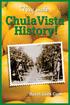 Hazel Goes Cook Hazel Goes Cook: an Extraordinary Businesswoman A lthough she was born in a century when women rarely worked outside the home and didn t have the right to vote, Hazel Goes Cook was a leader
~ The Great Banquet ~
 ~ The Great Banquet ~ You can learn much more about this story by doing these three things: 1. Read Luke 14:1-24 2. Discover key cultural and historical insights. 3. Answer the reflective questions. 1.
Preliminary English Test
 Preliminary English Test Placement Test Time allowed: 2 hours QUESTION PAPER DO NOT write on this paper Instructions: Please answer all questions DO NOT USE a dictionary Write all answers on the separate
Georgia O'Keeffe, 1887-1986: Her Paintings Showed Her Love for the American Southwest
 27 November 2011 voaspecialenglish.com Georgia O'Keeffe, 1887-1986: Her Paintings Showed Her Love for the American Southwest Detail from "Blue and Green Music," 1921 (You can download an MP3 of this story
Chapter 16: The Economy of the West after the Civil War
 Chapter 16: The Economy of the West after the Civil War Labor Most people thought the West would be poor farmland, with extreme temperatures and little rain. They imagined the land had few trees. The West
The Story of Ruby Bridges
 The Story of Ruby Bridges Our Ruby taught us all a lot. She became someone who helped change our country. She was part of history, just like generals and presidents are part of history. They re leaders,
A beautiful sunny day in July; I m walking on a street in the middle of a city, being surrounded by
 A Trip to Cambridge By Iina Lahti A beautiful sunny day in July; I m walking on a street in the middle of a city, being surrounded by stunning old buildings. Colleges and churches seem to be in every corner,
Chapter 9: The Policies of Alexander Hamilton and Thomas Jefferson
 Chapter 9: The Policies of Alexander Hamilton and Thomas Jefferson Department of State, Department of Treasury, Department of War, Attorney General, Postmaster General : 5 government departments established
Exchange Semester at Daniels College of Business
 Exchange Semester at Daniels College of Business Background I felt that going on an exchange semester as a part of my MSc degree was the right choice for me since I had not been on exchange during my undergraduate
going to take to town. On the way to the village, Mr. Norton joined Mr. Bates. I thought I would walk with you to town. I have some business I need
 A BAD BET Mr. and Mrs. Bates had been married for forty years. In those forty years they had never had a fight, much less an argument. They were a happy couple because they always agreed on everything.
Retaining Teachers: The Principal as Motivating Factor
 Retaining Teachers: The Principal as Motivating Factor Lawrence Allen Jr. People have asked me why, in my inner-city school of twelve hundred children 80 percent of them impoverished deemed in many eyes
Fry s Sight Word Phrases
 The people Write it down By the water Who will make it? You and I What will they do? He called me. We had their dog. What did they say? When would you go? No way A number of people One or two How long
13. Jesus is Anointed by Mary
 13. Jesus is Anointed by Mary Studying God s Word Bible Reference John 12: 1-8 Memory Verse Psalm 116:12 How can I repay the Lord for all his goodness to me? Bible Background In all four Gospels we find
Progressive Town. Hence, each man had only one vote and each man had to pay the exact same $10,000 to support his government.
 Progressive Town In our little imaginary town we have one business owner who hires an accountant, an engineer and 10 assembly workers. They all have a wife and two kids, so altogether there are 52 people
I believe that bringing a little sunlight to the older adult is an opportunity and an honor we all can all be a part of. ~Doug
 Doug Ohman 763-543-1049 www.pioneerphotography.com Artist Statement My goal as a photographer is to capture images that tell stories. Many of my photos reflect a deep sense of nostalgic emotion. I have
Gift of the Magi By O Henry
 Gift of the Magi By O Henry One dollar and eighty-seven cents. That was all. And sixty cents of it in the smallest pieces of money - pennies. Pennies saved one and two at a time by negotiating with the
Unit 4 Lesson 8 The Qin and Han Dynasties
 Unit 4 Lesson 8 The Qin and Han Dynasties Directions Read the False statements below. Replace each underlined word with one from the word bank that makes each sentence True. Word Bank Ying Zheng army copper
Ididn t think I was an alcoholic. I thought my
 (2) FEAR OF FEAR This lady was cautious. She decided she wouldn t let herself go in her drinking. And she would never, never take that morning drink! Ididn t think I was an alcoholic. I thought my problem
Ordinary Moments of Grace
 Ordinary Moments of Grace To everything there is a time and a season for every purpose under heaven. A time to be born and a time to die. A time to sow and a time to reap. A time to laugh and a time to
THEME: The goodness of God leads us to repentance.
 Devotion NT213 CHILDREN S DEVOTIONS FOR THE WEEK OF: LESSON TITLE: John the Baptist THEME: The goodness of God leads us to repentance. SCRIPTURE: Luke 3:1-22 Dear Parents Welcome to Bible Time for Kids!
THEME: God desires for us to demonstrate His love!
 Devotion NT320 CHILDREN S DEVOTIONS FOR THE WEEK OF: LESSON TITLE: The Gift of Love THEME: God desires for us to demonstrate His love! SCRIPTURE: 1 Corinthians 13:1-13 Dear Parents Welcome to Bible Time
You re One in Seven Billion!
 You re One in Seven Billion! We ve all heard the expression, You re one in a million!. With the ever-growing number of people on the planet, it might be more accurate to say, You re one in seven billion!
Prayer Service to Celebrate the Ministry of Teachers During Catholic Schools Week 2015
 Prayer Service to Celebrate the Ministry of Teachers During Catholic Schools Week 2015 You Will Need A large candle with the words Love, Kindness, Joy, Truth and Justice (the final page of this document
Hotel Operations Partner
 Hotel Operations Partner Good evening everyone. Thanks so much for taking time out of your busy lives to celebrate with us. Because after all the time and experiences we ve had getting our beautiful Inn
My friends, I am honored to be here with you this morning. This Rotary Club is such a distinguished group, such a historic organization.
 Immigration and the Next America Most Reverend José H. Gomez Archbishop of Los Angeles Rotary Club of Los Angeles Los Angeles, California January 10, 2013 My friends, I am honored to be here with you this
Longtime philanthropist Linda Greenberg moving to Florida By HEATHER ROTH Staff writer Published 11/20/09
 Longtime philanthropist Linda Greenberg moving to Florida By HEATHER ROTH Staff writer Published 11/20/09 Everyone involved in homeless services knows Linda Greenberg, a petite, energetic woman who founded
Can you spell these words?
 a an as at am man if in is it sit tip pips on off of men peg pen can dad had back and big him his not got dot up mum but put us run I the to do into no go so 1 the this that then them will with went win
LESSON TITLE: Jesus Visits Mary and Martha THEME: Jesus wants us to spend time with \ Him. SCRIPTURE: Luke 10:38-42
 Devotion NT249 CHILDREN S DEVOTIONS FOR THE WEEK OF: LESSON TITLE: Jesus Visits Mary and Martha THEME: Jesus wants us to spend time with \ Him. SCRIPTURE: Luke 10:38-42 Dear Parents Welcome to Bible Time
The Trinity is a mystery. Even great theologians don t completely understand it, and some scholars spend their whole lives studying it.
 Holy Trinity Sunday In the name of the Father, Son, and Holy Spirit Mathew 28:16-20 Sometimes when I m leading chapel for our preschoolers, I ask a question like: Who was born in Bethlehem? And one of
BIBLE TRUTH: KEY VERSE: FROM KENYA LEADER GUIDE MEET KYALONGUI LESSON 9. God has a plan for what our lives can be.
 LESSON 9 LEADER GUIDE MEET KYALONGUI FROM KENYA BIBLE TRUTH: God has a plan for what our lives can be. KEY VERSE: For I know the plans I have for you, declares the Lord, plans for welfare and not for evil,
Being Present Luke 1:39-55. Presbyterian pastor Mark Labberton tells the story of one his members
 1 Being Present Luke 1:39-55 Presbyterian pastor Mark Labberton tells the story of one his members named Doris. 1 A very active woman with silver-blond hair, Doris was in her eighties. Every Friday morning
Grace to you and peace, from God our Father and from our Lord Jesus Christ.
 Whiplash 1 Matthew 16:21-28 (NRSV) From that time on, Jesus began to show his disciples that he must go to Jerusalem and undergo great suffering at the hands of the elders and chief priests and scribes,
7 Secrets To Websites That Sell. By Alex Nelson
 7 Secrets To Websites That Sell By Alex Nelson Website Secret #1 Create a Direct Response Website Did you know there are two different types of websites? It s true. There are branding websites and there
WILL WE BE MARRIED IN THE LIFE AFTER DEATH?
 Explanatory Notes: WILL WE BE MARRIED IN THE LIFE AFTER DEATH? Series title: Topic: Marriage in heaven / heaven as a marriage Table of Contents: Message 1: What is the Life after Death Like? p. 1 Message
The Norwood Builder and Other Stories
 MACMILLAN READERS INTERMEDIATE LEVEL SIR ARTHUR CONAN DOYLE The Norwood Builder and Other Stories Retold by F H Cornish MACMILLAN THE NORWOOD BU ILDER 1 The Most Unhappy Man T he case which I call The
Bible for Children. presents THE MAN OF FIRE
 Bible for Children presents THE MAN OF FIRE Written by: Edward Hughes Illustrated by: Lazarus Adapted by: E. Frischbutter Produced by: Bible for Children www.m1914.org 2007 Bible for Children, Inc. License:
Compare and Contrast Versions of a Story
 Compare and Contrast Versions of a Story What story has wicked stepsisters, a fairy godmother, glass slippers, and a girl who works hard and ends up marrying a prince? Cinderella! You have probably read
LESSON 1 WHY STUDY THE STOCK MARKET?
 LESSON 1 WHY STUDY THE STOCK MARKET? INTRODUCTION This lesson is designed to spark student interest in the stock market and help the teacher learn what students already know or believe about the stock
GUESS WHO CAME TO DINNER? (John 12:1-8)
 GUESS WHO CAME TO DINNER? (John 12:1-8) Adapted from: www.sermonseeds.org/master%20index.htm For more downloadable teachings see: www.altogetherlovely.org (FREE TEACHINGS) Scripture taken from the HOLY
The accidental millionaire
 A A GENERAL ISSUES The accidental millionaire Lesson code: B3I6-P2E9-ELZB INTERMEDIATE + 1 Crime and punishment Study the words and put them into the correct category below. a defendant a judge a jury
There are ten mistakes in this account. Underline them and correct them. were dead. Aramis told him that his mother was alive.
 1The Bastille, Paris There are ten mistakes in this account. Underline them and correct them. It was a cool autumn night in 1660. Aramis went to the Bastille prison and told the guard of the prison that
ISI Debtor Testimonials. April 2015 ISI. Tackling problem debt together
 ISI Debtor Testimonials April 2015 ISI Tackling problem debt together The following are the words of debtors who have availed of the ISI s debt solutions and are real cases. They have reviewed and agreed
Theme: The deliverance of the Israelites from Egypt demonstrates God s power
 Title: THE LIBERATING POWER AND LOVE OF GOD Theme: The deliverance of the Israelites from Egypt demonstrates God s power Bible Basis: Genesis 15:13-15 CEV; Exodus 1-12* Introduction: We have been learning
MAKING A WILL A guide to help you
 MAKING A WILL A guide to help you Death is not something we like to think about or plan for and of course no amount of planning can prevent the pain your loved ones will experience when you die. However,
THE FORGIVING FATHER
 BOOK 1, PART 3, LESSON 4 THE FORGIVING FATHER THE BIBLE: Luke 15:11-32 THEME: We can discover what Jesus wants us to do and be by hearing the parables Jesus told. PREPARING FOR THE LESSON MAIN IDEA: Jesus
What the Life Insurance Industry Does Not Want You to Have.
 What the Life Insurance Industry Does Not Want You to Have. 1. Who am I and why should you listen to me? 2. What can go wrong and how can you be affected by this? 3. After the government noticed there
Making Friends at College
 Unit 1 1 Making Friends at College Study Buddies Passage 02 One of the most challenging aspects of college life is finding the right balance between social and academic activities. Everyone wants to have
Open Adoption: It s Your Choice
 Open Adoption: It s Your Choice If you re pregnant and thinking about placing your child for adoption (making an adoption plan for your child), you may want to consider open adoption. Ask yourself Read
11.) France and the U.S. had a special. A.) independence B.) freedom C.) relationship D.) gift
 8 th Form Olympiad 2013 Round I Listening Comprehension Section 1 Directions: Listen to the story, The Statue of Liberty, and mark True (+) or False (-) next to the number. 1.) Twelve people can stand
Letters of administration (usually when there is no valid will).
 The Probate Service What is probate? When a person dies somebody has to deal with their estate (money property and possessions left) by collecting in all the money, paying any debts and distributing what
Georgia O Keeffe 1887-1986. The Beauty of Nature
 Georgia O Keeffe 1887-1986 The Beauty of Nature Sun Prairie, Wisconsin 1887 The farm where Georgia grew up was a great place to learn about nature. Georgia wanted to touch and feel everything. She remembered
Tom Torlino, Ziewie, and the Student Experience
 Tom Torlino, Ziewie, and the Student Experience 1. Photographic Evidence: These two pictures are of Tom Torlino and Ziewie, Navajo teenagers brought to a boarding school. The picture at left shows Tom
Haslingden High School RE HOMEWORK BOOKLET Year 8 Block A
 Haslingden High School RE HOMEWORK BOOKLET Year 8 Block A Name: Form: Subject Teacher: Date Given: Date to Hand in: Level: Effort: House Points: Comment: Target: Parent / Guardian Comment: 0 Year 8 Block
The Colors of Christmas
 The Colors of Christmas A Children s Celebration of the Nativity By Dottie Lafferty Setting: Scene: Characters: Opening: Child1: Child2: Child3: Child4: Child5: Grandma s Living Room The only props will
MY EXCHANGE SEMESTER IN GÄVLE, SWEDEN
 FINAL REPORT MY EXCHANGE SEMESTER IN GÄVLE, SWEDEN (27 TH AUGUST 2014 18 TH JANUARY 2015) UNIVERSITY OF APPLIED SCIENCES BIBERACH MORITZ REIBER Table of content Preparation... 2 Sweden & Gävle... 3 University...
Table of Contents. Introduction... 3 Practice Reading Passage: Geothermal Power... 7 Practice Comprehension Questions... 8
 Table of ontents Introduction... 3 Practice Reading Passage: Geothermal Power... 7 Practice omprehension Questions... 8 Standards orrelation.... 9 Reading Levels hart... 13 Science Passages Gray Whales:
Your essential guide to equity release. from the UK s No. 1 specialist
 Your essential guide to equity release from the UK s No. 1 specialist 03 03 04 05 06 07 08 09 10 15 Contents What is equity release? How could equity release help you? Why choose Key Retirement? Mr & Mrs
Horse Race or Steeplechase
 Horse Race or Steeplechase A board game that people of all ages have enjoyed for many years is Steeplechase or Horse Race. The name Steeplechase came from the real horse races run in Europe where the cross-country
Chapter 3: European Exploration and Colonization
 Chapter 3: European Exploration and Colonization Trade Route to Asia in the 1400s European Trade With Asia Traders - people who get wealth by buying items from a group of people at a low price and selling
A PRAYER IN THE GARDEN
 BOOK 3, PART I, LESSON 4 A PRAYER IN THE GARDEN THE BIBLE: Luke 22:39-53, Mark 14:32-50 THEME: We remember that Jesus taught about love and showed love in everything he did. During Lent and Easter we remember
Tax Help Colorado Client Stories 2015 Tax Season
 Tax Help Colorado Client Stories 2015 Tax Season Alejandro Denver, Colorado Alejandro lives in West Denver with his family of four and works as a roofer to support them. As he waits to get his taxes prepared
The Walls Came Tumbling Down The Story, Chapter 7: Joshua Sunday, October 19, 2014 Lakeside Lutheran Church Almost every Sunday morning, I post an
 The Walls Came Tumbling Down The Story, Chapter 7: Joshua Sunday, October 19, 2014 Lakeside Lutheran Church Almost every Sunday morning, I post an invitation on Lakeside s Facebook page about what will
The Hottest Recruiting Scripts in MLM by Eric Worre
 The Hottest Recruiting Scripts in MLM by Eric Worre It s a stone cold fact that we have a better way, now let s go tell the world For more information on how to become a Network Marketing Professional,
Salt is Better than Gold
 Salt is Better than Gold Long ago and far away, in a grand castle, in a splendid kingdom, lived a King. The King enjoyed fine food and held sumptuous feasts in the great hall of the grand castle. The King
Attention. 2015 is the twentieth year of the ACtivators youth ministry program and we did a couple things last Spring to mark that milestone.
 Perspectives and Reflections August 18, 2015 Attention Luke 19:1-8 1 [Jesus] entered Jericho and was passing through it. 2 A man was there named Zacchaeus; he was a chief tax collector and was rich. 3
ROLES TO ASSIGN. 1. Judge. 2. Courtroom Deputy. 3. Prosecutor 1 opening statement. 4. Prosecutor 2 direct of Dana Capro
 ROLES TO ASSIGN 1. Judge 2. Courtroom Deputy 3. Prosecutor 1 opening statement 4. Prosecutor 2 direct of Dana Capro 5. Prosecutor 3 direct of Jamie Medina 6. Prosecutor 4 cross of Pat Morton 7. Prosecutor
Conditional Sentences Third Condition (Past Time - Unreal/ Contrary to Fact)
 Conditional Sentences Third Condition (Past Time - Unreal/ Contrary to Fact) Complete the following sentences using the correct form of the verbs provided. Ex. Annie failed her history test, but if she
HEATHER WILSON/PICO. SESSION FOUR How Our Criminal Justice System Excludes People. Study Guide for a Year of Encounter
 HEATHER WILSON/PICO SESSION FOUR How Our Criminal Justice System Excludes People Study Guide for a Year of Encounter SESSION FOUR: How our Criminal Justice System Excludes People We believe that both victims
TEST BOOK AND ANSWER KEY
 The Story of the World TEST BOOK AND ANSWER KEY Volume 1: Ancient Times Peace Hill Press Charles City, Virginia www.peacehillpress.com How to Use These Tests and Answer Key These Tests and their accompanying
Whereas I was Blind, Now I See. John 9: 1-11; 25
 Whereas I was Blind, Now I See John 9: 1-11; 25 We all know that great hymn well: Amazing grace, how sweet the sound, that saved a wretch like me; I once was lost, but now I m found; was blind, but now
4. After all groups have finished, have the groups share and explain their answers.
 Title: Patriot, Loyalist, or Neutral? You Decide By Lynne Fuller, Carusi Middle School Historical Background: During the American Revolution, the American colonists had to decide to support the War for
Hi-tech. Language focus. First conditional. Second conditional. eat. 'd give / wouldn t
 9 Hi-tech Language focus First conditional 1a Complete the sentences with the correct form of the verb in brackets. Use the Present Simple or will + infinitive. eat 1 If you (eat) cheese late at night,
LESSON TITLE: Jesus Heals Blind Bartimaeus
 Devotion NT257 CHILDREN S DEVOTIONS FOR THE WEEK OF: LESSON TITLE: Jesus Heals Blind Bartimaeus THEME: Jesus always has time for us! SCRIPTURE: Mark 10:46-52 Dear Parents Welcome to Bible Time for Kids!
Lesson 2: Principles of Evangelism
 Lesson 2: Principles of Evangelism Introduction In our last lesson, we discovered that our identity determines, more than anything else, the success of our mission work. Who we are is so much more important
Chapter 13 More Like the TVA?
 Page 55 Chapter 13 More Like the TVA? One of the most bitter arguments between liberals and conservatives has been over the government s role in the economy. Liberals say the government should do the things
Phillis Wheatley, 1753-1784: Early African- American Poet
 17 December 2011 voaspecialenglish.com Phillis Wheatley, 1753-1784: Early African- American Poet A rare signed edition of Phillis Wheatley s poetry from 1773 (Download an MP3 of this story at voaspecialenglish.com)
No Greater Love Memorial Day May 26, 2013 Trinity United Methodist Church John 15:9-17
 No Greater Love Memorial Day May 26, 2013 Trinity United Methodist Church John 15:9-17 In our nation, where history is often overshadowed by current happenings, it is good that we set aside a couple days
Preparing an Evangelistic Bible Lesson
 Preparing an Evangelistic Bible Lesson 1 Preparing an Evangelistic Bible Lesson Prepare Your Heart Pray for yourself; ask God to speak to you through this Scripture passage. Pray for your students and
A different kind of relationship.
 Discover the difference with a Registered Investment Advisor. A different kind of relationship. Independent registered investment advisors provide a variety of services to their clients. This is a series
Choose the correct alternative to complete the sentences.
 Testi_Kang_09.qxp 19-04-2009 20:00 Pagina 16 Kangourou Italia - British Institutes Gara dell 11 marzo 2009 Categoria Per studenti della classe seconda della Scuola Secondaria di Secondo Grado Choose the