
2014 CAREER PERSPECIVES OF LOGISTICS AND SUPPLY CHAIN MANAGEMENT PROFESSIONALS
|
|
|
- Meryl Wheeler
- 10 years ago
- Views:
Transcription
1 2014 CAREER PERSPECIVES OF LOGISTICS AND SUPPLY CHAIN MANAGEMENT PROFESSIONALS Martha C. Cooper, Professor of Logistics, The Ohio State University Max M. Fisher College of Business, 2100 Neil Avenue, Columbus, Ohio 43210, USA , John Santosa, MBA, Research Assistant, The Ohio State University Max M. Fisher College of Business, Jl. Kayu Putih I no. 25, Jakarta 13260, Indonesia , [email protected] Deborah C. Hurst, Acting Dean, Athabasca University, Sir Winston Churchill Ave., St. Albert, AB T8N 1B4, Canada , [email protected] Nada R. Sanders, Distinguished Professor of Supply Chain Management D'Amore-McKim School of Business, Northeastern University, Boston, MA 02115, USA , [email protected] Marzenna Cichosz Assistant Professor, Warsaw School of Economics, Warsaw, Poland [email protected] Esen Andic, Doctoral Student, The Ohio State University Max M. Fisher College of Business, 2100 Neil Avenue, Columbus, Ohio 43210, USA [email protected] Mikaella Polyviou, Doctoral Student, The Ohio State University Max M. Fisher College of Business, 2100 Neil Avenue, Columbus, Ohio 43210, USA [email protected] Curtis P. Haugtvedt, Associate Professor of Marketing, The Ohio State University Max M. Fisher College of Business, 2100 Neil Avenue, Columbus, Ohio 43210, USA [email protected] David Widdifield Senior Lecturer, Director, Masters in Business Logistics Engineering Program Max M. Fisher College of Business, 2100 Neil Avenue, Columbus, Ohio 43210, USA [email protected]

2 2014 CAREER PERSPECIVES OF LOGISTICS AND SUPPLY CHAIN MANAGEMENT PROFESSIONALS INTRODUCTION This report presents the findings from the 2014 survey of Career Perspectives of Logistics and Supply Chain Management (SCM) professionals. The purpose of the study was to collect information about the Council of Supply Chain Management Professionals (CSCMP) members. Specifically, we sought to obtain insight into the following questions: What are the demographic profiles of logistics/scm executives? What are the work environment profiles of the logistics/scm executives? What are the perspectives and attitudes of the logistics/scm executives? What role has mentoring played in the development of the logistics/scm executives? How do companies attract, retain, and promote top supply chain talent? These questions are addressed following a brief explanation of the methodology of the study. METHODOLOGY addresses of 4788 current members were obtained in August of 2014 from CSCMP, representing about half of the membership. A questionnaire was designed and posted on a web site. Of these addresses, approximately 154 were undeliverable for a final sample of First potential respondents received an indicating the nature of the survey and asking them to visit a web site to complete the survey. A second request was sent two weeks later. The results reported here are based on 289 usable responses, for a response rate of 6.2%. The reader is cautioned to avoid generalizing the results of this survey to other members of CSCMP who were not contacted or did not respond or to those in the general practice areas of logistics or supply chain management. The reader should note that the most frequently stated responses are listed in several of the figures. The other category may at times be omitted to provide greater clarity for the major categories of responses. 2
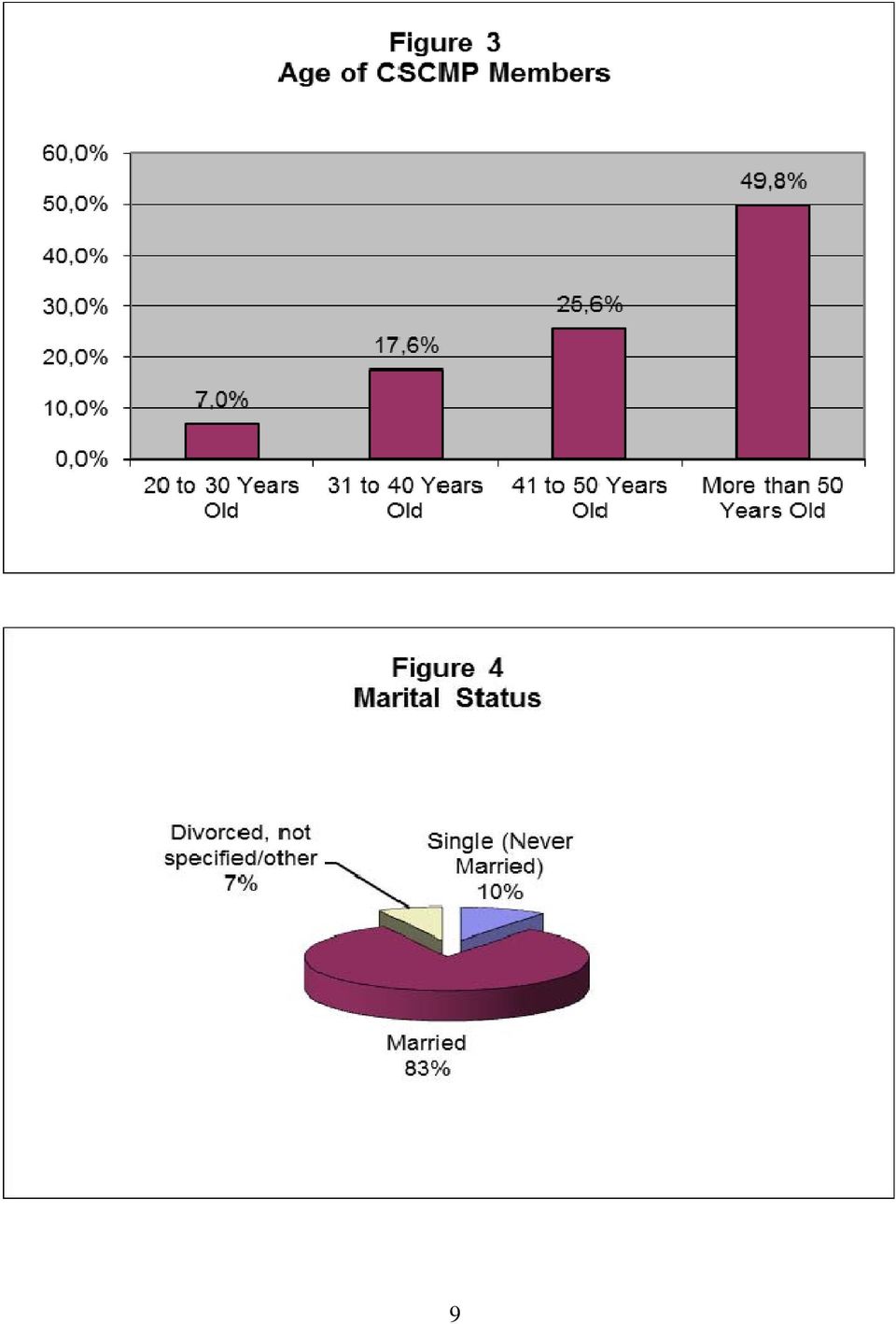
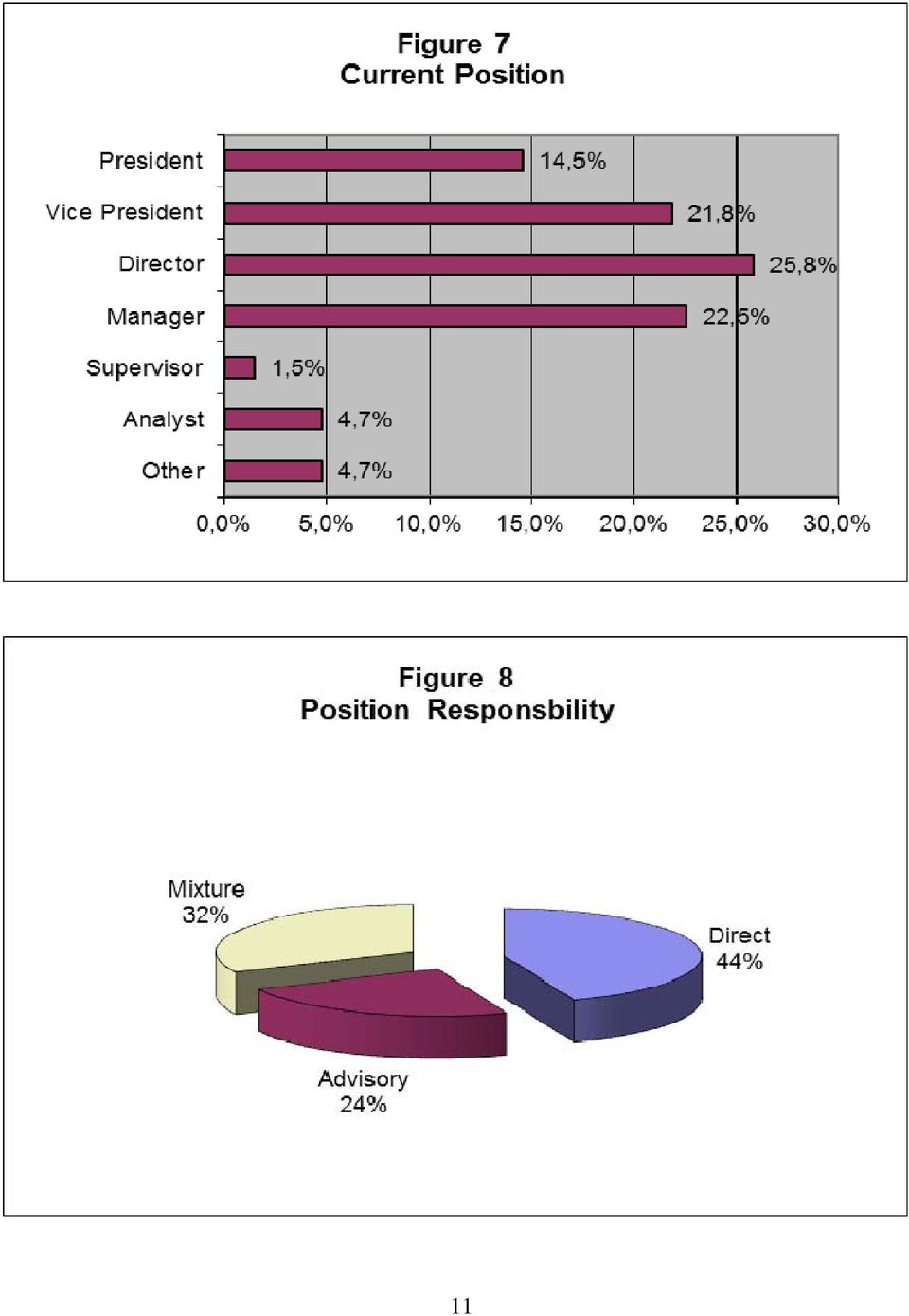
3 WHAT ARE THE LOGISTICS EXECUTIVES DEMOGRAPHIC PROFILES? Respondents were asked about the extent of their experience in the logistics field and membership in CSCMP. Thirty-four percent (34%) of respondents have been members of CSCMP for three or fewer years, while twenty-eight percent (28%) have been members for twelve or more years as shown in Figure 1. Thirty-two percent of the respondents (32%) have attended at least one local roundtable meeting in the past year, while 48% indicated that they have not attended any local meetings. (See Figure 2.) Respondents were also asked their ages, marital status, and levels of education. About fortythree percent of respondents are thirty-one to fifty years old (43%). Only seven percent (7%) are thirty or under, while about half (49.8%) are over fifty. (See Figure 3.) The average age of the respondents is 49 years. Figure 4 indicates that eighty-three percent (83%) of the respondents are married. Ten percent (10%) are single who have never married and seven percent (7%) are divorced, in partnership, or not specified. Forty-eight percent of the respondents (48%) felt it was somewhat difficult or very difficult to balance a career and family. Nineteen percent (19%) of respondents felt it was not difficult at all or not too difficult. The weight still falls on more difficult rather than less difficult (48% vs. 19%), while thirty-three percent (33%) of respondents felt that they experienced moderate difficulty. (See Figure 5.) The highest degrees attained for most respondents are the graduate level (51%) and the undergraduate level (39.7%), with 9.7% of all respondents having additional certifications. The MBA is the most frequent graduate degree, although other masters and doctorates are also represented. Almost half (49.8%) of respondents have a degree or concentration in logistics at either the undergraduate or graduate levels. (See Figure 6.) Respondents with certifications are not included in the cumulative percentages. Respondents could check all choices in order to count certifications as well as degrees. WHAT ARE THE WORK ENVIRONMENT PROFILES OF THE LOGISTICS EXECUTIVES? Respondents were asked several questions about their work environments, including current title and responsibilities and salary. Respondents tend to be in the upper management levels as indicated in Figure 7. The largest category is directors (25.8%), followed by managers (22.5%), and vice presidents (21.8%). Fifteen percent (14.5%) are at the head of their organizations and five percent (4.7%) indicated that they are analysts. The Other category primarily consisted of those involved in education and training and with other senior or middle management titles. The reader is again cautioned about generalizing results. This is a biased sample since CSCMP is the premier logistics and supply chain management (SCM) organization and our respondents may not represent the general population in logistics or SCM. The responsibilities of the respondents varied among primarily direct, advisory, and a combination of the two. Figure 8 indicates that forty-four percent (44%) have direct responsibility for logistics functions, twenty-four percent (24%) have advisory responsibility, 3
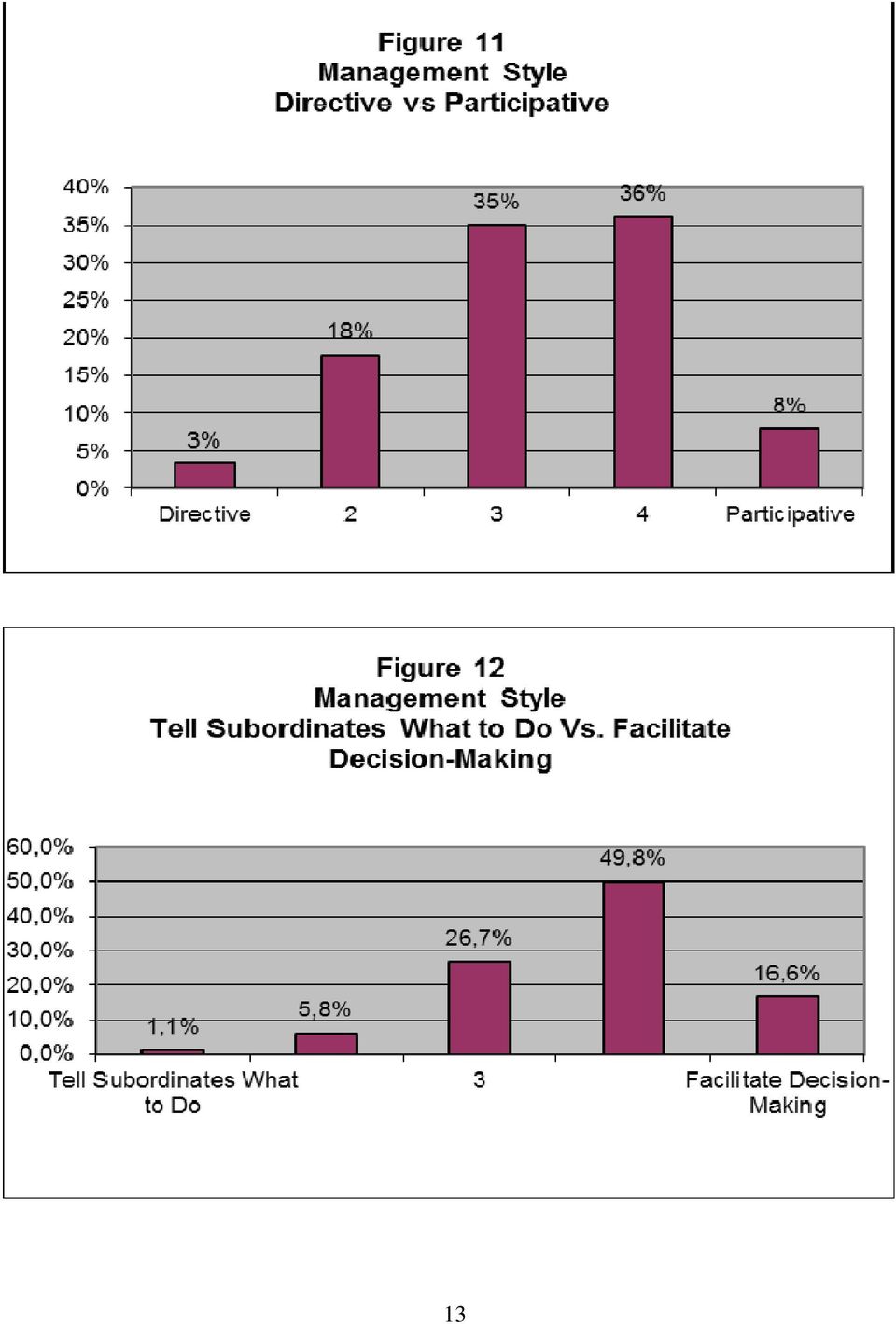
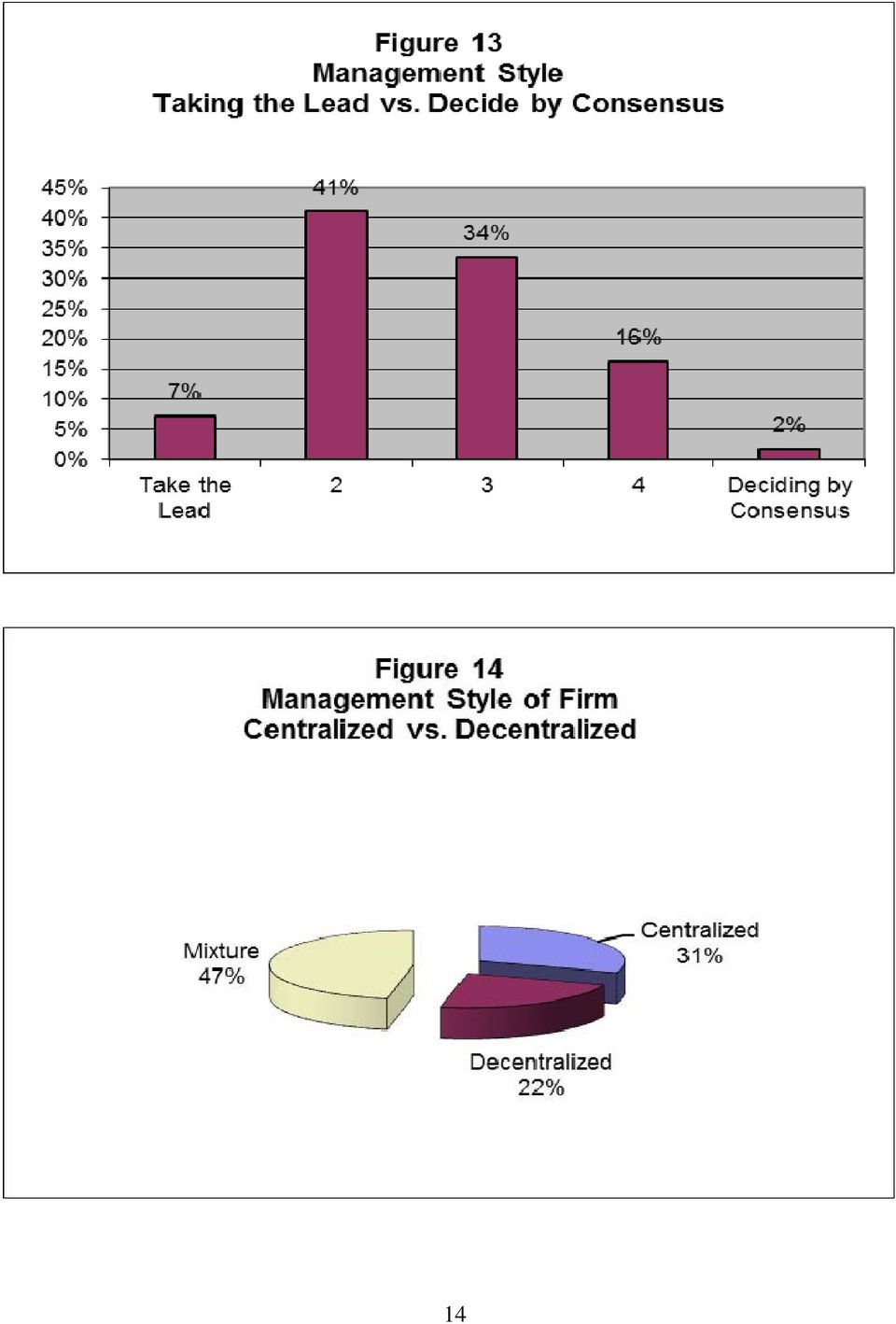
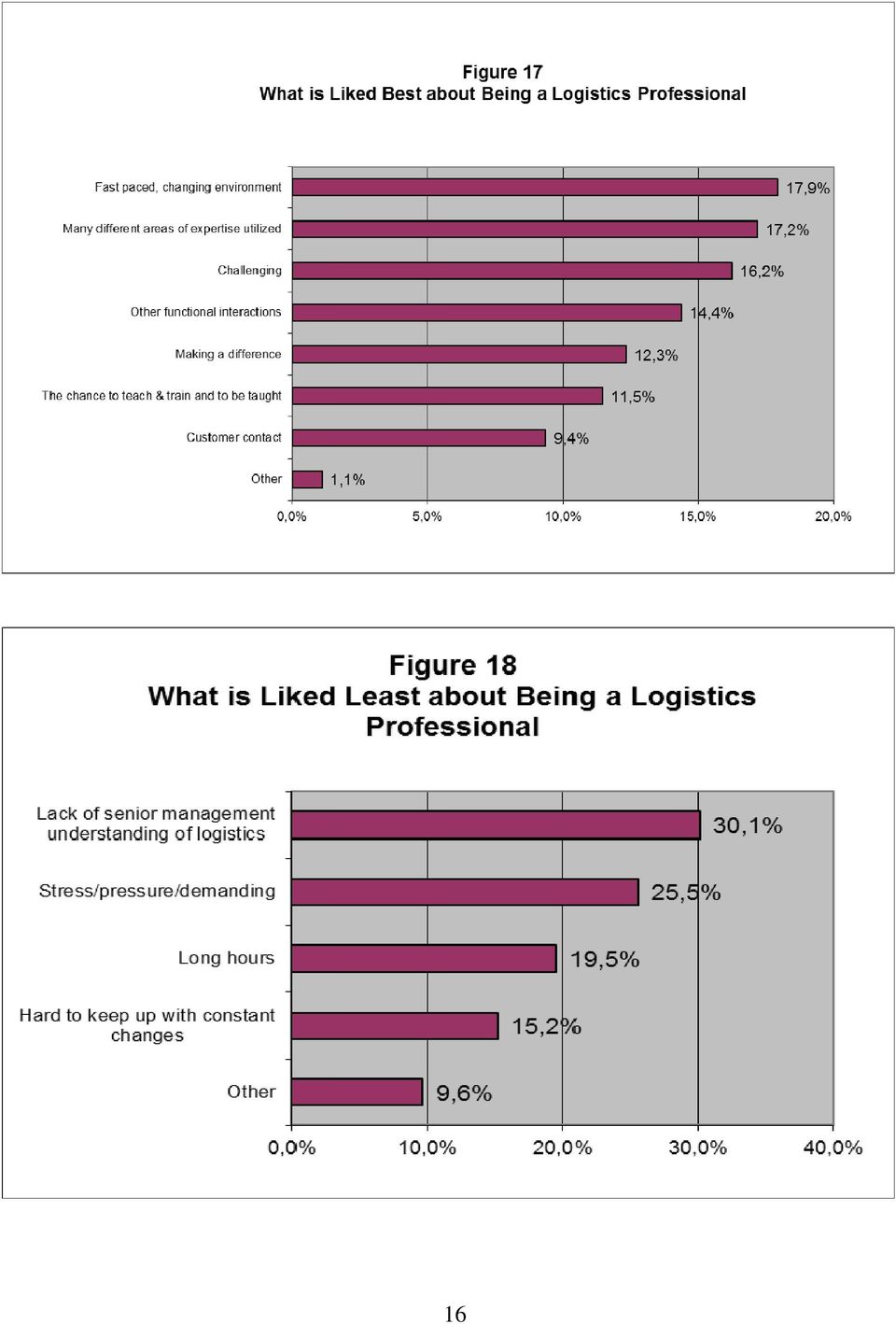
4 and thirty-two percent (32%) indicated that they have both direct and advisory logistics responsibilities. Thirty-four percent (34%) of the logistics activities in respondents companies are structured as a combination of divisional and centralized organizations. However, 24% had a centralized logistics staff, fifteen percent (15%) had logistics housed in each division, and nine percent (9%) had a separate logistics division, as indicated in Figure 9. Some respondents (10%) indicated that their whole firm performed logistics activities or provided other services. The other category included logistics services firms, including consultants, and other forms of organization as viewed by the respondents. The salary levels reported in Figure 10 were divided into quartiles. This was done to give the reader a sense of the ranges for the title categories of vice-president, director, manager, and analyst. The median is reported which is the middle salary for each quartile. When interpreting the salary levels, the reader should consider that respondents are from varying industries, company sizes, and regions of the world. For example, the median salaries for managers ranged from $65,000 in the first quartile to $145,000 in the fourth quartile. Note: There must be at least three respondents per quartile in order to preserve anonymity for a title to be reported. Executives responding to the survey tend to have participative management styles (44%), while a thirty-five percent (35%) felt that they have a combination of participative and directive styles and twenty-one percent (21%) felt that their management styles tend to be directive. (See Figure 11.) The respondents are much more likely (66.4%) to facilitate decision-making than to directly tell subordinates what to do (6.9%), while a quarter (26.7%) felt they use a combination of approaches. (See Figure 12.) Half of respondents (48%) take the lead, while thirty-four percent (34%) employ a combination of taking the lead and building consensus and eighteen percent (18%) decide primarily by consensus. (See Figure 13.) While respondents are much less likely to tell subordinates what to do, they do take the lead in accomplishing tasks. The executives characterized their overall firm management environments as centralized (31%), decentralized (22%), and a combination (47%) of centralized and decentralized, as shown in Figure 14. WHAT ARE THE PERSPECTIVES AND ATTITUDES OF LOGISTICS EXECUTIVES? Most respondents (83%) are satisfied with their current positions as shown in Figure 15. They feel the opportunities for building a sound professional career in logistics are better (92%) today than ever before. (See Figure 16.) The aspects of being a logistics professional that the respondents liked best are that it is a fast paced, changing environment (17.9%) and many different areas of expertise are utilized (17.2%). (See Figure 17.) Lack of senior management understanding of logistics was the primary (30.1%) aspect cited that they liked least. (See Figure 18.) The other category contained a variety of different responses with no central themes. For both questions, respondents could only select 4

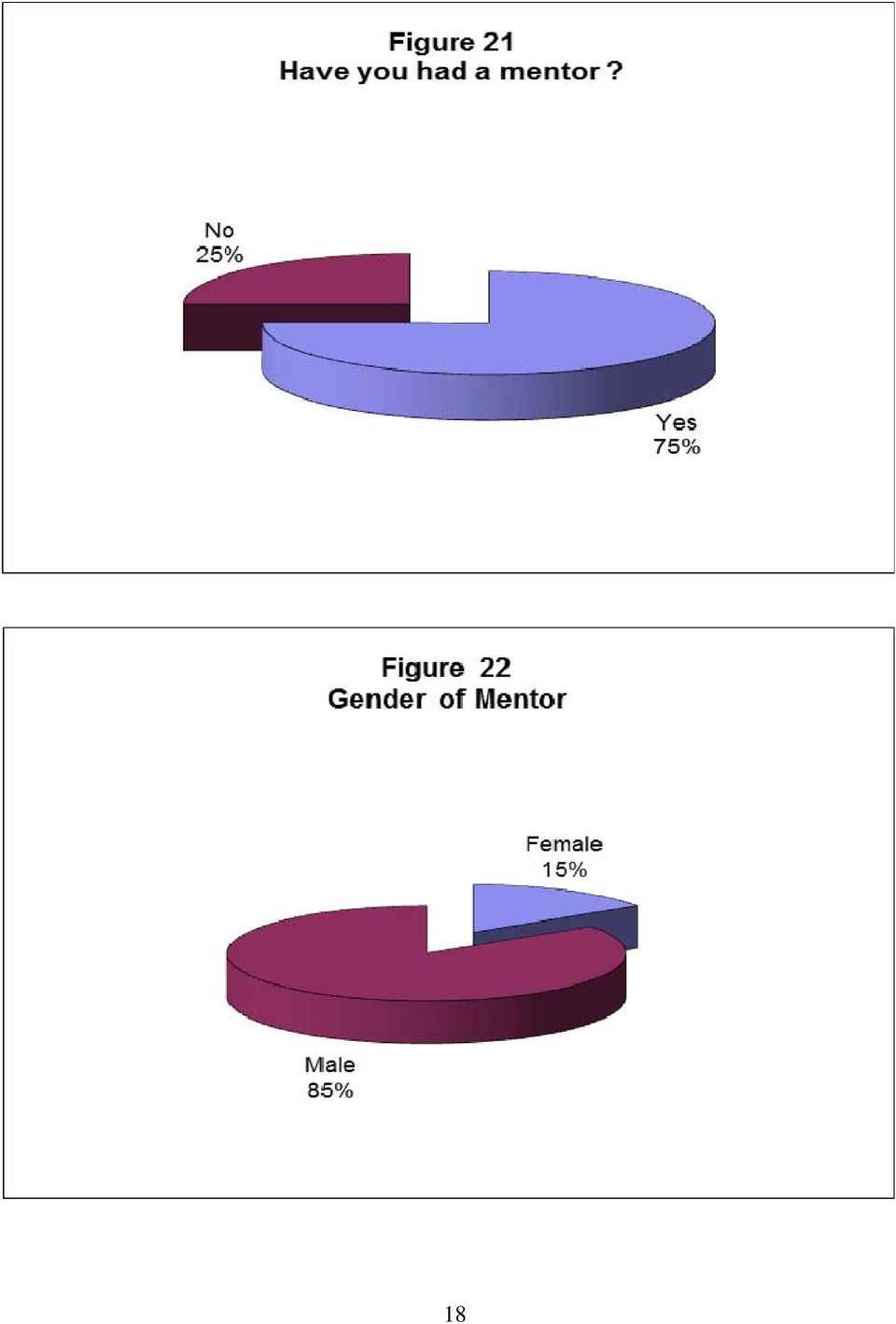
5 one answer for the past two years that we conducted the survey. This year, respondents could check all that apply. The respondents felt that several attributes contributed to their success and they could check as many as were applicable. These included a mix of leadership ability and management skills involving interpersonal skills and personal traits, as well as job-related analytical skills. Dedication, hard work, and determination ranked first in number of mentions. Understanding the big picture, leadership and management skills, interpersonal skills, good communication, and analytical ability are all important. Having a good education in logistics or operations and having a mentor were also a plus. (See Figure 19.) Respondents either agreed or strongly agreed (97%) that future logistics requirements will include a high level of information /technology skills. (See Figure 20.) WHAT ROLE HAS MENTORING PLAYED IN THE DEVELOPMENT OF THE LOGISTICS EXECUTIVES? Most respondents (75%) reported that they have had a mentor at some point in their careers. (See Figure 21.) Eighty-five percent of those responding to this question (85%) have had male mentors, while seventeen percent (15%) had female mentors, as shown in Figure 22. Fifty-two percent (52%) of these mentors were immediate supervisors, while forty-eight percent (48%) were some other individual. (See Figure 23.) The mentors provided assistance in the form of advice, guidance, constructive criticism, moral support, understanding politics, networking, and help finding a job. (See Figure 24.) Eighty-two percent (82%) of logistics or SCM executives have been mentors to others. (See Figure 25.) Forty percent (40%) have been mentors two to three times, while 29% have been mentors four to six times and 21% more than six times. (See Figure 26.) ATTRACTING, RETAINING, AND PROMOTING TOP SUPPLY CHAIN TALENT This section began with some general questions about the economy and the respondent s industry. Generally, respondents are more upbeat this year as shown in Figures While about 20% disagree or strongly disagree that the overall economy is better, the industry economy is better, and more jobs are available, most agreed or strongly agreed (74%, 67%, and 64%) that things are better. Of the choices offered for finding top supply chain talent, the most frequently cited was LinkedIn (Figure 30). Several others included using search firms, online resume web sites, in-house company assessment processes involving more than just interviews, and using coops and internships to evaluate potential employees. The latter applies more to recent college graduates or new hires. It appears important to keep one s LinkedIn profile up to date with picture, resume and key words. 5

6 The four most cited factors for attracting and retaining top logistics or supply chain talent were salary, benefits, the chance for advancement, and family and work life alignment in Figure 31. Also asked were perceptions on whether there are different expectations between male and female employees regarding salary potential, work hours, promotion opportunities, and responsibilities at the department, individual, or organizational levels. Respondents were only to indicate whether a difference was perceived, not the direction. Due to a programming glitch the intended question of whether respondents thought there was a difference was omitted from the web survey. We estimated Figure 32 based on the number of responses indicating some difference versus those who indicated no difference. This resulted in the 73/27% split but this should not be taken as indicating that most respondents to this question felt there was a difference on one of the dimensions listed. We strongly recommend not quoting this result. Promotion potential was the most frequently cited with 30% of the responses in Figure 33. Salary differences were second with 23%. Once recruited, how does a company retain and groom top talent? The options for this question reflected more than the usual periodic reviews and focused more on what the firm and its management can actively do to track top performers and check their perceptions about their assignments. Three options were based on an article by Adrienne Fox in Society for Human Resource Management (SHRM.org) on April 4, 2014, titled Talent Management Special Report Keep Your Top Talent: The Return of Retention, Vol. 59 No. 4, based on work by Dr. John Sullivan of San Francisco State University. The point is that more than usual needs to be done for top talent or they will walk. Specifically, employees should be re-recruited rather than just evaluated. This suggests that annual reviews should involve questions for employees, asking whether they are doing the best work of their lives and whether they believe that what they are doing makes a difference within the company and for the world. The second method listed was the more usual individual advancement plans and perks. To re-energize top talent, ask them periodically if they feel energized in their work environment and, if not, what could be done to change it and re-energize them. Re-engaging employees includes asking if they feel engaged in their work and the firm or are they thinking of leaving the firm. The Re-engaging option received fewer responses than the other three but all seem important to respondents. (See Figure 34.) CONCLUSIONS AND IMPLICATIONS The logistics executives are well educated, with more achieving graduate degrees than undergraduate degrees. Almost half of respondents have degrees in logistics or SCM at the undergraduate or graduate levels. They attribute their success to a number of factors that are a combination of interpersonal skills and analytical skills needed for their positions. The management style tends to facilitate decision-making but can also be a combination of facilitation and directing others what to do. They are willing to take the lead to accomplish tasks and goals. Executives are willing to put forth the effort needed to succeed in the logistics and supply chain management fields. They do have to make work and life balancing decisions. A lot of ink has been directed toward the gap of top logistics and supply chain talent, especially with the number of baby boomers retiring. Respondents are generally upbeat about the economy 6

7 and jobs. Retaining top talent is an important responsibility of management. Like customers, it is better to keep them than find new ones. Working with talent consistently and not just at annual review time, can help track the pulse of these high performers and find ways to keep them with the organization. 7

8 8

9 9
10 10

11 11
12 12

13 13
14 14
15 15

16 16
17 17

18 18
19 19

20 20

21 21
22 22
23 23
24 24
The Effects of ALA Accreditation Standards on Library Education Programs Accredited by the American Library Association
 The Effects of ALA Accreditation Standards on Library Education Programs Accredited by the American Library Association Michael E. Mounce Assistant Professor Delta State University Contact Information:
UNC Leadership Survey 2012: Women in Business
 UNC Leadership Survey 2012: Women in Business Quantitative Report UNC Kenan-Flagler Business School Executive Development 2013 Table of Contents Introduction 3 How to Read This Report 4 Key Findings 5
Online Leadership & Management Development LMD. Corporate learning experiences. tailored to your organization.
 Online Leadership & Management Development LMD Corporate learning experiences tailored to your organization. Leadership and Management Development [LMD] builds organizational capabilities... By developing
AND MORE PAY, PERKS 2012 COMPENSATION HIGHLIGHTS OF THE AFP AND BENEFITS STUDY. Salary Survey BY CATHLENE WILLIAMS, PH.D., CAE
 PAY, PERKS AND MORE BY CATHLENE WILLIAMS, PH.D., CAE HIGHLIGHTS OF THE AFP 2012 COMPENSATION AND BENEFITS STUDY Alex Williamson/Getty Images 36 Advancing Philanthropy July/August 2012 Some things don t
Health Care Management Student Perceptions of Online Courses Compared to Traditional Classroom Courses
 International Journal of Business and Social Science Vol. No. ; March 0 Health Care Management Student Perceptions of Online Courses Compared to Traditional Classroom Courses Ronald M. Fuqua* Deborah Gritzmacher
Graduate Education in the United States
 Graduate Education in the United States Finnish Higher Education Experts USA Study Tour 2009 October 26, 2009 Robert Sowell Vice President for Programs and Operations Council of Graduate Schools Outline
Ruling on the University of Aizu
 Ruling on the University of Aizu April 1, 2006, Regulation No. 3 Latest revision: March 25, 2015 Contents Chapter One General Provisions (Articles 1 and 2) Chapter Two Organization (Articles 3-6) Chapter
COUNCIL OF SUPPLY CHAIN MANAGEMENT PROFESSIONALS ANSHUMAN NEIL BASU REGIONAL EXECUTIVE DIRECTOR CSCMP ASIA PACIFIC
 COUNCIL OF SUPPLY CHAIN MANAGEMENT PROFESSIONALS ANSHUMAN NEIL BASU REGIONAL EXECUTIVE DIRECTOR CSCMP ASIA PACIFIC UNESCAP REGIONAL FORUM OF FREIGHT FORWARDERS, MULTIMODAL TRANSPORT OPERATORS AND LOGISTICS
School of Accounting Florida International University Strategic Plan 2012-2017
 School of Accounting Florida International University Strategic Plan 2012-2017 As Florida International University implements its Worlds Ahead strategic plan, the School of Accounting (SOA) will pursue
Ruling on the University of Aizu Graduate School
 Ruling on the University of Aizu Graduate School April 1, 2006, Regulation No. 4 Latest revision: March 25, 2015 Contents Chapter One General Provisions (Articles 1-5) Chapter Two Faculty Assembly of the
The Leader s Edge. How Best Practices Programs Can Be Used Most Effectively to Support the Growth of Women Leaders
 The Leader s Edge How Best Practices Programs Can Be Used Most Effectively to Support the Growth of Women Leaders The Leaders Edge research study completed in February, 2004 demonstrates the need for companies
CAREER SERVICES USE OF SOCIAL MEDIA TECHNOLOGIES
 CAREER SERVICES USE OF SOCIAL MEDIA TECHNOLOGIES Executive Summary Introduction In conjunction with the Career Advisory Board (CAB), the National Association of Colleges and Employers (NACE) conducted
Job Market: Top Accounting Students Optimistic
 Job Market: Top Accounting Students Optimistic The fall 2004 recruiting season is here and there is cause for optimism. Per a spring 2004 survey performed by the National Association of Colleges and Employers,
WOMEN AND FINANCIAL ADVISING CAREERS: PERSPECTIVES AND PRIORITIES
 WOMEN AND FINANCIAL ADVISING CAREERS: PERSPECTIVES AND PRIORITIES About the Insured Retirement Institute: The Insured Retirement Institute (IRI) is a not-for-profit organization that for more than twenty
The Benchmark Study of Best Practices in Human Resource Management for Developing Retail Talent
 The Benchmark Study of Best Practices in Human Resource Management for Developing Retail Talent Best Practices in Human Resource Management Survey Company Revenues >$20 Billion $10B to $20B < $100 million
UW Colleges Student Motivations and Perceptions About Accelerated Blended Learning. Leanne Doyle
 UW Colleges Student Motivations and Perceptions About Accelerated Blended Learning Leanne Doyle Abstract: Nationwide, both online and blended learning enrollments are causing a paradigm shift in higher
The MetLife Survey of
 The MetLife Survey of Challenges for School Leadership Challenges for School Leadership A Survey of Teachers and Principals Conducted for: MetLife, Inc. Survey Field Dates: Teachers: October 5 November
THE NURSE SHORTAGE: PERSPECTIVES FROM CURRENT DIRECT CARE NURSES AND FORMER DIRECT CARE NURSES
 THE NURSE SHORTAGE: PERSPECTIVES FROM CURRENT DIRECT CARE NURSES AND FORMER DIRECT CARE NURSES AN OPINION RESEARCH STUDY CONDUCTED BY PETER D. HART RESEARCH ASSOCIATES ON BEHALF OF THE FEDERATION OF NURSES
2013 Survey of registered nurses
 We ve earned The Joint Commission s Gold Seal of Approval 2013 Survey of registered nurses Generation Gap Grows as Healthcare Transforms AMN Healthcare, Inc., 2013 12400 High Bluff Drive, San Diego, CA
DEVELOPING AN INTEGRATED TALENT MANAGEMENT PROGRAM. A Human Resource Management Framework
 DEVELOPING AN INTEGRATED TALENT MANAGEMENT PROGRAM A Human Resource Management Framework HR POLICY AND PLANNING DIVISION HUMAN RESOURCE BRANCH Public Service Secretariat April, 2008 Government of Newfoundland
WHAT CAN BE MEASURED, CAN BE IMPROVED
 WHAT CAN BE MEASURED, CAN BE IMPROVED TAKING A CLOSER LOOK AT YOUR CANDIDATE RECRUITING EXPERIENCE MARIA ROSPLOCH AND THOMAS F. KAMINSKY /02 the nearest exit In an ever-increasing struggle to secure top
The Future: Succession Planning, Competencies and Staff Development. Session Objectives. Succession Planning
 The Future: Succession Planning, Competencies and Staff Development Amy R. Hurd, Ph.D., CPRP Illinois State University Cindy A. Curtis, CPRP Director City of Virginia Beach Session Objectives Identify
UNITED STATES DISTRICT COURT -- SOUTHERN DISTRICT OF FLORIDA. Notice of Settlement of Class Action
 UNITED STATES DISTRICT COURT -- SOUTHERN DISTRICT OF FLORIDA Notice of Settlement of Class Action If you performed at Scarlett's of Hallandale, Scarlett's of Ybor Strip or Scarlett's of Toledo as an Exotic
Students Attitudes about Online Master s Degree Programs versus Traditional Programs
 Aberasturi, S., & Kongrith, K. (2006). Students attitudes about online master s degree programs versus traditional programs. International Journal of Technology in Teaching and Learning, 2(1), 50-57. Students
Integrating HR & Talent Management Processes
 Integrating HR & Talent Management Processes Using Competency Assessment Technology to Attract, Develop, and Retain Talent Succession Planning Human Resource Development Competencies Critical characteristics
Project Manager Interview Questions - Female vs. Male
 Lessons Learned from Interviewing Project Managers R. Anthony (Tony) MAI The Dow Chemical Company P.O. Box 8361 South Charleston, WV 25303 Eldon R. LARSEN Engineering and Computer Science Division College
2 nd Annual CAP Member Research
 2 nd Annual CAP Member Research Presented by: Tricia Benn Director of Research, Business and Professional Research Group Rogers Publishing October, 2007 Agenda Summary Of Findings Methodology Demographic
Using Surveys for Data Collection in Continuous Improvement
 Innovation Insight Series Number 14 http://www.psu.edu/president/pia/innovation/ Across the University many people use data in assessment and decision-making. Data-based decision-making, an essential element
Business Intelligence Draft Work Plan Template Increasing Client Partnering Success With Survey And Interview Data
 Gathering Pace Consulting Strategic Planning Leadership Training Partnering / Teambuilding Phone / Fax (781) 275-2424 Web www.gatheringpace.com 28 Gould Road, Bedford, MA 01730 Business Intelligence Draft
Adoption of Social Media by Fast-Growing Companies: Innovation Among the Inc. 500
 Adoption of Social Media by Fast-Growing Companies: Innovation Among the Inc. 500 Nora Ganim Barnes University of Massachusetts Dartmouth Stephanie Jacobsen University of Massachusetts Dartmouth This study
The lack of depth of women leaders in U.S. healthcare organizations continues to
 C A R E E R S Leveraging Women s Leadership Talent in Healthcare Martha C. Hauser, managing director and Southern Region healthcare practice leader, Diversified Search, Atlanta, Georgia The lack of depth
Supply Chain Talent: A Broken Link in the Supply Chain
 Supply Chain Talent: A Broken Link in the Supply Chain Five Proven Strategies to Close the Gaps 8/19/2014 By Lora Cecere Founder and CEO Supply Chain Insights LLC Contents Disclosure Research Research
Total National Boston Charlotte Seattle Yes 72% 78% 60% 59% 71% No 27% 22% 38% 41% 28% Don t know / refused -- -- 2% 1% 1%
 NORTHEASTERN UNIVERSITY BUSINESS ELITE NATIONAL POLL 3 rd INSTALLMENT OF THE INNOVATION IMPERATIVE POLLING SERIES TOPLINE REPORT Business Leaders N = 502 Oversample in Boston, Charlotte, and Seattle N
A Study of Career Patterns of the Presidents of Independent Colleges and Universities
 A Study of Career Patterns of the Presidents of Independent Colleges and Universities Harold V. Hartley III Eric E. Godin A Study of Career Patterns of the Presidents of Independent Colleges and Universities
American College of Healthcare Executives. A Comparison of the Career Attainments of Men and Women Healthcare Executives December, 2006
 American College of Healthcare Executives A Comparison of the Career Attainments of Men and Women Healthcare Executives December, 2006 Executive Summary Background This is the fourth report in a series
CONSULTING RESEARCH TRAINING VOLUME 2 - ISSUE 11. Three Hot Trends in Recruiting and Retaining Sales Talent
 CONSULTING RESEARCH TRAINING VOLUME 2 - ISSUE 11 Three Hot Trends in Recruiting and Retaining Sales Talent The Miller Heiman Sales Performance Journal, Volume 2, Issue 11 Copyright 2007 by Miller Heiman,
Student Quality Perceptions and Preferences for MBA Delivery Formats: Implications for Graduate Programs in Business and Economics
 International Journal of Economics and Management Sciences Vol. 2, No. 6, 2013, pp. 61-66 MANAGEMENT JOURNALS managementjournals.org Student Quality Perceptions and Preferences for MBA Delivery Formats:
Assessing Students and Recent Graduates. Assessment Options for your Future Workforce
 Assessing Students and Recent Graduates Assessment Options for your Future Workforce Pathways for Students and Recent Graduates The Federal Government benefits from a diverse workforce that includes students
Higher Education Legal Advocacy Project, Equal Rights Advocates February 1, 2003, Roundtable
 Higher Education Legal Advocacy Project, Equal Rights Advocates February 1, 2003, Roundtable not for further distribution without permission of author MARY ANN MASON UC BERKELEY FACULTY WORK AND FAMILY
QEP Proposal for McNeese State University Internships: The Key to Post-Graduate Success
 QEP Proposal for McNeese State University Internships: The Key to Post-Graduate Success Executive Summary Employers value a four-year college degree, many of them more than ever. Yet half of those surveyed
The Value of Hiring Unconventional Candidates in Facilities Management
 The Value of Hiring Unconventional Candidates in Facilities Management An Executive Search Perspective Written by Sami L. Barry F acilities management is moving forward in an increasingly complex environment
Student Response to Instruction (SRTI)
 office of Academic Planning & Assessment University of Massachusetts Amherst Martha Stassen Assistant Provost, Assessment and Educational Effectiveness 545-5146 or [email protected] Student Response
2015 NATIONAL PROFESSIONALISM SURVEY Recent College Graduates Report
 2015 NATIONAL PROFESSIONALISM SURVEY Recent College Graduates Report Table Of Contents Table Of Contents Page Introduction 3 Research Design 5 Major Findings 7 College To Work Transition 16 Professionalism
2014 In-House Physician Recruitment Processes Report
 2014 In-House Physician Recruitment Processes Report A comparison of the day-to-day operations and departmental structure of in-house physician recruitment departments ACKNOWLEDGEMENTS On behalf of the
ERIC E. SPIRES. Ph.D. May 1987, University of Illinois (major - accounting; special area - auditing; minor - statistics and experimental design)
 ERIC E. SPIRES Department of Accounting & MIS Fisher College of Business The Ohio State University 2100 Neil Avenue Columbus, Ohio 43210 (614) 292-4422 (voice) (614) 292-2118 (fax) [email protected] EDUCATION:
Q&A by Megan Schmidt, editor, with David Archer, founder of LearningMeasure.com
 Career Ready Q&A by Megan Schmidt, editor, with David Archer, founder of LearningMeasure.com If college students could grade themselves on their career readiness, most would probably give themselves an
CHINA SALARY GUIDE 2015 1
 CHINA SALARY GUIDE 2015 1 morganmckinley.com.cn 2 MANAGING DIRECTOR S LETTER The majority (82%) of Mainland China s professionals have seen their annual salaries increase. However, these increases vary
What really matters to women investors
 january 2014 What really matters to women investors Exploring advisor relationships with and the Silent Generation. INVESTED. TOGETHER. Certainly a great deal has been written about women and investing
Performance Improvement Competencies for Instructional Technologists
 Performance Improvement Competencies for Instructional Technologists By James D. Klein and Eric J. Fox Graduates from IDT programs should have knowledge and skills related to the performance improvement
An International Comparison of the Career of Social Work by Students in Social Work
 Acta Medicina et Sociologica Vol 5., 2014 5 An International Comparison of the Career of Social Work by Students in Social Work Gergely Fábián*, Thomas R. Lawson**, Mihály Fónai***, János Kiss*, Eric R.
2. List at least three (3) of the most important things you learned during your time in the program
 Section 1. NIU s Sport Management MS Student Exit Interview -- Student Questions Please answer the following questions offered below regarding your experiences within the program. 1. General Reflections
The Work Environment for Tenure-Track/Tenured Faculty at the University of Maryland. ADVANCE Research and Evaluation Report for CMNS
 The Work Environment for Tenure-Track/Tenured Faculty at the University of Maryland ADVANCE Research and Evaluation Report for by KerryAnn O Meara, Associate Professor, Higher Education Co-PI for Research
College Success Workshops Online, On-Demand
 College Success Workshops Online, On-Demand Click on the link to Online Success Workshops in your MyCSN portal. All you need is your NSHE ID number to log in. ACADEMIC & CAREER EXPLORATION Maximizing Your
INTERVIEW QUESTIONS GUIDE
 INTERVIEW QUESTIONS GUIDE Prepared by MBA Career Services USC Marshall School of Business March 2016 1 Table of Contents GENERAL QUESTIONS3 TOP TEN MOST ASKED QUESTIONS... 3 CAREER DIRECTION... 3 CORPORATE
Pima Community College District. Vice Chancellor of Human Resources
 Pima Community College District Vice Chancellor of Human Resources Pima Community College seeks an innovative and strategic leader as Chief Human Resources Officer (CHRO). For more than 40 years, Pima
College of Registered Nurses of Manitoba Competencies: Graduate and Employer Perspectives Faculty of Nursing, University of Manitoba
 College of Registered Nurses of Manitoba Competencies: Graduate and Employer Perspectives Faculty of Nursing, University of Manitoba June 2006 Contributors: Diane Cepanec, MA, Research Associate Payal
We Could Do That! A Guide to Diversity Practices in California Community Colleges
 1 We Could Do That! A Guide to Diversity Practices in California Community Colleges Robert Gabriner, Eva Schiorring, and Gail Waldron City College of San Francisco We Could Do That! is a manual with tools
Society of Actuaries Middle Market Life Insurance Segmentation Program (Phase 1: Young Families)
 Society of Actuaries Middle Market Life Insurance Segmentation Program (Phase 1: Young Families) September 2012 Sponsored By: SOA Marketing and Distribution Section SOA Product Development Section SOA
String Programs in Low Socioeconomic Level School Districts
 String Programs in Low Socioeconomic Level School Districts This study examined string programs in low socioeconomic level school districts where more than twenty-five percent of the children fell below
2016 SALARY BUDGET REPORT
 2016 SALARY BUDGET REPORT SEPTEMBER 2015 OVERALL CLIMATE We re excited to once again share the results of our annual Salary Budget Report. This year we surveyed 404 organizations in August 2015, and according
UCSC Technology & Info Management BS Graduates Academic Plans
 Academic Plans No plans to apply pursue in the next 5 years Undecided Not applied, but intend to within the next 5 years Have applied, unknown acceptance Accepted, plan to defer Accepted and will start
118 One hundred Eighteen
 1 2 3 4 5 6 7 8 9 10 ten 11 Eleven 12 Twelve 13 Thirteen 14 Fourteen 15 Fifteen 16 Sixteen 17 Seventeen 18 Eighteen 19 Nineteen 20 Twenty 21 Twenty 22 Twenty 23 Twenty 24 Twenty 25 Twenty 26 Twenty 27