
MEMBERS OF THE WORKING GROUP ON DENTAL IMPLANTS
|
|
|
- Evan Flynn
- 10 years ago
- Views:
Transcription
1 Scottish Needs Assessment Report Dental Implants March 2004

2 We will never have all we need. Expectation will always exceed capacity. The NHS will always be changing, growing and improving - it will always appear inadequate. Aneuryn Bevin, 1948

3 MEMBERS OF THE WORKING GROUP ON DENTAL IMPLANTS Mr David R McCall (Chair) Consultant in Dental Public Health Greater Glasgow NHS Board Dr Crawford A Bain Senior Lecturer and Specialist in Restorative Dentistry Glasgow Dental School and Specialist Practice Dr John R Radford Consultant in Restorative Dentistry and Senior Lecturer Dundee Dental School Mr Andy Yuill General Dental Practitioner and Dental Practice Adviser Fife Primary Care NHS Trust Mr Paul Stone Associate Specialist in Oral & Maxillofacial Surgery Perth Royal Infirmary Miss Margie Taylor Consultant in Dental Public Health Lanarkshire NHS Board Dr Colin Tilley Research Fellow in Health Economics Dental Health Services Research Unit, University of Dundee Mr David Conway Lecturer/SpR in Dental Public Health University of Glasgow Dental School/Argyll and Clyde NHS Board/Lanarkshire NHS Board Dental Implants 3

4 CONTENTS Executive Summary 06 Introduction 08 Literature review 10 Current dental implant activity in Scotland 13 Criteria for success/failure 14 Need and priority 15 Prevention strategies 18 Model of effective care 20 Economics 21 Conclusions 23 Recommendations 24 References 25 4 Dental Implants

5 CONTENTS Appendix 1 Definitions 30 Appendix 2 Data on various systems 31 Appendix 3 Appendix 4 Patients discharged following a jaw resection operation in Scotland by NHS Board of residence and financial year 32 Comparison of the costs of dental implants supported dentures versus conventional dentures in a secondary care setting in Scotland 32 Appendix 5 The estimated cost of different implant restorative prostheses 35 Dental Implants 5

6 EXECUTIVE SUMMARY Dental implants replace a missing tooth, or teeth, by imbedding a supportive structure in the upper or lower jaw upon which a dental prosthesis is placed. The use of a dental implant is an invaluable method of creating support for a dental prosthesis, particularly when natural bone support is absent or insufficient to support conventional prostheses. In some instances it may be necessary to combine the insertion of a dental implant(s) with bone grafting. Dental implants in certain clinical situations may be the sole means by which a complete denture can be made functional. This is the most common clinical presentation requiring dental implants. Dental implants may be an appropriate adjunct in the treatment of hypodontia and in the replacement of individual teeth lost through trauma or localised disease when no other teeth have been restored or are carious. There are, however, alternative conventional treatment options. The relative benefits of each treatment have not been rigorously compared in randomised controlled trials over a minimum follow-up period of 10 years. Whilst the majority of dental implants successfully integrate with bone, smoking of tobacco products may cause failure of osseo-integration. Mechanical failures of implants are uncommon. The maintenance of high standards of oral hygiene is essential to the long-term success of any dental implant. The success of a final prosthesis is dependent upon thorough pre-operative assessment and planning of the positioning of the implant(s), the skill of the surgeon in placing the implant, the skill of the clinician in designing the dental prosthesis and the skill of the technician in constructing the prosthesis. Dental implants are themselves expensive to manufacture, require specialised surgical instrumentation and require specialised surgical expertise for their insertion. Consequently, 6 Dental Implants

7 the surgical aspects of dental implant provision should be limited to those trained clinicians who are experienced in their insertion. It is essential that the surgical and restorative clinicians (if different) work as a team to ensure optimal benefit. Any prosthesis which is supported by a dental implant(s) should be maintained by a suitably experienced clinician throughout the life of the implant. Whilst many scientific publications exist about various designs of dental implants, it is advisable that long term success and survival data for a minimum of 10 years are available to assist practitioners in selecting the appropriate implant for the specific clinical needs of individual patients. The high costs together with limited economic evaluation and long term benefits of dental implants preclude routine provision within the NHS in Scotland. Dental Implants 7

8 INTRODUCTION A dental implant is a means of replacing a missing tooth, or teeth, by imbedding a supportive structure in the upper or lower jaw upon which is placed a dental prosthesis (Figures 1 and 2). Dental implants can be used to help support structures which restore function and appearance for example, when tissue has been lost following resection of tumours. GUM JAW BONE STEP 1 STEP 2 STEP 3 Figure 1. Diagrammatic representation of dental implant insertion Figure 2. Diagrammatic representation of dental implant supported lower denture The placement of dental implants is most commonly practiced in other countries of the world where dental services are mostly provided in the private sector. Dental implants are not available in the NHS General Dental Service. Their use is confined to the Hospital Dental Service and to private providers of dental services. 8 Dental Implants

9 As patients treatment expectations rise and awareness of dental implants increases, combined with an increasing move to private dental practice, the likelihood is that increasing demands will be made for dental implants in Scotland. The Health Plan for Scotland 1 acknowledged that standards of health care are uneven, with a "postcode" lottery of care across Scotland. It aimed to enable NHS Boards and Trusts together, across Scotland, to make the decisions regarding the delivery of NHS services in their area. It also recognised that these decisions are to be made in the context of national clinical and service standards. This report aims to review the current provision of dental implants in Scotland, to consider the respective merits of alternative treatment options and to make recommendations in the light of its conclusions. The scope of this report will therefore concentrate on describing the various uses and indications for implants, identifying the need for them within the constraints of the available data. It will make recommendations on the appropriateness of their use within the NHS in Scotland. The report will take the form of a focussed needs assessment approach 2, investigating in some depth the specific provision of dental implant services. It will use both routine available data and information collected specifically for this needs assessment. Although this needs assessment focuses on dental implants, alternative interventions will also be considered. Ultimately, this report should help guide NHS Boards in priority decisions regarding the provision of dental implants in their area, allowing this to be carried out on an even playing field throughout Scotland. Dental Implants 9

10 LITERATURE REVIEW This section aims to review the scientific literature on dental implants and to assess the evidence base and effectiveness from both public health and economic effectiveness points of view. SYSTEMATIC REVIEWS An electronic search of the MEDLINE database using the key word 'dental implants' identified 12,903 publications between June 1966 and August In the past decade alone, there have been 6,441 publications, with 2,269 since The Cochrane Library Database has 12 systematic reviews and holds 355 publications on the Cochrane Register of Controlled Clinical Trials. Unfortunately the systematic reviews published are unable to cover the primary question for this Needs Assessment: that is, whether there is any evidence to suggest that dental implants are more successful or costeffective than conventional prosthetic techniques. The reviews published to date cover: surgical techniques for placing dental implants 3,4 ; bone augmentation techniques 5 ; different times for loading dental implants 6 ; bone augmentation procedures pre-dental implants for severely deficient edentulous maxilla 7 ; antibiotics to prevent complications following dental implants 8 ; pre-prosthetic surgery versus dental implants 9 ; maintaining and re-establishing healthy tissues around dental implants 10 ; hyperbaric oxygen therapy for irradiated patients who require dental implants 11 ; and different types of dental implants 12. The overwhelming conclusion from these reviews is that there is limited evidence from which conclusions could be drawn regarding one technique over another and there is a need for more randomised controlled trials (RCTs) of better quality and simple design conforming to the CONSORT guidelines 13. While the reviews to date have focussed on clinical questions, there remains a need for broader economic and effectiveness questions to be addressed at the community or population level. However, the Cochrane Library has two registered protocols for reviews currently underway which could assist in this regard 14,15 although it is unlikely, with the nature and quality of the RCTs registered on the Cochrane Library, that definitive conclusions regarding the effectiveness of dental implants over conventional treatments could be drawn. 10 Dental Implants

11 The Cochrane Library also holds a Database of Abstracts of Reviews of Effectiveness (DARE), which contains critical assessments and structured abstracts of quality-assessed reviews on dental implants available. These have concluded that: in the short term the survival rates of implants in partially edentulous jaws are comparable with the survival rates in completely edentulous jaws 16 ; additional RCTs and/or follow-up studies are needed before final conclusions can be drawn about the long-term safety and efficacy of certain augmentation materials in sinus grafting 17 ; at 10 years, less than 15% of fixed partial dentures supported by dental implants were removed or in need of replacement but at 15 years nearly one third were removed or in need of replacement and less than 5% of the implant abutments were removed at 10 years 18 ; a review of the literature pertaining to patient-based assessments of the outcomes of implant therapy concluded that further research is needed using RCTs of broad patient groups treated in a variety of clinical settings 19. With regard to single-tooth restorations supported by dental implants one systematic review is published and this found acceptable short-term survival of four years for the implant, but crown complications were common 20. The Health Technology Assessment (HTA) database contained four abstracts of dental implant research, one of which has been published 21. This review, commissioned by the French Ministry of Health in 1993, concluded that the treatment of a complete edentulous mandible by means of certain osseointegrated implants had demonstrated its long-term efficacy, however the treatment of partial and single tooth loss, a more recent application, requires a longer follow-up, and that further studies of the safety and efficacy of oral implantology are therefore essential. It recommends a minimum follow-up of ten years. It also suggests that the creation of a data bank and clinical trial registry would be useful. The Cochrane Library has since taken on this role. ECONOMIC EVALUATIONS A search of the NHS Economic Evaluation database (NHS EED) yielded only four research papers. Only one of these satisfied the necessary criteria to be considered an economic evaluation by the reviewer and none contained long run information. This suggests that future research should be directed towards providing information on both the long run cost and effectiveness of dental implants. NEEDS ASSESSMENT REVIEWS The general need of a population has been subjectively assessed in Sweden. This study showed a greater perceived or felt need (assessed by being "expressed") in the population in those who had better dental health 22. One review showed that, in most cases, dental implants will produce a better outcome than the best alternative technology but this improvement will only come at greater cost 23. Dental Implants 11

12 LITERATURE REVIEW In a recent survey conducted in 1999 in the UK, of those clinicians who had provided dental implants, there was a range of between 2 and 150 cases treated per year 24. Half of all restorative consultants had provided no implant-retained restorations in the previous twelve months. Those consultants involved with implant work reported that cases of denture intolerance made up a significant proportion of their case mix and 88% reported working with oral surgeons as part of an implant team. More recently extensive reviews of patient expectations, satisfaction and behaviour related to implant dentistry have been undertaken 19,25,26. This provides a multifactorial model for outcome assessments relating to: longevity/survival; physiological impact; psychological impact; and economic impact. Although the number of available studies is limited, most show a high level of patient satisfaction compared with alternative treatment options. CLINICAL GUIDELINES The Dental Faculty of the Royal College of Surgeons of England in their National Guidelines 27 for selecting appropriate patients to receive dental implants identify but do not rank the priorities for dental implants within the NHS. Guidelines produced by the British Association of Oral and Maxillofacial Surgeons 28 deal with the surgical aspects of dental implant placement. The British Society for the Study of Prosthetic Dentistry guidelines 29 review the restorative management regarding dental implants. These guidelines state that no single aetiological factor for failure has been generally identified 29 : failures are attributed to poor surgical technique, host factors that impair healing (medical problems, lifestyle factors e.g. smoking), poor bone quality, peri-implant infections (peri-implantitis), poor prosthesis/restorative design (and traumatic loading conditions) 30. Ageing in itself, however, has been shown not to affect osseointegration 31. At present outcome measurement of dental implant success is mostly limited to implant/prosthesis survival, to the exclusion of other potential outcome measurements e.g. quality of life, psycho-social effects, and cost-benefit analysis 32. However, recently there has been increasing evidence to show that quality of life can be improved when dental implants are compared with conventional treatments 33. CONCLUSION To date, there have been no randomised controlled trials that compare the respective outcomes of alternative treatments and dental implants. Assessment of relative costeffectiveness of different solutions to particular clinical presentations is at present only hypothetical. Varying case selection criteria and varying products complicate the pooling of multi-centre data. 12 Dental Implants

13 CURRENT DENTAL IMPLANT ACTIVITY IN SCOTLAND This section describes the primary research undertaken for this report into current dental implant activity in Scotland. Currently there are no reliable data routinely collected on a national basis on current and historic dental implant activity. ORAL AND MAXILLOFACIAL UNITS Oral and Maxillo-facial Surgery Units in Scotland were asked to complete a questionnaire about their implant activity. Seven units in Scotland currently perform implant surgery and each of these units has an implant team that includes a restorative practitioner. Only one unit considered that there were no constraints on their provision of dental implants whilst six units reported that they believed that their service was constrained by limited budgets and that their service needed to be expanded to meet identified needs. Three units reported that oral cancer was the single most common reason that required implant provision and two units stated that complete denture difficulties were their most common reason for implant provision. Trauma cases were the second and the third most frequent reason for providing implants in two and three units respectively. The responses in part reflected the case mix of the respective units. It was noted that those units which do not provide an implant service refer patients to alternative units for implant treatment. Only the units who perform implant surgery ranked conditions in priority order. Oral cancer cases were the first priority followed by trauma cases. Four units which do not currently have an implant service expressed a need to develop a service. NHS GENERAL DENTAL SERVICE At present dental implants are not included in the range of treatments provided in the General Dental Service in the UK. NON-NHS DENTAL PRACTICE It has not been possible to quantify dental implant activity in private dental practice. Dental Implants 13

14 CRITERIA FOR SUCCESS/FAILURE CONTRAINDICATIONS AND RISK FACTORS In virtually all situations, dental implants are one of several options available to the patient. Since the implant option involves at least one surgical phase, considerable time and costs, it is clearly in the interest of the patient, dentist and involved third parties that the treatment outcome is successful for all concerned. The surgical procedure is not without risk of complications which may have long-term consequences. Success cannot be guaranteed. Certain aspects of patients medical and dental histories may contraindicate the use of dental implants. These are described in current guidelines 27,28,29. IN A SUCCESSFUL OUTCOME, THE DENTAL IMPLANT: Does not cause allergic, toxic or gross infectious reactions either locally or systematically Offers anchorage to a functional prosthesis Does not show signs of fracture or bending Does not show mobility when individually tested Does not show any signs of peri-implant radiolucency on an intra-oral radiograph INDICATIONS OF FAILURE OF IMPLANTS: Non-integration of implant with bone Progressive loss of bone following successful osseointegration as diagnosed clinically and radiographically may occur (and is not necessarily bone related), however, unless excessive, some degree of bone loss is acceptable. Various authors have reported progressive bone loss 34,35,36. Poor oral hygiene and/or occlusal overload are likely to be associated with a higher incidence of complications and failure. An osseointegrated implant may in some instance fail to meet patients expectations with regard to aesthetics and phonetics. Careful patient selection by experienced clinicians and appropriate work-up including patient education can greatly influence the short term and long term success rates. 14 Dental Implants

15 NEED AND PRIORITY Figure 3 is a diagrammatic representation of need for dental implants and the priority for the provision of treatment presented as a continuum or range with multi-dimensions. The priority ranking is the considered subjective opinion of the authors of this report. The clinical needs and priorities will be discussed in turn and recommendations are collated together in the conclusions and recommendation section. Definite Need Moderate Need No Need High Priority Moderate Priority Low Priority Oral Cancer Total tooth loss Severe complete denture intolerance Partial tooth loss Developmental defects Partial tooth loss Trauma Figure 3: Continuum of need and priority ORAL CANCER Patients with oral cancer who have had jaw resection are a high priority group to receive dental implants on the NHS. It does not follow, however, that all such patients have the same need for dental implants nor that all such patients would wish to undergo the procedure. Generally, the larger the defect following surgery, the greater the requirement for additional support from dental implants for reconstruction. However, many factors should be considered including: lower jaw defects are more suited to dental implant supported prostheses than defects in the upper jaw where implants may not necessarily improve the retention/function 37 of the prosthesis. Dental Implants 15

16 NEED AND PRIORITY Appendix 3 displays the frequency of jaw resection in Scotland by Health Board during the periods 1997/98, 1998/99 and 1999/2000. Special consideration should also be given in each case to oral health, systemic considerations, irradiation exposure, alternative treatments, life expectancy (prognosis) and patient wishes before placing dental implants. TOTAL TOOTH LOSS It has been reported that a significant proportion of patients receiving dental implants in Scotland have previously experienced severe difficulties when wearing conventional complete dentures. However, the availability of dental implants to assist in the restoration of edentulous mouths is uneven across Scotland. In 1972 the level of total tooth loss among the Scottish adult population was 44%. This had dropped to 26% in 1988 and to 18% in The expectation is that fewer than 10% of adults up to the age of 55 years will have lost all their teeth by Indeed the target in Scotland for the year cohort in 2010 is that fewer than 5% will have lost all of their natural teeth. It is anticipated that as the prevalence of edentulousness decreases so will the prevalence of intractable complete denture intolerance. Moreover, in 1998, 33% of edentulous adults had problems speaking clearly, eating or drinking with their dentures. This pattern does not seem to have changed since An atrophic residual alveolar ridge may cause difficulty in wearing a complete denture (particularly, the lower denture if atrophy of the lower ridge is severe). The dimensions of the alveolar ridge can be assessed objectively 39. Those with the most severe bone loss (grades V and VI) will have the greatest difficulty wearing a complete denture. PARTIAL TOOTH LOSS Traditional partial dentures or traditional and resin-bonded bridges can adequately restore lost teeth. Moreover, the optimum aesthetic outcome may be better achieved by using such traditional techniques. However, valid clinical justifications for an implant-retained prosthetic restoration would be the avoidance of the preparation of intact tooth surfaces for the construction of a bridge, or where the indications for traditional prostheses are not met. DEVELOPMENTAL TOOTH DEFECTS Developmental tooth defects generally manifest in young people. These can range from a few permanent malformed teeth to a few developmentally missing teeth. In the most severe cases the few permanent and malformed teeth provide poor, if any, retention for conventional fixed or removable prosthesis in which case implant-supported restorations, when placed following completion of growth of the facial skeleton, can provide the necessary support to restore the adult dentition. 16 Dental Implants

17 DEVELOPMENTAL BONE DEFECTS Patients with a cleft palate have been successfully treated with dental implants 40 to replace missing teeth. The prerequisite, however, is that there must be sufficient bone into which to place the implant. If the cleft alveolus has been repaired, implants should be placed in the graft area with caution due to the higher failure rate. In these cases traditional treatment should be pursued in preference. However, patent/unrepaired` clefts should be managed as for patients with oral cancer, in that they should be considered to be high priority with need for dental implant-supported prostheses. TRAUMA The case for dental implants in the treatment of patients who have suffered trauma and tooth loss is complex and multi-dimensional; each case should be treated on its own merit. The need for dental implants to replace teeth lost due to trauma depends upon the extent of bone damage and the number of teeth lost. The likelihood of further trauma must also be considered before implant therapy is commenced. Dental Implants 17

18 PREVENTION STRATEGIES The most common reasons for tooth loss are uncontrolled dental caries and destructive periodontal disease. PRIMARY PREVENTION Dental caries is a preventable disease and its prevalence can be reduced through positive changes in individuals' lifestyles and through environmental change e.g. provision of optimally fluoridated water. Periodontal disease in many instances can be avoided or constrained by patients' personal behaviour. Regular effective toothbrushing and inter-dental cleaning can reduce the damaging effects of oral bacteria upon the supporting structures of the natural dentition. It is known that the smoking of tobacco products is associated with more rapid advance of periodontal disease. A reduction in the proportion of the population who smoke could reduce the progression of periodontal disease in some individuals. The treatment of invasive oral cancer can involve ablative surgery of the head and neck resulting in extensive loss of dental and oral tissues. It is known that smoking and the excessive consumption of alcohol are causative factors in oral cancer. Teeth may be damaged or lost as a result of physical trauma. Most frequently this results from accidental damage occasioned through sporting and recreational activities but may also result from physical violence. The appropriate use of well constructed mouthguards during sporting activities and full face protection in motor sports and motorcycling will reduce the extent of damage to the teeth and facial skeleton. Moderation in the consumption of alcohol can reduce the incidence of alcohol-related violence. SECONDARY PREVENTION Secondary prevention strategies should include appropriate and thorough planning, and stabilisation of current oral diseases. All reasonable effort should be made to restore damaged and diseased teeth and their supporting structures using conventional methods. The use of conventional bridges and conventional dentures are frequently the most appropriate and most cost-effective methods of replacing missing teeth. Resin-bonded bridges have the 18 Dental Implants

19 advantage that they require minimal preparation of the teeth immediately adjacent to the missing tooth but are seldom appropriate when two or more adjacent teeth are missing. However, any restoration that impedes the normal access of tooth cleaning devices does have the potential to place the compromised tooth at risk of disease. TERTIARY PREVENTION Patients who have one or more dental implants must maintain optimum standards of oral hygiene to reduce the incidence of peri-implant inflammation and bone loss around the implant. Tobacco smoking has been shown to be associated with increased failure of osseointegration and tobacco smokers may suffer more rapid bone loss around any implant if the smoking habit is continued. Appropriate smoking cessation advice should be given. Patients who have implants in the anterior region of the mouth should be aware that they have a particular need to wear protective appliances if they continue to participate in risk activities e.g. contact sports, cycling etc. Implant supported restorations require regular review to ensure that they are well maintained by the patients and that they are managed by clinicians who are sufficiently experienced and competent in the maintenance of implant restorations. The after-care regime should include appropriate oral and prosthesis hygiene instruction. Dental Implants 19

20 MODEL OF EFFECTIVE CARE The surgical and restorative procedures are skilled and complex. The evaluation process and sequence of prospective procedures is variable, extensive and time-consuming. Professional consensus supports the view that the planning stage is the most important, with proper assessment being crucial to the selection of appropriate patients, ultimate effectiveness, and the reputation of the intervention. It must be noted, however, that, in the first instance, attempts to solve tooth loss problems by conventional means should be attempted or such options should, at least, be explored. It is also recognised that dental implants should, at least, be delivered by a multidisciplinary team. MULTI-DISCIPLINARY TEAM APPROACH (i) Consultant clinic assessment Joint clinical assessment: appropriate trained specialists. Thorough work-up including appropriate special investigations including referrals if necessary, leading to treatment plan consensus. Clear open communication pathways for referral if required to: Clinical psychologist/psychiatrist Speech therapist Anaesthetist Medical colleagues (ii) (iii) (iv) Suitably trained technical support Dental/oral and maxillofacial technicians Suitably trained hygienist Pre- and post- implant placement. Professional dental cleaning, oral hygiene instruction/after-care instruction, smoking cessation counselling. Suitably trained nursing assistance 20 Dental Implants

21 ECONOMICS This section reports some evidence on the costs and benefits of dental implants. The introduction of dental implants as a treatment option for certain patients has clear benefit to the recipients but also confers a large financial burden on the payer. This generates a requirement for a Cost-Effectiveness Analysis (CEA) 41. An exhaustive CEA would consist of a comparison of the lifetime costs and benefits of the treatment options for particular clinical presentations. Some of these benefits and costs are detailed below. BENEFITS A number of clinically related outcome measures are available 32,42. Measuring longevity is important because additional treatment (and the discounted benefits and costs it confers) is a significant component of any CEA. Whilst the current evidence does not evaluate this issue accurately 43, some evidence is available. Over a three year period, relining and remaking of implant supported overdentures was necessary in 40% and 21% of cases, respectively. A recent systematic review of single-tooth implant supported restorations (SIRs) 30 found that the success rate (survival rate) of the implant was 98% after four years, while the survival rate of the restoration was 86%. In addition, a meta-analysis 18 of the survival of fixed partial dentures (FPDs) an alternative treatment to SIRs found that after four years more than 95% of FPDs were not removed nor had they technically failed (thus necessitating replacement); and approximately 3% of abutment teeth were lost. Other clinically related outcome measures, including bite force and the degree of alveolar bone resorption, provide further evidence of the benefits of implant supported prostheses (ISPs) relative to conventional prostheses (CPs) 44,45. PATIENT-BASED OUTCOMES In addition to the potential benefits of ISPs over CPs in terms of clinically measured outcomes, there is a whole raft of evidence that supports the patient perceived benefits of ISPs relative to CPs 46,47,48. However, interpreting this evidence should be conducted with some caution because patients who find they are constantly dissatisfied with CPs may self-select for implant treatment 49. Controlling for this self-selection would require a fully prospective randomised controlled trial (RCT). Unfortunately, in a recent review of patient-based outcomes of implant Dental Implants 21
22 ECONOMICS therapy 19 only 3 of the 19 studies included were RCTs. One of these RCTs demonstrated that patients prefer ISPs to CPs over a number of dimensions of satisfaction after one year postplacement 50. This RCT 50 showed that there was no difference in satisfaction measures between the groups prior to treatment, but a significant difference post-treatment: on a scale of 1 to 10, the overall satisfaction ratings for ISPs and CPs were 8.37 and 6.58 respectively. COSTS The total costs of ISPs consist of initial placement costs and the discounted future costs of retreatment. At the time of writing, only two papers 45,51 explicitly included cost data on implants. Both are concerned only with implants placed to support full dentures and neither study provides reliable estimates of the expected future costs of treatment. Tables 1 and 2 in Appendix 5 provide some details. To provide an indication of the cost of placing dental implants in Scotland the working group collected some cost information on the placement of certain types of implants and their conventional alternative via an expert panel (Appendix 4). Whilst these data clearly have some limitations they are at least suggestive of the order of magnitude of the cost of implant treatment in Scotland. CONCLUSION The driver behind all economic evaluations is the concept of opportunity cost 52. The opportunity cost of implant treatment is the oral health benefits forgone of conventional treatments. The evidence presented in this report suggests these opportunity costs are large. Therefore, the decision policy makers must address is whether the obvious benefits of implant treatments are worthwhile. Naturally, this requires good quality and, in particular, long-term evidence. At present this is not available. 22 Dental Implants
23 CONCLUSIONS This report concludes, in the context of limited resources available and insufficient information on costs and benefits, that dental implants cannot be justified for wide-spread routine use within the NHS in Scotland. Furthermore, decisions as to the prioritisation and allocation of health care resources have to be made regarding the continuing provision and availability of dental implants on the NHS. There is limited published literature which addresses the economic evaluation and effectiveness of dental implants. Specifically, there is a lack of evidence based research into the comparative effectiveness of dental implants compared to conventional treatments. However, there is more research into techniques, materials and clinical outcomes. In addition, there is a dearth of well-designed, long term, prospective randomised controlled trials (RCTs) with which to inform an economic analysis of dental implants. At present there is inequitable access to dental implant services throughout Scotland, as not all patients who need them are offered them. Improvements in the quality of life of patients can be achieved with the use of dental implants. However, the costs associated with dental implants and the complexities of this form of treatment mean that they have to be used appropriately. Dental implants have the potential to help to provide a functional dentition in cases of severe and disfiguring dental and oral pathology, particularly in patients with oral cancer and developmental tooth defects. Dental Implants 23
24 RECOMMENDATIONS 1. Dental implants should be made available as a reconstructive treatment for all patients with oral cancer where there is a clinical need and when no alternative treatment is appropriate. 2. For patients with developmental tooth defects and multiple traumatic tooth loss dental implants should be made available as a reconstructive treatment option when alternative conventional treatment is inappropriate. 3. NHS Scotland should develop a programme to ensure that dental implant treatment is made available throughout Scotland for all adult patients who cannot wear complete dentures because of severe atrophy of the alveolar ridges but who are capable of maintaining adequate standards of oral hygiene. 4. Dental implants should only be provided within the NHS in Scotland by trained specialists working in multidisciplinary teams in secondary care settings. 5. All specialists who provide dental implants should maintain a data bank of cases to allow long-term follow-up. Standardised records (clinical, radiographic and photographic) should be maintained and shared with successive clinicians to ensure appropriate continuing care. 6. A co-ordinated national programme of audit and research should be developed, to include: A long-run assessment of the cost and effectiveness of dental implants and appropriate alternative treatments. Further research should be undertaken to predict the incidence of severe alveolar ridge atrophy, to identify its likely causes and to determine if the early provision of dental implants in selected cases may be the most cost-effective method of reducing the prevalence of complete denture intolerance in the adult population. 24 Dental Implants
25 REFERENCES 1. Our National Health: A plan for action, a plan for health. Scottish Executive Publications, Edinburgh Needs assessment in primary care: a rough guide. Scottish Needs Assessment Programme, Glasgow Esposito M, Coulthard P, Worthington HV, Thomsen P. Interventions for replacing missing teeth with or without osseointegrated implants (Protocol for a Cochrane Review). In: The Cochrane Library, Issue 1, Oxford: Update Software.), with the review expected to be published in The Cochrane Library, Issue 2, Coulthard P, Esposito M, Jokstad A, Worthington HV. Interventions for replacing missing teeth: surgical techniques for placing dental implants (Cochrane Review). In The Cochrane Library, Issue 3, Oxford: Update Software 5. Coulthard P, Esposito M, Jokstad A, Worthington HV. Interventions for replacing missing teeth: bone augmentation techniques for dental implant treatment (Cochrane Review). In The Cochrane Library, Issue 3, Oxford: Update Software. 6. Esposito M, Worthington HV, Jokstad A, Coulthard P, Interventions for replacing missing teeth: different times for loading dental implants (Cochrane Review). In The Cochrane Library, Issue 3, Oxford: Update Software. 7. Esposito M, Worthington HV, Thomsen P, Coulthard P, Interventions for replacing missing teeth: dental implants in zygomatic bone for the rehabilitation of the severely deficient edentulous maxilla (Cochrane Review). In The Cochrane Library, Issue 3, Oxford: Update Software. 8. Esposito M, Coulthard P, Oliver R, Thomsen P, Worthington HV. Antibiotics to prevent complications following dental implant treatment (Cochrane Review). In The Cochrane Library, Issue 3, Oxford: Update Software. Dental Implants 25
26 REFERENCES 9. Coulthard P, Esposito M, Worthington HV, Jokstad A. Interventions for replacing missing teeth: preprosthetic surgery versus dental implants (Cochrane Review). In The Cochrane Library, Issue 3, Oxford: Update Software. 10. Esposito M, Worthington HV, Coulthard P, Jokstad A. Interventions for replacing missing teeth: maintaining and re-establishing healthy tissues around dental implants (Cochrane Review). In The Cochrane Library, Issue 3, Oxford: Update Software. 11. Coulthard P, Esposito M, Worthington HV, Jokstad A, Interventions for replacing missing teeth: hyperbaric oxygen for irradiated patients who require dental implants (Cochrane Review). In The Cochrane Library, Issue 3, Oxford: Update Software. 12. Esposito M, Worthington HV, Thomsen P, Coulthard P. Interventions for replacing missing teeth: different types of dental implants (Cochrane Review). In: The Cochrane Library, Issue 3, Oxford: Update Software. 13. The Consort group, The Consort Statement: revised recommendations for improving the quality of reports of parallel group randomized trials (accessed, Sep. 1, 2003) 14. Jokstad A, Carr A, Esposito M, Coulthard P, Worthington HV. Interventions for replacing missing teeth: partially absent dentition (Protocol for a Cochrane Review). In: The Cochrane Library, Issue 3, Oxford: Update Software. 15. Jokstad A, Carr A, Esposito M, Coulthard P, Worthington HV. Interventions for replacing missing teeth: totally absent dentition (Protocol for a Cochrane Review). In: The Cochrane Library, Issue 3, Oxford: Update Software. 16. Lindh T, Gunne J, Tillberg A, Molin M. A meta-analysis of implants in partial edentulism. Clinical Oral Implants Research 1998; 9: Tong D C, Rioux K, Drangsholt M, Beirne O R. A review of survival rates for implants placed in grafted maxillary sinuses using meta-analysis. International Journal of Oral and Maxillofacial Implants 1998; 13(2): Scurria M S, Bader J D, Shugars D A. Meta-analysis of fixed partial denture survival: prostheses and abutments. Journal of Prosthetic Dentistry 1998; 79(4): Locker D. Patient-based assessment of the outcomes of implant therapy: a review of the literature. International Journal of Prosthodontics 1998; 11(5): Creugars N H, Kreulin CM, Snoek P A, de Kanter R J. A systematic review of single-tooth restorations supported by implants. J Dent Res 2000; 28(4): Bory, E, Durieux, P. Oral implantology. Current state of knowledge. Paris: Agence Nationale pour le Developpement de l'evaluation Medicale. L'Agence Nationale d'accreditation d'evaluation en Sante (ANAES). 1993; Dental Implants
27 22. Palmqvist S, Soderfeldt B, Arnbjerg D. Subjective need for implant dentistry in Swedish population Clin Oral Implant Res 1991; 2(3): Jonsson B, Karlsson G. Cost-benefit evaluation of dental implants. Int J Technol Assess Health Care 1990; 6(4): Butterworth C J et al. The provision of dental implants in the National Health Service Hospital Dental Services a national questionnaire. Br Dent. J. 2001, 190: 2; Carr AB. Successful long-term treatment outcomes in the field of osseointegrated implants: prosthodontic determinants. International Journal of Prosthodontics. 1998; 11(5): Anderson JD. The need for criteria on reporting treatment outcomes. Journal of Prosthetic Dentistry. 1998; 79(1): National Guidelines for Selecting Appropriate Patients to Receive Treatment with Dental Implants: Priorities for the NHS. Faculty of Dental Surgery Royal College of Surgeons of England, London, British Association of Oral and Maxillofacial Surgeons, Non-Validated Guidelines in Oral and Maxillofacial Surgery, < (accessed Sept 1, 2003) 29. Guidelines in Prosthetic and Implant Dentistry, Quintessence Publishing, London. Ed. Ogden A, O'Mahony A, Spencer P. Osseointegration implant failures. J Ir Dent Assoc 1999; 45(2): Bryant S R, Zarb G A. Osseointegration of oral implants in older and youger adults. Int J Oral Maxillofac Implants 1998; 13(4): Guckes A D, Scurria M S, Shugars D A. A conceptual framework for understanding outcomes of oral implant therapy. J Prosthet Dent 1996; 75(6): Awad M A, Locker D, Korner-Bitensky N, Feine J S. Measuring the effect of intra-oral implant rehabilitation on health related quality of life in a randomized controlled clinical trial. J Dent Res 2000; 79(9): Van Steenberghe D, Quirynen M, Naert I, Maffei G, Jacobs R.J. Marginal bone loss around implants retaining hinging mandibular overdentures, at 4-, 8- and 12- years follow up. Clin Periodontol 2001; 28(7): Naert I, Duyck J, Hosny M, Jacobs R, Quirynen M, van Steenberghe D. Evaluation of factors influencing the marginal bone stability around implants in the treatment of partial edentulism. Clin Implant Dent Relat Res 2001; 3(1):30-8. Dental Implants 27
28 REFERENCES 36. Naert I, Koutsikakis G, Duyck J Quirynen M, Jacobs R, van Steenberghe D. Biologic outcome of single-implant restorations as tooth replacements: a long term follow-up study. Clin Implant Dent Relat Res 2000;2(4): Weischer T, Schettler D, Mohr C Concept of surgical and implant supported prostheses in the rehabilitation of patients with oral cancer. Int J Oral Maxillofac. Implants 1996; 11: Adult Dental Health Survey: Oral Health in the United Kingdom 1998, London: The Stationary Office, Cawood J I, Howell R A. A classification of the edentulous jaws. Int J Oral Maxillofacial Surg 1992; 1: Arcuri M R, et al. Implant-supported prostheses for the treatment of adults with cleft palate. J Prosth Dent 1994; 71: Garber, A M. Advances in cost-effectiveness analysis of health interventions, in Handbook of Health Economics. A. J. Culyer and J. P. Newhouse eds. 2000, Amsterdam: Elsevier, pp Palmer, Richard. Introduction to dental implants, British Dental Journal, 1999; 187 (3): Payne, AGT and Solomons, YF, The prosthodontic maintenance requirements of mandibular mucosa- and implant-supported overdentures: a review of the literature, The International Journal of Prosthodontics, 2000; 13 (3): Fontijn-Tekamp, F. A., A. P. Slagter, M. A. van't Hof, and W. Kalk. Bite forces with implantretained overdentures, Journal of Dental Research, 1998; 77 (10): MacEntee, MI and Walton, JN The economics of complete dentures and implant retained services: A framework for analysis and preliminary outcomes, The Journal of Prosthetic Dentistry, 1998; 79 (1): Tavares, M, Branch, LG and Shulman, L. Dental implant patients and their satisfaction with treatment, Journal of Dental Education, 1990; 54 (11): Kent, G and Johns, R. Effects of osseointegrated implants on psychological and social well being: a comparison with replacement removeable prostheses, The International Journal of Oral and Maxillofacial Implants, 1994; 9 (1): Feine, JS, Dufresne, E, Boudrias, P, and Lund, JP. Outcome assessment of implantsupported prostheses, The Journal of Prosthetic Dentistry, 1998; 79 (5): Kent, G. Effects of osseointegrated implants on psychological and social well-being: a literature review, The Journal of Prosthetic Dentistry, 1992; 68 (3): Dental Implants
29 50. Boerrigter, E. M., et al. Patient satisfaction with implant-retained mandibular overdentures. A comparison with new complete dentures not retained by implants - a multicentre randomized clinical trial, British Journal of Oral and Maxillofacial Surgery, 1995; 33: Van der Wijk, P et al. The cost of dental implants as compared to that of conventional strategies, The International Journal of Oral and Maxillofacial Implants, 1998; 13 (4): Buck, D. Economic evaluation and dentistry, Dental Update, 2000; 27: Dental Implants 29
30 APPENDICES APPENDIX 1: DEFINITIONS DENTAL IMPLANTS A dental implant consists of an infrastructure of alloplastic material (usually Titanium) surgically placed into the jaw bone. Following successful healing (osseointegration) this provides the infrastructure onto which a prosthesis superstructure) can be secured. Osseointgrated dental implants are a relatively recent development, with Branemark presenting the first 10 year results of research into titanium implant osseointegration in only Dental Implants contribute to the restoration of oral function (eating, speaking, swallowing and smiling) and facial appearance. They can aid the relief of discomfort, and improve psychological and emotional well-being. OSSEOINTEGRATION Healing whereby the implant is directly connected with the bone creating a solid bond. CONVENTIONAL TREATMENTS Missing teeth and supporting tissues have traditionally been replaced with dentures or bridges. Bridges frequently require preparation of adjacent teeth. PRE-PROSTHETIC SURGERY Regarded as conventional surgical techniques to prepare or improve the quantity and form of oral mucosa/bone as supporting structures for a prosthesis. In many instances superseded by or now incorporating more dental implant techniques. NEED Need in the context of this assessment implies the medical definition ("normative need"), i.e. need for the clinical intervention. This will inevitably give the report a professional focus. Application to the population will have to come from realising the need of the population in terms of the "unmet need" - being the difference between the services deemed necessary to deal with defined health problems and the actual service received or available. 30 Dental Implants
31 TECHNICAL EFFICIENCY In terms of allocating resources, using the most cost-effective system to achieve desired outcome. ALLOCATIVE EFFICIENCY Allocating resources away from cost-ineffective systems to cost-effective systems; taking into account the greatest need and benefit. OPPORTUNITY COST The cost of using resources for a certain purpose, measured by the benefits forgone by not using them in their best alternative use. APPENDIX 2: DATA ON VARIOUS SYSTEMS The lack of consistently used criteria makes it difficult to compare the relative success rates of the commercially available systems. The first European Workshop of Periodontology (1993) recommended that at least five year data should be available. The 3rd European Workshop of Periodontology (1999) offers extensive criteria that implant systems should meet. These recommend that there should be less than 2mm of bone loss, when measured radiographically, over the first five years of loading, with the majority of any bone loss occurring in the first year. At the time of writing, the following systems meet these criteria: Nobel Biocare ITI IMZ Implant Innovations Astra Dental Implants 31
32 APPENDICES APPENDIX 3: PATIENTS DISCHARGED FOLLOWING A JAW RESECTION OPERATION IN SCOTLAND BY NHS BOARD OF RESIDENCE AND FINANCIAL YEAR Time period: April 1997 to March 2000 SOURCE: SMR01 NHS BOARD NAME 97/98 98/99 99/00 Greater Glasgow Lothian Lanarkshire Argyll and Clyde Fife Grampian Highland Ayrshire and Arran Tayside Forth Valley Borders Dumfries and Galloway Shetland Total APPENDIX 4: COMPARISON OF THE COSTS OF DENTAL IMPLANTS SUPPORTED DENTURES VS CONVENTIONAL DENTURES IN A SECONDARY CARE SETTING IN SCOTLAND (CALCULATED IN 2000). Table A.1 The cost of providing full upper denture and dental implant supported lower completed lower denture. SC DN RAD DPT Lat Ceph SLT Senior Clinician Dental Nurse Radiographer Dental Panoramic Tomograph Lateral Cephalometric Radiograph Senior Lab Technician X-ray material costs assumed zero 32 Dental Implants
33 Process Input Units Time (mins.) Cost per unit Total cost Consultation Radiography Combined implant clinic Radiography Prosthetics clinics for new full dentures Prosthetic Lab for new full dentures SC DN DPT 1 RAD SC DN DPT Lat Ceph RAD SC DN Impression materials Sterile instrument trays SLT Materials 20 SC Pre-op assessment DN SC Operation- 2 implants Post-op review Review Prosthetic Review DN Implants Drill Sterile trays Consumables 20 SC DN SC DN SC DN Radiography DPT/ 2 peri-apical RAD Prosthetic clinic SC for conversion DN of lower Abutments denture Impression materials Prosthetic Lab SLT for denture Impression pins conversion Matrix Prosthetic clinic SC fit DN Prosthetic clinic SC reviews DN Total Cost Dental Implants 33
34 APPENDICES Table A.2 The cost of providing conventional full upper and lower dentures Process Input Units Time (mins.) Cost per unit Total cost Consultation Radiography Prosthetics clinics for new full dentures SC DN DPT 1 RAD SC DN Impression DPTmaterials Sterile instrument trays RAD Prosthetic Lab for SLT new full dentures Materials 20 Total Dental Implants
35 APPENDIX 5: THE ESTIMATED COST OF ISP AND CP IMPLANT TREATMENT FOR FIXED (USING 5 IMPLANTS) AND REMOVABLE (USING 2 IMPLANTS) 45,51 Study Duration Perspective Results Treatment Cost index Van der Wijk et al. (1998) 51 First year of treatment including follow up Provider Complete dentures Complete dentures B Permucosal implants 1 A 3 3 Transmandibular implants 7 Study Duration Perspective Results C MacEntee and 12 years Provider Walton (1998) 45 Treatment Conventional denture Cost index 1 year 12 years D 1 E 3 Removable ISP Fixed ISP A The cost of new dentures is $1205 (1994 $ US) B With pre prosthetic surgery. C It is not clear whether these are $US or $Can. Furthermore it is not clear whether future costs have been discounted to their present value. These estimates should therefore be interpreted with caution. D Estimated. E The total cost for convential dentures is $750 (1996). Dental Implants 35
36 NHS Health Scotland Clifton House, Clifton Place, Glasgow G3 7LS Telephone Fax Health Scotland, 2004 ISBN: X
TRAINING STANDARDS IN IMPLANT DENTISTRY
 TRAINING STANDARDS IN IMPLANT DENTISTRY Introduction 2012 1 Dental implants are used to replace one or more missing teeth. Their insertion involves various surgical and restorative dental procedures and
IMPLANT CONSENT FORM WHAT ARE DENTAL IMPLANTS?
 IMPLANT CONSENT FORM WHAT ARE DENTAL IMPLANTS? Dental implants are a very successful and accepted treatment option to replace lost or missing teeth. A dental implant is essentially an artificial tooth
Prosthetic treatment planning on the basis of scientific evidence.
 Prosthetic treatment planning on the basis of scientific evidence. Pjetursson BE, Lang NP. J Oral Rehabil. 2008 Jan;35 Suppl 1:72-9. Faculty of Odontology, University of Iceland, Reykjavik, Iceland, and
Supervisors: Dr. Farhan Raza Khan
 1 Presenter: Dr. Sana Ehsen Supervisors: Dr. Farhan Raza Khan 2 A dental implant (also known as an endosseous implant or fixture) is a surgical component that interfaces with the bone of the jaw to support
IMPLANT DENTISTRY EXAM BANK
 IMPLANT DENTISTRY EXAM BANK 1. Define osseointegration. (4 points, 1/4 2. What are the critical components of an acceptable clinical trial? (10 points) 3. Compare the masticatory performance of individuals
PATIENT INFORM CONSENT for IMPLANT RESTORATION Rev 04.2012
 PATIENT INFORM CONSENT for IMPLANT RESTORATION Rev 04.2012 Implant placement and restoration involves two major stages: surgical placement of the implant(s) followed by the restoration of the implant after
Osseo-integrated Dental Implant Policy and Guidelines
 Osseo-integrated Dental Implant Policy and Guidelines 1. PURPOSE The purpose of this document is to outline the Department of Veterans Affairs (DVA) policy regarding the provision of dental implant treatment
Don t Let Life Pass You By Because Of Missing Teeth
 Don t Let Life Pass You By Because Of Missing Teeth Ask For Dental Implant Solutions From BIOMET 3i Scan With Your Smartphone! In order to scan QR codes, your mobile device must have a QR code reader installed.
Eastman Dental Hospital. Dental implants - general information for patients. Department of Restorative Dentistry
 Eastman Dental Hospital Dental implants - general information for patients Department of Restorative Dentistry First published: January 2004 Last review date: March 2014 Next review date: March 2016 Leafl
TRI Product NewsFlash. December 2015
 TRI Product NewsFlash December 2015 Study Overview 2015 Dear Partners Year in, year out, we are screening all major scientific journals to ensure that our TRI Performance Concept still reflects the latest
Life Table Analysis for Evaluating Curative-effect of One-stage Non-submerged Dental Implant in Taiwan
 Journal of Data Science 6(2008), 591-599 Life Table Analysis for Evaluating Curative-effect of One-stage Non-submerged Dental Implant in Taiwan Miin-Jye Wen 1, Chuen-Chyi Tseng 2 and Cheng K. Lee 3 1 National
Understanding Dental Implants
 Understanding Dental Implants Comfort and Confidence Again A new smile It s no fun when you re missing teeth. You may not feel comfortable eating or speaking. You might even avoid smiling in public. Fortunately,
The Most Frequently Asked Questions About Dental Implants... A Consumer s Guide to Understanding Implant Treatment
 Number 3 $1.25 The Most Frequently Asked Questions About Dental Implants... A Consumer s Guide to Understanding Implant Treatment If you are like most people considering dental implants, you probably have
Position Classification Standard for Dental Officer Series, GS-0680
 Position Classification Standard for Dental Officer Series, GS-0680 Table of Contents SERIES DEFINITION... 2 BACKGROUND... 2 TITLES... 3 GRADE-LEVEL EVALUATION CRITERIA... 3 NOTES ON THE USE OF THE STANDARDS...
Ridge Reconstruction for Implant Placement
 Volume 1, No. 5 July/August 2009 The Journal of Implant & Advanced Clinical Dentistry Ridge Reconstruction for Implant Placement 2 Hours of CE Credit Oral Implications of Cancer Chemotherapy Immediate
CLINICAL GOALS OF PATIENT CARE AND CLINIC MANAGEMENT. Philosophical Basis of the Patient Care System. Patient Care Goals
 University of Washington School of Dentistry CLINICAL GOALS OF PATIENT CARE AND CLINIC MANAGEMENT Philosophical Basis of the Patient Care System The overall mission of the patient care system in the School
Implants for life? A critical review of implant-supported restorations
 journal of dentistry 35 (2007) 768 772 available at www.sciencedirect.com journal homepage: www.intl.elsevierhealth.com/journals/jden Review Implants for life? A critical review of implant-supported restorations
Spedding Dental Clinic. 73 Warwick Road Carlisle CA1 1EB T: 01228 521889 www.speddingdental.co.uk
 DENTAL IMPLANTS Spedding Dental Clinic 73 Warwick Road Carlisle CA1 1EB T: 01228 521889 www.speddingdental.co.uk SPEDDING DENTAL CLINIC Jack Spedding is a partner in Spedding dental clinic. He is a highly
Long-term success of osseointegrated implants
 Against All Odds A No Bone Solution Long-term success of osseointegrated implants depends on the length of the implants used and the quality and quantity of bone surrounding these implants. As surgical
Teeth and Dental Implants: When to save, and when to extract.
 Teeth and Dental Implants: When to save, and when to extract. One of the most difficult decisions a restorative dentist has to make is when to refer a patient for extraction and placement of dental implants.
Residency Competency and Proficiency Statements
 Residency Competency and Proficiency Statements 1. REQUEST AND RESPOND TO REQUESTS FOR CONSULTATIONS Identify needs and make referrals to appropriate health care providers for the treatment of physiologic,
Improving Esthetics with Sequential Treatment Planning and Implant-Retained Dentures
 Improving Esthetics with Sequential Treatment Planning and Implant-Retained Dentures by Timothy F. Kosinski, DDS, MAGD While oral function is the primary concern for most patients, the importance of esthetics
BICON DENTAL IMPLANTS
 BICON DENTAL IMPLANTS The Bicon Dental Implant System, since 1985, has offered discerning dentists the ability to provide secure implant restorations that look, feel, and function like natural teeth. With
Saudi Fellowship In Dental Implant (SF-DI)
 Saudi Fellowship In Dental Implant (SF-DI) Prepared and Updated by Dr. Arwa AL-Sayed Consultant Periodontics and Dental Implants M E M B E R S Dr. Arwa AL-Sayed Dr. Abdulhadi Abanmy Dr. Ali AL-Ghamdi Dr.
PATIENT INFORMATION. A new quality of life with dental implants. www.straumann.com
 PATIENT INFORMATION A new quality of life with dental implants www.straumann.com A N E W Q U A L I T Y O F L I F E W I T H D E N T A L I M P L A N T S Contents Page 3 4 7 7 8 11 12 14 15 17 18 The beauty
Dental care and treatment for patients with head and neck cancer. Department of Restorative Dentistry Information for patients
 Dental care and treatment for patients with head and neck cancer Department of Restorative Dentistry Information for patients i Why have I been referred to the Restorative Dentistry Team? Treatment of
A Comprehensive Explanation
 Dental Implants A Comprehensive Explanation Overview Since the 1980s, dental implants have become more popular among dentists and patients. 1 In some clinical situations, implants may be the best treatment
What Dental Implants Can Do For You!
 What Dental Implants Can Do For You! Putting Smiles into Motion About Implants 01. What if a Tooth is Lost and the Area is Left Untreated? 02. Do You Want to Restore Confidence in Your Appearance? 03.
Course Curriculum for the Master Degree in Dentistry/Orthodontics
 Jordan University of Science and Technology Faculty of Graduate Studies Course Curriculum for the Master Degree in Dentistry/Orthodontics The Master Degree in Dentistry/ Orthodontics is awarded by the
Bonitas Medical Scheme Dental Benefit Table
 Bonitas Medical Dental Benefit Table 2015 PRIMARY DENTAL BENEFIT TABLE 2015 BONSAVE DENTAL BENEFIT TABLE 2015 STANDARD DENTAL BENEFIT TABLE 2015 BONCOM DENTAL BENEFIT TABLE 2015 Dental benefits are paid
ANGEL DENTAL CARE Implant Consent
 This information is to help you make an informed decision about having implant treatment. You should take as much time as you wish to make the decision in relation to signing the following consent form.
Dental Implants in Edentulism
 Academy of Medicine, Singapore Dental Implants in Edentulism AMS-MOH Clinical Practice Guidelines 1/2012 Aug 2012 Levels of evidence and grades of recommendation Levels of evidence Level Type of Evidence
DENTAL IMPLANT THERAPY
 DENTAL IMPLANT THERAPY PATIENT WELCOME PACK Dr. Syed Abdullah BDS, MSc (Dental Implants) What are dental implants? In the early 1950s, a Swedish Scientist, Per-Ingvar Branemark observed that titanium metal
What is a dental implant?
 What is a dental implant? Today, the preferred method of tooth replacement is a dental implant. They replace missing tooth roots and form a stable foundation for replacement teeth that look, feel and function
Restoring quality to life. Dental implants. A naturally better solution. Patient Education
 Restoring quality to life. Dental implants. A naturally better solution. Patient Education Dental implants: A better treatment option. What are dental implants? Dental implants are a safe, medically proven,
Bonitas Dental Benefit Table 2015
 Bonitas Dental Benefit Table 2015 Dental benefits are paid at the Bonitas Dental tariff (BDT). Hospitalisation and certain specialised dentistry and treatment must be pre-authorised*. Procedures and treatment
ORTHODONTIC TREATMENT
 ORTHODONTIC TREATMENT Informed Consent for the Orthodontic Patient As a general rule, positive orthodontic results can be achieved by informed and cooperative patients. Thus, the following information
Review of Residential Drug Detoxification and Rehabilitation Services in Scotland.
 Review of Residential Drug Detoxification and Rehabilitation Services in Scotland. Background A review of the availability, decision-making process, use and cost of existing residential detoxification
SCD Case Study. Treatment Considerations for Implant Rehabilitation
 SCD Case Study Treatment Considerations for Implant Rehabilitation Multiple surgical and restorative factors play a role in the treatment planning of implant restorations for the edentulous patient (Ali
Don t Let Life Pass You By Because Of Oral Bone Loss
 Don t Let Life Pass You By Because Of Oral Bone Loss Ask For Dental Implant Solutions From BIOMET 3i Scan With Your Smartphone! In order to scan QR codes, your mobile device must have a QR code reader
DENT IMPLANT restoring qualit S: of LIfE
 DENTAL IMPLANTS: restoring quality of life Dental Implants: A Better Treatment Option. What are dental implants? Dental implants are a safe, esthetic alternative to traditional crowns, bridgework, and
Tooth Replacement Options
 Dr. Jordan Johnson Johnson Dental Associates http://www.beta.mydentalhub.com/ada/test/ (800) 947-4746 Tooth Replacement Options If you re missing one or more teeth, you may be all too aware of their importance
GUIDELINES. Educational Requirements & Professional Responsibilities for Implant Dentistry CONTENTS. The Guidelines of the Royal College of
 Educational Requirements & Professional GUIDELINES Approved by Council May 2013 This is replacing the document last published in August 2002. Educational Requirements & Professional The Guidelines of the
The Practice of Dental Technology and Clinical Dental Technology and the working relationship within the Practice of Dentistry Practice Standard
 The Practice of Dental Technology and Clinical Dental Technology and the working relationship within the Practice of Dentistry Practice Standard July 2012 Preamble Section 118 of the Health Practitioners
dental implants for tooth replacement be a confident you
 dental implants for tooth replacement be a confident you smile big Anyone missing one or more teeth understands how tooth loss can make you feel uncomfortable about smiling or eating in public. You may
LATERAL BONE EXPANSION FOR IMMEDIATE PLACEMENT OF ENDOSSEOUS DENTAL IMPLANTS
 LATERAL BONE EXPANSION FOR IMMEDIATE PLACEMENT OF ENDOSSEOUS DENTAL IMPLANTS Department of Oral Maxillofacial Surgery, Chisinau Abstract: The study included 10 using the split control expansion technique
Current Concepts in American Dentistry: Advances in Implantology and Oral Rehabilitation
 2009 New York University College Of Dentistry Linhart Continuing Dental Education Program Presents Current Concepts in American Dentistry: Advances in Implantology and Oral Rehabilitation International
Resorptive Changes of Maxillary and Mandibular Bone Structures in Removable Denture Wearers
 Resorptive Changes of Maxillary and Mandibular Bone Structures in Removable Denture Wearers Dubravka KnezoviÊ-ZlatariÊ Asja»elebiÊ Biserka LaziÊ Department of Prosthodontics School of Dental Medicine University
Like natural teeth. Treatment with dental implants is a safe, reliable and well-proven solution for permanently replacing one or more missing teeth.
 Implants for life 2 IMPLANTS FOR LIFE Like natural teeth Treatment with dental implants is a safe, reliable and well-proven solution for permanently replacing one or more missing teeth. Millions of people
SCOPE OF PRACTICE GENERAL DENTAL COUNCIL
 www.gdc-uk.org SCOPE OF PRACTICE Effective from 30 September 2013 2 SCOPE OF PRACTICE The scope of your practice is a way of describing what you are trained and competent to do. It describes the areas
Patient Information. Safety and esthetics with CAMLOG dental implants
 Patient Information Safety and esthetics with CAMLOG dental implants Your smile your personal calling card. Dear patient, This brochure is designed to provide you with the most important information about
Updated: February 2014. 1986-1990 Highland General Hospital, Certificate of Completion Oral & Maxillofacial Surgery Residency
 Edmond Bedrossian DDS, FACD, FACOMS, FAO Diplomate, American Board of Oral & Maxillofacial Surgery Director, Implant Surgery, Alameda Medical Center & UOP School of Dentistry Professor, Department of Oral
B978-0-443-06895-9.00005-8,
 B978-0-443-06895-9.00005-8, 00005 Chapter Restorative management 5 of dental implants 5.1 Basic implant terminology 133 5.2 Planning dental implants 134 5.3 Surgical phases 135 5.4 Provisional and definitive
More than a fixed rehabilitation.
 More than a fixed rehabilitation. A reason to smile. In combination with: Patient expectations drive dental treatments for fixed edentulous immediate restorations. Patients today have increasingly high
Restoration of the Edentulous Maxilla: The Case for the Zygomatic Implants
 CLINICAL CONTROVERSIES IN ORAL AND MAXILLOFACIAL SURGERY: PART ONE J Oral Maxillofac Surg 62:1418-1422, 2004 Restoration of the Edentulous Maxilla: The Case for the Zygomatic Implants Eric D. Ferrara,
Hip replacements: Getting it right first time
 Report by the Comptroller and Auditor General NHS Executive Hip replacements: Getting it right first time Ordered by the House of Commons to be printed 17 April 2000 LONDON: The Stationery Office 0.00
Antibiotic prophylaxis and early dental implant failure: a quasi-random controlled clinical trial.
 Antibiotic prophylaxis and early dental implant failure: a quasi-random controlled clinical trial. Karaky AE, Sawair FA, Al-Karadsheh OA, Eimar HA, Algarugly SA, Baqain ZH. Eur J Oral Implantol. 2011 Spring;4(1):31-8.
Multidisciplinary Management of Congenitally Missing Teeth with Osseointegrated Dental Implants: A Long-Term Report
 Multidisciplinary Management of Congenitally Missing Teeth with Osseointegrated Dental Implants: A Long-Term Report Xiu Lian HU 1, Jian Hui LI 1, Jia LUO 1, Li Xin QIU 1, Ye LIN 1 Objective: To describe
Dental Implants. Change Your Life & Smile with. Kingston Kitchener Newmarket Oshawa Scarborough Toronto Waterloo
 Change Your Life & Smile with Dental Implants Page 1 Dental Implants 101 3 What To Expect 5 Fees & Financing 6 FAQ Aurora Barrie Brooklin Cambridge Hanover Guelph Kingston Kitchener Newmarket Oshawa Scarborough
Dental Implant Treatment after Improvement of Oral Environment by Orthodontic Therapy
 Dental implant treatment after impr Title environment by orthodontic therapy. Sekine, H; Miyazaki, H; Takanashi, Author(s) Matsuzaki, F; Taguchi, T; Katada, H Journal Bulletin of Tokyo Dental College,
DENTAL FOR EVERYONE SUMMARY OF BENEFITS, LIMITATIONS AND EXCLUSIONS
 DENTAL FOR EVERYONE SUMMARY OF BENEFITS, LIMITATIONS AND EXCLUSIONS DEDUCTIBLE The dental plan features a deductible. This is an amount the Enrollee must pay out-of-pocket before Benefits are paid. The
Straumann Bone Level Tapered Implant Peer-to-peer communication
 Straumann Bone Level Tapered Implant Peer-to-peer communication Clinical cases April, 2015 Clinical Cases Case No. Site 1 Single unit; Anterior Maxilla 2 Multi-unit; Anterior Maxilla Implant placement
The Referral Service At Meltham Dental Care we are proud to provide you with a comprehensive referral service for your patients.
 Referral Services At Meltham Dental Care we accept referrals for: Dental implant placement and restoration Advanced dental implant and restoration Difficult denture cases Advanced prosthodontics Endodontics
BEST DENTAL ASSOCIATES / DRSTONEDDS.COM THE DENTAL IMPLANT GUIDE
 THE DENTAL IMPLANT GUIDE We specialize in the most advanced technologies in dental restoration, reconstruction and replacement. We d love to help you to improve your comfort, lifestyle, & confidence with
Dental Implants - the tooth replacement solution
 Dental Implants - the tooth replacement solution Are missing teeth causing you to miss out on life? Missing teeth and loose dentures make too many people sit on the sidelines and let life pass them by.
IMPLANT DENTISTRY CLINICAL SYLLABUS
 IMPLANT DENTISTRY CLINICAL SYLLABUS RESD 535 MATS H. KRONSTROM, DDS, PhD Course Director DEPARTMENT OF RESTORATIVE DENTISTRY SCHOOL OF DENTISTRY UNIVERSITY OF WASHINGTON 2008 2009 RD 535 - SCHEDULE FALL
Oftentimes, as implant surgeons, we are
 CLINICAL AVOIDING INJURY TO THE INFERIOR ALVEOLAR NERVE BY ROUTINE USE OF INTRAOPERATIVE RADIOGRAPHS DURING IMPLANT PLACEMENT Jeffrey Burstein, DDS, MD; Chris Mastin, DMD; Bach Le, DDS, MD Injury to the
Dentistry. Dental Services
 Dentistry Dental Services The Department of Dentistry s multi-disciplinary team cares for your oral health and wellness, and provides you with personalised service that is integrated, comprehensive, teambased
What is a dental implant?
 Chicago Implants - Dr Ivan Valcarenghi - Dental Implants In our office, getting one or more dental implants involves two phases: the surgical and restorative phases. Most often, the surgical phase is performed
Implant therapy using osseointegrated implants has
 Natural Tooth Intrusion Phenomenon With Implants: A Survey Lily T. Garcia, DDS, MS*/Larry J. Oesterle, DDS, MS** A common assumption when planning for treatment for a fixed partial denture potentially
Tooth Supported Overdentures
 Unless otherwise noted, the content of this course material is licensed under a Creative Commons Attribution - Non-Commercial - Share Alike 3.0 License. Copyright 2008, Dr. Jeff Shotwell. The following
Australian Dental Journal
 Australian Dental Journal The official journal of the Australian Dental Association SCIENTIFIC ARTICLE Australian Dental Journal 2011; 56: 160 165 doi: 10.1111/j.1834-7819.2011.01318.x Oral rehabilitation
Patient information on dental implants. More than just beautiful teeth. A comprehensive guide to dental implants.
 Patient information on dental implants More than just beautiful teeth. A comprehensive guide to dental implants. 1 2 My implants have become a part of me. I don t even think about them. There s no discomfort
A Study of 25 Zygomatic Dental Implants with 11 to 49 Months Follow-up After Loading
 A Study of 25 Zygomatic Dental Implants with 11 to 49 Months Follow-up After Loading Fredrik Ahlgren, DDS, MSc 1 / Kjell Størksen, DDS 2 /Knut Tornes, DDS, PhD 3 Purpose: The purpose of this study was
Clinical and Laboratory Procedures for Fixed Margin Implant Abutments
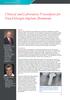 Clinical and Laboratory Procedures for Fixed Margin Implant Abutments Dr. Carl Drago DDS, MS, American Board of Prosthodontics Director, Dental Research BIOMET 3i, Adjunct Faculty Department of Prosthodontics,
Dental Services. Dental Centre. HKSH Healthcare Medical Centre Dental Centre. For enquiries and appointments, please contact us
 Dental Services For enquiries and appointments, please contact us HKSH Healthcare Medical Centre Dental Centre Level 22, One Pacific Place 88 Queensway, Hong Kong (852) 2855 6666 (852) 2892 7589 [email protected]
Tuition and Fees Dentists - Full time (per annum): 20,000
 Diploma of Oral Surgery Residency Training Program in preparation for the Fachzahnarzt in Oral Surgery Specialty Examination in the Republic of Germany Degree awarded: - Diploma of Oral Surgery - Fachzahnarzt
Like natural teeth. Treatment procedure with dental implants SINGLE TOOTH REPLACEMENT
 Like natural teeth Treatment procedure with dental implants SINGLE TOOTH REPLACEMENT Dental implants by Astra Tech like natural teeth Do you suffer from the discomfort of a missing tooth? Oftentimes, missing
OVERVIEW The MetLife Dental Plan for Retirees
 OVERVIEW The MetLife Dental Plan for Retirees IN NETWORK: Staying in network saves you money. 1 Participating dentists have agreed to MetLife s negotiated fees which are typically 15% to 45% below the
BioHorizons Education Programme 2015
 BioHorizons Education Programme 2015 SPMP14328GB Rev A November 2014 Contents The Role of Implants in Restorative Dentistry An Introduction to Contemporary Implant Prosthodontics Sinus Elevation Socket
Dental Cover Benefits and exclusions
 Dental Cover Benefits and exclusions This document contains all of the benefits and exclusions for Dental Cover from PruHealth. To help make it easier to understand, we ve also included the Definitions
HEALTH SERVICES POLICY & PROCEDURE MANUAL. SUBJECT: Types of Dental Treatments Provided EFFECTIVE DATE: July 2014 SUPERCEDES DATE: January 2014
 PAGE 1 of 5 References Related ACA Standards 4 th Edition Standards for Adult Correctional Institutions 4-4369, 4-4375 PURPOSE To provide guidelines for determining appropriate levels of care and types
A Career in. Dental Technology
 A Career in Dental Technology The role and responsibility of the Dental Technician A dental technician is an essential member of the dental team and carries out all aspects of technical dentistry to complement
MINI IMPLANTS FOR LOWER DENTURE STABLIZATION
 MINI IMPLANTS FOR LOWER DENTURE STABLIZATION From the Office of Dr. Michael J. Guy 511A Lakeshore Drive, North Bay ON, P1A 2E3 Mini dental implants (MDI) have become increasingly popular in the past decade
Dental and Oral Benefit
 Dental and Oral Benefit 2015 Overview This document explains the Dental and Oral Benefit for 2015. It gives you details about how Discovery Health Medical Scheme defines and pays dentistry both in the
Appendix 1 Orthodontic Referral Guidelines for referring practitioners
 Appendix 1 Orthodontic Referral Guidelines for referring practitioners These guidelines are intended to assist General Dental Practitioners (GDPs), Community Dental Service (CDS) Dentists and Primary Care
MAYFAIR DENTAL PLAN. The Mayfair UK Dental Insurance Policy. As arranged by: Mayfair Consultancy Services UK Limited FSA no.
 MAYFAIR DENTAL PLAN The Mayfair UK Dental Insurance Policy As arranged by: Mayfair Consultancy Services UK Limited FSA no. 473360 TCS UK DENTAL PLAN Contents Section 1 - Important information about your
Healing Abutment Selection. Perio Implant Part I. Implant Surface Characteristics. Single Tooth Restorations. Credit and Thanks for Lecture Material
 Healing Abutment Selection Perio Implant Part I Credit and Thanks for Lecture Material Implant Surface Characteristics!CAPT Robert Taft!CAPT Greg Waskewicz!Periodontal Residents NPDS and UMN!Machined Titanium!Tiunite!Osseotite
Fast Facts about Tooth Loss, Dentures & the Implant-Supported Dentures
 Fast Facts about Tooth Loss, Dentures & the Implant-Supported Dentures Twenty-five percent (25%) of all adults aged 60 years and older have lost all of their teeth. 1999-2002 National Health and Nutrition
Advances in bone augmentation to enable dental implant placement: Consensus Report of the Sixth European Workshop on Periodontology
 J Clin Periodontol 2008; 35 (Suppl. 8): 168 172 doi: 10.1111/j.1600-051X.2008.01268.x Advances in bone augmentation to enable dental implant placement: Consensus Report of the Sixth European Workshop on
Ideal treatment of the impaired
 RESEARCH IMPLANTS AS ANCHORAGE IN ORTHODONTICS: ACLINICAL CASE REPORT Dale B. Herrero, DDS KEY WORDS External anchorage Pneumatized Often, in dental reconstruction, orthodontics is required for either
into the for Entry Following Entry into care team the Allied Dental Assisting guidelines. professions. programs.
 ADEA Competencies for Entry into the Allied Dental Professionss (As approved by the 2011 ADEA House of Delegates) Introduction In 1998 99, the Section on Dental Hygiene of the American Association of Dental
Outcomes of dental implant treatment in patients with generalized aggressive periodontitis: a systematic review
 ORIGINAL ARTICLE http://dx.doi.org/10.4047/jap.2012.4.4.210 Outcomes of dental implant treatment in patients with generalized aggressive periodontitis: a systematic review Kyoung-Kyu Kim*, DDS, MSD, Hun-Mo
Optimizing Referral Team Collaboration Using Dynamic Visual Communication Software
 Optimizing Referral Team Collaboration Using Dynamic Visual Communication Software XCPT Patient Engagement System was developed and engineered to combine scientific research relating to the brain s ability
IMPLANTS IN FOCUS. Endosseous dental implant restorations PLANNING FOR IMPLANT RESTORATIONS
 IMPLANTS IN FOCUS PLANNING FOR IMPLANT RESTORATIONS Replacing a missing maxillary central incisor with a dental implant can be the most demanding restoration in dentistry, so it s important to consider
2007 Insurance Benefits Guide. Dental and Dental Plus. Dental and. Dental Plus. www.eip.sc.gov Employee Insurance Program 91
 Dental and www.eip.sc.gov Employee Insurance Program 91 Table of Contents Introduction...93 Your Dental Benefits at a Glance...94 Claim Examples (using Class III procedure claims)...95 How to File a Dental