
silviculture chapter 14 forest insect pests
|
|
|
- Denis Austin
- 10 years ago
- Views:
Transcription
1 chapter 14 forest insect pests CONTENTS 14.1 Introduction 14.2 Pests of eucalyptus (gum) 14.3 Pests of acacia (wattle) 14.4 Pests of pinus (pine) 14.1 Introduction As in the previous chapter, this chapter deals with the more serious forest insect pests that affect the common commercial forestry tree species. There are several insects pests that were a serious threat to commercial forest plantations in the past, but biological control has bought these pests under some form of control. These pests will not be mentioned in this chapter. Where applicable, photographs have been inserted to aid in insect identification. Further detailed information and help can be obtained from: Prof. Mike Wingfield and/or Brett Hurley The Tree Protection Co-operative Programme (TPCP) FABI (University of Pretoria) Tel: /9 Fax: Acknowledgement for help and material used in this chapter is given to FABI 1 Prof. Mike Wingfield and Brett Hurley, ICFR Prof Colin Dyer and SAWGU - John E. Feely. Extensive use was made of two publications, the Wattle Pests and Diseases booklet issued by ICFR and SAWGU and the South African Forestry Handbook 2000 section NOTE: Before any insecticide treatment is undertaken, it is advisable to check with insecticide agents for registration of effectiveness on target insect and to check with FSC representatives for FSC approval and compliance. The insecticide information as supplied at the end of several sections in this chapter is intended as a guide and not as a prescription. 99

2 14.2 PESTS OF EUCALYPTUS SPP. (gum) CUTWORMS These greyish-black to greyish brown caterpillars with a smooth skin are the larval stage of several species of indigenous nocturnal moths (Photo 14.1), commonly Agrotis segetum and the black cutworm, A. ipsilon. Often associated with high rainfall and dense weed coverage. 3 Photo 14.1: Cutworm caterpillars. 3 All commercial Eucalyptus species grown in Southern Africa. The root collar, stems and branches of seedlings and small trees are damaged or cut through by the nocturnal feeding action of the caterpillar. Several generations per year. More commonly, eggs are laid in the soil at the base of the plant during summer months. During the day the caterpillars will hide in the soil near the stem where they will pupate during autumn and winter. Keep planted areas weed free. Apply Deltamethrin 5% SC at a rate of 0,5ml added to 1-2l of water at the time of planting or later when caterpillars are discovered. Several synthetic pyrethroids and chlorpyrifos are effective WHITE GRUBS These six legged, C-shaped thick white grubs are the larvae of the indigenous nocturnal cockchafer beetles (Photo 14.2 and 14.3). Typically they have a dark brown head and the bluish gut can be seen through the semi-translucent abdominal skin. Length of grub can vary from 3 36mm depending on age and species. 100

3 4 Photo 14.2 (left): White grub larva and damaged wattle seedling. 3 Photo 14.3 (right): Adult of Hypopholis sommeri, one of the common white grub species in forestry. 4 All commercial Eucalyptus species grown in Southern Africa. The grubs feed on the roots and cambium of the lower stem and the adult beetles may feed on the leaves. During September to January, eggs are laid in humus rich soil and will hatch after two to three weeks. The grubs will pupate after a year or two depending on the species and the adults will emerge after spring rains. In the Natal Midlands, white grubs are common after previous wattle and sugarcane rotations. Determine the potential threat of white grub before planting and use insecticides as a preventative measure before any damage is noted. Apply Deltamethrin 5% SC at a rate of 0,5ml added to 1-2l of water at the time of planting. Carbosulfan and chlorpyrifos can also be used. Avoid the use of gamma BHC, as this may violate international forest certification codes of practice TERMITES These well-known and easily recognised small white subterranean ant-like insects are indigenous to South Africa. Most damage is caused by Macrotermes natalensis. E. grandis and E. fraxinoides are most susceptible, with E. nitens, E. paniculata and E. camaldulensis being moderately susceptible and E. smithii, E. macarthurii, E. dunnii and E. fastigata being the most tolerant species. Roots are eaten away to form a point below the root collar (Photo 14.4), or the plant is ringbarked. 101

4 Photo 14.4: Roots eaten away to form a point below the root collar. 3 Life Cycle: The life cycle is a very complex affair with colonies of insects surviving for up to 30 years in the same nest. The worker termites are the insects responsible for plant damage. Plant material is used to grow fungus in the nest, which serves as a food source for the termites. Before establishing trees in grassveld, the presence of termites should be established and if necessary a drenching of Chlordane 60% EC (1ml mixed with 1-2l water per plant) should be applied at planting. Alternatively, during planting 10g of Carbosulfan 10% CG per plant can be mixed with the soil around the root plug GRASSHOPPERS AND CRICKETS Description: There are many species of these easily recognised jumping and flying insects. One of the more common grasshopper pests is the elegant grasshopper, Zonocerus elegans, which is widespread in Mpumalanga and KwaZulu Natal, as is the shiny black cricket, Gryllus bimaculatus. All commercially planted Eucalyptus, Acacia and Pinus spp. By stripping off seedling bark at lower levels and feeding on the underlying tissue, grasshoppers can cause serious damage and can even chew through thin stems and branches. Both adult and young hoppers cause damage. Being diurnal, grasshoppers are easily spotted, but crickets are nocturnal and are difficult to see. One to two generations per year. 102

5 As there are several insecticides registered for the control of crickets, it is advisable to consult your local insecticide tech-rep for up-to-date and relevant information for both crickets and grasshoppers (Carbaryl 85% WP) EUCALYPTUS BORERS There are two native Australian nocturnal longhorn beetles - Phoracantha semipunctata (Photo 14.5) and P. recurva - which are established in South Africa. Both look very similar and are dark brown to black, about 24mm long, with a broad yellowish band across the wing shields and have antennae that are as long or longer than the body. The larvae are off white in colour, cylindrical with an enlarged front-section (just behind the head), are distinctly segmented and can measure up to 32mm in length. Photo 14.5: Adult Phoracantha semipunctata beetle. 4 All commercially grown eucalyptus spp. in South Africa. Trees that are dead, dying or under stress from drought, fire or poor site conditions are attacked and ring barked by the larvae. The larvae initially feed on the cambium and phloem layers, but later bore into the xylem as well. As they feed and tunnel they leave tightly packed frass behind in tunnels that indent into both the inner side of the bark and the outer side of the timber. Most egg laying usually occurs between February and March, the eggs being laid under loose bark. The larvae feed for two to four months before they bore into the heartwood where they pupate after ten days. Adult beetles live for a few months and are active throughout the year in warm areas, but on the highveld their activity is confined to the summer months. To avoid high beetle populations it is advised not to leave any dead or felled timber with bark on for any length of time. Remove the breeding sites and remove the pest. 103

6 EUCALYPTUS SNOUT BEETLE This Eucalyptus snout beetle, Gonipterus scutellatus is native to Australia. It is mainly a problem in areas above 1,200m in KwaZulu Natal and 1,500m in Mpumalanga where cold tolerant Eucalyptus spp. are attacked during the spring and summer. It does occur throughout the country, and high infestations are also known to occur below the cut-off altitudes but biological control is maintained by the introduced egg parasitoid, Anaphes nitens. The adult snout beetle is 7 9mm long, rusty red to brown in colour and has a characteristic X on its back (Photo 14.6). The larvae are yellowish green, about 11mm long when fully grown and have a characteristic black faecal strand attached to the end of the abdomen (Photo 14.7). Eggs are covered in excrement, forming a hardened black capsule 2 3mm long, which encases an average of ten eggs. Most eucalyptus species in South Africa and on the Highveld mainly E. smithii, E. dunnii, E. maideni and E. viminalis. Photo 14.6: Adult beetle with dark cross on back. 4 Photo 14.7: Snout beetle larva with typical long black excrement filament

7 Photo 14.8: Larval damage of eucalypt leaf. 4 Adult beetles and the larvae feed on young leaves (Photo 14.8), which may result in severe stunting or even death of the tree during long periods of heavy infestations. Egg capsules are usually laid twice a year when a new flush of leaves is available. Summer beetles usually live two to three months and the autumn/winter beetles survive for up to seven months. The larvae are noticeable on the leaves for 28 to 40 days, after which they drop off and pupate on the ground. In areas below 1,200m biological control is maintained by the introduced egg parasitoid, Anaphes nitens. In higher lying areas there is a reduced efficacy of A. nitens and research is needed to test the efficacy of alternative biological control agents and insect growth regulating chemicals. No insecticides are registered against this pest PESTS OF ACACIA SPP. (wattle) CUTWORMS Black wattle is susceptible to cutworm attack. Avoid burning brush lines after felling, as this may attract the adult moths to the regenerating wattle seedlings See Section for details on cutworms, including control WHITE GRUBS See Section for detail and control TERMITES See Section for detail and control GRASSHOPPERS AND CRICKETS See Section for detail and control WATTLE BAG WORM These are small caterpillars of the indigenous moth, Chaliopsis junodi that live in bags constructed of silk and host plant material (Photo 14.9). Mature bags are 50-60mm long. The 105

8 adult female is grub-like and lives inside its bag. The adult male is a small, stout, brown moth with clear wings. Photo 14.9: Bagworms on wattle tree. 3 Acacia mearnsii and several indigenous Acacia species. Damage ranges from light infestations to heavy infestations where trees may be completely defoliated. Infestations may cause poor stripping of the bark during harvesting. Bark yields are reduced if trees experience a second, successive infestation. Wood yields may also be affected if infestations occur in two successive years. The poorer the site the greater the effect of defoliation. During September and October tiny caterpillars appear and are dispersed on fine silken threads by the wind and start feeding as soon as they land on a suitable host. They feed and grow until April when they pupate. The pupal stage lasts from April to July and the adults appear in July and August. Males are active on sunny days. Eggs are laid in the bag and the hatching larvae feed on the remains of the female and unhatched eggs, before they leave the bag. There is one generation per year. Plantation inspections should be done during October to December. Spraying should be done before the end of January to be most effective. Several synthetic pyrethroid insecticides are registered for aerial application. Before expensive aerial spraying work is undertaken, consult your local insecticide tech-rep for up-to-date information and advice. Synthetic pyrethroids are used to avoid insects building up resistance WATTLE MIRID The adult of this indigenous insect, Lygidolon laevigatum, is a small (3mm) black or chestnut brown bug, with a yellow spot on its back. The nymphs are green and wingless and should not be confused with the benign wattle leafhopper Lassomorphus cedaranus. Inspections for this pest should be done during the mirid season, December to May and best on cold days. 106

9 Acacia mearnsii and several indigenous Acacia species. The insects suck sap and inject toxic saliva into young trees (0 to 3 years old) while feeding. Trees shed their leaves and the bark becomes a dull greyish green with dark blotches. Evidence of mirid attack will be dead or dying shoots and hooked pinnules with red-brown, necrotic feeding spots. Also noticeable can be mass defoliation and multiple branching occurring on damaged leading shoots. Costly corrective pruning is usually needed to rectify mirid damage. Eggs are laid in young buds and hatch after 6-14 days. There are five, nymphal stages, each lasting days. The adult female starts laying eggs nine days after mating and lives for 40 days. The entire cycle takes 4-5 weeks in summer. Chemical control should only be considered when mirid populations reach five or more adults per sapling. An aerial application of the unregistered systemic insecticide monocrotophos 40% SC, at a rate of 100ml / 30l can be used. In ground trials the following were also found to be effective on both adult and nymph when used with a mist blower; Deltamethrin 5% 0,0015gr a.i./tree, Deltamethrin 2,5% 0,003gr a.i./tree, acephate 75% 0,17gr a.i./tree for trees up to about six months old and 0,34gr a.i./tree for older trees PESTS OF PINUS SPP. (pine) CUTWORMS See Section for details on cutworms, including control WHITE GRUBS See Section for detail and control GRASSHOPPERS See Section for detail and control GREEN BRONZE BEETLES The adults are smooth, brightly coloured, rounded beetles ranging in length from 4 to 8mm. Young pine trees The beetles defoliate seedlings by feeding on the young soft needles and shoots. The adults are active flyers and often cluster on the shoot tips during late winter and spring, when most of the damage is done. The larvae live in the soil, feeding on roots. One generation per year. 107

10 No insecticides are registered PINE TREE EMPEROR MOTH These indigenous moths, Imbrasia cytherea are large and robust with wingspans ranging between I00 and 170mm. The main coloration of the wings ranges between yellow and reddishbrown, with conspicuous eyespots on each wing. The caterpillars are a dark brick red with short stiff hairs on each segment, as they get older there are yellow, green and blue pearl spots on the body segments (Photo 14.10). Photo 14.10: Caterpillar of the pine emperor moth. 3 The main trees affected are Pinus patula and Pinus radiata. The caterpillars feed on the foliage of pine trees and large populations may completely defoliate the trees. The moths are active from January to May. The eggs are about 2mm in diameter, creamy white with brown to purplish markings. They are cemented in clusters of 3 to 40 eggs on terminal shoots and pine needles. Pupae are present under the needle mat for most of the summer. Defoliation occurs during the winter months. The use of the biological insecticide Bacillus thuringiensis var. kurstaki is recommended PINE BROWN TAIL MOTH These indigenous moths, Euproctis terminalis are deep yellow in colour with a satiny sheen on the forewings. They have a wingspan of 25 to 30mm, with a distinct dark brown tuft of hair at the end of the abdomen. The moths are strong flyers and active during the day. Mainly Pinus patula. 108

11 Severe to complete defoliation of pine trees may occur. Moths fly and lay eggs from October to February. Eggs are deposited on the trunks and on foliage, in elongated, irregularly shaped masses. All the caterpillar stages are extremely hairy. These hairs cause intense irritation when in contact with the human skin and are dangerous to the health of forestry workers. Caterpillars are black to olive-brown, older ones have tufts of long, white hairs at the sides of each segment and a narrow centre-line of white along the back. The brown tailed moth has a lot of natural enemies. No insecticides are registered against this pest BROWN LAPPET MOTH This indigenous moth, Pachypasa capensis is pinkish-grey to pinkish-brown and has a wingspan of 50 to 70mm. The young caterpillars are greyish to olive-black. Older caterpillars are black, white and ginger brown with a black band along the back, outlined by a white stripe. Below the white stripe is a narrow band of ginger brown hair. A grey-white fringe of longer hairs occurs along both sides of the caterpillar. Fully-grown caterpillars may be up to 10cm long. It attacks several pine species, although P. patula is its main host. Severe to complete defoliation of pine trees may occur. The moths occur from September to March. They are nocturnal and are strong flyers. Eggs are about 1mm in diameter, creamy white with brown markings and are laid in clusters of about 50, on the needles. The caterpillars occur from late summer to late spring, during the day the caterpillars are gregarious and cluster on the trunks and major branches (Photo 14.11). At night they move out to feed on the young foliage. A yellowish-brown cocoon is spun in the lower part of the tree amongst the foliage. Photo 14.11: Caterpillar of the brown lappet moth

12 No insecticides are registered for the control of the brown tappet moth SIREX WOODWASP This very destructive woodwasp, Sirex noctilio is native to Eurasia and North Africa. The female wasp is steel blue in colour with two pairs of transparent, amber-tinted wings (Photo 14.13). The male has a broad orange band that covers most of its abdomen (Photo 14.12). The size of the wasps varies greatly and ranges from less than 1cm to greater than 3cm. The larvae live in the sapwood and are creamy white with a characteristic dark spike at the posterior end. Sirex was first detected in Cape Town in 1994, but has since spread rapidly into some of the country s major pine growing areas and is expected to be present throughout South Africa in the near future. Pinus radiata, P. elliottii, P. patula, P. pinaster, P. taeda, P. pinea and other Pinus species. Stressed trees are killed when the wasp injects mucous and a fungus (Amylostereum areolatum) into the wood during oviposition. The mucus prevents sugars from being passed down from the leaves, which would otherwise form fungal toxins at the site of the infection. This allows the white rot fungus to spread within the tree, causing the tree to dry out and eventually die. Thus, it is a combination of the mucus and fungus that kills the tree. The larvae, which feed on the fungus, make tunnels in the wood. Sirex has the potential to cause severe losses and is currently the number one threat to South African pine forestry. The sirex female is attracted to a stressed tree where she drills a hole through the bark into the sapwood. The female inserts the mucus and fungus into the tree and if the tree is suitable will also deposit eggs. The eggs hatch and the larvae bore into the wood, feeding on the fungus. The larva forms a U shaped tunnel, eventually pupating in the outer layers of the sapwood. Generally, there is one generation per year, but shorter lifecycles are known to occur elsewhere in the world and the possibility of certain areas in South Africa having more than one generation per year still needs to be investigated. The emergence period occurs within the period October to April, depending on the area. Mating takes place above the canopy with the pair alighting on a surface. The female lives for five days and the male for 12 and neither feeds during this time. 5 Photo 14.12: Adult male sirex wasp emerging from a pine tree

13 Photo 14.13: Female sirex wasp. 5 Chemical control of sirex is not feasible. Maintaining the vigour of plantation trees and biological control are the best options. The parasitic nematode Beddingia siricidicola is currently being re-introduced into South Africa as a biological control agent against sirex PINE BARK BEETLE The pine bark beetle, Hylastes angustatus, is one of the three bark beetles on pine that is known to occur in South Africa. Mature beetles are dark brown, about 4mm long and are usually found on the inner bark of pine stumps, as are the small white larvae. Pinus species The major damage is caused when the beetles feed on the green bark of roots and the rootcollars of seedlings, killing them by under-bark girdling. The pine bark beetle may result in over 50% mortality of planted pine seedlings on the Highveld. After maturation feeding on the green inner bark of a pine seedling, the beetles seek out a stump or log in which to breed. On average 55 transparent, oval-shaped eggs are laid in a short, winding egg gallery. The larvae feed on the inner bark. Pupation occurs in a pupal chamber constructed at the end of the larval tunnel. The life cycle takes on average 38 days to complete - the larval stage accounting for 24 days. Five generations can be completed in a year. Control is primarily geared for the prevention of damage to seedlings. Forest hygiene reduces population levels by denying the beetle breeding sites. The stumps from previous rotations remain a source of beetles for up to three years. Where there is a high risk of infestation, chemical protection is the only effective measure. Apply Deltamethrin 5% SC at a rate of 0,5ml added to 1-2l of water at the time of planting. 111

14 EUROPEAN BARK BEETLE The European bark beetle, Orthotomicus erosus, is 2.8 to 3mm long and dark brown when mature. The first indication of its presence is the appearance of small piles of reddish frass in cracks in the bark. All Pinus species. The European bark beetle feeds by tunnelling in the inner bark of dead or dying trees. Trees stressed by drought, fire, excessive pruning, or attacks by other insects or pathogens are targets for this beetle. Once the beetles have entered the bark, the death of a tree is accelerated by ringbarking. The males construct individual chambers in the inner bark of suitable hosts, from where they release a sex pheromone. One or more females then join the male, each constructing a tunnel radiating from the male's nuptial chamber. Eggs are laid in notches on both sides of these tunnels. The hatching larvae feed at right angles to the female tunnel, thus forming a distinctive fish-bone pattern in the bark. Pupation takes place in a pupal chamber at the end of each larval tunnel. The life cycle takes about six weeks to complete, allowing several generations per season. Chemical control is not feasible. Forest hygiene and maintaining tree vigour, are currently the best defence against the European bark beetle THE PINE WEEVIL The adult pine weevil, Pissodes nemorensis, is a typical snout beetle, about 7mm long, reddishbrown with two large creamy-white spots on the wing shields, or elytra. All Pinus species The pine weevil breeds in dead or dying pine trees. The weevil also kills the leaders of young healthy P. radiata trees, which results in timber loss and malformation of trees (tip die back). The pine weevil is also suspected of being a potential vector in the pitch canker pathogen, Fusarium circinatum, if this pathogen spreads to older trees. P. radiata trees from age seven are attacked, usually during the winter months. The beetles make feeding punctures in the fresh growth of the leaders and lay eggs in the phloem. The larvae feed on the inner bark, girdling the leader. Pupation takes place in a chip-cocoon, constructed just below the bark. There are one to two generations a year. No insecticides are registered against pine weevils. The pruning of infested leaders allows young trees to recover without deformities, but is costly. Forest hygiene is important as the pine 112

15 weevil will breed in stumps. Research is underway to investigate possible biological control agents against the pine weevil BLACK PINE APHID The black pine aphid was once considered the most serious pest of pine in South Africa, but its importance has decreased since the successful introduction of a biological control agent by the ARC Plant Protection Research Institute in The mature insect is pear-shaped, soft bodied, greyish-black and about 4mm long. All species of pine trees grown commercially in South Africa. The aphid extracts large amounts of sap through its stylets from the phloem tissue of the host tree, as is indicated by the copious honeydew that it secretes. High infestations will reduce the growth of the tree and when trees are under drought stress, heavy infestations may kill tops or even the whole tree. Such heavily infested trees may appear black due to the sooty mould fungus that grows on the honeydew. Large colonies form on the undersides of the branches and on the trunks of the trees during winter. At first the colonies consist mostly of wingless aphids but as the numbers increase so do the numbers of winged aphids. Peak aphid numbers occur during late winter and spring when large swarms of flying aphids may cause severe irritation to people working in the forests. The life cycle can be completed in 16 days. Chemical control is not considered feasible. The biological control agent introduced by the ARC, the parasitic wasp, Pauesia cinaravora, has been very effective in controlling black pine aphid numbers PINE WOOLLY APHID The pine woolly aphid, Pinea boerneri, is a small sucking insect. Its presence on pine trees is revealed by the white "woolly" wax that it secretes to protect itself and its eggs. Winged and wingless forms occur. Adults are about 1mm long with a round sac-like body containing a reddish-brown fluid. All economically important pine species in South Africa. Trees damaged by heavy infestations of the woolly aphid may remain stunted for life. Heavily attacked pine plantations may suffer severe losses in terms of tree deaths, stunting and reduction of wood increment. Small clumps of "wool" initially appear at the bases of the pine needles on the growing tips, signalling the presence of the aphid. As aphid numbers increase the "wool" spreads down the branches on to the trunk. The aphids lay clumps of oval-shaped, yellow eggs, each about 0,5mm long, under the "wool". The pine woolly aphid is most abundant during winter. Their numbers increase from May until October when the winged form appears. 113

16 Chemical control is not feasible because of the protection afforded by the wool secreted by the woolly aphid. Losses during heavy outbreaks may be minimised by reducing stress levels on the trees, typically by thinning. 1 Forestry and Agricultural Biotechnology Institute 2 See the References section of this Forestry Guidelines package. 3 Photos from Wattle Pests and Diseases, ICFR. 4 Photos FABI UP. 5 Photos Marius Strydom, MTO. 114

The Alfalfa Weevil in Utah
 Page 1 of 5 The Alfalfa Weevil in Utah Fact Sheet No. 58 January 1989 Edward W. Evans Extension Entomologist Introduction The alfalfa weevil is a major pest throughout Utah. It is a beetle with one generation
Major Insects of Apple, Peach and Pear Trees in the Home Orchard
 Major Insects of Apple, Peach and Pear Trees in the Home Orchard Henry W. Hogmire West Virginia University Tree Fruit Research and Education Center Kearneysville, WV Apple Pests Plum Curculio Beetle (snout
Symptoms Include: Stippled, bronzed or bleached appearance of leaves
 Common Tree Pests & Diseases Of Central Texas Lara Schuman City of Austin Urban Forestry Program Stress and Trees City life can be stressful, and trees feel stress too. Common urban tree issues include:
Control of Insect Pests in Eucalypt Plantations
 Control of Insect Pests in Eucalypt Plantations Number 30 Revised February 2007 By Charlma Phillips, Principal Forest Health Scientist Eucalypts are native to Australia and have evolved in association
Report to Lake Shastina Property Owners Association on Dead and Dying Trees Around Zen Mountain
 Report to Lake Shastina Property Owners Association on Dead and Dying Trees Around Zen Mountain by John Kessler, CA Registered Professional Forester #2494 Issue of Concern Residents of Lake Shastina have
TREE NOTES. CALIFORNIA DEPARTMENT OF FORESTRY AND FIRE PROTECTION Arnold Schwarzenegger Governor State of California. Dale T.
 TREE NOTES CALIFORNIA DEPARTMENT OF FORESTRY AND FIRE PROTECTION Arnold Schwarzenegger Governor State of California Dale T. Geldert Director NUMBER: 30 February 2005 Mike Chrisman Secretary for Resources
Pests of Woody Ornamental Plants An Online Resource for IPM Information
 Title: Pests of Woody Ornamental Plants An Online Resource for IPM Information Project Leaders: Shari Romar, Lead Writer; Gary Couch, Technical Advisor, NYS IPM Program; Jody Gangloff-Kaufmann, Project
Insects That Kill Trees. Diane G. Alston Extension Entomologist Utah State University 2004 Professional Tree Care Workshops
 Insects That Kill Trees Diane G. Alston Extension Entomologist Utah State University 2004 Professional Tree Care Workshops Topics Introduction websites, IPM strategies Ips bark beetles Tree borers flatheaded,
Susan Donaldson, Water Quality Education Specialist Steven J. Seybold, Research Biochemist
 FACT SHEET 98-40 Susan Donaldson, Water Quality Education Specialist Steven J. Seybold, Research Biochemist Introduction Trees in the Lake Tahoe Basin and the Sierra Nevada are turning brown and dying.
Why Fruit Trees Die D. B. Meador, Extension Specialist (retired) University of Illinois
 Why Fruit Trees Die D. B. Meador, Extension Specialist (retired) University of Illinois Occasionally, fruit trees decline and often die. Diseases affecting the leaves, fruit, and twigs of fruit trees usually
A DISCOVERY REGARDING THE DEATH OF ASH TREES IN THE PLYMOUTH AREA
 A DISCOVERY REGARDING THE DEATH OF ASH TREES IN THE PLYMOUTH AREA As you are probably aware, we have seen a significant amount of dying ash trees in the Plymouth, Canton, Northville area. This prompted
APHIS-PPQPPQ Center for Plant Health, Science and Technology Buzzards Bay, MA
 Scott Myers, Entomologist USDA-APHIS APHIS-PPQPPQ Center for Plant Health, Science and Technology Buzzards Bay, MA Background USDA Animal and Plant Health Inspection Service (APHIS) Plant Protection and
A Visual Guide to Detecting Emerald Ash Borer Damage
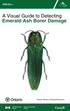 cfs.nrcan.gc.ca A Visual Guide to Detecting Emerald Ash Borer Damage Ontario Ministry of Natural Resources Library and Archives Canada Cataloguing in Publication A visual guide to detecting emerald ash
The Fly. Quality Pest Management. Live Cleaner. Live Healthier. Cluster Fly. The weather is warming up and as if from no where the flies appear.
 The Fly The weather is warming up and as if from no where the flies appear. House Fly Flies will pitch and feed on just about anything including faeces to your lunch! They spread disease and are a generally
Management of the Giant Northern Termite
 Agnote Management of the Giant Northern Termite (Mastotermes darwiniensis) B. M. Thistleton, M. J. Neal and E. S. C. Smith, Plant Industries, Darwin No: I58 July 2013 INTRODUCTION Termites are small, secretive
Tree Integrated Pest Management. Dan Nortman Virginia Cooperative Extension, York County
 Tree Integrated Pest Management Dan Nortman Virginia Cooperative Extension, York County IPM Refresher Definition: The use of a combination of appropriate pest control tactics to reduce pest population
Macadamia problem solver & bug identifier
 Macadamia problem solver & bug identifier Reprint information current in 2003 REPRINT INFORMATION PLEASE READ! For updated information please call 13 25 23 or visit the website www.deedi.qld.gov.au This
Insect identification sheet
 information leaflet Insect identification sheet To enable you to identify the insect you have in your home, we have provided some identification sheets. These depict the most common pest species that you
Cloud Mountain Farm Center 6906 Goodwin Rd., Everson, WA 98247 (360)966-5859 voice, (360)966-0921 fax, www.cloudmountainfarmcenter.
 Disease and Pest Management in the Home Orchard Fruit trees have been grown in home orchards for centuries. The goal of many gardeners today is to have fresh fruit from their own trees with a minimum of
SPECIES DESCRIPTION Picture
 SPECIES DESCRIPTION Picture German Cockroach Cockroach egg case & nymphs 12-15mm (Adult Stage)Mid to dark brown body. Lighter area with 2 dark bars behind head. Wings. Very long antennae. Young are smaller
Organic Control Methods of Almond Insect Pest
 Big Tree Organic Field Day Turlock, CA, April 2nd, 2009 Organic Control Methods of Almond Insect Pest David Doll Farm Advisor UCCE Merced County Overview Organic Control Methods of Control of common pests
Wildfire Damage Assessment for the 2011 Southeast Complex Fires
 Wildfire Damage Assessment for the 2011 Southeast Complex Fires Chip Bates & Mark McClure, Forest Health Management Background: On March 24, 2011, multiple wildfires began across southeast Georgia. Strong,
Guide to the identification of Wood-boring insects
 Guide to the identification of Wood-boring insects Safeguard Chemicals Ltd., Redkiln Close, Horsham, West Sussex, United Kingdom. RH13 5QL. Tel: 01403 210204 www.safeguardchem.com Introduction This guide
Questions and Answers about the Emerald Ash Borer in Colorado
 Questions and Answers about the Emerald Ash Borer in Colorado What is the emerald ash borer? The emerald ash borer is a type of beetle that develops under the bark of ash trees. Its scientific name is
Life Cycle of a Butterfly
 Name: Date: Life Cycle of a Butterfly Life cycle refers to the stages of development, growth and reproduction that a living thing goes through. The butterfly's life cycle is made up of four stages: egg,
Alaska Forest Pest Control Supplemental Information. Category Twelve
 Alaska Forest Pest Control Supplemental Information Category Twelve In general, applicators who apply pesticides to property other than their own, or act as a pesticide consultant must obtain certification
The Termite Problem in Utah
 BULLETIN OF THE UNIVERSITY OF UTAH Volume 30 December 27, 1939 No. 8 The Termite Problem in Utah B Y DON M. REES and ARDEN R. GAUFIN Department of Biology, University of Utah BIOLOGICAL SERIES, Vol. V,
Forest Insect Pests and Diseases
 Forest Insect Pests and Diseases Forest insect pests The forest is home to an abundant diversity of organisms, including insects. The study of forest insects is called forest entomology. Many insects play
Life Cycle - Butterflies & Moths
 Life Cycle - Butterflies & Moths butterfly goes through four stages in its life. All animals A change as they grow and mature but butterflies and moths undergo the biggest change of all. Butterfly Pupa
Black Dotted Brown Moth
 Athens-Clarke County Community Tree Program Black Dotted Brown Moth Athens is experiencing its fourth year of significant infestation by the black dotted brown moth (Cissusa spadix). The caterpillar of
Advanced Intelligence Report Tree & Shrub Insect Control: Protecting Trees from Emerald Ash Borer
 Advanced Intelligence Report Treating For Emerald Ash Borer With Bayer Advanced Tree and Shrub Insect Control Soil Drench Dr. Bruce Stewart, Bayer Advanced Consumer Products Emerald Ash Borer (EAB) is
INSECT MANAGEMENT (Roberts & McPherson)
 INSECT MANAGEMENT (Roberts & McPherson) A number of insect pests are capable of severely damaging soybeans. However, it is important to realize that soybeans can withstand considerable insect damage at
Chemical versus Biological Control of Sugarcane. By Abid Hussain Matiari Sugar Mills Ltd.
 Chemical versus Biological Control of Sugarcane By Abid Hussain Matiari Sugar Mills Ltd. Sugarcane It is an important cash crop, Pakistan is the fifth largest cane producing country. However, its yield
SKIN CONDITIONS IN PIGS
 DEPARTMENT: AGRICULTURE SKIN CONDITIONS IN PIGS Jenny Turton 2001 Compiled by Directorate Communication, Department of Agriculture in cooperation with the ARC-Onderstepoort Veterinary Institute Printed
Enterprise Guide for Southern Maryland: Growing Broccoli
 1 Fact Sheet 450 Enterprise Guide for Southern Maryland: Growing Broccoli Broccoli is a popular vegetable in both fresh and frozen forms and has become a common vegetable in salad bars. Recently it has
Integrated Pest Management (IPM)
 Integrated Pest Management (IPM) in crops and pastures Integrated Pest Management (IPM) means using a combination of biological, cultural and chemical control methods to manage pest problems. The term
Karen J. English Graphic and Web Designer. Please click the thumbnails on the following pages to view larger versions of the images.
 Karen J. English Graphic and Web Designer Please click the thumbnails on the following pages to view larger versions of the images. graphic design: small pieces graphic design: large pieces web design
ALFALFA INSECTS: AN OVERVIEW OF CUTWORMS, ALFALFA WEEVIL, AND APHIDS. Steven E. Salisbury 1 ABSTRACT
 ALFALFA INSECTS: AN OVERVIEW OF CUTWORMS, ALFALFA WEEVIL, AND APHIDS Steven E. Salisbury 1 ABSTRACT Insect pests present a significant threat to alfalfa production. There are several alfalfa insect pests
12. INSECT PEST AND DISEASE MANAGEMENT
 12. INSECT PEST AND DISEASE MANAGEMENT Conservation farming promotes a diversity of insect life, influences pest populations and also favours many beneficial insects. The beneficial insects which act as
Guide to Healthy Trees
 Guide to Healthy Trees Al and Bri Seaton Front cover image: This magnifi cent tree is located on our property in Mansfi eld, Victoria. A few years ago it was suffering severely from drought, erosion and
Christmas Trees Pseudotsuga menziesil (Douglas-fir), Abies grandis (Grand fir), Abies procera
 Christmas Trees Pseudotsuga menziesil (Douglas-fir), Abies grandis (Grand fir), Abies procera (Noble fir) (Pinaceae) Fast Facts: Acres in Washington: 25,000 acres Number of growers: 300 Value of Production
Custard apple information kit
 information kit Reprint information current in 1998 REPRINT INFORMATION PLEASE READ! For updated information please call 13 25 23 or visit the website www.deedi.qld.gov.au This publication has been reprinted
The Basics of Tree Pruning
 The Basics of Tree Pruning By John Ball, Forest Health Specialist and Aaron Kiesz, Urban and Community Forestry Specialist Until the end of the 19 th century, trees were not a common sight in many parts
Insect Pests of Pecan. Will Hudson Extension Entomologist
 Insect Pests of Pecan Will Hudson Extension Entomologist How important is nut drop to production? Pecan trees typically lose 75% of the pecans between nut set and shell hardening even when protected from
DEVELOPMENT GUIDELINES OAK TREES CARE AND MAINTENANCE
 DEVELOPMENT GUIDELINES OAK TREES CARE AND MAINTENANCE This guide will offer basic information for the preservation and maintenance of oak trees as a part of an overall landscape use. Unfortunately, oak
Pests of Deciduous Trees and Shrubs
 Pests of Deciduous Trees and Shrubs 1 Introduction Managing common insects, weeds, plant diseases and certain animal pests found in the backyard can be a challenge. However, there are a number of ways
Hop Pest Control. H. E. Morrison. jpf^vrsiolnrru; - «ibntoj."' «- '',orto JUN 6 I-JJ3
 Hop Pest Control H. E. Morrison its of jpf^vrsiolnrru; - «th ' s ibntoj."' «- '',orto JUN 6 I-JJ3 Agricultural Experiment Station Oregon State College Corvallis Circular of Information 589 May 1958 Hop
Spruce problem diagnosis for yard trees
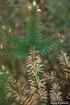 Spruce problem diagnosis for yard trees KEY Effect on tree Kills tree Other damage No damage Size of tree Seedling Sapling to pole Pole and larger By Jana Albers and Mike Albers, DNR-Forestry URL = http://files.dnr.state.mn.us/assistance/backyard/treecare/forest_health/whitesprucediagnosis.pdf
Cycles of life. You will be visiting the museum to see some baby animals and their parents. Here are some of their stories.
 Cycles of life Some animals die of old age, some die of disease, some are killed and eaten by other animals. But the world does not run out of animals because more are being born or hatched all the time.
Whiteflies in Southwest Florida
 Whiteflies in Southwest Florida 02/22/2013 Agenda What is a whitefly? What damage do whiteflies cause? How can whiteflies be treated? What is the future for whitefly problems? What is a whitefly? Small,
RIPPLE Africa Step by Step Fruit Tree planting Guide
 RIPPLE Africa Step by Step Fruit Tree planting Guide NOTES ON FRUIT PRODUCTION Aim and Objective The aim and objective of RIPPLE Africa as an organisation is to make Nkhata Bay District one of the leading
Diagnosing Disorders of Trees
 148 Appendix A Diagnosing Disorders of Trees Diagnosing tree problems can be difficult. Symptoms and signs can be subtle or only visible using special techniques, important information can be missing,
Structural Pest Control Learning Objectives
 Category 7C: Structural Pest Control (Wood-Destroying Pests) Structural Pest Control Learning Objectives After studying this section, you should be able to: Describe the most common wood destroying pest
suscon Green One application. 3 years control against grass grub. Grass grub damaged pasture
 suscon Green One application. 3 years control against grass grub. Grass grub damaged pasture suscon Green is a dust free, controlled release granule that controls Grass Grub in newly established pasture
Asian Longhorned Beetle infestations have been found in North America. What is being done to stop ALB?
 Asian Longhorned Beetle infestations have been found in North America. What is being done to stop ALB? 1 Steps to Eradicate ALB from North America: 1) The USDA regulates the import of wood packing material,
runing & Orchard Renewal
 P runing & Orchard Renewal Richard G. St-Pierre, Ph.D. (January 2006) The Basics Of Pruning & Orchard Renewal Pruning is defined as the art and science of cutting away a portion of a plant to improve its
Pest Check. Subterranean Termite Swarming Season. Kimberly Schofield Program Specialist- IPM [email protected]
 Kimberly Schofield Program Specialist- IPM [email protected] Pest Check Subterranean Termite Swarming Season For one subterranean termite genus, Reticultermes, the months of February through May means
Black Turpentine Beetle
 Forest Pest Leaflet 12 Black Turpentine Beetle R. H. Smith 1 and R. E. Lee III 2 The black turpentine beetle, Dendroctonus terebrans (Oliv.), has caused extensive losses throughout the pine belt in the
Pruning Mature Trees. Reasons for Pruning
 Pruning Mature Trees Pruning is the most common tree maintenance procedure. Although forest trees grow quite well with only nature's pruning, landscape trees require a higher level of care to maintain
Arthropod Pests of Sugarcane: New Threats to Major Production Areas of North America
 Arthropod Pests of Sugarcane: New Threats to Major Production Areas of North America Gregg Nuessly University of Florida Everglades Research and Education Center Belle Glade, Florida USA Sugarcane production
University of Hawaii at Manoa, College of Tropical Agriculture and Human Resources
 University of Hawaii at Manoa, College of Tropical Agriculture and Human Resources J. Sugano, J. Uyeda, S. Fukuda, K. Wang, M. Kawate, C. Tamaru, B. Fox, and T. Radovich College of Tropical Agriculture
INTEGRATED PEST MANAGEMENT IN PADDY
 INTEGRATED PEST MANAGEMENT IN PADDY SMS (Entomology) Krishi Vigyan Kendra, Dhemaji Assam Agricultural University Silapathar INTEGRATED PEST MANAGEMENT (IPM) IN PADDY Among the food grains paddy occupies
CHAPTER- VIII TERMITE DAMAGES TO VARIOUS PLANT AND AGRICULTURAL CROPS
 CHAPTER- VIII TERMITE DAMAGES TO VARIOUS PLANT AND AGRICULTURAL CROPS 8.1. Introduction In addition to structural wood, the termite also infested woody plants, such as trees, shrubs, and herbs reported
Care of Mature Backyard Apple Trees
 Education Center and Info Line practical solutions to everyday questions Toll free Info Line 1-877-398-4769 M-F 9 AM - 2 PM Care of Mature Backyard Apple Trees Introduction Backyard apple trees can be
Post-Wildfire Clean-Up and Response in Houston Toad Habitat Best Management Practices
 Post-Wildfire Clean-Up and Response in Houston Toad Habitat Best Management Practices Purpose The purpose of this document is to provide guidance and recommendations for minimizing potential impacts to
Fertilizer, Weed Control, Grubs, and General Application Questions
 Lawn Care FAQ s Fertilizer, Weed Control, Grubs, and General Application Questions Why do we have so many weeds? Dandelions in particular, weeds in general, do not seem concerned about how long lawn has
FIELD RECOGNITION OF THE LARVAE OF NATIVE COCCINELLIDAE, COMMON TO THE POTATO FIELDS OF AROOSTOOK COUNTY
 FIELD RECOGNITION OF THE LARVAE OF NATIVE COCCINELLIDAE, COMMON TO THE POTATO FIELDS OF AROOSTOOK COUNTY R. H. Storch Department of Entomolgy, University of Maine TECHNICAL BULLETIN 43 MAINE AGRICULTURAL
Carpet Beetles In Homes Phil Pellitteri/UW Insect Diagnostic Lab
 Carpet Beetles In Homes Phil Pellitteri/UW Insect Diagnostic Lab One can expect to find a few carpet beetles in any home. Larvae can feed on animal hair, dead insect, wool, horn, silk, plant seeds, feathers,
Tree and forest restoration following wildfire
 Peter F. Kolb (PhD) MSU Extension Forestry Specialist Adj. Assistant Professor Forest Ecology School of Forestry, University of Montana, Missoula, MT 59808 Tel. (406) 243-4705, e-mail: [email protected]
Worksheets. (Caterpillars of Singapore s Butterflies) Worksheet Title Recommended level. Adaptations of the caterpillar defence mechanism
 Worksheets (Caterpillars of Singapore s Butterflies) Worksheet Title Recommended level 1 Life cycle of a butterfly P3 2 Am I an insect? P3 3 4 Adaptations of the caterpillar defence mechanism The butterfly
Wooly Whiteflies (Aleurothrixus floccosus)
 Cooperative Extension Wooly Whiteflies (Aleurothrixus floccosus) The University of Arizona $ College of Agriculture $ Tucson, Arizona 85721 (part of the publication Citrus Arthropod Pest Management in
APHIDS Description and Damage Host Trees pine bark aphid white pine aphid balsam wooly aphid
 Common Insect Pests of Christmas Trees Excerpted from insect fact sheets developed by the Maine Forest Service and available on their website http://www.state.me.us/doc/mfs/insecthome.htm APHIDS Description
A REVIEW OF PEST CONTROL IN AVOCADOS
 California Avocado Society 1979 Yearbook 63: 58-65 A REVIEW OF PEST CONTROL IN AVOCADOS C. Don Gustafson Farm Advisor, Cooperative Extension Service, University of California, San Diego County. Introduction
Grain Sorghum Insect Control
 Agriculture and Natural Resources FSA2066 Grain Sorghum Insect Control Glenn E. Studebaker Extension Entomologist Gus Lorenz Associate Department Head Extension Entomologist Scott Akin Extension Entomologist
INTEGRATED PEST MANAGEMENT
 C 1 H A P TE R INTEGRATED PEST MANAGEMENT LEARNING OBJECTIVES After completely studying this chapter, you should: Be able to define integrated pest management. Understand the importance of an economic
What you need to know about the management of. the Emerald Ash. Borer (EAB) Guidelines for hiring tree care services to manage urban trees
 What you need to know about the management of the Emerald Ash Borer (EAB) Guidelines for hiring tree care services to manage urban trees What is an Emerald Ash Borer? This booklet has been designed for
Class Insecta - The insects
 A Introduction 1. Very species rich 2. Characteristics a. 3 pairs of legs b. 2 pairs of wings (most) except flies (1 pair of wings - Diptera) B. Distribution 1. All habitats except saltwater - replaced
Cypress Aphid Pest Control in Ethiopia
 Cypress Aphid Pest Control in Ethiopia FAO Subregional Office for Eastern Africa (SFE) The Subregional Office for Eastern Africa (SFE) of the Food and Agriculture Organization of the United Nations (FAO)
Rose Diseases and Insects in the Bradenton-Sarasota Area
 Rose Diseases and Insects in the Bradenton-Sarasota Area By: Philip Paul, CR The 10 bad actors in our area are the fungi and pests that some days slow down our enjoyment of our rose gardens. This issue
Integrated Pest Management
 Integrated Pest Management Science and Language Arts Brief Description: This lesson will focus all of the information the students have learned about pests in the other insect lessons in a decision-making
2. Trade in forest commodities
 5 2. Trade in forest commodities The volume of wood products in international trade increased 125 percent between 1992 and 2008 (FAO, 2010b). Some examples of the changes in volume of exports of particular
GLOSSARY OF TREE TERMS
 GLOSSARY OF TREE TERMS Aeration providing air to the soil to alleviate compaction and improve structure. Arboriculture the practice and study of the care of trees and other woody plants. Arborist a professional
THE TINY MONSTERS THAT EAT YOUR HOME
 THE TINY MONSTERS THAT EAT YOUR HOME You ve put a lot of time and money into your home. You ve had the wall-to-wall carpets put in, upgraded the central heating, installed new wardrobes. But, just as you
Tree Trimming Tips and Tricks
 Tree Trimming Tips and Tricks Start with Professionals Mistakes can be costly for you and your tree. Professionals who know about trees can help you get started with the right tree in the right place.
Questions & Answers About. Termites. Department of Consumer Affairs Structural Pest Control Board
 Questions & Answers About Termites Department of Consumer Affairs Structural Pest Control Board The Structural Pest Control Board (SPCB) licenses and regulates businesses and individuals for pest control.
We have put together the following guidance on the different kinds of pests that we treat.
 Pest Control Guidance Document: We have put together the following guidance on the different kinds of pests that we treat. If you need advice or help with pests, please contact us on 01942 404364. Contents
Carpenter Ants and Control in Homes
 Page 1 of 6 Carpenter Ants and Control in Homes Introduction Fact Sheet No. 31 Revised May 2000 Dr. Jay B Karren, Extension Entomologist Alan H. Roe, Insect Diagnostician Carpenter ants are members of
Are My. Pine Trees. Ready To Thin?
 Are My Pine Trees Ready To Thin? ARE MY PINE TREES READY TO THIN? One question private forest landowners ask most frequently is, Are my pine trees ready to thin? There is no definite answer to this question,
Oaks represent the major shade trees of Texas and are also important components of
 GARDENING FACT SHEET Harris County Cooperative Extension 3033 Bear Creek Drive, Houston, Texas 77084 281.855.5600 http://harris-tx.tamu.edu/hort Major Oak Diseases and their Control by Jerral D. Johnson
Exhibit Inquiry. Rainforest. Aug 11
 Exhibit Inquiry Exhibit Inquiry Have students look for the following exhibits related to living things during their visit to the Ontario Science Centre: Where to go: (Level 6) What it's about: Tropical
Cherokee Chief Plena Rubra Fragrant Cloud
 INTRODUCTION The natural range of dogwoods extends from Maine to the Gulf of Mexico. The trees color cities and countrysides white with dazzling displays in the early spring. Although they are most spectacular