
Spinosad... A New Organically Acceptable Insecticide
|
|
|
- Gary Booth
- 10 years ago
- Views:
Transcription
1 Spinosad... A New Organically Acceptable Insecticide Spinosad is a relatively new insect killer that was discovered from soil in an abandoned rum distillery in Produced by fermentation, Spinosad can be used on outdoor ornamentals, lawns, vegetables and fruit trees, to control caterpillars, thrips, leafminers, borers, fruit flies, spidermites, aphids, and more. Spinosad must be ingested by the insect, therefore it has little effect on sucking insects and nontarget predatory insects. Spinosad is relatively fast acting. The pest insect dies within 1 to 2 days after ingesting the active ingredient. Spinosad will not persist in the environment. Sunlight and soil microbes break it down into carbon, hydrogen, oxygen and nitrogen. It is classified as an organic substance by the USDA National Organic Standards Board. It is also OMRI Listed for use in organic production. Until Spinosad (pronounced spin-oh-sid) was discovered, one of the only organically acceptable insecticides was Bt (Bacillus thuringensis). Bt is a bacterium which when sprayed on or eaten by an insect host will infect the host making it sick and then causing it to die. Bt is very host specific and works only on the caterpillar stages of moths and butterflies. In the past few years a specific variety (Bt, israelensis) was found to infect mosquito larvae and has been used successfully to control mosquitoes developing in stagnant water. With this latter exception, Bt has only been effective by infecting the caterpillars of moths and butterflies. Spinosad, on the other hand, is a bacterial waste product produced by fermentation on a nutrient food source used by the one particular bacterium (Saccharopolyspora spinosa). Although this sounds somewhat disgusting, the product, Spinosad, is a white crystalline solid with an identifiable chemical formula. It is soluble in water but breaks down on a leaf surface or in the soil after a few days so that it does not pose a threat to ground water. In general, Spinosad provides effective control of pests belonging to the following groups: moths and butterflies (caterpillars); flies; mosquitoes and ants; and thrips. It is also effective for some beetles and members of the grass hopper family. Spinosad does not significantly affect beneficial organisms including ladybugs, green lacewings, minute pirate bugs, and predatory mites. Spinosad is listed by the Organic Materials Review Institute (OMRI) as acceptable for use during organic farming and gardening and any use where toxic chemicals are to be avoided. It is listed for use on such diverse pests as coddling moth, tomato hornworms, cabbage worms, corn borers, thrips and even leaf miners. Up until now there has not been any control for the leaf miners which infest (among other things) Swiss chard. Now you can spray Swiss chard with Spinosad and harvest a day later. Spinosad loses its toxicity after 8 to 24 hours and so it may be necessary to reapply a few days later if new larva hatch. It is toxic to bees when wet, but relatively safe for them once it dries. Therefore, it should be used when pollinators are not actively foraging. We have spinosad available in Bonide's Captain Jack Deadbug Brew. Spinosad is easy to use. The concentrate is diluted at the rate of 4 Tablespoons per gallon of water and applied to the tops and bottoms of the plant s leaf surfaces with a tank sprayer. Using the Hose End Sprayer product is even simpler. The container is attached to the garden hose, the water tuned on and Spinosad sprayed on the leaves of the target plant. Deadbug Brew kills bagworms, borers, beetles, caterpillars, codling moth, gypsy moth, loopers, leaf miners, spider mites, tent caterpillars, thrips and more! More Resources

2 Spinosad Technical Bulletin Overview Spinosad is the first active ingredient proposed for a new class of insect control products, the Naturalytes. Spinosad is derived from the metabolites of the naturally occurring bacteria, Saccharopolyspora spinosa. Spinosad has been shown to be highly active on insects including species from the orders Lepidoptera, Diptera, Hymenoptera, Thysanoptera, and a few Coleoptera. Spinosad may be used to control pests in both agricultural and horticultural environments, and also in greenhouses, golf courses, gardens, and around homes. Spinosad has been developed to provide rapid control of Lepidoptera and other pests with minimum disruption of beneficial insects and other non-target organisms. Because it is highly effective, only very low use rates are required to achieve efficacy. These attributes permit many users the opportunity to implement integrated pest management tools for the first time. Due to its low effective use rate, safety to the environment, safety to mammals, and safety to beneficial insects, spinosad was registered under the US EPA s reduced risk program. Spinosad was also awarded the Presidential Green Chemistry Challenge Award during This award recognizes the unique contribution of spinosad and also highlights Dow AgroSciences commitment to producing safer and more effective products for insect control. Noteworthy Features Spinosad provides users with a unique package of very desirable features: Highly effective on many pest species Low application rates resulting in low environmental load Safe for use with most beneficial insects Unique mode of action with no known cross-resistance Low mammalian toxicity Low avian and fish toxicity The Spinosad Story During the late 1950 s, companies including The Dow Chemical Company and Eli Lilly and Company began to actively look for naturally occurring pest control products. As a result of these efforts, a scientist from the Natural Products division of Eli Lilly while vacationing in the Caribbean in 1982 visited an abandoned rum still and collected several soil samples. These samples were returned to the laboratory to determine the presence of biological activity. Three years later the fermentation products from these samples were shown to have insecticidal activity. By 1986 Eli Lilly s scientists identified the organism producing the biologically active substances. They determined that this was a new species of actinomycete bacteria and named it Saccharopolyspora spinosa. Within one year, scientists had identified the most highly active metabolites of S. spinosa. In 1989, the Ag Products division of Eli Lilly, Elanco, was merged with The Dow Chemical Company to form DowElanco, now Dow AgroSciences. A highly effective formulation was identified and developed through five years of extensive testing around the world. This formulation contained a mixture of two of the most active metabolites, spinosyn A and spinosyn D. The name spinosad is derived by combining the species name, spinosa, with the two metabolites, A and D. In 1995, because of its favorable environmental and toxicological profile, spinosad was classified by the U.S. Environmental Protection Agency (EPA) as a reduced risk product and granted an accelerated registration review. Less than two years later during early 1997, the first spinosad products, Tracer and Conserve were approved and launched in the U.S. for use on cotton and on turf and ornamentals, respectively. Page 1

3 Today, spinosad is produced in a state-of-the-art fermentation facility in Harbor Beach, Michigan. S. spinosa colonies are grown using natural products such as soybean and cottonseed meal. Computers are used to control temperature, oxygen and nutrient levels to ensure maximum production of spinosyns A and D. Spinosad products are now registered on over 150 crops in more than 30 countries. Spectrum of Activity The spectrum of activity seen in the laboratory includes exceptional activity on Lepidoptera, Diptera, and Thysanoptera. Some species of Coleoptera that consume large amounts of foliage, such as Colorado potato beetle (Leptinotarsa decemlineata), are also sensitive. Spinosad has been found to be highly active on almost all Lepidoptera tested. However, western yellow striped armyworm (Spodoptera praefica) and some cutworms such as large mature black cutworm larvae (Agrotis ipsilon) are less sensitive, and thus require higher use rates. Spinosad has contact activity on all life stages of a pest including egg, larva, and adult. Eggs must be sprayed directly but larvae and adults can be effectively dosed through contact with treated surfaces. Spinosad is most effective when ingested. Spinosad demonstrates large margins of safety to predaceous insects such as lady beetles (Coccinellidae), lace wings (Neuroptera), big eyed bugs (Geocoris spp..), and minute pirate bugs (Onus spp.). Hymenoptera parasitoids and pollinators are sensitive if treated directly but are able to tolerate dried residues on foliage. Spinosad is generally not active on sticking insects such as aphids. There are no phytotoxicity issues with spinosad. The rapid activity of spinosad facilitates a scout-and-treat-only-as-needed approach. The best activity is obtained when treatments target small larvae. Higher rates are required to be effective on large older larvae. Although spinosad is highly effective on targeted pests, it is difficult to reach cryptic or fruit feeding insects and the majority of damage will already have occurred if insects are allowed to reach later instars prior to treating. Efficacy of spinosad compares favorably with the best synthetic standards such as pyrethroids. Systemic Activity Foliar applications are not highly systemic. However, translaminar activity is evident in applications on certain vegetable and ornamental crops. Differences in translaminar movement are demonstrated in the following microautoradiographs of cotton and squash leaf tissue. Spinosad, seen here as black dots, when applied to squash moves through the leaf tissue reaching into the spongy mesophyll layer. On cotton leaf tissue, spinosad still shows translaminar movement, but it is restricted to the first few tissue layers. This differential movement may be explained by leaf type and age. In general, more Page 2

4 penetration is seen with younger and rapidly growing leaves. Translaminar activity in some crops may be enhanced through the addition of a penetrating surfactant. Limited root uptake may also occur. Use Rates Spinosad, in general, is a gram per hectare or ounces per acre compound when compared to older products that were generally measured in kilograms per hectare or pounds per acre. The recommended use rates vary widely and are highly impacted by the target pest, target pest size and number, host crop and crop age, climate and economic threshold or acceptable damage. For actual use directions, request product labels for the geography and crop of interest. The majority of crop labels are between 25 and 200 grams per hectare (0.023 and lbs per acre) of active ingredient. Turf rates are g ai/ha ( lb ai/acre). Ornamental rates are lb ai/100 gallons or ppm. Regional labels compensate for a positive temperature correlation that results in better activity with higher temperatures. Performance against some pests such as leafminers and thrips are positively impacted by the addition of nominal rates of penetrating surfactants such as crop oils. Safety to Beneficials Spinosad displays a high level of selectivity toward most beneficial insects, and use of spinosad is compatible with integrated pest management (IPM) programs. Although pollinators such as honeybees and bumble bees are highly sensitive to spinosad administered via oral and contact routes of exposure in the laboratory, exposure to dried residues under field conditions are considered harmless to foraging bees. Predators and Parasitoids Spinosad has relatively low impact on many predaceous beetles, sucking insects, lacewings, and mites. Large margins of safety have been demonstrated in laboratory studies on such species as Phytoseiulus persimilis (predatory mite), Hippodamia convergens (lady beetle), Chrysoperla rufilabris (lacewing), Encarsia formosa (whitefly parasitoid), Onus insidiosus (minute pirate bug), and Geocoris punctipes (big eyed bug). Field studies have also confirmed the generally low activity of spinosad for many beneficial insect species. Against the sensitive indicator species, Typhlodromus pyri, spinosad was harmful in the laboratory but safe under field conditions at rates up to 48 g ai/ha approximately one week after application. Against another sensitive indicator species, Aphidius rhopalosiphi, spinosad was toxic to the adult wasps, but a level of safety was confirmed to wasps developing within mummified aphids. Spinosad was harmless to Poecilus cupreus (ground dwelling predator) and had limited adverse effects on Episyrphus balteatus and Coccinella septempunctata (foliage dwelling predators). Against another foliage dwelling predator, Chrysoperla carnea, spinosad was harmless at 36 g ai/hl in an extended laboratory study involving realistic application methods. Greenhouse applications are typically made at much higher rates than those commonly used in agricultural situations. Under greenhouse conditions, studies have shown that Encarsia formosa populations may be reduced when exposed to spinosad residues shortly after application. However, the wasp population was not seriously impacted when exposed to residues that had aged at least one week. Studies have indicated that at one week post-application, spinosad, depending on formulation, would be classified as either slightly harmful or harmless (WHO). Additional greenhouse studies have shown that Amblyseius cucumeris, a predatory mite, is not affected by spinosad applications. Any adverse affect on greenhouse parasitoid populations may be mitigated by ensuring that adequate refugia is available and by making augmentive releases at least one week post-application. Pollinators Under laboratory conditions, honeybees (Apis mellifera) and other pollinators (e.g., bumble bees) are highly sensitive to spinosad via both oral and contact routes of exposure. The acute oral ld50 value is ug/bee, and the acute contact ld50 between and ug/bee. However, dry residues of spinosad on plant foliage appear to be harmless to foraging bees. For example, no significant mortality of honeybees resulted following laboratory exposure to alfalfa which had been sprayed with formulated spinosad product at 18 g/m2 and allowed to dry for 3, 8, or 24 hours. The lack of toxicity of dry residues of spinosad indicates that the risk to bees will be negligible if applications of spinosad are made when bee activity is low or if bees are allowed to reenter treated areas only after spray deposits have dried. Studies conducted in citrus and almond orchards in which night applications of spinosad were made have confirmed the lack of mortality to foraging adults or brood development. In addition, field studies in which bees have been introduced the day following applications to orchards have also demonstrated the lack of spinosad impacts. Applications of spinosad to alfalfa fields, in which honeybee hives were covered for the first 3 hours post-application, also demonstrated no adverse effects to honeybees or leafcutter bees. Page 3

5 Symptomology Sensitive insects exposed to spinosad exhibit unique symptomology that is typified by a general paralysis accompanied by loss of body fluids resulting in flaccid paralysis. Under close examination minute tremors of the mandibles and crochets can be seen. The onset of paralysis is quite rapid for a biological material. The length of time required was 81 minutes before 50 percent of third instar Heliothis virescens larvae treated topically with 10 mg. of technical material failed to respond to a hot needle probe. That can be compared to 25 minutes for cypermethrin treated larvae. However, intoxicated insects remain on the plant for one to two days without feeding; whereas, insects treated by excitatory compounds, such as pyrethroids or organophosphates, tend to fall off the plants more rapidly. Mode of Action In insects, the mode of action of spinosad is associated with excitation of the insect nervous system (Salgado 1998). Spinosad uniquely alters the function of nicotinic and GABA-gated ion channels (Salgado 1998, Watson unpublished data), in a manner consistent with the observed neuronal excitation. However, spinosad does not interact with known binding sites for other nicotinic or GABAergic insecticides such as neonicotinoids, fiproles, avermectins and cyclodienes (Orr unpublished data). These data indicate that spinosad acts through a unique insecticidal mechanism. Resistance Spinosad has a novel mode of action that makes it ideal for resistance management programs. It has shown no crossresistance with existing chemistries and can be rotated with all other classes of existing and experimental products. Spinosad has excellent activity on many insects with historic resistance problems. Therefore, Dow Agrosciences (DAS) is taking a proactive stance in regard to resistance management. Specific resistance management strategies have been identified for key pests. These strategies may vary depending on crop, pest, and geography. Specific resistance management strategy recommendations for key pests may be found on labels of products targeted at that pest and crop. For additional information regarding specific resistance management strategies, contact your local DAS representative. Registrations Spinosad has been approved for use by registration authorities in more than 30 countries and the first registrations were granted during late 1996 and early 1997 for cotton, almonds, vegetables, and turf and ornamentals. Since that time, many additional crop and non-crop uses have been approved worldwide, ranging from Australian cotton to Japanese crucifers to Mexican tomatoes to Chilean stone fruit to Israeli melons. Spinosad products have found utility for pest management for a wide variety of crops, and in the U.S. alone use has been approved on more than 150 crops. In addition to crop uses, spinosad is also approved for non-crop uses on turfgrass and ornamental plants, for livestock pest control, and fire ant control. Reduced Risk Classification Spinosad has been classified by the U.S. Environmental Protection Agency (EPA) as a reduced risk pesticide product. This classification affords preferential registration and expedited label expansions to select products that meet the Agency s stringent criteria and pose less risk to public health and the environment than available alternatives. Spinosad has been classified by EPA as a reduced risk insecticide product because of its: Low acute mammalian toxicity Low toxicity to fish and wildlife Safety to beneficials and compatibility with integrated pest management The reduced risk registration program was established by U.S. EPA during 1994 to expedite the review and approval of new pesticides with more favorable human safety and environmental impact profiles than currently available alternatives. Since the inception of this program, a total of only 18 new pesticides have met the stringent criteria established by EPA and have been classified as reduced risk products: Reduced risks to human health Reduced risks to non-target organisms Reduced potential for contamination of valued environmental resources (water, air, soil) Broadened adoption of integrated pest management programs Page 4

6 Green Chemistry Award Spinosad has also been awarded one of the U.S. government s top environmental honors, the Presidential Green Chemistry Challenge Award in The award recognizes technologies and products that incorporate the principals of green or sustainable chemistry into chemical design, manufacture, and use. The recognition of Spinosad - A New Natural Product for Insect Control with this prestigious honor was based on its highly selective insecticidal activity and environmentally compatible characteristics. The category for which spinosad was chosen to receive the award was Designing Safer Chemicals. The Presidential Green Chemistry Challenge Award was established by the White House during 1995 to recognize outstanding contributions of chemical processes and products that reduce negative impacts on human health and the environment relative to the currently available technology. The award is highly competitive in nature and categories for awards include designing safer chemicals, alternate synthetic pathways, and alternate solvents and reaction conditions. Spinosad is one of only 4 pesticide products to be honored with this award. Ecotoxicology Spinosad is not acutely toxic to terrestrial birds and wildlife or to fish and most aquatic invertebrates. Laboratory studies indicate that some free-swimming and sediment-dwelling aquatic invertebrates may be sensitive to long-term exposure to spinosad. Under field conditions, this sensitivity may be mitigated by the rapid dissipation of spinosad which occurs from the water column as well as sorption and binding of that small portion of residues which becomes associated with the sediment. Molluscs exhibit greater sensitivity to spinosad on an acute basis than most other aquatic organisms. Results of key ecotoxicity studies with technical product for terrestrial and aquatic non-target organisms are summarized below: Fate in Soil Spinosad degrades readily in the soil environment and is non-persistent. Primary mechanisms of degradation are sunlight photolysis and microbial breakdown. Under field conditions, spinosad dissipates rapidly from soil surfaces with observed half-lives of less than 1 day. Photolysis studies in the laboratory under artificial sunlight have revealed photodegradation half-lives of 9 to 10 days Spinosad present in deeper soil layers or shaded soil also degrades rapidly. Under laboratory conditions of darkness, spinosad degradation half-lives of 9 to 17 days (25 C) and 5 to 68 days (20 0 C) were observed. Initial degradation products of spinosad in soil are formed by removal of one or more of the sugar groups and also by oxidation reactions, and these degradates are further transformed to carbon dioxide and water by the soil microbial community. Spinosad and its degradates are not of concern from a groundwater quality standpoint. Spinosad is moderately to strongly sorbed by soil particles (Kd sorption coefficients of 4 to 337 ml/g), and is considered to be relatively immobile to immobile to leaching. Laboratory soil column and field studies have confirmed the lack of leaching mobility for spinosad. Fate in Water In natural water systems spinosad rapidly dissipates, with the primary route of degradation involving sunlight photolysis. A water column half-life of less than 1 day has been observed in artificial pond systems under outdoor conditions. This matches well with laboratory studies conducted under simulated sunlight which have confirmed photolysis half-lives of < 1 day. Spinosad residues are stable to hydrolysis at a variety of ph conditions, and exhibit slow-to-moderate degradation rates in sediment under anaerobic conditions. Page 5

7 Fate in Plants Residues of spinosad present on plant surfaces dissipate at a moderate-to-rapid rate, primarily due to sunlight photolysis. Dissipation half-lives of 2 to 16 days have been observed for residues on leaf and fruit surfaces, with the rate dependent on the amount of sunlight received and degree of shading. For trace residues absorbed by plant tissues, the major route of metabolic degradation involves oxidation and demethylation. Due to the minor quantities of degradates formed within or on plants, the residue definition for spinosad only includes the active ingredient, spinosyns A and [). Degradates have been excluded from the residue definition based on structure-activity conclusions of toxicological significance. Fate in Animals Trace residues of spinosad that may be absorbed from food or water by terrestrial and aquatic organisms have been found to be readily metabolized and excreted, and as a result, spinosad and its metabolites do not accumulate in living tissues. Spinosad residues present in water may be slowly absorbed by fish, but observed bioconcentration factors (19 to 33 ml/g) for spinosyn A and ID in whole fish do not predict accumulation of spinosad in the aquatic food chain. This is because fish are able to rapidly metabolize and excrete any absorbed spinosad residues. Spinosad elimination half-lives of around 4 days are observed in fish. Mammalian Toxicology Spinosad is a highly selective insect control product with high potency for target insects but low toxicity toward mammals and other non-target organisms. Short-Term Toxicity Spinosad is not acutely toxic to mammals and is essentially non-hazardous by the oral, dermal, ocular, and inhalation routes. The oral ld50 is> 3738 mg/kg bw for male rats and > 5000 mg/kg bw for female rats and male and female mice. The dermal ld50 is > 5000 mg/kg bw for male and female rabbits and the inhalation LC50 is> 5.18 mg/l/4 hours for male and female rats. In addition, spinosad does not cause skin sensitization and only very slight dermal or ocular irritation. Long-Term Toxicity Spinosad has been tested in intermediate-term (90-day) and lifetime (1-2 years) feeding studies involving rats, mice, and dogs. Spinosad has not been found to cause tumors in laboratory animals or to have any potential to cause neurotoxicity. In addition, spinosad did not cause embryotoxicity, fetotoxicity, or teratogenicity in either rats or rabbits at dose levels that affected maternal animals. The primary effects of spinosad observed at high dosages include vacuolation, inflammation, and degeneration of selected tissues. These effects are similar to those caused by other cationic amphiphilic compounds including several pharmaceuticals. Based on no-observable effect levels (NOEL s) of 2.4 mg/kg/day (rats), 11.4 mg/kg/day (mice), and 2.68 mg/kg/day (dogs), the acceptable daily intake (ADI) for spinosad has been established as 0.02 mg/kg/day by U.S. EPA and other regulatory authorities. This ADI is based on application of standard safety factors to the observed NOEL s. U.S. EPA has determined no need for the use of additional uncertainty factors to account for special sensitivities of the young or unborn. Mutagenicity Spinosad has been investigated in a battery of genotoxicity studies, and has been found to posses no mutagenic potential. Pharmacokinetics and Metabolism Spinosad is slowly and poorly absorbed through the skin. Dermal exposures in the rat for 24 and 120 hours resulted in only 1 and 2% absorption, respectively. Spinosad, which is absorbed via the oral or dermal routes of exposure, has been found to be rapidly metabolized and eliminated in mammalian systems. Within 48 hours of dosing, approximately 60-80% of spinosad or its metabolites was eliminated via the urine and feces. Depletion of spinosad residues from tissues occurs rapidly following cessation of exposure. Worker Safety Toxicity of Formulated Products The above information has been generated with spinosad active ingredient, but testing with formulated products has also demonstrated the low toxicity of spinosad toward mammals. WHO Classification Page 6

8 Spinosad has been classified by the World Health Organization (WHO) as an insect control product unlikely to present acute hazard, which represents the most favorable of 5 classifications recognized by this advisory body. Posting Requirements and Worker Protection In all countries with current registrations no posting or setbacks are required for use of spinosad products. The minimum worker protective equipment is required for mixer/loaders (long-sleeved shirts, long pants, shoes, and socks). Re-Entry Interval (REI) In the U.S. where Worker Projection Standards apply, spinosad products have the minimum REI allowable by law of 4 hours. Workers entering treated areas less than 4 hours after application should wear coveralls and shoes plus socks. Formulations Suspension Concentrate An aqueous suspension is the primary formulation for delivering spinosad to the global marketplace. The concentration of spinosad ranges from 25 g ai/l to 480 g ai/l. Wettable-Granules A 25% water dispersible granule is available in Japan. Fire Ant Bait A fire ant bait containing 0.015% spinosad is currently available for consumer use in the United States to control the Red Imported Fire Ant, Solenopsis invicta. Fruit Fly Bait A 0.02% spinosad bait concentrate is available to control a variety of fruit flies, including the Mediterranean fruit fly, Ceratitis capitata. Discovery and Mode of Action 1 Crouse, G. D.; Sparks, T. C. Naturally Derived Materials as Products and Leads for Insect Control: The Spinosyns. Rev Toxicol. 2: (1998). 2 Mertz, F. P; Yao, R. C. Saccharopolyspora spinosa sp. Nov. Isolated from Soil Collected in a Sugar Mill Rum Still. Int J. System. Bacteriol. 40:34-39 (1990). 3 Salgado, V. L. Studies on the Mode of Action of Spinosad: Insect Symptoms and Physiological Correlates. Pestic. Biochem. Physiol. 60: (1998). 4 Thompson, G. D.; Dutton, R.; Sparks, T. C. " Spinosad A Case Study: An Example from a Natural Products Discovery Programme. Pest. Manag. Sci. 56: (2000) 5 Thompson, G. D.; Michel, K. H.; Yao, R. C.; Mynderse, J. S.; Mosburg, C. T.; Worden, T. V.; Chio, E. H.; Sparks, T. C.; Hutchins, S. H. The Discovery of Saccharopolyspora spinosa and a New Class of Insect Control Products. Down to Earth, 52:1-5 (1997). Biology and Pest Management 1 Breuninger, J.M.; Keese, R.J.; Jentes, C.E.; Handly, J.V.; Coopei; R.B.; Tolley, M.P Conserve SC: A New Product for the Turfgrass and Ornamental Industry. Down to Earth, 53:1-5 (1998). 2 Nolting, S. P.; Huckaba, R. M.; Nead, B. A.; Peterson, L. G.; Porteous, D. J.; Borth, P W. Insect Control in Cotton with Tracer. Down to Earth, 52:21-27 (1997). 3 Sparks, T. C.; Thompson, G. D.; Kirst, H. A.; Hertlein, M. B.; Larson, L L.; Worden, T. V.; Thibault, S. T. Biological Activity of the Spinosyns, New Fermentation Derived Insect Control Agents, on Tobacco Budworm (Lepidoptera: Noctuidae) Larvae. J. Econ. Entomol. 91: (1998). 4 Sparks, T. C.; Thompson, G. 0.; Larson, L. L.; Kirst, H. A.; Jantz, 0. K.; Worden, T. V.; Hertlein, M. B.; Busacca, J. D. Biological Characteristics of the Spinosyns: A New Class of Naturally Derived Insect Control Agents. In: Proceedings of the 1995 Beltwide Cotton Production Conference. National Cotton Council, Memphis, TN, (1995). 5 Thompson, G. D.; Busacca, J. D.; Jantz, 0. K.; Kirst, H. A.; Larson, L. L.; Sparks, T. C. Spinosyns: An Overview of New Natural Insect Management Systems. In: Proceedings of the 1995 Beltwide Cotton Production Conference. National Cotton Council, Memphis, TN, (1995). Environmental Considerations 1 Hale, K. A.; Portwood, D. E. The Aerobic Soil Metabolism of Spinosad: A Novel Natural Insect Control Agent. J. Environ. Sci. Health, B31 : (1996). 2 Saunders, D. G.; Bret, B. L. Fate of Spinosad in the Environment. Down to Earth, 52:14-20 (1997). 3 West, S.D. Determination of the Naturally Derived Insect Control Agent Spinosad in Cottonseed and Processed Commodities by High-Performance Liquid Chromatography with Ultraviolet Detection. J. Agric. Food Chem. 44: (1996). 4 West, S.D. Determination of the Naturally Derived Insect Control Agent Spinosad and Its Metabolites in Soil, Sediment, and Water by HPLC with UV Detection. J. Agric. Food Chem. 45: (1997). Page 7

Registration Decision. Sulfoxaflor
 Registration Decision RD2015-09 Sulfoxaflor (publié aussi en français) 8 June 2015 This document is published by the Health Canada Pest Management Regulatory Agency. For further information, please contact:
GUIDELINES FOR THE REGISTRATION OF BIOLOGICAL PEST CONTROL AGENTS FOOD AND AGRICULTURE ORGANIZATION OF THE UNITED NATIONS
 GUIDELINES FOR THE REGISTRATION OF BIOLOGICAL PEST CONTROL AGENTS FOOD AND AGRICULTURE ORGANIZATION OF THE UNITED NATIONS -ii- GUIDELINES ON THE REGISTRATION OF BIOLOGICAL PEST CONTROL AGENTS FOOD AND
What is a pest? How Insects Become Pests. How do insects become pests? Problems with Pesticides. What is most commonly used to control insect pests?
 What is a pest? How Insects Become Pests How do insects become pests? Introduction outside of native range Becomes disease vector Plant or animal (inclu. human) disease vector Host shift in native insect
PS10-10 6171 Spinosad provides long-term protection for stored wheat
 PS10-10 6171 Spinosad provides long-term protection for stored wheat E.L. Bonjour 1,*, T.W. Phillips 1, J.T. Pitts 2 Abstract Field experiments in metal bins were conducted over a 96-week period to compare
Integrated Pest Management
 Integrated Pest Management Science and Language Arts Brief Description: This lesson will focus all of the information the students have learned about pests in the other insect lessons in a decision-making
Pest Management Regulatory Agency
 Pest Management Regulatory Agency Overview Document Introduction The Pest Management Regulatory Agency (PMRA) was established in April 1995 in response to the recommendations of the Pesticide Registration
Aliphatic Alcohols Facts
 United States Prevention, Pesticides EPA 738-F-07-004 Environmental Protection and Toxic Substances June 2007 Agency (7508P) Aliphatic Alcohols Facts Pesticide Registration All pesticides sold or distributed
IPM Plan for Campus Landscape
 Created June 2014 IPM Plan for Campus Landscape Statement of Purpose The purpose of this integrated pest management (IPM) plan is to guide the use of environmentally sensitive pest management strategies
Chemical versus Biological Control of Sugarcane. By Abid Hussain Matiari Sugar Mills Ltd.
 Chemical versus Biological Control of Sugarcane By Abid Hussain Matiari Sugar Mills Ltd. Sugarcane It is an important cash crop, Pakistan is the fifth largest cane producing country. However, its yield
Integrated Pest Management
 Chapter 2 Integrated Pest Management In This Chapter Keywords After learning the information in this chapter, you will be able to: 1. Define Integrated Pest Management (IPM). 2. List and describe the 5
DISTANCE. Insect Growth Regulator for control of whiteflies on greenhouse ornamentals and greenhouse vegetables (tomatoes, peppers, cucumbers)
 DISTANCE Insect Growth Regulator for control of whiteflies on greenhouse ornamentals and greenhouse vegetables (tomatoes, peppers, cucumbers) COMMERCIAL GUARANTEE: Pyriproxyfen... 103 g/l REGISTRATION
MATERIAL FACT SHEET BACILLUS THURINGIENSIS
 MATERIAL FACT SHEET BACILLUS THURINGIENSIS MATERIAL NAME: Bacillus thuringiensis (Bt) MATERIAL TYPE: Microbial-derived U.S. EPA TOXICITY: Category: III, Caution USDA-NOP: considered nonsynthetic, allowed.
Systemic. Granules. Insect Control. Protects against damaging insects for up to 8 weeks CAUTION. Root Weevils. Birch Leaf Miner.
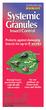 Systemic Granules Insect Control Protects against damaging insects for up to 8 weeks Root Weevils Birch Leaf Miner Beetles Internal insect protection won t wash off with rain or water For use outdoors
R.E.D. FACTS. Chloroxylenol. Pesticide Reregistration. Use Profile. Regulatory History
 United States Prevention, Pesticides EPA-738-F-94-028 Environmental Protection And Toxic Substances September 1994 Agency (7508W) R.E.D. FACTS Pesticide Reregistration Use Profile Regulatory History Chloroxylenol
Virginia Gardener http://www.hort.vt.edu/envirohort
 The Virginia Gardener http://www.hort.vt.edu/envirohort Name Help Sheets: Things Plants Need There are certain things that every living thing needs in order to live and grow. Just like you, plants need
METAFLUMIZONE: A NEW INSECTICIDE FOR URBAN INSECT CONTROL FROM BASF
 Proceedings of the Fifth International Conference on Urban Pests Chow-Yang Lee and William H. Robinson (editors), 2005. Printed by Perniagaan Ph ng @ P&Y Design Network, Malaysia. METAFLUMIZONE: A NEW
ULTIMATE TERMITE SOLUTION WATER BASED TERMITICIDE QUICK ACTION LONG LASTING CONTROL ELIMINATES TERMITES ODOURLESS PEOPLE, PET & PLANT FRIENDLY
 ULTIMATE TERMITE SOLUTION WATER BASED TERMITICIDE QUICK ACTION LONG LASTING CONTROL ELIMINATES TERMITES ODOURLESS PEOPLE, PET & PLANT FRIENDLY TERMITES CAN DEVOUR YOUR HOME! Australia s subterranean termites
Upscaling of locally proven IPM technologies for control of pest of economic importance i
 Technology Fact Sheet for Adaptation Upscaling of locally proven IPM technologies for control of pest of economic importance i Technology: Upscaling of locally proven IPM technologies for control of pest
PESTICIDE USE IN IRRIGATED CROPS AND ITS EFFECT ON HUMAN AND ANIMALS HEALTH AND ENVIRONMENT
 PESTICIDE USE IN IRRIGATED CROPS AND ITS EFFECT ON HUMAN AND ANIMALS HEALTH AND ENVIRONMENT Background Pest problems is more pronounced in agricultural ecosystem where the natural balance of host and pests
Pesticides for use on Mangoes
 Pesticides for use on Mangoes Brian Thistleton, DPIFM and Scott Spencer, Landmark Talk Outline Insecticide issues Types Registration Labels Off label use Withholding periods Problems with insecticides
Integrated Pest Management
 Integrated Pest Management Andrea Veres Junior Technical Officer FAO REU [email protected] Yerevan, Armenia 2013 Why develop IPM? Agriculture was: not sustainable optimized inputs for maximum profit
Integrated Pest Management (IPM) Policy
 Integrated Pest Management (IPM) Policy What is Integrated Pest Management (IPM)? Integrated pest management (IPM) is an approach to pest control that utilizes regular monitoring and record keeping to
List of safe chemicals for use at community garden sites in Lee County, Florida
 Fitzroy Beckford Extension Agent http://lee.ifas.ufl.edu List of safe chemicals for use at community garden sites in Lee County, Florida Insecticides Whether the product is considered organic or non-organic,
Introduction to the concepts of IPM
 DEPARTMENT OF PRIMARY INDUSTRY AND FISHERIES Principles of Integrated Pest Management Deanna Chin and Brian Thistleton, Entomology, Diagnostic Services What is a pest? Principles of IPM Introduction to
3. Which relationship can correctly be inferred from the data presented in the graphs below?
 1. Recent evidence indicates that lakes in large areas of New York State are being affected by acid rain. The major effect of acid rain in the lakes is (1) an increase in game fish population levels (3)
Tree Integrated Pest Management. Dan Nortman Virginia Cooperative Extension, York County
 Tree Integrated Pest Management Dan Nortman Virginia Cooperative Extension, York County IPM Refresher Definition: The use of a combination of appropriate pest control tactics to reduce pest population
Hop Pest Control. H. E. Morrison. jpf^vrsiolnrru; - «ibntoj."' «- '',orto JUN 6 I-JJ3
 Hop Pest Control H. E. Morrison its of jpf^vrsiolnrru; - «th ' s ibntoj."' «- '',orto JUN 6 I-JJ3 Agricultural Experiment Station Oregon State College Corvallis Circular of Information 589 May 1958 Hop
University of Hawaii at Manoa, College of Tropical Agriculture and Human Resources
 University of Hawaii at Manoa, College of Tropical Agriculture and Human Resources J. Sugano, J. Uyeda, S. Fukuda, K. Wang, M. Kawate, C. Tamaru, B. Fox, and T. Radovich College of Tropical Agriculture
- A9/1 - Format for the listing of end points to be included in the Tier III overall summary and assessments
 - A9/1 - - A9/1 - APPENDIX 9 FORMAT FOR THE LISTING OF END POINTS TO BE INCLUDED IN THE REASONED STATEMENT OF THE OVERALL CONCLUSIONS DRAWN BY THE REGULATORY AUTHORITY (LEVEL 2)8 General remark: Testing
DuPont(TM) Altriset(R) termiticide
 This SDS adheres to the standards and regulatory requirements of Australia and may not meet the regulatory requirements in other countries. 1. IDENTIFICATION OF THE SUBSTANCE/MIXTURE AND OF THE COMPANY/UNDERTAKING
Alternative Pesticide Management for the Lawn and Garden
 Alternative Pesticide Management for the Lawn and Garden XCM-221 A pest-free lawn and garden may sound ideal, but is it really? Maintaining the perfect urban landscape may result in a reliance on pesticides
What is Integrated Pest Management?
 SLIDE 1: This is Steve Johnson, University of Maine Cooperative Extension, bringing you information on Integrated Pest Management. It is possible to receive a Maine Board of Pesticides Control recertification
PRODUCT SAFETY DATA SHEET According to 91/155 EC 1. IDENTIFICATION OF THE SUBSTANCE / PREPARATION AND OF THE COMPANY / UNDERTAKING
 G.W.B.PRODUCT LTD, 276 YORK WAY, LONDON N79PH TEL:020 7619 1650 FAX:020 7609 9196 EMAIL:[email protected] www.gwbproducts.co.uk -1-1. IDENTIFICATION OF THE SUBSTANCE / PREPARATION AND OF THE COMPANY /
Pest Control Products Board Nairobi, Kenya PESTICIDE REGISTRATION IN KENYA - BIOPESTICIDES. by P. N. Ngaruiya (Dr)
 Pest Control Products Board Nairobi, Kenya PESTICIDE REGISTRATION IN KENYA - BIOPESTICIDES by P. N. Ngaruiya (Dr) Introduction Pesticides, an indispensable tool in farming Chemical pesticides such as the
Insect Management in the Home Vegetable Garden
 Insect Management in the Home Vegetable Garden Insects are part of any garden. Beneficial insects pollinate plants, destroy pests, or improve the soil by scavenging and burrowing. Some insects cause problems
Formulation of bio-pesticides and mass culture of natural enemies for pest management. D. Ahangama
 Formulation of bio-pesticides and mass culture of natural enemies for pest management D. Ahangama Bio-pesticides Microbial pesticides Fungi, Bacteria, Viruses, Protozoa, Nematodes Biochemical Substances
PATHWAYS DRAIN TREATMENT. Use only for the purpose on the product label.
 SAFETY DATA SHEET PATHWAYS DRAIN TREATMENT Section 1. Chemical product and company identification Product name Recommended use and restrictions PATHWAYS DRAIN TREATMENT Drain Cleaner Use only for the purpose
PEST IDENTIFICATION. PMA 4570/6228 Lab 1 July 3 2014
 PEST IDENTIFICATION PMA 4570/6228 Lab 1 July 3 2014 Steps towards a successful IPM program 1. Correct identification 2. Monitoring 3. Economic thresholds 4. Choice of optimum pest control option Pests
1. When wall voids and dead spaces must be treated from small openings, the most effective formulation to use would be:
 CATEGORY A PESTICIDE APPLICATIONS AND SAFETY PRACTICE QUESTIONS 1. When wall voids and dead spaces must be treated from small openings, the most effective formulation to use would be: A. Liquid residual
LAWN GUARDIAN GRUB CONTROL
 LAWN GUARDIAN GRUB CONTROL Beneficial Nematodes When Do I Apply? Grubs start feeding in April and again in August. Apply Beneficial Nematodes in May or when grubs are seen in the soil, ensure the soil
Control of Insect Pests in Eucalypt Plantations
 Control of Insect Pests in Eucalypt Plantations Number 30 Revised February 2007 By Charlma Phillips, Principal Forest Health Scientist Eucalypts are native to Australia and have evolved in association
The Environmental Protection Agency (EPA) evaluates and registers
 United States Prevention, Pesticides May 2000 Environmental and Toxic substances 735-F-00-004 Protection Agency (7506C) FOR YOUR INFORMATION Synthetic Pyrethroids for Mosquito Control EPA evaluates and
Integrated Pest Management At Boise State University
 Integrated Pest Management At Boise State University Purpose The purpose of this document is to provide an overview of Boise State University Landscape Service department s philosophy regarding plant health
GPS Safety Summary. Cyclododeca-1,5,9-triene. Technical information. Substance name. Cyclododeca-1,5,9-triene CAS No. 4904-61-4.
 Technical information GPS Safety Summary Substance name CAS No. 4904-61-4 General Statement This Product Safety Summary is intended to provide a general overview of the chemical substance. The information
Total Course Hours. Semester Degree code. ID Course Name Professor Course Content Summary. 90 1 st 11070
 LEA0170 Invertebrate Zoology I Italo Delalibera Junior Characterization and importance of the Porifera, Cnidaria, Platyhelminthes, Nemata, Mollusca, Annelida, Echinodermata phyla and smaller invertebrate
INTEGRATED PEST MANAGEMENT
 C 1 H A P TE R INTEGRATED PEST MANAGEMENT LEARNING OBJECTIVES After completely studying this chapter, you should: Be able to define integrated pest management. Understand the importance of an economic
Organic Control Methods of Almond Insect Pest
 Big Tree Organic Field Day Turlock, CA, April 2nd, 2009 Organic Control Methods of Almond Insect Pest David Doll Farm Advisor UCCE Merced County Overview Organic Control Methods of Control of common pests
PASTURE AND HAY INSECT MANAGEMENT
 PASTURE AND HAY INSECT MANAGEMENT Jay Crouch, Extension Area Agronomy Agent, Brian Beer, Extension Area Livestock Agent, Robert Bellinger, Ph.D., Extension Entomologist Insect pests of pastures, hay fields
OFF! CLIP-ON MOSQUITO REPELLENT
 1. PRODUCT AND COMPANY IDENTIFICATION Product information Trade name : Use of the : Insect Repellent Substance/Preparation Company : S.C. Johnson and Son, Limited 1 Webster Street Brantford ON N3T 5R1
INSECT MANAGEMENT (Roberts & McPherson)
 INSECT MANAGEMENT (Roberts & McPherson) A number of insect pests are capable of severely damaging soybeans. However, it is important to realize that soybeans can withstand considerable insect damage at
LIME SULPHUR INSECTICIDE MITICIDE FUNGICIDE COMMERCIAL DANGER: CORROSIVE TO EYES READ THE LABEL AND ATTACHED BOOKLET BEFORE USING
 datapak group M fungicide LIME SULPHUR INSECTICIDE MITICIDE FUNGICIDE COMMERCIAL DANGER: CORROSIVE TO EYES READ THE LABEL AND ATTACHED BOOKLET BEFORE USING REGISTRATION NO. 16465 PEST CONTROL PRODUCTS
Bayer Environmental Science A Business Group of Bayer CropScience Pty Ltd ABN 87 000 226 022 Address:
 1. IDENTIFICATION OF THE SUBSTANCE / MIXTURE AND SUPPLIER Product name: Other names: None Product code: AE F160730 00 EW02 A1 Recommended An aqueous concentrate insect growth regulator insecticide use:
MOFARNO 160EC MATERIAL SAFETY DATA SHEET. SECTION 1 Chemical product and Company identification
 MOFARNO 160EC MATERIAL SAFETY DATA SHEET Product Name: Mofarno 160EC Active Ingredients: Fomesafen + Quizalofop-p-ethyl Chemical name: SECTION 1 Chemical product and Company identification Fomesafen: 5-(2-chloro-a,a,a-trifluoro-p-tolyloxy)-N-methylsulfonyl-2-nitrobenzamide
PRODUCT ID: LIDOCAINE HYDROCHLORIDE AND EPINEPHRINE INJECTION
 SECTION 15: REGULATORY INFORMATION This product has been classified in accordance with the hazard criteria of the Controlled Products Regulations and the MSDS contains all the information required by the
5.3 Natural Pesticides
 5.3 Natural Pesticides Introduction As explained in chapter 5.1, strengthening the plant is the best protection against pests and disease. Through adapted cultivation methods and with good management of
Class Insecta - The insects
 A Introduction 1. Very species rich 2. Characteristics a. 3 pairs of legs b. 2 pairs of wings (most) except flies (1 pair of wings - Diptera) B. Distribution 1. All habitats except saltwater - replaced
SAFETY DATA SHEET Sorex Wasp Nest Destroyer MK II
 01. PRODUCT AND COMPANY IDENTIFICATION Trade Name Product Code Intended Use INSE96001a Approved under The Control of Pesticides Regulations 1986 (as amended) for the control and destructions of the nests
Delegate CAUTION. Insecticide KEEP OUT OF REACH OF CHILDREN READ SAFETY DIRECTIONS BEFORE OPENING OR USING. ACTIVE CONSTITUENT: 250 g/kg SPINETORAM
 CAUTION KEEP OUT OF REACH OF CHILDREN READ SAFETY DIRECTIONS BEFORE OPENING OR USING Delegate Insecticide ACTIVE CONSTITUENT: 250 g/kg SPINETORAM For the control of various caterpillar pests, such as codling
Safety Data Sheet Per GHS Standard Format
 SDS Date: May, 2015 Safety Data Sheet Per GHS Standard Format SECTION 1: CHEMICAL PRODUCT AND COMPANY IDENTIFICATION Product Identifier Product Name: ShockWave Hydrogen Peroxide Disinfectant & Cleaner
U.S. Environmental Protection Agency 1. Tom Moriarty Office of Pesticide Programs U. S. Environmental Protection Agency.
 U.S. Environmental Protection Agency 1 Tom Moriarty Office of Pesticide Programs U. S. Environmental Protection Agency. 1 U.S. Environmental Protection Agency 2 Bee Health Multiple federal reports have
SAFETY DATA SHEET. according to 1907/2006/EC, Article 31. Zenith 6B Toilet Cleaner (072200)
 SAFETY DATA SHEET according to 190/2006/EC, Article 31 Page 1/5 Zenith 6B Toilet Cleaner (02200) SECTION 1: Identification of the substance/mixture and of the company/undertaking 1.1. Product identifier
Grasshopper and Bean Leaf Beetle
 FS 905 Economic Thresholds in Soybeans Grasshopper and Bean Leaf Beetle Michael A. Catangui, Ph.D. Extension entomologist & assistant professor Plant Science Department South Dakota State University Economic
Dormant Season. Of Dormant Oil Spray Apple scab, Pear scab, Powdery mildew. pre-pink, pink, calyx, 1st & 2nd cover spray.
 99/2004 CLEAN CROP(R) LIME SULPHUR Lime Sulphur Insecticide Miticide Fungicide COMMERCIAL CAUTION CORROSIVE READ THE LABEL BEFORE USING REGISTRATION NO. 16465 PEST CONTROL PRODUCTS ACT GUARANTEE: Sulphide
WEST NILE VIRUS QUESTIONS ABOUT SPRAYING AND MOSQUITO CONTROL
 WEST NILE VIRUS QUESTIONS ABOUT SPRAYING AND MOSQUITO CONTROL Q1: What is West Nile virus (WNV)? A: WNV is a virus carried by certain species of mosquitoes that pick it up after biting infected birds.
ADDIT Last update: 20/04/2010, version 2.0 page 1 / 5
 Last update: 20/04/2010, version 2.0 page 1 / 5 1 IDENTIFICATION OF SUBSTANCE/PREPARATION AND OF THE COMPANY/UNDERTAKING Product details Trade name: Application of the preparation: A vegetable oil that
This material is based on work supported by the U.S. Department of Agriculture, Extension Service & the U.S. EPA
 Revised April 1992 (reformatted May 2000) A Workbook for Certified Pesticide Applicators To accompany the VHS tape "Pesticides in the Environment" Based on materials developed by: Colorado State University
GUARANTEE: Bacillus thuringiensis, subspecies, kurstaki strain HD-1 (16 Billion International Units per kg).
 14-SEP-2001 Biological Insecticide DiPel* WP Wettable Powder COMMERCIAL GUARANTEE: Bacillus thuringiensis, subspecies, kurstaki strain HD-1 (16 Billion International Units per kg). REGISTRATION NO. 11252
SAFETY DATA SHEET ORANGE FORCE MULTI-SURFACE CLEANER DEGREASER
 ORANGE FORCE MULTI-SURFACE CLEANER DEGREASER SECTION 1. PRODUCT AND COMPANY IDENTIFICATION Product name : Other means of identification : Not applicable Recommended use : All Purpose Cleaner Restrictions
Ch. 10 - Pest Control. Outline
 Ch. 10 - Pest Control 1 Outline Pests Pesticides Types Benefits Problems Alternatives Reducing Exposure Regulating Use Organic Farming 2 16 July 2011 1 Pests and Pesticides Biological Pests - organisms
How can we make Biological Control more economical?
 How can we make Biological Control more economical? Economy of Chemical Control Synthetic Pesticides = Responsive Control Preventative control is difficult Not a problem if pesticides are effective Potential
Cooperative Extension Service The University of Georgia College of Agricultural and Environmental Sciences Athens
 Using Cooperative Extension Service The University of Georgia College of Agricultural and Environmental Sciences Athens Chemicals are applied to ponds and lakes to control aquatic weeds; to control fish
Safety Data Sheet. Document Group: 10-4849-5 Version Number: 11.01 Issue Date: 05/26/15 Supercedes Date: 10/09/14
 3M FT-10 Qualitative Fit Test Kit, Sweet 05/26/15 Safety Data Sheet Copyright,2015,3M Company. All rights reserved. Copying and/or downloading of this information for the purpose of properly utilizing
September 19, 1984 FOOD PRODUCTION AND DIRECTION GÉNÉRALE, SECTION INSPECTION BRANCH PRODUCTION ET INSPECTION PESTICIDES DES ALIMENTS TRADE MEMORANDUM
 Agriculture Canada September 19, 1984 T-1-245 FOOD PRODUCTION AND DIRECTION GÉNÉRALE, SECTION INSPECTION BRANCH PRODUCTION ET INSPECTION PESTICIDES DES ALIMENTS TRADE MEMORANDUM RE: Guidelines for Developing
INTERCEPT 60 WP Greenhouse and Nursery Insecticide
 2013-4365 2013-10-23 (Text for Jug Label - To be Printed in a Single Panel) INTERCEPT 60 WP Greenhouse and Nursery Insecticide GROUP 4 INSECTICIDE FOR SYSTEMIC INSECT CONTROL ON ORNAMENTAL AND VEGETABLE
Integrated Pest Management
 Integrated Pest Management Ecology and Human Impact R. Bruce Chapman Insect Science Ltd Pest organisms When do organisms become pests? When an organism s population exceeds a threshold level, and control
Imidacloprid: Best Management Practices for Long Island, New York. Greenhouses and Nurseries
 Products containing imidacloprid for use in greenhouses and nurseries have been classified Restricted Use in New York State Imidacloprid: Best Management Practices for Long Island, New York Greenhouses
OFF! DEEP WOODS SPORTSMEN INSECT REPELLENT I (PUMP SPRAY)
 1. PRODUCT AND COMPANY IDENTIFICATION Product information Trade name : OFF! DEEP WOODS SPORTSMEN INSECT REPELLENT I (PUMP Use of the : Insect Repellent Substance/Preparation Company : S.C. Johnson and
POWERFUL INSECT CONTROL IN GRAPES
 POWERFUL INSECT CONTROL IN GRAPES Powerful Insect Control in Grapes As temperatures warm, damaging insects are on the move. Dow AgroSciences has four insecticides Intrepid, Delegate, Success and Entrust
Fungal Entomopathogens: An Enigmatic Pest Control Alternative
 Fungal Entomopathogens: An Enigmatic Pest Control Alternative Nicole Rusconi $ and Cerruti R 2 Hooks! $ Student Research Assistant and 1 Associate Professor and Extension Specialist, University of Maryland
Safety Data Sheet. SECTION 1: Identification. SECTION 2: Hazard identification
 Safety Data Sheet Copyright,2014,3M Company. All rights reserved. Copying and/or downloading of this information for the purpose of properly utilizing 3M products is allowed provided that: (1) the information
Introduction to Integrated Pest Management. John C. Wise, Ph.D. Michigan State University MSU Trevor Nichols Research Complex
 Introduction to Integrated Pest Management John C. Wise, Ph.D. Michigan State University MSU Trevor Nichols Research Complex What is Integrated Pest Management? Integrated Pest Management (IPM) New concept;
INTEGRATED PEST MANAGEMENT SYSTEM FOR KENNESAW STATE UNIVERSITY
 INTEGRATED PEST MANAGEMENT SYSTEM FOR KENNESAW STATE UNIVERSITY KENNESAW, GEORGIA PREPARED JANUARY 1997 REVISED NOVEMBER 2006 TABLE OF CONTENTS Introduction and Principles of Integrated Pest Management
Product Name: Phone: Items: Formula Code:
 SDS Date: 2/24/15 Crawling Insect Killer 2 EPA Reg.. 9688-111-8845 SECTION 1 - PRODUCT AND COMPANY IDENTIFICATION CAS #: Product Use: Manufacturer: Aerosol Flying and Crawling Insect Killer Aerosol Chemsico
: MR MUSCLE Window & Glass Cleaner
 1. IDENTIFICATION OF THE SUBSTANCE/MIXTURE AND OF THE COMPANY/UNDERTAKING Product information Product identifier : Relevant identified uses of the substance or mixture and uses advised against : Hard Surface
SAFETY DATA SHEET TRI-STAR SO FRESH
 SECTION 1. PRODUCT AND COMPANY IDENTIFICATION Product name : Other means of identification : Not applicable Recommended use : Laundry softener Restrictions on use : Reserved for industrial and professional
How To Safely Use Hyexazol
 Hymexazol -MATERIAL SAFETY DATA SHEET Manufacturer/information service: ZHEJIANG RAYFULL CHEMICALS CO.,LTD ADD: NO.113 PUXING ROAD, PUZHOU INDUSTRIAL PARK, LONGWAN DISTRICT, WENZHOU ZHEJIANG P.R. CHINA
Texas Pesticide Recertification Course Accreditation Guide
 Texas Pesticide Recertification Course Accreditation Guide Texas Department of Agriculture PO Box 12847 Austin, TX 78711 (512) 463-7476 http://www.texasagriculture.gov Revised 10/21/2013 Page 1 Pesticide
Safety Data Sheet. according to Regulation (EC) No 1907/2006 6% AFFF DC-6
 Page 1 of 5 SECTION 1: Identification of the substance/mixture and of the company/undertaking 1.1. Product identifier 1.2. Relevant identified uses of the substance or mixture and uses advised against
Cloud Mountain Farm Center 6906 Goodwin Rd., Everson, WA 98247 (360)966-5859 voice, (360)966-0921 fax, www.cloudmountainfarmcenter.
 Disease and Pest Management in the Home Orchard Fruit trees have been grown in home orchards for centuries. The goal of many gardeners today is to have fresh fruit from their own trees with a minimum of
Autofoam SAFETY DATA SHEET
 Page: 1 Section 1: Identification of the substance / mixture and company undertaking 1.1 Product identifier Product name: Autofoam 1.2 Relevant identified uses of the substance and mixture and uses advised
COMPARISON OF NEW INSECTICIDES FOR CONTROL OF HELIOTHINE SPECIES IN COTTON
 COMPARISON OF NEW INSECTICIDES FOR CONTROL OF HELIOTHINE SPECIES IN COTTON Donald R. Johnson, Gus M. Lorenz, John D. Hopkins, and Larry M. Page 1 RESEARCH PROBLEM The tobacco budworm, Heliothis virescens,
OSU Extension Service Master Gardener Program. Organic Pest Control. Weston Miller OSU Extension Service Community and Urban Horticulture faculty
 Organic Pest Control Weston Miller OSU Extension Service Community and Urban Horticulture faculty Audience Question What does the term organic pest control mean to you? Preview of Presentation Organic
SOIL TEST NOTES. NOTE 17: Managing Lead Contaminated Soils
 University of Delaware Soil Testing Laboratory Newark, DE 19717-1303 SOIL TEST NOTES NOTE 17: Managing Lead Contaminated Soils Lead in Soils Lead is naturally present in all soils at low levels. Some soils,
www.irishseedsavers.ie Natural surface water on earth includes lakes, ponds, streams, rivers, estuaries, seas and oceans.
 www.irishseedsavers.ie POND LIFE FACT SHEET Natural surface water on earth includes lakes, ponds, streams, rivers, estuaries, seas and oceans. A pond is a small body of fresh water shallow enough for sunlight
Weed Weapon Long Term Ready to Use. Pathclear Long Term Ready to Use. Kiwicare Corporation Limited
 Page 1 of 9 1. PRODUCT AND COMPANY INFORMATION Product Name: Synonyms: Molecular Formula: Supplier: Weed Weapon Long Term Ready to Use Pathclear Long Term Ready to Use Mixture Kiwicare Corporation Limited
MATERIAL SAFETY DATA SHEET
 MATERIAL SAFETY DATA SHEET 1. PRODUCT IDENTIFICATION 1.1 Product Name: Cyanogen Bromide Fibrinogen Fragments 1.2 Product REF: 459 1.3 Configuration: One (1) vial, 5.0 mg, lyophilized 1.4 Use of Product: