
F, Ferrés-Padró E. Immediate implants following tooth extraction. A systematic
|
|
|
- Opal Turner
- 10 years ago
- Views:
Transcription
1 Med Oral Patol Oral Cir Bucal Mar 1;17 (2):e Journal section: Oral Surgery Publication Types: Review doi: /medoral following tooth extraction. A systematic review Jordi OrtegaMartínez 1, Tania PérezPascual 2, Santiago MarequeBueno 3, Federico HernándezAlfaro 4, Eduard FerrésPadró 5 1 DDS, Master in Oral Implantology, PhD Student, Medicine, Surgery and Oral Implantology Department, Dental School, International University of Catalonia 2 DDS, Master in Oral Implantology, PhD Student, Medicine, Surgery and Oral Implantology Department, Dental School, International University of Catalonia 3 DDS, Master in Oral Implantology, A. Professor, Medicine, Surgery and Oral Implantology Department, Dental School, International University of Catalonia 4 MD, DDS, PhD OMFS, Prof. And Director Master in Oral Implantology, Medicine, Surgery and Oral Implantology Department, Dental School, International University of Catalonia 5 MD, DDS, PhD OMFS, Prof. And Head of Department of Medicine, Surgery and Oral Implantology Department, Dental School, International University of Catalonia Correspondence: Faculty of Dentistry Universitat Internacional de Catalunya Josep Trueta s/n Sant Cugat del Vallès, Barcelona (Spain) [email protected] Received: 05/01/2011 Accepted: 25/03/2011 OrtegaMartínez J, PérezPascual T, MarequeBueno S, HernándezAlfaro F, FerrésPadró E. following tooth extraction. A systematic review. Med Oral Patol Oral Cir Bucal Mar 1;17 (2):e Article Number: Medicina Oral S. L. C.I.F. B pissn eissn: [email protected] Indexed in: Science Citation Index Expanded Journal Citation Reports Index Medicus, MEDLINE, PubMed Scopus, Embase and Emcare Indice Médico Español Abstract Objectives: The aim of this article is to review the current state of implants, with their pros and contras, and the clinical indications and contraindications. Material and Methods: An exhaustive literature search has been carried out in the COCHRANE library and ME DLINE electronic databases from 2004 to November Randomized clinical trials and clinical trials focused on single implants placed in fresh extraction sockets were included and compared. A metaanalysis could not be performed due to heterogeneity of the data. Results: Twenty studies out of 135 articles from the initial search were finally included, which summed up a total of 1139 implants with at least a 12month followup. Our results have been compared with other current available papers in the literature reviewed that obtained similar outcomes. Discussion: have predictable results with several advantages over delayed implant placement. However, technical complications have been described regarding this technique. Also, biomaterials may be needed when the jumping distance is greater than 1mm or any bone defect is present. Conclusions: Few studies report on success rates rather than rates in the literature reviewed. Shortterm clinical results were described and results were comparable to those obtained with delayed implant placement. Further longterm, randomized clinical trials are needed to give scientific evidence on the benefits of implants over delayed implant placement. Key words:, fresh socket, dental implants, gap, jumping distance, implant stability. e251
2 Med Oral Patol Oral Cir Bucal Mar 1;17 (2):e25161 Introduction Nowadays advances in clinical techniques and biomaterials have facilitated a great expansion in the indications for dental implant treatment options. Teeth replacement using dental implants has proven to be a successful and predictable treatment procedure; different placement and loading protocols have evolved from the first protocols in order to achieve quicker and easier surgical treatment times. Immediate placement of a dental implant in an extraction socket was initially described more than 30 years ago by Schulte and Heimke in 1976 (1). Reductions in the number of surgical interventions, a shorter treatment time, an ideal three dimensional implant positioning, the presumptive preservation of alveolar bone at the side of the tooth extraction and soft tissue aesthetics have been claimed as the potential advantages of this treatment approach (2). On the other hand, the morphology of the side, the presence of periapical pathology, the absence of keratinized tissue, thin tissue biotype and lack of complete soft tissue closure over the extraction socket have been reported to adversely affect in ly placed implants (2). The first classification described the timing of implant placement as mature, recent, delayed or depending on soft tissue healing and predictability of Guided Bone Regeneration (GBR) procedures, however further classifications based on hard and soft tissue healing and treatment time approach were subsequently described, as shown in (Table 1) (3,4). The efficacy of GBR therapy employing autogenous and nonautogenous particulate materials combined with various membranes to regenerate alveolar bone at the time of tooth extraction has also been demonstrated. Concomitant placement of regenerative materials has been shown to result in predictable, high levels of osseointegration (5). This study will focus on the review of the current literature on implant placement, in order to understand extraction wound healing and crestal bone loss and the treatment of the jumping distance, as well as several treatment features that affect biological bone and soft tissue response compared to the delayed placement protocol. The purpose of this review is to answer the following questions: Are there significant differences in crestal bone resorption between and delayed implants? Where? Do implants have a significant effect on soft tissue recession outcomes? Does the presence of periapical have an effect on the implant success or rate? Does the gap treatment minimize crestal bone loss? Are there any significant differences in implant stability between and delayed implants? Material and Methods A wellfocused question is a very significant step to guide a high quality and clinically purposeful systematic review. The participant, intervention, comparison, outcome (PICO) approach has been developed to state the objectives and inclusion criteria into a clear structured question (6): Participants: Patients who needed placement and restoration following extraction of a single tooth. Intervention: Immediate implant in different clinical situations; upper jaw, lower jaw, anterior or posterior sites, implants with or without guided bone regeneration, and with or without periapical pathology. Comparison: with or without guided bone regeneration, and implants versus delayed implants. Outcome: Immediate implant and success rates, position of the mucosal margin, mean distance from buccal bone to lingual bone, marginal bone resorption, bone loss, and implant stability. Search Strategy & Study Selection: The MEDLINE (PubMed) and The Cochrane Library Table 1. Timing of implant placement. Author / Year Classification Implant placement Hämmerle (2004) Type I In fresh extraction sockets Type II After soft tissue coverage ( 4 8 weeks) Type III Radiographic bone fill (1216 weeks) Type IV Healed socket (>16 weeks) Esposito (2006) Immediate In fresh extraction sockets Immediatedelayed < 8 weeks post extraction Delayed > 8 weeks post extraction e252
3 Med Oral Patol Oral Cir Bucal Mar 1;17 (2):e Table 2a. Main inclusion criteria. LIST OF MAIN INCLUSION CRITERIA Randomized Clinical Trial and Prospective Controlled Trial More than 12 months followup Over 10 implants sample Implant details described Jumping distance treatment options Implant stability details Presence/ Absence of periapical Table 2b. Main exclusion criteria. LIST OF MAIN EXCLUSION CRITERIA Unclear information about patient, implant, followup, study design Study in animals Case series/reports Other implant protocols (delayed placement) Being focused on patient satisfaction databases were searched for articles published from 2004 to November The search was also restricted to articles published in English. The following search terms were used in different combinations: implants, extraction socket, fresh socket, dental implants, single implant, gap, jumping distance, implant stability. Thirty abstracts were finally selected from 135 titles in the initial search, and the full texts were obtained. Based on the evidence categories of the North of England Evidence Based Guideline Development Project (1996), only randomized clinical trials and prospective clinical trials were included in this review. Therefore, 10 articles were also owing to the reasons shown in (Table 2a, b). The articles finally selected were published in the following dental journals: International Journal of Oral and Maxillofacial Implants, Clinical Oral Implants Research, Journal of Oral and Maxillofacial Surgery, Implant Dentistry, Oral Surgery Oral Medicine Oral Pathology Oral Radiology and Endodontology, International Journal of Periodontics and Restorative Dentistry, Clinical Implant Dentistry and Related Research, and Journal of Clinical Periodontology, and were compared with similar reviews from further journals. The review included studies of patients who needed tooth extraction due to periapical s, unrestorable caries, trauma or periodontal disease. When applicable, success rates found in articles were defined according to the criteria described by Albrektsson, which includes a reported absence of mobility, pain, periimplant and suppuration, as well as radiographic periimplant bone loss of <1mm during the first year, followed by 0.2mm for each successive year (7). Implants were classified as surviving if the published results indicated that the implants were still in function at the time of evaluation, without fulfilling all the success criteria. Data Extraction: The following data were obtained using specially designed data extraction search: Author, year of publication, journal, study design, country of origin, followup period, implant characteristics, presence/absence of, number of implants in each group, type of implants, use of regenerative procedures in the placement group, crestal bone loss, soft tissue recession, implant stability, implant and success rates. Results From the initial search, 135 citations were found (Fig. 1). Based on the evidence categories of articles, 30 articles were finally selected and full texts were obtained. Ten studies were after deep analysis (Table 3) (817). Four studies were owing to an insufficient followup period (less than 12 months) (8, 1113). Another one did not report any specific outcome and focused only on patient satisfaction (17). Two were clinical reports and were not included (9,15) and two more were due to insufficient sample size (no more than 10 implants) (10, 14). One study was because implants were placed following a delayed protocol (16). Out of the included articles (Table 4), 8 did not include e253


4 Med Oral Patol Oral Cir Bucal Mar 1;17 (2):e25161 Fig. 1. Flow diagram for the search strategy Articles Year Reasons for exclusion Table 3. List of articles after the final selection. García et al (2009) Insufficient sample size Raghoebar et al (2009) Implants were placed after bone healing Kahngberg (2009) Clinical report Covani et al (2008) Short followup prospective trial (6 months) Canullo et al (2007) Insufficient sample size Cangini et al (2005) Clinical report Cornellini et al (2004) Short followup controlled clinical trial (6 months) Covani et al (2004) Short followup prospective trial (6 months) Botticelli et al (2004) Short followup prospective trial (4 months) Schropp et al (2004) Focused on patient satisfaction a control group (1825). Among the included studies, all of them presented a rate over 90% Immediate implants placed on 904 patients were carefully analyzed with a followup of 12 to 60 months. The questions proposed in this systematic review were then answered and compared with the included articles: Are there significant differences in crestal bone resorption between and delayed implants? Where? In the prospective clinical study using platform switching, implants showed reduced crestal bone loss (mean 0.08mm ± 0.53 mesial 0.09 ± 0.69 distal) (20). Nevertheless, a similar study found no difference between platform switching and platform matching (on average from 7.71 to mm vs. 9 to mm) (26). A randomized clinical trial of 40 implants were placed e254
5 Med Oral Patol Oral Cir Bucal Mar 1;17 (2):e Table 4. List of Included Articles. Presence of Treatment of gap Implant stability Infection delayed placement Allograft (mm not specified) in test group 7179 ISQ Ostell Mentor Covered with implant expanded platform >60N ISQ Ostell Mentor ±6.2 at baseline an 75.8 ± 6.9 at 12month Acute Bovine bone matrix if gap over 1mm 3245N insertion torque Signs of periapical pathology BioOss Bio Gide periapical >1mm PRGF+ autogenous bone chips Acute periapical Over 1mm Biooss BioGide Signs of acute Closed with suture Soft tissue recession Bone loss IP average 1mm less recession than DP No difference in bone loss Interprox papillae 0.88mm and 0.45 buccal recession plat match and 0.18 interprox buc gain in plat switch on average Mean 0.08 ± 0.53 M 0.09 ± 0.69 D Platform switching less bone resorption From 7.71 to 7.51 ( 0.2mm) test from 9 to 8.57 (0.43) control on average no difference Bone loss: 0.41±0.22mm ACBD mesial: 6.5±3.2 (baseline) 2.7±1.3(after 12m); ACBDdistal: 4.4±2.9 (baseline) 1.6±0.8 (after12m) ISBDmesial 5.7±3 (baseline) 2±0.8 (after12m) ISBD distal 4.8±3.1(baseline)2.1±0.9 (after12m) No significant difference in bone loss 0.4mm buccal aspect//0.5mm lingual aspect. MD aspects facing tooth bone gain 0.39±0.59 compared to implant faced implant 0.04±0.59 Survival / success rate 96.7% Survival and success (all together) 98.4% rate Implant details 3i parallel wall rough surface 11.5 and 13 length 3i prevail Osseotite4/5/ 4 and 5/6/5 per 13 and 15mm Global implant 5.5 mm Straumann SLA BTI acidetched surface Straumann transmucosal 4.8mm/shoul der 6.5mm 13mm Straumann SLAcylindrical Author Year Journal Study design Country Follow up Number of Patients No. of Implants Block M JOMS RCT USA 18 24m delayed Calvo Guirado J JOMI PCT Spain 12m Canullo L COIR RCT Italy 25m platform switching 11 platform matching Siciliano V COIR CCT Switzerla nd 12m delayed Del Fabbro M 2009 JOMS PCT Italy Cafiero C. et al 2008 COIR PCT Italy 12m Crespi R JOMI RCT Italy 24m delayed Botticelli D COIR PCT Sweden 60m e255
6 Med Oral Patol Oral Cir Bucal Mar 1;17 (2):e25161 Immediat e success 93.5% delayed success rate IP0.8±0.7 // DP 0.6± 0.6mm Bone loss;ip 0.54± 0.51//DP 0.46± 0.54mm If interprox distance was 34mm and contact point to bone was 35mm papillae present >80% and no soft tissue recession Loss in buccal keratinized mucosa: test 2.2±1.2mm;control: 1.3± 1.6mm Periapical Implant placement: 65±5 delayed implants 74±3/final restoration: 72±3 delayed73±2 ISQ Ostell Mentor Initial stability 40N insertion torque Distal:0.84±0.69 Mesial: 0.65±0.58(max)//Distal: 1.24±0.6 Mesial ;1.13±0.51(jaw) Mesial:test 1.9±1.4control 1.8±1.1mm//distal:test 1.7±1.4control:1.6±1.1 Periapical 50% with 50% with no Over 2mm autogenous chips BioOss Bio Gide Resorbable pins for all Implant placement: Immediate 60 Insertion torque at least 30 Ncm Periapical BioOss Bio Gide Vertical defect: no differences using GBR Horizontal defect: less resorption if GBR 92% immediat e delayed No difference between IP and DP//<1mm in 7 IP and 4 DP// <2mm in 2 IP and 0 in DP Mesial:IP 0.49±0.11mm; DP 0.52±0.16mm//Distal: IP 0.53±0.12mm; DP 0.52±0.14mm Periapical and delayed implants with Over 1mm Bio Oss BioGide Autogenous corticocancellous + mb RFAwasperformed at this stage according to the manufacturer s instructions (Ostell, Straumann Institute) Mean ISQ (Ostell Mentor) at 6 months IP: 64.5±3.9//DP: 64.5±4.4 Straumanntapered Conexão Sistema de Prótese Ltda Astra Tech Osseospeed Outlink titanium Straumann 8 12mm Transmucosa l Straumann Cylindrical/ tapered Frialit 5.56 diameter delayed diameter Palattella P COIR CCT Italy 24m delayed Ribeiro F. S. et al ID PCT Brazil m delayed Lops D COIR PCT Italy 12m Crespi R JOMI PCT Italy 18m delayed Siegentha ler D. W COIR PCT Switzerla nd 12m periapical (test group) 16 without( control) Chen S COIR RCT Australia 36 48m implants : 10 control//10 BioOss+Bi ogide //10 BioOss. Lang N. G COIR RCT Switzerla nd 36m Lindeboo m J OOOOE RCT Amsterda m 12m delayed e256
7 Med Oral Patol Oral Cir Bucal Mar 1;17 (2):e Cornelini R. Villa R. Vanden Bogaerde L. Schropp L IJPRD PCT Italy 12m CIDRR PCT Italy 15 44m CIDRR PCT Sweden 18m implants: 13 no defect group 33 closed defect 4 open defect 2005 JCP RCT Denmark 24m delayed ITI Straumann 4.1 per 12mm/4.1 per 10mm Nobel Branemark NP, RP Nobel Branemark 1315mm in maxillae; 8.515mm in mandible 3i Osseotite Survival rate 91% immediat e; 96% delayed Mucosal margin position: 2.9 proximal site; 2.2 buccal site; 2.4 lingual site. Bone resorption: 0.5mm Marginal bone loss: 0.7mm Mean marginal bone resorption; no defect: 1.1mm// closed defect: resorption 0.6mm// open defect: 2.1mm. Mesial: IP 0.5mm; DP: 0.8mm//Distal: IP 1.0mm; DP 0.6mm Signs of acute implants with IJOMI International Journal of Oral and Maxillofacial Implants, COIR Clinical Oral Implants Research, JOMS Journal of Oral and Maxillofacial Surgery, ID Implant Dentistry, OOOOE Oral Surgery, Oral Medicine, Oral Pathology, Oral Radiology and Endodontology, IJPRD International Journal of Periodontics and Restorative Dentistry, CIDRR Clinical Implant Dentistry and Related Research, and JCP Journal of Clinical Periodontology, RCT Randomized Clinical Trial, PCT Prospective Clinical Trial, CCT Controlled Clinical Trial. >1mm: autogenous bone + film of cellulose; large volume: BioOss No defect: no regeneration//clo sed defect: autologous bone graft//open defect: bone graft+resorbable membrane. 50Ncm insertion torque Ostell Mentor Baseline: no defect and open defect: 60 ISQ, closed defect: 61 ISQ// 6 month: no defect and closed defect: 63 ISQ, open defect: 65 ISQ < 2mm spontaneous healing e257
8 Med Oral Patol Oral Cir Bucal Mar 1;17 (2):e25161 in 40 patients in the anterior maxilla 20 implants and 20 delayed implants. After a 24month followup period, the control group resulted in a mean bone loss of 1.16mm and the test group of 1.02mm. Once again, there were no statistically significant differences (27). The rate of earlyloaded implants placed in fresh extraction sockets of teeth with endodontic and periodontal lesions in the mandible demonstrated no implants failures; a mean marginal bone loss of 0.7mm was recorded during the follow up period. No signs of around the implants were detected at any control visit (25). Differences between delayed (Im) and the delayed (De) protocols for implant placement were also evaluated. A statistically significant radiographic marginal bone resorption had occurred in the Im group (mesial 0.5mm distal 1mm; mean=0.8mm) and in the De group (mesial 0.8mm distal 0.6mm; mean=0.7mm) during the followup period. It was demonstrated that probing pocket depths and marginal bone levels after 18 months of loading of the implantretained crowns were not affected by the presence of periimplant bone defects ly after implant placement (28). Botticelli treated 18 patients with 21 implants. The followup period was 5 years. The crestal bone loss was measured in the interproximal areas (md aspects facing tooth surfaces showed a higher degree of radiographic bone gain 0.39mm ± 0.59 compared to implant sites that faced adjacent implants 0.04mm ± 0.59) showing a stable bone level over time, even a gain in implants (18). According to the literature reviewed, measurements of interproximal bone levels are well recorded but few of them show differences between and delayed protocols. Do implants have a significant effect on soft tissue recession outcomes? A randomized clinical trial comparing delayed and implant placement and concluded that placement had an improved average gingival recession outcome of 1mm. However, crestal bone levels were not better preserved with the delayed protocol, and they concluded there were no statistically significant differences (29). The platform switching study showed an interproximal soft tissue (papillae) of 0.88mm and a 0.45mm buccal recession in platform matching and 0.18mm and 0.045mm respectively in platform switching on average; therefore a soft tissue gain was demonstrated (26). Measurements of soft tissue recessions in a 5year study with an outcome of 5 buccal sites exhibited soft tissue recession; four of them were positioned in the lower jaw showing the metal margin of the restoration. The mean width of the keratinized mucosa decreased 0.3 mm (buccal site) and 0.4mm (lingual site) during the follow up period (18). In a 2year followup study on which 16 patients were treated for single tooth replacement and randomly divided into two groups, the test group patients received implants and the control group received implants in healed sites. The following parameters were evaluated: marginal bone resorption (IP 0.54mm ± 0.51mm vs. DP 0.46mm± 0.54mm) and the position of the mucosal margin (IP: 0.8mm± 0.7mm; DP: 0.6mm± 0.6mm). No statistically significant differences were found between the test and control groups, as in the study performed by Lindeboom 2006 (<1mm in 7 IP and 4 DP; <2mm in 2 IP and 0 in DP) (30). However, once again, literature of longterm followup studies does not show significant differences between both groups. Does the presence of periapical have an effect on the implant success or rate? In most of the studies (19,21,26,27,29, 3135) analyzed in this review, when a periapical was present the implant was not placed ly, instead a delayed placement protocol was performed or patients were just. In fact, in most texts the presence of periapical was an exclusion criteria. However, the clinical outcome of implants ly placed into fresh extraction sockets of teeth affected by chronic lesions was examined. 17 Patients with periapical and 17 patients without it for placement were chosen in another. When was present, granulation tissue was removed previously and antibiotics were given (Amoxicillin 750mg 1h before the treatment and 750mg every 8hours, 5 days postoperation). From the initial 34 patients, 4 test and 1 control were due to the lack of primary stability. The rest of the implants presented a rate of after 1 year followup period. Periapical pathology did not show an increased rate of failures. There was a statistically significant loss of vertical bone height at the adjacent teeth and the implant site, and of buccal keratinized mucosa between baseline and 12 months in both groups (36). Also, a randomized clinical trial conducted to evaluate clinical outcome when all implants were placed in sockets affected by chronic periapical pathology. 25 Implants were ly placed (IP) after extraction and 25 after a 3month healing period (DP, delayed placement). Antibiotic was only given one hour before the surgical procedure (Clyndamicine 600mg). Degranulation of the socket was ly performed after dental extraction. Gingival recession was more prominent and clinically significant in the IP group (see (Table 4). 2 Implants from the IP group were lost, achieving a rate of 92% for IP implants versus for DP implants (23). e258
9 Med Oral Patol Oral Cir Bucal Mar 1;17 (2):e Does the gap treatment minimize crestal bone loss? Bovine bone matrix and collagen membrane is the most common grafting material when the distance between the implant and the bone wall needs to be filled in order to preserve crestal bone (19,25,26,31,33,35,36). Bio Oss an BioGide were used when the gap exceded 1mm (19,26,33). Nonetheless, mineralized bone allograft when needed without specifying the gap size or PRGF and autogenous bone graft to cover deshiscences were also used (22,29). Implant macrodesign as an expanded platform was taken in advantage to cover the coronal area of the gap (20). 150 were also placed and if the marginal defect between the implant surface and the inner wall of the extraction socket exceeded 2mm autogenous bone chips were used (32). A prospective study evaluating healing of marginal defects in transmucosal implants grafted with bovine bone matrix was performed. 30 Implants in the esthetic zone were analyzed of 30 patients that randomly received BioOss (n=10), BioOss and resorbable collagen membrane (n=10) or no graft as a control group (n=10). No significant differences were found regarding vertical defects, although horizontal resorption was significantly greater in the control group (31). 50 Implants were placed in fresh extraction sockets in maxillae and posterior mandibles, including defects around the implants in 19 patients. Temporary prostheses were connected ly after surgery or within 7 days. Thirteen did not require any type of regenerative procedure (no defect), 33 were filled with autogenous bone (closed defect), and 4 were filled with autogenous bone and also had a resorbable membrane (open defect). After 18 months, none of the implants had failed. In the no defect group, the mean resorption was 1.1mm; in the closed defect group, 0.6mm and in the open defect group 2.1mm (37). Are there any significant differences in implant stability between and delayed implants? An important clinical factor to ensure osseointegration is primary implant stability. There are several methods described to measure this parameter. The most common are: during the implant placement with the insertion torque, and resonance frequency analysis (RFA) with the Ostell Mentor device (20,23,29,30,33,37). In CalvoGuirado study, ly placed implants were included with an initial primary stability over 60 ISQ as measured with the Ostell Mentor. The mean ISQ values (±SD standard deviation) were 71.1 ±6.2 at baseline and 75.8 ± 6.9 at 12month followup. The differences in these results were not statistically significant (20). Lang compared primary stability of ly placed implants of tapered versus cylindrical design using RFA. No statistically significant differences were found. However, the authors reported that this study had not been powered to reveal potential differences between standard cylindrical and tapered devices (33). Discussion This review was designed to provide a broad perspective on the most important aspects of implant placement. Due to data heterogeneity, it was impossible to perform a metaanalysis nor provide recommendations based on conclusive scientific evidence, given the lack of longterm randomized studies and relatively small sample sizes. A preferable technique could not be suggested. Over time, clinical experience has provided the criteria for implant treatment success: atraumatic tooth extraction, sterilization and minimal invasive surgical approach, as well as implant primary stability (26,3437). Quirynen (38) focused their review on versus delayed implant placement. Most papers contained only data on implant loss, but did not provide useful information on implant failure or hard and soft tissue changes. Their data match the results of the present review, in which most of the articles reported data on implant rates but not on implant success rates, according to the criteria described by Albrektsson (7). Moreover, in The Fourth ITI Consensus Conference (November 2009), the advantages and drawbacks of the various points in time for implant placement after tooth extraction were reported. They concluded that implant placement is a more difficult technique than delayed implant placement to allow initial stability and a good prosthetic position. There is also an increased risk of mucosal recession. Nonetheless, based on the aesthetic index, 80% of implant sites show satisfactory outcomes. The rates of postextraction implants are high and comparable to those of implants placed in healing sites, like many authors in the present review (39). Despite many articles previously described limited marginal bone level or gain in implant therapy, caution is needed because few of these studies report radiographic outcomes (4). In contrast, in our review most of the studies analyzed reported the exact millimetres and delayed implants lost during the osseointegration period. Several reviews reported that the implant treatment using autogenous bone grafts or xenografts may improve the process of bone formation between the implant and the surrounding socket walls as well as rates (2,5). They observed that several studies have suggested that small gaps between implants and extraction sockets would fill with bone grafting procedures or without them. These data are in accordance with some results obtained in the present review e259
10 Med Oral Patol Oral Cir Bucal Mar 1;17 (2):e25161 (10,19,22,23,25,26,29, 3133, 3537). With regard to the gap between the socket wall and the implant, it was reported that if the jumping distance is over 2mm, grafting is recommended. Smaller distances could heal spontaneously (2,5,40). In our review, similar results on grafting the jumping distance have been contrasted. However, there is a current controversy as to which is the best grafting material (autograft, xenograft or allograft), and how big the gap should be (12mm). In the Clinical Outcomes of ITI consensus, one extensive review provided strong evidence that placement does not prevent vertical or horizontal resorption of the ridges in postextraction sites. Bone augmentation following placement reduces horizontal resorption on the facial bone. However, these augmentation procedures appear not to influence vertical resorption on the facial bone (39). The review also provided strong evidence that augmentation procedures are more successful with implant placement than with delayed implant placement. Few studies comparing implant stability between delayed and ly placed implants seem to be available in the literature. From the reviewed studies, it seems that ISQ values are somewhat lower in ly placed implants compared to implants placed in pristine bone (30). However, these differences tend to disappear overtime (23,30). ISQ values seem to increase progressively during healing over the first few months in implants (20,23,30). Further controlled clinical studies should be performed in order to verify these findings. Conclusions There is not enough reliable evidence proving higher success of implant placement over delayed placement. Postextraction implants have rates similar to implants placed on healed sites. Nevertheless, some guidelines could be extracted from this review s data: Interproximal bone level and soft tissue recession Crestal bone as well as soft tissue preservation could be achieved with either by implant placement following tooth extraction or by a delayed protocol. No statistically significant differences were found despite the review of medium and long term followup studies. Treatment of the gap between implant and bone wall There is no consensus whether bone augmentation with GBR at implants placed into fresh extraction sites are necessary, and which is the most predictable procedure. However BioOss and membranes therapy seem to show a higher position of the gingival margin. Presence of periapical Chronic periapical is a risk factor but not an absolute contraindication for implant placement. However, debridement of the alveolus should be made. The presence of a periapical should be carefully weighed. Primary implant stability Primary implant stability is an important factor in achieving osseointegration. Several methods have been used to quantify this parameter, such as insertion torque values and resonance frequency analysis (RFA). However, few scientific studies reveal comparative data between and delayed implant placement. It seems that there are no significant differences between primary stability of and delayed implants, but in both cases implant stability increases during the healing process. Based on this review of the literature tackled, implant placement following tooth extraction might be a viable alternative to delayed placement. However, it requires a careful case selection and a specific treatment protocol because it is a very sensitive technique and more difficult to execute than a conventional protocol. References with links to Crossref DOI References 1. Schulte W, Heimke G. The Tubinger implant.quintessenz. 1976;27: Chen ST, Wilson TG, Jr., Hammerle CH. Immediate or early placement of implants following tooth extraction: review of biologic basis, clinical procedures, and outcomes. Int J Oral Maxillofac Implants. 2004;19 Suppl: Hammerle CH, Chen ST, Wilson TG, Jr. Consensus statements and recommended clinical procedures regarding the placement of implants in extraction sockets. Int J Oral Maxillofac Implants. 2004;19 Suppl: Esposito M, Grusovin MG, Coulthard P, Worthington HV. The efficacy of various bone augmentation procedures for dental implants: a Cochrane systematic review of randomized controlled clinical trials. Int J Oral Maxillofac Implants. 2006;21: Fugazzotto PA. Treatment options following singlerooted tooth removal: a literature review and proposed hierarchy of treatment selection. J Periodontol. 2005;76: Liberati A, Altman DG, Tetzlaff J, Mulrow C, Gotzsche PC, Ioannidis JP, The PRISMA statement for reporting systematic reviews and metaanalyses of studies that evaluate health care interventions: explanation and elaboration. Ann Intern Med. 2009;151:W Albrektsson T, Zarb G, Worthington P, Eriksson AR. The longterm efficacy of currently used dental implants: a review and proposed criteria of success. Int J Oral Maxillofac Implants. 1986;1: Botticelli D, Berglundh T, Lindhe J. Hardtissue alterations following implant placement in extraction sites. J Clin Periodontol. 2004;31: Cangini F, Cornelini R. A comparison between enamel matrix derivative and a bioabsorbable membrane to enhance healing around transmucosal postextraction implants. J Periodontol. 2005;76: Canullo L, Rasperini G. Preservation of periimplant soft and hard tissues using platform switching of implants placed in extraction sockets: a proofofconcept study with 12 to 36month followup. Int J Oral Maxillofac Implants. 2007;22: Cornelini R, Cangini F, Martuscelli G, Wennstrom J. Deproteinized bovine bone and biodegradable barrier membranes to support healing following placement of transmucosal implants: a shortterm controlled clinical trial. Int J Periodontics Restorative Dent. 2004;24: e260
11 Med Oral Patol Oral Cir Bucal Mar 1;17 (2):e Covani U, Bortolaia C, Barone A, Sbordone L. Buccolingual crestal bone changes after and delayed implant placement. J Periodontol. 2004;75: Covani U, Cornelini R, Barone A. Buccal bone augmentation around implants with and without flap elevation: a modified approach. Int J Oral Maxillofac Implants. 2008;23: Garcia B, Boronat A, Larrazabal C, Penarrocha M. Immediate implants after the removal of maxillary impacted canines: a clinical series of nine patients. Int J Oral Maxillofac Implants. 2009;24: Kahnberg KE. Immediate implant placement in fresh extraction sockets: a clinical report. Int J Oral Maxillofac Implants. 2009;24: Raghoebar GM, Slater JJ, Hartog L, Meijer HJ, Vissink A. Comparison of procedures for reconstruction of large osseous defects resulting from removal of a single tooth to prepare for insertion of an endosseous implant after healing. Int J Oral Maxillofac Surg. 2009;38: Schropp L, Isidor F, Kostopoulos L, Wenzel A. Patient experience of, and satisfaction with, delayed vs. delayed singletooth implant placement. Clin Oral Implants Res. 2004;15: Botticelli D, Renzi A, Lindhe J, Berglundh T. Implants in fresh extraction sockets: a prospective 5year followup clinical study. Clin Oral Implants Res. 2008;19: Cafiero C, Annibali S, Gherlone E, Grassi FR, Gualini F, Magliano A, Immediate transmucosal implant placement in molar extraction sites: a 12month prospective multicenter cohort study. Clin Oral Implants Res. 2008;19: CalvoGuirado JL, OrtizRuiz AJ, LopezMari L, DelgadoRuiz R, MateSanchez J, Bravo Gonzalez LA. Immediate maxillary restoration of singletooth implants using platform switching for crestal bone preservation: a 12month study. Int J Oral Maxillofac Implants. 2009;24: Cornelini R, Cangini F, Covani U, Wilson TG, Jr. Immediate restoration of implants placed into fresh extraction sockets for singletooth replacement: a prospective clinical study. Int J Periodontics Restorative Dent. 2005;25: Del Fabbro M, Boggian C, Taschieri S. Immediate implant placement into fresh extraction sites with chronic periapical pathologic features combined with plasma rich in growth factors: preliminary results of singlecohort study. J Oral Maxillofac Surg. 2009;67: Lindeboom JA, Tjiook Y, Kroon FH. Immediate placement of implants in periapical infected sites: a prospective randomized study in 50 patients. Oral Surg Oral Med Oral Pathol Oral Radiol Endod. 2006;101: Lops D, Chiapasco M, Rossi A, Bressan E, Romeo E. Incidence of interproximal papilla between a tooth and an adjacent implant placed into a fresh extraction socket: 1year prospective study. Clin Oral Implants Res. 2008;19: Villa R, Rangert B. Early loading of interforaminal implants ly installed after extraction of teeth presenting endodontic and periodontal lesions. Clin Implant Dent Relat Res. 2005;7 Suppl 1:S Canullo L, Iurlaro G, Iannello G. Doubleblind randomized controlled trial study on postextraction ly restored implants using the switching platform concept: soft tissue response. Preliminary report. Clin Oral Implants Res. 2009;20: Crespi R, Cappare P, Gherlone E, Romanos GE. Immediate versus delayed loading of dental implants placed in fresh extraction sockets in the maxillary esthetic zone: a clinical comparative study. Int J Oral Maxillofac Implants. 2008;23: Schropp L, Kostopoulos L, Wenzel A, Isidor F. Clinical and radiographic performance of delayed singletooth implant placement associated with periimplant bone defects. A 2year prospective, controlled, randomized followup report. J Clin Periodontol. 2005;32: Block MS, Mercante DE, Lirette D, Mohamed W, Ryser M, Castellon P. Prospective evaluation of and delayed provisional single tooth restorations. J Oral Maxillofac Surg. 2009;67: Palattella P, Torsello F, Cordaro L. Twoyear prospective clinical comparison of replacement vs. restoration of single tooth in the esthetic zone. Clin Oral Implants Res. 2008;19: Chen ST, Darby IB, Reynolds EC. A prospective clinical study of nonsubmerged implants: clinical outcomes and esthetic results. Clin Oral Implants Res. 2007;18: Crespi R, Cappare P, Gherlone E, Romanos GE. Immediate occlusal loading of implants placed in fresh sockets after tooth extraction. Int J Oral Maxillofac Implants. 2007;22: Lang NP, Tonetti MS, Suvan JE, Pierre Bernard J, Botticelli D, Fourmousis I, Immediate implant placement with transmucosal healing in areas of aesthetic priority. A multicentre randomizedcontrolled clinical trial I. Surgical outcomes. Clin Oral Implants Res. 2007;18: Ribeiro FS, Pontes AE, Marcantonio E, Piattelli A, Neto RJ, Marcantonio E, Jr. Success rate of nonfunctional loaded singletooth implants: versus delayed implantation. Implant Dent. 2008;17: Siciliano VI, Salvi GE, Matarasso S, Cafiero C, Blasi A, Lang NP. Soft tissues healing at transmucosal implants placed into molar extraction sites with buccal selfcontained dehiscences. A 12month controlled clinical trial. Clin Oral Implants Res. 2009;20: Siegenthaler DW, Jung RE, Holderegger C, Roos M, Hammerle CH. Replacement of teeth exhibiting periapical pathology by implants: a prospective, controlled clinical trial. Clin Oral Implants Res. 2007;18: Vanden Bogaerde L, Rangert B, Wendelhag I. Immediate/early function of Branemark System TiUnite implants in fresh extraction sockets in maxillae and posterior mandibles: an 18month prospective clinical study. Clin Implant Dent Relat Res. 2005;7 Suppl 1:S Quirynen M, Van Assche N, Botticelli D, Berglundh T. How does the timing of implant placement to extraction affect outcome? Int J Oral Maxillofac Implants. 2007;22 Suppl: Chen ST, Beagle J, Jensen SS, Chiapasco M, Darby I. Consensus statements and recommended clinical procedures regarding surgical techniques. Int J Oral Maxillofac Implants. 2009;24 Suppl: Esposito M, Grusovin MG, Kwan S, Worthington HV, Coulthard P. Interventions for replacing missing teeth: bone augmentation techniques for dental implant treatment. Cochrane Database Syst Rev. 2008:CD Acknowledgements The authors are very grateful for the valuable contributions to this systematic review and help from Borja Campomanes and Ariadna Casellas e261
Timing of implant placement relative to tooth extraction
 Journal of Oral Rehabilitation 2008 35 (Suppl. 1); 33 43 Timing of implant placement relative to tooth extraction L. SCHROPP & F. ISIDOR Department of Prosthetic Dentistry, University of Aarhus, Aarhus
Replacement of the upper left central incisor with a Straumann Bone Level Implant and a Straumann Customized Ceramic Abutment
 Replacement of the upper left central incisor with a Straumann Bone Level Implant and a Straumann Customized Ceramic Abutment by Dr. Ronald Jung and Master Dental Technician Xavier Zahno Initial situation
The Immediate Placement of Dental Implants Into Extraction Sites With Periapical Lesions: A Retrospective Chart Review
 IMPLANTS The Immediate Placement of Dental Implants Into Extraction Sites With Periapical Lesions: A Retrospective Chart Review Christopher Lincoln Bell,* David Diehl, Brian Michael Bell, and Robert E.
The saddle connective tissue graft: a periodontal plastic surgery technique to obtain soft tissue coronal gain on immediate implants.
 CASE REPORT The saddle connective tissue graft: a periodontal plastic surgery technique to obtain soft tissue coronal gain on immediate implants. A case report David González, DMD, PhD Periodontology,
LATERAL BONE EXPANSION FOR IMMEDIATE PLACEMENT OF ENDOSSEOUS DENTAL IMPLANTS
 LATERAL BONE EXPANSION FOR IMMEDIATE PLACEMENT OF ENDOSSEOUS DENTAL IMPLANTS Department of Oral Maxillofacial Surgery, Chisinau Abstract: The study included 10 using the split control expansion technique
1 The Single Tooth Implant. The Ultimate Aesthetic Challenge
 1 The Single Tooth Implant The Ultimate Aesthetic Challenge by Daniel G. Pompa, D.D.S. 2 Before starting any Maxillary Anterior Single Implant, or any case in the esthetic zone: TAKE A PHOTO OF YOUR PATIENT
TRI Product NewsFlash. December 2015
 TRI Product NewsFlash December 2015 Study Overview 2015 Dear Partners Year in, year out, we are screening all major scientific journals to ensure that our TRI Performance Concept still reflects the latest
Healing Abutment Selection. Perio Implant Part I. Implant Surface Characteristics. Single Tooth Restorations. Credit and Thanks for Lecture Material
 Healing Abutment Selection Perio Implant Part I Credit and Thanks for Lecture Material Implant Surface Characteristics!CAPT Robert Taft!CAPT Greg Waskewicz!Periodontal Residents NPDS and UMN!Machined Titanium!Tiunite!Osseotite
Straumann Bone Level Tapered Implant Peer-to-peer communication
 Straumann Bone Level Tapered Implant Peer-to-peer communication Clinical cases April, 2015 Clinical Cases Case No. Site 1 Single unit; Anterior Maxilla 2 Multi-unit; Anterior Maxilla Implant placement
Immediate Molar Implant Placement: A Private Practice Clinical Investigation. Abstract
 Immediate Molar Implant Placement: A Private Practice Clinical Investigation Gargiulo et al Alphonse Gargiulo, DDS, MS 1 Thomas Manos, DDS, MS 2 Mark Kolozenski, DDS, MS 3 Alex Tzanos, DDS, MSD 3 Michael
Prosthetic treatment planning on the basis of scientific evidence.
 Prosthetic treatment planning on the basis of scientific evidence. Pjetursson BE, Lang NP. J Oral Rehabil. 2008 Jan;35 Suppl 1:72-9. Faculty of Odontology, University of Iceland, Reykjavik, Iceland, and
Mastering aesthetics in post-extraction sites Ronnie J. Goené, DMD and Alwin C.L. van Daelen, DMD. Special Reprint, JIRD Vol. 4, No.
 www.jird.com Special Reprint, JIRD Vol. 4, No. 1, 2013 Mastering aesthetics in post-extraction sites Ronnie J. Goené, DMD and Alwin C.L. van Daelen, DMD Official Publication of The Institute for Implant
Don t Let Life Pass You By Because Of Oral Bone Loss
 Don t Let Life Pass You By Because Of Oral Bone Loss Ask For Dental Implant Solutions From BIOMET 3i Scan With Your Smartphone! In order to scan QR codes, your mobile device must have a QR code reader
Esthetic Outcomes Following Immediate and Early Implant Placement in the Anterior Maxilla A Systematic Review
 Esthetic Outcomes Following Immediate and Early Implant Placement in the Anterior Maxilla A Systematic Review Stephen T. Chen, BDS, MDSc, PhD, FRACDS 1 /Daniel Buser, DMD, Prof Dr Med Dent 2 Purpose: The
Single anterior tooth replacement: clinical approaches
 Single anterior tooth replacement: clinical approaches Paul Swanson examines the role of implant design in approaching a range of treatment protocols for replacing a single tooth Case 1 Figure 1: Patient
Advances in bone augmentation to enable dental implant placement: Consensus Report of the Sixth European Workshop on Periodontology
 J Clin Periodontol 2008; 35 (Suppl. 8): 168 172 doi: 10.1111/j.1600-051X.2008.01268.x Advances in bone augmentation to enable dental implant placement: Consensus Report of the Sixth European Workshop on
Tooth out what's next?
 Tooth out what's next Content >> Treatment Options >> Clinical Cases >> Product Information >> Product related FAQs >> Why Ridge Preservation > Minimise invasion: Bone volume preservation > Minimise invasion:
vitality meets bone volume around dental implants Straumann BoneCeramic
 vitality meets bone volume around dental implants Straumann BoneCeramic The vitality you need around your implants Bone volume restoration and preservation for the desired esthetic outcome Image by PD
Antibiotic prophylaxis and early dental implant failure: a quasi-random controlled clinical trial.
 Antibiotic prophylaxis and early dental implant failure: a quasi-random controlled clinical trial. Karaky AE, Sawair FA, Al-Karadsheh OA, Eimar HA, Algarugly SA, Baqain ZH. Eur J Oral Implantol. 2011 Spring;4(1):31-8.
Bone augmentation procedure without wound closure
 THE CREATION OF ATTACHED GINGIVA IMMEDIATELY AFTER EXTRACTION Bone augmentation procedure without wound closure One of the characteristics of wound healing after an extraction is that the alveolar process
Improving Esthetics with Sequential Treatment Planning and Implant-Retained Dentures
 Improving Esthetics with Sequential Treatment Planning and Implant-Retained Dentures by Timothy F. Kosinski, DDS, MAGD While oral function is the primary concern for most patients, the importance of esthetics
Supervisors: Dr. Farhan Raza Khan
 1 Presenter: Dr. Sana Ehsen Supervisors: Dr. Farhan Raza Khan 2 A dental implant (also known as an endosseous implant or fixture) is a surgical component that interfaces with the bone of the jaw to support
Replacement of a single front tooth Surgical procedure and three-year results
 Case Report 10 2011 Replacement of a single front tooth Surgical procedure and three-year results Dr Peter Randelzhofer Munich, Germany Prosthetics Dr Peter Randelzhofer studied dentistry in Munich, Germany,
SOFT TISSUE RECESSION AROUND IMPLANTS: IS IT STILL UNAVOIDABLE?
 CONTINUING EDUCATION X X SOFT TISSUE RECESSION AROUND IMPLANTS: IS IT STILL UNAVOIDABLE? André P. Saadoun, DDS, MS* Bernard Touati, DDS, MS SAADOUN 19 1 JANUARY/FEBRUARY When treatment with dental implants
Histologic comparison of biologic width around teeth versus implants: The effect on bone preservation
 Clinical Histologic comparison of biologic width around teeth versus implants: The effect on bone preservation Kazuto Makigusa 1 Abstract Histological analysis of the biological width surrounding primate
CLINICAL STUDY OF NATURACTIS DENTAL IMPLANTS IN POST- EXTRACTION DENTAL PROCEDURES.
 CLINICAL STUDY OF NATURACTIS DENTAL IMPLANTS IN POST- EXTRACTION DENTAL PROCEDURES. Authors: Antonio Bascones-Martinez,* Jorge Ripollés-de Ramón**, Rafael Gómez- Font ***, Cristina Bascones-Ilundáin****,Jaime
Immediate provisional restoration of a single-tooth implant in the esthetic zone: A case report
 Kaohsiung Journal of Medical Sciences (2011) 27, 80e84 available at www.sciencedirect.com journal homepage: http://www.kjms-online.com CASE REPORT Immediate provisional restoration of a single-tooth implant
Anatomic limitations in the maxilla provide challenges
 Osteotome Single-Stage Dental Implant Placement With and Without Sinus Elevation: A Clinical Report Orest G. Komarnyckyj, DDS*/Robert M. London, DDS** Forty-three sites in 16 patients were selected for
BRITISH DENTAL JOURNAL
 IN BRIEF The most important step in treatment planning is determining the prognosis of the remaining dentition. There is some evidence that placement of foreign materials into extraction sockets will interfere
The definitive implant restoration
 CASE REPORT Implant Bone Rings. One-Stage Three-Dimensional Bone Transplant Technique: A Case Report Mark R. Stevens, DDS 1 * Hany A. Emam, MS 2 Mahmoud E. L. Alaily, MS 3 Mohamed Sharawy, PhD 4 A variety
Immediate Dental Implant Placement: Technique, Part 2
 Course Number: 170 Immediate Dental Implant Placement: Technique, Part 2 Authored by John Cavallaro, DDS, and Gary Greenstein, DDS, MS Upon successful completion of this CE activity 2 CE credit hours may
Augmentation in Proximity to the Incisive Foramen to Allow Placement of Endosseous Implants: A Case Series
 DENTAL IMPLANTS J Oral Maxillofac Surg 68:2267-2271, 2010 Augmentation in Proximity to the Incisive Foramen to Allow Placement of Endosseous Implants: A Case Series Gerry M. Raghoebar, DDS, MD, PhD,* Laurens
Reconstruction of the anterior maxilla with implants using customized zirconia abutments and all-ceramic crowns: a clinical case report
 Vol. 34 No. 2, September 2015 Reconstruction of the anterior maxilla with implants using customized zirconia abutments and all-ceramic crowns: a clinical case report Sang-ki Byun, Yung-bin Lee, Woohyun
Current Concepts in American Dentistry: Advances in Implantology and Oral Rehabilitation
 2009 New York University College Of Dentistry Linhart Continuing Dental Education Program Presents Current Concepts in American Dentistry: Advances in Implantology and Oral Rehabilitation International
The management of traumatic tooth loss with dental implants: Part 2. Severe trauma
 The management of traumatic tooth loss with dental implants: Part 2. Severe trauma D. W. Seymour,* 1 M. Patel, 2 L. Carter 3 and M. Chan 2 IN BRIEF Discusses the challenges associated with the provision
IMPLANT DENTISTRY EXAM BANK
 IMPLANT DENTISTRY EXAM BANK 1. Define osseointegration. (4 points, 1/4 2. What are the critical components of an acceptable clinical trial? (10 points) 3. Compare the masticatory performance of individuals
IMPLANTS IN FOCUS. Endosseous dental implant restorations PLANNING FOR IMPLANT RESTORATIONS
 IMPLANTS IN FOCUS PLANNING FOR IMPLANT RESTORATIONS Replacing a missing maxillary central incisor with a dental implant can be the most demanding restoration in dentistry, so it s important to consider
Boston College, BS in Biology 1980-1984. University of Southern California, Doctor of Dental Surgery, DDS, 1990.
 CLINICAL CASE REPORT Sinus Augmentation with Immediate Implant insertion Multidisciplinary Approach to Anterior Implant Therapy Immediate Implant after Extraction of Lower Molar Tooth DR. SHERMAN LIN Boston
The International Journal of Periodontics & Restorative Dentistry
 The International Journal of Periodontics & Restorative Dentistry 375 Use of a Combination Epithelized- Subepithelial Connective Tissue Graft for Closure and Soft Tissue Augmentation of an Extraction Site
Life Table Analysis for Evaluating Curative-effect of One-stage Non-submerged Dental Implant in Taiwan
 Journal of Data Science 6(2008), 591-599 Life Table Analysis for Evaluating Curative-effect of One-stage Non-submerged Dental Implant in Taiwan Miin-Jye Wen 1, Chuen-Chyi Tseng 2 and Cheng K. Lee 3 1 National
Oftentimes, as implant surgeons, we are
 CLINICAL AVOIDING INJURY TO THE INFERIOR ALVEOLAR NERVE BY ROUTINE USE OF INTRAOPERATIVE RADIOGRAPHS DURING IMPLANT PLACEMENT Jeffrey Burstein, DDS, MD; Chris Mastin, DMD; Bach Le, DDS, MD Injury to the
Encode Impression System. Optimization By Design
 The Encode Impression System Optimization By Design Optimization Is Key To Aesthetics The BellaTek Encode Impression System provides optimized solutions to clinicians by eliminating the need for implant
BioHorizons Education Programme 2015
 BioHorizons Education Programme 2015 SPMP14328GB Rev A November 2014 Contents The Role of Implants in Restorative Dentistry An Introduction to Contemporary Implant Prosthodontics Sinus Elevation Socket
The SATURN implant by Cortex Dental Industries
 The SATURN implant by Cortex Dental Industries By Dr. Zvi Laster DMD W e P r o v e I t E v e r y D a y A case report using a newly designed implant specifically designed for immediate post-extraction loading
Immediate Implant Placement After Extraction of Mandibular molars : Report of 3 cases
 IOSR Journal of Dental and Medical Sciences (IOSR-JDMS) e-issn: 2279-0853, p-issn: 2279-0861. Volume 5, Issue 6 (Mar.- Apr. 2013), PP 46-53 Immediate Implant Placement After Extraction of Mandibular s
Clinical and Laboratory Procedures for Fixed Margin Implant Abutments
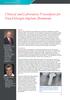 Clinical and Laboratory Procedures for Fixed Margin Implant Abutments Dr. Carl Drago DDS, MS, American Board of Prosthodontics Director, Dental Research BIOMET 3i, Adjunct Faculty Department of Prosthodontics,
Ridge Reconstruction for Implant Placement
 Volume 1, No. 5 July/August 2009 The Journal of Implant & Advanced Clinical Dentistry Ridge Reconstruction for Implant Placement 2 Hours of CE Credit Oral Implications of Cancer Chemotherapy Immediate
Tissue alterations at implant-supported single-tooth replacements: a 1-year prospective clinical study
 Giuseppe Cardaropoli Ulf Lekholm Jan L. Wennström Tissue alterations at implant-supported single-tooth res: a 1-year prospective clinical study Authors affiliations: Giuseppe Cardaropoli, Jan L. Wennström,
Modern Tooth Replacement Strategies & Digital Workflow
 Modern Tooth Replacement Strategies & Digital Workflow Case Studies by Dr Maurice Salama, DMD AS PUBLISHED BY Dentistry Today, June 2014 Complete Implant Restoration System FACTS: Implant Dentistry Has
Appropriate soft tissue closure represents a critical
 Periosteoplasty for Soft Tissue Closure and Augmentation in Preprosthetic Surgery: A Surgical Report Albino Triaca, Dr Med, Dr Med Dent 1 /Roger Minoretti, Dr Med, Dr Med Dent 1 / Mauro Merli, DMD 2 /Beat
The management of immediate implant placement to optimize aesthetic outcome in the anterior maxilla
 C L I N I C A L The management of immediate implant placement to optimize aesthetic outcome in the anterior maxilla Howard Gluckman 1 and Jonathan Du Toit 2 1 Howard Gluckman, BDS, MChD (OMP) Specialist
Immediate implantation and provisionalization: Single-tooth restoration in the esthetic zone
 Immediate implantation and provisionalization: Single-tooth restoration in the esthetic zone Authors_Susan McMahon, DMD, and Karrah Petruska _c.e. credit part II This article qualifies for C.E. credit.
More than an implant. A sense of trust. Straumann Dental Implant System
 More than an implant. A sense of trust. Straumann Dental Implant System More than an implant. A sense of trust. Patients today are more aware of their options when it comes to tooth replacement. Partner
Comparison of Peri-Implant Bone Loss
 Original Article Comparison of Peri-Implant Bone Loss and Survival of Maxillary Intrasinus and Extrasinus Implants After 2 Years AR. Rokn 1,2, AAR. Rasouli Ghahroudi 3,4, S. Hemati 5, A. Soolari 6 1 Associate
Objective Criteria: Guiding and Evaluating Dental Implant Esthetics
 Master of Esthetic Dentistry Objective Criteria: Guiding and Evaluating Dental Implant Esthetics Go to inclusivemagazine.com to earn CE credit on this article. by Lyndon F. Cooper, DDS, Ph.D The evolution
REALITIES AND LIMITATIONS IN THE MANAGEMENT OF THE INTERDENTAL PAPILLA BETWEEN IMPLANTS: THREE CASE REPORTS
 CONTINUING EDUCATION X X REALITIES AND LIMITATIONS IN THE MANAGEMENT OF THE INTERDENTAL PAPILLA BETWEEN IMPLANTS: THREE CASE REPORTS Nicolas Elian, DDS* Ziad N. Jalbout, DDS Sang-Choon Cho, DDS Stuart
Implants in your Laboratory: Abutment Design
 1/2 point CDT documented scientific credit. See Page 41. Implants in your Laboratory: Abutment Design By Leon Hermanides, CDT A patient s anatomical limitations have the greatest predictive value for successful
Post-extraction immediate implant placement in the maxillary anterior region: A case report
 Merit Research Journal of Medicine and Medical Sciences (ISSN: 2354-3238) Vol. 3(1) pp. 001-009, January, 2015 Available online http://www.meritresearchjournals.org/mms/index.htm Copyright 2015 Merit Research
Using BONDBONE as a composite in post extraction sockets with immediate implant placement everyday practice.
 32 News No. 32 May 2013 Using BONDBONE as a composite in post extraction sockets with immediate implant placement everyday practice. MAKE IT SIMPLE 2 Using BONDBONE as a composite in post extraction sockets
The planning of implant therapy in the anterior maxilla
 Team Treatment Planning for the Replacement of Esthetic Zone Teeth with Dental Implants Robert A. Levine, DDS; and Gary Nack, DDS ABSTRACT Implant therapy requires comprehensive preoperative planning and
All-on-4 treatment concept with NobelSpeedy Groovy
 All-on-4 treatment concept with NobelSpeedy Groovy Product overview Immediate Function for high patient satisfaction Immediately loaded fixed provisional prosthesis on the day of surgery. Immediate improvement
Straumann Dental Implant System. Implant Selection Guide.
 Straumann Dental Implant System. Implant Selection Guide. STRAUMANN's IMPLANT PORTFOLIO The Straumann Dental Implant System offers two implant lines with diverse body and neck designs ranging from the
Dental Implant Options in Atrophic Jaws
 Dental Implant Options in Atrophic Jaws Orthopedic Application Jay B. Reznick, D.M.D., M.D. Diplomate, American Board of Oral and Maxillofacial Surgery Tarzana, CA Endopore Dental Implant System Screw-Type
The International Journal of Periodontics & Restorative Dentistry
 The International Journal of Periodontics & Restorative Dentistry 447 Immediate Implants and Immediate Loading in Periodontally Compromised Patients A 3-Year Prospective Clinical Study Célia Coutinho Alves,
Straumann Dental implant system ONE SYSTEM ONE INSTRUMENT KIT ALL INDICATIONS*
 Straumann Dental implant system ONE SYSTEM ONE INSTRUMENT KIT ALL INDICATIONS* For all indications*! The Straumann Dental Implant System offers you and your patients efficient and esthetic implant-borne
Socket Shield Technique for Ridge Preservation :
 Socket Shield Technique for Ridge Preservation : A Case Report Chih-Long Chen, DDS Director, Department of Periodontics, Shin Kong Wu Ho-Su Memorial Hospital, Taipei, Taiwan Yu-Hwa Pan, DDS, MS Chair,
Dental Bone Grafting Options. A review of bone grafting options for patients needing more bone to place dental implants
 Dental Bone Grafting Options A review of bone grafting options for patients needing more bone to place dental implants Dental Bone Grafting Options What is bone grafting? Bone grafting options Bone from
Dental Implants and Esthetics
 Dental Implants and Esthetics Charles J. Goodacre, DDS, MSD; Chad J. Anderson, MS, DMD Continuing Education Units: 1 hour Online Course: www.dentalcare.com/en-us/dental-education/continuing-education/ce203/ce203.aspx
CUSTOMIZED PROVISIONAL ABUTMENT AND PROVISIONAL RESTORATION FOR AN IMMEDIATELY-PLACED IMPLANT
 CONTINUING EDUCATION 1 4 CUSTOMIZED PROVISIONAL ABUTMENT AND PROVISIONAL RESTORATION FOR AN IMMEDIATELY-PLACED IMPLANT Gerard J. Lemongello, Jr, DMD* LEMONGELLO 19 7 AUGUST The use of immediate implant
MAIN LINE DENTAL IMPLANT CENTER
 1257 Lancaster Ave Berwyn, PA 19312 Tel: 610-722-5542 CHIUN-LIN (STEVEN), LIU D.D.S., D.M.D. School of Dental Medicine CURRICULUM VITAE Summer, 2012 Education: 1987-1993 D.D.S. Kaohsiung Medical University
Many factors must be considered when
 + CASE STUDY 1 Loss of the Interdental Papilla Prevention and management of dental implant-related complications in the esthetic zone + Stephen J. Chu DMD, MSD, CDT + Mark N. Hochman DDS + Dennis P. Tarnow
Implant platform switching concept: An updated review
 Journal section: Oral Surgery Publication Types: Review : An updated review Laura López-Marí 1, Jose Luis Calvo-Guirado 2, Beatriz Martín-Castellote 1, Gerardo Gomez-Moreno 3, Marta López-Marí 4 1 Postgraduate
IMMEDIATE CUSTOM IMPLANT PROVISIONALIZATION: A PROSTHETIC TECHNIQUE
 IMMEDIATE CUSTOM IMPLANT PROVISIONALIZATION: A PROSTHETIC TECHNIQUE Gerard J. Lemongello, Jr, DMD* LEMONGELLO 19 5 JUNE Surgical and restorative techniques that can reduce the loss of hard and soft tissues
SYMPOSIUM 2012 GLOBAL OSTEOGENICS BONE GRAFTING. April 20-21 :: San Antonio, TX The Westin La Cantera Resort Symposium Registration: $795
 Stephen Caldwell DDS Sascha Jovanovic DDS, MS Bradley McAllister DDS, PhD Alvaro Ordoñez DDS OSTEOGENICS 2012 GLOBAL BONE GRAFTING SYMPOSIUM April 20-21 :: San Antonio, TX The Westin La Cantera Resort
Implant Replacement of the Maxillary Central Incisor Utilizing a Modified Ceramic Abutment (Thommen SPI ART) and Ceramic Restoration
 Implant Replacement of the Maxillary Central Incisor Utilizing a Modified Ceramic Abutment (Thommen SPI ART) and Ceramic Restoration ROBERT SCHNEIDER, DDS, MS* ABSTRACT The prosthetic restoration of a
Immediate Dental Implant Placement: Technique, Part 1
 Course Number: 169 Immediate Dental Implant Placement: Technique, Part 1 Authored by Gary Greenstein, DDS, MS, and John Cavallaro, DDS Upon successful completion of this CE activity 2 CE credit hours may
Don t Let Life Pass You By Because Of Missing Teeth
 Don t Let Life Pass You By Because Of Missing Teeth Ask For Dental Implant Solutions From BIOMET 3i Scan With Your Smartphone! In order to scan QR codes, your mobile device must have a QR code reader installed.
Oral Plastic Surgery
 20/20 TM Oral Plastic Surgery Hands-On Courses EDWARD P. ALLEN, DDS, PhD 20/20 Oral Plastic Surgery Advanced Techniques for Predictable Results Advanced surgical techniques in oral plastic surgery are
Dental Implant Treatment after Improvement of Oral Environment by Orthodontic Therapy
 Dental implant treatment after impr Title environment by orthodontic therapy. Sekine, H; Miyazaki, H; Takanashi, Author(s) Matsuzaki, F; Taguchi, T; Katada, H Journal Bulletin of Tokyo Dental College,
Saudi Fellowship In Dental Implant (SF-DI)
 Saudi Fellowship In Dental Implant (SF-DI) Prepared and Updated by Dr. Arwa AL-Sayed Consultant Periodontics and Dental Implants M E M B E R S Dr. Arwa AL-Sayed Dr. Abdulhadi Abanmy Dr. Ali AL-Ghamdi Dr.
Aesthetic resources in rehabilitation with implant-supported restoration in the anterior region: a clinical case
 Braz J Oral Sci. April-June 2007 - Vol. 6 - Number 21 Paulo Roberto R. Ventura 1 Adalberto Bastos de Vasconcelos 2 1 Specialist in Dental Prosthesis, ABO-RJ -Major in charge of the Service of Implantology
Insurance Coding: Teaching Our Periodontics Residents
 Charleston, SC Insurance Coding: Teaching Our Periodontics Residents Joe W. Krayer, D.D.S., M.S. Associate Professor & Director Post-Doctoral Periodontics Program Robert G. Gellin, D.M.D., M.H.S. Professor
Clinical trials have shown evidence of high implant
 Scalloped Dental Implants: A Retrospective Analysis of Radiographic and Clinical Outcomes of 17 NobelPerfectk Implants in 6 Patients Hessam Nowzari, DDS, PhD;* Winston Chee, DDS, FACP; y Klaus Yi, DDS;
Complications with excess cement & dental implants: Diagnosis, recommendations & treatment of 7 clinical cases.
 Robert A. Levine DDS, FCPP, Diplomate, American Board of Periodontology Clinical Professor, Temple University Kornberg School of Dentistry Fellow International Team for Implantology Pennsylvania Center
Restoring missing teeth in the anterior maxilla with
 Esthetic Outcome Evaluation of Maxillary Anterior Single-Tooth Bone-Level Implants with Metal or Ceramic Abutments and Ceramic Crowns Burçin Akoğlu Vanlıoğlu, DDS 1 /Erkut Kahramanoğlu, DDS, PhD 2 / Coşkun
IMPROVING IMPLANT AESTHETICS: PROSTHETICALLY GENERATED PAPILLA THROUGH TISSUE MODELING WITH COMPOSITE
 CONTINUING EDUCATION 9 IMPROVING IMPLANT AESTHETICS: PROSTHETICALLY GENERATED PAPILLA THROUGH TISSUE MODELING WITH COMPOSITE Brian P. LeSage, DDS* LESAGE 18 4 MAY Dental implants provide clinicians with
Rehabilitation of Endondontically Failed Anterior teeth by Immediate Replacement and Loading of an Implant supported Crown: A Case Report.
 RESEARCH AND REVIEWS: JOURNAL OF DENTAL SCIENCES Rehabilitation of Endondontically Failed Anterior teeth by Immediate Replacement and Loading of an Implant supported Crown: A Case Report. Lalit Kumar 1
Dental Implants in Edentulism
 Academy of Medicine, Singapore Dental Implants in Edentulism AMS-MOH Clinical Practice Guidelines 1/2012 Aug 2012 Levels of evidence and grades of recommendation Levels of evidence Level Type of Evidence
Soft tissue stability at the facial aspect of gingivally converging abutments in the esthetic zone: A pilot clinical study
 Soft tissue stability at the facial aspect of gingivally converging abutments in the esthetic zone: A pilot clinical study Eric Rompen, DDS, PhD, a Nicolas Raepsaet, DDS, b Olivier Domken, DDS, c Bernard