
Using Individual Behaviour Support Plans
|
|
|
- Benjamin Edwards
- 10 years ago
- Views:
Transcription
1 Using Individual Behaviour Support Plans An individual behaviour support plan, which documents supports and strategies based on students unique and individual characteristics, will benefit students with behaviour challenges. The development of a support plan should be a collaborative effort between parents and school staff and should be done at the beginning of the school year or as soon as possible after a student has been identified as needing a support plan. It is important that parents are aware of this plan and are supportive of the proactive strategies, preplanned consequences and crisis management plan. The goal of this plan is that all staff working with the student are aware of and committed to using positive behaviour support strategies to create and maintain a safe learning environment for the student, other students and school staff. These step-by-step plans should include: - key understandings about this student s behaviour - conditions or antecedent events that are most likely to trigger the problem behaviour - warning signs that the student is experiencing difficulty - plans for diffusing the behaviour - positive supports to help the student increase his or her abilities - what peers need to understand learn to do in order to support this student - other strategies school staff can use to support and encourage this student. All school staff need to review this plan before working with the student. The plan should be kept in the office, with duplicate copies with each teacher working with that student. Individual Behaviour Support Plans Page 1/7
2 Sample Individual Behaviour Support Plan Sonny (13 years old, Grade 7) Objective of plan Staff working with Sonny will commit to using behaviour support strategies to maintain a safe environment for Sonny, other students and staff. Key understandings about Sonny (Functions of problem behaviour) - Sonny wants to have friends and be respected for his vast knowledge of video games and computers. - Academic pressures increase Sonny s anxiety he sometimes gets physically aggressive to avoid certain academic tasks, especially in math. - Sonny often feels that peers are teasing or rejecting him he sometimes gets physically aggressive to avoid what he perceives as peer rejection. Plan 1. Staff working with Sonny will review this plan and sign to indicate their agreement to support this plan. 2. Be aware of antecedent events. Problem behaviour is most likely to occur when: - Sonny is presented with a new assignment, especially in math - Sonny thinks other students are making fun of him or rejecting him - Sonny misunderstands or overreacts to other students casual comments. 3. Be aware of warning signs that problem behaviour may escalate. - Sonny starts talking to himself. - Sonny approaches the student he believes is making fun of him or rejecting him. - Sonny reaches for a desk or another piece of furniture. 4. Immediate plans to defuse the situation - Give Sonny a problem-solving card with calm-down choices (e.g., breathe deeply, go get a drink, don t react). - If necessary, ask other students to quietly leave the area. - Once Sonny has calmed down, he will outline a plan for upcoming activities, with assistance from a staff member. 5. Positive behaviour supports throughout the school year - Before asking Sonny to carry out a new activity independently, give him the opportunity to successfully practise it in a group setting or with a peer. - To ensure success, give Sonny structured assignments (e.g., with completed sample, cue cards, reduced number of questions required), particularly in math. - Work with Sonny each week to set personal goals and to set up a self-monitoring system re: completing assignments, getting along with peers. Review progress at the end of each week. - Select, teach and practise problem-solving strategies. Record them on a cue card for easy reference. - Select, teach and practise calm-down strategies. Record them on a cue card for easy reference. - Help Sonny to write a social story dealing with teasing (or perceived teasing). - Provide verbal praise privately when Sonny uses calm-down strategies. - Look for opportunities for Sonny to share the computer games and programs he creates with other students. - Send home weekly good news s describing Sonny s recent successes. 6. Help peers learn to: - understand that Sonny may not always understand their intentions - reduce joking and teasing that can be misinterpreted - include Sonny in their activities. Individual Behaviour Support Plans Page 2/7
3 7. Staff will provide additional support by: - looking for natural opportunities to model calm-down strategies and problem solving for all students across the subject areas and throughout the school day - encouraging Sonny to join school computer club and providing informal coaching to help him create and maintain positive relationships with peers in this social setting. Crisis Management Plan If aggressive or unsafe behaviour occurs in spite of proactive strategies, the school plan is to: - Ask Sonny to leave the classroom and go to Ms. R s office. An adult walks with him. - If he refuses to leave, hold up the red card and quietly ask the other students to pick up their materials and go to another area (e.g., the library). - Have Sonny stay in Ms. R s office until he calms down. - Once he is calm, ask Sonny to express his feelings about the incident through drawing. With assistance, Sonny identifies an alternate way of dealing with similar incidents in the future (by choosing one of his problem-solving strategies). - Notify Sonny s parents of unsafe incidents. (Mom s cell number is ) I have read this plan and commit to using these supports when working with Sonny. Team members signatures: Date: Review date: Individual Behaviour Support Plans Page 3/7
4 Individual Behaviour Support Plan Re: Objective of plan Staff working with will commit to using behaviour support strategies to maintain a safe environment for, other students and staff. Key understandings about... (Functions of problem behaviour) 4. Immediate plans to defuse the situation 5. Positive behaviour supports throughout the school year Plan 1. Staff working with will read and sign this plan. 2. Be aware of antecedent events. Problem behaviour is most likely to occur when: 6. Help peers learn to: 3. Be aware of warning signs that problem behaviour may escalate. Individual Behaviour Support Plan Page 4/7
5 7. Staff will provide additional support by: Crisis Management Plan If aggressive or unsafe behaviour occurs in spite of proactive strategies, the school plan is to: I have read this plan and commit to using these supports when working with. Team members signatures: Date: Review date: Individual Behaviour Support Plan Page 5/7
6 Individual Behaviour Support Plan Identify key understandings Begin the planning process by identifying at least three challenging behaviours that are barriers to this student s school success. Use data from systematic classroom observations to describe typical problem behaviours, and why these behaviours might be happening. Identify at least one positive strength-based behaviour. Target specific problem behaviours Consider the types of problem behaviours that might be barriers for this student. Internalizing behaviours: - anxiety (e.g., worries incessantly, is nervous, is fearful, avoids tasks or situations) - depression (e.g., cries easily, is pessimistic, is easily upset) - withdrawal (e.g., refuses to talk or join in group activities, avoids others) - inattention (e.g., has a short attention span, is easily distracted, does not complete tasks) - somatization (illness related to psychological distress; e.g., has headaches and/or stomach aches, complains of general pain or fatigue) Externalizing behaviours: - anger control(e.g., has temper outbursts or explosions, is unable to regulate emotions) - aggression (e.g., teases others, threatens others, swears at or is rude to others, breaks others things, physically hurts others) - hyperactivity/impulsivity (e.g., is excitable, is restless or overactive, talks excessively, interrupts others, cannot wait to take turn) - oppositional behaviour (e.g., argues, disrupts that play of others, annoys others on purpose, refuses to follow directions or respond to requests, breaks rules, including lying and stealing) Determine priorities Begin by choosing one behaviour of concern to target in the behaviour support plan. When possible, parents should participate in the identification of priority behaviours. This choice often depends on factors such as the impact of that behaviour on the student s: - well-being and the well-being of others (behaviours that place the student at risk or other staff or students at risk, must be addressed first) - participation and learning - relationships with other students and teachers - likelihood of success over the short term (e.g., within three months) Warning signs, antecedents and plans for defusing Use data gathered about this student s behaviour to identify warning signs, antecedents or contexts in which the problem behaviour is most likely to occur. This data will help staff be aware of what to look for in the classroom in order to defuse potentially problematic situations. Having a plan in place to defuse situations will give staff confidence to act proactively and will help students better understand their role in managing their own behaviour. Positive supports Identifying positive supports for a student is the most important part of an individual behaviour support plan. Identifying proactive strategies to help the student develop and maintain positive behaviours to replace problem behaviours is key. Identify specific skills and concepts that need to be taught, practised and reinforced, and the specific type of reinforcers that are effective for this student. These supports should be in place across school environments across the school day and throughout the school year. Individual Behaviour Support Plan Page 6/7
7 Role of peers The choice of a target problem behaviour in the plan is also determined by the impact the behaviour is having on other students. Consider whether the behaviour is affecting other students : - ability to learn - participation in the class - stress level in class (e.g., feeling of safety) - tendency to imitate the negative behaviour. Classroom behaviour expectations that support inclusive and supportive behaviour (such as including others or not engaging in teasing or bullying) can create a supportive structure in which peers model positive behaviour and effective social skills. Peers are more likely to support positive behaviour when they understand what they can do to help. Additional support Identify other opportunities staff can use to model, teach and support positive behaviour throughout the school day. Use proactive strategies that will benefit all students. student, including parents. Although the main focus of the plan is identifying steps for decreasing the likelihood that the problem behaviour will occur, but there needs to be a plan in place in the event that the interventions are not effective. If behaviour escalates and requires this alternate plan, the team needs to revisit the behaviour support plan as soon as possible to rethink and adjust the level and type of individualized intervention. Physical intervention Physical intervention is not a strategy for managing behaviour and should only be used in emergencies. Teachers and administrators need to understand their jurisdictional policies on physical interventions, what training is available and what documentation, including communication with parents, is required. The goal should always be to increase proactive behaviour interventions so physical intervention is never necessary. Crisis management plan Some students with behaviour difficulties may occasionally become very agitated. When this occurs, the behaviour support plan for that individual student becomes a crisis management tool. All staff working with the student, and perhaps other students in the class, need to be aware of and understand this crisis management plan. Ideally this plan has been developed collaboratively by staff working with the Individual Behaviour Support Plan Page 7/7
National Health Education Standards and Performance Indicators. Interpersonal Communication [4.12.1; 4.12.2; 4.12.3] Self Management [7.12.2; 7.12.
![National Health Education Standards and Performance Indicators. Interpersonal Communication [4.12.1; 4.12.2; 4.12.3] Self Management [7.12.2; 7.12.](/thumbs/27/9539429.jpg "National Health Education Standards and Performance Indicators. Interpersonal Communication [4.12.1; 4.12.2; 4.12.3] Self Management [7.12.2; 7.12.") LESSON 8 Interpersonal Communication and Self Management Student Learning Objectives Identify how interpersonal communication and self management are needed for healthy living. Expand on the definition
LESSON 8 Interpersonal Communication and Self Management Student Learning Objectives Identify how interpersonal communication and self management are needed for healthy living. Expand on the definition
Children / Adolescents and Young Adults
 INFORMATION SHEET Age Group: Sheet Title: Children / Adolescents and Young Adults Teachers Aids DIFFICULTY WITH LANGUAGE Tendency to make irrelevant comments Tendency to interrupt Tendency to talk on one
Understanding school refusal
 Special topics Understanding school refusal School refusal refers to severe emotional upset experienced by a child at the prospect of attending school that can result in significant school absence 1. School
www.education.alberta.ca/mentalhealthmatters Activity
 www.education.alberta.ca/mentalhealthmatters Activity Poster: Manage Level: Junior High Grades 7 9 Taken from the Mental Health Kit: Be Kind to Yourself and Others, developed in partnership with Community
Intervention Strategies to Engage Students and Parents Struggling with School Anxiety School Refusal Patrick McGrath Ph.D Jackie Rhew MA, CADC, LPC
 Intervention Strategies to Engage Students and Parents Struggling with School Anxiety School Refusal Patrick McGrath Ph.D Jackie Rhew MA, CADC, LPC School Anxiety / School Refusal Program Alexian Brothers
3 Level Behaviour Management System
 1 Student Welfare & Behaviour Management Policy & Procedures 3 Level Behaviour Management System U:\PUBLIC\Policies & Procedures\Approved Policies\Student Welfare & Behaviour Management Policy & Procedures
Bullying. Take Action Against. stealing money. switching seats in the classroom. spreading rumors. pushing & tripping
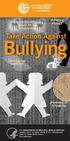 switching seats in the classroom stealing money Take Action Against Bullying spreading rumors pushing & tripping U.S. DEPARTMENT OF HEALTH & HUMAN SERVICES Substance Abuse and Mental Health Services Administration
Aristotle described 3 types of Friendship. 1. Utility 2. Pleasure 3. True Friendship
 Aristotle described 3 types of Friendship 1. Utility 2. Pleasure 3. True Friendship At what Age do children have the cognitive and emotional abilities required to have a friendship? Children s perceptions
When students do not meet your behavioral expectations but are not exactly breaking the rules and may not deserve an official consequence.
 E-4 Diversify responses to various degrees of misbehavior When you re in the middle of instruction, you may encounter an assortment of misbehavior that varies in degrees of severity and warrants different
Supporting your child after a burn injury
 Royal Manchester Children s Hospital Supporting your child after a burn injury Information for Parents and Carers of Young Children 2 Contents Page Introduction 4 Trauma and children 4 Normal reactions
The Symptoms? What Are. The behaviors often reported include: Guide to Video Game Addiction
 What Are The Symptoms? The behaviors often reported include: For kids Spending non-school hours on the computer or playing video games. Falling asleep in school. Not keeping up with assignments. Worsening
Kids Have Stress Too! Especially at Back to School Time As a Parent, You Can Help!
 1 Kids Have Stress Too! Especially at Back to School Time As a Parent, You Can Help! Stress can infect and affect the physical, emotional, intellectual and academic well being of children. It can interfere
Positive Behaviour Support Plan for Jane. Brief Summary of the Critical System Strengths and Concerns (for school):
 Brief Summary of Focus Person: Positive Behaviour Support Plan for Jane Jane is a 6 year old girl with ADHD, oppositional defiant disorder, prenatal exposure to cocaine and possible fetal alcohol spectrum
WHOLE SCHOOL ANTI-BULLYING POLICY
 130 High Road, Buckhurst Hill, Essex IG9 5SD Telephone number: 0208 504 1133 WHOLE SCHOOL ANTI-BULLYING POLICY 1 Persons responsible: The Head Teacher, in consultation with the Directors, the Governing
Self Assessment: Substance Abuse
 Self Assessment: Substance Abuse Please respond TRUE (T) or FALSE (F) to the following items as they apply to you. Part 1 I use or have used alcohol or drugs for recreational purposes. I use alcohol despite
Teacher Survey. Information. 1) Some questions ask how strongly you agree or disagree with a statement. Four answer options
 Teacher Survey This survey is a hardcopy version for reading and discussion. Please complete the actual survey online. The Wellbeing@School Teacher Survey is for ALL staff who teach students. Information
Classical vs. Operant Conditioning
 Classical vs. Operant Conditioning Operant conditioning (R S RF ) A voluntary response (R) is followed by a reinforcing stimulus (S RF ) The voluntary response is more likely to be emitted by the organism.
Helping your child with Non-verbal Learning Disability
 Helping your child with Non-verbal Learning Disability What is non-verbal learning disability? Non-verbal learning disability (NVLD) is a term used to describe a pattern of strengths and weaknesses in
Evaluation of the Take 3 parenting programme
 Evaluation of the Take 3 parenting programme September 2010 Oxfordshire Parent-Talk Project Jane Linthwaite & Rosie Hill Contents: Executive summary 3 Acknowledgements 6 Chapter 1: Introduction 7 Chapter
What Can Help Improve Social Interaction and Development?
 What Can Help Improve Social Interaction and Development? Supporting social interaction is an important piece of the student s educational plan, as increasing social interaction and competency are vital
FUNCTIONAL BEHAVIORAL ASSESSMENT
 FUNCTIONAL BEHAVIORAL ASSESSMENT Funded by Safe Schools, Healthy Students and developed at The University of Arizona, College of Education Functional Behavioral Assessment: Online Prevention Module at
POSITIVE BEHAVIORAL SUPPORT PLAN
 POSITIVE BEHAVIORAL SUPPORT PLAN Center for Positive Behavioral Support Research & Development- University of Kansas IDENTIFYING INFORMATION Student Name: Drew Smith Parent or Guardian Names: Karen and
Critical Incidents. Information for schools from Derbyshire Educational Psychology Service
 Critical Incidents Information for schools from Derbyshire Educational Psychology Service Introduction to Critical Incidents A critical incident (CI) is any event that is unexpected, acute, stressful and
Memory, Behaviour, Emotional and Personality Changes after a Brain Injury
 Memory, Behaviour, Emotional and Personality Changes after a Brain Injury The consequences of a brain injury on any individual, family or relationship are far reaching. A brain injury not only impacts
Listen, Protect, and Connect
 Page 1 Listen, Protect, and Connect PSYCHOLOGICAL FIRST AID FOR CHILDREN, PARENTS, AND OTHER CAREGIVERS AFTER NATURAL DISASTERS Helping you and your child in times of disaster. Page 2 As a parent or adult
For Parents and Families: What to do if a Child is Being Bullied
 WHAT IS BULLYING? For Parents and Families: What to do if a Child is Being Bullied Bullying among children is aggressive behavior that is intentional and that involves an imbalance of power or strength.
Functional Behavioral Assessment and Positive Interventions: What Parents Need to Know
 PHP-79 by Dixie Jordan Functional Behavioral Assessment and Positive Interventions: What Parents Need to Know Many children have inappropriate behaviors that are part of their disability. These behaviors
Grade 8 Lesson Stress Management
 Grade 8 Lesson Stress Management Summary This lesson is one in a series of Grade 8 lessons. If you aren t able to teach all the lessons, try pairing this lesson with the Weighing Risks to Make Decisions,
Contact Information. [email protected] Phone 773-3678
 Contact Information [email protected] Phone 773-3678 Learning Behavior/Changing Behavior Students learn any behavior in the same way they learn to read through instruction/modeling, practice, feedback,
Conducting Emotionally Difficult Conversations. John Banja, PhD Center For Ethics Emory University [email protected]
 Conducting Emotionally Difficult Conversations John Banja, PhD Center For Ethics Emory University [email protected] How To Break Bad News Robert Buckman (with contributions by Yvonne Kason). Baltimore:
Executive Skills Questionnaire. Peg Dawson & Richard Guare
 Executive Skills Questionnaire Peg Dawson & Richard Guare Step I: Read each item below and then rate that item based on the extent to which you agree or disagree with how well it describes you. Use the
Role Plays for Teacher Classroom Management
 Role Plays for Teacher Classroom Management Collaboration, Workshop 1 After Vignette #4 Making connection with quiet child Practice making a connection with a child who is quiet, shy, or sad. Think about
Part 5. Dinosaur School Notes to Teachers. 1. Introduction. 2. Iguanodon Unit: How to be Successful in School
 Part 5 Dinosaur School Notes to Teachers 1. Introduction 2. Iguanodon Unit: How to be Successful in School 3 & 4. Triceratops Unit: Detecting, Understanding and Talking About Feelings 5. Stegosaurus Unit:
Walking a Tightrope. Alcohol and other drug use and violence: A guide for families. Alcohol- and Other Drug-related Violence
 Walking a Tightrope Alcohol and other drug use and violence: A guide for families Alcohol- and Other Drug-related Violence Alcohol and other drug use and family violence often occur together. Families
ANGER MANAGEMENT. A Practical Guide. ADRIAN FAUPEL ELIZABETH HERRICK and PETER SHARP
 ANGER MANAGEMENT A Practical Guide ADRIAN FAUPEL ELIZABETH HERRICK and PETER SHARP Contents Acknowledgements v SECTION ONE: WHAT IS ANGER? 1 1 Introduction 2 2 Perspectives on anger 7 3 What does anger
What is a behavior intervention plan? What should be included in the behavior intervention plan?
 What is a behavior intervention plan? Once the IEP team, of which you are a part, has conducted a functional assessment, the information obtained from that process should be used to develop a behavior
What is emotional intelligence?
 What is emotional intelligence? Emotional intelligence is the ability to identify, use, understand, and manage your emotions in positive and constructive ways. It's about recognizing your own emotional
Classroom Management Plan for the Resource Room, Grades 4 and 5. Student materials (binders, lesson books, pencils) available in crates as they enter
 Classroom Management Plan for the Resource Room, Grades 4 and 5 A. Physical Arrangement Student materials (binders, lesson books, pencils) available in crates as they enter Puzzles, educational games,
Guide to Effective Staff Performance Evaluations
 Guide to Effective Staff Performance Evaluations Compiled by Human Resources Siemens Hall, Room 211 The research is clear. The outcome is consistent. We know with certainty that the most powerful leadership
MATERIALS: Chart paper/markers; pens; Student handouts: Instant Replay and Staying SAFE
 LESSON PLAN: INSTANT REPLAY OVERVIEW: Students discuss and practice safe and realistic responses to name-calling and bullying by role-playing fictional scenarios. They use the instant replay technique,
POLICIES, INFORMATION AND PROCEDURES HANDBOOK
 PARKLANDS CHRISTIAN COLLEGE POLICIES, INFORMATION AND PROCEDURES HANDBOOK SECTION 4 - COLLEGE ROUTINE ITEM: CODE OF BEHAVIOUR ITEM No: 4.53 ISSUED: January 2013 REVISED: January 2015 PAGES 6 1. PURPOSE
Case Study: Jane Dhillon. 2. Why do I think Jane has a non-verbal learning disability?
 Case Study: Jane Dhillon 1. Background information on Jane Dhillon 2. Why do I think Jane has a non-verbal learning disability? Three issues in this course that relate to Jane: 3. Memory 4. Peer relationships
Children / Adolescents and Young Adults
 INFORMATION SHEET Age Group: Sheet Title: Children / Adolescents and Young Adults Bullying WHAT IS BULLYING? Bullying is not always easy to define. It can be Physical, Verbal, Emotional, Racist or Sexual.
GUIDE TO EFFECTIVE STAFF PERFORMANCE EVALUATIONS
 GUIDE TO EFFECTIVE STAFF PERFORMANCE EVALUATIONS The research is clear. The outcome is consistent. We know with certainty that the most powerful leadership tool for improving productivity and increasing
A Functional Approach to Functional Analysis. Carla Miller
 A Functional Approach to Functional Analysis Carla Miller Why are we here? What brings us to a session on analyzing behavior? What are we hoping to learn? What do we want to walk away with? Functional
Helping Children After a Wildfire: Tips for Parents and Teachers
 Helping Children After a Wildfire: Tips for Parents and Teachers Natural disasters can be traumatic for children and youth. Experiencing a dangerous wildfire can be frightening even for adults, and the
Behavior & Sensory Strategies for Individuals with ASD
 Behavior & Sensory Strategies for Individuals with ASD Kathleen Mo Taylor, OTR/L The Autism Programs Center for Development and Disability University of New Mexico This presentation is made possible, in
Psychological First Aid Red Cross Preparedness Academy 2014
 Caring for Survivors of Trauma and Disaster: An Introduction to Psychological First Aid Biographical Information Rev. William F. Engfehr III LutheranChurch MissouriSynod DisasterResponseChaplain Senior
Checklist: Timeline for Assessment (Sample) Early Childhood Classes: Oaklawn School
 Sept. 1 14 Sept. 15 30 Oct.1 15 Oct.16 31 Nov. 1 15 Checklist: Timeline for Assessment (Sample) Early Childhood Classes: Oaklawn School Social Attributes Checklist (Existing/Ready-made) Williams s Motor
School-Age Child Guidance Technical Assistance Paper #2
 School-Age Child Guidance Technical Assistance Paper #2 School-age Child Guidance High quality out-of-school time programs promote school-age children s emotional and social development as well as their
Brain Injury: Stages of Recovery
 Brain Injury: Stages of Recovery Recovery after brain injury is a process that occurs in stages. Some people move quickly through the stages, while others make slow, but steady gains. The Rancho Los Amigos'
Patient will be promoted to the next grade level by end of school year. Academic Issues
 Treatment Planning for Children and Adolescents Long and Treatment Goals Prepared by Nancy Lever, Ph.D. and Jennifer Pitchford, LCPC SMHP Program, May 2008 Problem Academic Issues Treatment Goals Patient
SCHOOL SERVICES. Promoting learning through. behavioral supports for students. classroom management training for teachers
 SCHOOL SERVICES Promoting learning through n Academic, social, emotional and behavioral supports for students n Behavioral intervention and classroom management training for teachers Contact s student
ADHD: Information for Teachers and Parents
 Educational Psychology Service What is ADHD? ADHD: Information for Teachers and Parents All children may experience attention difficulties at one time or another. This can be more noticeable if a child
Back to School: Working with Teachers and Schools
 Back to School: Working with Teachers and Schools Starting school each fall is a challenge for the student and parents. The following article offers some valuable suggestions as your child starts a new
Unit 1 Understanding Anger Handout
 Unit 1 Understanding Anger Handout Understanding anger Anger is often seen as a powerful emotion. For many people, because of its association with aggression and violence it is a frightening emotion. The
Best Practices Manual For Counseling Services. A Guide for Faculty & Staff
 Best Practices Manual For Counseling Services A Guide for Faculty & Staff 7/2014 Table of Contents Purpose of the Best Practices Manual for Counseling Services.3 General Guidelines on Responding to Concerns
7/16/2015. Online Tool to Help Illinois Schools Support Student Mental Health
 Online Tool to Help Illinois Schools Support Student Mental Health Illinois Youth Suicide Prevention Project Jennifer L. Martin, M.S.W. ISBE Special Education Directors Conference August 6, 2015 We want
Cornerstone Christian College Student Management System
 Cornerstone Christian College Student Management System The Cornerstone Charter To ensure all students are able to develop the learning outcomes described within the Australian curriculum and the Early
Bullying Prevention. When Your Child Is the Victim, the Bully, or the Bystander
 Bullying Prevention When Your Child Is the Victim, the Bully, or the Bystander What Is Bullying? Bullying is not a conflict or a fight. Bullying is physical, verbal, or emotional abuse that is deliberate,
Fact Sheet #1: Skills to Expect from 0 to 18 months
 Fact Sheet #1: Skills to Expect from 0 to 18 months Mental Skills Remember people and objects that are not present Imitate other people s facial expressions, sounds, and actions Imitate what they see on
Purpose of Presentation
 Understanding Stalking Behavior by Individuals with ASD Linda Haymes, Keith Storey, Michal Post, & Tamara Loughrey Purpose of Presentation To provide an overview of stalking behavior in school and employment
Depression Signs & Symptoms
 Depression Signs & Symptoms Contents What Is Depression? What Are The Signs And Symptoms Of Depression? How Do The Signs And Symptoms Of Depression Differ In Different Groups? What Are The Different Types
Stress management for presentations and interviews
 Learning Development Stress management for presentations and interviews This guide aims to help you recognise and understand anxiety and nervousness which may arise during presentations or interviews.
Classroom Management Plan
 Miller 1 Classroom Management Plan Michelle Miller EDUC 360 Professor Shipman 3 December, 2009 Miller 2 PHILOSOPHY OF CLASSROOM MANAGEMENT I believe that every student can learn given the right environment,
Take Care of Yourself: Identifying and Responding to Caregiver Compassion Fatigue. February 18, 2015 2:00-3:30 p.m. ET
 Take Care of Yourself: Identifying and Responding to Caregiver Compassion Fatigue February 18, 2015 2:00-3:30 p.m. ET Moderator Pam Clark Program Associate National Center for Youth in Custody Webinar
EMOTIONAL DISTURBANCE
 I. DEFINITION "Emotional disturbance" means a condition exhibiting one or more of the following characteristics over a long period of time and to a marked degree that adversely affects a child's educational
Student Centred Appraisal of Need
 Student Centred Appraisal of Need Booklet for parents, carers and staff January 2010 INTRODUCTION The Student Centred Appraisal of Need provides a consistent approach in determining educational needs of
Conflict Resolution for CBLE. Instructor
 Conflict Resolution for CBLE Instructor Terminal Objective Upon completion of this module, the participant will be able to identify the phases of acting-out in conflict, and have an understanding of what
THE EFFECTS OF FAMILY VIOLENCE ON CHILDREN. Where Does It Hurt?
 THE EFFECTS OF FAMILY VIOLENCE ON CHILDREN Where Does It Hurt? Child Abuse Hurts Us All Every child has the right to be nurtured and to be safe. According to: Family Violence in Canada: A Statistical Profile
Behavior-Management Techniques for Safe Schools
 Behavior-Management Techniques for Safe Schools Each new school year brings high hopes, great expectations and challenges for both new and seasoned educators. Th e American Federation of Teachers (AFT)
St. Gregory s Catholic Primary School Behaviour Policy
 St. Gregory s Catholic Primary School Behaviour Policy We believe in Jesus Christ, through him, with him, in him, anything is possible Date approved: 01/11/2015 Frequency of review: HT free to determine
Evidence Based Social Skill Instruction Programs
 Evidence Based Social Skill Instruction Programs The following is not intended to provide a complete list of evidence based programs, but represents a collection of programs that incorporate evidence based
REFERRAL INFORMATION CHILD, YOUTH AND FAMILY PROGRAM
 Please Note the following information: WE DO NOT OFFER EMERGENCY OR CRISIS SERVICE Please print clearly and ensure contact information is correct. Complete all forms. We will contact the family to set
promoting personal growth and excellence by developing confidence and self esteem.
 BOWNING PUBLIC SCHOOL FRIENDLY SCHOOLS AND FAMILIES POLICY (POLICY STATEMENT ON ANTI-BULLYING INCLUDING CYBER BULLYING) Bowning Public School is committed to providing a safe and secure environment promoting
What Can I Do To Help Myself Deal with Loss and Grief?
 What Can I Do To Help Myself Deal with Loss and Grief? There are certain tasks that help people adjust to a loss. Every person will complete these tasks in his or her own time and in his/her own way. The
Three Tiers of Positive Support and Intervention for Behaviour (2010) Contents
 Preface 13 What is this book about? 13 Why was this book written? 14 How is this book structured? 15 Contents PART 1: About Three Tiers of Positive Support and Intervention for Behaviour 19 Conceptualizing
Patricia Howlin, a researcher from the UK, once said that having autism must be
 The Incredible 5-Point Scale Kari Dunn Buron Patricia Howlin, a researcher from the UK, once said that having autism must be like falling through Alice s looking glass (from Alice in Wonderland), everything
For Mental Health and Human Services Workers in Major Disasters
 Page 1 of 5 Home Programs Mental Health Topics Newsroom Publications Resources This Site Search For Mental Health and Human Services Workers in Major Disasters POTENTIAL RISK GROUPS Online Publications
Creating Lasting Behavioral Change through the Generalization Analysis Worksheet
 131 Creating Lasting Behavioral Change through the Generalization Analysis Worksheet John Brady, Chapman University and Ron Kotkin, University of California, Irvine The goal of any behavioral program is
Psychomotor therapy at school
 Psychomotor therapy at school At school children with social-emotional problems or behavioral problems often need specific assistance and help to function adequately. Psychomotor therapy (PMT) can offer
Mental Health Role Plays
 Mental Health Role Plays Goals: To discuss various mental health issues and mental illnesses. To discuss stigma, support and treatment options surrounding mental health issues and mental illnesses. Requirements:
Mental health information sheets Component 4: Early intervention for students experiencing mental health difficulties
 Component Mental health information sheets Component 4: Early intervention for students experiencing mental health difficulties Anxiety What does anxiety look like? About anxiety Anxiety: Suggestions for
Vanderbilt ADHD Diagnostic Rating Scales
 Vanderbilt ADHD Diagnostic Rating Scales Overview The Vanderbilt ADHD Rating Scales (VADRS) are based on DSM-5 criteria for ADHD diagnosis and include versions specific for parents and teachers. These
Developing Performance Goals Developing Data/Goal Cards Data Interpretation IEP Goal Development. Presented by Jean S. Rosborough M.Ed.
 Developing Performance Goals Developing Data/Goal Cards Data Interpretation IEP Goal Development Presented by Jean S. Rosborough M.Ed. Positive Behavior Support Process for understanding the purpose of
Listen, Protect, Connect Model & Teach
 Page 1 Listen, Protect, Connect Model & Teach PSYCHOLOGICAL FIRST AID (PFA) FOR STUDENTS AND TEACHERS Helping you help your students in times of disaster, school crises, or emergencies. Page 2 As a teacher,
Determining Emotional, Behavioral, & Social Skills Needs and SDIs. For Students with IEPs at Elanco
 Determining Emotional, Behavioral, & Social Skills Needs and SDIs For Students with IEPs at Elanco Objectives 1. Discuss the process for identifying needs and intervening 2. Distinguish between different
Guidelines for Preventing and Dealing with Bullying Issues
 Guidelines for Preventing and Dealing with Bullying Issues Stapleford School aims to value all its members, to give all the opportunity to learn, act fairly and celebrate differences between individuals.
Treatment Planning. The Key to Effective Client Documentation. Adapted from OFMQ s 2002 provider training.
 Treatment Planning The Key to Effective Client Documentation Adapted from OFMQ s 2002 provider training. 1 Models Medical Model Diagnosis Psych Eval Problems Symptoms Psycho/Social/Behavioral Model Diagnosis
MANAGING DIFFICULT BEHAVIOUR
 MANAGING DIFFICULT BEHAVIOUR All materials Lindsay Wright. This pack for sample purposes only and not for re-use. 1 WHAT IS CONFLICT Conflict can be defined as a difference in view between stakeholders;
CORE-INFO: Emotional neglect and emotional abuse in pre-school children
 CORE-INFO: Emotional neglect and emotional abuse in pre-school children Introduction This leaflet summarises what is currently known about children aged less than six years who have been emotionally neglected
NICHQ Vanderbilt Assessment Scale PARENT Informant
 NICHQ Vanderbilt Assessment Scale PARENT Informant Today s Date: Child s Name: Date of Birth: Parent s Name: Parent s Phone Number: Directions: Each rating should be considered in the context of what is
Executive Function Remediation/Compensation Strategies
 Executive Function Remediation/Compensation Strategies In general: Osmosis won t work; teach the skills Keep in mind the concept of plasticity, the brains ability, through effort, positive reinforcement,