
Resource Directory of Evidence-Based Programs
|
|
|
- Marybeth Harriet Sims
- 10 years ago
- Views:
Transcription
1 Resource Directory of Evidence-Based Programs PROGRAM NAME ORGANIZATION PAGE NO. TOPIC: ARTHRITIS QUALITY OF LIFE PROGRAMS Arthritis Foundation Exercise Program Arthritis Foundation Aquatic Program Arthritis Self Help Course T AI CHI From the Arthritis Foundation TOPIC: CANCER Breast Cancer Screening Promotion Cervical Cancer Screening Promotion Diet/Nutrition Physical Activity TOPIC: CARDIOVASCULAR DISEASE De Corazón a Corazón: Faith-Based Program For Heart Health And Stroke Prevention National Arthritis Foundation National Cancer Institute American Heart Association Your Heart, Your Health (su Corazón, su Vida) National Heart, Lung and Blood Institute, National Institutes of Health 12 TOPIC: CHRONIC DISEASE MANAGEMENT Chronic Disease Self Management Course Stanford University 14 MD LINK: Partnering Physicians with Community Organizations: A Toolkit for Physician Champions Center for Healthy Aging, National Council on Aging 16 TOPIC: DEPRESSION, MENTAL HEALTH Healthy IDEAS for a Better Life Center for Healthy Aging, National Council on Aging 17

2 PROGRAM NAME ORGANIZATION PAGE NO. Strategies for Cognitive Vitality: Live Well, Live Long TOPIC: DIABETES American Society on Aging and the Centers for Disease Control and Prevention 19 Healthy Changes Providence Center on Aging, Center for Healthy Aging 20 Small Steps, Big Rewards Health Care Provider s Toolkit TOPIC: FALLS PREVENTION National Diabetes Education Program, National Institutes of Health and Centers for Disease Control and Prevention 21 COACH: Community Outreach Assessment and Correction of Hazards to Prevent Falls Visiting Nurse Association of Mercer County 23 FRIENDS: Fall Reduction Initiative: Establishing New Directions for Safety TOPIC: GENERAL HEALTH Aging Well, Living Well Evidence-Based Disease Prevention: Disease Self-Management Falls Prevention Medication Management Nutrition Physical Activity HealthEASE: Health Education Cardiovascular Disease Medication Management Maximizing Memory Nutrition, Osteoporosis/Falls Prevention Physical Activity Senior Wellness Project (Project Enhance): Health Enhancement Program Health Mentor Program Lifetime Fitness Program Pennsylvania Department of Aging Administration on Aging NJ Department of Health and Senior Services, Center for Aging University of Medicine and Dentistry of NJ School of Osteopathic Medicine Senior Services of Seattle/King County

3 PROGRAM NAME ORGANIZATION PAGE NO. TOPIC: MEDICATION MANAGEMENT Optimal Medication Use: Live Well, Live Long American Society on Aging, Centers for Disease Control and Prevention 32 TOPIC: NUTRITION, HEALTHY EATING Eat Better & Move More: Guide Book for Community Programs Healthy Eating for Successful Living in Older Adults TOPIC: OSTEOPOROSIS Project Healthy Bones: Exercise and Education Program for People With/At Risk of Osteoporosis TOPIC: PHYSICAL ACTIVITY National Resource Center on Nutrition, Physical Activity & Aging; Florida International University Lahey Clinic, Center for Healthy Aging NJ Department of Health and Senior Services, NJ Regional Arthritis Centers, Saint Barnabas Health Care System Exercise: A Guide from the National Institute on Aging and El Ejercicio y su Salud (Exercise for Your Health) Exercise for Life: Live Well, Live Long National Institute on Aging, National Institutes of Health 39 American Society on Aging and Centers for Disease Control and Prevention 40 Growing Stronger: Strength Training for Older Adults Division of Nutrition and Physical Activity- Centers for Disease Control and Prevention, Tufts University 42 HealthEASE: Move Today Healthy Moves for Aging Well Live Long, Live Well Walking Program for Older Adults NJ Department of Health and Senior Services, Workfit Consultants 43 Center for Healthy Aging, National Council on Aging 45 NJ Department of Health and Senior Services 46

4 Topic: ARTHRITIS, PHYSICAL ACTIVITY 1 Program Name: Arthritis Foundation Exercise Program (Formerly known as PACE People with Arthritis Can Exercise) Organization National Arthritis Foundation Contact Info Phone Toll Free information on programs and services to speak with an information specialist or to speak with a Spanish-language information specialist. Website Address P.O. Box 7669, Atlanta, GA Local resources: Arthritis Foundation, New Jersey Chapter Contact Info Phone (732) Toll Free: (888) [email protected] Address 200 Middlesex Turnpike, Iselin, NJ Local Resource: For Bergen, Essex, Hudson, Morris, Passaic, Union, and Sussex Counties Contact Info: North Jersey Regional Arthritis Center at Atlantic Health System Name Kathleen Hodapp, Director Phone: 877/ [email protected] Address: Morristown Memorial Hospital Arthritis Center, 100 Madison Ave, Box 23, Morristown NJ Local Resource: For Burlington, Camden, Cumberland, Gloucester and Salem Counties Contact Info: Southern New Jersey Regional Arthritis Center at Virtua Health Name: Paula Gordy, Director Phone: 856/ [email protected] Address: 1 Carnie Blvd., Voorhees NJ Program Description. The Arthritis Foundation Exercise Program is a community-based recreational exercise program developed by the National Arthritis Foundation specifically for people with mild to moderate arthritis and related conditions. Exercises chosen for this low impact exercise program help maintain muscle strength, increase joint flexibility and range of motion while improving overall stamina. The course curriculum also includes relaxation techniques and health education topics. Persons who have successfully completed the Arthritis Foundation Exercise Program instructor-training workshop guide participants to perform the gentle exercises and activities that move every body joint each class session. Classes meet two times a week for 8 weeks. Both basic and advanced levels of the Arthritis Foundation Exercise Program classes are available. All exercises can be modified to meet participant needs. Precautionary statements are included in both the participant and instructor program manuals. Background/history of the program. Research supporting that appropriate physical activity decreased arthritis pain and disability prompted the National Arthritis Foundation to develop the Arthritis Foundation Exercise Program in 1987 and to revise the content in 1999.

5 2 Evidence-based outcomes. Several early studies concluded that the Arthritis Foundation Exercise Program is safe and effective for those with arthritis and related conditions. A survey of participants from classes around the country attending classes twice a week revealed that almost 70% reported improvements in their health. There were significant increases in self-confidence in ability to exercise as well as physical and social activity functioning in addition to decreased pain, depression and usage of the emergency room. Unique aspects/highlights. Flexibility for participants to perform exercises sitting or standing with or without assistive devises; Inclusion of precautionary statements; Designed specifically for persons with arthritis and related conditions; and Targets every body joint every class session. Program is available in Spanish in some locations. Cost to implement program (includes cost of obtaining program): Participants may be charged a small fee to offset program costs. One-day instructor training (includes lunch and manual) $100 Participant Manuals (optional) $ 6/each Other costs may include facility fee, outreach and marketing and instructor fees.

6 Topic: ARTHRITIS, PHYSICAL ACTIVITY 3 Program Name: Tai Chi from the Arthritis Foundation Organization National Arthritis Foundation Contact Info Phone Toll Free information on programs and services to speak with an information specialist or to speak with a Spanish-language information specialist. Website Address P.O. Box 7669, Atlanta, GA Local resources: Arthritis Foundation, New Jersey Chapter Contact Info Phone (732) Toll Free: (888) [email protected] Address 200 Middlesex Turnpike, Iselin, NJ Local Resource: For Bergen, Essex, Hudson, Morris, Passaic, Union, and Sussex Counties Contact Info: North Jersey Regional Arthritis Center at Atlantic Health System Name Kathleen Hodapp, Director Phone: 877/ [email protected] Address: Morristown Memorial Hospital Arthritis Center, 100 Madison Ave, Box 23, Morristown NJ Local Resource: For Burlington, Camden, Cumberland, Gloucester and Salem Counties Contact Info: Southern New Jersey Regional Arthritis Center at Virtua Health Name: Paula Gordy, Director Phone: 856/ [email protected] Address: 1 Carnie Blvd., Voorhees NJ Program description. Tai Chi from the Arthritis Foundation program consists of twelve movements (6 basic and 6 advanced), a warm up and a cool down and is designed to provide a continual challenge for participants at their own pace. The group program utilizes Sun style Tai Chi, which is particularly effective for people with arthritis because it includes agile steps and exercises that can improve mobility, breathing and relaxation. In addition, the movements have higher stances, making it easier and more comfortable to learn. Background/history of the program. Tai Chi has been an effective arthritis treatment for centuries and is currently in high demand in western countries as an option to relieve arthritis pain and increase physical functioning. Tai Chi from the Arthritis Foundation was designed by Dr. Paul Lam, an Australian medical doctor and world leader in applying Tai Chi for health improvement and a team of medical experts. Evidence-based outcomes. Clinical studies have proven Tai Chi from the Arthritis Foundation to be safe and effective for people with arthritis. Exercises improve flexibility, muscle strength, posture and balance, increase heart and lung activity, and integrate the mind and body.

7 4 Unique aspects/highlights. Movements are simple and specific to needs of people with arthritis. Slow pace of exercise is relaxing and enjoyable. Cost to implement program (includes cost of obtaining program). Leader training $ Participants may be charged a small fee to offset program costs. Other costs may include facility fee, outreach and marketing and instructor fees.

8 Topic: ARTHRITIS, CHRONIC DISEASE MANAGEMENT 5 Program Name: Arthritis Foundation Self-Help Program (Formerly known as ASHC Arthritis Self Help Course) Organization National Arthritis Foundation Contact Info Phone Toll Free information on programs and services to speak with an information specialist or to speak with a Spanish-language information specialist. Website Address P.O. Box 7669, Atlanta, GA Local resources: Arthritis Foundation, New Jersey Chapter Contact Info Phone (732) Toll Free: (888) [email protected] Address 200 Middlesex Turnpike, Iselin, NJ Local Resource: For Bergen, Essex, Hudson, Morris, Passaic, Union, and Sussex Counties Contact Info: North Jersey Regional Arthritis Center at Atlantic Health System Name Kathleen Hodapp, Director Phone: 877/ [email protected] Address: Morristown Memorial Hospital Arthritis Center, 100 Madison Ave, Box 23, Morristown NJ Local Resource: For Burlington, Camden, Cumberland, Gloucester and Salem Counties Contact Info: Southern New Jersey Regional Arthritis Center at Virtua Health Name: Paula Gordy, Director Phone: 856/ [email protected] Address: 1 Carnie Blvd., Voorhees NJ Program Description. The Arthritis Foundation Self-Help Program is a six-week group education program appropriate for people with any of the over 150 types of arthritis. Two trained leaders facilitate the weekly 2-hour sessions, one or both of whom are non-health professionals with arthritis themselves. They use interactive methods to present detailed information including for example the latest pain management techniques, purposes and effective use of medications and how to form a partnership with their health-care team. Participants also discuss and find solutions to problems caused by arthritis, fatigue and stress, and develop an individualized exercise program. They practice the different skills needed to build their self-management program and gain the confidence to carry it out and ultimately improve their quality of life.

9 6 Background/history of the program. In 1979, the National Institutes of Health funded Dr. Kate Lorig of Stanford University to research, design and evaluate a community-based arthritis self-management program. The Arthritis Foundation Self-Help Program was created to educate participants, present new tools, to instill self-efficacy, the confidence one has that he or she can master a new skill or affect one s one health and enable people with arthritis to practice skills to self-manage their condition on a day-to-day basis. Evidence-based outcomes. The Arthritis Foundation Self-Help Program has been evaluated for over 10 years by researchers at Stanford and by a number of well-controlled studies by multiple groups in different settings with different ethnic groups around the world. Compared to individuals who did not participate in the Arthritis Foundation Self-Help Program, participants reduced their pain by 20%, sometimes reduced disability, decreased depression, decreased physician visits by 40%, increased knowledge about arthritis, increased frequency of exercise and relaxation, increased self-confidence, and improved quality-of-life, even 4 years after course participation. For every $1 spent on the Arthritis Self- Help Program, $3.42 was saved in physician visits and hospital costs. Continuing research enables the program content to remain current and accurate. The Arthritis Foundation Self-Help Program is endorsed and recommended by the Centers for Disease Control, the Arthritis Foundation, and the American College of Rheumatology. Unique aspects/highlights. Participants practice skills. Materials available in Spanish. Cost to implement program (includes cost of obtaining program). Participants may be charged a small fee to offset program costs. Leader training $ /days. Participant Arthritis Self-Help Books $14.95/each. Other costs may include facility fee, outreach and marketing and instructor fees.

10 Topic: ARTHRITIS, PHYSICAL ACTIVITY 7 Program Name: Arthritis Foundation Aquatic Program (Including the Arthritis Foundation YMCA Aquatic Program [AFYAP], AFAP PLUS and AFYAP PLUS) Organization National Arthritis Foundation Contact Info Phone Toll Free information on programs and services to speak with an information specialist or to speak with a Spanish-language information specialist. Website Address P.O. Box 7669, Atlanta, GA Local resources: Arthritis Foundation, New Jersey Chapter Contact Info Phone (732) Toll Free: (888) [email protected] Address 200 Middlesex Turnpike, Iselin, NJ Local Resource: For Bergen, Essex, Hudson, Morris, Passaic, Union, and Sussex Counties Contact Info: North Jersey Regional Arthritis Center at Atlantic Health System Name Kathleen Hodapp, Director Phone: 877/ [email protected] Address: Morristown Memorial Hospital Arthritis Center, 100 Madison Ave, Box 23, Morristown NJ Local Resource: For Burlington, Camden, Cumberland, Gloucester and Salem Counties Contact Info: Southern New Jersey Regional Arthritis Center at Virtua Health Name: Paula Gordy, Director Phone: 856/ [email protected] Address: 1 Carnie Blvd., Voorhees NJ 08043

11 Program description. Arthritis Foundation Aquatics Program is a non-clinical water exercise program co-developed with the YMCA of USA in 1983 and is reviewed and revised (as necessary) every 3-5 years. It contains a basic and advanced (Plus) level and in 2002, a deep-water component and a version for children with juvenile arthritis were added. The classes are held in an indoor heated pool, and they meet one to three times per week for 6-10 weeks or on an ongoing basis. A trained instructor teaches classes. Although the classes are held in the water, swimming ability is not necessary to participate in the program. The exercises include range of motion, strengthening exercises, socialization activities and an optional moderate-intensity aerobic component. Background/history of the program. Water exercise is especially good for people with arthritis, because water is a safe, ideal environment for relieving arthritis pain and stiffness because it allows people with arthritis and related conditions to exercise without putting excess strain on joints and muscles. The Arthritis Foundation Aquatics Program is designed to improve flexibility, joint range of motion, endurance, strength, and daily function as well as decrease pain. The program was co-developed by the Arthritis Foundation and the Young Men's Christian Association (YMCA) and is offered in pools throughout the United States. When the program is offered in a YMCA pool facility, it is called the Arthritis Foundation YMCA Aquatic Program or AFYAP. The program is available in non-ymca facilities as well. In some facilities, an advanced level (called AFAP PLUS or AFYAP PLUS) is available to those who are ready for a more vigorous program. Special versions of the program include a deep-water course and a juvenile course. Evidence-based outcomes. Studies suggest that participants in the aquatic program decreased physician visits, and experienced better functional status and improved quality of life. Outcomes improved with regular class attendance. Unique aspects/highlights, etc: Swimming skills not necessary. Warm water is soothing to most participants. Participants are buoyant in water and can possibly do more exercise and stand when otherwise prevented by pain. Cost to implement program (includes cost of obtaining program): Two-day instructor training $100. Participants may be charged a small fee to offset program costs. Other costs may include facility fee, outreach and marketing and instructor fees. 8

12 Topic: CANCER PREVENTION AND SCREENING 9 Program Name: Cancer Research-Tested Intervention Programs (RTIPs) Tailored Telephone Counseling (TTC) Breast Cancer Screening Promotion Community-Based Interventions Cervical Cancer Screening Promotion Community-Based Interventions Diet/Nutrition Community-Based Social Support Interventions Physical Activity Health Enhancement Programs Organization: Contact Info: Phone Address Website National Institutes of Health National Cancer Institute, U.S. Department of Health and Human Services 1/800 4 CANCER [email protected] Bethesda, Maryland Program description: TTC Breast Cancer Screening: telephone calls and specially developed printed materials are targeted to non-adherent women. Cervical Cancer Screening Intervention Programs: Cambodian Women s Health Projects, Increasing Breast and Cervical Cancer Screening Among Filipino American Women; and FoCaS (Forsyth County Cancer Screening Project), targeting low-income African-American women. Diet/Nutrition Intervention Programs: Body & Soul (partnering with African American churches to host nutrition events, activity with the pastor, making policy change to increase fruit and vegetable consumption); Eat for Life (Guide for Churches, Cookbook Video). Aerobic Exercise for Sedentary & Functionally Limited Adults (enhance spinal flexibility and improve physical functioning begins with 5 minute aerobic and increases to 20 minutes 36 1-hour sessions); Community Healthy Activities Model Program for Seniors (CHAMPS) (individually tailored, choice-based program promoting long-term physical activity); Exercise and Physical Functional Performance in Independent Older Adults (Training multi-joint muscles/all muscle groups uses Stairmaster machines, free weights and rowing machines); Wheeling Walks (Media campaign to encourage walking 12-week program to mobilize community; intensive 8-week campaign) Background/history of the program: These programs are part of the U.S. government s Cancer Control Planet, which provides state-specific statistics, identifies state and regional partners, and includes research reviews of different intervention approaches. Evidence-based outcomes: All programs featured have been tested in a peer-reviewed research study. Research-tested means success of the program was tested within A research environment. All programs have been shown to be effective in the populations and settings described. Adapting research-tested intervention programs is more likely to ensure success than creating a new program for the same population. There are program adaptation guidelines for implementing the program in other settings.

13 10 Unique aspects/highlights, etc: Programs identify the need and barriers; utilize behavior change theory models to maximize impact; provide checklists, follow-up questionnaires; print material; fact sheets. Cost to implement program (includes cost of obtaining program): All materials are available for downloading and dissemination at the website: Required resources vary, but are identified for each program.

14 Topic: CARDIOVASCULAR DISEASE 11 Program Name: De Corazόn a Corazόn: A Faith-Based Program for Heart Health and Stroke Prevention Organization: American Heart Association, National Center, Minority Heart Association Office Contact Info: Phone # Website Address 7272 Greenville Avenue, Dallas TX Local Resource: American Heart Association, NJ Chapter Contact Info: Name Robin Williams Phone # 732/ [email protected] Address 2550 US Highway One, North Brunswick NJ Program description: The 8-session program encourages participants to change unhealthy lifestyles and develop heart-healthy habits. The program is designed reduce cardiovascular disease and stroke risk factors in minority communities. Several screening and risk assessment tools are utilized to document risk factor change. Program sessions include: Check for Life blood pressure, diabetes and cholesterol education materials and how to conduct screenings; Activities for Life physical activity activities including starting a walking club; Bread of Life healthy nutrition, food selection and preparation; Stomp Out Stroke includes stroke prevention information and how to conduct stroke screenings; Stress Reduction strategies to help reduce stress; and Lift Every Voice teaches people how to become advocates for health. Church leaders, a program coordinator, volunteer leaders and health professionals (doctors, nurses or home-health workers) who conduct screenings all contribute to program implementation. Background/history of the program: Latinos/Hispanics are at greater risk of physical inactivity, overweight and obesity, and diabetes than any other population. Faith-based organizations are becoming channels for health information, education and screenings. When offered through a faith-based organization, the program can reach many people who might not otherwise receive lifesaving information. Evidence-based outcomes (evidence that the community program is based upon): Research documents that faith-based programs can improve health outcomes. Successful faith-based programs have focused on: primary prevention, general health maintenance, cardiovascular health, and cancer. Significant outcomes include: reductions in cholesterol and blood pressure levels, weight, and disease symptoms. Unique aspects/highlights, etc: Involves faith-based leadership in promoting the program. Utilizes community volunteers and health care professionals. Cost to implement program (includes cost of obtaining program): Not available.

15 Topic: Cardiovascular Disease 12 Program Name: Your Heart, Your Life (su Corazόn su Vida) Organization: National Heart, Lung and Blood Institute, National Institutes of Health Contact Info Phone Address NHLBI Health Information Center, P.O. Box 30105, Bethesda, MD Organization: New Jersey Department of Health and Senior Services (NJ DHSS) Contact Info Name Sue Lachenmayr Phone 609/ Address Division of Aging and Community Services, 9 th Floor, PO Box 807, Trenton, NJ Local Resource: Contact Info: Family & Consumer Science Program, Rutgers Cooperative Research and Extension in Mercer County Name Susan W. Fountain, BS, MeD Phone 609/ [email protected] Address PO Box 231, New Brunswick NJ Contact Info: FOCUS Hispanic Center for Community Development, Inc. Name Maritza Arauz Phone 973/ x 109 [email protected] Address Broad Street, Newark, NJ Program description: The program is peer-led by a bi-lingual lay person. In New Jersey, the program was shortened to 6 heart health session specifically for Latino women age 60 and over: Are You at Risk for Heart Disease?/Be More Physically Active; What you Need to Know About High Blood Pressure, Salt and Sodium; Eat Less Fat, Saturated Fat and Cholesterol; Maintain a Healthy Weight; Make Heart- Healthy Eating a Family Affair/Eat in a Heart-Healthy Way Even When Time or Money is Tight: and Review and Graduation. The National program includes 9 sessions targeting Latino families. Sessions are interactive and participant discussion/role playing/activities are encouraged. Background/history of the program: The curriculum is available on the NHLBI website in English and Spanish. Additional resource materials included an NHLBI video, photonovela (story told in pictures) and additional teaching tools. Sessions included a short physical activity component, games and activities and education about risk for heart disease, steps to prevent high blood pressure, reducing fat and cholesterol, watching your weight and choosing heart-healthy foods. Optional activities included: screenings for blood pressure, cholesterol, blood glucose, weight and BMI; visits to a local supermarket; dinner out at a local Spanish restaurant or a potluck dinner.

16 Since the program was originally developed as a program for Mexican families, NJ DHSS identified additional resources to expand menu and food choices, including a Spanish/English recipe book. A Latin music exercise CD was also provided by NJ DHSS. Evidence-based outcomes: Positive outcomes noted by local providers included: dramatic increases in knowledge from pre to post test on the importance of physical activity, reducing salt intake, reducing cholesterol, how to eat healthy, and preventing heart disease; drop in blood pressure from class 1 to class 6; and pledges to change healthy behaviors such as reducing salt intake and exercising regularly. Nationally published research on the program demonstrated weight loss, lowered blood pressures and incorporation of healthier food choices. Unique aspects/highlights, etc: Curriculum is available in English and Spanish. Developed especially for a Latino population, highly interactive sessions are led by bi-lingual peer leaders. Program can be downloaded from NHLBI website; additional resources such as a photonovela, video are available. Cost to implement program (includes cost of obtaining program): There is no cost to obtain manual, but plan for printing costs for peer leader manual and class handouts. Optional resource materials: photonovela $2.00, video tape $5.50, picture cards $ One grantee spent a little under $800 for two programs with 70 participants. Cost included refreshments of fresh fruit or vegetables with a fat free dip, bottles of water, pretzels and fat free cookies. The final session included sandwich wraps with turkey, tuna with fat free mayonnaise, vegetable wraps, fat free brownies and a big fruit salad. At the sessions, we gave out Mrs. Dash, cookbooks, the exercise CDs, cans of fruit juice instead of juice drink, beans, nuts, salt-free salsa. They also purchased 5 pounds of lard for a demonstration about how much a pound really is - it was very successful! Another grantee s expenditures included $35/week for food (10 weeks 2 programs 15 people each), 30 gift bags as incentives ($15 each), Craft materials $80, and 2 celebration buffets $150 each. 13

17 Topic: CHRONIC DISEASE MANAGEMENT 14 Program Name: The Chronic Disease Self- Management Program (CDSM) Organization: Contact Info: Name The Stanford Patient Education Research Center Kate Lorig, RN, DrPH, Virginia Gonzalez, MPH, Diana Laurent, MPH Phone (650) Website Address 1000 Welch Road, Suite 204, Palo Alto, CA Local Resource: The NJ Institute for Successful Aging (formerly Center for Aging), University of Medicine and Dentistry of New Jersey, School of Osteopathic Medicine Contact Info: Name Claire DiVito, Education Coordinator, CDSM Master Trainer Phone (856) Address 42 East Laurel Road, Suite 1800, Stratford, NJ Program description: The Chronic Disease Self-Management Program is a workshop, given two and a half hours, once a week for six weeks, in community settings. People with different chronic health problems attend together to learn skills needed for the daily management of disease and to maintain and/or increase life s activities. Workshops are facilitated by two trained leaders, at least one of whom is a non-health professional with a chronic disease. Facilitators must complete a 4 ½ day training program. Subjects covered include: 1) techniques to deal with problems such as frustration, fatigue, pain and isolation, 2) appropriate exercise for maintaining and improving strength, flexibility, and endurance, 3) appropriate use of medication, communicating effectively with family, friends, and health professionals, 5) nutrition and, 6) how to evaluate new treatments. Each participant in the workshop receives a copy of the companion book, Living Healthy Life With Chronic Conditions and an audio relaxation tape Time for Healing. Background/history of the program: CDSM was created in the early 1990 s when the Division of Family and Community Medicine in the School of Medicine at Stanford University received a five year research grant from the federal Agency for Health Care Research and Policy and the State of California Tobacco Related Diseases Office to develop and evaluate, through a randomized controlled trial, a community-based self-management program that assists people with chronic illness. The study was completed in Since then the program has been successfully implemented throughout the world. Evidence-based outcomes (evidence that the community program is based upon): Over 1,000 people with heart disease, lung disease, stroke or arthritis participated in a randomized, controlled test of the program, and were followed for up to three years. Changes were evaluated in many areas including:

18 15 health status (disability, social/role limitations, pain and physical discomfort, energy/fatigue, shortness of breath, psychological well-being/distress, depression, health distress, self-rated general health), health care utilization (visits to physicians, visits to emergency department, hospital stays, and nights in hospital), self-efficacy (confidence to perform self-management behaviors, confidence to manage disease in general, confidence to achieve outcomes), and self-management behaviors Unique aspects/highlights, etc: The Chronic Disease Self-Management Program will not conflict with existing programs or treatments. It is designed to enhance regular treatment and disease-specific education such as cardiac rehabilitation, or diabetes instruction. The program is appropriate for people have one or multiple chronic conditions. Classes are highly participative, where support and success build the participants confidence in their ability to manage their health and maintain active fulfilling lives. CDSM includes two levels of leader training. Stanford University trains and certifies leaders to be Master Trainers. Master Trainers are authorized to train others to serve as CDSM facilitators. Cost to implement program (includes cost of obtaining program): Master Trainer Certification: Two Stanford trainers will train up to 26 at your facility for $12, 500 plus expenses and a licensing fee of $200 for each organization represented at the training. You can combine training with other organizations in your area to reduce costs. Each trainee receives a detailed leader manual, and a copy of the workshop s textbook and audiotapes. The Master Trainers will also receive a program implementation tool kit. Facilitator Training: To be negotiated with local Master Trainers. Local Master Trainers can be identified through Stanford University.

19 Topic: CHRONIC DISEASE MANAGEMENT 16 Program Name: MD LINK: Partnering Physicians with Community Organizations: A Toolkit for Physician Champions Organization: Center for Healthy Aging, The National Council on the Aging Contact Info: Name NCOA Headquarters Phone # (202) Fax (202) [email protected] Address 300 D Street, SW, Suite 801, Washington, DC Program description: The Toolkit helps physicians educate their colleagues on collaborating with community-based organizations that serve older adults to promote chronic disease self-management. The Toolkit includes: Tips for Collaborating with Community-Based Organizations; Effective Group Discussions with Physicians; Tools for Gathering Information; Selecting Sample Cases to Stimulate Discussion; Glossary; Contact Information for National Aging and Health Organizations; and References and Resources. The program guides a physician champion to educate colleagues about the benefits of working with community-based organizations. Background/history of the program: Older adult patients bring complex medical problems to their primary care physicians. These visits can strain time limits; tax staff; and leave both primary care physicians and older patients frustrated. Many physician practices do not have the resources to support patients in the self-management of chronic conditions. Health care providers can develop partnerships with community resources that can help support good chronic care management. Evidence-based outcomes (evidence that the community program is based upon): Research documents that patients are more likely to connect to support and behavior change programs and services if their physician or health care provider make a referral. The information and tools utilize the experiences of physician champions. Unique aspects/highlights, etc: Positions community-based organizations as a resource to health care providers caring for older adults. Provides resource tools for both physicians and community-based organization representatives. Provider benefits include: eligibility intake for services by community partners; easy referral to non-medical community support programs; client assistance in emergency situations; and community agency referral of new patients to the physician. Cost to implement program (includes cost of obtaining program): There is no cost to obtain the program. It is available from NCOA National Council on the Aging and can be downloaded from their website as part of the Model Health Programs Toolkit.

20 Topic: DEPRESSION, MENTAL HEALTH 17 Program Name: Healthy IDEAS - Identifying Depression, Empowering Activities for Seniors Organization: Center for Healthy Aging, The National Council on the Aging and Huffington Center on Aging, Baylor College of Medicine, Houston Contact Info: Name NCOA Headquarters Phone # (202) Fax (202) [email protected] Address 300 D Street, SW, Suite 801, Washington, DC Grantee Contact: Contact Info: Sheltering Arms Name Esther Steinberg, Community Volunteer Phone # 713/ [email protected] Address 3838 Aberdeen Way, Houston TX Program description: Healthy IDEAS (Identifying Depression, Empowering Activities for Seniors) is a service delivery model that will train existing agency case management staff to identify and address depression in at risk elderly living in the Houston, Harris county community. The target population is ethnically and socio-economically diverse elderly, who are at risk for unrecognized or under-treated depression. Case management clients of the agency will be given a basic depression screening and then given preventive educational information about depression. Depending on their score on the Geriatric Depression Scale, clients are then given the opportunity to participate in behavioral activation therapy (a depression self-management intervention), and/or channeled to appropriate professional health or mental health care so that case management clients are linked to mental health treatment. Program Components include: Screening for symptoms; Assessment of severity of symptoms; Educating older adults and primary caregivers; Referral to and follow-up with primary care and mental health service providers; Behavioral activation intervention; and a toolkit including steps, forms, scripts, etc., with client materials in Spanish and English. Key Message: Depression is not a normal part of aging. Case managers can identify and address depression in their elderly clients in order to prevent excess disability, as depression can be effectively treated in older adults. Partnerships working together can promote Healthy Aging through improved linkages, increased communication, and collaborative efforts among senior service providers, healthcare agencies, academic centers and consumers. Background: This program is one of 12 Administration on Aging funded Evidence-Based Prevention Program for Older Adults. The model extends the reach of current community based aging services by integrating depression awareness and self-management interventions into existing case management programs using evidence-based practice to detect and address depression. Grantees include: Care for Elders, Area Agency on Aging, Baylor College of Medicine-Huffington Center on Aging, Houston Center

21 for Quality Care and Utilization Studies Social Service Providers; Sheltering Arms Senior Services; Catholic Charities Services to the Alone and Frail Elderly Program; and Harris County Social Services. Goals of the Program: 1) To deliver an evidence-based depression self-management intervention to culturally and socio-economically diverse populations of older adults who are often unrecognized and under-treated for depression; 2) To prevent excess disability and other costs associated with depression and chronic disease; 3) To prevent recurrence of the disease through regular depression screening; 4) To improve linkages between community aging services providers and healthcare professionals; 5) To implement and evaluate interventions to reduce the severity of depressive symptoms in older clients; and 6) To educate seniors, caregivers & providers about Depression Depression is not a normal part of aging, Evidence-Based Outcomes: Increased client awareness, knowledge and comfort level regarding depression; Increased recognition of depressive symptoms, promote effective treatment, and prevent excessive functional disability; Increased utilization by culturally and socio-economically diverse populations of older adults; Improved linkage to mental health treatment; Enhanced staff competence and communication skills; Increased client understanding of how mood effects their behavior; how activating specific behaviors can lead to positive mood and/or feelings; how setting and achieving goals empowers clients to make behavioral changes to decrease their depressive symptoms (self-efficacy); and Enhanced case management services offered to the client. Unique aspects/highlights, etc: Tailored interventions for minority populations; improved linkages, increased communication, and collaborative efforts among senior service providers, healthcare agencies, healthcare providers, academic centers and consumers; and the opportunity to implement effective behavioral changes and self-care activities. Cost to implement program (including cost of obtaining program: There is no cost to obtain the program. It is available from NCOA National Council on the Aging and can be downloaded from their website as part of the Model health Programs Toolkit. The cost of training staff needs to be calculated as well as the additional time the staff spend delivering the intervention to their clients. A minimum of six client contact hours is needed for follow-up of clients with depressive symptoms over a three-month period. Photocopying of training and participant materials should be included. 18
22 Topic: DEPRESSION, MENTAL HEALTH 19 Program Name: Strategies for Cognitive Vitality: Live Well, Live Long Health Promotion & Disease Prevention for Older Adults Organization: American Society on Aging and the Centers for Disease Control and Prevention Contact Info: Name Nancy Ceridwyn (technical assistance on implementing the program) Phone # (800) ext [email protected] Address 833 Market Street, Suite 511, San Francisco CA Website: Program description: This seven-session program introduces participants to basic physiological concepts of how memories are created; characteristics of normal aging memory decline memory loss warning signs and when to contact health/mental health professionals; and steps to take for maintaining cognitive vitality. Program components include: Defining the Problem; Program Analysis; Planning the Program; Implementing the Program; Evaluations, Feedback and Lessons Learned; and Handouts. Participants set goals for relaxation, mental stimulation, nutritional foods and physical activity. Background/history of the program: Materials are designed to increase understanding of the changing health and social service needs of an aging and more diverse population. Evidence-based outcomes (evidence that the community program is based upon): The program was developed utilizing various meaningful standards of evidence of accomplishment; guidelines are based on current nationally-recognized standards and science. Unique aspects/highlights, etc: Detailed information on how to develop a program evaluation and report findings is included. Cost to implement program (includes cost of obtaining program): Tools for professionals are available at no charge on the Internet. Implementation costs include staff time for preparation and presentation; photocopying of participant handouts.
23 Program Name: Healthy Changes Topic: DIABETES 20 Organization: Center for Healthy Aging, The National Council on the Aging (NCOA) and Providence Center on Aging, Portland, OR Contact Info: Name NCOA Headquarters Phone # (202) Fax (202) [email protected] Address 300 D Street, SW, Suite 801, Washington, DC Background/history of the program: This evidence-based educational and support program is designed to assist older adults in the self-management of diabetes by focusing on diet and physical activity issues. The program offers weekly group meetings in a community setting. During the meetings, participants learn about exercise and physical activity as they relate to diabetes, have an opportunity to discuss their personal goals and achievement of those goals, receive problem-solving help and support from other group attendees, and learn about community resources. The project is part of the Model Programs Project sponsored by NCOA. Evidence-based outcomes (evidence that the community program is based upon): Four agencies pilot tested the program for six months. Outcomes included improvement in participant self-care, increased knowledge about diabetes self-management, utilization of new resources, and the ability to make positive behavior changes. A Regional Advisory Panel included consumers, senior services providers, health care service providers, researchers, and experts in diabetes and geriatrics to review relevant scientific evidence, provide guidance and technical assistance and assist with program implementation and evaluation. Program description: The toolkit includes all tools needed to replicate the 20-week nutrition and physical activity program: Information about the Healthy Changes program to help sites prepare to deliver the program; Information about being a Healthy Changes group leader; Instructions about leading each group session; Handouts to be used in group sessions; and Information about evaluating the program. The program addresses barriers to older adult self-care including informational/knowledge-based barriers, motivational/attitudinal-based barriers, and resource-based barriers. Topics include general information about diet and physical activity, effects of diet, and physical activity on diabetes and how to develop an individual activity or meal plan. The program also encourages participants to establish community linkages. Unique aspects/highlights, etc: This program is part of a series of Healthy Aging Programs from NCOA. The program suggests partnering with local affiliates of the American Diabetes Association, hospitals and health systems, diabetes coalitions, public health agencies, universities, medical and nursing schools, and area agencies on aging. Cost to implement program (includes cost of obtaining program): The Healthy Changes program toolkit is available at no charge from NCOA. Resource needs include start-up resource to integrate the program into ongoing service delivery, including training staff and volunteer group leaders; ongoing resources for staff involved in supervising the volunteer leaders; and reproduction/acquisition of educational materials for participants and group leaders.
24 Topic: Diabetes 21 Program Name: Small Steps. Big Rewards. Health Care Provider s Toolkit Organization: National Diabetes Education Program (NDEP), National Institutes of Health (NIH) and Centers for Disease Control and Prevention Contact Info: Phone 1/ Website [email protected] Address One Diabetes Way, Bethesda, MD Local Resource: Diabetes Prevention and Control Program, NJ Department of Health and Senior Services (NJ DHSS) Contact Info: Name Nirmala Bhagawan Phone [email protected] Address PO Box 364, Trenton, N.J Program description: Provider materials include: A How to Guide THAT has suggestions to help people initiate and maintain risk reducing behaviors; A Q&A about diabetes prevention with strategies for identifying people who are at increased risk; and A Poster encouraging people who may be at risk to start the GAME PLAN. Consumer materials include: Small Steps. Big Rewards. Your GAME PLAN Booklet has tools to help individuals assess their risk for diabetes, set goals, and start a walking program, as well as organizations and website resources; Am I at Risk for Type 2 Diabetes? basic information about diabetes and pre-diabetes with a checklist of factors that increase risk; Walking A Step in the Right Direction activity log; Food and Activity Tracker pocket diary helps individuals monitor and record food intake and physical activity; and Small Steps. Big Rewards. Fat and Calorie Counter provides calorie and fat gram values to help individuals record food and drink intake. Background/history of the program: This Health Care Provider s Toolkit is designed to assist clinicians in their efforts to help patients with diabetes self care. The Toolkit creates a decision pathway for providers to identify people at high risk for pre-diabetes and determine their readiness to initiate GAME PLAN (Goals, Accountability, Monitoring and Effectiveness: Prevention through a Lifestyle of Activity and Nutrition). The Small Steps. Big Rewards. GAME PLAN for preventing type 2 diabetes is coordinated with the National Diabetes Education Program s mass media public awareness campaign on diabetes prevention. Evidence-based outcomes (evidence that the community program is based upon): NIH Diabetes Prevention Program clinical trial research demonstrated that prevention/delay of type 2 diabetes can occur through modest weight loss (5 to 7% of initial body weight) and regular physical activity. Unique aspects/highlights, etc: Includes both provider and consumer materials; materials are available at no charge from NJ DHSS (see local resource above). Chart helps providers determine individual s readiness to initiate the GAME PLAN and includes strategies to help individuals take action.
25 Cost to implement program (includes cost of obtaining program): Provider/staff time to assess individual risk and individual s readiness to increase healthy behaviors, provide one-on-one education, and counseling/support. Toolkit is available at no charge through NJ DHSS. 22
26 Topic: FALLS PREVENTION 23 Program Name: COACH to Prevent Falls: Community Outreach, Assessment & correction of Hazards Organization: Visiting Nurse Association of Mercer County Contact Info: Name Cindy Woodcock, PT, MPH Phone # 609/ [email protected] Address 171 Jersey Street, Suite 201, PO Box 441, Trenton NJ Program description: The program includes: in-home fall hazards assessment and correction and consumer instruction on balance and strengthening exercises by licensed physical therapists; consumer presentations utilizing demonstration, group activities and discussion of personal risks; COACH to Prevent Falls consumer packets with an action plan, home and behavioral safety checklist, wallet-sized medication card, state and federal falls prevention information, and an assistive devise resource tool. Background/history of the program: COACH to Prevent Falls is a multi-phase education, outreach, and assessment program developed to reduce falls in the home environment. The program helps seniors identify and correct falls hazards by increasing their knowledge and promoting behavioral changes. Evidence-based outcomes (evidence that the community program is based upon): Falls are the leading cause of injury deaths for Americans over the age of 65 and account for over 70% of accidental deaths for people over the age of 75. Research-based falls prevention information from the Centers for Disease Control and Prevention National Center for Injury and Prevention and Control and the National Institute on Aging were utilized in program development. Unique aspects/highlights, etc: This multi-phase program includes educational lectures and in-home assessments. Information packets are shared with community-dwelling older adults and with health care providers. Materials are also available in Spanish. Cost to implement program (includes cost of obtaining program): Staff time to market and present educational programs and provide in-home assessments, materials duplication and distribution.
27 Topic: FALLS PREVENTION 24 Program Name: FRIENDS: Fall Reduction Initiative: Establishing New Directions for Safety Organization: Pennsylvania Department of Aging Contact Info: Name Linda Bowers Phone # (717) [email protected] Address 555 Walnut Street, 5th Floor, Harrisburg, PA Program description: This program enables community organizations to plan and conduct public fall risk screenings and to improve the quality of life of people aged 65 and older by decreasing the number of fall injuries. Program components include: Reasons for Fall Prevention; How to Host a FRIENDS Fall Risk Screening Program; and Step-by-Step Planner for Site Coordinators. Screenings by nonprofessionals or health care professionals are done in a variety of settings. There are three parts to the screening: Forms completion/fall risk assessment; Falls prevention information and community resources; and physical skills tests: Functional Reach Test and Timed Get Up and Go Test. Background/history of the program: Many falls could be prevented by recognition and treatment of conditions that could cause a fall. Physical problems, such as poor muscle strength, or vision or hearing loss occur over time and people may not realize they exist. FRIENDS fall risk screening events provide information to address risk factors identified in your target population. Evidence-based outcomes (evidence that the community program is based upon): Fall risk screenings identify people at highest risk of falling and who can benefit from professional assessment, changes in behavior, diet, increased activity level, and environmental or home safety improvements. The Functional Reach Test and Timed Get Up and Go Test are clinically validated assessment tools. Unique aspects/highlights, etc: Marketing materials, sign-in sheets and all evaluation forms are included. Risk assessments can be performed by volunteers or health care professionals. Cost to implement program (includes cost of obtaining program): Program is available at no charge. Implementation costs include staff/volunteer time and materials reproduction.
28 Topic: GENERAL HEALTH, CHRONIC DISEASE MANAGEMENT, FALLS 25 PREVENTION, NUTRITION, PHYSICAL ACTIVITY Program Name: Aging Well Living Well Evidence-Based Programs Disease Self-Management o Chronic Disease Self-Management (CDSM) o Women Take PRIDE in Managing Heart Disease Falls Prevention o Matter of Balance o Frailty and Injuries: Cooperative Studies of Intervention Trials Medication Management o Chronic Disease Self-Management Nutrition o Prevention Program for Bexar County o Preventive Nutrition Cardiovascular Disease Program Physical Activity o Increasing Physical Activity for Sedentary Older Adults o NCI Activity Centers for Seniors Organization: Administration on Aging Contact Info: Phone 202/ Website Address Washington, DC Local Resource: Disease Self-Management Bethea Eichwald, Philadelphia Corporation for the Aging, 2815/ x 5556 Tianna Pettinger, Senior Service Centers of the Albany Area, Inc., 518/ Falls Prevention Peggy Haynes, Southern Maine Area Agency on Aging, 207/ Robyn Harper-Gulley, North Central Area Agency on Aging, 860/ x 264. Medication Management June Simmons, Partners in Care Foundation, 818/ Nutrition Deborah Billa, Alamo Area Council of Governments, 210/ Rose Carranza, Little Havana Activities & Nutrition Centers of Dade County, Inc, 305/ , x 298. Physical Activity Laura Trejo, City of LA Department of Aging, 213/ Chris Pollet, Neighborhood Centers, Inc. (NCI), 713/
29 Program description: Aging Well Living is a collection of evidence-based best practice programs designed to foster healthy aging. Disease Self-Management. The CDSM Program is a six-week workshop led by non-health professionals with chronic disease who are trained in the program. Course topics include coping strategies, behavior modeling, problem solving techniques and decision-making. Women Take PRIDE is a four-week education and behavior modification program (2-1/2 hours per session) for older women with heart disease. Course topics include physical functioning, symptom experience, and psychosocial status. Falls Prevention. The Matter of Balance program is a comprehensive approach to maximizing activity engagement and function and reducing falls risk. Volunteer peer leaders implement the multiple-session program. Strategies include: promoting the view of falls and fear of falling as controllable; setting realistic goals for increasing activity; changing the environment to reduce fall risk factors; and promoting exercise to increase strength and balance. The Frailty and Injuries program assesses balance, gait and vision impairments; postural hypotension; multiple medication use; and home hazards. The program includes home visits from a nurse practitioner and a physical therapist. Medication Management. This single-session program improves the use of medications among elderly patients with chronic conditions by identifying and eliminating medication errors. A consultant pharmacist or pharmacy intern provides a structured medication review to resolve highrisk medication problems: unnecessary therapeutic duplication, cardiovascular medication problems, and use of psychotropic drugs in patients with a reported recent fall or confusion. Periodic follow-up evaluate self-reported health status. Nutrition. Bexar County Program - Peer Leaders meet with participants 3 times weekly to encourage Hispanic participants to improve nutrition and increase physical activity to prevent/delay the onset of Type 2 diabetes. Program includes self-management strategies. The program is designed to be implemented on an ongoing basis. Preventive Nutrition Program includes education/counseling group sessions, interactive activities, and goal-setting and monitoring to reduce fat and cholesterol consumption and reduce body weight. Physical Activity. The Increasing Physical Activity 20-week program utilizes the Active Living Every Day course that teaches lifestyle skills including: setting realistic goals, identifying and addressing barriers to physical activity, and developing social support systems. The program includes a one-hour behavior change session followed by a 90-minute light to moderate physical activity program. The NCI program is based on the Lifetime Fitness Program and includes health screenings and assessments and a 3 days/week, 1-hour/day of structured physical activity including aerobics, stretching, balance and strength training. Background/history of the program: AoA program to demonstrate the efficacy of delivering evidencebased prevention programs for the elderly though community-based aging service provider organizations. The program supports local partnerships involving aging service providers, area agencies on aging, local health entities and research organizations. The Program is designed to strengthen the role of the Aging Services Network in providing high quality preventive health interventions targeted at the elderly; and translate research into practice nationwide. 26
30 Evidence-based outcomes (evidence that the community program is based upon): Disease Self-Management. CDSM utilizes the Chronic Disease Self-Management Program of Stanford University. Outcomes include improved self-efficacy, improved health behaviors, improved self-reported health status, and reduced health care visits. Women Take PRIDE outcomes include better physical functioning, improved ambulation, reduced symptoms, and weight loss Falls Prevention. Program evidence in improving coping strategies and reducing the risk of falling; improved gait and/or balance; and medication review and reduction. Medication Management. The medication management model has been shown to prevent medication-related adverse events such as falls and provides both healthy and frail communitydwelling clients with medication review services. Nutrition. Bexar County Program includes maintained weight loss through nutrition and physical activity. Preventive Nutrition Program utilizes the American Heart Association Eating Plan and new dietary guidelines to assist participants in fat, cholesterol and weight loss. Physical Activity. Increasing Physical Activity outcomes include: increased fitness levels; increased number of minutes of weekly exercise; improved attitude toward physical activity; increased awareness of community services; and increased self-efficacy to perform physical activity. NCI outcomes include ongoing participation in physical fitness and improved health status. Unique aspects/highlights, etc: Disease Self-Management. CDSM Program implemented with low income, African American older population. Women Take PRIDE is taught by a health educator and includes weekly motivational phone calls. Falls Prevention. Program utilizes volunteers and health care providers. Medication Management. Utilizes volunteer pharmacists/pharmacist interns. Nutrition. Bexar County program designed for Hispanic elders and is delivered at nutrition sites. Preventive Nutrition Program is led by a dietitian and is delivered at nutrition sites. Physical Activity. Increasing Physical Activity Program documents participant stages of change levels throughout the program. The program emphasizes healthy aging. NCI programming is implemented by a certified fitness instructor and requires quarterly fitness tests and annual health screenings performed by health professionals. Cost to implement program (includes cost of obtaining program): Not available. 27
31 Program Name: HealthEASE Health Education Topic: General Health 28 Organization: New Jersey Department of Health and Senior Services (NJ DHSS). Program developed by the Geriatric Education Center, University of Medicine and Dentistry of New Jersey School of Osteopathic Medicine. Contact Info Name: Lisa Bethea Phone: 609/ Address: Division of Aging and Community Services, 9 th Floor, PO Box 807, Trenton, NJ Local Resource: Contact Info: Bergen County Division of Senior Services Name: Joan Campanelli Phone: 201/ [email protected] Address: One Bergen County Plaza, Hackensack, NJ Contact Info: Ocean County Office of Senior Services Name: Lois Yuhasz Telephone: 732/ [email protected] Address: PO Box 2191, Toms River, NJ Program description: Six one-hour sessions, designed by topic experts from the New Jersey Geriatric Education Center, provide curriculum on health promotion and disease prevention/management to be delivered by health professionals at local community sites. Topics for the six programs include: Move Today: Exercise and Gitting Fit exercise and physical activity; Serving Up Good Nutrition nutrition, Bone Up On Your Health falls prevention, Be Wise About Your Medications medication management/substance abuse, Keeping Up The Beat self management techniques for cardiovascular disease, and Maximizing Memory maintaining memory/cognitive skills. Background/history of the program: NJ DHSS received a $300,000 grant to help seniors live longer, healthier lives through the Robert Wood Johnson Foundation s New Jersey Health Initiatives program. The HealthEASE pilot project in Bergen and Ocean counties was to develop, implement and evaluate a coordinated health promotion and disease prevention program to change the way in which health promotion services are delivered at the local level. Specific components include physical activity, education, and mental health programs and coordinated screenings designed specifically for persons over age sixty. HealthEASE establishes a centralized health information source for older adults and their caregivers to provide awareness about health promotion activities across all ranges of health status. Evidence-based outcomes: Program evaluation is underway. Early results indicate participants are willing to make a pledge to make at least one healthy behavior change.
32 29 Unique aspects/highlights, etc: Program components include: instructor preparation and checklist; pre- /post- test; a participant activity geared to the specific topic; and an extensive supplemental resource list. Materials are included on a CD-Rom. Cost to implement program (includes cost of obtaining program): One grantee budgeted the program cost as $ per class for the instructor and administration. Program administration includes about 2 hours per class for telephone calls, confirmation letters, thank you letters, marketing (flyer, press release), copies of handouts, etc.
33 Topic: GENERAL HEALTH, CHRONIC DISEASE MANAGEMENT, 30 PHYSICAL ACTIVITY Program Name: Senior Wellness Project (Project Enhance): Senior Services supporting the independence of Seniors Health Enhancement Program Health Mentor Program Lifetime Fitness Program Living a Healthy Life Workshop Organization: Senior Services of Seattle/King County Contact Info: Name Susan Snyder, Director of Senior Wellness Project Phone 206/ [email protected] Website Address nd Avenue, Seattle WA Program description: Senior Wellness Project (Project Enhance) is an umbrella for the following components: The Health Enhancement Program creates a partnership among participants, staff and primary care physicians to improve the health and functioning of participating seniors. The comprehensive health promotion program includes initial assessment, personal guidance and support. The program encourages and supports seniors in making better choices. Health Mentor Program is a peer support program to assist participants in achieving their desired health goals. Under the supervision of a Registered Nurse and Social Worker, trained volunteers are paired with participants to serve as a model and coach. Mentors provider social interaction, continual encouragement, and reinforce adoption of healthy behaviors. Lifetime Fitness Program is a low-cost exercise program taught by certified fitness instructors. One-hour classes meet 3 times per week in ongoing five-week sessions. Classes include strength training with wrist and ankle weights, aerobics, stretching, and balancing exercises. The program is designed to be safe for seniors with a wide range of physical abilities. Living a Healthy Life Workshop is a self-management workshop that provides self-management tools for older adults with chronic conditions. The 2-1/2 hour six-week program helps participants manage their own health and maintain an active life. The program is facilitated by trained peer leaders. Background/history of the program: The project was created to provide accessible, low-cost health promotion programs to older adults with chronic conditions. The programs are designed to promote wellness of mind and body. The programs are nationally recognized. Evidence-based outcomes (evidence that the community program is based upon): The programs demonstrate improved health status, improved healthful behaviors and decreased days in the hospital. Developed from years of solid scientific research and hands-on experience, these evidence-based programs can now be found at over 80 sites around the country, with more opening every day at senior centers, hospitals, assisted living facilities, and continuing-care retirement communities. Lifetime Fitness Program outcomes include: improved physical and social functioning, and decline in pain, fatigue and depression.
34 Unique aspects/highlights, etc: The four programs provide a coordinated approach to behavior change. Cost to implement program (includes cost of obtaining program): 2-1/2 day training for up to 10 participants $14,000. Lifetime Fitness Program Package $9,600; Complete Program Package $10,600. Detailed implementation costs are included on website 31
35 Topic: MEDICATION MANAGEMENT 32 Program Name: Optimal Medication Use Organization: American Society on Aging and the Centers for Disease Control and Prevention Contact Info: Name Nancy Ceridwyn (technical assistance on implementing the program) Phone # (800) ext [email protected] Address 833 Market Street, Suite 511, San Francisco CA Website: Program description: This four-session program encourages wise use of medications and herbs and medication safety. The program is delivered by health care professionals. Sessions include: Positive aspects of medications; Medication-related problems; How to present information about medication use to community-based audiences; and Sample curricula. Background/history of the program: Materials are designed to increase understanding of the changing health and social service needs of an aging and more diverse population. Evidence-based outcomes (evidence that the community program is based upon): The program was developed utilizing various meaningful standards of evidence of accomplishment, the guidelines are based on current nationally-recognized standards and science. Unique aspects/highlights, etc: Newsletter articles and medication management reminders such as bookmarks, refrigerator magnets and pocket guide information are included. Cost to implement program (includes cost of obtaining program): Tools for professionals are available at no charge on the Internet. Implementation costs include preparation and presentation time by health care professionals; photocopying of participant handouts.
36 Topic: NUTRITION AND PHYSICAL ACTIVITY 33 Program Name: Eat Better & Move More: A Guide Book for Community Programs Organization: National Policy & Resource Center on Nutrition & Aging and Florida International University Contact Info: Name National Resource Center on Nutrition, Physical Activity and Aging at Florida Phone # (305) Fax (305) [email protected] Address OE 200, Miami, FL Local Resource: Contact Info: Active Aging, Inc. Name Pam Roberts Phone # 814/ [email protected] Address 1034 Park Avenue, Meadville, PA Program description: This Program is part of the national YouCan! Steps to Healthier Aging Campaign. Active Aging is one of ten awardees that are implementing the Eat Better & Move More in Older Americans Act Title lll-c and Title VI Nutrition Programs. The multi-site study will enroll approximately 750 ethnically diverse participants, age 60 and over. Awardees are implementing programs at congregate meal centers, churches, neighborhood recreation centers, and housing complexes in urban inner city, suburban, and rural sites. Eat Better & Move More is based on successful pilot studies by the FIU Center. This community-based Program encourages older Americans to take simple steps for better health. The program is designed to fit the interests and needs of older adults who want to maintain their quality of life and independence and live longer and better lives. Background/history of the program: Eat Better & Move More 12-Week Program is based on successful pilot studies by the FIU Center. This community-based Program encourages older Americans to take simple steps for better health. Eat Better & Move More is designed to fit the interests and needs of older adults who want to maintain their quality of life and independence and live longer and better lives. Ten grantees are participating in program implementation and evaluation. Areas to be studied include eating habits, physical activity; self-reported health and appetite status; intention to make changes in current eating patterns; and level of physical activity. Evidence-based outcomes: Even small changes in diet and physical activity make a difference at any age. Dietary Guidelines for Americans and recommendations for physical activity in Physical activity and Health: A Report of the Surgeon General served as the basis for behavior change.
37 34 In Florida and Iowa pilots: 15% used canes or walkers, overall 75% were overweight or obese; many had arthritis, heart disease and diabetes. Ages ranged from 70 to mid 90s. Overall, daily steps ranged from 100 to about 10,000 a day at baseline and from 430 to 13,000 at program completion. Average daily steps increased by 50%; 80% wore step counters and kept regular logs. At the end of the program, participants regularly met the nutrition goals of increasing daily servings of fruits, vegetables, fiber and calcium by one or more servings and made progress toward achieving a goal of 30 minutes or more of physical activity on most days of the week. Unique aspects/highlights: This program is part of a national campaign. The program should be led by a nutritionist, dietitian, physical therapist or other health or certified fitness professional. Additional staff and volunteers can be utilized to make the program more interactive. Cost to implement program: Program is available at no cost as part of the YouCan! Toolkit if you sign up as a YouCan! partner. Additional copies of Guidebook cost $8.00, $7.00 in bulk. Cost should include: staff time to plan and implement 12-week program; samples of food, prizes for activities; photocopying of tip sheets and handouts; and healthy snacks.
38 Topic: NUTRITION, HEALTHY EATING 35 Program Name: Healthy Eating for Successful Living in Older Adults Organization: Center for Healthy Aging, The National Council on the Aging (NCOA) and Lahey Clinic, Burlington, MA Contact Info: Name NCOA Headquarters Phone # (202) Fax (202) [email protected] Address 300 D Street, SW, Suite 801, Washington, DC Background/history of the program: This evidence-based educational and support program is designed to assist older adults in the self-management of their nutritional health. The overall goal is to encourage participants to understand and implement eating and activity behaviors which support heart and bone health. The project is part of the Model Programs Project sponsored by NCOA. Evidence-based outcomes (evidence that the community program is based upon): Lahey Clinic assembled a Regional Advisory Panel of experts with members from aging services, research, health care services, and nutrition to review relevant scientific evidence, provide guidance and technical assistance and assist with program implementation and evaluation. The program addresses barriers to older adult self-care including informational/knowledge-based barriers, motivational/attitudinal-based barriers, and resource-based barriers. The hands-on methods, active involvement of participants and personalized counseling and education are part of successful evidence-based nutritional programs. Program description: The peer-led program is six weeks, with a Healthy Eating Luncheon scheduled for one month later. The Toolkit includes: a detailed description of the program; instructions for training Healthy Eating peer leaders; information about being a peer leader and instructions for leading weekly sessions; handouts for use in the workshop, including a Participant Manual; and materials for assessing readiness and evaluating the program. Unique aspects/highlights, etc: Although led by peer leaders, the implementing agency should provide a registered dietitian/nutritionist as a resource when needed. This program is part of a series of Healthy Aging Programs from NCOA. Cost to implement program (includes cost of obtaining program): The Healthy Eating program toolkit is available at no charge from NCOA. A complete listing of resources needed is included in the toolkit, including items such as administrative staff, time and materials for peer leader training, peer leader stipends (optional), photocopying, Healthy Eating Luncheon, incentives, etc.
39 Topic: OSTEOPOROSIS 36 Physical Activity and Nutrition Program Name: Project Healthy Bones Organization: New Jersey Department of Health and Senior Services (NJ DHSS) Contact Info Name: Sue Lachenmayr Phone: 609/ Address: Division of Aging and Community Services, 9 th Floor, PO Box 807, Trenton, NJ Local Resource: For Bergen, Essex, Hudson, Hunterdon, Morris, Passaic, Somerset, Union, Sussex and Warren Counties Contact Info: North Jersey Regional Arthritis Center at Atlantic Health System Name Marie Bartello Phone: [email protected] Address: Morristown Memorial Hospital Arthritis Center, 100 Madison Ave Box 23, Morristown NJ Local Resource: For Atlantic, Cape May, Mercer, Middlesex, Monmouth and Ocean Counties Contact Info: Community Medical Center, Community Health Services Name: Andrea Brandsness Phone: (732) [email protected] Address: 99 Highway 37 West, Toms River NJ Local Resource: For Burlington, Camden, Cumberland, Gloucester and Salem Counties Contact Info: Southern New Jersey Regional Arthritis Center at Virtua Health Name: Paula Gordy Phone: (856) [email protected] Address: 1 Carnie Blvd., Voorhees NJ Program description: Project Healthy Bones includes exercises that target the body s larger muscle groups to improve strength, balance and flexibility. The 24-week curriculum also has an interactive educational component on the importance of exercise, nutrition, safety, drug therapy and lifestyle factors that relate to osteoporosis. The program is peer-led. Minimal program fees may be charged to cover cost of weights and program manuals. Lead Coordinators from local health departments, county offices on aging, Retired Senior Volunteer Programs and other community-based organizations will coordinate the program at the county or local level and will oversee the of delivery Project Healthy Bones classes, recruit and train leaders, enroll participants, provide oversight to peer leaders, and ensure that classes are delivered in accordance with Project Healthy Bones protocol.
40 37 Background/history of the program: Project Healthy Bones began in 1997 and annually reaches over 2,000 older adults statewide. The program, developed by the NJ DHSS and Saint Barnabas Health Care System, is based on research at Tufts University on strength training exercises and improving bone density in older adults. Three Program Trainers (see Local Resources) provide technical assistance and train Lead Coordinators for the program. Lead Coordinators, experienced in physical activity, health and/or aging who work at the community level, provide training and monitoring of Peer Leaders and coordinate site identification and program marketing. Volunteer Peer Leaders attend a 2-day training. All Project Healthy Bones classes are team taught by two Peer Leaders. Minimal program fees/contributions cover cost of weights and program manuals. The curriculum is also available in Spanish for bi-lingual Peer Leaders. Evidence-based outcomes: The strength, balance and flexibility program is based on extensive research demonstrating the bone-building results of strength training. Program evaluation includes documenting calcium/vitamin D consumption and the amount of free weight and repetitions achieved over the 24-week period. A recent evaluation of the program found more than 90% of participants increased the amount of weight used during the strength-training exercises. A county survey of Healthy Bones participants found: 48% of participants are more aware of the impact of nutrition and diet on calcium intake and have made changes to their diets; 55% recognize the importance of daily exercise and are motivated to exercise at home in addition to attending the program; 65% report improved balance and strength and have taken precautions to alter their home environment to avoid falls; 98% identified prevention strategies they can use and identified their risk factors for osteoporosis; 97% are more confident of their balance and strength, and 89% have discussed their risk for osteoporosis with their physician. Unique aspects/highlights, etc: Project Healthy Bones is delivered via several levels. The NJ DHSS provides funding to Program Trainers to provide clinical expertise, guidance and technical assistance for Lead Coordinating Agencies, who in turn provide leadership and administrative oversight for Peer Leaders. Peer Leaders act as role models for program participants, encouraging their participation and helping them evaluate when to increase weight and/or exercise repetitions. Lead Coordinators who have been successful in implementing/expanding the program have provided support for the effectiveness of the program, the new infrastructure model, and documenting improved health benefits. To encourage increased physical activity among older adults, Lead Coordinators have also encouraged other agencies, such as local health departments and hospitals, to become Project Healthy Bones Lead Coordinators. Lead Coordinators receive a copy of the Peer Leader Manual and a CD-Rom with the Peer Leader Manual, Participant Manual and supplemental materials for the 2-day Peer Leader training, as well as marketing resources. A set of ankle weights is also provided. Although the positive impact of socialization through participation in the 6-month class has not been measured, anecdotal observations underscore the tremendous benefit of long-term/ongoing exercise programs. Many of the classes that began in 1997, as well as those begun in each successive year, still operate because the participants do not want to stop the class.
41 38 Cost to implement program (includes cost of obtaining program): The manual, CD-Rom and one set of ankle weights are provided free to Lead Coordinators. Peer Leader and Participant costs include: a tenpound set of ankle weights at a cost of about $15 per set and photocopying costs run approximately $3 to $5 per person. Most classes charge $1 to $3 per session. Some ongoing classes pay $10 per 24-week class.
42 Topic: PHYSICAL ACTIVITY 39 Program Name: Exercise: A Guide from the National Institute on Aging; El Ejercicio Y Su Salud (Exercise for Your Health) Organization: National Institute on Aging (NIA), National Institutes of Health Contact Info: Phone (800) Website Address Bethesda, MD Program description: This individual self-help exercise manual includes: information about how exercise and physical activity can improve health, how to exercise safely, and how to stay motivated. Exercises include endurance, strength, posture, balance, and stretching exercises. Nutritional information is also included, self-tests, and daily, weekly and monthly logs. Background/history of the program: NIA developed the program to improve the health of older people through regular exercise and physical activity at no or low cost. Evidence-based outcomes (evidence that the community program is based upon): National Institute on Aging physicians and researchers developed the program. Outcomes include maintaining/restoring endurance, strength, balance, and flexibility. Unique aspects/highlights, etc: Individual-based program is available in English and Spanish. Individuals who participate one month or more can receive a certificate of acknowledgement. Cost to implement program (includes cost of obtaining program): Manual is available at no charge from website.
43 Topic: PHYSICAL ACTIVITY 40 Program Name: EXERCISE FOR LIFE! PHYSICAL ACTIVITY PROGRAM FOR OLDER ADULTS Organization: American Society on Aging and the Centers for Disease Control and Prevention Contact Info: Name Nancy Ceridwyn (technical assistance on implementing the program). Phone (800) ext Website: Address 833 Market Street, Suite 511, San Francisco CA Program description: The program is designed to be led by a peer leader. Program components include stretching and strengthening upper and lower body, balance and endurance exercises, as well as warm up and posture. This program provides materials for all aspects of program development and implementation, including: Defining the Problem; The Nuts and Bolts of Physical Activity (includes key strategies that work); Promoting Physical Activity in Your Community; Physical Activity Program and Facilitator s Guide; Evaluating Your Physical Activity Program; and Handouts. The program provides a weekly schedule for upper body, lower body, balance, and endurance exercises. The program is designed to be ongoing. Background/history of the program: The American Society on Aging has created strategies and materials to enhance the capacity of national, state and local organizations in serving the health promotion and disease prevention needs of older adults. Funded through a grant from the Centers for Disease Control and Prevention, these strategies and materials are designed to increase understanding of the changing health and social service needs of an aging and more diverse population. The strategies provide tools for professionals in stand-alone modules available for free on the Internet. Each module is designed to complement existing health promotion programs. Physical activity has the potential to change the way we age. It provides physical, mental and social benefits and helps keep older adults mobile and independent. Much loss of function that was thought to be normal aging is actually the result of not being physically active. Despite these important benefits, older adults are too inactive. By age 75, one in two women and one in three men get no physical activity at all. Evidence-based outcomes: The CDC's Physical Activity Evaluation Handbook, which provides program evaluation standards, and the Guide to Community Preventive Services recommendations were utilized to develop this program. The Handbook can be downloaded at The program includes sample evaluation questions, indicators and data sources for a community-based physical activity program. Sample evaluation questions, indicators and data sources are included in Phase 5 Evaluating your Physical Activity Program. The exercises and guidelines are based on current nationally-recognized standards and science. Program outcomes include improved physical, mental, and social functioning. Unique aspects/highlights, etc: The many barriers that confront most older adults are addressed. The program is designed as an ongoing program.
44 Cost to implement program (includes cost of obtaining program): The program is available on the web and is free. Program implementation methods vary widely. One program example is a program funded by the federal Older Americans Act, with matching funds from fitness management companies; classes are free. 41
45 Topic: PHYSICAL ACTIVITY 42 Program Name: Growing Stronger: Strength Training for Older Adults Organization: Centers for Disease Control and Prevention, Division of Nutrition and Physical Activity (CDC) and the John Hancock Center for Physical Activity and Nutrition at the Friedman School of Nutrition Science and Policy at Tufts University Contact Info: Interactive ProgramWebsite CDC Website Tufts University Website Program description: This 12-week exercise program is designed for individuals to use on their own and contains detailed instructions and safety cautions. The program is based on principles of strength training. Several self-assessment and goal-setting tools are included throughout the program. Equipment suggested for the program include: sturdy chair, exercise space, good shoes, comfortable clothes, handheld and ankle weights, and a storage container. Background/history of the program: This strength training exercise program was developed to motivate older adults to utilize strength training to boost strength, energy and vitality and to help prevent and treat chronic disease such as arthritis and osteoporosis. Evidence-based outcomes (evidence that the community program is based upon): Extensive research demonstrates the benefits of strength training for women and men of all ages and all levels of fitness. Program outcomes for individual participants include: increased strength; maintaining bone density; improved balance, coordination, and mobility; reduced risk of falling; and maintaining the ability to perform activities of daily life. Unique aspects/highlights, etc: A timetable helps individuals move through stages of action. Individuals can choose to use the book form, or they can utilize the interactive internet program. Cost to implement program (includes cost of obtaining program): The materials are available at no charge. Hand and ankle weights are needed for the program.
46 Program Name: HealthEASE Move Today Topic: Physical Activity 43 Organization: New Jersey Department of Health and Senior Services (NJ DHSS). Program designed by Workfit Consultants. Contact Info Name Lisa Bethea Phone (609) Address Division of Aging and Community Services, 9 th Floor, PO Box 807, Trenton, NJ Local Resource: Contact Info: Bergen County Division of Senior Services Name: Joan Campanelli Phone: (201) [email protected] Address: One Bergen County Plaza, Hackensack, NJ Contact Info: Ocean County Office of Senior Services Name: Lois Yuhasz Telephone: (732) [email protected] Address: PO Box 2191, Toms River, NJ Background/history of the program: NJ DHSS received a $300,000 grant to help seniors live longer, healthier lives through the Robert Wood Johnson Foundation s New Jersey Health Initiatives program. The HealthEASE pilot project in Bergen and Ocean counties was to develop, implement and evaluate a coordinated health promotion and disease prevention program to change the way in which health promotion services are delivered at the local level. Specific components include physical activity, education, and mental health programs and coordinated screenings designed specifically for persons over age sixty. HealthEASE establishes a centralized health information source for older adults and their caregivers to provide awareness about health promotion activities across all ranges of health status. Evidence-based outcomes: The exercises and guidelines are based on current nationally-recognized standards and science. NJ program evaluation measures include pre-post measures of participant ability to balance/raise up on toes and the functional arm reach. The exercise intensity scale and a weekly exercise log are used to track changes. Early results indicate participants improved mobility, reach, and balance at the end of the 12-week class. Program description: HealthEASE Move Today is a minute non-aerobic exercise class designed to improve flexibility, balance and stamina. A brief education component focusing on an exercise related topic is included. Classes are led by trained peer leaders and meet weekly or bi-weekly for twelvesessions. Participants assess their health, physical well-being and intent for behavior change before and upon completion of the program.
47 44 Unique aspects/highlights, etc: Exercise sessions are peer led. Inexpensive exercise bands are used to gain maximum effect from resistance exercises. Most exercises can be done sitting or standing. A major focus of the program is on good posture. Cost to implement program (includes cost of obtaining program): One grantee indicated the exercise classes cost about $700 per 12-wk session. This included training of the instructor, instructor class fee and exercise bands. This grantee frequently uses outside instructors, which would run about $ /hr.
48 Program Name: Healthy Moves for Aging Well Topic: PHYSICAL ACTIVITY 45 Organization: Center for Healthy Aging, The National Council on the Aging (NCOA) and Partners in Care Foundation, Los Angeles CA. Contact Info: Name NCOA Headquarters Phone (202) Fax (202) Address 300 D Street, SW, Suite 801, Washington, DC Program description: The program utilizes trained care managers from community-based agencies to implement the key elements of assessment (individual baseline abilities in flexibility, strength and endurance); goal setting (to improve physical activity performance and motivate improvement); physical activity prescription (incorporates moderate-intensity physical activity and a modified exercise program); building social support (increasing family involvement and peer support); coaching and problem-solving; and monitoring changes in physical activity levels. A program manual and client handouts are included. Background/history of the program: This evidence-based educational and support program increases physical activity through in-home exercise to frail, low-income (dually eligible) elderly. The overall goal is to promote independence, slow the progression of chronic disease and disability, and encourage participants to better utilize geriatric care management programs. The project is part of the Model Programs Project sponsored by NCOA. Evidence-based outcomes (evidence that the community program is based upon): Partners in Care assembled a Regional Advisory Panel of experts from key disciplines to provide multi-disciplinary research expertise, guidance, technical assistance and support in the development of the model program as well as supportive training, nutrition expertise and evaluation assistance. The program integrates evidence-based and best practice information from three fields of study: physical activity, behavior change, and care management for frail elderly in the community. Unique aspects/highlights, etc: This program is part of a series of Healthy Aging Programs from NCOA. Cost to implement program (includes cost of obtaining program): The Healthy Moves Program Toolkit is available at no charge from NCOA. An estimated budget includes program coordinator and care manager time for training and program implementation; behavior change educator and fitness expert charges for training sessions; transportation, handouts and other materials.
49 Topic: PHYSICAL ACTIVITY 46 Program Name: New Jersey Live Long, Live Well Statewide Walking Program for Older Adults Organization: New Jersey Department of Health and Senior Services (NJ DHSS) Contact Info Name Lisa Bethea Phone (609) Website under W for walking Address Division of Aging and Community Services, 9 th Floor, PO Box 807, Trenton, NJ Background/history of the program: This program encourages New Jersey residents age 50 and older to walk at least 30 minutes most days of the week for a period of twelve weeks. It also provides resource materials to communities and organizations to encourage the development of walking clubs. Participants receive a walking log to track their progress. The program is very popular with over 2,000 older adults logging in 626,182 miles in 17 of New Jersey s 21 counties. Twenty-eight walking clubs are listed with contact information, walking times and locations for walks. Evidence-based outcomes (evidence that the community program is based upon): Extensive research links lack of physical activity directly to the most common causes of death and illness among older adults, including heart disease, cancer, diabetes, emphysema, and arthritis. Regular physical activity, such as walking at least 30 minutes a day on most days, can help older adults live actively and independently. Program description: A community walking kit, available to local health departments, offices on aging and other community partners, includes the following: walking tips, benefits of physical activity, existing walking clubs, publicity poster/flyers, and a mileage tally sheet. These materials can be reproduced by local agencies for distribution. Communities are encouraged to provide maps identifying local walking trails and sites of interest. Logbooks are available so participants can record the miles they walk. Incentives encourage participants to reach significant milestones. The NJDHSS website walking page includes: (1) information on the program; (2) a tally of total miles walked for the state; (2) quarterly updates on total miles by county; (3) walking clubs throughout the state; (4) walking tips and other resources will be available for reproduction/distribution; and (5) links to sites on New Jersey walking trails. Unique aspects/highlights, etc: New Jersey statewide program, walking logbooks and community packets are free of charge. Participants who complete the 12-week walking program receive a NJ Walking Recognition Award from the Governor. Cost to implement program (includes cost of obtaining program): No charge for the program. To obtain materials, contact NJ DHSS at (609) or download from
Stanford University s Chronic Disease Self-Management Program Curriculum and Evidence
 Stanford University s Chronic Disease Self-Management Program Curriculum and Evidence What is the Chronic Disease Self-Management Program? The Chronic Disease Self-Management Program (CDSMP), developed
Overview. Chronic Disease Self-Management Program. Self-Management Support. Self-Management: What Is It? Self-Management and Patient Education
 Chronic Disease Kate Lorig, RN, DrPH Stanford Department of Medicine Stanford Patient Education Research Center Palo Alto, California http://patienteducation.stanford.edu Overview What is self-management?
Attachment 8 Chronic Disease Self-Management Program (CDSMP) Evidence-based Chronic Disease Self-Management Program for Older Adults
 Chronic Disease Self-Management Program (CDSMP) Evidence-based Chronic Disease Self-Management Program for Older Adults Program Approved by AoA, CDC, and NCOA Web Site http://patienteducation.stanford.edu/programs/cdsmp.html
Physical Activity and Weight Control
 Physical Activity and Weight Control WIN Weight-control Information Network U.S. Department of Health and Human Services NATIONAL INSTITUTES OF HEALTH Physical Activity and Weight Control Physical activity
Kaiser Permanente Southern California Regional Health Education. Health Education in the Community
 Kaiser Permanente Southern California Regional Health Education Health Education in the Community Kaiser Permanente is dedicated to helping people get and stay healthy. As one of the nation s leading nonprofit,
Recovering From Heart Problems Through Cardiac Rehabilitation: Patient Guide The Keys to Heart Health
 Recovering From Heart Problems Through Cardiac Rehabilitation: Patient Guide The Keys to Heart Health Exercise: Education: Counseling: Regular physical activity that is tailored to your abilities, needs,
Introducing. Accelerating employee engagement to drive healthier lifestyles
 Introducing Accelerating employee engagement to drive healthier lifestyles Your goal is to keep employees healthy, happy, and more productive. Our goal is to help you achieve just that. In building a worksite
Self-management for people with chronic health conditions Innovation Community
 Self-management for people with chronic health conditions Innovation Community Presenter Kate Lorig, DrPH Stanford Patient Education Research Center 1000 Welch Road, Suite 204 Palo Alto CA 94304 USA 650-723-7935
Better Choices, Better Health
 PROGRAM BROCHURE Fall 2015 and Winter 2016 October 2015 March 2016 Education Classes Better Choices, Better Health Exercise Classes D isease-specific and general topics are offered in different formats
Community Health Needs Assessment Implementation Plan FY 14-16
 Community Health Needs Assessment Implementation Plan FY 14-16 South Miami Hospital conducted a community health needs assessment in 2013 to better understand the healthcare needs of the community it serves
SAMPLE QUESTIONNAIRE
 Stanford Patient Education Research Center Stanford University School of Medicine SAMPLE QUESTIONNAIRE CHRONIC DISEASE August 2007 You may use all or parts of the questionnaire at no charge without permission
Blood Pressure Assessment Program Screening Guidelines
 Blood Pressure Assessment Program Screening Guidelines Assessment Pre-Assessment Prior to/during assessment, explain to client the following: What is meant by high blood pressure; What are the effects
Online Health Coach Programs. oxfordhealth.com
 Online Health Coach Programs oxfordhealth.com Overview Our online health coach programs create personalized health improvement plans that help activate and encourage you to embrace behaviors that can lead
Seniors Health Services
 Leading the way in care for seniors Seniors Health Services Capital Health offers a variety of services to support seniors in communities across the region. The following list highlights programs and services
SENIOR S HEALTH INFORMATION PACK. www.northsfitness.com.au
 SENIOR S HEALTH INFORMATION PACK www.northsfitness.com.au North Sydney Leagues Club 12 Abbott Street, Cammeray NSW 2062 T: 02 9245 3011 E: [email protected] It s never too late to start... Seniors
Arizona Living Well. Chronic Disease Self-Management Program Overview
 Arizona Living Well Chronic Disease Self-Management Program Overview What is CDSMP? CDSMP refers to Stanford University s Chronic Disease Self-Management Program developed by Dr. Kate Lorig. For more information
Your Results. For more information visit: www.sutton.gov.uk/healthchecks. Name: Date: In partnership with
 Your Results Name: Date: For more information visit: www.sutton.gov.uk/healthchecks In partnership with Introduction Everyone is at risk of developing diabetes, heart disease, kidney disease, stroke and
Am I at Risk for type 2 Diabetes? Taking Steps to Lower the Risk of Getting Diabetes NATIONAL DIABETES INFORMATION CLEARINGHOUSE
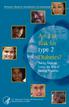 NATIONAL DIABETES INFORMATION CLEARINGHOUSE Am I at Risk for type 2 Diabetes? Taking Steps to Lower the Risk of Getting Diabetes U.S. Department of Health and Human Services National Institutes of Health
Highmark Division of Preventive Health Services
 Highmark Division of Preventive Health Services Preventive Health Network Dr. Dean Ornish Program for Reversing Heart Disease : The Dean Ornish Program for Reversing Heart Disease is a non-invasive treatment
Building and Implementing the Stanford Self- Management Programs
 Building and Implementing the Stanford Self- Management Programs Kate Lorig, DrPH Professor Emeriti [email protected] So Why Should We Care? Self-management programs focus on preparing people with chronic
Kaiser Permanente: Health Education. Mei Ling Schwartz, MPH Director, Health & Physician Education Kaiser Permanente Panorama City Medical Center
 Kaiser Permanente: Health Education Mei Ling Schwartz, MPH Director, Health & Physician Education Kaiser Permanente Panorama City Medical Center Who Is Kaiser Permanente? Founded in 1945, Kaiser Permanente
DIABETES MELLITUS. By Tracey Steenkamp Biokineticist at the Institute for Sport Research, University of Pretoria
 DIABETES MELLITUS By Tracey Steenkamp Biokineticist at the Institute for Sport Research, University of Pretoria What is Diabetes Diabetes Mellitus (commonly referred to as diabetes ) is a chronic medical
An Integrated, Holistic Approach to Care Management Blue Care Connection
 An Integrated, Holistic Approach to Care Management Blue Care Connection With health care costs continuing to rise, both employers and health plans need innovative solutions to help employees manage their
The Jefferson Health Plan. Member Organization Wellness Program Incentive Guide July 1, 2015 June 30, 2016
 The Jefferson Health Plan Member Organization Wellness Program Incentive Guide July 1, 2015 June 30, 2016 Incentive Programs Program Descriptions: As a means to encourage member groups to enroll in the
Guide to Health Promotion and Disease Prevention
 Family Health Teams Advancing Primary Health Care Guide to Health Promotion and Disease Prevention January 16, 2006 Table of Contents 3 Introduction 3 Purpose 3 Background 4 Developing Health Promotion
Bonnie Dunton RN COHC OHN DuPont NA Region IHS Consultant
 Bonnie Dunton RN COHC OHN DuPont NA Region IHS Consultant It is common knowledge that a healthier workforce benefits both the business and the employee by: increased productivity safer work environment
Cardiovascular Prevention and Rehabilitation Program
 Cardiovascular Prevention and Rehabilitation Program Leading the way to a healthier heart For people who have had a heart attack, heart surgery or other cardiac event, or for those who have two or more
SIUE Elder Care Program. Caregiver Manual
 SIUE Elder Care Program Caregiver Manual Table of Contents Caregiver Support...2 Types of Living Choices...3 Questions to Ask Before Signing a Service Contract...4 Activities...5 Questions to Ask a Care
Dr. Peter Sargious Medical Director of Chronic Disease with Alberta Health Services, Calgary, AB
 On September 18 th, we held our webinar, the online Chronic Disease Self- Management Program A good choice for Canada? We weren t able to answer all the questions from attendees, so we asked our panelists
To provide standardized Supervised Exercise Programs across the province.
 TITLE ALBERTA HEALTHY LIVING PROGRAM SUPERVISED EXERCISE PROGRAM DOCUMENT # HCS-67-01 APPROVAL LEVEL Executive Director Primary Health Care SPONSOR Senior Consultant Central Zone, Primary Health Care CATEGORY
Our COmmunity work in new jersey
 Our COmmunity work in new jersey Our Community Work in New Jersey Our giving is inspired by Our Credo responsibility to the communities in which we live and work. Our primary focus is on making life-changing,
Exercise. Good Weight A PT E R. Staying Healthy
 Eat Healthy Foods Keep at a Good Weight Exercise Don t Smoke Get Regular Checkups Take Care of Stress A PT E R CH Staying Healthy 6 81 How Can I Stay Healthy? You can do many things to prevent poor health
COMMUNITY HEALTH FORUMS FINAL REPORT. Summary of results from three community forums February through March, 2013
 COMMUNITY HEALTH FORUMS FINAL REPORT Summary of results from three community forums February through March, 2013 CONVENER CHRISTUS St. Vincent Regional Medical Center FACILITATOR New Mexico First Copyright
Facts About Peripheral Arterial Disease (P.A.D.)
 Facts About Peripheral Arterial Disease (P.A.D.) One in every 20 Americans over the age of 50 has P.A.D., a condition that raises the risk for heart attack and stroke. Peripheral arterial disease, or P.A.D.,
2011 WellPoint Associate Wellness Programs Program Name Eligibility Program Summary More Information
 Program Name Eligibility Program Summary More Information Wellness Credit Program Wellness Credit Program, spouses and who are enrolled in a Total Rewards medical plan (see Wellness Credit Program Guidelines
Developing Wellness Programs in the Public Sector
 Developing Wellness Programs in the Public Sector CCAO Second Wednesday s Program May 9, 2012 Presented By: Pamela Boyer, Human Resources and Benefits Manager Developing a Wellness Program: Wood County
Benefits of a Working Relationship Between Medical and Allied Health Practitioners and Personal Fitness Trainers
 Benefits of a Working Relationship Between Medical and Allied Health Practitioners and Personal Fitness Trainers Introduction The health benefits of physical activity have been documented in numerous scientific
WHAT IS THE CORE RECOMMENDATION OF THE ACSM/AHA PHYSICAL ACTIVITY GUIDELINES?
 PHYSICAL ACTIVITY AND PUBLIC HEALTH GUIDELINES FREQUENTLY ASKED QUESTIONS AND FACT SHEET PHYSICAL ACTIVITY FOR THE HEALTHY ADULT WHAT IS THE CORE RECOMMENDATION OF THE ACSM/AHA PHYSICAL ACTIVITY GUIDELINES?
CHAPTER 17: HEALTH PROMOTION AND DISEASE MANAGEMENT
 CHAPTER 17: HEALTH PROMOTION AND DISEASE MANAGEMENT HEALTH SERVICES AND PROGRAMS The Plan s Health Promotion and Disease Management Department seeks to improve the health and overall well-being of our
Cardiac Rehabilitation. Exercise and Education Program
 Cardiac Rehabilitation Exercise and Education Program Cardiac Rehabilitation Dear Patient: Cardiac rehabilitation is an important part of your recovery. Our progressive cardiac rehabilitation program
New Jersey Department of Human Services Division of Aging Services. Peer Leader Guidance Manual 2014. For. Take Control of Your Health:
 New Jersey Department of Human Services Division of Aging Services Peer Leader Guidance Manual 2014 For Take Control of Your Health: Chronic Disease Self-Management Program Diabetes Self-Management Program
Cardiac Rehabilitation
 Cardiac Rehabilitation Exercise and Education Program Always thinking. Always caring. Cardiac Rehabilitation Dear Patient: Cardiac rehabilitation is an important part of your recovery. Our progressive
Integrating Physiotherapy and Occupational Therapy for Persons with Chronic Disease: Lessons Learned from Research in Primary Care
 Integrating Physiotherapy and Occupational Therapy for Persons with Chronic Disease: Lessons Learned from Research in Primary Care Lori Letts & Julie Richardson School of Rehabilitation Science McMaster
Wellness for People with MS: What do we know about Diet, Exercise and Mood And what do we still need to learn? March 2015
 Wellness for People with MS: What do we know about Diet, Exercise and Mood And what do we still need to learn? March 2015 Introduction Wellness and the strategies needed to achieve it is a high priority
Body&Soul. Peer Counseling Coordinator s Guide
 Body&Soul Peer Counseling Coordinator s Guide Body&Soul Peer Counseling Coordinator s Guide Table of Contents Introduction... 2 Recruiting Peer Counselors... 3 Maintaining the Privacy of Church Members...
Health Assessment Toolkit GuidanceResources
 Health Assessment Toolkit GuidanceResources Health Assessment ToolKit Table of Contents 1. The Healthy You: The Importance of Taking Care of Your Health 2. Introduction to the HealthyGuidance program 3.
Manage cancer related fatigue:
 Manage cancer related fatigue: For People Affected by Cancer In this pamphlet: What can I do to manage fatigue? What is cancer related fatigue? What causes cancer related fatigue? How can my health care
TotalCare Wellness Programs Reduce Health Care Costs and Improve Productivity
 TotalCare Wellness Programs Reduce Health Care Costs and Improve Productivity Up to 70% of an employer s health care spending is attributed to unhealthy lifestyle behaviors Poor Health Behaviors Drive
Exercise Principles and Guidelines for Persons with Cerebral Palsy and Neuromuscular Disorders
 Exercise Principles and Guidelines for Persons with Cerebral Palsy and Neuromuscular Disorders INTRODUCTION: Health and well being are the result of many factors: Physical activity is one of these factors.
Target Heart Rate and Estimated Maximum Heart Rate
 Target Heart Rate and Estimated Maximum Heart Rate One way of monitoring physical activity intensity is to determine whether a person's pulse or heart rate is within the target zone during physical activity.
Coronary Heart Disease (CHD) Brief
 Coronary Heart Disease (CHD) Brief What is Coronary Heart Disease? Coronary Heart Disease (CHD), also called coronary artery disease 1, is the most common heart condition in the United States. It occurs
High Blood Pressure and Your Kidneys
 American Kidney Fund reaching out giving hope improving lives High Blood Pressure and Your Kidneys reaching out giving hope improving lives High Blood Pressure: The #2 Cause of Kidney Failure Your doctor
THE TEXAS GUIDE TO SCHOOL HEALTH PROGRAMS 713. Chapter 13 HEALTH PROMOTION FOR SCHOOL STAFF. Staff Wellness Programs
 THE TEXAS GUIDE TO SCHOOL HEALTH PROGRAMS 713 Chapter 13 HEALTH PROMOTION FOR SCHOOL STAFF Staff Wellness Programs THE TEXAS GUIDE TO SCHOOL HEALTH PROGRAMS 714 THE TEXAS GUIDE TO SCHOOL HEALTH PROGRAMS
INTRODUCING YOUR NEW WELLNESS PROGRAM see inside for details >
 INTRODUCING YOUR NEW WELLNESS PROGRAM see inside for details > what s inside? 2 3 4 5 6 Letter From the President Get in the Know...and Feel Great! Designed Wellness Telephone-Based Coaching Web Portal
Do You Know Your GI Risks?
 OBESITY AND YOUR DIGESTIVE HEALTH Do You Know Your GI Risks? A Patient Education Resource from the American College of Gastroenterology GI Specialists Committed to Quality in Patient Care Gastroesophageal
How to Support Someone During the Bariatric Surgery Process
 How to Support Someone During the Bariatric Surgery Process UHN Information for family and friends When someone you care about is going to have weight-loss surgery, you may have many questions. Read this
The Texas Department of Aging and Disability Services (DADS) oversees the provision of long-term services for:
 American Association of Service Coordinators National Conference Omni Dallas August 17-20, 2014 The Texas Department of Aging and Disability Services (DADS) oversees the provision of long-term services
TABLE OF CONTENTS. The Cost of Diabesity... 3. Employer Solutions... 4 Provide a Worksite Weight Loss Program Tailored for Diabetes...
 TH E TABLE OF CONTENTS The Cost of Diabesity... 3 Employer Solutions... 4 Provide a Worksite Weight Loss Program Tailored for Diabetes... 4 Provide Healthy Food Options at the Workplace... 4 Make it Easy
CITY OF EAST PALO ALTO A COMMUNITY HEALTH PROFILE
 CITY OF EAST PALO ALTO A COMMUNITY HEALTH PROFILE www.gethealthysmc.org Contact us: 650-573-2398 [email protected] HEALTH BEGINS WHERE PEOPLE LIVE Over the last century, there have been dramatic increases
Guide to Chronic Disease Management and Prevention
 Family Health Teams Advancing Primary Health Care Guide to Chronic Disease Management and Prevention September 27, 2005 Table of Contents 3 Introduction 3 Purpose 4 What is Chronic Disease Management
Chronic Disease Self Management Program
 Chronic Disease Self Management Program M I S S T Y L E C H N E R K A N S A S A R T H R I T I S P R O G R A M M A N A G E R B U R E A U O F H E A L T H P R O M O T I O N K A N S A S D E P A R T M E N T
National Stroke Association s Guide to Choosing Stroke Rehabilitation Services
 National Stroke Association s Guide to Choosing Stroke Rehabilitation Services Rehabilitation, often referred to as rehab, is an important part of stroke recovery. Through rehab, you: Re-learn basic skills
WEIGHT MANAGEMENT PROGRAMS & RESOURCES
 WEIGHT MANAGEMENT PROGRAMS & RESOURCES At Tufts Health Plan, we know it s important to help our members achieve and maintain a healthy weight. Being at a healthy weight can improve your health and reduce
Section C Implement One (1) Clinical Decision Support Rule
 Office of the National Coordinator for Health Information Technology c/o Joshua Seidman Mary Switzer Building 330 C Street, SW, Suite 1200 Washington, DC 20201 Dear Mr. Seidman: On behalf of the American
Healthcare Associates Caring for You
 Healthcare Associates Caring for You Welcome to Healthcare Associates Dedicated to You At Healthcare Associates (HCA), patients come first, and caring for you is what we do best. We are pleased to offer
How to get the most from your UnitedHealthcare health care plan.
 How to get the most from your UnitedHealthcare health care plan. Your UnitedHealthcare health care plan includes many features and benefits that help you get the care you need and enjoy better overall
Medicare s Preventive Care Services. Manage Your Chronic Kidney Disease (CKD stages 3-4) with Diet
 s Preventive Care Services Manage Your Chronic Kidney Disease (CKD stages 3-4) with Diet What do the kidneys do? Your kidneys have important jobs to do in your body. Two of the kidneys most important jobs
Who We Serve Adults with severe and persistent mental illnesses such as schizophrenia, bipolar disorder and major depression.
 We Serve Adults with severe and persistent mental illnesses such as schizophrenia, bipolar disorder and major depression. We Do Provide a comprehensive individually tailored group treatment program in
Corporate Health & Wellness
 Corporate Health & Wellness Healthier Companies Do your healthcare costs continue to rise while your benefi t brokers sit on the sideline? At Clarke & Company Benefi ts, wellness is part of our client
COMPREHENSIVE PAIN REHABILITATION CENTER OUTPATIENT PROGRAMS
 COMPREHENSIVE PAIN REHABILITATION CENTER OUTPATIENT PROGRAMS Our comprehensive whole-person rehabilitative services help patients return to an active lifestyle. THE MAYO CLINIC COMPREHENSIVE PAIN REHABILITATION
HEALTH INSURANCE EMPLOYEE EDUCATION: PREVENTIVE CARE
 HEALTH INSURANCE EMPLOYEE EDUCATION: PREVENTIVE CARE Mott Community College Health Benefits Task Force DISCLAIMER The content in this presentation is informational. Each employee should review the benefit
Smaller Waistlines, Sharper Minds, Stronger Bones and Healthier Hearts?
 Telephone: (212) 986-9415 Fax: (212) 697-8658 www.teausa.org 362 5th AVENUE, SUITE 801, NEW YORK, NY 10001 Smaller Waistlines, Sharper Minds, Stronger Bones and Healthier Hearts? New Findings Released
Participant Guide Adopt a healthy lifestyle: prevent or better manage type 2 diabetes
 HealthSelectSM Lose and Win Session 13 of Texas Pre-diabetes & type II diabetes Participant Guide Adopt a healthy lifestyle: prevent or better manage type 2 diabetes Chances are that you know someone that
NOTICE OF FUNDING OPPORTUNITY - DIABETES RESOURCES COORDINATION CENTERS (DRCCS)
 FY 16 Request For Applications (RFAs) NOTICE OF FUNDING OPPORTUNITY - DIABETES RESOURCES COORDINATION CENTERS (DRCCS) Part I. Executive Summary The New Jersey Department of Health- Diabetes Prevention
What is a Heart Attack? 1,2,3
 S What is a Heart Attack? 1,2,3 Heart attacks, otherwise known as myocardial infarctions, are caused when the blood supply to a section of the heart is suddenly disrupted. Without the oxygen supplied by
Exercise Science Concentration In the Biomedical Sciences Program
 Exercise Science Concentration In the Biomedical Sciences Program Contact: Bill Brewer, MLS, CES Director of Exercise Science Rochester Institute of Technology CBET Office 75-3161 153 Lomb Memorial Drive
NEW BEGINNINGS SCHOOL FOUNDATION SCHOOL WELLNESS POLICY
 Purpose: New Beginnings School Foundation wellness policy was developed to fulfill the school s commitment to the health of its students, as well as to comply with the federal Child Nutrition Reauthorization
2016 Wellness Benefits and Incentive Rewards
 Simple Steps to Living Well Together 2016 Wellness Benefits and Incentive Rewards Caring for Your Health Worldwide ACHIEVING AND MAINTAINING GOOD HEALTH IMPORTANT STEPS FOR YOUR WELL-BEING The FOREIGN
Adult Weight Management Training Summary
 Adult Weight Management Training Summary The Commission on Dietetic Registration, the credentialing agency for the Academy of Nutrition and Dietetics Marilyn Holmes, MS, RDN, LDN About This Presentation