
CHILDREN AND TUBERCULOSIS
|
|
|
- Dylan Maxwell
- 10 years ago
- Views:
Transcription
1 ACTION ADVOCACY TO CONTROL TB INTERNATIONALLY CHILDREN AND TUBERCULOSIS Exposing a Hidden Epidemic REBECCA SULLIVAN
2 ACTION ADVOCACY TO CONTROL TB INTERNATIONALLY Tuberculosis (TB) remains among the top ten killers of children worldwide 1, yet virtually no public or political attention is paid to TB as a children s health issue. Children have weak immune systems, making them prime targets for TB. Data show that in 2009, at least 1 million children became sick with TB. The World Health Organization (WHO) estimates that approximately 176,000 children died 2, but the consensus among researchers says that actual figures are higher. TB preys on the most vulnerable children the orphaned, the malnourished, those living with HIV and it causes an almost unimaginable burden to children and their families. We must stop neglecting TB as a children s health issue and take immediate steps to stop TB from needlessly infecting and killing children. What is TB, and How is it Treated? Gary Hampton TB is an infectious disease caused by bacteria that often attack the lungs. It is spread through the air when an infected person coughs, sneezes, laughs, or even sings. When exposed to TB, most healthy people are able to fight the bacteria by sealing it off within a part of the body, usually the lungs. These people have a latent TB infection. They do not feel sick and they cannot spread the infection to others. Latent TB infection can be treated using only one drug, isoniazid, over the course of six to nine months. In some cases, people are unable to fight the bacteria, and they become sick with active TB disease. If not treated properly, active TB is often fatal. Active TB is treated using numerous drugs taken over a six-to-12-month period. It is crucial that patients take medication exactly as prescribed and complete the full course of treatment. If the medication is taken incorrectly or stopped prematurely, TB disease can easily reemerge and become resistant to medication. Drug-resistant strains of TB are much harder to cure and extremely expensive to treat.
3 CHILDREN AND TUBERCULOSIS: EXPOSING A HIDDEN EPIDEMIC WHAT IS THE NATURE AND MAGNITUDE OF TB AMONG CHILDREN? According to Dr. Jeffrey Starke, a leading TB specialist at Texas Children s Hospital, childhood TB is a fundamentally different disease from adult tuberculosis. Its proper diagnosis, treatment, and prevention require specific planning and resources. We must consider the unique nature of childhood TB if we re to successfully eliminate TB anywhere in the world. According to WHO, approximately 9 million people become sick with TB each year. 2 At least percent of these cases are in children under 15 but the percentage is probably much higher, because childhood TB is under-reported. 1 Most children have a type of TB classified as sputum smear-negative TB (see box on pg. 2: Types of TB), which makes them less likely to spread the disease to others but it s still deadly if left untreated. Because on average children are less contagious than adults, they ve been overlooked by national TB programs. Children are prone to severe types of TB While adults most often get TB in their lungs, in children the disease often spreads to other parts of the body. Children are therefore more likely than adults to develop severe forms of TB, including TB meningitis. 1 TB meningitis occurs when the bacteria spread to the central nervous system, including the brain. The bacteria inflame the tissue that protects the brain, causing it to swell. TB meningitis is most common in children under two years old, and the disease is almost always fatal without treatment. TB can attack virtually any part of a child s body in similar fashion. Rates of TB in children are grossly under-reported Most countries only report childhood TB cases that are considered sputum smear-positive (see box on pg. 2: Types of TB). 2 Because only percent of children have this kind of TB, the vast majority of childhood TB cases go unreported making it very difficult to determine the true burden of childhood TB that exists in the world. WHO estimates that 1 million children become sick with TB each year, but the real numbers are likely much higher. However, the true burden is unknown because nobody is collecting and merging enough data. According to Dr. Anneke Hesseling, a childhood TB expert at the Desmond Tutu TB Center at Stellenbosch University in South Africa, training health workers to diagnose TB in children leads to a significant jump in the proportion of cases detected even using the inadequate tools currently available. 3 Multidrug-resistant TB in children Multidrug-resistant TB (MDR-TB) defined as TB that is resistant to at least the two most powerful anti-tb drugs, isoniazid and rifampicin afflicts approximately 440,000 people each year. 4 Despite studies that show children get MDR-TB, only adults are included in global MDR-TB surveys meaning no one knows for sure how many children suffer from MDR-TB. 1 However, a few localized studies exist showing the burden is substantial. Studies in South Africa indicate nearly nine percent of childhood TB cases are drug resistant a rate similar to adults. 5,6 Further research is needed to determine the true burden of childhood MDR-TB. While MDR-TB is curable in children, it takes expert medical care and extremely expensive treatment. It is far cheaper to prevent the development of MDR-TB in the first place, by ensuring that people are properly treated for drug-susceptible TB. 1
4 ACTION ADVOCACY TO CONTROL TB INTERNATIONALLY WHAT FACTORS PLACE CHILDREN AT RISK FOR TB? Poverty Poverty is a major risk factor for TB. Poor children often lack access to care and live in overcrowded conditions that make them vulnerable to TB. Young age Infants and very young children have weak immune systems, which place them at higher risk of developing active TB. While the average adult with latent TB infection has a 5-10 percent lifetime risk of developing active disease, infants with a latent TB infection have a 40 percent chance of developing active TB during their first year of life. 7 Malnutrition Malnourished children have weaker immune systems that make them more susceptible to developing active TB. 8 Orphans and Vulnerable Children Orphans and vulnerable children are more likely to be malnourished, live in poverty, and lack access to medical care, which places them at higher risk of developing active TB. 9,10,11 HIV HIV weakens the immune system, making a person vulnerable to TB. Children with HIV are up to 20 times more likely to develop TB than children with healthy immune systems. 12 TB remains the third leading killer of children with AIDS and nearly half of new childhood TB cases occur in children with HIV. 13 Maternal TB Children whose mothers have TB are likely to both contract the disease and be born at a low birth weight. A child born to a mother with TB has an overall higher risk of death. 14 Types of TB TB bacteria typically infect the lungs (called pulmonary TB) but may spread to virtually any other organ outside the lungs (called extrapulmonary TB), often the lymph nodes, brain, spine, or genital tract. Patients suspected to have pulmonary TB are asked to cough up phlegm or sputum which a laboratory technician then examines under a microscope. If a technician can see TB bacteria under the microscope, the patient is considered to have smear-positive TB, which is highly infectious. Many patients, especially children and people living with HIV/AIDS, have smear-negative TB a form of the disease where the patient is sick but a technician does not detect TB bacteria under the microscope. In December 2010, the World Health Organization endorsed a new tool to diagnose TB, Xpert MTB/RIF. Instead of using a microscope, this revolutionary tool uses DNA technology to rapidly identify TB bacteria in sputum samples in less than two hours. 2
5 CHILDREN AND TUBERCULOSIS: EXPOSING A HIDDEN EPIDEMIC ANTHONY'S STORY Gisele is the mother of twin boys, Anthony and Jordan. Both boys are very lively, so when Anthony stopped actively playing with Jordan, Gisele knew something was wrong. Anthony began to cry often and always appeared tired, so Gisele brought him to see the doctor. At first, the doctor thought Anthony had the flu and prescribed him flu medicine. Anthony didn t get better, so they returned to the doctor. Again, Gisele was told that Anthony had the flu. A few days later, Anthony s eyes started to glaze over and Gisele brought him to the emergency room. Anthony was then transferred to Texas Children s Hospital in Houston, TX, where doctors diagnosed Anthony with TB meningitis. It was terrifying to hear that he could die, says Gisele. Doctors traced Anthony s infection to a family friend who had been ill and provided Anthony life-saving surgery and medication for TB. Within weeks, he started to run around again with Jordan. Gisele is still troubled that it took so long to diagnose Anthony with TB. If detected earlier, chances are Anthony would not have needed surgery. I was so angry. I did what I was supposed to do. I had been to the doctor so many times, exclaims Gisele. It was heartbreaking to know how sick he was and how much pain he was in. ABHIJAT AND ABHISHAKT'S STORY Abhijat and Abhishakt are playful twin boys, always giggling and running around. Their parents, Mamta and Jacob, are well educated and work as health advocates in India. One day Mamta and Jacob noticed their boys began coughing and wheezing, so they went to a private health facility. Since Jacob has a history of asthma, the doctor assumed asthma was causing Abhijat and Abhishakt to cough. He prescribed steroids and an antibiotic. Worried the humid weather was contributing to their coughing, Mamta and Jacob moved their family to a drier city in India. Over the next six months, Mamta and Jacob brought their boys to see four different doctors at private health clinics, but their boys remained very ill. A friend suggested they see a public sector doctor, who was quickly able to diagnose Abhijat and Abhishakt with pulmonary TB. The boys were provided treatment and are happy and healthy today. For the first time in their life, Mamta and Jacob realized that TB is not the other man s disease. It can happen to anyone. If the private medical doctors realized TB was not a disease that only affects the poor and given attention to their symptoms, Abhijat and Abhishakt would have been cured much earlier. In many countries such as India, TB control efforts are focused around public health facilities. However, most people receive health care from private clinics. After their experience Mamta and Jacob believe the private health sector needs to be better integrated with national TB control efforts.
6 ACTION ADVOCACY TO CONTROL TB INTERNATIONALLY HOW CAN TB IN CHILDREN BE PREVENTED? It is more cost effective to prevent disease than it is to treat it. The most effective way to prevent childhood TB is to stop the disease from spreading in the wider community. According to Dr. Starke, Even with the limited tools currently available, better organization of services and aggressively identifying recently exposed and infected children would prevent tens of thousands of tuberculosis cases in children every year. This is achieved by what is commonly referred to as the four I s 15 intensified case finding, isoniazid preventive therapy, infection control, and integration. The Four I s Intensified Case Finding When an adult is diagnosed with TB, all close contacts and family members including children should be identified and screened for TB, a method called intensified case finding. People with latent TB infection or active TB disease are then provided appropriate treatment, stopping the spread of the disease. Children who are considered high risk especially those with HIV should also be routinely screened for TB. 16,17 Isoniazid Preventive Therapy (IPT) People with latent TB infection should be provided IPT, which prevents infection from developing into active disease. Infection Control Homes, schools, health facilities, and other community settings need to be made safe from TB. Simple measures such as opening windows and doors in health facilities can establish natural ventilation and prevent the spread of disease. 18 Integration TB services need to be integrated with primary health care, maternal and child health, and HIV services so that they re widely available. Early initiation of antiretroviral therapy (ART) helps reduce the likelihood a child will become sick with TB. 19 Children with HIV should be placed on antiretroviral therapy (ART) immediately upon HIV diagnosis to reduce TB risk and death. These methods are very effective at reducing childhood TB and are endorsed by WHO. 20 A program in Bangladesh is implementing active case finding by training community health workers to go door-to-door and screen children for symptoms of TB. 21 Unfortunately, many countries with constrained resources don t follow the Four I s. More supplies, training, and health care workers are needed to make TB prevention a reality. 4 Tuberculosis is a disease of families. When one family member gets TB, the disease can pass through the rest of the family. It happens easily, because TB germs spread from person to person through the air. Children typically get TB from parents or extended family, and oftentimes multiple family members are sick at the same time. 3 Even when parents aren t sick, they take time off of work to care for their ill children, resulting in a loss of family income. The high cost of health care forces families to sell their belongings to pay for TB treatment, leading them into poverty. When parents are too sick to work, their children leave school to earn money for the family. Children with TB fall behind in their education and are heavily stigmatized, harming their ability to earn good wages in the future. In many countries, women with TB are abandoned by their families, who fear becoming infected themselves.
7 CHILDREN AND TUBERCULOSIS: EXPOSING A HIDDEN EPIDEMIC KOFI'S STORY It started when Kofi s mother couldn t stop coughing, even after several weeks of taking medicines her husband had purchased from their local market in Kangemi, Kenya. Kofi, only four months old, was also sick and getting worse despite the treatment. After becoming too sick to work and care for her children, Kofi s mother found a ride to the clinic where she was diagnosed with pulmonary tuberculosis. Because Kofi was so young and had received the BCG vaccine which protects children against some forms Gary Hampton of TB (see page 7 to learn more about BCG vaccine), Kofi s mother never imagined his sickness might also be pulmonary TB, she never imagined his sickness might also be TB. Kofi s health continued to deteriorate. He became listless, had difficulty breathing, and lost a lot of weight. His mother took him to the hospital, where he was diagnosed with pneumonia and admitted. After two weeks in the hospital, further tests were run and Kofi s mother was interviewed. She described her own illness, and only then was Kofi diagnosed with TB. At first, Kofi s father did not understand what it meant for Kofi to have TB. He blamed Kofi s mother, believing TB to be a hereditary illness passed from mother to son. After all, his wife s father and sister died of TB three years earlier. To Kofi s father, his son had been given ugonjwa ya familia ya bibi a disease from the wife s side of the family. A community health worker educated both Kofi s mother and father about TB how it spreads, how to look for signs and symptoms, and how it was important to take an entire course of treatment to cure the disease. They were assured about the importance of seeking proper health services, rather than self-medicating, when their children became very sick. After nine months of receiving treatment and care, Kofi and his mother were both cured and returned to normal health. At first, Kofi s father did not understand what it meant for Kofi to have TB. He blamed Kofi s mother, believing TB to be a hereditary illness passed from mother to son. 5
8 ACTION ADVOCACY TO CONTROL TB INTERNATIONALLY HOW ARE CHILDREN WITH TB DIAGNOSED AND TREATED? There s no gold standard for diagnosing TB in children. Children have difficulty coughing up sputum to test for TB. Health workers therefore have to rely on other tests, including screening children for the symptoms of TB, seeing if the child has been in contact with an infected adult, and giving a tuberculin skin test (TST). 22 A TST where a needle is placed under the skin, a solution is injected, and the injection site swells if the body is infected with TB can merely tell if a child has been infected, not if he or she has active disease. Chest x-rays and other scans are helpful to diagnose active TB, but they re rarely accessible in developing countries where they re needed. Oftentimes, children suspected to have TB are treated with a broad spectrum of antibiotics. Those who fail to respond to treatment are given a speculative TB diagnosis. 1 Diagnosing and treating children with MDR-TB If diagnosed early and given proper treatment, children with MDR-TB can often be cured. However, there are many challenges to diagnosing and treating children with drug-resistant TB. Diagnosis is often done by trial and error. Children are diagnosed with MDR-TB when they do not respond to regular treatment, get recurring TB, or live in close contact with someone confirmed to have MDR- TB. 23 MDR-TB is particularly dangerous to children with HIV, who are at greater risk of severe illness and death. Early diagnosis and treatment, combined with the use of ART, greatly improves outcomes. It is critical that these children are diagnosed early and receive proper treatment for both MDR-TB and HIV Gary Hampton
9 CHILDREN AND TUBERCULOSIS: EXPOSING A HIDDEN EPIDEMIC WHAT ARE THE CHALLENGES SURROUNDING CHILDREN AND TB? There s a vaccine to prevent TB but it s old and doesn t work well The only TB vaccine that exists, called the Bacille Calmette-Guérin (or BCG) vaccine, was invented before World War II. In most developing countries, BCG vaccine is given at birth to help protect young children against the most severe forms of TB, including TB meningitis. However, it fails to protect children and adults against most other forms of TB. WHO recommends that all children who live in countries with high TB rates receive the immunization, saving even a small percentage of children is a big success. Unfortunately, as children grow older the effect of the vaccine wears off. Furthermore, children with HIV are unable to receive BCG vaccine because it can make them sick. 25 Scientists are working on developing a new vaccine that addresses these shortcomings, but further funding is needed to develop and deliver it worldwide. We need new TB diagnostics that work for children Further resources are needed to certify a rapid, pointof-care test that accurately diagnoses TB in children. The most widely used diagnostic dates to the turn of the 20th century predating the automobile. Although WHO has yet to approve Xpert MTB/RIF for use in children, preliminary studies indicate the new DNA-based, rapid diagnositc test is effective in children under Studies are now being conducted to see if Xpert can be used to diagnose TB in children. Xpert represents the very latest in TB diagnostics, but it relies on the patient s ability to cough up sputum something many children, particularly young children, have difficulty doing. While Xpert is a vital tool, pediatricians believe new tests should also be designed for children that use easy-to-get samples like urine or feces. A few innovative approaches are showing promise. In Peru, physicians are using the string test to diagnose TB in children as young as four. 27 Children swallow a gel capsule with a nylon string that unravels once inside. When the string is retrieved four hours later, it is tested for TB bacteria. Recent studies of the string test show promise, however further research is needed to determine its effectiveness. There are no TB treatment options specifically for children No child-specific TB drugs exist, and children are routinely excluded from drug treatment clinical trials. Currently, children with TB are treated using many different medicines, up to 15 tablets a day, over six to nine months. Although some companies started manufacturing smaller, crushable tablets that are easier for children to take, these are not widely available. Often, doctors crush adult tablets and estimate appropriate doses, which runs the risk of over- or under-dosing a child. 28 WHO has proposed a better way to treat children with TB using one tablet containing all medicines a Fixed Dose Combination (FDC). 29 An FDC would make TB treatment easier, more effective, and ensure more children are cured of TB. Currently there is no FDC to treat TB in children. Development of a WHO-approved FDC is a top research priority requiring urgent funding. Children are excluded from TB drug clinical research trials The exclusion of children from clinical trials is the main reason no child-friendly TB treatment options exist. Children are left out of clinical trials for a number of reasons, including the difficulty of confirming diagnosis, concerns about pediatric-specific adverse effects, and complex regulatory requirements. 30 Nearly forty years after modern anti-tb drugs were developed, questions still exist regarding the appropriate dosages to give children. Barriers from including children in clinical trials ostensibly exist to protect children from the potential harm of participating in scientific studies. However, many pediatricians are worried that this attempt to protect children has done the opposite instead denying children new lifesaving treatment. 7
10 ACTION ADVOCACY TO CONTROL TB INTERNATIONALLY CHILDREN AND TB: A CALL TO ACTION A lack of political will, inadequate funding, and children s exclusion from research remain barriers to eliminating childhood TB. To date, little has been done to prioritize childhood TB in national health programs and to eliminate the disease as a major killer of children. For too long, childhood tuberculosis has been neglected throughout the world, says Dr. Starke. Pro-actively finding and treating children with TB will not only improve child health, it will prevent millions of new infections in people of all ages. Fighting childhood TB must become a global health priority among both donors and national TB programs. New resources are needed to eliminate TB as a killer of children. Children need universal access to the current tools available to diagnose and treat TB. National TB programs must implement the Four I s and ensure that all children who are in contact with an adult who has TB are actively traced, treated, and given isoniazid preventive therapy. TB diagnostics, treatment, and care services should be integrated with child health primary care, maternal and child health programs, and HIV services. The scientific community needs to include children of all ages in clinical trials. Children have the same right as adults to receive treatment and benefit from research. Innovative research is needed to develop childfriendly TB diagnostics, drugs, and vaccines. Through advocacy, civil society must demand equitable prevention, diagnostics, treatment, and care services for childhood TB and monitor the scale-up of these services worldwide. Children with HIV should be placed on ART immediately upon diagnosis to reduce risk of TB disease and death REBECCA SULLIVAN
11 CHILDREN AND TUBERCULOSIS: EXPOSING A HIDDEN EPIDEMIC Endnotes 1 Starke, J. (2004). Tuberculosis in Children: Clinical, Radiographic, and Laboratory Findings. Seminars in Respiratory and Critical Care Medicine 25(3). 2 Middelkoop, K. et al. (2009). Childhood tuberculosis infection and disease: A spatial and temporal transmission analysis in a South African township. South African Medical Journal 99(10): Bryden, D. (2010). The TB Crisis in Children. Science Speaks: HIV & TB News. Accessed 9 May < 4 WHO (2010). Multidrug and extensively drug-resistant TB (M/XDR-TB): 2010 Global Report on Surveillance and Response. Geneva, World Health Organization. 5 Fiarlie, L. (2011). High prevalence of multi-drug resistant tuberculosis in Johannesburg, South Africa: a cross sectional study. BMC Infectious Diseases 11(28). 6 Schaaf, H.S. et al. (2009). Surveillance of antituberculosis drug resistance among children from the Western Cape Province of South Africa an upward trend. American Journal of Public Health 99(8): Donohue, M. (2001). Child s Risk Factors Guide Decision on TB Testing. Pediatric News. Accessed 9 February < ai_n />. 8 Sharan, S. (2005). Childhood Tuberculosis in Nepal. Journal of Young Investigators 12(3): Accessed 10 March < 9 Mandalakas, A.M. et al. (2007). Predictors of Mycobacterium tuberculosis Infection in International Adoptees. Pediatrics 120: Braitstein, P. et al. (2009). The clinical burden of tuberculosis among human immunodeficiency virus-infected children in western Kenya and the impact of combination antiretroviral treatment. Pediatric Infectious Disease Journal 28(7): Thomas, T.A. et al. (2010). Extensively drug-resistant tuberculosis in children with human immunodeficiency virus in rural South Africa. International Journal of Tuberculosis and Lung Disease 14(10): Hesseling, A.C. et al. (2009). High incidence of tuberculosis among HIV-infected infants: evidence from a South African population-based study highlights the need for improved tuberculosis control strategies. Clinical Infectious Disease 48(1): UNAIDS (2007). Report on the global AIDS epidemic. Geneva, Joint United Nations Programme on HIV/AIDS. 14 Lin, H.C. and Chen, S.F. (2010). Increased Risk of Low Birthweight and Small for Gestational Age Infants Among Women with Tuberculosis. BJOG: An International Journal of Obstetrics and Gynaecology 117(5): World Health Organization (2008). WHO Three I s Meeting: Intensified Case Finding (ICF), Isoniazid Preventing Therapy (IPT), and TB Infection Control (IC) for people living with HIV. Geneva, World Health Organization. 16 Corbett, E.L. et al. (2007). Epidemiology of Tuberculosis in a High HIV Prevalence Population Provided with Enhanced Diagnosis of Symptomatic Disease. PLoS Medicine 4(1): e Corbett, E.L. et al. (2009). Prevalent infectious tuberculosis in Harare, Zimbabwe: burden, risk factors and implications for control. International Journal of Tuberculosis and Lung Disease 13(10): Marais, B.J., Rabie, H. and Cotton, M.F. (2011). TB and HIV in children advances in prevention and management. Pediatric Respiratory Reviews 12(1): Walters, E. et al. (2008). "Clinical presentation and outcome of Tuberculosis in Human Immunodeficiency Virus infected children on anti-retroviral therapy." BMC Pediatrics 8(1): 1-12." 20 World Health Organization (2006). Guidance for national tuberculosis programmes on the management of tuberculosis in children. Geneva, World Health Organization. 21 ICDDR,B (2008). A simple method of detecting tuberculosis among children in rural areas. Dhaka, ICDDR,B. Accessed 10 March < cationid=46&pubid=10344>. 22 Marais, B. et al. (2006). Childhood Pulmonary Tuberculosis: Old Wisdom and New Challenges. American Journal of Respiratory and Critical Care Medicine 173: Moore, D.P. et al. (2009). Childhood tuberculosis guidelines of the Southern African Society for Paediatric Infectious Diseases. South African Journal of Epidemiology and Infection 24(3): Schaaf, S. (2009, August 21). What s new in drug resistant tuberculosis in children? PowerPoint presentation given at the third congress of the Federation of Infectious Diseases Society of Southern Africa. Accessed 21 March < S%20Shcaaf%20MDR-TB%20Children_Schaaf_FIDSSA_ Aug_2009.pdf>. 25 WHO (2007). Global Advisory Committee on Vaccine Safety, November Weekly Epidemiological Record 82(3): Accessed 1 April < wer/2007/wer8203.pdf>. 26 Nicol, M.P. et al. (2011). "Accuracy of the Xpert MTB/RIF test for the diagnosis of pulmonary tuberculosis in children admitted to hospital in Cape Town, South Africa: a descriptive study. "The Lancet Infectious Diseases Accessed online 18 July 2011 < article/phs (11)701670/fulltext>. 27 Chow, F. et al. (2006). La cuerda dulce a tolerability and acceptability study of a novel approach to specimen collection for diagnosis of paediatric pulmonary tuberculosis. BMC Infectious Diseases 6: Médecins Sans Frontières (2011). DR-TB drugs under the microscope: The sources and prices of medicines for drugresistant tuberculosis. Geneva, Médecins Sans Frontières. 29 WHO (2009). Dosing instructions for the use of currently available fixed-dose combination TB medicines for children. Geneva, World Health Organization. 30 Burman, W.J. et al. (2008). Ensuring the Involvement of Children in the Evaluation of New Tuberculosis Treatment Regimens. PLoS Medicine 5(8):
12 THE WHO OF ACTION ACTION (Advocacy to Control TB Internationally) is an international partnership of civil society advocates working to mobilize resources to treat and prevent the spread of tuberculosis (TB), a global disease that kills one person every 20 seconds. ACTION s mission is to build support for increased resources for effective TB control, especially among key policymakers and other opinion leaders in both high TB burden countries and donor countries. With effective policy advocacy and greater political will, rapid progress can be made against the global TB epidemic. To learn more about ACTION s advocacy strategies and tactics, go to: You can also access ACTION s Best Practices for Advocacy at: ACTION PARTNERS AIDES Global Health Advocates France Global Health Advocates India Kenya AIDS NGOs Consortium (KANCO) RESULTS Australia RESULTS Canada RESULTS Educational Fund (US) RESULTS Japan RESULTS UK 2011 by Advocacy to Control TB Internationally c/o RESULTS Educational Fund 1730 Rhode Island Ave, NW, 4th Floor Washington, DC Tel: (202)
General Information on Tuberculosis
 General Information on Tuberculosis ON THE MOVE AGAINST TUBERCULOSIS: Transforming the fi ght towards elimination World TB Day 2011 SAARC Tuberculosis & HIV/AIDS Centre GPO Box No 9517, Kathmandu, Nepal
X-Plain Pediatric Tuberculosis Reference Summary
 X-Plain Pediatric Tuberculosis Reference Summary Introduction Tuberculosis, or TB, is a bacterial infection that causes more deaths in the world than any other infectious disease. When a child gets TB,
Tuberculosis: FAQs. What is the difference between latent TB infection and TB disease?
 Tuberculosis: FAQs What is TB disease? Tuberculosis (TB) is a disease caused by bacteria (germs) that are spread from person to person through the air. TB usually affects the lungs, but it can also affect
TB preventive therapy in children. Introduction
 TB preventive therapy in children H S Schaaf Department of Paediatrics and Child Health, and Desmond Tutu TB Centre Stellenbosch University, and Tygerberg Children s Hospital Introduction Children are
Drug-resistant Tuberculosis
 page 1/6 Scientific Facts on Drug-resistant Tuberculosis Source document: WHO (2008) Summary & Details: GreenFacts Context - Tuberculosis (TB) is an infectious disease that affects a growing number of
Childhood Tuberculosis Some Basic Issues. Jeffrey R. Starke, M.D. Baylor College of Medicine
 Childhood Tuberculosis Some Basic Issues Jeffrey R. Starke, M.D. Baylor College of Medicine TUBERCULOSIS IS A SOCIAL DISEASE WITH MEDICAL IMPLICATIONS THE GREAT PARADOX OF TUBERCULOSIS A CAUTIONARY TALE
TB CARE EARLY DETECTION AND PREVENTION OF TUBERCULOSIS (TB) IN CHILDREN. Risk factors in children acquiring TB:
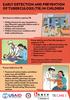 EARLY DETECTION AND PREVENTION OF TUBERCULOSIS (TB) IN CHILDREN Risk factors in children acquiring TB: Children living in the same household as a lung TB patient (especially children under 5) Children
Tuberculosis OUR MISSION THE OPPORTUNITY
 Tuberculosis OUR MISSION Guided by the belief that every life has equal value, the Bill & Melinda Gates Foundation works to help all people lead healthy, productive lives. Our Global Health Program is
TB Prevention, Diagnosis and Treatment. Accelerating advocacy on TB/HIV 15th July, Vienna
 TB Prevention, Diagnosis and Treatment Accelerating advocacy on TB/HIV 15th July, Vienna Diagnosis Microscopy of specially stained sputum is the main test for diagnosing TB (1 2 days) TB bacilli seen in
Yes, Tuberculosis is a serious problem all over the world. Between 6 and 10 million in South Africa are infected by the TB germ.
 What is TB? Do many people get tuberculosis (TB)? Yes, Tuberculosis is a serious problem all over the world. Between 6 and 10 million in South Africa are infected by the TB germ. It is infectious, so it
Questions and Answers About Tuberculosis
 Questions and Answers About Tuberculosis 2014 Questions and Answers About Tuberculosis 2014 Questions and Answers About Tuberculosis ( TB) was written to provide information on the diagnosis and treatment
Management of a child failing first line TB treatment.
 Management of a child failing first line TB treatment. Robert Gie Desmond Tutu Tuberculosis Centre Department of Paediatric and Child Health Stellenbosch University South Africa. Tygerberg Hospital Complex
 You can get more information about TB from the following: Local Public Health Nurse Community Clinic Nurse Communicable Disease Control Nurse Your Family or Community Doctor Your Infection Control Practitioner
TUBERCULOSIS CONTROL INDIA
 TUBERCULOSIS CONTROL INDIA In terms of population coverage, India now has the second largest DOTS (Directly Observed Treatment, Short course) programme in the world. However, India's DOTS programme is
CHILDREN AND TUBERCULOSIS // FROM NEGLECT TO ACTION
 CHILDREN AND TUBERCULOSIS // FROM NEGLECT TO ACTION Children and Tuberculosis From Neglect to Action CHILDREN AND TUBERCULOSIS // FROM NEGLECT TO ACTION Recommendations A lack of political will, inadequate
Pregnancy and Tuberculosis. Information for clinicians
 Pregnancy and Tuberculosis Information for clinicians When to suspect Tuberculosis (TB)? Who is at risk of TB during pregnancy? Recent research suggests that new mothers are at an increased risk of TB
BASIC INFORMATION ABOUT HIV, HEPATITIS B and C, and TUBERCULOSIS Adapted from the CDC
 BASIC INFORMATION ABOUT HIV, HEPATITIS B and C, and TUBERCULOSIS Adapted from the CDC HIV What are HIV and AIDS? HIV stands for Human Immunodeficiency Virus. This is the virus that causes AIDS. HIV is
Why you and your Family Should Get the Flu Shot
 Why you and your Family Should Get the Flu Shot Why Get VaCCinated against influenza? Influenza (flu) is a virus that can lead to serious complications, hospitalization, or even death. Even healthy children
Tuberculosis and You A Guide to Tuberculosis Treatment and Services
 Tuberculosis and You A Guide to Tuberculosis Treatment and Services Tuberculosis (TB) is a serious disease that can damage the lungs or other parts of the body like the brain, kidneys or spine. There are
ACCESS TO AFFORDABLE TREATMENT FOR HIV/AIDS: THE ISSUES
 ACCESS TO AFFORDABLE TREATMENT FOR HIV/AIDS: THE ISSUES AIDS Law Unit Legal Assistance Centre July, 2002 INTRODUCTION Although there is currently no cure for HIV/Aids, treatment has, however, been developed
Tuberculosis. TB the disease, its treatment and prevention
 Tuberculosis TB the disease, its treatment and prevention Tuberculosis TB (tuberculosis) is an infectious disease that usually affects the lungs, although it can affect any part of the body. About 150
Borderless Diseases By Sunny Thai
 Borderless Diseases By Sunny Thai Millennium Development Goal #6 6. Combat HIV/AIDS, malaria and other borderless diseases. A. Halt and begin reversing spread of HIV by 2015. B. Achieve universal access
Frequently asked questions about whooping cough (pertussis)
 Frequently asked questions about whooping cough (pertussis) About whooping cough What is whooping cough? Whooping cough is a highly contagious illness caused by bacteria. It mainly affects the respiratory
Tuberculosis and HIV/AIDS Co-Infection: Epidemiology and Public Health Challenges
 Tuberculosis and HIV/AIDS Co-Infection: Epidemiology and Public Health Challenges John B. Kaneene, DVM, MPH, PhD University Distinguished Professor of Epidemiology Director, Center for Comparative Epidemiology
Take Steps to Control TB TUBERCULOSIS. When You HaveHIV
 Take Steps to Control TB TUBERCULOSIS When You HaveHIV What s Inside: People with HIV are are also at risk for getting TB. Read this brochure today to learn about TB and HIV. 4PAGE 5PAGE About TB infection
12 Points of Tuberculosis (TB) Patient Education
 12 Points of Tuberculosis (TB) Patient Education Transmission of TB TB is a disease caused by the TB germ. The disease is mainly in the lungs (pulmonary TB), but the germ can travel to other parts of the
Get the Facts About. Disease
 Get the Facts About TB TUBERCULOSIS Disease What s Inside: 3 PAGE Get the facts, then get the cure 4 PAGE 9 PAGE 12 PAGE Learn how TB is spread Treatment for TB disease Talking to family and friends about
LEARNING OUTCOMES. Identify children at risk of developing TB disease. Correctly manage and refer children suspected of TB. Manage child contacts
 TB in Children 1a TB IN CHILDREN 2 LEARNING OUTCOMES Identify children at risk of developing TB disease Correctly manage and refer children suspected of TB Manage child contacts 3 TB Infection and Disease
Paediatrica Indonesiana. Limitations of the Indonesian Pediatric Tuberculosis Scoring System in the context of child contact investigation
 Paediatrica Indonesiana VOLUME 51 November NUMBER 6 Original Article Limitations of the Indonesian Pediatric Tuberculosis Scoring System in the context of child contact investigation Rina Triasih 1,2,
Remove this cover sheet before redistributing and replace it with your own. Please ensure that DPHHS is included on your HAN distribution list.
 State of Montana Health Alert Network DPHHS HAN ADVISORY Cover Sheet DATE: May 15, 2012 SUBJECT: Pertussis INSTRUCTIONS: DISTRIBUTE to your local HAN contacts. This HAN is intended for general sharing
You. guide to tuberculosis treatment and services
 Adapted from TB and You: A Guide to Tuberculosis Treatment and Services with permission from Division of Public Health TB Control Program State of North Carolina Department of Health and Human Services
Chapter 1 Overview of Tuberculosis Epidemiology in the United States
 Chapter 1 Overview of Tuberculosis Epidemiology in the United States Table of Contents Chapter Objectives.... 1 Progress Toward TB Elimination in the United States.... 3 TB Disease Trends in the United
TUBERCULOSIS the disease, its treatment and prevention. mmunisation
 TUBERCULOSIS the disease, its treatment and prevention mmunisation TB (tuberculosis) is an infectious disease that usually affects the lungs, although it can affect almost any part of the body. About
Frequently Asked Questions (FAQs)
 Frequently Asked Questions (FAQs) Research Rationale 1. What does PrEP stand for? There is scientific evidence that antiretroviral (anti-hiv) medications may be able to play an important role in reducing
 This is one of a series of flipcharts on these topics : Ante Natal Care, Post Natal Care, Child Health, Child Nutrition, Family Spacing, HIV&AIDS, Tuberculosis, Malaria Tuberculosis About the flipchart
Pediatric Latent TB Diagnosis and Treatment
 Date Updated: April 2015 Guidelines Reviewed: 1. CDC Latent TB Guidelines 2. Harborview Pediatric Clinic Latent TB Management, 2010 3. Pediatric Associates Latent TB Guidelines, 2013 4. Seattle Children
Tuberculosis Exposure Control Plan for Low Risk Dental Offices
 Tuberculosis Exposure Control Plan for Low Risk Dental Offices A. BACKGROUND According to the CDC, approximately one-third of the world s population, almost two billion people, are infected with tuberculosis.
What is whooping cough. (pertussis)? Information and Prevention. Ocument dn
 What is whooping cough Ocument dn (pertussis)? Information and Prevention IMPORTANT Pertussis (or whooping cough) is a highly contagious infection that can cause uncontrollable, violent coughing. If you
Clinical description 2 Laboratory test for diagnosis 3. Incubation period 4 Mode of transmission 4 Period of communicability 4
 Tuberculosis Contents Epidemiology in New Zealand 2 Case definition 2 Clinical description 2 Laboratory test for diagnosis 3 Case classification 3 Spread of infection 4 Incubation period 4 Mode of transmission
FREQUENTLY ASKED QUESTIONS ABOUT PERTUSSIS (WHOOPING COUGH)
 FREQUENTLY ASKED QUESTIONS ABOUT PERTUSSIS (WHOOPING COUGH) What is pertussis? General Questions About Pertussis Pertussis, or whooping cough, is a contagious illness that is spread when an infected person
T()LED() Name ofpolicy: Mandatory Tuberculosis (TB) Screening of Students from World Health Organization Designated High TB Prevalence Countries
 Name ofpolicy: Mandatory Tuberculosis (TB) Screening of Students from World Health Organization Designated High TB Prevalence Countries Policy Number: 3364-81-04-030 T()LED() Revision date: I 0/22/13 Approving
TUBERCULOSIS (TB) SCREENING GUIDELINES FOR RESIDENTIAL FACILITIES AND DRUG
 TUBERCULOSIS (TB) SCREENING GUIDELINES FOR RESIDENTIAL FACILITIES AND DRUG Tx CENTERS Tuberculosis Control Program Health and Human Services Agency San Diego County INTRODUCTION Reducing TB disease requires
MODULE THREE TB Treatment. Treatment Action Group TB/HIV Advocacy Toolkit
 MODULE THREE TB Treatment Treatment Action Group TB/HIV Advocacy Toolkit 1 Topics to be covered TB treatment fundamentals Treatment of TB infection and disease TB treatment research Advocacy issues 2 Section
Assisted Living - TB Risk Assessment
 Montana DPHHS Tuberculosis Program Assisted Living - TB Risk Assessment Assisted Living, Adult Day Care, Adult Foster Care & Transitional Living Centers Today s Date Facility Address Phone County Completed
MANAGEMENT OF TUBERCULOSIS IN PRISONS: Guidance for prison healthcare teams
 MANAGEMENT OF TUBERCULOSIS IN PRISONS: Guidance for prison healthcare teams Document control Title Type Author/s Management of tuberculosis in prisons: Guidance for prison healthcare teams Operational
Tuberculosis in Myanmar Progress, Plans and Challenges
 Tuberculosis in Myanmar Progress, Plans and Challenges Myanmar is one of the world s 22 high tuberculosis (TB) burden countries, with a TB prevalence rate three times higher than the global average and
ASTHMA IN INFANTS AND YOUNG CHILDREN
 ASTHMA IN INFANTS AND YOUNG CHILDREN What is Asthma? Asthma is a chronic inflammatory disease of the airways. Symptoms of asthma are variable. That means that they can be mild to severe, intermittent to
Age In London TB is more common in younger adults aged 15-44 years and peaks in the 25-34 age group (3).
 4. TUBERCULOSIS INTRODUCTION Tuberculosis (TB) is an infectious, notifiable disease (meaning there is a requirement by law to report it to government authorities) caused by the bacterium Mycobacterium
Lesson 7: Respiratory and Skeletal Systems and Tuberculosis
 Glossary 1. asthma: when the airways of the lungs narrow, making breathing difficult 2. bacteria: tiny living creatures that can only be seen with a microscope; some bacteria help the human body, and other
NOTICE OF PUBLIC HEARING REGARDING PROPOSED CHANGES IN HEALTH CARE SERVICES PROVIDED BY FRESNO COUNTY
 NOTICE IS HEREBY GIVEN that a public hearing will commence on Tuesday, September 23, 2008, at 9:00 a.m. (subject to continuance on that date of the hearing) at the Fresno County Board of Supervisors Chambers,
The Reality Pertussis can be a serious illness, part icularly for babies and young children.
 Sounds of Pertussis Pertussis, also known as whooping cough, is a poten tially deadly infection that can strike at any age, but is particularly dangerous for babies. The sounds of pertussis are like no
Tuberculosis in children in Europe -the ptbnet
 Tuberculosis in children in Europe -the ptbnet Beate Kampmann FRCPCH PhD A/Professor in Paediatric Infection & Immunity Consultant Paediatrician Imperial College London, UK and Institute of Infectious
FOREWORD. Member States in 2014 places patients and communities at the heart of the response. Here is an introduction to the End TB Strategy.
 FOREWORD We stand at a crossroads as the United Nations move from the 2015 Millennium Development Goals (MDGs) to the Sustainable Development Goals (SDGs) for 2030. Integral to this transition, the world
Get the Facts About Tuberculosis Disease
 TB Get the Facts About Tuberculosis Disease What s Inside: Read this brochure today to learn how to protect your family and friends from TB. Then share it with people in your life. 2 Contents Get the facts,
1 ALPHA-1. Am I an Alpha-1 Carrier? FOUNDATION FOUNDATION. Learn how being an Alpha-1 carrier can affect you and your family
 Am I an Alpha-1 Carrier? 1 ALPHA-1 FOUNDATION The Alpha-1 Foundation is committed to finding a cure for Alpha-1 Antitrypsin Deficiency and to improving the lives of people affected by Alpha-1 worldwide.
U.S. DEPARTMENT OF HEALTH AND HUMAN SERVICES Public Health Service Centers for Disease Control and Prevention
 U.S. DEPARTMENT OF HEALTH AND HUMAN SERVICES Public Health Service Centers for Disease Control and Prevention National Center for HIV, STD, and TB Prevention Division of Tuberculosis Elimination Public
COMMUNICABLE DISEASE
 Public Health Activities & Services Inventory Technical Notes COMMUNICABLE DISEASE CLINICAL SERVICES, SURVEILLANCE AND CONTROL In 2014, decision was made to adopt number of national public health activities
Staying on Track with TUBERCULOSIS. Medicine
 Staying on Track with TB TUBERCULOSIS Medicine What s Inside: Read this brochure to learn about TB and what you can do to get healthy. Put it in a familiar place to pull out and read when you have questions.
Tuberculosis A Complex Health Threat
 1616 Rhode Island Avenue NW Washington, DC 20036 202-887-0200 www.csis.org Tuberculosis A Complex Health Threat A Policy Primer on Global TB Challenges Lanham Boulder New York London 4501 Forbes Boulevard
The Hepatitis B virus (HBV)
 The Hepatitis B virus (HBV) There are 400 million people in the world who live with chronic hepatitis B, including France. Most people don t even know they are infected. But there are several important
2011 NTP Paediatric guidelines update- final draft
 Childhood TB Investigation and management of children suspected to have tuberculosis (TB) or who are close contacts of a TB case (sputum smear positive or negative) Key facts Children who are close contacts
Thymus Cancer. This reference summary will help you better understand what thymus cancer is and what treatment options are available.
 Thymus Cancer Introduction Thymus cancer is a rare cancer. It starts in the small organ that lies in the upper chest under the breastbone. The thymus makes white blood cells that protect the body against
GENERAL INFORMATION. Hepatitis B Foundation - Korean Chapter Pg. 3 www.hepb.org
 GENERAL INFORMATION What is hepatitis B? Hepatitis B is the world's most common liver infection that can lead to cirrhosis and liver cancer. It is caused by the hepatitis B virus (HBV), which attacks and
2 P age. Babies from Birth to Age 2
 Contents Babies from Birth to Age 2... 2 Vaccines give parents the power... 2 Vaccines are recommended throughout our lives... 3 Talk to your doctor... 3 Vaccines are very safe... 3 Whooping Cough (Pertussis)...
Information on Measles and Whooping Cough: Vaccination and Disease
 Information on Measles and Whooping Cough: Vaccination and Disease Vaccine s Mechanism of Action Vaccines expose the recipient to a small amount of an weakened organism. Through this exposure, the body
Maria Dalbey RN. BSN, MA, MBA March 17 th, 2015
 Maria Dalbey RN. BSN, MA, MBA March 17 th, 2015 2 Objectives Participants will be able to : Understand the Pathogenesis of Tuberculosis (TB) Identify the Goals of Public Health for TB Identify Hierarchy
Protect Your Family. and Friends from. The TB Contact Investigation TUBERCULOSIS
 Protect Your Family TB and Friends from TUBERCULOSIS The TB Contact Investigation What s Inside: Read this brochure today to learn how to protect your family and friends from TB. Then share it with people
Protecting your baby against meningitis and septicaemia
 Protecting your baby against meningitis and septicaemia caused by meningococcal B bacteria MenB vaccine now available! Information about the MenB vaccine and recommended paracetamol use mmunisation The
The Basics of Drug Resistance:
 CONTACT: Lisa Rossi +1-412-641-8940 +1-412- 916-3315 (mobile) [email protected] The Basics of Drug Resistance: QUESTIONS AND ANSWERS HIV Drug Resistance and ARV-Based Prevention 1. What is drug resistance?
Lung Cancer. This reference summary will help you better understand lung cancer and the treatment options that are available.
 Lung Cancer Introduction Lung cancer is the number one cancer killer of men and women. Over 165,000 people die of lung cancer every year in the United States. Most cases of lung cancer are related to cigarette
Tuberculosis. Subject. Goal/Objective. Instructions. Rationale. Operations Directorate, Health Branch Immigration Medical Examination Instructions
 Subject Instructions for the screening of clients to detect tuberculosis (TB) in the context of the Canadian immigration medical examination (IME). Goal/Objective These instructions are provided to ensure
The flu vaccination WINTER 2016/17. Who should have it and why. Flu mmunisation 2016/17
 The flu vaccination WINTER 2016/17 Who should have it and why Flu mmunisation 2016/17 The flu vaccination 1 Winter 2016/17 Helping to protect everyone, every winter This leaflet explains how you can help
Long-term Care - TB Risk Assessment
 Montana DPHHS Tuberculosis Program Long-term Care - TB Risk Assessment Long-term Care, Residential Treatment, ESRD (outpatient), Hospice (inpatient) Today s Date Facility Address Phone County Completed
PART III COUNSELING ON TB
 PART III COUNSELING ON TB Objectives: By the end of Part III of the training, the participants will: Understand the Cough-to-Cure Pathway and be able to successfully apply the three phases of counseling
FAQs HIV & AIDS. What is HIV? A virus that reduces the effectiveness of your immune system, meaning you are less protected against disease.
 HIV & AIDS What is HIV? A virus that reduces the effectiveness of your immune system, meaning you are less protected against disease. What does HIV stand for? Human Immunodeficiency Virus Where did HIV
What If I Have a Spot on My Lung? Do I Have Cancer? Patient Education Guide
 What If I Have a Spot on My Lung? Do I Have Cancer? Patient Education Guide A M E R I C A N C O L L E G E O F C H E S T P H Y S I C I A N S Lung cancer is one of the most common cancers. About 170,000
Philadelphia TB Newsletter
 Philadelphia Department of Public Health Philadelphia TB Newsletter Volume 6, 6, Issue Issue 1 1 WORLD TB DAY EDITION Spring 2012 500 S. Broad Street, 2nd Floor Philadelphia, PA 19146 Michael Nutter Mayor
2 months Diptheria; Tetanus; Whooping Cough; Hib & Polio 1st dose Pneumococcal Conjugate Vaccination
 IMMUNISATIONS You may want to know if your child should have routine immunisations and whether there could be an increased risk of complications because of the heart condition. We have sought the opinions
RSV infection. Information about RSV and how you can reduce the risk of your infant developing a severe infection.
 RSV infection Information about RSV and how you can reduce the risk of your infant developing a severe infection. What is RSV? RSV is one of the most common respiratory viruses and is spread easily. By
Adult Vaccination Frequently Asked Questions: The Basics
 The Basics Why should I get vaccinated? Vaccination is the best way to protect against infections that can make you sick and be passed on to those around you. 1 What kinds of side effects will I get from
Responsibilities of Public Health Departments to Control Tuberculosis
 Responsibilities of Public Health Departments to Control Tuberculosis Purpose: Tuberculosis (TB) is an airborne infectious disease that endangers communities. This document articulates the activities that
How To Treat Tuberculosis
 A Tuberculosis Refresher Course for Physicians A TUBERCULOSIS REFRESHER COURSE FOR PHYSICIANS The World Medical Association, with support from the Lilly MDR-TB Partnership and technical assistance from
Genetic Testing in Research & Healthcare
 We Innovate Healthcare Genetic Testing in Research & Healthcare We Innovate Healthcare Genetic Testing in Research and Healthcare Human genetic testing is a growing science. It is used to study genes
BE SURE. BE SAFE. VACCINATE.
 DON T GET OR GIVE THE FLU THIS YEAR THANK YOU Vaccination is the only protection. www.immunisation.ie BE SURE. BE SAFE. VACCINATE. FLU VACCINE 2013-2014 Healthcare workers prevent the spread of flu and
Protocol for the Control of Tuberculosis
 Protocol QH-HSDPTL-040-1:2015 Effective Date: 11 November 2015 Review Date: 11 November 2018 Supersedes: Protocol QH-HSDPTL-040-1:2013 QH-HSDPTL-040-2:2013 QH-HSDPTL-040-3:2013 Health Service Directive
Tuberculosis Prevention and Control Protocol, 2008
 Tuberculosis Prevention and Control Protocol, 2008 Preamble The Ontario Public Health Standards (OPHS) are published by the Minister of Health and Long- Term Care under the authority of the Health Protection
Table. Positive Purified Protein Derivative Results (Pediatrics In Review Apr 2008)
 PPD and TB Sreening COMPETENCY- The resident should know the risk factors for TB exposure, when to screen, and the appropriate criteria for recognizing a positive PPD in children of different age groups
Parent s Guide to CHILDHOOD IMMUNIZATIONS
 Part One Vaccine-Preventable Part Three More Diseases About Vaccines and Childhood Vaccines 30 Parent s Guide to CHILDHOOD IMMUNIZATIONS Part 3: More About Vaccines How do vaccines work? To understand