
Afghanistan. Country programme document
|
|
|
- Rosaline Summers
- 9 years ago
- Views:
Transcription
1 Afghanistan Country programme document The draft country programme document for Afghanistan (E/ICEF/2014/P/L.9) was presented to the Executive Board for discussion and comments at its 2014 annual session (3-6 June 2014). The document was subsequently revised, and this final version was approved at the 2014 second regular session of the Executive Board on 11 September 2014.
2 Basic data (2012 unless otherwise stated) Child population (millions, under 18 years, male/female) 8.3/7.8 U5MR (per 1,000 live births) 99 Underweight (%, under 5 years of age, moderate & severe, 2004) 33 (%, male/female, urban/rural, poorest/richest) 33/33,../..,../.. Maternal mortality ratio (per 100,000 live births, adjusted, 2010) Use of improved drinking water sources (%, 2011) 61 Use of improved sanitation facilities (%, 2011) 28 One-year-olds immunized with DPT3 (%) One-year-olds immunized against measles (%) Primary school enrolment/attendance (% net, male/female, ) 63/46 Survival rate to last primary grade (%, male/female, ) 85/84 Adult HIV prevalence rate (%, years, male/female) <0.1/<0.1 HIV prevalence among pregnant women (%).. Child labour (%, 5-14 years, male/female, ) 11/10 Birth registration (%, under 5 years of age, ) a (%, male/female, urban/rural, poorest/richest) 38/37, 60/33, 31/58 GNI per capita (US$, 2011) 570 More comprehensive country data on children and women as well as detailed methodological notes on estimates can be found at a The figure reported in the above table is the adjusted maternal mortality ratio estimate prepared by the Maternal Mortality Estimation Inter-Agency Group. The reported estimate at the country level is 327 deaths per 100,000 live births (2010), as presented in in the Demographic and Health Survey, b The immunization figures reported in the above table are inter-agency estimates prepared by WHO/UNICEF. The data disaggregated by sex are as follows: DPT3 male (42%) and female (39%); measles male (56%) and female (55%) from the Multiple Indicator Cluster Survey, b 68 b Summary of the situation of children and women 1. Over the past decade, Afghanistan has made good progress towards achieving the Millennium Development Goals, especially Goals 2, 4, 5 and 7. Between 2007 and 2013, its Human Development Index ranking improved from the bottom fifth to the bottom thirteenth position. Between 2001 and 2012, life expectancy improved from 45.3 to 49.1 years; mean years of schooling increased from 2.1 to 3.1; and purchasing power parity increased from $435 to $1,000.1 Between 1990 and 2012 the maternal mortality ratio decreased from 1,300 to 460 per 100,000 live births; while under-five mortality rate was reduced from 192 to 99 per 1,000 live births. Neonatal deaths account for approximately half of infant deaths. 2. Progress in the social sectors, however, has been slow and has not benefited everyone equally. Child and maternal deaths, and stunting among children remain among the highest in the world, with very wide geographic and gender inequities. 1 UNDP, Human Development Report /12
3 Poor health indicators are associated with low access to health care for mothers and children: over 50 per cent of deliveries take place outside health facilities, and 47 per cent of pregnant women do not access ante-natal care services. Seventy per cent of children aged 12 to 23 months are not fully immunized, disparities exist between boys and girls, urban and rural areas and by region. 2 Afghanistan remains an endemic polio country despite recent progress. Water-borne diseases such as diarrhoea and acute respiratory infections are the biggest killers of children under five. Child malnutrition, is a significant contributor to child mortality. Nearly 54 per cent children are moderately or severely stunted.3 About 40 per cent of the population (15 per cent urban, 47 per cent rural) is not using improved water sources. Only 28 per cent of the population uses an improved sanitation facility, while 21 per cent of the rural population practices open defecation, down from 32 per cent in Despite an increase in girls education, significant disparities remain, with girls lagging behind boys. For every 100 urban boys only 78 urban girls attend school; in rural areas it is 50 girls to 100 boys. General access to education in rural areas remains a challenge as does the quality of learning outcomes and late enrolment. Around 75 per cent of the 3.5 million out-of-school children are girls. Working children, children living with disabilities and children affected by conflict are often denied their right to education. Child labour is high, with one in four Afghan children involved in exploitive labour.4 4. Harmful social norms are widespread. Fifteen per cent of girls marry before age of 15, and 1 in 10 women give birth before age 18.5 There are serious concerns of violence and exploitation of children, including sexual abuse of girls and young boys and exchange of girls for dispute settlement between families known as baad. Domestic violence, corporal punishment and harassment are prevalent. Patriarchal societal norms weaken women s and children s participation in family and community decision-making, especially among adolescent girls. This reduces the ability of women and children to demand fulfilment of their rights to education, health, and protection, and affects the role of duty-bearers in fulfilling these rights. 5. Ongoing armed conflict continues to negatively impact on fundamental rights of children. As of January 2014, more than 600,000 people were internally displaced as a result of conflict, an increase of about 90,000 from the previous year. Attacks on schools and health facilities, some 1,239 since 2010, have hindered access to education and health services. Between January 2009 and August 2013, around 8,500 grave child rights violations were reported, including 6,058 conflict-related child deaths and injuries. Some 440 cases of recruitment by parties to the conflict, detention of 500 children in Juvenile Rehabilitation Centres and 136 major conflict-related incidents of abduction occurred. Children are reportedly used in suicide attacks and in manufacturing and planting of improvised explosive devices, and as spies. Poor security situation, with attacks against aid workers, convoys and facilities, seriously hampers humanitarian and development efforts. 6. Poverty and vulnerability to poverty are persistent and widespread. Between and the poverty rate remained unchanged (36 per cent). 2 Multiple Indicator Cluster Survey (MICS) National Nutrition Survey MICS MICS /12
4 Recurrent natural disasters have caused loss of life and, in 2013, disrupted the lives and livelihoods of approximately 235,000 people. Families remain extremely vulnerable to flooding and drought that devastate agriculture, pushing them further into poverty. The poorest families experience the highest levels of deprivations. A lack of adequate social protection systems exposes families to risks, limiting their ability to cope with recurrent shocks. 7. Structural challenges, including weak governance, centralized decision-making, poor national-subnational coordination, insufficient resource allocation and underspending of allocated budgets are major underlying challenges that slow overall progress in access, coverage, and quality of basic services. 8. Thanks to the efforts of the Government and its partners, basic social services are now reaching more people than a decade ago. However, emphasis has been more on quantity over quality and on easy-to-reach areas. Finding qualified personnel is difficult due to conflict, migration and limited education opportunities. Gender equality is often limited by facilities and services that are not sufficiently child- and gender-sensitive. This is exacerbated by an inadequate number and distribution of qualified, professional and technical staff, especially female, across sectors. Low literacy among adult women (12 per cent) worsens the availability of female professionals. Slow procurement and distribution of supplies, such as teaching and learning materials, life-saving medicines, and vaccinations, has hindered quality delivery of services. In addition, capacity-building of service providers is fragmented and content is not harmonized among organizations that build capacity. Key results and lessons learned from previous cooperation, Key results achieved 9. The country programme contributed to national goals defined in the Afghanistan National Development Strategy and United Nations Development Assistance Framework (UNDAF). Based on an analysis of child deprivation during the midterm review (MTR), UNICEF shifted its programming and investments to the most deprived provinces and hard-to-reach areas. 10. Remarkable improvements were made in access to basic quality education in partnership with the Ministry of Education and stakeholders from the education sector. Enrolment in basic education rose from 7.3 million in 2010 to 8.6 million in However, girls enrolment in primary education rose by just 1 per cent, from 40 to 41 per cent between 2010 and Gains in enrolment resulted from various strategies, including strengthening the availability of community-based schools (CBS), accelerated learning centres (ALC) and child-friendly learning environments. Over 560,000 out-of-school children (39 per cent girls) were enrolled with UNICEF support through CBS and ALC as well as the construction of new schools. Teacher capacity to employ learner-centric methods was enhanced through pre-service and inservice training. 11. Routine immunization, newborn care, and malnutrition interventions were scaled up through partnership with the Ministry of Public Health addressing critical supply and quality bottlenecks that cause maternal and child deaths. Significant improvements were seen in the Expanded Programme on Immunization, reproductive 4/12
5 health, nutrition and child health policy environment. The capacity of service providers improved in remote areas through community outreach programmes. Notable results were achieved in increasing measles and tetanus toxoid coverage and reducing the spread of polio virus throughout the country through vaccination. Polio cases fell to 14 in 2013 compared to 80 in Emergency nutrition services treated 134,000 children with severe acute malnutrition (SAM). 12. Emphasis in the water, sanitation and hygiene education (WASH) programme shifted from infrastructure projects to strengthening inter- and intra-ministerial coordination to improve safe water supply, sanitation, hygiene and the promotion of sustainable services. In partnership with the Ministry of Rural Rehabilitation and Development, Ministry of Education and Ministry of Public Health, strategic alliances, such as Sanitation and Water for All and the South Asian Conference on Sanitation, raised WASH to a higher development priority and increase in budget allocation. A national WASH policy, a WASH in Schools strategy, menstrual hygiene management guidelines and WASH communications strategy were introduced. Low - cost water treatment technologies were introduced at community and household levels, and a national water quality monitoring and surveillance system established. Convergence between education and maternal, newborn and child health (MNCH) programmes resulted in improved hygiene awareness and retention. 13. Child protection and youth empowerment programmes focused on follow-up actions to the Concluding Observations of the Committee on the Rights of the Child. UNICEF supported the Government to enhance the enabling environment to protect children, including through development of a National Strategy for Street -Working Children, Youth Policy, and a Strategy for HIV/AIDS. UNICEF is also facilitating drafting of the Child Act. UNICEF strengthened regional Monitoring and Reporting Mechanism (MRM) on Children affected by Armed Conflict by initiating efforts to prevent recruitment of children into armed forces. By end of 2013, the Child Protection Action Network (CPAN) was active in 54 districts and 28 provinces. Since 2010, 11,354 cases of child rights violations were reported and acted upon by CPAN. A nationwide campaign on child protection, involving 900 religious leaders, w as implemented. A web-based birth registration system was developed with the Ministry of Interior. 14. UNICEF response to humanitarian situations, including protracted and suddenonset emergencies, reached over 7 million women and children between 2010 and Support included nutrition interventions, efforts to prevent grave violations against children, advocacy and sensitization campaigns to reopen schools, emergency health services for children and pregnant women, access to safe drinking water, along with hygiene and sanitation promotion and capacity-building of UNICEF cluster members. The pace and efficiency of emergency response improved due to more effective functioning of humanitarian clusters and inter-agency contingency planning and preparedness measures, as well as the improved capacity and stewardship of the Afghanistan National Disaster Management Authority. Leadership of education emergency response was transferred to Ministry of Education in 2013, with UNICEF technical support. 15. As part of planning, monitoring and evaluation, the capacity of the Central Statistics Office was strengthened in data collection, analysis including child poverty and dissemination was strengthened, notably through the MICS and collaboration with central statistics office Philippines. AfghanInfo is now functional. 5/12
6 The first equity-focused situation analysis of women and children since 2003 was completed. Internal planning and monitoring systems were strengthened through implementation of Monitoring Results for Equity System (MoRES) and DevInfobased monitoring systems. Gender equality in the Ministry of Education was reinforced through training on gender-based budgeting and improved reporting. Communication and public advocacy were significantly strengthened following the MTR in Advocacy tool kits and partnerships were developed, including one with the Afghan Cricket Board and Moby Media Group. Proactive media engagement also saw regular media briefings and capacity-building of journalists and editors in Afghanistan. Lessons learned 16. Equity-focused, multi-sectoral vulnerability assessments combined with decentralized security analyses allowed UNICEF to develop a regionally appropriate mix of programmes in priority areas and provinces. Programme strategies in each province were adapted to local conditions of stability, fragility and institutional capacity. 17. Using the concept of a development programme implemented in a fragile environment, the office was able to integrate humanitarian and development priorities. Interventions, both development and humanitarian, were implemented according to emerging needs and local security conditions, with strengthened community resilience at the core. 18. The integration of security analysts into programme teams and the hiring of local negotiators in the polio eradication programme was an important achievement. Localized community acceptance strategies enabled negotiated access with local authorities and Anti-Government Elements in previously difficult-to-reach communities. 19. Community engagement through local influencers and community structures also helped improve access to basic services. The CBS model was instrumental in providing access to education among marginalized girls and boys in remote locations. Partnership with Community Development Committees improved monitoring of community-based WASH and nutrition interventions. School management committees (shuras) were instrumental in reducing the number of attacks on schools, and negotiating reopening of schools that were closed amid fear of attacks by Anti- Government Elements. 20. Recommendations from the MTR led to strengthening child protection systems, building capacities of institutions offering justice to children, CPAN and service providers. Greater emphasis was placed on coordinated efforts in responding to children affected by armed conflict. UNICEF also took the lead in implementing a broader agenda on adolescents, initiated through collaboration with actors working in nutrition alongside early and child marriage. 6/12
7 The country programme, Summary budget table (In thousands of United States dollars) Programme component Regular resources Other resources Total Health Nutrition Water, sanitation and hygiene Education Child protection Social inclusion Humanitarian response* Cross-sectoral Total * Emergency budget is not included. Preparation process 21. The present document supports the Government of Afghanistan in realizing the rights of all children and aligns with the Afghanistan National Development Strategy and the Concluding Observations of the Committee on the Rights of the Child. It was developed in close consultation with all relevant line ministries of the government and other partners, including non-governmental organizations and civil society following a detailed equity-focused situation analysis of children and women under the overall guidance of the Ministry of Foreign Affairs. 22. The overall goal of the country programme is to address inequity so that all children, adolescents and women have access to services necessary to fulfil their rights to survival, development, protection and participation. Contributing to the overall goal, there are six convergent outcomes related to health care, nutrition, child protection, education, water sanitation and hygiene and social inclusion. 23. The proposed country programme will focus on most-deprived provinces and areas, mostly in South, South East and Western regions, where the programme will accelerate the access of children and women to basic services and bring efforts to scale. At a national level, the country programme will leverage the catalytic role of UNICEF to make sustainable changes in systems, policy, and programme implementation, addressing root causes of rights violations. The programme will support nationwide access to high-priority interventions such as routine immunization, polio eradication, provision of teaching-learning materials, and vitamin A supplementation. In the Northern Region the programme aims to reduce vulnerability through a new focus on social protection and increased prioritization of children s issues in local planning. 7/12
8 (a) (b) (c) Programme components, results and strategies Health 24. The Health programme is guided by the new national Health and Nutrition Policy , addressing barriers to supply, demand and quality. It will contribute to improving MNCH care management and immunization. Its interventions will contribute to decreasing the high neonatal mortality rate through support to the National Action Plan for Newborn Health. Emphasizing convergence with nutrition and WASH and a focus on adolescents, the programme will expand quality service coverage and utilization in target areas and strengthen the technical capacity of the Ministry of Public Health to control the health care system. The programme will also increase the number of skilled service providers in health care and the Expanded Programme on Immunization, particularly female outreach workers, to provide quality MNCH services. Health facilities and outreach services will be strengthened through the provision of equipment, supplies and improved infrastructure, including cold chains. National and subnational procurement and supply chain management systems will be strengthened. Individual, family and community awareness to demand essential MNCH services will be increased with a focus on the adoption of appropriate health behaviours among adolescent girls. Social mobilization and communication strategies for polio eradication will be scaled up in all high-risk polio provinces with improved vaccine availability. The capacity of national and provincial implementing partners to collect, analyse and disseminate sex-sensitive data for monitoring the MNCH programme will be strengthened. Nutrition 25. The Nutrition programme will address the barriers on the supply and demand sides associated with stunting in early childhood. The programme will contribute to improved infant and young child feeding practices, micronutrient nutrition, and nutrition of adolescent girls and women. Support to the care of SAM among children will be scaled up through community-based management of acute malnutrition and facility-based treatment. The nutrition programme aims to improve access to adequate equipment, supplies and infrastructure among service providers, including community networks and community health workers. In priority areas, essential information, counselling, support and services to infants, young children, adolescent girls and mothers will be delivered. Demand from individuals, families and communities for key nutrition services and the adoption of positive nutrition behaviours will be increased. Data collection, analysis and dissemination systems at national and provincial levels on the nutrition situation of children and women will be reinforced. Water, sanitation and hygiene 26. The water, sanitation and hygiene programme, building on results and lessons from the past, will seek to address supply- and demand-side barriers affecting access to safe water, sanitation and hygiene. The new country programme will focus on enhancing the capacity of governmental and non-governmental actors and community structures to provide sustainable safe drinking water as well as promote behaviour change for improved hygiene, water safety and sanitation practices among communities. Evidence-based planning, monitoring and decision-making will be 8/12
9 strengthened through national capacity development on data and information management. (d) (e) (f) Child protection 27. The child protection programme will promote a coordinated, multi-sectoral child protection system and support further improvements in the legal and policy environment, including through formulation of an overarching Child Act. The programme will enhance the capacity of governmental and non-governmental organizations and civil society service providers to prevent and respond to violence, abuse and exploitation of children through support and reinforcement of the CPAN network. The capacity of families, communities and religious leaders to protect children will be promoted. Grave violations of the rights of children affected by armed conflict will be monitored, reported and addressed through the MRM structures. Education 28. The education programme will contribute to improving learning outcomes, especially for girls, through increased access to and utilization of quality education. This will be achieved through scaled-up access to primary education for girls and boys in deprived areas and improved capacity of the Ministry of Education to manage community-based education, ensuring higher transition rates to grade 4 for girls and boys. Strengthened pre-service and in-service teacher training will increase the number of female teachers. Access to safe water, separate toilets and hygiene facilities for boys and girls in target schools will be strengthened by increasing the capacity of the Ministry of Education at national/provincial level to promote WASH and menstrual hygiene management. National capacity will be increased to develop a child-friendly school policy and implementation guidelines. The Ministr y of Education s capacity to develop and operationalize a national assessment system to monitor learning achievements and set national standards in primary school core subjects will be strengthened and community-based early childhood care and education will be piloted in select communities. Social inclusion 29. The social inclusion programme is a cross-sectoral outcome to address root causes of deprivations and adjust to emerging trends and issues such as increased vulnerability of children to drug use, migration and urbanization. Social inclusion results will seek to improve the capacity of UNICEF, the Government and civil society to generate data and knowledge on child deprivation and disparities. Using local planning processes, the programme will develop and implement evidence-based inclusive policies through, for example, child-friendly budgets and improved social protection systems at national and subnational levels. The national child rights framework and child rights monitoring and reporting structures will be improved. Mechanisms, platforms, partnerships and tools for advocacy and resource mobilization will be enhanced. The knowledge and motivation of influencers and decision-makers at the national, provincial and local levels to promote children s rights will be bolstered, as will efforts to work with families, communities and religious leaders to eliminate harmful practices. Social, religious and institutional actors will be actively encouraged to promote the participation and engagement of children in decisions impacting their lives. 9/12
10 (g) (h) (i) Humanitarian response 30. Risk reduction and humanitarian action. While providing necessary humanitarian response, disaster risk management will be mainstreamed throughout the new country programme. A multi-hazard and preventive approach, informed by disaster risk reduction, climate change adaptation, and peacebuilding will be implemented. The programme also aims to mainstream resilience in UNICEF programme planning and implementation and promote emergency preparedness and timely response. Coordination of the WASH, nutrition clusters and the child protection sub-cluster will be strengthened for effective planning, response and recovery. Gender 31. Gender is not a programme component as such but rather is mainstreamed into the programme. The country programme will adopt two-pronged approach to strengthen realization of the rights of girls, boys, men and women by focusing on programme results and strengthening institutional effectiveness. The focus will be on concentrate on eliminating child marriage, improving access to health services and education for adolescent girls. Cross-sectoral 32. These costs will cover management and support for the overall country programme, including planning and coordination, staff and operating expenses related to supply, logistics, administration and finance, fundraising and media outreach. Strategies 33. Recognizing the complex programming environment, the Afghanistan programme builds on a rights-based approach that combines sustainable development programming with risk-informed planning, emergency preparedness and humanitarian response, including contingency planning. Attention to clearly distinguishing humanitarian action from activities and objectives of political, military and other actors will ensure adherence of programme strategies to humanitarian principles. Emphasis will be placed on supportive human resource policies to ensure adequate staffing, security safety and mobility. 34. To ensure continuation of development activities in a fragile context and build on experiences of the polio programme, the country programme will fully integrate security risk management into planning, implementation and monitoring for partners to better understand and reduce security risks. This will result in motivated partners, improved service delivery and effective coverage. 35. A strategic shift will be made to build national and local government institutional capacity in all programme areas. Using a capacity-gap analysis undertaken at different government levels, the programme will support government - led reforms and improve alignment with results. This will be achieved by providing human, material and financial resources, and transfer of knowledge through training, on-the-job skills transfer, inter-country/south-south cooperation and technical assistance. 36. Innovative approaches will be promoted, including use of mobile technology to improve performance monitoring. Process and product innovations that generate 10/12
11 gender-sensitive creative solutions to overcome access barriers to health centres and schools will be piloted and scaled up. Strengthening the evidence base and knowledge management and improving information management systems will be central in all result areas reinforcing the role of UNICEF as a knowledge hub. 37. Policy and communication advocacy will be geared up to maintain neutrality and impartiality in the provision of basic services and to maintain investment in development activities. Advocacy will also raise the profile of children and promote national commitment to protection of child rights through regular situation analysis updates, engagement of UNICEF Goodwill Ambassadors and partnerships with popular Afghan sports bodies, media institutions and local-level influencers. Relationship to national priorities and the UNDAF 38. The democratization process in Afghanistan is still vulnerable and concerted efforts are required to sustain gains and accelerate efforts to progressively realize the rights of children and women. The country programme is forward-looking, equityfocused and is in line with ANDS, the National Priority Programmes (NPP) as well as the UNDAF. Assuming a peaceful political and security transition in 2014 and beyond, NPP will continue to guide development partners and all social, political and economic development programming in Afghanistan. The UNICEF country programme is closely aligned to NPP and various national sectoral policies. 39. The CPD is fully aligned with the goals and targets of the UNDAF that has been developed, and can be adjusted as necessary once the UNDAF is endorsed by the Government. Relationship to international priorities 40. The country programme design is guided by the Convention on the Rights of the Child and its first two Optional Protocols, the Convention on the Elimination of All Forms of Discrimination against Women and the UNICEF Core Commitments for Children in Humanitarian Action. A late signatory to the Millennium Declaration and adherent to the Millennium Development Goals, Afghanistan developed its Millennium Development Goals and targets, which run through to Country programme results will contribute to the Millennium Development Goal targets for Afghanistan and global results of the UNICEF Strategic Plan, The country programme will also align to the United Nations global development agenda and UNICEF global commitments. Major partnerships 41. The five-year country programme will guide UNICEF Afghanistan to strengthen partnerships within the United Nations, with international development agencies, including international financial institutions and public-private partnerships such as the GAVI Alliance (Global Alliance for Vaccines and Immunization) and Global Partnership for Education. Partnerships with the private sector, media, professional bodies and universities will be broadened. UNICEF will continue efforts to gain acceptance among local government, communities and community-based social structures. 11/12
12 42. UNICEF will leverage its credibility to play a pivotal role in humanitarian coordination structures, namely in the health, nutrition, education, protection and WASH clusters, and within the Humanitarian Country Team and the United Nations country team. UNICEF will also embark on the joint programming opportunities with other United Nations agencies and seek to enhance United Nations coherence through active participation in inter-agency, thematic and sectoral working groups. Monitoring, evaluation and programme management 43. The country programme will be managed by UNICEF in consultation with the Ministry of Foreign Affairs as the nodal ministry. Mid-year and annual reviews with sectoral ministries, government bodies, donors, non-governmental organizations and United Nations agencies will be convened by the Ministry of Foreign Affairs to monitor progress. UNICEF will work with other United Nations agencies to implement the Harmonized Approach to Cash Transfers and support national quality assurance mechanisms. 44. UNICEF will also work with the Government to ensure availability, analysis and use of disaggregated data at national and provincial levels to inform programme design, implementation and monitoring. The integrated monitoring and evaluation plan, linked to the UNDAF monitoring and evaluation framework, will monitor results and outcomes. A strong focus of the plan will be on equity and gender to tackle key national and subnational bottlenecks. UNICEF will support both independent and government-led evaluations to improve effectiveness and sustainability of programme results and learning. 12/12
2014-2017. UNICEF/NYHQ2012-1868/Noorani
 UNICEF STRATEGIC PLAN 2014-2017 UNICEF/NYHQ2012-1868/Noorani UNICEF s Strategic Plan 2014-2017 is a road map for the realization of the rights of every child. The equity strategy, emphasizing the most
Economic and Social Council
 United Nations E/ICEF/2013/P/L.16 Economic and Social Council Distr.: Limited 1 July 2013 Original: English For action United Nations Children s Fund Executive Board Second regular session 2013 3-6 September
Nigeria. Country programme document 2014-2017
 Nigeria Country programme document 2014-2017 The draft country programme document for Nigeria (E/ICEF/2013/P/L.7) was presented to the Executive Board for discussion and comments at its 2013 annual session
Peru. Country programme document 2012-2016
 Peru Country programme document 2012-2016 The draft country programme document for Peru (E/ICEF/2011/P/L.44) was presented to the Executive Board for discussion and comments at its 2011 second regular
cambodia Maternal, Newborn AND Child Health and Nutrition
 cambodia Maternal, Newborn AND Child Health and Nutrition situation Between 2000 and 2010, Cambodia has made significant progress in improving the health of its children. The infant mortality rate has
COMMITTEE ON THE RIGHTS OF THE CHILD. Twenty- Second Session CONSIDERATION OF REPORTS SUBMITTED BY STATES PARTIES UNDER ARTICLE 44 OF THE CONVENTION
 UNITED NATIONS CRC Convention on the Rights of the Child Distr. GENERAL CRC/C/15/Add.111 10 November 1999 Original: ENGLISH COMMITTEE ON THE RIGHTS OF THE CHILD Twenty- Second Session CONSIDERATION OF
REPUBLIC OF THE CONGO
 For every child Health, Education, Equality, Protection ADVANCE HUMANITY UNICEF HUMANITARIAN ACTION REPUBLIC OF THE CONGO IN 2007 CORE COUNTRY DATA Population under 18 2153 (thousands) U5 mortality rate
Trinidad and Tobago Strategic Actions for Children and GOTT-UNICEF Work Plan 2013-2014 1
 Trinidad and Tobago Strategic Actions for Children and GOTT-UNICEF Work Plan 2013-2014 1 The Trinidad and Tobago Strategic Actions for Children and the Government of Trinidad and Tobago-UNICEF Work Plan
Banjul Declaration on the Strategies for Accelerating the Implementation of the Dakar and Beijing Platforms for Action
 Distr.: GENERAL UNITED NATIONS ECONOMIC COMMISSION FOR AFRICA E/ECA/ARCW/8/11 15 December 2009 Original: ENGLISH Eighth Africa Regional Conference on Women (Beijing + 15) 19 20 November 2009 Banjul, The
Benin, Bosnia and Herzegovina, Chile, Costa Rica, Georgia, Guatemala, Jordan, Nicaragua, Norway, Portugal and Qatar: draft resolution
 United Nations A/64/L.58 General Assembly Distr.: Limited 30 June 2010 Original: English Sixty-fourth session Agenda item 114 Follow-up to the Outcome of the Millennium Summit Benin, Bosnia and Herzegovina,
Economic and Social Council
 United Nations E/ICEF/2013/21 Economic and Social Council Distr.: General 11 July 2013 Original: English For action United Nations Children s Fund Executive Board Second regular session 2013 3-6 September
INDICATOR REGION WORLD
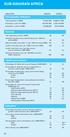 SUB-SAHARAN AFRICA INDICATOR REGION WORLD Demographic indicators Total population (2005) 713,457,000 6,449,371,000 Population under 18 (2005) 361,301,000 2,183,143,000 Population under 5 (2005) 119,555,000
Social Policy Analysis and Development
 Social Policy Analysis and Development UNICEF/Julie Pudlowski for children unite for children UNICEF/Giacomo Pirozzi Fast facts Children 0 14 years living below the basic needs poverty line Children 0
Jamaica. Country programme document 2012-2016
 Jamaica Country programme document 2012-2016 The draft country programme document for Jamaica (E/ICEF/2011/P/L.20) was presented to the Executive Board for discussion and comments at its 2011 annual session
The INEE Minimum Standards Linkages to the Sphere Minimum Standards
 The INEE Minimum Standards Linkages to the Sphere Minimum Standards Coordination and collaboration between education and other humanitarian sectors is essential to ensure an effective response that addresses
UNICEF in South Africa
 UNICEF in South Africa A message from the Representative 47,900,000 people live in South Africa 20,200,000 are children 294,000 children are HIV-positive 1 in 17 children die before their fifth birthday
Zambia 2007 2010. I. Progress on key indicators
 Zambia 2007 2010 I. Progress on key indicators Indicator Value Year Value Year Child population (millions, under 18 years) 6.1 2004 6.7 2008 U5MR (per 1,000 live births) 182 2004 148 2008 Underweight (%,
A more equitable world for children
 unicef annual report 2012 SUMMARY In 2012, UNICEF delivered results for children through collaborative relationships with a broad range of partners, including governments, the multilateral system, civil
INDICATOR REGION WORLD
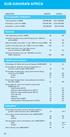 SUB-SAHARAN AFRICA INDICATOR REGION WORLD Demographic indicators Total population (2006) 748,886,000 6,577,236,000 Population under 18 (2006) 376,047,000 2,212,024,000 Population under 5 (2006) 125,254,000
WFP!""# World Food Programme Rome, Italy
 WFP!""# World Food Programme Rome, Italy 2 Having considered the document on the Global Framework for Action to End Child Hunger and Undernutrition, the Board: a) welcomes the Ending Child Hunger and Undernutrition
Goal 1: Eradicate extreme poverty and hunger. 1. Proportion of population below $1 (PPP) per day a
 Annex II Revised Millennium Development Goal monitoring framework, including new targets and indicators, as recommended by the Inter-Agency and Expert Group on Millennium Development Goal Indicators At
Water, Sanitation and Hygiene
 Water, Sanitation and Hygiene UNICEF/Giacomo Pirozzi for children unite for children UNICEF/Julie Pudlowski Fast facts Tanzanians that lack access to improved drinking water sources 46% Tanzanians with
Preventable mortality and morbidity of children under 5 years of age as a human rights concern
 Preventable mortality and morbidity of children under 5 years of age as a human rights concern 1. Has your government developed a national policy/strategy/action plan aimed at reducing mortality and morbidity
Child Protection. UNICEF/Julie Pudlowski. for children unite for children
 Child Protection UNICEF/Julie Pudlowski for children unite for children UNICEF/Hiroki Gomi UNICEF/Hiroki Gomi Fast facts Sexual violence experienced in childhood 28% girls 13% boys Physical violence experienced
Appeal to the Member States of the United Nations Early Childhood Development: The Foundation of Sustainable Human Development for 2015 and Beyond
 UNICEF/NYHQ2006-0450/Pirozzi Appeal to the Member States of the United Nations Early Childhood Development: The Foundation of Sustainable Human Development for 2015 and Beyond We, the undersigned, submit
How To Help The Ghanian Hiv Recipe Cards
 UN AID S PROGRAM M E COORDIN AT ING BO ARD UNAIDS/PCB (32)/13.CRP 3 Issue date: 07 June 2013 THIRTY-SECOND MEETING Date: 25-27 June 2013 Venue: Executive Board Room, WHO, Geneva Agenda item 4 Joint United
Security Council. United Nations S/2008/434
 United Nations S/2008/434 Security Council Distr.: General 3 July 2008 Original: English Special report of the Secretary-General pursuant to Security Council resolution 1806 (2008) on the United Nations
Central African Republic Country brief and funding request February 2015
 PEOPLE AFFECTED 2 700 000 affected with 2,000,000 target by Humanitarian response 1 472 000 of those in need, targeted for health service support by WHO 430 000 internally displaced 426 000 refugees HEALTH
Rio Political Declaration on Social Determinants of Health
 Rio Political Declaration on Social Determinants of Health Rio de Janeiro, Brazil, 21 October 2011 1. Invited by the World Health Organization, we, Heads of Government, Ministers and government representatives
Fact Sheet: Youth and Education
 Fact Sheet: Youth and Education 11% of the world s youth (15-24 years old) are non-literate. Data from 2005-2008 indicates that in developing countries, the percentage of nonliterate youth is 13%, with
Key Progress Indicators, Baselines and Targets (for each Outcome)
 NAMIBIA: CPD Summary Results Matrix Summary Results Matrix: Government of Namibia UNICEF Country Programme, 2014 2018 Millennium Development Goals / Millennium Declaration Commitments / CRC Article(s):
The Situation of Children and Women in Iraq
 The Situation of Children and Women in Iraq Highlights from the Multiple Indicator Cluster Survey 4 (MICS 4) 2011 Demographics - Population of Iraq: 33.4 million - Children and Adolescents (0-18): 16.6
Health in the 2030 Agenda for Sustainable Development
 EXECUTIVE BOARD EB138/CONF./8 138th session 27 January 2016 Agenda item 7.2 Health in the 2030 Agenda for Sustainable Development Draft resolution proposed by Japan, Panama, South Africa, Thailand, United
Child Sexual Abuse, Exploitation and Trafficking in Bangladesh
 Child Sexual Abuse, Exploitation and Trafficking in Bangladesh BACKGROUND Children in Bangladesh are vulnerable to being trafficked into bonded labour or brothels; being sexually abused in the home, the
HIV and AIDS in Bangladesh
 HIV and AIDS in Bangladesh BACKGROUND The first case of HIV/AIDS in Bangladesh was detected in 1989. Since then 1495 cases of HIV/AIDS have been reported (as of December 2008). However UNAIDS estimates
Annex 8: SDG Indicator Mapping
 Annex 8 SDG Indicator Mapping 1. Annex 8 responds to Executive Board decision below, regarding the refinement of indicators and targets of the Strategic Plan Integrated Results and Resources Framework
PUBLIC HEALTH AND NUTRITION SECTOR OVERVIEW AND STRATEGIC APPROACH
 PUBLIC HEALTH AND NUTRITION SECTOR OVERVIEW AND STRATEGIC APPROACH Niger Cassandra Nelson/Mercy Corps An Overview The current state of global health presents a unique challenge. While there are many advances
FOCUSING RESOURCES ON EFFECTIVE SCHOOL HEALTH:
 FOCUSING RESOURCES ON EFFECTIVE SCHOOL HEALTH: a FRESH Start to Enhancing the Quality and Equity of Education. World Education Forum 2000, Final Report To achieve our goal of Education For All, we the
INSTITUTIONAL AND ORGANISATIONAL CHANGE j) Mainstreaming a gender equality perspective in the Consolidated Inter-Agency Appeals BACKGROUND
 INSTITUTIONAL AND ORGANISATIONAL CHANGE j) Mainstreaming a gender equality perspective in the Consolidated Inter-Agency Appeals BACKGROUND A gender perspective in humanitarian assistance: what does it
situation key partnerships in education Millennium Development Goal 2: Achieve universal primary education
 education situation More children in Cambodia are entering school and the gender gap is quickly closing as more girls make their way to the classroom. In the 2010/2011 school year, the overall rate of
Child Protection in Crisis Uganda: March 2012 Learning Retreat
 Child Protection in Crisis Uganda: March 2012 Learning Retreat An Overview of the Child Protection System in Uganda James Kabogozza Ssembatya Asst. Commissioner, in charge of Children Affairs Ministry
Statement by Dr. Sugiri Syarief, MPA
 Check against delivery_ Commission on Population and Development 45th Session Economic and Social Council Statement by Dr. Sugiri Syarief, MPA Chairperson of the National Population and Family Planning
FAST FACTS. 100 TO 140 MILLION girls and women in the world have experienced female genital mutilation/ cutting.
 603 MILLION women live in countries where domestic violence is not yet considered a crime. Women and girls make up 80% of the estimated 800,000 people trafficked across national borders annually, with
Birth Registration in Bangladesh
 Birth Registration in Bangladesh KEY STATISTICS Population under 18 years 61.3 million* Proportion of children aged under five who have birth 53.6%** (2009) 9.8% (2006) registration Age of criminal responsibility
CONCEPT NOTE. High-Level Thematic Debate
 CONCEPT NOTE High-Level Thematic Debate Advancing Gender Equality and Empowerment of Women and Girls for a Transformative Post-2015 Development Agenda 6 March 2015 Introduction The UN and the international
water, sanitation and hygiene
 water, sanitation and hygiene situation Lack of water and sanitation is one of the biggest issues affecting the health of children across Cambodia, particularly those who live in the countryside. Too many
Dublin Declaration. on Partnership to fight HIV/AIDS in Europe and Central Asia
 Dublin Declaration on Partnership to fight HIV/AIDS in Europe and Central Asia Against the background of the global emergency of the HIV/AIDS epidemic with 40 million people worldwide living with HIV/AIDS,
Rwanda. Strategy for Sweden s development cooperation with 2015 2019 MFA
 MINISTRY FOR FOREIGN AFFAIRS, SWEDEN UTRIKESDEPARTEMENTET Strategy for Sweden s development cooperation with Rwanda 2015 2019 MFA 103 39 Stockholm Telephone: +46 8 405 10 00, Web site: www.ud.se Cover:
Convention on the Elimination of All Forms of Discrimination against Women
 United Nations CEDAW/C/ETH/Q/6-7 Convention on the Elimination of All Forms of Discrimination against Women Distr.: General 4 November 2010 Original: English Committee on the Elimination of Discrimination
POPULATION 15,223,680 MILLION. Maternal Mortality: 110 deaths per 100,000 live births.
 OVERVIEW OF Ecuador Overview of Ecuador YEAR OF 1830 INDEPENDENCE POPULATION 15,223,680 MILLION Languages Spanish, indigenous (Quechua, Shuar) Under-five Mortality Rate: 23 per 1,000 live births. Ecuador
PROGRESS REPORT 2013-2015 DECREASE CHILD DEATHS
 PROGRESS REPORT 2013-2015 DECREASE CHILD DEATHS PROGRESS REPORT 2013-2015 Results for children in Pakistan DECREASE CHILD DEATHS Copyright UNICEF Pakistan Printed in July 2015 Editing Sarah Nam Graphic
Scaling Up Nutrition (SUN) Movement Strategy [2012-2015]
![Scaling Up Nutrition (SUN) Movement Strategy [2012-2015]](/thumbs/27/12344538.jpg "Scaling Up Nutrition (SUN) Movement Strategy [2012-2015]") Scaling Up Nutrition (SUN) Movement Strategy [2012-2015] September 2012 Table of Contents Synopsis... 3 A: SUN Movement Vision and Goals... 4 B: Strategic Approaches and Objectives... 4 C: Principles of
Scaling Up Nutrition (SUN) Movement Strategy [2012-2015] September 2012 Table of Contents Synopsis... 3 A: SUN Movement Vision and Goals... 4 B: Strategic Approaches and Objectives... 4 C: Principles of
Promoting the Sexual and Reproductive Rights and Health of Adolescents and Youth:
 August 2011 About the Youth Health and Rights Coalition The Youth Health and Rights Coalition (YHRC) is comprised of advocates and implementers who, in collaboration with young people and adult allies,
GENDER AND DEVELOPMENT. Uganda Case Study: Increasing Access to Maternal and Child Health Services. Transforming relationships to empower communities
 GENDER AND DEVELOPMENT Uganda Case Study: Increasing Access to Maternal and Child Health Services The Context World Vision has been active in working with local communities to increase access to health
Centre International de Droit Comparé de l Environnement CIDCE. Comments on the Zero draft of the Post 2015 framework for disaster risk reduction
 Centre International de Droit Comparé de l Environnement CIDCE Comments on the Zero draft of the Post 2015 framework for disaster risk reduction Paragraph n (1,2,3,...), page Comments A. Preambule 5. page
The IBIS Education for Change strategy states the overall objective
 CONCEPT PAPER: YOUTH EDUCATION & TRAINING 1 Concept Paper youth education & training Photo: Ricardo Ramirez The IBIS Education for Change strategy states the overall objective of IBIS work with education
Health in the post-2015 Development Framework: How to meet the needs of the most marginalized and excluded
 Policy briefing Health in the post-2015 Development Framework: How to meet the needs of the most marginalized and excluded Introduction For the past two years, UN Member States, UN agencies, civil society
Child and Maternal Nutrition in Bangladesh
 Child and Maternal Nutrition in Bangladesh KEY STATISTICS Nutrition % of the population Malnutrition, in children (birth to 59 months) Wasting (weight-for-height) 17.4 2 Stunting (height-for-age) 43.2
How To Achieve The Strategic Results Framework
 July 2011 UN Strategic Results Framework on Women, Peace and Security: 2011-2020 In 2010, on the occasion of the ten-year anniversary of Security Council resolution 1325 (2000) on women and peace and security,
Rapid Assessment of Sexual and Reproductive Health
 LEBANON Rapid Assessment of Sexual and Reproductive Health and HIV Linkages This summary highlights the experiences, results and actions from the implementation of the Rapid Assessment Tool for Sexual
Education 2030: Towards inclusive and equitable quality education and lifelong learning for all. ED/WEF2015/MD/3 Original: English
 Education 2030: Towards inclusive and equitable quality education and lifelong learning for all ED/WEF2015/MD/3 Original: English 1. We, Ministers, heads and members of delegations, heads of agencies and
TERMS of REFERENCE (ToR)
 TERMS of REFERENCE (ToR) Project Name: Building Disaster Resilient Communities in Cambodia ActionAid (Cambodia) - DRR Program OVERALL PURPOSE OF THE CONSULTANCY Undertake an independent research study
30% Opening Prayer. Introduction. About 85% of women give birth at home with untrained attendants; the number is much higher in rural areas.
 This is the second of four studies on maternal health M AT E R N A L a n d C H I L D H E A LT H : A f g h a n i s t a n b y K a r e n B o k m a About 85% of women give birth at home with untrained attendants;
Education for All An Achievable Vision
 Education for All An Achievable Vision Education for All Education is a fundamental human right. It provides children, youth and adults with the power to reflect, make choices and enjoy a better life.
Governing Body 313th Session, Geneva, 15 30 March 2012
 INTERNATIONAL LABOUR OFFICE Governing Body 313th Session, Geneva, 15 30 March 2012 Policy Development Section Employment and Social Protection Segment GB.313/POL/2 POL Date: 15 February 2012 Original:
PSYCHOLOGICAL CONTRIBUTIONS TO THE ERADICATION OF POVERTY. The Psychology Coalition at the United Nations, New York
 1 PSYCHOLOGICAL CONTRIBUTIONS TO THE ERADICATION OF POVERTY The Psychology Coalition at the United Nations, New York Submitted on the occasion of the United Nations International Day for the Eradication
Save the Children. Protecting Children in Zambia from Violence, Abuse, Neglect and Exploitation
 Protecting Children in Zambia from Violence, Abuse, Neglect and Exploitation Baseline 2010: National Child Protection System in Zambia What is a National Child Protection System and why do we need it?
GLOBAL CONSULTATION GENEVA, 14-16 OCTOBER 2015 CO-CHAIRS SUMMARY
 OCHA/Iason Athanasiadis GLOBAL CONSULTATION OF THE WORLD HUMANITARIAN SUMMIT GLOBAL CONSULTATION CO-CHAIRS SUMMARY Given the growing scale of humanitarian needs around the world and an ever more complex
Youth and health risks
 SIXTY-FOURTH WORLD HEALTH ASSEMBLY A64/25 Provisional agenda item 13.16 28 April 2011 Youth and health risks Report by the Secretariat HEALTH STATUS OF YOUNG PEOPLE 1. There are various definitions of
Kenya National Bureau of Statistics, 2010 population census 2009 report.
 Background Kenya s child population is estimated to be about 53% that is about 19 million out of the 34 million with an annual growth rate of 2.2%. 1 Currently, there are several legislative milestones
Equality between women and men
 Equality between women and men Gender equality means an equal visibility, empowerment, responsibility and participation of women and men in all spheres of public and private life. It also means an equal
As of 2010, an estimated 61 million students of primary school age 9% of the world total - are out of school vi.
 YOUTH AND EDUCATION HIGHLIGHTS 10.6% of the world s youth (15-24 years old) are non-literate i. Data from 2011 indicates that in developing countries, the percentage of non-literate youth is 12.1%, with
Rapid Assessment of Sexual and Reproductive Health
 BURKINA FASO Rapid Assessment of Sexual and Reproductive Health and HIV Linkages This summary highlights the experiences, results and actions from the implementation of the Rapid Assessment Tool for Sexual
NEPAL. Bhutan 56,710 56,710 43,920 43,920 29,290 29,290 Tibetans 15,000-15,000-15,000 - Various 260 260 230 230 210 210 Bhutan 2,290-1,790-1,790 -
 NEPAL Nepal hosts a large number of refugees and asylum-seekers, mainly from Bhutan, although their numbers have steadily decreased in recent years as a result of the resettlement programme. With the support
The Healthy Asia Pacific 2020 Roadmap INTRODUCTION: THE HEALTHY ASIA PACIFIC 2020 INITIATIVE
 The Healthy Asia Pacific 2020 Roadmap INTRODUCTION: THE HEALTHY ASIA PACIFIC 2020 INITIATIVE In the 2014 APEC Leader s Declaration and Joint Ministerial Statement, it is recognized that the prospect of
Annex - Resolution 1 Declaration: Together for humanity
 Annex - Resolution 1 Declaration: Together for humanity Gathered in Geneva for the 30th International Conference of the Red Cross and Red Crescent, we, the members of this Conference, have focused on the
FINAL. World Education Forum. The Dakar Framework for Action. Education For All: Meeting our Collective Commitments. Revised Final Draft
 28/04/2000, 3 P.m. FINAL The Dakar Framework for Action Education For All: Meeting our Collective Commitments Revised Final Draft World Education Forum Dakar, Senegal, 26-28 April 2000 1 1 The Dakar Framework
CONSULTANT - CALL FOR APPLICATIONS: EXPERTS AND TRAINERS ROSTER (UN WOMEN GLOBAL)
 CONSULTANT - CALL FOR APPLICATIONS: EXPERTS AND TRAINERS ROSTER (UN WOMEN GLOBAL) Location : Application Deadline : Type of Contract : Post Level : Languages Required : Duration of Initial Contract : To
AREAS OF FOCUS POLICY STATEMENTS
 ENGLISH (EN) AREAS OF FOCUS POLICY STATEMENTS With respect to the areas of focus policy statements, The Rotary Foundation notes that 1. The goals of the Foundation are to increase efficiency in grant processing
Zambia Early Childhood Care and Education (ECCE) programmes
 IBE/2006/EFA/GMR/CP/94 Country profile prepared for the Education for All Global Monitoring Report 2007 Strong Foundations: Early Childhood Care and Education Zambia Early Childhood Care and Education
Maternal and Neonatal Health in Bangladesh
 Maternal and Neonatal Health in Bangladesh KEY STATISTICS Basic data Maternal mortality ratio (deaths per 100,000 births) 320* Neonatal mortality rate (deaths per 1,000 births) 37 Births for women aged
Men in Charge? Gender Equality and Children s Rights in Contemporary Families
 International Day of Families 2015 Observance Men in Charge? Gender Equality and Children s Rights in Contemporary Families Background Note Gender equality and children s rights in family laws Fair legal
Subject: Teenage Pregnancy in Zambia Based on the Desk Research that was conducted by Restless Development
 SUBMISSION TO THE PARLIAMENTARY SESSIONAL COMMITTEE FOR YOUTH AND SPORT FOR THE THIRD SESSION OF THE 11 th NATIONAL ASSEMBLY OF ZAMBIA 27 TH JANUARY-16 TH FEBRUARY 2014 Subject: Teenage Pregnancy in Zambia
HIV/AIDS AND LIFE SKILLS MONITORING TOOL ASSESSMENT REPORT
 MINISTRY OF EDUCATION, SCIENCE, VOCATIONAL TRAINING AND EARLY EDUCATION HIV/AIDS AND LIFE SKILLS MONITORING TOOL ASSESSMENT REPORT Prepared by Monitoring and Learning Unit September 2013 Table of Contents
Policy Paper. Women and Peace and Security Agenda Progress and remaining challenges after 20 years of implementation
 SYMPOSIUM ENHANCING WOMEN S SHARE IN PEACE AND SECURITY Good practice, gaps and challenges in the implementation of the women, peace and security agenda emerging trends and priorities in 21st century security
RESOLUTIONS ADOPTED BY THE GENERAL ASSEMBLY. [without reference to a Main Committee (A/53/L.79)]
![RESOLUTIONS ADOPTED BY THE GENERAL ASSEMBLY. [without reference to a Main Committee (A/53/L.79)]](/thumbs/40/21788104.jpg "RESOLUTIONS ADOPTED BY THE GENERAL ASSEMBLY. [without reference to a Main Committee (A/53/L.79)]") UNITED NATIONS A General Assembly Distr. GENERAL A/RES/53/243 6 October 1999 Fifty-third session Agenda item 31 The General Assembly, RESOLUTIONS ADOPTED BY THE GENERAL ASSEMBLY [without reference to a
UNITED NATIONS A General Assembly Distr. GENERAL A/RES/53/243 6 October 1999 Fifty-third session Agenda item 31 The General Assembly, RESOLUTIONS ADOPTED BY THE GENERAL ASSEMBLY [without reference to a
THE SECRETARY-GENERAL S FIVE-YEAR ACTION AGENDA
 U N I T E D N A T I O N S N A T I O N S U N I E S THE SECRETARY-GENERAL S FIVE-YEAR ACTION AGENDA 25 JANUARY 2012 The currents of change are transforming our human and physical geography. Demographic transformation,
On this day, 27 September 2013, in Kampala, Uganda,
 1 PREAMBLE On this day, 27 September 2013, in Kampala, Uganda, The drafters of these recommendations, representing academia and civil society, and basing our views on collective professional experience
Monitoring and Evaluation Framework and Strategy. GAVI Alliance 2011-2015
 Monitoring and Evaluation Framework and Strategy GAVI Alliance 2011-2015 NOTE TO READERS The 2011-2015 Monitoring and Evaluation Framework and Strategy will continue to be used through the end of 2016.
Water, sanitation and hygiene in health care facilities in Asia and the Pacific
 Water, sanitation and hygiene in health care facilities in Asia and the Pacific A necessary step to achieving universal health coverage and improving health outcomes This note sets out the crucial role