
Food Allergies Policy
|
|
|
- Thomasine Rice
- 9 years ago
- Views:
Transcription
1 Food Allergies Policy Policy 1. Wadham College is committed to reducing the risk to members of the College community and visitors with regard to the provision of food and the consumption of allergens in food which could lead to an allergic reaction. 2. This policy will be placed on the College s website and will be annually reviewed. Statement 3. Wadham College is not in a position to guarantee a completely allergen free environment, rather to minimise the risk of exposure, encourage self-responsibility, and plan for effective response to possible emergencies. Objectives of this policy 4. To promote awareness of the nature of food allergens and bring these to the attention of College members. 5. To provide clear guidance to all catering staff on their responsibilities for the provision of food to members of the College community and visitors with a confirmed food allergy. 6. To ensure that appropriate education/training is available and implemented for any catering staff involved in providing food to customers with food allergies. 7. To ensure appropriate information and support is available for staff. Allergy Labelling Legislation 8. From 13 December 2014, new legislation (the EU Food Information for Consumers Regulation 1169/2011) requires food businesses to provide allergy information on food sold unpackaged. There are also changes to existing legislation on labelling allergenic ingredients in prepacked foods. More information about the new European legislation can be found on the European Commission website. 9. The new legislation only covers information about major allergens intentionally used as ingredients. They do not cover allergens present following accidental contact. Background What is a food allergy? 10. Food allergies involve the body s immune system. The body reacts to certain allergens in food by producing antibodies, which can cause immediate and sometimes severe symptoms such as: itching or strange metallic taste in the mouth; swelling of the throat and tongue; difficulty in swallowing or speaking; abdominal cramps, nausea and vomiting; skin hives (nettlerash) anywhere on the body; and in most extreme cases difficulties in breathing and a severe fall in blood pressure (anaphylactic shock). In extreme cases this can prove fatal. 1
2 What is food intolerance? 11. This does not involve the immune system in the same way and is not usually as severe as a food allergy. Symptoms usually take longer and may include headaches, fatigue and digestive problems. 12. Food intolerance is harder to diagnose than a food allergy. The person with a known allergen trigger may know what food ingredient will provoke a reaction. However, they may well have eaten this food or a specific dish previously and had no adverse reaction. Who is at risk? 13. Anybody can develop a food allergen or intolerance at any time in their life irrespective of whether they have consumed the food previously. A person with an allergy is at risk even if they consume a small amount of the food allergen. 14. The proportion of the UK population with a true food allergy is approximately 1-2% of adults and 5-8% of children which equates to around 1.5 million in the UK. In addition, about 1:100 of the UK population has coeliac disease and needs to avoid gluten. Common Food Allergens 15. Listed below: Cereals containing gluten, (i.e. wheat, rye, barley, oats, spelt, kamut or their hybridized strains) and products thereof Crustaceans and products thereof Eggs and products thereof Fish and products thereof Peanuts and products thereof Soybeans and products thereof Milk and products thereof (including lactose) Nuts i.e. almonds, hazelnuts, walnuts, cashews, pecan nuts, Brazil nuts, pistachio nuts, macadamia nuts and Queensland nuts and products thereof Celery and products thereof Mustard and products thereof Sesame seeds and products thereof Sulphur dioxide and sulphites at concentrations of more than 10 mg/kg or 10 mg/litre expressed as SO2. Lupin and products thereof Molluscs and products thereof An allergen identification table is set out in Appendix People may report allergies to other foods not on the above list. Most common in the UK are kiwi, peas, other legumes (beans etc), other seeds and other fruits and vegetables. In some cases, people only need to avoid these when raw and can have them cooked. 2
3 Responsibilities 17. The Head Chef, or in his absence the Sous Chef/Third Chef, is responsible for ensuring that any food provided for College members or visitors with a food allergy is appropriate for their needs. 18. The Head Chef will ensure that the kitchen has stock or can access the necessary stock ingredients to offer suitable alternatives for people with allergies, intolerances and coelic disease. This includes wheat/gluten free bread and pasta, and alternatives to cow s milk and butter/margarine spreads (e.g. milk free spread). Soya milk is available on request. 19. The Head Chef will ensure that allergen information is provided on all food/listed in the list of Common Food Allergens listed above. This information will be supplied in Allergy Data Sheets (see Appendix 2) that can be easily seen by College members and visitors. This also applies to food pre-packed such as wraps and sandwiches. The location of Allergy Data Sheets is set out in Appendix 3. Staff Training 20. All chefs must also attend the following mandatory courses: Food Hygiene Certificate CIEH Level 2 Food Safety A recognised training course on Food Allergy Awareness 21. The butlers and catering service assistants must attend the following mandatory courses: Basic Food Hygiene Certificate Food Allergy Awareness (delivered internally or externally) 22. All training records will be maintained in the HR Department. The records will also show annual refresher training. Appendix 6 shows the training record form. 23. Casual service staff must be trained on food allergy awareness and local procedures by the Head Butler or his/her deputy before commencing work. 24. There should be at least two first-aiders in the catering departments. All catering department staff must be trained in the signs and symptoms of an allergic reaction and emergency response procedures see Appendix 5. Good Kitchen and Service Practices Kitchen 25. All dishes which are produced in house will be from standard ingredients from approved suppliers. Any ingredient changes/supplier changes affecting standard ingredients will be detailed. 26. Where allergenic ingredients are packaged openly/loosely, they are stored separately to reduce the risk of contamination. 27. Equipment/utensils used in the preparation of food for people with a food allergy are cleaned according to standard procedures (see HACCP manual) which under normal circumstances should be sufficient. 28. A specific area of the kitchen will be sought for the preparation of any food for someone with a food allergy. The area will be sanitised before it is used to prepare food. Separate identifiable chopping boards. 3
4 29. When cooking food for people with a food allergy or intolerance the chef will wear gloves and will wash their hands before and in-between preparation tasks. 30. All food produced for people with food allergy or intolerance will be placed away from other food and covered in cling film. It will then be clearly marked with the person s diet. 31. Where dishes contain common allergens, they are clearly labelled at the entrance to the dining area. Food Service 32. On receipt of the food the supervisor on duty must check that the special meal ordered for the person with a food allergy or intolerance has been supplied and is appropriate for the person. Any concern should be immediately discussed with appropriate kitchen staff. 33. Normal food handling procedures should apply (e.g. washing hands, wearing disposable gloves and aprons). 34. Staff are aware to keep serving utensils separate to avoid cross contamination. 35. All tables are cleaned with an appropriate solution. Good communication 36. Staff are trained to escalate any concerns a College member or visitor may have regarding a food allergy or intolerance to a line manager if they are unsure. 37. Appendix 4 sets out the steps people with food allergies should take when they are dining in the College. December
5 Appendix 1 Allergen Identification Table The examples given are not exhaustive. Cereals containing gluten e.g. Wheat, Rye, Barley, Oats, Spelt and Kamut Celery and Celeriac e.g. Stalks, Seeds and Leaves Eggs. e.g. Hens, Duck, Turkey Quail, Goose, Gull and Guinea Fowl Fish, Crustaceans and Molluscs e.g. all Fish, Prawns, Lobster, Crab, Clams, Oysters, Mussels and Langoustine Milk. e.g. Cows, Sheep and Goat Bread, wheat flour, biscuits, crackers, pasta, breakfast cereals (including items like breadcrumbs and batter), cakes, pastry, semolina, soya sauce It is also found in many processed foods such as soups, gravies, sauces, sausages, haggis, fish cakes and all processed foods must be checked to ensure they are gluten free. Salads, soups and celery salt, stock cubes, stew pack, some meat products Cakes, sauces, pasta, mayonnaise, glazed produces, some meat products (e.g. meatloaf, used as a binder), quiche, mousse, foods brushed with egg, Quorn Soy and Worcestershire sauce. Thai fish sauce, relish, some salad dressing, fish extracts, oils and paste Milk powder, yoghurt, butter, margarine, cheese, cream, ghee, milk glazed products, ice cream, custard and other milk puddings Milk power and milk products are used in many manufactured products. Mustard Peanuts Other nuts e.g. Walnuts, Cashew, Pecan, Brazil, Pistachio, Macadamia, Queensland, Almonds, Hazelnut, Pinenut, Chestnut Sesame seeds Soya e.g. Flour, Tofu, Beancurd, Textured Soya Some processed meats, chocolate, some canned fish, Quorn. Mustard paste, seeds, leaves, flour, salad dressings, marinades, soups, sauces (e.g. cheese sauce), curries, some meat products, occasionally cheese scones. Arachis or groundnut oil, peanut flour, satay sauce, refined peanut oil. Cakes, biscuits, ice cream desserts, breakfast cereal, salad dressing, confectionary and vegetarian products. Cakes, biscuits, sauces, desserts, bread, crackers, ice cream desserts, praline (hazelnut), some choc spreads, nut butters, essences and oils, marzipan and frangipane (almond), pesto, nut salad dressings, breakfasts, confectionary, vegetarian products. Oil or paste, tahini, houmous, furikake, gomashio, bread Tofu, textured vegetable protein, soy sauce, soy 5
6 Protein, Soy Sauce and Edameme Beans Sulphur Dioxide and Sulphites Lupin Seeds and flour bean flour used in cakes, biscuits, pasta, burgers, sausages, confectionary. Dairy products made from soya beans including soya milk and some ice creams Some meat products, stock cubes, bouillon mix, fruit juice drinks, dried fruit/vegetables, wine, beer, cider Some types of break and pastries, e.g. waffles particularly those manufactured in France and Belgium) 6
7 Appendix 2 (Example Allergy Data Sheet) 7
8 Appendix 3 Location of Allergy Data Sheets in Wadham Venue Hall (Lower Hall) Hall - High Table New Refectory Old Library Trapp Room Old SCR Other venues Location of Allergy Data Sheets Table top easel by the till Table top easel next to the fireplace On the wall near the first counter Easel at the top of the stairs Table top easel near the food Table top easel in the room Table top easel in the room 8
9 Appendix 4 College members and visitors with food allergies dining in the College The risks of eating food prepared by others can be reduced significantly through good communication. It is the responsibility of the person with the food allergy to ensure that the correct steps are carried out to reduce as many of the risks as possible. What should College members do? 1. As soon as you join the College, please enter information regarding any known food allergies into the Meal Booking System (MBS) to inform the catering departments. 2. Please advise the Domestic Bursar if you have a life-threatening food allergy. A meeting will be set up where all concerned attend to put in place a protocol. If you carry lifesaving medication like an EpiPen, you should carry this medication with you at all times when you are in the College. 3. At food service, you should check the Data Allergy Sheet on display. If you are allergic to a food that is not on the regulatory list, it will not be included on the Data Allergy Sheet provided. 4. You should make yourself known to a member of the service staff to communicate clearly your food allergy. Information regarding your food allergy will be known to the Kitchen if you have entered this information in the Meal Booking System and have signed in for the meal. 5. For student breakfast and lunch, you should only eat the food on offer if you are content that the person you have informed about your food allergy has clearly understood everything you have communicated. Food service staff are trained to seek assistance if they are unsure what is in the food. What should guests attending conferences and events do? 1. Advise your event organiser about your food allergy as soon as possible before you arrive at the College. 2. At food service, you should check the Data Allergy Sheet on display. If you are allergic to a food that is not on the regulatory list, it will not be included on the Data Allergy Sheet provided. 3. You should make yourself known to a member of the service staff to communicate clearly your food allergy. It is advisable to give the College staff a clearly written or typed card with the foods you need to avoid. Information regarding your food allergy will be known to the Kitchen if your event organiser has passed this information to the Conference & Events Office. 4. You should only eat the food on offer if you are content that the person you have informed about your food allergy has clearly understood everything you have communicated. Food service staff are trained to seek assistance if they are unsure what is in the food. 9
10 Appendix 5 Actions in the event of someone suffering a severe allergic reaction Immediate action is vital. If an allergic person becomes ill, it is likely that person or someone with them will state that they are suffering an allergic reaction. They may use the word ANAPHYLAXIS Immediately send someone to dial 999 giving the following information: This is an emergency. A customer has collapsed and we believe they are suffering from anaphylaxis. (Pronounced Ana-fill-axis). Speak clearly so that the ambulance crew will know exactly where to come. The Lodge should be contacted immediately after the 999 phone call. The Lodge will stand at the College entrance to direct the ambulance crew to the patient. Request the assistance of a First Aider until the ambulance crew arrive. Keep calm and make the patient feel comfortable. All staff trained in First Aid will know what to do if someone suffers from anaphylaxis. Note: Severe reactions can take place within a few minutes and in very extreme cases where prompt treatment is not sought can be fatal. If a protocol is in place for the person then this will be followed. 10
11 Appendix 6 Food Allergies Policy Training Document and Information I.. have received, read and understood the attached Food Allergies Policy. I have a copy for my own information for referral. Signed. Supervisor/Manager s signature Date.. 11
RELEVANT HACCP CHARTS: All HACCP Charts
 4.31(a) RELEVANT HACCP CHARTS: All HACCP Charts ALLERGEN MANAGEMENT HOUSE RULES Why is it important to manage allergens? Some people have a sensitivity to certain foods that non-sufferers would find harmless.
Catering Guide to Severe Food Allergies
 Catering Guide to Severe Food Allergies Allergic reactions can occasionally be life-threatening and people who know they are at risk must always remain vigilant when food is around. The most common dietary
Advice for caterers on allergy and intolerance
 Advice for caterers on allergy and intolerance Also see: Allergy UK Deepdene House 30 Bellgrove Road Welling KENT DA16 3PY Tel. 01322 619864 E-mail: [email protected] Website: www.allergyfoundation.com
Allergen information for loose foods
 Sandwich Sandwich Allergen information for loose foods Advice on the new Food Information Regulations for small and medium food businesses Soup Curry and rice Fish and chips Butter Tuna spread Soup Curry
prepared be allergy aware It s worth the effort
 Be prepared be allergy aware It s worth the effort Food allergy is a growing problem, particularly amongst children, and can have serious ramifications, causing illness, even death. The most severe allergic
Peanut and Tree Nut Allergy
 Peanut and Tree Nut Allergy Allergy to peanut and tree nuts is the most common food allergy in adults and children. However, since most children start eating other foods first, allergies to other foods
Ember Inns Festive Menu FOH Allergen Guide V1. (Published 09.10.2015) CONCERNED ABOUT ALLERGENS?
 CONCERNED ABOUT ALLERGENS? This guide is provided to enable you to make your own decision on menu choice. We cannot recommend or tell you what is suitable for you to eat. The descriptions on our menus
Food Safety Guidance for Farmers Markets
 Food Safety Guidance for Farmers Markets Anyone selling food or drink from a market stall must comply with food hygiene legislation. Foods which are categorised as high risk include cooked meats, fish
THE GLUTEN FREE DIET FOR COELIAC DISEASE AND DERMATITIS HERPETIFORMIS
 THE GLUTEN FREE DIET FOR COELIAC DISEASE AND DERMATITIS HERPETIFORMIS Information Leaflet Your Health. Our Priority. Page 2 of 8 What is Coeliac Disease? Coeliac disease is an autoimmune disease. This
Food Allergies DEFINITIONS: EIGHT MAJOR FOOD ALLERGENS. Definition of a Food Allergy:
 DEFINITIONS: Definition of a Food Allergy: Food Allergies Immune system response to a food that the body mistakenly thinks is harmful. Upon deciding a particular food is harmful, the immune system creates
Food Allergies and Intolerances. Nan Jensen RD, LD/N Pinellas County Extension
 Food Allergies and Intolerances Nan Jensen RD, LD/N Pinellas County Extension Overview of Presentation Statistics What is food allergy? What foods causes allergies? What is a food intolerance? Possible
Food Allergy & Intolerance Guidance for the Catering Industry
 Food Allergy & Intolerance Guidance for the Catering Industry This booklet has been produced as part of the all island Food Safety Training Programme on Food Allergen Control which is sponsored by safefood
Lesson 3 Managing Food Allergies
 Lesson 3 Managing Food Allergies Lesson at a Glance Time Allowed (1 hour) 5 minutes Introduction to Managing Food Allergies 15 minutes Objective 1: Creating a Food Allergy Policy Topic Activity Materials
Food allergies and intolerances
 Food allergies and intolerances A food allergy occurs when the body s immune system reacts to certain substances in food called allergens as if they were harmful, by producing antibodies. These can cause
If a child or adult needs to avoid cows milk, remember that it may be present in many foods, such as:
 Milk Allergy Cows milk allergy affects around 3 6% of (3 6 in every 100) infants and young children who usually start to have symptoms in their first few months. This causes many health problems and is
Antioch College Policy on Food Allergies
 Antioch College Policy on Food Allergies Purpose: It is the purpose of this document to inform students and staff the procedures used by the College to identify and provide services for students with allergies
High Protein High Energy Diet
 High Protein High Energy Diet High protein and/or high energy diet is useful when: you are underweight you are losing weight without trying you are unable to eat enough due to poor appetite or nausea you
Low Fat Diet after Cardiac Surgery With or Without Chyle Leak
 Low Fat Diet after Cardiac Surgery With or Without Chyle Leak What is chyle? Chyle (sounds like kyle) is a milky white fluid that contains protein, fat, cholesterol, lymphocytes, and electrolytes. It is
MILK ALLERGY 3450 E. Fletcher Ave, Suite 350, Tampa, FL 813 972 3353
 MILK Allergies MILK ALLERGY You may diagnose yourself with a food allergy to milk by eliminating milk from the diet for several weeks. If the symptoms ease, foods may be reintroduced individually on a
Canada s Food Guide Jeopardy
 Canada s Food Guide Jeopardy Drafted: July 2008 Revised: December 2012 Eating Well with Canada s Food Guide Veg & Fruit Grain Products Milk & Alternatives Meat & Alternatives Physical Activity Miscellaneous
Food Allergen Fundamentals
 Food Allergen Fundamentals Introduction to allergen principles for the food industry January 2016 The Allergen Bureau Ltd ACN 162 786 389 This presentation gives a general overview of food allergens and
Food Allergen Management Training
 Food Allergen Management Training Training Overview Food Allergens What they are and what they do? Allergen Management in Manufacture Making food safe for all consumers Training and Education Raising awareness
In partnership with. BRC Guidance on Allergen Labelling and the Requirements in Regulation 1169/2011
 In partnership with BRC Guidance on Allergen Labelling and the Requirements in Regulation 1169/2011 introduction Regulation (EU) No. 1169/2011 on the provision of information to consumers (EU FIC) was
Easier Swallowing. Texture C
 Easier Swallowing Texture C Consistencies You have been found to have difficulties with eating and drinking. It has been recommended that you follow a consistency modified diet and the one that has been
Labelling issues relating to fats and oils a global perspective
 Labelling issues relating to fats and oils a global perspective Kath Veal Business Manager Regulatory and Technical Consultancy Services Leatherhead Food International Why is Labelling Information Important?
Registered Trade Mark
 2008 High Energy, High Protein, Low Fiber Guidelines Registered Trade Mark High Energy, High Protein, Low Fibre Guidelines Eating well, even though you may not feel hungry, is an important part of taking
Why does my child need to follow a milk and dairy free diet?
 Milk and dairy free diet Why does my child need to follow a milk and dairy free diet? Your child has an allergy to milk and dairy products, and their ingredients. An allergic reaction to milk and dairy
Food Allergies and. Food allergies and the immune system. Food allergies and the immune system
 Food Allergies and Intolerances Food allergies and the immune system Food allergies and True allergies involve an adverse reaction/ response by the body s immune system to a usually harmless substance
Table 1. How Cancer Treatments Can Affect Eating
 Table 1. How Cancer Treatments Can Affect Eating Cancer Treatment How it Can Affect Eating Surgery Increases the need for good nutrition. May slow digestion. May lessen the ability of the mouth, throat,
Appendix A Food Sources of Vitamins and Minerals
 Appendix A Food Sources of Vitamins and Minerals Appendix A 229 Appendix A Food Sources of Vitamins and Minerals Vitamin A (Retinol) Food Amount IU* Liver 3 oz 45,400 Crab 2 cup,680 Egg medium 590 Fats
Food allergy and intolerance
 Food allergy and intolerance Summary A food allergy occurs when the immune system reacts to a harmless food. Food intolerance occurs when the body has a chemical reaction to eating a particular food or
Healthy Foods for my School
 yum, yum, yum, yum, yum, yum, yum, yum, yum, yum, yum, yum, yum, yum, yum, yum, yum, yum, yum, yum, yum, Healthy Foods for my School Nutrition Standards for Saskatchewan Schools Schools are an ideal place
Anaphylaxis. Exceptional healthcare, personally delivered
 Anaphylaxis Exceptional healthcare, personally delivered 2 Introduction Anaphylaxis (also known as anaphylactic shock) is a severe, potentially fatal allergic reaction. Anaphylaxis is caused by your body
Increasing Protein in the Diet
 Increasing Protein in the Diet What is protein? Protein is a nutrient essential for: Growth Healing Immune system Maintenance of tissue, skin, hair, and nails At times, when your appetite is low, or when
Food allergen labelling and information requirements under the EU Food Information for Consumers Regulation No. 1169/2011: Technical Guidance
 Food allergen labelling and information requirements under the EU Food Information for Consumers Regulation No. 1169/2011: Technical Guidance March 2015 For all queries about this guidance including if
How To Know If An Allergen Is In Food
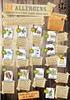 Food Allergen Information Sheet A food allergen is defined as product or ingredient containing certain proteins that can potentially cause severe (occasionally fatal) reactions in a food allergic person.
Meal Planning for a Mushy Soft Diet After Nissen Fundoplication
 Meal Planning for a Mushy Soft Diet After Nissen Fundoplication Name: Date: Dietitian: Telephone: Questions? CALL YOUR DIETITIAN! Patient Food and Nutrition Services University of Michigan Hospital 1500
PRACTICAL INFORMATION CONCERNING YOUR STAY AT CERAN JUNIORS FRANCE PARIS
 PRACTICAL INFORMATION CONCERNING YOUR STAY AT CERAN JUNIORS FRANCE PARIS LOCATION OF THE CENTRE CERAN JUNIORS FRANCE PARIS - Ecole Saint Martin de France, Avenue de Verdun, 1 95301 Cergy Pontoise Cedex
MEAL PLANNING FOR MECHANICAL SOFT DIET
 MEAL PLANNING FOR MECHANICAL SOFT DIET Definition of Terms Calories Protein Blenderized Pureed Units of energy. A nutrient used by your body for growth and repair. The best sources are milk, meats, fish,
Meal Planning for a Mushy Soft Diet After Laparoscopic Myotomy
 Meal Planning for a Mushy Soft Diet After Laparoscopic Myotomy Name: Date: Dietitian: Telephone: Why is it necessary to follow this diet? This diet is necessary for individuals who have had some types
D avid Berger, M.D. FAAP Melanie Wardle, ARNP, CPNP. Elimination Diet for Food Allergies and Sensitivities
 D avid Berger, M.D. FAAP Melanie Wardle, ARNP, CPNP 3405 W. Fletcher Avenue 813-960-3415 phone Tampa, FL 33618 www.wholisticfamilycare.com 813-960-3465 fax Elimination Diet for Food Allergies and Sensitivities
Weaning learning to like new tastes and textures
 Complementary feeding or weaning is introducing solid foods in addition to your baby s milk feeds. Babies develop at different rates so begin when your baby is ready by six months, but not before four
Anaphylaxis - severe allergic reaction
 Anaphylaxis - severe allergic reaction Summary Anaphylaxis is the most severe allergic reaction and is a medical emergency. An injection of adrenaline is needed to treat the allergic reaction. The most
When you have diabetes be careful about what you eat to help you control your blood sugar.
 PART 5 INTRO TO EATING WITH DIABETES When you have diabetes be careful about what you eat to help you control your blood sugar. Foods are in three main groups: Carbohydrates (Carbs) Higher Carbohydrates
ALLERGEN GUIDE - WHAT CAN I EAT?
 Tuesday, April 19, 2016 Page 1 of 20 I CAN'T EAT CELERY & CELERIAC SO I CAN EAT The ingredients in these products do not contain Celery & Celeriac, but please be aware that we use Celery & Celeriac in
Healthy Eating Policy
 Healthy Eating Policy Background This policy has been developed in consultation with all staff in the school, governors, pupils, parents/carers, Healthy Schools and the health visitor. Some parts of this
FULL BREAKFAST CONTINENTAL BREAKFAST
 Start your day the right way with our new Premier Inn Breakfast. Choose as much as you like from our Full and Continental selections. Only 8.99 Make a fresh start with our new and improved Continental
300200 baking soda [bicarbonate of soda for cooking purposes] / bicarbonate of soda for cooking purposes [baking soda]
![300200 baking soda [bicarbonate of soda for cooking purposes] / bicarbonate of soda for cooking purposes [baking soda]](/thumbs/40/20573906.jpg "300200 baking soda [bicarbonate of soda for cooking purposes] / bicarbonate of soda for cooking purposes [baking soda]") Class 30 Coffee, tea, cocoa and artificial coffee; rice; tapioca and sago; flour and preparations made from cereals; bread, pastry and confectionery; edible ices; sugar, honey, treacle; yeast, baking-powder;
Class 30 Coffee, tea, cocoa and artificial coffee; rice; tapioca and sago; flour and preparations made from cereals; bread, pastry and confectionery; edible ices; sugar, honey, treacle; yeast, baking-powder;
But what does my body need? (No...it is not just candy and soda!)
 Chapter 35: Page 349 In the last chapter, you learned how important your immune system is to your survival. This week, you are going to learn how to keep your immune system strong and ready to protect
Understanding the Carbohydrate Portions in Gluten Free Foods 1 Portion/Exchange = 15g
 Understanding the Carbohydrate Portions in luten Free Foods 1 Portion/Exchange = 15g Know your Carbohydrate Foods Dairy Fruit Starchy vegetables Breads, cereals, rice, pasta/noodles, biscuits, flour(s)
DIABETES & HEALTHY EATING
 DIABETES & HEALTHY EATING Food gives you the energy you need for healthy living. Your body changes most of the food you eat into a sugar called glucose. (glucose) Insulin helps your cells get the sugar
AQA GCSE Design and Technology: Food Technology Revision
 AQA GCSE Design and Technology: Food Technology Revision Section A 30 marks Section B 90 marks Section A is based on the design ideas and preparation sheet Section B is based on anything you learnt last
Low Tyramine Diet. Foods high in tyramine may cause serious effects when combined with certain medications. Patient Education
 Low Tyramine Diet Patient Education diet and nutrition Foods high in tyramine may cause serious effects when combined with certain medications. The foods you eat can alter the way certain medications work
ALLERGY AWARENESS POLICY
 ALLERGY AWARENESS POLICY 1. RATIONALE In most schools some children are anaphylactic. St Hilda s is committed to providing a safe and healthy environment for students. We have adopted an allergy awareness
Healthy Eating For Your Kidneys
 Winter 14 Healthy Eating For Your Kidneys (For People Not on Dialysis) BC Provincial Renal Agency If you have kidney disease, you may need to change the food you eat. Changes will depend on your appetite,
Food and drink labelling: A tool to encourage healthier eating
 Food and drink labelling: A tool to encourage healthier eating Seeing the energy, fat, sugars and salt in a food at a glance can help patients check and compare similar products and choose those with lower
Oral allergy syndrome
 Oxford University Hospitals NHS Trust Children s Allergy Clinic Oral allergy syndrome Information for parents What is oral allergy syndrome? In the common form, oral allergy syndrome usually causes redness,
Diet for Oral Surgery/Wired Jaw
 Diet for Oral Surgery/Wired Jaw After oral surgery no chewing is allowed for a period of 4-8 weeks. During this time you will need a blenderized or liquid diet. This pamphlet will help you to get adequate
Food safety in non-profit organisations
 Food safety in non-profit organisations April 2015 Food safety in non-profit organisations Published by the State of Queensland (Queensland Health), April 2015 This document is licensed under a Creative
SCHOOL DISTRICT NO. 36 (SURREY) No. 5535.1
 SCHOOL DISTRICT NO. 36 (SURREY) 1. Provincial Legislation All food service events are governed by the Food Premises Regulations of the Health Act of the Province of British Columbia and must comply with
Common nutritional problems and cancer
 Information Prescriptions Information Prescriptions are a quick and easy way to provide information about your condition and local services. www.nhs.uk/ips Acknowledgement With many thanks to the Queensland
Heart Healthy Diet: Tips for Lowering Cholesterol and Fat in Your Diet
 Heart Healthy Diet: Tips for Lowering Cholesterol and Fat in Your Diet Cholesterol Saturated Fats Polyunsaturated and Mono-unsaturated Fats This fat-like substance is needed for good health. However, high
Bariatric Surgery: Step III Diet
 Bariatric Surgery: Step III Diet This diet is blended foods with one new solid food added daily. The portions are very small to help prevent vomiting. Warning: This diet does not have enough calories,
Food allergy /anaphylaxis
 Food allergy /anaphylaxis A food allergy or hypersensitivity is an abnormal response to a food that is triggered by the immune system. Allergic reactions are often mild, but can be sometimes very dangerous.
Carbohydrate counting reference booklet
 Patient information leaflet Royal Surrey County Hospital NHS Foundation Trust Carbohydrate counting reference booklet A supplement for use with Patient information leaflets: Carbohydrate counting for adults
Safer food bet ter business for caterers
 Safer food bet ter business for caterers This page has been left intentionally blank Working with food? What you need to know before you start It is easy for you to spread bacteria to food without realising.
Annual Epinephrine Training Program for Connecticut s Unlicensed School Personnel
 Annual Epinephrine Training Program for Connecticut s Unlicensed School Personnel Developed by the Connecticut State Departments of Education and Public Health in consultation with the Connecticut School
Advice about soft and liquidised food
 Advice about soft and liquidised food A guide for patients and their families We care, we discover, we teach Contents A soft, nourishing diet... 1 If you have diabetes....1 Ideas for meals...1 Breakfast...1
Section I New Policy with copy of updated Epipen Order, and protocol. Section II Anaphylaxis Management Algorithm
 Anaphylaxis Policy Contents Section I New Policy with copy of updated Epipen Order, and protocol Section II Anaphylaxis Management Algorithm Section III Demonstration of Epipen use for all staff members
Paediatric Diabetes: Carbohydrate counting
 Department of Nutrition and Dietetics Paediatric Diabetes: Carbohydrate counting Everyone with diabetes need to be careful about the foods they eat to ensure that their blood glucose levels stay as close
This annual data report demonstrates findings consistent with previous reports:
 DATA HEALTH BRIEF: EPINEPHRINE ADMINISTRATION IN SCHOOLS Massachusetts Department of Public Health Bureau of Community Health Access and Promotion School Health Unit August 1, 29 July 31, 21 (School Year
MILK. Amount Type Function PROTEIN 3.5% High Biological Value Growth of new cells & repair of old /damaged cells
 MILK Nutritional Value Amount Type Function PROTEIN 3.5% High Biological Value Growth of new cells & repair of old /damaged cells FAT 4% (whole) Saturated Fat 0.5% (low fat) CARBOHYDRATE 4.5% Sugar in
Nutritional Guidelines for Roux-en-Y, Sleeve Gastrectomy and Duodenal Switch. Gastric Restrictive Procedures. Phase III Regular Consistency
 Nutritional Guidelines for Roux-en-Y, Sleeve Gastrectomy and Duodenal Switch Gastric Restrictive Procedures Phase III Regular Consistency The University of Chicago Hospitals Center for the Surgical Treatment
Reading Food Labels. Nutritional values The ingredients of the item The percentage of the Recommended Daily Intake (RDI) of particular nutrients
 Eating well involves choosing a variety of foods that are low in saturated and trans fats, low in salt and high in dietary fibre. Food labels carry useful information to help you make choices about the
Healthy Eating for Diabetes
 Healthy Eating for Diabetes What is diabetes and why is it important to manage it? Diabetes occurs when there is too much glucose in the blood. Learning how to manage your diabetes will help you feel better
Will the cholesterol in my diet raise my blood cholesterol?
 Healthy eating for your heart What does heart healthy eating mean to me? Heart healthy eating is an important part of a healthy lifestyle. Heart healthy eating, along with regular physical activity and
Low Residue Diet A low residue diet is easier for your gut to digest. It
 Low Residue Diet A low residue diet is easier for your gut to digest. It may be recommended to help improve your symptoms, to prepare you for an investigation or to reintroduce food after a period without
Nutrition Information from My Plate Guidelines
 Nutrition Information from My Plate Guidelines Note: This information was compiled from the website: http://www.choosemyplate.gov/ for participants in the 4-H Food Prep Contest 1/12/16. The information
Heart healthy diet: 8 steps to prevent heart disease
 Heart healthy diet: 8 steps to prevent heart disease Changing your eating habits can be tough. Start with these eight strategies to kick start your way toward a heart healthy diet. By Mayo Clinic Staff
CLEAN R E M O V E R E S T O R E R E J U V E N AT E. 21-Day Elimination Diet
 CLEAN R E M O V E R E S T O R E R E J U V E N AT E 21-Day Elimination Diet Instructions Following the Clean 21-Day Elimination Diet is simple. For 21 days you eat three square meals a day exclusively from
300200 baking soda [bicarbonate of soda for cooking purposes] / bicarbonate of soda for cooking purposes [baking soda]
![300200 baking soda [bicarbonate of soda for cooking purposes] / bicarbonate of soda for cooking purposes [baking soda]](/thumbs/40/20573430.jpg "300200 baking soda [bicarbonate of soda for cooking purposes] / bicarbonate of soda for cooking purposes [baking soda]") Class 30 Coffee, tea, cocoa and artificial coffee; rice; tapioca and sago; flour and preparations made from cereals; bread, pastries and confectionery; edible ices; sugar, honey, treacle; yeast, baking-powder;
Class 30 Coffee, tea, cocoa and artificial coffee; rice; tapioca and sago; flour and preparations made from cereals; bread, pastries and confectionery; edible ices; sugar, honey, treacle; yeast, baking-powder;
Guidance on Allergen Management and Consumer Information
 Guidance on Allergen Management and Consumer Information Best Practice Guidance on Managing Food Allergens with Particular Reference to Avoiding Cross-Contamination and Using Appropriate Advisory Labelling
Brannel School. Conference & Hospitality. www.brannel.com
 Brannel School Conference & Hospitality www.brannel.com Welcome Brannel School s catering team are passionate about making each and every eating experience a memorable one. Regardless of the size or type
Nutrition after chemotherapy and radiation for head and neck cancer
 Nutrition after chemotherapy and radiation for head and neck cancer Good nutrition is important while you are recovering from the side effects of your treatment for head and neck cancer. You may have: