
Literature: An Introduction to Reading and Writing
|
|
|
- Melvin Golden
- 9 years ago
- Views:
Transcription
1 A Correlation and Narrative Brief of Literature: An Introduction to Reading and Writing 2 nd Edition 2012 Advanced Placement (AP) English Literature and Composition

2 TEXTBOOK NARRATIVE FOR THE STATE OF TENNESSEE AP Literature & Composition Program Description (ISBN: ) Roberts, and Writing 2/e AP Edition blends a rich selection of college-level literature with a high-school friendly approach to instruction. A full chapter devoted to Reading, Responding to, and Writing about literature prepares students to read critically and make clear connections to the writing process. Writing about literature is thoroughly integrated in every chapter and supported by illustrative models and annotated student essays to help students organize and progress in their own writing. The alternate Table of Contents provides ultimate flexibility to pair selections, foster classroom collaboration, and engage students in works that are relevant to the lessons and to their lives. The instruction is clear, accessible, and scaffolded to effectively support all students in the understanding, application, and mastery of the critical reading, literary analysis, and synthesis skills they need in preparation for the AP exam. The Instructor s Manual provides an overview of the AP course in general, along with the exam format to help teachers present material on each genre in the context of preparing for the AP exam. The links to the material in the textbook will demonstrate how AP strategies and techniques function within a short story or poem. Every selection includes introductory remarks, interpretive comments, suggestions for incorporating AP strategies, writing topics, and works for comparison. In addition, the manual provides an AP Correlation Chart, lesson planning tips, classroom exercises, and suggested activities, along with sample syllabi for dual enrollment, half-year and full-year AP programs, to offer customized support for any AP classroom. The robust teacher support coupled with a full array of AP* test prep ancillaries and support to help student approach, interpret, and write about literature, Literature: An Introduction to Reading and Writing is a perfect fit for today s AP Literature and Composition classroom. Student and teacher access to MyLiteratureLab is provided upon adoption. MyLiteratureLab provides students with variety of ways to approach literature while fostering a deeper understanding and application of critical thinking, reading, and writing skills through direct instruction, multimedia activities, exercises, and an interactive composing space

3 I. The Literature Fiction Abundance Roberts includes 63 short stories one in an introductory part on "The Process of Reading, Responding to, and Writing About Literature" (1 60); 52 in a nine-chapter section called Reading and Writing About Fiction (61 548); and 10 in "Ten Stories for Additional Enjoyment and Study" ( ). Quality of Selections: "Recognized Literary Merit" (CB 45) Although there is no required reading list, the College Board provides a list of representative fiction authors (52) to indicate the possible "range and quality of reading" (pp ) expected in an AP* course. A similar list is provided in Part Eight of this AP* help text. Of the 72 authors on this list, 27 are featured in this anthology. Chinua Achebe, 549 Sherman Alexie, 716 Margaret Atwood, 1138 James Baldwin, 443 Emily Brontë, 978, 1142 Raymond Carver, 137, 174 Kate Chopin, 337 Sandra Cisneros, 89 Ralph Ellison, 274 Louise Erdrich, 762 William Faulkner, 91, 339 Thomas Hardy, 656 Nathaniel Hawthorne, 390 Ernest Hemingway, 350 Ha Jin, 284 James Joyce, 246 Jhumpa Lahiri, 246 D. H. Lawrence, 477 Gabriel García Márquez, 406 Herman Melville, 896 Flannery O Connor, 575 Katherine Anne Porter, 410 Jonathan Swift, 859 Mark Twain, 213 John Updike, 370 Alice Walker,

4 Eudora Welty, 314 The College Board's list is neither prescriptive nor exhaustive. This anthology includes numerous other fiction writers of "comparable literary merit" (a College Board term that encourages teachers and students to read not only widely but well). Among these other fiction writers: Andre Dubus, 558 Franz Kafka, 398 Katherine Mansfield, 196 Guy De Maupassant, 200 Yukio Mishima, 256 Alice Munro, 354 Cynthia Ozick, 260 Edgar Allan Poe, 505 John Steinbeck, 416 Tobias Wolff, 604 Note also the large number of authors cited under the remaining fiction topics below. Emphasis on works written in English, with representative British and American authors (CB 46) Roberts' text includes short stories by these classic American authors. Sherman Alexie, 716 James Baldwin, 443 Raymond Carver, 137, 174 Kate Chopin, 337 Sandra Cisneros, 89 Ralph Ellison, 274 Louise Erdrich, 762 William Faulkner, 91, 339 Nathaniel Hawthorne, 390 Ernest Hemingway, 350 Herman Melville, 896 Flannery O Connor, 575 Katherine Anne Porter, 410 Mark Twain, 213 John Updike, 370 Alice Walker, 1211 Eudora Welty, 314 2

5 continued Quality of Selections: "Recognized Literary Merit" (CB 45) The text also includes short stories by several classic British and Commonwealth authors. Thomas Hardy, 656 James Joyce, 246 (Irish) D. H. Lawrence, 477 Katherine Mansfield, 196 (New Zealand) Frank O'Connor, 361 (Irish) Inclusion of representative periods and literary movements: 16th 20th century (CB 45) Because of the genre's historical development, the editors concentrate on short stories from the 19th and 20th centuries. Roberts' anthology offers a wide variety of choices for the AP* teacher and student. 19 th Century authors include the following: Illustrative Student Essay (Allegory): The Allegory of Hawthorne's" Young Goodman Brown", 430 which follows "Young Goodman Brown," 390 Four stories by Edgar Allan Poe: The Fall of the House of Usher (1839), 505; The Masque of the Red Death (1842), 516; The Black Cat (1843), 519; The Cask of Amontillado (1846), Works by Late 19 th century writers rooted in Civil War and post-civil war American society such as Ambrose Bierce An Occurrence at Owl Creek Bridge, 83 and Stephen Crane The Blue Hotel, th Century authors include the following: Illustrative Student Essay (Allegory): The Allegory of Hawthorne's" Young Goodman Brown", 430 which follows "Young Goodman Brown," 390 The simple, clean style pioneered by Hemingway ("Hills Like White Elephants," 350) The introspective convolutions of Faulkner ("A Rose for Emily," 91) The unassuming realism of Steinbeck ("The Chrysanthemums," 416) Recent experiments in fiction by Cynthia Ozick ("The Shawl," 260), and Tim O'Brien ("The Things They Carried," 97) 3

6 Authorial diversity: geographic, cultural, ethnic, stylistic, gender (CB 46) Among the fiction offerings, Roberts includes "The Myth of Atalanta" (388), from the classical civilizations of Greece and Rome. To sample the diversity of the fictional offerings, consider the following authors: Aesop, 388 Chinua Achebe, 549 Sherman Alexie, 716 Margaret Atwood, 1138 James Baldwin, 443 Toni Cade Bambara, 462 Kate Chopin, 337 Sandra Cisneros, 89 Ralph Ellison, 274 Louise Erdrich, 762 Ha Jin, 284 Jhumpa Lahiri, 246 Gabriel García Márquez, 406 Flannery O Connor, 575 Americo Paredes, 487 Katherine Anne Porter, 410 Alice Walker, 1211 Eudora Welty, 314 Tom Whitecloud, 320 Poetry Abundance Of the textbook's 1,909 pages, Roberts devotes most of it to literature, 405 of which the editors allot to poetry ( ). The poetry section comprises 11 chapters; a typical part includes several poems in the early pages of instruction and commentary on a particular aspect of poetry, followed by a group of "Poems for Study," each of which is followed by questions that guide the student to examine it in the light of the part focus. For example, Chapter 15 "Figures Of Speech, or Metaphorical Language: A Source Of Depth And Range In Poetry" ( ), opens with five poems that illustrate the editors' comments about tone, followed by 25 "Poems for Study." The poetry section closes with Chapter 22, "One Hundred Twelve Poems For Additional Enjoyment And Study" ( ) and Chapter 22A, Writing A Research Essay On Poetry,

7 Quality of Selections: "Recognized Literary Merit" (CB 45) The College Board provides a list of poets (52) to indicate the possible "range and quality of reading" (52) expected in an AP* course. Of the 55 poets on this list, 44 appear in Roberts' anthology: Adrienne Rich, 1193 Alexander Pope, 834, 835, 852, 902 Alfred, Lord Tennyson, 910, 928, 1022 Andrew Marvell, 995 Anne Bradstreet, 1142 Anne Sexton, 1029 Ben Jonson, 658, 711, 712 Billy Collins, 642, 839, 946, 1149 Cathy Song, 858 Edgar Allan Poe, 898, 899, 1191 Elizabeth Bishop, 756, 945 Emily Dickinson, 653, 889, Garrett Hongo, 729 George Gordon, Lord Byron, 1147 George Herbert, 766, 938, 939, 950, 986 Gerard Manley Hopkins, 767, 893, 1166 Gwendolyn Brooks, 652, 887, 1143 John Donne, 687, 798, 890, 981, 1154 John Keats, 789, 792, 803, 951, 990, 1168 John Milton, 955 Joy Harjo, 657, 803 Langston Hughes, Leslie Marmon Silko, 1201 Lucille Clifton, 838 Marianne Moore, 771, 1182 Paul Laurence Dunbar, 1154 Percy Bysshe Shelley, 664, 959 Philip Larkin, 993 Richard Wilbur, 1001, 1217 Robert Browning, 720, 888 Robert Frost, 655, 947, Robert Lowell, 732, 806 Samuel Taylor Coleridge, 759 Seamus Heaney, 845 Sylvia Plath, T. S. Eliot, 761, 1155 W. H. Auden, 1026,

8 continued Quality of Selections: "Recognized Literary Merit" (CB 45) Wallace Stevens, 699, 1205 Walt Whitman, 816, 935, 1214, 1215, 1216 William Blake, 682, 719, 796, 836 William Butler Yeats, 863, 1002, 1016, 1218 William Carlos Williams, 961, 1030, 1218 William Shakespeare, 663, 776, 812, 813, 857, 906, 933, 1200 William Wordsworth, 700, 738, 817, 862 Inclusion of representative periods and literary movements: 16th 20th centuries (CB 45) Roberts' anthology offers a rich mixture of poets, primarily British and American. In addition, Chapter 21, "Four Major American Poets" ( ), focuses on four distinct and significant voices in the poetry of the English language: Emily Dickinson, a 19th-century Transcendentalist with a voice so spare and modern as to enjoy international stature at the beginning of the 21st century; Robert Frost, whose New England colloquialism transcends regional and national boundaries four decades after his death; Langston Hughes, whose own description of his calling was to write about Negro life in America, and whose work represents the creative richness of the Harlem Renaissance; and Sylvia Plath, a confessional poet whose works, which earned her a posthumous Pulitzer Prize, were inextricably tied to her personal experiences. This chapter features 15 poems by Hughes ( ) who is known for the variety in his works and his employment of various voices. The 19 Dickinson poems ( ) can best be described as terse, intense, and acerbic. Frost's classic understatement and his simple, unobtrusive form are on display in 16 poems ( ). In addition, the 13 Plath poems contribute lyric poems that represent a combination of the personal self and an imagined self composed by the poet. With a part on "Form: The Shape of the Poem" ( ), the editors present poems in a wide range of forms, both open and closed. Finally with parts such as "Words: The Building Blocks of Poetry" ( ), "Symbolism and Allusion: Windows to Wide Expanses of Meaning" ( ) this textbook allows AP* courses to examine poetry in its many facets. 6

9 Authorial diversity: geographic, cultural, ethnic, stylistic, gender (CB 46) In addition to the great names in poetry, the anthology includes a rich variety of poets who have made a more recent contribution to the genre. Consider the following: Adrienne Rich, 1193 Allen Ginsberg, 723 Anne Sexton, 1029 Dorianne Laux, 730 Garrett Hongo, 729 Gwendolyn Brooks, 652, 887, 1143 James Wright, 742 Jean Toomer, 960 Joy Harjo, 657, 803 Lucille Clifton, 838 Lucille Clifton, 838 Marge Piercy, 811 Mary Oliver, 810 Pat Mora, 849 Robert Pinsky, 851 Sherman Alexie, 716 Yusef Komunyakaa, 847 Drama Abundance Quality of Selections: "Recognized Literary Merit" (CB 45) Roberts' textbook includes 16 complete plays over four chapters ( ). The College Board provides a list of dramatists (53) to "indicate the possible range and quality of reading" (52) in an AP* course. Of the 31 authors on this list, 10 appear among the offerings in Roberts' anthology. Edward Albee The Sandbox, 1253 Anton Chekhov The Bear, 1594 Henrik Ibsen A Dollhouse, 1758 Arthur Miller Death of a Salesman,

10 continued Quality of Selections: "Recognized Literary Merit" (CB 45) Eugene O'Neill Before Breakfast, 1281 William Shakespeare Hamlet, 1355 A Midsummer Night's Dream, 1538 Sophocles Oedipus the King, 1314 August Wilson Fences, 1701 All eight of these playwrights appear regularly on the open question section of the AP* English Literature and Composition. One of three essays featured yearly on the exam, the open question presents a phenomenon characteristic of numerous great works of literature, with a prompt directing the examinee to write an essay using a single work to illuminate the phenomenon in question. The question usually includes a list of appropriate works, along with the proviso that examinees may choose another work of comparable literary merit. That the eight dramatists listed above appear frequently on this list attests to the issue here of "recognized literary merit." Inclusion of representative periods and literary movements: 16th 20th centuries (CB 45) Because drama originates with the ancient Greeks and because AP* courses pay homage to the roots of drama, it is fitting that Roberts' anthology includes Oedipus the King as the first play in Chapter 24, "The Tragic Vision: Affirmation Through Loss" ( ) and that the text illustrates the evolution of the tragedy by anthologizing Hamlet to represent Renaissance tragedy and Death of a Salesman to represent tragedy for the 20th century. From the realism of Ibsen to the neoclassicism of O'Neill and the 20th-century lyricism of Miller this textbook admirably represents the richness of the genre. (Page numbers for individual playwrights are listed under preceding topic.) 8

11 Authorial diversity: geographic, cultural, ethnic, stylistic, gender (CB 46) With the 14 full-length works, Roberts' text does an admirable job of addressing the diversity inherent in this genre including Ancient Greece, Renaissance England, late 19th-century Norway, and 20th-century America. With Edward Albee (1253), Susan Glaspell (1259), August Wilson (1701), Langston Hughes (1618), LUIS VALDEZ Los Vendidos (1640), and Betty Keller (1271), the editors further exemplify the diverse expressions of the genre. Essay/Nonfiction Because AP* literature courses much like introductory literature courses at the college level focus on fiction, poetry, and drama, Roberts' anthology does the same. The textbook does not include a separate section devoted to the study of nonfiction/the essay. II. Support materials for instruction in reading and writing Organization and sequencing of contents: to support instruction in "the experience of literature, the interpretation of literature, and the evaluation of literature" (CB 45) Roberts' anthology begins with an "Introduction: The Process of Reading, Responding to, and Writing About Literature" (Chapter 1, pages 1 60). Here the editors offer advice and instruction in how students can increase their awareness of what they experience as they read and how they can articulate their experience of literature, expand the ways in which they experience literature, and begin to analyze their experience of literature. To model this kind of experience, the editors reprint Alice Walker s short story, "Everyday Use" (6 13) annotated in the margins with the kind of reader response observations that can increase readers' awareness of their experience of literature and develop the rudiments of analysis and evaluation. The introductory part continues, with explicit instructions and examples of student entries in "Reading and Responding in a Notebook or Computer File" (13 18), followed by detailed instructions on the "how-to" of writing a first essay about literature (19 60). With the introductory cornerstone in place, the editors begin each major section fiction, poetry, and drama with an overview of the genre, guiding students through a conscious experience of their reading and moving toward a piece of writing that articulates the essence of the reading experience. Subsequent parts offer guidance in 9

12 continued Organization and sequencing of contents: to support instruction in "the experience of literature, the interpretation of literature, and the evaluation of literature" (CB 45) the analysis of discrete elements of the genre in question. The textbook is explicit and thorough on the subject of analysis, although it does not address evaluation per se. It should be noted, however, that analysis "the interpretation of literature" is the cornerstone of an AP* literature course. The fiction section begins with "Fiction: An Overview" (62 118), including a student essay that illustrates and provides examples of responding to literature ( ). Subsequent parts guide students through recognition and analysis of the elements of short fiction with representative stories to serve as examples: point of view ( ), character ( ), setting ( ), structure ( ), tone and style ( ), symbolism and allegory ( ), and idea or theme ( ). The poetry section begins with "Meeting Poetry: An Overview" ( ), including direct instruction in how to read a poem ( ) paraphrasing a poem (649, ) and writing an explication ( ). The following nine chapters guide students through analysis of such elements as imagery ( ), figures of speech ( ), tone ( ), prosody ( ), and symbolism and allusion ( ). The drama section begins with "The Dramatic Vision: An Overview" ( ), with direct instruction in writing ( ). Subsequent parts address analysis of tragedy ( ), comedy ( ), dramatic reality and nonreality ( ). To provide students with further practice in "the experience of literature, the interpretation of literature, and the evaluation of literature," Roberts' text culminates each genre section with parts designed to build on the skills covered thus far. The fiction section ends with "Ten Stories for Additional Enjoyment and Study" ( ). Similarly, the poetry section closes with "Four Major American Poets: Emily Dickinson, Robert Frost, Langston Hughes, and Sylvia Plath" ( ) and "One Hundred Twelve Poems for Additional Enjoyment and Study" ( ). 10

13 Direct instruction in writing in these three modes Roberts' anthology begins with direct instruction in the basics of writing about literature. (See the first paragraph above, under "Organization and sequencing of contents.") In addition, each chapter offers concise instruction in writing about the literary element in question. Finally, Chapter 29 offers guided instruction in three types of literary essay: comparison-contrast ( ); reader-response ( ); and argument ( ). Writing assignments that direct students in the practice of these three modes Parts typically close by focusing on a particular writing activity, arranged by the editors in three logical steps: 1. Brief instruction on the activity in question. 2. A sample student essay to model the focal activity, including the editors' comments on the essay. 3. A list of writing topics that ask the student to practice examining literature from the perspective of the part in question. Chapter 8, for example, examines "Idea or Theme: The Meaning and the Message in Fiction" ( ). As the chapter closes, the editors offer instruction in "Writing about a Major Idea in Fiction" ( ), followed by a student essay examining meaning in a D.H. Lawrence short story ( ), with the editors' commentary on the student essay ( ) and, finally, five "Writing Topics About Ideas" (398). Student-written essays that model these three modes Chapters that focus on a particular facet of the genre in question include one or two studentwritten essays that examine a piece of literature from the perspective under examination. Each student essay takes its place in this structure, and is provided under the heading of "Writing About " assignments. The introductory chapter offers two student essays. Chapters 2 9 and 10A, on fiction as well as Chapters and 22A, on poetry, and Chapters and 27A, on drama offer additional student essays. Chapter 29, on comparison-contrast, also provides a student essay. 11

14 A discrete writing handbook section suitable for the AP* student The introductory chapter (1 60) discussed in detail above offers the kind of structure and instruction worthy of a good writing handbook. The closing section of the textbook "Special Writing Topics About Literature" ( ) offers three parts of useful information for the student writer in an AP* literature course. In Chapter 28 ( ), Roberts offers thumbnail sketches of ten "Critical Approaches Important in the Study of Literature" providing a genuine service to the AP* teacher and student. Chapter 29 ( ) offers explicit instruction comparison-contrast ( ); reader-response ( ); and argument ( ). Chapter 30 ( ) offers brief and useful advice on "Writing inations on Literature." A glossary and/or index of literary terms Roberts' text offers a "Glossary of Literary Terms" ( ) handy and accessible definitions suitable for the AP* student. The terms themselves are discussed in context; in addition, page numbers are provided for reference making them all the more useful for instruction in an AP* course. Instruction and support materials for the teaching of research Three parts offer guidance in research: Chapter 10A ( ) about fiction Chapter 22A ( ) about poetry Chapter 27A ( ) about drama Appendix I ( ) offers concise and useful information in documenting sources. III. Miscellaneous features Table of contents Roberts' text offers two variations on the table of contents: The standard table of contents (v xlvi) showcases the editors' genre approach. By using variations in typeface (boldface, italics, all-caps, varying font sizes) and by using white space judiciously, the editors make the various contents accessible at a rapid glance. A thematic table of contents (xlvii lix) assists teachers and students who prefer a thematic approach to literature. Each theme is subdivided by genre stories, poems, plays and art. 12

15 Index The textbook includes an "A Glossary of Important Literary Terms" ( ) as well as a "Index of Authors, Titles, and First Lines" ( ). Instructor's Manual Like the textbook itself, the instructor's manual is composed of three major sections and a fourth shorter section: "Fiction", "Poetry", "Drama", and "Special Writing Topics About Literature". The manual itself is paginated on the bottom outer page corners; top outer page corners are annotated with the correlating page numbers of the textbook itself. The fiction section follows the order of the textbook, with the editors offering comments on the stories, answers to the study questions, and comments on the writing topics. Showing considerable thought for the literature teacher, the editors close their handling of each story with a list of works for comparison by author, title, and page number. The poetry section also follows the order of the textbook, with similar offerings for the anthologized poems. AP* teachers will discover a real boon to their teaching with "Using Extra Resources for Understanding", an extensive listing of Web site listings and audio resources for many of the textbook's anthologized poets. The drama section offers commentary on each author and each play, as well as discussion of questions and writing topics. The editors offer brief comments on the parts of the writing section. The companion Web site, an online study guide to accompany Roberts' series, offers AP* students valuable supplemental information and activities directly related to the contents of the text book, and serves as a gateway to electronic literary research and a chance to communicate with other students of literature. This resource may be found at and is available at no additional cost. After logging on, students will arrive at a home page offering a quick, accessible overview of the 13

16 continued Instructor's Manual site, with two options available for instruction and enrichment: Selecting a chapter takes students to a page that offers: Selecting an author for further study Selecting a chapter from the textbook for guided commentary and further study. Selecting an author takes students to a page that offers: A brief biography. Links to a "Comprehension Quiz" and "Essay Questions" for the relevant story, poem, or play included in Roberts' text. Links to reliable Web sites offering further biographical and bibliographical information as well as pertinent literary criticism. These Web sites, of course, offer further links to the research-minded student. Selecting a chapter takes students to a page that offers: Timeline This option takes students to a colorful, dynamic timeline covering the most recent 500 years of British and U.S. history. Students may view the timeline from three perspectives: Politics, International Affairs, or Society and Culture. With each choice, the timeline is marked by a number of significant events. Clicking on a particular event typically links students to a page offering a thumbnail sketch, relevant images, and numerous links for further research. This timeline offers invaluable enrichment for the AP* student. Part Authors This option is discussed above. Writing About This option offers students guided instruction linked to one of four introductory parts in Roberts' text: Chapter 1, with its introduction to literature; Chapter 2, with its overview of fiction; Chapter 11, poetry; and Chapter 23, drama. Each part web page offers several textboxes allowing students to compose as they follow guided advice on writing. Students can print these textboxes or with participating classes send them to their teachers for feedback. Writing Workshops 14

17 continued Instructor's Manual This option offers three student essays: one on fiction, one on poetry, one on drama. A photograph and thumbnail biography of the student author accompany each essay. In addition, the student can see each essay in three versions: a first draft, a second draft, and the final paper. Each draft is presented in a facsimile, with instructor's comments marked in red. Further, the first and second drafts are linked to a detailed commentary by the instructor. Finally, students with sophisticated computers can hear the student writer's thoughts on the original writing assignment. Companion Web site For students struggling to adjust to the demands of an AP* environment, the Web site offers the kind of basic guidance, support, and practice in analytical thinking and writing skills that can lead to genuine academic success. Further, the Web site serves as a vehicle that can take students to a broader, deeper understanding of literature and its vital role in our world. 15

English Courses & Descriptions
 English Courses & Descriptions ENGL 101. Elements of Composition (3; F, S) Three hours per week. An emphasis on the principles of writing and an introduction to the reading of college-level prose. ENGL
RARITAN VALLEY COMMUNITY COLLEGE ACADEMIC COURSE OUTLINE. ENGL 226 Introduction to Poetry
 RARITAN VALLEY COMMUNITY COLLEGE ACADEMIC COURSE OUTLINE ENGL 226 Introduction to Poetry I. Basic Course Information A. Course Number and Title: ENGL-226, Introduction to Poetry B. New or Modified Course:
1970 Poem: Elegy for Jane (Theodore Roethke) Prompt: Write an essay in which you describe the speaker's attitude toward his former student, Jane.
 AP Literature Poetry Essay Prompts (1970( 1970 2016) 1970 Poem: Elegy for Jane (Theodore Roethke) Prompt: Write an essay in which you describe the speaker's attitude toward his former student, Jane. 1971
MASTER OF ARTS IN ENGLISH M.A. (English)
 MASTER OF ARTS IN ENGLISH M.A. (English) The master s degree in English has four major areas of concentration: Asian Literature, English and American Literature, Creative Writing, and Teaching English
Langston Hughes: Dream Variations Page 1 of 6
 Langston Hughes: Dream Variations Page 1 of 6 Relevant Unit Objectives Module 1: African American Community and Culture This lesson addresses the following Essential Questions: How did African-American
TEACHER S GUIDE BIG IDEAS SIMPLY EXPLAINED THE VISUAL GUIDE TO UNDERSTANDING SHAKESPEARE. Aligned with the Common Core standards by Kathleen Odean
 BIG IDEAS SIMPLY EXPLAINED THE VISUAL TO UNDERSTANDING SHAKESPEARE Aligned with the Common Core standards by Kathleen Odean A WORLD OF IDEAS: SEE ALL THERE IS TO KNOW www.dk.com TIS HATCHED AND SHALL BE
ENGLISH. Major in English. Faculty. RICHARD MAGEE, PH.D. Associate Professor
 SACRED HEART UNIVERSITY UNDERGRADUATE CATALOG 2014-2015 ENGLISH The major in English is concerned with the attempt to communicate, both orally and in writing. A variety of courses in literature, writing
Lake Tahoe Community College
 Lake Tahoe Community College Official Course Outline for: ENG 102 Modification Date: 3/26/2007 Title V Date: 3/26/2007 Course Title: Introduction to Literature Lecture Hours Lab Hours Quarter Units Total
Unit 10.4: Stories of Other Worlds: Science Fiction, Fantasy, and Imaginative Literature
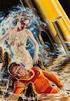 Unit 10.4: Stories of Other Worlds: Science Fiction, Fantasy, and Imaginative Literature The final quarter of the year gives students opportunities to let their minds roam free to distant or imagined worlds,
Pre-Social Work INDIVIDUAL PROGRAM INFORMATION 2014 2015. 866.Macomb1 (866.622.6621) www.macomb.edu
 Pre-Social Work INDIVIDUAL PROGRAM INFORMATION 2014 2015 866.Macomb1 (866.622.6621) www.macomb.edu Pre Social Work PROGRAM OPTIONS CREDENTIAL TITLE CREDIT HOURS REQUIRED NOTES Associate of Arts Pre Social
Senior Year 2016-2017 COMMUNICATION ARTS. Communication Arts ENGLISH COURSE OFFERINGS. Adlai E. Stevenson High School. for SENIORS
 Adlai E. Stevenson High School COMMUNICATION ARTS Communication Arts Senior Year Welcome to Senior Year! Having completed the three-year scope and sequence for skill building and refinement in the study
METROPOLITAN COMMUNITY COLLEGE Fall 2015 Literature Offerings by Campus English (ENGL)
 METROPOLITAN COMMUNITY COLLEGE Fall 2015 Literature Offerings by Campus English (ENGL) Please note: Literature courses fulfill the Humanities (HU) general education requirement at MCC Elkhorn Valley Campus
A grade of C or better in previous English courses.
 Course of Study Information Page COURSE TITLE Creative Writing DISTRICT COURSE NUMBER (#0128) Rationale: Course Description that will be in the Course Directory: How Does this Course align with or meet
EARTH SCIENCE OBJECTIVES DEGREE REQUIREMENTS BACHLOR OF SCIENCE IN EDUCATION
 THE CURRICULA 97 EARTH SCIENCE OBJECTIVES 1. Provide students with sufficient earth science background to pursue related fields. 2. Provide courses for a teaching major or minor in earth science. 3. Provide
Advanced Placement English Literature and Composition Syllabus
 Advanced Placement English Literature and Composition Syllabus Course Overview The Advanced Placement Literature and Composition course is designed to involve students in the close reading of selected
Intervention Resource Guide
 Intervention Resource Guide Grade 7 Response to Literature/Text Grade 7 Response to Text 1 Table of Contents Seven sections of Reader s Handbook are suggested for instruction. Skill Set and Topic Page
Grade Genre Skills Lessons Mentor Texts and Resources 6 Grammar To Be Covered
 Grade Genre Skills Lessons Mentor Texts and Resources 6 Grammar To Be Covered 6 Personal Narrative Parts of speech (noun, adj, verb, adv) Complete sentence (subj. and verb) Capitalization Tense (identify)
English Literature Since 1800 ENG 2653-18116 College of Liberal Arts, Department of English University of Central Oklahoma
 The UCO student information sheet and syllabus attachment can be found at http://www.uco.edu/academicaffairs/files/aaforms/studentinfosheet.pdf. English Literature Since 1800 ENG 2653-18116 College of
Short Stories Grade 9
 Short Stories Grade 9 Content Area: English Language Arts Course(s): Language Arts Literacy I Time Period: 6 weeks Length: Weeks Status: Published Unit Overview Students will read and analyze literary
Maulana Azad National Urdu University
 Maulana Azad National Urdu University Accredited with Grade A by NAAC M.A. English 1 st Year 2011-2012 ASSIGNMENTS IMPORTANT: Read the following information and instructions before you begin to write the
Found Poetry. teacher s guide primary source set. Out of the quarrel with others we make rhetoric; out of the quarrel with ourselves we make poetry.
 teacher s guide primary source set Found Poetry Out of the quarrel with others we make rhetoric; out of the quarrel with ourselves we make poetry. --W.B. Yeats Historical Background Walt Whitman http://www.loc.gov/pictures/
Course Syllabus AP Literature and Composition Syllabus Course Description:
 Course Syllabus AP Literature and Composition Syllabus Course Description: This advanced literature course will engage students in careful reading and analysis of a challenging set of literary works from
AP English Literature and Composition Syllabus 2007-2008
 AP English Literature and Composition Syllabus 2007-2008 General Course Information Grade level offered: 12 1.0 Credits (.5 per semester) Prerequisites: Accelerated 11 is highly recommended Course Description
Teachers College Reading and Writing Project Curricular Calendar Overview, 2014-2015. Month Reading Writing September/October Unit One We Are Readers
 Month Reading Writing September/October Unit One We Are Readers Unit One Launching the Writing Workshop *During September only October/November Unit Two Readers Read, Think, and Talk About Emergent Storybooks
Comparing/Contrasting
 Page 1 of 7 The Writing Center University of North Carolina at Chapel Hill http://www.unc.edu/depts/wcweb What this handout is about... Comparing/Contrasting This handout will help you first to determine
Readability Scores. American Literature Unit 1
 Readability Scores Unit 1 The World on a Turtle s Back Iroquois Readability: Lexile 850, Fry 6, Dale-Chall 5.2 Coyote and the Buffalo retold by Mourning Dove Difficulty Level: Easy Readability: Lexile
General Certificate of Secondary Education June 2010
 General Certificate of Secondary Education June 2010 English Literature 3712/H (Specification A) Higher Tier Tuesday 25 May 2010 9.00 am to 10.45 am H For this paper you must have:! a 12-page answer book!
Grade 4 Writing Curriculum Map
 Curriculum Map BOE Approval November 2013 CURRICULUM MAP WRITING GRADE 4 SEPTEMBER OCTOBER NOVEMBER DECEMBER JANUARY Creating a Buzz About : It s All About Me! Tell Me A Story Realistic Fiction Tell Me
American Literature, Quarter 1, Unit 2 of 3 The Puritan Tradition and The Crucible. Overview. (1 day = 50-55 minutes)
 American Literature, Quarter 1, Unit 2 of 3 The Puritan Tradition and The Crucible Overall days: 16 (1 day = 50-55 minutes) Overview Purpose This unit will focus on the beliefs of early American Puritans
ENGLISH IV-Grade 12 CURRICULUM MAP
 ENGLISH IV-Grade 12 CURRICULUM MAP English 1: Literary Genres English 2: American Literature English 3: British Literature English 4: World Literature Reading: Night Romeo and Juliet Poetry unit Short
STAAR Sample Short Answer Questions
 STAAR Sample Short Answer Questions ENGLISH I, II, and III Single Selection: Literary In this excerpt from Anne of Green Gables, do you think the stage directions enhance your understanding of the scene?
LINCOLN SCHOOL 2015-16 Course Syllabus: English 7 Theme: How does literature challenge, change, and define us?
 LINCOLN SCHOOL 2015-16 Course Syllabus: English 7 Theme: How does literature challenge, change, and define us? Teacher: Room: Length: Ms. Jenny Nam / [email protected] / 781-259- 9408 ext. 1127 B- 127 3
Master of Arts. Program in English
 Master of Arts Program in English Indiana University East Department of English Program Contact: Edwina Helton, Director of Graduate Programs in English [email protected] Master of Arts in English The Master
Virginia English Standards of Learning Grade 8
 A Correlation of Prentice Hall Writing Coach 2012 To the Virginia English Standards of Learning A Correlation of, 2012, Introduction This document demonstrates how, 2012, meets the objectives of the. Correlation
NCH DEGREE FRESHERS READING LIST 2016. Welcome to English at NCH. We hope that you will spend a wonderful three years exploring literature with us.
 ! 1! NCH DEGREE FRESHERS READING LIST 2016 Welcome to English at NCH We hope that you will spend a wonderful three years exploring literature with us. Here is a reading list, from which to try to get as
PROGRAM FOR LICENSING ASSESSMENTS FOR COLORADO EDUCATORS (PLACE ) OBJECTIVES FIELD 030: DRAMA
 PROGRAM FOR LICENSING ASSESSMENTS FOR COLORADO EDUCATORS (PLACE ) OBJECTIVES Subareas History of Theatre and Dramatic Literature Principles of Dramatic Literature and Theatre Theatrical Preparation and
Assoc Degree Applic. - Transfer to UC/CSU/Private
 Solano Community College - Prof. Steven Federle English 2, Spring 2010, Section 10283 Tuesday, 6:15 9:05 P.M., Room 743 Computer Lab Critical Thinking & Writing about Literature Class Communications: Voice
General Certificate of Secondary Education Higher Tier June 2010
 General Certificate of Secondary Education Higher Tier June 2010 English Literature 3711/H (Specification B) Tuesday 25 May 2010 9.00 am to 11.15 am H For this paper you must have:! a 12-page answer book!
Elements of Writing Instruction I
 Elements of Writing Instruction I Purpose of this session: 1. To demystify the goals for any writing program by clearly defining goals for children at all levels. 2. To encourage parents that they can
COURSE SYLLABUS AND INSTRUCTOR PLAN
 RANGER COLLEGE DUAL CREDIT STEPHENVILLE HIGH SCHOOL STEPHENVILLE, TX COURSE SYLLABUS AND INSTRUCTOR PLAN American Literature English 2326 3 credit hours INSTRUCTOR: Stacy Roeming AMERICAN LITERATURE ENGL
COURSE DESCRIPTION A survey of American literature following the American Renaissance. Two critical papers are required.
 Note: Course content may be changed, term to term, without notice. The information below is provided as a guide for course selection and is not binding in any form, and should not be used to purchase course
Point-by Point Method, Comparison/Contrast Essay Step-by-Step Teacher Overview
 Point-by Point Method, Comparison/Contrast Essay Teacher Overview Skill Focus Levels of Thinking Remember Understand Apply Analyze Evaluate Create Close Reading Grammar Composition Reading Strategies Inference
Points possible: 50. Make sure you think about the explicit and the implied elements of the question prompt. What are you really being asked to do?
 2.3.6 Practice: Opinion Paper Practice Assignment English II Core (2013) Sem 1 (S2647212) Points possible: 50 Assignment Write an opinion essay in response to one of the following essay prompts: A. Who
3712/H R. General Certificate of Secondary Education June 2008. ENGLISH LITERATURE (SPECIFICATION A) Higher Tier
 General Certificate of Secondary Education June 2008 ENGLISH LITERATURE (SPECIFICATION A) Higher Tier Tuesday 20 May 2008 9.00 am to 10.45 am 3712/H R H For this paper you must have: a 12-page answer book
Literature & Creative Writing Courses
 Literature & Creative Writing Courses Spring 2013 All Courses count as Humanities Electives! Why take a Creative Writing or Literature course? All Creative Writing and Literature courses count as Humanities
ENG 101: LAUGHTER AND TEARS, COMEDY AND TRAGEDY
 Ryerson University Department of English Fall 2008 Professor Karen Mulhallen Office: Jorgenson Hall 1005 Office Hours: Mondays: 3-4 pm by appointment; Thursdays: 12:30pm- 2pm. Other days by appointment,
Grade: 9 (1) Students will build a framework for high school level academic writing by understanding the what of language, including:
 Introduction: The following document is a draft of standards-designed, comprehensive Pacing Guide for high school English Grade 9. This document will evolve as feedback is accumulated. The Pacing Guide
DEPARTMENT OF ENGLISH
 116 ENGLISH (College of Arts and Sciences) DEPARTMENT OF ENGLISH 517 WILSON HALL (248) 370-2250 Fax: (248) 370-4429 Chairperson: Brian A. Connery Distinguished professor emerita: Gertrude M. White Professors
Introduction to British Literature, Course Syllabus, Winter 2015 ENG-242W-WN111, INET Delivered [email protected]
 1 Introduction to British Literature, Course Syllabus, Winter 2015 ENG-242W-WN111, INET Delivered [email protected] Instructor: Trish O Connor Office: Main campus, S005 Office phone: (989) 686-9207
Master's Degree in English (MEG) ASSIGNMENT 2010-11 (For July 2010 and January 201 1 sessions) Compulsory Courses of M.A. English - lst Year)
 Master's Degree in English (MEG) ASSIGNMENT 10-11 (For July 10 and January 1 1 sessions) Compulsory Courses of M.A. English - lst Year) British Poetry-01 British Drama-02 British Novel-03 Aspects of Language-04
McDougal Littell Bridges to Literature Level III. Alaska Reading and Writing Performance Standards Grade 8
 McDougal Littell Bridges to Literature Level III correlated to the Alaska Reading and Writing Performance Standards Grade 8 Reading Performance Standards (Grade Level Expectations) Grade 8 R3.1 Apply knowledge
AK + ASD Writing Grade Level Expectations For Grades 3-6
 Revised ASD June 2004 AK + ASD Writing For Grades 3-6 The first row of each table includes a heading that summarizes the performance standards, and the second row includes the complete performance standards.
Student Performance Q&A:
 Student Performance Q&A: 2011 AP English Language and Composition Free-Response Questions The following comments on the 2011 free-response questions for AP English Language and Composition were written
Appendix: W. Item: Curriculum Course Guide - New High School Course/Honors Creative Writing Department: Instructional Services
 Appendix: W Item: Curriculum Course Guide - New High School Course/Honors Creative Writing Department: Instructional Services Background/Historical Context: Creative Writing has been offered in our school
MLA Citation Style. From the MLA Handbook for Writers of Research Papers, 7 th ed., 2009.
 MLA Citation Style From the MLA Handbook for Writers of Research Papers, 7 th ed., 2009. MLA citation style refers to the rules created by the Modern Language Association for formatting research papers
English Majors Handbook
 English Majors Handbook Table of Contents What is the English Major? 1 What do English Majors do when they graduate? 2 Should I major in English? 2 What courses are required for the English Major? 2 What
Language Arts Literacy Areas of Focus: Grade 5
 Language Arts Literacy : Grade 5 Mission: Learning to read, write, speak, listen, and view critically, strategically and creatively enables students to discover personal and shared meaning throughout their
BOOK REVIEW A REVIEW OF THE SECOND EDITION OF SCHOLARLY WRITING FOR LAW STUDENTS: SEMINAR PAPERS, LAW REVIEW NOTES, AND LAW REVIEW COMPETITION PAPERS
 BOOK REVIEW A REVIEW OF THE SECOND EDITION OF SCHOLARLY WRITING FOR LAW STUDENTS: SEMINAR PAPERS, LAW REVIEW NOTES, AND LAW REVIEW COMPETITION PAPERS David S. Romantz * Most legal educators would agree
Leaving Certificate. English. Ordinary Level
 Leaving Certificate English Ordinary Level Leaving Certificate English is made up of two examination papers. Paper One is a language paper and Paper Two is a literature paper. General Tips: Always make
English. Required Courses... Units The courses are listed in the suggested sequence. ENGL 002 Critical Thinking and Writing About Literature...
 Program Description This program teaches writing, critical thinking, reading, and research skills as they apply to the areas of composition, creative writing, and the analysis of literature, the latter
Guide to Preparing Teaching Statements and Dossiers: For Graduate Students and Teaching Assistants
 2015 Guide to Preparing Teaching Statements and Dossiers: For Graduate Students and Teaching Assistants Are you a graduate student intent on pursuing an academic career? If so, you will be required to
Primrose Hill Primary School Literacy Policy: A baseline for outstanding practice
 .. Primrose Hill Primary School Literacy Policy: A baseline for outstanding practice January 2012 Review date: January 2013 KEY PRINCIPLES Teaching at Primrose Hill is Learning Centred, meaning that each
Expository Reading and Writing By Grade Level
 Expository and Writing By Grade Level Kindergarten TEKS identify the topic of an informational text heard identify the topic and details in expository text heard or read, referring to the words and/or
Creative Writing Mrs. Maryjo Williams Room A213
 Creative Writing Mrs. Maryjo Williams Room A213 One of the most valuable things we can do to heal one another is listen to each other s stories. ----- Rebecca Falls Course Description This course introduces
Common Core Writing Standards
 Correlation to the Series, Grades K 2 Common Core State Standards, 2010. National Governors Association Center for Best Practices and Council of Chief State School Officers. All rights reserved. College
Writing: Okefenokee prompt (from Sample Free-Response Questions, 2006 ): analyzing
 English 11 AP Syllabus Please note: This is a reading and writing-intensive class. You will be expected to read a variety of books, both inside and outside class, and you will be expected to write at least
Units of Study 9th Grade
 Units of Study 9th Grade First Semester Theme: The Journey Second Semester Theme: Choices The Big Ideas in English Language Arts that drive instruction: Independent thinkers construct meaning through language.
Reading and Viewing Achievement Standards
 Reading and Viewing Achievement Standards The following outlines text study over the semester in English Language Arts (at least 30% should be Canadian content and include representation from New Brunswick).
Language Arts Literacy Areas of Focus: Grade 6
 Language Arts Literacy : Grade 6 Mission: Learning to read, write, speak, listen, and view critically, strategically and creatively enables students to discover personal and shared meaning throughout their
ENGLISH LANGUAGE ARTS TESTING OUT EXAM
 ENGLISH 9 ENGLISH LANGUAGE ARTS TESTING OUT EXAM ANN ARBOR PUBLIC SCHOOLS Sytlabns HURON/PIONEER HIGH SCHOOL English 9 2nd semester Passing standard (C+) For the exam, students must provide their own pens,
Literary Elements and the Short Story Essential Question: Why do we tell stories? Common Core Standards Learning Objectives Suggested Works
 Unit: Literary Elements and the Short Story Essential Question: Why do we tell stories? Timeline: Semester 1: 9 weeks RL. 9.1 Cite strong and 1. Identify and explain plot The Most thorough textual evidence
Minnesota K-12 Academic Standards in Language Arts Curriculum and Assessment Alignment Form Rewards Intermediate Grades 4-6
 Minnesota K-12 Academic Standards in Language Arts Curriculum and Assessment Alignment Form Rewards Intermediate Grades 4-6 4 I. READING AND LITERATURE A. Word Recognition, Analysis, and Fluency The student
Whole School Development Plan for Drama
 Donabate Portrane Educate Together National School, Ballisk Common, off Portrane Road, Donabate, Co Dublin Tel: 01 8434573, Mobile: 086 8337468, Fax: 01 8434591, email [email protected], web www.dpetns.ie
ENGLISH III-Grade 11 CURRICULUM MAP
 ENGLISH III-Grade 11 CURRICULUM MAP English 1: Literary Genres English 2: American Literature English 3: British Literature English 4: World Literature Reading: Night Romeo and Juliet Poetry unit Short
Georgia Cyber Academy High School. Advanced Placement Course Handbook
 Georgia Cyber Academy High School Advanced Placement Handbook What is the Advanced Placement Program? The Advanced Placement (AP) program was initiated by the College Board (www.collegeboard.org) in the
Students will choose to focus on one of the following genres: Creative Nonfiction, Fiction, Poetry, Playwriting, Screenwriting
 THE MFA IN CREATIVE WRITING & MEDIA ARTS DEGREE REQUIREMENTS Total credits required for graduation: 42 credit hours At least 27 credit hours must be at the graduate level (courses numbered 5000 and above)
9 th Gr. Eng. Lang. Arts Short Story Unit 1 st Marking Period
 Disposition: Inter-Relationships and Self-Reliance 9 th Grade Big Ideas: Who am I? How can I find my identity and discover where I fit in the world? How do I relate to my family, my community, and my country?
Genre Definitions. Albemarle County Public Schools, August 1996 Appendix F
 Genre Definitions I. Fiction A. Realistic Fiction Imaginative writing that accurately reflects life as it could be lived today. Everything is a realistic fiction story could conceivably happen to real
Lesson: Editing Guidelines and Response Writing: Essay Exam (Part 1)
 Put That In Writing - Level Two 113 UNIT 9 Lesson: Editing Guidelines and Response Writing: Essay Exam (Part 1) 9.1 Learning Objectives A. To know the guidelines for editing an essay. B. To edit and improve
Rubrics for Assessing Student Writing, Listening, and Speaking High School
 Rubrics for Assessing Student Writing, Listening, and Speaking High School Copyright by the McGraw-Hill Companies, Inc. All rights reserved. Permission is granted to reproduce the material contained herein
the treasure of lemon brown by walter dean myers
 the treasure of lemon brown by walter dean myers item analysis for all grade 7 standards: vocabulary, reading, writing, conventions item analysis for all grade 8 standards: vocabulary, reading, writing,
30 Survey of European Literature. Selected works in continental European literature in English translation. Prereq: Eng 11/12. 3 u.
 UNDERGRADUATE Comparative Literature (CL) 30 Survey of European Literature. Selected works in continental European literature in English translation. Prereq: Eng 11/12. 3 u. 40 Survey of Asian Literature.Selected
Montville Township High School Summer Reading 2016 English Department
 Montville Township High School Summer Reading 2016 English Department Summer is a time that should find us looking forward to reading and remembering that a good book can be fun as well as informative.
Anthem for Doomed Youth
 Anthem for Doomed Youth Workshop activities based around Anthem for Doomed Youth by Wilfred Owen Learning objectives Develop and use vocabulary for discussing complex literary texts. Understand the role
Principles of Data-Driven Instruction
 Education in our times must try to find whatever there is in students that might yearn for completion, and to reconstruct the learning that would enable them autonomously to seek that completion. Allan
Crafting the Essay. TEXT: Back to the Lake by Thomas Cooley
 Crafting the Essay Sample Syllabus TEXT: Back to the Lake by Thomas Cooley WRITING ASSIGNMENTS Daily journal entries 6-8 short writing pieces (approx. 100-250 words each) 4 Essays (approx. 750 words);
Grade 4: Module 1B: Unit 3: Lesson 11 Writing the Essay: Body Paragraph
 Grade 4: Module 1B: Unit 3: Lesson 11 This work is licensed under a Creative Commons Attribution-NonCommercial-ShareAlike 3.0 Unported License. Exempt third-party content is indicated by the footer: (name
CREATIVE WRITING AT INDIANA STATE UNIVERSITY 2015 INTRODUCTION APPENDIX
 CREATIVE WRITING AT INDIANA STATE UNIVERSITY 2015 INTRODUCTION Introduction........................................................... 2 The Creative Writing Committee........................................
What is a Picture Book?
 What is a Picture Book? A picture book is text, illustrations, total design; an item of manufacture and a commercial product; a social, cultural, historical document; and foremost, an experience for a
English 7 Essential Curriculum
 English 7 Essential Curriculum Genre Autobiography Realistic Fiction Speculative Fiction Theme Facing Injustice Perseverance Thrills and Chills OVERVIEW English 7 students learn how to make purposeful
Heroes and Villains. Date Time Concept Activity. Establish rules and administrative details. Build a cohesive community and safe academic environment
 Sample Syllabus - Day version Journal: What makes a hero? Week One: Monday Day 1 Establish rules and administrative details Review and sign the Honor Code and Acceptable Computer Use Policy Build a cohesive
ZIMBABWE SCHOOL EXAMINATIONS COUNCIL (ZIMSEC) ADVANCED LEVEL SYLLABUS LITERATURE IN ENGLISH 9153
 ZIMBABWE SCHOOL EXAMINATIONS COUNCIL (ZIMSEC) ADVANCED LEVEL SYLLABUS LITERATURE IN ENGLISH 9153 1.0 PREAMBLE This is a two-year course syllabus which views Literature as, among other things, an ideological
Students will know Vocabulary: claims evidence reasons relevant accurate phrases/clauses credible source (inc. oral) formal style clarify
 Sixth Grade Writing : Text Types and Purposes Essential Questions: 1. How do writers select the genre of writing for a specific purpose and audience? 2. How do essential components of the writing process
FACULTY OF ARTS AND SOCIAL SCIENCES SCHOOL OF THE ARTS AND MEDIA
 1 FACULTY OF ARTS AND SOCIAL SCIENCES SCHOOL OF THE ARTS AND MEDIA ARTS2038 THE NOVEL Session 2, 2013 A Level 2 course within the English major 6 units of credit Contents of Course Outline Staff contact
Department of English Masters of Arts in English Goals and Assessment of Student Learning Outcomes. I. Program Description
 Department of English Masters of Arts in English Goals and Assessment of Student Learning Outcomes The Department of English of the Catholic University of America offers the Master of Arts degree in English
9 th Grade English Language Arts Romeo and Juliet 6 th Marking Period
 Disposition: Inter-Relationships and Self-Reliance 9 th Grade Big Ideas: Decisions can have long-term effects. The quality of relationships defines lives. We can avoid repeating mistakes we have made only
STATE UNIVERSITY OF NEW YORK COLLEGE OF TECHNOLOGY CANTON, NEW YORK COURSE OUTLINE ENGL 221 - CREATIVE WRITING
 STATE UNIVERSITY OF NEW YORK COLLEGE OF TECHNOLOGY CANTON, NEW YORK COURSE OUTLINE ENGL 221 - CREATIVE WRITING Prepared By: Cindy Lou Daniels Revised By: Robert Strong, December 2005 Updated By: Cindy