
PATIENT S GUIDE. Hip Arthroscopy
|
|
|
- Ezra Norman
- 10 years ago
- Views:
Transcription
1 PATIENT S GUIDE Hip Arthroscopy
2 Table of Contents The Hip... 2 How Do I Prepare For Surgery? Hours Before Surgery...6 The Day Of Surgery...6 Post-Operative Rehabilitation Program...8 Crutch Training Follow Up Appointments When To Call Us Important Addresses/Phone Numbers Additional Helpful Information... 13
3 Welcome At UR Medicine we understand that hip pain and dysfunction can severely impact your quality of life. Our primary objective is to deliver world-class care for your hip problem in a highly personalized manner. With our wide breadth of clinical and surgical expertise and comprehensive team approach, we are confident that we can find a solution to help you overcome your pain and achieve a higher level of physical function. We specialize in the treatment of pre-arthritic hip pain. Advances in technology and innovations in surgical treatments have lead to an evolution in the way complex hip problems are treated. We look forward to applying our knowledge and using every available tool at our disposal to customize a treatment to suit your individual hip needs. Thank you for allowing us to participate in your care. Our Team Brian D. Giordano, MD Dan Kleehammer, PA Kelly L. Adler, MEd, ATC 1
4 The Hip The hip joint is formed by a ball (femoral head) and socket (acetabulum), which join together to form a mobile joint. The bones are covered in cartilage to help absorb stress from weight bearing. Ligaments, tendons and muscles work together to keep the joint stable while the body performs different activities. Injuries to any layer of the hip can cause pain and compromise your physical function. Ligament and Joint Capsule Synovial Membrane Synovial Fluid Problems in the Hip Femur Femoroacetabular Impingement (FAI): The ball and/or socket of the hip are irregularly shaped, which may cause anatomic conflict within the joint. Repetitive friction may lead to damage of soft tissue structures and/or cartilage. Articular Cartilage Femoral Head Ligament and Joint Capsule Labral Tear: The labrum is a cartilage ring around the socket that seals the joint and provides stability. Separation, or tearing, of the labrum may cause pain, stiffness, catching or locking of the joint. Trochanteric Bursitis: Sac-like pockets composed of fluid and connective tissue are found around many joints in the body. These bursae can form into scar bands later in life. They act to reduce friction between the bone and soft tissues around the hip joint. Bursitis may occur as a result of age, repetitive activities, trauma, or structural abnormalities. Loose Bodies: Pieces of torn cartilage or bone may float around in the hip joint and cause locking or pain when they lodge between the ball and socket. Cartilage Defects: The normal wear and tear of life may eventually damage the cartilage, the material that covers the surface of bones in healthy joints. When the cartilage softens or tears, it may cause pain, reduce available motion within the joint, and limit function. Snapping hip: This syndrome is commonly caused by tendons snapping over bones in the hip. The iliotibial band that travels from the pelvis to the knee can snap at the outside of the hip, irritating the trochanteric bursa and muscles. Snapping can also occur at the front of the hip when there is inflammation surrounding the iliopsoas (hip flexor) tendon. Synovitis: The synovium, the lining of the hip joint, can become inflamed. When this occurs it may cause pain and reduce mobility in the joint. 2 Soft Tissue Abnormalities: Soft tissue injuries will generally resolve without surgical intervention, but when pain does not resolve or if the injury becomes worse, surgical inspection and repair may be necessary. Often this occurs when the injury is located in the tendon of the muscle, near where it attaches to the bone. Although rare, muscles that most commonly need to be repaired include the gluteus medius, proximal hamstring, and adductor.
5 Arthroscopic procedures may be inadequate to fully correct the structural abnormalities associated with the following conditions, however, in some cases they may be employed to address painful cartilage, labral, or synovial injuries. Acetabular Dysplasia: The socket is too shallow and the ball does not fight tightly. This may cause the hip to be unstable, increase pain, and cause the joint to wear down (create arthritis) earlier than normal. Legg-Calve-Perthes Disease: A childhood condition that occurs when blood supply is temporarily interrupted to the ball part (femoral head) of the hip joint. Without sufficient blood flow, the bone begins to die and deform. Slipped Capital Femoral Epiphysis: A late-adolescent hip condition that affects the growth center of the hip (the capital femoral epiphysis). The upper part of the growth plate slips backwards on the top of the femur and if left untreated can lead to serious hip dysfunction and pain later in life. Hip Treatment Hip preservation surgery encompasses a variety of techniques. These include cartilage and soft tissue repairs or reconstructions, joint reshaping, and structural reorientation procedures intended to disperse weight-bearing forces evenly throughout the joint to keep the hip healthy. Common procedures include the following: Hip Arthroscopy: A minimally-invasive surgical tool used to look inside the hip joint and facilitate access to perform surgical techniques that address symptomatic concerns. Small incisions are used to place an arthroscope (a camera) and surgical instruments inside your hip. Arthroscopy is most commonly used to guide the following techniques: FAI Decompression: A motorized burr is used to remove regions of overgrown bone that are restricting motion. Restoration of normal joint shape can provide improved mobility and function. Labral repair/debridement: Symptomatic labral tears can be addressed in multiple ways during surgery. Based on the characteristics of the tear, the surgeon will decide the best procedure to use. The labrum may be debrided (remove the damaged tissue only), repaired, or replaced with graft (cadaver) tissue. Trochanteric Bursectomy: Arthroscopic instruments are placed in the peritrochanteric space (outside of the hip) and the inflamed bursa and surrounding bands of scar tissue are removed. Tenotomy: Painful snapping that does not resolve with conservative treatment can be addressed with a partial release, or lengthening, of the tendon. This procedure is performed for internal and external snapping hip syndrome by lengthening the iliopsoas (internal) or iliotibial tract (IT) band (external). Synovectomy: Inflamed tissue that does not resolve with conservative treatment can be resected to restore motion and improve pain. 3
6 Cartilage Restoration: When the cartilage is not healthy, various techniques can be used to preserve or restore the shock absorber of the joint. These techniques may include microfracture, whereby small holes are drilled into the bone marrow to release cells that can form a scar cartilage cap over defects. Microfracture is generally used for small defects when the remainder of the joint is healthy. When widespread cartilage damage is present or unstable flaps of cartilage are causing pain, simple debridement or tissue smoothing is performed. Muscle repairs: Occasionally tears in muscles/tendons (hamstring, gluteus medius, adductor) are so severe that they do not heal with conservative treatment and require surgery. Some of these repairs can be completed using arthroscopic techniques, but for larger or more chronic tears, an open procedure may be necessary. To repair the muscular/tendinous tissue, sutures are anchored in to the bone and wrapped into the muscle/tendon to secure the torn tissue back to its natural position. Risks Associated with Hip Surgery Hearing about the risks of surgery can be scary. Please rest assured that we exercise every possible precaution to make sure that your surgical risks are minimized. If you have specific questions regarding the risks of your surgery, please discuss them with your medical team. Infection As with any surgery, there is a risk of infection. Inspect the incisions and the area around your incisions daily and notify your surgeon if you notice any of the following signs and symptoms: Increased redness, swelling, or pain at the incision site or surrounding areas. An odor, or increase in clear drainage, yellow/green drainage. A fever greater than 101 F. Blood Clots Restricted mobility following surgery may cause the blood to slow and coagulate in the veins of your legs, creating a blood clot. It is important to routinely perform your rehabilitation exercises to minimize the risk. Please let your surgeon know before surgery if you or a family member has a history of blood clots or clotting disorders. Signs of Blood Clots: Swelling in the thigh, calf, or ankle that does not go down (especially overnight). Increased pain, tenderness, redness or warmth in calf, or calf pain with ankle pumps. If you notice these symptoms call your physician immediately. 4
7 Bleeding Although arthroscopic hip surgery is minimally invasive, bleeding during surgery is common. Many patients experience some bloody drainage from their arthroscopic portals that may break through their dressings. This should not prompt concern. Dressings may be reinforced as needed until drainage subsides. Please call your surgeon if you notice heavy bleeding that soaks through multiple dressings. Nerve Damage Numbness in the area around your incisions is very common. Small nerve branches that produce sensation may be stretched with surgery and temporarily cause the area to lose feeling. Injuries to the major nerves that control leg function are, fortunately, very rare. Risks of Anesthesia Risks of anesthesia will be discussed separately by your anesthesia provider. How Do I Prepare for Surgery? Pre-operative appointments Prior to your surgery date, you will have clinic appointments with the Hip Preservation team. During this time, your potential surgical plan will be reviewed with you. We encourage you to ask questions to ensure that you fully understand your injury, surgery, and the importance of post-operative care. Once you feel comfortable with the information provided to you, you will be asked to sign a consent form stating that you understand the plan and want to proceed with the surgery. You will also have a pre-operative rehabilitation appointment with a member of the Hip Rehabilitation Team, who will review crutch ambulation, mobility tasks, and immediate post-operative exercises for you to perform. The Hip Rehabilitation Team member will also review initial movement and weightbearing restrictions. Please ask any questions you have about functional tasks to improve your ability to care for yourself after surgery. Quit Tobacco Use Research has shown that the use of any tobacco product inhibits healing and may delay or prevent your body from healing properly after surgery. It is strongly recommended that you quit the use of tobacco products at least 2 weeks before your surgery. If you would like help or advice, please call the New York State Smokers Quitline at NY-QUITS ( ). Stop NSAIDs 7 days prior to surgery you must STOP taking any non-steroidal antiinflammatories (NSAIDs) such as ibuprofen (Advil, Motrin), Naproxen (Naprosyn, Aleve) or Indomethacin (Indocin). Please read all over-the-counter medications before taking them, as some contain NSAIDs (ie; cold medicines). 5
8 24 Hours Before Surgery After 2:00 pm the day before your surgery, you will receive a call from Sawgrass Surgery Center informing you of the arrival time for your surgery and final instructions. If you do not receive this call by 4:00 pm, please call Do not eat or drink anything after midnight the night before surgery. This includes (but is not limited to) candy, gum, mints, water, coffee and juice. Failure to comply with these instructions may lead to cancellation of your surgery. If you need to take essential medications on the morning of your surgery, you may take your pills with a small sip of water. You may brush your teeth the morning of surgery, just do not swallow the water. What should you bring to the surgery center? Please be sure to bring your Driver s License/Photo ID, and medical insurance cards. If you have crutches, please bring them with you. If you do not have them they will be provided for you at the surgery center. Be sure to wear loose clothing that you will be comfortable in after your surgery. Do not bring make-up, piercings, jewelry, money, credit cards, or any other personal valuables. Sawgrass Surgery Center is not responsible for lost or stolen property. The Day of Surgery When you arrive at the surgery center you will be taken to the pre-operative area where your surgeon(s) and anesthesiology team will meet with you to discuss the surgical plan. Nurses will start an IV and may give you medication to help you relax. You will be wheeled on your bed to the operating room, where the anesthesiologist will administer general anesthesia. You will constantly be monitored to evaluate your breathing and heart rate. When the surgery is complete, you will be moved to the post-anesthesia care unit (PACU). The nurses and anesthesiology team will make sure you are comfortable. Your family members will be brought in to visit you when you wake up. When you are awake and alert with controlled pain, you will be discharged to go home. Caring for Yourself at Home Once you are home, there will be some necessary precautions due to limitations from your surgery. Below are some suggestions that will help make your transition to home as simple and safe as possible. Do s and Don ts Do sit in a stable, high-seated chair with two armrests so that you can push off from the chair. If the seat is too low, place a pillow on the seat of the chair. Do use caution with household pets until you are in the house safely and seated. Do remove scatter rugs/hallway runners, and tape down edges of large area rugs. Do keep electrical cords and phone cords out of the way. Do keep your home well lit, including nightlights, a bedside light, and entry way lights. 6
9 Do be very careful of water on the bathroom floor. It is a good idea to have a chair for sitting in the shower the first few weeks after your surgery. Do practice getting around your house using crutches prior to your surgery. (REMEMBER TO PRACTICE GOING UP AND DOWN STAIRS!) Do not bend your hip greater than 90 degrees. Do not lean forward more than 90 degrees (this includes reaching down to pick objects off of the floor or tying your shoes). Do not sit in low or overstuffed chairs or sofas. Pain Control: You will be given narcotic pain medication to take home with you. Use these medications as instructed when needed for pain. This pain medication may have Tylenol in it. Do not take additional Tylenol without first discussing with your surgeon. Pain medication may cause constipation, so remember to drink plenty of fluids, eat a high fiber diet and, if needed, use stool softening medications as directed. You may be given an anti-inflammatory medication (Naprosyn, Indocin, Ibuprofen) to take for 3-4 weeks after surgery to prevent bony deposits. Do not take any other anti-inflammatories in addition to this medication. If you are unable to take oral pain medication or have some other extenuating circumstance, this adjunctive pain treatment may be used: Regional anesthesia involves placing long acting numbing medicine into the nerve that provides sensation to the surgical area. This can substantially reduce post-operative pain and facilitate early rehabilitation. Please discuss options for regional anesthesia with your surgeon to determine which is right for you. If you receive a femoral nerve block or spinal anesthesia, please exercise extreme caution with crutches to prevent falling, as your injured extremity may feel numb and/or weak and may not support the weight of your body. Other ways to help reduce your pain include motion (stationary bike, CPM machine), getting up and moving around, changing your position, and icing. Hip Dressing/Incision Care: Your dressing will be removed at your first outpatient rehabilitation the day after surgery. Either a new bandage or band-aids will be applied to cover your stitches. Do not apply any lotion, cream or antibiotic ointment to your incision. Your stitches will be removed approximately 7-10 days following surgery. Bathing: 3 days after surgery you may shower, but you may not soak or submerge your incision for 2 weeks after surgery. In the first few days, you may take a sponge bath in 2-3 inches of water without getting your incision wet. School/Work: For a few weeks following surgery, sitting and standing for prolonged periods of time will be difficult for you. If you are currently a student, you will miss approximately 2-4 weeks of school then gradually progress back in to full days. Returning back to work greatly varies on the demands of your job. Work restrictions range anywhere from 1-4 months. 7
10 Movement Precautions: Remember you are not able to bend your hip greater than 90 degrees. To avoid this, sit in higher chairs and avoid low or overstuffed chairs. Do not lean forward to pick something up off the ground or tie your shoe/ put socks on. Also, avoid crossing your legs or feet and rotating your knee or foot excessively inward or outward. Icing: Until you have no pain, soreness, warmth or swelling, you should be icing frequently (at least 4 times) throughout the day. Avoid chemical ice packs, as they may cause frost-bite and skin irritation. Crushed ice in a well-sealed bag or bags of frozen peas work well. Post-operative Rehabilitation Program You will begin formal rehabilitation at our outpatient clinic the day after surgery. The rehabilitation program will be designed for you and your specific surgery. In the first few days after surgery, you will have restrictions on the amount of weight that you can bear on the surgical leg and the amount you are able to move your hip. All restrictions will be reviewed with you at your first rehabilitation appointment. You will attend therapy for approximately 5-6 months, or until you have returned to all activities you would like to do with approval from your surgeon. If you do not live in the Rochester area, you may choose to attend physical therapy close to your home. You will also need to schedule appointments with our Hip Rehabilitation Team regularly, when you are in town for your follow-up appointments with your surgeon. You can be seen in the same building where you see your surgeon. If you or your physical therapist have questions on rehabilitation at any time please call and ask to speak with the Hip Program Coordinator. Maximizing recovery after hip surgery requires several things: protection of your healing tissue, a gradual return of range of motion and strength, resolution of swelling, and restoration of functional abilities. Your recovery program must be initiated IMMEDIATELY AFTER SURGERY unless you have been otherwise directed by your surgeon. A physical therapist/athletic trainer will review your program with you at your pre-operative appointment, and again at your first outpatient post-operative rehabilitation appointment. It is best to have thoroughly reviewed and practiced this program PRIOR to your surgery. It is very important that you complete your program with perseverance and consistency in order to optimize your recovery. The following exercises are to be performed 3 to 4 times per day immediately following your surgery. You may feel some discomfort while performing some of the exercises, but as you perform the exercises your pain should lessen. If you are not sure you are performing the exercises properly, or if you are experiencing increased pain during or immediately after you do them, stop the exercises until you consult with your physical therapist or athletic trainer. 8
11 Exercises Ankle Pumps Moving the foot helps loosen the calf muscles, helps control swelling, and improves circulation. Pull toes back towards hip, and then push down away from you (as in using the gas or brake pedal while driving). Use a 1 count pace in each direction. Perform 30 times, hourly. Quadricep Isometrics/Quad Sets (front of thigh) With knee as straight as possible, contract the quad as if trying to straighten out your leg. Hold 5-10 sec; perform 10 times. These cues may help you isolate the quads better: Think-see-feel kneecap being pulled up towards your hip as the quad tightens. Feel your quad as you squeeze to see if it is getting tight. Attempt to press the back of your knee into the floor. Glute Sets While lying down on your back with both legs straight, contract both gluteus muscles (the large buttocks muscle). Use your hands to feel the muscles tightening under them. Hold 5-10 seconds; perform 10 times. Hamstring Isometrics/Heel Digs Contract your hamstring by pushing your heel downward and pulling back as if trying to bend knee. You can do this while sitting up or laying flat on your back. Hold 5-10 sec; perform 10 times, increasing by 5 s as tolerated until you are able to perform 30. Repeat exercise 3-4 times per day. Aquatic Therapy After approximately 2 weeks, as your range of motion and strength continue to improve, it may be beneficial to perform exercises in a pool to help improve your function. The water creates less stress on your hip as you begin to practice a normal walking pattern. When it is appropriate, your physical therapist/athletic trainer will incorporate a pool program along with your land-based therapy program. 9
12 Crutch Training Immediately after surgery you will be allowed touchdown weight bearing, allowing about 20 lbs of weight on your surgical leg (walk as if you were walking on egg shells). You should be keeping your knee straight while you walk. Walking with Crutches: Put the crutches forward about one step s length. Put the surgical leg forward, level with the crutch tips. Touch the front of the foot of the surgical leg to the floor. Do not bear weight into the foot, but bear weight of the body on your crutches. Going up stairs with crutches: Move to the front edge of the stairs. Press down on the crutches and advance the uninvolved leg to the step above. Stand erect and advance the surgical leg and crutches to the step. Repeat this process for the remainder of the steps. Going down stairs with crutches: Move to the front edge of the stairs. Lower the crutches and your surgical leg down to the step. Press down on the crutches and advance the uninvolved leg. Repeat this process for the remainder of the steps. UP with the GOOD DOWN with the INJURED 10
13 Follow Up Appointments 1 day after your surgery you will attend your first outpatient rehabilitation appointment days after your surgery you will follow up with your surgeon. At this appointment, they will take x-rays of your hip and discuss your surgery and recovery. 6-8 weeks after your surgery you will follow up again with your surgeon. He will discuss with you your recovery during the first few weeks and outline a functional return to your previous level of activities. 4-5 months after your surgery you will return to be evaluated by your surgeon, to ensure you have no concerns, and are on your way to returning to the activities you enjoy months, if you are physically active and participating in sports or regular exercise, you are encouraged to follow up with our Hip Rehabilitation Team monthly for continued maintenance and functional progression. If you live out of town and are not attending rehabilitation with our team of hip rehabilitation specialists, you will need to have an appointment with a member of our hip team when you are in town for follow-ups with your surgeon. Once you have your physician follow-ups scheduled, please call to schedule your rehabilitation appointments for the same day. When to Call Us Please call our office ( ) if you experience any of the following: Signs of infection (fever, chills, pus/increased drainage from the incision, redness, abnormal swelling). Increasing numbness, weakness or tingling in your legs. Change in bowel or bladder control. Increased pain. Serious slips and falls. 11
14 Important Addresses and Phone Numbers Hip Preservation Team And Locations Brian D. Giordano, MD...(585) Dan Kleehammer, PA...(585) Kelly L. Adler, MEd, ATC...(585) Locations Clinton Crossings (Physician appointments) 4901 Lac de Ville Blvd., Bldg. D, Rochester, NY Sawgrass Surgery Center 180 Sawgrass Drive, Rochester, NY
15 Additional Helpful Information Contacts UR Medicine Imaging...(585) University Medical Imaging...(585) Rehabilitation Locations BRIGHTON Clinton Crossings 4901 Lac de Ville, Bldg. D, Suite 110, Rochester, NY (585) GREECE South Pointe Landing 10 South Pointe Landing, Rochester, NY (585) BROCKPORT Strong West 156 West Avenue, Brockport, NY (585) PENFIELD Platinum Office Building 2064 Fairport Nine Mile Road, Suite 100 Penfield, NY (585) Helpful Links/Resources
16
What to Expect from your Hip Arthroscopy Surgery A Guide for Patients
 What to Expect from your Hip Arthroscopy Surgery A Guide for Patients Sources of Information: http://orthoinfo.aaos.org http://dev.aana.org/portals/0/popups/animatedsurgery.htm http://www.isha.net/ http://
This is my information booklet: Introduction
 Hip arthroscopy is a relatively new procedure which allows the surgeon to diagnose and treat hip disorders by providing a clear view of the inside of the hip with very small incisions. This is a more complicated
When is Hip Arthroscopy recommended?
 HIP ARTHROSCOPY Hip arthroscopy is a minimally invasive surgical procedure that uses a camera inserted through very small incisions to examine and treat problems in the hip joint. The camera displays pictures
Knee Arthroscopy Post-operative Instructions
 Amon T. Ferry, MD Orthopedic Surgery Sports Medicine Knee Arthroscopy Post-operative Instructions PLEASE READ ALL OF THESE INSTRUCTIONS CAREFULLY. THEY WILL ANSWER MOST OF YOUR QUESTIONS. 1. You may walk
ARTHROSCOPIC HIP SURGERY
 ARTHROSCOPIC HIP SURGERY Hip Arthroscopy is a relatively simple procedure whereby common disorders of the hip can be diagnosed and treated using keyhole surgery. Some conditions, which previously were
A Patient s Guide to Post-Operative Physiotherapy. Following Anterior Cruciate Ligament Reconstruction of the Knee
 A Patient s Guide to Post-Operative Physiotherapy Following Anterior Cruciate Ligament Reconstruction of the Knee Introduction The anterior cruciate ligament (ACL) is one of the main supporting ligaments
TOWN CENTER ORTHOPAEDIC ASSOCIATES P.C. Labral Tears
 Labral Tears The shoulder is your body s most flexible joint. It is designed to let the arm move in almost any direction. But this flexibility has a price, making the joint prone to injury. The shoulder
Knee arthroscopy advice sheet
 Knee arthroscopy advice sheet During an arthroscopy, a camera is inserted into the knee through two or three small puncture wounds. It allows the surgeon to look at the joint surfaces, cartilage and the
ILIOTIBIAL BAND SYNDROME
 ILIOTIBIAL BAND SYNDROME Description The iliotibial band is the tendon attachment of hip muscles into the upper leg (tibia) just below the knee to the outer side of the front of the leg. Where the tendon
Shoulder Arthroscopy
 Copyright 2011 American Academy of Orthopaedic Surgeons Shoulder Arthroscopy Arthroscopy is a procedure that orthopaedic surgeons use to inspect, diagnose, and repair problems inside a joint. The word
KNEE ARTHROSCOPY HANDBOOK
 KNEE ARTHROSCOPY HANDBOOK 1450 Ellis Street Suite 201 Bozeman, Montana 59715 (406) 587-0122 FAX (406) 587-5548 www.bridgerorthopedic.com Your Arthroscopy Handbook Contemplating surgery of any kind leads
Arthritis of the hip. Normal hip In an x-ray of a normal hip, the articular cartilage (the area labeled normal joint space ) is clearly visible.
 Arthritis of the hip Arthritis of the hip is a condition in which the smooth gliding surfaces of your hip joint (articular cartilage) have become damaged. This usually results in pain, stiffness, and reduced
Total Hip Replacement Surgery Home Care Instructions
 Total Hip Replacement Surgery Home Care Instructions Surgery: Date: Doctor: This handout will review the care you need to follow once you are home. If you have any questions or concerns, please ask your
Brian P. McKeon MD Jason D. Rand, PA-C, PT Patient Information Sheet: Anterior Cruciate Ligament
 Brian P. McKeon MD Jason D. Rand, PA-C, PT Patient Information Sheet: Anterior Cruciate Ligament The anterior cruciate ligament or ACL is one of the major ligaments located in the knee joint. This ligament
A patient s s guide to: Arthroscopy of the Hip
 A patient s s guide to: Arthroscopy of the Hip Brian J. White MD Assistant Team Physician Denver Nuggets Western Orthopaedics - Denver, Colorado Introduction This is designed to provide you with a better
Lumbar or Thoracic Decompression and Fusion
 Lumbar or Thoracic Decompression and Fusion DO NOT TAKE ANY ASPIRIN PRODUCTS OR NON-STEROIDAL ANTI- INFLAMMATORY DRUGS (ie NSAIDs, Advil, Celebrex, Ibuprofen, Motrin, Naprosyn, Aleve, etc) FOR 2 WEEKS
KNEE ARTHROSCOPY. Dr C.S. Waller. Orthopaedic Surgeon
 KNEE ARTHROSCOPY Dr C.S. Waller Orthopaedic Surgeon Specializing in surgery of the hip and knee 83826199 What is Arthroscopy? Arthroscopy involves the inspection of the inside of the knee joint with a
Total Knee Replacement
 Total Knee Replacement Contents Introduction Total Knee Replacement Preparing for surgery Pre-op visit Day of surgery After surgery (In Hospital) After surgery (In Rehab) Exercise Program and Physical
ACL RECONSTRUCTION POST-OPERATIVE REHABILITATION PROGRAMME
 ACL RECONSTRUCTION POST-OPERATIVE REHABILITATION PROGRAMME ABOUT THE OPERATION The aim of your operation is to reconstruct the Anterior Cruciate Ligament (ACL) to restore knee joint stability. A graft,
HEADER TOTAL HIP REPLACEMENT SURGERY FROM PREPARATION TO RECOVERY
 HEADER TOTAL HIP REPLACEMENT SURGERY FROM PREPARATION TO RECOVERY ABOUT THE HIP JOINT The hip joint is a ball and socket joint that connects the body to the legs. The leg bone is called the femur. The
Self Management Program. Ankle Sprains. Improving Care. Improving Business.
 Ankle Sprains Improving Care. Improving Business. What is an ankle sprain? Ligaments attach to the ankle bones and allow for normal movement and help prevent too much motion within the joint. Ankle sprains
Hip arthroscopy Frequently Asked Questions
 Hip arthroscopy Frequently Asked Questions What is a hip arthroscopy? Hip arthroscopy is key hole surgery. Usually 2-3 small incisions (about 1 cm long) are made on the side of your hip. Through these
Knee Microfracture Surgery Patient Information Leaflet
 ORTHOPAEDIC UNIT: 01-293 8687 /01-293 6602 BEACON CENTRE FOR ORTHOPAEDICS: 01-2937575 PHYSIOTHERAPY DEPARTMENT: 01-2936692 Knee Microfracture Surgery Patient Information Leaflet Table of Contents 1. Introduction
.org. Knee Arthroscopy. Description. Preparing for Surgery. Surgery
 Knee Arthroscopy Page ( 1 ) Arthroscopy is a common surgical procedure in which a joint (arthro-) is viewed (-scopy) using a small camera. Arthroscopy gives doctors a clear view of the inside of the knee.
Y O U R S U R G E O N S. choice of. implants F O R Y O U R S U R G E R Y
 Y O U R S U R G E O N S choice of implants F O R Y O U R S U R G E R Y Y O U R S U R G E O N S choice of implants F O R Y O U R S U R G E R Y Your Surgeon Has Chosen the C 2 a-taper Acetabular System The
UK HealthCare Sports Medicine Patient Education December 09
 Meniscus tear Description The meniscus is a C-shaped cartilage structure in the knee that sits on top of the lower leg bone (tibia). Each knee has two menisci, an inner and outer meniscus. The meniscus
Orthopaedic Spine Center. Anterior Cervical Discectomy and Fusion (ACDF) Normal Discs
 Orthopaedic Spine Center Graham Calvert MD James Woodall MD PhD Anterior Cervical Discectomy and Fusion (ACDF) Normal Discs The cervical spine consists of the bony vertebrae, discs, nerves and other structures.
Rehabilitation Programme following Hip Arthroscopy
 Rehabilitation Programme following Hip Arthroscopy Updated May 2010 Hip Arthroscopy Patient information and rehabilitation programme: The Hip Joint The hip is a ball-and-socket joint and is the largest
SHOULDER INSTABILITY. E. Edward Khalfayan, MD
 SHOULDER INSTABILITY E. Edward Khalfayan, MD Instability of the shoulder can occur from a single injury or as the result of repetitive activity such as overhead sports. Dislocations of the shoulder are
Knee Arthroscopy Exercise Programme
 Chester Knee Clinic & Cartilage Repair Centre Nuffield Health, The Grosvenor Hospital Chester Wrexham Road Chester CH4 7QP Hospital Telephone: 01244 680 444 CKC Website: www.kneeclinic.info Email: [email protected]
Ankle Sprain. Information and Rehabilitation. Grade II. Grade I. Grade III
 514-412-4400, ext. 23310 2300 Tupper street, C-831, Montreal (Quebec) H3H 1P3 Ankle Sprain Information and Rehabilitation An ankle sprain is a stretch or a tear of the ligaments (bands of tissue that hold
Rehabilitation. Rehabilitation. Walkers, Crutches, Canes
 Walkers, Crutches, Canes These devices provide support through your arms to limit the amount of weight on your operated hip. Initially, after a total hip replacement you will use a walker to get around.
total hip replacement
 total hip replacement EXCERCISE BOOKLET patient s name: date of surgery: physical therapist: www.jointpain.md Get Up and Go Joint Program Philosophy: With the development of newer and more sophisticated
Lumbar or Thoracic Fusion +/- Decompression
 Lumbar or Thoracic Fusion +/- Decompression PLEASE DO NOT TAKE ANY NON-STEROIDAL ANTI-INFLAMMATORY DRUGS (NSAIDs like Advil, Celebrex, Ibuprofen, Motrin, Vioxx, Naprosyn, Aleve, etc) OR ASPIRIN PRODUCTS
PLANTAR FASCITIS (Heel Spur Syndrome)
 PLANTAR FASCITIS (Heel Spur Syndrome) R. Amadeus Mason MD Description Plantar fascitis is characterized by stiffness and inflammation of the main fascia (fibrous connective [ligament-like] tissue) on the
PHYSIOTHERAPY REHAB AFTER HIP ARTHROSCOPY
 PHYSIOTHERAPY REHAB AFTER HIP ARTHROSCOPY Information Leaflet Your Health. Our Priority. Page 2 of 6 Introduction This leaflet has been compiled by the Physiotherapy Team to help you understand the hip
KNEE ARTHROSCOPY POST-OPERATIVE REHABILITATION PROGRAMME
 KNEE ARTHROSCOPY POST-OPERATIVE REHABILITATION PROGRAMME ABOUT THE OPERATION The arthroscope is a fibre-optic telescope that can be inserted into a joint. A camera is attached to the arthroscope and the
TIPS and EXERCISES for your knee stiffness. and pain
 TIPS and EXERCISES for your knee stiffness and pain KNEE EXERCISES Range of motion exercise 3 Knee bending exercises 3 Knee straightening exercises 5 STRENGTHENING EXERCISES 6 AEROBIC EXERCISE 10 ADDITIONAL
Physical & Occupational Therapy
 In this section you will find our recommendations for exercises and everyday activities around your home. We hope that by following our guidelines your healing process will go faster and there will be
Rotator Cuff Repair Protocol
 Rotator Cuff Repair Protocol Anatomy and Biomechanics The shoulder is a wonderfully complex joint that is made up of the ball and socket connection between the humerus (ball) and the glenoid portion of
Trochanteric Bursitis Self Management for Patients
 Trochanteric Bursitis Self Management for Patients Updated May 2010 What is the Trochanteric Bursa? The trochanteric bursa is a fluid-filled sac that functions as a gliding surface to reduce friction between
Plantar Fascia Release
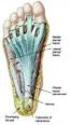 Plantar Fascia Release Introduction Plantar fasciitis is a common condition that causes pain around the heel. It may be severe enough to affect regular activities. If other treatments are unsuccessful,
Pre - Operative Rehabilitation Program for Anterior Cruciate Ligament Reconstruction
 Pre - Operative Rehabilitation Program for Anterior Cruciate Ligament Reconstruction This protocol is designed to assist you with your preparation for surgery and should be followed under the direction
Endoscopic Plantar Fasciotomy
 Endoscopic Plantar Fasciotomy Introduction Plantar fasciitis is a common condition that causes pain centralized around the heel. It may be severe enough to affect regular activities. Health care providers
.org. Herniated Disk in the Lower Back. Anatomy. Description
 Herniated Disk in the Lower Back Page ( 1 ) Sometimes called a slipped or ruptured disk, a herniated disk most often occurs in your lower back. It is one of the most common causes of low back pain, as
.org. Achilles Tendinitis. Description. Cause. Achilles tendinitis is a common condition that causes pain along the back of the leg near the heel.
 Achilles Tendinitis Page ( 1 ) Achilles tendinitis is a common condition that causes pain along the back of the leg near the heel. The Achilles tendon is the largest tendon in the body. It connects your
Anterior Hip Replacement
 Disclaimer This movie is an educational resource only and should not be used to manage Orthopaedic health. All decisions about the management of hip replacement and arthritis management must be made in
AFTER TOTAL KNEE REPLACEMENT. Living with Your New Knee
 AFTER TOTAL KNEE REPLACEMENT Living with Your New Knee Stepping into Recovery Before knee replacement surgery, your painful knee may have limited your activity. Movements that you once took for granted
ANTERIOR CERVICAL DECOMPRESSION AND FUSION
 ANTERIOR CERVICAL DECOMPRESSION AND FUSION NOTE: PLEASE DO NOT TAKE ANY NON-STEROIDAL ANTI-INFLAMMATORY DRUGS (NSAIDs like Advil, Celebrex, Ibuprofen, Motrin, Vioxx, etc) OR ASPIRIN PRODUCTS FOR 2 WEEKS
Surgical Services at Cayuga Medical Center
 Surgical Services at Cayuga Medical Center Patient Name: Surgery Date: Locations: Cayuga Medical Center Surgical Services Department Surgicare Convenient Care Center 101 Dates Drive 10 Arrowood Drive Ithaca,
Anterior Cruciate Ligament Reconstruction Rehabilitation Protocol
 The First Two Weeks After Surgery You will go home with crutches and be advised to use ice. Goals 1. Protect reconstruction 2. Ensure wound healing 3. Maintain full knee extension 4. Gain knee flexion
Rehabilitation guidelines for patients undergoing knee arthroscopy
 Rehabilitation guidelines for patients undergoing knee arthroscopy At the RNOH, our emphasis is patient specific, which encourages recognition of those who may progress slower then others. We also want
Arthroscopy of the Hip
 Arthroscopy of the Hip Professor Ernest Schilders FRCS, FFSEM Consultant Orthopaedic Surgeon Specialist in Shoulder and Hip Arthroscopy, Groin and Sports Injuries Private consulting rooms The London Hip
Achilles Tendon Repair Surgery Post-operative Instructions Phase One: The First Week After Surgery
 Amon T. Ferry, MD Orthopedic Surgery Sports Medicine Achilles Tendon Repair Surgery Post-operative Instructions Phase One: The First Week After Surgery Amon T. Ferry, MD Orthopedic Surgery / Sports Medicine
Physical & Occupational Therapy
 In this section you will find our recommendations for exercises and everyday activities around your home. We hope that by following our guidelines your healing process will go faster and there will be
After Hip Arthroscopy
 After Hip Arthroscopy On your road to recovery... Rehabilitation is essential to help you return to an active life and reach your personal goals. This booklet provides goals, activities and milestones
HIP ARTHROSCOPY : PATIENT INFORMATION
 !! HIP ARTHROSCOPY : PATIENT INFORMATION Contents Diagram of a labral tear 2 Operative technique 4 Operating time 6 Complications 6 After hip arthroscopy 7 Further reading : Femoro-Acetabular Impingement
Post-Operative Exercise Program
 785 E. Holland Spokane, WA 99218 (877) 464-1829 (509) 466-6393 Fax (509) 466-3072 Knee Joint Replacement Surgery Weeks 1 through 6 The goal of knee replacement surgery is to return you to normal functional
Anterior Cervical Decompression and Fusion or Anterior Cervical Corpectomy and Fusion
 Anterior Cervical Decompression and Fusion or Anterior Cervical Corpectomy and Fusion DO NOT TAKE ANY ASPIRIN PRODUCTS OR NON-STEROIDAL ANTI- INFLAMMATORY DRUGS (ie NSAIDs, Advil, Celebrex, Ibuprofen,
Hip Replacement Surgery Johns Hopkins Hip and Knee Replacement Program
 Patient Education: Hip Replacement Surgery Johns Hopkins Hip and Knee Replacement Program Thank you for choosing Johns Hopkins for your hip replacement surgery. We use a team-based approach, and you are
Knee Conditioning Program. Purpose of Program
 Prepared for: Prepared by: OrthoInfo Purpose of Program After an injury or surgery, an exercise conditioning program will help you return to daily activities and enjoy a more active, healthy lifestyle.
1 of 6 1/22/2015 10:06 AM
 1 of 6 1/22/2015 10:06 AM 2 of 6 1/22/2015 10:06 AM This cross-section view of the shoulder socket shows a typical SLAP tear. Injuries to the superior labrum can be caused by acute trauma or by repetitive
Fine jewelry is rarely reactive, but cheaper watches, bracelets, rings, earrings and necklaces often contain nickel.
 BEFORE SURGERY What should I do to prepare for my surgery? Arrange for a family member or friend to accompany you to the hospital on the day of your surgery. Cancel any dental appointments that fall within
Elbow Injuries and Disorders
 Elbow Injuries and Disorders Introduction Your elbow joint is made up of bone, cartilage, ligaments and fluid. Muscles and tendons help the elbow joint move. There are many injuries and disorders that
Patella Realignment Tibial Tuberosity Transfer with Lateral Release
 Patella Realignment Tibial Tuberosity Transfer with Lateral Release Alan M. Reznik, M.D. The Orthopaedic Group, LLC The knee is made of three bones, the kneecap (patella), the shin bone (tibia) and thigh
Lumbar Spine Surgery What to Expect
 Lumbar Spine Surgery What to Expect You have been scheduled for lumbar spine surgery and are probably wondering what to expect with your surgical journey. We will discuss pre- operative tasks, the day
Hip Replacement Surgery Understanding the Risks
 Hip Replacement Surgery Understanding the Risks Understanding the Risks of Hip Replacement Surgery Introduction This booklet is designed to help your doctor talk to you about the most common risks you
OPERATION:... Proximal tibial osteotomy Distal femoral osteotomy
 AFFIX PATIENT DETAIL STICKER HERE Forename.. Surname NHS Organisation. Responsible surgeon. Job Title Hospital Number... D.O.B.././ No special requirements OPERATION:..... Proximal tibial osteotomy Distal
KNEE LIGAMENT REPAIR AND RECONSTRUCTION INFORMED CONSENT INFORMATION
 KNEE LIGAMENT REPAIR AND RECONSTRUCTION INFORMED CONSENT INFORMATION The purpose of this document is to provide written information regarding the risks, benefits and alternatives of the procedure named
PALM BEACH ORTHOPAEDIC INSTITUTE, P.A. FAQ: OUT-PATIENT SURGERY
 DISCLAIMER This information is a general guideline for most out-patient surgeries. Since every case is unique, your surgeon may give you further or differing instructions. Please follow his or her guidelines.
YOUR GUIDE TO TOTAL HIP REPLACEMENT
 A Partnership for Better Healthcare A Partnership for Better Healthcare YOUR GUIDE TO TOTAL HIP REPLACEMENT PEI Limited M50 Business Park Ballymount Road Upper Ballymount Dublin 12 Tel: 01-419 6900 Fax:
Orthopaedic Stem Cell Treatment
 Orthopaedic Stem Cell Treatment Stem Cell Injections Surgically Implanted Stem Cells Learn about the treatment option that is best for you. Emory Healthcare patients can benefit from surgical implantation
Excision of Vaginal Mesh
 What is excision of vaginal mesh? This procedure is done to remove mesh from the vagina. When is this surgery used? If mesh has eroded into the vagina, bladder, urethra, or bowel If there is pain associated
.org. Arthritis of the Hand. Description
 Arthritis of the Hand Page ( 1 ) The hand and wrist have multiple small joints that work together to produce motion, including the fine motion needed to thread a needle or tie a shoelace. When the joints
.org. Plantar Fasciitis and Bone Spurs. Anatomy. Cause
 Plantar Fasciitis and Bone Spurs Page ( 1 ) Plantar fasciitis (fashee-eye-tiss) is the most common cause of pain on the bottom of the heel. Approximately 2 million patients are treated for this condition
Total Hip Replacement
 Please contactmethroughthegoldcoasthospitaswityouhaveanyproblemsafteryoursurgery. Dr. Benjamin Hewitt Orthopaedic Surgeon Total Hip Replacement The hip joint is a ball and socket joint that connects the
What Is Femoral Acetabular Impingement? Patient Guide into Joint Preservation
 What Is Femoral Acetabular Impingement? Patient Guide into Joint Preservation Normal Hip Joint The hip joint, also known as a ball and socket joint is located where the femur (the thigh bone) meets the
Orthopaedic Surgery Center of Joint Preservation and Replacement After Total Knee Replacement Discharge Instructions
 Congratulations! You are going home after a successful total knee replacement. Although there is still much work to do, we have already achieved a lot. So, when you get home, take a deep breath and relax.
Rehabilitation. Rehabilitation. Walking after Total Knee Replacement. Continuous Passive Motion Device
 Walking after Total Knee Replacement After your TKR, continue using your walker or crutches until your surgeons tells you it is okay to stop using them. When turning with a walker or crutches DO NOT PIVOT
Predislocation syndrome
 Predislocation syndrome Sky Ridge Medical Center, Aspen Building Pre-dislocation syndrome, capsulitis, and metatarsalgia are all similar problems usually at the ball of the foot near the second and third
What are Core Muscles?... 2. A Healthy Lumbar Spine...3. What is Low Back Pain?...4. Rehabilitation...6. Stages of Rehabilitation...
 Table of Contents What are Core Muscles?... 2 A Healthy Lumbar Spine...3 What is Low Back Pain?...4 Rehabilitation...6 Stages of Rehabilitation...7 Pain Management....................... 8 Heat/Ice What
Lumbar Decompression Surgery Guide
 Lumbar Decompression Surgery Guide TABLE OF CONTENTS: Page 3: Page 5: Page 7: Page 8: Page 9: Page 10: Page 11: Page 12: The Lumbar Spine Lumbar Surgery Before Surgery Medications Day of Surgery Evening
Shoulder Dislocation or Instability Surgery: A Guide to Recovery After Surgery
 What is Shoulder Instability? What is a Shoulder Dislocation? The shoulder joint is a ball in socket joint and is the most mobile joint in the human body. The socket, however, is quite shallow which means
Rehabilitation Guidelines for Patellar Tendon and Quadriceps Tendon Repair
 UW Health Sports Rehabilitation Rehabilitation Guidelines for Patellar Tendon and Quadriceps Tendon Repair The knee consists of four bones that form three joints. The femur is the large bone in the thigh
EXCESSIVE LATERAL PATELLAR COMPRESSION SYNDROME (Chondromalacia Patella)
 EXCESSIVE LATERAL PATELLAR COMPRESSION SYNDROME (Chondromalacia Patella) Description Maintain appropriate conditioning: Excessive lateral patellar compression syndrome is characterized by pain in the knee
Your Practice Online
 P R E S E N T S Your Practice Online Disclaimer This information is an educational resource only and should not be used to make a decision on Revision Hip Replacement or arthritis management. All decisions
Low Back Surgery. Remember to bring this handout to the hospital with you.
 Remember to bring this handout to the hospital with you. Table of contents Page Why do I need low back surgery?... 1 What kinds of low back surgeries are there?... 2 Before your surgery... 3 After your
PERIACETABULAR OSTEOTOMY SURGERY
 1 PERIACETABULAR OSTEOTOMY SURGERY It is important to us that all of our patients know what to expect before surgery, during their hospitalization and after surgery. Office Visits Planning begins with
Treatment Options for Rotator Cuff Tears A Guide for Adults
 Treatment Options for Rotator Cuff Tears A Guide for Adults Is This Guide for Me? YES, if your doctor has told you that you have a rotator cuff tear, which is an injury to one or more of the muscles and
X-Plain Hip Replacement Surgery - Preventing Post Op Complications Reference Summary
 X-Plain Hip Replacement Surgery - Preventing Post Op Complications Reference Summary Introduction Severe arthritis in the hip can lead to severe pain and inability to walk. To relieve the pain and improve
Hip Replacement. Department of Orthopaedic Surgery Tel: 01473 702107
 Information for Patients Hip Replacement Department of Orthopaedic Surgery Tel: 01473 702107 DMI ref: 0134-08.indd(RP) Issue 3: February 2008 The Ipswich Hospital NHS Trust, 2005-2008. All rights reserved.
Self-Myofascial Release Foam Roller Massage
 How it works. Self-Myofascial Release Foam Roller Massage Traditional stretching techniques simply cause increases in muscle length and can actually increase your chances of injury. Self-myofascial release
ACL Reconstruction Rehabilitation Program
 ACL Reconstruction Rehabilitation Program 1. Introduction to Rehabilitation 2. The Keys to Successful Rehabilitation 3. Stage 1 (to the end of week 1) 4. Stage 2 (to the end of week 2) 5. Stage 3 (to the
Cartilage Repair Center
 Cartilage Repair Center Tom Minas, MD, MS 850 Boylston Street, Suite 112 Andreas Gomoll, MD Chestnut Hill, MA 02467 Courtney VanArsdale, PA-C P: 617-732-9967 Lindsey Oneto, PA-C F: 617-732-9272 (Minas)
Total Vaginal Hysterectomy with an Anterior and Posterior Repair
 Total Vaginal Hysterectomy with an Anterior and Posterior Repair What is a total vaginal hysterectomy with an anterior and posterior repair? Total vaginal hysterectomy is the removal of the uterus and
We ve got your back. Physical Therapy After Lumbar Fusion Surgery
 We ve got your back Physical Therapy After Lumbar Fusion Surgery Physical therapy is an extremely important part of you recovery after spinal surgery. This booklet, prepared by the therapists who specialize
Total Abdominal Hysterectomy
 What is a total abdominal hysterectomy? Is the removal of the uterus and cervix through an abdominal incision (either an up and down or bikini cut). Removal of the ovaries and tubes depends on the patient.