
SKILLS CHECKLISTS FROM PRESCRIBED MEDICATIONS AND HEALTH-RELATED ACTIVITIES TRAINING MANUALS CERTIFICATION 1, 2, & 3
|
|
|
- Brook Cameron
- 10 years ago
- Views:
Transcription
1 SKILLS CHECKLISTS FROM PRESCRIBED MEDICATIONS AND HEALTH-RELATED ACTIVITIES TRAINING MANUALS CERTIFICATION 1, 2, & 3 Revised November 2009

2 Skills Checklists Table of Contents CERTIFICATION 1 General Medication Administration, Regardless of Route 3 Oral Medications 4 Emergency Situations EpiPen 5 Diastat 6 Glucagon (also used in Certification 3) 7 Eye, Ear, Nose Medications Eye Medications 9 Ear Medications 11 Nose Medications 12 Administering Inhalers 13 Nebulizer Treatment 14 Topical Medications Topical Medications 15 Rectal Suppositories 16 Vaginal Medications 17 Health-Related Activities Vital Signs 18 Application of Clean Dressing 19 Measuring of Bodily Intake and Output 20 Oral Suctioning 21 Using a Glucometer for Blood Sugar Monitoring (also used in Certification 3) 22 External Care of Urinary Catheter 23 Emptying a Urinary Collection Bag 24 Emptying and Replacing a Colostomy Bag 25 Collection of Clean Catch Urine Sample 26 CERTIFCATION 2 Tube Feedings 27 CERTIFICATION 3 Insulin Injection Filling the Syringe 29 Insulin Injection Giving the insulin 30 Insulin Injection per Insulin Pen 31 Page 2

3 Certification 1 Skills Checklist: General Medication Administration To be used at the beginning for EACH medication administration skill checklist 1. Wash hands thoroughly 2. Start at the beginning of the medication record and review, checking for the following: a. Individual s name e. Order is current b. All medications ordered f. Any allergies c. Medications to be given at this time g. Special instructions for giving d. Dose for this time period has not been given (Individual Specific Training) 3. Read entire name and dose of medication you will be giving for this individual at this time. 4. Obtain the medication from the secure storage area. 5. Check the expiration date on the label of package or container and read the entire label carefully. 6. Place the medication package by the name of the drug on the medication record and be positive the package/container and the Medication Administration Record (MAR) coincide (1 st check). If the expiration date is August 10, 2020, the drug may be used up until midnight of August 10, The drug may NOT be used on Aug.11, 2020 or thereafter. 7. Read the directions to give the medication from the MAR and be positive that the label and the medication record coincide (2 nd check). 8. If they do not coincide, do not give the medication until there has been clarification regarding medication. Clarification should be sought through the employer s policy. Trainee Name: Date: Instructor initials: Instructor Name: 3

4 Certification 1 Skills Checklist: Oral (by mouth): Follow steps 1-8 on General Medication Administration Checklist then 9. Obtain medication cup using separate cup for each individual. 10. Compare medication label and MAR (3 rd check). Then prepare the medication without touching the medication with your fingers. 11. Check medication label and return container to secure storage area. 12. Identify individual to receive the medicine and explain to the individual you are giving his/her medication for that specific hour. 13. Tell the individual the name of the medication and its purpose when you give the medication to him/her. 14. Be certain the medication was taken (swallowed). Check client s mouth if uncertain. 15. Leave the individual in a safe and comfortable manner. 16. Initial in the square for the specific hour and date; this indicates you have given the medication for that time. 17. Write your initials, full name, and title in space provided for signatures. 18. Document any complaint/concern and action taken. 19. Return equipment to storage area. DOCUMENTATION EXAMPLE: Sue had trouble swallowing whole vitamin. Called pharmacy. Spoke with Jim Smith, RP. He said I could split vitamin in half. Split vitamin and Sue took without difficulty. 20. Wash your hands before contact with another individual or further contact with this individual other than administering more oral medications. Trainee Name: Date: Instructor initials Instructor Name: 4

5 Health-Related Activities Skills Checklist for EpiPen Place a check mark before each step completed. 1. Put on disposable gloves. 2. Pull off gray safety cap. 3. Place black tip on outer thigh. 4. Using a swing motion, jab black tip into thigh until Auto-Injector mechanism functions. 5. Hold black tip firmly against thigh and count to Remove black tip from thigh and message area for 10 seconds. 7. Call 911 and request the individual be transported to a Medical facility as soon as possible. 8. Keep Auto-Injector and hand to medical personnel when they arrive. Employee Date: Nurse: Supervisor Comments: 5

6 Health-Related Activities Skills Checklist: Administration of Diastat Place a check before each step completed Put the individual on their side in a location where they cannot fall. Get the medication. Put on gloves. Get the syringe from the package. Remove the protective cover from the syringe with a downward firm pulling away motion. Lubricate the rectal tip with the lubricating jelly in the package. Turn individual toward you and pull down clothing to expose the buttocks. Bend their upper leg forward to expose the rectum. Separate the buttocks to expose the rectum. Gently insert the syringe tip into the rectum. 11. SLOWLY count to three while gently pushing the plunger in until it stops. 12. SLOWLY count to three again before removing the syringe from the rectum. 13. SLOWLY count to three while holding the buttocks together to prevent leakage 14. Keep the individual on their side facing you. Note the time the Diastat was given and continue to observe. Employee Date: Nurse: Supervisor Comments: 6

7 Skills Checklist: Administering Glucagon Place a check mark before each step completed by the trainee. Must be checked off on all steps to pass (can demonstrate per simulation or verbalize in classroom setting only). Preparing the Glucagon 1. Be sure work surface clean and dry Wash hands. Get Glucagon Emergency Kit from secured storage area. Remove elements of Glucagon Emergency Kit from package and place on a clean, dry work surface. Carefully remove flip seal from vial containing glucagon powder. Remove needle protector from fluid-filled syringe. Insert needle into rubber stopper; inject all fluid from syringe into Glucagon vial. Remove needle. Hold syringe above level of waist with needle upright. With other hand gently shake vial until Glucagon powder dissolves into a clear liquid. Reinsert needle into rubber stopper; draw up all solution from vial into syringe by pulling back gently on the syringe plunger. Once all solution drawn into syringe, remove needle from vial and carefully recap. Place filled syringe in a safe, but accessible place close to the client. Giving the Injection: 12. Put on gloves then locate the injection site. (Same as sites for insulin) Clean the site with alcohol. Make sure site is clean and dry before injecting. Pick up syringe and remove cap from needle. Hold needle in your dominant hand (hand you write with). Place thumb and forefinger of other hand on either side of the injection site, about 2 inches apart, and pinch up the skin. With a darting motion of the wrist, quickly insert needle at a degree angle into the pinched up skin between your thumb and forefinger. Insert needle all the way into the skin. Keeping your thumb and forefinger on the skin, slide your thumb and forefinger apart, releasing the skin. Keep thumb and forefinger on either side of the injection site while holding the syringe in place with your writing hand. SLOWLY push down on the plunger until all the glucagon has been injected. 7

8 Removing the needle from the injection site 20. While holding the syringe in place with your writing hand, count to 5 and then quickly pull the needle straight out. If there is bleeding at the site, use a clean Band Aid, gauze, or cotton ball to apply gentle pressure until bleeding stops. After the procedure is completed As soon as the injection is completed and the needle removed, dispose of the glucagon syringe in a sharps container per your agency s policy and procedure for disposal of sharps. Turn the client on his side to help prevent chocking because Glucagon can cause nausea and vomiting. 23. Call emergency medical personnel (911) Remove gloves and wash hands. If the client becomes alert, and can eat, drink and swallow, give food or beverage as directed by the nurse, doctor, or emergency medical personnel. If the client does not become alert, wait for emergency medical personnel; do not attempt to feed the client and do not leave the client alone. Documentation 27. Document per your agency policy and procedure Employee Date: Nurse: Supervisor Comments: 8

9 Certification 1 Skills Checklist: Eye (Ophthalmic) : Follow steps 1-8 on General Medication Administration Checklist then 9. Identify individual to receive the medicine and explain to the individual you are giving his/her medication for that specific hour. 10. Tell the individual the name of the medication and its purpose when you give medication to him/her. 11. Put on gloves. 12. If required, cleanse affected eye while closed with rayon cotton ball. Wipe from inner corner of eye outward once. If drops or ointment are to be instilled into both eyes, use a clean rayon cotton ball for each eye. 13. Draw up the ordered amount of medication into dropper and recheck to ensure the label on medication container matches the medication record. 14. Position the individual with the head back and looking upward. 15. Separate lids by raising upper lid with forefinger and lower lid with thumb. 16. Approach the eye from below with the dropper remaining outside the individual s field of vision. 17. Avoid contact with the eye. Special Note: Always hold eye dropper level with the eye. Do not point the dropper toward the eye. Never let the dropper touch the eye. IF DROPS: 18. Apply the drop gently near the center of the inside lower lid not allowing the drop to fall more than 1 inch before it strikes the lower lid. IF OINTMENT: 18. Apply the ointment in a thin layer along inside of lower lid. Apply amount of ointment prescribed (usually about ½ inch long ribbon of ointment). Break off ribbon of ointment from the tube by relaxing the pressure and removing the tube. Do not use your fingers! IF BOTH EYES INVOLVED: 18. If both eyes involved, give the client a separate clean cotton ball for each eye. Change gloves between eyes to avoid transferring contamination from one eye to the other. 9

10 19. To prevent contamination, do not touch the end of the bottle or the dropper on any part of the eye. 20. Allow the eye to close gently. 21. Instruct the individual to keep eyes closed for a few minutes. 22. Wipe excess medication from eye with a clean rayon cotton ball using separate rayon cotton balls for each eye. 23. Leave individual in a comfortable position for a few minutes. Follow the medication administration record regarding supervision of the individual during this time. 24. Remove gloves; dispose of gloves and cotton balls according to facility policy. 25. Wash hands 26. Clean and replace equipment as specified on the medication record. 27. Document giving the medication including: a. Medication given b. Number of drops installed or amount of ointment instilled c. The eye(s) in which the medication was instilled d. Your initials e. Any unusual complaints and action taken Note: Long fingernails may interfere with or make it difficult to apply eye medications properly. Ask trainees to check their fingernails before they give/apply medication and trim if necessary. Trainee Name: Date: Instructor initials Instructor Name 10

11 Certification 1 Skills Checklist: Ear (Otic): Follow steps 1-8 on General Medication Administration Checklist then 9. Identify individual to receive medicine and explain to the individual you are giving his / her medication for that specific hour. 10. Tell the individual the name of the medication and its purpose when you give medication to him/her. 11. Position the individual by having him/her lie down or sit in a chair, tilting head sideways until ear is as horizontal as possible. 12. Put on gloves. 13. Cleanse the entry to the ear canal with a clean cotton ball. 14. Draw up the ordered amount of medication into dropper and recheck to ensure the label on the medication container matches the medication record. 15. Administer the ear drops by pulling the mid-outer ear gently backward and upward then instilling the ordered number of drops. 16. To prevent contamination, do not touch any part of the dropper to the inner ear. 17. If ordered, may place a cotton ball loosely in the ear and allow it to remain in place for minutes. 18. Encourage the individual to stay in the original position for 2 3 minutes. 19. Remove gloves; dispose of gloves and cotton balls according to facility policy. 20. Wash Hands 21. Clean and replace equipment 22. Document giving the medication including: a. Medication given d. Your initials b. Number of drops instilled e. Any unusual c. Ear in which instilled complaints and action taken Trainee Name: Date: Instructor initials Instructor Name: 11

12 Certification 1 Skills Checklist: Nose (Nasal): Follow steps 1-8 on General Medication Administration Checklist then 9. Identify client to receive the medicine and explain to the individual you are giving his/her medication for that specific hour. 10. Provide tissues for the individual. 11. Tell the client the name of the medication and its purpose when you give medication to him/her. 12. Position the client according to manufacturer s instructions. 13. Put on gloves. 14. Recheck to ensure the label on medication container matches the medication record. 15. Instill medication per manufacturer s instructions 16. Instruct the individual not to blow his / her nose for at least 15 minutes after instilling medication. 17. Leave the individual in a comfortable position for a few minutes. Follow the medication record regarding supervision during this time. 18. Remove gloves and dispose of them according to facility policy. 19. Wash hands. 20. Clean and replace equipment as specified on the medication record. 21. Document giving the medication including: a. Medication given b. Number of drops installed c. The nares in which the medication was instilled d. Your initials e. Any unusual complaints and action taken Trainee Name: Date: Instructor initials Instructor Name 12

13 Certification 1 Skills Checklist: Administering Inhalers Follow steps 1-8 on General Medication Administration Checklist then 9. Check equipment and clean if dirty. 10. Wash hands and put on gloves 11. Identify client to receive the medicine and explain you are giving his / her medication for that specific hour. 12. Assist client to a comfortable sitting position. 13. Tell client the name of the medication and its purpose when you give the medication to him. 14. Give client tissues 15. Insert metal canister into end of mouthpiece and remove protective cap. 16. Invert canister and shake thoroughly. 17. With mouthpiece pointing into the air, away from everyone, press once on upended canister base to ensure canister contains medication and is operating properly. 18. Have client enclose mouthpiece with their lips while holding canister vertically. 19. Have client exhale deeply, then slowly inhale through the mouth while pressing firmly on the upended canister. 20. Have client hold his/her breath for a few seconds, then remove mouthpiece and ask client to exhale slowly. If more than 1 puff is ordered, repeat steps for subsequent puffs. 21. If a second inhaler (a 2 nd medication given per inhaler) is ordered, wait at least 5 minutes before administering the 2 nd inhaled medication and repeat steps Replace protective cap and have client rinse mouth with water and spit into an emesis basin. 23. Leave client in a comfortable position following observation of the results. 24. Remove and dispose of gloves properly and wash hands. 25. Cleanse and replace equipment as specified on the MAR 26. Document medication(s) given including: Name of medication Your initials Number of inhalations given Note any complaints / any action taken Trainee Name: Date: Instructor initials Instructor Name: 13

14 Certification 1 Skills Checklist: Nebulizer Treatment: Follow steps 1-8 on General Medication Administration Checklist then 9. Put on gloves 10. Identify the individual and provide tissues to the individual 11. Check equipment. Clean if dirty (if you clean equipment, rewash hands and apply clean gloves) 12. Explain the procedure to the individual and assist them to a sitting position 13. Take and record pulse and respiration as ordered by the physician before beginning treatment. If these vital signs are not within the acceptable range, follow the instructions of the delegating nurse, physician, or your agency s policies and procedures. 14. If vital signs are not within limits prescribed, follow protocol from physician orders. 15. Connect nebulizer to power source (i.e. oxygen or compressed air as ordered by the physician. 16. Add medication to the nebulizer medication administration container per the MAR 17. Place in the individual s mouth having them use their lips to form a tight seal on the mouthpiece. (If the client uses a mask instead of a mouth piece, be sure the mask fits well). 18. Turn the machine on. Adjust flow of oxygen as ordered. Encourage the client to breathe deeply; the medication works better with deep inhalations 19. Follow physician s or nurse s instructions re taking and documenting the individual s pulse and respirations. 20. If appropriate, continue the treatment until all medication is given, usually minutes. 21. Per physician orders, record the individual s pulse and respirations at the end of the treatment and document the effects of the treatment. 22. Remove gloves and dispose of them appropriately according to the facility s policy. 23. Wash hands, then clean and replace equipment as specified. 24. Document giving the medication including each of the 6 rights, pulse and respirations at the end of the treatment, any complaints and any action taken. Trainee Name: Date: Instructor initials Instructor Name: 14

15 Certification 1 Skills Checklist: Topical Medications Follow steps 1-8 on General Medication Administration Checklist then Identify the client Explain the procedure to the client and provide privacy as needed Position the client according to directions Wash hands and put on disposable gloves Examine the affected area and if ordered, cleanse the area with soap and water, then dry thoroughly. Apply medication according to directions Leave the client in a comfortable position and supervise as indicated Remove gloves and dispose of gloves and other materials as instructed Wash hands Document: Medication applied Dosage or amount Areas of body to which applied Your initials Unusual complaints and action taken Results of medication application after prescribed length of time Trainee Name: Date: Instructor initials Instructor Name 15

16 Certification 1 Skills Checklist: Rectal Suppositories Follow steps 1-8 on General Medication Administration Checklist then Identify the client Explain the procedure to the client and provide privacy as needed Position the client according to directions left side unless contraindicated Wash hands and put on disposable gloves, gather Kleenex or toilet paper Unwrap suppository and lubricate the tip Life upper buttock to expose rectal area Slowly insert suppository into rectum well beyond the muscle at the opening (sphincter), pushing gently with your gloved, lubricated forefinger After slowly withdrawing your finger, press a folded tissue or piece of toilet paper against the anus or hold the buttocks together until the urge to expel the suppository subsides. Leave the client in a comfortable position lying down for about 15 minutes providing supervision as indicated on the MAR Remove gloves and dispose of gloves and other materials according to agency policies. Wash hands. Document: Medication inserted Dosage or amount Your initials Any complaints and action taken Results achieved by giving the medication after the prescribed length of time Trainee Name: Date: Instructor initials Instructor Name 16

17 Certification 1 Skills Checklist: Vaginal Medications Follow steps 1-8 on General Medication Administration Checklist then Identify the client Explain the procedure to the client and ask her to empty her bladder and remove clothing from waist down. Provide privacy and position client on her back with knees bent and legs separated unless contraindicated or another position is recommended by the client s physician or nurse Place towel or protective pad under the client s buttocks Wash hands and put on disposable gloves Place medication in applicator. Lubricate as directed on MAR if instilling a tablet or suppository. Spread labia with one hand and gently insert applicator or medication into the vagina with other hand. Angle applicator slightly downward toward tail bone. It will usually go in about 2 inches. DO NOT FORCE. If using an applicator, push the plunger in while holding the barrel of the applicator still. Remove applicator and instruct client to remain still for 30 minutes. Provide supervision as needed. Provide with peri pad if needed after 30 minutes. Remove gloves and dispose of gloves and other materials according to agency policies. Wash hands 21. Document: Medication inserted Dosage or amount Your initials Any complaints and action taken Results achieved by giving the medication after the prescribed length of time Trainee Name: Date: Instructor initials Instructor Name 17

18 Health-Related Activities Skills Checklist: Vital Signs Pulse 1. Wash hands 2. Locate pulse and count rate for one full minute 3. Record results 4. Able to verbalize normal range Respirations 1. Wash hands 2. Observe and count respirations for one full minute 3. Record results 4. Able to verbalize normal range Employee Name Date: Instructor Name Employee Name Date: Instructor Name Temperature 1. Wash hands and put on gloves 2. Cleanse thermometer if necessary or use disposable protector 3. Place thermometer according to manufacturer s instructions and waits specified time 4. Removes thermometer and reads according to manufacturer s instructions. Remove gloves / wash hands 5. Records results including site: Otic (ear), Oral (mouth), Axillary (armpit) 6. Clean thermometer according to facility procedures 7. Able to verbalize normal range Employee Name Date: Instructor Name Blood Pressure 1. Wash hands 2. Has client rest for 5 min before taking BP 3. Selects proper size cuff 4. Correctly wrap cuff around upper arm 5. Activates BP devise according to manufacturer s instructions 6. Reads result and records 7. Able to verbalize normal range Employee Name Date: Instructor Name 18

19 Health-Related Activities Skills Checklist: Application of Clean Dressing/No Assessment Required Assemble supplies Identify client and take to a private location Position the client while maintaining comfort Wash hands and apply gloves Remove old dressing and discard in a disposable bag Take off dirty gloves, wash hands, put on clean gloves Cleanse area if required by physician s order Open package of new dressing material without handling it or placing it on bedding or other material surrounding the individual. Apply medication and dressing as ordered Place client in a comfortable position. Remove gloves and wash hands Discard waste supplies and wash hands again Return unused supplies to storage area Record exactly what was done and how the client responded to the procedure Report the following to healthcare provider: Odors Color of skin (turning red?) Color of drainage Pain in or around wound area Trainee Name: Date: Instructor initials Instructor Name 19

20 Health-Related Activities Skills Checklist: Basic Measuring of Bodily Intake and Output Assembles supplies Wash hands and apply gloves if measuring output Measure and record liquids taken by the client. Liquids can be measured in cubic centimeters (cc) or in ounces, according to your agency s policy. If measuring output, ask client to use a urinal, bedpan, or plastic hat that can be placed beneath the toilet seat. Clean all equipment according to agency s policy when finished. Remove and dispose of gloves appropriately, wash hands Record any output measured. If feces mixed with urine, it may cause inaccurate measurement. Be sure to include this in the documentation if it occurs. If a client vomits, document the frequency of vomiting, not necessarily the amount. FACT: One ounce of fluid = 30 cc. 30 cc = one fluid ounce Converting ounces to cc s: Converting cc s to Ounces: Multiply ounces consumed by 30. Divide cc s consumed by 30. Example: Eight ounces of fluid = 240 cc Example: 300 cc s = 10 fluid ounces (8 oz X 30cc = 240cc) (300cc 30cc = 10 oz) Trainee Name: Date: Instructor initials Instructor Name 20

21 Health-Related Activities Skills Checklist: Oral Suctioning Place suction machine on sturdy surface that will support its weight and plug in Wash hands. Put on disposable gloves Connect tubing to the outlet port on the lid of the collection container Attach the suction catheter (Yankauer) to the other end of the connecting tube Yankauer Turn on suction machine and check for negative pressure. Do this by kinking the connecting tube with the machine running and note the reading on the gauge. The correct setting should be (3) for adults, (2) for children, and (1) for infants. Adjust the pressure by turning the adjustment knob on the suction machine. Insert the suction catheter into the mouth advancing slowly to the back. If the client starts to cough or gag, wait until the client recovers before continuing. NEVER SUCTION FOR LONGER THAN 15 SECONDS** After suctioning the client, suction water through the suction catheter until the catheter and tubing are clear. NEVER ALLOW THE COLLECTION CONTAINER TO RISE ABOVE THE FILL LIMIT LINE. Turn machine off Empty collection container and clean thoroughly. Put equipment away. Remove and dispose of gloves appropriately and wash hands. **If you suction for 15 seconds and the client is having trouble breathing, use first aid guidelines for calling 911. If the client is gurgling, call 911 immediately. Trainee Name: Date: Instructor initials Instructor Name 21
22 Health-Related Activities Skills Checklist: Using a Glucometer For Blood Sugar Monitoring Assemble equipment. Identify individual and explain procedure. Wash hands and apply gloves Place lancet in pen if a pen is used for the procedure with this client Set up glucometer Have client wash hands thoroughly. If no soap and water available, you may use a non-alcohol based cleanser such as a baby wipe. Be sure the finger is dry before applying the lancet. Turn glucometer on, then apply lancet to side of finger (never the finger pad) Point finger downward and gently squeeze to get an adequate blood sample. Place blood drop on test strip and wipe finger with gauze pad and hold in place, applying gentle pressure until bleeding stops. Read and record result or store result in the glucometer if this option available. Clean equipment and dispose of used supplies appropriately. Remove and dispose of gloves appropriately and wash hands. Follow process for medication administration or request assistance if necessary. *With some glucometers, sites other than the side of the finger may be used. If using the fingers, be sure to use the sides of the finger, never the pads. Rotate finger sites to avoid formation of calluses. Be sure to document finger site used. Trainee Name: Date: Instructor initials Instructor Name 22
23 Health-Related Activities Skills Checklist: External Care of Urinary Catheter Assemble supplies Wash hands and apply gloves Provide privacy and explain to the client what you will be doing Position client on his / her back exposing only a small area where the catheter enters the body. Be sure catheter bag is ALWAYS lower than the bladder. Wash the area surrounding where the catheter enters the body as directed. If you are working with an uncircumcised male, be sure to retract the foreskin and cleanse well as a part of cleaning catheter entry site. Wipe the tube as directed, starting at the point where the catheter enters the body and moving downward. Never wipe upward-always wipe away from where the catheter enters the body. Clean from the catheter entry point to the connection point between the catheter and the tube connecting the catheter to the collection bag. Check for any kinks or coils in the tubing between the catheter and the collection bag. If any are found, straighten them out so that urine can freely drain into the collection bag. Clean up any equipment and discard or return to storage area appropriately. 9. Remove and discard gloves appropriately and wash hands. Trainee Name: Date: Instructor initials Instructor Name 23
24 Health-Related Activities Skills Checklist: Emptying the Urine Collection Bag Wash hands and put on disposable gloves Gather equipment Remove urine bag outlet from its holding area and open it over an appropriate container. Drain contents of urine bag, being careful not to splatter any urine. Re-clamp outlet to urine bag and place it back into its holding area. Measure and record amount of urine if required. Note any unusual color or odor, or volume of output unusual for this client. Report per your agency s policy. Clean equipment and return to storage Remove and dispose of gloves appropriately. Wash hands Trainee Name: Date: Instructor initials Instructor Name 24
25 Health-Related Activities Skills Checklist: Emptying and Replacing a Colostomy Bag Emptying a colostomy Bag Assemble supplies. (Make sure all colostomy care supplies are clearly labeled for colostomy care only) Wash hands and apply gloves Explain to the client what you will be doing Place client in a comfortable position as instructed and provide privacy Remove the clip, clear out the contents and rinse the bag as instructed Close and re-seal the bag using the clip or other provided devise Clean up supplies and discard as appropriate. Remove and dispose of gloves appropriately. Wash hands Replacing a Colostomy bag Perform steps 1-4, then Gently remove the soiled colostomy bag from the stoma site and place in a double bag Clean site as instructed and if necessary apply a new wafer as instructed Apply a new pouch Gather wastes and dirty material being sure to secure it tightly. Discard as directed. Remove and discard gloves appropriately and wash hands. Document procedure performed, time, observations and any reaction the client had to the procedure. Trainee Name: Date: Instructor initials Instructor Name 25
26 Health-Related Activities Skills Checklist: Collection of Clean Catch (Mid-Stream) Urine Sample Gather equipment Wash hands and put on gloves Explain to the client what you will be doing Clean the genitals thoroughly with soap and water if client unable to do for self Have client begin to urinate into toilet. After stream has begun, insert specimen cup into stream. After desired amount of specimen obtained, remove specimen cup from stream as client continues to empty the bladder. If client unable to do step 5 above, have the client urinate into a urine hat or urinal which has been thoroughly cleaned with bleach water or another appropriate solution. Pour sample collected into the specimen cup supplied by the lab or doctor s office Do not touch the inside of the collection cup, underside of the lid, top rim of the cup, or lay the lid face down on a surface. If unable to take to the lab or physician s office immediately, store specimen as directed by physician or other appropriate health care provider. Trainee Name: Date: Instructor initials Instructor Name 26
27 Skills Checklist for Tube Feedings The delegating licensed nurse will provide the DD personnel with specific feeding instructions. These instructions should include: Formula Number of feedings each day Times of the feedings Amount of each feeding Duration Tube flushes (amount of water before and after feeding) Follow general preparation guidelines. Clean the work area, wash hands thoroughly and put on gloves Assemble equipment you will need: measuring cup, formula, water, gravity set tubing and feeding bag, 50-60cc syringe, hook or pole to hang feeding set Allow formula to warm to room temperature over minutes if it has been refrigerated. Gravity set will need to be assembled according to package instructions. Explain procedure to consumer. Provide privacy. Position the individual and: Verify tube placement per delegating licensed nurse instructions - for example, by: (a) checking for tube graduation mark position (b) injecting air into the tube with the syringe and listening for air bubbles in the stomach with a stethoscope or (c) by aspirating (pulling back on the syringe to check for stomach contents) If you are asked to check for residual (the amount of food left in the stomach after a specified time), the delegating licensed nurse will tell you the amount of the residual pulled into the syringe that is too much (a good rule of thumb is to report a residual of more than 50 cc ). If the residual amount is more than what the nurse has told you is acceptable, do not proceed with the medication administration and notify the delegating licensed nurse. Using the syringe, clear the tube of formula and check for tube patency by flushing the tube with the prescribed amount of warm/tepid tap water. Note: do not use hot water, and do not heat water in microwave, on a stove or over fire. Check temperature of water by placing a few drops on the underside of your wrist-if it feels hot on your skin, it is too hot to use. Close the clamp on the tubing of the feeding bag. Slowly pour the formula into the feeding bag. Hang the feeding bag on a pole or hook about 1-2 feet higher than the client s head. 27
28 Intermittent Gravity Tube Feeding (continued) Open the clamp and allow formula to fill the tubing removing all the air (before hooking the tubing up to the feeding tube). Close the clamp. Using the syringe, flush the feeding tube with the prescribed amount of warm/tepid tap water (the delegating licensed nurse will tell you how much water to use). Connect the tubing of the feeding bag to the feeding tube using the feeding tube adapter. Open the clamp and regulate the flow so the feeding drips in slowly; the delegating licensed nurse will tell you how many drops of formula in one minute to administer. After entire amount is administered (when the feeding is finished), close the clamp on the tubing of the feeding bag. Disconnect the feeding bag tubing from the feeding tube. Using the syringe, flush the feeding tube with the prescribed amount of water (the delegating licensed nurse will tell you how much water to use). Detach the syringe and re-clamp the feeding tube. Remove gloves and wash hands thoroughly. Wash the feeding bag with small amount of dishwashing soap and water, rinse thoroughly to remove soap film, and hang the bag to dry. Document by following your agency s policy and procedure for documentation or the delegated licensed nurse s instructions for documentation, which may include the following: Interventions to ensure placement Aspirate color and amount Type of feeding and amount given Consumer s response to the procedure Staff Name: Date: Nurse s Name: 28
29 Name of DDP Skills Checklist/Procedure for Insulin Injection Filling the Syringe 1. Washes hands with soap and water. 2. Gathers equipment needed: Vial of insulin Sterile disposable syringe Alcohol swab Sharps (puncture proof) container 3. Identifies insulin by comparing MAR / Med Log to label on vial. 4. Clear Insulin: Check Insulin for floaters, discoloration, or cloudiness. Discards if any of these are observed Cloudy Insulin: Checks insulin for floaters and white lumps. Discards if either of these is observed. 5. Checks expiration date on insulin vial. 6. If using cloudy insulin, gently rolls insulin between hands to mix well. 7. Removes cap from vial and cleans top of vial with alcohol swab. 8. Removes syringe from package. Removes cap from needle and checks needle for any bends or barbs. Checks syringe by pushing plunger back and forth to make sure it moves freely. 9. Pulls back plunger, drawing air into the syringe. The amount of air should be the same as the amount of insulin ordered by the physician. 10. Pushes the needle into the rubber stopper on the insulin vial, then injects the air into the vial. 11. Keeps the needle in the rubber stopper while turning the vial upside down, making sure the tip of the needle remains in the insulin. 12. Fills the syringe with the correct dose of insulin by drawing back on the plunger. If too much insulin is drawn into the syringe, pushes the plunger in, returning insulin to the vial. If too little insulin is drawn into the syringe, continues pulling on the plunger. 13. Checks the syringe for air bubbles. If there are air bubbles, gently taps the syringe barrel while the needle remains in the rubble stopper of the vial. Air bubbles will move to the top of the syringe and back into the vial. Continues to tap until all air bubbles are gone. 14. Checks the syringe for the correct dose of insulin. Makes sure there are no are bubbles. If air bubbles persist, pushes all medication back into the vial and begins to redraw the correct dose of insulin. 15. Checks the syringe once more to ensure that the correct amount of insulin has been drawn up before pulling needle from vial. 16. Carefully recaps needle as taught. Nurse s Signature: Date: 29
30 Name of DDP Skills Checklist / Procedure for Insulin Injection Giving the Insulin 1. Washes hands with soap and water and puts on gloves. 2. Chooses the injection site. Makes sure the site is clean by using an alcohol swab or washing the area with soap and water Dries the site Avoids areas that are red, swollen, or bruised. 3. Informs the client that he will be given his / her insulin injection. 4. Checks to be sure the right insulin is being given in the right dose to the right person at the right time. 5. Places thumb and forefinger on either side of the injection site, about 2 inches apart, and pinches up the skin. 6. With a darting motion, inserts the needle into the pinched up skin between the thumb and forefinger. Makes sure the needle enters at a 45 or 90 degree angle. 7. Releases the skin, holding the syringe in place. 8. While holding the syringe in place, pushes down on the plunger, injecting the insulin at a slow, steady pace, until all insulin has been injected. This takes about 3-5 seconds. The syringe can be held in place with one hand and the other hand used to inject, or a one handed technique may be used. 9. Places a cotton ball or clean gauze next to the needle where the needle has entered the skin and with a smooth motion, carefully removes the needle from the client s skin. 10. Holds the cotton ball or gauze over the injection site for a few seconds. If bleeding occurs, holds the cotton ball or gauze over the injection site until bleeding stops 11. DOES NOT RECAP THE NEEDLE. Disposes of the syringe in the sharps container. 12. Removes gloves and washes hands. 13. Stays with the client, ensuring the client is safe and comfortable. 14. Secures the medication area making sure all equipment and medication is put away according to agency policy and procedure. 15. Documents per agency policy and procedure. Nurse s Signature: Date: 30
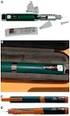
31 DD Personnel: Skills Checklist for Insulin Injection per Insulin Pen 1. Wash hands with soap and water 2. Gather supplies Alcohol swabs Insulin Pen Sharps Container Gloves Needles 3. Compare label on Insulin container with MAR 3 times Before assembling After assembling Before administering 4. Remove cap of pen. Check insulin in pen for floaters and / or discoloration 5. Wipe off area the needle is inserted (screwed in) 6. Screw needle into top of pen (Remove outer cap at this point, but leave second cap) 7. Turn dial at bottom of pen to 2. Remove needle protector. Push up on plunger to release air several small drops will come out of needle. 8. Put on gloves 9. Turn dial to correct number for correct dosage 10. Place outer needle cap lightly over needle. Lay pen down without contaminating 11. Select appropriate injection site and wipe with alcohol Pick up pen. 2 Remove cap. 3 Hold pen in fist leaving thumb loose. 4 Pinch fold of skin.. 5 Inject pen into pinched up skin 6 Push plunger with thumb until it stops 7 Release fold of skin. 8 Count to five and remove needle from skin. 13. Clean area with alcohol. 14. Recap needle with outer cap. Unscrew needle from top. Put needle into sharps container. 15. Wash hand and replace insulin in locked storage container in refrigerator 16. Document according to agency procedure and policy Nurse Signature: Date: 31
NIH Clinical Center Patient Education Materials Giving a subcutaneous injection
 NIH Clinical Center Patient Education Materials What is a subcutaenous injection? A subcutaneous injection is given in the fatty layer of tissue just under the skin. A subcutaneous injection into the fatty
Tell your doctor about all the medicines you take, including prescription and nonprescription medicines, vitamins, and herbal supplements.
 SOMAVERT pegvisomant for injection PATIENT INFORMATION SOMAVERT (SOM-ah-vert) (pegvisomant for injection) Read the patient information that comes with SOMAVERT before you start using it and each time you
Objectives At the completion of this module, unlicensed assistive personnel (UAP) should be able to:
 Objectives At the completion of this module, unlicensed assistive personnel (UAP) should be able to: 1. administer medications by subcutaneous injections. 2. document medication administration in the client
URINARY CATHETER INSERTION - STRAIGHT OR INDWELLING CATHETER
 URINARY CATHETER INSERTION - STRAIGHT OR INDWELLING CATHETER PURPOSE To obtain a sterile urine specimen. To facilitate emptying bladder. To relieve bladder distention. To irrigate bladder. To measure residual
Medication Administration Quick Guide
 Medication Administration Quick Guide Catholic Mutual Group INDEX INDEX 1. Common Medical Abbreviations 2. Oral Medication Skill Competency 3. Topical Skill Competency 4. Ear Medication Skill Competency
How to Change a Foley Catheter Step-by-step instructions for the caregiver
 Patient Education How to Change a Foley Catheter Step-by-step instructions for the caregiver This handout gives stepby-step instructions for changing a Foley catheter, a tube in the bladder to drain urine.
PATIENT INFORMATION. Medicine To Treat: D iabetes. What You Need to Know About. Insulin
 PATIENT INFORMATION Medicine To Treat: D iabetes What You Need to Know About Insulin INTRODUCTION The insulin preparations currently available in Singapore are mostly from human origin; pork or bovine
X-Plain Foley Catheter Male Reference Summary
 X-Plain Foley Catheter Male Reference Summary Introduction A Foley catheter is a tube that is put through the urinary opening and into your bladder to drain urine. Your doctor may have placed or may ask
INSTRUCTIONS FOR USE. Read this information before you start. Important things to know about your SmartJect autoinjector. Important things to remember
 INSTRUCTIONS FOR USE SIMPONI (SIM-po-nee) (golimumab) SmartJect autoinjector If your doctor decides that you or a caregiver may be able to give your injections of SIMPONI at home, you should receive training
HED\ED:NS-BL 037-3rd
 HED\ED:NS-BL 037-3rd Insulin Insulin is produced by the beta cells in the islets of Langerhans in the pancreas. When glucose enters our blood, the pancreas should automatically excrete the right amount
Learning to Self Inject Methotrexate at Home Developed by Andy Thompson MD FRCPC and Marie J Craig-Chambers B.Sc.Phm
 Learning to Self Inject Methotrexate at Home Developed by Andy Thompson MD FRCPC and Marie J Craig-Chambers B.Sc.Phm Why might my Doctor ask me to inject Methotrexate? Methotrexate comes in two forms:
Insulin Administration by Syringe 10/24/2012 1
 Insulin Administration by Syringe 10/24/2012 1 This PowerPoint and test will satisfy the knowledge portion of medication training for High Alert/High Risk Medication - Insulin. This PowerPoint covers basic
INJECTION TECHNIQUE. IVF NURSING OFFICE: (301) 400-2151 Darshana (301) 400-2146 Nicole
 IVF NURSING OFFICE: (301) 400-2151 Darshana (301) 400-2146 Nicole PLEASE NOTE: If you do not have medications for the next day s dose, you MUST go to the clinic that morning at 6:30 AM for more medications.
How To Prepare and Give a Prefilled Syringe Injection
 Diablo Valley Onc&Hem Med Grp, Inc Phone Number: (925)6775041 How To Prepare and Give a Prefilled Syringe Injection Patient Education Quick Reference Guide The following are instructions for use of prefilled
ATI Skills Modules Checklist for Urinary Catheter Care
 For faculty use only Educator s name Score Date ATI Skills Modules Checklist for Urinary Catheter Care Student s name Date Verify order Patient record Assess for procedure need Identify, gather, and prepare
IVF CLASS. IVF NURSE CONTACT INFORMATION: Darshana 301-400-2151, [email protected] Nicole 301-400-2146, nicole.l.sobers.ctr@health.
 IVF CLASS IVF NURSE CONTACT INFORMATION: Darshana 301-400-2151, [email protected] Nicole 301-400-2146, [email protected] PLEASE NOTE: If you do not have medications for the next
Achieving Independence
 Bard: Intermittent Self-Catheterization A Guide to Self-Catheterization Achieving Independence Introduction This brochure is provided by Bard, a leading provider of urology products since 1907. The best
PROCEDURE FOR CLEAN INTERMITTENT CATHETERIZATION MALE
 PROCEDURE FOR CLEAN INTERMITTENT CATHETERIZATION MALE 1. Wash hands. PROCEDURE POINTS TO REMEMBER 2. Assemble equipment. Water-soluble lubricant, such as K-Y Jelly, Lubrifax, Surgel Catheter, plastic or
Instructions for Use PROCRIT (PRO KRIT) (epoetin alfa)
 Instructions for Use PROCRIT (PROKRIT) (epoetin alfa) Use these Instructions for Use if you or your caregiver has been trained to give PROCRIT injections at home. Do not give yourself the injection unless
Foley Catheter Placement
 Foley Catheter Placement Indications for a Foley Catheter Retention of urine leading to urinary hesitancy, straining to urinate, decrease in size and force of the urinary stream, interruption of urinary
Instructions for Use HUMALOG KwikPen insulin lispro injection (rdna origin)
 1 Instructions for Use HUMALOG KwikPen insulin lispro injection (rdna origin) Read the Instructions for Use before you start taking HUMALOG and each time you get a refill. There may be new information.
III-701 Urinary Catheterization/Bladder Irrigation Original Date: 3/1/1977 Last Review Date: 10/28/2004
 III-701 Urinary Catheterization/Bladder Irrigation Original Date: 3/1/1977 Last Review Date: 10/28/2004 Purpose A. Allow for precise measurement of urine output. B. Collect a sterile urine specimen. C.
UW MEDICINE PATIENT EDUCATION. Using Insulin. Basic facts about insulin and self-injection. What is insulin? How does diabetes affect the body?
 UW MEDICINE PATIENT EDUCATION Using Insulin Basic facts about insulin and self-injection This handout explains what insulin is, the different types of insulin, how to store it, how to give an injection
Instructions for Use
 1 Instructions for Use HUMULIN R U-500 KwikPen insulin human injection U-500 (500 units/ml, 3 ml pen) Important: Know your dose of HUMULIN R U-500 insulin. The Pen delivers your dose in insulin units.
Mixing Two Insulins. Insulin syringe Alcohol pad Wash your hands with warm water and soap. Dry your hands.
 Mixing Two Insulins Since your doctor has ordered 2 kinds of insulin that can be mixed, you need to learn how to mix the two insulins together in one syringe. This way you can give yourself one injection
Giving Yourself Dalteparin (Fragmin) or Heparin
 Contents www.bcwomens.ca What is Dalteparin (Fragmin)...1 Where do I get this medication from?...1 How often do I give myself this medication?...1 Side effects...1 Steps to Giving Yourself Dalteparin (Fragmin)..1
Care of a Foley Catheter
 Care of a Foley Catheter A Foley catheter is a tube that is put into the bladder to drain urine out of the body. A Foley catheter can stay in the bladder for hours or weeks. Having the catheter put in
Biliary Drain. What is a biliary drain?
 Biliary Drain What is a biliary drain? A biliary drain is a tube to drain bile from your liver. It is put in by a doctor called an Interventional Radiologist. The tube or catheter is placed through your
Care for your child s Central Venous Catheter (CVC)
 Care for your child s Central Venous Catheter (CVC) This booklet is intended for general informational purposes only. You should consult your doctor for medical advice. Please call the clinic or your home
Clean Intermittent Catheterization (CIC) For Males
 The Emily Center Clean Intermittent Catheterization (CIC) For Males Procedure/Treatment/Home Care Si usted desea esta información en español, por favor pídasela a su enfermero o doctor. #200 male patient
BARD MEDICAL DIVISION UROLOGICAL DRAINAGE. Foley Catheter Care & Maintenance. Patient Education Guide
 BARD MEDICAL DIVISION Foley Catheter Care & Maintenance Patient Education Guide WHAT IS A FOLEY CATHETER? Because of your medical problem, your body is having trouble completely emptying your bladder of
Home Care for Your Wound Drain
 PATIENT EDUCATION patienteducation.osumc.edu When you go home after surgery, you may have one or more drains in place to help your wounds heal. Hemovac, Jackson Pratt (JP) and Blake are common drains used
Medication Administration for Non-Licensed School Staff
 Medication Administration for Non-Licensed School Staff School Health Issues A federal mandate created in the 1970s obligated schools to provide children with medical services, including medication administration.
INSULIN INJECTION KNOW-HOW
 0-0- INSULIN INJECTION KNOW-HOW Learning how to Congratulations for making the move to insulin therapy. It won t be long before you start enjoying better blood sugar control, more energy, and a host of
FRAGMIN Please bring this booklet the day of your surgery.
 FRAGMIN Please bring this booklet the day of your surgery. QHC#72 Fragmin (dalteparin sodium injection); an anticoagulant (blood thinner) is used to help prevent blood clots after surgery. While on Fragmin,
Verbalize knowledge of laws and policies for administration of prescribed and over the counter medication to students.
 Medication Administration for Non-Licensed School Staff Canton City Schools School Health Issues: A federal mandate created in the 1970s obligated schools to provide children with medical services, including
PATIENT GUIDE. Care and Maintenance Drainage Frequency: Max. Drainage Volume: Dressing Option: Clinician s Signature: Every drainage Weekly
 PATIENT GUIDE Care and Maintenance Drainage Frequency: Max. Drainage Volume: Dressing Option: Every drainage Weekly Clinician s Signature: ACCESS SYSTEMS Pleural Space Insertion Site Cuff Exit Site Catheter
Location: Clinical Practice Manual
 Subject: Area: Classification: Relevant to: Bladder Management Clinical Practice All Clinical Staff Implementation Date: March 2001 Review Date: March 2004 Responsible for Review: Approved by: Distribution:
HUMULIN 70/30 KwikPen
 1 Instructions for Use HUMULIN 70/30 KwikPen (70% human insulin isophane suspension 30% human insulin injection [rdna origin]) Read the Instructions for Use before you start taking HUMULIN 70/30 and each
Introduction A JP Drain is a soft tube and container used to drain fluids that build up under the skin after surgery.
 JP Drain Introduction A JP Drain is a soft tube and container used to drain fluids that build up under the skin after surgery. This reference summary explains what a JP Drain is and discusses how to take
Intermittent Self Catheterization for Males
 Intermittent Self Catheterization for Males CEAC 0371 January 2016 Intermittent Self Catheterization This involves inserting a catheter (small tube) into your bladder at regular intervals to help empty
Fact Sheet. Caring for and Changing your Supra-Pubic Catheter (SPC) Queensland Spinal Cord Injuries Service
 and Caring for and Changing your Supra-Pubic Catheter (SPC) What is a Suprapubic Catheter? A supra-pubic catheter is a tube that goes into your bladder through your abdominal wall which continuously drains
Home Care for Your Nephrostomy Catheter
 Home Care for Your Nephrostomy Catheter This handout covers information about caring for your nephrostomy catheter right after placement and caring for it long term. If you have any questions, please call
2. Does the patient have one of the following appropriate indications for placing indwelling urinary catheters?
 A. Decision to Insert a Urinary Catheter: 1. Before placing an indwelling catheter, please consider if these alternatives would be more appropriate: Bladder scanner: to assess and confirm urinary retention,
HUMULIN (HU-mu-lin) N
 Instructions for Use HUMULIN (HU-mu-lin) N (human insulin [rdna origin] isophane suspension) vial (100 Units/mL, U-100) Read the Instructions for Use before you start taking HUMULIN N and each time you
Safety FIRST: Infection Prevention Tips
 Reading Hospital Safety FIRST: Infection Prevention Tips Reading Hospital is committed to providing high quality care to our patients. Your healthcare team does many things to help prevent infections.
Catheter Care How to Care for a Urinary Catheter
 Catheter Care How to Care for a Urinary Catheter Ensure patient/client is provided with any available product specific instructions along with this booklet. About Your Catheter Your urinary catheter allows
The Enbrel SureClick autoinjector is a single-use prefilled autoinjector. It contains one 50-mg dose of Enbrel.
 Instructions for Use Welcome! The Enbrel SureClick autoinjector is a single-use prefilled autoinjector. It contains one 50-mg dose of Enbrel. Your healthcare provider has prescribed Enbrel SureClick autoinjector
INSTRUCTIONS FOR USE HUMIRA 40 MG/0.8 ML, 20 MG/0.4 ML AND 10 MG/0.2 ML SINGLE-USE PREFILLED SYRINGE
 INSTRUCTIONS FOR USE HUMIRA (Hu-MARE-ah) (adalimumab) 40 MG/0.8 ML, 20 MG/0.4 ML AND 10 MG/0.2 ML SINGLE-USE PREFILLED SYRINGE Do not try to inject HUMIRA yourself until you have been shown the right way
Insulin Pens. Basic facts. What is insulin? What are the different types of insulin?
 UW MEDICINE PATIENT EDUCATION Insulin Pens Basic facts This handout explains what insulin is, the different types of insulin, how to store it, how to give an injection with an insulin pen, and other important
Tube Feeding at Home Gravity or Syringe Feeding
 Tube Feeding at Home Gravity or Syringe Feeding Adapted from the former Taming the Feeding Tube, North Shore Hospital. 1 Where do I find information in this booklet? Subject Page How do I contact my health
GJ TUBE (GASTROJEJUNOSTOMY TUBE) Daily Care
 GJ TUBE (GASTROJEJUNOSTOMY TUBE) Daily Care Your child has a Picture 1 The GJ Tube inside the body. gastrojejunostomy (GJ) tube Disc (Picture 1). This set of tubes lets food or medicine go into either
Getting started with Insulin Injections
 Getting started with Insulin Injections Table of Contents Introduction........................2 Insulin Injection Devices...............3 Blood Glucose Levels Hyperglycemia.....................15 Table
Clean Intermittent Catheterization (CIC) For Females What it is:
 The Emily Center Clean Intermittent Catherterization (CIC) for Females Procedure/Treatment/Home Care Si usted desea esta información en español, por favor pídasela a su enfermero o doctor. #200 female
ClikSTAR - Important facts about your new insulin delivery device.
 ClikSTAR - Important facts about your new insulin delivery device. Instruction for Use ClikSTAR Insulin delivery device Before you start: Read these instructions and follow them completely each time you
Standards of Delegation A Guide for New Hampshire School Nurses. What is Delegation?
 Standards of Delegation A Guide for New Hampshire School Nurses The New Hampshire School Nurses Association has prepared this guide as the standard of nursing practice in the school setting. The purpose
Instructions for Use. Components of the GENOTROPIN PEN 12
 Instructions for Use Important Note Please read these instructions completely before using the GENOTROPIN PEN 12. If there is anything you do not understand or cannot do, call the toll-free number listed
KwikPen Insulin delivery device
 USER MANUAL KwikPen Insulin delivery device PLEASE READ THESE INSTRUCTIONS BEFORE USE Lilly Introduction The KwikPen is designed for ease of use. It is a disposable pen containing 3 ml (300 units) of U-
Going Home with a Urinary Catheter
 Going Home with a Urinary Catheter Doctor: Phone Number: About Your Catheter A urinary catheter is a small tube that goes through your urethra and into your bladder. This tube then drains the urine made
YOUR GUIDE TO THE LANTUS SOLOSTAR INSULIN PEN
 Important Safety Information for Lantus You must test your blood sugar levels while using insulin, such as Lantus. Do not make any changes to your dose or type of insulin without talking to your healthcare
The Drink-Aide The NEW look of independence
 The Drink-Aide The NEW look of independence Introducing Drink-Aide What is Drink-Aide? The Drink-Aide is a water bottle that attaches easily to a wheelchair for use by persons with little or no upper
Achieving Independence. A Guide to Self-Catheterization with the Bard Touchless Plus Intermittent Catheter System
 Bard: Intermittent Self-Catheterization A Guide to Self-Catheterization with the Bard Touchless Plus Intermittent Catheter System Achieving Independence Introducing the Bard Touchless Plus Catheter One
Intermittent Clean Catheterization for Women
 2014 Intermittent Clean Catheterization for Women Intermittent Clean Catheterization for Women What is intermittent catheterization? Intermittent catheterization is a way to drain urine (pee) from your
INSULIN INJECTION KNOW-HOW
 0-0- 0 INSULIN INJECTION KNOW-HOW pro tips (and tricks) for easier and better Insulin Injections ABDOMEN THIGHS BUTTOCKS ARMS recommended injection sites WHERE IS THE BEST PLACE TO GIVE INJECTIONS? 0-
INSTRUCTIONS FOR USE HUMIRA 40 MG/0.8 ML SINGLE-USE PEN
 INSTRUCTIONS FOR USE HUMIRA (Hu-MARE-ah) (adalimumab) 40 MG/0.8 ML SINGLE-USE PEN Do not try to inject HUMIRA yourself until you have been shown the right way to give the injections and have read and understand
Information for patients and nurses
 Information for patients and nurses Rocket IPC Pleural Catheter Indwelling Catheter Rocket Indwelling Pleural Catheter (IPC) Contents Contact Information...03 What s in the Rocket Dressing Pack and Bottle
Your Guide to Peritoneal Dialysis Module 3: Doing Peritoneal Dialysis at Home
 Your Guide to Peritoneal Dialysis Module 3: 6.0959 in Preparing to do PD One of the most important things about PD is to keep the dialysis area and anything that comes in contact with the PD equipment
Instruction Guide to Sterile Self-Catheterization for Women Using the Cure Catheter Closed System
 Cure Medical donates 10% of net income to medical research in pursuit of a cure for spinal cord injuries and central nervous system disorders. For information on scientific advancements, visit www.curemedical.com.
A simple guide to using the HumaPen Luxura HD. If you need help with your Pen, call the. HumaPen Luxura HD Help Line: 0800 783 6764
 A simple guide to using the HumaPen Luxura HD If you need help with your Pen, call the Introducing your new Half Unit Dose Insulin Delivery Device Pen Cap Rubber Seal Cartridge Holder Pen needle (available
Urinary Indwelling Catheter. The Urinary System
 Patient Education CARE AND TREATMENT Urinary Indwelling Catheter This information will help you care for a urinary indwelling catheter at home. It will answer many of your questions. Please ask your doctor
Central Venous Catheter (CVC) Sterile Dressing Change - The James
 PATIENT EDUCATION patienteducation.osumc.edu Central Venous Catheter (CVC) Sterile Dressing Change - The James A dressing protects your catheter site and helps reduce the risk of infection. You will need
Caring for Your PleurX Pleural Catheter
 Caring for Your PleurX Pleural Catheter A PleurX Pleural Catheter has been placed in your chest through a small incision in your skin into the pleural space (see picture below). This allows you to drain
Caring for a Tenckhoff Catheter
 Caring for a Tenckhoff Catheter UHN A Patient s Guide What is a Pleural Effusion? There is a small space between the outside of your lung and the chest wall (ribs). This space is called the pleural space.
TREATMENT 1. Control bleeding by applying pressure over wound with Gauze Pads (Surgical Supply-4). 2. Contact Surgeon for laceration repair options.
 Page 1 of 8 pages NOTE Contact Surgeon before giving any medication marked with an asterisk. In an emergency or during Loss of Signal, begin appropriate treatment; then call Surgeon as soon as possible.
Section 6: Your Hemodialysis Catheter
 Section 6: Your Hemodialysis Catheter What you should know about your dialysis catheter How to change your catheter TEGO connectors Starting dialysis using a catheter End of dialysis using a catheter Changing
MEDICATION GUIDE REBIF interferon beta-1a Injection for subcutaneous use
 MEDICATION GUIDE REBIF interferon beta-1a Injection for subcutaneous use Read this Medication Guide before you start using REBIF and each time you get a refill. There may be new information. The information
Guideline for the Administration of Insulin by Nursing Staff
 Guideline for the Administration of Insulin by Nursing Staff Aims and objectives In Lanarkshire the number of people with Diabetes on insulin treatment is growing, as both the population ages and people
To maintain a port of entry to venous flow when all available peripheral ports have failed.
 I. Purpose: To maintain a port of entry to venous flow when all available peripheral ports have failed. II. General Comments: Since its development, these catheters have been used with increasing frequency
How to Care for your Child s Indwelling Subcutaneous Catheter
 The Emily Center How to Care for your Child s Indwelling Subcutaneous Catheter Procedure/Treatment/Home Care Si usted desea esta información en español, por favor pídasela a su enfermero o doctor. #1054
PATIENT GUIDE. Care and Maintenance Drainage Frequency: Max. Drainage Volume: Dressing Option: Clinician s Signature: Every drainage Weekly
 PATIENT GUIDE Care and Maintenance Drainage Frequency: Max. Drainage Volume: Dressing Option: Every drainage Weekly Clinician s Signature: ACCESS SYSTEMS Pleural Space Insertion Site Cuff Exit Site Catheter
A Child s guide to Clean Intermittent Catheterization. Boys
 A Child s guide to Clean Intermittent Catheterization Boys Introduction Probably you have just heard that you have to learn to catheterize your bladder. Most children are worried, frightened or scared
My Doctor Says I Need to Mix Insulins... How Do I Begin? BD Getting Started. Mixing Insulins
 My Doctor Says I Need to Mix Insulins... How Do I Begin? BD Getting Started Mixing Insulins When your doctor tells you to use two types of insulin for an injection, they can be mixed in the same insulin
Disposable Insulin Delivery Device User Manual
 PV 3734 AMP Disposable Insulin Delivery Device User Manual Instructions for Use Read and follow all of these instructions carefully. If you do not follow these instructions completely, you may get too
Clean Intermittent Catheterization (CIC) for Bladder Emptying
 Child and Family Information Material Clean Intermittent Catheterization (CIC) for Bladder Emptying FAQ What is Clean Intermittent Catheterization (CIC) of the urethra? Intermittent catheterization means
Promoting safer use of injectable medicines
 Promoting safer use of injectable medicines A template standard operating procedure for: prescribing, preparing and administering injectable medicines in clinical areas Introduction The use of injectable
1-800-862-2731 Administration of Meropenem For Child
 1 Drug Name: _Meropenem 1-800-862-2731 Administration of Meropenem For Child Dosage: milligrams every hours over 5 minutes Key Points: FLUSHING: Meropenem Heparin flush 1. Always wash your hands with an
The OmniPod Insulin Management System
 Caregiver GUIDE The OmniPod Insulin Management System The OmniPod is an easy-to-use, two-part insulin delivery system. If you are a school nurse, daycare provider, or other secondary caregiver for someone
Medications or therapeutic solutions may be injected directly into the bloodstream
 Intravenous Therapy Medications or therapeutic solutions may be injected directly into the bloodstream for immediate circulation and use by the body. State practice acts designate which health care professionals
Guidelines for Education and Training
 Aim These protocols aim to provide the necessary guidance to enable insulin to be initiated safely and effectively Objectives 1. To provide the suggested procedure for the initiation of insulin for people
Your Recovery After a Cesarean Delivery
 Your Recovery After a Cesarean Delivery It is normal to have many questions about your care after delivery. Cesarean delivery is surgery and your body needs time to heal and recover for the next 6 weeks,
PA 9117 FSAMP. Lilly. Prefilled Insulin Delivery Device User Manual
 1 Lilly PA 9117 FSAMP Prefilled Insulin Delivery Device User Manual Instructions for Use Read and follow all of these instructions carefully. If you do not follow these instructions completely, you may
Changing Your Central Line Catheter Cap
 Changing Your Central Line Catheter Cap The catheter cap on each lumen of your central line needs to be changed once a week. A lumen is a small tube within your catheter. These same steps can be used for
Methotrexate. What is methotrexate?
 Methotrexate What is methotrexate? Methotrexate is a mild immunosuppressant that also exhibits antiinflammatory activity. Methotrexate is commonly used for the treatment of certain cancers including but
How to safely collect blood samples from persons suspected to be infected with highly infectious blood-borne pathogens (e.g.
 How to safely collect blood samples from persons suspected to be infected with highly infectious blood-borne pathogens (e.g. Ebola) Step 1: Before entering patient room, assemble all equipment (1 st part)
CARING FOR YOUR URINARY CATHETER GRAMPIANS REGIONAL CONTINENCE SERVICE. Author: GRCS Date: 20/06/09 Catalogue No: 712438
 CARING FOR YOUR URINARY CATHETER GRAMPIANS REGIONAL CONTINENCE SERVICE Author: GRCS Date: 20/06/09 Catalogue No: 712438 What is a urinary catheter? A urinary catheter is a hollow tube which drains urine
Sterile Dressing Change with Tegaderm CHG for Central Venous Catheter (CVC)
 Sterile Dressing Change with Tegaderm CHG for Central Venous Catheter (CVC) The dressing protects your catheter site. It also helps prevent infection at the site. Keep your dressing clean and dry at all
A Guide to Help You Manage Your Catheter and Drainage Bags
 A Guide to Help You Manage Your Catheter and Drainage Bags A catheter can make a difference to your health and quality of life. We understand that it can be a big adjustment for you. This information will
TUBE FEEDING AT HOME
 TUBE FEEDING AT HOME Adapted from the former Taming the Feeding Tube, Royal North Shore Hospital. Revised 2005, 2007, Jan 2009 1 Where do I find information in this booklet? Only the pages that you need