
the psoriasis and psoriatic arthritis pocket guide
|
|
|
- Oswin White
- 10 years ago
- Views:
Transcription
1 the psoriasis and psoriatic arthritis pocket guide Treatment algorithms and management options Authored by: Abby Van Voorhees, M.D. Steven R. Feldman, M.D., Ph.D. John Y. M. Koo, M.D. Mark G. Lebwohl, M.D. Alan Menter, M.D.

2 the psoriasis and psoriatic arthritis pocket guide: Treatment Options and Patient Management This is the third edition of the Psoriasis and Psoriatic Arthritis Pocket Guide: Treatment Algorithms and Management Options. The previous editions were well received by dermatologists. Since the publication of the second edition, many new psoriasis treatments particularly biologics have become available. The original work was revised to provide guidance for managing patients with moderate-to-severe psoriasis, and to put the role of new biologics into perspective. Abby Van Voorhees, M.D. Assistant Professor of Dermatology University of Pennsylvania School of Medicine Philadelphia, Pa. Steven R. Feldman, M.D., Ph.D. Professor of Dermatology, Pathology & Public Health Sciences Wake Forest University School of Medicine Winston-Salem, N.C. John Y. M. Koo, M.D. Professor and Vice Chairman Department of Dermatology University of California San Francisco Medical Center San Francisco, Calif. Mark G. Lebwohl, M.D. Chairman, Department of Dermatology Mount Sinai School of Medicine New York, N.Y. Alan Menter, M.D. Chairman, Division of Dermatology Baylor University Medical Center Clinical Professor of Dermatology University of Texas Southwestern Medical School Dallas, Texas TABLE OF CONTENTS CHAPTER 1: INTRODUCTION...1 Epidemiology... 1 Psoriasis: A Systemic Disease... 1 Psoriasis Negatively Affects Quality of Life... 2 Comorbidities in Psoriasis... 3 Differential Diagnosis... 4 Systemic Therapy: Going Beyond Topicals... 5 Therapy Options... 6 How Much, How Often and at What Dose?... 7 Treating Patients in Practice... 7 Objectives... 8 CHAPTER 2: ASSESSING A PSORIASIS PATIENT...9 Clinical Presentation... 9 Initial Work-up Determining Disease Severity Assessing a Patient Measuring BSA Quality of Life and Severity Psoriasis is as Debilitating as Other Major Diseases Koo-Menter Psoriasis Instrument Psoriasis Affects Social and Economic Well-being Types of Psoriasis Nail and Mucosal Manifestations of Psoriasis 28 Psoriatic Arthritis PASE Questionnaire Differential Diagnosis Comorbidities and Psoriasis The Psoriasis and Psoriatic Arthritis Pocket Guide i

3 CHAPTER 3: CHOOSING a TREATMENT STRATEGY...45 Monotherapy Combination Therapy Rotational Therapy Sequential Therapy CHAPTER 4: TREATMENT ALGORITHMS FOR SPECIFIC PATIENT TYPES...57 Healthy Male Adult With Plaque Psoriasis Healthy Children Under 18 With Psoriasis Women Trying to Become Pregnant Guttate Psoriasis Erythrodermic Psoriasis Alcohol Intake + Psoriasis Hepatitis C + Psoriasis Palmoplantar Psoriasis HIV + Psoriasis Pustular Psoriasis Psoriatic Arthritis + Psoriasis Hypertension + Psoriasis Healthy Elderly Patient with Psoriasis Nail Psoriasis Person of Color with Psoriasis History of Skin Cancer + Psoriasis Women of Childbearing Potential with Psoriasis CHAPTER 5: THERAPEUTIC TREATMENT OPTIONS and side effects...79 Topical Therapies Steroids Anthralin Coal Tar Preparations Vitamin D Analogs Combination Products Retinoids Phototherapy UVA PUVA Broad-band UVB Narrow-band UVB (nbuvb) Systemic Therapies Acitretin Cyclosporine Methotrexate Biologics Adalimumab Alefacept Etanercept Golimumab Infliximab Ustekinumab Scalp Psoriasis ii The National Psoriasis Foundation The Psoriasis and Psoriatic Arthritis Pocket Guide iii

4 chapter 1 Unapproved Agents Hydroxyurea Mycophenolate Mofetil Thioguanine CHAPTER 6: TRANSITIONAL STRATEGIES FOR SWITCHING THERAPY Chapter 7: medical professionals and the National Psoriasis Foundation Introduction Who We Are Literature Insurance Advocacy Medical Education Online Physician Directory Join Hands With Us Benefits of Professional Membership A Year in the Life of the Psoriasis Foundation References iv The National Psoriasis Foundation

5 Introduction CHAPTER 1: introduction Epidemiology Psoriasis affects approximately 2.1% of U.S. adults, up to 7.5 million people, of whom about 30% will develop psoriatic arthritis. Approximately 1.5 million U.S. adults are considered to have moderate to severe psoriasis and between 150,000 and 260,000 new cases of psoriasis are diagnosed each year. 1-3 Although there is evidence that psoriasis may be more prevalent in women than men, psoriasis affects all ages, genders, races and ethnicities. The majority of patients will present before the age of 35 with their first signs and symptoms of psoriasis. From an economic standpoint, an estimated 56 million hours of work are lost each year by people with psoriasis. In addition, approximately $11.25 billion are spent annually treating the disease. 4 The costs are greater for those with more severe disease, and these financial implications are associated with a lower quality of life. 5 These costs are more than those of other lifelong illnesses, such as emphysema and epilepsy. 6 Psoriasis: A Systemic Disease Psoriasis is a systemic, immunological, genetic disease manifesting in the skin and/or joints. Because of its systemic nature, patients exhibit a broad spectrum of symptoms that vary in severity. Although many patients, particularly those The Psoriasis and Psoriatic Arthritis Pocket Guide 1

6 Introduction with the limited form of the disease, may be treated with topical therapy, those with extensive (moderate to severe) psoriasis eventually require phototherapy, systemic or biologic therapy to adequately suppress the systemic, immunopathogenic process. Psoriasis may be defined based purely on body surface area (BSA) with 0-3% BSA = mild, 3-10% BSA = moderate, and greater than 10% BSA = severe. Others define it as limited, less than 3% BSA, or, extensive, greater than 3% BSA. In clinical trials, severe psoriasis is defined as the presence of lesions over more than 10% BSA. These definitions however do not take into consideration the impact on the patient s quality of life. How do physicians define severity of psoriasis? In clinical practice, the definition of severity is based more on the physician s judgment and assessment of the extent of the disease, specific locations involved, and the effect of the disease on the patient s life. In severe psoriasis, and in many cases of moderate psoriasis, systemic therapies are used to treat the disease effectively. Involvement of localized areas such as the hands, face and scalp (less than 3% BSA), as well as the emotional impact on the patient, may certainly be of sufficient magnitude to warrant systemic therapy. Psoriasis Negatively Affects Quality of Life Psoriasis is a lifelong, chronic, recurrent disease. In patient surveys conducted between 2001 and 2008 by the National Psoriasis Foundation, 33% of patients with mild disease and 60% of patients with moderate-to-severe reported that their disease was a significant problem in their everyday life. 7 Psoriasis can be as debilitating as many other serious medical or psychiatric conditions. The negative effect on the physical, psychological and social dimensions of life can be greater than those resulting from life-threatening illnesses such as myocardial infarction. 8 (Figure 1-1). Figure 1-1: Physical and Mental Rankings of Psoriasis and Other Diseases, From Best Functioning (1) to Worst Functioning (11) Congestive heart failure Psoriasis Type 2 diabetes Chronic lung disease Myocardial infarction Arthritis Hypertension Depression Cancer Dermatitis Healthy Physical rank Mental rank Comorbidities in Psoriasis While psoriasis has traditionally been considered a disease of the skin and/or the joints, multiple reports attest to the important role of systemic inflammation with ramifications for other organ systems, including the cardiovascular, liver, respiratory and hematological systems. Thus patients, particularly The National Psoriasis Foundation The Psoriasis and Psoriatic Arthritis Pocket Guide 3

7 Introduction those with more severe disease, may be at increased risk for coronary artery disease, type II diabetes, fatty liver and its consequences, stroke, COPD, sleep apnea, and lymphoma. 9 In addition, there is well-documented evidence for an increase in depression, with resulting personal behavior issues such as an increase in alcohol consumption and smoking. 10 Finally, other important autoimmune diseases such as Crohn s disease, diabetes mellitus, and even multiple sclerosis may be genetically linked to psoriasis and hence seen in increased frequency in psoriasis patients. 11 It is therefore important for all patients with psoriasis to be evaluated for these comorbid conditions and for dermatologists to play a central role in consultation with primary care physicians and other specialists in elucidating the medical consequences of this autoimmune disease. Differential Diagnosis A number of important dermatoses, including fungal infections, mycosis fungoides (MF) and drug eruptions, may mimic psoriasis. Chapter 2 includes a full differential diagnosis section relating to this problem. Systemic Therapy: Going Beyond Topicals It is medically appropriate to use systemic therapies, alone or in combination with topicals and phototherapy, in patients who do not meet the criteria for moderate-tosevere psoriasis if: The patient is unresponsive to topicals and other therapies; Phototherapy is inconvenient or impractical; The patient s quality of life is negatively affected to a degree that justifies the potential adverse effects of systemic therapy. The decision to use systemic therapy requires an important discussion between the patient, the physician and his/her support staff. (See Figure 1-2.) For more information regarding systemic therapy visit 4 The National Psoriasis Foundation The Psoriasis and Psoriatic Arthritis Pocket Guide 5

8 Figure 1-2: Systemic Therapy Algorithm 1. Does the psoriasis affect > 3% body surface area (BSA)? 2. Is the patient disabled by the psoriasis? 3. Does the psoriasis have a significant impact on the patient s quality of life? 4. Does the patient have psoriatic arthritis? Yes to any of the above. 5. Does the patient have psoriatic arthritis?* 6. Was systemic treatment required in the past? 7. Is phototherapy contraindicated or unavailable, or is the psoriasis resistant to phototherapy? Yes to any of the above. The patient is a candidate for systemic treatment. No to all. The patient is not a candidate for phototherapy or systemic treatment. No to all. The patient is not a candidate for phototherapy or systemic treatment. *Phototherapy can be used for the treatment of psoriasis skin lesions in patients with psoriatic arthritis, but these patients also require systemic treatment for the joint involvement. Therapy Options Currently, many therapeutic options are available to physicians treating psoriasis patients, including targeted immunologic therapies (biologics). In addition, there are various treatment strategies that can be used (discussed in Chapter 3) employing combination, rotation and sequential therapies. Treating a chronic systemic immunologic disease such as psoriasis can be difficult for both patient and physician. This handbook is designed to facilitate successful treatment. To help you choose therapies, we have included suggested patient algorithms in Chapter 4, allowing quick reference to a variety of patient types, recommended treatments, side effects and management options. We have also suggested treatment sequences. The therapies reviewed in Chapter 4 vary in the seriousness of their side effects, which are always to be weighed in the balance when you consider using a course of therapy. How Much, How Often and at What Dose? Once you have chosen a treatment strategy, you must consider dosing, side effects, length of treatment and overall patient management, especially if the strategy includes switching from one systemic treatment to the next, as in sequential therapy. Chapters 5 and 6 discuss each of these points relative to the therapies outlined in the patient algorithms. These chapters also discuss clinical pearls and transitional issues related to the systemic therapies. Treating Patients in Practice Patients should be fully educated about all aspects of their disease, including all potential systemic-related disorders and a specific, personalized treatment plan developed for that patient. Introduction 6 The National Psoriasis Foundation The Psoriasis and Psoriatic Arthritis Pocket Guide 7

9 chapter 2 Objectives After studying this handbook, you should be able to: Define the severity of psoriasis and develop an appropriate therapy plan. Explain the profound emotional, social and physical impact psoriasis has on the patient. Understand the important comorbidities associated with psoriasis. Differentiate psoriasis from other diseases when you evaluate patients who present with similar types of skin lesions. Assessing a psoriasis patient Diagnose patients who have moderate disease (3% to 10% body involvement) and severe disease (>10% body involvement or <10% involvement but resistant to topical therapy) and identify those who will potentially benefit from systemic therapy. Discuss therapeutic options and appropriate doses for patients at various stages of severity. Describe toxicities expected with various therapies and ways to minimize and manage them. 8 The National Psoriasis Foundation

10 CHAPTER 2: ASSESSING A PSORIASIS PATIENT Clinical Presentation The clinical manifestations of psoriasis are well-known and are usually recognized easily, although presentation and the location of the psoriasis may vary at different stages of the disease. 12 (See Table 2-1.) assessing a patient assessing a patient Table 2-1: The Most Common Locations of Lesions in Patients With Psoriasis Location % of Psoriasis Patients Scalp 80 Elbows 78 Legs 74 Knees 57 Arms 54 Trunk 53 Lower part of the body 47 Base of the back 38 Other 38 Palms and soles 12 Adapted from van de Kerkhof 13 Chronic plaque-type disease is the most common form of psoriasis, being present in 80% to 90% of patients. It is most often found on the elbows, knees, scalp, legs and sacrum. Erythroderma, especially of recent onset, is often associated with psoriasis but may be difficult to differentiate from other possible causes of erythrodermic or exfoliative dermatitis. Patients may present with systemic symptoms and abnormal laboratory values. The Psoriasis and Psoriatic Arthritis Pocket Guide 9

11 Pustular psoriasis is of two types. Patients with pustules localized to the palms and soles have palmoplantar psoriasis; patients with generalized pustulosis have the von Zumbusch form of psoriasis, usually in association with erythroderma. Less common forms include guttate, which is characterized by numerous small, drop-like lesions frequently following a throat infection, and occurs most often in children; and inverse or intertriginous, which is a seborrheic-dermatitis-like form of psoriasis in which moist erythematous lesions appear in skin folds of the body (e.g., the armpit, under the breast, the buttocks or genitals). Initial Work-up A total body evaluation, including the nails and scalp, should be performed at the first visit. Patients should be routinely asked about joint symptoms, which might be indicative of psoriatic arthritis. In addition, factors relating to the clinical presentation should be discussed with the patient. (See Table 2-2.) Table 2-2: Discussion Points for M.D./Patient on Initial Visit Symptoms/lesions/diagnosis Hereditary aspect Systemic manifestations Exacerbating factors Ameliorating factors Past treatment responses Range of therapeutic options Chronic long-term disease Psychological ramifications Optimism for tomorrow Support/services available from the National Psoriasis Foundation Adapted from Menter and Weinstein 12 Determining Disease Severity The severity of psoriasis is determined by measuring the percent of BSA affected, determining the location of lesions and considering other factors such as the effect of psoriasis on the patient s quality of life and ability to function. (See Table 2-3.) Psoriasis involving the palms and soles may be considered severe. Table 2-3: Severity of Psoriasis and Percent of Body Surface Affected Severity Mild Up to 3% Moderate 3%-10% Severe > 10% % of Body Surface assessing a patient 10 The National Psoriasis Foundation The Psoriasis and Psoriatic Arthritis Pocket Guide 11

12 Figure 2-1: Prevalence in Psoriasis Patients of Mild, Moderate and Severe Disease 8% 2% Mild 25% 65% Moderate Severe Mild BSA, treated with systemic Assessing a Patient Psoriasis has traditionally been classified as mild, moderate or severe. As shown in Figure 2-1, about 65% of patients have mild disease and about 35% have moderate to severe disease. 1-3 The National Psoriasis Foundation defines moderate to severe disease not only in terms of BSA (>3%) but also includes patients with a BSA of < 3% who are being treated with a systemic medication or with phototherapy. For practical treatment purposes, it is helpful to define psoriasis as either limited (BSA <3%) or extensive (BSA >3%). Extensive psoriasis (as well as palmoplantar psoriasis) generally cannot be treated with topical treatments alone. Patients with extensive psoriasis are candidates for phototherapy and/or systemic treatment. Measuring BSA The patient s hand, including the palm, fingers and thumb, is used as the reference point for measuring how much of their skin is affected by psoriasis, representing roughly 1% of the body s surface. Mild psoriasis: Affects up to 3% of the body, generally in isolated patches on the knees, elbows, scalp, hands and feet. It can often be controlled with topical therapy. Moderate psoriasis: Affects 3% to 10% of the body s surface. It often appears on the arms, legs, torso, scalp and other areas. Topical agents, phototherapy, systemic medications, including biologics, may be appropriate. Severe psoriasis: Affects >10% of the body. It may be extensive with plaques, pustules or erythroderma. Phototherapy, systemic medications, including biologics or a combination of these, with or without a topical agent, are usually necessary to achieve adequate results. Quality of Life and Severity Disease severity classifications serve as a reference point for the physical aspects of the disease, but not the emotional and social aspects. 14 Psoriasis can profoundly affect a person s life and negatively affect his/her lifestyle, emotional well-being, social life and ability to work. Clinical assessment should include the patient s perspective on subjective factors such as itching, pain, loss of sleep and effect on daily activities, as well as the clinician s perspective. assessing a patient 12 The National Psoriasis Foundation The Psoriasis and Psoriatic Arthritis Pocket Guide 13

13 A patient may have psoriasis that covers only a small area, but if it is highly visible or debilitating, it could be considered a severe case despite the small area involved. The Koo-Menter Psoriasis Instrument (KMPI) was designed to be a practical assessment tool that dermatologists can use to aid in clinical decision-making and in documentation for third-party payers. 15 The KMPI is short enough for the patient and the physician to quickly complete, with items that are simple and easy to understand and answer. At the same time, it is comprehensive enough to include a Validated Health Related Quality of Life (HRQOL) Index, a psoriasis Quality of Life index (PQOL-12) and other assessments from both the patient s and the physician s perspective. The patient completes one side (prior to being seen by the physician) and then the physician completes the other. A copy of the KMPI instrument can be found on page 16. For additional copies, contact the National Psoriasis Foundation at [email protected] or call Psoriasis Is as Debilitating as Other Major Diseases The physical and mental functioning of patients with psoriasis is reported to be affected as much as that of patients with cancer, arthritis, hypertension, heart disease, diabetes and depression. 8 Physical- and mental-functioning scores for psoriasis patients are among the lowest of all groups (10/11 for physical and 9/11 for mental functioning, 11 representing the lowest functioning). 8 Burning sensations, joint pain and appearance were negative physical factors. Itching, skin soreness and the negative or dismissive attitude of their doctors regarding psoriasis negatively affected mental function. 8 assessing a patient 14 The National Psoriasis Foundation The Psoriasis and Psoriatic Arthritis Pocket Guide 15

14 Koo-Menter Psoriasis Instrument Patient Self-Assessment Name: Date: Part 1: Quality of Life - Please answer each of the following questions as they pertain to your psoriasis during the past month. (Circle one number per question) Not at All Somewhat Very Much How self-conscious do you feel with regard to your psoriasis? How helpless do you feel with regard to your psoriasis? How embarrassed do you feel with regard to your psoriasis? 4. How angry or frustrated do you feel with regard to your psoriasis? 5. To what extent does your psoriasis make your appearance unsightly? 6. How disfiguring is your psoriasis? 7. How much does your psoriasis impact your overall emotional well-being? 8. Overall, to what extent does your psoriasis interfere with your capacity to enjoy life? assessing a patient How much has each of the following been affected by your psoriasis during the past month? (Circle one number per question) Not at All Somewhat Very Much 9. Itching? Physical irritation? Physical pain or soreness? Choice of clothing to conceal psoriasis? 12-item Psoriasis Quality of Life Questionnaire (PQOL-12), Copyright 2002, 2003, Allergan, Inc Total Quality-of-Life Score (0-120) (Medical staff to calculate) 16 The National Psoriasis Foundation The Psoriasis and Psoriatic Arthritis Pocket Guide 17

15 Part 2: A. Using the figures below, place an X on the parts of your body that currently have psoriasis. Part 3: A. Have you ever been diagnosed with psoriatic arthritis? Yes No B. Do you have swollen, tender, or stiff joints (e.g., hands, feet, hips, back)? Yes No If yes, how many joints are affected? (Check one box) More than 4 If yes, how much have your joint symptoms affected your day-to-day activities? Not at all A little A lot Very much assessing a patient STOP Once completed, please return to medical staff front back Koo-Menter Psoriasis Instrument Physician Assessment Name: Date: Part 1: Total Quality-of-Life assessment score (from part 1 of previous page) Part 2: Area of Involvement: % BSA (body surface area) Head % Anterior Trunk % Posterior Trunk % Right Leg % Left Leg % Both arms % Head: up to 9% of total BSA Anterior Trunk: up to 18% Posterior Trunk: up to 18% Right Leg: up to 18% (includes buttock) Left Leg: up to 18% (includes buttock) Both Arms: up to 18% Note: Patient s open hand (from wrist to tips of fingers) with fingers tucked together and thumb tucked to the side equals approximately 1% body surface area Genitalia % Genitalia: 1% Total BSA % 18 The National Psoriasis Foundation The Psoriasis and Psoriatic Arthritis Pocket Guide 19

16 Part 3: In terms of psoriasis severity, does the patient have: Plaque, erythrodermic, or pustular psoriasis with >10% BSA involvement? Guttate psoriasis? Yes No Localized (< 10% BSA) psoriasis but resistant to optimized attempts at topical therapy or physically disabling (e.g., palmoplantar psoriasis)? Localized (< 10% BSA) but serious subtype with possibility of progression (e.g., pustular or pre-erythrodermic psoriasis)? Yes Yes Yes No No No assessing a patient Clinical evidence of psoriatic joint disease as assessed by physician (e.g., examine IP, MCP and MT joints of hands, wrists, feet and ankles, plus patient responses from Part 3 of patient self-assessment)? Substantial psychosocial or quality-of-life impact documented by patient Quality-of-Life self-assessment score of 50? Yes Yes No No Part 4: Is phototherapy an option? Is a suitable phototherapy unit readily accessible to the patient? Does the anatomical location or form of psoriasis (e.g., scalp, inverse, erythrodermic) preclude phototherapy? Does the patient have the dedication, time, stamina, or transportation for phototherapy? Has phototherapy, as monotherapy, failed in the past? Is phototherapy contraindicated (e.g., photosensitive drugs, history of multiple skin cancers)? In your clinical judgment, is phototherapy likely to yield substantial improvement to justify its use before systemic therapy? Yes Yes Yes Yes Yes Yes No No No No No No 20 The National Psoriasis Foundation The Psoriasis and Psoriatic Arthritis Pocket Guide 21

17 Physician/Nurse comments: If at least one of the shaded boxes in both Part 3 and Part 4 on the previous page are checked, then the patient is a candidate for systemic therapy. assessing a patient Conclusion: The patient is a candidate for systemic therapy. Yes No 22 The National Psoriasis Foundation The Psoriasis and Psoriatic Arthritis Pocket Guide 23

18 These results suggest that physicians planning treatment options should consider psychological and social aspects of the disease, as well as the physical aspects (e.g., severity of skin lesions and the possibility of associated joint disease). Psoriasis Affects Social and Economic Well-being In a mail survey conducted by the Psoriasis Foundation, patients were asked to assess the effects of psoriasis on their lifestyle, emotional well-being and social interactions with others. 14 The following problems were identified in this survey: Difficulty finding a job Job complications (e.g., 2.3 days/year were missed due to psoriasis) Financial distress (reported by about one-third of respondents) Suicide contemplation Sexual activity concerns Embarrassment when people saw their psoriasis (81% of respondents); frustration with ineffective treatments (90%); feeling unattractive (75%); depression (54%) In a 2002 study conducted by the Psoriasis Foundation, patients with moderate to severe psoriasis said that their disease affected their quality of life in the following ways 7 : 26% had to alter or stop their normal daily activities. 40% chose clothing to cover up their condition. 36% had problems with sleep. These studies confirm the major impact that psoriasis has on patients lives. Physicians must recognize this impact and work with their patients to control both the disease and all the sequelae. Types of Psoriasis A patient s psoriasis may present in varying degrees of severity during the course of the disease. Individual lesions may range from pinpoint lesions to large plaques. The size of the lesions helps determine the psoriasis type. Plaque psoriasis is the most common type of psoriasis. 13 Diagnosed in 80% to 90% of patients Characterized by sharply defined erythematosquamous plaques that are distributed somewhat symmetrically Most commonly seen on the scalp Coin-sized to palm-sized plaques, usually present for months to years. Lesions larger than palm-sized are often due to coalescence of individual plaques, as seen in geographic psoriasis. assessing a patient 24 The National Psoriasis Foundation The Psoriasis and Psoriatic Arthritis Pocket Guide 25

19 Nail involvement in up to 55% of patients, with findings such as pitting, onycholysis, subungual hyperkeratosis and oil drops. Erythrodermic psoriasis consists of inflammation of the skin with replacement of the skin surface by generalized erythema, scaling and exfoliation. 13 This type is sometimes called exfoliative psoriasis. It is diagnosed in about 10% of patients at certain times in their lifetime; repeated episodes are not uncommon. Patients may be ill and have hypo- or hyperthermia, protein loss, dehydration, renal failure and cardiac abnormalities. Death may occasionally ensue. Gross nail deformations are frequent. Previous history with signs of psoriasis and skin biopsy is helpful in the differential diagnosis (e.g., eczema, Sezary s syndrome, pityriasis rubra pilaris [PRP], etc.). It may occur at any age. Pustular psoriasis is characterized by individual or coalescing sterile pustules. 13 When inflammatory processes dominate, patients may develop either generalized (von Zumbusch psoriasis) or localized pustules, most often on the palms or soles (palmoplantar). Pustular palmoplantar psoriasis occurs in less than 5% of patients, often presenting with erythematous, scaly plaques with pustules on palms and soles. Pustules vary in size from 1 mm to 1 cm and are yellow at first, turning to brown. Pustular psoriasis, seldom seen in children, affects mostly the elderly. Only 12% of patients develop it before age 60. Between 70% and 90% of patients are female; 10% to 25% have a positive family history. Generalized forms of the disease (e.g., von Zumbusch), though uncommon, are frequently associated with arthritis and a stormy course of disease. Guttate psoriasis is characterized by mostly small papules of short duration (weeks to months). 13 It usually affects children and young adults. Many patients suffer from an infection before the lesions appear, particularly an upper respiratory infection, commonly of the streptococcal variety. Droplet lesions occur over the entire body surface. The trunk is most commonly affected with the palms and soles usually being spared. Inverse/flexural psoriasis is a seborrheic-dermatitis-like form that occurs in the armpit, under the breast and in skin folds around the groin, buttocks and genitals. 13 assessing a patient 26 The National Psoriasis Foundation The Psoriasis and Psoriatic Arthritis Pocket Guide 27

20 Nail and Mucosal Manifestations of Psoriasis Both the nail bed (onycholysis, yellowish discoloration and/or hyperkeratosis) and the nail matrix (pitting) can be observed in psoriasis. 13»» Fingernails are more often involved than toenails. Most patients with psoriatic arthritis have co-existent nail involvement. About half of these patients have pain and are restricted in their daily activities because of nail changes.»» About 50% of all patients with psoriasis have nail involvement. Lesions can occur on mucosal membranes, including the geographic tongue in psoriasis patients. Various factors that may trigger or exacerbate psoriasis are listed in Table 2-4. Table 2-4: Triggers for Psoriasis Stress Winter weather Physical trauma to the skin Phototoxic reactions (solar, UVB or PUVA induced) Activation of local cellular immunity by allergens, infections and immunizations Systemic immunological activation or alteration (e.g. hypersensitivity to a drug or other antigen such as Group A streptococcal or HIV infection Drugs (e.g. corticosteroids, lithium, antimalarials, beta-blockers, nonsteroidal anti-inflammatory drugs, angiotensin converting enzyme inhibitors) assessing a patient Adapted from Menter and Weinstein The National Psoriasis Foundation The Psoriasis and Psoriatic Arthritis Pocket Guide 29

21 Psoriatic Arthritis Joints are affected in as many as 30% of patients with psoriasis. Psoriasis of the joints is called psoriatic arthritis (PSA) and is characterized by inflammation and stiffness in the soft tissue around the joints. There are five clinical subtypes of joint involvement, and the fingers and toes are frequently involved (Table 2-5). 16 Assessing joint signs and symptoms is a key component of evaluating psoriasis patients. Skin lesions of psoriasis tend to occur before joint symptoms. Moreover, joint involvement can cause irreversible damage to the joint, so early recognition and treatment is important. Finally, the presence or absence of joint involvement may help determine whether systemic treatments are used to control the disease. Pase Questionnaire Complications of psoriatic arthritis can be prevented with early diagnoses and appropriate treatment. The Psoriatic Arthritis Screening and Evaluation (PASE) questionnaire was developed using standardized methodology using both functional and health-related instruments focused on musculoskeletal disease. The Psoriatic Arthritis Screening and Evaluation tool is included in this pocket guide, page 32. It is a validated patient selfadministered tool to help screen psoriasis patients for the signs and symptoms of psoriatic arthritis. Table 2-5: Five Types of Psoriatic Arthritis (PSA) Type Symmetric arthritis Asymmetric arthritis Distal interphalangeal predominant (DIP) Spondylitis Arthritis mutilans Characteristics Affects about 15% of PSA patients. Involves multiple symmetric pairs of joints in the hands and feet; resembles rheumatoid arthritis. The most common type of PSA, found in about 80% of patients. Usually involves only 1-3 joints in an asymmetric pattern and may affect any joint (e.g. knee, hip, ankle, and wrist). Hands and feet may have enlarged sausage digits. This classic type occurs in only about 5% of PSA patients. Primarily involves distal joints of the fingers and toes. It is sometimes confused with osteoarthritis, but nail changes are common. Inflamation of the spinal column causing a stiff neck and pain in the lower back and sacroiliac area. Peripheral disease may be seen in the hands, arms, hips, legs and feet. A severe, deforming type of PSA affecting <5% of patients with PSA. Usually affects a few joints in the hands and feet. Has been associated with pustular psoriasis. assessing a patient 30 The National Psoriasis Foundation The Psoriasis and Psoriatic Arthritis Pocket Guide 31
22 Psoriatic Arthritis Screening and Evaluation (PASE) questionnaire Identifier Please circle or mark ONLY ONE of the answers to the following questions. The answers to these questions will help us better understand your symptoms.this should take about 5-6 minutes to complete. Thank you for your time. A. Have you ever been diagnosed with psoriatic arthritis by a rheumatologist? YOUR Symptoms Strongly Disagree Disagree No Opinion YES Agree 1. I feel tired during most of the day My joints hurt My back hurts My joints become swollen My joints feel hot Occasionally, my entire finger or toe becomes swollen, making it look like a sausage. 7. I have noticed that the pain in my joints moves from one joint to another. For example, my wrist will hurt for a few days, then my knee will hurt, and so on. NO Strongly Agree Total Symptom Score assessing a patient your ability to do daily activities 8. I feel that my joint problems have affected my ability to work. 9. My joint problems have affected my ability to care for myself (for example, getting dressed or brushing my teeth). 10. I have had trouble wearing my watch or wearing rings on my fingers. Strongly Disagree Disagree No Opinion Agree Strongly Agree I have had trouble getting into or out of a car I am unable to be as active as I used to be I feel stiff for more than 2 hours after waking up in the morning The morning is the worst time of day for me It takes me a few minutes to get moving as well as I can, at any time of the day Total Function Score Total PASE Score 32 The National Psoriasis Foundation The Psoriasis and Psoriatic Arthritis Pocket Guide 33
23 PASE design and scoring system PASE is composed of 15 items scored on a fivepoint scale. The scale ranges from Strongly Agree to Strongly Disagree (Table 1). TABLE 1: Five-point scale scoring system Strongly Agree Agree Neutral Disagree Strongly Disagree Item left blank or unanswered Points PASE Total score is calculated by summing the scores for all 15 items. The Total score ranges from a minimum of 15 to a maximum of 75 (Table 2). PASE has two sub-scale scores, Function and Symptoms. The Function sub-scale has 7 items, and the maximum Function score is 35. The Symptom sub-scale has 8 items, and the maximum Symptom score is 40. TABLE 2: Minimum score Maximum score Symptom score Function score Total PASE score Interpretation of the Total score At this point, we have evaluated the Total score in preliminary studies. Recommendations on use of the Symptom and Function scores are not available at this time. The Total score may be interpreted as below in Table 3, although these data are preliminary. Please read the disclaimer at the bottom of the PASE questionnaire carefully, and return the agreement that accompanied the PASE tool to the Director, Corporate Sponsored Research and Licensing, Brigham and Women s Hospital, prior to using PASE. PASE was developed as a screening tool to evaluate psoriasis patients for the presence of active inflammatory arthritis and must not be used to replace a rheumatology evaluation, for patient care or for treatment recommendations. Table 3: Re-administer PASE quarterly or at the next follow-up visit, if longer than 3 months Consider referral for a rheumatology evaluation, or re-administer PASE at a follow-up visit Refer for a rheumatology evaluation For individuals whose PASE score <44 AND their response to question A is YES, please refer individual for rheumatology evaluation. PASE score is not reliable in these individuals who may either not be currently symptomatic with psoriatic arthritis or may be on therapy. Interpretation of Incorrectly Completed Paper Questionnaires When PASE is being administered on paper, please use the following guidelines to score: 1. One item is left blank or unanswered: Please score this item 0 and calculate the Total score. 2. Two or more items left blank or unanswered: Please do not score this questionnaire, and re-administer PASE when possible. 3. Two or more responses are selected for an item, e.g., item 8 is answered as both Strongly Agree and Agree : Please select the higher score. In this example, score item 8 with 5 points for Strongly Agree. An item is marked incorrectly between two responses, e.g. item 10 is marked between Neutral and Disagree : Please score this item 0 and calculate the Total score. Copyright , Brigham and Women s Hospital, Inc. All Rights Reserved. Reprinted with permission. BRIGHAM AND WOMEN S HOSPITAL HAS MADE NO INVESTIGATION AND MAKES NO REPRESENTATIONS OR WARRANTIES, EXPRESS OR IMPLIED, AS TO THE QUESTIONNAIRE. BRIGHAM AND WOMEN S HOSPITAL MAKES NO REPRESENTATIONS OR WARRANTIES OF MERCHANTABILITY OR FITNESS FOR ANY PARTICULAR PURPOSE OR THAT THE USE OF THE QUESTIONNAIRE WILL NOT INFRINGE ANY PATENTS, COPYRIGHTS, TRADEMARKS OR OTHER RIGHTS OF ANY THIRD PARTY. IN NO EVENT SHALL DATA GENERATED BY OR CONCLUSIONS DRAWN FROM USE OF THE QUESTIONNAIRE BE USED FOR THE PROVISION OF PATIENT CARE. BRIGHAM AND WOMEN S HOSPITAL SHALL NOT BE LIABLE FOR ANY DIRECT, INDIRECT OR CONSEQUENTIAL DAMAGES TO LICENSEE OR ANY THIRD PARTY, OR WITH RESPECT TO ANY CLAIM BY ANY THIRD PARTY, ON ACCOUNT OF OR ARISING FROM USE OF THE QUESTIONNAIRE. assessing a patient 34 The National Psoriasis Foundation The Psoriasis and Psoriatic Arthritis Pocket Guide 35
24 PASE Questionnaire references 1. Domingez PL, Husni ME, Holt EW, Tyler S, Qureshi AA. Validity, reliability and sensitivity to change properties of the psoriatic arthritis screening evaluation questionnaire. Arch. Der. Res. 2009; 301(8): Husni ME, Meyer KH, Cohen DS, Mody E, Qureshi AA. The PASE questionanaire: Pilot testing a psoriatic arthritis screening and evaluation tool. J. Am. Acad. Dermatol. 2007; 57(4): If you are interested in obtaining the PASE questionnaire for your practice, please contact either Dr. Elaine Husni ([email protected]) or Dr. Abrar Qureshi ([email protected]). Differential Diagnosis Patients with typical psoriatic lesions are relatively easy to diagnose, but difficulties may arise when asymmetrical, individual lesions are present; when eruptive, pustular or erythematous phases are evolving; or when the patient has concomitant diseases. 17 Diagnoses to rule out are as follows: Bowen s disease ( in situ squamous cell carcinoma), often presenting as a single lesion, is found in both sun-exposed and sun-protected areas of the body.»» The plaque is well demarcated, pink to red in color, with varying amounts of scale. assessing a patient»» A biopsy of the skin lesion is diagnostic. Eczema may be confused with discoid plaque psoriasis, erythrodermic psoriasis, generalized pustular psoriasis (von Zumbusch) or palmoplantar psoriasis.»» Primary lesions may include papules, patches and plaques; in severe eczema, weeping and crusting may predominate. Long-standing eczema may become lichenified, characterized by thickened, scaling skin that resembles psoriasis. Acute eczema with vesiculation is easily»» differentiated from psoriasis, as vesiculation is seldom seen with psoriasis. 36 The National Psoriasis Foundation The Psoriasis and Psoriatic Arthritis Pocket Guide 37
25 »» Hyperkeratotic eczema of the palms and soles is more of a problem, as it is not a specific diagnosis but is used to describe several disorders, such as the following: Chronic palmoplantar eczema (e.g., allergic contact dermatitis, irritant dermatitis or atopic dermatitis) Dermatitis of palms and soles that is not eczema or psoriasis, i.e., overlap Dyshidrotic eczema of palms and soles A skin biopsy may sometimes help differentiate chronic hyperkeratosis and erythema of the palms and soles from psoriasis. Unfortunately, biopsies often reveal a combination of spongiotic and psoriasiform changes that are not specific to either psoriasis or allergic/irritant dermatitis. Mycosis fungoides, patch or plaque stage (cutaneous T cell lymphoma)»» In its early stages cutaneous T cell lymphoma (CTCL) may be confused with psoriasis; but unlike psoriasis, it tends not to have the true micaceous scale. CTCL may present as erythroderma (Sezary s syndrome) and should be considered when no apparent cause of erythroderma is found. As CTCL develops within plaque lesions, the palpable component of the plaque increases. 18 A skin biopsy in which atypical T lymphocytes are found in the epidermis and dermis is diagnostic. Pityriasis rubra pilaris (PRP) may be confused with erythrodermic psoriasis.»» Follicular papules are characteristic, with follicular hyperkeratosis on the back of the finger. 19 The scalp may show psoriasis-like changes.»» Patients with PRP are differentiated by having islands of unaffected skin ( skip areas ) surrounded by involved skin and yellowish or palmoplantar keratoderma.»» Classic psoriatic nail changes are absent.»» Histologic examination of a hyperkeratotic papule may be diagnostic. PsEma is a term coined to describe signs and symptoms of a combination of psoriasis and eczema. 20»» An overlap syndrome with clinical features of both diseases.»» Not at present widely accepted. It is not a recognized diagnosis. assessing a patient 38 The National Psoriasis Foundation The Psoriasis and Psoriatic Arthritis Pocket Guide 39
26 Reiter s syndrome should be differentiated from psoriatic arthritis. These two diseases have many similarities, but differ significantly in their clinical presentation and natural history.»» Psoriatic arthritis occurs in as many as 30% of psoriasis patients, often when skin involvement is severe. It is more gradual in onset, affects the upper extremities and is not associated with mouth ulcers, urethritis or bowel symptoms. 16»» In Reiter s syndrome, the onset of arthritis is acute, with symptoms occurring in new joints over a period of a few days to a few weeks. The arthritis is asymmetric and additive. Joint symptoms may persist in as many as 30% to 60% of patients. 21»» The most common sites of involvement in Reiter s syndrome are the knee, ankle and toe joints, but the wrist and fingers can also be affected. A sausage digit a diffuse swelling of a single finger or toe is typical of both Reiter s arthritis and psoriatic arthritis. Low back and spinal pain are common.»» Patients with Reiter s syndrome often have conjunctivitis, mucocutaneous lesions and genitourinary disease. Nail changes are common.»» Infection with Shigella, Salmonella, Yersinia, Campylobacter species, clostridium dificile, and Chlamydia trachomatis may initiate Reiter s syndrome.»» In the majority of cases, a history will reveal an infection one to four weeks before symptoms appear; however, some show no signs of an earlier infection. Some patients report a new sexual partner.»» Lab findings: elevated ESR during acute phase, mild anemia, elevated WBC in synovial fluid, positive HLA-B27 antigen, and serologic evidence of infection. Culture is likely to be negative. Secondary syphilis-psoriasiform type may be difficult to differentiate from guttate psoriasis. Syphilis may involve the face and often involves the palms and soles, producing psoriasiform papules with collarette of scale.»» Patients may also have nonscarring alopecia, mucous patches in the mouth, lymphadenopathy, malaise, fever, headache and myalgias. 18»» The primary lesion may or may not still be evident.»» Lab tests: VDRL and skin biopsies are diagnostic. Subacute cutaneous lupus erythematosus (SCLE) is characterized by a widespread photosensitive, nonscarring eruption that can present in two different forms. 22 assessing a patient 40 The National Psoriasis Foundation The Psoriasis and Psoriatic Arthritis Pocket Guide 41
27 »» The first form is a psoriatic-like papulosquamous eruption with discrete erythematous patches on the back, chest, shoulders, arms and the backs of the hands. The scaling patches tend to merge into large plaques.»» The second is an annular form with central clearing and peripheral scale.»» Acute SCLE is characterized by a butterfly rash on the face, which consists of erythema of the nose and cheeks.»» Lab tests: a panel of antibody tests helps differentiate various forms of lupus erythematosus (Ro and La). Tinea corporis is a localized-to-widespread fungal infection of non-hairbearing skin with a varying presentation, depending on the severity of the inflammatory response. 23»» It may have the appearance of ringworm or appear as deep inflammatory nodules or granulomas.»» Characterized by papulosquamous pink-red skin lesions with central clearing and peripheral scale.»» Lab tests: KOH stain and/or fungal culture of scale or biopsy. Table 2-6 lists the types of psoriasis and differential diagnosis Table 2-6: Differential diagnosis Type of Psoriasis Chronic Plaque Guttate Erythrodermic Pustular PSA Differential Diagnosis Eczema, PsEMA (combination of psoriasis and eczema), mycosis fungoides, patch or plaque stage CTCL, tinea corporis, Bowen s disease, SCLE Secondary syphilis, psoriasiform type tinea corporis, Sezary syndrome PRP, eczema, SCLE, Sezary syndrome Eczema, PsEma, Reiter s syndrome Comorbidities and Psoriasis There is growing recognition that psoriasis is a systemic inflammatory disease that is associated with increased cardiovascular morbidity and mortality. Diabetes, obesity and metabolic syndrome, as well as myocardial infarction and depression, are more common in patients with psoriasis than in the general population. 9,10 Screening for these comorbidities is appropriate. While definitive guidelines have not been established, patients with diagnosing psoriasis assessing a patient 42 The National Psoriasis Foundation The Psoriasis and Psoriatic Arthritis Pocket Guide 43
28 chapter 3 psoriasis should at the very least have the recommended evaluations and prevention strategies that are appropriate for their age. Smoking cessation should be encouraged. Patients should also be encouraged to let their primary care physician know about the psoriasis, as psoriasis is an independent cardiovascular risk factor. Depending on other risk factors, blood pressure, body mass index and cholesterol levels may be checked more frequently in this at-risk population. 24 Choosing a treatment strategy 44 The National Psoriasis Foundation
29 CHAPTER 3: CHOOSING A TREATMENT STRATEGY There are multiple treatment options, as well as several strategies, that can be chosen to treat patients. The options are topical therapy, phototherapy and systemic therapy. (See Table 3-1.) When choosing a therapy, remember that the goals of therapy in treating patients with psoriasis are to: Gain initial rapid control of the disease. Decrease the involvement of BSA. Decrease erythema, scaling and the thickness of lesions of individual plaques. treatment strategy Maintain the patient in long-term remission and avoid relapse. Avoid adverse effects as much as possible. Improve the patient s quality of life. In addition to choosing a treatment option, you must also determine which treatment strategy is most appropriate for your patient. The following are the four types of therapeutic strategies you can use when you prescribe the various agents listed in Table 3-1: The Psoriasis and Psoriatic Arthritis Pocket Guide 45
30 Table 3-1: Psoriasis Treatment Options Topical Therapy Phototherapy Systemic Therapy Anthralin Corticosteroid creams, lotions, ointments, gels, foams, shampoos, patches and solutions Tars Goeckerman (tar and UVB) Broad-band UVB Narrow-band UVB Retinoids Methotrexate immunemodulating therapy Other cytotoxic immunemodulating therapy Vitamin D PUVA Cyclosporine Retinoid gel and creams Excimer laser Biologics - TNF blockers Topical immunomodulators Monotherapy, the use of one therapeutic agent during one treatment time. Biologics Anti-CD2 Biologics IL12/23 blockers the risk of psoriasis flare between the clearing and maintenance phases. treatment strategy Combination therapy, the use of two or more agents in combination during one treatment time. In combination, the agents are sometimes used at lower doses than when they are used in monotherapy. Rotation therapy, the use of therapeutic agents for a specified period of time (usually 1 to 2 years), after which they may be switched to alternative agents to avoid cumulative toxicity. Sequential therapy, the use of a stronger agent(s) initially to clear the psoriasis rapidly, followed by a less toxic agent(s) for maintenance therapy with transitional strategy to minimize Monotherapy Monotherapy is often used as initial therapy. The advantage of monotherapy is that one drug may limit side effects, decrease costs and improve adherence to the treatment regimen. Long-term monotherapy with some agents may lead to toxicity at high doses. Risk factors may accumulate with continuing therapy. When monotherapy fails or toxicity develops, another agent or several agents may be added in combination, rotation or sequential therapy. 46 The National Psoriasis Foundation The Psoriasis and Psoriatic Arthritis Pocket Guide 47
31 Combination Therapy Combination therapy generally allows lower doses of individual agents to be used, helping to minimize toxicity and improve efficacy. Topicals are often used in combination with a systemic agent; however, combinations of systemic agents are often underused. 25 The combination of two systemic agents, or of a systemic agent with phototherapy, is often more effective than each agent individually. When deciding what combination to use or to continue to use, you should evaluate product safety or the agent with the most favorable side-effect profile. Allows for a lower dose of each agent to be used. One agent may be discontinued after the psoriasis has cleared and the safer of the two agents used for maintenance therapy. Treatment-resistant patients may be continued on both agents. 26 Allows the lowest possible effective doses to be used in an effort to minimize toxicity. For example, retinoid doses can be reduced to limit mucocutaneous toxicity and enhance tolerance. Allows the combination of a more potent, less safe agent for initial clearing with a safer agent for use in long-term control. Will become more important as new immunosuppressive biologic agents become available (e.g., a cytotoxic agent [methotrexate] has been used with immunosuppressive biologics). Table 3-2 lists frequently used combination therapies, and combination therapies to be used with caution. Rotational Therapy Rotational therapy may facilitate long-term treatment; in theory it helps minimize chronic toxicity by periodically rotating various therapies before respective drug toxicities occur. (See Figure 3-1.) Treatments are rotated, usually at intervals of 1 to 2 years for treatments with known cumulative toxicity, possibly returning to the original therapy thereafter. treatment strategy 48 The National Psoriasis Foundation The Psoriasis and Psoriatic Arthritis Pocket Guide 49
32 Table 3-2: Combination Therapy Frequently Used Combinations Retinoids and broad-band UVB Combinations with Increased Toxicity Hydroxyurea and methotrexate Figure 3-1: Rotational Therapy PUVA MTX Retinoids and narrow-band UVB Retinoids and PUVA (Ultraviolet light A with the drug psoralen) Retinoids and methotrexate Retinoids and cyclosporine to decrease cyclosporine dose Cyclosporine and methotrexate (low doses of both) Mycophenolate mofetil and cyclosporine in order to taper off cyclosporine Oral agents (methotrexate, retinoids, cyclosporine) with any biologic Cytotoxics (e.g. methotrexate) and phototherapy Topicals and retinoids Bone marrow suppressants (e.g. hydroxyurea, methotrexate, 6-thioguanine) Drugs that increase cutaneous carcinogenicity (e.g. cyclosporine and PUVA) Acitretin Immune Modulators -Biologics -Cyclosporine* UVB +/- Tar Side effects (e.g., methotrexate-induced hepatic changes, cyclosporine-induced hypertension and renal changes, and phototherapy-induced skin changes) may be fully or partially reversed when a drug is discontinued. 26 Retinoid mucocutaneous side effects are completely reversed when the drug is discontinued. As new forms of therapy become available, the circle of rotational therapies grows larger and the rotation intervals may change as we gain additional knowledge about new treatments. *In patients who have developed multiple skin cancers as a result of long-term PUVA, cyclosporine should be avoided, as it may produce further skin cancers. treatment strategy 50 The National Psoriasis Foundation The Psoriasis and Psoriatic Arthritis Pocket Guide 51
33 The concept of rotational therapy was developed before the availability of biologics. Rotation is used less often with biologics, as some of the biologics lose efficacy if they are discontinued and then restarted. In the case of infliximab, not only is efficacy reduced, but infusion reactions are increased. Sequential Therapy Sequential therapy involves using specific therapeutic agents in a deliberate sequence to maximize the initial speed of improvement and probability of success Table 3-3: Sequential Therapy Examples Phase 1 while minimizing side effects by smoothly transitioning from an initial rapid improvement strategy to a long-term maintenance strategy. 27 Sequential therapy is administered in the following three steps: Step 1: Clearing or quick-fix phase Step 2: Transitional phase Step 3: Maintenance phase Topical therapy can be administered sequentially to maximize initial clearing, Topical Traditional Systemic Biologic 1 month for clearing Calcipotriene or Calcitriol in combination with superpotent topical corticosteroid*, BID Cyclosporine initially 3-5 mg/kg/day for rapid improvement Etanercept 50 mg s.c. 2x/week treatment strategy Phase 2 1 month (or longer) for transition Calcipotriene or Calcitriol BID on weekdays Superpotent topical corticosteroid BID on weekends Add acitretin mg/ day and gradually titrate upward to maximally tolerated dose. Then start tapering cyclosporine by 1 mg/ kg/day each month Etanercept 50 mg s.c. 1x/week Maintenance Phase 3 Calcipotriene or Calcitriol BID, which may be tapered to once/day and discontinued if appropriate * Superpotent topical corticosteroid and topical tazarotene may be combined in a similar fashion. Brand name calcipotriene and halobetasol are compatible. They can be mixed fresh in equal proportions just prior to application, they can be applied separately or at the same time or different times, or they can be mixed and used over a prolonged period. 52 The National Psoriasis Foundation The Psoriasis and Psoriatic Arthritis Pocket Guide 53
34 minimize psoriasis recurrence and avoid steroid rebound. 28 For example, halobetasol propionate and calcipotriene may be used as shown in Table 3-3. Sequential therapy regimens are also used with systemic agents (Table 3-3). When considering the use of systemic therapy, you should keep in mind that the rationale for sequential therapy is that some therapies are better suited for rapid clearance (e.g., methotrexate and cyclosporine) whereas others are less toxic and more appropriate for long-term maintenance (e.g., acitretin). (See Table 3-4.) Table 3-4: Systemic sequential therapy using cyclosporine or infliximab followed by transition to oral retinoids, etanercept, adalimumab or alefacept Phase 1 Month 0-2 Phase 2A Month 2-3 Infliximab or cyclosporine Oral retinoid or etanercept or adalimumab or alefacept UVB/PUVA treatment strategy Phase 2B Month 3-7 Phase 3A Month >7 Phase 3B Month >7 (if needed) 54 The National Psoriasis Foundation The Psoriasis and Psoriatic Arthritis Pocket Guide 55
35 chapter 4 Treatment algorithms for specific patient types 56 The National Psoriasis Foundation
36 CHAPTER 4: TREATMENT ALGORITHMS FOR SPECIFIC PATIENT TYPES Psoriasis is a complex, multi-faceted disease with a diverse array of clinical manifestations and patient expectations. The authors have spent considerable time creating the following algorithms in an attempt to help the reader with specific situations encountered in clinical practice. These algorithms are meant purely as an outline for clinicians in managing their individual patients. It is hoped that the algorithms will help every patient to be treated in a comprehensive fashion, using the algorithms as a general guide to therapy. Treatment algorithms for various types of patients are included to assist you in choosing optimal treatments. More detailed information on drug dosing and side effects for the individual agents can be found in Chapter 5, Therapeutic Treatment Options and Their Side Effect Profiles. algorithms In general, topicals are used for limited disease or as an adjunct to systemic or phototherapy for patients with extensive (so-called moderate to severe ) psoriasis. There is no universally effective therapy or therapy combination for psoriasis and psoriatic arthritis. All treatment must be individually tailored to each patient s needs and the type of disease being addressed. The following algorithms offer The Psoriasis and Psoriatic Arthritis Pocket Guide 57
37 guidelines for treating specific patient types but are not meant to be restrictive. Keep in mind the following points: HEALTHY male ADULT WITH CHRONIC PLAQUE PSORIASIS (> 5% BSA), W/O PSORIATIC ARTHRITIS Patients should not be forced to fail one therapy in order to qualify for a more appropriate therapy. Ongoing therapy is often required to maintain remission. If UVB phototherapy available, feasible, practical and suitable If UVB phototherapy unavailable, contraindicated, ineffective or patient unable to comply Life factors such as employment, childbearing potential, alcohol intake, access to therapies, concomitant conditions such as arthritis or diabetes, response to sunlight, and response to prior therapies must be considered in selecting the ideal treatment for a patient. Psoriasis can cause as much disability as cancer, diabetes and other major diseases. First line UVB phototherapy (NB or BB)»» UVB phototherapy alone»» UVB phototherapy + adjuvant topical agents»» UVB phototherapy + systemic retinoids»» Goeckerman First line Adalimumab Alefacept Cyclosporine Etanercept Infliximab Methotrexate PUVA Systemic retinoids Ustekinumab algorithms Second line Combination therapies»» CsA + MTX»» MTX + biologic»» CsA + biologic»» UVB + biologic»» Systemic retinoid + biologic 58 The National Psoriasis Foundation The Psoriasis and Psoriatic Arthritis Pocket Guide 59
38 HEALTHY CHILDREN UNDER 18 WITH CHRONIC PLAQUE PSORIASIS (> 5% BSA), W/O PSORIATIC ARTHRITIS WOMEN TRYING TO BECOME PREGNANT WITH CHRONIC PLAQUE PSORIASIS (> 5% BSA), W/O PSORIATIC ARTHRITIS If UVB phototherapy available, feasible, practical and suitable If UVB phototherapy unavailable, contraindicated, ineffective or patient unable to comply If UVB phototherapy available, feasible, practical and suitable If UVB phototherapy unavailable, contraindicated, ineffective or patient unable to comply First line First line First line First line UVB phototherapy (NB or BB)»» UVB phototherapy alone»» UVB phototherapy + adjuvant topical agents»» UVB phototherapy + systemic retinoids (for special cases) Adalimumab* Cyclosporine* Etanercept* Infliximab* Methotrexate* PUVA (dark skin)* Topical calcipotriene/ calcitriol Topical corticosteroids Moisturizers and UVB phototherapy (NB and BB) Goeckerman Adalimumab Alefacept Cyclosporine Etanercept Infliximab PUVA Ustekinumab algorithms»» Goeckerman * Not approved for treatment of psoriasis in children 60 The National Psoriasis Foundation The Psoriasis and Psoriatic Arthritis Pocket Guide 61
39 GUTTATE PSORIASIS (> 5% BSA), W/O PSORIATIC ARTHRITIS ERYTHRODERMIC PSORIASIS in males or females not of childbearing potential If UVB phototherapy available, feasible, practical and suitable First line If UVB phototherapy unavailable, contraindicated, ineffective or patient unable to comply First line First line Cyclosporine Infliximab Methotrexate Systemic Retinoids UVB phototherapy (NB or BB) PUVA Short course MTX or CsA Second line Adalimumab Adalimumab Alefacept Second line Etanercept Combinations: MTX and TNF, retinoids and TNF, retinoids and CsA, CsA and MTX Adjunctive topicals such as wet compresses, cool baths, mid-potency steroid ointment, hospitalization algorithms Cyclosporine Etanercept Once stable, initiate maintenance with plaque psoriasis algorithm Infliximab Ustekinumab 62 The National Psoriasis Foundation The Psoriasis and Psoriatic Arthritis Pocket Guide 63
40 CURRENTLY HEAVY ALCOHOL INTAKE WITH CHRONIC PLAQUE PSORIASIS (> 5% BSA), W/O PsA in males or females not of childbearing potential If UVB phototherapy available, feasible, practical and suitable If UVB phototherapy unavailable, contraindicated, ineffective or patient unable to comply HEPATITIS C WITH CHRONIC PLAQUE PSORIASIS (> 5% BSA), W/O PSORIATIC ARTHRITIS in males or females not of childbearing potential If UVB available, feasible, practical and suitable First line If UVB unavailable, contraindicated, ineffective or patient unable to comply First line First line UVB phototherapy (NB or BB)»» UVB phototherapy alone»» UVB phototherapy + adjuvant topical agents»» UVB phototherapy + systemic retinoids (for special cases) First line Adalimumab Alefacept Cyclosporine (short term) Etanercept Infliximab* PUVA Systemic retinoids* Ustekinumab UVB phototherapy (NB or BB)»» UVB phototherapy alone»» UVB phototherapy + adjuvant topical agents»» UVB phototherapy + systemic retinoids (for special cases)»» Goeckerman Adalimumab* Etanercept* Infliximab* PUVA Systemic retinoids algorithms»» Goeckerman Second line Combination therapies Second line Alefacept Azathioprine Cyclosporine Combination therapies * Liver studies should be monitored * Strength of data regarding safety of use greater for etanercept than adalimumab or infliximab. 64 The National Psoriasis Foundation The Psoriasis and Psoriatic Arthritis Pocket Guide 65
41 HEALTHY ADULTS WITH PALMOPLANTAR PSORIASIS, W/O PSORIATIC ARTHRITIS in males or females not of childbearing potential First line HIV INFECTION WITH CHRONIC PLAQUE PSORIASIS (> 5% BSA), W/O PsA in males or females not of childbearing potential First line Topical corticosteroids Topical calcipotriene/calcitriol Topical calcipotriene-steroid combination Topical tazarotene Keratolytics Moisturization Adequate HIV control with antiviral treatment If UVB available, feasible, practical and suitable If UVB phototherapy unavailable, contraindicated, ineffective or patient unable to comply Second line Second line Second line Systemic retinoids Targeted UVB phototherapy Third line Adalimumab Alefacept Cyclosporine Etanercept Infliximab Methotrexate PUVA/topical or systemic Ustekinumab UVB phototherapy (NB or BB)»» UVB phototherapy alone»» UVB phototherapy + adjuvant topical agents»» Goeckerman PUVA photochemotherapy»» PUVA photochemotherapy alone»» PUVA photochemotherapy + adjuvant topical agents Systemic retinoids algorithms Combination therapies»» CsA + MTX»» CsA + biologic»» MTX + biologic Fourth line Third line Adalimumab Cyclosporine Etanercept Hydroxyurea Infliximab Methotrexate 66 The National Psoriasis Foundation The Psoriasis and Psoriatic Arthritis Pocket Guide 67
42 PUSTULAR PSORIASIS in males or females not of childbearing potential First line CHRONIC PLAQUE PSORIASIS (> 5% BSA), WITH CONCURRENT PSORIATIC ARTHRITIS First line* Cyclosporine Infliximab Methotrexate Systemic retinoids Adalimumab Etanercept Golimumab Infliximab Methotrexate Biologic + MTX Second line Consider referral for rheumatology evaluation, X-ray studies and range-of-motion studies Adalimumab Etanercept PUVA photochemotherapy In conjunction with adjunctive topicals such as wet compresses, cool baths, mid-potency steroid ointment, hospitalization * Mild psoriatic arthritis can be treated with non-steroidal anti-inflammatory agents. algorithms Rule out sepsis Once stable, initiate maintenance with plaque psoriasis algorithm 68 The National Psoriasis Foundation The Psoriasis and Psoriatic Arthritis Pocket Guide 69
43 HYPERTENSION WITH CHRONIC PLAQUE PSORIASIS (> 5% BSA), W/O PSORIATIC ARTHRITIS in males or females not of childbearing potential If UVB phototherapy available, feasible, practical and suitable If UVB phototherapy unavailable, contraindicated, ineffective or patient unable to comply HEALTHY ELDERLY PATIENT WITH CHRONIC PLAQUE PSORIASIS (> 5% BSA), W/OUT PSORIATIC ARTHRITIS If UVB phototherapy available, feasible, practical and suitable First line If UVB phototherapy unavailable, contraindicated, ineffective or patient unable to comply First line First line UVB phototherapy (NB or BB)»» UVB phototherapy alone»» UVB phototherapy + systemic retinoids»» UVB phototherapy + adjuvant topical agents»» Goeckerman First line Adalimumab Alefacept Etanercept Infliximab Methotrexate PUVA Systemic retinoids Ustekinumab UVB phototherapy (NB or BB)»» UVB phototherapy alone»» UVB phototherapy + systemic retinoids»» UVB phototherapy + adjuvant topical agents»» Goeckerman»» PUVA Second line Adalimumab Alefacept Etanercept Infliximab Systemic retinoids Ustekinumab algorithms Second line Methotrexate* Combination therapies»» MTX + biologic»» Retinoid + biologic»» Biologic + UVB phototherapy Third line Cyclosporine* Combination therapies»» MTX + CsA*»» MTX + biologic*»» CsA + biologic (short term only)*»» Biologic + UVB * When using these medications, screen for possible impairment of renal and/or hepatic function. 70 The National Psoriasis Foundation The Psoriasis and Psoriatic Arthritis Pocket Guide 71
44 HEALTHY ADULT WITH SEVERE NAIL PSORIASIS, W/O PSORIATIC ARTHRITIS Patients desiring noninvasive treatment Patients desiring more aggressive treatment HEALTHY PERSON OF COLOR WITH CHRONIC PLAQUE PSORIASIS (> 5% BSA), W/O PSORIATIC ARTHRITIS in males or females not of childbearing potential If UVB phototherapy available, feasible, practical and suitable If UVB phototherapy unavailable, contraindicated, ineffective or patient unable to comply First line First line First line First line Cosmetic treatment Topical steroids Intralesional steroids Second line Adalimumab Alefacept Cyclosporine Etanercept UVB phototherapy (NB or BB)»» UVB phototherapy alone»» UVB phototherapy + systemic retinoids»» UVB phototherapy + adjuvant topical agents»» Goeckerman»» PUVA Adalimumab Alefacept Cyclosporine Etanercept Infliximab Methotrexate Systemic retinoids Ustekinumab algorithms Infliximab Methotrexate Systemic retinoids Second line Ustekinumab Combination therapies»» CsA + MTX»» CsA + biologic»» MTX + biologic»» Biologic + systemic retinoid»» Biologic + UVB 72 The National Psoriasis Foundation The Psoriasis and Psoriatic Arthritis Pocket Guide 73
45 HEALTHY ADULTS WITH CHRONIC PLAQUE PSORIASIS (> 5% BSA), AND HISTORY OF SKIN CANCER, W/O PSORIATIC ARTHRITIS in males or females not of childbearing potential First line Cyclosporine and PUVA should be avoided if possible, as they may increase the risk for both non-melanoma skin cancer, especially in fair-skinned patients, and melanoma. At the present time there is no known contraindication to biologic therapies in patients with a significant past medical history of various skin cancers. However, as experience with these agents increases, this recommendation may need to be modified as there have been case reports about the development of skin cancers when some of these agents are used. Systemic retinoids, if baseline lipids WNL If UVB phototherapy available, feasible, practical and suitable If UVB phototherapy unavailable, contraindicated, ineffective or patient unable to comply Second line Second line UVB phototherapy (NB or BB)»» UVB phototherapy alone»» UVB phototherapy + systemic retinoids»» UVB phototherapy + adjuvant topical agents»» Goeckerman Adalimumab Alefacept Etanercept Infliximab Methotrexate Ustekinumab algorithms Third line Combination therapies»» MTX + biologic»» UVB + biologic (only if absolutely necessary) 74 The National Psoriasis Foundation The Psoriasis and Psoriatic Arthritis Pocket Guide 75
46 WOMEN OF CHILDBEARING POTENTIAL USING APPROPRIATE CONTRACEPTION WITH CHRONIC PLAQUE PSORIASIS (> 5% BSA), W/O PSORIATIC ARTHRITIS If UVB phototherapy available, feasible, practical and suitable If UVB phototherapy unavailable, contraindicated, ineffective or patient unable to comply *Women of childbearing potential should be informed about the need to abstain from becoming pregnant and remain on appropriate contraception for the recommended interval after the discontinuation of these medications. Other oral retinoids with a short half-life similar to isotretinoin would also be appropriate for shortterm use if needed in this setting. First line First line UVB phototherapy (NB or BB)»» UVB phototherapy alone»» UVB phototherapy + systemic retinoids*»» UVB phototherapy + adjuvant topical agents»» UVB + short-term isotretinoin, if necessary*»» Goekerman Adalimumab Alefacept Cyclsosporine Etanercept Infliximab Methotrexate PUVA Ustekinumab algorithms Second line Combination therapies»» MTX + CsA»» MTX + biologic»» Isotretinoin (short term, if necessary)* + biologic»»biologic + UVB 76 The National Psoriasis Foundation The Psoriasis and Psoriatic Arthritis Pocket Guide 77
47 HEALTHY ADULT WITH SCALP PSORIASIS, W/O PSORIATIC ARTHRITIS in males or females not of childbearing potential chapter 5 First line Medicated shampoos including tar, salicylic acid, selenium, topical steroid, zinc or ketoconazole Topical steroids variety of vehicles Topical tars Topical calcipotriene Topical tazarotene Anthralin Therapeutic treatment options and their side effect profiles Second line Alefacept Adalimumab Cyclosporine Etanercept Infliximab Methotrexate Systemic retinoids Targeted UVB phototherapy Ustekinumab 78 The National Psoriasis Foundation
48 chapter 5 CHAPTER 5: THERAPEUTIC TREATMENT OPTIONS & THEIR SIDE EFFECT PROFILES The three types of therapies available for treating psoriasis are: Therapeutic Topical therapies Phototherapies Systemic therapies treatment Topical Therapies Steroids Topical corticosteroids, formulated as options and lotions, solutions, creams, foams, ointments, gels, sprays and shampoos are the most commonly prescribed agents for treating their side effect mild to moderate psoriasis. In severe psoriasis, they may be prescribed as adjunctive therapy along with systemic therapy or phototherapy. profiles Dosing Topical corticosteroids are available in many different strengths, ranging from class 7 steroids such as 1% hydrocortisone to superpotent class 1 corticosteroids such as clobetasol propionate, halobetasol propionate, 0.1% fluocinonide, diflorasone diacetate and betamethasone dipropionate. Superpotent corticosteroids should not be used continuously for more than two to four weeks, and dosage should not exceed 50 g/week. 29 Side Effects Suppression of the hypothalamicpituitary-adrenal (HPA) axis may occur with medium-to-superpotent topical corticosteroids. 30 The Psoriasis and Psoriatic Arthritis Pocket Guide 79
49 Infants and children are more susceptible to HPA suppression because of their high ratio of skin surface to body mass. Atrophy of the epidermis and dermis. Long-term use may result in thin, shiny, fragile skin that is easily lacerated and subject to purpura and striae. Tachyphylaxis. The repeated use of topical corticosteroids is problematic, since effectiveness appears to gradually decrease. 31 This drawback has led to the development of intermittent therapy, in which the superpotent topical steroid is only applied in pulses (e.g., on weekends). 32 Anthralin: Psoriatec Anthralin is a yellowish cream used to treat mild to moderate psoriasis and refractory scalp psoriasis. Its use has declined since the introduction of calcipotriene and tazarotene. Dosing Anthralin cream <1% is applied overnight. Anthralin 1% is applied for a shorter period of time (for only a few minutes up to 60 minutes). Short-contact anthralin therapy (SCAT) may minimize staining and irritation. 33, 34 Side Effects Stains skin, clothing and furniture. Micanol releases anthralin as it melts at skin temperature; hence, although the patient s skin may be stained, clothing and furniture may not be. Skin irritation. After anthralin is washed off, triethanolamine may be applied to prevent or lessen irritation. 35 Coal Tar Preparations: Psorent, Scytera Tar preparations have been used for many years as adjunctive therapy. They are used less often since the introduction of calcipotriene and tazarotene. Dosing Tar-containing compounds are available as shampoos, creams, gels, solutions, foams or ointments that can be applied to lesions or as solutions to be added to the bath. Side Effects Stains skin and clothing; preparations are usually smelly. Sensitivity to sun is increased. Clinical Pearls Tar preparations increase skin sensitivity to ultraviolet light; they are often combined with UVB phototherapy to enhance efficacy. 36 Vitamin D Analogs: Calcipotriene, Cream and Scalp Solution, 0.005% (Dovonex ), Calcitriol Ointment (Vectical ) Calcipotriene is a vitamin D analog indicated for the topical treatment of plaque therapies 80 The National Psoriasis Foundation The Psoriasis and Psoriatic Arthritis Pocket Guide 81
50 psoriasis and moderately severe psoriasis of the scalp. Calcipotriene does not stain like anthralin and is less irritating. It does not have corticosteroid side effects. Calcipotriene combination therapy with a superpotent corticosteroid is superior to either agent alone. 37 Calcitriol, a naturally occurring form of vitamin D, is comparable to calcipotriene in efficacy, but is less irritating when applied to intertriginous psoriasis. Like calcipotriene, it does not have corticosteroid side effects. 38 Dosing 38, 39 Apply to affected area twice daily. Side Effects Irritant contact dermatitis at the site of application. Hypercalcemia has been reported in rare instances in patients who applied large quantities over much of their body (>120 g/week for calcipotriene, 200 g/week for calcitriol). Clinical Pearls Topical Vitamin D analogs may be used on the face or the genital area without risk of atrophy; however, there is increased risk of irritation in these areas. Diluting with petrolatum or concomitant treatment with a topical corticosteroid may prevent irritation of the face or intertriginous areas. 30 Calcitriol is less irritating on intertriginous sites. 38 Do not combine with salicylic acid or other acids. Use after phototherapy. Calcipotriene is inactivated by UVA and may cause burning sensation if applied just before UVB phototherapy. Calcitriol is inactivated by UVA and by UVB and prevents transmission of ultraviolet light. 40 Combination Products: Calcipotriene/betamethasone dipropionate (Taclonex ointment and scalp suspension) The combination of calcipotriene and betamethasone dipropionate is available as a fixed combination for psoriasis and is superior to either ingredient alone. It is applied once daily and its use on an as needed basis has been studied for up to a year. Retinoids: Tazarotene Topical Gel and Cream 0.05% and 0.1% (Tazorac ) Tazarotene, a topical retinoid, is not associated with the side effects of corticosteroids. Tazarotene topical cream is indicated for the treatment of stable-plaque psoriasis involving up to 20% of BSA. The combination of tazarotene with corticosteroid therapy helps avoid irritant dermatitis and produces better results than corticosteroid monotherapy. 30 Dosing Apply once a day, usually in the evening. 41 therapies 82 The National Psoriasis Foundation The Psoriasis and Psoriatic Arthritis Pocket Guide 83
51 Side Effects Retinoid dermatitis at the site of application, especially with 0.1% gel. Increased sunburn risk. Clinical Pearls If irritation occurs, minimize the application amount and frequency; consider adding topical corticosteroids. Its combination with UVB may make UVB more effective; however, UV doses should be reduced by at least one-third to reduce burning. 42,43 Pregnancy Category X: Retinoids should not be used by women who are or may become pregnant. 41 two or three times a week; after 20 to 30 treatments, nearly 90% of patients are markedly improved or clear. 45 Despite being one of the most effective treatments for psoriasis, PUVA use is declining because of its association with cutaneous malignancies. 30 However, this association has been demonstrated only in Caucasian patients. None of the studies on non-caucasian patients have shown evidence of cutaneous malignancies, including squamous cell skin cancers. PUVA therapy may be used in combination with acitretin or methotrexate. Dosing Oxsoralen-Ultra 0.4 mg/kg PO 90 minutes before UVA. Phototherapy UVA Treatment with ultraviolet light A (UVA) exposes the patient to an indoor artificial source of UVA ( nm) radiation. UVA radiation as monotherapy produces only mild to moderate improvement and is not recommended if other forms of phototherapy are available. UVA treatment is most often used as a component of PUVA therapy. 44 Oxsoralen (crystalline) 0.6 mg/kg orally 2 hours before UVA. UVA dosing depends on Fitzpatrick skin type. Monitor the output of the UVA box with a photometer. Consider repuva (retinoid + PUVA) for any patients with concerns about skin cancer risk or who want faster and more effective PUVA photochemotherapy. therapies PUVA This approach involves the use of methoxsalen (Oxsoralen ) prior to UVA radiation for the treatment of moderate to severe psoriasis. Treatments are administered Side Effects Melanoma. One U.S. study found that PUVA increased the risk of malignant melanoma, especially among those who received more than 250 treatments The National Psoriasis Foundation The Psoriasis and Psoriatic Arthritis Pocket Guide 85
52 However, other U.S. and European studies have not shown the same association. A large Swedish study with the same length of follow-up as the U.S. study did not demonstrate an association between melanoma and PUVA. 47 Phototoxicity. Patients should avoid sun or be instructed to wear UVA-blocking sunscreens on days they are given methoxsalen. Nausea after methoxsalen dose. To avoid nausea, the methoxsalen dose is divided and given over a 15-minute period with food. Also, the patient may take 1,500 mg of ginger 20 minutes before methoxsalen treatment. Antiemetics such as trimethobenzamide HCL (Tigan ) 250 mg may be given 30 minutes before methoxsalen, or prometh azine suppositories 12 to 25 mg (which may cause drowsiness) may be used. PUVA bath therapy, which obviates GI tract exposure, can be used as an alternative to oral methoxsalen if UVA exposure is practical within 30 minutes of PUVA bath therapy at home. In PUVA bath therapy, 50 mg of 8-methoxypsoralen (Oxsoralen- Ultra) is dissolved in a cup of hot water, which is then mixed with about 100 liters of water in a bathtub. The tub must be filled to the same height each time. Non-oral or bath delivery of psoralen has the following advantages 48 : No facial exposure to PUVA Elimination of nausea Minimal risk of ocular changes Lessening of total UVA irradiation Possible reduction in the risk of PUVAinduced cutaneous cancers (long-term bath PUVA studies have uniformly failed to show increase in skin cancer risk) Clinical Pearls No increase in skin cancer of any type in non-caucasians. Advise patients not to use tanning beds. The combination of Oxsoralen and tanning beds can result in life-threatening burns. Advise patients taking a photosensitizing drug (e.g., quinolones) to take the drug only after PUVA therapy, not before, and only if such agent cannot be discontinued. Use phototherapy carefully in patients taking drugs that increase photosensitivity. Reduce the initial dose of UV, and use smaller incremental doses. Advise patients to maximize the time period between the ingestion of photosensitizing drugs and phototherapy. therapies 86 The National Psoriasis Foundation The Psoriasis and Psoriatic Arthritis Pocket Guide 87
53 Table 5-1: Combination Therapy Special Considerations for Monitoring Therapy being added MTX CsA Acitretin UVB Current therapy MTX Monitor CBC & renal function, electrolytes, Mg 2+ ; use lower doses of both drugs Monitor LFTs CsA Monitor CBC & renal function, electrolytes, Mg 2+ ; use lower doses of both drugs Monitor lipids, renal function, electrolytes and Mg 2 Monitor for squamous cell carcinoma Acitretin Monitor LFTs, lipids and CBC Monitor lipids, renal function, electrolytes and Mg 2+ Decrease UVB dose UVB Monitor for squamous cell carcinoma Decrease acitretin dose by 50% if given daily or give full dose every other day PUVA Monitor for squamous cell carcinoma Not recommended Decrease acitretin dose to 25 mg/day or every other day; decrease UVA by 50% Monitor for photodamage MTX = methotrexate CsA = cyclosporine A CBC = complete blood count LFT = liver function test therapies Broad-band UVB In the U.S., broad-band ultraviolet light B (UVB) phototherapy has been used for a century for treating moderate to severe psoriasis or localized areas of stubborn plaques. UVB can be combined with other topical and/or systemic agents to enhance efficacy, but some of these may increase photosensitivity and burning, or shorten remission. 30,49 Combining UVB with systemic therapies may increase efficacy dramatically and allow lower doses of 88 The National Psoriasis Foundation The Psoriasis and Psoriatic Arthritis Pocket Guide 89
54 the systemic to be used. (See Table 5-1 for combinations and monitoring.) Goeckerman (tar and UVB) is a very safe and effective regimen. Suberythemogenic doses of UVB can be used with up to 10% crude coal tar, and up to 10% salicylic acid in petrolatum. This preparation is messy and difficult to use at home; however, highly motivated patients with local resistant lesions such as those on the elbows may benefit. 50 Dosing Dosing is based on minimal-erythemadose (MED) testing or skin types. For skin type I, dosing may start at 10 mj, whereas dosing for a patient with skin type VI (black) may start at 50 mj. 50 Broad-band UVB is administered three to five times a week for 1 to 2 months or longer, especially if maintenance therapy is indicated. Combination Therapy Dosing UVB + low-dose methotrexate: three doses taken within 24 hours (total: 15 mg a week; alternatively, the entire dose can be taken at one time per week) until clearing to < 3% BSA. Avoid taking methotrexate prior to UVB phototherapy (rare methotrexate-induced acute photosensitivity may result in a burn). UVB + low-dose acitretin: 10 to 30 mg/day (most often 25 mg QD or QOD with food) and lower doses of UVB. Side Effects Increased photosensitivity and burning unless UVB dosing is individualized Clinical Pearls Can be used for long-term maintenance. If the patient is unable to return for office UVB treatments, consider suggesting that the patient use a home UVB unit. For a patient who cannot come to the office even for initial therapy, consider suggesting the use of a tanning bed or sunlight as a last resort. Salicylic acid blocks UVB. Increase monitoring during combination therapy. (See Table 5-1) Narrow-band UVB (nbuvb) The most effective wavelength of UVB for treating moderate to severe psoriasis is 311 nm. Treatment with nbuvb is superior to treatment with broad-band UVB and is safer than PUVA treatment. 51,52 The efficacy of nbuvb is similar to that of PUVA in the initial clearing phase, but remissions are not as durable. Side Effects Burns that are more severe and longerlasting than those caused by broadband UVB. Clinical Pearls May be less photocarcinogenic. therapies 90 The National Psoriasis Foundation The Psoriasis and Psoriatic Arthritis Pocket Guide 91
55 Particularly useful in treating psoriasis refractory to broad-band UVB. drug to be used. The following applies to combination therapy including acitretin. Use carefully in patients taking drugs that increase photosensitivity. Systemic Therapies Acitretin (Soriatane ) Acitretin is a synthetic retinoid that is effective for treating plaque, pustular, palmoplantar, guttate and erythrodermic psoriasis. An absolute drop in the psoriasis area and severity index (PASI) score of 57% was observed by week Seventy percent of patients with severe disease showed marked improvement after one year of treatment. 53 Long-term use is safe; there are no time-limit restrictions, making it useful for maintenance therapy. Although infrequent, symptoms related to bone changes or calcified ligaments or tendons may limit long-term use in selected patients. Published prospective studies on long-term, low-dose use of acitretin in psoriasis patients have all failed to demonstrate increased risk of hyperostosis such as bone spurs. Acitretin is a potent teratogen and should not be used in women of childbearing potential if avoidable. Acitretin can be converted to etretinate which has a long half-life; patients should avoid pregnancy for three years after taking acitretin. In combination therapy, acitretin enhances efficacy and allows lower doses of each Combination with PUVA or UVB light therapies enhances efficacy in plaque or guttate psoriasis and limits treatment frequency, duration and cumulative doses. 54 Combination with methotrexate is effective for severe, generalized pustular psoriasis. 55 Sequential therapy with cyclosporine and acitretin is effective for severe, generalized psoriasis. Cyclosporine is used initially as monotherapy to clear the psoriasis; acitretin is then added for maintenance and cyclosporine is tapered. 56 Dosing Monotherapy: 10 to 50 mg/day. Combination therapy: 10 to 25 mg PO, QD to QOD. Side Effects and Management Options Table 5-2 details the side effects of acitretin and corresponding management options. Clinical Pearls Essentially no known drug interactions with other psoriasis therapies except for possible enhanced hepatotoxicity with methotrexate (FDA considers this combination contraindicated ). Can be combined with almost any other treatment at lower doses to enhance efficacy. therapies 92 The National Psoriasis Foundation The Psoriasis and Psoriatic Arthritis Pocket Guide 93
56 Table 5-2: Side Effects of Acitretin and Management Options Side effects requiring therapy Headache Increased LFT s Pyogenic granulomas (frequently periungual) Bone changes* Hyperostosis (DISH syndrome) Osteoporosis Hyperlipidemia Management tips Eye exam; discontinue if papilledema If severe, discontinue acitretin Often transient and reversible Ask if taking ASA, acetaminophen, alcohol If LFT greater than 2.5 x normal, decrease dose and re-check Evaluate for other causes (e.g. hepatitis C) Lower dose Consider using steroid gels, silver nitrate, cryotherapy, C&D or surgical removal If symptomatic, X-ray Treat according to National Osteoporosis Guidelines Check triglycerides (TG) at baseline; monitor every 2-4 weeks until stable, every 3-6 months after that TG>400 mg/dl: gemfibrozil (Lopid ) 600 mg, BID TG>700 mg/dl: discontinue acitretin, start lipid lowering drugs Cholesterol >300 mg/dl: atorvastatin (Lipitor ) mg, fenofibrate (TriCor ) Mucocutaneous Changes Chelitis Hair Loss Skin fragility Sticky skin Dry eye Dry nose Thin nails Pregnancy considerations Female on acitretin Partner of male on acitretin Management tips Emolients (Bag Balm, Aquaphor ) Antifungal (mycostatin) Mild topical steroids Lower dose Reversible and dose dependent Lower dose Lower dose if symptomatic None Lacri-Lube, artificial tears, cleansing Petroleum jelly Clear nail polish Management tips Category X, cannot use if pregnant or thinking of becoming pregnant No action, reassure female exposure to male s semen not associated with birth defects * Association with retinoids is questionable and subject to controversy, especially in lowdose combinations or maintenance therapy for psoriasis patients. therapies Side effects requiring therapy Management tips To date, only isoretinoin, not acitretin, has been associated with depression. Depression Important drug interactions Discontinue acitretin Glibenclamide, ethanol, progestin contraceptives ASA = acetylsalicylic acid DISH = diffuse idiopathic skeletal hyperostosis 94 The National Psoriasis Foundation The Psoriasis and Psoriatic Arthritis Pocket Guide 95
57 Alcohol should be avoided in women who may become pregnant because alcohol facilitates the conversion of acitretin to etretinate Lipid changes are easily managed with lipid-lowering agents. Data on hyperostosis is contradictory and subject to controversy Retinoid with phototherapy (acitretin-uv) is more effective, better tolerated and perhaps safer for longterm therapy than phototherapy alone. 55 UVB and UVA doses can be lowered by about 50% and acitretin doses of 10 to 25 mg/day can be used. 62 The treatment is better tolerated and limits the frequency, duration and cumulative doses of individual therapy. A 16-week study compared methotrexate and cyclosporine s effectiveness in treating moderate to severe chronic plaque psoriasis. Complete remission (defined as a reduction in the baseline score for the Psoriasis Area and Severity Index [PASI] of more than 90%) occurred in 40% of those patients treated with methotrexate and 33% in the patients treated with cyclosporine. Partial remission (defined as a reduction in the baseline score of more than 75%) was achieved in 60% of the methotrexate-treated patients and 71% of the cyclosporine-treated patients. In this study, there was no significant difference in efficacy found between methotrexate and cyclosporine for the treatment of moderate to severe chronic plaque psoriasis. However, many more patients dropped out of methotrexate arm of the study due to hepatotoxicity and other adverse events. 63 Cyclosporine (Neoral ) The immunosuppressant cyclosporine was introduced in the 1970s to prevent kidney transplant rejection. Since then, a microemulsion form of cyclosporine called Neoral has been developed that is absorbed better from the GI tract and is indicated for the treatment of severe, recalcitrant plaque psoriasis. Cyclosporine is highly effective against psoriasis and in short-term therapy may be safer than methotrexate, as bone marrow toxicity is not a concern and it is not usually hepatotoxic. Owing to nephrotoxicity concerns, cyclosporine use is limited in the United States to one year of therapy. Dosing Starting dose is 4 to 5 mg/kg/day for erythroderma, 3 to 5 mg/kg/day for severe psoriasis and 3 to 5 mg/kg/day for chronic thick plaques. Reduce dose if creatinine rises >30%, if hypertension develops or if potassium (K + ) is persistently above normal. Side Effects Nephrotoxic unless psoriasis guidelines (as above) are followed. Uninterrupted long-term use of more than two years may produce irreversible vasculopathy and interstitial fibrosis even if the creatinine is kept within acceptable range. therapies 96 The National Psoriasis Foundation The Psoriasis and Psoriatic Arthritis Pocket Guide 97
58 Table 5-3: Side Effects of Cyclosporine and Management Options Side effects requiring therapy Increased K + Decreased Mg 2+ Hypertension (DBP>90 mmhg) Increased CrCl >30% Drug interactions Management tips Discontinue K + -rich foods (e.g. bananas) Consider HCTZ (50 mg, QOD); may reduce creatinine clearance K + > 5.5 meg/l, discontinue drug + Give OTC Mg supplements Common, easily controlled; monitor weekly Use of calcium channel blockers, nifedipine (Adalat, Procardia ) and felodipine (Plendil ) may help limit nephrotoxicity No ACE inhibitors; may increase creatinine and decrease GFR No thiazide diuretics Reduce CsA dose Some antibiotics, melphalan (Alkeran ), antifungals, NSAIDS, cimetidine (Tagamet ), ranitidine (Zantac ), tacrolimus (Prograf ), calcium channel blockers, methylprednisolone, anticonvulsants and others. Side effects not requiring Tx Paresthesias Gingival hyperplasia Hypertrichosis Acne Pregnancy Hyperlipidemia Increased bilirubin, nausea, headache, fatigue, myalgia Increased uric acid Management tips Educate patients; often transient; divide dose further to reduce peak CsA blood levels. Good dental hygiene; consider adding retinoids Hair removal methods Treat accordingly Not contraindicated in pregnant women, but has been associated with reduced birth weight and premature labor. Rarely requires treatment. If so, consider a statin such as atorvastatin. No treatment HCTZ = hydrochlorothiazide GFR = glomerular filtration rate Nothing unless symptomatic or has history of gout. 98 The National Psoriasis Foundation The Psoriasis and Psoriatic Arthritis Pocket Guide 99
59 In one study, no patient treated for more than two years with cyclosporine had a normal kidney biopsy. 64 Another renal biopsy study showed features of nephrotoxicity in six of eight patients treated with 1-6 mg/kg/day of cyclosporine for an average of five years. 65,66 Irreversible kidney damage is extremely unlikely if dermatologic guidelines are followed. Malignancies, including skin cancers and lymphoma, have been reported in transplant patients on long-term, high-dose therapy However, no increase in internal cancers, including lymphoma, has been seen in psoriasis patients treated according to the dermatologic guidelines. These guidelines, developed at an international consensus meeting, are as follows 70 : Table 5-3 details the side effects of cyclosporine, drug interactions and corresponding management options. Clinical Pearls When adding drugs that interact with cyclosporine, monitor blood pressure, renal function and clinical response. Cyclosporine should not be used for more than one year at a time, according to FDA recommendations.»» International guidelines approve up to two years of continued use at a time.»» If longer than one-year, uninterrupted use is contemplated, consider checking GFR annually (not required by international guidelines). Use CsA for no longer than two years at a time. Keep serum creatinine increase to <30% of the pretreatment baseline creatinine. Start at 2.5 mg/kg/day in BID divided doses. Based on patient response, increase up to a maximum of 5 mg/kg/ day in BID divided doses.»» Rotate therapy if possible.»» In patients with relative contraindications (older patients, diabetes or controlled hypertension), caution is advised when used for more than one year. Grapefruit juice can raise cyclosporine levels. therapies If the patient is in a crisis and in need of rapid improvement, cyclosporine can be started at 4-5 mg/kg/day in BID divided doses. Cyclosporine is usually given in two divided doses but may be given as a single daily dose. If the patient misses one of two daily doses, he/she can double up on the next dose. 100 The National Psoriasis Foundation The Psoriasis and Psoriatic Arthritis Pocket Guide 101
60 Calcium channel blockers may limit nephrotoxicity. Methotrexate In the United States, methotrexate as treatment for psoriasis was originally approved in It is still one of the most effective therapies, particularly for psoriatic arthritis. It is also indicated for the management of severe erythrodermic and pustular psoriasis. However, it is hepatotoxic, teratogenic and immunosuppressive. Dosing Consider test dose: 2.5 to 5.0 mg Average dose: 10 to 15 mg/week Maximum dose: 30 mg/week Upon improvement, taper by 2.5 mg every four weeks Table 5-4: Risk Factors for Liver Disease Primary History of or current excessive alcohol abuse Abnormal liver function test History of liver disease, including chronic hepatitis Secondary Diabetes mellitus Obesity Exposure to hepatotoxic drugs or chemicals Side Effects and Management Options Hepatotoxicity. Liver biopsies were once advocated for all patients starting methotrexate. Biopsies are now advocated after a cumulative dose of 3.5 g in low-risk patients and 1.5 g in high-risk patients. 71,72 Alternatively, consider switching to another agent or discontinuing therapy. Bone marrow suppression can be lethal, especially in elderly patients with impaired renal function. 71,72 Additional risk factors include: renal insufficiency, lack of folate supplementation, medication errors, drug interactions, hypoalbuminemia and excess alcohol intake. Acute photosensitive reactions may follow dosing, especially in patients who developed burns during prior phototherapy. Lymphoma risk increased according to FDA black-box warning in PI, but scientific basis for this warning is debatable. Table 5-5 details the side effects of methotrexate and corresponding management options. therapies 102 The National Psoriasis Foundation The Psoriasis and Psoriatic Arthritis Pocket Guide 103
61 Table 5-5: Side Effects of Methotrexate and Management Options Side effects requiring therapy Nausea Aphthous stomatitis Increased LFTs Bone marrow suppression (decreased Hct, megaloblastic anemia) Platelets Platelets < normal Platelets 100,000 to normal Platelets < 100,000 Management tips 1-5 mg folic acid; do not give on day of MTX treatment due to possible reduction in efficacy Accupressure (e.g. Sea-Band or similar device) Decrease or divide MTX dose Administer SQ or IM Check CBC Dose related and reversible: lower dose Add topical TX Folic acid, although it may reduce the efficacy Leucovorin-do not give on day MTX is given Check LFTs 5-7 days after dose (see Table 5-6: WHO Guidelines for Liver Toxicity) Ask about alcohol, meds such as acetaminophen, ASA. Increased GGT and alkaline phosphatase not related to MTX Consider liver biopsy (see Table 5-7: Liver Biopsy Findings) Monitor for drug interaction with NSAIDs, trimethorprim/ sulfamethaxazole Lower MTX dose if symptomatic Folate, 5 mg/day Any sudden and/or significant reduction in platelet count from pre-treatment level, repeat CBC and platelet count in 1 week and consider reducing dose Considering lowering dose and repeat platelet count more often Reduce dose or discontinue MTX Discontinue MTX Side effects requiring therapy WBC WBC < normal WBC 3000 to normal WBC < 3000 Pulmonary toxicity-acute pneumonitis Pregnancy/ reproduction contraindicated Important drug interactions WBC = white blood count Management tips Consider lowering dose and repeat WBC more often Reduce dose or discontinue MTX Discontinue MTX Monitor for new cough Stop MTX; do chest X-ray immediately Men and women must be off MTX for 3 months before conception If women becomes pregnant during therapy, discontinue MTX If partner of man on MTX becomes pregnant, man stays on MTX, uses condoms, gets genetic counseling Barbiturates, phenylbutazone, phentoin (Dilantin ), probenecid (Benemid ), salicylates and sulfonamides may raise free MTX levels NSAIDs, phenylbutazone, probencid, salicylates, sulfonomids, dipyridamole (Persentine ) increase half-life of MTX Trimethorprim (in Sepra and Bactrim ) and MTX can cause severe bone marrow suppression and should be avoided therapies 104 The National Psoriasis Foundation The Psoriasis and Psoriatic Arthritis Pocket Guide 105
62 Clinical Pearls Give patients the risks of methotrexate in writing. The National Psoriasis Foundation brochure on systemic treatments is a convenient, free resource in this regard systemics Do not discontinue MTX abruptly, unless doing so is essential. Drug interactions are numerous. NSAIDs impair the excretion of MTX, causing bone marrow suppression, but the most lethal combination is MTX with trimethoprim/sulfamethoxazole. Use special care when prescribing for the elderly. The liquid formulation has a bioavailability similar to that of the tablets and is less expensive, but is more difficult to titrate for elderly patients with poor eyesight. Investigations into the use of noninvasive monitoring procedures such as serologic markers of hepatic fibrosis including serum aminoterminal propeptide of type III procollagen (PIIINP) may help reduce the need for biopsies. Table 5-6: WHO Guidelines for Liver Toxicity Grade 0 toxicity (none) Grade 1 (mild) Grade 2 (moderate) Grade 3 (severe) Grade 4 (lifethreatening) ALT/AST <1.25x normal ALT = alanine aminotransferase, AST = aspartate aminotransferase Table 5-7: Liver Biopsy Findings Grade I (normal; mild fatty infiltration, nuclear variability, portal hypertension) Grade II (moderate-severe; fatty infiltration, nuclear variability, portal tract inflammation) Grade IIIA (mild fibrosis) ALT/AST x normal; re-check in 2-4 weeks ALT/AST 2.6-5x normal; lower MTX dose ALT/AST x normal; stop MTX and re-check in 2 weeks ALT/AST >10x normal; stop MTX, lifethreatening Continue MTX Continue MTX; these changes are relatively common pre-therapy May continue MTX; repeat biopsy in 6 months Grade IIIB (moderate-severe fibrosis) Grade IV (cirrhosis) Discontinue MTX Discontinue MTX 106 The National Psoriasis Foundation The Psoriasis and Psoriatic Arthritis Pocket Guide 107
63 Biologics Adalimumab (Humira ) Adalimumab inhibits tumor necrosis factor-alpha (TNF-alpha), a key inflammatory cytokine. It is FDA-approved for psoriasis, psoriatic arthritis, and rheumatoid arthritis. Adalimumab is a recombinant IgG1 monoclonal antibody that binds to TNF-alpha. Adalimumab also lyses surface TNF-expressing cells in vitro in the presence of complement. In clinical trials, 53-80% of patients achieved PASI 75 with doses of 40 mg every other week and 40 mg every week, respectively. 73 Dosing In psoriasis, two doses have been tested: an 80-mg loading dose followed by 40 mg every other week or an 80-mg loading dose weekly for two weeks followed by 40 mg weekly. Dosing can be increased to 40 mg weekly in some patients depending on the response to treatment. Development of positive antinuclear antibodies is not uncommon. Developments of lupus-like syndromes occur rarely in patients treated with TNF inhibitors. Injection site reaction. These are generally well tolerated. Anaphylaxis. Pregnancy Category B. Clinical Pearls In rheumatoid arthritis patients, no adjustment in dosing appears to be needed when taking adalimumab and methotrexate concurrently. Patients should not receive live vaccinatins while on adalimumab. Monitoring Information Test for TB (PPD or QuantiFERON -TB Gold test) before initiation of treatment. Side Effects Use of TNF inhibitors has been associated with increased risk of infection, heart failure and lymphoma. The apparent increase in lymphoma may be due to increased risk of lymphoma in the treated population (rheumatoid arthritis patients). New onset or exacerbation of demyelinating disorders. Alefacept (Amevive ) Alefacept is FDA-approved for the treatment of adults (over age 18) with chronic moderate to severe plaque psoriasis who are candidates for systemic therapy or phototherapy. Alefacept is a human fusion protein obtained by recombinant DNA technology that modulates the activity of T cells. Alefacept appears to selectively deplete activated T cells, and its use seems to result in long periods of remission in some patients. Since it targets T cells, therapies 108 The National Psoriasis Foundation The Psoriasis and Psoriatic Arthritis Pocket Guide 109
64 T-cell counts decrease during therapy and should be monitored In clinical trials, 15-25% of patients achieve PASI 75 at 14 weeks (two weeks after completion of the first 12-week course), with substantially more patients achieving PASI 75 later and after subsequent courses. Dosing Recommended dosing is a once-weekly 15-mg intramuscular injection for 12 weeks (IV injection of 7.5 mg/week has also been studied). Additional 12-week cycles of weekly injections may be started as long as the CD4 lymphocyte counts are within normal limits, and a 12-week interval has passed since the prior course of therapy. Side Effects Frequently reported adverse effects include pharyngitis, dizziness, increased cough, nausea, pruritus, myalgias, chills, injection site pain, and injection-site inflammation. Alefacept reduces circulating CD4 and CD8 lymphocytes. Therefore, there is potential risk of infection and malignancy. Clinical Pearls Alefacept should not be given to patients with clinically significant infections. Discontinue alefacept if serious infection, malignancy, or clinically significant signs of liver injury occurs. Increased duration of use (up to 16 consecutive weeks) appears to increase efficacy and was well-tolerated in a small trial. Increased benefit noted when given with UVB during first six weeks of alefacept therapy. Pregnancy Category B. No known drug interactions. Live or live-attenuated vaccines should not be given concurrently with alefacept. Non-live vaccines can be given but for maximal protection should be given before alefacept is started. Monitoring Information CD4 lymphocyte counts should be monitored every other week during the 12-dose regimen and used to guide dosing (withhold dosing if CD4 lymphocyte counts fall below 250 cells/μl). Discontinue if CD4 counts remain <250cells/μL for one month. Etanercept (Enbrel ) Etanercept is FDA-approved for treatment of adult patients with chronic moderate to severe plaque psoriasis and psoriatic arthritis. Other FDA-approved indications include ankylosing spondylitis, polyarticular-course juvenile rheumatoid arthritis, and moderate to severe rheumatoid arthritis. Etanercept is a fusion protein consisting of tumor necrosis factor-alpha (TNF-alpha) receptor components bound to therapies 110 The National Psoriasis Foundation The Psoriasis and Psoriatic Arthritis Pocket Guide 111
65 the Fc portion of IgG. Etanercept binds and inactivates TNF-alpha. In phase III studies of psoriasis patients, about 30% of patients treated with 25 mg twice a week and nearly 50% of patients treated with 50 mg twice a week had 75% improvement in PASI (PASI 75) after 12 weeks of treatment. 78,79 Dosing For plaque psoriasis, 50 mg SQ is given once or twice weekly for three months followed by a maintenance dose of 50 mg once weekly. The approved dose is 50 mg SQ weekly for psoriatic arthritis. Rotate sites for injection (thigh, abdomen, upper arm). Do not inject in areas where skin is tender, bruised, red or hard. Dosing can be increased up to 50 mg 2x weekly in some patients based on response to treatment. Side Effects Mild to moderate injection site reactions are the most common side effect. They are generally well-tolerated and can be treated symptomatically. They do not require discontinuation of treatment. There is likely some increased risk of infection and malignancy. Increased risk of lymphoma has been observed, but that may be due to the increased risk of lymphoma in the population of patients in which etanercept has been used (primarily rheumatoid arthritis patients). Demyelinating disorders such as transverse myelitis, optic neuritis, multiple sclerosis and seizure disorder have been associated with TNF inhibitors and these agents should be avoided in patients with demyelinating disorders. Rare cases of pancytopenia including aplastic anemia have been reported. There have been reports of new onset and worsening congestive heart failure while on etanercept. Treatment with etanercept has been associated with development of antinuclear antibodies and rarely can be associated with a lupus-like syndrome. Pregnancy Category B. Clinical Pearls Concurrent therapy with anakinra is not recommended due to increased risk of infection. Patients should not receive live vaccinations while on etanercept. There is no need to alter methotrexate dosing when used concurrently with etanercept, based on experience in rheumatoid arthritis patients. Monitoring Information Testing for tuberculosis (PPD or QuantiFERON -TB Gold test) is required. If positive, a chest X-ray may be needed. therapies 112 The National Psoriasis Foundation The Psoriasis and Psoriatic Arthritis Pocket Guide 113
66 Golimumab (Simponi ) Golimumab is a fully human IgG monoclonal antibody with specificity for TNF-alpha that is FDA-approved for the treatment of active psoriatic arthritis alone or in combination with methotrexate. Other FDA-approved indications include active moderate-to-severe rheumatoid arthritis (in combination with methotrexate) and active ankylosing spondylitis. In the pivotal phase III clinical trial of golimumab in patients with active psoriatic arthritis, 51% of patients treated with 50 mg every 4 weeks and 45% of patients treated with 100 mg every 4 weeks achieved a 20% improvement in the American College of Rheumatology criteria (ACR20) response at week 14, compared to 9% of patients in the placebo control group. 80 Patients in the same study with psoriasis affecting 3% or more of their body surface area were also evaluated for changes in the Psoriasis Area and Severity Index (PASI) score. At week 14, 40% of the patients receiving 50 mg and 58% of the patients receiving 100 mg of golimumab achieved a PASI 75 compared to 3% of the placebo-treated patients. 80 Dosing Golimumab is administered in doses of 50 mg by subcutaneous injection once per month. It may be given alone or in combination with methotrexate. 81 Side effects Use of TNF inhibitors has been associated with increased risk for infection, heart failure and lymphoma. The apparent increase in lymphoma may be due to increased underlying risk of lymphoma in the treated population (rheumatoid arthritis patients). New onset or exacerbation of demyelinating disorders. Development of positive antinuclear antibodies is not uncommon. Development of lupus-like syndromes occurs rarely in patients treated with TNF inhibitors. Injection site reaction. These are generally well-tolerated. Anaphylaxis. Pregnancy category B. Clinical pearls Patients should not receive live vaccinations while on golimumab. Not to be used in combination with Abatacept or Anakinra. Monitoring Information Test for TB (PPD or QuantiFERON -TB Gold test). Infliximab (Remicade ) Infliximab, also a TNF-alpha inhibitor, is a monoclonal antibody currently used to treat psoriasis, psoriatic arthritis, Crohn s disease, rheumatoid arthritis and ankylosing spondylitis. therapies 114 The National Psoriasis Foundation The Psoriasis and Psoriatic Arthritis Pocket Guide 115
67 The safety and efficacy of infliximab was assessed in three randomized, doubleblind placebo controlled studies. In the pivotal EXPRESS II study of 835 patients, 75% of the 5 mg/kg group achieved a PASI 75 compared to 2% of the placebo group at week Dosing Infliximab is used in doses of 5 mg/kg infusions at 0, 2 and 6 weeks, then every 8 weeks. Patients should be observed for side effects for at least one hour after infusion. Appropriate staff, medication and emergency equipment should be available for managing possible infusion reactions. Dosing can be increased up to 10 mg/kg or the frequency increased up to every four weeks. Side Effects Acute infusion reactions can develop immediately or within a few hours. A delayed hypersensitivity reaction (myalgia, arthralgia with fever, rash, pruritus, edema, dysphagia, urticaria, sore throat, and headache) may occur. This has been observed most commonly in patients with Crohn s disease with re-administration of infliximab after a drug-free interval of two to four years following a previous infusion. There is likely some increased risk of infection and malignancy. Increased risk of lymphoma has been observed, but that may be due to the increased risk of lymphoma in the population of patients in which infliximab has been used (primarily rheumatoid arthritis patients). Demyelinating disorders such as transverse myelitis, optic neuritis, multiple sclerosis, and seizure disorder have been associated with TNF inhibitors and these agents should not be used in patients with demyelinating disorders. Rare cases of pancytopenia including aplastic anemia have been reported. There have been reports of new onset and worsening congestive heart failure while on infliximab. Treatment with infliximab has been associated with development of antinuclear antibodies and rarely can be associated with a lupus-like syndrome. Pregnancy Category B. Clinical Pearls Formation of antibodies to infliximab may be reduced when the drug is given at regular intervals and when used concurrently with methotrexate, azathioprine or 6-mercaptopurine. Patients should not receive live vaccinations while on infliximab. therapies 116 The National Psoriasis Foundation The Psoriasis and Psoriatic Arthritis Pocket Guide 117
68 Monitoring Information Test for TB (PPD or QuantiFERON -TB Gold test) before initiation of treatment. Liver function tests should be monitored periodically. If >5 times the upper limit of normal, the dose should be withheld until LFTs are lower. Patients should be observed for side effects for at least one hour after infusion. Appropriate staff, medication and emergency equipment should be available for managing possible infusion reactions. Ustekinumab (Stelara ) Ustekinumab is a monoclonal antibody directed against the p40 subunit of IL-12 and IL-23, thus blocking the interaction between those cytokines and their respective receptors. In pivotal trials, patients were treated with either 45 mg or 90 mg of ustekinumab or placebo at weeks 0, 4, and every 12 weeks thereafter. PASI 75 was achieved by 67% of patients treated with the 45-mg dose of ustekinumab and 76% of the patients treated with the 90-mg dose. Even higher response rates were achieved at week ,84 Dosing For patients weighing less than 100 kg (220 lb.) it is recommended that they receive 45 mg at weeks 0, 4 and then every 12 weeks thereafter. Those weighing more than 100 kg should be given 90 mg also at 0 and 4 weeks followed by a 90-mg dose every 12 weeks. For those who do not achieve adequate responses, dosing as often as every 8 weeks has been shown to be effective. 84 Side Effects While no clear pattern of ustekinumabspecific side effects emerged in clinical trials, this drug targets the immune system. Consequently, patients should be cautioned about risk of infection and malignancy. It is not known whether patients taking this medication may be at increased risk of salmonella and mycobacterial infections. Diagnostic evaluation should be considered if suggested by symptoms. There has been one case of reversible posterior leukoencephalopathy syndrome which has been reported that resolved with drug cessation. Clinical Pearls Efficacy of ustekinumab is inversely related to the patient s weight. Consequently, the higher 90 mg dose should be administered to patients weighing 100 kg or more. Patients should not receive live vaccinations while on ustekinumab Monitoring Information Test for TB before initiating treatment. therapies 118 The National Psoriasis Foundation The Psoriasis and Psoriatic Arthritis Pocket Guide 119
69 Unapproved Agents Hydroxyurea (Hydrea ) Hydroxyurea is an anti-metabolite that has been used to treat psoriasis for 30 years. It is effective as monotherapy, although about one-third of patients whose psoriasis improves develop bone marrow toxicity with leucopenia, thrombocytopenia or megaloblastic anemia. 85 Although bone marrow suppression is usually mild and does not necessitate the discontinuation of therapy, it may occasionally be severe. Dosing Initial dose: 1 g PO/day (ie, 500 mg PO BID). If no response, increase by 500 mg daily increments every month, up to 2.0 g/day. Side Effects Cutaneous reactions may be seen in some patients. Long-term therapy may cause skin or leg ulcers. Clinical Pearls Narrow therapeutic index. Useful in combination therapy, and for recalcitrant palmoplantar psoriasis. Of value in HIV-related psoriasis. After increasing dose, repeat CBC and platelet counts weekly. Once the dose is stable, CBC should be repeated every 1-3 months. Hold dosage if WBC is <2,500 or platelet count is <100,000. Mycophenolate Mofetil (CellCept ) Mycophenolate mofetil has been used to prevent organ transplant rejection and has proven effective in the treatment of several inflammatory or autoimmune skin disorders. In the 1970s it was investigated for the treatment of psoriasis; many patients had long-term remissions. Side effects were tolerable Dosing 500 mg PO 4 times/day based on clinical response May be increased or reduced by 250 mg/day each month up to a maximum of 4.0 g/day. Side Effects Nausea, vomiting, diarrhea. Herpes zoster and herpes simplex occurred in more than 31% of patients in one study. 87 Clinical Pearls Can be administered with CsA and is useful when tapering CsA. Since it is an immunosuppressive agent, patients should be followed to ensure that they do not develop opportunistic infections. It should not be given to patients with severe infections or untreated malignancies. 120 The National Psoriasis Foundation The Psoriasis and Psoriatic Arthritis Pocket Guide 121
70 chapter 6 6-Thioguanine 6-Thioguanine is a purine analog that interferes with nucleic acid synthesis. It is an analog of the nucleic acid guanine and is closely related to mercaptopurine (Purinethol ). It is indicated for the treatment of acute nonlymphocytic leukemia and other neoplasms, but in a study by Silvis and Levine, it helped 71% of patients (10/14) clear >75% of psoriasis-affected areas. 89 Dosing Starting dose: 80 to 100 mg PO twice weekly Increase by 20 mg every 2 to 4 weeks Maximum dose: 160 mg PO 3 times a week Transitional strategies for switching therapy Side Effects Bone marrow suppression GI complaints: nausea and diarrhea Elevation of LFTs is common 122 The National Psoriasis Foundation
71 CHAPTER 6: TRANSITIONAL STRATEGIES FOR SWITCHING THERAPY Once a patient s psoriasis is adequately controlled, the therapeutic regimen that was used for clearing can be slowly tapered to the minimal effective dose and used in combination with another agent, or the patient can be transitioned to a less toxic therapy to maintain long-term control. In addition, a sequential or rotational schedule may be used to maintain the patient in a state of remission. Topical therapy, UVB and acitretin are the safest modalities for long-term use. TNF inhibitors also appear to be safe treatments for long-term use, as they are not associated with the cumulative organ toxicity associated with methotrexate and cyclosporine. When possible, they should be used for the maintenance phase of therapy. In sequential or rotational strategy, the skillfulness of the clinician in making a smooth transition from one regimen to another is critical for the overall therapeutic success. Details of several different transitions and combinations are contained in Table 6-1. The Psoriasis and Psoriatic Arthritis Pocket Guide 123 transitional strategies
72 Table 6-1: Transitional Issues Drugs being added or deleted Issue during transition Therapy time/dose limit Transitioning from MTX to acitretin (4-5 month period) Transitioning from MTX to CsA Adding MTX or CsA to acitretin Adding acitretin to phototherapy Adding TNF inhibitor to systemic treatment Use full doses of both and taper MTX as patients improve or Taper MTX slowly (2.5 mg every 4 weeks) while introducing acitretin Monitor LFTs every week when starting combination tx Decrease MTX or discontinue abruptly; add CsA 2.5 to 5.0 mg/kg/day Increase frequency of CBC, PLT and creatinine monitoring Add full dose of MTX or CsA With MTX: monitor LFTs and CBC weekly at first With CsA: monitor renal function and lipids weekly at first Decrease UVB or UVA dose by 50% Use low-dose acitretin (25 mg/day or every other day) Add the TNF inhibitor at the full/standard dose Taper systemic treatment once adequate disease control is achieved MTX: rotate after cumulative dose of 3.5 g in lowrisk patients; 1.5 g in high-risk patients or obtain liver biopsy Acitretin: no limit MTX: rotate after cumulative dose of 3.5 g in lowrisk patients; 1.5 g in high-risk patients or obtain liver biopsy CsA: 1-2 years of continuous tx at a time MTX: rotate after cumulative dose of 3.5 g in lowrisk patients; 1.5 g in high-risk patients or obtain liver biopsy CsA: 1-2 years of continuous tx at a time Acitretin and phototherapy: no limit TNF inhibitors can be used in combination with other systemic treatments with no known timelimitations Adding acitretin or methotrexate to TNF inhibitors PLT = platelets Add the oral systemic medication using the normal dosing schedule Once adequate disease control is achieved, the combination can be continued Alternatively, the TNF inhibitor can be withdrawn or the dose of the of the oral systemic medication can be tapered TNF inhibitors can be used in combination with oral psoriasis treatments with no known timelimitations 124 The National Psoriasis Foundation The Psoriasis and Psoriatic Arthritis Pocket Guide 125 transitional strategies
73 chapter 7 Medical Professionals and the National Psoriasis Foundation teaming up to make a difference 126 The National Psoriasis Foundation
74 CHAPTER 7: MEDICAL PROFESSIONALS AND THE NATIONAL PSORIASIS FOUNDATION TEAMING UP TO MAKE A DIFFERENCE Who We Are Welcome to the National Psoriasis Foundation, the world s largest nonprofit patient-advocacy organization dedicated to fighting psoriasis and psoriatic arthritis, and the voice for millions of Americans who are affected by these diseases. Our mission is to find a cure for psoriasis and psoriatic arthritis and to eliminate their devastating effects through research, advocacy and education. National Psoriasis Foundation As a medical professional, you are a key contributor to the well-being of psoriasis/psoriatic arthritis patients. Our Professional Membership Program is specifically designed for dermatologists and rheumatologists, nurse practitioners, physician assistants, nurses and other medical specialists who are committed to the highest quality of care for patients with psoriatic diseases. The Psoriasis Foundation is supported and advised by a volunteer Medical Board composed of thought leaders in the fields of dermatology and rheumatology. We also have a thriving relationship with medical professionals nationwide who help support our ability to achieve our mission. When you join the Psoriasis Foundation as a professional member, you are supporting our efforts on behalf of the psoriasis The Psoriasis and Psoriatic Arthritis Pocket Guide 127
75 community. You also receive tangible benefits that help you provide for your patients needs and keep you up to date on the latest treatments. Literature Research shows that patients who are well-informed about their disease are more compliant with treatments, tend to have better treatment results and are more satisfied than patients who lack information. Tell your patients about us they will find information, support and connections that will help them manage their disease. When you become a professional member, we can provide you with comprehensive patient education literature, support services and programs. We also have literature developed specifically to educate medical professionals and insurers. Educational booklets: The Psoriasis Foundation publishes psoriasis and psoriatic arthritis educational booklets on subjects ranging from biologic medications to steroids to phototherapy options. We also publish four youthoriented booklets. We can provide these materials to professional members at a discounted price to stock at your office and distribute to your patients. Our entire patient-education library is also available to download for free from our Web site. Web site: Send your patients to our Web site. Most of our publications can be downloaded at The site offers comprehensive information on psoriasis and psoriatic arthritis, treatment news, advocacy services, resources and ways to connect with others who have psoriasis. Psoriasis Advance: Our magazine for Foundation members, published four times a year, offers news, articles and columns about psoriasis and psoriatic arthritis. As a professional member, you will receive three copies of each quarterly issue to share with your patients and staff. Psoriasis Forum: This quarterly, peer-reviewed journal, published especially for our professional members, offers practical treatment advice from leading experts in the field. National Psoriasis Foundation 128 The National Psoriasis Foundation The Psoriasis and Psoriatic Arthritis Pocket Guide 129
76 Insurance Advocacy Insurance challenges can be a barrier to appropriate patient care. We have the resources to help. The Psoriasis Foundation s advocacy department offers direct assistance for patients and medical professionals dealing with insurers. We make it easier to advocate for patients to navigate today s managed health care system by providing steps to appeal insurance denials, sample letters from medical professionals on patients behalf, and research citations to support appeals. The National Psoriasis Foundation also provides resources to help patients work with insurance companies to improve treatment coverage and to access financial assistance with out-of-pocket costs. department know about policies that pose treatment barriers and to involve us in the appeals process when we can help. The Psoriasis Foundation conducts public policy advocacy and education through state and federal legislative initiatives. Our priorities are to build greater federal investment in psoriasis research, improve access to treatments and move faster toward a cure. By educating policymakers and through legislative action and grassroots activity, we know it is possible to strengthen and expand psoriasis research and access to care, and that a cure is on the horizon. For more information or to submit an insurance policy for investigation, call , [email protected] or fax us at National Psoriasis Foundation The Foundation has conducted an audit of more than a hundred health insurance plans nationwide and continues to identify problematic policies to target for improved access to treatment. The Psoriasis Foundation initiates dialogue and negotiations with insurers, and works in partnership with health professionals to identify and implement more patient-centered policies. In fact, in one year alone, these efforts improved access to treatments for nearly 400,000 patients across the country with moderate to severe psoriasis. We encourage the medical community to let our advocacy Medical Education The National Psoriasis Foundation is committed to enhancing psoriasis treatment standards. We produce targeted professional education programs and tools, including: Chief Residents Meeting. This annual day-and-a-half meeting offers dermatology chief residents a comprehensive overview of treatments and management of psoriasis and psoriatic arthritis. Participants evaluations consistently rank the event as a highlight of their training. 130 The National Psoriasis Foundation The Psoriasis and Psoriatic Arthritis Pocket Guide 131
77 Continuing medical education that focuses on treating psoriasis and psoriatic arthritis. Therapy of Moderate to Severe Psoriasis, a clinical manual edited by Gerald D. Weinstein, M.D., and Alice B. Gottlieb, M.D., Ph.D., includes information from national psoriasis experts on state-of-the-art clinical management. The Psoriasis and Psoriatic Arthritis Pocket Guide, published by the Psoriasis Foundation, includes algorithms that provide direction on the medical management of psoriasis, based on specific patient types. Online Physician Directory As a professional member, you ll receive placement in our online Physician Directory, which allows physicians treating psoriasis and psoriatic arthritis to list their practices, indicate specific treatments offered and share other key details with patients. The directory, searched by more than 52,000 patients annually, helps match psoriasis and psoriatic arthritis patients with the best medical care in their area. To access the directory and list your practice, visit Join Hands with Us The Psoriasis Foundation maintains a strong relationship with the medical community. Hundreds of Foundation members are medical professionals committed to providing the best possible care for psoriasis and psoriatic arthritis patients. Please join us as a professional member and become part of a growing base of physicians and health care providers who are playing a vital role in the Psoriasis Foundation s research, advocacy and education efforts. Together we can make a difference. Benefits of Professional Membership The annual fee for professional membership is $95 ($125 outside of the United States). Membership is open to all medical professionals. You ll receive: Four issues annually of Psoriasis Forum, our peer-reviewed journal that provides practical treatment advice from leading experts. Discounted patient education literature. Placement in our online Physician Directory, where patients can easily find your practice. Three copies of each issue of Psoriasis Advance, the Foundation s quarterly member magazine, to share with patients and staff. National Psoriasis Foundation 132 The National Psoriasis Foundation The Psoriasis and Psoriatic Arthritis Pocket Guide 133
78 To join online, visit promember. To receive information, call or A Year in the Life of the National Psoriasis Foundation Circulate 65,000 educational booklets Circulate 100,000 copies of our member magazine, Psoriasis Advance References Educate 117,000 visitors a month on our Web site Educate 5,000 patients about psoriasis and psoriatic arthritis via telephone and Deliver community education meetings to 1,000 people Circulate 10,000 copies of the medical professional journal, Psoriasis Forum Work with 500 volunteers across the country Present Webcast psoriasis education sessions to 1,000 people Bring 250 patients, families, volunteers and manufacturers together at our national conference 134 The National Psoriasis Foundation
79 REFERENCES 1. Stern, RS, Nijsten, T, Feldman, SR, Margolis, DJ, Rolstad, T. Psoriasis is common, carries a substantial burden even when not extensive, and is associated with widespread treatment dissatisfaction. J. Invest. Dermatol. Symp. Proc. 2004; 9: Kurd, SK and Gelfand, JM. The prevalence of previously diagnosed and undiagnosed psoriasis in US adults: results from NHANES J. Am. Acad. Dermatol. 2009; 60(2): diagnosing psoriasis references Neimann, AL, Porter, SB, Gelfand, JM. The epidemiology of psoriasis. Expert Rev. Dermatol. 2006; 1(1): Fowler, JF, Duh, M, Rovba, L, Buteau, S, Pinheiro, L, Lobo, F, Sung, J, Doyle, JJ, Swensen, A, Mallet, DA, Kosicki, G. The impact of psoriasis on health care costs and patient work loss. J. Am. Acad. Dermatol. 2008; 59: Feldman SR, Fleischer AB Jr, Reboussin DM, et al. The economic impact of psoriasis increases with psoriasis severity. J Am Acad Dermatol. 1997; 37: Ellis CN, Drake LA, Prendergast MM, et al. Cost of atopic dermatitis and eczema in the United States. J Am Acad Dermatol. 2002; 46: Report on the psycho-social impacts of psoriasis. Available at: survey. Accessed September 13, Rapp SR, Feldman SR, Exum ML, et al. Psoriasis causes as much disability as other major medical diseases. J Am Acad Dermatol. 1999; 41: The Psoriasis and Psoriatic Arthritis Pocket Guide 135
80 9. Gottlieb AB, Chao, C, Dann, F. Psoriasis comorbidities. J. Dermatol. Treat. 2008; 19: Van Voorhees AS and Fried R. Depression and quality of life in psoriasis. Postgrad. Med. 2009; 121(4): Makredes M, Robinson D, Bala M, Kimbapp AB. The burden of autoimmune diseases: a comparison of prevalence ratios in patients with psoriasis and psoriatic arthritis. J. Am. Acad. Dermatol. 2009; 61(3): Menter A and Weinstein GD. An overview of psoriasis. In: Koo YM, Lebwohl MG, Lee CS, eds. Therapy of Moderate-to-Severe Psoriasis. London: Informa Healthcare; 2008: Bolognia JL, Braverman IM. Skin manifestations of internal disease. In: Braunwald E, Fauci AS, Kasper DL, Hauser SL, Longo DL, Jameson JL, eds. Harrison s Principles of Internal Medicine. Vol 1. 15th ed. New York, NY: McGraw-Hill Inc; 2001: Goldsmith LA, Baden HP. Pityriasis rubra pilaris. In: Freedberg IM, Eisen AZ, Wolff K, et al, eds. Fitzpatrick s Dermatology in General Medicine. Vol 2. 5th ed. New York, NY: McGraw-Hill Inc; 1999: Abramovits W, Cockerell C, Stevenson LC, Goldstein AM, Ehrig T, Menter A. PsEma: a hitherto unnamed dermatologic disease entity with features of both psoriasis and eczema. SkinMed. 2005; 4(5): references 13. van de Kerkhof PCM. Clinical features. In: van de Kerkhof PCM, ed. Textbook of Psoriasis. Oxford, UK: Blackwell Science Ltd; 2003: Krueger G, Koo J, Lebwohl M, Menter A, Stern RS, Rolstad T. The impact of psoriasis on quality of life. Arch Dermatol. 2001; 137: Koo J, Menter A. The Koo-Menter Instrument for Identification of Psoriasis Patients Requiring Systemic Therapy. National Psoriasis Foundation Psoriasis Forum. 2003; 9(2): Sege-Peterson K, Winchester R. Psoriatic arthritis. In: Freedberg IM, Eisen AZ, Wolff K, et al, eds. Fitzpatrick s Dermatology in General Medicine. Vol 2 5th ed. New York, NY: McGraw-Hill Inc; 1999: Christophers E, Mrowietz U. Psoriasis. In: Freedberg IM, Eisen AZ, Wolff K, et al, eds. Fitzpatrick s Dermatology in General Medicine. Vol 2 5th ed. New York, NY: McGraw-Hill, Inc; 1999: Taurog JD, Lipsky PE. Ankylosing spondylitis, reactive arthritis and undifferentiated spondyloarthropathy. In: Braunwald E, Fauci AS, Kasper DL, Hauser SL, Longo DL, Jameson JL, eds. Harrison s Principles of Internal medicine. Vol 2. 15th ed. New York, NY: McGraw- Hill Inc; 2001: Hahn BH. Systemic lupus erythematosus. In: Braunwald E, Fauci AS, Kasper DL, Hauser SL, Longo DL, Jameson JL, eds. Harrison s Principles of Internal Medicine. Vol 2. 15th ed. New York, NY: McGraw-Hill Inc; 2001: Swerlick RA, Lawley TJ. Eczema, psoriasis, cutaneous infections, acne, and other common skin disorders. In: Braunwald E, Fauci AS, Kasper DL, Hauser SL, Longo DL, Jameson JL, eds. Harrison s Principles of Internal Medicine. Vol 1. 15th ed. New York, NY: McGraw-Hill Inc: 2001: The National Psoriasis Foundation The Psoriasis and Psoriatic Arthritis Pocket Guide 137
81 24. Kimball AB, Gladman D, Gelfand JM, et al. National Psoriasis Foundation clinical consensus on psoriasis comorbidities and recommendations for screening. J. Am. Acad. Dermatol. 2008; 58(6): Lebwohl M, Ali S. Treatment of Psoriasis. Part 2. Systemic therapies. J Am Acad Dermatol. 2001; 45: Menter MA, See J, Amend WJC, et al. Proceedings of the psoriasis combination and rotation therapy conference, Deer Valley Utah, Oct. 7-9, J Am Acad Dermatol. 1996; 34: Koo J. Systemic sequential therapy of psoriasis: a new paradigm for improved therapeutic results. J Am Acad Dermatol. 1994; 41(suppl):S25-S Koo J, Liao W. Update on psoriasis therapy: a perspective from the USA. Keio J Med. 2000; 49: Ultravate [package insert]. Princeton, NJ: Bristol-Myers Squibb Dermatology; Lebwohl M, Ali S. Treatment of psoriasis. Part 1. Topical Therapy and phototherapy. J Am Acad Dermatol. 2001; 45: du Vivier A, Stoughton RB. Tachyphylaxis to the action of topically applied corticosteroids. Arch Dermatol. 1975; 111: Katz HI, Prawer SE, Medansky RS, et al. Intermittent corticosteroid maintenance treatment of psoriasis: a double-blind multicenter trial of augmented betamethasone dipropionate ointment in a pulse dose treatment regimen. Dermatologica. 1991; 183: Derm Venereol (Stockh). 1992; 172(suppl): Runne U, Kunze J. Short-duration ( minutes ) therapy with dithranol for psoriasis: a new out-patient regimen. Br J Dermatol. 1982; 106: Ramsay B, Lawrence CM, Bruce JM, Shuster S. The effects of triethanolamine application on anthralin-induced inflammation and therapeutic effect in psoriasis. J Am Acad Dermatol. 1990; 23: Lebwohl M, Ali S. Treatment of psoriasis. Part 1. Topical therapy and phototherapy. J. Am. Acad. Dermatol.2001; 45(4): Bruce S, Epinette WW, Funicella T, et al. Comparative study of calcipotriene (MC 903) ointment and fluocinonide ointment in the treatment of psoriasis. J Am Acad Dermatol. 1994; 31: Lebwohl M, Menter A, Weiss J, Clark SD, Flores J, Powers J, Balin AK, Kempers S, Glinert RJ, Fleming T, Liu Y, Graeber M, Pariser DM. Calcitriol 3 µg/g ointment in the management of mild to moderate plaque type psoriasis: Results from 2 placebo-controlled, multicenter, randomized, double-blind clinical studies. J Drugs Dermatol. 2007; 6(4): Dovonex [package insert]. Princeton, NJ: Bristol-Meyers Squibb dermatology; Lebwohl M, Quijije J, Gilliard J, Rollin T, Watts O. Topical calcitriol is degraded by ultraviolet light. J Invest Dermatol 2003; 121(3): Tazorac [package insert]. Irvine, Calif: Allergan, Inc; references 33. Volden G, Bjornberg A, Tegner E, et al. Shortcontact treatment at home with Micanol. Acta 138 The National Psoriasis Foundation The Psoriasis and Psoriatic Arthritis Pocket Guide 139
82 42. Koo JY. Tazarotene in combination with phototherapy. J Am Acad Dermatol. 1998; 39(4 pt 2):S144-S Hecker D, Worsley J, Yueh G, Kuroda K, Lebwohl M. Interactions between tazarotene and ultraviolet light. J Am Acad Dermatol. 1999; 41: Morison WL. Systemic and topical PUVA therapy. In: Koo JM, Lebwohl MG, Lee CS, eds. Therapy of Moderate-to-Severe Psoriasis. London, Informa Healthcare; 2008: Melski JW, Tanenbaum L, Parrish JA, et al. Oral methoxsalen photochemotherapy for the treatment of psoriasis: a cooperative clinical trial. J Invest Dermatol. 1977; 68: Stern RS, Nichols KT, Vakeva LH, for the PUVA Follow-up Study. Malignant melanoma in patients treated for psoriasis with methoxsalen (psoralen) and ultraviolet A radiation (PUVA). N Engl J Med. 1997; 336: Lindelof B, Sigurgeirsson B, Tegner E, et al. PUVA and cancer risk: the Swedish follow up study. Br J Dermatol. 1999; 141: Coven TR, Burack LH, Gilleaudeau R, et al. Narrowband UV-B produces superior clinical and histopathological resolution of moderate-to-severe psoriasis in patients compared with broadband UV-B. Arch Dermatol. 1997;133: Tanew A, Radakovic-Fijan S, Schemper M, Honigsmann H. Narrowband UV-B phototherapy vs photochemotherapy in the treatment of chronic plaque-type psoriasis: a paired comparison study. Arch Dermatol. 1999;135: Murray HE, Anhalt AW, Lessard R, et al. A 12-month treatment of severe psoriasis with acitretin: results of a Canadian open multicenter study. J Am Acad Dermatol. 1991; 24: Lebwohl M, Drake L, Menter A, et al. Consensus conference: acitretin in combination with UVB or PUVA in the treatment of psoriasis. J Am Acad Dermatol. 2001; 45: Roenigk HH Jr. Acitretin combination therapy. J Am Acad Dermatol. 1999; 41(3 pt 2):S18-S21. references 48. Vallat VP, Gilleaudeau P, Battat L, et al. PUVA bath therapy with 8-methoxypsoralen. In: Weinstein GD, Gottlieb AB, eds. Therapy of Moderate-to-Severe Psoriasis. Portland, Ore: National Psoriasis Foundation; 1993: National Psoriasis Foundation. Treating Psoriasis. Available at: netcommunity/learn03. Accessed September 13, Koo J. The art of UVB phototherapy for the treatment of psoriasis. In: Weinstein GD, Gottlieb AB, eds. Therapy of Moderate-to- Severe Psoriasis. Portland, Ore: National Psoriasis Foundation; 1993: Koo J. Acitretin for psoriasis therapy: dosing, adverse events, and therapeutic options. Systemic sequential therapy of psoriasis: a new paradigm for improved therapeutic results. J Am Acad Dermatol. 1999; 41:S25- S Tan M-H, Solganick J, Lebwohl M. A guide to systemic psoriasis treatments: retinoids. Psoriasis Forum. 2000; 6: Roenigk HH Jr, Callen JP, Guzzo CA, et al. Effects of acitretin on the liver. J Am Acad Dermatol. 1999; 41: Soriatane [package insert]. Nutley, NJ: Roche Laboratories Inc; The National Psoriasis Foundation The Psoriasis and Psoriatic Arthritis Pocket Guide 141
83 60. Mork N-J, Kolbenstvedt A, Aostad J. Skeletal side-effects of 5 years acitretin treatment. Correspondence. Br J Dermatol.1996; 134: Srivastava T, Zwick DL, Rothberg PG, Warady BA. Posttransplant lymphoproliferative disorder in pediatric renal transplantation. Pediatr Nephrol. 1999; 13: van Dooren-Greebe RJ, Lemmens JAM, De Boo T, Hangx NMA, Kuijpers ALA, van de Kerkhof PC. Prolonged treatment with oral retinoids in adults: no influence on the frequency and severity of spinal abnormalities. Br J Dermatol. 1996; 134: Lebwohl M. Acitretin in combination with UVB or PUVA. J Am Acad Dermatol. 1999; 41(3 pt 2):S22-S Heydendael V, Spuls PI, Opmeer BC, de Borgie C, Reitsma JB, Goldschmidt W, Bossuyt PM,, Bos JD, de Rie MA. Methotrexate versus cyclosporine in moderate-to-severe chronic plaque psoriasis. New Eng J Med ; 7: Zachariae H. Renal toxicity of long-term ciclosporin [editorial review]. Scand J Rheumatol. 1999; 28: Powles A, Cook T, Hulme B, et al. Renal function and biopsy findings after 5 years treatment with low-dose cyclosporine for psoriasis. Br J Dermatol. 1993; 128: Powles AV, Hardman CM, Porter WM, Cook T, Hulme B, Fry L. Renal function after 10 years treatment with Cyclosporine for psoriasis. Br J Dermatol Mar; 138(3): Berth-Jones J, Voorhees JJ. Consensus conference on cyclosporine A microemulsion for psoriasis, June Br J Dermatol. 1996; 135: Solganick J, Tan M-H, Lebwohl M. A guide to systemic psoriasis treatments: methotrexate. Psoriasis Forum. 2000; 6: Zachariae H. Liver biopsies and methotrexate: a time for reconsideration? J Am Acad Dermatol. 2000; 42: Gordon KB, Langley RG, Leonardi C, et al. Clinical response to adalimumab treatment in patients with moderate to severe psoriasis: double-blind, randomized controlled trial and open-label extension study. Am. Acad. Dermatol. 2006; 55(4): Rozenblit M, and Lebwohl M. New biologics for psoriasis and psoriatic arthritis. Dermatol. Ther. 2009; 8(3): Ortonne JP, Lebwohl M, Em Griffiths C; Alefacept Clinical Study Group. Alefaceptinduced decreases in circulating blood lymphocyte counts correlate with clinical response in patients with chronic plaque psoriasis. Eur J Dermatol Mar-Apr; 13(2): references 67. Neoral [package insert]. East Hanover, NJ: Novartis Pharmaceuticals Corp; Jensen P, Hansen S, Moller B, et al. Skin cancer in kidney and heart transplant recipients and different long-term immunosuppressive therapy regimens. J Am Acad Dermatol. 1999; 40: Krueger GG, Papp KA, Stough DB, et al; Alefacept Clinical Study Group. A randomized, double-blind, placebo-controlled phase III study evaluating efficacy and tolerability of 2 courses of alefacept in patients with chronic plaque psoriasis. J Am Acad Dermatol Dec; 47(6): The National Psoriasis Foundation The Psoriasis and Psoriatic Arthritis Pocket Guide 143
84 77. Ellis CN, Krueger GG; Alefacept Clinical Study Group. Treatment of chronic plaque psoriasis by selective targeting of memory effector T lymphocytes. N Engl J Med Jul 26; 345(4): Gottlieb AB, Matheson RT, Lowe N, Krueger GG, Kang S, Goffe BS, Gaspari AA, Ling M, Weinstein GD, Nayak A, Gordon KB, Zitnik R. A randomized trial of etanercept as monotherapy for psoriasis. Arch Dermatol Dec; 139(12): ; discussion Leonardi CL, Powers JL, Matheson RT, Goffe BS, Zitnik R, Wang A, Gottlieb AB; Etanercept Psoriasis Study Group. Etanercept as monotherapy in patients with psoriasis. N Engl J Med Nov 20; 349(21): Kavanaugh A, McInnes I, Meese P, et.al. Golimumab, a new human tumor necrosis factor a antibody administered every four weeks as a subcutaneous injection in psoriatic arthritis. Arthritis and Rheum. 2009; 60(4): Simponi (golimumab): product insert (US). Centocor, Inc., Horsham, PA; Reich K, Nestle FO, Papp K, et al. Infliximab induction and maintenance therapy for moderate-to-severe psoriasis: a phase III, multicentre, double-blind trial. Lancet. 2005: 366(9494): Craig L Leonardi, Alexa B Kimball, Kim A Papp, et al. Efficacy and safety of ustekinumab, a human interleukin-12/23 monoclonal antibody, in patients with psoriasis: 76-week results from a randomised, doubleblind, placebo-controlled trial (PHOENIX 1. Lancet. 2008; 371: Kim A Papp, Richard G Langley, Mark Lebwohl, et al. Efficacy and safety of ustekinumab, a human interleukin-12/23 monoclonal antibody, in patients with psoriasis: 52-week results from a randomised, doubleblind, placebo-controlled trial (PHOENIX 2). Lancet. 2008; 371: Layton AM, Sheehan-Dare RA, Goodfield MJ, Cotterill JA. Hydroxyurea in the management of therapy resistant psoriasis. Br J Dermatol. 1989; 121: Jones EL, Epinette WWW, Hackney VC, Menendez L, Frost P. Treatment of psoriasis with oral mycophenolic acid. J Invest Dermatol. 1975; 65: Marinari R, Fleischmajer R, Schragger AH, Rosenthal AL. Mycophenolic acid in the treatment of psoriasis: long-term administration. Arch Dermatol. 1977; 113: Sherer D, Lebwohl M. Mycophenolate mofetil for psoriasis. Psoriasis Forum. 1998; 4: Silvis NG, Levine N. Pulse dosing of thioguanine in recalcitrant psoriasis. Arch Dermatol. 1999; 135: references 144 The National Psoriasis Foundation The Psoriasis and Psoriatic Arthritis Pocket Guide 145
85 Notes Notes 146 The National Psoriasis Foundation The Psoriasis and Psoriatic Arthritis Pocket Guide 147
86 Executives Richard Seiden Chair, Board of Trustees Randy Beranek President and CEO Acknowledgements The National Psoriasis Foundation acknowledges the work of the authors. Their time, energy and commitment to the mission of finding a cure for psoriasis and psoriatic arthritis and to eliminate their devastating effects through research, advocacy and education. Production Editor Bruce Bebo Jr., Ph.D. Director of Research and Medical Programs National Psoriasis Foundation Editor Mary Bellotti Editor, National Psoriasis Foundation Graphic Design Carrie Geygan Graphic Design Manager National Psoriasis Foundation National Psoriasis Foundation 2009
87 The mission of the National Psoriasis Foundation is to find a cure for psoriasis and psoriatic arthritis and to eliminate their devastating effects through research, advocacy and education. National Psoriasis Foundation 6600 SW 92nd Ave., Suite 300 Portland, OR [email protected] The National Psoriasis Foundation acknowledges Stiefel for the support of this Pocket Guide through an unrestricted educational grant. The authors of the Pocket Guide were wholly responsible for development and production. National Psoriasis Foundation 2009
Psoriasis. Psoriasis. Mark A. Bechtel, M.D. Director of Dermatology The Ohio State University College of Medicine
 Psoriasis Mark A. Bechtel, M.D. Director of Dermatology The Ohio State University College of Medicine Psoriasis Psoriasis is a chronic skin disorder resulting from a polygenic predisposition combined with
X-Plain Psoriasis Reference Summary
 X-Plain Psoriasis Reference Summary Introduction Psoriasis is a long-lasting skin disease that causes the skin to become inflamed. Patches of thick, red skin are covered with silvery scales. It affects
GENETIC ANALYSIS OF PSORIASIS AND PSORIATIC ARTHRITIS Department of Dermatology, University of Michigan
 GENETIC ANALYSIS OF PSORIASIS AND PSORIATIC ARTHRITIS Department of Dermatology, University of Michigan SELF ASSESSMENT FORM FOR STUDY SUBJECTS AND CONTROLS Accession Number (will be filled in by lab)
Psoriasis Treatment Transition Pathway
 Psoriasis Treatment Transition Pathway A Treatment Support Tool Adapted from Circle Nottingham NHS Treatment Centre Psoriasis Pathway (under consultation) with support from Abbvie Ltd Treatment Pathways
FastTest. You ve read the book... ... now test yourself
 FastTest You ve read the book...... now test yourself To ensure you have learned the key points that will improve your patient care, read the authors questions below. Please refer back to relevant sections
Psoriasis Can be Cured with Homoeopathy
 Homoeopathy Clinic http://www.homoeopathyclinic.com Psoriasis Can be Cured with Homoeopathy Case Report / General Information What you should Know about Psoriasis? It is not a contagious disease. Psoriasis
Understanding Rheumatoid Arthritis
 Understanding Rheumatoid Arthritis Understanding Rheumatoid Arthritis What Is Rheumatoid Arthritis? 1,2 Rheumatoid arthritis (RA) is a chronic autoimmune disease. It causes joints to swell and can result
Is Monotherapy Treatment of Etanercept Effective Against Plaque Psoriasis?
 Philadelphia College of Osteopathic Medicine DigitalCommons@PCOM PCOM Physician Assistant Studies Student Scholarship Student Dissertations, Theses and Papers 2011 Is Monotherapy Treatment of Etanercept
NURS 821 Alterations in the Musculoskeletal System. Rheumatoid Arthritis. Type III Hypersensitivity Response
 NURS 821 Alterations in the Musculoskeletal System Margaret H. Birney PhD, RN Lecture 12 Part 2 Joint Disorders (cont d) Rheumatoid Arthritis Definition: Autoimmune disorder occurring in genetically sensitive
Highlights on Clinical Picture of Psoriasis
 Highlights on Clinical Picture of Psoriasis PROF DR DOAA MAHGOUB CAIRO UNIVERSITY 1 Chronic Plaque Psoriasis Symmetric distribution of sharply defined, erythematous, scaly plaques. The scalp, elbows, knees
Psoriasis. Student's Name. Institution. Date of Submission
 Running head: PSORIASIS Psoriasis Student's Name Institution Date of Submission PSORIASIS 1 Abstract Psoriasis is a non-contagious chronic skin disease that is characterized by inflammatory and multiplying
Biologic Treatments for Rheumatoid Arthritis
 Biologic Treatments Rheumatoid Arthritis (also known as cytokine inhibitors, TNF inhibitors, IL 1 inhibitor, or Biologic Response Modifiers) Description Biologics are new class of drugs that have been
(Intro to Arthritis with a. Arthritis) Manager of Education & Services for the Vancouver Island Region of The Arthritis Society
 Arthritis 101 (Intro to Arthritis with a Focus on Rheumatoid Arthritis) by Cari Taylor by Cari Taylor Manager of Education & Services for the Vancouver Island Region of The Arthritis Society What You Will
Arthritis and Rheumatology Clinics of Kansas Patient Education. Reactive Arthritis (ReA) / Inflammatory Bowel Disease (IBD) Arthritis
 Arthritis and Rheumatology Clinics of Kansas Patient Education Reactive Arthritis (ReA) / Inflammatory Bowel Disease (IBD) Arthritis Introduction: For as long as scientists have studied rheumatic disease,
Information on Rheumatoid Arthritis
 Information on Rheumatoid Arthritis Table of Contents About Rheumatoid Arthritis 1 Definition 1 Signs and symptoms 1 Causes 1 Risk factors 1 Test and diagnosis 2 Treatment options 2 Lifestyle 3 References
What is Psoriasis? Common Areas Affected. Type Who Does it Affect Characteristics
 What is? is a term derived from the Greek word psōra which means itch and is a common, long lasting, inflammatory skin condition which affects 1-3% of the UK population and about 80 million people worldwide.
It is worth noting that people with psoriasis can also develop other forms of arthritis such as rheumatoid arthritis and osteoarthritis.
 Psoriatic Arthritis Main Colour - pantone 2597u Research - pantone 206u Children - pantone 123 4 What is psoriatic arthritis? Psoriatic arthritis is an inflammatory joint disease associated with psoriasis.
Cutaneous Lymphoma FAST FACTS
 Cutaneous Lymphoma FAST FACTS What is Cutaneous Lymphoma? Cutaneous lymphomas are types of non-hodgkin s lymphomas (NHL) that originate in the lymphocytes (white blood cells). Unlike most other types of
Psoriatic Arthritis www.arthritis.org.nz
 Psoriatic Arthritis www.arthritis.org.nz Did you know? Arthritis affects one in six New Zealanders over the age of 15 years. Psoriatic arthritis usually appears in people between the ages of 30 to 50.
Profile of Psoriatic Arthritis: What to expect as a typical patient Dr Deepak Jadon
 Profile of Psoriatic Arthritis: What to expect as a typical patient Dr Deepak Jadon Rheumatology Specialist Registrar & PhD Research Fellow 2 Overview Back ground on psoriatic arthritis (PsA) Epidemiology
Psoriasis Co-morbidities: Changing Clinical Practice. Theresa Schroeder Devere, MD Assistant Professor, OHSU Dermatology. Psoriatic Arthritis
 Psoriasis Co-morbidities: Changing Clinical Practice Theresa Schroeder Devere, MD Assistant Professor, OHSU Dermatology Psoriatic Arthritis Psoriatic Arthritis! 11-31% of patients with psoriasis have psoriatic
Once the immune system is triggered, cells migrate from the blood into the joints and produce substances that cause inflammation.
 HealthExchange Points For Your Joints An Arthritis Talk Howard Epstein, MD Orthopaedic & Rheumatologic Institute Rheumatic & Immunologic Disease Cleveland Clinic Beachwood Family Health & Surgery Center
Psoriatic arthritis FACTSHEET
 1 What is psoriatic arthritis? Psoriatic arthritis (PsA) is a disease where joints around the body become inflamed and sore. It can make moving about difficult and painful. People who have PsA also have
Rheumatoid Arthritis
 Rheumatoid Arthritis While rheumatoid arthritis (RA) has long been feared as one of the most disabling types of arthritis, the outlook has dramatically improved for many newly diagnosed patients. Certainly
How To Choose A Biologic Drug
 North Carolina Rheumatology Association Position Statements I. Biologic Agents A. Appropriate delivery, handling, storage and administration of biologic agents B. Indications for biologic agents II. III.
Leukocytoclastic Vasculitis and Stasis Dermatitis With Id Reaction
 Id Reaction December 01, 2007 By David L. Kaplan, MD [1] A Photo Quiz to Hone Dermatologic Skills Case 1: A slightly pruritic eruption developed on the lower legs of a 39-year-old woman after she had an
PSORIATIC ARTHRITIS. Chryssanthie Kafkala, M.D. INTRODUCTION:
 PSORIATIC ARTHRITIS Chryssanthie Kafkala, M.D. INTRODUCTION: Psoriatic arthritis is a disease with generally good prognosis. Both ocular and systemic involvement is usually benign, however, the following
X-Plain Rheumatoid Arthritis Reference Summary
 X-Plain Rheumatoid Arthritis Reference Summary Introduction Rheumatoid arthritis is a fairly common joint disease that affects up to 2 million Americans. Rheumatoid arthritis is one of the most debilitating
PSORIASIS AND ITS. Learn how vitamin D medications play an important role in managing plaque psoriasis
 PLAQUE PSORIASIS AND ITS TREATMENTS Learn how vitamin D medications play an important role in managing plaque psoriasis 2 Understanding Plaque Psoriasis WHAT CAUSES PLAQUE PSORIASIS? No one knows exactly
History and Physical Examination for Rheumatic Disease for MUSC Students
 History and Physical Examination for Rheumatic Disease for MUSC Students Inflammatory vs. non-inflammatory arthritis Inflammatory Prolonged stiffness after rest Stiffness improved with use Warmth Prolonged
GP Symposium Dermatology Dr Seow Hoong Foo Dr Shireen Velangi March 6th 2014
 Psoriasis : It s not just skin de eep NICE Guidelines and Quality Standards: a collaboration to deliver quality care GP Symposium Dermatology y p gy Dr Seow Hoong Foo Dr Shireen Velangi March 6th 2014
Summary of the risk management plan (RMP) for Otezla (apremilast)
 EMA/741412/2014 Summary of the risk management plan (RMP) for Otezla (apremilast) This is a summary of the risk management plan (RMP) for Otezla, which details the measures to be taken in order to ensure
 Additional details >>> HERE
 Rheumatoid Arthritis www.arthritis.org.nz
 Rheumatoid Arthritis www.arthritis.org.nz Did you know? RA is the second most common form of arthritis Approximately 40,000 New Zealanders have RA RA can occur at any age, but most often appears between
Rheumatoid Arthritis Information
 Rheumatoid Arthritis Information Definition Rheumatoid arthritis (RA) is a long-term disease that leads to inflammation of the joints and surrounding tissues. It can also affect other organs. Alternative
Development and Validation of a Screening Questionnaire for Psoriatic Arthritis
 Development and Validation of a Screening Questionnaire for Psoriatic Arthritis Dafna D. Gladman 1, Catherine T. Schentag 1, Brian D. Tom 2, Vinod Chandran 1, Cheryl F. Rosen 1 Vernon T. Farewell 2 1 University
PRACTICAL HELP FROM THE ARTHRITIS FOUNDATION. www.arthritis.org 800-283-7800. Psoriatic Arthritis
 Psoriatic Arthritis WHAT IS PSORIATIC ARTHRITIS? Psoriatic (sore-ee-aah-tick) arthritis is a condition that causes pain and swelling in joints and scaly patches on the skin. Psoriatic arthritis occurs
Medicines for Psoriatic Arthritis. A Review of the Research for Adults
 Medicines for Psoriatic Arthritis A Review of the Research for Adults Is This Information Right for Me? Yes, this information is right for you if: Your doctor* has told you that you have psoriatic (pronounced
Phenotypes and Classification of Psoriasis
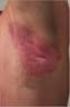 Rheumatology 2010 Birmingham 21 April 2010 Phenotypes and Classification of Psoriasis Christopher E.M. Griffiths Abbott Centocor Incyte Galderma Janssen-Cilag Leo Pharma Lynxx Novartis Pfizer Schering-Plough
A Psoriasis. Clinical Presentation. 2 Types of Psoriasis. Plaque Psoriasis. 1 Introduction
 Clinical Presentation A Psoriasis Jennifer Soung, Mark Lebwohl Contents 1 Introduction 67 2 Types of Psoriasis 67 Plaque Psoriasis 67 Guttate Psoriasis 68 Pustular Psoriasis 69 Inverse Psoriasis 70 Erythrodermic
RHEUMATOID ARTHRITIS. Dr Bruce Kirkham Rheumatology Clinical Lead
 RHEUMATOID ARTHRITIS Dr Bruce Kirkham Rheumatology Clinical Lead RHEUMATOID ARTHRITIS (RA) RA is a common disease: 0.8 per cent of the population RA more common in females: female to male ratio 3:1 RA
The Most Common Autoimmune Disease: Rheumatoid Arthritis. Bonita S. Libman, M.D.
 The Most Common Autoimmune Disease: Rheumatoid Arthritis Bonita S. Libman, M.D. Disclosures Two googled comics The Normal Immune System Network of cells and proteins that work together Goal: protect against
Psoriatic Arthritis. What is psoriatic arthritis? Understanding joints. Who gets psoriatic arthritis? Page 1 of 5
 Page 1 of 5 Psoriatic Arthritis Psoriatic arthritis causes inflammation, pain, and swelling of joints in some people who have psoriasis. Other parts of the body may also be affected. For example, in many
Key Facts about Influenza (Flu) & Flu Vaccine
 Key Facts about Influenza (Flu) & Flu Vaccine mouths or noses of people who are nearby. Less often, a person might also get flu by touching a surface or object that has flu virus on it and then touching
High Impact Rheumatology
 High Impact Rheumatology Rheumatology at a Glance Osteoarthritis: Typical hand Hard boney enlargements Heberden s nodes at the DIP joints Bouchard s nodes at the PIP joints Often have squared first CMC
Male New Patient Package
 Male New Patient Package The contents of this package are your first step to restore your vitality. Please take time to read this carefully and answer all the questions as completely as possible. Thank
Rheumatoid Arthritis www.arthritis.org.nz
 Rheumatoid Arthritis www.arthritis.org.nz Did you know? Rheumatoid arthritis (RA) is the third most common form of arthritis Approximately 40,000 New Zealanders have RA RA can occur at any age, but most
RHEUMATOLOGY ICD-10 CROSSWALK
 RHEUMATOLOGY ICD-10 CROSSWALK ICD is revised periodically and is currently in its tenth edition and will be implemented in the United States on October 1, 2015. There is an annual minor update and three-yearly
MEDICAL ASSISTANCE HANDBOOK PRIOR AUTHORIZATION OF PHARMACEUTICAL SERVICES `I. Requirements for Prior Authorization of Cytokine and CAM Antagonists
 MEDICAL ASSISTANCE HBOOK `I. Requirements for Prior Authorization of Cytokine and CAM Antagonists A. Prescriptions That Require Prior Authorization All prescriptions for Cytokine and CAM Antagonists must
Polymyalgia Rheumatica www.arthritis.org.nz
 Polymyalgia Rheumatica www.arthritis.org.nz Did you know? Arthritis affects one in six New Zealanders over the age of 15 years. Polymyalgia rheumatica is a common rheumatic condition. It affects more women
 More details >>> HERE
 DEPRESSION Depression Assessment PHQ-9 Screening tool Depression treatment Treatment flow chart Medications Patient Resource
 E-Resource March, 2015 DEPRESSION Depression Assessment PHQ-9 Screening tool Depression treatment Treatment flow chart Medications Patient Resource Depression affects approximately 20% of the general population
Psoriasis: Controlled YOUR GUIDE TO BIOLOGICAL TREATMENTS FOR PLAQUE PSORIASIS
 Psoriasis: Controlled YOUR GUIDE TO BIOLOGICAL TREATMENTS FOR PLAQUE PSORIASIS 2 Proudly supported by Disclaimer: Some photographs and models used in this booklet are for illustrative purposes only and
Autoimmune Diseases More common than you think Randall Stevens, MD
 Autoimmune Diseases More common than you think Randall Stevens, MD picture placeholder Autoimmune Diseases More than 60 different disorders Autoimmune disorders (AID) diseases caused by the immune system
Other Noninfectious Diseases. Chapter 31 Lesson 3
 Other Noninfectious Diseases Chapter 31 Lesson 3 Diabetes Diabetes- a chronic disease that affects the way body cells convert food into energy. Diabetes is the seventh leading cause of death by disease
Rheumatology Labs for Primary Care Providers. Robert Monger, M.D., F.A.C.P. 2015 Frontiers in Medicine
 Rheumatology Labs for Primary Care Providers Robert Monger, M.D., F.A.C.P. 2015 Frontiers in Medicine Objectives Review the Indications for and Interpretation of lab testing for the following diseases:
BREAST CANCER AWARENESS FOR WOMEN AND MEN by Samar Ali A. Kader. Two years ago, I was working as a bedside nurse. One of my colleagues felt
 Ali A. Kader, S. (2010). Breast cancer awareness for women and men. UCQ Nursing Journal of Academic Writing, Winter 2010, 70 76. BREAST CANCER AWARENESS FOR WOMEN AND MEN by Samar Ali A. Kader Two years
Raynaud s phenomenon, Scleroderma and associated disorders
 Patient information Raynaud s phenomenon, Scleroderma and associated disorders Vascular Surgery Surgical Division PIF 202/V5 What is Raynaud s phenomenon? Raynaud s phenomenon is a condition where the
A patient guide to psoriasis/ psoriatic arthritis URAC. All Walgreens specialty pharmacy locations are ACHC and URAC accredited.
 A patient guide to psoriasis/ psoriatic arthritis URAC All Walgreens specialty pharmacy locations are ACHC and URAC accredited. Table of contents Understanding psoriasis and psoriatic arthritis...1 Psoriasis...1
Marilyn Borkgren-Okonek, APN, CCNS, RN, MS Suburban Lung Associates, S.C. Elk Grove Village, IL
 Marilyn Borkgren-Okonek, APN, CCNS, RN, MS Suburban Lung Associates, S.C. Elk Grove Village, IL www.goldcopd.com GLOBAL INITIATIVE FOR CHRONIC OBSTRUCTIVE LUNG DISEASE GLOBAL STRATEGY FOR DIAGNOSIS, MANAGEMENT
Juvenile Dermatomyositis Joseph Junewick, MD FACR
 Juvenile Dermatomyositis Joseph Junewick, MD FACR 10/11/2015 History Child with several month history of weakness, arthralgias and palpable abnormalities at the knee Diagnosis Juvenile Dermatomyositis
Arthritis: An Overview. Michael McKee, MD, MPH February 23, 2012
 Arthritis: An Overview Michael McKee, MD, MPH February 23, 2012 Supporters Deaf Health Talks is possible through the support of: Rochester Recreation Club for the Deaf ( REAP ) Deaf Health Community Committee
Infl ectra for rheumatoid arthritis
 Infl ectra for rheumatoid arthritis Some important information to get you started with your treatment This booklet is intended only for use by patients who have been prescribed Inflectra. Introduction
Rheumatoid Arthritis. Disease RA Final.indd 2 15. 6. 10. 11:23
 Rheumatoid Arthritis Disease RA Final.indd 2 15. 6. 10. 11:23 Understanding what to expect can help you prepare for your transition into treatment. Rheumatoid Arthritis What You Need To Know About Rheumatoid
Do I need a physician referral? Yes, we see patients on referral from a health care provider.
 FAQS FOR OFFICE POLICIES How do I get an appointment? New appointments are made by physician referral only. Your referring health care provided will call for the appointment for you. What do I need to
Arthritis in Children: Juvenile Rheumatoid Arthritis By Kerry V. Cooke
 Reading Comprehension Read the following essay on juvenile rheumatoid arthritis. Then use the information in the text to answer the questions that follow. Arthritis in Children: Juvenile Rheumatoid Arthritis
VITILIGO Charles Camisa, MD 1/24/12. Vitiligo is a common autoimmune skin disease that causes gradual loss of the natural
 VITILIGO Charles Camisa, MD 1/24/12 What is vitiligo? Vitiligo is a common autoimmune skin disease that causes gradual loss of the natural brown pigment in the skin called melanin. It affects about 1%
Population Health Management Program
 Population Health Management Program Program (formerly Disease Management) is dedicated to improving our members health and quality of life. Our Population Health Management Programs aim to improve care
Spongiotic reaction pattern Spongiosis = Intercellular edema Elongation of bridges vesiculation, bullae?mechanism unclear Fluid comes from dermis Impo
 Spongiotic Reaction Pattern and review Nathan C. Walk, M.D. Spongiotic reaction pattern Spongiosis = Intercellular edema Elongation of bridges vesiculation, bullae?mechanism unclear Fluid comes from dermis
MEDICATION GUIDE REMICADE (Rem-eh-kaid) (infliximab) Read the Medication Guide that comes with REMICADE before you receive the first treatment, and
 MEDICATION GUIDE REMICADE (Rem-eh-kaid) (infliximab) Read the Medication Guide that comes with REMICADE before you receive the first treatment, and before each time you get a treatment of REMICADE. This
NATIONAL INSTITUTE FOR HEALTH AND CLINICAL EXCELLENCE. Health Technology Appraisal
 NATIONAL INSTITUTE FOR HEALTH AND CLINICAL EXCELLENCE Health Technology Appraisal Adalimumab, etanercept, infliximab, rituximab and abatacept for the treatment of rheumatoid arthritis after the failure
Male Patient Questionnaire & History
 Male Patient Questionnaire & History Name: Today s Date: (Last) (First) (Middle) Date of Birth: Age: Occupation: Home Address: City: State: Zip: E- Mail Address: May we contact you via E- Mail? ( ) YES
Rheumatology. Rheumatoid Arthritis
 Rheumatology Rheumatoid Arthritis The Rheumatology service specialises in the diagnosis and treatment of diseases affecting the musculoskeletal system. Other than providing inpatient and outpatient consultation,
ARTHRITIS INTRODUCTION
 ARTHRITIS INTRODUCTION Arthritis is the most common disease affecting the joints. There are various forms of arthritis but the two that are the most common are osteoarthritis (OA), and rheumatoid arthritis
TOPICAL TREATMENTS FOR PSORIASIS
 TOPICAL TREATMENTS FOR PSORIASIS What are the aims of this leaflet? Patients with psoriasis are usually treated with preparations that are applied to the skin. This leaflet has been written to help you
CLINICAL PRESENTATION OF PSORIASIS
 CLINICAL PRESENTATION OF PSORIASIS F. AYALA Division of Dermatology, Department of Systematic Pathology, University of Naples Federico II, Naples, Italy SUMMARY Psoriasis is a chronic, inflammatory disease
Depression in Older Persons
 Depression in Older Persons How common is depression in later life? Depression affects more than 6.5 million of the 35 million Americans aged 65 or older. Most people in this stage of life with depression
Summary of the risk management plan (RMP) for Accofil (filgrastim)
 EMA/475472/2014 Summary of the risk management plan (RMP) for Accofil (filgrastim) This is a summary of the risk management plan (RMP) for Accofil, which details the measures to be taken in order to ensure
 More information >>> HERE
 Current Rheumatoid Arthritis Treatment Options: Update for Managed Care and Specialty Pharmacists
 Current Rheumatoid Arthritis Treatment Options: Update for Managed Care and Specialty Pharmacists 1. Which of the following matches of biologic targets that contribute to rheumatoid arthritis (RA) and
Dr Sarah Levy Consultant Rheumatology Croydon University Hospital
 Dr Sarah Levy Consultant Rheumatology Croydon University Hospital Contents Definition/ epidemiology Diagnosis Importance of early diagnosis/ treatment Guidelines Evidence based treatment protocol Current
Arthritis www.patientedu.org
 written by Harvard Medical School Arthritis www.patientedu.org Arthritis is the most common chronic disease in the world, and it s the leading cause of disability in the United States. There are more than
Lupus in Children and Teenagers. Arielle Hay, MD Pediatric Rheumatologist Nicklaus Children s Hospital
 Lupus in Children and Teenagers Arielle Hay, MD Pediatric Rheumatologist Nicklaus Children s Hospital Systemic Lupus Erythematosus (SLE) Chronic Illness What is lupus? Autoimmune Multisystem Antinuclear
Preetha selva et al. / International Journal of Phytopharmacology. 6(1), 2015, 42-46. International Journal of Phytopharmacology
 International Journal of Phytopharmacology Journal homepage: www.onlineijp.com 42 e- ISSN 0975 9328 Print ISSN 2229 7472 IJP A CLINICAL STUDY TO EVALUATE THE EFFECT OF TOPICAL TAZAROTENE IN THE TREATMENT
ustekinumab 45mg solution for injection in pre-filled syringe (Stelara ) SMC No. (944/14) Janssen-Cilag Ltd
 ustekinumab 45mg solution for injection in pre-filled syringe (Stelara ) SMC No. (944/14) Janssen-Cilag Ltd 07 February 2014 The Scottish Medicines Consortium (SMC) has completed its assessment of the
www.healthoracle.org 1
 How does hair grow and should it recycle? A single hair follicle grows its hair strand over a period of four to six years (the anagen phase). It then rests for two to four months (the telogen phase), after
Critical Issues in School Health Arthritis in the School Setting. Lawrence Zemel MD Tegan Willard RN Connecticut Children s
 Critical Issues in School Health Arthritis in the School Setting Lawrence Zemel MD Tegan Willard RN Connecticut Children s Juvenile Rheumatoid Idiopathic Arthritis Definition of JRA (JIA) Persistent arthritis
Common Skin Conditions in Children. Liz Moore and Emma King Dermatology Nurse Consultants
 Common Skin Conditions in Children Liz Moore and Emma King Dermatology Nurse Consultants Diagnosis? Nummular Dermatitis Disc pattern rash (discoid eczema) Clearly demarcated edges Occurs at any age Can
NEURO-OPHTHALMIC QUESTIONNAIRE NAME: AGE: DATE OF EXAM: CHART #: (Office Use Only)
 PAGE 1 NEURO-OPHTHALMIC QUESTIONNAIRE NAME: AGE: DATE OF EXAM: CHART #: (Office Use Only) 1. What is the main problem that you are having? (If additional space is required, please use the back of this
Topical Tacrolimus or Pimecrolimus for the treatment of mild, moderate or severe atopic eczema. Effective Shared Care Agreement
 Topical Tacrolimus or Pimecrolimus for the treatment of mild, moderate or severe atopic eczema. Effective Shared Care Agreement A Copy of this page signed by all three parties should be retained in the