
MOHS MICROGRAPHIC SURGERY
|
|
|
- Rhoda Webb
- 10 years ago
- Views:
Transcription
1 MOHS MICROGRAPHIC SURGERY You have been referred to our office for Mohs Micrographic Surgery. Below are some frequently asked questions by patients undergoing Mohs Surgery. Please read through the questions and answers. While all of your questions may not be answered, the following information is designed to make sure the surgery day is easier. What is Skin Cancer? Cancer is an abnormal growth of cells at an uncontrolled and unpredictable rate. The cancer tissue usually grows and destroys the surrounding normal tissue. The most common cancers that occur in the skin are basal cell carcinoma, squamous cell carcinoma, and malignant melanoma. The names refer to the skin cell from which the particular type of skin cancer originates. In the Mohs Surgery Unit, we use microscopically controlled surgery to treat basal cell carcinoma, squamous cell carcinoma, and some much rarer skin tumors. Compared to other types of cancer, skin cancers are visible and can be readily identified in the early stages. They are, therefore, more easily cured. Need for Biopsy In addition to the several different types of basal cell carcinoma and squamous cell carcinoma, there are other growths, or lesions, on the skin that resemble these malignancies which may be benign. It is, therefore, essential to identify the lesions prior to treatment, as different therapies for each may be indicated. For this reason, a biopsy is performed prior to administering treatment of any kind. Malignant Melanoma Malignant melanoma is a skin cancer which may be life threatening if not treated early. Fortunately, this cancerous growth is far less common than basal cell carcinoma and squamous cell carcinoma. It usually appears as a small brownish-black or larger multicolored patch, plaque or nodule with an irregular border. Sometimes the surface will crust or bleed. Melanomas occasionally originate in moles, which have been present since birth. You should inspect your skin regularly and become familiar with all spots and moles. Pay special attention to their sizes, shapes, edges and color.

2 Know the Signs of Skin Cancer If you have any of these symptoms, you should make an appointment for a checkup at once. A skin growth that increases in size and appears pearly, translucent, tan, brown, black or multicolored. A mole, birthmark or beauty mark that: changes color increases in size or thickness changes in texture is irregular in outline A spot or growth that continues to itch, hurt, crust, erode or bleed. An open sore or wound on the skin that does not heal or persists for more than four weeks, or heals and then reopens What Causes Skin Cancer? Sunlight Unlike other forms of cancer, the cause of skin cancer is known. Excessive exposure to sunlight is the single most important factor associated with the development of skin cancers appearing on the face (the most common site) and other sun-exposed parts of the body. Fair skinned people develop skin cancer more frequently than dark-skinned people do, and it is rare in blacks skin. Geographic location is also a factor, with an increased incidence occurring in areas of high sun exposure. Skin cancer also tends to be hereditary and occurs very frequently in certain ethnic groups, especially those with fair complexions, such as Northern Italians and Celts (especially Irish). These individuals usually sunburn easily and tan poorly. Other Causes Superficial X-ray, which was used many years ago as treatment for certain skin diseases, has sometimes been the cause of skin cancers occurring many years later. Routine X-rays, such as chest and dental X-rays, do not cause skin cancer. Indoor tanning, trauma (burns or scars), certain chemicals, and rare inherited diseases may also contribute to the development of skin cancer. How May Skin Cancer Be Treated There are several treatments for skin cancer, all highly successful in the majority of patients. These methods include excision (surgical removal) and suture (sewing); curettage and electrodesiccation (scraping and burning with an electric needle); cryosurgery (freezing); radiation therapy (X-ray); and Mohs Micrographic surgery (microscopically controlled excision). The method chosen depends on several factors, such as the location of the cancer, its size, and previous therapies.

3 What is Mohs Micrographic Surgery? In the early 1940 s, Dr. Frederic Mohs, Professor of Surgery at the University of Wisconsin, developed a form of treatment for skin cancer, which he called chemosurgery. (The word chemosurgery is derived from the words chemical and surgery.) The technique has undergone many refinements and came to be known as Mohs Surgery in honor of Dr. Mohs. Chemicals are no longer used. The term Mohs Micrographic surgery was first published by Dr. Hanke in 1985 to indicate the tissue mapping ( graphic ) and specialized microscopic examination ( micro ) that are done. The shortened term Mohs surgery is often used. Mohs surgery is a highly specialized treatment for the total removal of skin cancer, in which the microscope is used to determine the extent of the tumor and its location. Surgical Procedure The surgery is performed as follows: The skin that is suspicious for cancer cells is treated with a local anesthetic so that there is no feeling or pain in the area. To remove most of the visible skin cancer, the tumor is scraped using a sharp instrument called a curette. A thin piece of tissue around the scraped skin is then removed surgically and is carefully divided into pieces that will fit on a microscope slide. Examination of Tissue The edges of the tissue are then marked with specially colored dyes; a careful map or diagram of the tissue removed is made, and the tissue is frozen by the histotechnician. Thin slices can then be made from the frozen tissue and are examined by your surgeon under the microscope. Most bleeding is controlled using pressure and other routine measures; occasionally a small blood vessel is encountered which must be tied using suture material. A pressure dressing is applied, and the patient is asked to wait in the reception area while the slides are being processed. Your surgeon will then examine the slides under the microscope and determine if any tumor is still present. If cancer cells remain, he is able to determine the number of cells and the exact location. Another layer of tissue is then surgically removed, and the procedure is repeated until the surgeon is satisfied that the entire base and side of the wound have no cancer cells remaining. As well as ensuring total removal of the cancer, this process preserves as much normal, healthy, surrounding skin as possible. The goal is to remove the cancer while creating the smallest possible loss of normal tissue.

4 Duration of Surgery The removal of each layer of tissue takes approximately one or two hours. Only minutes of that time is spent in the actual surgical procedure, the remaining time is required for slide preparation and interpretation. Removal of two or three layers of tissue (called stages ) is usually required to complete the surgery. Therefore, if begun early in the morning, Mohs surgery is generally completed in one day, or part of a day. Occasionally however, a tumor may be extensive enough to necessitate continuing surgery a second day. Rate of Cure In summary, by microscopically pinpointing areas involved with cancer and selectively removing these tissues, your surgeon can successfully remove your skin cancer. Using this technique, the cure rate is very high, often percent, even if other forms of treatment have failed. However, no one can guarantee a 100 percent cure rate. Because normal tissue is preserved to the greatest extent possible, Dr. Hanke and Dr. Petersen are also able to offer you the best possibility of a good cosmetic result, and every effort will be made to minimize the scar. What Are The Advantages of Mohs Micrographic Surgery? Mohs Micrographic surgery ensures complete removal of the skin cancer while preserving as much normal skin as possible. It is done as an office surgical procedure, which eliminates the necessity of operating room or hospital fees. Additionally, Mohs surgery is safe, reliable and has a significantly higher cure rate (95-99 percent) than any other available technique, even when dealing with the most difficult cases. How Do I Prepare For The Day of Surgery? Because you can expect to be with us for several hours, it is wise to bring a book or a magazine to read. Also, because the day may prove to be tiring, it is advisable to have someone accompany you on the day of the surgery to provide companionship and to drive you home. The best preparation for Mohs surgery is a good night s rest followed by a normal breakfast. Please do not consume any aspirin or aspirin-containing products, ibuprofen, onions, garlic, vitamin E or liquor (including beer or wine) two weeks prior to your appointment. All of the above cause thinning of the blood. If you are taking aspirin per your doctor s orders, please check with the prescribing physician before discontinuing any of your medications. If you are taking any over-thecounter medications, please check with your pharmacist to see if they contain aspirin or aspirin-derivatives. You should take your daily medications as usual on the morning of surgery. Please bring a list of all medications that you are taking.

5 What Happens On The Day of Surgery? Appointments for surgery are usually scheduled early in the day to allow us to finish that same day. You will be placed on the examining room table, and the area around your skin cancer will be anesthetized (numbed) with a local anesthetic. This step may be slightly uncomfortable for a few seconds, but usually this is the only discomfort you will experience during the procedure. Once the area is numbed, a thin layer of tissue will be removed and the bleeding controlled. The tissue will be mapped, color-coded, and sent to the on-site Mohs laboratory to be processed into frozen section microscope slides. A pressure dressing will be placed over the area, and you will be escorted to the reception area. On average, it takes an hour for the slides to be prepared and studied. The nursing personnel will tell you before you leave the surgery room how long it will be before you will be called back to the exam rooms. During this time you may wait in the reception area and read your book or magazine. Please plan to be available in the reception area at the time the nursing personnel tell you, so we can serve you as efficiently as possible. For snacks and/or lunch, the St. Vincent Waterfall Café is located at the main entrance of the hospital. In addition there are restaurants on the opposite side of Meridian Street (across from St. Vincent Carmel Hospital). Please remember that the time the nurse will tell you is only an approximation. Occasionally tissue requires special attention and will take longer for the histotechnician to process. Most Mohs surgery cases are completed in two or three stages. Each stage involves the removal and microscopic examination of your skin for cancer. Therefore, the majority of cases are finished before noon. Once your surgeon is confident that the skin cancer has been totally removed, he will make recommendations for dealing with the surgical site. What Can I Expect After The Surgery? Pain You will experience very little, if any discomfort after your surgery. Again, we request that you do not take aspirin or ibuprofen, but use Tylenol or a Tylenol-like painkiller (Datril). Rarely will it be necessary for the physician to prescribe a stronger pain medication. Bleeding Rarely does bleeding occur following surgery. If this should happen, the bleeding can usually be controlled by the use of pressure. You should lie down, and apply constant pressure on a gauze pad over the bleeding point for 20 minutes; do not lift up or release the pressure at all during that period of time. If bleeding persists after continued pressure for 20 minutes (timed), repeat the pressure for another 20 minutes. If this fails, call Laser and Skin Surgery Center or proceed to the nearest hospital emergency room.

6 Complications There are some minor complications, which may occur after Mohs surgery. Infection is rare. A small red area may develop surrounding your wound. This is normal and does not usually indicate infection. However, if the redness does not subside in two days or if the wound begins to drain pus, you should notify us immediately. Itching and redness around the wound, especially in an area where adhesive tape has been applied, are common. When this occurs, ask your pharmacist for a nonallergenic tape and inform us on your return visit. Swelling and slight bruising are common following Mohs Surgery, especially when it is performed around the eyes. These conditions usually subside within four to five days after surgery and may be reduced by sleeping with your head slightly elevated and by using an ice pack for short periods of time during the first 24 hours. At times, the area surrounding the operative site will be numb to touch. This area of anesthesia (numbness) may persist for several months or longer. In rare instances, it may be permanent. If this occurs, please discuss it with your surgeon at the follow-up visit. Restrictions Depending on the size and location of the wound, your surgeon may recommend restricted physical activity for a day or more. Details will be discussed with you. What Happens After The Tumor Has Been Removed? Almost all patients are photographed upon completion of Mohs surgery. These photographs become part of your medical record and may be used for teaching purposes. After Mohs surgery, you will have a surgical wound. This wound will be dealt with in one of several ways. Your surgeon will discuss with you the options that will provide the best cosmetic results without disguising the small possibility of a recurrence. The possibilities include: Healing by second intention Closing the wound, or part of the wound, with stitches Closing the wound with a skin flap or skin graft Arranging a consultation with one of several reconstructive surgeons.

7 What is Healing by Second Intention? Healing by second intention involves allowing the wound to heal by itself. This offers a good chance to observe the wound as it heals after removal of a difficult tumor. Experience has taught that there are certain areas of the body where nature will heal a wound nicely as a further surgical procedure. Sometimes a wound will be left to heal by second intention, with the knowledge that if the resultant scar is unacceptable, some form of reparative surgery can be performed at a later date. If the wound is allowed to heal by itself, the dressing must be changed every day until healing is complete. All wounds normally drain, and dressings are changed daily to absorb the drainage. The nursing staff will teach you how to change the dressing and will give you printed instructions. If the wound is allowed to heal by second intention, it usually heals in four to eight weeks, depending on the size of the wound and on how quickly an individual tends to heal. When healing is well advanced, you will be permitted to stop the daily dressing changes. You may experience a sensation of tightness (or drawing) as the wound heals but this is normal. After several months, the tightness will resolve. Frequently, tumors involve nerves, and may take up to a year, or even two, before feeling returns to normal, or near normal. Occasionally the area stays numb permanently. The skin that grows over the wound contains many more blood vessels than the skin that was removed. This results in a red scar, and the area may be sensitive to temperature changes (such as cold air). This sensitivity improves with time, and the redness gradually fades. Patients frequently experience itching after their wounds have healed. This occurs because the new skin that covers the area does not have as many oil glands as previously existed. Plain petroleum jelly will help relieve the itching. What Happens If The Wound Is Closed With Stitches? Wounds are often closed with stitches. This involves some adjustment of the wound and sewing the skin edges together. The procedure speeds healing and can offer a good cosmetic result. For example, a scar can be hidden in a facial line or a wrinkle line. The nursing personnel will teach you how to change the dressings daily and provide you with printed instructions. If an odd-smelling fluid oozes from the wound, call the Laser and Skin Surgery Center immediately. The stitches will remain in place for five to seven days. While the stitches are in place, it is important to keep the area clean and refrain from activities that might pull on the sutures.

8 Will There Be a Scar? Yes. Any treatment for skin cancer will leave a scar. Mohs surgery preserves as much normal skin as possible, resulting in a scar that is as small as possible. How Often Do I Return For A Follow-Up Visit? A follow-up period of observation for at least five years is essential. Your surgeon may need to see you within one to two months after your surgery. How often you will need to return will depend on your specific case. In many instances, patients return to their own physician for follow-up visits. The nursing staff and/or your Mohs surgeon will tell you after your surgery how often you will need follow-up visits and which physician to see. Will I Develop More Skin Cancers? Studies have shown that once you develop a skin cancer, there is a possibility that you will develop others in the years ahead. The damage that your skin has already received from the sun cannot be reversed. However, several precautions, which involve good common sense, can be taken to prevent further skin cancers Avoid sun exposure from 10:00a.m. to 3:00 p.m. (May to September in Indiana) Apply a sunscreen with a SPF of 15 or greater, half an hour before going outdoors, and reapply as directed on the product label. Wear protective clothing, including a broad-brimmed hat and ultraviolet blocking sunglasses. Stay away from tanning salons. Don t forget to use your sunscreen on overcast days. The sun s rays are as damaging to your skin on cloudy, hazy days as they are on sunny days. Use a sunscreen while at lower latitudes. The sun is stronger near the equator where the sun s rays strike the earth most directly.

MOHS MICROGRAPHIC SURGERY
 MOHS MICROGRAPHIC SURGERY UMass Memorial Medical Center 55 Lake Avenue North Worcester, MA 01655 (508) 856-1666 Dr. Mary Maloney This booklet is intended to explain Mohs surgery to you. It is not, however,
MOHS MICROGRAPHIC SURGERY INFORMATION
 MOHS MICROGRAPHIC SURGERY INFORMATION Introduction Our goal at Greater Washington Dermatology is to provide you with the highest quality care for the treatment of your skin cancer. You have been scheduled
MOHS MICROGRAPHIC SURGERY
 Mary E. Maloney, MD Director Professor of Medicine David E. Geist, MD Assistant Professor of Medicine Dori Goldberg, MD Assistant Professor of Medicine Mark J. Scharf, MD Professor of Medicine Jason D.
Skin cancer Patient information
 Skin cancer Patient information What is cancer? The human body is made up of billions of cells. In healthy people, cells grow, divide and die. New cells constantly replace old ones in an orderly way. This
Melanoma The Skin Understanding Cancer
 Melanoma A form of cancer that begins in melanocytes (cells that make the pigment melanin). It may begin in a mole (skin melanoma), but can also begin in other pigmented tissues, such as in the eye or
Mohs Surgery Introduction. About skin cancer. What is Mohs surgery?
 Phil Ecker, MD Clinical, Surgical & Cosmetic Dermatology Mohs Surgery Introduction Mohs surgery (also called Mohs micrographic surgery) is a specialized surgical treatment for skin cancer. Mohs surgery
Excision or Open Biopsy of a Breast Lump Your Operation Explained
 Excision or Open Biopsy of a Breast Lump Your Operation Explained Patient Information Introduction This leaflet tells you about the procedure known as excision or open biopsy of a breast lump. It explains
Nurse Practitioner, Dermatology
 Melissa O Neill, O MS, APRN Nurse Practitioner, Dermatology Three Types of Skin Cancer > Basal Cell Carcinoma > Squamous Cell Carcinoma > Malignant Melanoma Basal Cell Carcinoma > Most common skin cancer
Basal Cell Carcinoma Affecting the Eye Your Treatment Explained
 Basal Cell Carcinoma Affecting the Eye Your Treatment Explained Patient Information Introduction This booklet is designed to give you information about having a Basal Cell Carcinoma near your eye and the
BOWEN S DISEASE (SQUAMOUS CELL CARCINOMA IN SITU)
 BOWEN S DISEASE (SQUAMOUS CELL CARCINOMA IN SITU) What are the aims of this leaflet? This leaflet has been written to help you understand more about squamous cell carcinoma in situ (Bowen s disease). It
SQUAMOUS CELL CARCINOMA
 SQUAMOUS CELL CARCINOMA What are the aims of this leaflet? This leaflet has been written to help you understand more about squamous cell carcinomas of the skin. It tells you what they are, what causes
SKIN CANCER AND TANNING 101. Introduction. There are more than one hundred types of cancer. All the kinds of cancer begin in our cells.
 Introduction There are more than one hundred types of cancer. All the kinds of cancer begin in our cells. Normal cells grow and multiply and then die. Cancer cells grow and multiply and keep growing and
Cataract Information for Patients
 Cataract Information for Patients http://www.gov.pe.ca/health and click on Wait Times tab Page 1 What is a Cataract? A cataract is a clouding of the eye s naturally clear lens. When the lens becomes cloudy,
Skin biopsy. Delivering the best in care. UHB is a no smoking Trust
 Skin biopsy Delivering the best in care UHB is a no smoking Trust To see all of our current patient information leaflets please visit www.uhb.nhs.uk/patient-information-leaflets.htm A skin biopsy is a
Structual Fat Transfer (Fat Injection to the Breast) Musgrove Park Hospital is part of Taunton and Somerset NHS Foundation Trust. Patient Information
 Structual Fat Transfer (Fat Injection to the Breast) Musgrove Park Hospital is part of Taunton and Somerset NHS Foundation Trust Patient Information Introduction This information is for patients undergoing
Multiple Myeloma. This reference summary will help you understand multiple myeloma and its treatment options.
 Multiple Myeloma Introduction Multiple myeloma is a type of cancer that affects white blood cells. Each year, thousands of people find out that they have multiple myeloma. This reference summary will help
What are spider veins? What is the best treatment for spider veins?
 Laser Spider/Leg Vein Q & A What are spider veins? Millions of women and men are bothered by unsightly spider veins on their faces and legs. Spider veins or telangiectasias are those small red, blue and
Blepharoplasty - Eyelid Surgery
 Blepharoplasty - Eyelid Surgery Introduction Eyelid surgery repairs sagging or drooping eyelids. The surgery is also known as blepharoplasty, or an eyelid lift. Sagging or drooping eyelids happen naturally
Surgery for breast cancer in men
 Surgery for breast cancer in men This information is an extract from the booklet Understanding breast cancer in men. You may find the full booklet helpful. We can send you a free copy see page 9. Contents
Breast Reduction Post-Operative Instructions
 Breast Reduction Post-Operative Instructions What are my post-operative instructions? Have someone drive you home after surgery and help you at home for 1-2 days. Get plenty of rest and follow a balanced
Breast reduction surgery
 Pan Manchester Patient Information Service July 2007 Plastic Surgery Department Issue 2 BSBR Pan Manchester Plastic Surgery Services Department of Plastic Surgery Acknowledgement: Written by Mr P Kumar,
about Why You Should Know Melanoma
 about Why You Should Know Melanoma Why You Should Know about Melanoma Each year, more than 3 million Americans are diagnosed with skin cancer. This is the most common form of cancer. Of these, more than
There are different types of lasers that according the wavelength of their beams have different indications; the most common ones used on skin are:
 What is Laser Surgery? Laser (Light Amplification by Stimulated Emission of Radiation) surgery uses a very hot, focused beam of light to remove or cauterise a skin lesion and control bleeding without affecting
Wide local excision. Delivering the best in care. UHB is a no smoking Trust
 Wide local excision Delivering the best in care UHB is a no smoking Trust To see all of our current patient information leaflets please visit www.uhb.nhs.uk/patient-information-leaflets.htm This leaflet
Informed Consent for Cosmetic Laser Skin Resurfacing with the DOT laser
 Informed Consent for Cosmetic Laser Skin Resurfacing with the DOT laser INSTRUCTIONS This informed-consent document has been prepared to help inform you about laser procedure, its risks, as well as alternative
Looking after your wound following skin surgery
 Looking after your wound following skin surgery Exceptional healthcare, personally delivered Introduction You have just undergone an operation, under local anaesthetic, for the removal of a skin lesion.
Shoulder Arthroscopy
 Copyright 2011 American Academy of Orthopaedic Surgeons Shoulder Arthroscopy Arthroscopy is a procedure that orthopaedic surgeons use to inspect, diagnose, and repair problems inside a joint. The word
Descemet s Stripping Endothelial Keratoplasty (DSEK)
 Descemet s Stripping Endothelial Keratoplasty (DSEK) Your doctor has decided that you will benefit from a corneal transplant operation. This handout will explain your options to you. It explains the differences
Cervical Cancer The Importance of Cervical Screening and Vaccination
 Cervical Cancer The Importance of Cervical Screening and Vaccination Cancer Cells Cancer begins in cells, the building blocks that make up tissues. Tissues make up the organs of the body. Sometimes, this
call 811 to get advice from a nurse, or have someone drive the patient to a hospital Emergency Department. Patients should NOT drive themselves.
 Taking Care at Home After Surgery This checklist is to help you and your support person know what to do after you go home following your surgery. If you are given instructions verbally or in writing by
A separate consent form for the use of breast implants in conjunction with mastopexy is necessary.
 INFORMED CONSENT BREAST LIFT (MASTOPEXY) INSTRUCTIONS This is an informed consent document that has been prepared to help your plastic surgeon inform you about mastopexy surgery, its risks, and alternative
Breast Augmentation. If you are dissatisfied with your breast size, augmentation surgery is a choice to consider. Breast augmentation can:
 Breast Augmentation What is Breast Augmentation? Also known as augmentation mammaplasty, breast augmentation involves using implants to fulfill your desire for fuller breasts or to restore breast volume
Radiation Therapy To the Arms or Legs
 Radiation Therapy To the Arms or Legs You will be receiving two to six weeks of radiation to the arms or legs. It will describe how your treatments are given. It will also describe how to take care of
Informed Consent For Laser Hair Removal
 Informed Consent For Laser Hair Removal INSTRUCTIONS This informed-consent document has been prepared to help inform you about laser procedures, its risks, as well as alternative treatment(s). It is important
NEHSNORTH EASTERN HEALTH SPECIALISTS
 COSMETIC DERMATOLOGY NEHSNORTH EASTERN HEALTH SPECIALISTS nehs.com.au CONSENT FORM ACNE Treatment I, DOB:, of authorize of North Eastern Health Specialist to perform hair removal with the BBL / Nd-Yag
LASIK. Cornea. Iris. Vitreous
 LASIK Introduction LASIK surgery is a procedure that improves vision and can decrease or eliminate the need for eyeglasses or contact lenses. If you and your doctor decide that LASIK surgery is right for
Michael A. Boss, M.D. FMH Plastic, Reconstructive und Aesthetic Surgery
 Michael A. Boss, M.D. FMH Plastic, Reconstructive und Aesthetic Surgery Boss Aesthetic Center Schauplatzgasse 23 CH-3011 Bern Switzerland +41 31 311 7691 www.aesthetic-center.com B r e a s t A u g m e
What You Need to know about Your Pet s Upcoming Dentistry and Periodontal Treatment
 What You Need to know about Your Pet s Upcoming Dentistry and Periodontal Treatment We are sending this packet of information in anticipation of your pet s upcoming dental procedure. Many people have questions
Department of Surgery
 Thoracic Surgery After Your Lung Surgery Patient Education Discharge Information You have just had lung surgery. The following are definitions of terms you may hear in connection with your surgery: THORACOTOMY
INFORMED CONSENT DERMABRASION
 INFORMED CONSENT DERMABRASION INSTRUCTION This is an informed-consent document which has been prepared to help your plastic surgeon inform you about dermabrasion, its risks, and alternative treatments.
Interstitial Breast Brachytherapy
 Patient Education Questions? Your questions are important. Call your doctor or health care provider if you have questions or concerns. UWMC clinic staff are also available to help at any time. During normal
Patient Information Cataract surgery
 Patient Information Cataract surgery Introduction This leaflet has been written to help you understand more about surgery for a cataract. It explains what the operation involves, the benefits and risks
How does Diabetes Effect the Feet
 How does Diabetes Effect the Feet What Skin Changes May Occur? Diabetes can cause changes in the skin of your foot. At times your foot may become very dry. The skin may peel and crack. The problem is that
Having a circumcision information for men
 Having a circumcision information for men This leaflet aims to answer your questions about having a circumcision. It explains the benefits, risks and alternatives, as well as what you can expect when you
Thymus Cancer. This reference summary will help you better understand what thymus cancer is and what treatment options are available.
 Thymus Cancer Introduction Thymus cancer is a rare cancer. It starts in the small organ that lies in the upper chest under the breastbone. The thymus makes white blood cells that protect the body against
AMPUTATION OF THE PENIS (PARTIAL OR COMPLETE) FOR CANCER INFORMATION FOR PATIENTS
 The British Association of Urological Surgeons 35-43 Lincoln s Inn Fields London WC2A 3PE Phone: Fax: Website: E-mail: +44 (0)20 7869 6950 +44 (0)20 7404 5048 www.baus.org.uk [email protected] AMPUTATION
The Radiotherapy Department Radiotherapy to the chest wall and lymph nodes
 Oxford University Hospitals NHS Trust The Radiotherapy Department Radiotherapy to the chest wall and lymph nodes Information for patients Introduction This leaflet is for people who have had surgery for
X-Plain Chemotherapy for Breast Cancer - Adriamycin, Cytoxan, and Tamoxifen Reference Summary
 X-Plain Chemotherapy for Breast Cancer - Adriamycin, Cytoxan, and Tamoxifen Reference Summary Introduction Breast cancer is a common condition that affects one out of every 11 women. Your doctor has recommended
Mesothelioma. 1995-2013, The Patient Education Institute, Inc. www.x-plain.com ocft0101 Last reviewed: 03/21/2013 1
 Mesothelioma Introduction Mesothelioma is a type of cancer. It starts in the tissue that lines your lungs, stomach, heart, and other organs. This tissue is called mesothelium. Most people who get this
Surgery Choices. National Cancer Institute. For Women with DCIS or Breast Cancer. National Institutes of Health
 National Cancer Institute Surgery Choices For Women with DCIS or Breast Cancer U.S. DEPARTMENT OF HEALTH AND HUMAN SERVICES National Institutes of Health The National Cancer Institute is grateful for our
Chapter 11. Everting skin edges
 Chapter 11 PRIMARY WOUND CLOSURE KEY FIGURE: Everting skin edges In primary wound closure, the skin edges of the wound are sutured together to close the defect. Whenever possible and practical, primary
SAFETY TIPS FOR COMPLYING WITH THE NEW YORK STATE SUN SAFETY LAW
 NEW YORK STATE DEPARTMENT OF LABOR DIVISION OF SAFETY AND HEALTH SAFETY TIPS FOR COMPLYING WITH THE NEW YORK STATE SUN SAFETY LAW What is the New York State Public Employee Sun Safety Law? The New York
Beaumont Hospital. Varicose Veins. and their TREATMENT. Professor Austin Leahy, MCh, FRCS, FRCSI WWW.VEINCLINICSOFIRELAND.COM
 Beaumont Hospital Varicose Veins and their TREATMENT Professor Austin Leahy, MCh, FRCS, FRCSI WWW.VEINCLINICSOFIRELAND.COM Department of Surgery Beaumont Hospital and Royal College of Surgeons in Ireland
Guide to Understanding Breast Cancer
 An estimated 220,000 women in the United States are diagnosed with breast cancer each year, and one in eight will be diagnosed during their lifetime. While breast cancer is a serious disease, most patients
Cheekbone (zygoma) and/or eye socket (orbit) fracture surgery
 Ambulatory Care & Local Networks Cheekbone (zygoma) and/or eye socket (orbit) fracture surgery Information for patients You have been treated in the Emergency Department for a broken (fractured) cheekbone
What If I Have a Spot on My Lung? Do I Have Cancer? Patient Education Guide
 What If I Have a Spot on My Lung? Do I Have Cancer? Patient Education Guide A M E R I C A N C O L L E G E O F C H E S T P H Y S I C I A N S Lung cancer is one of the most common cancers. About 170,000
Blepharoplasty & Cosmetic eyelid surgery
 Our cosmetic surgery team at The USF Eye Institute offers a wide variety of cosmetic procedures of the eyelids and face with the goal of obtaining a natural and rejuvenated appearance. Dr.Leyngold has
Vasectomy What happens under normal conditions? What is a vasectomy? How is a vasectomy performed?
 Vasectomy The decision to proceed with a vasectomy is a very personal one. It is important that you have a clear understanding of what a vasectomy is and what it is not. Most patients can expect to recover
Coding Dermatology Procedures. Presented by: Betty A Hovey Director, ICD-10 Development and Training AAPC
 Coding Dermatology Procedures Presented by: Betty A Hovey Director, ICD-10 Development and Training AAPC 1 No part of this presentation may be reproduced or transmitted in any form or by any means (graphically,
Tunnelled indwelling pleural catheter (TIPC)
 Tunnelled indwelling pleural catheter (TIPC) A patient s guide 1 What is a tunnelled indwelling pleural catheter? A tunnelled indwelling pleural catheter is a specially designed small tube to drain fluid
Orthopaedic Spine Center. Anterior Cervical Discectomy and Fusion (ACDF) Normal Discs
 Orthopaedic Spine Center Graham Calvert MD James Woodall MD PhD Anterior Cervical Discectomy and Fusion (ACDF) Normal Discs The cervical spine consists of the bony vertebrae, discs, nerves and other structures.
Patient Information and Consent for Medical/Laser/Intense Pulsed Light Treatment. VASClinic PROCEDURES
 This consent form includes general descriptions of various dermatological treatments, including possible benefits and risks that may occur as a result of these treatments. Your doctor or nurse will describe
Radiation Therapy for Prostate Cancer
 Radiation Therapy for Prostate Cancer Introduction Cancer of the prostate is the most common form of cancer that affects men. About 240,000 American men are diagnosed with prostate cancer every year. Your
Squint surgery in adults
 Patient Information Strabismus service Squint surgery in adults This leaflet aims to answer some of the questions you may have about squint surgery. The leaflet does not cover everything as every patient
INFORMED CONSENT - CARPAL TUNNEL RELEASE
 . Purchasers of the Patient Consultation Resource Book are given a limited license to modify documents contained herein and reproduce the modified version for use in the Purchaser's own practice only.
Presence and extent of fatty liver or other metabolic liver diseases
 UC San Diego Health System Patient Information Sheet: Liver Biopsy What is a Liver Biopsy? A liver biopsy is a procedure where a qualified doctor (typically a hepatologist, radiologist or gastroenterologist)
Common Medical Malpratice Delayed Diagnosis Cases: Melanoma
 DELAYED DIAGNOSIS SKINCANCER Common Medical Malpratice Delayed Diagnosis Cases: Melanoma Melanoma makes up the smallest percentage of skin cancer cases, yet it s the deadliest form causing the greatest
Thyroid Surgery at Massachusetts General Hospital Frequently Asked Questions
 Thyroid Surgery at Massachusetts General Hospital Frequently Asked Questions Q: What is the thyroid gland? A: The thyroid is a butterfly-shaped gland located in the front of the neck. It is one of the
What should I expect before the procedure?
 The British Association of Urological Surgeons 35-43 Lincoln s Inn Fields London WC2A 3PE Phone: Fax: Website: E- mail: +44 (0)20 7869 6950 +44 (0)20 7404 5048 www.baus.org.uk [email protected] PROCEDURE-
Home Care for Your Wound Drain
 PATIENT EDUCATION patienteducation.osumc.edu When you go home after surgery, you may have one or more drains in place to help your wounds heal. Hemovac, Jackson Pratt (JP) and Blake are common drains used
INFORMATION FOR YOU. Lower Back Pain
 INFORMATION FOR YOU Lower Back Pain WHAT IS ACUTE LOWER BACK PAIN? Acute lower back pain is defined as low back pain present for up to six weeks. It may be experienced as aching, burning, stabbing, sharp
FUNCTIONS OF THE SKIN
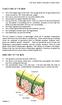 FUNCTIONS OF THE SKIN Skin is the largest organ of the body. The average adult has 18 square feet of skin which account for 16% of the total body weight. Skin acts as a physical barrier for you to the
Level 1, 131-135 Summer Street ORANGE NSW 2800 Ph: 02 63631688 Fax: 02 63631865
 Write questions or notes here: Level 1, 131-135 Summer Street ORANGE NSW 2800 Ph: 02 63631688 Fax: 02 63631865 Document Title: Total Knee Replacement Further Information and Feedback: Tell us how useful
RESULTS YOU CAN SEE AND FEEL
 RESULTS YOU CAN SEE AND FEEL You do a lot to look and feel great, finding the time to enjoy life to the fullest while still taking care of your body. Yet, the effects of sun, pollution, stress and fatigue
ANGEL DENTAL CARE Implant Consent
 This information is to help you make an informed decision about having implant treatment. You should take as much time as you wish to make the decision in relation to signing the following consent form.
No-Scalpel Vasectomy
 No-Scalpel Vasectomy Fachärzte für Urologie Praxisklinik: Goldenes Horn 12 12107 Berlin Tel: 0049.30.7416666 email: [email protected] General Information A vasectomy is a safe, commonly performed
Ilioinguinal dissection (removal of lymph nodes in the groin and pelvis)
 Ilioinguinal dissection (removal of lymph nodes in the groin and pelvis) This sheet answers common questions about ilio-inguinal dissection. If you would like further information, or have any particular
EYE MUSCLE SURGERY. I am on staff and perform surgery at the following facilities: HCA Gulf Coast Surgery Center of Bradenton
 1 EYE MUSCLE SURGERY Prepared by Scott E. Silverman, M.D. Strabismus is a misalignment of the eyes. The eyes may cross or drift up or out. Strabismus may be present from birth or may develop in childhood.
SKIN REJUVENATION WITH FRAXEL LASER. Akhil Wadhera, M.D. Dermatology
 SKIN REJUVENATION WITH FRAXEL LASER By Akhil Wadhera, M.D. Dermatology Dr. Hendler: Hello and welcome to KP Healthcast. I m your host, Dr. Peter Hendler. Today our guest is Dr. Akhil Wadhera who s been
X-Plain Trigeminal Neuralgia Reference Summary
 X-Plain Trigeminal Neuralgia Reference Summary Introduction Trigeminal neuralgia is a condition that affects about 40,000 patients in the US every year. Its treatment mostly involves the usage of oral
How To Know If You Can See Without Glasses Or Contact Lense After Lasik
 The LASIK experience I WHO CAN HAVE LASIK? To be eligible for LASIK you should be at least 21 years of age, have healthy eyes and be in good general health. Your vision should not have deteriorated significantly
Inferior Vena Cava filter and removal
 Inferior Vena Cava filter and removal What is Inferior Vena Cava Filter Placement and Removal? An inferior vena cava filter placement procedure involves an interventional radiologist (a specialist doctor)
CONSENT FORM. Procedure: Descemet s Stripping Automated Endothelial Keratoplasty (DSAEK)
 CONSENT FORM Procedure: Descemet s Stripping Automated Endothelial Keratoplasty (DSAEK) Surgeon: Jeffrey W. Liu, M.D. Peninsula Laser Eye Medical Group 1174 Castro Street, Ste. 100 Mountain View, CA 94040
Primary and revision lumbar discectomy. (nerve root decompression)
 Primary and revision lumbar discectomy (nerve root decompression) The aim of this leaflet is to help answer some of the questions you may have about having a lumbar discectomy. It explains the benefits,
What Dental Implants Can Do For You!
 What Dental Implants Can Do For You! Putting Smiles into Motion About Implants 01. What if a Tooth is Lost and the Area is Left Untreated? 02. Do You Want to Restore Confidence in Your Appearance? 03.
Laparoscopic Colectomy. What do I need to know about my laparoscopic colorectal surgery?
 Laparoscopic Colectomy What do I need to know about my laparoscopic colorectal surgery? Traditionally, colon & rectal surgery requires a large, abdominal and/or pelvic incision, which often requires a
Ptosis. Patient Information - Adnexal
 Patient Information - Adnexal Ptosis What is ptosis? Ptosis is the medical name for the drooping of the upper eyelid, which can happen in one or both eyes. A low upper lid can interfere with vision by
Disease/Illness GUIDE TO ASBESTOS LUNG CANCER. What Is Asbestos Lung Cancer? www.simpsonmillar.co.uk Telephone 0844 858 3200
 GUIDE TO ASBESTOS LUNG CANCER What Is Asbestos Lung Cancer? Like tobacco smoking, exposure to asbestos can result in the development of lung cancer. Similarly, the risk of developing asbestos induced lung
TOWN CENTER ORTHOPAEDIC ASSOCIATES P.C. Labral Tears
 Labral Tears The shoulder is your body s most flexible joint. It is designed to let the arm move in almost any direction. But this flexibility has a price, making the joint prone to injury. The shoulder
What You Need to Know about a Vasectomy
 What You Need to Know about a Vasectomy UHN Information for patients and families Read this booklet to learn: what a vasectomy is how it works what you can expect what to do after the procedure Please
Having a Breast Biopsy. A Guide for Women and Their Families
 Having a Breast Biopsy A Guide for Women and Their Families Fast Facts n n Most women who have a breast biopsy do not have breast cancer. About 4 out of every 5 breast biopsies are negative for cancer.
Stereotactic Breast Biopsy
 Scan for mobile link. Stereotactic Breast Biopsy Stereotactic breast biopsy uses mammography a specific type of breast imaging that uses low-dose x-rays to help locate a breast lump or abnormality and
Minor Lid Surgery. Information for patients
 Minor Lid Surgery Information for patients This leaflet has been produced to give you information about the problems you have been having with your eyelid. If you have any questions or require further
Refractive errors are caused by an imperfectly shaped eyeball, cornea or lens, and are of three basic types:
 Tips on Lasik Eye Surgery If you re tired of wearing glasses or contact lenses, you may be considering Lasik eye surgery one of the newest procedures to correct vision problems. Before you sign up for
KNEE ARTHROSCOPY. Dr C.S. Waller. Orthopaedic Surgeon
 KNEE ARTHROSCOPY Dr C.S. Waller Orthopaedic Surgeon Specializing in surgery of the hip and knee 83826199 What is Arthroscopy? Arthroscopy involves the inspection of the inside of the knee joint with a
TheraSphere A Radiation Treatment Option for Liver Cancer
 TheraSphere A Radiation Treatment Option for Liver Cancer TheraSphere is a treatment which is done in the Interventional Radiology Clinic. If you have more questions after reading this handout, you can
Pallidotomy and Thalamotomy
 Pallidotomy and Thalamotomy Vancouver General Hospital 899 West 12th Avenue Vancouver BC V5Z 1M9 Tel: 604-875-4111 This booklet will provide information about the following surgical procedures: Pallidotomy