
My Diabetes Care Plan
|
|
|
- Shona Parker
- 10 years ago
- Views:
Transcription
1 My Diabetes Care Plan You may use the charts below to help you better understand your diabetes. Ask your healthcare provider to review your goals and targets with you. Discuss the results and set up an action plan of things you can do to stay healthy and learn more about diabetes. Write down the dates when you have the tests or exams done and enter the results where appropriate. Measurements Date and Results A1C (every 3-6 months) Goal: less than 7% or Blood Pressure (2-4 times a year) Goal: less than 130/80 or Blood Glucose records (review every visit) Cholesterol, LDL (once a year) Goal: less than 100 or Microalbuminuria (once a year) Goal: less than 30 or Weight (every visit) Goal: Exams and Vaccinations Date Eye exam (dilated; once a year) Foot exam (2-4 times a year) Flu shot (once a year) Pneumonia vaccine Stress test / EKG The following are topics that are important to learn about and understand. Place a check mark next to them when you know what to do and have a plan for the following: Meal planning Sick day care Weight loss Low blood glucose prevention and treatment Physical activity Foot care Blood glucose monitoring Stress management Additional diabetes education Other: For more help understanding and managing your diabetes, the following sources of information are available: Resources Joslin Diabetes Center Web site and store: or 888-JOSLIN-1 American Diabetes Association: or DIABETES ( ) Referrals A Registered Dietitian for meal planning: or ext (American Dietetic Association) A Diabetes Educator for general diabetes education instruction: or (American Association of Diabetes Educators) Diabetes Education Programs Recognized by the American Diabetes Association for quality: or P1

2 Blood Glucose Monitoring Why Should I Monitor? By checking your blood glucose, you ll learn how well your diabetes care plan is working and if your blood glucose is in your target range. How Do I Check? You can check your blood glucose with a small device called a glucose meter. Your healthcare team will help you learn how to use your meter. What Should My Blood Glucose Level Be? Your blood glucose level changes throughout the day. For example, it may be lower before you eat and higher after you eat. Discuss your target glucose range with your healthcare team. Time of Check Usual Target for Most People Your Blood Glucose Targets Before meals Two hours after meals Less than 160 Bedtime My Blood Glucose Monitoring Action Plan: When to check (circle) Days: Monday Tuesday Wednesday Thursday Friday Saturday Sunday Times: Before Breakfast Before Lunch Before Dinner Bedtime After Breakfast After Lunch After Dinner Middle of the Night What to do with the results: Write them down on a log sheet or in a record book. Bring them with you to your next appointment. Look for patterns in your numbers. All numbers are helpful there are no good or bad numbers. Your results will help you and your provider make decisions about your diabetes treatment plan. Call your provider if the numbers are below or above Helpful Hints Check your blood glucose more often: If your diabetes treatment plan is changing If you are exercising or are more physically active than usual If you think you are having low or high blood glucose During periods of stress, if you are sick or just not feeling well If you are pregnant (or plan to become pregnant) P2

3 Your Diabetes Pills and Other Medicines People with type 2 diabetes may need to take diabetes medicine. There are various pills that help control blood glucose levels. If you have type 2 diabetes, you can also take insulin or one of the newer injected medicines. Discuss with your healthcare provider what would work best for you. Remember that medicine is only part of good diabetes care. Using your meal plan and being physically active are also important. (Insulin is reviewed in other Joslin EZStart handouts.) Diabetes Pills Are only for the treatment of type 2 diabetes There are different groups of diabetes pills: Each group works in a different way You may take a pill from more than one group You may take both pills and insulin or other injected medicines For each kind of pill you take, learn how it works, when to take it and possible side effects You must continue using a meal plan and a physical activity plan Injectable Medicines (other than insulin) Are only for the treatment of type 2 diabetes: Exenatide (Byetta) is a new kind of medicine that is taken by injection. It comes in a special injection pen. It can be used with metformin (Glucophage), a sulfonylurea, or both to improve glucose levels. Side effects include low blood glucose (hypoglycemia) and possible nausea. Many people feel less hungry and eat less. This may result in weight loss. My Diabetes Medicine Action Plan: In the chart below, write the name(s) of your medicine, the times to take it (before or with a meal) and the amount(s) to take: I take at: How much? I take at: How much? I take at: How much? Checking Blood Glucose Levels: My blood glucose goal level is: Before meals: After meals: Call if blood glucose is out of target per your provider s instruction. I will check my blood glucose every day at the following times: Before: Breakfast Lunch Dinner 2-3 hours after: Breakfast Lunch Dinner Helpful Hints Keep a written record of blood glucose results. Bring your record to each visit with your healthcare provider. Always tell your healthcare provider about all the medicines you take Don t change how you take your medicine without talking with your healthcare provider P3

4 Diabetes Pills It is important to know the name of your diabetes medicine, how it is taken, reasons you take it, possible side effects and how it works. There are different categories of pills that work in different ways. That is why you may take more than one kind of pill, or a combination pill. Circle the names of the pills that you are taking. Type of Pill Important Facts How it works: Decreases amount of glucose released from the liver Metformin Glucophage usually taken twice a day with Fortamet (extended release form) breakfast and evening meal Glucophage How it is taken: Glucophage XR, Fortamet and Glumetza Glucophage XR usually once a day with a meal Glumetza (extended release form) Riomet usually taken twice a day with Riomet (liquid form) breakfast and evening meal Possible side effects: Bloating, gas, diarrhea Does not cause low blood glucose How it works: Helps muscle cells use insulin better Actos taken once a day Actos (pioglitazone) How it is taken: Avandia once or twice a day Avandia (rosiglitazone) Take it at the same time each day Possible side effects: Weight gain, fluid retention Does not cause low blood glucose Reminder: Have periodic lab tests to check your liver function How it works: Helps pancreas release more insulin Amaryl (glimepiride) Diabeta (glyburide) Take right before a meal, usually breakfast Glucotrol (glipizide) or breakfast and supper, except... Glucotrol XL (glipizide ER) How it is taken: Prandin and Starlix take with meals Glynase (micronized glyburide) AND, if you skip a meal, skip that dose Micronase (glyburide) Prandin (repaglinide) Starlix (nateglinide) Possible side effects: May cause low blood glucose How it works: Slows down the absorption of carbohydrates from the stomach and intestines Glyset (miglitol) How it is taken: Take with first bite of the meal; if not eating, Precose (acarbose) do not take! Possible side effects: Gas and diarrhea Does not cause low blood glucose Actoplus Met (pioglitazone & metformin) Called combination pills Avandamet (rosiglitazone & metformin) Two different medicines blended together Avandaryl (rosiglitazone & glimepiride) May decrease the number of pills you take Glucovance (glyburide & metformin) May not be right for everyone Metaglip (glipizide & metformin) Always ask about the availability of generic medicines. P4

5 Your Diabetes Medicines: Insulin Injections Insulin is a hormone made by your pancreas and is needed to help move glucose from your blood stream into your cells. People who have type 1 diabetes have to take insulin. People who have type 2 may control their diabetes with pills, but may also be on insulin. Insulin can be taken by injection or it can be inhaled. This handout is about injected insulin. Other Joslin EZStart handouts are available on inhaled insulin. Taking insulin does not mean your diabetes is bad or getting worse, it just means your body is not making enough of its own insulin. If you are starting on insulin for the first time, you may feel nervous or worried. Insulin can help you feel better and can help prevent diabetes complications. Facts about Insulin 1. Insulin can be injected with a needle, using either a syringe or an insulin pen. Your healthcare provider will prescribe the method that will work best for you. 2. Always use the same brand and type of insulin your provider has ordered. 3. Never change your dose of insulin unless you speak with your healthcare provider first. 4. Checking your blood glucose regularly can help you see if you re taking the amount of insulin that is right for you. 5. Call your healthcare provider if you are having trouble drawing up or injecting your insulin or if you see unusual ups or downs in your glucose levels. My Insulin Injection Action Plan: Basal insulin dose: The name of my insulin is The number of units I take is I will take this insulin at the following times that are circled: Before Breakfast Before Lunch Before Dinner At Bedtime Bolus insulin dose: The name of my insulin is The number of units I take is I will take this insulin at the following times that are circled: Before Breakfast Before Lunch Before Dinner At Bedtime Check here: If I take a rapid-acting insulin I will eat immediately after I take this insulin dose. If I take a short-acting insulin I will eat 30 minutes after I take my dose. Checking Blood Glucose Levels: My blood glucose goal level is: Before meals: After meals: Call if blood glucose is out of target per your provider s instruction. I will check my blood glucose every day at the following times: Before: Breakfast Lunch Dinner 2-3 hours after: Breakfast Lunch Dinner Helpful Hints Call your provider in 2 days if you have just started taking insulin Discuss what to do when you are sick Keep using a food/activity plan Take action if blood glucose goes below 70 P5

6 Drawing Up Insulin Single Dose 1. Wash hands. 2. Roll the bottle if using cloudy insulin, until the insulin is mixed. 3. Wipe top of bottle with alcohol swab. 4. Take cap off. Pull plunger down to units. 5. With bottle on table, put needle into bottle. Push plunger down to push air into bottle. 6. Turn bottle upside down. 7. Pull plunger half way down to draw insulin into the syringe. 8. Push insulin back into bottle. 9. Pull plunger to units. Check for air bubbles. If seen, push insulin back into bottle and repeat steps 8 & 9. P6

7 Drawing Up Insulin Mixed Dose Some insulins can be mixed together and given in one injection. For example, the basal insulin NPH (which is cloudy in appearance) can be mixed with rapid-acting clear bolus insulins (aspart, glulisine, lispro or regular insulin). The long-acting bolus insulins (detemir and glargine) cannot be mixed in the same syringe with other insulins. 1. Get supplies. 2. Wash hands. 3. Roll cloudy bottle. 4. Wipe top of bottle with alcohol swab. 5. Pull plunger down to units equal to cloudy insulin dose. 6. Put needle into bottle of cloudy insulin to push air into bottle. 7. Take needle out. 8. Pull plunger down to units equal to clear insulin dose. 9. Put needle into bottle of clear insulin. Push air in bottle and leave in. 10. Turn bottle upside down. Pull plunger half way down the syringe. 11. Push insulin back into bottle. 12. Pull plunger down to units of clear. 13. Get rid of air bubbles, then take needle out. 14. Put needle into cloudy bottle and turn bottle upside down. 15. Slowly pull plunger down to the total dose = clear + cloudy. 16. If you draw out too much, throw the syringe out and start over. P7

8 Injecting Insulin Injecting insulin is easy once you learn how. Insulin can be taken as a single dose (one kind of insulin) or as a mixed dose (two kinds of insulin). If you are using an insulin pen, use the same guidelines for injection technique. Choose where you will inject. Use an area where you have fatty tissue such as the belly, top of the thigh, back of the arm, or the hip or buttocks area. Change or rotate the sites. Cleanse the skin with soap and water or an alcohol wipe. Hold the needle like a pencil. Pinch up the skin. Push needle straight into the skin. Push plunger down. How to Store Insulin Opened Vials Unopened insulin (vials, pens & cartridges): May be refrigerated or kept at room temperature (36-86 F) Store in the refrigerator Discard after one month Good until the expiration date Avoid heat and direct light Do not freeze How to Dispose of Syringes Check with your local health department Do NOT recap, bend, or break needles Place into non-clear, puncture-resistant container Do NOT label as needles! Do NOT place in recycle bins Let go of pinch and pull needle out. If you are using an insulin pen, hold the plunger down for a few seconds before pulling out. P8

9 Low Blood Glucose What Is Low Blood Glucose? Low blood glucose (or hypoglycemia ) is when your blood glucose goes below 70 mg/dl. You may feel symptoms when your blood glucose falls below 70 mg/dl or when blood glucose levels drop quickly even though they may be in your target range. Untreated low blood glucose can be very serious. What Causes Low Blood Glucose? Not enough food or a missed meal Too much diabetes medicine Too much or unplanned physical activity Drinking alcohol without eating What Are the Warning Signs? You may feel: You may have: Sweaty, shaky, or dizzy A headache Irritable or confused Changes in your vision Hungry Difficulty focusing on a task My Low Blood Glucose Action Plan 1. Check blood glucose, if possible, to be sure that it is low. You can t always go by symptoms. If in doubt, treat your low blood glucose anyway. 2. Take 15 grams of carbohydrate (carb). Here are some choices: 4 oz. fruit juice 3-4 glucose tablets 6 oz. regular soda 7-8 jelly beans 3. Recheck blood glucose after minutes. If blood glucose is still low (less than 80 mg/dl) repeat the treatment (step 2). 4. If your next meal is more than one hour away, eat a small snack. 5. If you re not sure what caused your low blood glucose, call your healthcare provider. Helpful Hints Always carry hypoglycemia treatment food with you Check your blood glucose before and after doing physical activity, before you drive or use heavy machinery Wear identification, such as a bracelet, stating that you have diabetes Teach family, friends and coworkers to recognize the signs, symptoms and treatments of low blood glucose In rare cases, your blood glucose level may fall so low that you pass out. Someone close to you should know how to give you an injection of a medicine called glucagon. Glucagon helps to bring your blood glucose back up quickly. Ask your healthcare provider for a prescription for glucagon. P9

10 There is a lot you can do to reduce your risk for complications of diabetes. Complications may involve your heart, blood vessels, feet, eyes, nerves or kidneys. Keeping your blood glucose levels in your target range and your A1C less than 7% are the first steps in preventing complications. Take a look at the lists below. Find what you are already doing well. Choose one or two things you can start doing. You ll be taking the right steps to a healthier you! Take Care of Your Heart and Blood Vessels Keep your blood pressure less than 130/80 Get your LDL (bad) cholesterol checked once a year and keep it under 100 (or under 70 if you have a history of heart disease) Be more active Lose weight if you need to Eat less saturated fat and animal protein, and eat fewer salty foods Ask about medicines to lower your blood pressure and cholesterol Steps for Staying Healthy Reducing Risks for Complications Take Care of Your Feet Check your feet daily for redness, cracks, cuts or sores; treat cuts immediately File your toenails instead of cutting them Wear shoes that fit well and don t go barefoot Remove your shoes and socks for a foot check at each appointment See a foot doctor if you have pain or loss of feeling in your feet Take Care of Your Eyes Have a dilated eye exam every year See an eye doctor if you have any pain or problems with your vision Keep your blood pressure less than 130/80 Take Care of Your Kidneys Get a urine test for microalbumin (tiny amounts of protein) at least once a year Keep your blood pressure less than 130/80 Ask about medicines that can help control your microalbumin and your blood pressure Helpful Hints Check your blood glucose levels regularly; know what to do with your results Control your blood glucose as best as you can; don t delay insulin if it is necessary Take your medicines as prescribed If you smoke, stop! Ask about taking a daily aspirin See your dentist for regular checkups Get a flu shot every year Ask for referrals to medical specialists if needed for eyes, feet and kidneys; keep your appointments Ask for a referral for diabetes education and nutrition counseling P10

11 Making Healthy Food Choices Eating the right types and right amounts of foods can help you control your diabetes and achieve a weight that is healthy for you. Eat a variety of foods from all food groups. Eat about the same amount of carbohydrate foods each day. Eat meals at the same time each day and don t skip meals. Eat less if you want to lose weight. Vegetables Tips to Make a Healthy Meal Carbohydrate (Carb) Protein Fill 1/2 of your plate with non-starchy vegetables (broccoli, green beans, carrots) Fill 1/4 of your plate with carb (bread, potato, rice, pasta or starchy vegetables) Fill 1/4 of your plate with protein foods (3-4 ounces of lean meat, poultry or fish) Use 1-2 tsp. of tub margarine or a heart-healthy vegetable oil Add a small piece of fruit or 8 ounces of skim/low-fat milk Ask your healthcare provider for help in scheduling a visit with a registered dietitian (RD). P11

12 Getting Started with Carbohydrate Counting What Is Carbohydrate Counting? Carbohydrate, or carb, counting is a way to plan meals and snacks to manage your diabetes. All carbs affect your blood glucose. Eating about the same amount of carb at each meal will help keep your blood glucose steady. Review the list below and find the foods you might eat. Figure out how many carbs they contain. For example, if you eat one cup cooked rice, you ve eaten 3 carb choices or about 45 grams of carb. Carb Choices Each one of these foods in the serving size listed contains about 15 grams of carb. Starches 1 slice bread or small roll 1/3 cup cooked rice or pasta 1/2 cup peas, corn, beans or lentils 3/4 cup cereal 6 saltine crackers Fruit 1 small fruit 1/2 cup canned fruit or juice Milk/Yogurt 1 cup nonfat or low-fat milk 3/4 cup light yogurt Sweets 1/2 cup ice cream, frozen yogurt 2 small cookies 1 Tbsp. jam, sugar, or honey How many carbs should I eat? Until you see a dietitian, aim to keep the amount of carb you eat the same at each meal. Breakfast Eat 2-3 carb choices (30-45 grams carb). Include a low-fat protein source like milk or yogurt. Lunch and Dinner Eat 3-4 carb choices (45-60 grams carb). Include fruit and non-starchy vegetables. Choose small portions of low-fat protein foods. Snack If needed, eat 1-2 carb choices (15-30 grams carb). How do I read a food label? Find the serving size at the top of the label Decide how much you will eat Find the total carbohydrate grams per serving One carbohydrate serving = 15 grams of carb Dietary fiber and sugar are part of the total carbohydrate Nutrition Facts Serving Size 2 cookies Amount Per Serving Calories 120 Calories from Fat 60 Total Fat 7g Saturated Fat 1g Trans Fat 1g Cholesterol 0mg Sodium 110mg Total Carbohydrate 18g Dietary Fiber 1g Sugars 2g Sugar Alcohol 5g Protein 2g My Healthy Eating Action Plan: Start measuring my carb choices and aim for choices per meal. Read food labels for serving size and total grams of carb. Eat meals and snacks at about the same times each day. Eat less of the following foods: Make an appointment to meet with a dietitian for my own meal plan. P12

13 High Blood Glucose Sick Days High blood glucose or hyperglycemia is when your blood glucose is above your target goals. In general, if blood glucose levels go above 160, it is considered too high. If your glucose levels run high, you can feel tired and thirsty. You may urinate more often. Or, you may not feel any symptoms. However, high blood glucose causes damage over time if left untreated. Illness may raise blood glucose. If you have an infection, the flu, undergo a procedure or surgery, or have dental problems, your blood glucose may be higher than usual. It is important to know what to do differently on a sick day, because untreated high blood glucose levels can lead to dehydration and very high blood glucose levels. Learn what causes your blood glucose levels to go up and to go down and what to do in case you get sick. What Will Raise or Lower Blood Glucose Levels? RAISES GLUCOSE LOWERS GLUCOSE Too much food Not enough food Skipped or not enough diabetes medicine Too much diabetes medicine More activity than usual Illness, surgery or stress Alcohol Less activity than usual How Should I Care for My Diabetes if I m Sick? Check your blood glucose every 3-4 hours Take your diabetes medicines as you usually do Drink plenty of fluids. Aim for 8 ounces or one cup every hour. Call for help if: You can t take in fluids or can t keep them down Your blood glucose is 250 or higher twice in 24 hours You have stomach pains that don t go away You have nausea or diarrhea You have a fever of 101 or more You are not sure what to do What if I Don t Feel Like Eating? Try to eat or drink foods containing carbohydrate, such as: Apple sauce Regular ice cream Apple juice Regular fruit gelatin Creamed soup Regular soda Fruit yogurt Saltines Even though you may not be eating your usual amount of food when you re sick, you still need to take your usual dose of diabetes medicine. You might even need to take more! Check with your healthcare provider if you re not sure what to do. P13

14 Using Inhaled Insulin (Part 1) Exubera is a kind of insulin that can be inhaled. You take it before each meal using a special device called an inhaler. The insulin is a dry powder that comes in small foil packages called blisters. The insulin is a rapid-acting or bolus insulin, so it is very important to make sure you eat within 10 minutes after taking it. It works hardest about 2 hours after you take it, but it can keep working for up to 6 hours. Helpful Hints Write the date you first use the inhaler at the bottom of the handle. This will remind you to replace it in one year. Stand or sit. Do not use while lying down. If you take more than one blister for any dose, insert only one pack at a time. Once you release the cloud of insulin, you must inhale the insulin right away. Don t set the inhaler aside to take it later. After you inhale, hold your breath for 5 seconds. Do not use if you smoke, even occasionally. Do not use if you ve smoked within the last 6 months. If you get a cold or feel sick, you ll need to check your blood glucose more often. Call your provider. Ask for Part 2 of this handout to learn more about inhaled insulin, including cleaning and caring for your inhaler, preventing and treating low blood glucose and what to do if you forget to take a dose. Step 1: Load blister into the slot. Step 2: Apply pressure by squeezing the handle shut. My Exubera Insulin Plan: Step 3: Release cloud of insulin into the chamber. Step 4: Inhale the insulin. Dose of Exubera at each meal: mg 1 mg (green) blisters 3 mg (blue) blisters Write down the results of your blood glucose monitoring. Discuss with your provider. Know what to do if your blood glucose goes below 70. Clean your inhaler weekly and change the insulin release unit every 2 weeks. As of July, 2006 only one inhaled insulin is available. Its product name is Exubera and it is manufactured by Pfizer Inc. For more detailed information see the Exubera product instructional guides or call EXUBERA (24/7); P14

15 More About Inhaled Insulin (Part 2) Insulin may be taken by breathing it into the lungs using a special inhaler. It offers another option for people who may not want to take more injections. Inhaled insulin may be used by itself, with diabetes pills or with a long-acting or basal (background) insulin. Discuss these options with your provider. Is Inhaled Insulin Safe for Anyone to Use? Inhaled insulin is approved for use by adults with type 1 or type 2 diabetes with no history of lung problems. Before starting this medicine, have a pulmonary function test to measure how well your lungs are working. This test will be repeated 6 months after you start using inhaled insulin and then once a year after that to make sure your lungs are staying strong and healthy. Are There Any Risks to Using Inhaled Insulin? Insulin works very well to lower blood glucose. However, it can also bring blood glucose levels too low if you do not eat enough, your insulin dose is too high or you take too much, or you have too much, or unplanned, activity. It will be important for you to know how to treat a low blood glucose level and to check your blood glucose often using a blood glucose meter to see how the insulin is working. Write the numbers down in a log book and discuss them with your provider if they are not in your target range. Your provider may suggest the dose be changed. Have a low blood glucose action plan and keep carbohydrate or sugar treatments at home, work and in the car in case your glucose goes too low. Do not use inhaled insulin if you smoke, even if you are only an occasional smoker or have smoked once in the last 6 months. Inhaled insulin may lower your lung function so make sure you have the lung function tests ordered by your provider. What Should I Do if I Forget to Take a Dose? If you forget to take it before your meal but remember while you are eating, you can take it within a few minutes of finishing your meal. However, if more time has passed, it is best to just skip that dose and continue with your next dose at your next meal as usual. Don t double up at the next dose. If you check your blood glucose before the next meal, you may notice it is higher than usual. You might find it helpful to get an extra inhaler to keep at work or as a back-up in case you forget it somewhere. Only use the inhaled insulin blisters according to instructions. Don t make substitutions. For example, three 1 mg blister doses do not work the same as one 3 mg blister dose. How Do I Care for My Inhaler and Insulin? Clean your inhaler at least once a week. Wash the chamber and mouthpiece using mild soap and a soft cloth. Wipe the base, but keep it away from water. Keep the inhaler and insulin blisters at room temperature in a dry place away from excess moisture. Keep them away from humid places such as a bathroom. Do not refrigerate. Replace the insulin release unit every 2 weeks. Replace the entire inhaler every 12 months. Additional Action Plan: Have a low blood glucose treatment plan: If my blood glucose falls below 70 (or ), I will take 15 grams of carbohydrate such as 1/2 cup juice or non-diet soda or 3-4 glucose tablets. What I ll use: Where I ll keep it:. Ask your provider for information on Sick Days, Low Blood Glucose, Monitoring Blood Glucose and Meal Planning if you are not sure what to do. For more detailed information see the Exubera product instructional guides or call EXUBERA (24/7); P15

My Diabetes Care Plan
 My Diabetes Care Plan You may use the charts below to help you better understand your diabetes. Ask your healthcare provider to review your goals and targets with you. Discuss the results and set up an
Medicines Used to Treat Type 2 Diabetes
 Goodman Diabetes Service Medicines Used to Treat Type 2 Diabetes People who have type 2 diabetes may need to take medicine to help lower their blood glucose, in addition to being active & choosing healthy
Oral Therapy for Type 2 Diabetes
 Oral Therapy for Type 2 Diabetes Diabetes pills can help to manage your blood sugar. These pills are not insulin. They work to manage your blood sugar in several ways. You may be given a combination of
Pills for Type 2 Diabetes. A Guide for Adults
 Pills for Type 2 Diabetes A Guide for Adults December 2007 Fast Facts on Diabetes Pills n Different kinds of diabetes pills work in different ways to control blood sugar (blood glucose). n All the diabetes
High blood sugars caused by steroids
 High blood sugars caused by steroids Your blood sugars are high because you are taking a medication called steroids. Steroids are used to: decrease swelling decrease the natural response of your immune
Starting insulin treatment for people with type 2 diabetes. What you need to know
 Starting insulin treatment for people with type 2 diabetes What you need to know Contents Information 3 Any questions? 3 Glossary of terms 3 Why do I need insulin? 4 What does insulin do? 5 Why are there
Starting insulin for people with type 2 diabetes
 Starting insulin for people with type 2 diabetes What you need to know Contents Page Why do I need insulin? 3 What does insulin do? 4 Why are there different types of insulin? 4 How do I take insulin?
Diabetes Fundamentals
 Diabetes Fundamentals Prevalence of Diabetes in the U.S. Undiagnosed 10.7% of all people 20+ 23.1% of all people 60+ (12.2 million) Slide provided by Roche Diagnostics Sources: ADA, WHO statistics Prevalence
Medicines for Type 2 Diabetes A Review of the Research for Adults
 Medicines for Type 2 Diabetes A Review of the Research for Adults Is This Information Right for Me? Yes, if: Your doctor or health care provider has told you that you have type 2 diabetes and have high
Diabetes, Type 2. RelayClinical Patient Education Sample Topic Diabetes, Type 2. What is type 2 diabetes? How does it occur?
 What is type 2 diabetes? Type 2 diabetes is a disorder that happens when your body does not make enough insulin or is unable to use its own insulin properly. The inability to use insulin is called insulin
Take Charge of Your Diabetes
 Take Charge of Your Diabetes A Reinforcement Booklet for People With Diabetes Purpose and Acknowledgments This simplified and shortened overview of CDC s 1997 publication, Take Charge of Your Diabetes,
Medical Assistant s Diabetes Survey
 Medical Assistant s Diabetes Survey Instructions: Circle one answer for each question. Thank-you. Basic Knowledge 1. Risk factors for developing Type 2 diabetes include: a. Family members with diabetes
UW MEDICINE PATIENT EDUCATION. Using Insulin. Basic facts about insulin and self-injection. What is insulin? How does diabetes affect the body?
 UW MEDICINE PATIENT EDUCATION Using Insulin Basic facts about insulin and self-injection This handout explains what insulin is, the different types of insulin, how to store it, how to give an injection
Type 2 diabetes Definition
 Type 2 diabetes Definition Type 2 diabetes is a lifelong (chronic) disease in which there are high levels of sugar (glucose) in the blood. Type 2 diabetes is the most common form of diabetes. Causes Diabetes
FYI: (Acceptable range for blood glucose usually 70-110 mg/dl. know your institutions policy.)
 How Insulin Works: Each type of insulin has an onset, a peak, and a duration time. Onset is the length of time before insulin reaches the bloodstream and begins lowering blood Peak is the time during which
Blood Sugar Log. Breakfast (daily) Before Lunch Before Dinner Bedtime
 Blood Sugar Log Date Before Breakfast (daily) Before Lunch Before Dinner Bedtime DIABETES MANAGEMENT (HEMOGLOBIN A1c) Your Hemoglobin A1c is the blood test that tells your doctor how well you are managing
Type 2 Diabetes. Increase of diabetic complications as HAIC increases
 Type 2 Diabetes Diabetes is a disease of too much sugar (glucose) in the blood. Type 2 diabetes is caused by insulin resistance of the cells and abnormal insulin production by the pancreas. Insulin is
type 2 diabetes and you Live Well with Diabetes
 type 2 diabetes and you Live Well with Diabetes Basic Guidelines for Good Diabetes Care Check your blood sugar regularly At every doctor visit: Review your blood sugar records Blood pressure Weight Foot
VA/DoD Clinical Practice Guideline for Management of Diabetes TOOLKIT
 VA/DoD Clinical Practice Guideline for Management of Diabetes TOOLKIT VA/DoD Clinical Practice Guideline for Management of Diabetes TOOLKIT For the Provider/Educator Teaching Tips Consider patient readiness
4 Steps to Control Your Diabetes for Life
 4 Steps to Control Your Diabetes for Life Contents Step 1: Learn about diabetes... 6 Step 2: Know your diabetes ABCs... 12 Step 3: Manage your diabetes... 16 Step 4: Get routine care... 22 Notes... 26
THE INS AND OUTS OF INSULIN. Mary Beth Wald, RN,BSN,CDE
 THE INS AND OUTS OF INSULIN Mary Beth Wald, RN,BSN,CDE WHAT HAPPENS IN MY BODY? When we eat, the food gets changed into glucose, a type of sugar. Glucose travels in the blood to all the cells in your body
4 Steps to Manage Your Diabetes for Life
 4 Steps to Manage Your Diabetes for Life ENGLISH A program of the National Institutes of Health and the Centers for Disease Control and Preventioni This booklet gives four key steps to help you manage
Fundamentals of Diabetes Care Module 5, Lesson 1
 Module 5, Lesson 1 Fundamentals of Diabetes Care Module 5: Taking Medications Healthy Eating Being Active Monitoring Taking Medication Problem Solving Healthy Coping Reducing Risks Foundations For Control
written by Harvard Medical School Insulin Therapy Managing Your Diabetes www.patientedu.org
 written by Harvard Medical School Insulin Therapy Managing Your Diabetes www.patientedu.org What Is Insulin? The cells of your body need energy and one source of energy is sugar in your blood. Insulin
Steroid Induced Diabetes
 What is high blood sugar (hyperglycemia)? Hyperglycemia is a high level of sugar in the blood. Blood sugar is also called glucose. Some people are unable to process the sugar that is found in food and
Diabetes: Medications
 Diabetes: Medications Presented by: APS Healthcare Southwestern PA Health Care Quality Unit (APS HCQU) May 2008 sh Disclaimer Information or education provided by the HCQU is not intended to replace medical
Ready, Set, Start Counting!
 Ready, Set, Start Counting! Carbohydrate Counting a Tool to Help Manage Your Blood Glucose When you have diabetes, keeping your blood glucose in a healthy range will help you feel your best today and in
The pancreas (Refer to Chapter 2)
 The pancreas (Refer to Chapter 2) In Type 1 diabetes, the body does not produce insulin. To understand diabetes; and in particular Type 1 diabetes, you must first of all understand how insulin works. What
Diabetes Mellitus Type 2
 Diabetes Mellitus Type 2 What is it? Diabetes is a common health problem in the U.S. and the world. In diabetes, the body does not use the food it digests well. It is hard for the body to use carbohydrates
Do children with diabetes need a special diet?
 Do children with diabetes need a special diet? No! The basic nutritional needs of a child or adolescent with diabetes is the same as their peers Healthy eating is important for all children Children with
Diabetes 101. Lifestyle Recommendations to Manage Diabetes. Cassie Vanderwall. Licensed, Registered Dietitian Certified Personal Trainer
 Diabetes 101 Lifestyle Recommendations to Manage Diabetes Cassie Vanderwall Licensed, Registered Dietitian Certified Personal Trainer Diabetes 101- Outline What is Diabetes? What can I do to control Diabetes?
Insulin and Diabetes
 Insulin What is Insulin? Insulin is a hormone produced by special cells in the pancreas These cells that are produced are called beta cells Insulin allows the glucose from food we eat to enter the cells
Medications for Diabetes
 AGS Diab Med Brochure 4/18/03 3:43 PM Page 1 Medications for Diabetes An Older Adult s Guide to Safe Use of Diabetes Medications THE AGS FOUNDATION FOR HEALTH IN AGING AGS Diab Med Brochure 4/18/03 3:43
Eating Well with Diabetes. Cassie Vanderwall UW Health Nutrition Registered Dietitian Certified Personal Trainer Certified Diabetes Educator
 Eating Well with Diabetes Cassie Vanderwall UW Health Nutrition Registered Dietitian Certified Personal Trainer Certified Diabetes Educator Outline What is Diabetes? Diabetes Self-Management Eating Well
Myth vs. Reality: Diabetes Related
 Myth: Only medication can control my diabetes. Reality: Lifestyle changes such as good nutrition, increased physical activity, weight loss and limiting alcohol/cigarette consumption can have a positive
Type 2 Diabetes Medicines: What You Need to Know
 Type 2 Diabetes Medicines: What You Need to Know Managing diabetes is complex because many hormones and body processes are at work controlling blood sugar (glucose). Medicines for diabetes include oral
Diabetes Mellitus: Type 1
 Diabetes Mellitus: Type 1 What is type 1 diabetes mellitus? Type 1 diabetes is a disorder that happens when your body produces little or no insulin. The lack of insulin causes the level of sugar in your
HED\ED:NS-BL 037-3rd
 HED\ED:NS-BL 037-3rd Insulin Insulin is produced by the beta cells in the islets of Langerhans in the pancreas. When glucose enters our blood, the pancreas should automatically excrete the right amount
Healthy Meals for Diabetes
 managingdiabetes TM SELECTHEALTH WINTER 2015 Healthy Meals for Diabetes Your doctor can help you make a meal plan that fits your needs. Your meal plan tells you when to eat meals and snacks, how much to
Carbohydrate Counting for Patients with Diabetes. Lauren Dorman, MS RD CDE Registered Dietitian & Certified Diabetes Educator
 Carbohydrate Counting for Patients with Diabetes Lauren Dorman, MS RD CDE Registered Dietitian & Certified Diabetes Educator Program Purpose To increase knowledge of carbohydrate counting skills for nurses
10/30/2012. Anita King, DNP, RN, FNP, CDE, FAADE Clinical Associate Professor University of South Alabama Mobile, Alabama
 Faculty Medications for Diabetes Satellite Conference and Live Webcast Wednesday, November 7, 2012 2:00 4:00 p.m. Central Time Anita King, DNP, RN, FNP, CDE, FAADE Clinical Associate Professor University
Guidelines for Education and Training
 Aim These protocols aim to provide the necessary guidance to enable insulin to be initiated safely and effectively Objectives 1. To provide the suggested procedure for the initiation of insulin for people
Diabetes. Living with. Better Health Guide. Anywhere, TN 11111. 1008 Main Street. Janet James. BCBSNEMEMWKBCD.XML - 1768150 - VersionID: 1
 BCBSNEMEMWKBCD.XML - 1768150 - VersionID: 1 Living with Diabetes Better Health Guide Janet James 1008 Main Street Anywhere, TN 11111 65109016-999-000000006 13810 Southeast Eastgate Way, Suite 200 Bellevue,
Sick Day Management for People with Type 2 Diabetes Using Insulin
 Sick Day Management for People with Type 2 Diabetes Using Insulin When you are sick, controlling your blood sugar (glucose) can be a challenge. Nausea, vomiting, illness and changes in eating will affect
Getting the Big Picture
 About Diabetes This health information is being provided for general educational purposes only. Your health care provider is the single best source of information regarding your health. Please consult
A Beginner s Guide to Carbohydrate Counting
 A Beginner s Guide to Carbohydrate Counting This slide show explains: What foods contain carbohydrates How much of these foods you can eat Where to look up the carb content of foods Pia has a Bachelors
Diabetes Treatments: Options for Insulin Delivery. Bonnie Pepon, RN, BSN, CDE Certified Diabetes Educator Conemaugh Diabetes Institute
 Diabetes Treatments: Options for Insulin Delivery Bonnie Pepon, RN, BSN, CDE Certified Diabetes Educator Conemaugh Diabetes Institute Diabetes 21 million people in the U.S. have diabetes $132 billion each
You may continue to use your old manuals by writing in the detailed changes below:
 STANFORD PATIENT EDUCATION RESEARCH CENTER: CHANGES TO THE DSMP LEADER MANUAL (2012 version to the 2015 version) Stanford has corrected the DSMP manuals with the new ADA guidelines. Call- out icons and
Insulin Pens. Basic facts. What is insulin? What are the different types of insulin?
 UW MEDICINE PATIENT EDUCATION Insulin Pens Basic facts This handout explains what insulin is, the different types of insulin, how to store it, how to give an injection with an insulin pen, and other important
Diabetes. Patient Education. What you need to know. Diabetes Facts. Improving Health Through Education. What is Diabetes?
 Diabetes What you need to know Diabetes Facts More than 3 million Canadians have diabetes (Canadian Diabetes Association, 2009). It is the 4th leading cause of death in the world (CDA, 2009). Patient Education
Medication Guide. SYMLIN (SĬM-lĭn) (pramlintide acetate) injection
 Page 1 Medication Guide SYMLIN (SĬM-lĭn) (pramlintide acetate) injection Read the Medication Guide and the Patient Instructions for Use that come with your SYMLIN product before you start using it and
Carbohydrate Counting
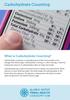 Carbohydrate Counting What is Carbohydrate Counting? Carbohydrate counting is a meal-planning tool that many people use to manage their blood sugar. Carbohydrate counting, or carb counting, is done by
Take Control of Your Diabetes
 Take Control of Your Diabetes It is the best thing you can do for yourself. It might be hard sometimes, but it is worth it! In no time at all, you will feel better and have more energy. Get Started Test
Diabetes. 2. Types. Permafold Topics. What You Need To Know. One test used to diagnose diabetes is a fasting blood glucose test.
 1. What Is Diabetes? Diabetes is often called having too much sugar. It is too much sugar (glucose) in the blood and not enough in the body s cells. Glucose needs to get into the cells to be used for energy.
Understanding Diabetes
 Understanding Diabetes Diabetes is a disease in which a person s blood glucose (blood sugar) is too high. When you eat, some of the food is broken down into a type of sugar called glucose, which is the
DIABETIC EDUCATION MODULE ONE GENERAL OVERVIEW OF TREATMENT AND SAFETY
 DIABETIC EDUCATION MODULE ONE GENERAL OVERVIEW OF TREATMENT AND SAFETY First Edition September 17, 1997 Kevin King R.N., B.S., C.C.R.N. Gregg Kunder R.N., B.S.N., C.C.T.C. 77-120 CHS UCLA Medical Center
Myths About Type 2 Diabetes and Insulin
 About Diabetes This health information is being provided for general educational purposes only. Your health care provider is the single best source of information regarding your health. Please consult
This information explains the advice about type 2 diabetes in adults that is set out in NICE guideline NG28.
 Information for the public Published: 2 December 2015 nice.org.uk About this information NICE guidelines provide advice on the care and support that should be offered to people who use health and care
INSULIN INJECTION KNOW-HOW
 0-0- 0 INSULIN INJECTION KNOW-HOW pro tips (and tricks) for easier and better Insulin Injections ABDOMEN THIGHS BUTTOCKS ARMS recommended injection sites WHERE IS THE BEST PLACE TO GIVE INJECTIONS? 0-
Diabetes Nutrition. Roseville & Sacramento Medical Centers. Health Promotion Department Nutritional Services
 Diabetes Nutrition Roseville & Sacramento Medical Centers Health Promotion Department Nutritional Services Agenda Blood sugar goals Factors that affect blood sugar Diet Options: Menus, Exchange Lists,
Carbohydrate Counting for Patients With Diabetes. Review Date 4/08 D-0503
 Carbohydrate Counting for Patients With Diabetes Review Date 4/08 D-0503 Program Objectives At the end of the session you will know how to: Define carbohydrate counting Identify the relationship between
Diabetes: Staying Healthy
 Diabetes: Staying Healthy Learn from the experts at Joslin Diabetes Center and Walgreens about: Eating well & being active Understanding your medicines Reducing your risks And more -! 4RUSTED 4EAM FOR
Introduction to Insulin. Your guide to taking insulin
 Introduction to Insulin Your guide to taking insulin Introduction Insulin helps control the level of blood glucose in the body. Everyone with type 1 diabetes must take insulin, and many people with type
Diabetes and insulin. A pamphlet for adults who need insulin for either Type 1 or Type 2 diabetes
 Diabetes and insulin A pamphlet for adults who need insulin for either Type 1 or Type 2 diabetes Contents page Who this pamphlet is for 1 What is diabetes? 1 The two types of diabetes 1 Diagnosis of diabetes
Eating Guidelines for Diabetes
 Eating Guidleines Chronic Nutrition Fact Sheets Introduction If you have both diabetes and Chronic (CKD), it may seem that the diabetes and kidney diets don t fit well together. However, with careful planning,
DIABETES EDUCATION. *Read package insert each time you refill your medications in case there is new information SULFONYLUREAS
 DIABETES EDUCATION *Read package insert each time you refill your medications in case there is new information SULFONYLUREAS ACTION: Sulfonylureas stimulate the pancreas to make more insulin (pancreas
Chapter 4 Type 2 Diabetes
 Chapter 4 Type 2 Diabetes (previously referred to as adult onset diabetes or non-insulin dependent diabetes) H. Peter Chase, MD Cindy Cain, RN, CDE Philip Zeitler, MD This is the most common type of diabetes
Optimizing Insulin Therapy. Calculating Insulin to Carbohydrate Ratios and Correction/Sensitivity Factors
 Optimizing Insulin Therapy Calculating Insulin to Carbohydrate Ratios and Correction/Sensitivity Factors Introduction Diabetes management, and particularly self-management, has come a long way. Unfortunately,
I have diabetes. In case of emergency, please call: Healthcare Provider s Name. Name. Telephone. Address. Hospital. City. Pharmacy.
 Self-Care Diary Name Address City Healthcare Provider s Name Hospital State ZIP I have diabetes. In case of emergency, please call: Name Pharmacy Diabetes Educator s Name Address 1 Small Steps to Managing
The Family Library. Understanding Diabetes
 The Family Library Understanding Diabetes What is Diabetes? Diabetes is caused when the body has a problem in making or using insulin. Insulin is a hormone secreted by the pancreas and is needed for the
Department of Health Commencing insulin therapy
 Department of Health Commencing insulin therapy Great state. Great opportunity. State of Queensland (Queensland Health) 2008 2013 This work is licensed under a Creative Commons Attribution No Derivatives
TrialNet Natural History Study of the Development of Type 1 Diabetes: A Pathway to Prevention
 TrialNet Natural History Study of the Development of Type 1 Diabetes: A Pathway to Prevention Type 1 Diabetes TrialNet Researchers in this study are part of a larger group called Type 1 Diabetes TrialNet.
Maintaining Nutrition as We Age
 SS-207-06 For more information, visit the Ohio Department of Aging web site at: http://www.goldenbuckeye.com and Ohio State University Extension s Aging in Ohio web site at: http://www.hec.ohio-state.edu/famlife/aging
Welcome to Diabetes Education! Why Should I Take Control of My Diabetes?
 Welcome to Diabetes Education! Why Should I Take Control of My Diabetes? NEEDS and BENEFITS of SELF-MANAGEMENT You make choices about your life and health Controlling diabetes needs every day decisions
How To Eat When You Have Type 2 Diabetes
 Dear Patient: Welcome to NorthShore University HealthSystem (NorthShore). We are committed to supporting you in your educational process. This packet has been designed to provide you with important basic
The Basics of Insulin Pump Therapy
 The Basics of Insulin Pump Therapy Table of Contents The Basics of Insulin Pump Therapy Introduction Welcome... 3 Chapter 1 Balancing Glucose and Insulin............................. 10 Section 1: Glucose,
It s time to TALK Targets A guide to taking control of your type 2 diabetes
 It s time to TALK Targets A guide to taking control of your type 2 diabetes The TALK Targets campaign was initiated and fully funded by Novo Nordisk. By supporting you and your healthcare team, TALK Targets
Let s Talk About Meters and Meds. Adapted for Upstate Medical University by: Kristi Shaver, BS, RN, CDE, MS-CNS Student (2014) January 2014
 Let s Talk About Meters and Meds Adapted for Upstate Medical University by: Kristi Shaver, BS, RN, CDE, MS-CNS Student (2014) January 2014 How to monitor diabetes control: Hemoglobin A 1 C, or just A 1
X-Plain Diabetes - Introduction Reference Summary
 X-Plain Diabetes - Introduction Reference Summary Introduction Diabetes is a disease that affects millions of Americans every year. Your doctor may have informed you that you have diabetes. Although there
My Sick Day Plan for Type 1 Diabetes on an Insulin Pump
 My Sick Day Plan for Type 1 Diabetes on an Insulin Pump When you are sick, your blood sugar levels may be harder to keep under control. Your blood sugar may go too high or too low. Use this guide to help
INSULIN IN DIABETES MANAGEMENT
 INSULIN IN DIABETES MANAGEMENT Do you know that in Diabetes, Insulin therapy gives maximum HbA1C reduction? What is Insulin? It is a hormone produced by pancreas to regulate the levels of glucose in the
My Doctor Says I Need to Take Diabetes Pills and Insulin... What Do I Do Now? BD Getting Started. Combination Therapy
 My Doctor Says I Need to Take Diabetes Pills and Insulin... What Do I Do Now? BD Getting Started Combination Therapy How Can Combination Therapy Help My Type 2 Diabetes? When you have type 2 diabetes,
10 to 30 minutes ½ to 3 hours 3 to 5 hours. 30 60 minutes 1 to 5 hours 8 hours. 1 to 4 hours
 Insulin Action There are several types of insulin. They are classified by how long they act: very fast, fast, slow and very slow acting. Each type of insulin has a certain time period in which it works.
DIABETES & HEALTHY EATING
 DIABETES & HEALTHY EATING Food gives you the energy you need for healthy living. Your body changes most of the food you eat into a sugar called glucose. (glucose) Insulin helps your cells get the sugar
Blood Glucose Management
 Blood Glucose Management What Influences Blood Sugar Levels? There are three main things that influence your blood sugar: Nutrition Exercise Medication What Influences Blood Sugar Levels? NUTRITION 4 Meal
Hypoglycemia and Diabetes
 My Doctor Says I Should Avoid Low Blood Glucose Reactions... How Can I Prevent Them? BD Getting Started Hypoglycemia and Diabetes What You Should Know About Low Blood Glucose Reactions If you are taking
PATIENT INFORMATION. Medicine To Treat: D iabetes. What You Need to Know About. Insulin
 PATIENT INFORMATION Medicine To Treat: D iabetes What You Need to Know About Insulin INTRODUCTION The insulin preparations currently available in Singapore are mostly from human origin; pork or bovine