
The State of Alabama Active Shooter Response Strategic Plan
|
|
|
- Morris Stewart
- 10 years ago
- Views:
Transcription


1 The State of Alabama Active Shooter Response February 2013 i
2 Table of Contents Executive Summary... 1 Law Enforcement... 4 What is ALERRT?... 4 Alabama s ALERRT Program... 4 Training Plan... 6 Private Sector and Public Outreach... 8 What is If You See Something, Say Something?... 8 What is Run, Hide, Fight? Training Plan The Active Shooter Preparedness Website Advice for the Public from Law Enforcement Officers Educational Facilities What is Virtual Alabama? What is the Virtual Alabama School Safety System? Post-Event Management Sustainability Appendix A: Active Shooter Preparedness, Response, and Recovery Best Practices for Post-Secondary and Higher Education A.L.I.C.E Run, Hide, Fight Appendix B: Media Plan Best Practices Preparing for the Media before an Incident Handling the Media during and after an Incident Drafting a Media Plan Appendix C: Resources Law Enforcement Private Sector and Public Outreach Run, Hide, Fight video K-12, Post-Secondary, and Universities ii
3 Executive Summary Active Shooter Response In the booklet Active Shooter: How to Respond, the United States Department of Homeland Security (US DHS) paints the Profile of an Active Shooter : An Active Shooter is an individual actively engaged in killing or attempting to kill people in a confined and populated area; in most cases, active shooters use firearm(s) and there is no pattern or method to their selection of victims. Active shooter situations are unpredictable and evolve quickly. Typically, the immediate deployment of law enforcement is required to stop the shooting and mitigate harm to victims. Because active shooter situations are often over within 10 to 15 minutes, before law enforcement arrives on the scene, individuals must be prepared both mentally and physically to deal with an active shooter situation. ( Although the history of the active shooter phenomenon dates back to the first recorded incident at the University of Texas Tower in 1966, the scale and frequency of active shooter events most notably the December 14, 2012 tragedy at Sandy Hook Elementary School have led elected officials to search for a strategic response to active shooters. On December 17, 2012, Governor Robert Bentley tasked the Alabama Department of Homeland Security (AL DHS) with developing a strategic plan for mitigating and responding to active shooter events at various types of facilities. The Governor s request identified three priorities to guide the plan: Priority 1: Continue and expand training for law enforcement in how to respond to and combat an active shooter event; Priority 2a: Engage the private sector in sharing information; Priority 2b: Educate the general public on how to respond to an active shooter event; and, Priority 3: Continue work with the Alabama Department of Education, utilizing the Virtual Alabama system, which makes school safety plans immediately accessible to first responders. This strategic plan documents the manner in which these priorities will be addressed. Specifically, this plan focuses on how law enforcement will be trained to respond to active shooter situations; what the private sector can do to be prepared if faced with an active shooter; what tools are available for schools when creating their safety plans; and how first responders and elected officials should work together during post-event management. A plan for sustaining 1
4 this document and its goals is presented in the Sustainability section. Finally, additional recommendations and information are supplied in three appendices that pertain to institutions of higher learning, media planning, and active shooter preparedness resources. A brief summary of each section follows. Law Enforcement Well-trained law enforcement officers are a critical component of the Active Shooter Response Plan. The State of Alabama has adopted ALERRT (Advanced Law Enforcement Rapid Response Training) as the standard methodology in which all law enforcement officers should be trained. The state s goal is to train 100% of law enforcement officers in this method. Private Sector and Public Outreach While no strategy can completely prevent an active shooter event, certain steps can be taken to decrease a potential shooter s chances of successfully carrying out his or her plan. AL DHS intends to engage private citizens as a first line of defense against potential and/or active shooters by promoting the If You See Something, Say Something campaign to channel suspicious activity to the Alabama Fusion Center. For emergency situations, contact local law enforcement or 911. Furthermore, because being prepared is the best defense should a citizen find him or herself in an active shooter situation, AL DHS encourages the public to watch the instructional video Run, Hide, Fight and to review the materials at the US DHS Active Shooter Preparedness website to learn how to prepare, respond, and recover from an active shooter event. Schools AL DHS acknowledges that it is in the best interest of schools to keep decision-making authority regarding school safety at the local level. AL DHS also acknowledges that the different needs of K-12, post-secondary, and higher education regarding school safety do not lend themselves to a one-size-fits-all approach. However, the Alabama Board of Education and the AL DHS recommend creating and maintaining online school safety plans in Virtual Alabama so that these critical plans can be shared with first responders if an active shooter enters a school. Post-Event Management Regardless of the circumstances, all events are considered local events and will be managed through the National Incident Management System (NIMS). Elected officials, law enforcement, and all other first responders should refer to the local emergency management procedures or local emergency operations plan (EOP) for the county where the incident occurred. 2
5 Sustainability Active shooter preparedness remains a priority for AL DHS; therefore, the department will seek State and Federal funds to implement, sustain, and enhance the programs and resources presented in this strategic plan. Currently, ALERRT law enforcement training is federally funded and is provided at no cost to the State. AL DHS will reassess the viability and usefulness of the strategies included in this document periodically to ensure the most accurate and useful information is being provided to the citizens of Alabama. Appendix A: Active Shooter Preparedness, Response, and Recovery Best Practices for Post-Secondary and Higher Education Because active shooter events are dynamic and college campuses are large and diverse, there is not a single set of best-practices. However, there are general recommendations to mitigate the risks of an active shooter event. Two useful techniques that are appropriate for a college campus are A.L.I.C.E. (Alert, Lockdown, Inform, Counter, Evacuate) and Run, Hide, Fight. Appendix B: Media Plan Best Practices In the case of an active shooter event, multiple groups of people will descend on the site. Staff members at the location need to be prepared to handle local citizens, family members, and especially local and national media. Effective preparation in how to deal with this likely chaotic convergence should begin before an active shooter event. Tips include having a go-kit, deciding who is responsible for communicating information, determining where to stage media, and remembering useful phrases to help when communicating sensitive or stressful information. Appendix C: Active Shooter Preparedness Resources This section summarizes where to find all of the resources referenced in the strategic plan. 3
6 Law Enforcement Priority 1: Continue and expand training for law enforcement in how to respond to and combat an active shooter event Goal: Train or recertify 100% of Alabama law enforceme nt officers in ALERRT Well-trained law enforcement officers are a critical component of the Active Shooter response plan. The State of Alabama has adopted ALERRT (Advanced Law Enforcement Rapid Response Training) as the standard methodology in which all law enforcement officers should be trained. This section discusses the ALERRT methodology as well as its associated training plan. Methodology What is ALERRT? Advanced Law Enforcement Rapid Response Training, or ALERRT, was developed by Texas State University San Marcos in The purpose of this federally-approved program is to train law enforcement officers to safely and effectively neutralize an active shooter. Officers in 37 states and counting have received ALERRT training since its inception. A common misconception about ALERRT is that it turns all officers into SWAT officers. However, this is neither true nor the intention of the program. ALERRT provides baseline methodology in active shooter response techniques for any first-responding officer. ALERRT training is good for all active shooter situations: schools, workplaces, malls, theaters, private homes, etc. Alabama s ALERRT Program Officers are given the 16-hour (two-day) course Rapid Response to Active Shooter: Level I. Day one focuses on the history of the active shooter phenomenon from the first recorded event in 1966 at the University of Texas Tower, through the dramatic changes brought about by the Columbine High School tragedy, to the Fort Hood shooting in 2009, to more recent events. Attention is paid to how the paradigm of the active shooter response has evolved from patrol officer to SWAT team to rapid response. Day two incorporates hands-on force-on-force training exercises typically performed at a well-suited training facility. Participants receive a training manual which includes lists of additional resources and are given homework to complete during the two-day session. This class opens participants eyes to their capability in responding during an active shooter event. At the end of the class, officers view a video tape of all the training scenarios they completed during the course to evaluate their performance. However, learning does not stop after the two-day training. Officers are encouraged to continue practicing what they have just learned 4
7 back at their own agencies. They are also encouraged to seek out more information to keep adding to their knowledge of response techniques. A detailed course description provided by the Texas State University San Marcos ALERRT Center is shown below. Course Description: This dynamic course of instruction is designed to prepare the first responder to isolate, distract, and neutralize an active shooter. The course will cover shooting and moving, threshold evaluation, concepts and principles of team movement (including solo officer strategies), setting up for room entry and room entry techniques, approach and breaching the crisis site, follow-on responder tactics, improvised explosive devices, and post-engagement priorities of work. The course will culminate with dynamic force-on-force scenarios. Recommended Equipment: Good attitude, open mind, pen and paper, duty gear, body armor, water, and appropriate clothing for "force on force" training on day 2 (i.e. long sleeve shirt, pants, groin protection). Head, eye, and throat protection will be provided by ALERRT. ( Benefits of ALERRT Although other active shooter response training programs exist, ALERRT has been approved for the use of US DHS grant funds, which is a great cost-savings to the State of Alabama. Another key benefit of ALERRT is that the program creates a uniform response from all officers regardless of agency, background, previous experience, etc. The common training makes all officers equal which helps to build trust, which is critical when entering an active shooter scene. Furthermore, several of Alabama s neighbors the State of Mississippi and the City of Atlanta, Georgia have also adopted ALERRT as their standard active shooter response, thus facilitating regional cooperation should the need arise. Finally, all elements of the program are continuously evaluated. All evaluations to date have been positive. Expected Outcomes Law enforcement officers who have taken and passed the ALERRT course are trained to win upon entering an active shooter crime scene, that is, to find and neutralize the perpetrator(s) as quickly and safely as possible in order to save as many innocent lives as possible. The expectation of the training is that officers will be instilled with the confidence they need to go into an active shooter situation and face the threat. This confidence is built by placing the officers in very realistic, stressful situations during the training. This training fosters the non- 5
8 hesitant mindset which is vital in ensuring the officers safety and in subduing the active shooter. Because the participants in an ALERRT class come from multiple agencies and jurisdictions, it is also expected that they will become accustomed to working with officers outside their own agency. The experience of the ALERRT training will unify all first-responding officers by giving them standardized tactics so that everyone who arrives at the scene knows what to do, thus reducing downtime. They will develop a common mentality and know that everyone has been trained as equals. The officers will learn to trust each other and work together using a common response. This type of teamwork simulates a real-life active shooter scene in which the first responders will likely come from different agencies and have different backgrounds and experiences (apart from the ALERRT methodology). Feeling that they are working with welltrained equals also builds the confidence of the officers. In summary, as a result of their instruction, ALERRT-trained officers will Have the confidence to enter an active shooter scene and face the threat Develop a non-hesitant mindset Act in a unified manner to reduce downtime at the scene Trust other first-responding officers who have passed the ALERRT training, regardless of their background or affiliation Special Considerations Special attention may need to be given in preparing the law enforcement response in certain areas of the state. For example, many rural areas have limited numbers of law enforcement officers who are responsible for large geographic areas. In some of these locations, it is not uncommon to see private citizens responding to a crime scene with weapons. Local plans will need to be in place to address these types of situations. Training Plan Audience Participation and Completion Requirements ALERRT classes are composed of mixed audiences and this diversity is encouraged because networking with different agencies is similar to what is really going to happen in an active shooter situation. This diversity also establishes trust amongst the agencies and builds their confidence to work together. Participants must meet certain requirements to pass the class. Some have failed and were required to retake the training. Successful completion is not automatic. ALERRT teaches officers to win and to be positive in multiple situations, such as a weapon malfunction. To be successful in the course, officers should be prepared both mentally and physically and must commit to active participation in all training scenarios. ALERRT strives to create a learning environment that is as real as it gets without being in an actual shooting situation. 6
9 Instructor Training It is necessary to have consistent, quality training to maintain the integrity of the ALERRT program. Since adopting the ALERRT standard, 150 Alabama law enforcement officers have received the train the trainer instruction that enables them to teach other officers. Spencer Collier, Director of AL DHS, created a 12 member advisory board to give input and help maintain the standards of the ALERRT program. These 12 officers teach on a regular basis and this appointment to an advisory board helps foster ownership to the ALERRT program. AL DHS is developing a refresher in-service for the rest of the previously-trained officers who would still like to serve as instructors. To date, 100 of these officers have indicated interest in the in-service. Officer Training AL DHS will take a network approach to officer training. There are seven homeland security regions in the State of Alabama. An instructor refresher in-service will be held in each region. Those newly re-trained instructors will perform ALERRT outreach to the agencies in their region to promote awareness and generate interest. These trainers will then train officers in their region. The goal is to have 100% of Alabama law enforcement officers trained by making ALERRT training available to all law enforcement officers in the State. Opportunities to provide training will increase during the summer of 2013, as instructors will be more able to utilize training facilities during that time. Furthermore, 100% of Capitol Complex officers will be trained by March 31, Additional ALERRT Outreach and Partnerships The Alabama Peace Officer Standards and Training Commission (APOSTC) intend to immediately adopt and institute ALERRT in minimum standards and mandate for all Alabama law enforcement officers. Several police academies currently have ALERRT in their curriculum. For example, recruits in Montgomery and Huntsville, as well as all State Troopers, are taught the ALERRT methodology. The intent is to make this training a part of all the law enforcement academies in the State in order to guarantee that all new officers will receive ALERRT. Recertification In order to remain effective, all of the knowledge and skills gained through ALERRT should be periodically reviewed. AL DHS is preparing an in-service for recertification of all previously trained officers. 7
10 Private Sector and Public Outreach Priority 2a: Engage the private sector in sharing information Goal: Promote public awareness of the If You See Something, Say Something program While no strategy can completely prevent an active shooter event, certain steps can be taken to decrease a potential shooter s chances of successfully carrying out his or her plan. This section discusses the ways AL DHS intends to engage private citizens as a first line of defense against potential and/or active shooters. Methodology What is If You See Something, Say Something? The US DHS launched the If You See Something, Say Something campaign in July 2010, to raise public awareness of indicators of terrorism and terrorism-related crime, and to emphasize the importance of reporting suspicious activity to the proper local law enforcement authorities ( AL DHS intends to leverage this campaign to encourage citizens to report all suspicious activity to the Alabama Fusion Center in an effort to detect or deter potential active shooters. Per Governor Robert Bentley s Executive Order 13, the mission of the Alabama Fusion Center is to promote the collection, integration, and evaluation of information that has an effect on detecting and preventing criminal or terrorist related activity ( It is the responsibility of the Alabama Fusion Center to share this intelligence with law enforcement officials, homeland security officials, first responders, and the appropriate private stakeholders. The Alabama Fusion Center is a true intergovernmental bridge and functions as the liaison between federal, state, local, and private interests concerning suspected criminal activity. Reporting Suspicious Persons or Activity The Alabama Fusion Center website ( provides guidelines for the public concerning what might be considered suspicious behavior, as well as what details to report (figure 1). The online form contains areas to record the type of activity, date, time, location, county, and a brief description. If known, information about a suspicious person (such as name, alias, height, weight, hair and eye color, sex, ethnicity, and distinguishing marks) or about a suspicious vehicle (such as make, model, year, and license plate number) can be entered. If available, a photo of the person or activity may be uploaded as well. Although information may be submitted anonymously, a person reporting activity is encouraged to provide his or her 8
11 name, address, and/or phone number so that someone can make contact if follow-up or further information is needed. All information submitted including the identity of the submitter is kept confidential. Citizens may always call local law enforcement or 911 directly if the situation is an emergency; however, they are also encouraged to contact the Alabama Fusion Center by using one or more of the following methods if they see suspicious persons or activity: Hotline: Online Form: Figure 1. Alabama Fusion Center Home Page Additionally, AL DHS is pursuing the implementation of a suspicious activity reporting app that would be available for both iphones and Android devices. Based on a tool already developed and in use in the Commonwealth of Kentucky, this app would provide the same reporting capability currently available on the Alabama Fusion Center website. Geocoding (i.e., locational) information can be attached to photos taken with a mobile device and uploaded through this app. Another related app intended for the K-12 market is being considered for development that would provide students a means for reporting suspected gang, drug, and weapons activity. It is anticipated that these apps could be developed by summer
12 Note: Law enforcement officers may also report suspicious persons or activity to the Alabama Fusion Center through a link available on the Alacop website ( Public Awareness A promotional campaign (figure 2) consisting of press releases, billboards, digital signage in Retirement System of Alabama (RSA) buildings, and public service announcements (PSAs) has been in place since September 2012, and will continue to be used to increase public awareness of If You See Something, Say Something as well as to inform citizens of the different ways they can report suspicious persons or activity. Note: For advice on how to effectively deal with the media in the event of an active shooter incident at a private or public facility, please see the Media Plan Best Practices section of this document. Figure 2. PSAs for If You See Something, Say Something and Run, Hide, Fight. 10
13 Priority 2b: Educate the general public on how to respond to an active shooter event Goal: Promote public awareness of effective active shooter response tactics through the Run, Hide, Fight video and the U.S. Department of Homeland Security Preparedness website Being prepared is the best defense should a citizen find him or herself in an active shooter situation. AL DHS promotes several resources that have been developed by the US DHS and other law enforcement agencies. This section discusses those resources in more detail as well as practical advice for citizens from law enforcement. Methodology What is Run, Hide, Fight? Run, Hide, Fight is an instructional video that was originally produced by the Houston Police Department (figure 3). The purpose of this video is to teach the public what to do if faced with an active shooter. It provides a simple, yet powerful message that is reinforced through a realistic scenario. The run, hide, fight method employs three tactics: 1. Run if there is an escape path. Attempt to evacuate; Evacuate whether others agree to or not; Leave your belongings behind; Help others escape if possible; Prevent others from entering the area; and, Call when you are safe. 2. Hide if you can t get out safely. Lock and/or blockade the door; Silence your cell phone; Hide behind large objects; and, Remain very quiet. 3. Fight as a last resort and only if your life is in danger. Attempt to incapacitate the shooter; Act with physical aggression; Improvise weapons; and, Commit to your actions. AL DHS has created a customized version of this video, which includes an introduction from Director Spencer Collier. It can be viewed on YouTube at this location: 11
14 Figure 3. Scenes from Run, Hide, Fight Training Plan AL DHS is developing a one hour course based on the Run, Hide, Fight video to train private and public sector organizations how to respond to an active shooter situation. This course is structured on a train-the-trainer model where managers or other leaders from an organization are trained on the Run, Hide, Fight technique and are given a lesson plan for the course, so they can bring these practices back to their workplace. It is anticipated the course will be developed and ready for delivery the first quarter of Course registration will be available through AL DHS. 12
15 The Active Shooter Preparedness Website Another public learning resource that AL DHS encourages Alabama citizens to explore is the US DHS Active Shooter Preparedness Website ( (figure 4). This site contains useful information and instruction, such as the following shown in table 1. Active Shooter: What You Can Do Duration: 45 minutes Active Shooter Webinar Duration: 90 minutes Active Shooter Workshop Series Active Shooter: How to Respond Resource Materials This free online course covers the basics of how to prepare for and respond to an active shooter situation. As a workplace training tool, it is intended for managers as well as employees; however, the information presented can be applied to almost any setting. The course covers the following content: The actions to take when confronted with an active shooter and how to assist responding law enforcement officials Potential workplace violence indicators The actions to take to prevent and prepare for potential active shooter incidents How to manage the consequences of an active shooter incident This course is available through the Federal Emergency Management Agency s (FEMA) Emergency Management Institute. The purpose of this pre-recorded webinar is to educate the public and private sector about the importance of developing an emergency response plan and the need to train employees on how to respond if confronted with an active shooter. Other topics presented include the three types of active shooters (workplace/school, criminal, and ideological) and how they differ. The webinar can be viewed on demand from a link provided at this website. These face-to-face, facilitated workshops have occurred and will continue to be held in cities across the country. The purpose of these workshops is to bring members of the private sector together with law enforcement to learn and discuss how to prepare for and respond to an active shooter situation. The workshop uses scenarios and exercises to guide participants in evaluating, planning, and coordinating their response. Contact information for requesting a workshop at a specific location is provided on this website. The US DHS has created several download and print materials that can be used to educate about, as well as to reinforce, how to plan for and respond to an active shooter situation. These materials come in various formats booklet, poster, and pocket card and present the following information: Profile of an active shooter Responding to an active shooter or other workplace violence situation Training for an active shooter situation and creating an emergency action plan Tips for recognizing signs of potential workplace violence 13
16 Options for Consideration Active Shooter Training Video Presenting a similar message as the Run, Hide, Fight video, this instructional video presents how to respond to an active shooter situation, as well as how to assist law enforcement at the scene. The video can be viewed from this website or on YouTube. This website also provides links to research reports concerning active shooter incidents, such as: Campus Attacks: Targeted Violence Affecting Institutions of Higher Education Prior Knowledge of Potential School-Based Violence: U.S. Secret Information Students Learn May Prevent a Targeted Attack Service Active Assassination in the United States: An Operational Study of Shooter Related Recent Assassins, Attackers, and Near Lethal Approaches Research Protective Intelligence & Threat Assessment Investigations: A Guide for State and Local Law Enforcement Officials Threat Assessment: An Approach to Prevent Targeted Violence Threat Assessment: Defining an Approach for Evaluating Risk of Targeted Violence Table 1. Available information on the Active Shooter Preparedness Website. Figure 4. US DHS Active Shooter Preparedness Website 14
17 Public Awareness A promotional campaign (figure 5) consisting of press releases, billboards, digital signage in RSA buildings, and PSAs will be used to increase public awareness of Run, Hide, Fight as well as the US DHS Active Shooter Preparedness Website. Still images from the video with supporting text bullets will be used to teach the public how to plan for and respond to an active shooter situation. PSAs will broadcast on both television and radio. It is expected that this campaign will begin in March 2013 and run through the summer. Figure 5. Scenes from Run, Hide, Fight 15
18 Advice for the Public from Law Enforcement Officers It is important for the public to understand that situations are assessed on the spot there can be no all purpose advice because each situation is unique and constantly changing. In general, citizens need to do what the police tell them to do as the situation unfolds. Upon entering an active shooter scene, the first priority of law enforcement is to neutralize the active shooter threat. This means that victims will not be treated or evacuated until the active shooter has been stopped. During the course of public outreach, questions often arise concerning how the public can best help law enforcement during an active shooter situation. In light of recent events, this question is increasingly asked regarding schools. According to law enforcement officials, the best thing students and teachers can do to stay safe is to have a plan, make sure everyone knows the plan, and then execute the plan. If a citizen or group of citizens is able to disarm, or otherwise incapacitate the active shooter, they should not attempt to hold on to the weapon as this could create confusion for first responders regarding the identity of the active shooter. Finally, members of law enforcement offer the following suggestions as potential deterrents to criminal activity: Be unpredictable this is the best deterrent to crime, and Don t develop patterns. 16
19 Educational Facilities Priority 3: Continue to work with the Alabama Department of Education, using the Virtual Alabama system, which makes school safety plans immediately accessible to first responders Goal: Provide recommendations and awareness of instructional resources for all learning institutions in Alabama (K-12, post-secondary, and higher education) regarding Virtual Alabama and school safety planning AL DHS acknowledges that it is in the best interest of schools to keep decision-making authority regarding school safety at the local level. AL DHS also acknowledges that the different needs of K-12, post-secondary, and higher education regarding school safety do not lend themselves to a one-size-fits-all approach. This section discusses recommended best practices for schools to consider and explains how Virtual Alabama could be used to support school safety planning in K-12 environments and emergency operation planning in institutions of higher learning (postsecondary, college, and university) environments. Additional recommendations for postsecondary and higher education settings are provided in Appendix A: Active Shooter Preparedness, Response, and Recovery: Best Practices for Post-Secondary and Higher Education. Methodology What is Virtual Alabama? Initiated in 2005, the Virtual Alabama program was developed by AL DHS (figure 6). Virtual Alabama is a 3-D visualization tool that allows users to view data and imagery on a globe. Although the system contains massive amounts of data, the easy-to-use interface enables both technical and non-technical users to quickly make sense of complex information by navigating to a location (such as a county, city, or neighborhood), viewing a photographic image of that location, and then layering specific data on top of that image (such as fire hydrants, utility lines, hospitals, and schools). Users can also interact with some of the data layers on the screen, such as traffic cameras. For instance, a user can click on a traffic camera icon and instantly view video from that camera in real time. One purpose of Virtual Alabama is to provide the common operating picture and situational awareness needed by Alabama s first responders to protect lives and safeguard citizens before, during, and after a disaster ( As of January 2013, there were more than 32,000 Virtual Alabama users representing 1500 agencies. The program contains imagery from all 67 Alabama counties. 17
20 What is the Virtual Alabama School Safety System? The State Superintendent of the Alabama Board of Education requires all K-12 public schools in the state to have a school safety plan and to enter that plan into Virtual Alabama. Schools use the Virtual Alabama School Safety System (VAS 3 ) to enter their plans (figure 7). VAS 3 is a webbased tool used in conjunction with Virtual Alabama to make school safety plans and emergency operation plans immediately shareable with local first responders. It was funded by the State Homeland Security Grant Program and is a collaboration between AL DHS, the State Department of Education, the Alabama Criminal Justice Information Center, and the Auburn University at Montgomery Center for Government. How It Works K-12 Schools and Institutions of Post-Secondary and Higher Education Administrators from a school can request a Virtual Alabama account by going to the Virtual Alabama web portal ( and clicking the Register link at the top of the screen. Schools can call for 24-hour/seven-day Virtual Alabama support. Once approved, users are issued a Virtual Alabama user name and password for use in Virtual Alabama. School districts are issued school IDs and passwords for use in VAS 3 through the Alabama Criminal Justice Information Center (ACJIC). School officials log in to VAS 3 at This website provides all of the tools a school will need to develop an online safety plan, including: The Floor Plan Annotation Tool (figure 8), a custom tool set designed for creating, maintaining, and managing information related to the physical location of infrastructure, equipment, and assembly points within the floor plan of a school; Step-by-step process flow for creating a safety plan with links to forms to complete for each step (such as Staff Skills Survey and Inventory, Statement of Commitment, List of Materials and Equipment, and Planning Committee); A place to store contact information, such as school administration, emergency management, and utilities; A place to store documents, such as the completed safety plan and photographs; Tips to guide users through the Emergency Management Cycle; and, Instructional videos. When complete, school officials can choose to grant local law enforcement officers or other first responders viewing access to the annotated floor plans through Virtual Alabama. Law Enforcement/First Responders To view a school s safety plan in Virtual Alabama, law enforcement/first responders follow these steps: 1. Obtain a Virtual Alabama account (an Alacop user ID and password may also be used to access Virtual Alabama); 18

21 2. Contact the school s officials to request its user name and password; and, 3. Log in to Virtual Alabama and select School Layers. Note: There are two methods of logging in to Virtual Alabama depending on which version of the application is being used. Users accessing the client version, which is stored on their computer, will click the desktop shortcut for Virtual Alabama that was created when the client installed. Users accessing the web portal version will go to The Benefits of VAS 3 VAS 3 provides schools and first-responders secure Internet-accessibility to school safety plans and color-coded virtual maps that include detailed floor plans indicating up to 51 items of interest such as Hazardous Materials; Evacuation Routes; Disaster Staging Areas; and, Video Cameras (including real-time camera feeds). The system also promotes information sharing and planning between schools and firstresponders. Although only schools enter information into VAS 3, the process of creating a safety plan brings school officials and first responders together (often for the first time) to discuss issues and collaborate on a plan of action. 19


22 Partnerships Five organizations collaborate to ensure the continued success of VAS 3. Table 2 lists each organization and its responsibility regarding the system. Organization VAS 3 Responsibility The Alabama Department of Homeland Security (AL DHS) is the functional proponent for Virtual Alabama, and serves as funding source and project management lead for this program. The Alabama State Department of Education is the functional proponent for school safety, and monitors school safety plans. The Alabama Criminal Justice Information Center (ACJIC) is the application host for this program, and manages all technically-related security matters. The Alabama Geographic Information Program Office (AGIPO) coordinates, promotes, develops, uses, and shares geographic information and geospatial data. It promotes the efficient use of GIS and related technologies for the long-term benefit of the citizens of Alabama. Auburn University at Montgomery (AUM) is the fielding agent for this program, and provides outreach, training, and mapping services. Table 2. Virtual Alabama School Safety System Partners 20
23 Training and Outreach Plan As the education and outreach arm of Virtual Alabama and VAS 3, the AUM Center for Government provides briefings, training, and implementation assistance. In 2012, AUM staff held three-day training and information sessions in each of the seven homeland security regions in the state. Additionally, AUM regularly briefs schools, agencies, and first responders on the basics of Virtual Alabama and VAS 3 and has developed online training videos for registered users that can be accessed from the Virtual Alabama and VAS 3 websites. Since 2010, AUM has hosted the Virtual Alabama School Safety Summit annually to provide an opportunity for school officials and first responders across the state to meet and learn from the experiences of experts and their peers, as well as get the latest information about Virtual Alabama and school safety planning. For information on how to obtain a Virtual Alabama account or how to implement the system, see the Appendix C: Resources. 21
24 Figure 6. The Virtual Alabama Web Portal Figure 7. The Virtual Alabama School Safety System (VAS 3 ) Home Page Figure 8. The VAS 3 Floor Plan Annotation Tool 22
25 Post-Event Management Regardless of the circumstances, all events are considered local events and will be managed through the National Incident Management System (NIMS). NIMS provides a systematic, proactive approach to guide departments and agencies at all levels of government, nongovernmental organizations, and the private sector to work seamlessly to prevent, protect against, respond to, recover from, and mitigate the effects of incidents, regardless of size, location, or complexity, in order to reduce the loss of life, property and harm to the environment. ( Elected officials, law enforcement, and all other first responders should refer to the local emergency management procedures or local emergency operations plan (EOP) for the county where the incident occurred. Sustainability Active shooter preparedness remains a priority for AL DHS; therefore, the department will seek state and federal funds to implement, sustain, and enhance the programs and resources presented in this strategic plan. Currently, ALERRT law enforcement training is federally funded and is provided at no cost to the State. AL DHS will reassess the viability and usefulness of the strategies included in this document periodically to ensure the most accurate and useful information is being provided to the citizens of Alabama. 23
26 Appendix A: Active Shooter Preparedness, Response, and Recovery Best Practices for Post-Secondary and Higher Education Active shooter situations are unpredictable and evolve quickly. Because active shooter events are dynamic and college campuses are large and diverse, there is not a single set of best-practices. However, there are general recommendations to mitigate the risks of an active shooter event. It is important to remember these recommendations are not a set of prescribed actions that must be followed when confronted with an active shooter. Survival is paramount in the situation. In addition to Virtual Alabama for educational settings, there are several tactical procedures that could be appropriate during an active shooter situation. Methodology A.L.I.C.E. ALICE was developed by Response Options, a critical incident response training company, specializing in active shooter and violent intruder response strategies ( ALICE is an acronym for five steps that can be utilized to increase the chance of survival in an active shooter situation. These steps are not sequential, but are presented as options. The situation will determine what steps make sense to follow. A combination of these steps can be used to keep individuals safe and modified as the situation changes. Video examples of ALICE are available including Auburn University s ALICE training video ( A: Alert Various sounds, sights, and interactions will create awareness of the active shooter. Gunfire Witness Announcement Phone Alert 24
27 L: Lockdown If evacuation is not possible, secure the room (figure 9). It is a starting point from which survival decisions will begin to be made. Look for alternate escape routes (windows, other doors, etc.) Lock the door. Tie down the door, if possible, using belts, purse straps, shoe laces, etc. Barricade the door with any object available (desk, chairs, etc.) Cover any windows. Move out of the doorway in case gunfire comes through. Silence or place cell phones on vibrate. Once secured, do not open the door for anyone. Police will enter the room when the situation is over. As soon as you are safe call 911. Gather weapons (coffee cups, chairs, books, pens, etc.) and mentally prepare to defend yourself or others. Put yourself in a position to surprise the active shooter if he or she enters the room. Figure 9. Securing a door from Auburn University s ALICE training video 25
28 I: Inform Use any means necessary to pass on real-time information. Use plain language. Provide who, what, when, where, and how information. Can be derived from 911 calls, video surveillance, etc. Can be used by people in the area or who may come into it to make common sense decisions. Can be given by Flash Alerts, PA Announcements, or police radio speakers. C: Counter Use simple, proactive techniques if you are confronted by an active shooter. (Disclaimer: In a last resort situation, some simple, proactive techniques could increase chances of survival if you are confronted by an active shooter. ALICE is presented as a set of options for groups on college campus settings or various public areas.) Realize that anything can be a weapon (books, coffee cups, etc.) Throw objects at the shooter s head to disrupt his/her aim. Create as much noise as possible. Attack or swarm in a group. Grab the shooter s limbs or head, take him/her to the ground, and hold him/her there. Run around the room and create chaos. If you have control of the shooter, call 911 and tell the police where you are. Listen to the police commands when they arrive on the scene. E: Evacuate Remove yourself from the danger zone as quickly as possible. Decide if you can safely evacuate. Run in a zigzag pattern as fast as you can. Do not stop running until you are far away from the scene. Bring something to throw in case you encounter the active shooter. Consider if the fall from a window would kill you. o Break out windows and attempt to quickly clear glass from the frame. o Consider using belts, clothing, or other items as an improvised rope to shorten the distance you would fall. o Hang by your hands from the window ledge to shorten the drop. o Attempt to drop into shrubs, mulch, or grass to lessen the injury. Do not attempt to drive from the area. 26
29 Run, Hide, Fight Run, Hide, Fight is an instructional video that was originally produced by the Houston Police Department. The purpose of this video is to teach the public what to do if faced with an active shooter. It provides a simple, yet powerful message that is reinforced through a realistic scenario. The Run, Hide, Fight response is documented in the Private Sector and Public Outreach section of this document. 27
30 Appendix B: Media Plan Best Practices In the case of an active shooter event, multiple groups of people will descend on the site. Staff members at the location need to be prepared to handle local citizens, family members, and especially local and national media. Effective preparation in how to deal with this likely chaotic convergence should begin before an active shooter event. The following best practices can be used when dealing with media in this type of situation. Preparing for the Media before an Incident Have a Go-Kit A Go-Kit is an assembly of tools that can be used to manage an unfolding situation. It should be easily accessible and mobile. Useful items to include are safety plans, cell phone, phone charger, tape recorder, batteries, business cards, vital documents, and a credit card. Decide who is Responsible for Communicating Information In an active shooter situation, information changes rapidly. Controlling the flow of information is crucial. Determine the answers to the following questions and inform staff of everyone s responsibilities before an incident occurs: Who will be in charge of the site? Who will be the back-up? Who will be the mouth of the organization? Who will be responsible for holding the media in the staging area? Who will be responsible for updating social media? Who will talk to family members? Who will be responsible for writing press releases? Who is allowed to talk to media? Who is not allowed to talk to media? If more than one person is addressing the media, how will consistent messaging be ensured? Handling the Media during and after an Incident Staging the Media Having a pre-planned media staging area allows staff at the site more control over the situation and safeguards against media infringement. In the event of an active shooter event, law enforcement can help set the parameters and contain the media. Ensure the staging area does not interfere with the crime scene or the work being done. It should not be too close to sensitive 28
31 information. Finally, consider the visual parameters of the staging area: what should the media and consequently the viewing public be able to see? Preparing to Communicate with the Media Once information has been communicated to the media, there is no scaling back. Before addressing the media take a few moments to: Confirm the key message(s) and develop talking points. These comments should be short, easy-to-understand statements that reinforce the key message(s). Anticipate questions the media may ask and have prepared statements. Determine which information should be addressed as well as the information that should not be discussed. Prepare answers to awkward questions. Use language that is generic but answers the question. Request the presence of a law enforcement officer (if possible) to help answer questions during a press conference. Clear all information through law enforcement before addressing the media, for example o Avoid body counts and names until the scene is cleared Consider non-verbal communication, such as o Appropriate eye contact o Tone of voice o Expression (i.e., do not smile while describing something tragic) o Body position o Gesture o Movement o Attire Addressing the Media When addressing the media it is important to stay on task. During stressful situations, nervousness can cause people to over talk. Be hesitant in guessing the answers to questions. If an answer is unknown, use comments like, We do not know the answer at this time or Once we have more information, we will let you know Do not be afraid to ask the media to wait for accurate information or to inform the media that information will be released at a specific time. All comments made to the media need to be done with intention and purpose. If conducting a live interview is a concern, gather questions from the media and issue a statement. Helpful Phrases During stressful situations it is vital to choose words wisely. Having several helpful phrases on hand may ease the anxiety of staff that have to make statements to the media. For instance, answering a question with No comment may imply that information is being hidden or that the speaker is unprepared or uniformed. Likewise, speech that lacks verbal connectors may make it difficult to communicate key messages. The following sample statements can help staff in these situations. 29
32 Useful Alternatives to No Comment : Active Shooter Response The matter is under investigation and that information is not available at this time. We will provide updates as more information becomes available. Those details are covered by the Privacy Act and I cannot discuss them, but I can give you this general information We are still assessing the situation. We are waiting for law enforcement to verify that information. Transitional Phrases to Help the Speaker Focus the Media on the Key Message(s): What is most important is What we should focus on is What the public should know is The point (or goal) is Drafting a Media Plan The suggestions above are designed as a guide for developing a comprehensive media plan. There is no one plan fits all approach for every type of emergency situation. Since every active shooter incident is different, responses will vary and flexibility is important. Issue a Media Plan Annually If a site already has a media plan, it should be issued annually to local media to help mitigate the chaos that may occur during an active shooter event. The plan should inform the media that only those with press badges will be allowed on site, provide directions to a potential media staging area, and list the initial point of contact. 30
33 Appendix C: Resources Law Enforcement Advanced Law Enforcement Rapid Response Training, or ALERRT, is being used to train law enforcement in Alabama. The purpose of this federally-approved program is to train law enforcement officers to safely and effectively neutralize an active shooter. To schedule ALERRT training contact the AL DHS: Private Sector and Public Outreach If You See Something, Say Something A campaign to raise public awareness of indicators of terrorism and terrorism-related crime, and to emphasize the importance of reporting suspicious activity to the proper local law enforcement authorities. Hotline: Online Form: App for iphone and Android could be available by mid-2013 Run, Hide, Fight video The purpose of this video is to teach the public what to do if faced with an active shooter. It provides a simple, yet powerful message that is reinforced through a realistic scenario. Active Shooter Preparedness Website A public learning resource that AL DHS encourages Alabama citizens to explore is the US DHS Active Shooter Preparedness Website ( This site contains useful information and instruction, such as the following: Active Shooter: What You Can Do course This free online course covers the basics of how to prepare for and respond to an active shooter situation. Approximate duration: 45 minutes. 31
34 Active Shooter Webinar The purpose of this pre-recorded webinar is to educate the public and private sector about the importance of developing an emergency response plan and the need to train employees on how to respond if confronted with an active shooter. Approximate Duration: 90 minutes. Active Shooter: How to Respond Resource Materials The US DHS has created several download and print materials that can be used to educate about, as well as to reinforce how to plan for and respond to an active shooter situation. Active Shooter Booklet Active Shooter Poster Active Shooter Poster (Spanish) Active Shooter Pocket Card Active Shooter Pocket Card (Spanish) Options for Consideration Active Shooter Training Video Presenting a similar message as the Run, Hide, Fight video, this instructional video presents how to respond to an active shooter situation, as well as how to assist law enforcement at the scene. U.S. Secret Service Active Shooter Related Research This website also provides links to research reports concerning active shooter incidents, such as: Campus Attacks: Targeted Violence Affecting Institutions of Higher Education Prior Knowledge of Potential School-Based Violence: Information Students Learn May Prevent a Targeted Attack Assassination in the United States: An Operational Study of Recent Assassins, Attackers, and Near Lethal Approaches Protective Intelligence & Threat Assessment Investigations: A Guide for State and Local Law Enforcement Officials Threat Assessment: An Approach to Prevent Targeted Violence Threat Assessment: Defining an Approach for Evaluating Risk of Targeted Violence K-12, Post-Secondary, and Universities Virtual Alabama Virtual Alabama is a 3-D visualization tool that allows users to view data and imagery on a globe. One purpose of Virtual Alabama is to provide the common operating picture and 32
35 situational awareness needed by Alabama s first responders to protect lives and safeguard citizens before, during, and after a disaster. o In order to access Virtual Alabama users must request permission and have a valid government address. Virtual Alabama School Safety System The State Superintendent of the Alabama Board of Education requires all K-12 public schools in the state to have a school safety plan and to enter that plan into Virtual Alabama. Schools use the Virtual Alabama School Safety System (VAS 3 ) to enter their plans. How to develop an online School Safety Plan: o Administrators and teachers from a school can request a Virtual Alabama account. Once approved, they are issued a Virtual Alabama user name and password for use in Virtual Alabama, and a school ID and password for use in VAS 3. Law Enforcement/First Responders can view Safety plans in Virtual Alabama o Obtain a Virtual Alabama account. o Contact the school s officials to request its user name and password. o Log in to Virtual Alabama and select School Layers. More detailed information about Virtual Alabama or the Virtual Alabama School Safety System, please reference the Schools section in this document. For questions or inquires about VA or VAS 3 contact Auburn University at Montgomery s Center for Government at A.L.I.C.E. ALICE was developed by Response Options, a critical incident response training company, specializing in active shooter and violent intruder response strategies. ALICE is an acronym for five steps that can be utilized increase the chance of survival in an active shooter situation. A: Alert L: Lockdown I: Inform C: Counter E: Evacuate 33
Training Courses Catalog 2015
 Training Courses Catalog 2015 Office of Homeland Security Tennessee Department of Safety & Homeland Security Homeland Security Training January 2015 Law Enforcement and Public Safety Courses Introduction
ACTIVE SHOOTER HOW TO RESPOND
 ACTIVE SHOOTER HOW TO RESPOND October 2008 Emergency Numbers EMERGENCY SERVICES: 9-1 -1 LOCAL EMERGENCY INFORMATION LINE: LOCAL POLICE DEPARTMENT: LOCAL FIRE DEPARTMENT: LOCAL HOSPITAL: LOCAL FBI FIELD
UFF Position Statement: Fire and Smoke as a Weapon
 UFF Position Statement: Fire and Smoke as a Weapon According to the United States Department of Homeland Security, international terrorist groups and violent extremists have shown interest in using fire
Planning & Response Considerations for Mass Shooting Incidents
 Planning & Response Considerations for Mass Shooting Incidents This PDF is a variety of slides from my 4-hour Multi-Agency Mass Shootings Planning & Response Course May 2008 version. I developed this PDF
GUNNISON DISPATCH CAMPUS SECURITY CAMPUS FACILITIES. Emergency 911 Non-Emergency 970.641.8000
 Emergency Guide EMERGENCY CONTACTS GUNNISON DISPATCH Emergency 911 Non-Emergency 970.641.8000 CAMPUS SECURITY Security Office 970.943.3084 Security Cell 970.209.1020 Security Duty Cell 970.209.8798 CAMPUS
TITLE: ACTIVE THREAT SITUATION RESPONSE PLAN Page 1 of 6
 TITLE: ACTIVE THREAT SITUATION RESPONSE PLAN Page 1 of 6 Original: 3/12 Minor Revisions: 10/13 Full Review: Responsible Persons: Director of Security/Safety Approving Committee: Environmental Safety Committee
SYRACUSE CITY SCHOOL DISTRICT
 SYRACUSE CITY SCHOOL DISTRICT EMERGENCY OPERATIONS PLAN Sharon L. Contreras, Superintendent of Schools Effective Date: September 2014 1 Table of Contents Contents Section I. Introduction:... 4 1.1 Purpose...
2014-15 School Bus Driver Inservice TITLE OF LESSON: CRISIS RESPONSE ON A SCHOOL BUS
 2014-15 School Bus Driver Inservice TITLE OF LESSON: CRISIS RESPONSE ON A SCHOOL BUS Objectives of Lesson: At the end of this lesson: Name three (3) attributes of a crisis pull off on your route. Name
Improving Emergency Planning, Response and Recovery with Virtual Alabama
 U.S. Department of Education Office of Safe and Drug-Free Schools Emergency Management for Higher Education FY 2010 Final Grantee Meeting Atlanta, GA June 23 24, 2011 Improving Emergency Planning, Response
East Mississippi Community College. Scooba Campus * Mayhew Campus Department of Public Safety. Campus Emergency Action Plan.
 1 East Mississippi Community College Scooba Campus * Mayhew Campus Department of Public Safety Campus Emergency Action Plan Revised 2013 TABLE OF CONTENTS 2 Foreword & Emergency Numbers Page 3 Active Shooter
Middleton-Cross Plains Area Schools. Crisis Preparedness Parents and School Emergencies
 Middleton-Cross Plains Area Schools Crisis Preparedness Parents and School Emergencies Table of Contents Introduction... 1 What is an emergency?... 2 What do schools do to prepare or practice for emergencies?...
The handouts and presentations attached are copyright and trademark protected and provided for individual use only.
 The handouts and presentations attached are copyright and trademark protected and provided for individual use only. READINESS RESOURCES American Bar Association -- www.abanet.org Disaster Recovery: www.abanet.org/lpm/lpt/articles/slc02051.html
IS-907 ACTIVE SHOOTER: WHAT YOU CAN DO
 IS-907 ACTIVE SHOOTER: WHAT YOU CAN DO This course has been developed by the National Protection and Programs Directorate/Office of Infrastructure Protection, U.S. Department of Homeland Security, and
Tactical Range Facility. Criminal Justice. Sgt. Major James Massey Range
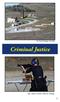 Tactical Range Facility Criminal Sgt. Major James Massey Range 11 Classes Offered Officer Safety & Field Tactics Officer Safety & Field Tactics in a Terrorism Environment Officer Safety & Field Tactics
ACTIVE THREAT TEMPLATE
 ACTIVE THREAT TEMPLATE Background Information for departments developing this template for their Building Emergency Plan - Each individual is ultimately responsible for their own safety. In any response
School Safety & Emergency Preparedness. Presented by Dr. Joe Melita Professional Standards & Special Investigative Unit
 School Safety & Emergency Preparedness Presented by Dr. Joe Melita Professional Standards & Special Investigative Unit Today s Agenda Today s session is designed to provide participants with an overview
PREPAREDNESS DRILL DOCUMENTATION FORM
 SY 12/13 PREPAREDNESS DRILL DOCUMENTATION FORM District: School/Facility: Person Completing Form: Contact Ph: Drills & Recommended Frequency Date conducted Person conducting drill Time required to conduct
CRISIS PREPAREDNESS:
 CRISIS PREPAREDNESS: Parents and School Emergencies The safety of our students and staff are top priorities for Holy Rosary School. www.holyrosaryschool.us Crisis Preparedness: Parents and School Emergencies
TEXAS HOMELAND SECURITY STRATEGIC PLAN 2015-2020: PRIORITY ACTIONS
 TEXAS HOMELAND SECURITY STRATEGIC PLAN 2015-2020: PRIORITY ACTIONS INTRODUCTION The purpose of this document is to list the aligned with each in the Texas Homeland Security Strategic Plan 2015-2020 (THSSP).
STATE OF VERMONT CAPITOL COMPLEX
 MARGOLIS HEALY & ASSOCIATES STATE OF VERMONT CAPITOL COMPLEX PHYSICAL SECURITY & CAPITOL POLICE ASSESSMENT NOVEMBER 2014 SYNOPSIS During the summer of 2014 Margolis Healy & Associates conducted this physical
A school crisis is any event that drastically disrupts or alters a normal school day for your campus. More dynamic if the media covers the event!!
 Critical Incident Management Instructor: Lieutenant Mo Canady, Hoover Police Department What Is A School Crisis?? A school crisis is any event that drastically disrupts or alters a normal school day for
Online Meeting Best Practices. How to Host Successful Online Meetings. A detailed guide on the three online meeting stages:
 Online Meeting Best Practices How to Host Successful Online Meetings A detailed guide on the three online meeting stages: 1. Pre-Meeting Actions - Preparation 2. The Online Meeting - Execution 3. Post-Meeting
The Alaska AMBER Alert Plan 2014 Revision
 The Alaska AMBER Alert Plan 2014 Revision AMBER: Abducted Minors Broadcast Emergency Response The Alaska AMBER Alert Plan is a voluntary partnership between law enforcement agencies and broadcasters to
TENNESSEE DEPARTMENT OF SAFETY AND HOMELAND SECURITY TENNESSEE OFFICE OF HOMELAND SECURITY
 Page0 Page1 Available as of January 1, 2014 Law Enforcement / Public Safety Courses Introduction to Terrorism Terrorism can range from complex plots to small scale attacks and can take many forms. Often,
Safety & Security October 2015
 Safety & Security October 2015 Intro PCC Facilities and College Police constantly monitor and strive to improve security and safety at the college. This presentation will cover improvement projects that
SCHOOL SHOOTINGS SCHOOL VIOLENCE PREVENTION-PREPARATION-RESPONSE
 SCHOOL SHOOTINGS SCHOOL VIOLENCE PREVENTION-PREPARATION-RESPONSE INTRODUCTION A grand jury acts as a watchdog over governmental behavior. Sources may be citizen complaints, whistle-blowers, previous grand
EMERGENCY PREPAREDNESS PLAN FOR
 EMERGENCY PREPAREDNESS PLAN FOR Name of Child Care Center Provided by: 2014 Emergency Preparedness Plan Page 1 TABLE OF CONTENTS Page I: Introduction... 3 II: Emergency Response Organization... 3 III:
Module 14 Handling Emergency Situations
 Handling Emergency Situations The Shift Lead protects the team, customers and restaurant by monitoring safety. However, you cannot always prevent problems. Sometimes, things happen that you were not expecting
EMERGENCY RESPONSE PLAN SUMMARY PRESENTATION
 EMERGENCY RESPONSE PLAN SUMMARY PRESENTATION Risk Assessment Committee Statement of Purpose The Emergency Response Plan is a comprehensive framework for the management of critical incidents, issues, or
Hospital Security Training Solutions
 Hospital Security Training Solutions The Guardian Difference Awareness Preparedness Preservation Guardian was created by School Specialty, Inc., the name you know as America s premier provider to education
SURVIVING AN ACTIVE SHOOTER / / FULL TRANSCRIPT
 SURVIVING AN ACTIVE SHOOTER / / FULL TRANSCRIPT (music playing) Male News Reporter: A morning that began like any other turned tragic today, when an employee opened fire on his supervisor and fellow co-workers.
Guidelines for Setting up Security Measures to Stop Domestic Violence in the Workplace
 Guidelines for Setting up Security Measures to Stop Domestic Violence in the Workplace As of June 15, 2010, all employers in Ontario are responsible for protecting workers when domestic violence follows
Crisis Management Guide
 Crisis Management Guide The Crisis Management Guide has been designed to help your company effectively respond to a crisis situation. Crises, large and small can be minimized if a thorough Crisis Management
East Haven Police Department
 East Haven Police Department Type of Directive: Policies & Procedures No. 410.2 Subject/Title: Issue Date: Preliminary Criminal Investigations July 29, 2014 Effective Date: References/Attachments: N/A
TENNESSEE DEPARTMENT OF SAFETY AND HOMELAND SECURITY TENNESSEE OFFICE OF HOMELAND SECURITY
 Page0 Wm. R. Snodgrass TN Tower, 25 th Floor Nashville, TN 37243 (615) 532-7825 [email protected] Page 1 TENNESSEE DEPARTMENT OF SAFETY AND HOMELAND SECURITY Current as of June 1, 2013 LAW ENFORCEMENT
An ESRI White Paper May 2007 GIS Supporting the Homeland Security Mission
 An ESRI White Paper May 2007 GIS Supporting the Homeland Security Mission ESRI 380 New York St., Redlands, CA 92373-8100 USA TEL 909-793-2853 FAX 909-793-5953 E-MAIL [email protected] WEB www.esri.com Copyright
Family Emergency Preparedness Plan
 Family plan should address the following: Evacuation routes Family communications Utility shut-off and safety Insurance and vital records Evacuation plan Caring for animals Evacuation routes Draw a floor
CRISIS PREPAREDNESS:
 : Parents and School Emergencies The safety and security of our students and staff are top priorities for Henrico County Public Schools. henricoschools.us henricoschools.us Contents Introduction...4 What
The Derry Police Department. Neighborhood Watch Packet
 The Derry Police Department Neighborhood Watch Packet Derry Police Department NEIGHBORHOOD WATCH PROGRAM WHAT IS A NEIGHBORHOOD WATCH? A Neighborhood Watch is a crime prevention program that stresses education
Union College Campus Safety Emergency Action Guide
 Union College Campus Safety Emergency Action Guide Emergency Telephone Numbers At Union College, for all campus emergencies dial Campus Safety at ext. 911. (If the line is busy on a second try, dial "6911".)
NGA Paper. Act and Adjust: A Call to Action for Governors. for cybersecurity;
 NGA Paper Act and Adjust: A Call to Action for Governors for Cybersecurity challenges facing the nation. Although implementing policies and practices that will make state systems and data more secure will
Countering Violent Extremism (CVE) Working Group Community-Oriented Policing Workshop 22 March 2013 United States Institute of Peace Washington
 Countering Violent Extremism (CVE) Working Group Community-Oriented Policing Workshop 22 March 2013 United States Institute of Peace Washington Chair s Summary Overview Community-Oriented Policing (COP)
Social Media Use in Law Enforcement:
 Research Crime prevention and investigative activities continue to drive usage. November Background and methodology Overview Social media is increasingly valuable to the way law enforcement professionals
NG 911-FirstNet Whitepaper. NPSBN as a Strategic Enabler of Next Generation 9-1-1
 NG 911-FirstNet Whitepaper NPSBN as a Strategic Enabler of Next Generation 9-1-1 Table of Contents Emergency Communications in a Mobile World... 2 Overview of NG911... 3 Overview of NPSBN... 3 Using NPSBN
Why Crisis Response and Business Continuity Plans Fail
 Why Crisis Response and Business Continuity Plans Fail 10 Lessons Learned from Real-World Experience Many organizations invest considerable time, money and effort in developing Crisis Response and Business
Canadian Centre for Emergency Preparedness
 Canadian Centre for Emergency Preparedness Crisis Communications Plan Date Created: mmm dd, yyyy Date Revised: mmm dd, yyyy Table of Contents Purpose of the Plan:...3 Plan Objectives:...3 Readiness Preparation:...3
Chippewa County Courthouse Security Emergency Procedures. Dial 9 9 1 1 FIRE POLICE AMBULANCE
 Chippewa County Courthouse Security Emergency Procedures Dial 9 9 1 1 FIRE POLICE AMBULANCE Table of Contents Introduction... 2 Explosion... 3 Civil Disorder/Threat to Personal Safety... 4 Chemical Spill...
Security Services Survey Response Summary Conducted February 2011
 Item Survey Question Yes No Other Campus Safety Office /Responses 1 Respondent classification Total Survey Respondents: 157 (broken down as follows) Students ( 37) 27.6% Resident Student Jaguar Hall (4)
IACLEA SPOTLIGHT SAN DIEGO COMMUNITY COLLEGE DISTRICT POLICE DEPARTMENT
 Name of Agency: San Diego Community College District Police Department Name of Chief / Director: Chief Charlie Hogquist Name / email for Point of Contact: Public College, Sworn Armed (39) Unarmed (18)
Purpose of the Governor s strategy. Guiding Principles
 Purpose of the Governor s strategy The Governor s initiative to develop and implement a State of Tennessee program to counter terrorism within the State is outlined in this document. The primary purpose
CYBERSECURITY BEST PRACTICES FOR SMALL AND MEDIUM PENNSYLVANIA UTILITIES
 CYBERSECURITY BEST PRACTICES FOR SMALL AND MEDIUM PENNSYLVANIA UTILITIES The information provided in this document is presented as a courtesy to be used for informational purposes only. This information
Building Security Levels Quick Reference Sheet. Security Level 2 Normal Operations. Business as Usual No known threats
 Building Security Levels Quick Reference Sheet Security Level 1 Mass Traffic Security Level 2 Normal Operations Security Level 3 Secured Building Security Level 4 High Security Security Level 5 Lockdown
EVACUATION Fire / Explosion / Smell of Smoke / Gas Odor / Fire Alarm / Bomb Threat
 Emergency Procedures Quick Reference Guide Faculty Edition EVACUATION Fire / Explosion / Smell of Smoke / Gas Odor / Fire Alarm / Bomb Threat LOCKDOWN Intruder / Weapon / Hostage /Active Shooter / Hostile
Annex 1: Assesing risk: threats, vulnerabilities and capacities
 Annex 1: Assesing risk: threats, vulnerabilities and capacities There is no widely accepted definition of risk, but we can say that risk refers to possible events, however uncertain, that result in harm.
Lessons Learned in Response and Recovery: Northern Illinois University
 U.S. Department of Education Office of Safe and Drug-Free Schools Emergency Management for Higher Education FY 2009 Final Grantee Meeting Philadelphia, PA August 5 6, 2010 Lessons Learned in Response and
Living Arts Institute @ School of Communication Arts Emergency Preparedness Plan. - Table of Contents -
 Living Arts Institute @ School of Communication Arts Emergency Preparedness Plan - Table of Contents - Purpose 1 Evacuation Procedures 2 Medical Emergency 3 Accident Report Form 4 Blood and Body Fluid
Cornell University EMERGENCY MANAGEMENT PROGRAM
 Cornell University EMERGENCY MANAGEMENT PROGRAM Table of Contents Table of Contents Section 1 INTRODUCTION... 2 Section 2 EMERGENCY MANAGEMENT COMPONENTS... 3 Prevention-Mitigation Plan... 3 Preparedness
ESF-9 LAW ENFORCEMENT
 ESF-9 LAW ENFORCEMENT CONTENTS PAGE I. PURPOSE ESF 9.1 II. SITUATIONS AND ASSUMPTIONS ESF 9.1 A. Situations ESF 9.1 B. Assumptions ESF 9.1 III. CONCEPT OF OPERATIONS ESF 9.2 A. General ESF 9.2 B. Operational
Fall 2013. Emergency Guide. Campus Safety & Security 815-226-4060. 5050 E. State Street, Rockford, IL 61108 rockford.edu 14-0037
 Fall 2013 Emergency Guide Campus Safety & Security 815-226-4060 5050 E. State Street, Rockford, IL 61108 rockford.edu 14-0037 Emergency Contacts Police Emergency.... 911 Fire Emergency.... 911 Medical
Mt. San Antonio College Campus Emergency Response and Evacuation Plan
 Mt. San Antonio College Campus Emergency Response and Evacuation Plan The Mt. SAC Board of Trustees is committed to providing a safe and secure campus work and learning environment for students, employees,
Five keys to a more secure data environment
 Five keys to a more secure data environment A holistic approach to data infrastructure security Compliance professionals know better than anyone how compromised data can lead to financial and reputational
Unit 4: NIMS Communications and Information Management
 Unit 4: NIMS Communications and Information Management This page intentionally left blank. Objectives At the end of this unit, the participants should be able to: Describe the importance of communications
Good Security. Good Business
 Good Security Good Business Good Security Good Business Attorney-General s foreword Small business plays a crucial role, not only in our nation s economy but in Australian society. We often make decisions
EMERGENCY PROCEDURES
 EMERGENCY PROCEDURES Introduction Being prepared is the first step towards preventing and/or handling emergency situations. Because your safety is of utmost importance, SOLEX College has created this document
TABLETOP EXERCISE FACILITATOR S GUIDE:
 TABLETOP EXERCISE FACILITATOR S GUIDE: ACTIVE SHOOTER EVENT Preparis INTRODUCTION Hello, my name is and I would like to welcome all of you to today s tabletop exercise. I want to thank you for taking the
GREENWOOD INTERNATIONAL SCHOOL
 GREENWOOD INTERNATIONAL SCHOOL EMERGENCY CRISIS MANAGEMENT PLAN REVISED ON DECEMBER 2011 Website: www.greenwood.sch.ae E-mail: [email protected] Promulgation Statement Greenwood International School
USE OF FORCE. Attorney General's Use of Force Policy. Issued April 1985 Revised June 2000
 USE OF FORCE Attorney General's Use of Force Policy Issued April 1985 Revised June 2000 Preface The provisions of this revised policy are a product of the collective efforts and judgment of the New Jersey
Domestic Violence and Protective Orders
 Domestic Violence and Protective Orders Domestic violence (also called family violence) is a pattern of behavior and a method of control which results in physical injury or places one in reasonable apprehension
Active Threat Scenario (ATS) RFP 1. INTRODUCTION
 1. INTRODUCTION The Cook County Department of Homeland Security and Emergency Management (DHSEM) plays a lead role in the homeland security and emergency management mission within the Chicago Urban Area;
PSPSOHS606A Develop and implement crisis management processes
 PSPSOHS606A Develop and implement crisis management processes Revision Number: 1 PSPSOHS606A Develop and implement crisis management processes Modification History Not applicable. Unit Descriptor Unit
Fort Bend Independent School District. Safety and Security Master Plan Proposal
 Fort Bend Independent School District Safety and Security Master Plan Proposal As of July 22, 2014 INTRODUCTION AND BACKGROUND The Fort Bend Independent School District s Safety and Security Master Plan
Keeping Our Schools Safe Texas Unified School Safety and Security Standards. Dr. Victoria Calder, Director Texas School Safety Center
 Keeping Our Schools Safe Texas Unified School Safety and Security Standards Dr. Victoria Calder, Director What is the heart of schoolbased emergency management? What is the goal of school-based emergency
Ten Steps for Preventing a terrorist Attack
 WAR IN IRAQ AND ONGOING THREAT OF TERRORISM COMPEL NEW URGENCY TO MISSION OF SECURITY AND PROTECTION C-level Executives, Companies Should Take Specific Actions to Protect Employees and Help Ensure Business
OHIO COURT SECURITY STANDARDS
 OHIO COURT SECURITY STANDARDS APPENDIX C PREAMBLE The following Ohio Court Security Standards represent the efforts of the Supreme Court Advisory Committee on Court Security & Emergency Preparedness. The
Louis H. Katz Executive Vice President and Treasurer. Steven Lerman. Darrell Darnell INTRODUCTION
 safety.gwu.edu The George Washington University Office of Safety and Security comprised of the Office of Emergency Management, Office of Health and Safety and GW Police Department is tasked with promoting
PRESCOTT POLICE DEPARTMENT
 PRESCOTT POLICE DEPARTMENT FORMING A NEIGHBORHOOD WATCH PROGRAM WHAT IS NEIGHBORHOOD WATCH? Crime or the fear of crime provides the impetus for residents to become better informed on how to protect themselves
Human trafficking is the buying and selling of men, women and children within countries and across borders in order to exploit them for profit.
 Learn. Act. Share. Human trafficking is the buying and selling of men, women and children within countries and across borders in order to exploit them for profit. The trafficker takes away the basic human
Court Security Guidelines
 July 3, 2002 Court Security Guidelines Michigan State Court Administrative Office TABLE OF CONTENTS Introduction and Application of Guidelines....................................... 2 SECTION 1 Administrative
STANDARD FOR ESTABLISHING AND MAINTAINING WORKER SAFETY
 STANDARD FOR ESTABLISHING AND MAINTAINING WORKER SAFETY PURPOSE The purpose of this standard is to provide direction and guidance to the Child and Family Services (CFS) program regarding establishing and
STANDARD OPERATING GUIDELINES & CONCEPT OF OPERATIONS PLAN
 ORANGE COUNTY TEXAS STANDARD OPERATING GUIDELINES & CONCEPT OF OPERATIONS PLAN ORANGE COUNTY, TEXAS - OFFICE OF EMERGENCY MANAGEMENT 123 South 6 th Street Orange, Texas 77630 Phone: (409) 882-7895 Fax:
Guidelines for Preventing and Dealing with Bullying Issues
 Guidelines for Preventing and Dealing with Bullying Issues Stapleford School aims to value all its members, to give all the opportunity to learn, act fairly and celebrate differences between individuals.
2014 TRANSPORTATION SAFETY SUMMIT LOUISIANA STATE POLICE & LADOTD TIM INITIATIVE
 2014 TRANSPORTATION SAFETY SUMMIT LOUISIANA STATE POLICE & LADOTD TIM INITIATIVE PROJECT SUMMARY & PRESENTATION LAW ENFORCEMENT FIRE EMS TRANSPORTATION TOWING & RECOVERY COMMUNICATIONS What is Traffic
Law, Public Safety, Corrections and Security Career Cluster Criminal Investigations Course Number: 43.45300
 Law, Public Safety, Corrections and Security Career Cluster Criminal Investigations Course Number: 43.45300 Course Description: This course is designed to provide students with an opportunity to explore
LAWRENCE COUNTY, KENTUCKY EMERGENCY OPERATIONS PLAN ESF-13
 LAWRENCE COUNTY, KENTUCKY EMERGENCY OPERATIONS PLAN LAW ENFORCEMENT AND SECURITY ESF-13 Coordinates and organizes law enforcement and security resources in preparing for, responding to and recovering from
Course Offerings VA Law Enforcement Training Center FY 2016 Business Plan
 Product Lines Course Offerings Course Offerings The courses listed below provide students with a combination of classroom instruction and hands-on practical exercises. Students must apply their classroom
UCF Office of Emergency Management. 2013-2018 Strategic Plan
 UCF Office of Emergency Management 2013-2018 Strategic Plan Table of Contents I. Introduction... 2 Purpose... 2 Overview... 3 Mission... 5 Vision... 5 II. Mandates... 6 III. Accomplishments and Challenges...