
CHAPTER. Tics, Movements, and Tourette Syndrome
|
|
|
- Hilda Chase
- 10 years ago
- Views:
Transcription
1 CHAPTER Tics, Movements, and Tourette Syndrome Justin had few friends, which concerned his mother. But when his second grade teacher asked if he had a medical problem or allergies, Justin's mother became worried. Recently his teacher found him frequently coughing, clearing his throat, and at times he seemed to be muttering words under his breath. Justin often blinked his eyes, which his mother had always called "his habit." But now it seemed he was disrupting the classroom, and the other children seemed to be avoiding him. Justin was unaware of any of his "habits," and he often seemed preoccupied with his own thoughts. This did not greatly affect his school performance. He was bright and a good reader, but it was true that sometimes he would miss what the teacher had said, or find himself continuing a project while the rest of the class had gone on to something else. In the evening, if he was reading a book, or watching television, he would be blinking away at rapid pace, until one of his parents would notice and call his name. Then he would look up and the blinking would stop. Justin's father nicknamed him "Blinky," which was cute, but now it was becoming a problem. Annie was described by her mother as "immature" in her behaviors. She did not relate well to other children or to adults. She often seemed withdrawn with older children or adults, but with her sister or with younger children she would be inappropriately aggressive, taunting, and annoying. She required significant special needs help to keep up with academic work in the fifth grade. In the classroom she was very distracted, and over-active. She had a characteristic behavior of thrusting of her head, or turning of her neck, followed by a grunting noise, which sometimes would occur repetitively for several minutes. Other students couldn't help but notice these movements and sounds, and tended to avoid Annie. Although they did not understand why, there was no doubt that Annie was different. Annie's mother reported that Annie had a first cousin who was diagnosed with Tourette Syndrome. Jonathan was brought urgently to the local emergency room after his mother spoke briefly on the phone with his pediatrician. That evening, after what was an uneventful dinner, Jonathan had suddenly started having rapid, violent jerking of his entire body. At least it seemed like his whole body was shaking, although his legs actually were moving in response to the extraordinary movements of his upper body and head. The primary concern was that Jonathan was have a seizure. But upon arrival at the hospital, it was clear that Jonathan was not distressed. He was awake, alert, and able to speak clearly without difficulty. Blood tests for blood sugar, calcium, magnesium, sodium, potassium, and other essential chemicals were all normal even as the movements continued. An emergency CT scan of his brain was normal. After a period of observation, and slight improvement, he was seen by a pediatric neurologist, who concluded that the jerking movements were most probably tics. Jonathan was treated with medication, with remarkable improvement over several days.

2 WHAT WE KNOW ABOUT TICS Tics are involuntary quick muscle movements, most frequently involving the facial muscles, eye twitching, shoulder or upper body muscles. The movements are rapid jerks, which may occur singly, or in a flurry lasting a few seconds. Sometimes the tics may seem continuous if one flurry of movements follows another. Vocal tics may involve the throat, resulting in gutteral throatclearing sounds. Sniffling or coughing may be a tic. When the muscles of speech are involved tics may manifest as sudden verbal outburts. Usually these are not intelligible words, but sometimes distinct, out of context words may be articulated. Coprolalia is the medical term for tics consisting of sudden articulation of slang language, sometimes seen in severe tic disorders (Tourette syndrome). Tics cannot be controlled by the child. They are involuntary, and originate in a part of the brain which regulates motor movement. A child cannot stop tics from occurring, although the tics may seem to worsen when a child is preoccupied with activities such as reading, or watching television. Upon calling to the child, the tics may stop briefly as the child becomes more "selfaware." Benign tics often worsen with anxiety, stress, or "nervousness." Many people may experience "eye twitching" when they are "stressed-out", over-tired, or sleep-deprived. Stresses such as school, work, illness, or fever may cause an increase in tics. When tics occur frequently, not just on occasion, the possibility of a tic disorder should be considered and medical consultation obtained. If the tic persists, even in the absence of any specific stressful situation, it is less likely to be a transient "nervous habit." Mild "habit tics," or "nervous tics" are quite common, and almost everyone may experience eye blinking or facial twitching under stressful circumstances or when anxious. However, this would not be considered a tic disorder unless the tics were reoccurring regularly and varying in type and duration. True tic disorders are relatively uncommon, but the exact incidence in the population is not known. Some reports suggest that tics of any type may occur as frequently as one in two hundred. Sometimes a tic will seem to improve, or disappear altogether, only to be replaced by a different tic. It is not unusual for a parent to notice a particular tic, say eye blinking, during several weeks. Then for no obvious reason, the tic stops. But within days another tic, such as throat clearing begins. Sometimes a child may consciously attempt to suppress the tic, and in fact the tic may improve. However, usually this is short lived, and some children notice that this may result in a worsening of their tic, as though it "rebounds" after being suppressed. In many children, tics do improve with neurologic growth and maturity, and the tics may resolve completely at any time. This usually occurs over months or years. Other children may

3 continue to have tics on into adulthood. This is more likely if there is a history of tics in the family. Tics have been categorized as simple or complex. While the most common are simple motor tics involving muscles of the face and eye twitching, complex motor tics may involve the whole body, hyperactive or aggressive behavior, and inappropriate touching. Simple vocal tics may begin with unusual sounds, such as snorting, grunting, barking, and throat clearing. More complex vocalizations may include distinct words in about half the children who have vocal tics. Coprolalia, unsociable or slang language, and echolalia, repeating words, are complex vocal tics but they are quite unusual. Since tics are sudden, uncontrollable events, they often occur in socially inappropriate circumstances, and may lead to misunderstanding and embarrassment. This may certainly create difficulties for a child in school whose teacher may misinterpret what is happening, and whose friends may be confused by what seems to be unacceptable behaviors. Tourette Syndrome Georges Gilles de la Tourette was a French neurologist who lived in the early 1800's. He is credited with the first reports of a patient with a neurologically based tic disorder. Tourette syndrome is the medical diagnosis for severe tic disorders. Tics occur frequently, usually many times a day, and usually vary in their location and type. Both motor and vocal tics are present. The problem continues over many months, and it would be difficult to label tics as Tourette syndrome unless they persisted for at least a year. Tourette syndrome always begins in childhood, usually between age 2 and 13 years, whether or not it persists into adulthood. Boys are affected about four times as often as girls. The basic chemical process is probably the same for mild infrequent tics as it is for severe cases. The main difference is the quantity, and to some degree the quality, of the tics. If there are vocal tics, or if slang language is occurring, the condition is more serious, and would probably be labeled Tourette syndrome. There is a range from mild infrequent muscle twitch tics (Benign Tic Disorder) to frequent, complex tics (Tourette syndrome). Diagnosing Tic Disorders Unfortunately, there is no specific test, x-ray, or blood test which can diagnose a tic disorder. The diagnosis is based on the symptoms over a period of time. For this reason it is extremely important that symptoms not be ignored. If you are worried, ask your doctor. An experienced pediatrician or pediatric neurologist can be very reassuring. But even the most experienced physician may not have the opportunity in the office to see the characteristic symptoms which a parent is concerned about. This is particularly true of conditions which cause intermittent symptoms, such as tics. It may be particularly helpful to video tape a child while the tics are occurring. Such a video could be immensely helpful to the physician in arriving at the correct diagnosis.

4 Sometimes an EEG (electroencephalogram) may be performed on a child with intermittent symptoms. This test measures the electrical function of the brain as it is occurring. It is most helpful in making sure the symptoms are not due to seizures. The EEG should be normal in tic disorders. Also, scans of the brain, such as MRI (magnetic resonance imaging) and CT (computerized tomography) are normal in tic disorders. No specific abnormalities are seen on blood testing, or in spinal fluid. The chemical basis of tics in the brain cannot be measured directly. Why Tics Occur Tics are caused by a chemical imbalance in the part of the brain which controls and regulates muscle movements. This is not the conscious part of the brain that tells the muscle to move, but a deep unconscious automatic nucleus in the brain that takes over after a muscle movement command is initiated. How remarkable it is that we are able to perform even the simplest movement so effectively. Think about how the brain accomplishes this. If I want to pick up a pencil on my desk, all I need to do is begin the idea that I will pick up the pencil. My brain does the rest automatically, with visual guidance. Do I need to think, "bend the right elbow 20 degrees, rotate the shoulder, extend the elbow, flex the thumb and forefinger on the pencil, flex the elbow...well, you get the point! My brain is doing a whole lot more than what I am consciously thinking. Involuntary movements occur when the brain takes matters into its own hands, so to speak, and attempts to regulate a movement in the absence of the conscious initiating message. This is kind of like a car going into gear even though you did not move the shift lever. Not good. In order to understand tics, it is necessary to know how the chemicals in the brain work. Think of the brake pedal in your car. If you want the car to stop you must keep your foot on the brake. But if you accidentally step on the accelerator also, the car might momentarily lurch forward a bit. This is how a tic occurs in the brain. Tics are involuntary quick muscle movements or twitches. They occur when neurotransmitters (chemicals, especially dopamine)in the brain act when they are not supposed to. Every time the "accelerator is pushed," a brief muscle movement occurs. This is controlled by a deep, unconscious part of the brain called the basal ganglia. This part of the brain helps to control and modulate both motor activities and sensory perceptions. Recent evidence suggests that rather than too much of the neurotransmitter (dopamine) being released, it may be that some neurons (brain cells) are very sensitive to even very small amounts of dopamine. In either case, the problem is due to an excess dopamine effect on the brain. There is a lot we do not understand about brain chemistry, and we certainly do not understand exactly what causes tics. However, there are medications which can help to control tics, and the effect of these medications on the brain helps to understand the chemical cause of tics.

5 Tics and Seizures Tics are not a type of seizure. Seizures are episodes in which brain cells "fire off" too much electrical activity, which may cause sudden uncontrollable muscle shaking or jerking activity. If the electrical activity of the brain is measured with an electroencephalogram (EEG), it will show abnormal amounts of electrical voltage in the brain. In tic disorders, the EEG is normal. Tics do not cause an excessive electrical discharge in the brain. The reason for this is that tics probably cause a normal electrical discharge in the brain which results in a muscle movement. Also, tics originate in a deep nucleus of the brain, which is not measured by a routine EEG with electrodes on the surface of the head. Tics are due to a chemical imbalance, rather than an electrical abnormality. The Inheritance of Tics While tics may develop in children without any history of other relatives or family members with similar symptoms, some studies have found a familial tendency for some cases of tic disorder. Tourette syndrome is thought to be inherited as a dominant trait, which means that it may or may not be transmitted from a parent to a child. The risk for each child would be 50-50, that is, each child would have a fifty percent risk of inheriting the trait. It may be inherited from either father or mother, but sons are somewhat more likely than daughters to inherit Tourette syndrome. The reason for this is not known. The severity of the condition in a child is not necessarily related to the parent's condition, and many children who inherit the trait may have a mild tic disorder which does not require treatment. Other children may have severe Tourette syndrome even though a parent had only a minimal tic. What other movement problems should be considered? Seizures, myoclonus, sleep myoclonus, shuttering attacks, paroxysmal choreo-athetosis, chorea. There are many neurologic conditions which interfere with normal movements or cause involuntary movements. In general, tics can be distinguished from other movement disorders by visible characteristics of the movements. Tics do not affect consciousness, and patients with tics remain alert and awake during tics. There is no mental "spacey-ness" or confusion. After a flurry of tics, the child does not "snap back." The tics simply stop. In contrast, seizures often involve a decrease in mental alertness, and usually cause unconsciousness. Often there is a "post-ictal" period following the seizure, in which the child is confused, lethargic, or even agitated. Myoclonus is a rapid jerk-like movement of muscles, usually involving a specific part of the body, such as an arm or leg. It is not usually sustained, and does not usually occur daily. Myoclonus often occurs while falling asleep or waking up, and is experienced by almost everyone. Myoclonus may be confused with tics, but careful observations over a short period of time will distinguish the two conditions. While myoclonus may be a mild, benign movement, it

6 can be associated with a number of serious neurologic disorders, most of which are very uncommon. It is the job of a pediatric neurologist to consider these possibilities, and when appropriate, do the necessary testing to rule out serious conditions. Shuttering attacks are infrequent benign movements which occur in young children, usually between about 4 months and 3 years of age. They do not persist and are entirely benign. The child may appear to be shivering, even though the child is not chilled. They usually go on for only a matter of weeks, or possibly months, and then the child will simply "grow out of it." Chorea is the medical term for involuntary writhing movements of any part of the body, but extremities are most commonly involved. This movement is very different from tics, in that it tends to be slow and sustained for several seconds. However, paroxysmal (sudden) dyskinesia (abnormal movement) is a condition which may be difficult to distinguish from tics. In this conditon, the movements begin without warning, although sometimes a sudden movement can precipitate them. Usually they last at least several minutes, and do not alter consciousness. This condition may be inherited. Sometimes it responds to treatment with medications used for seizures, although EEG's do not show any seizure activity. Movement disorders represent an extremely complex part of the nervous system, which is not well understood. Neurologists are often in the dark about what causes abnormal movements, and there are very few treatments which work effectively. Fortunately, many involuntary movement problems which occur in childhood improve with growth and maturity of the brain. In our knowledge of the brain, we know the least about the chemical reactions, which are the basis of the brain's function as a control center for muscle movement.

7 HOW TICS ARE TREATED Should tics be ignored? For the child, it seems easy to ignore the tic. For the parent, it is often impossible to ignore. However, it is very important not to focus on the tic, which may adversely affect a child's self esteem. The child cannot control the tic and should not be punished for it. One young third grader had a vocal tic which was quite active whenever he was working at the blackboard in his classroom. As his teacher considered his "noises" to be impudent behavior, he was sent to a "time-out chair" on several occasions. When the diagnosis of a tic disorder was finally made, the teacher was quite embarrassed and made every effort to support the child for having been inappropriately punished. Do not punish children for tics. Do inform their teacher that the tic activity is a medical condition. Do not assume that teachers and school officials know about tics. Medications to Treat Tics The chemical basis of tics allows tics to be treated by medications which block the "leak" of neurotransmitter, primarily, dopamine. Thus, dopamine blocking medications, such as haloperidol (Haldol ) are effective in treating tic disorders. Other medications which have been found to be effective include pimozide (Orap ), a selective dopamine blocker, and clonidine (Catapres ). Less frequently, clonazepam (Klonopin ) and fluphenazine (Prolixin ) have been tried. None of these medications is a cure. They can be helpful in reducing the frequency of tics, but if the medications are stopped, the tics increase again. Usually, in this situation, restarting medication will control the tics once again. Sometimes after a child has been on medication for a while, the tics may increase again, or change to another type of tic. A child who was having, say, frequent eye blinking, may develop jerking movements of a shoulder when the eye blinking resolves. It is not unusual to need to increase the dose of medication after a period of weeks or months. It is best to start with a low dose of medication in order to avoid side effects, and to determine the least amount of medication necessary to control the tics. The dose can always be increased in subsequent steps. The medications used for treating tics can have significant side effects, and for this reason the decision to treat with medication should be based on the severity of the tics, and the adverse effect on a child's life. When the tics are relatively infrequent and there has been no apparent adverse effect on a child's self-esteem, social adjustment, or learning, then it would be best to avoid using medications. Medication must be taken daily, which in itself is a major change in a child's life-style. Side effects of medications for tics The most common adverse effect of medications for tics is drowsiness. This is true for clonidine, although clonidine generally is the least likely of tic medications to cause side effects. Because clonidine may be used to lower blood pressure in hypertensive patients, blood pressure should be checked. However, in reasonable doses, clonidine usually does not lower the blood pressure of an otherwise healthy child.

8 The best approach to using medication is to start with a low dose and gradually increase the dose provided side effects do not develop. The primary side effect is likely to be drowsiness. If a child is excessively sleepy and the tics have not improved, it is probably time to try another medication. Although haloperidol is generally the most effective medication, it also is the most likely to cause unwanted side effects. Therefore, it is reasonable to start with clonidine first, and pimozide second. Haloperidol can be quite sedating as the dose is increased. In addition, because haloperidol is a potent dopamine blocker, side effects can include movement problems such as tardive dyskinesia, an ironic side effect when one is treating involuntary movements. Fortunately, abnormal movements such as tardive dyskinesia are rare side effects, and usually improve when the medication is discontinued. Haloperidol may potentially increase the risk of seizures in patients with a seizure disorder, and should be avoided in this population. Other reported side effects of haloperidol include depression, irritability, aggression, and confusion. Pimozide can be used safely, but it currently is approved as a secondary medication, when other medications have failed or have not been tolerated. It may cause drowsiness, and rarely may adversely affect heart beat.

9 PROBLEMS ASSOCIATED WITH TIC DISORDERS What other problems occur in children with tics? Behavior, attention, adjustment, sleep, obsessive compulsive behaviors. Tics are purely motor events, involving muscles and movement. They do not affect intelligence or cause progressive decline in cognitive function. However, as many as 35% of children diagnosed with Tourette syndrome also have problems with attention deficit and hyperactivity (ADD, ADHD). Most studies show a frequency of ADD of about 10% in the general school population, which means that children with Tourette syndrome are about three times more likely to have ADD. This may interfere with learning and lead to school failure and behavior disorders. Children with attention problems have difficulty concentrating, organizing their work, and completing tasks. Many children with Tourette syndrome will require a specialized individual education plan (IEP) in school to help deal with learning disabilities. The medical diagnosis of Tourette syndrome may help to provide a clear basis to justify providing educational services. There does not appear to be a common genetic basis of ADD and Tourette syndrome. Children with Tourette syndrome may have sleep related difficulties, including difficulty falling asleep, awakening at night, sleepwalking, and night terrors. These problems are also seen in children with ADD and other developmental disorders, and may be related to associated underlying neuro-developmental problems, rather a direct result of the tic disorder. These problems may improve as the tic disorder is treated, but may require evaluation by a specialist. Some children with Tourette syndrome have been found to have Obsessive-Compulsive Disorder (OCD), which may result in purposeless repetitive behaviors, "needing things to be only a certain way," and following pointless rituals in everyday activities. Tics themselves may seem "complusive" to the child, who may feel a sense of tension building until the tics "release." As many as 50% of patients with Tourette syndrome may manifest obsessive behaviors, and up to 28% of patients were diagnosed with OCD in a study of school children with Tourette syndrome. Some researchers have suggested that both Tourette syndrome and OCD may have a common genetic basis. Do medications for ADD cause tics? Probably only in children who were likely to develop tics anyway. While stimulant medications such as methylphenidate (Ritalin ) and dexamphetamine (Dexadrine ) may worsen tics in a child with a tic disorder, these medications probably do not cause a tic disorder. In a study of children treated with stimulant medications for ADHD, only 1-2% developed tics, and almost all of those resolved when the medication was stopped.

10 Many children with tics or Tourette syndrome may have symptoms of attention deficit before tics develop. When they are treated with stimulant medication for ADD, tics may appear, but it is likely that those tics would have developed eventually in that child. A family history of a tic disorder raises the likelihood that stimulant medications will cause tics. Many children are treated with stimulant medications for ADD and the vast majority of them never develop tics. Whether or not stimulant medication should be used in a child with tics should be decided on an individual case basis. However, in this situation, clonidine may be a useful medication as it has beneficial effects on attention and behavior as well as tics. Why are child psychiatrists sometimes involved? Some children with Tourette syndrome may manifest behavioral problems which are best managed psychologically. Child psychiatrists, psychologists, social workers may be experienced with Tourette syndrome, and may be a vital part of a professional team to treat all aspects of a child's function. Psychotherapy or family therapy can significantly improve a family's ability to cope with Tourette syndrome. What happens in the future? What is the prognosis? Many children with tics will improve as they grow and mature neurologically. Often tics will improve during adolescence, a time when significant developmental maturity occurs in the brain. The incidence of Tourette syndrome is much lower in adults than in children. Sometimes the tics simply "burn out" and resolve. Almost always this is a gradual process which occurs over a period of years. When there is a clear family history of tics, the risk is greater for tics to continue into adulthood, and possibly lifelong. Adults may be more adept at consciously suppressing tics, but it may create some social problems. Tourette syndrome does not affect normal lifespan or general health. Are there support groups for parents? Although every family and every case of Tourette syndrome is different, family support groups can provide a opportunity for discussion, information, and emotional support. Parents of children with significant tics and Tourette syndrome are constantly coping with the symptoms and its effects on their child's learning, behavior and development. Everyday presents new questions, new problems and dilemmas which demand attention and solution. Many local support groups exist throughout the country. Your physician may be able to refer you, or else contact the Tourette Syndrome Association, which maintains an extensive list of related services.

11 Where can I get more information about tics and Tourette syndrome? Tourette Syndrome Association Bell Boulevard Bayside, NY (716) The Tourette Syndrome Association can provide further information and valuable support to families of children with Tourette syndrome. In addition, the Tourette Syndrome Association is a major supporter of research related to Tourette syndrome. Recent research studies have focused on the genetics and inheritance of Tourette syndrome, and the brain chemistry that causes the condition.

TIC DISORDERS INCLUDING TOURETTE SYNDROME
 1 TIC DISORDERS INCLUDING TOURETTE SYNDROME 2 TOURETTE SYNDROME ASSOCIATION 42-40 Bell Boulevard Bayside, New York 1136l-2820 Telephone: (718) 224-2999 Toll Free 1-800-237-0717 PENNSYLVANIA TOURETTE SYNDROME
A Guide for Enabling Scouts with Cognitive Impairments
 A Guide for Enabling Scouts with Cognitive Impairments What cognitive impairments are discussed in this manual? Autism Spectrum Disorder Attention Deficit Hyper Activity Disorder Depression Down Syndrome
Tic Disorders in Youth
 Tic Disorders in Youth What is a Tic? Motor Phonic Simple Complex Simple Complex 1 Motor tics Simple - sudden brief, meaningless movements Eye blinking, eye movements, grimace, mouth movements, head jerks,
Obsessive-compulsive disorder
 Obsessive-compulsive disorder Obsessive-compulsive disorder An anxiety disorder characterized by involuntary thoughts, ideas, urges, impulses, or worries that run through one s mind (obsessions) and purposeless
BRIEF NOTES ON THE MENTAL HEALTH OF CHILDREN AND ADOLESCENTS
 BRIEF NOTES ON THE MENTAL HEALTH OF CHILDREN AND ADOLESCENTS The future of our country depends on the mental health and strength of our young people. However, many children have mental health problems
Non-epileptic seizures
 Non-epileptic seizures a short guide for patients and families Information for patients Department of Neurology Royal Hallamshire Hospital What are non-epileptic seizures? In a seizure people lose control
Obsessive Compulsive Disorder: a pharmacological treatment approach
 Obsessive Compulsive Disorder: a pharmacological treatment approach Professor Alasdair Vance Head, Academic Child Psychiatry Department of Paediatrics University of Melbourne Royal Children s Hospital
MEDICATIONS AND TOURETTE S DISORDER: COMBINED PHARMACOTHERAPY AND DRUG INTERACTIONS. Barbara Coffey, M.D., Cheston Berlin, M.D., Alan Naarden, M.D.
 MEDICATIONS AND TOURETTE S DISORDER: COMBINED PHARMACOTHERAPY AND DRUG INTERACTIONS Barbara Coffey, M.D., Cheston Berlin, M.D., Alan Naarden, M.D. Introduction Tourette Syndrome (TS) or Tourette s Disorder
Treatment Options for ADHD in Children and Teens. A Review of Research for Parents and Caregivers
 Treatment Options for ADHD in Children and Teens A Review of Research for Parents and Caregivers Is This Summary Right for Me? Yes, if: A doctor said that your child or teen has attention deficit hyperactivity
What is ADHD/ADD and Do I Have It?
 What is ADHD/ADD and Do I Have It? ADHD Definition and Symptoms Adults with ADHD Possible Coexistent Conditions Medications and Treatments Additional Resources Works Cited What is Attention Deficit Hyperactivity
Do I Have Epilepsy? Diagnosing Epilepsy and Seizures. Epilepsy & Seizures: Diagnosis
 Epilepsy & Seizures: Diagnosis Do I Have Epilepsy? Diagnosing Epilepsy and Seizures Artwork by Studio E participant Ashley N. (details on inside cover) About the Cover: Cover artwork was created by Ashley
What You Need to Know About Xenazine
 Note to Healthcare Professionals: Please provide this guide to your patient or your patient s caregiver. What You Need to Know About Xenazine (tetrabenazine) Patient/Caregiver Counseling Guide This guide
Obsessive Compulsive Disorder (OCD)
 Obsessive Compulsive Disorder (OCD) Introduction Obsessive compulsive disorder, or OCD, is a type of anxiety disorder. OCD causes repeated upsetting thoughts called obsessions. To try and get rid of these
Depression & Multiple Sclerosis
 Depression & Multiple Sclerosis Managing specific issues Aaron, diagnosed in 1995. The words depressed and depression are used so casually in everyday conversation that their meaning has become murky.
Lauren Schrock, M.D Assistant Professor of Neurology University of Utah Co-Director, Movement Disorders Program
 Lauren Schrock, M.D Assistant Professor of Neurology University of Utah Co-Director, Movement Disorders Program Brief clinical overview What are tics? Definition of TS and related tic disorders What we
Tics. Workbook for Parents. Cara Verdellen, Jolande van de Griendt, Sanne Kriens and Ilse van Oostrum. Boom Publishers Amsterdam
 Tics Cara Verdellen, Jolande van de Griendt, Sanne Kriens and Ilse van Oostrum Workbook for Parents Boom Publishers Amsterdam 2011, C. Verdellen p/a Boom Publishers, Amsterdam, the Netherlands. All rights
Psychiatrists should be aware of the signs of Asperger s Syndrome as they appear in adolescents and adults if diagnostic errors are to be avoided.
 INFORMATION SHEET Age Group: Sheet Title: Adults Depression or Mental Health Problems People with Asperger s Syndrome are particularly vulnerable to mental health problems such as anxiety and depression,
Interview for Adult ADHD (Parent or Adult Questionnaire)
 Interview for Adult ADHD (Parent or Adult Questionnaire) (client s name here) is undergoing evaluation for Attention Deficit Hyperactivity Disorder (ADHD). You have been identified as someone who could
SLEEP DIFFICULTIES AND PARKINSON S DISEASE Julie H. Carter, R.N., M.S., A.N.P.
 SLEEP DIFFICULTIES AND PARKINSON S DISEASE Julie H. Carter, R.N., M.S., A.N.P. Problems with sleep are common in Parkinson s disease. They can sometimes interfere with quality of life. It is helpful to
Lewy body dementia Referral for a Diagnosis
 THE Lewy Body society The more people who know, the fewer people who suffer Lewy body dementia Referral for a Diagnosis Lewy Body Dementias REFERRAL FOR A DIAGNOSIS In the UK people with all forms of dementia
Steps to getting a diagnosis: Finding out if it s Alzheimer s Disease.
 Steps to getting a diagnosis: Finding out if it s Alzheimer s Disease. Memory loss and changes in mood and behavior are some signs that you or a family member may have Alzheimer s disease. If you have
Haloperidol: MedlinePlus Drug Information
 Haloperidol (ha loe per' i dole) URL of this page: IMPORTANT WARNING: Studies have shown that older adults with dementia (a brain disorder that affects the ability to remember, think clearly, communicate,
TIC DISORDERS AND TOURETTE SYNDROME SCHOOL CARE PLAN
 TIC DISORDERS AND TOURETTE SYNDROME SCHOOL CARE PLAN Revised January 1999 Office of Superintendent of Public Instruction Education Support 1 TIC DISORDERS AND TOURETTE SYNDROME SCHOOL CARE PLAN Dr. Terry
Summary of the risk management plan (RMP) for Aripiprazole Pharmathen (aripiprazole)
 EMA/303592/2015 Summary of the risk management plan (RMP) for Aripiprazole Pharmathen (aripiprazole) This is a summary of the risk management plan (RMP) for Aripiprazole Pharmathen, which details the measures
Emotionally Disturbed. Questions from Parents
 1 Emotionally Disturbed Questions from Parents Characteristics that may be reflective of ED:* an inability to learn which cannot be explained by intellectual, sensory, or health factors. an inability to
Depression: What You Need to Know
 Depression: What You Need to Know What is a Depressive Illness? A depressive illness is a whole-body illness, involving your body, mood, thoughts, and behavior. It affects the way you eat and sleep, the
MEDICATION INFORMATION FOR PARENTS - STIMULANTS
 MEDICATION INFORMATION FOR PARENTS - STIMULANTS Patient Name is taking Medication Doctor's name If you have any questions about this medicine, please call the office at 631-3510. General Information about
Depression in Older Persons
 Depression in Older Persons How common is depression in later life? Depression affects more than 6.5 million of the 35 million Americans aged 65 or older. Most people in this stage of life with depression
Introduction. What is syncope?
 Syncope Introduction What is syncope? Syncope (SING-kuh-pee) is a medical term for fainting. When you faint, your brain is not receiving enough blood and oxygen, so you lose consciousness temporarily.
Thymus Cancer. This reference summary will help you better understand what thymus cancer is and what treatment options are available.
 Thymus Cancer Introduction Thymus cancer is a rare cancer. It starts in the small organ that lies in the upper chest under the breastbone. The thymus makes white blood cells that protect the body against
WHEN SEIZURES DON T LOOK LIKE SEIZURES
 WHEN SEIZURES DON T LOOK LIKE SEIZURES About the Epilepsy Foundation The Epilepsy Foundation is the national voluntary agency solely dedicated to the welfare of the more than three million people with
What are Non-Epileptic Seizures?
 What are Non-Epileptic Seizures? What Is A Seizure? Cleveland Clinic Epilepsy Center Cleveland Clinic Epilepsy Center, established in 1978, is a national and international pacesetter in the treatment of
Brain Cancer. This reference summary will help you understand how brain tumors are diagnosed and what options are available to treat them.
 Brain Cancer Introduction Brain tumors are not rare. Thousands of people are diagnosed every year with tumors of the brain and the rest of the nervous system. The diagnosis and treatment of brain tumors
Anxiety and Education Impact, Recognition & Management Strategies
 Anxiety and Education Impact, Recognition & Management Strategies Dr Amanda Gamble Centre for Emotional Health (formerly MUARU) Macquarie University, Sydney. WHY SHOULD I BE CONCERNED? 1 Prevalence of
AR159 February 9, 2015
 AR159 February 9, 2015 1.0 PURPOSE AR CONCUSSION PROTOCOL The purpose of this protocol is to provide information regarding the prevention, identification and management of concussions. Everyone has a role
NeuroStar TMS Therapy Patient Guide for Treating Depression
 NeuroStar TMS Therapy Patient Guide for Treating Depression This NeuroStar TMS Therapy Patient Guide for Treating Depression provides important safety and use information for you to consider about treating
Clinical Practice Guidelines: Attention Deficit/Hyperactivity Disorder
 Clinical Practice Guidelines: Attention Deficit/Hyperactivity Disorder AACAP Official Action: OUTLINE OF PRACTICE PARAMETERS FOR THE ASSESSMENT AND TREATMENT OF CHILDREN, ADOLESCENTS, AND ADULTS WITH ADHD
Sleep Difficulties. Insomnia. By Thomas Freedom, MD and Johan Samanta, MD
 Sleep Difficulties By Thomas Freedom, MD and Johan Samanta, MD For most people, night is a time of rest and renewal; however, for many people with Parkinson s disease nighttime is a struggle to get the
Head Injury in Children
 Head Injury in Children The worst fear of every parent is to receive news that your child has been injured in an accident. Unfortunately, in our society, accidental injuries have become the leading threat
ADEPT Glossary of Key Terms
 ADEPT Glossary of Key Terms A-B-C (Antecedent-Behavior-Consequence) The three-part equation for success in teaching. Antecedents (A) Anything that occurs before a behavior or a skill. When teaching a skill,
HEADACHES IN CHILDREN AND ADOLESCENTS. Brian D. Ryals, M.D.
 HEADACHES IN CHILDREN AND ADOLESCENTS Brian D. Ryals, M.D. Frequency and Type of Headaches in Schoolchildren 8993 children age 7-15 in Sweden Migraine in 4% Frequent Nonmigrainous in 7% Infrequent Nonmigrainous
Depression & Multiple Sclerosis. Managing Specific Issues
 Depression & Multiple Sclerosis Managing Specific Issues Feeling blue The words depressed and depression are used so casually in everyday conversation that their meaning has become murky. True depression
SLEEP QUESTIONNAIRE. Name: Today s Date: Age (years): Your Sex (M or F): Height: Weight: Collar/Neck Size (inches) Medications you are taking:
 SLEEP QUESTIONNAIRE Name: Today s Date: Age (years): Your Sex (M or F): Height: Weight: Collar/Neck Size (inches) Medications you are taking: Medical conditions: High blood pressure Heart Disease Diabetes
Documentation Requirements ADHD
 Documentation Requirements ADHD Attention Deficit Hyperactivity Disorder (ADHD) is considered a neurobiological disability that interferes with a person s ability to sustain attention, focus on a task
CONCUSSION DEFINITION
 Return to Learn and Return to Physical Activity Plan: Information for Parents and Student s CONTEXT Recent research has made it clear that a concussion can have a significant impact on a student'ss cognitive
Anxiety, Panic and Other Disorders
 Methodist Assistance Program Anxiety, Panic and Other Disorders Anxiety, panic and other disorders such as agoraphobia, social phobia, compulsive disorder and posttraumatic stress disorder are all very
ADHD: what treatments work?
 Patient information from the BMJ Group ADHD: what treatments work? Caring for a child who has attention deficit hyperactivity disorder (ADHD) can put a strain on you and your family. If your child has
A Depression Education Toolkit
 A Depression Education Toolkit Facts about Depression in Older Adults What is Depression? Depression is a medical illness. When sadness persists or interferes with everyday life, it may be depression.
What is epilepsy? English
 What is epilepsy? English WHAT IS EPILEPSY? An epileptic seizure is the term used for a temporary brain dysfunction due to a sudden and uncontrolled disturbance of the brain s electrical activity. Epilepsy
Depression. Introduction Depression is a common condition that affects millions of people every year.
 Depression Introduction Depression is a common condition that affects millions of people every year. Depression has an impact on most aspects of everyday life. It affects eating and sleeping routines,
Understanding. Depression. The Road to Feeling Better Helping Yourself. Your Treatment Options A Note for Family Members
 TM Understanding Depression The Road to Feeling Better Helping Yourself Your Treatment Options A Note for Family Members Understanding Depression Depression is a biological illness. It affects more than
Amphetamines Addiction
 Introduction Amphetamines, which are classified as stimulants, work by using the dopamine reward system of the brain. When these drugs are used, the user s central nervous system is simulated which causes
The FacTs: * All concussions are serious. A Fact Sheet for School Nurses
 A Fact Sheet for School Nurses Assess the situation Be alert for signs and symptoms Contact a health care professional The FacTs: * All concussions are serious. * Most concussions occur without loss of
Conduct Disorder: Treatment Recommendations. For Vermont Youth. From the. State Interagency Team
 Conduct Disorder: Treatment Recommendations For Vermont Youth From the State Interagency Team By Bill McMains, Medical Director, Vermont DDMHS Alice Maynard, Mental Health Quality Management Chief, Vermont
Helping your child with Non-verbal Learning Disability
 Helping your child with Non-verbal Learning Disability What is non-verbal learning disability? Non-verbal learning disability (NVLD) is a term used to describe a pattern of strengths and weaknesses in
The core symptoms of ADHD, as the name implies, are inattentiveness, hyperactivity and impulsivity. These are excessive and long-term and
 Attention Deficit Hyperactivity Disorder What is Attention Deficit Hyperactivity Disorder? The core symptoms of ADHD, as the name implies, are inattentiveness, hyperactivity and impulsivity. These are
Cerebral palsy can be classified according to the type of abnormal muscle tone or movement, and the distribution of these motor impairments.
 The Face of Cerebral Palsy Segment I Discovering Patterns What is Cerebral Palsy? Cerebral palsy (CP) is an umbrella term for a group of non-progressive but often changing motor impairment syndromes, which
Psychotic Disorders. 1995-2013, The Patient Education Institute, Inc. www.x-plain.com mhff0101 Last reviewed: 01/10/2013 1
 Psychotic Disorders Introduction Psychotic disorders are severe mental disorders that cause abnormal thinking and perceptions. These disorders cause people to lose touch with reality. As a result, people
Questions & Answers About OCD In Children and Adolescents
 Questions & Answers About OCD In Children and Adolescents What is Obsessive Compulsive Disorder? Obsessive Compulsive Disorder (OCD) i s one o f the m ost comm on psychiatric illnesses affecting young
ADHD. & Coexisting Disorders in Children
 ADHD & Coexisting Disorders in Children ADHD AND CHILDREN Attention-deficit/hyperactivity disorder (ADHD) is a recognized medical condition that often requires medical intervention. Establishing a diagnosis
Kids Have Stress Too! Especially at Back to School Time As a Parent, You Can Help!
 1 Kids Have Stress Too! Especially at Back to School Time As a Parent, You Can Help! Stress can infect and affect the physical, emotional, intellectual and academic well being of children. It can interfere
The Urge to React : Obsessive Compulsive Disorder and Huntington s Disease. John Barkenbus, MD North Carolina Neuropsychiatry Charlotte Clinic
 The Urge to React : Obsessive Compulsive Disorder and Huntington s Disease John Barkenbus, MD North Carolina Neuropsychiatry Charlotte Clinic Disclaimer The information provided by speakers in workshops,
A Healthy Life RETT SYNDROME AND SLEEP. Exercise. Sleep. Diet 1. WHY SLEEP? 4. ARE SLEEP PROBLEMS A COMMON PARENT COMPLAINT?
 Diet Sleep Exercise RETT SYNDROME AND SLEEP DR. DANIEL GLAZE, MEDICAL DIRECTOR THE BLUE BIRD CIRCLE RETT CENTER A good night s sleep promotes learning, improved mood, general good health, and a better
Presently, there are no means of preventing bipolar disorder. However, there are ways of preventing future episodes: 1
 What is bipolar disorder? There are two main types of bipolar illness: bipolar I and bipolar II. In bipolar I, the symptoms include at least one lifetime episode of mania a period of unusually elevated
Depression is a medical illness that causes a persistent feeling of sadness and loss of interest. Depression can cause physical symptoms, too.
 The Family Library DEPRESSION What is depression? Depression is a medical illness that causes a persistent feeling of sadness and loss of interest. Depression can cause physical symptoms, too. Also called
Cerebral Palsy. In order to function, the brain needs a continuous supply of oxygen.
 Cerebral Palsy Introduction Cerebral palsy, or CP, can cause serious neurological symptoms in children. Up to 5000 children in the United States are diagnosed with cerebral palsy every year. This reference
DISABILITY CLAIMS UNDER INSURANCE POLICIES
 DISABILITY CLAIMS UNDER INSURANCE POLICIES This article by our legal contributor and Information & Referral Associate is to assist persons living with Parkinson s in making claims for disability benefits
National Hospital for Neurology and Neurosurgery. Migraine associated dizziness Department of Neuro-otology
 National Hospital for Neurology and Neurosurgery Migraine associated dizziness Department of Neuro-otology If you would like this document in another language or format or if you require the services of
Why does my child have a hearing loss?
 Introduction This factsheet will tell you about the range of tests that can be carried out to try to find the cause of your child s hearing loss. The process to find out why a child is deaf is sometimes
Concussion Information for Parents/Guardians
 Concussion Information for Parents/Guardians What is a concussion and what causes a concussion? A concussion is a brain injury that causes changes in how the brain cells function, leading to symptoms that
A Review of Conduct Disorder. William U Borst. Troy State University at Phenix City
 A Review of 1 Running head: A REVIEW OF CONDUCT DISORDER A Review of Conduct Disorder William U Borst Troy State University at Phenix City A Review of 2 Abstract Conduct disorders are a complicated set
Revised 7/05. Copyright 2005 St. Jude Children's Research Hospital www.stjude.org Page 1 of 6
 Antidepressants are drugs used, most often, to treat depression. Depression is a complex illness that involves sad and hopeless feelings that do not go away. Doctors sometimes order these drugs for other
About MS. An introduction to. An introduction to multiple sclerosis for people who have recently been diagnosed. What is MS? Is it common?
 An introduction to multiple sclerosis for people who have recently been diagnosed When you have just been diagnosed with multiple sclerosis, you will probably have many questions about the condition and
EMOTIONAL DISTURBANCE
 I. DEFINITION "Emotional disturbance" means a condition exhibiting one or more of the following characteristics over a long period of time and to a marked degree that adversely affects a child's educational
by Rosa A. Hagin, Ph.D.
 Tourette Syndrome and the School Psychologist by Rosa A. Hagin, Ph.D. Psychologists working in the schools have unique opportunities for service to youngsters with Tourette Syndrome (TS), a complex neurobiological
Cerebral Palsy: Intervention Methods for Young Children. Emma Zercher. San Francisco State University
 RUNNING HEAD: Cerebral Palsy & Intervention Methods Cerebral Palsy & Intervention Methods, 1 Cerebral Palsy: Intervention Methods for Young Children Emma Zercher San Francisco State University May 21,
See also www.thiswayup.org.au/clinic for an online treatment course.
 Depression What is depression? Depression is one of the common human emotional states. It is common to experience feelings of sadness and tiredness in response to life events, such as losses or disappointments.
Specific Phobias. Anxiety Disorders Association of America
 Specific Phobias Everyone thinks that once I ve driven on the highway, I ve conquered it. They just don t understand... I don t understand. It s a day-in and day-out struggle. What is a phobia? We all
What is a concussion? What are the symptoms of a concussion? What happens to the brain during a concussion?
 What is a concussion? The working definition used today for concussion is a complex pathophysiological process affecting the brain, induced by traumatic biomechanical forces (developed by the consensus
NEUROPSYCHOLOGY QUESTIONNAIRE. (Please fill this out prior to your appointment and bring it with you.) Name: Date of appointment: Home address:
 NEUROPSYCHOLOGY QUESTIONNAIRE (Please fill this out prior to your appointment and bring it with you.) Name: Date of appointment: Date of birth: Age: _ Home address: _ Home phone: Cell phone: Work phone:
Fainting - Syncope. This reference summary explains fainting. It discusses the causes and treatment options for the condition.
 Fainting - Syncope Introduction Fainting, also known as syncope, is a temporary loss of consciousness. It is caused by a drop in blood flow to the brain. You may feel dizzy, lightheaded or nauseous before
Understanding. Brain Tumors. Jana, diagnosed in 1999, with her husband, Paul.
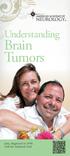 Understanding Brain Tumors Jana, diagnosed in 1999, with her husband, Paul. What Is a Brain Tumor? A brain tumor, like other tumors, is a collection of cells that multiply at a rapid rate. The tumor may
ARTICLE #1 PLEASE RETURN AT THE END OF THE HOUR
 ARTICLE #1 PLEASE RETURN AT THE END OF THE HOUR Alcoholism By Mayo Clinic staff Original Article: http://www.mayoclinic.com/health/alcoholism/ds00340 Definition Alcoholism is a chronic and often progressive
Understanding anxiety and depression
 Understanding anxiety and depression www.beyondblue.org.au 1300 22 4636 Anxiety Over two million people in Australia experience anxiety each year. On average, one in three women and one in fve men will
Staff, please note that the Head Injury Routine is included on page 3.
 Staff, please note that the Head Injury Routine is included on page 3. This booklet explains what can happen after a concussion, how to get better and where to go for more information and help if needed.
Comorbid Conditions in Autism Spectrum Illness. David Ermer MD June 13, 2014
 Comorbid Conditions in Autism Spectrum Illness David Ermer MD June 13, 2014 Overview Diagnosing comorbidities in autism spectrum illnesses Treatment issues specific to autism spectrum illnesses Treatment
My Child Has Selective Mutism, What Do I Do Now?
 My Child Has Selective Mutism, What Do I Do Now? Written by Christine Stanley and Teresa Cardulla Evaluate your child. Once you suspect selective mutism (SM), you should confirm that diagnosis. In doing
Tourette syndrome and co-morbidity
 Tourette syndrome and co-morbidity Nanette M.M. Mol Debes, M.D., Ph.D. Tourette clinic, Herlev University Hospital, Denmark Outline of presentation Research project Herlev University Hospital Denmark Prevalence
States of Consciousness Notes
 States of Consciousness Notes There s been a lot in the news lately about the new Peace Palace they re building in West L.A., for people to come and meditate and not just Hollywood people! Consciousness
PARKINSON S DISEASE INTRODUCTION. Parkinson s disease is defined as a disease of the nervous system that affects voluntary movement.
 PARKINSON S DISEASE INTRODUCTION Parkinson s disease is a disorder of the brain and the nervous system. It is one of the more common neurological diseases in people over the age of 60, and it is more common
1: Motor neurone disease (MND)
 1: Motor neurone disease (MND) This section provides basic facts about motor neurone disease (MND) and its diagnosis. The following information is an extracted section from our full guide Living with motor
Diagnostic Criteria. Diagnostic Criteria 9/25/2013. What is ADHD? A Fresh Perspective on ADHD: Attention Deficit or Regulation?
 What is ADHD? A Fresh Perspective on ADHD: Attention Deficit or Regulation? The Transition from Disorder to Traits Thor Bergersen M.D. Founder, ADHD Boston www.adhdboston.com Attention Deficit/Hyperactivity
F r e q u e n t l y A s k e d Q u e s t i o n s
 Myasthenia Gravis Q: What is myasthenia gravis (MG)? A: Myasthenia gravis (meye-uhss- THEEN-ee-uh GRAV uhss) (MG) is an autoimmune disease that weakens the muscles. The name comes from Greek and Latin
Brain Injury Association National Help Line: 1-800-444-6443 Brain Injury Association Web site: www.biausa.org Centers for Disease Control and
 Brain Injury Association National Help Line: 1-800-444-6443 Brain Injury Association Web site: www.biausa.org Centers for Disease Control and Prevention Web site: www.cdc.gov/ncipc/tbi Contents About Brain
Medications Used in the Management of Disruptive Behavior Disorders
 The following medication chart is provided as a brief guide to some of the medications used in the management of various behavior disorders, along with their potential benefits and possible side effects.