
S RUCTVE R CO ~SURGERY J. REGAN THOMAS
|
|
|
- Meryl Gibbs
- 10 years ago
- Views:
Transcription
1 DVNCED FCIL THERPY IN LSTC & R CO S RUCTVE ~SURGERY J. REGN THOMS

2 50 FCIL FT INJECTION THOMS L. TZlKS, MD Surgeons who perform facial rejuvenation procedures have recognized the importance of soft tissue volume enhancement. With the ever-increasing popularity of soft tissue fillers, most surgeons performing facial rejuvenation understand that traditional facelift surgery also needs to be enhanced by adding a three-dimensional component to the procedure. The primary manifestation of aging is loss of subcutaneous tissue, especially the atrophy of fat, which directly contributes to laxity of skin. Facial beauty in a youthful face consists of fullness, softness, symmetry, and proper proportions. There is a smooth distribution and transition of fat between aesthetic units of the face with a resultant balance between volume and shape. ging of the face involves tissue involution with flattening and hollowing of facial features. The resultant loss of the subcutaneous architecture and framework is a more important contributory factor to signs of aging than skin laxity because of the effects of gravity alone. utologous fat transplantation has been attempted for over a century with varying degrees of success, but recent techniques have provided more predictable, reproducible, and long-lasting results. Fat is an ideal tissue filler substance because it is living tissue, and because it is from one's own body, it is non-allergenic. History Fat has been used for filling facial defects for well over 100 years. In a written report by Neuber in 1893, he described using 1 cm pieces of fat to reconstruct facial scars caused by tuberculosis'! In 1910, Lexer noted greater than 3-year survival of blocks of autologous fat when used for reconstruction of zygomatic arch fractures and emphasized minimizing the trauma to the implant to improve viability? There are several reports in the literature with varying results using fat grafting,3-8 but great advancements were made in the 1980s with the acceptance of liposuction and especially with low-pressure syringe aspiration and reinjection (lipoplasty) pioneered by Pierre Pournier.? Fournier reported the integrity of lipocytes recovered by syringe aspiration and achieved more predictable outcomes with fat injection." Ilouz also described that the human body is an excellent tissue medium, and fat cells survive by intercellular lipolysis and osmosis until they are revascularized.l? Modern fat grafting was refined and taken to a different level with the pioneering work of Sydney Coleman in the 1990s with his lipostructure procedure. 11 The concept of minimizing trauma during fat removal while injecting small fat parcels into multiple tunnels in soft tissue for better revascularization resulted in more predictable and long-term results. I I The success of fat grafting suggests that adipocytes can withstand periods of hypoxia until revascularization is established. In 1996, randow and Newman showed that centrifugation of harvested fat cells did not alter the microscopic structural integrity of lipocytes.'? Roger mar has.also popularized his method of autologous fat grafting muscle injection (FMI).13 Overview of Fat Grafting The fat grafting surgical technique used by the author is a multilayered full facial augmentation using relatively high volumes of fat, generally between 60 and 120 ml. Full facial rejuvenation is performed most often to maintain or establish normal facial proportions. If fat grafting is combined with other facial rejuvenation surgery, such as rhytidoplasty, blepharoplasty, or endoscopic browlift, fat is infiltrated only in areas that have not been dissected by surgery to allow the fat grafts to anchor in the desired region. Fat that is not used in the initial procedure is frozen in sterile syringes, labeled with the patient's identification, and stored in frozen storage at -20 C for 12 months. Frozen fat is then used later to

3 574/ dvanced Therapy in Facial Plastic and Reconstructive Surgery fill areas not previously treated or if the patient requires a minor touch-up. When fat is used for regional augmentation, such as the midface, small volumes of fat are injected to this area compared with the volume that would have been used if they were a part of fulj facial augmentation. The smaller volwnes of fat used will maintain proper facial proportions with adjoining esthetic zones. With full facial augmentation, larger volumes are injected to each region because adjacent areas are also treated. There are key regions of the face that must be augmented with fat to create a more youthful appearance. The most important area is the midface, upper malar, and infraorbital region, which is the major support area of the eyelid and face. Proper augmentation of the midface also blends into the lateral eyebrow, the anterior and inferior temple, and the submalar regions. Filling this area will create a rejuvenated appearance in patients and is always the centerpoint of the procedure. Other key regions of augmentation are the lateral jawline to establish the mandibular angle, the temporal fossa with the lateral eyebrow, the perioral region (lips, nasolabial fold, and prejowl), and the glabella. The author's experience with this procedure has evolved over 16 years and more than 3,000 patients (fat grafting alone or in combination with other surgery). Patient ages have ranged between 18 and 88 years old in both females and males. utologous fat grafting can be performed on a patient before facelift or blepharoplasty surgery and may prolong the need for such procedures. In the author's opinion, fat grafting should be used in combination with every facelift, blepharoplasty, or skin resurfacing procedure to enhance the result. Fat augmentation can also significantly improve the appearance of patients who have undergone previous facial surgery that has left behind an obvious unnatural appearance and are in need of more facial volwne. The most successful areas of fat grafting are in the more static regions of the face such as the tear trough deformity, the midface, the upper malar region, the jawline, the temporal fossa, the mandible, and the lateral eyebrow. Fat grafts that are placed in the perioral region are viable, but the result is less predictable because of the mobility associated with the area. This results in shearing forces, which limit the angiogenesis to the graft. Repeat treatments with frozen fat or other filler materials are used by the author especially in the lips and marionette regions. The popular myth that autologous fat grafting is temporary filler is primarily a result of surgeons injecting fat into mostly mobile areas such as the lips or nasolabial grooves, using poor technique, and not injecting adequate volumes. This misconception is a hurdle the clinician must overcome when dealing with patients questioning the viability of fat grafting and long-term results. ecause results achieved from fat grafting are sometimes more subtle than from traditional facelifting procedures, detailed preoperative patient counseling is imperative. The patient needs to be educated on the effects of three-dimensional volume enhancement using high-quality pre- and postoperative fat grafting patient photographs, as well as comparison photographs of the patient themselves in their youth. Once a patient understands the effects of volume loss on their aging face, they will be accepting of the procedure. Realistic expectations are always emphasized to every patient, and they need to have a clear understanding of the limitations of the procedure. The distortion of the face in the weeks following the soft tissue infiltration must also be fully understood by the patient. Three-dimensional photography can be extremely useful for all aspects of the facial rejuvenation consultation and comparison of results as this technology improves and becomes more commercially available. The best candidates for fat grafting are younger «50 years old), healthy, nonsmokers with thicker skin, and good overall skin elasticity. Smoking decreases the revascularization potential for the grafts, and these patients should be warned preoperatively that their results will be limited. Thinner, inelastic skin in older patients also does not contain optimal vascular supply and may require more than one treatment session for adequate results. s with any facial plastic surgical procedure, the patient must stop aspirin, nonsteroidal anti-inflammatory medications, vitamin E, herbal supplements, cigarette smoking, and alcohol consumption at least 2 weeks before the procedure, and they are started on vitamin complex, 2,000 mg vitamin C daily. The patient is also evaluated with appropriate blood studies, electrocardiogram, and medical clearance if they are over 50 years old. Surgical Technique The patient's donor areas of fat excess are evaluated for quality and possible limitations of removal because of previous liposuction or lack of sufficient quantity. These areas are marked in the standing position, and usually multiple areas are required to obtain adequate volumes. It is important to obtain fat from multiple sites, especially in thin patients, so that the potential for donor deformities from too much fat extraction from one location is limited. The best quality donor fat in most patients is found in the lateral thighs because of the compactness of the adipocytes, but the medial thighs, the upper hips, the

4 Facial Fat Injection / 575 lower abdomen, and sometimes the medial knees are also used. Key regions of the face for augmentation, most notably the infraorbital depressions, are also carefully marked in the standing position. The procedure is usually performed using conscious intravenous sedation with local nerve blocks and local anesthetic soft tissue infiltration (1% lidocaine with 1:100,000 epinephrine) in the face. semitumescent local infiltration is performed in the donor areas using a mixture of 50 ml of 1% lidocaine, 1 ml of 1:1,000 epinephrine, and 12.5 ml sodium bicarbonate in 1 L of lactated ringers solution. The anesthetic fluid is injected through entry sites made with a #11 blade first into the deep fat followed by the more superficial layer using 20 ml syringes and multiholed fine infiltrating cannulas. This process results in some volume expansion of the adipocytes, which must be taken into account during facial infiltration. It is very important to wait at least 15 minutes for the local epinephrine effect to occur before fat harvesting. The quality and quantity of fat harvested will be significantly enhanced after this waiting period. 2.1 mm cannula with three serial openings (Tulip Corporation, San Diego, C, US) is used on a 10 ml syringe for fat harvesting. pproximately 2 ml of lactated ringers solution is placed in each syringe before harvesting, and a minimal negative volume pressure on the syringe is used, usually 2 to 3 rnl., to limit the trauma to the harvested fat. The amount of fat and fluid aspirated during harvesting is measured to remove equal amount from the contralateral side. The donor access sites are closed with a 5-0 fast absorbing suture, and the area is dressed with a light pressure dressing. The fat is centrifuged for 1 minute at 3,000 rpm in the 10 ml syringes, which results in three distinct layers (Figure 50-1). The top layer is the least dense and consists of oil from ruptured adipocytes. The bottom layer is the densest, and it contains lidocaine, lactated ringers solution, and blood. The middle layer is made up of the usable fat. Fat for injection should not contain any significant amount of blood because blood will stimulate macrophage activity in the recipient site and may decrease fat survival. The fatty layer is separated from the other layers by decanting the fluid from the syringes. The usable fat is ultimately transferred into 1 ml syringes, which are then used for the injection of fat into the face. The face is marked in the upright sitting position, and local anesthetic infiltration (1% lidocaine with 1:100,000 epinephrine) is used both as nerve blocks and regional soft tissue infiltration. Care must be taken to not overinject local anesthetic and distort the. area to be augmented with fat. In the infraorbital region, it is sometimes preferable to infiltrate the local anesthetic solution using a blunt cannula to prevent trauma to the venous plexus and limit the tissue distortion. Figure Note the layering of the centrifuged syringe on the right. The syringe on the left was not spun. Fat infiltration of the face begins by making skin puncture sites at strategic locations using an IS-gauge NoKor needle. The facial access sites are closed with steristrips for 24 hours and usually heal without a visible mark. Generally, 0.9 and 1.2 mm cannulas (Tulip Corporation) are attached to 1 ml syringes filled with the fat grafts and are used to inject the fat, One-milliliter syringes allow for a smoother transfer of fat grafts while minimizing force. The size of the cannula and the design of the tip allow the cannula to glide through soft tissue creating minimal trauma, which results in much less postoperative edema than some of the blunt cannulas that are currently available. The infiltration is first carried out in the deepest tissue layer (usually at the periosteal level) and along the facial musculature and then followed by more superficial layers. The injection of fat is performed only on withdrawal of the cannula in linear tracts ultimately creating a weaving pattern. It is important to have the entire syringe, needle, and hub prefilled with fat, so dead space is eliminated on injection. The most delicate infiltration is in the infraorbital region where injection is mostly submuscular but superficial to the orbital septum and always in a retrograde fashion. Some fat infiltration is performed in the

5 576/ dvanced Therapy in Facial Plastic and Reconstructive Surgery subcutaneous layer using only very small quantities of fat (usually between and 0.05 ml per tunnel) to prevent clumping. It usually requires approximately 10 to 20 passes to empty a 1 ml syringe of fat in most parts of the face, but in the infraorbital area, even less fat is injected per pass. Fat infiltration along the infraorbital rim is mostly injected from an inferior to superior position. The nasojugal and tear trough regions are also infiltrated from an inferior midmalar position injecting superiorly (Figure 50-2). The fat is injected in very small noncontinuous amounts rather than one long strand. long continuous injection of fat in the infraorbital region can leave elevated abnormalities that are visible through the thin skin and can be very challenging to treat. Some fat is also injected from a lateral orbital skin entry site from which injection can also be performed to the lateral eyebrow, the anterior and inferior temple, as well as the main malar and submalar regions. The volume of fat injected varies for all individuals, but along the infraorbital rim and tear trough regions, the volume should generally be limited to approximately 2 ml. The overall malar region, however, can accept 7 to 20 ml of fat spread over a wide area. Figure Periorbitalfat augmentationis carriedout byinjecting fat fromentrypointsat the lateraleyebrow.the lateralorbit.and the inframalarregion.multipletunnelsandpassesare requiredto achieve adequate augmentation. It is important to feather the fat into adjacent esthetic zones by injecting the anterior temporal region and the lateral eyebrow. This creates a soft transition when performing midface augmentation. The success of the technique is dependent upon the injection of only small amounts of fat into many multilayered tunnels, which leads to improved revascularization and survival of the graft. It is also important not to overfill the anterior malar and infraorbital region as this will create excessive fullness and skin wrinkling upon smiling. Fat should be tapered as the injection is continued toward the eyelid, so a resultant ledge of fat or sunken eye appearance can be avoided. The infiltration of fat is a diffuse. process following the natural bony and soft tissue facial architecture of the patient. With midface augmentation, the procedure is frequently combined with lower transconjunctival blepharoplasty fat removal and Portrait skin resurfacing for treatment of rhytids in the appropriate patients. The fat is generally injected first in the infraorbital region before any significant tissue distortion. Fat is then removed from the lower eyelid using a standard transconjunctival approach in conservative quantities followed by Portrait plasma skin regeneration (Rhytec) to the lower eyelid skin esthetic unit. This has been an excellent combination for obtaining long-term skin tightening without using skin excision (Figure 50-3). Fat grafting to the infraorbital region will generally give support to the lower eyelid, improve scleral show, and correct some dermatochalasis of the lower eyelid necessitating less skin excision. For full facial rejuvenation using fat injection only, the areas of augmentation are usually the same in all patients; however, the volume injected to each region is individualized. The amount of fat grafted during a typical procedure can usually range between 60 and 120 ml. The most important aspect of the injection procedure is to maintain proper esthetic proportions of the face. The postoperative care is minimal, but the patient must be prepared for the edema and distortion of the face especially in the first 1 to 2 weeks. Ice gel masks are used for at least 48 hours with head elevation for 1 week. The patient is instructed to limit extreme facial movements and limit talking for the first 72 hours and refrain from exercise for 2 weeks. This will limit shearing forces on the fat grafts and allow angiogenesis to take place. Warm compresses are used starting the third or fourth day, and Medrol dose pack and homeopathic arnica montana have been beneficial. The patients have minimal discomfort in the donor areas and essentially no discomfort in the face. ecause of the decreased tissue trauma associated with this technique,

6 Facial Fat Injection / 577 Figure year-old female who desires eyelid rejuvenation., 10 months following bilateral upper and lower (transconjunctival) blepharoplasty, fat grafting to the periorbital region and Portrait plasma skin regeneration to the lower eyelid skin. Note that the fullness in the midface changes the proportions of the face to a more lifted and youthful appearance. total of 9 ml of fat was injected into each periorbital region. Figure 50-4., Preoperative photograph of a 48-year-old woman desiring facial rejuvenation. The patient has significant fat atrophy of the entire face. Note the hollow appearance of the temple and submalar region, as well as the bony outline of the zygoma., ppearance on postoperative day 3 following fat grafting of the entire face with 102 ml of fat. The patient has only mild ecchymosis and edema even with a large volume augmentation. the significant edema subsides within 7 to 10 days even with the large volumes injected (Figure 50-4). pproximately 10 to 15% of the harvested fat is preserved in sealed syringes at a temperature of -20 o e for 12 months and labeled with the patient's name, Social Security number, and the date the fat will be discarded. Studies have shown that an adequate percentage of adipose cells are preserved by freezing,14,ls and this fat can be used for minor fat touch-up procedures. Potential complications are generally technique related but can include hematoma, infection, herpetic outbreak, sensory or motor nerve damage, damage to underlying structures, prolonged ecchymosis, hemosiderin deposition of the dermis, prolonged edema,. undercorrection, overcorrection, fat clumping, donor site soft tissue irregularities, hypertrophic or hyperpigmented donor scars, asymmetry, tattooing of the infiltration sites, fat necrosis, and fat migration. Sharp. needles should never be used to inject fat in any location of the face especially the periorbital area. Laceration and/or intravascular fat injection may result in embolization and potential visual loss with the use of sharp needles or high-pressure injection in the periorbital region.16,17 The main postoperative complication from fat augmentation is fat clumping, which can be especially visible through the thin skin of the infraorbital-midface junction. Over time, the fat irregularity can be very firm and nodular. This deformity is a result of excessive fat injection with each pass of the cannula. If the soft tissue planes are distorted, either by excessive local anesthetic injection or significant bleeding, the surgeon cannot visualize how much fat is required for appropriate correction of the area. leeding will cause prolonged' ecchymosis and can create a thick fibrous capsule around the injected fat. Sometimes, the fat graft will lodge in the cannula resulting in excessive pressure required to push the fat through. This is often seen with thin patients who have more fibrous tissue mixed with the fat. In this situation, one must never force the fat through the cannula. The cannula should be removed from the injection site, the obstruction is cleared, and

7 578/ dvanced Therapy in Facial Plastic and Reconstructive Surgery then the injection can be continued. Fat clumping should be treated at the time of injection if the surgeon realizes clumping is occurring. The fat can be manually compressed or aspirated with the same cannula used for injection. Unrealized overinjected and irregularly accumulated fat in the infraorbital region will persist and is difficult to eradicate. Excessive use of steroid injection to treat the irregularity in this region may also result in more soft tissue atrophy and a worsened appearance. Therefore, only diluted kenalog should be used (approximately 2 to 5 mg/ml). Treatment of this visible irregularity may also involve injection of mesotherapy fat dissolving solution or direct surgical excision. In actuality, the complications with this technique in experienced hands are extremely rare, and the patient long-term satisfaction rate has been very high (Figures ). Figure year-old female who desires facial rejuvenation. Note the disproportioned narrowing of the jawline. 8, 3 years following full facial fat grafting using a total of 88 ml of fat. The patient has better overall facial proportions. Figure Oblique view of the same patient. 8,3 years following full facial rejuvenation using fat grafting (88 ml of fall. Note the overall softer appearance of the face with better proportions. c Figure year-old female who had undergone overly aggressive lower facial liposuction resulting in contour irregularities. 8, Preoperative marking of the areas requiring augmentation with fat. The cheeks were also injected to improve the overall facial proportion. C, 2 years following fat injection to correct facial contour irregularities. total of 39 ml of fat was injected.

8 Facial Fat Injection / 579 Figure Preoperative oblique view of same patient. showing contour deformity of lower face., 2-year follow up following fat injection of lower face to correct previous surgical contour deformity. Figure Preoperative 68 year-old female who desired full facial rejuvenation., 6 months postoperative result. This patient underwent full facial rejuvenation to include endoscopic browlift, upper and lower blepharoplasty, Portrait plasma skin regeneration of the lower eyelid skin, tip rhinoplasty, lower face, and neck lift with fat grafting to the face (35 ml of fat injected). Note the fuller and softer appearance of the midface results from fat injection that cannot be achieved with facelift surgery alone. Summary Soft tissue augmentation with fat grafting is becoming a more commonly performed procedure, but it is technique dependent with a high learning curve. The surgeon must master a precise minimally traumatic harvesting, preparation, and infiltration technique using a diffuse multilayering method of fat infiltration, which follows the patient's facial contour. The main benefit of fat is that it is a natural filler, which can augment all areas of a face. utologous fat grafting results can be extremely satisfying for both the patient and the surgeon as long as the expectations are realistic. Small amount of fat grafted into multiple tunnels undergoes revascularization and becomes incorporated into normal subcutaneous tissue. Grafted fat feels like normal soft tissue to

9 580/ dvanced Therapy in Facial Plastic and Reconstructive Surgery the touch and cannot be palpated like other facial implants. Results at 5 or 6 months usually persist for many years although normal soft tissue volume loss continues with natural aging. Grafted fat will also fluctuate in size with general weight loss or weight gain. There is some individual patient variability noted with younger patients retaining a greater percentage of fat using smaller volumes. This is most likely because of better vascularity and tissue elasticity in the younger patients. utologous fat grafting results are subtle yet significant with the face appearing softer, healthier, and more youthful without having the "operated look." The resultant facial contour has a natural appearance with a gentle transition between one facial zone and the next. The fat infiltration technique is a very artistic three-dimensional procedure, and patient outcomes improve with greater experience by the surgeon. Once the technique is mastered, results are long term and predictable and can complement most other facial surgical procedures. References 1. Neuber E Fettransplantation. ericht uber die Verhandlungen der Dt Ges f Chir. Zentralbl Chir 1893;22: Lexer E. Freie Fettransplantation. Dtsch Med Wochenschr 19l0;36: ru.ni.ng P. Contribution e l'etude des greffes adipueses. ull cad RMed elg 1914;28: Gurney CEoExperimental study of the behavior of free fat transplants. Surgery 1938;3: Peer L. Loss of weight and volume ill human fat grafts. Plast Reconstr Surg 1950;5: Peer L. The neglected free fat graft. Plast Reconstr Surg 1956;18: Saunders MC, Keller JT, Dunsker S, Mayfield FH. Survival of autologous fat grafts in hwnans and mice. Connect Tissue Res 1981;8: Ellenbogen R. Free autogenous pearl fat grafts ill the face: a preliminary report of a rediscovered technique. nn Plast Surg 1986;16: Fournier PE Microlipoextraction et microlipoinjection. Rev Chir Esthet Lang Fr 1985;10: llouz YG. The fat cell "graft": a new technique to fill depressions. Plast Reconstr Surg 1986;78: Coleman SR. Facial recontouring with Iipostructure. Clin Plast Surg 1997;24: randow K, ewman J. Facial multilayered micro lipoaugmentation. Int J esthet Restor Surg 1996;4: mar RE. Microinfiltration adipocytaire (MI) au niveau de la face, ou reconstruction tissulaire par greffe de tissue adipeux. nn Chir Plast Esthet 1999;44: ertossi D, Kharouf S, D' gostino, et al. Facial localized cosmetic filling by multiple injections of fat stored at -30 C: techniques, clinical follow-up of 99 patients and histologic examination of 10 patients. nn Chir Plast Esthet 2000;45: Shoshani 0, Ullmann Y, Shupak, et al. The role of frozen storage in preserving adipose tissue obtained by suctionassisted lipectomy for repeated fat injection procedures.. Dermatol Surg 2001;27: Teimourian,. lindness following fat injections. Plast Reconstr Surg 1988;82:36l. 17. Danesh-Meyer HV, Savino PJ, Sergott RC. Case reports and a small case series; ocular and cerebral ischemia following facial injection of autologous fat. rch Ophthalmol 2001;119:777-8.

F ORUM. Special Topic. Facial Reshaping Using Minimally Invasive Methods
 Special Topic Facial Reshaping Using Minimally Invasive Methods Q1 Richard Ellenbogen, MD; Gary Motykie, MD; nthony Youn, MD; Steven Svehlak, MD; and Dan Yamini, MD Dr. Ellenbogen, Dr. Motykie, Dr. Yamini,
Evaluation of the Cosmetic Patient
 APC Ophthalmology Conference Evaluation of the Cosmetic Patient David K. Isaacs, M.D. Clinical instructor Loma Linda University Clinial Staff Attending UCLA/Jules Stein Eye Institute Lecture Agenda Review
CHAPTER 47 STRUCTURAL FAT GRAFTING
 CHAPTER 47 STRUCTURAL FAT GRAFTING SYDNEY R. COLEMAN With the recent recognition of the importance of soft-tissue fillers, fat grafting has assumed an increasingly important roll as both an adjunctive
How To Harvest Fat From The Infratemporal Fossila
 Techniques in Cosmetic Surgery Harvesting Fat from the Infratemporal Fossa Bahman Guyuron, M.D., and Kevin Rose, M.D. Cleveland, Ohio As part of forehead rejuvenation and surgical treatment of migraine
Liposculpture of the Face
 Egypt, J. Plast. Reconstr. Surg., Vol. 33, No. 1, January: 7-14, 2009 Liposculpture of the Face HEBA HUSSEIN, M.D. The Department of Plastic and Reconstructive Surgery, Faculty of Medicine, Ain Shams University.
5 Upper eyelid blepharoplasty
 5 Upper eyelid blepharoplasty INSTRUMENTS Marking pen No. 15 scalpel blade Blade handle Castroviejo needle holder Castroviejo calipers 0.5 fixation forceps Westcott scissors 6-0 prolene suture Bovie cautery
Hard work. PAL will take you. can get you 90% of the way there. over the finish line. Results instead of hype.
 Hard work can get you 90% of the way there. PAL will take you over the finish line. Results instead of hype. Power-Assisted Liposuction (PAL) offers meaningful patient benefits. Less bruising, swelling
Blepharoplasty & Cosmetic eyelid surgery
 Our cosmetic surgery team at The USF Eye Institute offers a wide variety of cosmetic procedures of the eyelids and face with the goal of obtaining a natural and rejuvenated appearance. Dr.Leyngold has
Fat Grafting intrauma and Reconstructive Surgery
 Fat Grafting intrauma and Reconstructive Surgery Yadranko Ducic, MD,FRCS(C),FACS a,b,c,d KEYWORDS Fat grafting Lipotransfer Reconstructive surgery The Greeks long ago recognized the ideals of proportion
Breast Augmentation. If you are dissatisfied with your breast size, augmentation surgery is a choice to consider. Breast augmentation can:
 Breast Augmentation What is Breast Augmentation? Also known as augmentation mammaplasty, breast augmentation involves using implants to fulfill your desire for fuller breasts or to restore breast volume
Facial Multilayered Micro Lipo-Augmentation KIRK BRANDOW, MD, AND JULIUS NEWMAN, MD
 International Journal of Aesthetic and Restorative Volume 4, Number 2, 1996, Pages 95-110 Surgery Facial Multilayered Micro Lipo-Augmentation KIRK BRANDOW, MD, AND JULIUS NEWMAN, MD ABSTRACT: Lipo-transfer
How To Improve Your Looks with Plastic Surgery
 How To Improve Your Looks with Plastic Surgery By Daniel Becker Plastic surgery is a special type of surgery that involves both a person's appearance and his or her ability to function. Plastic surgeons
Michael A. Boss, M.D. FMH Plastic, Reconstructive und Aesthetic Surgery
 Michael A. Boss, M.D. FMH Plastic, Reconstructive und Aesthetic Surgery Boss Aesthetic Center Schauplatzgasse 23 CH-3011 Bern Switzerland +41 31 311 7691 www.aesthetic-center.com B r e a s t A u g m e
Augmentation Blepharoplasty: A Review of 500 Consecutive Patients
 INTERNATIONAL CONTRIBUTION Oculoplastic Surgery Augmentation Blepharoplasty: A Review of 500 Consecutive Patients Patrick L. Tonnard, MD; Alexis M. Verpaele, MD; and Assaf A. Zeltzer, MD, FCCP Aesthetic
Open and Endoscopic Forehead Lift. Plastic Surgery. For All Brow and Forehead Lift Procedures. Revolutionizing. Soft-Tissue Fixation
 Plastic Surgery Open and Endoscopic Forehead Lift For All Brow and Forehead Lift Procedures Revolutionizing Soft-Tissue Fixation DESIGNED FOR SIMPLICITY AND PREDICTABILITY The versatile design can be applied
Fat Injection to Correct Contour Deformities in the Reconstructed Breast
 Fat Injection to Correct Contour Deformities in the Reconstructed Breast Scott L. Spear, M.D., Henry B. Wilson, M.D., and Michelle D. Lockwood, M.D. Washington, D.C. Background: A ten-year, single-surgeon
Lipomodelling in Breast Surgery Information Sheet
 Lipomodelling in Breast Surgery Information Sheet Lipomodelling is a procedure in which localised deposits of fat are removed from areas where they are not needed and replaced where there is a soft tissue
Preface. Transformation and Identity
 Preface Transformation and Identity My faculty advisors in medical school were a plastic surgeon, Ted Huang, and an anthropologist, Mary Knudson. Dr. Knudson hired me, a 19-year-old freshman medical student,
INFORMED CONSENT FOR BODY CONTOURING PLEASE REVIEW AND BRING WITH YOU ON THE DAY OF YOUR PROCEDURE
 INFORMED CONSENT FOR BODY CONTOURING (INCLUDES: LIPOSUCTION, ABDOMINOPLASTY, ARMLIFT, THIGHLIFT AND BODYLIFT) PLEASE REVIEW AND BRING WITH YOU ON THE DAY OF YOUR PROCEDURE PATIENT NAME PATIENT INITIALS
ABDOMINOPLASTY - FREQUENTLY ASKED QUESTIONS (FAQs)
 Executive Level E1, Excen Centre, 119 Willoughby Road, Crows Nest 2065 Tel: 02 9817 7585 www.mycosmeticclinic.net AFFORDABILITY WITH EXCELLENCE Liposuction Breast Augmentation Abdominoplasty Eyelids Surgery
Blepharoplasty - Eyelid Surgery
 Blepharoplasty - Eyelid Surgery Introduction Eyelid surgery repairs sagging or drooping eyelids. The surgery is also known as blepharoplasty, or an eyelid lift. Sagging or drooping eyelids happen naturally
Give us a table of facelift complications. How would you treat each? Answers from Cummings:
 Give us a table of facelift complications. How would you treat each? Answers from Cummings: Hematoma The most common perioperative complication of rhytidectomy is hematoma, which occurs in 1% to 10% of
Liposuction GUIDELINE
 .goo NON HOSPITAL MEDICAL AND SURGICAL FACILITIES PROGRAM College of Physicians and Surgeons of British Columbia Liposuction GUIDELINE You may download, print or make a copy of this material for your noncommercial
IS BREAST AUGMENTATION RIGHT FOR YOU?
 IS BREAST AUGMENTATION RIGHT FOR YOU? (816) 286-4126 www.kansascitysurgicalarts.com For many women, having shapely, full breasts is an important part of feeling feminine. The breasts give the body proportion,
Lid Surgery (Blepharoplasty)
 Lid Surgery (Blepharoplasty) Blepharoplasty Blepharoplasty surgery involves the removal or redistribution of eyelid tissue. These tissues include skin, muscle and fat, all of which undergo changes with
LIPOSUCTION. The Symbol of Excellence in Plastic Surgery. Anil P. Punjabi, M.D., D.D.S
 LIPOSUCTION Anil P. Punjabi, M.D., D.D.S The Symbol of Excellence in Plastic Surgery A public education service of the American Society of Plastic Surgeons and the American Society for Aesthetic Plastic
Body Jet - Water Assisted Liposuction
 Steven L. Ringler, MD, FACS Introducing: SmartLipo Triplex Laser-BodySculpting Body Jet - Water Assisted Liposuction CoolSculpting by Zeltiq *Experience Exceptional - Dr. Steven L. Ringler and The Center
Orthopaedic Spine Center. Anterior Cervical Discectomy and Fusion (ACDF) Normal Discs
 Orthopaedic Spine Center Graham Calvert MD James Woodall MD PhD Anterior Cervical Discectomy and Fusion (ACDF) Normal Discs The cervical spine consists of the bony vertebrae, discs, nerves and other structures.
Structual Fat Transfer (Fat Injection to the Breast) Musgrove Park Hospital is part of Taunton and Somerset NHS Foundation Trust. Patient Information
 Structual Fat Transfer (Fat Injection to the Breast) Musgrove Park Hospital is part of Taunton and Somerset NHS Foundation Trust Patient Information Introduction This information is for patients undergoing
INFORMATION SHEET FAT TRANSFER
 INFORMATION SHEET FAT TRANSFER INTRODUCTION In the past surgeons have tried to enlarge women s breasts and to fill out contour hollows by cutting out a lump of fat from the abdomen or buttocks and embedding
Open and Endoscopic Forehead Lift. Plastic Surgery. For All Brow and Forehead Lift Procedures. Revolutionizing. Soft-Tissue Fixation
 Plastic Surgery Open and Endoscopic Forehead Lift For All Brow and Forehead Lift Procedures Revolutionizing Soft-Tissue Fixation DESIGNED FOR SIMPLICITY AND PREDICTABILITY The versatile design can be applied
The Smooth Tuck Procedure
 The Smooth Tuck Procedure plastic surgery AN ALTERNATIVE APPROACH TO ABDOMINAL CONTOURING FOR THE OVERWEIGHT PATIENT atnt By Matthew R. Schulman, M.D. Body fat on an adult tends to increase gradually over
Laser and Cosmetic Center
 Laser and Cosmetic Center A Patient s Guide to Cosmetic Dermatology WELCOME Experts You Can Trust The Massachusetts General Hospital Dermatology Laser and Cosmetic Center s depth of experience is unmatched.
Dermatochalasis is the crepey, wrinkled, Surgical Treatment Options for Lower Eyelid Aging. Cosmetic Technique. Joe Niamtu III, DMD
 Cosmetic Technique Surgical Treatment Options for Lower Eyelid Aging Joe Niamtu III, DMD The lower eyelid and associated anatomy represent a complex structure that is key in facial aging and rejuvenation.
COPYRIGHT ASPS. Breast Augmentation. The Symbol of Excellence in Plastic Surgery
 Breast Augmentation The Symbol of Excellence in Plastic Surgery A public education service of the American Society of Plastic Surgeons and the American Society for Aesthetic Plastic Surgery. This brochure
OPEN ACCESS ATLAS OF OTOLARYNGOLOGY, HEAD & NECK OPERATIVE SURGERY
 OPEN ACCESS ATLAS OF OTOLARYNGOLOGY, HEAD & NECK OPERATIVE SURGERY NASOLABIAL FLAP FOR ORAL CAVITY RECONSTRUCTION Harry Wright, Scott Stephan, James Netterville Designed as a true myocutaneous flap pedicled
SUBCUTANEOUS DISSECTION AND
 eep-plane Face-lift vs Superficial Musculoaponeurotic System Plication Face-lift A omparative Study Ferdinand F. ecker, M; enjamin A. assichis, M ORIGINAL ARTILE Objective: To evaluate deep-plane face-lift
INFORMED CONSENT LIPOSUCTION (Suction-Assisted Lipectomy Surgery) (Ultrasound-Assisted Lipectomy Surgery)
 . Purchasers of the Patient Consultation Resource Book are given a limited license to modify documents contained herein and reproduce the modified version for use in the Purchaser's own practice only.
FUNCTIONS OF THE SKIN
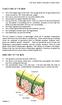 FUNCTIONS OF THE SKIN Skin is the largest organ of the body. The average adult has 18 square feet of skin which account for 16% of the total body weight. Skin acts as a physical barrier for you to the
Lipomodelling Following Breast Surgery
 Lipomodelling Following Breast Surgery Patient Information Breast Care Department Author ID: SW/AD/EA Leaflet Number: SBC 010 Name of Leaflet: Lipomodelling Following Breast Surgery Date Produced: October
Breast Augmentation Information Sheet
 Breast Augmentation Information Sheet Are you thinking about Breast Augmentation? If you are considering surgery, Dr. Peterson wants you to be thoroughly informed about this procedure. Reading this brochure
Regenerative Medicine
 January 2014 LIVING WATERS MEDICAL SPA AND WELLNESS CENTER Happy New Year A New Year: A New YOU! Regenerative Medicine We have all made numerous New Year s Resolutions in our life times, many I m sure
INFORMED CONSENT LIPOSUCTION
 INFORMED CONSENT LIPOSUCTION INSTRUCTIONS This is an informed-consent document that has been prepared to help inform you concerning suctionassisted lipectomy ( liposuction ) surgery, its risks, and alternative
Breast Implant Guide
 Breast Implant Guide Shapes, Sizes, Textures & More Brought to you by: 801.479.5722 Copyright 2013 P2P. All Rights Reserved Contents Overview 5 History & Background 6 Implant Types 8 Implant Shapes 13
Liposuction and Fat Graft to Enhance Facial Contour in Reconstructive Surgery - Nine Years Experience with the Use of Peridural Cannula
 Liposuction and Fat Graft to Enhance Facial Contour in Reconstructive Surgery - Nine Years Experience with the Use of Peridural Cannula Claudia Gutiérrez Gómez, Marcia Pérez Dosal and Alexander Cardenas
body breast augmentation
 face body skin breast augmentation Rowena After years of self confidence issues and feeling out of proportion to the rest of my body, I felt I needed to make a change for me! breast augmentation considering
ORIGINAL ARTICLE. Transconjunctival Lower Blepharoplasty. A Retrospective Comparison of Transposing Fat to the Subperiosteal vs Supraperiosteal Planes
 ORIGINAL ARTICLE Transconjunctival Lower Blepharoplasty With Fat Repositioning A Retrospective Comparison of Transposing Fat to the Subperiosteal vs Supraperiosteal Planes Donald B. Yoo, MD; Grace Lee
Breast Reconstruction Options. Department of Plastic Surgery #290 Santa Clara Homestead Campus
 Breast Reconstruction Options Department of Plastic Surgery #290 Santa Clara Homestead Campus Importance of Breast Reconstruction As successes in treating breast cancer have grown, more women have been
FAQ s COSMETIC SURGERY
 290 Country Club Drive, Stockbridge, Georgia 30281 770.506.9123 www.schillingmedicalspa.com FAQ s COSMETIC SURGERY Smartlipo HOW DOES SMARTLIPO WORK? This laser-assisted lipolysis procedure is performed
NORCOM COMMISSIONING POLICY. Specialist Plastic Surgery Procedures
 NORCOM North Derbyshire, South Yorkshire and Bassetlaw Commissioning Consortium NORCOM COMMISSIONING POLICY Specialist Plastic Surgery Procedures January 2007 Review Date: January 2009 Prepared by Rotherham
S UPPLEMENT. The Anatomy of the Aging Face: Volume Loss and Changes in 3-Dimensional Topography
 The Anatomy of the Aging Face: Volume Loss and Changes in 3-Dimensional Topography Sydney R. Coleman, MD; Rajiv Grover, BSc, MB BS, MD, FRCS (Plast) Dr. Coleman is Assistant Professor of Plastic Surgery
BREAST IMPLANTS (enlargement, augmentation) Dr. Benjamin Van Raalte TYPES OF IMPLANTS saline round implants high profiles low profile shaped
 BREAST IMPLANTS (enlargement, augmentation) Dr. Benjamin Van Raalte has 20 years of experience with breast enlargement including axillary incisions and gel implants. Dr. Van Raalte is the first Quad City
Autologous fat grafts have been used successfully COSMETIC. Autologous Fat Grafts Harvested and Refined by the Coleman Technique: A Comparative Study
 COSMETIC Autologous Fat Grafts Harvested and Refined by the Coleman Technique: A Comparative Study Lee L. Q. Pu, M.D., Ph.D. Sydney R. Coleman, M.D. Xiangdong Cui, M.D. Robert E. H. Ferguson, Jr., M.D.
Breast Implants: Local Complications and Adverse Outcomes
 Breast Implants: Local Complications and Adverse Outcomes This booklet highlights the most common problems associated with silicone gel-filled and saline-filled breast implants: those that occur in the
Breast Augmentation Amsterdam Plastic Surgery Breast Augmentation Overview
 Breast Augmentation Amsterdam Plastic Surgery Breast Augmentation Overview The long-lasting results of breast augmentation are not limited to just physical changes as data documents that many patients
Lateral Canthoplasty by the Micro-Mitek Anchor System: 10-Year Review of 96 Patients
 CRANIOMAXILLOFACIAL DEFORMITIES/COSMETIC SURGERY J Oral Maxillofac Surg 69:1745-1749, 2011 Lateral Canthoplasty by the Micro-Mitek Anchor System: 10-Year Review of 96 Patients Carmine Alfano, MD,* Stefano
INFORMED CONSENT FACELIFT SURGERY (Rhytidectomy)
 . Purchasers of the Patient Consultation Resource Book are given a limited license to modify documents contained herein and reproduce the modified version for use in the Purchaser's own practice only.
Femoral Nerve Block/3-in-1 Nerve Block
 Femoral Nerve Block/3-in-1 Nerve Block Femoral and/or 3-in-1 nerve blocks are used for surgical procedures on the front portion of the thigh down to the knee and postoperative analgesia. Both blocks are
INFORMED CONSENT LIPOSUCTION (SUCTION-ASSISTED LIPECTOMY SURGERY) (ULTRASOUND-ASSISTED LIPECTOMY SURGERY)
 INFORMED CONSENT LIPOSUCTION (SUCTION-ASSISTED LIPECTOMY SURGERY) (ULTRASOUND-ASSISTED LIPECTOMY SURGERY) INSTRUCTIONS This is an informed-consent document that has been prepared to help inform you concerning
1 of 6 2/10/12 10:15 AM
 Home Dr. Bitar About Us Events Media Specialties Non Surgical Gallery Fees Contact Us Plastic Surgery Products Magazine, October 2007 Issue Breast Augmentation: The Axillary Approach by George John Bitar,
Integumentary System Individual Exercises
 Integumentary System Individual Exercises 1. A physician performs an incision and drainage of a subcutaneous abscess in his office for a particularly uncooperative established patient. How should this
Aestheticare Cosmetic Surgery Institute Dr. Ronald E. Moser 30260 Rancho Viejo Rd. San Juan Capistrano, CA 92675 (800) 662-1055
 Breast augmentation, or augmentation mammoplasty, is one of the most common plastic surgery procedures performed today. Over time, factors such as age, genetics, pregnancy, weight changes, sun exposure,
Intracapsular Allogenic Dermal Grafts for Breast Implant Related Problems
 Cosmetic Intracapsular Allogenic Dermal Grafts for Breast Implant Related Problems Richard A. Baxter, M.D. Mountlake Terrace, Wash. Despite advances in surgical techniques and breast implant design, certain
WEIGHT LOSS. ThePlasticDoc.com
 WEIGHT LOSS ThePlasticDoc.com The brochure you have been provided contains nudity. If you are offended by such material or are not at least 18 years of age, please do not read further. WEIGHT LOSS SURGERY
SERVICES. Cosmetic and Laser Surgery
 SERVICES Cosmetic and Laser Surgery Cosmetic and Laser Surgery at Lahey Outpatient Center, Lexington, uses the most advanced anti-aging treatments and technologies to restore the younger, more vibrant
A separate consent form for the use of breast implants in conjunction with mastopexy is necessary.
 INFORMED CONSENT BREAST LIFT (MASTOPEXY) INSTRUCTIONS This is an informed consent document that has been prepared to help your plastic surgeon inform you about mastopexy surgery, its risks, and alternative
Kensington Eye Center 4701 Randolph Road, #G-2 Rockville, MD 20852 (301) 881-5701 www.keceyes.com
 Kensington Eye Center 4701 Randolph Road, #G-2 Rockville, MD 20852 (301) 881-5701 www.keceyes.com Natasha L. Herz, MD INFORMED CONSENT FOR DESCEMET S STRIPPING and AUTOMATED ENDOTHELIAL KERATOPLASTY (DSAEK)
Chapter 11. Everting skin edges
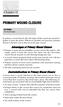 Chapter 11 PRIMARY WOUND CLOSURE KEY FIGURE: Everting skin edges In primary wound closure, the skin edges of the wound are sutured together to close the defect. Whenever possible and practical, primary
Breast Reconstruction Frequently Asked Questions
 Breast Reconstruction Frequently Asked Questions GENERAL Do I need to have breast reconstruction? It is never medically necessary to have breast reconstruction. This is considered an elective procedure,
Chapter 7. Expose the Injured Area
 Chapter 7 GUNSHOT WOUNDS KEY FIGURES: Entrance/exit wounds This chapter describes how to treat the external, surface wounds caused by a bullet. The evaluation for underlying injury related to gunshot wounds
It is important that you read this information carefully and completely.
 Placement of Permanent Breast Implant Following Tissue Expansion 1. I hereby authorize Dr. John P. Stratis and such assistants as may be selected to perform the following procedure or treatment INFORMED-
CONSENT FOR BREAST IMPLANT REMOVAL
 CONSENT FOR BREAST IMPLANT REMOVAL GENERAL INFORMATION The removal of breast implants that have been placed either for cosmetic or reconstructive purposes is a surgical operation. Breast implant removal
In terms of cup size, how much of an enlargement would you like to achieve?
 Information for patients considering breast augmentation surgery under the care of Mr C. Stone FRCS(Plast) Consultant Reconstructive & Aesthetic Plastic Surgeon About Mr Stone Mr Stone is a Consultant
What is Needling? How does it work? How deep does needle penetrate the skin?
 What is Needling? Needling has been in practice since the late 1980s, but has gained in popularity in the last two years. Needling treatment is the preferred method for 100% natural scar and wrinkle reduction.
ADVANCED SUTURING WORKSHOP ANN BECKER, APRN-CNP; TONI PRATT-REID, APRN-CNP
 ADVANCED SUTURING WORKSHOP ANN BECKER, APRN-CNP; TONI PRATT-REID, APRN-CNP SUTURING WORKSHOP! The technique of suturing, as a method for closing cutaneous wounds has been a part of medicine for hundreds
Thyroid eye disease (TED)
 Thyroid eye disease (TED) Mr David H Verity, MD MA FRCOphth Consultant Ophthalmic Surgeon Synonyms: Graves ophthalmopathy, thyroid ophthalmopathy, thyroid associated ophthalmopathy This information leaflet
Tissue Reinforcement with Strattice Reconstructive Tissue Matrix following Correction of Severe Breast Deformity
 Tissue Reinforcement with Strattice Reconstructive Tissue Matrix following Correction of Severe Breast Deformity Robert Cohen, MD, FACS* Paradise Valley, AZ Case summary A 41-year old woman with a history
Breast Reconstruction and Augmentation Using Pre-Expansion and Autologous FatTransplantation
 Breast Reconstruction and Augmentation Using Pre-Expansion and Autologous FatTransplantation Roger Khouri, MD a,danieldelvecchio,md b, * KEYWORDS Breast reconstruction Breast augmentation Fat grafting
Ankle Block. Indications The ankle block is suitable for the following: Orthopedic and podiatry surgical procedures of the distal foot.
 Ankle Block The ankle block is a common peripheral nerve block. It is useful for procedures of the foot and toes, as long as a tourniquet is not required above the ankle. It is a safe and effective technique.
NIH Clinical Center Patient Education Materials Giving a subcutaneous injection
 NIH Clinical Center Patient Education Materials What is a subcutaenous injection? A subcutaneous injection is given in the fatty layer of tissue just under the skin. A subcutaneous injection into the fatty
Light Facial Rejuvenation
 Light Facial Rejuvenation Clínica Naturale 2008 Autor Prof. Dr. Miguel Francischelli Neto Clínica Naturale Av. Moema, 87 cj 51-52, Moema, São Paulo - SP, Brasil Fone 11 50511075 The Light Facial Rejuvenation
Sharp-Needle Intradermal Fat Grafting (SNIF)
 INTERNATIONAL CONTRIBUTION Oculoplastic Surgery Sharp-Needle Intradermal Fat Grafting (SNIF) Assaf A. Zeltzer, MD, FCCP; Patrick L. Tonnard, MD; and Alexis M. Verpaele, MD Aesthetic Surgery Journal 32(5)
Life After Weight Loss Program Patient Guide
 Life After Weight Loss Program Patient Guide The new you. Weight loss either through bariatric surgery or diet and exercise is truly a life changing event. You look and feel better. You are healthier.
There has been a renewed interest in upper
 SPECIAL TOPIC An Algorithmic Approach to Upper Arm Contouring Eric A. Appelt, M.D. Jeffrey E. Janis, M.D. Rod. J. Rohrich, M.D. Dallas, Texas Summary: There has been a renewed interest in upper arm contouring
Descemet s Stripping Endothelial Keratoplasty (DSEK)
 Descemet s Stripping Endothelial Keratoplasty (DSEK) Your doctor has decided that you will benefit from a corneal transplant operation. This handout will explain your options to you. It explains the differences
Treating HIV-related lipoatrophy by injecting a non-absorbable gel polymer
 Issue date January 2013 Information for the public NICE interventional procedures guidance advises the NHS on when and how new procedures can be used in clinical practice. Treating HIV-related lipoatrophy
Breast Augmentation and Lifts Explained. Breast Augmentation and Lifts explained
 Breast Augmentation and Lifts explained 1 Your breasts, your choices Whether you are a mother whose breasts have lost their fullness and perkiness due to breastfeeding, or a woman who simply wants to feel
Thyroid eye disease (TED) Synonyms: Graves ophthalmopathy, thyroid ophthalmopathy, thyroid associated ophthalmopathy
 Thyroid eye disease (TED) Synonyms: Graves ophthalmopathy, thyroid ophthalmopathy, thyroid associated ophthalmopathy This information leaflet briefly covers the following issues in TED: What is TED? When
.org. Arthritis of the Hand. Description
 Arthritis of the Hand Page ( 1 ) The hand and wrist have multiple small joints that work together to produce motion, including the fine motion needed to thread a needle or tie a shoelace. When the joints
Upper blepharoplasty is one of the most common cosmetic. The Sigmoid Upper Eyelid Blepharoplasty: Redefining Beauty. John P. Fezza, M.D.
 SURGICAL TECHNIQUE The Sigmoid Upper Eyelid Blepharoplasty: Redefining Beauty John P. Fezza, M.D. * *Center for Sight, Sarasota; and Department of Ophthalmology, University of South Florida, Tampa, Florida,
Regions Hospital Delineation of Privileges Oral & Maxillofacial Surgery
 Regions Hospital Delineation of Privileges al & Maxillofacial Surgery Applicant s Name: Last First M. Instructions: Place a check-mark where indicated for each core group you are requesting. Review education
The autologous fat transfer (AFT) procedure, also
 The American Journal of Cosmetic Surgery Vol. 23, No. 1, 2006 21 Autologous Fat Transfer: Eliminating the Centrifuge, Decreasing Lipocyte Trauma and Establishing Standardization for Scientific Study Ron
Eyelid Surgery - Lower
 Eyelid Surgery - Lower Are your eyes still one of the most striking features on your face? Do they convey your actual emotions and inner vitality, or do they make you appear fatigued, sad, or older than
Consent for LASIK (Laser In Situ Keratomileusis) Retreatment
 Consent for LASIK (Laser In Situ Keratomileusis) Retreatment Please read the following consent form very carefully. Please initial at the bottom of each page where indicated. Do not sign this form unless
X-Plain Subclavian Inserted Central Catheter (SICC Line) Reference Summary
 X-Plain Subclavian Inserted Central Catheter (SICC Line) Reference Summary Introduction A Subclavian Inserted Central Catheter, or subclavian line, is a long thin hollow tube inserted in a vein under the
Corporate Medical Policy Reconstructive Eyelid Surgery and Brow Lift
 Corporate Medical Policy Reconstructive Eyelid Surgery and Brow Lift File Name: Origination: Last CAP Review: Next CAP Review: Last Review: reconstructive_eyelid_surgery_and_brow_lift 1/2000 9/2015 9/2016