
Advanced Standin g Issues in Securitized Mortgage Foreclosure By Charles H. Wallshein
|
|
|
- Kelly Cain
- 10 years ago
- Views:
Transcription
1 Advanced Standin g Issues in Securitized Mortgage Foreclosure By Charles H. Wallshein In the fall of 2010, a series of revelations about foreclosure documentation irregularities hit the housing markets. The transfer of a property s title from the mortgagor (the homeowner) to the mortgagee (typically a bank or a trust) necessary for a successful foreclosure requires a series of steps established by state law. The securitized mortgage transaction adds additional steps necessary to the process and procedure required to pass good title to loan documents between and among participants in the transaction. Deficiencies in the transfers of loan documents may threaten the enforceability of mortgages held as securitized paper, or as it is more commonly known, RMBS. 1 Depositions taken in a number of lawsuits by borrower-defendants uncovered the systematic robo-signing of foreclosure documents by plaintiffs and their attorneys. The irregularities consisted of officers of the plaintiff verifying that they had actual knowledge of the facts and circumstances when in fact they did not. Upon these revelations, the courts dismissed many of these cases without prejudice, only to have the plaintiffs correct the irregularities and commence another foreclosure action. More recently, it has come to light that there are potentially fatal irregularities in the mortgage origination and pooling process. The impact of these irregularities could be far broader, affecting a vast number of investors in the residential mortgage-backed securities (RMBS) market. 2 These irregularities would affect already completed foreclosures, properties currently in foreclosure, delinquent borrowers and current homeowners that are in the modification process. The lawful and enforceable transfer of interests in real estate depends on parties to the transaction being able to answer three simple questions: who owns the property? How did they come to own it? And is there another party that can make a competing claim to it? The documentary irregularities in securitized mortgage transactions and perhaps the securitized mortgage business model itself have the potential to make these three seemingly simple questions extremely complex. Even outside a foreclosure scenario, in order for a possessor of an interest in real property to be able to lawfully affect title, that person or entity must have an interest under color of law. This means that parties seeking to transfer, subordinate, encumber, satisfy, modify or bring an action pursuant to their interest in real property must be able to prove that they are in fact the possessor of those rights. This is a threshold requirement that is codified and expanded by common law in all 50 states. With reference to foreclosure of mortgages, a party seeking to enforce the rights associated with a mortgage must prove that it is a real party in interest to have standing in court. The Restatement of Property (Third) states: Only the proven mortgagee may maintain a foreclosure action. The requirement that a foreclosure action be brought only by the actual mortgagee is at the heart of the issues with foreclosure irregularities. If the homeowner or the court challenges the claim of the party bringing a foreclosure action that it is the mortgagee (and was when the foreclosure was filed), then evidentiary issues arise as to whether the party bringing the foreclosure can in fact prove that it is the mortgagee. The issues involved are highly complex areas of law, but despite the complexity of these issues, they should not be dismissed as mere technicalities. Rather, they are legal requirements that must be observed both as part of due process and as part of the contractual bargain made between borrowers and lenders. 3 Mortgages may be enforced only by, or on behalf of, the entity that is entitled to enforce the obligation the mortgage secures. The underlying obligation in all cases is a promissory note. The mortgage is the security instrument that secures the indebtedness created by the note to the real property. It is with the answers to these three questions that the mortgage securitization transaction creates uncertainty in the chain of title to real property. Uncertainty is caused by the transaction s lack of transparency and the blurred definitions of the participants roles created by the agreements between them. When courts are asked to interpret these irregularities and errors, judges should analyze these transactions with an eye on the ramifications on the chain of title and the preservation of the rights of bona fide purchasers of real property. The current scenario has resulted in extensive litigation, an extended freeze in the restructuring of residential mortgage debt, the unwinding of unrecoverable debt through foreclosure, and significant stress on bank and non-bank balance sheets arising from the substantial repurchase liability that is arising from mistakes and misrepresentations in mortgage documents NYSBA NY Business Law Journal Summer 2012 Vol. 16 No. 1

2 There is no question that mortgage securitization is the most efficient business model for putting responsible borrowers together with lenders. Securitization allows the distribution of risk among sophisticated investors to invest in what should be a stable and predictable income stream. Securitization also lowers the cost of the mortgage transaction to borrowers wherein economies of scale make participation accessible to a broader pool of investors. It is imperative that the mortgage securitization transaction become more transparent such that bona fide purchasers have absolute certainty and are legally protected by the chain of title of secured interests and title to the properties secured by same. The Mortgage Securitization Transaction In 1986, Congress changed the tax code. One of these changes was the creation of the Real Estate Mortgage Investment Conduit (REMIC). 5 A REMIC or special purpose vehicle (SPV) is an entity that is created for the specific purpose of being a tax-free pass-through for interest income generated by pooled mortgages. 6 This allowed investors to purchase shares or certificates in a mortgage pool that was only taxed once at the investor level. The REMIC rules allowed the mortgage pools to collect interest income from the pool and disburse that income to the certificate holders tax-free at the pool level. Prior to the REMIC, interest income from pooled mortgage investments were taxed twice, once at the pool level and again at the investor level. REMIC rules are very specific, and to qualify as a REMIC under federal and state tax codes, the SPV had to meet very stringent requirements. 7 With respect to RMBS the controlling trust document is known as the Pooling and Servicing Agreement (PSA). One function of the PSA is to establish the rules governing the trust such that the trust s activities and management conform to IRC 860. If the trust did not conform, it could lose its REMIC status and its tax-free pass-through status. 8 REMIC structure allows SPVs to create tremendous efficiency in the capital markets. A secondary market was created where mortgage loans could be turned into bondlike securities and traded on an open market. The capital markets adapted quickly, and entire institutions were created to service this new financial instrument. The SPV allowed originators of residential and commercial mortgages access to capital and a competitive market where they could sell their loans. Aggregators and depositors facilitated mortgage pooling. Investment banks and commercial banks turned the mortgage pools into securities and marketed them to investors. Servicing agents monitored the loans in the pool trusts for the pool trustees. 9 Pool trustees acted on behalf of the trust certificate holders (investors). Securitization Loan Document Flow Chart Securitizations of mortgages require multiple transfers, and accordingly, multiple endorsements and assignments of the mortgage. Securitized mortgages were typically originated through commercial banks and mortgage banks and brokers. These are the originators. Next they were securitized by investment banks ( sponsors ). The sponsors set up SPVs (bankruptcy-remote, tax-exempt vehicles) that pooled the mortgages transferred to them and sold interests in the income from those mortgages to investors in the form of certificates. The pools were collateralized by the borrowers homes. The diagram below illustrates the flow of the loan documentation in a securitized loan transaction. The flow of the documentation differs from the flow of the funds. The diagram of the flow of funds between the borrower and the entity lawfully authorized to receive funds looks somewhat different depending upon the terms set forth in the pooling and servicing agreement and various other agreements between the parties on the lender s side of the transaction. The flow of funds is addressed in the next section. NYSBA NY Business Law Journal Summer 2012 Vol. 16 No. 1 77

3 Prior to securitization most residential loans were kept in a portfolio as whole loans. The loan was usually serviced by the institution that originated the loan. Fannie Mae and Freddie Mac 10 developed the business model of securitizing the cash flow from residential mortgages. The GSEs insured investors in securities backed by residential mortgages. The government-insured Fannie and Freddie loans, therefore, had very high credit ratings. Fannie and Freddie loans were underwritten to very strict standards. 11 In the late 1980s and early 1990s the business model expanded, and private label, non-gse, noninsured products became available to the general public from various investment banks. The non-gse products could not compete with the GSE products because the GSEs had the competitive advantage of inexpensive credit directly from the U.S. Treasury and the government s guarantee that gave GSE securities an A++ credit rating comparable to a treasury bond. The non-gse paper could be underwritten and sold via a securitization model that resembled the GSE. The most remarkable differences between GSE and non-gse paper were the underwriting standards and the sources of credit used to fund the mortgages. Also important was the fact that the loan servicing functions were usually outsourced from the originator of the loan to a third party whose sole function and purpose was to service mortgage loans. 12 Many of the commercial banks set up separate servicing departments that serviced the loans in the securitized pools they created. Many of these bank servicers also serviced loans for other pools they did not create. Moreover, these new institutions were charged with self-regulation and thereby literally wrote their own rules and business practices to conform to existing federal and state securities, trust, banking and real estate laws. 13 The role of servicing agents was largely administrative. They were hired by the RMBS investors to handle all back-office functions for existing loans, and generally acted as intermediaries between borrowers and the investors. Their function could be best described as performing customer service and bookkeeping functions. When the number of delinquencies began to rise, the role of servicers evolved from customer service and bookkeeping to include loss mitigation. Servicers found themselves responsible for processing all defaults including forbearance agreements, modifications, short sales, and foreclosures and post-foreclosure property management. The servicers themselves have admitted that they were simply not prepared for the volume of work that the crisis generated. 14 Servicers work for and are contracted by the trustees of the trust to handle all administrative and legal functions associated with the management of the mortgage trust pool. Servicers hire outside counsel to foreclose and provide a bevy of other real estate services associated with the management of the real estate (REO) and assets of the pool. Every mortgage transaction begins with a lender and a borrower. The lender lends money to the borrower in exchange for the borrower s promise to repay (promissory note) the loan with interest and the security instrument (mortgage) 15 that secures the note to the property. The prerequisite for the lender is that it is lending money and taking a security interest from the person(s) who actually have clean title to the property. The mortgagee wants to be assured and insured that its security interest/lien position will be superior to all others. To accomplish this, it has to do two things. First, the mortgagee has to obtain a title report and a lender s policy from a title insurance company insuring the mortgagee s first lien position, and be assured and insured of the borrower s legal ability as owner of the property to pledge the property as secured collateral for the loan. The lender in a securitized mortgage transaction is called the originator. The originator sells the loan (note and mortgage) to the securitization sponsor (sponsor). Upon sale or transfer, the mortgage is assigned to the sponsor and the note is endorsed to the sponsor. The sponsor s possession of the note without assignment of the mortgage means that the underlying debt is still valid but the mortgagee cannot foreclose because he has not been assigned rights to enforce the security agreement. Obtaining assignment of the mortgage without having possession of the note renders the mortgage completely unenforceable. Assignment of the mortgage without the underlying promise to pay is a nullity. 16 Transfer of the Note There are two methods by which a promissory note may be transferred, negotiation 17 and by sale contract (MLPA). 18 Transfer of notes is governed by the trust s pooling and servicing agreements (PSAs). PSAs generally contemplate transfer through negotiation. Typical language in PSAs requires the delivery to the securitization trust of the notes indorsed to the trustee or in blank. 19 For example: Pay to the order of Without Recourse Alternatively, a promissory note may be transferred by a sale contract, also governed by whether a state has adopted particular revisions to the UCC. In many states, in order for a transfer to take place under the relevant portion of the UCC, there are only three requirements: the buyer of the promissory note must give value, there must be an authenticated document of sale that describes the promissory note (MLPA or Purchase and Sale Agreement), and the seller must have rights in the promissory note being sold NYSBA NY Business Law Journal Summer 2012 Vol. 16 No. 1

4 In most securitizations the first two criteria are easily met. In nearly all RMBS transactions the transfer of the mortgage loans at each stage of the securitization involves the buyer giving the seller value and a document of sale (a mortgage purchase and sale agreement or a MLPA) that should include a schedule identifying the promissory notes involved. The MLPA is a list of all the loans sold in a particular transaction, analogous to an itemized invoice/bill of sale. The third criterion requires an unbroken chain of title of the promissory note back to the loan s originator. Unlike assignments of mortgages that are recorded at the county clerk s office for the county in which the property is located, loan (note) sale documents (plus their schedules) are not recorded. 21 Even though the note and loan sale documents are evidence of such a chain of title, unrecorded MLPAs do not and cannot establish that the loan was not previously sold to another party. Transfers of the note in RMBS transactions are completely opaque to the general public. Up to this point in the transaction the discussion centers on a lawful chain of possession of the note from the originator to the trust to ensure the note s enforceability by the trust. In RMBS transactions the lawful method by which the trust obtained physical possession of the note is determinate as to its lawful possession such that the trust or its lawful agents are persons entitled to enforce (P.E.T.E). This may seem an obvious statement; however, standing in an action to enforce the note s security agreement is complicated by the authority the entity has as a result of the terms contained not only in the note and security agreement, but also the terms contained in the pooling and servicing agreement. The Pooling and Servicing Agreement Prior to RMBS, lenders wrote loans that contained a note and a mortgage. After the loan funded, the originator could sell the loan to another party. The sale transferred all the rights the originator had in the loan to collect payment and also assigned the mortgage, the security instrument, so the new note owner could record the mortgage with the county clerk to afford priority of lien protection. Once the mortgage was recorded in the county clerk s office, the world was put on notice that the lien existed, the date of its existence, the amount of the lien, and the owner of the lien. Notice is the core purpose of all recording statutes. 22 RMBS transactions had to accommodate a new set of legal issues besides notice. Residential Mortgage Backed Securities had to satisfy Internal Revenue Code 860 to maintain tax-free pass-through status for the certificate holders. As a practical matter RMBS was efficient at very large economies of scale. The securities themselves typically contained, at minimum, hundreds of millions of dollars of mortgages and, at maximum, billions. For example, if the average loan in an RMBS was $200,000, there would be 5,000 loans in a 1-billion dollar securitization. That is a lot of loans to move from originators to the trusts, while complying with state recording statutes, proper note endorsements and the terms of the trust s PSA. Also consider that the GSEs and private label trust generated over 7 trillion (with a T ) dollars worth of RMBS paper. RMBS redefined the identity of the owner of the loan. The fact is that RMBS created classes of investors in RMBS pools that were entitled to receive derivative income depending on what class of certificate they held. So instead of having an individual or an entity owning a loan or a pool of whole loans, RMBS trusts split the pool income into a series of beneficial interests in the pool s income stream (and residual value) defined by the certificate class, in turn defined by the PSA. Certificate holders were segregated as to what class had what rights as to payment preference, subordinate position and rights in default (among other rights not mentioned here). Therefore, our older concept of A Bank as owner of a pool of loans controlling the disposition of their purchase, sale, servicing and administration is archaic. The How and When One function of the Pooling and Servicing Agreement is to govern how notes are transferred into and out of the trust. Some PSAs require a complete chain of endorsements on the notes from originator (Lender) up to the depositor, with a final endorsement to the trust in blank. The critical function is to ensure that the loans were deposited into the trust before the trust cut-off date or closing date. 23 IRC 860(d) states that in order to have lawful tax-free status, the loan must be deposited into the trust within 90 days of the trust s start-up date. This is known as the cut-off date. The law is clear; if the loan was not lawfully deposited in the trust before the cut-off date, the trust cannot claim the income stream from that loan with taxfree pass-through status. The trust would have to pay an income tax penalty on the income from that loan. Every RMBS trust s PSA recites the IRC 860(d) requirement for depositing loans into the trust before the cut-off date. By the terms of the PSA itself, the trust cannot accept any loans into the trust in any manner other than as defined in the PSA. If the trust or its agents violate the terms of the PSA, the investors may have a right to treat that act as an ultra vires act by the trust, triggering liability to the servicers and the Trustees. From this point forward it is necessary to understand the relationship between the entity that has authority to act on behalf of the trust and the entities that rely on those acts as bona-fide possessors of interests in real property. NYSBA NY Business Law Journal Summer 2012 Vol. 16 No. 1 79

5 The Who The person or entity that has authority to make lawful transfers of the note and mortgage within the RMBS varies depending on at what stage of the transaction the transfer was made. The transfer must be lawful pursuant to a document or writing that does not create a presumption that the transfer violates state law or any other controlling trust document. This is not a form over substance argument. In RMBS transactions a violation of state law or of the PSA would open the trust to liability. In particular, the entity that presumably needs standing to enforce the mortgage needs to prove as a threshold matter that it has the lawful authority to do so. 24 Since there have been numerous transfers of the note and mortgage, the upstream holder of the note and mortgage must rely on the proper and lawful transfer of those documents throughout the chain of possession and title. 25 Collateral attacks on the validity of transfer of notes and mortgages may be made, and are being made, by third parties to the PSA. There are divergent holdings from various courts as to who has standing to object to violations of the PSA committed by servicers, trustees, originators, document custodians, nominees and other parties with privity to the PSA. 26 The bases for these attacks are that the unlawful transfers in the chain of possession/title would open certain parties to tax liability, trigger indemnification rights within the trust, create litigation, create the possibility of a put back, affect the value of the security, affect the marketability of title to the underlying collateral, allow exposure to claw-back in a bankruptcy, affect the rights of junior lien holders, and unleash a torrent of title claims as to transfers of real property through foreclosure proceedings. 27 Governing Law Most PSAs are governed by New York law and create trusts governed by New York law. 28 New York trust law requires strict compliance with the trust documents; any transaction by the trust that is in contravention of the trust documents is void, meaning that the transfer is an ultra vires act and may be unlawful. Pooling and Servicing Agreements are also unrecorded and unavailable to the general public. 29 Within the RMBS transaction, the general public has no way to know if a note actually is owned by the entity that is foreclosing. This information is privy only to the servicer, the trustee and the document custodian who derive their rights, authority to act and role in the transaction from the terms contained in the PSA. In the absence of an agreement otherwise, the requirements governing the transfer of documents are contained in Pooling and Servicing Agreements. 30 However, parties are free to contract out of the Uniform Commercial Code and provide other terms and requirements for transfer of notes by agreement. Many RMBS PSAs contain contractual document transfer provisions that do not follow the Uniform Commercial Code. Flow of Funds and the Role of the Servicer RMBS loans and the rights to service them often are bought and sold. In many cases, the company that you send your payment to is not the company that owns your loan. The flow of funds from mortgage payments goes from borrower to servicer to trust to investor. The servicer is responsible for making sure that the real estate taxes are paid, the hazard insurance policy is paid and the certificate holders are paid. In most cases the servicer is a bank with a nationally recognized name. Besides engaging in commercial banking, these banks service loans. It is a common misconception among borrowers that because BANK A is a bank, BANK A is the lender or owner of their loan. When the borrower makes monthly payment to BANK A, it is more likely than not that BANK A is acting only as a servicer for the trust (or one of the trust s successors or assignees) where the loan was securitized. In a typical RMBS, BANK A could be the originator of the loan, and the trustee of the loan, as the loan s servicing agent. BANK A could wear all three hats, two of the three, or one of the three. In any event, BANK A is not the owner of the loan within the meaning of the term as it relates to RMBS. It is the trust certificate holders that own the loans, or at the very least, the beneficial interests from derivative portions of those loans. The trust is the title owner of the notes and mortgages, and the certificate holders own beneficial interests to receive income from the loans. Meanwhile, it is only the servicing agent that is visible to the world and that holds itself out as the entity that has authority to act on behalf of the trust and the certificate holders. The Scope of the Problem There are approximately 40 million securitized loans in the United States, representing an amount in excess of 7 trillion dollars. In the RMBS scenario a single loan may have been transferred among various institutions several times from the time it was originated to where it allegedly lies now. It became apparent to RMBS market participants that their recording fees with the ink & paper recording process would become very costly. The reason given as their official statement is that the various county clerks offices could not accommodate RMBS s need for the rapid and multiple transfers of loan documents that these transactions require. Their response to the inadequacy of the ink & paper process was to devise their own systems and processes that could handle the volume of transactions at tremendous speed. However, the ability of these processes and procedures to handle volume with speed came at the expense of transparency and notice within the [recorded] chain of title of the documents required by state recording statutes. Electronic registration (MERS loans) and tracking of mortgage documents by and among RMBS market participants created transfers that were invisible to the general public NYSBA NY Business Law Journal Summer 2012 Vol. 16 No. 1

6 Most of the internal transfers of RMBS paper are not recorded where the transfers are visible to the general public. The transfers lack transparency, and therefore any deviation from state law or from the rules governing such transfers in the pooling and servicing agreement could subject the transfer to attack by any number of parties to the transaction, including parties that had no connection to the original transaction. 32 Marketable title is the foundation of the real estate market. 33 Owners of properties that are encumbered by RMBS mortgages could find that they cannot transfer marketable title. Purchasers could find that they cannot get financing on a property that was encumbered by RMBS paper. Junior lien holders, such as those holding second mortgages and home equity lines of credit, may not be able to protect their positions. In short, the validity of the security interest that depends on the lawful transfer of the note could be in question for every RMBS loan. A larger and more perplexing question arises when it is determined that the trust acted ultra vires. If the trust has no authority over the note and mortgage, who does? The rightful owner of the note would be found by tracing the chain of possession in reverse chronology to the last lawful owner. In this scenario two things would happen. Pursuant to the representations and warranties contained in the PSA and the MLPA, the loans could be put back to their original owners. The trusts would be reimbursed 34 by the sponsors. This could create liability to the sponsoring entities to the tune of hundreds of billions of dollars. Very often the last lawful owner of the note is either defunct, bankrupt or has been absorbed by one of the large commercial banks. If the certificate holders cannot obtain recourse on ultra vires loans, they will have to absorb the loss themselves. The ink & paper recording system provides actual notice to the world of a party s interest in real estate. Once the paperwork was properly recorded, the entity with an interest in real estate (such as a deed or a mortgage) had assurance that its recordable interest was protected by law as to priority over other competing interests. RMBS changed all of that. RMBS added another layer, an invisible layer, outside of the chain of title, outside the recording system, that defeated the recording system and made opaque the chain of lawful possession of interests in real estate. From a practitioner s point of view, as long as transfers of interests in real estate are dependent upon the terms of a pooling and servicing agreement, the lawful chain of title may be affected by any entity that has acted under the alleged authority of a PSA anywhere in the chain. In the old days the check a person (seller, purchaser, title company etc.,) received at closing was signed by a person with wet ink. The person signing the check was an officer of the lender or a person (such as a bank attorney) who had actual written authority to act on the lender s behalf. When the mortgage was assigned from one lender to another, or the mortgage was modified, or satisfied, it was done by a person with actual authority to do so who signed his or her name in wet ink on the document that affected an interest in real estate. If that document needed to be recorded with the county clerk, the entity did so right away so as to protect that entity s lien position pursuant to the jurisdiction s race aspect of the recording statute. 35 In RMBS transactions, not only do lenders and upstream transferees of interests in real estate have to conform to the wet ink requirements of the recording statutes, they also have to conform to the terms contained in the PSAs that govern the transfer of documents into and out of the trusts. An attack upon the transfer of loan documents based on ultra vires acts of the trust will render those transfers unlawful and void as a matter of law. The result seems potentially catastrophic to secured lenders, and it very well may be. Entities that took title to interests in real estate could possibly lose their status or their position as bona fide purchasers. As a matter of law in all 50 jurisdictions, an entity cannot take a better interest in real estate than the entity had that granted it. If a person does not have good title, he or she cannot pass good title. This law is not something invented here in the United States within the last few hundred years. This is ancient law dating back to Rome. This is why every real estate transaction in the country is (or should be) insured with title insurance to the owner by a fee policy and to the lender by a lender s (or mortgage) policy. Practical Matters As a practical matter, collateral attacks on the chain of title of interests in real property are not an invention of creative attorneys representing certificate holders seeking to put back non-performing loans. Nor are these attacks an invention of crafty foreclosure defense lawyers seeking to find a loophole in a foreclosure proceeding to protect homeowners. Failures in accurate and transparent recordkeeping that are consistent with recording statutes and bona fide purchaser law are already creating litigation and will continue to do so. It is apparent that the custodians, servicers and trustees charged with the lawful transfer of RMBS loan documents between and among RMBS participants did so without regard to the preservation of the bona fide purchaser status of downstream possessors of those interests. We are now at the stage where RMBS foreclosure plaintiffs are forced to rely on contortions of the Uniform Commercial Code, securities law, trust and estates law, the incident-precedent rule and real property law to maintain standing in foreclosure actions. None of this would be necessary if RMBS participants were not in such a rush to get their deals done and cash in on their se- NYSBA NY Business Law Journal Summer 2012 Vol. 16 No. 1 81

7 curitizations. There is nothing wrong, unlawful or illegal with the theoretical structure of the RMBS transaction. The practical problem is that RMBS participants simply did not follow their own rules, to the detriment of interest in real property ownership principles that span two millennia. How our legal system addresses this widespread failure on a county by county level will determine the quality and reliability of our recorded land records for the foreseeable future of our State and Nation. Endnotes 1. Residential Mortgage Backed Securities. 2. RMBS are securities that were sold in the Over-the-Counter OTC stock market as Pink Slips. 3. RESTATEMENT (THIRD) OF PROPERTY: MORTGAGES 5.4(c) (1997). 4. In the fall of 2010, a series of revelations about foreclosure documentation irregularities hit the housing markets. The transfer of a property s title from the mortgagor (the homeowner) to the mortgagee (typically a bank or a trust) necessary for a successful foreclosure requires a series of steps established by state law. 5. See 26 U.S.C. 860 (2012). 6. SPVs are considered to be limited to self-amortizing mortgages that do not require active asset management for income flow. 7. IRC 860 requires that, among other things, the REMIC trust be a closed entity and bankruptcy remote. New York s Estate Powers & Trust laws were chosen by RMBS sponsors (in the PSAs) as the controlling statutes to govern REMIC trusts, as the EPTL s rules and concomitant common law establish common law trusts that conform the REMIC tax free pass-through requirements. 8. If a tax-free pass-through trust lost its REMIC status, the tax penalties to an investor that purchased certificates would be devastating. It would also trigger an event called a put back. There was considerable argument over whether these trusts were business trusts or common law trusts, but the trend appears to be a judicial recognition that they are in fact common law trusts. 9. Servicer duties include customer service for borrowers, collecting mortgage payments from the borrowers, and remitting mortgage payments to the trust. 10. Fannie Mae and Freddie Mac are known as Government Sponsored Entities (GSEs). 11. The requirements for loan-to-value, debt-to-income ratio, credit score, and loan limits, deposit sourcing, income verification, etc., were uniform for GSE products of each particular type. 12. Servicers were paid a fee of 25 basis points (.25%) of the loan to service the loan. Mortgage loans became easier to service with the use of specialized software developed specifically for loan servicing. The system was very profitable because it had become largely automated, with very little need for human interaction and the associated labor costs. 13. To meet these requirements the SPVs were created as trusts. More than 95% of the SPVs were created pursuant to New York State Trust law as common law trusts. 14. Congressional Oversight Panel, March Oversight Report: Foreclosure Crisis: Working Toward a Solution, at 39 (Mar. 6, 2009) (hereinafter March, 2009 COP ). 15. New York and other lien theory states have mortgages where the borrower retains legal title to the property. In other states with title theory there is a deed of trust where the borrower retains an equity/right of redemption. 16. Carpenter v. Longan 83 U.S. 16 Wall. 271 (1872). Carpenter established the rule that the security interest necessarily follows the promissory note, and a security interest is a nullity without the underlying promise to pay. 17. Negotiation is the signing over of individual promissory notes through endorsement, pursuant to UCC 3-201, MLPAs (Mortgage Loan Purchase Agreements) are also known as Purchase and Sale Agreements (not to be confused with Pooling and Servicing Agreements). Sample in hyperlink: MORTGAGE-LOAN-PURCHASE-AGREEMENT /. 19. Usually the onus is on the Trustee or Servicer to complete the endorsements in the funding window. 20. Pursuant to UCC 9-203(a)-(b). 21. Mortgages and assignments of mortgages are recorded with the county clerk. Promissory notes are not. There is no public record of the chain of possession for promissory notes and their allonges. 22. Actual Notice is deemed given upon delivery to the county clerk for recording. Recording covers the race aspect of the recording statute. The notice requirement for a bona fide purchaser relies on the person or entity taking title without constructive notice of a defect U.S.C. 860D (2012) states: REMIC Defined: (a) General rule. For purposes of this title, the terms real estate mortgage investment conduit and REMIC mean any entity (1) to which an election to be treated as a REMIC applies for the taxable year and all prior taxable years, (2) all of the interests in which are regular interests or residual interests, (3) which has 1 (and only 1) class of residual interests (and all distributions, if any, with respect to such interests are pro-rata), (4) as of the close of the 3rd month beginning after the startup day and at all times thereafter, substantially all of the assets of which consist of qualified mortgages and permitted investments, (5) which has a taxable year which is a calendar year, and (6) with respect to which there are reasonable arrangements designed to ensure that (A) residual interests in such entity are not held by disqualified organizations (as defined in section 860E(e) (5)), and (B) information necessary for the application of section 860E(e) will be made available by the entity. In the case of a qualified liquidation (as defined in section 860F(a) (4)(A)), paragraph (4) shall not apply during the liquidation period (as defined in section860f(a)(4)(b)). (b) Election. (1) In general. An entity (otherwise meeting the requirements of subsection(a)) may elect to be treated as a REMIC for its 1st taxable year. Such an election shall be made on its return for such 1st taxable year. Except as provided in paragraph (2), such an election shall apply to the taxable year for which made and all subsequent taxable years. 82 NYSBA NY Business Law Journal Summer 2012 Vol. 16 No. 1

8 Section 5 of Article One of the Tax Law exempts the REMIC from taxation. An entity that is treated for federal income tax purposes as a real estate mortgage investment conduit (REMIC), as such term is defined in IRC Section 860 D, shall be exempt from all taxation imposed or authorized under the tax law, upon its capital stock, franchises or income. A REMIC shall not be treated as a corporation, partnership or trust for purposes of the tax law. The assets of a REMIC shall not be included in the calculation of any franchise tax liability under the tax law. This provision does not exempt the holders of regular or residual interests from tax. New York s REMIC Tax Law, NEW YORK STATE DEPARTMENT OF TAXATION AND FINANCE, tax.ny.gov/pdf/memos/multitax/m87_22c_22i.pdf (last accessed Apr. 26, 2012). 24. That party must either own the mortgage and the note or be legally empowered to act on the note-owner s behalf. Servicers acting on behalf of a trust or an originator do not own the mortgage, but by contract are granted the ability to act on behalf of the trust or the originator. See Facts for Consumers, FEDERAL TRADE COMMISSION, consumer/homes/rea10.shtm) (last accessed Apr. 26, 2012). 25. Under either the terms of the trust, the contracts between the parties or UCC 9 would require the chain of title by the foreclosing entity to be qualified as a PETE (person entitled to enforce). In other words, single endorsements in blank, and claiming that any party in possession of a note, can enforce a note, even a thief, does not work. 26. With particular reference to foreclosure proceedings, opinions from courts diverge as to whether borrowers have standing to raise violations of the PSA as an affirmative defense. 27. These are just a few of the ramifications, parties and actions that could be brought as a result of ultra vires acts of the trust. 28. N.Y. Estate Powers & Trusts Law Pooling and Servicing Agreements are available on-line at the Securities and Exchange Commission s EDGAR website. However, these are only for publicly traded trusts that were required to file by law. 30. Sales agreements (MLPAs) are governed by the UCC, but the PSA is a trust agreement and the transfers of assets set out therein are the terms of the funding of the trust under New York law. This requires the depositor to complete the transfer in accordance with the law of gifts under the State law of New York. That requires compliance with the letter and spirit of the agreement and the steps required to effect the transfer would result in the assets being unquestionably delivered to the trustee for the particular trust by the proper endorsement of the note and the proper assignment of the mortgage. 31. Transfers pursuant to the Mortgage Electronic Registrations System have come under attack under numerous legal theories. The three most notable are that: The actual possession of documents in MERS is completely opaque to the general public; MERS loans are transferred without the express authority of the lender, and MERS loans bifurcate the promise to pay from the security interest at inception. 32. These parties include upstream purchasers of the financial instruments (trust certificates), successors in interest to the originators, subsequent purchasers of the collateral (real estate) and junior lien holders. 33. Marketable Title is defined as [in the ALTA 1992 form policy]: [a}n alleged or apparent matter affecting the title to the land, not excluded or excepted from coverage, which would entitle a purchaser of the estate or interest described in Schedule A to be released from the obligation to purchase by virtue of a contractual condition requiring the delivery of marketable title. This is a circular definition at best, but one that establishes the conditions under which a marketability issue will be considered covered under the policy and, therefore, ripe as a claim of loss or defense. A claim is ripe if title is encumbered by an alleged or apparent defect. Note that there is no requirement to prove that the defect is real. Further, a claim is covered only if it is not excluded or excepted from coverage. No matter how severe an effect the defect has on merchantability of title, there is no coverage for any defect disclosed by or excluded from the policy. That said, judicial interpretation state law determines what does and does not constitute unmarketable title such that a purchaser could be released from its obligation to buy. 34. This would entail a reimbursement to the trust certificate holders. 35. See N.Y. Real Prop. 291 (McKinney s 2012). Charles Wallshein is an attorney admitted in the State of New York. Mr. Wallshein acts as outside counsel to small and mid-cap community and thrift institutions in reviewing loan portfolios with reference to regulatory issues affecting loan valuation. He is a partner of Asset Quality Solutions, a banking consulting and information technologies firm that focuses on asset valuation methodologies, policies and procedures governing management information systems. He is a member of the Nassau County and New York State Bar Associations. NYSBA NY Business Law Journal Summer 2012 Vol. 16 No. 1 83

The Texas Master Disaster. Master Mortgage Loan Purchase Agreement Accession Number 1017062-98-506 Filed On 3/10/98 SEC File 333-38651
 The Texas Master Disaster Master Mortgage Loan Purchase Agreement Accession Number 1017062-98-506 Filed On 3/10/98 SEC File 333-38651 [Selected Excerpts] 1998 Definitions: "Assignment and Conveyance":
Securitization Process (Simple Model) Transfer by the Mortgagee: Assignment of Mortgage Loans. Securitization Process (Simple Model)
 Transfer by the Mortgagee: Assignment of Mortgage Loans Transfer/assignment of a mortgage loan can occur in one of two basic ways: 1) Outright sale of ownership (transferee takes on all risks and benefits
Chapter 13: Residential and Commercial Property Financing
 Chapter 13 Outline / Page 1 Chapter 13: Residential and Commercial Property Financing Understanding the Mortgage Concept - secured vs. unsecured debt - mortgage pledge of property to secure a debt (See
DEFEASANCE A PRACTICAL GUIDE
 DEFEASANCE A PRACTICAL GUIDE Kilpatrick Stockton LLP Atlanta, Georgia January 2005 Dollars and (Common) Sense: Prepayment and Defeasance Defeasance first became a part of the commercial mortgage-backed
Pooling and Servicing Agreement, and no one has the real, original promissory note and mortgage.
 Home Mortgage information How to find out if your lender and Servicing Bank followed these laws: HUD/FHA, Real Estate Settlement Procedures Act, Reg. X 3500.21(f)2 of the United States Uniform Commercial
MERS Recommended Foreclosure Procedures
 State-by-State MERS Recommended Foreclosure Procedures Updated 2002 Corporate Offices 1818 Library Street, Suite 300 Reston, VA 20190 tel (800) 646-6377 fax (703) 748-0183 www.mersinc.org TABLE OF CONTENTS
Private-label Residential Mortgage Securitization: Recording Innovations and Bankruptcy Remoteness
 Private-label Residential Mortgage Securitization: Recording Innovations and Bankruptcy Remoteness Nancy Wallace U.C. Berkeley March 11, 2011 Introduction A central tenet of asset securitization in the
To: Counsel, Agents, and Readers From: Michael J. Berey Dated: September 5, 2008 Re: Mortgages: Chapter 472, Laws of 2008
 To: Counsel, Agents, and Readers From: Michael J. Berey Dated: September 5, 2008 Re: Mortgages: Chapter 472, Laws of 2008 Chapter 472 of the Laws of 2008 was signed into law on August 5, 2008. According
Purchase and Sale of Distressed Real Estate-Secured Loans
 Purchase and Sale of Distressed Real Estate-Secured Loans By Doug Van Gessel and Katharine Allen As the credit crisis continues and financial institutions seek to rid themselves of "toxic" real estate
Title 33: PROPERTY. Chapter 9: MORTGAGES OF REAL PROPERTY. Table of Contents
 Title 33: PROPERTY Chapter 9: MORTGAGES OF REAL PROPERTY Table of Contents Subchapter 1. GENERAL PROVISIONS... 3 Section 501. FORMS... 3 Section 501-A. "POWER OF SALE"... 3 Section 502. ENTRY BY MORTGAGEE...
SCHEDULE OF RATES FOR TITLE INSURANCE THE STATE OF LOUISIANA. LIRC#s: DEMT-130142099 DEMT- 130142690
 SCHEDULE OF RATES FOR TITLE INSURANCE IN THE STATE OF LOUISIANA FILED WITH THE LOUISIANA DEPARTMENT OF INSURANCE TO BE EFFECTIVE AS TO ORDERS RECEIVED ON OR AFTER October 1, 2015 LIRC#s: DEMT-130142099
Common Mortgage and Foreclosure Terms
 H ELP FOR N EW Y ORK S TATE H OMEOWNERS C ONCERNED A BOUT F ORECLOSURE Common Mortgage and Foreclosure Terms Talking about mortgages can feel like speaking a foreign language and is even more confusing
Summary of the Housing and Economic Recovery Act of 2008
 Summary of the Housing and Economic Recovery Act of 2008 On July 30, President Bush signed major housing legislation, HR 3221, the Housing and Economic Recovery Act of 2008. The bill restructures regulation
CODING: Words stricken are deletions; words underlined are additions. hb0087-00
 1 2 3 4 5 6 7 8 9 10 11 12 13 14 15 16 17 18 19 20 21 22 23 24 25 26 27 28 A bill to be entitled An act relating to mortgage foreclosures; amending s. 95.11, F.S.; revising the limitations period for commencing
FARM LEGAL SERIES June 2015 Mortgages and Contracts for Deed
 Agricultural Business Management FARM LEGAL SERIES June 2015 Mortgages and Contracts for Deed Phillip L. Kunkel, Jeffrey A. Peterson, Jason Thibodeaux Attorneys, Gray Plant Mooty INTRODUCTION Purchases
Glossary of Foreclosure Fairness Mediation Terminology
 Glossary of Foreclosure Fairness Mediation Terminology Adjustable-Rate Mortgage (ARM) Mortgage repaid at the rate of interest that increases or decreases over the life of the loan based on market conditions.
Department of Veterans Affairs October 2010 Liabilities for Loan Guarantees Volume VI Chapter 6 0601 OVERVIEW... 2 0602 POLICIES...
 VA Financial Policies and Procedures Liabilities for Loan Guarantees CHAPTER 6 0601 OVERVIEW... 2 0602 POLICIES... 3 0603 AUTHORITY AND REFERENCES... 5 0604 ROLES AND RESPONSIBILITIES... 6 0605 PROCEDURES...
PATHS OF A FORECLOSURE IN NEW YORK STATE
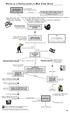 PATHS OF A FORECLOSURE IN NEW YORK STATE BORROWER DELINQUENT 2-3 months late with mortgage payments if S/P or N/T 90-DAY PRE-FORECLOSURE NOTICE* for all subprime and non-traditional loans (as defined by
GLOSSARY COMMONLY USED REAL ESTATE TERMS
 GLOSSARY COMMONLY USED REAL ESTATE TERMS Adjustable-Rate Mortgage (ARM): a mortgage loan with an interest rate that is subject to change and is not fixed at the same level for the life of the loan. These
Case 1:14-cv-01028-RMC Document 65-8 Filed 09/30/14 Page 1 of 10 EXHIBIT G
 Case 1:14-cv-01028-RMC Document 65-8 Filed 09/30/14 Page 1 of 10 EXHIBIT G Case 1:14-cv-01028-RMC Document 65-8 Filed 09/30/14 Page 2 of 10 STATE RELEASE I. Covered Conduct For purposes of this Release,
GLOSSARY OF TERMS. Amortization Repayment of a debt in regular installments of principal and interest, rather than interest only payments
 GLOSSARY OF TERMS Ability to Repay (ATR) The Ability to Repay rule protects consumers from taking on mortgages that exceed their financial means, by mandating the documentation / proof of income and assets.
11 LC 14 0449ER A BILL TO BE ENTITLED AN ACT
 House Bill 338 By: Representative Bryant of the 160 th A BILL TO BE ENTITLED AN ACT 1 2 3 4 5 6 7 8 9 10 11 12 13 14 15 16 To amend Title 44 of the Official Code of Georgia Annotated, relating to property,
Lecture Notes on MONEY, BANKING, AND FINANCIAL MARKETS. Peter N. Ireland Department of Economics Boston College. [email protected]
 Lecture Notes on MONEY, BANKING, AND FINANCIAL MARKETS Peter N. Ireland Department of Economics Boston College [email protected] http://www2.bc.edu/~irelandp/ec261.html Chapter 2: An Overview of the Financial
How a District should respond to Bank and Mechanics Lien Foreclosures and Bankruptcy Filings
 DISCLAIMER This presentation is intended to provide information about the law and is designed to help Board members of Colorado Special Districts gain a general understanding of relevant legal issues.
HOME AFFORDABLE MODIFICATION PROGRAM BASE NET PRESENT VALUE (NPV) MODEL SPECIFICATIONS
 Overview HOME AFFORDABLE MODIFICATION PROGRAM BASE NET PRESENT VALUE (NPV) MODEL SPECIFICATIONS As a part of the Making Home Affordable Program, we are providing standardized guidance and a base net present
PATHS OF A FORECLOSURE IN NEW YORK STATE
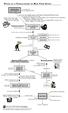 PATHS OF A FORECLOSURE IN NEW YORK STATE BORROWER DELINQUENT 2-3 months late with mortgage payments Lender sends notices, bills, letters to borrower stating that he/she is delinquent Borrower has multiple
Mortgage Loan Conduit & Securitization Two Harbors Investment Corp. November 4, 2015
 Two Harbors Investment Corp. November 4, 2015 Two Harbors Investment Corp. is proud to present a webinar titled: Mortgage Loan Conduit and Securitization. Periodic webinars from Two Harbors will provide
MORTGAGE TERMS. Assignment of Mortgage A document used to transfer ownership of a mortgage from one party to another.
 MORTGAGE TERMS Acceleration Clause This is a clause used in a mortgage that can be enforced to make the entire amount of the loan and any interest due immediately. This is usually stipulated if you default
Georgia 2013 Legislation as of March 14, 2013
 Georgia 2013 Legislation as of March 14, 2013 The Regular 2013 Session for the Georgia General Assembly began in January 2013. Below are updates on the bills of importance to the default servicing community.
T he restrictions of Sections 23A and Regulation W
 BNA s Banking Report Reproduced with permission from BNA s Banking Report, 100 BBR 109, 1/15/13, 01/15/2013. Copyright 2013 by The Bureau of National Affairs, Inc. (800-372-1033) http://www.bna.com REGULATION
Real Estate Finance: Vermont
 View the online version at http://us.practicallaw.com/4-575-9565 Real Estate Finance: Vermont R. PRESCOTT JAUNICH AND KANE H. SMART, DOWNS RACHLIN MARTIN PLLC, WITH PRACTICAL LAW REAL ESTATE A Q&A guide
PATHS OF A FORECLOSURE IN NEW YORK STATE
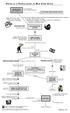 PATHS OF A FORECLOSURE IN NEW YORK STATE BORROWER DELINQUENT 2-3 months late with mortgage payments 90-DAY PRE-FORECLOSURE NOTICE Lender sends notices, bills, letters to borrower stating that he/she is
Commercial Mortgage Securities Association (CMSA) July 2007
 Commercial Mortgage Securities Association (CMSA) July 2007 THE COMMERCIAL MORTGAGE-BACKED SECURITIES INDUSTRY FACTUAL BACKGROUND: Commercial Mortgage-Backed Securities (CMBS) Commercial mortgage-backed
MLO COMPENSATION, REGULATION Z, AND DODD-FRANK ACT
 MLO COMPENSATION, REGULATION Z, AND DODD-FRANK ACT Vermont Mortgage Bankers Association & Mortgage Bankers/Brokers Association of NH Mortgage Compliance Conference Thursday, March 3, 2011 Sean P. Mahoney
Do You HAFA? The HAFA Short Sale Program under Making Home Affordable 2
 Table of Contents Do You HAFA? The HAFA Short Sale Program under Making Home Affordable 2 INTRODUCTION 2 Overview: Making Home Affordable ( MHA ) 2 HOME AFFORDABLE FORECLOSURE ALTERNATIVES PROGRAM ( HAFA
Assembly Bill No. 344 CHAPTER 733
 Assembly Bill No. 344 CHAPTER 733 An act to amend Sections 4970, 4973, 4974, 4975, 4977, 4978, 4978.6, 4979, and 4979.7 of the Financial Code, as added by Assembly Bill 489 of the 2001-02 Regular Session,
Joint Federal-State Mortgage Servicing Settlement EXECUTIVE SUMMARY
 Joint Federal-State Mortgage Servicing Settlement EXECUTIVE SUMMARY The settlement between the state attorneys general and the five leading bank mortgage servicers will result in approximately $25 billion
WHAT YOU SHOULD KNOW!! By Speare Valasakos & Lance D. Churchill, J.D. Compliments of:
 TRUST DEED INVESTMENTS WHAT YOU SHOULD KNOW!! By Speare Valasakos & Lance D. Churchill, J.D. Compliments of: F FRONTLINE Financing L 967 E. Parkcenter Blvd., #311 Boise, ID 83706 Phone: 208 846 9644 Fax:
PUTTING THE FEES IN DEFEASANCE
 Page 133 PUTTING THE FEES IN DEFEASANCE By David J. Jacob* and Adam Jahnke** I. Introduction In the late 1980s and early 1990s, banks and other traditional providers of debt capital for commercial real
A PRIMER ON THE SECONDARY MORTGAGE MARKET
 ONE FANEUIL HALL MARKETPLACE BOSTON, MA 02109 TEL. 617 367-4390 FAX 617 720-0918 WWW.CITYRESEARCH.COM A PRIMER ON THE SECONDARY MORTGAGE MARKET National Community Development Initiative Meetings New York,
Financial Institutions Industry Insights
 February 2011 Address the heightened risks of your mortgage lending and servicing activities with enhanced internal controls The continuing stress within the housing and mortgage finance industries has
CHAPTER 2013-137. Committee Substitute for Committee Substitute for House Bill No. 87
 CHAPTER 2013-137 Committee Substitute for Committee Substitute for House Bill No. 87 An act relating to mortgage foreclosures; amending s. 95.11, F.S.; revising the limitations period for commencing an
Instructions for Forms 1099-A and 1099-C
 2016 Instructions for Forms 1099-A and 1099-C Department of the Treasury Internal Revenue Service Acquisition or Abandonment of Secured Property and Cancellation of Debt Section references are to the Internal
MORTGAGE BANKERS ASSOCIATION LENDERS COST OF F ORECL OSURE
 MORTGAGE BANKERS ASSOCIATION LENDERS COST OF F ORECL OSURE P O L IC Y P A P ER Congressional Education Series Briefing May 28, 2008 Lenders Cost of Foreclosure Introduction The recent increase in mortgage
The 8 Fastest Ways to STOP FORECLOSURE in 48 Hours or Less
 The 8 Fastest Ways to STOP FORECLOSURE in 48 Hours or Less Copyright Notice All rights reserved. No part of this publication may be reproduced or transmitted in any form or by any means electronic or mechanical.
Chapter 46 Small Balance Loan Repurchase, Loss, B-Piece, Collateral
 Chapter 46 Small Balance Loan Repurchase, Loss, B-Piece, Collateral 46.1 Overview (11/17/14) This chapter describes the collateral, loss, repurchase, servicing and securities purchase requirements for
Chapter 45. Primary and Secondary Mortgage Markets INTRODUCTION
 Chapter 45 Primary and Secondary Mortgage Markets INTRODUCTION The primary mortgage market brings prospective borrowers (market demand) together with individuals, agencies and entities that have money
Home Mortgage Foreclosures in Maine
 Home Mortgage Foreclosures in Maine Find more easy-to-read legal information at www.ptla.org Important Note: This is very general information about home mortgage and foreclosure rules in Maine. It is not
BROKER AGREEMENT. NOW THEREFORE, in consideration of promises, covenants and agreements hereinafter contain, the parties agree as follows:
 THIS AGREEMENT is entered into in the State of California this day of 2006, between Crestline Funding Corporation, hereinafter referred to as Crestline Funding, and, hereinafter referred to as Broker.
MORTGAGE DICTIONARY. Amortization - Amortization is a decrease in the value of assets with time, which is normally the useful life of tangible assets.
 MORTGAGE DICTIONARY Adjustable-Rate Mortgage An adjustable-rate mortgage (ARM) is a product with a floating or variable rate that adjusts based on some index. Amortization - Amortization is a decrease
Assembly Bill No. 284 Assemblymen Conklin, Horne; and Kirkpatrick
 Assembly Bill No. 284 Assemblymen Conklin, Horne; and Kirkpatrick CHAPTER... AN ACT relating to real property; revising provisions governing the recording of assignments of mortgages and deeds of trust;
Chapter 10. The Good Old Days. The New Way. Secondary Markets. Depository Lenders in the Primary Market. Nondepository Lenders in the Primary Market
 The Good Old Days Chapter 10 The Secondary Mortgage Market Banks and Savings and Loans made loans and held these loans in portfolio The interest paid on the loan was use to pay interest to the depositors
PROPOSED REGULATION OF THE COMISSIONER OF MORTGAGE LENDING. LCB File No. R091-10
 PROPOSED REGULATION OF THE COMISSIONER OF MORTGAGE LENDING LCB File No. R091-10 NRS 645B MORTGAGE BROKERS EXPLANATION Matter in italics is new; matter in brackets [omitted material] is material to be omitted.
RBC Money Market Funds Prospectus
 RBC Money Market Funds Prospectus November 25, 2015 Prime Money Market Fund RBC Institutional Class 1: RBC Institutional Class 2: RBC Select Class: RBC Reserve Class: RBC Investor Class: TPNXX TKIXX TKSXX
Daily Income Fund Retail Class Shares ( Retail Shares )
 Daily Income Fund Retail Class Shares ( Retail Shares ) Money Market Portfolio Ticker Symbol: DRTXX U.S. Treasury Portfolio No Ticker Symbol U.S. Government Portfolio Ticker Symbol: DREXX Municipal Portfolio
Broker. Financing Real Estate. Chapter 12. Copyright Gold Coast Schools 1
 Broker Chapter 12 Financing Real Estate Copyright Gold Coast Schools 1 Learning Objectives Describe the difference between a note and a mortgage Explain the benefits of having the first recorded lien on
An Overview of Foreclosure
 An Overview of Foreclosure While the rising number of foreclosures is an alarming national trend, the real hardship is for any individual or family who knows the threat of foreclosure firsthand. Unfortunately,
BEFORE YOU INVEST IN A PROMISSORY NOTE SECURED BY AN INTEREST IN REAL PROPERTY, YOU SHOULD KNOW
 (At least 14-point bold type) MORTGAGE INVESTMENT DISCLOSURE FORM IMPORTANT: Pursuant to NRS 645B.185, each investor must sign and date a disclosure form before a mortgage broker or mortgage agent accepts
Daily Income Fund Retail Class Shares ( Retail Shares )
 Daily Income Fund Retail Class Shares ( Retail Shares ) Money Market Portfolio Ticker Symbol: DRTXX U.S. Treasury Portfolio No Ticker Symbol U.S. Government Portfolio Ticker Symbol: DREXX Municipal Portfolio
The Top Seven Financial Pitfalls Every Homeowner Facing Foreclosure Must Avoid
 The Top Seven Financial Pitfalls Every Homeowner Facing Foreclosure Must Avoid The foreclosure process is perplexing, even for those experienced in real estate. Real estate agents, attorneys, mortgage
S.F. No. 2430, 3rd Engrossment - 86th Legislative Session (2009-2010) [s2430-3]
![S.F. No. 2430, 3rd Engrossment - 86th Legislative Session (2009-2010) [s2430-3]](/thumbs/27/11564477.jpg "S.F. No. 2430, 3rd Engrossment - 86th Legislative Session (2009-2010) [s2430-3]") 1.1 1.2 1.3 1.4 1.5 1.6 1.7 1.8 1.9 1.10 1.11 1.12 A bill for an act relating to mortgages; regulating reverse mortgages; requiring certain notices related to redemption rights be made to a mortgagor;
1.1 1.2 1.3 1.4 1.5 1.6 1.7 1.8 1.9 1.10 1.11 1.12 A bill for an act relating to mortgages; regulating reverse mortgages; requiring certain notices related to redemption rights be made to a mortgagor;
How should banks account for their investment in other real estate owned (OREO) property?
 TOPIC 5: OTHER ASSETS 5A. REAL ESTATE Question 1: (December 2008) How should banks account for their investment in other real estate owned (OREO) property? Detailed accounting guidance for OREO is provided
NOT DESIGNATED FOR PUBLICATION. No. 112,493 IN THE COURT OF APPEALS OF THE STATE OF KANSAS. BANK OF AMERICA, N.A., Appellee,
 NOT DESIGNATED FOR PUBLICATION No. 112,493 IN THE COURT OF APPEALS OF THE STATE OF KANSAS BANK OF AMERICA, N.A., Appellee, v. DELWIN CHRISTENSEN, a/k/a DELWIN W. CHRISTENSEN, Appellant. MEMORANDUM OPINION
1:12-cv-12580-TLL-CEB Doc # 14 Filed 01/11/13 Pg 1 of 8 Pg ID 545 UNITED STATES DISTRICT COURT EASTERN DISTRICT OF MICHIGAN NORTHERN DIVISION
 1:12-cv-12580-TLL-CEB Doc # 14 Filed 01/11/13 Pg 1 of 8 Pg ID 545 DAVID SALEWSKE and SHARON SALEWSKE, UNITED STATES DISTRICT COURT EASTERN DISTRICT OF MICHIGAN NORTHERN DIVISION Plaintiffs, Case Number
Mortgage-Related Securities
 Raymond James Michael West, CFP, WMS Vice President Investments 101 West Camperdown Way Suite 600 Greenville, SC 29601 864-370-2050 x 4544 864-884-3455 [email protected] www.westwealthmanagement.com
Mortgages and Mortgage -Backed Securiti curi es ti Mortgage ort gage securitized mortgage- backed securities (MBSs) Primary Pri mary Mortgage Market
 Mortgages and Mortgage-Backed Securities Mortgage Markets Mortgages are loans to individuals or businesses to purchase homes, land, or other real property Many mortgages are securitized Many mortgages
TEN LOOPHOLES THAT CAN STOP FORCLOSURE FAST
 TEN LOOPHOLES THAT CAN STOP FORCLOSURE FAST Copyright Notice All rights reserved. No part of this publication may be reproduced or transmitted in any form or by any means electronic or mechanical. Any
1$0675 ORDINANCE NO. _. An ordinance adding Article 7.2 to Chapter IV of the Los Angeles Municipal Code to regulate mortgage modification consultants.
 1$0675 ORDINANCE NO. _ An ordinance adding Article 7.2 to Chapter IV of the Los Angeles Municipal Code to regulate mortgage modification consultants. THE PEOPLE OF THE CITY OF LOS ANGELES DO ORDAIN AS
Title Insurance Glossary
 Title Insurance Glossary Abstract of Title A condensed history or summary of all transactions affecting a particular tract of land. Adjustable Rate Mortgages Mortgages with an interest rate that may change
Claim and Foreclosure Bidding Servicing Guide
 Claims I Mortgage Insurance Claim and Foreclosure Bidding Servicing Guide October 1, 2014 Let s help someone buy a house today. 8783606.0814 GENWORTH MORTGAGE INSURANCE CORPORATION CLAIM AND FORECLOSURE
Special Purpose Entities (SPEs) and the. Securitization Markets
 Special Purpose Entities (SPEs) and the Securitization Markets Prepared by: The Bond Market Association International Swaps & Derivatives Association Securities Industry Association February 1, 2002 Special
Florida Foreclosure/Real Estate Law. E-Book. A Simple Guide to Florida Foreclosure/Real Estate Law. by: Florida Law Advisers, P.A.
 Florida Foreclosure/Real Estate Law E-Book A Simple Guide to Florida Foreclosure/Real Estate Law by: Florida Law Advisers, P.A. 1 Call: 800-990-7763 Web: www.floridalegaladvice.com TABLE OF CONTENTS INTRODUCTION...
Chapter 30 Home Equity Conversion Mortgages. 47-30-103. Authorized lenders Designation Application.
 Chapter 30 Home Equity Conversion Mortgages 47-30-101. Short title. 47-30-102. Definitions. 47-30-103. Authorized lenders Designation Application. 47-30-104. Compliance Noncomplying loans unenforceable
SHORT SALES Frequently Asked Questions
 SHORT SALES Frequently Asked Questions This factsheet is provided for information purposes only. It is not a substitute for advice from legal, accounting, housing, or real estate professionals. Please
This chapter shall be known and may be cited as the "Home Equity Conversion Mortgage Act."
 Source: http://www.lexisnexis.com/hottopics/tncode/ 47-30-101. Short title. This chapter shall be known and may be cited as the "Home Equity Conversion Mortgage Act." HISTORY: Acts 1993, ch. 410, 2. 47-30-102.
360.100 Predatory lending -- Definitions -- Limitations on high-cost home loans -- Conditions -- Penalties. (1) The following definitions apply for
 360.100 Predatory lending -- Definitions -- Limitations on high-cost home loans -- Conditions -- Penalties. (1) The following definitions apply for the purposes of this section: (a) "High-cost home loan"
MORTGAGE REFORM AND THE IMPACT ON FINANCING AND FORECLOSURES
 MORTGAGE REFORM AND THE IMPACT ON FINANCING AND FORECLOSURES Lauren E. Winters, Senior Policy Analyst (503) 947-7039 Department of Consumer and Business Services, March 20, 2013 IMPORTANT INFORMATION ABOUT
How To Prime A Secured Creditor For Forfeiture
 The Effect of Tax Liens on a Creditor s Secured Position THE EFFECT OF TAX LIENS ON A CREDITOR S SECURED POSITION A secured creditor s security interest in collateral may be effectively extinguished by
Mortgage Finance Under Basel III Raymond Natter July, 2012
 Mortgage Finance Under Basel III Raymond Natter July, 2012 The Basel Committee The Basel Committee on Banking Supervision is an informal organization consisting of the chief banking regulatory authorities
Poll: Domestic Violence in Foreclosure: The Foreclosure Process, Defenses and Alternatives for Survivors. Do you consider yourself: advocate; or
 Domestic Violence in Foreclosure: The Foreclosure Process, Defenses and Alternatives for Survivors Karen Merrill Tjapkes Legal Aid of Western Michigan (616) 774-0672 ext. 120 [email protected]
California Land Title Association
 California Land Title Association Title Consumer Series: Understanding the Language of Real Estate To the unfamiliar, it can often confuse and bewilder. Fannie Mae and Freddie Mac. ARMS and APR. Clear
STAFF REPORT: ENHANCING DISCLOSURE IN THE MORTGAGE-BACKED SECURITIES MARKETS
 Department of Office of Federal Housing Securities and Exchange the Treasury Enterprise Oversight Commission STAFF REPORT: ENHANCING DISCLOSURE IN THE MORTGAGE-BACKED SECURITIES MARKETS A Staff Report
J.P. MORGAN SPECIALTY FUNDS. JPMorgan U.S. Real Estate Fund (All Share Classes) (a series of JPMorgan Trust II)
 J.P. MORGAN SPECIALTY FUNDS JPMorgan U.S. Real Estate Fund (All Share Classes) (a series of JPMorgan Trust II) Supplement dated November 12, 2013 to the Prospectus and Summary Prospectus dated May 1, 2013,
OPERATING AGREEMENT MEMBER MANAGED RECITAL: AGREEMENTS: 1.1 Name. The name of this limited liability company (the "Company") is.
 OPERATING AGREEMENT MEMBER MANAGED DATE: PARTIES: RECITAL: The parties to this agreement (the "Members") are entering into this agreement for the purpose of forming a limited liability company under the
Chapter 17: Trust Deeds and Liens
 Chapter 17: Trust Deeds and Liens An * in the left margin indicates a change in the statute, rule or text since the last publication of the manual. I. Trust Deeds and Mortgages A. Introduction and Background
American Securitization Forum
 Statement of Principles, Recommendations and Guidelines for the Modification of I. Introduction The American Securitization Forum (ASF) 1 is publishing this Statement as part of its overall efforts to
The Homestead Act. Questions. and Answers. Massachusetts General Laws, Ch. 188, 1-10. William Francis Galvin Secretary of the Commonwealth
 Questions and Answers The Homestead Act Massachusetts General Laws, Ch. 188, 1-10 William Francis Galvin Secretary of the Commonwealth updated 8/1/13 William Francis Galvin Secretary of the Commonwealth
COMPREHENSIVE LOAN MODIFICATION PROGRAM
 I. Definitions. COMPREHENSIVE LOAN MODIFICATION PROGRAM a) Residential mortgage loan shall mean any loan primarily for personal, family, or household use that is secured by a mortgage, deed of trust, or
BANKRUPTCY ISSUES RELATED TO MORTGAGE FORECLOSURES
 TABAS FREEDMAN Attorneys One Flagler Building 14 Northeast First Avenue, Penthouse Miami, Florida 33132 Telephone 305.375.8171 Facsimile 305.381.7708 www.tabasfreedman.com Gary M. Freedman [email protected]
Business Activities Definitions
 Business Activities s Mortgage First mortgage brokering Second mortgage brokering First mortgage lending Second mortgage lending First mortgage servicing Third party first mortgage servicing Subordinate
Subject: Compliance Bulletin: Private Mortgage Insurance Cancellation and Termination
 CFPB Bulletin 2015-03 Date: August 4, 2015 Subject: Compliance Bulletin: Private Mortgage Insurance Cancellation and Termination The Bureau of Consumer Financial Protection (CFPB) is issuing this compliance
Ineligible Collateral
 Ineligible Collateral Loans with the following characteristics are ineligible to support advances under the blanket lien line of credit with FHLB Dallas. This list may not be all-inclusive and may be modified