
Proceedings of the 7 th International Colloquium on Working Equids
|
|
|
- Jessie Eaton
- 8 years ago
- Views:
Transcription

1
2 Theme 1 Manuscripts ISBN: Proceedings of the 7 th International Colloquium on Working Equids Royal Holloway, University of London, UK. 1st 3rd July 2014 Editor: J.F. Wade Published by: World Horse Welfare Anne Colvin House Snetterton Norwich Norfolk NR16 2LR UK 2014 by World Horse Welfare i
3 Theme 1 Manuscripts Foreword It is a huge honour to introduce the proceedings of the 7 th International Colloquium on Working Equids. Our Scientific Committee has reviewed and selected the best submissions from specialists working on the front-line of working equid welfare including those from SPANA, The Brooke, The Donkey Sanctuary, World Animal Protection and our own team at World Horse Welfare. The quality and breadth of this research is exceptional it is this kind of robust investigation that will help us form longterm, focused and strategic approaches that promise to deliver significant welfare improvements to more of the 100 million working equids worldwide. Front-of-mind is the question: How do we demonstrate the importance of working equid welfare to human livelihoods? Equine welfare organisations have long appreciated the crucial role equids play in sustaining livelihoods in the developing world, and the time has come to make a better case to governments and human development organisations. How much more effective could we be in helping equids if we integrate our work with their existing programmes aimed at helping owners? These proceedings are the bedrock upon which we can progress our case. Across the 3 themes there is a plethora of research highlighting key contributors to improved welfare and approaches to treating disease. The wider context is also explored through presentations considering global, holistic factors such the impact of tourism and climate change. However, the underlying message is that when stakeholders are able to take ownership of solutions, maintain good traditional practices and learn new skills, the long-term outcomes are immensely encouraging. I hope that you enjoy reading these proceedings and look forward to the discussions as much as I do. Our aim is that they inspire debate, generate new ideas and collaborations and, most importantly, drive improvements to equine welfare across the world. Roly Owers MRCVS Chief Executive, World Horse Welfare ii
4 Theme 1 Manuscripts Scientific Committee Chairman: Dr Andrew Higgins (World Horse Welfare) Stephen Blakeway (Donkey Sanctuary) Sarah Coombs (World Horse Welfare) Dr Mark Kennedy (World Animal Protection) Liam Maguire (World Horse Welfare) Karen O Malley (World Horse Welfare) Roly Owers (World Horse Welfare) Karen Reed (The Brooke) Dr Andrew Stringer (Society for the Protection of Animals Abroad) Dr Melissa Upjohn (The Brooke) Jan Wade (World Horse Welfare) Dr Becky Whay (University of Bristol) World Horse Welfare Organising Committee Rebecca Calver (International) Alana Chapman (International) Fiona Hunt (Executive) Charlotte Jones (Communications) Liam Maguire (International) Sue Millman (International) Karen O Malley (International) Roly Owers (Chief Executive) Claire Phillips (Centre Manager) Jessica Stark (Communications) Jamie Walker (Communications) iii
5 Theme 1 Manuscripts Contents THEME 1 KEYNOTE ADDRESS What role do working equids play in human livelihoods and how well is this currently recognised? J. Pritchard 2 ORAL PRESENTATIONS Cross-sectional survey on the importance of the role of working equids in Honduras D. Warboys, M. Robles, A. Chapman and O.G. Lagos Blessing 7 Socioeconomic impact of epizootic lymphangitis in cart mules in Bahir Dar City, North West Ethiopia M. Bekele, G. Leggese, W. Teshome, W. Nahom, K. Anteneh and T. Tewodros 10 Voices from women: working equids as invisible helpers D. Valette and M. Upjohn 16 Contribution of working equids to the livelihoods of their owners in Uttar Pradesh, India S. Zaman, A. Kumar and P. Compston 19 POSTER PRESENTATIONS Voices from Women N.S. Abbas 25 A preliminary study of the socioeconomic contribution of working equids in Dalocha District, Southern Ethiopia K. Asmamaw, T. Alemayehu, R. Alemayehu and E. Bojia 27 The use of community-based participatory research interfaced with equine welfare assessment to learn more about working equids and their owners in Vera Cruz, Mexico R. Bott, A. McLean and C. Heleski 28 Knowing the expedition pack mule: animal welfare and the growth of the mountain tourism industry G. Cousquer and H. Alyakine 29 Importance and welfare of working equids in Swaziland A.M. Dlamini, N. Mhazo and B.T. Malima 31 iv
6 Theme 1 Manuscripts The contribution of working donkeys to the livelihoods of the population in Mali A. Doumbia 35 Exploring donkey welfare and social perception in Botswana M. Geiger and A. Hovorka 36 Study on the contribution of equids to the livelihoods of landless people in Indian brick kilns D.K. Kandpal, S.F. Zaman and A. Kumar 37 The contribution of donkeys to the livelihoods of the marginalised population in Kenya M. Kendagor and P. Njoroge 39 Understanding the association between working equid health and human health in rural Nicaragua J. Lane 41 Challenges to donkey welfare associated with perennial floods in Kano Plains, Western Kenya E. Ogola, P. Omemo, S. Opere, G. Okoko, J. Adhiambo, S. Owuor and V. Oloo 43 Linking the role of working donkeys to human livelihoods through education of school children in Kenya J.M. Ojwang 45 Anthropological research aimed at benefiting equine welfare R. Orozco-Aceves 46 Identification of equid-owner-community profiles as a tool for equine welfare programme sustainability in Guatemala D. Rodríguez Rodas and J. Pérez 47 Hearing the lay voice: working equid disease in the context of human livelihoods C. Scantlebury, G. Pinchbeck and R. Christley 49 The contribution of donkeys to livelihoods in the poorest communities of India S.l. Srivastava, R. Perumal and S. Nath 50 Working animals potential to reduce vulnerability to the effects of climate change L. van Dijk and J.C. Pritchard 51 v
7 Theme 1 Manuscripts THEME 2 KEYNOTE ADDRESS Does a holistic approach to improving equine welfare produce better outcomes? T. Morrison 54 ORAL PRESENTATIONS Design of an equine welfare network matrix as the implementation model for equine welfare projects in Guatemala D. Rodríguez Rodas and J. Pérez 58 Community-led actions in India: a path-finding approach for sustainable equine welfare J. Kalita, P. Gogoi, M. Ali and P. Compston 63 Changing the approach: promoting animal welfare where livelihoods rely on equids M. Hernandez-Gil, A. Rivero-Moreno, M. Madariaga-Najera, J.E. Vasquez-Rios and J.A. Fernando-Martínez 67 Holistic approaches to monitoring and evaluation of working equid programmatic activities N. Kawe, A. Kumar, S. Nawaz, M. Upjohn 72 POSTER PRESENTATIONS Differential effectiveness of SPANA s education programme in Morocco with respect to patterns of animal ownership S. Albone, A. Bouchafra, D. Saoudi and H. Belemlih 76 Contribution of women in achieving sustainable welfare of equids: a case study from Brooke India M. Ali, J. Kalita, S.K. Pradhan and P. Gupta 77 Impact assessment of a community-based approach to improving equine welfare in Cambodia A. Batson and S. Rogers 79 WSPA s work with urban horses in Bogotá, Colombia J. Buenhombre and M. Kennedy 81 Veterinary and educational interventions conducted by social service students supported by the Donkey Sanctuary-UNAM Programme R. Cagigas, L. Marin, M. Ruiz and L. Huerta 82 vi
8 Theme 1 Manuscripts The impact of a holistic approach to animal welfare within Moroccan mountain tourism G. Cousquer and H. Alyakine 84 Improving equine welfare at animal markets in Mexico A.S. De Aluja, E. Córdova-Jaimes, V. Fernández-Saavedra and M. Hernández-Gil 86 Including the excluded: use of government extension services to improve equine welfare T.D. Demissie and T. Desalegn 88 Assessment of the impact of a SPWDME training programme on equine health and welfare in 3 communities S.F. Farhat 90 Collective action by community, government and Donkey Sanctuary India to save donkeys lives and secure livelihoods S. Gadad, R.K. Perumal, S. Pari and S. Patil 91 Reflective ear tags as a method for improving donkey and human welfare in Botswana M. Geiger 92 Nurturing a community-led tetanus toxoid vaccination programme: the synthesis and learning P. Gogoi, S.K. Pradhan and P. Venkata 94 Training and education of local farriers working with equids owned by rubbish collectors A. Granillo and V. Reyes 97 Animal welfare improvement through cooperation with El Ahlame Elnesaia Development Association in Egypt M.A. Hassib 102 A new strategy of community partnership to improve the welfare of working equids in Mexico M. Hernandez-Gil, A. Rivero-Moreno, J.A. Fernando Martínez, L. Huerta-Lopez, O. Prado-Ortiz, V. Reyes-Corona, M. Madariaga-Nájera, R. Orozco Aceves and L. Aguilar-Arreola 105 The role of community-based training programmes on equine management to support working equid welfare in Veracruz, Mexico M. Hernández-Gil, M. Torres-Sevilla, A. Rivero-Moreno, J.A. Fernando-Martínez and L. Galindo-Rodríguez 109 Engagement of equine welfare associations in India for the formulation and distribution of balanced feed J. Kalita, N. Kumar and V. Varshney 112 vii
9 Theme 1 Manuscripts Community-led equine insurance system for equine welfare associations J. Kalita, A. Singh, N, Kumar and G. Pandey 113 Improving working equid welfare by strengthening local service provider capacities: World Horse Welfare s training programme in Senegal Y. Kane, A. Sene, M. Kadja and B. Fall 114 A study of participatory rural appraisal tools to facilitate greater participation of owners and users in equine welfare H. Kawe 115 Ethics and approaches to working equid welfare M. Kennedy 116 Monitoring and evaluation of equine welfare through photographic evidence in India A. Kumar 118 Perception and relationship changes of owners towards their mules to improve animal-human welfare in Tlaxcala, Mexico M. Madariaga-Najera and M.A. Torres-Sevilla 120 Increasing mass awareness of equine welfare through free medium radio in Jacobabad, Pakistan S. Nawaz, S. Z. A. Shah, H. Laghari and M. Shafi 122 Improvement in body condition and decrease in wounds of working equids through enhanced knowledge, attitude and practice in Karachi, Pakistan S. Nawaz, N. Soomro, S. Z. A. Shah, S. Khan, N. A. Shah, M. Shafi and M. Memon 124 Development of context-specific acceptable levels of change to demonstrate impact on working equid welfare F. Ochieng, E. Mithigi, A.Qayium and J. Peacock 127 Improving welfare of working donkeys in Delhi and NCR, India, by facilitating changes in community feeding practice S. Parai, S. Nath and R.K. Perumal 128 Participatory approach involving the community for sustainable wound management and hoof care for working donkeys in Solapur, India S. Patil, S. Gadad, S. Parai and R.K. Perumal 130 Human behaviour changes as a sustainable model for improved welfare of working ponies in Thailand T. Pothipongsathorn and S. Chunekamrai 131 viii
10 Theme 1 Manuscripts Effective holistic community empowerment approaches to achieve sustainable equine welfare in India S.K. Pradhan and S. Singh 135 Role of community-based animal health workers in the treatment of working equids in District Mardan in Pakistan M. Z. Qureshi and A. Khan 138 Veterinary students as community-based promoters of animal welfare: a model for sustainability A. Rivero-Moreno 139 A multidisciplinary experience aimed at building relationships with a group of cart holders in Jalapa, Mexico A. Rivero-Moreno 141 The importance of including animal behaviour science in projects to improve animal welfare S. Rogers and B. Hart 142 Benefits of draft springs in the interaction between draft horses and implements P. Schmit 144 Minimising prevalence and severity of croup lesions in cart pulling donkeys through community awareness in Jacobabad Pakistan M. Shafi, S.Z. A. Shah, S. Nawaz, H. Laghari, S. N. A. Shah and S. Brohi 146 Minimising cart donkeys foot conditions through community awareness-raising, capacity-building and linking relevant stakeholders in Jacobabad, Pakistan S. Z. A. Shah, S. Nawaz, H. Laghari, M. Shafi, M. Upjohn and R. Eager 147 Assessing the impact of the Harness Project in the brick kilns of Egypt M.F. Shawky and M.S. Fayez 150 Assessment of welfare problems in working donkeys of Shashemene District, Ethiopia M. Tesfaye, M. Yohannes, W. Chala, K. Asmamaw, E. Bojia, T. Fanos, K. Gugsa 151 A multi-faceted approach to improving working equine welfare in Honduras D. Warboys and M. Robles 152 Brooke s Ways Of Working : Developing an accessible organisational memory for more effective programming K. Wells 154 ix
11 Theme 1 Manuscripts The role of campaigning in working equid welfare: experiences from World Horse Welfare s transportation campaign H. Westen and H. Lynch 156 Impact assessment of owner-level foot care training: a holistic approach to improve foot health in working equids in India H.K. Yadav 157 Working equids and women: A new paradigm in animal welfare S.F. Zaman, M. Upjohn and D. Valette 159 Qualitative behaviour assessment in working donkeys a pilot study H. Zedlacher, C. Leeb and C. Winckler 162 THEME 3 HAVEMEYER WORKSHOP REPORT Infectious diseases of working horses and donkeys D.P. Lunn and A. Stringer 164 KEYNOTE ADDRESS What is the role of veterinary science? D.C. Knottenbelt 166 ORAL PRESENTATIONS Exploring approaches to dentistry in working equids L. Skippen, P. Compston, K. Saville, M. Upjohn and T. Hirson 170 Ocular disease in the working horses of Choluteca, Honduras E. Starkey, M. Matas and K.L.P. Verheyen 176 African Horse Sickness in Ethiopia: a review N. Aklilu and A.P. Stringer 180 Unravelling the causes of respiratory disease in the working equids of Ethiopia G. Laing, R. Christley, A Stringer, A. Radford, N. Aklilu, R. Newton and G. Pinchbeck 183 x
12 Theme 1 Manuscripts POSTER PRESENTATIONS Veterinary science: a welfare centred mandate for working equids J. Anzuino 188 Identification and preservation of the Thai native pony C.L. Carleton 189 Welfare assessment of working donkeys in the brick kilns of Egypt S.F. Farhat, M. Said and H. Thabet 191 Prevalence of equine exertional rhabdomyolysis and its epidemiological factors in working equids: a review of 102 cases V.K. Harsola, D.S. Mohite and H. Sharma 192 Prevalence of helminths and evaluation of anthelmintic resistance in working horses and donkeys in Egypt A.M. Heragy, M.R. Abd Ellah, M.I. Hamed, S.S Abu-Akkada, S.A. Abu-Elwafa, M. M. Upjohn and V.Fowler 194 The use of interactive online learning platforms to improve resources for working equid veterinary education in low income countries T. Hirson, K. Saville and L. Skippen 196 Training of government and private veterinary assistants in Pakistan (North Region): a step towards sustainability M. Iqbal, R. Ahmad, Z. Qureshi and S.Z.A. Shah 197 Parasitic diseases of working equids in Ukraine: a neglected problem and possible solutions T.A. Kuzmina and A. Vyniarska 199 Hematological and serum biochemical parameters in healthy working horses, donkeys, mules and hinnies in Portugal and Spain A.K. McLean, W. Wang, F.J. Navas-Gonzalez and J.B. Rodrigues 201 Common equine dental disorders seen at Brooke Alexandria M. Mahgoub 202 Training for working equid medicine and welfare: cultural immersion as a training tool J. Merriam 204 xi
13 Theme 1 Manuscripts Epidemiology of colic in working equids with reference to equine fairs in India: a review of 237 cases D.S. Mohite 205 The control of tetanus in donkeys of Lamu Island D. O. Oduori and S.C. Onyango 207 The evaluation of ethnoveterinary medicines for treating gastrointestinal nematodes in working equids L.E. Peachey, C.E. Scantlebury, G.L. Pinchbeck, J.B. Matthews, F.A. Burden, A. Trawford, M. Getachew, G. Tefera, D. Etana and J.E. Hodgkinson 208 The life cycle of donkeys in the Egyptian brick kilns and the owners perception of euthanasia R. Serg, S. Fayez and M. Said 210 Molecular detection of Babesia (Theileria) equi infection in horses in the Chernobyl Exclusion Zone, Ukraine K. Slivinska, T. Kuzmina, B. Vichová, B. Peťko, G.Karbowiak, Y. Kurylenko 211 The importance of linking practical veterinary training with rural communities through holistic approaches to improving the welfare of working equids M. Tesfaye, M. Yohannes, W. Chala, K. Asmamaw and E. Bojia 212 Maximising educational opportunities by using a veterinary team in a community-based equine welfare programme J.H. Wilson, D. Warboys, D. Turoff, D. Caballero Reyes and T. Turner 213 RAPPORTEURS REPORT Professor Catherine McGowan and Dr Richard Newton 214 xii
14 Theme 1 What role do working equids play in human livelihoods - and how well is this currently recognised? Manuscripts 1

15 Theme 1 Manuscripts KEYNOTE ADDRESS What role do working equids play in human livelihoods and how well is this currently recognised? J. Pritchard The Brooke, 5th Floor, Friar s Bridge Court, Blackfriars Road, London SE1 8NZ, UK. INTRODUCTION Working horses, mules and donkeys play a central role in the livelihoods of many people across the world, and are often peripheral or invisible to others. Their role varies from place to place, over time and between those who use them, even within the same household or small community. Working animals are livelihood assets and they maintain or enhance other livelihood assets. This paper will examine the role of working equine animals using the widely accepted definition of a livelihood proposed by Chambers and Conway (1991) and the Department for International Development (DFID) Sustainable Livelihoods Framework (Carney 1998). How well working animals contribution to livelihoods is recognised depends on what we mean by recognition, and recognised by whom? I will discuss aspects of recognition and some challenges and dilemmas to consider when promoting the socioeconomic role of working horses, mules and donkeys in people s lives. LIVELIHOODS DEFINITION The DFID Sustainable Livelihoods Framework (Figure 1) integrates 5 major factors that determine livelihoods: people s vulnerability context (external, uncontrollable factors that affect them), their livelihood assets, the transforming structures surrounding them, their livelihood strategies (choices made within options available) and their livelihood outcomes as a result of the other 4 factors. 2
16 Theme 1 Manuscripts Livelihood assets are presented in 5 categories needed to pursue positive livelihood outcomes: 1) Human capital (amount and quality of skills, knowledge and labour available in a household, including good health); 2) Natural capital (quality and quantity of natural resources available); 3) Financial capital (savings, wages and other regular inflows of money); 4) Physical capital (infrastructure, tools, and equipment used for increasing productivity); and 5) Social capital (social resources, including groups and networks for cooperation, mutual trust and support). Behind every working animal, regardless of its welfare state, stand its owner and family, whose livelihoods are constrained by factors such as poverty, low status and restricted access to resources (van Dijk 2011). Working horses, mules and donkeys are part of the family s natural capital (a natural resource) and financial capital (a form of savings). They also directly and indirectly enable families to maintain and enhance other livelihood assets and to overcome livelihood constraints. A number of studies highlight direct financial benefits of owning a working equine animal. In Ethiopia, Martin-Curran and Smith (2005) reported that donkey-owning women had a higher income ranking and felt more secure and better off than those without a donkey. Valette (2014) found that out of 22 women-only focus groups in India, Pakistan, Kenya and Ethiopia, 17 - including all of the groups in India and Kenya - ranked working equine animals as their most important livestock, mainly because they provided regular income, often earning money every day. Admassu and Shiferaw (2011) calculated that the average annual household-level net return from equine ownership and use in 3 woredas in Ethiopia was 4419 Birr (ETB) (US$330). Income generated from working equine animals contributed on average 14% of total family income, more than that generated by other livestock. As well as earning money for the family, working animals (especially donkeys) saved money that would otherwise have been spent on other forms of labour or transport: almost 100% of those who owned or kept equine animals used them in the homestead, leading to an average annual saving on homestead labour of 3583 ETB ($267). An economic analysis of the contribution of working equine animals to household income in the Peten and Chimaltenango areas of Guatemala (Chang et al. 2010) considered working horses, mules and donkeys as productive assets alongside land, cattle and facilities such as stock-yards, store houses, irrigation and feeding stations. The authors found that for the smallest producers, loss of their working animal(s) would lead to loss of 57% (Chimaltenango) and 45% (Peten) of their total productive assets. By estimating costs to rent horses if the producer did not own them, this study valued the use of working equine animals in cattle-raising and agriculture as approximately 6000 Quetzales ($775) per year over shorter travelling distances (less than 5km per day) and up to 23,000 Quetzales ($2975) per year where longer daily trips (5-10km) were needed. Donkeys, mules and horses can be seen as physical capital: tools for increasing productivity. Their role in improving other physical capital assets is often overlooked in published socioeconomic studies. In Africa, donkeys help women with domestic house building, fetching poles, grass, dung, sand and stones (Pritchard et al. 2011). In Asia, Africa and the Middle East all 3 species work in construction industries, transporting bricks, steel reinforcing beams, corrugated roofing sheets, timber, gravel and rocks to make roads and buildings. The family s natural capital assets are maintained by donkeys carrying fodder and water for other livestock and by transporting sick small-stock to veterinary health posts (Pritchard 2011, Valette 2014), Manure and equine draught-powered tillage contribute to soil improvement and farm productivity. Horses and donkeys make vital contributions to human capital assets such as health and education: in Ethiopia, Afghanistan and Zimbabwe they are used to transport sick people to medical centres and women in labour to maternity clinics, and in many countries their income pays for children s school fees (Bishop et al. 2011; Garuma et al. 2007, IFRTD 2009; Nengomasha 1999, Valette 2014). Reducing women s daily burden of collecting water and firewood reduces tiredness and improves health (Pritchard 2011). Working horses, mules and donkeys are also a social asset, either in themselves, because ownership confers a status benefit (animal owners are not usually the poorest in society; Admassu and Shiferaw 2011) or because they enable other social benefits. Kenyan and Ethiopian women who lend their donkeys to relatives, friends and neighbours in times of need are more respected in society and have strengthened social bonds (Martin-Curran and Smith 2005, Valette 2014). In India it is traditional for a bridegroom to ride to his wedding on a horse; while in Ethiopia equine animals are decorated for festivals, entertainment and funeral services (Admassu and Shiferaw 2011). Forty per cent of households in their livelihoods study identified the main social contribution of donkeys as reducing women s work. A review of 3
17 Theme 1 Manuscripts the literature on working equine animals contribution to the lives of women, children and other vulnerable groups (Pritchard 2011) found that donkeys increase labour effectiveness in the household, freeing up more time for other activities contributing to social, human and financial capital. These include childcare, attendance at women s groups, taking part in local politics and diversifying household incomes. Prior to the development of DFID s framework, Chambers and Conway (1991) proposed this working definition of a sustainable livelihood: A livelihood comprises the capabilities, assets (stores, resources, claims and access) and activities required for a means of living: a livelihood is sustainable which can cope with and recover from stress and shocks, maintain or enhance its capabilities and assets, and provide sustainable livelihood opportunities for the next generation; and which contributes net benefits to other livelihoods at the local and global levels and in the long and short term. As well as enhancing capabilities, assets and activities, working equine animals have played a critical role in enabling families to recover from stress and shocks. In the immediate aftermath of the 2005 Pakistan earthquake, The Brooke used working donkeys to transport humanitarian aid to remote mountain villages and bring out the injured, and supported a Swiss NGO using a team of mules for similar work. Hamid (2004) and Catley and Blakeway (2004) both examined livestock packages offered to refugees returning to their homelands in Eritrea following displacement by war. They found donkeys to be a highly valued asset because they reduced women s workload by enabling more efficient transport of firewood and water, and facilitated income-generating activities. In drought-affected areas, donkeys are used to fetch water, often over long distances, and to move the family and their belongings if they are internally displaced (Valette 2014). Like cattle, sale of working animals can provide a quick release of cash in times of financial stress or need. Other livelihoods are supported in the supply chain for equine-related products and services and in value chains for the products they transport. At local level, farriers, saddlers, feed-sellers, vets and other animal health workers make at least part of their living from working animals. At national level in countries such as Egypt, India, Pakistan and Nepal, construction industry livelihoods rely on the bricks produced using animal power. At global level, although figures are hard to come by, coffee producers blogs and websites (e.g. World Sourcing Inc. 2014) suggest that most coffee beans leaving the hills of Colombia, Guatemala and Ethiopia for the world market were at some point carried on the back of a donkey or mule. We should also remember that working animals indirectly support the livelihoods of thousands of employees of equine welfare organisations worldwide. HOW WELL IS THIS CONTRIBUTION RECOGNISED? As evidenced above, working horses, mules and donkeys contribution to people s assets and lives has been carefully documented in some areas. Owners themselves, particularly women, speak very highly of their animals: Having a donkey feels like having a tap in my home. I am confident that I won t run out of water, Thanks to my donkey I have more time to take care of my children. My donkey is just my backbone. It solves all my household problems (Valette 2014). However, the same study described chronic lack of recognition at higher levels: they remain largely absent from livestock-related policies, standards, guidelines, statistics, programmatic interventions and animal health systems. While we cannot expect working equine animals to be front and centre of research, policy-making and development programmes, ignoring or forgetting them altogether may lead to skewed or simplistic views of livestock ownership and productivity (as well as gendered household and business issues) in areas where they make a key contribution. Farming is made possible by the donkeys. All household animals rely on donkeys which are the ones carrying and bringing feed and water for cows, chickens, sheep and goats (Valette 2014). 4
18 Theme 1 Manuscripts CHALLENGES AND DILEMMAS IN RECOGNISING THE SOCIOECONOMIC VALUE OF WORKING EQUINE ANIMALS The needs of working animals form a small part of a myriad of priorities, concerns and influences on their owners and wider society. They may become more or less central depending on personal perspective and whatever other needs of family and society are competing for attention at the time. Where owners and their families do not fully appreciate the contribution that working animals make to livelihoods, participatory tools and exercises have been used successfully to bring particular aspects of their productivity, value or sentience into sharper focus (van Dijk et al. 2011). From the perspective of development agencies and policy-makers, equine animals, like other productive livestock, are a means to an end: used to improve individual incomes or to enhance the assets of a country. For animal welfare organisations, they may be an end in themselves - recognised for their inherent value - and also a means to raise charitable funds. The values used to frame working animals can affect the success and sustainability of efforts to improve their welfare (Barrett 2013). If they are framed purely in economic terms, they will cease to be appreciated when they are no longer able to work. If framed as desirable contributors to the whole range of livelihood assets, we would expect demand for working equine animals to increase, with a concomitant increase in the total amount of work and potential or actual suffering that they may experience. If they are framed as being constantly ill-treated and in poor health, charitable donors may not appreciate the livelihood contexts of their owners and instead focus on short-term, externally-imposed solutions ; conversely when a welfare organisation is successful at meeting its goals, its donors may not see a need to support maintenance or learning from the improved situation. CONCLUSION Working equine animals play diverse socioeconomic roles, helping to maintain and enhance all categories of capital assets contributing to a sustainable livelihood. Although animal owners, particularly women, are fully aware of this contribution, recognition of working animals declines to near-invisibility at higher levels of policy, research, funding and programmatic decision-making. While there is plenty of scope for improving recognition, working animals should be framed as having multiple values (economic, social and ethical) in order to avoid potential pitfalls associated with single value frameworks. We cannot expect them to be a central priority and concern to all people at all times, but we can insist that they are never completely forgotten. REFERENCES Admassu, B. and Shiferaw, Y. (2011) Donkeys, horses and mules their contribution to people s livelihoods in Ethiopia, The Brooke, London, UK. Barrett, R, (2013) Changing culture in the workplace: measuring consciousness by mapping values. Empathy and Compassion in Society Conference, London, UK, October Bishop, S., Admassu, B., and Shiferaw Y. (2011) The contributions of donkeys, mules and horses to human livelihoods in Hadiya and Gurage zones of the Southern Nations Nationalities and People s Region. The Brooke, Ethiopia. Carney, D. (ed.) (1998) Sustainable Rural Livelihoods: What contribution can we make? Department for International Development, London, UK. Chambers, R. and Conway, G.R. (1991) Sustainable Rural Livelihoods: Practical Concepts for the 21st Century, Discussion Paper 296, Institute of Development Studies, Brighton, UK. 5
19 Theme 1 Manuscripts Chang, C.R., Sapón, M. and Rodríguez, D. (2010) Economic Valuation on the Impact of the Working Equine in the Peten and Chimaltenango Communities in Guatemala. Antigua, Guatemala: Fundacion Equinos Sanos para el Pueblo (ESAP). The Brooke (Eds.), 6th International Colloquium on Working Equids, New Delhi, India, pp Garuma, S., Lemecha, F., Sisay, A. and Jemal, E. (2007) Study on gender distribution of animal-drawn carts and its effect on women s life in Adami Tulu and Dugda Bora districts. In: Pearson, R.A. (Ed.), Draught Animal News No. 45 (1), Centre for Tropical Veterinary Medicine, University of Edinburgh, pp IFRTD International Forum on Rural Transport and Development (2009) Request for Advice: Transport for Women in Labour in Afghanistan. [accessed ] Martin-Curran, M. and Smith, D.G. (2005) The impact of donkey ownership on the livelihoods of female peri-urban dwellers in Ethiopia. Trop. Anim. Health Prod. 37 (Suppl. 1), Nengomasha, E.M., Pearson, R.A. and Gebre Wold, A. (1999) Empowering people through donkey power into the next millennium. In: Kaumbutho, P.G., Pearson, R.A. and Simalenga, T.E. (Eds.) Empowering Farmers with Animal Traction. Proceedings of the workshop of the Animal Traction Network for Eastern and Southern Africa (ATNESA), September 1999, Mpumalanga, South Africa, pp Pritchard J.C. (2011) The role of working donkeys, mules and horses in the lives of women, children and other vulnerable groups: A review of literature. The Brooke, London, UK. Valette, D. (2014) Invisible Helpers: Women s views on the contributions of working donkeys, horses, and mules to their lives. Key findings from research in Ethiopia, Kenya, India and Pakistan. The Brooke, London, UK. Van Dijk, L. (2011) Socio-cultural and environmental impact of working animals on livelihoods. Expert meeting on the role, impact and welfare of working (transport and traction) animals, FAO/The Brooke, Rome, Italy. Van Dijk, L., Pritchard, J.C, Pradhan, S.K. and Wells, K. (2011) Participatory action tools for animal welfare. In: Sharing the Load: A guide to improving the welfare of working animals through collective action, Practical Action, Rugby, UK, pp World Sourcing Inc. (2014) How Colombian coffee is grown. [accessed ] 6
20 Theme 1 Manuscripts Cross-sectional survey on the importance of the role of working equids in Honduras D. Warboys, M. Robles, A. Chapman* and O. G. Lagos Blessing World Horse Welfare, Choluteca, Honduras; and *Anne Colvin House, Snetterton, Norwich NR16 2LR,UK. SUMMARY In 2013, World Horse Welfare undertook a study in Honduras to gather information and provide an insight into the general public s knowledge and perception of the role of working equids in and around the Choluteca area; and the importance of this role to the local economy. In addition, the study focussed on the public perception of challenges faced by the owners and families of these working equids and whether they felt local Government was doing enough to support them. A questionnaire was designed and distributed to 106 randomly selected members of the public with individual answer sheets completed at the time. The results were collated and compared against information gathered directly from working horse owners in the Choluteca area. Comparisons suggest that the role working equids play in human livelihoods is recognised by the general public. Interestingly, members of the general public considered L300 ($15) per day as an insufficient amount to support a family, when actual income generated from equine services averaged only L200 ($10) per day, highlighting the financial challenges that equid owners face on a daily basis. Owners considered there was a lack of support from local Government, whilst the general public considered the support as sufficient. The general public believed the main welfare concern to be mistreatment, whereas equid owners viewed health as the primary concern. From the research, it was encouraging to note that the general public were aware of the role and challenges faced by working equids and their owners; however the study also highlighted the importance of awareness of the correct facts and figures affecting working equid communities. This increased knowledge will help to support and direct the future activities of World Horse Welfare in Honduras. INTRODUCTION World Horse Welfare began working in San Pedro Sula, Honduras in 2010, providing 10 weeks of farriery, saddlery and business skills training to local service providers. Three years later, the UK- based charity relocated to the municipality of Choluteca in Southern Honduras to develop and implement a community-based programme. The first phase of World Horse Welfare s programme in Choluteca was to establish an in-country team. With the team created, research was undertaken to establish a baseline to ensure a context-specific approach could be implemented that met the needs of the working equid communities in the region. Baseline data gathered included information on equid health and management, work life and nutrition along with socioeconomic data relating to equid owners, including income, work life and family size. With additional information relating to the quality and accessibility of existing local service providers and costings of locally available tools and materials, the findings were collated and a programme was initiated, which took into consideration each aspect. When considering the research gathered in Choluteca, it was evident that equids were used primarily for firewood collection and, in urban areas, for collecting recycling materials and rubbish to provide a source of income. Equids 7
21 Theme 1 Manuscripts generally worked for 6 h per day, 5 days per week and travelled 10 km each day. Based on the services provided by their equids, owners earned L200 ($10) per day, an amount they considered to be insufficient to support a family with 6 members. Although owners understood the importance of investing in equids, many found it difficult to prioritise their needs above those of their families. The majority of owners identified equine health as the primary concern affecting their equid. Owners viewed working equids as playing a very important role in Choluteca s economy and fundamentally believed that authorities should be more supportive towards the local equine industry. With the baseline established and needs of the equid owning communities identified, World Horse Welfare planned its approach and implemented a community-based programme. With the inclusion and support of communities and the local Government of Choluteca, initial activities included the delivery of farriery and harness-making training alongside participatory activities with equid owners. During this period, it became apparent that although those directly involved with working equids, such as their owners or drivers, were aware of their essential role and the many challenges faced by both equid and owner, awareness amongst the general public was unclear. With many members of the general public relying upon the services of working equids, World Horse Welfare appreciated the importance of raising the profile of working equids within the Choluteca region, in addition to further developing the programme and thus influencing future activities. In order to gain a full understanding of the perception of the importance of working equids within Choluteca s economy, a cross-sectional survey was undertaken and results analysed. MATERIALS AND METHODS A cross-sectional survey was undertaken in the city of Choluteca. Individuals (n=106) were selected randomly and interviewed regarding the role of working equids in and around the Choluteca area and their importance to the local economy. Each individual was selected entirely at random, at locations frequented by people from a range of backgrounds and professions. The structured interview followed a standardised questionnaire (Annex 1), which had been pre-tested in Honduras and administered face-to-face in local language by 2 bilingual trained local interviewers. The questionnaire included primarily closed questions to generate quantitative results, which were later transcribed, analysed and percentages were calculated for each question using Microsoft Excel. The 106 individuals represented the general public (n=43), local Government (n=14), individuals from local NGOs (n=16), equine service providers (n=22), retail sector employees (n=9) and others (n=2). RESULTS Over half the interviewees (n=62) understood firewood collection to be the main income generating activity. Averaging the results showed that interviewees believed that equids worked a 5 h per day, 6 day per week work schedule, travelling 15 km daily. The interviewees estimated the average income of a working equid family to be L300 ($15)/day, and 95% (n=101) considered this to be insufficient. All, except one believed it important for horse owners to invest in their working equids with 95% (n=101) acknowledging their role in Choluteca s economy. Mistreatment was suggested as the main cause for concern by 87% (n=92) of interviewees and 88% (n=93) viewed local Government as providing enough support to the working equid communities. Among the general public, 88% (n=93) confirmed that they used working equid services of which 50% (n=54) had used them for firewood collection. DISCUSSION Comparisons between the answers gained from working equid owners, and the general public, suggest that the role of working equids in human livelihoods was recognised in Choluteca. Interestingly, the general public considered L300 ($15) per day as insufficient when actual income generated from equine services averaged L200 ($10) per 8
22 Theme 1 Manuscripts day, highlighting the financial challenges that equid owners face. Owners considered there to be a lack of support from local Government, whereas the general public considered support as sufficient. The support given by the local Government to urban communities, such as that for recycling and rubbish collection schemes, does not exist in the rural communities. The difference in the way that communities are supported will clearly have an effect on opinions depending on where the interviewee lives. This discrepancy highlights the importance of ensuring that the general public have correct information relating to working equid communities. With 88% of interviewees confirming they used the services of working equids, it was clear that the general public could be an influencing sector in encouraging working equid owners to improve the welfare of their equids and possibly as a driving force in changing the local Government s level of support for working equid communities. Utilising the findings from this research, World Horse Welfare has incorporated a public awareness element to raise the profile of working equids in Choluteca. With this in mind, community-based activities have been broadened to reach wider (non-working equid) communities in an effort to enable members of the public to become more aware of the situation and understand how they can help and support these communities. By organising open days and providing literature surrounding issues affecting working equids, it is hoped that the general public will become more aware of the challenges faced by working equids and their owners. The survey indicated that the general public believed the main concern to be mistreatment, whereas equid owners viewed health to be the primary concern. In reality, both issues are likely to contribute to the main welfare concerns identified. It is important for the general public to only utilise the services of equids that are fit for purpose and free of injuries, which should encourage owners to provided better treatment and husbandry to their equids. World Horse Welfare has focused its programme on providing regular workshops to facilitate this change in behaviour, as well as providing improved service provision to areas where either none or poor services were provided. It is World Horse Welfare s intention to repeat a similar study in the future to assess the effect the programme is having on the general public s awareness of the role of working equids in Choluteca and the surrounding region. By increasing the sample size of interviewees and ensuring that questionnaires are completed by members of rural and urban communities, it is anticipated that a more accurate overview of the level of awareness will be generated. It is also important to gain knowledge of the general public s perception in regions not yet included within World Horse Welfare s programme reach. This should allow results to be compared, gauging the overall effect of the programme on general public awareness. World Horse Welfare continually gathers information directly from working equid owners relating to their current socioeconomic situation, in addition to any change in Governmental support or legislation to ensure that the programme maintains flexibility in its community-based approach. REFERENCES World Horse Welfare (2014) Honduras. 9
23 Theme 1 Manuscripts Socioeconomic impact of epizootic lymphangitis in cart mules in Bahir Dar City, North West Ethiopia M. Bekele, G. Leggese*, W. Teshome, W. Nahom, K. Anteneh, and T. Tewodros The Donkey Sanctuary Ethiopia Amhara Project, *University of Gondar, Bahir Dar, Ethiopia. SUMMARY A cross sectional study was conducted from September 2011 to January 2012 to assess the socioeconomic impact of epizootic lymphangitis (EZL) on the livelihood of cart mule owners in Bahir Dar city. A questionnaire survey was conducted among 109 randomly selected cart mule owners. Qualitative data were collected through 6 focus group discussions and 6 key informants interviews. Descriptive statistics and chi-square tests were undertaken. EZL-infected mules were found to have significantly less capacity for working hours, load carrying and income generation compared to healthy mules. Despite the fact that owners incurred treatment costs for EZL-infected mules, they were not satisfied by the outcome. The occurrence of lesions, foul odours and transmissibility resulted in criticism and neglect for individuals working with diseased mules. This has affected the emotional wellbeing and working motivation of cart mule owners. EZL has imposed significant socioeconomic effects on the cart mule owning population in Bahir Dar town. Therefore, participatory and integrated disease control measures should be set up and implemented by concerned stakeholders. INTRODUCTION Animal traction contributes significantly to rural and peri-urban livelihoods in Ethiopia (Ocheing et al. 2004). Studies have shown that transport constitutes one of the necessary inputs for rural development and has a positive stimulus for growth in food production, poverty alleviation and overall communication (Pearson 2000; Pearson et al. 1999). Ethiopia has 376,682 mules, of which 135,908 are in Amhara region. More than 14% of working mules in the region pull carts (Central Statistical Agency 2008). There are over 800 cart mule owners in the city, each responsible for the income of their household (DSEAPR, 2011). They serve the community in the town, transporting to and from the market places commodities such as cement, stone. timber, grain and flour. However, the performance and effectiveness of cart mules is affected by many factors, among which infectious diseases, particularly epizootic lymphangitis (EZL) is the most important and prevalent in Ethiopia (Endebu and Roger 2003). EZL is a contagious, chronic disease in equidae. It is characterised clinically by spreading suppurative, ulcerative, pyogranulomatous dermatitis and lymphangitis (OIE 2000). It has 3 forms: the cutaneous, ocular and pulmonary forms depending on the route of entry ( Radostits et al. 1994). The causative agent Histoplasma capsulatum var. Farciminosum is a dimorphic fungus and the parasitic phase is yeast-like (Awad 1960). Epizootic lymphangitis has a prevalence of 33.7% among mules in Bahir Dar (Demesew 2011) although they are said to have higher resistance than horses (Al-Ani and Al-Delaimi 1986). Despite the importance of EZL to cart mule owners of Bahir Dar city, no previous study had been conducted on its socioeconomic impact upon their livelihoods. 10

24 Theme 1 Manuscripts MATERIAL AND METHODS Study Area Bahir Dar City is located in the north-western part of Ethiopia, 570 km from the capital Addis Ababa at N latitude and E longitude. It has an altitude of 1,840 masl (Amhara Nation Regional State Institute of Land Administration, 2009) and a typical tropical climate with an average annual rainfall of 1,434 mm, humidity 57.88% and annual temperature of 26.4 C. The rainy season extends from early June to late September (Amhara Nation Regional State Bureau of Agriculture and Rural Development Planning and Statistical Bulletin, 1999). Study Design Qualitative and quantitative data were collected from the cart mule owners using questionnaires, key informant interviews and focus group discussions. The city was divided into 6 clusters and further sub divided into residences and working locations for the owners. Using the simple random sampling method, 109 of 800 mule owners were selected for interview regarding the social and economic significance of EZL. Sixty of these were selected specifically for focus group discussions and key informant interviews. Data Analysis The collected data were coded, entered into an MS-Excel spread sheet and filtered for invalid entry. Analysis was undertaken using SPSS 15.0 version for windows package (2006). Descriptive statistical analyses and hypothesis tests were performed on contingency tables in order to see whether there were loading capacity and working hour differences between healthy and infected cart mules. Records of participatory tools and hand written notes were analysed to assess the knowledge, attitude and practice of the community with regard to EZL. RESULTS All of the participants (n=109) indicated cart business as the main source of income to their family; and each household comprised an average size of 3 (range: 1-5). Forty eight percent (n=53) of the respondents had joined the business recently, reporting less than 5 years experience (Fig 1). Figure 1: Level of experience among respondents 11
25 Theme 1 Manuscripts Approximately 6.41%, 78.89% and 14.64% of the respondents reported that the average working hours for EZL-infected mules are less than 4 h, 4-8 h and greater than 8 h per day respectively. However 82.5 % of owners confirmed that the average working hours for uninfected mules are 8-12 h per day (Table 1). Hypothesis tests on contingency tables were based on chi-square test comparison with a 5 % level of probability. These showed a significant difference in working hours per day between EZL-infected and non-infected cart mules. Mules with EZL were found to work for statistically significantly fewer hours than healthy mules. Working hours per day Frequency of EZL Infected mule Percentage of from the total Frequency for uninfected mule Percentage < > Total **2.76 Table 1: Frequency and percentage table for working hours per day for EZL-infected and non-infected mules **= significant at 5% level of significance As shown in Table 2, 72.8% (n=79) of respondents reported that the average load weight for a non-infected mule is 901-1,100 kg, compared to only 7.3% of EZL-infected mules pulling the same load weight.the respondents reported that the load weight when using infected was much lower with 25.7% (28) pulling kg, 45.0% (49) pulling kg and 20.2% (22) pulling kg. This indicates a statistically significant difference in load weight capacity between EZLinfected and non-infected mules (P < 0.05). Owners reported that EZL-infected cart mules were found to carry carried statistically significantly lighter loads compared to healthy mules. Weight load in Kg Frequency on EZL infected mule Percentage on EZL infected mules Frequency on EZL free mule > Total 109 ~ ~100 Percentage on EZL free infected mules X 2 **2.53 Table 2: Comparison of load weight capacity in EZL-infected and non-infected mules **= significant P<

26 Theme 1 Manuscripts Private and government veterinary clinics charge an average of 200 birr and 60 birr, respectively, per EZL case for 4 days of consecutive treatment. However the estimated cost of treatment for a mule with EZL for 4 weeks is 579 birr ($ 42.25) excluding professional costs (Worku et al. 2010). None of the participants responded positively on the success of treatment from either source, with 74% (n=81) reporting that they continued to encounter EZL in their mules and 23.8% (19) said their mule had been abandoned or died within 3 months. The remainder had either sold their mule or it was still working. The results showed that the average income per day using EZL-infected and non-infected mules is 60 and 100 birr respectively. When owners were asked about the ability of treatment to cure EZL, 44% (48), 28.4% (31) and 27.5% (30) felt that it was curable, incurable and indifferent, respectively (Fig 2). Within the community, EZL is thought to spread faster, and be incurable, in females. However treatment response depends on the stage of the disease, compliance with the treatment regimen and provision of good management (Johns 2006). Figure 2 : Owners opinions regarding the curability of EZL Over 48.6% (58) of the respondents who had a mule infected with the disease said they encountered criticism, hate and neglect from the community. DISCUSSION There are about 800 registered cart mules owners in Bahir Dar town each supporting an average family size of 3; hence 2,400 individuals depend on the income generated by the cart business. This implies that the use of mules for cart business may create opportunities for otherwise unemployed people to support their family. Similar reports indicate that equids have created employment and income generation opportunities for many people (Berhanu and Yoseph, 2011). A significant difference in the capacity for working hours between EZL-infected and non-infected mules found in this study is in line with the report of Nigatu and Abebaw (2010). This difference contributes to the reduction in daily income. The statistically significant difference (P<0.05) in loading capacity among EZL-infected and non-infected mules implies that performance declines in infected mules. This is in line with the reported loss of condition by Ameni (2007). Hence owners of EZL-infected mules receive less income. 13
27 Theme 1 Manuscripts Treatment costs in terms of money and time lost by owners without effective treatment outcomes contribute to the suffering and death of mules. This causes difficulties in a subsistence economy when there is a limited ability to obtain loans or to change job. Hence research is required into effective methods of treatment and/or prevention. The average cost of purchasing a mule is 3,750 birr ($ 208) which is expensive compared to 2 years ago when it was 2,500 birr (Demesew, 2011). There is a statistically significant difference between incomes generated by EZL-infected and non-infected mules (P< 0.05). This affects the living standard of individuals who rely totally on cart mules for subsistence. Other studies also describe EZL as an economically important health problem in horses (Scantlebury 2008). In general this study has shown that EZL greatly affects the economic and social wellbeing of mule owners in the city. Direct effects include reduced income due to lower work capacity or inability to work at all; cost of treatment; loss of customers; and the need to purchase a new mule. In addition the owner faces social stigma due to foul smelling, unhealthy looking animals which are able to transmit the disease. Therefore this study recommends the development of a community-based prevention, treatment and control strategy in collaboration with all stakeholders. REFERENCES Amhara Nation Regional State Bureau of Agriculture and Rural Development Planning and Statistical Bulletin (2009) Bahir Dar, Ethiopia. Amhara Nation Regional State Institute of Land Administration (2009) Bahir Dar, Ethiopia. Al-Ani, F.K. and Al-Delaimi, A.K. (1986) Epizootic lymphangitis in horses: Clinical epidemiological and hematological studies. Pakistan vet. J., 6, pp Ameni. G, (2007) Pathology and clinical manifestation of epizootic lymphangitis in cart mules of Ethiopia J. equine Sci., 18, (1), pp.1-4. Awad, F.I (1960) Study on epizootic lymphangitis in Sudan. J.comp.Pathol., 70, pp Berhanu, A. and Yoseph, S. (2011) Donkeys, horses and mules: their contributions to people`s livelihood in Ethiopia.The Brooke, Addis Ababa, Ethiopia, pp Central Statistical Agency (2008) Federal Democratic Republic of Ethiopia: Agricultural Sample Survey. Statistical Bulletin, 2, p 417. Demesew, D. (2011) Study on the Welfare Assessment of Cart Pulling Mules in Bahir Dar Town, North West Ethiopia. DVM Thesis. (DSEAPR, 2011) Donkey Sanctuary Ethiopia Amhara Project Report. Endebu B. and Roger F. (2003) Comparative studies on the occurrence and distribution of epizootic lymphangitis and ulcerative lymphangitis in Ethiopia. J. appl. Res. vet. Med. pp Jones K. (2006) Epizootic lymphangitis, the impact on subsistence economies and animal welfare. Vet. J., 172, pp
28 Theme 1 Manuscripts Ochieng, F. Alemayahu, M. and Smith, D. (2004) Improving the productivity of donkeys in Ethiopia. In: Responding to the Increasing Global Demand for Animal Products, Programme and Summaries 42, pp Nigatu, A. and Abebaw, Z. (2010) Socioeconomic impact of epizootic lymphangitis on the horse-drawn taxi business in Central Ethiopia. In: Procs 6th int Coll. working Equids, New Delhi, India, pp OIE (2000) Epizootic lymphangitis. In: Manual of Standards for Diagnostic Tests and Vaccines. Office International Des Epizootics (OIE), Paris, pp Pearson, R. A. (2000) Use and management of donkeys by poor societies in peri-urban areas of Ethiopia. In: Alleviating Poverty in Peri-urban Ethiopia by Improving the Health, Welfare and Management of Donkeys. Eds: D. G. Smith, T. Agajie and L. More. CTVM, Edinburgh, pp 2 5. Pearson, R.A., Zerbini, E. and Lawrence, P.R. (1999) Recent advances in research on draught animals. J. anim Sci., 68, pp Radostits, O.M., Blood, D.C. and Gay, C.C. (1994) Epizootic lymphangitis In: Veterinary Medicine: A Text Book of the Diseases of Cattle, Sheep, Pigs, Goats and Horses 8th ed., Bailliere Tindall, London. pp and Scantlebury, C. (2008) Epizootic lymphangitis in working equines: it s not just about the horse. Proc. Brit. equine Vet. Assoc. Congress. 47 September 2008, pp Worku, T., Wagaw, N. and Hailu, B. (2010) Epizootic lymphangitis in cart mules: a community-based clinical trial in Bahir Dar, North-West Ethiopia. In: Procs 6th int. Coll. working Equids. New Delhi, India, pp
29 Theme 1 Manuscripts Voices from women: working equids as invisible helpers D. Valette and M. Upjohn The Brooke, Friars Bridge Court, Blackfriars Road, London SE1 8NZ, UK. SUMMARY There is little recognition of the contribution made by working equids to the lives of women. The Brooke undertook a qualitative methods-based study across 4 countries to document the relationship between working equids and women. The findings will be used to inform training interventions and as evidence to underpin advocacy activities aimed at improving recognition of the value of working equids, as assets for women, by policy makers and implementers. INTRODUCTION There are approximately 100 million working equids in developing countries worldwide (FAOSTAT, 2012). These animals role in impoverished communities is generally unrecognised or undermined by national and international policy makers and their needs are overlooked in livestock interventions and national animal health systems. Additionally, despite increased international development attention on women and livestock, the specific contributions of equids to poor women s lives are also unquantified and overlooked (Pritchard 2010, personal communication). The aim of this study was to document the relationship between working equids and women in equid owning communities of Ethiopia, India, Kenya and Pakistan. Specific objectives were to gather women s views and experiences on the benefits they receive from working equids and to increase understanding of their needs with regard to livestock functions and their roles as women. MATERIALS AND METHODS Qualitative semi-structured discussions were used to elicit opinions from small groups of women (up to 12/group) in selected rural and peri-urban areas in each country. An experienced local language-speaking community facilitator guided each discussion using a standardised questionnaire which was based on UK Department for International Development sustainable livelihoods framework asset categories. Women s experiences of working equids roles in their lives were audio-recorded, transcribed into local language and key themes were summarised in English. Contributions to daily life When asked to rank their livestock, all 12 groups in India and Kenya and 17 of 22 groups overall ranked equids most important, due to their income generation and contribution to household chores. The research found that working equids provide a critical support system to women, comprising 3 main components: Helping with labour and household chores All groups highlighted the positive difference that working equids make to their daily household chores, including transporting water, firewood and essential items for the whole household. Women described the physical benefits of donkeys, mules and horses, as they make household chores easier and quicker, giving them more time for their children. They also acknowledged the benefit of not having to carry heavy loads which cause back pain and other health problems. Working equids help women care for other livestock too, as they carry water and fodder for the other animals. 16
30 Theme 1 Manuscripts Providing income for women Working equids generate income which is regular (daily), disposable and available throughout the year. Equids are involved in one or more types of work and in some communities are the only source of income. The type of work carried out by them in the communities studied included rubbish collection, mobile shops (vegetables, dung cakes) and transport of goods and people for a fee. Working equids also save women and their families money as they do not have to pay for transporting goods or for personal transportation. The income generated by working equids is used to pay for family expenses including household goods, food, school fees and healthcare, but also to pay for the medical care of other livestock. Enabling women to carry out social functions and increase their opportunities for community engagement Income from equine work is used by women to join groups requiring payment of a monthly contribution. Women emphasised the importance of those groups in enabling them to contribute to their community s life and, as a result, giving them a sense of pride. They also stated the importance of such groups in building the knowledge they need to take care of their animals and in disseminating it to other people. By doing so, women become agents of change in their communities and their social status and their recognition increase. Working equids are often lent by women to neighbours and relatives in times of need and for community projects. By doing so the women make a contribution that is recognised and they are seen as valuable members of the community. Responses from women involved in the study included: The donkey affects each and every aspect of my life as a woman. On a typical day the donkey fetches water, which I use to do the laundry, to do the dishes, to clean the house and for bathing. It also fetches sawdust which I use to cook all meals, then I hire it out and it brings an income on a daily basis that I use to buy flour for the evening meal. In other words, I eat, drink, dress, live off the donkey and more so as a woman and one not employed, I work hand in hand with the donkey. Basically the donkey is like me but, to put it plainly, the donkey is me. (Lucy Waititu, 23 years old, Kamuchege, Mwea, Kenya) When I drive my donkey cart I feel very proud and I can drive it like my husband. (Hamida Bibi, 50 years old, Rasool Pura, Pakistan). Impact of loss or sickness of an equid The loss or sickness of a working equid has major consequences on women particularly in terms of its impact on income for the family. Women have to adopt drastic coping strategies such as cutting down on nutritious foods, taking children out of school, dropping out of their social groups and reducing household expenses. Women also have to carry heavy loads, which affects their health and means they have less time to care for their children, leaving them stressed and worried. Finally, the sickness or death of a working equid has an impact on women s other sources of livelihoods involving livestock since other livestock rely on food and water carried by equids. Capacity building needs Whilst specific responsibilities varied between communities, women reported undertaking many equine husbandry activities. However, a large majority of women noted that they lacked access to equid-specific knowledge and skills training. In India and Ethiopia, specific groups exist that focus on building women s capacity in equine welfare and husbandry but these are far from universally available and are usually initiated by NGOs like The Brooke. 17
31 Theme 1 Manuscripts DISCUSSION For the women involved in this study, working equids are essential assets or, as some women put it, they are an additional limb of the body. Although animal welfare is often perceived as a luxury or trivial when people themselves are suffering, it is a necessity for women who rely on working equids and get direct benefits from owning and using them daily, all year round. The research shows that, for women, the value of working equids is unique as they carry out functions that other livestock do not. They also generate income that women and families depend on. However, the contributions of working donkeys, mules and horses to women and their families are largely unrecognised or undermined by policy makers and implementers. Because working equids do not produce food outputs they are not seen as having any significant value. As a result they remain invisible in livestock policy and initiatives, including livestock projects aimed at supporting women. The findings of the study can inform development of targeted training interventions for female working equid owners and users. Further work is required to quantify the contribution to livelihoods of working equids in developing countries; and to underpin engagement with government stakeholders on the benefit of providing for their needs in animal health and welfare systems. The research will be used to draw attention to the relevance of these animals in human development and to provide a stepping stone towards their recognition in livestock policy and their consideration in livestock interventions aimed at women. REFERENCES FAOSTAT (2012) Food and Agriculture Organisation of the United Nations. 18
32 Theme 1 Manuscripts Contribution of working equids to the livelihoods of their owners in Uttar Pradesh, India S. Zaman, A. Kumar and P. Compston* Pacific Business Park, 2nd floor, A block; Sahibabad Industrial Area, Ghaziabad , Uttar Pradesh, India; *The Brooke, 5th Floor, Friars Bridge Court, Blackfriars Road, London, SE1 8NZ, UK. SUMMARY There is a lack of evidence to quantify the economic contribution of working equids to poor families. This study describes the use of the Household Economy Approach in India and identifies the importance of working equids to livelihoods in Uttar Pradesh, India. INTRODUCTION Despite their large numbers worldwide, horses, donkeys and mules often go unnoticed by policy makers. Working equids are absent or marginalised in policies and programmes of many governments and other national and international agencies, in part caused by a commonly-held perception they do not contribute to the economy. This is compounded by a shortage of evidence about their financial input to livelihoods, in contrast to other livestock animals whose economic contribution is more readily recognised. Building the evidence base for the economic contribution of working equids to people s livelihoods is therefore critical to make a strong, compelling case for their increased recognition in key livestock and livelihoods policy debates and programming. In this way the link between working equids, income generation and food security can be solidified. The Brooke India works across 30 districts of 8 states including Uttar Pradesh (UP). Of over 1.1 million equids in India, 21.5% reside in UP (Livestock census, 2007). These animals are mostly in rural areas and support people s livelihoods both directly by generating cash income and indirectly by assisting in other tasks. Direct economic contribution includes transport of unbaked bricks in the area s brick kilns and transport of people and goods for a fee. Indirect contributions are multifaceted: working equids undertake transportation of agricultural produce and various household goods as well as human passengers to markets. Additionally, they also provide transport services during funerals and other social ceremonies and act as an ambulance for taking sick people and women in labour to hospital. This study, conducted during July and August 2013 in the western part of UP, aimed to investigate and quantify the financial contribution of equids to livelihoods of households using the Household Economy Approach (HEA), an analytical tool designed by Save the Children to quantify the livelihood strategies engaged by different households. MATERIALS AND METHODS The north-western wheat and sugar cane zone in UP was identified as an appropriate area for the study, with households sharing similar livelihood patterns with respect to agroecology, production systems, types of crops grown, market access and seasonality. Communities were included if they contained at least 10 families and 10 equids, Brooke had well-established contacts within them and logistical considerations were feasible. 19

33 Theme 1 Manuscripts Wealth groups within these villages were categorised following interviews with local community leaders. Additional data on the asset composition of each wealth group were collected following group definition. Household economy information, for one reference year, on income, expenditure and food sources was collected for each wealth group through a combination of primary (community leader interview and mixed-gender focus group discussions) and secondary (district government documents) data sources. Data were analysed at multiple levels (field, interim and final) using a qualitative analytical framework (Boudreau, 2008). Methodology is summarised in Figure 1. Figure 1: Schematic diagram to show the process of the HEA study RESULTS Four villages in each of 2 districts (Muzaffarnagar and Meerut) within the north-western wheat and sugar cane zone were selected. Discussion with local community leaders indicated that land ownership dictated common wealth groups within a village. Therefore, 5 key wealth groups were identified from each village on the basis of land holding per family: equid-owning without land (EO), landless with no equids (LL), poor households that own small plots of land (LO), landowning lower-middle class and land-owning upper-middle class. Very few households owned land and an equid; therefore these were not included in the classification. Three groups were selected for interview during the study: EO, LL and LO (Table 1). All 3 groups owned similar numbers of bovine animals. A reference year was set, starting in April Wealth group Approximate percentage of total regional population (Indian census 2011) Crops grown Number of equids (horse or mule) Number of other livestock Equid-owning 2%-5% n/a 1 1 buffalo Landless 31% n/a 0 1 buffalo or cow Poor land-owning 27% Sugarcane and wheat 0 1 buffalo ± 1 cow Table 1: Demographics of the 3 wealth groups included in the study 20

34 Theme 1 Manuscripts Household income EO households earn considerably more than the other 2 wealth groups assessed. This is mainly through selfemployment using their equids for income-generating activities (Fig 2). Figure 2: Annual expenditure for the wealth groups included in the study The working equids income-generating activities account for nearly 80% of income for EO households during the brick kiln season (January to June). For the rest of the year, sugarcane-binding labour supplements this income. Buffalo milk sales account for slightly over 10%. Sugarcane binding labour, which typically occurs during the off-season in July, contributes 5% to the EO households annual income. Remaining revenue is earned from an array of activities including pottery sales, remittances and loans (Table 2). Activity Direct incomegenerating with equid? Crops grown Number of equids (horse or mule) Activity Yes 73 78,000 80,000 Transporting bricks (January June) Buffalo milk sales No 11 11,000 13,000 Transporting goods and passengers Yes 6 5,800 6,200 Miscellaneous No 5 5,000 6,000 Sugarcane binding labour (July September) No 5 5,000 5,500 Petty trading No Table 2: Income-generating activities within EO households 21
35 Theme 1 Manuscripts The revenue to all households from buffalo and cows is difficult to calculate as this is a result of milk production, some of which is reserved for home consumption. Surplus milk sold by households in the 3 wealth groups studied produces yearly revenue of between 11,000 and 20,000 INR. EO households derive 79% of their energy from staple (wheat, rice, sugar and cooking oil) and non-staple (pulses, potato, vegetables) food purchased at markets using income generated through mainly equid-related employment. The remainder of energy requirements are derived from home-produced milk (14%) and grain received as payment in kind for agricultural labouring (using their equids) during harvest season (7%). Household expenditure EO households spend approximately a third of their annual gross income (34,500 INR) on maintaining their mules and horses. This is about twice the cost for LL households to keep one buffalo (16,500 INR; representing 22% annual gross income). From the amount spent by EO households on their equids, about 28,000 INR (80%) is spent on fodder and dietary supplements. The remaining 20% is allocated to expenses such as equipment, veterinary costs, coat clipping and farriery. DISCUSSION Equids are the main source of income to their owners Within this region of India, working equids are vital for their owners livelihoods, which are highly dependent on these animals income-generating capacity. Nearly 80% of their annual food needs are purchased with earnings from equidbased income opportunities. The health of these animals is therefore paramount in order for these households to meet their owners basic food needs. Any equine morbidity will affect how EO households access food and income; translating into missed work opportunities, lower productivity and decreased cash generation; subsequently making owners more vulnerable to incurring debt at high interest rates. Additionally these disadvantages are compounded as most households own only one working animal and all indirect contributions are lost. Ensuring high levels of equine health and welfare are consequently essential for this group of society. The costs associated with owning equids are high Although EO households earn more gross income than the other 2 wealth groups there are high costs associated with equid ownership in these regions. Food price increases directly and negatively affect the food households are able to buy, which would limit their ability to meet their annual energy requirement and may compromise their continued equine ownership. There may be several reasons for the large expenditure associated with equid ownership. The energy requirement for working animals is substantial, especially during the brick kiln season, accounting for large costs associated with fodder. Maintenance of equipment (harnesses and carts) is also classified as an equid-associated cost. Bovine services (eg veterinary) may be subsidised by government policy whereas this is rarely the case for equids. Equids have a comparable importance to livelihoods compared with other livestock Despite high costs associated with equid ownership, net income associated with their possession is considerable when compared with income generated by milk sales from a buffalo or cow. Households with an equid as well as a buffalo are likely to have increased resilience as they have diverse income-generating strategies. The financial value of milk sold allows purchase of wheat that has a higher calorific content. Households that keep more milk for home consumption must have sufficient income from other sources to purchase their remaining calorie requirements. EO households sell less milk than either LL or LO households although they have a similar number of bovine animals (Table 2). 22
36 Theme 1 Manuscripts This indicates a choice to keep the milk for home consumption. Animal protein consumption is often an indicator of increasing wealth (Delgado et al., 1999). Therefore equids represent an important livestock species in the region with respect to livelihoods and food security. The Household Economy Approach can be adapted to an animal welfare context This pilot study represents the application of a tool used by NGOs working in the food security arena to an animal welfare context. These baseline data provide the socioeconomic and livelihood profile of a population within a particular year. This set of reference information can be used as a benchmark against which future changes in access to income, food and non-food items are monitored and analysed. Using a methodology common to other sectors encourages interdisciplinary conversations and an integrated approach to development policy debates. These findings can be used to inform discussions with key stakeholders regarding linkages between working equids and livelihoods. This direct evidence of working equids contribution to the livelihoods of the poor can be used a vehicle to open discussions with policy makers, initiating discussions that start to include equid species into livestock policies and programmes. REFERENCES Boudreau, T. (2008) The Practitioners Guide to the Household Economy Approach. Published by Save the Children and FEG. Delgado, C., Rosegrant, M., Steinfeld, H., Ehui, S. and Courbois, C. (1999) Livestock to 2020: The Next Food Revolution. Food, Agriculture, and the Environment Discussion Paper 28. International Food Policy Research Institute, Washington, D. C. Indian census (2011) Meerut and Muzaffarnagar Districts. Livestock census (2007) Department of Animal Husbandry Dairying and Fisheries, Ministry of Agriculture, Government of India. 23
37 Theme 1 What role do working equids play in human livelihoods - and how well is this currently recognised? Poster Abstracts 24
38 Theme 1 Poster Abstracts Voices from women N.S. Abbas Brooke Hospital for Animals (Pakistan), 9/295, Sarwar Road, Cantt, Lahore 54810, Pakistan. INTRODUCTION Over the past decade Pakistan has experienced poverty. Nearly two thirds of the population, and 80% of the country s poor people, live in rural communities. Women comprise half of Pakistan s population and, according to the FAO, nearly 80% of rural women are engaged in agriculture. There are few data on the contribution of working equids to the lives of women in these rural communities. Additionally, neither women s nor donkeys contributions to the economy have been documented fully. This study aimed to gather economically-marginalised women s views and experiences of the role of working donkeys in their lives and document how women manage their donkeys at home in selected communities of Punjab. METHODS The target population was women from equid-owning communities in rural and peri-urban areas of Punjab who use, care for or own donkeys. These animals carry out multiple functions for women, including helping with household chores and income generation. Five communities of Punjab, Talianwala, Bhartanwala, Chakera, Rasoolpura and Puranisabzimandi, were selected based on location (urban/peri urban/rural), rapport with The Brooke, range of livelihood strategies and women s role within them and various uses of working equids by women. Women were selected by the community from both male- and female-headed households. Five focus group discussions involving 85 women and 5 individual interviews were used to collect data according to the UK Department for International Development sustainable livelihoods framework asset categories. RESULTS The importance of equids to women Using a donkey to share a woman s workload gives women the opportunity to spend time with their children and on household tasks. If the donkey is sick or dies then the woman s drudgery will increase and she has less time to spend on these tasks. Women who work with donkeys are less fatigued and find more time for the family compared to those who walk to work. Women s role as the primary husbandry provider Women are equally as involved as men in decision-making regarding donkey care. The donkey s health and welfare is very important for the women as it may be the sole bread winner of the family. Therefore they are fully involved in equine management and keen to increase their husbandry knowledge. 25
39 Theme 1 Poster Abstracts Women s use of equids for different roles The women of Bhartanwala, Chakera and Puranisabzimandi said donkeys benefit them by carrying agricultural produce, domestic fodder for other animals, wood from the fields and other multifarious loads. The women go to market and visit relatives with the help of their donkey cart. DISCUSSION Donkeys play a key role in the lives of poor women in equid-owning communities of Punjab in terms of reducing their drudgery, as well as direct and indirect income generation. The findings of this study can be used to inform discussions with organisations involved in women and livestock programming to encourage inclusion of equids. The impact of a donkey becoming sick or dying to these women can be great. It is important, therefore, to ensure that they have access to health care service providers and training on husbandry knowledge and skills. 26
40 Theme 1 Poster Abstracts A preliminary study of the socioeconomic contribution of working equids in Dalocha District, Southern Ethiopia K. Asmamaw, T. Alemayehu*, R. Alemayehu* and E. Bojia The Donkey Sanctuary-Ethiopia, PO Box 1055/1250, Addis Ababa, Ethiopia; *School of Veterinary Medicine, Hawassa University, P.O.Box 5, Hawassa, Ethiopia. ABSTRACT Between October 2011 and May 2012, a cross sectional study was conducted in the Dalocha district of Southern Ethiopia to identify the major uses of equids and their contribution to household livelihood. Using different participatory tools, 50 households were studied using semi- structured interviews and 10 focus group discussions were organised through key informant interviews. Semi-structured interviews showed that, of the respondents, 84% (42) had a family size of 5-12, 60% (30) were years of age, 42% (21) were illiterate, 42% (21) had attended primary school, 74% (37) had their own equid, and 26% (13) had rented their equid(s). With regard to work type 52% (26) were used as pack animals, 18% (9) were used to pull carts and 30% (15) were used for both purposes. Relative livestock composition using proportional pilling exercise showed that donkeys comprised 20% of the livestock composition, horses 10% and mules 7%. The purposes for keeping equids were: farm produce transport (29%); household chores (29%); renting out and selling (14%); transport for people (12%); shop commodities transport (7%); movement of construction materials (7%) and social events (2%). The major sources of cash income were selling farm produce (23%) and running small business (27%), both of which mainly rely on equine power. A small proportion of cash income also obtained from renting out equids. The cost of buying a donkey, maintenance costs and gross income varied from 1,000-1,900, 2,520-7,680 and 5,400 16,200 Birr with an average of 1,270, 5,447 and 10,620 Birr, respectively. Equids brought an estimated net cash income of 3,903 Birr/year on average apart from their uses for household chores. Equids are used for dowry, during weddings, cultural events, religious festivals, and for insurance. They strengthen social bonds through sharing and reduce the work burden of women and children. There was divided opinion on whether equid ownership is a sign of prosperity or not (44% and 56% respectively). Respondents evaluated the general attitude of their community towards equids as favorable (64%; 32) or unfavourable (36%; 18). Activity analysis by gender showed that equine-related activities were shared fairly evenly between genders. Participatory seasonal calendars showed that the workload of equids was high during the dry season (March-May) and lower during the rainy season (June-August). Socioeconomic contribution of equids to the household economy varied by location, season, social category, gender and livelihood strategies. This study demonstrated that equids play a central role in the livelihoods of people. The return from keeping them is also rewarding whether employed for exclusive own use or for income generation. Therefore, the socioeconomic benefits of keeping equids should be properly quantified and promoted. Efforts should also be made to improve their welfare through increasing access to water, education of owners, animal health and extension packages, harness improvements and other services. *1USD = 19.5 Birr 27
41 Theme 1 Poster Abstracts The use of community-based participatory research interfaced with equine welfare assessment to learn more about working equids and their owners in Vera Cruz, Mexico R. Bott, A. McLean 1 and C. Heleski 2 Department of Animal Science, South Dakota State University, Brookings, South Dakota; 1 Department of Animal Science, North Carolina State University, Raleigh, North Carolina; 2 Department of Animal Science, Michigan State University, East Lansing, Michigan, USA. ABSTRACT Pairing welfare and behaviour assessments of working equids and participatory research interviews with owners yields a holistic approach to evaluating welfare and involving owners. Our primary objectives were to evaluate welfare/behaviour and to learn from community equid owners about the problems they perceived as having. We also wanted to learn how they trained their equids and to explore whether mules, especially, would be easier to handle by familiar versus unfamiliar people. Assessments were performed on working equids (n= 14 donkeys, 12 mules, 27 horses; roughly 10% of equids observed) from 3 communities in Veracruz, Mexico during the 2013 Equitarian Workshop, in conjunction with participatory discussions with owners. Translators worked effectively to conduct interviews in an informal, semi-structured, facilitative style. The authors recorded interview answers, conducted welfare/behaviour assessments, and videotaped equine behaviours and body condition score (BCS). Average BCS (scale 1-5) was fair for donkeys (2.7) and mules (2.9) and for horses (4.2; 1-9 scale). Mules, averaging 17.3 years of age were older (P<0.03) than donkeys and horses averaging 7.5 and 6.8 years, respectively. Significant lesions were noted in 21% of animals, most commonly in the chin groove, behind the elbow and at the withers. Owner perceptions of temperament did not vary between species (P=0.57). However, behavioural approach tests showed that donkeys tended to be more tolerant of unfamiliar handlers than mules or horses (P=0.08) with 100% of donkeys, 29% of mules, 17% of horses allowing an ear test to be performed by an unfamiliar person. Only 1 equid (horse) displayed signs of aggression when approached. Equids were often purchased (60%), but many were raised at home (40%). Owner perceptions of temperament were not associated with whether their equid was home raised or purchased (P=0.33), but was associated with age (P<0.05). At the only village with mules, all mule owners interviewed independently expressed the need to work with a mule from the time it is a foal to obtain a well-behaved mule. This was felt to be common knowledge. The tasks routinely performed by working equids varied. Donkeys were used most commonly for carrying firewood, milk, corn or citrus. One donkey was notably used as a school bus for his young owner. Nearly all horses were used to work cattle and for general transportation. Mules were most often listed as dual-purpose animals (ie carrying loads and also performing ridden tasks). As is increasingly being appreciated, equid owners have a wealth of knowledge to share regarding their animals. Engaging community participation and owner perceptions helps to provide a more complete story for each animal and fosters a mutually beneficial appreciation and learning platform for behaviourists and owners alike. 28
42 Theme 1 Poster Abstracts Knowing the expedition pack mule: animal welfare and the growth of the mountain tourism industry G. Cousquer and H. Alyakine Institute of Geography, University of Edinburgh, Drummond Street, Edinburgh EH8 9XP, Scotland. The Moroccan mountain tourism industry has grown considerably since it first emerged in the 1980s. Its success can be attributed, in part, to the widespread use of pack mules and muleteers, which leaves trekkers free to carry a small day pack, while the mules assure the transportation of rucksacks, camping equipment and other essentials. This industry has been grafted onto a traditional agro-pastoral way of life but the resources available to study and manage the negative consequences that arise when age-old traditions are transformed by tourism are limited. In this case, the socioeconomic and sociocultural impact(s) on local communities have been commented upon (Bellaoui,1996; Boumaza,1996) but those impacting on animal welfare have, until now, received little or no attention. The industry s components include trekkers, tour agencies, guides, muleteers and mules. Agencies and other key decision makers are far removed from the communities in which the mules and their owners live and work. Where these third parties are all powerful but not all-seeing, the needs and views of the mules and mule owners are typically overlooked. Exploitation of the muleteering team is therefore commonplace and largely invisible. This has not been helped by the lack of research into the economics, power relations, roles and responsibilities within the industry (Cousquer and Allison 2012), particularly with regard to their impact on mule welfare. This communication draws on the findings of ethnographic fieldwork conducted from 2009 to 2014 into the many subtleties of the animal-human relations that arise within the industry. The data from this field work are rich in detail and reveal many of the socioeconomic problems that must be more fully understood if animal welfare is to be improved; these include the lack of options and solutions available to muleteers in the absence of support from the wider industry. This paper charts the year-on-year improvements made to the practice of the muleteers working at Morocco s guide training school together with areas where compromises have been harder to achieve. Three particular problems are being addressed: i. Overloading: A lack of understanding surrounds the maximum and recommended weights a mule can be expected to carry. Much of this stems from owners who exaggerate their mules ability and fail to consider the longer-term impacts. Tour agencies are, however, equally if not more culpable for failing to set appropriate limits. ii. Failure to assess mules and their equipment: It is not common practice for mules and their equipment to be examined prior to departure in order to ensure they are fit to work rather than capable of work. Similarly, there is a failure to ensure that the harness is fit for purpose and will not injure the animal. iii. Failure to provide supplementary feeding: Increases in length of working day and work intensity, together with a failure to appreciate the resulting changes in nutritional demands, continue to challenge the industry. The traditional reliance on barley as the only concentrate, widespread reluctance to incorporate oil as a supplement and failure to provide a budget that ensures muleteers do not have to compromise on feed quality all need to be addressed. 29
43 Theme 1 Poster Abstracts REFERENCES: Bellaoui, A. (1996) Tourisme et développement local dans le Haut-Atlas marocain: Questionnement et réponses/ Tourism and local development in the Moroccan High Atlas Mountains: Some questions and answers. Revue de Géographie Alpine, 84, (4), pp Boumaza, N. (1996) Crise, action et mutations : Le Haut-Atlas marocain et les effets d une programmation du tourisme/crisis, action and change :The Moroccan High Atlas Mountains and the effects of tourism programming. Revue de Géographie Alpine, 84, (4), pp Cousquer, G. and Allison, P. (2012) Ethical responsibilities towards expedition pack animals: the mountain guides and expedition leaders ethical responsibilities towards pack animals on expedition. Annals of Tourism Research, 39, (4), pp
44 Theme 1 Poster Abstracts Importance and welfare of working equids in Swaziland A.M. Dlamini, N. Mhazo 1 and B.T. Malima 2 Department of Animal Science, 1 Department of Agricultural and Biosystems Engineering, 2 Ministry of Agriculture, Department of Veterinary and Livestock Services, Epidemiology Section, University of Swaziland, Manzini, Swaziland. INTRODUCTION Swaziland is located in south eastern Africa, between Mozambique and South Africa, covering an area of about km2. The economy of country is dependent on agriculture. In 2009, the gross domestic product [GDP] of the country was estimated at US$3,590 billion and a gross per capita income of US$3,108. The annual growth rate ranged from 2.0% in 2000 to 3.9% in 2003 and 1.2% in 2009 (Global Finance, 2011). In 2009, the contribution of agriculture to the GDP was 8.4%, a decrease from 13% in Agriculture plays a great role in: income generation (particularly for the rural community); provision of raw materials for the manufacturing industries; and generation of export products for foreign exchange. Grazing land occupies about 60% of the country, mainly as communally owned ranches known as Swazi Nation Land (SNL). Cultivated forestry covers about 6% of the total land area. Animal production in overall contributes about 1% of the country s GDP and the major animal species raised in Swaziland are cattle, goats, sheep, pigs, equids and poultry (Swaziland Government, 2013). In the SNL, agriculture is mostly subsistence, with efforts to assist farmers to graduate from subsistence to commercial farming (Swaziland Government, 2013). Besides economic importance, animal agriculture, in particular, is important for food production (ruminants, pigs and poultry), draft power, transport, sports and leisure (equids). AIMS AND OBJECTIVES The aim of this research was to determine the contribution of equids to the economic development of Swaziland and to identify welfare concerns incurred during their management. The specific objectives of the study were: (i) To determine the role of the equids in the development of the country; (ii) To determine constraints encountered when using equids for work; (iii) To determine gaps and welfare status of working equids in Swaziland. METHODOLOGY The equids studied were donkeys, horses and mules. Data were collected by means of personal interviews, round table discussions with mules stakeholders; and desk top study of archival records. Livestock and equid population statistics were obtained from the Livestock Census Unit and from the Ministry of Agriculture. 31

45 Theme 1 Poster Abstracts RESULTS AND DISCUSSION Equids are the least populous farm animals in Swaziland. Poultry, cattle and goats are the most populous, numbering over 2,000,000; 600,000 and 400,000 animals, respectively. Figure 1 shows that, when compared to pigs and sheep, the number of equids has not increased significantly over the past 20 years. Figure 1: Sheep, pig and equine populations in Swaziland from 1985 to 2010 Table 1 shows that the mule population in the country decreased significantly from 400 in 1988 to 13 in The major causes for this decrease could be attributed to increased mechanisation of logging in the forest industry (Fig 2) Mule population Ownership status Usuthu pulp Sappi Usuthu/ individuals Individual Contractors Individual Contractors Individual Contractors Individual Contractors Table 1: The mule population in Swaziland from 1988 to

46 Theme 1 Poster Abstracts Figure 2: Mule used for logging in the forestry industry When comparing the uses of equids in the country it was found that many people on SNL use donkeys for domestic work such as carrying loads, ploughing, and pulling wagons. In 2013, very few people used mules (Figure 3). The major concerns unveiled by the study were inadequate health care and veterinary services, shortage of supplementary feeding, starvation, overworking and improper use of harnessing materials. Figure 3: Population of equids in
47 Theme 1 Poster Abstracts CONCLUSION It was concluded that equids make a significant contribution to development of Swaziland because of their major role in agriculture, forestry and sport/leisure. Despite this contribution, there is a need to improve the welfare of working equids in the country. Farmers should be assisted with veterinary services and be trained in nutrition and correct harnessing of the working equids. REFERENCES Global Finance (2011) Swaziland GDP data and country report. Swaziland Government (2013) 2012 Annual Report of the Department of Veterinary and Livestock Services. Ministry of Agriculture, Mbabane. 34
48 Theme 1 Poster Abstracts The contribution of working donkeys to the livelihoods of the population in Mali A. Doumbia Society for the Protection of Animals Abroad, Badalabougou Rue 77, P 58, Bamako, Mali. ABSTRACT Mali is a large West African country and, as in many other developing countries, animal traction continuous to play an important role in the survival of the population. In both cities and rural zones, draught animals constitute the backbone of the labour force. Their use extends from transportation of refuse, people and goods to agricultural work, carrying wood for heating, water, building materials etc. In the urban centre, about 30% of the population is, to some extent, dependent on the work of the donkey; in the rural areas this dependence can be more than 65%. The purpose of this study was to show the role of working donkeys in the life and the livelihoods of the population in the villages in Segou, a central region in Mali. This paper presents some aspects of the involvement of working donkeys in family life in rural areas. The first part of the study looked at 1,044 families using donkeys in the 9 villages in the Segou region. Of these, 997 families owned 1,754 adult working donkeys, ie 95.63% of families have an average of 1.7 donkeys per family. The second aspect of the study looked at financial income from donkeys. The data collection covered 350 donkeys owners, and the monetary value of their donkeys work. The owners were chosen at random from throughout the country in the regions of Sikasso, Segou, Koulikoro and the District of Bamako. Questionnaires related to the income generated by the donkeys and the associated expenses for their owners. The results indicate that the monthly income for 33.3% of owners is less than 100; for 46.7% between 100 and 300; and for 20% it is more than 300. It can be seen that working donkeys make a real contribution to their owners survival and generate significant income, with 66.7% of owners receiving a monthly income of more than 100 ($167) through the work of their donkeys. 35
49 Theme 1 Poster Abstracts Exploring donkey welfare and social perception in Botswana M. Geiger and A. Hovorka School of Veterinary Science, Department of Animal Welfare and Behaviour, Dolberry Building, Langford, Bristol BS40 5DU, UK. ABSTRACT The preliminary findings from an investigation into the welfare and perceptions of working donkeys in Greater Maun, Botswana are described. Donkeys provide an affordable and accessible means of draught power, food and transport for many Batswana, in particular for smallholder farmers. Yet despite these contributions, donkeys remain marginalised within Batswana ideological, political, economic and societal structures. Through a mixed social and animal welfare science methodology, the research explored the ways in which people care for donkeys and how human perception impacts upon the donkeys welfare. An assessment protocol involving direct observations of the donkeys was developed and utilised to assess their physical welfare. A total of 100 randomly selected donkeys was assessed and their owners interviewed during the period of May to August The main welfare issues identified were poor physical welfare due to lameness, poor hoof condition, poor body condition, lesions and scarring. Structured interviews were conducted with the associated owners to understand the owners care and perceptions of donkeys. Findings revealed that owners recognise the donkeys importance and value to their lives because they perform care tasks for their donkeys every day - tasks viewed as essential to keep their donkeys safe and healthy, such as providing water, keeping their donkeys close to home and making sure that they are grazing well. However, the donkeys physical welfare suffers as a result of heavy dependence. They perform many tasks, forage for their own food and water and are not provided with veterinary treatment when ill or injured because of their perceived low economic value, their abundance and their owners socioeconomic status. Donkeys are seen as low-cost, low-maintenance animals, and owners rarely seek veterinary care because of the perceived expense of treatment, and the difficulty in recognising illness in donkeys. Although donkeys labour is valuable to individual owners, the output of donkeys work is not recognised as economically valuable because of the subsistence tasks they perform. Despite the vital importance of donkeys to people s everyday livelihood tasks, donkeys are devalued because they are associated with hard labour and low-income, and therefore are seen as having no connection to wealth and prosperity. This baseline research provides insights for future research on donkeys in Botswana, and for guideline development to improve donkey wellbeing and societal status in relation to people s livelihoods. 36
50 Theme 1 Poster Abstracts Study on the contribution of equids to the livelihoods of landless people in Indian brick kilns D. K. Kandpal, S. F. Zaman and A. Kumar Brooke Hospital for Animals (India), Regional Office,3/266,Vishal Khand, Gomti Nagar, Lucknow, Uttar Pradesh, Pin , India. INTRODUCTION Large numbers of equids owned by poor communities in India are engaged in transportation of bricks by cart or pack in the brick kiln industry between November and June every year. Brooke India works with these equid-owning communities to promote equine welfare and consequently help to secure their livelihoods. This study aimed to investigate the contribution of equids in the livelihoods of these poor, marginalised communities. METHODS A study was carried out in 5 operational Partner Equine Welfare Units (regional operational units managed by local NGOs and funded by Brooke India) between 15th May and 10th June 2013 in a region of central Uttar Pradesh where many brick kilns exist. Fifty brick kilns (5/district) were included and 4 equid-owners were randomly selected from each brick kiln. All participants gave informed consent. Information was gathered on income patterns, workload and credit source using semi-structured questionnaires, focus group discussions, daily activity schedule, resource mapping, credit analysis and mobility mapping. RESULTS The study involved 200 equid owners of which 163 (81.5%) had no cultivable land and were completely dependent on working equids for their living. Before the brick kiln season started these owners took loans of up to INR 50,000 (approximately US$ 815) to meet day-to-day family and equid-related (feeding, repair and saddle/cart maintenance) expenses. Thirty-nine participants (19.5%) indicated that their entire family, including children, worked in the brick kiln, driving carts and loading and unloading the bricks, because income generated by the household head only was insufficient for loan repayment. Approximately bricks, each weighing 2.5 kg were transported by each cart-pulling equid for 13 trips daily. Each pack equid carried bricks for 15 trips daily. Each equid must travel at least 800 m per round trip. Table 1 shows the volume of bricks transported daily. Approximate number of bricks/day (tonnes) Approximate body weight of equid (kg) Total earnings per day (INRs) Transportation by cart 4200 (10.5) Transportation by pack ( ) Table 1: Volume of bricks transported daily by working equids 37
51 Theme 1 Poster Abstracts For 7 months of each year, 95% of equid owners with their animals worked for days/month in the brick kilns. The remainder worked more than this. The study found that, overall, 80% of total annual income was equid-generated and 20% from other sources such as agricultural labour outside the brick kiln season. Forty-seven equid owners (23.5%) indicated that they found no employment outside the brick kiln season. DISCUSSION For equid-owning communities, the brick kiln provides 6-8 months work annually. During the rest of the year they may have no opportunity for other employment. To meet household expenses including those associated with their equid, owners often must take a loan from brick kiln owners. To repay the loan amount, they must work hard, sometimes alongside their wives and children. If unable to repay their loan they are indebted to the brick kiln owner and must continue to work in the same premises without any increase in wage. This can result in a perpetual debt cycle. This information can be presented to policy makers as evidence that working equids are responsible for direct income generation and should therefore be recognised in legislation. Equine welfare could be improved through sanctions, to reduce their workload, and through government-funded emergency treatment facilities. Alternative opportunities for credit could be provided by government or NGOs. 38

52 Theme 1 Poster Abstracts The contribution of donkeys to the livelihoods of the marginalised population in Kenya M. Kendagor and P. Njoroge Farming Systems Kenya, P.O. Box 2816, Nakuru, Kenya. INTRODUCTION Kenya s urban and peri-urban areas have been hard hit by a declining economy and resulting structural adjustment policies, the cost of which are disproportionately felt by the poor and marginalised (Mwega, and Ndulu,1994; World Bank and UNDP,1993; Ikiara, 1990). For marginalised people (eg single women, women victims of tribal clashes, people living with HIV andaids), alternatives for income sourcing are minimal. They are stigmatised and often landless, especially women.studies have shown that promotion of donkey ownership amongst the landless has a demonstrable effect on their income and diversity of economic activities (Anon, 2007). A study was carried out in September 2013 in Molo, Kenya, with the aim of determining the contribution of donkeys to the livelihoods of marginalised population. MATERIALS AND METHODS A rapid assessment was undertaken in Molo that drew participation from a marginalised group of women. Focus group discussions were held with 15 members of the Salama Women s Group using a semi-structured discussion guide to determine the role of donkeys. A literature review was performed using secondary data obtained from the government department in Molo Sub County as well as a baseline survey to establish welfare issues affecting working donkeys and their possible causes. This was carried out by Farming Systems Kenya in partnership with Brooke East Africa in Nakuru County in August RESULTS The women in the focus group discussions rely on donkeys for carrying large amounts of water, food and firewood across vast distances for income-generating activities. The donkeys are the only means of income generation because land sizes are small or none. This income is used to buy food, pay rent and school fees, purchase household goods and buy small plots through monthly savings (Fig 1). Those living with HIV/AIDS utilise the income to purchase antiretroviral drugs. Figure 1: Distribution of spending of income generated by donkeys 39
53 Theme 1 Poster Abstracts DISCUSSION The marginalised group have used donkeys to help themselves recover from loss, become self-sufficient, care for their children and themselves, restore dignity and regain hope. Despite the many challenges, they recognise the crucial role that donkeys play in their day-to-day lives. Diseases and injuries seriously affect their donkeys and eventually lead to loss of income and livelihoods. Enhancing their capacity to improve animal welfare is crucial to equip this marginalised population with the necessary skills to care for their animals and facilitate sustained improvement of their livelihoods. REFERENCES Anon, (2007) Bearing a Heavy Burden. The Brooke. Ikiara, J. (1990) Industrialization in Kenya: In Search of a Strategy. Heineman, Kenya. Mwega, F.W. and Ndulu, K. (1994) Economic Adjustment Policies. In: Barken, J.D. (Ed) Beyond Capitalism vs. Socialism in Kenya and Tanzania, Nairobi. East African Educational Publishers World Bank and UNDP (1993) Kenya: Challenge of Promoting Exports, Washington DC, World Bank. 40
54 Theme 1 Poster Abstracts Understanding the association between working equid health and human health in rural Nicaragua J. Lane School of Public Health, University of California, Berkeley, USA. INTRODUCTION It is generally thought that the provision of veterinary services to working equids with the intention of improving animal welfare, and hence working performance, favorably impacts the socioeconomic status of families that depend upon them. Given that socioeconomic status around the world is closely related to health, it seems a reasonable assumption that, by improving the health of working equids, we could also potentially impact the health of the dependent families. Literature search yields few metrics to evaluate outcome assessment of the provision of veterinary services to working equids on the animals or their families. Additionally, the association between human health and working equid health has not been well investigated. To improve our understanding of this association, this study evaluated household demographics and wealth, respondent health, child anthropometry and working equine health. METHODS Data were collected at an annual mobile veterinary clinic for working equids in 2 rural regions of Nicaragua in January A cross-sectional, verbally administered, Spanish language survey was given to a convenience-sampled population of owners (n=70) presenting to the clinic. Information collected included basic demographics, standard of living markers, access to health services, perceptions of working equid value and human personal health-related quality of life measures. Anthropometric growth data on children (n=20) of the families who completed the survey were measured. A 25-point grading scale for measuring working equine health based on 5 separate criteria was developed by the author, based on previous working equid health assessment research, existing literature and clinical experience. This grading scheme was applied to animals (n=125) presenting to the veterinary clinic. RESULTS A total of 70 surveys were completed, ie a response rate of 96%. Of respondents who reported an annual income, 19% (n=31) lived below $1.25/day. Twenty three percent of owners reported having one or more equids die in the preceding year. Seventy four percent of respondents strongly agreed that the health of their working equids affected the health of their family. The most common human health concerns were upper respiratory tract infection, cough, fever and diarrhoea. Nineteen boys and one girl aged 6-14 years were evaluated for anthropometric growth indicators. Two children (10%) had evidence of chronic moderate malnutrition, and an additional 5 children (25%) had evidence of mild stunting. One hundred and twenty-five working equids were scored using the 25-point scale. Mean working equine health score was The most common equine health concerns reported were hoof problems, ticks and lameness. Bivariate analysis between working equid health score and human health score shows a significant association (p=0.052). This association remains positive but loses significance after controlling for age and education. No significant association was found between working equid health score and wealth index. 41
55 Theme 1 Poster Abstracts CONCLUSIONS The relationship between working equide health and human health is complex. Major limitations of the study include sample size and sampling technique; the working equid health score is a new scale and needs validation by the greater veterinary community. At least in this population in Nicaragua, socioeconomic status, wealth index and education may be inappropriate measures to predict working equid health. More rigorous public health research is required to increase inderstanding of the dynamics between human health, childhood malnutrition and working equid health. This highlights the importance of considering working animals as an important part of the One Health equation. 42
56 Theme 1 Poster Abstracts Challenges to donkey welfare associated with perennial floods in Kano Plains, Western Kenya E. Ogola, P. Omemo, S. Opere, G. Okoko, J. Adhiambo, S. Owuor and *V. Oloo Animal Welfare and Public Health (AWAPH), Kisumu; *The Brooke Hospital for Animals, 5th Floor, Taj Towers, Upper Hill Rd P.O. Box Nairobi, East Africa. INTRODUCTION Donkeys still play an important role in Africa, despite mechanisation in the 21st century. This is due to a number of factors including the resilience and adaptability of donkeys to the harsh conditions in most parts of the continent; their ability to access narrow paths between farmlands; and their relative resistance to endemic diseases like trypanosomiasis compared to oxen. Flooding is a perennial problem in Kano Plains of Western Kenya. Every year the River Nyando bursts its banks and communities living downstream are flooded. Animals face unique challenges in times of flooding. Humanitarian efforts, as the name suggests, are normally directed at improving the welfare of the displaced human beings within the communities. Animal welfare initiatives are rarely incorporated. MATERIALS AND METHODS Focus group discussions (FGDs) were held with 8 donkey welfare groups in Kano Plains, Western Kenya. Each group comprised participants including donkey owners, users and handlers as well as local government and private animal health service providers (LSPs). A participatory rural appraisal tool: If I were a donkey was used to guide the discussion. RESULTS Most participants (89%) considered the flare-up of disease as the biggest challenge occasioned by floods. Many said floods interfere with the 5 freedoms (63%), lead to loss of shelter (68%) and low quantity and quality of feeds (74%). The threat of road traffic accidents was mentioned by 42% of the participants. DISCUSSION Donkeys are utilized for transport during flood evacuation but they are immediately forgotten. The flood waters flow into their stabling, leaving them nowhere to sleep. This makes them seek resting space on the raised embankments of the main roads, exposing them to the danger of road traffic accidents. The availability of feed supplements in form of rice husks, which donkeys normally nibble as they scavenge around the rice mills, is diminished. Donkeys therefore suffer double tragedy because there is inadequate pasture and fodder. The flood waters completely immerse the grass and therefore no grazing is available. Diseases such as anthrax break out as a sequel to flooding. Anthrax spores in the soil are activated, leading to outbreaks and death in donkeys and, occasionally, in people. Anthrax is a zoonotic and fatal disease that can be transmitted from donkeys to man through 43
57 Theme 1 Poster Abstracts contact with infected carcasses and meat. Therefore, there is a need for donkeys in flood prone areas to be vaccinated against anthrax and tetanus, both of which are likely to occur after flooding. CONCLUSIONS Welfare authorities need to consider supporting special programmes in flood-prone areas in order to facilitate vaccination programmes, provision of feed and shelter and hygienic disposal of carcases in the event of loss of life. Government-run disaster authorities should take responsibility for carcase disposal in these areas. 44
58 Theme 1 Poster Abstracts Linking the role of working donkeys to human livelihoods through education of school children in Kenya J. M. Ojwang The Donkey Sanctuary Kenya, P.O.Box , Nairobi, Kenya. ABSTRACT Working animals, and donkeys in particular, play a central role in the daily lives of many people in Kenya. This is especially true in the rural and sub-urban regions of the country. Often, this role is largely ignored or taken for granted even by the very people who benefit directly from donkey service. The Donkey Sanctuary Kenya is working with children, teachers and parents in selected primary schools to demonstrate the direct benefits of donkeys to their daily lives, and show them how donkeys contribute to their overall wellbeing in their homes and communities. In many parts of rural and peri-urban Kenya, donkeys contribute directly to livelihoods through both subsistence and commercial uses. The subsistence use primarily involves the ferrying of water for use at home, ploughing and transport of goods to and from the market place. Donkeys are also used for commercial purposes of transporting water, building construction materials, wood fuel and household goods. In this way, the donkeys are a key income earner for the owners and users. The majority of school children in such communities interact with donkeys through immediate contribution to their daily needs in terms of food, school levies and other requirements both at home and in school. We utilised this connection to engage with children, teachers and parents, emphasising the role of donkeys in their daily lives and leading them to appreciate this contribution as a reason to treat donkeys with a lot of care and provide them with comfortable environments in which to live and work. In the drought-prone areas of Kenya, notably Mwingi, donkeys acquire a lifeline status in providing water to people and other domestic animals because they walk many kilometres to available water points during the driest season of the year. We point this out so as to promote the role of donkeys in the survival of people and other domestic animals in such circumstances. This is done through lessons that are tailored to facilitate the children s appreciation of the role of donkeys in their lives. By understanding the contribution of donkeys to their lives at home and in school, they develop a positive attitude towards them which encourages good practice in their care. Through songs, poems, interactive lessons and discussion clubs, the role of donkeys is clearly highlighted to the children and, in turn, to their teachers and parents. In the schools programme, we work with children, teachers and parents to show that, when they take proper care of their donkeys, they will enjoy greater output and working performance from them, and this translates to sustaining their livelihood needs. The schools programme is ultimately geared towards influencing the attitude and behaviour of the children, teachers and school communities, which positively and gradually translates into improved donkey welfare. 45
59 Theme 1 Poster Abstracts Anthropological research aimed at benefiting equine welfare R. Orozco-Aceves Corregidora No. 208, Colonia Romita, Cuautitlan, Estado de Mexico 54800, Mexico. ABSTRACT Working equids are subordinate to human domination and perform specific functions which benefit their owners and society in some way. However their welfare, assessed in terms of communication, body condition, wounds, lameness and disease, is often put at risk. To address this, it is essential to study equids within a social system and determine the circumstances in which they live. Under this premise the Donkey Sanctuary-UNAM Joint Programme in Mexico, in collaboration with World Horse Welfare, has begun implementing anthropological research in order to gain a deep understanding of the socioeconomic organisation of communities relying on working equids. Different ethnographic techniques were used, such as participant observation, formal and informal interviews. The main value of anthropological fieldwork is that it seeks to understand the social context from within, using direct observation and participation in the daily dynamics of the community. It requires a close and trusting relationship with the local people, who take ultimate responsibility for the work and care of equids. With this type of research and methodology, we have obtained some important findings that will help us to implement strategies to promote the welfare of equids based on the context of each community. Preliminary observations suggest that, in the rural context, it is necessary to address the study of working equids in a holistic context, because a community is a complex and indivisible whole. If we want to understand it, we must know and relate to all its constituent elements. What are these elements? We have identified the following: 1) geography and the natural resources; 2) the agrarian structure that includes the type of land property; 3) the economic activities that take place in the land; 4) the social organisation, for example the social division of labour or the role of each member of the family; and 5) the prevailing customs and traditions. Each constituent element of the community or the combination of all of them, will affect to a greater or lesser degree the welfare of the working equids. For example, in the suburban context, we found a stratified working structure among the people working in the rubbish dumps in some cities; a structure directly affecting the welfare of equids pulling the carts. It is important to note that some of the men that work in the rubbish dumps do not possess their own horse and cart. Younger people usually have to rent them from someone who has a surplus. In such cases, the men who rent a horse have to meet diverse economic obligations before obtaining an income of their own. It is intended that during 2014 we will increase awareness of the different regions and livelihoods of communities relying on working equids. This will provide us with elements to direct the way forward and promote the welfare of working equids. 46
60 Theme 1 Poster Abstracts Identification of equid-owner-community profiles as a tool for equine welfare programme sustainability in Guatemala D. Rodríguez Rodas and J. Pérez Avenida El Encinal, Interior 12, Condominio Bosques del Encinal 2, Casa 42, Zona 7 de Mixco, Guatemala. ABSTRACT World Horse Welfare implemented a community-based programme in the Zaragoza region of Guatemala in 2013 to improve working equine welfare in a sustainable manner. With limited information available, a baseline study was undertaken with 325 owners within Zaragoza, Las Lomas, Mancheren and Las Colmenas to understand the status and relationship between equids, owners and communities. To obtain the information required for the equid-owner-community profiles a horse assessment sheet that includes the following key aspects was drafted: Working equid health condition, management and handling Along with the horse assessment sheet, an owner socioeconomic assessment sheet which included information on median income per day and main economic assets, age and size of family was created. Using Information from secondary sources the following environmental key factors were obtained for the Zaragoza region: Main topography and road conditions Precipitation and temperature levels throughout the year Ecosystem and vegetation characteristics Once the data were gathered, a correlational analysis matrix was developed using the equid, owner and environment specific variables. The purpose of the matrix was to evaluate which variables have greater interconnection (either in a direct causal relation or contributing in an indirect way). The variables with a correlation index score close to 1 were the most interconnected. These interconnected or core variables form the basis of our understanding of the dynamics between owners, their horses and the environment that they live in. Based on the core variables identified in the correlational analysis matrix, equid-owner-community profiles were developed for each community in the Zaragoza region: Zaragoza working equid Under 5 years of age, transports firewood, body condition score of 2, travels 10 km daily over hilly dirt roads, 35-year-old owner earning 1,200 Guatemalan quetzales per month. 47
61 Theme 1 Poster Abstracts Las Lomas working equid Under 5 years of age, transports firewood, body condition score of 1.5, travels 18 km daily over mountainous gravel dirt roads, 20-year-old owner earning 700 Guatemalan quetzales per month. Las Colmenas working equid Ten years of age, transports agricultural products, body condition score of 1.5, travels 22 km daily over mountainous gravel dirt roads, 25-year-old owner earning 800 Guatemalan quetzales per month. Mancheren working equid Under 5 years of age, transports locally-produced alcohol, body condition score of 2, travels 33 km daily over mountainous gravel dirt roads, 30-year-old owner earning 1,000 Guatemalan quetzales per month. Results show that there are important differences between working equids, owners and communities within close proximity that need to be considered when developing a sustainable equine welfare programme. It is important not to put a general view on solutions to regional equine welfare problems when the causes are community based. World Horse Welfare s multi-faceted approach enables tailor-made projects to be implemented in these communities. 48
62 Theme 1 Poster Abstracts Hearing the lay voice: working equid disease in the context of human livelihoods C. Scantlebury, G. Pinchbeck, R. Christley Department of Epidemiology and Population Health, School of Veterinary Science, University of Liverpool, Leahurst Campus, Wirral CH64 7TE, UK. INTRODUCTION Lay knowledge, attitudes, beliefs, socioeconomic circumstances and context specific factors shape decisions and actions taken that may impact upon working equid health and welfare. An understanding of the contextual factors underpinning the interdependency between animal health and human livelihoods would provide an additional dimension to veterinary programmes striving to support equine health and welfare. Such information may be useful when considering the design, adoption and implementation of preventive healthcare strategies. AIMS This paper aims to illustrate the role of multi-disciplinary research in demonstrating the intrinsic role of the working equid in livelihoods. It will explore lay perceptions of health and disease, give examples of the social resource provided by the use of working equids, demonstrate how disease can interrupt the utility of such animals and provide accounts of the impact upon the owners. METHODS Data originate from studies based in Ethiopia that incorporated participatory and social research methods. Qualitative analysis explored the importance of equine health and disease and examined the impact upon owners. Owner strategies to reduce disease will be presented, using epizootic lymphangitis and plant-based traditional remedies for gastrointestinal parasites in donkeys as examples. Social perceptions of disease influence the use, acceptance or rejection of animals; and the interaction of animal disease and livelihoods will be discussed. INTERPRETATION Lay perceptions, practices and experience highlight the impact of equine disease upon human livelihoods. The lay voice is a valid contribution to the development of relevant and practical preventive healthcare strategies. Such strategies should aim to facilitate and build upon knowledge and practices in order to promote better welfare for horses and improved livelihoods for people. 49
63 Theme 1 Poster Abstracts The contribution of donkeys to livelihoods in the poorest communities of India S.l. Srivastava, R. Perumal and S. Nath The Donkey Sanctuary India, 44 Kalu Sarai, Sarvapriya Vihar, New Delhi , India. INTRODUCTION Donkeys and mules in India are used to carry loads either on their back or by pulling carts in brick kilns, construction sites, markets and villages. These working equids play an important role in the livelihood of the communities that own them. The aim of this study was to understand and compare the contributions to livelihoods by donkeys as pack animals and mules as cart animals. An example of a community near Agra has been used to interpret the findings. MATERIALS AND METHODS The data collection for the comparative study on the contribution to livelihoods, between donkeys and mules, was undertaken in a participatory way within the community; and its members were involved while analysing the data and arriving at the interpretation. The economic contribution of equids to a family was recognised in relation to assets (concrete houses, jewellery, tractors, etc.); prosperity (children education, jobs), economic security (bank balance, absence of loans) and ceremonies for weddings and new born babies. RESULTS The community that owns 3 donkeys would incur an initial investment of 35,100 INR, which includes animal cost, harness, feeding and management. The resulting earnings would be 50,760 INR (Year 1), 72,160 INR (Year 2) and 72,160 INR (Year 3). This compares with a community that owns one mule for cart work which incurs an initial investment of 79,700 INR, which includes the animal, cart, saddle, feeding, farriery and management costs. Earnings would be 61,160 INR (Year 1); 61,160 INR (Year 2) and 61,160 INR (Year 3). DISCUSSION From the above study and data collected it is concluded that donkeys working as pack animals are contributing more to livelihoods than a mule pulling carts. However, it was also observed that welfare is compromised in the donkeys. 50
64 Theme 1 Poster Abstracts Working animals potential to reduce vulnerability to the effects of climate change L. van Dijk and J. C. Pritchard* Animals in International Development, Brookside, 41 Moor Road, Banwell, BS29 6EF, UK; * The Brooke, 5th Floor, Friar s Bridge Court, Blackfriars Road, London SE1 8NZ, UK. There is a strong bond of interdependence between working animals and those who depend on them for their livelihood. Climate change forms a substantial threat to the livelihood of smallholder farmers already affected by the increased variability of annual rains (African Smallholder Farmers Group 2010, IPCC 2007). Successful mitigation and adaptation to the effects of climate change requires an ability to create an enabling environment; this in turn depends on the resources available and the ability to adapt (Klein and Smith 2003). A review of literature and field evidence shows that working animals play a role in reducing smallholder farmers vulnerability to climate change effects in several ways. They provide opportunities for farm intensification through increased productivity of human labour; using animals for tillage can provide better yields and increase the area under cultivation compared to working the land by hand (FAO Brooke 2011; Makwanda 1997). They also enable diversified farm production and non-farm and off-farm income diversification through, for example, renting out animals or using them to transport goods or people during the agricultural off-season (Bishop et al. 2011). With the impact of climate change on natural resources, water scarcity may lead to a higher demand for working animals to transport water over longer distances. Working animals are a clear asset, especially donkeys, which appear to have a drought survival advantage over cattle. This is recognised increasingly by smallholder farmers in their selection of working animals. Working animals are a renewable energy source and can contribute to climate change mitigation. They can play a role in avoiding and reducing carbon emissions, for example the use of horse manure instead of fired bricks for production of bio-fuel and for building material. Removal of carbon dioxide can be enhanced through composting and use of manure for fertilisation and improvement in soil structure (Starkey 1997). The extent to which working animals can contribute to avoiding carbon emissions due to burning of fossil fuels is currently unclear; although there is a lot of speculation, not enough evidence exists. On the other hand, working animals are themselves a potential source of emission of greenhouse gases, directly though their manure and indirectly through the production of feed and forage (Dourmad et al. 2008; FAO, 2006). In several parts of Africa donkeys are causing overgrazing and accelerating soil erosion when they are not working and left to forage for themselves. The effect of climate change on equine welfare is rarely considered, including increased workload and reduced availability of grazing (Owiti and Abdaella 2010). Working animals provide an essential source of energy for many smallholders and will do for many years to come. They can play a role in reducing the vulnerability of the household to climate change. Further field-based research is needed to tackle the many unanswered questions on the carbon footprint of working animals and their role in climate change mitigation and adaptation 51
65 Theme 1 Poster Abstracts REFERENCES African Smallholders Farmer Group (2010) Africa s smallholder farmers: approaches that work for viable livelihoods. Bishop, S., Admassu, B. and Shiferaw Y. (2011) The contributions of donkeys, mules and horses to human livelihoods in Hadiya and Gurage zones of the Southern Nations Nationalities And People s Region, Ethiopia, Brooke. data/assets/pdf_file/0004/54409/the-brooke-ethiopia-report-aw-lo-res- Web.pdf Dourmad J.Y., Rigolot, C. and van der Werf, H. (2008) Emission of greenhouse gas, developing management and animal farming systems to assist mitigation. Livestock and Global Climate Change: Hammamet, Tunisia. pp FAO/Brooke (2011) The role, impact and welfare of working (traction and transport) animals Electronic Consultation Report Brooke working animals e-consultation report.pdf FAO (2006) Livestock s Long Shadow, environmental issues and options. a0701e00.htm, Rome. IPCC (2007) Contribution of Working Group II to the Fourth Assessment Report of the Intergovernmental Panel on Climate Change, Cambridge University Press, Cambridge, United Kingdom and New York, NY, USA. publications_and_data/ar4/wg2/en/ch17.html Klein, R.J.T. and J.B. Smith, (2003) Enhancing the capacity of developing countries to adapt to climate change: a policy-relevant research agenda. In: Climate Change, Adaptive Capacity and Development. J.B. Smith, R.J.T. Klein and S. Huq (Eds), Imperial College Press, London, UK, pp Makwanda, A. (1997) Experiences in using donkeys for tillage in various farm systems in Tanga Region, Tanzania. Proceedings of the ATNESA International Workshop on Improving Donkey Utilisation and Management, Debre Zeit, Ethiopia, Abstracts p 34. Owiti O. J. and Abdalla R. (2010) Contribution of donkeys towards the Lamu economy and the challenges they face influenced either locally or globally. In: 6th int. Colloquium on Working Equids: Learning from Others, pp Starkey P. (1997) Animal power for development and food security: issues and policy implications FAO, Rome. 52
66 Theme 2 Does a holistic approach to improving equine welfare produce better outcomes? Manuscripts 53
67 Theme 2 Manuscripts KEYNOTE ADDRESS Does a holistic approach to improving equine welfare produce better outcomes? T. Morrison Devec, Hogshaw Hill Farm, Buckingham MK18 3JY, UK. PREAMBLE This paper discusses the link between foreign development aid and equine welfare. It provides a quick overview of the scale of development aid and how it works, focusing on agricultural and rural development aid. Farming areas are where most equids are situated, where most human poverty exists and where food and nutrition insecurity are most prevalent. If we follow the horses, donkeys and mules in developing countries, they will lead us directly, or very close, to most of the targets that have been set by the international development agencies. These targets include, besides the general poverty, food and nutrition insecurity already mentioned, marginal groups such as women, children, the poorly educated and the politically disenfranchised. This paper describes the main tools and methods used to relieve or reduce these symptoms (or to put it more positively, to invest in people and their communities) to create more inclusive societies and to produce economic prosperity. Finally, the paper shows how World Horse Welfare and other equine welfare organisations can work with the major development aid agencies, and can use their tools and methods for the benefit of equids, and ultimately for the benefit of the people who own or use them. INTRODUCTION Development aid from rich countries reached an all-time high of $134.8 billion in 2013 according to the OECD. America remained the biggest overall donor, giving $31.6 billion, mostly for humanitarian aid and fighting AIDS. However, this represented just 0.19% of its national income. As a proportion of national income in 2013, aid from north European countries, such as Norway (1.07%) and Britain (0.72%) was far more generous. Under the UK s prevailing administration, Chancellor Osborne had cut the budgets with 2 exceptions: the National Health Service budget remained the same and the Department for International Development (DfID) budget increased. With over a third of its 7.3 billion budget spent on development aid, the EU is the world s largest foreign development aid donor. Development aid goes to reduce poverty, build livelihoods and boost economic development. About the same amount comes collectively from other country donors. Many of these countries, like Britain, have now committed to spend 0.7% of their GDP on foreign development aid, a massive increase in recent years. IFAD (the International Fund for Agricultural Development), which spends all its money on agricultural and rural development aid with a focus on poverty, has a budget $0.9 billion/year. All of these big numbers are getting bigger. A large proportion of foreign aid is spent on agricultural and rural development for the simple reason that about half the world s population depends on farming for their livelihoods. Poverty also affects nearly half the world s population and, although there is not a perfect overlap of farming and poverty because urban poverty is also a major problem, about 75% of global poverty is rural. Neither is there a perfect overlap either between equids and rural livelihoods, because some equids are working in towns as taxis or hauling rubbish or water. However, most equids are part of rural livelihoods. The world s rich countries give to the world s poorer countries for several reasons. Broadly, there is humanitarian aid and disaster relief that responds to emergencies, and development aid that tries to make livelihoods and economies 54
68 Theme 2 Manuscripts more robust so that they can prevent or withstand those emergencies. Humanitarian aid and disaster relief are usually short-term fixes they are not the long-term solutions that development aid seeks to deliver. Most development aid to poor countries has little to do with philanthropy. The UK is now among a growing group of generous givers of aid, but after World War 2, it was in a dire situation, economically, and benefited hugely, perhaps even critically, from the Marshall Plan. The US wanted political and economic stability, a market for its exports, and trade in general. This led to jobs in both countries, greater prosperity and less poverty. In summary, development aid, if done well, can have a win:win outcome, ie be of benefit to all parties. A reasonable question is: if development aid is successful, why isn t the need reducing rather than increasing? It is indeed becoming more successful, but we re also learning that the answer is only weakly connected with rising populations and has more to do with the win-win claim above. Development aid, even of the purest philanthropic kind, leads to greater prosperity not only for recipients but for donors as well. Targeting rural development aid: poverty, nutrition and food security For many donors, DfID and IFAD for example, rural development aid has been increasingly, and is now almost entirely, defined by poverty. Others, especially the EU, focus on nutrition and food security as the prime way of targeting rural development aid. The more specialised development agencies are more focused than this. As one would expect, Water Aid targets communities that lack water; Save the Children obviously targets the welfare of children; World Horse Welfare targets equids; and so on. The welfare of people and the welfare of animals are closely linked. For example, a rural family without a working donkey often has to carry its daily water supplies as head-loads. Animal welfare is coming to be recognised as highly relevant to success in international development. However, all these agencies, whatever their targets or specialisms, use more or less the same tools and methods, which are discussed below. Some aid agencies have started simply by projecting their own strongly held moral values with only a vague idea (often as an afterthought as justification for those values) that perhaps they might benefit the communities in which the targets for their good works reside. And then they have then been pleasantly surprised to find that those values work not only for the immediate target for their moral intervention, but also for development and general prosperity. Save the Children was one of those: it started out of humanitarian concern for children but then quickly developed as an effective development aid agency because healthy children grow up to contribute to prosperous societies. The big donors such as the EU and the UN use agencies like Save the Children a lot, and in some situations exclusively, as a conduit for their development aid. In its own way, World Horse Welfare will increasingly follow this route. TOOLS AND METHODS Education of the end users or beneficiaries Often this is the best starting point. Ignorance can impact hugely on the welfare of equids and, more important for the beneficiaries, on their livelihoods. Slitting of the nostrils of equids provides no advantage whatever to the beneficiary at the cost of great pain to the animal. Thankfully that is confined to only a few countries. More widespread, we find that well-fitted and designed harnesses can immediately allow equids to pull a plough or a tonga more comfortably for longer, and thus contribute better to a family s livelihood. Longer-term benefits can accrue from the knowledge that starting to work a young equid too early will almost certainly lead to chronic lameness and other problems. This knowledge will allow an owner to make sensible choices between some income now that may not last, and higher income in the future that is likely to last a lot longer. 55
69 Theme 2 Manuscripts Capacity building, training, and sustainability With knowledge comes demand for goods and services delivered by vets, para-vets, farriers, saddlers, harness makers, and many others. Here sustainability is key. Often these skills are rudimentary and don t reach the targeted poor. It s too simplistic to assume that because these skills aren t there that they ve never existed. So often we find either that traditional skills have been lost; or that a development aid programme delivered them years before but they were not sustainable and faded away; or that the goods and services were delivered by government at a time when government could afford them, and then withdrawn when government couldn t afford them. Frustratingly, we often see government services clinging on and struggling to provide some kind of a service, searching for ways to stand aside and allow well regulated private services to take over, but not knowing how to manage the change. This change in management constitutes a large proportion of what development aid agencies help developing country governments to achieve. Development economists talk about critical mass and tipping points. Prosperity is based on livelihoods and livelihoods are based on demand. So, for example, if World Horse Welfare follows the equids to find the poor and then delivers improved livelihoods (in which equids play a role) there is a greater chance of sustainability than simply targeting suffering equids. Financial services and micro-credit So far, so good, but not particularly innovative. Interventions to improve awareness and education of beneficiaries, and to train the service providers to respond to the resulting demand, have been the bread-and-butter of development agencies for a long time. During the last quarter century, financial services for the poor have been hugely innovative and effective and they are still developing rapidly. The broad sweep of micro-credit can be illustrated by comparing the ways that World Bank and IFAD have changed in their approach to international rural development. Both are essentially banks, ie they usually lend money to governments which has to be repaid. However, there are different categories of lending that range from relatively high interest rates to low interest rates or service charges, long periods of grace and repayment periods; and to straight grants when the expectation is that such a grant will be catalytic in bringing about change towards a situation that can then afford loans. IFAD s mission statement has been since its inception for the poorest of the poor and started in 1978 by lending to the poor without subsidy, something that the World Bank at the time thought would not and could not work, with or without subsidy. IFAD demonstrated that lending to the very poor could indeed work and create prosperity. By the end of the century World Bank s approach, as revealed in its annual reports, changed more towards poverty, later changed to being largely determined by poverty, and now states that development is exclusively defined by poverty. The detail of micro-credit has also been innovative. There is a realisation that the poor need financial services as much as the rest of society, and that it is largely the fault of the banks that they have not received them up to now. A surprise to some has been that the poor are generally a better credit risk than most, at least the women are. The statistics show men lagging a long way behind. It is true that interest rates have to be high to cover the extra costs incurred in reaching the poor who are often remote, but these rates are much lower than those charged by the money lenders who are replaced. Technical innovation has been remarkable. In large parts of East Africa micro-credit is largely done with mobile telephones and reaches even the semi-literate and the remote. In southern Africa even the completely illiterate can save and withdraw funds on auto-tellers that recognise only a fingerprint (to avoid opportunistic amputations, the fingerprint has to have a pulse.) In Afghanistan, one of the poorest countries in the world where there are lots of horses, mules and donkeys as part of, or sometimes the whole of, a family s livelihood, micro-credit reached US$ 1 billion in
70 Theme 2 Manuscripts The conclusion is that the interventions of equine welfare organisations in developing countries such World Horse Welfare, The Brooke, SPANA, etc. need links to financial services. Momentum is lost and the tipping point is not achieved if, after delivering education to the end-user, and after training the service providers, the potential beneficiary effectively says All that s fine, now how do I pay for it? and doesn t get a proper answer. And similarly, if the service providers want to set up a small enterprise and to invest in tools, raw materials and premises, they too need a loan. Government policy and strategy So the need for a holistic approach to increasing the prosperity of the world s rural poor becomes clear, and with it a holistic approach to the equids that are part of their livelihoods. But how does one begin to put in place a holistic approach? One approach is to look at government policy and strategy and judge whether or not it creates a conducive environment for the welfare of equids. Probably there isn t a government in the world that has a policy and strategy for equids, but there are several that have them for draught animals and, in some countries, equids are an important part of that. How does an NGO like World Horse Welfare get a seat at the table where such policies and strategies are debated and formulated? First, practically speaking at individual country level, just to get noticed, one has to start without a holistic approach and first demonstrate excellence in a technical or skills field but the eventual need for a holistic approach should not be forgotten. Secondly, international equine welfare organisations need to be, and most already are, members of the several international development forums that influence government policies and strategies. They include the UN FAO s Gateway for Animal Welfare, and the International Coalition for Animal Welfare, the animal welfare group within the OIE, the World Organisation for Animal Health. These are more than just talking shops. They are where senior civil servants from developing countries can express their needs and problems. Very often those problems arise from governments themselves not taking a sufficiently holistic approach to rural development. More than half of the human population is dependent on the power provided by draught animals, 90 million of which are equids. With entire extended families often dependent on the working capacity of just one equid, human welfare and animal welfare are inextricably linked. 57
71 Theme 2 Manuscripts Design of an equine welfare network matrix as the implementation model for equine welfare projects in Guatemala D. A. Rodríguez Rodas and J. Pérez Avenida El Encinal, Interior 12, Condominio Bosques del Encinal 2, Casa 42, Zona 7 de Mixco, Guatemala. SUMMARY During the development of the baseline analysis for the World Horse Welfare project in the Zaragoza region of Guatemala, it was identified that most of the problems affecting equine welfare were community-based and required a multipronged approach. In addition, several key individuals had a direct relation with the wellbeing of working equids, eg service providers (farriers and saddlers), veterinarians and local and municipal authorities that carried out few and isolated activities. In order to articulate the actions of a sustainable equine welfare programme a suitable organisational framework was needed in the work regions. By profiling learning networks in each work community and by using organisational theory analysis, the 3 key components essential for the development of a network were established: a) overall objective; b) key outputs to be achieved; and c) internal and external socioeconomic conditions. Based on the results, the most suitable type of organisational structure was selected from 3 main types: a) hierarchical; b) functional; and c) matrix. A matrix structure was selected for the equine welfare network because it facilitates the integration of a varied community work team with different skills and technical capabilities coupled with an overall manager. This manager is identified as a Community Based Equine Welfare Adviser (CBEA) charged with the main function of activating the relationship between the members of the matrix such as farriers, saddlers and local veterinarians plus authorities with the working equids and owners. The matrix structure also mirrors closely the way the learning networks are implemented in each community. The matrix prevents a duplication of efforts from all those involved, motivates the exchange of information between members of the network and avoids a rigid top down hierarchical approach. The matrix arrangement can be duplicated easily in every community by providing already existing local service providers with a CBEA. World Horse Welfare contributes to networks by providing continuous capacity building of human capital and strategic direction. INTRODUCTION Working equid welfare is a compendium of knowledge, attitudes and practices being implemented every day by the owners to ensure that their working animal in its current environment has the best possible living and working conditions. As mentioned, equine welfare goes beyond merely information and reaches into the field of attitudes and practices, so it is important to identify and understand how owners gather, use and implement information in their communities and the structure that allows these practices to be shared. Human beings are social by nature and throughout their history have developed a series of networks that allow them to grow and exchange experiences. These networks can be called family, neighborhood, community and country and the social sciences experts such as Torres (2001) have called them learning networks. These networks are different for each community and are characterised by 3 key fundamental axes: a) the school and extra-school; b) the reality-virtual; and c) the environment. For all learning networks, every member is an active participant in their learning. 58

72 Theme 2 Manuscripts It is also important to identify that in indigenous communities these learning networks are operating inside a closed system where there are 2 distinct environments: a) external (weather, national and regional socioeconomic conditions); and b) internal (represented by the distinct members of the community and their interaction with each other). These 2 environments create the community identity as mentioned by Ramirez (2007). To ensure success and implement long lasting cultural changes it is imperative that equine welfare programmes can replicate the conditions of community learning based on the conditions of equality and peer to peer transfer on their operational frameworks. Using organisational theory analysis we can identify the type of structure that allows for information regarding equine welfare to be freely created and captured and allows for it to be search and contextualised using established avenues following the characteristics of the community cultural identity. MATERIALS AND METHODS The procedure undertaken was divided in 2 main aspects: a) develop a profile of learning networks inside the work communities; and b) establish the operational framework best suited for the learning networks inside the communities. The profiling was developed via a survey of a statistically significant number of equid owners (355) in the 4 work communities in the Zaragoza region (Zaragoza, Las Lomas, Mancheren and Las Colmenas). This consisted of a series of questions to identify the way that owners gathered information regarding agriculture and livestock practices and socioeconomic conditions. The way of exchanging information was characterised by asking the owners to identify the person they first ask for information and which was their preferred medium (either oral or written). With the information from the surveys, a map of the community learning network was created and categorised based on the 3 main types of social networks (Ugarte 2010; Fig. 1): a) centralized; b) de-centralised; and c) evenly distributed. Source: Ugarte (2010) Figure 1: Types of social network 59
73 Theme 2 Manuscripts With the type of learning network established, the 3 key components essential for development of the working equid welfare network were established: a) overall objective; b) key outputs to be achieved; and c) internal and external socioeconomic conditions of the work communities. Based on the results, the most suitable type of organisational structure was selected from 3 main types using organisational theory analysis: a) hierarchical; b) functional; and c) matrix (Table 1). Description Composition Characteristics Hierarchical Functional The structure is divided into departments with a clear line of command. The decisions are made by the managers and the operational personnel are in charge of implementing the activities. The structure is divided into the main services that the organisation provides based on the skills of the personnel. Managers and operational personnel Thematic managers and operational personnel. Rigidity Flow of information from managers to operational personnel. Clearly defined responsibilities and ranges of action. Caters to the main services of the organisation. The purpose is to provide the best service possible. Little exchange of information between the different services or themes. Very flexible and adaptable to a range of goals and outputs. Matrix All of the members of the organisation work towards a common goal and they are coordinated by a central manager. A central manager and personnel. Information is exchanged very easily. There are no lines of command. The matrix can lose its focus if there is a lack of an effective manager. Table 1: Characteristics of the 3 main types of organisational structure 60

74 Theme 2 Manuscripts RESULTS Based on the results from the survey the type of learning network identified in the communities was a decentralised arrangement with key nodes of information such as family elder, head of the community development committee, local pastor, local agribusiness agent, government technician and local teacher being common in all of the 4 work communities with a preferred oral medium for exchange of information (Fig. 2). Figure 2: Zaragoza region community learning network structure with key nodes of information identified (the higher the number of interactions the bigger the importance of the information node) The type of framework which best suited the conditions was a matrix arrangement using key nodes of information as members of the matrix such as family elders in each of the 4 work communities. The members of this matrix will be the Community Based Equine Advisers (CBEA), farriers, saddlers and local veterinarians trained and supported by World Horse Welfare (Fig. 3). Figure 3: Proposed matrix arrangement for the equine welfare networks in the Guatemala programme 61
75 Theme 2 Manuscripts DISCUSSION By profiling the learning network of the 4 work communities in the Zaragoza work region we were able to identify the key characteristics of the way in which information is handled and put into effect by working equid owners. Some of the major aspects of these networks are: a) the key nodes of information remain unchanged over time; b) the spaces where the information is exchanged are flexible and change over time; and c) there are no hierarchical or top down structures for exchanging information. The matrix organisational structure is the best suited to adapt to the conditions of the learning networks in the communities and to implement sustainable equine welfare programmes. The matrix will function with the Community Based Equine Advisers (CBEA) as the overall managers in charge of activating the relationships between equid owners and the other members of the matrix such as the farriers, saddlers and local veterinarians. Some of the members of the matrix will also come from the major key information nodes of the community learning networks. The matrix structure will allow the equine welfare programme to implement the following approaches in the work communities: a) dialogue as the key component for communicating with working equid owners, there is no separation between the members of the programme and the beneficiaries; b) shared responsibility - all of the persons involved have a stake in the outcome of the programme; c) knowledge, attitudes and practices are considered dynamic, it is not a repetition of information but a gradual understanding and comprehension of its benefits; d) equine welfare is an active process that is constantly evolving so there is no looking from the outside aspect with regard to its implementation; and e) there is constant feedback and evaluation from all those involved. One key aspect of this arrangement is that it can be duplicated easily in other communities in Guatemala by accessing the people that are an integral part of the learning networks and engaging them in a matrix operational structure where there are no rigid op down approaches. The information can then be exchanged freely between the members of the matrix. World Horse Welfare provides strategic support for capacity building and provision of strategic materials but the community equine welfare networks have independence with regard to developing actions within the communities to improve the lives of working equids. REFERENCES Ramírez, C. (2007) Las comunidades indígenas como usuarios de información. Centro Universitario de Investigaciones Bibliotecológicas de la UNAM. México. Torres, R. M. (2001) Comunidad de aprendizaje: repensando lo educativo desde el desarrollo local y desde el aprendizaje. Documento presentado en el Simposio Internacional sobre Comunidades de Aprendizaje, Barcelona Forum 2004, Barcelona. Ugarte, D. (2010) Trilogía de las redes: los futuros que vienen. Grupo Cooperativo de las Indias. Barcelona. España. 62
76 Theme 2 Manuscripts Community-led actions in India: a path-finding approach for sustainable equine welfare J. Kalita, P. Gogoi 1, M. Ali 2 and P. Compston 3 Brooke Hospital for Animals-India, KA-143, Galaxy Ganga, Ganga Nagar, Mawana Road, Meerut, 25001, Uttar Pradesh, India; 1 2nd Floor, A block, , Pacific Business Park, Sahibabad Industrial Area, Ghaziabad , Uttar Pradesh, India; 2 Uttar Pradesh State Rural Livelihoods Mission, State Mission Management Unit, Gomati Nagar, Lucknow, Uttar Pradesh, India; 3 The Brooke, 5th Floor, Friars Bridge Court, Blackfriars Road, London SE1 8NZ, UK. SUMMARY Organising equine owners into equine welfare groups and associations to facilitate collective action for equine welfare has proved to be fruitful in India. Four initiatives are described below as evidence for the success of this approach. INTRODUCTION Traditionally, Brooke India focused on delivering free, direct veterinary services to equids in poor communities. Since 2006, community-led approaches have been adopted in the hope of enhancing sustainability and ensuring participation of equid owners in achieving consistently improved equine welfare. Community engagement and participatory techniques have been applied extensively in the development sector for implementing various projects in India and abroad (Tindana et al., 2007; Abedi and Badragheh 2011). The guiding principle of this approach is that beneficiaries are able to identify the best opportunities available for themselves and so they must be engaged in the planning, executing, evaluating and monitoring of a project. The prime beneficiary of Brooke India s work is the equid; however the owners are primary stakeholders. A favourable environment for equids is synonymous to a society that is sensitive to equine issues; a project without community participation may be unlikely to succeed. Therefore Brooke India began to engage with the equid-owning community, endeavouring to catalyse collective action by generating combined liability for happy, healthy equids. This is an innovative approach within the animal welfare sector. This paper endeavours to capture concrete evidence to support the success of this approach, using 4 examples from Brooke India s work METHODS Community-led insurance system This idea was initiated in Nan Village, Ghaziabad District, Uttar Pradesh after a mainstream insurance agency refused to provide cover for their equids. The community contributed INR 1,000 (US$16 approximately)/equid each year with a claim ceiling of INR 5,000/equid in case of death, subject to certain owner conditions. Monthly house-to-house health transect walks were conducted by the owners to monitor the health of insured equids. 63
77 Theme 2 Manuscripts Community-led adoption of balanced feed Brooke India developed a software package in conjunction with nutritional scientists that aimed to assess the nutritional needs of working equids (according to body weight and work type) and identify how these could be met with locally available ingredients. This software was used to produce a feed formulation in Manpur Village, India, which was given to 14 animals for 4 weeks at their owners cost. Formation of gender-specific equine welfare groups A study was carried out in 5 districts where 259 women s groups had been formed between 2007 and These groups performed a variety of collective actions that included balanced feed formulation and distribution, collective purchase of lime to use for hoof cleaning, preparation and distribution of saddlery items and participatory welfare needs assessment. Additionally these groups were able to exert pressure on the local administration to implement equine-friendly policies and supply various local service providers (paravets, farriers, hair clippers etc). Community-led tetanus vaccination Three phases of the Brooke India vaccination programme were described retrospectively, with each subsequent phase defined by the decreasing involvement Brooke India and an increasing proportion of responsibility taken by the community. RESULTS Community-led insurance system Initially, in 2009, a total of INR 11,000 was collected from 11 owners of 11 equids. Premiums accumulated by December 2013 had reached INR 55,000, giving a total fund of INR 74,000 including INR 19,000 interest earned. The community has used INR 19,000 from the fund to purchase balanced feed. Until now, no equid casualty has happened: 3 neardeath situations have occurred in 3 insured equids but these were saved by the collective pressure on the owner to seek timely treatment. Seven nearby districts have subsequently adopted similar programmes. Community-led adoption of balanced feed Following adoption of the new formulation, owners reported during participatory welfare needs assessment that their animals were more alert, had a higher quality coat, had improved overall health and had increased ability to cope with their daily work. Additionally the formulation was cheaper: previously 2kg/equid/day had been offered in the working season at a cost of approximately INR 70 (USD $1.13), whereas 3kg equid/day of the new balanced feed cost INR 60 ($0.97). Subsequently, around 100 owners within the local equine welfare association have adopted this feeding regimen and this association is a source of exposure to this practice for many surrounding districts. Formation of gender-specific equine welfare groups Women s equine welfare groups saved around INR 7 million with total loan disbursal as INR 10 million. From the total amount loaned, 55% has been used for equid-related needs: of this 9% was used for treatment, 37% for feed purchase, 37% for equid replacement and 17% for purchase and maintenance of cart and saddlery items. The remaining 45% loaned is used for other household needs. 64
78 Theme 2 Manuscripts Community-led tetanus vaccination As the community has taken increasing responsibility for tetanus vaccination, the number of vaccinations has increased from 4,912 at 369 events during the financial year (FY) 2008/09 to 63,609 at 3,956 community-led events by FY Treatment records show that the average number of tetanus cases each year per operational unit have reduced from 4.4 to 3.7 over the same time period DISCUSSION Many community-led projects in Brooke India are implemented by equine welfare groups (EWGs). These consist of between 10 and 20 equid owners within a village or hamlet. The objective of such a group is to initiate collective works that ensure the welfare of equids in the communities. The members of a group meet once a month and collect a fixed membership fee. Activities of these groups include loan distribution to needy members by collective appraisal; generally for various equid-related purposes. Non-equid related household loans can also be given where appropriate, allowing equid-owners to avoid borrowing from money lenders at higher interest rates. High interest loans place pressure on equid owners to make more income, in turn leading to increased workload on the equids, his sole earning means. Availing cheap easy loans for other emergencies through EWGs in this way can therefore indirectly reduce work load to equids. The members also conduct participatory welfare needs assessments and rank their equids and welfare issues. In this way they can identify any welfare issues and subsequently design and implement their own action plan for improving the welfare status of their equids. These EWGs are further organised into groups of between 10 and 15 equine welfare associations, as a second tier. The role of these associations is to extend mutual support to each member EWG, both socially and financially. Secondly the association also acts as a vehicle to source various inputs that are essential for ensuring equine welfare. Feed supplies and links with service providers (vets, paravets and farriers) and community equine insurance etc. can be routed through associations. Economy of scale allows these services to be accessed by the EWG members at a much cheaper rate as compared to mainstream suppliers. Additionally exploitation of individuals by various traders can be minimised and quality can be assured. To form an association, 2 members from each EWG are selected. The Brooke extends techno-managerial support to the associations to make them self-sustained both operationally and financially. Gradually, this support is withdrawn and the community representatives begin to work on their own. These equine welfare associations are envisaged as the institutions that can take charge of continuing equine welfare activities in their area following the Brooke s exit. The projects described above have all had significant input from their communities. Peer learning and pressure from within the community have added a layer of responsibility to these initiatives. For example, in the insurance scheme, owners conduct regular monitoring of all insured animals and exert communal pressure on any member that has an unhealthy equid to seek prompt treatment. In this way both the group s accumulated savings and equine welfare are preserved. In social rural communities, each association s achievements act as an example for nearby regions, encouraging similar initiatives and successes. Therefore amplification of the benefits of equine welfare projects, for example growth as seen in the tetanus vaccination programme described earlier, can occur. Development agencies are moving away from any programme that may create dependence on external organisations in favour of more sustainable options. Enabling poor communities to build their own capacity and resilience will give those communities ownership of their endeavours. Care must be taken to ensure that these schemes are monitored appropriately and that their outcomes are assessed accurately (Upjohn et al., 2014). This is especially important where some outputs may not have a direct equation to improved welfare: for example, increased borrowing from a cooperative for equid purchase may be related to increased mortality amongst the equid population. 65
79 Theme 2 Manuscripts A holistic approach to equine welfare includes acknowledgement of the place occupied by these animals within society. The initiatives described here offer a range of opportunities for improved equine wellbeing through community-led programmes that include animal welfare as public good. Linking these enterprises back to animal-based measures will always provide a challenge: however these initial findings show encouraging results. REFERENCES Abedi, M. and Badragheh, A. (2011) Participatory rural appraisal (PRA): New method for Rural Research. J. Am. Sci. 74, Tindana P.O., Singh, J.A., Ross, C.T., Abdallah, E.G.U., Daar, S, Singer, P.A., Frohlich, J. andj V Lavery, J.V. (2007): Grand challenges in global health: community engagement in research in developing countries. PLoS Medicine 4, (9) p 273. Upjohn, M. M., Pfeiffer, D.U. and Verheyen, K.L.P. (2014) Helping working equidae and their owners in developing countries: Monitoring and evaluation of evidence-based interventions. Vet. J. 199, pp
80 Theme 2 Manuscripts Changing the approach: promoting animal welfare where livelihoods rely on equids M. Hernandez-Gil, A. Rivero-Moreno, M. Madariaga-Najera, J.E. Vasquez-Rios* and J.A. Fernando-Martínez The Donkey Sanctuary UNAM Programme. Avenida Universidad 3000, Colonia UNAM, C.U. Coyoacan, México D.F. Mexico Z.C., 04510; *College of Veterinary Medicine and Animal Science, UNAM. SUMMARY The aim of this paper is to present the evolution of The Donkey Sanctuary programme in Mexico, from an approach using mobile treatment clinics to protect equids, to an approach of promoting sustainable welfare in places where people s livelihoods rely on equids. A range of changes in approach are described: welfare assessment; use of numbers and estimation of animals reached; husbandry and communication between people and their animals; community partnership and capacity building including training of local professionals and technicians; and human-equine interactions and the value of equids to people - now seen as the core of all strategies to promote quality of life in livelihood systems that include equids. INTRODUCTION Since 1984 The Donkey Sanctuary, in collaboration with World Horse Welfare, has maintained a joint programme with the National Autonomous University of Mexico, to assist working equids in Mexico. Responding to circumstances, the programme has evolved its approach to conditions affecting equid welfare. The original scheme of mobile clinics provided veterinary care to equids and advice to owners, while training people in farriery and saddlery. Teams were focused on treatments, responding effectively to a concern about suffering, but overlooking the potential of communities. Currently, with a multidisciplinary team and a noticeable change in approach, the programme promotes the welfare of working equids; maintaining a balance between providing for the immediate welfare needs of the community s animals, and developing the community s capacity to deal with the underlying problems themselves. Often working alongside members of mixed animal communities that rely on working equids, the teams help find effective, affordable and sustainable solutions that advance quality of life for all. Central to the process is a method to assess equine welfare based on 5 key indicators that identify welfare needs. From these needs, the project plans and implements activities that will bring about better animal welfare practices in a model of equid-human relationship, purposely named equidhumanship. 67
81 Theme 2 Manuscripts Approach to welfare: from clinical indicators to 5 freedoms to 5 fingers Understood as the ability of an animal to cope with its environment, welfare has been assessed from the human viewpoint and from an assumed animal perception, relying on physical and behavioural indicators, in the short and the long term. From the perspective of the Donkey Sanctuary-UNAM Programme, welfare assessment methods have evolved from reliance on clinical criteria, to assessment against the 5 freedoms and, more recently, to a system that incorporates aspects of both. This is based on The Hand, a simple but structured method which uses the analogy of 5 fingers to remind the assessor of which behavioural, physical and clinical aspects to look at when assessing welfare (Table 1). Other parts of the hand represent life of the equid and other factors, and results useful for prioritising areas of work, as well as for making decisions about providing care, designing capacity building programmes, and lobbying for policy development. Table 1. The Donkey Sanctuary Hand System for Welfare Assessment as applied in Mexico Finger Key Indicator Description 1 Thumb Human-equid interaction Observes human-equid interplay, highlighting indicators that promote a relationship bringing benefit to animal and owner. 2 Index Nutritional state Studies the energy in:out phenomenon, focusing on feeding practices and work load, as well as factors limiting digestion and nutrient utilisation 3 Middle Physical integrity and soundness 4 Ring Movement and lameness 5 Little Disease occurrence Appraises wounds and painful areas in the body, especially those resulting from inappropriate harnessing and communication. Looks at how equids move, pointing up abnormal gait from conditions related to feet, harnessing and other factors inducing lameness. Other conditions affecting health, especially those of seasonal emergence, associated with lack of effective management or treatment. Approach to equids: from preventing to treating Working equids are necessary in many parts of Mexico. In some areas, they have been kept for centuries whereas, in others, they have been introduced more recently to reduce human vulnerability or to maximise the opportunities to earn a living. Welfare problems exist everywhere, and intensification to maximise profits exacerbates the situation. Poor welfare is often related to conditions people do not pay attention to until they become serious; with poverty, lack of awareness and neglect being triggering factors. However, owners may show willingness to safeguard welfare because of good local traditions, the economic value of the animal or a genuine conviction that equids are sentient beings. Although a programme of free medical care might aid welfare, sustaining improvements require a different approach, and the DS-UNAM programme is starting to see benefits from strategies that aim to raise management standards, improve communication between owner and equid and build good equid-human relationships - all visible in the physical approach to the equid. Approach to numbers: animal treated, appraised and reached Numbers are often used to indicate the scope of a programme. Originally, the impact of this programme was measured by numbers of treatments, which led to a culture of treating as many as possible; advantageous in terms of alleviating immediate suffering of thousands, but meaningless when reviewing impact across the whole population. As the 68
82 Theme 2 Manuscripts approach broadened out, the concept of animals reached was introduced to estimate numbers benefitting from the work of the programme, with 4 levels of confidence as shown in Table 2. The Donkey Sanctuary in Mexico carries work out in 13 provinces in which are concentrated 60% of equids working in Rural Production Units (RUP s). Furthermore, these provinces appear as those with the highest number of RUP s relying on animals. Table 2. Levels of confidence to estimate equids reached by the DS-UNAM Joint Programme Level of Confidence Level A Level B Level C Level D Description Animals appraised/helped while visiting a community. Animals appraised/helped at least once after a year visiting a community. Animals expected to benefit from implementing activities in a community. Animals expected to benefit from carrying out activities at regional level. Method to obtain it Counting recorded animals. Summation of Level A, eliminating repetitions. From official census or from what residents estimate when asked. Summation of all Level C in certain areas. Approach to communities: From regular visits to living and studying within The original approach involved visiting communities to implement treatments and preventive medicine, with some extension work. Although improvements could be seen, a need for constantly available solutions was detected. Inspired by the model of Catley et al. (2002), the team started to work on a community-based approach, inviting students to do community service living in a village, playing the role of Promoters of Animal Welfare in places where livelihoods relied on equids, and strengthening the link between the community and teams. The difference between our model and that of Catley et al. is that we work with both paraprofessionals and professionals, because there are more than 50 veterinary schools in Mexico, producing vets who can work in rural areas. Originally UNAM students joined the teams, but now students of other universities are involved. Some students from communities which relying on equids, and expecting to go back home, have their professional development phase supported in partnership with the Foundation of the Mexican Association of Equine Practitioners (AMMVEE Foundation). Fulfilling the need to study communities from within, students monitor activities. Although similar to the community leaders we used to work with, they are able to focus more on things we regard as important, which has been helpful to look at the root causes and address problems previously seen as inevitable (Calva-Escalante, 2013; Gómez-Bobadilla, 2012; Montes-Huidobro, 2010; Sánchez-Casanova, 2013). Approach to people: from educating to shared learning and community partnership When helping equids, there is a tendency to talk about educating to raise awareness. However, once in the community one realises how incomplete is one s own knowledge. It was realised that learning from community dwellers is as important as imparting information, although care must be taken not to accept without question what a community thinks about a problem and its solution (Seefeld, 2013). The current approach is therefore to establish community partnership for sharing experience and completing knowledge. Before implementing any action, a complete community diagnosis is made, understanding the context and realising the advantages of knowing what residents think about the available resources, their expectations regarding capacity building, their strategies to cope with the environment, as well as more urgent needs in other aspects of their livelihoods (Velázquez-Méndez, 2013). 69
83 Theme 2 Manuscripts Living within a community allows relationships to be built with the residents as well as the leaders. Even where people are initially averse to collaboration, trust has been gained, and they come to realise that they do care about welfare and to understand that our team wishes to help and collaborate (Tovar-Leyva, 2013). Approach to resources: from supplying to identifying and capacity building The change of approach has entailed supporting initiatives to understand the contribution made by equids, as well as to find areas of opportunity for in-community veterinarians and animal management workers. Members of the community do not expect to stop using equids, because they are efficient at work and easy to keep using available resources. Preliminary observations show that equids bring complementary benefits to agriculture and livestock, generating cash when sold or rented and becoming a way to keep assets by reducing expenses. Work load changes, often increasing seasonally, thereby reducing people s vulnerability but increasing that of equids. The effect of this may be addressed by owners looking for the services of veterinarians and other animal management workers. Owners do not view poverty as the first reason for not solving a problem. They are willing to use available options as long as they are effective, affordable and sustainable. Projects providing free veterinary services are welcome, but they really need to have solutions available whenever necessary (Juárez-Villafaña, 2013). The veterinarians aim to promote all aspects of welfare (Uriega-Montufar et al. 2010), and our approach allows for their collaboration in any initiative that can improve the lives of equids. We design programmes to expand the capabilities in vets, to encourage them to address a wider range of issues. Approach to limits: From villages to regions towards systems Previously, teams visited about 300 communities twice a year. Initially, awareness about similarities of conditions led to approaches based on geographical areas. This is now developing further with greater attention towards characterising livelihoods, and developing strategies and recommendations by type of system. Types of livelihood relying on equids vary from smallholder units in remote, poor rural areas with lush natural conditions, to entities in forsaken, underprivileged peri-urban areas of cities with social stigmas. A study on role of equids in human livelihoods is helping to understand their contribution, their lives under the system of human decisions, their fate from the community point of view and their welfare based on processes of the community. Approach to actors: from self sufficiency to alliances and networking Previously, teams worked separately. There was very little interplay between them and certainly no arrangement for working with other organisations or governments. Currently, we are developing a team built with specialists in different areas who support one another. Some successful projects have been run alongside local governments and nongovernment organisations. Students joining the team are invited to establish their own network. Our vision is that local vets and service providers will be part of a network developed and facilitated by the AMMVEE Foundation. Since we have had the opportunity of being part of events set up by international organisations, we are also involved in an international network which has proved useful in sharing information which can be applied in areas with similar conditions. 70
84 Theme 2 Manuscripts DISCUSSION Changes in approach have been attained by merging the philosophies, experiences and facilities of the different institutions involved in this programme. Development has been possible thanks to the ideas of executives, professionals, technicians, students and equid owners who have contributed to a multidisciplinary team studying working equids as a central part of human livelihoods. Attention must be paid to human-equid interplay, the value humans concede to the animals and the strategies to promote welfare (human and animal) in areas where food security is an everyday issue. REFERENCES Calva-Escalante, A.X. (2013) Lesiones Ulceradas y Granulomatosas en Burros (Equus asinus) de una Comunidad del Estado de Puebla. Reporte de Siete Casos. Dissertation (BSc). College of Veterinary Medicine and Animal Science. National Autonomous University of Mexico. Catley, A., Blakeway, S. and Leyland, T. (2002) Community-based Animal Healthcare. A Practical Guide to Improving Primary Veterinary Services. Book Power, Great Britain. Gómez-Bobadilla, M. (2012) Sistema de Producción con Énfasis en los Équidos de Trabajo de la Comunidad de Santa Rosa Xajay en el Municipio de San Juan del Río, Querétaro, México. Dissertation (BSc). College of Veterinary Medicine and Animal Science. National Autonomous University of Mexico. Juárez-Villafaña, M. (2013) Medicina, Zootecnia y Extensionismo en Sistemas Dependientes de Équidos (DS-UNAM). Dissertation (BSc). College of Veterinary Medicine and Animal Science. National Autonomous University of Mexico. Montes-Huidobro, L.A. (2010) Prevalencia, Factores de Riesgo y Tratamiento de enfermedad de Línea Blanca en Équidos de la Zona Centro-norte del Estado de Veracruz. Dissertation (BSc). College of Biological and Agricultural Sciences. Universidad Veracruzana. Sánchez-Casanova, R.E. (2013). Prevalencia de condiciones Patológicas con Manifestación Cutánea en Équidos de Trabajo de Regiones Tropicales del Centro-norte del Estado de Veracruz, México. Dissertation (MSc). College of Veterinary Medicine and Animal Science. National Autonomous University of Mexico. Seefeld, A. (2013) Sustainable Welfare of Working Equids in Mexico. Dissertation (BSc). Van Hall-Larenstein University of Wageningen. Tovar-Leyva, C.L. (2013) Participación Comunitaria para Promover el Bienestar de los Équidos que Apoyan el Trabajo de Recolectores de Basura en Zonas Marginadas de Xalapa, Veracruz, México. Dissertation (BSc). College of Veterinary Medicine and Animal Science. National Autonomous University of Mexico. Uriega-Montufar, O., Montes-Huidobro L.A. and Hernández-Gil, M. (2010).DS-WHW-UNAM jointly training veterinary students of Mexico in equine practice: a way to raise equine welfare for long term. In: Proc. 6th int. Colloquium on working Equids, New Delhi, India, pp Velázquez-Méndez, A. (2013) Programa Donkey Sanctuary: Trabajo Comunitario y Desarrollo Rural con Équidos de Trabajo en la Sierra de Zapotitlán, en el Valle de Tehuacán, Municipio de Caltepec, Puebla, México. Dissertation (BSc). College of Veterinary Medicine and Animal Science. National Autonomous University of Mexico. 71
85 Theme 2 Manuscripts Holistic approaches to monitoring and evaluation of working equid programmatic activities N. Kawe, A. Kumar 1, S. Nawaz 2 and M. Upjohn 3 The Brooke East Africa, 5th Floor, Taj Towers, Upper Hill Rd P.O. Box Nairobi, Kenya; 1 The Brooke India,223-26, A Block, Pacific Business Park, Sahibabad Industrial Area,Ghaziabad, Uttar Pradesh, India; 2 The Brooke Pakistan, 9/295 Sarwar road Lahore Cantt , Pakistan; 3 The Brooke UK, 5th Floor, Friars Bridge Court, Blackfriars Road, London, SE1 8NZ, UK. SUMMARY The wide variety of types of interventions utilised by The Brooke across its countries of operation requires a similarly varied range of holistic approaches to community participation, monitoring and evaluation. Case studies of evaluation of field interventions in 3 different countries are described and the associated challenges and opportunities identified. INTRODUCTION In line with the human development sector, as the need to demonstrate impact has increasingly become accepted within the NGO community and by donors, the requirement to use outcome- rather than output-based indicators in the working equid sector is acknowledged. The wide range of programmatic interventions undertaken by NGOs operating in this sector demand similarly diverse tools, in order to provide informative monitoring and evaluation of their effect on owner behaviour and their animals, and promote community participation and commitment to improved welfare. In recent years, a small number of peer-reviewed reports of the impact of this range of programmatic activities have been published (Upjohn et al., 2013). The purpose of the 3 case studies described here is to examine the variety of tools employed within different Brooke contexts to communicate issues relating to working equid welfare and evaluate the organisation s interventions. Challenges and opportunities involved in measuring impact, based on animal- and ownerbased indicators, are identified and discussed. MATERIALS AND METHODS Brooke Pakistan works in urban and rural communities in 3 regions to provide emergency health services for working equids, build capacity of local service providers and develop the capability of equid-owning communities to undertake basic management practices. In the area around Jacobabad, a questionnaire covering knowledge and practices relating to donkey watering, wound management and nostril slitting was administered to 193 owners of working donkeys. Owners were asked about their access to various forms of media and when this access most often occurred. An audio programme discussing these 3 management practices was created for transmission via radio and was transmitted daily between 5pm and 8pm from 16th December 2011 until 14th January Once the transmission was completed, the same questionnaire was administered to 211 randomly-selected owners in the same geographic area, including 42 owners who had participated in the initial questionnaire. Findings in relation to knowledge and practices were compared before and after transmission. In India, a pilot initiative was established in Kanpur, Uttar Pradesh, in June 2010, using photographs to monitor changes in animal welfare due to interventions planned by the Brooke. Key equine health and management indicators were selected and a guidance document on photography, including a scoring system, of each indicator was prepared. Informed consent from owners was obtained prior to initiating photographic monitoring and evaluation. All animals 72
86 Theme 2 Manuscripts resident in the village at that time, and the location of their stabling, were selected for inclusion in the process and photographed. A systematic, well-structured approach was adopted for photography by trained Brooke staff, analysing, interpreting (with animal welfare experts) and sharing photographs with equine owners on a 6-monthly basis. Each animal photographed was also evaluated by a trained Brooke welfare assessor using the Brooke s standardised equinebased welfare assessment tool (SEBWAT). In Kenya, Brooke s East Africa Office (EAO) was established in Six organisations with existing community-based and livestock interventions, in areas where human populations were using working donkeys, were identified to work with EAO. These partner programmes are designed to build local capacity in service provision, and enhance the ability of owners and users to perform basic husbandry practices for working donkeys. A structured questionnaire was devised and circulated via to a representative of each of the partners to identify the extent of their use of participatory tools. RESULTS In Pakistan, prior to the transmission of the radio programme, 29% of owners said they offered water 4 or more times daily, 83% of owners said they treated wounds using traditional practices (eg application of used engine oil, household disinfectant, methylated spirit, henna and ash). Most owners (98%) said they favoured nostril slitting to facilitate breathing. Following transmission, 160 (76%) equid owners surveyed had heard the broadcasts on equine welfare. In the follow-up questionnaire 75% of owners agreed they would offer water 4 or more times daily, 9% recalled the message about use of saline and antiseptic and 16% stated they would no longer undertake nostril slitting as it is a bad practice. In India, between 10 and 16 equids were present in the village on the day of visiting and photographed between June 2010 and every 6 months thereafter until December 2012 (6 visits in total). The results from the photographs correlated with the results from the animal-based welfare assessment between 71% and 100% of the time. Photographs of the animals showed improvement in apparent body condition and coat shine, reduction of wounds, improvement in shoeing, proper frog trimming and reduction of hoof cracks. Photographs of the stables showed increased availability of shade, shelter and clean water, improvement in stable management, increased presence of grooming equipment and fewer wooden sticks for tethering. In Kenya, one partner organisation (16% of those surveyed) reported using participatory tools for community engagement. The Kenya Network for Draft Animal Technology (KENDAT) described using tools such as If I were a donkey, community transect walks and cause/effect analysis with owners, to facilitate discussion of issues relating to donkey welfare. Remaining partners reported using semi-structured meeting formats for community engagement. DISCUSSION Historically the Brooke has primarily relied on the output-based logical framework approach, reporting indicators such as the number of veterinary treatments administered and the numbers of community engagement activities undertaken. As the organisation has started to move from purely direct veterinary intervention models towards an approach built around training of local service providers and capacity building of equid owners, the need for more outcome-based indicators has increased. These types of measures are more challenging to achieve, because they require definition of an appropriate sampling frame with subsequent sampling of the target population of owners and equids; recognition of the issues associated with attribution of interventions to changes seen in outcome indicators; and the inherent biases associated with indicators such as owner-reported practices. Stringer et al. (2011) compared the impact of 3 different types of educational interventions on owner knowledge of a specific equine welfare issue. They reported interventions involving direct contact between owners and educators, 73
87 Theme 2 Manuscripts allowing opportunities for discussion of key learning points, were most effective at increasing knowledge on the target subject, followed by paper-based diagrammatic hand-outs and then audio-based training; all 3 approaches achieved statistically significant improvements in knowledge. The evaluation of the impact of the radio programme in Pakistan relied on owner-reported change in knowledge and practices rather than animal based-indicators. It was undertaken by Brooke staff as interviewers so there is risk of bias in owner-reported answers of practices as compared to direct observation. As Stringer et al. (2011) noted, there is a need to evaluate practices and animal-based indicators directly to assess if increases in knowledge translate to improvements in practice, and ultimately improvement in animal welfare outcomes. This requires animal-level evaluations such as those described in India. The SEBWAT tool provides an objective means of recording animal-based indicators within the country: these indicators can act as unbiased baseline and follow-up outcome measures of animal welfare that are complemented by owner-reported indicators. The photographic-based monitoring and evaluation tool described for India complements this approach, because the photographs act as a means of engaging with owners to illustrate the differences in welfare indicators that are measured in the SEBWAT tool. The photographs are being used by local community equine welfare groups to support discussions on welfare needs and how to improve them. With increasing mobile technology use in these communities, opportunities for submission of photographs by trained and invested individuals to supplement visits from welfare assessors may exist in the future. In Kenya, KENDAT has the longest established relationship with Brooke and is using animal welfare related participatory tools such as those described by Van Dijk et al. (2010, 2013). These participatory tools were designed originally to meet equine community engagement needs in India but have been transferred to other communities with success. They include community-based welfare needs assessment with 2 main aims: (i) to ensure community buy-in to the principles of animal welfare and (ii) to engage communities in the identification of causes, solutions and their implementation. Iterative use of these tools over the period of project design, planning, implementation, monitoring and exit/evaluation could form a complementary tool to SEBWAT allowing owners to become involved in the welfare monitoring process. The value of building the capacity in other Brooke partners to implement these participatory tools, for both initial community engagement and as part of ongoing monitoring and evaluation activities, needs to be considered. As Brooke continues to work with equid-owning communities to identify and address equine welfare issues, the process of monitoring and evaluation and community involvement in these activities will evolve. This evolution should be shaped to reflect the objectives of the interventions and to report effectively their impact on the working equids targeted by these welfare improvement initiatives. REFERENCES Stringer, A.P., Bell, C.E., Christley, R.M., Gebreab, F., Tefera, G., Reed, K., Trawford, A. and Pinchbeck, G.L. (2011) A cluster-randomised controlled trial to compare the effectiveness of different knowledge-transfer interventions for rural working equid users in Ethiopia. Prev. vet. Med. 15, 100(2), pp Upjohn, M. M., Pfeiffer, D. U. and Verheyen, K. L. P. (2014) Helping working Equidae and their owners in developing countries: Monitoring and evaluation of evidence based interventions Vet. J. 199, pp Van Dijk, L., Pradhan, S.K., Murad, A. and Ramesh, R. (2013) Sustainable animal welfare: community-led action for improving care and livelihoods. Participatory Learning and Action 66, pp Van Dijk, L., Pritchard, J., Pradhan, S. K. and Wells, K. (2010) Sharing the Load. Practical Action Publishing Ltd., Rugby, UK, pp 197, 216,
88 Theme 2 Does a holistic approach to improving equine welfare produce better outcomes? Poster Abstracts 75
89 Theme 2 Poster Abstracts Differential effectiveness of SPANA s education programme in Morocco with respect to patterns of animal ownership S. Albone, A. Bouchafra, D. Saoudi and H. Belemlih The Society for the Protection of Animals Abroad, 14 John Street, London WC1N 2EB, UK. ABSTRACT Established in 1923, SPANA is an international animal welfare organisation providing educational and veterinary services in countries with large populations of working animals. SPANA s education programmes are intended to promote children s caring behaviour by positively changing the way that they think and feel about animals. All of SPANA s education programmes place a particular emphasis on attitude and empathy. In Morocco this is facilitated through a half day visit by groups of school children to a SPANA Centre. During the visit the children receive lessons in animal welfare from veterinary and technical staff. They also learn something of SPANA s veterinary work and are given the opportunity to interact with socialised animals kept at the centre for that purpose. In order to evaluate the effectiveness of its education programmes SPANA has developed a Caring for Animals Questionnaire which consists of 3 components: knowledge; attitudes; and empathy with respect to animals. This was used to gather data from 13,050 children between February 2012 and June Each child was assessed using only one of the 3 components of the questionnaire, either pre- or post-intervention, thus giving 6 possible combinations. A randomisation process was used to determine in advance which of these combinations was to be used for each group of children on a particular day. In addition all of the children completed an animal ownership survey. Rasch modelling was used to construct interval level measures from the questionnaire data. Analyses of these data revealed that the educational intervention had a small but significant effect on attitudes (t (4376) = 4.42, P = 0.01, d = 0.13) and empathy (t (3943) = 3.56, P = 0.01, d = 0.11), but no effect on knowledge (t (4725) = 1.84, P = 0.07, d = 0.05). Furthermore it was found that positive change in empathy was principally associated with animal ownership (t(1872) = 3.83, P = 0.01, d = 0.18), whereas increase in attitudes was associated with children from households with no animals (t (2369) = 4.62, P = 0.01, d = 0.19). These results suggest that children that have greater familiarity with animals are less amenable to attitudinal change, probably because they have already formed stable opinions. It may therefore be necessary to target younger children in order to increase the impact of the programme. The findings also suggest that familiarity with animals is a necessary pre-requisite for developing empathy towards them. Increasing the impact of the programme may therefore depend on providing opportunities for children to gain that familiarity. 76
90 Theme 2 Poster Abstracts Contribution of women in achieving sustainable welfare of equids: a case study from Brooke India M. Ali, J. Kalita, S.K. Pradhan and P. Gupta The Brooke India, Meerut Region, House No. KA 143, Galaxy Ganga Ganganagar, Meerut , India. INTRODUCTION An equine welfare group (EWG) consists of members from equid-owning families in a village/hamlet. The group meets monthly to discuss equine welfare issues and develop collective action plans to solve any issues. Additionally they each contribute a subscription fee to develop a collective fund used for lending to a needy member or purchasing necessities. Mobilisation of equid-owning communities to form EWGs at village level was initiated by Brooke India during To date, numerous women s and men s groups have been formed within the operational area. Women s groups are encouraged because women are responsible for most of the crucial equine management practices, eg cleaning the stable and manger, watering, feeding and taking care during illness. It is therefore important to include women in animal welfare initiatives. The study aims to analyse the contribution of women s groups to sustainable equine welfare in 5 districts of Brooke India. METHODS The study was carried out in Muzaffarnagar, Baghpat, Roorkee, Bijnor and Meerut, where 259 women s and 391 men s groups had formed by June Progress of women s groups was analysed over 6 years using participatory exercises. The Brooke India reviews all villages within a unit annually against prefixed parameters by cross regional team and categorises them into excellent, good or poor based on animal and human-based indicators. RESULTS The 259 women s groups had saved approximately 7million INR and had loaned out a total of 10 million INR among their members. Of this, 55% has been used for equid-related needs. Loans were further analysed and 9% was used for treatment, 37% for feed purchase, 37% for equid purchase and 17% for purchase and maintenance of carts and saddlery items. It was found that 49% of women s group members have availed themselves of this loan facility. Members have also benefited from approximately 15% interest gained on loans. Verification of welfare-friendly management practices, use of the first-aid box and animal welfare needs assessment by the women s groups was performed using transect walks and records of collective purchase of balanced feed and saddlery items. Villages with an excellent grading had more women s EWGs compared to those villages with a lower grading (Table 1). 77
91 Theme 2 Poster Abstracts Brooke grading Meerut Muzaffarnagar Bijnor Baghpat Excellent Total number villages % with a women s EWG Good Total number villages % with a women s EWG Poor Total number villages % with a women s EWG Table 1: Brooke grading of villages with women s EWG DISCUSSION This establishment of EWGs is reflected in improved husbandry practices due to peer influence and support. Organising the community into groups can lead to a favourable environment for equids. Gender-based groups further improve the quality of intervention as it helps to overcome the social barriers of interacting with women when men are present. As equid rearing and husbandry is the job of the entire family, including women, it is helpful to have a holistic approach to intervention. Community-led processes empower and strengthen the capacity of equid-owning families to address various animal welfare issues in long run. 78
92 Theme 2 Poster Abstracts Impact assessment of a community-based approach to improving equine welfare in Cambodia A. Batson and S. Rogers* Priory Veterinary Surgeons, Evesham Road, Reigate, Surrey, RH2 9DF; *Learning About Animals, 6 Fern Cottages, Dorking Road, Abinger Hammer, Surrey, RH5 6SA, UK. INTRODUCTION The Cambodian Pony Welfare Organisation (CPWO) was established in The aim was to improve equine welfare by changing the way in which the ponies are managed and worked. This was to be achieved through participatory engagement with the communities and provision of veterinary care focusing on prevention but with some capacity to respond to emergencies. CPWO have also worked with the communities in providing participatory educational opportunities for local vets, as well as training for farriers and harness makers. This poster covers some of the challenges and successes the project has faced since it started. METHODS The impact of the project is being assessed by undertaking a) an analysis of the project records from ; both the veterinary and human behaviour change activities; b) a short-term detailed impact study in comparing new communities with those that have been involved in the project for longer and gathering data on provision of food and water, incidence of lameness, faecal egg counts and body condition scoring; and c) a retrospective impact study using semi-structured interviews and participatory activities. Methodology for the short-term detailed impact study 2013 to 2014 a) Identify 2 new communities where CPWO has not yet worked. b) Visit very early in interactions between CPWO and those communities to assess the following elements (note the project has a welfare assessment protocol with a scoring system): Water provision - percentage of owners providing water to their horse when stabled; Lameness - percentage of horses lame; worm egg counts - faecal samples taken from several ponies; body condition scores BCS of all animals; provision and quality of feed - use scoring system in welfare assessment. Findings were cross referenced with a participatory mapping exercise a group of people,create a community map using typical methodology to gather data for above elements. c) CPWO visit to each community every 12 weeks with routine veterinary and participatory education activities. d) Further visit one year later. Re-score on elements listed above with semi-structured interviews to explore what the owners have learnt, changed and the impact the project has had on them. 79
93 Theme 2 Poster Abstracts RESULTS Analysis of the project records from showed welfare improvements such as a decreased incidence of eye worm, heat stress and big head disease. Changes to management included owners improving their pony s stables and providing shade and water. In addition, there has been some collective action. Communities have worked together to mend holes in the roads to make it safer for the carts. The detailed short-term impact study, and the retrospective study mentioned above will be completed by December DISCUSSION The data will show what can be achieved through community engagement and veterinary care learnt in the relatively short time period since the project started. The presentation will also include a reflection of lessons learnt through the evolution of the project. 80
94 Theme 2 Poster Abstracts WSPA s work with urban horses in Bogotá, Colombia. J. Buenhombre and *M. Kennedy World Society for the Protection of Animals, Calle 83a Int 139, Colombia ; *222 Gray s Inn Road, London, WC1X 8HB, UK. INTRODUCTION Urban horses in Bogotá were used to pull wooden carts through this major city and their welfare was a major concern due to a life of overwork, underfeeding and little veterinary care. For this reason, over the last 5 years The World Society for the Protection of Animals (WSPA) has been working to improve the welfare of urban horses in Bogotá. Recently an animal traction vehicles substitution program has taken place in the city. Horses in poor condition are no longer used to pull heavy loads in carts with 4 car tyres. WSPA has been an active driver and participant in the process to guarantee an adoption programme as the only feasible alternative destination for the substituted horses. METHODS From 2009 to 2011, WSPA worked collaboratively with 2 Animal Protection Societies (Asociación Defensora de Animales (ADA) and Fundación El Refugio Animal) to improve urban horses health. This work consisted of 4 programmes: 1) provision of an equine clinic; 2) provision of preventive care; 3) encouragement of human behaviour to change (HBC) towards horses; and 4) establishment of veterinary brigades. From 2010 to 2013 the office of the Mayor of Bogotá started an Animal Traction Vehicles substitution programme. During this period WSPA, together with Fundación El Refugio Animal participated actively in the horse adoption process by providing technical support and assistance to the office of the Mayor, designing all the necessary plans and arrangements to ensure availability of adopters who would guarantee the best quality of life for the horses. RESULTS Over the 3 years , veterinary treatment was given to 892, 1,186 and 1,375 horses respectively at the equine clinic. Of these, 1,051, 2,563 and 3,627 received preventive veterinary services. The veterinary brigades attended 461, 1,844 and 955 horses and a total of 15, 18 and 8 community leaders were involved in the HBC programme. In 2010 the government decreed that, by 2011, animal-drawn vehicles were to be banned in the major cities of the country. However, this deadline was postponed and the law came into force in Bogotá in Therefore over the last 2 years WSPA has been working to guarantee the relocation and welfare of these horses. WSPA contributed to an Equine Board together with our partner organisations and the government as part of the horse carts substitution programme. WSPA s contribution involved designing a handbook with recommendations on horse ownership and supporting the identification of the animals through an ID card and microchip. WSPA funded the implementation of this and 2,890 horses have been registered to date. WSPA, together with the animal protection associations in the Board, devised an effective action plan to end the suffering of the horses and define the requirements that adopters should have. To date, 2,592 horses have been given to the authorities, 31 are receiving veterinary treatment and 2,468 have been adopted. WSPA have been monitoring the horses relocation and welfare. 81
95 Theme 2 Poster Abstracts Veterinary and educational interventions conducted by social service students supported by the Donkey Sanctuary-UNAM Programme R. Cagigas, L. Marin, M. Ruiz and L. Huerta Rosa Damasco 42 Molino de Rosas A. Obregon, D.F , México. INTRODUCTION Tuliman is a rural community located in the dry tropical area of Guerrero, a state in the south-west of Mexico. The village has a population of around 4,368 inhabitants, most of them relying on equids to perform agricultural work and carry goods such as agave, clay, firewood and water. In 2013, the Donkey Sanctuary-UNAM Programme was invited to collaborate with the community to raise awareness of the welfare of the working equids. Activities to assess the needs of the community were started and veterinary students on social service were placed in the village to explore the welfare issues of these equids. Placement of students is a strategy of public universities in Mexico to help poor communities. Students choose a programme relevant to their degree as an opportunity to gain practical experience in their chosen subject. They get involved in the everyday activities of the community and are supervised by an expert in their field. This work relates the experiences of the first group of veterinary students on social service placement in Tuliman from October 2013 to February They began by assessing the welfare of the equids and, by the end of their placement, they were involved in tackling a fatal equine disease outbreak. MATERIALS AND METHODS The veterinary students carried out donkey welfare assessments based on the Donkey Sanctuary Hand System of 5 indicators: 1) human-equine interaction; 2) nutritional state; 3) physical integrity and soundness; 4) movement and lameness; and 5) disease occurrence. Participatory sessions with equid owners took place to investigate the conditions which owners perceived to be putting welfare at risk. Activities with 180 children at elementary school were also carried out to assess the children s views of the needs of donkeys and to provide educational activities on care and welfare of equids. RESULTS Social exclusion, marginalisation, alcoholism, a macho environment, extreme poverty and illiteracy were identified as factors having a strong impact on animal welfare in Tuliman. During the assessment, people showed awareness of their animals needs, reporting hoof disease, wounds, poor nutritional state and seasonal diseases as important conditions putting welfare at risk. They were concerned about the lack of effective and affordable ways to deal with some of these conditions. Children thought that food and water were the main needs of their animals, followed by grooming, housing, hoof care, proper handling, eye health, veterinary care and bathing. 82
96 Theme 2 Poster Abstracts Plans were being developed to implement activities to support the willingness of people to promote equine welfare. However, an outbreak of the condition known locally as the fever shocked the community. In response, the veterinary students changed their plans and focused on activities to tackle the condition. Supported by DS-UNAM staff, the students set out to diagnose the condition and identify possible solutions for its prevention and treatment. They noted that the affected animals died after presenting with neurological signs, head injury and respiratory distress. Post mortem findings included liquefaction necrosis in the cerebral white matter and haemorrhagic foci in the brain stem. The clinical and post mortem findings confirmed that the condition was due to intoxication with fumonisin from mouldy corn (leukoencephalomalacia). The severity of disease, and the lack of information available to the equid owners about the condition, motivated the students to design an information programme about its causes and prevention. Six talks were delivered in Tuliman and other communities in the region and there were 163 attendants. The main message for the owners was to avoid feeding their equids with mouldy corn. DISCUSSION Participatory approaches carried out by veterinary students on social service placement with owners of working equids in Tuliman have been used to raise the awareness of the equine welfare in this village. It was found that adults were aware of welfare problems that directly affected the ability of their animals to work, and expected concrete solutions to these problems, as well as tangible benefits from our collaboration. Children did not expect benefits but showed that they enjoyed our educational activities and were able to identify the welfare needs of their equids. With the outbreak of leukoencephalomalacia in Tuliman caused by fumonisin intoxication from mouldy feed, the presence of the veterinary students on placement in the community was instrumental in identifying the cause and advising on future prevention strategies. They devised and implemented an information programme, which resulted in the successful management of the outbreak and the end of clinical cases and deaths. The presence of these students had a significant impact on the welfare of the equids and on the livelihoods of the people in Tuliman and the surrounding region. 83
97 Theme 2 Poster Abstracts The impact of a holistic approach to animal welfare within Moroccan mountain tourism G. Cousquer and H. Alyakine Institute of Geography, University of Edinburgh, Drummond Street, Edinburgh EH8 9XP, Scotland. ABSTRACT A collaborative initiative between the Donkey Sanctuary and SPANA Maroc has allowed development of a multimodal, holistic approach to promoting pack mule welfare within the Moroccan mountain tourism industry. The pilot scheme was initiated within the Aït Bouguemmez Valley, in the Central High Atlas, in This remote, mountainous area is home to the national guide training school (CFAMM) and is Morocco s second most important destination for trekkers, after the Toubkal National Park. The programme incorporated: 1. An educational programme that targeted the student guides studying at the CFAMM. These guides will work as trek leaders and will represent tour agencies on the ground. As such, their decisions will impact on mule welfare and their professional development is essential if norms and standards are to be established across the industry. 2. Veterinary clinics allowing the various welfare problems common in the valley to be appraised. Work was undertaken both in the local souks to evaluate the wider population of working equids and at the guide school, where mules are subjected to a clinical examination before and after the expedition. During the expedition, the students are involved in the ongoing monitoring of the mules condition. 3. Wider consideration of the role of the authorities, muleteers, animal health technicians, traditional saddle makers and farriers. The educational programme drew on experiential learning theory, as practised in outdoor education. This approach proved invaluable as a means of identifying, studying and exploring the commonly encountered animal welfare problems seen on treks and expeditions. Students were exposed to a corpus of skills and knowledge bases. Higherlevel learning was encouraged through assignments and, perhaps most significantly, by ensuring that the learning was applied during the course of a 2-week, 300 km expedition. This experience required students to problem-solve and work through the various challenges that can confront the team. Working collaboratively with the mules and their owners, a range of solutions and options have been explored in a reflexive way. Student guides and owners are thus encouraged to consider various aspects of good packing practice, including team selection, harness and equipment design, nutrition, loading and packing, route choice, group management, risk assessments, wound management, first aid and emergency care. These experiences have resulted in a number of changes to the practices both of the CFAMM and of the muleteers over the last 5 years. Documenting the problems allows detailed reports to be prepared for the officials at the School. The impact on expedition mule welfare is thus documented each year and specific recommendations made. Changes in 84
98 Theme 2 Poster Abstracts policy and practice include: 1. A reduction in the loading of mules from kg down towards 100 kg. 2. The introduction of a compulsory pre-departure evaluation of the mules and their equipment with the acceptance that a mule deemed unfit for work would not be allowed to participate. 3. The design, construction and trialling of a new tethering system. 4. Nutritional improvements including the introduction of oil to the diet. 5. The development of a strategy to reduce the incidence of harness sores. Unresolved problems include mule owners riding their already heavily loaded mules and refusing to adapt traditional harnessing practices and feeding regimens. 85
99 Theme 2 Poster Abstracts Improving equine welfare at animal markets in Mexico A.S. De Aluja, E. Córdova-Jaimes 1, V. Fernández-Saavedra 1 and M. Hernández-Gil 2 Facultad de Medicina Veterinaria y Zootecnia, Universidad Nacional Autónoma de México, Av. Universidad No. 3000, Ciudad Universitaria, Coyoacán México, D.F. Mexico; 1 SENASICA Project; 2 The Donkey Sanctuary UNAM Programme. INTRODUCTION Animal markets in Mexico are common and so are the conditions that put welfare at risk. One of the sectors with the lowest levels of animal welfare is that of equids, ie donkeys, horses and mules. This is because most of them are unwanted animals going to slaughter. The reasons why these animals are being sold at the markets have not been fully investigated. However, many relate lack of money, pathological conditions and old age. The most common welfare concerns seen are abuse, negligence, lack of physical integrity, chronic lameness, fractures and different kinds of disease. The issue of markets must be a concern for those involved in the welfare of working equids. The International Donkey Protection Trust, The Donkey Sanctuary and World Horse Welfare, have all contributed to the efforts of improving the conditions at animal markets in Mexico. Since 2010, the National Autonomous University of Mexico (UNAM), relying on the experience accumulated during years of working with The Donkey Sanctuary and World Horse Welfare, convened with the Ministry of Agriculture (SAGARPA and SENASICA) to implement a project aimed at improving quality of life for animals going to markets (UNAM-SENASICA Project). MATERIALS AND METHODS A group of veterinarians from the National University of Mexico has been working at the 2 largest animal markets in Central Mexico (San Bernabe, State of Mexico; and Tepeaca, State of Puebla), trying to improve conditions, provide the animals with assistance and promote good animal welfare practices They also meet with authorities to give advice on the functioning of markets and the construction of new ones. The Donkey Sanctuary and World Horse Welfare have contributed in these efforts. RESULTS Improvements have been achieved, such as the construction of holding pens with shade and water, the availability of mobile ramps and carts to move small livestock. Efforts have also been made to train and advise the users of the market on the importance of animal welfare. This, together with the support of the team in animal handling practices, has decreased the time that animals stay in the market and the number of cases of injured and suffering animals. As a result of the above-mentioned improvements, the users and managers of the market are much more aware of the importance of good animal welfare practices at the market and during transport. In spite of these improvements much more needs to be done. We have to be aware that, without the necessary facilities, the welfare of animals at the markets cannot improve substantially. In order to achieve this, we have proposed an integral project which we have submitted to different sources for possible funding. 86
100 Theme 2 Poster Abstracts DISCUSSION The results obtained have been a consequence of the collaboration between UNAM, the international organisations and the local state and federal authorities; although the change of attitude of the market administration and users has also been a key factor. 87
101 Theme 2 Poster Abstracts Including the excluded: use of government extension services to improve equine welfare T.D. Demissie and T. Desalegn The Brooke, Ethiopia Programme, Bole Sub city, Kebele 19, H. # 442, P.O. Box 19001, Ethiopia. INTRODUCTION Equine welfare in Ethiopia is severely compromised by poverty and lack of awareness, knowledge and skills. Husbandry and management practice is very poor. However equids contribute significantly to the livelihoods of rural people. There has been no accessible and effective welfare and veterinary service to promote and improve equine welfare. The government extension system, which uses Farmer Training Centres (FTCs) and Development Agents (DAs) to transfer knowledge and skills to farmers (including equid owners), has not included equine welfare. A project was designed to use the government extension structures to promote simple and easily-adaptable husbandry practices among rural equid owners. METHODS A pilot project was implemented from October 2011 to March 2012, in 5 woredas (equivalent to districts). These are densely-populated smallholder farming areas. The project model is training of the FTC DAs (extension workers) to train selected equid-owner change agents (CAs), and then the CAs transfer the knowledge and skills to their peers/followers. This is assumed to trickle down to other equid owners. The scope and number of the different targets in the pilot phase are shown in Table 1. Based on the positive indications of the pilot project, it was expanded to 7 woredas, with expanded scope and targets (Table 1). The effectiveness of the model was assessed using time-related participatory rural appraisal (PRA) methods such as proportional piling, pair-wise matrix and participant observation. Two FTCs were randomly-selected in each of the 7 woredas (a total of 14, with 280 CAs, 560 followers) for the assessment. House-tohouse visits were also carried out to 3 randomly-selected CAs and 2 followers in each FTC. Description of Target Pilot Phase Expanded Phase Number of woredas 5 7 Number of FTCs Number of DAs Number of CAs 200 3,148 Number of followers (equid owners) 5,823 77,289 Number of equids 5, ,068 Table 1: Reach figures of the model in the pilot and expanded phases 88
102 Theme 2 Poster Abstracts RESULTS The intervention has shown significant results through changing owners knowledge, attitude and practices on equine husbandry and management. Assessments 6 months after the training showed a reduced prevalence of equine welfare problems (Table 2). It is also seen that equine welfare friendly practices (eg sheltering, feeding and watering, grooming, preventive care, etc.) were adopted by 75% of the trained CAs and 60% of their followers. The continuation and sustainability of these practices has also been tested in 2 selected FTCs 12 months following the intervention. The result showed the majority of CAs and followers (60% and 50%, respectively) continued with the improved practices. Equine welfare situation Prevalence rate before intervention Prevalence rate after intervention Number % Number % Harness-related wounds Hoof-related problems Eye-related problems Traditional welfare-unfriendly practices (eg applying battery acid on wounds) Change Agents (CA) adopted welfare-friendly practices Owners/followers adopted welfare friendly practices Table 2: Prevalence of equine welfare problems (1,289 equids belonging to 840 randomly selected owners [280 CAs and 560 followers]) DISCUSSION Inclusion of equine welfare into the FTC system is an effective model to improve equine welfare. The FTC model demands commitment and active participation of DAs and equid owners. The monitoring and follow-up takes time and needs voluntary engagement of CAs and extension workers. The model has been seen as stimulating and empowering equid owners as role models and leaders in equine welfare improvement. Mainstreaming equine welfare into the work of the FTCs/DAs is important to ensure sustainability of the intervention. Targeting specific welfare issues, incorporating indigenous knowledge and resources of equid owners and enhancing the participation of women owners are recommendations for improving the effectiveness of the approach. 89
103 Theme 2 Poster Abstracts Assessment of the impact of a SPWDME training programme on equine health and welfare in 3 communities S.F. Farhat The Society for the Protection and Welfare of Donkeys and Mules in Egypt (SPWDME), 68 EL Shahid Ahmed Hamdy St, Faisal, Giza, Egypt. ABSTRACT In 2002, the Society for the Protection and Welfare of Donkeys and Mules in Egypt (SPWDME) started to deliver the free treatment through mobile clinics at fixed locations in Giza and El Kalubia Governerates. Feedback from the field indicated that the number of donkeys treated was relatively low, and that free treatment created a mind-set of dependence on the SPWDME. We also noticed that limited actions were being undertaken by owners and clinical records showed repeated cases of lameness, wounds, dehydration and other health problems. Therefore, since 2010, we have focused on enhancing the capability of local veterinarians through training, and encouraging the donkey users to rely more on these local services providers. The aim of this study to was to assess the impact of this training programme on owners knowledge, attitudes and husbandry practices, and on the health and welfare of working donkeys in 3 working communities (EL Kodia,Oussem and Abo Ghaleb). All data were recorded by the mobile clinic team and related to body condition, wounds and lameness. A more detailed recording format was used in 3 different communities, involving participatory workshops, the bridge model technique,fish bone diagram,impact assessment, mapping, scoring matrix, semi-structured view,stakeholders analysis, ten-seed technique and scoring matrix. Owners engaged in semi-structured interviews looked at their use of, and attitudes to, local veterinary services. Improvement was noted in donkey based indicators (body condition, wounds, lameness and other injuries).there were positive changes in the attitudes of the donkey users towards the local services providers, with greater appreciation of the need for skilled farriers and vets and less use of traditional treatments. Measurement of the impact of these initiatives is challenging but critical for the efficient use of the resources. All participants and stakeholders should be involved throughout the projects, including assessment of the training of local services providers, in order to develop a learning partnership. This training can make a significant contribution to sustainable improvement of donkey welfare. Results of this work and subsequent longer term follow up studies could be used to identify areas of priority areas for future training activities and community-based interventions. 90
104 Theme 2 Poster Abstracts Collective action by community, government and Donkey Sanctuary India to save donkeys lives and secure livelihood S. Gadad, R.K. Perumal, S. Pari and S. Patil Banda Sankul Nagar, Near Rubi Nagar Bus Stop, Jule Solapur, Solapur Maharashtra, India. INTRODUCTION The Donkey Sanctuary Solapur team faced a unique community complaint of donkey stealing. Discussion with members of the community revealed suspicions of donkeys being stolen and slaughtered illegally for donkey meat and blood for increasing libido and treating various diseases. Print media had also been reporting similar stories. Collective action by the community and government, facilitated by our team, led to trucks used for stealing donkey s being caught and they were returned to their owners, thus saving precious donkeys lives and securing the livelihoods of the community. The presentation will discuss how liaison with government and collective action by a community can impact the lives of the donkeys and community members. METHODS The study documents informal methods of sensitising communities and the use of softer skills for liaison with government officials, thus empowering communities and enabling them to make joint action plans to redress the problems. Facilitation was the key process in group meetings and participatory planning led to successful shared responsibility. Influencing key personnel was also crucial to this success. RESULTS The activities described above resulted in successful catching of vehicles loaded with donkeys going for illegal slaughter, confirming the suspicions and providing evidence for government officials. This led to strict monitoring of vehicles at check posts; and facilitated a collaborative working arrangement between the Department of Food and Health, donkey owners, brick kiln owners and government for protecting donkeys. DISCUSSION The above study documented how welfare organisations like The Donkey Sanctuary, using facilitative and collaborative processes, saved donkeys lives and helped communities by securing their livelihoods. It provided evidence that a holistic approach, involving various stakeholders, can lead to improvements in donkey welfare. 91
105 Theme 2 Poster Abstracts Reflective ear tags as a method for improving donkey and human welfare in Botswana M. Geiger School of Veterinary Science, Department of Animal Welfare and Behaviour, Dolberry Building, Langford, Bristol BS40 5DU, UK. ABSTRACT In the north-west region of Botswana, the population of working donkeys is the largest in the country, with a ratio of one donkey for every 2 people. Donkeys and livestock in Botswana generally roam free in search of grazing. At night, donkeys eyes do not reflect light as do other animals eyes, so drivers are often unable to see donkeys on the road before it is too late. Approximately 10% of road accidents per year are caused by donkey-vehicle collisions, causing considerable damage and harm, and posing unnecessary danger to people and donkeys. With support and collaboration from SPANA (Society for the Protection of Animals Abroad), Maun Animal Welfare Society (MAWS) conducted a reflective ear-tagging pilot project of 500 donkeys in 2012; a second phase started in December 2013 with the goal of tagging an additional 1,000 donkeys. The reflective ear tags are highly visible at night; the tags can reflect the lights of oncoming vehicles from 500 meters away. METHODS Prior to implementation, the outreach and reflective ear tagging project leaders visited the chief of each village where road traffic accidents with donkeys are most common, to obtain their permission and support for the project. Each donkey was tagged with its owner s permission and often taken into local cattle corrals where the tagging could be done in a calm and controlled setting. The position of the tag is of great importance to the comfort of the donkey; if placed too high the tag can cause the ear to droop, if placed too low the tag will damage the cartilage. The most appropriate place, as approved by SPANA veterinary staff, is 4 inches above the base of the ear. Donkey ears must be sanitised thoroughly on both the inner and outer surfaces with an alcohol-based solution; the tag and gun must also be sanitised prior to each application. The time of year should be taken into consideration when conducting this type of project. During the summer, Botswana receives heavy rainfall and the flies and insects are more populous. These 2 environmental factors proved to be a challenge for the December-January 2013/14 ear tagging project because the puncture site of the ear tags did not have adequate time to dry, thus becoming raw and irritated. Flies have also been observed to be a source of irritation to the wound; when the flies are near the donkeys shake their heads more, causing the tags to move around, further opening the puncture wound. As a result of these issues, tags had to be removed from 11 donkeys and 24 donkey ears required further cleaning. From these observations, it is advised that ear tagging should be done in the dry, winter months only. In addition, all of the tagged donkeys should have a follow-up visit to assess how the ears are healing. It is also important to consult with the owners as to their view of the effectiveness of the tags. To facilitate follow-up with the donkey owners, project leaders ensured that each tag s number was assigned to a specific donkey when administered to the donkeys ear, as a means to identify each individual donkey. The owner s name and phone number was recorded as well, to create a database of donkey owners and contact information. This information is useful, not only for follow-up with the owners, but also for investigating any incidents involving their donkeys. 92
106 Theme 2 Poster Abstracts In addition to tagging the donkeys, MAWS staff disseminated information leaflets, written in Botswana s national language, Setswana. The leaflets focused on donkey health, husbandry and welfare with the hope of improving donkey wellbeing and to start conversations with owners and communities regarding donkey welfare. The MAWS animal health coordinator also attended to any physical ailments the donkeys had such as wounds and overgrown hooves. DISCUSSION Preliminary results of the tagging project display an increased awareness of safe driving at night achieved through conversations with community members, news broadcasts, increased visibility of donkeys at night and a positive response from donkey owners supporting and participating in the initiative. This alternative method for preventing loss to owners and for saving donkey lives is a low-cost way to prevent accidents, establish a donkey welfare dialogue within communities and provide a form of livelihood insurance to donkey owners. 93
107 Theme 2 Poster Abstracts Nurturing a community-led tetanus toxoid vaccination programme: the synthesis and learning P. Gogoi, S.K. Pradhan and P. Venkata The Brooke Hospital for Animals (India), #223, A Block, Pacific Business Park, Sahibabad , Ghaziabad, Uttar Pradesh, India. INTRODUCTION Traditionally, Brooke India has focused on delivering direct, free veterinary services to needy equids (Guha et al., 2010). Community-led tetanus toxoid vaccination is one of The Brooke s new approaches, evolved as a result of community empowerment, aiming to develop a sustainable improvement in animal welfare. This paper describes the gradual transformation in the vaccination programme of Brooke India. METHODS A retrospective study was designed with vaccination details from veterinary treatment records and monitoring and evaluation data between 2008 and The data were analysed using descriptive statistics. Vaccination was categorised in 3 phases based on involvement and proportion of responsibility shared by community and Brooke India - Phase I: Brooke-led; Phase II: community-led with Brooke support and Phase III: community-led. RESULTS From the inception of Brooke India (2001) until 2007, Brooke-led (Phase I) tetanus vaccination was the only means for vaccinating animals. Brooke organised vaccination camps, providing free vaccines and service at these treatment sites. The main challenge of this programme was to locate animals for their follow-up vaccination dose. Moreover, following expansion of the Brooke operation to a national level, it was not possible for Brooke alone to carry out all vaccinations. However, Brooke-led vaccination was still implemented where the animal owners did not have the capacity to organise vaccination events. In Phase II, Brooke India underwent a metamorphosis, changing its organisational structure and approach. A number of equine specific participatory tools such as disease mapping, if I were a horse, and cost-benefit analysis were implemented within communities (Van Dijk et al., 2010). In this phase, owners themselves decided to carry on tetanus vaccination events with the technical support of Brooke, from whom they purchased vaccines. Phase III (community-led vaccination) started after the initial success of increasing community involvement. Around 2008, The Brooke catalysed the development of Ashwamitra (friends of equids with enthusiasm to transfer the animal welfare messages to the community) and Equine Welfare Groups (groups of equid owners from same community/village whose purpose was to improve animal welfare). Their role was to take the initiative to implement vaccination events with the community sharing the cost and responsibility. The Brooke also introduced local health providers to these events, enabling them to administer the vaccines. These collective actions developed ownership among stakeholders and encouraged them to participate in the full vaccination course. 94

108 Theme 2 Poster Abstracts Beyond Phase III, newly formed equine welfare associations (umbrella organisations of equine welfare groups at district level) ensure routine tetanus vaccination of their members animals. Thus a peer environment safeguards the animals from fatal tetanus. In Brooke operational areas, 369 community-led vaccination events were organised during the financial year 2008/09; and total vaccinations reported by the organisation was 4,912 events. By financial year , vaccination doses administered had increased to 63,609 with support of 3,956 community-led events (Fig 1). The treatment records show average numbers of tetanus cases per operational unit have reduced from 4.4 to 3.7 during the same time period (Fig 2). Figure 1: Community-led vaccination events in Brooke India from 2008 to 2012 Figure 2: Tetanus cases in Brooke operational units from 2008 to
109 Theme 2 Poster Abstracts CONCLUSION This retrospective study demonstrates the gradual transformation of Brooke India and progressive outcome of the community-led vaccination program. REFERENCES Guha, K., Pradhan, S.K., Rangnekar, D.V. and Van Dijk, L,(2010) A decade of intervention for welfare improvement of working equines in India: Lessons learnt and transition in approach. Proc. 6th int Colloquium on working Equids, New Delhi, India, pp 5-8. Van Dijk, L., Pritchard, J.C., Pradhan, S.K. and Wells, K. (2010) Sharing The Load: A Guide to the Improvement of the Welfare of Working Animals Through Collective Action. Practical Action Publishing, London, p
110 Theme 2 Poster Abstracts Training and education of local farriers working with equids owned by rubbish collectors A. Granillo and V. Reyes Donkey Sanctuary- UNAM Program. Facultad de Medicina Veterinaria y Zootecnia, UNAM, Avenida Universidad 3000 Colonia UNAM, C.U. Coyoacán C.P , México, D.F. INTRODUCTION About 144,000 tons of garbage is disposed of in the municipality of Tultitlan, State of Mexico, mostly collected by people using carts pulled by donkeys, horses and mules, which are regarded by their owners as providing strength, utility, effectiveness, efficiency and profit. In June 2013, a series of activities was developed with local farriers, according to agreements made in a meeting at which needs relating to improved foot trimming and shoeing techniques were identified. At the same time, the DS-UNAM identified Farriery within the Lameness/Musculoskeletal section in the Hands-on System as a priority; particularly the need for appropriate techniques, skills, and knowledge relating to the local problems and needs. For example, it must be taken into account that equids in this region work on concrete floors carrying tons of garbage and, therefore, the type and fitting and the type of horseshoes can cause inadequate balance of the hoof. These 2 perceptions prompted the initiation of an intervention process based on training with 4 local farriers. One of them had attended a farriers training course held in 1995, and wished to strengthen his skills; another had acquired his knowledge without formal training but had been gaining practical experience since This process had the following objectives: To improve theoretical and practical understanding of the structure and function of the hoof, the purpose of trimming and balancing and the reasons for effective shoeing of equids. METHODS To ameliorate decision-making about whether to shoe or not, the type of shoes to use (including materials, shapes and adjustments) and the technique used to shoe effectively. Training needs assessment: conducted by a certified farrier before the training. Training course structure and length: 4 days/month, for 7 months. Farrier s tool kits: joint investment to purchase the kit 80% DS-UNAM programme and 20% local farriers (Fig 1). 97

111 Theme 2 Poster Abstracts Figure 1: The local farriers and the certified farrier on Day 1 of the course with their tool kits A training workshop with theory sessions was supported by a manual and workbook, internship working with equids with advice from the DSUNAM team, and monitoring cases. A format was designed to measure farriers progress monthly from the third month of training (September 2013) to the end (December 2013). During the monitoring, the facilitators attended the farriers work places to check if they were applying their new knowledge. A final evaluation was made early in 2014 and the farriers work in the field was followed up after one year. OUTCOMES AND DISCUSSION For evaluation of the training process, the format consisted of 2 indicators with 4 sub-indicators: Trimming: hoof balance, angle, level ground and hoof large. Shoeing: adjustments to the shape of the shoe, alignment of the nails at the right angle, clinching of nails and clean finish. The evaluation included an ordinal scale (Table 1), where the higher numerical value means a greater level of skill; it was done with one animal per farrier at the end of each month. 98

112 Theme 2 Poster Abstracts Table 1. Ordinal scale Bad Moderate Good Very Good When the training ended a progressive change in all farriers skills was seen as seen in Figures 2-5. Farrier 1 returned the highest score in all sub-indicators except angle and clinching the nail. Figure 2 shows his progress. He was advised to pay attention to hoof balance, angle and level ground. Figure 2: Bar graph with the resuls of Farrier 1 Figure 3 shows that Farrier 2 achieved a score of 4 in hoof balance but maintained a 2 in clean finish throughout the course. In the rest of the sub-indicators he got 3. The facilitator advised on ways to improve the forging of shoes. 99


113 Theme 2 Poster Abstracts Figure 3: Bar graph with the results of Farrier 2 Farrier 3 scored 2 or less throughout the course. His progress was slow but it is hoped that, with assistance, he will improving his work and scores in Figure 4: Bar graph with the results of Farrier 3 Farrier 4 improved throughout the course, particularly with regard to trimming. He maintained his increased standards throughout. 100

114 Theme 2 Poster Abstracts Figure 5: Bar graph with the results of Farrier 4 DISCUSSION The farriers work and technique improved as a result of skills learnt on the course. They also started to influence rubbish collectors by sharing the information they had acquired. This highlighted the importance of hoof care, trimming and shoeing to the wellbeing of their working equids. Three of the farriers have succeeded in meeting expected standards through their training. The fourth one is working hard to reach the same level. One of them commented on the positive impact of the training, saying on his final day: my knowledge has improved and as a result my business is booming. 101
115 Theme 2 Poster Abstracts Animal welfare improvement through cooperation with El Ahlame Elnesaia Development Association in Egypt M.A. Hassib Egypt-Aswan-Edfu - Brooke Hospital for Working Animals, Egypt- Aswan, Edfu, El Kobry Street, Egypt. INTRODUCTION This study aimed to evaluate needs of working equids in Elnosrab, Egypt, and assess the impact of collaborative interventions with a partner organisation designed to address those needs. Previous assessment in the community revealed the main welfare problem to be saddle wounds as a result of the saddles not being cleaned properly, lack of soft material or thick padding between the tack and the skin and lack of local availability of animal health service providers or saddlers. Owner knowledge, practices and resource access in relation to welfare issues were evaluated, and prevalence and severity of welfare issues affecting equids before and after a targeted intervention were recorded. METHODS Initial assessment During April 2012, partner staff trained in participatory rural appraisal methods undertook 4 meetings with men, 2 meetings with women and one meeting with children in Elnosrab. A standardised saddle maintenance questionnaire was delivered during one-to-one owner interviews. As many equids in the village as possible were examined using a standardised welfare assessment tool for size and severity of wounds over 4 body areas: withers and spine; ribs and flank; girth; and belly, chest and shoulders (Table 1). Wound grade Severity Size 0 No lesion < 4 cm 2 1 Hairless skin, scabs or scar tissue 4-16 cm 2 2 Visible red tissue, dried or fresh blood cm 2 granulation tissue, pus, moist lesions 3 Deep lesions show muscle, tendon or bone > 64 cm 2 Table 1: Categories used for grading wound severity and size 102
116 Theme 2 Poster Abstracts Intervention The following activities were planned: Rural field guides (trained women that disseminate animal welfare information) educated owners via monthly home visits to 230 equid-owning families; Brooke veterinarians implemented: Education of 80 owners in 5 one-off sessions (average 16 owners/session) Training of a single candidate to be qualified as equine health service provider An under-saddle padding repair workshop with animal owners/users Group and individual owner training included management and prevention of tack wounds, including tack fit and maintenance. Follow-up assessment The wound grading system was repeated for the same equids using the same protocol after one year. RESULTS Initial owner assessment A total of 261 owners were present in the village, of which 73 men, 63 women and 23 children participated in the initial meetings. Sixty-four owners agreed to participate in the standardised welfare assessment tool and 50 additional owners responded to the questionnaire. Among the owners/users, 34 (68%) did not clean their animal saddle properly; 43 (86%) did not use soft material to pad the inner surface from the skin; and 25 (50%) did not use thick padding between tack and the skin. All owners stated there was no local animal health service provider or saddler/harness maker. Wound assessment Initially, 63 donkeys and one horse were assessed initially. Of these, 60 were available for assessment following the intervention. Number and size of wounds in all anatomical locations had improved (Tables 2 and 3). Wound severity Anatomical location after before after before after before 2 (3%) 4 (6%) 13 (22%) 26 (41%) 45 (75%) 34 (53%) Wither and spine (2%) 60 (100%) 63 (98%) Ribs and flank 0 2 (3%) 1 (2%) 4 (6%) 59 (98%) 58 (91%) Chest and shoulders % Table 2: Severity of wounds before and after the interventions % Girth and belly 103
117 Theme 2 Poster Abstracts Wound severity Anatomical location after before after before after before 8 13% 0 0% 1 1% 14 22% 0 0% 2 3% 7 12% 1 2% 2 4% 15 23% 1 2% 4 6% 45 75% 59 98% 57 95% 35 55% 63 98% 58 91% Wither and spine Ribs and flank Chest and shoulders Girth and belly Table 3: Size of wounds before and after the interventions DISCUSSION These results show an improvement in animal-based indicators following a community level educational intervention based on community-specific welfare problems. Although it is difficult to evaluate different parts of the intervention separately, personal experience indicates that the presence of locally-trained equine health service providers consolidates education and treatment of equids in a community. This approach can be used in other areas following suitable initial assessment. Where no local saddler is available, saddle repair workshops can be delivered to animal owners. 104
118 Theme 2 Poster Abstracts A new strategy of community partnership to improve the welfare of working equids in Mexico M. Hernandez-Gil, A. Rivero-Moreno, J.A. Fernando Martínez, L. Huerta-Lopez, O. Prado-Ortiz, V. Reyes-Corona, M. Madariaga-Nájera, R. Orozco Aceves and L. Aguilar-Arreola Facultad de Medicina Veterinaria y Zootecnia, UNAM, Avenida Universidad 3000 Colonia UNAM, C.U., Coyoacan, Mexico City, Distrito Federal 04510, Mexico. INTRODUCTION Millions of working equids in Mexico provide power in rural production units, urban informal occupations and household activities, often undergoing conditions which put their welfare at risk. In 1984, the International Donkey Protection Trust started a project with the National Autonomous University of Mexico (UNAM), to provide the owners of working of donkeys and mules access to free veterinary care. Thereafter, the International League for the Protection of Horses joined the activities to help horses. Teams, including vets, farriers and undergraduates, treated working equids in mobile clinics in many locations across Mexico. Treatments were valuable in tackling individual sick animals. However, for a more sustainable approach to improving the welfare of working equids, The Donkey Sanctuary-UNAM project in 2008 shifted the focus from provision of free veterinary care to improving animal welfare practices through community partnership. Specifically, the new strategy focussed on improving the most common problems faced by working equids. These included impaired behaviour due to poor human-equid interaction, fear and distress; poor nutritional state; injury and trauma; lameness and discomfort; and disease. Since 2008, teams of veterinarians and technicians experienced in different areas (nutrition, dentistry, medicine, lameness, behaviour, hoof care and harnessing), as well as social scientists (psychologists, anthropologists and social workers), worked together to alleviate the immediate needs of the animals before focusing on the community to identify and improve practices and increase the welfare of working equids in a sustainable manner. To assess how trends have changed from the traditional mobile clinics started in 1984, to the new strategy of community partnership introduced in 2008, data have been collated and presented here. METHODS Data were collated from the mobile clinic records (1992 to 1997) and from the activities of the new strategy (2008 to 2013) based on 5 indicators of equine welfare: behaviour, including human-equid interactions; nutritional state; physical integrity and soundness; movement and lameness; and disease. RESULTS AND DISCUSSION The proportion of donkeys, mules and horses from 1992 to 2013 under the care of this project has remained similar (Fig 1). Treatment numbers reduced with the change of strategy from mobile clinics to a community partnership approach. Since 2008, the project teams worked in 280 communties, 33 regions and 13 provinces of Mexico and have reached about 220,000 equids (Table 1). Reached animals are defined as the animals likely to have benefited from our work. 105


119 Theme 2 Poster Abstracts The new strategy has enabled our staff to concentrate on the most important factors affecting the welfare of working equids. The appointment of a behaviourist to focus on the human-equid interaction was particularly rewarding (Fig. 2). The appointment of a harness development officer increased our capacity to tackle problems affecting the physical integrity and soundness of the equids (Fig. 4), and the introduction of hoof training courses has increased our capacity to improve movement and lameness problems (Fig. 5). The proportion of activities to address problems affecting the nutritional state (Fig. 3) have been consistently high, since worming, dental care and guidance on feeding and work load, are routine interventions in our projects. As expected, activities dealing with disease have been relatively constant due to the continued presence of endemic diseases in the equid population (Fig. 6). 106


120 107 Theme 2 Poster Abstracts

121 Theme 2 Poster Abstracts DISCUSSION It is expected that the proportion of work will be balanced as time advances because the staff are supporting each other in developing their capabilities. Working in this way facilitates the processes of setting strategies for immediate help, developing capacity building programmes and providing a basis for policy making towards welfare of livelihoods relying on equids. 108

122 Theme 2 Poster Abstracts The role of community-based training programmes on equine management to support working equid welfare in Veracruz, Mexico M. Hernández-Gil, M. Torres-Sevilla, A. Rivero Moreno, J.A. Fernando-Martínez and L. Galindo-Rodríguez Facultad de Medicina Veterinaria y Zootecnia, UNAM, Avenida Universidad 3000 Colonia UNAM, C.U., Coyoacan, Mexico City, Distrito Federal 04510, Mexico. INTRODUCTION Welfare in domestic animals is achieved by good management practices. In working equids, these are related to behaviour and handling, nutrition, work load, harnessing and biting, hoof care and shoeing, and the prevention of diseases. Quality of practices depends on the background of the communities, reasons they acquire their equids, resources and technologies, type of animals and existing processes to extend knowledge and skills on the equinehuman relationship. The Donkey Sanctuary-UNAM Programme has been working in a region of Veracruz, Mexico, where a significant number of livelihoods rely on equids. In 2008, a Regional Office in the Centre for Teaching, Research and Extension in Tropical Animal Production (CEIEGT) of UNAM in Tlapacoyan was established to work with communities in the development of equine welfare practices. Figure 1: Area of Veracruz State in Mexico influenced by the in-community activities and training on equid welfare practices from 2008 to 2012 by the Donkey Sanctuary-WHW-UNAM teams 109
123 Theme 2 Poster Abstracts This paper shares the experiences gained from a series of community-based capacity-building and training activities in villages in the region between 2008 and 2012, performed by our project staff and colleagues from World Horse Welfare who provided specific courses on farriery and saddlery. Factors that changed management practices to promote working equid welfare are highlighted. DESCRIPTION OF THE AREA The area is in the central-northern region of Veracruz, drawing a line from the port of Nautla westward up to Tlapacoyan, then southward throughout Altotonga and Perote up to Xalapa, proceeding eastward up to Zempoala, and then northward along the coast up to Nautla (Fig. 1). In this locale, equids provide power for riding and carrying loads in small-scale farming industries such as dairy systems, citrus, coffee and livestock production, although many are also used in daily household activities. Four projects in the area reached an important number of animals (Table 1). Name of Project/ Village cited in Figure 1 Main Villages in the area Animals Reached** (Level of confidence) Percentage of Do:Mu:Ho in the population reported by census A B C D Donkeys Mules Horses Montaña Templado/ Miahuatlan , Filobobos/ Martínez de la Torre , Del Nautla alto/ Misantla , Del Nautla bajo/ Vega de , Alatorre Totals ,330 2,640 11, Table 1. Projects, main villages, reached animals and percentages of donkeys, mules and horses in the area of Veracruz State in Mexico influenced by the in-community activities and training **Levels of confidence of Reached Animals: A. Animals appraised/helped while visiting a community. Obtained by counting recorded animals. B. Animals appraised/helped at least once a year after visiting a community. Obtained via summation of level A, eliminating repetitions. C. Animals expected to benefit from activities in a community. Obtained from either the official census or residents views. D. Animals expected to benefit from activities out at regional level. Obtained via summation of all level C in certain area. 110
124 Theme 2 Poster Abstracts RESULTS AND DISCUSSION Intensive work in the area resulted in noticeable effects on people s enthusiasm regarding equid welfare practices. Through the recommendations of a network of residents, the training programmes were extended from the coast to the mountains. This situation provided confidence that the figure at Level D of reached animals has been achieved (Table 1). It was important to assess the communities first to understand the range of activities involving equids before addressing the impacts of these activities on the welfare of the animals. Participatory sessions with residents were found to be the most productive way of identifying activities that caused serious welfare problems for the equids in the community. These sessions were most effective when local animal workers and a community-based team member were involved. The assessment through community participation was easier when the welfare conditions were classified within 5 indicators: 1) human-animal interaction; 2) nutritional balance; 3) physical integrity and soundness; 4) movement and lameness; and 5) disease occurrence. Action plans to improve equine welfare were agreed through the participatory sessions in the community so that any work undertaken ensured that the equid owners work was unaffected. To address the welfare problems in the community, we learnt that the solutions had to be simple, compatible and novel. Networking and encouraging collaboration between the participants was the best way to identify effective, affordable and sustainable solutions to improving welfare in the communities. There was a great reliance on the moral leaders of the community to implement changes that improved welfare of equids. They were important in identifying owners who treated their own equids and those that relied on service providers such as local vets, farriers, saddlers and animal management workers. Whenever possible, these service providers were actively involved in the training programmes. We found it was very important to involve local organisations, such as farmers associations and rural development offices. Local government involvement was necessary because of the socioeconomic, environmental and biological benefits of improved welfare of the equids in the community. Outcomes have been long lasting when contact with trainees has been maintained, bringing innovative knowledge while preserving good traditional practices. After 8 years of work raising the standards of local equine management practices to improve welfare, trained veterinarians, farriers and saddlers are gaining people s confidence. In this way, a significant number of equids are now being reached in Veracruz because there are now competently trained people in the community to take responsibility for their welfare. 111
125 Theme 2 Poster Abstracts Engagement of equine welfare associations in India for the formulation and distribution of balanced feed J. Kalita, N. Kumar and V. Varshney Brooke Hospital for Animals (India), KA-143, Galaxy Ganga, Ganga Nagar, Mawana Road, Meerut 25001, Uttar Pradesh, India. INTRODUCTION Appropriate feeding is a vital component of animal welfare. Malnutrition of working equids in India, both in terms of quality and quantity is common. This is due to lack of knowledge, cost constraints and unavailability of adequate, uncontaminated feedstuffs. Improper feeding can result in higher susceptibility to disease, potentially lowering working capacity and life span. This paper aims to describe the use of a feeding software analysis tool, and the role of local equine welfare associations (a group of community equine welfare groups) in formulating and promoting balanced feed among equid owners. METHODS Brooke India developed a software package in conjunction with nutritional scientists that aimed to: i) assess the nutritional needs of working equids according to bodyweight and work type; and ii) identify how these could be met with locally available ingredients using local feeding practices. Use of the package was piloted with 14 equids in Manpur village of Bulandshahr district, Uttar Pradesh. RESULTS One feed formulation was developed and given to 14 animals for 4 weeks at the owners cost. In a subsequent participatory welfare needs assessment, owners described their animals as more alert, having a higher quality coat, overall improved health and having an increased ability to cope with their daily work. All owners adopted the new formulation as they found that it was cheaper and more nutritious for their animals. They had been offering 2 kg/equid/ day in the working season at a cost of approximately INR 70 (US$1.13), whereas 3 kg/equid/day of the new, balanced feed cost INR 60 (US$0.97). The equid owners in Manpur are also members of a local equine welfare association. Seeing the positive impacts of this formulation, the association analysed feeding practices of 12 villages and found that owners were investing approximately INR 3,285,000 (US$ 52,258) per annum for 150 equids. Therefore the equine welfare association initiated formulation and distribution of balanced feed for around 100 equids in other villages, alongside community education events for the owners. As a result, approximately 100 owners have adopted this feeding regimen and the association is a source of information about this practice for many surrounding districts DISCUSSION A collective approach to development of feeding protocols can have a significant impact on a large equine population within a short time span. Early adoption was due to the clear impact of nutritionally-balanced feed, low cost, use of locally available ingredients and, importantly, effective campaigns through local equine welfare associations. This initiative is currently being replicated in several other districts in Uttar Pradesh, covering hundreds of equids. 112
126 Theme 2 Poster Abstracts Community-led equine insurance system for equine welfare associations J. Kalita, A. Singh, N, Kumar and G. Pandey Brooke Hospital for Animals-India, KA-143, Galaxy Ganga, Ganga Nagar, Mawana Road, Meerut, 25001, Uttar Pradesh, India. INTRODUCTION Ownership of an equid is a lifeline for a poor family in India. There are approximately 220,000 equids in Uttar Pradesh, that provide numerous families with their livelihoods. Sudden death in these equids can leave families without any means of support. A policy to insure against this loss could help to protect the livelihoods of the poor. Unfortunately there are few companies in either the private or public sectors in India that will insure working equids. This paper aims to describe a community-led insurance system within a local equine welfare association and its role in equine welfare improvement. METHODS This idea was initiated in the village of Nan in Ghaziabad District, Uttar Pradesh, after a mainstream insurance agency refused to provide cover for their equids. The community decided to contribute 1000 INR (approximately US$16)/equid for the first year with a claim ceiling of 5,000 INR /equid in case of death. Any excess funds were used to purchase balanced feed. A set of pre-conditions were developed for cover under the scheme, including: the equid must be between 3 and 15 years and vaccinated against tetanus; it must not be subjected to overloading or beating; the use of alcohol by the owner during work is prohibited; the association must be informed immediately if the equid develops any clinical condition. Simultaneously it was also decided to conduct monthly house-to-house equine health transect walks and discuss the findings in their monthly meeting. RESULTS In 2009, a total of 11,000 INR was collected from 11 owners for 11 equids. This group has continued to add 1,000 INR / equid/year and, in December 2013, the group celebrated completion of its 4th year. At this time the total fund was 74,000 INR, of which 55,000 INR represents premium and 19,000 INR is interest earned. Around 19,000 INR has been spent on balanced feed for 14 equids. Until December 2013 no equid casualty had occurred: 3 near-death situations had arisen in 3 insured equids but these were saved by the collective efforts of the group. DISCUSSION Similar systems have been implemented by 7 additional equine welfare associations, covering around 200 equids in Muzaffarnagar, Bulandsahar, Baghpat, Meerut and Saharanpur districts of Uttar Pradesh. Over 2 years, only 2 equine casualties have required settlement payments. In a recent review, it was found that joint liability to protect each insured equid has propelled owners to practise improved husbandry measures and to inculcate immediate treatment-seeking behaviour in each other. Therefore, these community-led insurance systems can lead to positive behaviour change of owners and associated improved equine welfare. 113
127 Theme 2 Poster Abstracts Improving working equid welfare by strengthening local service provider capacities: World Horse Welfare s training programme in Senegal Y. Kane, A. Sene*, M. Kadja and B. Fall* EISMV, B.P: 5077 Dakar-Fann; *Department of Equine Development, Ministry of Livestock, Dakar, Senegal. ABSTRACT In Senegal, it is estimated that there are 523,000 horses and 450,000 donkeys. These equids play an immense socioeconomic role through the various services provided across Senegal, such as breeding, farming, transportation and recreation. In fact, over 80% of the Senegalese population are engaged in agricultural activities where working equids provide traction and transportation of people, goods and materials. Thus working equids contribute to food security, income and the wellbeing of large populations across Senegal. For this reason, the importance of working equids has been recognised and emphasised by the Ministry of Livestock in the creation of a specific Equine Department, dedicated to the development of the industry and support of improvements to equine services and welfare. Despite the important roles played by working equids in Senegal, the concept and awareness of maintaining the welfare of these animals need to be improved and become best practice established among owners and drivers to meet the many challenges faced by working equids. It is in this context that the World Horse Welfare training programme was implemented and whose main objective was to strengthen the capacities of working equids stakeholders and improve the welfare of these animals. From the outset, and in order to establish a solid programme, a partnership was developed between World Horse Welfare, the Ministry of Livestock and the Veterinary Faculty (EISMV). The programme began in 2009 and was planned to last 5 years. Each year, 20 students (trainees), including 10 farriers and 10 saddlers are selected in different regions of Senegal. The programme activities resulted in the incorporation of 50 farriers and 30 saddlers from across 14 regions of Senegal. The programme has been successful in establishing well equipped and trained individuals, who are able to provide essential quality services and disseminate training and knowledge. Awareness and communication through radio, newspapers, television, open days and participation in various events has increased community interest and demand. In addition, various individuals and organisations (public and municipal authorities, communities, owners and drivers) have come to understand the relationship between equine welfare and improved animal performance, which has led to behaviour changes towards the equids. The impact of this training has expanded beyond Senegal borders as trained local staff provide services to neighbouring countries including The Gambia, Mali and Burkina Faso. Having developed trained local personnel, built trust within the community and obtained proven results, the achievements of the programme should be sustainable. This experience in Senegal demonstrated that the strong partnership between World Horse Welfare, the Ministry of Livestock and the Veterinary Faculty is essential for the success of such programmes. 114
128 Theme 2 Poster Abstracts A study of participatory rural appraisal tools to facilitate greater participation of owners and users in equine welfare H. Kawe The Brooke - East Africa, 5th Floor, Taj Towers, Upper Hill Rd, PO Box , Nairobi, Kenya. INTRODUCTION The majority of communities in Kenya have a negative attitude towards donkeys, which are commonly viewed as beasts of burden. This has had a negative impact on community participation in projects aiming for donkey welfare improvement. Therefore there is a need to devise approaches and tools that would enhance community participation. Brooke East Africa is working with 6 partners: Farming System Kenya (FSK), Veterinarians Sans Frontiers, Animal Welfare and Public Health (AWAPH), Kenya Network for Dissemination of Agricultural Technologies (KENDAT), Kenya Veterinary Association (KVA) and Vetworks. It is Brooke East Africa s aspiration to support partners in identifying effective approaches and tools that can be used; standardising them across Kenya while keeping in mind their contextual differences. This necessitated a review of the current engagement tools and approaches that are currently being used by the partners, including participatory rural appraisal. METHODS A questionnaire aimed at identifying the tools currently used in these organisations was circulated to the partner organisations via . RESULTS The outcome indicated that most partners (FSK, VSF, AWAPH, Vetworks and KVA) were not using any specific participatory rural appraisal tools to encourage greater participation in their community engagement processes, but were using semi-structured meetings. Exceptionally, KENDAT reported using if I were a donkey, animal welfare transect walks and animal welfare causal and effect analysis alongside other approaches. DISCUSSION Six participatory rural appraisal tools (mapping, if I were a donkey, animal welfare transect walk, Venn diagram, animal welfare cause and effect analysis, success and failure stories) have been identified from Sharing The Load (Van Dijk, 2010), a resource created from Brooke experience that describes participatory tools adapted to specific animal welfare interventions, These can be used interchangeably within the project lifecycle, and could possibly be adopted in Kenya. Before adopting them, it is imperative for partners to assess these tools by applying them in the field to ascertain the degree to which they are appropriate and effective. REFERENCES Van Dijk, L., Pritchard, J., Pradhan, S. K. and Wells, K. (2010) Sharing the Load. Practical Action Publishing Ltd, Rugby, UK. 115
129 Theme 2 Poster Abstracts Ethics and approaches to working equid welfare M. Kennedy World Society for the Protection of Animals, 222 Gray s Inn Road, London, WC1X 8HB, UK. INTRODUCTION The usefulness of animal welfare science in the practical improvement of the working animal welfare is generally well accepted. It allows us to measure the welfare of individual animals in an objective manner and study how evidencebased changes affect their welfare. It does not, however, help us decide the moral acceptability of a particular level of animal welfare. Such considerations lie within the field of ethics. ETHICAL FRAMEWORKS It could be argued that in our understandable haste to alleviate the sometimes extreme suffering of working animals, questions of ethics have been neglected. The frameworks available for such consideration are limited. Two of these dominate debate on acceptable uses of animals: Utilitarian Animal Welfare philosophy It is acceptable for humans to raise animals for food and skins and use them for research, recreation and [of particular relevance to the working equine] work. The benefits of the activities must, however, exceed any harm done to the animals; unnecessary suffering must be avoided and the animals must be treated humanely (Regan, 1998). This ethical position may be dominant amongst pragmatic organisations working to improve equine welfare. Such organisations can discuss their work in the context of animal use, for example emphasising how improvement of animal welfare can enable animals to work more effectively for their owners. The argument that improving animal welfare improves human welfare is powerful and extends the appeal of animal welfare work beyond those purely focused on animals. Some may argue that it could potentially result in a lack of focus on animals and alienate animal-focused donors. Deontological Animal Rights philosophy [Some or all in the more extreme Animal Liberation approach] human uses of other animals, on the farm, in the laboratory or in the wild are wrong in principle and should be abolished. The amount of suffering involved is irrelevant; if animals should not be used in such ways, any amount of suffering is unnecessary. Similarly, benefits to humans accruing from such use are also irrelevant (Regan, 1998). It is clear why organisations founded on such deontological principles may have difficulty participating in practical improvement of working equid welfare. An organisation which holds an ethical position opposed to the use of equids for work may find difficulty engaging with individuals and communities who do so, and with other organisations with a more flexible approach. The appeal of a clear unequivocal ethical position must be weighed against difficulty in actually improving the lot of animals. 116
130 Theme 2 Poster Abstracts Animal Protection- A third approach Animal Protection focuses on protecting the interests of sentient animals in having a good life. A sentient animal is an individual who has some ability to evaluate the actions of others in relation to itself and third parties, to remember some of its own actions and their consequences, to assess risk, to have some feelings and to have some degree of awareness (Broom, 2006). Although there is debate amongst scientists over which species are sentient, vertebrates (and hence working equids) are generally accepted as sentient and within the category of those to whom moral considerations exist (Broom, 2006). What we do to sentient animals and how we make them live matters to them; they value their lives as they experience them and they have intrinsic value beyond their usefulness to people (Rollin, 2007). Therefore animals have interests, at least, in having a good life and not a life worth avoiding or, worse still, a life not worth living (Green and Mellor, 2011). While explicitly recognising and protecting the interests of the animal in the ethical balance of human and animal interests, animal protection by no means precludes the use of equids for work, facilitating engagement in the protection of working animals and with the people who rely on them. REFERENCES Broom, D.M. (2006) The evolution of morality. Appl. anim. Behav.Science, 100, pp Green, T.C. and Mellor, D.J. (2011) Extending ideas about animal welfare assessment to include quality of life and related concepts. N. Z. vet. J., 59 (6), pp Regan, T. (1998) Animal Rights. In: M. Bekoff and C.A. Meaney (Eds.), Encyclopedia of Animal Rights and Animal Welfare. Fitzroy Dearborn, London. Rollin, B.E. (2007) Cultural variation, animal welfare and telos. Anim. Welfare, 16(S), pp
131 Theme 2 Poster Abstracts Monitoring and evaluation of equine welfare through photographic evidence in India A. Kumar The Brooke India, , A Block, Pacific Business Park, Dr. Burman Marg, Plot N. 37/1, Site IV, Sahibabad Industrial Area, Ghaziabad, Uttar Pradesh, , India. INTRODUCTION A photograph is worth a thousand words; it can give a voice to the voiceless and easily show real changes. Photographs have been found to be successful for showing changes in forestry and agriculture. This study evaluates a similar effort made by Brooke India, using photographs to monitor and evaluate changes in animal welfare in Kanpur, Uttar Pradesh, India, since June MATERIALS AND METHODS Equine welfare parameters (equine health, management practice and services) were selected and a guidance document on photography prepared. Informed consent was obtained from animal owners. Photography was performed alongside activities of a community-led local equine welfare group that organised initiatives including farriery training. All animals resident in the village at that time, and their stabling, were selected for inclusion in monitoring and evaluation and they were photographed. A systematic, well-structured approach was adopted for photography, analysis and interpretation by trained Brooke staff. Animal photography evaluated body condition, coat shine, body lesions, hoof wall cracks, shoe presence and fit including nails and frog and sole condition. Stable photography focused on floor cleanliness and condition, shelter availability, manger/water cleanliness and grooming kit. Ten photographs in total of each animal, its stable and associated equipment were taken, from specified angles and distance. Each photograph was scored according to a pre-determined rubric. Results for body condition, frog health and hoof wall quality were triangulated with welfare assessment data. RESULTS Between 10 and 16 equids were present in the village on each day of visiting and photographed between June 2010 to December 2012, at 6 monthly intervals (6 visits in total). Each animal was photographed median 4 times (range 1 6). When photographs taken during the final visit were evaluated against the first photographs improvement was seen in body condition, coat shine and farriery quality and reduction in number of wounds and hoof wall cracks. There was increased availability of shade, shelter and clean water, and grooming materials, improvement in stable management, and fewer wooden sticks used for tethering. However for coat shine and stable floor condition photographs were found to be less useful. Results of photographic monitoring and evaluation (May 2012) matched the results of hands-on welfare assessment (August 2012) conducted on the same animals between 71 and 100% of the time (Table 1). Additionally these results were in line with veterinary clinical records and participatory community assessments. 118
132 Theme 2 Poster Abstracts Body condition 1 Frog health Hoof wall (fore) Owner name Hands-on assessment Photographic monitoring Hands-on assessment 2 Photographic monitoring 3 Hands-on assessment 2 Photographic monitoring 3 Aug 12 May 12 Aug 12 May-12 Aug 12 May 12 Nafesh Kammu Not assessed Hari Lahiq Chunna Not assessed Chottelal Shivratan Matching 71% 100% 100% 1 Body condition score was measured on a scale from 0 to 5 2 Hands-on assessment criteria for frog health and hoof wall were measured on a scale from 0 (no abnormality) to 2 (pathology) 3 Photographic monitoring criteria were measured on a scale from 4 (no abnormality) to 0 (pathology) Table 1: Comparison of animal based welfare assessment measures and photographic evaluation scores for 3 welfare indicators on the same horses in Kanpur, Uttar Pradesh DISCUSSION Photographic monitoring and evaluation was found to be effective in capturing and communicating results for most parameters recorded. However, for coat shine and stable floor condition, photographs were not found to be useful because photographs could not capture the changes clearly. Photographic monitoring and evaluation itself is a unique and innovative tool within the equine welfare context. It is a valuable addition that complements other assessment tools. Further testing will occur with more animals and different contexts. Evidence created by the photographs is easily seen by non-literate equid owners allowing initiation of collaborative action plans. Some changes in equine welfare can easily be captured through photographs, leading to an effective monitoring and evaluation tool. 119
133 Theme 2 Poster Abstracts Perception and relationship changes of owners towards their mules to improve animal-human welfare in Tlaxcala, Mexico M. Madariaga-Najera and M.A. Torres-Sevilla Universidad Nacional Autonoma de Mexico, Facultad de Medicina Veterinaria y Zootecnia, Ciudad Universitaria 04510, Mexico DF. INTRODUCTION Concepts of natural equine behaviour have shown to be valuable in building good equid-human relationships, which require mutual wellbeing. The Donkey Sanctuary activities, relating to livelihoods which rely on equids in Mexico, are based on an assessment method which has as its first indicator the communication between owners and their equids. In a village in the province of Tlaxcala, like in many other villages in Mexico, poor welfare was associated with ineffective communication between owners and their mules. The limited ability to handle these animals meant that equine care and management practices were not performed routinely, leading to welfare problems such as unbalanced and overgrown hooves. A mule judged as bad tempered by its owner used to be subjected to stressful restraining methods, or administered with sedatives by the farrier when hoof trimming was undertaken. To address this, community-based mule behaviour training sessions were conducted to: 1) advance the welfare of the mule by reducing anxiety when people approached; 2) improve the efficiency of the working mule in its day-today activities on the farm; 3) show how everyone s welfare can be promoted by improving owner-mule relationships through good communication. MATERIALS AND METHODS To motivate a change of perception and improve the human-equid relationship, training on basic concepts of natural equine behaviour was given to the owners. Ten basic equine behaviour training sessions were delivered over the course of one year according to the owners availability, so as not to disrupt their daily activities. Sessions began by demonstrating how to approach the mule using our understanding of the natural behaviour responses of these animals when faced with different situations. This was followed by exercises to create a calming environment around the mule, and raising confidence and patience of the owners. To assess the outcome of these sessions, evidence of the changes in mule responses to a diverse range of tasks and situations were recorded. At the same time, testimonies were taken from the owners regarding any changes they experienced while interacting with their mules. RESULTS AND DISCUSSION Mules were found to respond very differently to individual owners. Over the course of these sessions, significant improvements in the communication between owners and mules were noted, especially in activities that relied on physical contact with the animal, such as when trying to shift the mule s position or to lift a limb. 120
134 Theme 2 Poster Abstracts From the training sessions, the owners acknowledged 3 fundamental aspects: 1) Their perception of the mule became positive; 2) The ability to approach the mule for any procedure improved; 3) Routine farm activities became more efficient, saving time and effort because of the easier relationship with their mules. The owners have reported that they wish to continue working with our staff to improve further their relationship with their mules. Furthermore, some other community dwellers who witnessed the behaviour change of the mules have also shown an interest in taking part in our work. A local farrier who was involved in these sessions felt motivated to adopt our approach. Respecting the natural behaviour of his mules has enabled him to handle the mules better which, in turn, has had a positive impact on his work. This work has shown that behaviour training sessions can make a difference to the welfare of both the owners and their mules. It also has shown that other owners and stakeholders in the community can adopt the practices we recommend. Sharing knowledge on equine behavior has helped us to understand that many reactions of swift flight or aggression of domestic animals may be caused by poor communication in the equid-human relationship. 121
135 Theme 2 Poster Abstracts Increasing mass awareness of equine welfare through free medium radio in Jacobabad, Pakistan S. Nawaz, S. Z. A. Shah, H. Laghari and M. Shafi The Brooke South Region, RC VH MA Jinnah, Near Radio Pakistan, Karachi 74200, Pakistan. INTRODUCTION Besides providing need-based treatment, Brooke Pakistan also focuses on community education. In addition to its activities within equid-owning communities, this includes generating wider mass awareness on equine welfare issues. The aim of this study was to improve understanding of mass media channels and help to identify the best one for increasing awareness amongst equid owners and wider audiences in future. METHODS A face-to-face questionnaire containing both open and closed questions was conducted by Brooke staff with randomly selected members of equid-owning communitiesin and around Jacobabad City. This investigated which media they had access to, which they used and which transmission times were preferred. Owners were also questioned about their awareness of water requirements of equids, attitude towards slitting nostrils and knowledge of wound management. Data were recorded on paper at the time of interview and subsequently entered on to Excel spread sheets, analysed using pivot tables. Awareness messages on water requirements, nostril slitting, wound management, grooming and hoof cleaning were developed in the local language and piloted on Free Medium (FM) Radio in Jacobabad. Messages were repeated between 5.00 pm and 8.00 pm daily from 16th December 2011 to 14th January A follow-up survey of randomly selected members of the same equid-owning communities was conducted on February 15th 2012 using the same questionnaire. RESULTS Initially, 193 equid owners were interviewed and 102 (53%) reported they had access, and listened, to FM Radio; 46 (24%) had access to local private cable and 45 (23%) watched government television. The majority of respondents (n=135; 70%) stated that the evening (5.00 pm to 8.00 pm) was the period when they listened to the radio most frequently. Fifty-six (29%) owners reported that they offered water to their animals more than 4 times daily, and 160 (83%) owners treated wounds using traditional practices (for example application of used engine oil, household disinfectant, methylated spirit, henna and ash). Most (n=189; 98%) owners favoured slitting their donkeys nostrils in orderto facilitate breathing. In the follow-up survey, 211 equid owners were interviewed. Of these, 160 (76%) had heard the broadcasts and 42 (20%) had been interviewed previously.following the period during which the messages were broadcast, 158 (75%) owners stated that they offered water more than 4 times per day, 19 (9%) owners recalled the message on basic wound management using saline and antiseptic. Thirty-four (16%) stated that having heard the broadcast they would no longer consider slitting their donkeys nostrils. 122
136 Theme 2 Poster Abstracts DISCUSSION FM Radio programmes may be an effective medium to provide education to owners on basic management practices, such as daily water requirements and wound management, in addition to the prevention of malpractices. Welfare messages aired for longer periods, and replication in other districts, have been planned based on the positive data from this pilot study. The messages elicited further radio debate with regards to nostril slitting, which may result in additional benefits as awareness of welfare issues among those outside of the equid-owning community is increased. 123
137 Theme 2 Poster Abstracts Improvement in body condition and decrease in wounds of working equids through enhanced knowledge, attitude and practice in Karachi, Pakistan S. Nawaz, N. Soomro, S. Z. A. Shah, S. Khan, N. A. Shah, M. Shafi and M. Memon* The Brooke South Region, RC VH MA and *Livestock Department, Jinnah near Radio Pakistan, Karachi 74200, Pakistan. INTRODUCTION Brooke Pakistan provides veterinary services to working equids. Capacity building of their owners to improve awareness regarding welfare is carried out in parallel with regular veterinary services. An intervention was planned in 20 communities in and around Karachi to enhance the knowledge, attitude and practices (KAP) of owners based on 8 basic management practices (BMPs). The aim of the study was to measure the impact of KAP of equid owners on their working equids and to inform exit by Brooke from these communities. METHODS In August communities planned for exit by Brooke were selected for the study. Baseline assessment of total 50 equid owners in 8 BMPs was under taken through focus group discussions and in-depth structured individual interviews, to assess knowledge and attitudes, and direct observation to assess practices. Management practices covered were harness maintenance, heat stress, grooming and foot care, stable hygiene, feeding, shoeing, provision of water and wound management. Knowledge attitude and practice were each measured as a binary score for each community-member, with all indicators for that BMP required for a positive mark (Table 1). Equids belonging to these owners were assessed using a standardised welfare assessment tool. Body condition was measured out of 5. Wounds were categorised 0 to 3 where 0=no wound, 1=hair loss or scar, 2=skin broken and 3=deep. 124
138 Theme 2 Poster Abstracts No BMPs Standards assessed 1 Grooming/ foot cleaning 1. Groom animal with body brush and clean body brush with curry comb. 2. Clean animal foot with hoof picker. 2 Water awareness 1. Owners should keep water bucket/utensil with them and offer water to their animals where there is no watering facility available. 2. Offer water to animals at least 3 times a day. 3 Stable management 1. Properly clean and dry animal standing (floor) 2. Provision of comfort i.e. physical and thermal. 4 Harness maintenance 1. In time cleaning and repair of harness. 2. Keep harness at a proper place. 5 Heat stress management 1. Cooling of animal. 2. Offer adequate water mixed with a closed fist of table salt in a bucket. 6 Wound management 1. Wash wound with normal saline / tap water. 2. Apply a thin layer of antiseptic cream or ointment and cover wound with clean cloth/bandage. 7 Shoeing 1. Timely removal of shoe and shoeing. 2. Size of shoe should be according to hoof. 8 Feeding practices 1. Feeding of clean feed. 2. Feeding more than one type of ingredients. Table 1: Indicators used to asses each BMP in the study. Structured form awareness sessions were arranged in communities on a weekly basis focusing on standardised BMPs. These sessions included demonstrations by Brooke staff, illustrations, talks, show and do exercises and discussion; followed by practical work performed by the equid owners under supervision. The owners and equids were selected and reassessed with the same tools in January 2012 and July Data were analysed using Excel RESULTS Following the intervention, results for owners KAP for all 8 BMPs in the 3 communities improved compared to baseline (Table 2). In the baseline welfare assessment 80% of equids had body condition score 2, and 80% had harness-related wounds. Following the intervention 35% had body condition score 2 and 20% had wounds. In the study 65% of the animals had an improved body condition score and 80% were free from wounds. 125
139 Theme 2 Poster Abstracts BMP Community Haji Naimatullah ka Bara (Bilal) Community Bakra Peri Community Salih Mohammad ka Bara Knowledge Attitude Practice Knowledge Attitude Practice Knowledge Attitude Practice Grooming/ Before foot cleaning After Water Before awareness After Stable Before management After Harness Before maintenance After Heat stress Before management After Wound Before management After Shoeing Before NA NA NA NA NA NA After NA NA NA NA NA NA Feeding Before Practices After Table 2: Changes in knowledge attitude and practice in the 3 communities studied. Values are percentage of owners assessed conforming to all indicators for that BMP. Communities (especially if donkey-owning) who do not routinely apply shoes are indicated with NA DISCUSSION In this study, changes in the KAP of owners with respect to 8 BMPs appeared to correspond with improvements in welfare indicators of their equids. This method has been developed to measure the improvement of owner KAP and welfare of their animals, subsequently providing evidence for appropriate timing of exit by the Brooke from a community. 126
140 Theme 2 Poster Abstracts Development of context-specific acceptable levels of change to demonstrate impact on working equid welfare F. Ochieng, E. Mithigi, A.Qayium* and J. Peacock* The Brooke East Africa, 5th Floor Taj Towers Building, Upper Hill Road, PO Box , Nairobi, Kenya ; *The Brooke UK, 5th Floor, Friars Bridge Court, Blackfriars Road, London, SE1 8NZ, UK. INTRODUCTION For some time the concept of an acceptable level of welfare for working equids has been discussed in The Brooke, coupled with a desire to demonstrate changes that are made as evidence of impact on equine welfare. There is substantial variation in the welfare issues and contexts for working equids between and within countries, making establishment of a standard acceptable level of welfare across all contexts impractical. The Brooke is piloting a technique in the East Africa programme using context-specific acceptable levels of welfare within a reporting framework that aims to demonstrate our impact on equine welfare effectively and realistically. METHODS Initially an acceptable and sustainable level of welfare for working equids in a specific context is defined. Acceptable Levels of Change (ALC) for factors, such as knowledge and practice, are then defined for each of the key players (owners, local service providers, community influencers, policy makers) within this context that will bring about the desired change in equine welfare that is deemed acceptable. Three levels of change are designated for each key actor and identified welfare issue(s): Entry Level, Intermediate Level and Acceptable Level. Progress will be measured and reported against these pre-defined levels using a data storage and reporting system currently in development. The use of 3 standard levels across all interventions allows for aggregation of results at community, regional and national level while still allowing for specific welfare issues to be addressed. RESULTS AND INTERPRETATION The first stage of the project has been completed with collection of entry level data and definition of the ALC for each welfare issue identified and key actor. Interventions commenced in April 2014 with follow-up standardised data to be collected after 6 months and one year. A review and evaluation of the project will then be carried out to inform its potential implementation in the wider Brooke organisation. 127
141 Theme 2 Poster Abstracts Improving welfare of working donkeys in Delhi and NCR, India, by facilitating changes in community feeding practice S. Parai, S. Nath and R.K. Perumal Donkey Sanctuary India, 44 Kalu Sarai, Sarvapriya Vihar, New Delhi , India. INTRODUCTION A compromise in the welfare of working donkeys in Delhi and NCR was indicated by poor to moderate body condition using the Donkey Sanctuary 1 to 5 scale, 1 being poor and 5 obese. This study aims to document holistic and appropriate approaches to improve the welfare of working donkeys by bringing change in their feeding practice. METHODS Building on clinical experience of prevalence of worm load, dental conditions, sweat loss in summers, other systemic diseases and depraved appetite of donkeys, it was determined that, in order to understand the poor to moderate body condition score of some donkeys, the feeding practices followed by the community needed to be analysed. Individual feeding practice data were collected by direct observations. Analysis revealed that the integral component of salt in the diet of the donkeys was absent, and there was low energy and water content. The recommendations offered in the first phase were low cost and appropriate to the ensuing summer season, leading to high uptake by community members. These included 100 gm salt lick per donkey and an increased supply of water. The introduction of concentrates was not included until the second phase of the intervention because it would have increased the cost of feeding and may not have been popular initially. To engage the community effectively, 3 approaches with different levels of participation were debated by the team as follows: 1. Traditional approach whereby the veterinarians encourage or educate donkey owners one by one. This is information sharing and results in a fairly low level of participation. 2. Social work professionals conduct focused group discussions. This is more participatory in nature, but is very challenging to implement among the widely dispersed and shifting population of donkey owners. 3. Use of folk media which is popular in Indian culture and is a creative and effective way of introducing developmental ideas and messages. The third approach was chosen. A play was designed with technical information in the script and produced in a way to encourage people to change their practices. RESULTS The street play was conducted in 14 temporary resident sites covering about 100 donkey owners, thus aiming to benefit about 400 donkeys. The post session survey documented that more than half of the owners had started adding salt to 128
142 Theme 2 Poster Abstracts donkey feed by the following day. The community reported increasing watering frequency but these data could not be collected. In the next phase, we started community discussions about concentrate feeding. The popularity and effectiveness of folk media was reinforced when the community members reminisced about the street play and asked us to teach donkey management in the same way. DISCUSSION Using a holistic approach and realistic interventions to address complex welfare issues resulted in working donkeys having a less stressful summer with greater access to salt and more water. Choosing appropriate learning approaches encouraged a higher degree of change in feeding practices than was expected. 129
143 Theme 2 Poster Abstracts Participatory approach involving the community for sustainable wound management and hoof care for working donkeys in Solapur, India S. Patil, S. Gadad, S. Parai and R.K. Perumal Ganga Nivas, Near Shaskiya Maidan, Vijapur Road,Solapur-3, Pin , Maharashtra, India. INTRODUCTION DSI Solapur Team treatment record analysis over the last 5-6 years indicated wounds as the most common welfare problem faced by working donkeys, and for which owners seek help. There was also a high incidence of lameness with 90% of these cases due to hoof problems. With both wounds and lameness, welfare is highly compromised because the donkeys are forced to work while in pain. To minimise these problems, the team implemented participatory approaches with the community to increase awareness about the problems and methods of prevention to achieve sustainable solutions. By combining the best of traditional knowledge with modern practices, the community was able to manage wounds and lameness in a welfare friendly and cost effective way. AIMS AND OBJECTIVES The aim of the study was to document and share the usefulness of applying the participatory approach to donkey owners and other stakeholders to raise awareness about wound and hoof care, identify the root causes of these problems, and build their capacity to achieve sustainable working donkey welfare. Our respect for the owners traditional knowledge made them receptive to modern principles of wound and hoof management and the combination resulted in owners managing wounds and lameness in a welfare friendly and cost effective way. MATERIALS AND METHODS Participatory methodologies were used to engage the community and allow us to share with them our observations regarding the high incidence of wounds and hoof cases. Involving them in meaningful discussions which valued their opinions and traditional knowledge made them receptive to the input of Donkey Sanctuary India, allowing us to build on what they already knew; the first steps in applying the principles of adult learning. We demonstrated complementary modern practices and gave them training in these and in the better use of locally available equipment. Continuous followups and feedback led to development of a first aid box with cost effective traditional medicines for minor wound problems. RESULTS Treatment records show that there was a subsequent decline in the incidence of wounds and cases of lameness due to hoof problems. DISCUSSION It was found that owners are aware about the importance of these problems. They have good knowledge of traditional remedies for wounds which are cost effective and welfare friendly, but they lacked the knowledge and skills required for adequate hoof care which aggravated the problems. Respecting their knowledge created interest and made them receptive to complementary and affordable modern practices. This helped us achieve more effective wound management and more sustainable hoof care in the working donkeys. 130
144 Theme 2 Poster Abstracts Human behaviour changes as a sustainable model for improved welfare of working ponies in Thailand T. Pothipongsathorn and S. Chunekamrai The Lampang Pony Welfare Foundation, 709/52-53 Sukhumvit 77, Bangkok 10250, Thailand. INTRODUCTION The Lampang Pony Welfare Foundation (LPWF) was founded in 2004 to address health and welfare issues of working ponies in Thailand. Lampang City has ponies used for pulling carts and breeding. Of particular importance was the problem of malnutrition resulting in bone disease (Osteodystrophia fibrosa) with clinical signs ranging from lameness, facial deformity, loose teeth, weight loss, spontaneous fractures to recumbency and death. This is commonly associated with diets rich in phosphorus and low in calcium as found in rice bran which is a main source of concentrate for ponies in Thailand. Other health problems associated with feeding practice were poor body condition, colic and diarrhoea. Trimming and shoeing methods created lameness, poor husbandry resulted in wounds and skin problems and misuse of medication or popular misguided belief were key contributors to the welfare landscape. As all issues related to common practice and belief of owners, intervention consisted not only of providing veterinary services but also educational activities focused on human behaviour change. Various activities were used to engage pony owners, family members, blacksmiths/farriers and the community. Creating a community whereby people participated and became stakeholders was beneficial to promoting and sustaining concern for welfare. This report investigates effects and sustainability of this approach comparing changes from METHODS At the start of the project in 2003, a health survey was undertaken to record predominantly the presence of bone disease. From 2004 onwards more indicators were recorded within the following categories: Physical examination: Body condition score, hoof conditions, wounds/skin problems, lameness, bone disease; Clinical records: Incidence of colic and diarrhoea, lameness, infectious diseases, other specific systemic diseases; Owner s behaviour patterns: purchase of calcium and supplements, purchase of proper horse shoes, tack and proper halters, feeding and watering practices; Site inspection: Stable management, care of ponies in the working environment; Questionnaire: owner s awareness of problems and perception of welfare issues, attitude and knowledge in prevention of problems. 131
145 Theme 2 Poster Abstracts All data were used to estimate the trend of pony health and owner s behaviour changes in their care and management as a monitoring and evaluation process. The intervention methods are based on a holistic approach of engaging the community to change behaviour patterns and to take part in their animal s health and welfare. RESULTS Body condition score (BCS): Ponies were graded on a scale of 0-5. Ponies were assessed as healthy ( ), too thin (<2.5) or too fat (>3.5). Physical examination data in 2004, 2007, 2011 and 2013 showed that healthy ponies increased (50%, 75.9%, 86.5% and 92.1%), thin ponies decreased (31.1%, 17.7%, 10.4% and 5.8%) and fat ponies also decreased (18.9%, 6.4%, 3.1% and 2.1%; Fig. 1). Figure 1: Body condition score Calcium use, bone disease and lameness: One of the most dramatic changes in pony owner behaviour was the use of calcium. This successfully decreased the incidence of bone disease in a linear fashion as well as the incidence of lameness (Fig. 2). Lameness problems decreased (15%, 7%, 1.3% and 1.85%), presence of bone disease decreased (from initially 51.9% in 2003 to 31%, 1.8%, 0.43% and 0.26%) and both are likely to be related to the trend of calcium use (35.6%, 43%, 89.3% and 78%). Figure 2: The effect of calcium on bone disease and lameness 132
146 Theme 2 Poster Abstracts Trimming and use of proper shoes: A training programme for farriers was also a major contributor to decreased lameness issues. The trend of proper trimming, care and healthy hooves follows closely the sales of proper fitting horse shoes. Shoes sold in the year 2007, 2011 and 2013 are 766, 553 and 966 sets, respectively (Fig. 3). Figure 3: The relationship between sales of horse shoes and evidence of health hooves Watering practices: In 2003 it was still common belief that ponies needed to be watered only once a day. Behavior patterns followed since 2007 show that water is now made available at all times in the working cart stations (100%) as well as in stables (98%). Stable management: Comparing site visits from , clean stables increased from 6.2% to 27.5%, safety (free from sharp material) increased from 59.8% to 76.2%, good ventilation (free from ammonia/ odor) increased from 15.25% to 61.3% and being freedom from vectors and insects increased from 8.3% to 53.6%. These data showed a good trend in behavior change towards improved stable management which currently is a key focal area for LPWF. The data are too recent to demonstrate sustainable change and methods used to enroll this change will be presented at a later date. DISCUSSION Empowerment rather than disempowerment: Since 2003 LPWF has been promoting a sustainable change in feeding practice, proper trimming /shoeing and stable management. This has resulted in good welfare and healthy ponies can be seen in optimal body condition, with decreased incidence of lameness incidence and close no bone disease. All activities involved the pony owners and their families. Bone disease, low productivity due to malnutrition and lameness used to throw owners into a sense of desolation and helplessness as there was no baseline knowledge of its pathogenesis. The change in the community s attitude, once they gained knowledge and realised that they can impact their animals by changing their own behaviour or belief, was a key factor for empowerment. The role of the veterinarian: In providing a veterinary service, the veterinarian creates trust and respect in most societies. Although it can take away the sense of responsibility from owners for taking care of their animals, it also places the profession in an ideal position of being able to engage owners in analysing the problem, learning about it and participating in its resolution. 133
147 Theme 2 Poster Abstracts Human behaviour change as a model: Near elimination of bone disease and changes in feeding behaviour shows that this can be a sustainable model for improved welfare. Engaging the community in health and welfare issues of their own ponies results in sustainable outcomes because: Responsibility of the pony s wellbeing is not taken away; Owners see a direct result of their actions; Knowledge empowers the community; A sense of pride encourages knowledge-sharing with other communities Combining the veterinary service and education in various formats resulted in a sustainable change in feeding practice and elimination of bone disease over the past 7 years. Pony owners in Lampang have become empowered and have shared their knowledge with communities in other provinces (Chiang Mai, Chiang Rai, Phayao and Uttradit). LPWF has since focused its outreach to other provinces in Thailand using human behaviour change as a tool for sustainable change. 134
148 Theme 2 Poster Abstracts Effective holistic community empowerment approaches to achieve sustainable equine welfare in India S.K. Pradhan and S. Singh 2nd Floor, A- block, , Pacific Business Park, Plot No. 37/1, Site - IV, Sahibabad Industrial Area, Ghaziabad, Uttar Pradesh, India ABSTRACT Equine welfare is a dynamic changing process, dependent upon multiple factors. To achieve long-term, sustainable equine welfare, several of these factors must be addressed at the same time: the animals; the people working with them and their living and working conditions (Van Dijk and Pritchard, 2010). This is often beyond the capacity of an individual equid owner and therefore Brooke India adopted, as a key strategy, formation of Equine Welfare Groups (EWGs). These groups are formed with a commitment to improving the welfare of their animals through collective action. The binding force is the opportunity for group saving (Kandpal et al., 2010). Currently there are 2,095 EWGs, incorporating 21,009 families across 2,687 villages, 2,626 brick kilns and 242 tonga stands. These families own or use 131,311 equids. Over a period of 6 years they have mobilised US $4.0 million (25.29 million INR) from which US $6.66 million (41.32 million INR) rotates between members through inter-loaning. Community mobilisation and empowerment has led equid-owning families to work together to improve management practices and negotiate with service providers (Van Dijk et al., 2010). The Brooke India team collected data to gain an understanding of the use of the group savings and related animal welfare improvements. The data indicated that 59% of the total loans availed by EWG members was spent on equine-related purchases (Table 1) and the remaining 41% was used for expenses related to domestic needs (eg marriage, medical treatment and children s education). Collective action has enabled equid-owning families to improve feeding practices, stable cleaning, grooming, hoof cleaning, carts, harness and saddle maintenance and organise group tetanus vaccination (Table 2). Reason for loan Percentage of amount of loans Animal purchase 41 % Feed purchase 32% Cart repair/purchase 18% Treatment 9% Table 1: Percentage of loans taken for animal-related purchases 135
149 Theme 2 Poster Abstracts Indicator Before (at start of establishment of EWGs) After (year 4 of the EWGs being in operation) Mechanism Cases of tetanus per operational unit 5.8% 3.0% (year 5) Tetanus vaccination Prevalence of normal mucus membrane 59% 89% Feeding and watering practices Prevalence alert animals % 93.5% Feed and fodder quality Prevalence faecal soiling 21.6% 15.5% Improved feeding practices Prevalence of wounds 60% minor 24% minor Improved track 8.0% deep 0.2% deep maintenance and overall health Prevalence proper foot trimming 60% 89% Improved access to local farriers Table 2: Examples of the improvement in animal welfare seen over the period of time and in the areas that EWGs have been operational Care must be taken not to interpret the data from the saving groups without understanding the context and visible impact on the animal. For example, in Table 1, increased animal purchases may indicate poor welfare if animals are dying. However, in the areas of Uttar Pradesh there is a high turnover of animals due to work seasonality not due to death. The availability of money through savings allows animal owners to buy an animal avoiding high-interest loans from local money lenders; therefore work pressure on owner and animal is reduced (Ali et al., 2011). The welfare needs of working animals are complex, depending on many inter-related factors that must be balanced with the needs of their owners. Often solutions, such as better feed, appropriate rest or a lighter load, conflict with a family s need to earn their living. The data from the saving group in terms of resource allocation as well as the data presented in Table 2 indicate that collective community-led processes can lead to improvements in animal welfare and the ability of animal owners to balance livelihood needs of their family and the needs of the working animal they depend upon. EWGs also provide a network of support within the community and their collective power enables the animal owners to negotiate with service providers leading to better access to quality services at an affordable rate (Singh and Pradhan, 2010). In many areas these networks enabled EWGs to develop into associations that develop mechanisms to nurture themselves towards self-reliance. 136
150 Theme 2 Poster Abstracts REFERENCES Ali, M., Pradhan, S.K. and Pritchard, J.C. (2011) Working equine welfare groups in India: the role of common savings and loans in stabilizing group membership and improving animal welfare. Universities Federation for Animal Welfare Symposium, Portsmouth, UK. Kandpal, D., Ail, M., Guha, K. and Kumar, N. (2010) Improving equine welfare through collective action: the role of community-based institutions in India. 6th int. Colloquium on working Equids. New Delhi, India, pp Singh, S. and Pradhan, S.K. (2010) Resolving conflicts between animal owners and service providers: a meaningful intervention towards improvement in welfare. 6th int. Colloquium on working Equids. New Delhi, India, pp Van Dijk, L. and Pritchard, J.C. (2010) Designing programmes for sustainable animal welfare - bringing the animal welfare organisation into 21st century. 6th int. Colloquium on working Equids. New Delhi, India, pp Van Dijk, L., Pritchard, J.C., Pradhan, S.K. and Wells, K. (2010) Sharing the Load, A Guide to the Improvement of the Welfare of Working Animals Through Collective Action. Practical Action Publishing, London, pp 63-64,
151 Theme 2 Poster Abstracts Role of community-based animal health workers in the treatment of working equids in District Mardan in Pakistan M. Z. Qureshi and A. Khan The Brooke, Charsadda Road, Peshawar, KPK, Pakistan. INTRODUCTION The Brooke Mardan is working in 23 communities with a total equine population of 27,500. Due to lack of veterinary services, a harsh environment and poor terrain, community-based animal health workers (CBAHWs) may be helpful in improving equine welfare by delivering equine health services. As they belong to the same community and are available all the time, they offer an opportunity for animals to receive prompt first-aid treatment. The aim of this study was to identify the role of CBAHWs in providing equine health services in areas where no other services are available. METHODS Between 2006 and 2009, Brooke Mardan selected and trained 14 animal owners as CBAHWs in 14 different communities, with the communities consensus. Selection criteria, agreed with the communities, were that the CBAHWs should be community members, have basic knowledge about the animals and be educated (primary level or higher). The duration of training was one month, (15 days theoretical and practical and 15 days field work). Topics included in the training were basic management practices (handling and husbandry), identification of common equine diseases and first- aid treatment. Start-up kits, including scissors, cotton, antiseptic lotions and ointments, were given to each CBAHW, with advice on funding kit maintenance through charging the communities affordable fees. CBAHWs were linked with communities and medical suppliers. In 2010 and 2011 focus group discussions (FGDs) addressed perceptions about utilisation and acceptability of CBAHW services. Each FGD was conducted with randomly-selected community members. RESULTS Trained CBAHWs provided first aid and follow-up treatments of wounds, colic and lameness to more than 1,400 animals between 2009 and A total of 154 community members participated in the FGDs. Among equid owners, 84% (130) had used CBAHWs and accepted their value for treatment in emergencies. Moreover communities felt proud that the CBAHWs selected by them were working in a very effective manner. This evaluation led to certification of 6 CBAHWs by the University of Veterinary and Animal Sciences, Lahore, Pakistan. The remaining CBAHWs will be certified in the same way. DISCUSSION Being part of the communities, CBAHWs are very helpful in providing first-aid and follow-up treatments to equids, and are accepted as a useful service provider by a large proportion of the owner population. They are also helpful in prompt reporting of any outbreak of a disease. There are still some challenges, for example due to a high illiteracy rate, and it is sometimes difficult to identify a suitable person to train as a CBAHW. In some communities, owners hesitate to pay charges. Some CBAHWs get discouraged due to low income generated from equine work, or because only a few owners contact them for treatment of their equids. A means is needed to encourage appreciation by owners of the value of paying CBAHWs for equine related-services. In parallel with this, CBAHWs need access to support to maintain their skills via mentoring and refresher training. The quality of the service they provide must also be monitored. 138
152 Theme 2 Poster Abstracts Veterinary students as community-based promoters of animal welfare: a model for sustainability A. Rivero-Moreno Universidad Nacional Autonoma de Mexico, Facultad de Medicina Veterinaria y Zootecnia, UNAM, C.U., DF 04510, Mexico. INTRODUCTION The Donkey Sanctuary works in Mexico within an agreement of collaboration with the College of Veterinary Medicine and Animal Science of the National Autonomous University of Mexico (UNAM). Activities of the DS-UNAM Joint Programme fulfil the objectives of both institutions: The Donkey Sanctuary s aim of promoting welfare of donkeys and mules; and UNAM s aim of developing professionals to address conditions concerning the nation; in this case livelihoods relying on equids. A pre-requisite to the degree in Veterinary Medicine at UNAM is that every undergraduate student having completed the syllabus must do community service to reciprocate society s support of their university studies. Becoming part of the DS- UNAM team, the student completes this requirement in a sector particularly dependent on animals and their welfare. Therefore, social service students (SSS) play a key role in keeping our activities within our overall strategy; enhancing our efforts to understand and characterise communities in terms of animal welfare and social dynamics; and providing expertise in animal health care and management, through community partnership and capacity building which eventually feeds back from society to the university. METHODS The Community Partnership and Education team of the DS-UNAM Programme has developed a methodology to work with the SSS during 6 months of service (Table 1). It starts with a stage involving one week of induction, followed by 8 weeks of field work with teams, in a rota system, allowing exchange with colleagues experienced in different areas; namely community partnership and education, veterinary medicine, equine management, behaviour and handling, harness and tack fitting, foot care and farriery. Subsequently, students settle in a village for 4 months collaborating in the ongoing phases of the project cycle management of the specific region, being under the support of the respective Project Leader. OUTCOME At the end of their time in the community, students produce a report and make a presentation to the rest of the students and the DS-UNAM staff. Their findings, achievements and experiences provide the information we need to continue working in the areas with an understanding of the dynamics of the communities, the welfare status of equids and the best way forward. To date, this programme with SSS has provided very interesting and satisfactory results in terms of: reach and presence in the communities where we work; opportunities to provide continuity to the projects; ability to gather a significant amount of relevant information on equine welfare in various communities in Mexico; and developing a preventive scheme by building skills that enable the owners and local providers to take care of their working equids - fulfilling the mission of the Donkey Sanctuary-UNAM Joint Programme. 139
153 Theme 2 Poster Abstracts Stage/ time taken Main purpose: Areas of training: Induction & training/ Eight weeks Getting started Managing project cycles Learning Welfare Assessment Providing technical tools Raising awareness and confidence Principles of in-community work: Community-based animal health workers Community partnership Training of trainers Participatory methods Identifying main actors Building relationships and networking Relevant aspect to understand the communities Phases of a project and tools to complete each of them: Needs assessment (participatory tools, maps, interviews, time lines, clinical records) Planning (plan building and impact assessment). Implementation (alternatives and how to deliver training based sessions. Evaluation (recording and analysis) Monitoring Based on The Donkey Sanctuary Hand System: Human-equid interaction Nutritional state Physical integrity and soundness Movement and lameness Disease occurrence Handling and equine behaviour principles. Feeding practices and resources for equids Principle of harness making and fitting Lameness evaluation and hoof care Common diseases and conditions putting equine welfare at risk in different areas of Mexico In order to: Be introduced to the world of livelihoods relying on equids Raise awareness Reinforce confidence in performing as a promoter of animal welfare in livelihoods relying on equids Students spend up to 6 weeks with the team leader in charge of the area in which the chosen village belongs Community-based experience/ Up to 20 weeks Collaborating in the work Settling in a main community of a region where a project is being taken. Collaborating in the ongoing phase of the cycle Project Management, as the DS-UNAM team leader in charge regards. Providing help in health care and management to promote equine welfare, but also to other animals in the livelihood. Using the tools provided to obtain information and collecting data to complete the study of the region. Monitoring the activities Tabe 1: General plan for a social service student joining the Donkey Sanctuary-UNAM Programme to carry out in-community work 140
154 Theme 2 Poster Abstracts A multi-disciplinary experience aimed at building relationships with a group of cart holders in Jalapa, Mexico A. Rivero-Moreno Universidad Nacional Autonoma de Mexico, Facultad de Medicina Veterinaria y Zootecnia, UNAM, C.U., DF 04510, Mexico. ABSTRACT In Jalapa City, inside Veracruz State in Mexico, about 100 equids are used for rubbish collection purposes. A multidisciplinary programme is being carried out to address some of the many different and complex factors affecting the equine welfare. Our main interest was to get involved in the work dynamics of cart holders, with the aims of: understanding better the complexity of the economic and sociocultural interactions; knowing more about their perceptions of their work and their equids; meeting their training needs; identifying the strengths they already have; and determining the equine welfare issues needing to be addressed. Building a relationship with the cart holders and gaining their trust has been a long process, because previous relationships with other welfare stakeholders were perceived as authoritarian. With half of the cart holders, we have established a good and trust-based relationship and we have been able to start achieving the aims mentioned above. As a result of building a these relationships, we have planned a work schedule with them, to be carried out during 2014, to fulfil some of the training needs relating to the welfare of their equids. That could result, by the end of 2014, in an improved welfare status of half of the equids, regarding 2 or more of the 5 welfare indicators used. This relates not only to clinical intervention but to the zootechnical measures, training activities, more importantly, to the action of the cart holders themselves by acquiring specific skills and accepting the importance of specific aspects of care for their animals. 141
155 Theme 2 Poster Abstracts The importance of including animal behaviour science in projects to improve animal welfare S. Rogers and B. Hart* World Association for Traction Animal Welfare and Studies and Learning About Animals, 6 Fern Cottages, Dorking Road, Abinger Hammer, Surrey, RH5 6SA, UK.*Harts Horsemanship, 5 Riverview Drive, Colyton, Devon and The Donkey Sanctuary, Devon, UK. INTRODUCTION Equine welfare projects typically involve multiple local stakeholders, provide veterinary care, develop farriery and harness-making skills and include educational elements. However, the inclusion of animal behaviour expertise in such projects is often overlooked, which can reduce the likelihood that changes in perception of owners and project staff will take place and in turn reduce the probability that recommendations will be carried out and maintained. An understanding of animal behaviour including equine ethology, learning theory, cognition and physiology is vital to be able to meet welfare needs. The Five Freedoms framework used to describe the different aspects of welfare includes freedom from fear and distress, and freedom to act out normal behaviours, yet there is often little accurate understanding of how to recognise the signs of fear and distress in equids or, indeed, of what constitutes normal behaviour for these animals. MATERIALS AND METHODS The authors have found participatory exercises the best approach for incorporating behaviour training in projects. An activity in which owners consider the needs of equids, and are then rated according to how well the needs of the equids in their community are met, can be used as a framework to explore the behavioural needs and, if repeated, can be used as a monitoring tool. For example, understanding that part of the normal ethogram for equids is to eat for h/day can result in changes to husbandry practices to better meet this need and understanding that new equipment should be introduced gradually and might require re-training of the animal can help avoid potential handling problems. RESULTS Ethiopia Donkey owners working with The Donkey Sanctuary explored the causes of certain behaviours and recognised that they are often rooted in fear rather than aggression, which helped them to better empathise with their animals and change their approach to handling. Cambodia Participatory activities are a key element of the community outreach programme run by the Cambodia Pony Welfare Association. Various exercises are used as a framework to explore different elements of welfare, including behaviour. For example in the exercise Is my pony happy or sad? participants use a tool based on a typical participatory rural appraisal body map. The owners annotate different body parts of a drawing of a pony with a description of body language if the animal is relaxed, anxious or fearful. Swishing the tail could indicate efforts to remove flies or could indicate anxiety/discomfort and be a warning sign to the handler that, if not heeded, could escalate to kicking out. 142
156 Theme 2 Poster Abstracts Different ear positions and movements can indicate that an animal is listening to something, or be a precursor of aggressive behaviour. DISCUSSION Once projects have resulted in changes such as improved nutrition and reduced harness wounds, equids become stronger and good handling methods need to be established, which require a greater understanding of equine behaviour. As animal welfare projects across the sector are developing to be more strategic and involve relevant professionals, behaviour experts must be included to achieve the best results for welfare beyond health, as well as for the safety of animals and people. 143
157 Theme 2 Poster Abstracts Benefits of draft springs in the interaction between draft horses and implements P. Schmit 27, rue de Brouch, Tuntange L-7481, Luxembourg. INTRODUCTION From 2011 to 2014, the NPO Schaff mat Päerd (work with horses) conducted various measurement series in order to analyse the interaction between draft horses and different types of implement. The main goal was to analyse the benefits of draft springs to the comfort of the working horse. MATERIALS AND METHODS Testing was undertaken on 4 different conventional trace types (leather, steel chain, hemp rope and polypropylene), direct draft by articulated steel shafts and 13 different draft springs (8 steel and 5 synthetic), manufactured in Canada, France, Germany, Italy, Sweden, Switzerland and UK. The test horses were of the Ardennes, Comtois, North Swedish and Rhenish German breed. During field tests carried out in Germany, Italy, Luxembourg, Sweden and Switzerland, the draft force between the singletree and the implement and partially also the working speed were measured. The load consisted of single horse wagons, ploughs, hay rakes, harrows and sleighs. Beside the repetitive tests of the various trace/spring combinations, the pull of the animal was also compared to motorised vehicles like tractors. A tension/compression force sensor (Lorenz K12) with a nominal load of 5 kn was used as the load cell. On wheeled implements, the working speed was calculated by the rotational speed measured with an optoelectronic sensor (Ahlborn FUA 9192). The data were recorded by a data logger (Ahlborn Almemo ). Preliminary tests proved that measuring frequencies between 25 and 100 Hz are suitable for this purpose. The data were analysed by various data processing softwares (Almemo View, Microsoft Excel, MathWorks Matlab). Beside the field tests, a data basis with the technical specifications, including static and dynamic tests, of each trace/ spring configuration was established. RESULTS The main purpose of this test series was to find ways to improve the working comfort of the animal by lowering the draft force oscillations. The tests proved that the draft force oscillations, which occur during the draft of an animal cannot be attributed only to the animal itself, but that motorised vehicles also show similar characteristics. By correct matching of draft springs to the implements or wagons to be pulled, the average value of the tractive effort can be reduced by about 20% and the draft force oscillations by about 45%. 144
158 Theme 2 Poster Abstracts DISCUSSION The above mentioned values have not been validated by all the trials. Some of the trace/spring combinations did not perform in the same way on all types of implements. Further studies should aim to develop guidelines for matching the spring characteristics to various uses. Furthermore, when using draft animals it is necessary to take a holistic approach and to consider not just the interaction between the animal and the load to be pulled, but also the influence of the human beings. 145
159 Theme 2 Poster Abstracts Minimising prevalence and severity of croup lesions in cart pulling donkeys through community awareness in Jacobabad, Pakistan M. Shafi, S. Z. A. Shah, S. Nawaz, H. Laghari, S. N. A. Shah and S. Brohi The Brooke South R.C.Veterinary Hospital, M.A.Jinnah Road, Karachi, Pakistan. INTRODUCTION Croup lesions are one of the work-related injuries that compromise welfare in working donkeys. The injuries are due to direct collision of the cart against donkeys croup area. The prevalence of the issue was identified through a survey in Jacobabad. This study aimed to minimise the prevalence and severity of croup lesions in donkeys through community awareness and capacity building of relevant stake holders in the district. METHODS Data were collected on a standardised template on 200 TGC donkeys in Jacobabad for presence of croup lesion. It was reported by 54 owners/users and relevant stakeholders interviewed that croup lesions were due to collision of donkey croup area against the caused by short shafts. Thirty donkeys with positive (at least skin broken) croup lesions were identified and selected. Owner profile, croup lesions, length and prevalence of various severity levels (superficial, skin broken and deep) were recorded. Shaft lengths on the cart used for each donkey were increased at least 15 to 30 cm. Lesion data were collected every 2 weeks over the next 2 months, entered on Excel 2003 and analysed using pivot tables and GenStat 11 using Fisher Exact Test. RESULTS Prevalence of superficial croup lesion decreased from 100% to 63% (P<0.001) and average length decreased from 9.4 to 3.1cm. Prevalence of skin broken lesions decreased from 93% to 13% and average length decreased from 5.1 to 0.2cm (P<0.002). Prevalence of deep croup lesions decreased from 53% to 10% and average lesion length from 0.21 to (P<0.097) DISCUSSION The results revealed that increasing shaft length could help prevent croup lesions in cart donkeys in the area. Owners need to be educated to use shaft lengths appropriate to the size of their donkeys. Cart makers should be advised to make shaft lengths adjustable in future. 146
160 Theme 2 Poster Abstracts Minimising cart donkeys foot conditions through community awareness-raising, capacity-building and linking relevant stakeholders in Jacobabad, Pakistan S. Z. A. Shah, S. Nawaz, H. Laghari, M. Shafi, M. Upjohn* and R. Eager* The Brooke, Opposite Telephone Exchange, Charsadda Road, Peshawar 25000, Pakistan; *The Brooke, 5th Floor, Friars Bridge Court, Blackfriars Rd, London SE1 8NZ, UK. INTRODUCTION A survey of 210 cart donkeys in Jacobabad, Pakistan, in March 2012 revealed a high frequency of pastern joint swelling, hoof cracks, elongated hooves, abnormal gait and bruised and diseased soles. It was hypothesised that these problems were due to poor community awareness and non-availability of trained local service providers. A community education initiative was designed, supported by training and linking of a Brooke-trained farrier and a community-based animal health worker (CBAHW), with the aim of improving hoof health of the donkeys in this region. METHODS In January 2013, 2 willing communities in Jacobabad with a total of 36 donkeys were selected based on a relatively high prevalence of foot conditions.a baseline questionnaire, administered by Brooke veterinary staff, was used to record the frequency of various foot conditions (Table 1).Communities, after consultation amongst themselves, set the day, time and venue for meetings. They decided to meet every 2 weeks. Veterinary-measured indicators Before (n=36) After (n=36) P-value* Pastern joint swelling 32 (88.9%) 14 (38.9%) <0.001 Hoof cracks 35 (97.2%) 4 (11.1%) <0.001 Overgrown hooves 22 (61.1%) 0 <0.001 Hoof deformity 36 (100%) 9 (25%) <0.001 Distal limb deformity 36 (100%) 12 (33.3%) <0.001 Animals with normal gait 11 (30.6%) 25 (69.4%) <0.002 Diseased sole 18 (50%) 0 <0.001 Particles in sole 21 (58.3%) 0 <0.001 Bruised sole 18 (50%) 0 <0.001 Punctured sole 18 (50%) 0 <0.001 Normal sole 18 (50%) 0 <0.001 Overgrown frog 33 (91.7%) 0 <0.001 Normal frog 1(2.8%) 28 (77.8%) <0.001 Trimming 0 17 (47.2%) <0.001 Shoeing 1(2.8%) 1(2.8%) - *All P-values significant following Bonferroni correction Table 1: Prevalence of foot conditions before and following the intervention 147

161 Theme 2 Poster Abstracts Community members set their own indicators for animal-based measures and owner awareness on basic management practices for follow-up and impact assessment. These indicators were discussed and rated into different categories of their set indicators through voting. Data relating to them were then collected and compared prior to, and following, the intervention. A total of 24 awareness-raising sessions were conducted on basic management practices including foot care. Two donkey owners were trained by Brooke staff over the same period; one as a farrier and one as a CBAHW. Both were provided with start-up kits and linked with the target communities. They visited each community every 2 weeks or whenever required by animal owners. The communities paid them either in cash at local market value or in kind. All donkeys in the community were examined by a Brooke-trained vet and senior researcher every 2 weeks. At the end of the pilot study, communities evaluated impact of the pilot project (Fig 1) through a participatory rural appraisal tool now and before analysis (Table 2). Communities were motivated to construct community sheds for their animals from local material with a major contribution and participation of the communities themselves. Portable water troughs were installed to incentivise owners. Data were collected on every visit, entered on a pre-designed Excel spreadsheet 2003 and analysed using pivot tables and GenStat Version 11 Figure 1: Photograph showing participatory community evaluation of project 148
162 Theme 2 Poster Abstracts Community-measured indicators Before (n=36) % After (n=36) % Grooming awareness 2 90 Foot cleaning awareness Hoof trimming frequency Farrier presence Frequency of elongated hooves 75 0 Frequency of lame animals Improved feeding practices Animal unable to work effectively due to lameness Water requirement awareness Stable management Wound management Heat stress management Increased income from comparatively healthier animals Table 2: Community impact assessment of intervention RESULTS Due to enhanced owner awareness of the importance of foot care and other basic management practices, communities started utilising farrier and CBAHW services, which led to improvement in all hoof health indicators (Table 1).This improvement was acknowledged in the community s own assessment following the pilot intervention (Table 2). DISCUSSION A combination of increasing owners awareness, training and linking stakeholders brought positive improvement to foot conditions. Community engagement with ownership of the project kept it active and enthusiastic, leading to positive behaviour change.however, further work is required to evaluate which intervention had most impact on foot conditions, ie increasing owners/users awareness regarding basic management practices or linking trained stakeholders. This will inform future scaling-up of the project in other areas. 149
163 Theme 2 Poster Abstracts Assessing the impact of the Harness Project in the brick kilns of Egypt M.F. Shawky and M.S. Fayez The Donkey Sanctuary Egypt, SPWDME, 68 El Shahid Ahmed Hamdy St., Faisal, Giza, Egypt ABSTRACT The Donkey Sanctuary Egypt focuses on welfare issues relating to donkeys working in the brick kilns and, in 2008, initiated the Harness Project. The harness has 2 main functions: to aid in the handling of the donkeys; and to provide some protection between the donkey and its burden. Poor quality materials and inappropriate design of harness, together with poor communication between donkeys and handlers, particulary children, were among the most serious issues identified in the brick kilns, resulting in painful lesions and suffering for the working donkeys. The purpose of this investigation was to measure the impact of the Harness Project in the brick kilns (ElSaf Giza- Egypt ) and to describe the improvements in donkey welfare. We reviewed the harness wound records from 2008 to 2013, assessed harness material and design (before and after the project), carried out focus group workshops with stakeholders, prepared observation sheets and conducted semistructured interviews to learn what sustainable improvements had been made to donkey welfare in the brick kilns. The incidence of harness wounds decreased gradually from 44% in 2008 to 27% in To enhance the durability of harnesses, the trained harness makers started to use local natural materials (leather, cotton, natural fiber), replacing the previously used synthetic materials (nylon, plastic, wire). Improvements were made to harness design as well. Previously, the hitching point was too high and that put stress on the back of donkey. When the hitching point was lowered, the line of draught was straight and there were no sharp objects to cause injuries to the donkeys. The shaft was adapted to a more suitable size for donkeys. The saddlers also improved their skills and attitudes. They paid more attention to design and the resulting changes meant that it was easier for children to handle the donkeys. This may be reflected in the decreased incidence of beating wounds, from a 31% incidence in 2008 to 17% in Because the donkeys are more comfortable, the children do not need to beat them to encourage them to work. Other observed benefits of the project include greater respect for the trained harness makers who are now supplying more than 120 kilns with their harnesses. The saddlers have also seen an increasing demand for their services. General working conditions of donkeys and people have improved and the healthy working life span of the donkeys has increased from 1-2 years, prior to the project, to 5-6 years currently. The harness project is playing a very important role in relieving the suffering of donkeys in the brick kilns; and the training of local harness makers and saddlers has had a substantial impact on sustainable improvement in donkey welfare in the brick kilns. 150
164 Theme 2 Poster Abstracts Assessment of welfare problems in working donkeys of Shashemene District, Ethiopia M. Tesfaye, M. Yohannes, W. Chala, K. Asmamaw 1, E. Bojia 1, T. Fanos 2, K. Gugsa 3 Donkey Sanctuary Ethiopia, Alage Partnership Project, P.O. Box 1055/150, Ethiopia; 1 Donkey Sanctuary Country Office, Addis Abab, Ethiopia; 2 College of Veterinary Medicine and Agriculture, Addis Ababa University, P.O. Box 34, Ethiopia; 3 Life Agro Industry, Addis Ababa, Ethiopia. ABSTRACT The study was conducted from November 2011 to April 2012 in Shashemene District, in 10 purposely selected kebeles. Observational, semi-structured interviews and Participatory Rural Appraisal studies were used to explore common management practices, health problems and role of working donkeys in the area. Descriptive statistic analysis and Kendal Coffecient of concordance were used to summarise the data collected. Observational study result showed that, of 384 donkeys in the area, 229 (59.63%) and 155 (40.37%) were used for cart pulling and pack purposes respectively. With regard to age, 44.79% were 6-10 years old and only 6.51% were above 16 years. Among the donkeys used for cart pulling, 114 (38.13%) had skin problems including wounds and 84 (36.68%) had signs of diseases. Among the donkeys used for pack purposes, 21(13.55%) and 13(8.39%) had skin problems and signs of diseases respectively. Poor body condition was noted in 51 donkeys (below 2 on a standard scale of 1-5), 11.61% and 14.41% for pack and cart donkeys, respectively. In the study area donkeys used for cart pulling were observed to have greater welfare problem than pack donkeys. A proportional pilling exercise indicated that owners consider overloading (23%) and overworking (21%) as the greatest welfare problems due to management practices and poor housing (4%) and feeding (6%) as the least important. Proportional pilling conducted on major health problems indicated that wounds/injuries (24%) and lameness/hoof problems (18.8%) were considered the main health problems whereas reproductive tract problem (3.3%) and tetanus (2.6%) were considered of lower importance. The common welfare problems (W=0.651 to 0.826; P=0.000) and major possible solutions (W=0.830 to 0.883; P=0.000) identified by informants using simple ranking, pair-wise ranking, matrix scoring and proportional pilling were strongly in agreement among all informants. The study identified and consulted with 5 major relevant stakeholder groups to improve the perceived welfare problems: donkey owners; non-donkey owning members of the public; government veterinary clinic workers, NGOs and CBOs. From the research findings the following recommendations were proposed to improve the welfare of working donkeys in the area: a proper veterinary health care and disease prevention strategy, designed and implemented with the full participation of all relevant stakeholders; and an awareness raising campaign together with education and training for donkey owners/users on basic management, health care, and improved harnessing. 151
165 Theme 2 Poster Abstracts A multi-faceted approach to improving working equine welfare in Honduras D. Warboys and M. Robles Oficina World Horse Welfare, Choluteca, 2 Cuadras al sur u cuadras oeste del hospital de sur, Honduras, Central America. ABSTRACT World Horse Welfare has been involved in overseas training for 30 years. Initially, projects focused on providing 5-year training programmes, in countries where working equids were heavily relied upon. In San Pedro Sula, Honduras, service providers from equid owning communities were trained in farriery and saddlery, and equipped with the skills and business knowledge to enable them to provide essential equine services within their communities. Limitations of this approach meant improvements to equid welfare were difficult to measure. Although essential training had been provided and communities supplied with improved service provision, individual owners were not always aware of the benefits available to them. To address this, World Horse Welfare implemented a flexible multi-faceted approach in Choluteca, Honduras, to ensure that owners were able to identify challenges faced by their equids and source affordable solutions from within their communities. Context-specific research was undertaken to understand the needs of each community and baseline data were gathered. This involved one-to-one interviews with identified existing service providers and horse owners; evaluation and observation of 40 horses; and research into locally available tools, materials and equipment. The information gathered related to owner knowledge, income levels, availability and pricing of existing service provision, local materials and tools and equine welfare problems. Data were gathered and analysed and demonstrated the following results: Service Providers Within the Choluteca region, there were only 2 farriers working with cart horses and, because of their lack of skill sets and available tools, the services provided were of a very low quality and detrimental to equine health. Four leather workers were identified although none of these actually offered affordable harnesses for working horses and neither were they able to offer working equid owners remedial advice to improve their current equipment. Veterinary Support Out of the 6 veterinary surgeons identified within Choluteca, none provided services directly to working horses. Due to this insufficient availability of veterinary surgeons working equid owners had no choice but to seek advice and gain medication from unqualified staff in one of the 4 veterinary supply stores. Interestingly this advice was sought after when the horse was extremely ill and was viewed as an emergency resource rather than preventive measures being taken. This information indicated that intervention was needed to improve the skills and availability of local service providers; and that owners needed to be educated on the benefits of using these service providers for preventive measure and to tackle the most common injuries and health issues. It was also clear that horse owners were in real need of education to improve equine husbandry and health practices. 152
166 Theme 2 Poster Abstracts During the planning stage of the programme an in-country team was created and time was spent forming relationships with horse owning communities, service providers, local authorities and existing organisations. These relationships are key to the success and sustainability of the programme. This approach focuses on building horse owner capacity in attitude and behaviour, strengthening links between communities and improving local service provision, whilst working with policy makers and collaborating with partners to raise the importance of investment in working equine welfare. Establishing a baseline will enable the impact of World Horse Welfare s programme to be measured and evaluated. Adopting this evidence-based approach will encourage strategic decisions to be made and the programme to be tailored to address the needs of each community in the Choluteca region. 153
167 Theme 2 Poster Abstracts Brooke s Ways Of Working : Developing an accessible organisational memory for more effective programming K. Wells The Brooke, 5th floor, Friars Bridge Court, Blackfriars Road, London SE1 8NZ, UK. INTRODUCTION One of the Brooke s key assets is employee knowledge. Until recently knowledge had been poorly preserved and managed, challenging those with advisory roles to be clear on what Brooke has done to improve equine welfare, why, how and at what level of investment. These are key pieces of information, enabling design of interventions tailored to local context and animal and human requirements. The Brooke is creating a rolling knowledge management resource (Ways of Working), over 3 phases, to capture staff s experiences and opinions on historical, current and potential approaches for improving working equid welfare. Success of designing an organisational memory depends upon contribution from everyone, particularly field personnel. METHODS During July 2012, 19 UK-based staff working in the international department (IDUK) discussed strengths and weaknesses of over 70 approaches executed or suggested using an online platform. Results were summarised as previouslyacquired understanding and further knowledge required for guiding new and existing programmes. These results led to 2 further stages where: a) by in August 2013, country programme senior management were asked to consider 5 approaches and state what advice they would provide to a new programme on each, as well as identify field personnel who execute these approaches within their programme; and b) during meetings in September and October 2013, 24 IDUK staff and 16 programme management staff from 11 countries utilised pair-wise ranking of 12 additional approaches to determine priority learning areas for 2014/15. RESULTS a) The 5 approaches examined with programme managers from 9 countries were: harnessing; farriery; development of information-education-communication materials; radio shows; and school clubs. This information was assimilated for use in the next phase where more detailed questions will be explored with field personnel. b) Priority learning areas identified for 2014/15 were entry/exit from communities, abandoned animals and poor horsemanship. The Brooke plans to capture employee knowledge from UK, country programme management and relevant field staff on these topics through the most appropriate means. DISCUSSION Phase 3 will use these outcomes along with results from Brooke s standardised appraisal of equine welfare, and contextual observations, to develop an internal searchable database for users with and without Internet access. It will present Brooke s learning on equine welfare issues and the path to possible solutions including advice to date on selecting, planning and executing interventions. 154
168 Theme 2 Poster Abstracts This accessible knowledge management resource will allow Brooke staff to engage with the welfare issues of working equids and their causes, and will assist Brooke staff with intervention planning by utilising the outcomes of our attempts successful or otherwise. Equally we hope this resource will challenge existing reasoning about what will most contribute to improved equine welfare. 155
169 Theme 2 Poster Abstracts The role of campaigning in working equid welfare: experiences from World Horse Welfare s transportation campaign H. Westen and H. Lynch World Horse Welfare, Anne Colvin House, Snetterton, Norfolk NR16, UK. ABSTRACT Campaigning is a well-recognised method of instigating change; it can not only influence the political agenda, but can also alter public perception, change behaviours and increase the reach of an intervention programme. Despite this, it is still a relatively under-utilised tool in the sphere of working equid welfare. In many countries, animal welfare is seen as a low priority issue, necessitating alternative approaches to render it relevant to decision makers and to society as a whole. A good knowledge of the socioeconomic impact of poor equine welfare in the target country can help to establish the issue on the political agenda, for example by highlighting human welfare, disease prevention or economic benefits. Research and evidence are imperative, both to make the case for change and to propose realistic solutions. Wellinformed and pragmatic campaigns are better received and better able to adapt when necessary. Information collected on an ongoing basis will play a central role in planning the approach of the campaign, forming arguments and producing political briefings and engagement material to rally support. In bringing about policy changes or introducing or amending legislation, expert input is crucial to provide a thorough understanding of the processes involved, and of the wider political landscape. Legislative change is a lengthy process; flexibility and creativity help to ensure the subject stays relevant and that all opportunities for progress are maximised. The chances of success are increased by involving all parties - from horse owners to industry, media to government. Public support helps to influence political will, and political support ensures swifter progress and a more targeted campaign. Behavioural and attitudinal changes can be achieved through targeted awareness-raising campaigns and, to some extent, simply through engaging public support. Maintaining momentum is perhaps one of the most difficult elements to campaigning. Both public and political audiences can become bored quickly by monotonous unvaried communications, particularly during a long-running campaign. Focused, consistent key messages are essential, but combining them with regular updates to imagery and factual information can help to keep the campaign fresh and motivating. Using a variety of different engagement techniques anything from individual letter writing or petitions to high-profile stunts can act to both maintain interest among existing supporters and to recruit new support. Sharing progress and thanking supporters for action taken provides impetus for future action; this can prove all-important when important events arise, such as votes or polls. World Horse Welfare s ongoing transportation campaign has, over the past decade, led to a 3-fold reduction in the number of horses transported long distances across Europe to slaughter, and has brought about significant welfare improvements for horses undergoing these journeys. It has created widespread public and political awareness and extensive support for change. A successful campaign requires careful planning, dedicated resources and long-term commitment but could prove to be a vital tool for achieving long-standing and sustainable improvements to working equid welfare. 156
170 Theme 2 Poster Abstracts Impact assessment of owner-level foot care training: A holistic approach to improve foot health in working equids in India H.K. Yadav Equine Welfare Unit, Sarbodaya Ashram, Dist-Barabanki, Uttar Pradesh , India. INTRODUCTION No foot, no horse reflects the importance of the hoof in equine welfare. Foot problems have been identified as one of the main equine welfare issues in 30 district units of Brooke India. It is difficult to improve hoof care because it is not an infectious disease that you can vaccinate against. Skilled paraprofessionals are needed who must be affordable, and owners need to realise the benefits in regular hoof care. By increasing the capacity and knowledge of equid owners with respect to foot (and farriery) care, it was hypothesised that demand for farriers of sufficient quality would be generated, ultimately leading to better foot health. The aim of this study was to investigate the effectiveness of owner-level foot care training. MATERIALS AND METHODS Owners of working equids in selected villages of Barabanki district of Uttar Pradesh, India, were given the opportunity to be trained. Villages were selected based on welfare assessment findings in May 2012, when foot-related problems were prevalent. Owners received monthly training on hoof cleaning, recognition of hoof shape, importance of hoof anatomy and need for proper farriery at regular intervals (every 6 weeks). Various interactive training tools were used including models, group discussion, demonstration and visual aids. Equid owners developed 8 animal-based indicators to evaluate proper farriery and hoof health prior to the start, and one year after, the training: (i) forelimb toe:heel ratio, (ii) hindlimb toe:heel ratio, (iii) frog condition, (iv) no evidence of toe dumping, (v) concave sole, (vi) shiny hoof wall without cracks, (vii) equal heel lengths, (viii) shoes fitted appropriately. Owners used these indicators within a participatory welfare needs assessment framework. Assessment of hoof health in equids by Brooke staff in the selected villages was undertaken following the intervention (Table 1). Additionally, clinical records for these villages from Brooke India were examined for lameness cases over the study period. RESULTS Between April 2012 and March 2013, 113 owners of 257 equids in 8 villages received training. Animal assessment by Brooke staff showed a marked reduction in problems related to foot health (Table 1). Recorded lameness cases reduced from 84 (July 2011 June 2012) to 26 (July 2012 June 2013). 157
171 Theme 2 Poster Abstracts Welfare parameter Number of animals (% total number assessed) May 2012 May 2013 Foul-smelling frog 134 (53%) 36 (14%) Interference lesions on of forelimbs 89 (35%) 41 (16%) Interference lesions on hind limbs 65 (26%) 46 (18%) Abnormal hoof shape of fore limb 131 (51%) 31 (12%) Abnormal hoof shape of hind limb 118 (46%) 72 (28%) Table 1: Results of hoof assessment by Brooke staff for 257 animals before and after training intervention DISCUSSION In previous interventions by Brooke India, stand-alone training of local farriers has been insufficient to improve foot health of working equids. This study describes a strategic initiative to train owners in foot care and consequently create demand for good farriery services. We are planning to replicate this strategy in other places where hoof-related problems are identified, taking account of the different contexts, ie migration of owners during the brick kiln season. Challenges that were faced during this project included gathering the same equid owners at the training venue and preparation of innovative models as resource materials for training. Technical training of farriers continued alongside this project to improve their farriery skills so that they can provide effective services when equid owners demand better farriery quality. 158
172 Theme 2 Poster Abstracts Working equids and women: a new paradigm in animal welfare S.F. Zaman, *M. Upjohn and D. Valette Brooke Hospital for Animals (India), Regional Office,3/266,Vishal Khand, Gomtinagar, Lucknow, Uttar Pradesh, Pin , India; *The Brooke UK, 5th Floor, Friars Bridge Court, Blackfriars Road, London, SE1 8NZ, UK. INTRODUCTION Those working in the field with communities that own working equids are aware that many women s lives would be harder without these animals. Equids assist women to perform various activities: fetching livestock fodder and groceries; carrying construction materials; attending social events; transporting patients to hospital; and taking pottery to sell in the market. However, the link between equids and women s lives is not researched or reported adequately. This study aimed to explore the role of working equids in the lives of women in India, in order to facilitate discussion on socioeconomic issues relating to women s use of equids in rural and urban communities and document their perspectives on equid use and care. METHODS One equid-owning community was selected from each of 7 districts of Uttar Pradesh in India (Mathura, Noida, Lucknow, Raebareilly, Meerut, Saharanpur and Bijnore). Focus group discussions (FGD) and key informant interviews were undertaken with equid-owning women, using a pre-designed FGD script and guidance notes that had been tested in the field. FGD proceedings were analysed qualitatively using an analytical framework under 5 thematic areas: i) working equids as assets; ii) the uses of working equids; iii) the social benefits of working equids; iv) the welfare of equids; and v) women s education, knowledge and skill in equid management and welfare. RESULTS A total of 78 women participated (Table 1) with an average age of 36 years (range years). Average (mean) family size was 6.9, and average number of equids owned per family was 1.6 (Table 2). 159
173 Theme 2 Poster Abstracts Community (district) Total number of women Median age (years) Average number of family members Mahavan (Mathura) Donkey Type of equid owned Noida Horse, Mule Mahatawa (Lucknow) Horse Bala (Raebareily) Horse Multannagar (Meerut) Horse, Mule, Donkey Bhaila (Saharanpur) Mule Shadipur (Bijnore) Horse, Donkey Table 1: Details of focus group discussion participants Species Equids Buffalo Cows Goats Total population Number of families that own species Average number of animals of that species for all households in the study Table 2: Number of animals owned per household Working equids as assets Equids were ranked first in order of importance compared with other livestock. The primary reason given for this was their cash-earning capacity through transportation of bricks, goods and materials. Uses of working equids Women used equids for non-income generating household activities, for example carrying green fodder, dung cake, animal feed and clay for pottery as well as acting as an ambulance. 160
174 Theme 2 Poster Abstracts Social benefits of working equids Having an equid (especially a mule or a horse) is a status symbol, which brings respect, security on loans and personal transportation. Their living and livelihood is guaranteed. Welfare of equids Women had a good understanding of animal welfare but some deficits in technical knowledge and skill. They are keen to learn about proper feeding, how to measure body weight accurately (for correct dosing), how to identify sick animals, how to increase body condition and how to manage common clinical presentations. Women s education, knowledge and skill in equid management and welfare Women were the predominant decision-makers and carers for equids, spending on average 4 5 h/day performing husbandry tasks such as feeding and watering, fetching of green fodder, cleaning stables, stable and harness maintenance, first aid treatment (eye cleaning, wound cleaning and application of medicine) and grooming. DISCUSSION Women hold a key position in the larger picture of working equids welfare. Upgrading the equine welfare knowledge and skills of women is paramount to achieving long-term equine welfare improvements. 161
175 Theme 2 Poster Abstracts Qualitative behaviour assessment in working donkeys: a pilot study H. Zedlacher, C. Leeb and C. Winckler University of Natural Resources and Life Sciences, Department of Sustainable Agricultural Systems/Division of Livestock Sciences, Gregor Mendel Strasse 33, 1180 Vienna, Austria. ABSTRACT Commonly, standardised protocols using mostly quantitative measures are used for animal welfare assessment purposes (Pritchard et al., 2005). Qualitative measures may help to facilitate interpretation of an animal s welfare status, eg qualitative behaviour assessment (QBA) puts the focus on how an animal behaves (ie the style of behaviour). Studies carried out at farm and group level show that QBA provides additional information on the welfare of farm animals (Minero et al., 2009). In a first step, the observers usually generate terms for describing the animal s body language (such as irritated or active ). The observers then rate the expressive quality of the animal s behaviour along a Visual Analogue Scale (VAS). In the present study carried out in Ethiopia, this approach was used to score the behavioural style of working donkeys. In the first step, the observers went to 4 different places to generate terms for various behavioural expressions of pack donkeys. Nine descriptive terms were then chosen for a fixed terms list (comp. to Wemelsfelder et al., 2009) used by 3 observers to score 12 market donkeys independently. Principal component analysis revealed 2 main components which may be described as General mental state (including terms such as happy, depressed, exhausted ) and Responsiveness towards environmental stimuli. The first main component generally showed a good consistency across observers. However, some terms such as feeling discomfort or relaxed were interpreted differently by individual observers. This could be due to insufficient discussions about the meanings, changes in the behaviour displayed by the donkeys or lack of experience in assessing working donkey behaviour. Nevertheless, the results are interesting because this method could be implemented into a general welfare assessment protocol used by professionals as well as donkey owners (Pritchard et al., 2012). However, before implementation, more studies on reliability including a larger number of donkeys are necessary. Furthermore more results on the potential of QBA providing additional information are needed. REFERENCES Minero, M., Tosi, M. V., Canali, E. and Wemelsfelder, F. (2009) Quantitative and qualitative assessment of the response of foals to the presence of an unfamiliar human. Appl. Anim. Behaviour Science [Online], 116 (1), pp Available: Pritchard, J. C., Dijk, L. V., Ali, M. and Pradhan, S. K. (2012) Non-economic incentives to improve animal welfare: positive competition as a driver for change among owners of draught and pack animals in India. 21 (S1), pp Available: [Accessed ]. Pritchard, J. C., Lindberg, A. C., Main, D. C. J. and Whay, H. R. (2005) Assessment of the welfare of working horses, mules and donkeys, using health and behaviour parameters. Prev. vet. Med. [Online], 69 (3-4), pp Available: Wemelsfelder, F., Millard, F., De Rosa, G. and Napolitano, F. (2009). Qualitative Behaviour Assessment. In: Forkman, B. & Keeling, L. (Eds.) Assessment of Animal Welfare Measures for Dairy Cattle, Beef Bulls and Veal Calves. Welfare Quality Reports No. 11. Cardiff: Cardiff University, pp
176 Theme 3 What is the role of veterinary science? Manuscripts 163
177 Theme 3 Manuscripts Havemeyer Workshop Report Infectious diseases of working horses and donkeys D.P. Lunn and A. Stringer* North Carolina State University, 1060 William Moore Drive, Raleigh, NC 27607, USA. *SPANA, 14 John Street, London WC1N 2EB, UK. SUMMARY A workshop was held in November, 2013 in Addis Ababa, Ethiopia, attended by 35 international delegates representing academia, NGOs, the OIE and government agencies. The goal was to identify ways to reduce the burden of infectious diseases in working equids worldwide. Presentations focused on: the role and numbers of working equids and their impact on livelihoods; priority infectious diseases; surveillance strategies and regulatory policies; strategies for infectious disease control; and key roles of institutions in disease control. Finally participants synthesised key priority areas, goals and strategies for disease impact mitigation. WORKSHOP REPORT The working equid population is estimated to be 75% of the 112 million world domestic equid population, although there is a strong likelihood that this number seriously underestimates the global population. Current estimates are that the equid population includes 60 million horses, 42 million donkeys and 10 million mules. Of these animals, 46 million are in the Americas, 7 million in Europe, 33 million in Asia and 25 million in Africa. These animals have a critical role in low-income countries with respect to food security, poverty alleviation and gender equity. The goals of the workshop were to: collate the current knowledge of infectious diseases in working equids and identify key priority pathogens responsible for high morbidity and mortality; identify current diagnostic and surveillance capacity for working equine infectious diseases, and identify potential gaps and future strategies; collate the spectrum of approaches currently available for infectious disease control, and identify those approaches needed for future control programmes; identify current and future roles and responsibilities of various institutions and stakeholders in infectious disease control of working equids; identify key focus areas with the greatest opportunities for short, medium and long-term impact on the key infectious diseases affecting working equids. Presenters found that data on the occurrence of infectious diseases in working equids are often incomplete, but there is clear evidence of wide regional distribution of highly impactful diseases including African Horse Sickness, EIA, influenza, rabies, tetanus, glanders, epizootic lymphangitis, piroplasmosis, trypanosomiasis and GI nematodes. Participatory surveys of owners, and observations by field workers, identify both respiratory and neurological disease syndromes 164
178 Theme 3 Manuscripts as having high impact and warranting further investigation. The lack of data in large parts of the world, and the need for new approaches to systematic data gathering, exploiting technologies that can be deployed in areas with limited infrastructure, were identified as critical priorities. The workshop made 2 key sets of recommendations. The first was that impediments to progress could be assigned to 3 categories: Technical lack of data including equid numbers and movement, and disease surveillance; Behavioral lack of equine management education and understanding of socioeconomic impact; Institutional - lack of equine status affecting all aspects of resource allocation. The second set of recommendations was in regard to how to address disease challenges in 3 categories. For the first set of diseases the major technical barriers to progress are limited, and what is needed is advocacy to address behavioural and institutional barriers; examples include African Horse Sickness, rabies and tetanus. For the second set of diseases significant technical barriers remain in addition to behavioural and institutional barriers, and research must address these gaps; examples include epizootic lymphangitis and blood borne parasites. The third set of diseases represents syndromic diagnoses, and these require thorough investigation and renewed surveillance. The workshop demonstrated the continued, and expanding socioeconomic impact of working equids on the working poor. The impact of infectious disease on these animals is clearly extensive and requires action. Currently there is a lack of funding for initiatives in this area, which results from the relatively low priority assigned to working animals in general and working equids specifically by funding agencies and government institutions. Changing these attitudes will require data driven advocacy. Global networks of investigators can play a critical role in building regional capacity towards addressing these needs. 165
179 Theme 3 Manuscripts KEYNOTE ADDRESS What is the role of veterinary science? D.C. Knottenbelt School of Veterinary Science, Leahurst Campus, Neston, Wirral CH64 7TE, UK. INTRODUCTION Countless millions of working horses, mules and donkeys continue to play a pivotal role in communities across the world; they are indispensable as farming and working animals and their health status is important to the owners/users (Kyvsgaard et al., 2011).They play a fundamental role in the individual family prosperity and in the local and national economies. It is clear, however, that although enormous resource and attention are focused on ruminant medicine and disease control, very few countries recognise the value of working equids or apply resources to them. The question as to whether government agencies recognise the importance of veterinary interventions, can be answered in a very short NO! Almost every developing country has a state veterinary service and most also have at least one veterinary university (and often several). However, it is a matter of enormous regret and concern that, in the large majority of cases, neither the State nor the universities appear to have a significant grasp of the importance of working equids in their societies. There is massive need for redress of this situation. What would happen if, for example, a devastating fatal disease such as African horse sickness were to decimate the working horses and donkeys of Ethiopia? The state economy would surely suffer but, more significantly, the owners would suffer and the fabric of society would probably collapse. Further, there is much exploitation of the trust, the gullibility and the ignorance of simple working people in the developing world by both welfare organisations and by commercial concerns (including the pharmaceutical industry). This was highlighted by Kyvsgaard et al. (2011) in which they recognised that the problem of drug resistance in internal parasites cystathostomins and strongyles in particular was not appreciated and it is known that many commerciallysold preparations in the developing world are either fraudulently or misleadingly labelled, and wrongly used. Many are sold without any active ingredients or without adequate concentrations and are often used off label. What key veterinary interventions are required? The health of the working equid is a veterinary matter. Health is dependent upon many different factors including the prevention of epidemic disease, the control of endemic infections and the provision of emergency care for sick or injured equids. Most draught animals are owned by people who lack the financial means to pay for, or to access, the information needed on harnessing, nutritional supplements, vaccinations and drug treatment. Smallholder farms are often remote from veterinary services, thereby requiring greater emphasis on preventive measures and local remedies. Several NGOs have traditionally provided static and mobile treatment teams for equids and training courses for farriers and harness makers. The effectiveness and sustainability of these services, and ways in which health care and husbandry messages could be delivered to improve impact, need to be discussed. 166
180 Theme 3 Manuscripts Why should we bother to try to improve the welfare of working equids? It is certainly true that a healthy working animal contributes more to its owner and society. In some countries many older, injured or diseased horses and donkeys MUST work and so they are forced into a welfare compromise. However, the problem is not that simple the livelihood, if not the life, of the farmer may depend on the animal s survival. What is needed is better preventive medicine and provision of veterinary treatment. The challenges that face us, as individuals and organisations concerned about animal welfare, are enormous. It is easy to criticise the welfare status and care of the animals but gratuitous, ill-informed and domineering advice based upon little understanding of the circumstances prevailing, do no service to the animals, the owners or the critic! How can we do better for working animals in the developing world? First we can give the animals more respect. The concept held by much of the developed world that the use of working equids is basically cruel, is fundamentally wrong because it takes no account of the particular circumstances. Respect for the animals stems from individual respect for personally owned animals and a recognition of the pivotal role of equids in local and national economies. This means that there is personal responsibility and a corporate/national obligation to further the welfare of working animals in particular. Even if it is simply a pragmatic financial decision rather than an emotive empathetic one, we have to do better. The veterinary profession needs to be proactive in education of veterinarians, technicians, owners and, ultimately, of the major decision makers and law makers. These are enormous challenges facing us as a profession. There are, for example, religious and cultural taboos against euthanasia and a vast array of irrational treatments given to sick or injured animals. It is easy to criticise these but, unless we are willing to devote time, energy and resource into changing attitudes and behaviours and engage non-judgementally and positively with societies, we have no right to criticise them. What is required is engagement and dialogue with practical positive and achievable advice. Recent intervention studies relating to the perceptions and needs of people who rely on working equids has confirmed that engagement brings rewards (Stringer et al., 2011). Set against that there is much evidence that supports the concept that some interventions do not help; random anthelmintic treatments and the irrational use of multivitamins and antibiotics to horses and donkeys, for example, serve no useful purpose in improving general health or welfare. Indeed the irrational or irresponsible use of any drugs could actually counter the long term health of the population. However, simply offering advice will not bring sustainable change. A rural farmer in Mali or Ethiopia or India who has little education and even less understanding of the concepts of animal welfare (in respect of his/her equid) does not want words; he wants action and solid evidence that what is being suggested is both realistically achievable and beneficial. If welfare organisations fail to provide a flagship service that demonstrates the benefit of veterinary intervention, there will, be no sustainable response. Withdrawal of primary first aid and treatment for working animals serves many purposes even though it is entirely correct that it does consume resources and the direct gain overall is probably not commensurate. Visible veterinary attention has many beneficial effects including improved respect for the animal, the vets and the job-satisfaction of the veterinarian. If any animal in the world needs the very best diagnostic and therapeutic interventions it is the working animal upon whom lives and opportunities depend. Key veterinary interventions vary widely according to the local circumstances. Broster et al., (2009) identified the extent of the veterinary welfare issues facing working horses. In some circumstances vaccination against diseases are locally significant. For example, in Mali, tetanus was historically a very significant cause of both morbidity and mortality in the working donkey population. A simple vaccination programme resulted rapidly in a virtually 100% prevention of this otherwise highly fatal disease (Doumbia, personal communication). This simple intervention brought significant benefits but required significant logistic organisation and some investment. Did it work? Yes it did! Was it worth it? Yes it was! In Ethiopia, epizootic lymphangitis (histoplasmosis) is a massive issue but it is clear that vaccination would require considerable development (involving significant funding) so a policy of euthanasia of severely affected horses has been 167
181 Theme 3 Manuscripts introduced and supported by government. This has resulted in significant welfare benefits - fewer cases and better awareness. Education combined with action is now recognised as being an essential combination. However, since considerable resources need to be applied in the current treatment of a single case, a vaccine is essential in the long term. This will require support from the developed world; an obstacle that may never be overcome because the sources of funding see no economic reason for it. They prefer to support research into less important diseases in high profile horses in the developed world where financial interests are the driver of all philosophy. In a study by Popescu et al. (2014), 697 working horses were assessed using observation, behavioural tests, clinical examinations and questionnaires. The results of this study highlighted the complexity of the problem with multiple interrelations between good welfare indicators, including physical and emotional wellbeing and natural animal behaviour. We do, however, need to monitor and measure the benefits of what we are doing in the long term and we need to target issues that are important to local communities as well as those that are within our knowledge as being helpful and positively orientated (Stringer et al., 2011). Sustainability is only achieved by sustained and sympathetic relevant input. There are few studies on the benefits of either education or veterinary input and the need for monitoring has been highlighted by Upjohn et al. (2014). Pearson and Krecek (2006) described the outcomes of interventions directed at health and husbandry improvements to working animals in Africa, and suggested that interventions were capable of bringing long term improvement in both the welfare of working animals and the economic circumstances of the users. The challenges that face all involved with working equids in the developing world are enormous. The first priority is to identify the problems (local and regional) and then devise definite, achievable, sensible, legally binding strategies to address them. Without that fundamental legal support, it is hard to see how progress is going to be made. Continued reliance on NGO organisations that depend on donation income is not what this is about. It is about governments recognising the need and the obligation to address the broad issues relating to working animal welfare. Education is probably the most basic requirement but this alone does not always overcome habit, prejudice or antagonism. Education needs to start with children but must involve all levels of society at the same time. It is easier to teach a child empathy than it is to get an old farmer to change his donkey s harness even if there are financial rewards. Old habits die hard! How can veterinary interventions be better coordinated with other intervention methods? As it is clear that the worldwide use of working animals is going to continue into the indefinite future (Velázquez-Beltrán et al., 2011) we have to make critical decisions on the roles that each of us (individually and corporately) can play. We can put pressure on governments to support sensible preventive medical and veterinary care. We need to emphasise the role of the working equid in society and we need to try to generate legislative support for the equine species in the economic structure of the countries concerned. Cynically we can suggest that the development of a vaccine for example for African horse sickness or epizootic lymphangitis would be best driven forward by the (usually irrational and hysterical) fear that these infections would spread to the developed world. It would be far better if the vaccines were developed to improve the societies where the disease is endemic and so we would, by extrapolation, reduce the risk of spread of the disease. Burn et al. (2010) explored environmental factors associated with potential welfare problems in working equids, with the laudable intention of targeting welfare interventions towards the most vulnerable animals. In this study hoof and limb problems were found in 90% of animals and 85% were thin. Older, thin animals in poor condition had the most problems. These results provide significant guidelines for potential interventions leading to improvements in welfare. However, the complexity of the circumstances and the wide variations in environmental conditions, work load, management and veterinary care availability make it almost impossible to create standardised measures that would be applicable in every circumstance. The only people qualified to provide individualised advice and support are the local veterinary and paraveterinary professionals, meaning that they should be supported and trained as well! 168
182 Theme 3 Manuscripts Governments and communities need to be encouraged to support working equids. They should not be viewed with derision and contempt; we should be proud of our relationship with them and we should strive to develop a more sympathetic attitude universally. The drive for this has to come from governments and from international organisations such as the United Nations, OAU etc. In 25 years time, when all the carbon fuels are consumed and the world is 2 degrees hotter as result of our profligacy, and when those who can afford a hydrogen vehicle are a tiny minority, we will regret that we didn t make the right long term plans now. The horse is here to stay and ultimately we may all be glad that we have a true and faithful friend standing in the wings waiting to serve mankind yet again. REFERENCES Broster, C.E., Burn, C.C., Barr, A.R. and Whay, H.R. (2009) The range and prevalence of pathological abnormalities associated with lameness in working horses from developing countries. Equine vet. J., 41, (5) pp Burn, C.C., Dennison, T.L. and Whay, H.R. (2010) Environmental and demographic risk factors for poor welfare in working horses, donkeys and mules in developing countries. Vet. J.,186, (3) pp Kyvsgaard, N.C., Lindbom, J., Andreasen, L.L., Luna-Olivares, L.A., Nielsen, M.K. and Monrad, J. (2011) Prevalence of strongyles and efficacy of fenbendazole and ivermectin in working horses in El Sauce, Nicaragua. Vet Parasitol. 181, (2-4), pp Pearson, R.A. and Krecek, R.C. (2006) Delivery of health and husbandry improvements to working animals in Africa. Trop. anim. Health Prod. 38, (2) pp Popescu, S., Diugan, E.A. and Spinu, M. (2014) The interrelations of good welfare indicators assessed in working horses and their relationships with the type of work. Res. vet. Sci. S (13) [Epub ahead of print]. Stringer, A.P., Bell, C.E., Christley, R.M., Gebreab, F., Tefera, G., Reed, K., Trawford, A. and Pinchbeck, G.L. (2011) A cluster-randomised controlled trial to compare the effectiveness of different knowledge-transfer interventions for rural working equid users in Ethiopia. Prev. vet. Med. 100, (2) pp Upjohn, M.M., Pfeiffer, D.U. and Verheyen, K.L. (2014) Helping working equidae and their owners in developing countries: monitoring and evaluation of evidence-based interventions. Vet. J. 199, (2) pp Velázquez-Beltrán, L.G., Sánchez-Vera, E., Nava-Bernal, E.G. and Arriaga-Jordán, C.M. (2011) The role of working equines to livelihoods in current day campesino hill-slope communities in central Mexico.Trop. anim. Health Prod. 43, (8) pp
183 Theme 3 Manuscripts Exploring approaches to dentistry in working equids L. Skippen, P. Compston, K. Saville, M. Upjohn and T. Hirson The Brooke, Friars Bridge Court, Blackfriars Road, London SE1 8NZ, UK. SUMMARY Little is known about the prevalence and effects of dental problems in working equids worldwide. To inform discussions on this topic, a survey was carried out amongst veterinarians employed in the field by The Brooke, The Donkey Sanctuary, SPANA and World Horse Welfare. Following the survey, a 5-day conference was held at The Donkey Sanctuary attended by UK-based and field vets and researchers from the 4 organisations. This conference culminated in the production of a guide on different levels of dental intervention that could reasonably be performed in the working equid context. INTRODUCTION Around 100 million working equids provide a vital work source and economic lifeline to millions of people in the world s poorest communities. Several international NGOs work with these equids, all with the aim of improving welfare but often choosing to engage with stakeholders in very different ways, from delivering direct healthcare, to training local healthcare providers, to working within communities to improve equid husbandry. As there is no single gold standard method for improving welfare overall, it is difficult to decide how best to design interventions for specific welfare issues. The Brooke was keen to start a conversation with other organisations on different ways of working and how they complement each other, particularly as expansion of all the organisations means they are often working side by side. In the sports horse world it is only relatively recently that dental disease has been studied in-depth, and there are still deficits in veterinary knowledge for dental disease in horses and donkeys kept for leisure activities (Galloway and Easley, 2008). Unsurprisingly it has taken even longer for research into working equid dentistry to be prioritised, as there are often more visible welfare issues to address such as low body condition score, wounds and hoof problems The difficulty of identifying dental disease without the equipment, knowledge and skill to perform a complete dental examination means problems are less easily diagnosed; this does not mean problems are absent. Dental problems in equids are associated with colic and weight loss (Du Toit et al., 2009; Tamzali, 2006). Recent studies of working donkeys (Du Toit et al., 2008; Ouassat et al., 2010) have demonstrated the high prevalence of dental disease, and therefore the potential to compromise welfare, in these populations. Additionally, damage to the oral soft tissue will result in immediate pain. Du Toit et al. (2008) found that 18% of donkeys had severe dental disorders requiring immediate treatment to alleviate pain and suffering due to buccal ulcers and an inability to masticate food. The limited data available on dental problems in working equids, compared to other welfare issues, mean there is little consensus between organisations working to improve working equid welfare on the significance of dental disease, and therefore the resources that should be allocated to dealing with these problems. To explore these topics The Brooke conducted a survey, in conjunction with SPANA, The Donkey Sanctuary and World Horse Welfare, which led to a pioneering inter-organisational workshop. The outcomes of both of these activities are reported here. 170
184 Theme 3 Manuscripts MATERIALS AND METHODS A survey on working equid dentistry was designed using Google Docs and consisted of 15 questions in a combination of open text, likert scale or selection from a series of options. Themes included in the survey were: The importance of dentistry/dental disease to working equid welfare; Owner awareness of dentistry issues; Frequency, methods and confidence in carrying out dentistry procedures; Availability of equipment and resources to carry out effective treatment. All qualified veterinarians employed in developing countries by the participating organisations received the survey via an link. Translation into French was provided where necessary. Personal information was limited to the participants country of employment and their employing organisation to maintain anonymity and allow honesty about their confidence in their abilities. The themes from the survey were used to inform topics at an inter-organisational workshop on dental interventions in working equids. The objective of the workshop was to develop a common understanding of key priorities and challenges in working equine dentistry; this learning was used to produce guidance on future dental interventions and training on this topic. Workshop planning was led by The Brooke UK staff and the group were hosted by The Donkey Sanctuary to allow access to materials for practical components of the workshop. Each organisation selected relevant participants from their international programmes to attend. All participants at the workshop were required to contribute to the content to encourage a participatory atmosphere and valuable exchange of ideas, during a range of interactive sessions (Table 1). Day 1 Day 2 Day 3 Day 4 Day 5 Research A review of the literature and the presentations by participants incorporating local knowledge, clinical records and personal experiences Relative importance of dental pathology to working equid welfare comparing dentistry to other welfare needs and discussing allocation of limited resources to the most pressing welfare concerns Dental interventions: dental pathology and equipment including a wet-lab session looking at common dental pathologies in donkeys and available equipment for treatment. Discussion on harmful traditional practices and how to tackle these. Tiers of interventions looking at the different stakeholders involved in dentistry and what they could reasonably (legally) do including discussions on access to equipment and medicines. Collaborative authoring of the working equid dentistry information pack including learning objectives for training stakeholders at each tier of intervention Table 1: Timetable for the inter-organisational workshop in working equid dentistry 171
185 Theme 3 Manuscripts Workshop evaluation was carried out by direct observation of participation throughout the week, a participant s evaluation and satisfaction questionnaire, and a participant feedback and evaluation focus group discussion (Day 5). RESULTS Eighty vets replied to the survey (Table 2). When asked how important routine dentistry was to working equid welfare 59% (n=47) replied very important, 37% (n=30) replied important and 4% (n=3) replied moderately important. When asked about the importance of dentistry in working equids with clinical signs attributable to dental pathology 73% (n=59) replied very important, 23% (n=18) replied important, 3% (n=2) replied moderately important and 1% (n=1) replied of little importance. A common theme from responses to the question Please tell us why you do or do not consider (dentistry) important was that dental pathology contributed to poor body condition score, a major welfare concern. Responses included: Mules, horses or donkeys have less appetite and show severe weight loss There are lots of equids with inappetance and loss of weight which may be due to tooth problems Because the body condition will be affected in most cases of dental problems Organisation Number of respondents Countries Brooke 35 Pakistan, India, Kenya, Egypt, Guatemala, Ethiopia Donkey Sanctuary 21 Egypt, Ethiopia, India, Mexico SPANA 34 Morocco, Jordan, Ethiopia, Tunisia, Mauritania Table 2: Demographics of the survey respondents Eighteen participants attended from the 4 organisations. Each international participant worked with different stakeholders, in different ways; therefore it was necessary to look at interventions at these different levels. These were termed tiers of intervention. Guidance was produced on the essentials required to perform interventions at each of these tiers, and how to train stakeholders in these interventions. This resulted in a practical set of guidelines for each tier (Table 3). Tier Stakeholders Overview of intervention each tier included suggested learning outcomes for training stakeholders in the tier and a list of essential and desirable skills and equipment 1 Equid owners and users Sensitising these stakeholders to the presence of dental disease and possible welfare impact. Teaching husbandry that can prevent dental disease and encouraging use of suitably qualified service providers where necessary 172

186 Theme 3 Manuscripts 2 Local service providers (vary widely in different country contexts as to level of training and legal status) 3 Qualified veterinary practitioners or paravets in some areas 4 Experienced veterinary practitioners and those working in clinic/referral environments Training in welfare-friendly handling for dental examinations, how to perform a basic dental examination and identify common pathologies. Depending on context basic treatment may be provided at this tier As tier 2 but definitely able to provide basic treatment and including analgesia, sedation and other medical treatment as necessary As for tier 3 with the ability to treat more complex dental pathologies such as extractions. Must have more extensive equipment, medication and most importantly the ability to follow-up cases Table 3: Summary of tiers of intervention in working equid dentistry created during the workshop The workshop evaluation found that all international participants would attend a similar conference again in the future and all thought they would use the information pack, including learning outcomes for each tier, created during the conference for their work (Fig 1). Figure 1: Outcome of the workshop evaluation (international participants only) 173
187 Theme 3 Manuscripts DISCUSSION The results of the survey indicated that all the respondents felt that dentistry was of some importance to working equids with over half feeling it was very important. Interestingly, when the question of how important dental treatment was in equids with clinical signs attributable to dental pathology, one respondent downgraded their response to of little importance. This could be due to language difficulties as respondents had to complete the survey in English which, for most, was not their first language; and there were numerous anomalies within some of the free text answers which indicated that questions were not always clear to those replying. A subsequent question asked for the respondents reasons for attributing the relative importance of dentistry to welfare of equids. A common theme was that dentopathology was a significant contributor to poor body condition score. These results were interesting compared to recent research in working equids which so far has been unable to show links between dental pathology and poor body condition score but has highlighted other welfare implications of the more severe dental pathologies (Du Toit et al., 2008). This difference between the opinions of veterinarians working in the field and the published literature was one of the main reasons that a discussion on this subject was felt to be beneficial. Evaluation of the workshop showed that all participants felt that it had been a success. The opportunity to have open discussions and learn from each other about the possibilities in different circumstances, as well as to gather information about what is currently being done in existing healthcare systems, was invaluable. This information was used to reach an understanding of which dental interventions are possible and appropriate in different contexts. Tangible outcomes, including the production of the information pack and the development of tiers of intervention with related learning outcomes for future training, were the most highly rated by participants. This demonstrates the importance of having practical outputs from discussions which all participants feel ownership of, as they have been involved in their creation. The information pack and workshop report produced by participants have been promoted internationally by The Brooke. There was agreement by all that, although there can be no one size fits all result from discussions on any topic, it is possible to reach a consensus on general approaches so that all organisations are delivering the same key messages and showing a united approach to improving working equid welfare. This will become more crucial as each organisation grows and they work more closely with each other. The Brooke hopes to further this co-operation by organising future similar workshops on key intervention areas. Anyone wishing to receive a copy of A Practical Guide to Working Equid Dental Interventions, should contact the author of this report ([email protected]). References Du Toit, N., Burden, F.A. and Dixon, P.M. (2008) Clinical dental findings in 203 working donkeys in Mexico. Vet. J. 178, pp Du Toit, N., Burden, F.A. and Dixon, P.M. (2009) Clinical dental examinations of 357 donkeys in the UK. Part 2: Epidemiological studies on the potential relationships between different dental disorders, and between dental disease and systemic disorders. Equine vet. J., 41 (4), pp Galloway, S.S. and Easley, J., (2008) Establishing a scientific basis for equine clinical dentistry. Veterinary J. 178 (3), pp
188 Theme 3 Manuscripts Ouassat, M., Crane, M. and Misri, E.M. (2010) Bucca-dental pathologies of working equines in Morocco. In: 6th International Colloquium on Working Equids: Learning from Others. New Delhi, India, pp Tamzali, Y. (2006). Chronic weight loss syndrome in the horse: a 60 case retrospective study. Equine vet. Edu., 18, pp
189 Theme 3 Manuscripts Ocular disease in the working horses of Choluteca, Honduras E. Starkey, M. Matas and K.L.P Verheyen,. Royal Veterinary College, Hawskhead Lane, North Mymms, Hatfield, Hertfordshire AL9 7TA, UK. SUMMARY Anecdotal evidence suggests that ocular disease is common in working horses, but few scientific studies have quantified the extent of the problem and investigated associated risk factors. The aims of this study were to estimate the prevalence of ocular disease in working horses in Choluteca, Honduras, and to determine associated risk factors and welfare implications. A survey was conducted over a 3-week period in July-August 2013, in which horses underwent a brief physical examination followed by an ocular examination, aided by an ophthalmoscope. A face-to-face questionnaire was completed by their owners. In total, 165 horses participated in the study of which 28.5% (n=47) had an ocular abnormality in at least one eye, the prevalence in the total of 330 eyes being 17.6% (n=58). The most common ocular pathologies were conjunctivitis, corneal laceration and uveitis. Ocular disease was considered to have an impact on the horse s welfare in the majority (78.7%) of cases. Exposure to facial trauma seemed to be a risk factor; the presence of facial lesions or scars (P=0.04) or the use of a whip (P=0.03) increased the frequency of ocular pathology. A significant association was observed between ocular disease and an increased number of flies surrounding the horses (P<0.0001), which is probably due to their attraction to ocular discharge. Only 55.3% of owners were aware of the ocular abnormality and few horses had received treatment or veterinary attention. To improve equine welfare, owner education in lesion identification and the importance of seeking treatment is warranted. INTRODUCTION Ocular disease is common in horses and serious conditions can lead to loss of sight or working ability of the animal. Certain ocular pathologies can be painful and lead to serious welfare concerns (Gilger, 2010). Anecdotal evidence suggests that ocular disease is common in working horses, but few scientific studies have quantified the extent of the problem and investigated associated risk factors. A recent study into ocular disease in working horses in Ethiopia identified that 43% of horses had ocular lesions, with the most common conditions being mild conjunctivitis or an end-stage blind eye with irreversible pathology (Scantlebury et al., 2013). The aims of the study reported here were to estimate the prevalence of ocular disease in working horses in Choluteca, Honduras, and to determine associated risk factors and welfare implications. MATERIALS AND METHODS A cross-sectional survey was conducted over a 3-week period in July-August 2013, gathering data from 11 different locations within Choluteca town and the surrounding villages. Study horses underwent a brief physical examination followed by a detailed bilateral ophthalmic examination including the use of an ophthalmoscope. A face-to-face questionnaire was completed by their owners, through a Spanish translator, to gather information about the horse, its use and management, and owner awareness of any ocular disease in their animal. To assess the welfare implications of ocular disease each horse was categorised into one of 4 categories based on the level of pain observed (Table 1). These categories were adapted from Scantlebury et al. (2013) to focus more on the welfare implications of ocular disease. 176
190 Theme 3 Manuscripts Category description Clinical signs Examples of ocular pathology No welfare impact Mild impact on equine welfare Moderate impact on equine welfare Severe impact on equine welfare Ocular abnormality detected but no pain on examination. Chronic disease resulting in nonpainful end stage eye. No blepharospasm but likely to be uncomfortable due to presence of wound, foreign body or swelling. Pain apparent - blepharospasm present, some resistance to palpation. May have swelling or larger wound. Pain obvious - severe blepharospasm, very resistant to palpation. Large wound, swelling or trauma apparent. Small cataract. Missing eye. End stage blind eye with no pain. Corneal scar with no pain. Mild conjunctivitis. Small ocular fly bite lesion. Small eyelid laceration. Severe conjunctivitis. Mild trauma. Mild uveitis. Superficial corneal injury/ulcer.large ocular fly bite lesion. Severe traumatic injury. Severe uveitis. Deep corneal injury/ulcer. Table 1: Categories used to assess welfare impact of ocular lesions in working horses in Choluteca, Honduras Data were analysed to produce descriptive statistics on the prevalence of ocular abnormalities, signalment of the horses, their management and other information gathered from the owner questionnaire. To investigate associations between potential risk factors and ocular abnormalities, chi-squared tests or Mann-Whitney tests were performed as appropriate. Statistical analyses were conducted at horse level (rather than at individual eye level). Data were analysed using SPSS (version 19) and the level of statistical significance was set at P<0.05. The study was approved by The Royal Veterinary College s Ethics and Welfare Committee. RESULTS In total, 116 owners were questioned and 165 horses examined. Over half (58.8%) of the horses were stallions, the remainder being mares. Most horses were used for cart and/or ridden work and their median age was 4 years (minimum 6 months, maximum 20 years). Median length of ownership was 2 years (minimum 1 week, maximum 20 years). Of the 165 horses examined, 28.5% (n=47) had an ocular abnormality in at least one eye and the overall prevalence of ocular disease in the 330 eyes was 17.6%. The right eye only was affected in 44.7%; the left eye only was affected in 31.9% and 23.4% had pathology in both eyes. The most common ocular pathologies were conjunctivitis, corneal laceration and uveitis. In the majority of cases (78.7%), ocular disease was considered to have welfare implications reducing the horse s quality of life (Fig 1 and Table 1). 177

191 Theme 3 Manuscripts Figure 1: Welfare impact of ocular lesions and percentage of horses affected No significant associations were observed between ocular abnormalities and horse gender, age, type of work the horse was carrying out or length of time owned. However, significant associations were seen between presence of ocular abnormality and the use of a whip (P=0.03), and between ocular abnormality and the presence of lesions or scars on the horse s head (P=0.04). A significant association was observed between the presence of ocular disease and an increased number of flies around the horse s head (P< ) although only a small proportion (6.9%) of lesions was deemed to have been caused by flies. Only 55.3% of owners of affected horses were aware of the ocular abnormality and owner-reported causes of ocular abnormality included irritation from flies, injury caused by a tree and injury caused by another horse. Around a quarter (25.5%) of owners thought their horse s vision was reduced and 29.8% thought their horse was in pain although clinical examinations found that 34% had reduced vision and 78.7% of eye conditions were painful. Only a small proportion (21.3%) of affected horses had received treatment for the ocular lesion and only 4.3% of owners had sought the advice of a veterinarian. Treatments primarily consisted of flushing with salt water; where medications had been administered these were often inappropriate for the presenting complaint because shops which sell veterinary medicines are run by untrained people. For example, in one case a horse had a severe corneal laceration, probably as a result of trauma. The owner had administered Fenbendazole (a wormer) on the advice of a shop owner. DISCUSSION The results of this study show that ocular disease is common in working horses in and around Choluteca, Honduras, which is in line with other studies reporting on prevalence of ocular disease in working horses. In Ethiopia, 43% of working horses had an ocular abnormality (Scantlebury et al., 2013) and Pritchard et al. (2005) found 66.4% of working horses in several countries had an eye abnormality. In our study, ocular disease was deemed to have an impact on the horse s welfare in the majority of cases, resulting in a reduced quality of life. This highlights the importance of considering ocular disease as a major welfare issue in these working horses. 178
192 Theme 3 Manuscripts Horses with ocular disease were more likely to have lesions or scars on their face, suggesting that they are subject to facial trauma more frequently. This may be due to the use of a whip by predominantly right-handed owners, resulting in the right eye being affected more commonly. Scantlebury et al. (2013) similarly reported the right eye to be more commonly affected in working horses in Ethiopia. Although none of the owners indicated that the ocular abnormality may have been caused by the use of a whip, it is likely that they would not always be forthcoming with that information. However, some owners did refer during interviews to the use of a whip. Other traumatic incidents such as horse fights or tree abrasions may be the cause of the injuries. The significant association between ocular disease and increased number of flies is most likely due to flies being attracted by primary ocular disease. However, flies can cause further irritation to the eyes and may introduce pathogens, making the primary ocular disease worse. Previous research into welfare improvement of working equids has suggested that preventive measures are often more effective than symptomatic treatment alone (Swann, 2006). Protection from flies would reduce lesions caused by them and prevent them worsening primary ocular disease. Educating owners on handling horses without the use of a whip may reduce trauma to the eyes. Owners must be made aware of the serious implications of ocular disease and the importance of seeking veterinary treatment. However, it is acknowledged that appropriate veterinary expertise may not always be available or accessible and, therefore, improving access to affordable veterinary services remains key in improving working horse welfare. Further research could include more detailed investigations of causes of ocular trauma and identification of microbial pathogens in conjunctivitis cases to enable targeted treatment. In the course of this project, care packs were handed out to owners, which included a fly fringe. Similar research on the same equine population in the future could be useful to determine the impact of fly fringes on the prevalence of ocular disease. ACKNOWLEDGMENTS This project was funded by World Horse Welfare. We are grateful to the local research team and horse owners in Honduras who made this research possible. REFERENCES Gilger. B. (2010) Equine Ophthalmology, 2nd ed., Saunders. Pritchard, J.C., Lindberg, A.C., Main, D.C. and Whay, H.R. (2005) Assessment of the welfare of working horses, mules and donkeys, using health and behaviour parameters. Prev. vet. Med. 69, pp Scantlebury, C.E., Aklilu, N., Reed, K., Knottenbelt, D.C., Gebreab, F. and Pinchbeck, G.L. (2013) Ocular disease in working horses in Ethiopia: a cross-sectional study. Vet. Rec. 172, 99. Swann, W.J. (2006) Improving the welfare of working equine animals in developing countries. Appl. anim. Behav. Sci. 100, pp
193 Theme 3 Manuscripts African Horse Sickness in Ethiopia: a review N. Aklilu and A.P. Stringer* Society for the Protection of Animals Abroad Ethiopia Project, College of Veterinary Medicine and Agriculture, Addis Ababa University, Debre Zeit, Ethiopia; * Society for the Protection of Animals Abroad, 14 John Street, London WC1N 2EB, UK. SUMMARY Infectious diseases are one of the major health and welfare concerns of working equids in Ethiopia. African horse sickness (AHS) is encountered frequently in working horses and is endemic within Ethiopia. A retrospective analysis of 737 AHS outbreaks in Ethiopia (between 2007 and 2010) revealed that AHS is prevalent in the majority of areas where horses are owned. A previous survey had identified African horse sickness virus (AHSV) serotype 9 (AHSV-9), and AHSV-7 as the 2 main serotypes. An outbreak report to the World Animal Health Organisation (OIE) in 2008 reported the mortality of 2,185 equids in the southwest region of Ethiopia. This report revealed that equids vaccinated against AHSV- 9 could and were affected in the outbreaks and proceeded to further identify AHSV-2 for the first time in the country. Between 2009 and 2010, 10 AHS outbreaks were closely investigated in the central, eastern and western areas of Ethiopia. Samples collected during these outbreaks identified multiple AHSV serotypes (AHSV-2, AHSV-4, AHSV-6, AHSV-8 and AHSV-9). This was the first report of AHSV-4, AHSV-6 or AHSV-8 in Ethiopia. However, a more recent study revealed that AHSV-9 is still the dominant serotype circulating in the country. As a result of these findings, the National Veterinary Institute (NVI) modified its vaccine production from a monovalent vaccine to a trivalent vaccine including serotypes AHSV-2, AHSV-4 and AHSV-9. There are still numerous outbreaks of the disease and mortalities reported amongst unvaccinated horses, partly due to issues including the availability and accessibility of vaccines for equid owners, and a lack of awareness of owners to the benefits of equid vaccination. Future recommendations to reduce AHS in Ethiopia include: raising owner awareness of the benefits of prophylactic vaccination and improving government vaccination and disease control strategy. INTRODUCTION Ethiopia possesses the largest equid population in Africa, with an estimated 1.91 million horses, 6.75 million donkeys and 0.35 million mules (CSA, 2013). These equids suffer from many issues including infectious diseases and poor management practices. Health related issues such as malnutrition, parasites, wounds, ocular disorders, colic, lameness and other musculoskeletal problems are common (SPANA, unpublished data). Infectious diseases including epizootic lymphangitis, AHS, strangles, tetanus and ulcerative lymphangitis are also among the major health and welfare problems of such equids (Shelima et al., 2007; Admasu and Shiferaw, 2011). Despite the high prevalence of many of these health and welfare problems, there are limited veterinary services available for equids in the country. Multiple annual outbreaks of AHS have been reported and recent studies revealed the existence of new circulating serotypes of AHSV (WAHID Interface, 2008; Aklilu et al., 2014), with the vaccination of horses mainly conducted in response to outbreaks (Pan African Animal Health Yearbook, 2008). 180
194 Theme 3 Manuscripts AHS IN ETHIOPIA: BEFORE 2005 Ethiopian equids have long been affected by numerous outbreaks of AHS both at low and medium altitudes (Leforban et al., 1983; Zeleke et al., 2005). An epidemiological survey conducted between 1977 and 1981 indicated that the majority of the previous outbreaks were due to AHSV-9. However, AHSV-7 was reported from one site (Leforban et al., 1983). The National Veterinary Institute (NVI) in Debre Zeit, Ethiopia, produced an attenuated monovalent freeze-dried AHS vaccine against the dominant circulating serotype of the virus (AHSV-9). This vaccine has been successful in conferring equids protection from outbreaks until recently, where reports indicated that some vaccinated horses had become infected and died of the disease (Zeleke et al., 2005). Investigation of the outbreaks which occurred between 2002 and 2003 in southern, western and central Ethiopia confirmed AHSV-9 to be the cause of disease and deaths. AHS IN ETHIOPIA: Serological studies conducted using enzyme-linked immuno-sorbent assays (ELISAs) in different localities, at different time periods, did not allow the identification of the virus until recently (Kassa, 2006; Bitew et al., 2011).In countries like Ethiopia, where there is a high turnover of animal ownership and a lack of individual vaccination history and diagnostic tools to differentiate vaccinated from infected equids, serological results may not be reliable. An outbreak report published by the OIE in 2008 indicated that a total of 15 outbreaks occurred in the southwest region of Ethiopia leading to 2,185 equine deaths. Samples from these outbreaks (submitted to Onderstpoort Veterinary Institute, South Africa) identified AHSV-2 for the first time in the country. These reports also indicated that equids vaccinated against AHSV- 9 were affected by the outbreaks (WAHID Interface, 2008). Another report in 2008 to the African Union-Interafrican Bureau for Animal Resources (AU-IBAR) indicated that Ethiopia had the highest number of cases of AHS globally, with 1,636 cases reported in 319 outbreaks, and 748 horse deaths. In 2008, the country vaccinated 306,454 horses to limit the progress of disease outbreaks and as prophylactic vaccination. However, the majority (90.2%) of these were vaccinations provided following outbreaks of the disease (Pan African Animal Health Yearbook, 2008). A retrospective analysis of 737 AHS outbreaks reported to the Animal Health Directorate of the Ministry of Agriculture, Ethiopia, between 2007 and 2010, revealed that AHS is prevalent in almost all areas where horses are owned (Aklilu et al., 2014). A more recent study conducted between 2009 and 2010, reported 10 AHS outbreaks in central, eastern and western parts of the country (Aklilu et al., 2014). Samples collected during these outbreaks were submitted to the Pirbright Institute, UK, and multiple AHSV serotypes; AHSV-2, AHSV-4, AHSV-6, AHSV-8 and AHSV-9 were detected by molecular methods (type-specific RT-PCR assays). Fourteen isolates were made from blood and tissue samples collected during the study period. This was the first report of AHSV-4, AHSV-6 or AHSV-8 in Ethiopia (Aklilu et al., 2014). Another recent study conducted from June 2011 to May 2012 in central, northern and western parts of Ethiopia revealed that AHSV-9 is still the dominant serotype circulating in the country (Ayelet et al., 2013). As a result of these findings, the National Veterinary Institute began the production of a trivalent live attenuated vaccine for serotypes AHSV-2, AHSV- 4 and AHSV-9. To the author s knowledge, no horses vaccinated with this newer vaccine have been reported with AHS. However, there are still many outbreak reports and mortalities amongst unvaccinated horses. Horses are not vaccinated due to poorly planned vaccination programmes, poor organisational structures, limited number of skilled individuals as well as logistical issues. There is also a lack of sufficient epidemiological information surrounding this disease. A national consultative forum has been organised and planned by SPANA on the surveillance and prevention of AHS in the most affected areas of the country. This forum will bring together officials from the Ministry of Agriculture, the National Veterinary Institute, the National Animal Health Diagnostic and Investigation Centre, regional and zonal agricultural bureau representatives, and non-governmental organizations involved directly or indirectly in improving the health and welfare of working equids. The key objectives are to review current AHS surveillance and control strategies, identify impediments within current programmes such as the accessibility and availability of vaccines; and suggesti future strategies to improve disease control. 181
195 Theme 3 Manuscripts Despite the improvement in vaccine efficacy (vaccines now contain the most prevalent serotypes of the circulating AHSV), issues surrounding accessibility and availability still persist. The planned forum aims to address issues including: the design of effective vaccination strategies; the timing of prophylactic vaccination programmes; improving communications between the different organisational structures; and improving collaborative efforts for continued surveillance to identify other possible circulating serotypes of AHS. REFERENCES Admasu, B. and Shiferaw, Y. (2011) Donkeys, horses and mules - their contribution to the people s livelihoods in Ethiopia. The Brooke, Addis Ababa, Ethiopia, Ethiopia-Report-AW-Lo-Res-Web.pdf. Accessed on 16 June, Aklilu, N., Batten, C., Gelaye, E., Jenberie, S., Ayelet, G., Wilson, A., Belay, A., Asfaw, Y., Oura, C., Maan, S., Bachanek- Bankowska, K. and Mertens, P.P.C. (2014) African horse sickness outbreaks caused by multiple virus types in Ethiopia. Transboud. Emerg. Dis., 61, pp Ayelet, G., Derso, S., Jenberie,S., Tigre, W., Aklilu, N., Gelaye, E. and Asmare, K. (2013) Outbreak investigation and molecular characterization of African horse sickness virus circulating in selected areas of Ethiopia. Acta Tropica 127, pp Bitew, M., Andargie, A., Bekele, M., Jenberie, S., Ayelet, G. and Gelaye, E. (2011) Serological survey of African horse sickness in selected districts of Jimma zone, Southwestern Ethiopia. Trop. anim. Health Prod., 43 (8), pp CSA (Central Statistical Agency) (2013) Report on Livestock and Livestock Characteristics, Agricultural Sample Survey 2012/2013. Vol. II, Statistical Bulletin 570, Federal Democratic Republic of Ethiopia. Kassa, D. (2006) African Horse Sickness: Study on Seroprevalence and Identification of Risk Factors in Equidae at Selected Sites in Ethiopia. MSc Thesis, Faculty of Veterinary Medicine, Addis Ababa University, Debre Zeit, Ethiopia. Leforban, Y., Mabratu, G. Y., Vigier, M. and Fikre, Y. (1983) Epidemiologic study of African horse sickness in Ethiopia from 1977 to 198. Rev. Elev. med. vet. Pays. Trop., 36, pp Pan African Animal Health Yearbook (2008): An African Union Inter-African Bureau for Animal Resources (AU-IBAR) Publication, p. 9. Shelima, B., Dinka, H., Abelti, A., Mume, T., Geleta, T. and Chala, R. (2007) Major constraints and health management of carthorses in the mid rift valley of Ethiopia. In: Proc.5th int. Colloquium on Working Equines. The Future for Working Equines. R.A. Pearson, C.J. Muir, and M. Farrow, (Eds). Addis Ababa University, Ethiopia, pp WAHD Interface (2008): African horse sickness, Ethiopia. immediate_summary&disease_type=terrestrial&disease_id=11 accessed on 6/29/2009. Zeleke, A., Sori, T., Powel, K., Gebreab, F. and Endebu, B. (2005) Isolation and identification of circulating serotypes of African horse sickness virus in Ethiopia. Intern. J. Appl. Res. vet. Med., 3,
196 Theme 3 Manuscripts Unravelling the causes of respiratory disease in the working equids of Ethiopia G. Laing, R. Christley, A. Stringer 1, A. Radford, N. Aklilu 1, R. Newton 2, G. Pinchbeck Institute of Infection and Global Health, University of Liverpool, UK; 1 Society for the Protection of Animals Abroad (SPANA), 14 John Street, London WC1N 2EB, UK; 2 Animal Health Trust, Newmarket, Suffolk, UK. SUMMARY Respiratory signs, particularly coughing and nasal discharge, are consistently ranked among the top 3 equine health problems by owners of working equids in Ethiopia. Despite this, these syndromes are poorly defined. The studies described here aimed to unravel the possible contributing factors of respiratory signs in working equids. An initial participatory appraisal was conducted to gain local understanding of experience of respiratory disease using semi-structured interviews, matrices and preference ranking. In addition a questionnaire about the horses husbandry, work routine, ownership and movements was administered. Forty-four recognised respiratory syndromes were documented by horse owners and cart drivers in the study. Syndromes were described using a combination of 21 identified signs. The most common signs were coughing, altered respiration, bilateral mucopurulent nasal discharge (severe), serous nasal discharge and epistaxis. The most common syndromes across all towns were epistaxis, serous nasal discharge and jointly a non-specific cough and a cough with serous nasal discharge. Major themes that emerged as possible causes of disease were temperature, climate, overworking, poor husbandry, environmental factors, dust, feeding practices and infectious disease spread. Subsequently a cross-sectional study across 19 sites was conducted to determine the frequency of respiratory signs and exposure to major respiratory pathogens. Preliminary serology results of the 350 samples analysed suggest that recent exposure to Streptococcus equi subsp. equi was around 13%, equine arteritis virus 3.4%, but exposure to influenza virus was very rare. Packed cell volume (PCV) was on average 34% (range: 20-54%), total plasma protein averaged 80.0 g/l (range: g/l). This approach, combining participatory with clinical studies, should allow development of appropriate co-operative strategies for future communication and implementation of interventions. INTRODUCTION Previous participatory epidemiological research has demonstrated that respiratory disease and signs (nasal discharge/ cough) are consistently ranked amongst the top 3 health problems by owners of working horses and donkeys in Ethiopia (Stringer 2012; Scantlebury et al. 2010; Curran et al. 2005; Shelima et al. 2006). This is further supported by the number of horses attending SPANA clinics in Ethiopia between for respiratory signs, which account for an average 7.6% (range %) of all visits to the clinic including those for preventive vaccination campaigns and de-worming. However there is very little literature on the possible aetiology of respiratory disease in Ethiopia and, subsequently, it is impossible to recommend treatments or preventive measures. 183
197 Theme 3 Manuscripts This project aimed to identify the causes of respiratory problems within the working horse population. The first objective was to investigate participants experience and understanding of equine respiratory disease and its potential causes and outcomes. The second objective was to determine the prevalence of respiratory signs and the prevalence of exposure to major respiratory pathogens. Major respiratory pathogens considered were: equine influenza virus, equine herpesvirus -1 and -4, equine arteritis virus, equine rhinitis virus -A and B and Streptococcus equi subsp. equi. Materials and Methods Participatory appraisal Twelve sites were visited in Central Ethiopia, in Oromia, Amhara and the Southern Nations, Nationalities and People s Region (SNNPR). Sites were from a range of agro-economic and climatic regions, ranging from lowland to highland areas, and including rural and urban settlements with substantial horse populations. Visits took place in February and March A minimum of 2 groups, of at least 4 and up to 10 owners and drivers, were convened at each site. A translator trained in participatory techniques facilitated the group in the regional language and sessions lasted approximately one hour. Participants were asked about clinical signs of respiratory disease witnessed in their animals, their understanding of the causes of disease and also what action they may take to treat or prevent it. Some demographic and individual details were recorded on ownership, trading, feeding and other management practices. Semi-structured interviews with open-ended questions were put to the grouped participants with answers recorded as a matrix board. The board held details of disease signs, animal work impact, suspected causes and treatment or preventive action. Syndromes identified were ranked for prevalence. Points were awarded based on ranking to identify the most prevalent conditions in accordance with owners perceptions. Syndromes were further broken down into recognised signs. Thematic analysis was used to identify major categories from answers about causes of disease and how participants might treat or prevent it. Cross-sectional study A cross-sectional study was conducted across 19 sites (18 towns). Sites selected were those used in the previous participatory study, which included the 7 regular SPANA clinic sites in addition to 6 more sites selected after being described by participants as breeding areas or local horse-trading towns. Owners and horses were selected randomly from a focal point in the town such as cart-taxi waiting area or parking place for saddle horses at the market. A brief questionnaire was administered to drivers/owners by a SPANA-trained local research assistant. Sampling started at the end of the long rains (September 2013) and took place over 12 weeks. Clinical examinations were performed by the author (GL), a veterinary surgeon, and jugular blood samples were taken. PCV and total plasma protein were measured manually. Sera were analysed at the Animal Health Trust, UK. Serological techniques included: Enzyme-linked Immunosorbant Assay (ELISA) for antibodies to Streptococcus equi subsp. equi antigens A and C. Influenza A antibody ELISA. Haemagluttinin inhibition for influenza antibodies to H7N7 (Prague) and H3N8 (Miami and Newmarket 2). Equine arteritis virus antibody ELISA. Complement fixation for equine herpesvirus -1 and -4, and equine rhinitis virus -A and -B antibodies. Ethical approval was granted by the University of Liverpool s Veterinary Research Ethics Committee. 184
198 Theme 3 Manuscripts RESULTS Participatory appraisal Forty-four syndromes were identified by 26 groups involving 170 people. Towns identified between 2 and 6 syndromes as present in their area. Syndromes were described by the group, taking into account locally recognised names as well as descriptive terms to identify signs displayed. Syndromes were described as a combination of 21 locally recognised signs. The most common signs were coughing, altered respiration, bilateral mucopurulent nasal discharge (severe), serous nasal discharge and epistaxis. The most common syndromes across all towns were epistaxis, serous nasal discharge and jointly a non-specific cough and a cough with serous nasal discharge. Thematic analysis of the causes that owners suggested were associated with respiratory syndromes elicited 5 major themes: temperature and climate; overworking and poor husbandry; environmental factors; dust (in feed and environment) feeding practices and provision of water; and infectious disease spread (direct and indirect transmission). Roughly a third of groups would attend a veterinary clinic as a first-choice treatment but a greater number sought traditional practices. Few participants volunteered any preventive actions that could be taken. Cross-sectional study Over the 19 sites (18 towns), 395 people completed the questionnaire and 350 of these had their animals fully examined, including blood sampling. The majority (97%) of participants owned their animal and 95% of all animals examined were male (67% geldings). Over all towns, the length of ownership ranged from 2 days to 15 years, the median being 1 year. Just over half (55%) of participants only owned one horse, a further 39% owned 2 horses, with 84% being driven as gharri horses. The vast majority (85%) cited their cart as their main source of income. Dental ageing suggested a mean age of approximately 12 years (range 9 months 20 years). Owners reported 38% of animals examined had a recent history of coughing (last 30 days), 8% history of nasal discharge and 3% had suffered other breathing problems. PCV was, on average, 34% but ranged from 20-54% which was slightly below the reference range for UK horses of 35-46%(Knottenbelt, 2006). Total plasma protein ranged from g/l, with an average of 80.0 g/l which falls above the normal reference range for horses in the UK ( g/L) (Knottenbelt, 2006). Preliminary results of the serological survey suggest that recent exposure to Streptococcus equi subsp. equi was around 13%, equine arteritis virus 3.4%, but exposure to influenza virus was very rare. There was evidence of exposure to equine herpesvirus -1 and -4 and equine rhinitis virus -A and -B also. Further details will be presented. DISCUSSION Results from this participatory study were in agreement with concerns from owners in previous studies, as to the prevalence of cough and nasal discharge; but there were multiple recognised syndromes. Infectious disease spread was one of the themes suggested as a cause of respiratory signs by participants, which is supported by the subsequent serological findings. Other suggested causes included environmental and management factors. Whether these increase the risk of infectious disease or inflammatory/allergic airway disease needs further investigation although the majority of horses were exposed to an urban environment and of greater age, both known risk factors for recurrent airway obstruction (Hotchkiss et al. 2007). Due to high numbers of donkeys living closely with horses, parasitic causes of respiratory signs, ie Dictyocaulus arnfieldi should also be investigated (Pusterla et al. 2006). 185
199 Theme 3 Manuscripts This study has provided valuable information on respiratory disease in working horses in this region. Further work includes a case-control study performing endoscopic examination to help determine risk factors for respiratory disease and to investigate non-infectious causes of respiratory illness. REFERENCES Curran, M., Feseha, G. and Smith, D.G., (2005) The impact of access to animal health services on donkey health and livelihoods in Ethiopia. Trop. anim. Health Prod., 37 Suppl 1, pp Hotchkiss, J.W., Reid, S.W.J. and Christley, R.M., (2007) A survey of horse owners in Great Britain regarding horses in their care. Part 2: Risk factors for recurrent airway obstruction. Equine vet. J. 39 (4), pp Knottenbelt, D.C., Vital signs, normal values. In: Saunders Equine Formulary, Philadelphia: W.B. Saunders Co. Pusterla, N., Watson, J.L. and Wilson, W.D. (2006) Diagnostic Approach to Infectious Respiratory Disorders. Clin. Tech. equine Pract. 5, pp Scantlebury, C. Pinchbeck, G., Reed, K., Gebreab, F., Zerfu, A., Aklilu, N., Mideksa, K. and Christley, R. (2010) Participatory assessment of the impact of epizootic lymphangitis in Ethiopia. In: Proc. 6th int. Colloquium on working Equids, New Delhi, India. Shelima, B., Dinka, H., Abelti, A., Mume, T., Geleta, T., Chala, R. (2006) Major constraints and health management of carthorses in the Mid-Rift Valley of Ethiopia. In: Proc. 5th int. Colloquium on working Equids. The future for working equines. Addis Ababa, Ethiopia, pp Stringer, A.P. (2012) Evaluation of the efficacy of knowledge-transfer interventions on the knowledge of working equid owners in Ethiopia. Society for Veterinary Epidemiology and Preventive Medicine. Poster Presentation. 186
200 Theme 3 What is the role of veterinary science? Poster Abstracts 187
201 Theme 3 Poster Abstracts Veterinary science: a welfare centred mandate for working equids J. Anzuino WSPA, 222 Gray s Inn Road, London WC1X 8HB, UK. ABSTRACT There are specific socioeconomic and health challenges when trying to maintain an adequate level of welfare in working equids. Most veterinary science is directed at equine populations in the industrialised world. The current levels of technology and service provision in this subpopulation are not deliverable or appropriate for working equids in developing countries. Veterinary science aimed at working equids calls for a different spectrum of disciplines. The veterinary profession requires support that will allow it to develop these disciplines, be innovative and make health and welfare a priority along with the other important concerns of sustainable livelihoods, reliable food supply and environmental protection. There is also a moral, as well as a practical, case for communities being able to set out their own development agenda and veterinarians need the skills to facilitate this. WSPA is a non-governmental organisation whose approach to protecting animals is pragmatic and evidence-based. The global veterinary profession is a strategic partner in improving animal welfare. WSPA s global advocacy role in animal welfare, at different stakeholder levels, is explained. The presentation then describes a formative, multi-disciplinary veterinary science that can serve the welfare needs of working equids and lead to effective action to improve welfare, illustrated by examples of working equids in Asia and Africa. The One Health concept is presented with a clear emphasis on providing universal Primary Health Care (PHC) to working equids. The welfare of working equids in developing countries is argued to be a public good, both in a moral and an economic sense. Practical examples of PHC and the supporting veterinary science required are given, focusing on 5 key areas: clinical service delivery; good management and husbandry support; treatment protocols; pain management; and euthanasia. 188
202 Theme 3 Poster Abstracts Identification and preservation of the Thai native pony C.L. Carleton Michigan State University, College of Veterinary Medicine, Department of Large Animal Clinical Sciences, 736 Wilson Road, East Lansing, Michigan , USA. INTRODUCTION Indigenous mountain ponies have been used in the carriage trade in the northern Thai city of Lampang for more than 90 years. In the mid-1990s, pony health became compromised by a combination of factors: a rice-based diet provided inadequate nutrition; reduced access to nearby turn-out pastures; inadequate access to regular health care and preventive medicine; and lack of high quality farriery services. This situation led to a decreased demand for carriage services by tourists who were becoming concerned by the appearance of the ponies. These ponies exhibit marked resistance to disease and can be maintained at an acceptable body condition score on a marginal diet if it is supplemented with calcium. They are suited to a variety of climates and terrain, and easy to train. They are valued for their ability to work in conditions that are tolerated poorly by crossbreds or horses. METHODS Distinct phenotypic characteristics in a significant percentage of these ponies led our team to investigate whether there might be unique DNA markers distinguishing the native working ponies of northern Thailand, since confirmed. Subsequent testing in adjoining provinces has advanced our understanding of their origins. Their arrival coincides with the migration of people and the tea trade from Mongolia. Genetic divergence allows us to distinguish between current Mongolian horses and today s native Thai ponies. The techniques utilised to characterise the pony DNA evolved along with emerging technologies starting with blood sampling, then cheek swabs, to what is now the most reliable, hair root sampling. The standards are set by the International Society of Animal Genetics (ISAG). The Genetic STR marker panels are multi-plex and utilise 15 loci. By standardising the loci used, results from recognised laboratories using the ISAG standards, are accepted worldwide. The intent of testing is not to include or exclude parentage, but to determine if our ponies have a genetic identity unique to ancient horse breeds, or at least different from domestic horse breeds. In addition to the typical loci used to establish parentage, 13 additional loci were included in the Veterinary Genetics Laboratory (UC Davis, CA, USA) analysis. RESULTS The Thai ponies represent a significant amount of genetic diversity, compared with other recognised horse breeds. They have, on average, more alleles than any of the other breeds analysed, in spite of a sample size (n=40) much smaller than for the other breeds. To preserve the unique genetics of Thai native pones, identification of individuals possessing catalogued DNA markers continues. The long-term goal is wider recognition and preservation of straight-bred native breed stock; educating owners to value native ponies best suited to the climate and working conditions; to avoid crossing them with larger horses; and minimise perturbations of the genetic admix in recognition of the strengths of native stock and this new, unique breed. 189
203 Theme 3 Poster Abstracts DISCUSSION The mean number of alleles per locus has been reported for domestic horse breeds. The statistics against which our pony DNA samples were compared were based on results of samples generated for specific horse breeds (each comprising at least 63 to 95 horses). The conclusion is that the Thai native pony population is unrelated to ancient horses and differs from other domestic horse breeds. 190
204 Theme 3 Poster Abstracts Welfare assessment of working donkeys in the brick kilns of Egypt S.F. Farhat, M. Said and H. Thabet The Society for the Protection and Welfare of Donkeys and Mules in Egypt (SPWDME), 68 EL Shahid Ahmed Hamdy St, Faisal, Giza, Egypt. ABSTRACT The Society for the Protection and Welfare of Donkey and Mules (SPWDME) in Egypt is an NGO which has been working in Egypt since 2003, in partnership with The Donkey Sanctuary UK. In El Saf area near Giza, there are about 200 brick kilns which produce approximately 100 million red bricks every month. The kilns use over 1,600 donkeys and 31 mules to pull overloaded bricks carts. Working conditions in the brick kilns are very harsh and the donkeys incur many welfare problems including poor body condition, beating and harness wounds, lameness and foot problems. Understanding conditions of working donkeys in the brick kilns, and the different factors affecting their welfare, is vital to the implementation of sustainable improvement. This study aimed to assess the impact of our interventions in the brick kilns and determine which ones have brought about most improvement. Different qualitative and quantitative tools have been used to collect the information about different aspects (working conditions for donkeys and people, harness and carts, donkey health, knowledge and beliefs of different stakeholders, economic issue and environmental factors). Animal-based indicators of welfare assessment have been carried out with relation to 528 male donkeys in 52 randomly selected kilns among the 152 kilns with which we are working in the El Saf area. To assess donkey behaviour, the welfare assessment sheet covers general attitude of donkey (alert, apathetic or depressed), response to observer approach (interested, static, avoidance, running away and aggression) and chin contact (accepts or avoids chin contact). We divided them into 4 age groups: up to 5 years, 6 to 10 years, 11 to 15 years, and over 15 years. For the body condition we used a scale of 1 to 5. We have reviewed all data recorded by our mobile clinic team which indicate improvements in body condition, wounds and lameness cases. Outside yards have now been provided in 96% of the kilns and that has led to fewer bite wounds, fewer hoof problems because of the dry standing and a more relaxed demeanour from the donkeys, The harness wounds have been reduced and the harness responsible is being used of kilometers way in others brick kilns, Cart load weights have reduced and the donkeys appear to be more relaxed now they are working with less painful conditions. The most significant improvements have been the introduction of external yards, increasing the number of donkeys working, substitution of donkeys that appear weak or injured, repairing the roads, buying new modified harnesses. These are all changes that have been accepted by the owners of the kilns. This study highlights areas for further investigation and research. 191
205 Theme 3 Poster Abstracts Prevalence of equine exertional rhabdomyolysis and its epidemiological factors in working equids: a review of 102 cases V.K. Harsola, D.S. Mohite and H. Sharma Brooke Hospital for Animals, 2nd floor, A-Block, , Pacific Business Park, Sahibabad Industrial Area, Ghaziabad , Uttar Pradesh, India INTRODUCTION Equine exertional rhabdomyolysis (ER) is a painful muscular syndrome characterised by anaerobic metabolism of stored glycogen during heavy work. This results in production of excessive cell waste and heat that damages muscle tissue. Affected animals exhibit muscle stiffness and an inability to move from their hindquarters. In addition, muscle breakdown releases myoglobin resulting in dark urine. Its onset is often attributed to overfeeding of carbohydrates and sudden heavy exercise. Pain and suffering can be limited by early diagnosis, immediate symptomatic treatment and complete rest. Anecdotal evidence has suggested that equids working in hilly areas are subject to heavy exercise and the practice of overfeeding grains while resting. The aim of this study was to identify the epidemiological characteristics of ER in working equids transporting people and goods in the hilly area of Reasi in Jammu and Kashmir State in India. METHODS Clinical veterinary records of the regional Brooke mobile veterinary clinic from September 2011 to March 2013 were reviewed for cases of ER, defined as presence of muscle stiffness, inability to move, sweating and/or myoglobinuria. The following were recorded for each case: season, work type, species, gender, age category (<5 years, 6-10 years and >10 years), history, clinical signs, treatment and outcome. Chi-squared tests were used to evaluate 2 x 2 contingency tables. RESULTS From 825 total cases, 102 (12.4%) diagnoses of ER were made. The majority were recorded in winter (October to March, 75%), followed by the rainy season (July to September, 14%) and the summer season (April to June, 11%). With regard to age, 34 cases were <5 years old, 56 cases were 6-10 years old and 12 cases were >10 years. In all cases owners described feeding grain while resting and sudden heavy work. All equids had muscle stiffness, inability to move and sweating. Myoglobinuria was noted in 7 equids. Table 1 shows that significantly more cases were reported in mules than horses (P = 0.034); Male equids were diagnosed significantly more often than female equids (P = 0.002). No association was found between ER diagnosis and animals that were transporting people or goods (P = 0.7). All cases were treated symptomatically with an anti-inflammatory (phenylbutazone 4.4 mg/kg iv bid), a muscle relaxant (xylazine 0.5 mg/kg im bid), intravenous fluid (Ringer s lactate) and rest. Follow-up of cases was done for next 5-7 days on a similar treatment regimen by Brooke mobile team. Eighty-nine cases recovered completely following treatment, with no recurrence, and 13 cases were lost to follow-up. 192
206 Theme 3 Poster Abstracts Gender Species Load Male Female Mules Horses People Goods With ER Without ER Total Table 1: Distribution of cases by gender, species and load DISCUSSION ER was most commonly observed among equids aged 6-10 years. Mules and male equids had a higher risk of being diagnosed. All animals had a history of over-feeding of carbohydrates followed by sudden heavy work, indicating that these should be avoided to prevent ER, although further work with control groups is required to confirm this. 193
207 Theme 3 Poster Abstracts Prevalence of helminths and evaluation of anthelmintic resistance in working horses and donkeys in Egypt A.M. Heragy, M.R. Abd Ellah 1, M.I. Hamed 1, S.S Abu-Akkada 2, S.A. Abu-Elwafa 3, M. M. Upjohn 4, V.Fowler 5 The Brooke Hospital for Animals Egypt, Sayalet Badran Street, Nagah El-Khataba, Luxor, Egypt. 1 Department of Animal Medicine, Faculty of Veterinary Medicine, Assiut University, Egypt; 2 Department of Parasitology, Faculty of Veterinary Medicine, Alexandria University, Egypt; 3 Parasitology Department, Faculty of Veterinary Medicine, Mansoura University, Egypt; 4 The Brooke, 5th Floor, Friars Bridge Court, Blackfriars Road, London, SE1 8NZ; 5 The Pirbright Institute, Ash Road, Pirbright, Woking, Surrey GU24 0NF, UK. INTRODUCTION This study aimed to estimate the endoparasitic burden of working equids, to investigate associations between intensity of infection and species, gender and age and to investigate potential resistance to 2 proprietary anthelmintic products (fenbendazole and ivermectin) used by the Brooke Hospital for Animals, Egypt, as part of the development of an evidence-based de-worming strategy. METHODS In each of the Alexandria, Aswan, Cairo, Delta, Edfu, Luxor and Matrouh regions, 10 equids were selected for sampling based on the presence of fresh normal faeces on the ground. For each animal species, gender, age and owner details were recorded and a freshly-voided faecal sample was collected. Samples were transported to a regional university veterinary laboratory for a standardised faecal egg count (FEC) evaluation via sedimentation and flotation methods. Both qualitative and quantitative parasitological techniques were used for each sample within 48 h of collection. Total faecal worm egg count (eggs per gram: epg) was determined using the quantitative McMaster technique (MAFF, 1984), using a flotation fluid to separate eggs from faecal material in a McMaster counting chamber. Nematode and cestode eggs, and coccidia oocysts, were recovered using qualitative flotation. Trematode eggs were recovered using sedimentation methods (MAFF, 1984). At the time of sample collection, a weight-appropriate oral dose of a single anthelmintic was administered (fenbendazole n=35, ivermectin n=35). Fourteen days later, the same sample collection, transportation and evaluation protocol was followed for the same 70 animals. The efficacy of each anthelmintic product was calculated as the percentage of FEC reduction (FECR) post treatment. A FECR of >95% for macrocyclic lactones and >90% for benzimidazoles was used as a cut off for appropriate efficacy (Kaplan and Nielsen, 2010). Data were analysed using GenStat software. RESULTS Prior to treatment, helminths were identified by qualitative techniques in 29 animals (41.4%; 95% confidence interval 30.6% 53.1%; figure 1). Five species of helminths were identified: Strongylus, Parascaris, Strongyloides, Fasciola and Anoplocephala. Donkey FEC (median=100, IQR 0 725, range ) was significantly higher before treatment than horse FEC (median=0, IQR 0 100, range 0 600)(P=0.02). Male equid FEC (median=0, IQR 0 500, range ) was significantly higher before treatment than female FEC (median= 0, IQR 0 100, range )(P=0.04). No significant association was found between age and FEC. For fenbendazole FECR was 99.5% and for ivermectin 98.5 %. 194

208 Theme 3 Poster Abstracts Figure 1: Total FEC classified according to infection intensity: none, low (up to 500 epg), medium ( epg) and high (>1000 epg) DISCUSSION Many working equids in the regions covered by BHA Egypt have either no or low parasite burdens. There is no current evidence of resistance to either of the 2 anthelmintics studied. Further studies are required to estimate levels of infestation in equids not subject to routine de-worming to assist with the development of an evidence-based deworming strategy. Egg reappearance period could be used in conjunction with FECR to determine resistance levels more effectively, although this method requires more sampling and is therefore expensive. REFERENCES MAFF (1984) Reference Book , London, pp Kaplan, R. M. and Nielsen, M. K. (2010) An evidence-based approach to equine parasite control: It ain t the 60s anymore. Equine vet. Educ., 22, pp
209 Theme 3 Poster Abstracts The use of interactive online learning platforms to improve resources for working equid veterinary education in low income countries T. Hirson, K. Saville and L. Skippen The Brooke, 5th Floor, Friars Bridge Court, Blackfriars Road, London, SE1 8NZ, UK. ABSTRACT Equine veterinary education and evidence-based working equid veterinary resources are limited in Brooke countries of operation. In a Brooke survey conducted in 2011, 50% of responding Brooke veterinarians reported having received little or no equine veterinary education before joining the organisation and 11% of respondents found prior training ineffective in preparing them as equine veterinarians. To overcome this lack of evidence-based knowledge, the Brooke developed interactive online working equid veterinary resources so that its vets can access information and engage with other Brooke vets online. Therefore, despite remote working locations, they are part of an on-line community offering peer support; sharing experiences and resources across continents. A Working Equid Veterinary Manual is available as a wiki, with videos, pictures and case studies, which Brooke vets can edit (moderated by the UK veterinary team). Furthermore, a Brooke Veterinary Discussion Forum provides Brooke vets with an interactive environment for peer learning. These sites are extremely well used. The Brooke Working Equid Veterinary Wiki was accessed 1,998 times and 10,612 pages were viewed in ; 60% of all use was outside the UK. The Brooke Veterinary discussion forum was viewed 14,398 times in 6 months (October 2012 March 2013) with 637 posts uploaded. The figures demonstrate widespread use of these resources; providing Brooke veterinarians with evidence- based veterinary resources and peer support. These resources effectively disseminate constantly evolving information across the organisation with minimal costs. In future they can be shared more widely with open access to the Working Equid Veterinary Wiki and distribution of the published book version of the wiki. Further follow up is planned to show the changes in practice these resources (and Brooke training) have initiated in Brooke vets; and cascaded to Brooke trained external service providers, using a standardised work-based assessment tool to demonstrate the impact of training. 196
210 Theme 3 Poster Abstracts Training of government and private veterinary assistants in Pakistan (North Region): a step towards sustainability M. Iqbal, R. Ahmad*, Z. Qureshi and S.Z.A. Shah The Brooke, Peshawar, Opposite Telephone Exchange, Charsadda Road, Peshawar, Pakistan; *The Brooke Mardan, Opposite Sheikh Maltun Town Newe Kaley Mardan, Pakistan. INTRODUCTION Without strengthening and developing local structures in an area, the chances of running a sustainable development programme are low. The Brooke has operated in the north region of Pakistan since 1991, in over 75 equid-owning communities. Besides free service provision, Brooke educates equid owners in basic management practices (BMPs) and builds the capacity of relevant stakeholders, eg government and private local veterinary service providers (VSPs) in appropriate equine veterinary care and owner/user education. This study describes increasing the availability of trained VSPs in the target area in order to reduce suffering through needs-based treatment and improved management practices. METHODS Brooke teams, with the help of local communities, selected government and private VSPs working in the area who, after adequate training and equipment provision, could provide needs-based treatment and educate owners. Training sessions for these VSPs were organised at Brooke s static clinics, covering topics including equine welfare, welfare-friendly handling and restraint, BMPs, common equine problems/diseases, common drugs, dosages and routes. Start-up kits and treatment registers were provided to trainees at the end of the session. Refresher trainings were organised every 6 months following identification of appropriate topics. Trained VSPs were invited to community meetings to create active working relationships with their respective communities. Besides community feedback on their work, one-to-one monitoring and mentoring of trained VSPs was implemented at 1-3 month intervals. RESULTS Sixteen 3-day training sessions for 75 selected VSPs were conducted between September 2009 and June A total of 65 participants attended 11 refresher trainings. Monitoring and mentoring of trained VSPs during health care and educational sessions were conducted during routine community visits. All 75 trained VSPs are working in their respective communities providing 24 h health cover at affordable prices as well as providing community education on BMPs. Between September 2009 and June 2013 these VSPs attended 8,482 sick equids. DISCUSSION Prior to Brooke s training, many VSPs are unfamiliar with working equids, their handling and common clinical presentations. Additionally they fear that time spent on training will be time lost from profitable work. However, facilitating education sessions acts as incentive for VSPs, as these sessions create rapport with owners who are subsequently more likely to approach them for their animal s healthcare needs. Thus their businesses become more profitable and rewarding. 197
211 Theme 3 Poster Abstracts A memorandum of understanding with the government of Khyber Pukhtoonkhwa has been signed to increase participation in this programme. An additional benefit is that trained VSPs may be helpful in reporting on a disease outbreak in a short time-frame as part of a disease control programme. Trained VSPs provide treatment to equids when Brooke personnel are not present. They provide treatment round the clock helping the community by referring needy animals to the Brooke when necessary. Having worked alongside the Brooke, VSPs are well placed to continue to educate owners and treat animals once the Brooke has exited from a community, leaving a well-developed structure to provide basic services, increasing the reach of Brooke Pakistan. 198
212 Theme 3 Poster Abstracts Parasitic diseases of working equids in Ukraine: a neglected problem and possible solutions T.A. Kuzmina and A. Vyniarska* Schmalhausen Institute of Zoology, NAS of Ukraine, 15, B. Khmelnytskogo str., Kyiv, 01601, Ukraine; *Gzhytsky National University of Veterinary Medicine and Biotechnologies, 50, Pekarska str., Lviv, Ukraine. INTRODUCTION Nowadays about 500,000 domestic horses are kept at state and private horse farms in Ukraine. About 20% of them are purebred horses; they are kept at 16 large and 92 small brood horse farms situated in various regions of Ukraine. More than 400,000 of the horses are kept at small private farms and used for work in fields and forests, or as a beast of burden for farmers. Veterinary services for working equids in Ukraine are very limited. According to our observations in various regions of the country since 1997, neither parasitological examinations nor anthelmintic treatment of working horses have taken place in private farms. Consequently, working horses suffer from parasites, especially from the gastro-intestinal nematodes. The aim of our work performed in small farms of 7 regions of Ukraine was to investigate infection of working horses with intestinal parasites and to introduce effective anthelmintic treatment. MATERIAL AND METHODS Faecal samples were collected from 247 working horses (1 22 years old) kept at farms of various types in 7 regions of Ukraine (Kyivska, Poltavska, Khersonska, Zakarpatska, Ternopilska, Lvivska Oblasts and AR Crimea). All the samples were collected from fresh faeces in stalls; no per rectum sampling was performed. The McMaster method (Herd, 1992) with a sensitivity of 25 eggs of parasites per gram of faeces (EPG) was used to estimate the level of horse infection with intestinal helminths. RESULTS Of the working horses examined, 95.4% was found to be infected by intestinal nematodes from the subfamily Strongylidae; the level of infection was 25 3,775 (average: 533.4) EPG. Eggs of Parascaris equorum were observed mainly in young horses (prevalence: 40.5%) with level of infection 25 4,000 (average = 230.3) EPG. Eggs of Oxyuris equi, Habronema sp., Anoplocephala sp. and cysts of Eimeria were also found. However, the level of horse infection with these parasites was lower than 25 EPG. Working horses kept in herds and grazed together were 3 4 times more infected with gastro-intestinal nematodes then horses kept individually. Horses treated with anthelmintic drugs at least once a year had lower infection and were in better physical conditions compared with untreated horses. 199
213 Theme 3 Poster Abstracts Due to the high cost of parasitological examinations, working horses from small farms in Ukraine are not usually examined or treated against parasites. Costly parasitological diagnostic tests and the cost of modern anti-parasitic drugs are the main problems for the working horse owners. However, Ukraine companies produce a number of inexpensive benzimidazole anthelmintic drugs (albendazole, fenbendazole, etc.), which have sufficiently high anti-parasitic efficiency. Benzimidazole resistance of parasitic nematodes is not widespread in Ukrainian horse farms in contrast to other European countries, so even cheap anthelmintics will suppress the parasites in working horses. Therefore, we recommend that horse owners utilise inexpensive Ukrainian anthelmintics for anti-parasitic treatment of working horses on small private farms to improve their welfare and prevent the health problems caused by parasites and distribution of these parasites among horses. REFERENCE Herd, R.P. (1992) Performing equine fecal egg counts. Vet. Med. 87, pp
214 Theme 3 Poster Abstracts Hematological and serum biochemical parameters in healthy working horses, donkeys, mules and hinnies in Portugal and Spain A.K. McLean, W. Wang 1, F.J. Navas-Gonzalez 2, and J.B. Rodrigues 3 Animal Science, North Carolina State University, Raleigh, NC, USA; 1 Information Management Analyst, Palo Alto Medical Foundation Research Institute, Palo Alto, California, USA; 2 Genetics Department, Veterinary Sciences, University of Córdoba, Rabanales University Campus, Córdoba, Spain; 3 FMV-ULHT, Faculty of Veterinary Medicine, University Lusófona de Humanidades e Tecnologias, Lisbon, Portugal. ABSTRACT The role of veterinary science in the field is essential in helping to treat working equids and to answer basic questions needed for diagnostic procedures. Routine veterinary care may begin with taking vital signs of working equids and possibly, if working in a clinical setting, a blood sample maybe drawn for more detailed diagnostics. However, normal baseline values are not well established for mules or hinnies. The current study was designed to establish a reference range for temperature, respiration, heart rate, haematological and biochemical parameters for clinically normal mules and hinnies. A single sample was collected from 81 working equids of similar origin in Spain and Portugal (20 donkeys, 30 hinnies, 20 mules and 11 horses). A single 10 ml blood sample was collected from venipuncture of the jugular vein from each animal with an EDTA tube. Samples were analysed for total erythrocyte, total red blood cell (RBC), white blood cell (WBC), haemoglobin (Hb), packed cell volume (PCV), platelet, proteins, fatty acids, minerals, enzymes, and glucose. The results suggest statistical differences in vital signs when using the Kruskal-Wallis test in rectal temperatures (36.6 C donkey, 37.0 C hinny, 34.5 C mule and 37.5 C horse, P= 0.05) and heart rate (50.5 beats/min donkey, 42.6 hinny, 43.3 mule and 42.5 horse, P = 0.01). A significant difference was also reported for blood chemistry parameters: RBC (P = 0.003), Hb, PCV, MCV and MCH (P <0.001), phosphorus (P = 0.04), magnesium (P= 0.01), glucose (P = 0.04), triglycerides ( P < 0.001), creatine phosphorous (P < 0.001), aspartate aminotransferase (P < 0.001), gamma glutamyl transferase (P = 0.004), and lactate dehydrogenase (P = 0.005). In conclusion, many blood chemistry parameters were found to be significantly different when comparing the 4 groups of equid: horses, donkeys, mules and hinnies. The hinnies and mules were of similar genetics but differences in blood chemistry were also found in these 2 populations. Significant differences were found comparing RBC (7.3 ± 2.0 hinny, 8.7 ± 1.4 mule, P = 0.006), WBC (7.3 ± 1.9, 8.7 ± 1.4, P < 0.006), VCM (55.6 ± 0.8, 48.2 ± 5.3, P < 0.001), and HCM (19.8 ± 2.3, 16.6 ± 1.0, P < 0.001). One would assume that a mule and hinny would exhibit the same or similar values for biochemical parameters but this study suggests differences among the 2 hybrid crosses. Baseline values for mules and hinnies are invaluable veterinary science information for those involved in management and disease diagnostics. 201
215 Theme 3 Poster Abstracts Common equine dental disorders seen at Brooke Alexandria M. Mahgoub Brooke Hospital for Animals, 11 ELTartoushy Street, El Gomrok, Alexandria, Egypt. INTRODUCTION There are few studies examining the frequency of dental disease in working equid populations. However, oral pathology can compromise welfare. Dental disease can cause oral pain, colic, gastrointestinal impaction, weight loss and poor performance. A study of working equids in Mexico reported a high prevalence of dental disease (Fernando-Martinez et al., 2006). The aim of this study was to conduct a prospective survey of dental abnormalities in working equids examined at Brooke Alexandria. METHODS A random sample of 594 horses was selected by examining every fifth horse presented to the Brooke Alexandria Clinic between 1st January 2011 and 31st January An oral examination was undertaken on each horse using a speculum, light source, manual exploration and oral lavage with antiseptic (diluted bovidine iodine). Sedation was achieved when required using xylazine hydrochloride (4mg/kg slow IV). For each horse, clinical observations alongside age and gender were recorded using standardised dental charts. Gender Age (yrs) Oral abnormality Male Female < >15 Sharp enamel points Step mouth Traumatic injury Mandibular fractures Maxillary fractures Absence of lower incisors Congenital Extra teeth Missing teeth Total Table 1: Gender and age distribution of horses with oral abnormalities 202
216 Theme 3 Poster Abstracts RESULTS Of 594 horses, 528 (88.8%, 95% confidence interval (CI) 86.2%, 92.1%) were found to have dental abnormalities. These included sharp enamel points (n=436, 82.6%; CI 79.3%, 85.8%), step mouth (n=86, 16.3%; CI 13.1%, 19.4%), abnormalities due to trauma (n=4, 0.8%; CI 0%, 1.5%) and congenital abnormalities (n=2, 0.4%; CI 0 %, 0.9%). Sharp enamel points were seen in all age groups. However step mouth was only seen in horses over 15 years (Table 1). DISCUSSION The prevalence of dental disease seen in this study was high. Sharp enamel points were common in all age groups whereas step mouth was most common in older animals. Previously, dental disorders have been reported most often in older animals (Fernando-Martinez, 2006). These differences may be due to the types of food offered, lack of awareness of local vets (shortage of skills, knowledge and equipment needed in equine medicine) and shortage of owners awareness. Although dental disorders are more likely to occur in middle-aged horses, care must be taken of both young and adult horses teeth. There are opportunities for the Brooke to raise the owners awareness to aid prevention of dental disease and increase their treatment-seeking behaviour. Educational sessions that use pictures and videos and discuss the importance in all equine age groups have been designed for communities. Additionally, equine dentistry training to local vets has been implemented in this area. REFERENCES Fernando-Martinez, J.A., Herrera-Leon, A., de Aluja, A.S., Velazquez- Ramirez, J.L., Hernandez-Gil, M., (2006) Prevalence of dental disorders in rural working equines of Mexico. In: The Fifth International Colloquium on Working Equines, Addis Ababa, Ethiopia, pp
217 Theme 3 Poster Abstracts Training for working equid medicine and welfare: cultural immersion as a training tool J. Merriam 1800 County Road 109, Glenwood Springs, Colorado 81601, USA. ABSTRACT Basic veterinary care is inaccessible for most working animals in the poorest parts of the world. The disparity of availability is a function of many factors including government indifference, lack of information, economic disparity and the fact that most veterinarians and potential caregivers are obligated to their own practices, families and local economy. Many are supportive of the provision of care for working equids but find difficulty connecting altruism with such needs and translating this into actual work. Worldwide changes in government agricultural policies to include the use of equids in traction, transportation and food distribution are slowly coming about. In many areas the limiting factors are disease, lameness, cultural ideas and malnutrition. Having appropriate medical care, consultation and training is a way to alleviate this shortage. A training programme for seasoned veterinarians, farriers, students, technicians and animal scientists, to allow them to work in short-term locums or projects, shows promise as a way to approach this disparity. The advent of the Equitarian Initiative and the coining of a new descriptive word to describe it will be discussed. Experience with an ongoing training project supported by a 7-organisation collaborative, and its ramifications for increasing availability of well-trained equine veterinarians and caregivers for both short and long term projects, will be described. The authors hypothesised that an immersion course that allowed experienced equine practitioners to step directly into a real-world working equid situation would be an excellent step toward allowing trainees to utilise and share their clinical expertise. In 2009, the authors and their team of clinicians developed a week-long Equitarian Workshop in Mexico to provide clinical experience and training in communities that depend entirely on working equids. 204
218 Theme 3 Poster Abstracts Epidemiology of colic in working equids with reference to equine fairs in India: a review of 237 cases D.S. Mohite 2nd floor, A block, , Pacific Business Park, Dr.Burman Marg, Plot No. 37/1, Site IV, Sahibabad Industrial Area, Ghaziabad, India INTRODUCTION Colic remains a significant problem in working equine animals. Equine fairs are places where 3,000 to 20,000 equids congregate for 5 15 days for trading purposes. To get to them, animals travel long distances, often without adequate feed and water. Also, anecdotal evidence indicates that feeding practices vary greatly between the fair sites and home premises. The aim of this study was to investigate the epidemiological features of common types of colic that are presented to Brooke vets during equine fairs in order to inform potential preventive measures. MATERIALS AND METHODS The clinical records from animals diagnosed with clinical signs of abdominal pain in 12 equine fairs from 1st July to 30th November 2012 were reviewed. Age, season (rainy, winter), species (horse, donkey, mule), gender and work type [transportation of brick by cart (BKC), transportation of goods by cart (TGC), transportation of brick by pack (BKP), transportation of people by cart (TPC), transportation of goods by pack (TGP), breeding and trading (BT), riding, ceremonial and foal] were identified. Colic was classified as impaction with normal, decreased or absent noise on gastrointestinal auscultation or spasmodic with increased gastrointestinal noise. RESULTS In total 1,782 cases were seen at the equine fairs included in the study, and colic was reported in 237 cases (13.2%; 95% confidence interval [CI] 11.7% 14.9%). Age of the affected animals ranged from 3 months to 20 years (median = 4 years). Of the diagnosed cases 122 (51.4%; 95% CI 45.1% 57.8%) were males. The largest numbers of cases were seen in horses (n = 151, 63.7%; 95% CI 57.6% 69.8%) followed by mules (n = 83; 35.0%; 95% CI 29.0% 41.1%) and donkeys (n=3; 95% CI 0.0% 2.7%). The frequency of cases by work type is shown in Figure 1. Impaction colic was the most frequent diagnosis (n=154, 65.0%; 95% CI 58.9% 71.1%) followed by spasmodic colic (n=82; 34.6% 95% CI 28.5% 40.7%). All colic cases survived and were discharged from the fair clinic. One case died without a diagnosis (0.4%; 95% CI 0.0% 1.3%). DISCUSSION The most common diagnosis was impaction colic. We assume that this was due to use of low digestible coarse feed and dehydration. Previous reports suggest that a change in diet is associated with colic (Goncalves et al., 2002), but access to drinking water has had limited consideration. Results of this study may be used to inform educational programmes for equine owners regarding proper feeding and watering at equine fairs as a trial intervention to attempt to reduce colic at these events. Future studies examining frequency of colic in non-fair populations will help to put these results into context. 205
219 Theme 3 Poster Abstracts REFERENCE Goncalves, S., Jullianda, V. and Leblond, A. (2002) Risk factors associated with colic in horses. Vet. Res. 33, pp
220 Theme 3 Poster Abstracts The control of tetanus in donkeys of Lamu Island D. O. Oduori and S.C. Onyango The Donkey Sanctuary Kenya, Nairobi, Kenya. ABSTRACT Founded in the 14th century, Lamu Town on Lamu Island is said to be the most ancient and best preserved settlement of the Swahili in East Africa. The town s architecture is characterised by narrow streets limiting motorised transport and making transportation of people and goods a key role of donkeys. Consequently, the livelihoods of its inhabitants are linked intimately to the welfare of donkeys on the island. This relationship prompted the Donkey Sanctuary Kenya to carry out a tetanus vaccination campaign in , targeting the island s donkey population. A comprehensive evaluation of the project was done by analysing records spanning from The campaign was to address both the fatalities and the poor animal welfare practice of firing donkeys using hot iron rods, a practice which is associated with the disease. Tetanus, being a major cause of death among working equids in the developing world, potentially threatens rural economies and effectively increases the vulnerability of households. Equids and man are particularly vulnerable to the exotoxin produced by the causal organism, with the former being particularly at risk as a result of poor stockmanship commonly associated with their use in the developing world. This paper looks at the different stages involved in the execution of a tetanus control project. A donkey census was initially carried out for the purposes of planning. This was supplemented by community education and sensitisation forums on the disease and proposed activity. Scheduled vaccination activities followed. Farmers were issued with vaccination certificates and vaccinated animals were identified by hoof branding. Extension materials like posters complemented the activities. As per the manufacturer s instruction, a total of 4 sessions of vaccination were carried out on the population spanning across 5 years. Data from the final round of vaccinations carried out in 2013 is not included in this report. Vaccination coverage of over 90% was achieved. Evaluation of the initiative revealed a 97 % reduction of clinical cases of tetanus reported to the Donkey Sanctuary Clinic when the averages of 2 years prior (2006 and 2007) and post implementation (2010 and 2011) were compared. A reduction in the practice of firing was also reported. Post exercise education interventions revealed that the community associated the campaign with a reduction in the incidence of tetanus. A quote extracted from one of the reports read Kati ya madawa yenu yote, nimepashisha tu ile ya kuzuia kupindana this translates to of all the medicines you have, I only believe the one you use to prevent stiffening. This was perceived by the team as a gradual change in the community s long-held beliefs about the management of tetanus in donkeys. The major challenge that faced the project was the absence of a sustainability component in the initiative. This however was recognised and is gradually being built into the donkey welfare interventions on the island. 207
221 Theme 3 Poster Abstracts The evaluation of ethnoveterinary medicines for treating gastrointestinal nematodes in working equids L.E. Peachey, C.E. Scantlebury, G.L. Pinchbeck, J.B. Matthews 1, F.A. Burden 2, A. Trawford 2, M. Getachew 3, G. Tefera 4, D. Etana 5 and J.E. Hodgkinson Institute of Infection and Global Health, University of Liverpool, Liverpool, UK; 1 Moredun Research Institute, Penicuik, Scotland, UK; 2 The Donkey Sanctuary, Sidmouth, UK; 3 The Donkey Sanctuary, Debre Zeit, Ethiopia; 4 Society for the Protection of Animals Abroad, Debre Zeit, Ethiopia; 5 University of Hawassa, Ethiopia. INTRODUCTION Herbal medicines have been used in people and animals for centuries to treat parasitic diseases but few have been investigated for genuine anti-parasitic activity. In developing countries, access to effective anthelmintic treatment for livestock is often limited by cost, availability and variable quality. Reports of resistance to benzimidazoles in ruminants in Ethiopia serve as a warning that anthelmintic resistance may also be an emerging problem (Kumsa et al., 2009; Eguale et al., 2009). In light of these issues there is increasing interest in plant remedies as alternatives to synthetic anthelmintics. This study used a participatory rural appraisal (PRA) to identify plants with potential anthelmintic activity in the Oromia region of Ethiopia. Five plants were shortlisted and tested for efficacy against cyathostomins using in vitro assays. Current attitudes to ethnoveterinary medicine were also discussed. METHODS Focus group discussions with 29 groups of donkey owners from the Oromia region of Ethiopia explored the use of plants to treat GI parasites in livestock. Current attitudes to herbal medicines were discussed and analysed using thematic analysis. Plants of interest were collected and identified at the National Herbarium, Addis Ababa, Ethiopia. Plants were shortlisted for in vitro tests based on 4 criteria; ranking in the PRA, supportive literature, no evidence of toxicity and availability. Hydro-alcoholic extraction of dried plant material from shortlisted species was performed. The efficacy of extracts was evaluated in the egg hatch assay (EHA; Coles et al., 1992) using cyathostomin eggs recovered from the faeces of donkeys at the Donkey Sanctuary, UK. Dose response curves were produced and ED50 values calculated using probit analysis. RESULTS The focus groups identified 21 plants used as anthelmintics in livestock. A general move away from traditional medicines in the younger generation was observed, although when asked if they would use plants in future many would consider this if they had been tested scientifically and were approved by professionals. The 5 plants shortlisted for in vitro analysis were Acacia nilotica, Cucumis prophetarum, Rumex abysinnicus, Vernonia amygdalinia and Withania somnifera. Three showed efficacy in the EHA (Acacia nilotica, Cucumis prophetarum and Rumex abysinnicus), with EC50 values of 0.7, 1.1 and 1.3 mg/ml respectively. 208
222 Theme 3 Poster Abstracts DISCUSSION Three out of the 5 plants identified in the PRA showed efficacy in vitro, suggesting that plant remedies used by livestock owners in the Oromia region of Ethiopia may contain compounds with genuine anthelmintic activity. Evaluation of current attitudes suggests that plant remedies are not used unless there is no other option, but that they would be considered should scientific evidence of efficacy and safety be presented to them by animal health professionals (Scantlebury et al., 2013). It is therefore essential that a randomised controlled trial is used to verify whether in vitro anthelmintic activity can be translated in vivo and thus whether the plants identified in this study have potential as safe alternatives to synthetic anthelmintic drugs. This study has highlighted that local practices pertaining to the health of working equids are a rich source of information that may help to inform sustainable and effective treatment strategies in future. REFERENCES B. Kumsa, and G. Abebe (2009) Multiple anthelmintic resistance on a goat farm in Hawassa (southern Ethiopia). Trop. anim. Health and Prod. 41 (4), pp T. Eguale, H. Chaka and D. Gizaw (2009) Efficacy of albendazole against nematode parasites isolated from a goat farm in Ethiopia: relationship between dose and efficacy in goats. Trop. anim. Health and Prod. 41 (7), pp G.C. Coles, C. Baur, F.H.M. Borgsteede, S. Geerts, T.R. Klei, M.A. Taylor and P.J. Waller (1992) World Association for the Advancement of Veterinary Parasitology (W.A.A.V.P.) methods for the detection of anthelmintic resistance in nematodes of veterinary importance. Vet. Parasitol. 44, pp C.E. Scantlebury, L. Peachey, J. Hodgkinson, J.B. Matthews, A.Trawford, G. Mulugeta, G.Tefera and G. Pinchbeck (2013) Participatory study of medicinal plants used in the control of gastrointestinal parasites in donkeys in Eastern Shew and Arsi zones of Oromia region, Ethiopia. BMV Vet. Res., 9, p
223 Theme 3 Poster Abstracts The life cycle of donkeys in the Egyptian brick kilns and the owners perception of euthanasia R. Serg, S. Fayez and M. Said The Society for the Protection and Welfare of Donkeys and Mules in Egypt (SPWDME), 68 EL Shahid Ahmed Hamdy St, Faisal, Giza, Egypt. ABSTRACT The SPWDME (Society for Protection and Welfare of Donkeys and Mules) in Egypt is a welfare organisation, working for sustainable improvement of donkey welfare. It focuses on all aspects of the lives of donkeys and the aim of this preliminary study was to discover more about the life cycle of those working in the brick kilns of EL Saf, in Egypt. In this location, about 90 km south of Giza, each kiln has 9-15 working donkeys. We looked at the reasons for donkeys ceasing to work in the brick kilns and considered what happens to them when they are no longer able to do this work. Using clinical data, focus group workshops, questionnaires and semi-structured interviews, we investigated the perception of donkey owners towards euthanasia. Donkeys become unable to work in brick kilns when they are old, have severe wounds, show abnormal behaviour or have other health problems (including blindness, colic or lameness). Cart accidents during the transfer of bricks between the brickyard and the ovens can cause severe compound fractures of donkey legs which are difficult to heal under the harsh environmental conditions. After leaving the brick kilns, they are often sold or exchanged via a dealer, retired, sold to a farmer, subjected to euthanasia or left to die. During the period of SPWDME presence and action, there has been a gradual change of attitudes and beliefs of the owners regarding euthanasia after a career in the brick kilns. Some feel that euthanasia is most humane option, although religious and economic considerations are often taken into account. Those stakeholders whose decision is based on economics are trying to salvage an income from a donkey no longer capable of working in the kilns. Those whose decision relates to religious principles fall into 2 categories: those who are opposed to interfering with the natural fate of the donkey; and those who feel the most humane option is euthanasia to avoid the suffering that the donkey might otherwise incur. Other issues arising from discussions with different stakeholders include alternative methods of euthanasia, duration of the donkeys life span in the brick kilns and factors that might influence this. 210
224 Theme 3 Poster Abstracts Molecular detection of Babesia (Theileria) equi infection in horses in the Chernobyl Exclusion Zone, Ukraine K. Slivinska, T. Kuzmina, B. Vichová 1, B. Pet ko 1, G.Karbowiak 2, Y. Kurylenko 3 Institute of Zoology, NAS of Ukraine, Kiev, Ukraine; 1 Institute of Parasitology PAS, Warsaw, Poland; 2 Institute of Parasitology SAS, Kosice, Slovakia; 3 Private Veterinarian, Kiev, Ukraine. INTRODUCTION The Chernobyl Exclusion Zone (CEZ) was established in northern Ukraine after the nuclear disaster in In a programme on introduction of the wild Przewalski s horses in the CEZ started the reconstruction of natural ecosystems. Presently, the population is about 70 (Yasynetska and Zvegintsova, 2013). The potential hazards for these horses are parasites and pathogens, many of which are transmitted from domestic working horses kept in the CEZ or from migrating wild animals. One of these pathogens is the blood parasite Babesia (Theileria) equi (Piroplasmida) the intraerythrocytic haemoprotozoan parasite of Equidae, transmitted by ticks. The aim of present study was to collect data on the occurrence of equine babesiosis infection in horses in CEZ. MATERIAL AND METHODS Following random selection, 30 apparently healthy working horses (15 mares; 15 stallions) residing in CEZ and adjacent areas were examined. Their age ranged from 3 to 22 years. Blood samples were collected from the jugular vein into sterile vacuum tubes containing EDTA for molecular biology. Blood was stored at 20 C until analysed by polymerase chain reaction (PCR) for the presence of Babesia (Theileria) equi species. DNA was extracted from blood samples using the NucleoSpin Blood kit (Macherey-Nagel GmbH & Co. KG, Düren, Germany) following the protocol of the manufacturer. RESULTS The infection with equine babesiosis was detected in 17 working horses (56.7%). These were 10 mares and 7 stallions with positive PCR results. The BLAST sequence analysis of 18S rrna gene revealed the 99% similarity of detected parasites to T. equi 18S rrna gene sequences deposed in GenBank. DISCUSSION This is the first reported molecular survey of equine babesiosis infection in horses in CEZ. Our findings revealed a high prevalence of babesiosis in domestic horses in the CEZ, even though the horses examined did not show clinical signs of infection. Further studies on distribution of Babesia equi in domestic horses in other regions of Ukraine are necessary to establish the prevalence of this pathogen and determine methods for its effective control in domestic horses. REFERENCES Yasynetska N. I. and Zvegintsova N. S. (2013) Structure and current state of the Przewalski`s horse population at the zone of the Chernobyl Atomic Electric Station. In: News Biosphere Reserve Askania Nova, 15, pp
225 Theme 3 Poster Abstracts Importance of linking practical veterinary training with rural communities through holistic approaches to improving the welfare of working equids M. Tesfaye, M. Yohannes, W. Chala, K. Asmamaw and E. Bojia Donkey Sanctuary Ethiopia, Addis Ababa, Ethiopia. ABSTRACT In January 2013, Donkey Sanctuary Ethiopia launched a partnership project with Alage ATEVT College. The objective of the project was to support the practical training of middle level animal health and science students and their instructors in the areas of animal welfare/behaviour, equine clinical medicine, equine management and community partnership skills. To achieve this objective, the project was designed to take an holistic approach targeted at students and veterinary professionals, and linking equid-using communities with college and advocacy works. The main activities with students are practical training, lectures and a student-centred Club for Animal Welfare. The purpose of the club is to create awareness, sensitisation and education of the public at large about responsible equid ownership using different methodologies. For this purpose, 2 clubs were established and activities started. Practical and theoretical training was attended by 800 animal health students and 135 animal science students were trained in the proper husbandry of working equids. The second approach is capacity building of veterinary professionals, both in the college and the community, mainly through competence-based training as part of continuing professional development. Level I practical training was delivered to 36 instructors and 5 government veterinarians. Following training, the instructors showed a sense of ownership and started an outreach programme to link animal health students with 3 nearby veterinary clinics in the rural community, to support cooperative training. This is encouraging evidence in terms of the future success of the project. The vets working in the community have also started primary equine health care practices, proper handling and improved treatment in their clinics which is empowerment leading to sustainability. The third approach is educating the equid-owning community through participatory assessment, focus group discussions, establishment of community based animal welfare committees, harness development initiatives with local harness makers and promoting proper management of equids and their contribution to livelihoods. The last approach is through advocacy using banners, roadside billboards, short films, notice board, harness making and display room, model equine handling area, model animal recovery centre and student reading and group discussions in the college. Strengthening networks with relevant stakeholders, such as district agricultural bureaus, has paramount importance for smooth working relationships during practical trainings and overall project implementation processes. 212
226 Theme 3 Poster Abstracts Maximising educational opportunities by using a veterinary team in a community-based equine welfare programme J.H. Wilson, D. Warboys, D. Turoff, D. Caballero Reyes and T. Turner Equitarian Initiative, th St. N, Stillwater, MN 55082, USA. ABSTRACT Working equids are critical for urban and rural transportation of people, food and materials worldwide. Infrastructure to improve their health care and provide owner education is rare. In 2010, Equitarian Initiative (EI) began a yearly Equitarian Workshop in Mexico, hosted by Universidad Nacional Autonoma de Mexico and The Donkey Sanctuary. The Workshop trains veterinarians to provide these services. World Horse Welfare s (WHW) saddlery and farriery training programmes are important components of the workshop and led to collaboration between EI and WHW. Concurrently, Honduras Universidad Nacional de Agricultura (UNA) created the country s first veterinary programme. In 2012, WHW invited 3 EI veterinarians, 2 UNA faculty and their first class of 10 students to form a team to join WHW s Honduran farriery and saddlery training programmes. This tripartite team provided healthcare to urban cart horses in San Pedro Sula for 4 days. Other participants included 8 local veterinarians and 2 welfare organisations. EI led evening educational lectures and discussions. In 2013, 5 EI veterinarians, 27 UNA students and 1 UNA faculty member joined WHW staff and trainees in an expanded, longer WHW programme in 22 communities around Choluteca. This included the selection and training of communitybased equine advisers (CBEA). EI s schedule was extended to 9 veterinary work days with daily teaching sessions for the veterinary students and CBEA. In the villages, students rotated through workstations: registration and physical examinations; internal medicine, vaccinations and deworming; dentistry; anesthesia; and surgery. Conversations with owners emphasised preventive care, nutrition, hoof care, diagnosis, treatment and humane handling. Children were engaged with equine health colouring books. EI veterinarians modeled gender equity, modern techniques and community welfare service for veterinary students, local veterinarians and working equid owners. Health assessments and treatments provided effective, practical training for the UNA students and CBEA and will improve working equid health. Discussion of health and welfare issues at the time of assessment promoted owner education. The veterinary input also enhanced WHW s community education. With coaching, students performed the majority of the health interventions, recorded demographic and health data and interacted with owners, farriers and harness staff. Local veterinarians did not participate. Evolution of students skills and understanding of the welfare needs of horses were rapid and sparked strong interest in further community service. Two months later, 9 veterinary students joined the Nicaraguan Equitarian team of veterinarians, farriers and veterinary students from Nicaragua and Guatemala. The Honduran students were quickly assimilated, and confidently performed basic veterinary examinations and procedures. The Honduras EI-WHW-UNA project model is unique, effective and more sustainable than simple veterinary interventions to improve working equid health. Added focus is placed on education of owners, CBEAs, veterinary students, local veterinarians and WHW trainees. Prospective assessment of equine health will determine objectively the efficacy of community training programmes and guide the selection of future educational topics. Planned 2014 logistic improvements include re-positioning educational sessions to the week s start, leading to better efficiency and data recording as well as time for more communities. The strengths of this collaborative model should be emulated in other regions of need. 213
227 Rapporteurs Report Professor Catherine McGowan and Dr Richard Newton 214
228 Rapporteurs Report Opening Addresses The colloquium was opened by Dr Barry Johnson, Chairman of World Horse Welfare (WHW), who welcomed 155 delegates from 28 countries. As an important aim of this colloquium he urged attendees and speakers to interact with each other and co-operate with each other so as to effect advancement of the common cause. Dr Johnson emphasised the important work of charities, non-government organisations (NGOs) and government officials and their role in making a real difference in improving health care, education and advice for working equid owners and drivers and went on to outline some key themes of the meeting: to ensure that the context in which the animals live and work is considered; to work towards long-lasting solutions to improve both the lives of working animals and their owners livelihoods and that improved welfare benefits both equine and human welfare. Roly Owers, Chief Executive of World Horse Welfare, then introduced the aims and challenges of the colloquium. The overall aim of the colloquium was to make a difference to the welfare of the working equid and the livelihoods of their owners through the marriage of ideas and practical action to inform the future direction of projects. Three challenges were outlined: 1. Put what is learned during the colloquium into practice; 2. Build a solid case for collaboration with others i.e. gather evidence for the way forward to have a real and lasting impact; 3. Put heart and soul into the colloquium and take what you have learned and pledged home into practice. Roly Owers went on further to define key problems for the group to consider during the colloquium: Why do important stakeholders and policy makers not recognise the importance of the working equid? What evidence do we have and what do we need to take to relevant government or non-government authorities to demonstrate the importance of working equids to human livelihoods? Charities and researchers need broader, mature perspectives in order to reach out to the whole community to have the best chance of a real and long-lasting impact. Discussion and debate was encouraged although Roly Owers cautioned that the solutions that may be needed are not always clear. It is necessary to appreciate that there are many ways for organisations to work together, but there is not one size for all. Working equids and their complex and nuanced contexts are an evolving area. Even if we make progress in answering just a few of these questions at this colloquium we will be in a better position to make a difference to the welfare of the working equid and the livelihoods of their owners. 215
229 Rapporteurs Report Summary of Programme The colloquium was divided into 3 themes, which were each opened by a keynote presentation, followed by 4 shorter presentations on key research relevant to the theme and a breakout discussion session in which 4 key questions were variously considered by 9 breakout groups. In addition, there was an accompanying poster session for each theme, with a single prize awarded for a poster from each theme and a further overall winning prize. At the end of the first day after the first 2 themes had been completed, Her Royal Highness The Princess Royal addressed the colloquium. Following completion of the third theme on Day 2 there was a question time style discussion forum followed by a summary report presented by the colloquium s rapporteurs and an address by Her Royal Highness Princess Haya of Jordan. On the third day, the colloquium switched venue from Royal Holloway to World Horse Welfare s Glenda Spooner Farm Rescue and Rehoming Centre in Somerset where delegates worked around 7 interactive zones to consider a variety of additional themes. The following is the rapporteurs summary of the main points raised by the speakers and their analysis of the presentations, discussions and conclusions. Theme 1: What Role Do Working Equids Play In Human Livelihoods And How Well Is This Currently Recognised? Keynote Address: Joy Pritchard, The Brooke Joy Pritchard, a veterinary surgeon who has specialised in animal welfare science, ethics and law and is senior animal research and animal welfare advisor at The Brooke, introduced the theme in her keynote address. The address was split into 2 sections, one considering the role of working equids in human livelihoods and the second in assessing its recognition. Role of working equids in human livelihoods Dr Pritchard defined human livelihood using the UK government s Department for International Development (DFID) sustainable livelihoods framework (Carney 1998) with a focus on the livelihood assets that when improved can result in livelihood outcomes. Importantly, Dr Pritchard framed the definition of livelihood in ways that are useful in talking to governments and policy makers and humanitarian and aid groups. She gave examples of where working equids have an important role in human capital, natural capital, financial capital, physical capital, and are social capital assets: 1. Human capital improved musculoskeletal health of especially women due to reduced carrying; ability to access health services, nutrition, schools for the children; ability to labour; working equids free up women owners to care for their families. 2. Natural capital equids provide tillage, allow better conservation of land, their manure can be used as fertiliser, and they support other animals by carrying feed and water or to transport smaller animals e.g. for veterinary treatment. 216
230 Rapporteurs Report 3. Financial capital savings and earnings from the equid 4. Physical capital transport, draught power, building and construction materials 5. Social capital access to social networks; equids can be loaned out free of charge to help others and improve the social status of the owner; earnings can be used for payment of social group fees; ownership is in itself status, but importantly it can free up time for social and family activities. Dr Pritchard also demonstrated how many of these aspects of livelihood can fit into Millennium Development Goals. As well as enhancing capabilities, assets and activities, working equids have played a crucial role in increased resilience to misfortune, enabling families to recover from shock/stress (another facet of livelihood). For example, working equids can help with the delivery of aid during a natural disaster. The theme of the role of the working equid in times of natural (or man-made) disaster was raised later in theme 2 breakout sessions, also providing opportunities for collaborations with humanitarian NGOs Supporting presentations The theme was continued and supported by oral research presentations and posters. Dr Syed Fareh-Uz Zaman from the Brooke, India, presented research entitled Contribution of working equids to the livelihoods of their owners in Uttar Pradesh, India. The group had used the Household Economy Approach drawn from human development aid models and showed the working equid provided direct and indirect income generation for their owners. Working equids have a comparable importance to other livestock where working equid owners had higher income but the costs associated with owning the equids are high (approximately three times that of owning a buffalo). The converse is also important where loss of a working equid from sickness or death has a major impact on the livelihoods of their owners. Work from Ethiopia by Bekele Mekonnen on cart mule owners in Bahir Dar town showed how epizootic lymphangitis (EZL) negatively affects livelihood. There were significant socioeconomic and emotional wellbeing effects e.g. reduced working time, lost income and criticism/stigmatism from the community. Delphine Valette from The Brooke demonstrated the value of the working equid to women across 4 countries in the presentation entitled Voices from women: working equids as invisible helpers. This work confirmed that the importance of the working equid is recognised by the women (17/22 groups ranking the equid their most important livestock) and that they have an important and unique (vs. other livestock) role in the livelihood of women contributing to daily chores, providing income and enabling women to take part in social functions/community engagement. These livelihood contributions were described as forming the 3 pillars of support for women (i.e. household help, income generation and social support). She noted that women had to resort to coping strategies such as removing themselves from social groups and taking their children from school if they lost their working equid. As well as the impact on themselves, their income and workload, the loss of the equid had further detriment income and livelihoods as the equid was needed to care for the other livestock e.g. transport of water and fodder. How well is the role of the working equid in human livelihoods currently recognised? In her keynote presentation, Dr Pritchard made the point that the working equid is well recognised, especially by owners, and valued as important part of their livelihood. However, there is near invisibility at the higher levels of policy, research funding and programmatic decision-making. She had summed this up by saying that one cannot expect working equids to be a central priority and concern to all people at all times, but we can insist that they are never completely forgotten. Debbie Warboys from World Horse Welfare presented research entitled Cross-sectional survey on the importance 217
231 Rapporteurs Report of the role of working equids in Honduras which supported recognition of the role of the working equid in human livelihood by the general public, but highlighted some discrepancies in perceptions. For example, the public view welfare concern to be mistreatment versus owners who view conditions as health problems. The general public did not recognise how small the income of the working equid owners was not considered the income insufficient to support a family of six. The general public felt government helped enough versus equid owners who did not. She brought out the important point of ensuring that research captures the entire community and not just the working equid and their owners. Posters Theme 1 was supported by 17 posters [hyperlink to proceedings]. The winner of the poster competition for Theme 1 being Rebeca Orozco Anthropological research to benefit equid welfare. Delegates then moved into breakout groups with 2 or 3 groups discussing each question. Question 1: Which Is The Most Compelling Evidence That Demonstrates Improvements In Working Equid Welfare Directly Results In Improvements In Livelihoods Of Their Owners? The groups agreed that really good qualitative evidence is now becoming available, but this type of evidence can be a problem as policy makers often like robust quantifiable evidence. There is less quantitative data available which would help to convince the appropriate policy makers. Question 2: Who Do We Need To Recognise The Importance Of Working Equids? All agreed that multiple stakeholders are involved, all of whom need to recognise the importance of the working equid. This was described as a pyramid from government and development aid agencies at the top to the user at the bottom. They included: 1. United Nations certain arms e.g. for human development, environment 2. Governments need support to facilitate, provide security, formulate policy, legislation 3. NGOs 4. The general public - if we fail to involve them, then the strategies being implemented are at risk of being considered a lofty idea, community involvement improves penetrance of ideas and opportunities for change 5. Owners understanding how the working equid can be important in improving lives 218
232 Rapporteurs Report Question 3: How Much Resource (Time, Funding And Effort) Do We Put Into Researching Contextual Situations And What Priority Do We Give It? This question revisited the opening address from Barry Johnson s introduction which urged the delegates to ensure the context in which the animals live and work is considered. The participants agreed that context is important to resource, but there needs to be balance between understanding the context and implementing a solution. One point raised was that it may be impossible to fully understand the context, in which case the only way to go forward is through a participatory approach with community involvement so the community implicitly understand the context. The importance of learning from previous projects and sharing information between organisations was emphasised. Question 4: How Important Are Socio-Economists To Our Work? Participants agreed that economists are recognised by policy makers so are very important, whereas socio-economists with a more sociological slant may help us have a role in focussing priorities in the programmes. This goes back to the point raised by Dr Pritchard in her keynote paper in which she indicated that the right language and definitions need to be used, and that socio-economists are listened to and an important part of putting the message over to the higher level policy makers and stakeholders Theme 2: Does a Holistic Approach to Achieving Better Equine Welfare Produce Better Outcomes? Keynote: Tom Morrison, Devec Tom Morrison, a human development worker with over 40 years experience as an economist, agriculturalist and team leader in the global rural development aid sector, introduced the theme in his keynote address. The overarching theme was the link between foreign development aid and equine welfare. He pointed out that it is logical to focus on agricultural and rural development as farming areas are where most poverty and working equids coexist: 50% of the world is in poverty; 75% of poverty is rural; globally most equids are part of rural livelihoods. The message was clear that development aid leads to a win-win situation; it is not just a form of philanthropy but a form of investment leading to greater prosperity for recipient and donor. The amount of aid has never been as high and is only set to increase. Most importantly, targets for development aid and working equids are occurring in parallel, but can they be linked? This was recognised as the most significant challenge for those attending the colloquium. Mr Morrison presented 4 main tools for a holistic approach to welfare improvement: 1. Education of the beneficiary (owners of equids); 219
233 Rapporteurs Report 2. Capacity building and training of service providers: train whole communities to provide the services required to sustain working equids e.g. veterinarians, para-vets, farriers, saddlers; 3. Financial services and micro-credit: ensure potential beneficiaries can afford innovations through micro-credit for the poor e.g. Honduras harness support; 4. Government policy and strategy: influencing government policy is big prize for development agencies giving substantial impact, but it can take decades. In his concluding remarks, Mr Morrison made the case that the link between equine welfare and wider international development aid is logical and strong. Equine NGOs need to play a role working with major development agencies in directing aid with the understanding that partnerships and matched funding are longer lasting and more sustainable than straight donations. The theme was again continued and supported by oral research presentations. Danilo Rodríguez presented Design of an equine welfare network matrix as the implementation model for equine welfare projects in Guatemala. He discussed the incorporation of a community approach using community learning network characteristics to improve equine welfare. The conclusion was that this was an easily duplicated model, with no rigid top down approaches and included networks that were independent with respect developing actions in communities. Supporting Presentations The second oral presentation entitled Community-led actions in India: a path-finding approach for sustainable equine welfare was again emphasising community engagement, presented by Dr Jogen Kalita from The Brooke, India. He described the formation of equine welfare groups (EWGs) consisting of equine owners which facilitated integration of supply, collective responsibility and rapid diffusion of information. He gave examples of successes from this approach including community-led tetanus toxoid vaccination that increased vaccination from approximately 5000 equids to 63,000 equids on implementation, with subsequent decreased number of cases. There was a community-led insurance system and community-led adoption of balanced feed. In 2012 only one community with 14 owners had adopted the balanced feed, while in 2014, hundreds of owners in several districts were involved. He also described formation of gender-specific equine welfare groups e.g. women EWG s. He concluded that service provision alone is not the solution, community engagement helps in speedier achievement. Development agencies are moving away from any programme that may create dependence on external organisations in favour of more sustainable options. Enabling poor communities to build their own capacity and resilience will give those communities ownership of their endeavours. This was followed by a presentation entitled Changing the approach: promoting animal welfare where livelihoods rely on equids by Dr Mariano Hernández-Gil. He described the evolution of The Donkey Sanctuary programme in Mexico, from an approach using mobile treatment clinics to one that promoted sustainable welfare in communities where people s livelihoods rely on equids. Dr Hernández-Gil outlined welfare assessment of the equid using a five finger approach which he considered is holistic in terms of the equid and equid-human interaction compared to holistic in terms of the community and stakeholders as outlined in the keynote presentation. Although their approach also included a community partnership and capacity building including training of local professionals and technicians. Dr Hernández-Gil concluded that human-equine interactions ( equidhumanship ) and the value of equids to people are now seen as the core of all strategies to promote quality of life in livelihood systems that include equids. The fourth research abstract was Holistic approaches to monitoring and evaluation of working equid programmatic activities by Dr Sher Nawaz where 3 case studies in Pakistan, India and Kenya were presented. The aim was to communicate equine welfare issues and to evaluate interventions. There were variable results depending on the model or type of interventions or tools used, with reflection on what did and did not go well. This abstract raised the idea that 220

234 Rapporteurs Report not all interventions and projects will give expected results and NGOs need to be prepared to be flexible and share both negative as well as positive results. Posters Theme 2 was supported by research presented in 46 posters. These included the theme poster winner: Martha Geiger Reflective ear tags as a method for improving donkey and human welfare in Botswana. The overall poster winner also came from this theme: Dr Jogen Kalita et al. Community-led equine insurance system among equine welfare associations. Delegates again moved into breakout groups with 2 or 3 groups discussing each question. Question 1: What do we mean when we say we follow a holistic approach to our work? The participants defined the holistic viewpoint as all factors to do with equine welfare including the equid itself, but that it was not just confined to animal welfare, but also incorporated human welfare. Both groups emphasised the holistic approach to the equid and its welfare as an individual as well as a community and global perspective i.e. the need to always be cogniscent of context. Overall a holistic approach should mean long-term sustainability for building benefit for working equids. Question 2: How do we demonstrate whether a holistic approach is better? The participants agreed that demonstration of the benefit of the holistic approach centred on cohesively arranging existing evidence. A collaborative (holistic) approach will have more sustainability, and increase possibility of the win-win outcomes. 221
235 Rapporteurs Report It was noted that there is a requirement to appropriately measure outcomes in order to demonstrate the benefits and also to ensure that what is measured, how it is defined and appropriate comparisons are carefully considered. The holistic approach to equid welfare is occurring in parallel with human development aid e.g. household measures, animal welfare indices, and animal-human interaction indices. Question 3: How do we encourage human development organisations to collaborate in our work? Participants agreed that we need to find ways of improving our understanding of each other and to develop mutual respect; there is also a need to seek an open minded way of dealing with development agencies. It is incumbent on us to provide good quality information to allow communication and improve awareness, and this information is needed to underpin the one-health one-welfare approach. We need to make it clear what we can offer, and be honest about what we can and cannot do; to look for points of convergence and common areas of interest, and we need to be able to promote a long term holistic approach. One analogy for a preventive approach was that we should consider the saying: instead of being an ambulance at the bottom of the cliff, be the fence at the top There was debate as to where working equids fall since they are not pets or production animals. Nonetheless, we need to promote a stronger message as to the value of working equid welfare in one health concept. In promotion, we need to emphasise the positive aspects, which the holistic approach enables, not just negative aspects of welfare and its connotations of poor welfare. Lastly, an interesting opportunity to develop collaborations was proposed in, for example, disaster management, as equid and humanitarian agencies often have more visibly common goals during this period. This re-emphasised the parallels between human health and animal health and the millennium goals. Question 4: What role do governments play in supporting our work? Governments were seen as important in: establishing laws, maintaining regulations and in their ability to support welfare initiatives; service provision and community organisation; research funding and disease surveillance and census; veterinary education; interactions with the World Organisation for Animal Health (OIE). Although important in these areas, it was agreed that governments do need our support in developing policies, and we need advocacy to divert interest away from food animals back to working animals whose status is likely to be lower. It was also cautioned that it was possible to find examples of government helping and hindering in all of these areas. Although a top-down approach often helps to drive participatory studies, we also need to bear in mind the length of time it takes to achieve change, making some projects vulnerable to political change. Lastly there is a need to be realistic and also to realise that support may not be monetary. The relationship with the OIE was put forward as a major step, where the OIE had described day 1 standards for equid 222
236 Rapporteurs Report welfare (even if not enforceable) and the first OIE working group for working equids had met in June Day 1 Concluding Address by HRH The Princess Royal Her Royal Highness, The Princess Royal, as President of Save the Children, provided insight and perspective on lobbying government linking together the keynote and Theme 2. She cautioned the potential for unintended consequences of interventions and gave examples of tractors removing women from poor households from working on larger areas of cultivated land, and stopping culling of wild/feral horses which could lead to damage to the environment. She hoped that representation from 28 countries at the Colloquium represented a step-change in attitude towards working equids and she concluded that we need to communicate, collaborate and make best use of the information discussed to make an impact. Theme 3: What is the Role of Veterinary Science? Opening Speaker: Paul Lunn, University of North Carolina, USA Report from the Havemeyer Foundation Workshop on Infectious Diseases of Working Horses and Donkeys held in Ethiopia in November 2013 Professor Paul Lunn, a veterinary scientist and administrator with a background in equine immunological and infectious disease research and with an interest in their application to working equids, provided a summary report from the Havemeyer Foundation workshop on infectious diseases of the working equid that had been held in Addis Ababa, Ethiopia, in November The workshop was considered a good example of systematic group approach to tackling the broad topic of infectious diseases in working equids. There were several steps taken by workshop delegates with the first being to prioritise diseases based on assessment of their relative impact. This was followed by a process to identify impediments to making progress with tackling disease issues and marrying these together to form priority actions. The impediments to progress and priority actions are summarised as follows: Impediments to progress 1. Technical barriers including data regarding numbers and movement of equids, surveillance, veterinary resources, disease expertise, prevention 2. Social/behavioural barriers including owner education, understanding socio-economic impact of working equids, impact of poverty and low priority of working equids 3. Institutional barriers including equine status, resource prioritisation, national animal health priorities and infrastructure 223
237 Rapporteurs Report Priority actions Category 1: diseases are reasonably well understood with respect their diagnosis and pathogen Examples include African horse sickness, glanders, rabies, tetanus and gastrointestinal nematodes These diseases require advocacy to address behavioural and institutional barriers Category 2: disease aetiology is known but significant gaps exist in knowledge and/or surveillance Examples include enzootic lymphangitis, piroplasmosis and trypanosomiasis Significant technical barriers remain for making progress with these diseases in addition to behavioural and institutional barriers. Research is required to address these gaps Category 3: diseases are based on syndromic diagnoses only and there are gaps in all parts of understanding Examples include respiratory, neurological and anaemia syndromes These syndromes require thorough investigation and renewed surveillance Keynote: Professor Derek Knottenbelt, Universities of Liverpool and Glasgow Veterinary Science who needs it? Professor Derek Knottenbelt, Professor of Internal Medicine at Liverpool and Glasgow Universities and a passionate advocate of improving the welfare of both working equids and the people they impact worldwide, gave his perspective on the role of veterinary science to the health and welfare of working equids. Professor Knottenbelt opened with several key facts that argued that working equids play a pivotal role within societies and that veterinary services are essential, although cultural and religious issues are important and may have an influence. He felt that in fact the world needs more horses not fewer and strongly claimed that if working horses and donkeys were removed from society, the world s economy would collapse. However, the reality was that veterinary services are often sparse and intermittent and that most working animals are owned by people who do not have the means to pay for their care, linking back to previous theme outlined by Tom Morrison. The phenomenon of ruminant bias among the attitudes of governments to working equids was significant, leading to preferential resource allocation based on ruminant medicine/disease control. This unfortunately led to the situation where few countries recognised the value of working equids and Professor Knottenbelt asked whether governments recognised the importance of veterinary interventions and the significance of working equids. It was also noted that western governments do care but not necessarily for the welfare of the equids within developing countries or the people affected, but more to protect themselves against notifiable diseases entering their countries. Professor Knottenbelt then asked the question as to whether veterinarians have to do good to do good and argued that it was not necessary to effect treatment or cure, but improving respect and providing education can be more important in effecting long-term, sustainable benefits. He went on to say that it was often necessary for the veterinarian to facilitate progress through making small but positive steps. He recognised that there were both disadvantages as well 224
238 Rapporteurs Report as advantages in providing veterinary care for working equids in disadvantaged societies and it was not straightforward in assessing whether this was simply a waste of resource. Professor Knottenbelt strongly argued that relevant long term solutions lie in the training of local veterinary surgeons and there was a real need going forward to counter the clear bias towards ruminants. He firmly believed that veterinary surgeons are guardians of the horse and that health is a veterinary matter. He justified this by arguing that vets have the ability to provide education of and initiate contact with horse owners and in doing that allow identification of significant problems and develop relevant and achievable goals. However, there is also clearly the need for co-operative and constructive discussion among a range of parties, citing the example of the Havemeyer workshop meeting presented by Paul Lunn. Supporting presentations Laura Skippen from The Brooke presented Exploring dentistry in working equids. This was based on an interorganisational participatory workshop in which all participants from 4 UK-based working equid charities agreed that training in this area was important, particularly to ensure they were not doing more harm than good. There was a significant collaborative outcome arising from the workshop in the form of the Working Equid Dentistry Information Pack. In addition the participants now intended that this will lead to the adoption of similar approaches for other disease conditions. Elizabeth Starkey from the Royal Veterinary College, London presented Ocular disease in the working horses Choluteca, Honduras. She found increased risk of eye disease if owners used a whip and was also present with other wounds or injuries about the head, which led to problems with flies. A lack of owner understanding and awareness and limited availability of veterinary services contributed significantly to the problem. Improvements were proposed which aimed to educate owners to reduce trauma to the eye in the first instance and to recognise lesions. The importance of seeking veterinary care was to be emphasised and the need to improve veterinary care and increase use of fly fringes was also recognised. This was considered a good example of a young veterinary surgeon taking the opportunity to do research in a working equid population and make a clear impact on their health and welfare. Nigatu Aklilu from SPANA, Ethiopia presented a report on African Horse Sickness in Ethiopia: a review. He compared the occurrence of African Horse Sickness in Ethiopia before and after 2005, which led to assumptions about the disease and its causative serotypes being revised. Outbreaks prior to 2005 had been almost exclusively with only serotype 9 AHS virus. Outbreak investigations conducted in 2008 revealed the largest AHS occurrence in the world at that time involving 1636 cases in 319 outbreaks and 748 horse deaths. Analysis of viral isolates showed several serotypes other than serotype 9 were involved in outbreaks and this explained why horses were dying when they had only been vaccinated against serotype 9. This information had been heeded and vaccines now being used in Ethiopia include serotypes 2, 4 and 9 and to date no vaccinated horses have died from AHS. In addition, plans were being made to hold a future workshop to raise owner awareness of the benefits of vaccination and improving government-led vaccination and disease control strategies. Gabrielle Laing, a PhD student from the University of Liverpool gave her presentation entitled Unravelling the causes of respiratory disease in working equids of Ethiopia. This was a good example of an investigation of a poorly understood syndrome, fitting the Havemeyer workshop category 3 of priority actions that require thorough investigation and enhanced surveillance. The project used participatory study methods to understand owners experiences and understanding of respiratory disease, being followed up in 2013 with clinical field investigations and a cross-sectional study and planning for a case control study to be conducted later in
239 Rapporteurs Report Posters Theme 3 was also supported by research presented in 18 posters. These included the theme poster winner: Julia Wilson Maximising educational opportunities through the use of a veterinary team in a community-based equine welfare program. Delegates again moved into breakout groups with 2 or 3 groups discussing each question. Question 1: What level of veterinary intervention is useful? The participants agreed that for veterinary interventions to be useful, cost effective and beneficial they need to be evidence-based, with the example of vitamin injections provided by veterinary professionals being used to highlight where this actually was unlikely to be the case. The other main consideration was that above all else veterinary interventions must not do harm and here the dangers of significant harm arising from use of dental power tools by untrained people was given. It was agreed that NGOs should concentrate on a more strategic approach in terms of use of their resource and this includes education programs. Question 2: Are there any ethical issues that we should considering with our interventions? It was agreed by the participants that the definition of what is or is not ethical may change in different contexts, settings and societies. In relation to this it was questioned as to whose ethics were being considered was it the animal, the owner or the organisation? It was emphasised that each of these separate contexts should not compromise the other. It was recognised that fundamental to overcoming any ethical issues was the need for good communication with owners and that interventions need to include local people, use local resources such as health care providers and be sustainable and importantly not compete with local service providers Question 3: How can we get veterinary curricula around the world to place more importance on equine health? It was recognised that there was a need to increase interest in equine health in order to drive its inclusion among veterinary curricula and that this really required passionate people. It was also necessary to demonstrate the need for the curriculum to include equine health and welfare as well as the benefits that arise from this. It was recognised that this issue will vary depending on location. There was a need to consider how the equine health element of the curricula will be delivered, with the linking of practical training with academic staff, such as already occurs with the collaboration of NGOs and universities. It was felt necessary to get the message through a range of measures, including advocacy, media/publications, colloquia and other opportunities for discussion in the media. 226
240 Rapporteurs Report Question 4: Does providing direct veterinary intervention help or hinder a situation? It was felt that this was very much back to the issue of sustainability i.e. that going in and just treating the problem was not sustainable compared to treating the predisposing factors and avoiding the problem in the future. Mobile clinics were considered to be expensive and therefore there was a need to educate at the same time, which could then justified and sustainable. Education of owners was considered fundamental for long-lasting effect. It was noted that there was an unacceptably negative effect if veterinary interventions hindered local veterinary and para-veterinary services. Discussion Panel There was a Question and Answer session in which a panel of experts, chaired by Dr Andrew Higgins, debated matters of concern and interest raised by the delegates. At the end of the session each Panel member was invited to offer a one sentence comment on the value of the Colloquium. One sentence from discussion panel members on their reflections on the colloquium so far: Sarah Coombs: This colloquium reinforces the pivotal role of working together between and within organisations and country Joy Pritchard: Follow-up when you are back in your own environments and continue the work and follow-up with new contacts Tom Morrison: The horse organisations have a huge amount to offer to rural livelihoods and the development agencies have a blind spot Jeremy Stoner: Meet with and work with organisations that are in your country broaden your horizons and get out of your comfort zone and link that to the broader development agenda Day 2 Concluding Address by HRH Princess Haya of Jordan Princess Haya commenced by outlining the relationship between the horse and human which is centuries old, and we carry with us the obligation to safeguard the welfare of these animals who give us so much. Her Royal Highness said she was representing 3 groups who take this obligation very seriously, the International Equestrian Federation (FEI), the International Horse Sport s Confederation and the World Animal Health Organisation (OIE). She outlined the importance of the working equid, but the disparity in the welfare of the working equid with the primary concern being a lack of financial resources. Working equids are essential and valued in working communities, but their owners may not have the ability to care for them. The humanitarian community can help by recognising the role of the working equid to these impoverished families and the ability of the equid to take these families out of poverty. Princess Haya went on to describe how sport can help on one level sport celebrates the working equid and protects the concept of equine welfare. In a project supported by FEI Solidarity, WHW and the Cambodia Pony Welfare organisation in Cambodia, local farriers, saddlers and vets were trained to provide higher level of care to horses and 227
241 Rapporteurs Report ponies used in elite sport and sharing the knowledge to the working equid communities. Cambodia was able to send a team to the Southeast Asian games a source of great pride to them. We need quality research to help guide our actions to show what works and what does not as has occurred during this colloquium. Princess Haya concluded that from this colloquium you are all really onto something the topics of discussion are totally relevant... From the aspect of witnessing the work of the equid charities and from her UN work she agreed on the relevance of the debate and said that people are willing to listen, at a government level and at a UN level. She suggested we frame the issues for the working equid as helping people to put it into context for these groups and from the governments point of view. She re-emphasised the linkage with government and humanitarian aid agencies, and that by using their models, data structure and language to make it easy for them to see the relevance of the working equid within that model. Also it was important not to forget some of the other aid agencies who may not make as much noise but who are recognising the working equid e.g. Gates Foundation, Green revolution in Africa, FAO, the Silent Giants, WFP. They understand the role of the working equid in rural and farming communities. Working equid owners are mostly resource poor, but many of them just need more resource or the tools to make a difference e.g. a fly veil or harness material. If we can manage to help resource this with aid agencies, this may be the difference that makes the difference. Princess Haya concluded by urging the colloquium attendees to meet again, and urging the equid charities to support the next meeting. Summary of Day 3 at World Horse Welfare s Glenda Spooner Farm Rescue and Rehoming Centre, Somerset, Including 7 Interactive Zones Considering a Variety of Additional Themes The British Equine zone, facilitated by Dr Becky Whay with technical advisors Sam Chubbock, Claire Phillips and Joe Mackinder, showed the process of assessment, rehabilitation and rehoming of rescued British horses. The groups discussed the contrasts between the excesses that sometimes resulted in welfare problems for British equids from problems such as obesity and laminitis. However, many British equids were rescued due to neglect as well. The farriery zone facilitated by Sarah Coombs with technical advisors Mike Nuttall and Tom Burch emphasised the importance of farriery in keeping working equids sound. Some of the issues raised included education of equid owners in the importance of the hoof as a potential problem, even if it is less obvious than a wound of disease affecting the rest of the animal. Farriery programmes are important in education, but it is important to identify local needs and adapt the programme to their conditions e.g. adapting locally available materials for tools, nails, forge and anvil and aprons. The head-comfort handling zone facilitated by Stephen Blakeway with technical advisor Mariano Hernández-Gil. Groups outlined areas of the head that were prone to injury, abuse or disease. This included the effects of ill-fitting or poorly constructed tack. The head was emphasised as a good indicator of overall welfare and also the overall quality of communication between the equid and its owner. Examination of the head looking for problems was explained. Strategies for reducing injury, abuse and mishandling of equids were discussed with the groups. The body lesions zone was facilitated by Dr Melissa Upjohn with technical advisors Kate Hetherington (harness 228
242 Rapporteurs Report maker) and Robert Bloxham (saddler). Groups were invited to comment on factors that might influence the development of harness and tack related wounds such as body condition score and strategies to reduce lesions. The disease zone, facilitated by Dr Andrew Stringer with technical advisor Gabby Laing, gave group delegates the chance to discuss the outputs of the Havemeyer Foundation workshop on infectious diseases of working horses and donkeys (as presented in Theme 3). Delegates were encouraged to add diseases they may have had experience with in their region and comment on the strategies conclude from the meeting. For example, one group raised the syndromic hoof condition seen in Central America as an issue that needed more investigation. The owner interaction zone facilitated by Karen Reed with technical advisors Melissa Liszewski and Dean Bland encouraged delegates from the different groups to discuss different techniques and activities that organisations use to engage with working equid owners. Delegates were invited to share their own experiences and discuss the strengths and weaknesses of their own community engagement projects. Questions were posed such as How do you appraise the issues/context in communities you are working in? and How do you deal with people who know but who don t practice what they should in caring for their equid? The future research zone was facilitated by Mark Kennedy with technical advisor Joe Anzuino. They posed 3 questions to delegates: 1. What do you want to know? 2. So What? How will you use this information/how will it impact on welfare? 3. What impact do you expect from answering your question? Numerous areas for research were raised, with some overlap between groups and many common themes. Rapporteurs Summary: Questions and Challenges for the Colloquium to Consider What role do working equids play in human livelihoods and how well is this currently recognised? Ensure the right language is being used and the right questions are being asked. Need to consider the level of the approach and use appropriate language for that level, including: Government approach e.g. consider relevance to GDP and likelihood of sustainability; Humanitarian approach e.g. working equids empowering women in society, with consequent benefits for their children; Community approach needs to be inclusive and informing, preferably educational and allow development of service providers; 229
243 Rapporteurs Report Addressing the stigma/shame associated with reliance on working equid promote the positive of sustainable and green. Are charities and researchers aligned in their use of the language and definitions that they need to use in order to convince the relevant authorities/articulate the argument, to be taken seriously and to ensure the working equid is also taken seriously? Need to promote health and welfare and not put a negative context on the current level of owner care. Consider what type of research is actually needed measure what is really needed and nothing more? We are trained to make absolute measurements but perhaps trends and observations are all that is needed (Robert Chambers); Optimal ignorance and appropriate imprecision. There is therefore an apparent conflict between the requirement for quantitative absolutes including economic data for Governments and the qualitative impact data produced by the sociologists for the humanitarian organisations Theme 2: Does a holistic approach to achieving better equine welfare produce better outcomes? The challenge from theme 2 is to incorporate a holistic approach but to do this in a framework that generates appropriate data to support an evidence base that will influence governments and policy makers (theme 1); It is possible to influence an individual, but there is a need for a holistic approach to ensure change in practice is continued and sustainable; The big challenge is to engage development aid agencies to recognise the pivotal role of the working equid. Theme 3: What is the role of veterinary science? Do we need to avoid the bubble of veterinarians feeling completely in charge of health versus the population medicine view that health is personal and public issue? Veterinary science is an essential part of the holistic approach, but only a part. Veterinary intervention needs to be very carefully applied if benefits from it are to be sustained; Veterinary intervention must be sustainable and relevant to the context in which it is being applied to working equids; Veterinary intervention must include good quality basic healthcare provided by local health care providers, para-vets etc.; Veterinary intervention must involve owners, EWGs and communities. 230
MINISTRY OF STATE FOR PLANNING, NATIONAL DEVELOPMENT AND VISION 2030
 REPUBLIC OF KENYA MINISTRY OF STATE FOR PLANNING, NATIONAL DEVELOPMENT AND VISION 2030 8 TH POVERTY AND ECONOMIC POLICY (PEP) RESEARCH NETWORK CONFERENCE IN DAKAR, SENEGAL PAPER ON THE ACTUAL USES OF CBMS
Guidelines for Gender Sensitive Programming Prepared by Brigitte Leduc and Farid Ahmad
 Guidelines for Gender Sensitive Programming Prepared by Brigitte Leduc and Farid Ahmad November 2009 What is a Gender-Sensitive Programming Process? Gender is a critical factor that determines an individual
Social protection, agriculture and the PtoP project
 Social protection, agriculture and the PtoP project Benjamin Davis Workshop on the Protection to Production project September 24-25, 2013 Rome What do we mean by social protection and agriculture? Small
The role of consumer protection in meeting the Sustainable Development Goals
 The role of consumer protection in meeting the Sustainable Development Goals Consumer protection is an important means through which countries can support the implementation of many, if not all, of the
TOR - Consultancy Announcement Final Evaluation of the Cash assistance and recovery support project (CARSP)
 TOR - Consultancy Announcement Final Evaluation of the Cash assistance and recovery support project (CARSP) Organization Project Position type Adeso African Development Solutions and ACTED - Agency for
Problem Tree Analysis
 Problem Tree Analysis What is it? The Problem Tree method is a planning method based on needs, however it is not a mechanical translation of problems into objectives. While going through the process, taking
Role of Media in Agricultural and Rural Development
 Role of Media in Agricultural and Rural Development (Presented at IFA workshop on Last Mile Delivery) 10 th Feb, 2010, New Dehli 1. WRENmedia we are a multi media communication company based in the UK
FACT SHEET MATERNAL AND CHILD HEALTH
 FACT SHEET MATERNAL AND CHILD HEALTH Tanzania s Progress in Maternal and Child Health Tanzania has made considerable progress in the reduction of child mortality. Under-five mortality rates continue to
BASELINE SURVEY: PRA TOOLS
 DEVELOPMENT AND APPLICATION OF DECISION SUPPORT TOOLS TO CONSERVE AND SUSTAINABLY USE GENETIC DIVERSITY IN INDIGENOUS LIVESTOCK & WILD RELATIVES BASELINE SURVEY: PRA TOOLS Collaborating Institutions; FAnGR
Photo Credit: Arthur Getz Escudero. CITY REGION FOOD SYSTEMS Sustainable Food Systems and Urbanization AN OVERVIEW
 Photo Credit: Arthur Getz Escudero CITY REGION FOOD SYSTEMS Sustainable Food Systems and Urbanization AN OVERVIEW Draft September 2014 CITY REGION FOOD SYSTEMS Sustainable Food Systems and Urbanization
Youth Employment in Sub-Saharan Africa
 Youth Employment in Sub-Saharan Africa Deon Filmer The World Bank December 2013 Main Findings Unemployment (of urban educated graduates who want to work in the wage sector) is just the tip of the iceberg
The role of Agricultural cooperatives in accessing input and output markets An overview of experiences of SRFCF, SNNPR, Ethiopia
 The role of Agricultural cooperatives in accessing input and output markets An overview of experiences of SRFCF, SNNPR, Ethiopia By Yehulashet A.Argaw Managing director, Southern Region Farmers Cooperative
Options for dog population management: Where do you start?
 Options for dog population management: Where do you start? Improving animal welfare in shelters: a practical approach Warsaw, 12 April 2014 Alexandra Hammond-Seaman RSPCA mission The RSPCA will, by all
Zimbabwe Women s Economic Empowerment Study Terms of Reference
 Zimbabwe Women s Economic Empowerment Study Terms of Reference Background Women s economic empowerment appears to be an elusive goal in Zimbabwe despite the recognition of its importance by the government,
Basketball Foundation s response to the DCMS A New Strategy for Sport: Consultation Paper
 Basketball Foundation s response to the DCMS A New Strategy for Sport: Consultation Paper About The Basketball Foundation (www.basketballfoundation.org.uk) Registered Charity - 1160581 The Basketball Foundation
Salavanh Province SAL/PR/04: Sustainable Livestock Health Management System for Salavanh Province
 Salavanh Province SAL/PR/04: Sustainable Livestock Health Management System for Salavanh Province Subproject Name Country Province Subproject code Number Subproject type Source of Funding/Amount ADB and
Flood Warning for Vulnerable Groups
 Defra / Environment Agency Flood and Coastal Erosion Risk Management R&D Programme R&D Technical Summary W5C-018/TS Flood Warning for Vulnerable Groups Background to R&D project In 2001 researchers in
Adeso: African Development Solutions Badhan and Galkacyo - Sanaag and Mudug Regions of Somalia/Somaliland.
 TERMS OF REFERENCE TO UNDERTAKE A BASELINE ASSESSMENT FOR THE SUPPORTING PASTORAL-AGRO PASTORAL & URBAN POOR THROUGH RECOVERY INITIATIVES (SPUR) IN SOMALIA/SOMALILAND Organization Position Title Position
How To Do A Stakeholder Analysis Of Aid Projects And Programmes
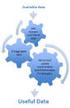 2.1 Stakeholder analysis Stakeholders are: people affected by the impact of an activity people who can influence the impact of an activity. Stakeholders can be individuals, groups, a community or an institution.
How To Help The World Coffee Sector
 ICC 105 19 Rev. 1 16 October 2012 Original: English E International Coffee Council 109 th Session 24 28 September 2012 London, United Kingdom Strategic action plan for the International Coffee Organization
SUSTAINABLE LIVELIHOODS AND FOOD SECURITY UNDER CHANGING CLIMATE IN DRY AREAS
 Expert Group Meeting on Promoting Best Practices On sustainable Rural Livelihoods in the ESCWA Region Beirut, 24-25 November 2010 SUSTAINABLE LIVELIHOODS AND FOOD SECURITY UNDER CHANGING CLIMATE IN DRY
Investors in People First Assessment Report
 Investors in People First Assessment Report K.H.Construction Cambridge Assessor: Lesley E Ling On-site Date/s: 3 rd September 2008. Recognition Date: Contents 1. Introduction Page 2 2. Assessment and Client
Addressing the social impact of mining activities on communities for sustainability
 Addressing the social impact of mining activities on communities for sustainability John-Mark Kilian, Director Umsizi Sustainable Social Solutions (Pty) Ltd, [email protected] It is very important
RECOMMENDATIONS. - Livestock is important in food security, income generation, small holder s livelihoods and poverty alleviation.
 RECOMMENDATIONS CONSIDERING THAT: - Livestock is important in food security, income generation, small holder s livelihoods and poverty alleviation. - Major livestock diseases are of social and economic
HIV/AIDS: AWARENESS AND BEHAVIOUR
 ST/ESA/SER.A/209/ES DEPARTMENT OF ECONOMIC AND SOCIAL AFFAIRS POPULATION DIVISION HIV/AIDS: AWARENESS AND BEHAVIOUR EXECUTIVE SUMMARY UNITED NATIONS NEW YORK 200 1 2 HIV/AIDS: AWARENESS AND BEHAVIOUR Executive
PROJECT PREPARATION GRANT (PPG) APPLICATION FORM-3
 PROJECT PREPARATION GRANT (PPG) APPLICATION FORM-3 1. PPG title To Harmonize the Legal, Regulatory and Institutional Framework for Sanitary and Phytosanitary (SPS) control Management System 2. Theme 1,
Terms of Reference Baseline Assessment for the employment intensive project for youth in Lower Juba (Dhobley and Afmadow), Somalia
 Terms of Reference Baseline Assessment for the employment intensive project for youth in Lower Juba (Dhobley and Afmadow), Somalia Organization African Development Solutions www.adesoafrica.org Project
GUIDELINES FOR PILOT INTERVENTIONS. www.ewaproject.eu [email protected]
 GUIDELINES FOR PILOT INTERVENTIONS www.ewaproject.eu [email protected] Project Lead: GENCAT CONTENTS A Introduction 2 1 Purpose of the Document 2 2 Background and Context 2 3 Overview of the Pilot Interventions
Standards of proficiency. Dietitians
 Standards of proficiency Dietitians Contents Foreword 1 Introduction 3 Standards of proficiency 7 Foreword We are pleased to present the Health and Care Professions Council s standards of proficiency for
THIS REPORT CONTAINS ASSESSMENTS OF COMMODITY AND TRADE ISSUES MADE BY USDA STAFF AND NOT NECESSARILY STATEMENTS OF OFFICIAL U.S.
 THIS REPORT CONTAINS ASSESSMENTS OF COMMODITY AND TRADE ISSUES MADE BY USDA STAFF AND NOT NECESSARILY STATEMENTS OF OFFICIAL U.S. GOVERNMENT POLICY Voluntary - Public Date: 1/19/2016 GAIN Report Number:
Draft Programme Document
 Draft Programme Document CHANGE MANAGEMENT, PUBLIC SECTOR DEVELOPMENT AND PROGRAMME SUPPORT A Programme under the National Agriculture Development Framework APRIL 2009 1 Table of Contents I. Executive
Rainfall Insurance and Informal Groups
 Rainfall Insurance and Informal Groups Evidence from a Field Experiment in Ethiopia Stefan Dercon 1, Ruth Vargas Hill 2, Ingo Outes-Leon 1, Alebel Bayrou 3, Daniel Clarke 1, Alemayehu Seyoum Taffesse 2
Climate Change Impacts on Agriculture and Food Security
 1 of 32 Climate Change Impacts on Agriculture and Food Security and Disaster Risk Management as entry point for Climate Change Adaptation About the FAO Policy Learning Programme This programme aims at
DRYLAND SYSTEMS Science for better food security and livelihoods in the dry areas
 DRYLAND SYSTEMS Science for better food security and livelihoods in the dry areas CGIAR Research Program on Dryland Agricultural Production Systems The global research partnership to improve agricultural
Sanitation and hygiene approaches
 Sanitation and hygiene approaches Part of a series of WaterAid technology briefs. Available online at www.wateraid.org/ technologies January 2013 Introduction There are different ways to develop and implement
TERMS of REFERENCE (ToR)
 TERMS of REFERENCE (ToR) Project Name: Building Disaster Resilient Communities in Cambodia ActionAid (Cambodia) - DRR Program OVERALL PURPOSE OF THE CONSULTANCY Undertake an independent research study
*** Introduction *** Mr Chairman/Madam Chair, Fiji Intro. Madam Chair, Fiji, like other small island developing states, face significant and
 Statement by Dr. Josefa Koroivueta Permanent Secretary, Ministry for Social Welfare, Fiji HLM on South-South Cooperation for Child Rights in the Asia-Pacific Region New Delhi, India, October 23 25, 2013
Barriers to Advanced Education for Indigenous Australian Health Workers: An Exploratory Study
 B R I E F C O M M U N I C A T I O N Barriers to Advanced Education for Indigenous Australian Health Workers: An Exploratory Study CM Felton-Busch, SD Solomon, KE McBain, S De La Rue James Cook University,
Current Research in Agricultural Sciences ECONOMICS OF SHEEP PRODUCTION IN ZURU LOCAL GOVERNMENT AREA OF KEBBI STATE NIGERIA
 Current Research in Agricultural Sciences journal homepage: http://www.pakinsight.com/?ic=journal&journal=68 ECONOMICS OF SHEEP PRODUCTION IN ZURU LOCAL GOVERNMENT AREA OF KEBBI STATE NIGERIA Baba M.D.
International Organization for Migration (IOM)
 CONTRIBUTION OF THE INTERNATIONAL ORGANIZATION FOR MIGRATION TO THE SEVENTH COORDINATION MEETING International Organization for Migration (IOM) This paper builds on the submissions of the International
Company Profile - GK Consulting, LLC
 Company Profile - GK Consulting, LLC Background GK Consulting LLC is a female- owned and operated small business that specializes in social research and project management in international development
Driving Sustainable Development: the role of Science, Technology and Innovation
 G-SCIENCE ACADEMIES STATEMENTS 2013 Driving Sustainable Development: the role of Science, Technology and Innovation 1. Introduction The framework of Millennium Development Goals has led to several in-depth
Partner Satisfaction Survey
 DIAKONIA ZIMBABWE Partner Satisfaction Survey 12 B Y W O N D E R P H I R I. J A N U A R Y 13 Contents Executive summary... 3 Report Findings... 4 Section 1: Survey process... 4 Section 2: Survey findings...
Research to improve the use and conservation of agricultural biodiversity for smallholder farmers
 Research to improve the use and conservation of agricultural biodiversity for smallholder farmers Agricultural biodiversity the variability of crops and their wild relatives, trees, animals, arthropods,
Co-creation progress update and an invitation to respond. Overview of ideas from co-creation activities towards a Climate Ready UK...
 Department for Environment, Food and Rural Affairs Climate Ready Co-creation progress update and an invitation to respond July 2012 Contents Overview of ideas from co-creation activities towards a Climate
CONCEPT NOTE FOR ZANZIBAR ANIMAL WELFARE IMPROVEMENT PROJECT 2015-2019. Project title: Zanzibar Animal Welfare Improvement Project,
 ZANZIBAR SOCIETY FOR THE PREVENTION OF CRUELTY TO ANIMALS (ZSPCA) CONCEPT NOTE FOR ZANZIBAR ANIMAL WELFARE IMPROVEMENT PROJECT 2015-2019 1. GENERAL INFORMATION: Project title: Zanzibar Animal Welfare Improvement
Promoting hygiene. 9.1 Assessing hygiene practices CHAPTER 9
 74 CHAPTER 9 Promoting hygiene The goal of hygiene promotion is to help people to understand and develop good hygiene practices, so as to prevent disease and promote positive attitudes towards cleanliness.
DRINKINGWATERCOVERAGE
 DRINKINGWATERCOVERAGE I n 2002, 83 per cent of the world s population around 5.2 billion people used improved drinking water sources. These include piped water connections and standpipes, as described
Causes and Factors Associated With Occurrence of External Injuries in Working Equines in Ethiopia
 Causes and Factors Associated With Occurrence of External Injuries in Working Equines in Ethiopia Demelash Biffa, DVM 1 Moges Woldemeskel, PhD 2 1 Department of Veterinary Medicine Awassa College of Agriculture
Climate Change Vulnerability Assessment Tools and Methods
 Climate Change Vulnerability Assessment Tools and Methods Climate Finance Readiness Seminar Leif Kindberg Knowledge and Learning Manager, ARCC PRESENTATION OVERVIEW About ARCC Overview of Climate Change
What you will study on the MPH Master of Public Health (online)
 Public Health Foundations Core This module builds upon the nine core competencies of Public Health Practice set out by the Faculty of Public Health UK. The English NHS will form the central empirical case
Terms of Reference for Evaluation of WASH, Winterization and Protection Project for Refugees Fleeing Syria Living in Bekka (Lebanon), funded by DFID
 Terms of Reference for Evaluation of WASH, Winterization and Protection Project for Refugees Fleeing Syria Living in Bekka (Lebanon), funded by DFID Project title: WASH, Winterization and Protection Project
Knowledge and Skills Statement for Social Workers in Adult Services
 Knowledge and Skills Statement for Social Workers in Adult Services Table of contents 1. Statement overview 2. The role of social workers working with adults 3. Person-centred practice 4. Safeguarding
Summary. Accessibility and utilisation of health services in Ghana 245
 Summary The thesis examines the factors that impact on access and utilisation of health services in Ghana. The utilisation behaviour of residents of a typical urban and a typical rural district are used
DAIRY FARMING IN SOUTH AFRICA WHERE TO NOW? William Gertenbach Institute for Animal Production Western Cape Departement of Agriculture
 DAIRY FARMING IN SOUTH AFRICA WHERE TO NOW? William Gertenbach Institute for Animal Production Western Cape Departement of Agriculture INTRODUCTION The dominant variable in livestock farming is the supply
INSURANCE REGULATORY AUTHORITY
 INSURANCE REGULATORY AUTHORITY RISKS AND MITIGATION STRATEGIES BY MICRO AND SMALL ENTERPRISES IN KENYA: A CASE OF MERU COUNTY VICTOR MOSE, PILLY OSIEMO AND ROBERT KULOBA Policy Research and Development
Globalization and Global Food Crises: The Role of Official Statistics in African Context
 Globalization and Global Food Crises: The Role of Official Statistics in African Context Abstract The globalization of world economy is increasing the need for basic statistics on supply and demand for
Shrimp Farming and the Environment
 Shrimp Farming and the Environment Shrimp Farming and the Environment Shrimp Farming and the Environment The World Bank, NACA, WWF and FAO Consortium Program to analyze and share experiences on better
The Contribution of Traditional Medicine in Treatment and Care in HIV/AIDS- The THETA Experience in Uganda
 The Contribution of Traditional Medicine in Treatment and Care in HIV/AIDS- The THETA Experience in Uganda THETA background information THETA is an acronym that stands for: Traditional and modern Health
7/10/2012 7:26 AM. Introduction
 Money to burn? Comparing the costs and benefits of drought responses in... 1 of 8 SUBMISSION GUIDELINES ARCHIVES MAST HEAD ABOUT Keywords: commercial destocking, drought, economics, food aid, humanitarian
Biological Diversity and Tourism: Development of Guidelines for Sustainable Tourism in Vulnerable Ecosystems
 Biological Diversity and Tourism: Development of Guidelines for Sustainable Tourism in Vulnerable Ecosystems Secretariat of the Convention on Biological Diversity Foreword The rapid and often uncontrolled
 11th International Conference on Urban Drainage, Edinburgh, Scotland, UK, 2008 communities where livelihoods are more vulnerable with virtually all the members of the community suffering because of food
CLIMATE CHANGE, WOMEN AND GENDER EQUALITY Prativa Karki Kathmandu, Nepal
 CLIMATE CHANGE, WOMEN AND GENDER EQUALITY Prativa Karki Kathmandu, Nepal Abstract This essay is organized in four distinct parts. The first part of the essay gives a description of the relationship between
Weather, Climate and Water Services for the Least Developed Countries
 Weather, Climate and Water Services for the Least Developed Countries The WMO Programme for the Least Developed Countries (LDCs) was established in 2003 in response to the call of the Third United Nations
Role of Radio in Rural and Agricultural development
 Role of Radio in Rural and Agricultural development Richa Sachan 1, Sneha Singh 2 and Kirti 3 Research Scholars Department of Extension Education Institute of Agricultural Sciences Banaras Hindu University
Citywide NGO / Not for Profit Sector
 Community Profile - Citywide NGO / Not for Profit Sector The Christchurch City Council (the Council) works with a large number of Non-Government Organisations NGOs / Not for Profit Organisations (Not for
on the 27 FEBRUARY 2009
 ural RECEI VED! 2 7 FEB 2008 JUSTICE AND ELECTORAL SUBMISSION TO THE JUSTICE AND ELECTORAL SELECT COMMITTEE on the 5 MAR 2009 DOMESTIC VIOLENCE (ENHANCING SAFETY) BILL By RURAL WOMEN NEW ZEALAND 27 FEBRUARY
Balochistan Partnerships for Sustainable Development Gender Action Plan
 Balochistan Partnerships for Sustainable Development Gender Action Plan PAKISTAN PROGRAMME 1. Introduction The Balochistan Partnerships for Sustainable Development (BPSD), a six-year (2007-2013) programme
INVESTIGATION OF SANITATION AND HYGIENE PRACTICES IN SELECTED RURAL AREAS OF THE NORTHERN PROVINCE, SOUTH AFRICA. ABSTRACT
 Presented at the WISA 2000 Biennial Conference, Sun City, South Africa, 28 May - 1 June 2000 INVESTIGATION OF SANITATION AND HYGIENE PRACTICES IN SELECTED RURAL AREAS OF THE NORTHERN PROVINCE, SOUTH AFRICA.
European Youth Forum Policy Paper Guiding Principles on Common Objectives for Voluntary activities and Greater understanding of young people
 European Youth Forum Policy Paper Guiding Principles on Common Objectives for Voluntary activities and Greater understanding of young people Adopted by the Council of Members, 21-22 November 2003 Rome
SOCIAL PROTECTION BRIEFING NOTE SERIES NUMBER 4. Social protection and economic growth in poor countries
 A DFID practice paper Briefing SOCIAL PROTECTION BRIEFING NOTE SERIES NUMBER 4 Social protection and economic growth in poor countries Summary Introduction DFID s framework for pro-poor growth sets out
TOOL D14 Monitoring and evaluation: a framework
 TOOL D14 Monitoring and evaluation: a framework 159 TOOL D14 Monitoring and evaluation: a framework TOOL D14 For: About: Purpose: Use: Resource: Commissioners in primary care trusts (PCTs) and local authorities
Distance learning program for agricultural education in Southern Africa. Mungule Chikoye, Krishna Alluri, Richard Siaciwena, and Rainer Zachmann *
 Distance learning program for agricultural education in Southern Africa Mungule Chikoye, Krishna Alluri, Richard Siaciwena, and Rainer Zachmann * Abstract The Commonwealth of Learning (COL) in collaboration
The Paris Declaration On heritage as a driver of development Adopted at Paris, UNESCO headquarters, on Thursday 1st December 2011
 The Paris Declaration On heritage as a driver of development Adopted at Paris, UNESCO headquarters, on Thursday 1st December 2011 Preamble The 1 150 participants from 106 countries gathered in Paris at
A CHECK-LIST FOR NATIONAL STRATEGIES TO END CHILD MARRIAGE
 A CHECK-LIST FOR NATIONAL STRATEGIES TO END CHILD MARRIAGE February 2016 1 x?......... A CHECK-LIST FOR NATIONAL STRATEGIES TO END CHILD MARRIAGE February 2016 Every year 15 million girls are married before
Prevalence and Factors Affecting the Utilisation of Health Insurance among Families of Rural Karnataka, India
 ISSN: 2347-3215 Volume 2 Number 8 (August-2014) pp. 132-137 www.ijcrar.com Prevalence and Factors Affecting the Utilisation of Health Insurance among Families of Rural Karnataka, India B.Ramakrishna Goud
December 2013. Renewing health districts for advancing universal health coverage in Africa
 be cause health Belgian Platform for International Health Be-cause health matters December 2013 Renewing health districts for advancing universal health coverage in Africa Regional conference on health
Implementation of the FDES 2013 and the Environment Statistics Self-Assessment Tool (ESSAT)
 Implementation of the FDES 2013 and the Environment Statistics Self-Assessment Tool (ESSAT) 6. Protection, Management and Engagement 2. Resources and their Use 5. Human Settlements and Health 1. Conditions
HLPE report on Nutrition and Food Systems
 HLPE report on Nutrition and Food Systems e-consultation on an Issues Note proposed by the HLPE Steering Committee From 9 December 2015 to 15 February 2016 Short Summary by the HLPE Secretariat 1 There
IMPROVING DENTAL CARE AND ORAL HEALTH A CALL TO ACTION. February 2014 Gateway reference: 01173
 1 IMPROVING DENTAL CARE AND ORAL HEALTH A CALL TO ACTION February 2014 Gateway reference: 01173 2 Background NHS dental services are provided in primary care and community settings, and in hospitals for
Standards of proficiency. Occupational therapists
 Standards of proficiency Occupational therapists Contents Foreword 1 Introduction 3 Standards of proficiency 7 Foreword We are pleased to present the Health and Care Professions Council s standards of
What Is Poverty and Why Measure It?
 Chapter What Is Poverty and Why Measure It? Summary Poverty is pronounced deprivation in well-being. The conventional view links wellbeing primarily to command over commodities, so the poor are those who
Enabling poor rural people to overcome poverty in Honduras
 IFAD/F. Mattioli Enabling poor rural people to overcome poverty in Honduras Rural poverty in Honduras The Republic of Honduras is the second-poorest country in Central America. It is a lower middle-income
Investing in rural people in Indonesia
 IFAD/Roger Arnold Investing in rural people in Indonesia Rural poverty in Indonesia Indonesia is the largest economy in South-East Asia and has progressed rapidly over the past decade into a dynamic, highly
Implementing Community Based Maternal Death Reviews in Sierra Leone
 Project Summary Implementing Community Based Maternal Death Reviews in Sierra Leone Background Sierra Leone is among the poorest nations in the world, with 70% of the population living below the established
CENTRE FOR INTERNATIONAL DEVELOPMENT AND TRAINING UNIVERSITY OF WOLVERHAMPTON
 CENTRE FOR INTERNATIONAL DEVELOPMENT AND TRAINING UNIVERSITY OF WOLVERHAMPTON MSc / POSTGRADUATE DIPLOMA DEVELOPMENT EDUCATION AND TRAINING CONTENTS The course The core modules The optional modules The
PRE-PRIMARY EDUCATION IN INDIA
 PRE-PRIMARY EDUCATION IN INDIA CREATE INDIA POLICY BRIEF 1 DECEMBER 2010 PRE-PRIMARY EDUCATION IN INDIA Various types of pre primary schools are available in India and more children are now attending pre-school
How To Be Sustainable With Tourism
 QUÉBEC DECLARATION ON ECOTOURISM In the framework of the UN International Year of Ecotourism, 2002, under the aegis of the United Nations Environment Programme (UNEP) and the World Tourism Organization