
Amazing Vitamin K By Jack Challem, The Nutrition Reporter
|
|
|
- Meryl Clark
- 10 years ago
- Views:
Transcription
1 Amazing Vitamin K By Jack Challem, The Nutrition Reporter For many years, vitamin K was pretty much the Rodney Dangerfield of vitamins. It just didn t get any respect. Most doctors and dietitians figured the body didn t need much vitamin K. After all, the official government recommendation is for a scant 90 mcg daily. And its only biological role seemed to be in promoting blood clotting. But recent research has shown broad and impressive health benefits from vitamin K supplements in strengthening bones, preventing and reversing osteoporosis, reducing the risk of diabetes, lowering the risk of some types of heart disease, and possibly preventing cancer. Vitamin K is turning out to be a big vitamin. HISTORY AND BASIC FUNCTIONS OF VITAMIN K Vitamin K was discovered in the early 1930s by Henrik Dams, Ph.D., a Danish researcher who recognized its role in normal blood coagulation. He called it the koagulationsvitamin, and the K designation stuck. A few years later, Edward Doisy, Ph.D., an American researcher, delineated the chemical structure of vitamin K, and both he and Dam shared the 1943 Nobel prize in medicine for their work. Most of vitamin K s benefits derive from its role in making several key proteins, including osteocalcin, which is needed for strong bones. More technically, vitamin K promotes the carboxylation of glutamic acid. To explain, carboxylation adds what chemists call a carboxyl group (COOH, containing one carbon, two oxygen, and one hydrogen atom) to glutamic acid, a necessary step in the creation of several proteins. Without carboxylation, these proteins cannot do their jobs. HEALTH BENEFITS OF VITAMIN K Bone Health. Rather than being pure calcium, bone actually consists of a matrix of calcium, phosphorus, magnesium, and protein. Production of one of the key proteins, osteocalcin, depends on Vitamin K. Numerous studies have shown that low intake of vitamin K interferes with normal bone development and increases the risk of broken bones and osteoporosis. In recent years, both Dutch and Japanese researchers have used large amounts of vitamin K2 daily to treat and reverse osteoporosis in women. Nearly all of these studies used 45 mg (not mcg) daily of the MK- 4 form of vitamin K. (See related article explaining MK-4 and other forms of vitamin K.)

2 In one of the studies, Dutch researchers asked 325 postmenopausal women to take either 45 mg of vitamin K2 or placebos daily for three years. Bone density improved among women taking vitamin K2, but decreased among those taking placebos. An analysis of seven studies, published in the Archives of Internal Medicine, found that high-dose vitamin K2 supplements consistently reduced bone fractures in women by more than 60 percent. Vitamin K also reduces bone loss caused by cortisone, blood-thinning drugs, menopause, diabetes, and other health issues. In a number of studies, the bone-building benefits of vitamin K were enhanced with the addition of vitamin D supplements. Cardiovascular. Increasing research suggests that vitamin K is an important nutrient for cardiovascular health apart from its role in blood clotting. Calcium deposits in the walls of blood vessels can lead to arterial calcification, which contributes to hardening of the arteries. The body needs vitamin K to make matrix Gla protein, or MGP, and animal studies suggest that MGP helps direct calcium to bone instead of to arteries. In an animal study, researchers found that both vitamin K1 and K2 reduced arterial calcification by about 50 percent. Some physicians, such as cardiologist Stephen Sinatra, M.D., recommends 150 mcg of the MK-7 form of vitamin K to prevent or reverse arterial calcification. Vitamin K might also protect against varicose veins, based on a study that found low MGP (and thus low vitamin K) activity was related to the formation of varicose veins. Blood sugar. The newest frontier for vitamin K may be in preventing or reversing type 2 diabetes. In August 2007, researchers from Columbia University, in New York City, reported their discovery that the bone protein osteocalcin also functions as a hormone. Osteocalcin regulates the number of insulin-producing cells in the pancreas, the secretion of insulin, sensitivity to insulin, and the size of fat cells. Of course, vitamin K is needed to make osteocalcin. Other research also supports the role of vitamin K, through osteocalcin, in maintaining normal blood sugar levels. Studies of young men in Japan found that low vitamin K levels were associated with poor insulin function, one of the signs of prediabetes. Vitamin K2 supplements improved insulin function in response to a glucose-tolerance test.

3 A further link between glucose tolerance and vitamin K was identified earlier this year by researchers at Tufts University, Boston. The researchers investigated the relationship between vitamin K1 intake and glucose tolerance in 2,719 men and women. Higher intake of vitamin K1 was associated with better glucose tolerance and insulin sensitivity after glucose-tolerance tests. Cancer. Some research suggests that vitamin K may help reduce the risk of cancer. An eight-year study of eating habits found that men who consumed the most vitamin K2 from food had a 63 percent lower risk of developing prostate cancer. Vitamin K1 did not provide similar protection. The most dramatic study found that vitamin K2 significantly reduced the risk of developing liver cancer. Japanese researchers treated 21 women with viral liver cirrhosis, giving them 45 mg of vitamin K2 daily for eight years. Vitamin K had two significiant benefits. First, it reduced bone loss in the women, compared with a group of 19 women who did not take vitamin K supplements. Second, only two of the 21 women receiving vitamin K developed liver cancer. In contrast, almost half of the women not taking vitamin K supplements developed liver cancer. INTERACTIONS BETWEEN COUMADIN AND VITAMIN K Doctors frequently prescribe Coumadin and other blood-thinning drugs to people who have had a heart attack or stroke or have had an artificial heart valve inserted. More than 2 million people in the United States currently take Coumadin, and more than 300,000 new prescriptions are written for the drug each year, according to a pharmaceutical industry report. Coumadin and related anti-coagulant drugs interfere with vitamin K to reduce the risk of blood clots. By doing so, however, Coumadin reduces carboxylation of osteocalcin and MGP. Because of how Coumadin affects vitamin K and osteocalcin, the drug increases the risk of bone fractures. It also increases calcification of the arteries and could potentially increase the risk of diabetes. Typically, physicians ask patients taking Coumadin to minimize their intake of vitamin K-containing foods and to avoid vitamin K supplements. Is there a compromise? In a recent study, published in the Journal of Thrombosis and Haemostasis, researchers gave vitamin K1 supplements (100 mcg daily) to patients and also increased their Coumadin dosage. They found that vitamin K levels were actually more stable and predictable with the supplements, so the drug dose could also remain consistent.

4 This is very important: If you take Coumadin, ask your physician if he can prescribe an anti-coagulant that does not interfere with vitamin K activity. If he cannot switch you to another anti-coagulant drug (that does not target vitamin K), ask him if you can safely take a low-dose (100 mcg) vitamin K supplement. If you are taking anti-coagulants, do not take vitamin K without your doctor s approval. SO, HOW MUCH VITAMIN K SHOULD YOU TAKE? You can maintain optimal intake of vitamin K through diet or supplements or both. Leafy green vegetables are a rich source of vitamin K1. Cheese is a good source of the MK-4 form of vitamin K. Fermented soybeans, particularly natto, is rich in the MK-7 form of vitamin K. (Read further to understand the different forms of vitamin K.) If you opt for supplements, decide on whether your objective is general health maintenance or part of a more aggressive prevention or self-care regimen. Large amounts of vitamin K1 about 1,000 mcg (1 milligram) daily do seem to reduce the risk of osteoporosis. Vitamin K2, at daily doses of 5 mg (5,000 mcg) may do a better job in terms of preventing osteoporosis and fracture. Meanwhile, taking 45 mg daily of the MK-4 form of vitamin K2 is very effective in reversing osteoporosis. Finally, although human studies on the MK-7 form of vitamin K2 are currently limited, modest amounts 150 mcg daily may also help strengthen bones and prevent arterial calcification. FINALLY, UNDERSTANDING THE DIFFERENT FORMS OF VITAMIN K Researchers have identified three main forms of vitamin K: Vitamin K1, vitamin K2, and vitamin K3. Furthermore, there are two principal forms of vitamin K2. Each has slight differences in chemical structure, but all seem to be used by the body. Vitamin K3 is not used in supplements for people, so the important forms are vitamins K1 and K2. Vitamin K1. Known also as phylloquinone, Vitamin K1 is naturally found in leafy green vegetables, such as dark lettuce varieties, spinach, kale, and broccoli. It promotes normal blood coagulation and bone strength. It s available as a supplement, but does not appear to be as potent as vitamin K2.

5 Vitamin K2 occurs in several forms, but two appear to have the most biological activity: MK-4 (menatetrenone-4) and MK-7 (menaquinone-7). Both forms seem to have advantages, but in different ways. The MK-4 form of vitamin K is naturally found in egg yolk, egg mayonnaise, chicken thighs, and dairy products. Substantial research shows that very high doses (45,000 mcg, or 45 mg daily) of the MK-4 form of vitamin K2 can prevent and reverse osteoporosis. The MK-7 form of vitamin K is naturally found in natto, a type of fermented soybean food. One ounce of natto provides about 250 mcg of MK-7. The MK-7 form of vitamin K absorbed much better than vitamin K1. Most supplement recommendations for this form are in the range of 100 to 150 mcg daily. Unfortunately, human studies have not yet directly compared the health benefits or therapeutic effects of MK-4 and MK-7, so no one knows how large amounts of MK-4 might compare with small about of MK-7. As a result, there are still many unknowns when it comes to choosing between them. Several studies examining the benefits of MK-7 in people are currently underway in Europe, and the results should be released over the next one to three years. In the mean time, use your best judgment as a consumer to purchase the type of vitamin K that s best for you. This article originally appeared in Health Hotline. Read more about Health Hotline at Copyright 2011 by Jack Challem. You may print this article for personal use. However, for commercial reproduction, you must obtain written permission from either Vitamin Cottage or Jack Challem. SELECTED REFERENCES: Knapen MH, Schurgers LJ, Vermeer C. Vitamin K(2) supplementation improves hip bone geometry and bone strength indices in postmenopausal women. Osteoporosis International, 2007; 18: Yasui T, Miyatani Y, Tomita J, et al. Effect of vitamin K2 treatment on carboxylation of osteocalcin in earlypostmenopausal women. Gynecological Endocrinology, 2006;22: Cockayne S, Adamson J, Lanham-New S, et al. Vitamin K and the prevention of fractures: systematic review and meta-analysis of randomized controlled trials. Archives of Internal Medicine, 2006;166: Yasui T, Miyatani Y, Tomita J, et al. Effect of vitamin K2 treatment on carboxylation of osteocalcin in earlypostmenopausal women. Gynecological Endocrinology, 2006;22: Braam LA, Knapen MH, Geusens P, et al. Vitamin K1 supplementation retards bone loss in postmenopausal women between 50 and 60 years of age. Calcif Tissue Int, 2003;73: Schurgers LJ, Spronk HMH, Soute BAM, et al. Regression of warfarin-induced medial elastocalcinosis by high intake of vitamin K in rats. Blood, 2007;109:

6 Cario-Toumaniantz C, Boularan C, Schurgers LJ, et al. Identification of differentially expressed genes in human varicose veins: involvement of matrix gla protein in extracellular matrix remodeling. Journal of Vascular Research, 2007;44: Lee NK, Sowa H, Hinoi E, et al. Endocrine regulation of energy metabolism by the skeleton. Cell, 2007;130: Kassi E, Papavassiliou AG. A possible role of osteocalcin in the regulation of insulin secretion: human in vivo evidence? Journal of Endocrinology, July 21, 2008; epub ahead of print. Yoshida M, Yoshida M, Booth SL, et al. Phylloquinone intake, insulin sensitivity, and glycemic status in men and women. American Journal of Clinical Nutrition, 2008; 88: Habu D, Shiomi S, Tamori A, et al. Role of vitamin K2 in the development of hepatocellular carcinoma in women with viral cirrhosis of the liver. JAMA, 2004;292: Rejnmark R, Vestergaard P, Mosekilde L. Fracture risk in users of oral anticoagulants: a national case-control study. International Journal of Cardiology, 2007;118: Gage BF, Birman-Deych E, Radford MJ, et al. Risk of osteoporotic fracture in elderly patients taking warfarin: results from the National Registry of Atrial Fibrillation 2. Archives of Internal Medicine, 2006;166(2): Rombouts, EK; Rosendaal, FR; Van der Meer, FJM. Daily vitamin K supplementation improves anticoagulant stability. Journal of Thrombosis and Haemostasis, 2007; 5: Braam LA, Knapen MH, Geusens P, et al. Vitamin K1 supplementation retards bone loss in postmenopausal women between 50 and 60 years of age. Calcif Tissue Int, 2003;73: Kamao M. Suhara Y, Tsugawa N, et al. Vitamin K content of foods and dietary vitamin K intake in Japanese young women. Journal of Nutrition Science and Vitaminology, 2007;53:

Calcium. 1995-2013, The Patient Education Institute, Inc. www.x-plain.com nuf40101 Last reviewed: 02/19/2013 1
 Calcium Introduction Calcium is a mineral found in many foods. The body needs calcium to maintain strong bones and to carry out many important functions. Not having enough calcium can cause many health
Health benefits of isoflavones
 Intake of Fermented Soybeans, Natto, Is Associated with Reduced Bone Loss in Postmenopausal Women: Japanese Population- Based Osteoporosis (JPOS) Study Author: Yukihiro Ikeda, Masayuki Iki, Akemi Morita,
Calcium and Vitamin D: Important at Every Age
 Calcium and Vitamin D: Important at Every Age National Institutes of Health Osteoporosis and Related Bone Diseases ~ National Resource Center 2 AMS Circle Bethesda, MD 20892-3676 Tel: (800) 624-BONE or
Through Thick and Thin
 Through Thick and Thin Learning to Live with Warfarin South Denver Cardiology Associates PC What is Anticoagulation? Anti = against Coagulation = blood clotting An anticoagulant is a medication that reduces
Chemistry. All the three compounds are Naphthoquinone derivatives
 VITAMIN K History Existence first suggested by Henrik Dam in 1929 - Observed : Hemorrhagic disease of cattle fed on synthetic diets 1939 : Dam & co-workers isolated Vitamin K from the plant Alfalfa Edward
Cardiovascular Disease Risk Factors
 Cardiovascular Disease Risk Factors Risk factors are traits and life-style habits that increase a person's chances of having coronary artery and vascular disease. Some risk factors cannot be changed or
Diabetes and Stroke. Understanding the connection between diabetes and the increased risk of stroke
 Diabetes and Stroke Understanding the connection between diabetes and the increased risk of stroke Make the Connection Almost 26 million people in the U.S. roughly 8 percent of the population have diabetes.
Nutrition and Parkinson s Disease: Can food have an impact? Sarah Zangerle, RD, CD Registered Dietitian Froedtert Memorial Lutheran Hospital
 Nutrition and Parkinson s Disease: Can food have an impact? Sarah Zangerle, RD, CD Registered Dietitian Froedtert Memorial Lutheran Hospital Importance of Nutrition & Parkinson s Disease Good nutrition
Is Insulin Effecting Your Weight Loss and Your Health?
 Is Insulin Effecting Your Weight Loss and Your Health? Teressa Alexander, M.D., FACOG Women s Healthcare Associates www.rushcopley.com/whca 630-978-6886 Obesity is Epidemic in the US 2/3rds of U.S. adults
Easy-to-Read Information for Patients and Families. U.S. Department of Health and Human Services National Institutes of Health
 BONE HEALTH FOR LIFE Easy-to-Read Information for Patients and Families U.S. Department of Health and Human Services National Institutes of Health National Institute of Arthritis and Musculoskeletal and
CORPORATE HEALTH LOWERING YOUR CHOLESTEROL & BLOOD PRESSURE
 CORPORATE HEALTH LOWERING YOUR CHOLESTEROL & BLOOD PRESSURE What is Cholesterol? What s wrong with having high cholesterol? Major risk factor for cardiovascular disease Higher the cholesterol higher the
The largest clinical study of Bayer's Xarelto (rivaroxaban) Wednesday, 14 November 2012 07:38
 Bayer HealthCare has announced the initiation of the COMPASS study, the largest clinical study of its oral anticoagulant Xarelto (rivaroxaban) to date, investigating the prevention of major adverse cardiac
Causes, incidence, and risk factors
 Causes, incidence, and risk factors Insulin is a hormone produced by the pancreas to control blood sugar. Diabetes can be caused by too little insulin, resistance to insulin, or both. To understand diabetes,
Warfarin. (Coumadin, Jantoven ) Taking your medication safely
 Warfarin (Coumadin, Jantoven ) Taking your medication safely Welcome This booklet is designed to provide you with important information about warfarin to help you take this medication safely and effectively.
Menopause. Weight Loss. A Special Report on Weight Gain During Menopause. contact us. FROM THE DESK OF: Carolyn J. Cederquist, M.D. Dr.
 Weight Loss & A Special Report on Weight Gain During Menopause Menopause FROM THE DESK OF: Carolyn J. Cederquist, M.D. Dr. Cederquist Caroline J. Cederquist, M.D., has appeared as a weight-management expert
Client Information for Informed Consent TESTOSTERONE FOR TRANSGENDER PATIENTS
 Client Information for Informed Consent TESTOSTERONE FOR TRANSGENDER PATIENTS You want to take testosterone to masculinize your body. Before taking it, there are several things you need to know about.
11 Serious and life-threatening side effects can occur while taking EVISTA. These include 12 blood clots and dying from stroke:
 1 1 BNL 3123 AMP 2 Medication Guide 3 EVISTA (E-VISS-tah) 4 (raloxifene hydrochloride) 5 Tablets for Oral Use 6 Read the Medication Guide that comes with EVISTA before you start taking it and each time
BEST & WORST FOODS FOR BELLY FAT
 Belly fat is worse for you than fat elsewhere on your body. Excess accumulation of belly fat is more dangerous than excess fat around your hips and thighs. Belly fat is associated with serious health problems,
GUIDE TO THE FORMAT OF PROPOSED FDA 4 CLAIM LEVELS
 GUIDE TO THE FORMAT OF PROPOSED FDA 4 CLAIM LEVELS 1 Product Component Disease Orange Juice Calcium Osteoporosis Pasta Sauce Lycopene (20 mg) Certain cancers, including prostate cancer in men Breakfast
MCHENRY WESTERN LAKE COUNTY EMS SYSTEM OPTIONAL CE ADVANCED LEVEL (EMTP, PHRN, ECRN) August 2013. Anticoagulants
 MCHENRY WESTERN LAKE COUNTY EMS SYSTEM OPTIONAL CE ADVANCED LEVEL (EMTP, PHRN, ECRN) August 2013 Anticoagulants Anticoagulants are agents that prevent the formation of blood clots. Before we can talk about
A Patient s Guide to Antithrombotic Therapy in Atrial Fibrillation
 Patient s Guide to Antithrombotic Therapy in Atrial Fibrillation A Patient s Guide to Antithrombotic Therapy in Atrial Fibrillation PATIENT EDUCATION GUIDE What is atrial fibrillation? Atrial fibrillation
4/4/2013. Mike Rizo, Pharm D, MBA, ABAAHP THE PHARMACIST OF THE FUTURE? METABOLIC SYNDROME AN INTEGRATIVE APPROACH
 METABOLIC SYNDROME AN INTEGRATIVE APPROACH AN OPPORTUNITY FOR PHARMACISTS TO MAKE A DIFFERENCE Mike Rizo, Pharm D, MBA, ABAAHP THE EVOLUTION OF THE PHARMACIST 1920s 1960s 2000s THE PHARMACIST OF THE FUTURE?
Dietary Guidance Statements An Industry Perspective
 Dietary Guidance Statements An Industry Perspective Douglas Balentine Director of Nutrition Unilever June 8, 2010 Outline Consumer Understanding Claims on Food Packaging Dietary Guidance Food and Health
Using Family History to Improve Your Health Web Quest Abstract
 Web Quest Abstract Students explore the Using Family History to Improve Your Health module on the Genetic Science Learning Center website to complete a web quest. Learning Objectives Chronic diseases such
Sinclair Community College, Division of Allied Health Technologies
 Sinclair Community College, Division of Allied Health Technologies Health Promotion for Community Health Workers Cardiovascular disease, stroke, and cancer Class #5 High Blood Cholesterol (date) Course
Bayer Initiates Rivaroxaban Phase III Study to Support Dose Selection According to Individual Benefit-Risk Profile in Long- Term VTE Prevention
 Investor News Not intended for U.S. and UK Media Bayer AG Investor Relations 51368 Leverkusen Germany www.investor.bayer.com Long-term prevention of venous blood clots (VTE): Bayer Initiates Rivaroxaban
FAQs about Warfarin (brand name Coumadin )
 FAQs about Warfarin (brand name Coumadin ) What is warfarin? Warfarin is the most commonly used anticoagulant in the US. An anticoagulant is a drug used to prevent unwanted and harmful blood clots. Although
1. If I go a couple of days without my vitamin D and calcium requirements, can I make up for them?
 GOOD NUTRITION FOR BONE Calcium, Vitamin D and So Much More QUESTION & ANSWER Wednesday, March 23, 2011 (2:30 p.m. to 4:00 p.m. ET) 1. If I go a couple of days without my vitamin D and calcium requirements,
1. (U4C1L4:G9) T or F: The human body is composed of 60 to 70 percent water. 2. (U4C1L4:G13) Another name for fiber in a diet is.
 Cadet Name: Date: 1. (U4C1L4:G9) T or F: The human body is composed of 60 to 70 percent water. A) True B) False 2. (U4C1L4:G13) Another name for fiber in a diet is. A) vegetables B) laxative C) fruit D)
Vitamin D. Sources of vitamin D
 1 has been in the news frequently this past year, including an article in The New York Times on November 16, 2009. So what is this vitamin? Why is it important? Most people have heard that vitamin D is
Nutrition for Family Living
 Susan Nitzke, Nutrition Specialist; [email protected] Sherry Tanumihardjo, Nutrition Specialist; [email protected] Amy Rettammel, Outreach Specialist; [email protected] Betsy Kelley,
Nutrient Reference Values for Australia and New Zealand
 Nutrient Reference Values for Australia and New Zealand Questions and Answers 1. What are Nutrient Reference Values? The Nutrient Reference Values outline the levels of intake of essential nutrients considered,
Role of vitamin K2 in bone and vascular calcifica6on
 Role of vitamin K2 in bone and vascular calcifica6on Leon J Schurgers, PhD Associate Professor of Biochemistry MUMC + Norway, 28th of January 2012 Once upon a time a vitamin, once regarded as the Cinderella
Let s talk about: Stroke
 Let s talk about: Stroke February 20 th 2013 Laura Wilson Christine Stables Questions 1. Why is knowing about stroke important? 2. What exactly is a stroke and what are the symptoms? 3. What should I do
Vitamin K and Osteoporosis
 Nutraceutical Profile (September 2009) Vitamin K and Osteoporosis By Tina Kaczor, ND, FABNO Introduction Osteoporosis affects an estimated 75 million people in Europe, the US, and Japan. Fractures are
Strokes and High Blood Pressure
 Strokes and High Blood Pressure Quick Review from last Week: What is a Stroke Stroke: blood supply to the brain is severely limited or cut off With no blood to carry oxygen to them, brain cells will die
Osteoporosis. Dr Gordon MacDonald BSc MB BChir MRCP Consultant Rheumatologist. Rheumatology and Arthritis Seminar Tuesday 5 th February 2013
 Osteoporosis Dr Gordon MacDonald BSc MB BChir MRCP Consultant Rheumatologist Rheumatology and Arthritis Seminar Tuesday 5 th February 2013 Plan What is osteoporosis? Consequences of osteoporosis Risk factors
Prevention of stroke and systemic embolism in adult patients with non-valvular atrial fibrillation (AF) with one or more risk factors
 News Release For use outside the US and UK only Bayer Pharma AG 13342 Berlin Germany Tel. +49 30 468-1111 www.bayerpharma.com Bayer s Xarelto Approved in the EU for the Prevention of Stroke in Patients
Health Maintenance: Controlling Cholesterol
 Sacramento Heart & Vascular Medical Associates February 18, 2012 500 University Ave. Sacramento, CA 95825 Page 1 What is cholesterol? Cholesterol is a fatty substance. It has both good and bad effects
Fat-Soluble Vitamins. Quick Facts... Vitamin A. by J. Anderson and L. Young 1 (8/08)
 Fat-Soluble s by J. Anderson and L. Young 1 (8/08) Quick Facts... Small amounts of vitamins A, D, E and K are needed to maintain good health. Foods that contain these vitamins will not lose them when cooked.
Facts About Aging and Bone Health
 Facts About Aging and Bone Health A Guide to Better Understanding and Well Being with the compliments of Division of Health Services Diocese of Camden Exercise as treatment Along with medication, proper
High Blood Pressure. Dr. Rath s Cellular Health Recommendations for Prevention and Adjunct Therapy
 4 High Blood Pressure Dr. Rath s Cellular Health Recommendations for Prevention and Adjunct Therapy The Facts About High Blood Pressure Dr. Rath s Cellular Health Recommendations: - Documented Health Benefits
Newer Anticoagulants and Newer Diabetic Drug Classes. Nicole N. Nguyen, PharmD Senior Clinical Pharmacist Health Care Services August 21, 2013
 Newer Anticoagulants and Newer Diabetic Drug Classes Nicole N. Nguyen, PharmD Senior Clinical Pharmacist Health Care Services August 21, 2013 Apixaban Newer Anticoagulants Dabigatran etexilate Rivaroxaban
Blood clot in atheroma. help make vitamin D and hormones, like oestrogen and testosterone, in your body.
 CHOLESTEROL This factsheet explains what cholesterol is and why too much cholesterol in your blood is harmful. It also provides information regarding cholesterol testing and tips to help reduce your blood
Presentation Prepared By: Jessica Rivers, BASc., PTS
 Presentation Prepared By: Jessica Rivers, BASc., PTS Presentation Outline Why should we care about our eating habits? Why is nutrition so important as we age? How do we know if we are eating healthy? What
Endocrine System: Practice Questions #1
 Endocrine System: Practice Questions #1 1. Removing part of gland D would most likely result in A. a decrease in the secretions of other glands B. a decrease in the blood calcium level C. an increase in
A Patient s Guide to Primary and Secondary Prevention of Cardiovascular Disease Using Blood-Thinning (Anticoagulant) Drugs
 A Patient s Guide to Primary and Secondary Prevention of PATIENT EDUCATION GUIDE What Is Cardiovascular Disease? Cardiovascular disease (CVD) is a broad term that covers any disease of the heart and circulatory
Chapter 7 The Pauling Therapy
 Although physicians, as part of their training, are taught that the dosage of a drug that is prescribed for the patient must be very carefully determined and controlled, they seem to have difficulty in
X-Plain Vertebral Compression Fractures Reference Summary
 X-Plain Vertebral Compression Fractures Reference Summary Introduction Back pain caused by a vertebral compression fracture, or VCF, is a common condition that affects thousands of people every year. A
Secondary Stroke Prevention Luke Bradbury, MD 10/4/14 Fall WAPA Conferfence
 Guidelines Secondary Stroke Prevention Luke Bradbury, MD 10/4/14 Fall WAPA Conferfence Stroke/TIA Nearly 700,000 ischemic strokes and 240,000 TIAs every year in the United States Currently, the risk for
Health Benefits of Grass-Fed Products
 Health Benefits of Grass-Fed Products As you will see, products from pastured animals are ideal for your health. Similar to wild game, they contain the amounts and kinds of nutrients that your body "expects"
Bone Appétit: New Information on Calcium & Vitamin D QUESTION & ANSWER
 Bone Appétit: New Information on Calcium & Vitamin D QUESTION & ANSWER Wednesday, November 17, 2010 1:30 p.m. to 3:00 p.m. ET 1. I like to drink warm milk, but I have heard that heating some vitamins can
D. Vitamin D. 1. Two main forms; vitamin D2 and D3
 D. Vitamin D. Two main forms; vitamin D2 and D3 H H D3 - Cholecalciferol D2 - Ergocalciferol Technically, vitamin D is not a vitamin. It is the name given to a group of fat-soluble prohormones (substances
YOUR GUIDE TO. Managing and Understanding Your Cholesterol Levels
 YOUR GUIDE TO Managing and Understanding Your Cholesterol Levels Our goal at the Mercy Health Heart Institute is to help you be well. Our experienced team includes cardiologists, cardiovascular surgeons,
Investor News. Not intended for U.S. and UK media
 Investor News Not intended for U.S. and UK media Bayer AG Investor Relations 51368 Leverkusen Germany www.investor.bayer.com Bayer s Xarelto (Rivaroxaban) Approved for the Treatment of Pulmonary Embolism
Am I at Risk for type 2 Diabetes? Taking Steps to Lower the Risk of Getting Diabetes NATIONAL DIABETES INFORMATION CLEARINGHOUSE
 NATIONAL DIABETES INFORMATION CLEARINGHOUSE Am I at Risk for type 2 Diabetes? Taking Steps to Lower the Risk of Getting Diabetes U.S. Department of Health and Human Services National Institutes of Health
What Each Vitamin & Mineral Does In Your Body. Vitamin A
 What Each Vitamin & Mineral Does In Your Body Vitamin A Prevents skin disorders, such as acne, wrinkling and age spots. Enhances the immune system protects against colds, flu, and infections to kidney,
Anticoagulant therapy
 Anticoagulation: The risks Anticoagulant therapy 1990 2002: 600 incidents reported 120 resulted in death of patient 92 deaths related to warfarin usage 28 reports related to heparin usage Incidents in
What to Know About. Atrial Fibrillation
 Atrial Fibrillation What to Know About Atrial Fibrillation Understanding Afib Atrial fibrillation, or Afib, is a condition in which the heart beats irregularly speeding up or slowing down, or beating too
K is for Konfusion. Menatetrenone: The Right K for Bone, Heart, and More! Humans and other animals specifically make Menatetrenone in our tissues
 quickly shoved this evidence into a corner with the off-hand comment that the physiological significance and biochemical functions of these non-clotting proteins have yet to be determined. 1 K is for Konfusion
Rx Updates New Guidelines, New Medications What You Need to Know
 Rx Updates New Guidelines, New Medications What You Need to Know Maria Pruchnicki, PharmD, BCPS, BCACP, CLS Associate Professor of Clinical Pharmacy OSU College of Pharmacy Background scope and impact
Hormone Restoration: Is It Right for You? Patricia A. Stafford, M.D. Founder, Wellness ReSolutions
 Hormone Restoration: Is It Right for You? Patricia A. Stafford, M.D. Founder, Wellness ReSolutions IMPORTANCE OF HORMONE BALANCE Importance of Hormone Balance Help you live a long, healthy life Help you
What You Need to Know for Better Bone Health
 What You Need to Know for Better Bone Health A quick lesson about bones: Why healthy bones matter The healthier your bones The more active you can be Bone health has a major effect on your quality of life
Cancer Treatment Moringa Oleifera for Cancer Prevention or Treatment
 Cancer Treatment Moringa Oleifera for Cancer Prevention or Treatment As we learn more about cancer, we are empowered to use more of the tools which nature has created for us to help battle this terrible
Overview. Nutritional Aspects of Primary Biliary Cirrhosis. How does the liver affect nutritional status?
 Overview Nutritional Aspects of Primary Biliary Cirrhosis Tracy Burch, RD, CNSD Kovler Organ Transplant Center Northwestern Memorial Hospital Importance of nutrition therapy in PBC Incidence and pertinence
Topic 4: Digestion and Nutrition
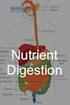 Topic 4: Digestion and Nutrition THE CONTENTS OF FOOD Food contains nutrients: Nutrients include: 1. 2. 3. 4. 5. Nutrients must be small enough to enter our cells. If they are too large they must be digested
Diet for Kidney Stone Prevention
 Diet for Kidney Stone Prevention National Kidney and Urologic Diseases Information Clearinghouse U.S. Department of Health and Human Services NATIONAL INSTITUTES OF HEALTH How does diet affect the risk
Cholesterol and Triglycerides What You Should Know
 Cholesterol and Triglycerides What You Should Know Michael T. McDermott MD Professor of Medicine Endocrinology Practice Director Division of Endocrinology, Metabolism and Diabetes University of Colorado
Insulin is a hormone produced by the pancreas to control blood sugar. Diabetes can be caused by too little insulin, resistance to insulin, or both.
 Diabetes Definition Diabetes is a chronic (lifelong) disease marked by high levels of sugar in the blood. Causes Insulin is a hormone produced by the pancreas to control blood sugar. Diabetes can be caused
Atrial Fibrillation and Anticoagulants
 York Teaching Hospital NHS Foundation Trust Atrial Fibrillation and Anticoagulants A guide to your diagnosis and treatment Information for patients, relatives and carers For more information, please contact:
Nutrition Information from My Plate Guidelines
 Nutrition Information from My Plate Guidelines Note: This information was compiled from the website: http://www.choosemyplate.gov/ for participants in the 4-H Food Prep Contest 1/12/16. The information
Medical Assistant s Diabetes Survey
 Medical Assistant s Diabetes Survey Instructions: Circle one answer for each question. Thank-you. Basic Knowledge 1. Risk factors for developing Type 2 diabetes include: a. Family members with diabetes
Diet, activity and your risk of prostate cancer
 Diet, activity and your risk of prostate cancer Prostate cancer is the most common cancer in men in the UK. About one in eight men (12.5 per cent) will get prostate cancer at some point in their lives.
CME Test for AMDA Clinical Practice Guideline. Diabetes Mellitus
 CME Test for AMDA Clinical Practice Guideline Diabetes Mellitus Part I: 1. Which one of the following statements about type 2 diabetes is not accurate? a. Diabetics are at increased risk of experiencing
Atrial fibrillation: medicines to help reduce your risk of a stroke what are the options?
 Patient decision aid Atrial fibrillation: medicines to help reduce your risk of a stroke what are the options? http://guidance.nice.org.uk/cg180/patientdecisionaid/pdf/english Published: June 2014 About
Vitamin K2 and arterial calcification
 Anne Bjørnebye Vik Vitamin K2 and arterial calcification ANNE BJØRNEBYE VIK NattoPharma ASA Lysaker Torg 5 1366, Lysaker Norway ABSTRACT: Arterial calcification is strongly linked to poor cardiovascular
MEDICATION GUIDE COUMADIN (COU-ma-din) (warfarin sodium)
 MEDICATION GUIDE COUMADIN (COU-ma-din) (warfarin sodium) Read this Medication Guide before you start taking COUMADIN (warfarin sodium) and each time you get a refill. There may be new information. This
Daily aspirin therapy: Understand the benefits and risks
 Daily aspirin therapy: Understand the benefits and risks Is an aspirin a day the right thing for you? It's not as easy a decision as it sounds. Know the benefits and risks before considering daily aspirin
Pediatrics. Specialty Courses for Medical Assistants
 Pediatrics Specialty Courses for Medical Assistants 7007 College Boulevard, Suite 385 Overland Park, Kansas 66211 www.ncctinc.com t: 800.875.4404 f: 913.498.1243 Pediatrics Specialty Certificate Course
NO More Heart Disease
 NO More Heart Disease Nitric Oxide Information NO is one of the simplest molecules in biology, comprised of just two atoms one atom of nitrogen (N) and one of oxygen (O). Through NO s structure is simple,
Micronutrient. Functio. Vitamin A
 EHPM Leaflet UK 25/4/00 14:50 Page 1 (1,1) Vitamin and mineral intake We cannot, however, afford to be complacent about our intake of vitamins and minerals. Poor diets with low quantities of fruit and
Department Of Biochemistry. Subject: Diabetes Mellitus. Supervisor: Dr.Hazim Allawi & Dr.Omar Akram Prepared by : Shahad Ismael. 2 nd stage.
 Department Of Biochemistry Subject: Diabetes Mellitus Supervisor: Dr.Hazim Allawi & Dr.Omar Akram Prepared by : Shahad Ismael. 2 nd stage. Diabetes mellitus : Type 1 & Type 2 What is diabestes mellitus?
High Blood Cholesterol What you need to know
 National Cholesterol Education Program High Blood Cholesterol What you need to know Why Is Cholesterol Important? Your blood cholesterol level has a lot to do with your chances of getting heart disease.
Glutathione and Oxidative Stress - Part I
 Glutathione and Oxidative Stress - Part I By: James L. Holly, MD Oxidative Stress refers to effects from endogenous (produced in the body) toxins (free radicals) produced in the body by normal metabolism
Prevention of and the Screening for Diabetes Part I Insulin Resistance By James L. Holly, MD Your Life Your Health The Examiner January 19, 2012
 Prevention of and the Screening for Diabetes Part I Insulin Resistance By James L. Holly, MD Your Life Your Health The Examiner January 19, 2012 In 2002, SETMA began a relationship with Joslin Diabetes
Stem Cell Quick Guide: Stem Cell Basics
 Stem Cell Quick Guide: Stem Cell Basics What is a Stem Cell? Stem cells are the starting point from which the rest of the body grows. The adult human body is made up of hundreds of millions of different
Methyl groups, like vitamins, are
 Methyl groups are essential for the body to function properly and must be obtained from the diet The need for methyl groups increases under stress Chapter 11 Betaine a new B vitamin Methyl groups reduce
Elevated Cholesterol and Homocysteine
 Elevated Cholesterol and Homocysteine The evidence linking inflammation of the blood vessels and heart disease/hardening of the arteries is well documented. There is considerable debate about the role
Taking Calcium and Vitamin D Supplements After Your Parathyroid Operation
 Taking Calcium and Vitamin D Supplements After Your Parathyroid Operation This handout explains how to meet your daily calcium and vitamin D needs after your parathyroid operation, once your calcium level
F r e q u e n t l y As k e d Qu e s t i o n s
 page 1 Folic Acid Q: What is folic acid? A: Folic (FOH-lik) acid is a B vitamin. It helps the body make healthy new cells. Folic acid and folate mean the same thing. Folic acid is a manmade form of folate.
NUTRIENTS: THEIR INTERACTIONS
 NUTRIENTS: THEIR INTERACTIONS TEACHER S GUIDE INTRODUCTION This Teacher s Guide provides information to help you get the most out of Nutrients: Their Interactions. The contents in this guide will allow
The menopausal transition usually has three parts:
 The menopausal transition usually has three parts: Perimenopause begins several years before a woman s last menstrual period, when the ovaries gradually produce less estrogen. In the last 1-2 years of
Nutritional Glossary. Index of Contents
 Nutritional Glossary This glossary provides nutrition information about the nutrients commonly found in fruits, vegetables, and other plant foods Each glossary definition has a long and a short version.
The New Oral Anticoagulants: When and When Not to Use Them Philip C. Comp, M.D., Ph.D. Professor of Medicine, University of Oklahoma Health Sciences
 The New Oral Anticoagulants: When and When Not to Use Them Philip C. Comp, M.D., Ph.D. Professor of Medicine, University of Oklahoma Health Sciences Center September 25, 2015 Question: With which of the