
Vitamin K2 and arterial calcification
|
|
|
- Suzan Fowler
- 9 years ago
- Views:
Transcription
1 Anne Bjørnebye Vik Vitamin K2 and arterial calcification ANNE BJØRNEBYE VIK NattoPharma ASA Lysaker Torg , Lysaker Norway ABSTRACT: Arterial calcification is strongly linked to poor cardiovascular health. Mechanisms for arterial calcification involve many factors and are highly regulated. Among participating factors strong focus is now on vitamin K dependent proteins, especially the Matrix Gla protein (MGP). This protein is synthesized in several cell types, among them vascular smooth muscle cells. MGP needs vitamin K-mediated activation for optimum biological activity, and when activated it functions as a strong inhibitor of arterial calcification. An optimum form of vitamin K is menaquinone-7 from natto. This article describes the background for understanding how MK-7 can influence arterial calcification through the inhibitory action of MGP. VITAMIN K A GROUP OF RELATED COMPOUNDS Vitamin K is a group name for a family of related compounds, generally divided into the naturally occurring phylloquinone (vitamin K1) and menaquinones (MK-n; K2 vitamins- Figure 1). Vitamin K activates the so-called vitamin K-dependent proteins by serving as a cofactor for the enzyme catalyzing the posttranscriptional carboxylation of specific glutamic acid (Glu) to γ-carboxyglutamate (Gla) residues (Figure 2). Dietary vitamin K is absorbed and transported in the circulation in its quinone form, and in tissue vitamin K is reduced to vitamin K hydroquinone (KH 2 ). Carboxylation requires intracellular recycling of the vitamin K product, vitamin K epoxide (KO), back to KH 2. The conversion of Glu to Gla residues equips vitamin K-dependent proteins with structural integrity, metalbinding characteristics, and functionality. Beyond their central role in blood Figure 1. Molecular forms of vitamin K coagulation, Glacontaining proteins have a diversity of regulatory functions in important physiological processes. Examples are inhibition of soft tissue calcification (matrix-gla protein, MGP), bone formation (osteocalcin), and cell growth and apoptosis (growth-arrest specific gene 6, Gas-6). Vitamin K-deficiency or insufficiency will lead to the production of undercarboxylated proteins, and accordingly to interference with the physiological processes mentioned above. These undercarboxylated proteins are being used as new markers of suboptimal vitamin K nutrition. Figure 2. Vitamin K co-factor cycle: Glutamic acid residues in vitamin K dependent proteins (VKD) are carboxylated by the help of the enzyme carboxylase and reduced vitamin K (KH 2 ). Carboxylation requires the intracellular recycling of the vitamin K product, vitamin K epoxide (KO), back to KH 2 ARTERIAL CALCIFICATION AND CARDIOVASCULAR DISEASE Arterial calcification is associated with a number of diseases, such as diabetes, h y p e r t e n s i o n, atherosclerosis, and chronic kidney disease. Calciumphosphate deposition is the hallmark of arterial calcification and can occur in the blood vessels, myocardium, and cardiac valves. Many excellent articles have been published dealing with vascular calcification and risk for cardiovascular disease (1-4). In the St. Francis Heart Study (5) more than 4900 asymptomatic men and women age 50 to 70 years underwent electron beam computer tomographic scanning (EBCT) of the coronary arteries to determine coronary calcification. They were observed for nearly person years and checked for the predictive value of EBCT and other established risk factors including C-reactive protein (CRP). In this study coronary calcium scores predicted coronary artery disease more accurately than standard risk factors and CRP. Shaw et al. (6) measured coronary calcium scores in more than asymptomatic individuals referred for EBCT and followed them for 5 years. They found that calciumadjusted age was a better predictor of mortality than observed age alone. If a young person had a high calcium score, his biological age was much higher than his chronological age, and as much as 30 years could be added to his age. On the other hand a 70 year old person with very low calcium score could reduce his age with as much as 10 years. 9

2 CALCIFICATION THE ROLE OF VITAMIN K DEPENDENT PROTEINS vol 19 n 6 - November/December AgroFOOD industry hi-tech 10 The most interesting protein in relation to vascular calcification is the matrix Gla protein (MGP) - first isolated and characterized by Price in 1976 and further described by him and others the following years (7). MGP is an 84-amino acid protein synthesized in bone cells, chondrocytes and vascular smooth muscle cells (SMC). Lou et al. (8) created a MGP knock-out mouse model and published some striking results in Mice deprived of the gene for MGP died very early and with reduced body weight compared to its control counterpart. Even if the mice were normal at birth, they died of massive calcification of elastic arteries which ruptured causing an early death. Mice deprived of MGP had obviously lost their capacity to inhibit vascular calcification while the control mice with intact MGP developed normally with no specific signs of calcification. Such a knock-out model is thus a powerful way of showing the importance of MGP in relation to vascular calcification. It is now well established that MGP belongs to the group of vitamin K dependent proteins. As for osteocalcin- the bone protein synthesized in osteoblasts taking part in bone remodeling - MGP must be carboxylated to become active. The 5 glutamic residues in MGP need vitamin K as a cofactor for carboxylation. In addition MGP has serine residues which can be phosphorylated. MGP can be found in the circulation as well as in tissues where it can be stained immunohistochemically (9). In healthy human arteries carboxylated MGP is mainly found around elastic fibres in the tunica media. No undercarboxylated or inactive- MGP (ucmgp) - was found in these healthy arteries, while ucmgp was found in intimal and medial vascular calcified tissues. Atherosclerotic intimal calcification occurs in the context of apoptotic cells in a lipid-rich environment and, since atherosclerosis is predominantly an inflammatory process, the cells most commonly associated with this form of calcification are inflammatory cells, such as T cells and macrophages. In contrast to intimal calcification, medial calcification is not necessarily associated with atherosclerosis and is commonly seen in the aging population, and in patients with diabetes and chronic kidney disease. In its mildest form, medial calcification appears as linear deposits along elastic lamellae. At its most severe, it forms a dense circumferential sheet of calcification in the centre of the media, bound on both sides by smooth muscle cells, often containing bone trabeculae and osteocytes. There are presently many studies showing the importance of MGP. Both cell culture (10), animal experiments and assays for circulating human MGP (11) show that ucmgp is a marker for vascular calcification (12, 13). Active MGP binds calcium and thus prevents calcium super-saturation and crystallization within vessel walls. By doing so, activated (carboxylated) MGP inhibits further crystalline growth and stiffening of arteries due to calcium deposits. The type of calcium crystals which accumulate in a typical calcified area of the blood vessel walls exist mostly in the form of calcium apatite the same type of mineral found in bones (14). In addition one can also find small membrane-bound vesicles that bud off from vascular smooth muscle cells like the nuclei which can be seen during skeletal bone formation. The resemblance to bone formation has further been strengthened by findings of bone-related factors in the vasculature and in animal models using various gene-knock-out mice. In a recent paper Danziger (15) gives an in depth overview over the vitamin K dependent proteins MGP and the less well known Growth Arrest Specific Gene 6 protein (Gas-6). Both proteins seem to protect vascular tissues from calcification and cell damage, however with different mechanisms. Even if a lot seems to be revealed, the exact mechanisms for the protective effects are still under investigation. Nome Cognome Figure 3. Measurements of tissue vitamin K2 and vitamin K1 in biopsies from human health aorta and diseased aorta VITAMIN K IN TISSUES AND CALCIFICATION An important issue is the relationship between availability of vitamin K in tissues and signs of calcification or no calcification. As previously pointed out, MGP is found in tissues in different conformations. Carboxylated MGP and hence enzymatically modified in the presence of vitamin K was found in healthy arteries, while undercarboxylated MGP was associated with calcified vascular tissues. Experiments using samples of healthy and diseased biopsies from aorta show interestingly high tissue concentration of vitamin K2 in the healthy aorta but no vitamin K1 (16). In the diseased aorta neither any content of vitamin K2 nor K1 was found (Figure 3). This indicates that vitamin K2 in these samples is present in healthy arteries, but not in calcified and diseased arteries i.e. we see here an association between presence of vitamin K2, carboxylated MGP and a healthy aorta. IS VASCULAR CALCIFICATION AN ACTIVE, REVERSIBLE AND WELL REGULATED PROCESS? For many years calcification of the vasculature was thought to be an irreversible process once you had started to become calcified the degenerative damage had begun. However, new knowledge based upon molecular experiments as well as genetic knock-out studies with MGP show that arterial calcification is an actively regulated process which may be preventable or even reversible. The potential reversibility is clearly shown in an animal model where rat vasculature is being experimentally calcified (17). Normal young rats are put on anticoagulant drug (warfarin) a strong inhibitor for vitamin K activity. This drug prevents the activation of MGP thus inhibiting its action. Strong arterial calcification occurred after 6 weeks on warfarin anticoagulation treatment, but not in the control group. To test if the calcification could be reversed, the rats taken off warfarin treatment were given different additions to their diet: standard feed, normal or high vitamin K. The striking results showed that the group receiving high dose of vitamin K but not normal dose of K1- reversed the extent of calcification with about 40 percent. Parallel to the regression of aortic calcium content, cmgp increased and ucmgp decreased, suggesting that activated MGP (cmgp) may play a role in the regression of calcified plaques. This study shows that arterial calcification is a reversible process in animals dependent on active MGP. It also shows that the carboxylation process is complex, and that there exists genetic variants of the components participating in this reaction. This might result in different phenotypes which partly may explain the variation in individual susceptibility to anticoagulant drugs like warfarin (18).

3 In humans we have seen that moderate to extensive arterial calcification is a strong risk factor for cardiovascular disease, and that MGP likewise is indicative for playing an important role in the calcification process. Two interesting aspects for human health follow from these findings: Does MGP have the potential to be a biomarker predicting high risk for cardiovascular disease in humans? And is vitamin K2- as the bioactive MK-7- beneficial for activation of MGP and thus contributes to prevention or even regression of arterial calcification in humans? BIOAVAILABILITY OF VITAMIN K AND CARBOXYLATION OF MGP It is clear that MGP needs to be activated in order to inhibit arterial calcification, and that vitamin K2 strongly influences this activation process. However, due to the fact that specific assays for measuring several conformational forms of MGP (carboxylated, undercarboxylated and phosphorylated as well as non- phosphorylated MGP) have not been readily available (19), few studies have reported how human consumption of vitamin K2 directly influences MGP. Presently, most human studies investigating doseresponse effects of vitamin K2 on carboxylation of MGP Figure 4. Model for intestinal uptake, transport and distribution of vitamin K1 and MK-7 in humans. (LPL = Lipoprotein Lipase) have not yet been published (20). However, both unpublished and published data (21) show that menaquinone-7 has a much longer serum-half life than phylloquinone (vitamin K1) and menaquinone-4 (MK-4). This indicates that MK-7 has a much better bioavailability potential for extra-hepatic tissues like the vasculature compared to K1 and MK-4. Recent findings therefore indicate that MK-7 may be more effective at doses that do not exceed the present recommendations for daily vitamin K intake. The explanation to this is that all K vitamins initially are absorbed by enterocytes in the intestines and packed into chylomicrons. As shown in Figure 4 these chylomicrons are enzymatically degraded to chylomicron remnants prior to being taken up by the liver. As vitamin K1 is mainly transported by the triacylglycerol rich part of the chylomicrons, the liver has a preference for this lipid fraction and thus absorbs K1 for the post translational modification (carboxylation) of the coagulation factors. Data suggest that MK-7 will be redistributed to extra hepatic tissues as this structurally different molecule mainly is bound to other lipid fractions - rich in HDL and LDL - surpassing the liver. Since LDL has a long half-life time in the circulation, MK-7 has better bioavailability for extra-hepatic tissue uptake compared to K1. As MK-4 is structurally very similar to vitamin K1 these two latter vitamin K derivatives will closely follow the same route of 11

4 vol 19 n 6 - November/December AgroFOOD industry hi-tech 12 absorption and show the same pharmaco-dynamic behaviour. At regular intake of nutritional doses ( μg/day) of MK-7, its long half-life time may lead to accumulation in extra-hepatic tissues to levels that may only be reached with much higher doses of either K1 or MK-4. Likewise, this longer half-life time may result in more stable levels of vitamin K in the circulation and tissue. Our unpublished data show that MK-7 is a good activator for MGP even if the activation is somewhat slower than activation of osteocalcin at the same dose. This may indicate that serum MGP is slower in reflecting tissue MGP or that MGP needs a higher dose of MK-7 than osteocalcin to fully carboxylate. When studying young healthy volunteers we see that they have a substantial fraction of ucmgp in serum at baseline. This unpublished data indicates that the normal, presumably healthy population has an insufficient supply of vitamin K2. However, we also see that their ucmgp levels decrease when supplementing with MK-7. One may thus ask if our volunteers are special or if insufficient supply of vitamin MK-7 throughout life is an important contributing factor to sustained ucmgp and calcification of arteries. VITAMIN K2 INSUFFICIENCY AS BIOMARKER FOR CARDIOVASCULAR HEALTH Although abnormal haemostasis is rarely detected in the normal population, undercarboxylation of extra-hepatic vitamin K-dependent proteins, such as MGP and osteocalcin is common (22). It has been demonstrated that, even with vitamin K intakes adequate for full carboxylation of all blood coagulation factors, percent of the circulating osteocalcin remains undercarboxylated in the healthy population (23). As for osteocalcin, substantial undercarboxylation has also been reported for MGP. Consistent with findings in animal studies, massive accumulation of undercarboxylated MGP (ucmgp) has been shown in atherosclerotic lesions and areas of calcification. We have recently found that ucmgp may serve as a biomarker to identify subjects at risk for developing arterial calcifications (24). In line with these findings, an inverse correlation was found between vitamin K2 intake and aortic calcification, myocardial infarction, and cardiovascular death (Rotterdam Study). This study reveals that the diet is important for cardiovascular health, however, the diet needs to contain higher menaquinones like MK-7. It is thus important to know which food products that contain MK-7 and other higher menaquinones, and the availability of a test which can distinguish between active (carboxylated) and inactive (undercarboxylated) MGP. A test identifying persons with insufficient vitamin K2/ MK-7 level as well as responding to adequate supplementation of vitamin K2 as MK-7, could be of great interest. Presently we are investigating the new Figure 5. Content of vitamin K1 and K2 in different food products bought in The Netherlands conformation MGP specific assay in patients with cardiovascular disease to see if there is also a correlation between inactive MGP and the extent of disease status and/or cardiovascular calcification. DIETARY MENAQUINONES IMPORTANT FOR VASCULAR HEALTH The best source of natural vitamin K2 is the Japanese food natto, which is a uniquely rich source of natural MK-7. Several studies have linked natto consumption in Japan to significant improvements in vitamin K status and bone health (25). The intensive odour and taste, however, makes this fermented product unappealing for the Western population. As a consequence, the consumption of MK-7 is very low. Higher menaquinones are found in dairy products like fermented cheeses and curd, however, in much less quantities (<40 μg/100 g). This is shown in Figure 5. It is interesting to note that especially cheeses contain higher menaquinones and that cheese products probably contribute significantly to the total intake of vitamin K2 in the Netherlands. Traditional vitamin tables usually do not even distinguish between the vitamin K1 and K2 as assays for vitamin K usually have measured only vitamin K1. Green leafy vegetables (kale, spinach, lettuce, and broccoli) contain the highest content of K1 ( μg/100 g food) and contribute to percent of the total Western intake, followed by certain vegetable oils, such as soybean, cotton seed, canola, and olive oil ( μg/100 g) (26). Meat, fish, dairy products and eggs contain both K1 (<10 μg/100 g) and MK-4 (<370 μg/100 g), with relatively high MK-4 concentrations in goose meat and liver, butter, and egg yolk. With our western dietary habits K1 comprises over 80 percent of total vitamin K intake. Despite this abundance of vitamin K1, most of us are vitamin K deficient- reflected in undercarboxylated biomarkers (osteocalcin, MGP). Biologically it is suggested that vitamin K2 is very much needed as it contributes to at least 50 percent of the total vitamin K absorbed. Supplementation of additional MK-7 would therefore be desirable in order to optimize ones vitamin K status. POPULATION STUDIES ARE THE CLINICAL FINDINGS RELATED TO VITAMIN K2? The Rotterdam study (27) clearly links the reduction of risk for cardiovascular events and deaths to the consumption of higher menaquinones. The first indication that vitamin K could be associated with aortic atherosclerosis was however published already in 1995 by Jie et al. (28). They found a relationship between high dietary vitamin K intake and lower aortic calcification. At that time only vitamin K1 was analyzed and no data is available in this study for vitamin K2. Knowing intakes of vitamin K2 would have been very interesting as the postmenopausal women included consumed both vegetables and dairy products, the latter known to contain higher menaquinones. In a new Dutch publication from Beulens et al. (29) it is clear that this study supports the conclusions of the Rotterdam study. This new study is a large population study of 564 postmenopausal women recruited from the Dutch PROSPECT study one of two cohorts participating in the European Prospective Investigation into Cancer and Nutrition study. The findings in this study show that dietary intake of higher menaquinones but probably not dietary K1- is associated with reduced

5 coronary calcification. An earlier American study correlating dietary intake of vitamin K1 in 807 consecutive active-duty US army personnel did also not find any significant correlation between inhibition of premature coronary calcification and vitamin K1 (30). Three studies examining large and independent populations have found the same, while a previous study (31) applying a high and pharmacological dose of K1 (1 mg/day, 3 years, and co-administered with minerals and vitamin D (referred to above)) has been shown to have beneficial effects on elastic properties of the arterial vessel wall. It is known that K1 is converted into K2 (as reviewed by Shearer and Newman (32)) which may provide a plausible explanation for these findings. Furthermore, it can be speculated that compared to the high dose of K1 used in this study a physiological dose of the higher menaquinones such as MK-7 will probably give similar results. BONE HEALTH AND CALCIUM SUPPLEMENT- THE CALCIUM PARADOX A 2008 published bone health study from New Zealand looked at 1471 postmenopausal women receiving 1 gram of calcium daily in a randomized controlled 5 year study (33). The women were followed up every six months during all these years, and any adverse events were recorded at each visit. The findings in this study show that many more adverse cardiovascular events (deaths, myocardial infarction, angina, other chest pains, stroke, transient ischemic attack and composite end point of myocardial infarction, stroke or sudden death) were recorded in the calcium supplemented group. The authors point to the fact that the results are surprising given the fact that calcium supplements acutely elevate serum calcium levels, possibly accelerating vascular calcification. As no data on daily dietary habits with respect to vitamin K containing food is given, we speculate that lack of substantial vitamin K2 can be one reason why it was recorded so many cardiovascular events. With insufficient vitamin K2 in the body, osteocalcin will not be fully carboxylated and thus less capable of binding calcium. This may partly be disguised by the very high calcium dose given and their vitamin D level (exclusion criteria: serum 25-hydroxyvitamin D level less than 25 nmol/l). However, with insufficient vitamin K2, MGP might not have been fully carboxylated undercarboxylated MGP would probably have been found in serum as well as in the tissues. This inactive form of MGP will not bind calcium sufficiently with resulting calcification of the arteries. CONCLUSIONS MGP is a strong inhibitor of vascular calcification. However, this protein is dependent on post-transitional modifications carried out by a carboxylase. This enzyme needs vitamin K as a co-factor, with a preference for the more bio available vitamin K2 in extra-hepatic tissues. Large population studies from different parts of the world suggest that vitamin K2 as higher menaquinones, like MK-7 from natto, are needed for efficient inhibition of vascular calcification. MGP is now under investigation for its relevance as a new biomarker for vitamin K2 insufficiency as well as a predictor of risk for cardiovascular disease. REFERENCES AND NOTES 1. A.S. Agatstone et al., Quantification of coronary artery calcium using ultrafast computed tomography, J Am Coll Cardiol., 15, p. 827 (1990). 2. R. Rosenhek et al., Predictors of outcome in severe, asymptomatic aortic stenosis, N Engl J Med., 343, p. 611 (2000). 3. G.T. Kondos et al., Electron beam tomography coronary artery calcium and cardiac events. A 37- month follow-up of 5635 initially asymptomaticlow-to-intermediate-risk adults, Circulation, 107, p (2003). 4. G. Susan Lakoski et al., Coronary Artery Calcium Scores and Risk for Cardiovascular Events in Women Classified as Low Risk Based on Framingham Risk Score, The Multi-Ethnic Study of Atherosclerosis (MESA) (2007). 5. Y. Arad et al., Coronary calcification, coronary disease risk factors, C-reactive protein and atherosclerotic cardiovascular disease events: The St. Francis Heart Study,. J Am Coll. Cardiol., 46, pp (2005). 6. Shaw et al., Coronary artery calcium as a measure of biological age, Atherosclerosis, 188, p. 112 (2006). 7. P.A. Price et al., Characterization of a gamma-carboxyglutamic aidcontaining protein from bone, Proc Natl Acad Sci. USA, 73, p.1447 (1976). 8. G. Lou et al., Spontaneous calcification of arteries and cartilage in mice lacking matrix Gla protein, Nature, 385, p.78 (1997). 9. L. Schurgers et al., Novel conformation-specific antibodies against matrix gamma-carboxyglutamic acid (Gla) protein: undercarboxylated matrix Gla protein as marker for vascular calcification, Artherioscler Thromb Vasc Biol., 25, p (2005). 10. L.J. Schurgers et al., Posttranslational modifications regulate matrix Gla protein (MGP) function: Importance for inhibition of vascular smooth muscle cell calcification, J Thromb and Heamostasis, p (2007). 11. L.A.J.L. Braam et al., Assay for human matrix Gla protein in serum. Potential applications in the cardiovascular field. Arterioscler, Thromb. Vasc. Biol., 20, p.1257 (2000). 12. L.J. Schurgers et al, Novel conformation-specific antibodies against matrix γ-carboxyglutamic acid (Gla) protein. Undercarboxylated matrix Gla protein as marker for vascular calcification, Arterioscler Thromb Vasc Biol., 25, p (2005). 13. E.C.M. Cranenburg et al., The circulating inactive form of matrix Gla protein (ucmgp) as a biomarker for cardiovascular calcification, J Vasc Res, 45, p.427 (2008). 14. D. Proudfoot, C. Shanahan, Molecular mechanisms mediating vascular calcification: Role of matrix Gla protein, Nephrology, 11, p.455 (2006). 15. J. Danziger, Vitamin K-dependent proteins, warfarin and vascular calcification, Clin J Am Soc Nephrol., Doi: / CJN L.J. Schurgers, Personal communication. 17. L.J. Schurgers et al., Regression of warfarin-induced medial elastocalcinosis by high intake of vitamin K in rats, Blood, 1 April 2007, 19, p J. Danziger, Vitamin K-dependent proteins, warfarin and vascular calcification, Clin J Am Soc Nephrol., Doi: / CJN L.J. Schurgers et al., Novel conformation-specific antibodies against matrix γ-carboxyglutamic acid (Gla) protein. Undercarboxylated matrix Gla protein as marker for vascular calcification, Arterioscler Thromb Vasc Biol., 25, p (2005). 20. C. Vermeer et al., Publications under preparation L.J. Schurgers et al., Vitamin K-containing dietary supplements: comparison of synthetic vitamin K1 and natto-derived menaquinone-7, Blood, 109(8), p (2007). 22. L.J. Schurgers et al., Role of vitamin K and vitamin K-dependent proteins in vascular calcification, Z Kardiol., 90(Suppl 3), p (2001). 23. C. Vermeer, K. Hamulyak, Vitamin K: Lessons from the past, J Thromb Haemost., 2(12), p (2004). 24. E.C.M. Cranenburg et al., The circulating inactive form of matrix Gla protein (ucmgp) as a biomarker for cardiovascular calcification, J Vasc Res, 45, p.427 (2008). 25. Y. Tsukamoto et al., Intake of fermented soybean (natto) increases circulating vitamin K2 (menaquinone-7) and gamma-carboxylated osteocalcin concentration in normal individuals (In Process Citation), J Bone Miner Metab.,. 18(4), p (2000); H. Katsuyama et al., Usual dietary intake of fermented soybeans (Natto) is associated with bone mineral density in premenopausal women, J Nutr Sci Vitaminol (Tokyo), 48(3): p (2002); M. Yamaguchi et al. Prolonged intake of fermented soybean (natto) diets containing vitamin K2 (menaquinone-7) prevents bone loss in ovariectomized rats, J Bone Miner Metab., 18(2), pp (2000); Y. Ikeda et al., Intake of fermented soybeans, natto, is associated with reduced bone loss in postmenopausal women: Japanese Population-Based Osteoporosis (JPOS) Study, J Nutr., 136(5), p (2006); H. Katsuyama et al., Promotion of bone formation by fermented soybean (Natto) intake in premenopausal women, J Nutr Sci Vitaminol (Tokyo), 50(2), p (2004). 26. L.J. Schurgers, C. Vermeer, Determination of Phylloquinone and Menaquinones in Food. effect of food matrix on circulating vitamin K concentrations, Haemostasis, 30(6), p (2000). 27. J.M. Geleijnse et al., Inverse association of dietary vitamin K-2 intake with cardiac events and aortic atherosclerosis: The Rotterdam study, Thrombosis and Heamostasis, Supplement ISTH XVIII: p. 473 (2001). 28. K-S.G. Jie et al., Vitamin K intake and osteocalcin levels in women with and without aortic atherosclerosis:a population-based study, Atherosclerosis, 116, pp (1995). 29. J.W. Beulens et al., High dietary menaquinone intake is associated with reduced coronary calcification, Atherosclerosis, doi: /j.atherosclerosis T. Villines et al., Vitamin K1 intake and coronary calcification, Coronary Artery Dis., 16, pp.199 (2005). 13

Chemistry. All the three compounds are Naphthoquinone derivatives
 VITAMIN K History Existence first suggested by Henrik Dam in 1929 - Observed : Hemorrhagic disease of cattle fed on synthetic diets 1939 : Dam & co-workers isolated Vitamin K from the plant Alfalfa Edward
Amazing Vitamin K By Jack Challem, The Nutrition Reporter
 Amazing Vitamin K By Jack Challem, The Nutrition Reporter For many years, vitamin K was pretty much the Rodney Dangerfield of vitamins. It just didn t get any respect. Most doctors and dietitians figured
Role of vitamin K2 in bone and vascular calcifica6on
 Role of vitamin K2 in bone and vascular calcifica6on Leon J Schurgers, PhD Associate Professor of Biochemistry MUMC + Norway, 28th of January 2012 Once upon a time a vitamin, once regarded as the Cinderella
25-hydroxyvitamin D: from bone and mineral to general health marker
 DIABETES 25 OH Vitamin D TOTAL Assay 25-hydroxyvitamin D: from bone and mineral to general health marker FOR OUTSIDE THE US AND CANADA ONLY Vitamin D Receptors Brain Heart Breast Colon Pancreas Prostate
VKA in Dialysis: Navigating between Scylla and Charybdis. An De Vriese Nephrology & Infectious Diseases AZ Sint-Jan Brugge
 VKA in Dialysis: Navigating between Scylla and Charybdis An De Vriese Nephrology & Infectious Diseases AZ Sint-Jan Brugge AF in Dialysis DOPPS I (1996 2001) and DOPPS II (2002 2004) Wizeman V et al. Kidney
Investor Presentation Oslo Axess 30. januar 2008
 A Norwegian nutraceutical company Improving bone and cardiovascular health Investor Presentation Oslo Axess 30. januar 2008 Exclusive strategic partnership agreement with Sumitomo Corp. to develop, market
Your healthcare provider has ordered a Boston Heart Cardiac Risk Assessment
 Your healthcare provider has ordered a Boston Heart Cardiac Risk Assessment What does that mean for you? Your healthcare provider has determined that you may be at risk for cardiovascular disease (CVD).
Calcium. 1995-2013, The Patient Education Institute, Inc. www.x-plain.com nuf40101 Last reviewed: 02/19/2013 1
 Calcium Introduction Calcium is a mineral found in many foods. The body needs calcium to maintain strong bones and to carry out many important functions. Not having enough calcium can cause many health
Health benefits of isoflavones
 Intake of Fermented Soybeans, Natto, Is Associated with Reduced Bone Loss in Postmenopausal Women: Japanese Population- Based Osteoporosis (JPOS) Study Author: Yukihiro Ikeda, Masayuki Iki, Akemi Morita,
Corporate Medical Policy
 Corporate Medical Policy File Name: Origination: Last CAP Review: Next CAP Review: Last Review: testing_serum_vitamin_d_levels 9/2015 2/2016 2/2017 2/2016 Description of Procedure or Service Vitamin D,
CORPORATE HEALTH LOWERING YOUR CHOLESTEROL & BLOOD PRESSURE
 CORPORATE HEALTH LOWERING YOUR CHOLESTEROL & BLOOD PRESSURE What is Cholesterol? What s wrong with having high cholesterol? Major risk factor for cardiovascular disease Higher the cholesterol higher the
Will The Coronary Calcium Score Affect the Decision To Treat With Statins?
 Will The Coronary Calcium Score Affect the Decision To Treat With Statins? Amresh Raina M.D. Division of Cardiology University of Pennsylvania Disclosures No financial relationships relevant to this presentation
Acquired Heart Disease: Prevention and Treatment
 Acquired Heart Disease: Prevention and Treatment Prevention and Treatment Sharon L. Roble, MD Assistant Professor Adult Congenital Heart Program The Ohio State University/Nationwide Children s Hospital
Cardiovascular disease physiology. Linda Lowe-Krentz Bioscience in the 21 st Century October 14, 2011
 Cardiovascular disease physiology Linda Lowe-Krentz Bioscience in the 21 st Century October 14, 2011 Content Introduction The number 1 killer in America Some statistics Recommendations The disease process
D. Vitamin D. 1. Two main forms; vitamin D2 and D3
 D. Vitamin D. Two main forms; vitamin D2 and D3 H H D3 - Cholecalciferol D2 - Ergocalciferol Technically, vitamin D is not a vitamin. It is the name given to a group of fat-soluble prohormones (substances
GENERAL HEART DISEASE KNOW THE FACTS
 GENERAL HEART DISEASE KNOW THE FACTS WHAT IS Heart disease is a broad term meaning any disease affecting the heart. It is commonly used to refer to coronary heart disease (CHD), a more specific term to
Nutrients: Carbohydrates, Proteins, and Fats. Chapter 5 Lesson 2
 Nutrients: Carbohydrates, Proteins, and Fats Chapter 5 Lesson 2 Carbohydrates Definition- the starches and sugars found in foods. Carbohydrates are the body s preferred source of energy providing four
Sinclair Community College, Division of Allied Health Technologies
 Sinclair Community College, Division of Allied Health Technologies Health Promotion for Community Health Workers Cardiovascular disease, stroke, and cancer Class #5 High Blood Cholesterol (date) Course
NCD for Lipids Testing
 Applicable CPT Code(s): NCD for Lipids Testing 80061 Lipid panel 82465 Cholesterol, serum or whole blood, total 83700 Lipoprotein, blood; electrophoretic separation and quantitation 83701 Lipoprotein blood;
Vitamin D und seine Bedeutung im Immunsystem und bei der Infektabwehr
 Vitamin D und seine Bedeutung im Immunsystem und bei der Infektabwehr Stefan Pilz Department of Internal Medicine, Division of Endocrinology and Metabolism, Medical University of Graz, Austria Department
Methyl groups, like vitamins, are
 Methyl groups are essential for the body to function properly and must be obtained from the diet The need for methyl groups increases under stress Chapter 11 Betaine a new B vitamin Methyl groups reduce
Vitamin D Deficiency and Thyroid Disease. Theodore C. Friedman, M.D., Ph.D.
 Vitamin D Deficiency and Thyroid Disease Theodore C. Friedman, M.D., Ph.D. Vitamin D deficiency and thyroid diseases Vitamin D is an important vitamin that not only regulates calcium, but also has many
Overview. Nutritional Aspects of Primary Biliary Cirrhosis. How does the liver affect nutritional status?
 Overview Nutritional Aspects of Primary Biliary Cirrhosis Tracy Burch, RD, CNSD Kovler Organ Transplant Center Northwestern Memorial Hospital Importance of nutrition therapy in PBC Incidence and pertinence
Ischemia and Infarction
 Harvard-MIT Division of Health Sciences and Technology HST.035: Principle and Practice of Human Pathology Dr. Badizadegan Ischemia and Infarction HST.035 Spring 2003 In the US: ~50% of deaths are due to
Cardiovascular Disease Risk Factors
 Cardiovascular Disease Risk Factors Risk factors are traits and life-style habits that increase a person's chances of having coronary artery and vascular disease. Some risk factors cannot be changed or
Cardiovascular diseases. pathology
 Cardiovascular diseases pathology Atherosclerosis Vascular diseases A disease that results in arterial wall thickens as a result of build- up of fatty materials such cholesterol, resulting in acute and
Vitamin K in the treatment and prevention. Osteoporosis and arterial calcification THERAPY UPDATE JAMIE ADAMS AND JOSEPH PEPPING
 THERAPY UPDATE Vitamin K in the treatment and prevention of osteoporosis and arterial calcification JAMIE ADAMS AND JOSEPH PEPPING Osteoporosis and arterial calcification are major health concerns in modern
Health Maintenance: Controlling Cholesterol
 Sacramento Heart & Vascular Medical Associates February 18, 2012 500 University Ave. Sacramento, CA 95825 Page 1 What is cholesterol? Cholesterol is a fatty substance. It has both good and bad effects
LIPID PANEL CHOLESTEROL LIPOPROTEIN, ELECTROPHORETIC SEPARATION LIPOPROTEIN, DIRECT MEASUREMENT (HDL) LDL DIRECT TRIGLYCERIDES
 Test Code Test Name CPT CHOL Cholesterol, Serum 82465 HDL HDL, (High Density Lipoprotein) 83718 TRIG Triglycerides, Serum 84478 FTRIG Triglycerides (Fluid) 84478 LIPID Lipid Panel 80061 LDL LDL (Low Density
The largest clinical study of Bayer's Xarelto (rivaroxaban) Wednesday, 14 November 2012 07:38
 Bayer HealthCare has announced the initiation of the COMPASS study, the largest clinical study of its oral anticoagulant Xarelto (rivaroxaban) to date, investigating the prevention of major adverse cardiac
Glutathione and Oxidative Stress - Part I
 Glutathione and Oxidative Stress - Part I By: James L. Holly, MD Oxidative Stress refers to effects from endogenous (produced in the body) toxins (free radicals) produced in the body by normal metabolism
Calcium and Vitamin D: Important at Every Age
 Calcium and Vitamin D: Important at Every Age National Institutes of Health Osteoporosis and Related Bone Diseases ~ National Resource Center 2 AMS Circle Bethesda, MD 20892-3676 Tel: (800) 624-BONE or
Nutrient Reference Values for Australia and New Zealand
 Nutrient Reference Values for Australia and New Zealand Questions and Answers 1. What are Nutrient Reference Values? The Nutrient Reference Values outline the levels of intake of essential nutrients considered,
It is important to know that some types of fats, like saturated and trans fat, can raise blood cholesterol levels.
 Healthy Eating You are what you eat! So before you even shop for food, it is important to become a well informed, smart food consumer and have a basic understanding of what a heart healthy diet looks like.
Perioperative management of Dual Antiplatelet therapy post drug eluting stent-changing time
 Perioperative management of Dual Antiplatelet therapy post drug eluting stent-changing time Robert Chilton DO, FACOI, FACC, FAHA Professor of Medicine University of Texas Health Science Center Director
Education. Panel. Triglycerides & HDL-C
 Triglycerides & HDL-C Thomas Dayspring, MD, ACP Clinical Assistant Professor of Medicine University of Medicine and Dentistry of New Jersey Attending in Medicine: St Joseph s s Hospital, Paterson, NJ Certified
Absorption of Drugs. Transport of a drug from the GI tract
 Absorption of Drugs Absorption is the transfer of a drug from its site of administration to the bloodstream. The rate and efficiency of absorption depend on the route of administration. For IV delivery,
Press Information. Vitamin D deficiency
 DSM, Corporate Communications P.O. Box 6500, 6401 HJ Heerlen The Netherlands phone +31 (0) 45 578 2421 www.dsm.com Vitamin D is one of the essential nutrients for human health. Unlike other types of vitamins
Supplements, Vitamin D, Omega-3 Fatty Acids, and Co-Enzyme Q10: What Really Works?
 Supplements, Vitamin D, Omega-3 Fatty Acids, and Co-Enzyme Q10: What Really Works? DAVID P. GOWMAN, D.O. S E C T I O N CHIEF, CARDIOLOGY P R O G R A M D I R E C T O R, CARDIOLOGY F E L L O W S H I P B
Atherosclerosis of the aorta. Artur Evangelista
 Atherosclerosis of the aorta Artur Evangelista Atherosclerosis of the aorta Diagnosis Classification Prevalence Risk factors Marker of generalized atherosclerosis Risk of embolism Therapy Diagnosis Atherosclerosis
Anaerobic and Aerobic Training Adaptations. Chapters 5 & 6
 Anaerobic and Aerobic Training Adaptations Chapters 5 & 6 Adaptations to Training Chronic exercise provides stimulus for the systems of the body to change Systems will adapt according to level, intensity,
Prevent a Heart Attack. Public Information Pamphlets
 Prevent a Heart Attack Public Information Pamphlets PREVENT A HEART ATTACK Heart attack is a dreaded disease; this pamphlet contains a general guideline for the public, aiming to create awareness about
Selected Questions and Answers on Vitamin D
 Selected Questions and Answers on Vitamin D Joint FAQs to the BfR, German Nutrition Society (DGE) und Max Rubner-Institute (MRI) of 03 December 2014 1 Vitamin D promotes the intake of calcium from the
The extracellular fluids in the human body contain
 Novel Conformation-Specific Antibodies Against Matrix -Carboxyglutamic Acid (Gla) Protein Undercarboxylated Matrix Gla Protein as Marker for Vascular Calcification Leon J. Schurgers, Kirsten J.F. Teunissen,
WHEY PROTEIN IMPORTANCE. Dan Phillips
 WHEY PROTEIN IMPORTANCE Dan Phillips Studies on whey demonstrate it's an even better protein supplement than previously thought. Although whey protein's health benefits have only recently been elucidated,
I The THREE types of LIPIDS
 LECTURE OUTLINE Chapter 5 The Lipids: Fats, Oils, Phospholipids and Sterols I The THREE types of LIPIDS A. Triglycerides (fats & oils)- the MAJOR type of lipid in food and humans. 1. 2 parts of triglyceridesa)
Appendix: Description of the DIETRON model
 Appendix: Description of the DIETRON model Much of the description of the DIETRON model that appears in this appendix is taken from an earlier publication outlining the development of the model (Scarborough
Elevated Cholesterol and Homocysteine
 Elevated Cholesterol and Homocysteine The evidence linking inflammation of the blood vessels and heart disease/hardening of the arteries is well documented. There is considerable debate about the role
Vitamin K and Osteoporosis
 Nutraceutical Profile (September 2009) Vitamin K and Osteoporosis By Tina Kaczor, ND, FABNO Introduction Osteoporosis affects an estimated 75 million people in Europe, the US, and Japan. Fractures are
Pantesin Effective support for heart healthy cholesterol levels*
 Pantesin Effective support for heart healthy cholesterol levels* { Pantesin Effective support for heart healthy cholesterol levels* Many health-conscious adults keeping a watchful eye on their cholesterol
What are Minerals. Lecture 13: Minerals. Trace versus Major Minerals. Minerals are elements, can be found on the periodic table
 Lecture 13: Minerals What are Minerals Minerals are elements, can be found on the periodic table Inorganic (in chemical sense) Nutrition 150 Shallin Busch, Ph.D. Not broken down during digestion nor destroyed
Nutrition and Parkinson s Disease: Can food have an impact? Sarah Zangerle, RD, CD Registered Dietitian Froedtert Memorial Lutheran Hospital
 Nutrition and Parkinson s Disease: Can food have an impact? Sarah Zangerle, RD, CD Registered Dietitian Froedtert Memorial Lutheran Hospital Importance of Nutrition & Parkinson s Disease Good nutrition
Dark chocolate as a functional food
 Dark chocolate as a functional food Roger Corder William Harvey Research Institute Barts & the London Queen Mary s School of Medicine & Dentistry ([email protected]) William Harvey Research Institute
Oral Anticoagulation in Dialysis Patients: Uncertainties and Opportunities. An De Vriese Division of Nephrology AZ Sint-Jan Brugge Belgium
 Oral Anticoagulation in Dialysis Patients: Uncertainties and Opportunities An De Vriese Division of Nephrology AZ Sint-Jan Brugge Belgium I have endured a great deal of ridicule without much malice; and
High Blood Pressure. Dr. Rath s Cellular Health Recommendations for Prevention and Adjunct Therapy
 4 High Blood Pressure Dr. Rath s Cellular Health Recommendations for Prevention and Adjunct Therapy The Facts About High Blood Pressure Dr. Rath s Cellular Health Recommendations: - Documented Health Benefits
Functions of Blood System. Blood Cells
 Functions of Blood System Transport: to and from tissue cells Nutrients to cells: amino acids, glucose, vitamins, minerals, lipids (as lipoproteins). Oxygen: by red blood corpuscles (oxyhaemoglobin - 4
Why are Carlson FISH OILS (and Calamari Oils) important for me?
 The Eskimo Paradox Years ago, scientists were perplexed with the healthy arteries of the Greenland Inuit (Eskimo) population. Although their diet was rich in fatty foods such as salmon, whale, and seal
DISCLOSURES RISK ASSESSMENT. Stroke and Heart Disease -Is there a Link Beyond Risk Factors? Daniel Lackland, MD
 STROKE AND HEART DISEASE IS THERE A LINK BEYOND RISK FACTORS? D AN IE L T. L AC K L AN D DISCLOSURES Member of NHLBI Risk Assessment Workgroup RISK ASSESSMENT Count major risk factors For patients with
Omega-3 fatty acids improve the diagnosis-related clinical outcome. Critical Care Medicine April 2006;34(4):972-9
 Omega-3 fatty acids improve the diagnosis-related clinical outcome 1 Critical Care Medicine April 2006;34(4):972-9 Volume 34(4), April 2006, pp 972-979 Heller, Axel R. MD, PhD; Rössler, Susann; Litz, Rainer
Blood clot in atheroma. help make vitamin D and hormones, like oestrogen and testosterone, in your body.
 CHOLESTEROL This factsheet explains what cholesterol is and why too much cholesterol in your blood is harmful. It also provides information regarding cholesterol testing and tips to help reduce your blood
ROLE OF LDL CHOLESTEROL, HDL CHOLESTEROL AND TRIGLYCERIDES IN THE PREVENTION OF CORONARY HEART DISEASE AND STROKE
 ROLE OF LDL CHOLESTEROL, HDL CHOLESTEROL AND TRIGLYCERIDES IN THE PREVENTION OF CORONARY HEART DISEASE AND STROKE I- BACKGROUND: Coronary artery disease and stoke are the major killers in the United States.
Anti-Atheroscrerotic Drugs
 Anti-Atheroscrerotic Drugs Masuko Ushio-Fukai, PhD, FAHA Dept. of Pharmacology University of Illinois at Chicago Anti-Atherogenic Drugs: Treatment of Hyperlipidemias Knowledge Objectives: 1) Know the mechanism
Anticoagulants in Atrial Fibrillation
 Anticoagulants in Atrial Fibrillation Starting and Stopping Them Safely Carmine D Amico, D.O. Overview Learning objectives Introduction Basic concepts Treatment strategy & options Summary 1 Learning objectives
Through Thick and Thin
 Through Thick and Thin Learning to Live with Warfarin South Denver Cardiology Associates PC What is Anticoagulation? Anti = against Coagulation = blood clotting An anticoagulant is a medication that reduces
BEST & WORST FOODS FOR BELLY FAT
 Belly fat is worse for you than fat elsewhere on your body. Excess accumulation of belly fat is more dangerous than excess fat around your hips and thighs. Belly fat is associated with serious health problems,
Fewer people with coronary heart disease are being diagnosed as compared to the expected figures.
 JSNA Coronary heart disease 1) Key points 2) Introduction 3) National picture 4) Local picture of CHD prevalence 5) Mortality from coronary heart disease in Suffolk County 6) Trends in mortality rates
Mediterranean diet: A heart-healthy eating plan Source: mayoclinic.org/mediterranean-diet
 Mediterranean diet: A heart-healthy eating plan Source: mayoclinic.org/mediterranean-diet The heart-healthy Mediterranean is a healthy eating plan based on typical foods and recipes of Mediterranean-style
Version 1 2015. Module guide. Preliminary document. International Master Program Cardiovascular Science University of Göttingen
 Version 1 2015 Module guide International Master Program Cardiovascular Science University of Göttingen Part 1 Theoretical modules Synopsis The Master program Cardiovascular Science contains four theoretical
Vitamin D Deficiency and Thyroid Disease. Theodore C. Friedman, M.D., Ph.D.
 Vitamin D Deficiency and Thyroid Disease Theodore C. Friedman, M.D., Ph.D. Vitamin D deficiency and thyroid diseases Vitamin D is an important vitamin that not only regulates calcium, but also has many
Cardiac Rehabilitation
 Cardiac Rehabilitation Introduction Experiencing heart disease should be the beginning of a new, healthier lifestyle. Cardiac rehabilitation helps you in two ways. First, it helps your heart recover through
Vitamin D and Cardiometabolic risk
 Vitamin D and Cardiometabolic risk 서울의대, 분당서울대병원 내과 최 성 희 2013년 대한당뇨병학회 춘계학술대회 Metabolism Of Vitamin D Risk factors for vitamin D deficiency - Aging decreased concentrations of 7-dehydro-cholesterol in
The sensitive marker for glomerular filtration rate (GFR) Estimation of GFR from Serum Cystatin C:
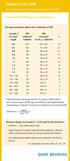 The sensitive marker for glomerular filtration rate (GFR) Estimation of GFR from Serum Cystatin C: The good correlation allows close estimation of GFR Cystatin C GFR GFR in serum estimated* measured* n
Restore and Maintain treatment protocol
 Restore and Maintain treatment protocol Combating inflammation through the modulation of eicosanoids Inflammation Inflammation is the normal response of a tissue to injury and can be triggered by a number
LDL PARTICLE SIZE: DOES IT MATTER? Samia Mora, M.D., M.H.S., Brigham and Women s Hospital, Harvard Medical School, Boston, Massachusetts.
 LDL PARTICLE SIZE: DOES IT MATTER? Samia Mora, M.D., M.H.S., Brigham and Women s Hospital, Harvard Medical School, Boston, Massachusetts Introduction While both small and large LDL particles may be atherogenic,
CHOLESTEROL 101: WHAT YOU NEED TO KNOW TO KEEP YOUR HEART HEALTHY. By: Camille Quiles, PharmD., RPh.
 CHOLESTEROL 101: WHAT YOU NEED TO KNOW TO KEEP YOUR HEART HEALTHY By: Camille Quiles, PharmD., RPh. WHAT IS CHOLESTEROL? CHOLESTEROL Waxy, fat-like substance found in all cells of the body Your body uses
Cholesterol made simple!
 Cholesterol made simple! Cholesterol is the biggest risk factor for heart disease and also increases your risk of stroke and circulatory disease - Heart UK The Cholesterol Charity What is Cholesterol and
Cardiac Assessment for Renal Transplantation: Pre-Operative Clearance is Only the Tip of the Iceberg
 Cardiac Assessment for Renal Transplantation: Pre-Operative Clearance is Only the Tip of the Iceberg 2 nd Annual Duke Renal Transplant Symposium March 1, 2014 Durham, NC Joseph G. Rogers, M.D. Associate
Diet and Arthritis. Dr Áine O Connor Nutrition Scientist. British Nutrition Foundation. 2011 The British Nutrition Foundation
 Diet and Arthritis Dr Áine O Connor Nutrition Scientist British Nutrition Foundation Outline Background What is arthritis? What are the common forms? Body weight and arthritis Diet and arthritis Nutrients
1- Fatty acids are activated to acyl-coas and the acyl group is further transferred to carnitine because:
 Section 10 Multiple Choice 1- Fatty acids are activated to acyl-coas and the acyl group is further transferred to carnitine because: A) acyl-carnitines readily cross the mitochondrial inner membrane, but
Nutrition for Family Living
 Susan Nitzke, Nutrition Specialist; [email protected] Sherry Tanumihardjo, Nutrition Specialist; [email protected] Amy Rettammel, Outreach Specialist; [email protected] Betsy Kelley,
ALCO H O L AN D H EALTH THE EFFECTS OF MODERATE, REGULAR ALCOHOL CONSUMPTION
 ALCO H O L AN D H EALTH THE EFFECTS OF MODERATE, REGULAR ALCOHOL CONSUMPTION ISBN 2-9807330-6-7 Legal deposit 2005 A l c o h o l a n d H e a l t h THE HEALTH BENEFITS OF MODERATE AND REGULAR ALCOHOL CONSUMPTION
Amylase and Lipase Tests
 Amylase and Lipase Tests Also known as: Amy Formal name: Amylase Related tests: Lipase The Test The blood amylase test is ordered, often along with a lipase test, to help diagnose and monitor acute or
Healthy Aging Lab: Current Research Abstracts
 Healthy Aging Lab: Current Research Abstracts Arsenic Exposure and Women s Health Environmental exposure to inorganic arsenic is an indisputable source of increased risk of several human cancers and chronic
What You Need to Know for Better Bone Health
 What You Need to Know for Better Bone Health A quick lesson about bones: Why healthy bones matter The healthier your bones The more active you can be Bone health has a major effect on your quality of life
Η δίαιτα στην πρόληψη του αγγειακού εγκεφαλικού επεισοδίου
 ΠΡΟΓΡΑΜΜΑ ΜΕΤΑΠΤΥΧΙΑΚΩΝ ΣΠΟΥΔΩΝ «Η ΔΙΑΤΡΟΦΗ ΣΤΗΝ ΥΓΕΙΑ ΚΑΙ ΣΤΗ ΝΟΣΟ» Η δίαιτα στην πρόληψη του αγγειακού εγκεφαλικού επεισοδίου Γεώργιος Ντάιος Παθολογική Κλινική Πανεπιστημίου Θεσσαλίας Stroke Statistics
Nutritional Support of the Burn Patient
 Nutritional Support of the Burn Patient Objectives To understand the principles of normal nutrient utilization and the abnormalities caused by burn injury To be able to assess nutrient needs To be able
The Skinny on Visceral Fat
 The Skinny on Visceral Fat Fat stored deep in the belly is the most harmful kind. Find out how to cut it down to size. People can carry their extra weight in different places on the body: All over On the
NO More Heart Disease
 NO More Heart Disease Nitric Oxide Information NO is one of the simplest molecules in biology, comprised of just two atoms one atom of nitrogen (N) and one of oxygen (O). Through NO s structure is simple,
Presentation Prepared By: Jessica Rivers, BASc., PTS
 Presentation Prepared By: Jessica Rivers, BASc., PTS Presentation Outline Why should we care about our eating habits? Why is nutrition so important as we age? How do we know if we are eating healthy? What
Introduction. Pathogenesis of type 2 diabetes
 Introduction Type 2 diabetes mellitus (t2dm) is the most prevalent form of diabetes worldwide. It is characterised by high fasting and high postprandial blood glucose concentrations (hyperglycemia). Chronic
TOTAL PROTEIN FIBRINOGEN
 UNIT: Proteins 16tproteins.wpd Task Determination of Total Protein, Albumin and Globulins Objectives Upon completion of this exercise, the student will be able to: 1. Explain the ratio of albumin and globulin
Health Benefits of Grass-Fed Products
 Health Benefits of Grass-Fed Products As you will see, products from pastured animals are ideal for your health. Similar to wild game, they contain the amounts and kinds of nutrients that your body "expects"
Dietary Fiber and Alcohol. Nana Gletsu Miller, PhD Spring 2014
 Dietary Fiber and Alcohol Nana Gletsu Miller, PhD Spring 2014 Dietary Fiber It is the complex carbohydrate in plants that can not be broken down by human digestive enzymes Sources Grains Fruits and Vegetables
1. (U4C1L4:G9) T or F: The human body is composed of 60 to 70 percent water. 2. (U4C1L4:G13) Another name for fiber in a diet is.
 Cadet Name: Date: 1. (U4C1L4:G9) T or F: The human body is composed of 60 to 70 percent water. A) True B) False 2. (U4C1L4:G13) Another name for fiber in a diet is. A) vegetables B) laxative C) fruit D)
Your Life Your Health Cariodmetabolic Risk Syndrome Part VII Inflammation chronic, low-grade By James L. Holly, MD The Examiner January 25, 2007
 Your Life Your Health Cariodmetabolic Risk Syndrome Part VII Inflammation chronic, low-grade By James L. Holly, MD The Examiner January 25, 2007 The cardiometabolic risk syndrome is increasingly recognized
Pediatrics. Specialty Courses for Medical Assistants
 Pediatrics Specialty Courses for Medical Assistants 7007 College Boulevard, Suite 385 Overland Park, Kansas 66211 www.ncctinc.com t: 800.875.4404 f: 913.498.1243 Pediatrics Specialty Certificate Course
Margarines and Heart Disease. Do they protect?
 Margarines and Heart Disease Do they protect? Heart disease Several studies, including our own link margarine consumption with heart disease. Probably related to trans fatty acids elevate LDL cholesterol