
How To Diagnose And Treat Community Acquired Pneumonia
|
|
|
- Shona Dorsey
- 5 years ago
- Views:
Transcription
1 Supplementary appendix This appendix formed part of the original submission and has been peer reviewed. We post it as supplied by the authors. Supplement to: Prina E, Ranzani OT, Torres A. Community-acquired pneumonia. Lancet 2015; published online Aug 13.

2 Supplementary appendix This appendix formed part of the original submission and has been peer reviewed. Supplement to: Prina E, Ranzani OT, Torres A. Community-acquired pneumonia. Lancet Seminar efigure 1: Symptoms and signs of community-acquired pneumonia etable 1: Differential diagnosis in community-acquired pneumonia efigure 2: Risk factors for community-acquired pneumonia efigure 3: Framework for community-acquired pneumonia efigure 4: Risk factors for resistant pathogens in community-acquired pneumonia etable 2: Antibiotics suggested for specific pathogens in community-acquired pneumonia etable 3: Clinical stability criteria and expected time for resolution etable 4: Bundles for prevention to reduce the risk of community-acquired pneumonia in adults


3 efigure 1: Symptoms and signs of community acquired pneumonia Respiratory Dyspnoea Cough Fever Sputum production Chills Pleuritic chest pain Haemodynamic Hypotension Shock Tachycardia Extratoracic Otitis, pharyngitis Skin alteration Haemolytic anaemia Headache Gastrointestinal symptoms Confusion Hyponatremia

4 etable 1: Differential diagnosis in community-acquired pneumonia Diagnosis Symptoms and sings Chest-X-ray Key points Acute bronchitis Acute lung injury secondary to sepsis Congestive heart failure Acute exacerbation of COPD Acute exacerbation of asthma Pulmonary infarction Lung Cancer or pulmonary metastasis Acute exacerbation of bronchiectasis Acute exacerbation of pulmonary fibrosis Other lung infections (Tuberculosis / Histoplasmosis) Autoimmune disease with lung involvement Pleural empyema Pulmonary toxicities due to medications Mild symptoms, not dyspnoea, not lung crackles Dyspnoea, symptoms of another infection Dyspnoea, tachycardia, chest pain Dyspnoea, increased expectoration and cough Dyspnoea, cough, signs of bronchospasm DVT, dyspnoea, tachycardia, chest pain Dyspnoea, Constitutional symptoms Dyspnoea, increased expectoration and cough Dyspnoea, dry cough, fine basal late inspiratory crackles Constitutional symptoms, prolonged time of symptoms Dyspnoea, extra pulmonary manifestations Dyspnoea, Constitutional symptoms Dyspnoea No condensation Bilateral alveolar-interstitial pattern Bilateral interstitial pattern (>apical), pleural effusion No condensation No condensation Focal condensation, small pleural effusion Focal or multiple condensation, pleural effusion No condensation Interstitial pattern Focal consolidation, cavitation, linfoadenopaties Interstitial pattern Signs of pleural effusion, considered loculated pleural effusion Prevalent interstitial pattern, condensation and nodules Limited use of antibiotics (in most of the cases are viral infection) Respiratory symptoms in patients with infection in other site History of cardiac disease, alteration of echocardiogram Resolution after NIV History of COPD / smoking History of asthma Risk factors for thrombosis History of smoking, no-resolving pneumonia, history of cancer History of bronchiectasis / repetitive infections History of pulmonary fibrosis History of specific exposure (contacts, cave) History of autoimmune disease Improvement with corticosteroid History of recent respiratory infection History of medications COPD denotes chronic respiratory disease, DVT denotes deep-venous thrombosis, NIV denotes noninvasive ventilation


5 efigure 2: Risk factors for community-acquired pneumonia 1


6 efigure 3: Framework for community-acquired pneumonia Suspect of CAP Need for different approach Immunosuppression Risk factors for aspiration Risk factors for resistant pathogens Viral pneumonia Standard CAP antibiotic treatment

7 efigure 4: Risk factors for resistant pathogens in community-acquired pneumonia 2-10 Comorbidities: Chronic lung disease Immunosuppression Cerebrovascular disease Heart failure Diabetes mellitus Chronic renal disease Haemodialysis Previous pneumonia Habits: Smoking Alcohol abuse Medication: Gastric Acid Suppression Previous antibiotic use RESISTANT PATHOGENS Previous Infection: MRSA colonization Prior CAP due to resistant pathogen Acquired dysfunction: Cognitive impairment Poor Functional Status Oropharyngeal dysphagia Patient status: Tube Feeding Indwelling Catheter Health Care Contact: Prior Hospitalization Long Term Care Wound Care Infusion Therapy

8 etable 2: Antibiotics suggested for specific pathogens in community-acquired pneumonia 9,11,12 Pathogen Streptococcus pneumoniae Non-resistant (MIC <2 µg/ml) Streptococcus pneumoniae Suspected or Resistant (MIC 2 µg/ml) P. aeruginosa Preferred antibiotic treatment Penicillin G or Amoxicillin Agents identified using in vitro susceptibility tests, including cefotaxime, ceftriaxone, fluoroquinolone Antipseudomonal Beta-lactam (piperacillin-tazobactam, cefepime, imipenem, or meropenem) plus either ciprofloxacin or levofloxacin or aminoglycoside Alternative antibiotic treatment Macrolide, cephalosporins, clindamycin, doxycyline, respiratory fluoroquinolone Vancomycin, linezolid, high-dose amoxicillin Aminoglycoside plus (ciprofloxacin or levofloxacin) MRSA Vancomycin Linezolid Enterobacteriaceae ESBL+ Carbapenemics Beta-lactam/ Betalactamase inhibitor; aminoglycoside MIC denotes Minimal Inhbitor Concentration; MRSA denotes Methicillin-resistant Staphylococcus aureus meticilline resistant staphilococcus aereus; ESBL denotes extended-spectrum β-lactamase positive bacteria

9 etable 3: Clinical stability criteria and expected time for resolution 12,13 Clinical stability criteria Temperature 37.8 C Heart rate 100 beats/min Respiratory rate 24 breaths/min Systolic blood pressure 90 mmhg Arterial oxygen saturation 90% or po2 60 mmhg on room air Ability to maintain oral intake Normal mental status Expected time for resolution of symptoms and signs Temperature 37.8 C 3 days Median time of clinical stability 4 days Cough 8 days Crackles 3 weeks Persistence of pneumonia-related symptom 2 weeks to long-term Chest-X-ray resolution 4 to 8 weeks

10 etable 4: Bundles for prevention to reduce the risk of CAP in adults 1 Risk factor Evidence Recommendation Vaccination against influenza Current guideline Following the guideline and S. pneumoniae Smoking Risk of CAP increase in Stop smoking smoker and passive smoker Alcohol Alcohol abuse increase risk for Stop alcohol CAP Nutritional status Malnutrition is a risk for CAP, more controversial data Maintain good nutritional status regarding obesity Swallowing disturbance is a Specialist evaluation Swallowing disturbance risk factor for pneumonia and recurrent pneumonia Recent visit decrease risk for Regular dental visits Dental hygiene CAP CAP denotes Community Acquired Pneumonia; S. pneumoniae denotes Streptococcus pneumoniae

11 References: 1. Torres A, Peetermans WE, Viegi G, Blasi F. Risk factors for community-acquired pneumonia in adults in Europe: a literature review. Thorax 2013; 68(11): Aliberti S, Cilloniz C, Chalmers JD, et al. Multidrug-resistant pathogens in hospitalised patients coming from the community with pneumonia: a European perspective. Thorax 2013; 68(11): Shorr AF, Zilberberg MD, Reichley R, et al. Validation of a clinical score for assessing the risk of resistant pathogens in patients with pneumonia presenting to the emergency department. Clin Infect Dis 2012; 54(2): Shorr AF, Myers DE, Huang DB, Nathanson BH, Emons MF, Kollef MH. A risk score for identifying methicillinresistant Staphylococcus aureus in patients presenting to the hospital with pneumonia. BMC Infect Dis 2013; 13(1): Shindo Y, Ito R, Kobayashi D, et al. Risk factors for drug-resistant pathogens in community-acquired and healthcare-associated pneumonia. Am J Respir Crit Care Med 2013; 188(8): Gross AE, Van Schooneveld TC, Olsen KM, et al. Epidemiology and predictors of multidrug-resistant community-acquired and health care-associated pneumonia. Antimicrob Agents Chemother 2014; 58(9): Webb BJ, Dascomb K, Stenehjem E, Dean N. Predicting risk of drug-resistant organisms in pneumonia: Moving beyond the HCAP model. Respir Med Prina E, Ranzani OT, Polverino E, et al. Risk factors associated with potentially antibiotic-resistant pathogens in community-acquired pneumonia. Ann Am Thorac Soc 2015; 12(2): Mandell LA, Wunderink RG, Anzueto A, et al. Infectious Diseases Society of America/American Thoracic Society consensus guidelines on the management of community-acquired pneumonia in adults. Clin InfectDis 2007; 44 Suppl 2: S27-S American Thoracic S, Infectious Diseases Society of A. Guidelines for the Management of Adults with Hospital-acquired, Ventilator-associated, and Healthcare-associated Pneumonia. American Journal of Respiratory and Critical Care Medicine 2005; 171: Lim WS, Baudouin SV, George RC, et al. BTS guidelines for the management of community acquired pneumonia in adults: update Thorax 2009; 64 Suppl 3: iii NICE. Pneumonia: Diagnosis and management of community- and hospital-acquired pneumonia in adults. NICE guidelines, (accessed Jan 15, 2015). 13. Halm EA, Fine MJ, Marrie TJ, et al. Time to clinical stability in patients hospitalized with community-acquired pneumonia: implications for practice guidelines. JAMA 1998; 279(18):

Urinary Tract Infections
 Urinary Tract Infections Overview A urine culture must ALWAYS be interpreted in the context of the urinalysis and patient symptoms. If a patient has no signs of infection on urinalysis, no symptoms of
PLAN OF ACTION FOR. Physician Name Signature License Date
 PLAN OF ACTION FOR Patient s copy (patient s name) I Feel Well Lignes I feel short directrices of breath: I cough up sputum daily. No Yes, colour: I cough regularly. No Yes I Feel Worse I have changes
Nursing college, Second stage Microbiology Dr.Nada Khazal K. Hendi L14: Hospital acquired infection, nosocomial infection
 L14: Hospital acquired infection, nosocomial infection Definition A hospital acquired infection, also called a nosocomial infection, is an infection that first appears between 48 hours and four days after
Marilyn Borkgren-Okonek, APN, CCNS, RN, MS Suburban Lung Associates, S.C. Elk Grove Village, IL
 Marilyn Borkgren-Okonek, APN, CCNS, RN, MS Suburban Lung Associates, S.C. Elk Grove Village, IL www.goldcopd.com GLOBAL INITIATIVE FOR CHRONIC OBSTRUCTIVE LUNG DISEASE GLOBAL STRATEGY FOR DIAGNOSIS, MANAGEMENT
Pneumonia Education and Discharge Instructions
 Pneumonia Education and Discharge Instructions Pneumonia Education and Discharge Instructions Definition: Pneumonia is an infection of the lungs. Many different organisms can cause it, including bacteria,
ANTIBIOTICS IN SEPSIS
 ANTIBIOTICS IN SEPSIS Jennifer Curello, PharmD, BCPS Clinical Pharmacist, Infectious Diseases Antimicrobial Stewardship Program Ronald Reagan UCLA Medical Center October 27, 2014 The power of antibiotics
Right-sided infective endocarditis:tunisian experience
 Right-sided infective endocarditis:tunisian experience L. Ammari, A. Ghoubontini, A. Berriche, R. Abdelmalek, S.Aissa, F.Kanoun, B.Kilani, H.Tiouiri Benaissa, T.Ben chaabane Department of Infectious diseases,
UPDATE ON PNEUMONIA COMMUNITY ACQUIRED PNEUMONIA - UPDATE. PNEUMONIA Incidence. Michael E. Hanley, M.D. University of Colorado
 UPDATE ON PNEUMONIA Michael E. Hanley, M.D. University of Colorado COMMUNITY ACQUIRED PNEUMONIA - UPDATE Epidemiology and definitions Risk factors and mortality Determining severity Management PNEUMONIA
Oxygen Therapy. Oxygen therapy quick guide V3 July 2012.
 PRESENTATION Oxygen (O 2 ) is a gas provided in a compressed form in a cylinder. It is also available in a liquid form. It is fed via a regulator and flow meter to the patient by means of plastic tubing
Infectious Diseases Society of America/American Thoracic Society Consensus Guidelines on the Management of Community-Acquired Pneumonia in Adults
 SUPPLEMENT ARTICLE Infectious Diseases Society of America/American Thoracic Society Consensus Guidelines on the Management of Community-Acquired Pneumonia in Adults Lionel A. Mandell, 1,a Richard G. Wunderink,
Infectious Diseases Society of America/American Thoracic Society Consensus Guidelines on the Management of Community-Acquired Pneumonia in Adults
 SUPPLEMENT ARTICLE Infectious Diseases Society of America/American Thoracic Society Consensus Guidelines on the Management of Community-Acquired Pneumonia in Adults Lionel A. Mandell, 1,a Richard G. Wunderink,
The new Heart Failure pathway
 The new Heart Failure pathway An integrated and seamless Strategy Dr Sunil Balani Definition of Heart Failure The inability of the heart to pump blood at a rate commensurate with the requirements of metabolising
Oxygen - update April 2009 OXG
 PRESENTATION Oxygen (O 2 ) is a gas provided in compressed form in a cylinder. It is also available in liquid form, in a system adapted for ambulance use. It is fed via a regulator and flow meter to the
Staphylococcus aureus Bloodstream Infection Treatment Guideline
 Staphylococcus aureus Bloodstream Infection Treatment Guideline Purpose: To provide a framework for the evaluation and management patients with Methicillin- Susceptible (MSSA) and Methicillin-Resistant
Pneumonia. Pneumonia is an infection that makes the tiny air sacs in your lungs inflamed (swollen and sore). They then fill with liquid.
 Pneumonia Pneumonia is an infection that makes the tiny air sacs in your lungs inflamed (swollen and sore). They then fill with liquid. People with mild (not so bad) pneumonia can usually be treated at
Community-Acquired, Health Care Associated, and Ventilator- Associated Pneumonia Three Variations of a Serious Disease
 Community-Acquired, Health Care Associated, and Ventilator- Associated Pneumonia Three Variations of a Serious Disease Susan S. Scott, MSN, RN, CCRN a, *, Cynthia B. Kardos, BSN, RN, BA b KEYWORDS Pneumonia
Management of exacerbations in chronic obstructive pulmonary disease in Primary Care
 Management of exacerbations in chronic obstructive pulmonary disease in Primary Care Acute exacerbations of chronic obstructive pulmonary disease (COPD) are associated with significant morbidity and mortality.
The Sepsis Puzzle: Identification, Monitoring and Early Goal Directed Therapy
 The Sepsis Puzzle: Identification, Monitoring and Early Goal Directed Therapy Cindy Goodrich RN, MS, CCRN Content Description Sepsis is caused by widespread tissue injury and systemic inflammation resulting
Solid Organ Transplantation
 Solid Organ Transplantation Infection Prevention And Control Transplant Atlantic 2011 October 13/2011 Kathy Hart Introduction In the past several years, the drugs that we use, the surgeries themselves,
Irish Association for Emergency Medicine (IAEM) submission to the National COPD Strategy
 31 st Irish Association for Emergency Medicine (IAEM) submission to the National COPD Strategy 1 Introduction Chronic obstructive pulmonary disease (COPD) is an important disease for patients, the health
SPONTANEOUS PNEUMOTHORAX AS A COMPLICATION OF SEPTIC PULMONARY EMBOLISM IN AN INTRAVENOUS DRUG USER: A CASE REPORT
 Spontaneous pneumothorax in an IV drug user SPONTANEOUS PNEUMOTHORAX AS A COMPLICATION OF SEPTIC PULMONARY EMBOLISM IN AN INTRAVENOUS DRUG USER: A CASE REPORT Chau-Chyun Sheu, Jhi-Jhu Hwang, Jong-Rung
Develop an understanding of the differential diagnosis of pseudomembranous colitis
 Update on Clostridium difficile Colitis Clostridium difficile infection has recently emerged in populations without any known risk factors. This presentation will focus on the historical background, diagnosis,
Documenting & Coding. Chronic Obstructive Pulmonary Disease (COPD) Presented by: David S. Brigner, MLA, CPC
 Documenting & Coding Chronic Obstructive Pulmonary Disease (COPD) Presented by: David S. Brigner, MLA, CPC Sr. Provider Training & Development Consultant Professional Profile David Brigner currently performs
Antimicrobial Stewardship for Hospital Acquired Infection Prevention: Focus on C. difficile infection
 Antimicrobial Stewardship for Hospital Acquired Infection Prevention: Focus on C. difficile infection Emi Minejima, PharmD Assistant Professor of Clinical Pharmacy USC School of Pharmacy [email protected]
Why Do Some Antibiotics Fail?
 Why Do Some Antibiotics Fail? Patty W. Wright, M.D. April 2010 Objective To outline common reasons why antibiotic therapy is not successful and how this can be avoided. And to teach you a little bit about
April 2015 CALGARY ZONE CLINICAL REFERENCE PULMONARY CENTRAL ACCESS & TRIAGE
 April 2015 CALGARY ZONE CLINICAL REFERENCE CENTRAL ACCESS & TRIAGE Introduction Pulmonary consulting services are organized through the Calgary Zone Pulmonary Central Access and Triage (PCAT). Working
Chronic obstructive pulmonary disease (COPD)
 Chronic obstructive pulmonary disease (COPD) Chronic obstructive pulmonary disease (COPD) is the name for a group of lung diseases including chronic bronchitis, emphysema and chronic obstructive airways
The Global Alliance against Chronic Respiratory Diseases
 The Global Alliance against Chronic Respiratory Diseases Pulmonary hypertension Dr Marc Humbert What is the burden of pulmonary hypertension? The true burden of pulmonary hypertension is currently unknown
TB CARE EARLY DETECTION AND PREVENTION OF TUBERCULOSIS (TB) IN CHILDREN. Risk factors in children acquiring TB:
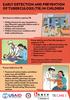 EARLY DETECTION AND PREVENTION OF TUBERCULOSIS (TB) IN CHILDREN Risk factors in children acquiring TB: Children living in the same household as a lung TB patient (especially children under 5) Children
Influenza (Flu) Influenza is a viral infection that may affect both the upper and lower respiratory tracts. There are three types of flu virus:
 Respiratory Disorders Bio 375 Pathophysiology General Manifestations of Respiratory Disease Sneezing is a reflex response to irritation in the upper respiratory tract and is associated with inflammation
Prevention of Acute COPD exacerbations
 December 3, 2015 Prevention of Acute COPD exacerbations George Pyrgos MD 1 Disclosures No funding received for this presentation I have previously conducted clinical trials with Boehringer Ingelheim. Principal
Standard of Care: Pulmonary Physical Therapy Management of the patient with pulmonary disease
 BRIGHAM & WOMEN S HOSPITAL Department of Rehabilitation Services Physical Therapy Standard of Care: Pulmonary Case Type / Diagnosis: This standard of care applies to any patient with obstructive or restrictive
11/2/2015 Domain: Care Coordination / Patient Safety
 11/2/2015 Domain: Care Coordination / Patient Safety 2014 CT Commercial Medicaid Compared to 2012 all LOB Medicaid Quality Compass Benchmarks 2 3 4 5 6 7 8 9 10 Documentation of Current Medications in
Department of Surgery
 What is emphysema? 2004 Regents of the University of Michigan Emphysema is a chronic disease of the lungs characterized by thinning and overexpansion of the lung-like blisters (bullae) in the lung tissue.
National Learning Objectives for COPD Educators
 National Learning Objectives for COPD Educators National Learning Objectives for COPD Educators The COPD Educator will be able to achieve the following objectives. Performance objectives, denoted by the
Recognizing and Treating Fevers in Children with Complex Medical Issues by Susan Agrawal
 www.complexchild.com Recognizing and Treating Fevers in Children with Complex Medical Issues by Susan Agrawal Fevers can be some of the scariest symptoms we see in our children, but they are also some
NewYork-Presbyterian Hospital Sites: Columbia University Medical Center Guideline: Medication Use Manual Page 1 of 12
 Page 1 of 12 TITLE: ANTIBIOTICS IN ADULT PATIENTS EMPIRIC USE GUIDELINES, COLUMBIA UNIVERSITY MEDICAL CENTER MEDICATION GUIDELINE PURPOSE: These are the 2011 guidelines for the empiric use of antibiotics
Recurrent or Persistent Pneumonia
 Recurrent or Persistent Pneumonia Lower Respiratory Tract Dr T Avenant Recurrent or Persistent Pneumonia Definitions Recurrent pneumonia more than two episodes of pneumonia in 18 months Persistent pneumonia
High Impact Intervention Care bundle to reduce ventilation-association pneumonia
 High Impact Intervention Care bundle to reduce ventilation-association pneumonia Aim To reduce the incidence of ventilation-associated pneumonia (VAP). Context The aim of the care bundle, as set out in
Clinical Quality Measure Crosswalk: HEDIS, Meaningful Use, PQRS, PCMH, Beacon, 10 SOW
 Clinical Crosswalk: HEDIS, Meaningful Use, PQRS, PCMH, Beacon, 10 SOW NQF 0105 PQRS 9 NQF 0002 PQRS 66 Antidepressant Medication Management Appropriate Testing for Children with Pharyngitis (2-18 years)
Sepsis: Identification and Treatment
 Sepsis: Identification and Treatment Daniel Z. Uslan, MD Associate Clinical Professor Division of Infectious Diseases Medical Director, UCLA Sepsis Task Force Severe Sepsis: A Significant Healthcare Challenge
NATIONAL INSTITUTE FOR HEALTH AND CLINICAL EXCELLENCE. Health Technology Appraisal. Drugs for the treatment of pulmonary arterial hypertension
 NATIONAL INSTITUTE FOR HEALTH AND CLINICAL EXCELLENCE Health Technology Appraisal Drugs for the treatment of Remit / Appraisal objective: Final scope To appraise the clinical and cost effectiveness of
Respiratory Concerns in Children with Down Syndrome
 Respiratory Concerns in Children with Down Syndrome Paul E. Moore, M.D. Associate Professor of Pediatrics and Pharmacology Director, Pediatric Allergy, Immunology, and Pulmonary Medicine Vanderbilt University
CLINICAL PATHWAY. Acute Medicine. Chronic Obstructive Pulmonary Disease
 CLINICAL PATHWAY Acute Medicine Chronic Obstructive Pulmonary Disease Chronic Obstructive Pulmonary Disease Table of Contents (tap to jump to page) INTRODUCTION 1 Scope of this Pathway 1 Pathway Contacts
Table 1 Performance Measures. Quality Monitoring P4P Yr1 Yr2 Yr3. Specification Source. # Category Performance Measure
 Table 1 Performance Measures # Category Performance Measure 1 Behavioral Health Risk Assessment and Follow-up 1) Behavioral Screening/ Assessment within 60 days of enrollment New Enrollees who completed
HLTEN609B Practise in the respiratory nursing environment
 HLTEN609B Practise in the respiratory nursing environment Release: 1 HLTEN609B Practise in the respiratory nursing environment Modification History Not Applicable Unit Descriptor Descriptor This unit addresses
Community health care services Alternatives to acute admission & Facilitated discharge options. Directory
 Community health care services Alternatives to acute admission & Facilitated discharge options Directory Introduction The purpose of this directory is to provide primary and secondary health and social
ANTIBIOTIC RESISTANCE THREATS. in the United States, 2013
 ANTIBIOTIC RESISTANCE THREATS in the United States, 2013 TABLE OF CONTENTS Foreword... 5 Executive Summary.... 6 Section 1: The Threat of Antibiotic Resistance... 11 Introduction.... 11 National Summary
Breaking the Code: ICD-9-CM Coding in Details
 Breaking the Code: ICD-9-CM Coding in Details ICD-9-CM diagnosis codes are 3- to 5-digit codes used to describe the clinical reason for a patient s treatment. They do not describe the service performed,
Common Ventilator Management Issues
 Common Ventilator Management Issues William Janssen, M.D. Assistant Professor of Medicine National Jewish Health University of Colorado Denver Health Sciences Center You have just admitted a 28 year-old
4. Infection control measures
 4. Infection control measures Apart from general hygienic practices and vaccination, staff of institutions should also adopt specific infection control measures against communicable diseases. The measures
James F. Kravec, M.D., F.A.C.P
 James F. Kravec, M.D., F.A.C.P Chairman, Department of Internal Medicine, St. Elizabeth Health Center Chair, General Internal Medicine, Northeast Ohio Medical University Associate Medical Director, Hospice
Maria Dalbey RN. BSN, MA, MBA March 17 th, 2015
 Maria Dalbey RN. BSN, MA, MBA March 17 th, 2015 2 Objectives Participants will be able to : Understand the Pathogenesis of Tuberculosis (TB) Identify the Goals of Public Health for TB Identify Hierarchy
NORTH WALES CRITICAL CARE NETWORK
 NORTH WALES CRITICAL CARE NETWORK LEVELS OF CRITICAL CARE FOR ADULT PATIENTS Throughout the work of the North Wales Critical Care Network reference to Levels of Care for the critically ill are frequently
Stroke Coding Issues Presentation to: NorthEast Cerebrovascular Consortium
 Stroke Coding Issues Presentation to: NorthEast Cerebrovascular Consortium October 30, 2008 Barry Libman, RHIA, CCS, CCS-P President, Barry Libman Inc. Stroke Coding Issues Outline Medical record documentation
Limited Pay Policy (L-222B) - Underwriting Guidelines
 Limited Pay Policy (L-222B) - Underwriting Guidelines 1 Addiction/Abuser Drug - Past or Present Presently Recovered - AA for last 2 years 2 Aids 3 Alcoholic Presently Recovered - AA for last 2 years 4
CPT codes are for information only; consult your payer organization for reimbursement information.
 CPT codes are for information only; consult your payer organization for reimbursement information. Coverage for Spirometry/Oximetry Spirometry is a component of pulmonary function testing (PFTs). PFTs
CARDIO/PULMONARY MEDICINE FOR PRIMARY CARE. Las Vegas, Nevada Bellagio March 4 6, 2016. Participating Faculty
 CARDIO/PULMONARY MEDICINE FOR PRIMARY CARE Las Vegas, Nevada Bellagio March 4 6, 2016 Participating Faculty Friday, March 4th: 7:30 am - 8:00 am Registration and Hot Breakfast 8:00 am - 9:00 am Pulmonary
Severe asthma Definition, epidemiology and risk factors. Mina Gaga Athens Chest Hospital
 Severe asthma Definition, epidemiology and risk factors Mina Gaga Athens Chest Hospital Difficult asthma Defined as asthma, poorly controlled in terms of chronic symptoms, with episodic exacerbations,
Highlights of the Revised Official ICD-9-CM Guidelines for Coding and Reporting Effective October 1, 2008
 Highlights of the Revised Official ICD-9-CM Guidelines for Coding and Reporting Effective October 1, 2008 Please refer to the complete ICD-9-CM Official Guidelines for Coding and Reporting posted on this
GUIDELINES EXECUTIVE SUMMARY
 GUIDELINES Infectious Diseases Society of America and the Society for Healthcare Epidemiology of America Guidelines for Developing an Institutional Program to Enhance Antimicrobial Stewardship Timothy
Vtial sign #1: PULSE. Vital Signs: Assessment and Interpretation. Factors that influence pulse rate: Importance of Vital Signs
 Vital Signs: Assessment and Interpretation Elma I. LeDoux, MD, FACP, FACC Associate Professor of Medicine Vtial sign #1: PULSE Reflects heart rate (resting 60-90/min) Should be strong and regular Use 2
POAC CLINICAL GUIDELINE
 POAC CLINICAL GUIDELINE Acute Pylonephritis DIAGNOSIS COMPLICATED PYELONEPHRITIS EXCLUSION CRITERIA: Male Known or suspected renal impairment (egfr < 60) Abnormality of renal tract Known or suspected renal
Bachir K. Younes, M.D., M.P.H.
 Work: 36923 Cook St. # 103 Palm Desert, CA 92211 Phone (760) 636-1336 Fax (760) 636-1335 Bachir K. Younes, M.D., M.P.H. Personal Born: Jan. 1 st, 1971 in Lebanon Marital Status: Married to Roula Sleilati
Practice Guidelines. Updated Guideline on Diagnosis and Treatment of Intra-abdominal Infections
 Updated Guideline on Diagnosis and Treatment of Intra-abdominal Infections CARRIE ARMSTRONG Guideline source: Surgical Infection Society, Infectious Diseases Society of America Literature search described?
Alameda Alliance for Heath ICD-9 to ICD-10 TRANSLATION CODES E10.10
 DIABETES ICD-9 CM ICD-9 CM Volume 1 - Diagnosis Description ICD-10 CM - Diagnosis Code ICD-10 CM - Diagnosis Description 250.00 Diabetes mellitus without mention of complication, type II or unspecified
Sepsis Awareness Month
 Aon Kenya Insurance Brokers Ltd Aon Hewitt Healthcare Division Sepsis Awareness Month Issue 11 September 2015 In this Issue 2 Getting to understand Sepsis 3 Stages in Sepsis Advancement 4 Diagnosis & Treatment
Management of Extended Spectrum Beta- Lactamase (ESBL) Producing Enterobacteriaceae in health care settings
 Management of Extended Spectrum Beta- Lactamase (ESBL) Producing Enterobacteriaceae in health care settings Dr. Mary Vearncombe PIDAC-IPC February 2012 Objectives: To provide an overview of the RP/AP Annex
2010 QARR QUICK REFERENCE GUIDE Adults
 2010 QARR QUICK REFERENCE GUIDE Adults ADULT MEASURES (19 through 64 years) GUIDELINE HEDIS COMPLIANT CPT/ICD9 CODES DOCUMENTATION TIPS Well Care Access to Ambulatory Care Ensure a preventive or other
Clinical Audit in Hospital Authority. Dr Betty Young Convenor for Clinical Audit, Hospital Authority
 Clinical Audit in Hospital Authority Dr Betty Young Convenor for Clinical Audit, Hospital Authority Background 1990 1992 1996 1998 2005 Establishment of the Hospital Authority Quality Assurance Subcommittee
CDC TB Testing Guidelines and Recent Literature Update
 Pocket Guide QuantiFERON -TB Gold CDC TB Testing Guidelines and Recent Literature Update Using IGRAs for TB screening in your patients June 2010 A full copy of the US Centers for Disease Control and Prevention
Substandard Underwriting Structured Settlements
 Substandard Underwriting Structured Settlements Structures 101-Back to Basics February 20-22, 2013 Las Vegas, Nevada Rosemary Brindamour BSN CSSC Chief Medical Underwriter Structured Settlement Underwriting
How To Treat Mrsa From A Dead Body
 HUSRES Annual Report 2012 Martti Vaara www.huslab.fi www.intra.hus.fi Martti Vaara 2013 1 The basis of this HUSRES 2012 report is the HUSLAB/Whonet database 2012, which contains susceptibility data on
Treatment of skin and soft tissue infections due to methicillin-resistant Staphylococcus aureus in adults
 1 of 6 9/24/2010 11:16 AM Official reprint from UpToDate www.uptodate.com 2010 UpToDate Treatment of skin and soft tissue infections due to methicillin-resistant Staphylococcus aureus in adults Author
Received 4 July 2010; returned 10 August 2010; revised 27 September 2010; accepted 30 September 2010
 J Antimicrob Chemother 2011; 66: 205 209 doi:10.1093/jac/dkq404 Advance Access publication 8 November 2010 Sustained reduction in antimicrobial use and decrease in methicillin-resistant Staphylococcus
Table. Positive Purified Protein Derivative Results (Pediatrics In Review Apr 2008)
 PPD and TB Sreening COMPETENCY- The resident should know the risk factors for TB exposure, when to screen, and the appropriate criteria for recognizing a positive PPD in children of different age groups
METHICILLIN-RESISTANT STAPHYLOCOCCUS AUREUS (MRSA) COMMUNITY ACQUIRED vs. HEALTHCARE ASSOCIATED
 METHICILLIN-RESISTANT STAPHYLOCOCCUS AUREUS (MRSA) COMMUNITY ACQUIRED vs. HEALTHCARE ASSOCIATED Recently, there have been a number of reports about methicillin-resistant Staph aureus (MRSA) infections
Cough, as a leading symptom, would certainly be in the top 10 of reasons for seeing a GP.
 COUGH Cough, as a leading symptom, would certainly be in the top 10 of reasons for seeing a GP. A cough in a child seems to cause more concern, even when it has not been present very long, whereas in adults
written by Harvard Medical School COPD It Can Take Your Breath Away www.patientedu.org/copd
 written by Harvard Medical School COPD It Can Take Your Breath Away www.patientedu.org/copd What Is COPD? COPD stands for chronic obstructive pulmonary disease. There are two major diseases included in
Acute Care Pediatric Nurse Practitioner Certification Exam. Detailed Content Outline
 Acute Care Pediatric Nurse Practitioner Certification Exam Description of the Specialty This exam is for the pediatric nurse practitioner (PNP) who has graduated from a formal acute care PNP program with
EUROPEAN LUNG FOUNDATION
 PULMONARY REHABILITATION understanding the professional guidelines This guide includes information on what the European Respiratory Society and the American Thoracic Society have said about pulmonary rehabilitation.
NHS outcomes framework and CCG outcomes indicators: Data availability table
 NHS outcomes framework and CCG outcomes indicators: Data availability table December 2012 NHS OF objectives Preventing people from dying prematurely DOMAIN 1: preventing people from dying prematurely Potential
Weaning the Unweanable
 Weaning the Unweanable Gerald W. Staton, Jr, MD Professor of Medicine Pulmonary & Critical Care Medicine Emory University School of Medicine Atlanta, GA [email protected] Disclosures Pulmonary Program
PATIENT REGISTRATION
 PATIENT REGISTRATION Patient s Last Name: Patient s First Name: MI: Address: City, State Zip code: Patient s Date of Birth: Patient s Social Security: Best Number to contact: Secondary Number: Marital
Intra-abdominal abdominal Infections
 Intra-abdominal abdominal Infections Marnie Peterson, Pharm.D., BCPS Dept. of Pediatric Infectious Diseases Medical School University of Minnesota Intra-abdominal abdominal Infections Intra-abdominal abdominal
Levofloxacin for the Treatment of Acute Exacerbation of Chronic Bronchitis: Position in Recent Guidelines
 Levofloxacin for the Treatment of Acute Exacerbation of Chronic Bronchitis: Position in Recent Guidelines Review Article From left to right Hartmut M Lode, MD, PhD M Schmidt-Ioanas, MD, PhD Department
2016 PQRS OPTIONS FOR INDIVIDUAL MEASURES: REGISTRY ONLY
 Measure #65 (NQF 0069): Appropriate Treatment for Children with Upper Respiratory Infection (URI) National Quality Strategy Domain: Efficiency and Cost Reduction 2016 PQRS OPTIONS FOR INDIVIDUAL MEASURES:
Tuberculosis. Subject. Goal/Objective. Instructions. Rationale. Operations Directorate, Health Branch Immigration Medical Examination Instructions
 Subject Instructions for the screening of clients to detect tuberculosis (TB) in the context of the Canadian immigration medical examination (IME). Goal/Objective These instructions are provided to ensure
American Thoracic Society Documents
 American Thoracic Society Documents Guidelines for the Management of Adults with Hospital-acquired, Ventilator-associated, and Healthcare-associated Pneumonia This official statement of the American Thoracic
EAST CAROLINA UNIVERSITY INFECTION CONTROL POLICY. Methicillin-resistant Staph aureus: Management in the Outpatient Setting
 EAST CAROLINA UNIVERSITY INFECTION CONTROL POLICY Methicillin-resistant Staph aureus: Management in the Outpatient Setting Date Originated: Date Reviewed: Date Approved: Page 1 of Approved by: Department
Dutch Guidelines on the Management of Community-Acquired Pneumonia in Adults
 Dutch Guidelines on the Management of Community-Acquired Pneumonia in Adults The Dutch Working Party on Antibiotic Policy (SWAB)/Dutch Association of Chest Physicians (NVALT), 2011 Dr. W. J. Wiersinga