
MEDICAL GUIDELINES FOR AIRLINE PASSENGERS
|
|
|
- James McCoy
- 10 years ago
- Views:
Transcription
1 MEDICAL GUIDELINES FOR AIRLINE PASSENGERS AEROSPACE MEDICAL ASSOCIATION ALEXANDRIA, VA (MAY, 2002) CONTRIBUTORS: Michael Bagshaw, M.D. James R. DeVoll, M.D. Richard T. Jennings, M.D. Brian F. McCrary, D.O. Susan E. Northrup, M.D. Russell B. Rayman, M.D. (Chair) Arleen Saenger, M.D. Claude Thibeault, M.D. 1

2 Introduction Approximately 1 billion people travel each year by air on the many domestic and international airlines. On U.S. air carriers alone, it has been predicted that in the coming two decades, the number of passengers will double. A global increase in air travel, as well as a growing aged population in many countries, makes it reasonable to assume that there will be a significant increase in older passengers and passengers with illness. Because of a growing interest by the public of health issues associated with commercial flying, the Aerospace Medical Association prepared this monograph for interested air travelers. It is informational only and should not be interpreted by the reader as prescriptive. If the traveler has any questions about fitness to fly, it is recommended that he or she consult a physician. The authors sincerely hope that this publication will educate the traveler and contribute to safe and comfortable flight for passengers. Stresses of Flight Modern commercial aircraft are very safe and, in most cases, reasonably comfortable. However, all flights, short and long haul, impose stresses on all passengers. Preflight, these include airport tumult (e.g., carrying baggage, walking long distances, and flight delays). Inflight stresses include lowered barometric and oxygen pressure, noise and vibration (including turbulence), cigarette smoking (banned on most airlines today), erratic temperatures, low humidity, jet lag, and cramped seating. Nevertheless, healthy passengers endure these stresses which, for the most part, are quickly forgotten once the destination is reached. In general, passengers with stable medical conditions usually arrive at the destination airport none the worse. However, there is always the potential that some passengers, particularly those with unstable illness, may become ill during or postflight due to these stresses. A brief review of these stresses follows. The primary difference between the aircraft environment and the ground environment relates to the atmosphere. Contrary to popular belief, modern aircraft are not pressurized to sea level pressure. Indeed, on most flights the cabin altitude will be between 6,000 and 8,000 ft. (1,828m and 2,438m) even though the aircraft is flying at much higher altitudes. In other words, on most flights, it is as if you are on top of a hill or small mountain. This imposes two stresses on the body: less oxygen; and, expansion of gases in the body cavities. First, with a reduced barometric pressure, there is a decrease in oxygen pressure. However, because of the characteristics of hemoglobin, the chemical in the blood that carries oxygen throughout the body, it remains 90% saturated with oxygen even at the cruising cabin altitude. (At sea level it is about 97% saturated.) Although most passengers can normally compensate for this small 2

3 decrease in saturation, this may not be true for individuals with heart, lung, or certain blood diseases. Furthermore, an increase in cabin altitude will cause gases in our body cavities (abdomen, middle ear behind the ear drum, sinuses) to expand as much as 25%. This can cause problems in the abdomen (bloating or stomach cramps), ears (a crackling sensation or ear block), and respiratory tract/sinuses that will be described later. Although there is always some degree of vibration and aircraft turbulence, it is usually very mild. Nevertheless, passengers are always well advised to keep their seat belts secured because there is always the chance of moderate or severe turbulence that could cause injury. Severe turbulence is sometimes unpredictable and may be encountered even on clear days in excellent weather. The hazards of cigarette smoking, active and passive, are well known and need not be recounted here. Unfortunately, some airlines still permit it although the trend is in the opposite direction. There is a worldwide movement to ban inflight smoking with the International Civil Aviation Organization (ICAO) asking all member states to comply. On U.S. air carriers, smoking is prohibited on all flights. As a result, there has been a vast improvement in cabin air quality and thus passenger comfort. Today s airplanes have very low cabin humidity, usually ranging from 5-15%. This is unavoidable because air is drawn into the cabin from the outside and at high altitude it is completely devoid of moisture. As a result, there can be a drying effect on airway passages, the eyes (particularly under contact lenses), and the skin. However, the body s protective mechanisms prevent dehydration and there is no harm to health. Jet lag occurs when crossing multiple time zones. Our body clock, which controls hormone levels, is synchronized to the day/night cycle where we started. When we travel long distances in a matter of hours, we will arrive in another time zone, yet our body is still functioning as if it were in the time zone at the point of origin. This results in symptoms, such as fatigue and sleep disturbances that are well known to travelers. Crossing time zones may not only be an annoyance for well passengers, but it can also complicate the timing of medication dosages such as insulin (See Jet Lag and Diabetes sections). On most flights, regardless of aircraft type, some passengers may be seated in a small, cramped space. This can be uncomfortable and it also reduces the opportunity to get up, stretch, and walk about the cabin. Sitting for long periods is tolerable for most passengers, but for some there is the potential for ankle swelling, cramps, and other circulatory problems. Of particular concern is blood clot formation causing deep venous thrombosis, although there is no 3

4 evidence that this condition is caused by cramped seating. (See Deep Venous Thrombosis section.) Medical Evaluation As stated above, the vast majority of travelers can fly quite safely. If a passenger has significant preexisting illness or an unstable medical condition, a physician should be consulted before planning to travel by air. This is particularly true for those with heart or lung disease including angina pectoris, congestive heart failure, myocardial infarction (heart attack), asthma, and emphysema. Other significant illnesses would include a history of deep venous thrombosis (blood clots), seizure disorder, stroke, and diabetes. In such cases, your physician might want to do a preflight evaluation. Vaccination and other travel health requirements should also be checked well in advance of travel abroad. If the physician has fully reviewed the prospective traveler s condition and there is any question regarding the suitability to fly or any special requests for assistance, the airline should be contacted well ahead of travel. Airline Special Services With increased attention to passengers with disabilities, many special services are offered on major air carriers. For example, special meals are generally available. In addition, wheel chairs and trolley service within the airport can be requested. Finally, early boarding is usually available to passengers with ambulatory difficulties. As more passengers use air travel for business or leisure purposes, a growing demand for inflight medical oxygen can be expected. Some airlines will provide oxygen (for a fee), while others will not. The availability and costs will vary from airline to airline worldwide, each subject to its own national and company policies. Hence, passengers who require medical oxygen should contact the airline as far in advance of their journey as possible in order to make proper arrangements. Passengers should be cautioned that those airlines that do provide oxygen usually only do so inflight. If oxygen is also required in the airport preflight or while waiting for connections, arrangements can sometimes be made with oxygen vendors. Therefore, a traveler cannot always count on having oxygen continuously available from point of origin to destination. Passengers must also be aware that in many countries, airlines volunteering to provide this service are required to provide the oxygen for safety and security purposes. Passengers are prohibited from bringing on board their own oxygen supply procured from an outside source. Use of the emergency drop-down masks for medical oxygen is also prohibited by most airlines, as these are only to be used for inflight emergencies, such as loss of cabin pressurization. 4

5 (Some airlines do carry a very limited supply of oxygen for use in the event of an unexpected inflight medical emergency.) With respect to use of stretchers for ill passengers, each airline has its own policy. Those that provide this service may require the purchase of as many as eight seats and that an attendant travel with the passenger. Most airlines, if not all, require use of their own stretchers in order to conform with regulatory safety specifications. Inflight Medical Care Every airline in the world has some capability to render emergency medical care inflight. All have medical kits of varying sophistication and flight attendants with varying training who should be capable of rendering first-aid and basic cardiopulmonary resuscitation (CPR). Policy regarding contents of the medical kit, training of the crew, and treatment of passengers is at the discretion of each nation and its airline(s). U.S. commercial carriers operating under Federal Aviation Administration (FAA) regulations carry a required first-aid kit and a medical kit (with a small number of medications). On international flights, an expanded medical kit may be available with additional medications. It cannot be overemphasized that these medical kits are only for emergency use and not for routine medical care. Defibrillators (AEDs) form part of the chain of treatment of cardiac arrest. They will be required on all U.S. air carriers by July, (Many airlines are already carrying AEDs.) A growing number of airlines around the world are also already carrying onboard AEDs to treat passengers who develop cardiac arrest. Commercial air carriers train their flight attendants to recognize common symptoms of distress and to respond to medical emergencies with first-aid, basic resuscitation techniques, and the use of emergency medical oxygen. The cabin crews may ask for assistance from onboard medical providers and will release the medical kit to providers with appropriate credentials. In those circumstances when a medical provider is not available, many commercial carriers have the capability to contact emergency medical support through air-to-ground communications. The ground medical support may be provided through airline personnel or by contract to a medical consultant. In this way, medical guidance may be relayed to the onboard physician or cabin crew. On occasion, a seriously ill passenger necessitates the need to divert to an alternate airport for an unscheduled landing. Some carriers maintain a database of medical facilities available at a variety of domestic and international landing sites and can recommend the nearest appropriate emergency facility. The carrier will usually arrange for medical support to meet the aircraft on landing. 5

6 Although there are no established databases providing information on the frequency of inflight medical emergencies or deaths, various studies indicate they are uncommon, especially in the context of the millions of passengers who fly annually. Nevertheless, the airlines are mindful of the potential for inflight illness and are taking reasonable precautions. Infectious Diseases Because the aircraft cabin is a confined space and flights may be of many hours duration, there is the risk of a contagious disease being passed from one passenger to another. This can occur when an infected passenger releases organisms into the air by breathing, coughing or sneezing. The risk of such person-to-person contact of course is much greater for those passengers sitting next to or very near the passenger with the illness. Therefore, the risk of transmission of illness in an aircraft is no different from in any confined space including a room, office, train, or bus. There is no evidence that organisms pass from one person to another through the aircraft ventilation system. Although in newer aircraft 50% of the air in the cabin is recirculated (the other 50% is outside air), it passes through highly efficient filters that remove bacteria, fungi, and most viruses. Passengers are further protected because of the design features of the ventilation system. Inflow and outflow ducts are located in every row (in the ceiling and floor) thereby avoiding the mixing of air throughout the cabin. This is called radial air flow. Therefore, if a passenger does have a contagious disease, only passengers in the immediate vicinity would potentially be at risk. Other passengers would be protected because of effective filtration and radial air flow of the ventilation system. Nevertheless, there have been some incidents of disease transmission inflight. These include the flu, measles, and tuberculosis (TB). All were thought due to person-to-person transmission. Because the airlines cannot be expected to screen passengers for illness, the best prevention is postponement of air travel for anyone with a contagious disease, particularly a serious one such as TB. Therefore, out of consideration for others, passengers with illness should defer travel in any mode of public transport until well. If there is any question, a physician should be consulted. Cabin Air Quality Today s modern aircraft require fuels, hydraulic fluids, oils, and other chemicals in order to operate. Most of these chemicals can cause a wide array of symptoms if exposures are in high enough concentrations for a long enough time. Because passengers and crew have complained of symptoms that they 6

7 attribute to these substances, a number of studies have been conducted over the past years. In general, these studies have consistently revealed levels of organic substances, carbon monoxide, carbon dioxide, and airborne particles in the cabin air well below regulatory standards and below those encountered in offices, the street, or subway. One exception is ozone, a substance found naturally in the atmosphere at altitudes where most commercial aircraft fly. It enters the cabin with outside air that is used for cabin ventilation. Ozone is a respiratory system irritant and can cause chest tightness, coughing, and shortness of breath if exposure occurs at high enough concentrations. In general, low levels have been found in aircraft cabins although, in several instances, levels were measured slightly exceeding regulatory standards. Most aircraft flying at altitudes and latitudes where high ozone concentrations are encountered now have ozone converters which break down the ozone before it reaches the cabin. In summary, studies to date show no evidence that aircraft cabin air quality is unhealthy nor is there any epidemiological evidence linking cabin air quality with illness. Deep Venous Thrombosis (Blood Clots) As a result of expanding worldwide air travel, hospitals close to international airports occasionally receive patients with symptoms typical of deep venous thrombosis (DVT) that may have started before flight, inflight, on arrival, or even days after arrival. This is a blood clot, usually in the leg, that can cause pain and swelling. Clots in the legs are not serious in themselves, but occasionally they break off and travel to the lungs (called pulmonary embolism) causing chest pain and shortness of breath. This is not a common occurrence, but when it does happen, it can be life threatening. One of the causes of DVT is believed to be prolonged immobilization, such as sitting for many hours at a time, particularly in an individual with preexisting risk factors. Prolonged immobilization can occur not only in an airplane, but also in a car, train, or bus (or in an office or theater for that matter). There is no scientific evidence of a particular link with air travel itself. Consequently, the illness is best referred to as traveler s thrombosis. It should be understood that passengers may be immobilized for long periods whether in economy, business, or first-class sections. Although healthy individuals may develop DVT, those with underlying risk factors such as cancer, coronary artery disease, certain blood diseases, a history of blood clot formation, and pregnancy are at higher risk. 7

8 In order to minimize the risk of traveler s thrombosis, the following is recommended for all travelers: Do not place baggage underneath the seat in front of you because that reduces the ability to move the legs. Exercise the legs by flexing and extending the ankles at regular intervals while seated. Walk about the cabin periodically on longer duration flights and when flight conditions permit. Do not sleep in a cramped position and avoid the use of sleep aids. Drink adequate amounts of water and fruit juices to maintain good hydration. Avoid or minimize dehydrating drinks such as alcohol or caffeinated beverages. If there are risk factors as mentioned above, other preventive measures as well should be considered for you by your physician. This might include compression stockings and/or anticoagulant (blood thinners) medication. Obstetrics And Pediatrics The commercial aircraft environment is not generally considered hazardous to the normal pregnancy. Furthermore, there are no data to suggest that the commercial flight environment increases miscarriage risk. At normal operating altitudes, there is adequate oxygen for the pregnant traveler as well as her fetus. However, certain precautions are advisable. With increasing altitude, there is gas expansion in the abdomen that could cause discomfort such as bloating. For this reason, it is prudent to avoid gas producing foods a few days before a scheduled flight. In addition, air travel can cause motion sickness. Consequently, the nausea and vomiting that occasionally occur in early pregnancy may be increased during flight. The managing physician may prescribe medication for those with such difficulties. Aircraft often encounter turbulent air, sometimes unexpectedly. Pregnant travelers, therefore, should keep their seat belts fastened continuously while seated. The belt should be worn snugly over the pelvis or upper thighs, thus reducing the potential for injury of abdominal contents. Walking about the cabin inflight should be done with some caution to avoid falling or injury. 8

9 As described in the Deep Venous Thrombosis section, pregnancy is a risk factor for blood clots. Therefore, it is particularly vital that pregnant passengers exercise the lower limbs and walk (with extra care) about the cabin every hour or two. Tight clothing is to be avoided; however, support stockings and comfortable supporting shoes would be helpful. It may also be beneficial to request an aisle or bulkhead seat to facilitate getting up and for leg exercises. For women with a completely normal pregnancy, it is still advisable not to travel by air after the 36 th week. This is just precautionary in case the due date was miscalculated or labor begins prematurely. The airplane is not the place for a delivery. If a pregnant woman decides to travel after 36 weeks, most airlines require a note from the managing obstetrician attesting that the patient is not in labor and has no complications. Pregnant women with complications such as bleeding, pain, or a history of premature delivery should not fly. The aircraft environment is generally not a problem for healthy children. However, as the aircraft ascends and descends, there can be pain in the ears due to pressure changes causing crying. To minimize this, it is helpful to have a baby nurse a bottle, breast, or suck on a pacifier particularly during descent. This will help equalize the air pressure in the middle ear. Children with upper respiratory infections and congestion should avoid flying, but if they must, they may be given nasal decongestants, as prescribed, 30 minutes prior to descent. Decompression Sickness (Bends) Scuba diving has become a popular sport with thousands of people taking diving vacations. Because most divers return home by air, the relationship between diving and flying must be appreciated. Decompression sickness is caused by nitrogen bubbles forming in the blood or body fluids whenever one goes from a high pressure environment to a low pressure environment. This can happen when surfacing from a dive or going to altitude in an airplane. The risk of decompression sickness is greatly increased if one flies too soon after diving. The most common symptoms are joint and/or muscle pain (commonly known as bends). However, these bubbles can cause much more serious illness with symptoms of stroke and collapse of the cardiovascular system. Because the latter are potentially fatal, it is advisable to reduce the risk by avoiding flying as a passenger for hours after the last scuba dive. Disinsection (Debugging) In order to minimize the risk of importing disease carrying rodents or insects ( e.g., malaria, yellow fever) or pests that might cause crop damage, a few countries require cabin disinsection of inbound commercial aircraft in accordance with World Health Organization International Health Regulations. 9

10 (The U.S. abandoned this practice in the 1970s.) Disinsection is frequently done by spraying the cabin with an aerosol before opening the cabin doors at the destination or by applying a residual solution to the aircraft interior that lasts for several months. In any event, the chemicals commonly employed are in the family of pyrethroids. They efficiently kill insects and are generally nontoxic for human beings. Although it could be possible that exposure to this aerosol could cause an allergic reaction such as a skin rash or wheezing in individuals with sensitive respiratory systems, e.g., asthmatics, there are only rare reports in the medical literature of such events. Consequently, travelers with lung disease or known sensitivity to aerosol sprays going overseas should query the airline regarding disinsection and then discuss it with a physician. Peanut Allergy Many people suffer from peanut allergy. In fact, it is one of the most common allergies in the U.S. It can cause mild symptoms such as a rash or itching, but it can also cause severe and even life- threatening reactions with shortness of breath, wheezing, and circulatory collapse. Consequently, individuals with a known peanut allergy should refrain from eating them for life. Because peanuts are often served to airline passengers, there is concern among the traveling public. Some strongly urge the airlines to stop serving then altogether. However, the actual risk to passengers is believed to be very low for several reasons. First, there are only rare reports in the medical literature describing a passenger reaction inflight. If it were a common problem, more reporting would be expected. Second, allergic reactions to peanuts almost always occur after eating them. It would be highly unlikely (although possible) for a reaction to occur by inhaling airborne peanut dust released from the package of a nearby passenger. Nevertheless, many airlines no longer serve peanuts, and passengers who have special concerns may be accommodated by some airlines by offering seats in a peanut free row. In any event, no airline can guarantee the flight will be peanut free because some passengers might bring their own. Pulmonary (Lung) Disease The decision to travel by air for patients with lung disease is largely based on the type and severity of the disorder and the physician s judgment regarding your tolerance to altitude. This can best be done by the physician with a preflight history, physical examination and, in some cases, laboratory tests. A good, simple measure of fitness to fly is whether or not you can walk yards at a normal pace or climb one flight of stairs without becoming severely short of breath. Additional factors to consider are the altitude of the departure and arrival airports, the length of the journey, and history of prior air travel. In some cases, air travel may need to be postponed. In other cases, medical oxygen inflight may 10

11 be necessary and should be ordered from the airline well in advance (see Airline Special Services section). Like any medical condition, the final decision must be made by the managing physician s clinical judgment. Asthma and emphysema require special consideration. Those with asthma that is unpredictable, severe, or which has required recent hospitalization should not travel by air. Any asthmatic who does travel by air should hand carry onboard all asthma medications, particularly inhalers for rapid relief of symptoms. Because the air in commercial aircraft is very dry, it is important to keep well hydrated at all times. Be sure to drink sufficient amounts of water (not alcohol or caffeine-containing beverages) during flight. Travelers with emphysema may have low blood oxygen levels. Therefore, preflight evaluation as described above is extremely important and will aid the physician in advising you. Medical oxygen therapy during flight may be required. Also, medication should be available in carry-on luggage. In some cases, other means of travel may be advisable. Diabetes The great majority of individuals with diabetes, whether treated with oral medication or insulin, and under reasonable control, can travel safely by air as long as a few simple rules are kept in mind with advance planning accordingly. The first step is to order from the airline, in advance, the appropriate diabetic meal (practically all major airlines can accommodate this request). Diabetic travelers should carry all medications (as well as needles, syringes, blood glucose monitors, sugared snacks, and a device to store needles/lances) in carry-on luggage and not in checked luggage. (For security reasons, it is advisable for passengers needing insulin/syringes/needles to have a note from a physician.) Although insulin is usually best kept refrigerated, it will not be degraded at aircraft cabin temperatures even on a long-haul flights. The major challenge is for the diabetic traveler who contemplates a long-haul flight over 6-12 time zones that disrupts meal times and dosaging schedules. Unfortunately, there is not a single established formula for doing this. Rather, there are alternatives from which the physician and patient must choose. One method is to readjust, prior to departure, your daily and nightly patterns (including meals, dosage schedule, activities, and sleep) to conform to that of the destination. For example, set your clock at home to that of the destination and take your meals and medication as if you are already at the destination. This could be done with less inconvenience by moving your clock one hour each day closer to the destination time over a period of, for example 7 days, if you are crossing 7 time zones. In this way, the diabetic traveler s day/night cycle will be in conformity with the destination upon arrival. 11

12 Another method is to improvise a day-by-day schedule with the physician to allow a slow transition from day of departure continuing on as long as necessary at the destination. This requires a written schedule with particular attention given to meal times and other activities such as physical exertion. Diabetic travelers under reasonable control can fly anywhere safely with proper planning. Control enroute as well as at the destination is greatly facilitated not only by the availability of special diets, but also by the capability to selfmonitor blood glucose levels. Alcohol Use caution if you decide to drink alcoholic beverages when traveling by air. Alcohol can dehydrate you and will interfere with your ability to sleep. It has also been implicated in recent incidents of air rage. Consequently, it is most prudent to avoid or at least minimize alcohol consumption during air travel. Motion Sickness Although motion sickness is less common with jets than with propellerdriven aircraft, it may occur, particularly in susceptible individuals. If you think you might require medication, consult your physician. For those susceptible to motion sickness: Request a seat over the wing. Schedule flights on larger airplanes. Request a window seat (and gaze at the horizon). Direct cool, ventilated air onto the face. Avoid excess liquids and gas producing foods. Avoid alcohol for 24 hours prior to flight and inflight. Fractures Most passengers with treated fractures can travel safely by air. The only potential problem is swelling of the tissues under the cast that can occur due to a decrease in barometric pressure at altitude. This could interfere with healing and cause pain. In general, the risk of swelling is greatest the first 72 hours after the cast is set. It is, therefore, advisable to wait 3 days before traveling. However, if this is not possible, your physician can fix the cast in such a way that it can be loosened (by splitting it along the sides and wrapping with an elastic bandage called bivalving), if necessary. A bivalved cast will probably have to be replaced at the destination. If a large or bulky cast is necessary that might crowd other passengers, you may be required to purchase two seats. Eye Disease 12

13 Air travel conditions that affect the eye are changes in cabin pressure and dry cabin air. Because of changes in air pressure, individuals having surgery for retinal detachment, cataracts, or lens implantation should delay travel until cleared by the ophthalmologist. Individuals with glaucoma can travel safely as long as they take their medication as directed and are under reasonable control. Some passengers with dryness of the eyes may want to carry artificial tears or lubricating solutions. This helps moisten the eye, particularly for individuals with contact lenses, dry eye conditions, and conjunctivitis. Turbulence during flight can cause trauma to the eye, particularly for someone who has had eye surgery recently. The risk can be minimized by keeping the seat belt fastened at all times when seated. In addition, the passenger who becomes easily air sick should not travel immediately after intraocular eye surgery, since the straining associated with retching and vomiting could rupture a wound. Immunizations and Malaria Immunizations can prevent certain diseases, but we do not have immunizations for every disease that may be a threat. It is important that travelers maintain their currency in immunizations for diseases that can occur worldwide. These include tetanus, pertussis (whooping cough), and diphtheria (usually all three are given together as one shot). Measles, mumps and rubella should be reviewed for currency (also normally given as a combined shot). Polio should be taken again if it has been many years since the initial dose. Check with your doctor regarding your currency on these immunizations. Routine vaccinations also include Hepatitis A and B. Both are routinely given to children now, but adults may not have ever received these vaccines. Both diseases are quite common in many countries around the world. Further immunizations may be considered depending upon the destination and length of stay in a country. These may include cholera, meningococcus, Japanese encephalitis (which is not confined to Japan), plague, rabies, typhoid, and yellow fever. Some countries require proof of vaccination for cholera or yellow fever before entry, so check on what you need with your travel medicine clinic or a physician experienced in travel medicine. The Centers for Disease Control and Prevention in Atlanta GA also has valuable travel information ( Special consideration should be given to pregnant travelers because some vaccines can be harmful to the fetus. Check with your obstetrician for definitive guidance. Malaria is transmitted by mosquito bites, usually between sunset and sunrise. It is very common in many countries around the world, and each year thousands of travelers return home with this illness. Malaria is becoming more 13

14 difficult to prevent and treat each year as drug resistant strains appear and become more widespread. Although there is no vaccine against malaria, antimalarial drugs can be used for prophylaxis (prevention). Travel medicine clinics maintain the most current information regarding which medications should be taken for a particular area of travel. Malaria during pregnancy poses great danger to both the mother and fetus, as the baby could be deformed or stillborn. Unfortunately, some of the medications used to prevent malaria should not be taken during pregnancy. For these reasons, pregnant women should not travel to areas with malaria if it can be avoided, particularly to areas where malaria is resistant to treatment. If travel is required, use of long clothing, applying insect repellents to the skin, and avoiding mosquito feeding periods at dusk and dawn can help reduce potential exposure. Neurology and Mental Health Persons with uncontrolled or frequent seizures should not travel by commercial airliner if possible. If individuals with infrequent seizures or those susceptible to unconsciousness or fainting for any reason must travel, they should travel with a companion. Take any essential medications in carry-on bags rather than checked luggage so that the medication is available on the flight or in the terminal, if needed. Wearing a medical identification bracelet is advisable. Persons who have had a recent stroke or near stroke should not travel by air until the acute phase has passed and the condition is stable as determined by the managing physician. However, once stable, travel can be considered. Traveling with a companion is advisable for some. Most airlines will provide assistance for disabled passengers with this condition. People with psychiatric disorders whose behavior is unpredictable, aggressive, or disruptive clearly should not travel by air. Flying may be considered if the person is stabilized on medications. Also, consider accompaniment by a knowledgeable companion. In some cases, the physician may opt to prescribe a tranquilizer or medication for anxiety. Persons with Alzheimer s disease or altered mental status are usually more comfortable and calm in familiar surroundings. Removal from familiar surroundings may decrease their ability to function and cause agitation and disorientation. A familiar and reliable companion may be all that is necessary for an uneventful flight, especially if care is taken to complete the flight during daylight hours because traveling at night can further disrupt the person s sense of familiarity. If medications are given before the flight to calm the person, be sure that this medication has been used before and was well tolerated. Radiation 14

15 The Earth is continuously bombarded by radiation from the Sun and other objects in outer space. The atmosphere of the Earth serves as an effective shield for most of this cosmic radiation, but the amount of radiation increases as you go to higher altitude. This is only significant if you are flying very frequently such as multiple times a week, which would be unusual for most travelers. In general, under normal flight operations, measured radiation levels for crew and passengers remain well below recognized health limits. Heart Disease Commercial aircraft cabins are usually pressurized to altitudes between 6,000 and 8,000 ft. depending upon the actual altitude of the airplane. The Federal Aviation Administration (FAA) and Joint Aviation Authorities (JAA) allow a maximum of 8,000 ft. At this altitude the oxygen supply in the air is decreased with a corresponding decrease in the oxygen carried in the blood. In general, reasonably healthy individuals can easily tolerate this because the body is able to compensate by increasing the heart rate and respiratory rate. However, this may not be true for those with significant heart disease. This includes frequent angina, heart failure, recent heart attack, and disease of the heart valves. In some cases, air travel may have to be deferred and in others medical oxygen may be required inflight. Consequently, patients with significant heart disease should consult their physician if contemplating air travel. The physician, in turn, must exercise clinical judgment in formulating recommendations. The following are some specific travel recommendations for heart patients: Carry sufficient quantities of cardiac medications for the entire trip and keep in carry-on luggage. Keep a separate list of medications including name of prescribing physician with phone number, dosing intervals, and tablet size in the event that medications are lost. Adjust dosing intervals in order to maintain dosing frequency if crossing time zones. Be sure all medications are taken on schedule. Carry a copy of most recent ECG. Carry a pacemaker card if a pacemaker patient. Contact the airline concerning needs for special diet, medical oxygen, or a wheelchair Consider curbside baggage check-in. Limit walking around, especially at altitude. Ear Nose And Throat Passengers traveling by aircraft experience changes in air pressure during flight. Before takeoff, cabin pressure equals the air pressure at ground level. After 15

16 takeoff and during climb to cruising altitude, the cabin pressure in commercial airliners is allowed to drop until it reaches the equivalent of the air pressure at 8,000 feet (2432 meters). Cabin pressure is maintained at this level, even if the aircraft flies at a much higher cruising altitude. When the aircraft descends, cabin pressure rises until landing when it again equals the pressure on the ground. As a result of these pressure changes during ascent, air must be able to flow freely from the middle ear (the space behind the ear drum) to the outside by way of the eustachian tube and from the sinuses to the outside by way of passageways to the nose. On descent, the opposite must occur with air flowing in the reverse direction from the outside into the middle ear and sinuses. In short, this is necessary in order to equalize the air pressure in the body with that of the surrounding air. If the air pressure in the middle ear and sinuses becomes much higher or lower than the surrounding air pressure, pain, bleeding and ear drum rupture can occur. Problems with this important air exchange are caused by a blockage of any of the passageways. Infection, such as a bad cold, allergy, bleeding, and even a tumor can cause blockage. Although problems can occur during climb to altitude, problems tend to be much more common and severe during descent to landing. In order to avoid problems, air travel should be postponed if you have a severe allergy or respiratory infection. Further, all air travel passengers should ask their physician to teach them the techniques for equalizing sinus and middle ear air pressures. This is called a Valsalva maneuver (holding your nose shut with your fingers while forcefully exhaling against a closed mouth). It is better learned by demonstration rather than by written explanation. Chewing gum and swallowing may also help. The purpose of this is to help open all of the passageways permitting normal flow of air. Do not forget that flying can cause air pressure equalization problems for up to several hours after the flight. Passengers may later develop pain, ear block, and general discomfort sometimes being awakened from sleep. This is virtually always due to failure to fully equalize sinus or middle ear pressures during descent and landing. In such cases, it may be necessary to see a physician. Another problem of air travel is related to the very low humidity in the aircraft cabin. Because of the drying effects of cabin air, many air travelers may benefit from use of moisturizing nose sprays or drops. Surgical Conditions Air travel following surgery is becoming more common due to increases in the number and types of surgical procedures done as an outpatient. Furthermore, patients increasingly travel by air for care in medical facilities far 16

17 from home. There are several considerations for patients and their physicians to consider when making decisions about air travel following surgery. For example, general anesthesia rapidly wears off by the time of discharge from the hospital and, therefore, should present no problem. However, spinal anesthesia can cause a moderate to severe headache. Prolonged sitting or standing following surgery increases the risk as does exposure to lowered air pressure as occurs in flight. Spinal headache has been reported during air travel up to 7 days following spinal anesthesia. Even when not considering flight, bed rest is usually recommended for at least 24 hours following all spinal anesthesia with gradual return to full activities. Additional caution, therefore, is recommended before traveling by air. The lower air pressure of aircraft cabins allows intestinal gas to expand. Flying after gastrointestinal surgery is to be avoided because gas expansion could cause bleeding and pain. Therefore, air travel is not recommended until the gas is reabsorbed as determined by the surgeon. This could take 7-14 days. Travelers with colostomies are not at increased risk during air travel but may have an increase in fecal output. Therefore, the use of a large colostomy bag is recommended. If a small bag is used, frequent changes may be necessary. In general, after any surgical procedure, the managing physician should ensure that there are no complications, that recovery is smooth and reasonably complete, and that special needs such as pain control are attended. General Advice Have all medication in carry-on luggage and be sure it is in its original container with the prescription label. If you have significant medical problems, carry an abbreviated copy of your medical records. Alert airlines in advance of special requirements. Wear loose comfortable clothing. Allow extra time. Consider buying insurance which includes provision for air evacuation home in event of any medical condition. 17

Title 14 of the Code of Federal Regulations (14 CFR) part 121, subpart N and subpart X.
 Subject: MANAGEMENT OF PASSENGERS WHO MAY BE SENSITIVE TO ALLERGENS 1. What is the purpose of this Advisory Circular (AC)? Date: 12/31/02 Initiated by: AFS-200 AC No: 121-36 Change: This AC provides guidance
How To Get On A Jet Plane
 Nature of disability Hospital Details TEL : +91 22 6711 6618 / 09 l FAX : +91 22 26156290 +91 11 49637953 +91 44 22568009 +91 33 25111359 Information Sheet for Guest Requiring Medical Clearance (to be
Travel by air: health considerations
 CHAPTER 2 Travel by air: health considerations This chapter was prepared in collaboration with the International Civil Aviation Organization and the International Air Transport Association. To facilitate
MEDICAL INFORMATION FOR PASSENGERS REQUIRING MEDICAL CLEARANCE TO BE COMPLETED BY TREATING DOCTOR (Please read all pages)
 1. PATIENT DETAILS: MEDIF 1 Information Sheet for Passengers Requiring Special Assistance Name: Date of Birth: Age: Male: Sex: Tel/Cel : Height: Weight: Female: 2. TRAVEL DETAILS: Passenger PNR: Airline:
Medical Section. Email : [email protected]. Fax : 1 888 334-7717 (toll-free) or 514 828-0027
 Departure Date: Medical Section Hours of Operation MON-FRI 06:00-20:00 EST SAT-SUN 06:00-18 :00 EST Email : [email protected] Fax : 1 888 334-7717 (toll-free) or 514 828-0027 Telephone : 1 800 667-4732
X-Plain Preparing For Surgery Reference Summary
 X-Plain Preparing For Surgery Reference Summary Introduction More than 25 million surgical procedures are performed each year in the US. This reference summary will help you prepare for surgery. By understanding
Better Breathing with COPD
 Better Breathing with COPD People with Chronic Obstructive Pulmonary Disease (COPD) often benefit from learning different breathing techniques. Pursed Lip Breathing Pursed Lip Breathing (PLB) can be very
Level 1 Tower C Global Business Park MG Road Gurgaon,122 002 India T+91 124 406 2500 F+91 124 406 8536 goindigo.in
 APPLICATION FOR CARRIAGE OF MEDICAL PASSENGERS Detailed Medical Certificate must accompany this completed form. Medical Passenger Completed Application to be forwarded to the Medical Department DEL for
Key Facts about Influenza (Flu) & Flu Vaccine
 Key Facts about Influenza (Flu) & Flu Vaccine mouths or noses of people who are nearby. Less often, a person might also get flu by touching a surface or object that has flu virus on it and then touching
Venous Thrombosis and Pulmonary Embolism Treatment with Rivaroxaban
 Venous Thrombosis and Pulmonary Embolism Treatment with Rivaroxaban Information for patients and families Read this booklet to learn: about venous thrombosis and pulmonary embolism how the medicine Rivaroxaban
Whooping Cough. The Lungs Whooping cough is an infection of the lungs and breathing tubes, both of which are parts of the respiratory system.
 Whooping Cough Introduction Whooping cough is a serious bacterial infection of the lungs and breathing tubes. It is also called pertussis. About 16 million cases of whooping cough happen worldwide each
Pesticide Harmful Effects And Emergency Response
 Pesticide Harmful Effects And Emergency Response Most pesticides are designed to harm or kill pests. Because some pests have systems similar to the human system, some pesticides also can harm or kill humans.
ORAL ANTICOAGULANTS - RIVAROXABAN (XARELTO) FOR DEEP VEIN THROMBOSIS (DVT)
 ORAL ANTICOAGULANTS - RIVAROXABAN (XARELTO) FOR DEEP VEIN THROMBOSIS (DVT) Information Leaflet Your Health. Our Priority. Page 2 of 6 What Are Anticoagulants And What Do They Do? This information leaflet
CABIN CREW TRAINING FOR FLIGHT ATTENDANTS THE ROLES AND RESPONSIBILITIES OF A CABIN CREW
 CABIN CREW TRAINING FOR FLIGHT ATTENDANTS THE ROLES AND RESPONSIBILITIES OF A CABIN CREW WHO IS A FLIGHT ATTENDANT? FLIGHT ATTENDANTS OR CABIN CREW (ALSO KNOWN AS STEWARDESSES/ STEWARD, AIR HOSTESSES /
CORONARY ARTERY BYPASS GRAFT & HEART VALVE SURGERY
 CORONARY ARTERY BYPASS GRAFT & HEART VALVE SURGERY www.cpmc.org/learning i learning about your health What to Expect During Your Hospital Stay 1 Our Team: Our cardiac surgery specialty team includes nurses,
ORAL ANTICOAGULANTS RIVAROXABAN (XARELTO) FOR PULMONARY EMBOLISM (PE)
 ORAL ANTICOAGULANTS RIVAROXABAN (XARELTO) FOR PULMONARY EMBOLISM (PE) Information Leaflet Your Health. Our Priority. Page 2 of 6 What Are Anticoagulants And What Do They Do? This information leaflet has
Laparoscopic Cholecystectomy
 Laparoscopic Cholecystectomy Removal of Gall Bladder Page 12 Patient Information Further Information We endeavour to provide an excellent service at all times, but should you have any concerns please,
A PATIENT S GUIDE TO DEEP VEIN THROMBOSIS TREATMENT
 A PATIENT S GUIDE TO DEEP VEIN THROMBOSIS TREATMENT This medicine is subject to additional monitoring. This will allow quick identification of new safety information. If you get any side effects, talk
Yoon Nofsinger, M.D. Tampa ENT Associates, 3450 East Fletcher Avenue, Tampa, FL 33613 Phone (813) 972-3353, Fax (813) 978 3667
 Yoon Nofsinger, M.D. Tampa ENT Associates, 3450 East Fletcher Avenue, Tampa, FL 33613 Phone (813) 972-3353, Fax (813) 978 3667 General Information: Allergies and Injection Therapy 1. General: You have
EXTREME HEAT/HUMIDEX ADVISORY FACT SHEET
 EXTREME HEAT/HUMIDEX ADVISORY FACT SHEET While it is important to enjoy the outdoors during Canadian summers, it is also essential to keep in mind that periods of extreme heat and humidex events may cause
Rivaroxaban to prevent blood clots for patients who have a lower limb plaster cast. Information for patients Pharmacy
 Rivaroxaban to prevent blood clots for patients who have a lower limb plaster cast Information for patients Pharmacy Your doctor has prescribed a tablet called rivaroxaban. This leaflet tells you about
Asthma and COPD Awareness
 Asthma and COPD Awareness Molina Breathe with Ease sm and Chronic Obstructive Pulmonary Disease Molina Healthcare of Michigan Fall 2012 Importance of Controller Medicines Asthma is a disease that causes
NEURO-OPHTHALMIC QUESTIONNAIRE NAME: AGE: DATE OF EXAM: CHART #: (Office Use Only)
 PAGE 1 NEURO-OPHTHALMIC QUESTIONNAIRE NAME: AGE: DATE OF EXAM: CHART #: (Office Use Only) 1. What is the main problem that you are having? (If additional space is required, please use the back of this
Chronic Obstructive Pulmonary Disease Patient Guidebook
 Chronic Obstructive Pulmonary Disease Patient Guidebook The Respiratory System The respiratory system consists of the lungs and air passages. The lungs are the part of the body where gases are exchanged
Patient Information and Daily Programme for Patients Having Whipple s Surgery (Pancreatico duodenectomy)
 Patient Information and Daily Programme for Patients Having Whipple s Surgery (Pancreatico duodenectomy) Date of admission Date of surgery Expected Length of Stay in hospital We will aim to discharge you
ORTHOPAEDIC SPINE PAIN QUESTIONNAIRE
 ORTHOPAEDIC SPINE PAIN QUESTIONNAIRE NAME: DATE: ADDRESS: AGE: TELEPHONE#: RELIGION: OCCUPATION: REFERRED BY WHOM: NEAREST FRIEND/RELATIVE: TELEPHONE#: ADDRESS: PLEASE EXPLAIN WHY YOU HAVE COME TO SEE
ORAL ANTICOAGULANTS - RIVAROXABAN (XARELTO) FOR ATRIAL FIBRILLATION
 ORAL ANTICOAGULANTS - RIVAROXABAN (XARELTO) FOR ATRIAL FIBRILLATION Information Leaflet Your Health. Our Priority. Page 2 of 6 What Are Anticoagulants And What Do They Do? This information leaflet has
When choosing a destination, it is important to keep the following in mind:
 Whether you are planning to visit a familiar place or thinking of exploring a new destination, you may be concerned about how your new or progressing condition will affect your travels. IPF shouldn t automatically
YOU AND YOUR ANAESTHETIC
 YOU AND YOUR ANAESTHETIC Information Leaflet Your Health. Our Priority. Page 2 of 8 This leaflet aims to answer some of the questions you may have about your anaesthetic and contains fasting instructions.
HEALTH EFFECTS. Inhalation
 Health Effects HEALTH EFFECTS Asbestos can kill you. You must take extra precautions when you work with asbestos. Just because you do not notice any problems while you are working with asbestos, it still
The Annual Direct Care of Asthma
 The Annual Direct Care of Asthma The annual direct health care cost of asthma in the United States is approximately $11.5 billion; indirect costs (e.g. lost productivity) add another $4.6 billion for a
Women s Continence and Pelvic Health Center
 Women s Continence and Pelvic Health Center Committed to Caring 580-590 Court Street Keene, New Hampshire 03431 (603) 354-5454 Ext. 6643 URINARY INCONTINENCE QUESTIONNAIRE The purpose of this questionnaire
Influenza Vaccine Frequently Asked Questions. Influenza Control Program
 Influenza Vaccine Frequently Asked Questions Influenza Control Program Influenza or the flu can be a serious contagious disease, which is spread by droplet transmission through close contact with an infected
& WHEN SHOULD I WORRY?
 WHEN SHOULD I WORRY? - Your guide to Coughs, Colds, Earache & Sore Throats Information For:- Who is this booklet for? Having an ill child can be a very scary experience for parents. If you understand more
Pneumonia Education and Discharge Instructions
 Pneumonia Education and Discharge Instructions Pneumonia Education and Discharge Instructions Definition: Pneumonia is an infection of the lungs. Many different organisms can cause it, including bacteria,
Tired, Aching Legs? Swollen Ankles? Varicose Veins?
 Tired, Aching Legs? Swollen Ankles? Varicose Veins? Healthy Legs 2006 http://healthylegs.com Page 1 Venous disorders are widespread Leg problems are widespread throughout the world, but what most people
Frequently asked questions about whooping cough (pertussis)
 Frequently asked questions about whooping cough (pertussis) About whooping cough What is whooping cough? Whooping cough is a highly contagious illness caused by bacteria. It mainly affects the respiratory
MEDICATION GUIDE. PROCRIT (PRO KRIT) (epoetin alfa)
 MEDICATION GUIDE PROCRIT (PROKRIT) (epoetin alfa) Read this Medication Guide: before you start PROCRIT. if you are told by your healthcare provider that there is new information about PROCRIT. if you are
FOR IMMEDIATE RELEASE Release #2014-04
 FOR IMMEDIATE RELEASE Release #2014-04 CONTACT for this Release: Krista Dommer Office Phone: (209) 468-3571 Email: [email protected] Alvaro Garza, MD, MPH. Public Health Officer MEASLES OUTBREAKS PROMPT
Cough, as a leading symptom, would certainly be in the top 10 of reasons for seeing a GP.
 COUGH Cough, as a leading symptom, would certainly be in the top 10 of reasons for seeing a GP. A cough in a child seems to cause more concern, even when it has not been present very long, whereas in adults
2 P age. Babies from Birth to Age 2
 Contents Babies from Birth to Age 2... 2 Vaccines give parents the power... 2 Vaccines are recommended throughout our lives... 3 Talk to your doctor... 3 Vaccines are very safe... 3 Whooping Cough (Pertussis)...
Full name DOB Age Address Email Phone numbers (H) (W) (C) Emergency contact Phone
 DEMOGRAPHIC INFORMATION Full name DOB Age Address Email Phone numbers (H) (W) (C) Emergency contact Phone CARE INFORMATION Primary care physician: Address Phone Fax Referring physician: Specialty Address
Tuberculosis and You A Guide to Tuberculosis Treatment and Services
 Tuberculosis and You A Guide to Tuberculosis Treatment and Services Tuberculosis (TB) is a serious disease that can damage the lungs or other parts of the body like the brain, kidneys or spine. There are
How To Care For A Sick Person
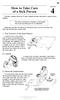 39 How to Take Care of a Sick Person Sickness weakens the body. To gain strength and get well quickly, special care is needed. Medicines are often not necessary. But good care is always important. The
HOW TO CARE FOR A PATIENT WITH DIABETES
 HOW TO CARE FOR A PATIENT WITH DIABETES INTRODUCTION Diabetes is one of the most common diseases in the United States, and diabetes is a disease that affects the way the body handles blood sugar. Approximately
MEDICAL HISTORY AND SCREENING FORM
 MEDICAL HISTORY AND SCREENING FORM The purpose of preventive exams is to screen for potential health problems and provide education to promote optimal health. It is best practice for chronic health problems
Inferior Vena Cava filter and removal
 Inferior Vena Cava filter and removal What is Inferior Vena Cava Filter Placement and Removal? An inferior vena cava filter placement procedure involves an interventional radiologist (a specialist doctor)
ANESTHESIA. Anesthesia for Ambulatory Surgery
 ANESTHESIA & YOU Anesthesia for Ambulatory Surgery T oday the majority of patients who undergo surgery or diagnostic tests do not need to stay overnight in the hospital. In most cases, you will be well
Laparoscopic Colectomy. What do I need to know about my laparoscopic colorectal surgery?
 Laparoscopic Colectomy What do I need to know about my laparoscopic colorectal surgery? Traditionally, colon & rectal surgery requires a large, abdominal and/or pelvic incision, which often requires a
Positron Emission Tomography - For Patients
 Positron Emission Tomography - For Patients A physician s written order is required for any PET-CT tests. How should I prepare for my PET-CT? PET-CT is more complicated than most other tests you may be
Exercise Principles and Guidelines for Persons with Cerebral Palsy and Neuromuscular Disorders
 Exercise Principles and Guidelines for Persons with Cerebral Palsy and Neuromuscular Disorders INTRODUCTION: Health and well being are the result of many factors: Physical activity is one of these factors.
What You Should Know About ASTHMA
 What You Should Know About ASTHMA 200 Hospital Drive Galax, VA 24333 (276) 236-8181 www.tcrh.org WHAT IS ASTHMA? It s a lung condition that makes breathing difficult. The cause of asthma is not known.
Dallas Neurosurgical and Spine Associates, P.A Patient Health History
 Dallas Neurosurgical and Spine Associates, P.A Patient Health History DOB: Date: Reason for your visit (Chief complaint): Past Medical History Please check corresponding box if you have ever had any of
Like cocaine, heroin is a drug that is illegal in some areas of the world. Heroin is highly addictive.
 Heroin Introduction Heroin is a powerful drug that affects the brain. People who use it can form a strong addiction. Addiction is when a drug user can t stop taking a drug, even when he or she wants to.
X-Plain Hip Replacement Surgery - Preventing Post Op Complications Reference Summary
 X-Plain Hip Replacement Surgery - Preventing Post Op Complications Reference Summary Introduction Severe arthritis in the hip can lead to severe pain and inability to walk. To relieve the pain and improve
POINCIANA INTERNAL MEDICINE PA. Patient Name: Social Security Number: Date of Birth: / / Sex: M/F (Circle One) Married/Single/Divorced/Widow Address:
 Patient Name: Social Security Number: Date of Birth: / / Sex: M/F (Circle One) Married/Single/Divorced/Widow Address: (Street) (City/State/Zip) Home Phone: ( ) E Mail Address: Would you be interested in
Emergency Room (ER) Visits: A Family Caregiver s Guide
 Family Caregiver Guide Emergency Room (ER) Visits: A Family Caregiver s Guide Your family member may someday have a medical emergency and need to go to a hospital Emergency Room (ER), which is also called
Sleeve Gastrectomy Surgery & Follow Up Care
 Sleeve Gastrectomy Surgery & Follow Up Care Sleeve Gastrectomy Restrictive surgical weight loss procedure Able to eat a smaller amount of food to feel satiety, less than 6 ounces at a meal Surgery The
DRUG INTERACTIONS: WHAT YOU SHOULD KNOW. Council on Family Health
 DRUG INTERACTIONS: WHAT YOU SHOULD KNOW Council on Family Health Drug Interactions There are more opportunities today than ever before to learn about your health and to take better care of yourself. It
Application For Admission To The Non-Surgical Spinal Decompression Program At The Spinal Decompression Center of Long Beach
 Application For Admission To The Non-Surgical Spinal Decompression Program At The Spinal Decompression Center of Long Beach If you are reading this form, you have qualified for a consultation with Dr.
MEDICATION GUIDE KOMBIGLYZE XR (kom-be-glyze X-R) (saxagliptin and metformin HCl extended-release) tablets
 MEDICATION GUIDE KOMBIGLYZE XR (kom-be-glyze X-R) (saxagliptin and metformin HCl extended-release) tablets Read this Medication Guide carefully before you start taking KOMBIGLYZE XR and each time you get
St. Louis Eye Care Specialists, LLC Andrew N. Blatt, MD
 St. Louis Eye Care Specialists, LLC Andrew N. Blatt, MD 675 Old Ballas Rd. Suite 220 St. Louis, MO 63141 Phone: 314-997-3937 Fax: 314997-3911 Toll Free: 866-869-3937 PEDIACTRIC CATARACT SURGERY A cataract
HEAT ILLNESS PREVENTION PLAN FOR SUTTER COUNTY SUPERINTENDENT OF SCHOOLS
 HEAT ILLNESS PREVENTION PLAN FOR SUTTER COUNTY SUPERINTENDENT OF SCHOOLS TABLE OF CONTENTS 1.0 Purpose... 1 2.0 Heat Illness Prevention... 2 2.1 Heat Stroke... 2 2.2 Heat Exhaustion... 2 2.3 Heat Cramps...
Fine jewelry is rarely reactive, but cheaper watches, bracelets, rings, earrings and necklaces often contain nickel.
 BEFORE SURGERY What should I do to prepare for my surgery? Arrange for a family member or friend to accompany you to the hospital on the day of your surgery. Cancel any dental appointments that fall within
What is whooping cough. (pertussis)? Information and Prevention. Ocument dn
 What is whooping cough Ocument dn (pertussis)? Information and Prevention IMPORTANT Pertussis (or whooping cough) is a highly contagious infection that can cause uncontrollable, violent coughing. If you
HUMULIN R REGULAR INSULIN HUMAN INJECTION, USP (rdna ORIGIN) 100 UNITS PER ML (U-100)
 1 PATIENT INFORMATION HUMULIN R REGULAR INSULIN HUMAN INJECTION, USP (rdna ORIGIN) 100 UNITS PER ML (U-100) WARNINGS Do not share your syringes with other people, even if the needle has been changed. You
SCRIPT NUMBER 122 VARICOSE VEINS - 2 (TWO SPEAKERS)
 SCRIPT NUMBER 122 VARICOSE VEINS - 2 (TWO SPEAKERS) PROGRAM NAME: HEALTH NUGGETS PROGRAM TITLE: VARICOSE VEINS - 2 PROGRAM NUMBER: 122 SUBJECT: SYMPTOMS, CAUSES, TREATMENT, PREVENTION OF VARICOSE VEINS
Section 400: Code # 453.4R
 Section 400: Code # 453.4R Administering Medication Conditions for Administering Prescription Drugs Except as otherwise specifically provided by law, a school bus driver, employee, or volunteer that has
FREQUENTLY ASKED QUESTIONS ABOUT PERTUSSIS (WHOOPING COUGH)
 FREQUENTLY ASKED QUESTIONS ABOUT PERTUSSIS (WHOOPING COUGH) What is pertussis? General Questions About Pertussis Pertussis, or whooping cough, is a contagious illness that is spread when an infected person
Work & Pregnancy Do Mix...
 Work & Pregnancy Do Mix... www.beststart.org PREGNANT AND WORKING Most women continue to work during their pregnancy, whether they work from home, or travel to a workplace. If you are pregnant or planning
treatment of varicose and spider veins patient information SAMPLE a publication by advancing vein care
 treatment of varicose and spider veins patient information a publication by advancing vein care Since most veins lie deep to the skin s surface, vein disorders are not always visible to the naked eye.
NEW PATIENT HISTORY QUESTIONNAIRE. Physician Initials Date PATIENT INFORMATION
 NEW PATIENT HISTORY QUESTIONNAIRE Physician Initials Date PATIENT INFORMATION JHH# DOB# AGE HOME PH CELL PH DAY PH EMAIL Who is your REFERRING PHYSICIAN? (The doctor who referred you to Johns Hopkins Neurology.)
Pain Management for Labour & Delivery
 Pain Management for Labour & Delivery Departments of Anesthesia, Obstetrics, and Obstetrical Nursing December 2008 This pamphlet has been prepared to provide you, members of your family, and others who
Blepharoplasty - Eyelid Surgery
 Blepharoplasty - Eyelid Surgery Introduction Eyelid surgery repairs sagging or drooping eyelids. The surgery is also known as blepharoplasty, or an eyelid lift. Sagging or drooping eyelids happen naturally
Electroconvulsive Therapy - ECT
 Electroconvulsive Therapy - ECT Introduction Electroconvulsive therapy, or ECT, is a safe and effective treatment that may reduce symptoms related to depression or mental illness. During ECT, certain parts
Seasonal Allergies. 1995-2012 The Patient Education Institute, Inc. www.x-plain.com im010101 Last reviewed: 05/30/2012 1
 Seasonal Allergies Introduction Seasonal allergies are allergies that develop during certain times of the year. Seasonal allergies are usually a response to pollen from trees, grasses, and weeds. Constant
What Medical Emergencies Should a Dental Office be Prepared to Handle?
 What Medical Emergencies Should a Dental Office be Prepared to Handle? Gary Cuttrell, DDS, JD, University of NM Division of Dental Services Santiago Macias, MD, First Choice Community Healthcare Dentists
1. Dosing Schedule: your customized schedule of your weekly injections as provided by the center.
 Home Immunotherapy Raza Pasha, MD Congratulations. You are now on the path to better control of your allergies. The following is your instruction guide to allow you to become more familiar with proper
The Family Library. Understanding Diabetes
 The Family Library Understanding Diabetes What is Diabetes? Diabetes is caused when the body has a problem in making or using insulin. Insulin is a hormone secreted by the pancreas and is needed for the
Plan early - get your vaccinations in time for full protection. To prepare for your trip, schedule an appointment: (910) 347-2154, option #2.
 The Onslow County Health Department Travel Clinic offers a complete line of immunizations and prescriptions to protect you while traveling abroad. The most appropriate immunizations and travel medications
Pulmonary Associates of Richmond
 Pulmonary Associates of Richmond Name: Address One: City: Home Phone#: Work Phone#: Cell Phone#: State: Zip: Sex: Social Security Number: Referring Doctor: of Birth: Employer: Primary Care Doctor: Employment
FIREFIGHTER RESPIRATOR MEDICAL EVALUATION QUESTIONNAIRE (MANDATORY)
 New Jersey Department of Health PEOSH Unit FIREFIGHTER RESPIRATOR MEDICAL EVALUATION QUESTIONNAIRE (MANDATORY) Page 1 of 11 Pages. New Jersey Department of Health PEOSH Unit FIREFIGHTER RESPIRATOR OSHA/PEOSH
BE SURE. BE SAFE. VACCINATE.
 DON T GET OR GIVE THE FLU THIS YEAR THANK YOU Vaccination is the only protection. www.immunisation.ie BE SURE. BE SAFE. VACCINATE. FLU VACCINE 2013-2014 Healthcare workers prevent the spread of flu and
Human Normal Immunoglobulin Solution for Intravenous Infusion.
 CONSUMER MEDICINE INFORMATION (CMI) OCTAGAM Human Normal Immunoglobulin Solution for Intravenous Infusion. OCTAGAM is available in single use bottles of 20 ml, 50 ml, 100 ml and 200 ml. OCTAGAM contains
Learn about Diabetes. Your Guide to Diabetes: Type 1 and Type 2. You can learn how to take care of your diabetes.
 Learn about Diabetes You can learn how to take care of your diabetes and prevent some of the serious problems diabetes can cause. The more you know, the better you can manage your diabetes. Share this
BROCKTON AREA MULTI-SERVICES, INC. MEDICAL PROCEDURE GUIDE. Date(s) Reviewed/Revised:
 Page 1 of 5 PROCEDURE FOR: MAP-certified staff and RN/LPN MAP-certified staff are to be trained in the use of epinephrine administration via pre-filled autoinjector devices(s) annually. Certified staff
Orthopaedic Spine Center. Anterior Cervical Discectomy and Fusion (ACDF) Normal Discs
 Orthopaedic Spine Center Graham Calvert MD James Woodall MD PhD Anterior Cervical Discectomy and Fusion (ACDF) Normal Discs The cervical spine consists of the bony vertebrae, discs, nerves and other structures.
Cardiac Rehabilitation
 Cardiac Rehabilitation Exercise and Education Program Always thinking. Always caring. Cardiac Rehabilitation Dear Patient: Cardiac rehabilitation is an important part of your recovery. Our progressive
Pregnancy and Substance Abuse
 Pregnancy and Substance Abuse Introduction When you are pregnant, you are not just "eating for two." You also breathe and drink for two, so it is important to carefully consider what you put into your
Heat Illnesses. Common Heat Rash Sites
 Heat Illnesses Introduction Heat illnesses happen when the body becomes too hot and cannot cool itself. There are several different types of heat-related illnesses. This includes heat cramps, heat exhaustion,
Informed Consent for Laparoscopic Vertical Sleeve Gastrectomy. Patient Name
 Informed Consent for Laparoscopic Vertical Sleeve Gastrectomy Patient Name Please read this form carefully and ask about anything you may not understand. I consent to have a laparoscopic Vertical Sleeve
EpiPen Review For Teachers/Staff CONCORD PUBLIC SCHOOLS CONCORD-CARLISLE REGIONAL SCHOOL DISTRICT
 EpiPen Review For Teachers/Staff CONCORD PUBLIC SCHOOLS CONCORD-CARLISLE REGIONAL SCHOOL DISTRICT Objectives: Recognize early signs of an allergic reaction State immediate and safe response Administer
Stepping toward a different treatment option LEARN WHAT ACTHAR CAN DO FOR YOU
 FOR MS RELAPSES Stepping toward a different treatment option LEARN WHAT ACTHAR CAN DO FOR YOU As a person with multiple sclerosis (MS), you know firsthand the profound impact MS relapses can have on your
SCRIPT NUMBER 82 SPRAINED ANKLE (TWO SPEAKERS)
 SCRIPT NUMBER 82 SPRAINED ANKLE (TWO SPEAKERS) PROGRAM NAME: HEALTH NUGGETS PROGRAM TITLE: SPRAINED ANKLE PROGRAM NUMBER: 82 SUBJECT: PATHOLOGY, CAUSES, DIAGNOSIS, TREATMENT, PREVENTION OF SPRAINED ANKLES
2 months Diptheria; Tetanus; Whooping Cough; Hib & Polio 1st dose Pneumococcal Conjugate Vaccination
 IMMUNISATIONS You may want to know if your child should have routine immunisations and whether there could be an increased risk of complications because of the heart condition. We have sought the opinions
Degree of Intervention
 Inglewood Care Centre Degree of Intervention Handbook for Residents and Families Index Introduction..................................................... 2 Beliefs, Values, and Wishes.........................................
American Osteopathic College of Occupational and Preventive Medicine 2014 Annual Meeting, Seattle, Washington
 Medical Emergencies on Commercial Airline Flights Presented to: AOCOPM By: Daniel K. Berry, DO, PhD Date: Credits and Disclosure Supported by grants from the National Institutes of Health (UL1 RR024153